The Niall Boylan Podcast (They Told Me To Shut Up)
1,000 episodes — Page 8 of 20
Ep 543#544 Border Back for Immigration Control?
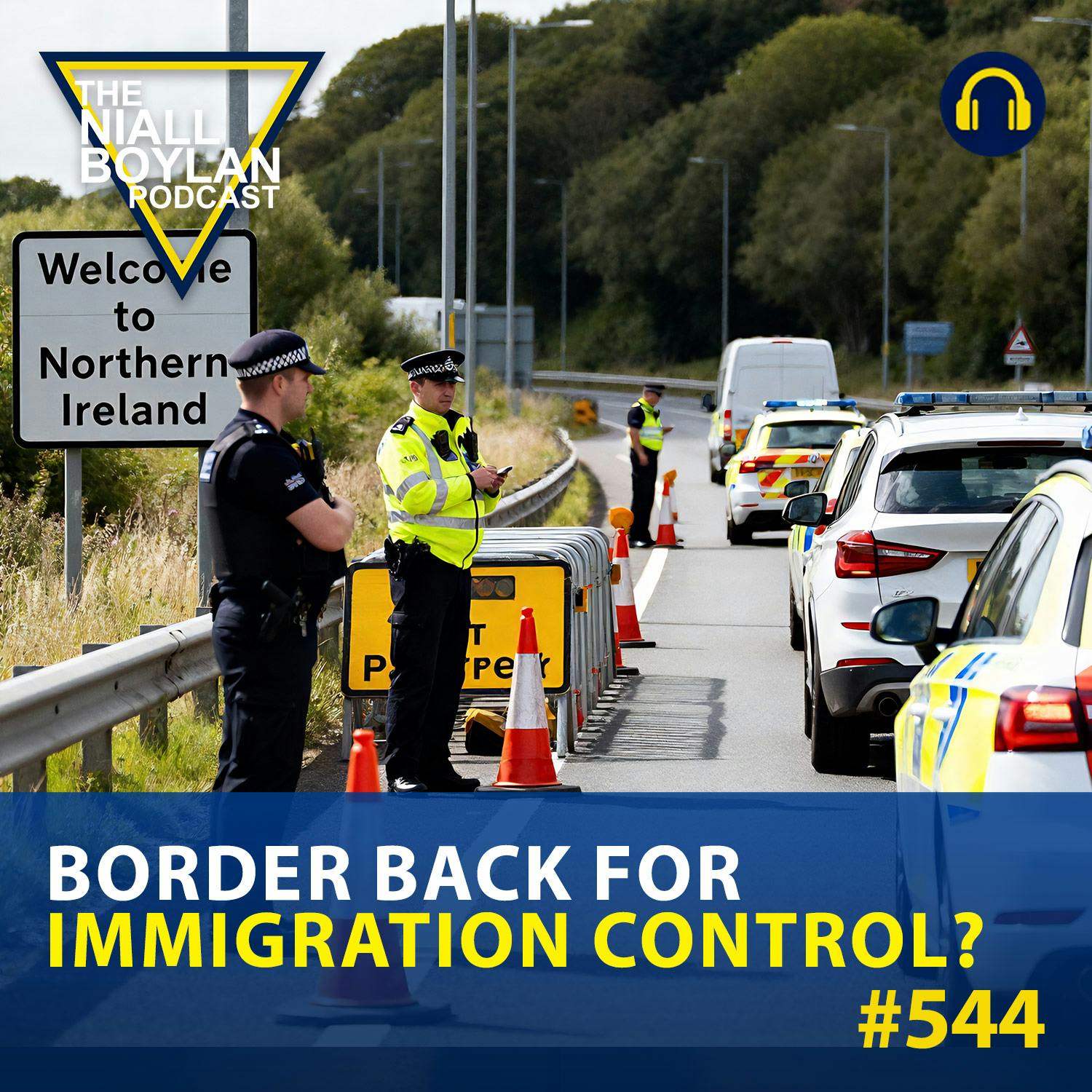
Host Niall talks to Paul Tryvaud opens the lines to listeners to debate a hot topic sparked by the EU’s new Entry/Exit System (EES), which went live on 12 October 2025 for 29 European countries. Migration and Home Affairs The system digitally records non-EU nationals’ entries and exits (passport data, facial image, fingerprints) to better detect overstays and identity fraud. Migration and Home AffairsBut there’s a catch: Ireland has so far chosen not to take part in full integration with the system. Niall asks: should Ireland reconsider? And more provocatively — could Ireland re-establish a border checkpoint with Northern Ireland to help enforce such controls?Short history of the borderThe border between what is now the Republic of Ireland and Northern Ireland was drawn after partition in 1921, creating a frontier dividing the six counties that remained in the UK from the 26 which became (later) the Republic.Through decades of conflict, that border was heavily policed, with checkpoints, customs posts, and strict controls during The Troubles.With the Good Friday Agreement (1998) and subsequent peace processes, many of those controls were dismantled or “softened,” and the border became largely invisible — allowing free movement of people, goods, and services.In practice, there is still a de facto border (e.g. regulatory and customs checks under the Northern Ireland Protocol), but not the old model of physical frontier posts.The last time there was a “hard border” with full checkpoints and infrastructure was before and during much of the 20th century, gradually phased out through the peace process.

Ep 542#543 Hire or Not? The Ex-Con Question
Coming up at 12pm, Niall is joined by Laura Perrins from Gript Media to unpack a hot political moment: Independent TD Catherine Connolly was asked whether she’d hire a former criminal for a role in Áras an Uachtaráin — but she refused to be drawn, saying only that she supports rehabilitation.That raises the big question: Would you give someone who’s served time for a serious crime a second chance — even in one of Ireland’s highest offices?Niall and Laura debate where the line should be drawn between forgiveness and accountability, and listeners call in with their views. Some say everyone deserves a fresh start once they’ve paid their debt to society — others argue that trust and responsibility must be earned, not handed out.Tune in for a fiery discussion on crime, redemption, and what rehabilitation really means in public life.

Ep 541#541 Pick a Gender, Any Gender!
In this week’s episode of Niall Talks, Niall sits down with psychotherapist and author Stella O’Malley — alongside live callers — to unpack one of the most talked-about new proposals coming from Brussels: the EU’s LGBTIQ+ Equality Strategy 2026–2030.The European Commission’s draft plan aims to reshape gender recognition laws across all 27 member states. Under the proposed framework, children could legally choose their gender at any age, without medical assessments, therapy, or parental consent — and countries that refuse to comply could face EU sanctions.Supporters say it’s a bold step forward for human rights and equality. Critics warn it could erode parental rights, undermine child safeguarding, and outlaw essential therapy.Together, Niall and Stella explore the social, psychological, and ethical implications of these sweeping changes — from what “self-identification” really means for children, to how far the EU should go in enforcing uniform gender policies across diverse nations.Listeners call in to share their own views, experiences, and fears — making for an honest, often emotional discussion on one of Europe’s most divisive new proposals.⚖️ The Pros and Cons of the Proposed LawPros:Equality and inclusion: Ensures all individuals — regardless of age — can express their gender identity freely, aligning with human rights principles.Removes medical gatekeeping: Ends the need for medical or psychological approval before legal recognition, supporting autonomy and reducing stigma.EU-wide consistency: Harmonizes gender recognition laws across member states, preventing discrimination based on geography.Human rights compliance: Reflects rulings from the European Court of Human Rights against forced medical procedures for gender changes.Cons:Parental rights concerns: Removes parents from critical decisions about their children’s identity and medical trajectory.Safeguarding risks: Bans on exploratory therapy may limit professionals’ ability to help children who are uncertain or distressed about their gender.Potential for regret: Without assessment or age thresholds, young people may make irreversible choices before full maturity.National sovereignty issues: Threats of EU sanctions could be seen as overreach into member states’ cultural and legal autonomy.Impact on women’s and sex-based rights: Critics argue self-ID without limits could affect privacy, safety, and fairness in female-only spaces and sports.
Ep 541#542 Do We Even Need a President?
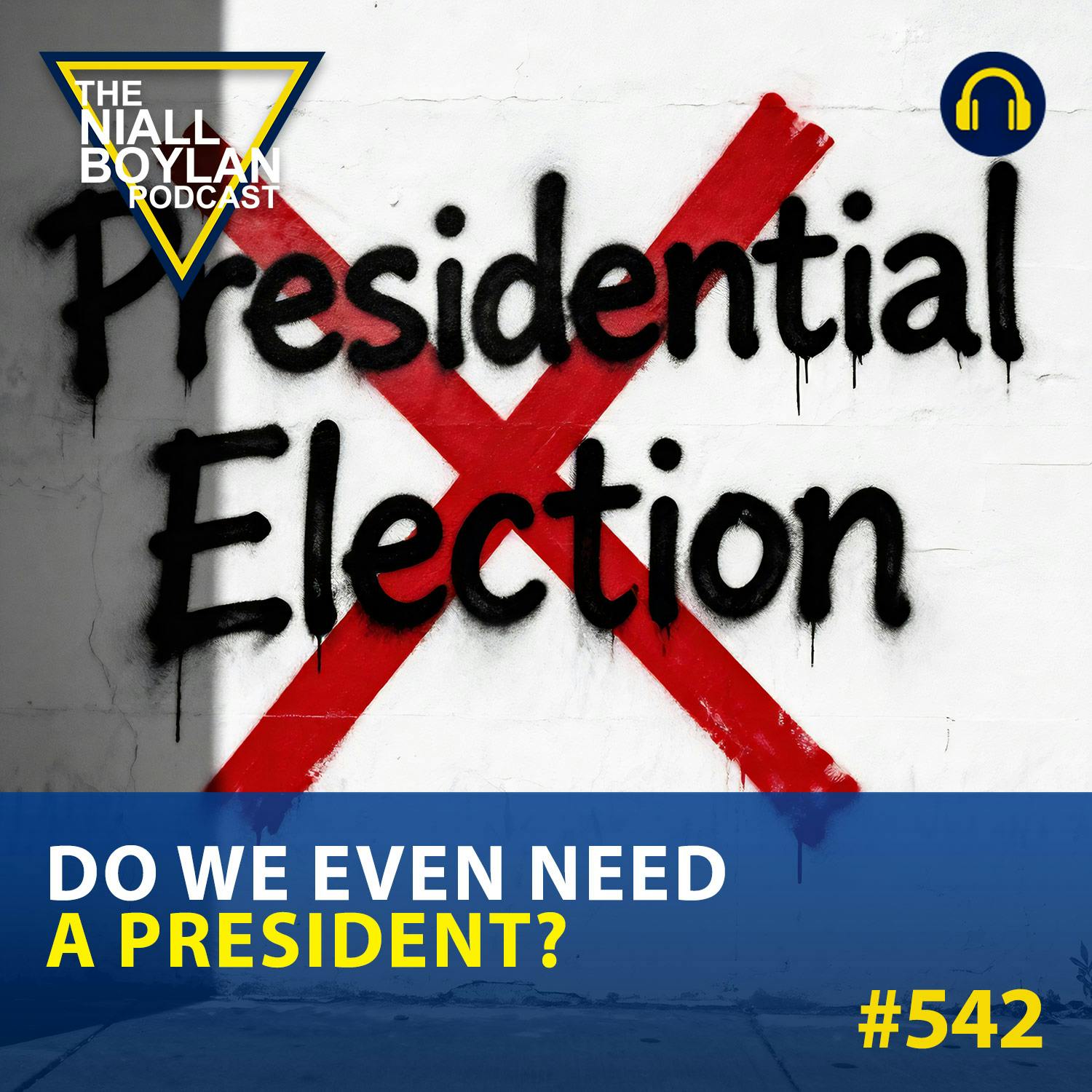
In this fiery and funny episode of Niall Talks, Niall sits down with Larissa Nolan, journalist with the Irish Mirror, to dig into her provocative new column: “Forget spoiling votes or re-running the election — let’s get rid of the role of president altogether.”As the country gears up for another expensive, drama-filled presidential race, Larissa argues it might be time to ask the unthinkable — do we even need a president at all?She says the office has become an outdated, €30 million vanity project — a “political deathmatch” every seven years for a ceremonial role that was originally created just to prove the Brits wrong. From its symbolic origins in the Vice-Regal Lodge to the endless parade of candidates fighting for a job with “all the glory and none of the responsibility,” Larissa isn’t holding back.Niall and Larissa debate what the presidency actually does for the people of Ireland — if anything — and whether it’s time to scrap the whole thing and spend that money elsewhere.After the chat, Niall opens the lines to callers for a lively national conversation:👉 Should Ireland keep the role of President?👉 Is it a vital symbol of unity — or just an expensive relic?👉 And if we got rid of it… what would we replace it with?Expect sharp opinions, big laughs, and maybe a few constitutional headaches.
Ep 540#540 Blue Lights and Ballyfermot Nights
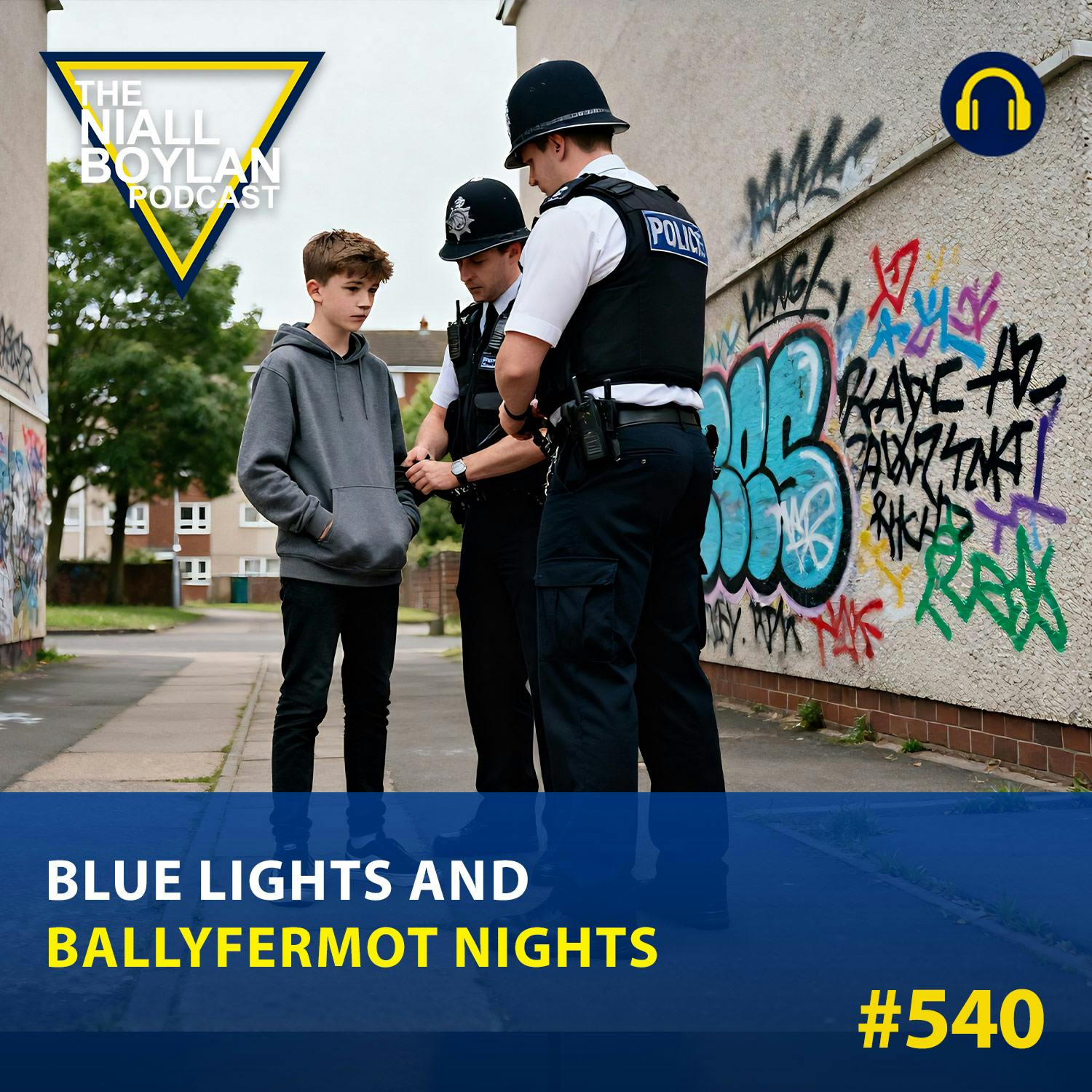
In this episode, Niall talks to Sarah Ryan and a range of callers about an emotional email from Ann, a single mother in Ballyfermot, who says her 15-year-old son keeps getting stopped by the Gardaí when he’s just out with his friends.She believes it’s not about what they’re doing — but where they’re from. Ann says if her son lived in Blackrock or Malahide, it wouldn’t happen.So today we’re asking — is it fair for Gardaí to stop and question teenagers in areas with higher levels of anti-social behaviour?Is this smart policing, or unfair profiling?And if Gardaí are profiling, is that ever justified in the name of public safety?Join the conversation as Niall, Sarah, and listeners across Ireland debate one of the country’s most sensitive community issues — trust, class, and policing.

Ep 539#539 The Courtroom, the Bank, and the Family Home
In this episode, Niall talks to property expert Karl Deeter about the controversy surrounding presidential candidate Catherine Connolly, who admits she did represent banks in court — but won’t say whether that included home repossession cases.Niall asks: why are people so shocked at the idea of a barrister representing a bank? Is it just part of the legal system — or is it morally questionable when families are losing their homes?And the bigger question — should a family home ever be repossessed, even if they can’t pay the mortgage?Are repossessions a harsh necessity in a functioning economy… or a failure of compassion in Irish society?Join Niall and Karl for a frank, fiery conversation about money, morality, and the meaning of home.
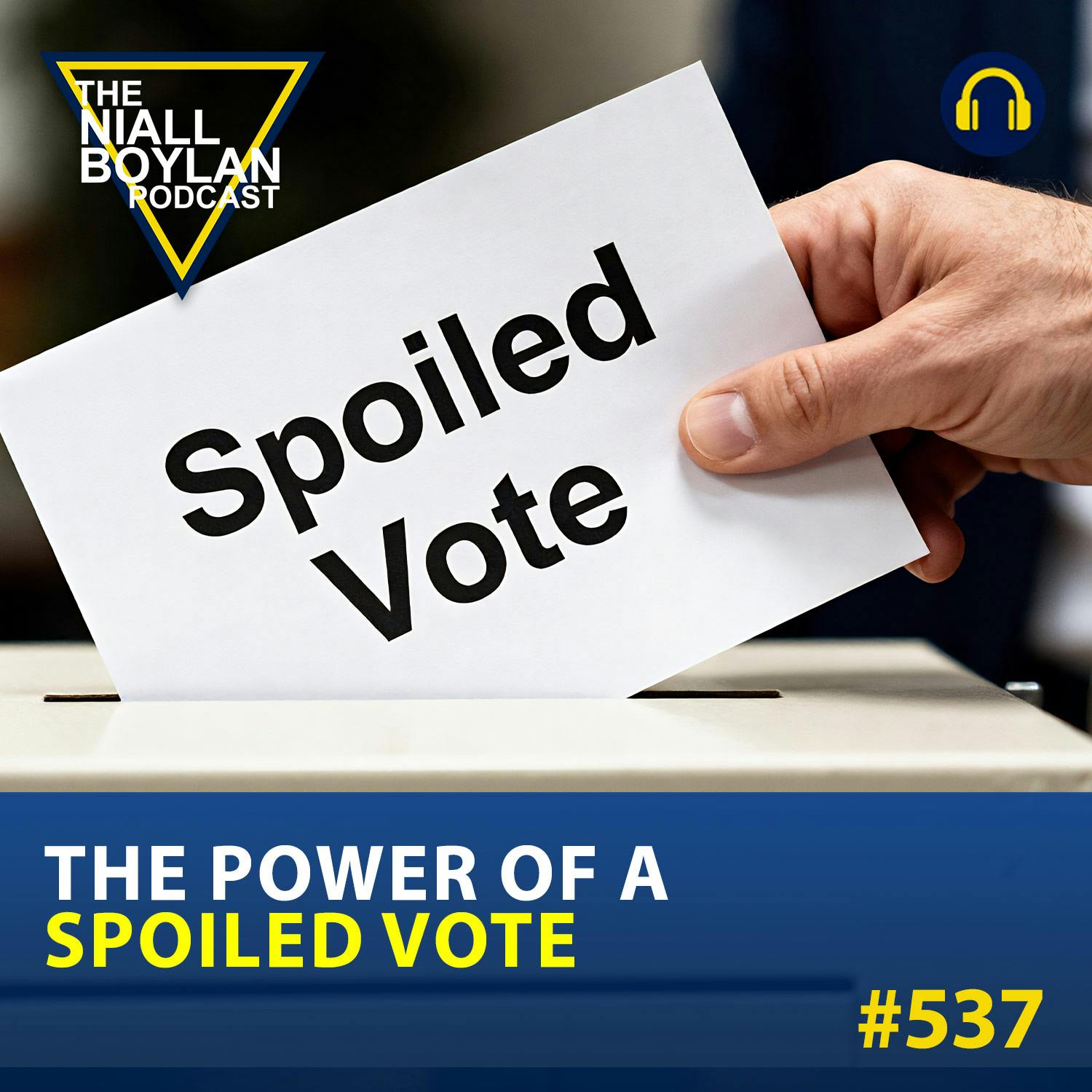
Ep 534#537 The Power of a Spoiled Vote
In this episode, Niall sits down with former presidential election candidate Nick Delahaunty to tackle a provocative question:Is spoiling your vote a betrayal of democracy — or its purest expression?As Independent Ireland claims that a spoiled vote is “undemocratic,” Niall and Nick explore whether choosing not to vote or spoiling your ballot might actually be the most honest reflection of political dissatisfaction today.The conversation continues in the shadow of a disappointing budget, as listeners call in to share their frustrations about a political system many see as stagnant and broken. Some callers argue that “voting changes nothing,” while others insist that “change starts when people show up.” One passionate listener even suggests a national campaign to “spoil together” — a symbolic protest against the status quo.Join us for a candid, fiery, and sometimes uncomfortable debate about what democracy really means in 2025 — and whether the people still have the power to change it.

Ep 535#538 Time’s Up For The Young Dole Generation
In this fiery episode, Niall is joined by Pauly Tryvaud — social commentator, chef, and outspoken restaurant owner — for a no-holds-barred discussion about youth unemployment, government responsibility, and personal accountability.Before diving in, Pauly can’t resist unleashing a passionate rant about the latest budget, calling out what he sees as waste, hypocrisy, and a government “totally out of touch with real people.”Then, the conversation heats up as Niall and Pauly tackle a controversial new policy from the UK — where the government plans to guarantee jobs for anyone aged 18–25 unemployed for 18 months or more. In return, those who refuse work will lose their benefits.Is this a smart way to get young people working again — or a dangerous step that punishes the vulnerable? Should Ireland take the same approach?Listeners call in with strong opinions: one argues that “work builds character and confidence,” another says “forcing people into low-paid jobs isn’t a solution,” and one young caller admits, “there’s nothing out there worth taking.”Expect heated words, sharp insights, and a few laughs — because when Pauly’s on the mic, nothing is off the table.
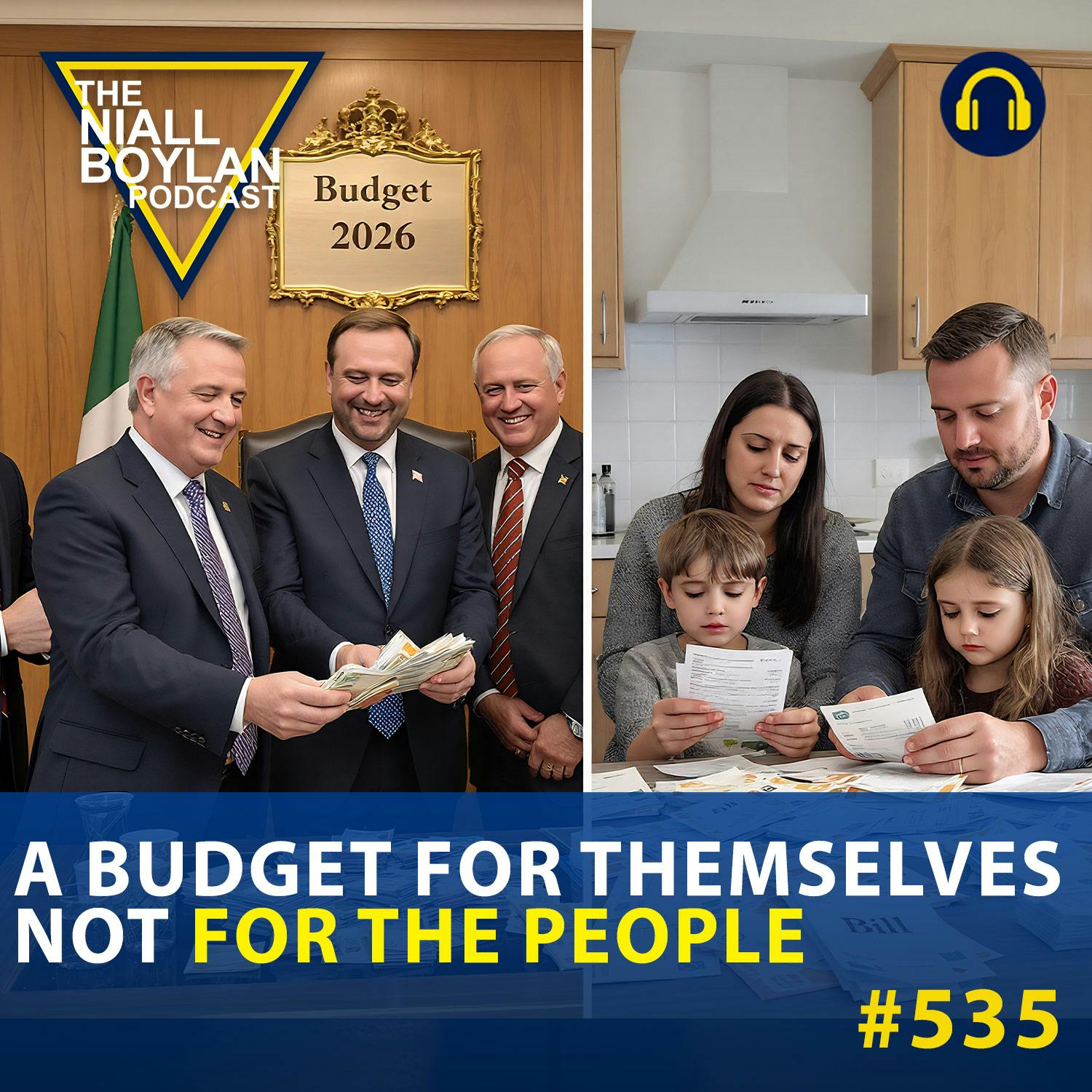
Ep 533#535 A Budget for Themselves, Not For the People
In today’s episode, Niall dives into the newly announced national budget — and it’s safe to say, not everyone’s impressed. Listeners call in to share their frustrations about a government that seems out of touch with the financial pressures faced by ordinary families.Joining the conversation is Peadar Tóibín, leader of Aontú, who argues that the budget fails to tackle the cost-of-living crisis, with no widening of tax bands, no meaningful tax reductions, and minimal welfare increases that won’t ease the squeeze on struggling households.Together, Niall, Peadar, and the callers explore a growing sense that the political system has gone stagnant, that real change feels impossible, and that the gap between government and the average citizen has never felt wider.Tune in for a frank, passionate, and thought-provoking discussion on where Ireland’s priorities really lie — and what it would take to build a fairer future for working families.
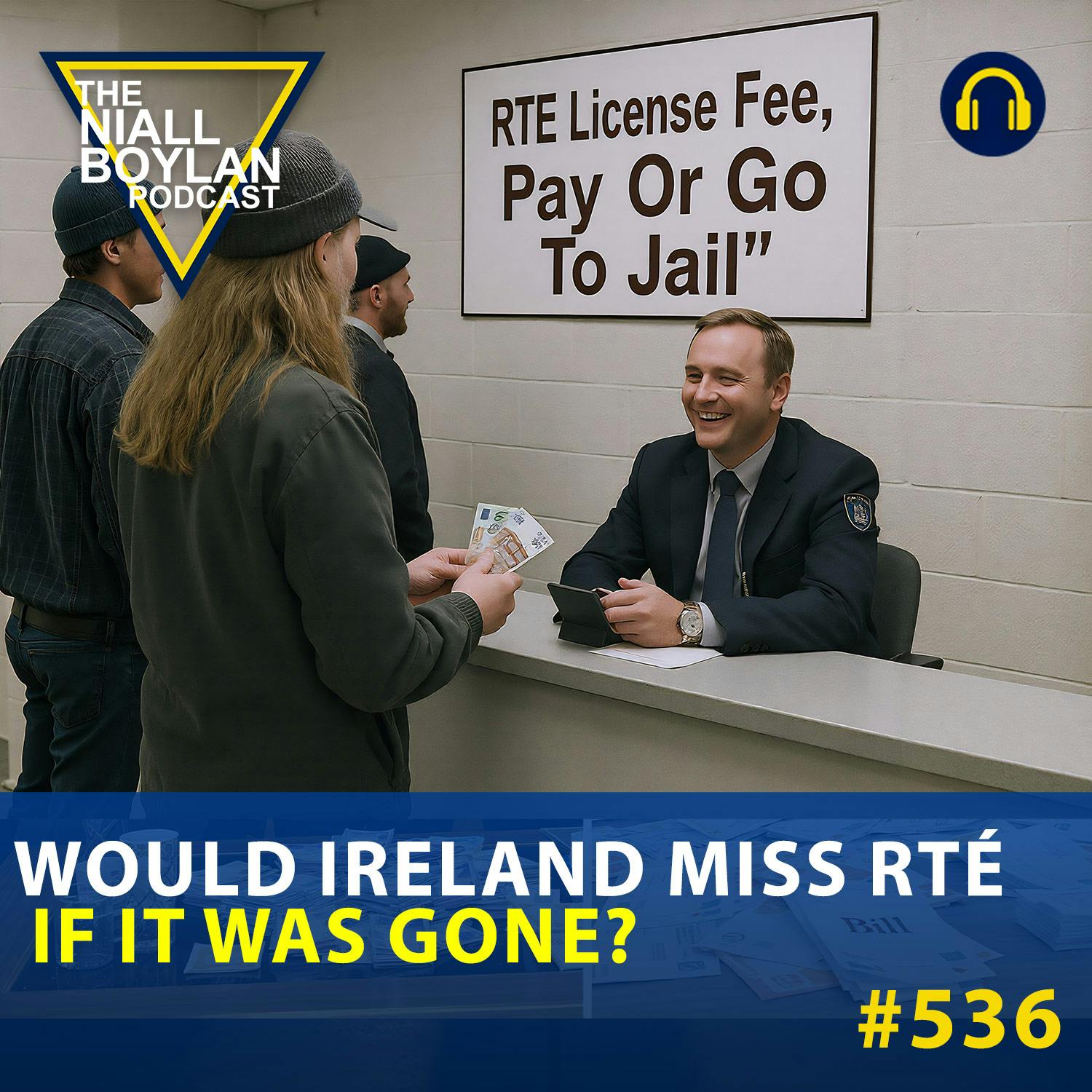
Ep 533#536 Would Ireland Miss RTÉ If It Was Gone?
On today’s episode, Niall is joined by Jason Osborn from Gript Media to tackle one of Ireland’s most debated topics — the TV licence fee. With countries like Australia, France, Denmark, and Finland scrapping theirs altogether, is it finally time for Ireland to do the same?As households already fork out for Sky, Netflix, Disney+, and other subscriptions, many are asking why we’re still paying for a licence that feels increasingly outdated and unfair. But what would scrapping it mean for RTE, for independent journalism, and for public service broadcasting as a whole?Niall and Jason dig into both sides of the debate — from the need for reform and accountability to the risk of losing quality Irish programming. Is the licence fee a relic of the past, or a vital tool for preserving national media?Tune in for a lively, no-holds-barred discussion on media, money, and the future of broadcasting in Ireland.

Ep 532#534 Right to Protest or Right to Block Roads
Today with Niall — Tensions flare in Dublin as pro-Palestine protestors are arrested for attempting to block the Port Tunnel — for the second time since Friday. The Gardaí moved in quickly, but the debate is far from over.In this episode, Niall opens the lines to listeners to tackle a thorny question: do protestors have the right to block major routes in the name of their cause?Some callers defend it as a powerful act of civil disobedience; others say it’s reckless, disruptive, and unfair to ordinary commuters just trying to get to work. Niall keeps the debate lively, asking: where’s the line between the right to protest and the right to public order?Expect passionate voices, sharp exchanges, and a few surprises as Ireland wrestles with the balance between free speech and free movement.

Ep 531#533 The Presidential Fiasco & Jim Gavin’s Great Escape
Today Niall ytalk In this explosive episode, Niall dives into the political storm shaking Ireland as Jim Gavin dramatically withdraws from the 2025 Presidential Election. Joining him is John McGuirk from Gript Media, offering sharp analysis on what’s being called the biggest fiasco in modern Irish politics.They unpack how Micheál Martin’s handpicked candidate has walked away, leaving the Taoiseach’s leadership hanging by a thread. Has Martin’s judgment finally caught up with him? And what does Gavin’s withdrawal mean for the credibility of Fianna Fáil and the wider government?With the race now narrowed to just Heather Humphreys and Catherine Connolly, Niall opens the lines to listeners to find out where the public mood really lies. Who will capture the nation’s trust — the establishment favourite or the independent voice of dissent?Expect fiery opinions, insider insights, and plenty of calls that might surprise you.🎧 Tune in for politics at its rawest — passion, fallout, and a country trying to make sense of a presidential race gone off the rails.

Ep 530#531 College Education:Right or Costly Privilege?
But making college free—or even significantly reducing fees—comes with trade-offs. In this conversation, Karl and Niall weigh the advantages and disadvantages:What you’ll hear in this episode:✅ Potential benefits of free college:Increased access: Reducing financial barriers could open higher education to students from lower-income backgrounds who might otherwise be deterred.Social equity: Education becomes a more equalizer, rather than privileging those who can afford it.Long-term economic payoff: A better-educated workforce could boost innovation, productivity, and competitiveness.Reduced debt burden: Students graduate with less financial stress, potentially enabling them to make bolder career or entrepreneurial moves.Fiscal burden: The question of who picks up the tab—government, taxpayers, or alternative funding—becomes critical.Resource strain: Universities might face funding pressures, larger class sizes, or cuts in quality unless state investment increases substantially.Opportunity cost: Money diverted to subsidizing free tuition might come at the expense of other public services (health, infrastructure, etc.).Moral hazard: If education is “free,” there might be less incentive for cost-efficiency or accountability in universities.🔍 Political and pragmatic hurdles:Timing and phasing: Harris’ plan is to “phase out” fees over time, not to abolish them instantly. IndependentBudget pressures: Earlier this year, the government scrapped a temporary fee subsidy of €1,000, and Simon Harris defended not making a permanent fee cut amid budget constraints. Credibility gap: Critics argue that talk of “phasing out” may be politically convenient rhetoric without guaranteed follow-through. The Labour PartyImplementation realities: Who qualifies, how to deal with international students, funding models, and transition mechanisms all complicate the picture.Join Niall and Karl as they challenge assumptions, bring in economic realities, hear real-world analogues, and probe whether a “free college” future in Ireland is idealistic wish or viable policy.Tune in for a thoughtful, rigorous conversation that doesn’t shy away from the hard questions.
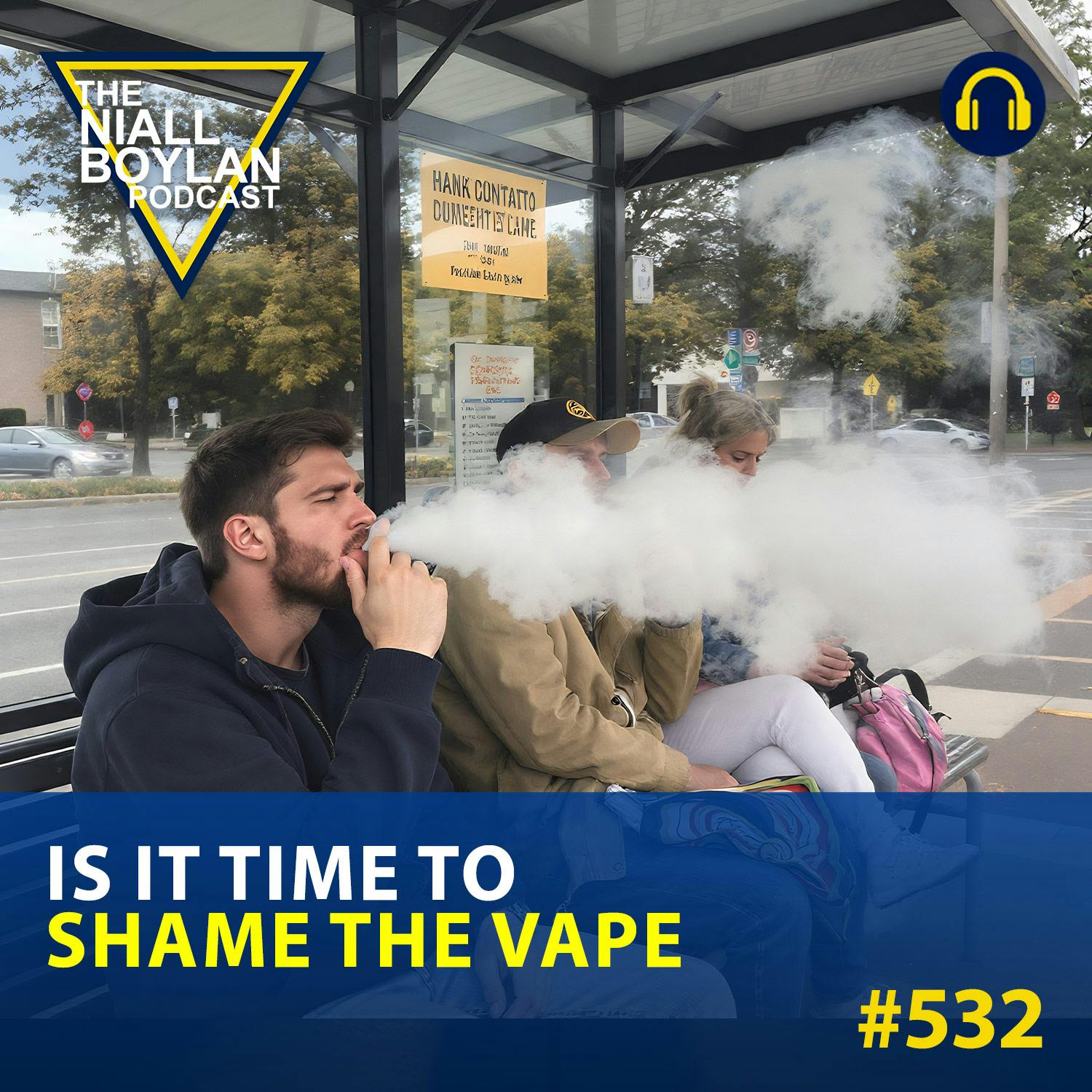
Ep 530#532 Time To Shame The Vape
In this episode, Niall opens the phone lines and asks a hot-button question: should vaping be treated the same as smoking — with the same stigma and the same strict laws?With vaping now seen as “cool” among younger people, it has quickly become a public health and social issue. Unlike cigarettes, many vapers have no hesitation using e-cigs in public spaces, restaurants, or even indoors — as if it’s somehow more acceptable. But is that really the case? Should we apply the same restrictions and cultural shame to vaping as we do to smoking, or is there a meaningful difference?Listeners call in with strong opinions on both sides:✅ Callers in favour of stricter laws and stigma:Point out that vaping normalises nicotine addiction among teenagers.Argue that public vaping makes it harder to quit and unfair to others.Worry that the “harmless” image of vaping echoes the early days of cigarette marketing.⚠️ Callers defending vaping as different from smoking:Note that e-cigs don’t produce the same dangerous second-hand smoke.Argue that vaping is a proven tool for quitting cigarettes.Believe it’s an overreach to ban vaping in the same way when risks are not identical.From public health concerns to questions of personal freedom, this episode dives deep into how society should view vaping — and whether the time has come for it to carry the same social stigma and strict laws as smoking.
Ep 529#529 Ireland’s Assisted Dying Debate
In this episode, host Niall sits down with Niamh Uí Bhriain (Gript Media) for a deep-dive on where Ireland currently stands in the fight over euthanasia and assisted dying — and exactly why Niamh strongly opposes legislative change in this area.We begin by mapping out the legal backdrop: under Irish law both euthanasia and assisted suicide remain illegal, and aiding or abetting a person’s death is punishable under the Criminal Law (Suicide) Act 1993. hospicefoundation.ie While passive withdrawal of treatment is permitted in limited cases, any active assistance to end life remains criminal. Next, Niamh and Niall unpack the evolving legislative landscape. A Private Member’s Bill, the Dying with Dignity Bill 2020, was introduced to the Dáil by Gino Kenny. It passed a second reading and was referred for scrutiny by the Joint Committee on Justice, but the Committee flagged serious drafting flaws and potential unintended consequences. In 2023, a Special Oireachtas Committee on Assisted Dying was established to explore the policy, legal, constitutional, and ethical dimensions of reform. In March 2024, that Committee published its reports: the majority report recommended limited legalization (for adults with incurable illness, within strict safeguards), while a minority report opposed any change and instead advocated strengthening palliative care. Most recently, in October 2024 the Dáil voted (76 to 53) to “take note” of the Committee’s final report — a symbolic move acknowledging the issue, though not legally binding, but indicating increased support among legislators. The next steps toward actual legislation remain uncertain, especially with upcoming elections and political priorities shifting.During the conversation, Niamh lays out her objections: concerns about constitutional protections of life, risk to vulnerable people, slippery-slope effects, and the adequacy of safeguards. Niall then opens the phone lines, inviting callers to weigh in: Would you support a right to die with dignity? He explores both sides:In favour: autonomy over one’s death, relief from intolerable suffering, dignity, compassion for terminal patientsAgainst: potential coercion, misuse, undermining palliative care, risking lives of disabled or elderly, moral objectionsWhether you’re curious about the precise legal status in Ireland or seeking to hear real voices from the public, this episode offers a robust and respectful discussion on one of the most sensitive ethical debates facing Ireland today.

Ep 529#530 Spoiled Ballots, Empty Booths
In this episode, host Niall speaks with Nick Delehanty, independent candidate and small-businessman, about his bid for the presidency: the hurdles, the strategy, and where he currently stands.Nick shares his journey — from his runs in last year’s local and general elections, to attempting to secure the support of six to ten county councils as proposers and seconders in his quest to get on the ballot. He acknowledges the difficulty: having proposers and seconders doesn’t guarantee nomination, and the crux is convincing council members to formally back him. The Irish Times Niall and Nick also discuss the wider mood among voters: many are openly saying they will spoil their ballot or abstain entirely in this election, citing disillusionment with politics, lack of trust in candidates, or feeling that none represent them.One provocative question anchors the second half: Should non-voting be penalised? Niall opens the lines for callers to voice their views — should citizens be fined or sanctioned for not voting? They explore arguments:Pros of fining non-voters:Encourages civic participation and higher turnoutReinforces the idea that voting is a duty, not just a rightPrevents apathy from distorting mandatesCons / criticisms:It punishes people for political disengagement rather than addressing root causesSome may abstain or spoil deliberately as a protest — penalising them undermines their voiceEnforcement could be complex and unfair (who pays? ability to pay?)It risks coercion or alienating voters furtherListeners are invited to call in and share their stances: Are you fed up with the choices and plan to spoil your vote? Or do you believe voting should be mandatory and enforced?Whether you want to understand how someone outside the party system tries for a presidential run — or whether democracy should compel participation — this episode offers a candid, even controversial, conversation.

Ep 527#527 Are We Failing Kids With Soft Discipline?
In this episode, Niall is joined by Laura Perrins from Gript Media to dive into one of the most debated parenting topics: discipline. The conversation started after Laura posted on X, “Smarter parents know what is better parenting, usually. Smart parents don't usually hit or shout at their children which does impact personality later on.”Niall and Laura unpack whether shouting really leaves a lasting mark on children’s lives, or if society has gone too soft—removing consequences for bad behaviour. Together, they explore the balance between guidance, discipline, and resilience in parenting today.Listeners also join the conversation, sharing their own experiences and opinions:One caller argues that shouting can be as damaging as hitting, creating anxiety and resentment in children.Another believes that without firm discipline—including raising your voice when needed—kids grow up without boundaries or respect for authority.Others suggest alternative approaches, like consistent consequences, positive reinforcement, or time-outs, as healthier tools for shaping behaviour.This lively and sometimes controversial discussion asks: what really works when raising children, and are we setting kids up for success—or failure—through the way we discipline?

Ep 528#528 Homeschool:Liberal Shield or Setback?
In this episode, Niall sparks a heated conversation after mentioning he knows parents who chose to homeschool their three young children. Their reason? As Christian parents, they don’t want their kids’ heads “filled with liberal nonsense.”To unpack this divisive issue, Niall is joined by Elaine Mullaly, alongside educators and a host of callers. The discussion covers the pros and cons of homeschooling:Supporters argue that homeschooling allows parents to protect their children’s values, tailor education to their needs, and avoid ideological agendas in schools.Critics counter that children may miss out on vital socialisation, teamwork, and the wider perspectives they’d gain in a classroom environment.Educators weigh in on whether homeschooling equips children with the academic and social skills they’ll need later in life.With strong opinions on both sides, the episode explores a central question: does homeschooling safeguard children’s future—or hold them back?

Ep 525#525 EU Digital ID: Efficiency or Control?
In this episode, host Niall sits down with John McGuirk from Gript Media to unpack the growing debate around the EU’s push to introduce a digital ID by the end of 2026. While some countries, like Germany, have already committed to rolling it out, others remain divided. Switzerland only narrowly approved the measure in a recent referendum, and in the UK, resistance is strong, with many questioning whether such an ID system is necessary or safe.Niall and John explore the core arguments on both sides of the debate.Supporters argue that a digital ID could streamline access to services, reduce fraud, and make life easier in an increasingly digital society.Opponents raise concerns about data protection, privacy, and government overreach, insisting that authorities already hold too much personal information and that centralising it could be risky.As always, Niall opens the phone lines to hear directly from listeners. Callers weigh in with passionate perspectives — some viewing the digital ID as a natural step forward in a modern world, others warning that it could erode personal freedoms and set a dangerous precedent.This lively conversation examines not just the policy, but the wider cultural and political resistance to digital identity in Europe and the UK, asking: Is this progress, or is it a step too far?
Ep 526#526 Schools Without Phones – Better Learning?
Host Niall is joined by schoolteacher Eric Nelligan to debate whether children should have mobile phones in school. The conversation focuses on Northern Ireland’s new pilot scheme, launched by Education Minister Paul Givan, which requires pupils in nine schools to lock their phones away during the day as part of a wider push to keep devices off school grounds.Niall and Eric weigh the pros and cons: supporters say banning phones boosts focus, mental health, and social interaction, while critics argue it limits learning tools, creates enforcement issues, and undermines student responsibility. Callers add their own perspectives, from parents who welcome the change to students and teachers who see potential downsides.

Ep 523#523 Do We Still Need Compulsory Irish?
The number of secondary students given exemptions from studying Irish has reached a new record high of 60,946, according to the latest figures from the Department of Education and Youth.The figures show the number of exemptions from studying Irish has almost doubled in the past seven years, leading to fears among some that Irish is losing its compulsory status in schools.The latest figures from the Department of Education and Youth show that in the 2024/25 academic year, 60,946 children, or 14.3 per cent of the post-primary school population, had an exemption from studying Irish even though it is a compulsory school subject.This is the equivalent of one in seven secondary school children currently having special permission to excuse them from studying IrishCurrently, a school principal can decide to grant an exemption if a student meets the necessary criteria laid down by the Department of Education and Youth.The conditions usually apply to children who have special educational needs or are new arrivals coming to Ireland from abroad.There is no doubt there are more coming from abroad and no doubt many students have genuine learning difficulties but there is also no doubt many are faking it to be exempt from Irish to collage course exemption because they just struggle with the language. Is it time we stopped making Irish an compulsory language as it’s not necessary for life?
Ep 524#524 Families Freezing to Save Money
Today on the show, Niall talks to Daragh Cassidy from Bonkers.ie about Ireland’s soaring energy costs. SSE Airtricity has just announced a 9.5% hike in its standard electricity prices from next month, adding around €150 a year to the average bill. This is the company’s second increase in 2024, after April’s rises of 10.5% for electricity and 8.4% for gas.Irish consumers are already paying some of the highest energy prices in Europe. Eurostat figures show household electricity costs in Ireland are almost 30% above the EU average—with the average annual bill now around €1,800, roughly €350 more than the EU average household. While Electric Ireland has surprised customers with a 4% cut in gas prices starting November, the relief only amounts to about €58 a year—a drop in the ocean for many struggling households.Niall also opens the phone lines to hear directly from listeners. One woman told us she went all last winter without turning on the heating, relying on long hours at work to stay warm because she couldn’t afford both food for her two children and a gas bill. Even the standing charge alone is pushing families on low incomes to the brink.With so many people feeling the pressure, Niall asks the big question:👉 “Are you afraid to turn the heating on because it costs too much?”
Ep 521#521 Would a Curfew Make Dublin Safer?
On today’s show, Niall sits down with Laura Perrins from Gript Media to debate whether curfews could help tackle rising violence and anti-social behaviour in Dublin city centre. With recent knife attacks involving teenagers and growing public concern, Niall asks: could curfews for under-18s really make the streets safer, or would they unfairly punish young people?Laura shares her perspective on the challenges facing communities and whether curfews have worked elsewhere. After the interview, Niall opens the phone lines to hear from listeners. Callers give their own views—some supporting stricter measures to restore safety, others warning that curfews may not solve the deeper issues at play.It’s a lively, thought-provoking discussion about law, order, and how best to protect both young people and the wider public.
Ep 522#522 I Won’t Raise Kids Among council Wasters!
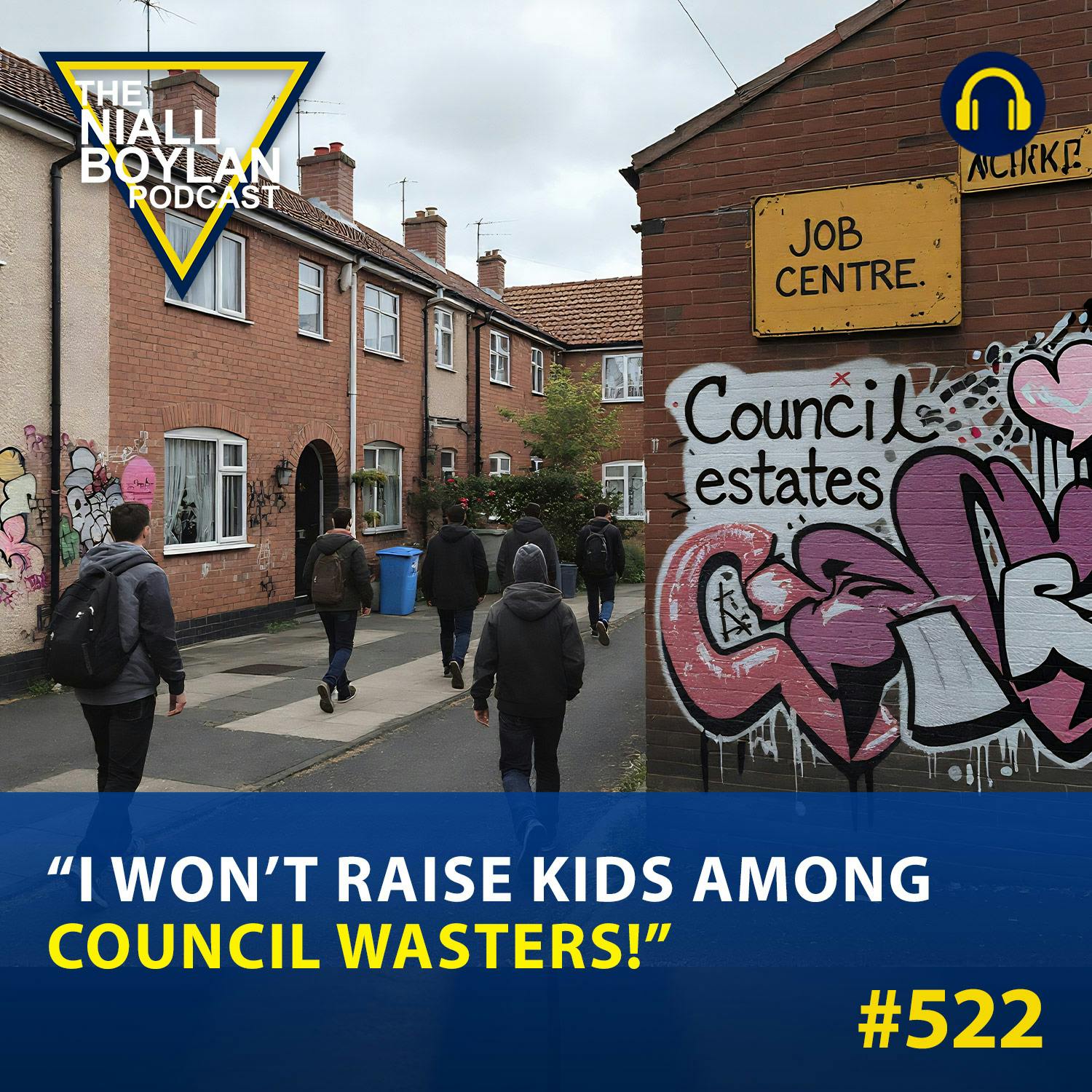
On today’s show, Niall tackles a heated email from a listener caught in a housing dilemma. Her fiancé wants to buy a house near his family in a north Dublin council estate. She says she doesn’t want to raise children in what she describes as an area full of wasters and antisocial behaviour. But the house is within their budget, and moving outside Dublin may be their only other option.She admits she’d rather wait than settle there—yet her fiancé is furious, accusing her of being a snob. So who’s right? Is she being realistic about wanting the best environment for her future kids, or unfairly judging a community?Niall opens the lines to listeners and callers to get their take. Should love mean compromise on where you live, or is this a dealbreaker in disguise?
Ep 519#519 School or Home: The Sex Ed Debate
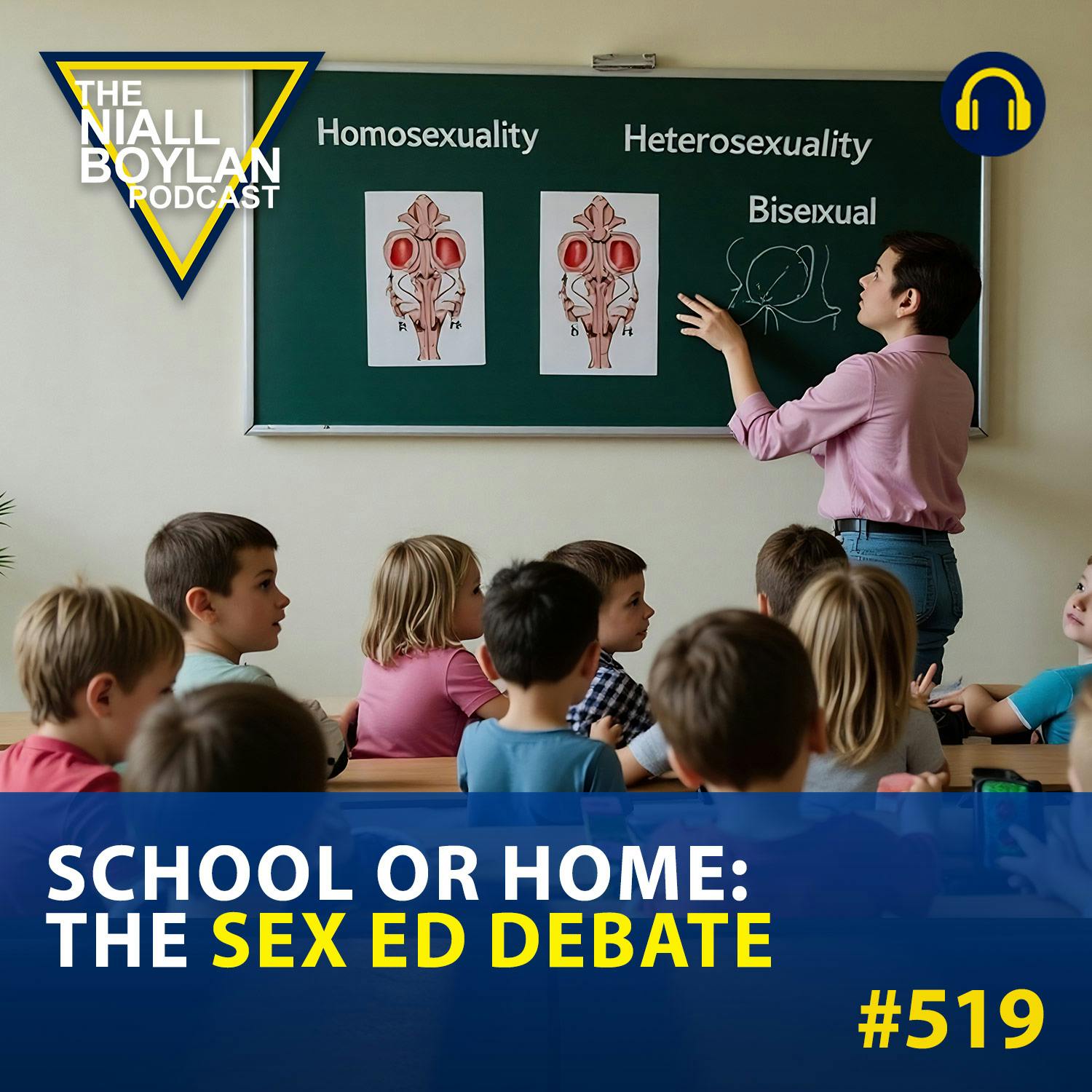
In this fiery episode, host Niall sits down with outspoken journalist Ian O’Doherty to ask a question at the heart of a growing national debate: “Whose job is it to teach primary school children about sex and sexual orientation — parents, or the state?”The conversation is sparked by the government’s newly revised primary school curriculum, which for the first time introduces lessons on sexual orientation and earlier discussions of puberty. Education Minister Helen McEntee insists the changes are age-appropriate and necessary for respect and understanding. But many parents are pushing back, saying this is a line the state should never cross.As Niall and Ian dive into the issue, the phone lines light up — and the callers don’t hold back. Some argue schools should teach only the basics of biology, leaving sensitive conversations about sexuality to families. Others say parents can’t always be relied upon to cover these topics responsibly, and schools have a duty to ensure every child receives the same level of information and respect. A few listeners even suggest a middle ground: that schools provide neutral information, while parents handle the “values” side of the conversation.Expect sharp exchanges, passionate opinions, and more than a little mayhem as Niall steers through the storm of perspectives.
Ep 520#520 Minimum Wage Increase: Workers Win, Businesses Lose?
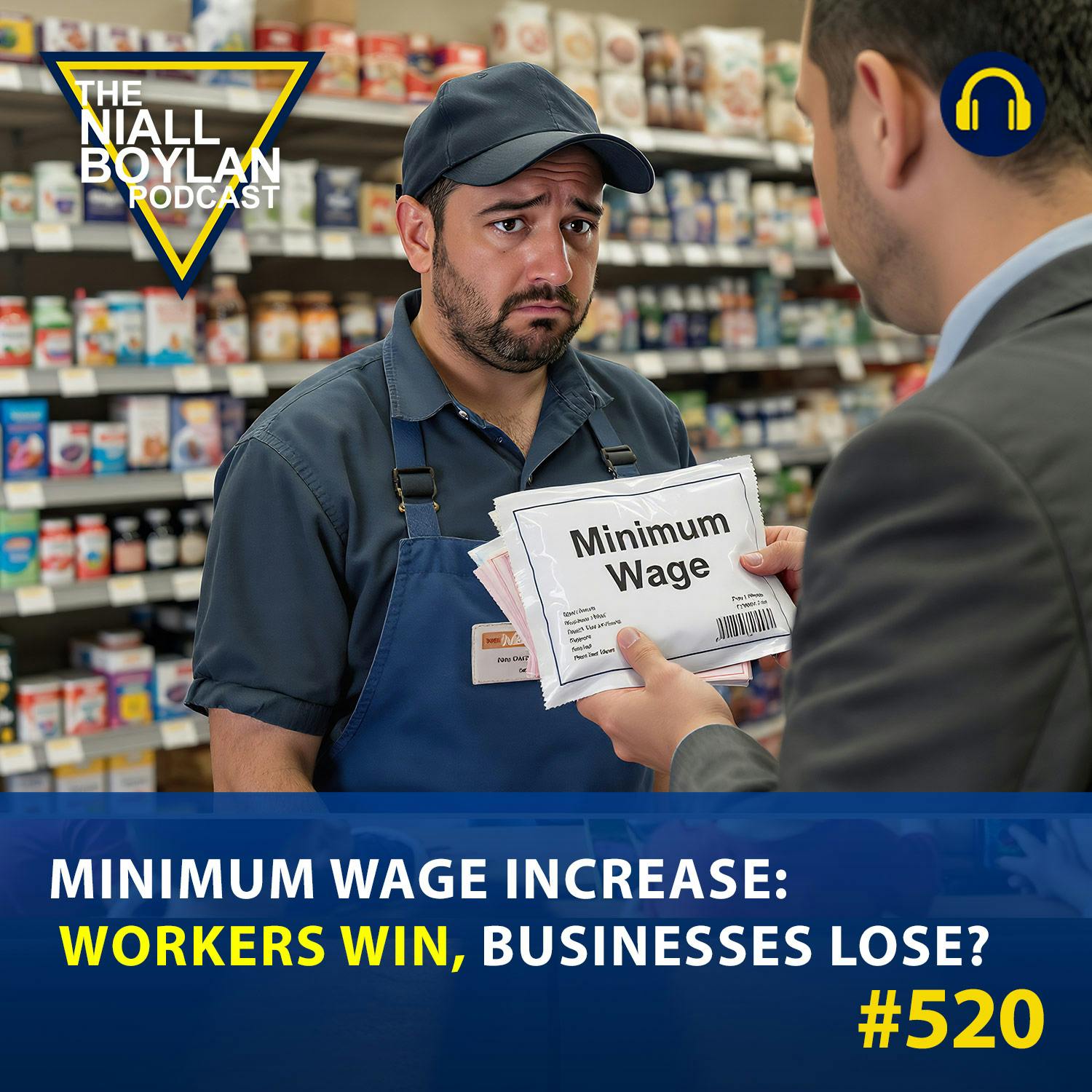
This week, host Niall opens the phone lines for a heated discussion on the Low Pay Commission’s recommendation to raise Ireland’s national minimum wage by 5% — from €13.50 to €14.17 an hour.Supporters argue the increase is long overdue, pointing out that workers are still struggling to keep pace with rising rents, food prices, and energy bills. Critics, however, warn that small businesses are already under immense pressure, with Retail Excellence Ireland’s CEO Jean McCabe calling the proposal “the nail in the coffin” after a 35% rise in wage costs over the past five years.As always, Niall brings listeners into the heart of the debate. Callers share their stories from both sides — employees saying they can’t make ends meet, and employers insisting higher wages could force closures and job losses. Expect passionate exchanges, real-life experiences, and no shortage of strong opinions as the nation wrestles with the question: Can Ireland afford another wage hike — or can workers afford not to have one?
Ep 518#518 Are Christians Afraid to Say, I Believe
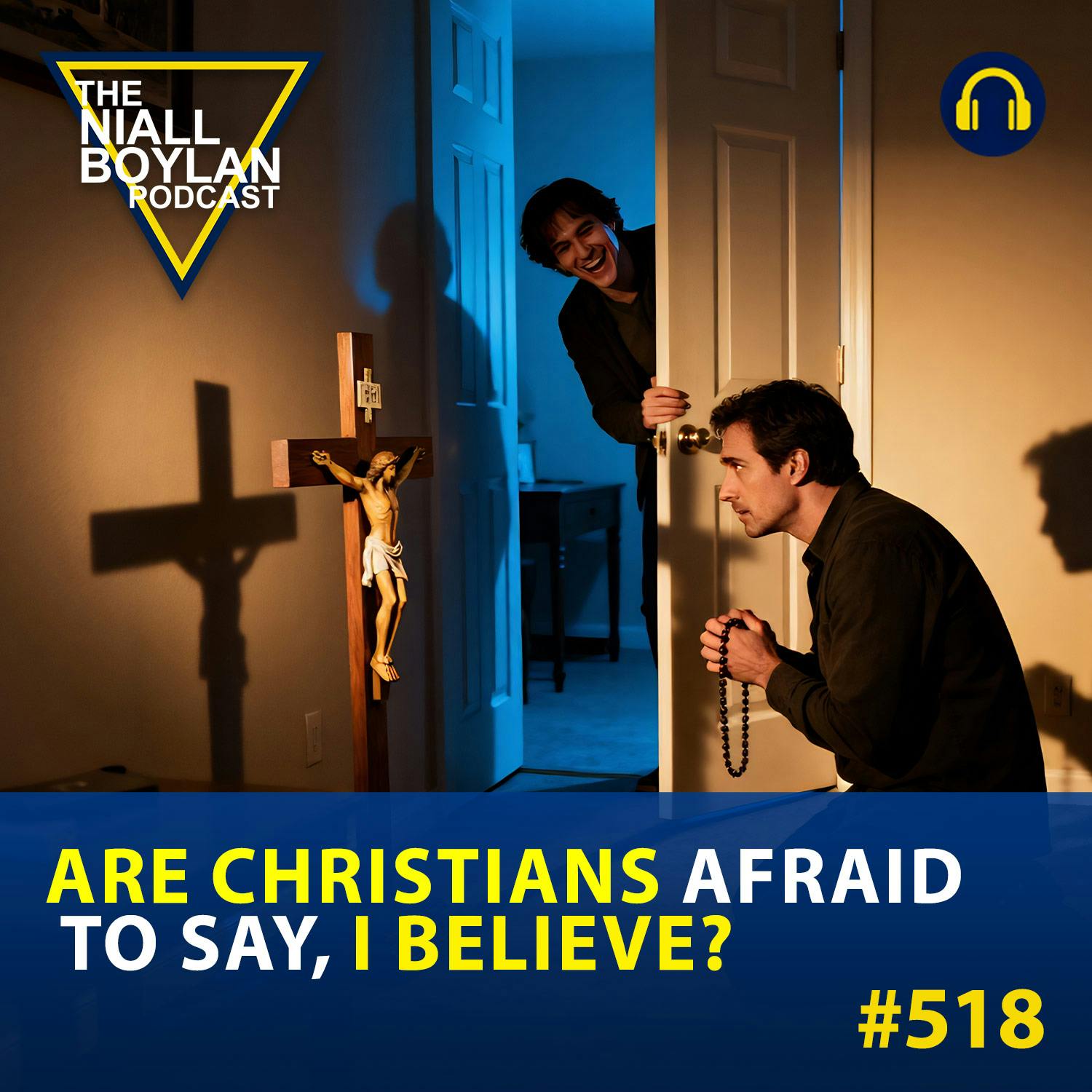
Today on the show Niall explores a sensitive and growing conversation: in the wake of the Charlie Kirk shooting, many Christian commentators in America are saying there's been a surge in talk about faith—yet also a fear among believers. Some Christians say they worry about admitting their faith publicly, concerned they’ll be mocked or dismissed.So the question is: Are people nowadays afraid to say they believe in God?Niall invites listeners to call in and share their perspectives—whether you’re a believer, a skeptic, or somewhere in between. What social pressures, cultural shifts, or personal fears are at play? Is this a uniquely American issue—or one felt globally?

Ep 517#517 Social Media: Real Names, Real Rules?
Today Niall sits down with renowned cyber security expert Will Geddes to explore one of the hottest debates online today:Should you have to verify your identity on all social media and use your real name to register?With growing concerns about fake accounts, online abuse, and digital security, is mandatory verification the answer—or would it strip away anonymity, free speech, and privacy?Niall also opens the lines to callers, inviting listeners to share their thoughts and experiences. From everyday users to tech-savvy professionals, everyone has an opinion on whether the future of social media should be real names only or if anonymity still deserves protection.Tune in for a lively discussion packed with expert insights, real stories, and an important question for anyone who uses social media.
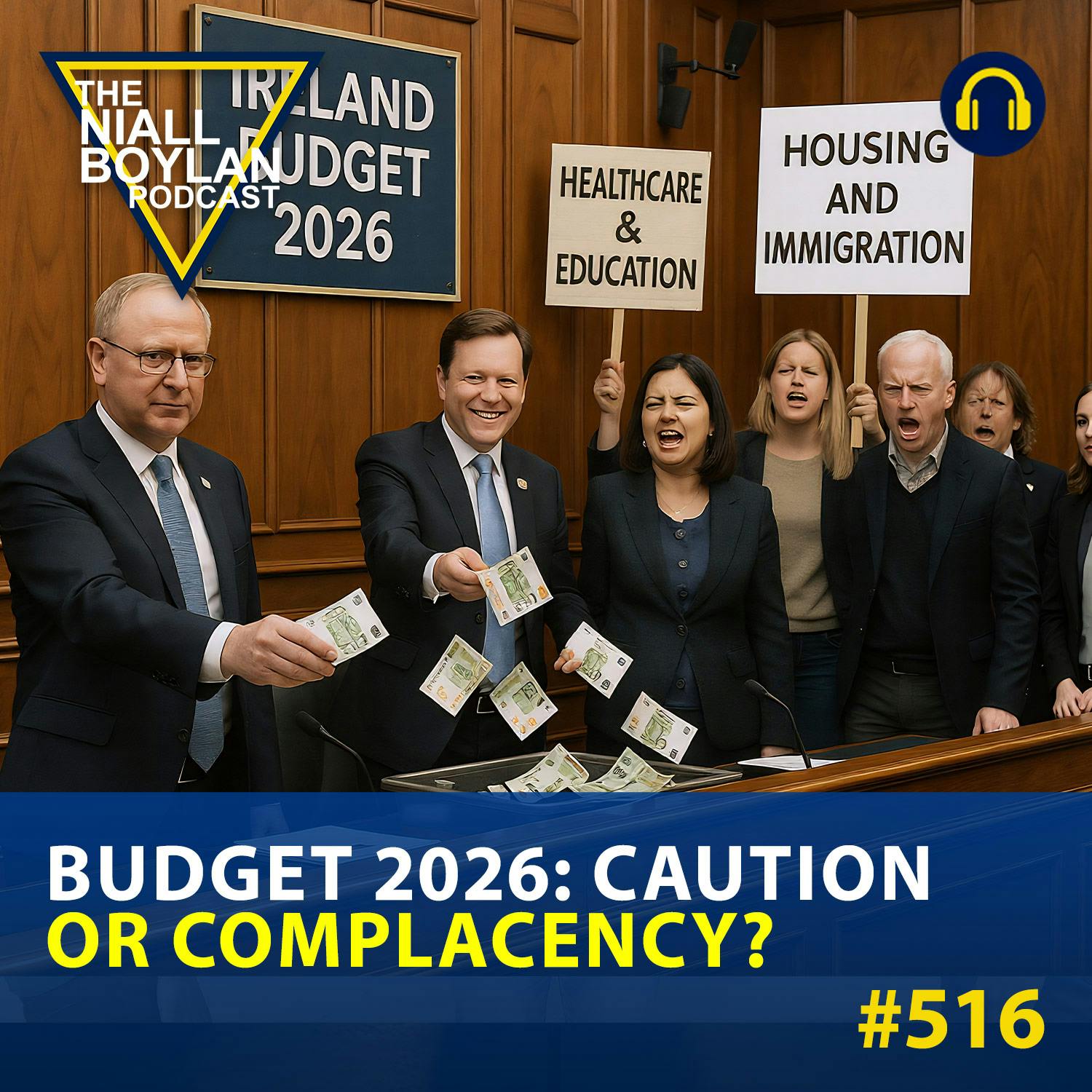
Ep 516#516 Budget 2026: Caution or Complacency?
In this episode, Niall is joined by Peadar Tóibín from Aontú to discuss predictions for Budget 2026. With a total package of €9.4 billion on the table — including €7.9 billion in extra public spending and €1.5 billion in tax cuts — the Government says it’s shifting away from once-off cost-of-living supports and moving towards more permanent measures. But where should that money really go?Niall asks listeners to call in and share their views: What would you like to see the extra spending directed towards? Or are we already spending too much and ignoring the risk of future downturns?Examples of what callers might say:“Healthcare has to be the priority — waiting lists are far too long, and we need more hospital staff and capacity.”“Housing, housing, housing. Young people can’t afford to rent or buy — put the extra billions into building affordable homes.”“Increase the tax cuts instead. People are struggling, and putting more money back into workers’ pockets would help families directly.”“Public transport and infrastructure should get the focus. If we don’t invest now, we’ll fall behind in the next decade.”“I’d like to see more support for families — boosting child benefit or childcare funding would make a real difference.”“Stop spending so much. We’re heading into uncertain times with tariffs and global instability — we should be saving, not spending.”“Hospitality needs the VAT cut back. Small businesses are struggling, and this sector supports thousands of jobs.”“Raise the inheritance tax threshold. Families shouldn’t be penalised for passing on homes and savings.”

Ep 515#515 The Great Divide: Left, Right & Online
In this episode, Niall talks to Senator Gerard Craughwell to discuss the upcoming presidential election, his views on the race, and what’s at stake for Ireland. Later, Niall is joined by Jason Osbourne from Gript Media for a deep dive into one of today’s most pressing cultural questions: Has the divide between left and right grown wider, and has the internet and social media fueled that divide?Listeners are invited to call in and share their thoughts on the bigger question: Do the negatives outweigh the positives when it comes to the internet and social media? From free expression to online echo chambers, the conversation asks whether these tools are connecting us or pulling us further apart.Pros callers might raise:Connectivity & access to information – Social media allows people to connect across borders instantly and gives a voice to those who might otherwise be unheard.Accountability & transparency – It has exposed corruption, amplified grassroots movements, and held powerful people and institutions to account.Cons callers might raise:Polarisation & misinformation – Algorithms often reward outrage, leading to echo chambers, disinformation, and deeper political divides.Mental health & social pressure – Constant comparison, cyberbullying, and the addictive nature of platforms can damage mental wellbeing and social cohesion.
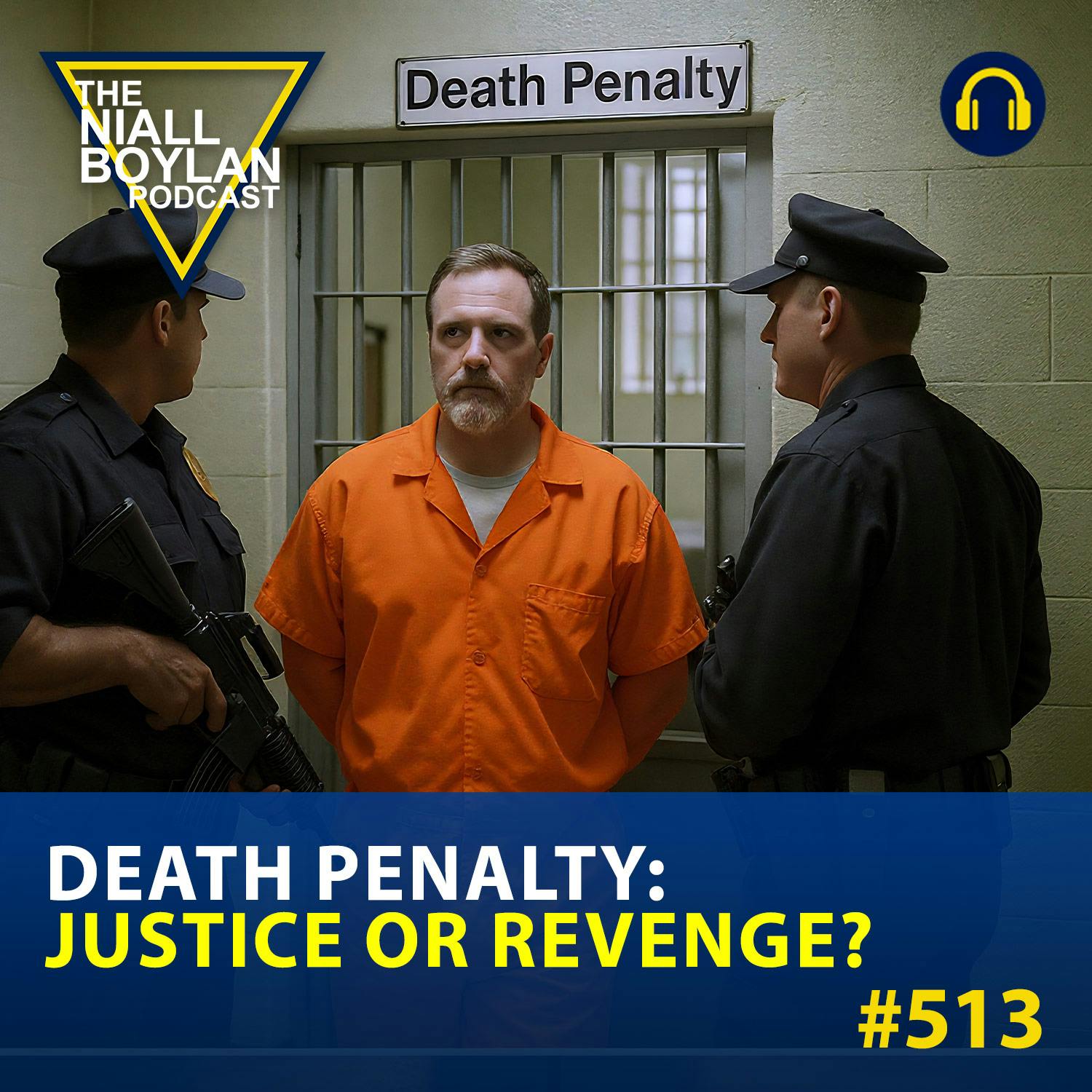
Ep 513#513 Death Penalty: Justice or Revenge?
In this episode, host Niall sits down with Laura Perrins from Gript Media to discuss a high-profile case currently unfolding in Utah — the suspected murderer, Tyler Robinson, is increasingly likely to face the death penalty. Together, Niall and Laura explore the moral, legal, and practical dimensions of capital punishment.Is it justice, deterrent, or an inhumane relic? What are the arguments for and against? And how do public opinion, cost, racial and racial bias, mistakes of justice, and international norms come into play? Niall also invites callers to share their own views and personal stories on whether the death penalty has a place in modern society.Example Talking Points:Pros could include:Deterrence: The idea that the death penalty may discourage others from committing serious crimes.Retribution / justice for victims: Some people feel that the most violent crimes deserve the severest punishment.Closure: For some families, knowing that the perpetrator cannot possibly harm again brings a sense of finality.Cost savings (argued by some): Supporters sometimes say that executing someone will, over time, cost less than keeping them in prison for life (though this is highly disputed).Cons might include:Risk of wrongful convictions: Innocent people have been sentenced to death and then exonerated.Moral / ethical objections: Some believe state-sanctioned killing is inherently wrong.Unequal application: Evidence that race, socio-economic status, quality of legal representation, or geography have strong impacts on who is sentenced to death.High cost and complexity: Death penalty trials are typically longer, more expensive, with multiple appeals; sometimes cost more than life imprisonment without parole.
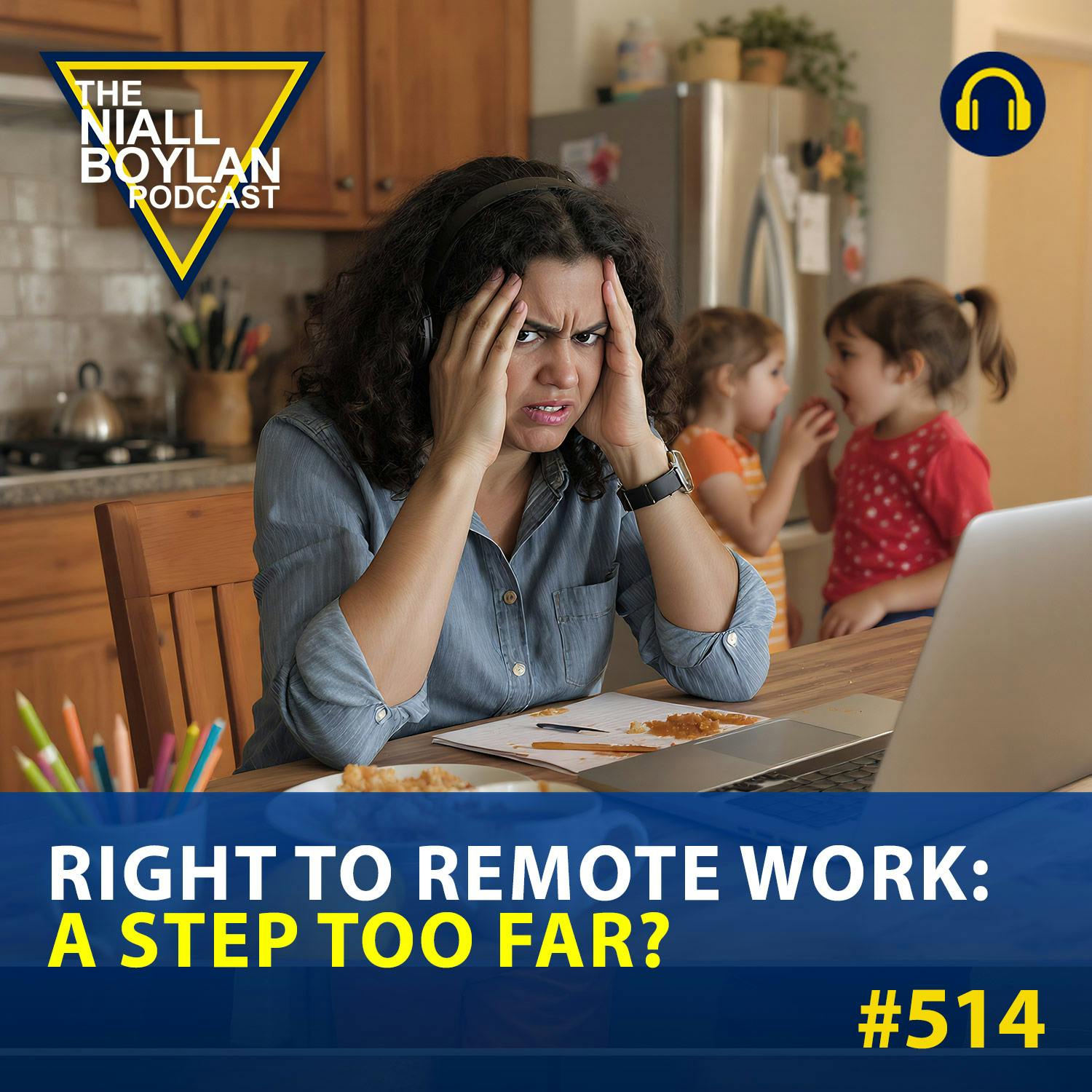
Ep 514#514 Right to Remote Work: A Step Too Far?
Host Niall talks with former election candidate Elaine Mullay about a developing trend overseas — in the Netherlands there's a push to introduce laws that would give people a legal right to work remotely (or at least from home), under certain conditions. They’ll explore whether Ireland should follow suit. What are the benefits? What are the pitfalls? What does Ireland currently allow, and what might new laws look like? Niall and Elaine also invite listeners to call in with their own opinions and experiences: do you favour a legal requirement, or should remote work remain at employer discretion?What’s Happening: Netherlands vs IrelandNetherlands:The Netherlands has been considering amendments to its Flexible Working Act (“Wet flexibel werken”) to strengthen employees’ rights to request working from home / remote work. Under current law, employees who have worked for an employer for a certain period (≈ 26 weeks) may make requests to adjust working location/hours etc., and employers must consider these requests. But the law does not yet give an automatic, unconditional right. IamExpat in the NetherlandsThere was a proposed bill sometimes called “Work Where You Want Act”. It would have made employers more strictly obliged to allow working from home when feasible or else justify denying requests. But that Senate rejected this Act in 2023.

Ep 512#512 Is the Power Of The Irish Presidency Too Limited?
Host Niall is joined by restaurateur and social commentator Paul Trayvaud as the presidential race begins to take shape. With three candidates already declared and two more hopefuls scrambling for nominations from TDs, Senators, or local councils, the conversation turns to a bigger constitutional question:Should the Irish president remain a largely ceremonial figure—or should the office hold real executive power?At present, the Irish president has very limited authority: signing bills into law, representing the nation abroad, and acting as a moral and cultural figurehead. Unlike presidents in countries such as the United States or France, the Irish head of state does not set policy or wield executive decision-making power.Niall and Paul weigh up the arguments:Pros of Expanding Power:A president directly elected by the people could provide stronger democratic legitimacy.Greater executive authority could allow the president to act as a counterbalance to government and political parties.In times of crisis, a powerful president could respond quickly without being tied to parliamentary gridlock.Cons of Expanding Power:Ireland’s parliamentary system could be destabilised by a strong presidential office.Concentrating executive power in a single individual risks authoritarianism.The current ceremonial model avoids political partisanship and preserves the role as a unifying national figure.Should Ireland rethink the role of the presidency—or does its symbolic and ceremonial function make it stronger in its own right?
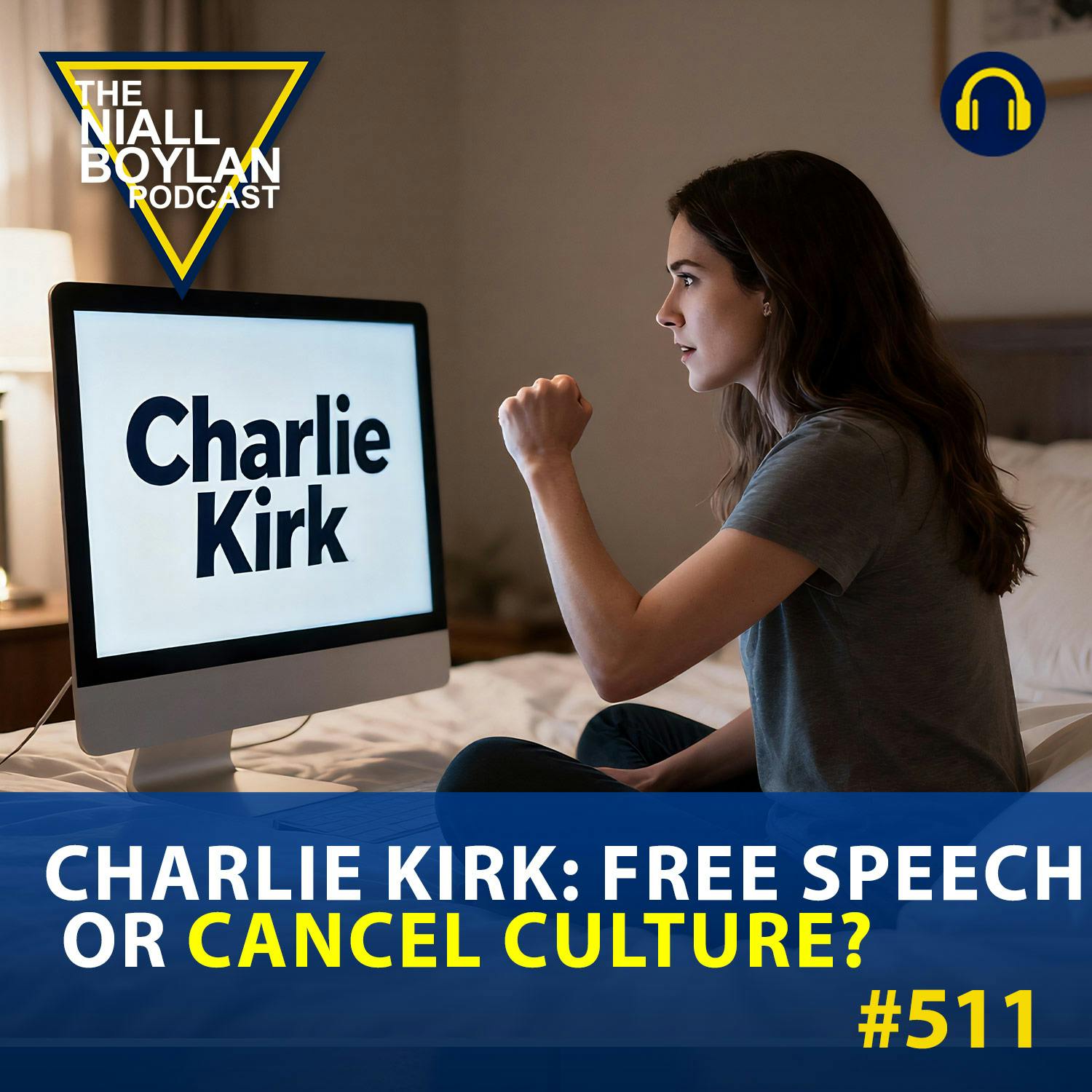
Ep 511#511 Charlie Kirk: Free Speech or Cancel Culture?
In this thought-provoking episode, host Niall sits down with Elanie Mullaly, former election candidate and outspoken social commentator and Laura Perrins from Gript Media to tackle a heated cultural flashpoint: the wave of educators, teachers, and professors in America who are losing their jobs after posting celebratory remarks online about the death of Charlie Kirk.Niall asks the tough questions: Is there a level of hypocrisy here? After all, Kirk himself built his brand as a fierce advocate of free speech and a critic of “cancel culture” on the left. Should his critics now be silenced—or is this a case where lines have to be drawn?The conversation takes on multiple layers as Niall opens the phone lines to callers who share sharply divided opinions:Arguments For Firing Them:Teachers and professors are role models, and celebrating someone’s death is incompatible with the professional and ethical standards of education.Such public statements can create a hostile environment for students and undermine trust in schools and universities.Free speech may protect someone from government censorship, but it doesn’t shield them from professional consequences.Arguments Against Firing Them:Free speech must include the right to express even distasteful or unpopular opinions without fear of losing one’s livelihood.If Kirk championed free expression, silencing critics after his death only validates claims of double standards.Canceling people for their online posts risks turning society into one where fear, not honesty, dictates public discourse.Elanie weighs in with her trademark sharpness and nuance, offering insight into whether America is moving further away from genuine free expression—or simply struggling to balance it with accountability.This episode dives deep into the clash between free speech, morality, and professional responsibility.

Ep 510#510 One Slap, Dealbreaker or Forgivable?
Niall opens the lines for one of the most heated dilemmas yet:A wife admits to slapping her husband in front of her friends. She says it was “just a tap” in the middle of a row, and that she’s been apologizing ever since. But two and a half weeks later, he’s still hurt and won’t forgive her—reminding her that if the roles were reversed, it would be a very different story.💬 Callers weigh in with passionate takes, bringing both sides of the debate:Pros of forgiveness (according to some callers):Everyone loses their temper sometimes—relationships can survive one mistake if genuine remorse is shown.Public arguments can push emotions over the edge, but love and long-term commitment deserve another chance.If he was deliberately riling her, he should also take responsibility for provoking the situation.Healing could come through counseling, humor, or agreeing to rules about how to argue respectfully in future.Cons / reasons against letting it go (according to other callers):Violence—no matter how small—is never acceptable, especially in public humiliation.If the genders were reversed, society wouldn’t minimize it as “just a tap.”Holding grudges for weeks can signal deeper cracks: maybe this wasn’t about one slap but years of resentment.Forgiveness without change risks repeating the same behavior again.Niall asks the big questions: Was this truly just a moment of madness, or is the husband right to hold firm? Can respect return after public humiliation—or is it the end of the road?

Ep 509#509 Murder: Would You Turn Your Own Son In?
This week, Niall is joined by Jason Osborne from Gript Media to tackle one of the most morally gut-wrenching questions imaginable.Last Friday, Niall applauded the actions of Matt Robinson—the father who restrained his own son, Tyler, and handed him over to police after the murder of Charlie Kirk. But not everyone agreed. One X user responded:“I am delighted he is caught. However, I am disgusted with the actions of his father. He is supposed to protect his son, instead he is responsible for him spending his life in prison getting butt ****ed. With a father like that no wonder he turned out bad.”🔥 The debate splits right down the middle:Some callers argue that justice must come first—no matter if it’s your child, your partner, or your best friend. To protect society, you must act.Others believe blood is thicker than water—your duty is to family above all, and you could never condemn your own son to life in prison or even the death penalty, as still practiced in Utah.Niall and Jason put the big question to listeners: If you knew your son committed cold-blooded murder, would you call the police—or protect him at all costs?📞 The lines are open, and the opinions are fiery.
Ep 507#507 Charlie Kirk: When Words Become Target
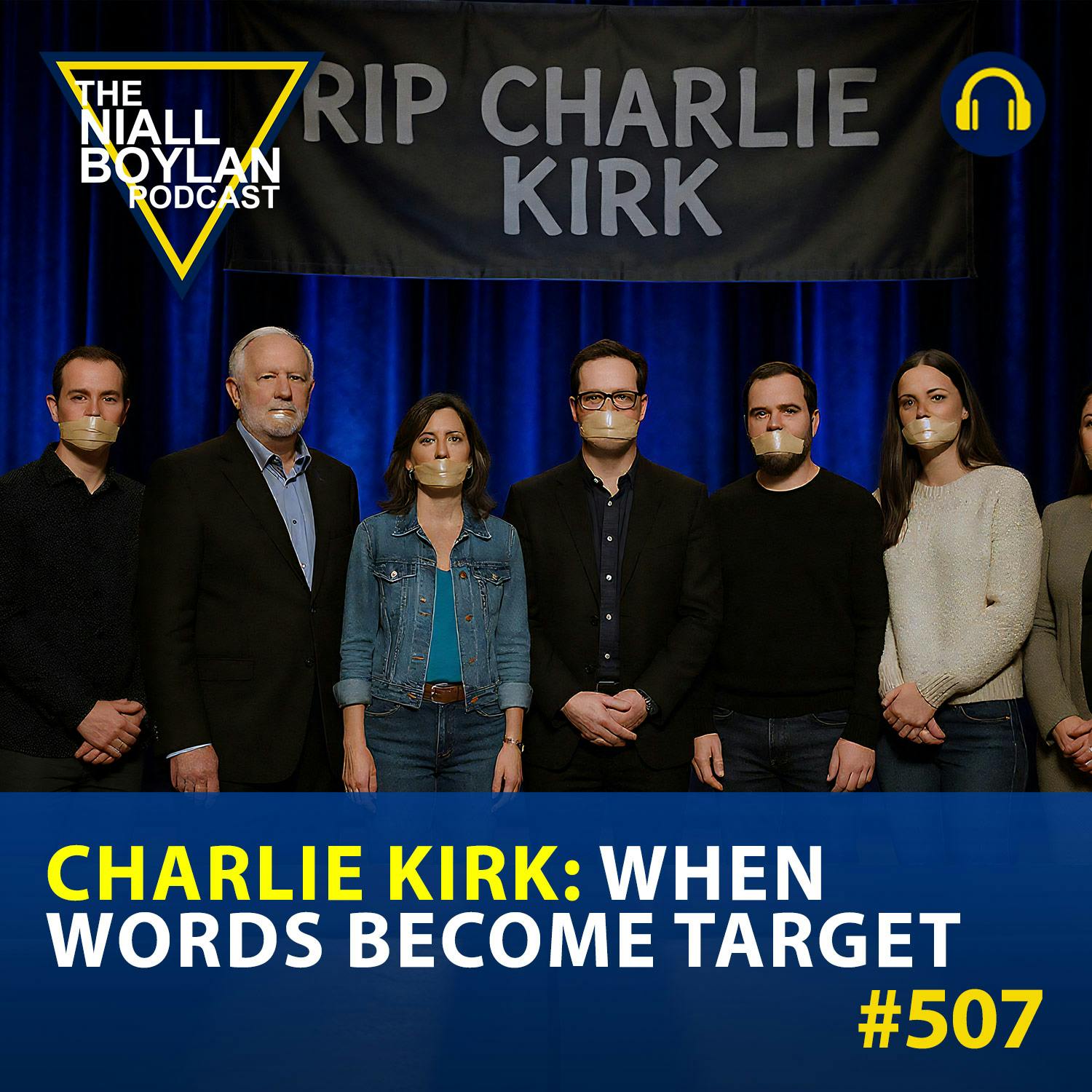
In this episode, Niall takes on one of the most urgent and unsettling issues of our time: political violence and the future of free speech. The shocking shooting of conservative commentator Charlie Kirk at Utah Valley University has reignited debate about whether violent confrontation is becoming a grim fixture of American political life.Niall speaks with Turning Point UK and John McGuirk of Gript Media to explore the wider context—why free speech is under attack, whether it can ever be truly absolute, and why political disagreements are increasingly spilling into violence.Listeners also join the conversation as Niall opens the lines to ask: Where should the limits of free expression lie? And what does the rise in political violence mean for democracy at home and abroad?This episode blends expert analysis with raw public opinion, asking difficult questions at a critical moment.
Ep 508#508 Childhood Obesity: Parents to Blame?
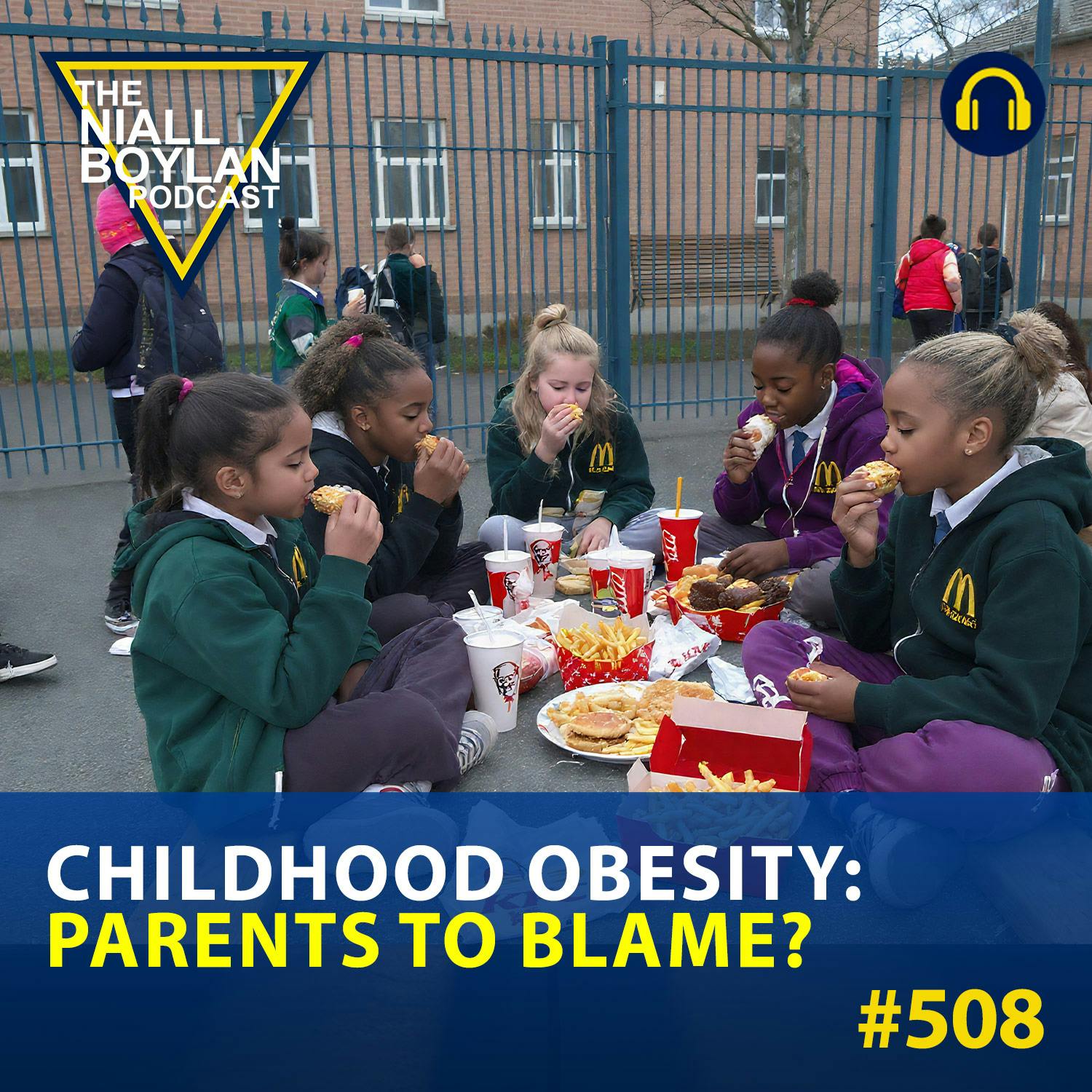
In this episode, Niall opens the phone lines to tackle a sensitive and urgent issue: childhood obesity in Ireland. A new UNICEF report shows that one in five Irish children is overweight or obese—twice the global rate—and in DEIS schools, that figure rises to one in four. For the first time in history, childhood obesity has overtaken underweight as the most common form of malnutrition worldwide.Niall hears from callers with a wide range of views:The Tough Love Approach – Some argue that parents who consistently feed their children junk food are guilty of neglect or even child abuse, and that the state should step in.The Compassionate View – Others say blaming parents is unfair, pointing to low incomes, food deserts, and the aggressive marketing of fast food to children.The Personal Responsibility Angle – A few callers insist that regardless of circumstance, families must take responsibility for diet and exercise, no excuses.The Bigger Picture – Some listeners highlight systemic issues—school meal programs, urban planning, and screen time—as key drivers behind rising obesity rates.The Freedom Argument – And there are those who push back against “nanny state” interference, arguing it’s not the government’s job to tell parents how to feed their kids.This frank and sometimes fiery discussion asks: Who is really to blame for childhood obesity—and what can be done before the crisis worsens?
Ep 505#505 The Great Energy Rip-Off?
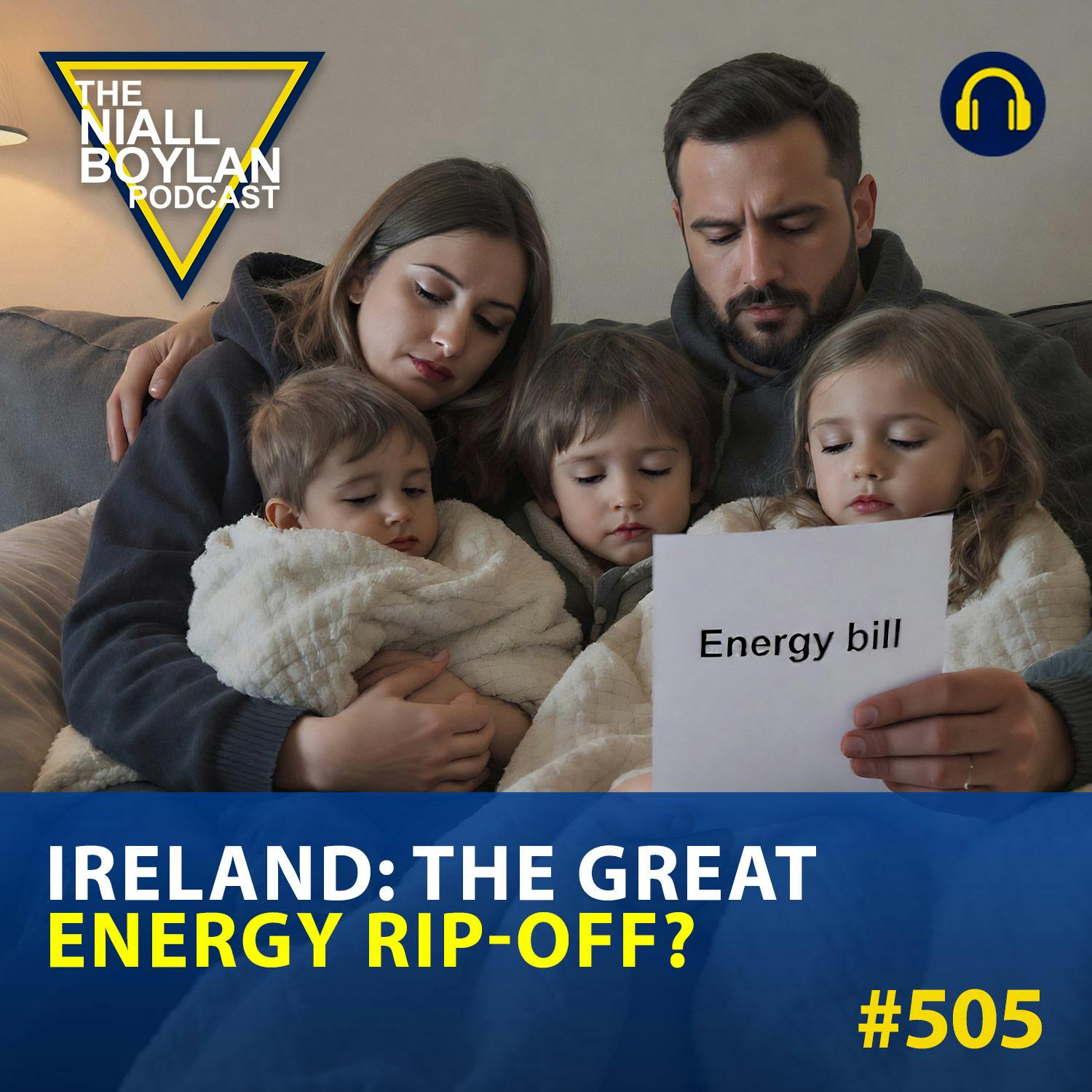
“Energy Crisis – Should the Government Step In?”This week, Niall sits down with social commentator Paul Tryvaud to tackle the surge in energy prices that could leave families and older people shivering in cold, dark homes this winter.They explore the big question: Should the government regulate energy costs, or would that be an overstep into the free market?Pros of government intervention:Protects vulnerable households from fuel povertyPrevents excessive profiteering by energy companiesCreates stability for consumers during a cost-of-living crisisCons of government intervention:Distorts competition in the free marketCould reduce investment and innovation in the energy sectorRisk of higher long-term taxes to fund subsidies or capsNiall also invites callers to share their views live on air: Is regulation the solution, or does the market need to run its course?

Ep 506#506 When Old Flames Spark New Rows
In this episode, Niall shares an email from a listener who discovered private Facebook messages between her husband and his teenage ex-girlfriend. When she confronted him, he insisted they were “just catching up,” but tensions exploded when she asked him to stop. Now, after 10 years of marriage and two young children together, the couple haven’t spoken in days.Niall opens the phone lines to listeners: Is the wife right to feel betrayed, or is she being too controlling? Should her husband respect her wishes and cut off contact, or is this harmless chat with an old flame?It’s a debate about trust, boundaries, and whether a little online catch-up can do real damage in a marriage.
Ep 503#503 Happy Housewives: Myth or Menace?
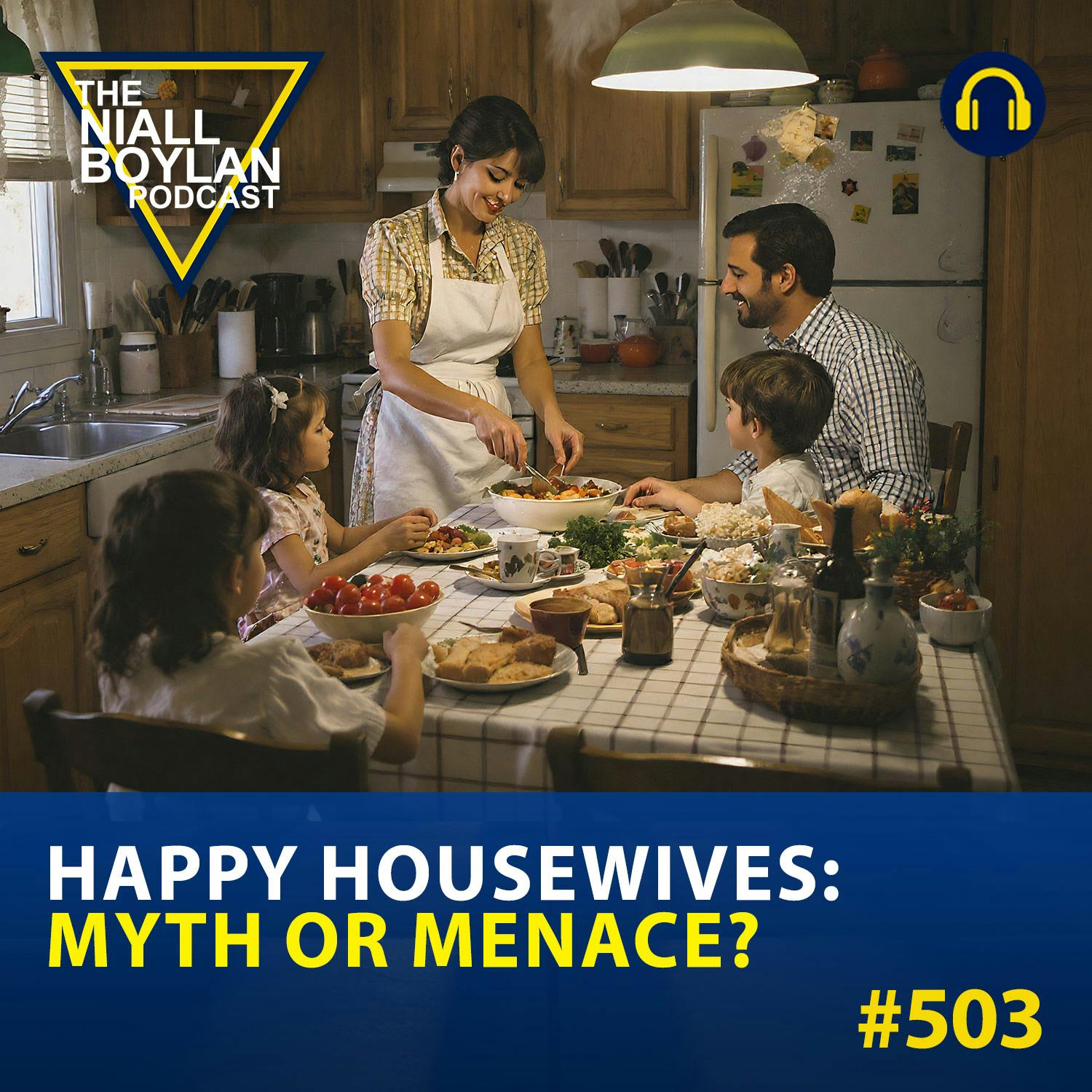
In this episode, Niall sits down with journalist Laura Perrins to discuss her provocative piece on the so-called “Tradwife” trend, the Irish Department of Education’s take on it, and what it really means for mothers today. Together, they explore whether the traditional role of the stay-at-home mother was empowering in its own right or an unfair expectation placed upon women in times gone by.Niall asks the central question: was it sexist that women were expected to stay at home and raise children while men went to work, or did society lose something valuable when this role was dismissed?The conversation digs into:Pros of the traditional stay-at-home motherDeep maternal bonding and stability for young children.Emotional fulfilment in raising a family and creating a home.A slower, more family-centred lifestyle not dependent on external childcare.Cons of the traditional stay-at-home motherEconomic dependence on husbands, leaving women vulnerable.Limited opportunities for career, personal ambition, and independence.Social isolation and lack of recognition for domestic labour.Laura argues that the “tradwife” panic is more about ideology than reality, while Niall challenges whether nostalgia for the role ignores the hard truths of gender inequality.This episode asks listeners to reflect: is homemaking a harmful stereotype, or a legitimate choice society should respect?
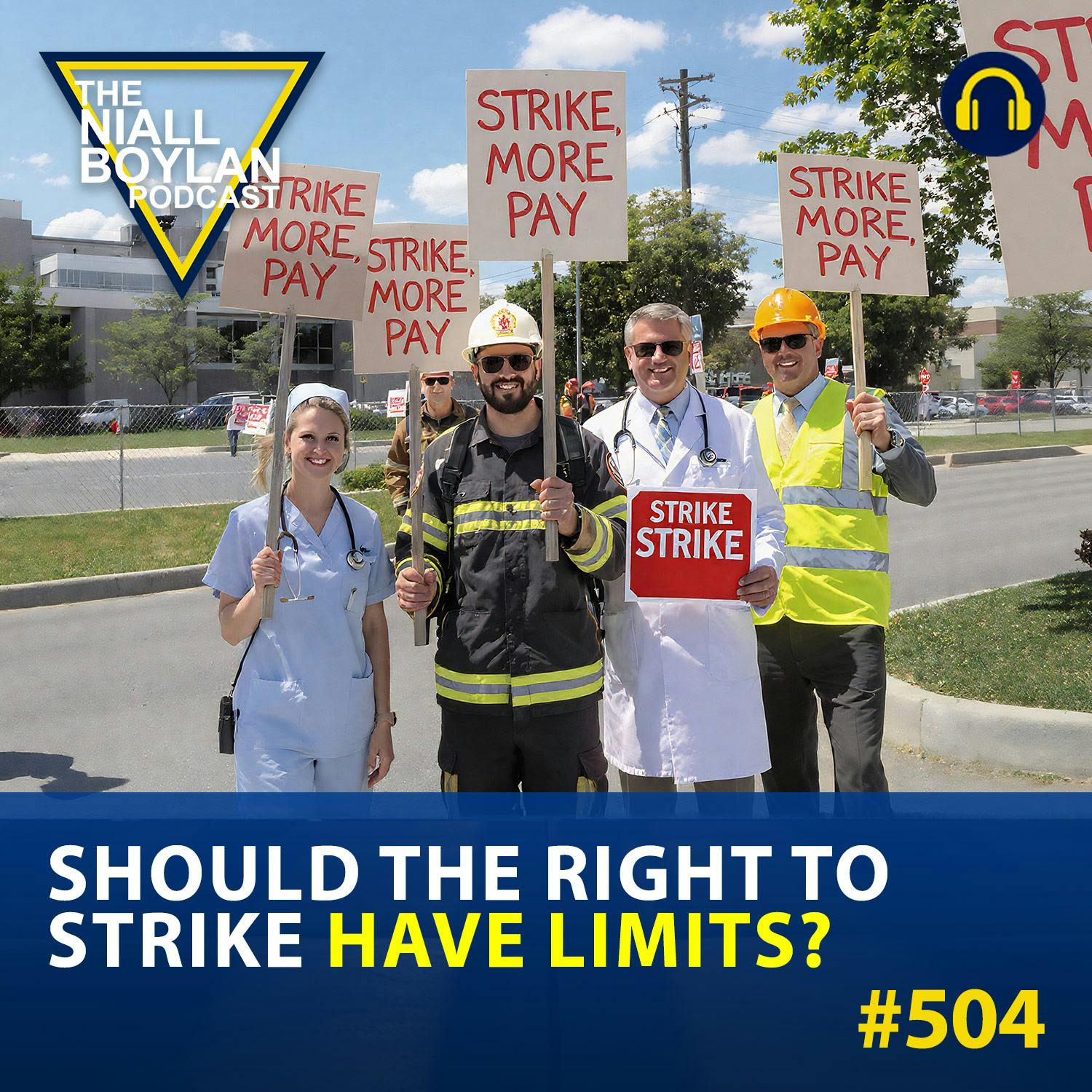
Ep 504#504 Should the Right to Strike Have Limits?
In this episode, Niall takes calls from listeners after yesterday’s London Underground strike that brought the capital to a standstill and cost the economy billions. Tube workers walked out over disputes on pay, pensions, and proposed job cuts, leaving millions of commuters stranded.The big question Niall asks: should essential services like transport be banned from striking?Callers deliver passionate opinions from both sides:Pro-ban: “When nurses, firefighters or transport workers strike, it’s the public who pays the price. Essential services should never stop — find another way to negotiate.”Anti-ban: “Without the right to strike, workers have no leverage. If you ban strikes, you’re condemning essential staff to accept whatever terms they’re given.”With emotions running high, the episode explores whether strikes in essential services are a legitimate fight for fairness — or an unacceptable disruption to daily life.

Ep 502#502 Big Brother Or An Eu Digital Wallet
In this episode, host Niall sat down with listeners to unpack Europe’s move toward the EU Digital Identity Wallet, a scheme due to be in place by the end of 2026. Designed to let citizens, residents, and businesses securely prove who they are and access services across borders, the wallet sparked plenty of debate.Callers weighed in on both sides. Some praised the idea, pointing out how it could simplify life by letting people open bank accounts, access healthcare, sign documents, or even store diplomas in one trusted app. Others liked the privacy-by-design principle, where only the minimum data is shared, and the potential to reduce fraud with strong EU-wide security standards.But the conversation also highlighted worries. Callers raised concerns about centralization, the possibility of government overreach, and what might happen if security was breached. Others worried about digital exclusion, leaving behind those without smartphones or strong digital skills. Trust also came up often—would people really be comfortable handing so much identity power to a digital wallet?The show captured the tension between convenience and control, with some seeing the wallet as a passport to a more connected Europe, while others warned it could be a step too far.
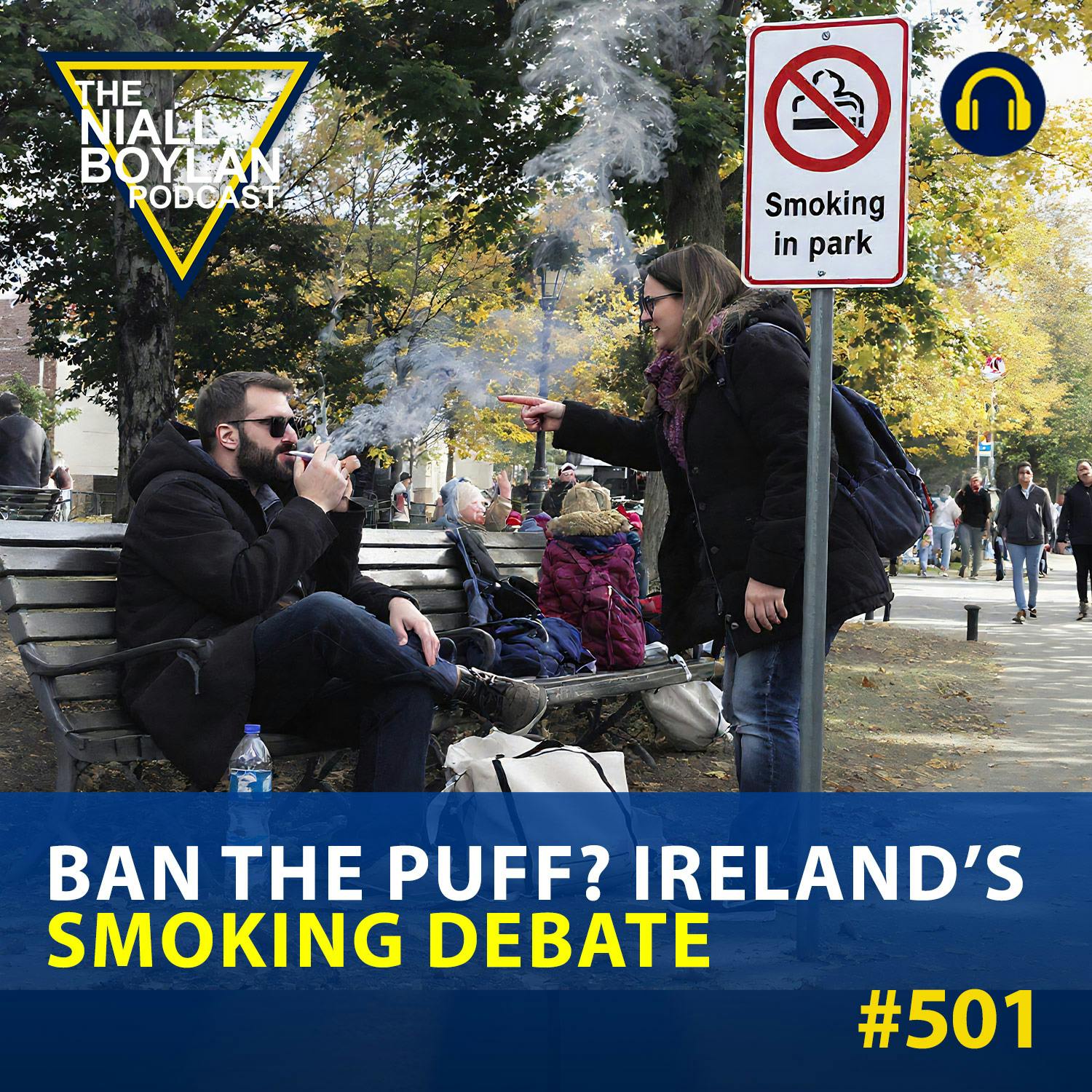
Ep 501#501 Ban the Puff? Ireland’s Smoking Debate
In this episode, Niall is joined by Karl Deeter to explore whether Ireland should follow Sweden’s lead in tightening restrictions on smoking. Sweden is on track to become “smoke-free” by 2025, thanks to high cigarette taxes, outdoor smoking bans, and a harm reduction approach that promotes safer alternatives like nicotine pouches.With smoking rates in Ireland still hovering around 18% of adults, Niall asks: should we go further by making cigarettes even more expensive and banning them in public outdoor spaces? Would such measures fairly protect public health, or unfairly punish smokers?Callers join the debate, sharing both the pros and cons of stricter smoking laws—from reducing secondhand smoke and saving lives, to concerns about personal freedom, enforcement, and the impact on those struggling with addiction.It’s a lively conversation about health, fairness, and the future of smoking in Ireland.

Ep 499#499 Inheritance Rules: Love vs. Bloodlines
On today’s show, Niall is joined by James and Sheila Sexton to discuss a campaign that’s challenging Ireland’s inheritance tax laws.Under the current system, children can inherit up to €400,000 tax-free from their parents, while siblings, nieces, nephews, grandchildren, and others are restricted to much smaller thresholds—€40,000 or €20,000 depending on the relationship. For citizens without children, this creates a stark inequality: they cannot use the generous Group A allowance and face heavy tax penalties if they wish to leave their estate to loved ones outside the immediate family.James Sexton argues this is discriminatory against childless citizens and those who simply want to pass on their assets to someone other than a spouse or child. Alongside Sheila, he is part of EDIT, a campaign group fighting to reform inheritance tax law and bring fairness to the system.Niall explores the issue with the Sextons:Why does the current law disadvantage childless people?What changes are they calling for?How far has their campaign reached in the political arena?And most importantly—should the rules around inheritance be based on family ties at all?Tune in for a lively and important conversation on equality, fairness, and the future of inheritance tax in Ireland.
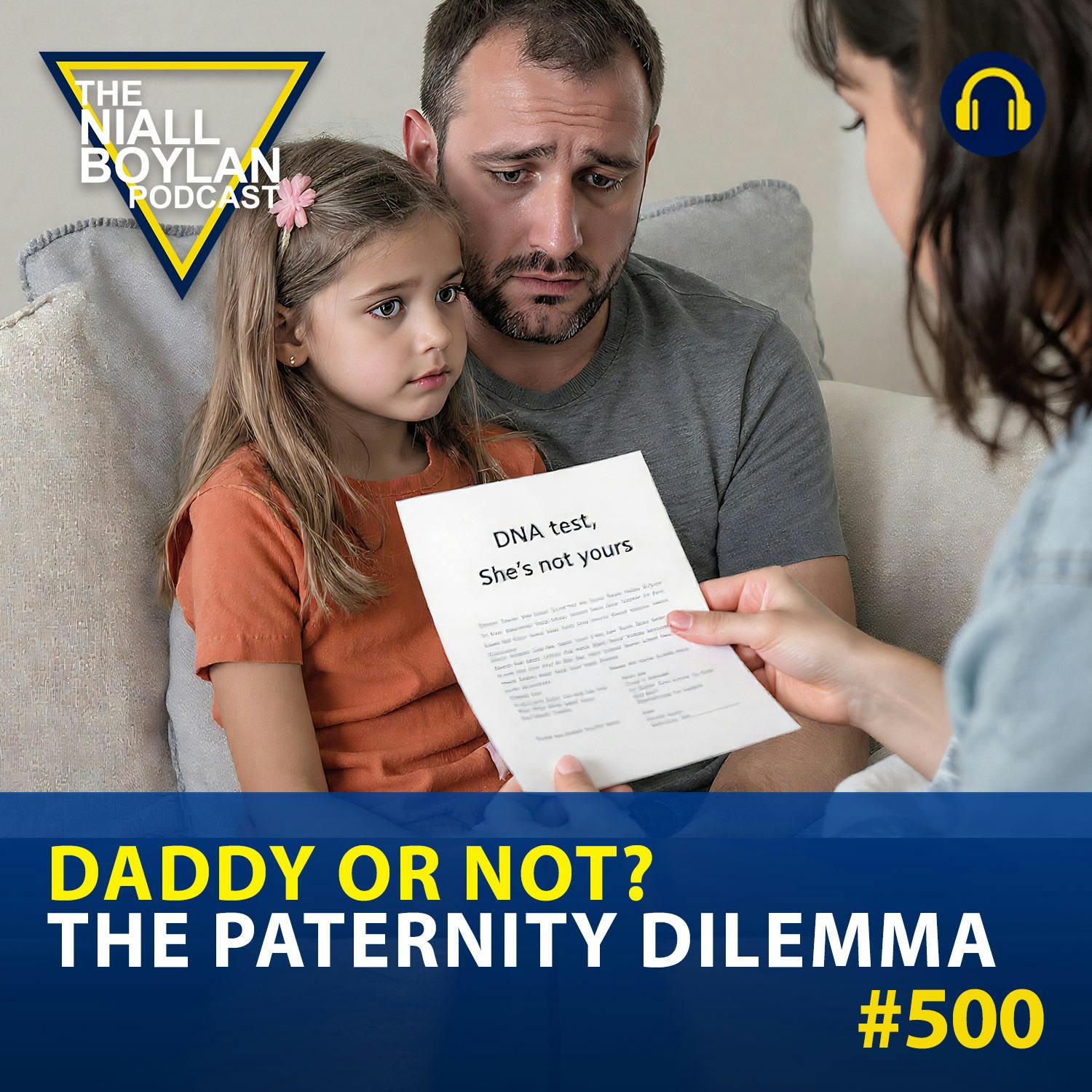
Ep 500#500 Daddy or Not? The Paternity Dilemma
On today’s phone-in show, Niall tackles a heartbreaking dilemma sent in by a listener. A woman has been keeping a secret for nearly a decade: her 9-year-old daughter is not biologically her husband’s child. After a heated breakup years ago, a one-night encounter led to a pregnancy. She later confirmed through a private DNA test that her husband is not the father—but she has never told him.Now, she’s torn. Should she confess the truth, knowing it could shatter her marriage and family? Or should she take the secret to the grave to protect everyone involved?Niall asks listeners to weigh in: what should she do—reveal the truth or keep silent?

Ep 497#497 Garda Power: Where Do We Draw the Line?
Today on the show, Niall is joined by Karl Deeter and callers to debate a question that’s dividing opinion across Ireland: should the Gardaí be armed, and can we trust them with tasers?With Justin Kelly stepping into the role of Garda Commissioner, national security is firmly back on the agenda. Kelly—formerly Chief Superintendent of the Special Detective Unit—has warned about the growing threats of espionage, extremism, and organised crime. At his first press conference, he raised the possibility of equipping frontline Gardaí with tasers, citing the rising number of injuries officers face each week.Ireland has long stood apart as one of the few countries with an unarmed police service, a tradition many see as central to our identity. But is that tradition sustainable in today’s climate? Do tasers represent a necessary step toward protecting Gardaí and the public, or are they the first move toward wider arming of the force?Niall and Karl take your calls on whether tasers are a sensible tool for modern policing—or a dangerous shift in culture. Would you feel safer or less safe if Gardaí carried tasers? Do you trust the rank and file to use them responsibly?

Ep 498#498 Speed Vans: Protecting or Profiting?
On today’s show, Niall opens the lines to ask a simple but controversial question: are Garda speed traps really about saving lives—or are they just making money?Ireland South MEP Cynthia Ní Mhurchú has called for a tougher stance on speeding, pointing to the fact that 30% of fatal crashes are caused by speed and that 174 people lost their lives on Irish roads in 2024. She wants more speed vans at rural blackspots to crack down on dangerous driving.But with €32 million collected in fines over 30 months, and €44 million in operating costs going to private contractors, critics say the numbers don’t add up. If the vans are “losing money,” why expand them? Is this truly about road safety—or about revenue?Niall talks to callers about whether speed vans make our roads safer, or whether they’re an expensive exercise in catching drivers out. Do you think they save lives—or are they just another cash cow?
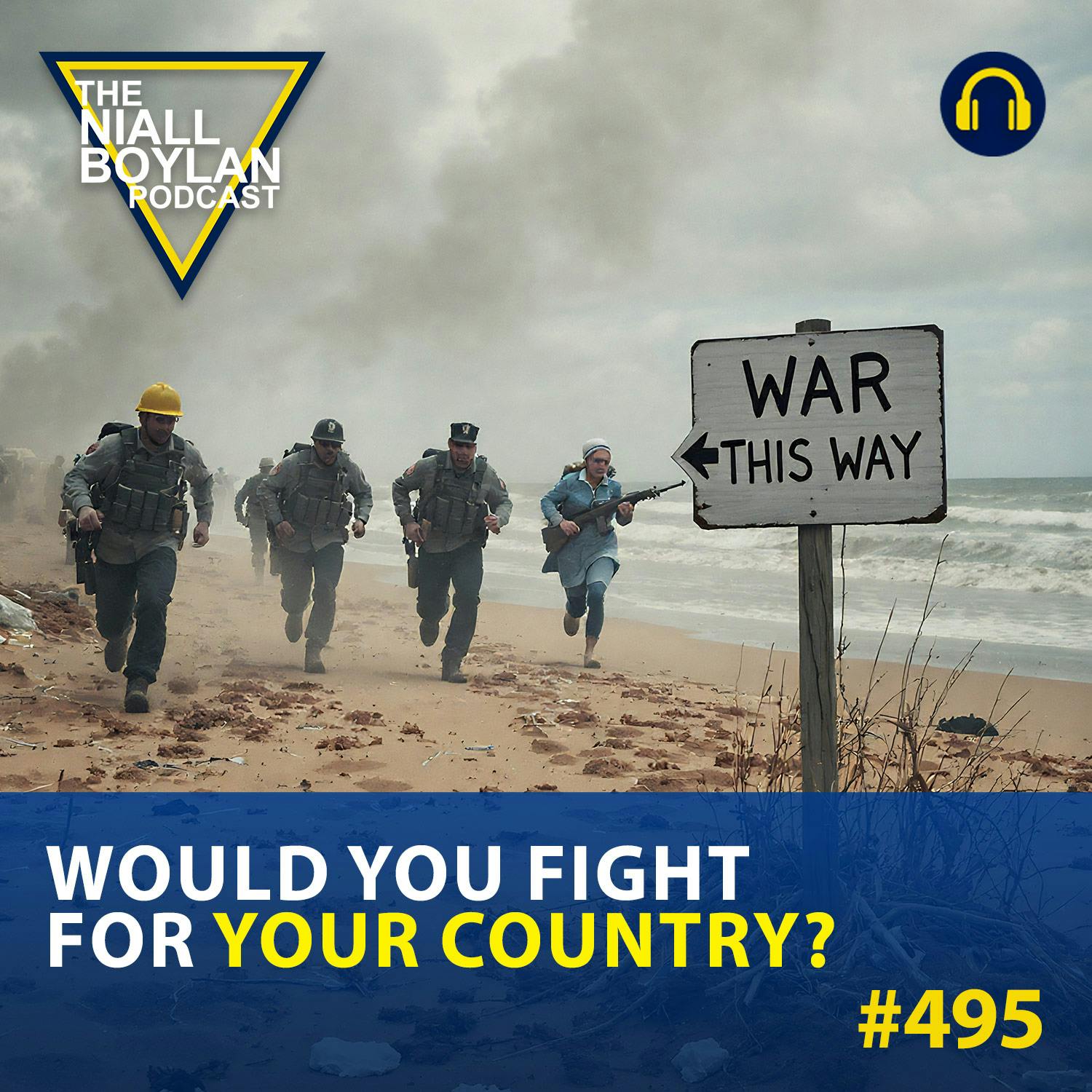
Ep 495#495 Would you fight for your country?
In this thought-provoking episode, Niall is joined by journalist Ian O’Doherty to explore a timeless yet deeply divisive question: Would you fight for your country?Prompted by a recent survey of British men showing that only one in three would be willing to defend their nation if war broke out, the discussion ranges from the history of the Oxford Union “King and Country” debate of 1933 to the modern realities of conflict, nationalism, and personal responsibility.Listeners call in with passionate, contrasting views. Some see defending their homeland as a sacred duty, while others reject the idea of sacrificing their lives for political leaders or monarchs. The conversation also touches on Ireland’s past struggles for freedom, the legacy of the IRA, and the controversial issue of Ukrainian men in Ireland avoiding conscription.Callers’ Pros & Cons:Pros (for fighting)Patriotism & loyalty: A duty to defend one’s family, community, and way of life.Freedom isn’t free: Sacrifice is necessary to preserve democracy and sovereignty.National pride: Fighting proves solidarity with one’s nation in times of crisis.Historical precedent: Past generations risked everything, so today’s shouldn’t shy away.Cons (against fighting)Distrust of leaders: People refuse to die for governments or monarchs they don’t support.Moral objections: Some see all war as unjustifiable violence.Futility of war: Many believe modern conflicts solve nothing and only create suffering.Personal cost: The risk of death or leaving family behind outweighs any sense of duty.Global citizenship view: Some reject nationalism entirely, believing cooperation matters more.This episode asks the ultimate personal question: If your country called, what would you do?

Ep 496#496 Boys & Girls in Education: Together or Apart?
This week, Niall is joined by Eric Nelligan from Aontú to tackle a hot-button issue in Irish education: Should single-sex schools be a thing of the past?The debate reignites as St Joseph of Cluny Secondary School in Killiney welcomes male students for the first time in its 70-year history. With the Labour Party previously suggesting that all secondary schools should be co-educational, the question arises: should the state push for mixed schools, or should parents have the right to choose single-sex education for their children?Callers weigh in with passionate arguments on both sides. Is co-ed schooling a more natural and modern way to prepare young people for the real world, or does single-sex schooling provide a safer, more focused environment?Pros of Co-ed Schools:Real-world preparation: Students learn to interact with the opposite sex in everyday settings.Equality & inclusivity: Encourages gender balance and breaks down stereotypes.Broader subject choice: Schools can pool resources to offer more diverse classes.Cons of Co-ed Schools:Distractions: Teen social dynamics can interfere with academic focus.Unequal participation: Boys may dominate certain subjects, discouraging girls (and vice versa).Discipline challenges: Mixed environments may lead to more behavioural issues.Pros of Single-Sex Schools:Focused learning: Fewer social pressures can lead to stronger academic performance.Tailored teaching: Lessons can be adapted to learning styles that may differ between boys and girls.Confidence building: Students may feel freer to pursue non-traditional subjects without gender bias.Cons of Single-Sex Schools:Lack of social balance: Students may struggle with opposite-sex interaction later in life.Reinforces stereotypes: Separating boys and girls can perpetuate outdated gender roles.Limited choice: Parents and students may have fewer local options.This episode asks the big question: When it comes to schools, is separate still equal, or is it time for everyone to mix?