The Niall Boylan Podcast (They Told Me To Shut Up)
1,000 episodes — Page 9 of 20
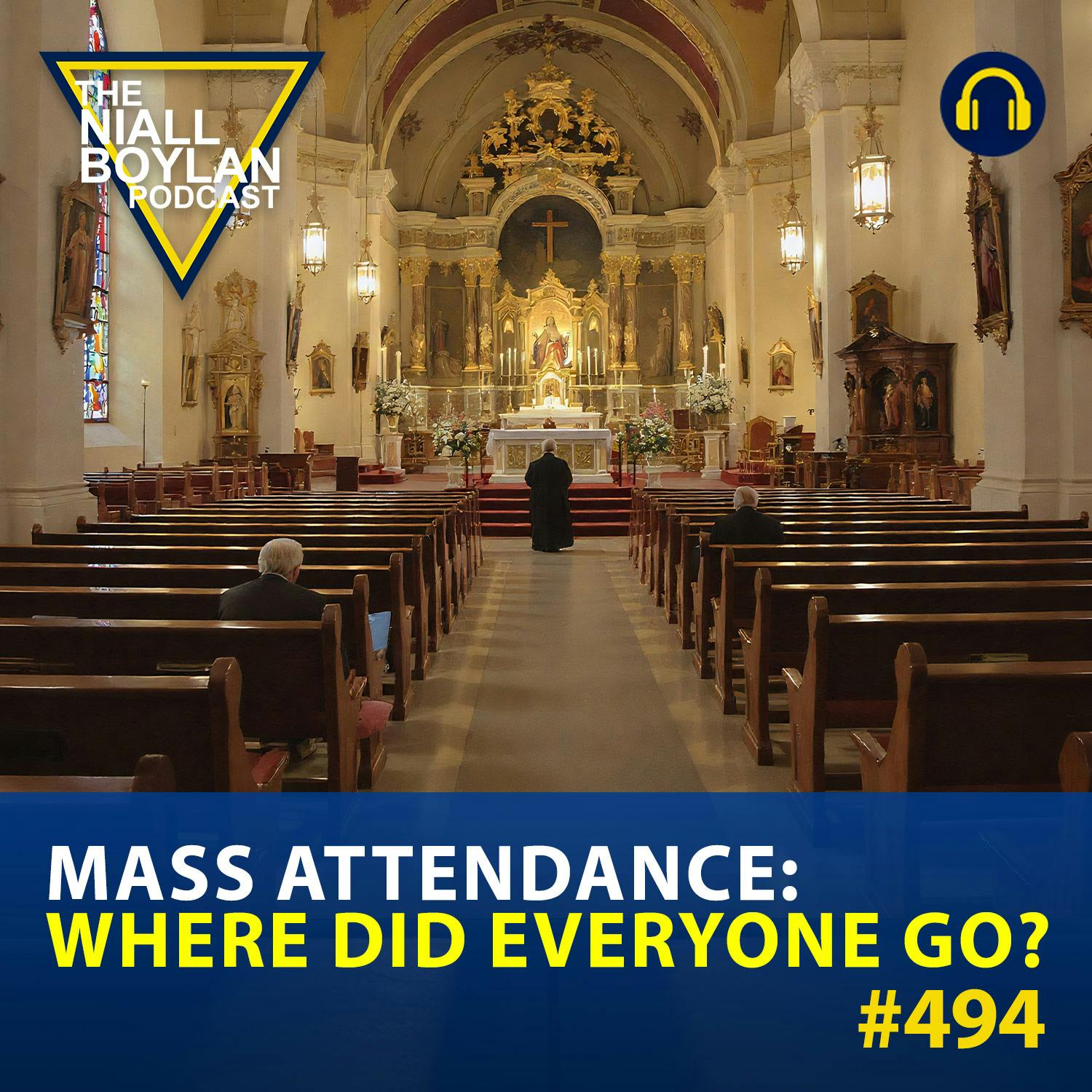
Ep 494#494 Mass Attendance: Where Did Everyone Go?
In this episode, Niall sits down with Bishop Denis Nulty of Kildare and Leighlin to explore one of the biggest questions facing the Irish Church today: why has Mass attendance declined so dramatically over the past few decades?From the 85% of Irish Catholics attending weekly in 1990 to just 35% by 2018, the downward trend is undeniable. Bishop Nulty reflects on the challenges facing parishes, including the lasting impact of Covid-19, the rise of online worship, and how many people have simply “gotten out of the habit” of Sunday practice.But are these the only reasons? Together, Niall and Bishop Nulty look at the wider cultural, social, and spiritual shifts at play—and discuss what the Church can do to invite people back.🙏 Whether you’re a regular churchgoer, someone who’s drifted away, or simply curious about faith in modern Ireland, this episode offers insight into why Sunday still matters.

Ep 493#493 Identity, Immigration, and the Irish Flag
In this episode, Niall is joined by Laura Perrins of Gript Media to explore why the Irish tricolour has become such a flashpoint in today’s political debates. With recent protests in Dublin, Cork, and Limerick marked by seas of Irish flags, Niall and Laura ask: why has a symbol of national pride become so divisive?Laura argues that flying the tricolour is a legitimate expression of Irish identity, not something that should be branded as “racist” or a “misappropriation.” Together, they discuss how the flag is being portrayed in the media, what it means to ordinary citizens, and whether its symbolism has shifted in recent years.Listeners also call in to share their views — some voicing pride in the flag as a unifying emblem, others expressing unease about its association with certain protests. The result is a lively and thought-provoking conversation about identity, belonging, and the future of national symbols in Ireland.
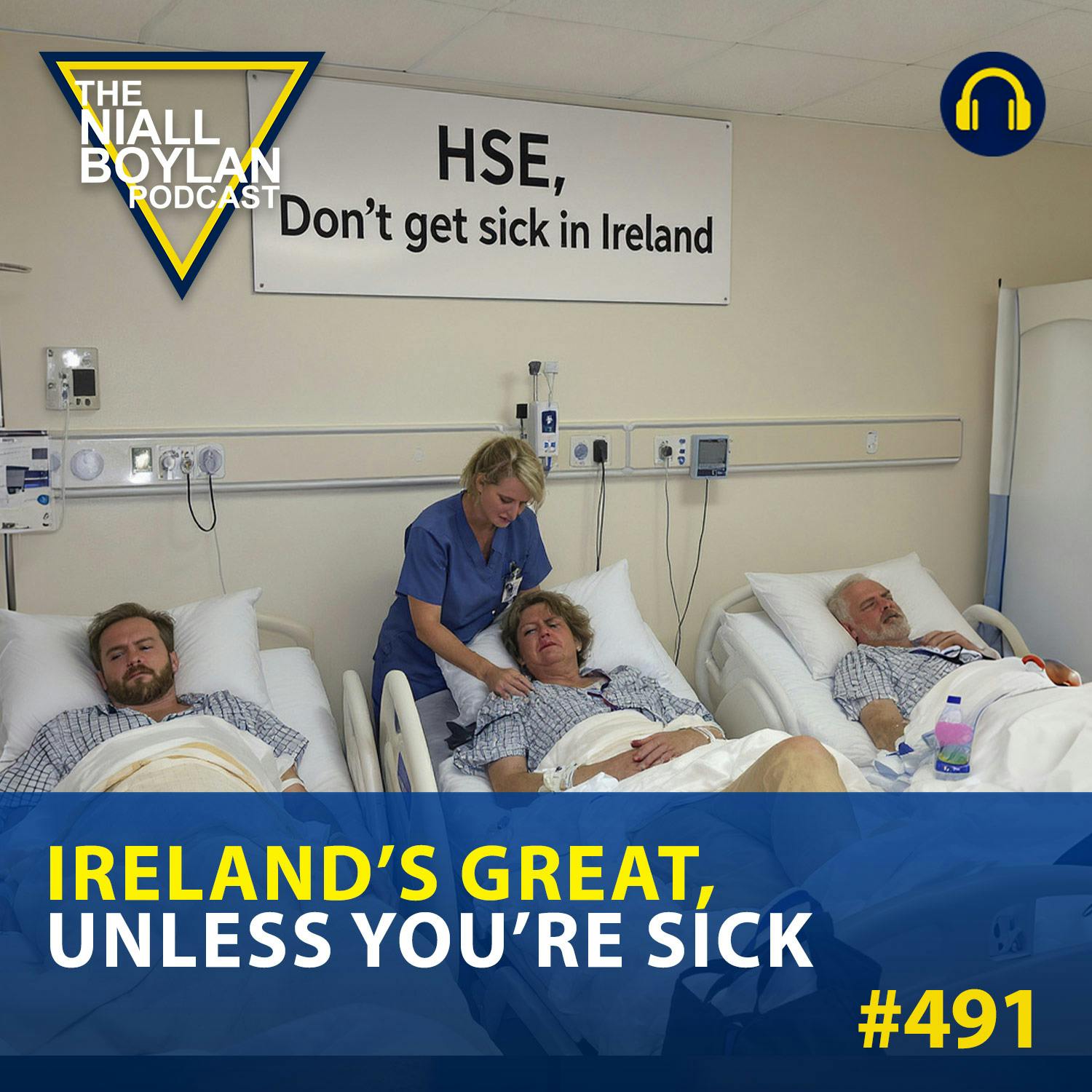
Ep 491#491 Ireland’s Great, Unless You Get Sick
In this episode, host Niall sits down with social media commentator and election candidate Elaine Mullally to unpack the latest shocking revelations about Ireland’s health system.A new investigation has found that none of Ireland’s nine hospitals providing post-surgery breast cancer treatment have met the target of starting chemotherapy within eight weeks. In Letterkenny University Hospital, only 13% of patients received treatment on time. Nationally, delays are leaving women waiting for care that could be vital to survival.The Minister for Health, Jennifer Carroll MacNeill, has admitted there is “no point” in promising more staff while the HSE struggles with a persistent recruitment crisis—with over 6,000 funded posts unfilled.Niall asks Elaine the hard questions:Why is the HSE failing patients so badly?Is this about mismanagement, underfunding, poor staff retention, or political weakness?And why has every health minister for decades seemed powerless to fix Ireland’s health system?
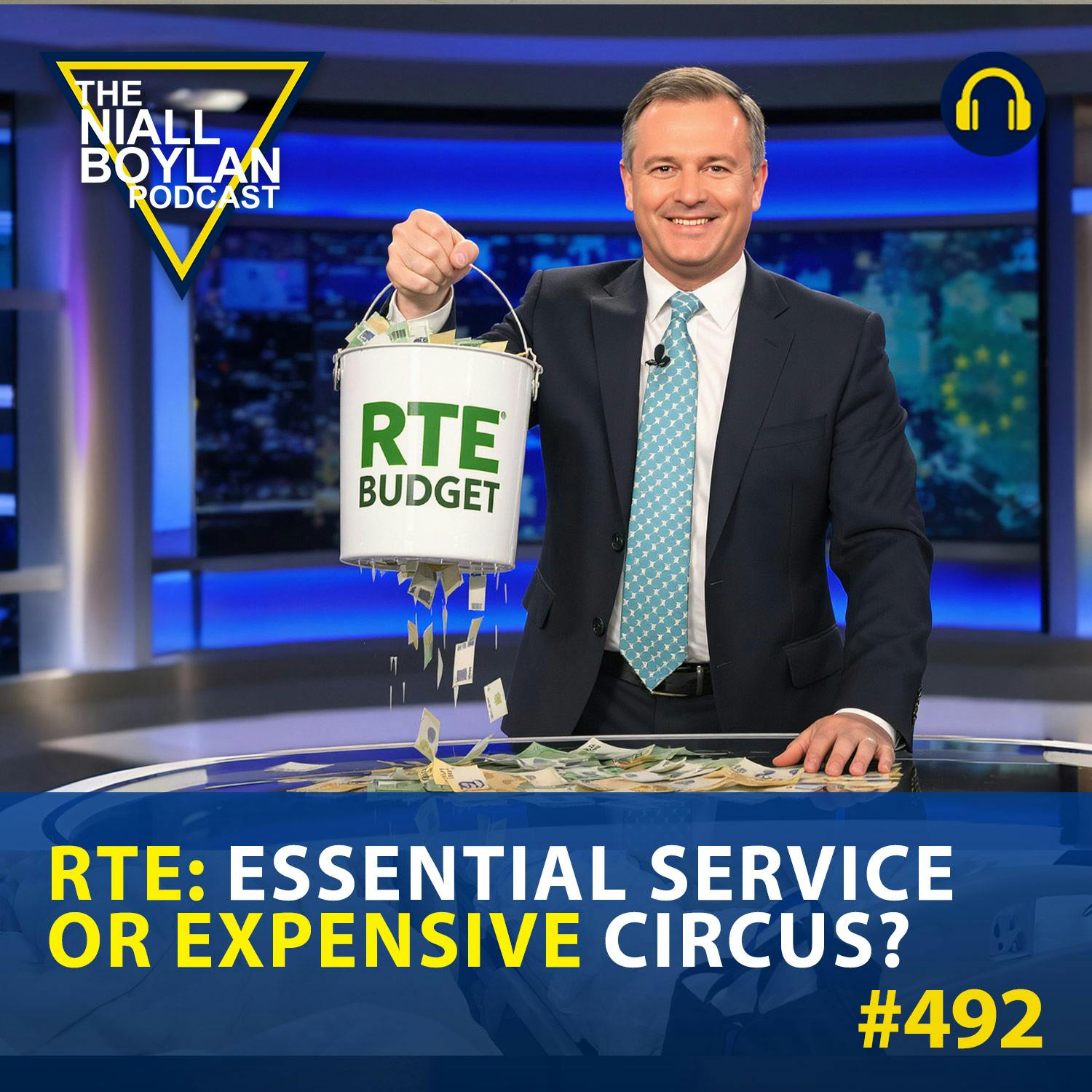
Ep 492#492 RTE: Essential Service or Expensive Circus?
#492 RTE: Essential Service or Expensive Circus?

Ep 490#490 Hotel Hell or Free Market Heaven?
This week on The Niall Report, host Niall dives into one of the hottest debates in Irish tourism: hotel pricing. Following Minister for Tourism Peter Burke’s criticism of “extortionate” room rates in Dublin during big events like the Oasis gigs and the US College Football Classic, the question arises — should the government step in to regulate prices, or should the free market decide?Joining Niall is outspoken restauranteur Paul Tryvaud, who never holds back when it comes to government intervention in business. Together, they weigh the pros and cons of tackling price gouging:Pros: Protecting Ireland’s reputation abroad, ensuring fairness for visitors and locals, and preventing a small number of hotels from tarnishing the entire industry.Cons: Risks of interfering with free-market competition, discouraging investment, and the danger of overreach in setting what is considered a “fair” price.Listeners also join the debate, with some callers arguing that price controls are necessary to protect Ireland’s tourism sector, while others say the government has no place in telling businesses how much to charge.It’s a lively, no-holds-barred conversation about economics, fairness, and the future of Irish hospitality.

Ep 489#489 Leaving Cert. One Test, One Chance, Is It Fair?
Host Niall is joined by John McGuirk from Gript Media to dive into the topic of the Leaving Certificate exams — a defining moment for generations of Irish students. With this year’s results freshly out, they reflect on how the exams shape futures, the pressure they put on students, and what those numbers really mean.Listeners are invited to call in and share their own Leaving Cert memories — the good, the bad, and the unforgettable — adding personal voices to the national conversation.Together, Niall and John weigh up the pros and cons of the current system:Pros: a clear, nationwide standard; fairness in marking; rewarding discipline and preparation.Cons: an over-reliance on rote memory; intense pressure condensed into a few weeks; limited recognition of creativity, practical skills, or long-term learning.They also ask a bigger question: with society changing and knowledge at our fingertips, is the memory-style exam a thing of the past? And if so, what could replace it — project-based assessments, continuous evaluation, or new ways to measure intelligence and aptitude?It’s a thought-provoking discussion on education, fairness, and the future of testing in Ireland.

Ep 488#488 Snobs or Sanity? Child-Free Zones
Today on the show, Niall asks a hot-button question: Are child-free zones discriminatory against parents and carers—or simply a fair choice for those seeking peace and quiet?The debate has been heating up in recent months. From airlines trialling child-free seating, to restaurants, pubs, and hotels advertising “no kids allowed,” the conversation has grown louder. Is this just catering to demand, or is it unfairly excluding parents and families?Niall kicks things off with the viral moment at the Cincinnati Open, when Emma Raducanu stopped play to highlight a crying baby in the crowd—a reminder of how divisive the issue can be. He also looks at airlines like IndiGo and Malaysia Airlines, which already offer premium child-free zones, and asks: are these a welcome relief or a slippery slope toward discrimination?Throughout the episode, Niall takes calls from listeners on both sides. Some argue that everyone deserves the option of a quiet space free from crying, seat-kicking, and toddler tantrums. Others believe parents and carers already face huge challenges, and that child-free zones are unfair, even snobbish.Would you pay extra for guaranteed peace and quiet on a long-haul flight—or do you think child-free spaces send the wrong message about families in public life? Tune in as Niall and his callers tackle this controversial topic head-on.

Ep 487#487 Cash vs Click, Is Cash Still King?
On today’s show, Niall asks: Are we ready to swap cash for a digital euro—or should hard currency always have a place in our pockets?With the President of the Eurogroup, Paschal Donohoe, confirming that key decisions on a digital euro are coming in September, and ECB President Christine Lagarde pushing for the euro to rival the dollar globally, the debate is heating up. Many of us already live cashless lives with online banking and card payments, but is the shift inevitable—or too risky?Niall hears from callers across the country with strong opinions. Some listeners welcome the idea, saying digital money is safer, more convenient, and already part of everyday life. One caller joked they wouldn’t even know where their local ATM is anymore. Another argued it would be easier for governments to crack down on tax evasion and money laundering.But not everyone’s convinced. Parents and older callers expressed fears about losing independence if cash disappears, worrying that digital-only systems leave people vulnerable to scams, technical failures, or even surveillance. One caller shared their frustration at shops refusing to accept cash, saying it leaves people without bank cards unfairly excluded.So, will cash still be around in five years—or is the digital euro set to take over our wallets completely? Niall and his listeners dive into the future of money, weighing the promises of convenience against the risks of leaving coins and notes behind.
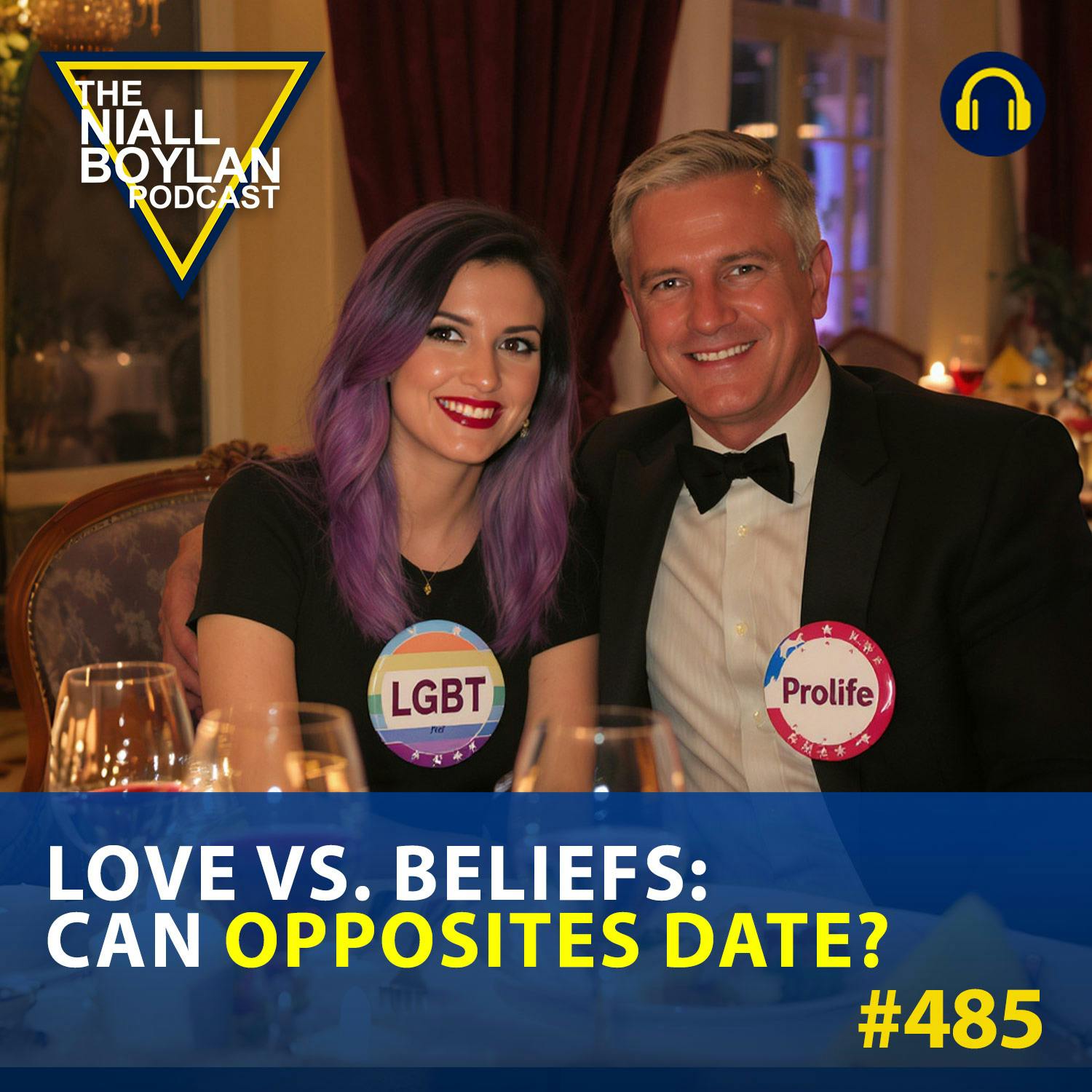
Ep 485#485 Love vs. Beliefs: Can Opposites Date?
On the show, Niall opens the phone lines to discuss a dilemma sent in by a listener who has started dating a man she really likes—handsome, kind, and a perfect gentleman—but with one big issue: their values couldn’t be further apart.She describes herself as progressive and pro-choice, while he’s a devout Catholic, strongly against abortion, skeptical of immigration, and openly disapproving of same-sex relationships. Despite their differences, she says they still get on very well, but she’s terrified these clashes in values will come between them. Should she stick with someone who treats her so well, or is this a red flag that will only get worse over time?Callers weigh in with strong views on both sides:For giving it a chance: One caller argues that respect matters more than agreement—that if he treats her well, listens, and doesn’t try to force his beliefs on her, then the relationship could work. “Plenty of couples disagree on politics or religion,” she says. “What matters is kindness and compromise.”Against pursuing it further: Another caller warns that fundamental differences in values will eventually cause deep conflict. “It’s fine now while they’re dating,” he says, “but what happens when kids come along? Or when she wants to support her gay friends and he can’t accept it? That’s not a small disagreement—it’s their entire outlook on life.”So what do you think—can love conquer such deep divides, or are some values too important to ignore in a relationship?

Ep 486#486 Do Grandparents Owe Us a Dig Out?
Do grandparents have a duty to step in and help raise their grandkids—or are we putting too much pressure on them? In this episode, Niall takes calls from listeners on one of the most talked-about family dilemmas in Ireland today.Around half of Irish grandparents provide some level of childcare, often stepping in when working parents struggle with the soaring cost of crèches and after-school care—sometimes as costly as a second mortgage. But where’s the line between helping out and being taken for granted?Niall revisits a striking email from a listener whose mother had been minding her two young children every day. When her parents finally said it was too much and that they needed their own time back, the daughter felt badly let down—arguing her mother should feel lucky to spend so much time with her grandchildren.From summer holidays to school runs, countless families rely on grandparents to fill the childcare gap. But do grandparents have a moral obligation to provide this support—or is it unfair pressure on an older generation who have already raised their own kids?
Ep 483#483 Ireland’s Baby Shortage,A Birth Rate Crisis
In this episode, host Niall sits down with columnist and journalist David Quinn to tackle one of Ireland’s most pressing social questions: Why are families having fewer children—and what can we do about it?According to Census 2022, the average number of children per family in Ireland is just 1.34, far below the replacement level of 2.3. What does this mean for Ireland’s future—our economy, our ageing population, and the fabric of society itself?Niall and David dig into the possible reasons: the rising cost of living, housing pressures, work-life balance, and shifting cultural values. But this isn’t just a conversation between two voices—listeners call in to share their own stories and opinions, from parents juggling childcare costs to younger people questioning whether they can afford to start families at all.Is it time for bold government action—tax breaks, affordable housing, universal childcare—or should family size remain a strictly private decision?Join the discussion on this thought-provoking episode as we ask: How do we change the trend, and what kind of Ireland do we want for future generations?

Ep 484#484 Retirement: Time’s Up or Time for Change?
In this episode, Niall takes on a question that affects every generation: Should we scrap the retirement age and let people work as long as they want?With the Employment (Contractual Retirement Ages) Bill 2025 moving through the Dáil, big changes could be on the way. Under the proposed law, employees would have the right to refuse retirement before the State Pension Age, and employers would need to justify why a contractual retirement age is necessary. Failure to respond could even carry criminal penalties.But is this a step forward—or a step too far? Supporters argue it values experience, eases pension pressures, and gives older workers real choice. Critics warn it could undermine the promise of retirement, strain those in physically demanding jobs, and block opportunities for younger generations.Niall breaks down the details, weighs up the pros and cons, and opens the phone lines for listeners to share their views. Should retirement be a right—or just an option?
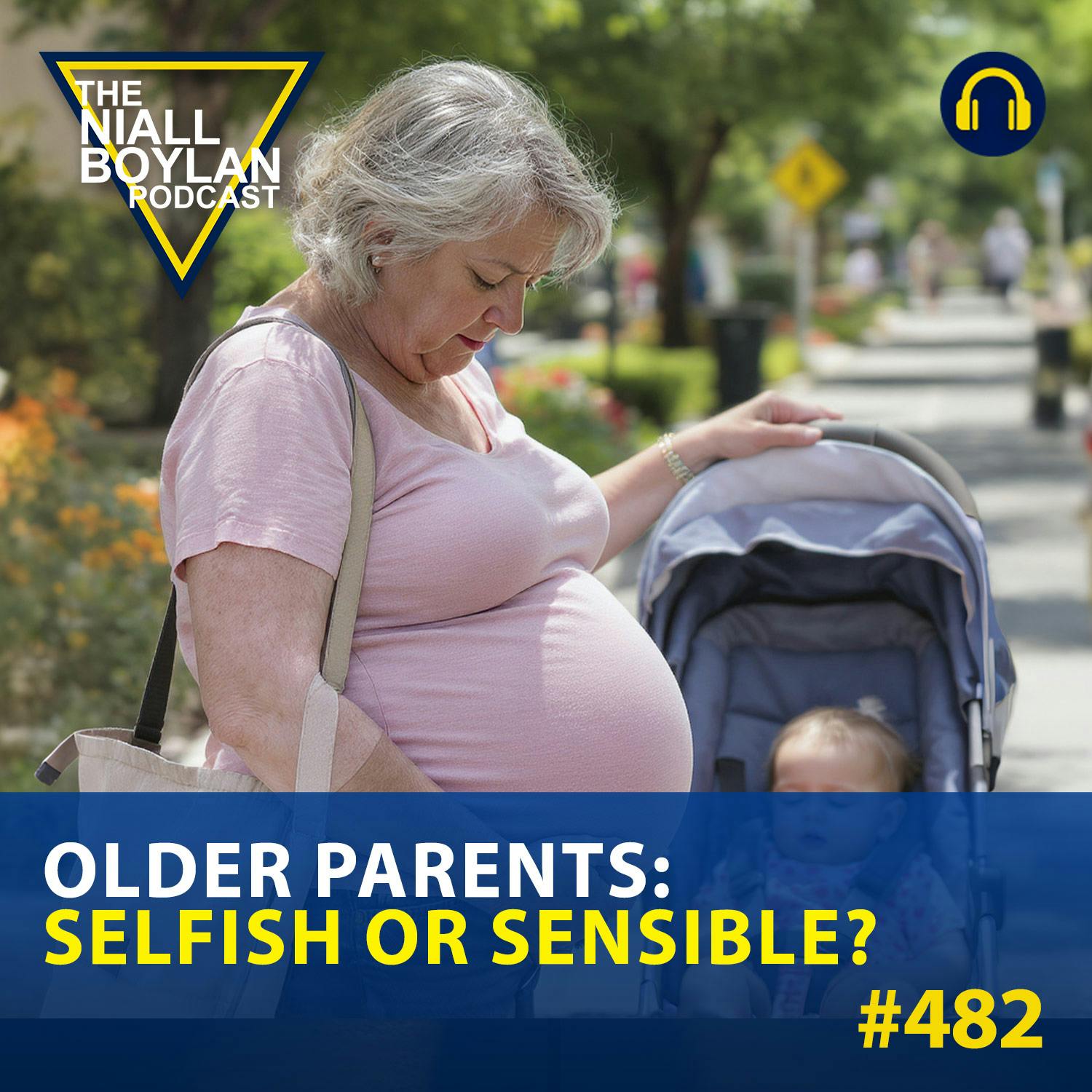
Ep 482#482 Older Parents: Selfish or Sensible?
In this episode, host Niall asks a sensitive but important question: "Is it selfish to have children over the age of 45?"With the average age for first-time parents steadily rising in Ireland and across the world, more women and men are starting families later in life. Advances in fertility treatments, shifting career priorities, and cultural changes have all contributed to this trend — but is society ready for it?Niall speaks to Laura Perrins, journalist, barrister, and mother of four, about her own family experiences and her perspective on why so many people are delaying parenthood.The phone lines are open too, with callers sharing a wide range of opinions:Some argue that having children later in life is empowering and reflects personal freedom and modern opportunities.Others worry about the challenges older parents may face, from health risks to the prospect of not being around for key milestones.A few highlight financial stability, maturity, and life experience as real benefits to later parenthood.Meanwhile, some callers question whether the growing reliance on IVF and fertility treatments raises deeper ethical questions.It’s an honest and sometimes heated debate that tackles the changing face of family life in Ireland today.
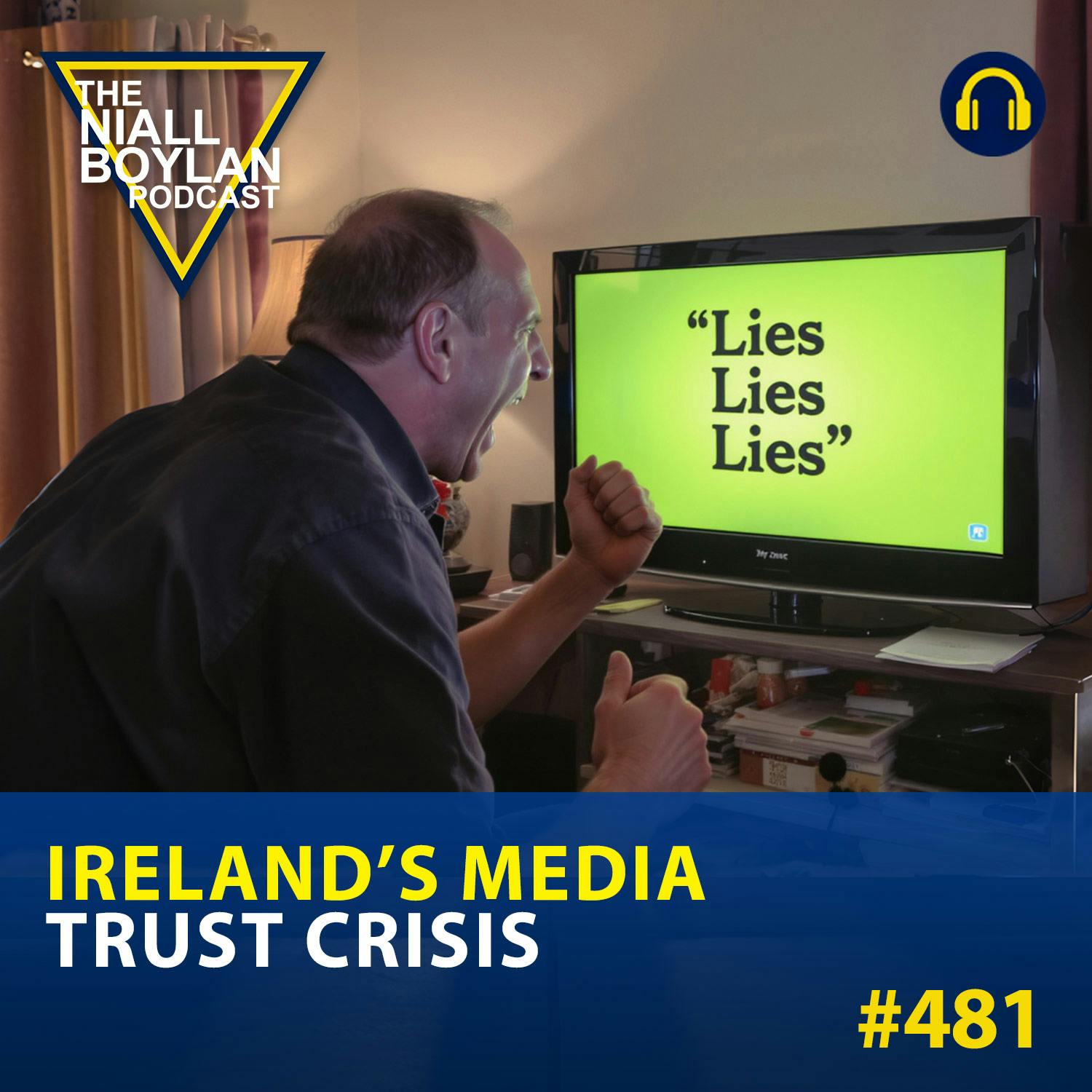
Ep 481#481 Ireland’s Media Trust Crisis
In this episode, host Niall chairs a lively and thought-provoking debate on the shifting media landscape in Ireland. He is joined by Gary Kavanagh, owner and editor of Gript Media, as well as a wide range of callers from across the country.Niall asks the central question: "Why have people stopped trusting the media in Ireland?" and follows it with the equally pressing concern: "If social media is unreliable, where do people now get their news?"Listeners and guests share a variety of perspectives:Skeptics of mainstream outlets argue that the media has become too politically aligned, with stories filtered to fit certain narratives.Traditionalists insist that newspapers and national broadcasters, while imperfect, remain the most trustworthy sources compared to the chaos of social media.Younger callers reveal that they primarily get their news through TikTok, YouTube, or podcasts, even if they acknowledge the risk of misinformation.Community-focused voices argue that local radio, word of mouth, and independent journalism are making a comeback as people seek authenticity.Gary Kavanagh challenges the establishment media, suggesting that the decline in trust stems from bias and gatekeeping, while defending the role of alternative outlets.The debate is passionate, varied, and at times contentious — reflecting the deep divides in how Irish people consume information today.

Ep 480#480 Boom or Bust? Ireland’s Population Surge
Host Niall is joined by Cormac Lucey, Chartered Accountant and Sunday Times economics columnist, to discuss his provocative piece, “The Government is Gaslighting Us Over Immigration.” In it, Lucey argues that political leaders are downplaying the pressures mass immigration is placing on housing, healthcare, schools, and infrastructure—despite Ireland’s population growing by 50% since 1990.With callers phoning in throughout the show, Niall asks the central question: Is Ireland’s record-breaking population growth good for our future—or are we changing too fast, with a government that’s lost control?💡 Arguments in Favour of Growth:Immigration brings much-needed skills, investment, and energy to the economy.A growing workforce supports businesses and tax revenues, helping fund public services.Diversity strengthens Ireland’s global connections and cultural richness.⚠️ Arguments Raising Concerns:Services such as housing, hospitals, and schools have not kept pace, leading to overcrowding and strain.Large inflows risk social tensions if integration is poorly managed.Over-reliance on population growth may mask deeper policy failures in planning, infrastructure, and family support.This episode is a hard-hitting, balanced debate that asks whether Ireland’s rapid transformation is a success story in the making—or a warning sign that leaders are refusing to face reality.
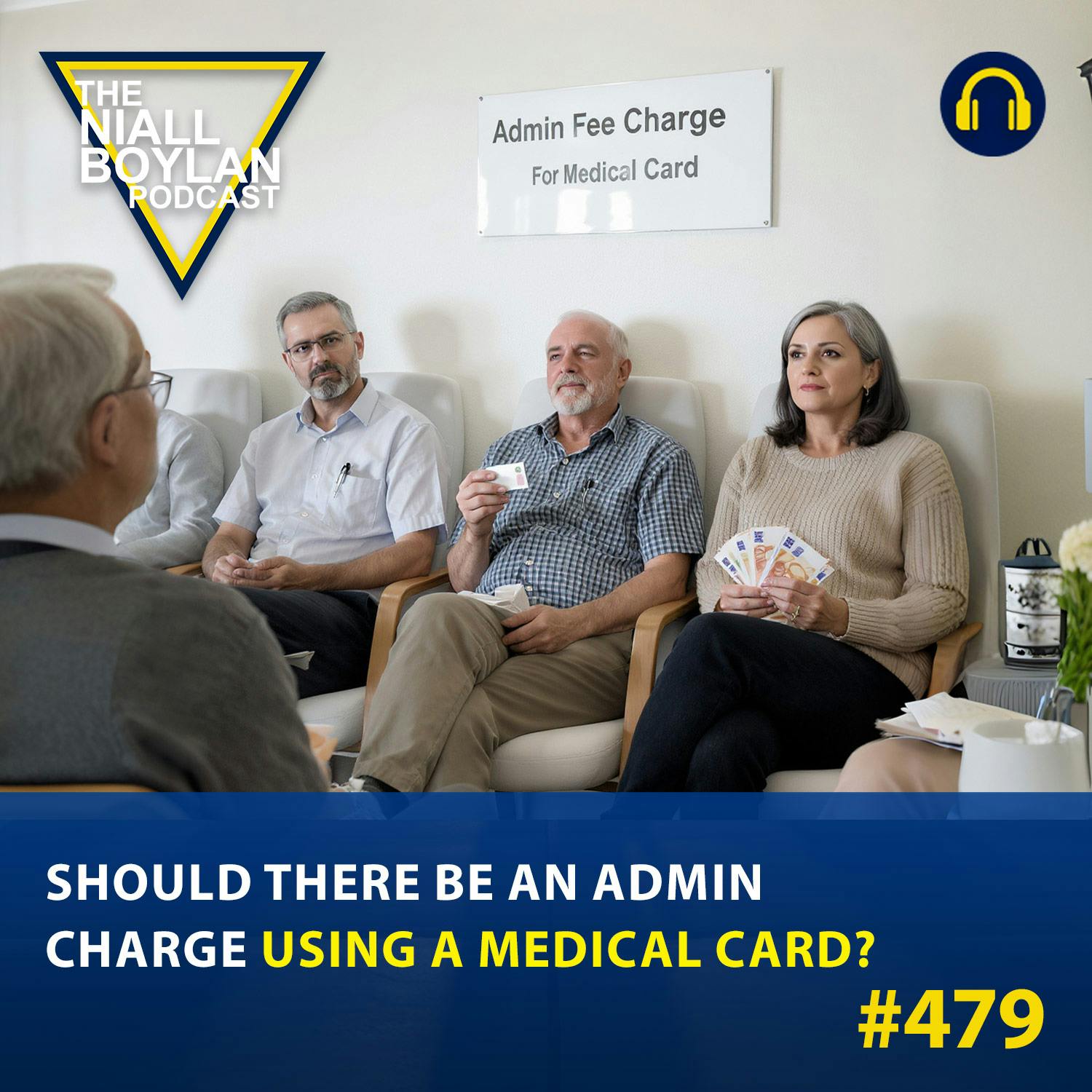
Ep 479#479 Should There Be An Admin Charge Using A Medical Card
In this episode, host Niall sits down with former election candidate Elaine Mullaly to tackle one of the most debated issues facing Ireland today – healthcare. With listeners calling in throughout the show, the conversation explores two burning questions:1️⃣ Is private healthcare worth paying for?Pros: Faster access to specialists, shorter waiting lists, and greater choice of hospitals and consultants.Cons: Expensive premiums, uneven access between those who can afford it and those who cannot, and concerns that it undermines the public system.2️⃣ Should there be a small administrative charge (around €10) to discourage time-wasters in GP surgeries and A&E?Pros: Could reduce unnecessary visits, free up time for genuinely sick patients, and ease pressure on overcrowded facilities.Cons: Risks deterring low-income families or vulnerable patients from seeking timely care, which could worsen health outcomes and increase long-term costs.Niall, Elaine, and the callers share passionate perspectives on both issues, asking whether Ireland’s healthcare system needs bold reform—or just smarter management.
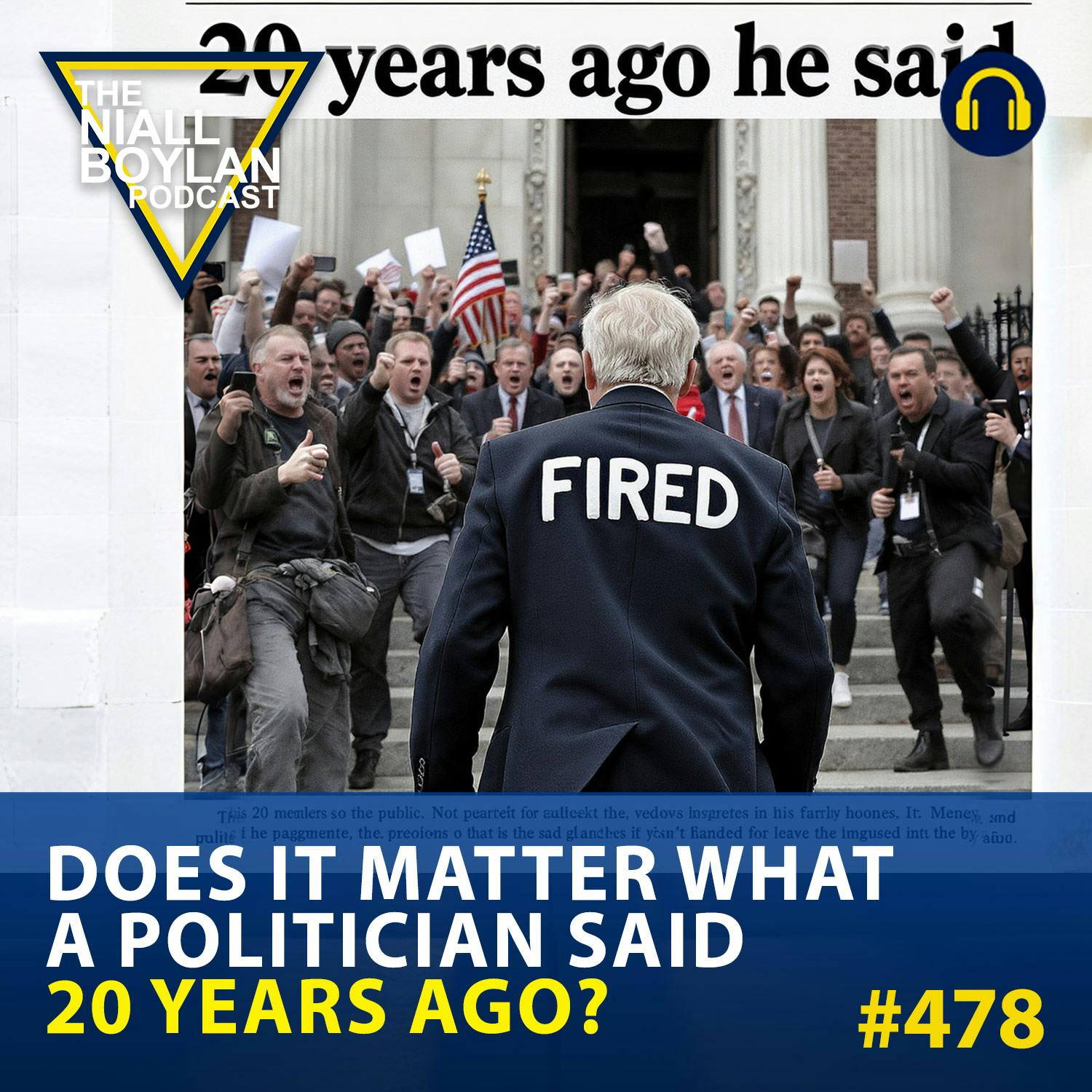
Ep 478#478 Does It matter What A Politician Said 20 Years Ago?
In this episode, host Niall opens the phone lines to hear what listeners think about the upcoming presidential election — and just how messy the campaign trail is likely to get. Should a candidate be judged for something they said 20 years ago, or should the focus remain on their views and actions today? Callers weigh in from all sides, sharing passionate arguments, personal perspectives, and real-world examples. Some believe the past reveals true character, while others argue people can change and grow. Niall keeps the debate lively, balanced, and thought-provoking, offering listeners a snapshot of the many ways voters are thinking as election season heats up.
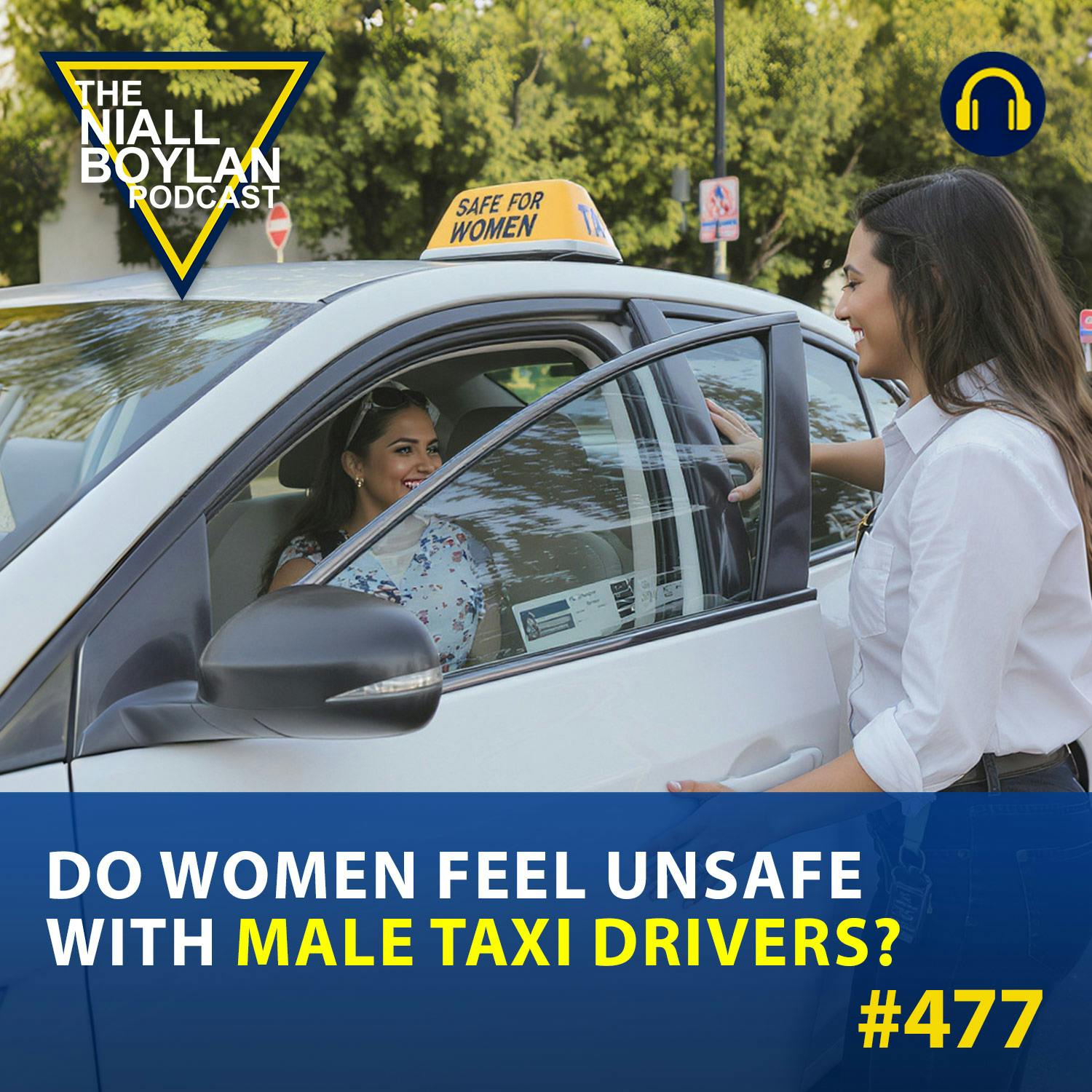
Ep 477#477 Do Women Feel Unsafe With Male Taxi Drivers?
Host Niall is joined by John McGuirk, editor of Gript Media, to discuss a new taxi company in Belfast that’s making headlines for offering a women-only service with female drivers. The company claims the initiative will help women feel safer while traveling, but not everyone agrees. The phone lines light up as callers share their views: many women support the idea, saying it offers peace of mind, while some male callers argue it unfairly suggests men can’t be trusted as drivers — pointing out that statistically, only a tiny percentage of women have ever experienced issues with male taxi drivers. Niall keeps the debate moving with sharp questions, contrasting opinions, and a lively exchange that gets to the heart of safety, equality, and perception.
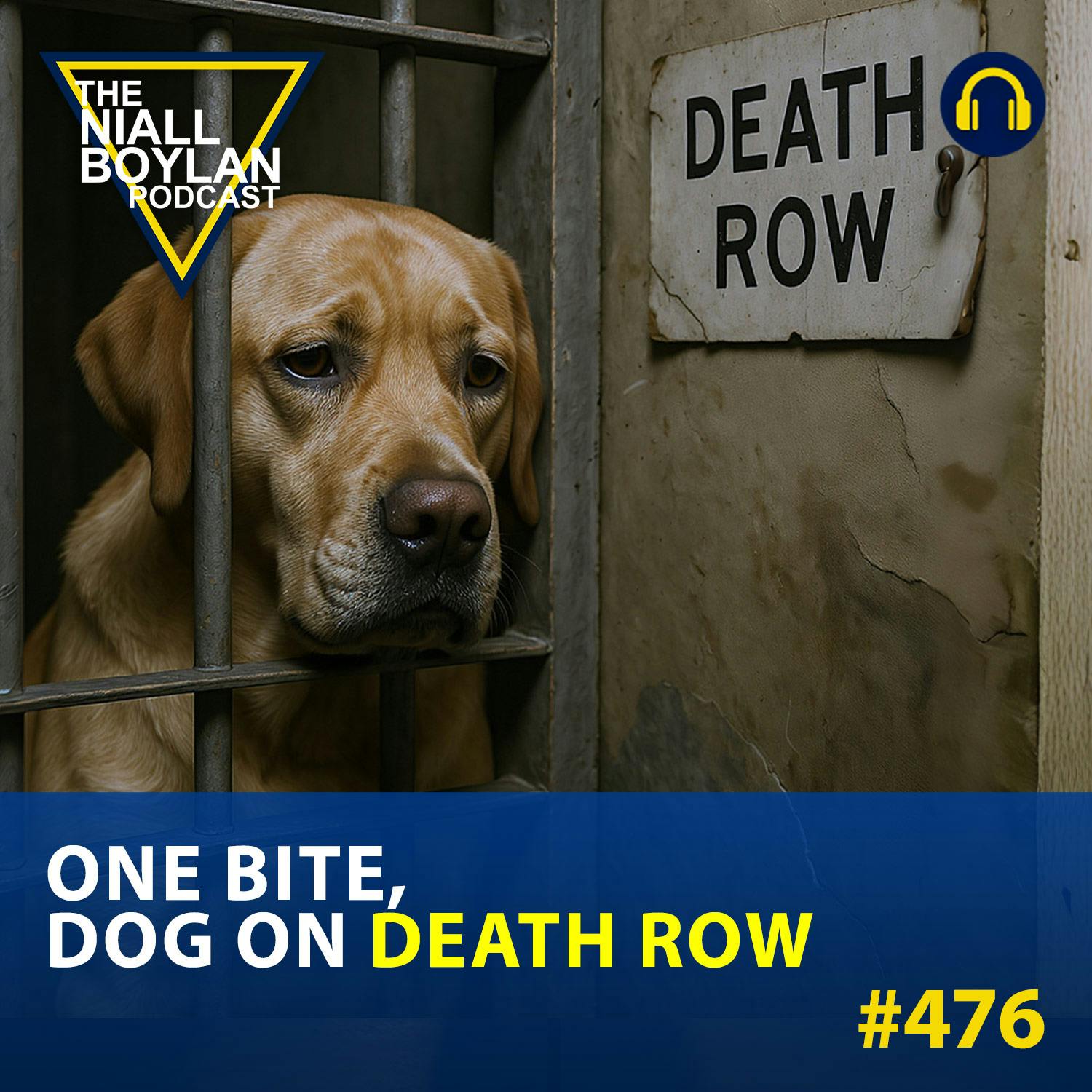
Ep 476#476 One Bite, Dog on Death Row
When Niall picks up the phone this week, he’s met with a caller in tears. Her beloved rescue Labrador, Max, snapped at her 6-year-old son—leaving only a small cut, but igniting a storm at home. Her husband says Max is dangerous and must be put to sleep. She says it was an isolated incident and that Max deserves a second chance. With the vet appointment looming, she turns to Niall for help.The phone lines light up with strong opinions:“One bite is one bite too many. If he did it once, he’ll do it again—next time it could be worse.”“Dogs warn before they bite—he was growling, he was stressed. You can train that out, don’t punish him for one mistake.”“What about the kids? You can’t gamble with their safety.”“Max is part of the family. You don’t just give up on him.”It’s an emotional rollercoaster of compassion, fear, and tough choices. Will public opinion sway the decision before it’s too late for Max?
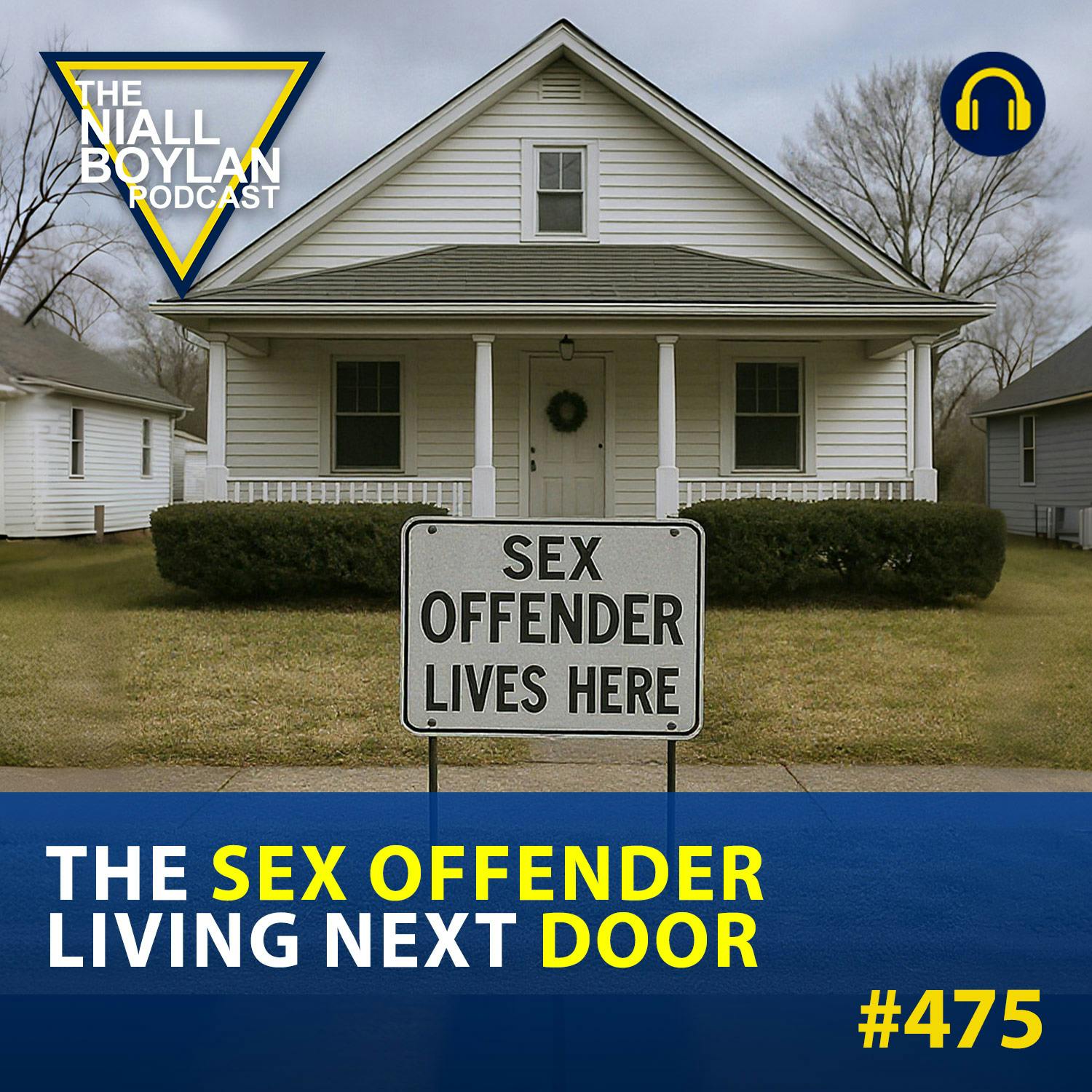
Ep 475#475 The Sex Offender Living Next Door
Host Niall dives into one of the most controversial questions facing communities today: Should the public be informed if a convicted sex offender or paedophile moves into their area after release from prison? Inspired by laws like Megan’s Law in the United States, the phone lines light up with passionate callers eager to share their opinions.Some listeners argue that transparency is a matter of safety, insisting, “Parents have a right to protect their children — how can we do that if we don’t know who’s living next door?” Others warn that public lists could encourage harassment or even violence, with one caller noting, “If you put their address out there, you’re basically inviting vigilantism — and that solves nothing.”In a shocking twist, one caller stuns the audience by defending the idea of a second chance: “They’ve served their sentence. The justice system decided their time was enough. We can’t punish them forever.”From heated arguments to unexpected compassion, this episode pulls no punches — challenging listeners to question where the balance lies between community safety and a person’s right to rebuild their life.

Ep 474#474 Should Parents Pay for Their Kids’ Crimes?
In this episode, Niall tackles a controversial question: Should parents be fined when their children commit crimes?It comes as new figures show the number of children referred to the Irish Probation Service in 2024 hit its highest level in ten years — with 609 cases involving 12 to 17-year-olds, a 10% jump from the previous year. The rise is part of a wider trend of increasing youth crime, sparking debate over how to address the problem before these offenders become the hardened criminals of tomorrow.Listeners call in to share their views, and the pros and cons come thick and fast.Some of the pros:Fining parents would make them more accountable for their children’s actions.It could act as a deterrent, encouraging stricter discipline at home.Hitting parents “in the pocket” might push them to intervene earlier in their child’s behaviour.Some of the cons:Many of these children come from deprived areas, broken homes, or single-parent families, where money is already tight — fines would only add to hardship.Punishing parents financially doesn’t guarantee behavioural change in the child.It risks targeting vulnerable families without tackling deeper social problems like poverty, addiction, and lack of community support.It’s a frank and passionate discussion about responsibility, fairness, and whether hitting parents with fines is justice — or just shifting the blame.

Ep 473#473 Riding with the Law. Coming Soon to Your Bus?
On this episode, Niall dives into a question that’s dividing opinion: Has Ireland’s public transport gotten so bad that we now need a dedicated police force to patrol it?It follows news from Transport Minister Darragh O’Brien that recruitment for a new uniformed Transport Security Unit could start by the end of next year. The force would be separate from the gardaí but have powers of arrest, detention, and possibly pursuit — similar to the airport police.Niall asks listeners: Do you use public transport? And most importantly — do you feel safe on it?Callers share mixed views. Some say it’s long overdue, describing late-night bus and train journeys where anti-social behaviour left them feeling vulnerable. They believe a visible police presence could deter troublemakers and reassure passengers.Others see it as an overreaction, arguing that most journeys are incident-free and that investment should go into better lighting, CCTV, and more staff rather than creating a costly new force. A few warn it could send the wrong message — that public transport is dangerous — when in reality, serious incidents are rare.It’s a lively discussion about safety, perception, and whether policing our buses and trains is the right move for Ireland.
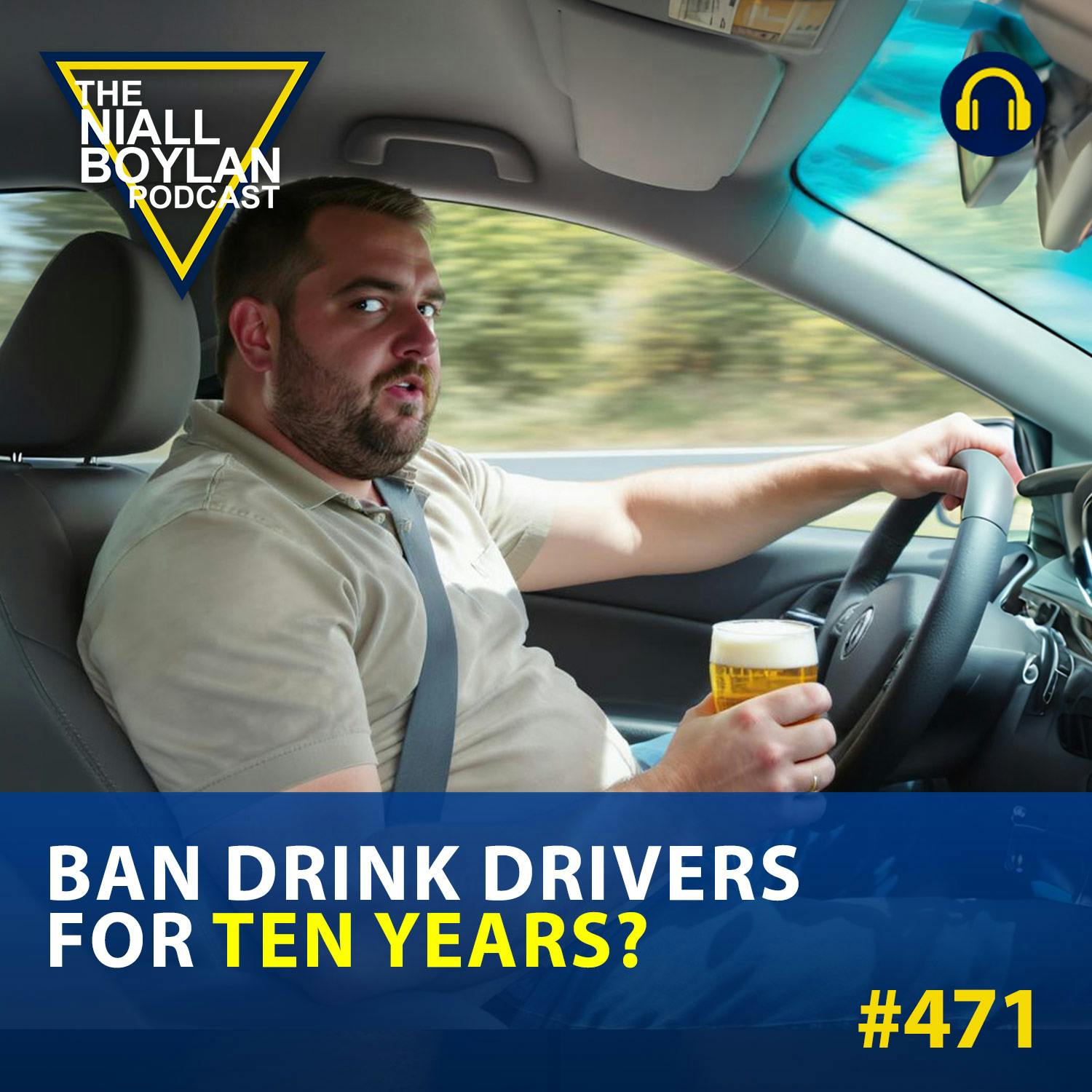
Ep 471#471 Ban Drink Drivers For Ten Years?
In this powerful episode, Niall sits down with Aontú leader Peadar Tóibín to discuss the tragic case of nine-year-old Harvey Morrison Sherratt, who died at the end of July after waiting years for a scoliosis operation. Peadar outlines the failures in Ireland’s healthcare system that left Harvey without the care he desperately needed and explains why he is calling for then–Health Minister Simon Harris to resign over the tragedy.After this hard-hitting interview, Niall shifts the conversation to another pressing issue: drink driving. He asks whether Ireland should increase the driving ban for offenders to ten years and reduce the legal blood alcohol limit to zero. Callers from across the country join the debate, offering a range of opinions.Example Pros discussed:A zero blood alcohol limit removes all ambiguity, making the law clear and enforceable.A 10-year ban could act as a powerful deterrent, potentially saving lives on the roads.Stricter penalties could help shift cultural attitudes toward drink driving.Example Cons discussed:Some argue a zero limit could unfairly penalise drivers with tiny, harmless traces from medicine or food.A 10-year ban might be seen as excessive for first-time, low-level offenders.Strict measures could overwhelm the courts and enforcement systems.From healthcare accountability to road safety, this episode blends compassion, controversy, and hard questions—exactly what Niall’s listeners have come to expect.
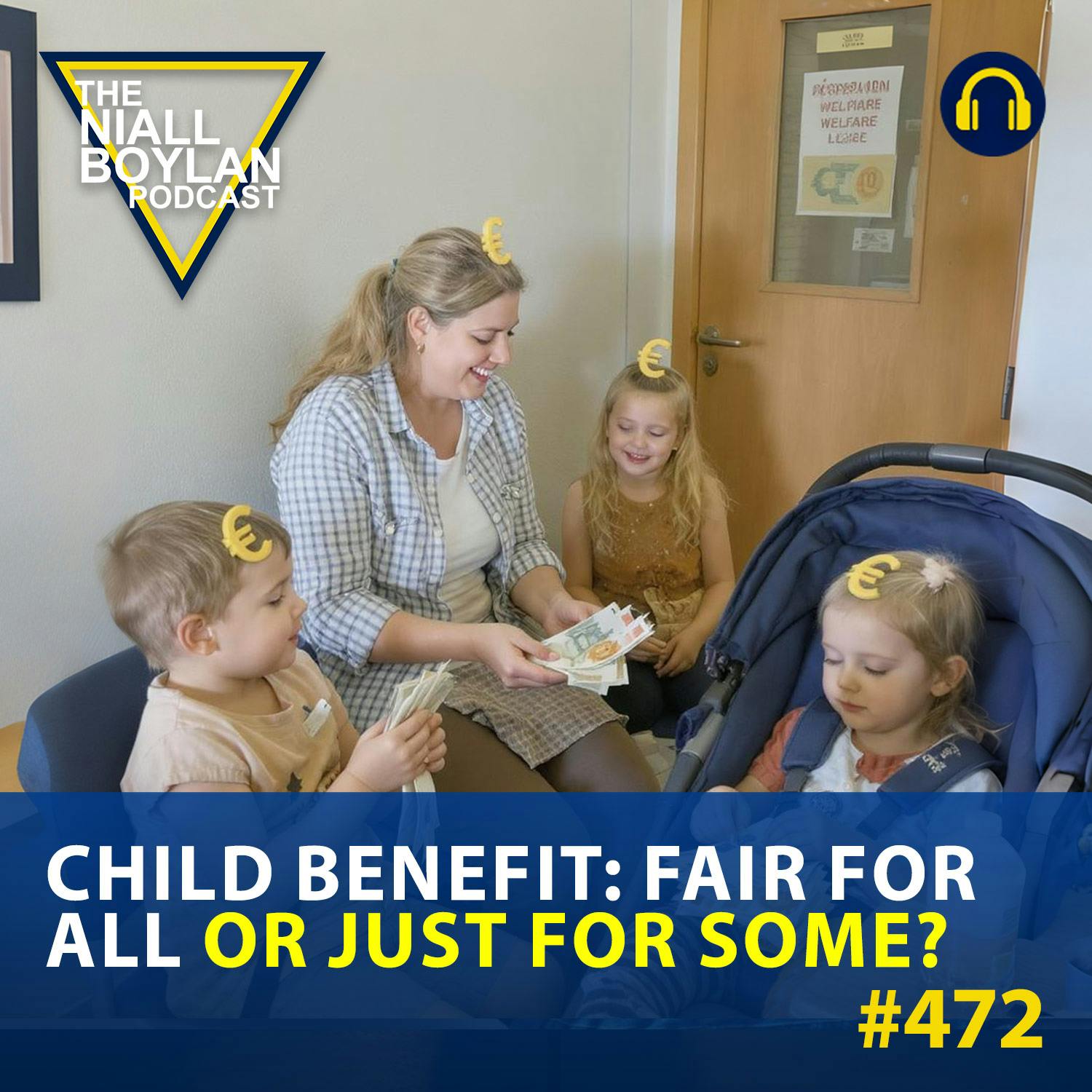
Ep 472#472 Child Benefit: Fair for All or Just for Some?
In this episode, Niall opens the lines to discuss a hot-button issue: Child Benefit. Currently set at €140 a month per child and paid universally—regardless of income—this payment also increases for twins, triplets, and other multiple births. But should wealthier families earning over €100,000 a year still receive it? Or should that money be redirected to boost payments for low-income families instead?Callers from all walks of life join the conversation, sharing their pros and cons.Example Pros discussed:Redirecting funds could provide greater support to families who need it most.Means-testing might make the system fairer and more efficient.Savings could be reinvested into child welfare services.Example Cons discussed:Universal payments are simple to administer and avoid complex bureaucracy.Means-testing could create stigma or discourage parents from working more hours.All parents contribute to the tax system, so all should benefit.From fairness and efficiency to equality and practicality, Niall and his callers dig deep into what Child Benefit should look like in modern Ireland.

Ep 470#470 Only Fans, Empowerment or Embarrassment?
When a distressed parent emails Niall about her 20-year-old daughter joining OnlyFans, the phone lines light up. In the studio, Niall is joined by Samaria — an OnlyFans creator and performer — to unpack the controversy.Callers share raw, unfiltered views:Some say it’s empowering for women to control their image, set their own prices, and earn financial independence without traditional job constraints.Others see it as a dangerous path, opening the door to online harassment, long-term reputational harm, and the emotional toll of sex work.Supporters argue that stigma is outdated and that consenting adults should be free to earn however they choose.Critics warn about exploitation, objectification, and how such choices might impact relationships with family and future partners.From moral outrage to arguments about autonomy, the debate dives deep into whether platforms like OnlyFans represent liberation, desperation, or something in between — and how parents can navigate it when it’s their own child at the centre.

Ep 469#469 Fluency or Folly? Irish in the Classroom
In this episode, Niall puts the question to listeners — and to guest Karl Deeter — whether more investment in the Irish language is money well spent. The conversation kicks off with Deputy Ryan O’Meara’s proposal for a mandatory Gaeltacht course for all Leaving Cert students, aimed at boosting fluency and transforming attitudes towards Irish.Callers weigh in with a range of views:One argues that a Gaeltacht experience could make Irish feel alive rather than just an academic subject.Another says spending more is pointless when most students forget the language after school.A third insists that the Irish language is part of our identity and worth preserving at any cost.A fourth warns that forcing students into a Gaeltacht stay will only breed more resentment.From cultural pride to practical concerns, Niall and Karl hear it all in a lively debate on whether the future of the Irish language should come with a bigger price tag.

Ep 467#467 What Does Irish Mean. Are we loosing Our identity?
In this thought-provoking episode, Niall speaks with the author of a recent article that questions the direction of Ireland’s education system—and, more broadly, our national identity. The discussion focuses on the updated early years curriculum Aistear, which curiously credits babies as participants in its development, and introduces the idea of raising “agentic global citizens.”Are we losing sight of what it means to be Irish? Is our cultural heritage being diluted in the name of inclusivity and ideology? Niall also takes calls from the public to hear their views on Irishness today: from concerns about the role of Catholicism in schools, to the growing influence of globalist thinking in Irish education.Are we still raising Irish citizens—or just citizens of everywhere?Join the conversation and ask yourself: What does it mean to be Irish in 2025?
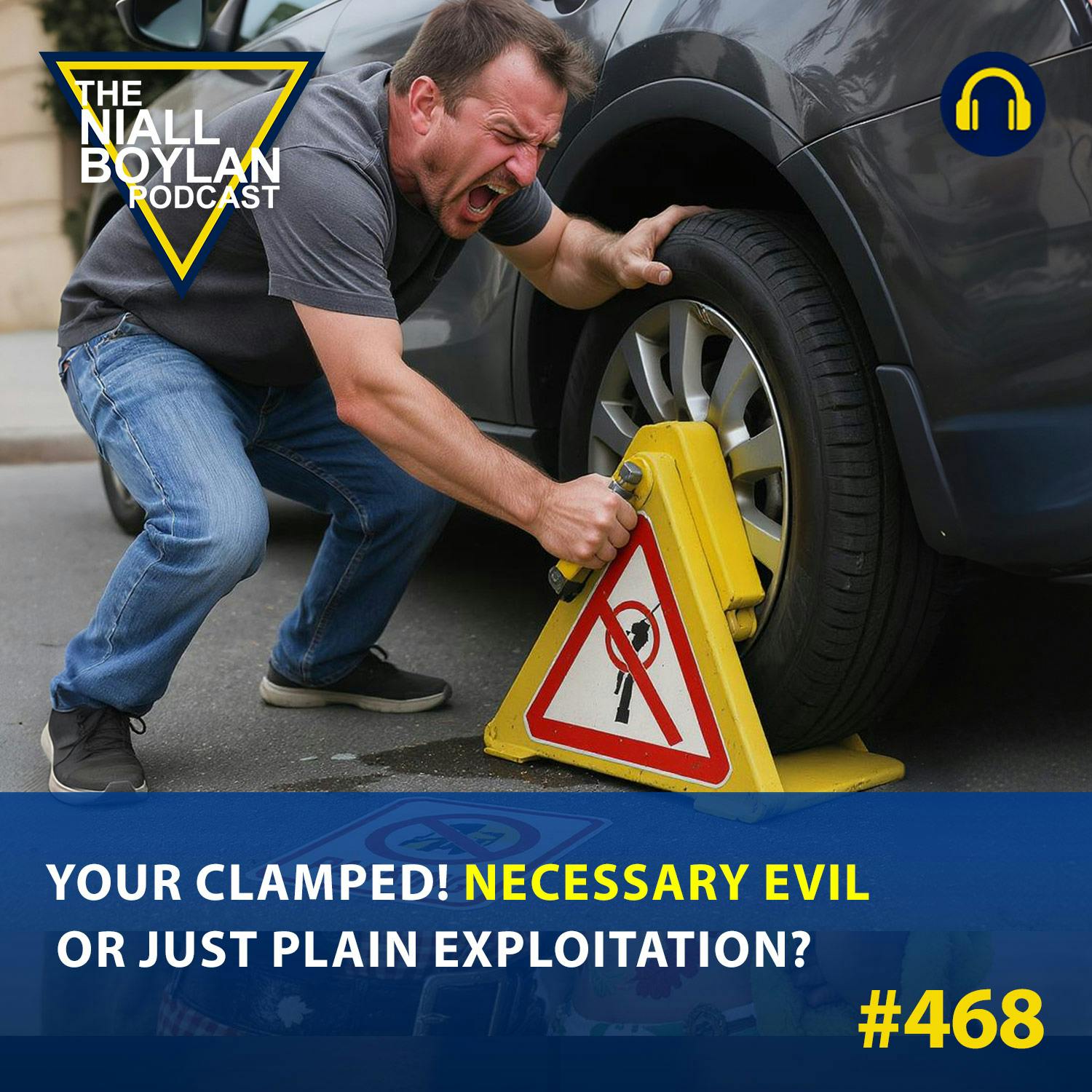
Ep 468#468 Your Clamped! Necessary Evil or Just Plain Exploitation?
In this heated and often hilarious episode, Niall opens the phone lines to listeners with one thing in common—they’ve all been clamped. Whether caught overstaying in a private car park or parking illegally on city streets, they share their stories of frustration, fury, and, in some cases, acceptance.Some callers vent about predatory private clamping companies, sky-high release fees, and the feeling of being “targeted for profit.” Others argue that clamping is a necessary evil—a tool to keep roads safe, footpaths clear, and ensure people respect the rules.Is clamping about enforcing law and order—or squeezing money from already-stretched drivers? Should there be more warning and leniency, or are we too soft as it is?Niall keeps the debate rolling with humour and sharp questions, asking:Is clamping fair? Or is it time for a new approach to parking enforcement in Ireland?Have you ever been clamped? You’re not alone.Tune in for tales of rage, regret, and real talk from drivers on both sides of the wheel.
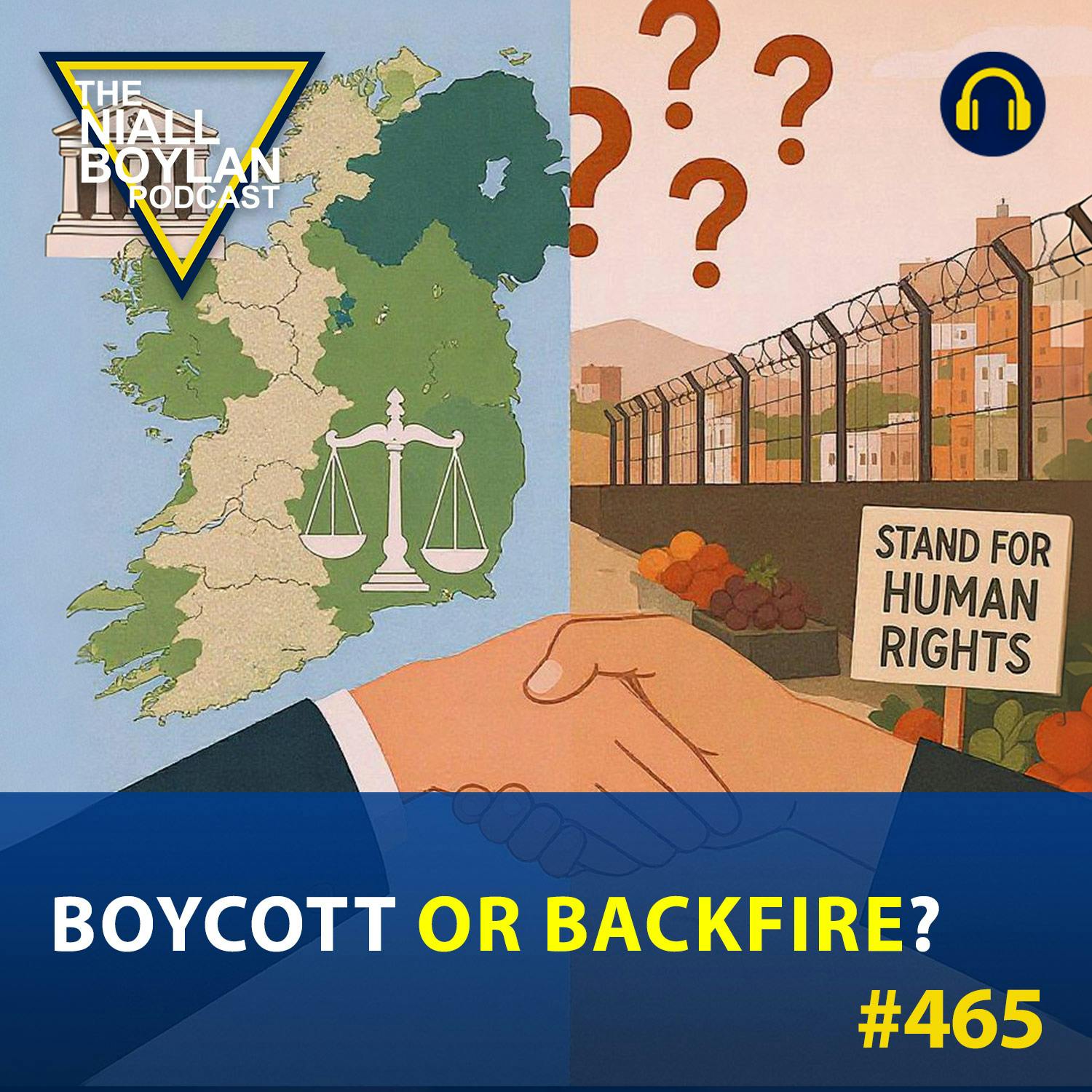
Ep 465#465 Occupied Territories Bill: Boycott Or Backfire?
In this episode of the show, Niall dives into one of Ireland's most controversial legislative proposals — the Occupied Territories Bill. The bill would ban trade with Israeli settlements in the occupied Palestinian territories, a move hailed by some as a powerful stand for human rights — and criticised by others as a dangerous gamble with Ireland’s economy and international trade.Is this a bold act of moral leadership? Or could it cost us key trade relationships with the EU and the United States?As always, Niall opens the lines and takes calls from listeners across the country with strong — and very different — opinions.📞 One caller argues that “Ireland has always punched above its weight in global justice issues, from apartheid to Palestine — we can’t be selective about human rights.”📞 Another warns, “It’s naïve. The bill won’t change anything on the ground in Israel-Palestine, but it will hurt Irish exports and jobs. Why risk that?”📞 A third caller suggests that “if we’re serious about boycotts, why not extend this logic to other countries violating international law? Why single out Israel?”📞 And one passionate supporter says, “Even if it's symbolic, symbols matter. We can’t talk about peace and neutrality while profiting from illegal settlements.”With lively debate, conflicting views, and Niall asking the hard questions, this episode brings Ireland’s foreign policy into sharp focus.

Ep 466#466 Zoos: Protection Or Exploitation?
In today’s thought-provoking episode, Niall opens the phone lines and asks a big question: Are zoos still relevant in the 21st century — or is it time we phased them out?As the debate heats up, callers from across the country weigh in with passionate and diverse opinions.📞 One caller defends zoos, saying they play a vital role in conservation and education — giving children a chance to connect with animals they’d never otherwise see.📞 Another strongly disagrees, arguing that no enclosure, no matter how advanced, can replicate the wild — and that animals in captivity often suffer mentally and physically.📞 A third caller offers a more balanced view, suggesting that while traditional zoos may be outdated, modern wildlife sanctuaries and rewilding projects could be the way forward.📞 Then there’s a surprising take — a caller who believes zoos are acceptable only if they are entirely non-profit and focused on rehabilitating endangered species, not entertainment.Niall keeps the discussion moving with sharp questions and reflections on how our relationship with the animal kingdom has changed.Are zoos relics of the past or tools for the future?
Ep 464#464 Is It Selfish to Holiday Without the Kids?
On today's show, Niall opens the phone lines to discuss a heated dilemma from a listener that's got families divided.After a tough year and tight finances, a husband surprises his wife with a fully paid two-week holiday to Alicante. Sounds perfect… until she realizes it’s just for the two of them — no kids.Now she's furious, calling it selfish and saying she’d never leave her children behind for a sunny getaway. Her husband says it's their chance to reconnect. Her sister says she’s overreacting. Her mother says she’s right to be upset.What do you think? Is this a thoughtful gesture from a husband trying to save their relationship — or a tone-deaf move that ignores what it means to be a family?📞 Call in now — should she go or say no?Don't miss this one — it's already sparking major debate!

Ep 463#463 Ireland vs.EU:The Hate Speech Showdown
In this thought-provoking episode, Niall sits down with barrister Dominic Wilkinson to unpack the current status of hate speech laws in Ireland and the growing pressure from the European Union to implement legislation that many see as controversial and deeply unpopular.Ireland has taken a step back from enacting full hate speech laws, opting instead to split the legislation from hate crime provisions. Yet, EU scrutiny is mounting — with the threat of legal action looming — as the Government struggles to balance international obligations with public resistance.Dominic offers legal insights into the EU’s push, what hate speech laws might look like if introduced, and the potential consequences for free expression.Niall then opens the phone lines to callers and sparks a lively debate: Should social media platforms be compelled to increase their efforts in censoring divisive and hateful content?The responses are diverse:One caller supports stricter moderation, arguing that “there’s a difference between free speech and targeted abuse, and platforms have a responsibility to act.”Another strongly disagrees, saying “once you give tech companies more power to decide what’s acceptable, you risk silencing legitimate views just because they’re unpopular.”A third caller offers a middle ground, suggesting “AI filters and human oversight should work together, but only for content that clearly incites violence — not just because it offends someone.”This episode dives deep into the tension between freedom of expression, public safety, and political pressure — both at home and from Brussels. A must-listen for anyone interested in Ireland’s future direction on civil liberties and digital censorship.
Ep 461#461 Soup Runs:Lifeline or Lifelong Trap?
In this episode, Niall sits down with Chris O’Reilly from the Liberty Soup Run, a grassroots group that has been serving Dublin’s homeless community for the past 7 years. With 30 volunteers and two vans operating five nights a week, Liberty Soup Run provides not only food but a vital lifeline to people living rough on the streets.Chris shares powerful insights into the day-to-day work of the team, the challenges they face, and the deep human connections that come with helping those in need.Later, Niall opens the phone lines to ask a tough but important question:👉 Do soup runs encourage people to remain on the streets?The responses are varied and passionate.Some callers say soup runs are essential, providing dignity and survival to people with nowhere else to turn. Others argue that they might unintentionally discourage engagement with housing and addiction services by making life on the street slightly more bearable.One caller believes the real issue lies in the lack of government support, saying soup runs exist because of gaps in the system. Another insists that while soup runs help in the short term, long-term solutions need to focus on housing and mental health support.It’s a complex, emotional debate that gets to the heart of how we care for society’s most vulnerable.

Ep 462#462 Stream If You Dare But Sky Might Be Peeking
In this thought-provoking episode, Niall sits down with outspoken journalist Ian O'Doherty to unpack the controversial crackdown on so-called "dodgy boxes" — devices that allow illegal streaming of sports, movies, and premium TV content.With the Data Protection Commission now engaging with Sky over the company's use of personal data to pursue illegal streamers, questions are swirling. Is this a legitimate fight against copyright theft — or a dangerous overreach into personal privacy?Ian brings his trademark sharp insight and strong opinions to the table, and listeners don’t hold back either. Callers from across the country weigh in — some defending digital freedom and affordability, others demanding stronger protection for content creators.Is Sky protecting its rights — or snooping where it shouldn't? You decide.🔊 Tune in, call in, and get in on the debate.

Ep 459#459 Are Young People Right To Leave Ireland
In this explosive episode of The Open Line with Niall, we dive deep into the reaction to Niall’s viral tweet from the day before:"I’ve reached the point where I’m done worrying about young people leaving this country. In fact, I’d urge them to get out while they still can because if they stay, they’ll end up homeless, broke, and stuck in a system that offers them nothing. No hope, no future, just empty promises from the same useless governments now and in the years ahead."The tweet struck a chord—and a nerve.Tonight, callers from all over Ireland join the conversation live with passionate, divided opinions:🔹 Some agree completely, saying Ireland has failed its younger generations with sky-high rents, stagnant wages, and political complacency.🔹 Others argue there's still hope—that leaving should be a choice, not a resignation.🔹 A few defend the country, accusing Niall of being overly negative and stirring despair.🔹 And several young people share emotional stories of struggling to survive while dreaming of a life abroad.Is Niall right to urge young people to leave? Or is there still something worth fighting for in Ireland?This is one of the most raw, emotional, and honest discussions we’ve had yet.Tune in now—and decide for yourself.
Ep 460#460 This Old Couger Is Stealing My Son
In this powerful and emotional episode of The Open Line with Niall, we ask the question: Are age gaps in relationships a real concern—or just social bias?Niall reads a gripping email from a distressed mother whose 19-year-old son—fresh into college—has fallen head over heels for a woman twice his age. Julie, 39 (or so she claims), is divorced with two children and has asked him to move in. The mother suspects manipulation, while her husband believes it’ll “blow over.”Listeners call in live with a wide range of opinions:🔹 A concerned parent who believes the age gap creates an unhealthy power imbalance🔹 A former younger partner who felt lost in an older woman’s world🔹 Someone who’s in a happy relationship with a significant age gap—and says love can work🔹 And a caller who challenges the stigma, urging people not to judge what they don’t understandIs this a case of genuine connection—or something more worrying? Is it love… or control?Tune in for a nuanced, emotional, and thought-provoking conversation that explores family boundaries, maturity, and what happens when love crosses generations.

Ep 458#458 Bigger Body, Should Book Two Seats?
In this emotionally charged episode, Niall dives into one of the most talked-about travel debates: Should plus-size passengers be required to book an extra seat on flights? Inspired by viral content from plus-size travel influencer Kirsty Leanne, who unapologetically refuses to pay for more space—even when it upsets fellow passengers—Niall opens the lines and gives listeners the mic.With passionate views on both sides, callers share raw and honest opinions on whether airlines should be more size-inclusive, or if shared space means shared responsibility. From personal experiences to broader ethical concerns, this episode asks the uncomfortable questions we can’t afford to ignore in today’s world of packed planes and evolving norms.Caller Opinions: “Kirsty’s right — booking two seats every time is financially and emotionally draining. The onus should be on airlines to design better, more inclusive seating.” “Nobody asks tall people to pay extra for legroom — why single out plus-size passengers? It's about dignity and fair treatment.”“If you’re taking up more than one seat, it’s only fair to pay for it. Everyone’s paying for their space — it’s not about shame, it’s about practicality.”“I once had a flight where I was half-squashed because the person next to me overflowed into my seat. It was uncomfortable and unfair.”Tune in for a compelling, respectful conversation about body size, fairness, and the future of air travel — only on Talk It Out with Niall
Ep 457#457 No Rise for the Jobseekers?
In this fiery episode, Niall opens the phone lines to callers across the country to weigh in on the government’s decision not to raise the Jobseeker’s Allowance in Budget 2026. While pensioners look set for an increase, the unemployed have been left out – and people have a lot to say about it.With contributions from concerned citizens, former jobseekers, employers, and advocacy groups, we explore the controversial question: Is the government right to hold back increases for the unemployed – or are they punishing those already struggling?We also dig into a key recommendation from the Department of Finance's expert group: that welfare thresholds should reflect the national minimum wage. Are current disincentives to part-time work keeping people trapped on the dole? Or is the state simply trying to incentivize a return to employment?Join Niall and his callers as they debate fairness, compassion, economics, and the future of Ireland’s welfare state.📣 Opinions For Raising the Jobseeker's Allowance (as expressed by callers):"It’s not fair to punish people who genuinely can’t work." Many callers say the system fails to consider those with mental health struggles, disabilities, or low qualifications."The cost of living affects everyone – not just pensioners." Several listeners argue that inflation has hit the unemployed just as hard, if not harder."It’s not about handouts, it’s about survival." Callers point to rising rent, food, and energy costs making current supports inadequate."Raising the allowance could support dignity and mental health." Some argue that an increased payment would reduce stigma and stress for those in long-term unemployment.📣 Opinions Against Raising the Jobseeker's Allowance:"The system already makes it more profitable for some to stay on the dole." A few callers reference cases where welfare plus housing and child supports add up to the equivalent of a €40,000 salary."We should be encouraging work – not dependency." Some listeners believe benefits should incentivize employment and be carefully targeted."Pensioners worked their whole lives – they deserve the increase more." A frequent argument was that older people are on fixed incomes and have earned a bigger slice of the budget."If people can work, they should." Several callers say the focus should be on upskilling and job placement, not boosting payments.
Ep 455#455 Sex Education: Who Should Be Teaching Our Children?"
In this heated and thought-provoking episode, Niall opens the phone lines to tackle one of the most controversial questions facing parents, educators, and lawmakers today: Should young children between the ages of 8 and 16 receive sex and relationship education in school?As society changes and kids are exposed to more information — and misinformation — at younger ages, the debate intensifies: Should the state take responsibility for teaching children about sex and relationships, or should this remain firmly in the hands of parents?Listeners call in with passionate views from both sides:📣 Some callers argue in favour of school-based sex education, saying:"Kids are already hearing things in the playground and online. Better they learn the facts from trained professionals in school.""Not all parents feel comfortable or know how to talk about these topics. Schools can ensure children get accurate, age-appropriate information.""Early education can help prevent abuse, unwanted pregnancy, and promote respect in relationships."🔊 Others believe the responsibility lies with parents, stating:"Teaching kids about sex is a private, moral issue — and schools shouldn't interfere with family values.""Every child is different. Parents know best when their child is ready for these conversations.""The state has no right to expose kids to topics some families might not agree with or feel are inappropriate at certain ages."With emotions running high and strong arguments on both sides, Niall asks:"Should the state be trusted to teach our kids about sex and relationships, or should this be a job for parents only?"Tune in and join the conversation. Where do you stand?

Ep 456#456 Can You Separate the Art from the Artist?
In this thought-provoking episode, Niall asks a powerful and controversial question: Should we still listen to the music of artists accused or convicted of serious crimes — especially against children?From R. Kelly to Gary Glitter, Michael Jackson to others, their work has left an undeniable mark on pop culture — but should their songs still be played on the radio? And what about movie stars accused of similar crimes — should they be blacklisted from future roles and wiped from the screen?Can we — or should we — separate the art from the artist?Or does continuing to enjoy their work make us complicit in ignoring their actions?Listeners call in to weigh both sides:📞 "I grew up with Michael Jackson — his music shaped my childhood. I can’t just erase that because of allegations."📞 "If we support the music, we support the artist — and that sends the wrong message."📞 "Where do we draw the line? Should we ban every artist with a dark past?"Tune in for a heated, honest, and emotional conversation that tackles morality, memory, and the complex legacy of fame.
Ep 454#454 Should A Mother Pay Her Sons Drug Debt?
In this emotionally charged episode of Late Lines with Niall, we hear from a heartbroken single mother who discovered drugs in her teenage son’s bedroom. After confronting him, he admitted to selling them at school — not to use them — but to make money and ease the financial pressure on their struggling household. The twist? The drugs didn’t belong to him… and now, the dealer wants them back — or €2,000 in cash.Faced with the terrifying threat of violence, the mother is torn: should she take out a credit union loan to bail her son out, or report everything to the Gardaí and risk things getting worse?Listeners call in with their takes:📞 "She absolutely cannot pay that debt. Once you pay them off, they’ll know you’re willing to cough up. That’s how blackmail starts." – Declan from Limerick, a former addict who turned his life around.📞 "He’s 17. Still a child. He made a stupid decision, but he owned up and he’s scared. She needs to protect him, and that might mean paying this once — and making sure it never happens again." – Paula from Cork, a mother of three boys.📞 "This is how gangs get their claws into good kids. The Gardaí need to be involved. If he's already out, he’s lucky. Don’t protect him from consequences — protect him from worse down the line." – John, a retired Garda from Sligo.📞 "I think she should pay — but make him earn every cent back. Cleaning houses, working weekends. Let him learn the value of trust and money." – Siobhán, a single parent from Kilkenny.📞 "She flushed the drugs — she did the right thing. But now she’s in a corner. That €2,000 might be the cost of peace. But what’s the cost of setting a precedent?" – Mick from Tallaght, whose cousin was pulled into gangland trouble.💬 Tune in as Niall listens to real voices from around the country on a story that hits at the heart of parenting, poverty, loyalty, and fear. What would you do?

Ep 453#453 Has the Catholic Church Done More Good Than Bad?
On todays episode with Niall, we’re diving into one of Ireland’s most contentious and emotionally charged questions: Has the Catholic Church, despite its well-documented failures, actually done more good than bad?Niall is joined in studio by journalist Jason Osborne to unpack a provocative column written by Laura Perrins, published in Gript. In her piece, Perrins argues that it has become too easy — and often historically inaccurate — to lay every societal ill at the feet of the Catholic Church. She points to the ongoing Tuam Mother and Baby Home story and claims the media often misrepresents or oversimplifies the Church's role, while ignoring the responsibilities of state bodies like Galway County Council.Quoting Perrins:"The thing about defaming Catholic nuns is that they are a soft target as they are too dead to defend themselves."She adds that the narrative of “evil nuns and priests” is convenient, but not always rooted in fact.With this backdrop, Niall opens the phone lines to you — the listeners — to weigh in:📞 "I was educated by nuns and they were the kindest, strongest women I’ve ever met. Without the Church, I wouldn’t have had a future." – Mary from Cavan📞 "Tell that to the survivors of the industrial schools. The cruelty, the abuse — they can’t be brushed aside. The harm was real and systemic." – Eoin in Waterford📞 "We wouldn’t have had hospitals, schools, or care for the elderly in the 20th century without them. The State wasn’t doing it — the Church was." – Patricia from Ennis📞 "The Church ruled through fear and shame. They did some good, yes, but it came with a massive human cost." – Darragh in Dublin📞 "Why is it taboo to question the media’s portrayal of the Church? Not every priest or nun was a monster. Some gave their whole lives to service." – Brian from MeathWith powerful stories, emotional testimony, and historical context, this episode is a raw, honest exploration of an institution that has shaped Irish life for generations — for better and for worse.

Ep 452#452 Would You Take Penalty Points For A Family Member?
In this gripping episode, Niall reads out a real email from a listener caught between loyalty and legality. The listener's brother—already sitting on 9 penalty points—was caught speeding again and is now begging him to take the fall by accepting the penalty points on his own licence.“He says he was only doing 135 km/h on the M1 and can’t afford to lose his licence with work being so far away,” the listener writes. “My wife says I’d be mad to take the points—he’s always speeding and has no respect for the limits.”Niall opens the lines to callers, and the country weighs in.Some say family comes first:“It’s only three points, and he said he’d cover the insurance cost—of course I’d help my brother,” says Kevin from Louth.Others warn against crossing the line:“It’s illegal, plain and simple,” argues Lisa in Cork. “You could both get into serious trouble, and for what? So he can keep speeding?”Callers debate the pros and cons:✅ Pros:Helping a loved one avoid losing their jobMaintaining family harmonyBrother promises to cover financial impact❌ Cons:It’s illegal and could result in criminal chargesHigher insurance premiums and personal riskEnabling reckless behaviourNiall guides the conversation with humour, insight, and fairness as the nation reflects on just how far they’d go for family—and where the line should be drawn.Would you take the points?Let me know if you'd like this shortened for Spotify or made more dramatic for promotional use!

Ep 451#451 Should Housing Be a constitutional Right?
In this episode, Niall dives into one of the most heated discussions in Ireland today: Should the Constitution be changed to guarantee every citizen the right to housing?Broadcasting live, Niall opens the lines to callers from across the country—and the opinions couldn't be more divided.Some callers strongly support the idea:“Housing should be a basic right, not a privilege,” says Mary from Galway. “People are living in tents while buildings lie empty. It’s time the government was held accountable.”Others warn of unintended consequences:“If you write this into the Constitution, you’re opening the floodgates,” argues Declan in Dublin. “It’ll lead to endless legal battles and strain public finances even more.”And some are torn:“I believe everyone deserves a home, but I’m not sure a constitutional change is the best way to fix a broken system,” admits Aoife from Cork.Through respectful debate, passionate views, and tough questions, Niall guides listeners through the legal, moral, and practical sides of a constitutional right to housing.Whether you’re firmly for it, completely against it, or just trying to make sense of it all—this episode is a must-listen.
Ep 449#449 Should Kids Be on Social Media?
In this episode, Niall dives into the heated debate over children's access to social media following the rollout of a new age verification system under Ireland’s Online Safety Code.He’s joined by Eric Nelligan, school teacher and spokesperson for the political party Aontú, to explore what this new code means in practice, how effective age checks might really be, and whether social media platforms can ever truly be safe for children.Later, Niall opens the phone lines and hears from the public, sparking a lively and divided conversation.Some callers argue that social media is toxic for kids, exposing them to harmful content like cyberbullying, eating disorders, and dangerous challenges. One caller says, “There’s no real benefit for kids being on these apps — it’s just a breeding ground for anxiety and peer pressure.”Others see it differently, highlighting that social media can help teens stay connected, learn new skills, and express themselves creatively. As one parent puts it, “My daughter learned photography and video editing through TikTok — she’s more confident because of it.”Tune in as Niall unpacks both sides of this complex issue — and asks: Do the risks outweigh the rewards when it comes to kids and social media?
Ep 450#450 Should Children Visit a Parent in Prison?
In this powerful and emotional episode, Niall shares an email from a listener named Tina, a mother of two young children whose husband has recently been sent to prison for several years. With the details of the case kept private, Tina asks for public input on a deeply personal question:Should she bring the children to visit their father in jail?Tina describes the difficult reality she's facing — a partner behind bars, children who miss their dad, and the guilt of having told them he’s working abroad to shield them from the truth. She worries that exposing them to the prison environment — with its grim surroundings, tense atmosphere, and strict security procedures — could do more harm than good.Niall opens the phone lines, and callers weigh in with heartfelt, conflicting views.Some argue in favour of prison visits:“Kids deserve to know the truth and have a relationship with both parents, even if one made a mistake.”“Shielding them now might cause more confusion and pain down the line when they find out the truth.”Others strongly disagree:“A prison is no place for a child — the trauma could be lasting.”“She’s doing the right thing by protecting them from a harsh and confusing environment.”As Niall moderates this emotionally charged discussion, listeners explore themes of honesty, loyalty, parenting under pressure, and the long-term impact on children when a parent is incarcerated.A must-listen episode for anyone navigating complicated family dynamics — or anyone who believes in the power of community to help guide difficult decisions
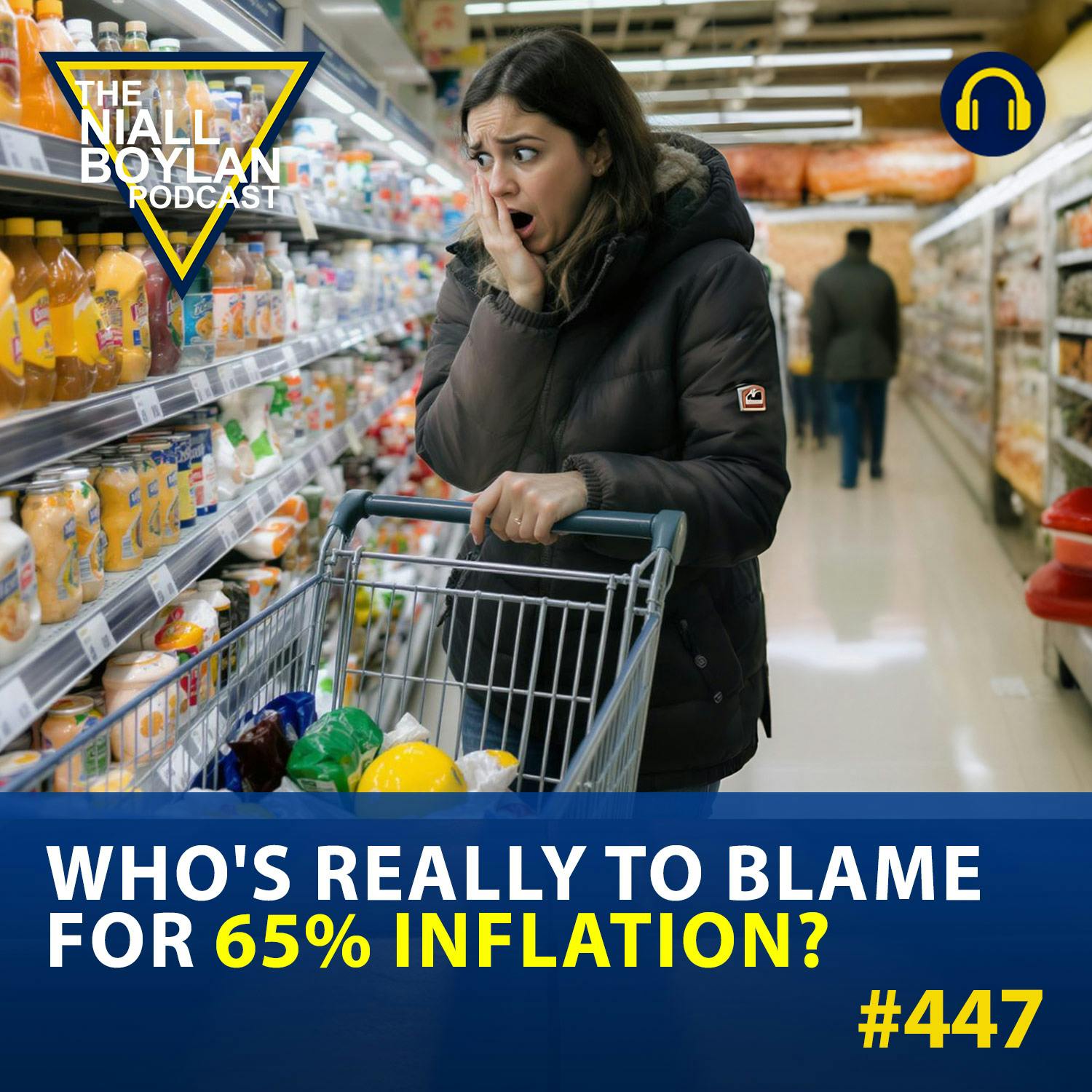
Ep 447#447 Who's Really to Blame for 65% Inflation?
In this explosive episode of The Niall Boylan Show, Niall tackles one of the most pressing issues facing Irish households today—a staggering 65% inflation rate over the last decade.Joining Niall to break it all down is financial expert Karl Deeter, who explains the forces behind rising prices—from housing to food to fuel—and why so many people feel like they're falling behind.Then it’s over to you, the listeners, as Niall opens the phone lines to hear who you think is to blame. Is it:The government, for overspending and poor economic planning?The providers, for continuously raising prices?Or employers, for failing to raise wages in line with the cost of living?As always, the opinions are sharp and unfiltered:“The government are the ones who let this happen. They’re completely out of touch with working people.”“Businesses are getting greedy—prices go up, but the service stays the same. It’s a joke.”“I’ve had the same salary for eight years. Employers are squeezing the life out of us.”No spin, no sugar-coating—just real talk from real people.Tune in now for a lively, honest debate on who’s really footing the bill for Ireland’s cost-of-living crisis.
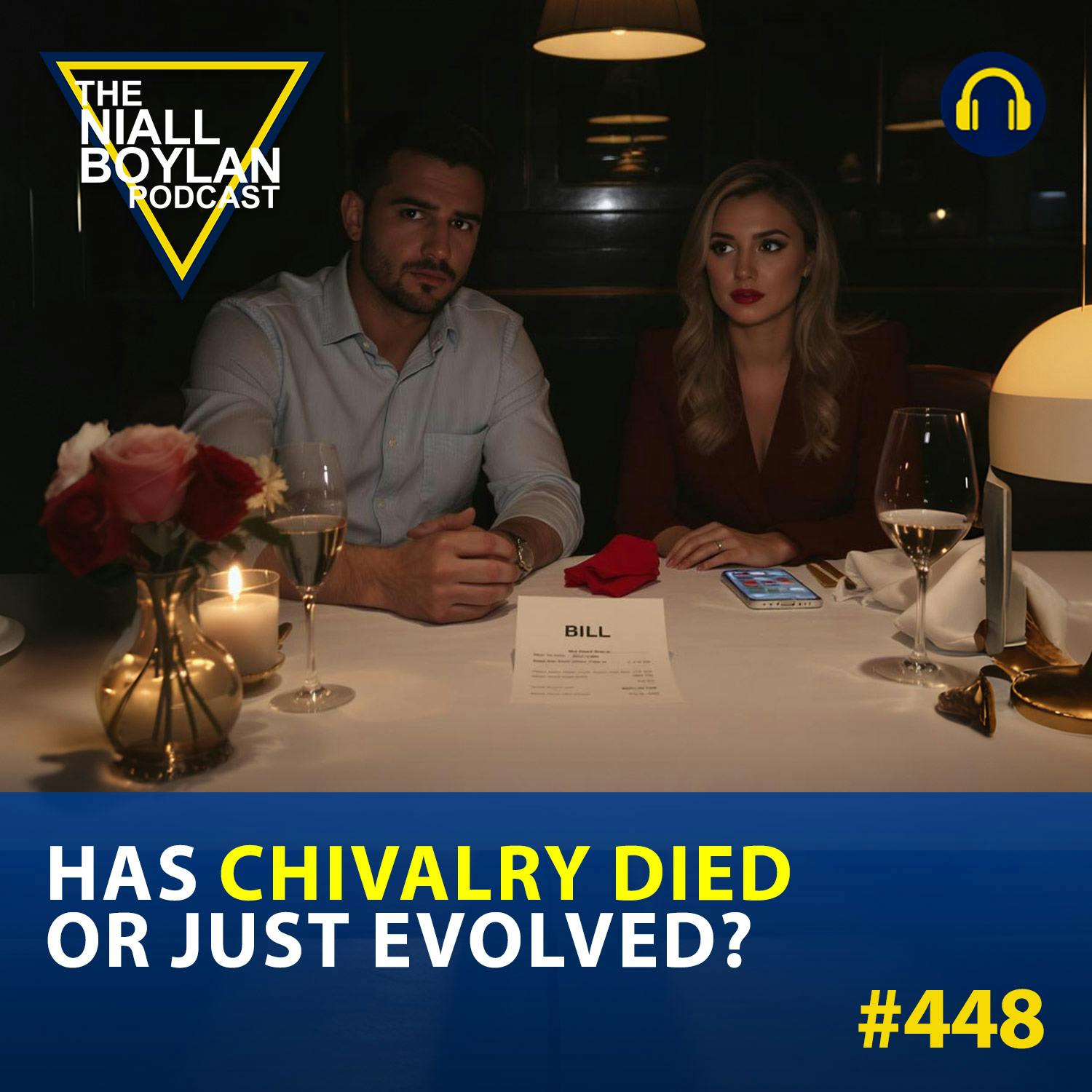
Ep 448#448 Has Chivalry Died Or Just Evolved?
In this lively and heartfelt episode of The Niall Boylan Show, Niall dives into a fiery question that struck a chord with listeners across the country: "Has chivalry died?"The debate was sparked by a listener’s powerful email, where he shared a shocking first date experience. After chatting for weeks with a woman he met on Tinder, they finally went out for a nice dinner—only for the night to end with a glass of wine thrown in his face when he asked to split the €200 bill.Was he in the wrong for suggesting it? Or has the meaning of chivalry changed in today’s dating world?To make sense of it all, Niall is joined by Sharon Kenny from TheMatchmaker.ie, who gives her expert insight into modern dating dynamics, the expectations men and women bring to the table, and whether the old rules still apply in 2025.Then, the phone lines light up as callers share their honest, passionate, and sometimes hilarious views:“He dodged a bullet—anyone who reacts like that over a bill is not relationship material.”“Chivalry isn’t dead, but it’s about respect—not footing every bill.”“If you ask a woman out, you should expect to pay. That’s how I was raised.”“Women want equality, and that means splitting the bill sometimes. Fair is fair.”“Throwing a drink? That’s insane. He should count himself lucky she showed her true colours early.”Whether you're old school or strictly modern, this episode is packed with real talk about dating, money, and manners.Listen now for expert advice, wild stories, and one of the most divisive debates we’ve had in a long time!

Ep 445#445 Three Person Babies,Breakthrough or Playing God?
In this powerful episode of Ireland Talks, host Niall takes on one of the most provocative developments in modern medicine — the birth of eight babies in the UK using DNA from three people to prevent fatal genetic conditions. Is this the beginning of a new era in healthcare, or are we crossing a dangerous ethical line?We hear from callers with mixed views:"If this had existed when my niece was born, she might still be alive.""This isn’t curing disease — it’s editing the human blueprint. That’s dangerous.""It’s just 0.1% of DNA — we’re not making designer babies."The debate dives deep into questions about genetic inheritance, the future of reproduction, and whether we're tampering too much with nature.Later in the episode, Eilís Mulroy from the Pro Life Campaign joins Niall to discuss the rise in abortions in Ireland since the repeal of the Eighth Amendment. With over 10,000 pregnancies ending in termination annually, she raises serious concerns about how far we've come — and what might have been lost.Thought-provoking, emotional, and unafraid to ask the big questions — this is a must-listen for anyone thinking about the future of life, science, and society.
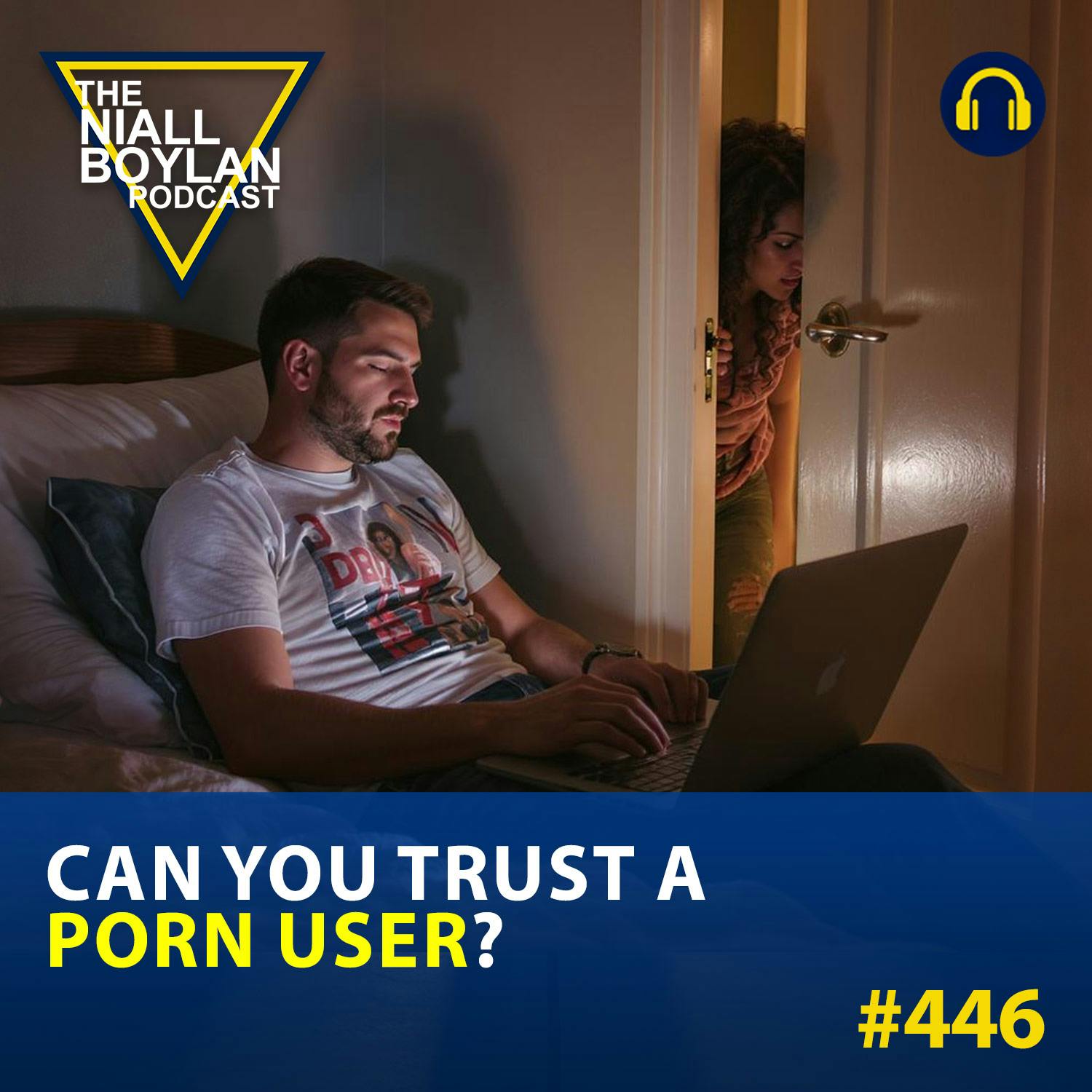
Ep 446#446 Can You Trust a Porn User?
In this powerful and deeply personal episode of Ireland Talks, Niall opens up the lines to discuss a question that’s stirring emotions in homes across the country:Can a woman — or anyone — feel truly emotionally safe when their partner regularly watches porn?Prompted by a listener’s heartbreaking message, the show explores the emotional fallout that can occur when one partner discovers the other's porn habits.“I caught him at 2 a.m. watching porn in his office. I felt sick, betrayed… he says it’s just harmless fun, but I’m lying in bed while he’s watching other women. It feels like a form of cheating.”As platforms like X (formerly Twitter) expand access to explicit content — including AI-generated pornography — and Ireland’s media regulator moves to introduce age verification, the conversation around porn’s influence on relationships, intimacy, and trust is more urgent than ever.Callers weigh in with raw honesty:“It’s not cheating — it’s fantasy.”“I tried to be okay with it, but it slowly eroded our connection.”“If you can’t talk about it openly, maybe that’s the red flag.”Niall navigates the emotional minefield of pornography, trust, and modern love, asking:Is porn harmless escapism, or does it quietly sabotage intimacy in committed relationships?A must-listen for anyone grappling with love, loyalty, and the impact of the digital age on the bedroom.