The Creative Process · Arts, Culture & Society: Books, Film, Music, TV, Art, Writing, Creativity, Education, Environment, Theatre, Dance, LGBTQ, Climate Change, Social Justice, Spirituality, Feminism, Tech, Sustainability
1,274 episodes — Page 4 of 26
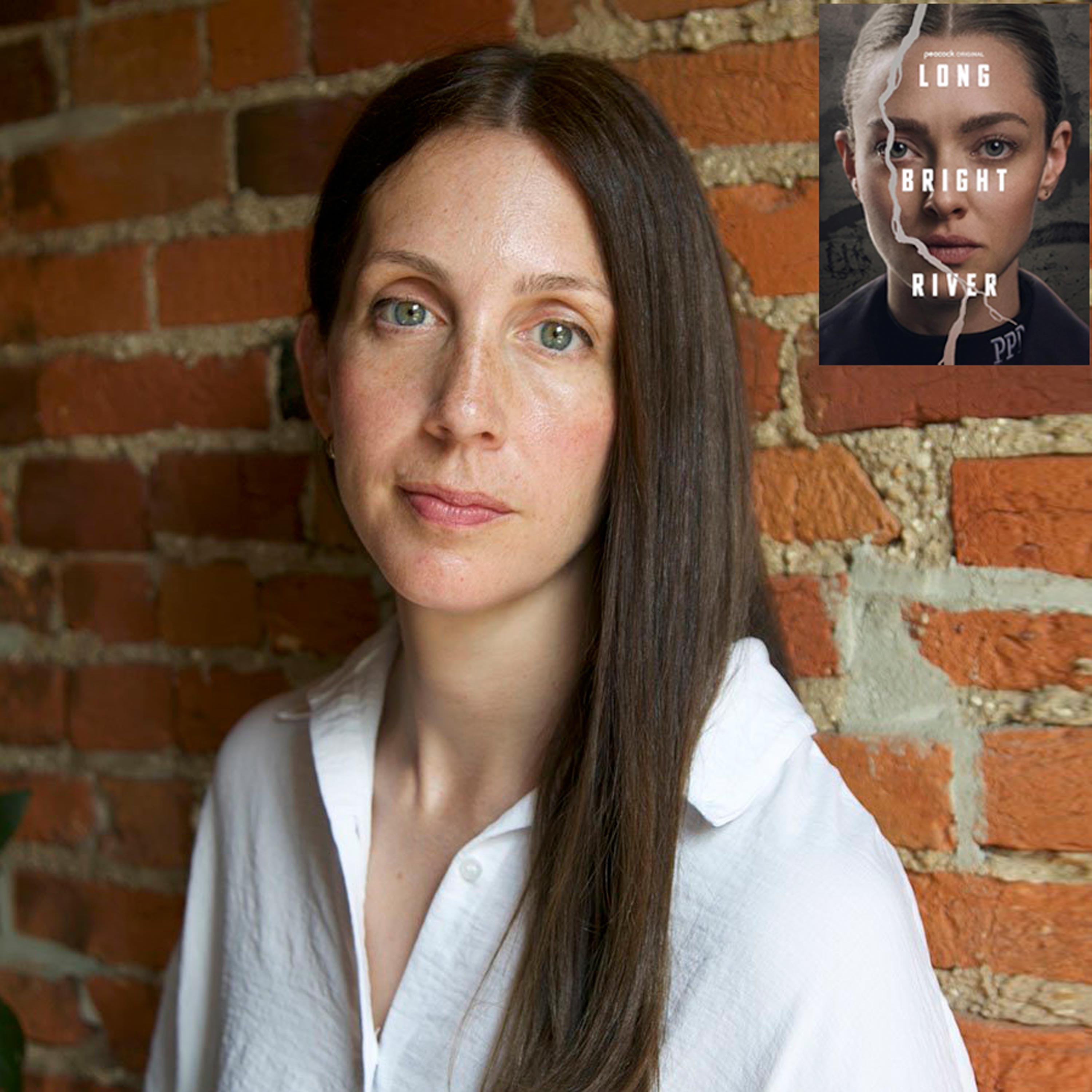
S14 Ep 1124Family, Addiction & Overcoming Trauma - LIZ MOORE on Long Bright River starring AMANDA SEYFRIED
“ I've lived in Philadelphia for about 16 years. The book itself was inspired by my time spent in the Kensington neighborhood of Philadelphia interviewing a lot of the people that I met there, both longtime residents of the neighborhood and also people who were transient, a lot of people struggling with addiction and a lot of women doing sex work to fund their physical addiction to opioids. You find out about their past, their road into addiction, their aspirations, their fears. I began to lead free writing workshops at an organization named St. Francis Inn, which is a longstanding food service organization in the community. They had a women's day shelter where I taught. I was really able to connect with people within the community on a quite personal level and loved my experiences in Kensington. And I still go, I'm still quite close with a number of the community workers, people who run free healthcare clinics. All of it ultimately informed the writing of Long Bright River.”Liz Moore is the author of the New York Times bestselling novel Long Bright River, which was one of Barack Obama’s favorite books of the year, and has been made into a Peacock series starring Amanda Seyfried. Set against the opioid crisis and a string of mysterious murders, it’s a love story between two very different sisters and their path to recovery. Moore is winner of the 2014-2015 Rome Prize in Literature. Her other books include The God of the Woods, Heft, and The Unseen World.Episode Websitewww.creativeprocess.info/podInstagram:@creativeprocesspodcast

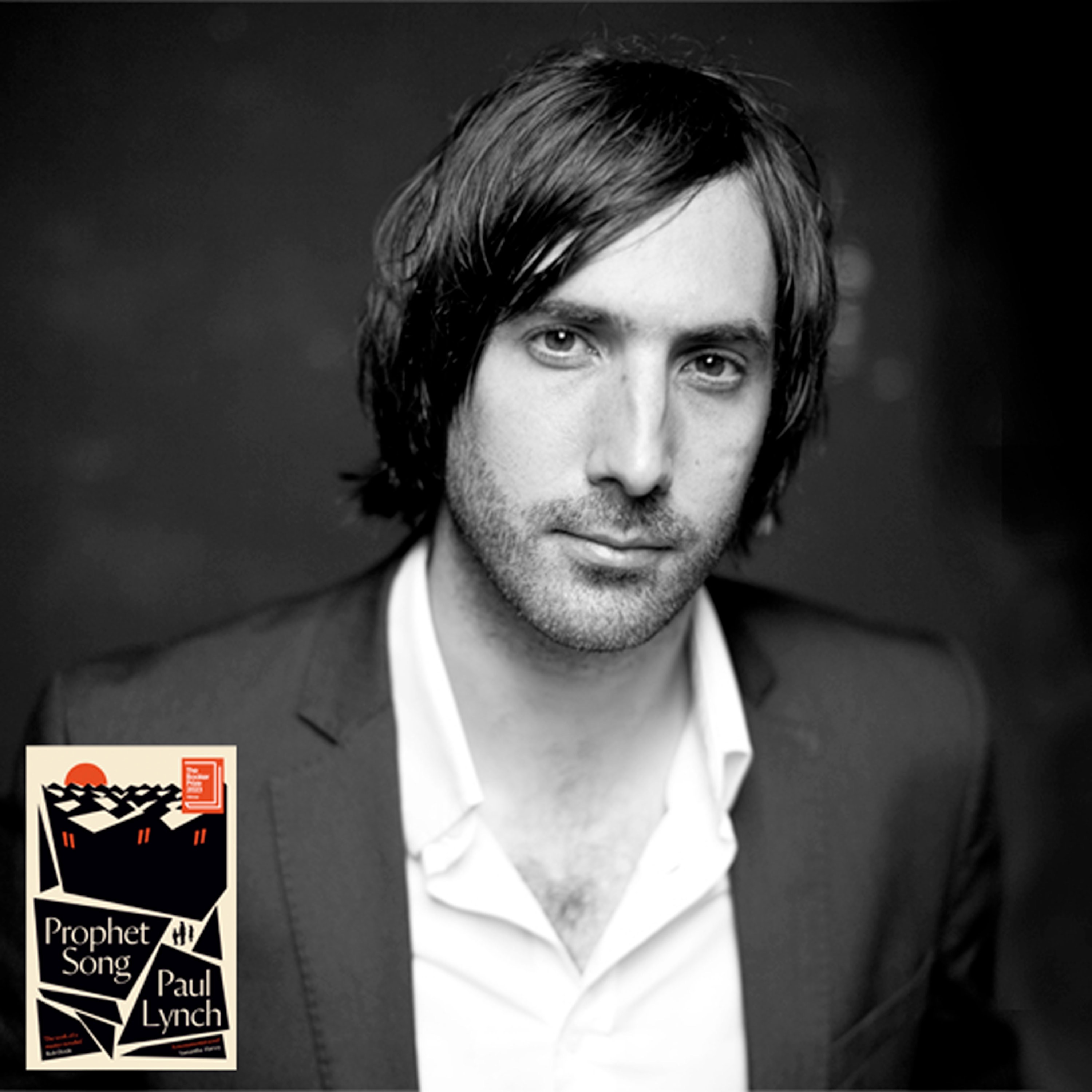
S14 Ep 1123PAUL LYNCH discusses Prophet Song, Beyond the Sea & his Creative Process - Highlights
"The country spoke Irish largely before it spoke English. Grammatically, the structure of Irish is different from English. As Ireland adopted the English language, this sort of hybridization started to occur, where the English language was placed on top of Irish grammatical constructions. You get this slipperiness, this ability to move sentences, to place words in interesting places, and to use constructions that you just wouldn't find in England, for example. The thing about being an Irish writer is there isn't a reverence. There’s a sort of implicit freedom to use the language however we like. So long as you have mastery and command of the language, you can push it to the edges."Paul Lynch is the author of five novels. His most recent novel, Prophet Song, won the 2023 Booker Prize and the Dayton Literary Peace Peace Prize for Fiction, and other prizes. Prophet Song presents a dystopian vision of Ireland and a mother’s determination to protect her family as her country slides towards totalitarianism. The Booker Prize Jury said, “It’s a remarkable accomplishment for a novelist to capture the social and political anxieties of our moment so compellingly.“ In 2024, Lynch was elected to Aosdána, the Irish academy for the arts, honoring distinguished artists. He was the chief film critic of Ireland’s Sunday Tribune newspaper. His novels have been translated into 35 languages.Episode Websitewww.creativeprocess.info/podInstagram:@creativeprocesspodcastPaul Lynch is the author of five novels. His most recent novel, Prophet Song, won the 2023 Booker Prize and the Dayton Literary Peace Peace Prize for Fiction, and other prizes. Prophet Song presents a dystopian vision of Ireland and a mother’s determination to protect her family as her country slides towards totalitarianism. The Booker Prize Jury said, “It’s a remarkable accomplishment for a novelist to capture the social and political anxieties of our moment so compellingly.“ In 2024, Lynch was elected to Aosdána, the Irish academy for the arts, honoring distinguished artists. He was the chief film critic of Ireland’s Sunday Tribune newspaper. His novels have been translated into 35 languages.Episode Websitewww.creativeprocess.info/podInstagram:@creativeprocesspodcast
S14 Ep 1122On Storytelling & The Human Condition with Booker Prize Winner PAUL LYNCH
“We narrate the story of our lives to ourselves. We narrate it in linear fashion. And I know many writers have played with time in all sorts of amazing ways, but we're storytellers. This is what we do. And if you give the brain a story, a prepackaged story, you're giving a cheesecake. That's what it wants. That's why it loves stories. That's why our society is just built on stories. Politics is nothing but stories. Everything you do in the evenings – we sit down, we're watching Netflix – just stories. We consume them all the time. We are just machines for belief.”Paul Lynch is the author of five novels. His most recent novel, Prophet Song, won the 2023 Booker Prize and the Dayton Literary Peace Peace Prize for Fiction, and other prizes. Prophet Song presents a dystopian vision of Ireland and a mother’s determination to protect her family as her country slides towards totalitarianism. The Booker Prize Jury said, “It’s a remarkable accomplishment for a novelist to capture the social and political anxieties of our moment so compellingly.“ In 2024, Lynch was elected to Aosdána, the Irish academy for the arts, honoring distinguished artists. He was the chief film critic of Ireland’s Sunday Tribune newspaper. His novels have been translated into 35 languages.Episode Websitewww.creativeprocess.info/podInstagram:@creativeprocesspodcast

S14 Ep 1121OUR PLANET, OUR FUTURE - Environmentalists, Artists, Scientists & Earth Defenders Share their Stories
We are privileged to present the voices of individuals dedicated to effecting change and mitigating the harm inflicted upon our precious planet. These are individuals deeply committed to the core values that drive positive transformation. Thank you for tuning in to our episodes and for your ongoing dedication to stewarding our planet, not just on Earth Day but throughout the year. We can’t save the planet overnight, but by acting mindfully, we can create a better future. Let’s make Every Day, Earth Day!Composer MAX RICHTER on Nature's Sonic LandscapeFounder of PETA INGRID NEWKIRK on the Shared Traits between Humans and AnimalsJULIAN LENNON (Musician and Founder of White Feather Foundation) on Balancing Our Relationship with Mother Earth BERTRAND PICCARD (Explorer, Aviator of 1st Round-the-World Solar-Powered Flight) discusses his adventures and how climate change will change our quality of lifeCARL SAFINA (Author and environmentalist) on the Miracle of Life on Earth NAN HAUSER (Whale Researcher, President, Center for Cetacean Research & Conservation) on How a Whale Saved her LifeU.S. Poet Laureate ADA LIMÓN on Embracing Hope Amid Environmental UncertaintyEnvironmental Writer DAVID FARRIER on Evaluating Our Environmental LegacyGrammy & Emmy Award-winning Sound Engineer CYNTHIA DANIELS on The Role of Art and Compassion in Transforming SocietyEconomist ODED GALOR on Education's Role in Addressing Climate Change President of EarthDay.ORG KATHLEEN ROGERS on Advocating for Global Environmental Education Lead Author of IPCC 6th Assessment Report JOELLE GERGIS on Learning from Historical Climate DataFmr. Prime Minister’s Strategy Unit Director SIR GEOFF MULGAN on Imagining a Circular Future for SocietyFree Solo Climber of 200+ of the World’s Tallest Skyscrapers ALAIN ROBERT on The Consequences of Overproduction on the PlanetDirector of Climate Hazards Center, UC Santa Barbara CHRIS FUNK on Adapting to a Two-Degree WorldEnvironmental Writer DAVID FARRIER Stretching Time and Empathy for Future GenerationsAuthor of Finding the Mother Tree DR. SUZANNE SIMARD on Trees: Advanced Communicators of the Natural World“Most Influential Living Philosopher” PETER SINGER on the Ethical Imperative to Respect Animal LifeFmr. Exec. Director, Greenpeace Int'l, Special Envoy for Int'l Climate Action, German Foreign Ministry JENNIFER MORGAN on the Importance of Resilience in AdvocacyTo hear more from each guest, listen to their full interviews.Episode Websitewww.creativeprocess.info/podInstagram:@creativeprocesspodcast
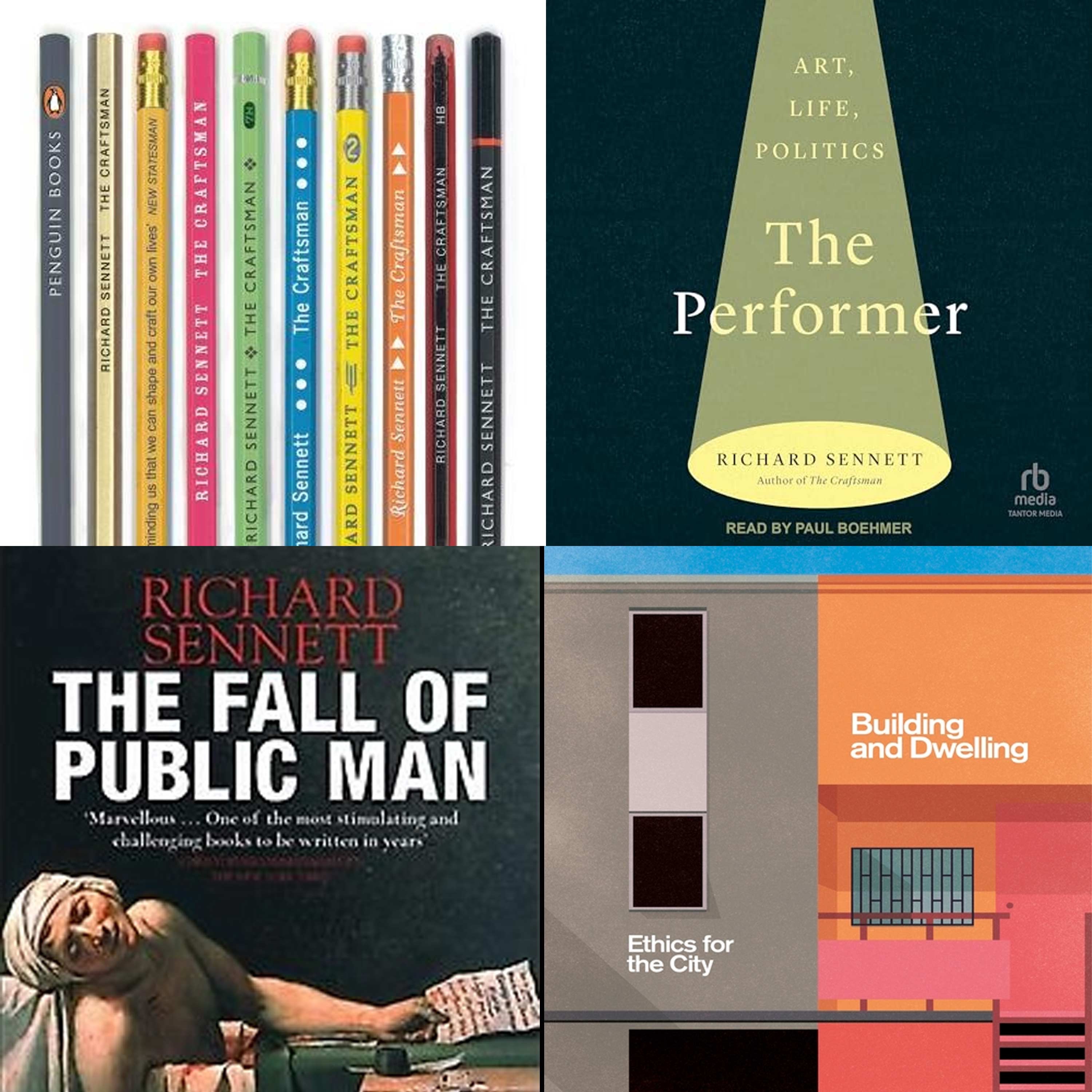
S14 Ep 1120Performance, Politics, Art & Society w/ Sociologist RICHARD SENNETT - Highlights
“I'm really interested in the relation between performance and ritual. Where do those two separate?”Richard Sennett grew up in the Cabrini Green housing project in Chicago, attended the Juilliard School in New York, and then studied social relations at Harvard. Over the last five decades, he has written about social life in cities, changes in labour, and social theory. His books include The Performer: Art, Life, Politics, The Hidden Injuries of Class, The Fall of Public Man, The Corrosion of Character, The Culture of the New Capitalism, The Craftsman, and Building and Dwelling. Sennett has advised the United Nations on urban issues for the past thirty years and currently serves as member of the UN Committee on Urban Initiatives. He is the Centennial Professor of Sociology at the London School of Economics and former University Professor of the Humanities at New York University.“I want to show what is kind of the basic DNA that people use for good or for ill. What are the tools they use, if you like, of expression that they use in the creative process?”Episode Websitewww.creativeprocess.info/podInstagram:@creativeprocesspodcast
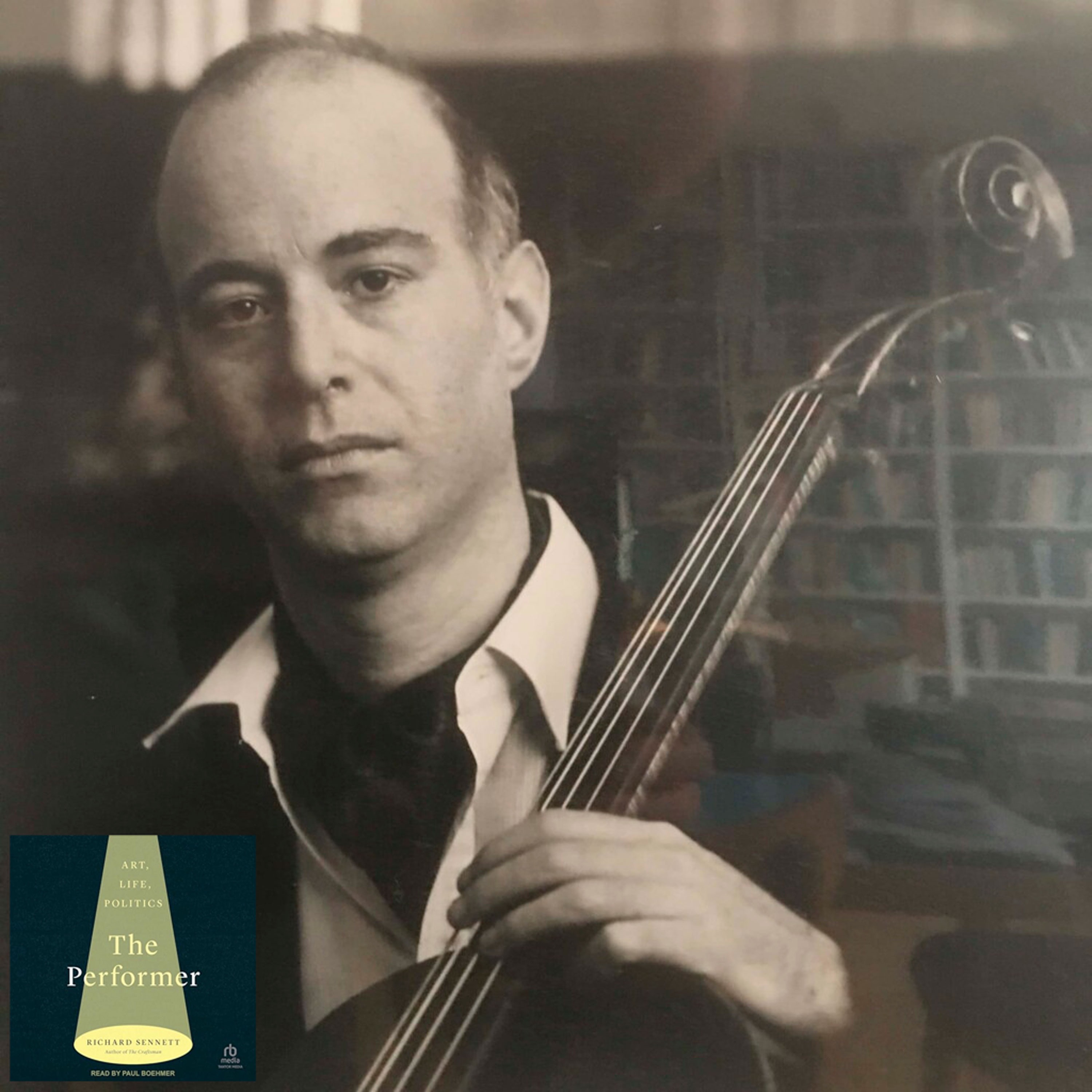
S14 Ep 1119The Performer: Art, Life, Politics with RICHARD SENNETT, Sociologist & Author
“We look at creative work as though the very creative process itself is something good. These are tools of expression, and like any tool, you can use them to damage something or to make something. They can be turned to very malign purposes, for instance, in the operas of Wagner. So I wanted to do this set of books, I want to show what is kind of the basic DNA that people use for good or for ill. What are the tools they use, if you like, of expression that they use in the creative process?”Richard Sennettgrew up in the Cabrini Green housing project in Chicago, attended the Juilliard School in New York, and then studied social relations at Harvard. Over the last five decades, he has written about social life in cities, changes in labour, and social theory. His books include The Performer: Art, Life, Politics, The Hidden Injuries of Class, The Fall of Public Man, The Corrosion of Character, The Culture of the New Capitalism, The Craftsman, and Building and Dwelling. Sennett has advised the United Nations on urban issues for the past thirty years and currently serves as member of the UN Committee on Urban Initiatives. He is the Centennial Professor of Sociology at the London School of Economics and former University Professor of the Humanities at New York University.Episode Websitewww.creativeprocess.info/podInstagram:@creativeprocesspodcast
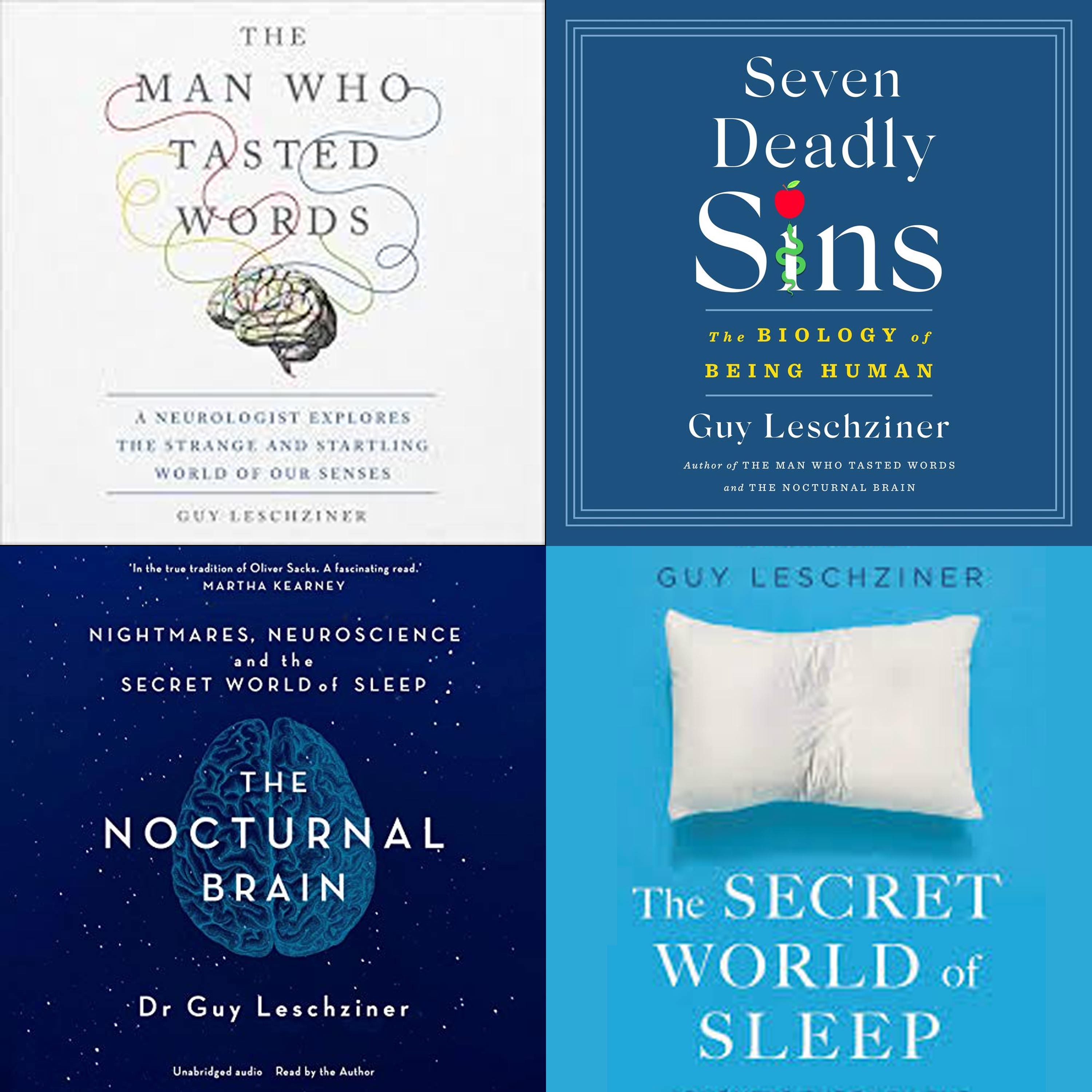
S14 Ep 1118Exploring the Extremes of the Human Experience with Neurologist DR. GUY LESCHZINER - Highlights
“One of the things that hopefully my books illustrate is that everybody's mind is different. And one of the amazing things about the human experience–and indeed that manifests in terms of art and creativity–is that when we have such different minds, that is why all this creativity, all this art is possible.”Dr. Guy Leschziner is the author of The Nocturnal Brain, The Man Who Tasted Words, and other books. He is a consultant neurologist and a Professor of Neurology and Sleep Medicine at the Institute of Psychiatry, Psychology and Neuroscience, King's College London. He sees patients with a range of neurological and sleep disorders, and is actively involved in research and teaching. He has presented series on sleep and neurology for BBC World Service and Radio 4. His latest book is Seven Deadly Sins: The Biology of Being Human.Episode Websitewww.creativeprocess.info/podInstagram:@creativeprocesspodcast
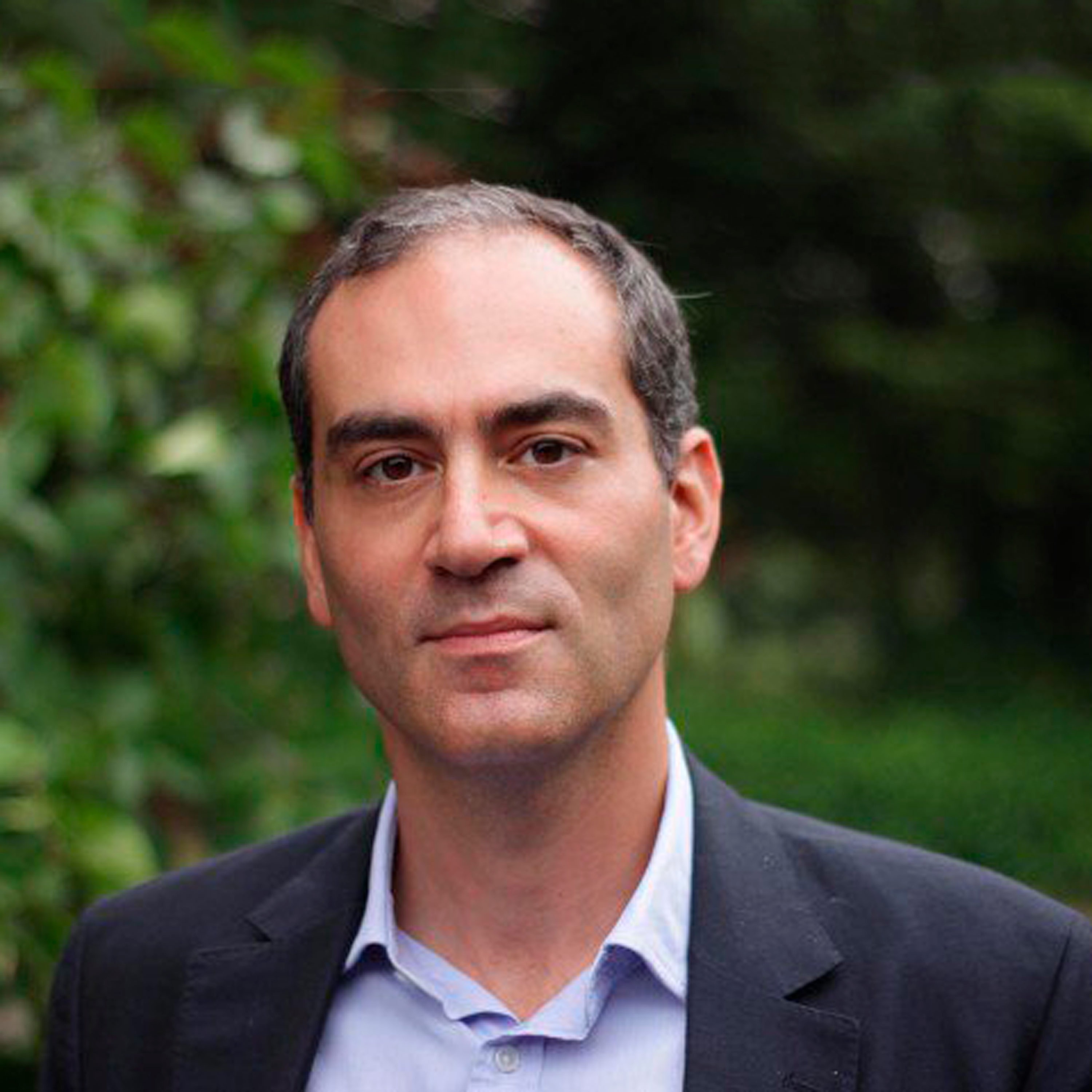
S14 Ep 1117Sleep, The Nocturnal Brain & The Biology of Being Human w/ DR. GUY LESCHZINER, Neurologist
“ I'm fascinated by the extremes of the human experience, partly because it is so far removed from our own experience of life. In another way, when you look at people who have neurological disorders or diseases, these are really nature's experiments. They are ways of trying to understand how the brain works for all of us. By extrapolation from looking at these extremes, we can learn about the workings of our own brains. That's very much the case across all the areas of my work, whether it be sleep disorders, neurology, or epilepsy—how we regulate our emotions, how we move, how we experience the world.I never intended to be a storyteller; I intended to be a story listener, which is what we do daily in our clinics. Telling these stories generates empathy, creates understanding, and hopefully inspires the next generation to pursue careers as doctors, psychologists, and healthcare professionals, fostering a fascination with the brain similar to what Oliver Sacks did for me.”Dr. Guy Leschziner is the author of The Nocturnal Brain, The Man Who Tasted Words, and other books. He is a consultant neurologist and a Professor of Neurology and Sleep Medicine at the Institute of Psychiatry, Psychology and Neuroscience, King's College London. He sees patients with a range of neurological and sleep disorders, and is actively involved in research and teaching. He has presented series on sleep and neurology for BBC World Service and Radio 4. His latest book is Seven Deadly Sins: The Biology of Being Human.Episode Websitewww.creativeprocess.info/podInstagram:@creativeprocesspodcast
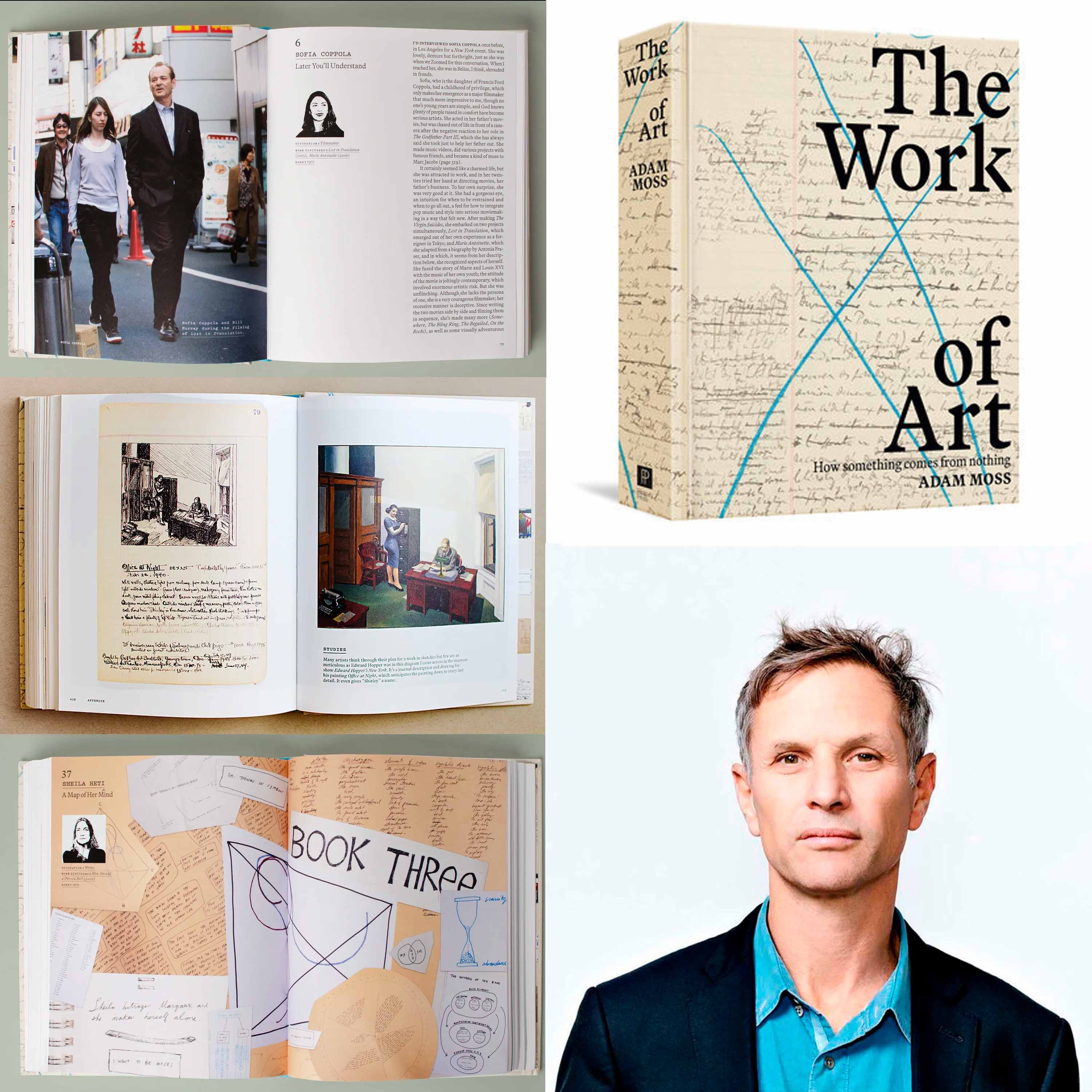
S14 Ep 1116ADAM MOSS - Fmr. Editor of New York Magazine, Author, Artist on Creativity as a Process - Highlights
“When I was working at the Times and the Times Magazine, on one Tuesday morning, the towers fell. September 11, 2001. The magazine had a 10-day lead time, so it was a weekly that was essentially 10 days old by the time it came out. We came to work and realized the world had changed, and the entire process, the magazine had been made for over a hundred years, had to be thrown out the window. We had to create a new magazine in 36 hours that would in some way speak to this very different, scary, and interesting world we were now in. In those 36 hours, we usually would take months to produce a magazine. If you take all of its aspects, it’s a long journey. However, we made a magazine in 36 hours that, in some ways, was the best magazine I ever made because of the urgency of the moment.”Adam Moss was the editor of New York magazine, The New York Times Magazine, and 7 Days. As editor of New York, he also oversaw the creation of five digital magazines: Vulture, The Cut, Daily Intelligencer, Grub Street, and The Strategist. During his tenure, New York won forty-one National Magazine Awards, including Magazine of the Year. He was an assistant managing editor of The New York Times with oversight of the Magazine, the Book Review, and the Culture, and Style sections, as well as managing editor of Esquire. He was elected to the Magazine Editors’ Hall of Fame in 2019. He is the Author of The Work of Art: How Something Comes from Nothing.Episode Websitewww.creativeprocess.info/podInstagram:@creativeprocesspodcast

S14 Ep 1115The Work of Art: How Something Comes from Nothing w/ ADAM MOSS Fmr. Editor of New York Magazine
“ I was very interested in the state of mind of an artist as he or she goes about making. I think one of the things that artists have is not just an interest in their own subconscious, but also an ability to find ways, tricks, and hacks to access their subconscious. Over time, they understand how to make productive use of what they find there. We all have subconsciousness; we all dream and daydream. We all have disassociated thoughts that float through our head, but we don't generally know what to do with them. One of the traits that successful artists seem to have is this ability to cross borders into recesses of their own minds.”Adam Moss was the editor of New York magazine, The New York Times Magazine, and 7 Days. As editor of New York, he also oversaw the creation of five digital magazines: Vulture, The Cut, Daily Intelligencer, Grub Street, and The Strategist. During his tenure, New York won forty-one National Magazine Awards, including Magazine of the Year. He was an assistant managing editor of The New York Times with oversight of the Magazine, the Book Review, and the Culture, and Style sections, as well as managing editor of Esquire. He was elected to the Magazine Editors’ Hall of Fame in 2019. He is the Author of The Work of Art: How Something Comes from Nothing.Episode Websitewww.creativeprocess.info/podInstagram:@creativeprocesspodcast
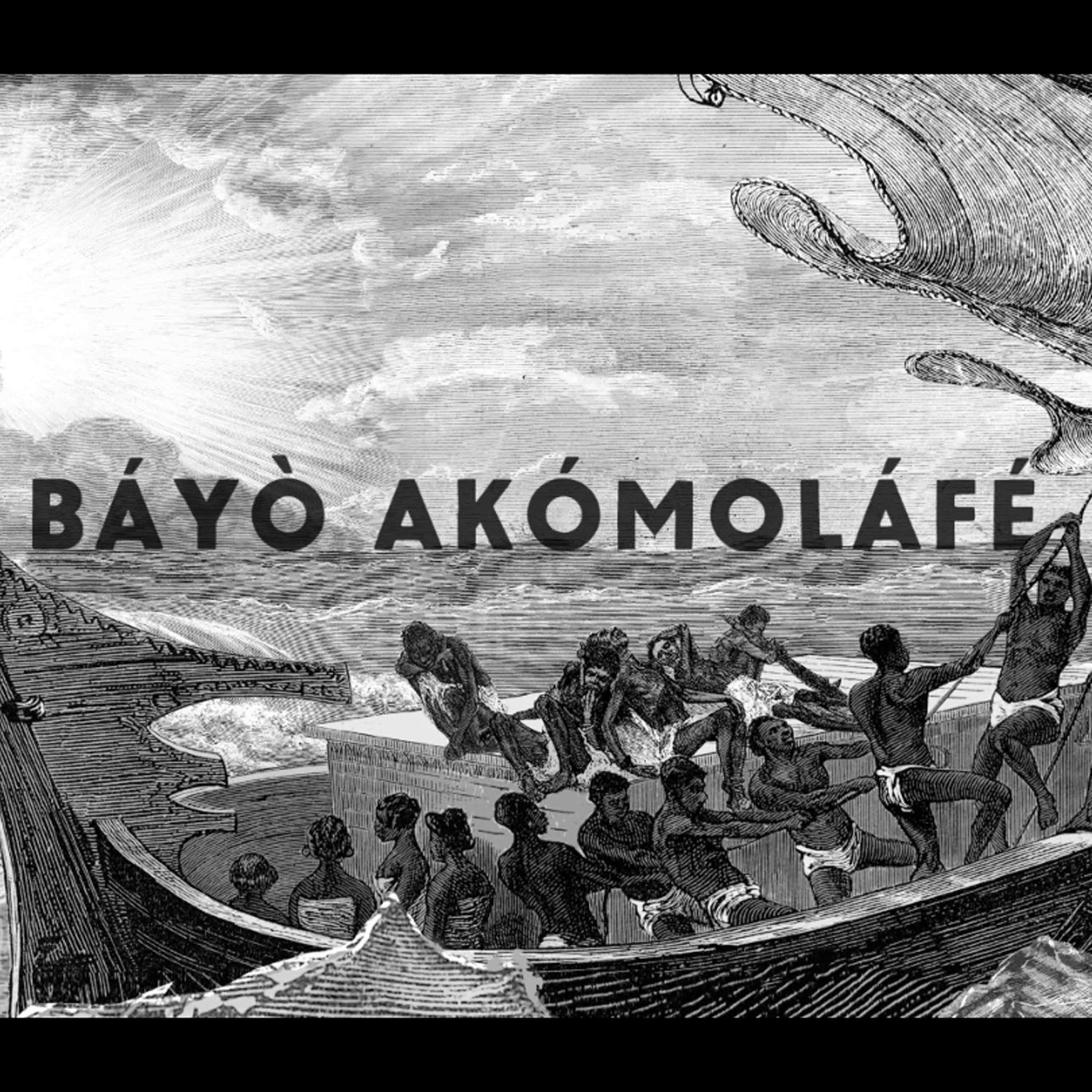
S14 Ep 1114On Postactivism, Justice & Decolonization with BAYO AKOMOLAFE - Highlights
“So, post-activism is not ‘post-activism’ in the sense of being after activism. It is not supposed to be a through line to results or resolutions or solutions.”Dr. Bayo Akomolafe is a philosopher, psychologist, writer, public intellectual, and the founder of the Emergence Network. His work, which he names post-activism, marks an earth-wide effort to sensitize bodies towards new response-abilities and other places of power – a project framed within a material feminist/post-humanist/post-activist ethos and inspired by Yoruba indigenous cosmologies. He is the author of These Wilds Beyond Our Fences: Letters to My Daughter on Humanity's Search for Home.“Post-activism is instead a noticing that the ways we care for ourselves and our causes and our worlds could actually be incarcerated. Another way to put that is to notice that care can often become carceral. I often suggest that we like to embrace things, but sometimes in the squeeze of embrace, it could quickly become asphyxiation, where we choke the air out of each other in trying to care for each other.”Episode Websitewww.creativeprocess.info/podInstagram:@creativeprocesspodcast
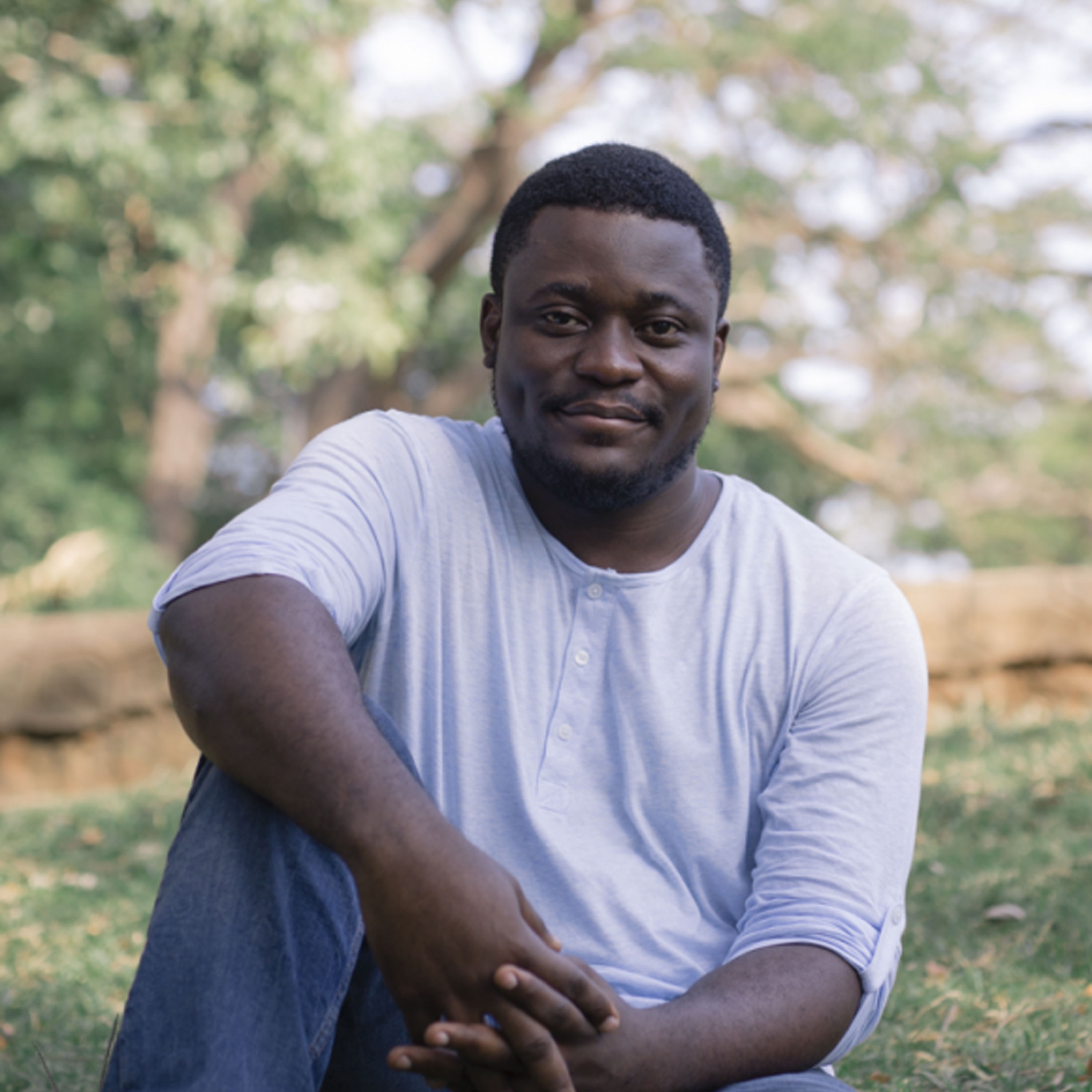
S14 Ep 1113The Future of Activism: When Solutions Become Problems w/ BAYO AKOMOLAFE
“I learn more than anything else from my children. My son, he's seven, he's autistic, and I call him my prophet for a reason. He teaches me to meet myself in ways that are usually very stunning. I can get information from other people; I can read a book here and there, but it's very rare to come across such an embodiment of grace, possibility, and futurity, all wrapped up in a tiny seven-year-old boy's body. My son has given me lots of gifts.”Dr. Bayo Akomolafe is a philosopher, psychologist, writer, public intellectual, and the founder of the Emergence Network. His work, which he names post-activism, marks an earth-wide effort to sensitize bodies towards new response-abilities and other places of power – a project framed within a material feminist/post-humanist/post-activist ethos and inspired by Yoruba indigenous cosmologies. He is the author of These Wilds Beyond Our Fences: Letters to My Daughter on Humanity's Search for Home.Episode Websitewww.creativeprocess.info/podInstagram:@creativeprocesspodcast
S14 Ep 1112KATIE KITAMURA on Language, Identity & the Search for Agency - Highlights
“This novel is the third in what I see as a little set of books that all feature unnamed female protagonists who have experienced varying degrees of passivity and agency in their lives. They're all women who speak the words of other people.”Katie Kitamura is the author five novels, most recently Audition and Intimacies, which was named one of the New York Times 10 Best Books of 2021, longlisted for the National Book Award and the PEN/Faulkner Award, and a finalist for a Joyce Carol Oates Prize. She is a recipient of the Rome Prize in Literature, fellowships from the Cullman Center and the Lannan Foundation, and many other honors. Her work has been translated into twenty-one languages. She teaches in the creative writing program at New York University.Episode Websitewww.creativeprocess.info/podInstagram:@creativeprocesspodcast
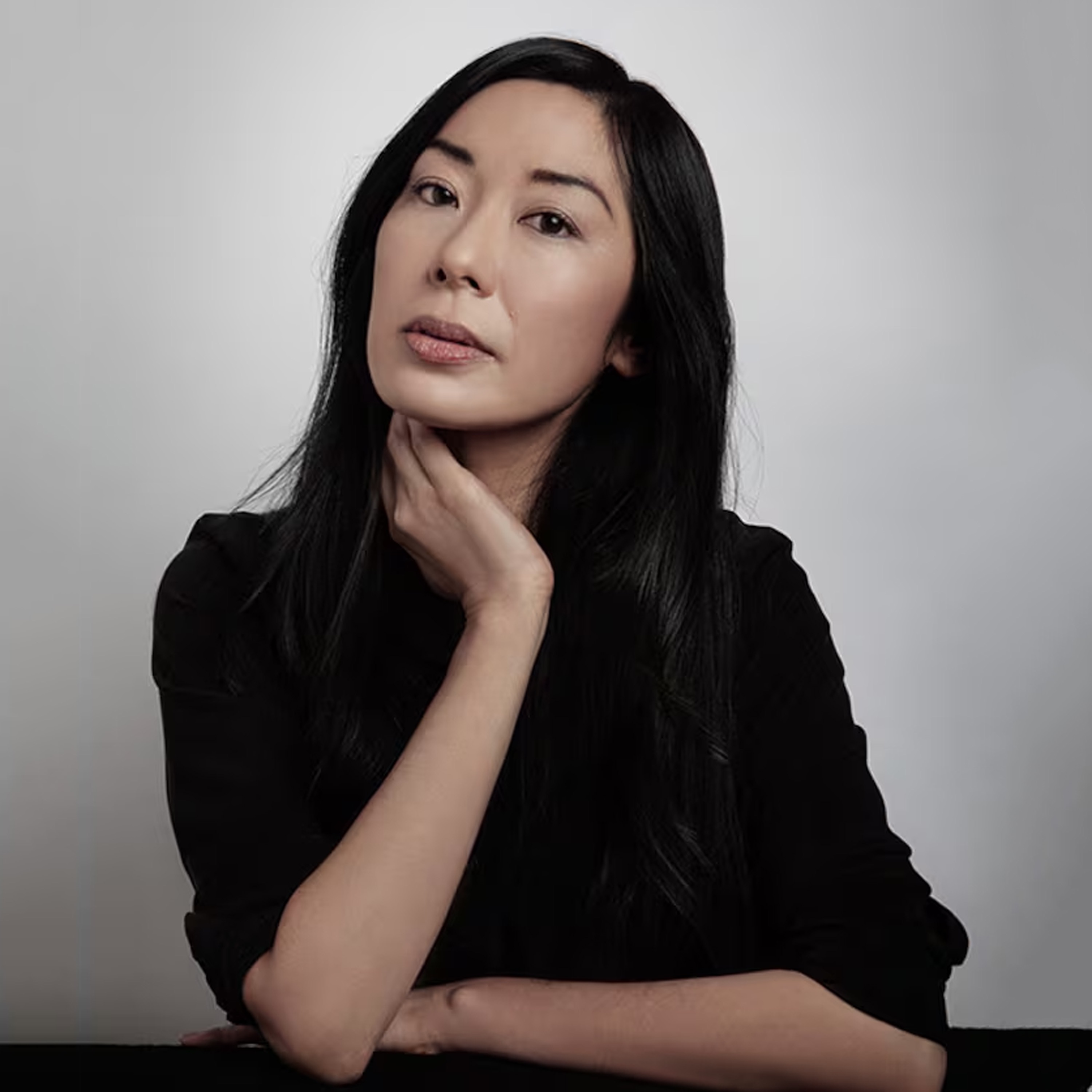
S14 Ep 1111Art, Performance & the Illusion of Agency - KATIE KITAMURA on her new novel AUDITION
“I'm really interested in the formal aspect of characters who are channeling language, who are speaking the words of other people, and in characters who are aware of how little agency they actually have, who have passivity forced upon them, who perhaps even embrace their passivity to a certain extent but eventually seek out where they can enact their agency.”Katie Kitamura is the author five novels, most recently Audition and Intimacies, which was named one of the New York Times 10 Best Books of 2021, longlisted for the National Book Award and the PEN/Faulkner Award, and a finalist for a Joyce Carol Oates Prize. She is a recipient of the Rome Prize in Literature, fellowships from the Cullman Center and the Lannan Foundation, and many other honors. Her work has been translated into twenty-one languages. She teaches in the creative writing program at New York University.Episode Websitewww.creativeprocess.info/podInstagram:@creativeprocesspodcast
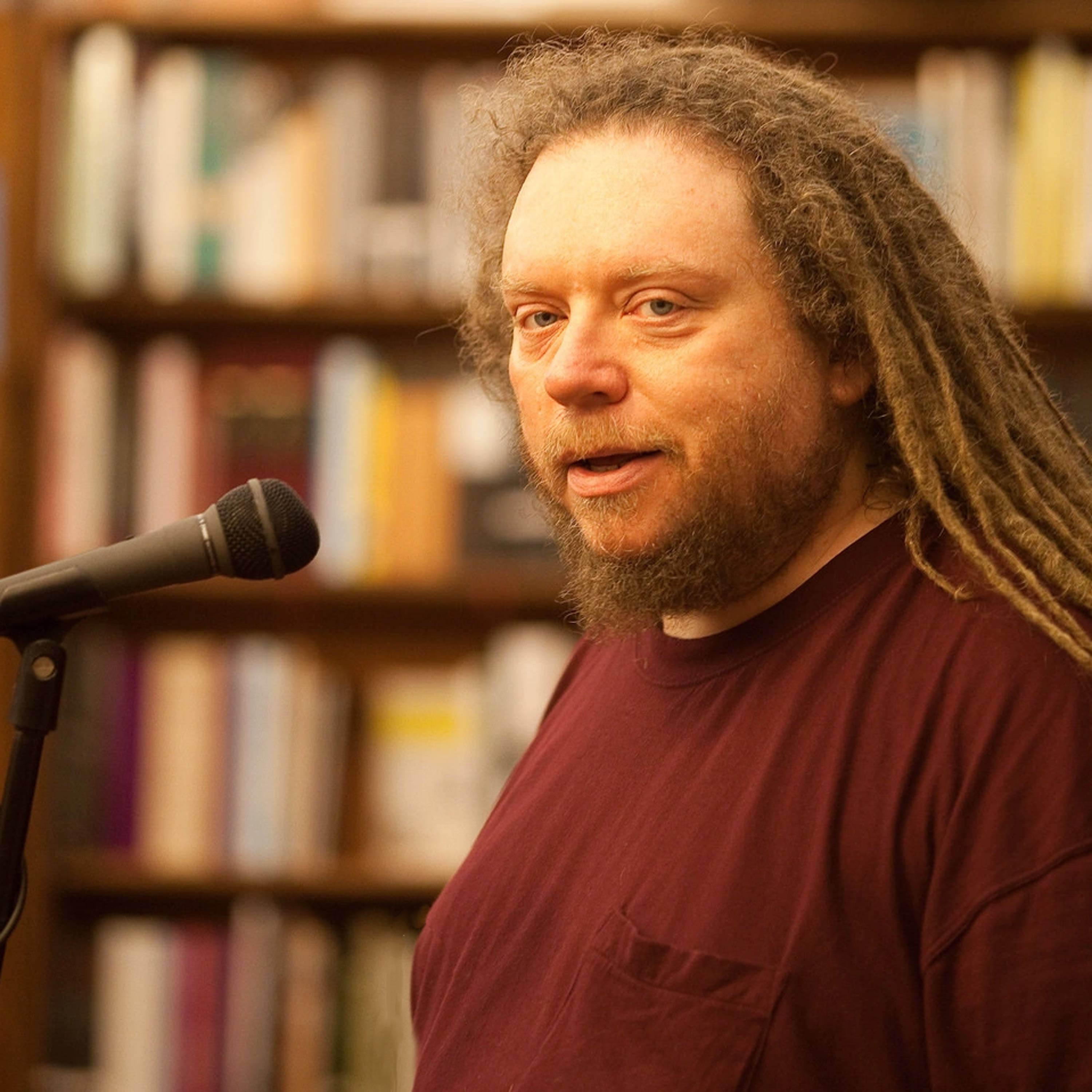
S14 Ep 1110JARON LANIER on Tech, Music, Creativity & Who Owns the Future - Highlights
“What I meant when I said there is no AI is that I don't think we serve ourselves well when we put our own technology up as if it were a new God that we created. I think we confuse ourselves too easily. This goes back to Alan Turing, the main founder of computer science, who had this idea of the Turing test. In the test, you can't tell whether the computer has gotten more human-like or the human has gotten more computer-like. People are very prone to becoming more computer-like. When we're on social media, we let ourselves be guided by the algorithms, so we start to become dumb in the way the algorithms want us to. You see that all the time. It's really degraded our psychologies and our society.”Jaron Lanier is a pioneering technologist, writer, and musician, best known for coining the term “Virtual Reality” and founding VPL Research, the first company to sell VR products. He led early breakthroughs in virtual worlds, avatars, and VR applications in fields like surgery and media. Lanier writes on the philosophy and economics of technology in his bestselling book Who Owns the Future? and You Are Not a Gadget. His book Dawn of the New Everything: Encounters with Reality and Virtual Reality is an inventive blend of autobiography, science writing, and philosophy. Lanier has been named one of TIME’s 100 most influential people and serves as Prime Unifying Scientist at Microsoft’s Office of the CTO—aka “Octopus.” As a musician, he’s performed with Sara Bareilles, Philip Glass, T Bone Burnett, Laurie Anderson, Jon Batiste, and others.Episode Websitewww.creativeprocess.info/podInstagram:@creativeprocesspodcastEpisode Websitewww.creativeprocess.info/podInstagram:@creativeprocesspodcast
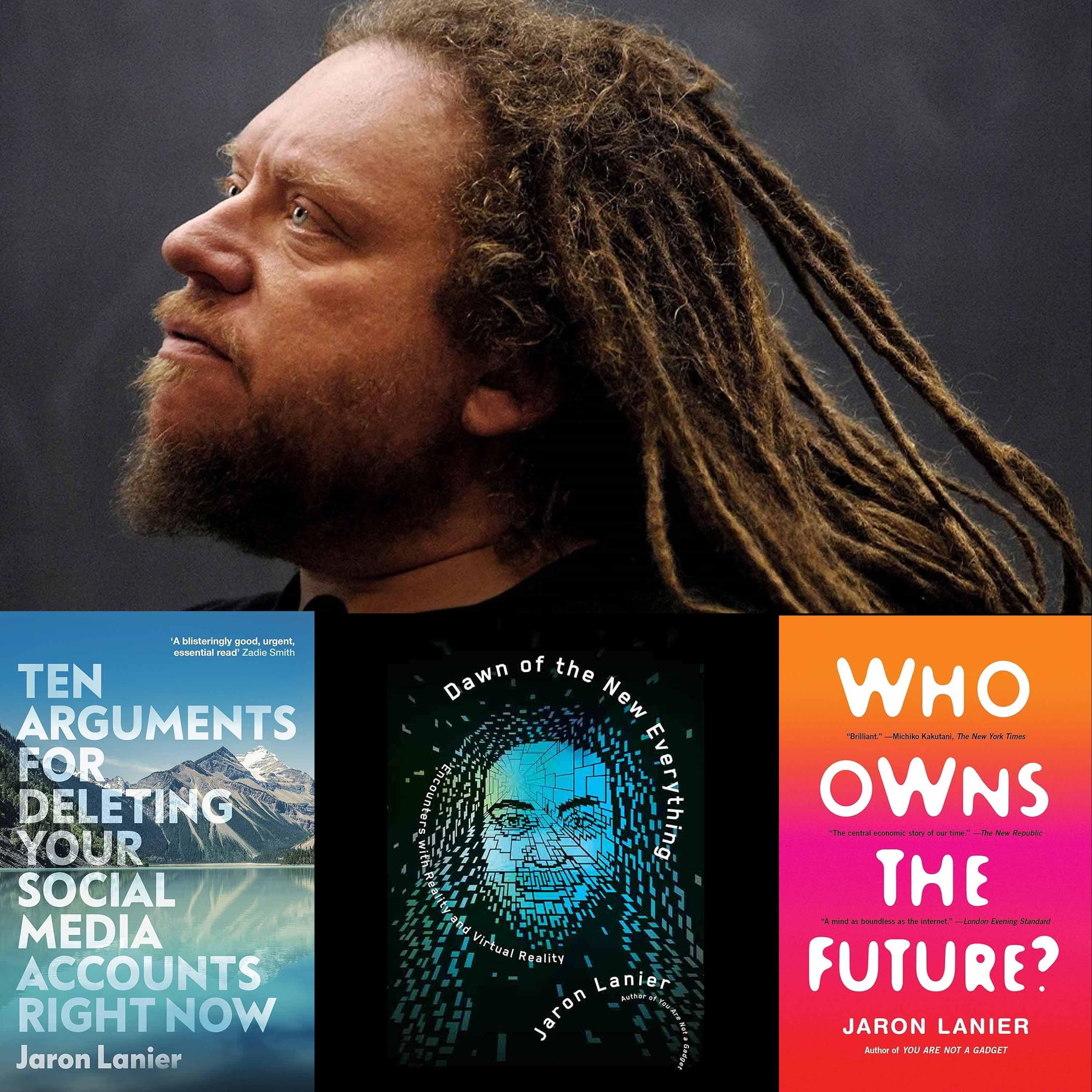
S14 Ep 1109AI, Virtual Reality & Dawn of the New Everything w/ JARON LANIER, VR Pioneer, Musician, Author
“AI is obviously the dominant topic in tech lately, and I think occasionally there's AI that's nonsense, and occasionally there's AI that's great. I love finding new proteins for medicine and so on. I don't think we serve ourselves well when we put our own technology up as if it were a new God that we created. I think we're really getting a little too full of ourselves to think that. This goes back to Alan Turing, the main founder of computer science, who had this idea of the Turing test. In the test, you can't tell whether the computer has gotten more human-like or the human has gotten more computer-like. People are very prone to becoming more computer-like. When we're on social media, we let ourselves be guided by the algorithms, so we start to become dumb in the way the algorithms want us to. You see that all the time. It's really degraded our psychologies and our society.”Jaron Lanier is a pioneering technologist, writer, and musician, best known for coining the term “Virtual Reality” and founding VPL Research, the first company to sell VR products. He led early breakthroughs in virtual worlds, avatars, and VR applications in fields like surgery and media. Lanier writes on the philosophy and economics of technology in his bestselling book Who Owns the Future? and You Are Not a Gadget. His book Dawn of the New Everything: Encounters with Reality and Virtual Reality is an inventive blend of autobiography, science writing, and philosophy. Lanier has been named one of TIME’s 100 most influential people and serves as Prime Unifying Scientist at Microsoft’s Office of the CTO—aka “Octopus.” As a musician, he’s performed with Sara Bareilles, Philip Glass, T Bone Burnett, Laurie Anderson, Jon Batiste, and others.Episode Websitewww.creativeprocess.info/podInstagram:@creativeprocesspodcastPhoto credit: Michael Springer
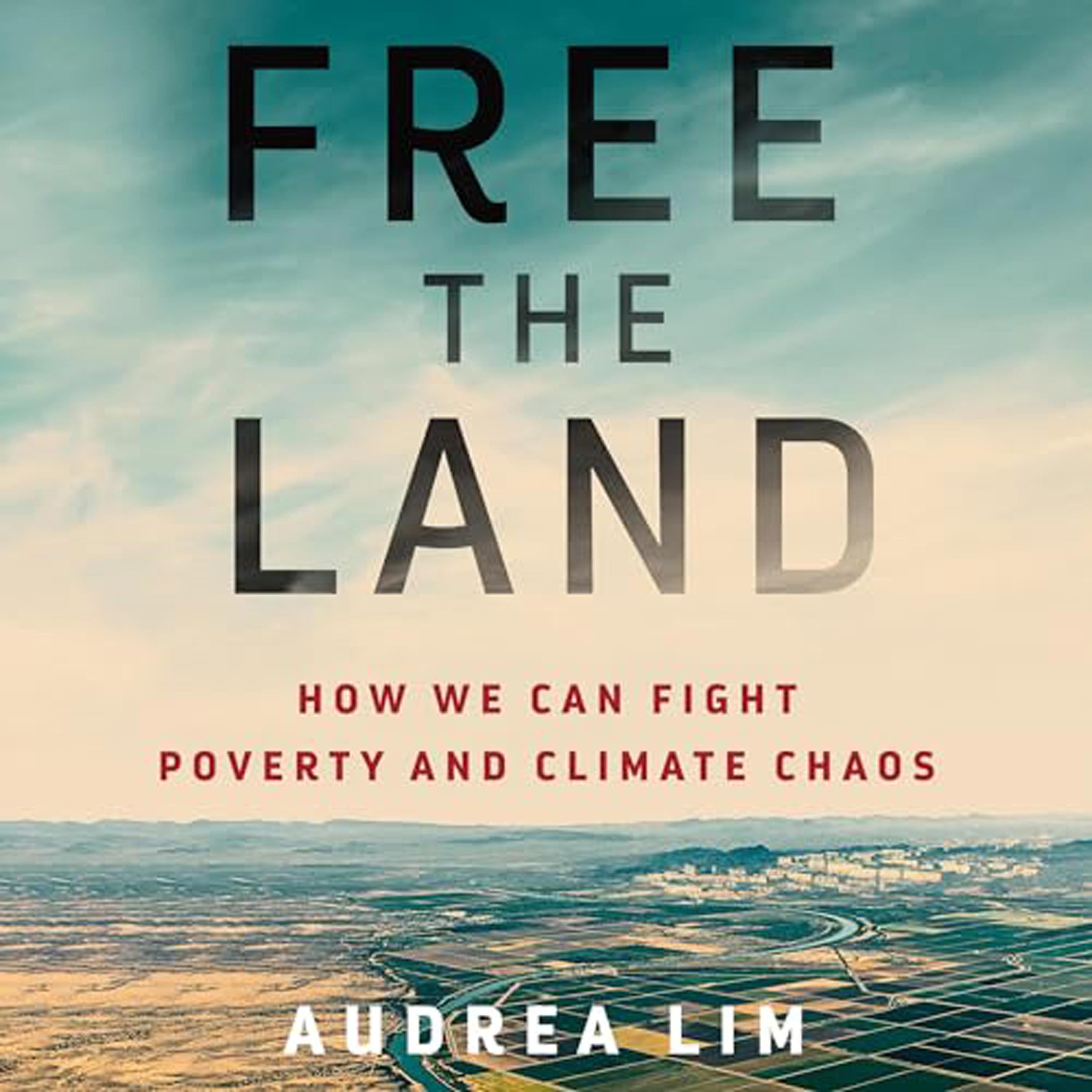
S14 Ep 1108Why is there so much conflict over people, land and resources? AUDREA LIM - Highlights
“When I first started writing this book, it really foregrounded the problems within our land ownership system, which treats land as a commodity. The way we talk about land and issues like racial and food justice reflects this. We tend to focus on the problems, attaching big concepts to them, such as racial justice or environmental justice. I realized that my job primarily consists of going around and talking to activists and community groups about their work. I’m interested not just in the very big problems we face as a society, economy, and political system, but also in how people are trying to think through solutions or approaches to those problems.Audrea Lim is a Brooklyn-based freelance writer and journalist whose work focuses on land, energy, and the environment. Her writing has appeared in TheNew Yorker, Harper’s, Rolling Stone, the New York Times, the Guardian, the New Republic, and The Nation. Lim is the editor of The World We Need and the author of Free The Land: How We Can Fight Poverty and Climate Chaos. She is a visiting scholar at the Asian/Pacific/American Institute at New York University and was a 2022 Macdowell fellow.Episode Websitewww.creativeprocess.info/podInstagram:@creativeprocesspodcast@audrea_lim The music on this episode is “Snowball” from the album Sunken Cities, performed by Audrea Lim and her band Odd Rumblings.
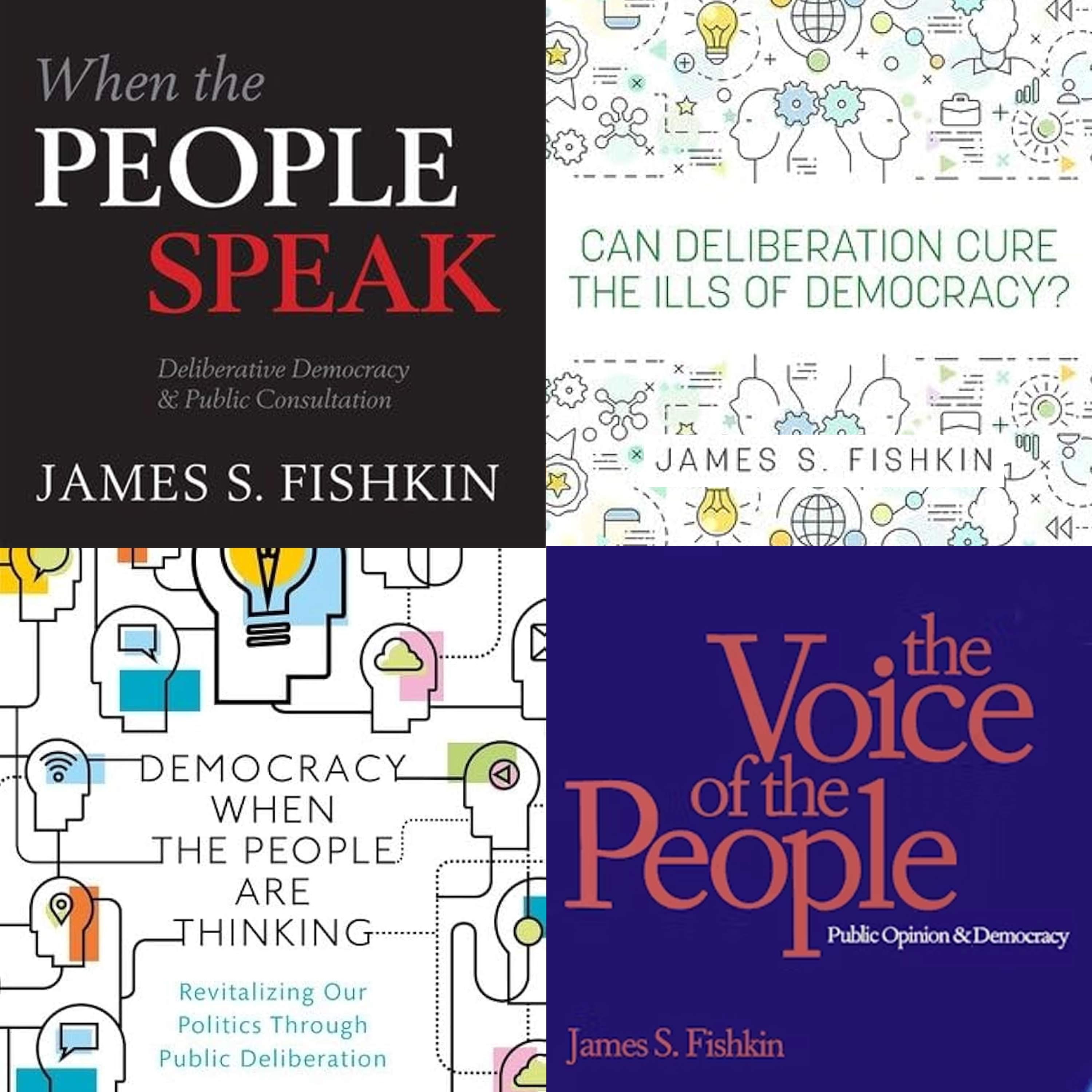
S14 Ep 1107Can Deliberation Cure the Ills of Democracy? JAMES FISHKIN - Highlights
“The three ills of democracy that I propose to address with this method, which we've perfected over the last several decades. Democracy is supposed to make some connection with the "will of the people." But how can we estimate the will of the people when everyone is trying to manipulate it?”James S. Fishkin holds the Janet M. Peck Chair in International Communication at Stanford University where he is Professor of Communication, Professor of Political Science (by courtesy), Senior Fellow of the Freeman Spogli Institute for International Studies, and Director of the Deliberative Democracy Lab. He is also a Fellow of the American Academy of Arts and Sciences, a Guggenheim Fellow, and a Fellow of the Center for Advanced Study in the Behavioral Sciences. His work focuses on Deliberative Polling, a process of deliberative public consultation that has been conducted more than 150 times around the world. He is the author of Can Deliberation Cure the Ills of Democracy?, Democracy When the People Are Thinking (OUP) and other books.“Deliberative democracy is itself, when properly done, a kind of democracy that can speak to the interests of a community. And we need that all over the world.”Episode Websitewww.creativeprocess.info/podInstagram:@creativeprocesspodcast
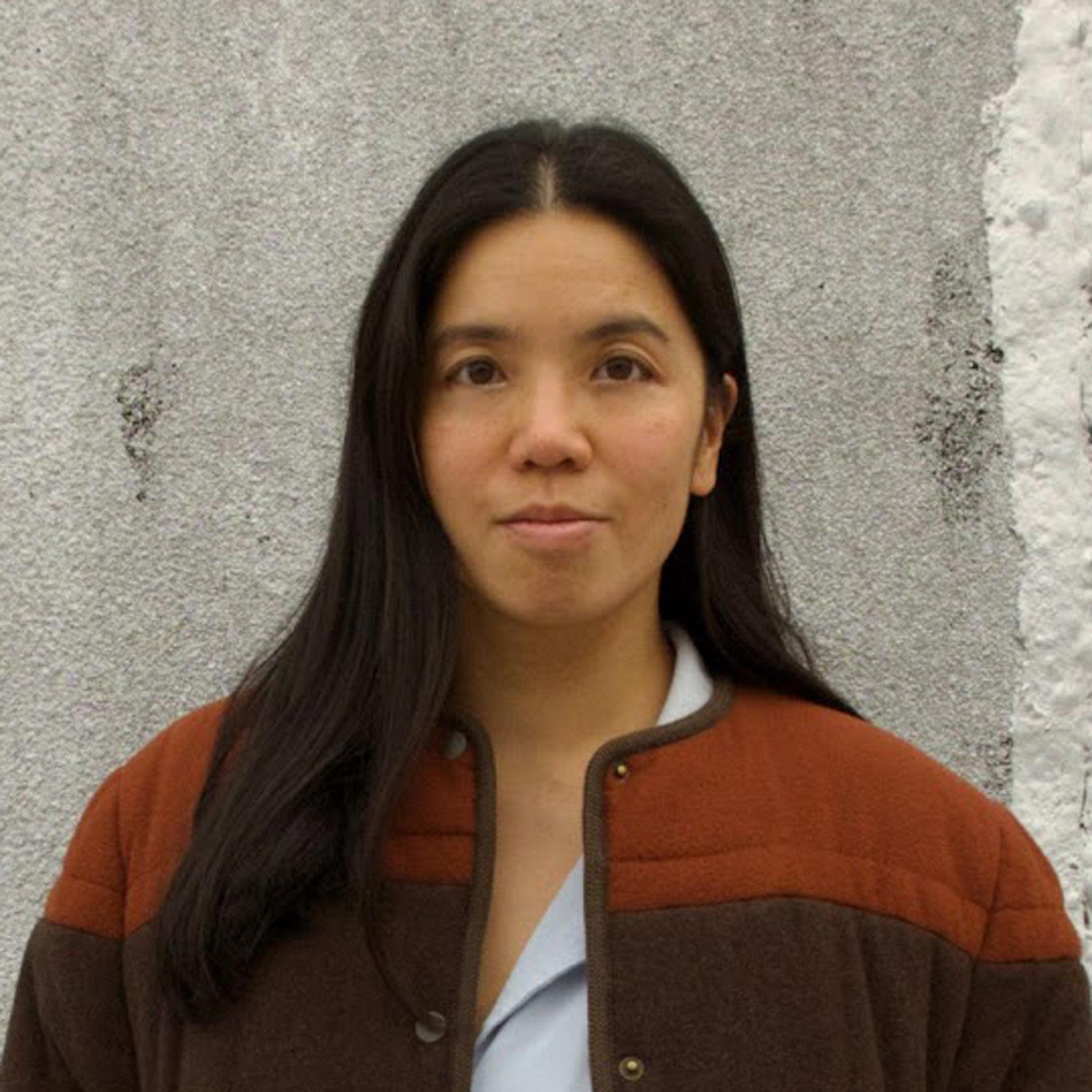
S14 Ep 1106Free the Land: How We Can Fight Poverty & Climate Chaos with AUDREA LIM
Why is there so much conflict over people, land, and resources? How can we rethink capitalism and land ownership to create a fairer, more equitable society?Audrea Lim is a Brooklyn-based freelance writer and journalist whose work focuses on land, energy, and the environment. Her writing has appeared in TheNew Yorker, Harper’s, Rolling Stone, the New York Times, the Guardian, the New Republic, and The Nation. Lim is the editor of The World We Need and the author of Free The Land: How We Can Fight Poverty and Climate Chaos. She is a visiting scholar at the Asian/Pacific/American Institute at New York University and was a 2022 Macdowell fellow.Episode Websitewww.creativeprocess.info/podInstagram:@creativeprocesspodcast@audrea_lim The music on this episode is “Snowball” from the album Sunken Cities, performed by Audrea Lim and her band Odd Rumblings.
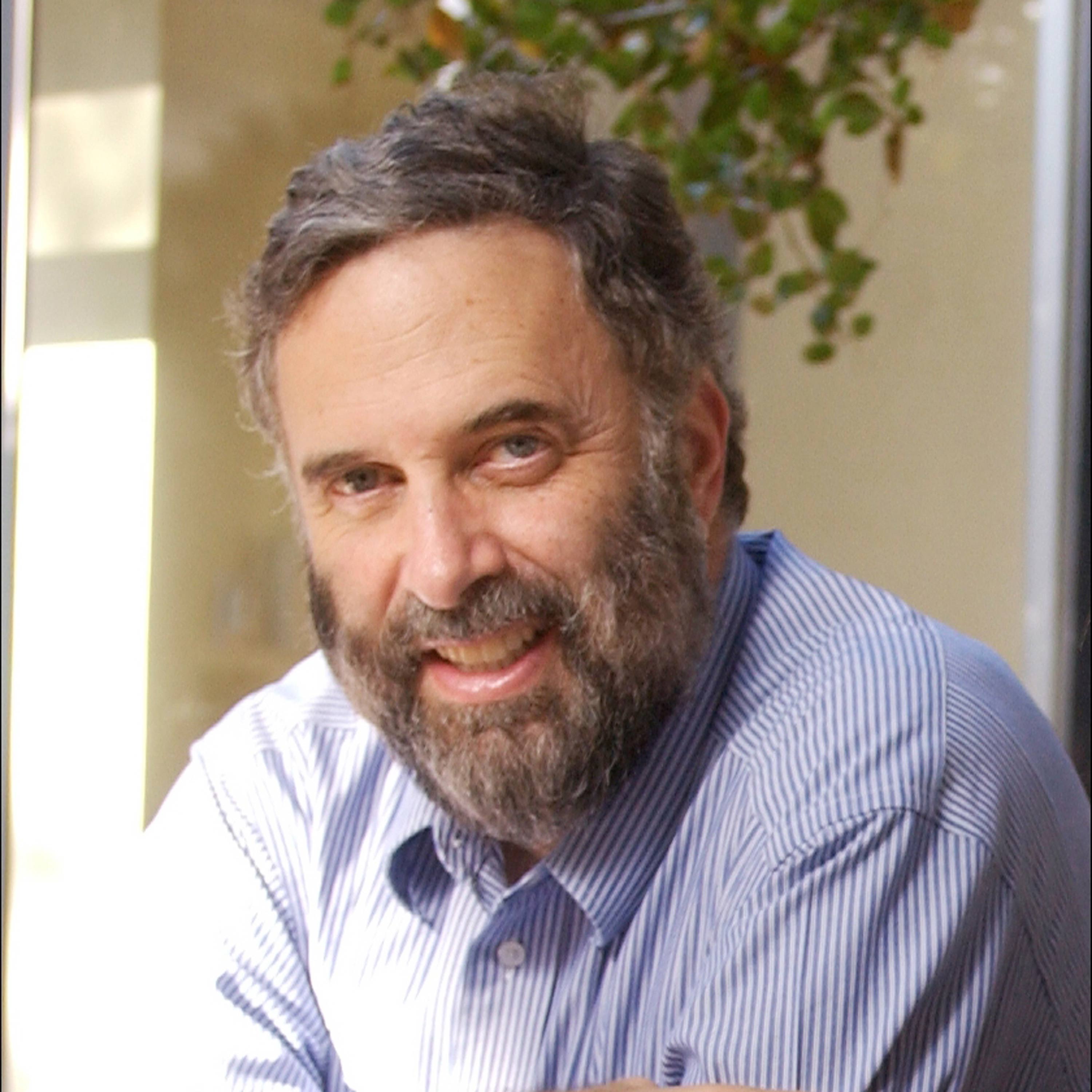
S14 Ep 1105What is Deliberative Democracy & How Can it Serve Society? w/ JAMES S. FISHKIN
“Deliberative democracy is itself, when properly done, a kind of democracy that can speak to the interests of a community. And we need that all over the world.”James S. Fishkin holds the Janet M. Peck Chair in International Communication at Stanford University where he is Professor of Communication, Professor of Political Science (by courtesy), Senior Fellow of the Freeman Spogli Institute for International Studies, and Director of the Deliberative Democracy Lab. He is also a Fellow of the American Academy of Arts and Sciences, a Guggenheim Fellow, and a Fellow of the Center for Advanced Study in the Behavioral Sciences. His work focuses on Deliberative Polling, a process of deliberative public consultation that has been conducted more than 150 times around the world. He is the author of Can Deliberation Cure the Ills of Democracy?, Democracy When the People Are Thinking (OUP) and other books.“The three ills of democracy that I propose to address with this method, which we've perfected over the last several decades. Democracy is supposed to make some connection with the "will of the people." But how can we estimate the will of the people when everyone is trying to manipulate it?”Episode Websitewww.creativeprocess.info/podInstagram:@creativeprocesspodcast
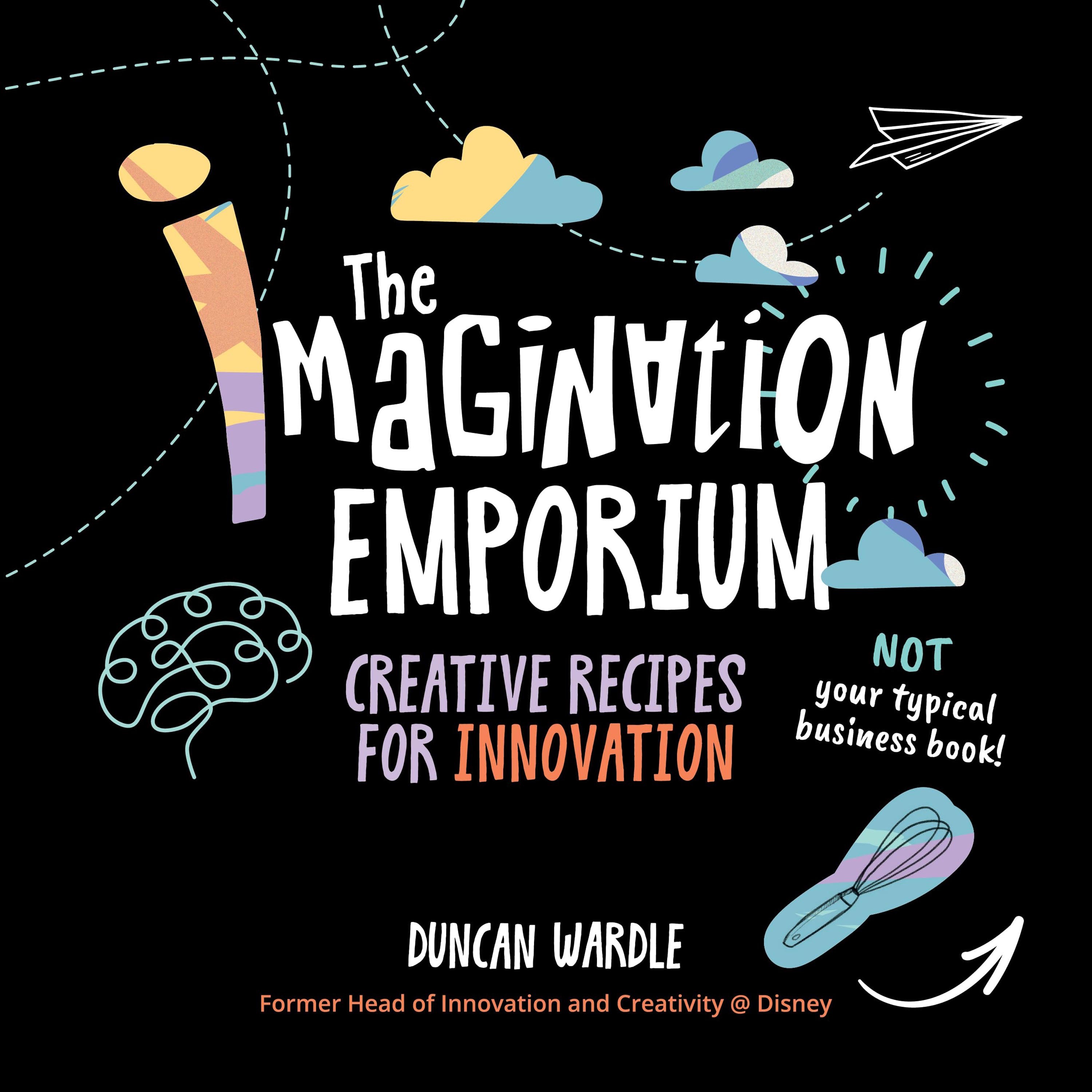
S14 Ep 1104The Imagination Emporium with Fmr. VP of Innovation & Creativity at Disney DUNCAN WARDLE
How can we free our minds to cultivate curiosity, innovation, and creativity in our daily lives? In this age of AI, where creative tasks are increasingly being performed for us, what is intelligence? And what is the future of education?Duncan Wardle was Vice President of Innovation and Creativity at Disney and has helped organizations like Apple, the NBA, Coca-Cola, and Spotify to innovate. The Imagination Emporium: Creative Recipes for Innovation is a toolkit with easy-to-use recipes to make innovation and creativity accessible and fun.Episode Websitewww.creativeprocess.info/podInstagram:@creativeprocesspodcast
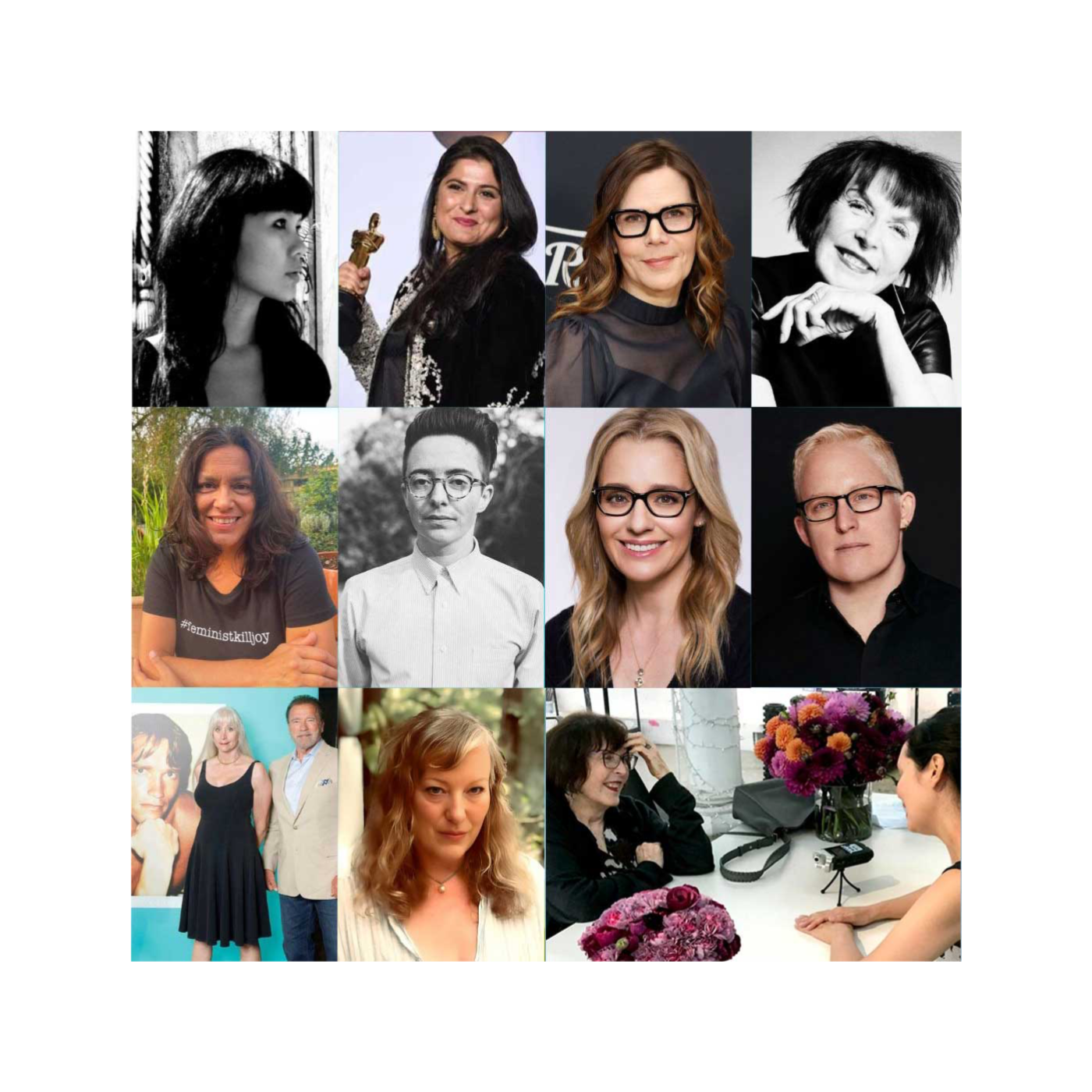
S14 Ep 1103Feminism in the 21st Century - Artists, Writers, Filmmakers Share their Stories
How has feminism changed in light of the way we live now?DEAN SPADE (Author of Love in a F*cked Up World: How to Build Relationships, Hook Up & Raise Hell Together) on recognizing political conditions in personal relationships.MARILYN MINTER (Artist, Feminist) on sexual agency, beauty & her creative process.TEY MEADOW (Author of Trans Kids: Being Gendered in the Twenty-First Century) on the necessity of creating an inclusive environment & argues that diverse storytelling is crucial for healthy development.ELLEN RAPOPORT (Creator, Exec. Producer of Minx) on the evolution of feminism, the divides that emerged in the 70s over pornography & sex work.LAURA EASON (Emmy-nominated Producer, Screenwriter · Three Women, House of Cards) on the significance of representing ordinary women’s experiences.SHARMEEN OBAID-CHINOY (Oscar & Emmy-winning Director of Diane von Furstenberg: Woman in Charge · Forthcoming Star Wars film) on the legacy of von Furstenberg.SARA AHMED (Author, The Feminist Killjoy Handbook) reclaims the stereotypes, calling for solidarity among feminists.INTAN PARAMADITHA (Author, The Wandering) reflects on the importance of intergenerational knowledge among women.DIAN HANSON (Editor) on participating in the sex-positive movements of the 1960s to creating niche fetish magazines.KATE MUETH (Neo-Political Cowgirls Founder) on the importance of finding meaning in creative work, community & storytelling in human experience.Listen to full interviewsEpisode Websitewww.creativeprocess.info/podIG:@creativeprocesspodcast
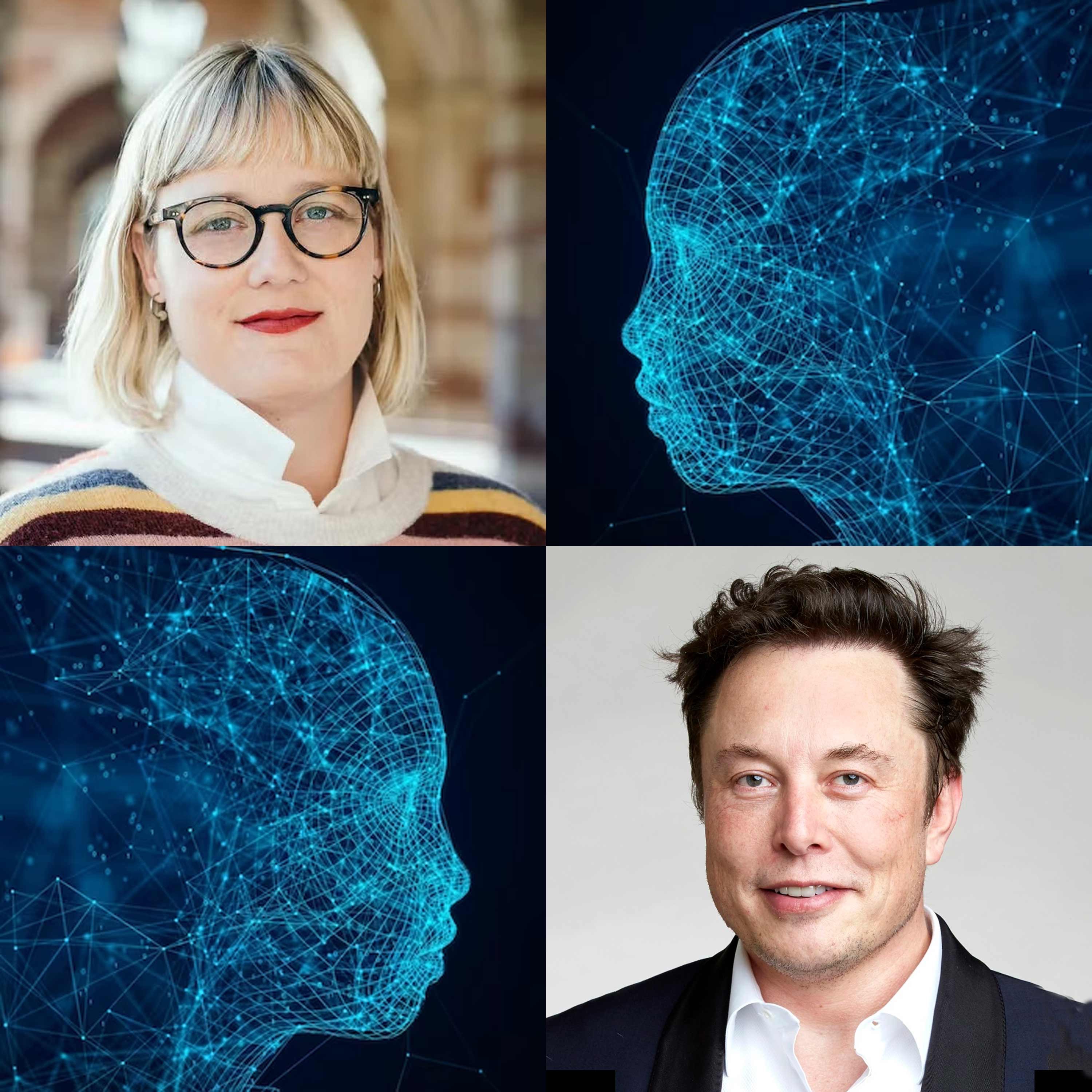
S14 Ep 1102The Hidden Humans Behind Artificial Intelligence & the Sociopathology of Elon Musk
In this episode on Speaking Out of Place podcast Professor David Palumbo-Liu talks with Sarah T. Roberts about the hidden humans behind Artificial Intelligence, which is reliant on executives and business managers to direct AI to promote their brand and low-level, out-sourced, and poorly paid content managers to slog through masses of images, words, and data before they get fed into the machine. They talk about the cultural, sociological, financial, and political aspects of AI. They end by taking on Elon Musk and the DOGE project, as an emblem of how Silicon Valley executives have embraced a brand of tech rapture that disdains and destroys democracy and attacks the idea that people can take care of each other, independent of sociopathic libertarianism.Sarah T. Roberts, Ph.D., is a full professor at UCLA (Gender Studies, Information Studies, Labor Studies), specializing in Internet and social media policy, infrastructure, politics and culture, and the intersection of media, technology, and society. She is the faculty director and co-founder of the UCLA Center for Critical Internet Inquiry (C2i2), co-director of the Minderoo Initiative on Technology & Power, and a research associate of the Oxford Internet Institute. Informed by feminist Science and Technology Studies perspectives, Roberts is keenly interested in the way power, geopolitics, and economics play out on and via the internet, reproducing, reifying, and exacerbating global inequities and social injustice.www.palumbo-liu.com https://speakingoutofplace.com Bluesky @palumboliu.bsky.social Instagram @speaking_out_of_placePhoto of Elon Musk: Debbie Rowe Creative Commons Attribution-Share Alike 3.0 Unported
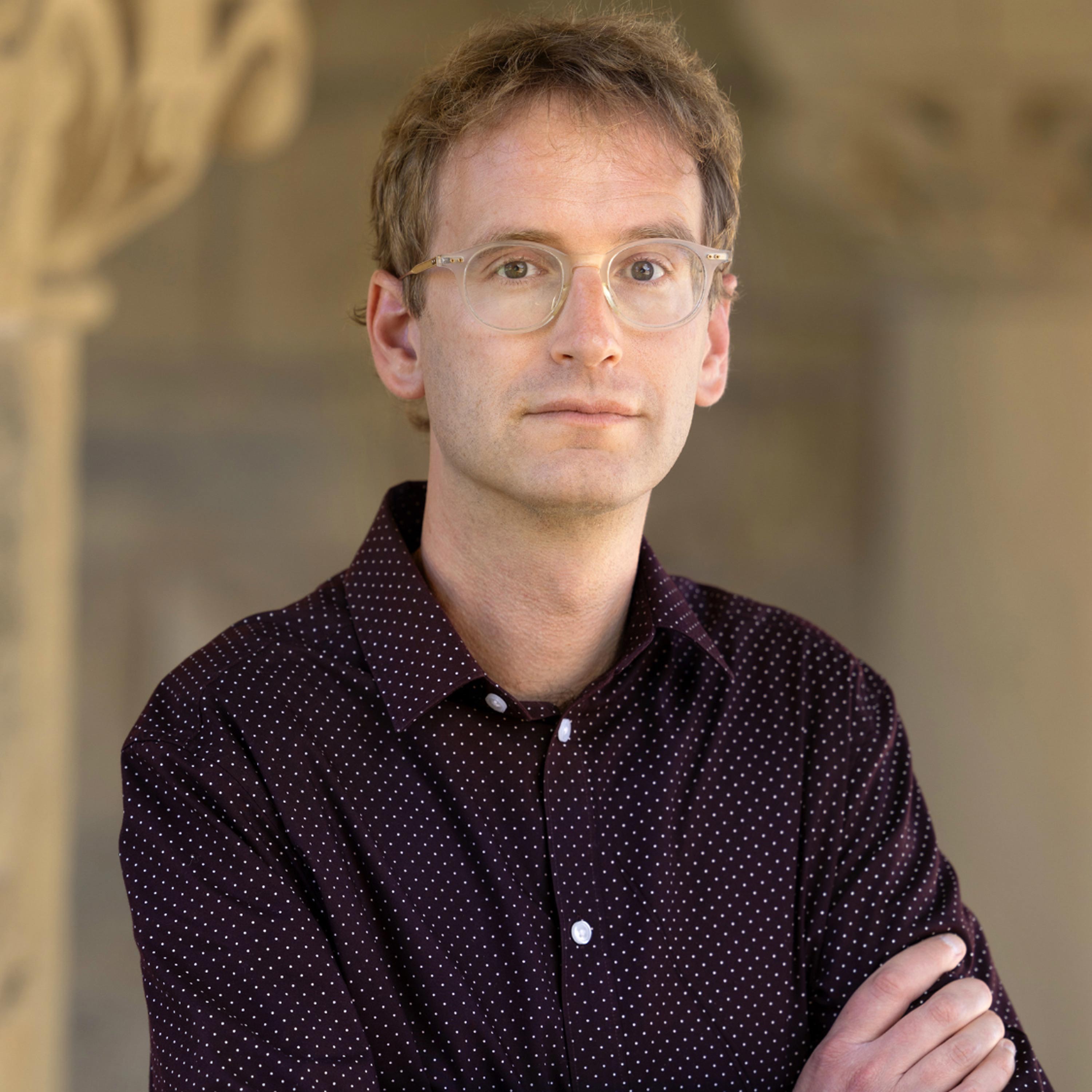
S14 Ep 1101On the Significance of the Recent Elections in Germany: ADRIAN DAUB on Rushing to the Right
In this episode on Speaking Out of Place podcast Professor David Palumbo-Liut talks with Professor Adrian Daub about the recent elections in Germany, where we saw a surge in votes for the Far Right AfD party, which is now the second most powerful party in the country. They discuss the significance of this rise in popularity and the ways the elections reveal a number of shifts in German politics as the various parties stake out positions that align with not just a center-right orientation but, more dangerously, a far-right one. They speak of the parallels to the recent election of Donald Trump to the US presidency, and what it says about the entrenchment of both neoliberalism and a faux populism based on xenophobia and not serving the actual material interests of everyday people.Adrian Daub teaches German and Comparative Literature at Stanford, where he directs the Clayman Institute for Gender Research. He is the author most recently of The Cancel Culture Panic (2024), and co-hosts the podcast In Bed With the Right.www.palumbo-liu.com https://speakingoutofplace.com Bluesky @palumboliu.bsky.social Instagram @speaking_out_of_place
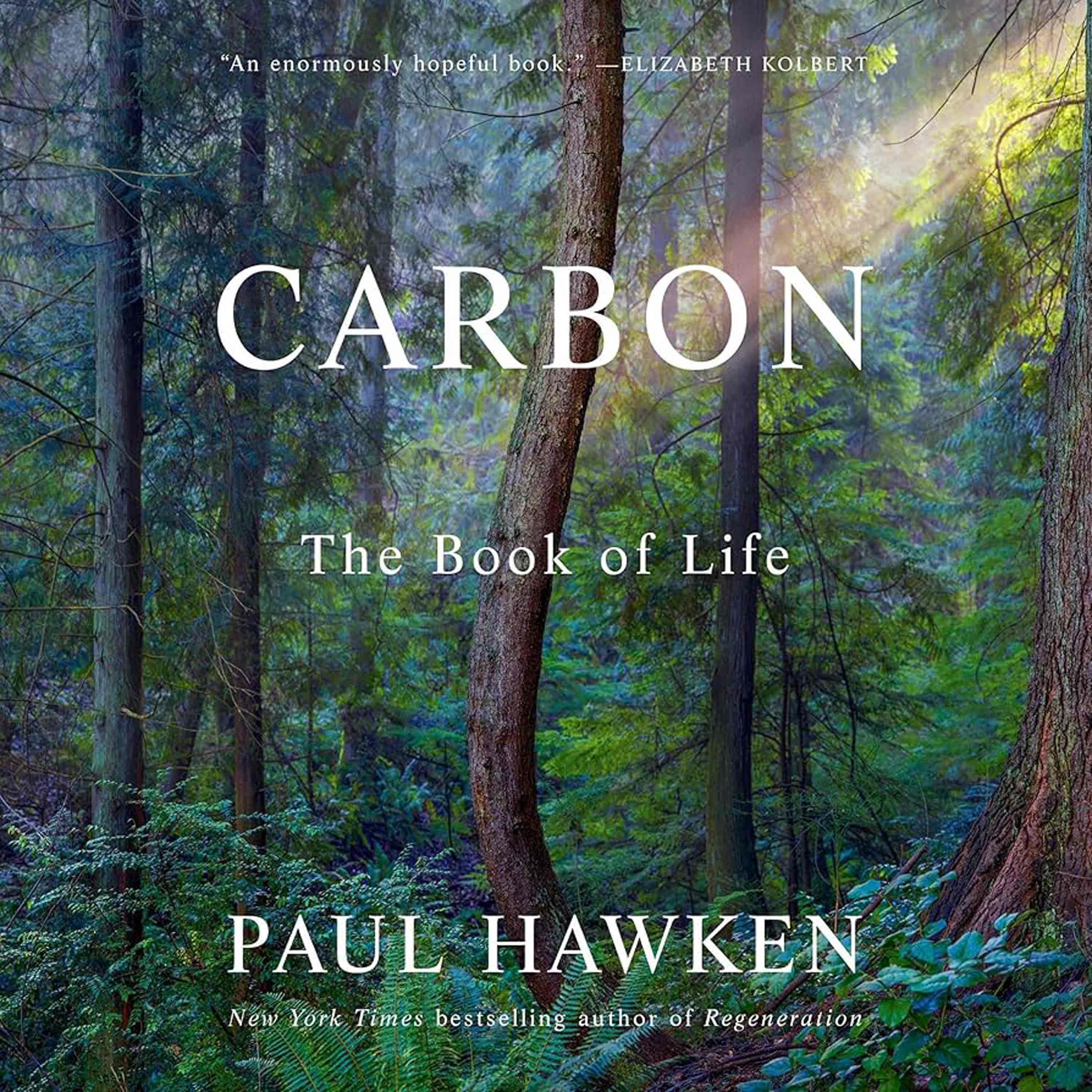
S14 Ep 1100"Carbon is really a flow that animates everything we love, everything that's alive on this planet." - PAUL HAWKEN - Highlights
“We have 1.2 trillion carbon molecules in every cell. We have around 30 trillion cells, and that’s us. So carbon is really a flow that animates everything we love, enjoy, eat, and all plant life, all sea life—everything that's alive on this planet—is animated by the flow of carbon. “Paul Hawken is a renowned environmentalist, entrepreneur, author, and activist committed to sustainability and transforming the business-environment relationship. He starts ecological businesses, writes about nature and commerce, and consults with heads of state and CEOs on climactic economic and ecological regeneration. He has appeared on the Today Show, Talk of the Nation, Real Time with Bill Maher, CBS This Morning, and his work has been profiled or featured in hundreds of articles, including The Wall Street Journal, New York Times, Newsweek, Washington Post, Forbes, and Businessweek. He has written nine books, including six national and New York Times bestsellers. He's published in 30 languages, and his books are available in over 90 countries. He is the founder of Project Drawdown and Project Regeneration, which is creating the world's largest, most complete listing and network of solutions to the climate crisis. His latest book is Carbon: The Book of Life.“We want to see the situation we're in as that, as a flow. Where are the flows coming from, and why are we interfering with them? Why are we crushing them? Why are we killing them? For sure. But also, we need to see the wonder, the awe, the astonishment of life itself and to have that sensibility as the overriding narrative of how we act in the world, how we live, and how we talk to each other. Unless we change the conversation about climate into something that's a conversation about more life—better conditions for people in terms of social justice, restoring so much of what we've lost—then we won’t get anywhere.”Episode Websitewww.creativeprocess.info/podInstagram:@creativeprocesspodcast
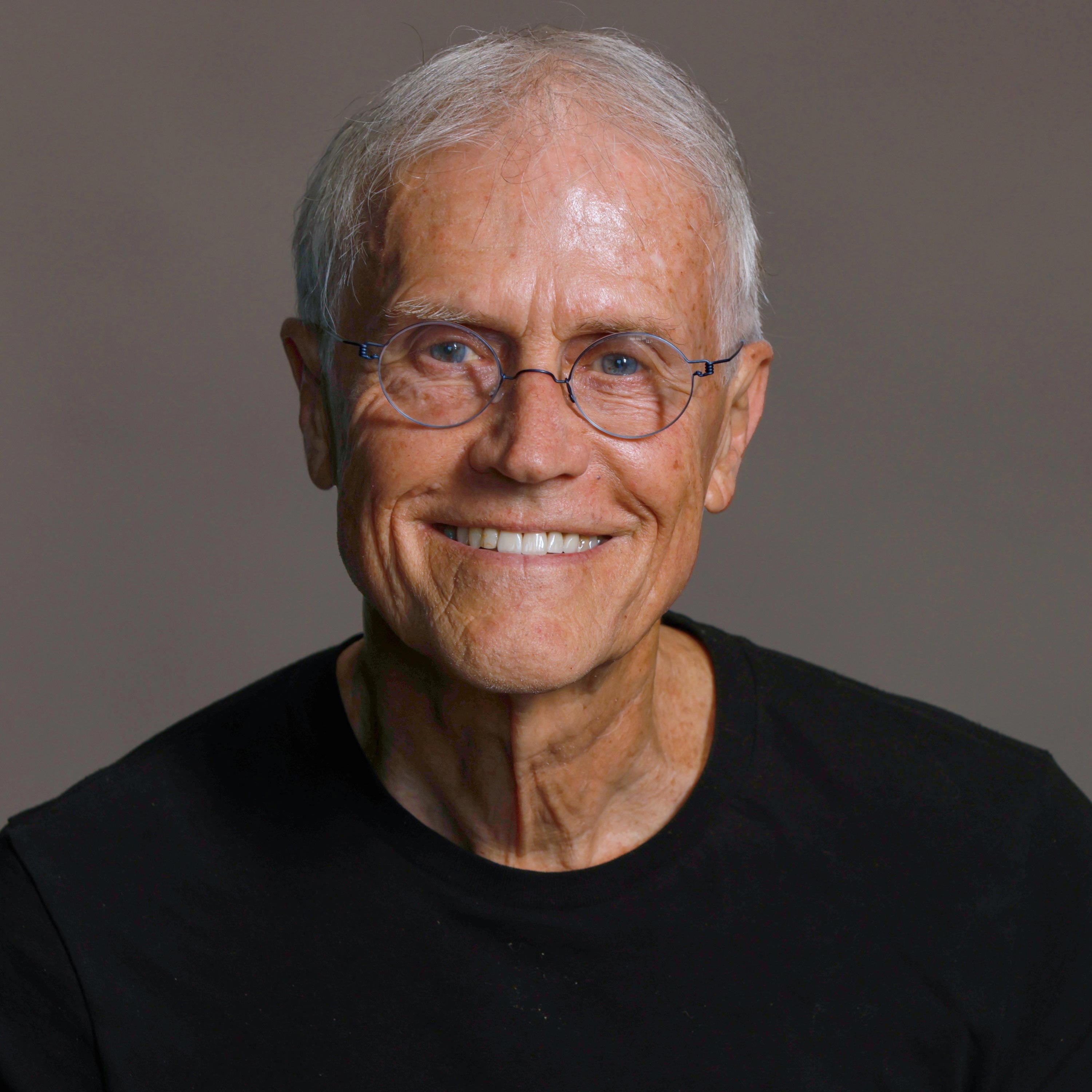
S14 Ep 1099CARBON: The Book of Life with PAUL HAWKEN
“We have 1.2 trillion carbon molecules in every cell. We have around 30 trillion cells, and that’s us. So carbon is really a flow that animates everything we love, enjoy, eat, and all plant life, all sea life—everything that's alive on this planet—is animated by the flow of carbon. “Paul Hawken is a renowned environmentalist, entrepreneur, author, and activist committed to sustainability and transforming the business-environment relationship. He starts ecological businesses, writes about nature and commerce, and consults with heads of state and CEOs on climactic economic and ecological regeneration. He has appeared on the Today Show, Talk of the Nation, Real Time with Bill Maher, CBS This Morning, and his work has been profiled or featured in hundreds of articles, including The Wall Street Journal, New York Times, Newsweek, Washington Post, Forbes, and Businessweek. He has written nine books, including six national and New York Times bestsellers. He's published in 30 languages, and his books are available in over 90 countries. He is the founder of Project Drawdown and Project Regeneration, which is creating the world's largest, most complete listing and network of solutions to the climate crisis. His latest book is Carbon: The Book of Life.“We want to see the situation we're in as that, as a flow. Where are the flows coming from, and why are we interfering with them? Why are we crushing them? Why are we killing them? For sure. But also, we need to see the wonder, the awe, the astonishment of life itself and to have that sensibility as the overriding narrative of how we act in the world, how we live, and how we talk to each other. Unless we change the conversation about climate into something that's a conversation about more life—better conditions for people in terms of social justice, restoring so much of what we've lost—then we won’t get anywhere.”Episode Websitewww.creativeprocess.info/podInstagram:@creativeprocesspodcast
S14 Ep 1098Inside the Mind of PETER WELLER, Actor, Art Historian, Director, Musician, Author - Highlights
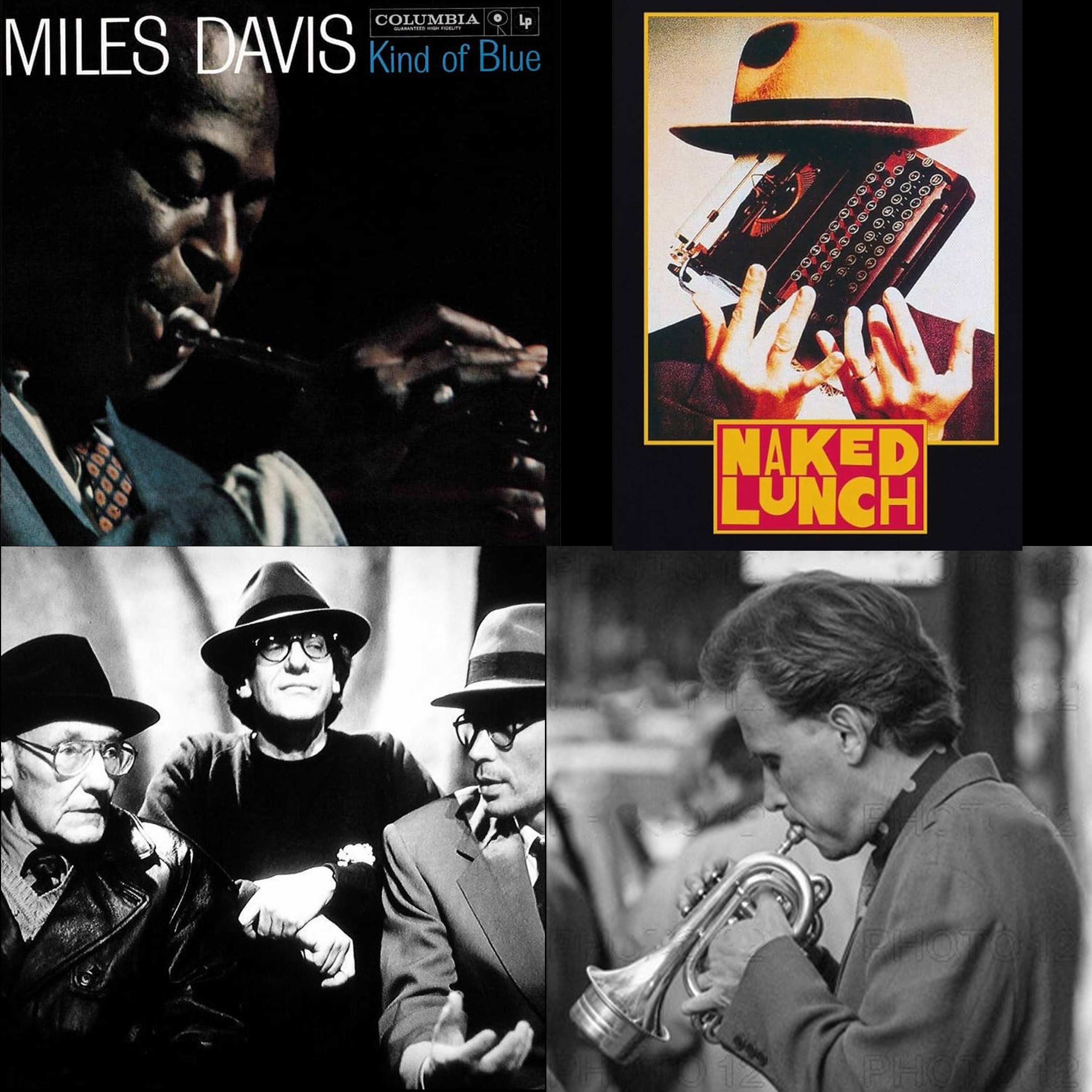
Peter Weller is a renowned theater and Hollywood actor. His performances in films such as RoboCop and Naked Lunch garnered him much critical and commercial success over the years. His television acting and directing credits include Sons of Anarchy, Dexter, and 24. Unbeknownst to most, Weller has spent decades honing his appreciation for the visual and musical arts through his studies of the Renaissance era. Earning a Master's in Roman architecture from Syracuse University before moving on to a PhD in Renaissance Art from UCLA. Dr. Weller has just written a book, Leon Battista Alberti in Exile: Tracing the Path to the First Modern Book on Painting.“Art transcends time and culture—the beauty of it. People worry about the world now. I remind them to go live in 1968, a time of preparing to go to the moon while people died for their beliefs. This is a difficult time in a republic that’s supposed to be free, but music was leading the way. It’s actually harmonious, transcending culture and time. That might be the greatest gift of our transcendence.”Episode Websitewww.creativeprocess.info/podInstagram:@creativeprocesspodcast
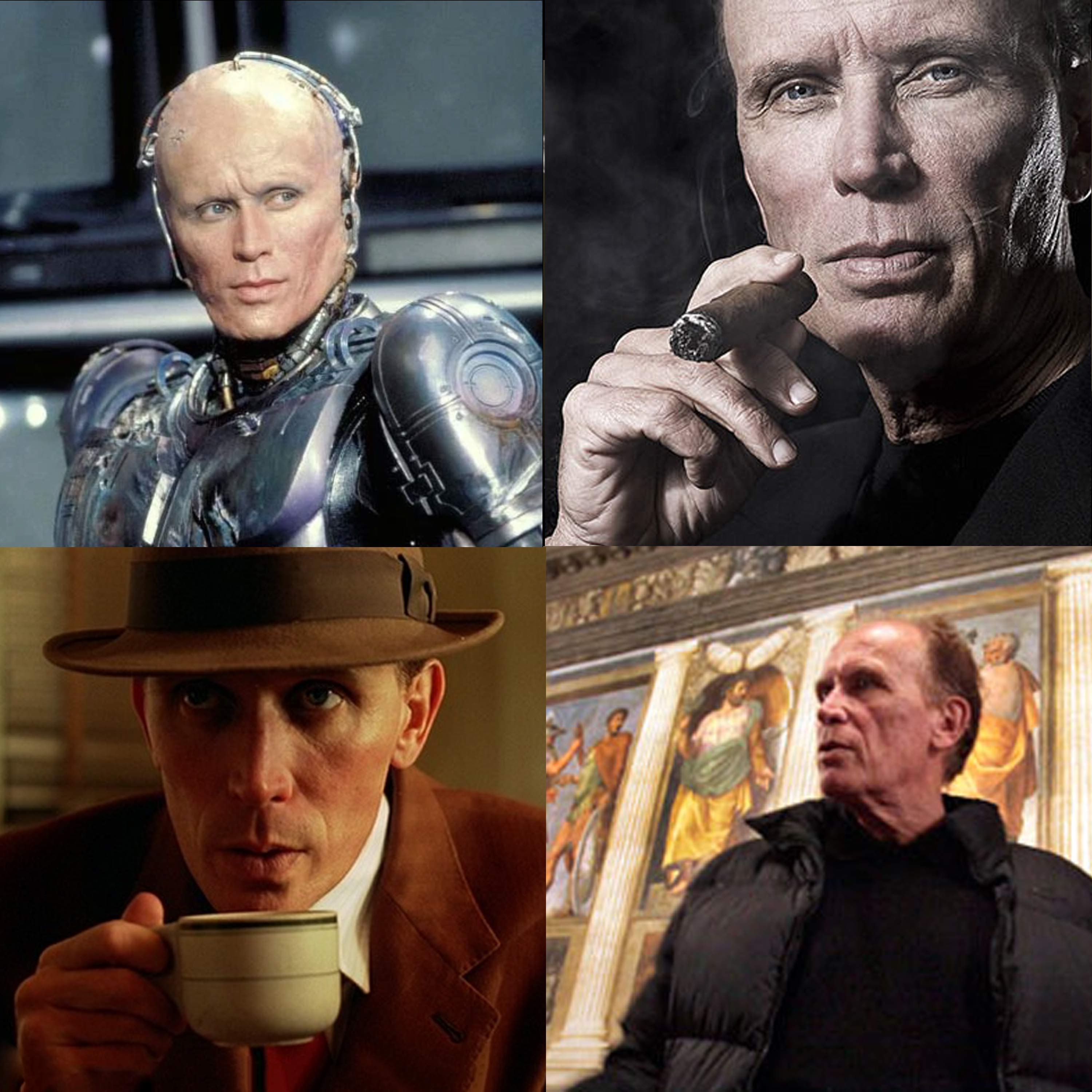
S14 Ep 1097From RoboCop to the Renaissance w/ Actor, Art Historian, Director, Musician, Author PETER WELLER
“I met Miles backstage at the Hollywood Bowl—the last gig he ever played. Miles asked, “Who’s that white boy?” I introduced him to Bob Thiele Jr., whose father produced Coltrane. When Miles discovered this, he said, “Well, you can hang,” following this friendly gesture with me walking Miles to his car. I did not know he was dying. I kissed him on both cheeks. And 18 days later, he was gone.”Peter Weller is a renowned theater and Hollywood actor. His performances in films such as RoboCop and Naked Lunch garnered him much critical and commercial success over the years. His television acting and directing credits include Sons of Anarchy, Dexter, and 24. Unbeknownst to most, Weller has spent decades honing his appreciation for the visual and musical arts through his studies of the Renaissance era. Earning a Master's in Roman architecture from Syracuse University before moving on to a PhD in Renaissance Art from UCLA. Dr. Weller has just written a book, Leon Battista Alberti in Exile: Tracing the Path to the First Modern Book on Painting.Weller has also contributed an essay remembering his friend Miles Davis for Jazz and Literature. The book, co-edited by Mia Funk, features many of her interviews and artworks, as well as poetry, art, and essays by our contributors.Episode Websitewww.creativeprocess.info/podInstagram:@creativeprocesspodcast
S14 Ep 1096A Life in Climbing: ALAIN ROBERT Climbs with No Fear, No Ropes, No Safety Net - Highlights
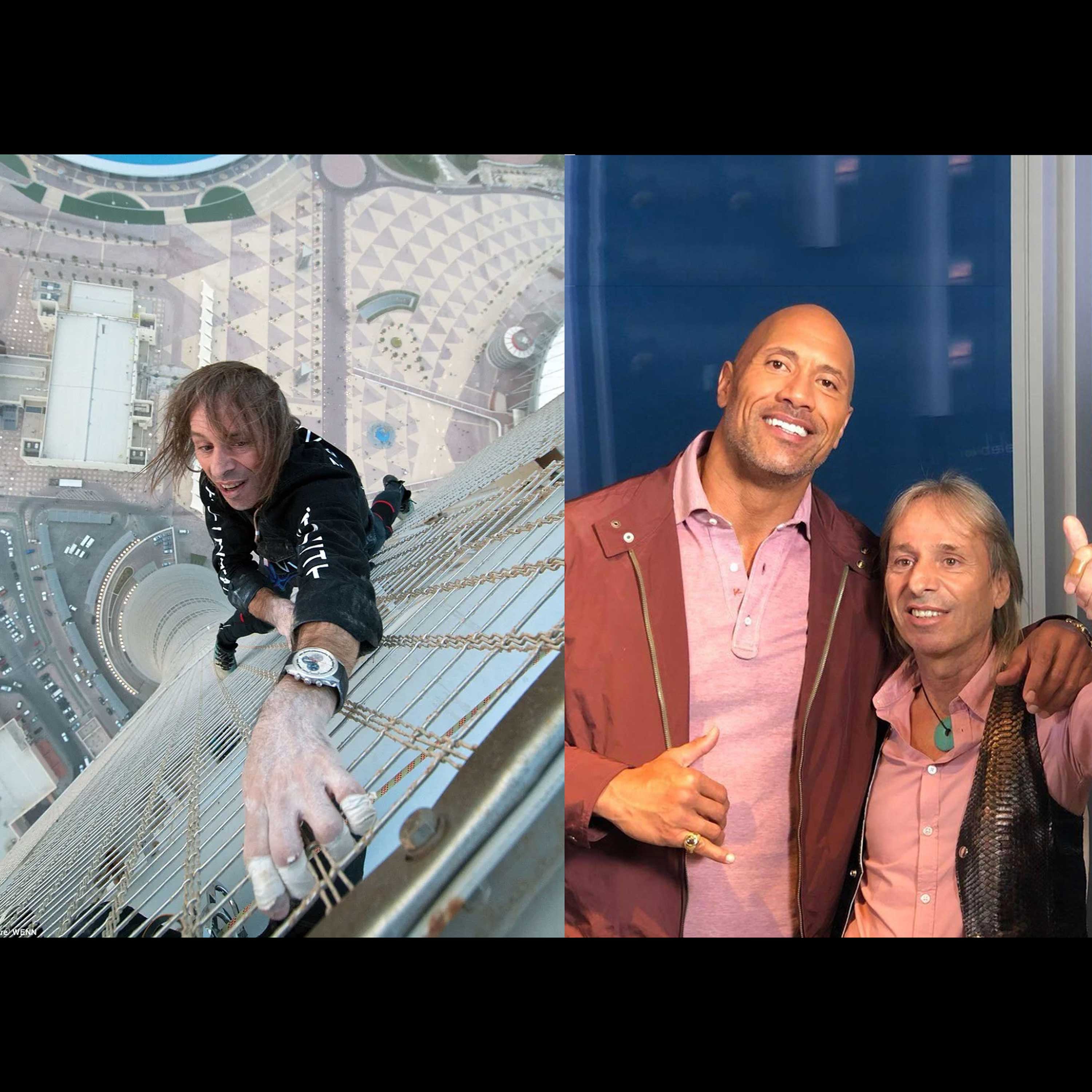
How can we overcome our fears? How can we challenge ourselves, pushing our physical boundaries to achieve the impossible?Alain Robert is a renowned rock climber and urban climber. Known as "the French Spider-Man” or "the Human Spider," Robert is famous for his free solo climbing, scaling skyscrapers using no climbing equipment except for a small bag of chalk and a pair of climbing shoes. Some of his most notable ascents include the Burj Khalifa, the Eiffel Tower, and the Sydney Opera House, and over 200 of the world's tallest skyscrapers. He is also a motivational speaker and the author of The Spider-man: Free and Unattached, and With Bare Hands: The True Story of Alain Robert, the Real-life Spiderman.“You are fighting to stay alive. You are fully in the present moment. You don't have time to think about being afraid. You are focused on what you are doing. You struggle to pass another window. You don't have time to think about your problems. The only thing you are concerned about deep down in the back of your mind is that you need to stay alive, and for that, you need to remain calm and focused.”www.instagram.com/alainrobertofficial/?hl=frEpisode Websitewww.creativeprocess.infowww.oneplanetpodcast.orgInstagram @creativeprocesspodcast Images courtesy of alainrobert.com

S14 Ep 1095Overcoming Your Fears to Achieve the Impossible w/ Free Solo Climber ALAIN ROBERT on Climbing 200+ World’s Tallest Skyscrapers
“You are fighting to stay alive. You are fully in the present moment. You don't have time to think about being afraid. You are focused on what you are doing. You struggle to pass another window. You don't have time to think about your problems. The only thing you are concerned about deep down in the back of your mind is that you need to stay alive, and for that, you need to remain calm and focused.”How can we overcome our fears? How can we challenge ourselves, pushing our physical boundaries to achieve the impossible?Alain Robert is a renowned rock climber and urban climber. Known as "the French Spider-Man” or "the Human Spider," Robert is famous for his free solo climbing, scaling skyscrapers using no climbing equipment except for a small bag of chalk and a pair of climbing shoes. Some of his most notable ascents include the Burj Khalifa, the Eiffel Tower, and the Sydney Opera House, and over 200 of the world's tallest skyscrapers. He is also a motivational speaker and the author of The Spider-man: Free and Unattached, and With Bare Hands: The True Story of Alain Robert, the Real-life Spiderman.www.instagram.com/alainrobertofficial/?hl=frwww.creativeprocess.info www.oneplanetpodcast.org Instagram @creativeprocesspodcast Image courtesy of alainrobert.com
S14 Ep 1094The Creative Process w/ JULIE ANDREWS, PAUL SCHRADER, JOHN PATRICK SHANLEY, ETGAR KERET, JOY GORMAN WETTELS, CHAYSE IRVIN, MANUEL BILLETER
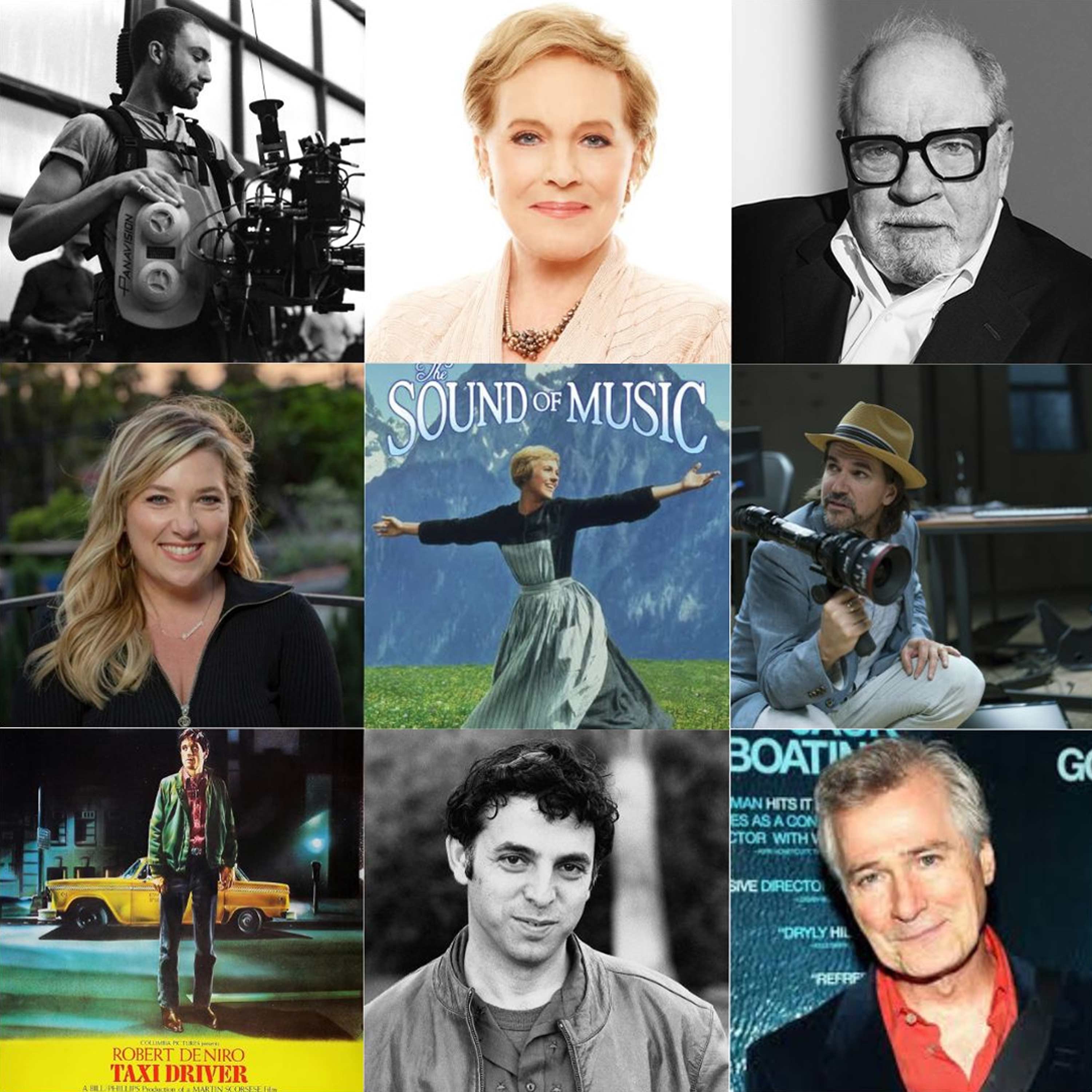
JULIE ANDREWS (Oscar, Tony & Pulitzer Prize-winning Actress & Singer · The Sound of Music, Mary Poppins) Andrews shares her experience working on Mary Poppins, revealing behind-the-scenes secrets about the character. She reminisces about her collaboration with Walt Disney and Tony Walton.ETGAR KERET (Cannes Film Festival Award-winning Director & Author) Keret discusses the profound impact of his parents' survival stories from the Holocaust on his work. He explores how extreme human experiences can lead to extraordinary resilience and creativity,JOHN PATRICK SHANLEY (Oscar, Tony & Pulitzer Prize-winning Writer/Director · Doubt, Moonstruck, Joe Versus the Volcano) Shanley highlights the invaluable lessons and life experiences gained from his time in the Marine Corps. He emphasizes the significance of diverse interactions and communal living, underscoring how these experiences shape both his artistic vision and societal views.JOY GORMAN WETTELS (Exec. Producer of 13 Reasons Why, UnPrisoned · Founder of Joy Coalition) Joy Gorman Wettels reflects on her theatrical upbringing and the influence of her mother’s passion for Sondheim and Neil Simon. She shares touching memories of the LGBTQ+ community in her life and how these early experiences cultivated her love for storytelling and community theater.PAUL SCHRADER (Screenwriter/Director · Taxi Driver, Raging Bull, First Reformed) Schrader analyzes the lasting impact of Taxi Driver on his work. He details his technique of immersing the audience into the protagonist’s perspective and psychology.CHAYSE IRVIN (Award-winning Cinematographer · Blonde starring Ana de Armas · Beyonce: Lemonade · Spike Lee’s BlacKkKlansman) Irvin discusses using mise-en-scène to represent characters’ psychological states.MANUEL BILLETER (Cinematographer · The Gilded Age · Inventing Anna · Jessica Jones · Luke Cage) Billeter recounts his early inspirations from masters like Fellini and Antonioni and his invaluable learning experiences while working alongside Alfonso Cuarón.To hear more from each guest, listen to their full interviews.Episode Websitewww.creativeprocess.info/podInsta:@creativeprocesspodcast
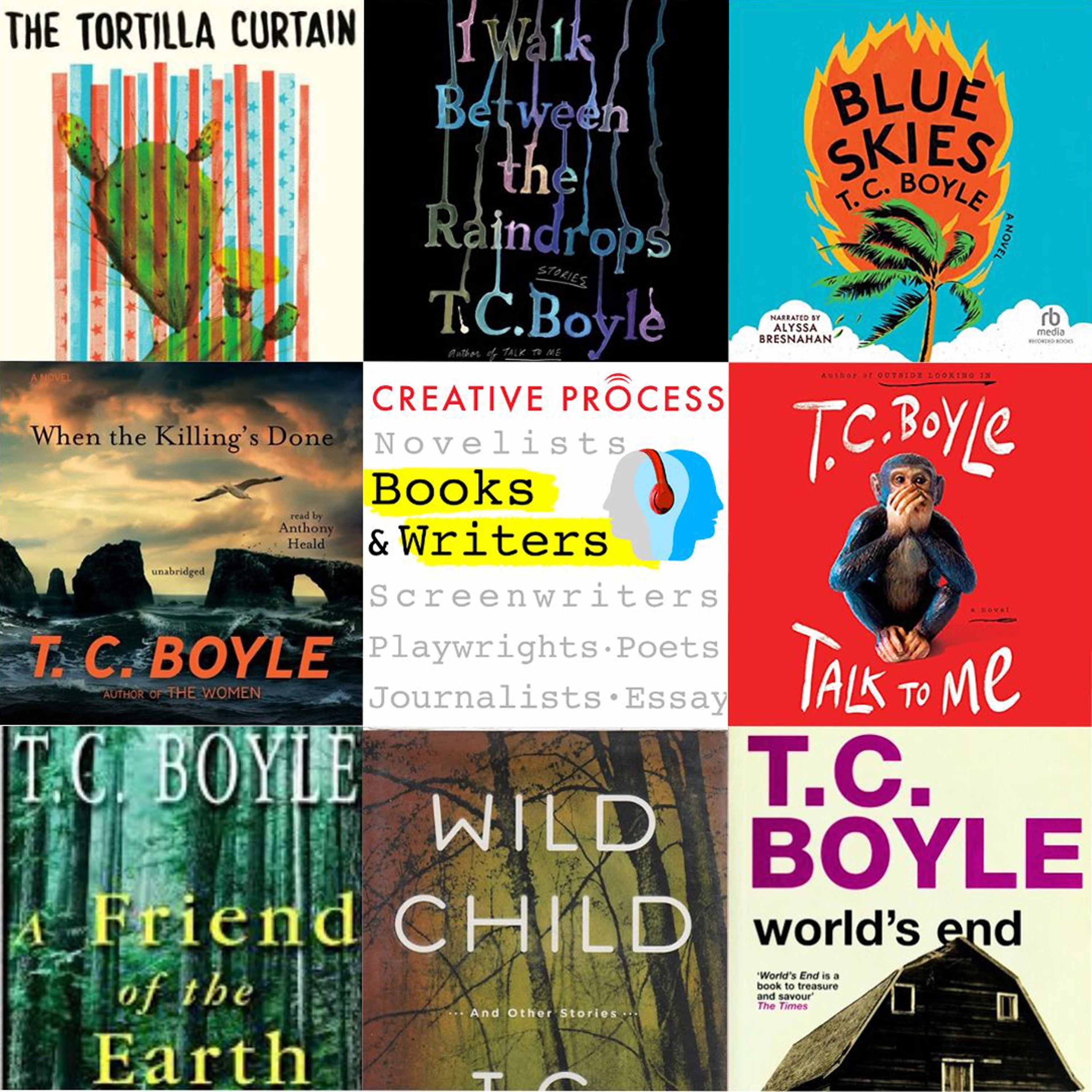
S14 Ep 1093The Art of Fiction with Author, Musician, Satirist T.C. BOYLE - Highlights
“What I have done in my career is just try to assess who we are, what we are, why we are here, and how come we, as animals, are able to walk around and wear pants and dresses and talk on the internet, while the other animals are not. It's been my obsession since I was young. I think if I hadn't become a novelist, I might have been happy to be a naturalist or a field biologist.There is some kind of magic in the creative process. I am reaching for things in my unconscious that surprise me. I don't know what it's going to be. I'd like to do many, many things. It's all my life's work. I don't want to just write the same book over and over again as some other authors do. I don't want to become formulaic.”T.C. Boyle is a novelist and short story writer based out of Santa Barbara, California. He has published 19 novels, such as The Road to Wellville and more than 150 short stories for publications like The New Yorker, as well as his many short story collections. His latest novel Blue Skies is a companion piece to A Friend of the Earth. His writing has earned numerous awards, including winning the PEN/Faulkner Award for Best Novel of the Year for World's End.Episode Websitewww.creativeprocess.info/podInstagram:@creativeprocesspodcast
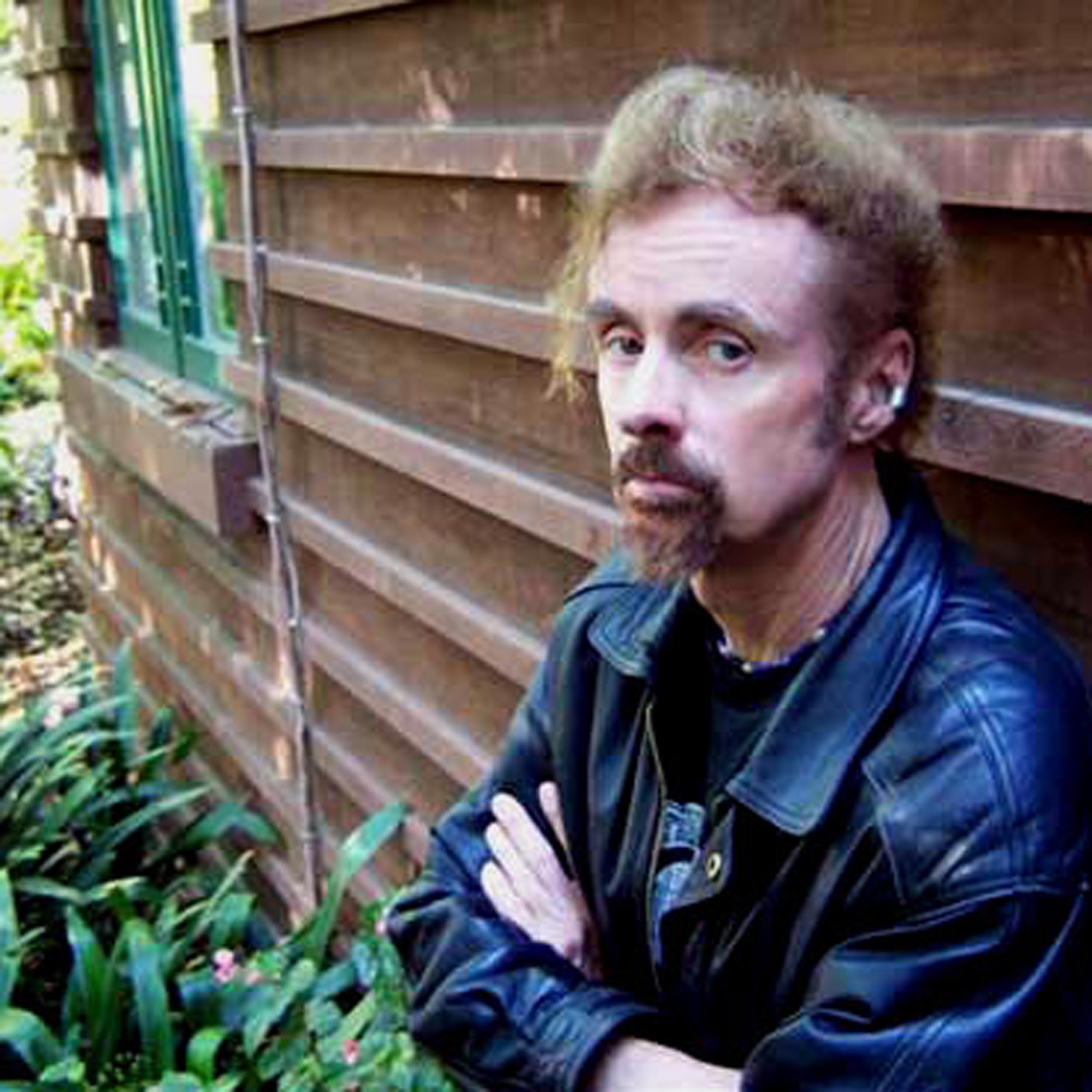
S14 Ep 1092A Life in Writing with T.C. BOYLE
Why are we filled with so many contradictions? How does writing help us make sense of the absurdity and chaos of the world? T.C. Boyle is a novelist and short story writer based out of Santa Barbara, California. He has published 19 novels, such as The Road to Wellville and more than 150 short stories for publications like The New Yorker, as well as his many short story collections. His latest novel Blue Skies is a companion piece to A Friend of the Earth. His writing has earned numerous awards, including winning the PEN/Faulkner Award for Best Novel of the Year for World's End. “What I have done in my career is just try to assess who we are, what we are, why we are here, and how come we, as animals, are able to walk around and wear pants and dresses and talk on the internet, while the other animals are not. It's been my obsession since I was young. I think if I hadn't become a novelist, I might have been happy to be a naturalist or a field biologist.There is some kind of magic in the creative process. I am reaching for things in my unconscious that surprise me. I don't know what it's going to be. I'd like to do many, many things. It's all my life's work. I don't want to just write the same book over and over again as some other authors do. I don't want to become formulaic.”Episode Websitewww.creativeprocess.info/podInstagram:@creativeprocesspodcastPhoto credit: Spencer Boyle in Santa Barbara, CA
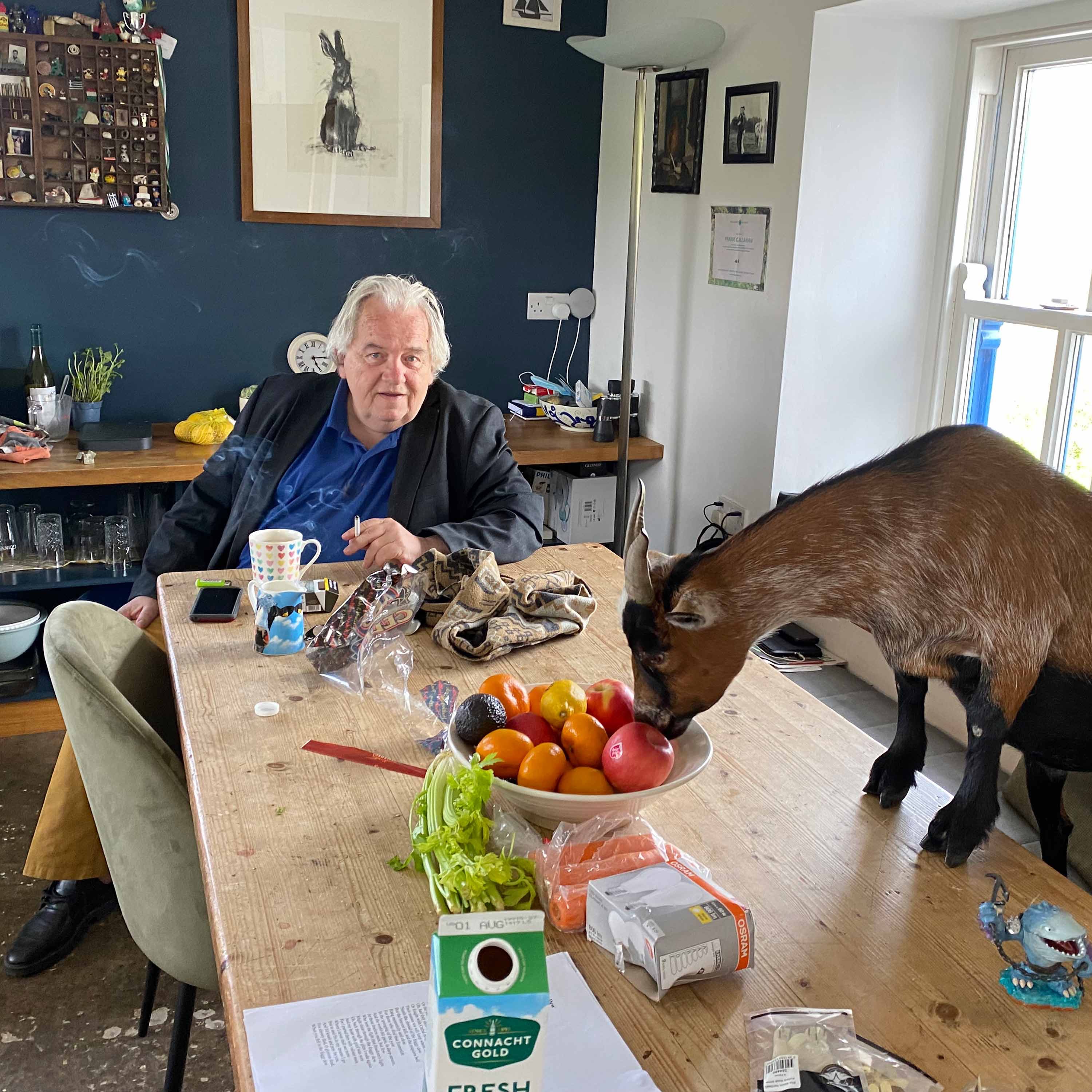
S14 Ep 1091Language, Music, Memory with Writer, Philosopher PATRICK HEALY - Highlights
“You have all the different languages interplaying with each other. Little scraps of Irish languages and idioms have stories that have been told, but how Ireland actually comes about as an idea, as to where the Irish come from. A lot of these kinds of debates are just placed, you know, in day-to-day conversation, and then they trail off. People start something; they trail off and might come back to it later. That phenomenon of speaking over each other, tales that are known and not known, I always found very interesting. It was literally like a radio that was kept on all day in the kitchen.You would come in and out, and you would hear certain things, and you'd have to work out the context and the conversation and the speakers. In some way, one of the big personalities in the book is just a radio that’s playing, and some of these conversations are not actually taking place between characters in real-time. They're just snippets that have been overheard on radios.”Patrick Healy was born in Dublin in 1955. He studied philosophy and Semitic languages at St. Columbans Dalgan Park, Pontifical University Maynooth, and University College Dublin. He has published over 20 books on topics around artists, aesthetic theory, philosophy of science, architecture, art criticism and innumerable essays. He has been a Professor of Interdisciplinary Research at Free International University Amsterdam, 1997-present, and was a Senior Research Fellow at the Faculty of Architecture from 2020-2022. He is currently completing a new work of fiction entitled Fatal Fragments, a loose follow-up to his novel Beyond the Pale.Episode Websitewww.creativeprocess.info/podInstagram:@creativeprocesspodcast

S14 Ep 1090Beyond the Pale with Writer, Philosopher PATRCK HEALY
Patrick Healy’s novel Beyond the Pale explores memory, time, childhood, and how language shapes our world. Set in rural Ireland, starting in the 1950s, the book follows a young boy’s early memories through a series of expressionistic soundscapes. The expression from which the book takes its name has come to mean beyond what is considered acceptable behavior, but the origins of the phrase referred to land within Ireland that was “beyond the control of the English government.” Healy’s book examines social class, stigma, village, family life, identity, and the nature of consciousness. Rooted in the oral tradition, the book is a celebration of place, the Irish idiom, music, and memory.Patrick Healy was born in Dublin in 1955. He studied philosophy and Semitic languages at St. Columbans Dalgan Park, Pontifical University Maynooth, and University College Dublin. He has published over 20 books on topics around artists, aesthetic theory, philosophy of science, architecture, art criticism and innumerable essays. He has been a Professor of Interdisciplinary Research at Free International University Amsterdam, 1997-present, and was a Senior Research Fellow at the Faculty of Architecture from 2020-2022. He is currently completing a new work of fiction entitled Fatal Fragments, a loose follow-up to his novel Beyond the Pale.“You have all the different languages interplaying with each other. Little scraps of Irish languages and idioms have stories that have been told, but how Ireland actually comes about as an idea, as to where the Irish come from. A lot of these kinds of debates are just placed, you know, in day-to-day conversation, and then they trail off. People start something; they trail off and might come back to it later. That phenomenon of speaking over each other, tales that are known and not known, I always found very interesting. It was literally like a radio that was kept on all day in the kitchen.You would come in and out, and you would hear certain things, and you'd have to work out the context and the conversation and the speakers. In some way, one of the big personalities in the book is just a radio that’s playing, and some of these conversations are not actually taking place between characters in real-time. They're just snippets that have been overheard on radios.”Episode Websitewww.creativeprocess.info/podInstagram:@creativeprocesspodcastPhoto credit: Marc Damri
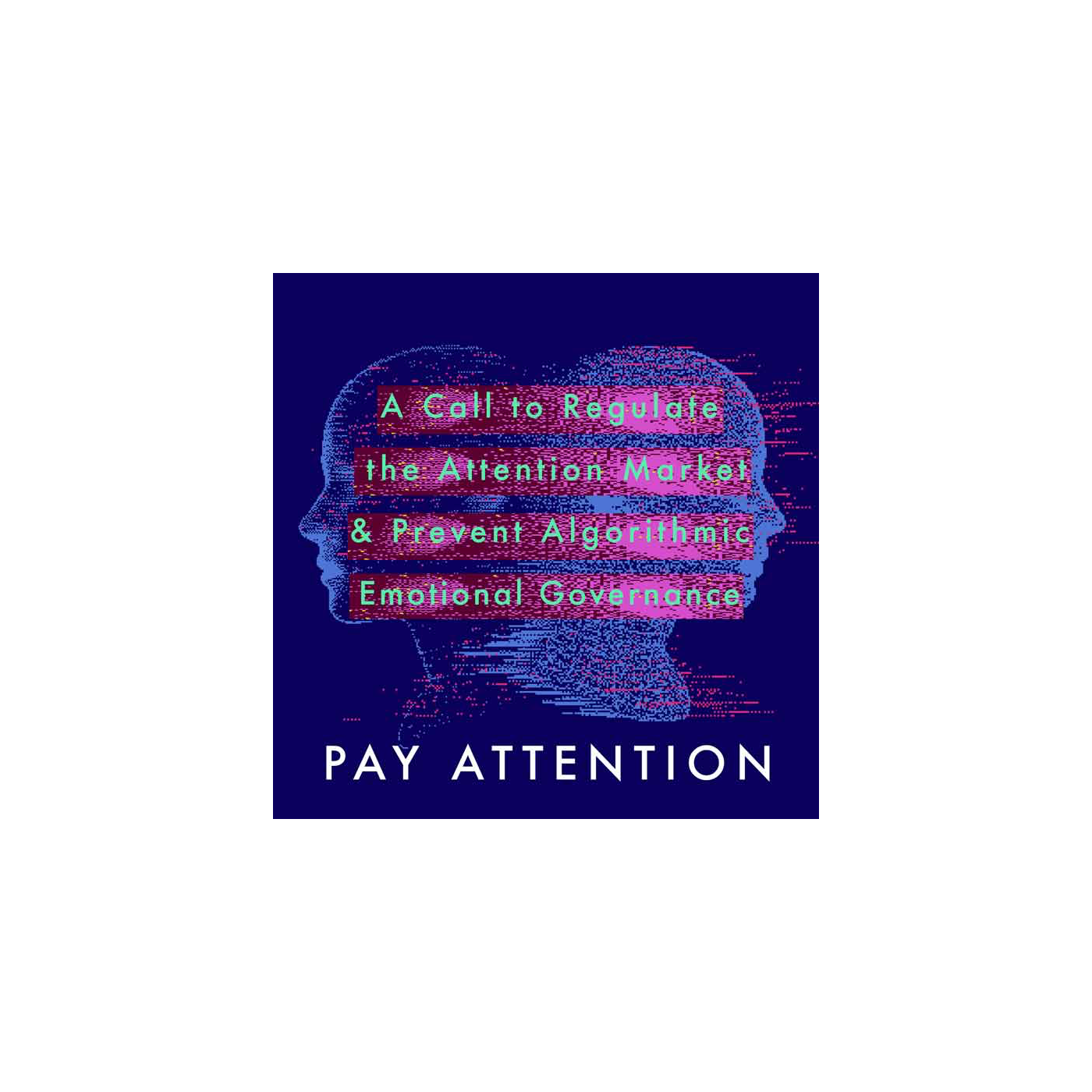
S14 Ep 1089On Regulating the Attention Market & Prevent Algorithmic Emotional Governance w/ FABIEN GANDON & FRANCK MICHEL
“The fact that technologies are being used and combined to capture our attention is concerning. This is currently being done with no limitations and no regulations. That's the main problem. Attention is a very private resource. No one should be allowed to extract it from us by exploiting what we know about the human mind and how it functions, including its weaknesses. We wrote this paper as a call to regulate the attention market and prevent algorithmic emotional governance.”Computer scientist Fabien Gandon and research engineer Franck Michel are experts in AI, the Web, and knowledge systems. Fabien is a senior researcher at Inria (Institut national de recherche en sciences et technologies du numérique), specializing in the Semantic Web, while Franck focuses on integrating and sharing data through Linked Open Data technologies.Together, they’ve written Pay Attention: A Call to Regulate the Attention Market and Prevent Algorithmic Emotional Governance. Their research unpacks how digital platforms are monetizing our attention at an unprecedented scale—fueling misinformation and division and even threatening democracy and affecting our emotions and well-being.Episode Websitewww.creativeprocess.info/podInstagram:@creativeprocesspodcast
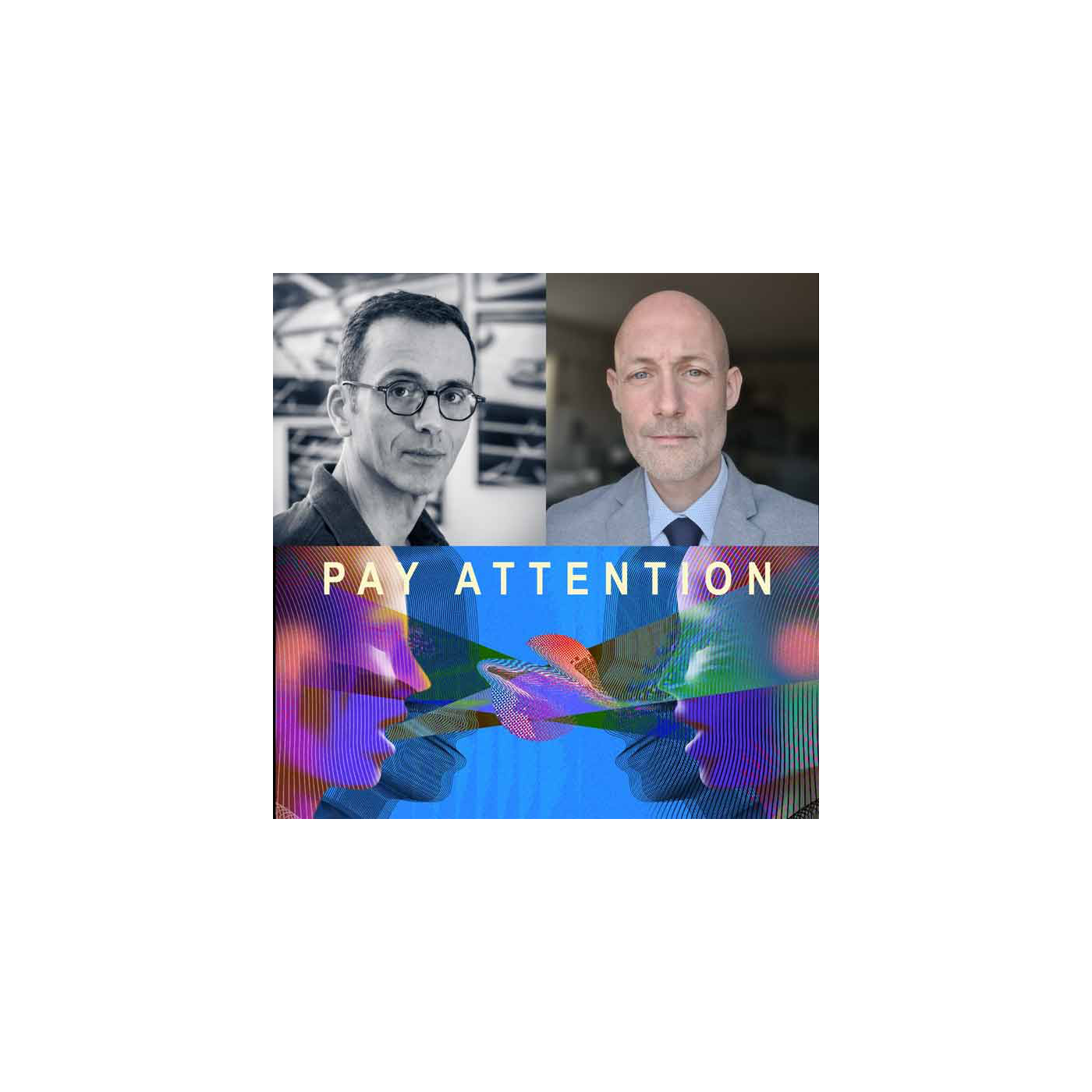
S14 Ep 1088PAY ATTENTION: A Call to Regulate the Attention Market & Prevent Algorithmic Emotional Governance
AI competes for our attention because our attention has been commodified. As our entire lives revolve more and more around the attention economy, what can we do to restore our autonomy, reclaim our privacy, and reconnect with the real world.Computer scientist Fabien Gandon and research engineer Franck Michel are experts in AI, the Web, and knowledge systems. Fabien is a senior researcher at Inria (Institut national de recherche en sciences et technologies du numérique), specializing in the Semantic Web, while Franck focuses on integrating and sharing data through Linked Open Data technologies.Together, they’ve written Pay Attention: A Call to Regulate the Attention Market and Prevent Algorithmic Emotional Governance. Their research unpacks how digital platforms are monetizing our attention at an unprecedented scale—fueling misinformation and division and even threatening democracy and affecting our emotions and well-being.“The fact that technologies are being used and combined to capture our attention is concerning. This is currently being done with no limitations and no regulations. That's the main problem. Attention is a very private resource. No one should be allowed to extract it from us by exploiting what we know about the human mind and how it functions, including its weaknesses. We wrote this paper as a call to regulate the attention market and prevent algorithmic emotional governance.”Episode Websitewww.creativeprocess.info/podInstagram:@creativeprocesspodcast
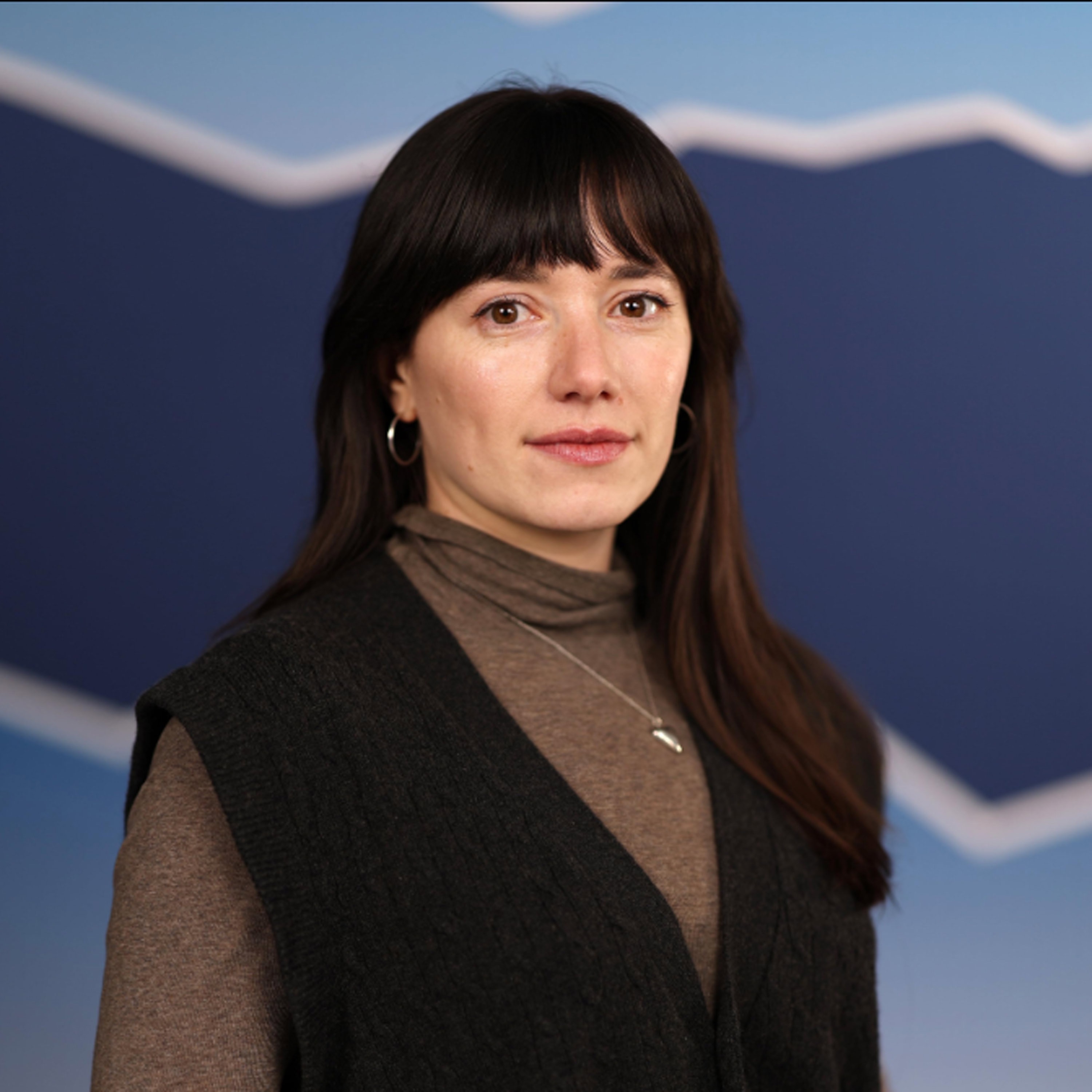
S14 Ep 1087Relationships, Writing, Dyselxia & The Creative Process w/ Director SOPHIE BROOKS
“In reality, we're all complex people with feelings and our own sets of baggage. I do think we are very good at self-sabotage, all of us. It's a very easy road to go down. It's safe because it's comfortable, and we know it. When you can find the ways you self-sabotage and try to stop that, it will hopefully lead to a happier life and things that are meaningful. When I was in my late twenties, I got out of a serious relationship and kind of reentered the dating scene. I was shocked by the simplification of a lot of complicated feelings around dating and how women are so easily labeled crazy, and men are so easily labeled assholes.”Sophie Brooks is a London-born, Brooklyn-based writer and director. Her sophomore feature Oh, Hi! premiered at the 2025 Sundance Film Festival. Her debut film, The Boy Downstairs, was acquired by Film Rise and HBO at the Tribeca Film Festival. It was produced by David Brooks, Paul Brooks, and Dan Clifton and stars Zosia Mamet, Matthew Shear, and Diana Irvine.Episode Websitewww.creativeprocess.info/podInstagram:@creativeprocesspodcast
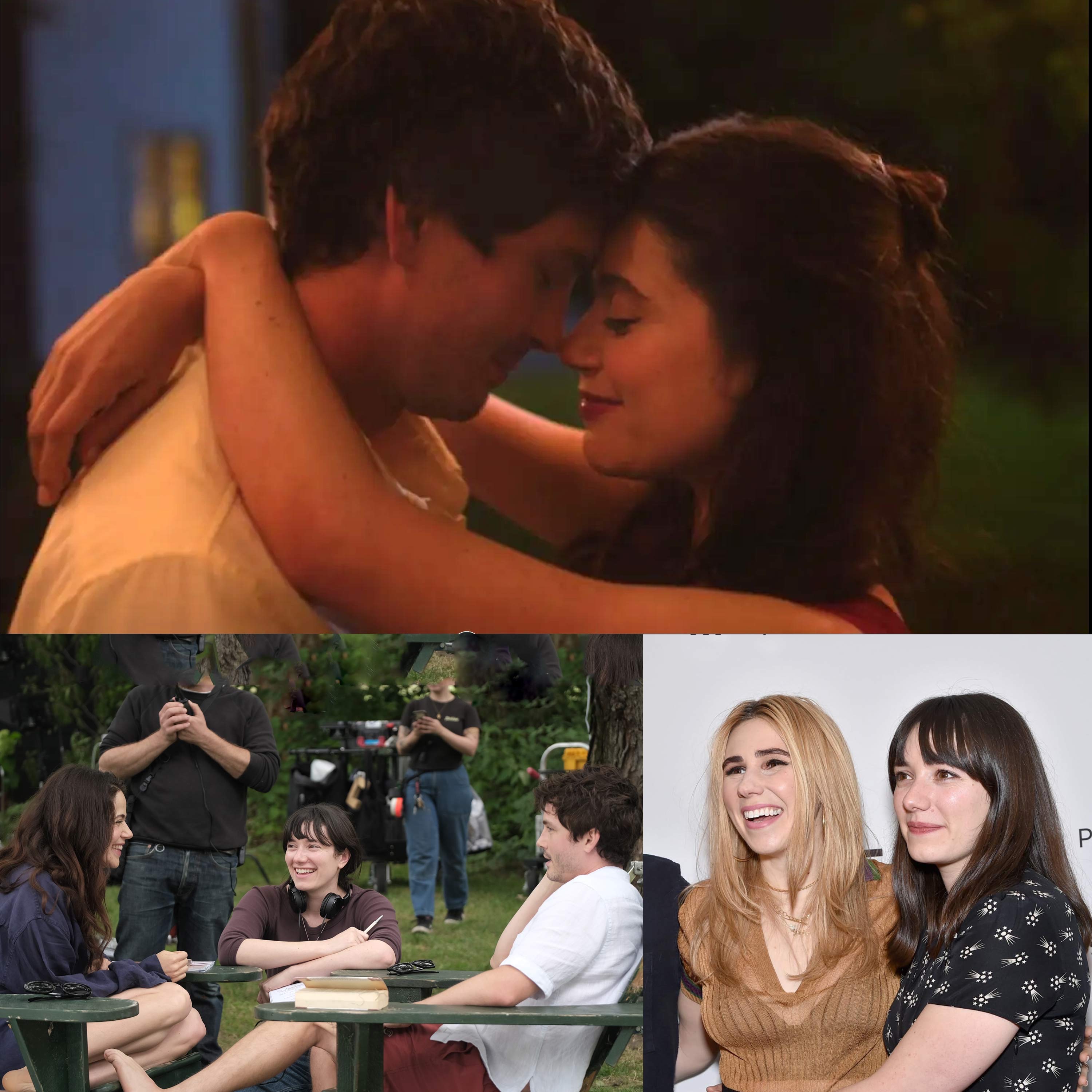
S14 Ep 1086Modern Love - Writer, Director SOPHIE BROOKS on her new film OH, HI!
What is love? How do the relationships we have early in our lives affect us for years to come? How can we break free from cycles of damage to form relationships of mutual understanding, respect, and love?Sophie Brooks is a London-born, Brooklyn-based writer and director. Her sophomore feature Oh, Hi! premiered at the 2025 Sundance Film Festival. Her debut film, The Boy Downstairs, was acquired by Film Rise and HBO at the Tribeca Film Festival. It was produced by David Brooks, Paul Brooks, and Dan Clifton and stars Zosia Mamet, Matthew Shear, and Diana Irvine.“In reality, we're all complex people with feelings and our own sets of baggage. I do think we are very good at self-sabotage, all of us. It's a very easy road to go down. It's safe because it's comfortable, and we know it. When you can find the ways you self-sabotage and try to stop that, it will hopefully lead to a happier life and things that are meaningful. When I was in my late twenties, I got out of a serious relationship and kind of reentered the dating scene. I was shocked by the simplification of a lot of complicated feelings around dating and how women are so easily labeled crazy, and men are so easily labeled assholes.”Episode Websitewww.creativeprocess.info/podInstagram:@creativeprocesspodcast
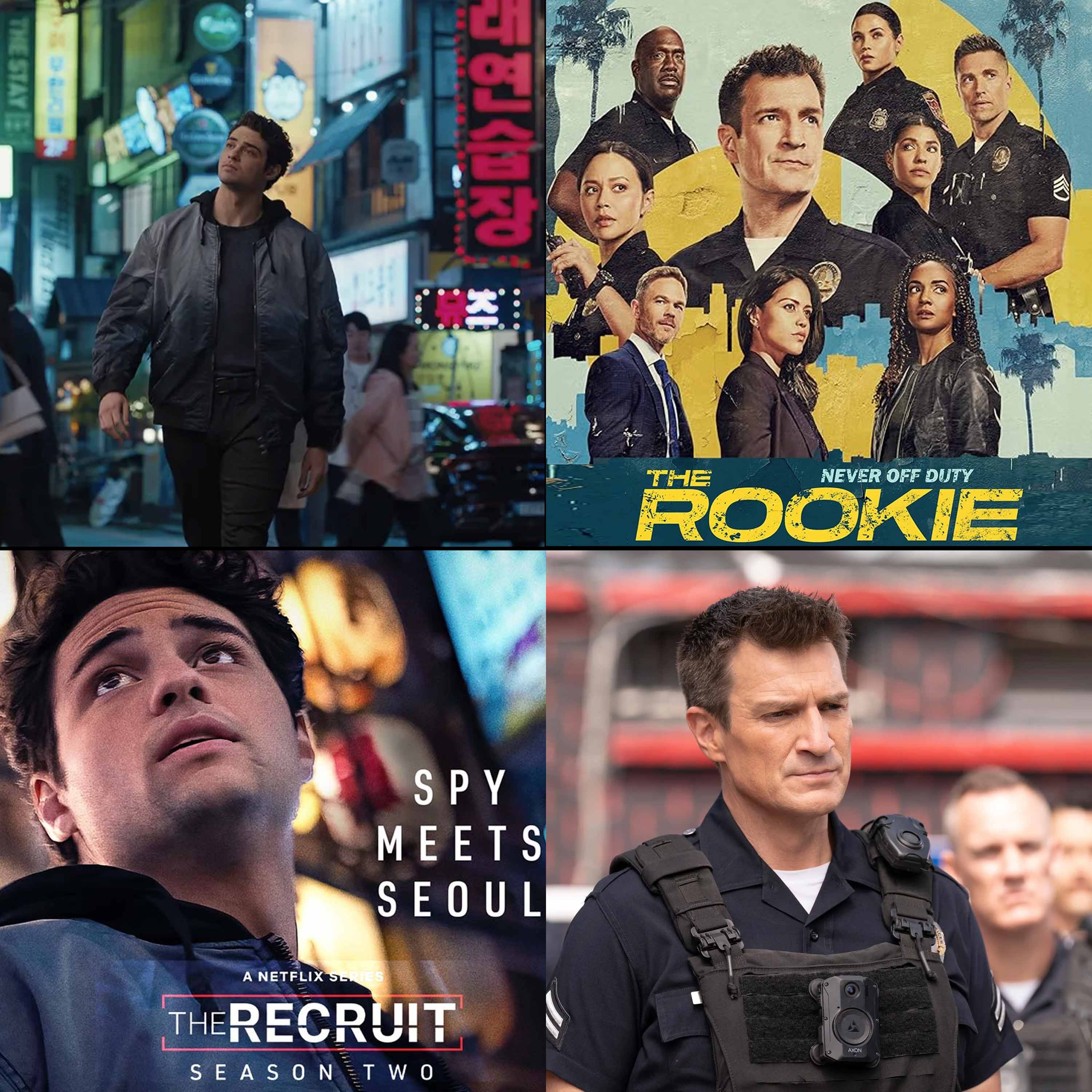
S14 Ep 1085From Spy Thrillers to Police Dramas w/ Writer, Creator, Showrunner ALEXI HAWLEY
“There used to be a time when leading men were okay with falling down as a character. Harrison Ford in Indiana Jones is a prime example of that. Even going back to the fifties, they understood that failure and falling down, but getting back up, is an endearing quality. It's a universal human quality. We have gotten to a point in the last 10 or 15 years, or maybe longer, where leading men often want to win every fight. It’s in their contract: "I have to win every fight" or "I can't fail" or "I can't fall down." It's just such a mistake because the audience roots for you more if they see you fail and then get back up again. Noah is totally comfortable playing that character who's just trying to figure it out on the fly. Sometimes, he gets it wrong, but he's never going to give up. You can really feel that coming off the screen.”Alexi Hawley is the creator of ABC’s The Rookie, starring Nathan Fillion, and Netflix's The Recruit, an espionage drama starring Noah Centineo that, in season two, explores the legal defense tactic 'graymail'. The Rookie, now in its seventh season, takes a look at aspects of policing often overlooked by TV procedurals. Hawley discusses the positive role police can play in communities and how he found his own autodidactic path to becoming a television showrunner. He was previously the executive producer and co-showrunner of Castle and The Following, and recently created the upcoming Hulu drama The Envoy which is inspired by journalist and producer Adam Ciralsky’s June 2024 Vanity Fair story about Roger Carstens and his team at the State Department who have brought home 70 American hostages during the past four years.Episode Websitewww.creativeprocess.info/podInstagram:@creativeprocesspodcast
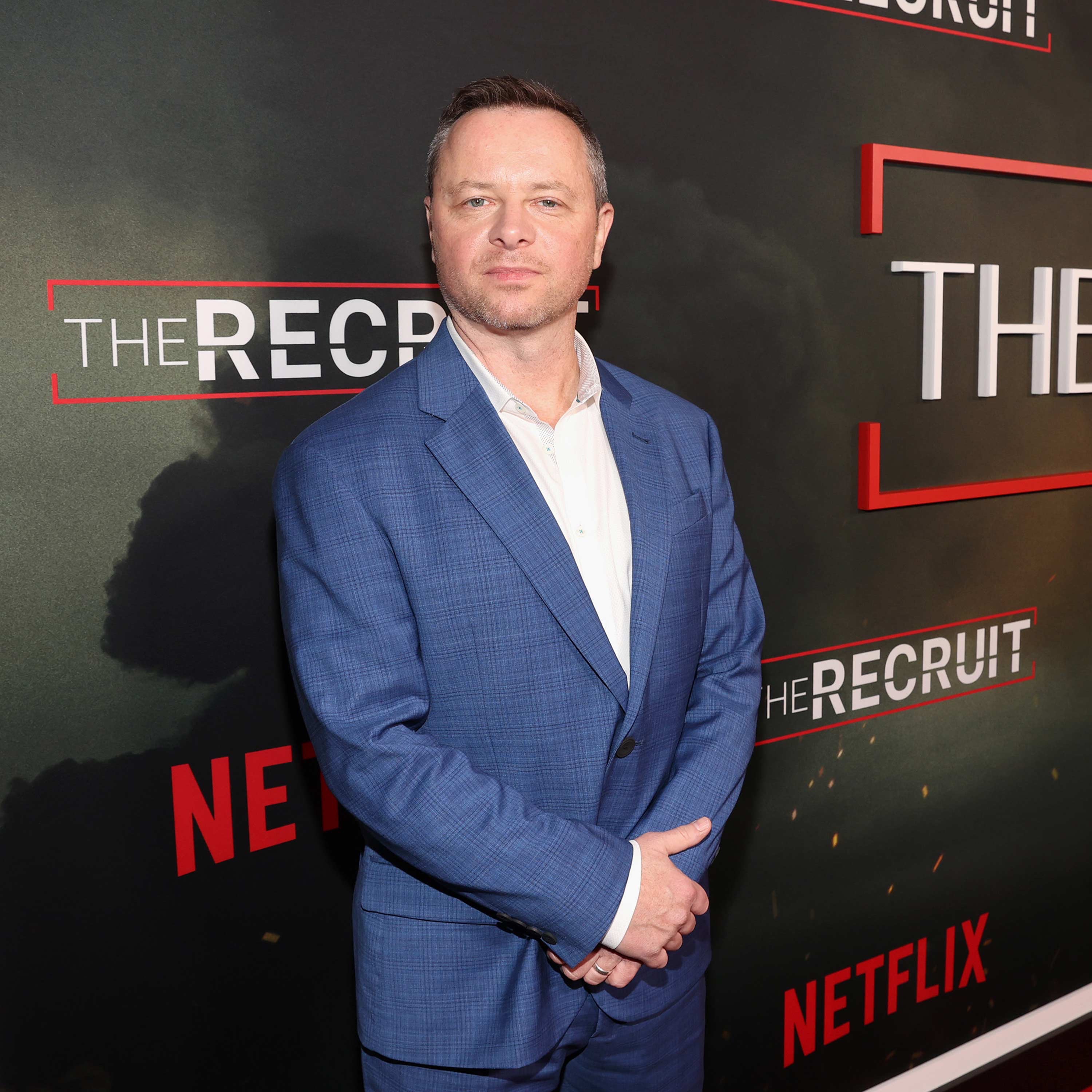
S14 Ep 1084Behind the Scenes of The Rookie & The Recruit w/ Showrunner ALEXI HAWLEY
How can we improve the way we train and recruit police officers? Can TV dramas serve as positive models for policing and help foster community? Alexi Hawley is the creator of ABC’s The Rookie, starring Nathan Fillion, and Netflix's The Recruit, an espionage drama starring Noah Centineo that, in season two, explores the legal defense tactic 'graymail'. The Rookie, now in its seventh season, takes a look at aspects of policing often overlooked by TV procedurals. Hawley discusses the positive role police can play in communities and how he found his own autodidactic path to becoming a television showrunner. He was previously the executive producer and co-showrunner of Castle and The Following, and recently created the upcoming Hulu drama The Envoy which is inspired by journalist and producer Adam Ciralsky’s June 2024 Vanity Fair story about Roger Carstens and his team at the State Department who have brought home 70 American hostages during the past four years.“There used to be a time when leading men were okay with falling down as a character. Harrison Ford in Indiana Jones is a prime example of that. Even going back to the fifties, they understood that failure and falling down, but getting back up, is an endearing quality. It's a universal human quality. We have gotten to a point in the last 10 or 15 years, or maybe longer, where leading men often want to win every fight. It’s in their contract: "I have to win every fight" or "I can't fail" or "I can't fall down." It's just such a mistake because the audience roots for you more if they see you fail and then get back up again. Noah is totally comfortable playing that character who's just trying to figure it out on the fly. Sometimes, he gets it wrong, but he's never going to give up. You can really feel that coming off the screen.”Episode Websitewww.creativeprocess.info/podInstagram:@creativeprocesspodcastPhoto credit: Jesse Grant/Getty for Netflix
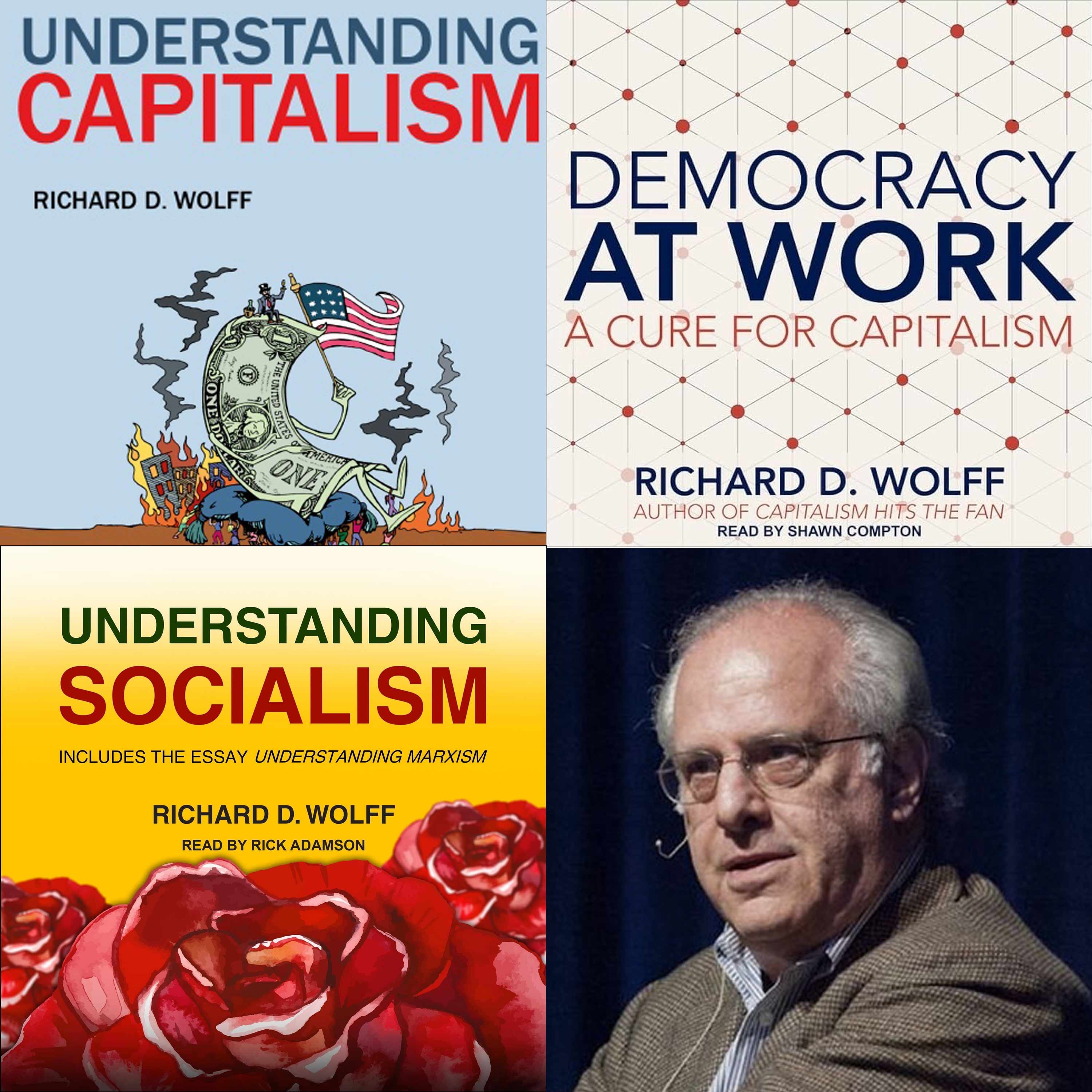
S14 Ep 1083Are We Witnessing the Decline of the American Empire? RICHARD D. WOLFF - Highlights
“The position of the United States in the world, economically and politically, is the weakest it has been in my lifetime. I was born in the middle of the 20th century, so I have watched the rise of the American empire and the success of American capitalism in the second half of the 20th century. However, over the last 20 years, I have watched that turn into its opposite—a decline. The decline is visible everywhere. Unless you live in the United States and consume mainstream media, there is a level of denial that will be recorded historically as one of the great examples, not just of a declining empire, which typically has people who cannot face it and who refuse to see it. You can go to Great Britain today and find quite a few people who think we still have the British Empire, even though everyone who isn't crazy knows that is silly. But we are earlier in the decline phase than the British are; they have had to endure it for a century while we have just had to do it for a couple of decades. It is fresh.”Richard D. Wolff is the co-founder of Democracy at Work and host of their nationally syndicated show Economic Update. He was formerly professor of economics at the University of Massachusetts Amherst, Yale University, the City College of the City University of New York, and the University of Paris Sorbonne. Currently, Wolfe is a visiting professor in the Graduate Program in International Affairs of the New School University in New York City.Episode Websitewww.creativeprocess.info/podInstagram:@creativeprocesspodcast
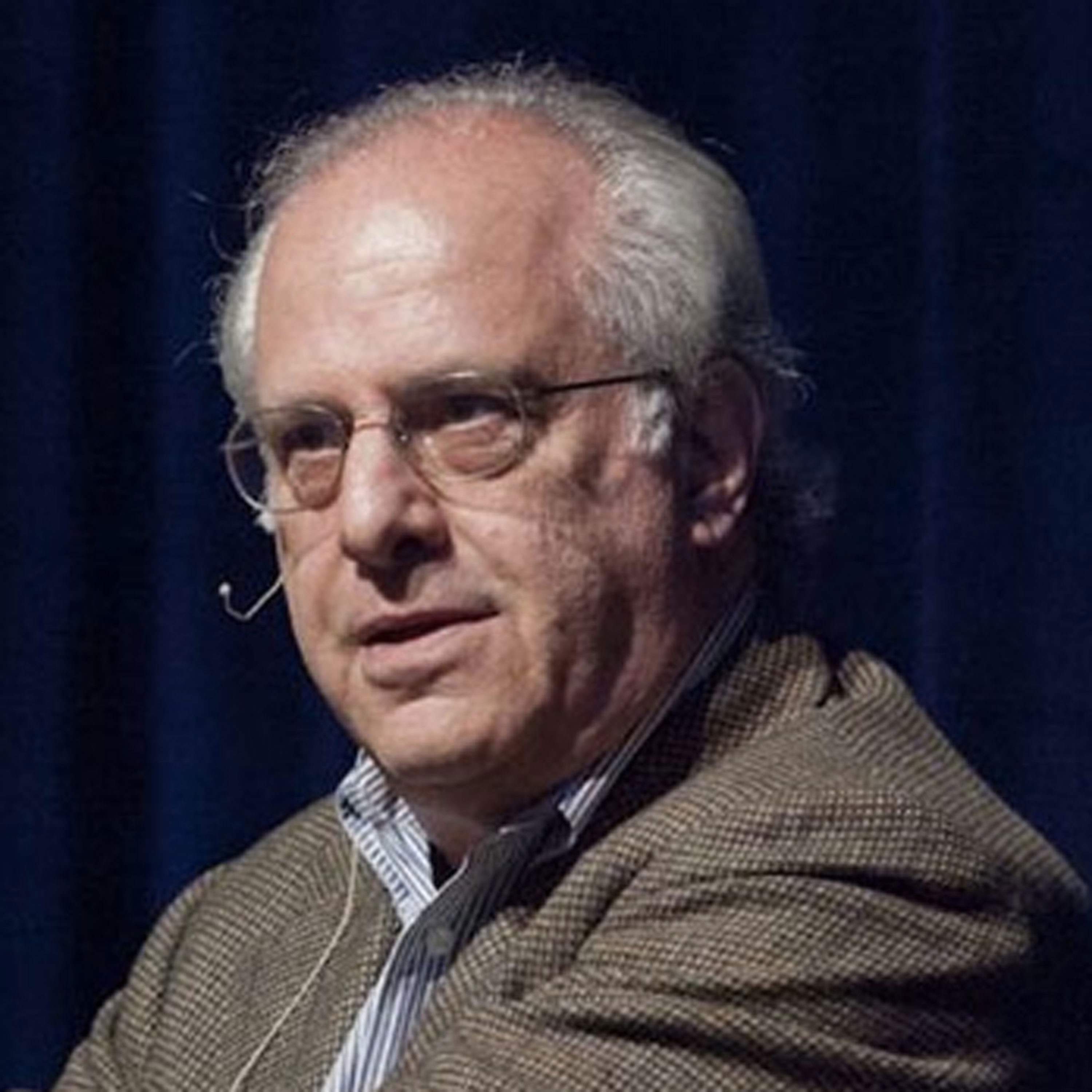
S14 Ep 1082Understanding Capitalism with RICHARD D. WOLFF - Co-founder of Democracy at Work
When capitalism stops serving the needs of the people, what can we do to create a fairer more equitable society? What can we learn from China's success and economic growth? Are we witnessing the decline of the American Empire and what comes next?Richard D. Wolff is the co-founder of Democracy at Work and host of their nationally syndicated show Economic Update. He was formerly professor of economics at the University of Massachusetts Amherst, Yale University, the City College of the City University of New York, and the University of Paris Sorbonne. Currently, Wolfe is a visiting professor in the Graduate Program in International Affairs of the New School University in New York City.“The position of the United States in the world, economically and politically, is the weakest it has been in my lifetime. I was born in the middle of the 20th century, so I have watched the rise of the American empire and the success of American capitalism in the second half of the 20th century. However, over the last 20 years, I have watched that turn into its opposite—a decline. The decline is visible everywhere. Unless you live in the United States and consume mainstream media, there is a level of denial that will be recorded historically as one of the great examples, not just of a declining empire, which typically has people who cannot face it and who refuse to see it. You can go to Great Britain today and find quite a few people who think we still have the British Empire, even though everyone who isn't crazy knows that is silly. But we are earlier in the decline phase than the British are; they have had to endure it for a century while we have just had to do it for a couple of decades. It is fresh.”Episode Websitewww.creativeprocess.info/podInstagram:@creativeprocesspodcast
S14 Ep 1081How Art Helps Us Understand the World - Filmmakers, Writers & Artists Share their Stories
How do our personal lives influence the art we make?JIM SHEPARD (Author of The Book of Aron, Project X & The World to Come starring Casey Affleck, Vanessa Kirby) explores historical human dilemmas, the emotional imagination and literature's role in extending empathetic understanding. He discusses the importance of self-education and curiosity.LAURA EASON (Emmy-nominated Producer, Screenwriter, Playwright · Three Women · House of Cards · The Loudest Voice) on how we can live multiple lives through the arts. She highlights the significant role the arts have played in her upbringing and daily life, emphasizing the value of listening to others. As a showrunner, Laura discusses how her work in the theater prepared her for working in TVBENOIT DELHOMME (Award-winning Cinematographer · Artist · Director · At Eternity’s Gate · The Theory of Everything) likens operating a handheld camera to playing an instrument and emphasizes the importance of personalizing one's craft to imbue it with soul and freedom.JOHN PATRICK SHANLEY (Academy Award, Tony & Pulitzer Prize-winning Writer/Director · Doubt · Moonstruck · Joe Versus the Volcano) recounts his personal journey from The Bronx to becoming a writer. He reflects on his collaborations with actors Philip Seymour Hoffman and Meryl Streep and their dedication to their craft.MARK GOTTLIEB (VP & Literary Agent · Trident Media Group) explores storytelling as a timeless art form, comparing books to the oil paintings of new media. He comments on the transformative power of stories.ANTHONY WHITE (Artist) reflects on the role of visual arts in democracy and civil disobedience. and how historical events have inspired his art.MICHAEL BEGLER (Showrunner · Writer & Exec. Producer of Perry Mason) discusses the importance of storytelling in understanding our history and emotions. He stresses that the arts help us connect on a deeper level beyond hard news.To hear more from each guest, listen to their full interviews.Episode Websitewww.creativeprocess.info/podIG:@creativeprocesspodcast
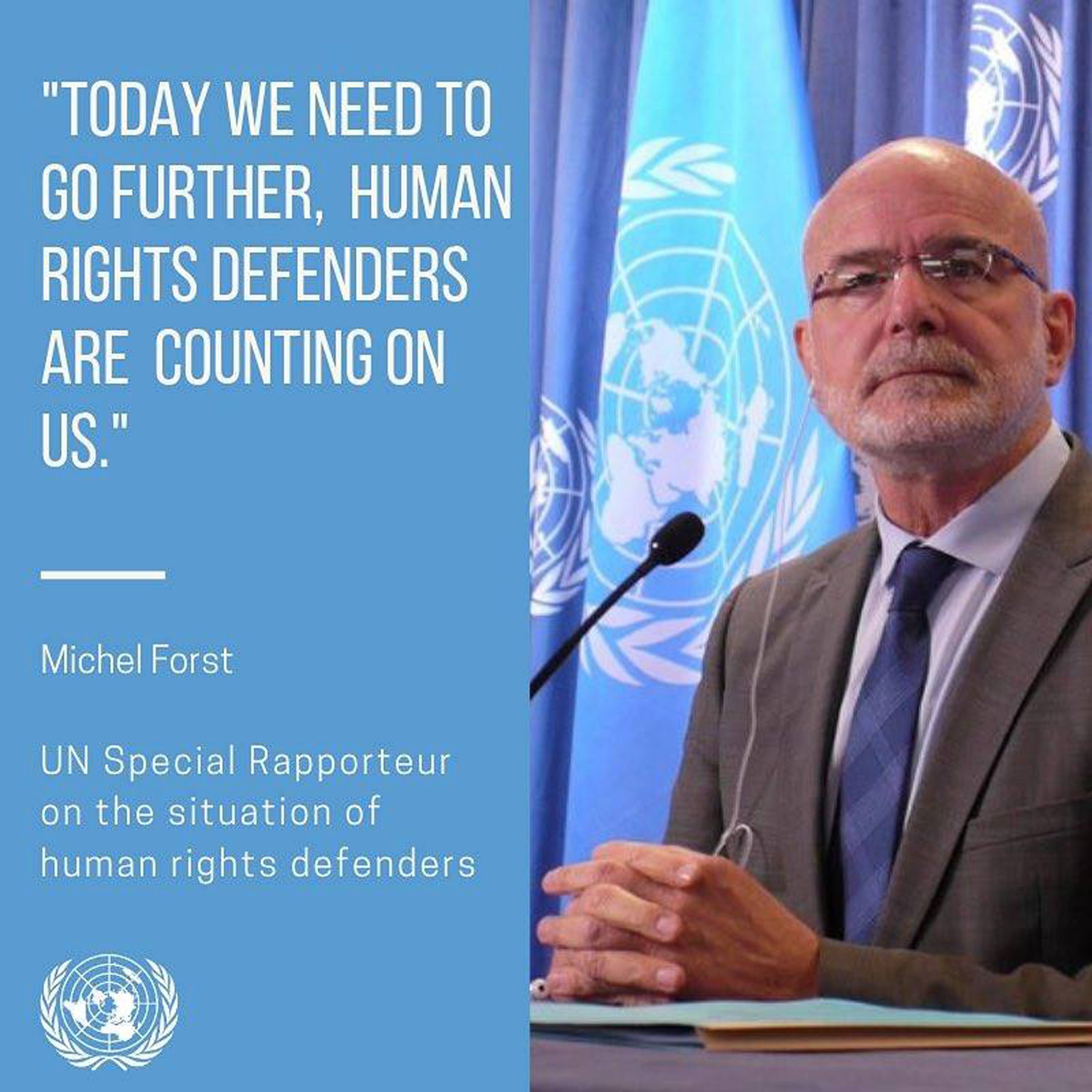
S14 Ep 1080Who Defends the Defenders? UN Special Rapporteur on Environmental Defenders MICHEL FORST
“My mandate focuses on the protection of those trying to protect the planet. Protection of defenders is my main topic. When I'm speaking to states or companies, it's always related to cases of defenders facing threats, attacks, or penalization by companies or governments, like the recent case of Paul Watson (founder of Sea Shepherd) in Denmark… When I travel to places like Peru, Colombia, or Honduras and meet Indigenous people, I realize they have a relationship with nature that we don't have anymore. They express that the food they eat, the water they drink, and the air they breathe goes beyond just air and food; it represents what they call Pachamama or Mother Earth. This is a cosmovision shared across various communities, not only in Latin America but globally.”Michel Forst is a prominent human rights advocate and the UN Special Rapporteur on Environmental Defenders under the Aarhus Convention. He previously served as the Special Rapporteur on Human Rights Defenders (2014–2020) and has worked with Amnesty International, UNESCO, and the Global Alliance of National Human Rights Institutions, championing protections for activists worldwide. Forst’s career is marked by his unwavering commitment to defending those at risk for advancing justice, environmental protection, and human rights globally.Episode Websitewww.creativeprocess.info/podInstagram:@creativeprocesspodcast
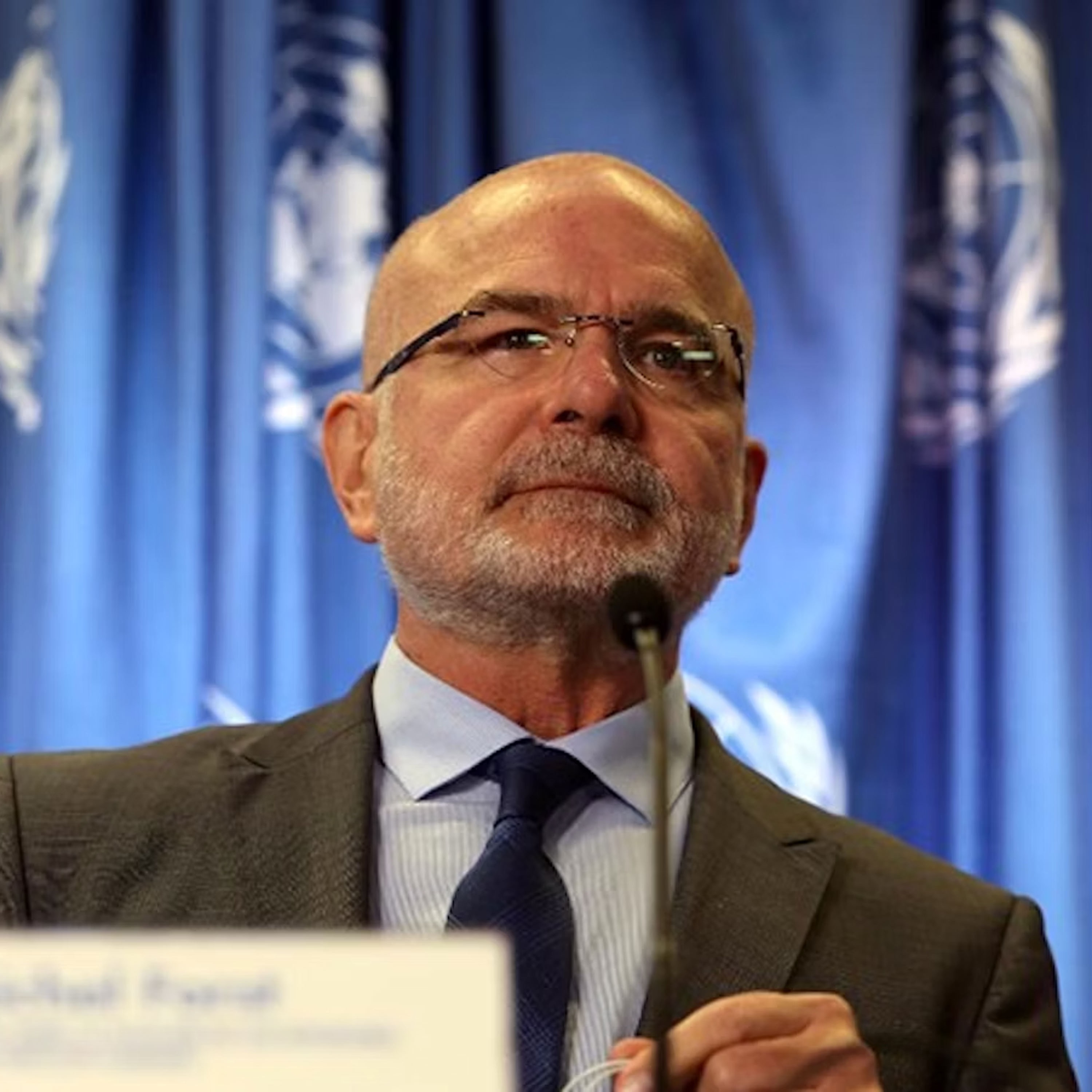
S14 Ep 1079Why is it a Crime to Protest the Destruction of Our Planet? with MICHEL FORST
Who Defends the Defenders? In many countries, the state response to peaceful environmental protest is increasingly to repress rather than to enable and protect those who wish to speak up for the environment.Michel Forst is a prominent human rights advocate and the UN Special Rapporteur on Environmental Defenders under the Aarhus Convention. He previously served as the Special Rapporteur on Human Rights Defenders (2014–2020) and has worked with Amnesty International, UNESCO, and the Global Alliance of National Human Rights Institutions, championing protections for activists worldwide. Forst’s career is marked by his unwavering commitment to defending those at risk for advancing justice, environmental protection, and human rights globally.“My mandate focuses on the protection of those trying to protect the planet. Protection of defenders is my main topic. When I'm speaking to states or companies, it's always related to cases of defenders facing threats, attacks, or penalization by companies or governments, like the recent case of Paul Watson (founder of Sea Shepherd) in Denmark… When I travel to places like Peru, Colombia, or Honduras and meet Indigenous people, I realize they have a relationship with nature that we don't have anymore. They express that the food they eat, the water they drink, and the air they breathe goes beyond just air and food; it represents what they call Pachamama or Mother Earth. This is a cosmovision shared across various communities, not only in Latin America but globally.”Episode Websitewww.creativeprocess.info/podInstagram:@creativeprocesspodcast
S14 Ep 1078How to change our extractive mindset to a regenerative mindset? PAUL SHRIVASTAVA - Highlights
“Climate change is here. It's already causing devastation to the most vulnerable populations. We are living with an extractive mindset, where we are extracting one way out of the life system of the Earth. We need to change from that extractive mindset to a regenerative mindset. And we need to change from the North Star of economic growth to a vision of eco civilizations. Those are the two main principles that I want to propose and that the Club of Rome suggests that we try to transform our current organization towards regenerative living and eco civilization.”Paul Shrivastava is Co-President of The Club of Rome and a Professor of Management and Organisations at Pennsylvania State University. He founded the UNESCO Chair for Arts and Sustainable Enterprise at ICN Business School, Nancy, France, and the ONE Division of the Academy of Management. He was the Executive Director of Future Earth, where he established its secretariat for global environmental change programs, and has published extensively on both sustainable management and crisis management.Episode Websitewww.creativeprocess.info/podInstagram:@creativeprocesspodcast
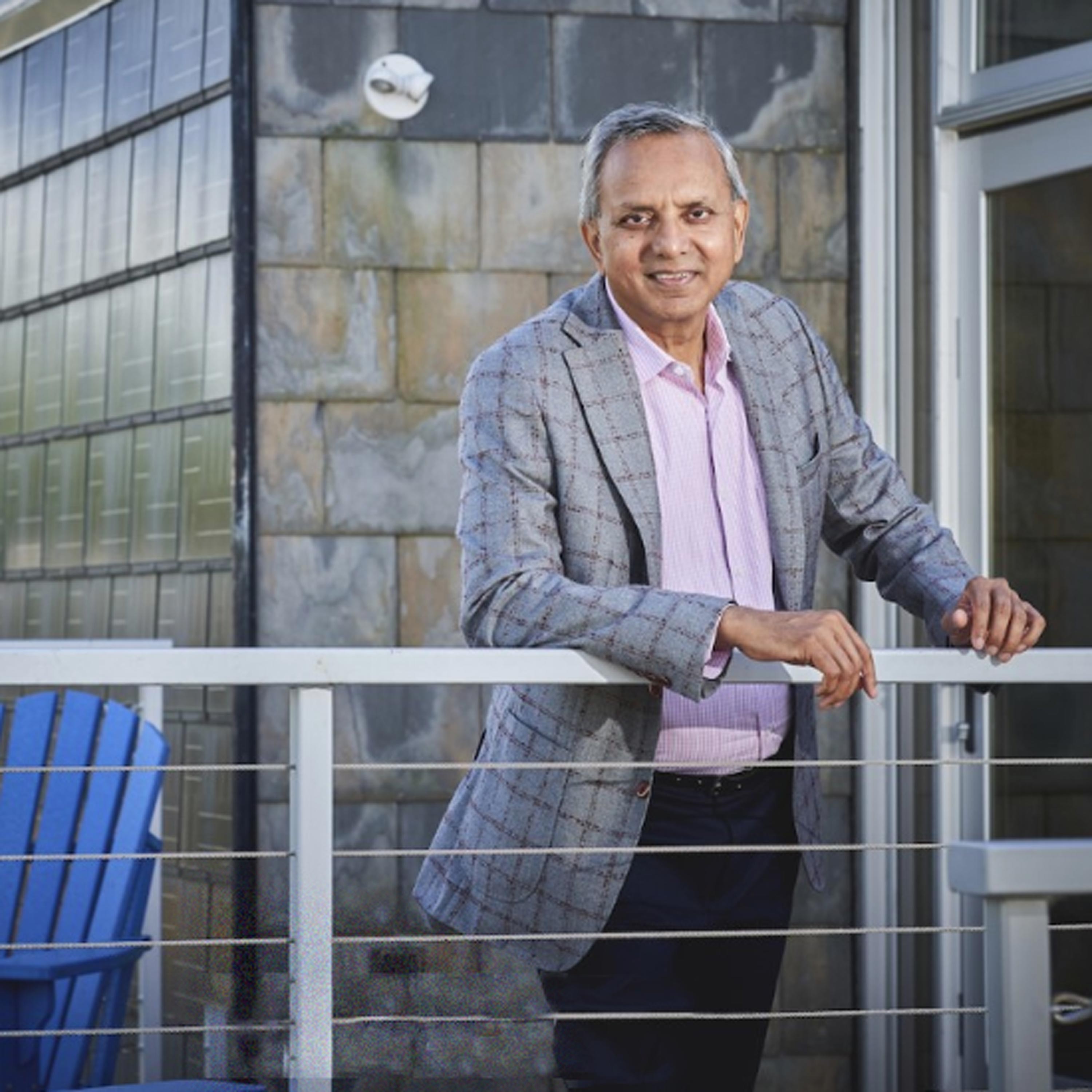
S14 Ep 1077The Club of Rome & The Limits to Growth w/ Co-President PAUL SHRIVASTAVA
Less than two weeks into the new year and the world’s wealthiest 1% have already used their fair share of the global carbon budget allocated for 2025. 2024 was hottest year on record. How can we change our extractive mindset to a regenerative mindset? How can we evolve our systems from economic growth to a vision of regenerative living and eco-civilization?Paul Shrivastava is Co-President of The Club of Rome and a Professor of Management and Organisations at Pennsylvania State University. He founded the UNESCO Chair for Arts and Sustainable Enterprise at ICN Business School, Nancy, France, and the ONE Division of the Academy of Management. He was the Executive Director of Future Earth, where he established its secretariat for global environmental change programs, and has published extensively on both sustainable management and crisis management.“Climate change is here. It's already causing devastation to the most vulnerable populations. We are living with an extractive mindset, where we are extracting one way out of the life system of the Earth. We need to change from that extractive mindset to a regenerative mindset. And we need to change from the North Star of economic growth to a vision of eco civilizations. Those are the two main principles that I want to propose and that the Club of Rome suggests that we try to transform our current organization towards regenerative living and eco civilization.”Episode Websitewww.creativeprocess.info/podInstagram:@creativeprocesspodcastPhoto credit: Penn State. Creative Commons
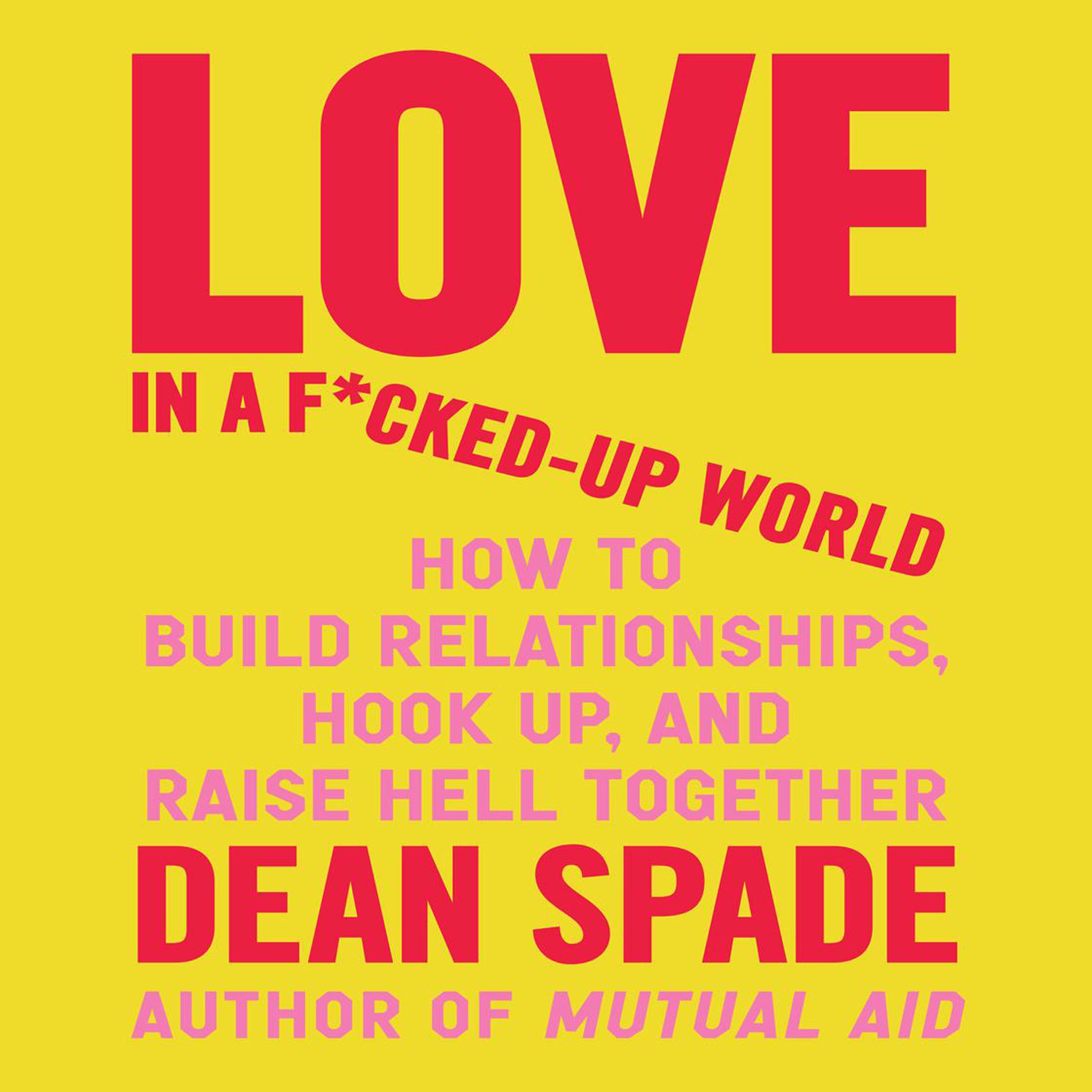
S14 Ep 1076How to Build Relationships, Hook Up & Raise Hell Together: Conversation w/ DEAN SPADE - Highlights
“This book has a lot of the wisdom of things that feminists and queers have learned in the community about sexuality, but the book is really for anybody who is political, even those just starting out and beginning to realize that there is something wrong with the systems they live under. I want to be in movements. Our movements are made of relationships. So, if you're just getting into our movements, or if you've been here for years and have been watching the ways we hurt each other and fall apart relationally, this book is about identifying these common patterns.”Dean Spade is an organizer, speaker, author, and professor at Seattle University's School of Law, where he teaches courses on policing, imprisonment, gender, race, and social movements. He is the author of Mutual Aid: Building Solidarity During this Crisis (and the next) and Normal Life: Administrative Violence, Critical Trans Politics and the Limits of Law. His latest book is Love in a F*cked-Up World: How to Build Relationships, Hook Up, and Raise Hell Together.Episode Websitewww.creativeprocess.info/podInstagram:@creativeprocesspodcast
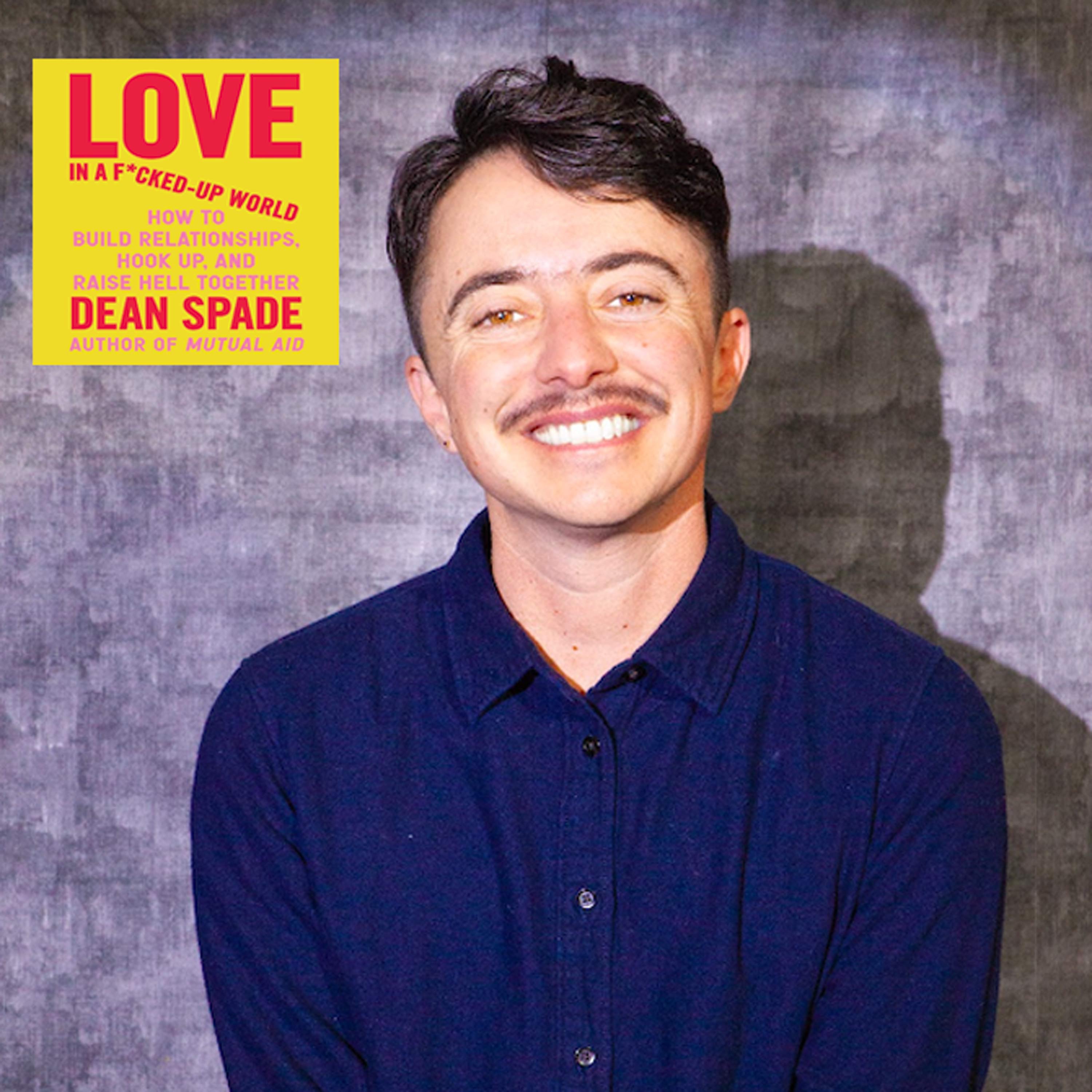
S14 Ep 1075 Love in a F*cked-Up World: DEAN SPADE on How to Build Relationships, Hook Up, and Raise Hell Together
Why is it that we find the courage to boldly confront mainstream societal norms and structures, yet are so often unable to treat romantic partners with care and generosity? Why do we lose our principles when we become insecure, disappointed, or jealous? Why do we act our worst in sexual and romantic relationships? And why do we prioritize romantic connection above other types of relationships, like friendship?Dean Spade is an organizer, speaker, author, and professor at Seattle University's School of Law, where he teaches courses on policing, imprisonment, gender, race, and social movements. He is the author of Mutual Aid: Building Solidarity During this Crisis (and the next) and Normal Life: Administrative Violence, Critical Trans Politics and the Limits of Law. His latest book is Love in a F*cked-Up World: How to Build Relationships, Hook Up, and Raise Hell Together.“This book has a lot of the wisdom of things that feminists and queers have learned in the community about sexuality, but the book is really for anybody who is political, even those just starting out and beginning to realize that there is something wrong with the systems they live under. I want to be in movements. Our movements are made of relationships. So, if you're just getting into our movements, or if you've been here for years and have been watching the ways we hurt each other and fall apart relationally, this book is about identifying these common patterns.”Episode Websitewww.creativeprocess.info/podInstagram:@creativeprocesspodcast