The Creative Process · Arts, Culture & Society: Books, Film, Music, TV, Art, Writing, Creativity, Education, Environment, Theatre, Dance, LGBTQ, Climate Change, Social Justice, Spirituality, Feminism, Tech, Sustainability
1,274 episodes — Page 2 of 26
S16 Ep 1224 The Score: How to Stop Playing Somebody Else's Game with C. THI NGUYEN
We live in a world obsessed with tracking. From our sleep scores to our social media engagement, invisible systems constantly quantify our worth. But when we replace our deepest values with these thin, easily measurable numbers, we lose a part of our humanity. It is time to step outside the magic circle of optimization and reclaim the unstructured joy of being alive. C. Thi Nguyen is a philosopher whose work gets to the heart of the invisible structures that define modern life. He first established himself as a food writer, exploring the sensory world, before turning his intellectual gaze toward the philosophy of games and agency. He’s the author of Games: Agency As Art.His new book is The Score: How to Stop Playing Somebody Else's Game.He argues that when we simplify our values for the sake of a leaderboard, something inside the human spirit begins to die. In it, he explores a concept called "value capture"—the moment we stop caring about the experience and start obsessing over the metric. He joins me now to discuss how we can lead a playful, spontaneous life without getting lost in the scoring systems of the 21st century.(0:00) THE MEANING OF LIFE IS THE CREATIVE PROCESS Why the most valuable parts of life are impossible to measure(6:46) VALUE CAPTURE DEFINED How external metrics and institutional scoring systems take over our personal values(11:38) THE METRICS WE LIVE BY The invisible toll of screen time, credit scores, and daily optimization(19:44) THE LOGIC OF QUANTIFICATION Why simple numbers travel well but strip away vital human context(24:13) THE MAGIC CIRCLE OF PLAY Understanding the difference between a gamified life and the true beauty of struggle(31:56) ART AS A GAME How taking the hard way and avoiding efficiency leads to genuine creative expression(38:48) THE POLITICS OF TECHNOLOGY Why tools and systems like factories and databases are never truly value-neutral(44:23) AI AND HUMAN CREATIVITY Navigating the tension between automated efficiency and expressive human art(50:44) THE POLITICS OF IQ Questioning the assumption that complex human traits can be measured on a single scale(1:01:12) NARRATIVE SCAFFOLDING How structured constraints in role-playing games can actually boost collaborative storytelling(1:10:00) THE SPIRIT OF PLAY Stepping lightly between different rule worlds and reclaiming our agencyEpisode Websitewww.creativeprocess.info/pod@creativeprocesspodcast
S16 Ep 1223The Politics of Collecting: Race & the Aestheticization of Property with EUNSONG KIM
Are the walls of our most celebrated museums actually monuments to wealth extraction and labor suppression? How did the violent union-busting tactics of the 19th-century robber barons pave the way for modern philanthropy? And what happens when we expose the hidden racial capitalism behind the "genius" of modern art?In this episode of the Speaking Out of Place podcast, Professor David Palumbo-Liu talks with Eunsong Kim about her stunning book, The Politics of Collecting: Race & the Aestheticization of Property. It is remarkable in its theoretical conceptualization, argument, and archival work. Kim argues that the beginnings of elite art collection in the United States coincided with the rise of the robber barons and the suppression of the labor movement. She connects this to Taylorism and the idea of scientific management, that further extenuated the rift between the mind and the body, between intellectual activity and labor. Not coincidentally, this distribution of kinds of work created a new distribution of value. In each case, Kim argues, race played a fundamental role. Ranging from the “found” art of Duchamp to the pseudo-Marxist conceptual art of Sierra, Kim eviscerates both pretention and cruelty, and restores the laboring body and what it produces to prominence, along with a truly reinvigorated and capacious sense of the Imagination outside of the constraints of neoliberal aesthetics.(0:00) The Politics of Collecting(2:16) The Rise of the Museum Form How art spaces are fundamentally tied to racial capitalism and settler colonialism(5:18) Carnegie, Frick, and the Homestead Strike, Violent de-unionization of steelworkers that preceded modern philanthropic projects(10:04) Taylorism and Scientific Management How Frederick Taylor's experiments sought to separate "mind work" from "hand work"(13:00) The De-skilling of Labor(16:11) The PR of Robber Barons(19:42) Duchamp and the Illusion of Meritocracy(26:17) Racial Violence and the "Ready-Made" Reading Duchamp's Fountain through the lens of segregation and white freedom(32:26) Santiago Sierra and Neoliberal Aesthetics Critiquing art that replicates capitalism by enacting humiliation on marginalized and precarious workers(43:12) Artists vs. Workers at the Whitney, 1969 anti-Vietnam War protest(47:58) Professors as Managers On private university labor laws, unionization, and the weaponization of the "manager" title(51:24) AI and the Alienation of ThoughtEpisode Websitewww.palumbo-liu.com https://speakingoutofplace.com Bluesky @palumboliu.bsky.social@speaking_out_of_place
S16 Ep 1222The Salt Stones: Seasons of a Shepherd’s Life with HELEN WHYBROW
Have we forgotten how to truly participate in the natural world? What can the ancient practice of shepherding teach us about ecological healing? How does physical labor connect us to the land, memory and belonging?In this episode of the Speaking Out of Place podcast, Professor David Palumbo-Liu speaks with Helen Whybrow about her book, The Salt Stones: Seasons of a Shepherd’s Life. Besides being a detailed account of the day to day, season by season life on her farm, where she and her family raise sheep, build a broad community, and maintain Knoll Farm, a center for activists, writers, artists and others to share ideas on how to promote healthier and more just ways of living together and in the environment, The Salt Stones is at base about the ways we are losing a sense of belonging, not only with others and with other forms of life on this planet, but also with the cycles of existence, of life and of death. Whybrow shows time and again that it is mostly a matter of developing ways of seeing and noticing what is all around us, and learning about and respecting the ways that generations of people and non-human animals have existed together in sustainable and mutually-dependent ways.Helen Whybrow is a writer, editor and organic farmer whose book about shepherding, land and belonging, The Salt Stones, was longlisted for the National Book Award and chosen as a New Yorker Best Book of 2025. Her other titles include Dead Reckoning (W. W. Norton, 2001) and A Man Apart (Chelsea Green, 2015). She has a master’s in journalism and has taught writing at Middlebury College and the Breadloaf Environmental Writer’s Conference. She and her family farm and steward a refuge for land justice at Knoll Farm in Fayston, Vermont.(0:00) The Salt Stones(2:50) A Lifelong Love of Land and Language(6:50) The Cord: A Story of Lambing and Life(13:40) Literary Influences and Jean Giono(18:15) The Erased Work of Nature(20:30) Radical Intimacy and Participation(23:45) Measuring Diminishment and Listening to Nature(25:15) Lita the Ewe and Complex Ecosystems(29:17) Kulning: The Lost Art of Herding Songs(32:15) Embodied Memory and Physical Labor(37:45) The True Meaning of Belonging(43:30) Radical Hospitality at Noel Farm(46:15) Kinship Episode Website www.palumbo-liu.comhttps://speakingoutofplace.com Bluesky @palumboliu.bsky.social Instagram @speaking_out_of_place

S16 Ep 1221Exile, Empire & Resistance: YURI HERRERA on Benito Juarez & Today's Political Crises
What happens when Mexico's future president lands in New Orleans, a city of operas, slave markets, and radical musical invention? A man who spoke a variant of Zapotec and read the French philosophers of the Enlightenment finds himself adrift in the hallucinatory swamps of New Orleans.In this episode of Speaking Out of Place podcast, Professor David Palumbo-Liu speaks with novelist, essayist, and scholar Yuri Herrera about his new novel, Season of the Swamp, which is a deeply researched and dazzlingly imagined account of Benito Juarez’s time spent in exile in New Orleans. We learn about what that time and place offered to Juarez’s understanding of a world coming into being—one of créolité and carnival, of mixedness and multiplicity, and what these sometimes hallucinatory moments offered his political vision. They talk about what kinds of new visions of freedom are discovered in the midst of forms of slavery that horrify Juarez. We hear how all of this relates to the present day—to the genocide in Gaza, the violent ICE attacks in the United States, and the descent into unbridled, and unmasked fascism.Yuri Herrera's first three novels have been translated into several languages: Kingdom Cons, Signs Preceding the End of the World, and Transmigration of Bodies. In 2016 he shared with translator Lisa Dillman the Best translated Book Award for the translation of Signs Preceding the End of the World. That same year he received the Anna Seghers Prize at the Academy of Arts of Berlin, for the body of his work. His latest books are A Silent Fury: The El Bordo Mine Fire, Ten Planets, and Season of the Swamp. He is a professor of creative writing and literature at Tulane University, in New Orleans.(0:00) The Season of the Swamp(3:55) Benito Juarez’s Life, his indigenous roots and his conflict with dictator Santana.(7:00) Yuri Herrera's relationship with New Orleans and the theme of extreme migration.(11:00) An Accidental Avant-Garde How the clash of European classical music and African drumming in Congo Square created a new space for imagination.(15:30) Individual Freedom vs. Slavery(19:30) Ocampo the Socialist Vampire Slayer Symbolic dreams in the novel and the rebellious resilience of New Orleans.(24:10) The Art of Translation(27:25) Reading from the novel(33:30) Democratizing the Gaze Why the author chose not to use Juarez's name in order to strip away the monument and reveal the tender, perceptive migrant.(39:30) Modern Fascism and Cruelty Connecting history to the ICE attacks and global resistance.(45:00) The Last Gringo Reflecting on a short story about language, power and the changing face of America. www.palumbo-liu.comhttps://speakingoutofplace.com Bluesky @palumboliu.bsky.social @speaking_out_of_place

S16 Ep 1220On Agency and the Female Gaze: Writers, Artists, Filmmakers & Activists Share Their Stories
Today, on International Women's Day, we hear from writers, artists, filmmakers and activists who have used their work to question old hierarchies and give expression to the fullness of women’s experiences.(0:00) Manuela Lucà-Dazio (Exec. Director, Pritzker Architecture Prize · Fmr. Exec. Director, Dept. of Visual Arts & Architecture · Venice Biennale) on Analyzing and Acting(2:01) Siri Hustvedt (Novelist, Scholar, Memoirist · Author of ‘Ghost Stories’ and ‘What I Loved’) on Listening and the Essence of Dialogue(3:35) Hala Alyan (Psychologist, Author of I'll Tell You When I'm Home)(5:11) Ana Castillo (Novelist & Poet) On Xicanisma and Indigenous History(6:55) Sharmeen Obaid-Chinoy (Academy Award-winning Filmmaker) Film As A Tool For Change(8:37) Sara Ahmed (Scholar) On The Feminist Killjoy(10:40) Marilyn Minter (Artist) on Owning Sexual Agency(11:23) Ellen Rapoport (Showrunner, Writer, HBO’s Minx) on Feminism and Sexual Expression(12:07) Intan Paramaditha (Author) on Tiger Mothers, Monsters and So-called Bad Women(15:07) Ada Limón (24th U.S. Poet Laureate) Motherhood, Grief And Poetry(18:11) Ami Vitale (Photographer & Filmmaker) How Being a Woman Gave Her Access to Different StoriesTo hear more from each guest, listen to their full interviews.Episode Websitewww.creativeprocess.info/pod@creativeprocesspodcast
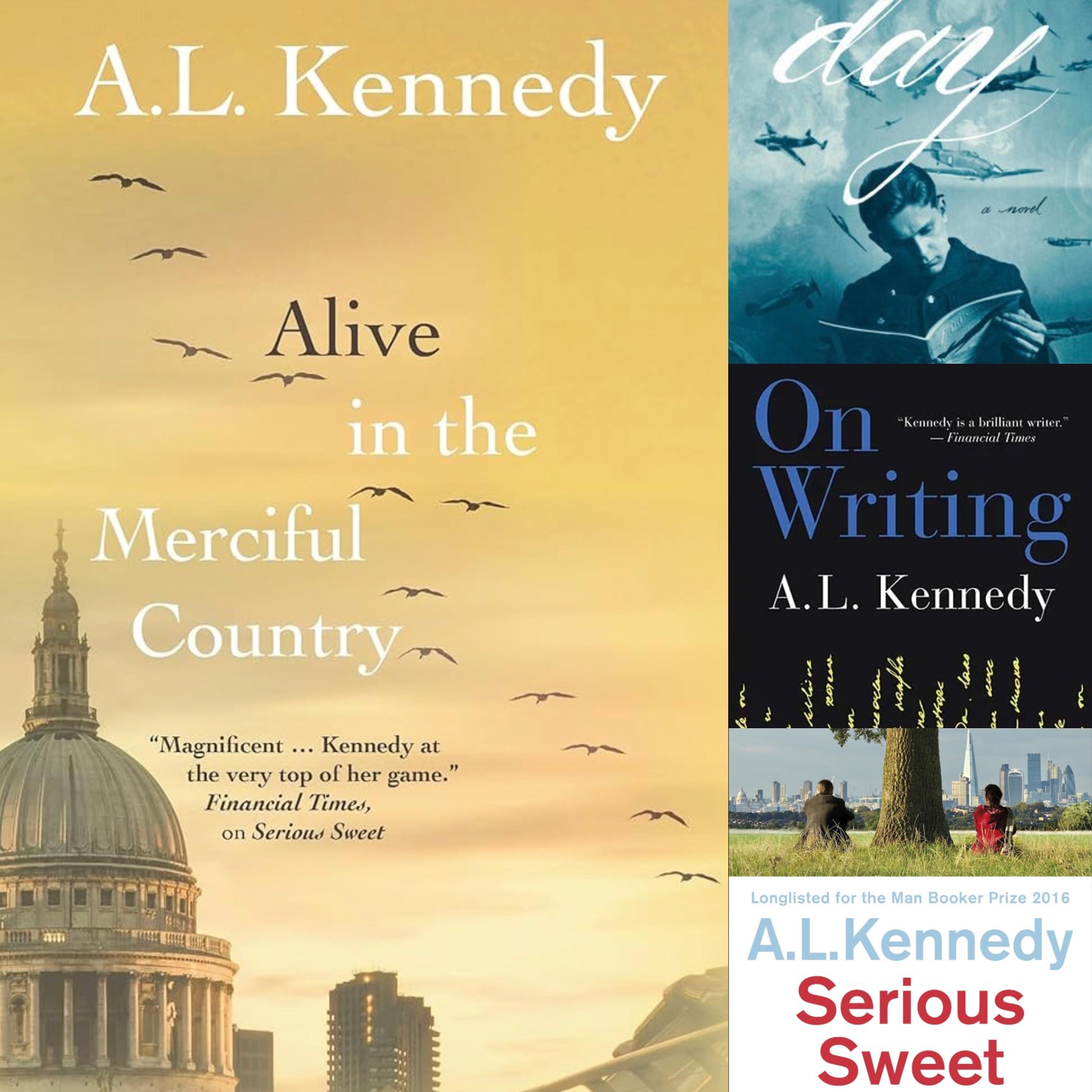
S16 Ep 1219Trust, Education & Writing as Resistance w/ AL KENNEDY - Highlights
"The thing that puzzled him was why people don't agree to be fully expressed while they're alive. Why does it only happen in their last moment? Why wouldn't you live being fully expressed?"My guest today is AL Kennedy. She is one of Britain’s most acclaimed and versatile literary voices, a writer who can inhabit the internal life of a soldier in a POW camp, as she did in her Costa Book Award-winning novel Day, as easily as she can navigate the "professional lying" of a modern civil servant.Her latest novel, Alive in the Merciful Country, takes place during the 2020 lockdown. It tells the story of a primary school teacher who receives a confession from an undercover police officer who infiltrated her life decades earlier. It’s a provocative investigation into state power, the "Spy Cops" scandal and the search for mercy in an age of surveillance. It’s a book about the breakdown of trust. We talk about her life, her activism, and why she believes fiction is the only way to tell the truth when the facts are forbidden and how she balances the truth of her novels with the relief of stand-up comedy.(0:00) Finding Your VoiceOn the Alfred Wolfsohn voice method and the power of being fully expressed(2:30) Reading from Alive in the Merciful CountryKennedy shares a passage from her latest novel, exploring hope and resilience in dark times.(4:43) The Myth of Shrinking Attention SpansChallenging the narrative that modern audiences cannot focus, and the importance of engaging storytelling.(6:22) Education and the Foundation of DemocracyThe dangers of dismantling education and how critical thinking protects us from fascism.(10:26) The Spy Cop Scandal and State SurveillanceUnpacking the reality of undercover police infiltrating peaceful protests and intimate lives.(13:59) Lockdown: A Global Pause and the Inrush of EmpathyThe fleeting moment of unified humanity during the pandemic and how it was ultimately betrayed.(17:34) Writing Without Theft: The Ethics of Character CreationKennedy explains her imaginative process and why she refuses to steal details from real people's lives.(28:16) AI, Digital Slop, and the Loss of TrustReflections on artificial intelligence as an unstable plagiarism machine and its impact on truth.(30:03) Nature, Spirituality, and the Merciful CountryFinding healing in the natural world and navigating the future with love and awareness.Episode Websitewww.creativeprocess.info/podInstagram:@creativeprocesspodcast
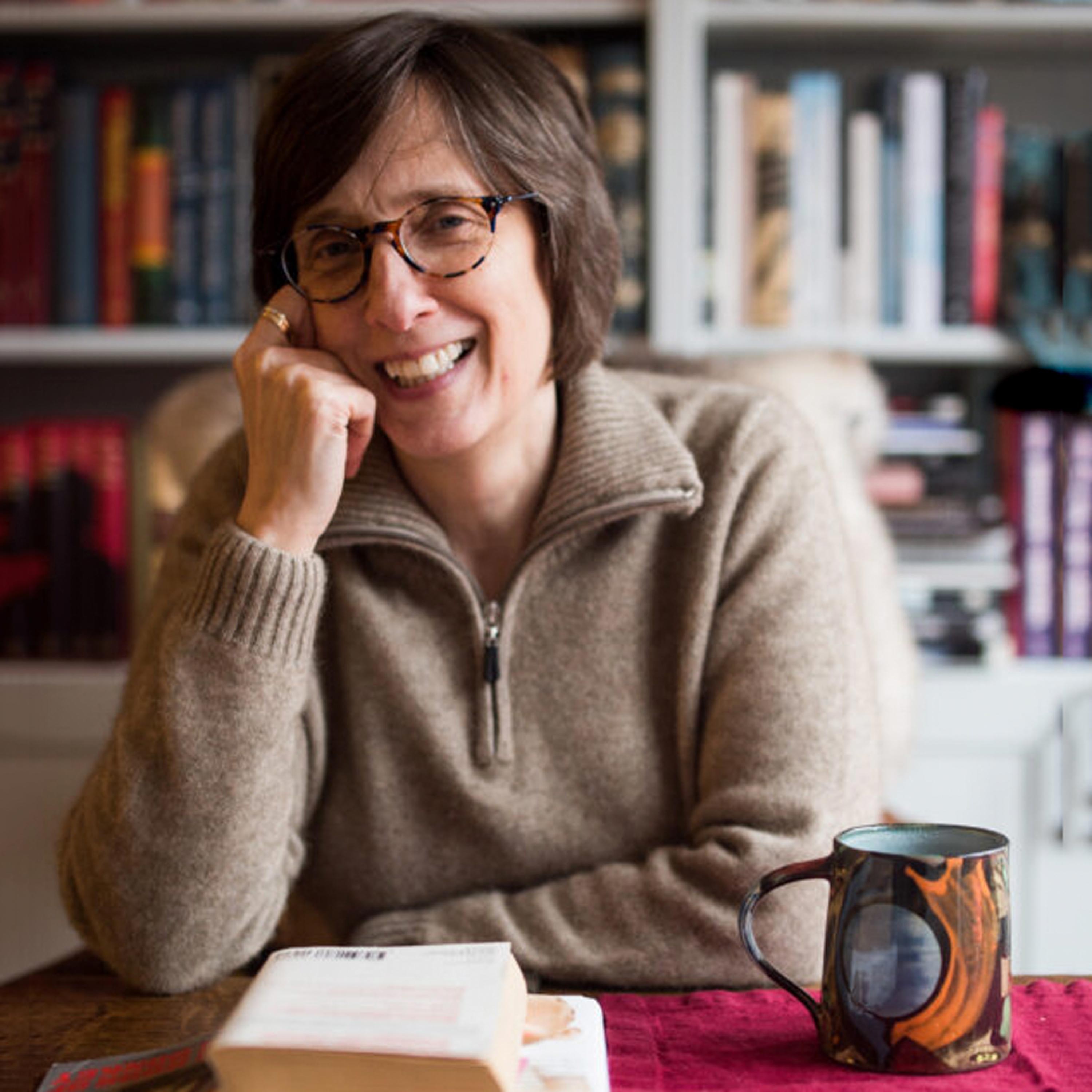
S16 Ep 1218The Art of Fiction, Democracy & Truth with AL KENNEDY
What happens when the state infiltrates your most intimate relationships? How do we protect the innocence and imagination of children in an increasingly authoritarian world? "If you have love, eventually you're going to win. It's not that people aren't going to die. It's not terrible things aren't going to happen. But if you stay with that and you stay centered in that, you'll get through and you will not have turned into a monster in order to overcome monsters.”My guest today is AL Kennedy. She is one of Britain’s most acclaimed and versatile literary voices, a writer who can inhabit the internal life of a soldier in a POW camp, as she did in her Costa Book Award-winning novel Day, as easily as she can navigate the "professional lying" of a modern civil servant.Her latest novel, Alive in the Merciful Country, takes place during the 2020 lockdown. It tells the story of a primary school teacher who receives a confession from an undercover police officer who infiltrated her life decades earlier. It’s a provocative investigation into state power, the "Spy Cops" scandal and the search for mercy in an age of surveillance. It’s a book about the breakdown of trust. We talk about her life, her activism, and why she believes fiction is the only way to tell the truth when the facts are forbidden and how she balances the truth of her novels with the relief of stand-up comedy.(0:00) Finding Your Voice On the Alfred Wolfsohn voice method and the power of being fully expressed(2:17) Education and the Foundation of Democracy The dangers of dismantling education and how critical thinking protects us from fascism.(5:14) The Myth of Shrinking Attention Spans Challenging the narrative that modern audiences cannot focus, and the importance of engaging storytelling.(8:23) Reading from Alive in the Merciful Country Kennedy shares a passage from her latest novel, exploring hope and resilience in dark times.(17:45) The Spy Cop Scandal and State Surveillance Unpacking the reality of undercover police infiltrating peaceful protests and intimate lives.(22:07) AI, Digital Slop, and the Loss of Trust Reflections on artificial intelligence as an unstable plagiarism machine and its impact on truth.(28:29) The Power of the Powerless: Radical Whimsy How absurdity, humor, and inflatable costumes can disrupt authoritarian mindsets and potential violence.(33:13) Lockdown: A Global Pause and the Inrush of Empathy The fleeting moment of unified humanity during the pandemic and how it was ultimately betrayed.(42:53) Writing Without Theft: The Ethics of Character Creation Kennedy explains her imaginative process and why she refuses to steal details from real people's lives.(1:29:40) Nature, Spirituality, and the Merciful Country Finding healing in the natural world and navigating the future with love and awareness.Episode Websitewww.creativeprocess.info/podIG @creativeprocesspodcast
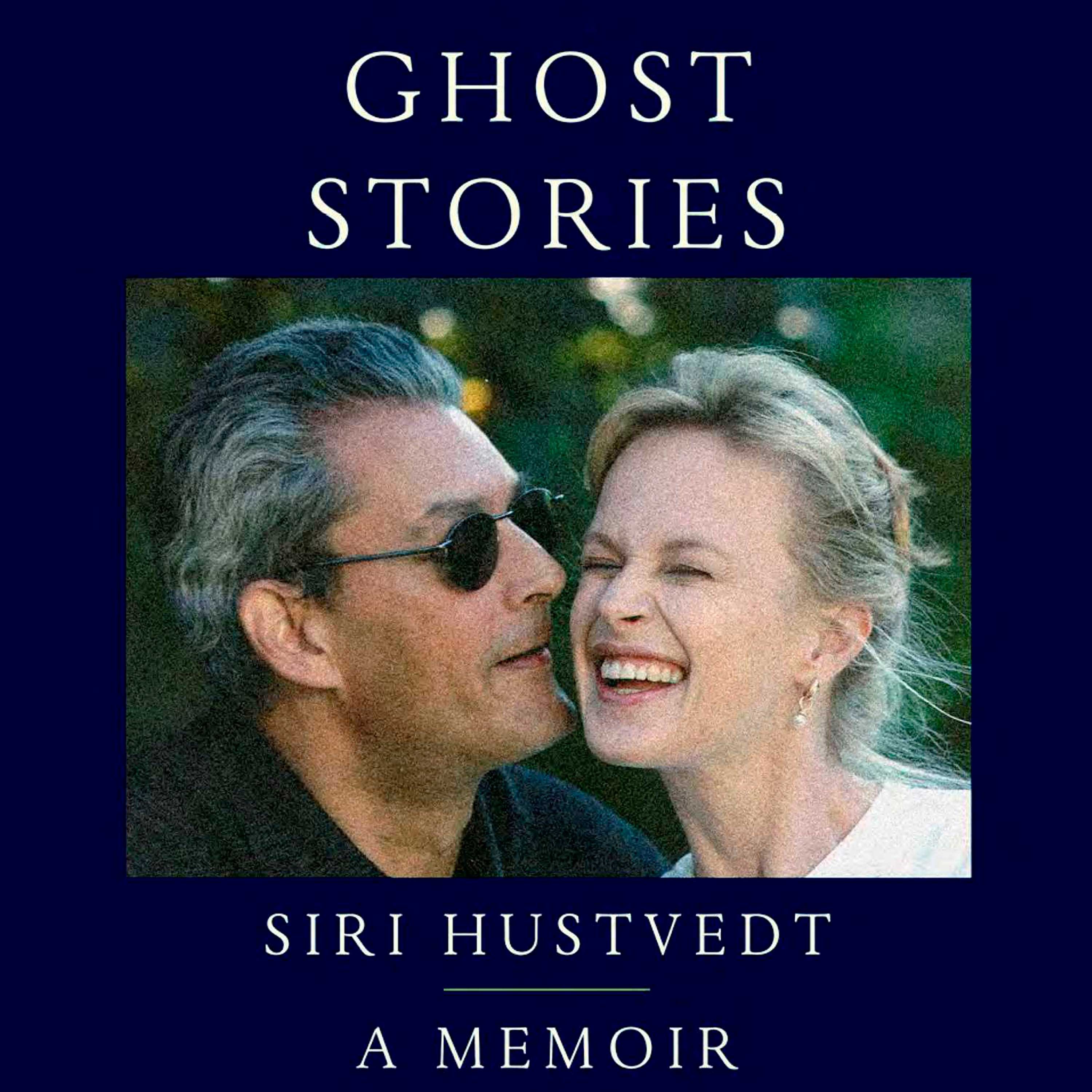
S16 Ep 1217SIRI HUSTVEDT on Love, Grief & Her Late Husband PAUL AUSTER - Highlights
“Grief is a particular kind of unrequited love. It wasn't unrequited in the past. Usually, we think of unrequited love as you never got to do it, you never had it for yourself. But, in fact, there can be requited love, which is then unrequited love in the paroxysms of grief.”Today, we are honored to welcome a writer whose work has long explored the intimate landscapes of the mind, memory and the heart. Siri Hustvedt’s writing moves between the personal and the philosophical, the literary and the deeply human. Her work bridges collections of essays, non-fiction, poetry, and seven novels, including the international bestsellers What I Loved and The Summer Without Men. Recipient of the Princess of Asturias Award for Literature and the Gabarron Prize for Thought, her work has been translated into over thirty languages. Her new memoir, Ghost Stories, is a reflection on forty-three years shared with her late husband, the writer and filmmaker Paul Auster. In its pages, we encounter not only love and loss, but the quiet persistence of presence, memory, and language itself.(0:00) “We were hugely important to the drama of becoming in our own lives”(2:04) Grief as Unrequited LoveSiri explores the emotional reality of living without Paul Auster, noting that grief occurs because love does not stop when a person dies.(3:19) The Shared Space of a 43-year Marriage(4:36) Reading from Ghost StoriesSiri reads the opening passage of her memoir, detailing how the loss of her husband deranged her sense of time and bodily rhythms.(7:02) How Loss Changes Our Sense of Time(11:24) How Powerful Emotions and a Person's Life Can Play a Role in Illness(13:04) Believing in a Reality that Transcends the Individual(20:06) Physical Love in MarriageOn the importance of physical intimacy in long-term marriages, a reality often left out of grief memoirs.Episode Websitewww.creativeprocess.info/podInstagram:@creativeprocesspodcast
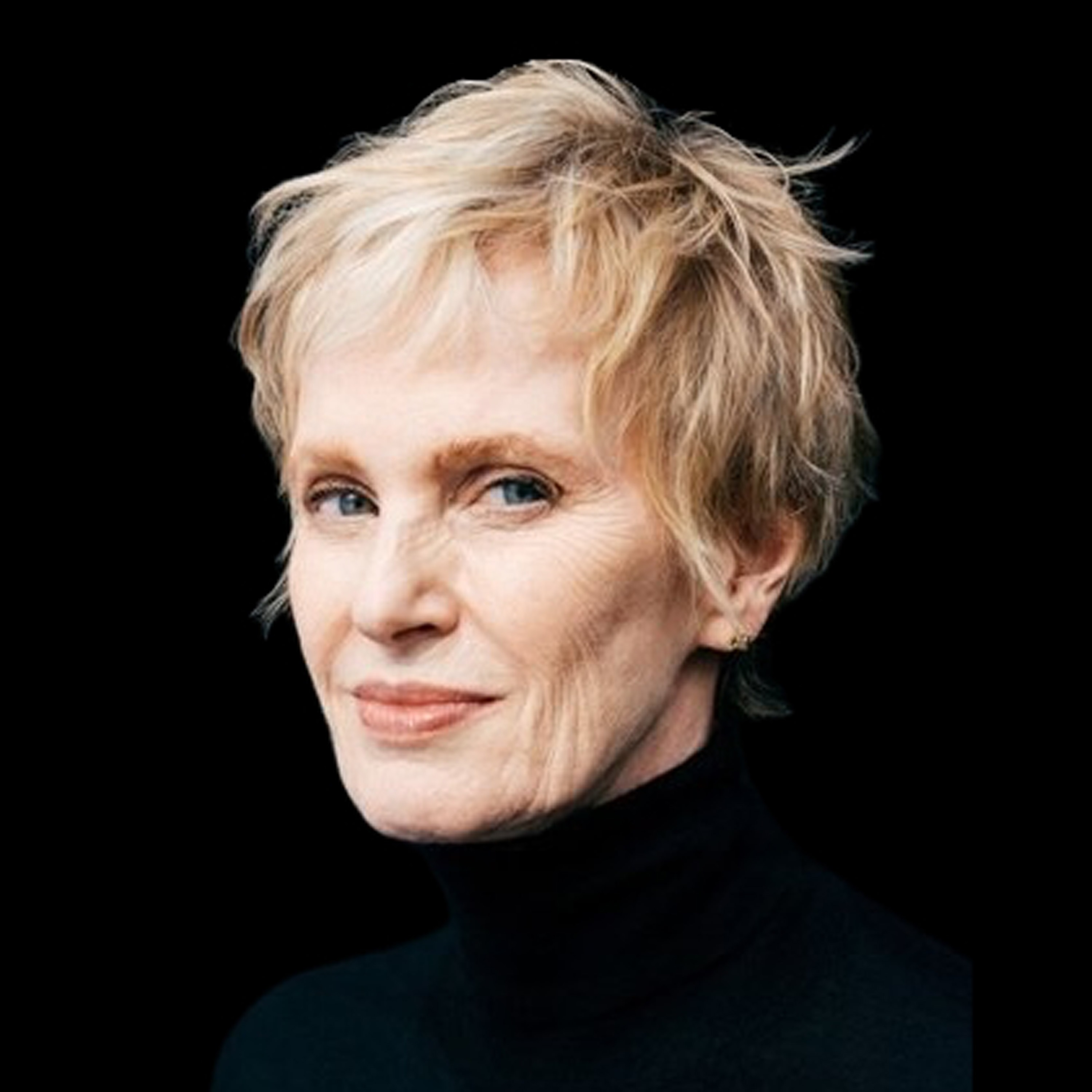
S16 Ep 1216Ghost Stories: A Memoir of Love & Grief with SIRI HUSTVEDT
“Grief happens because you don't stop loving the person who died. The person doesn't exist in your reality anymore. The everyday is not colored and shaped by this other human being, but you don't stop loving the person. So grief is a particular kind of unrequited love. And probably without that dynamic relationship with this person, I would be someone else. And he would've been someone else. I mean, Paul died before me. But we were, I think, hugely important to the drama of becoming in our own lives.”Today, we are honored to welcome a writer whose work has long explored the intimate landscapes of the mind, memory and the heart. Siri Hustvedt’s writing moves between the personal and the philosophical, the literary and the deeply human. Her work bridges collections of essays, non-fiction, poetry, and seven novels, including the international bestsellers What I Loved and The Summer Without Men. Recipient of the Princess of Asturias Award for Literature and the Gabarron Prize for Thought, her work has been translated into over thirty languages. Her new memoir, Ghost Stories, is a reflection on forty-three years shared with her late husband, the writer and filmmaker Paul Auster. In its pages, we encounter not only love and loss, but the quiet persistence of presence, memory, and language itself.(0:00) Grief as Unrequited LoveSiri explores the emotional reality of living without Paul Auster, noting that grief occurs because love does not stop when a person dies.(4:00) Facing Death with CourageThe importance of not hiding from mortality and how discussing end-of-life wishes offered a necessary perspective.(12:37) Reading from Ghost StoriesSiri reads the opening passage of her memoir, detailing how the loss of her husband deranged her sense of time and bodily rhythms.(18:41) The Phantom Limb: ” The beloved is taken away and it feels as if you're amputated or gutted.”(21:50) Grandfather, Father and Son: Generational Traumas Behind Paul Auster's Writing(24:11) How Powerful Emotions and a Person's Life Can Play a Role in Illness(30:09) Feeding the Earth "Paul very pointedly told me that he wanted to be buried in the Jewish mode. And the phrase he used was, “I want my body to feed the earth.”(44:23) Physical Love in MarriageOn the importance of physical intimacy in long-term marriages, a reality often left out of grief memoirs.(54:00) The Philosophy of the Between: How relational existence is foundational to life.(1:00:16) The Hubris of Controlling Nature(1:12:00) The Dark History of Statistics(1:32:12) The Art of Learning vs. AI“I think we have to ask ourselves, what is education?Episode Websitewww.creativeprocess.info/podIG @creativeprocesspodcast
S16 Ep 1215The Healing Power of the Arts: Longevity, Immunity & Wellbeing w/ DAISY FANCOURT - Highlights
"Within society, we seem to have separated the arts out, so they're not so much a part of our daily lives. Often there's something that we feel we should do as a kind of leisure activity or hobby if we have enough time or if we have enough money to engage in them. And this is so fundamentally different to how humans engaged with the arts. When we look back thousands of years, it just was part of the everyday, and I feel like that's a major loss within contemporary societies."Daisy Fancourt is a Professor of Psychology & Epidemiology at UCL and the author of Art Cure: The Science of How the Arts Transform Our Health. A pioneer in the field of psychoneuroimmunology, she directs the WHO Collaborating Center on Arts and Health, where her research influences global health policy and the integration of the arts into medical care.(0:00) The Healing Power of the Arts: Longevity, Immunity & Wellbeing(1:17) Singing to Daphne: How Daisy used singing to comfort her premature daughter in the ICU(2:47) The Story of Russell: How a stroke survivor used art classes to reclaim his life, health, and identity(5:23) A Planet of 8 Billion Artists: Tracing the evolutionary origins of creativity back 40,000 years(8:58) Psychoneuroimmunology. Defining the biological mechanisms: how art reduces inflammation and cortisol(12:42) Art & Longevity. How arts engagement can slow biological aging and alter gene expression(18:24) Safeguarding Creativity. Why we should use AI for routine tasks but protect the human joy of the creative processEpisode Websitewww.creativeprocess.info/podInstagram:@creativeprocesspodcast
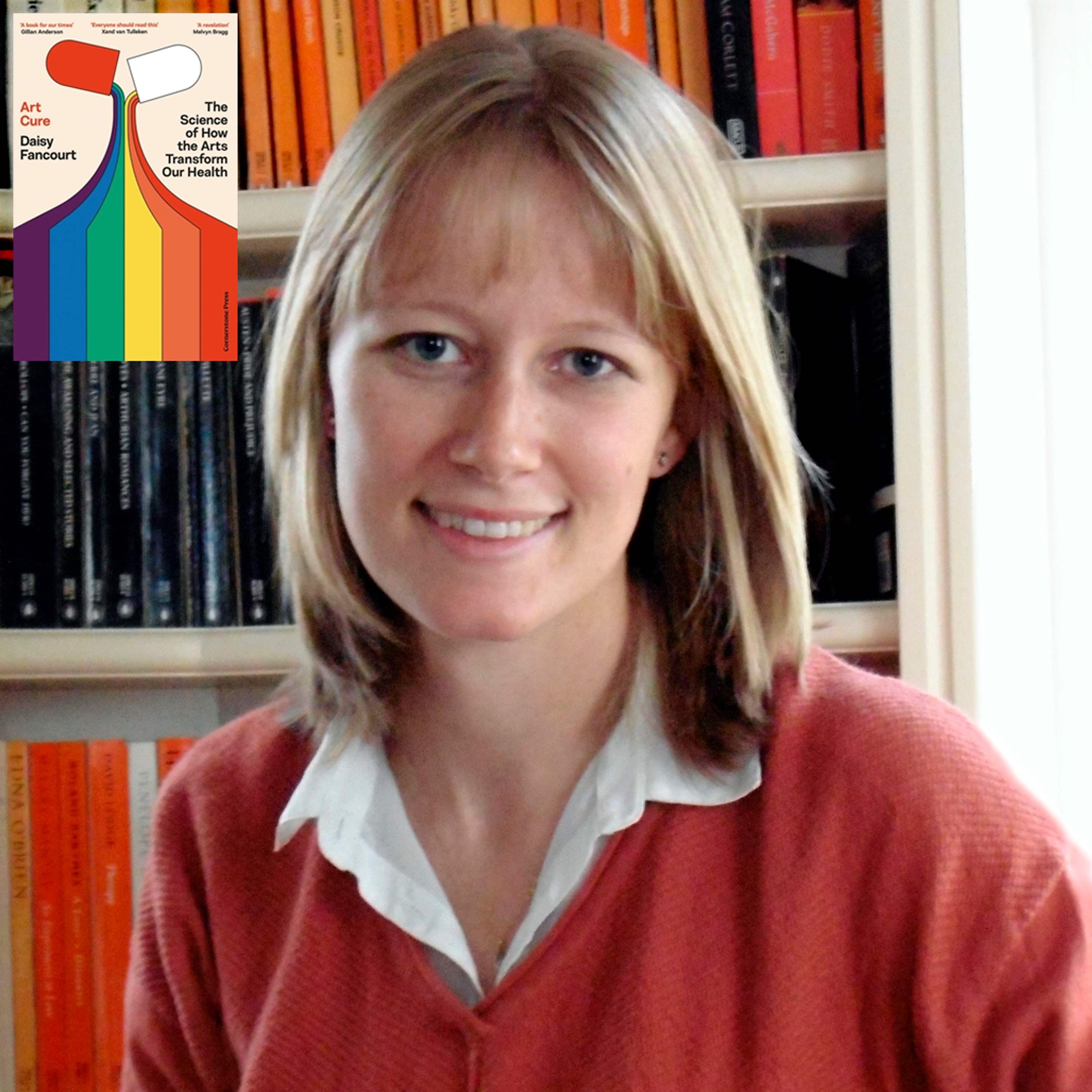
S16 Ep 1214ART CURE: How the Arts Can Transform Our Health with DAISY FANCOURT
Did you know that visiting a museum can lower your cortisol levels? Or that singing can bond a group faster than almost any other activity? We tend to think of the arts as entertainment, but science tells a different story. Today, we explore why creativity is hardwired into our biology and how it can be used to treat everything from postnatal depression to stroke recovery.Daisy Fancourt is a Professor of Psychology & Epidemiology at UCL and the author of Art Cure: The Science of How the Arts Transform Our Health. A pioneer in the field of psychoneuroimmunology, she directs the WHO Collaborating Center on Arts and Health, where her research influences global health policy and the integration of the arts into medical care.(0:00) The Healing Power of the Arts: Longevity, Immunity & Wellbeing(4:14) The Story of Russell: How a stroke survivor used art classes to reclaim his life, health, and identity(9:01) A Planet of 8 Billion Artists: Tracing the evolutionary origins of creativity back 40,000 years(15:30) The Chemistry of Connection. Why singing evolved before language and how it accelerates group bonding(20:32) Psychoneuroimmunology. Defining the biological mechanisms: how art reduces inflammation and cortisol(25:57) The Professional Paradox: Balancing the wellbeing benefits of art with the pressures of a creative career(30:03) Predictive Coding & Play: Why the human brain needs improvisation and why we shouldn't outsource creativity to AI(33:26) Singing to Daphne: How Daisy usedsinging to comfort her premature daughter in the ICU(37:55) World Health Organization, Public Policy & Social Prescribing(46:04) Art & Longevity. How arts engagement can slow biological aging and alter gene expression(58:17) Finding Artistic Reverence in NatureEpisode Websitewww.creativeprocess.info/podInstagram:@creativeprocesspodcast
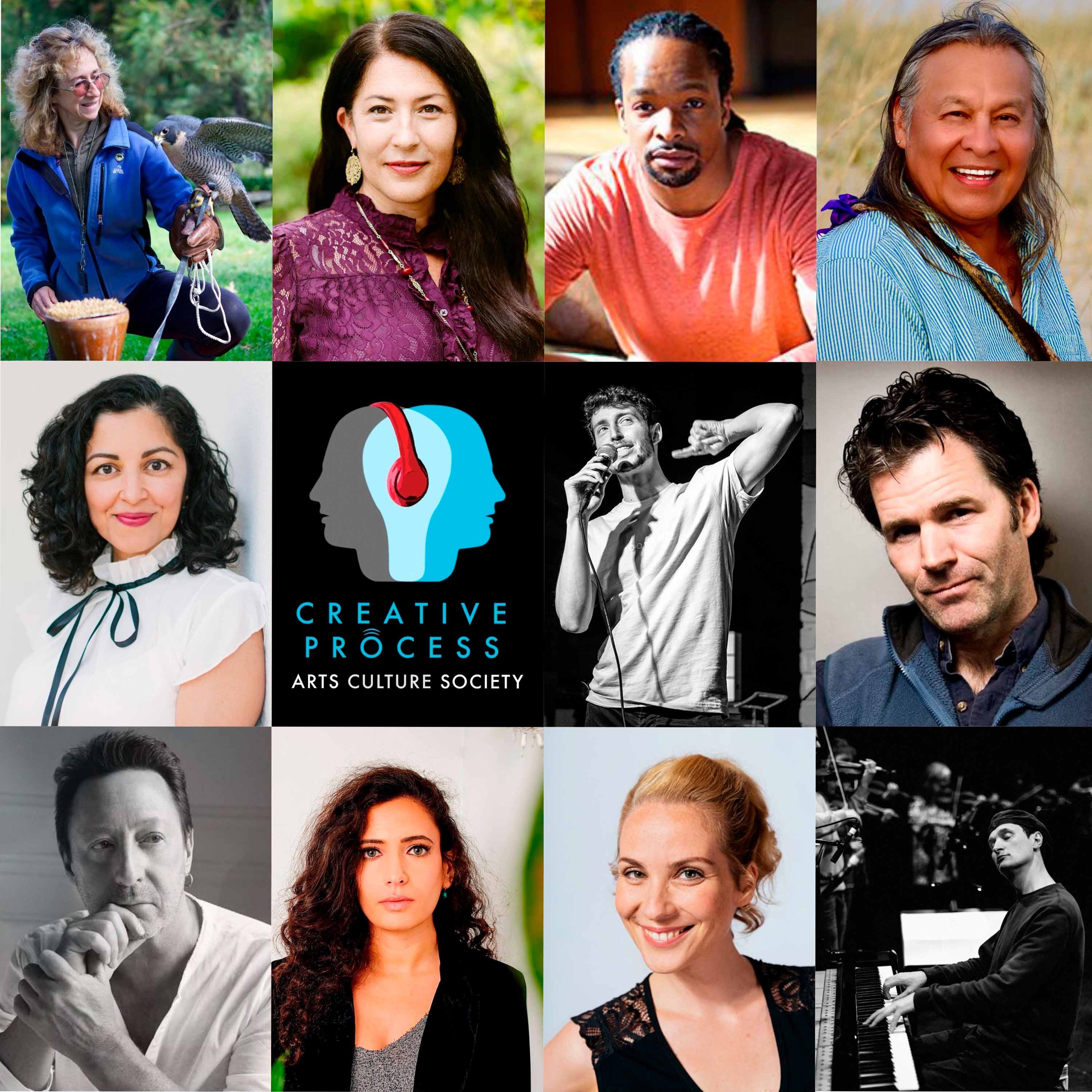
S16 Ep 1213Humans as Storytelling Animals: Poets, Novelists & Musicians on the Power of Writing
Why do we write? Is it to capture a memory before it vanishes or to build a bridge between the person we are and the stories we've been told? In this episode of The Creative Process, we explore the practice of writing as an awakening and tool for discovery with a group of celebrated poets, novelists, musicians and thinkers.We hear from neuroscientist, dancer and author Julia Christensen on how literature inspires transformative aesthetic experiences. Award-winning poet and clinical psychologist Hala Alyan discusses navigating displacement through narrative, while bestselling author Andre Dubus III reflects on the honest labor of the writer and the willingness to fail.Pulitzer Prize-winning poet Jericho Brown shares how the sounds of American vernacular guide his work and Fmr. US Poet Laureate Ada Limón discusses holding hope within frightening thoughts about the future of our planet. NYT Bestseller Aimee Nezhukumatathil speaks on tenderness towards the natural world and naturalist Sy Montgomery shares how animals have been her greatest teachers.The conversation expands with poet Max Stossel on finding humanity in conflict, Tiokasin Ghosthorse on the ancient energy of the earth and Julian Lennon on art as a collective human endeavor. Finally, composer Erland Cooper takes us to the landscape of his youth, where the sound of the sea informed his creative voice.To hear more from each guest, listen to their full interviews.Episode Websitewww.creativeprocess.info/podInstagram:@creativeprocesspodcast
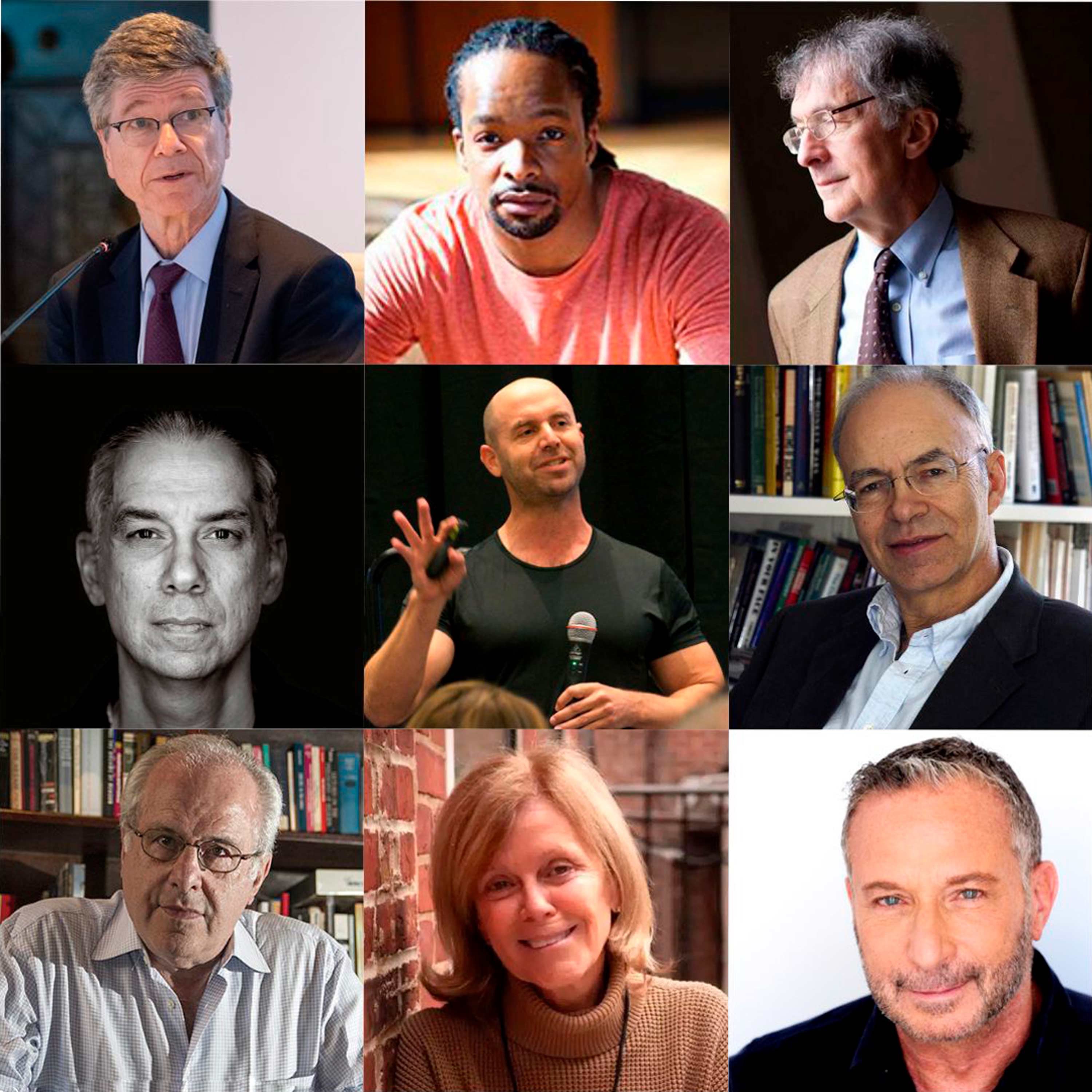
S16 Ep 1212On Truth & Civil Society: Richard Wolff, Jeffrey Sachs, Educators & Artists' Stories
How do we restore trust and defend democracy when the very foundations of truth are shifting? Today we look at truth, the decline of the American Empire and buiding a shared future through the eyes of educators and economists, artists and philosophers.(0:00) Lee McIntyre (Philosopher, Author) On Disinformation: How to Fight for Truth and Protect Democracy(2:21) Richard D. Wolff (Economist, Founder of Democracy at Work) on Ideological Control and the Decline of the American Empire(4:36) Kathleen Rogers (President, Earth Day Network) Why climate literacy should be a core requirement for school(5:11) Todd Kashdan (Psychologist, Author of The Art of Insubordination) on Critical Thinking in Education(6:17) Howard Gardner (Psychologist, Co-Director of The Good Project) on the Synthesizing Mind(7:34) Alan Poul (Emmy Award-winning Director/Producer of Six Feet Under, Tokyo Vice) on Paul Schrader, Stephen Sondheim and the Importance of Mentorship(9:15) Jeffrey Sachs (Economist, President of UN SDSN) on Sustainable development and global citizenship for all(10:29) Jericho Brown (Pulitzer Prize-winning Poet of The Tradition) “When you are a writer, you are a person of power.”(11:38) Peter Singer (Moral Philosopher, Author of The Life You Can Save) on Altruism and How to Live a Good LifeTo hear more from each guest, listen to their full interviews.Episode Websitewww.creativeprocess.info/podInstagram @creativeprocesspodcast
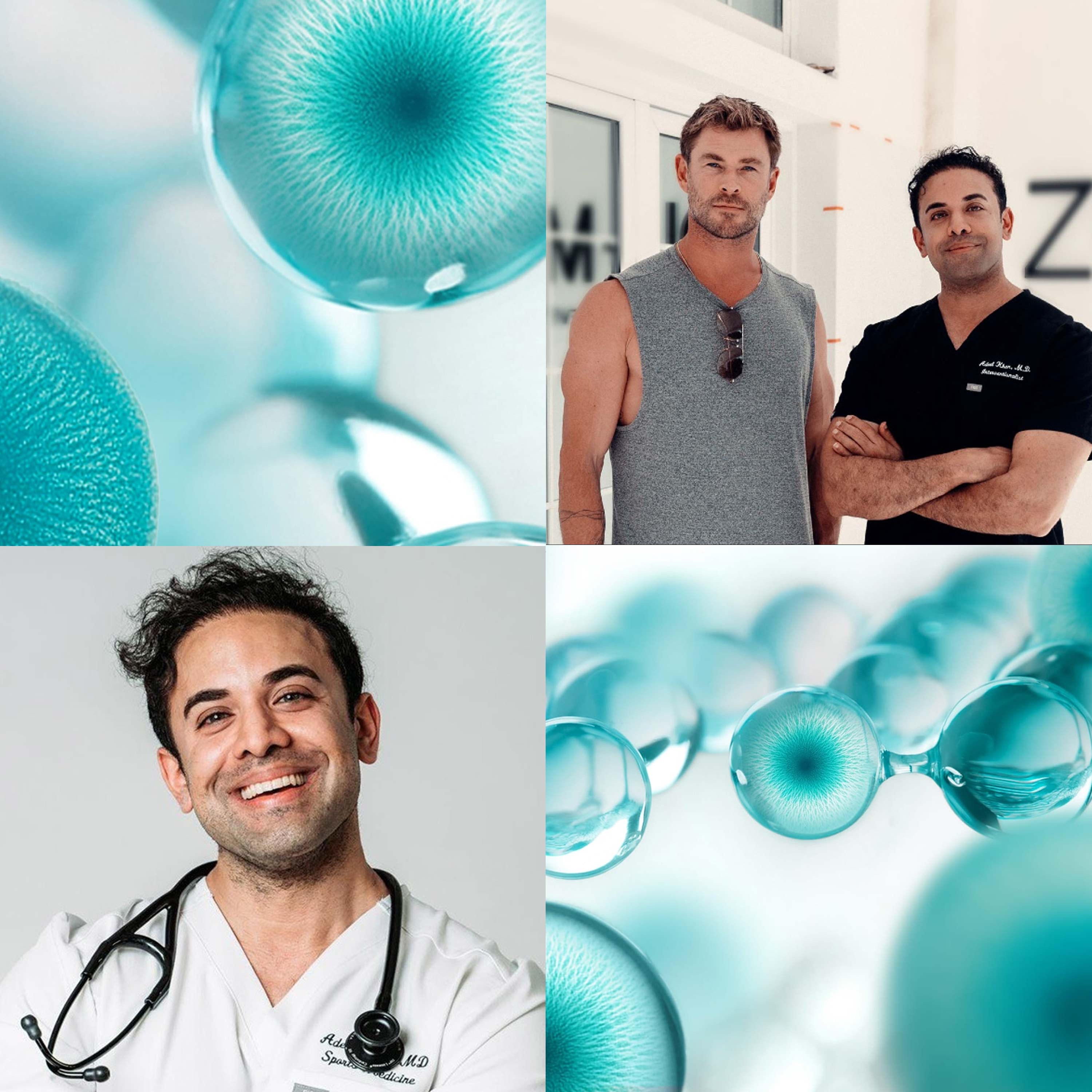
S16 Ep 1211Muse Cells & The Future of Health: Why Stars like Chris Hemsworth & Tony Robbins Turn to Regenerative Medicine
“They're kind of like a hidden superhero in your body and we just didn't know they existed. Muse cells eat the damaged cells, and they can actually turn into new cells using the cellular machinery.”Dr. Adeel Khan is a global thought leader in regenerative medicine. He is the CEO and Founder of and founder of Eterna Health, whose work with MUSE cell therapy—developed in collaboration with its discoverer, Professor Mari Dezawa—has made him the go-to expert for world leaders, athletes, and celebrities Chris Hemsworth, Kim Kardashian, and Tony Robbins. In this episode, we move beyond the hype of "anti-aging" to explore the hard science of Muse cells (Multilineage-differentiating Stress-Enduring cells). Dr. Khan breaks down how these unique cells differ from the "medicinal signaling cells" (MSCs) found in most clinics and how they act as a bridge to a future where tissue regeneration is standard care.(0:00) The "Repair Guys" & The Muse Difference Dr. Khan explains why traditional stem cells (MSCs) often disappoint and how Muse cells offer the "best of both worlds": safety and pluripotency.(2:19) Smart Cells: How They Find the Damage Understanding the "homing mechanism" that allows Muse cells to sense inflammation and instinctively travel to injured areas like the brain or heart.(3:11) Curing the Incurable: Diabetes & Alzheimer's The potential of the "cure triad"—stem cells, gene therapy, and FMT—to treat complex autoimmune diseases within the next decade.(4:40) Biological Noise & The Symphony of Health How "static" in our gene expression indicates aging, and how cellular therapy can reduce this noise to restore the body's harmony.(6:40) The Viral Monkey Study Dr. Khan discusses a recent study showing significant de-aging in monkeys through high-frequency cell dosing.(7:32) Unshakeable Foundations: Lifestyle as Medicine Why advanced therapies must be paired with purpose, community, and mindfulness to create a "bulletproof" body.(8:44) From Sketchy to Standardized Navigating the regulatory landscape: why Muse cells are being classified as a drug in regions like the UAE and the path toward FDA approval.(12:24) A Personal Mission Dr. Khan shares the origin of his journey: trying to find solutions for his mother's chronic illness when traditional medicine failed.(14:16) The Cancer Hunter Unlike other pluripotent cells that risk tumor growth, Muse cells have a unique mechanism that can detect cancer cells and trigger their death.(18:30) Future Outlook: AI, Nature & Blue Zones Reflections on the risks of AI, the importance of "Blue Zone" city design, and reconnecting with nature in a post-human world.Episode Websitewww.creativeprocess.info/podInstagram:@creativeprocesspodcast
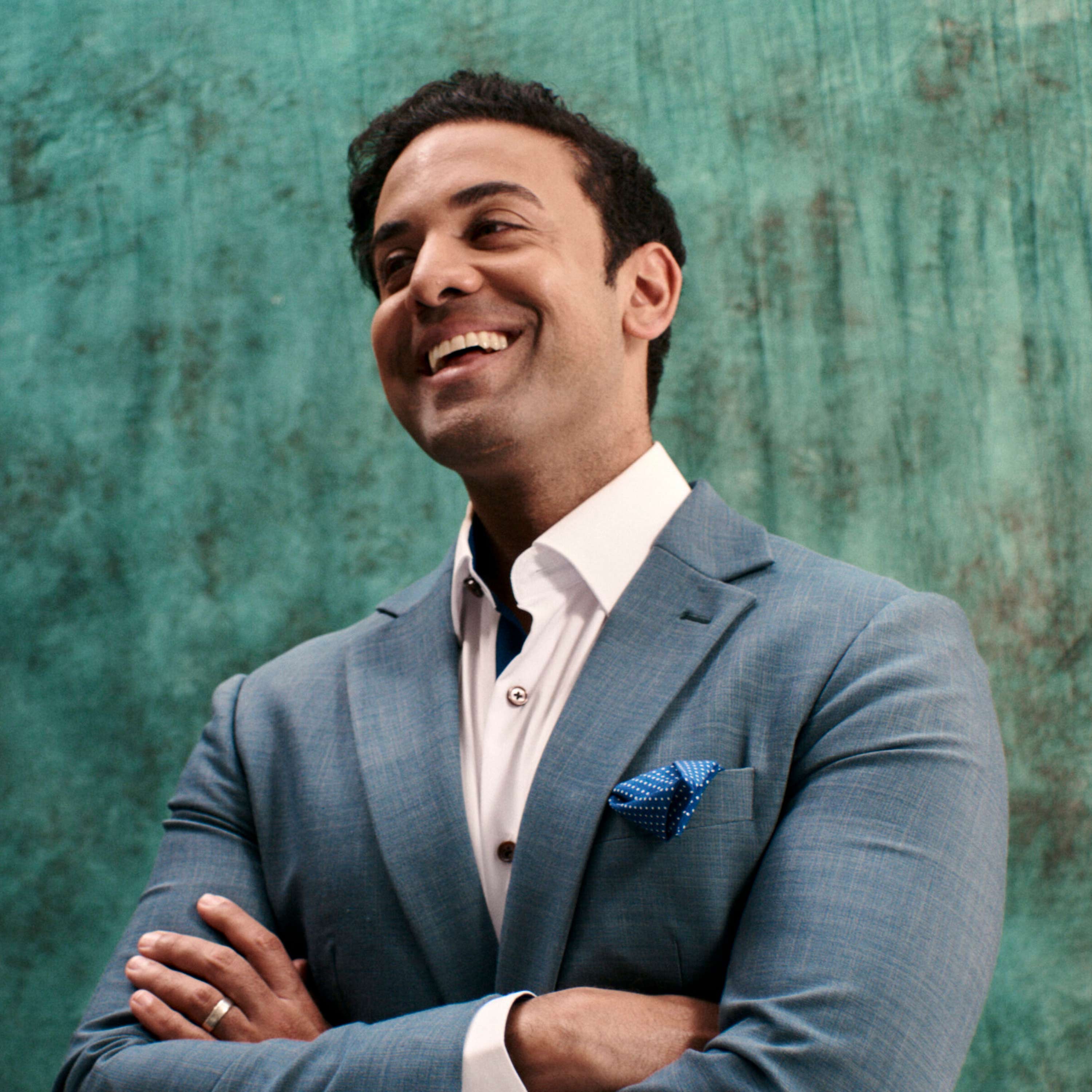
S16 Ep 1210Reimagining Longevity: DR. ADEEL KHAN on Muse Cells & the Future of Regenerative Medicine
"The repair mechanisms don't work as well as you get older... The whole idea was: if we can give you more of the 'repair guys,' maybe we can reverse disease."Dr. Adeel Khan is a global thought leader in regenerative medicine. He is the CEO and Founder of and founder of Eterna Health, whose work with MUSE cell therapy—developed in collaboration with its discoverer, Professor Mari Dezawa—has made him the go-to expert for world leaders, athletes, and celebrities Chris Hemsworth, Kim Kardashian, and Tony Robbins. In this episode, we move beyond the hype of "anti-aging" to explore the hard science of Muse cells (Multilineage-differentiating Stress-Enduring cells). Dr. Khan breaks down how these unique cells differ from the "medicinal signaling cells" (MSCs) found in most clinics and how they act as a bridge to a future where tissue regeneration is standard care.(0:00) The Future of Regenerative Medicine(6:13) The Muse Difference: Why these cells are "pluripotent" (able to become any tissue) without the cancer risks of Yamanaka factors.(10:29) Curing the Incurable: Diabetes & Alzheimer's(11:27) The Cure Triad: How combining stem cells, gene therapy, and Fecal Microbial Transplants (FMT) could cure complex autoimmune diseases within a decade.(12:56) Biological Noise: Measuring the "mistakes" in our gene expression to quantify aging.(16:42) Lifestyle as Medicine: Why Dr. Khan prescribes community, mindfulness, and nature immersion alongside advanced therapies.(18:13) From Sketchy to Standardized: The Regulatory Landscape(23:25) A Personal Mission: Trying to Save Mom(25:38) The Cancer Hunter: How Muse cells naturally detect and trigger cell death in tumors.(29:02) Quantum Biology & Healing Frequencies (41:13) The AI Pessimist: Planning for a Post-Human World (44:03) Reconnecting with NatureEpisode Websitewww.creativeprocess.info/podInstagram:@creativeprocesspodcast
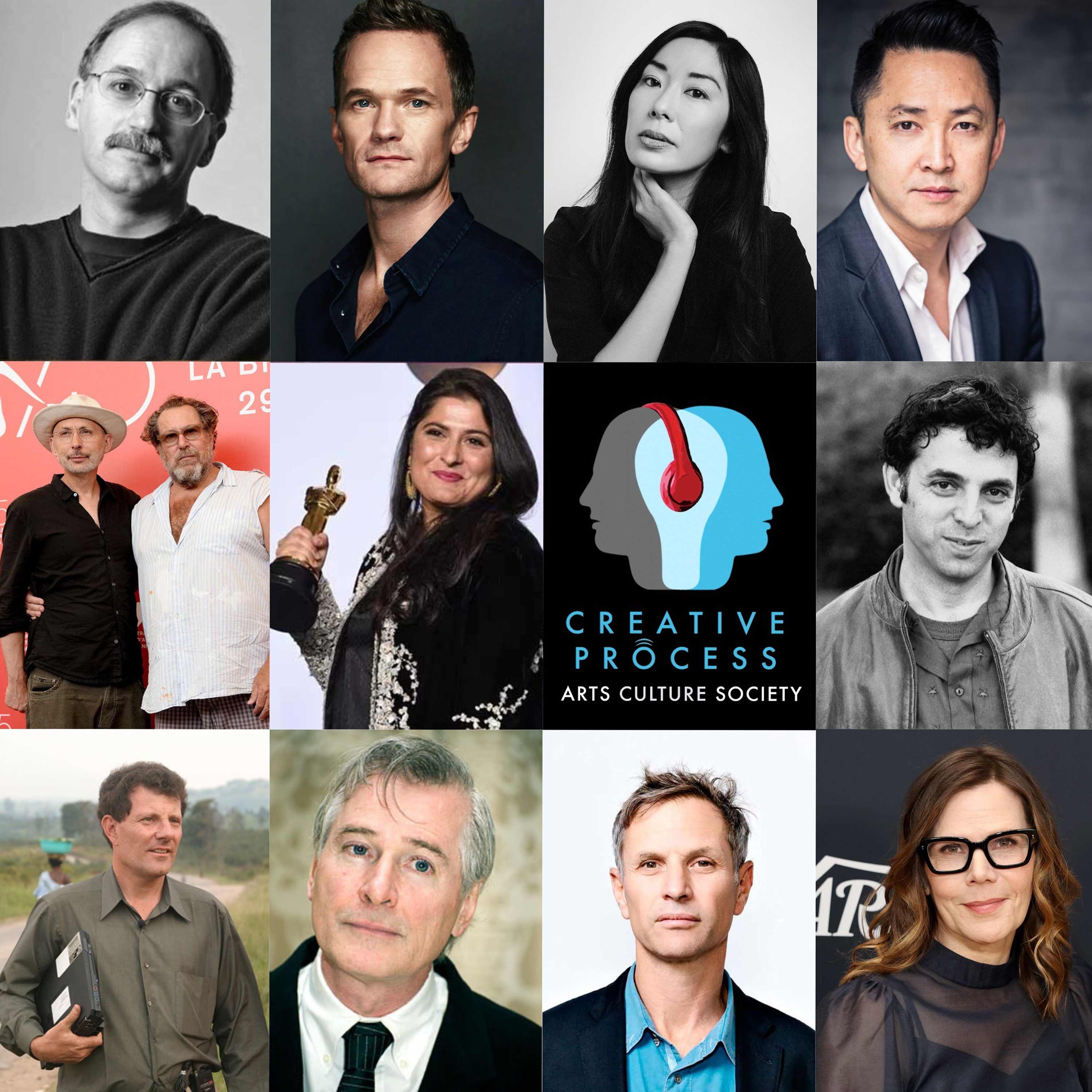
S16 Ep 1209Who Are We? What Makes Us Care? Jim Shepard, Neil Patrick Harris, John Patrick Shanley & Artists Share Their Stories
Can curiosity and empathy be taught? How can we expand our sense of solidarity through stories? In this episode, we explore the internal dialogues of artists, actors and writers to ask what it means to step into someone else's shoes.(0:00) Novelist Jim Shepard discusses Literature as a Tool for Emotional Education and Exploring History(2:05) Tony Award-winning Actor Neil Patrick Harris on Being Moved by Theater and its Ability to Bridge Worlds(3:55) Novelist Katie Kitamura on How a Book is Made in Collaboration with the Reader(5:00) Screenwriter, Playwright Laura Eason on Inhabiting the Hearts of Characters Different from Ourselves(6:03) Academy Award-winning Director Sharmeen Obaid-Chinoy on the Art of Visual Storytelling(6:37) Cinematographer, Director Benoit Delhomme on the Freedom of Handheld Cinematography(7:19) Author Etgar Keret on Looking for Humanity through Shared Intention(8:18) Viet Thanh Nguyen – Opposing Power through Expansive Solidarity(9:27) Adam Moss – Author, Fmr. Editor New York magazine on “The Work of Art”(10:29) John Patrick Shanley – Tony & Academy Award-winning Writer, Director on Finding Value in Ordinary Experiences and the Creative Power of Daydreaming(11:56) Pulitzer Prize-winning Journalist Nicholas Kristof on Why Individual Stories are Necessary to Generate ConnectionTo hear more from each guest, listen to their full interviews.Episode Websitewww.creativeprocess.info/podInstagram:@creativeprocesspodcast
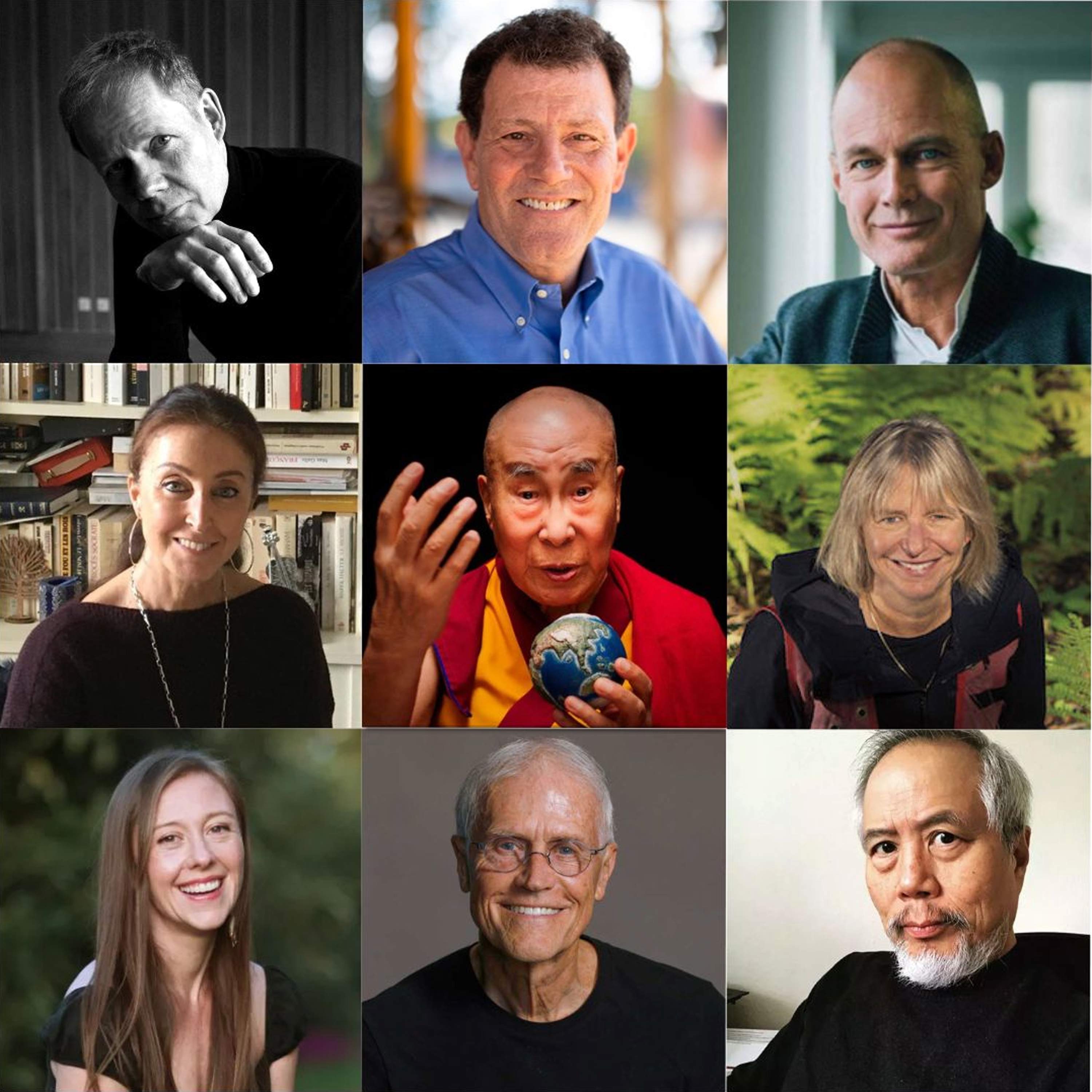
S16 Ep 1208Chasing Hope: Writers, Environmentalists, Spiritual Leaders & Artists Share their Stories
We are living through a moment of collision where it seems like the systems we built are turning against us, and the future feels unwritten. But is this the end, or is it the start of a new beginning? In this latest anthology, we explore the discipline of hope with Pulitzer Prize-winning journalist Nicholas Kristof, The Dalai Lama, and a diverse group of global visionaries.This episode argues that while cynicism is an act of surrender, hope is a rigorous discipline of the mind. From how the arts can help us engage with deeper meanings described by composer Max Richter to the regenerative wisdom of forest ecologist Suzanne Simard, our guests explore how biology, philosophy, and journalism intersect to combat despair.In this episode, we explore:The Pinch Point: Why the next few decades will determine if society regenerates or collapses.Wired to Heal: How nature’s biological imperative is resilience, not destruction.The Reporter’s Armor: The emotional toll of witnessing trauma and how to maintain "undefeated despair".Intergenerational Wisdom: How we pass knowledge and values to the next generation.Featuring Explorer Bertrand Piccard (Founder, Solar Impulse Foundation), The Dalai Lama, Environmentalist Paul Hawken, Doc Filmmaker Rebecca Tickell (Kiss the Ground), Exec. Director, Pritzker Architecture Prize Manuela Luca-Dazio, and David Palumbo-Liu (Speaking Out of Place Podcast).To hear more from each guest, listen to their full interviews.Episode Websitewww.creativeprocess.info/podInstagram:@creativeprocesspodcast

S15 Ep 1182The Wisdom of Nature: Artists & Scientists on The Beauty & Fragility of Our Planet
In this special edition, we hear from our guests from across the arts and sciences. From composers and poets to forest ecologists and climate envoys, they tell the story of our planet. Moving beyond the data of destruction, we explore the intelligence of nature, the ethics of what we eat, and the empathy required to save our future.MAX RICHTER, Composer, Sleep, The Blue NotebooksCARL SAFINA, Author, Becoming WildADA LIMÓN, 24th US Poet LaureateCYNTHIA DANIELS, Grammy Award-winning Sound Eng.SUZANNE SIMARD, Finding the Mother TreeJOELLE GERGIS, Lead Author, IPCC 6th Assessment RptNOAH WILSON-RICH, CEO, Best Bees CompanyINGRID NEWKIRK, PETA FounderBERTRAND PICCARD, Solar Impulse FoundationDAVID FARRIER, Author, FootprintsKATHLEEN ROGERS, Pres, Earth Day NetworkODED GALOR, Unified Growth TheoryPETER SINGER, PhilosopherGEOFF MULGAN, Another World Is PossibleCLAIRE POTTER, Welcome to the Circular EconomyCHRIS FUNK, Dir. Climate Hazards Car.JENNIFER MORGAN, Special Envoy, International Climate ActionTo hear more from each guest, listen to their full interviews.Episode Website
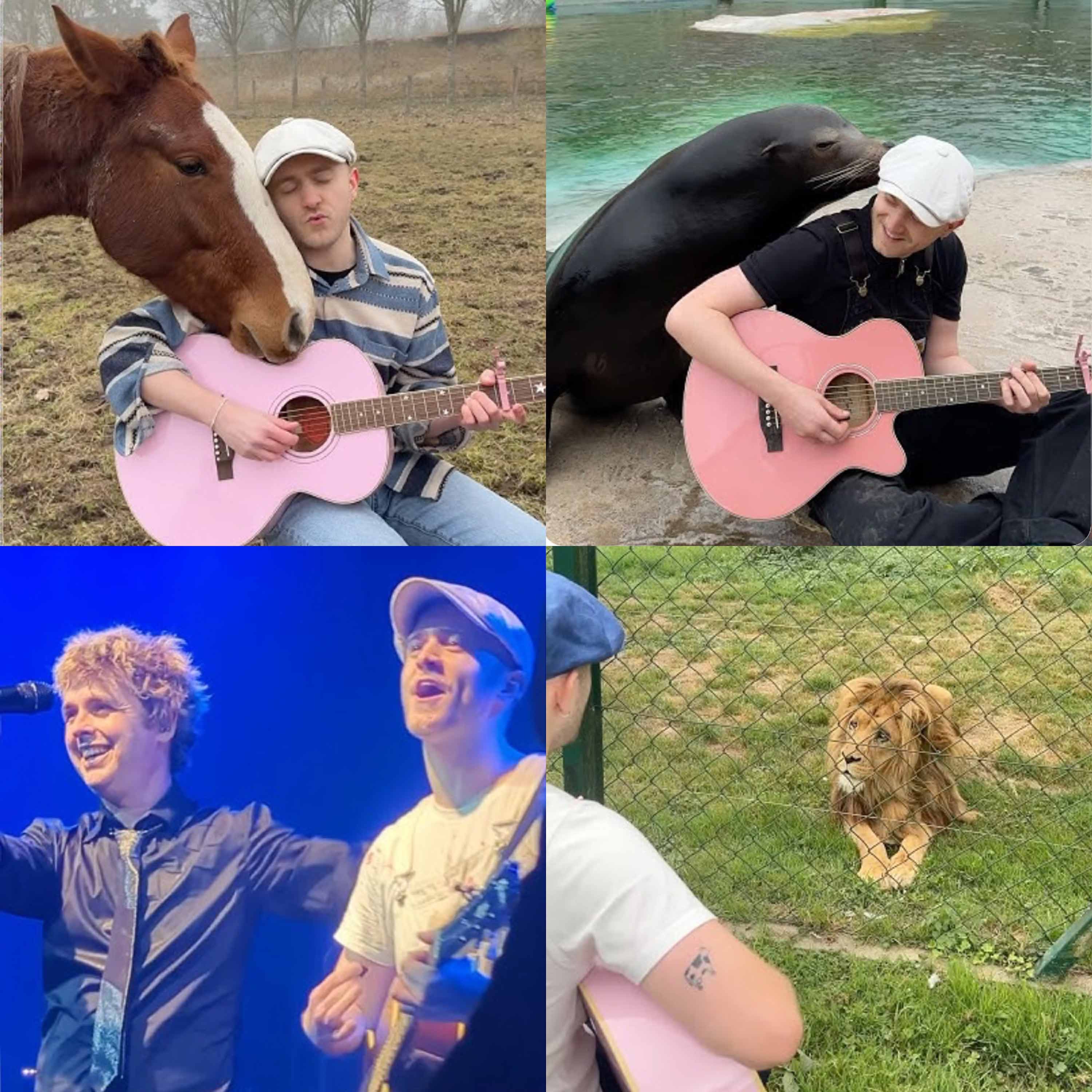
S15 Ep 1207The Musician Who Sings to Animals - PLUMES on Trust & Cross-Species Communication - Highlights
On Music, Trust and Connection with the Animal World“Mostly I’ll play in a minor key, something sad, which I think can work for an animal because they can sense the sadness, and they try to reassure me and comfort me. I chose love songs because I'm convinced they are very intuitive and they can sense what I am trying to say to them, and profess my love in a way. I think there's always a way to connect, and if you're being cautious and don't threaten the animals, something beautiful can happen.”Musician Plumes takes his guitar to the world's most unlikely concert halls—farms, sanctuaries, and wild habitats. A passionate advocate for veganism and animal welfare, we discuss what animals hear, how trust forms, and what music can reveal when it enters a world not made for humans alone.Episode Websitewww.creativeprocess.info/podInstagram:@creativeprocesspodcast
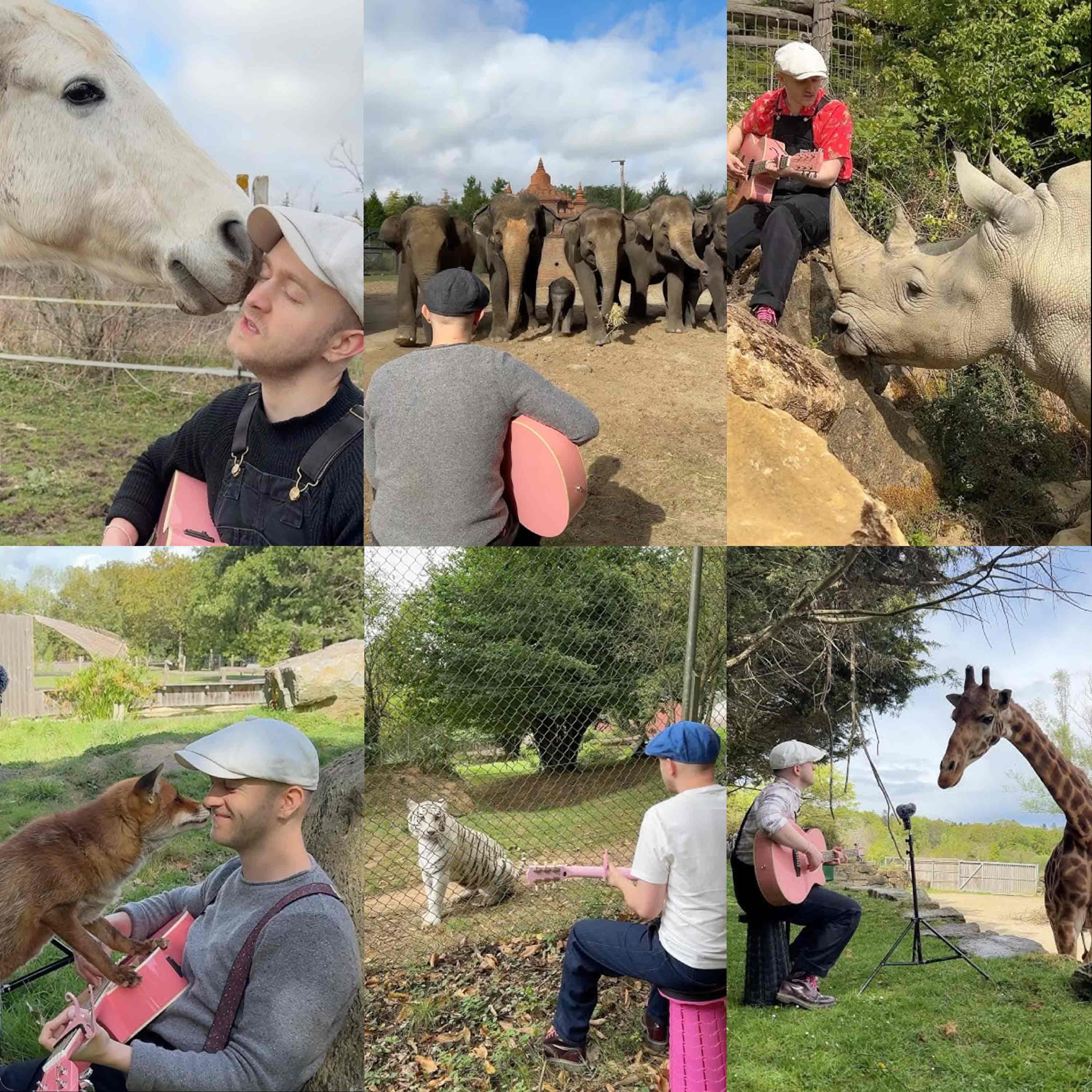
S15 Ep 1206Animals & The Healing Power of Music with Musician PLUMES
How is music a pathway to understanding animals?Musician Plumes takes his guitar to the world's most unlikely concert halls—farms, sanctuaries, and wild habitats. A passionate advocate for veganism and animal welfare, we discuss what animals hear, how trust forms, and what music can reveal when it enters a world not made for humans alone.“Mostly I’ll play in a minor key, something sad, which I think can work for an animal because they can sense the sadness, and they try to reassure me and comfort me. I chose love songs because I'm convinced they are very intuitive and they can sense what I am trying to say to them, and profess my love in a way. I think there's always a way to connect, and if you're being cautious and don't threaten the animals, something beautiful can happen.”Episode Websitewww.creativeprocess.info/podInstagram:@creativeprocesspodcast
S15 Ep 1205Speaking Out of Place - DAVID PALUMBO-LIU on Reclaiming Our Political Voices - Highlights
On the urgent need to reclaim our political voices, the forces that silence dissent, and how art and poetry are crucial tools for survivalOur guest today is an activist scholar who believes the classroom is inseparable from the public square. David Palumbo-Liu is the Louise Hewlett Nixon Professor of Comparative Literature at Stanford University and a founding faculty member of Stanford’s Program in Comparative Studies in Race and Ethnicity. But his work has long reached beyond the academy. Through his book, Speaking Out of Place: Getting Our Political Voices Back, and his podcast of the same name, he insists that the great global crises of our time—from escalating wars and democratic failures to environmental collapse—are fundamentally crises of value and voice.“There is a dispute about what the American Dream is or how it would play out in different circumstances. The American dream has essentially been narrowed into a white Christian nationalist notion of things so that everything that falls outside what they imagine that to be is not only undesirable, but should be the subject of extermination, deportation, and detention. I am heartened by the fact that more of our 'better angels' are emerging with a more capacious and expansive notion of what the American dream could be.”Episode Websitewww.creativeprocess.info/podInstagram:@creativeprocesspodcast
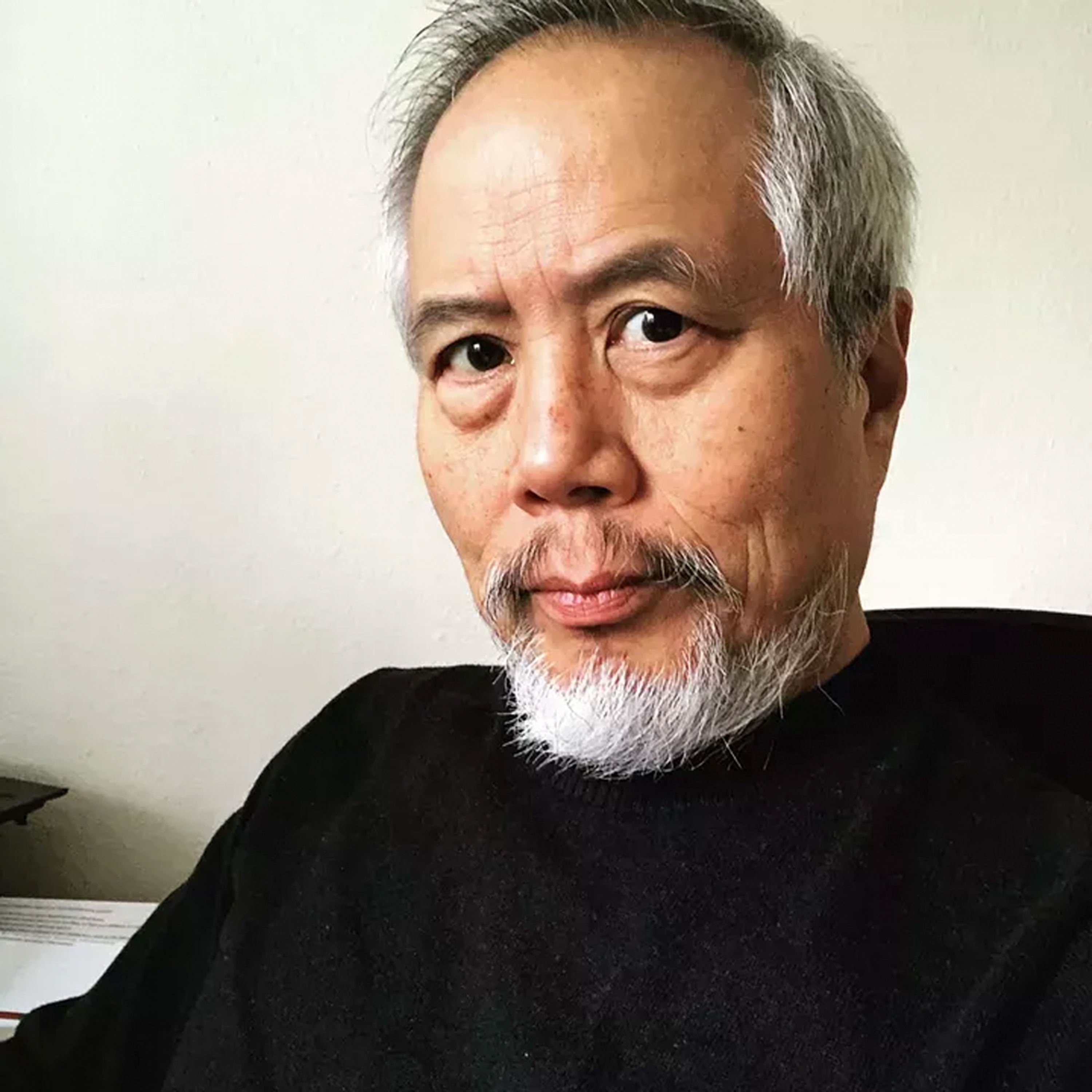
S15 Ep 1204Reclaiming the American Dream with DAVID PALUMBO-LIU – Stanford Professor, Author & Host, Speaking Out of Place
On the urgent need to reclaim our political voices, the forces that silence dissent, and how art and poetry are crucial tools for survival“There is a dispute about what the American Dream is or how it would play out in different circumstances. The American dream has essentially been narrowed into a white Christian nationalist notion of things so that everything that falls outside what they imagine that to be is not only undesirable, but should be the subject of extermination, deportation, and detention. I am heartened by the fact that more of our 'better angels' are emerging with a more capacious and expansive notion of what the American dream could be.”Our guest today is an activist scholar who believes the classroom is inseparable from the public square. David Palumbo-Liu is the Louise Hewlett Nixon Professor of Comparative Literature at Stanford University and a founding faculty member of Stanford’s Program in Comparative Studies in Race and Ethnicity. But his work has long reached beyond the academy. Through his book, Speaking Out of Place: Getting Our Political Voices Back, and his podcast of the same name, he insists that the great global crises of our time—from escalating wars and democratic failures to environmental collapse—are fundamentally crises of value and voice.His recent work has put him on the front lines of campus activism, challenging institutions, resigning his membership from the MLA, a move that highlights the ethical cost of speaking truth to power. We’ll talk about what he calls the "carceral logic" of the modern university, why art and poetry are crucial tools for survival in times of war, and what he tells his students about preparing for a future defined by uncertainty. His perspective is rooted in literature, but his urgency is all about the world we live in now. We will discuss the forces that silence dissent, the "imperial logic" of AI, and what it means to be a moral, active citizen when the systems we rely on are failing.Episode Websitewww.creativeprocess.info/podInstagram:@creativeprocesspodcast
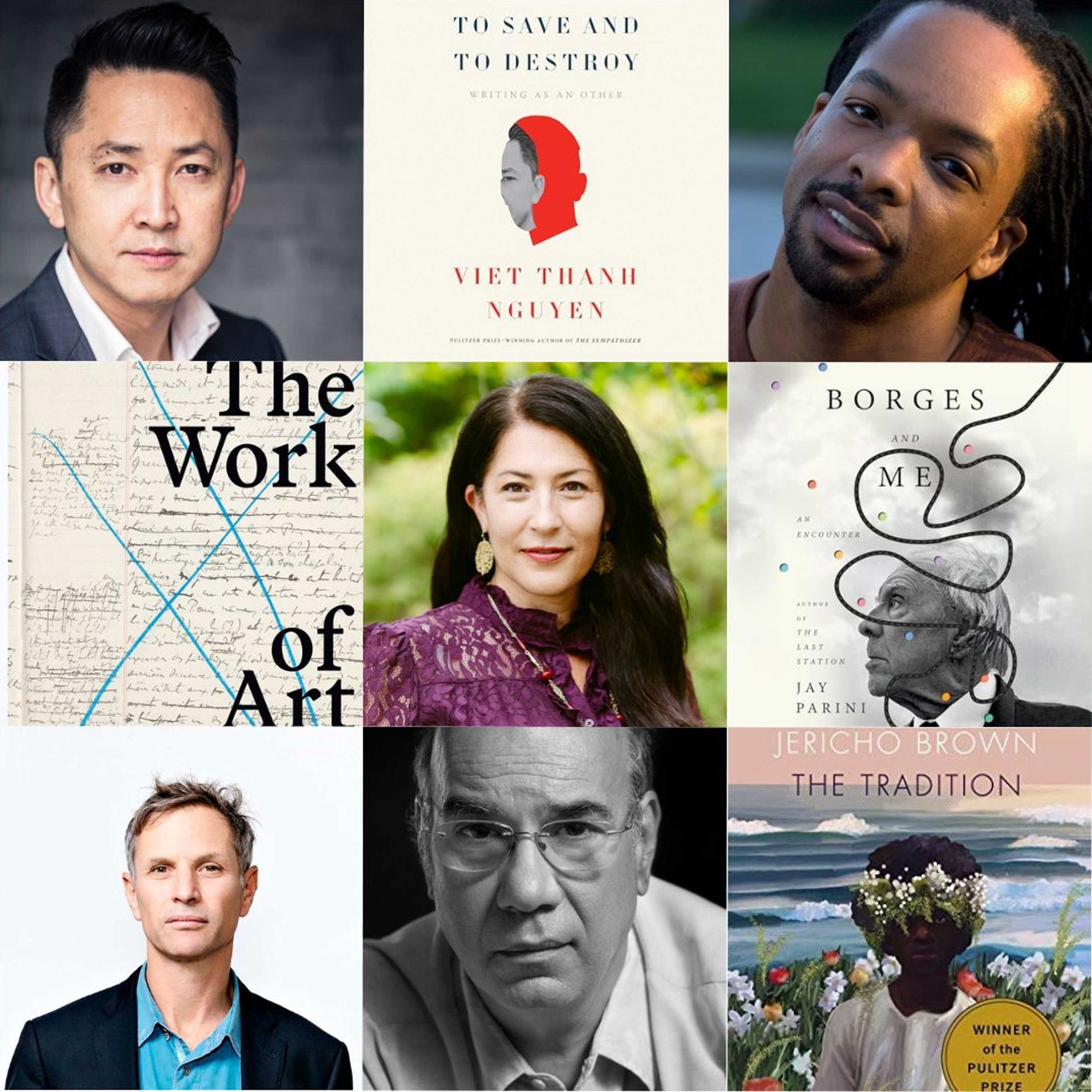
S15 Ep 1203The Writer's Voice: Novelists, Poets, Memoirists & Editors Share Their Stories
How do writers develop their voice, showing us what is important in life?ADA LIMÓN (24th U.S. Poet Laureate, Startlement, The Carrying) explains that her poetry begins with a bodily sensation or curiosity, not an idea. She values the space and breath poetry offers for unknowing and mystery, finding solace in the making and the mess, not in answers. She discusses being free on the page to be her whole, authentic, complicated self.JAY PARINI (Author, Filmmaker, Borges and Me) calls poetry the prince of literary arts—language refined to its apex of memorability. He recounts how his road trip with Borges around Scotland restored him from depression and anxiety following the Vietnam War death of his friend.JERICHO BROWN (Pulitzer Prize-winning Poet, The Tradition, How We Do It: Black Writers on Craft, Practice, and Skill) discusses the rhythm of black vernacular and capturing "symphonic complexity of black life". He shares how he’s found a way not to think about personal risk as he’s writing.ADAM MOSS (Fmr. Editor, New York Magazine; Author, The Work of Art) relates David Simon’s concept of the bounce, in which creativity gains momentum as it is passed between people.VIET THANH NGUYEN (Pulitzer Prize-winning Author, The Sympathizer; To Save and to Destroy) discusses his path to expansive solidarity and capacious grief and how it works against the state's power to divide and conquer. He emphasizes that literature is crucial because authoritarian regimes abuse language; a commitment to the beauty of language is a commitment to truth, and fear is often an indicator of a truth that needs to be spoken.To hear more from each guest, listen to their full interviews.Episode Websitewww.creativeprocess.info/podInstagram:@creativeprocesspodcast
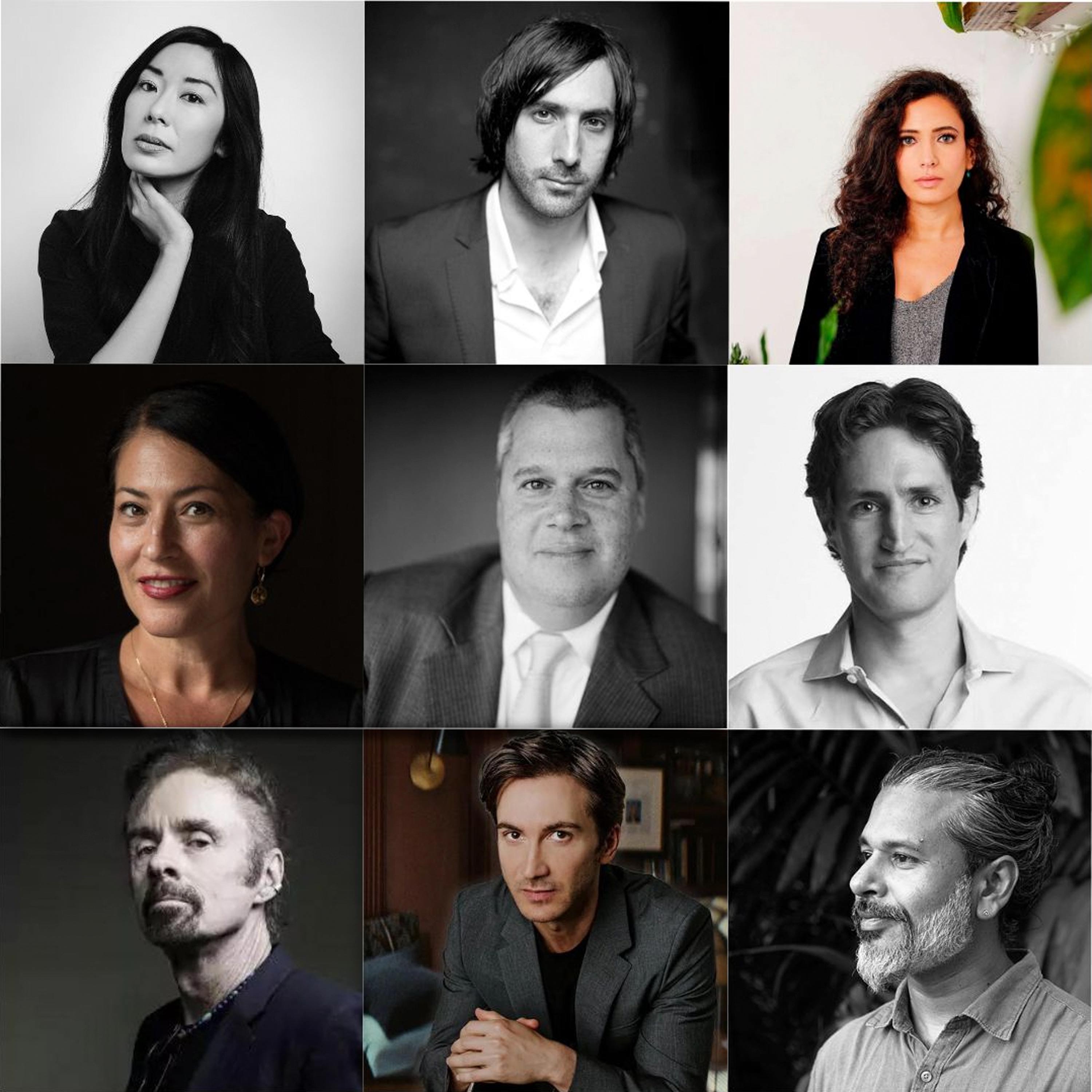
S15 Ep 1181Writers on Memory, Language & the Power of the Unconscious
How can we use negative spaces in fiction to engage with readers’ imaginations? How are memory and trauma passed onto us through language? How do we become more than the stories we tell ourselves?KATIE KITAMURA (Author, Audition) emphasizes that a book is created in collaboration with the reader and how negative spaces in the narrative allow for reader interpretation.PAUL LYNCH (Booker Prize-winning Novelist, Prophet Song) on the richness of the English language in Ireland, shaped by the overlay of English onto Irish.DANIEL PEARLE (Screenwriter The Beast in Me) on how audiences are fascinated by characters with an unfettered, uncensored ID who act without consequences.HALA ALYAN (I’ll Tell You When I’m Home: A Memoir) describes her work as an excavation of the darkest hours and intergenerational trauma, which has endured repeated exile.T.C. BOYLE shares that the creative process involves a magic in reaching for the unconscious and the surprise of the creative process. He emphasizes that art and nature are our salvations, over money.ADAM ALTER (Anatomy of a Breakthrough) discusses the axioms of creativity, noting that being around more people is generally beneficial for creativity by providing diversity of opinion.SHEHAN KARUNATILAKA (The Seven Moons of Maali Almeida) explains his decision to write in the second person as a way of exploring the spiritual dimension of the internal voice.DANIEL HANDLER A.K.A LEMONY SNICKET (A Series of Unfortunate Events) argues that his books for children and adults are not fundamentally different and says everyone's childhood is full of powerful emotions which shape us.ADA LIMÓN (24th U.S. Poet Laureate, Startlement) talks about her responsibility as a writer to honor her ancestors who had to sublimate their creative spirit for safety and belonging.To hear more from each guest, listen to their full interviews.Episode Websitewww.creativeprocess.info/pod:@creativeprocesspodcast
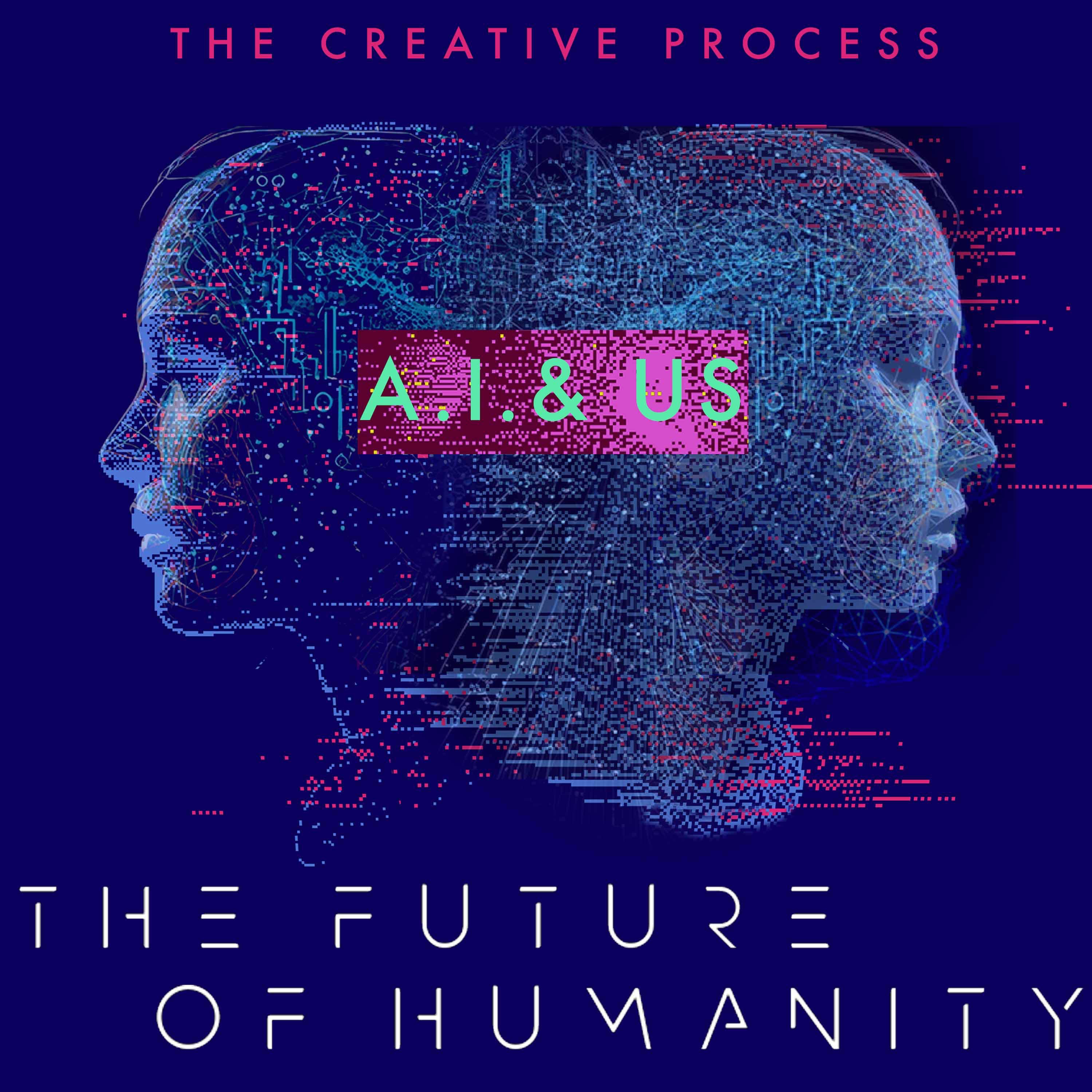
S15 Ep 1202The AI Wager: Betting on Technology’s Future w/ Philosopher & Author SVEN NYHOLM - Highlights
“ I think we're betting on AI as something that can help to solve a lot of problems for us. It's the future, we think, whether it's producing text or art, or doing medical research or planning our lives for us, etc., the bet is that AI is going to be great, that it's going to get us everything we want and make everything better. But at the same time, we're gambling, at the extreme end, with the future of humanity , hoping for the best...but we'll see.”As we move towards 2026, we are in a massive “upgrade moment” that most of us can feel. New pressures, new identities, new expectations on our work, our relationships, and our inner lives. Throughout the year, I've been speaking with professional creatives, climate and tech experts, teachers, neuroscientists, psychologists, and futureists about how AI can be used intelligently and ethically as a partnership to ensure we do not raise a generation that relies on machines to think for them. It’s not that we are being replaced by machines. It’s that we’re being invited to become a new kind of human. Where AI isn’t the headline; human transformation is. And that includes the arts, culture, and the whole of society. Generative AI – the technologies that write our emails, draft our reports, and even create art – have become a fixture of daily life, and the philosophical and moral questions they raise are no longer abstract. They are immediate, personal, and potentially disruptive to the core of what we consider human work.Our guest today, Sven Nyholm, is one of the leading voices helping us navigate this new reality. As the Principal Investigator of AI Ethics at the Munich Center for Machine Learning, and co-editor of the journal Science and Engineering Ethics. He has spent his career dissecting the intimate relationship between humanity and the machine. His body of work systematically breaks down concepts that worry us all: the responsibility gap in autonomous systems, the ethical dimensions of human-robot interaction, and the question of whether ceding intellectual tasks to a machine fundamentally atrophies our own skills. His previous books, like Humans and Robots: Ethics, Agency, and Anthropomorphism, have laid the foundational groundwork for understanding these strange new companions in our lives.His forthcoming book is The Ethics of Artificial Intelligence: A Philosophical Introduction. The book is a rigorous exploration of everything from algorithmic bias and opacity to the long-term existential risks of powerful AI. We’ll talk about what it means when an algorithm can produce perfect language without genuine meaning, why we feel entitled to take credit for an AI’s creation, and what this technological leap might be costing us, personally, as thinking, moral beings.Episode Websitewww.creativeprocess.info/podInstagram:@creativeprocesspodcast
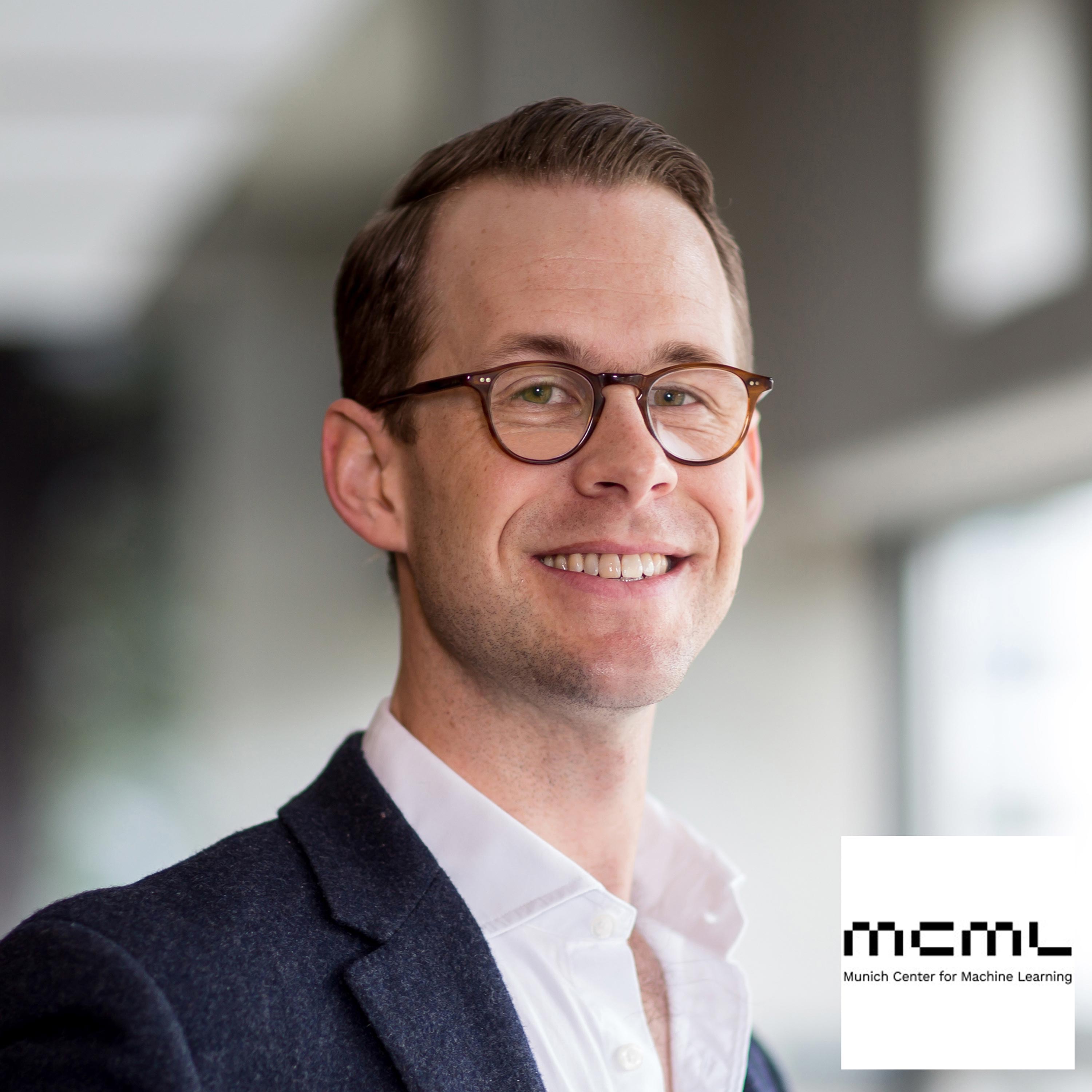
S15 Ep 1201The Ethics of AI w/ SVEN NYHOLM, Lead Researcher, Munich Centre for Machine Learning
As we move towards 2026, we are in a massive “upgrade moment” that most of us can feel. New pressures, new identities, new expectations on our work, our relationships, and our inner lives. Throughout the year, I've been speaking with professional creatives, climate and tech experts, teachers, neuroscientists, psychologists, and futureists about how AI can be used intelligently and ethically as a partnership to ensure we do not raise a generation that relies on machines to think for them. It’s not that we are being replaced by machines. It’s that we’re being invited to become a new kind of human. Where AI isn’t the headline; human transformation is. And that includes the arts, culture, and the whole of society. Generative AI – the technologies that write our emails, draft our reports, and even create art – have become a fixture of daily life, and the philosophical and moral questions they raise are no longer abstract. They are immediate, personal, and potentially disruptive to the core of what we consider human work.Our guest today, Sven Nyholm, is one of the leading voices helping us navigate this new reality. As the Principal Investigator of AI Ethics at the Munich Center for Machine Learning, and co-editor of the journal Science and Engineering Ethics. He has spent his career dissecting the intimate relationship between humanity and the machine. His body of work systematically breaks down concepts that worry us all: the responsibility gap in autonomous systems, the ethical dimensions of human-robot interaction, and the question of whether ceding intellectual tasks to a machine fundamentally atrophies our own skills. His previous books, like Humans and Robots: Ethics, Agency, and Anthropomorphism, have laid the foundational groundwork for understanding these strange new companions in our lives.His forthcoming book is The Ethics of Artificial Intelligence: A Philosophical Introduction. The book is a rigorous exploration of everything from algorithmic bias and opacity to the long-term existential risks of powerful AI. We’ll talk about what it means when an algorithm can produce perfect language without genuine meaning, why we feel entitled to take credit for an AI’s creation, and what this technological leap might be costing us, personally, as thinking, moral beings.Episode Websitewww.creativeprocess.info/podInstagram:@creativeprocesspodcast
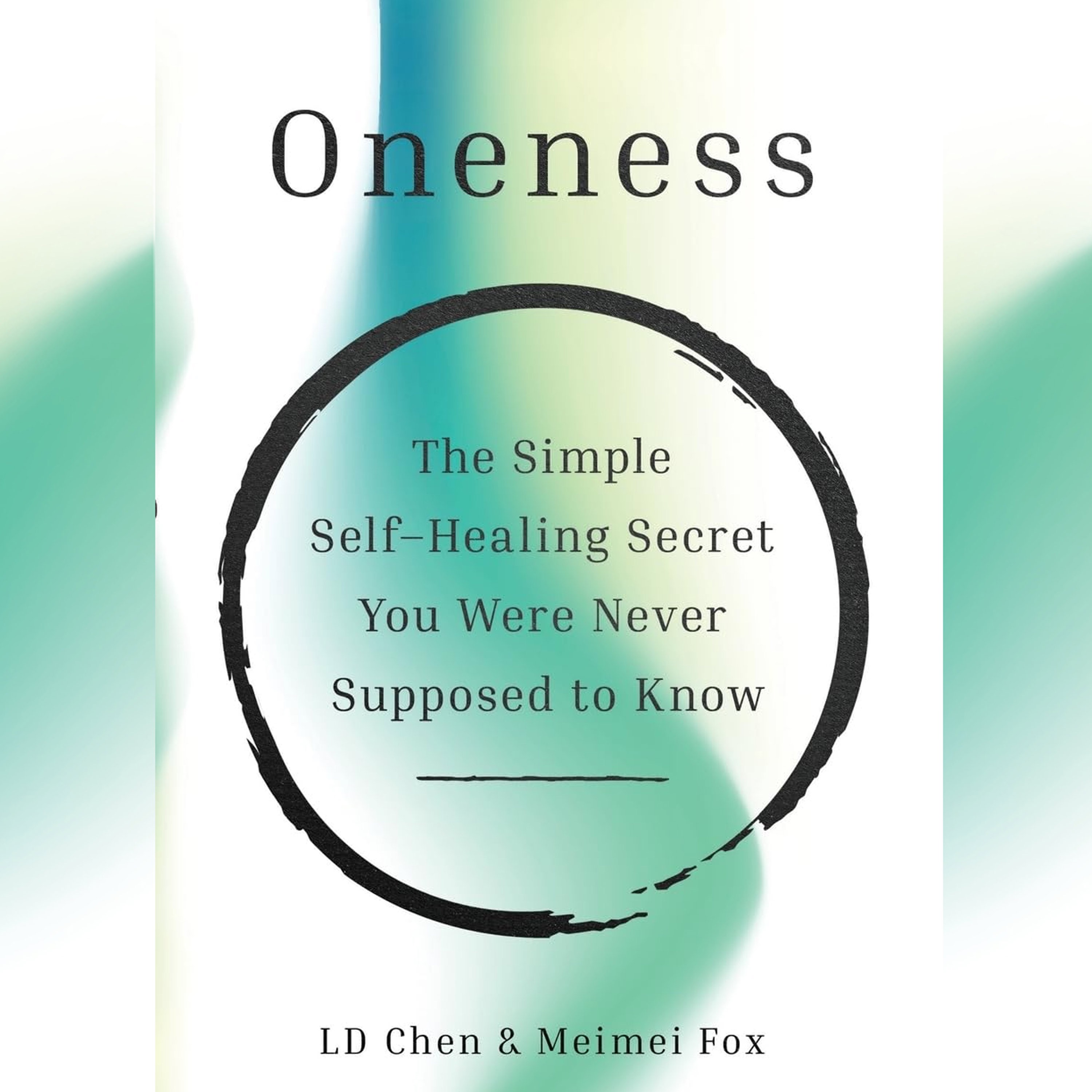
S15 Ep 1200On Oneness & Self-Healing w/ LD Chen - Head Coach, Oneness Institute, US & EU - Highlights
Today’s episode is about something most of us long for: feeling healthy in our bodies and calm in our minds – not by pushing harder, but by letting the body restore itself. Our guest today is LD Chen, an entrepreneur-turned-author who discovered the ancient wisdom that healing doesn’t come from trying harder, but from restoring the body’s natural intelligence. LD believes everyone has the right to live peacefully and free from constant stress and anxiety – to move through life with genuine joy, peace, and appreciation. After quickly building a 1,000-person company and then facing burnout and serious health issues, LD’s life changed when he encountered an ancient standing practice called Oneness. He is now the Head Coach of the Oneness Institute for America and Europe, and author of the Amazon bestseller Oneness: The Self-Healing Secret You Were Never Supposed to Know.“Oneness is actually not about learning in the usual way. Most teachings tell you how to learn – how to let go, how to calm down, how to manage anger. Oneness does the opposite: we stand, we train the body to correct the heart, and then we live from that heart.”Episode WebsiteOneness Weekly newsletterTEDx; How AI is changing us- And what means to be humanwww.creativeprocess.info/podInstagram:@creativeprocesspodcast
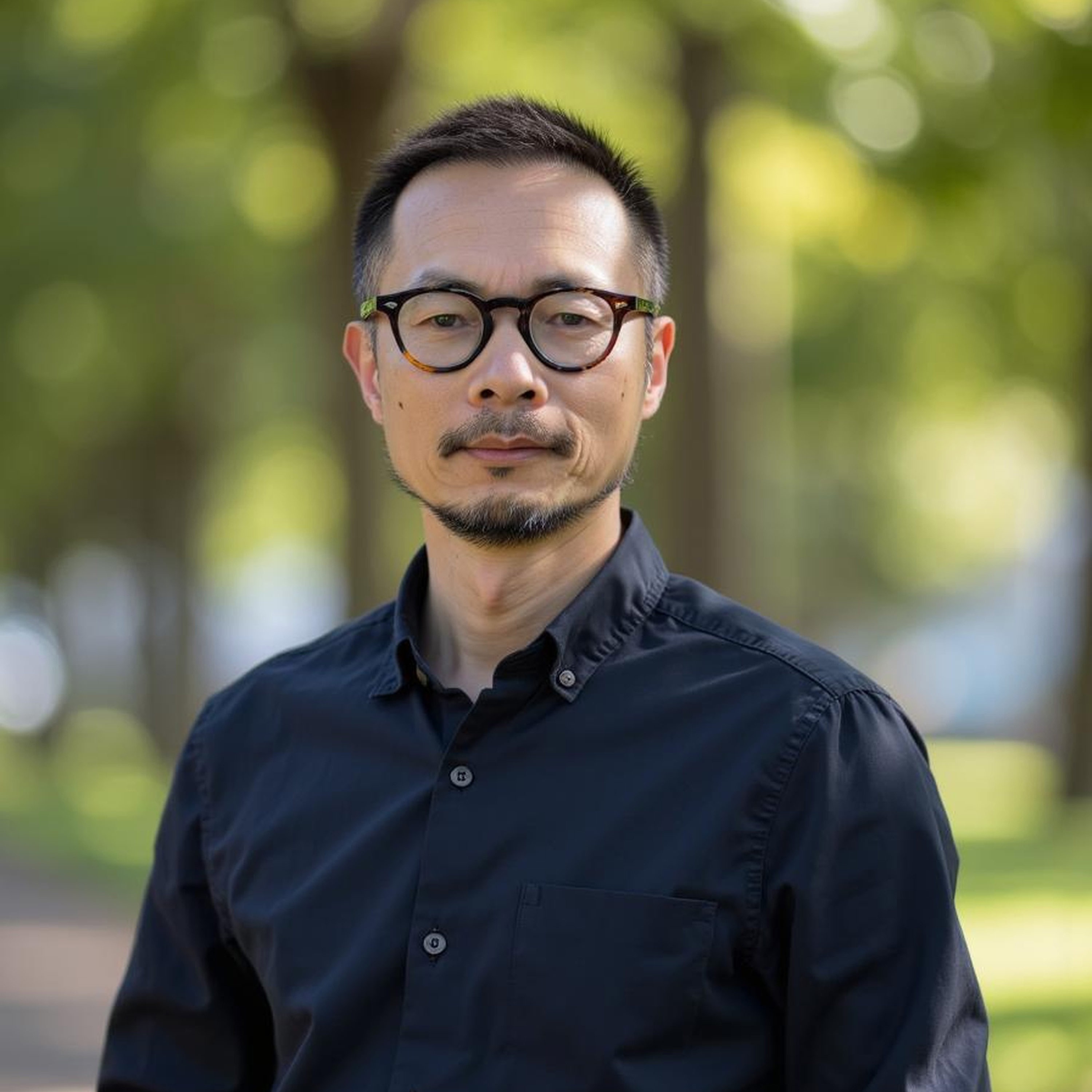
S15 Ep 1199Oneness: A Way of Living with LD Chen - Author & Head Coach, Oneness Institute, US & EU
“Oneness is actually not about learning in the usual way. Most teachings tell you how to learn – how to let go, how to calm down, how to manage anger. Oneness does the opposite: we stand, we train the body to correct the heart, and then we live from that heart.”Today’s episode is about something most of us long for: feeling healthy in our bodies and calm in our minds – not by pushing harder, but by letting the body restore itself. Our guest today is LD Chen, an entrepreneur-turned-author who discovered the ancient wisdom that healing doesn’t come from trying harder, but from restoring the body’s natural intelligence. LD believes everyone has the right to live peacefully and free from constant stress and anxiety – to move through life with genuine joy, peace, and appreciation. After quickly building a 1,000-person company and then facing burnout and serious health issues, LD’s life changed when he encountered an ancient standing practice called Oneness. He is now the Head Coach of the Oneness Institute for America and Europe, and author of the Amazon bestseller Oneness: The Self-Healing Secret You Were Never Supposed to Know.Episode Website Oneness Weekly newsletter TEDx; How AI is changing us- And what means to be humanwww.creativeprocess.info/pod Instagram:@creativeprocesspodcast
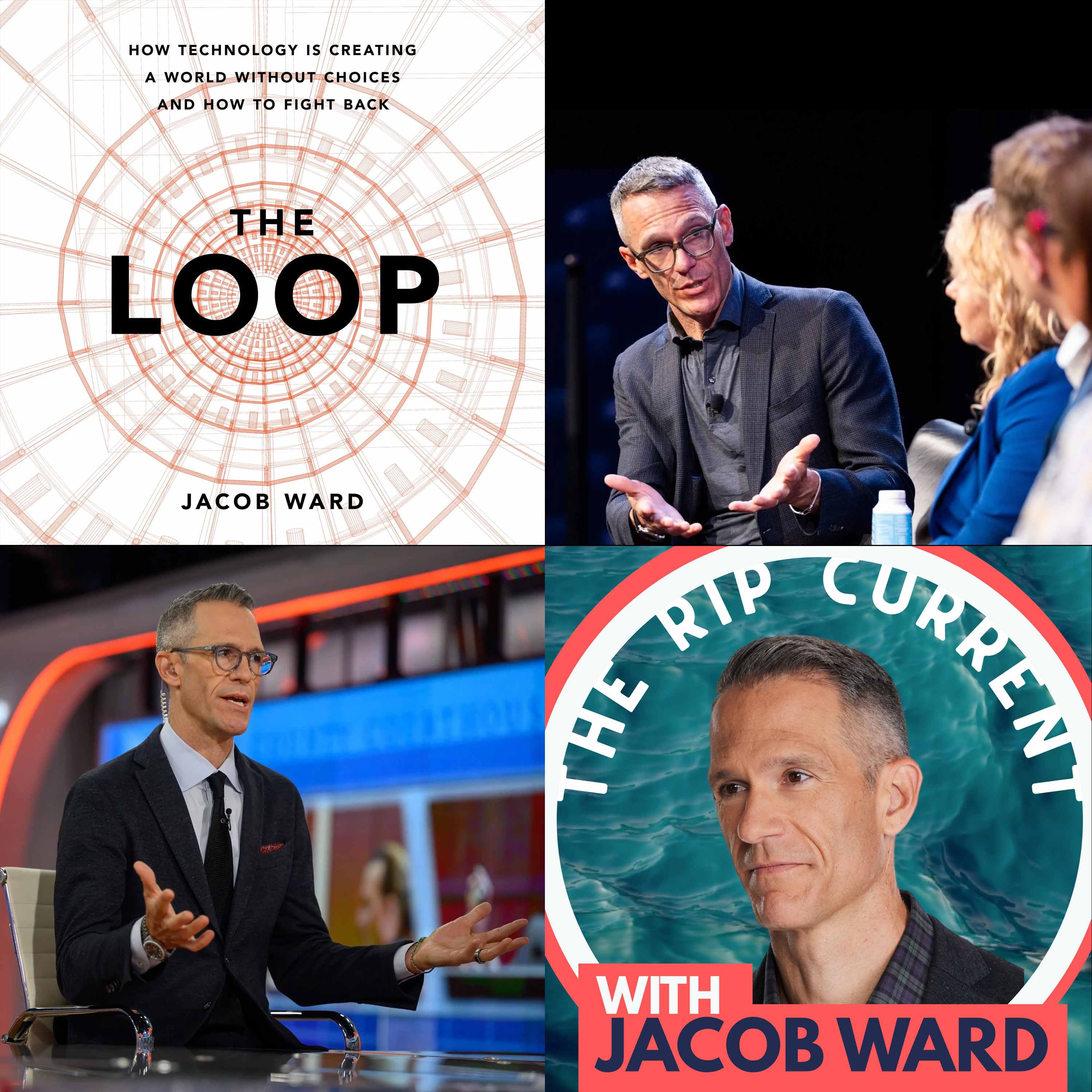
S15 Ep 1198How AI Is Creating a World Without Choices & How to Fight Back w/ JACOB WARD - Highlights
We’re undergoing a massive upgrade moment. This conversation focuses on one of the most immediate and profound challenges to humanity: the ways technology is engineered to exploit our vulnerabilities and slowly erase our ability to make original, conscious choices. Our guest is Jacob Ward, a journalist who has spent over 20 years covering the breakthroughs and powerful forces that determine the course of history. Jacob is a Reporter-in-Residence at The Omidyar Network and the founding editor and host of The Rip Current, a newsletter and podcast that examines technology, politics, and the fight to protect the future.He’s the author of the book, The Loop: How AI Is Creating a World Without Choices and How to Fight Back. He served as the editor-in-chief of Popular Science and was a correspondent for NBC, The TODAY Show, and Al Jazeera. His PBS documentary series, Hacking Your Mindpredicted the rise of Donald Trump. We discussed creativity in the age of AI, the importance of emotional and intuitive intelligence, and the need to reclaim the aspects of life—like connection and nature—that algorithms cannot commodify.“As a worried parent of teenagers, I'm caught between wanting regulation because, right now in the United States, there are no data privacy laws and no regulation whatsoever. So, I definitely want something, but do I want a random four-year executive making those choices? Do I want it to be as top-down a system of control as China has implemented? I don't think so, but there's something in between no rules, which is what we are currently living in, and the rules that are out there in the world.”Episode Websitewww.creativeprocess.info/podInstagram:@creativeprocesspodcast
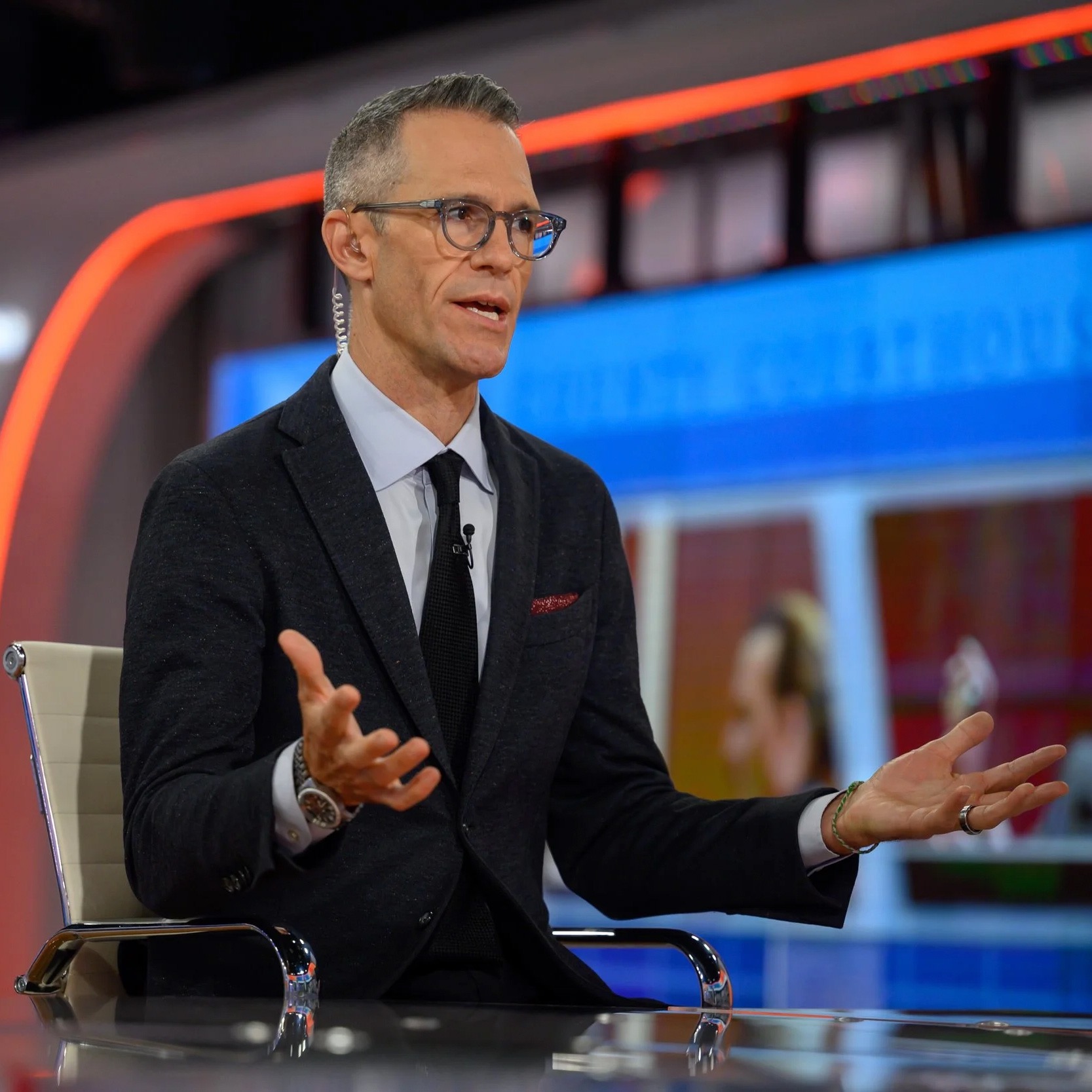
S15 Ep 1197How AI is Reshaping Reality, Creativity & Our Future w/ JACOB WARD (The Loop) & Mia Funk (The Creative Process)
“Civilization is really a very new and very glitchy thing. If you talk to evolutionary psychologists and people who've looked at how our brains have developed over hundreds of thousands, if not millions of years, they'll tell you that our sense of wonder and creativity, as well as our ability to be cautious and rational, and to trust people we've never met to govern us, all of that kind of stuff—the vast majority of our decision-making actually rests on a much older, much more ancient system. We are so much more like primates than we like to think. Certainly, that's been the lesson of the last sort of 50 years of behavioral science.My worry with AI, of course, is that as we automate decision-making more and more, we use automated systems not only to entertain ourselves but to decide who gets a job, who gets a loan, and who gets bail. I worry that we're going to be in a position in 20 years where we don't have the internal compass we once did. We may have slid away from that higher human functioning—the creativity, the rationality, and all that stuff—and back toward a more primitive version of ourselves, because that's the part that gets played on by this kind of technology. And that's how all these companies wind up making money.”We’re undergoing a massive upgrade moment. This conversation focuses on one of the most immediate and profound challenges to humanity: the ways technology is engineered to exploit our vulnerabilities and slowly erase our ability to make original, conscious choices. Our guest is Jacob Ward, a journalist who has spent over 20 years covering the breakthroughs and powerful forces that determine the course of history. Jacob is a Reporter-in-Residence atThe Omidyar Networkand the founding editor and host of The Rip Current, a newsletter and podcast that examines technology, politics, and the fight to protect the future.He’s the author of the book, The Loop: How AI Is Creating a World Without Choices and How to Fight Back. He served as the editor-in-chief of Popular Science and was a correspondent for NBC, The TODAY Show, and Al Jazeera. His PBS documentary series, Hacking Your Mind,predicted the rise of Donald Trump. We discussed creativity in the age of AI, the importance of emotional and intuitive intelligence, and the need to reclaim the aspects of life—like connection and nature—that algorithms cannot commodify.Episode Websitewww.creativeprocess.info/podInstagram:@creativeprocesspodcast
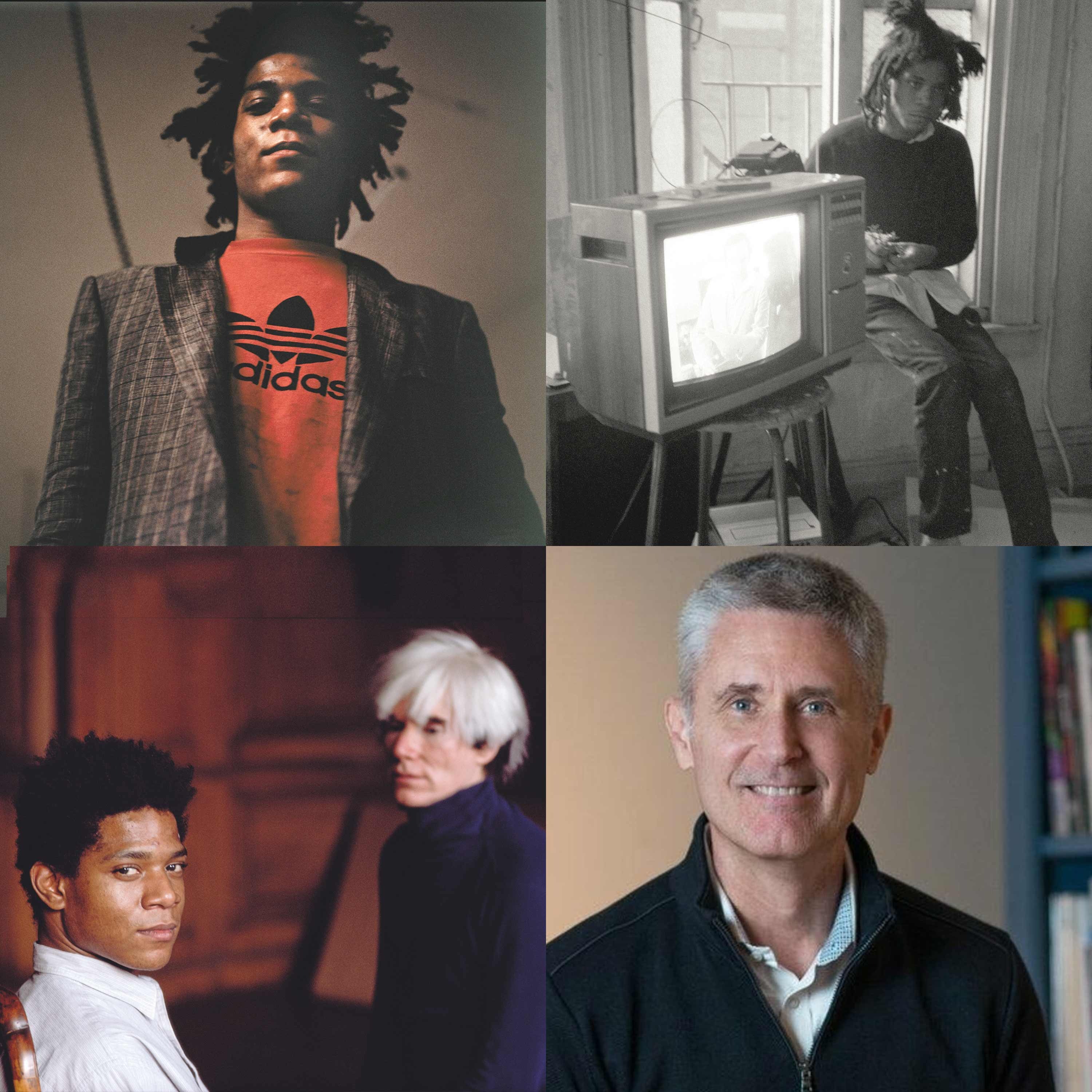
S15 Ep 1196BASQUIAT: Rebel, Visionary, Outsider & The Price of Fame w/ Author DOUG WOODHAM - Highlights
“People today are so used to Basquiat's prices being extraordinarily high and rising that it's almost hard for people to understand that wasn't always the case. In the year he died, 1988, a terrific painting by Basquiat might have sold for $30,000. Relative to his other artistic peers, like a great Julian Schnabel painting that cost $800,000. After Basquiat died, some speculative capital entered his market, and his prices did pop, but in the early 1990s, his prices fell apart, and for much of the first half of the 1990s, his work was selling for 80% off what it had been selling before. Auction houses didn't want to include him in their auctions. There was a really good chance he was going to be remembered, but certainly not become a great star. Three key figures believed in him and proceeded to buy almost every available Basquiat in the first half of the 1990s. They were also just passionate believers in his work. But for those three people, it would have taken much longer for Basquiat to achieve acclaim, if ever.”Today, we’re joined by someone uniquely positioned to unpack the art world’s inner workings and to help us understand one of its most mythic figures — Jean-Michel Basquiat. Doug Woodham is the author of the new biography, Jean-Michel Basquiat: The Making of an Icon, the first major life study of Basquiat in over twenty-five years. Drawing on more than a hundred interviews — from family and friends to collectors and curators — Doug traces the rise, fall, and resurrection of an artist who redefined what it means to be a cultural icon. Before turning to writing, Doug served as President of the Americas for Christie’s, one of the world’s leading auction houses. That role gave him an insider’s perspective on how value is created — and mythologized — in the modern art market. In this conversation, we’ll explore not just the man behind the legend, but the powerful machinery that turned Jean-Michel Basquiat into one of the most recognized and commercially successful artists in the world.Episode Websitewww.creativeprocess.info/podInstagram:@creativeprocesspodcastImages courtesy of Doug Woodham and Thames & Hudson. For image credits, see Episode Website.
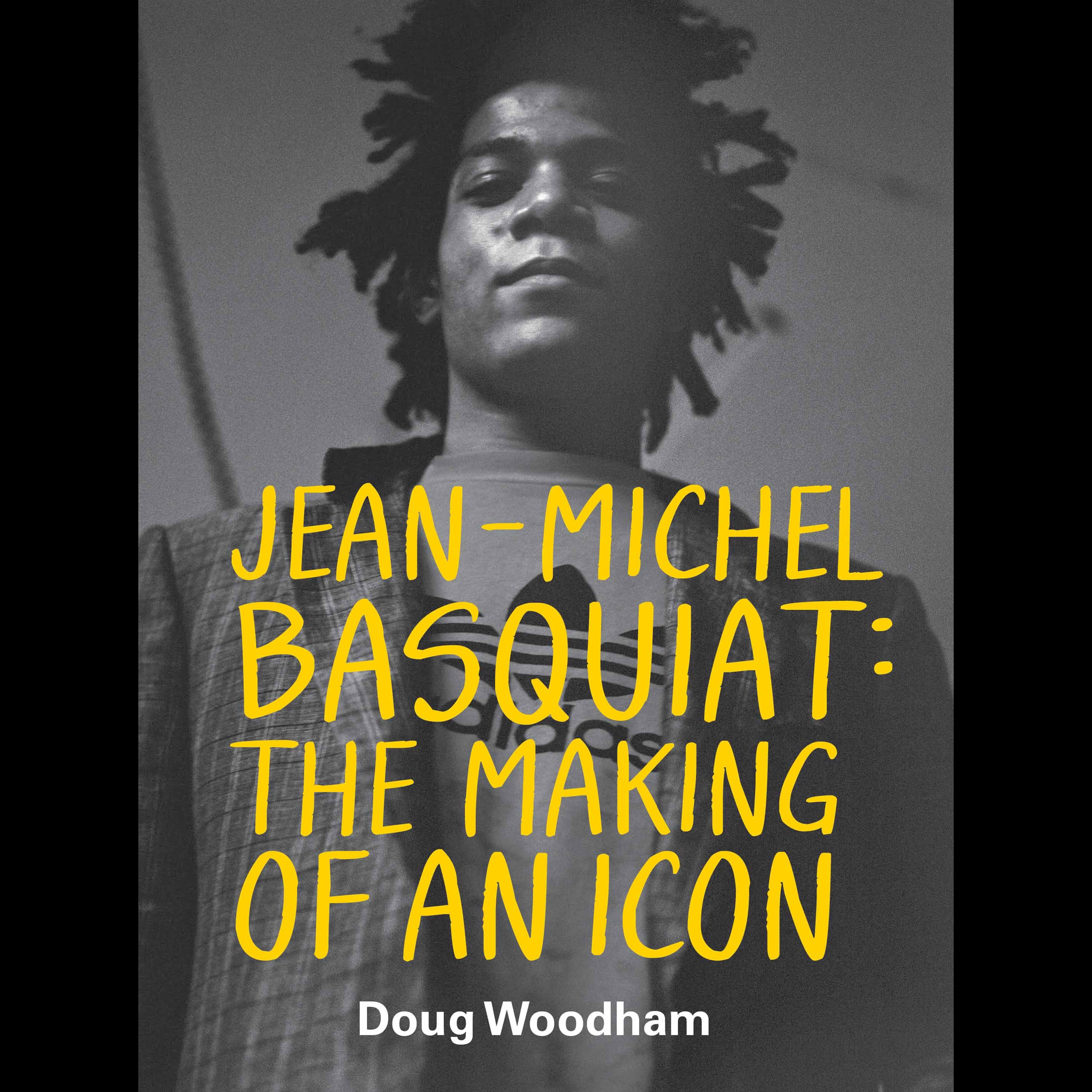
S15 Ep 1195JEAN-MICHEL BASQUIAT: The Making of an Icon with DOUG WOODHAM, Fmr. President of Christie's Americas
“All of the great artists are there for a reason: because they rebelled in some way. They created a visual vocabulary that felt fresh and new, which excited people. So, the great artists are not built on sort of anthills of sand. They're built on things of substance and of meaning. Though this is not a sufficient condition to become an icon, it's a necessary but not sufficient condition. I think you have to have an interesting and vivid personality or personal narrative that makes you interesting for people to talk about and want to learn about. I think you also have to have a support network of galleries, curators, and collectors who are excited about your work and want to push it forward, not wanting it to be forgotten. Basquiat's visual vocabulary is distinctive and stands out relative to what was being done in the 1980s. That's the sort of strong hill on which his reputation is built. Basquiat benefited from being the first black artist of note who got pushed forward. As in many things, the first benefits.”Today, we’re joined by someone uniquely positioned to unpack the art world’s inner workings and to help us understand one of its most mythic figures — Jean-Michel Basquiat. Doug Woodham is the author of the new biography, Jean-Michel Basquiat: The Making of an Icon, the first major life study of Basquiat in over twenty-five years. Drawing on more than a hundred interviews — from family and friends to collectors and curators — Doug traces the rise, fall, and resurrection of an artist who redefined what it means to be a cultural icon. Before turning to writing, Doug served as President of the Americas for Christie’s, one of the world’s leading auction houses. That role gave him an insider’s perspective on how value is created — and mythologized — in the modern art market. In this conversation, we’ll explore not just the man behind the legend, but the powerful machinery that turned Jean-Michel Basquiat into one of the most recognized and commercially successful artists in the world.Episode Websitewww.creativeprocess.info/podInstagram:@creativeprocesspodcast
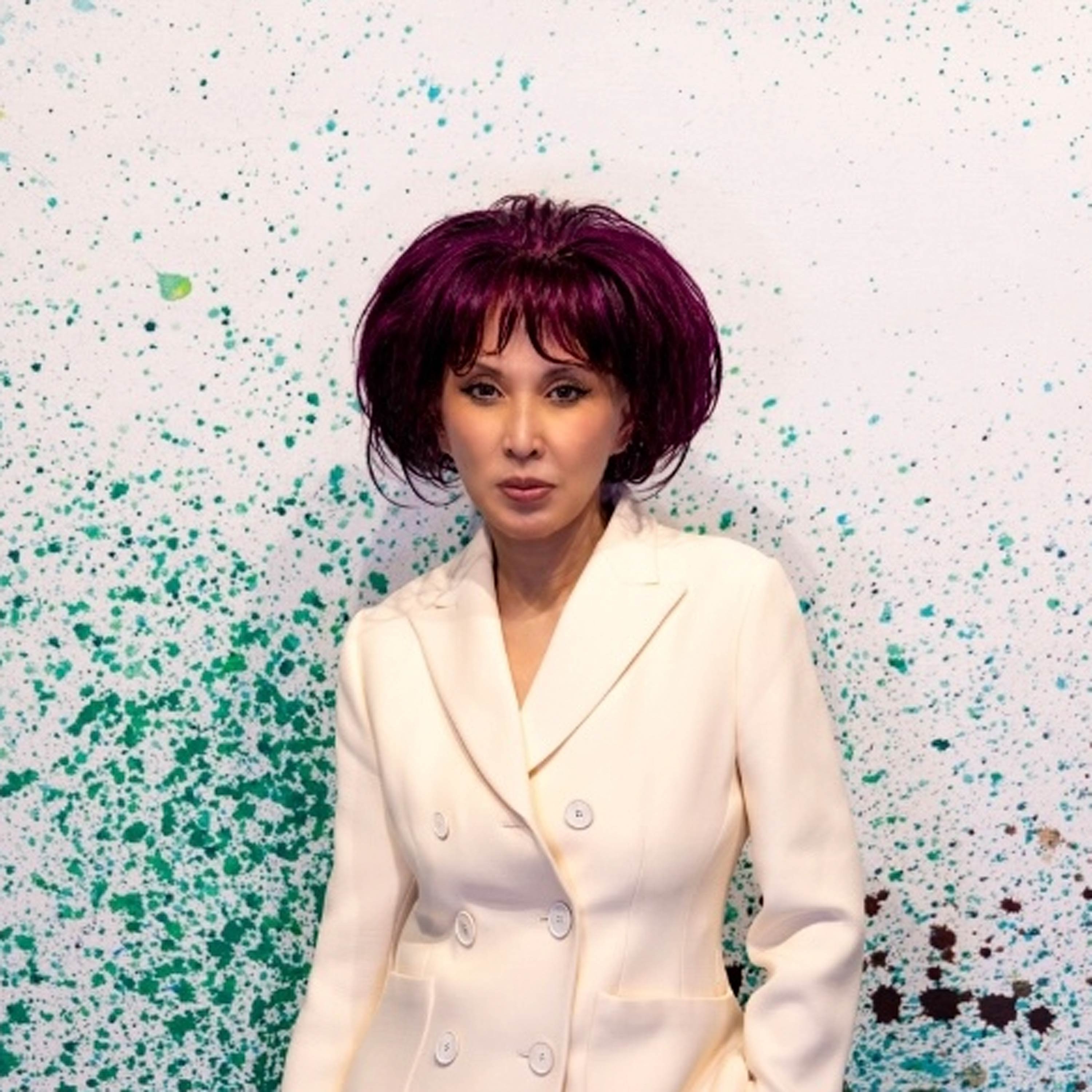
S15 Ep 1194"Art is the Best Way to Communicate" - PEARL LAM - Highlights
“I grew up in colonial Hong Kong, where we were not taught about Chinese culture. When I went back to China, I thought the art in the West was superior to the Chinese, not understanding the Chinese culture. I remember when I first went to China, I told people I'm a Hong Kongese. I'm not Chinese. It took me ten years to go back and tell people that I'm Chinese because then I started to be very proud of Chinese culture. The first exhibition I mounted, during the process, made me feel completely alive again. Every cell in my body became so exhilarated. I knew this is what I should be doing, and this is what I want. I was very lucky because I then realized my passion. Before that, I didn't know what I wanted to do. At that moment, I knew this is what I wanted to do in my life. I think art is about communication; it's about exchange. I believe it's very important that we have different voices that talk about different things.”My guest today is Pearl Lam, and if you follow the international art market, you know her name. She is a collector-turned-gallerist who has made it her life's mission to challenge our assumptions about what constitutes contemporary art, especially between Asia and the West. But her journey began in a very personal place: a fierce independence that saw her defying her family to pursue art and immersing herself in Shanghai in the early 90s, where she had to shed her own 'West is Best' colonial mindset. She became captivated by abstract art and artists whose work was embedded in ancient philosophies like Daoism and Buddhism—a tradition extending back thousands of years. Now, through Pearl Lam Galleries and her own podcast. where she expands her dialogue on creativity, the art market, and the world. She continues to champion her belief in art that transcends borders. We're going to talk about what it takes to have the instinct of a visionary in a constantly changing market, and why she believes the art of real conversation is so critical today.Episode Websitewww.creativeprocess.info/podInstagram:@creativeprocesspodcast@pearltheworld@pearllamgalleries
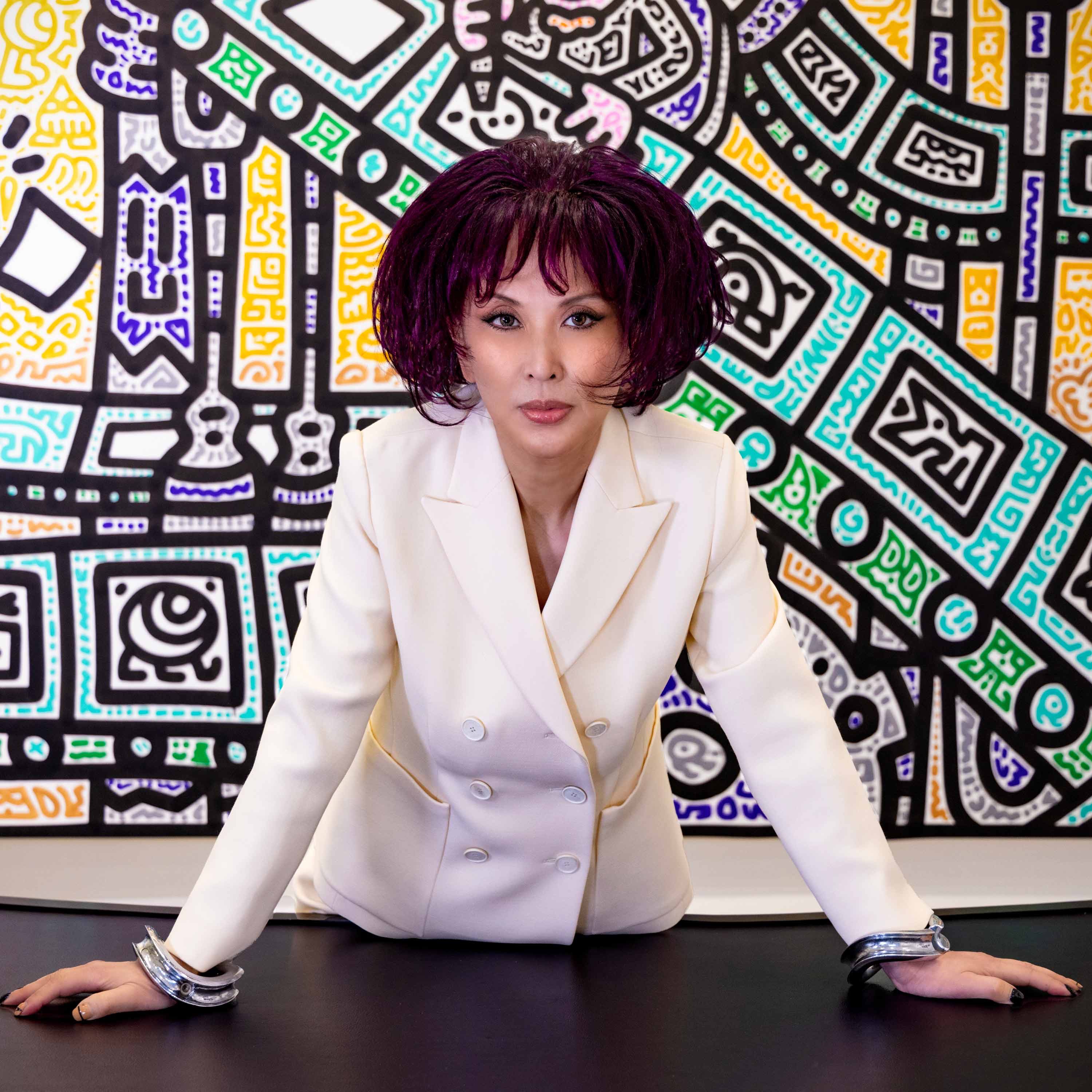
S15 Ep 1193The Art of Disruption with PEARL LAM - Gallerist, Curator, Podcast Host
“Today, the world is very divided, lots of fractures. It is the time for art and culture to come into play because art is about soft power. If we want to resolve misunderstandings, art is the best, best, best way to communicate. So use this.”My guest today is Pearl Lam, and if you follow the international art market, you know her name. She is a collector-turned-gallerist who has made it her life's mission to challenge our assumptions about what constitutes contemporary art, especially between Asia and the West. But her journey began in a very personal place: a fierce independence that saw her defying her family to pursue art and immersing herself in Shanghai in the early 90s, where she had to shed her own 'West is Best' colonial mindset. She became captivated by abstract art and artists whose work was embedded in ancient philosophies like Daoism and Buddhism—a tradition extending back thousands of years. Now, through Pearl Lam Galleries and her own podcast. where she expands her dialogue on creativity, the art market, and the world. She continues to champion her belief in art that transcends borders. We're going to talk about what it takes to have the instinct of a visionary in a constantly changing market, and why she believes the art of real conversation is so critical today.Episode Websitewww.creativeprocess.info/podInsta :@creativeprocesspodcast@pearltheworld@pearllamgalleries
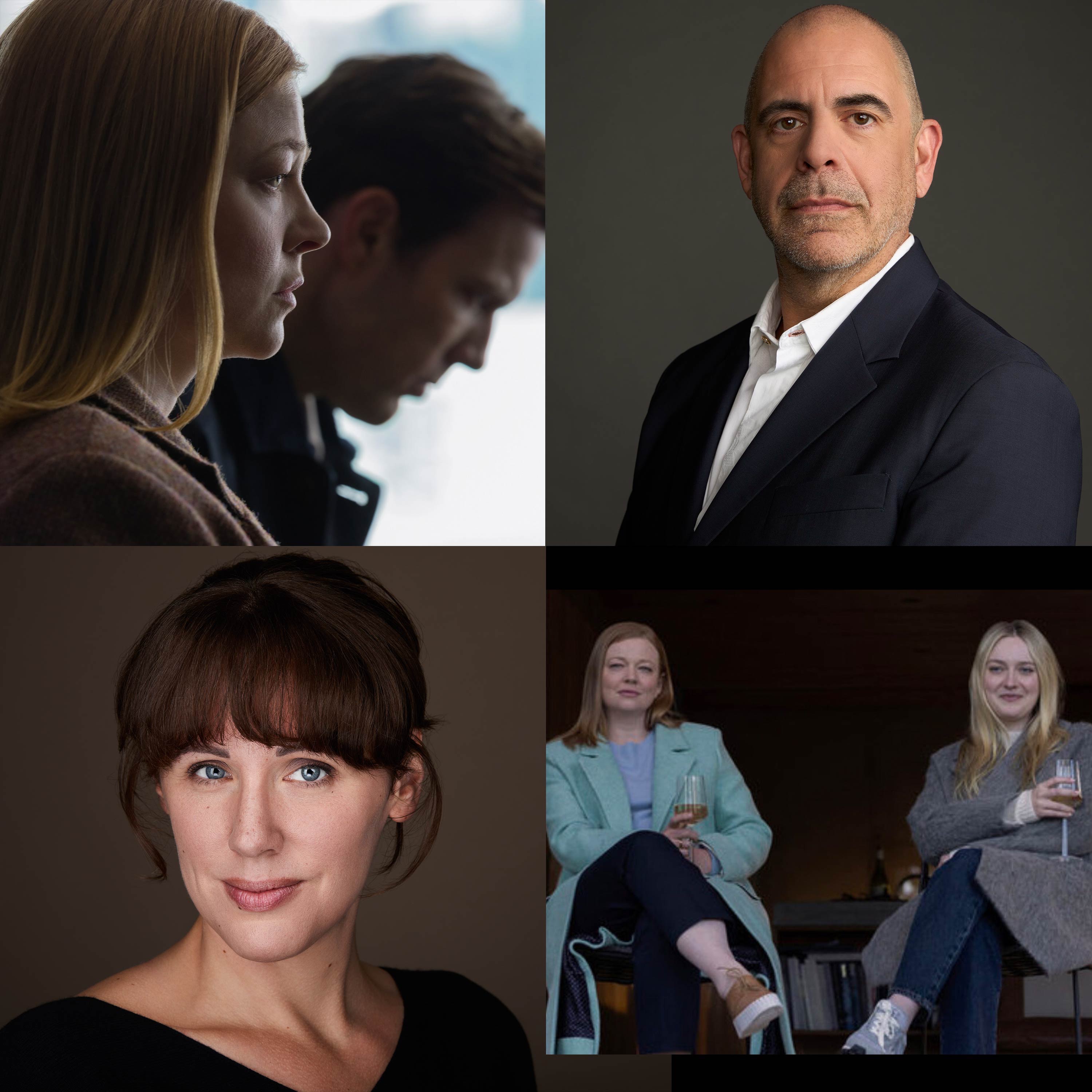
S15 Ep 1192Twists, Truth & Tension - Creating Compelling TV with NIGEL MARCHANT & MEGAN GALLAGHER - Highlights
“We're at times where a lot of the arts are really suffering in multiple countries with funding and cost of living. Understandably, people come for the arts, but our job is at times to hold a mirror to society. We can learn a huge amount. It can really change everyone's perspective. So look, it could be escapism, and we all need that at times, but it also can have something that fundamentally can't be enacted just through journalism at times. I think when you dramatize something, it can reach the very core of an audience.”Today, we'll be talking about the intense emotional toll of modern life, and how the deepest secrets often hide behind the most polished facades. My guests have dedicated their careers to crafting psychological dramas. Nigel Marchant is the Managing Director and an Executive Producer at Carnival Films, the powerhouse behind some of television's most beloved and intricate dramas, from Downton Abbey to the television adaptation of The Day of Jackal. Megan Gallagheris a writer who understands the delicate mechanics of suspense and the human heart. She created and wrote the critically acclaimed series Borderliner, and most recently, the BBC thriller Wolf.They’ve joined forces for the new limited series, All Her Fault (now streaming on Peacock). It’s an anxiety-inducing thriller adapted from Andrea Mara's novel and the show plunges us into the frantic world of a wealthy working mother, Marissa Irvine, after her five-year-old son disappears. Starring Sarah Snook in her first television role since Succession, the series starts with a rupture when Marissa’s son Milo is kidnapped and ripples into many lives, exploring momshaming, the guilt, blame, and sacrifice of motherhood. And what happens when domestic bliss turns to domestic misery.Episode Websitewww.creativeprocess.info/podInstagram:@creativeprocesspodcast@carnivalfilms X: @carnival_films Facebook: Carnival Films
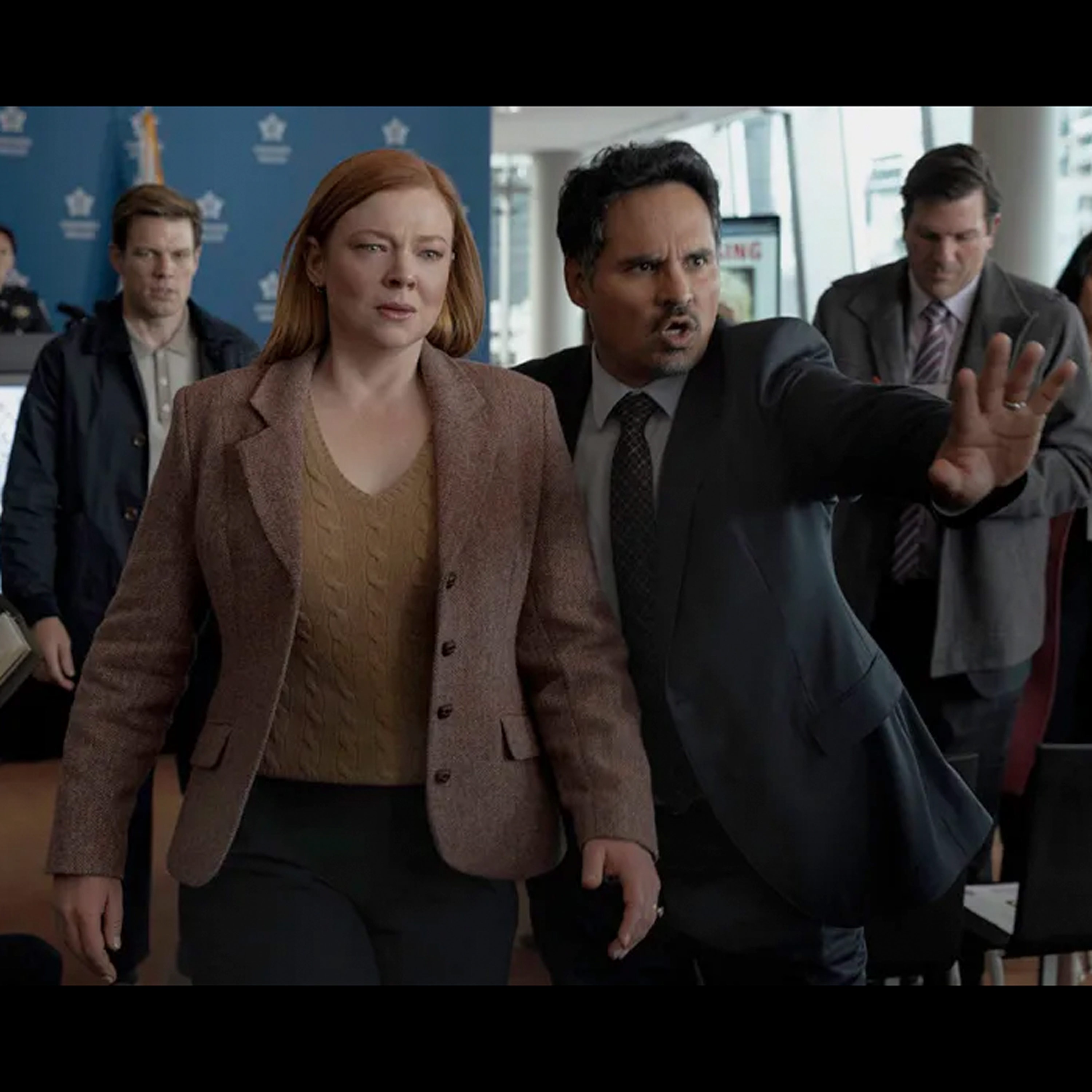
S15 Ep 1191ALL HER FAULT starring SARAH SNOOK - Behind the Scenes w/ NIGEL MARCHANT & MEGAN GALLAGHER
“The people that we choose to love and the ones we choose to rely on and trust… Marissa and Jenny's relationship and that female friendship, that's what we watch happen in the series in real time. Whereas the marriages and the relationships that they're already in maybe aren't so perfect, the one we watch them choose is the one that's rewarding. It's so nice to listen to people's reactions to that relationship and how real that relationship feels. These two women, from a character perspective, have every reason to not get along or to hate each other or to yell at each other. That's the opposite of what each one of them does, and that just feels true and honest. I know a lot of women who I feel would act that way, be the best version of themselves in such an awful situation.”Today, we'll be talking about the intense emotional toll of modern life, and how the deepest secrets often hide behind the most polished facades. My guests have dedicated their careers to crafting psychological dramas. Nigel Marchant is the Managing Director and an Executive Producer at Carnival Films, the powerhouse behind some of television's most beloved and intricate dramas, from Downton Abbey to the television adaptation of The Day of Jackal. Megan Gallagher is a writer who understands the delicate mechanics of suspense and the human heart. She created and wrote the critically acclaimed series Borderliner, and most recently, the BBC thriller Wolf.They’ve joined forces for the new limited series, All Her Fault (now streaming on Peacock). It’s an anxiety-inducing thriller adapted from Andrea Mara's novel and the show plunges us into the frantic world of a wealthy working mother, Marissa Irvine, after her five-year-old son disappears. Starring Sarah Snook in her first television role since Succession, the series starts with a rupture when Marissa’s son Milo is kidnapped and ripples into many lives, exploring momshaming, the guilt, blame, and sacrifice of motherhood. And what happens when domestic bliss turns to domestic misery.Episode Websitewww.creativeprocess.info/podInstagram:@creativeprocesspodcast@carnivalfilms X: @carnival_films Facebook: Carnival Films
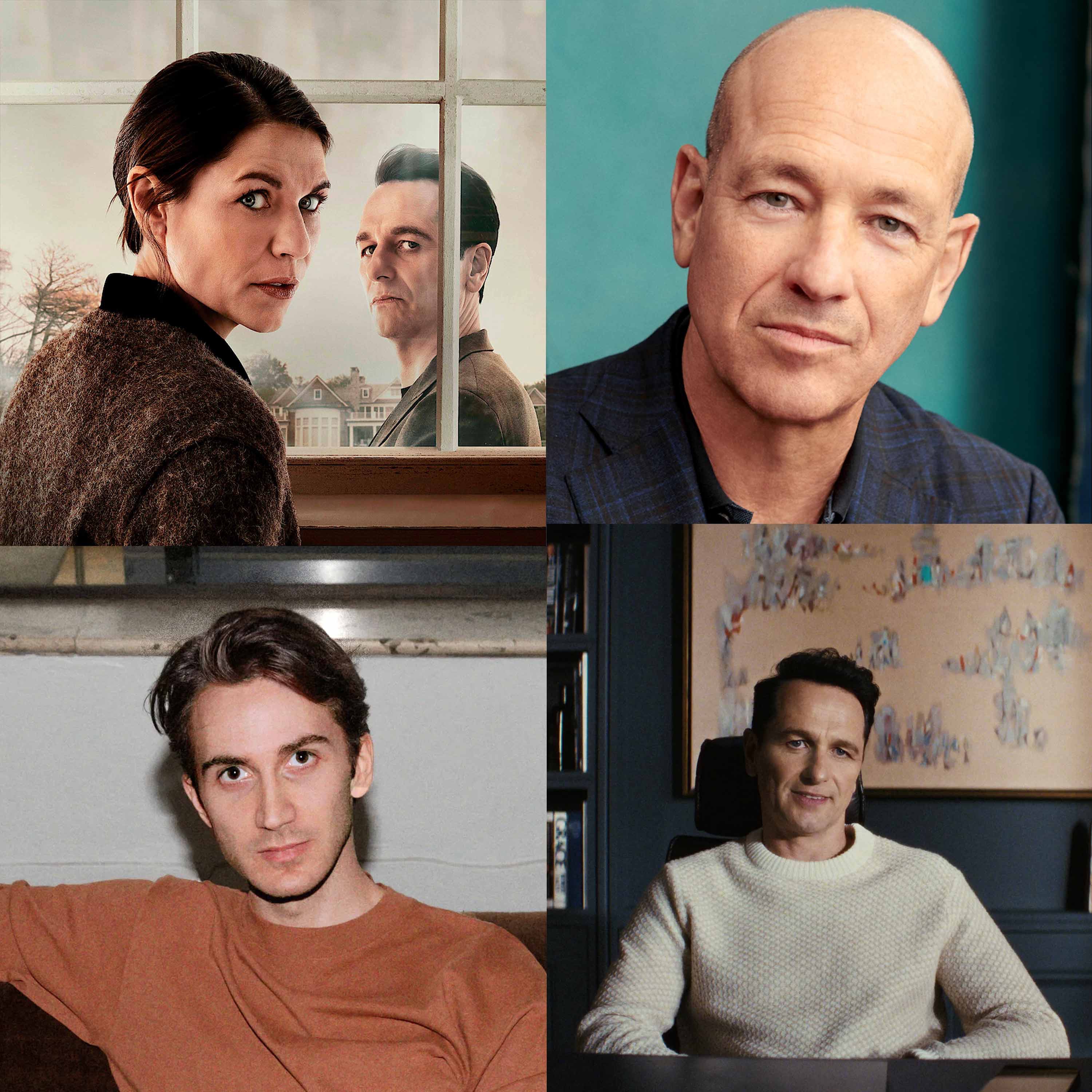
S15 Ep 1190Mind Games, Power & Obsession - Veteran Showrunner HOWARD GORDON & Writer DANIEL PEARLE on THE BEAST IN ME - Highlights
“How do you render something interior filmically? How do you communicate the details of the lost child, of the amount of time of the stuck creative process, and even the exterior, or the externalization of the house as a kind of hellish thing that's barely staying together—literally flooding with waste—and that you can't afford? So those are the details that we had to carefully figure out how to weave. But, you know, when you look at the first 10 minutes, it could be a horror movie. From that moment, a lot can happen. But what's important about it is that it sets the table for what does happen.” -Howard GordonToday, we explore the dark psychology of obsession, guilt, and the thin line between predator and victim. Our guests are two of television's most accomplished architects of high-stakes drama and moral ambiguity: Howard Gordon, the showrunner and executive producer whose work defined a generation of thrillers with 24 and the multi-award-winning Homeland; and Daniel Pearle, an executive producer and writer who brings a distinct, penetrating depth from his background as a celebrated playwright and his work on series like Accused and American Crime Story.Episode Websitewww.creativeprocess.info/podInstagram:@creativeprocesspodcast
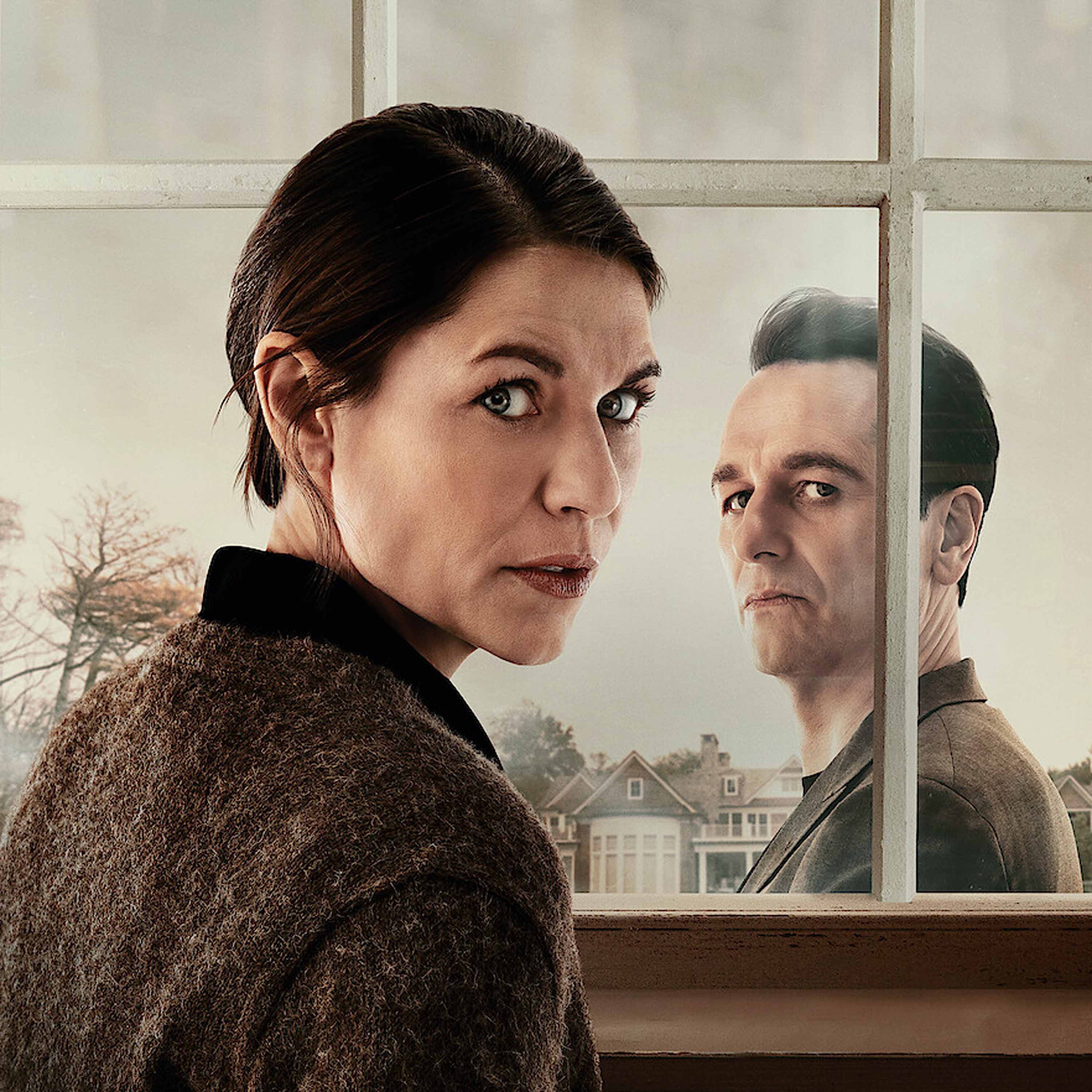
S15 Ep 1189THE BEAST IN ME starring CLAIRE DANES - Behind the Scenes w/ HOWARD GORDON & DANIEL PEARLE
“And I think there's also just something about an unfettered or uncensored id that is so captivating. We all have that fantasy of doing exactly what we want with no consequences and sort of letting that go. I think when you see an athlete at the peak of their game, doing that embodied thing and living that dream, or when someone has actually done horrible things that you would never allow yourself to do, there is a fascination there. I had one teacher who said, "Anyone who drives you crazy or that you just cannot stand in life, put them in a play or put them in a scene, and the audience will love them." If someone has really gotten under your skin and you just cannot stand them, and you have a visceral reaction—like, "I just hate this person"—make them a character, and the audience will make them everyone's favorite character. There is something to that.”Today, we explore the dark psychology of obsession, guilt, and the thin line between predator and victim. Our guests are two of television's most accomplished architects of high-stakes drama and moral ambiguity: Howard Gordon, the showrunner and executive producer whose work defined a generation of thrillers with 24 and the multi-award-winning Homeland; and Daniel Pearle, an executive producer and writer who brings a distinct, penetrating depth from his background as a celebrated playwright and his work on series like Accused and American Crime Story..Episode Websitewww.creativeprocess.info/podInstagram:@creativeprocesspodcast
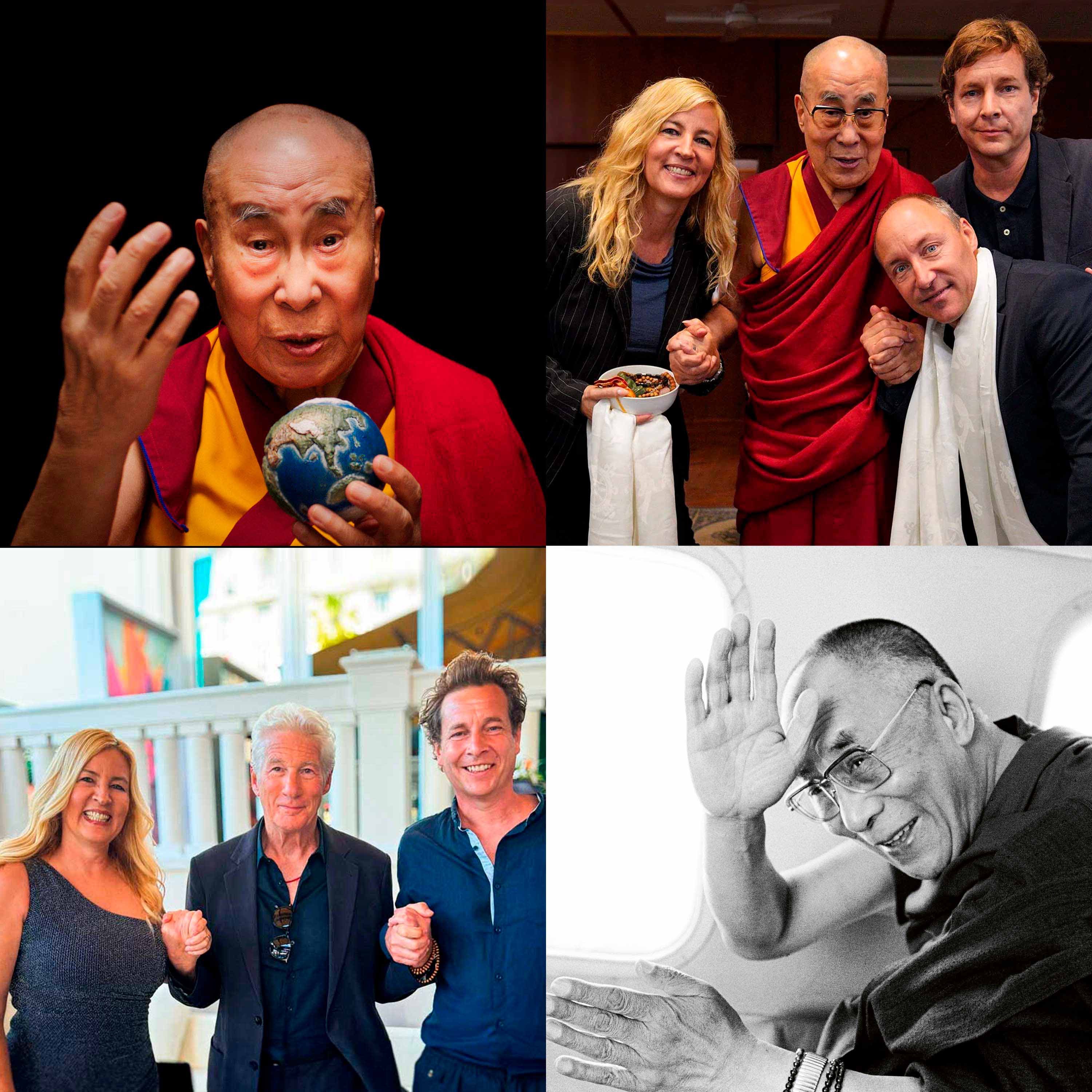
S15 Ep 1188In the Presence of the DALAI LAMA - Doc. Director of WISDOM OF HAPPINESS Discusses her Path to Joy - Highlights
“I can change my mind. I can reduce anger, hatred. Nothing to do with religion. All religions carry the message of love, loving kindness, and tolerance. With different views, there is a possibility to synthesize new ideas. If majority of the world leaders become female, world become safer. I feel that. Compassion is the key factor. Non-violence, compassion and self-confidence, these are key factors for happy individual, happy community, peaceful world. This century should be century of compassion, century of peace. No more bloodshed. We should develop a big “we,” rather than “we” or “they.” With these wings, you can fly.” -DALAI LAMAFor decades, the Dalai Lama has been a global symbol of peace, compassion, and resilience, a spiritual leader living in exile from his home in Tibet. But how do you capture the essence of his wisdom—the kind that can truly change a life—in a way that feels intimate and personal? My guest today, documentary filmmaker Barbara Miller, has managed to do just that in her new film, Wisdom of Happiness. It’s a beautiful film that feels less like a documentary and more like a private, heart-to-heart conversation, where he invites us into his thoughts and shares practical steps for finding inner peace in a chaotic world. She's dealt with anti-globalization, domestic violence, and the fight for female pleasure in her previous works. We’ll talk about how she shifted from exposing systemic pain to focusing on radical hope and her collaboration with Executive Producer Richard Gere and Manuel Bauer, the Dalai Lama’s personal photographer for the last thirty-five years, who made his cinematography debut with this film. She shares what the Dalai Lama taught her about living in harmony with our body, nature, and the world.Episode Website www.creativeprocess.info/podInstagram:@creativeprocesspodcast
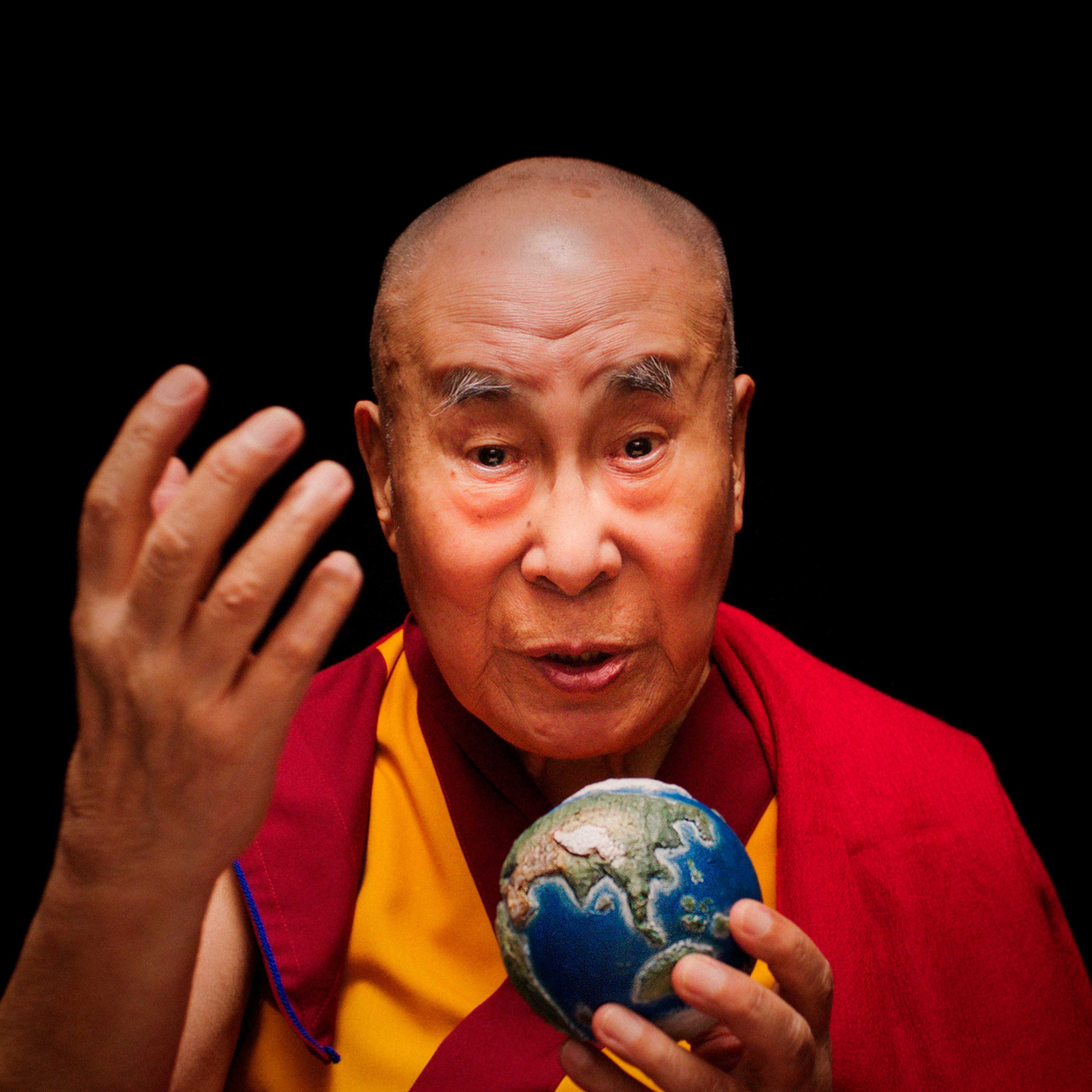
S15 Ep 1187WISDOM OF HAPPINESS - Heart-to-Heart w/ DALAI LAMA - Conversation w/ Director Barbara Miller
“ Everybody wants happiness, joyfulness, peaceful world. Our 21st century will not be easy century. Fear, anger, hatred. In our mind we created distinctions. Different nationality, different color, different religion. Strong concept of “we” and “they”. Brothers and sisters of this small planet, we are same human beings. Meanwhile, global warming is a serious problem. Destruction of this planet is actually destruction of yourself. Our common responsibility should be work together, to save our world. We all have this marvelous human brain. The problem is, when negative emotions develop, our whole mind is taken over. So, we must deal with emotions.I can change my mind. I can reduce anger, hatred. Nothing to do with religion. All religions carry the message of love, loving kindness, and tolerance. With different views, there is a possibility to synthesize new ideas. If majority of the world leaders become female, world become safer. I feel that. Compassion is the key factor. Non-violence, compassion and self-confidence, these are key factors for happy individual, happy community, peaceful world. This century should be century of compassion, century of peace. No more bloodshed. We should develop a big “we,” rather than “we” or “they.” With these wings, you can fly.” -DALAI LAMAFor decades, the Dalai Lama has been a global symbol of peace, compassion, and resilience, a spiritual leader living in exile from his home in Tibet. But how do you capture the essence of his wisdom—the kind that can truly change a life—in a way that feels intimate and personal? My guest today, documentary filmmaker Barbara Miller, has managed to do just that in her new film, Wisdom of Happiness. It’s a beautiful film that feels less like a documentary and more like a private, heart-to-heart conversation, where he invites us into his thoughts and shares practical steps for finding inner peace in a chaotic world. She's dealt with anti-globalization, domestic violence, and the fight for female pleasure in her previous works. We’ll talk about how she shifted from exposing systemic pain to focusing on radical hope and her collaboration with Executive Producer Richard Gere and Manuel Bauer, the Dalai Lama’s personal photographer for the last thirty-five years, who made his cinematography debut with this film. She shares what the Dalai Lama taught her about living in harmony with our body, nature, and the world.Episode Website www.creativeprocess.info/podInstagram:@creativeprocesspodcast
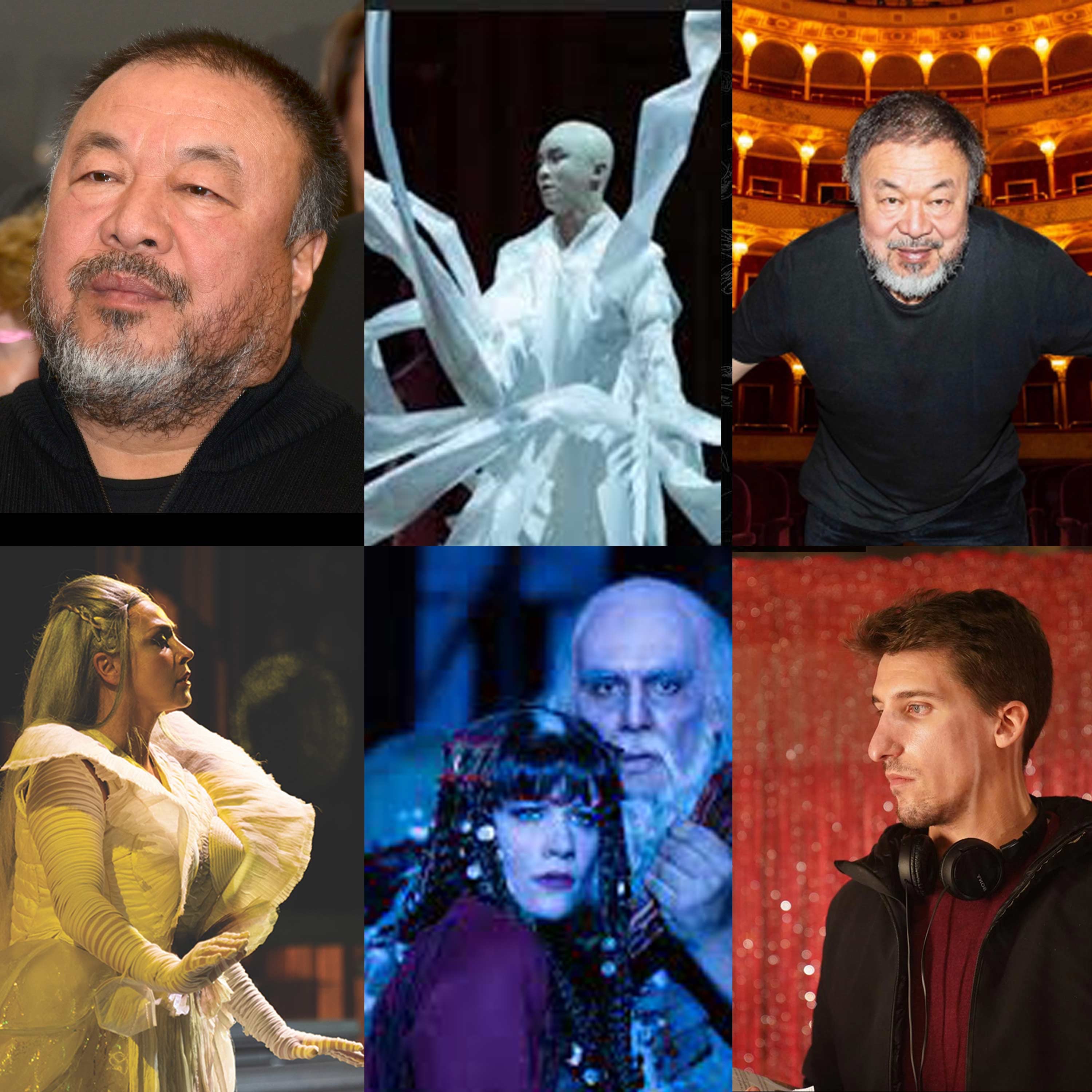
S15 Ep 1186"Everything is Art. Everything is Politics." AI WEIWEI'S TURANDOT Director MAXIM DEREVIANKO - Highlights
“So when we decided to do a documentary to follow Ai Weiwei, we knew, of course, it wouldn't be just a simple opera, and we knew he would bring his own very special and original vision. Because, of course, he is not an opera director. From his point of view, it's a challenge, but from another perspective, it’s probably an enrichment for the opera audience because he doesn't follow the rules of opera. And, of course, once you decide to do a documentary about Ai Weiwei, it's in his DNA to be political. Once I started to follow him, the political issues and topics came into the documentary by themselves.”The renowned artist and activist Ai Weiwei has used sculpture, photography, documentaries, and large-scale installations to challenge authoritarian power for decades. But his project at the Rome Opera House, directing Puccini’s final opera, Turandot, may be his most powerful fusion of art and politics yet. Puccini’s original is a fairy tale set in ancient China about a princess whose riddle game costs failed suitors their lives. But Ai Weiwei transformed this story into a stark reflection of the present, weaving in footage of refugee crises, COVID hospitals, and the Ukraine war—a production that became an urgent act of resistance for its Ukrainian conductor and cast. The opera and documentary are a living document of our turbulent times, embodying Ai Weiwei’s belief that 'Everything is Art. Everything is Politics.'The new documentary, Ai Weiwei's Turandot, goes behind the curtain to capture the artistic struggle and emotional weight of making this work—a process that began with one vision and was fundamentally changed by a global pandemic and a major war.My guest is the documentary’s director, Maxim Derevianko. He grew up in a family with deep ties to the Rome Opera House, and he offers a deeply personal, intimate look at how in Ai Weiwei’s words, “art competes with reality, but art will have the last word.”Episode Websitewww.creativeprocess.info/podInstagram:@creativeprocesspodcast
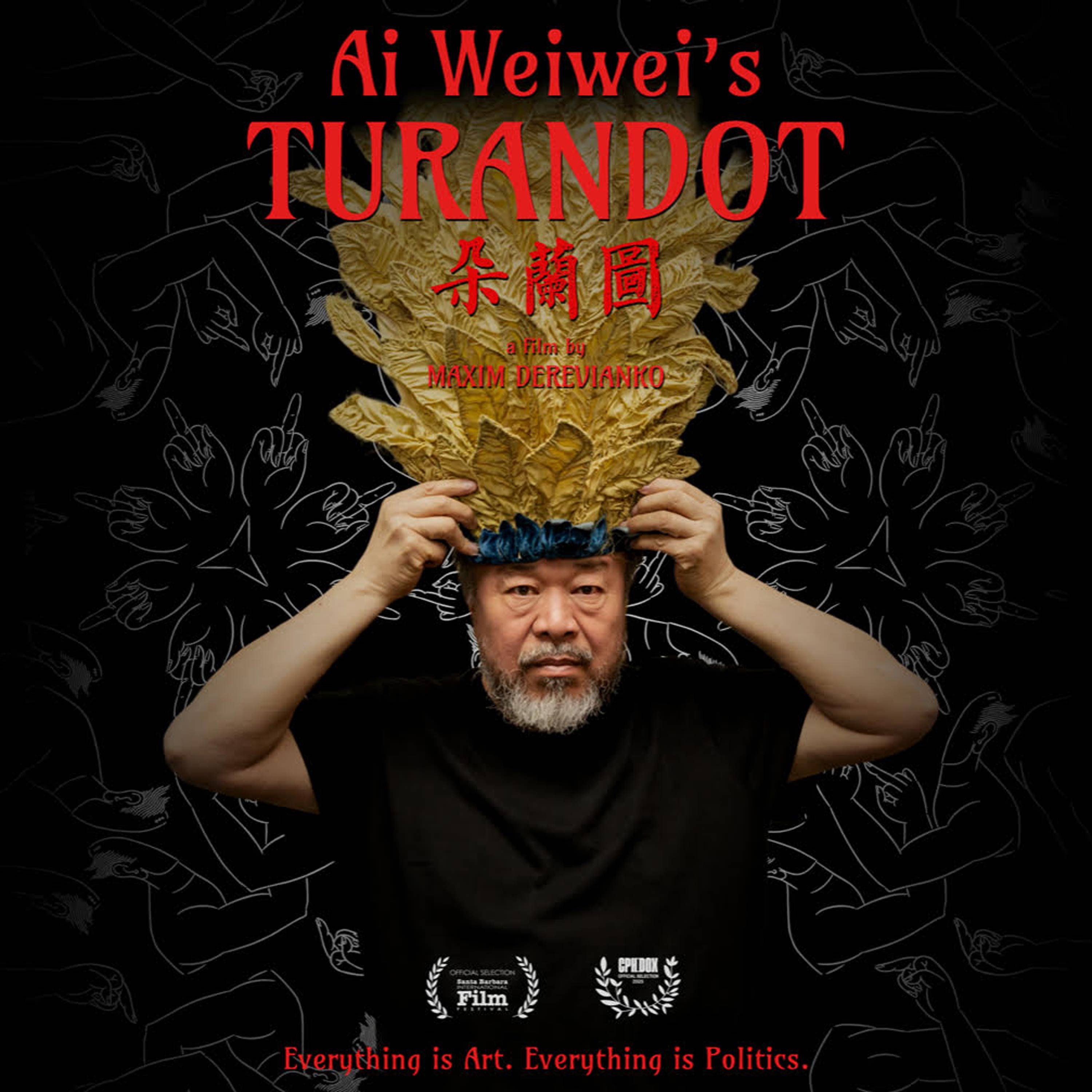
S15 Ep 1185AI WEIWEI'S TURANDOT
“Everything is Art. Everything is Politics. I think art competes with reality. And art will give you the last words.” –Ai WeiweiThe renowned artist and activist Ai Weiwei has used sculpture, photography, documentaries, and large-scale installations to challenge authoritarian power for decades. But his project at the Rome Opera House, directing Puccini’s final opera, Turandot, may be his most powerful fusion of art and politics yet. Puccini’s original is a fairy tale set in ancient China about a princess whose riddle game costs failed suitors their lives. But Ai Weiwei transformed this story into a stark reflection of the present, weaving in footage of refugee crises, COVID hospitals, and the Ukraine war—a production that became an urgent act of resistance for its Ukrainian conductor and cast. The opera and documentary are a living document of our turbulent times, embodying Ai Weiwei’s belief that 'Everything is Art. Everything is Politics.'The new documentary, Ai Weiwei's Turandot, goes behind the curtain to capture the artistic struggle and emotional weight of making this work—a process that began with one vision and was fundamentally changed by a global pandemic and a major war.My guest is the documentary’s director, Maxim Derevianko. He grew up in a family with deep ties to the Rome Opera House, and he offers a deeply personal, intimate look at how in Ai Weiwei’s words, “art competes with reality, but art will have the last word.”Episode Websitewww.creativeprocess.info/podInstagram:@creativeprocesspodcast
S15 Ep 1184Listening to the Planet - Writers' Perspectives on Nature, Place & Interconnectedness
How do our environments shape who we are and how we care for the world and each other? There are many solutions to climate change, inequality, and poverty around the world. How can we learn from them and transform our society?Eiren Caffall (All the Water in the World) discusses the importance of embracing complexity and emotional flexibility in facing ecological grief.Irvin Weathersby Jr. (In Open Contempt) discusses the transformative power of meditation and nature, drawing inspiration from Emerson and Thoreau.Jay Parini (Biographies of Steinbeck, Frost, Faulkner…) on the significance of place in literature and life.Natasha Hakimi Zapata (Another World Is Possible) explores the generosity and hope in people’s efforts to build better societies.Audrea Lim (Free The Land) on how personal experiences with public lands influence our views on conservation.Katie Kitamura (Audition, Intimacies) reflects on the role of landscape and memory in her novels.Dr. Bayo Akomolafe (Philosopher, Founder of Emergence Network) discusses his awe for mountains, using them as a metaphor for humility and the search for meaning beyond oneself.For more from each guest, listen to their full interviews.Episode Websitewww.creativeprocess.info/podIG @creativeprocesspodcast
S15 Ep 1183The Arrogant Ape: The Myth of Human Exceptionalism & Why it Matters with CHRISTINE WEBB
“There are many ways in which I think human exceptionalism has seeped into the sciences, but one of the many ways is through the methodologies we use when we compare the intelligence of humans and other species. In particular, in my field, I’m a primatologist by training, comparing the cognitive abilities of humans with the abilities of our closest living relatives, the great apes. Many times, those studies compare the intelligence of captive chimpanzees who are living in highly restricted, manmade environments. Often, these chimpanzees have been separated from their biological mothers at birth. They're often separated from the group during testing. They're subjected to very human-centric experimental paradigms, like playing with plastic puzzle boxes or computer touchscreens, and we're measuring how they perform on these tasks.”In this episode of Speaking Out of Place podcast, Professor David Palumbo-Liu talks with primatologist Christine Webb about her new book, The Arrogant Ape: The Myth of Human Exceptionalism and Why it Matters. The title of the book itself is a concise and precise description of its two constituent halves. First, Webb tells us how science itself, from premodern times onward, has operated with an assumption it keeps reconfirming constantly--that humans are not only exceptional, but also superior to other forms of life. Webb convincingly debunks this science over and over again. And most importantly, she explains how this myth has devastating political, cultural, and environmental consequences. Combining scientific and humanistic studies, we go into some detail about what this arrogance produces, and why we desperately need a much more humble sense of ourselves.Christine Webb is an Assistant Professor in the Department of Environmental Studies at New York University, where she is part of the Animal Studies program. Her research is driven by growing awareness that the ecological crisis demands a profound shift in how we understand other animals and our place among them, leading to two intersecting lines of inquiry. First, her work seeks to elucidate the complex dynamics of animal social life and to apply this knowledge to foundational questions in animal ethics and conservation. Second, she is interested in how prevailing societal norms, values, and institutions shape contemporary scientific knowledge of other animals and the environment, with a critical emphasis on human exceptionalism. Her debut book, The Arrogant Ape: The Myth of Human Exceptionalism and Why it Matters, was recently published with Avery (Penguin Random House) and is being translated into 17 languages.www.palumbo-liu.comhttps://speakingoutofplace.com Bluesky @palumboliu.bsky.social Instagram @speaking_out_of_place
S15 Ep 1180AI & The Future of Life with RISTO UUK, Head of EU Policy & Research, FUTURE OF LIFE INSTITUTE
“The Future of Life Institute has been working on AI governance-related issues for the last decade. We're already over 10 years old, and our mission is to steer very powerful technology away from large-scale harm and toward very beneficial outcomes. You could think about any kind of extreme risks from AI, all the way to existential or extinction risk, the worst kinds of risks and the benefits. You can think about any kind of large benefits that humans could achieve from technology, all the way through to utopia, right? Utopia is the biggest benefit you can get from technology. Historically, that has meant we have focused on climate change, for example, and the impact of climate change. We have also focused on bio-related risks, pandemics and nuclear security issues. If things go well, we will be able to avoid these really bad downsides in terms of existential risk, extinction risks, mass surveillance, and really disturbing futures. We can avoid that very harmful side of AI or technology, and we can achieve some of the benefits.”Today, we take a closer look at the future of artificial intelligence and the policies that determine its place in our societies. Risto Uuk is Head of EU Policy and Research at the Future of Life Institute in Brussels, and a philosopher and researcher at KU Leuven, where he studies the systemic risks posed by AI. He has worked with the World Economic Forum, the European Commission, and leading thinkers like Stuart Russell and Daniel Susskind. He also runs one of the most widely read newsletters on the EU AI Act. As this technology is transforming economies, politics, and human life itself, we’ll talk about the promises and dangers of AI, how Europe is trying to regulate it, and what it means to build safeguards for a technology that may be more powerful than anything we’ve seen before.Episode Websitewww.creativeprocess.info/podInstagram:@creativeprocesspodcast
S15 Ep 1179Nordic Art & Contemporary Perspectives at the ARKEN MUSEUM OF CONTEMPORARY ART - Highlights
“This awe that I feel every time I meet an artist who has the courage to deal with what it means to be in the world as a human being and to tackle it from different ways and through different media. I always feel that through the collaborations I have with artists, I learn a little bit more about the world, myself, my feelings or emotions, and how I reflect on things. Getting another person's perspective and taking that in is extremely generous. What we can take with us from the artistic practices we encounter is significant. Again, I think one of the fundamental aspects of art is that it doesn't require agreement, consensus, or rules. It's a place where we can speculate, imagine, and, hopefully, re-courage ourselves in a way, if that's a word. I've always been motivated by working with artists; that personal meeting is always extremely fruitful.”In the ever-evolving world of contemporary art, some voices rise to shape the conversation in truly profound ways. Marie Nipper has spent her career at the nexus of institutional leadership, curatorial innovation, and artistic collaboration. As the director of the ARKEN Museum of Contemporary Art in Denmark, she is not just leading a museum; she's rethinking its very purpose—from an artistic lab to a public town square. Her journey has taken her from the hallowed halls of the TATE and ARoS to the forward-thinking spaces of Copenhagen Contemporary, all while championing the freedom of artists and the civic role of the museum.“I think that is one of the places where we are really challenged, especially when we speak to kids and young people, as they often feel they have little agency in creating a better future for themselves. So, I believe we can really give that space to our audiences by showcasing some of these groundbreaking practices that are out there right now in contemporary art.”Episode Websitewww.creativeprocess.info/podInstagram:@creativeprocesspodcast
S15 Ep 1178The Future of Museums with MARIE NIPPER, Director of ARKEN MUSEUM OF CONTEMPORARY ART
“We don't need to find an end solution, but it's a space where we can speculate, imagine, and practice our foresight. We can be part of a bigger imagination together with an institutional framework, which is really what we try to motivate as well when we communicate these exhibitions to our audience and speak with our guests about these works. We can also sense that it's really a place where a lot of people like to enter these days. When you turn on a TV, look at a newspaper, listen to your radio, or speak with your friends, it seems like the world is falling apart on so many levels. It's such a challenging time. I think we can also offer this space for reflection and hopefully provide a reflection that gives some idea or feeling of agency.For me, it's this awe that I feel every time I meet an artist who has the courage to deal with what it means to be in the world as a human being and to tackle it from different ways and through different media. I always feel that through the collaborations I have with artists, I learn a little bit more about the world.”In the ever-evolving world of contemporary art, some voices rise to shape the conversation in truly profound ways. Marie Nipper has spent her career at the nexus of institutional leadership, curatorial innovation, and artistic collaboration. As the director of the ARKEN Museum of Contemporary Art in Denmark, she is not just leading a museum; she's rethinking its very purpose—from an artistic lab to a public town square. Her journey has taken her from the hallowed halls of the TATE and ARoS to the forward-thinking spaces of Copenhagen Contemporary, all while championing the freedom of artists and the civic role of the museum.Episode Websitewww.creativeprocess.info/podInstagram:@creativeprocesspodcast
S15 Ep 1177Art is a Fundamental Element of Life - Gallerist HANNAH BARRY on a Life in Art
“There's something fundamental about the value of art and culture. Not just being integrated for vocational reasons, but because the experience of art and having a cultural element in one's life brings enjoyment, learning, relief, or any of the many experiences and feelings that art provides. I think this is quite fundamental as an element of life. Creativity is key in any career and also in personal life, especially in terms of problem-solving, relationships, kindness, compassion, and empathy. The arts, creativity, and the cultural world at large are not just nice to have; they are essential. Their value is fundamental, although sometimes it's extremely difficult to define. To see the arts lost from the developmental moments in one's life is tragic. Developmental moments in life come at all points in the arc of one's existence. To see that taken or diminished is unfortunate. Everyone involved in working with artists, artists themselves, or those who are creative knows this and believes in it.”Today, we have with us a figure from the heart of the London art scene, Hannah Barry. At a moment when the art world often feels centered on global mega-galleries, Hannah has cultivated something truly unique in Peckham. With her gallery and the ambitious non-profit, Bold Tendencies, she has created a vibrant platform for a new generation of artists, taking risks and championing experimentation. She has been pivotal in shaping careers and bringing ambitious projects to life. We'll talk to her about the mission behind her work, her journey as a gallerist, and her latest exhibitions, including The Garden with the photographer Harley Weir.Episode Websitewww.creativeprocess.info/podInstagram:@creativeprocesspodcast
S15 Ep 1176How to Make an Algorithm in the Microwave with Poet MAYA SALAMEH
“Poetry is like one of the great loves of my life, and I think it's probably the longest relationship I'll ever have. I read a lot of poetry. I also wrote these short stories even when I was pretty young, like in second grade, and the stories kept getting shorter and shorter. My family used to go to Damascus in Syria and Lebanon every summer for three months until 2011, when the Civil War broke out in Syria. In 2015, we made our first return after that gap, and my father and I went to Lebanon for two weeks. It's the first time I felt that I belong. To the extent that was true or not, I'm obviously irrevocably American. I speak broken Arabic. I don't think I could ever live in Lebanon or Syria. But for what it was worth at 15 years old, it was a life-changing trip. I wrote my first official poem on the plane back to San Diego from that trip, and I feel that was a formative moment for me. I felt that I had a story to tell and wanted to put it to paper in the form of poetry.”In this episode of the Speaking Out of Place podcast, Professor David Palumbo-Liutalks with poet Maya Salameh about her poetry collection, How to Make an Algorithm in the Microwave, which won the prestigious Etel Adnan Poetry Prize in 2022. The judges remarked, “Maya Salameh’s poetry stood out for its inventiveness in cracking the code of life ‘between system and culture'…The turns and swerves the poems make are astonishing; the expectations they upend are remarkable… It’s a testament to the aesthetic boundaries and intellectual revolt poets of Arab heritage are pushing, breaking, and reinventing.” We talk about what led her to both technology and poetry, language and story-telling, and the challenges and joys of representing life in the diaspora. In a time of war and genocide, Salameh’s poetry shows how patterns of life and reproduction and desire persist. In her readings and discussions of three poems, we find a new lexicon and a new grammar.Maya Salameh is the author of MERMAID THEORY (Haymarket Books, 2026), HOW TO MAKE AN ALGORITHM IN THE MICROWAVE (University of Arkansas Press, 2022), winner of the Etel Adnan Poetry Prize, and the chapbook rooh (Paper Nautilus Press, 2020). She has received fellowships from the National Endowment for the Arts, Sewanee Writers’ Conference, Bread Loaf Environmental Writers’ Conference, and the President’s Committee for the Arts and Humanities, and served as a National Student Poet, America’s highest honor for youth poets. Her work has appeared in The Offing, Poetry, Gulf Coast, The Rumpus, AGNI, Mizna, and the LA Times, among others. @mayaslmh https://speakingoutofplace.com Bluesky @palumboliu.bsky.social Instagram @speaking_out_of_place
S15 Ep 1175Empire of AI: Dreams and Nightmares in Sam Altman's Open AI with KAREN HAO
“My book is called Empire of AI because I'm trying to articulate this argument and illustrate that these companies operate exactly like empires of old. I highlight four features that essentially encapsulate the three things you read. However, I started talking about it in a different way after writing the book.The four features are: they lay claim to resources that are not their own, which is the centralization of resources; they exploit an extraordinary amount of labor, both in the development of the technology and the fact that they're producing labor-automating technologies that then suppress workers' ability to bargain for better rights; they monopolize knowledge production, which comes when they centralize talent.”In this episode of the Speaking Out of Place podcast, Professor David Palumbo-Liu talks with investigative journalist Karen Hao. She explains that OpenAI is anything but “open”—very early on, it left behind that marketing tag to become increasingly closed and elitist. Her massive study, Empire of AI: Dreams and Nightmares in Sam Altman’s OpenAI had a rather different subtitle in its UK edition: Inside the reckless race of total domination. She fleshes out the overlap between these two points of emphasis. Hao argues that in general, the AI mission “centralizes talent around a grand ambition” and “centralizes capital and other resources while eliminating roadblocks, regulation, and dissent.” All the while, “the mission remains so vague that it can be interpreted and reinterpreted to direct the centralization of talent, capital, resources, however the centralizer wants.” Karen explains that she chose the word “empire” precisely to indicate the colonial nature of AI’s domination: the tremendous damage this enterprise does to the poor, to racial and ethnic minorities, and to the Global South in general in terms of minds, bodies, the environment, natural resources, and any notion of democracy. This is a discussion everyone should be part of.Karen Hao s a bestselling author and award-winning reporter covering the impacts of artificial intelligence on society. She was the first journalist to profile OpenAI and wrote a book, Empire of AI, about the company and its global implications, which became an instant New York Times bestseller. She writes for publications including The Atlantic and leads the Pulitzer Center's AI Spotlight Series, a program that trains thousands of journalists worldwide on how to cover AI. She was formerly a reporter for the Wall Street Journal, covering American and Chinese tech companies, and a senior editor for AI at MIT Technology Review.. She has received numerous accolades for her coverage, including an American Humanist Media Award, an American National Magazine Award for Journalists Under 30, and the TIME100 AI. www.palumbo-liu.com https://speakingoutofplace.com Bluesky @palumboliu.bsky.social Instagram @speaking_out_of_place