The Creative Process · Arts, Culture & Society: Books, Film, Music, TV, Art, Writing, Creativity, Education, Environment, Theatre, Dance, LGBTQ, Climate Change, Social Justice, Spirituality, Feminism, Tech, Sustainability
1,274 episodes — Page 3 of 26
S15 Ep 1174Why We Need Stories in Times of Crisis: ETGAR KERET on Healing, Connection & Creativity in the Age of AI - Highlights
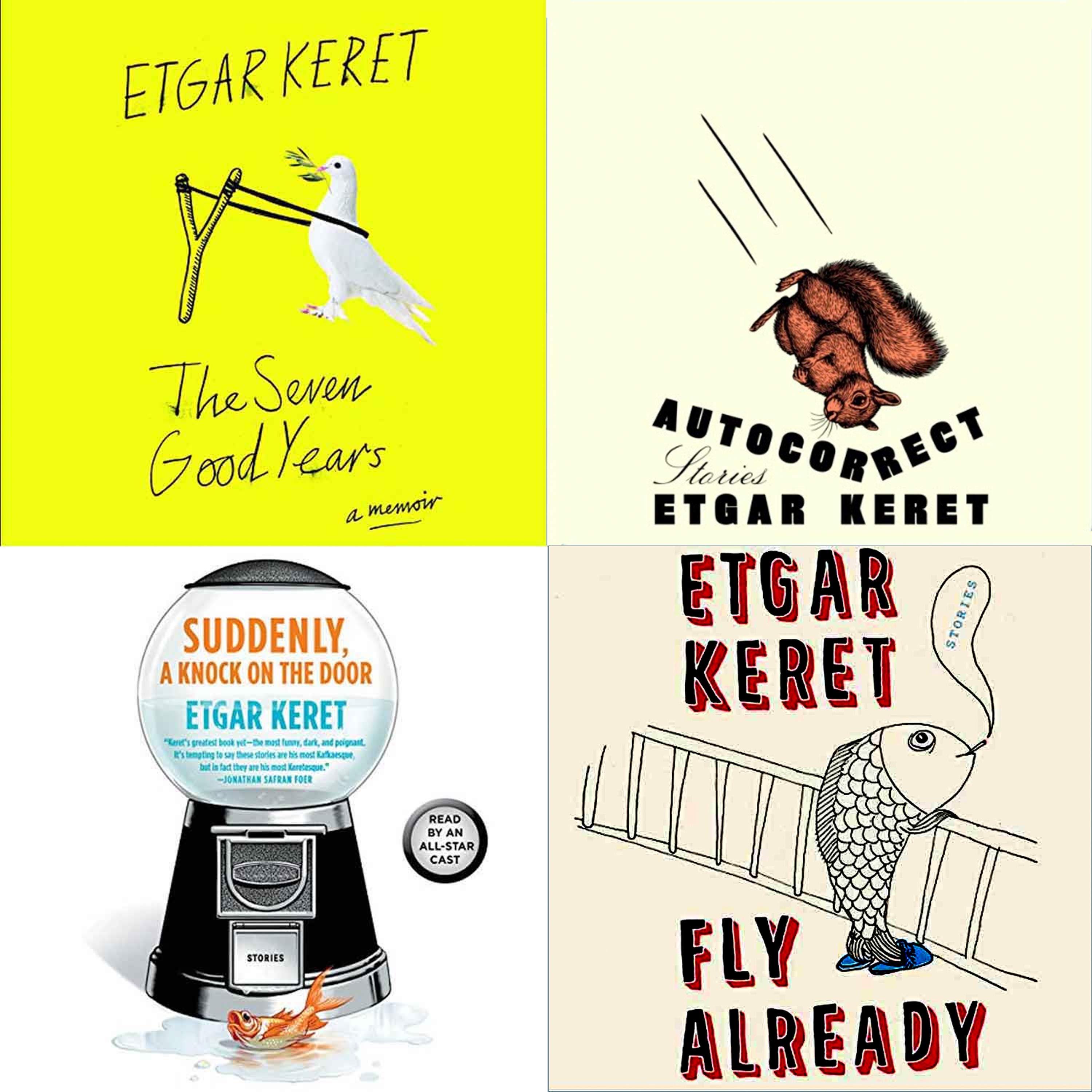
“I feel that when you don't tell your story, it's as if you have a limited existence. We can always have some kind of choice, but I'm saying that the story we choose may be the most crucial choice that we make, because this story will affect all the other choices.”Etgar Keret is one of the most inventive and celebrated short story writers of his generation, a voice that captures the absurdities and profound loneliness of modern life with a deceptive, almost casual wit. His work, translated into dozens of languages, uses fantastical premises—from alien visitations to parallel universes—to illuminate the most human of truths. His new collection, Autocorrect, explores a world grappling with technology, loss, and the aftershocks of a global pandemic and, more recently, war. His awards include the Cannes Film Festival’s Caméra d’Or (2007), the Charles Bronfman Prize (2016), and the prestigious Sapir Prize (2018). Over a hundred short films and several feature films have been based on his stories. Keret teaches creative writing at Ben-Gurion University of the Negev. He now has a weekly newsletter on Substack called Alphabet Soup. He's also the new MFA Director of the Jewish Theological Seminary, where he's pioneering a new approach to storytelling. Joining me today from Tel Aviv is the great Israeli writer and filmmaker Etgar Keret.“When I write my stories, I don't want to solve things in life. I just want to persuade myself that there is a way out. Maybe I am in a cell, maybe I'm trapped. Maybe I won't make it, but if I can imagine a plan for escape, then I'll be less trapped because at least in my mind, there is a way. I think that my parents are survivors. They always talked about this idea of humanity. My parents always said to me, when you look at people, don't look at their political views; that's not important. Look at the way that they look at you. If they see you, if they listen to you, if they can understand your intention, even if it's a failing one, they're your people. And if they can't, it doesn't matter.I think that when I came with my mother and father, they thought there are people, there are human beings, and there are people who want to be human beings but are still struggling. And you go with humanity; you go with the person who can go against his ideology if his heart tells him something.”Episode Websitewww.creativeprocess.info/podInstagram:@creativeprocesspodcast
S15 Ep 1173Finding Humanity Through Storytelling with Author & Filmmaker ETGAR KERET
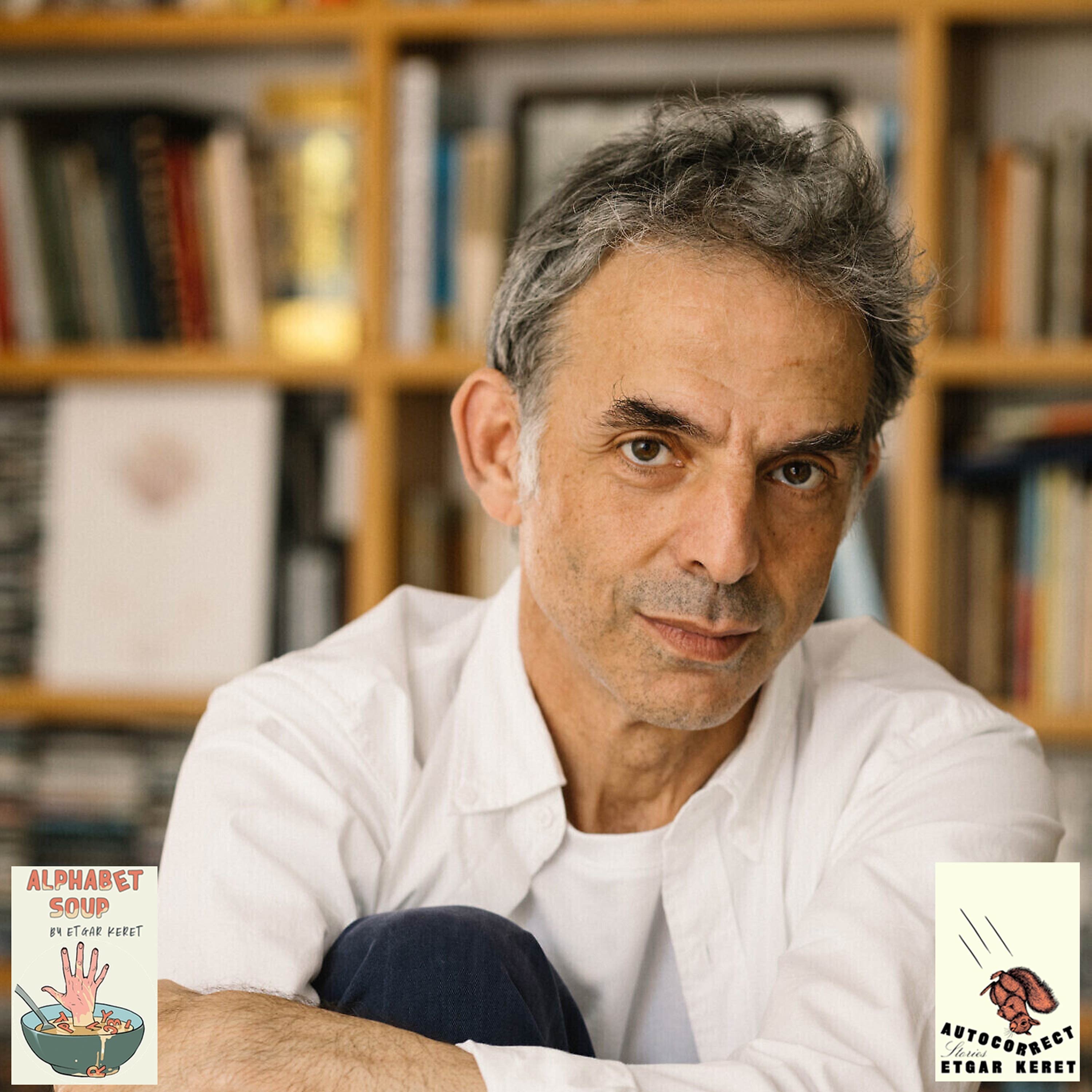
“When I write my stories, I don't want to solve things in life. I just want to persuade myself that there is a way out. Maybe I am in a cell, maybe I'm trapped. Maybe I won't make it, but if I can imagine a plan for escape, then I'll be less trapped because at least in my mind, there is a way. I think that my parents are survivors. They always talked about this idea of humanity. My parents always said to me, when you look at people, don't look at their political views; that's not important. Look at the way that they look at you. If they see you, if they listen to you, if they can understand your intention, even if it's a failing one, they're your people. And if they can't, it doesn't matter.I think that when I came with my mother and father, they thought there are people, there are human beings, and there are people who want to be human beings but are still struggling. And you go with humanity; you go with the person who can go against his ideology if his heart tells him something.”Etgar Keret is one of the most inventive and celebrated short story writers of his generation, a voice that captures the absurdities and profound loneliness of modern life with a deceptive, almost casual wit. His work, translated into dozens of languages, uses fantastical premises—from alien visitations to parallel universes—to illuminate the most human of truths. His new collection, Autocorrect, explores a world grappling with technology, loss, and the aftershocks of a global pandemic and, more recently, war. His awards include the Cannes Film Festival’s Caméra d’Or (2007), the Charles Bronfman Prize (2016), and the prestigious Sapir Prize (2018). Over a hundred short films and several feature films have been based on his stories. Keret teaches creative writing at Ben-Gurion University of the Negev. He now has a weekly newsletter on Substack called Alphabet Soup. He's also the new MFA Director of the Jewish Theological Seminary, where he's pioneering a new approach to storytelling. Joining me today from Tel Aviv is the great Israeli writer and filmmaker Etgar Keret.Episode Websitewww.creativeprocess.info/podInstagram:@creativeprocesspodcast
S15 Ep 1172Arabic Literature, Palestine & The Art of Translation with HUDA FAKHREDDINE
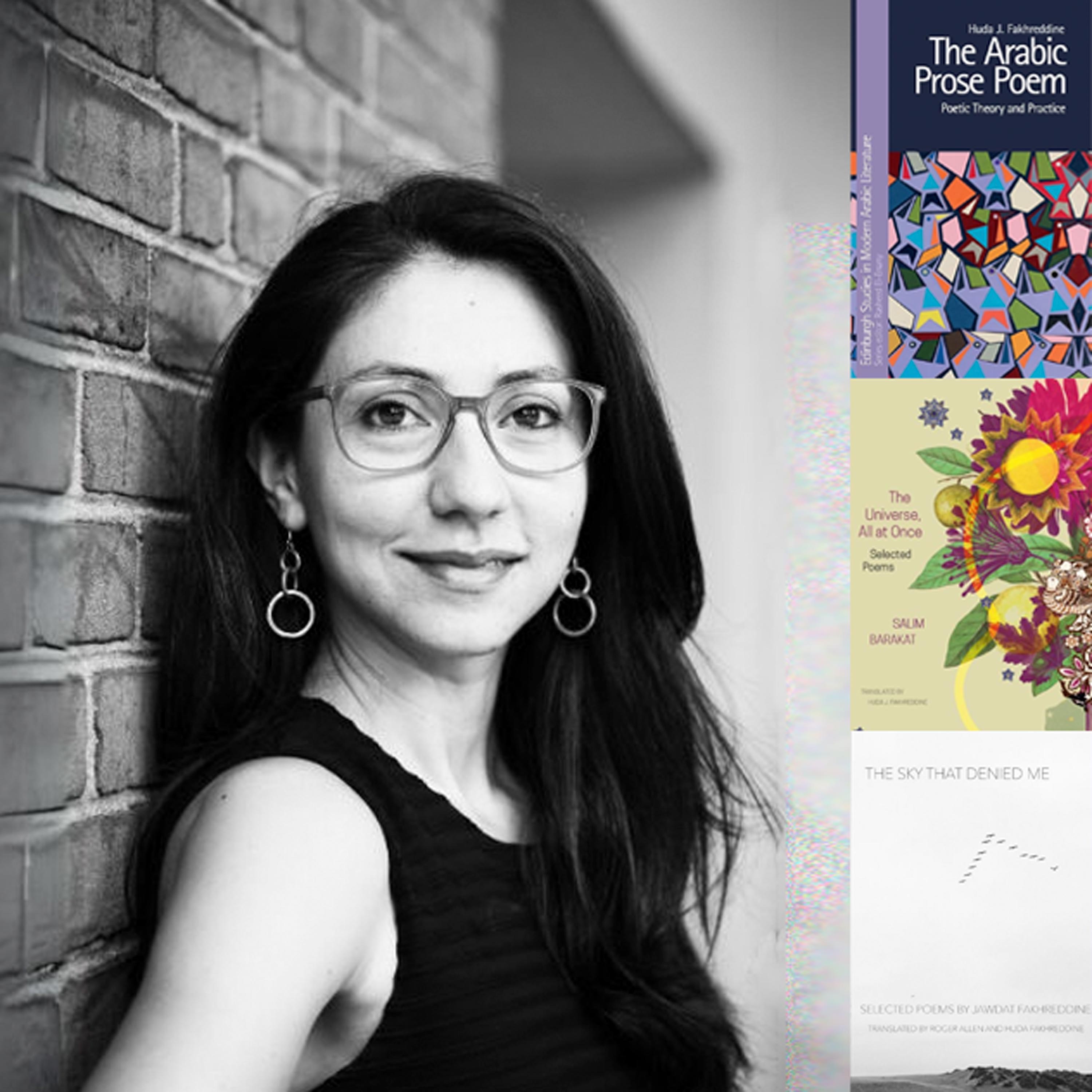
“I'm Lebanese. I grew up in Lebanon during the Civil War, and I came to the United States as a graduate student with the intention of going back. I never wanted to stay here. I really thought that my life would happen in Beirut, in a city that I loved and hated in the healthiest of ways. My investments, both literary and intellectual, were rooted there. I came here as a graduate student and joined the PhD program, and then the events continued to unfold there, making life more and more of a risk, building a life in a place like Lebanon. The most important counterpoint in my life was meeting my partner, Ahmad Almallah, who is Palestinian. So immediately, my life became the life of a Palestinian by association. There’s a lot of rage now in many aspects of my life, but all that aside, my personal experience—both professional and personal, and at home, familial—are not exceptional. Many other people are experiencing intimidation, silencing, and feeling cornered, censored, and oppressed just because they took a stand—a very decent, normal, basic human stand against genocide.”In this episode on Speaking Out of Place podcast Professor David Palumbo-Liu talks with Huda Fakhreddine, writer, translator, and scholar of Arabic literature. Among the many topics they touch upon are the challenges of teaching Arabic literature, especially Palestinian literature, in a time of genocide, when universities, professional organizations, and political groups militate against any honest discussion of these topics, and punish those who do. They talk about the notion of belonging and the importance of being able to choose what to belong to, and what not to. Huda speaks of the freedom found in living in Arabic, and explains what that means to her. She also reads in Arabic and English Nima Hasan’s stunning and wrenchingly beautiful poem, “Old Song.”Huda J. Fakhreddine is a writer, translator, and Associate Professor of Arabic Literature at the University of Pennsylvania. She is the author of Metapoesis in the Arabic Tradition (Brill, 2015) and The Arabic Prose Poem: Poetic Theory and Practice (Edinburgh University Press, 2021), and the co-editor of The Routledge Handbook of Arabic Poetry (Routledge, 2023). Among her translations are The Sky That Denied Me: Selections from Jawdat Fakhreddine (University of Texas Press, 2020), The Universe, All at Once: Selections from Salim Barakat (Seagull Books, 2024), and Palestinian: Four Poems by Ibrahim Nasrallah (World Poetry Books, 2024). Her creative work includes a book of creative non-fiction titled Zaman saghīr taḥt shams thāniya (A Brief Time under a Different Sun), Dar al-Nahda, Beirut, 2019 and the forthcoming Wa min thamma al-ālam (And then the World), Manshūrāt Marfa’, Beirut, 2025. She is co-editor of Middle Eastern Literatures and section editor of the Encyclopedia of Islam.www.palumbo-liu.comhttps://speakingoutofplace.com Bluesky @palumboliu.bsky.social Instagram @speaking_out_of_place
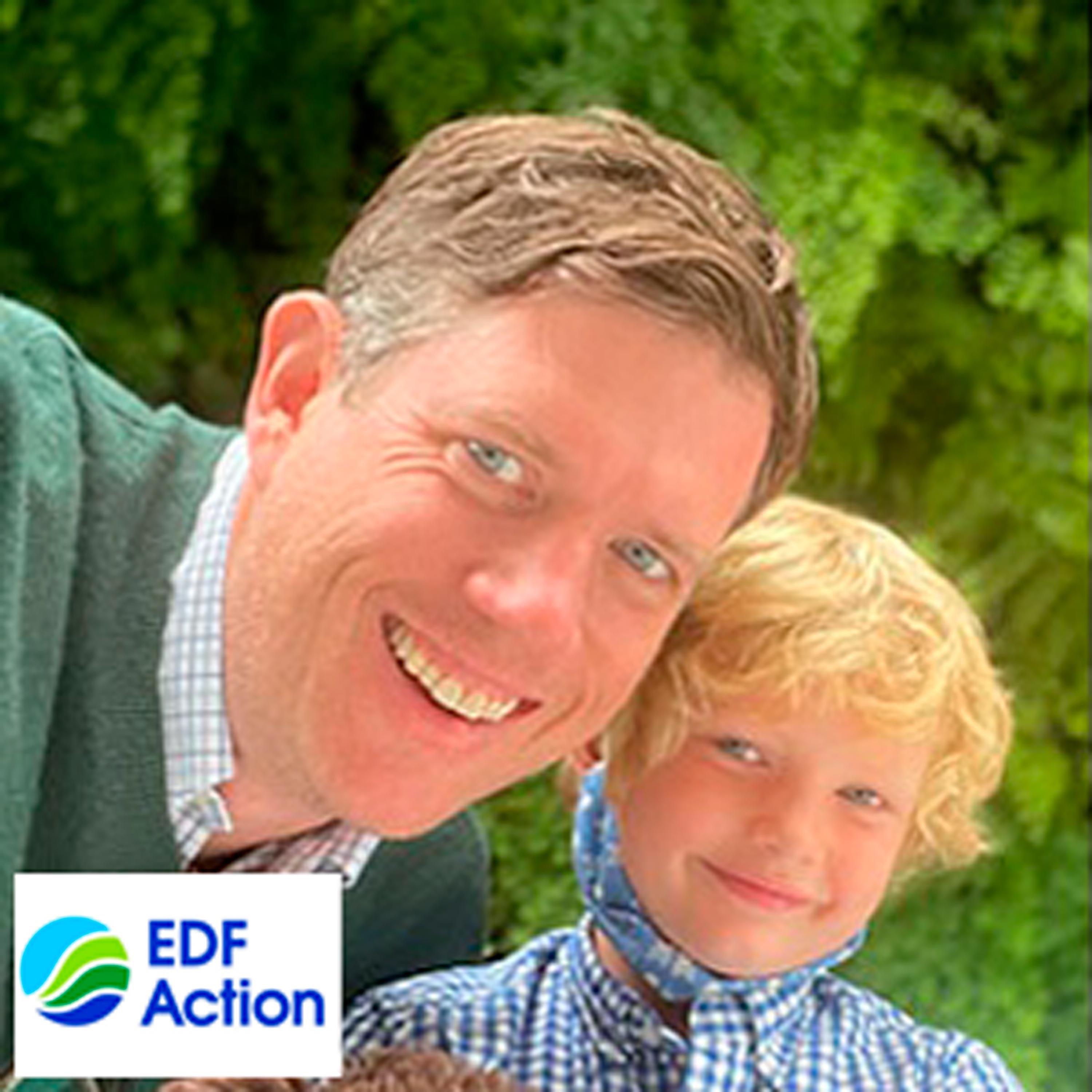
S15 Ep 1171Building a Vital Earth for Everyone with President of Environmental Defense Fund’s EDF Action DAVID KIEVE
“I think my role and where I'm most comfortable is focusing on the economic harms that the choices this administration is making will limit access to affordable, clean energy. Affordable energy overall, and that they will wind up harming the American people. EDF is standing up and fighting the Trump administration in court every single day. We believe, based on the facts and the law, that we have very good cases and expect to see more wins than not. When the government sets aside all of the things they need to do to land appropriately and just say, "We don't care. This is what Donald Trump wants," there is recourse to step in, intervene, and challenge that. They were sloppy the first time he was president. They're even more brazen now.”David Kieve has been on the front lines of some of the most critical environmental debates of our time. Before becoming president of EDF Action, the advocacy and political arm of the Environmental Defense Fund, he was in the White House as the director of public engagement at the Council on Environmental Quality. But his journey to the West Wing started on the campaign trail, where he was tasked with a unique role: convincing a broad coalition of voters that Joe Biden was the candidate to tackle the climate crisis. He is a strategist who understands not just the science of climate change but what it takes to implement those policies. We talk about connecting climate policy to everyday costs and the political will required to confront climate change.Episode Websitewww.creativeprocess.info/podInstagram:@creativeprocesspodcast
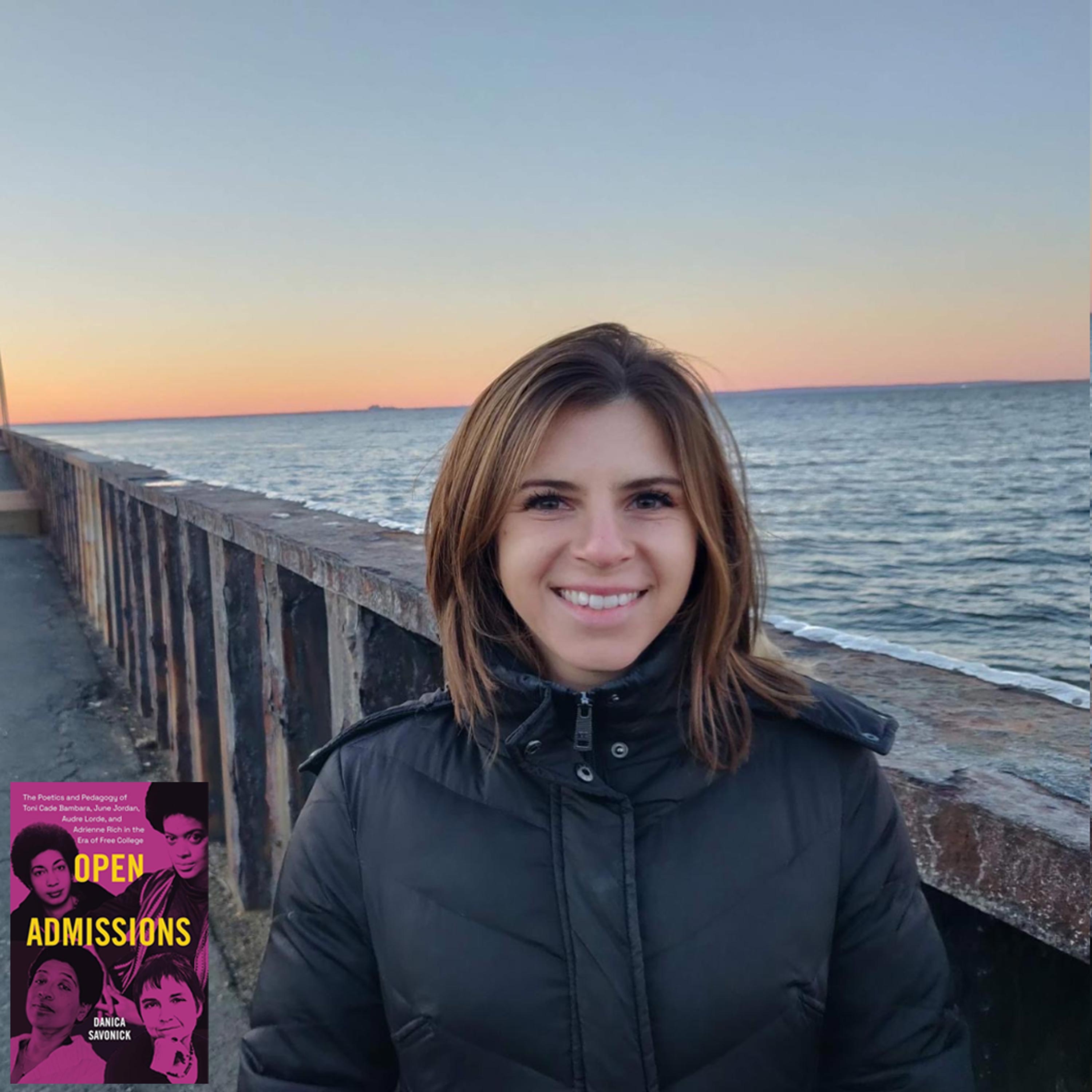
S15 Ep 1170The Poetics & Pedagogy of Toni Cade Bambara, June Jordan, Audre Lorde &Adrienne Rich in the Era of Free College w/ DANICA SAVONICK
“As I was reading Hooks and Freire, a colleague recommended Adrian Rich's essay "Teaching Language in Open Admissions." It was in that essay that I first read about her experiences teaching at CUNY during open admissions, learning that she taught alongside June Jordan, Audre Lorde, and Toni Cade Bambara. Eventually, that essay led me to their archival teaching materials. I was really excited because I found in those materials concrete teaching methods, things they were doing in their own classrooms that I then started trying in my classrooms as well. I also really liked their educational philosophies, thinking about what it means for college to be free and the fact that they were teaching during this revolutionary era. What would that look like today? What would it mean? What could free college bring to our society? What does free college make possible? All of those things coming together led me to the project.” In this episode of the Speaking Out of Place podcast, Professor David Palumbo-Liu talks with Danica Savonick about her marvelous book entitled Open Admissions: The Poetics and Pedagogy of Toni Cade Bambara, June Jordan, Audre Lorde, and Adrienne Rich in the Era of Free College. This is a riveting and deeply inspiring story of how each of these luminaries in the fields of literature and feminism found their way into the City University of New York in the 1960s, when community activists had forced open what was called the Harvard for the proletariat to admit new classes of Black, brown, and other people of color. Savonick shows through copious archival research how Bambara, Jordan, Lorde, and Rich each came to find radical teaching methods in collaboration with these new students, and how their experiences with this new pedagogy affected their creative and other writing in profound and lasting ways. This is a critical history we can and must learn from today, when federal and state governments have added to the damage and violence done by the neoliberal university. We find exactly the tools and models we need to create spaces for education for liberation both within, but also outside, the Academy.Danica Savonick is an Associate Professor of English at SUNY Cortland. Her current project focuses on the radical writers and artists who taught at the experimental Livingston College (part of Rutgers University) in the 1970s. Her research has appeared in MELUS, American Literature, Modern Fiction Studies, Radical Teacher, Keywords for Digital Pedagogy in the Humanities, Public Books, and The Chronicle of Higher Ed.https://speakingoutofplace.com Bluesky @palumboliu.bsky.social Instagram @speaking_out_of_place
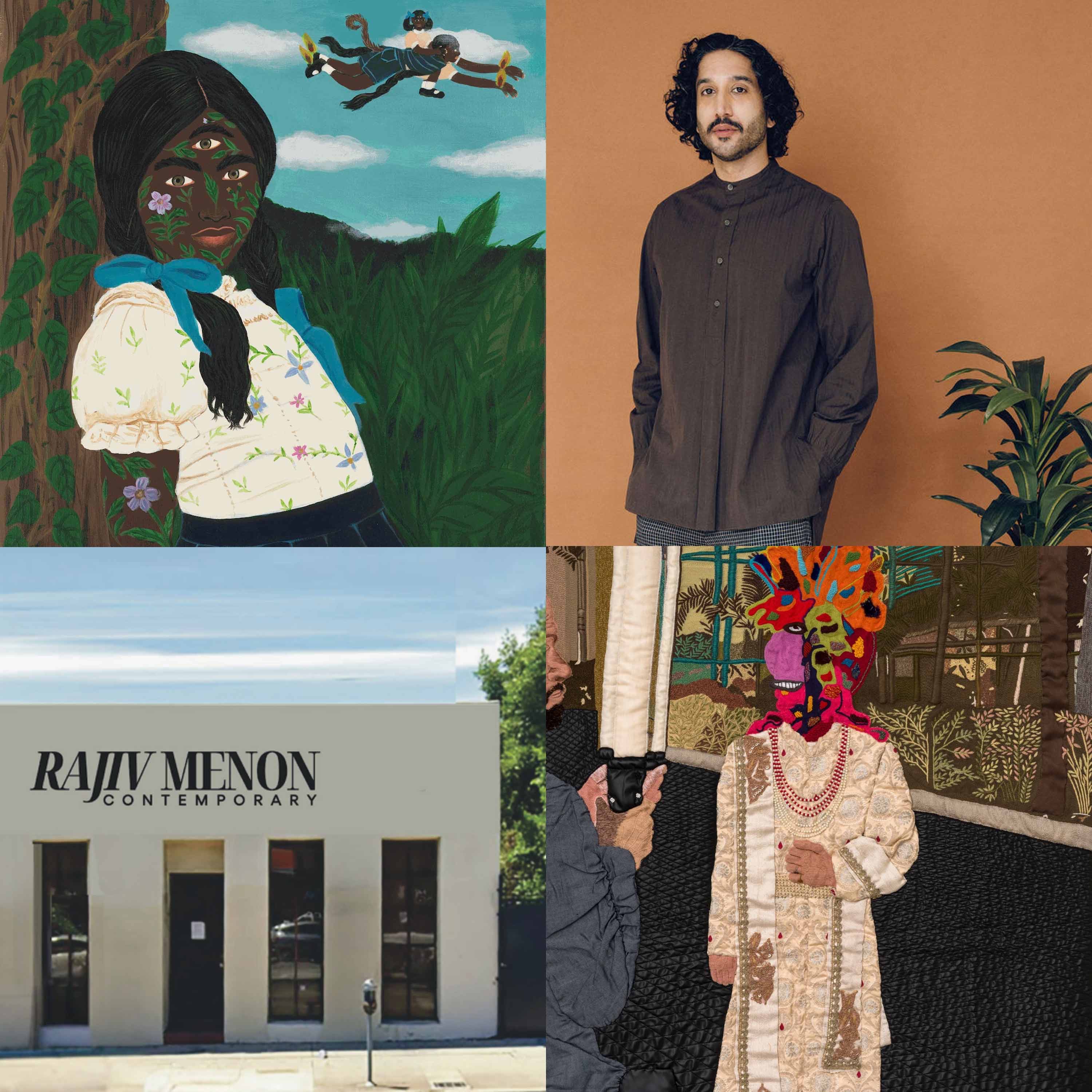
S15 Ep 1169Art Without Borders - RAJIV MENON'S Vision for South Asian Art
“I want people to understand South Asian art as broader than a single gallery or a single artist, but as a larger cultural movement. I want people to encounter art in all parts of their lives, and I’m constantly thinking about new ways to achieve that. I was very aware, as someone launching a South Asia-focused gallery, that this was the cultural dynamic that undergirded the way that most people in the West were thinking about art from the region. Taking that on directly and inviting artists to work with that theme was a really important ground for setting the ethos of the gallery and the types of critical questions we wanted to tackle with the work we were doing.”My guest today is Rajiv Menon, a gallerist and curator who is carving out a distinctive space in the contemporary art world. Based in Los Angeles, Rajiv Menon holds a PhD from NYU, where he studied global media and visual culture, and he's also a passionate collector of South Asian art. He founded Rajiv Menon Contemporary with a clear mission: to bring artists from South Asia and its diaspora to a wider audience, and to cultivate a new generation of art collectors within these communities. His exhibitions have tackled fascinating themes, from the exuberant and sometimes overwhelming world of the Indian wedding through Viraj Khanna's intricate textile art in Why Did I Say Yes?, to a deep dive into the creativity of Kerala in Three Steps of Land, and a compelling look at how artists transform nostalgia into an aesthetic movement in The Past Is a Country. His work resonates far beyond the gallery walls, aiming to shift our collective culture. He's also recently been honored by the City of Los Angeles for his contributions to the arts. @rajivmenoncontemporaryEpisode Websitewww.creativeprocess.info/podInstagram:@creativeprocesspodcast
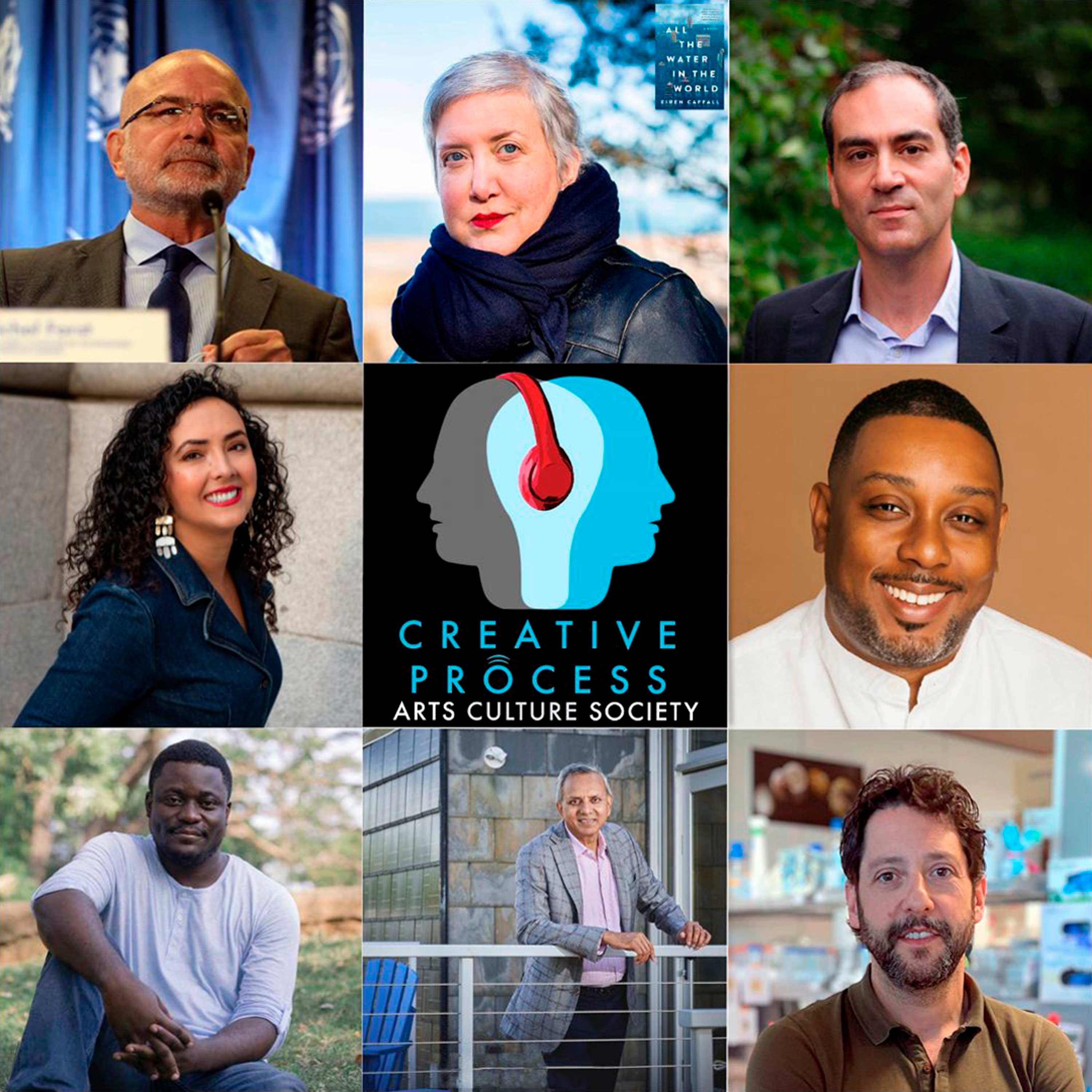
S15 Ep 1168What Do We Do with the One Life We’re Given? - Scientists, Writers, Philosophers & Changemakers Share their Stories
In this time of rapid technological change, how do we hold onto our humanity? How do stories, traditions, and community help us find meaning in loss and face an uncertain future? How can science, art, and spirituality open new pathways to understanding ourselves and the human experience?PAUL SHRIVASTAVA (Co-President, The Club of Rome) discusses the need for a holistic, eco-civilizational future, emphasizing that science, technology, and economics are important but not the whole picture. He shares the importance of embodied, emotional, and spiritual learning as essential to evolving human consciousness in a technologically dominated world.BAYO AKOMOLAFE (Philosopher, Founder of Emergence Network) shares a story about the loss of his father and how it forced him to mature quickly and become the breadwinner for his family. He reflects on the lessons learned from his children, especially his autistic son, who teaches him about grace, possibility, and futurity.MICHEL FORST (Human Rights Advocate & the UN Special Rapporteur on Environmental Defenders) explores how theology and meditation serve as ongoing sources of inspiration, shaping his values and career choices in human rights advocacy.DR. GUY LESCHZINER (Neurologist, Author of The Nocturnal Brain) on the concept of free will, suggesting that much of what we do is influenced by factors beyond our control. He discusses the importance of striving to make the world better, the role of sleep and dreams in memory and emotional processing, and the future of education.EIREN CAFFALL (Author of All the Water in the World) highlights the importance of preserving knowledge and human history, imagining how future generations might rebuild society after catastrophe by holding onto stories, traditions, and the hope of repair.DR. FERNANDO GARCÍA-MORENO (Neuroscientist) explains that while our brains have not changed biologically for thousands of years, cultural evolution has accelerated. He emphasizes the unique human roles of generating and transmitting knowledge across generations.NATASHA HAKIMI ZAPATA (Author of Another World Is Possible: Lessons for America From Around the Globe) shares her inspiration from the generosity and hope she encounters in others, and describes how she's inspired by connecting with nature.IRVIN WEATHERSBY JR. (Author of In Open Contempt) reflects on the influence of his church upbringing, music, and his grandmother on his writing and creative expression.
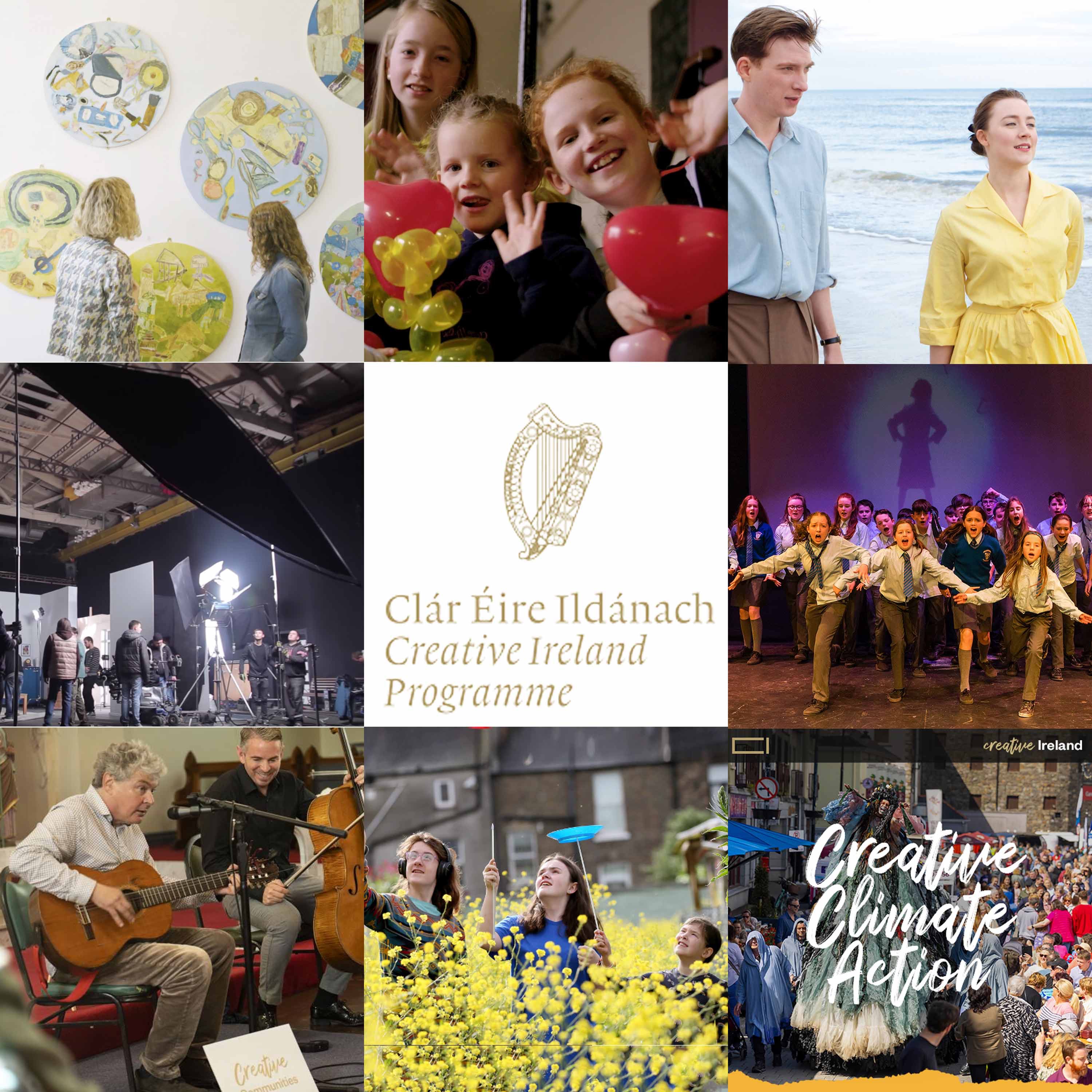
S15 Ep 1167Creative Ireland: How Ireland Is Harnessing Creativity as National Strategy with SHEILA DEEGAN
Today, we talk about creativity—not as a luxury, but as a national strategy. Sheila Deegan is one of Ireland’s leading cultural architects. Over three decades, she’s shaped the artistic life of Limerick and helped reimagine the role of creativity in civic life. She now serves in the Creative Ireland Programme, a bold cross-government initiative that sees culture as a force for personal and national wellbeing. From children’s creative freedom to climate action, from local festivals to cross-border partnerships, Creative Ireland asks a radical question: what happens when a country places imagination at the heart of public policy? Sheila Deegan joins me now to talk about that question—about culture, community, the role of art in a divided world, and what it means to build something lasting through the machinery of government."I left the local environment to pursue Creative Ireland because I really believe in this broader approach. Let's try not to silo things. Let’s try and get people working collaboratively for the benefit of everybody, not just one program over the other. I really hope that young people can hold a sense of social justice as we move forward into a very complicated world. They need to remember that we're all just people and that we all just need each other, whether that's creatively or within the landscape or within the economics."Episode Websitewww.creativeprocess.info/podInstagram:@creativeprocesspodcast
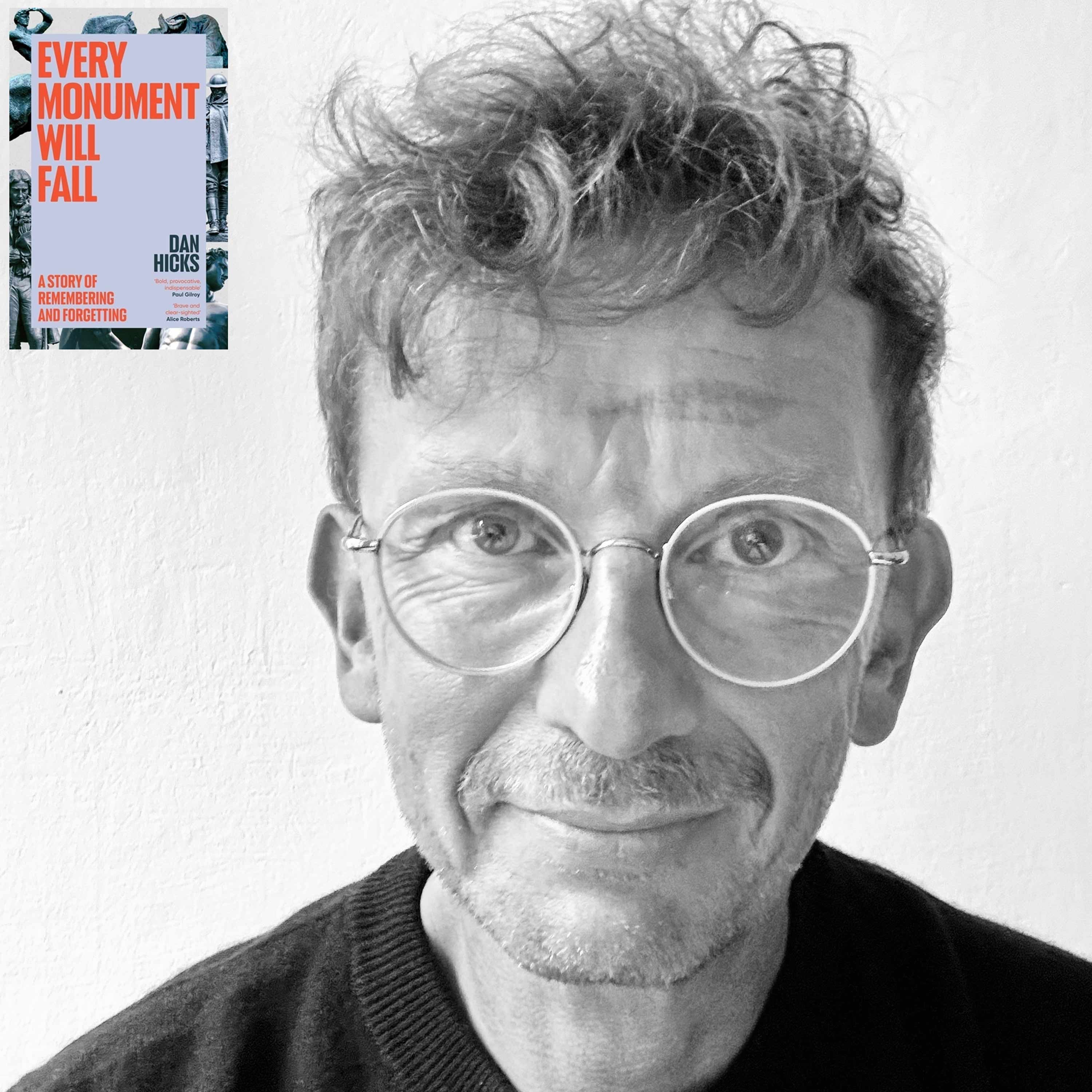
S15 Ep 1166Every Monument Will Fall - DAN HICKS Explores Remembering & Forgetting
“I work in between archeology and anthropology in this field called either historical archeology or contemporary archeology. At the heart of that is the relationship between objects and humans. How do we write about the past or the present in terms of listening to human voices or evidence from things where maybe human voices have been erased or haven't left as much of a mark on the written records as others? Wrapped up with that, though, is always the risk of dehumanization, of the treatment of human lives as if the boundary between a subject and an object is one that is permeable, not in a sort of positive way, but in a more sinister way. There is a long history of people being treated as things.”In this episode of Speaking Out of Place podcast Professor David Palumbo-Liu talks with Dan Hicks about the present’s responsibility to itself. How do not only monuments, but also the very idea of monumentality, serve to mystify and perpetuate beliefs that maintain social orders that deserve to be strenuously re-evaluated? Archaeologist and anthropologist Dan Hicks traces the development of a particularly virulent strain of monument-worship, that which emerges out of what he calls “militarist realism,” which harnesses technologies of war, particularly colonial, white supremacist war, to build institutions, disciplines, museums in its image in order to permanently maintain a border between those deemed human subjects and the object-worlds of the non-human—which includes racial others. Rather than grant the past immunity, Hicks argues that we need to decide for ourselves what we chose to remember, and what deserves to be forgotten.Dan Hicks is Professor of Contemporary Archaeology at Oxford University, Curator at the Pitt Rivers Museum, and a Fellow of St Cross College. He has written widely on art, heritage, museums, colonialism, and the material culture of the recent past and the near-present. Dan's books include The Brutish Museums: the Benin Bronzes, colonial violence and cultural restitution (Pluto 2020) and Every Monument Will Fall: a story of remembering and forgetting (Hutchinson Heinemann 2025). Bluesky/Insta: @ProfDanHicks www.palumbo-liu.com https://speakingoutofplace.com Bluesky @palumboliu.bsky.social Instagram @speaking_out_of_place
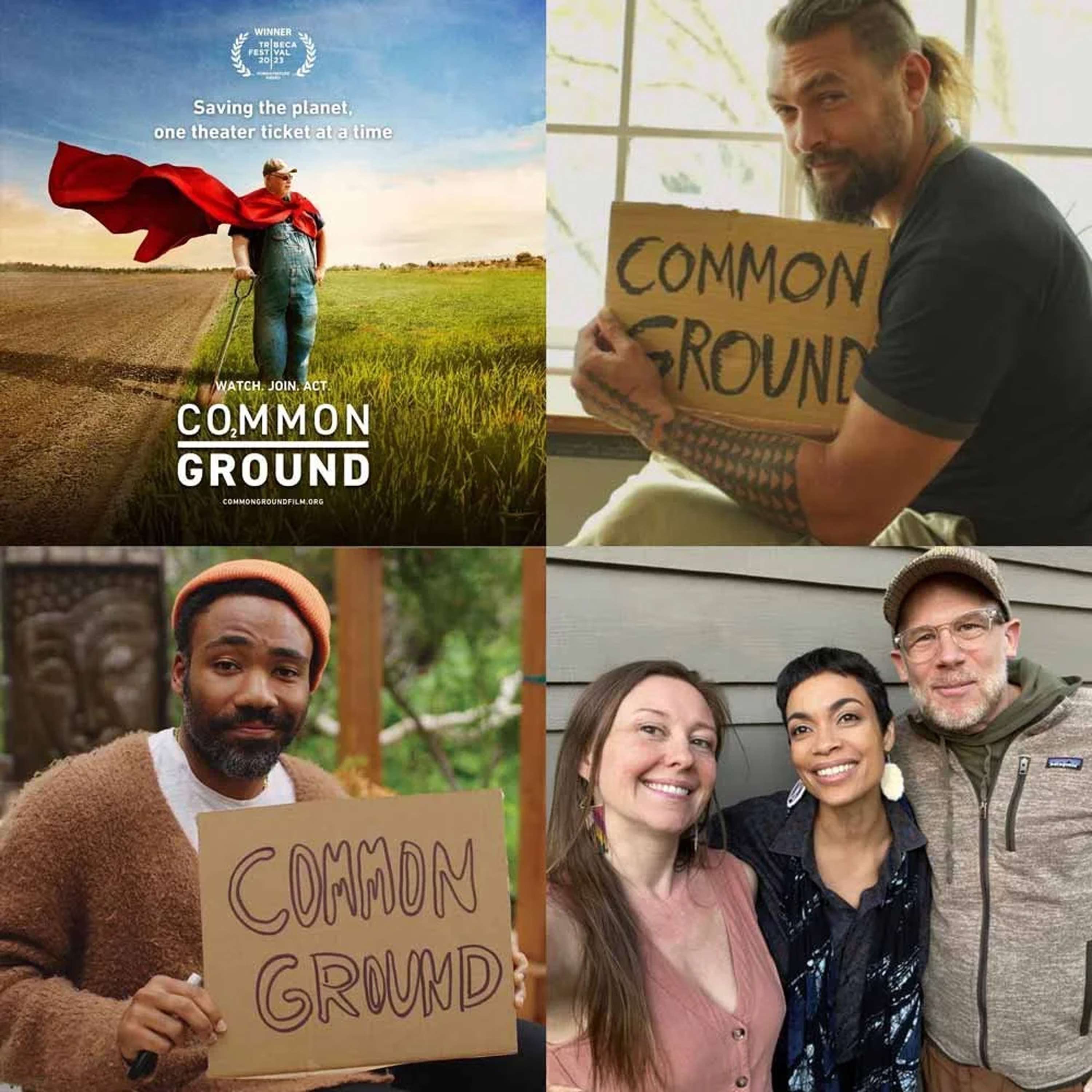
S15 Ep 1165From 'Bee: Wild' to the 'Kiss the Ground' Regenerative Agriculture Documentary Trilogy w/ REBECCA TICKELL - Highlights
"For the last two decades, I've made over 20 films about the environment, starting with oil and carbon emissions. Those films, Kiss the Ground and now Common Ground, talk about how we can stabilize the climate, reverse climate change, grow nutrient-dense food, and help farmers make a profit through biodiversity and regenerative practices and principles.There's incredible intelligence in nature; it knows how to be resilient. We thought we could do it better, and in trying to mechanize and industrialize the entire system, we created a linear system that doesn’t make sense. We’re growing animals to produce food that we can’t eat so that we can ship it halfway around the world. It’s a system that doesn’t work.The way to heal, regenerate, stabilize the climate, and reverse climate change is literally one inch and one acre at a time—through communities waking up to the power of soil and biodiversity to sequester carbon for all of us. The oceans can’t handle any more carbon absorption; they’re acidifying and heating up. We need to take the carbon we’ve emitted and put it back into the soil. When we do that, we create thriving ecosystems, biodiversity, and water infiltration, which massively reduces the risks from flooding. It helps reverse desertification and staves off droughts by retaining water like a sponge. Resiliency comes from having genetic diversity rather than just one of everything."Today, we explore the work of a filmmaker whose lens is consistently turned toward the most critical issues facing our planet. Rebecca Tickell, in collaboration with her husband Josh Tickell, has created a powerful cinematic catalog of films that are not merely observations, but catalysts for change. They've taken on the complexities of our energy systems, the deep-seated problems within our food supply, and now, with her latest work, Bee: Wild, they explore the essential, fragile, and often unseen world of pollinators.Their film Kiss the Ground sparked a global conversation about regenerative agriculture, leading to tangible shifts in policy and public understanding. Common Ground continued this exploration, unraveling the intricate web of our food systems. Now, with Bee: Wild, narrated by Ellie Goulding and executive produced by Angelina Jolie,Rebecca brings her characteristic blend of journalistic rigor, personal narrative, and solutions-driven storytelling to the urgent plight of bees, asking us to reconsider our relationship with the natural world.Episode Websitewww.creativeprocess.info/podInstagram:@creativeprocesspodcast
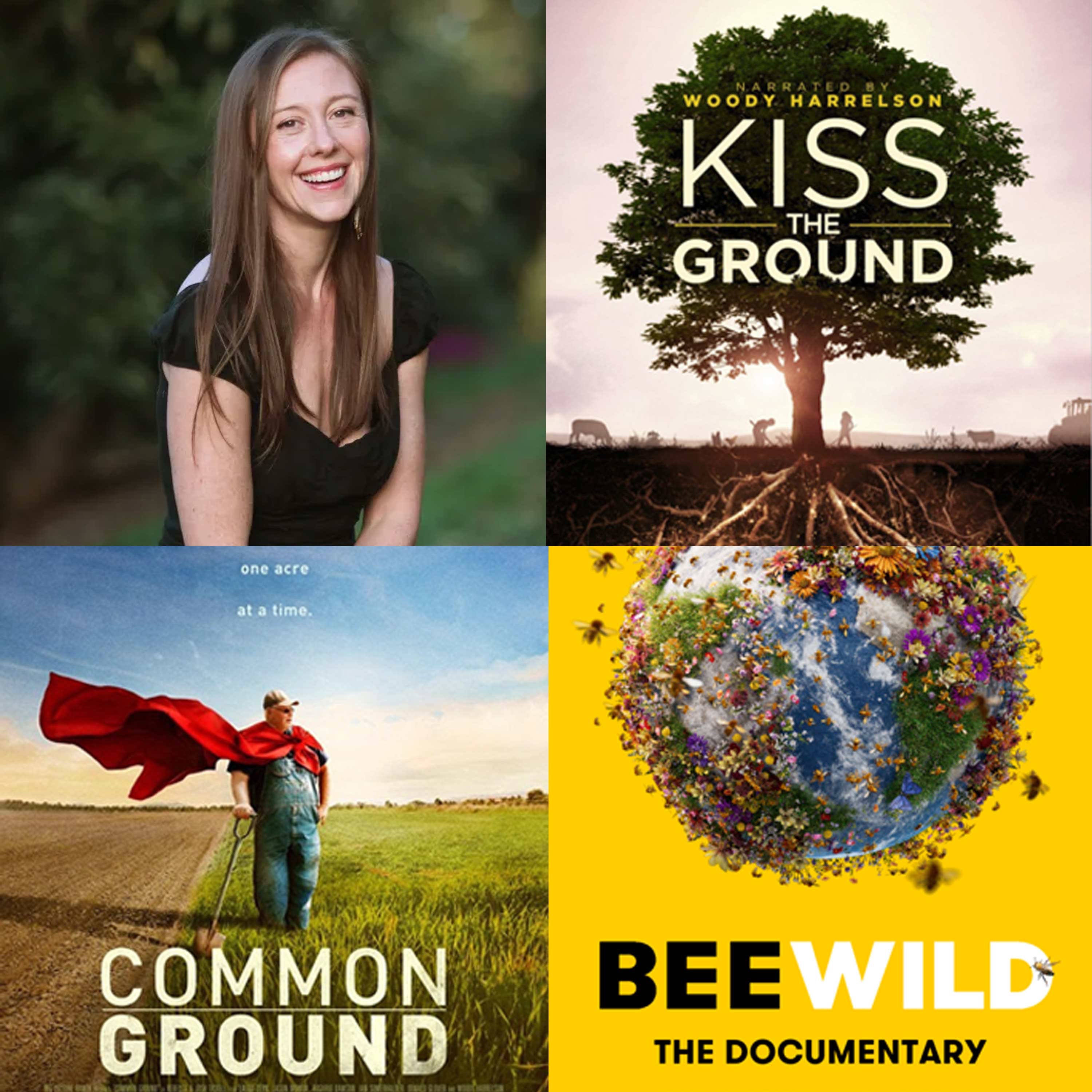
S15 Ep 1164All About Bees, Soil & Regeneration with Documentary Filmmaker REBECCA TICKELL
“I didn't really appreciate bees until I became a farmer, and then I started to understand how essential bees are for our food. They pollinate 70% of our food, and that feeds 90% of the world. There's a whole world of insects that creates the color in our food; it's what creates the flavor in our food. It's part of our biodiversity, and it's essential for human life on Earth to protect and understand how to protect these bees and pollinators.Soil has the power, through photosynthesis, to draw down carbon from the atmosphere. It's called biosequestration. It takes that carbon down into the roots, and then it turns it into healthy humus. That is the food for life in the soil. It needs that carbon. And so that is the purpose of plants. They breathe in the carbon and breathe out the oxygen.We've forgotten that simple tool of the solution that's right beneath our feet called soil health and soil regeneration. Not only does it draw down carbon, it's the only place we can put that teraton of carbon that we've emitted. There's only one place for it, and it's in the soil. So why isn't that the main conversation of every climate conversation? You not only bring the soil back to life, but you are creating nutrient-dense food. You're giving plants the ability to work in symbiosis with the soil that it co-evolved with. That then allows for it not only to be resilient and have a strong immune system, but also to absorb nutrition, which, in turn, we eat and absorb that nutrition. We're a reflection of the soil."Today, we explore the work of a filmmaker whose lens is consistently turned toward the most critical issues facing our planet. Rebecca Tickell, in collaboration with her husband Josh Tickell, has created a powerful cinematic catalog of films that are not merely observations, but catalysts for change. They've taken on the complexities of our energy systems, the deep-seated problems within our food supply, and now, with her latest work, Bee: Wild, they explore the essential, fragile, and often unseen world of pollinators.Their film Kiss the Ground sparked a global conversation about regenerative agriculture, leading to tangible shifts in policy and public understanding. Common Ground continued this exploration, unraveling the intricate web of our food systems. Now, with Bee: Wild, narrated by Ellie Goulding and executive produced by Angelina Jolie,Rebecca brings her characteristic blend of journalistic rigor, personal narrative, and solutions-driven storytelling to the urgent plight of bees, asking us to reconsider our relationship with the natural world.Episode Websitewww.creativeprocess.info/podInstagram:@creativeprocesspodcast
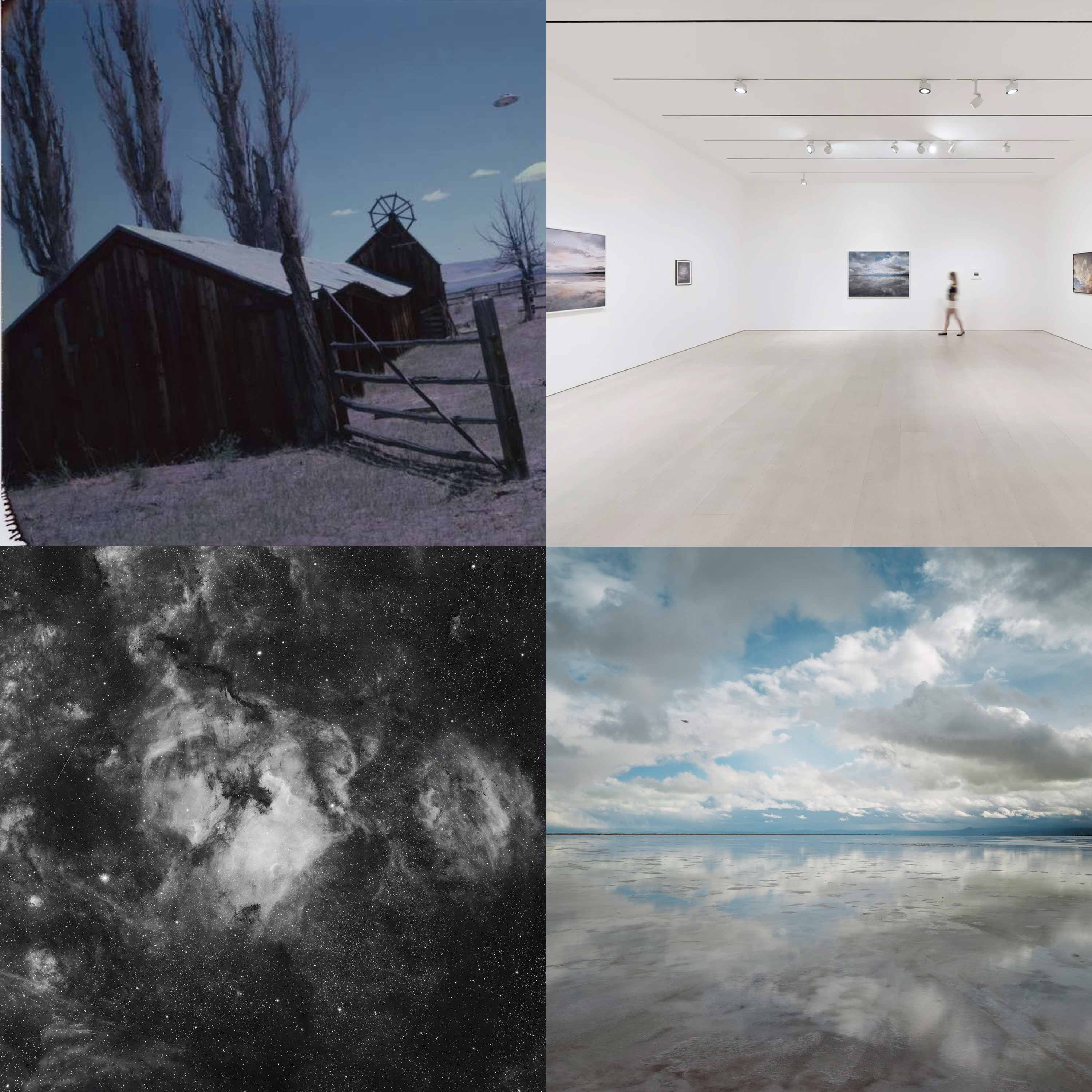
S15 Ep 1163AI, UFOs, Perception & Reality with Artist, Geographer, Author TREVOR PAGLEN - Highlights
“If we look at the entire history of the human experience, if you saw some text or you heard some spoken language, you could 100 percent reliably infer that there was a human who created that. Our experience of having that text or that image generated for us is very akin to the experience of a magic trick, and we sort of pre-subconsciously want to attribute some kind of intelligence to what's going on on the other side.At the core of the work is that sense of curiosity, that sense of joy, that sense of beauty, and that sense of learning. I've been fortunate to have all kinds of strange and interesting experiences, whether that's seeing weird things in the sky over secret military bases in the middle of the Nevada desert, going scuba diving and finding internet cables on the bottom of the ocean, or tracking spy satellites in the sky and being able to predict when they'll appear in a flash against the backdrop of stars. The world around us is extraordinary and embodied, right? It is not on screens, and I’m very privileged to have that be so much a part of my process.”Trevor Paglen is an artist whose work makes the invisible visible, whether he's photographing secret government sites from miles away or revealing the hidden infrastructures of mass surveillance. He's a geographer by training, and he combines investigative journalism with his art practice to explore the hidden power structures of our time, including military technology and artificial intelligence. His work has been exhibited in major museums around the world, and he's also an award-winning author. His exhibitions, like 'The Black Sites' and 'Limit Tele-photography,’ have earned him critical acclaim, including a MacArthur Fellowship. He's recently opened a new exhibition at Pace Gallery in New York called Cardinals (Jun 26–Aug 15) which delves into the intriguing connections between UFO sightings, AI, and the spread of disinformation.Episode Websitewww.creativeprocess.info/podInstagram:@creativeprocesspodcast
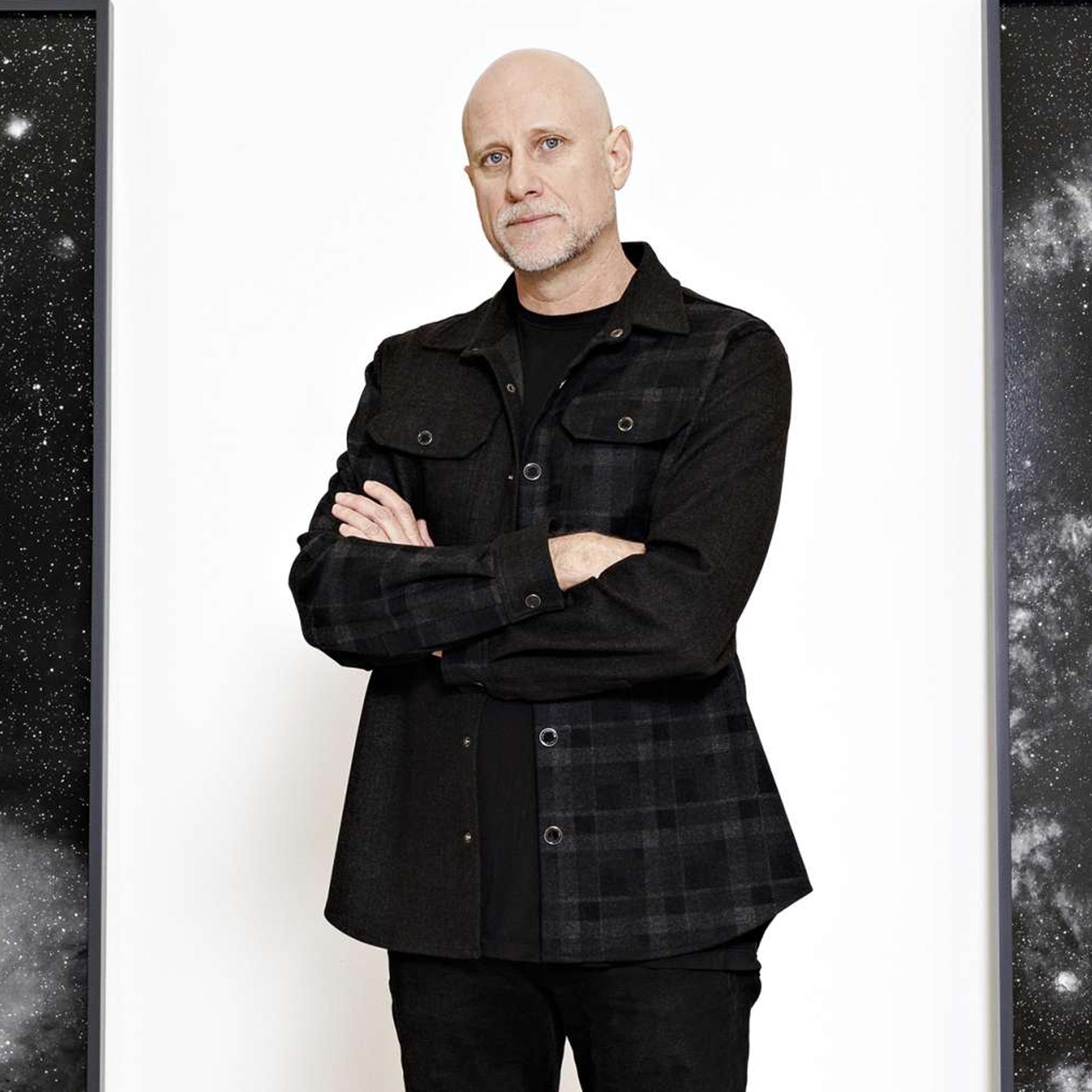
S15 Ep 1162How AI is Shaping Perception, How Deception is Sculpting Our Reality with Artist TREVOR PAGLEN
“There's a word for this brain rot, right? I think that's very real. There are studies coming out now that are showing that the more and more of our cognitive labor we offload to AI systems, the less creative we become, the less critical we become, and the less of our human faculties for reason we use. There's something sad about that, but there’s also something dangerous about it because that leaves us very open to being manipulated. The surveillance capitalism kind of economy of extracting data from every possible moment of everyday life in order to extract value. The sensor systems that we're surrounded with are not simply passive devices that are recording us; they are increasingly becoming active sculptors of our experience of reality. Playing dirty.I’m trying to think about these other media strategies, whether that's UFO photography, psychological operations, magic, or neuroscience, and take them seriously as contributing factors to the changing visual culture. With the collection at Pace Gallery, (New York, Jun 26–Aug 15) it was really just to put those images together and show them. They’re all photographed on film. A lot of them are photographed on instant film. They’re not images that are made with AI; they're not images that are photoshopped. What I really wanted to get at was thinking about the ways in which what we see in an image is very often what we're predisposed to see. I am playing with these mechanics of perception and proposing that as a way of thinking about images now.At the core of the work is that sense of curiosity, that sense of joy, that sense of beauty, and that sense of learning. I've been fortunate to have all kinds of strange and interesting experiences, whether that's seeing weird things in the sky over secret military bases in the middle of the Nevada desert, going scuba diving and finding internet cables on the bottom of the ocean, or tracking spy satellites in the sky and being able to predict when they'll appear in a flash against the backdrop of stars. The world around us is extraordinary and embodied, right? It is not on screens, and I’m very privileged to have that be so much a part of my process.”Trevor Paglen is an artist whose work makes the invisible visible, whether he's photographing secret government sites from miles away or revealing the hidden infrastructures of mass surveillance. He's a geographer by training, and he combines investigative journalism with his art practice to explore the hidden power structures of our time, including military technology and artificial intelligence. His work has been exhibited in major museums around the world, and he's also an award-winning author. His exhibitions, like 'The Black Sites' and 'Limit Tele-photography,’ have earned him critical acclaim, including a MacArthur Fellowship. He's recently opened a new exhibition at Pace Gallery in New York called Cardinals, which delves into the intriguing connections between UFO sightings, AI, and the spread of disinformation.Episode Websitewww.creativeprocess.info/podInstagram:@creativeprocesspodcast
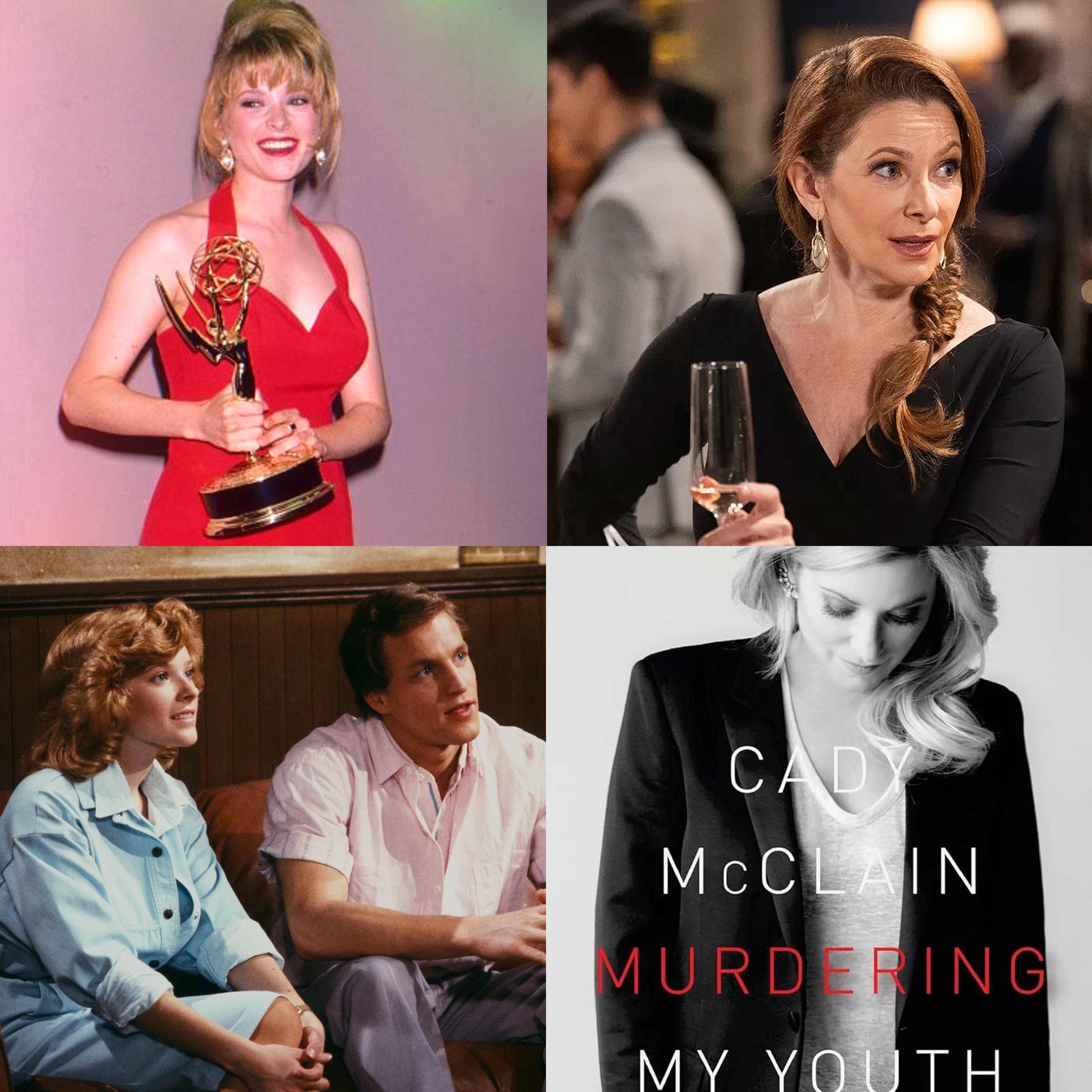
S15 Ep 1161Art, Empathy & Resilience with CADY McCLAIN, Actor, Director, Writer, Artist, Musician - Highlights
“I had to become the father of my family very young because my parents divorced when I was 12. My situation was a little bit unusual in that my father kind of disappeared, and I had been making a fair amount of money as a kid, doing commercials and television and film. We needed money, and I kind of became the breadwinner. But I had this amazing world that I had access to, which was the world of the entertainment industry. My mom was supportive of my taking over and saying, "This is, I think, what we need to do." She liked the idea of moving to New York, so we moved to New York when I was 17 with a play that I had gotten. Then she got cancer and became really sick, so I had to take care of her full time. That lasted for about eight years, and then she died when I was 25. That was a rough go. At the same time, I had an amazing other world, and my other world was the world of make-believe and pretend, which I got to participate in on the soaps, with happy families and Christmases, Easters, miracles, love, weddings, and children. The pretend world that I spent a large amount of time in became a great way to balance what was sort of tragic in my real life.”Our guest today is Cady McClain. You probably know her from her long and celebrated career in daytime television. She is a three-time Emmy® Award-winning actress. She plays Pamela Curtis on CBS’ Beyond the Gates, and is the Artistic Director of Axial Theatre, and her directorial work includes the documentary, Seeing is Believing: Women Direct, a fascinating look at the challenges and triumphs of women behind the camera. Her memoir, Murdering My Youth, is an honest and sometimes difficult book about growing up as a child actor in the spotlight. Her work across all these different art forms—acting, directing, writing, art, and music—all seems to be connected by a commitment to telling true stories, no matter how complicated. www.creativeprocess.info/podInstagram:@creativeprocesspodcast
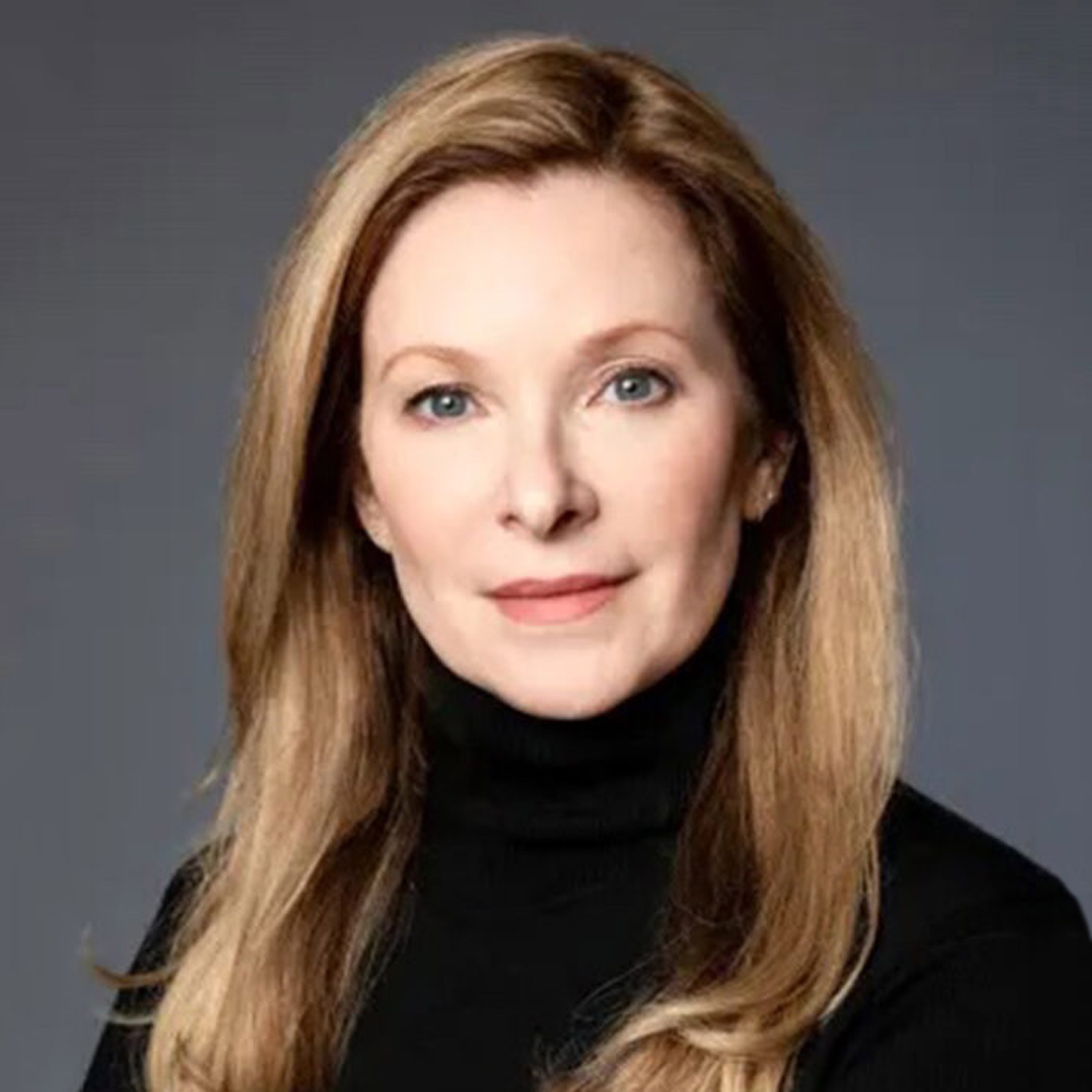
S15 Ep 1160A Life in Acting with Emmy Award-winning Actor, Director, Writer CADY McCLAIN
“I won my first Emmy when I was 21, which was the result of absolutely devoting myself day and night for two years to doing all the scene work. I attended classes simultaneously and did plays until my mother died. I studied with Michael Howard for eight years. Even when I was so tired I couldn't get up to do a scene, he would say, "Get up and do a poem." It helped me enormously; it saved me.The way I was trained and how I train others is that you know when you’re in the zone. Oh God, it feels so good. It feels like flying. And that's what you want. You want to be so unselfaware that you're on liftoff?I had to become the father of my family very young because my parents divorced when I was 12. My situation was a little bit unusual in that my father kind of disappeared, and I had been making a fair amount of money as a kid, doing commercials and television and film. We needed money, and I kind of became the breadwinner. But I had this amazing world that I had access to, which was the world of the entertainment industry. My mom was supportive of my taking over and saying, "This is, I think, what we need to do." She liked the idea of moving to New York, so we moved to New York when I was 17 with a play that I had gotten. Then she got cancer and became really sick, so I had to take care of her full time. That lasted for about eight years, and then she died when I was 25. That was a rough go. At the same time, I had an amazing other world, and my other world was the world of make-believe and pretend, which I got to participate in on the soaps, with happy families and Christmases, Easters, miracles, love, weddings, and children. The pretend world that I spent a large amount of time in became a great way to balance what was sort of tragic in my real life.”Our guest today is Cady McClain. You probably know her from her long and celebrated career in daytime television. She is a three-time Emmy® Award-winning actress. She plays Pamela Curtis on CBS’ Beyond the Gates, and is the Artistic Director of Axial Theatre, and her directorial work includes the documentary, Seeing is Believing: Women Direct, a fascinating look at the challenges and triumphs of women behind the camera. Her memoir, Murdering My Youth, is an honest and sometimes difficult book about growing up as a child actor in the spotlight. Her work across all these different art forms—acting, directing, writing, art, and music—all seems to be connected by a commitment to telling true stories, no matter how complicated.Episode Websitewww.creativeprocess.info/podInstagram:@creativeprocesspodcast
S15 Ep 1159Revolutionizing Investment Strategies with Carbon Tracker - MARK CAMPANALE - Highlights
“We're living in a fascinating time, and unfortunately, to an extent, Europe and, very much so, North America are trying to hold onto the past while other parts of the world, like China, Taiwan, Korea, and Japan, are looking to the future. As an Italian citizen and an English citizen, I feel that we’ve left ourselves behind and that others are taking leaps forward. This isn't just about climate science; it’s about big geopolitics. It's about who wins the power battle over the dominant economy, economic thinking, and currencies. Do we have a reserve currency in the petrodollar? All these things are now being questioned in 2025. We're in an extraordinary period of history.”For decades, the conversation around climate change often felt abstract, a distant threat. But what happens when that threat collides with the very concrete world of finance, with investments, and with the bottom line? Mark Campanale has been at the forefront of this critical intersection for over two decades. He's a veteran of sustainable finance, having helped launch some of the earliest responsible investment funds. But it's his work with the Carbon Tracker Initiative that has truly reshaped how we understand the economic risks of a fossil fuel-dependent future. Carbon Tracker, an independent financial think tank, introduced concepts like the "carbon bubble" and "stranded assets"—terms that have not only become central to the divestment movement but are now indispensable for investors and regulators trying to navigate the path to decarbonization. Mark Campanale and the Carbon Tracker Initiative have made it impossible to ignore the financial implications of a warming planet.Episode Websitewww.creativeprocess.info/podInstagram:@creativeprocesspodcast

S15 Ep 1158Can Finance Revolutionize Climate Action? with MARK CAMPANALE, Founder of Carbon Tracker
“Carbon Tracker is a non-profit financial think tank focused on change and the energy transition. I set it up because I spent 20 years working in the financial world, and I noticed that a lot of coal, oil, and gas projects, even with all the evidence we know about climate change, were getting financed through banks and the stock market. It was almost as if investors were completely disregarding what climate change was going to do within our lifetime. What I wanted to do was challenge that, challenge the way people think, and challenge the financial operators, the bankers, stock exchange regulators, and investors to think about what climate change was going to do and what we could do about it. We're saying to the owners of these companies, the shareholders, ‘Why don't you think about what the world will look like in 50 years, and why are you putting these young people's pensions into coal, which we know is going to destroy the planet?’ ”For decades, the conversation around climate change often felt abstract, a distant threat. But what happens when that threat collides with the very concrete world of finance, with investments, and with the bottom line? Mark Campanale has been at the forefront of this critical intersection for over two decades. He's a veteran of sustainable finance, having helped launch some of the earliest responsible investment funds. But it's his work with the Carbon Tracker Initiative that has truly reshaped how we understand the economic risks of a fossil fuel-dependent future. Carbon Tracker, an independent financial think tank, introduced concepts like the "carbon bubble" and "stranded assets"—terms that have not only become central to the divestment movement but are now indispensable for investors and regulators trying to navigate the path to decarbonization. Mark Campanale and the Carbon Tracker Initiative have made it impossible to ignore the financial implications of a warming planet.Episode Websitewww.creativeprocess.info/podInstagram:@creativeprocesspodcast
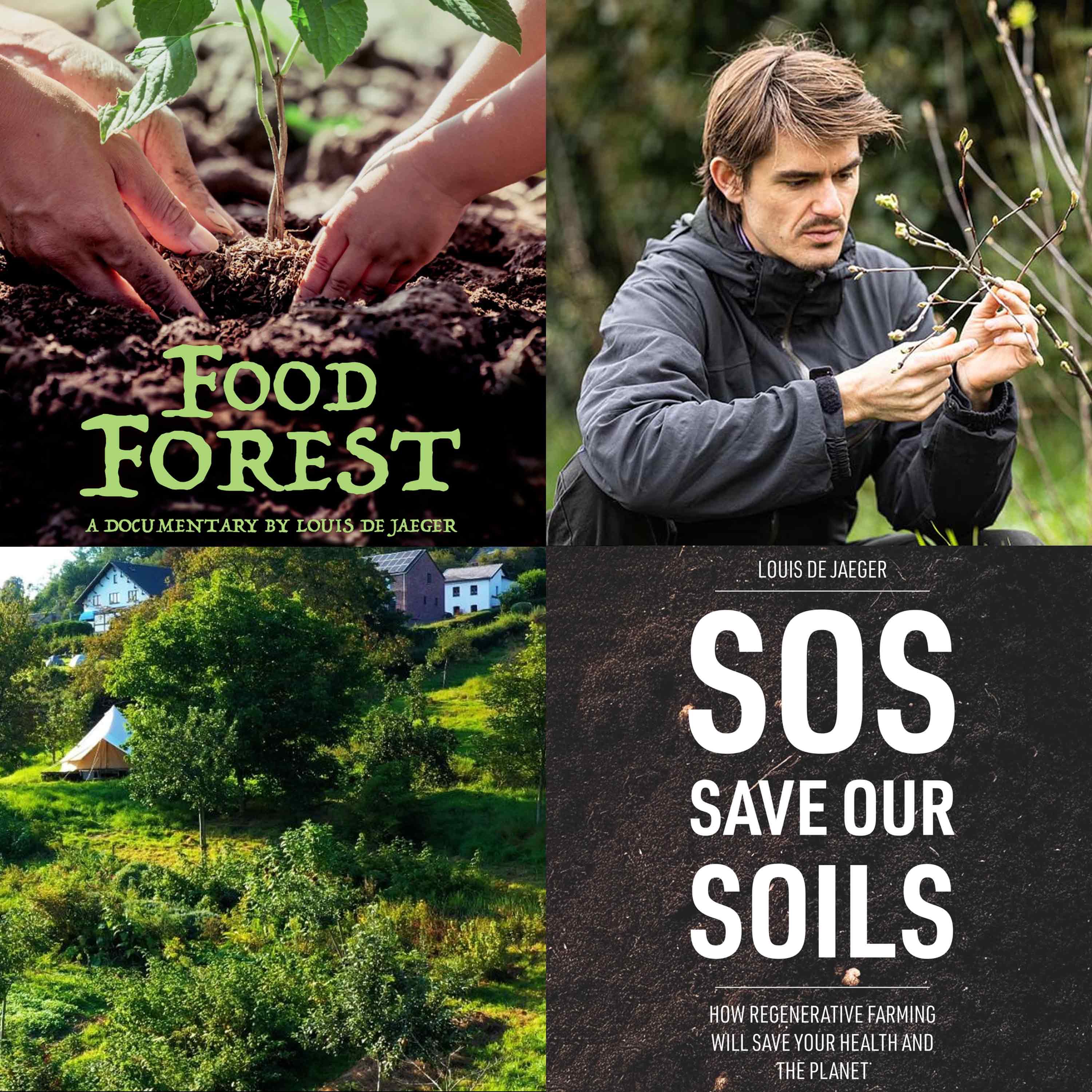
S15 Ep 1157Exploring Organic, Biodynamic & Regenerative Agriculture with LOUIS DE JAEGER - Highlights
“We as humans can destroy things in a couple of years that have taken thousands or even millions of years to form. So in the snap of a finger, we can destroy so much work. That's an observation I’ve seen in all biomes, and it's pretty scary. On the other hand, nature regenerates pretty fast. It heals itself. If humans help this healing process, it can go even faster.”Louis De Jaeger has spent years traveling the world, witnessing firsthand the decline of nature. He is an eco-entrepreneur, a landscape designer, co-founder of the Food Forest Institute, and a leading voice in the regenerative agriculture and food forest movements. He’s founded numerous ventures aimed at creating positive impact and has created over 100 food forest sites around the world. His new book, SOS: Save Our Soils: How regenerative food and farming will save your health and the planet, asks us to consider every meal as a vote for either destruction or regeneration.Episode Websitewww.creativeprocess.info/podInstagram:@creativeprocesspodcast
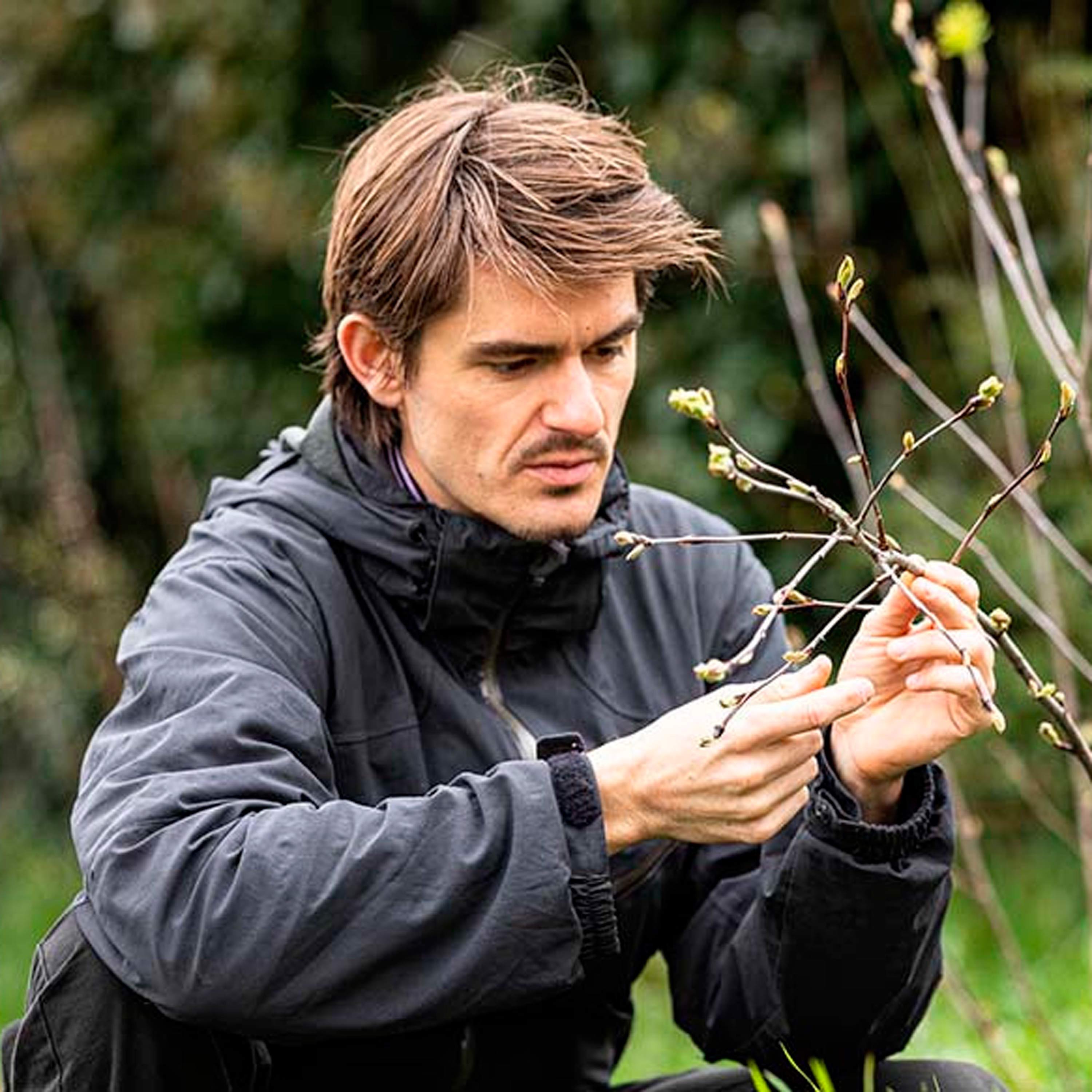
S15 Ep 1156SOS: Save Our Soils: How regenerative food & farming will save your health & the planet w/ LOUIS DE JAEGER
“The Earth started as one big rock, and soil did not exist. Without soil, you can't really grow trees or any crops whatsoever. We are depleting soils super fast, and it is predicted that in less than 25 years, 90% of our soils will be degraded. We as humans, we can destroy things in a couple of years that have taken thousands or even millions of years to form. On the other hand, nature regenerates pretty fast. It heals itself. If humans help this healing process, it can go even faster.”Louis De Jaeger has spent years traveling the world, witnessing firsthand the decline of nature. He is an eco-entrepreneur, a landscape designer, co-founder of the Food Forest Institute, and a leading voice in the regenerative agriculture and food forest movements. He’s founded numerous ventures aimed at creating positive impact and has created over 100 food forest sites around the world. His new book, SOS: Save Our Soils: How regenerative food and farming will save your health and the planet, asks us to consider every meal as a vote for either destruction or regeneration.Episode Websitewww.creativeprocess.info/podInstagram:@creativeprocesspodcast
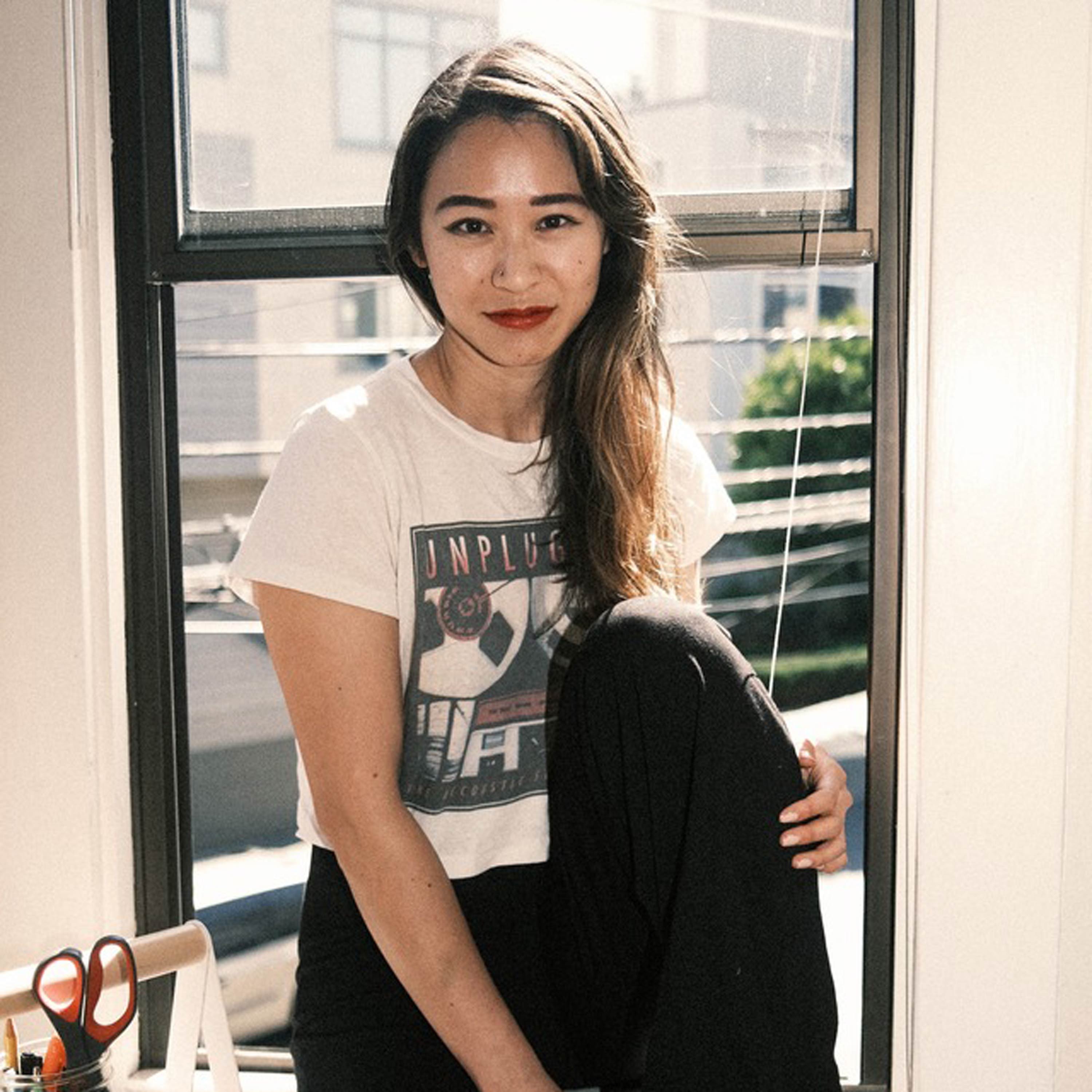
S15 Ep 1155Abolish Silicon Valley—How to Liberate Technology from Capitalism with WENDY LIU
“Abolishing Silicon Valley means freeing the development of technology from a system that will always relegate it to a subordinate role, that of entrenching existing power relations. It means designing a new system that isn't deluged in the logic of the bucket. It means liberating our worlds from the illegitimate ring of capital. Perhaps this sounds unfair to capital. Perhaps I sound like I'm not grateful enough for everything that capital has given us, but we don't owe capital anything; the things we attribute to capital were built by workers.People can labor and sometimes die in a process. Their contributions are unrecognized in death as in life. So don't thank capital. It doesn't deserve our gratitude, and it doesn't need it. Thank the people who created everything that capital always takes credit for. Capital is a means of accounting for wealth ownership, not its creation. And that means it's perpetually shrouded in a fundamental untruth; we can leap the swamp of capital behind and start over with something new. “In this episode on Speaking Out of Place podcast Professor David Palumbo-Liu talks with Wendy Liu. Ever since its publication, Abolish Silicon Valley—How to Liberate Technology from Capitalism has proven to be more urgent and insightful. Today, he talks with author Wendy Liu about how developments like AI and LLM, further erosions of intellectual property, and increased invasions of privacy make the case for abolishing Silicon Valley even more important. They talk about how abolition is critical at a time when more and more the private sector has come to eviscerate the public good. Turning to the genocide in Gaza, they discuss the ways Capital has enlisted technology in deadly and horrific manners. They end with a meditation on the commons and how one can live with fewer commodities and find value in common projects to make life more valuable and worthwhile outside of the logic of the market.Wendy Liu is the author of Abolish Silicon Valley: How to Liberate Technology From Capitalism, a memoir/manifesto about the tech industry from the perspective of a former believer. She lives in San Francisco and is working on a novel.www.palumbo-liu.comhttps://speakingoutofplace.com Bluesky @palumboliu.bsky.social Instagram @speaking_out_of_place
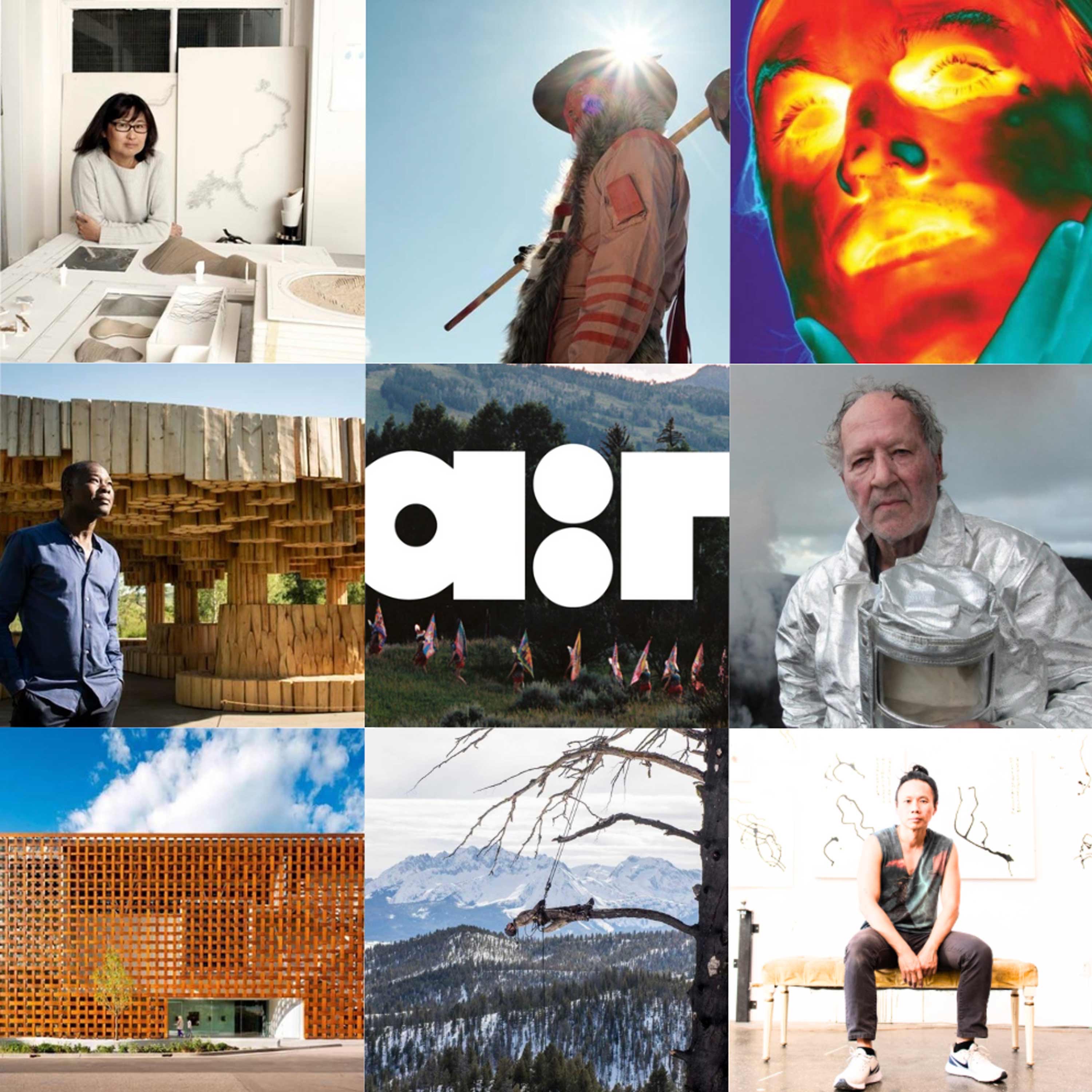
S15 Ep 1154Life As No One Knows It - Exploring AIR Aspen with NICOLA LEES - Highlights
“For us, I think it really is about trust and commitments, and I don't think that has necessarily changed over the years. As we work on that, obviously, we are very much invested in how we can engage an audience and spark the curiosity that people are looking for. The most important thing often is how we can spark that curiosity in ourselves. As a way of working, which I think is the most important framework for an institution, the institution should constantly want to learn and evolve, and it isn't a static place. Particularly coming from the opportunity of not being a collecting institution, we are ever-evolving and ever-changing.”Nicola Lees is truly pushing the boundaries of what a museum can be. Since 2020, she has been director of the Aspen Art Museum, a non-collecting, artist-founded institution dedicated to experimentation and supporting the most innovative voices in contemporary art. Under her direction, the AAM has just unveiled an ambitious, decade-long initiative called AIR Aspen. From July 26–August 1, 2025, AIR isn't just another program; it's the first artist-led global summit, a bold undertaking that will bring together artists, cultural leaders, policymakers, and influencers for yearly talks, performances, workshops, and an annual retreat. It’s designed to explore the profound role of art in addressing the big questions of our time, from AI to how we relate to one another. The inaugural theme, "Life As No One Knows It," promises to be a deeply engaging exploration of what it means to be alive in an era of rapid technological and environmental change, and it will feature an extraordinary roster of creatives whose work transcends traditional disciplines, including Francis Kéré, Paul Chan, Aria Dean, Glenn Ligon, and Maya Lin. Before her tenure in Aspen, Nicola Lees made her mark as the director and curator of New York University’s 80WSE and as a curator for Frieze Projects at Frieze London. Today, we’ll delve into her philosophy of art, leadership, and the transformative power of this new initiative.Episode Websitewww.creativeprocess.info/podInstagram:@creativeprocesspodcast
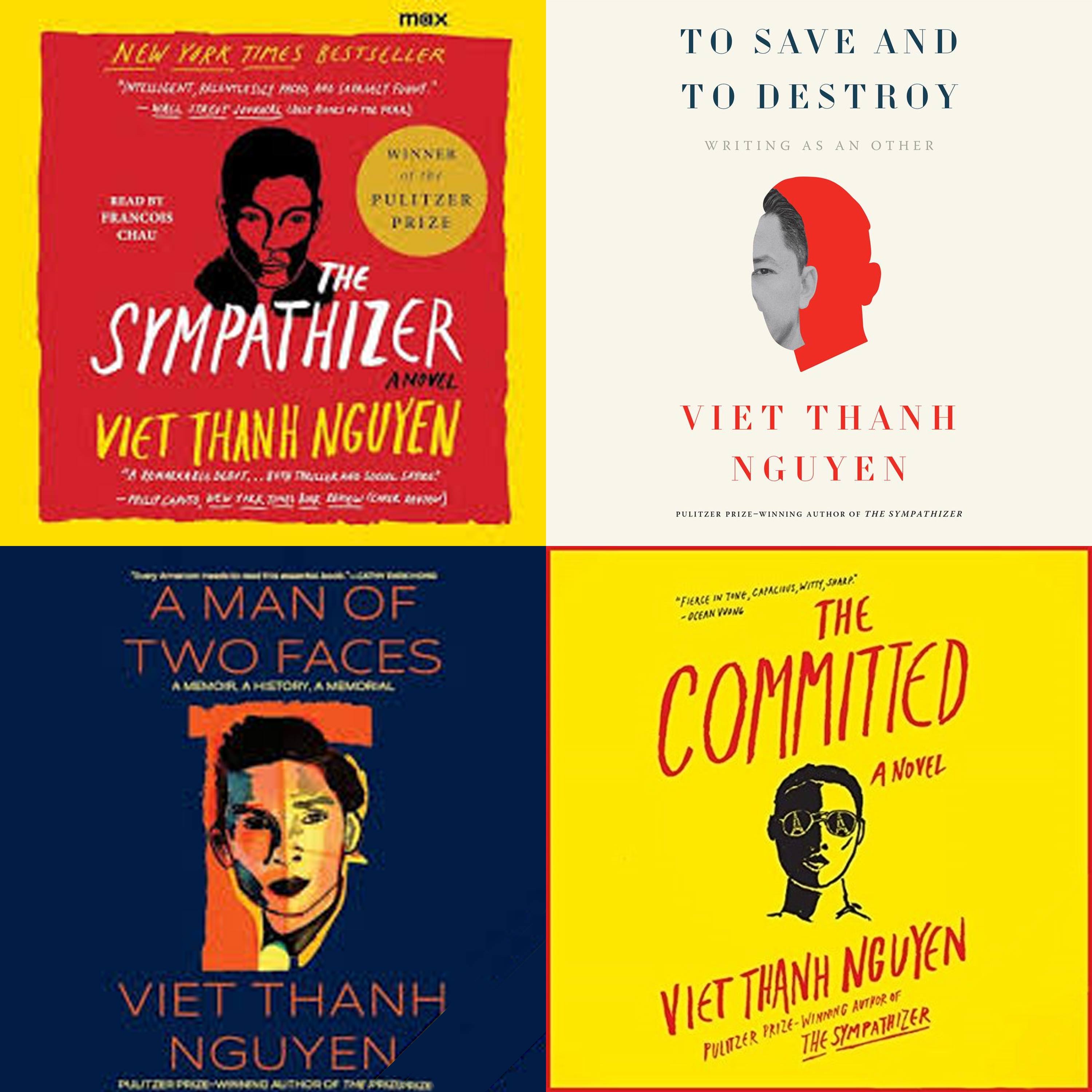
S15 Ep 1153To Save and to Destroy: Writing as an Other with Author VIET THANH NGUYEN - Highlights
“As a writer, I do believe that art and literature in and of themselves are important. I'm going to keep on writing novels, and one of the most important reasons why is because language is crucial. Part of the way that states and authoritarian regimes exercise their power is not just through physical violence and intimidation, but through a maltreatment of language itself. Trump is a perfect example of this. Everything that comes out of his mouth in terms of language is horrifying for anybody with any sensitivity to language. The excesses of his language in terms of insults and hyperbolic praise for his fans are perfect examples of how language is used by an authoritarian and by the state to obfuscate reality and intimidate people. That language is ugly from my perspective, and there is something about being committed to literature and to art that awakens us to the importance of beauty.I think about what John Keats, the poet, said: beauty is truth, truth beauty. You can't separate these kinds of things. If you're committed to the beauty of language, you're also committed to the idea that language has a relationship to truth. You can see that authoritarians don't have a relationship to truth. They have a relationship to the abuse of truth and to lying. There is a crucial role for writers here in our relationship to language because language is one of the most crucial ways that authoritarianism extends its power."Viet Thanh Nguyen has spent much of his life exploring the stories we tell—and the stories we erase—about war, migration, and memory. His 2015 debut novel The Sympathizer, about a communist double agent in the aftermath of the Vietnam War, won the Pulitzer Prize and a long list of other major literary awards. In 2024, The Sympathizer was adapted into a critically acclaimed HBO series directed by Park Chan-wook. He followed it with The Committed, and his latest work, To Save and to Destroy: Writing as an Other, a meditation on writing, power, and the politics of representation. His other books include Nothing Ever Dies and The Refugees. He was born in Vietnam, came to the U.S. as a refugee, and is now a professor at the University of Southern California. Today, we’ll talk about his books, America’s forever wars, and how the act of writing—across fiction, memoir, and scholarship—can become both a form of resistance and a way of making sense of being, as he puts it in his memoir, “A Man of Two Faces.”Episode Websitewww.creativeprocess.info/pod@creativeprocesspodcast
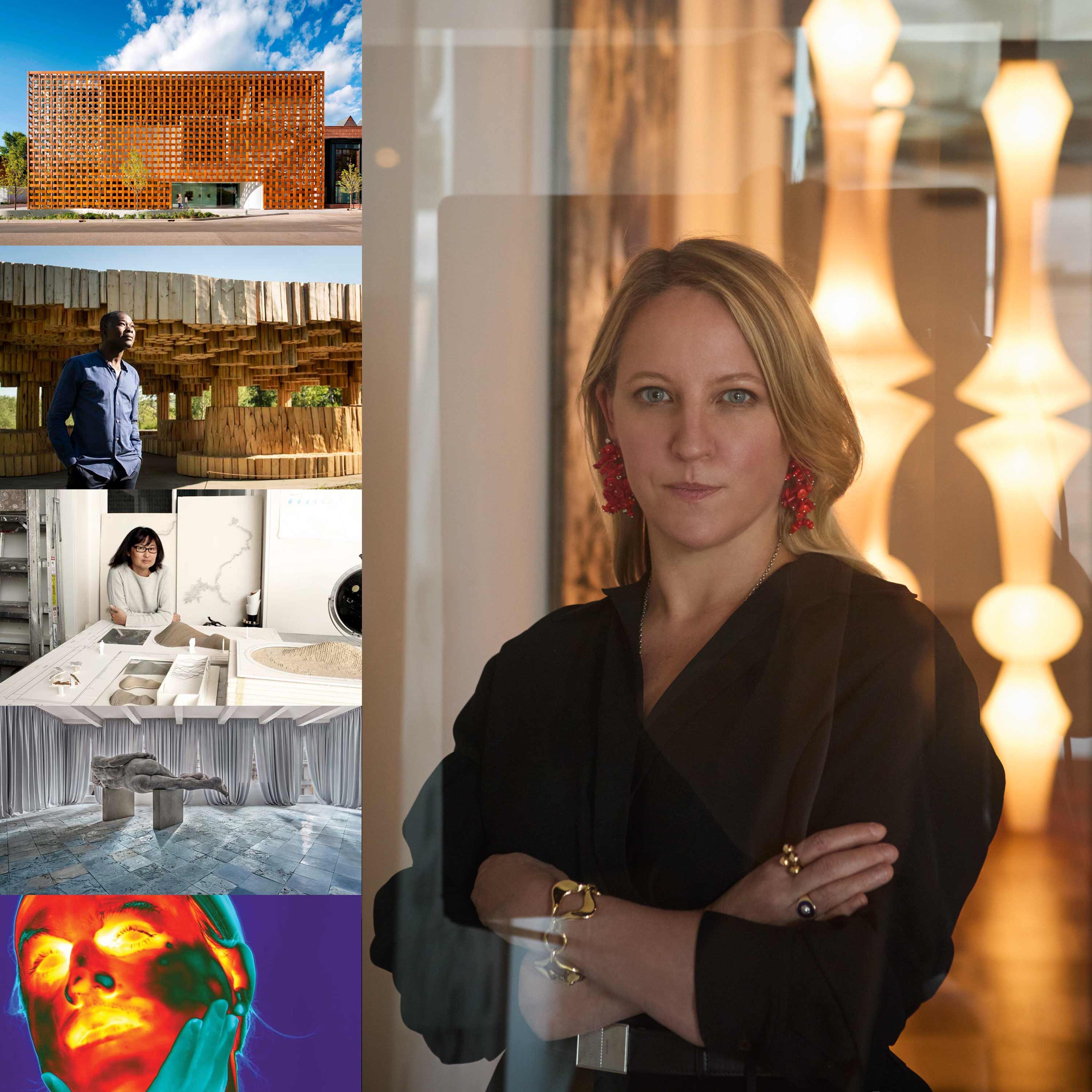
S15 Ep 1152The First Artist-Led Global Summit & The Future of Museums - NICOLA LEES, Director, Aspen Art Museum
“It's a complicated time to think about how we can slow down, be still, and bring a brilliant group of people together to do something that feels purposeful and can be productive. It's a moment where things are moving so fast. When I brought up the idea of a hinge generation, I think it's impossible to know how we will look back and reflect on this time and these moments. We are very invested in enabling people to build new relationships. What we've found from these past gatherings in Aspen is that those are the things people still talk about from 40, 50, or 60 years ago. On our relationship with the environment, Maya Lin, who is coming to give a keynote lecture, is someone who is very invested in that conversation.We are also working with the Serpentine Galleries and Hans Ulrich Obrist on the keynote lectures. Francis Kéré is coming to talk about the sustainability of his architectural practice. We're also working with Storefront for Architecture, This year, there is a real emphasis on the relationship between the question we have posed for the retreat, which is fundamentally about our relationship with technology and identifying our relationship with the world and how we want to be present in the moment.Nicola Lees is truly pushing the boundaries of what a museum can be. Since 2020, she has been director of the Aspen Art Museum, a non-collecting, artist-founded institution dedicated to experimentation and supporting the most innovative voices in contemporary art. Under her direction, the AAM has just unveiled an ambitious, decade-long initiative called AIR Aspen. From July 26–August 1, AIR isn't just another program; it's the first artist-led global summit, a bold undertaking that will bring together artists, cultural leaders, policymakers, and influencers for yearly talks, performances, workshops, and an annual retreat. It’s designed to explore the profound role of art in addressing the big questions of our time, from AI to how we relate to one another. The inaugural theme, "Life As No One Knows It," promises to be a deeply engaging exploration of what it means to be alive in an era of rapid technological and environmental change, and it will feature an extraordinary roster of creatives whose work transcends traditional disciplines, including Francis Kéré, Paul Chan, Aria Dean, Glenn Ligon, and Maya Lin. Before her tenure in Aspen, Nicola Lees made her mark as the director and curator of New York University’s 80WSE and as a curator for Frieze Projects at Frieze London.“We're very much invested in how we can engage an audience and spark the curiosity that people are looking for. As a way of working, I think is the most important framework for an institution should be constantly wanting to learn and evolve. It isn't a static place. Coming from the opportunity of not being a collecting institution, we’re ever-evolving and ever-changing."Episode Websitewww.creativeprocess.info/podInsta :@creativeprocesspodcast
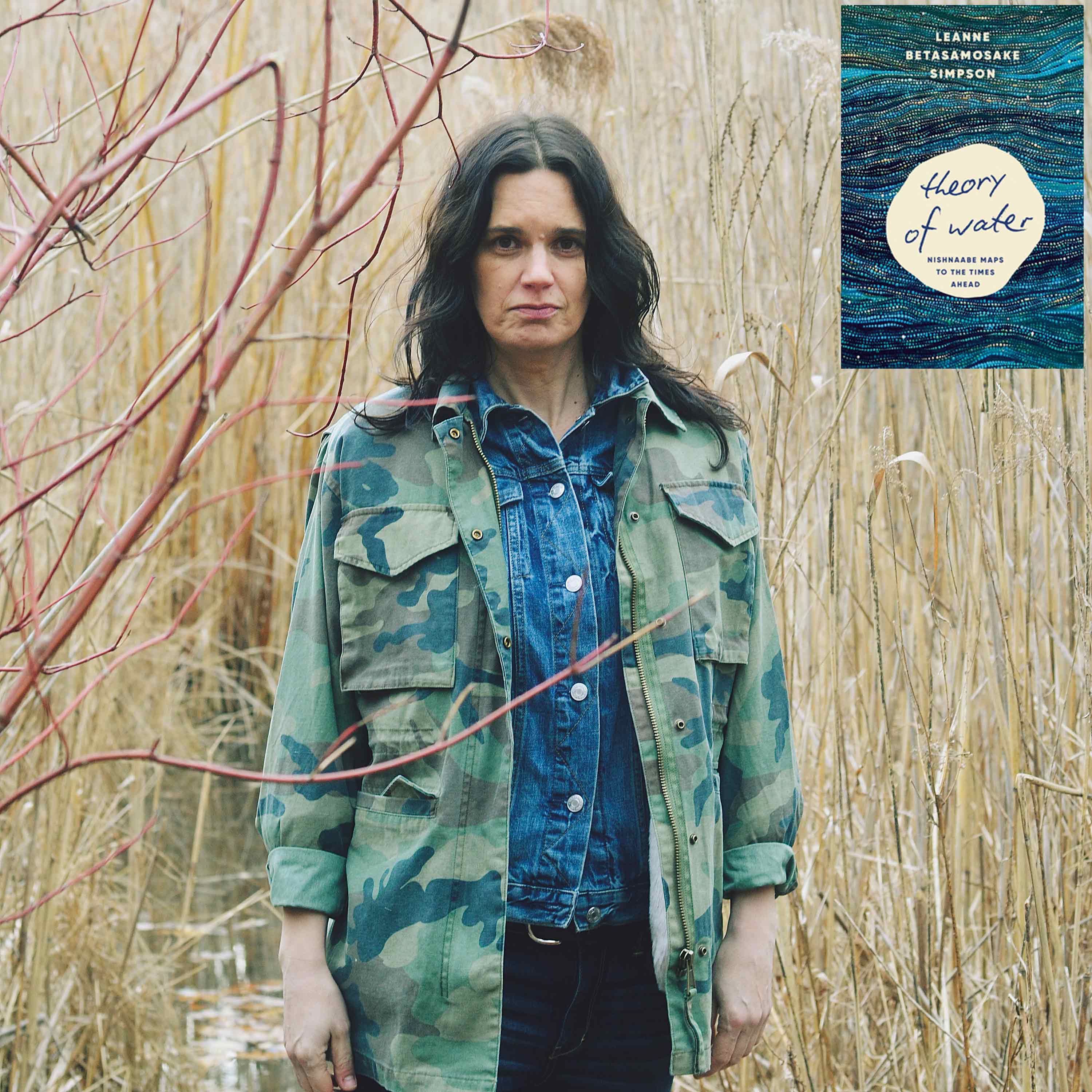
S15 Ep 1151The Theory of Water with LEANNE BETASAMOSAKE SIMPSON
“So I think that part of colonialism for Indigenous peoples has been this idea that Indigenous peoples aren't thinking peoples and that we don't have thought on a kind of systemic level. One of the things that I was interested in doing is intervening in that because I think Indigenous people have a lot of beautiful, very intellectual, theoretical contributions to make to the world. A lot of our theory is encoded in story, but a lot of our theory is also encoded in land-based practice. You can't learn about it from reading books or from going to lectures. You have to really be out on the land with elders for long periods of time.”“So I think that part of colonialism for Indigenous peoples has been this idea that Indigenous peoples aren't thinking peoples and that we don't have thought on a kind of systemic level. One of the things that I was interested in doing is intervening in that because I think Indigenous people have a lot of beautiful, very intellectual, theoretical contributions to make to the world. A lot of our theory is encoded in story, but a lot of our theory is also encoded in land-based practice. You can't learn about it from reading books or from going to lectures. You have to really be out on the land with elders for long periods of time.”In this episode on Speaking Out of Place podcast Professor David Palumbo-Liu talks with Leanne Betasamosake Simpson about her new book, Theory of Water. Theory of Water is a rich, complex, and deeply personal reflection on world-making and life-giving processes best captured in the fluidity of water as it circulates through all our bodies and the planet. It is a largely collective project that enlists our listening and love, and helps us face the violence of all forms of dominance, enclosure, and containment. We are especially gifted to have the chance to listen to one of the songs from Leanne’s album, Theory of Ice, and have her comment on it and the relation of her music to her writing. This is a particularly special episode of Speaking Out of Place.Leanne Betasamosake Simpson is a Michi Saagiig Nishnaabeg scholar, writer, and musician. She is the author of eight previous books, including the novel Noopiming: A Cure for White Ladies, which was short listed for the Dublin Literary prize and the Governor General’s award for fiction. Leanne’s album, Theory of Ice, released by You’ve Changed Records in 2021 and short-listed for the Polaris Prize and she was the 2021 winner of the Prism Prize’s Willie Dunn Award. Her latest project Theory of Water was published by Knopf Canada/Haymarket books in the spring of 2025. Leanne is a member of Alderville First Nation.https://speakingoutofplace.com Bluesky @palumboliu.bsky.social Instagram @speaking_out_of_place
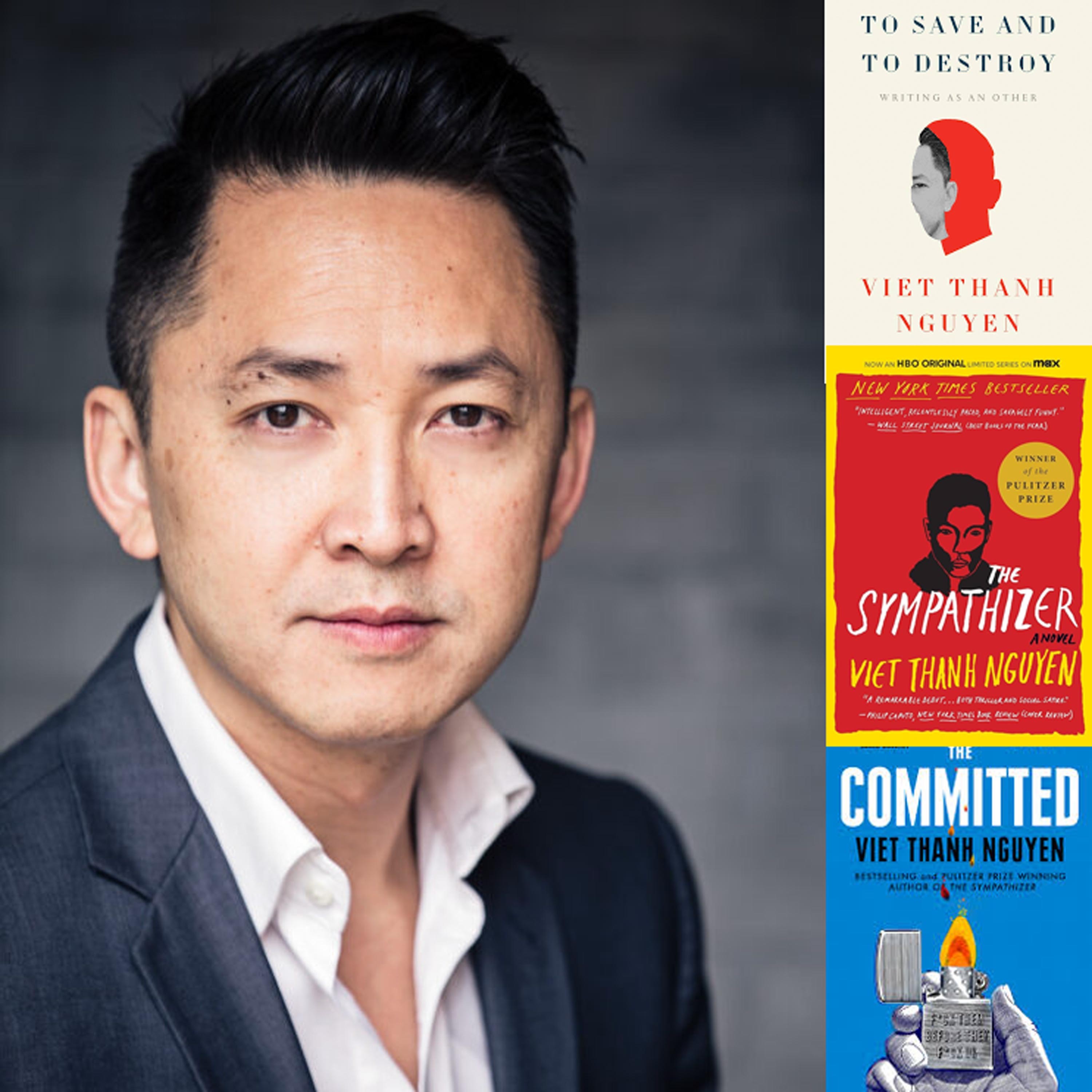
S15 Ep 1150On Writing, America's Forever Wars & Challenging Power with Author VIET THANH NGUYEN
“What I've discovered as a writer is that fear is a good indicator that there is a truth. To speak the truth in a society is oftentimes an act that requires some courage. Those processes of being an other for me in the United States were obviously very fundamental to shaping who I am as a person and as a writer. It was very difficult to undergo, but to become a writer who could talk about those issues was also a lot of fun. Writing The Sympathizer was a lot of fun, and I hope that the novel was enjoyable and humorous to read, despite its very serious politics. When I wrote The Committed, I also had a lot of fun as an outsider to France. There was a lot of humor, satire, and these kinds of tools to confront the tragedy of othering. This is very important to me as literary and political devices. I think I could do that in both The Sympathizer and The Committed because I had a lot of distance from the time periods that those novels described. My challenge right now is to try to find my sense of humor in describing what the United States is undergoing and doing to other countries, its own immigrants, and its own people of color, and minorities in the present. That's proving to be a little more challenging at this moment."Viet Thanh Nguyen has spent much of his life exploring the stories we tell—and the stories we erase—about war, migration, and memory. His 2015 debut novel The Sympathizer, about a communist double agent in the aftermath of the Vietnam War, won the Pulitzer Prize and a long list of other major literary awards. In 2024, The Sympathizer was adapted into a critically acclaimed HBO series directed by Park Chan-wook. He followed it with The Committed, and his latest work, To Save and to Destroy: Writing as an Other, a meditation on writing, power, and the politics of representation. His other books include Nothing Ever Dies and The Refugees.He was born in Vietnam, came to the U.S. as a refugee, and is now a professor at the University of Southern California. Today, we’ll talk about his books, America’s forever wars, and how the act of writing—across fiction, memoir, and scholarship—can become both a form of resistance and a way of making sense of being, as he puts it in his memoir, “A Man of Two Faces.”Episode Websitewww.creativeprocess.info/pod@creativeprocesspodcast
S15 Ep 1149On Borges, Gore Vidal, Robert Frost & The Writing Life with Author & Filmmaker JAY PARINI
“Poetry is the prince of the literary arts to me. It's at the very top because it's language refined to its apex of memorability. I am interested in poetry as memorability and poetry as something you live by. These are the words you live by. These words stay in your brain and guide your life. That's what I am interested in. My memoir slash autofiction is called Borges and Me, and as you know, it's a story of my time in 1970 when my best friend Billy was drafted for the Vietnam War, and so was I. He went to Vietnam, and I went to Scotland to hide out and do my graduate work. I spent nearly seven years in Scotland, but I certainly spent the next five years definitely in Scotland. I was there before as an undergraduate for a bit, too. During that time, Billy was killed in Vietnam, and I was a nervous wreck. My memoir talks about my depression, my anxieties, and then, through my friend Alastair Reid, I met Borges, the great Argentine writer. We went on a little road trip through the Highlands, and this conversation with Borges really restored me back to myself and what was important in life. I felt that I owed a huge amount to that contact with Borges… I was lucky that suddenly, out of nowhere, came a wonderful director-producer named Mark Turtletaub. He had read my book and loved it, and he approached me. We had a conversation, and he said, ‘Look, I want to make this movie.’ So off we went.”It’s a real pleasure today to welcome a writer whose voice has been a guiding force in American letters for decades. Jay Pariniis the author of acclaimed biographies of literary giants like John Steinbeck, Robert Frost, William Faulkner, and Gore Vidal—as well as an illuminating portrait of Jesus in The Human Face of God. He’s also a celebrated poet, novelist, essayist, and teacher whose work reflects a lifelong devotion to the arts, the humanities, and the power of language to tell the truth, gently. From his poetry to his prose, Jay's writing brings rare insight and deep compassion to the page. He doesn’t just study his subjects—he inhabits them, helps us hear their voices, and see the world through their eyes. And of course, he’s one of the few people who can say they've gotten into the heads of both Jesus and Gore Vidal...and lived to tell the tale.Episode Websitewww.creativeprocess.info/podInstagram:@creativeprocesspodcast
S15 Ep 1148Ten Cases of Hope for Our Future w/ MONICA FERIA-TINTA - Highlights
“I guess the book was about giving hope because I realized how much we could do together. I believe that ordinary people are the ones bringing changes here. I believe that the communities gathering together – for example, I am seeing that in this country around the protection of rivers – are the ones that will mark the change. It's not going to come from above; it's going to come from below, up. We all have a role. Working for the protection of what we love the most will make you happy. So get into a positive mindset. Learn all you can. Be part of things that make you feel positive. You will see how you will find your way, and there is no place for feeling disempowered. This is the moment where you should feel very powerful because it is us who are going to make the future of this Earth.”Monica Feria-Tinta is a British-Peruvian barrister specialising in Public International Law. She has been called one of ‘the most daring, innovative and creative lawyers’ in the United Kingdom, and was shortlisted for “Barrister of the Year” at The Lawyers’ Awards 2020 and at Chambers and Partners UK Bar Awards 2023 for her work in addressing climate change and environmental degradation. In 2020, she acted before the Constitutional Court of Ecuador in Los Cedros case, the first ‘Rights of Nature’ case in the world. In September 2022 her work as Counsel secured a win in the Torres Strait Islanders case, a landmark moment in which the UN Human Rights Committee found a Sovereign state responsible, for the first time in history, for lack of action in addressing climate change. She is the author of A Barrister for the Earth: Ten Cases of Hope for Our Future.Episode Websitewww.creativeprocess.info/podInstagram:@creativeprocesspodcast
S15 Ep 1147A Barrister for the Earth: Ten Cases of Hope for Our Future w/ MONICA FERIA-TINTA
“I like young people to know that they're extremely powerful. So I'm one person, but I think I always had this positive idea about my role. You cannot let anyone tell you what limitations are there, so you shouldn't feel limited by anyone telling you this is as far as you can go, or this is what you can do. I think only you know about that, and I think you start step by step. When I did the first case, I learned some things. Then was the next case. When the time to learn comes, learn with all your might because that's gold. It's a moment in life when you have the time to actually do that. Get informed. People who are into Googling everything should open up their searches, go out there, and learn in a different way. Don't hold back.I guess the book was about giving hope because I realized how much we could do together. If a person can manage to argue and make a major impact in the way we are understanding treaties in human rights or other things, imagine what could be if every single person is in their own place in some field, with that alertness and synced in the same way. I believe that ordinary people are the ones bringing changes here. I believe that the communities gathering together – for example, I am seeing that in this country around the protection of rivers – are the ones that will mark the change. It's not going to come from above; it's going to come from below, up. And that means all of us. We all have a role.To the young people, I would say you have the right to joy, and you have the right to be happy. Working for the protection of what we love the most will make you happy. So get into a positive mindset. Learn all you can. Be part of things that make you feel positive. You will see how you will find your way, and there is no place for feeling disempowered. This is the moment where you should feel very powerful because it is us who are going to make the future of this Earth.”Monica Feria-Tinta is a British-Peruvian barrister specialising in Public International Law. She has been called one of ‘the most daring, innovative and creative lawyers’ in the United Kingdom, and was shortlisted for “Barrister of the Year” at The Lawyers’ Awards 2020 and at Chambers and Partners UK Bar Awards 2023 for her work in addressing climate change and environmental degradation. In 2020, she acted before the Constitutional Court of Ecuador in Los Cedros case, the first ‘Rights of Nature’ case in the world. In September 2022 her work as Counsel secured a win in the Torres Strait Islanders case, a landmark moment in which the UN Human Rights Committee found a Sovereign state responsible, for the first time in history, for lack of action in addressing climate change. She is the author of A Barrister for the Earth: Ten Cases of Hope for Our Future.Episode Websitewww.creativeprocess.info/podInstagram:@creativeprocesspodcast
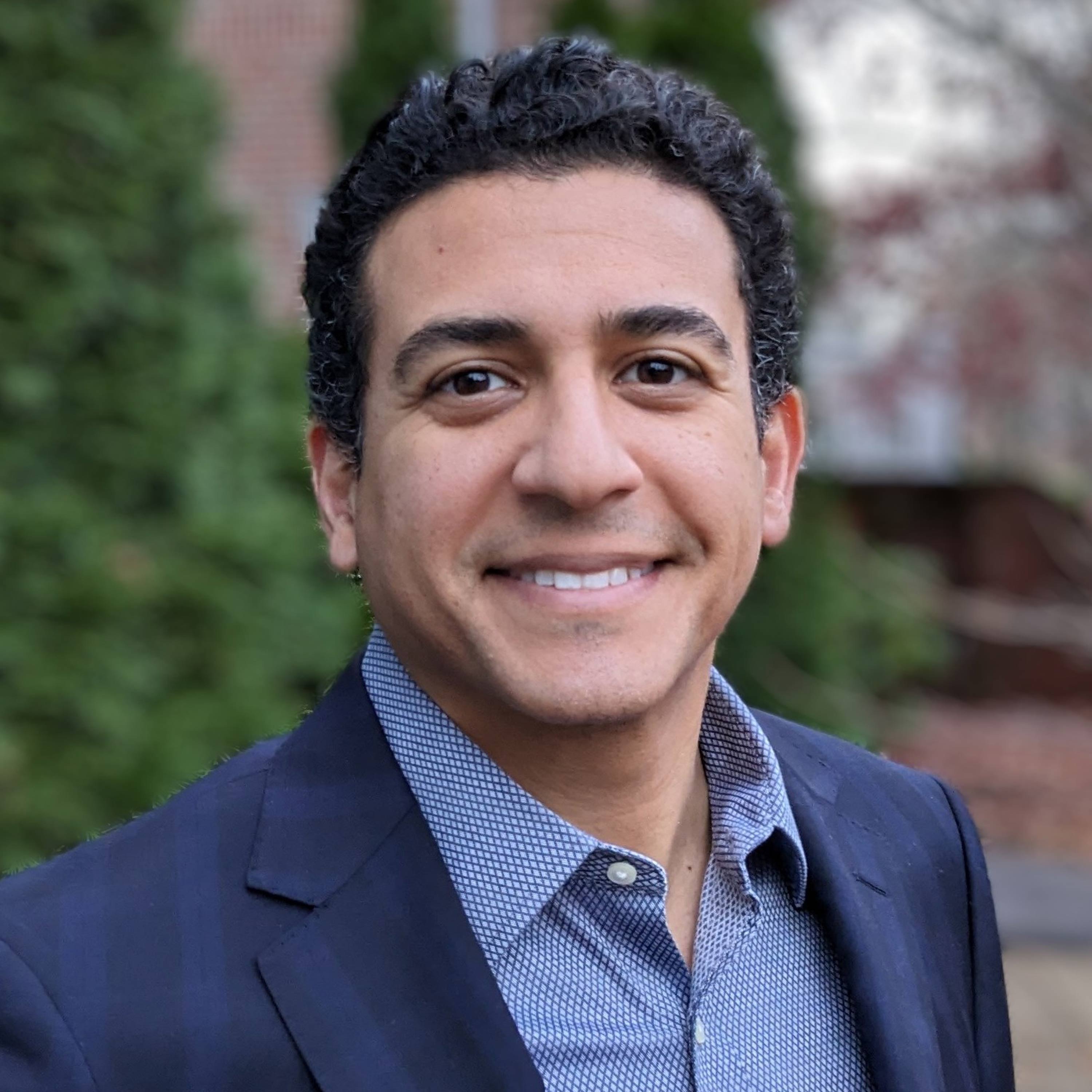
S15 Ep 1146Constitutional Collapse & the Possibilities of a New Democracy w/ AZIZ RANA
In this episode on Speaking Out of Place podcast Professor David Palumbo-Liu talks with Aziz Rana about his brilliant and bracing article recently published in New Left Review, “Constitutional Collapse.” They talk about how the Trump administration and its enablers are shredding a liberal “compact” which was established in in the 1930s through the Sixties and extending an imperial presidency abroad to an authoritarian one domestically. They discuss the current constitutional crisis, but also the need for, and manifestations of, a politics which is at once a genuine membership organization and social community. As Aziz Rana powerfully argues, “its aim should be to transform the world people organically experience.” This is exactly the analysis and message so many of us need in these dark times.“In the US, we have this idea that exists as a kind of popular cultural sense. The country has basically had the same constitution—a document ratified in the 1780s, and it has really been in effect since then. However, one of the things that's distinctive about the US Constitution is that it is perhaps the hardest in the world to formally amend. It is incredibly difficult to change the actual terms of the text, even during times when we've had pretty profound changes to the language. Here, we can think about the Reconstruction period with the passage of the 13th, 14th, and 15th amendments.”www.palumbo-liu.comhttps://speakingoutofplace.com Bluesky @palumboliu.bsky.socialInstagram @speaking_out_of_place
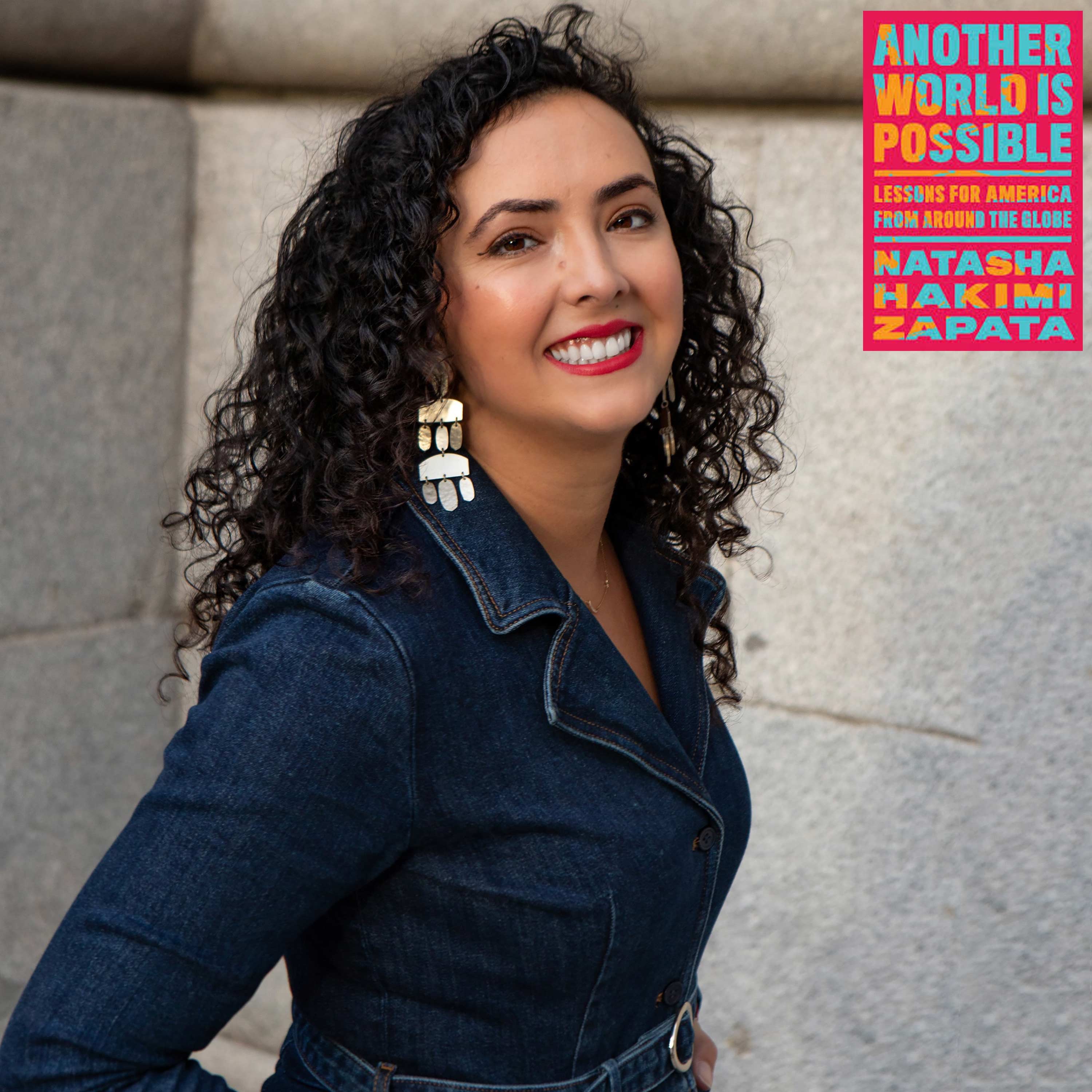
S15 Ep 1145Another World Is Possible: Lessons for America From Around the Globe w/ NATASHA HAKIMI ZAPATA
“ It's a really dangerous time we're living through, and I do think that when we talk about these progressive policies, a huge problem in the US is that we still have a lot of stigma left over from the Cold War that keeps us from really great ideas because they're branded as socialist or communist. And I’ve seen, in the time I've been a journalist for the past 15 years, how that stigma has slowly faded. And you see that younger people are more and more interested in these ideas, whether or not they're considered socialist.”Natasha Hakimi Zapata is an award-winning journalist, translator, and university lecturer based in Europe. She is the author of Another World Is Possible: Lessons for America From Around the Globe.Her articles appear regularly in The Nation, In These Times, and the Los Angeles Review of Books. She is the former foreign editor of Truthdig and has received several Southern California Journalism and National Arts & Entertainment Journalism awards, most recently in 2024 for her work as a foreign correspondent.Episode Websitewww.creativeprocess.info/podInstagram:@creativeprocesspodcast
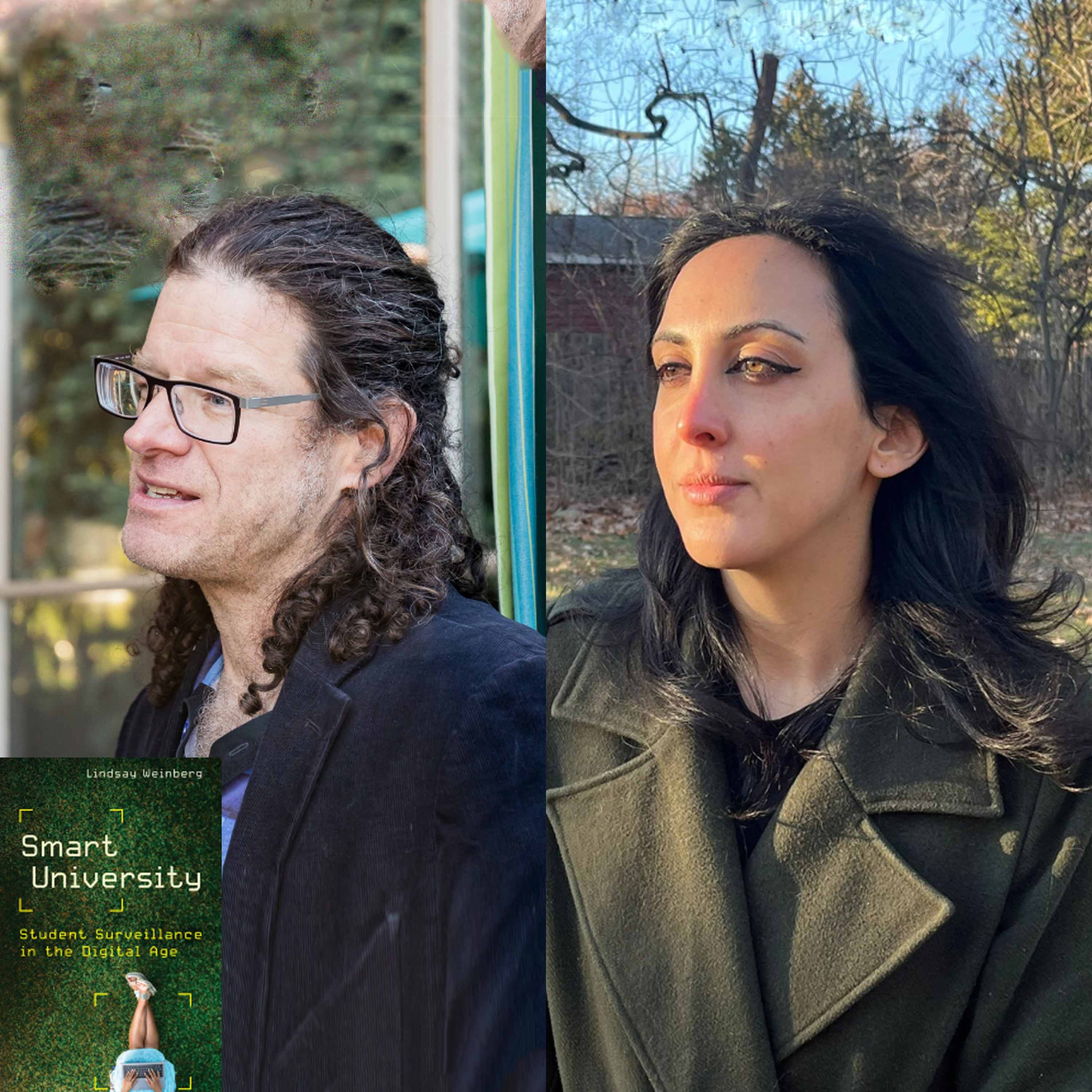
S15 Ep 1144AI, Universities & Student Surveillance in the Digital Age - LINDSAY WEINBERG & ROBERT OVETZ
In this episode of the Speaking Out of Place podcast, Professor David Palumbo-Liu talks with Lindsay Weinberg and Robert Ovetz about the use of Artificial Intelligence in higher education. Under the guise of “personalizing” education and increasing efficiency, universities are increasingly sold on AI as a cure to their financial ills as public funds dry up and college applications drop. Rather than maintain that education is an essential public good that needs broad support, universities are looking to technology in ways that are changing the nature of education in dangerous and destructive ways. As Lindsay writes in the book, Smart University: “Higher education is becoming increasingly synonymous with digital surveillance in the United States. Advanced network infrastructure, internet- connected devices and sensors, radio frequency identification (RFID), data analytics, and artificial intelligence (AI) are being celebrated as a means of ushering in the age of “smart universities,” one where institutions canrun their services more efficiently and strengthen the quality of higher education using digital tools. However, as this book demonstrates, these tools have a darker side. They allow public universities to respond to and perpetuate corporate logics of austerity, use student data to reduce risk of financial investment in the face of dwindling public resources, and track student behavior to encourage compliance with institutional metrics of success. Surveillance of student behavior forms the foundation of the smart university, often in ways that prove harmful to students— particularly those who are already marginalized within the academy.They talk about these issues and attach them to critical issues of labor—everything from the outsourcing of the most dangerous work to laborers in the Global South, to the way university workers at all levels are subordinated to the logic that drives AI. They end with a discussion of what we can and should do about it.Dr. Lindsay Weinberg is a clinical associate professor in the Honors College at Purdue University, and the Director of the Tech Justice Lab. Her research and teaching are at the intersection of science and technology studies, media studies, and feminist studies, with an emphasis on the social and ethical impacts of digital technology. She is interested in the constitutive role that history and unequal power relations play in shaping the design,Robert Ovetz, Ph.D. is a Senior Lecturer in Political Science and teaches non-profit management and labor relations in the Master of Public Administration program at San José State University. He is the author and editor of four books, including We the Elites (Pluto, 2022), and the forthcoming Rebels for the System: NGOs and Capitalism (2025 Haymarket Press). www.palumbo-liu.com https://speakingoutofplace.com Bluesky @palumboliu.bsky.social Insta @speaking_out_of_place
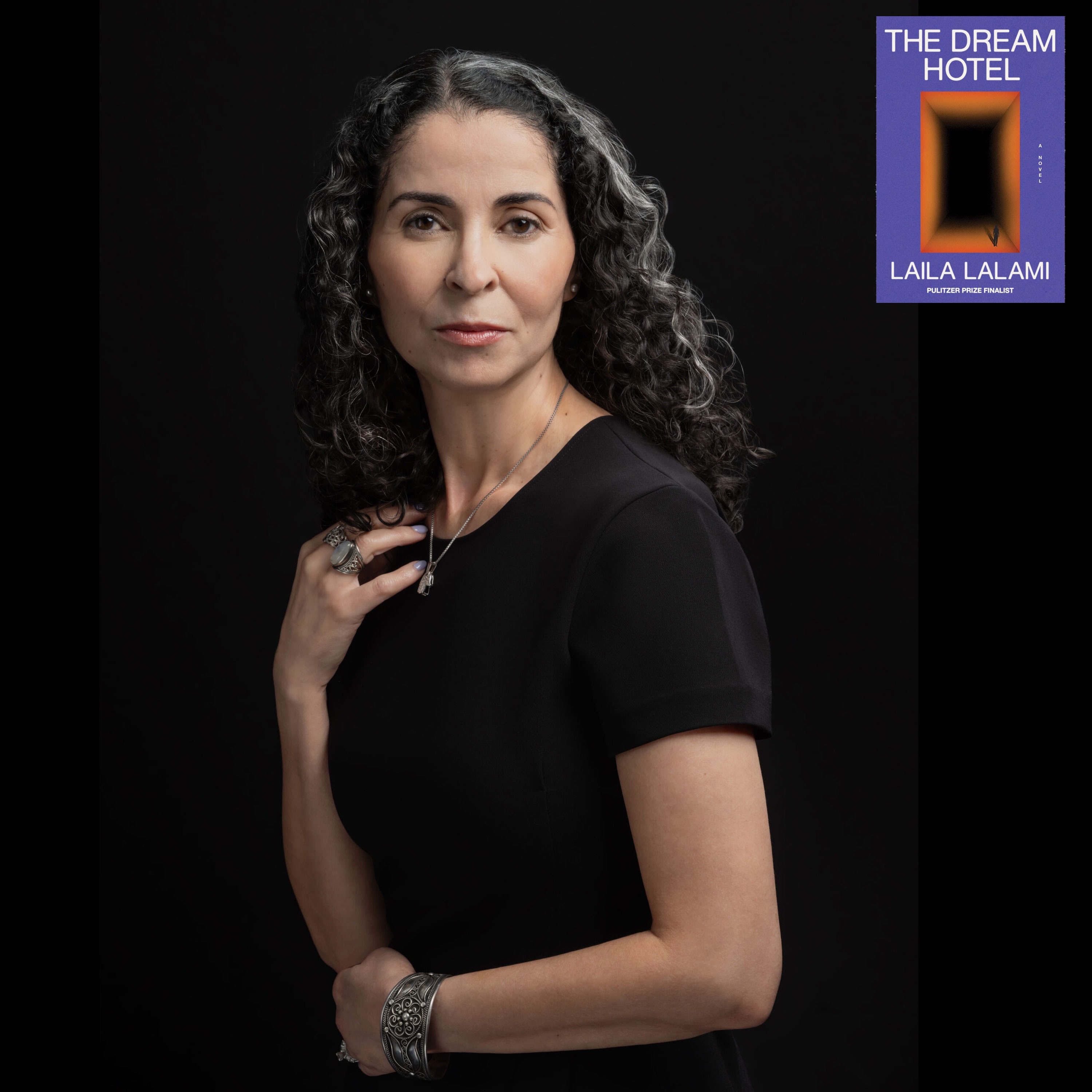
S15 Ep 1143THE DREAM HOTEL with LAILA LALAMI
What happens when the state, with the pretext of protecting public safety, can detain indefinitely certain individuals whose dreams seem to indicate they may be capable of committing a crime? Set in a precarious world where sleep-enhancing devices and algorithms provide the tools and formulae for making one’s unconscious a witness to one’s possible waking life, this novel touches on a myriad of political, philosophical, and moral concerns as they particularly connect to issues of gender, race, ethnicity, privacy, and the security state.In this episode of Speaking Out of Place podcast Professor David Palumbo-Liu talks with award-winning novelist Laila Lalami about her new novel, The Dream Hotel. Laila Lalami is the author of five books, including The Moor’s Account, which won the American Book Award, the Arab-American Book Award, and the Hurston / Wright Legacy Award. It was on the longlist for the Booker Prize and was a finalist for the Pulitzer Prize in Fiction. Her novel The Other Americans was a national bestseller, won the Joyce Carol Oates Prize, and was a finalist for the National Book Award in Fiction. Her books have been translated into twenty languages. Her essays have appeared in the Los Angeles Times, the Washington Post, The Nation, Harper’s, the Guardian, and the New York Times. She has been awarded fellowships from the British Council, the Fulbright Program, the Guggenheim Foundation, and the Radcliffe Institute at Harvard University. She lives in Los Angeles.https://speakingoutofplace.comBluesky @palumboliu.bsky.socialInstagram @speaking_out_of_placeEpisode WebsitePhoto credit: Beowulf Sheehan
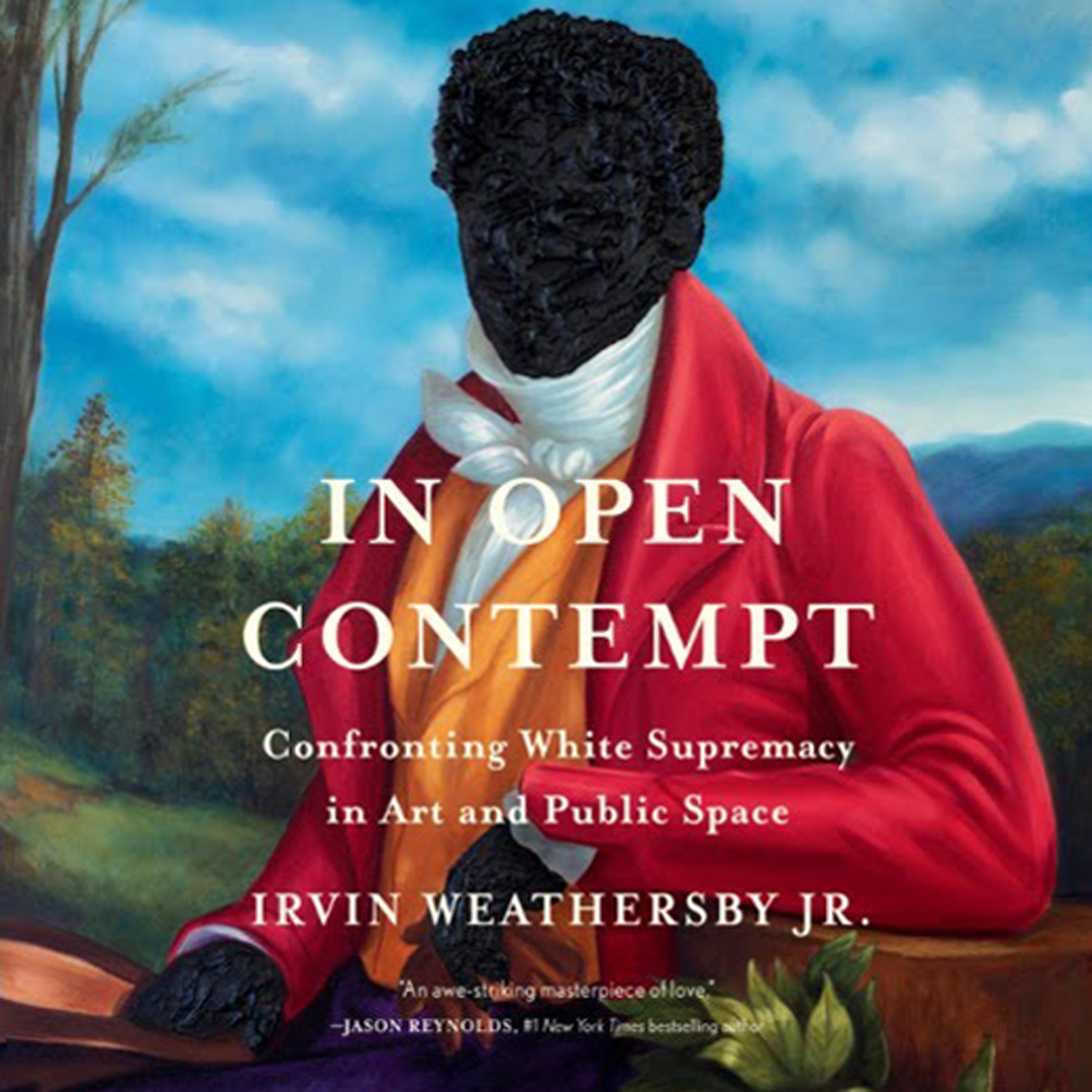
S15 Ep 1142Examining Monuments, Memory & The History of White Supremacy IRVIN WEATHERSBY JR. - Highlights
“I'm hopeful for revolution. I'm optimistic. I want radical change. I think there's such a disinterest in education in America that it is sickening. I think we are repeating history. We are going through a cycle of fascism and greed, and I think we're going to see a lot of states collapse. As a result of that, I think people are going to be forced back to their primal needs and concerns, but I think they're going to be forced to think about what makes us human. How do we become more human? Because we've lost that. We've given it up to technology. How can we figure out what makes us a really powerful species again?”Irvin Weathersby Jr. is a Brooklyn-based writer and professor from New Orleans. He is the author of In Open Contempt: Confronting White Supremacy in Art and Public Space. His writing has been featured in LitHub, Guernica, Esquire, The Atlantic, EBONY, and elsewhere. He has earned an MFA from The New School, an MA from Morgan State University, and a BA from Morehouse College. He has received fellowships and awards from the Voices of Our Nations Arts Foundation, the Research Foundation of CUNY, the Bread Loaf Writers' Conference, the American Council of Learned Societies, and the Mellon Foundation.Episode Websitewww.creativeprocess.info/podInstagram:@creativeprocesspodcast
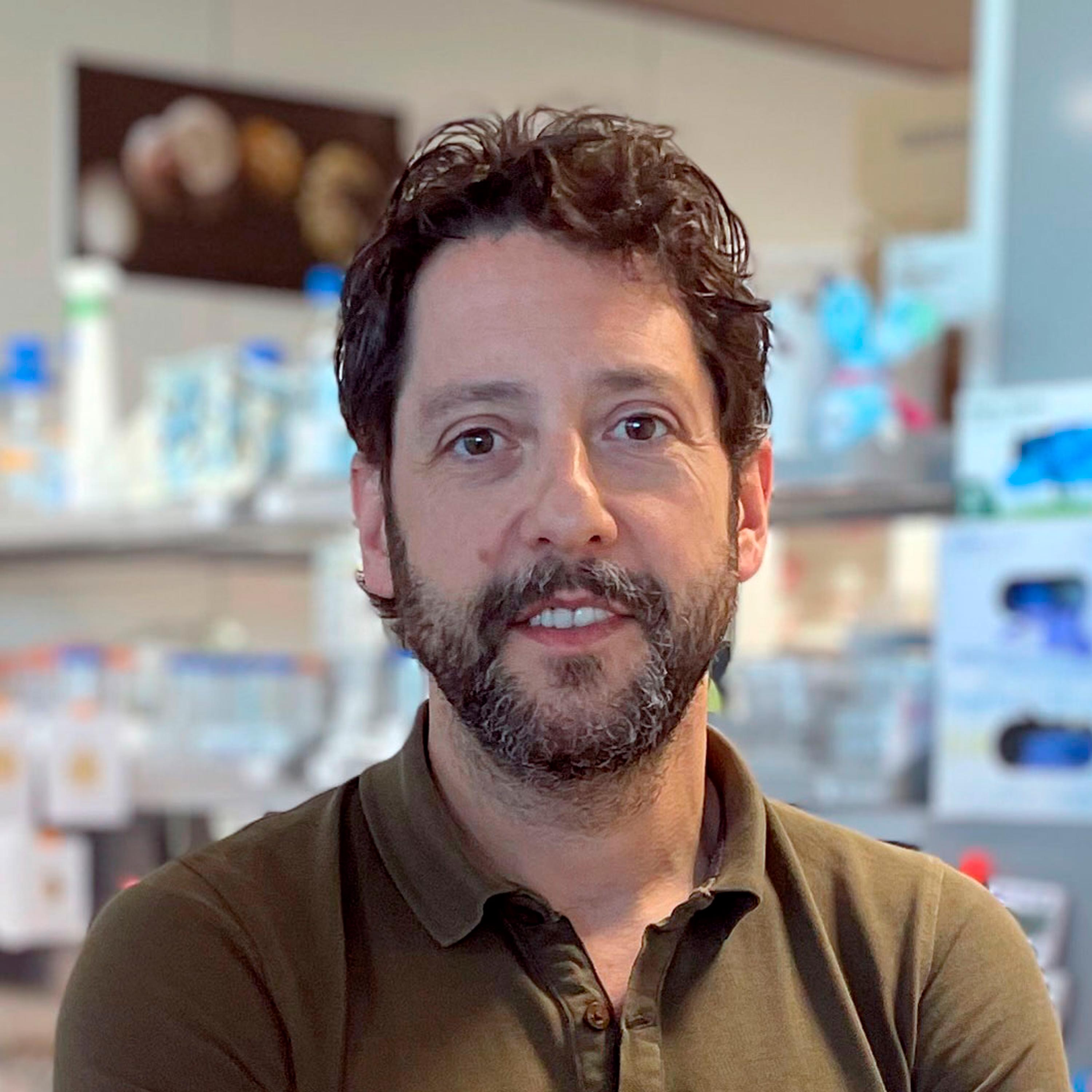
S15 Ep 1141The Evolutionary Brain - DR. FERNANDO GARCÍA-MORENO on Creativity & Survival
We are working in the lab to understand this moment in development, which is called phylotypic. This is something that has been known for over a hundred years. When you see many vertebrate embryos at this early embryonic time point, all embryos look very, very similar. We are extrapolating these ideas to the brain. We have seen that at this time point, the phylotypic period, all brains of these species are very simple but very closely related. We share the same features with a fish or with a gecko or with any other mammalian species at this early time point. We have the same brain with the same genes active and the same cell types involved in it.Dr. Fernando García-Moreno is a neuroscientist whose work explores the deep evolutionary roots of the brain—and what they reveal about identity, complexity, and even the future of technology. From the thalamus to the phylotypic brain, his research uncovers how our most fundamental brain structures co-evolve—and how they shape, and limit, the way we think. As we navigate an age shaped by AI and rapid innovation, Fernando brings a powerful lens: one that reminds us where we come from—and what evolution may still be writing into our futures. He is an Ikerbasque Research Associate at the Achucarro Basque Centre for Neuroscience.Episode Websitewww.creativeprocess.info/podInstagram:@creativeprocesspodcast
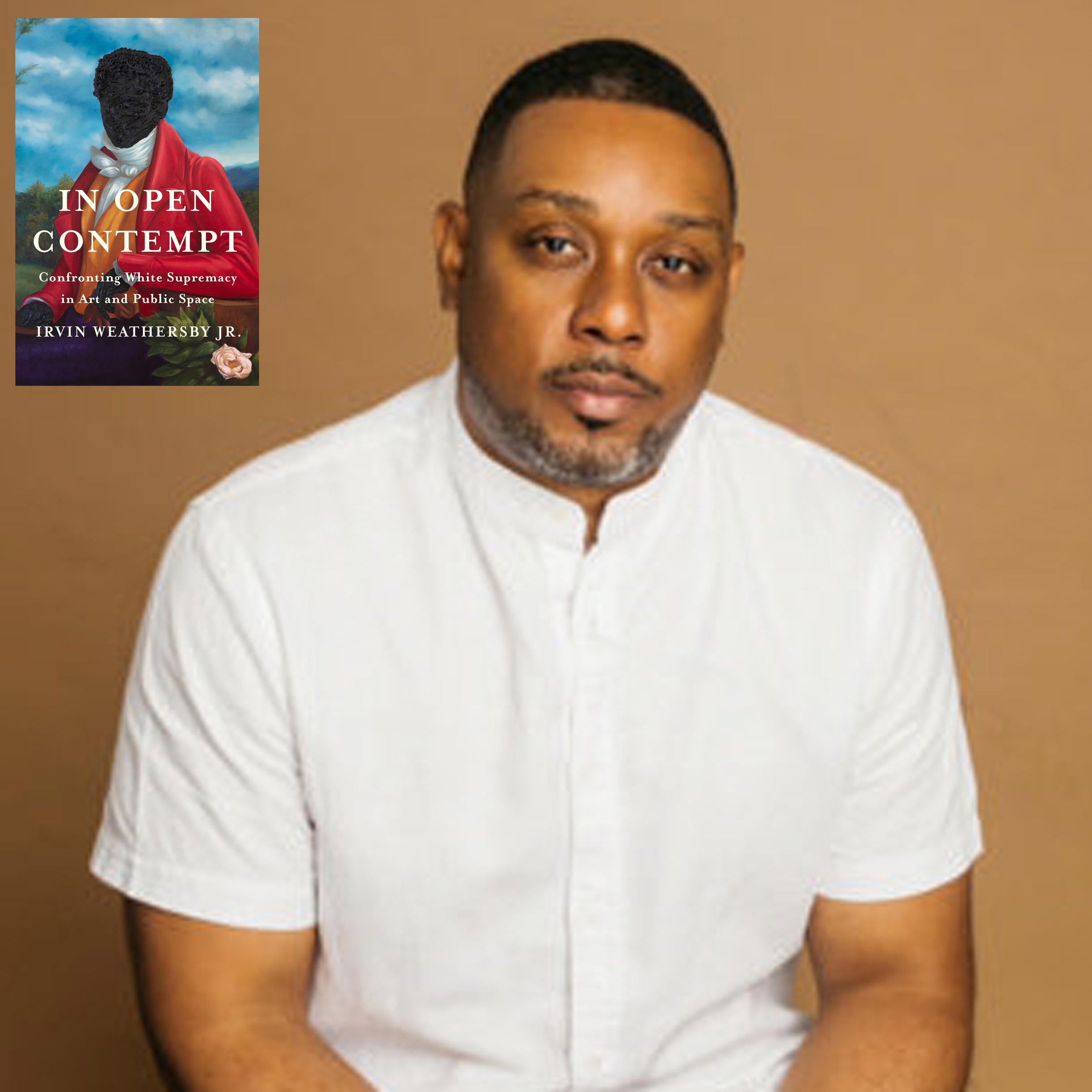
S15 Ep 1140In Open Contempt: Confronting White Supremacy in Art & Public Space with IRVIN WEATHERSBY JR.
“One of the biggest symbols of America is Mount Rushmore. This monument, right? But I think most people fail to realize where it's located and why it's located there. Even more importantly, who did it? It's on a sacred Native American mountain, a place that was central to their creation stories. But then you think about who did it, and it was a Klansman. The guy who sculpted Mount Rushmore was a Klansman. People were like, "Wait, really?" Like, how is that a thing? But it seeps into our understanding and our embrace of white supremacy. This whole notion of us using Mount Rushmore as a metric of excellence is really sad. We are honoring slave owners and people who viciously killed natives, and those who pillage other lands in the name of capitalism. That's what America is, I guess.I think there's such a disinterest in education in America that it is sickening. We can't even agree on facts. It's up to states' rights to decide. Really? States can say that this is true in one state, but it's not true in another? Although these states are united, it's very bizarre. I'm hopeful for revolution. I'm optimistic. I want radical change. I think we are repeating history. We are going through a cycle of fascism and greed, and I think we're going to see a lot of states collapse. As a result of that, I think people are going to be forced back to their primal needs and concerns, but I think they're going to be forced to think about what makes us human. How do we become more human? Because we've lost that. We've given it up to technology. How can we figure out what makes us a really powerful species again?”Irvin Weathersby Jr. is a Brooklyn-based writer and professor from New Orleans. He is the author of In Open Contempt: Confronting White Supremacy in Art and Public Space. His writing has been featured in LitHub, Guernica, Esquire, The Atlantic, EBONY, and elsewhere. He has earned an MFA from The New School, an MA from Morgan State University, and a BA from Morehouse College. He has received fellowships and awards from the Voices of Our Nations Arts Foundation, the Research Foundation of CUNY, the Bread Loaf Writers' Conference, the American Council of Learned Societies, and the Mellon Foundation.Episode Websitewww.creativeprocess.info/podInstagram:@creativeprocesspodcast
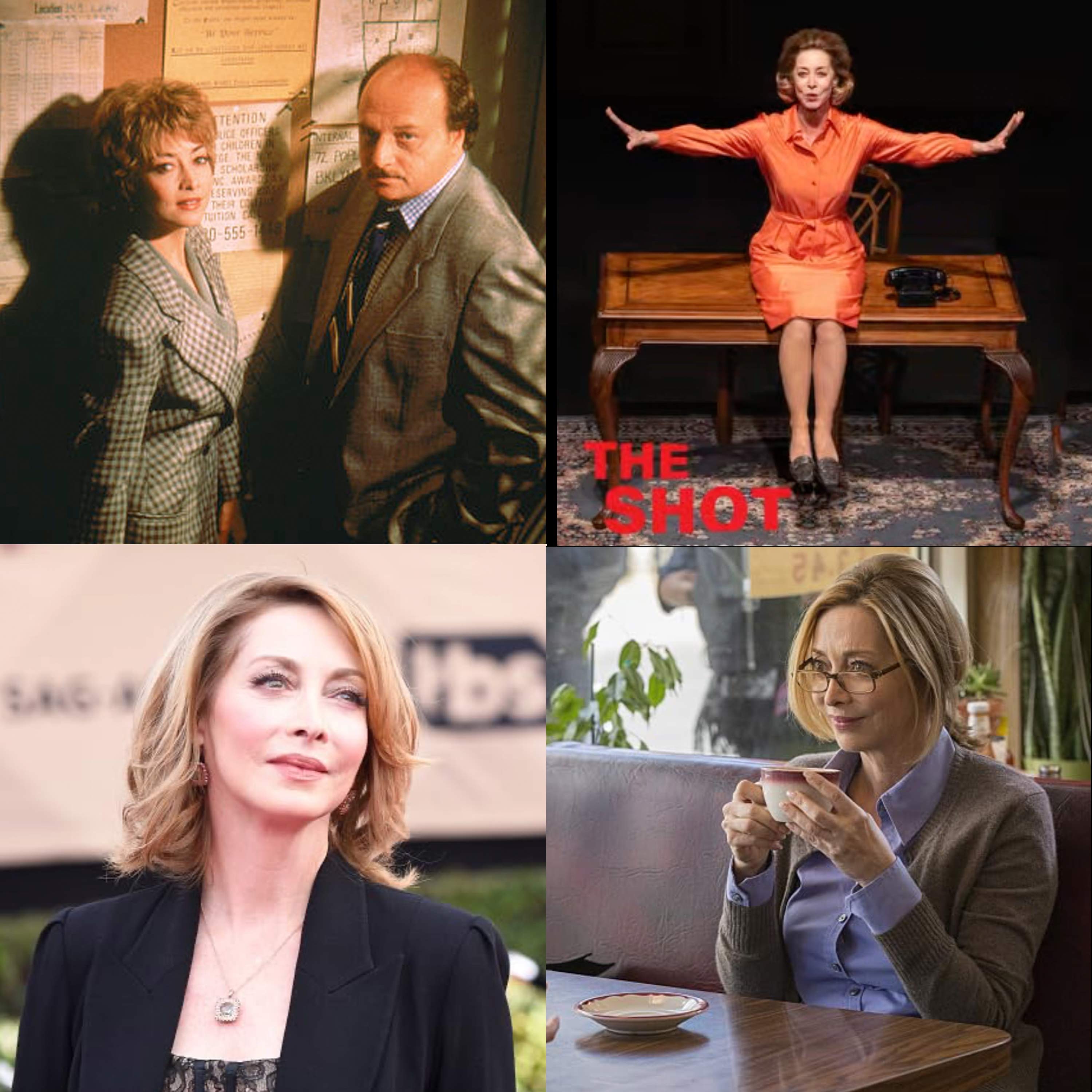
S15 Ep 1139An Actor Prepares - SHARON LAWRENCE on Crafting Complex Characters - Highlights
“I would encourage you, as I do if you're an actor, to know your own equipment, know your own psychology, and use the great teachers that are synthesized in my favorite teacher's book, Moss, who I studied with later. There is a book called Intent to Live that distills down Uta Hagen, Stella Adler, Bobby Lewis, and Stanislavski. The great teachers at the Group Theatre believed that the method needed to be altered to be constructive rather than destructive to artists.I love speaking Noël Coward’s words. As a bon vivant, he wrote musically, to charm us and amuse us. So going and reading Noël Coward is important for actors to learn those cadences and the musicality of a certain era. Of course, Shakespeare comes to mind. I also think of the female playwrights who delight me now, whether it's Caryl Churchill. She has that singular mind and plays with gender so well, challenging gender norms. Seeing ‘Cloud Nine’ when I was in college blew my mind open because men were playing women and women were playing men. Of course, Shakespeare was doing it too, but her work felt more intimate; it was in a small theater. That’s another thing I encourage actors and audiences to do: go see things in small theaters. See it up close because that will excite you and help you learn the craft.”Sharon Lawrence is an acclaimed actress best known for her Emmy-nominated, SAG Award-winning role as ADA Sylvia Costas on NYPD Blue. She has delivered memorable performances in Desperate Housewives, Monk, Law & Order: SVU, Criminal Minds, Shameless, and Queen Sugar. On stage, she’s earned praise for roles in The Shot (a one-woman play about the owner/publisher of the Washington Post, Katharine Graham), Orson’s Shadow, and A Song at Twilight. Shestarred in Broadway revivals of Cabaret, Chicago, and Fiddler on the Roof. Her recent work includes the neo-Western series Joe Pickett, opposite Michael Dorman, and the films Solace with Anthony Hopkins and The Bridge Partner. Lawrence is also a dedicated advocate, serving on the boards of the SAG-AFTRA Foundation, WeForShe, and Heal the Bay, and is a former Chair of the Women In Film Foundation.Episode Websitewww.creativeprocess.info/podInstagram @sharonelawrence @creativeprocesspodcast

S15 Ep 1138SHARON LAWRENCE on Acting, Activism & The Art of Transformation
“That transformation was key to my next step as an artist, to knowing that's what acting is. It isn't just posing; it isn't just being a version of yourself in a way that was free. Performing wasn't just performing; it was transforming. I think that artists find that in many different ways, and as actors, there are many ways into that.I would encourage you, as I do if you're an actor, to know your own equipment, know your own psychology, and use the great teachers that are synthesized in my favorite teacher's book, Intent to Live that distills down Uta Hagen, Stella Adler, Bobby Lewis, and Stanislavski. The great teachers at the Group Theatre believed that the method needed to be altered to be constructive rather than destructive to artists.David Milch's mind is so singular because he uses language in a way that defines character. That's what all good writers do: use language to get to the heart of something. As someone who played the love interest of such a unique character as Andy Sipowicz, I found it fascinating.Through Sylvia and David Milch's understanding, his wife humanized him. Sipowicz was portrayed as an addict, a very flawed human who had many addictions. David Milch is now suffering from Alzheimer's, so we won't get his words again. However, the words that he has to offer are timeless because he studied Robert Penn Warren and had many mentors throughout his vast literary education. That is key. I love speaking Noël Coward’s words. As a bon vivant, he wrote musically, to charm us and amuse us. So going and reading Noël Coward is important for actors to learn those cadences and the musicality of a certain era. Of course, Shakespeare was doing it too, but her work felt more intimate; it was in a small theater. That’s another thing I encourage actors and audiences to do: go see things in small theaters. See it up close because that will excite you and help you learn the craft.”Sharon Lawrence is an acclaimed actress best known for her Emmy-nominated, SAG Award-winning role as ADA Sylvia Costas on NYPD Blue. She has delivered memorable performances in Desperate Housewives, Monk, Law & Order: SVU, Criminal Minds, Shameless, and Queen Sugar. On stage, she’s earned praise for roles in The Shot (a one-woman play about the owner/publisher of the Washington Post, Katharine Graham), Orson’s Shadow, and A Song at Twilight. She starred in Broadway revivals of Cabaret, Chicago, and Fiddler on the Roof. Her recent work includes the neo-Western series Joe Pickett, opposite Michael Dorman, and the films Solace with Anthony Hopkins and The Bridge Partner. Lawrence is also a dedicated advocate, serving on the boards of the SAG-AFTRA Foundation, WeForShe, and Heal the Bay, and is a former Chair of the Women In Film Foundation.Episode Websitewww.creativeprocess.info/pod@creativeprocesspodcast
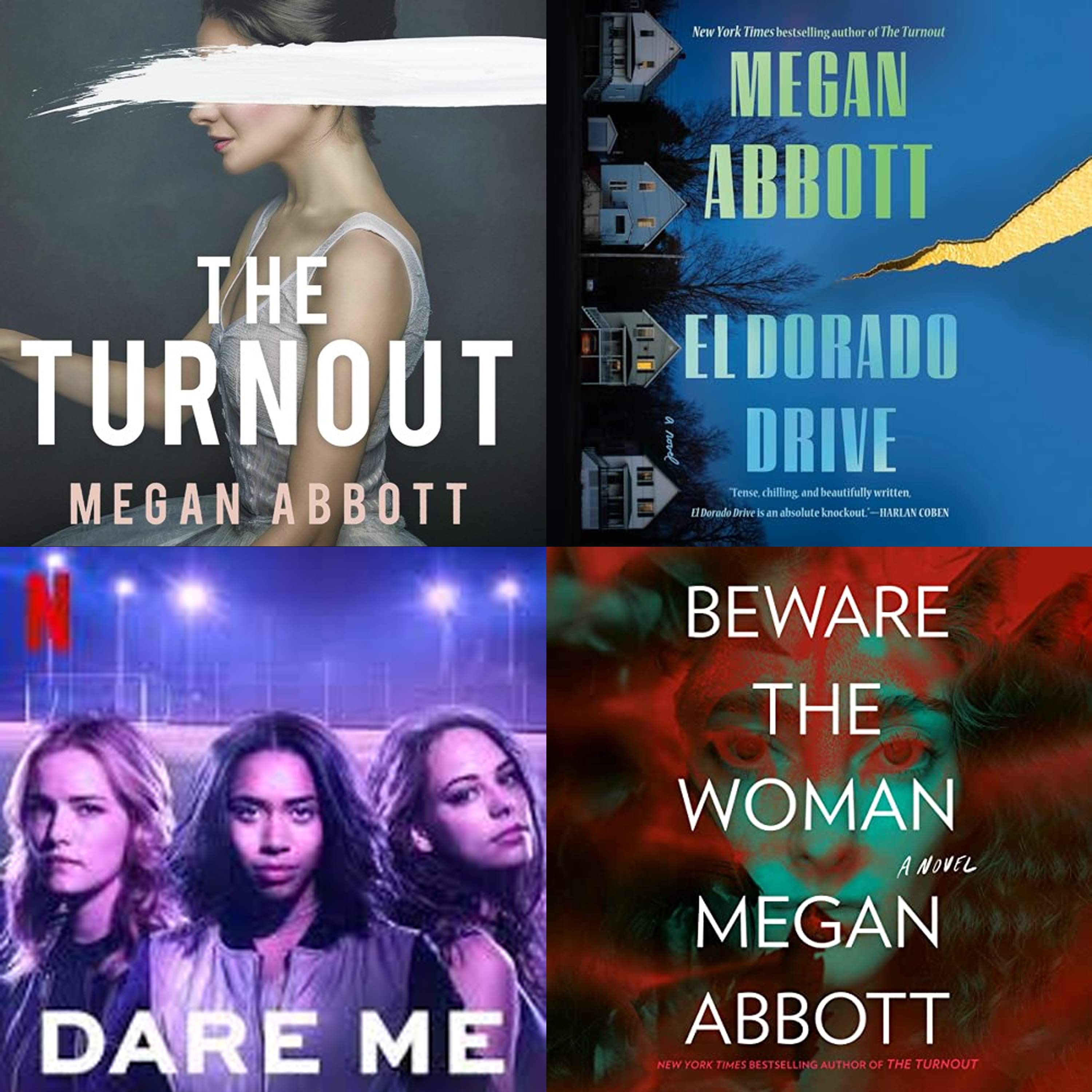
S14 Ep 1137Childhood, Creativity & the Stories that Define Who We Are with MEGAN ABBOTT - Highlights
“I think that it all goes back to childhood. I’ve always really been writing about family. I suppose we always are. I do think that it is the original wound, and it's where we are kind of wired and built from those early years. So I think every other relationship just replicates that. It's very natural for me to go there, I suppose because the feelings are most intense there. We just keep recycling these relationships and dynamics over and over again—until maybe someday we can catch ourselves and try to break the bad patterns. It feels the most visceral and real to me, always. You're always looking for that in writing. You want everything to be at this peak intensity, or at least I do. That seems the most natural place to start.I've thought about that a lot while writing the book. We really are in the age of the grifter, as they keep saying. In some ways, it's the most deeply American type, the hustler of American aspiration. And money, I think that was hovering in my head when I wrote the book. How women persuade and convince one another of things feels particularly complex to me. I think there are so many layers to female relationships. That was really interesting to me to pursue because, in some ways, it's much more veiled and complex. So I tend to write about groups of women a lot, regardless of the field, but particularly the way they communicate or don't communicate, or communicate without words to one another, is an ongoing fascination of mine.”Megan Abbott is the Edgar award-winning author of twelve crime novels, including Beware the Woman, You Will Know Me, Give Me Your Hand, and the New York Times bestseller The Turnout, the winner of the Los Angeles Times Book Prize. She received her Ph.D. in English and American literature from New York University, and her writing has appeared in the New York Times, the Guardian, the Paris Review and the Wall Street Journal. Dare Me, the series she adapted from her own novel, now streaming on Netflix. Her latest novel, El Dorado Drive, is available June 24, 2025.Episode Websitewww.creativeprocess.info/podInstagram:@creativeprocesspodcast
S14 Ep 1136Exploring Family Dynamics & Fierce Female Friendships with Novelist MEGAN ABBOTT
“I always say to young writers, you need to put your heart on the page. Don't worry about being like anyone else. I would say that foremost, in any of the arts, it is self-expression at its core. I don't buy rules or a set criteria or a static criteria. I don't believe in any of that. I think the most exciting talents are kind of inexplicable. You can't really understand why that art works. It just does, and that feels like it comes from a very pure place.I think that it all goes back to childhood. I’ve always really been writing about family. I suppose we always are. I do think that it is the original wound, and it's where we are kind of wired and built from those early years. So I think every other relationship just replicates that. It's very natural for me to go there, I suppose because the feelings are most intense there. We just keep recycling these relationships and dynamics over and over again—until maybe someday we can catch ourselves and try to break the bad patterns. It feels the most visceral and real to me, always. You're always looking for that in writing. You want everything to be at this peak intensity, or at least I do. That seems the most natural place to start.”Megan Abbott is the Edgar award-winning author of twelve crime novels, including Beware the Woman, You Will Know Me, Give Me Your Hand, and the New York Times bestseller The Turnout, the winner of the Los Angeles Times Book Prize. She received her Ph.D. in English and American literature from New York University, and her writing has appeared in the New York Times, the Guardian, the Paris Review and the Wall Street Journal. Dare Me, the series she adapted from her own novel, now streaming on Netflix. Her latest novel, El Dorado Drive, is available June 24, 2025.Episode Websitewww.creativeprocess.info/podInstagram:@creativeprocesspodcast
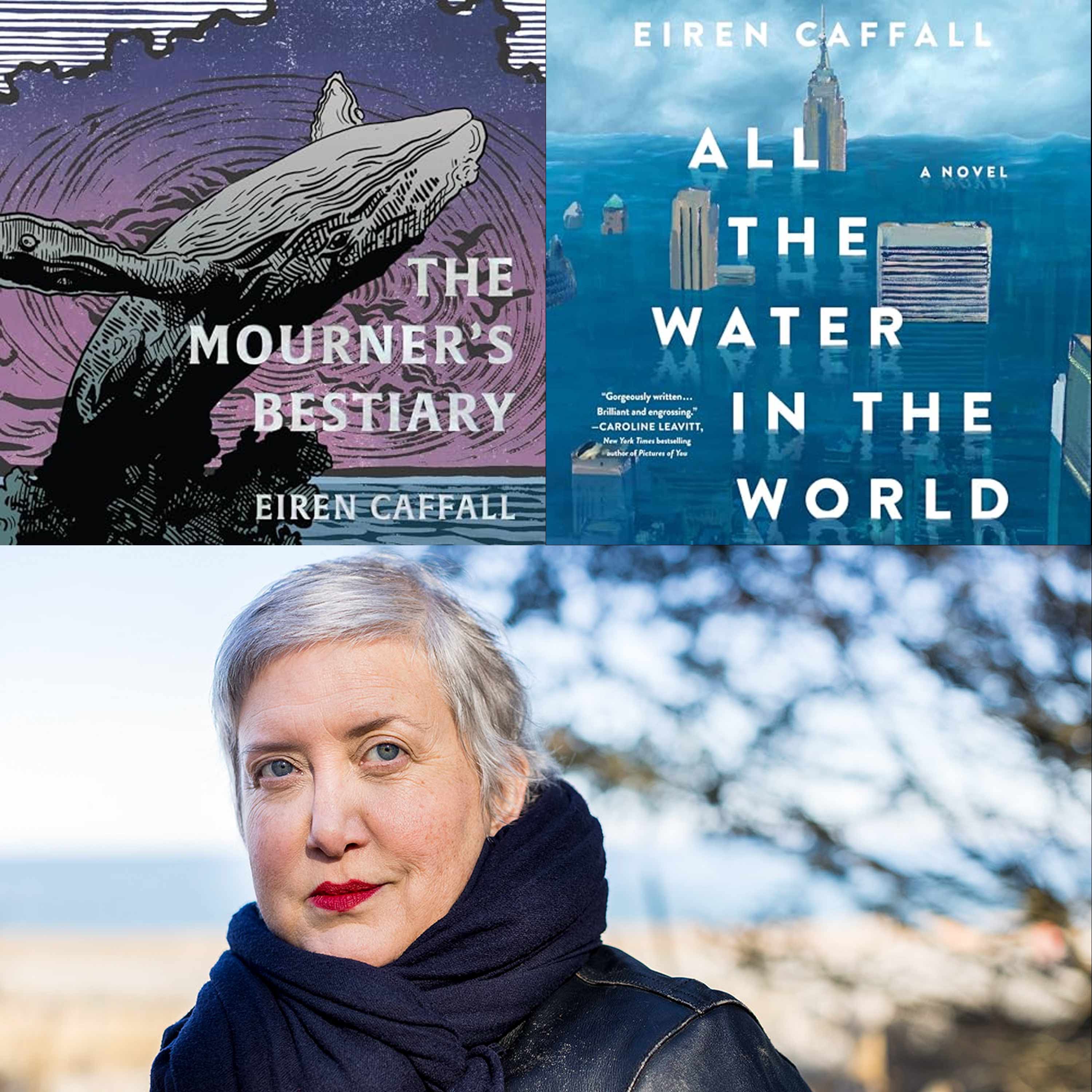
S14 Ep 1135"We're connected to the lives of every creature on the planet" EIREN CAFFALL - Highlights
“The more that you have that evolving relationship with the natural world, that's dynamic and alive to the moment you're in, and that's not afraid of the feelings of fear, hopelessness, grief, or pain that attend paying close attention to the world as it is evolving around you, the better we are able to be flexible in the relationship we need to form with fixing what we can and holding onto what we have. The more we rely on that black-and-white thinking of either being in grief or being out of it, where we have a loss and we have to move on, or we don't and we're fine. The more that happens, the more difficult it is to flow into what we really need in terms of emotional flexibility to get through the staggering changes that are starting to happen regarding climate issues.”Eiren Caffall is a writer and musician. Her work on loss, oceans, and extinction has appeared in Orion,Guernica, The LA Review of Books, Al Jazeera, and the anthology Elementals. She has received a 2023 Whiting Creative Nonfiction Grant, a Social Justice News Nexus fellowship, and a 3Arts Make a Wave grant. Her work includes her memoir The Mourner’s Bestiary, the short film Becoming Oceanthatshe made with Scott Foley, and her novel All the Water in the World.Episode Websitewww.creativeprocess.info/podInstagram:@creativeprocesspodcast
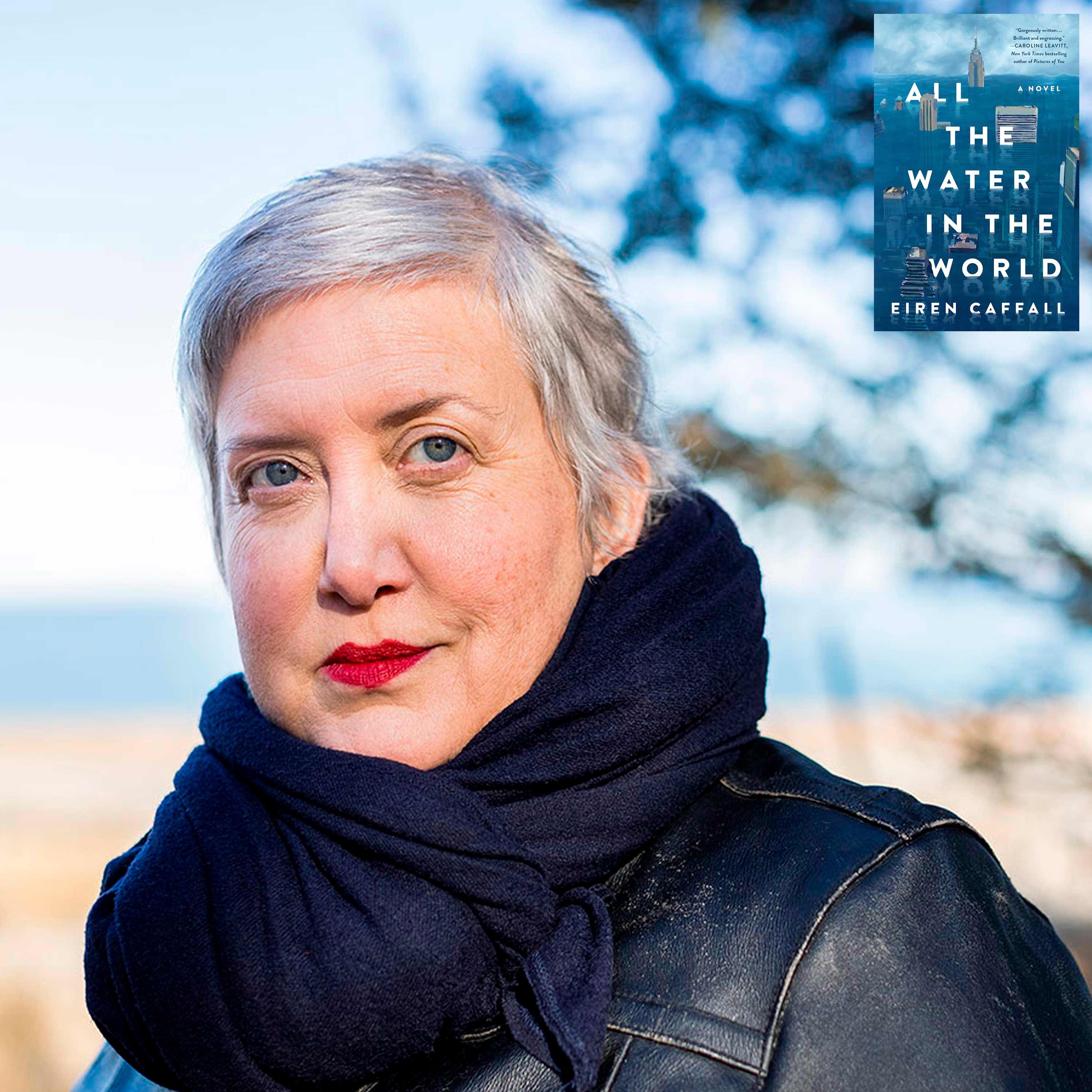
S14 Ep 1134All the Water in the World with Writer & Musician EIREN CAFFALL
“We are in a complex and delicately balanced relationship of connection to everything else on the planet. We begin to recognize, write into, and speak into the complex interdependence and interconnection of every gesture that we make on the planet. Most storytelling that I really respond to, whether it's from my own culture or from previous civilizations, acknowledges that we are in this complex relationship where every gesture we make is connected to the lives of every other creature on the planet. The more narratives we allow to be complex in that way and interconnected, the more we begin to change our brain chemistry around how we protect ourselves and everything that is in relation to us. The more that you have that evolving relationship with it, that's dynamic and alive to the moment you're in, and that's not afraid of the feelings of fear, hopelessness, grief, or pain that attend paying close attention to the world as it is evolving around you, the better we are able to be flexible in the relationship we need to form with fixing what we can and holding onto what we have.”Eiren Caffall is a writer and musician. Her work on loss, oceans, and extinction has appeared in Orion,Guernica, The LA Review of Books, Al Jazeera, and the anthology Elementals. She has received a 2023 Whiting Creative Nonfiction Grant, a Social Justice News Nexus fellowship, and a 3Arts Make a Wave grant. Her work includes her memoir The Mourner’s Bestiary, the short film Becoming Oceanthatshe made with Scott Foley, and her novel All the Water in the World.Episode Websitewww.creativeprocess.info/podInstagram:@creativeprocesspodcast
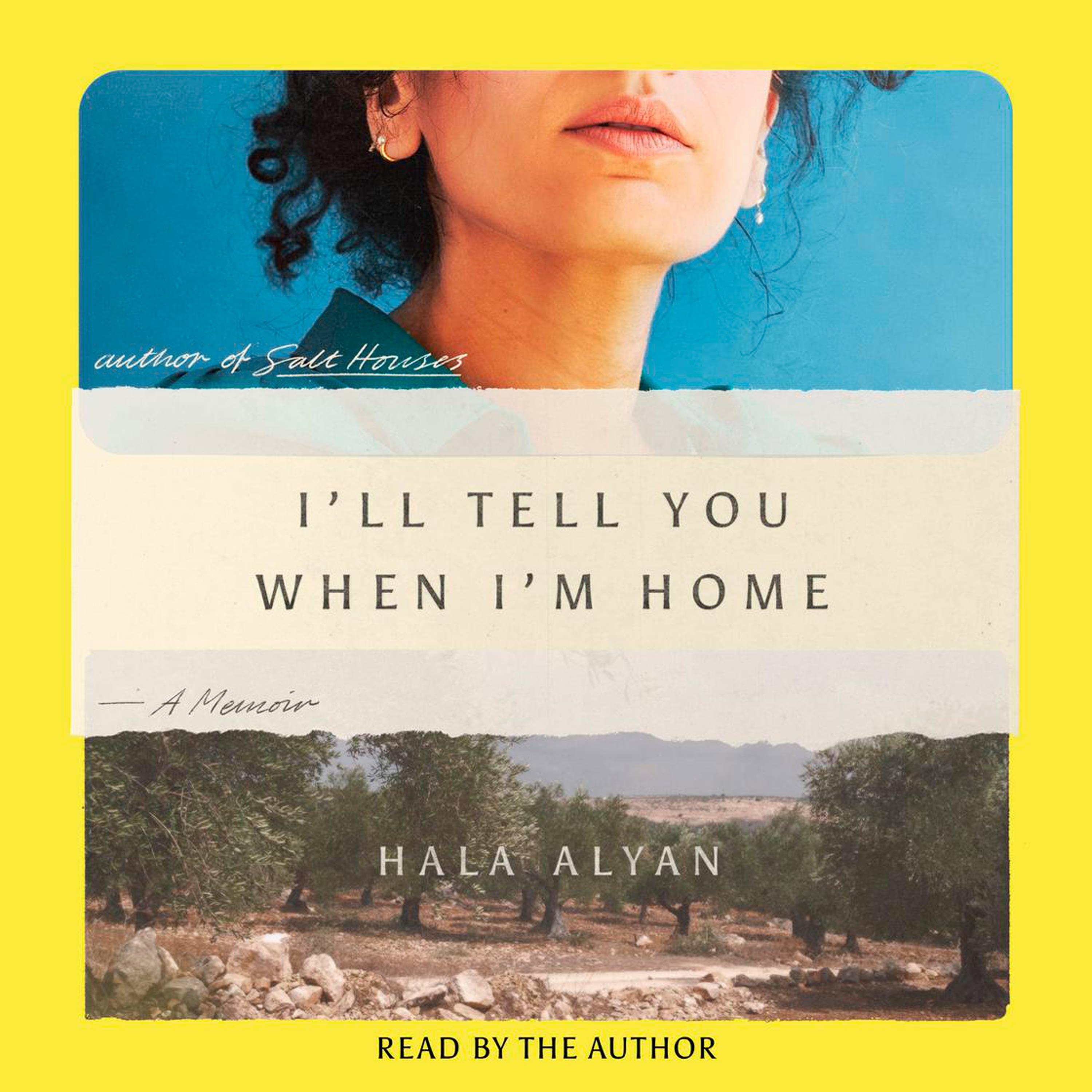
S14 Ep 1133 On Motherhood & Memory, Trauma & Survival with Author HALA ALYAN - Highlights
“I think that it's almost like in some ways the specificity of Palestine also becomes kind of a universality, where you can stay in this specific example because there is something about this experience that makes it specific, right? It's happening because it's been sanctioned to happen in this way. Right? Because you can't slaughter tens of thousands of people without consequence unless you have made those people less than people. Unless there has been a very effective project of dehumanization that's been carried out against the people that are being killed.I think, in some ways, this memoir was a project of sifting through and excavating the darkest hours, both for me and for the lineage and ancestry that I came from. I think the darkest hours were experienced by so many people I come from who have had to leave places they didn't want to leave. I live in exile and have been forced to leave behind houses, land, cities, and people. Oftentimes, this has happened more than once in a lifetime, so they have carried that trauma. Of course, it plays out intergenerationally in many different ways.”Hala Alyan is the author of the memoir I'll Tell You When I'm Home, the novels Salt Houses—winner of the Dayton Literary Peace Prize and the Arab American Book Award, and a finalist for the Chautauqua Prize—and The Arsonists’ City, a finalist for the Aspen Words Literary Prize. She is also the author of five highly acclaimed collections of poetry, including The Twenty-Ninth Year and The Moon That Turns You Back. Her work has been published by The New Yorker, The Academy of American Poets, The New York Times, The Guardian, and Guernica. She lives in Brooklyn with her family, where she works as a clinical psychologist and professor at New York University.Episode Websitewww.creativeprocess.info/podInstagram:@creativeprocesspodcast
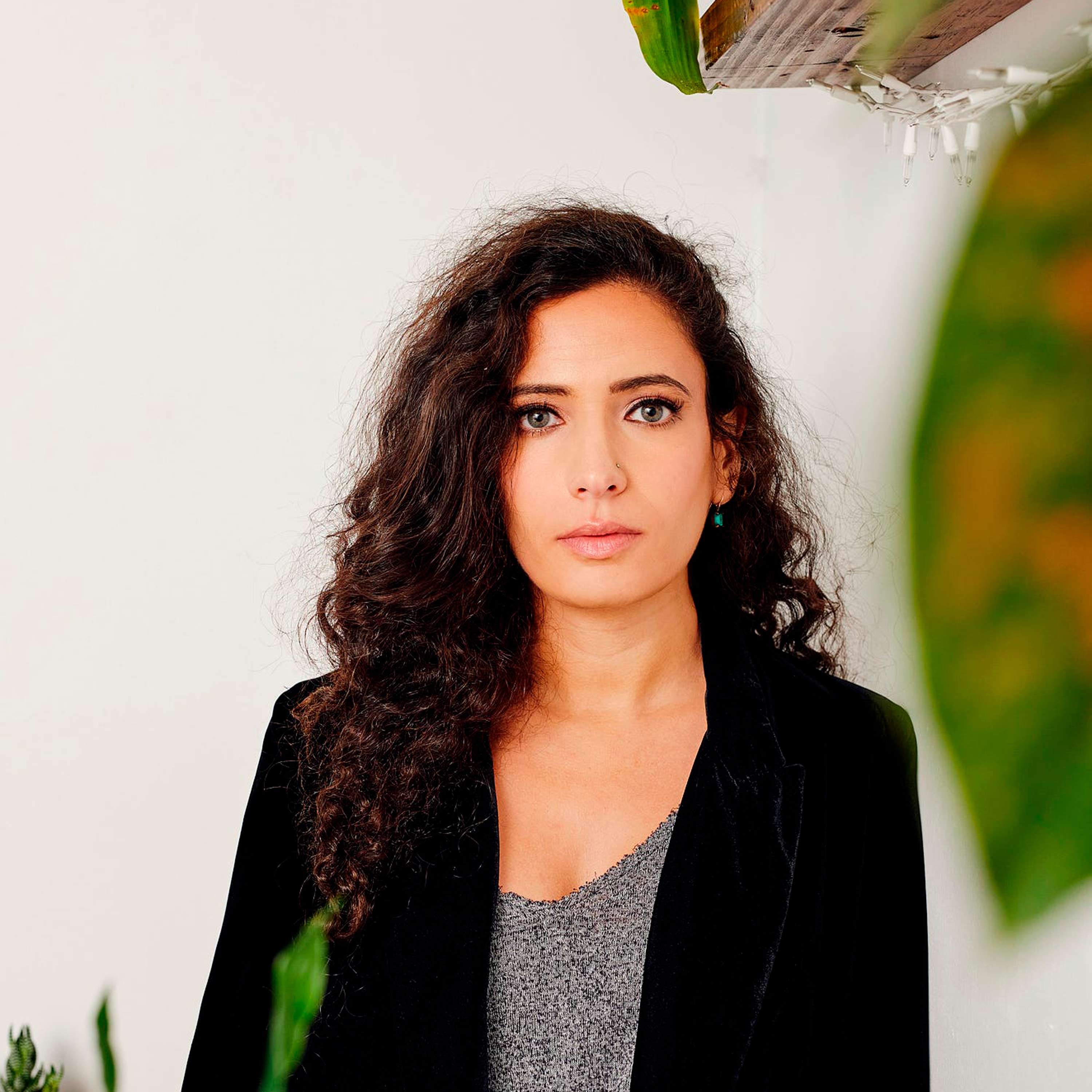
S14 Ep 1132I’ll Tell You When I’m Home - Author HALA ALYAN on Motherhood & Memory, Trauma & Survival
“I want to live a life of consequence, and I want to live a life that has stakes in it because that means that things matter to you. I think, in some ways, this memoir was a project of sifting through and excavating the darkest hours, both for me and for the lineage and ancestry that I came from. I think the darkest hours were experienced by so many people I come from who have had to leave places they didn't want to leave. I live in exile and have been forced to leave behind houses, land, cities, and people. Oftentimes, this has happened more than once in a lifetime, so they have carried that trauma. Of course, it plays out intergenerationally in many different ways.I think it's a time of fear. I don't think I'm alone in that. I am scared for people that I love. I am scared for people who are quite vulnerable. I worry for my students. I am concerned for the places that I feel are engaging in complicity because that will be such a heavy legacy to endure later on, how people, places, and entities comport themselves in moments like this. They will be remembered. There will always be people who remember it.”Hala Alyan is the author of the memoir I'll Tell You When I'm Home, the novels Salt Houses—winner of the Dayton Literary Peace Prize and the Arab American Book Award, and a finalist for the Chautauqua Prize—and The Arsonists’ City, a finalist for the Aspen Words Literary Prize. She is also the author of five highly acclaimed collections of poetry, including The Twenty-Ninth Year and The Moon That Turns You Back. Her work has been published by The New Yorker, The Academy of American Poets, The New York Times, The Guardian, and Guernica. She lives in Brooklyn with her family, where she works as a clinical psychologist and professor at New York University.Episode Websitewww.creativeprocess.info/podInstagram:@creativeprocesspodcast
S14 Ep 1131The Healing Power of Music, Community & Belonging with ROBERT & VICTORIA PATERSON
“In an age of seeming isolationism, where some countries tend to isolate, this is such a great way to bring people together. When you're doing music and the arts, all those barriers just fall away. People are just collaborating and having fun. It’s such a bridge-building endeavor. I don't mean that to sound cheesy either, because I just think it is really amazing. They end up being ambassadors who go back to their own country and say, “Wow, I had a great time at this festival in America or in the Netherlands.” It ends up being one more step in our way, with our organization, of trying to connect people together in an age when so many people seem to want to hide out and not connect. We’re big advocates of connecting, and that’s another great reason why I think we love to do this. too.”Today’s guests are composer Robert Paterson and violinist Victoria Paterson, the visionary duo behind Mostly Modern Festival & Projects, an organization dedicated to celebrating music by living composers through performance, education, and community outreach.Robert’s work is known for its rhythmic energy, emotional range, and inventive themes—from environmentalism and mythology to technology and modern relationships. Based in Saratoga Springs and NYC, he’s been recognized with numerous honors, including the Classical Recording Foundation’s Composer of the Year at Carnegie Hall and a Grammy® for Three Way. His music is performed by major orchestras and ensembles across the globe and regularly featured on NPR. He is the co-founder and Artistic Director of the Mostly Modern Festival, which takes place in both Saratoga Springs and the Netherlands.Victoria has built a multifaceted career across classical, Broadway, and commercial music, performing everywhere from Carnegie Hall to The Today Show. As General Director of Mostly Modern Projects, she leads year-round programming that brings music into hospitals, public parks, and senior centers, while also mentoring emerging artists across the country.Episode WebsiteSeason 3 of Business & Society focuses on CEOs, Sustainability & Environmental Solutions Business & Society is a limited series co-hosted by Bruce Piasecki.
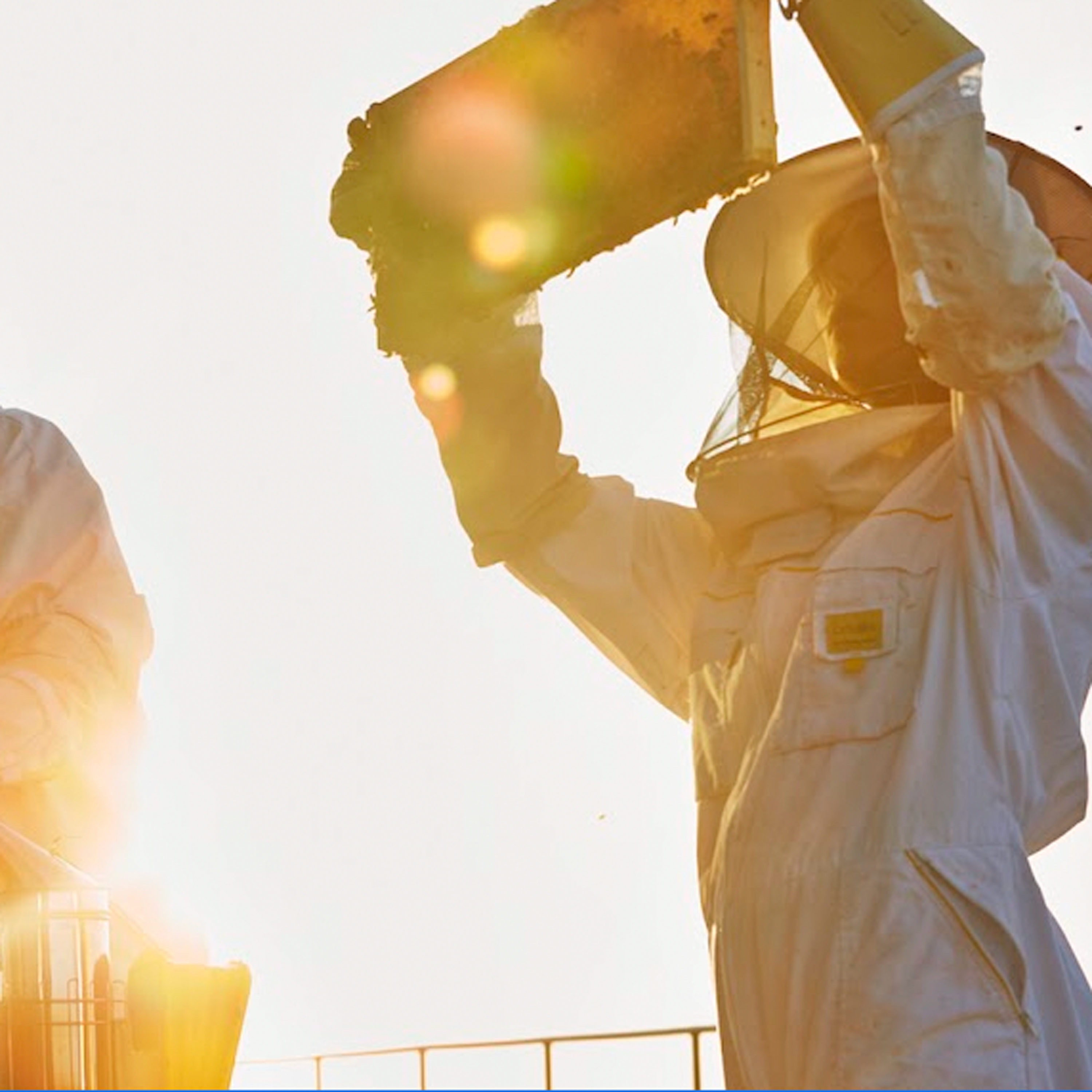
S14 Ep 1130Happy World Bee Day w/ The Best Bees Company Co-Founder NOAH WILSON-RICH - Highlights
“I was originally drawn to bees because they're social creatures. And as humans, I always wanted to know about ourselves and how we can be our healthiest selves and our healthiest society. Bees and wasps, and all of these organisms have been around for so long. Bees especially have been around for 100 million years.”Noah Wilson-Rich, Ph.D. is co-founder and CEO of The Best Bees Company, the largest beekeeping service in the US. He is a 20-time published author and 3-time TEDx speaker. He’s on a mission to improve pollinator health worldwide as a means to support our global food system and support the transformation of urban areas from gray to green. He is the author of The Bee: A Natural History.Happy World Bee Day! Let’s give thanks for these tiny hardworking pollinators who play a huge role in our ecosystem. They are vital to our food supply and biodiversity. Bees can sense electric fields and navigate using the sun, and have to visit millions of flowers to produce just a pound of honey. Remarkably intelligent, they have excellent memories, they perform a waggle dance to guide each other to nectar, and can even recognize human faces. Yet they are increasingly threatened by climate change. Rising temperatures, shifting blooming seasons, and extreme weather events disrupt their life cycles and food sources, putting both wild and managed bee populations at risk. Without bees, many of the fruits, vegetables, and nuts we rely on would disappear. As we face a changing climate, it's more important than ever to protect them. By planting pollinator-friendly gardens, reducing pesticide use, and taking action to reduce greenhouse gas emissions, we can help bees thrive and ensure a healthier planet for all.Episode WebsiteTheir blog offers many resources: https://bestbees.com/blog/www.pollinator.orgGreen roof company Columbia Green Technologies columbia-green.comwww.creativeprocess.info/podInstagram: @creativeprocesspodcast
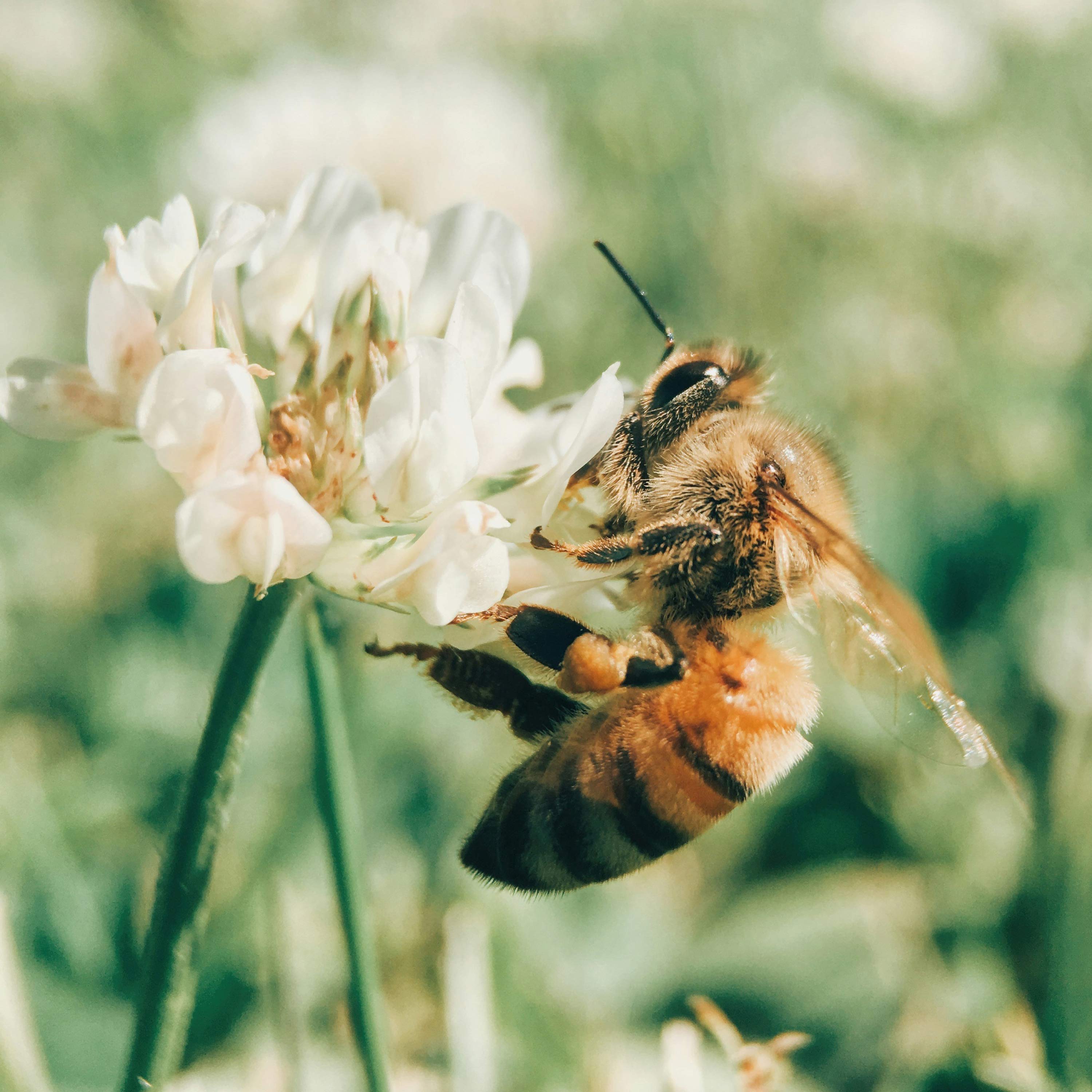
S14 Ep 1129Bees on the Brink: How Climate Change, Habitat Loss & Our Choices Shape the Future of Pollinators
Happy World Bee Day! Let’s give thanks for these tiny hardworking pollinators who play a huge role in our ecosystem. They are vital to our food supply and biodiversity. Bees can sense electric fields and navigate using the sun, and have to visit millions of flowers to produce just a pound of honey. Remarkably intelligent, they have excellent memories, they perform a waggle dance to guide each other to nectar, and can even recognize human faces. Yet they are increasingly threatened by climate change. Rising temperatures, shifting blooming seasons, and extreme weather events disrupt their life cycles and food sources, putting both wild and managed bee populations at risk. Without bees, many of the fruits, vegetables, and nuts we rely on would disappear. As we face a changing climate, it's more important than ever to protect them. By planting pollinator-friendly gardens, reducing pesticide use, and taking action to reduce greenhouse gas emissions, we can help bees thrive and ensure a healthier planet for all.Noah Wilson-Rich, Ph.D. is co-founder and CEO of The Best Bees Company, the largest beekeeping service in the US. He is a 20-time published author and 3-time TEDx speaker. He’s on a mission to improve pollinator health worldwide as a means to support our global food system and support the transformation of urban areas from gray to green. He is the author of The Bee: A Natural History.“I was originally drawn to bees because they're social creatures. And as humans, I always wanted to know about ourselves and how we can be our healthiest selves and our healthiest society. Bees and wasps, and all of these organisms have been around for so long. Bees especially have been around for 100 million years.”Episode WebsiteTheir blog offers many resources: https://bestbees.com/blog/www.pollinator.orgGreen roof company Columbia Green Technologies columbia-green.comwww.creativeprocess.info/podInstagram: @creativeprocesspodcastPhoto by Aaron Burden on Unsplash
S14 Ep 1128Building Bridges, Breaking Cycles: Personal Stories of Healing, Social Justice & Activism
How do our personal relationships affect political movements and activism? What can we learn from Native American tradition to restore ecological balance? How can transforming capitalism help address global inequality and the environmental crisis?DEAN SPADE (Author of Love in a F*cked-Up World: How to Build Relationships, Hook Up & Raise Hell Together) shares his reflections on the importance of understanding common relational patterns within activist movements. He emphasizes the need for solidarity and collective action in response to global crises like the conflict in Gaza and ecological disasters. Spade argues for resilience and mutual support within activist communities as essential for sustained efforts toward systemic change.TIOKASIN GHOSTHORSE (Founder, Host, Exec. Director of First Voices Radio, Founder of Akantu Intelligence · Master Musician of the Ancient Lakota Flute) discusses the often-overlooked Native history and the Western historical domination that has shaped contemporary educational perspectives. He highlights the need for reconnection to Native perspectives, acknowledging the spiritual and cultural richness lost through historical & ongoing colonial practices.ALEXI HAWLEY (Showrunner, Writer, Creator of The Rookie, The Recruit) explores the complexities and challenges of depicting policing on television. Reflecting on the creation of his show The Rookie in the aftermath of Philando Castile's murder, Hawley discusses the show's evolution in addressing injustice in the justice system and the effort to portray an aspirational version of policing that acknowledges real-world issues.JERICHO BROWN (Pulitzer Prize-winning Poet, Director of Creative Writing Program, Emory University, Editor of How We Do It: Black Writers on Craft, Practice & Skill) delves into the complexities of being a Black writer, emphasizing the importance of embracing one's identity rather than trying to transcend it. He discusses how blackness enriches his craft.PAUL SHRIVASTAVA (Co-President, THE CLUB OF ROME) analyzes the need for collaborative efforts across various sectors—businesses, governments & individuals—to address global inequalities & environmental challenges. To hear more from each guest, listen to their full interviews.Episode Websitewww.creativeprocess.info/podIG @creativeprocesspodcast
S14 Ep 1127What would it be like to live 100 milion years? Life in the Deep Subsurface Biosphere - Highlights
“I want to draw the similarities with alien life, and we have these questions. They're the same questions that we would be asking if we could get a sample from Europa or if we could get a sample from Mars. I think the parallels are partly in how we study them. They're teaching us how to look for strange life, but then they're also teaching us about what’s possible with life, and they're so close to the edge of what is and isn't life that it really helps us to sort of — I don’t know. I don’t know where to draw that line personally, but they at least show us that that line is maybe closer to non-life than we would have thought, than I would have thought.”Karen G. Lloyd is the Wrigley Chair in Environmental Studies and Professor of Earth Sciences at the University of Southern California. Her work has appeared in leading publications such as Nature and Science. She is the author of Intraterrestrials: Discovering the Strangest Life on Earth.Episode Websitewww.creativeprocess.info/podInstagram:@creativeprocesspodcast
S14 Ep 1126INTRATERRESTRIALS: Discovering the Strangest Life on Earth with KAREN G. LLOYD
“It's really changed my view of what life is. So many of the things that we attribute to the trappings of life look like requirements, like oxygen and sunlight. All the things that humans would absolutely die without — they’re not really necessary for life. Studying these things sort of breaks down what is necessary; what are the things that life has to have?”Karen G. Lloyd is the Wrigley Chair in Environmental Studies and Professor of Earth Sciences at the University of Southern California. Her work has appeared in leading publications such as Nature and Science. She is the author of Intraterrestrials: Discovering the Strangest Life on Earth.Episode Websitewww.creativeprocess.info/podInstagram:@creativeprocesspodcast
S14 Ep 1125Exploring Trauma, Healing & the Creative Process with Author LIZ MOORE - Highlights
“I think income inequality really greatly contributes to the rage that people might feel, even as some Americans won't. What don't recognize that a more communal society might benefit them. What they see instead is, why don't I have what that person has? Something's getting in my way. And it's not a lack of, of community, it's: somebody else is keeping me down, you know? And that's, I think that's a theme that emerges in The God of the Woods.I think there's a certain thread in American history of, like, individualism at all costs. The Van Laars named their house Self-reliance, which is a testament to the idea that they, I think, falsely believe themselves to have, have created their own power, their own capital, their own wealth, and ignore the fact that it's really the labor of the working class community around them- that, and of the people of Albany who've invested their money in the Van Laars Bank - that that really contributed to the acquisition of this enormous wealth that they now have and this enormous power that they now have.”Liz Moore is the author of the New York Times bestselling novel Long Bright River, which was one of Barack Obama’s favorite books of the year, and has been made into a Peacock series starring Amanda Seyfried. Set against the opioid crisis and a string of mysterious murders, it’s a love story between two very different sisters and their path to recovery. Moore is winner of the 2014-2015 Rome Prize in Literature. Her other books include The God of the Woods, Heft, and The Unseen World.Episode Websitewww.creativeprocess.info/podInstagram:@creativeprocesspodcast