The Creative Process · Arts, Culture & Society: Books, Film, Music, TV, Art, Writing, Creativity, Education, Environment, Theatre, Dance, LGBTQ, Climate Change, Social Justice, Spirituality, Feminism, Tech, Sustainability
1,275 episodes — Page 12 of 26
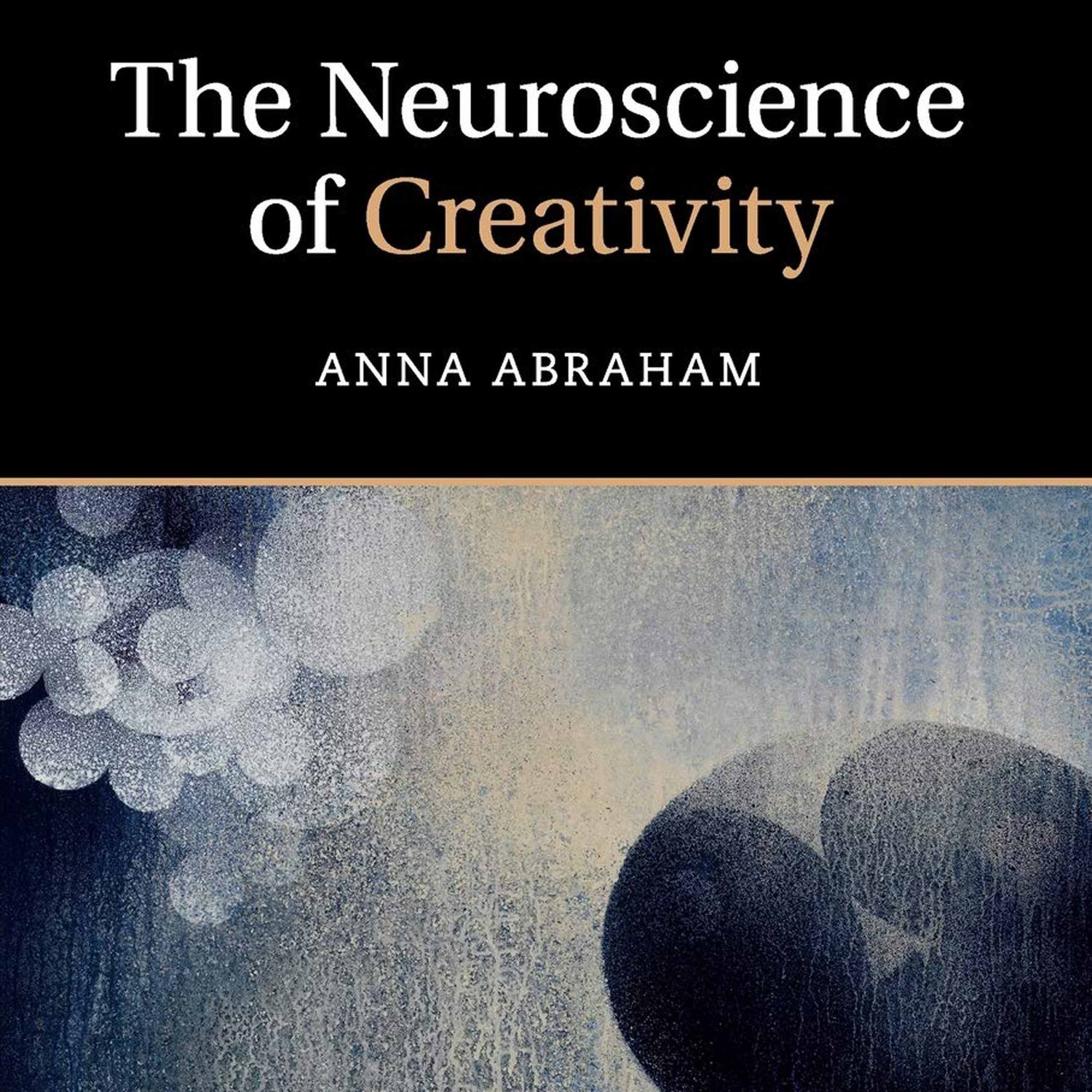
The Neuroscience of Creativity with ANNA ABRAHAM - Highlights
“I love podcasts and things like that, if only to listen to people who've done incredible things. We live in a kind of unusual time where we can hear firsthand people talking about their own experiences, and what they went through when they were creating something. And while artists differ greatly from one another in terms of the specifics of their process, what certainly seems to be the case is that they're extraordinarily interested in their own mind, and they have what we would call a metacognitive awareness. They know almost quite precisely, at least what doesn't work for them. They're very cued into what to avoid and how to sort of generate the mental conditions that are necessary in order to be as generative or as creative as they're likely to be in a specific situation. So that is a deep medical awareness that they have about their own process that is really quite something. They know themselves very well.”Anna Abraham, Ph.D. is the E. Paul Torrance Professor and Director of the Torrance Center for Creativity and Talent Development at the University of Georgia (USA). She investigates the psychological and neurophysiological mechanisms underlying creativity and other aspects of the human imagination, including the reality-fiction distinction, mental time travel, social and self-referential cognition, and mental state reasoning. She is the author of the 2018 book, The Neuroscience of Creativity (Cambridge University Press) and the editor of the multidisciplinary volume, The Cambridge Handbook of the Imagination (2020).www.anna-abraham.com https://coe.uga.edu/directory/torrance-center www.cambridge.org/core/what-we-publish/elements/elements-in-creativity-and-imaginationwww.creativeprocess.info www.oneplanetpodcast.org IG www.instagram.com/creativeprocesspodcast
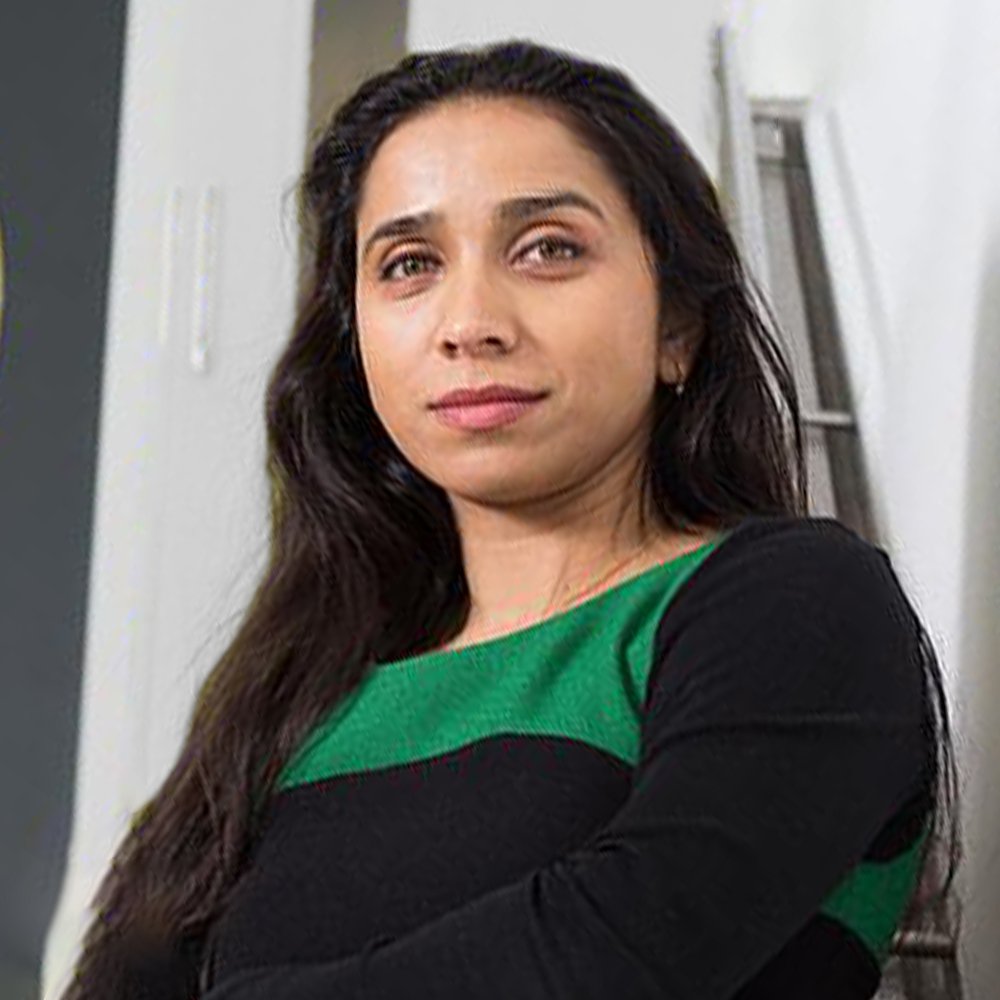
ANNA ABRAHAM - Author of “The Neuroscience of Creativity” - Director of Torrance Center for Creativity & Talent Development
Anna Abraham, Ph.D. is the E. Paul Torrance Professor and Director of the Torrance Center for Creativity and Talent Development at the University of Georgia (USA). She investigates the psychological and neurophysiological mechanisms underlying creativity and other aspects of the human imagination, including the reality-fiction distinction, mental time travel, social and self-referential cognition, and mental state reasoning. She is the author of the 2018 book, The Neuroscience of Creativity (Cambridge University Press) and the editor of the multidisciplinary volume, The Cambridge Handbook of the Imagination (2020).“I love podcasts and things like that, if only to listen to people who've done incredible things. We live in a kind of unusual time where we can hear firsthand people talking about their own experiences, and what they went through when they were creating something. And while artists differ greatly from one another in terms of the specifics of their process, what certainly seems to be the case is that they're extraordinarily interested in their own mind, and they have what we would call a metacognitive awareness. They know almost quite precisely, at least what doesn't work for them. They're very cued into what to avoid and how to sort of generate the mental conditions that are necessary in order to be as generative or as creative as they're likely to be in a specific situation. So that is a deep medical awareness that they have about their own process that is really quite something. They know themselves very well.”www.anna-abraham.com https://coe.uga.edu/directory/torrance-center www.cambridge.org/core/what-we-publish/elements/elements-in-creativity-and-imaginationwww.creativeprocess.info www.oneplanetpodcast.org IG www.instagram.com/creativeprocesspodcast
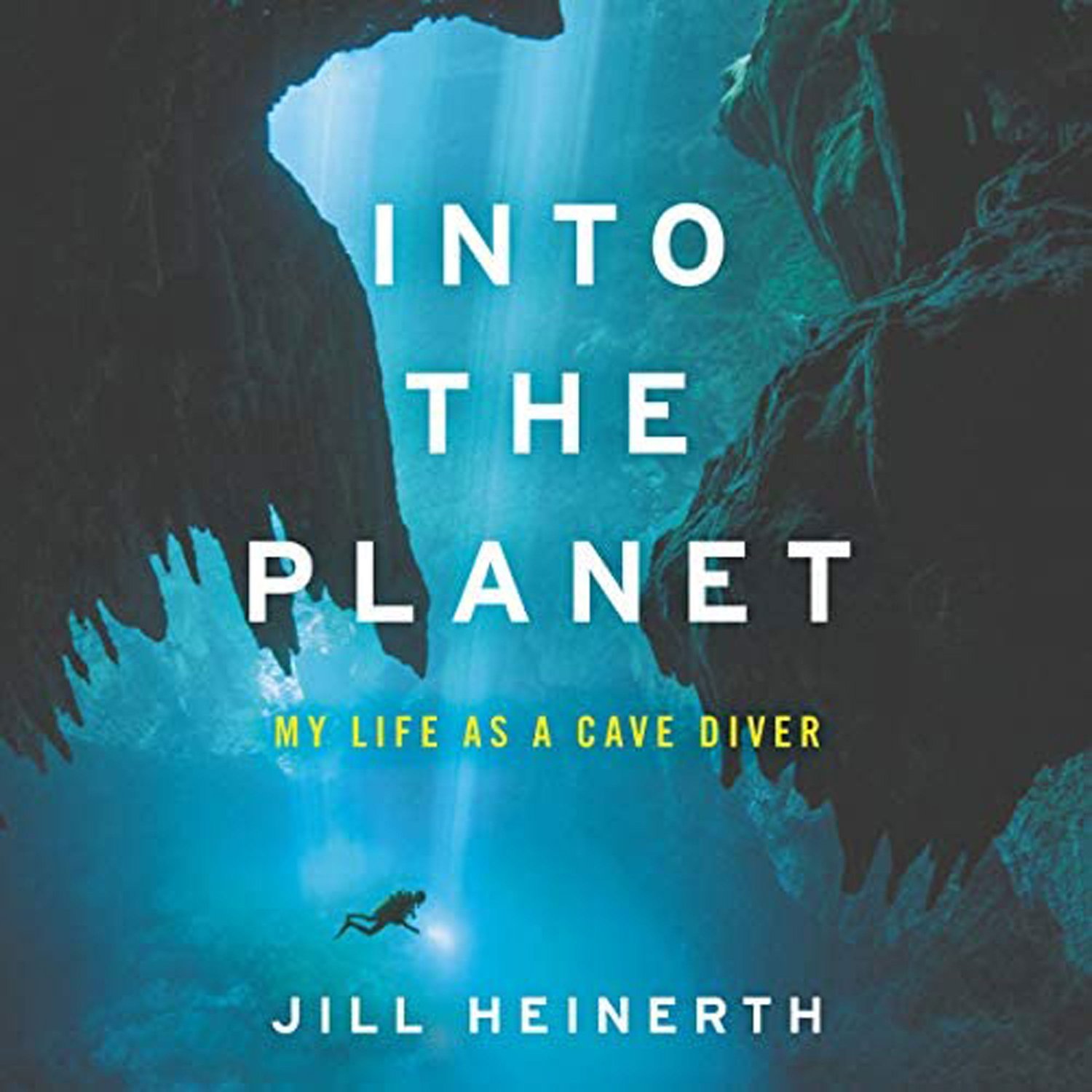
Into The Planet: My Life as a Cave Diver with JILL HEINERTH - Highlights
“If I die, it will be in the most glorious place that nobody has ever seen. I can no longer feel the fingers in my left hand. The glacial Antarctic water to see through a tiny puncture in my formerly waterproof glove. If this water were one-tenth of a degree colder, the ocean will become solid. Finding the knife-edged freeze is depleting my strength, my blood vessels throbbing in a futile attempt to deliver warmth to my extremities. The archway of ice above our heads is furrowed like the surface of a golf ball, carved by the hand of the sea. Iridescent blue, Wedgewood, azure, cerulean, cobalt, and pastel robin’s egg meld with chalk and silvery alabaster. The ice is vibrant, right, and at the same time ghostly. The beauty contradicts the danger. We are the first people to cave dive inside an iceberg. And we may not live to tell the story.”Jill Heinerth is a Canadian cave diver, underwater explorer, writer, photographer, and filmmaker. She is a veteran of over thirty years of filming, photography, and exploration on projects in submerged caves around the world. She has made TV series, consulted on movies, written several books and is a frequent corporate keynote speaker. Jill is the first Explorer in Residence for the Royal Canadian Geographical Society, recipient of Canada’s prestigious Polar Medal and is a Fellow of the International Scuba Divers Hall of Fame. In recognition of her lifetime achievement, Jill was awarded the Sir Christopher Ondaatje Medal for Exploration from the RCGS and the William Beebe Award from the Explorers Club.www.intotheplanet.comwww.creativeprocess.info www.oneplanetpodcast.org IG www.instagram.com/creativeprocesspodcast
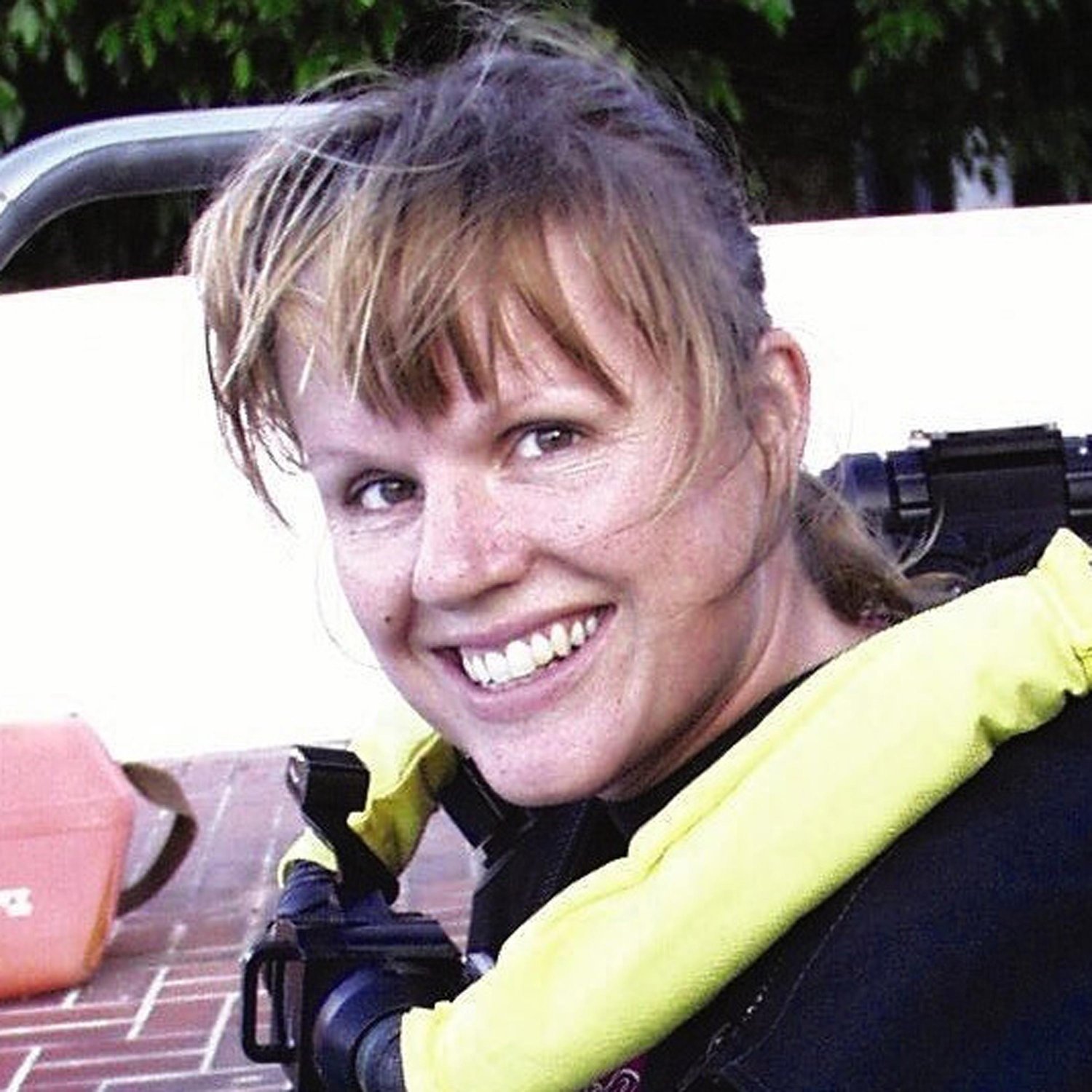
JILL HEINERTH - Explorer, Presenter, Author of “Into The Planet: My Life as a Cave Diver”
Jill Heinerth is a Canadian cave diver, underwater explorer, writer, photographer, and filmmaker. She is a veteran of over thirty years of filming, photography, and exploration on projects in submerged caves around the world. She has made TV series, consulted on movies, written several books and is a frequent corporate keynote speaker. Jill is the first Explorer in Residence for the Royal Canadian Geographical Society, recipient of Canada’s prestigious Polar Medal and is a Fellow of the International Scuba Divers Hall of Fame. In recognition of her lifetime achievement, Jill was awarded the Sir Christopher Ondaatje Medal for Exploration from the RCGS and the William Beebe Award from the Explorers Club.“If I die, it will be in the most glorious place that nobody has ever seen. I can no longer feel the fingers in my left hand. The glacial Antarctic water to see through a tiny puncture in my formerly waterproof glove. If this water were one-tenth of a degree colder, the ocean will become solid. Finding the knife-edged freeze is depleting my strength, my blood vessels throbbing in a futile attempt to deliver warmth to my extremities. The archway of ice above our heads is furrowed like the surface of a golf ball, carved by the hand of the sea. Iridescent blue, Wedgewood, azure, cerulean, cobalt, and pastel robin’s egg meld with chalk and silvery alabaster. The ice is vibrant, right, and at the same time ghostly. The beauty contradicts the danger. We are the first people to cave dive inside an iceberg. And we may not live to tell the story.”www.intotheplanet.comwww.creativeprocess.info www.oneplanetpodcast.org IG www.instagram.com/creativeprocesspodcast

The Islander: My Life in Music and Beyond w/ CHRIS BLACKWELL - Founder, Island Records - Highlights
“I think you need to be aware and see people be open to what can happen and get a feel, get an instinct. I think I've been blessed with instinct. I mean, I did not do well at school. I passed zero exams. I'm unemployable, but I've been blessed with having instincts. The instinct of U2 was seeing their determination, the fact that the music itself initially wasn't close to what most of my music was because most of my music was bass and drum. And most of their music was vocal, so it wasn't a certain kind of music that I like all the time. I like music from all different kinds of levels…I absolutely felt for Bob Marley to really make it worldwide as it were, he needed to change something a little bit. I didn't want him to change what he was doing, not his lyrics and everything else like that. It was more the instrumentation of it. I felt for Bob to be able to reach a wider audience that he needed to move away a little bit from that and focus more and more on his lyrics.When I finally met Cat Stevens, and we just sort of sat down and then when he played the song ‘Father and Son,’ then suddenly the lyrics of the song and what it meant and everything, I suddenly felt this guy is fantastic. You know, the I person I'd seen on television had nothing to do with this person sitting in front of me. And so that's really when I said to him, I opened up to him and I said, ‘Honestly, I wasn't really interested to meet, but this song that you've just sung for me is such an incredible song.’ I felt that I could definitely connect with him. ‘Where Do the Children Play', that was the one that, just the fact that he was somebody who was thinking like that.There was one time when Mick Jagger asked me to come and meet with him because I think he'd heard the records that were coming up from me, mainly Jamaican records and things, and that's why he wanted me to come and meet with him. He was leaving Decca, and wanted to go to another level. And I said, ‘It makes absolutely no sense for you to come to my label because you already are huge.’Grace Jones, she's a stunning-looking lady. They put on the record and there was a drum machine, and all it played was a drum machine. There was no vocal, there were no instruments, nothing for about two and a half to three minutes before I heard a voice. I thought, Oh my gosh, this is a disaster. This is going to end in tears. And then suddenly I heard the voice, and the voice sounded great.”Chris Blackwell, an inductee of the Rock & Roll Hall of Fame, is widely considered responsible for turning the world on to reggae music. As the founder of Island Records, he helped forge the careers of Bob Marley, Cat Stevens, Grace Jones, U2, Roxy Music, among many other high-profile acts, and produced records including Marley’s Catch a Fire and Uprising. Blackwell currently runs Island Outpost, a group of elite resorts in Jamaica, which includes GoldenEye—the former home of author Ian Fleming. He received the A&R Icon Award in recognition of his lasting influence on the music business. He is author, with Paul Morley, of The Islander: My Life in Music and Beyond.www.islandoutpost.com www.simonandschuster.com/books/The-Islander/Chris-Blackwell/9781982172701 www.islandrecords.comwww.creativeprocess.info www.oneplanetpodcast.org IG www.instagram.com/creativeprocesspodcast

CHRIS BLACKWELL - Founder of Island Records featuring Bob Marley, U2, Cat Stevens, Grace Jones, Roxy Music, Amy Winehouse…
Chris Blackwell, an inductee of the Rock & Roll Hall of Fame, is widely considered responsible for turning the world on to reggae music. As the founder of Island Records, he helped forge the careers of Bob Marley, Cat Stevens, Grace Jones, U2, Roxy Music, among many other high-profile acts, and produced records including Marley’s Catch a Fire and Uprising. Blackwell currently runs Island Outpost, a group of elite resorts in Jamaica, which includes GoldenEye—the former home of author Ian Fleming. He received the A&R Icon Award in recognition of his lasting influence on the music business. He is author, with Paul Morley, of The Islander: My Life in Music and Beyond.“I think you need to be aware and see people be open to what can happen and get a feel, get an instinct. I think I've been blessed with instinct. I mean, I did not do well at school. I passed zero exams. I'm unemployable, but I've been blessed with having instincts. The instinct of U2 was seeing their determination, the fact that the music itself initially wasn't close to what most of my music was because most of my music was bass and drum. And most of their music was vocal, so it wasn't a certain kind of music that I like all the time. I like music from all different kinds of levels…I absolutely felt for Bob Marley to really make it worldwide as it were, he needed to change something a little bit. I didn't want him to change what he was doing, not his lyrics and everything else like that. It was more the instrumentation of it. I felt for Bob to be able to reach a wider audience that he needed to move away a little bit from that and focus more and more on his lyrics.When I finally met Cat Stevens, and we just sort of sat down and then when he played the song ‘Father and Son,’ then suddenly the lyrics of the song and what it meant and everything, I suddenly felt this guy is fantastic. You know, the I person I'd seen on television had nothing to do with this person sitting in front of me. And so that's really when I said to him, I opened up to him and I said, ‘Honestly, I wasn't really interested to meet, but this song that you've just sung for me is such an incredible song.’ I felt that I could definitely connect with him. ‘Where Do the Children Play', that was the one that, just the fact that he was somebody who was thinking like that.There was one time when Mick Jagger asked me to come and meet with him because I think he'd heard the records that were coming up from me, mainly Jamaican records and things, and that's why he wanted me to come and meet with him. He was leaving Decca, and wanted to go to another level. And I said, ‘It makes absolutely no sense for you to come to my label because you already are huge.’Grace Jones, she's a stunning-looking lady. They put on the record and there was a drum machine, and all it played was a drum machine. There was no vocal, there were no instruments, nothing for about two and a half to three minutes before I heard a voice. I thought, Oh my gosh, this is a disaster. This is going to end in tears. And then suddenly I heard the voice, and the voice sounded great.”www.islandoutpost.com www.simonandschuster.com/books/The-Islander/Chris-Blackwell/9781982172701 www.islandrecords.comwww.creativeprocess.info www.oneplanetpodcast.org IG www.instagram.com/creativeprocesspodcast
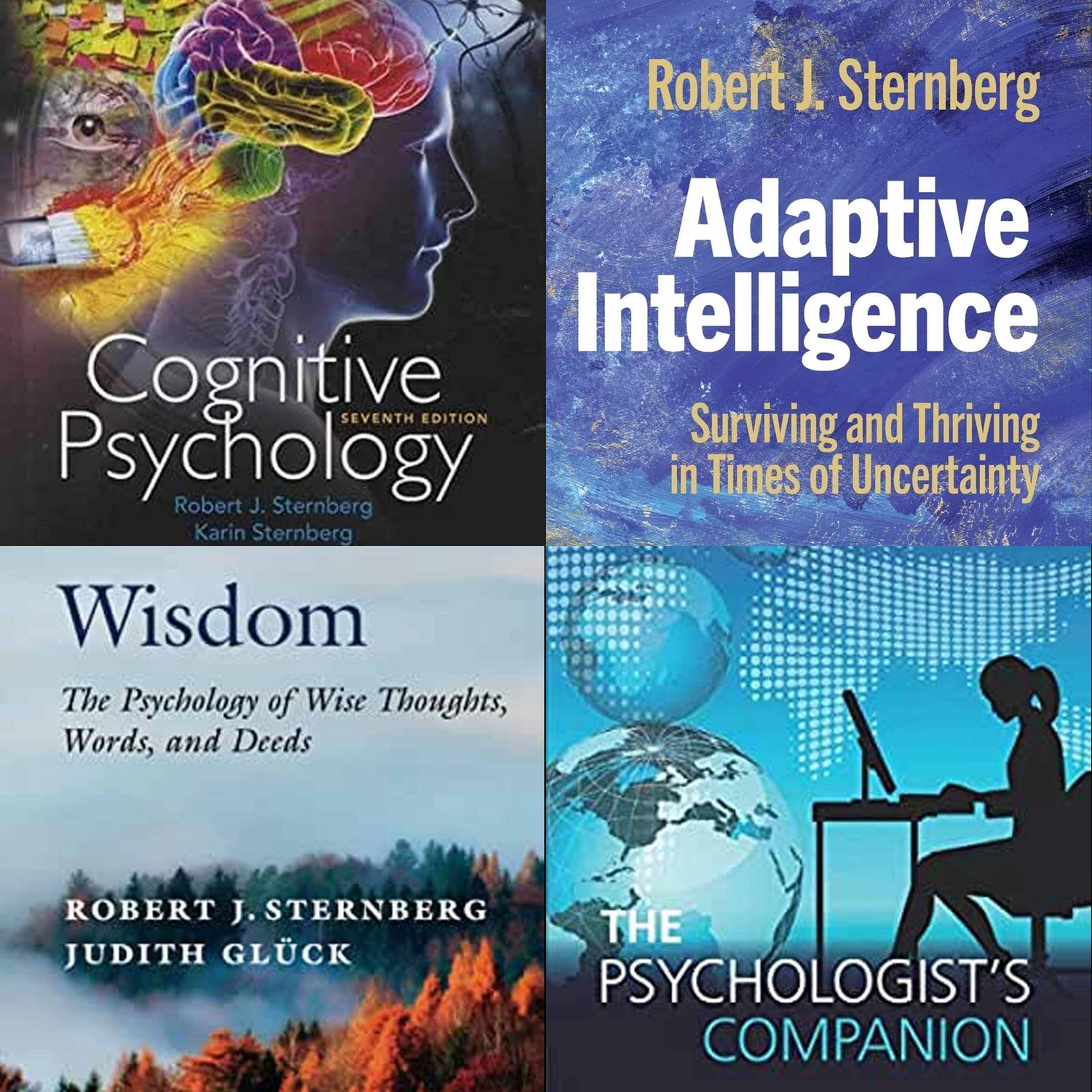
Adaptive Intelligence: Surviving and Thriving in Times of Uncertainty with ROBERT STERNBERG - Highlights
"Are we looking at intelligence wrong? There are an awful lot of people who have graduated from top schools who become leaders who are worse than incompetent. They make their countries worse rather than better. And the conclusion I came to is that we made a mistake, in that intelligence was originally defined by the founders of the field Alfred Binet, David Wechsler, and others, as the ability to adapt to the environment a requirement. And answering a vocabulary problem for an obscure word is not about adapting to the environment. So I began to wonder where we lost the train of thought. And the conclusion I came to is that colleges just forgot the original message of the founders of the field, and so we got immersed in these numbers that turn out not to mean that much. So I wrote about intelligence as the ability to get along in the world and hopefully make the world a little bit better. And what I argue in the book is that we not only need to develop this kind of intelligence, we need to recognize that it's important, that getting A's in school and top scores on standardized tests, that's not what intelligence is about. So there are people who make serious efforts to make the world better, who fight pollution, who try to be good at what they do, you know, as judges or lawyers or as cleaning people or car mechanics, or doctors, but those aren't the ones you hear about. The ones you hear about are often those who have prestigious degrees and can't seem to do much with them.”Robert J. Sternberg is Professor of Human Development at Cornell University and Honorary Professor of Psychology at the University of Heidelberg, Germany. He is a past winner of the Grawemeyer Award in Psychology, and the William James and James McKeen Cattell Awards of the Association for Psychological Science. Sternberg has served as President of the American Psychological Association, and the Federation of Associations in Behavioral and Brain Sciences. His latest book is Adaptive Intelligence: Surviving and Thriving in Times of Uncertainty.www.robertjsternberg.comwww.cambridge.org/fr/academic/subjects/psychology/cognition/adaptive-intelligence-surviving-and-thriving-times-uncertainty?format=HB&isbn=9781107154384#bookPeoplewww.creativeprocess.info www.oneplanetpodcast.org IG www.instagram.com/creativeprocesspodcast
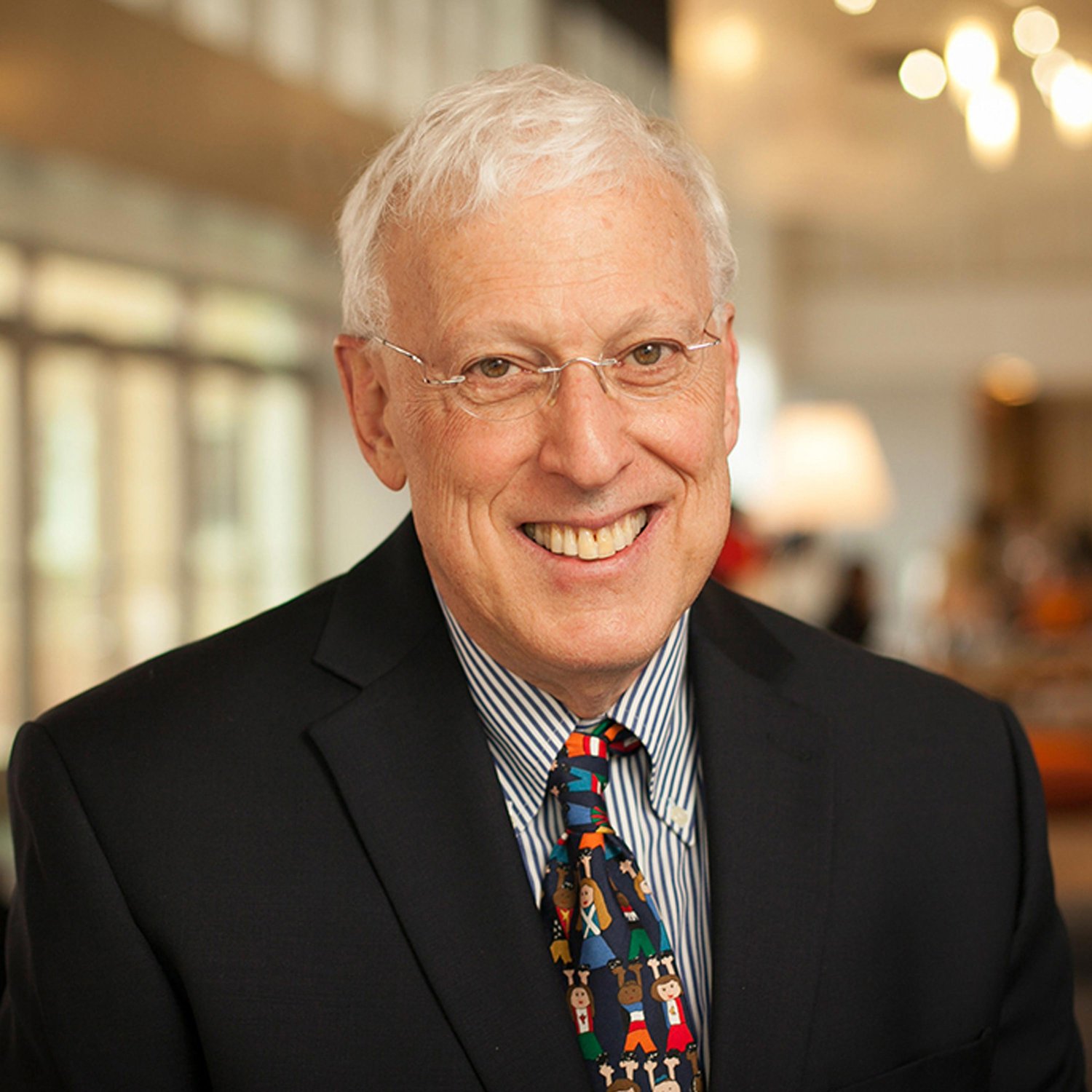
Robert Sternberg - Award-winning Educator - Author of “Adaptive Intelligence” - Fmr. President, American Psychological Assoc.
Robert J. Sternberg is Professor of Human Development at Cornell University and Honorary Professor of Psychology at the University of Heidelberg, Germany. He is a past winner of the Grawemeyer Award in Psychology, and the William James and James McKeen Cattell Awards of the Association for Psychological Science. Sternberg has served as President of the American Psychological Association, and the Federation of Associations in Behavioral and Brain Sciences. His latest book is Adaptive Intelligence: Surviving and Thriving in Times of Uncertainty."Are we looking at intelligence wrong? There are an awful lot of people who have graduated from top schools who become leaders who are worse than incompetent. They make their countries worse rather than better. And the conclusion I came to is that we made a mistake, in that intelligence was originally defined by the founders of the field Alfred Binet, David Wechsler, and others, as the ability to adapt to the environment a requirement. And answering a vocabulary problem for an obscure word is not about adapting to the environment. So I began to wonder where we lost the train of thought. And the conclusion I came to is that colleges just forgot the original message of the founders of the field, and so we got immersed in these numbers that turn out not to mean that much. So I wrote about intelligence as the ability to get along in the world and hopefully make the world a little bit better. And what I argue in the book is that we not only need to develop this kind of intelligence, we need to recognize that it's important, that getting A's in school and top scores on standardized tests, that's not what intelligence is about. So there are people who make serious efforts to make the world better, who fight pollution, who try to be good at what they do, you know, as judges or lawyers or as cleaning people or car mechanics, or doctors, but those aren't the ones you hear about. The ones you hear about are often those who have prestigious degrees and can't seem to do much with them.”www.robertjsternberg.comwww.cambridge.org/fr/academic/subjects/psychology/cognition/adaptive-intelligence-surviving-and-thriving-times-uncertainty?format=HB&isbn=9781107154384#bookPeoplewww.creativeprocess.info www.oneplanetpodcast.org IG www.instagram.com/creativeprocesspodcast

Augmented Thinking for a Complex World - The New Convergence of Art, Technology, & Science w/ JULIO OTTINO - Highlights
Today's complex problems demand a radically new way of thinking — one in which art, technology, and science converge to expand our creativity and augment our insight. Creativity must be combined with the ability to execute; the leaders and innovators of the future will have to understand this balance and manage such complexities as climate change and pandemics. The place of this convergence is THE NEXUS. In this provocative and visually striking book, Julio Mario Ottino and Bruce Mau offer a guide for navigating the intersections of art, technology, and science.Julio Ottino is an artist, researcher, author, and educator at Northwestern University. He is the author, with Bruce Mau, of The Nexus: Augmented Thinking for a Complex World - The New Convergence of Art, Technology, and Science. He was the founding co-director of the Northwestern Institute on Complex Systems. In 2008, he was listed in the “One Hundred Engineers of the Modern Era”. In 2017, he was awarded the Bernard M. Gordon Prize for Innovation in Engineering and Technology Education from the National Academy of Engineering.www.juliomarioottino.comwww.thenexusbook.comwww.mccormick.northwestern.edu/about/leadership/profiles/ottino-julio.html
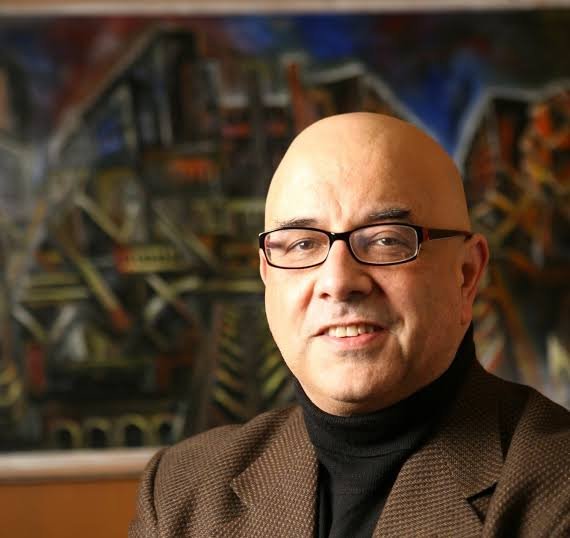
Julio Ottino - Author of “The Nexus: Augmented Thinking for a Complex World - The New Convergence of Art, Technology, and Science”
Julio Ottino is an artist, researcher, author, and educator at Northwestern University. He is the author, with Bruce Mau, of The Nexus: Augmented Thinking for a Complex World - The New Convergence of Art, Technology, and Science. He was the founding co-director of the Northwestern Institute on Complex Systems. In 2008, he was listed in the “One Hundred Engineers of the Modern Era”. In 2017, he was awarded the Bernard M. Gordon Prize for Innovation in Engineering and Technology Education from the National Academy of Engineering.Today's complex problems demand a radically new way of thinking — one in which art, technology, and science converge to expand our creativity and augment our insight. Creativity must be combined with the ability to execute; the leaders and innovators of the future will have to understand this balance and manage such complexities as climate change and pandemics. The place of this convergence is THE NEXUS. In this provocative and visually striking book, Julio Mario Ottino and Bruce Mau offer a guide for navigating the intersections of art, technology, and science.www.juliomarioottino.comwww.thenexusbook.comwww.mccormick.northwestern.edu/about/leadership/profiles/ottino-julio.html
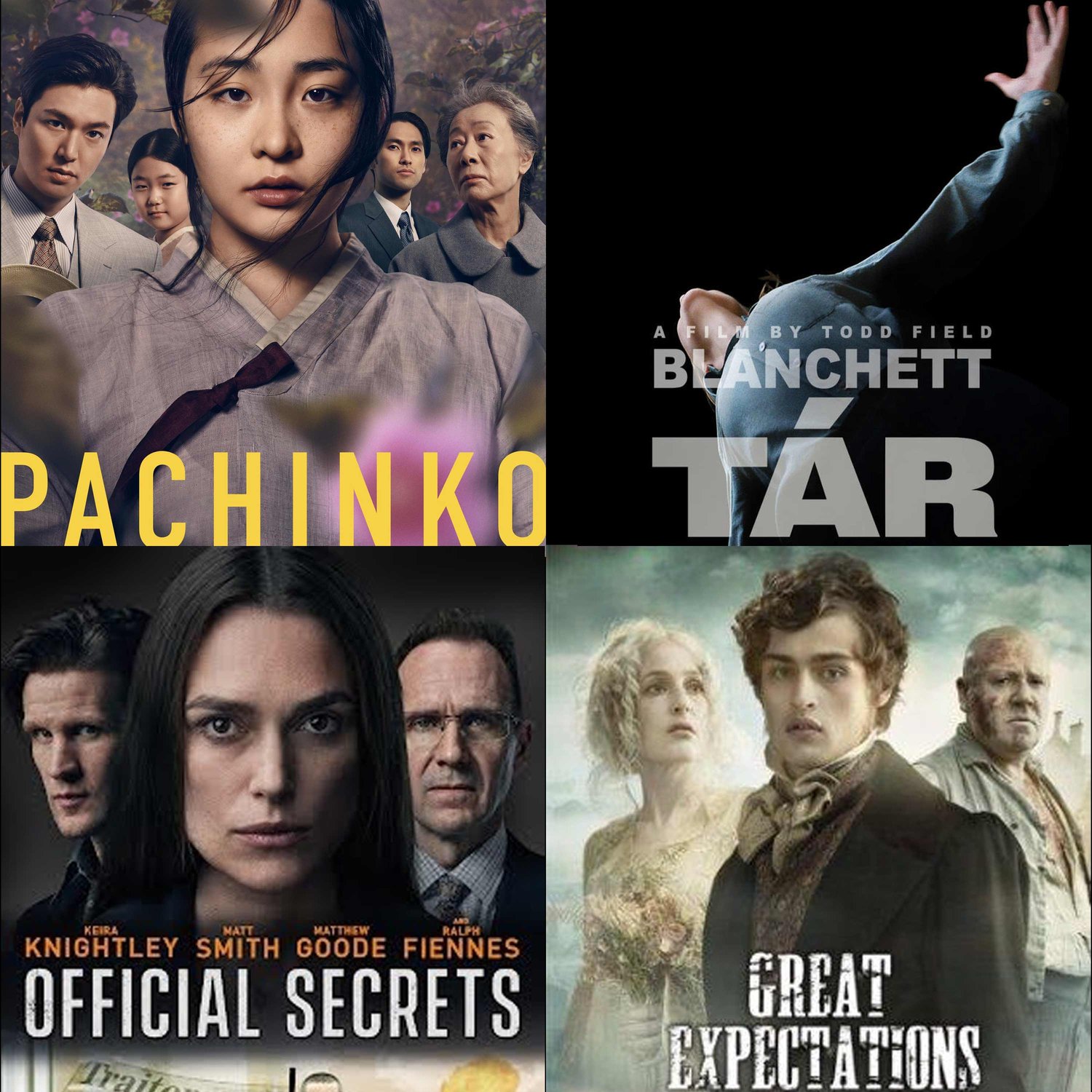
Florian Hoffmeister - Award-winning DP “TAR” starring Cate Blanchett - Highlights
Florian Hoffmeister is a prolific director of photography. Recent works by Hoffmeister include his lensing on the Apple TV+ series Pachinko, the critically-acclaimed political thriller Official Secrets starring Keira Knightley, Ralph Fiennes, and Matt Smith, and TÁR starring Cate Blanchett. Hoffmeister is well-known for his collaboration with Terence Davies on feature films The Deep Blue Sea, starring Rachel Weisz, Tom Hiddleston and Simon Russel-Beale, and A Quiet Passion, starring Cynthia Nixon and Jennifer Ehle. His work on Brian Kirk’s television phenomenon Great Expectations earned him further distinction as well as numerous accolades, including a Primetime Emmy, a BAFTA, and an ASC Award.
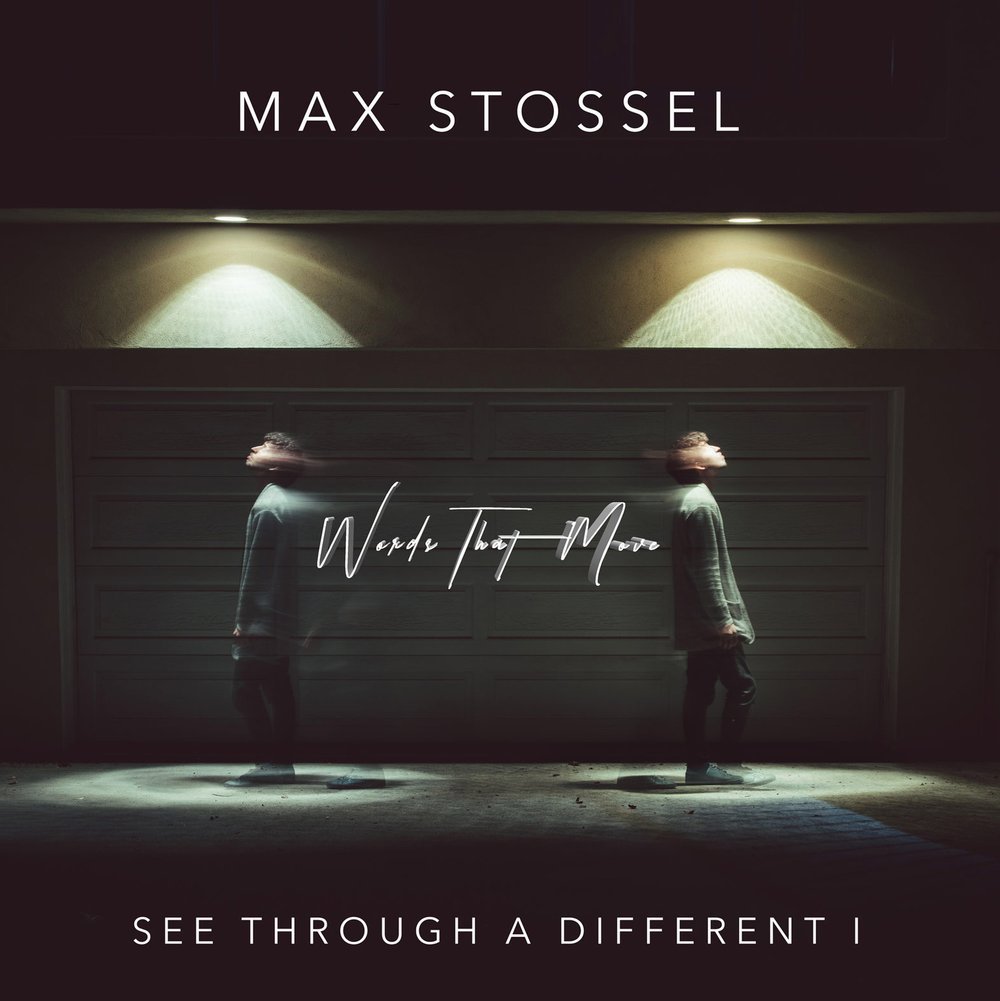
Poetry, Politics, Technology & Society with Poet, Filmmaker MAX STOSSEL - Highlights
"Technology has very much changed the way we read and take in information and shortened it into quick bursts and attention spans. We're living in a new world, for sure. And how do we communicate in this new world? Not just in a way that gets the reach, because there are whole industries aimed at what do I do to get the most likes or the most attention, and all of that, which I don't think is very fulfilling as artists.It's sort of a diminishing of our art form to try and play the game because then we're getting the attention and getting the hits, as opposed to what do I really want to create? How do I really want to create it? How do I want to display this? And can I do it in a way that breaks through so that if I do it my way, it's still going to get the attention, great. But if it doesn't, can I be cool with that? And can I be okay creating what I want to create, knowing that that's what it's about. It's about sharing in an honest, authentic way what I want to express without letting the tentacles of social media drip into my brain and take over why I'm literally doing the things that I'm doing."

Max Stossel - Award-winning Poet, Filmmaker, Creator of "Words That Move"
Max Stossel is an Award-winning poet, filmmaker, and speaker, named by Forbes as one of the best storytellers of the year. His Stand-Up Poetry Special Words That Move takes the audience through a variety of different perspectives, inviting us to see the world through different eyes together. Taking on topics like heartbreak, consciousness, social media, politics, the emotional state of our world, and even how dogs probably (most certainly) talk, Max uses rhyme and rhythm to make these topics digestible and playful. Words That Move articulates the deep-seated kernels of truth that we so often struggle to find words for ourselves. Max has performed on five continents, from Lincoln Center in NY to the Hordern Pavilion in Sydney. He is also the Youth and Education Advisor for the Center for Humane Technology, an organization of former tech insiders dedicated to realigning technology with humanity’s best interests.
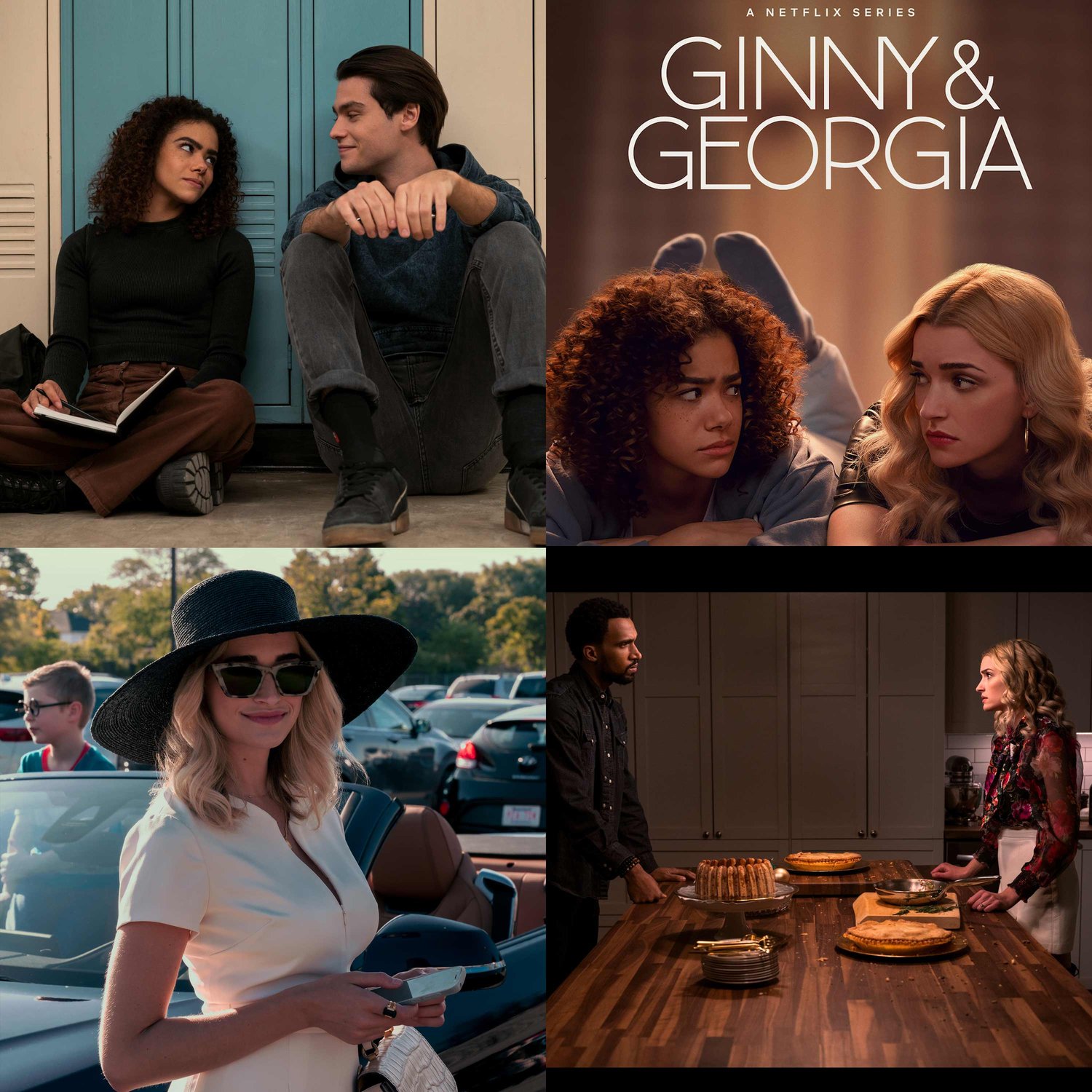
Behind the Scenes of Ginny & Georgia, Criminal Minds, Alias with DEBRA J. FISHEER - Highlights
"I need a balance of light and dark. It can't be just one thing. I want you to be laughing one minute and by the end I want you to be crying. For me, character study is what is the most important. It all comes down to the characters. It's less about action or things like that, which you can have some of that, but it tonally, has to be female-centric and you have to be crying and laughing. There's so many interesting shows that walk that line of light and dark. I want to always live in the gray area with characters. Always. Nothing is ever black or white. It's always a weird gray area.”"I like to say that Ginny & Georgia is a show about women by women for everyone. And I will say women in charge, they do things differently. I think that women, we tend to do relationships differently than men do. It's very, very important to me - and I'm not saying that men don't do this - but as a woman, as a female showrunner, it's very important for me to uplift young up-and-coming writers."Debra J. Fisher is a writer, producer, and director. She currently serves as the showrunner, writer, and executive producer of the Netflix series Ginny & Georgia. Season one of the hit series was watched by over 52 million subscribers in its first month on the platform, gathering a devoted fan base. The highly anticipated second season premiered on January 5th. Ginny & Georgia is Debra’s first time in the showrunner’s seat. Through her long and varied career, she has worked her way up the ladder on numerous beloved TV shows including Alias, The O.C., Charmed, and Criminal Minds, among others. With a wealth of experience from her own professional journey, she works to pay it forward by mentoring the next generation of creatives.www.instagram.com/debrajfisher www.tiktok.com/@debrajfisherwww.netflix.com/tudum/articles/ginny-and-georgia-season-2-release-datewww.creativeprocess.info www.oneplanetpodcast.org IG www.instagram.com/creativeprocesspodcast
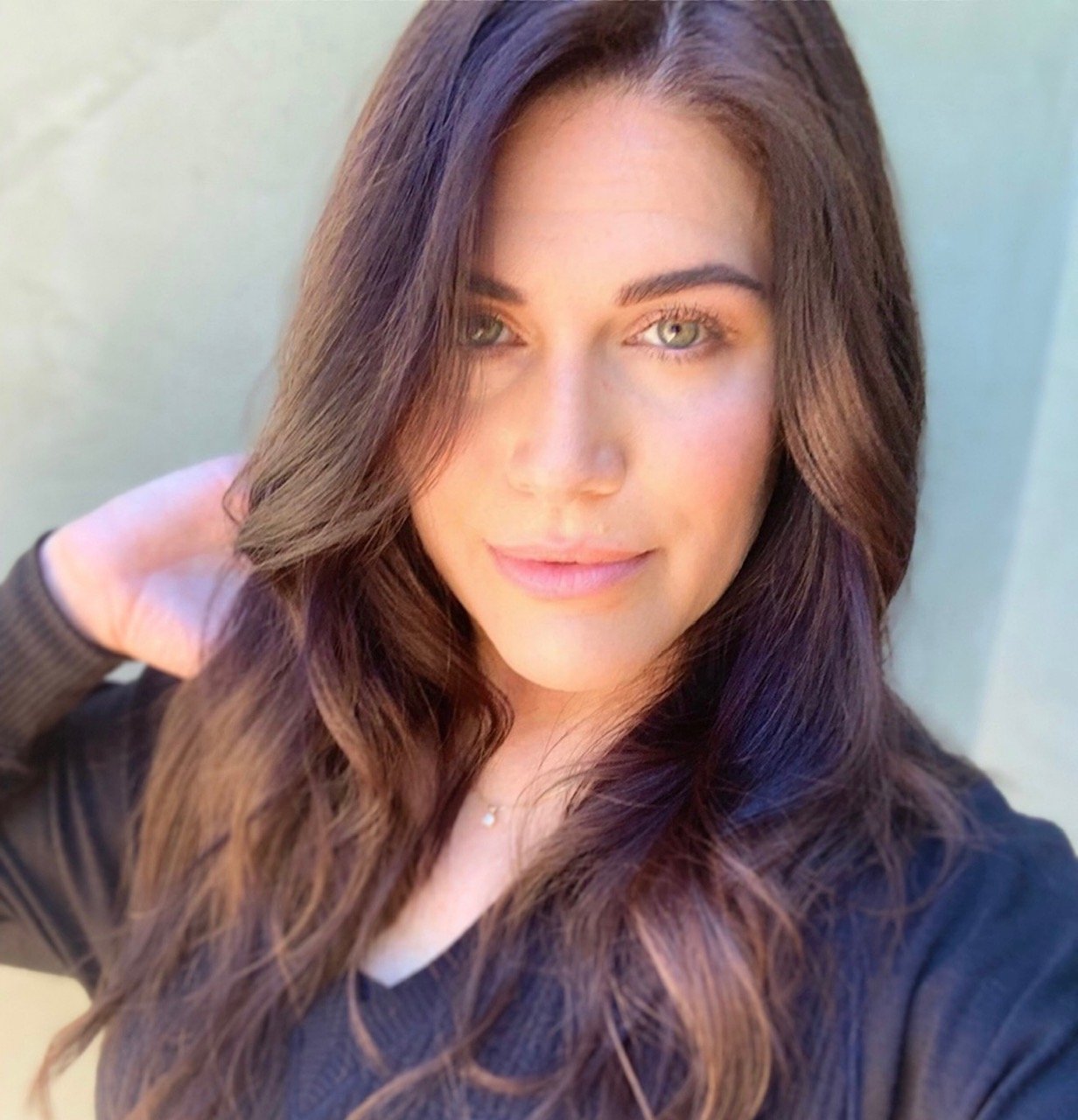
Debra J. Fisher - Showrunner of Netflix’s “Ginny & Georgia” - Writer, Exec. Producer “Criminal Minds” , “Alias”
Debra J. Fisher is a writer, producer, and director. She currently serves as the showrunner, writer, and executive producer of the Netflix series Ginny & Georgia. Season one of the hit series was watched by over 52 million subscribers in its first month on the platform, gathering a devoted fan base. The highly anticipated second season premiered on January 5th. Ginny & Georgia is Debra’s first time in the showrunner’s seat. Through her long and varied career, she has worked her way up the ladder on numerous beloved TV shows including Alias, The O.C., Charmed, and Criminal Minds, among others. With a wealth of experience from her own professional journey, she works to pay it forward by mentoring the next generation of creatives."I need a balance of light and dark. It can't be just one thing. I want you to be laughing one minute and by the end I want you to be crying. For me, character study is what is the most important. It all comes down to the characters. It's less about action or things like that, which you can have some of that, but it tonally, has to be female-centric and you have to be crying and laughing. There's so many interesting shows that walk that line of light and dark. I want to always live in the gray area with characters. Always. Nothing is ever black or white. It's always a weird gray area.”"I like to say that Ginny & Georgia is a show about women by women for everyone. And I will say women in charge, they do things differently. I think that women, we tend to do relationships differently than men do. It's very, very important to me - and I'm not saying that men don't do this - but as a woman, as a female showrunner, it's very important for me to uplift young up-and-coming writers."www.instagram.com/debrajfisher www.tiktok.com/@debrajfisherwww.netflix.com/tudum/articles/ginny-and-georgia-season-2-release-datewww.creativeprocess.info www.oneplanetpodcast.org IG www.instagram.com/creativeprocesspodcast
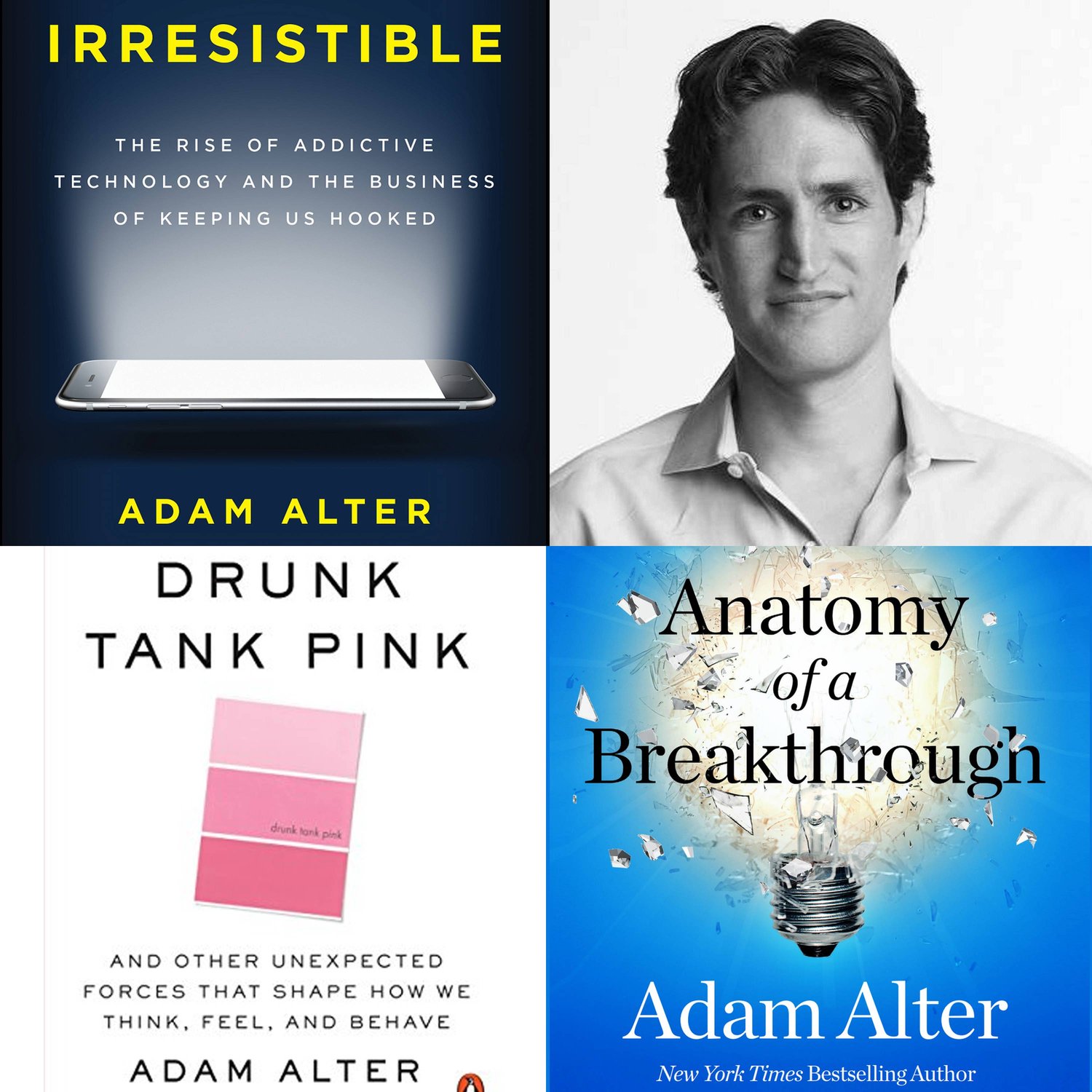
Irresistible: The Rise of Addictive Technology w/ ADAM ALTER - Highlights
"I think having a "Food and Drug administration’ for technology would be great. And one of the other ones that people bring up is this idea of the Hippocratic Oath, which suggests that if you're in the medical field, you're supposed to above all else, do no harm. That's your kind of guiding light, and it's a really useful, basic philosophical idea to use as your guide when you make decisions because it forces you to do this kind of pros and cons analysis with everything you're doing.There is no Hippocratic Oath for tech, but it's a great idea, right? If Facebook says, 'We're going to introduce the like button, what's the worst that can happen?' Turns out some pretty bad stuff can happen. But if you don't ask that question, you just don't turn your mind to those questions - or maybe you aren't forced to, maybe you know that they're there, but you just don't really look at the sun because the potential negatives are kind of overwhelming. So I agree, some oversight would be great. And that's why a lot of people think government legislation is critical with respect to technology because we can't just rely on consumers to empower themselves when everything is being done to undermine that power, and the government might need to get involved in some form."Adam Alter is a Professor of Marketing at NYU’s Stern School of Business and the Robert Stansky Teaching Excellence Faculty Fellow. Adam is the New York Times bestselling author of Irresistible: The Rise of Addictive Technology and the Business of Keeping Us Hooked, and Drunk Tank Pink, which investigates how hidden forces in the world around us shape our thoughts, feelings, and behaviors. He has written for the New York Times, New Yorker, The Atlantic, Washington Post, and a host of TV, radio, and publications. His next book Anatomy of a Breakthrough will be published in 2023.https://adamalterauthor.com www.penguin.co.uk/books/431386/irresistible-by-adam-alter/9781784701659 www.simonandschuster.com/books/Anatomy-of-a-Breakthrough/Adam-Alter/9781982182960www.stern.nyu.edu/faculty/bio/adam-alterwww.creativeprocess.info www.oneplanetpodcast.org IG www.instagram.com/creativeprocesspodcast
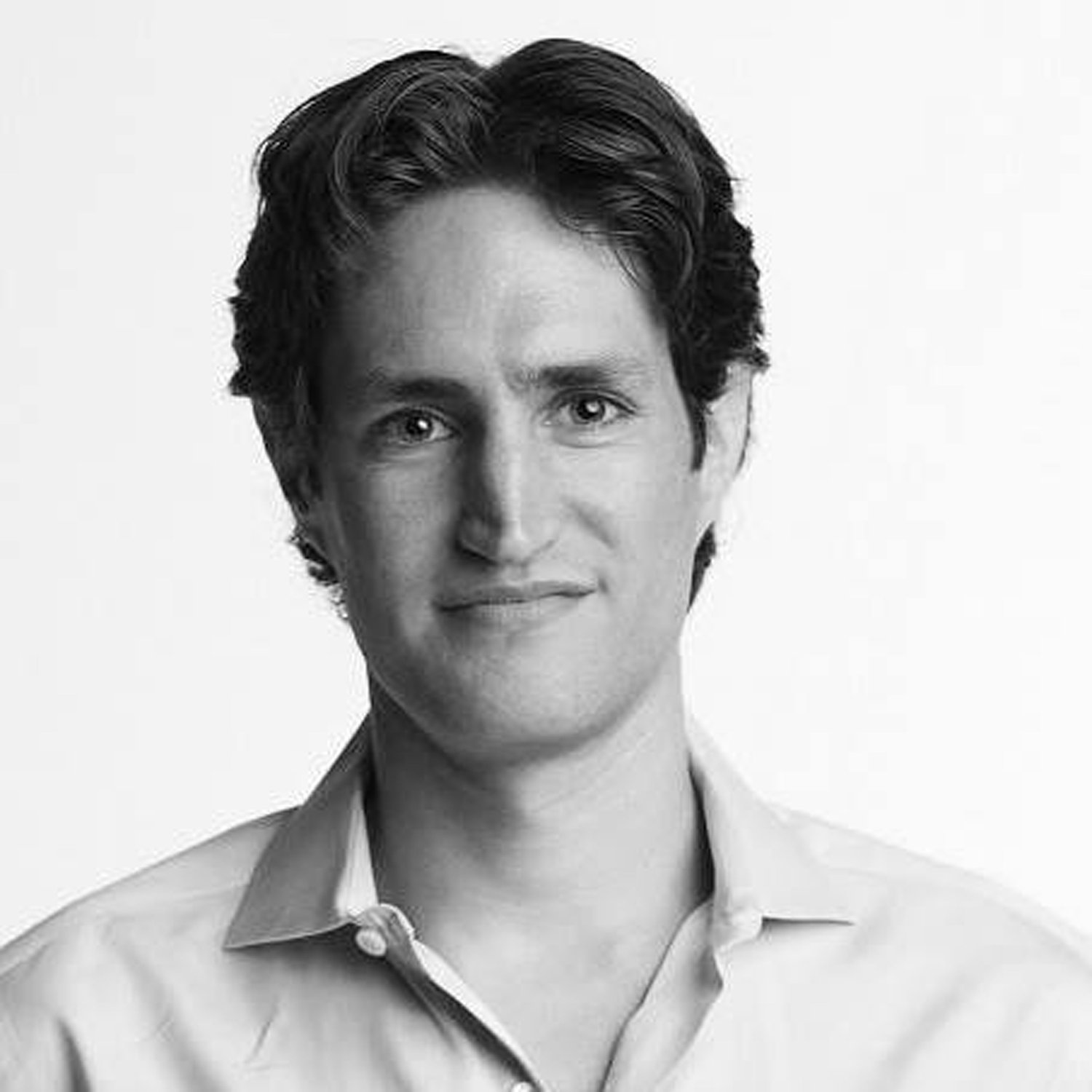
Adam Alter - Author of “Irresistible: The Rise of Addictive Technology”, “Anatomy of a Breakthrough"
Adam Alter is a Professor of Marketing at NYU’s Stern School of Business and the Robert Stansky Teaching Excellence Faculty Fellow. Adam is the New York Times bestselling author of Irresistible: The Rise of Addictive Technology and the Business of Keeping Us Hooked, and Drunk Tank Pink, which investigates how hidden forces in the world around us shape our thoughts, feelings, and behaviors. He has written for the New York Times, New Yorker, The Atlantic, Washington Post, and a host of TV, radio, and publications. His next book Anatomy of a Breakthrough will be published in 2023.https://adamalterauthor.com www.penguin.co.uk/books/431386/irresistible-by-adam-alter/9781784701659 www.simonandschuster.com/books/Anatomy-of-a-Breakthrough/Adam-Alter/9781982182960www.stern.nyu.edu/faculty/bio/adam-alterwww.creativeprocess.info www.oneplanetpodcast.org IG www.instagram.com/creativeprocesspodcast
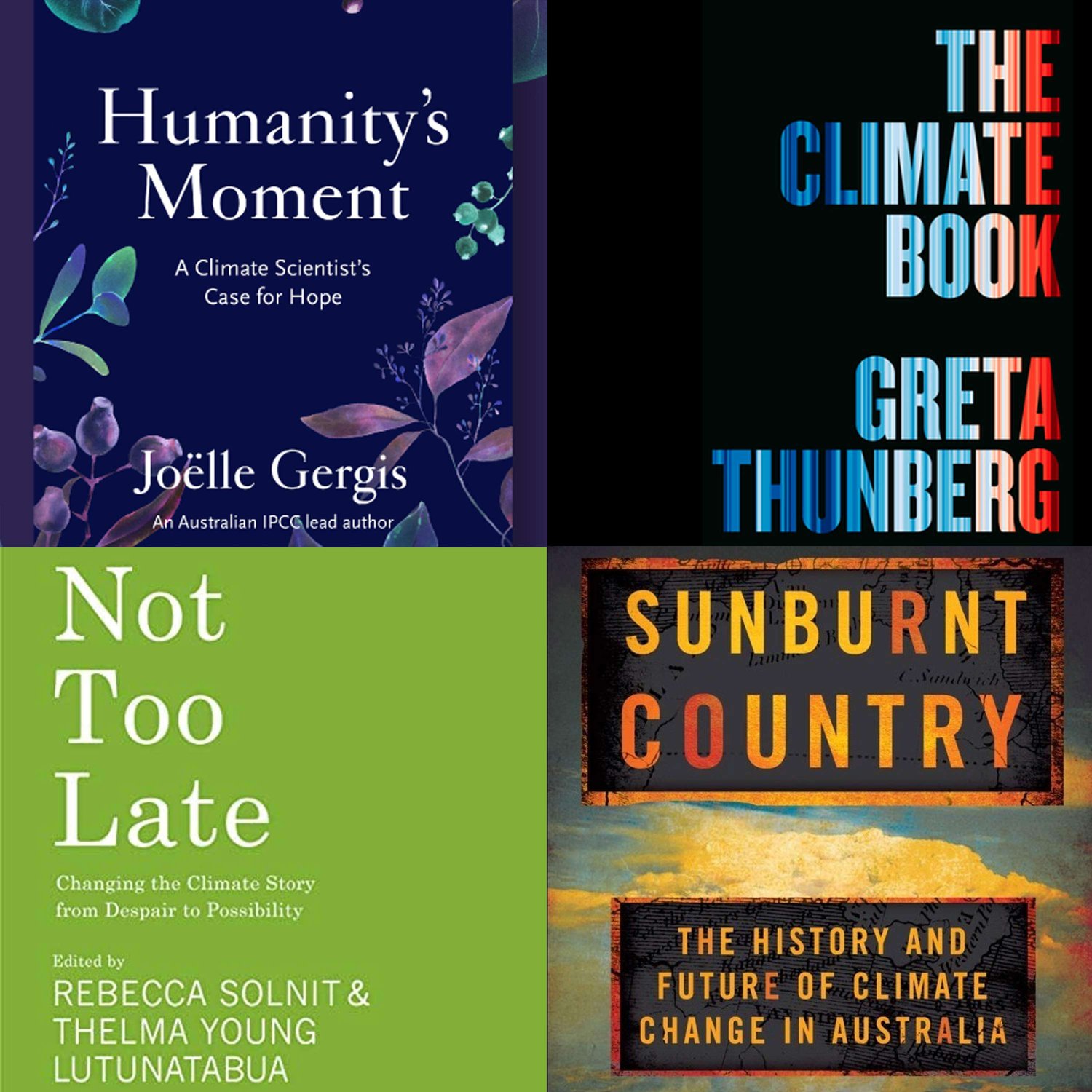
Humanity’s Moment: A Climate Scientist’s Case for Hope w/ IPCC, Lead Author JOËLLE GERGIS - Highlights
"We're really starting to witness serious climate extremes that can no longer be ignored. And the IPCC, one of our key conclusions to that report was that effectively the human fingerprint on the climate system is now undeniable. It is now an established fact that we have warmed every single continent, every ocean basin on the planet. And again, that's a pretty serious thing to contemplate that human activity from the burning of fossil fuels and the clearing of land has led to this energy imbalance in the earth system, which is leading to a rapidly shifting climate."Dr. Joëlle Gergis is an award-winning climate scientist and writer at the Australian National University. She served as a lead author for the IPCC Sixth Assessment Report and is the author of Humanity’s Moment: A Climate Scientist’s Case for Hope and Sunburnt Country: The History and Future of Climate Change in Australia. Joëlle has also contributed chapters to The Climate Book by Greta Thunberg, and Not Too Late: Changing the Climate Story from Despair to Possibility, edited by Rebecca Solnit and Thelma Young Lutunatabua.http://joellegergis.comhttps://climatehistory.com.auwww.blackincbooks.com.au/authors/jo-lle-gergiswww.creativeprocess.info www.oneplanetpodcast.org IG www.instagram.com/creativeprocesspodcast
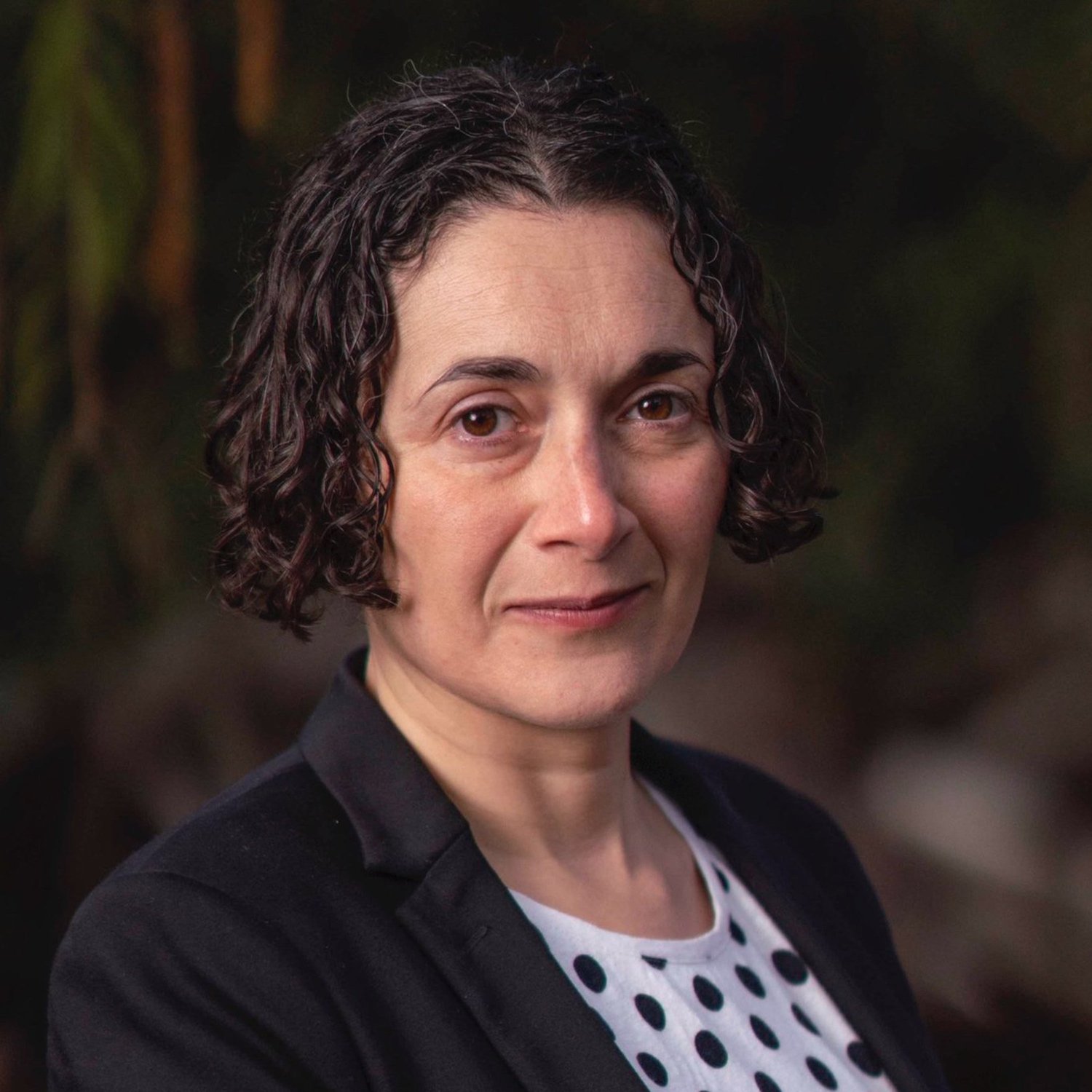
JOËLLE GERGIS - Lead Author - IPCC Sixth Assessment Report - Author of Humanity’s Moment
Dr. Joëlle Gergis is an award-winning climate scientist and writer at the Australian National University. She served as a lead author for the IPCC Sixth Assessment Report and is the author of Humanity’s Moment: A Climate Scientist’s Case for Hope and Sunburnt Country: The History and Future of Climate Change in Australia. Joëlle has also contributed chapters to The Climate Book by Greta Thunberg, and Not Too Late: Changing the Climate Story from Despair to Possibility, edited by Rebecca Solnit and Thelma Young Lutunatabua."We're really starting to witness serious climate extremes that can no longer be ignored. And the IPCC, one of our key conclusions to that report was that effectively the human fingerprint on the climate system is now undeniable. It is now an established fact that we have warmed every single continent, every ocean basin on the planet. And again, that's a pretty serious thing to contemplate that human activity from the burning of fossil fuels and the clearing of land has led to this energy imbalance in the earth system, which is leading to a rapidly shifting climate."http://joellegergis.comhttps://climatehistory.com.auwww.blackincbooks.com.au/authors/jo-lle-gergiswww.creativeprocess.info www.oneplanetpodcast.org IG www.instagram.com/creativeprocesspodcast
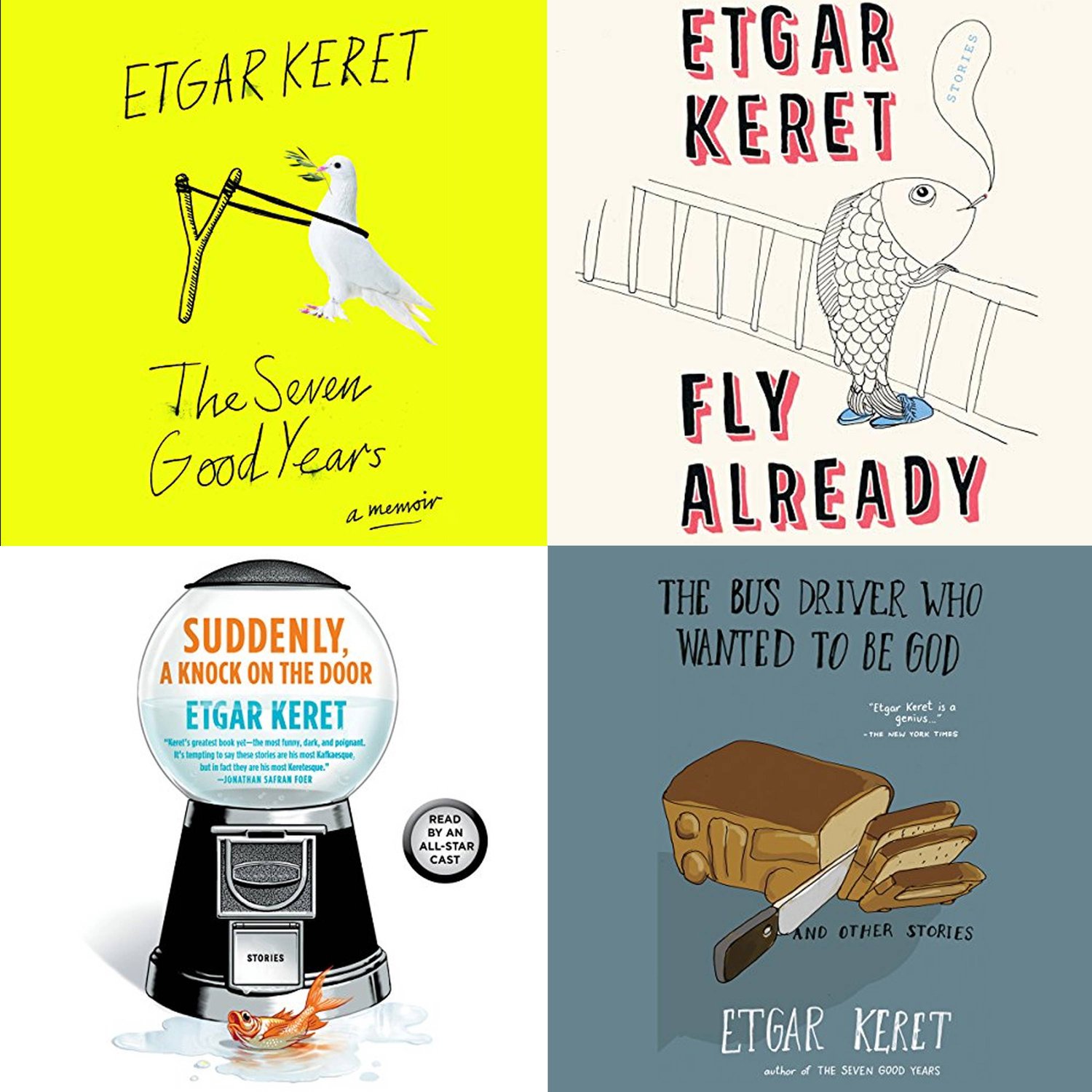
Inside Out: Writer Director ETGAR KERET on Creativity, Memories of His Mother, Storytelling as a Means of Survival - Highlights
"For me, there is something about art, it's not a monologue, it's a dialogue. Some people, it doesn't matter who they speak to, they will speak in the same way they would speak to a five-year-old or to an intellectual or to somebody who doesn't speak the language very well. They would speak the same way and they don't care because this is what they have to say, but I think that the natural thing in the dialogue is really to look into the eyes of the person you speak to and see when he understands or when she doesn't understand or when she's moved or when he's angry. And basically out of that, kind of create your own language. And I think the same way that people are excited about learning and speaking different languages - because I think each language has different merits and different aspects.Because my mom grew up in a period where they were excited about Nazi ideology and my mom knew this wasn't a good thing. So this idea of making up your own story instead of taking other people's stories was something that was very important. When I was a child, my mother didn't allow children's books in our home because she insisted on making up the stories for us. For her, basically, it was like the idea of reading us classics from a book was like ordering a pizza instead of cooking dinner. It meant that she didn't care about us. And she felt that because her parents told her bedtime stories in the ghetto where they had no access to books. And she saw how those people who were broken and angry and hurting could still find in their imaginations a brand new story that they made for somebody that they loved. So for her, it was this kind of generosity and something that could not be compared to, for example, buying Alice in Wonderland and reading it to somebody. You had to give more than that."Author, Screenwriter, and Director Etgar Keret is a recipient of the French Chevalier des Arts et des Lettres, the Charles Bronfman Prize, and the Caméra d’Or at the Cannes Film Festival for Jellyfish, which he directed with his wife Shira Geffen. Most recently, they created the TV mini series The Middleman (L’Agent Immobilier) starring Mathieu Amalric. His books include the short story collections Fly Already, Suddenly a Knock on the Door, and his memoir The Seven Good Years. Etgar’s work has been translated into forty-five languages and has appeared in The New Yorker, The Paris Review,The New York Times, and This American Life. A frequent collaborator with visual and performing artists, an exhibition inspired by his mother called Inside Out is currently showing at the Jewish Museum in Berlin until February 5th, 2023.www.etgarkeret.comThe Middleman www.imdb.com/title/tt11523800www.jmberlin.de/en/exhibition-inside-out-etgar-kerethttps://etgarkeret.substack.comJellyfish http://www.imdb.com/title/tt0807721www.creativeprocess.info www.oneplanetpodcast.org IG www.instagram.com/creativeprocesspodcast
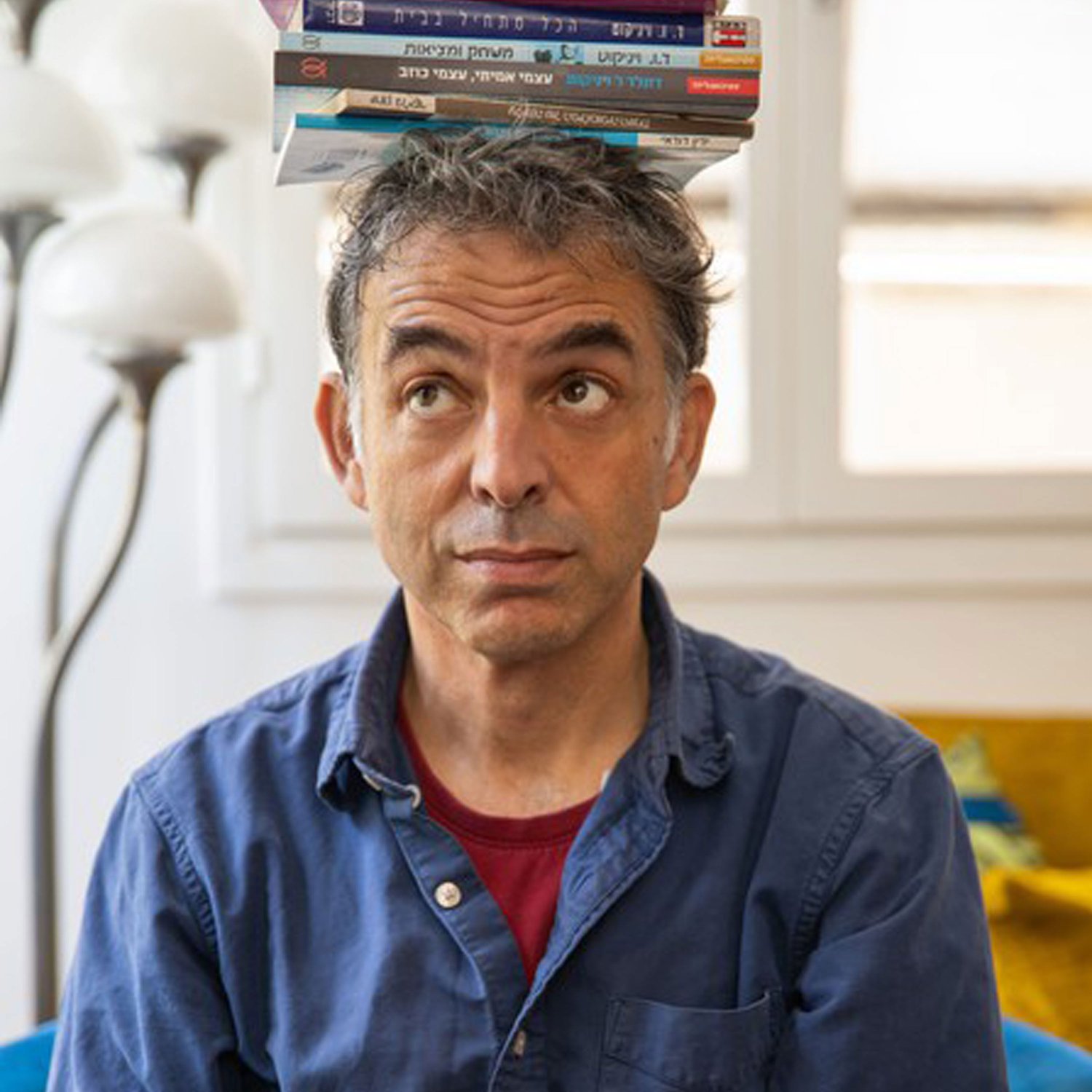
Etgar Keret - Cannes Film Festival Award-winning Director - Author of “Fly Already”, “Suddenly a Knock on the Door”
Author, Screenwriter, and Director Etgar Keret is a recipient of the French Chevalier des Arts et des Lettres, the Charles Bronfman Prize, and the Caméra d’Or at the Cannes Film Festival for Jellyfish, which he directed with his wife Shira Geffen. Most recently, they created the TV mini series The Middleman (L’Agent Immobilier) starring Mathieu Amalric. His books include the short story collections Fly Already, Suddenly a Knock on the Door, and his memoir The Seven Good Years. Etgar’s work has been translated into forty-five languages and has appeared in The New Yorker, The Paris Review,The New York Times, and This American Life. A frequent collaborator with visual and performing artists, an exhibition inspired by his mother called Inside Out is currently showing at the Jewish Museum in Berlin until February 5th, 2023."For me, there is something about art, it's not a monologue, it's a dialogue. Some people, it doesn't matter who they speak to, they will speak in the same way they would speak to a five-year-old or to an intellectual or to somebody who doesn't speak the language very well. They would speak the same way and they don't care because this is what they have to say, but I think that the natural thing in the dialogue is really to look into the eyes of the person you speak to and see when he understands or when she doesn't understand or when she's moved or when he's angry. And basically out of that, kind of create your own language. And I think the same way that people are excited about learning and speaking different languages - because I think each language has different merits and different aspects.Because my mom grew up in a period where they were excited about Nazi ideology and my mom knew this wasn't a good thing. So this idea of making up your own story instead of taking other people's stories was something that was very important. When I was a child, my mother didn't allow children's books in our home because she insisted on making up the stories for us. For her, basically, it was like the idea of reading us classics from a book was like ordering a pizza instead of cooking dinner. It meant that she didn't care about us. And she felt that because her parents told her bedtime stories in the ghetto where they had no access to books. And she saw how those people who were broken and angry and hurting could still find in their imaginations a brand new story that they made for somebody that they loved. So for her, it was this kind of generosity and something that could not be compared to, for example, buying Alice in Wonderland and reading it to somebody. You had to give more than that."www.etgarkeret.comThe Middleman www.imdb.com/title/tt11523800www.jmberlin.de/en/exhibition-inside-out-etgar-kerethttps://etgarkeret.substack.comJellyfish http://www.imdb.com/title/tt0807721www.creativeprocess.info www.oneplanetpodcast.org IG www.instagram.com/creativeprocesspodcast Photo credit: Lielle Sand
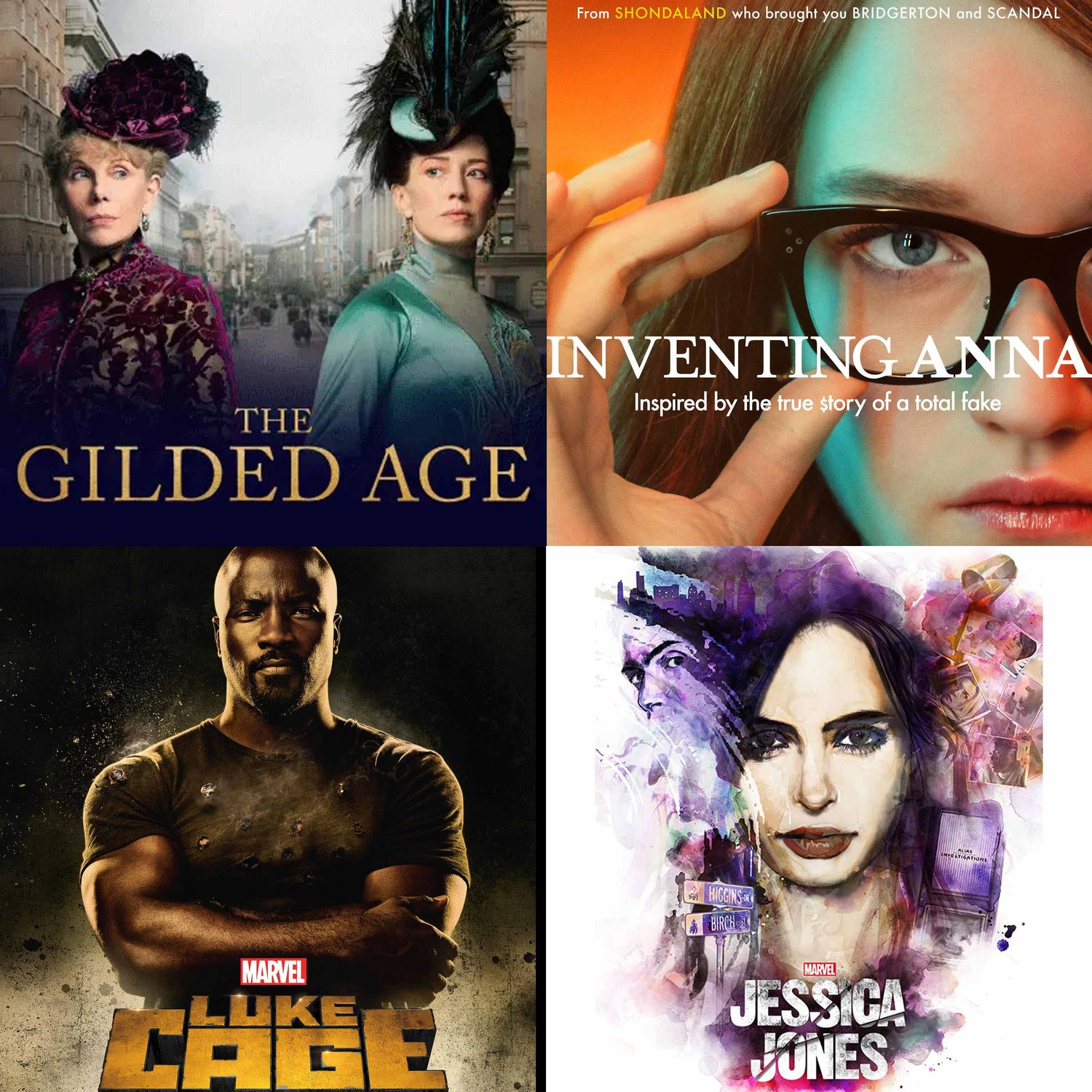
The Gilded Age starring Christine Baranski & Carrie Coon w/ Cinematographer MANUEL BILLETER - Highlights
"What I think made me want to pursue film or what started my fascination with film and cinema were definitely Fellini, Antonioni, and Bertolucci; the masters, if you will, that kind of make you dream - make you just go to a movie theater, enter this space, and just have a communal experience. I know looking at the screen and just being completely immersed and experiencing stories or experiencing things that make you understand life more - or make you understand life less - and create a dialogue between you and the rest of the world.After that, Alfonso Cuarón, obviously the collaboration was incredibly important and I learned a lot and I carry a lot of that in me, undeniably. Then, I also had the very good fortune of working as a camera assistant, and a camera operator with other cinematographers, so I learned a lot from them. And they became mentors in a way. And it was kind of like a fortunate path to becoming a cinematographer myself.The camera is my tool of choice. It's what I've been given to express what needs to be expressed, what needs to be told. So I'm definitely very particular about composition or lens choices or camera placement." Cinematographer Manuel Billeter has worked across a variety of iconic and groundbreaking shows and films including Jessica Jones, Luke Cage, Iron Fist, Law & Order, Person of Interest, Orange Is The New Black, Lawless, and Alfonso Cuarón’s Y tu mamá también. Most recently he has been Director of Photography on the HBO Max series The Gilded Age, starring Carrie Coon and Christine Baranski, and Netflix’s Inventing Anna, starring Julia Garner.https://manuelbilleter.comwww.imdb.com/name/nm1193850/ www.imdb.com/title/tt4406178/?ref_=fn_al_tt_1 https://www.imdb.com/title/tt8740976/?ref_=fn_al_tt_1www.creativeprocess.info www.oneplanetpodcast.org Instagram www.instagram.com/creativeprocesspodcast/

Manuel Billeter - Cinematographer - “The Gilded Age” “Inventing Anna” “Jessica Jones” “Luke Cage”
Cinematographer Manuel Billeter has worked across a variety of iconic and groundbreaking shows and films including Jessica Jones, Luke Cage, Iron Fist, Law & Order, Person of Interest, Orange Is The New Black, Lawless, and Alfonso Cuarón’s Y tu mamá también. Most recently he has been Director of Photography on the HBO Max series The Gilded Age, starring Carrie Coon and Christine Baranski, and Netflix’s Inventing Anna, starring Julia Garner."What I think made me want to pursue film or what started my fascination with film and cinema were definitely Fellini, Antonioni, and Bertolucci; the masters, if you will, that kind of make you dream - make you just go to a movie theater, enter this space, and just have a communal experience. I know looking at the screen and just being completely immersed and experiencing stories or experiencing things that make you understand life more - or make you understand life less - and create a dialogue between you and the rest of the world.After that, Alfonso Cuarón, obviously the collaboration was incredibly important and I learned a lot and I carry a lot of that in me, undeniably. Then, I also had the very good fortune of working as a camera assistant, and a camera operator with other cinematographers, so I learned a lot from them. And they became mentors in a way. And it was kind of like a fortunate path to becoming a cinematographer myself.The camera is my tool of choice. It's what I've been given to express what needs to be expressed, what needs to be told. So I'm definitely very particular about composition or lens choices or camera placement." https://manuelbilleter.comwww.imdb.com/name/nm1193850/ www.imdb.com/title/tt4406178/?ref_=fn_al_tt_1 https://www.imdb.com/title/tt8740976/?ref_=fn_al_tt_1www.creativeprocess.info www.oneplanetpodcast.org Instagram www.instagram.com/creativeprocesspodcast/ Photo credit: Sarah Shatz
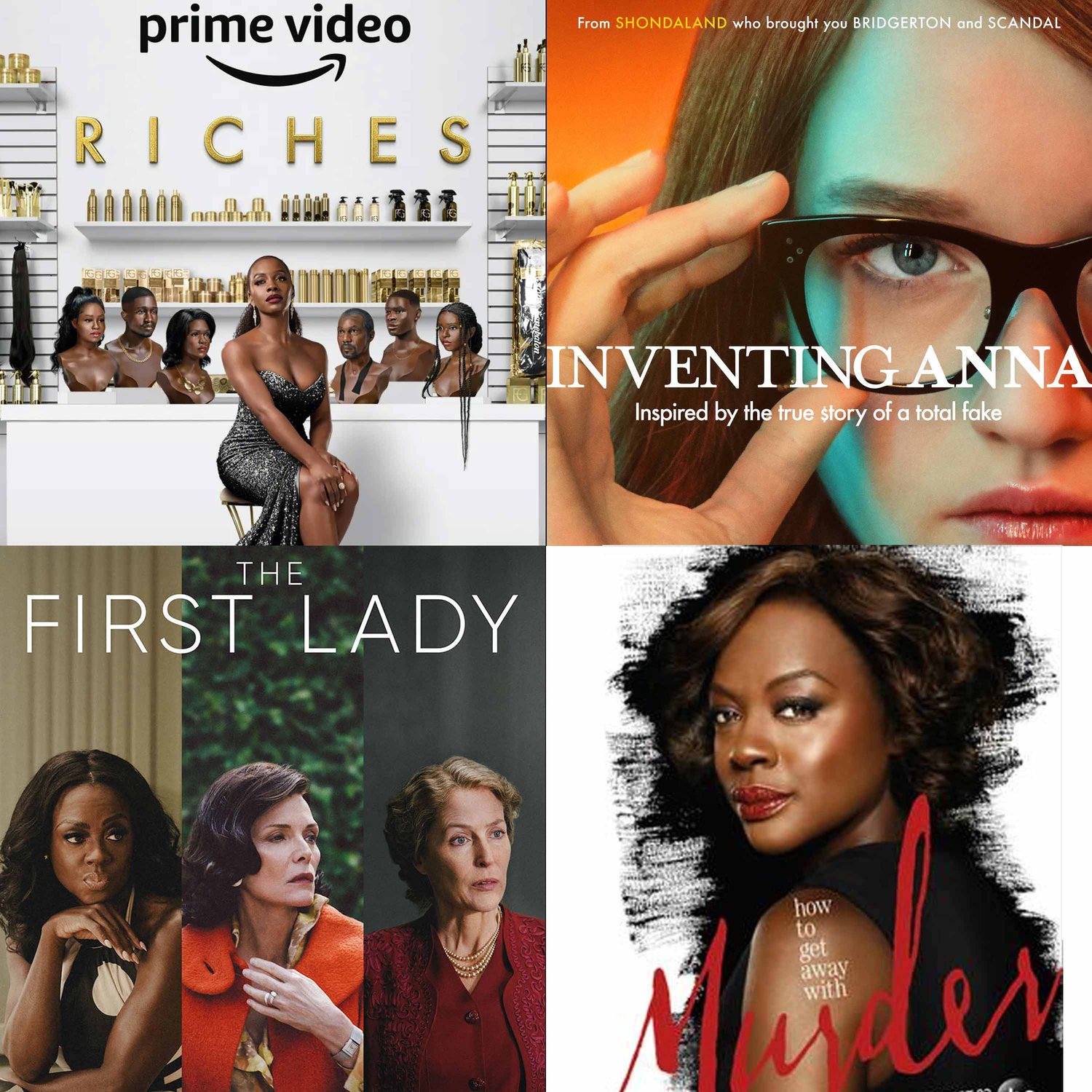
From "How to Get Away with Murder" to "Inventing Anna" - ABBY AJAYI on Writing Powerful Female Characters
"I think Riches has all the hallmarks of the things I've worked on before in terms of complex, slightly subversive women. At the heart of it, it is negotiating power dynamics. And at the heart of it, there are two very complex and yet vulnerable black women, but I've always loved family drama shows and particularly family businesses, whether it's fictional ones or in real life. I think whether you're talking about the Hiltons, the Kardashians, or the Royal Family, the dynamics of how, where power and money and blood merge is just such a potent and combustible mix that I've always been intrigued by them. I watched them growing up, whether it was Dallas or Dynasty or Six Feet Under, so it was a space which I was really interested in, and wanted to write a black family business show.Myself and my producers, they knew my interest, and we talked around what would a black British business be, and they were interested in cosmetics, which I thought was a really good start because obviously, that's incredibly visual, but for me, hair was the piece that kind of tied it all together. A hair and cosmetics business because black hair is often so politicized, and it's such a way in which black people are sometimes policed in terms of having dreadlocks, having relaxed hair, whether they wear wigs. So it was a way in which we would have a glamorous visual for a show and an entertaining world that's aspirational, but still have a layer in which we get to tell substantive issues about black beauty, about black ownership, about how the spoils from a very lucrative industry often don't go back into the black community. So that's why I was interested in that. It could be glamorous and fun but also have slightly more in-depth issues to talk about as well."Abby Ajayi is a British Nigerian writer and director who serves as a show creator, executive producer, and writer on the Amazon Series Riches, which is currently on Amazon Prime and premiers on ITVX in the UK on December 22. She has previously worked on the shows Four Weddings and a Funeral, How to Get Away with Murder, Inventing Anna, The First Lady, and Eastenders. As a result, she had the opportunity to learn under the likes of Shonda Rhimes, Pete Nowalk, and Tracey Wigfield. Abby’s next project is the Onyx Collective on Hulu’s limited series The Plot with Mahershala Ali. She is adapting the eight-episode series from Jean Hanff Korelitz’s novel of the same name.www.imdb.com/name/nm2184926www.amazon.com/Riches-Season-1/dp/B0B8MTCYVMwww.creativeprocess.info www.oneplanetpodcast.orgInstagram @creativeprocesspodcast
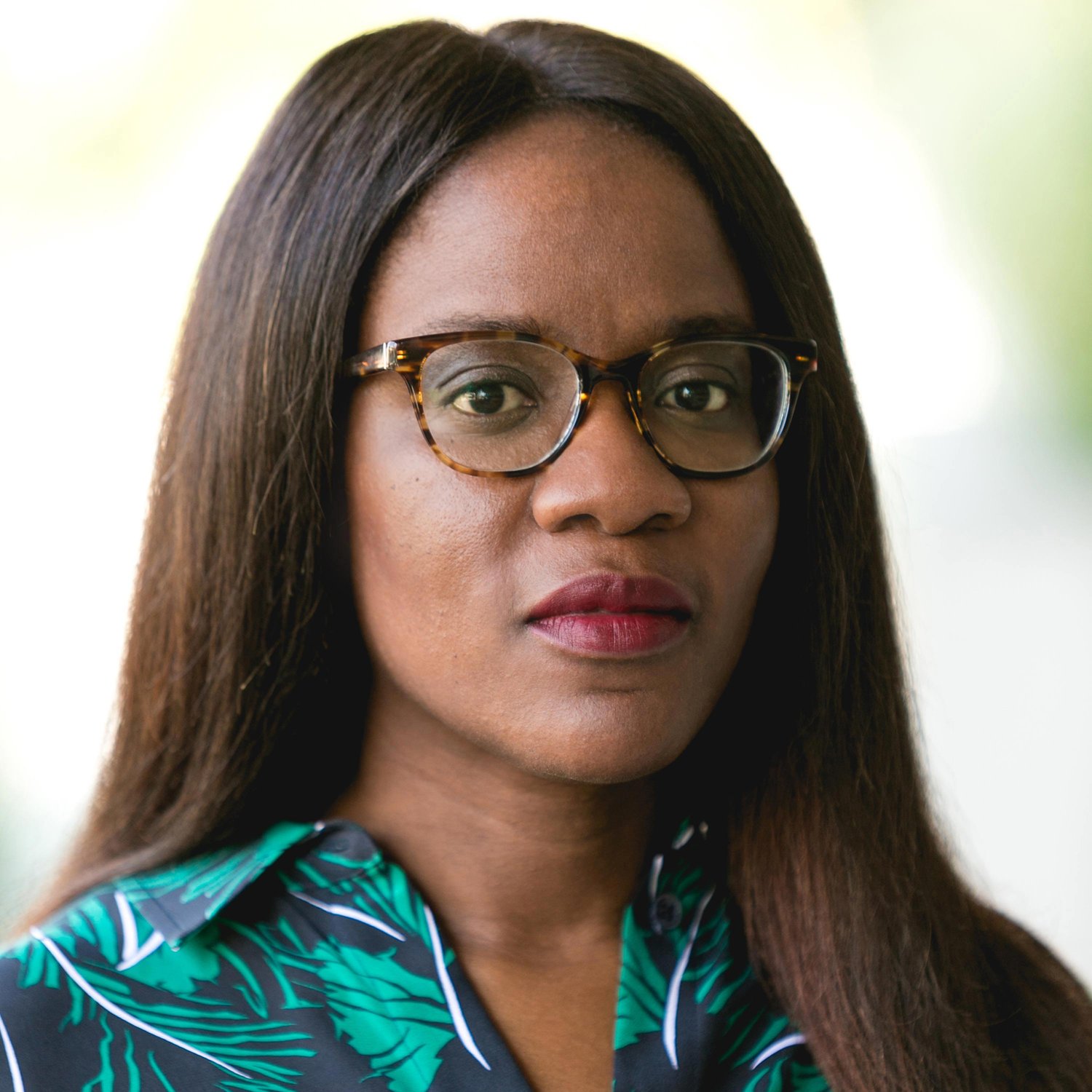
Abby Ajayi - Creator of “Riches” - Writer/Producer “Inventing Anna” “The First Lady”
Abby Ajayi is a British Nigerian writer and director who serves as a show creator, executive producer, and writer on the Amazon Series Riches, which is currently on Amazon Prime and premiers on ITVX in the UK on December 22. She has previously worked on the shows Four Weddings and a Funeral, How to Get Away with Murder, Inventing Anna, The First Lady, and Eastenders. As a result, she had the opportunity to learn under the likes of Shonda Rhimes, Pete Nowalk, and Tracey Wigfield. Abby’s next project is the Onyx Collective on Hulu’s limited series The Plot with Mahershala Ali. She is adapting the eight-episode series from Jean Hanff Korelitz’s novel of the same name."I think Riches has all the hallmarks of the things I've worked on before in terms of complex, slightly subversive women. At the heart of it, it is negotiating power dynamics. And at the heart of it, there are two very complex and yet vulnerable black women, but I've always loved family drama shows and particularly family businesses, whether it's fictional ones or in real life. I think whether you're talking about the Hiltons, the Kardashians, or the Royal Family, the dynamics of how, where power and money and blood merge is just such a potent and combustible mix that I've always been intrigued by them. I watched them growing up, whether it was Dallas or Dynasty or Six Feet Under, so it was a space which I was really interested in, and wanted to write a black family business show.Myself and my producers, they knew my interest, and we talked around what would a black British business be, and they were interested in cosmetics, which I thought was a really good start because obviously, that's incredibly visual, but for me, hair was the piece that kind of tied it all together. A hair and cosmetics business because black hair is often so politicized, and it's such a way in which black people are sometimes policed in terms of having dreadlocks, having relaxed hair, whether they wear wigs. So it was a way in which we would have a glamorous visual for a show and an entertaining world that's aspirational, but still have a layer in which we get to tell substantive issues about black beauty, about black ownership, about how the spoils from a very lucrative industry often don't go back into the black community. So that's why I was interested in that. It could be glamorous and fun but also have slightly more in-depth issues to talk about as well."www.imdb.com/name/nm2184926www.amazon.com/Riches-Season-1/dp/B0B8MTCYVMwww.creativeprocess.info www.oneplanetpodcast.orgInstagram @creativeprocesspodcast
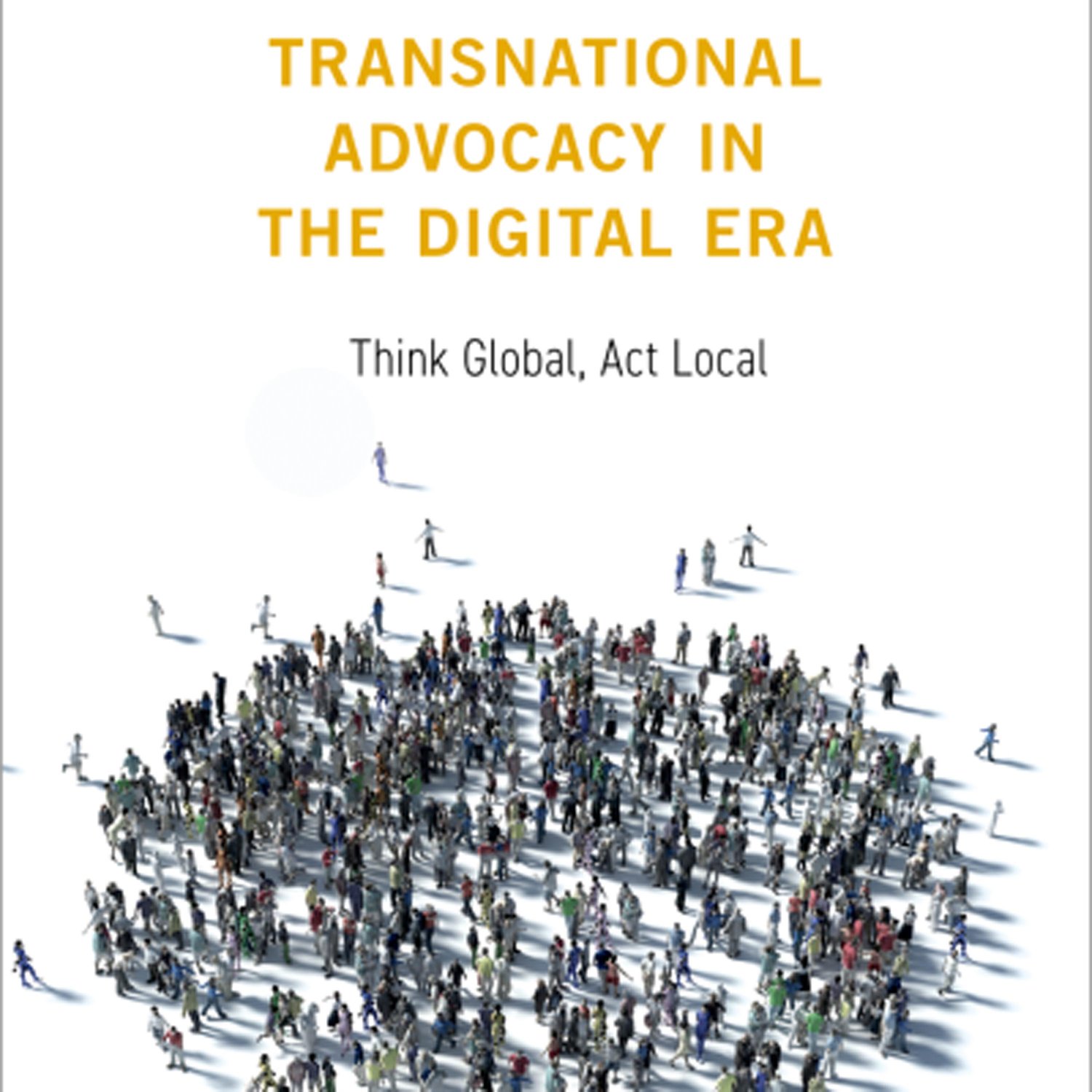
Think Global, Act Local: Transnational Advocacy in the Digital Era with NINA HALL - Highlights
“Digital advocacy organizations are recognized as influential actors by the media, politicians, and some academics. In 2016, GetUp, an Australian digital advocacy organization, was named by the Australian Financial Review as one of the top ten actors with ‘covert power’ in Australia.1 Campact in Germany has powerfully mobilized public opinion against the Transatlantic Trade and Investment Partnership. MoveOn was one of the ‘leading advocacy organizations’ mobilizing people against the Iraq War in the United States. Meanwhile, Leadnow, a digital advocacy organization in Canada, helped to unseat Prime Minister Stephen Harper in the 2015 Canadian federal election. This new model of advocacy organization has spread around the world. Nineteen digital advocacy organizations claim to have a total of over 20 million members. What drove the global spread of digital advocacy organizations?”- Nina HallTransnational Advocacy in the Digital Era: Think Global, Act LocalNina Hall is an Assistant Professor in International Relations at Johns Hopkins School of Advanced International Studies (Europe). She previously worked as a Lecturer at the Hertie School of Governance, where she published her first book Displacement, Development, and Climate Change: International Organizations Moving Beyond their Mandates? Her latest book is Transnational Advocacy in the Digital Era: Think Global, Act Local. She holds a DPhil in International Relations from the University of Oxford and is the co-founder of an independent and progressive think tank, New Zealand Alternative. She has been a Senior Fellow at the Weizenbaum Institute (the German Internet Institute) and a Faculty Affiliate at the SNF Agora Institute, Johns Hopkins University.https://ninahall.net https://global.oup.com/academic/product/transnational-advocacy-in-the-digital-era-9780198858744?cc=fr&lang=en& https://sais.jhu.edu/users/nhall20 www.oneplanetpodcast.org www.creativeprocess.info Instagram @creativeprocesspodcast
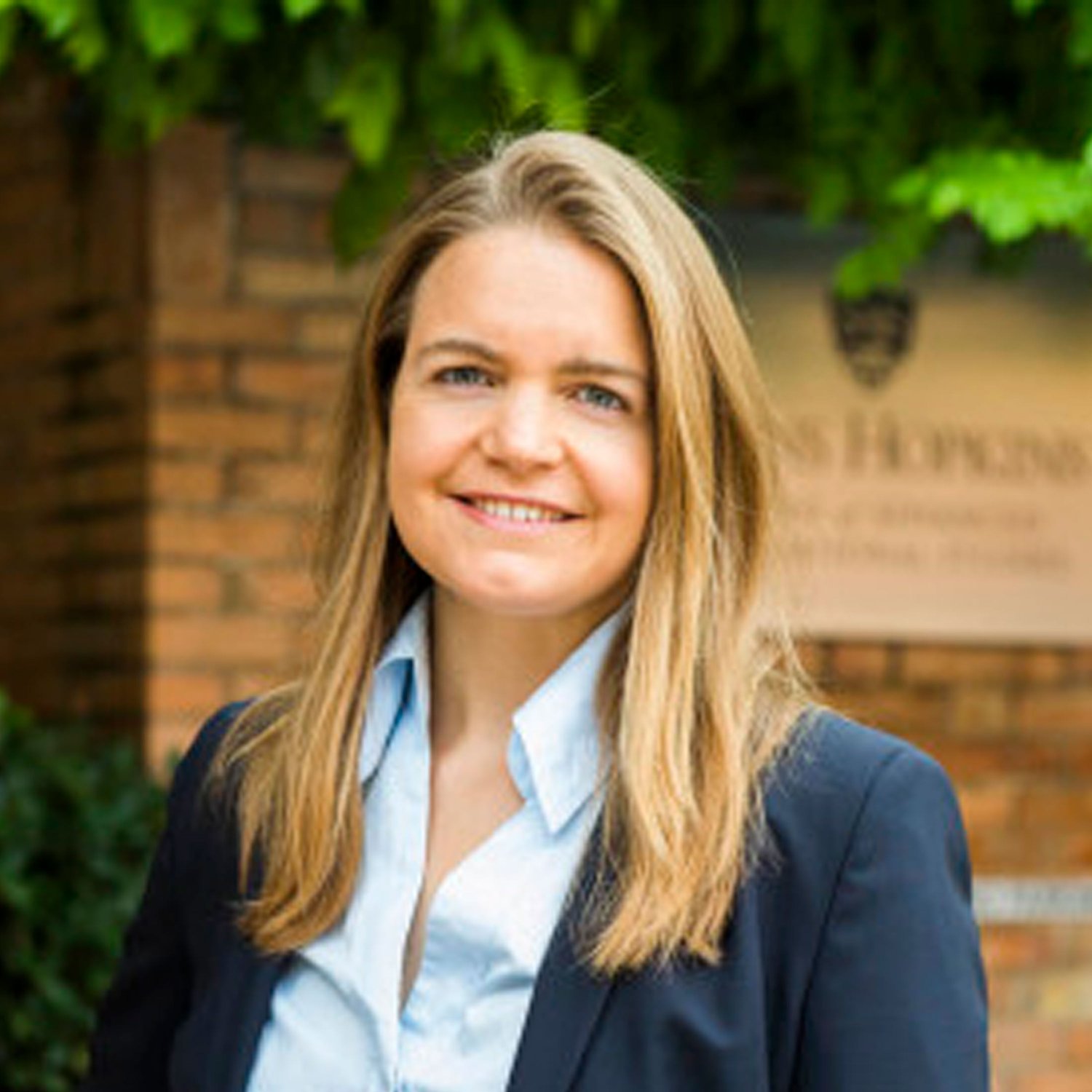
Nina Hall - Author of “Transnational Advocacy in the Digital Era: Think Global, Act Local”
Nina Hall is an Assistant Professor in International Relations at Johns Hopkins School of Advanced International Studies (Europe). She previously worked as a Lecturer at the Hertie School of Governance, where she published her first book Displacement, Development, and Climate Change: International Organizations Moving Beyond their Mandates? Her latest book is Transnational Advocacy in the Digital Era: Think Global, Act Local. She holds a DPhil in International Relations from the University of Oxford and is the co-founder of an independent and progressive think tank, New Zealand Alternative. She has been a Senior Fellow at the Weizenbaum Institute (the German Internet Institute) and a Faculty Affiliate at the SNF Agora Institute, Johns Hopkins University.“Digital advocacy organizations are recognized as influential actors by the media, politicians, and some academics. In 2016, GetUp, an Australian digital advocacy organization, was named by the Australian Financial Review as one of the top ten actors with ‘covert power’ in Australia.1 Campact in Germany has powerfully mobilized public opinion against the Transatlantic Trade and Investment Partnership. MoveOn was one of the ‘leading advocacy organizations’ mobilizing people against the Iraq War in the United States. Meanwhile, Leadnow, a digital advocacy organization in Canada, helped to unseat Prime Minister Stephen Harper in the 2015 Canadian federal election. This new model of advocacy organization has spread around the world. Nineteen digital advocacy organizations claim to have a total of over 20 million members. What drove the global spread of digital advocacy organizations?”- Nina HallTransnational Advocacy in the Digital Era: Think Global, Act Localhttps://ninahall.net https://global.oup.com/academic/product/transnational-advocacy-in-the-digital-era-9780198858744?cc=fr&lang=en& https://sais.jhu.edu/users/nhall20 www.oneplanetpodcast.org www.creativeprocess.info Instagram @creativeprocesspodcast
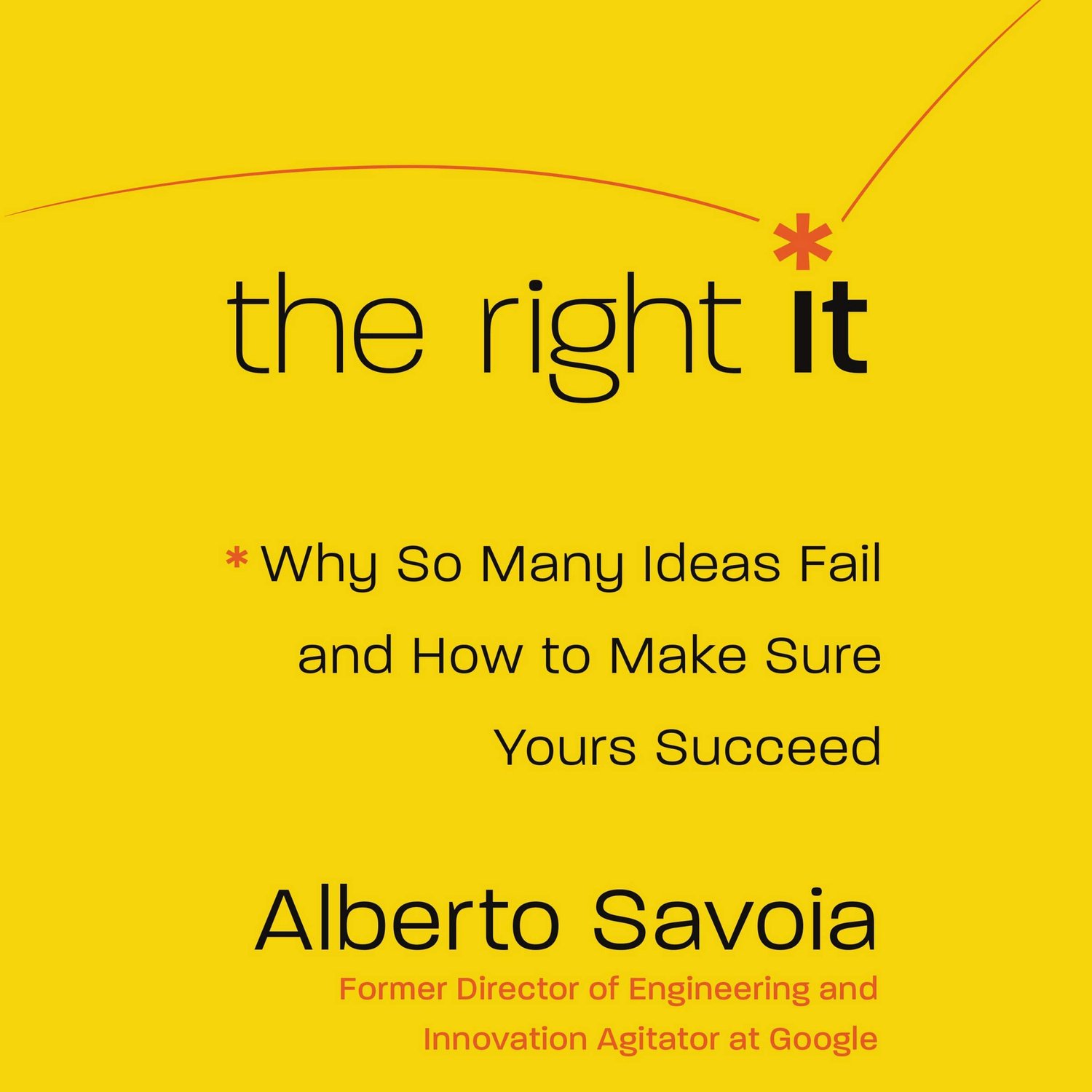
The Right It: Why So Many Ideas Fail & How to Make Sure Yours Succeed w/ ALBERTO SAVOIA - Highlights
"At this very moment, millions of people around the world are working hard to bring to life. A handful of these ideas will turn out to be stunning successes and will have a major impact on the world and culture. The next polio vaccine, the next Google, the next Harry Potter. Others will become smaller, more personal, but no less meaningful successes...Most people believe that they either are or will be in the first group—the group whose ideas will be successful. All they have to do is work hard and execute well. Unfortunately, we know that this cannot be the case. Most new products, services, businesses, and initiatives will fail soon after they are launched—regardless of how promising they sound, how much their developers commit to them, or how well they execute them. This is a hard fact to accept. We believe that other people fail, because they don’t know what they are doing…just as I had reached new heights of confidence and hubris, the Beast of Failure wrapped its tentacles around me and bit me in the ass…I could lick my wounds or bite back. I decided to bite back. Failure became my nemesis. Defeating it, my obsession. Teaching others how to defeat it, my mission.”– The Right It: Why So Many Ideas Fail and How to Make Sure Yours SucceedAlberto Savoia was Google’s first engineering director and is currently Innovation Agitator Emeritus, where, among other things, he led the development and launch of the original Google AdWords. He is the author of The Right It: Why So Many Ideas Fail and How to Make Sure Yours Succeed, a book that provides critical advice for rethinking how we launch a new idea, product, or business, and gives insights to help successfully beat the law of market failure: that most new products will fail, even if competently executed.He is a successful serial entrepreneur, angel-investor and an expert practitioner in pretotyping and lean innovation. He is based in Silicon Valley where he teaches his uniquely effective approach to innovation at Google, Stanford. He has also taught and coached many Fortune 500 companies, including Nike, McDonald’s, and Walmart, as well as the US Army.www.albertosavoia.com https://harperone.com/9780062884671/the-right-itwww.creativeprocess.info www.oneplanetpodcast.orgInstagram @creativeprocesspodcast
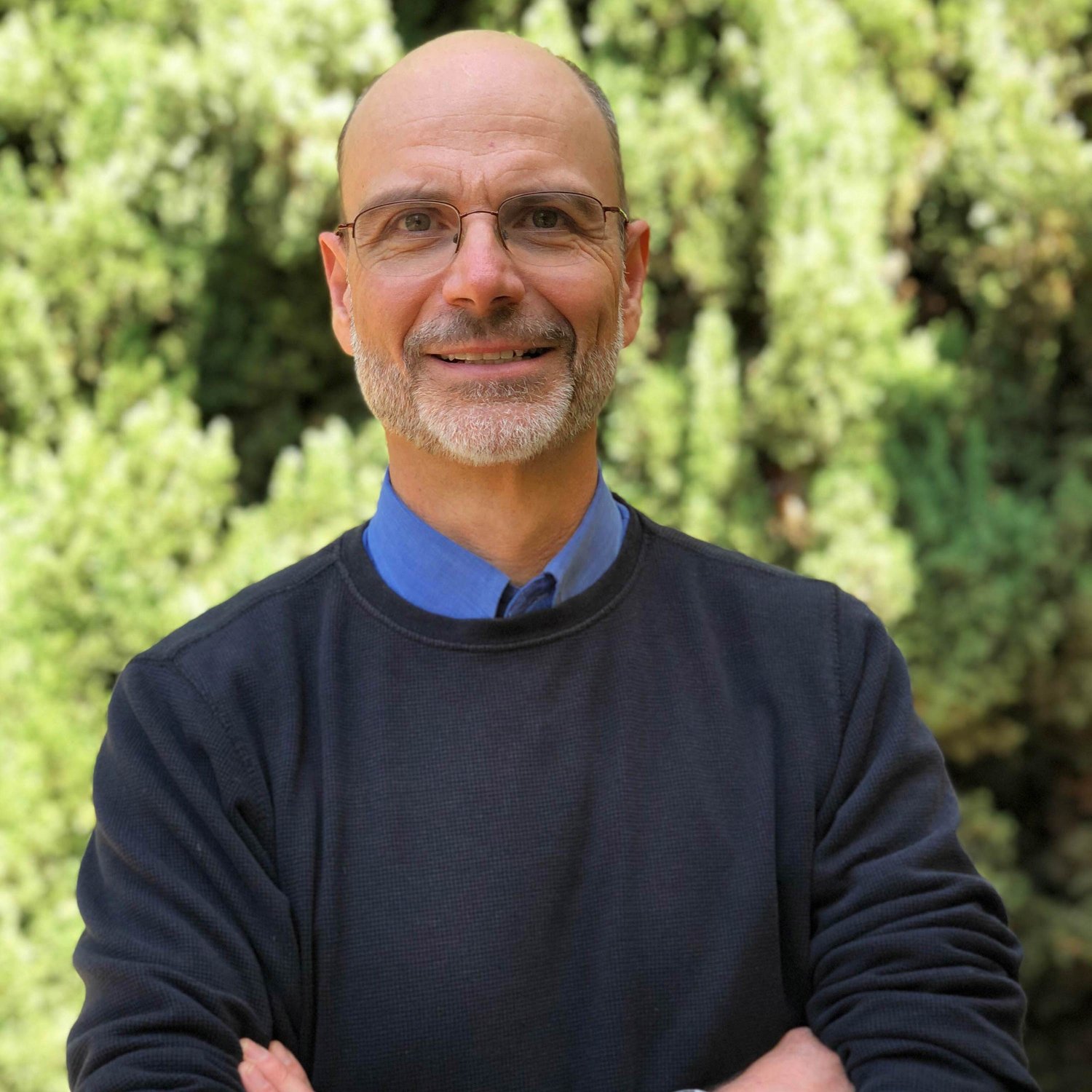
Google’s 1st Engineering Director - Author of The Right It - ALBERTO SAVOIA
Alberto Savoia was Google’s first engineering director and is currently Innovation Agitator Emeritus, where, among other things, he led the development and launch of the original Google AdWords. He is the author of The Right It: Why So Many Ideas Fail and How to Make Sure Yours Succeed, a book that provides critical advice for rethinking how we launch a new idea, product, or business, and gives insights to help successfully beat the law of market failure: that most new products will fail, even if competently executed.He is a successful serial entrepreneur, angel-investor and an expert practitioner in pretotyping and lean innovation. He is based in Silicon Valley where he teaches his uniquely effective approach to innovation at Google, Stanford. He has also taught and coached many Fortune 500 companies, including Nike, McDonald’s, and Walmart, as well as the US Army."At this very moment, millions of people around the world are working hard to bring to life. A handful of these ideas will turn out to be stunning successes and will have a major impact on the world and culture. The next polio vaccine, the next Google, the next Harry Potter. Others will become smaller, more personal, but no less meaningful successes...Most people believe that they either are or will be in the first group—the group whose ideas will be successful. All they have to do is work hard and execute well. Unfortunately, we know that this cannot be the case. Most new products, services, businesses, and initiatives will fail soon after they are launched—regardless of how promising they sound, how much their developers commit to them, or how well they execute them. This is a hard fact to accept. We believe that other people fail, because they don’t know what they are doing…just as I had reached new heights of confidence and hubris, the Beast of Failure wrapped its tentacles around me and bit me in the ass…I could lick my wounds or bite back. I decided to bite back. Failure became my nemesis. Defeating it, my obsession. Teaching others how to defeat it, my mission.”– The Right It: Why So Many Ideas Fail and How to Make Sure Yours Succeedwww.albertosavoia.com https://harperone.com/9780062884671/the-right-itwww.creativeprocess.info www.oneplanetpodcast.orgInstagram @creativeprocesspodcast
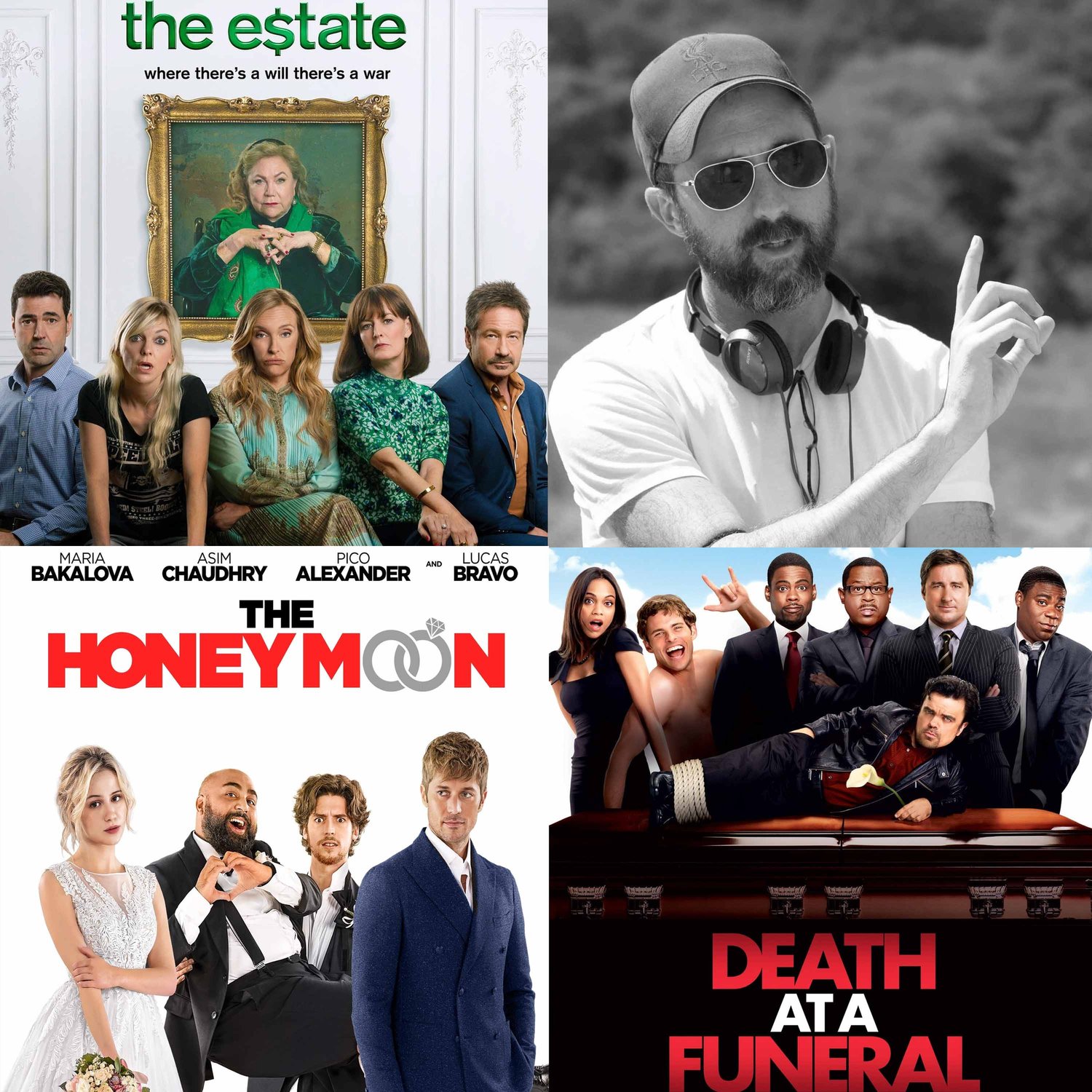
The Estate starring Toni Collette & David Duchovny w/ Writer/Director DEAN CRAIG
Writer/director Dean Craig's film career took off in 2007 when he wrote the hit UK comedy, Death at a Funeral, starring Matthew Macfadyen, Keeley Hawes and Peter Dinklage, and directed by Frank Oz. The film won several audience awards for Best Film, and was remade in the US starring Chris Rock, Zoe Saldana, Martin Lawrence, and Tracy Morgan.In 2020, Craig turned his attention to directing as well as writing, with his debut film Love, Wedding, Repeat. Craig went on to write and directed The Honeymoon, with Maria Bakalova and Asim Chaudhry, and The Estate, starring Toni Collette, Anna Faris, Kathleen Turner and David Duchovny.Craig’s other writing producing credits include the feature films Caffeine, A Few Best Men as well as creating the comedy series, Off the Hook with Jonathan Bailey, and Hit the Road, starring Jason Alexander. "So, you have my rhythm on the page, and then David Duchovny brings his rhythm and his attributes. And then you get this sort of hopefully wonderful collaboration between writer and director and actor. The Estate is the film that I directed most recently, and that's with Toni Colette, Anna Faris, David Duchovny, Kathleen Turner, Rosemarie DeWitt, Ron Livingston, Keyla Monterroso Mejia. Some really wonderful actors and I think a very fun ensemble that we were able to do there. I had a very strange year where I got to do The Honeymoon and The Estate pretty much back to back with no break in between, which was challenging, but also amazing to be one minute in Venice with these fantastic actors. Really, I can't tell you how much I loved working with Maria and Pico and Asim and Lucas. They were all totally different people and personalities, but all fantastic in their own way. And then I jumped onto the set and had those fantastic actors to work with. So it's been quite a year, I have to say."www.imdb.com/name/nm1918877/?ref_=tt_ov_dr www.creativeprocess.infowww.oneplanetpodcast.orgInstagram @creativeprocesspodcast
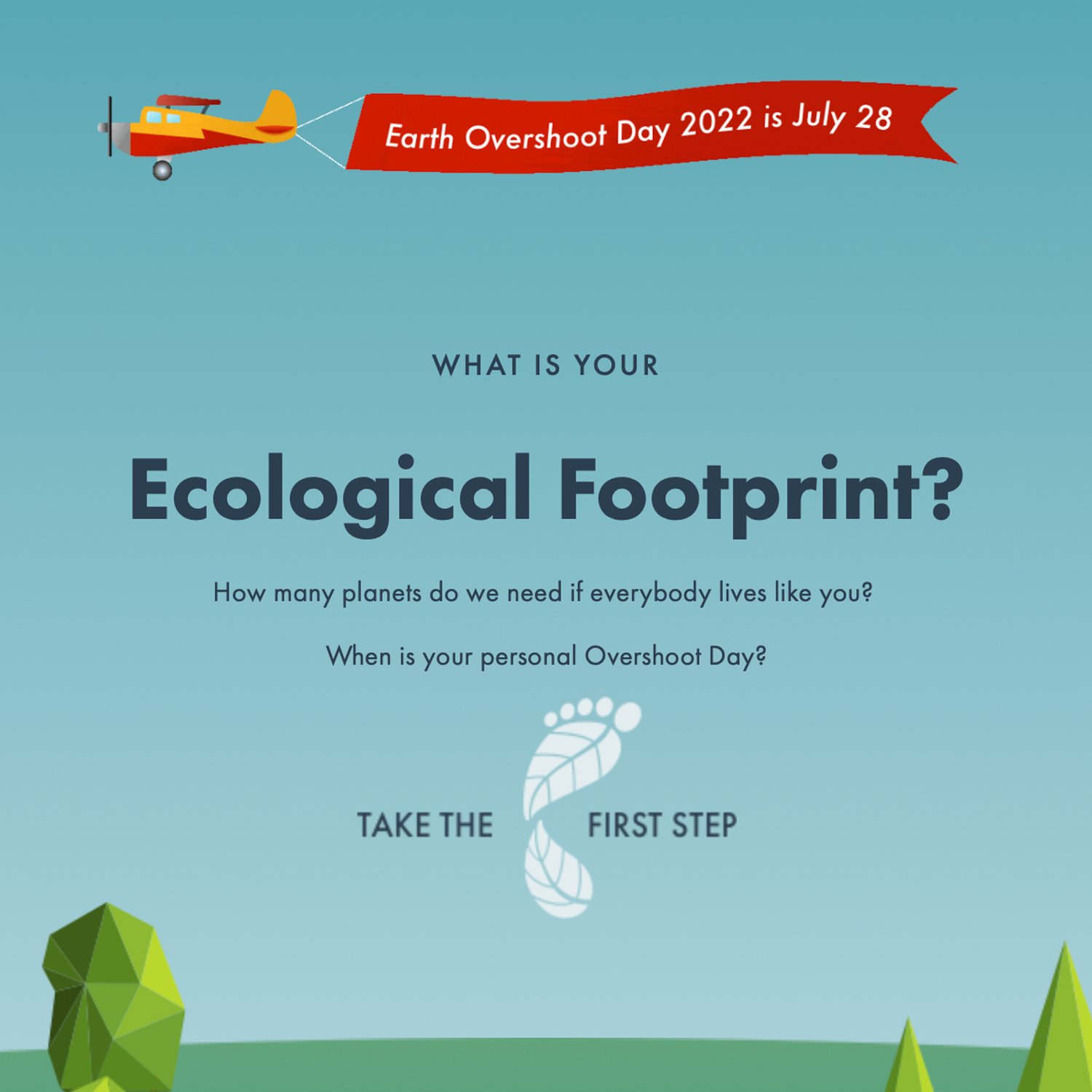
Earth Overshoot: We've Used a Year's Resources in Just 7 Months - Can We Reverse the Clock?
"Actually, awareness doesn't help. We are on the campaign to produce a desire for that transformation. Information is useless unless it's empowering. And of course, it has to be factual. If it's not factual, then it's going to be found out, and it also has to be relevant because otherwise, it's irrelevant. But if it's just relevant, it actually may just be counterproductive because if people see it as relevant but not empowering, they will use their brain to fight it. So that's why I think awareness campaigns don't work. We can only work on motivation, helping people to find a greater desire to get there, to say, yeah, that's what I want. A sense of agency that they say I can do something about it. Also, a sense of curiosity because we really don't know how to get there eventually.So, it takes a bit more than just awareness and that's what we learned a bit painfully, obviously, over the last 30 years or painfully because in the beginning we just thought, Oh, why don't people just measure how many planets we have compared to how many we use? And once they see the number, it would be very obvious to them. So we were the first to start to - and still are I think - the main accounting approach to compare directly how big human activities are compared to what the planet can renew.”Mathis Wackernagel is Co-founder and President of Global Footprint Network. He created the Ecological Footprint with Professor William Rees at the University of British Columbia as part of his Ph.D. in community and regional planning. Mathis also earned a mechanical engineering degree from the Swiss Federal Institute of Technology. Mathis has worked on sustainability with governments, corporations and international NGOs on six continents and has lectured at more than 100 universities. Mathis has authored and contributed to more than 100 peer-reviewed papers, numerous articles, reports and various books on sustainability that focus on embracing resource limits and developing metrics for sustainability. Mathis’ awards include the 2018 World Sustainability Award, the 2015 IAIA Global Environment Award, being a 2014 ISSP Sustainability Hall of Fame Inductee, the 2013 Prix Nature Swisscanto, 2012 Blue Planet Prize, 2012 Binding Prize for Nature Conservation, the 2012 Kenneth E. Boulding Memorial Award of the International Society for Ecological Economics, the 2011 Zayed International Prize for the Environment (jointly awarded with UNEP). He was also selected as number 19 on the en(rich) list identifying the 100 top inspirational individuals whose contributions enrich paths to sustainable futures.www.footprintnetwork.orgwww.footprintnetwork.org/toolswww.overshootday.org/power-of-possibility/www.creativeprocess.infowww.oneplanetpodcast.orgInstagram @creativeprocesspodcast
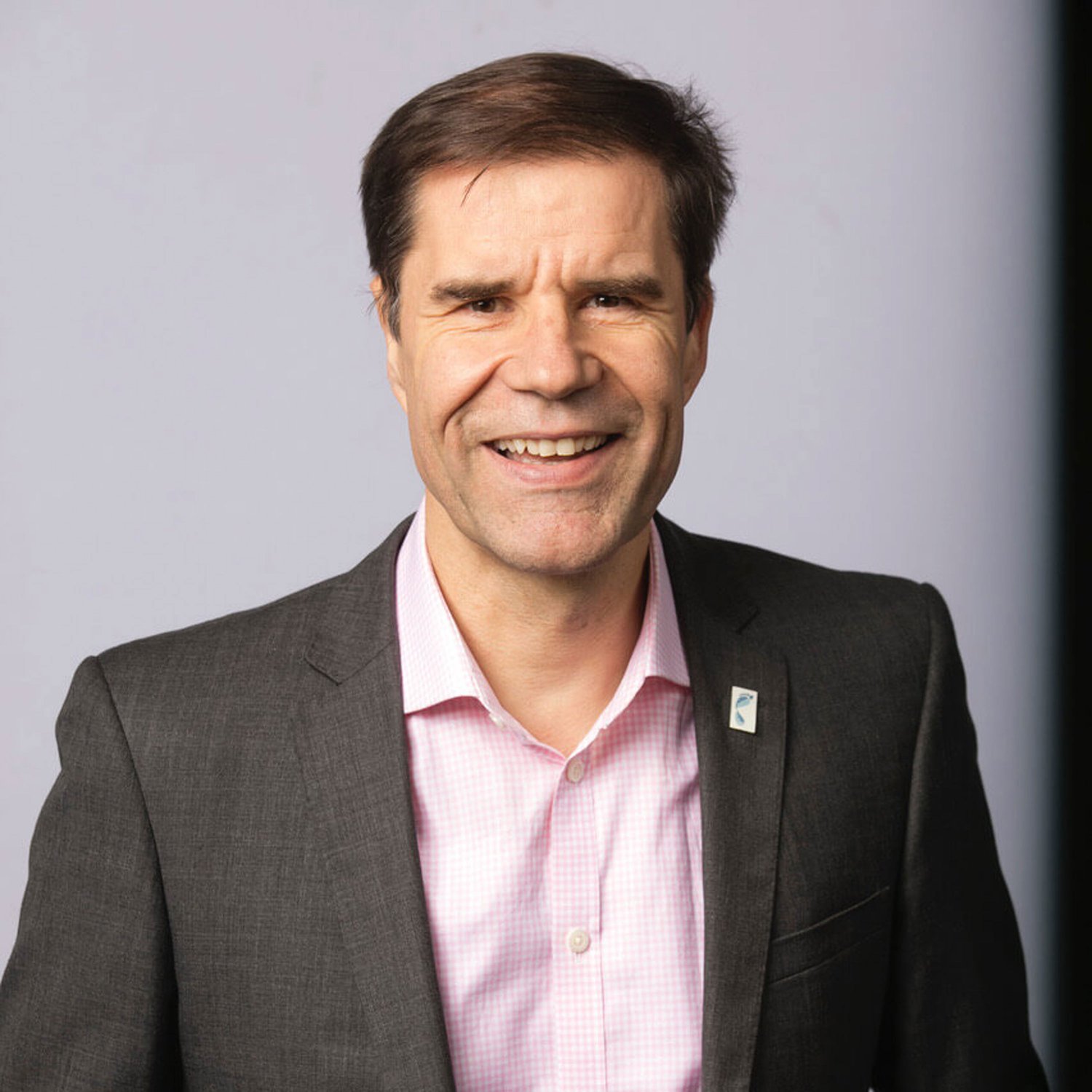
Mathis Wackernagel - Founder, President, Global Footprint Network - World Sustainability Award Winner
Mathis Wackernagel is Co-founder and President of Global Footprint Network. He created the Ecological Footprint with Professor William Rees at the University of British Columbia as part of his Ph.D. in community and regional planning. Mathis also earned a mechanical engineering degree from the Swiss Federal Institute of Technology. Mathis has worked on sustainability with governments, corporations and international NGOs on six continents and has lectured at more than 100 universities. Mathis has authored and contributed to more than 100 peer-reviewed papers, numerous articles, reports and various books on sustainability that focus on embracing resource limits and developing metrics for sustainability. Mathis’ awards include the 2018 World Sustainability Award, the 2015 IAIA Global Environment Award, being a 2014 ISSP Sustainability Hall of Fame Inductee, the 2013 Prix Nature Swisscanto, 2012 Blue Planet Prize, 2012 Binding Prize for Nature Conservation, the 2012 Kenneth E. Boulding Memorial Award of the International Society for Ecological Economics, the 2011 Zayed International Prize for the Environment (jointly awarded with UNEP). He was also selected as number 19 on the en(rich) list identifying the 100 top inspirational individuals whose contributions enrich paths to sustainable futures."Actually, awareness doesn't help. We are on the campaign to produce a desire for that transformation. Information is useless unless it's empowering. And of course, it has to be factual. If it's not factual, then it's going to be found out, and it also has to be relevant because otherwise, it's irrelevant. But if it's just relevant, it actually may just be counterproductive because if people see it as relevant but not empowering, they will use their brain to fight it. So that's why I think awareness campaigns don't work. We can only work on motivation, helping people to find a greater desire to get there, to say, yeah, that's what I want. A sense of agency that they say I can do something about it. Also, a sense of curiosity because we really don't know how to get there eventually.So, it takes a bit more than just awareness and that's what we learned a bit painfully, obviously, over the last 30 years or painfully because in the beginning we just thought, Oh, why don't people just measure how many planets we have compared to how many we use? And once they see the number, it would be very obvious to them. So we were the first to start to - and still are I think - the main accounting approach to compare directly how big human activities are compared to what the planet can renew.”www.footprintnetwork.orgwww.footprintnetwork.org/toolswww.overshootday.org/power-of-possibility/www.creativeprocess.infowww.oneplanetpodcast.orgInstagram @creativeprocesspodcast
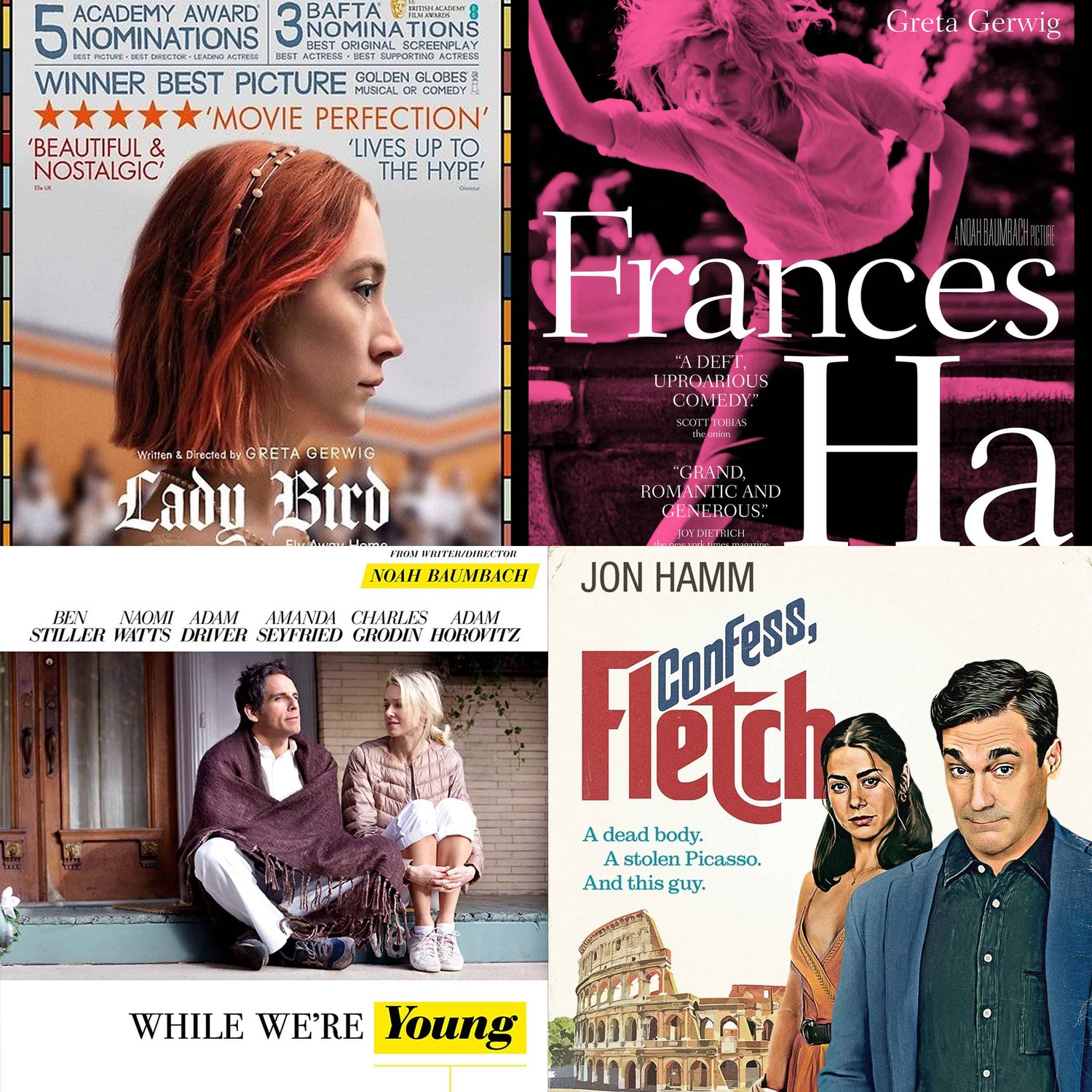
Exploring "Lady Bird," "Frances Ha," "While We’re Young" w/ Cinematographer SAM LEVY - Highlights
“Don’t you think maybe they are the same thing? Love and attention?"–Lady Bird, written and directed by Greta Gerwig "I really love that line in the script. It's an incredible script that Greta Gerwig wrote. It's not obvious, that sentiment that she says. I think that's why she has to point it out to the Lady Bird character, but I think if we're lucky in our lives, we can choose the path that we want to go down, whether it's something creative or in the arts or something else. And I think if you're lucky, you can spend your life or your career following something you really love or spending time following the path, whether it's a hobby or your career. And spending that time paying the attention that the craft or the hobby or the creative pursuit wants."Sam Levy studied film in Paris with French New Wave director Eric Rohmer and began his career as an apprentice to legendary cinematographer Harris Savides. Sam first gained recognition as a cinematographer when he photographed Wendy and Lucy for director Kelly Reichardt - voted “One of the Best 25 Films of the 21st Century” by The New York Times. He went on to shoot Frances Ha, Mistress America and While We’re Young for director Noah Baumbach, Changers and Frank Ocean's Blonded for Spike Jonze, Sermon on The Mount for Jerrod Carmichael, Maggie’s Plan for Rebecca Miller and Green Porno for Isabella Rossellini. Sam also photographed Lady Bird for writer/director Greta Gerwig - nominated for 5 Academy Awards including Best Picture and winner of The Golden Globe for Best Picture. Other new films include Mayday, which he also produced, Confess, Fletch, and She Came to Me.https://samlevydp.comwww.imdb.com/name/nm1240085/ www.instagram.com/samlevydp/ www.creativeprocess.info www.oneplanetpodcast.org Instagram @creativeprocesspodcast
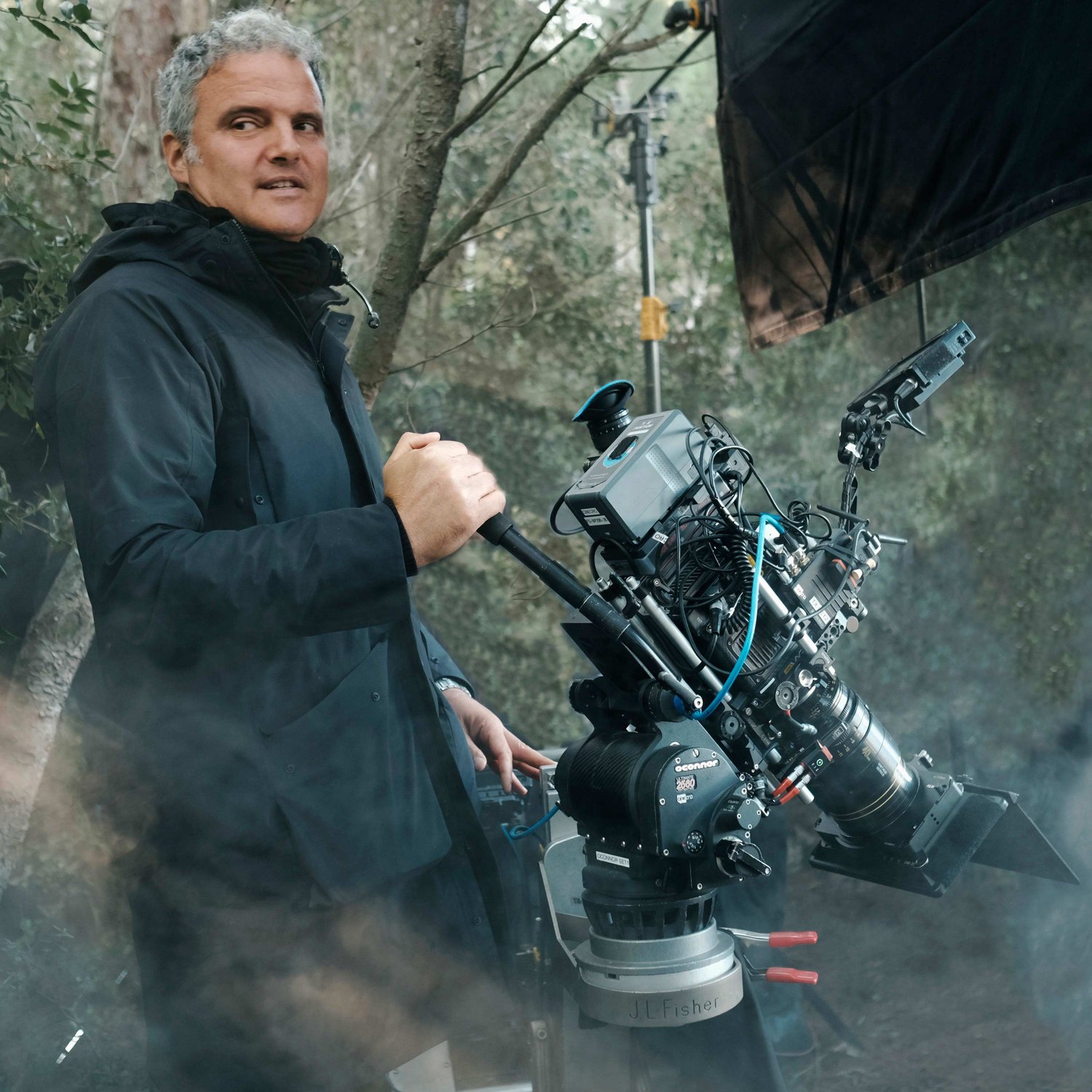
Sam Levy - Award-winning Cinematographer of “Lady Bird” “Frances Ha” “While We’re Young”
Sam Levy studied film in Paris with French New Wave director Eric Rohmer and began his career as an apprentice to legendary cinematographer Harris Savides. Sam first gained recognition as a cinematographer when he photographed Wendy and Lucy for director Kelly Reichardt - voted “One of the Best 25 Films of the 21st Century” by The New York Times. He went on to shoot Frances Ha, Mistress America and While We’re Young for director Noah Baumbach, Changers and Frank Ocean's Blonded for Spike Jonze, Sermon on The Mount for Jerrod Carmichael, Maggie’s Plan for Rebecca Miller and Green Porno for Isabella Rossellini. Sam also photographed Lady Bird for writer/director Greta Gerwig - nominated for 5 Academy Awards including Best Picture and winner of The Golden Globe for Best Picture. Other new films include Mayday, which he also produced, Confess, Fletch, and She Came to Me.“Don’t you think maybe they are the same thing? Love and attention?"–Lady Bird, written and directed by Greta Gerwig "I really love that line in the script. It's an incredible script that Greta Gerwig wrote. It's not obvious, that sentiment that she says. I think that's why she has to point it out to the Lady Bird character, but I think if we're lucky in our lives, we can choose the path that we want to go down, whether it's something creative or in the arts or something else. And I think if you're lucky, you can spend your life or your career following something you really love or spending time following the path, whether it's a hobby or your career. And spending that time paying the attention that the craft or the hobby or the creative pursuit wants."https://samlevydp.comwww.imdb.com/name/nm1240085/ www.instagram.com/samlevydp/ www.creativeprocess.info www.oneplanetpodcast.org Instagram @creativeprocesspodcast
The Art of Public Relations - OBERON SINCLAIR - Queen of Kale & Creative Force - Highlights
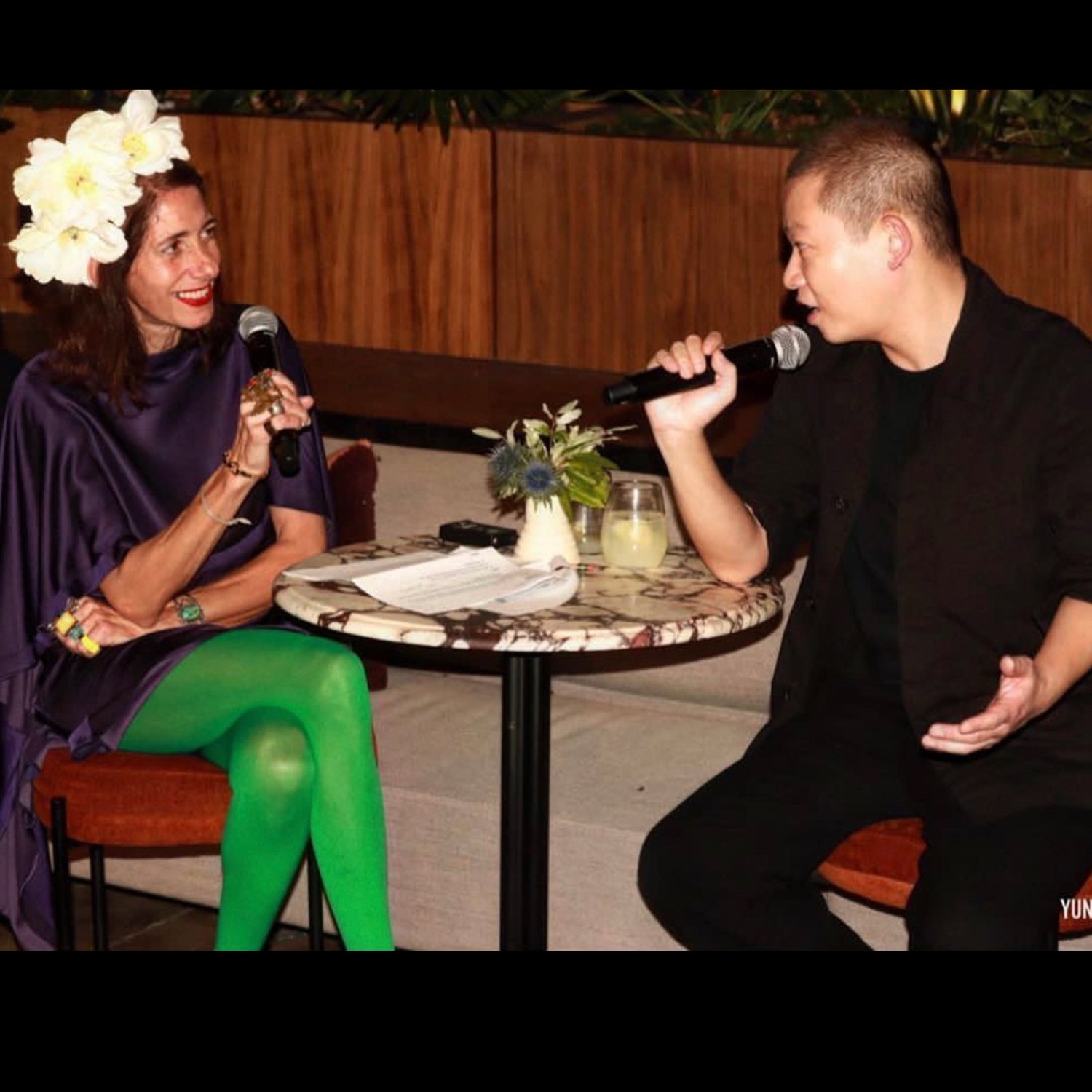
"If someone comes to me, and they say, 'Oh, I have a new brand. It's a startup.' First of all, I have to like the person, they have to like me. It's a two way street. And that's the most important thing with anyone in life, not just work. In life, why do we make friends with who we make friends with? They are relationships. And if you connect with someone, magic will happen. If you don't connect with someone, and someone doesn't understand or have the same aesthetic or a similar way of thinking – you have to have something in common with someone. And if you have those qualities, which I look for, honesty and loyalty, and they're genuine, and you just know if you're going to get on with someone or not.”Oberon Sinclair is the CEO and founder of the creative and branding agency, My Young Auntie. Since she founded the company in 1997, Oberon has collaborated with and managed an array of notable clients from the high luxury, art, fashion, food and lifestyle sectors, including Hermès, Vivienne Westwood, Fabergé, the Richemont Group, Jack Spade, ArtForum, Selfridges, Rizzoli Books, Island Records, David Lee Roth, among others. Oberon is known as the Queen of Kale for reviving an interest in the superfood across the world. She’s a Founding Member of NeueHouse where she moderates talks.https://myyoungauntie.comwww.instagram.com/myyoungauntieprwww.neuehouse.comwww.creativeprocess.infowww.oneplanetpodcast.orgInstagram @creativeprocesspodcastPhoto: Oberon in conversation with artist and fashion designer Jason Wu at NeueHouse
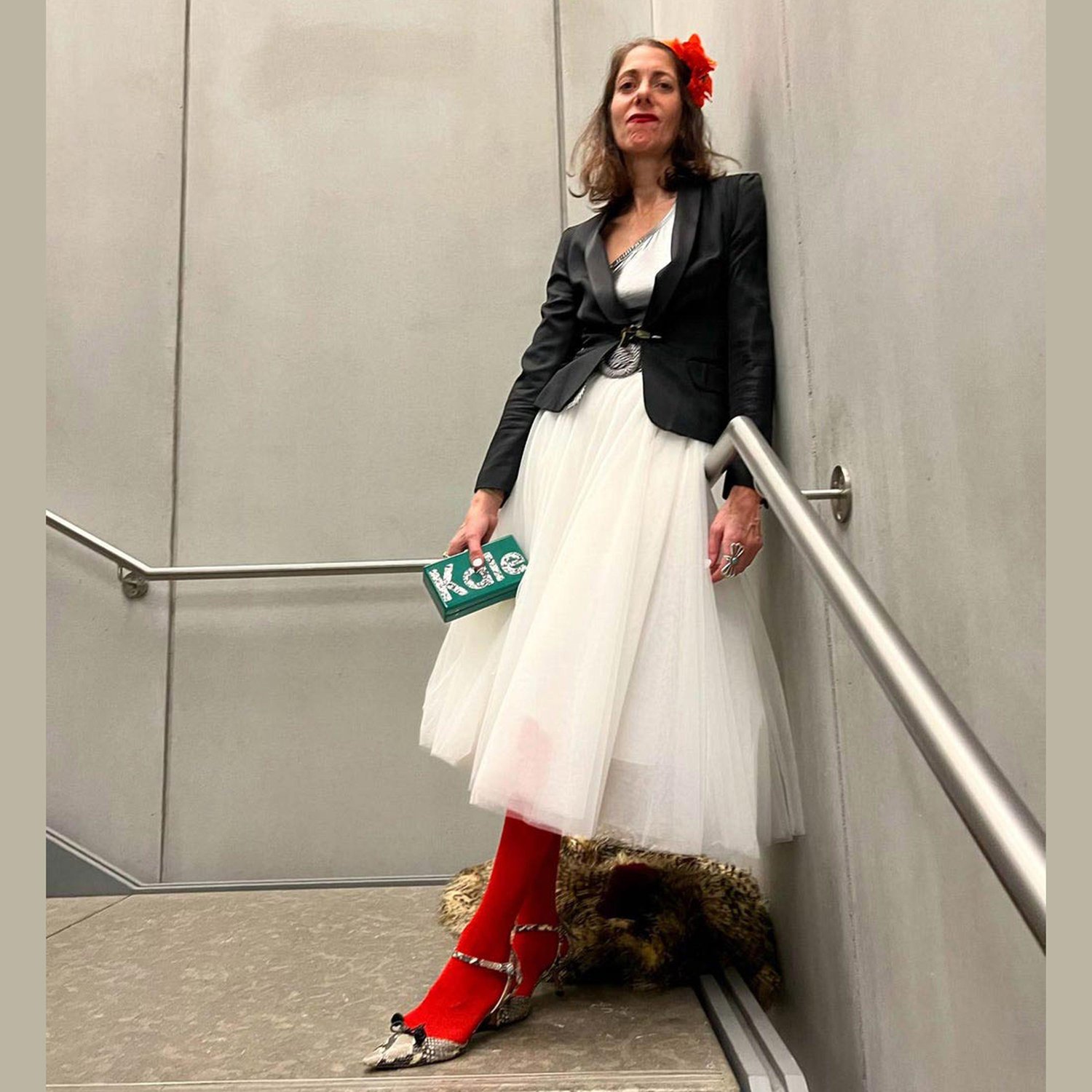
Oberon Sinclair - Founder CEO of Creative/Branding Agency My Young Auntie - Queen of Kale
Oberon Sinclair is the CEO and founder of the creative and branding agency, My Young Auntie. Since she founded the company in 1997, Oberon has collaborated with and managed an array of notable clients from the high luxury, art, fashion, food and lifestyle sectors, including Hermès, Vivienne Westwood, Fabergé, the Richemont Group, Jack Spade, ArtForum, Selfridges, Rizzoli Books, Island Records, David Lee Roth, among others. Oberon is known as the Queen of Kale for reviving an interest in the superfood across the world. She’s a Founding Member of NeueHouse where she moderates talks."If someone comes to me, and they say, 'Oh, I have a new brand. It's a startup.' First of all, I have to like the person, they have to like me. It's a two way street. And that's the most important thing with anyone in life, not just work. In life, why do we make friends with who we make friends with? They are relationships. And if you connect with someone, magic will happen. If you don't connect with someone, and someone doesn't understand or have the same aesthetic or a similar way of thinking – you have to have something in common with someone. And if you have those qualities, which I look for, honesty and loyalty, and they're genuine, and you just know if you're going to get on with someone or not.”https://myyoungauntie.comwww.instagram.com/myyoungauntieprwww.neuehouse.comwww.creativeprocess.infowww.oneplanetpodcast.orgInstagram @creativeprocesspodcast
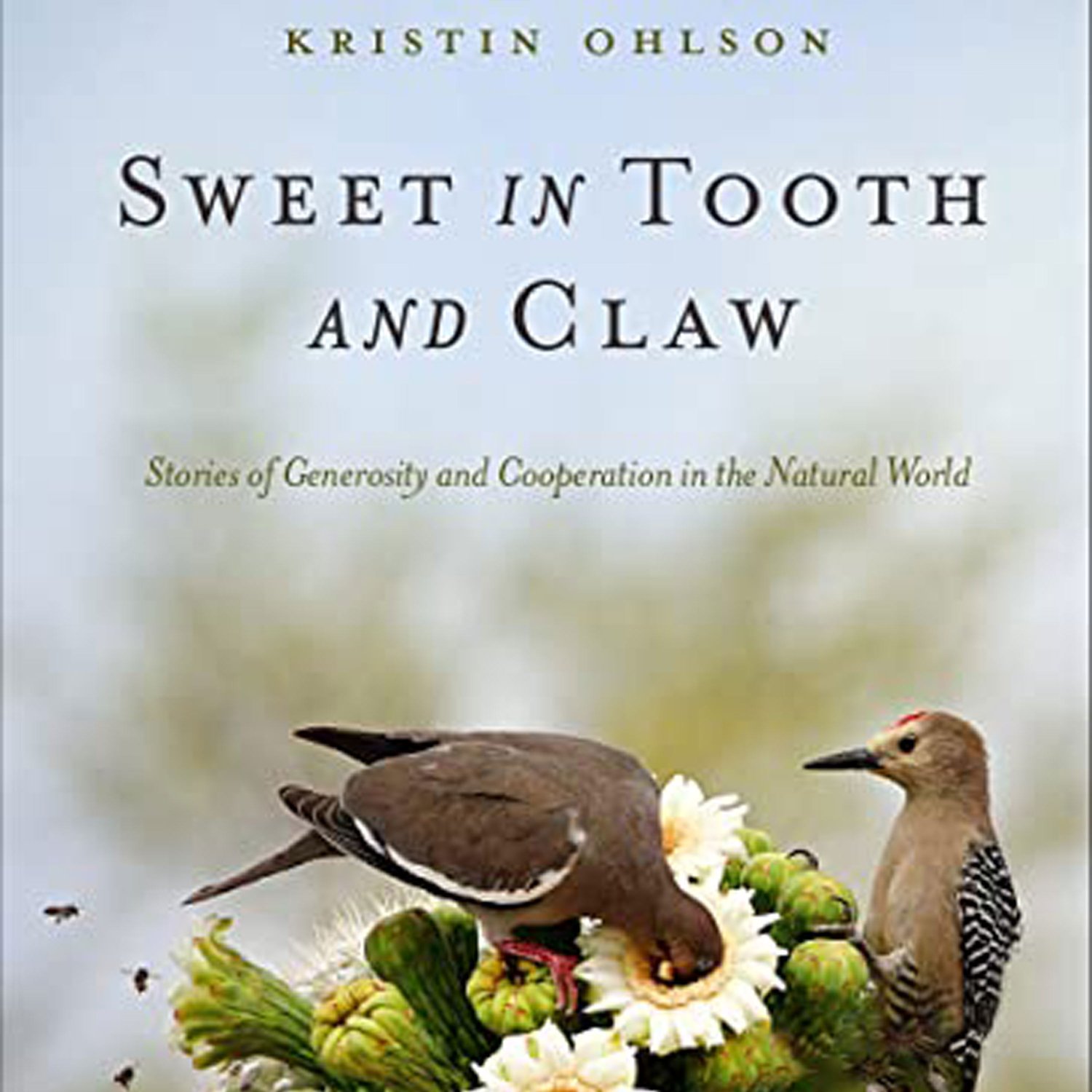
The Soil Will Save Us: How Scientists, Farmers & Foodies Are Healing the Soil to Save the Planet - KRISTIN OHLSON - Highlights
"In some ways, our insistence on dominating is actually destroying us.""It definitely is destroying us. It definitely destroys ecosystems. And I think part of the reason that this story of cooperation among living things appeals to me so much. I mean, in my book Sweet in Tooth and Claw, I look at the work of lots of scientists who studying how nature works and discovering all these incredible connections among living things that certainly help them thrive and help ecosystems thrive.But I think it's this story of cooperation is important in terms of the story that we tell ourselves about nature, and seeing as how we are part of nature, it's important that we see ourselves as possibly a partner instead of a destroyer. I think that we have held onto the perspective that nature is all about competition and conflict. And when we shift that, when we look at nature as this vast web of interconnection and cooperation, and of course competition and conflict in there obviously in some places. But when we look at this vast web of cooperation and collaboration, I think that it changes our view. It changes our view of what's possible.You know, instead of us trying to make order out of chaos, largely out of the chaos that we've created, we can instead look at the world as being held together and look for the places where the connections have been snapped, where the connections have been broken, and where we can roll back some of the damage that we've done and help those connections heal.”Kristin Ohlson is the author of Sweet in Tooth and Claw: Stories of Generosity and Cooperation in the Natural World. Her other books include The Soil Will Save Us: How Scientists, Farmers and Foodies are Healing the Soil to Save the Planet, and Kabul Beauty School: An American Woman Goes Behind the Veil. Olson appears in the award-winning documentary film Kiss The Ground, speaking about the connection between soil and climate. Her work has appeared in the New York Times, Smithsonian, Discover, New Scientist, Orion, American Archeology, and has also been anthologized in Best American Science Writing, and Best American Food Writing.www.kristinohlson.comwww.patagonia.com/stories/sweet-in-tooth-and-claw/story-123959.html www.oneplanetpodcast.orgwww.creativeprocess.infoInstagram @creativeprocesspodcast
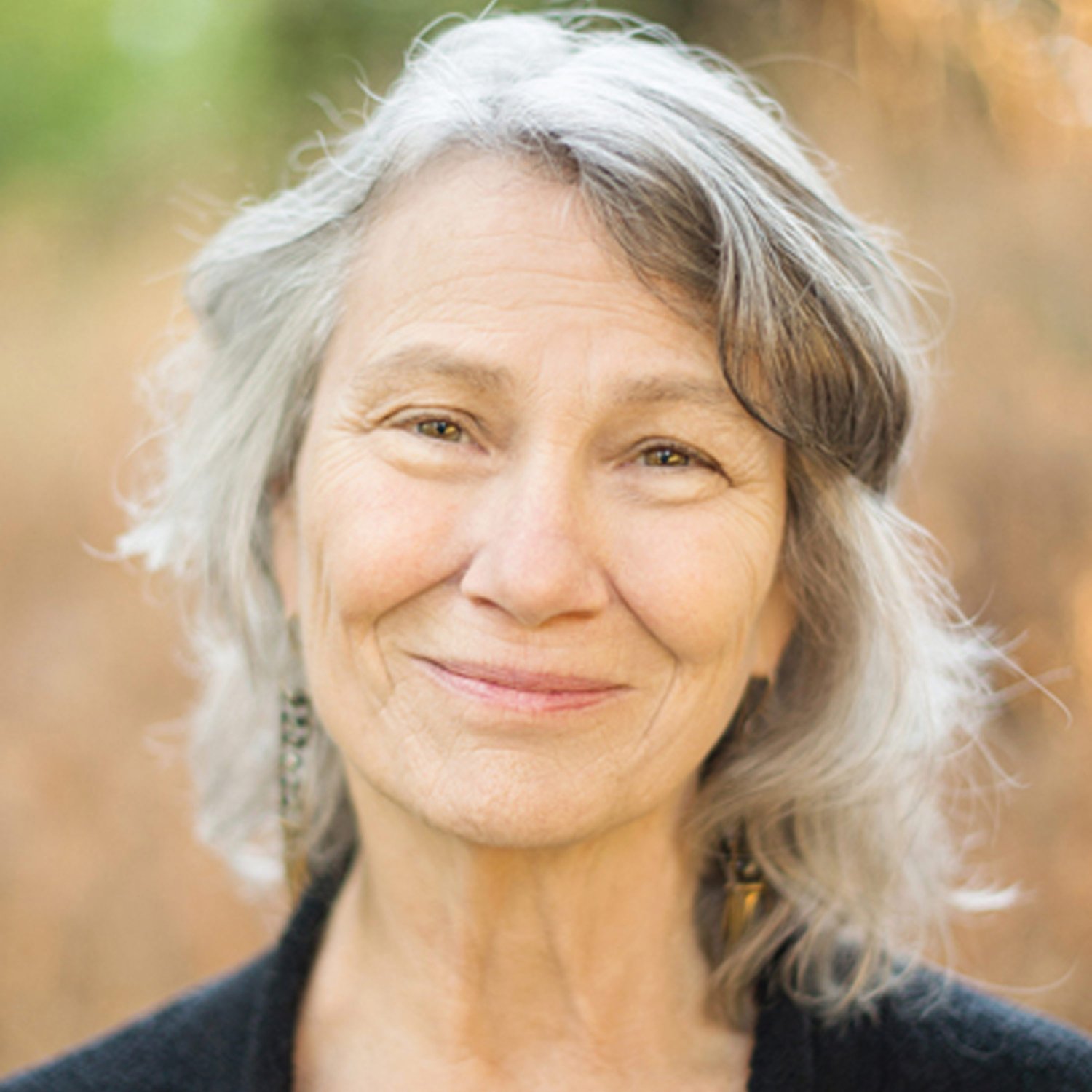
Kristin Ohlson - Author of Sweet in Tooth and Claw: Stories of Generosity and Cooperation in the Natural World
Kristin Ohlson is the author of Sweet in Tooth and Claw: Stories of Generosity and Cooperation in the Natural World. Her other books include The Soil Will Save Us: How Scientists, Farmers and Foodies are Healing the Soil to Save the Planet, and Kabul Beauty School: An American Woman Goes Behind the Veil. Olson appears in the award-winning documentary film Kiss The Ground, speaking about the connection between soil and climate. Her work has appeared in the New York Times, Smithsonian, Discover, New Scientist, Orion, American Archeology, and has also been anthologized in Best American Science Writing, and Best American Food Writing."In some ways, our insistence on dominating is actually destroying us.""It definitely is destroying us. It definitely destroys ecosystems. And I think part of the reason that this story of cooperation among living things appeals to me so much. I mean, in my book Sweet in Tooth and Claw, I look at the work of lots of scientists who studying how nature works and discovering all these incredible connections among living things that certainly help them thrive and help ecosystems thrive.But I think it's this story of cooperation is important in terms of the story that we tell ourselves about nature, and seeing as how we are part of nature, it's important that we see ourselves as possibly a partner instead of a destroyer. I think that we have held onto the perspective that nature is all about competition and conflict. And when we shift that, when we look at nature as this vast web of interconnection and cooperation, and of course competition and conflict in there obviously in some places. But when we look at this vast web of cooperation and collaboration, I think that it changes our view. It changes our view of what's possible.You know, instead of us trying to make order out of chaos, largely out of the chaos that we've created, we can instead look at the world as being held together and look for the places where the connections have been snapped, where the connections have been broken, and where we can roll back some of the damage that we've done and help those connections heal.”www.kristinohlson.comwww.patagonia.com/stories/sweet-in-tooth-and-claw/story-123959.html www.oneplanetpodcast.orgwww.creativeprocess.infoInstagram @creativeprocesspodcast
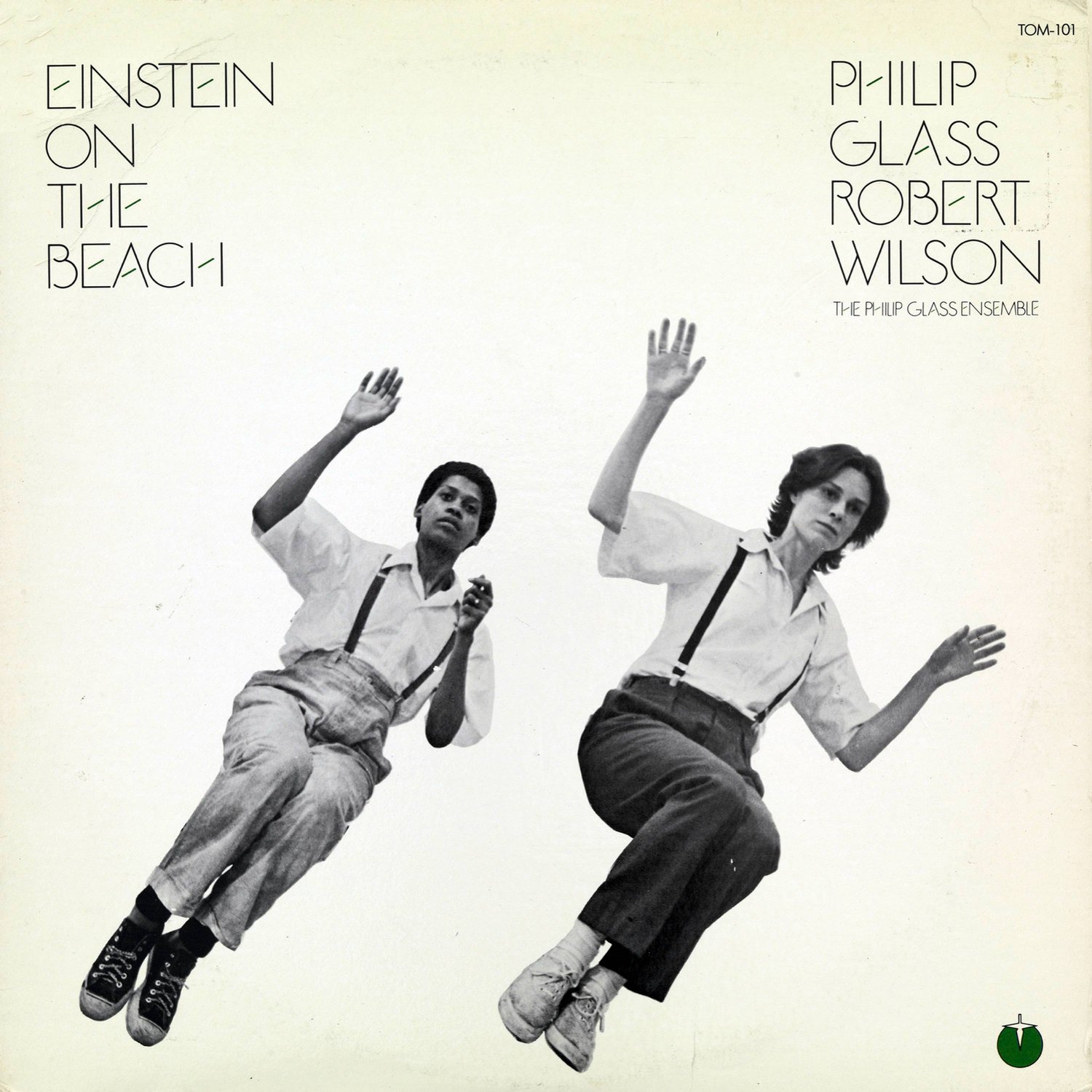
Philip Glass, Laurie Anderson, Talking Heads - DICKIE LANDRY's Artistic Voyage - Highlights
"Einstein on the Beach, it's a masterpiece. America, in 1976, was to be celebrating its 200th year of existence, and Michel Guy, the French Minister of Culture, came to New York to offer a commission to Philip Glass and Robert Wilson to write an opera. This was the gift that France would give for America's two-hundredth anniversary. That was the first time I met Robert Wilson.""My son had died, and I had taken to two years to recover. So I went to New York. I had dinner with Laurie Anderson, and as I was getting up to leave, she said, 'What are you doing in New York?' I said, "I'm looking for work' She said, 'What are you doing next week?' I said, 'Well, I'm supposed to be in Atlanta, Georgia doing a music film with David Byrne and Talking Heads. Well, what do you have?' She said, 'I'm doing a piece next week at Brooklyn Academy of Music with Trisha Brown and Robert Rauschenberg, Set and Reset. Why don't you come? Bring your sax, we'll work it out then.' Two weeks after that concert, Laurie's manager called and said, 'Do you want to go on a 20-city tour of America with Laurie? Home of the Brave?' Of course, we did that. That was the beginning of the reconstruction of my career in New York through Laurie Anderson."For nearly half a century, Richard “Dickie” Landry was at the center of the New York avant-garde. Born in the small Louisiana town of Cecilia in 1938, he began making pilgrimages to the city while still in his teens in search of the city’s most cutting edge gestures in jazz, and relaxed there not long after, falling in with a close knit community of artists and composers like Keith Sonnier, Philip Glass, Joan Jonas, Gordon Matt Clarke, Richard Serra, Robert Rauschenberg, Nancy Graves, Lawrence Weiner, Steve Reich, Jon Gibson, and Robert Wilson.Landry remains one of the few artists of his generation who made important waves within numerous creative idioms. Having been trained from a young age on saxophone, not only is he a remarkably respected solo performer and bandleader, but he was an early and long-standing member of Philip Glass’ ensemble, playing on seminal records like Music With Changing Parts, Music in Similar Motion / Music in Fifths, Music in Twelve Parts, North Star, and Einstein on the Beach, and played with Talking Heads, Laurie Anderson, and jazz giants like Johnny Hammond, Gene Ammons, and Les McCann. He was also one of the most important photographic documenters of the New York Scene, until he left the city for his native Louisiana, following 9/11.http://www.dickielandry.comhttps://unseenworlds.com/collections/dickie-landryMusic on this episode courtesy of Dickie Landry:E-mu & Alto Saxophone composed by D.L. for Robert Wilson's production of "1433 The Grand Voyage" based on the story of Zheng He. Premier National Theater Taipei, Taiwan 2009Philip Glass’"Einstein on the Beach”. Original recording on Tomato Records 1977. D.L. on flute “Home of the Brave” on the Late Show with Laurie Andersonwww.creativeprocess.info www.oneplanetpodcast.org Instagram @creativeprocesspodcast
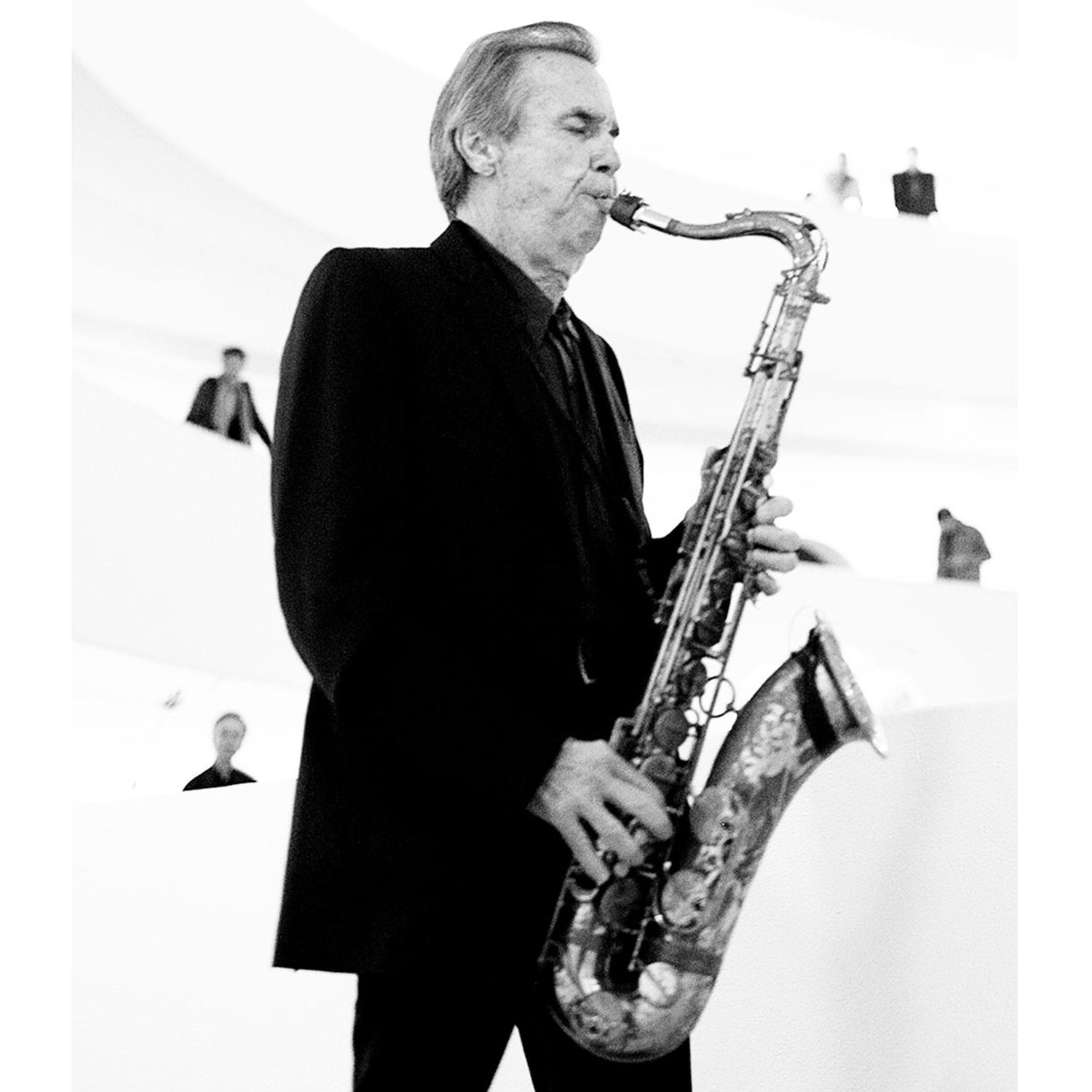
Dickie Landry - Composer, Musician, Photographer, Artist
For nearly half a century, Richard “Dickie” Landry was at the center of the New York avant-garde. Born in the small Louisiana town of Cecilia in 1938, he began making pilgrimages to the city while still in his teens in search of the city’s most cutting edge gestures in jazz, and relaxed there not long after, falling in with a close knit community of artists and composers like Keith Sonnier, Philip Glass, Joan Jonas, Gordon Matt Clarke, Richard Serra, Robert Rauschenberg, Nancy Graves, Lawrence Weiner, Steve Reich, Jon Gibson, and Robert Wilson. Landry remains one of the few artists of his generation who made important waves within numerous creative idioms. Having been trained from a young age on saxophone, not only is he a remarkably respected solo performer and bandleader, but he was an early and long-standing member of Philip Glass’ ensemble, playing on seminal records like Music With Changing Parts, Music in Similar Motion / Music in Fifths, Music in Twelve Parts, North Star, and Einstein on the Beach, and played with Talking Heads, Laurie Anderson, and jazz giants like Johnny Hammond, Gene Ammons, and Les McCann. He was also one of the most important photographic documenters of the New York Scene, until he left the city for his native Louisiana, following 9/11."Einstein on the Beach, it's a masterpiece. America, in 1976, was to be celebrating its 200th year of existence, and Michel Guy, the French Minister of Culture, came to New York to offer a commission to Philip Glass and Robert Wilson to write an opera. This was the gift that France would give for America's two-hundredth anniversary. That was the first time I met Robert Wilson.""My son had died, and I had taken to two years to recover. So I went to New York. I had dinner with Laurie Anderson, and as I was getting up to leave, she said, 'What are you doing in New York?' I said, "I'm looking for work' She said, 'What are you doing next week?' I said, 'Well, I'm supposed to be in Atlanta, Georgia doing a music film with David Byrne and Talking Heads. Well, what do you have?' She said, 'I'm doing a piece next week at Brooklyn Academy of Music with Trisha Brown and Robert Rauschenberg, Set and Reset. Why don't you come? Bring your sax, we'll work it out then.' Two weeks after that concert, Laurie's manager called and said, 'Do you want to go on a 20-city tour of America with Laurie? Home of the Brave?' Of course, we did that. That was the beginning of the reconstruction of my career in New York through Laurie Anderson."http://www.dickielandry.comhttps://unseenworlds.com/collections/dickie-landryMusic on this episode courtesy of Dickie Landry:E-mu & Alto Saxophone composed by D.L. for Robert Wilson's production of "1433 The Grand Voyage" based on the story of Zheng He. Premier National Theater Taipei, Taiwan 2009“Gloria” for Robert Wilson’s “Oedipus Rex”Philip Glass’"Einstein on the Beach”. Original recording on Tomato Records 1977. D.L. on flute "Are Years What" Phillip Glass. Composed for D.L. playing 3 soprano saxophones. On his lp "North Star”,1977 Swing Kings 1965, D.L. on flute“Home of the Brave” on the Late Show with Laurie Anderson"Taideco" Zydeco, for Wilson's production of "1433" Cedric Watson, Jermain Prejean, D.L. “Ghosties” from “Dickie Landry Solo”"It Keeps Rainin'", Robert Plant with Lil' Band O' Goldwww.creativeprocess.info www.oneplanetpodcast.orgInstagram @creativeprocesspodcast
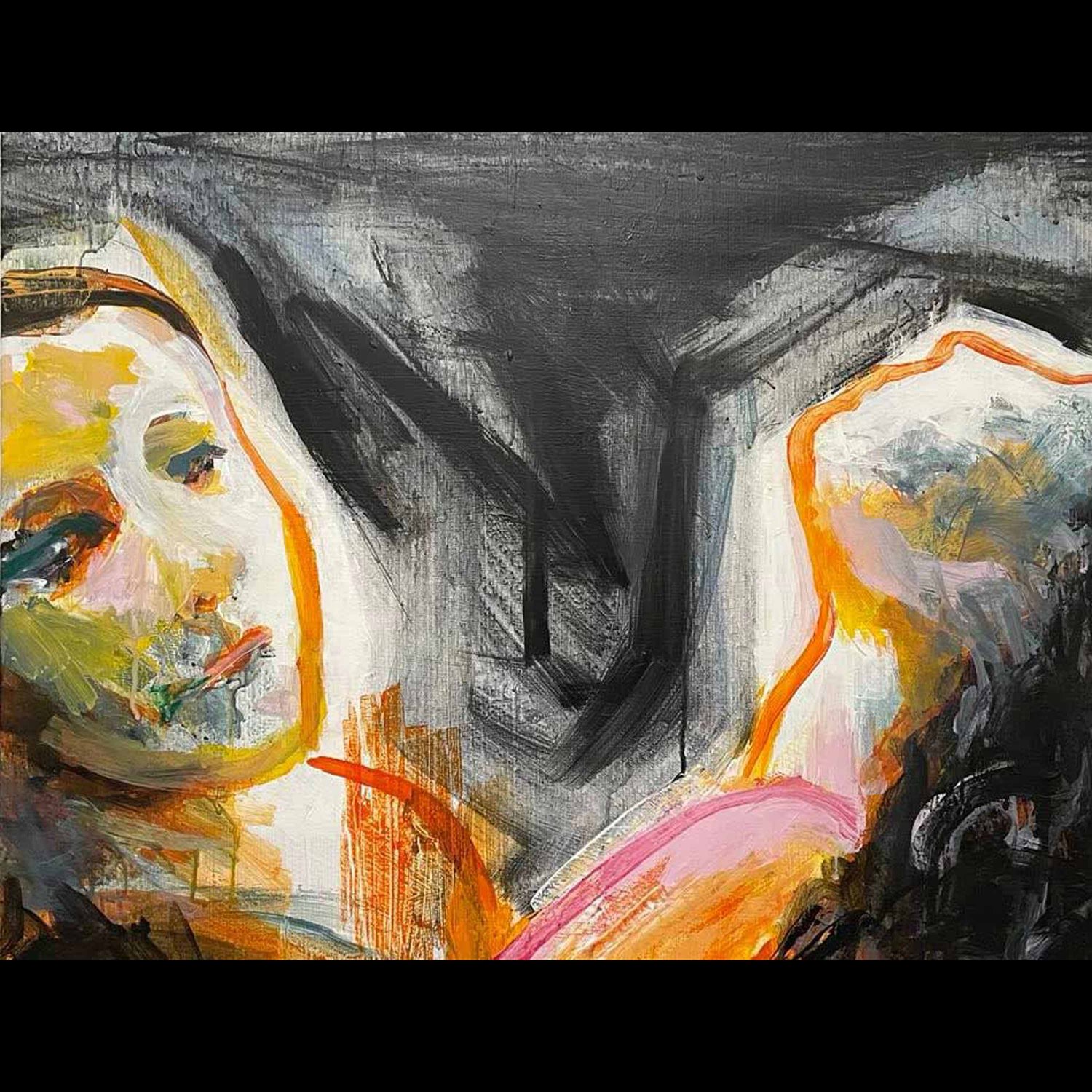
Exploring the Human Condition with Artist GLORIA PACIS - Highlights
"I just feel there is already a connection, something I have to come to, but that I'm trying to search it out or see what's already there. I feel that we are truly connected as a world. And I'm just trying to make people aware of an existing connection we already have, to send that message out there. And I like to do it in the form of...I guess you'd call it a mundane image, where it's not really about bells and whistles, but it's about something in it makes you want to look, and you want to know why. And it's because you've been there before, regardless of whether you are a dancer or that particular guy in the subway, you know you've been in his head in that mood that he's experiencing."Gloria Pacis is a painter dividing her time between New York City and Hoboken, where she has her studio. She received her BFA from the University of Washington in 1976. She credits her years working as a set designer and scene artist for the dramatic, character-based elements of her paintings. She has participated in exhibitions at public institutions and universities, including Wing Luke Museum, Mana Contemporary, University of Washington, Henry Art Gallery, Monroe Arts Centre, Seattle University, Act Theatreand Seattle Center Art Museum, where her work was chosen to showcase International Women’s Day. She has designed sets for many leading theatres, including notable productions of A Christmas Carol, Hamlet, The Doctors Dilemma, Hedda Gabler, and Salome.IG @gloriapaciswww.artofgloriapacis.comwww.creativeprocess.infowww.oneplanetpodcast.orgInstagram @creativeprocesspodcastImage: The Dancers, Acrylic on canvas, Gloria Pacis

Gloria Pacis - Artist
Gloria Pacis is a painter dividing her time between New York City and Hoboken, where she has her studio. She received her BFA from the University of Washington in 1976. She credits her years working as a set designer and scene artist for the dramatic, character-based elements of her paintings. She has participated in exhibitions at public institutions and universities, including Wing Luke Museum, Mana Contemporary, University of Washington, Henry Art Gallery, Monroe Arts Centre, Seattle University, Act Theatreand Seattle Center Art Museum, where her work was chosen to showcase International Women’s Day. She has designed sets for many leading theatres, including notable productions of A Christmas Carol, Hamlet, The Doctors Dilemma, Hedda Gabler, and Salome."I just feel there is already a connection, something I have to come to, but that I'm trying to search it out or see what's already there. I feel that we are truly connected as a world. And I'm just trying to make people aware of an existing connection we already have, to send that message out there. And I like to do it in the form of...I guess you'd call it a mundane image, where it's not really about bells and whistles, but it's about something in it makes you want to look, and you want to know why. And it's because you've been there before, regardless of whether you are a dancer or that particular guy in the subway, you know you've been in his head in that mood that he's experiencing."IG @gloriapaciswww.artofgloriapacis.comwww.creativeprocess.infowww.oneplanetpodcast.orgInstagram @creativeprocesspodcast
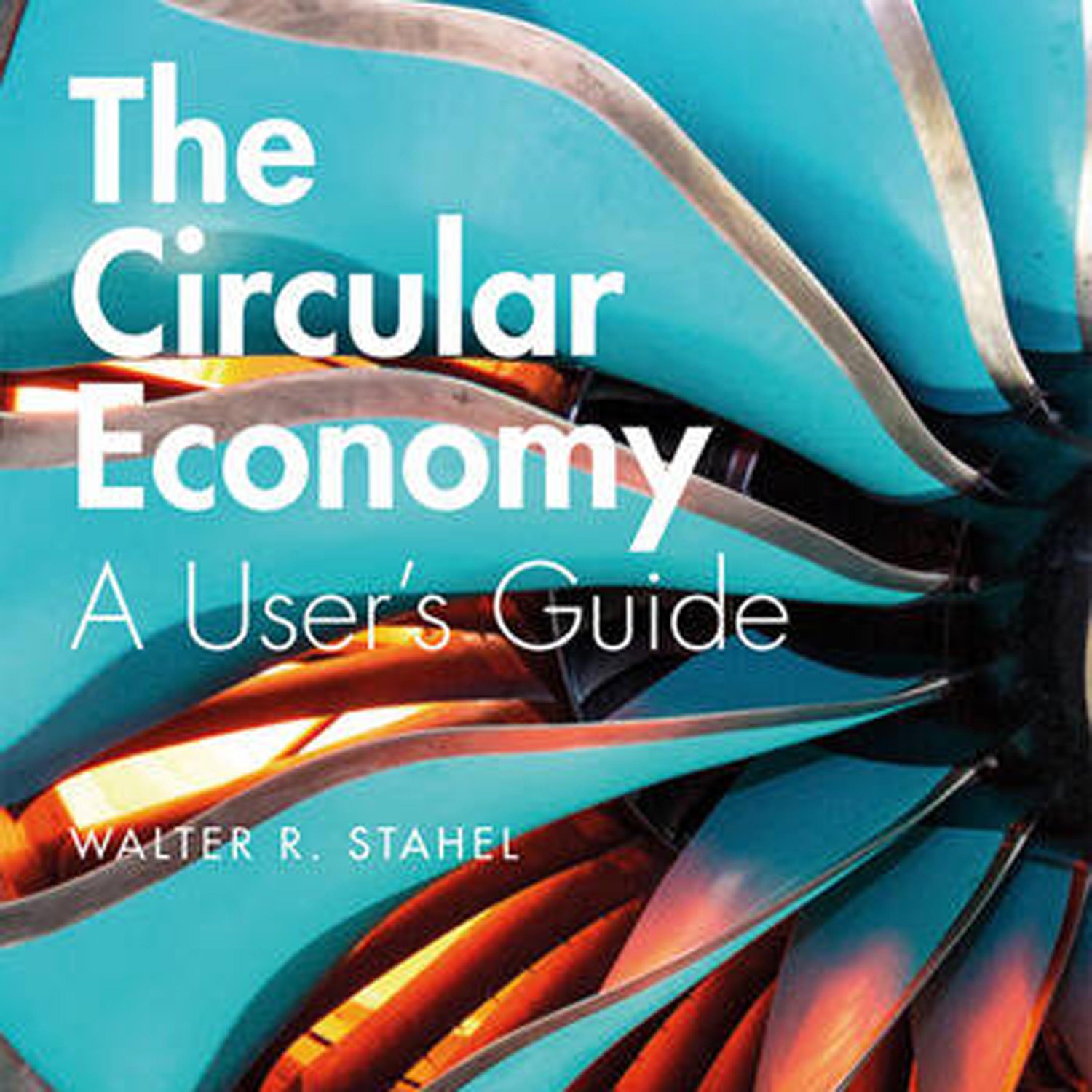
How We Can Transition to a Circular Economy - WALTER STAHEL - Highlights
"The circularity, of course, has existed in nature for a long time. Actually, nature's circularity is by evolution. There is no plan, there is no liability, and there are no preferences. It's simply the cycles such as marine tides, CO2, and water cycles, plants and animals, and basically by evolution, the best solution wins. Also, there is no waste. Dead material becomes food for other animals or plants. Now, early mankind survived by depending on these local natural resources sharing a non-monetary chaotic symbiosis dominated by nature, then poverty or necessity-based society changed when humankind used science to overcome shortages of everything. In other words, the Anthropocene. With nuclear energy, petrochemicals, metal alloys, we became independent from nature, but we overlooked the fact that these new manmade anthropogenic resources or synthetic resources were unknown to nature, so nature could not deal with them. And that means that we, humankind, has to take responsibility for it."Walter R. Stahel is the Founder-Director of the Product-Life Institute (Switzerland), the oldest established consultancy in Europe devoted to developing sustainable strategies and policies. He is Senior Research Fellow at the Circular Economy Research Centre, Ecole des Ponts Business School and Visiting Professor in the Department of Engineering and Physical Sciences, University of Surrey. He is also a full member of the Club of Rome. He was awarded degrees of Doctor honoris causa by the University of Surrey, l’Université de Montréal, and the 2020 Thornton Medal of the Institute of Materials, Minerals and Mining. He is the author of The Circular Economy: A User’s Guide.www.product-life.orgwww.routledge.com/The-Circular-Economy-A-Users-Guide/Stahel/p/book/9780367200176www.oneplanetpodcast.orgwww.creativeprocess.info Instagram @creativeprocesspodcast
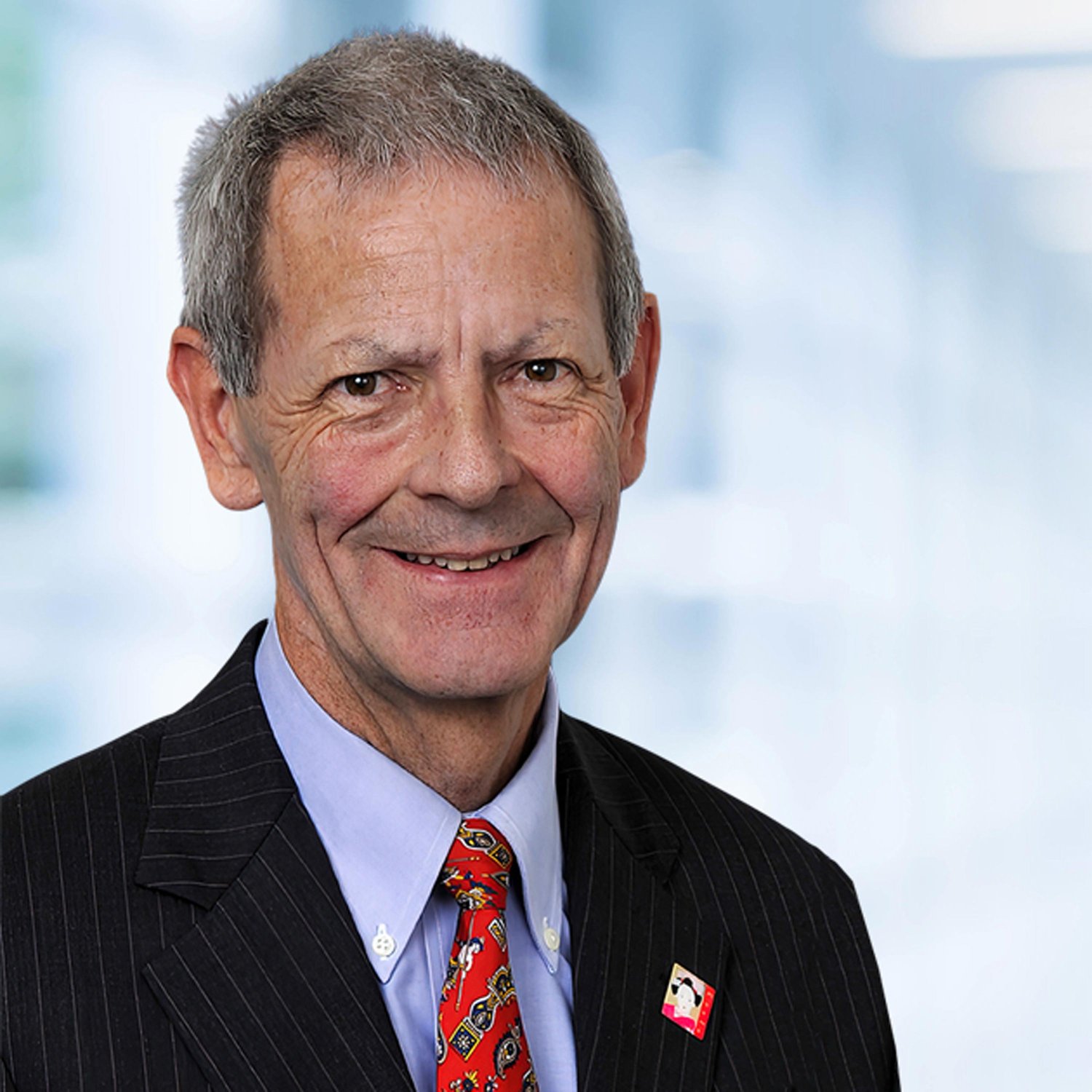
Walter Stahel - Architect, Economist, Founding Father of Circular Economy - Founder-Director, Product-Life Institute
Walter R. Stahel is the Founder-Director of the Product-Life Institute (Switzerland), the oldest established consultancy in Europe devoted to developing sustainable strategies and policies. He is Senior Research Fellow at the Circular Economy Research Centre, Ecole des Ponts Business School and Visiting Professor in the Department of Engineering and Physical Sciences, University of Surrey. He is also a full member of the Club of Rome. He was awarded degrees of Doctor honoris causa by the University of Surrey, l’Université de Montréal, and the 2020 Thornton Medal of the Institute of Materials, Minerals and Mining. He is the author of The Circular Economy: A User’s Guide."The circularity, of course, has existed in nature for a long time. Actually, nature's circularity is by evolution. There is no plan, there is no liability, and there are no preferences. It's simply the cycles such as marine tides, CO2, and water cycles, plants and animals, and basically by evolution, the best solution wins. Also, there is no waste. Dead material becomes food for other animals or plants. Now, early mankind survived by depending on these local natural resources sharing a non-monetary chaotic symbiosis dominated by nature, then poverty or necessity-based society changed when humankind used science to overcome shortages of everything. In other words, the Anthropocene. With nuclear energy, petrochemicals, metal alloys, we became independent from nature, but we overlooked the fact that these new manmade anthropogenic resources or synthetic resources were unknown to nature, so nature could not deal with them. And that means that we, humankind, has to take responsibility for it."www.product-life.orgwww.routledge.com/The-Circular-Economy-A-Users-Guide/Stahel/p/book/9780367200176www.oneplanetpodcast.orgwww.creativeprocess.info Instagram @creativeprocesspodcast

Highlights - Todd Kashdan - APA Award-winning Author of The Art of Insubordination, and Curious?
"We're really talking about principled rebels. And when we talk about insubordination, we're talking about most of us live in these social hierarchies, and there's the idea, this started in the military and still goes on, where if someone at a lower rank questions or challenges a command or a norm that someone of a higher rank, that's considered an act of insubordination. And one of the main problems of that, I think anyone who's listening can acknowledge, is it depends on the quality of the idea of the person who's raising the question.I just realized there was this whole body of literature on minority influence that no one had put together into a book for the general public, and considering the racial reckoning that occurred during COVID-19, the extra attention to diversity, to disadvantaged groups, every moment of society, it just feels like it's more and more relevant of what I've been working on. If you don't have the numbers, if you lack status or you lack power, the way to be persuasive towards a group is much different than if you do have the title or are socially attractive in that group."Todd B. Kashdan, Ph.D., is professor of psychology at George Mason University, and a leading authority on well-being, curiosity, courage, and resilience. He has published more than 220 scientific articles, his work has been cited more than 35,000 times, and he received the American Psychological Association’s Award for Distinguished Scientific Early Career Contributions to Psychology. He is the author of several books, including The Art of Insubordination: How to Dissent and Defy Effectively, Curious? and The Upside of Your Dark Side, and has been translated into more than fifteen languages. His research is featured regularly in The New York Times, The Atlantic, and Time, and his writing has appeared in the Harvard Business Review, National Geographic, and other publications. He is a keynote speaker and consultant for organizations as diverse as Microsoft, Mercedes-Benz, Prudential, General Mills, The United States Department of Defense, and World Bank Group. https://toddkashdan.comwww.penguinrandomhouse.com/books/690674/the-art-of-insubordination-by-todd-b-kashdan-phd/www.creativeprocess.infowww.oneplanetpodcast.orgInstagram @creativeprocesspodcast
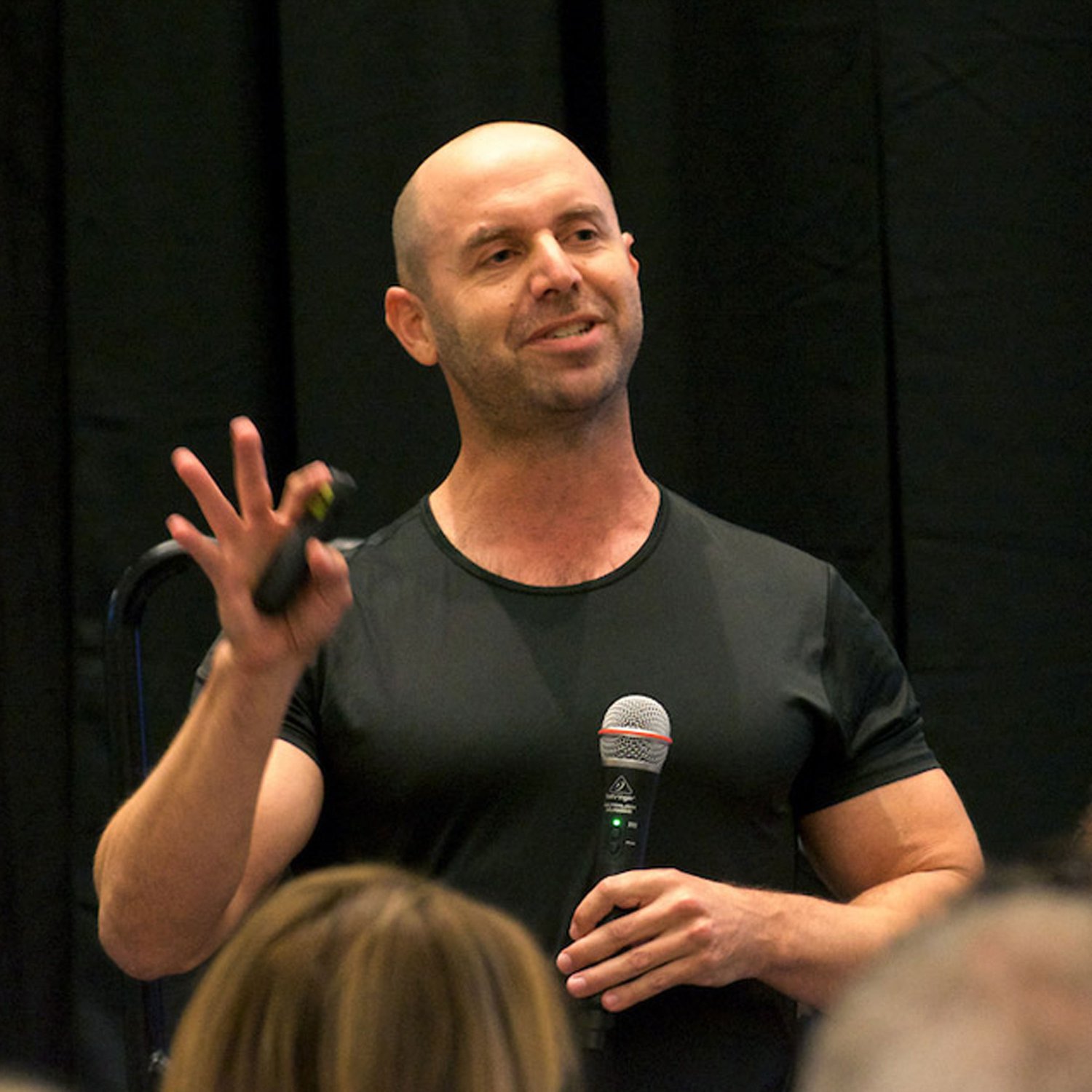
Todd Kashdan - Award-winning Author of “The Art of Insubordination: How to Dissent and Defy Effectively”
Todd B. Kashdan, Ph.D., is professor of psychology at George Mason University, and a leading authority on well-being, curiosity, courage, and resilience. He has published more than 220 scientific articles, his work has been cited more than 35,000 times, and he received the American Psychological Association’s Award for Distinguished Scientific Early Career Contributions to Psychology. He is the author of several books, including The Art of Insubordination: How to Dissent and Defy Effectively, Curious? and The Upside of Your Dark Side, and has been translated into more than fifteen languages. His research is featured regularly in The New York Times, The Atlantic, and Time, and his writing has appeared in the Harvard Business Review, National Geographic, and other publications. He is a keynote speaker and consultant for organizations as diverse as Microsoft, Mercedes-Benz, Prudential, General Mills, The United States Department of Defense, and World Bank Group. "We're really talking about principled rebels. And when we talk about insubordination, we're talking about most of us live in these social hierarchies, and there's the idea, this started in the military and still goes on, where if someone at a lower rank questions or challenges a command or a norm that someone of a higher rank, that's considered an act of insubordination. And one of the main problems of that, I think anyone who's listening can acknowledge, is it depends on the quality of the idea of the person who's raising the question.I just realized there was this whole body of literature on minority influence that no one had put together into a book for the general public, and considering the racial reckoning that occurred during COVID-19, the extra attention to diversity, to disadvantaged groups, every moment of society, it just feels like it's more and more relevant of what I've been working on. If you don't have the numbers, if you lack status or you lack power, the way to be persuasive towards a group is much different than if you do have the title or are socially attractive in that group."https://toddkashdan.comwww.penguinrandomhouse.com/books/690674/the-art-of-insubordination-by-todd-b-kashdan-phd/www.creativeprocess.infowww.oneplanetpodcast.orgInstagram @creativeprocesspodcast
"My mind is my safety net." - Urban Climber of 160+ Skyscrapers w/ his bare hands - ALAIN ROBERT - Highlights
"First of all, yes, I need to know what I will be climbing, whether it's on rocks or whether it's on buildings. And then there is physical preparation. And regarding the mindset, it's more something that became a bit automatic over the years because I have been free soloing for almost 50 years. So it is pretty much my whole life. So that means that for me, being mentally ready, it's kind of simple. It's almost always the same mental process, meaning, I can be afraid before an ascent, but I know myself actually very well. And I know that once I am starting to climb, I feel fine. I put my fear aside, and I'm just climbing.Most people don't know that actually, my background is on rock. It's not on buildings. What I did on rocks free soloing is much more impressive than what I did on buildings.”Alain Robert is a renowned rock climber and urban climber. Known as "the French Spider-Man” or "the Human Spider," Robert is famous for his free solo climbing, scaling skyscrapers using no climbing equipment except for a small bag of chalk and a pair of climbing shoes. Some of his most notable ascents include the Burj Khalifa, the Eiffel Tower, and the Sydney Opera House, as well as other of the world's tallest skyscrapers. He is also a motivational speaker and the author of With Bare Hands: The True Story of Alain Robert, the Real-life Spiderman.www.alainrobert.comwww.instagram.com/alainrobertofficial/?hl=frwww.blacksmithbooks.com/books/with-bare-hands-the-true-story-of-alain-robert-the-real-life-spiderman/www.creativeprocess.info www.oneplanetpodcast.orgInstagram @creativeprocesspodcastImage courtesy of alainrobert.com

Alain Robert - Famous Rock and Urban Climber - "The French Spider-Man”
Alain Robert is a renowned rock climber and urban climber. Known as "the French Spider-Man” or "the Human Spider," Robert is famous for his free solo climbing, scaling skyscrapers using no climbing equipment except for a small bag of chalk and a pair of climbing shoes. Some of his most notable ascents include the Burj Khalifa, the Eiffel Tower, and the Sydney Opera House, as well as other of the world's tallest skyscrapers. He is also a motivational speaker and the author of With Bare Hands: The True Story of Alain Robert, the Real-life Spiderman."First of all, yes, I need to know what I will be climbing, whether it's on rocks or whether it's on buildings. And then there is physical preparation. And regarding the mindset, it's more something that became a bit automatic over the years because I have been free soloing for almost 50 years. So it is pretty much my whole life. So that means that for me, being mentally ready, it's kind of simple. It's almost always the same mental process, meaning, I can be afraid before an ascent, but I know myself actually very well. And I know that once I am starting to climb, I feel fine. I put my fear aside, and I'm just climbing.Most people don't know that actually, my background is on rock. It's not on buildings. What I did on rocks free soloing is much more impressive than what I did on buildings."www.alainrobert.comwww.instagram.com/alainrobertofficial/?hl=frwww.blacksmithbooks.com/books/with-bare-hands-the-true-story-of-alain-robert-the-real-life-spiderman/www.creativeprocess.infowww.oneplanetpodcast.orgInstagram @creativeprocesspodcastImage courtesy of alainrobert.com
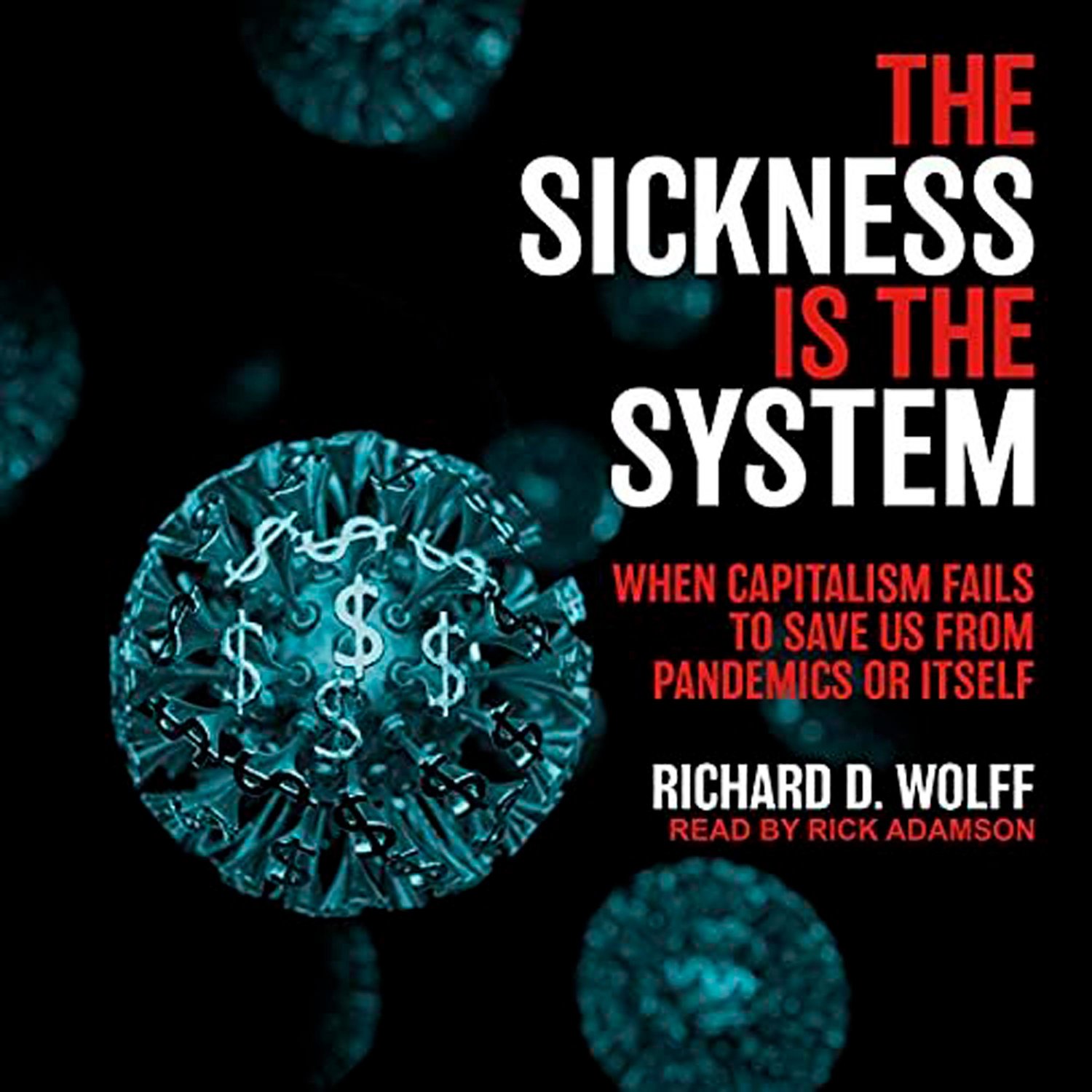
The Sickness is the System: When Capitalism Fails to Save Us from Pandemics or Itself w/ RICHARD D. WOLFF - Highlights
"You can criticize many things in the United States, but there are taboos, and the number one taboo is that you cannot criticize Capitalism. That is equated with disloyalty. The first project of Democracy at Work is to reopen the critical analysis of capitalism, and the second is to offer a critique of traditional Socialism with its emphasis on the government coming in and doing things that offset the failure of the private system.This story about Capitalism being wonderful, this story is fading. You can’t do that anymore. The Right Wing cannot rally its troops around Capitalism. That’s why it doesn’t do it anymore. It rallies the troops around being hateful towards immigrants. It rallies the troops around “fake elections,” around the right to buy a gun, and around White Supremacists. Those issues can get some support, but “Let’s get together for Capitalism!” That is bad. They can’t do anything with that. They have to sneak Capitalism in behind those other issues because otherwise, they have no mass political support."Richard D. Wolff is Founder of Democracy at Work and host of the show Economic Update. Professor of Economics Emeritus, University of Massachusetts, Amherst where he taught economics from 1973 to 2008. He is currently a Visiting Professor in the Graduate Program in International Affairs of the New School University, New York City. Earlier, he taught economics at Yale University (1967-1969) and at the City College of the City University of New York (1969-1973). In 1994, he was a Visiting Professor of Economics at the University of Paris (France), I (Sorbonne). Wolff was also a regular lecturer at the Brecht Forum in New York City. He is the author of The Sickness is the System: When Capitalism Fails to Save Us from Pandemics or Itself.www.rdwolff.comwww.democracyatwork.infowww.creativeprocess.infowww.oneplanetpodcast.org

Democracy at Work with RICHARD D. WOLFF, Economist, Author & Host of Economic Update
Richard D. Wolff is Founder of Democracy at Work and host of the show Economic Update. Professor of Economics Emeritus, University of Massachusetts, Amherst where he taught economics from 1973 to 2008. He is currently a Visiting Professor in the Graduate Program in International Affairs of the New School University, New York City. He taught economics at Yale University (1967-1969) and at the City College of the City University of New York (1969-1973). In 1994, he was a Visiting Professor of Economics at the University of Paris (France), I (Sorbonne). Wolff was also a regular lecturer at the Brecht Forum in New York City. He is the author of The Sickness is the System: When Capitalism Fails to Save Us from Pandemics or Itself."You can criticize many things in the United States, but there are taboos, and the number one taboo is that you cannot criticize Capitalism. That is equated with disloyalty. The first project of Democracy at Work is to reopen the critical analysis of capitalism, and the second is to offer a critique of traditional Socialism with its emphasis on the government coming in and doing things that offset the failure of the private system.This story about Capitalism being wonderful, this story is fading. You can’t do that anymore. The Right Wing cannot rally its troops around Capitalism. That’s why it doesn’t do it anymore. It rallies the troops around being hateful towards immigrants. It rallies the troops around “fake elections,” around the right to buy a gun, and around White Supremacists. Those issues can get some support, but “Let’s get together for Capitalism!” That is bad. They can’t do anything with that. They have to sneak Capitalism in behind those other issues because otherwise, they have no mass political support."www.rdwolff.comwww.democracyatwork.infowww.creativeprocess.infowww.oneplanetpodcast.org