The Creative Process · Arts, Culture & Society: Books, Film, Music, TV, Art, Writing, Creativity, Education, Environment, Theatre, Dance, LGBTQ, Climate Change, Social Justice, Spirituality, Feminism, Tech, Sustainability
1,275 episodes — Page 13 of 26
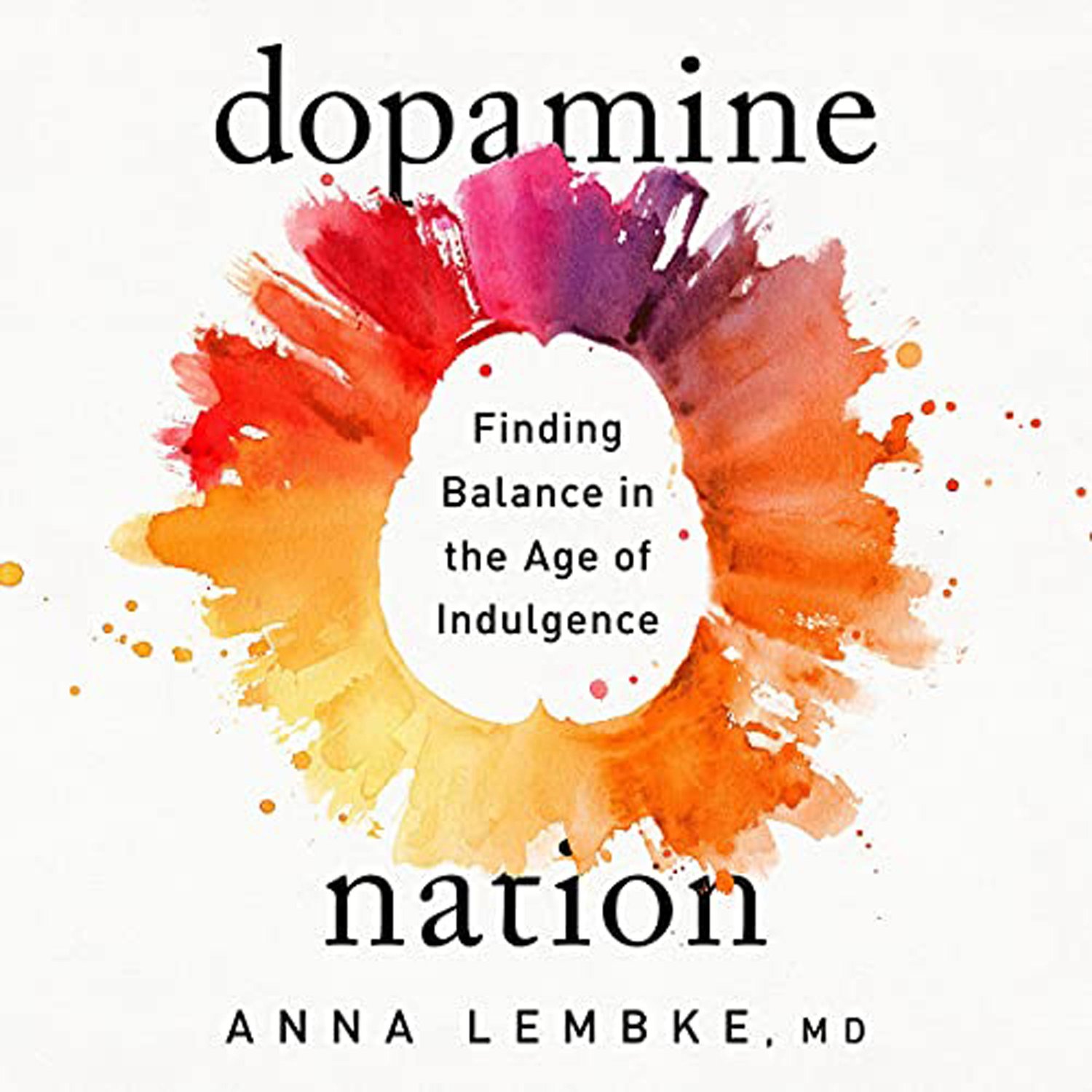
Dopamine Nation: Finding Balance in the Age of Indulgence - DR. ANNA LEMBKE - Highlights
"I'm an addiction psychiatrist. When I use the word addiction, I'm really talking about having crossed the line from basically healthy use with an occasional slip to somebody who's really caught in the vortex of compulsive overconsumption with consequences and typically needing help from others, whether or not they are professionals, but feeling like, Oh boy, this is unmanageable, as they say in Twelve Steps, "My life has become unmanageable." It's one of the main points of my book, Dopamine Nation that we are living in this addictogenic world where almost all human behaviors and substances have become drugified in one way, right? Social media has drugified human connection. Our food has been drugified by the addition of salt, fat, sugar. Reading is drugified, the way that these genre novels fill this sort of gaping hole of compulsive consumption among their readership, people always wanting more. The Netflix binges, where you get the next episode automatically fills unless you do something to stop it. You know, these are all little ways in which our lives have been engineered to keep us clicking and swiping and eating and smoking and drinking to the detriment of the globe. I mean, 70% of global deaths are due to diseases caused by modifiable risk factors, and the top three are smoking, inactivity, and overeating or diet. So we're literally titillating ourselves to death."Dr. Anna Lembke is professor of psychiatry at Stanford University School of Medicine and chief of the Stanford Addiction Medicine Dual Diagnosis Clinic. A clinician scholar, she has published more than a hundred peer-reviewed papers, book chapters, and commentaries. She sits on the board of several state and national addiction-focused organizations, has testified before various committees in the United States House of Representatives and Senate, keeps an active speaking calendar, and maintains a thriving clinical practice. Dr. Lembke explores how to moderate compulsive overconsumption in a dopamine overloaded world in her NYTimes bestselling book Dopamine Nation: Finding Balance in the Age of Indulgence. Her previous book Drug Dealer, MD – How Doctors Were Duped, Patients Got Hooked, and Why It’s So Hard to Stop was highlighted in the New York Times as one of the top five books to read to understand the opioid epidemic.www.annalembke.comhttps://med.stanford.edu/psychiatry/patient_care/addiction.htmlwww.penguinrandomhouse.com/books/624957/dopamine-nation-by-anna-lembke-md/www.press.jhu.edu/books/title/11360/drug-dealer-mdwww.creativeprocess.infowww.oneplanetpodcast.org
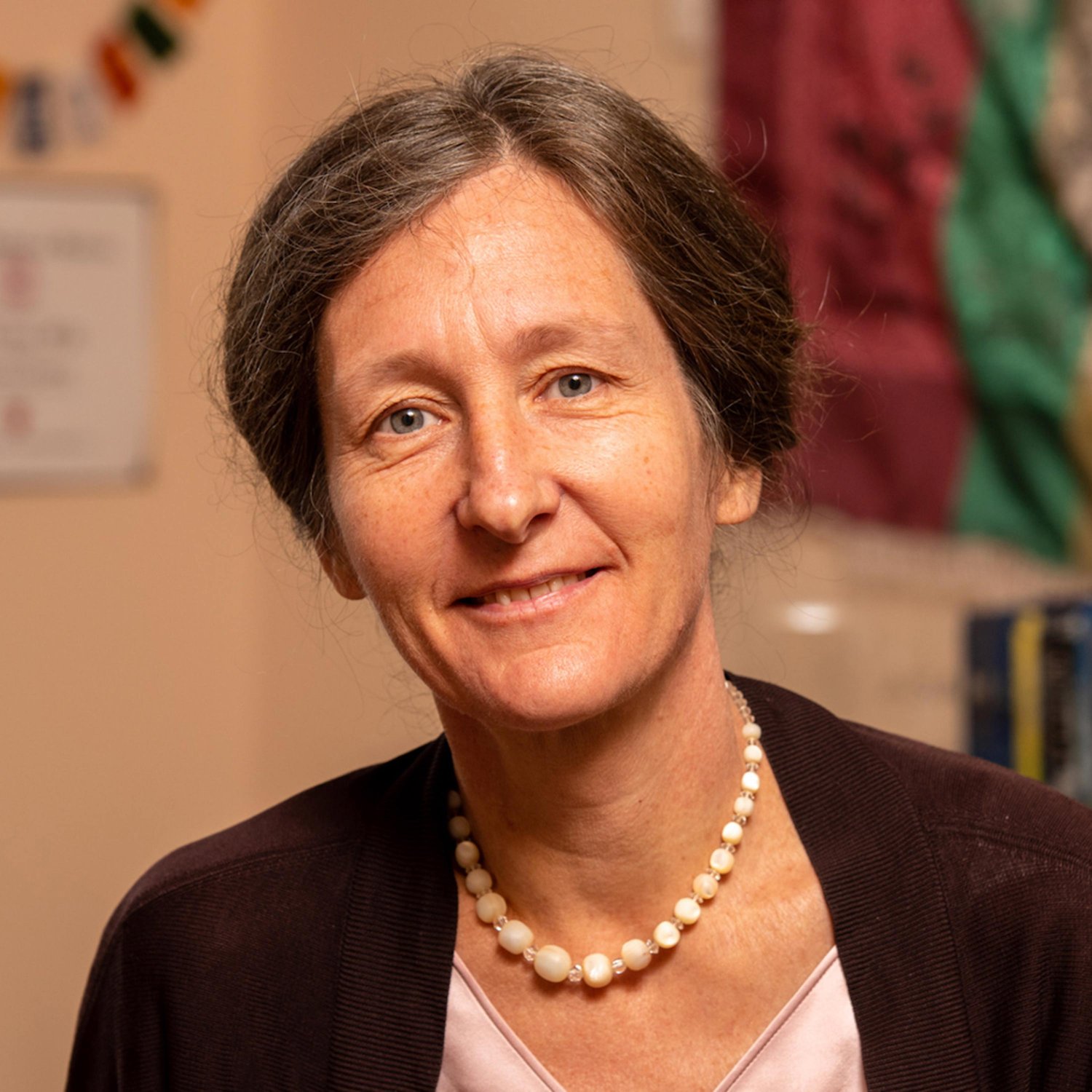
DR. ANNA LEMBKE - Author of Dopamine Nation: Finding Balance in the Age of Indulgence
Dr. Anna Lembke is professor of psychiatry at Stanford University School of Medicine and chief of the Stanford Addiction Medicine Dual Diagnosis Clinic. A clinician scholar, she has published more than a hundred peer-reviewed papers, book chapters, and commentaries. She sits on the board of several state and national addiction-focused organizations, has testified before various committees in the United States House of Representatives and Senate, keeps an active speaking calendar, and maintains a thriving clinical practice. Dr. Lembke explores how to moderate compulsive overconsumption in a dopamine overloaded world in her NYTimes bestselling book Dopamine Nation: Finding Balance in the Age of Indulgence. Her previous book Drug Dealer, MD – How Doctors Were Duped, Patients Got Hooked, and Why It’s So Hard to Stop was highlighted in the New York Times as one of the top five books to read to understand the opioid epidemic."I'm an addiction psychiatrist. When I use the word addiction, I'm really talking about having crossed the line from basically healthy use with an occasional slip to somebody who's really caught in the vortex of compulsive overconsumption with consequences and typically needing help from others, whether or not they are professionals, but feeling like, Oh boy, this is unmanageable, as they say in Twelve Steps, "My life has become unmanageable." It's one of the main points of my book, Dopamine Nation that we are living in this addictogenic world where almost all human behaviors and substances have become drugified in one way, right? Social media has drugified human connection. Our food has been drugified by the addition of salt, fat, sugar. Reading is drugified, the way that these genre novels fill this sort of gaping hole of compulsive consumption among their readership, people always wanting more. The Netflix binges, where you get the next episode automatically fills unless you do something to stop it. You know, these are all little ways in which our lives have been engineered to keep us clicking and swiping and eating and smoking and drinking to the detriment of the globe. I mean, 70% of global deaths are due to diseases caused by modifiable risk factors, and the top three are smoking, inactivity, and overeating or diet. So we're literally titillating ourselves to death."www.annalembke.comhttps://med.stanford.edu/psychiatry/patient_care/addiction.htmlwww.penguinrandomhouse.com/books/624957/dopamine-nation-by-anna-lembke-md/www.press.jhu.edu/books/title/11360/drug-dealer-mdwww.creativeprocess.infowww.oneplanetpodcast.org

How to Dismantle Stereotypes Around Race & Prison in America - DJC Records - Highlights
"Well, I got the idea in 2013 when I was a wee young 23-year-old activist, and I had been studying history at Los Angeles City College, and I took this class on genocide that had a huge impact on me, and it also coincided, just the timing, with the Occupy Wall Street movement. So then two years later in 2013, I was reading The New Jim Crow by Michelle Alexander, and the book is about how mass incarceration is like a modern-day racial caste system. And I just heavily related to the book. I grew up around some impacted people. I had a mentor who was formerly incarcerated named Alexander, who was actually Muhammad Ali's bodyguard.And I just got the idea to do an album, because I was listening to a lot of concept albums like Pink Floyd, The Wall. And it started from there, just a little seed and a spark of just this idea for this one album. And then over time, it just evolved into an EP, and then a record label and a nonprofit. And here we are."Fury Young and BL Shirelle are the powerhouse team behind Die Jim Crow Records, the first non-profit record label in United States history for currently and formerly incarcerated musicians. DJC Records’ mission is to dismantle stereotypes around race and prison in America by amplifying the voices of our artists. As a pair, Fury Young and BL Shirelle form a perhaps unlikely, but unstoppable duo. Young is a Jewish New Yorker who has not experienced incarceration. Shirelle is a queer, Black woman from Philadelphia who has been heavily impacted by police violence and incarceration. The two formed an inseparable bond. As friends, musical collaborators and now Co-Executive Directors of Die Jim Crow Records, their leadership and commitment to values of representation, fairness, passion for the cause, and a love for art, are at the core of DJC.www.diejimcrow.comhttp://www.blshirelle.comhttp://www.furyyoung.comwww.creativeprocess.info www.oneplanetpodcast.org
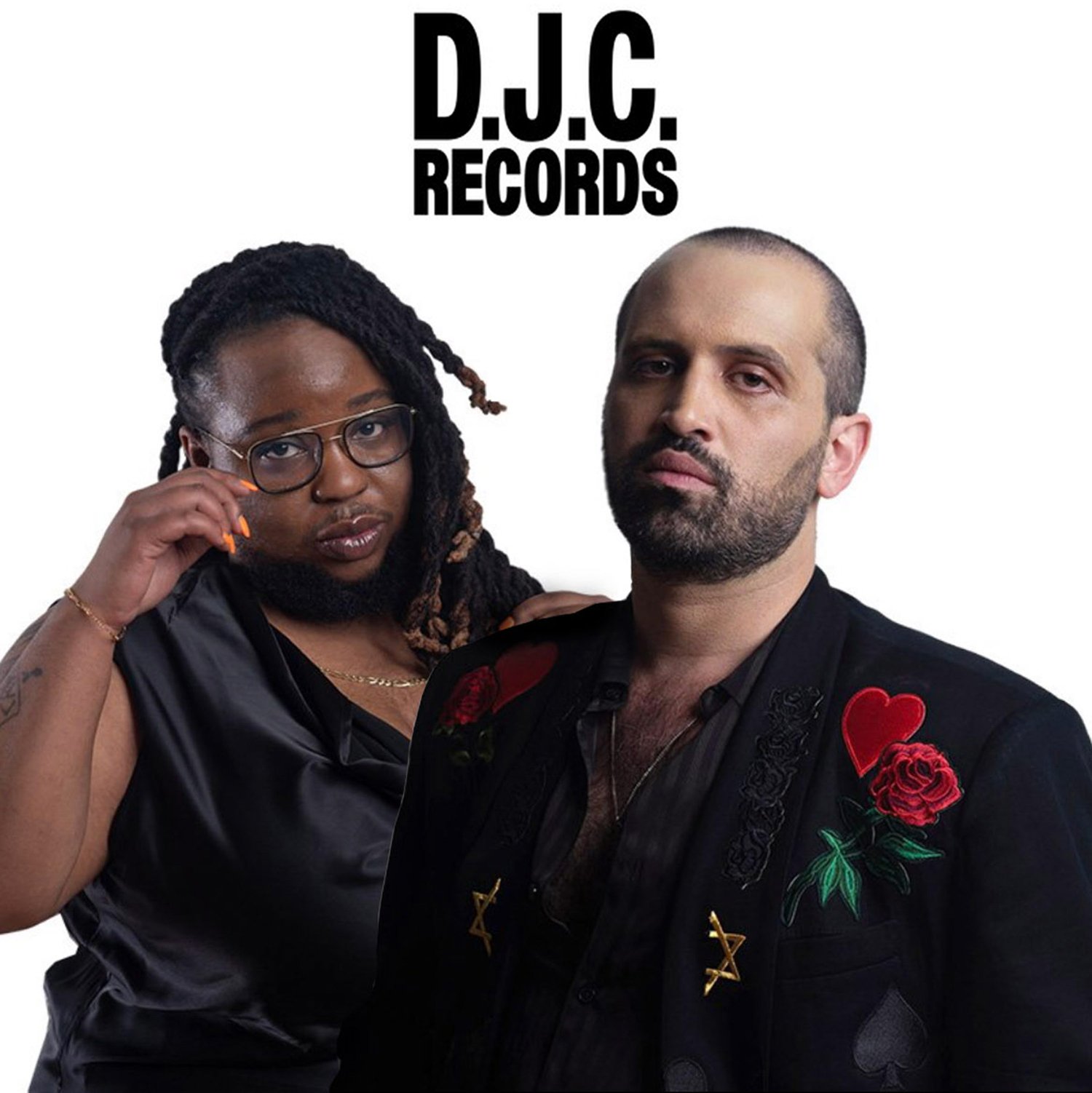
Fury Young - BL Shirelle - Co-Executive Directors of DJC Records
Fury Young and BL Shirelle are the powerhouse team behind Die Jim Crow Records, the first non-profit record label in United States history for currently and formerly incarcerated musicians. DJC Records’ mission is to dismantle stereotypes around race and prison in America by amplifying the voices of our artists. As a pair, Fury Young and BL Shirelle form a perhaps unlikely, but unstoppable duo. Young is a Jewish New Yorker who has not experienced incarceration. Shirelle is a queer, Black woman from Philadelphia who has been heavily impacted by police violence and incarceration. The two formed an inseparable bond. As friends, musical collaborators and now Co-Executive Directors of Die Jim Crow Records, their leadership and commitment to values of representation, fairness, passion for the cause, and a love for art, are at the core of DJC."Well, I got the idea in 2013 when I was a wee young 23-year-old activist, and I had been studying history at Los Angeles City College, and I took this class on genocide that had a huge impact on me, and it also coincided, just the timing, with the Occupy Wall Street movement. So then two years later in 2013, I was reading The New Jim Crow by Michelle Alexander, and the book is about how mass incarceration is like a modern-day racial caste system. And I just heavily related to the book. I grew up around some impacted people. I had a mentor who was formerly incarcerated named Alexander, who was actually Muhammad Ali's bodyguard.And I just got the idea to do an album, because I was listening to a lot of concept albums like Pink Floyd, The Wall. And it started from there, just a little seed and a spark of just this idea for this one album. And then over time, it just evolved into an EP, and then a record label and a nonprofit. And here we are."www.diejimcrow.comhttp://www.blshirelle.comhttp://www.furyyoung.comwww.creativeprocess.info www.oneplanetpodcast.org
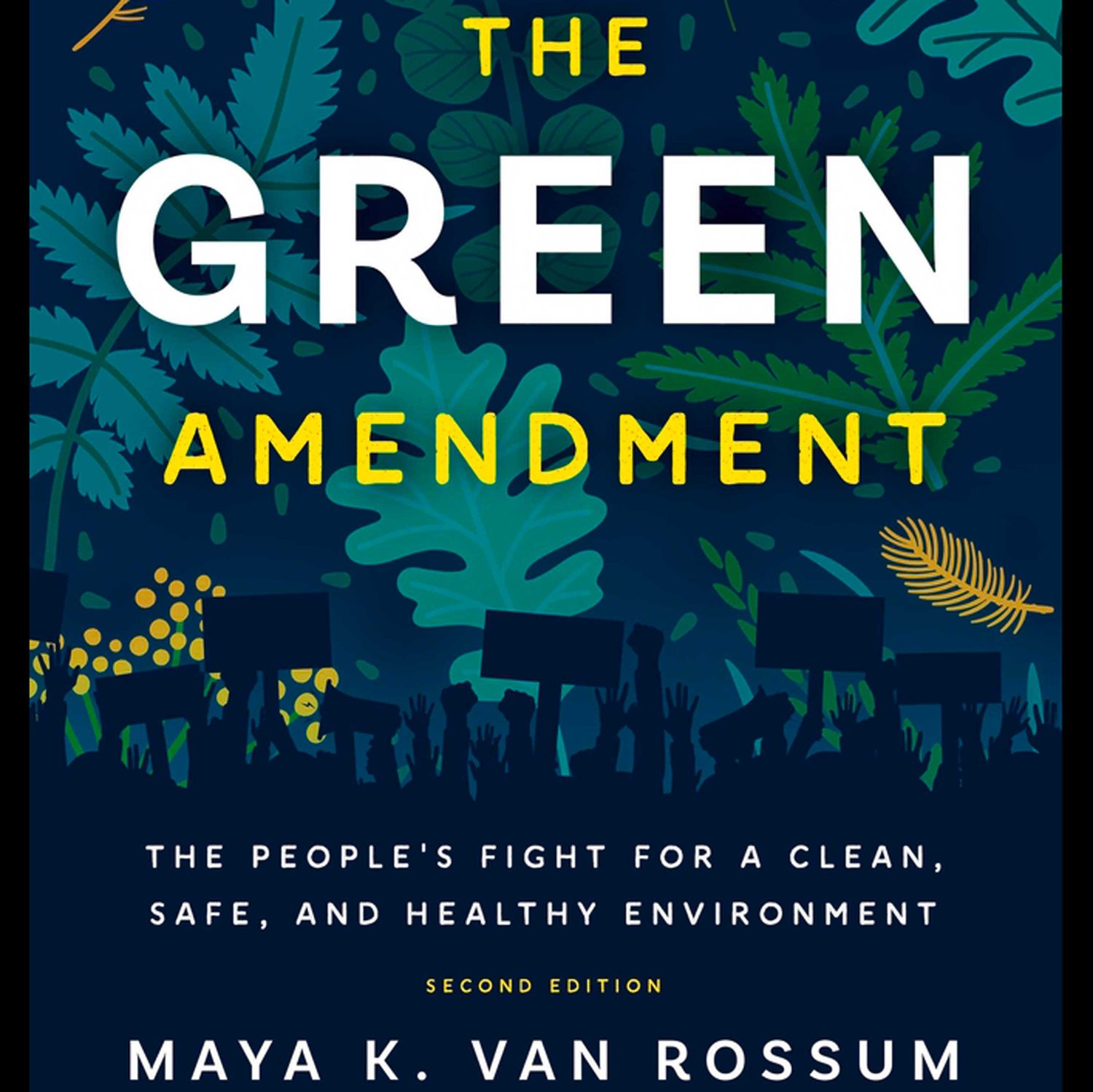
The Green Amendment: The People's Fight for a Clean, Safe & Healthy Environment - MAYA VAN ROSSUM - Highlights
“What is a Green Amendment? It is language that recognizes the rights of all people to clean water and clean air, a stable climate, and healthy environments, and obligates the government to protect those rights and the natural resources of the state for the benefit of all the people in the state, or if it was a federal green amendment in the United States, and they become obliged to protect those environmental rights and those natural resources for the benefit of both present and future generations, that's functionally what it does. But to help people understand what it accomplishes, a green amendment actually obligates the government to recognize and protect our environmental rights in the same, most powerful way we recognize and protect the other fundamental freedoms we hold dear. Things like the right to free speech, freedom of religion, civil rights, and private property rights. We all know how powerfully they are protected from government overreach and infringement. Well, when we have Green Amendments, now the environment and our environmental rights are added to that list of highest constitutional freedoms and protections."Maya K. van Rossum is the founder of Green Amendments For The Generations, a national nonprofit organization dedicated to inspiring passage of Green Amendments in every state constitution across our nation, and also at the federal level when the time is right. She is an environmental attorney, community organizer, and the Delaware Riverkeeper, leading the regional advocacy organization, the Delaware Riverkeeper Network, for over 30 years. The Delaware Riverkeeper Network works throughout the four states of the Delaware River watershed (NY, NJ, PA & DE) and at the national level using advocacy, science and litigation to protect the Delaware River and its tributaries. She is the Author of The Green Amendment: The People's Fight for a Clean, Safe, and Healthy Environment.www.ForTheGenerations.orgwww.delawareriverkeeper.orghttps://forthegenerations.org/the-green-amendment/https://twitter.com/MayaKvanRossumwww.creativeprocess.infowww.oneplanetpodcast.org
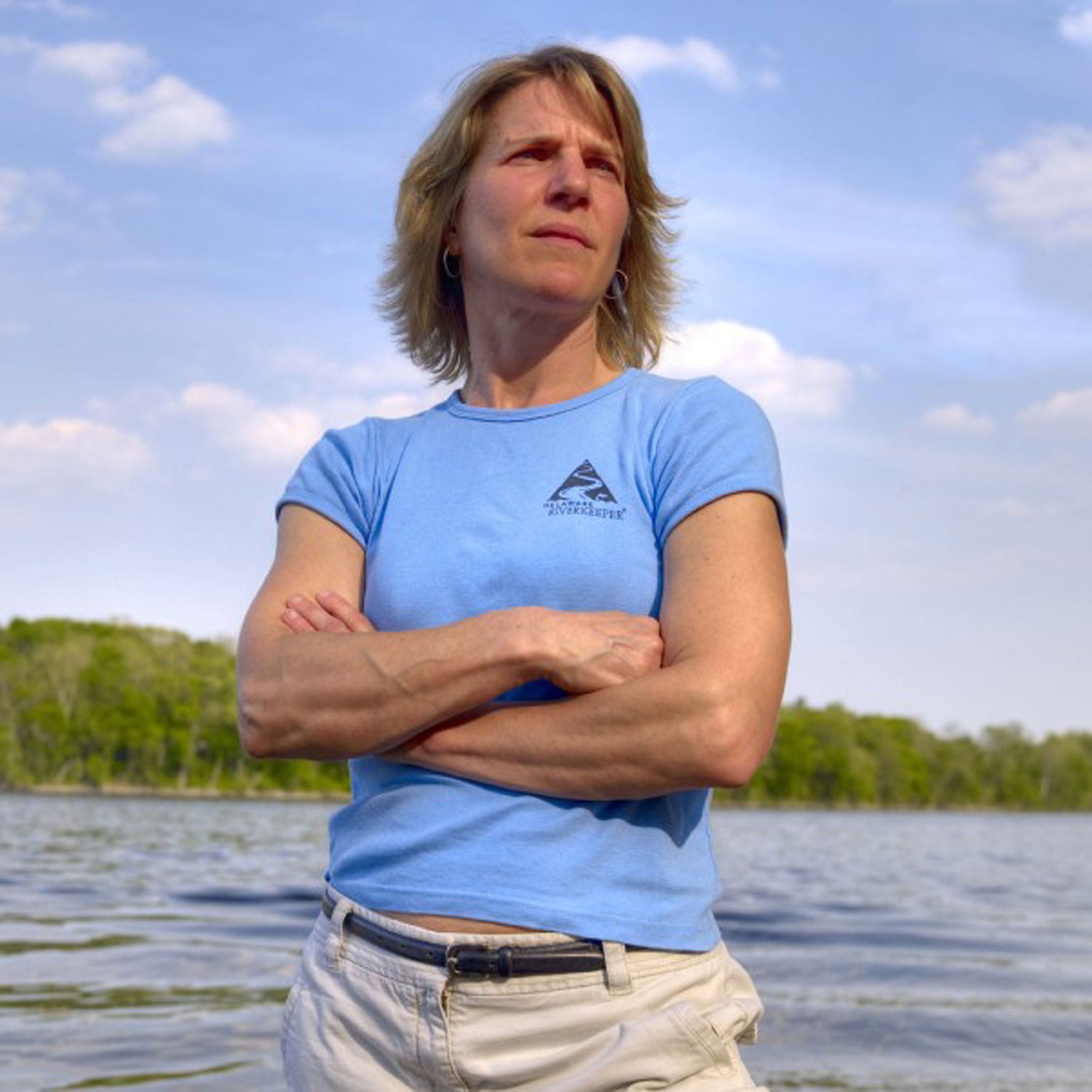
MAYA VAN ROSSUM - Founder of Green Amendments For The Generations - Delaware Riverkeeper
Maya K. van Rossum is the founder of Green Amendments For The Generations, a national nonprofit organization dedicated to inspiring passage of Green Amendments in every state constitution across our nation, and also at the federal level when the time is right. She is an environmental attorney, community organizer, and the Delaware Riverkeeper, leading the regional advocacy organization, the Delaware Riverkeeper Network, for over 30 years. The Delaware Riverkeeper Network works throughout the four states of the Delaware River watershed (NY, NJ, PA & DE) and at the national level using advocacy, science and litigation to protect the Delaware River and its tributaries. She is the Author of The Green Amendment: The People's Fight for a Clean, Safe, and Healthy Environment.“What is a Green Amendment? It is language that recognizes the rights of all people to clean water and clean air, a stable climate, and healthy environments, and obligates the government to protect those rights and the natural resources of the state for the benefit of all the people in the state, or if it was a federal green amendment in the United States, and they become obliged to protect those environmental rights and those natural resources for the benefit of both present and future generations, that's functionally what it does. But to help people understand what it accomplishes, a green amendment actually obligates the government to recognize and protect our environmental rights in the same, most powerful way we recognize and protect the other fundamental freedoms we hold dear. Things like the right to free speech, freedom of religion, civil rights, and private property rights. We all know how powerfully they are protected from government overreach and infringement. Well, when we have Green Amendments, now the environment and our environmental rights are added to that list of highest constitutional freedoms and protections."www.ForTheGenerations.orgwww.delawareriverkeeper.orghttps://forthegenerations.org/the-green-amendment/https://twitter.com/MayaKvanRossumwww.creativeprocess.infowww.oneplanetpodcast.org
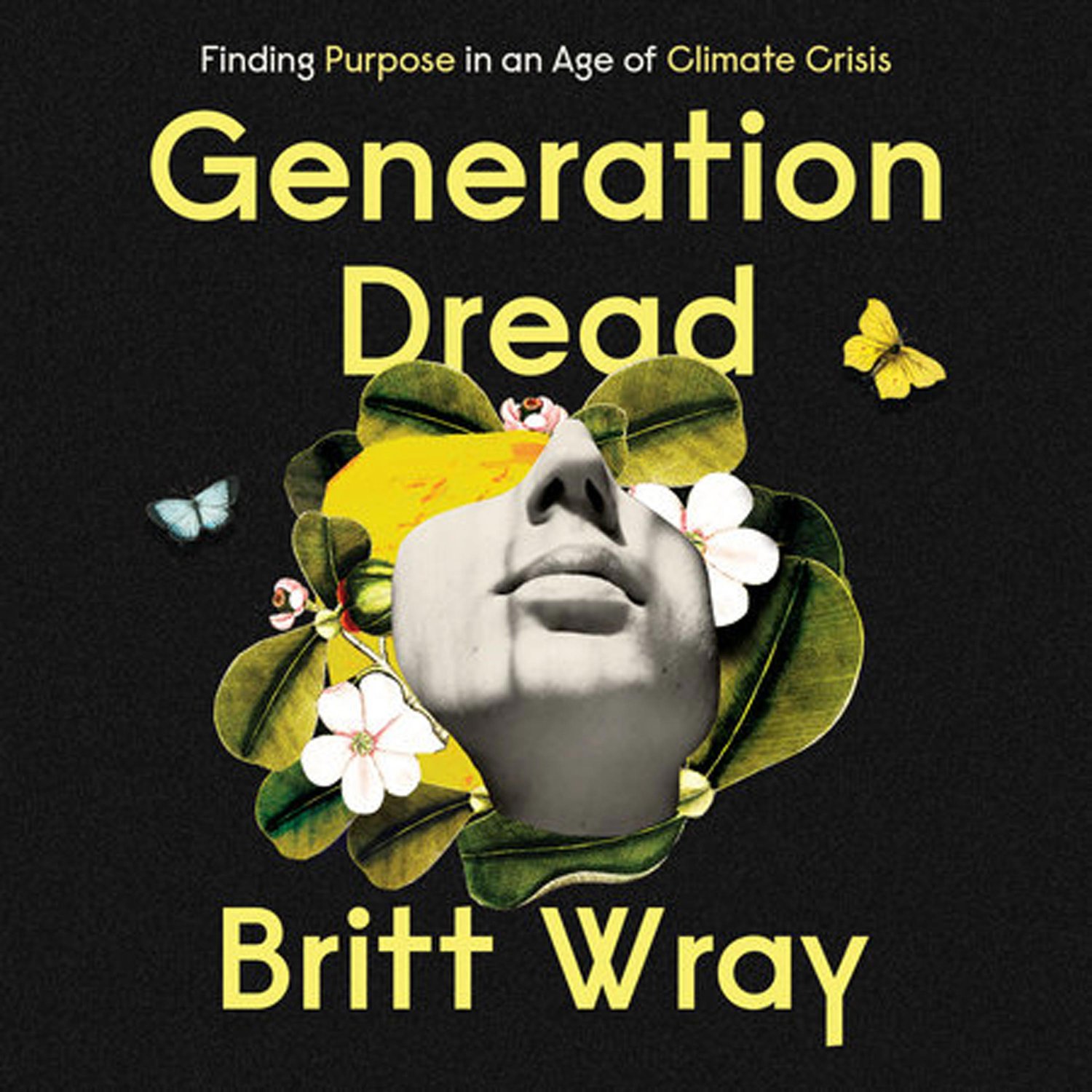
Finding Purpose in an Age of Climate Crisis with Author, Researcher BRITT WRAY - Highlights
"So I have a background in conservation biology and have been a science communicator for well over a decade and a half now, and of course, doing that work you're confronted with climate, environmental reports and studies, which were a consistent part of my emotional baseline, just being aware of the fact that this is not all going well, which every now and then would make me feel low, for sure, in a way that was quite noticeable. But it became much more poignant in my life in 2017 when my partner and I started considering whether or not to have a kid, and I hadn't connected the reproductive part of life to the climate crisis. And all of a sudden this topic was the only thing I could really think about because it became such a dilemma for me personally, as to whether or not I felt comfortable having a child, given what the science says about where we're headed and what the lack of historical action means for the future of any child born to date, even one with privilege and protection from its parental outset. So that then, you know, eco-anxiety and climate anxiety and eco-grief in these terms that we now have as kind of household items that people are familiar with, that we have lots of journalism around, which has especially emerged in the last three years or so.At that time, I didn't have words to describe what I was feeling and I felt very deviant for even questioning whether or not it was okay to have kids in the climate crisis. I didn't really see it reflected. I figured, Okay, this is probably me getting a little bit loopy here, and I ought to do something to bring more perspective into my line of view. And that started me on a research project looking at the psychological impacts of the climate crisis writ large beyond just the reproductive angle, but that was my on-ramp."Britt Wray is the author of Generation Dread: Finding Purpose in an Age of Climate Crisis. She's a writer and broadcaster researching the emotional and psychological impacts of the climate crisis. Born and raised in Toronto, Canada, she is a post-doctoral fellow at Stanford University and the London School of Hygiene and Tropical Medicine, where she investigates the mental health consequences of ecological disruption. She holds a PhD in Science Communication from the University of Copenhagen. Her work has been featured in the New York Times, Washington Post Guardian, and Globe and Mail, among other publications. She has hosted several podcasts, radio, and TV programs with the BBC and CBC, is a TED Resident, and writes Gan Dread, a newsletter about staying sane in the climate crisis. She is also the author of Rise of the Necrofauna: The Science, Ethics, and Risks of De-Extinction.www.brittwray.comwww.penguinrandomhouse.com/books/647141/generation-dread-by-britt-wrayhttps://greystonebooks.com/products/rise-of-the-necrofauna www.oneplanetpodcast.orgwww.creativeprocess.info
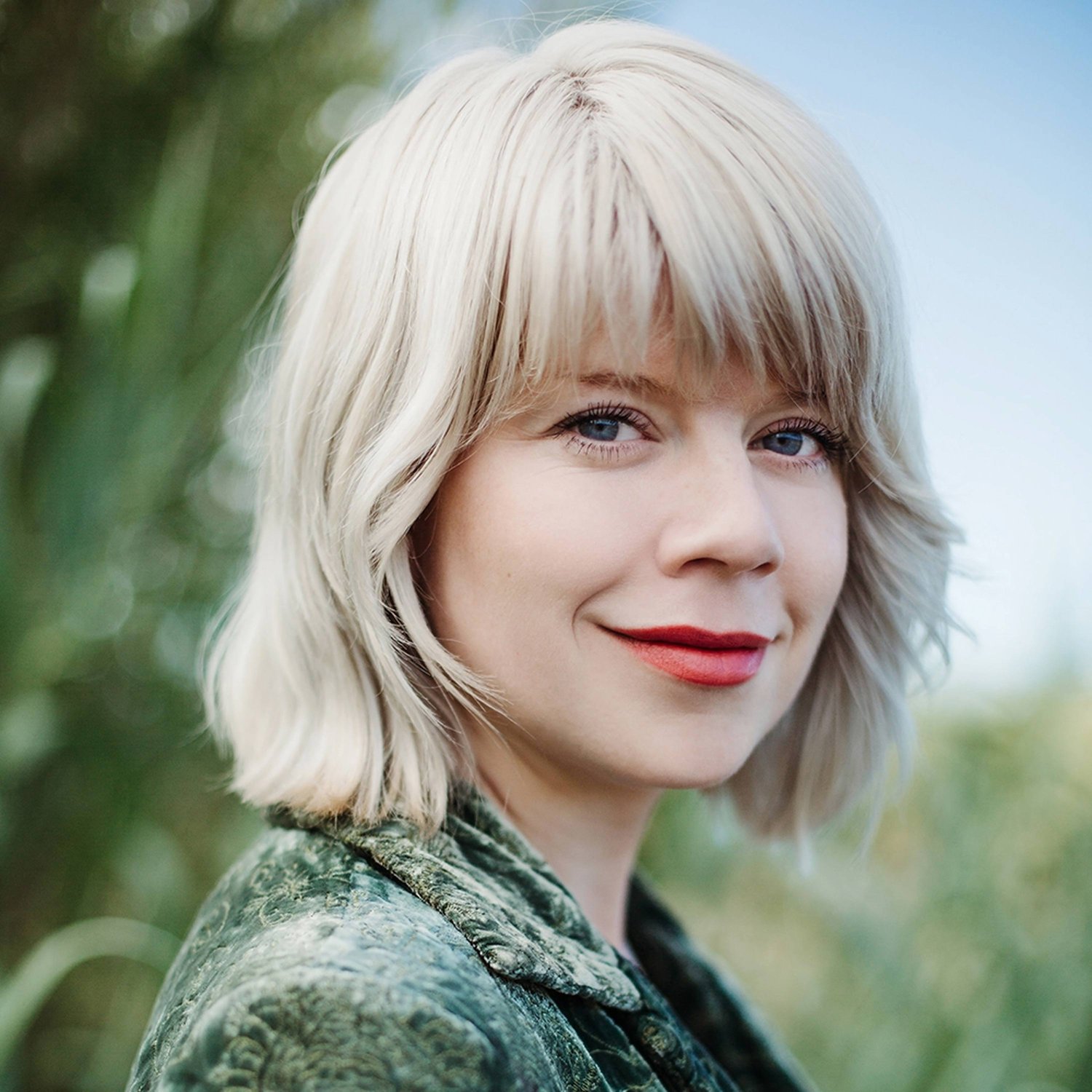
Britt Wray - Author of “Generation Dread: Finding Purpose in an Age of Climate Crisis”
Britt Wray is the author of Generation Dread: Finding Purpose in an Age of Climate Crisis. She's a writer and broadcaster researching the emotional and psychological impacts of the climate crisis. Born and raised in Toronto, Canada, she is a post-doctoral fellow at Stanford University and the London School of Hygiene and Tropical Medicine, where she investigates the mental health consequences of ecological disruption. She holds a PhD in Science Communication from the University of Copenhagen. Her work has been featured in the New York Times, Washington Post Guardian, and Globe and Mail, among other publications. She has hosted several podcasts, radio, and TV programs with the BBC and CBC, is a TED Resident, and writes Gan Dread, a newsletter about staying sane in the climate crisis. She is also the author of Rise of the Necrofauna: The Science, Ethics, and Risks of De-Extinction."So I have a background in conservation biology and have been a science communicator for well over a decade and a half now, and of course, doing that work you're confronted with climate, environmental reports and studies, which were a consistent part of my emotional baseline, just being aware of the fact that this is not all going well, which every now and then would make me feel low, for sure, in a way that was quite noticeable. But it became much more poignant in my life in 2017 when my partner and I started considering whether or not to have a kid, and I hadn't connected the reproductive part of life to the climate crisis. And all of a sudden this topic was the only thing I could really think about because it became such a dilemma for me personally, as to whether or not I felt comfortable having a child, given what the science says about where we're headed and what the lack of historical action means for the future of any child born to date, even one with privilege and protection from its parental outset. So that then, you know, eco-anxiety and climate anxiety and eco-grief in these terms that we now have as kind of household items that people are familiar with, that we have lots of journalism around, which has especially emerged in the last three years or so.At that time, I didn't have words to describe what I was feeling and I felt very deviant for even questioning whether or not it was okay to have kids in the climate crisis. I didn't really see it reflected. I figured, Okay, this is probably me getting a little bit loopy here, and I ought to do something to bring more perspective into my line of view. And that started me on a research project looking at the psychological impacts of the climate crisis writ large beyond just the reproductive angle, but that was my on-ramp."www.brittwray.comwww.penguinrandomhouse.com/books/647141/generation-dread-by-britt-wrayhttps://greystonebooks.com/products/rise-of-the-necrofauna www.oneplanetpodcast.orgwww.creativeprocess.info
Securing Our Water Future - JAY FAMIGLIETTI - Global Institute for Water Security - Highlights
"I think water is taking a backseat and personally, I feel like water is the messenger that delivers the bad news of climate change to your front door. So in the work that I do, it's heavily intertwined, but it's taking a backseat. There are parts about water that are maybe separate from climate change, and that could be the quality discussions, the infrastructure discussions, although they are somewhat loosely related to climate change and they are impacted by climate change. That's sometimes part of the reason why it gets split off because it's thought of as maybe an infrastructure problem, but you know, the changing extremes, the aridification of the West, the increasing frequency, the increasing droughts, these broad global patterns that I've been talking about, that I've been looking at with my research – that's all climate change. Just 100% climate change, a hundred percent human-driven. And so it does need to be elevated in these climate change discussions.”Jay Famiglietti is a hydrologist, a professor and the Executive Director of the Global Institute for Water Security at the University of Saskatchewan, where he holds the Canada 150 Research Chair in Hydrology and Remote Sensing. He is also the Chief Scientist of the Silicon Valley tech startup, Waterplan. Before moving to Saskatchewan, he served as the Senior Water Scientist at the NASA Jet Propulsion Laboratory at the California Institute of Technology. From 2013 through 2018, he was appointed by Governor Jerry Brown to the California State Water Boards. He has appeared on CBS News 60 Minutes, on HBO’s Real Time with Bill Maher, as a featured expert in water documentaries including Day Zero and Last Call at the Oasis, and across a host of international news media. He is the host of the podcast What About Water?https://jayfamiglietti.comWhat About Water? podcast with Jay FamigliettiTwitter @WhatAboutWaterGIWS https://water.usask.cawww.waterplan.comwww.oneplanetpodcast.orgwww.creativeprocess.info
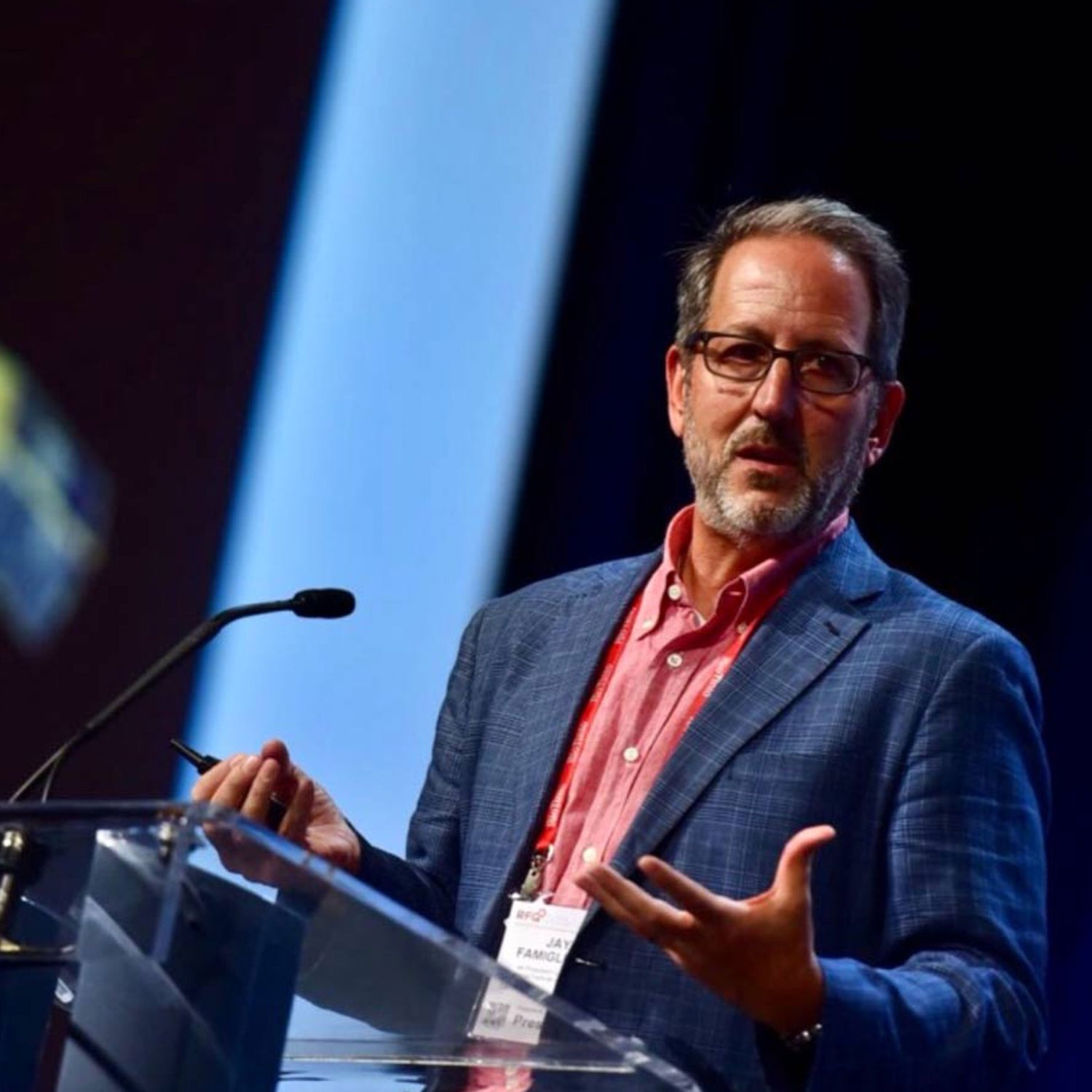
JAY FAMIGLIETTI - Hydrologist, Exec. Director - Global Institute for Water Security, Host of "What About Water?" Podcast
Jay Famiglietti is a hydrologist, a professor and the Executive Director of the Global Institute for Water Security at the University of Saskatchewan, where he holds the Canada 150 Research Chair in Hydrology and Remote Sensing. He is also the Chief Scientist of the Silicon Valley tech startup, Waterplan. Before moving to Saskatchewan, he served as the Senior Water Scientist at the NASA Jet Propulsion Laboratory at the California Institute of Technology. From 2013 through 2018, he was appointed by Governor Jerry Brown to the California State Water Boards. He has appeared on CBS News 60 Minutes, on HBO’s Real Time with Bill Maher, as a featured expert in water documentaries including Day Zero and Last Call at the Oasis, and across a host of international news media. He is the host of the podcast What About Water?"I think water is taking a backseat and personally, I feel like water is the messenger that delivers the bad news of climate change to your front door. So in the work that I do, it's heavily intertwined, but it's taking a backseat. There are parts about water that are maybe separate from climate change, and that could be the quality discussions, the infrastructure discussions, although they are somewhat loosely related to climate change and they are impacted by climate change. That's sometimes part of the reason why it gets split off because it's thought of as maybe an infrastructure problem, but you know, the changing extremes, the aridification of the West, the increasing frequency, the increasing droughts, these broad global patterns that I've been talking about, that I've been looking at with my research – that's all climate change. Just 100% climate change, a hundred percent human-driven. And so it does need to be elevated in these climate change discussions.”https://jayfamiglietti.comWhat About Water? podcast with Jay FamigliettiTwitter @WhatAboutWaterGIWS https://water.usask.cawww.waterplan.comwww.oneplanetpodcast.orgwww.creativeprocess.info
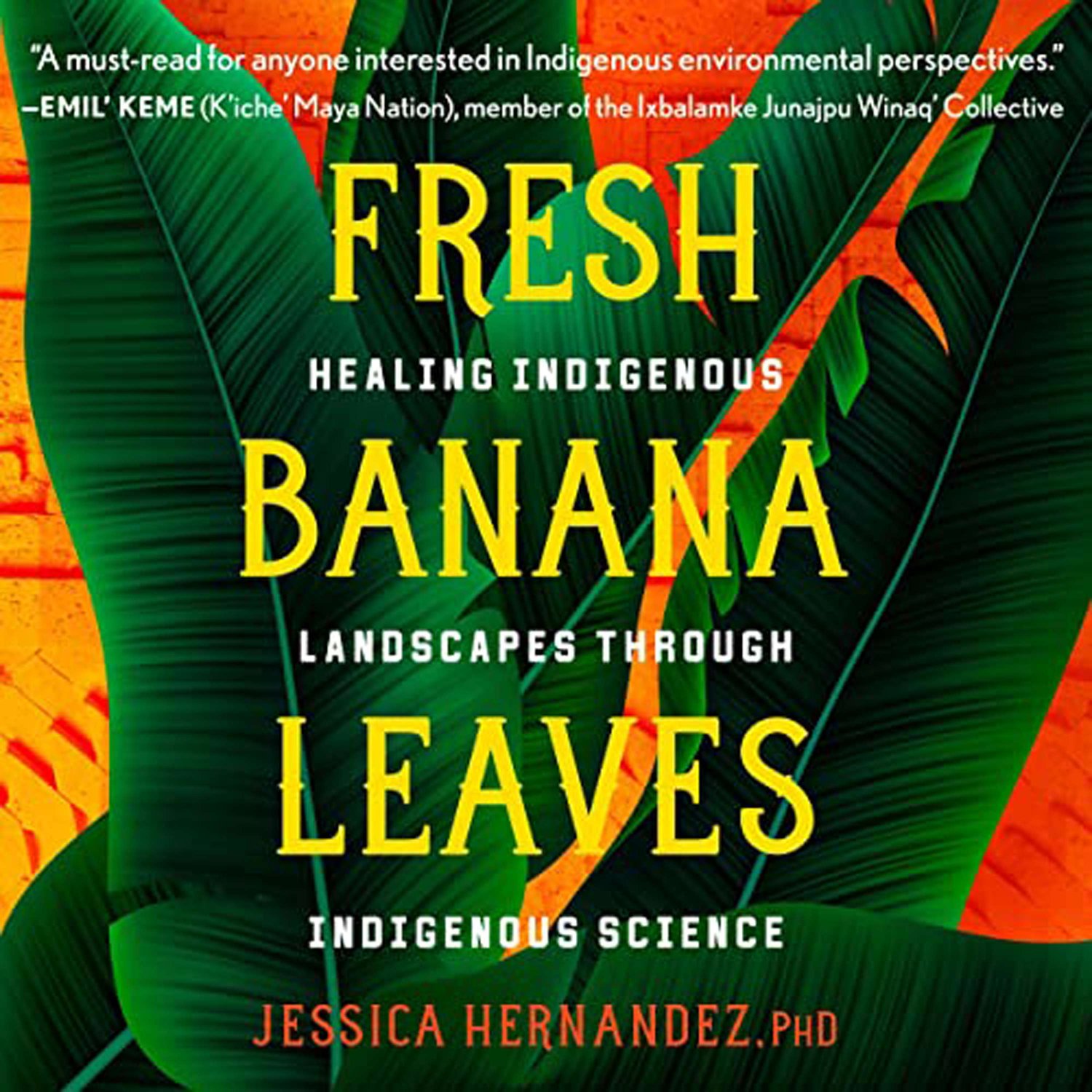
Healing Indigenous Landscapes through Indigenous Science - DR. JESSICA HERNANDEZ - Highlights
“I live my life embodying the teaching my grandmother instilled in me – that no matter which lens I walked on, I had to learn how to build relationships with the land and the Indigenous peoples whose land I reside on to become a welcome guest. As a displaced Indigenous woman, my longing to return to my ancestral homelands will always be there, and this is why I continue to support my communities in the diaspora. However, my relationships are not only with my community, but also the Indigenous communities whose land I am displaced on, and this is the foundation of my work while residing in the Pacific Northwest. I strongly believe that in order to start healing Indigenous landscapes, everyone must understand their positionality as either settlers, unwanted guests, or welcomed guests, and that is ultimately determined by the Indigenous communities whose land you currently reside on or occupy. This teaching has also helped me envision my goals in life. Every day I get closer to becoming an ancestor because life is not guaranteed but rather a gift we are granted from our ancestors who are now in the spiritual world.”Dr. Jessica Hernandez (Binnizá & Maya Ch’orti’) is a transnational Indigenous scholar, scientist, and community advocate based in the Pacific Northwest. She has an interdisciplinary academic background ranging from marine sciences to environmental physics. She advocates for climate, energy, and environmental justice through her scientific and community work. Her book Fresh Banana Leaves: Healing Indigenous Landscapes through Indigenous Science breaks down why western conservationism isn’t working–and offers Indigenous models informed by case studies, personal stories, and family histories that center the voices of Latin American women and land protectors. In 2022, she was named by Forbes as one of the 100 most powerful women of Central America. She holds appointments at Sustainable Seattle, City of Seattle's Urban Forestry Commission, and the International Mayan League. Fresh Banana Leaves received the Bruce Piasecki and Andrea Masters Award on Business and Society Writing (2022).www.jessicabhernandez.comwww.penguinrandomhouse.com/books/675699/fresh-banana-leaves-by-jessica-hernandez/ www.oneplanetpodcast.org www.creativeprocess.info

DR. JESSICA HERNANDEZ - Transnational Indigenous Scholar, Scientist, Author of Fresh Banana Leaves
Dr. Jessica Hernandez (Binnizá & Maya Ch’orti’) is a transnational Indigenous scholar, scientist, and community advocate based in the Pacific Northwest. She has an interdisciplinary academic background ranging from marine sciences to environmental physics. She advocates for climate, energy, and environmental justice through her scientific and community work. Her book Fresh Banana Leaves: Healing Indigenous Landscapes through Indigenous Science breaks down why western conservationism isn’t working–and offers Indigenous models informed by case studies, personal stories, and family histories that center the voices of Latin American women and land protectors. In 2022, she was named by Forbes as one of the 100 most powerful women of Central America. She holds appointments at Sustainable Seattle, City of Seattle's Urban Forestry Commission, and the International Mayan League. Fresh Banana Leaves received the Bruce Piasecki and Andrea Masters Award on Business and Society Writing (2022).“I live my life embodying the teaching my grandmother instilled in me – that no matter which lens I walked on, I had to learn how to build relationships with the land and the Indigenous peoples whose land I reside on to become a welcome guest. As a displaced Indigenous woman, my longing to return to my ancestral homelands will always be there, and this is why I continue to support my communities in the diaspora. However, my relationships are not only with my community, but also the Indigenous communities whose land I am displaced on, and this is the foundation of my work while residing in the Pacific Northwest. I strongly believe that in order to start healing Indigenous landscapes, everyone must understand their positionality as either settlers, unwanted guests, or welcomed guests, and that is ultimately determined by the Indigenous communities whose land you currently reside on or occupy. This teaching has also helped me envision my goals in life. Every day I get closer to becoming an ancestor because life is not guaranteed but rather a gift we are granted from our ancestors who are now in the spiritual world.”www.jessicabhernandez.comwww.penguinrandomhouse.com/books/675699/fresh-banana-leaves-by-jessica-hernandez/ www.oneplanetpodcast.org www.creativeprocess.info
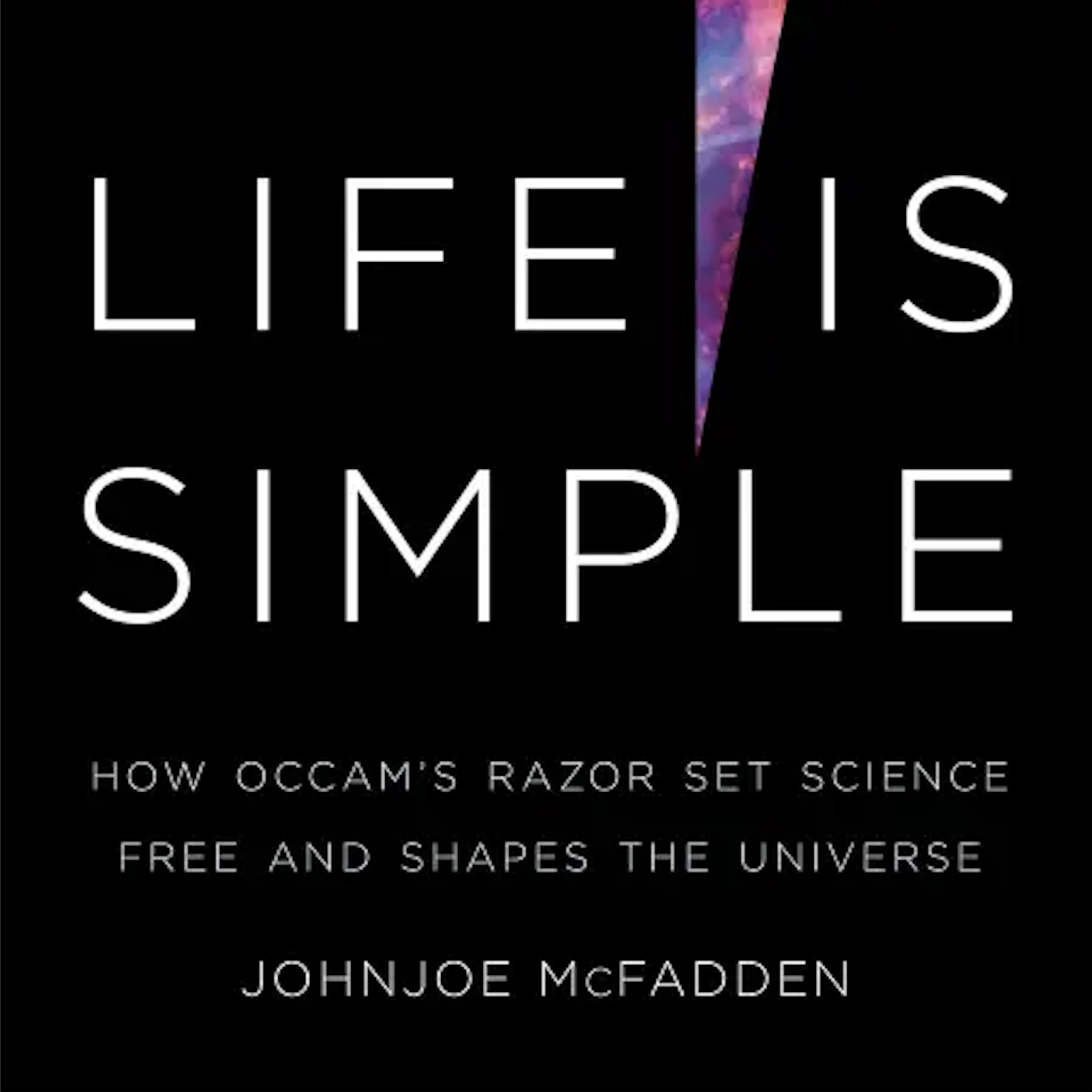
How Occam’s Razor Set Science Free and Shapes the Universe - JOHNJOE McFADDEN - Highlights
"Essentially, what the thesis of the book is that science is really about finding simple solutions. And I guess one of the other themes of the book is that life appears like a scientist. It finds the simplest solutions to problems, and that's because there's a mechanism in natural selection, whereby stuff that is unnecessary gets removed by mutations. We lose stuff that is no longer useful for us. Like tails, for example, our ancestors had tails, and we don't because natural selection tends to go for simple solutions, and that's really what's made natural selection so successful, and it's also what makes science so successful too." Johnjoe McFadden is the author of Life is Simple, How Occam’s Razor Set Science Free and Shapes the Universe. He obtained his PhD at Imperial College London and went on to work on human genetic diseases and then infectious diseases, at the University of Surrey. Professor McFadden has specialised in examining the genetics of microbes such as the agents of tuberculosis and meningitis. His other books are Quantum Evolution: Life in the Multiverse, and Life on the Edge: The Coming of Age of Quantum Biology (co-authored with Jim Al-Khalili). He has published more than 100 articles in scientific journals on a wide range of subjects and lectures around the world. His present post is Associate Dean (International) and Professor of Molecular Genetics at the University of Surrey.www.surrey.ac.uk/people/johnjoe-mcfaddenhttps://johnjoemcfadden.co.ukwww.basicbooks.com/titles/johnjoe-mcfadden/life-is-simple/9781549112119www.creativeprocess.infowww.oneplanetpodcast.org
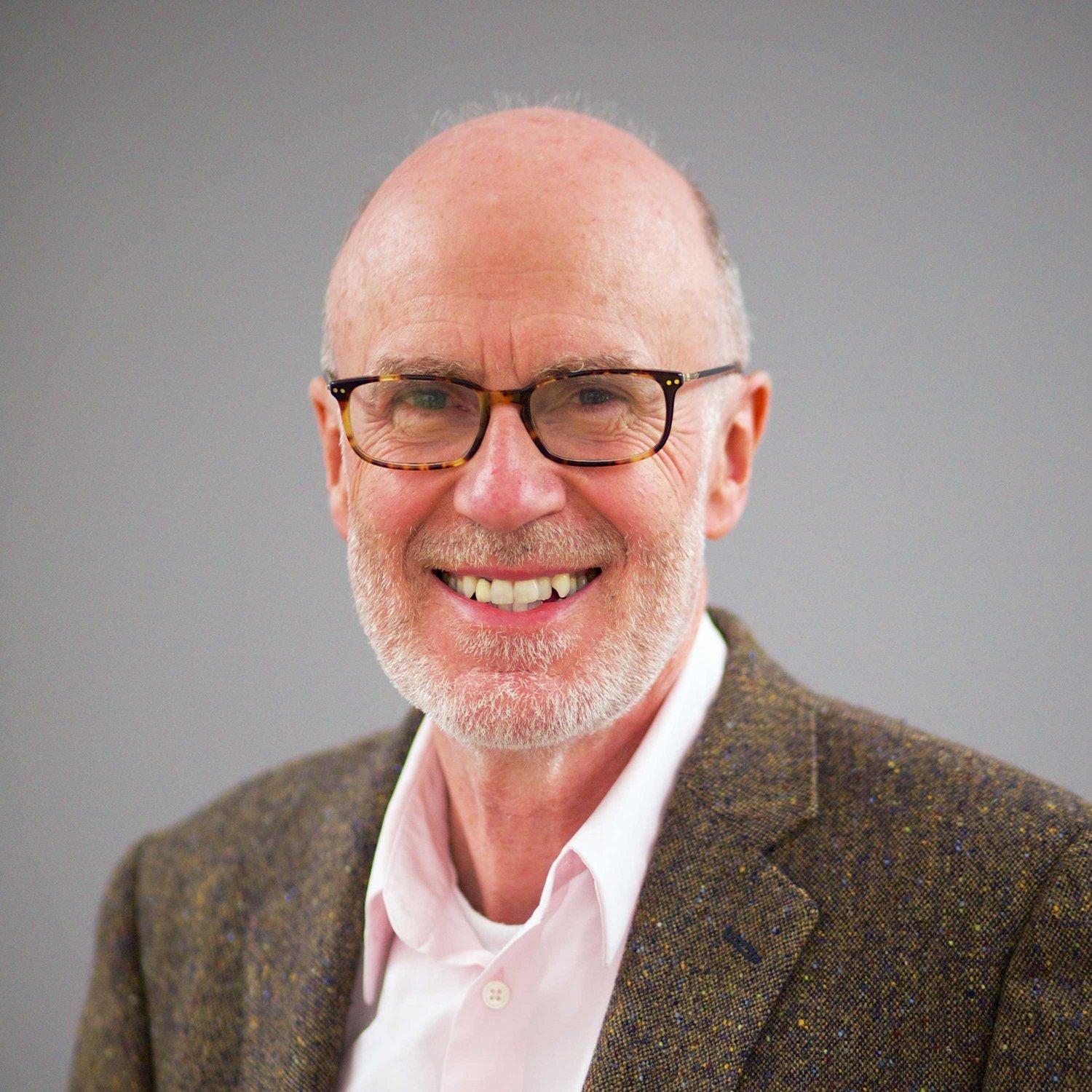
JOHNJOE McFADDEN - Author of “Life is Simple: How Occam’s Razor Set Science Free and Shapes the Universe”
Johnjoe McFadden is the author of Life is Simple, How Occam’s Razor Set Science Free and Shapes the Universe. He obtained his PhD at Imperial College London and went on to work on human genetic diseases and then infectious diseases, at the University of Surrey. Professor McFadden has specialised in examining the genetics of microbes such as the agents of tuberculosis and meningitis. His other books are Quantum Evolution: Life in the Multiverse, and Life on the Edge: The Coming of Age of Quantum Biology (co-authored with Jim Al-Khalili). He has published more than 100 articles in scientific journals on a wide range of subjects and lectures around the world. His present post is Associate Dean (International) and Professor of Molecular Genetics at the University of Surrey."Essentially, what the thesis of the book is that science is really about finding simple solutions. And I guess one of the other themes of the book is that life appears like a scientist. It finds the simplest solutions to problems, and that's because there's a mechanism in natural selection, whereby stuff that is unnecessary gets removed by mutations. We lose stuff that is no longer useful for us. Like tails, for example, our ancestors had tails, and we don't because natural selection tends to go for simple solutions, and that's really what's made natural selection so successful, and it's also what makes science so successful too." www.surrey.ac.uk/people/johnjoe-mcfaddenhttps://johnjoemcfadden.co.ukwww.basicbooks.com/titles/johnjoe-mcfadden/life-is-simple/9781549112119www.creativeprocess.infowww.oneplanetpodcast.org
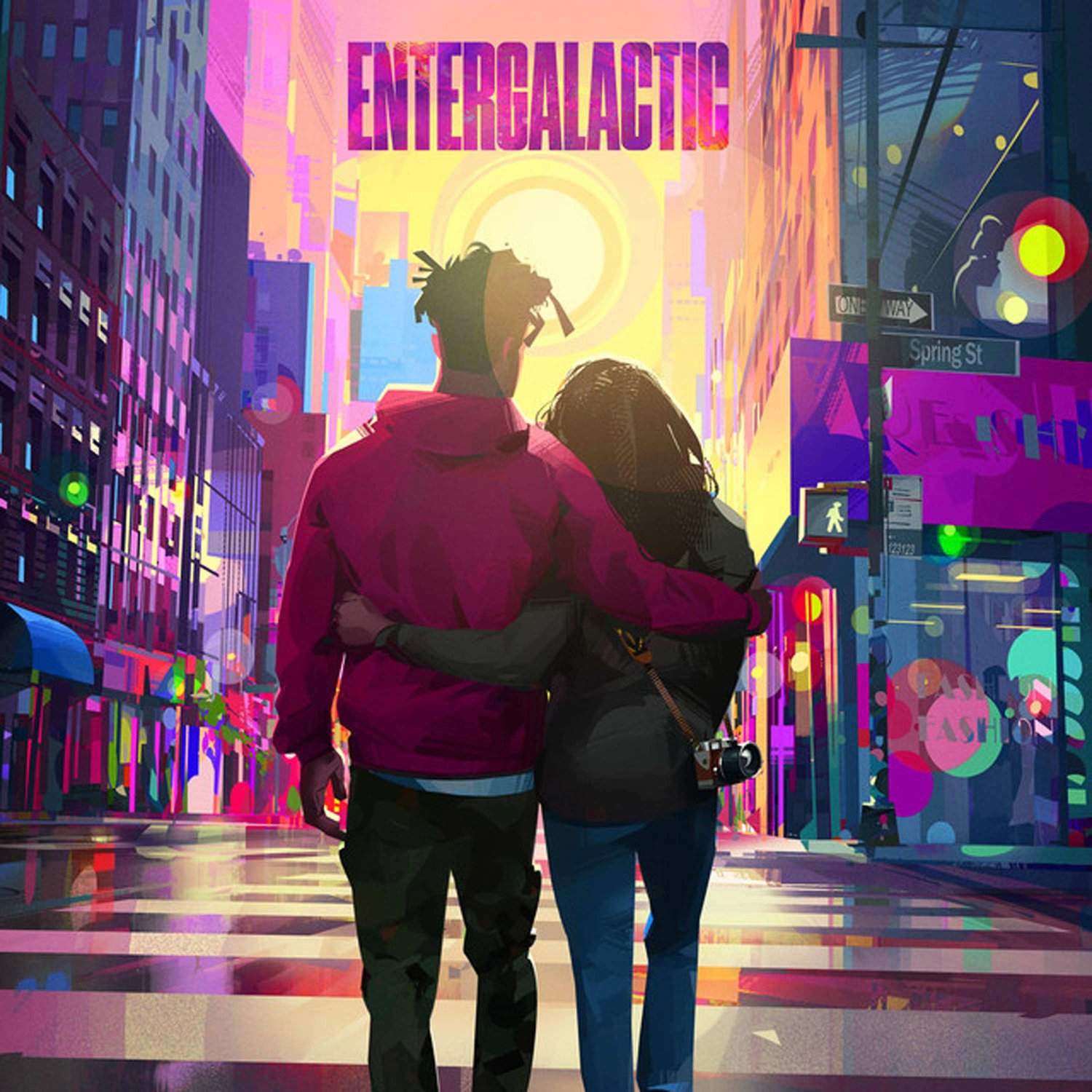
The Making of "Entergalactic" & "X" with KARINA MANASHIL - Highlights
"Scott [Kid Cudi] is the most beautiful, kind, goodhearted man, but also he's brilliant. He's a generator of ideas. I feel like by being next to him, your role is to take all of these concepts that he's crafting and ideating and bring them to fruition, so it's a really beautiful gift where you feel like you're paired with an artist who is the source of so much. Scott was also really important to me in a lot of ways from our very beginning.""So the animated series Entergalactic tells the story of a black modern love story in New York City. It's simple in its core. Jabari, the character Scott plays, is a graffiti artist, and Cosmic Comics has decided to option his character and turn it into a comic book. So he's at this point in his life where he is moving into the loft apartment of his dreams, everything seems to be working for him when he meets Meadow, who's his neighbor. And she is this amazing woman, photographer, coolest cat on the planet. And essentially this show follows their meet-cute and their love story and the will they-won’t they of if they'll end up together. So there's something very warm in its aesthetic. But what's so interesting is that the love story is very nostalgic. It's, it just hearkens back to what a romance feels like.”Karina Manashil is the President of Mad Solar Productions. She began her career in the mailroom at WME (William Morris Endeavor) where she became a talent agent. She represented notable clients including Scott Mescudi, known by his stage name, Kid Cudi, and built her career taking talent into new arenas.In 2020, she partnered with Mescudi and Dennis Cummings to launch Mad Solar, which is backed by BRON Studios. Manashil then went on to Executive Produce SXSW fan-favorite X and its sequel, Pearl, directed by Ti West. Manashil is an Executive Producer on the Netflix animated series Entergalactic directed by Fletcher Moules. Entergalactic was created by Kid Cudi and features voiceover from Jessica Williams and Timothée Chalamet. It was released alongside its album of the same name from Kid Cudi on September 30th. Manashil is a native of Los Angeles and graduated from Chapman University with a BFA in Film Production.Manashil www.imdb.com/name/nm3556462/?ref_=nv_sr_srsg_0 www.kidcudi.comMad Solar https://www.imdb.com/search/title/?companies=co0831164 Entergalactic www.netflix.com/title/81053303Pearl www.imdb.com/title/tt18925334/X www.imdb.com/title/tt13560574/?ref_=tt_trv_trvwww.creativeprocess.infowww.oneplanetpodcast.org
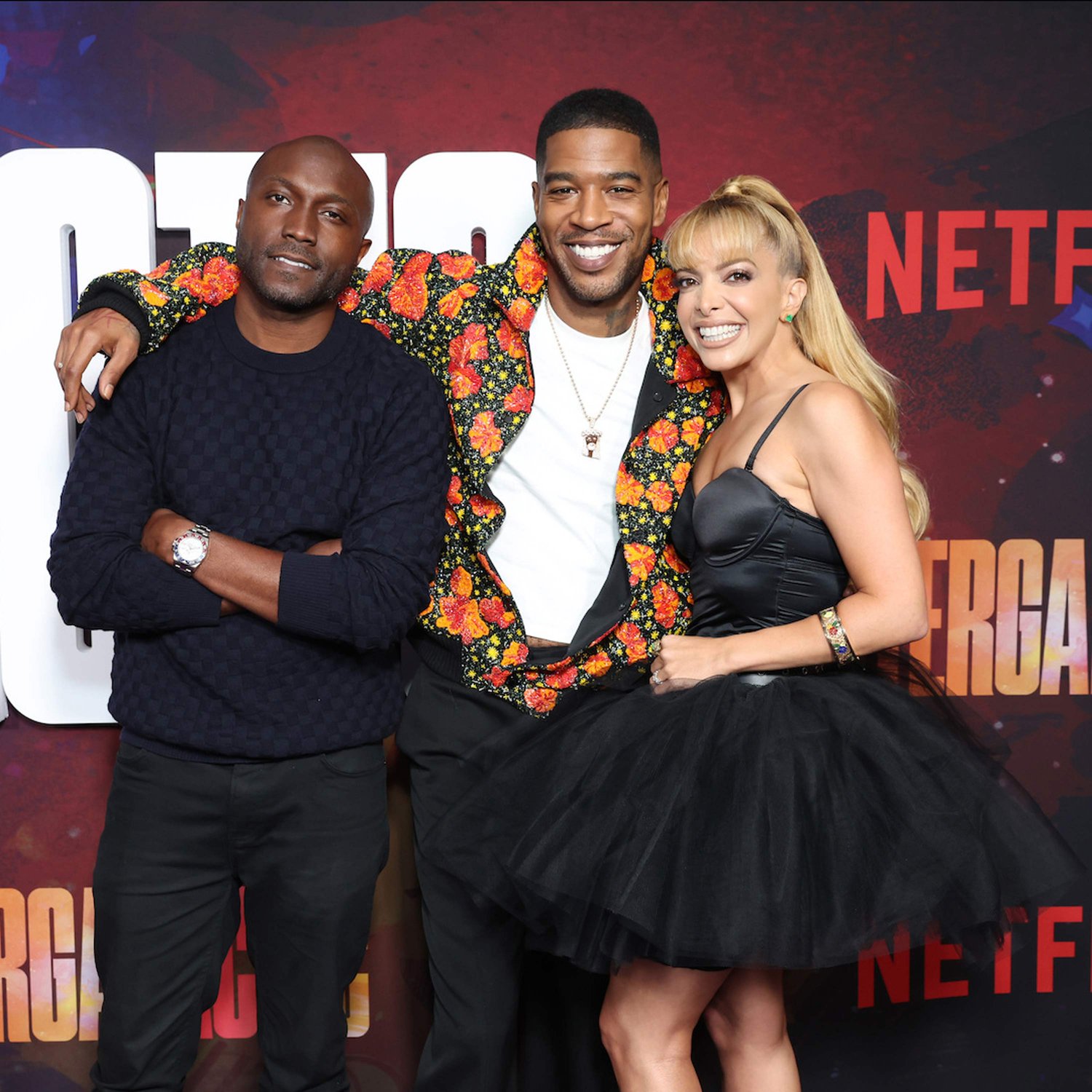
KARINA MANASHIL - President of Mad Solar - Creative Confidante for Kid Cudi - Exec. Producer of “Entergalactic”
Karina Manashil is the President of Mad Solar Productions. She began her career in the mailroom at WME (William Morris Endeavor) where she became a talent agent. She represented notable clients including Scott Mescudi, known by his stage name, Kid Cudi, and built her career taking talent into new arenas.In 2020, she partnered with Mescudi and Dennis Cummings to launch Mad Solar, which is backed by BRON Studios. Manashil then went on to Executive Produce SXSW fan-favorite X and its sequel, Pearl, directed by Ti West. Manashil is an Executive Producer on the Netflix animated series Entergalactic directed by Fletcher Moules. Entergalactic was created by Kid Cudi and features voiceover from Jessica Williams and Timothée Chalamet. It was released alongside its album of the same name from Kid Cudi on September 30th.Manashil is a native of Los Angeles and graduated from Chapman University with a BFA in Film Production."Scott [Kid Cudi] is the most beautiful, kind, goodhearted man, but also he's brilliant. He's a generator of ideas. I feel like by being next to him, your role is to take all of these concepts that he's crafting and ideating and bring them to fruition, so it's a really beautiful gift where you feel like you're paired with an artist who is the source of so much. Scott was also really important to me in a lot of ways from our very beginning.""So the animated series Entergalactic tells the story of a black modern love story in New York City. It's simple in its core. Jabari, the character Scott plays, is a graffiti artist, and Cosmic Comics has decided to option his character and turn it into a comic book. So he's at this point in his life where he is moving into the loft apartment of his dreams, everything seems to be working for him when he meets Meadow, who's his neighbor. And she is this amazing woman, photographer, coolest cat on the planet. And essentially this show follows their meet-cute and their love story and the will they-won’t they of if they'll end up together. So there's something very warm in its aesthetic. But what's so interesting is that the love story is very nostalgic. It's, it just hearkens back to what a romance feels like.”Manashil www.imdb.com/name/nm3556462/?ref_=nv_sr_srsg_0 www.kidcudi.comMad Solar https://www.imdb.com/search/title/?companies=co0831164 Entergalactic www.netflix.com/title/81053303Pearl www.imdb.com/title/tt18925334/X www.imdb.com/title/tt13560574/?ref_=tt_trv_trvwww.creativeprocess.infowww.oneplanetpodcast.org
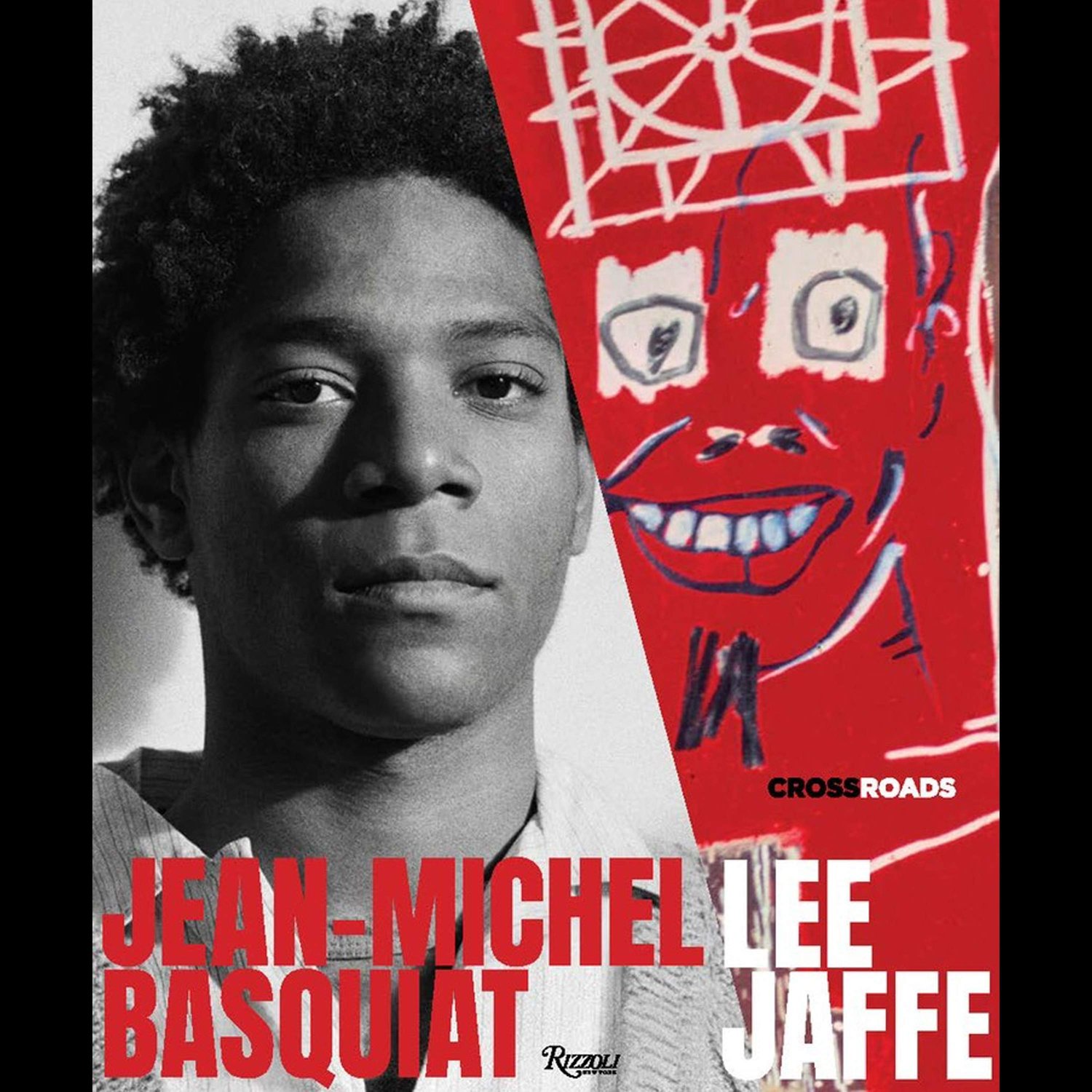
BASQUIAT & BOB MARLEY: A Life in Art with Photographer & Author LEE JAFFE - Highlights
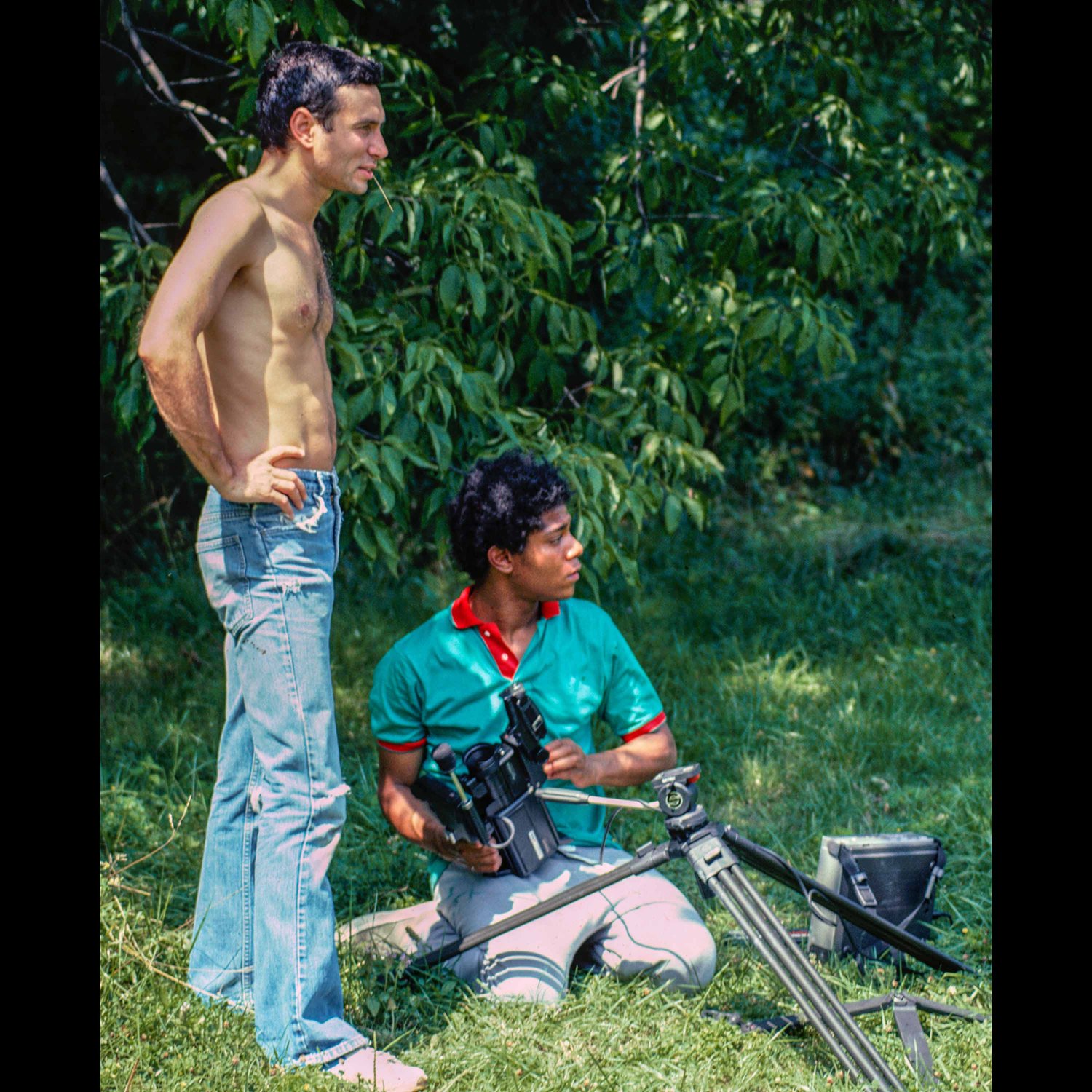
“For me, watching him [Jean-Michel] paint reminded me of the times I would sit and play harmonica while Bob Marley, with his acoustic guitar, would be writing songs that were eventually to become classics,” Jaffe says. “With Jean and Bob, it seemed like they were channeling inspiration coming from an otherworldly place.”Lee Jaffe, a cross-disciplinary visual artist, musician, and poet, took photos of his friend, Jean-Michel Basquiat, when they traveled abroad in 1983. As a photographer, Jaffe had a connection to Basquiat, and their time spent together resulted in an archive of imagery that captured one of the art world’s true legends through an unfiltered and authentic lens. “For me, watching him [Jean-Michel] paint reminded me of the times I would sit and play harmonica while Bob Marley, with his acoustic guitar, would be writing songs that were eventually to become classics,” Jaffe says. “With Jean and Bob, it seemed like they were channeling inspiration coming from an otherworldly place.”Basquiat and Jaffe connected over reggae music. It was the early 1980s in New York. Jaffe had been a member of Bob Marley’s band, producer on Peter Tosh’s first solo album. and collaborated with art world figures Helio Oiticica, Gordon Matta Clark, and Vito Acconci. Jaffe is the author of Jean-Michel Basquiat: Crossroads.www.leejaffe.comwww.rizzoliusa.com/book/9780847871841/www.creativeprocess.infowww.oneplanetpodcast.org
JEAN-MICHEL BASQUIAT: Crossroads with Artist, Musician, Poet LEE JAFFE
Lee Jaffe, a cross-disciplinary visual artist, musician, and poet, took photos of his friend, Jean-Michel Basquiat, when they traveled abroad in 1983. As a photographer, Jaffe had a connection to Basquiat, and their time spent together resulted in an archive of imagery that captured one of the art world’s true legends through an unfiltered and authentic lens. “For me, watching him [Jean-Michel] paint reminded me of the times I would sit and play harmonica while Bob Marley, with his acoustic guitar, would be writing songs that were eventually to become classics,” Jaffe says. “With Jean and Bob, it seemed like they were channeling inspiration coming from an otherworldly place.”Basquiat and Jaffe connected over reggae music. It was the early 1980s in New York. Jaffe had been a member of Bob Marley’s band, producer on Peter Tosh’s first solo album. and collaborated with art world figures Helio Oiticica, Gordon Matta Clark, and Vito Acconci. Jaffe is the author of Jean-Michel Basquiat: Crossroads."Jean-Michel Basquiat's combination of words and images, this visual poetry, just from a cultural standpoint has been so important. When I met him in 1983, black people were not allowed in the art market, pretty much. And you see that he broke down this barrier, which opened the door for all this multiculturalism within the art market. And you can't diminish the importance of that at all. It's helped to give a voice and an audience to all these incredible artists that might not have had that."www.leejaffe.comwww.rizzoliusa.com/book/9780847871841/www.creativeprocess.infowww.oneplanetpodcast.orgPhoto credit: Paige Powell, Lee Jaffe and Jean-Michel Basquiat recording the installation of “Inverted Oak” : Carmel, New York
How Law Corrupts the Struggle for Equality & How the Laws of Fashion Made History w/ RICHARD THOMPSON FORD - Highlights
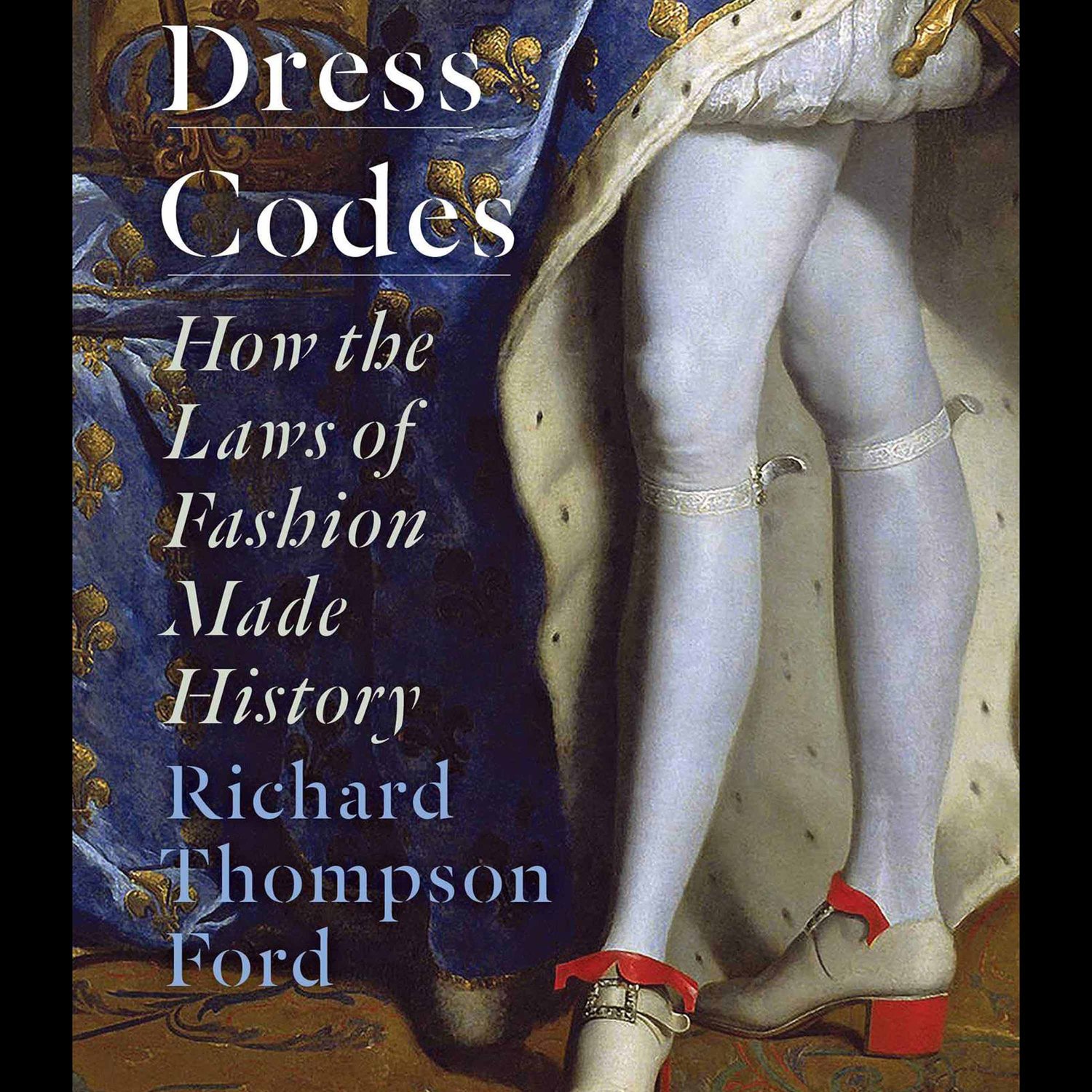
"We present ourselves and our bodies every day in public, and the way we do that is profoundly important. It's the way we establish a sense of self in a social domain. And clothing is the most direct way that's accomplished, and so of course it has political significance, and that's why it's always been regulated. Something that's trivial and superficial doesn't inspire a lot of rules and laws, but in fact, in our society up to the present day, there are lots of rules and laws around what people can wear. So those statements that are made can have profound significance at an almost subconscious level.That's why people were worried when African Americans [started dressing] in refined clothing because it suggested - against the dominant ideology of the time of white supremacy - that African Americans were refined and sophisticated. That's what that clothing suggests. When women [began wearing] masculine clothing, it suggested that those women could assert masculine privileges and masculine liberties because that's what that clothing suggested. It suggested that the women were not only refined, but also sober, practical, industrious - all of the things that women were denied in that context, and that made it a threat to the existing social order. And this is still true today."Richard Thompson Ford is the George E. Osborne Professor of Law at Stanford Law School. His scholarship combines social criticism and legal analysis, and he writes for both popular readers and for academic and legal specialists. He's written for the Washington Post, San Francisco Chronicle, Christian Science Monitor, and other publications. He’s a regular contributor for Slate and has appeared on the Rachel Maddow Show, The Colbert Report, and other programs.His most recent book is Dress Codes: How the Laws of Fashion Made History. His books The Race Card: How Bluffing About Bias Makes Race Relations Worse and Rights Gone Wrong: How Law Corrupts the Struggle for Equality have been selected by the New York Times as Notable Books of the Year. In 2012, On Being a Black Lawyer called him one of the most influential black lawyers in the nation.http://richardtford.law.stanford.eduwww.creativeprocess.infowww.oneplanetpodcast.org
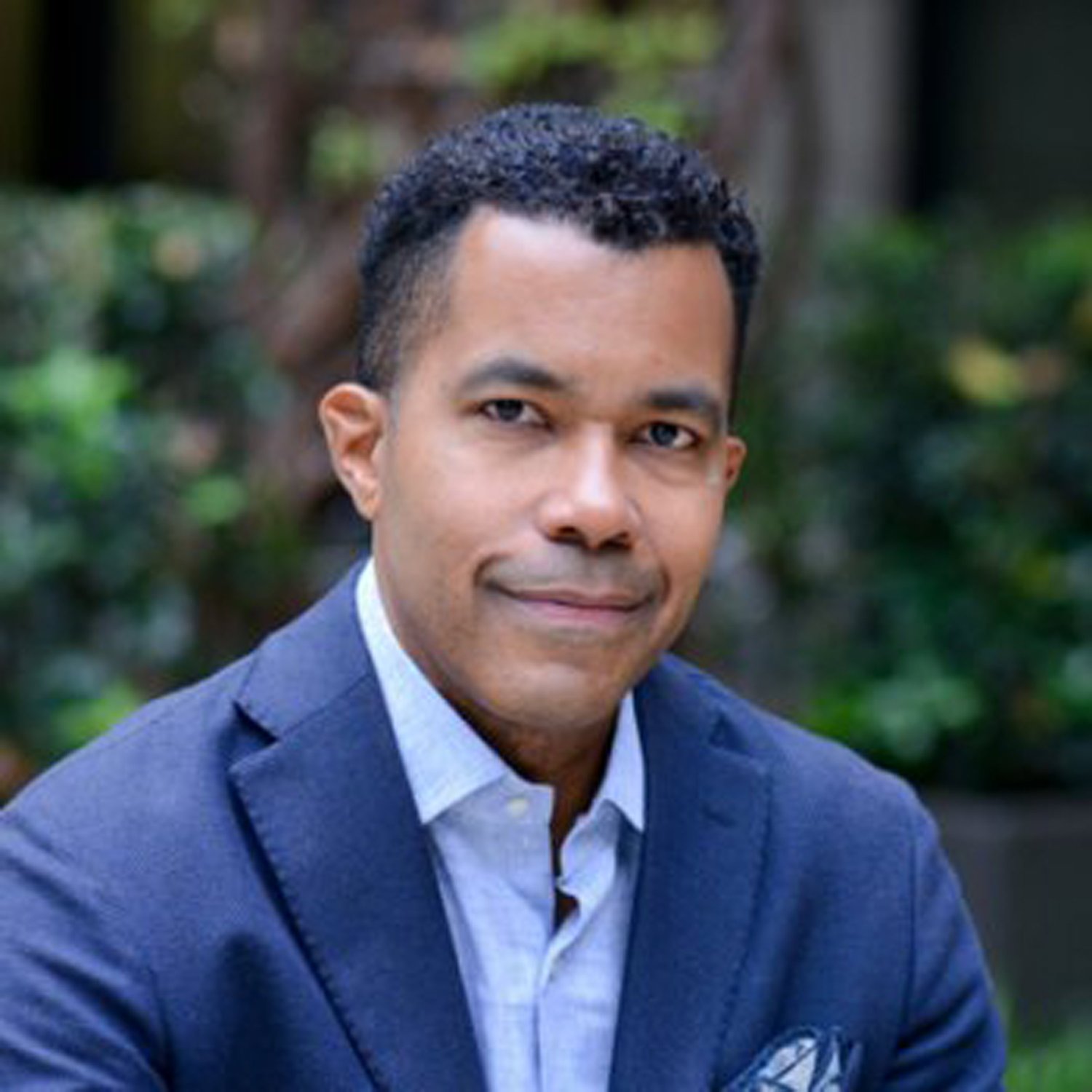
RICHARD THOMPSON FORD - Author of “Dress Codes” - Stanford Prof. of Law - Expert on Civil Rights - Antidiscrimination Law
Richard Thompson Ford is the George E. Osborne Professor of Law at Stanford Law School. His scholarship combines social criticism and legal analysis, and he writes for both popular readers and for academic and legal specialists. He's written for the Washington Post, San Francisco Chronicle, Christian Science Monitor, and other publications. He’s a regular contributor for Slate and has appeared on the Rachel Maddow Show, The Colbert Report, and other programs.His most recent book is Dress Codes: How the Laws of Fashion Made History. His books The Race Card: How Bluffing About Bias Makes Race Relations Worse and Rights Gone Wrong: How Law Corrupts the Struggle for Equality have been selected by the New York Times as Notable Books of the Year. In 2012, On Being a Black Lawyer called him one of the most influential black lawyers in the nation."We present ourselves and our bodies every day in public, and the way we do that is profoundly important. It's the way we establish a sense of self in a social domain. And clothing is the most direct way that's accomplished, and so of course it has political significance, and that's why it's always been regulated. Something that's trivial and superficial doesn't inspire a lot of rules and laws, but in fact, in our society up to the present day, there are lots of rules and laws around what people can wear. So those statements that are made can have profound significance at an almost subconscious level.That's why people were worried when African Americans [started dressing] in refined clothing because it suggested - against the dominant ideology of the time of white supremacy - that African Americans were refined and sophisticated. That's what that clothing suggests. When women [began wearing] masculine clothing, it suggested that those women could assert masculine privileges and masculine liberties because that's what that clothing suggested. It suggested that the women were not only refined, but also sober, practical, industrious - all of the things that women were denied in that context, and that made it a threat to the existing social order. And this is still true today."http://richardtford.law.stanford.eduwww.creativeprocess.infowww.oneplanetpodcast.org
The Knowledge Illusion: The myth of individual thought and the power of collective wisdom w/ PHILIP FERNBACH
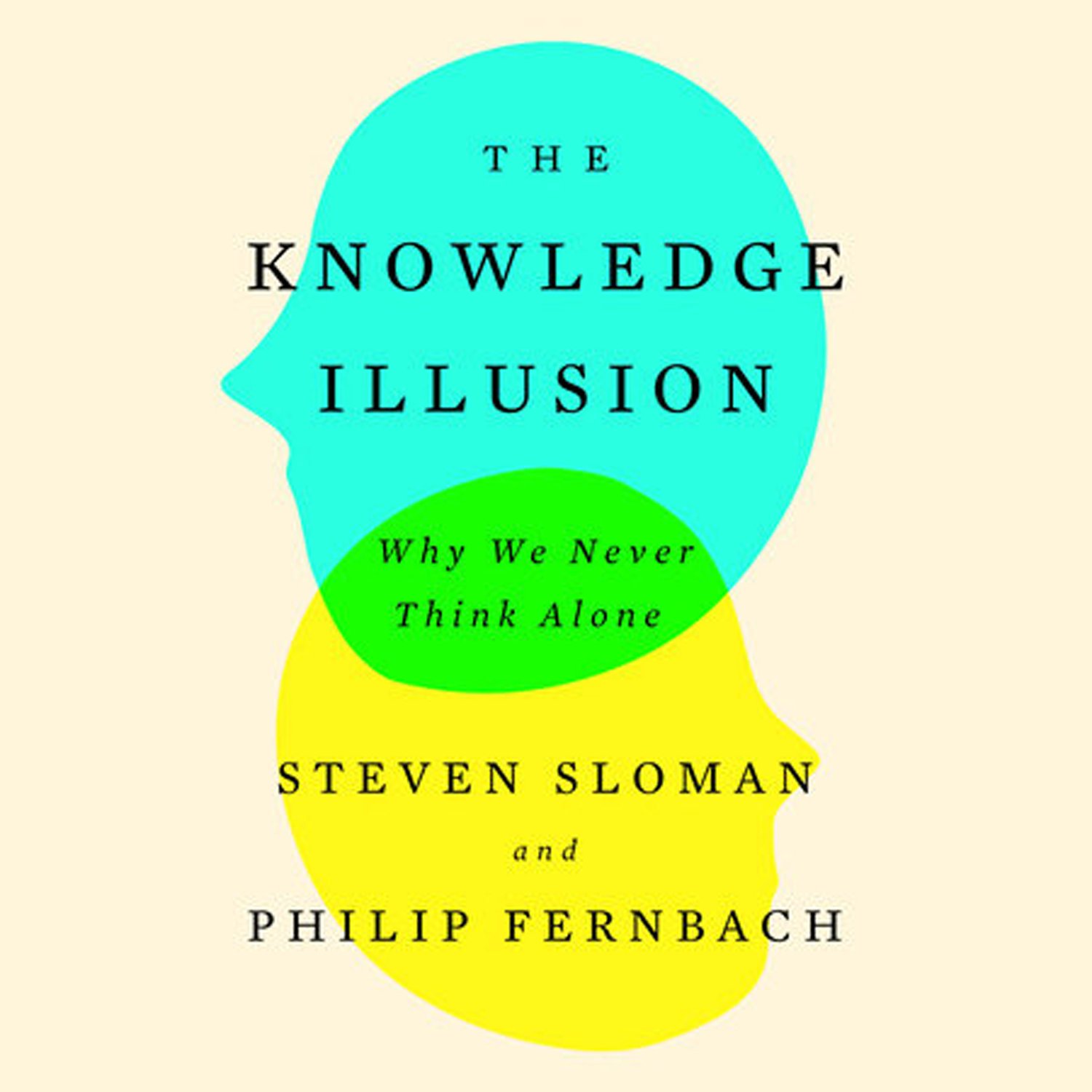
"The human mind is both genius and pathetic, brilliant and idiotic. People are capable of the most remarkable feats, achievements that defy the gods. We went from discovering the atomic nucleus in 1911 to mega- ton nuclear weapons in just over forty years. We have mastered fire, created democratic institutions, stood on the moon, and developed genetically modified tomatoes. And yet we are equally capable of the most remarkable demonstrations of hubris and foolhardiness. Each of us is error-prone, sometimes irrational, and often ignorant. It is in- credible that humans are capable of building thermonuclear bombs. It is equally incredible that humans do in fact build thermonuclear bombs (and blow them up even when they don’t fully understand how they work). It is incredible that we have developed governance systems and economies that provide the comforts of modern life even though most of us have only a vague sense of how those systems work. And yet human society works amazingly well, at least when we’re not irradiating native populations.How is it that people can simultaneously bowl us over with their ingenuity and disappoint us with their ignorance? How have we mastered so much despite how limited our understanding often is?"– The Knowledge Illusion: Why We Never Think AlonePhilip Fernbach is an Associate Professor of Marketing and Co-Director of the Center for Research on Consumer Financial Decision Making at the University of Colorado, Boulder, Leeds School of Business. He’s published widely in the top journals in cognitive science, consumer research and marketing, and received the ACR Early Career Award for Contributions to Consumer Research. He’s co-author with Steve Sloman of The Knowledge Illusion: Why We Never Think Alone, which was chosen as a New York Times Editor’s Pick. He’s also written for NYTimes, Harvard Business Review, and his research has been featured in the Wall Street Journal, The Washinton Post, National Public Radio, and the BBC. He received his Ph.D. in cognitive science from the Department of Cognitive, Linguistic and Psychological Sciences at Brown and his undergraduate degree in Philosophy from Williams College. He teaches data analytics and behavioral science to undergraduate and Masters students.www.colorado.edu/business/www.philipfernbach.comThe Knowledge Illusionwww.creativeprocess.infowww.oneplanetpodcast.org
PHILIP FERNBACH - Co-author of The Knowledge Illusion - Cognitive Scientist - Co-Director of Ctr. for Research on Consumer Financial Decision Making
Philip Fernbach is an Associate Professor of Marketing and Co-Director of the Center for Research on Consumer Financial Decision Making at the University of Colorado, Boulder, Leeds School of Business. He’s published widely in the top journals in cognitive science, consumer research and marketing, and received the ACR Early Career Award for Contributions to Consumer Research. He’s co-author with Steve Sloman of The Knowledge Illusion: Why We Never Think Alone, which was chosen as a New York Times Editor’s Pick. He’s also written for NYTimes, Harvard Business Review, and his research has been featured in the Wall Street Journal, The Washinton Post, National Public Radio, and the BBC. He received his Ph.D. in cognitive science from the Department of Cognitive, Linguistic and Psychological Sciences at Brown and his undergraduate degree in Philosophy from Williams College. He teaches data analytics and behavioral science to undergraduate and Masters students."The human mind is both genius and pathetic, brilliant and idiotic. People are capable of the most remarkable feats, achievements that defy the gods. We went from discovering the atomic nucleus in 1911 to mega- ton nuclear weapons in just over forty years. We have mastered fire, created democratic institutions, stood on the moon, and developed genetically modified tomatoes. And yet we are equally capable of the most remarkable demonstrations of hubris and foolhardiness. Each of us is error-prone, sometimes irrational, and often ignorant. It is in- credible that humans are capable of building thermonuclear bombs. It is equally incredible that humans do in fact build thermonuclear bombs (and blow them up even when they don’t fully understand how they work). It is incredible that we have developed governance systems and economies that provide the comforts of modern life even though most of us have only a vague sense of how those systems work. And yet human society works amazingly well, at least when we’re not irradiating native populations.How is it that people can simultaneously bowl us over with their ingenuity and disappoint us with their ignorance? How have we mastered so much despite how limited our understanding often is?"– The Knowledge Illusion: Why We Never Think Alonewww.colorado.edu/business/www.philipfernbach.comThe Knowledge Illusionwww.creativeprocess.infowww.oneplanetpodcast.org
Gender Equality & The Path to Inclusive Workplaces - ANIELA UNGURESAN - Highlights
"I co-founded what has become EDGE for gender and intersectional equity back in 2009, and at that time workplace gender and intersectional equity were still very much seen as a societal issue rather than a business issue. Organizations were asking themselves if it's within their role to tackle these issues of equity, diversity, and inclusion in the workplace, or if they are the mere recipients of what is going on in societies, following the beliefs around what men and women should be doing at work and at home.So at that time we wanted to contribute to this transition from making gender and intersectional equity a business issue and help organizations see that how they manage their talent and how they are able to attract, develop, motivate, and retain diverse talent is a key component of their sustainable business success."Aniela Unguresan is Co-founder of EDGE Certification, the leading global assessment methodology and business certification standard for gender equality. Launched at the Annual Meeting of the World Economic Forum in 2011, EDGE Certification measures where organizations stand in terms of gender balance across their pipeline, pay equity, and effectiveness of policies and practices to ensure equitable career flows, as well as the inclusiveness of their culture. EDGE Certification has been designed to help companies not only to create an optimal workplace for women and men, but also to benefit from it. EDGE stands for Economic Dividends for Gender Equality and is distinguished by its rigor and focus on business impact. Their customer base consists of 200 large organizations in 50 countries across five continents, representing 30 different industries.Prior to co-founding EDGE Certified Foundation, Aniela acquired extensive professional experience as a consultant with Arthur Andersen and Andersen Consulting, as a trader and project manager with TXU Europe and SIG Geneva, and as the CEO of CT Technologies.https://edge-cert.orgwww.creativeprocess.infowww.oneplanetpodcast.org

ANIELA UNGURESAN - Co-founder, Economic Dividends for Gender Equality - EDGE Cert. Foundation
Aniela Unguresan is Co-founder of EDGE Certification, the leading global assessment methodology and business certification standard for gender equality. Launched at the Annual Meeting of the World Economic Forum in 2011, EDGE Certification measures where organizations stand in terms of gender balance across their pipeline, pay equity, and effectiveness of policies and practices to ensure equitable career flows, as well as the inclusiveness of their culture. EDGE Certification has been designed to help companies not only to create an optimal workplace for women and men, but also to benefit from it. EDGE stands for Economic Dividends for Gender Equality and is distinguished by its rigor and focus on business impact. Their customer base consists of 200 large organizations in 50 countries across five continents, representing 30 different industries.Prior to co-founding EDGE Certified Foundation, Aniela acquired extensive professional experience as a consultant with Arthur Andersen and Andersen Consulting, as a trader and project manager with TXU Europe and SIG Geneva, and as the CEO of CT Technologies."I co-founded what has become EDGE for gender and intersectional equity back in 2009, and at that time workplace gender and intersectional equity were still very much seen as a societal issue rather than a business issue. Organizations were asking themselves if it's within their role to tackle these issues of equity, diversity, and inclusion in the workplace, or if they are the mere recipients of what is going on in societies, following the beliefs around what men and women should be doing at work and at home.So at that time we wanted to contribute to this transition from making gender and intersectional equity a business issue and help organizations see that how they manage their talent and how they are able to attract, develop, motivate, and retain diverse talent is a key component of their sustainable business success."https://edge-cert.orgwww.creativeprocess.infowww.oneplanetpodcast.org
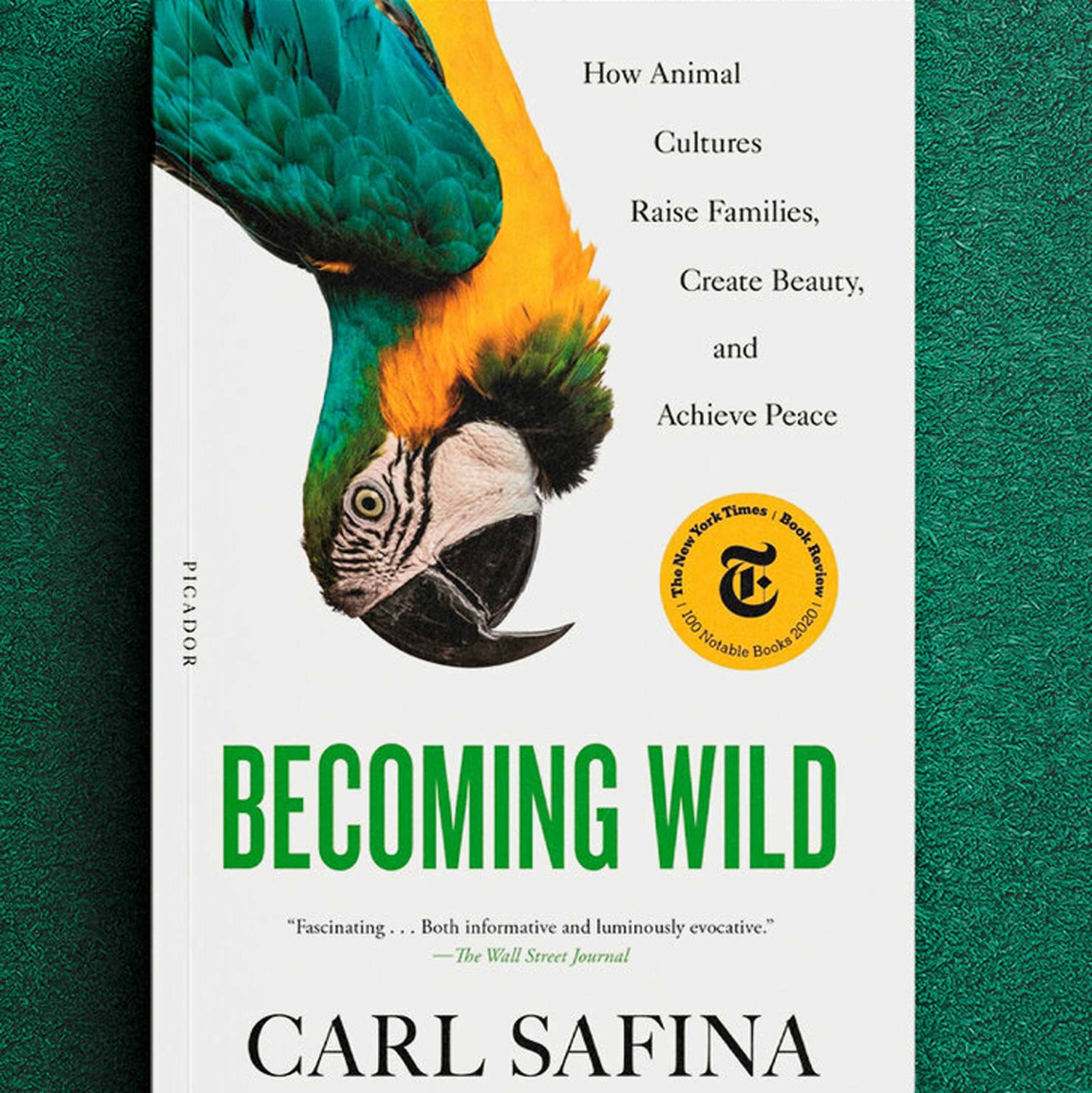
Becoming Wild: How Animal Cultures Raise Families, Create Beauty & Achieve Peace w/ CARL SAFINA - Highlights
"So we tend to take living for granted. I think that might be the biggest limitation of human intelligence is to not understand with awe and reverence and love that we live in a miracle that we are part of and that we have the ability to either nurture or destroy.The living world is enormously enriching to human life. I just loved animals. They're always just totally fascinating. They're not here for us. They're just here like we're just here. They are of this world as much as we are of this world. They really have the same claim to life and death and the circle of being."Carl Safina’s lyrical non-fiction writing explores how humans are changing the living world, and what the changes mean for non-human beings and for us all. His work has been recognized with MacArthur, Pew, and Guggenheim Fellowships, and his writing has won Orion, Lannan, and National Academies literary awards and the John Burroughs, James Beard, and George Rabb medals. Safina is the inaugural holder of the endowed chair for nature and humanity at Stony Brook University, where he co-chairs the steering committee of the Alan Alda Center for Communicating Science and is founding president of the not-for-profit Safina Center. He hosted the 10-part PBS series Saving the Ocean with Carl Safina. His writing appears in The New York Times, National Geographic, Audubon, CNN.com, National Geographic News, and other publications. He is the author of ten books including the classic Song for the Blue Ocean, as well as New York Times Bestseller Beyond Words: What Animals Think and Feel. His most recent book is Becoming Wild: How Animal Cultures Raise Families, Create Beauty, and Achieve Peace.www.safinacenter.orgwww.carlsafina.orgwww.oneplanetpodcast.orgwww.creativeprocess.info
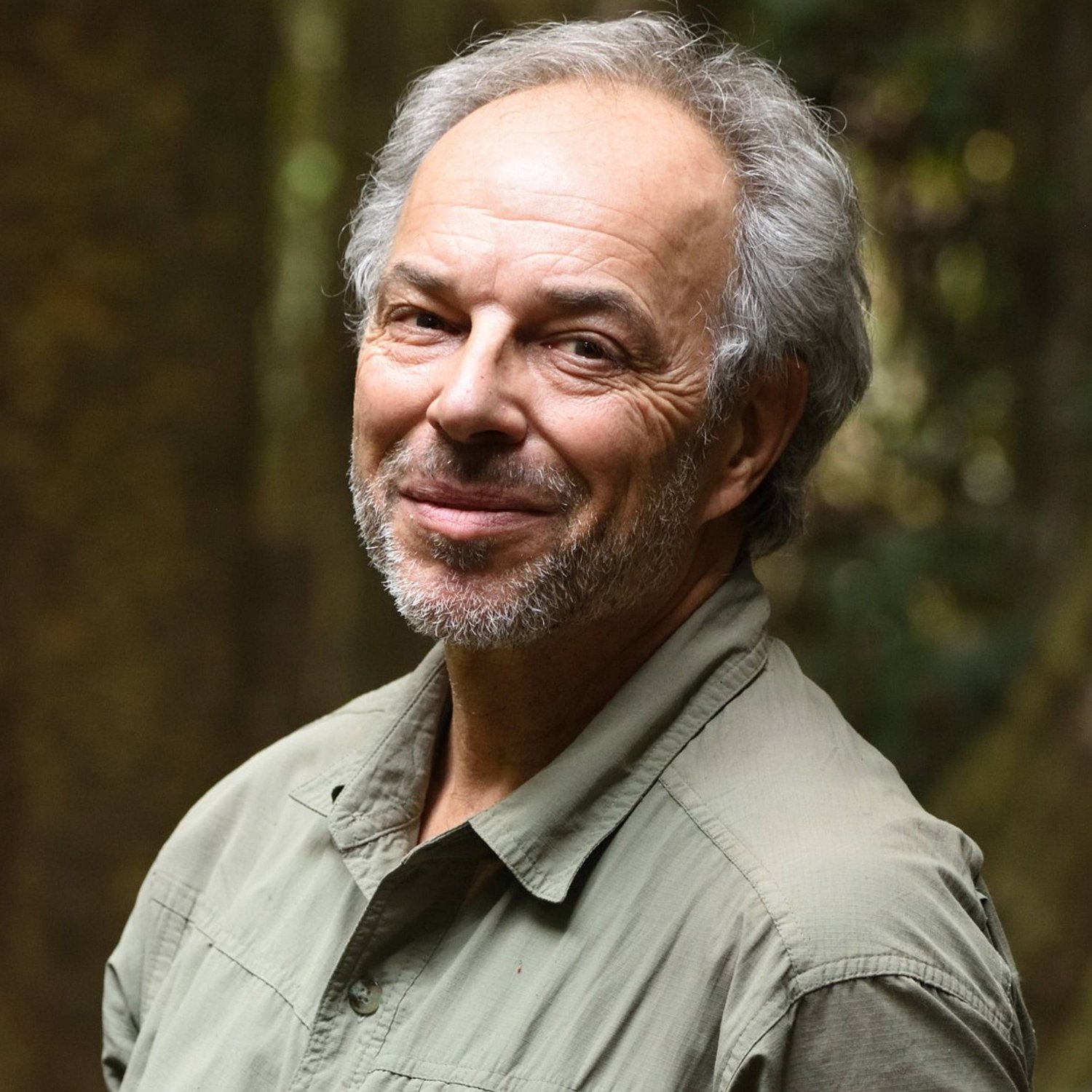
CARL SAFINA - Ecologist - Founding President of Safina Center - NYTimes Bestselling Author
Carl Safina’s lyrical non-fiction writing explores how humans are changing the living world, and what the changes mean for non-human beings and for us all. His work has been recognized with MacArthur, Pew, and Guggenheim Fellowships, and his writing has won Orion, Lannan, and National Academies literary awards and the John Burroughs, James Beard, and George Rabb medals. Safina is the inaugural holder of the endowed chair for nature and humanity at Stony Brook University, where he co-chairs the steering committee of the Alan Alda Center for Communicating Science and is founding president of the not-for-profit Safina Center. He hosted the 10-part PBS series Saving the Ocean with Carl Safina. His writing appears in The New York Times, National Geographic, Audubon, CNN.com, National Geographic News, and other publications. He is the author of ten books including the classic Song for the Blue Ocean, as well as New York Times Bestseller Beyond Words: What Animals Think and Feel. His most recent book is Becoming Wild: How Animal Cultures Raise Families, Create Beauty, and Achieve Peace."So we tend to take living for granted. I think that might be the biggest limitation of human intelligence is to not understand with awe and reverence and love that we live in a miracle that we are part of and that we have the ability to either nurture or destroy.The living world is enormously enriching to human life. I just loved animals. They're always just totally fascinating. They're not here for us. They're just here like we're just here. They are of this world as much as we are of this world. They really have the same claim to life and death and the circle of being."www.safinacenter.orgwww.carlsafina.orgwww.oneplanetpodcast.orgwww.creativeprocess.infoPhoto: Carl Safina in Uganda
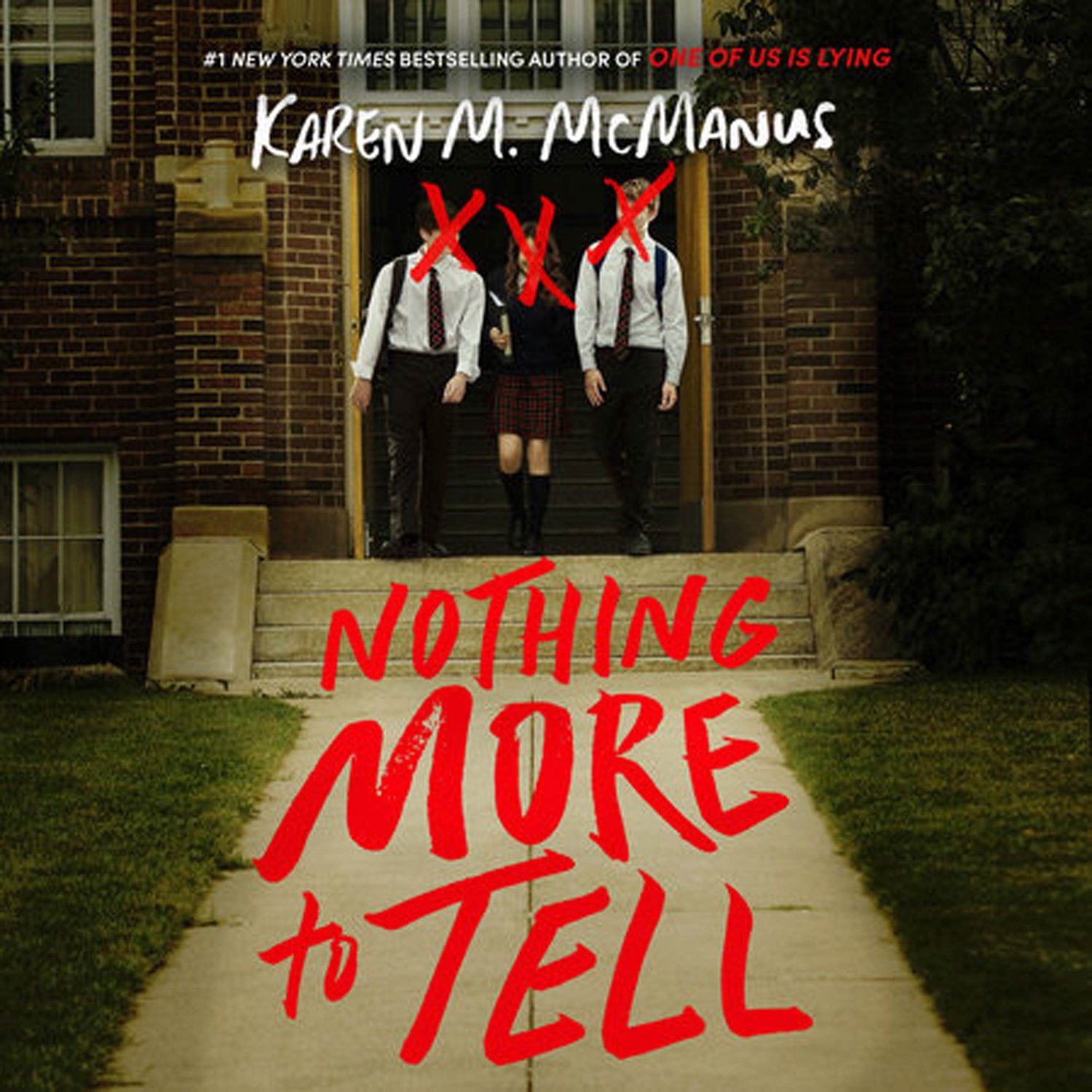
"Nothing More to Tell" with NYTimes Bestselling Author KAREN McMANUS - Highlights
"Well, I had a wonderful teacher in second grade who kind of inspired me to start writing and really stuck with me through elementary school and beyond as I made attempts to find my voice, but think part of the reason it never really went anywhere for me as a young person was because I was too afraid to share that with anyone except for that one teacher. I never showed friends. I didn't even really show family. I just always felt that it wasn't quite good enough. And so the thing I always tell writers now if they ask for, you know, "What's one tip?" It's let someone else tell you no, because I just told myself no for pretty much my entire young adulthood. And once I let other people tell me no, they did a lot, you know, but that is how I got better."Karen M. McManus is a #1 New York Times and international bestselling author of young adult thrillers. Her books include the One of Us Is Lying series, which has been turned into a television show on Peacock and Netflix, as well as the standalone novels Two Can Keep a Secret, The Cousins, You’ll Be the Death of Me, and Nothing More to Tell. Karen's critically acclaimed, award-winning work has been translated into more than 40 languages.https://www.karenmcmanus.com@writerkmcon Twitter - Instagramwww.creativeprocess.infowww.oneplanetpodcast.org
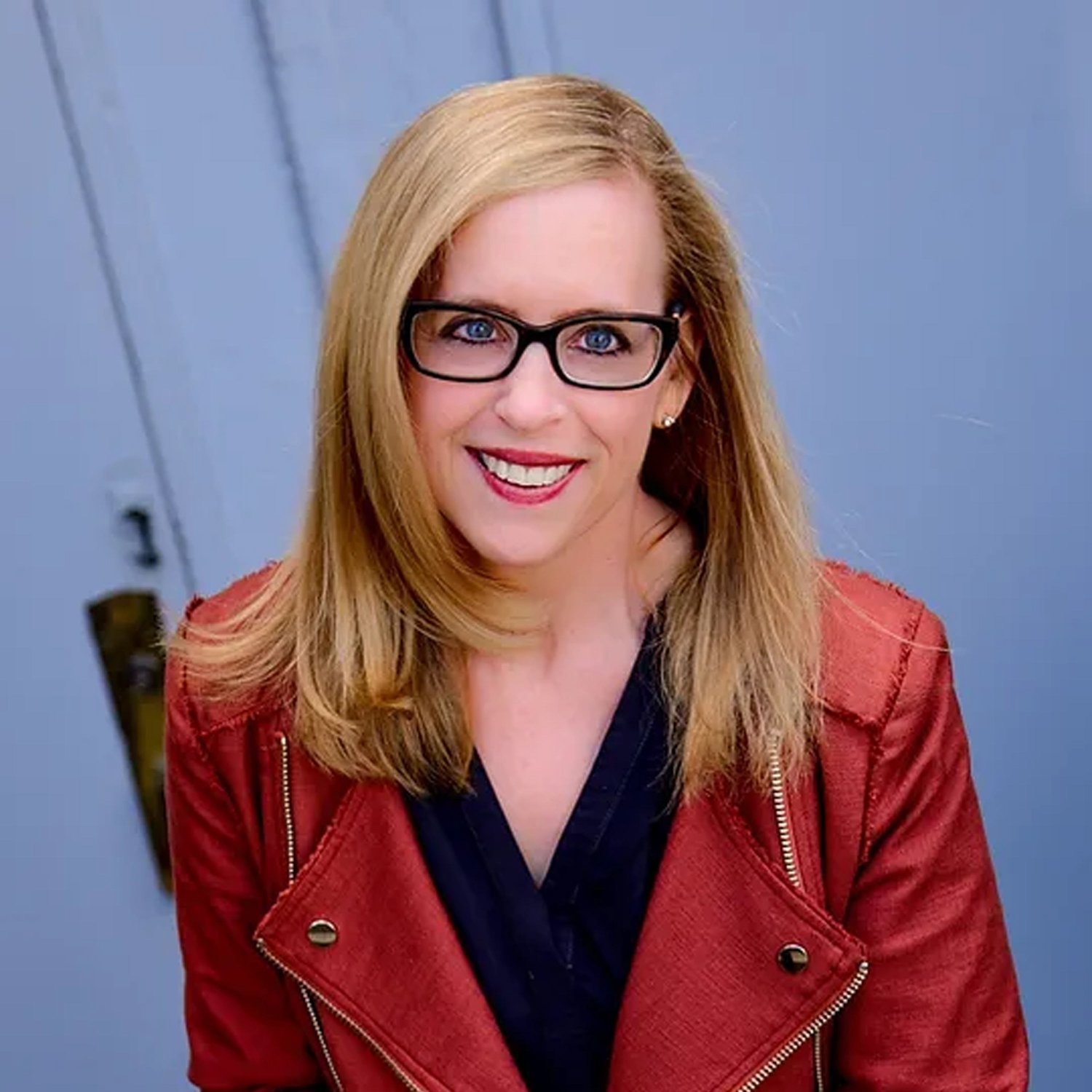
KAREN McMANUS - NYTimes Bestselling Author of “Nothing More to Tell”, “One of Us is Lying”
Karen M. McManus is a #1 New York Times and international bestselling author of young adult thrillers. Her books include the One of Us Is Lying series, which has been turned into a television show on Peacock and Netflix, as well as the standalone novels Two Can Keep a Secret, The Cousins, You’ll Be the Death of Me, and Nothing More to Tell. Karen's critically acclaimed, award-winning work has been translated into more than 40 languages."Well, I had a wonderful teacher in second grade who kind of inspired me to start writing and really stuck with me through elementary school and beyond as I made attempts to find my voice, but think part of the reason it never really went anywhere for me as a young person was because I was too afraid to share that with anyone except for that one teacher. I never showed friends. I didn't even really show family. I just always felt that it wasn't quite good enough. And so the thing I always tell writers now if they ask for, you know, "What's one tip?" It's let someone else tell you no, because I just told myself no for pretty much my entire young adulthood. And once I let other people tell me no, they did a lot, you know, but that is how I got better."https://www.karenmcmanus.com@writerkmcon Twitter - Instagramwww.creativeprocess.infowww.oneplanetpodcast.org
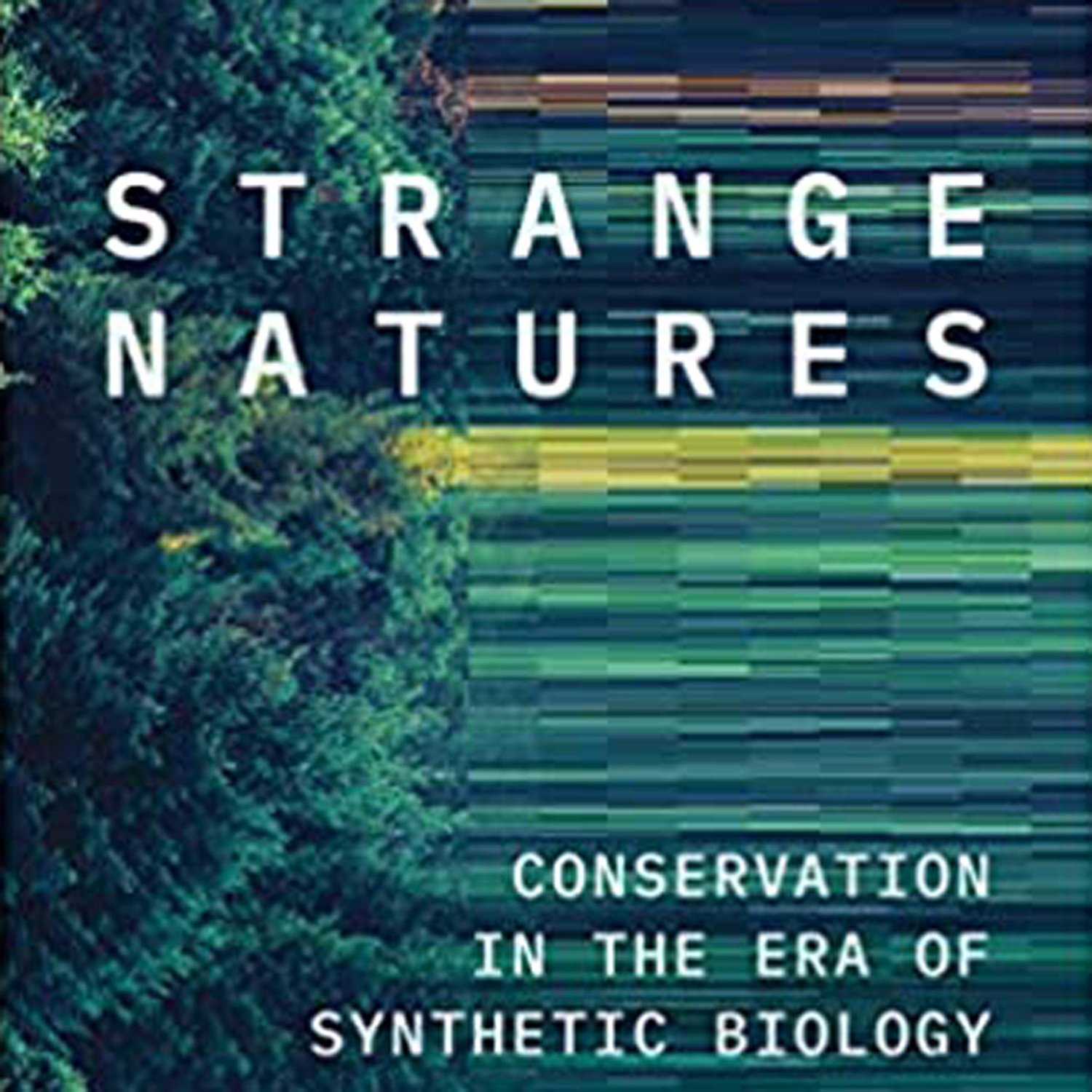
Conservation in the Era of Synthetic Biology with KENT REDFORD - Highlights
"The field of synthetic biology, which is known by some as extreme genetic engineering – that's a name mostly used by people who don't like it - amounts to a set of tools that humans have developed to be able to very precisely and accurately change the genetic code, the DNA of living organisms in order to get those organisms to do things that humans want. So the applications in medicine are predominantly devoted to trying to make us healthier people, and they range from some really exciting work on tumor biology to work on the microbiome, which is all of the thousands and tens of thousands of species that live on our lips, our mouths, our guts, our skin. And in agriculture, it's primarily directed at crop genetics, trying to improve the productivity of crops, the nutritional value of crops, the ability of crops to respond to climate change, and a whole variety of other things. Some people may have heard of one of these tools called CRISPR used to very precisely alter the sequences of DNA.This book that Bill and I wrote is about the impending intersection between synthetic biology and the field of nature conservation, not an examination of the technologies per se, but an examination of the way that we are going to end up needing to think about the intersection between our ability to change DNA, and what it means to be natural, and what it means to conserve things and whether or not we want to conserve things that we have altered."Kent H. Redford is a conservation practitioner and Principal at Archipelago Consulting established in 2012 and based in Portland, Maine, USA. Archipelago Consulting was designed to help individuals and organizations improve their practice of conservation. Prior to Archipelago Consulting Kent spent 10 years on the faculty of University of Florida and 19 years in conservation NGOs with five years as Director of The Nature Conservancy’s Parks in Peril program and 14 years as Vice President for Conservation Science and Strategy at the Wildlife Conservation Society. For six years he was Chair of IUCN’s Task Force on Synthetic Biology and Biodiversity Conservation. In June 2021 Yale University Press published Kent’s book with W.M. Adams: Strange Natures. Conservation in the Era of Synthetic Biology.https://yalebooks.yale.edu/book/9780300230970/strange-natures/ https://archipelagoconsulting.comwww.oneplanetpodcast.orgwww.creativeprocess.info
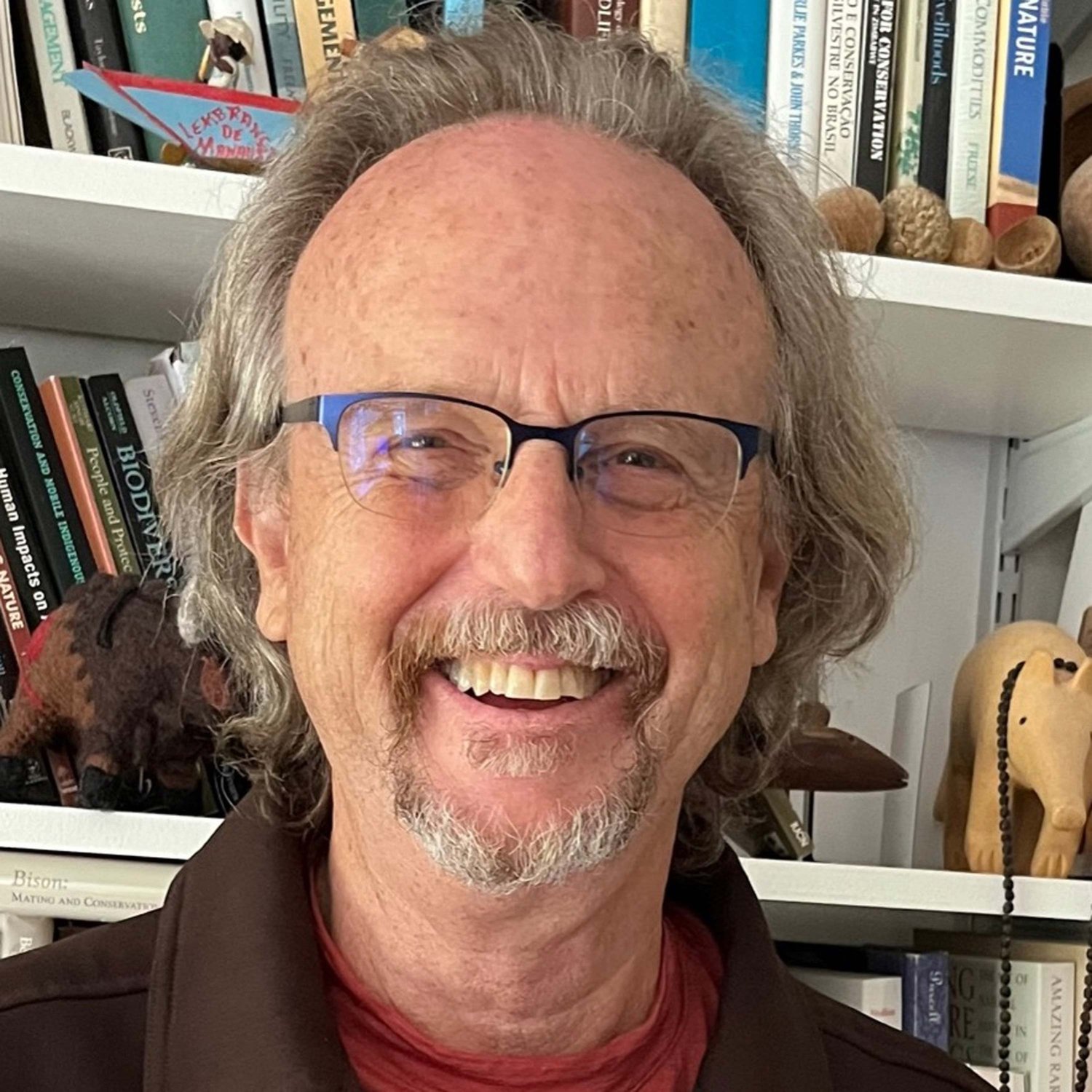
KENT REDFORD - Co-author of Strange Natures: Conservation in the Era of Synthetic Biology
Kent H. Redford is a conservation practitioner and Principal at Archipelago Consulting established in 2012 and based in Portland, Maine, USA. Archipelago Consulting was designed to help individuals and organizations improve their practice of conservation. Prior to Archipelago Consulting Kent spent 10 years on the faculty of University of Florida and 19 years in conservation NGOs with five years as Director of The Nature Conservancy’s Parks in Peril program and 14 years as Vice President for Conservation Science and Strategy at the Wildlife Conservation Society. For six years he was Chair of IUCN’s Task Force on Synthetic Biology and Biodiversity Conservation. In June 2021 Yale University Press published Kent’s book with W.M. Adams: Strange Natures. Conservation in the Era of Synthetic Biology."The field of synthetic biology, which is known by some as extreme genetic engineering – that's a name mostly used by people who don't like it - amounts to a set of tools that humans have developed to be able to very precisely and accurately change the genetic code, the DNA of living organisms in order to get those organisms to do things that humans want. So the applications in medicine are predominantly devoted to trying to make us healthier people, and they range from some really exciting work on tumor biology to work on the microbiome, which is all of the thousands and tens of thousands of species that live on our lips, our mouths, our guts, our skin. And in agriculture, it's primarily directed at crop genetics, trying to improve the productivity of crops, the nutritional value of crops, the ability of crops to respond to climate change, and a whole variety of other things. Some people may have heard of one of these tools called CRISPR used to very precisely alter the sequences of DNA.This book that Bill and I wrote is about the impending intersection between synthetic biology and the field of nature conservation, not an examination of the technologies per se, but an examination of the way that we are going to end up needing to think about the intersection between our ability to change DNA, and what it means to be natural, and what it means to conserve things and whether or not we want to conserve things that we have altered."https://yalebooks.yale.edu/book/9780300230970/strange-natures/ https://archipelagoconsulting.comwww.oneplanetpodcast.orgwww.creativeprocess.info
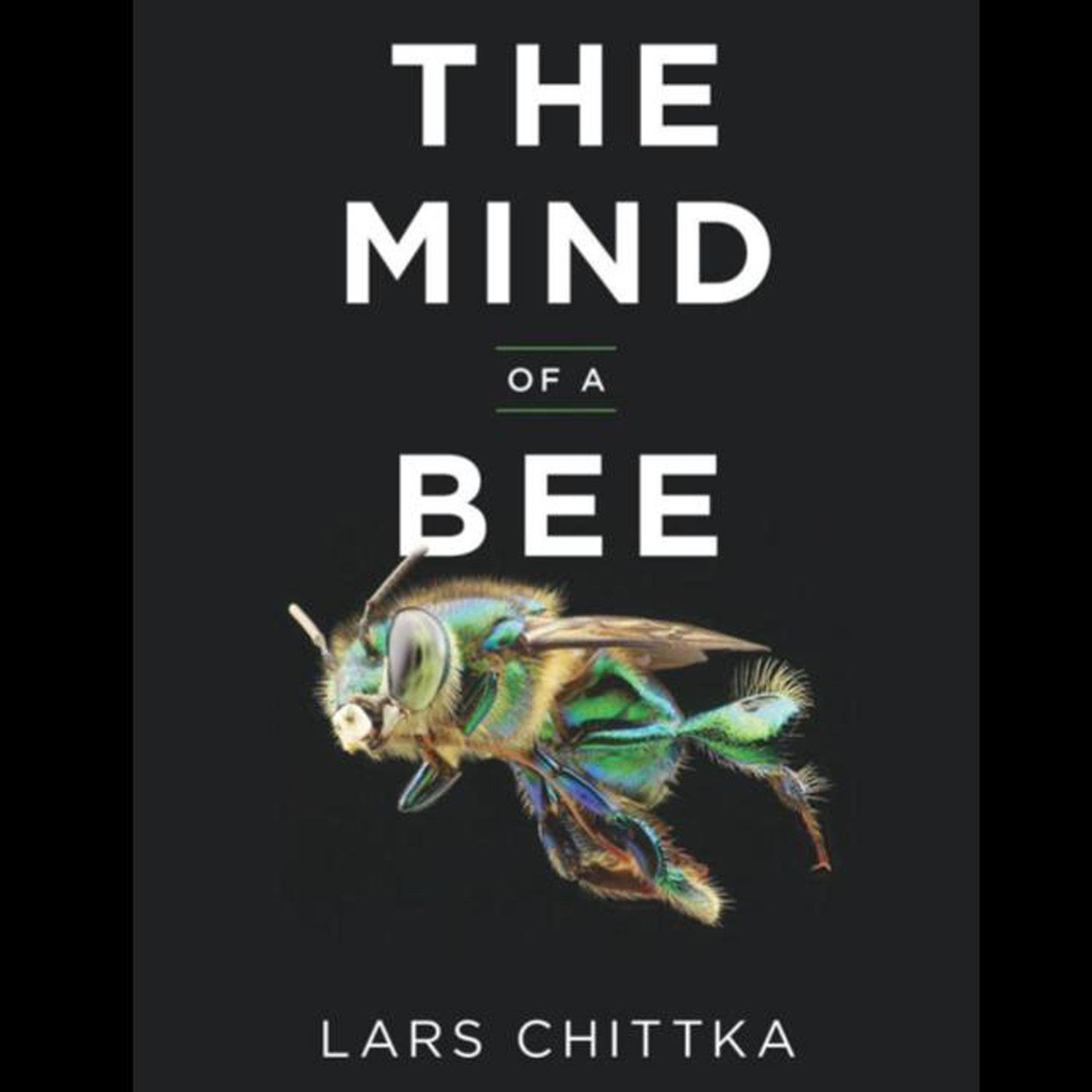
The Mind of a Bee with LARS CHITTKA - Unraveling Bee Intelligence & Behavior - Highlights
"Most bees are quite short-lived, not all bees. So queen bees can live for many years, up to seven years, and some stingless bees, the queens can even live much longer than that, but their lives are less exciting in a sense that they are, most of their lives, cave animals, where most of what they do is egg laying.So when we're talking about intelligence tests and bees, these are mostly done with the worker bees, and they only live for a few weeks. And it might be surprising to many people that an animal this short-lived can learn anything at all because, of course, in humans, the process of acquiring crucial life skills takes much longer, many years typically. So when a bee first emerges from the pupa - bees spend their first few days as little grubs inside a wax pot. And this larval stage, of course, there isn't much learning going on. They have a very pampered and easy life in that they are basically immersed in the food that they're required to grow. And then they pupate and turn from what are formerly little helpless grubs into adult bees.Once the bee emerges from the pupa, they have a number of different tasks waiting for them, which in honey bees a fairly defined sequence where the bee might in her first few days simply be involved in the many duties inside the hive – to clean cells, to build wax comb, to feed the larva – and then to transition to their life as a forager.”Lars Chittka is professor of sensory and behavioral ecology at Queen Mary University of London, where he founded a new Research Centre for Psychology in 2008 and was its scientific director until 2012. He is the author of The Mind of a Bee and is the coeditor of Cognitive Ecology of Pollination. He studied Biology in Berlin and completed his PhD studies under the supervision of Randolf Menzel in 1993. He has carried out extensive work on the behaviour, cognition and ecology of bumble bees and honey bees, and their interactions with flowers. His discoveries have made a substantial impact on the understanding of animal intelligence and its neural-computational underpinnings. He has published over 250 peer-reviewed articles, and has been an editor of biology’s foremost open access journal PLoS Biology since 2004. He is an elected Member of the German National Academy of Sciences (Leopoldina), a Fellow of the Linnean Society and Royal Entomological Society, as well as the Royal Society of Biology.http://chittkalab.sbcs.qmul.ac.uk/Lars.htmlhttps://press.princeton.edu/books/hardcover/9780691180472/the-mind-of-a-beehttps://journals.plos.org/plosbiologywww.oneplanetpodcast.orgwww.creativeprocess.info
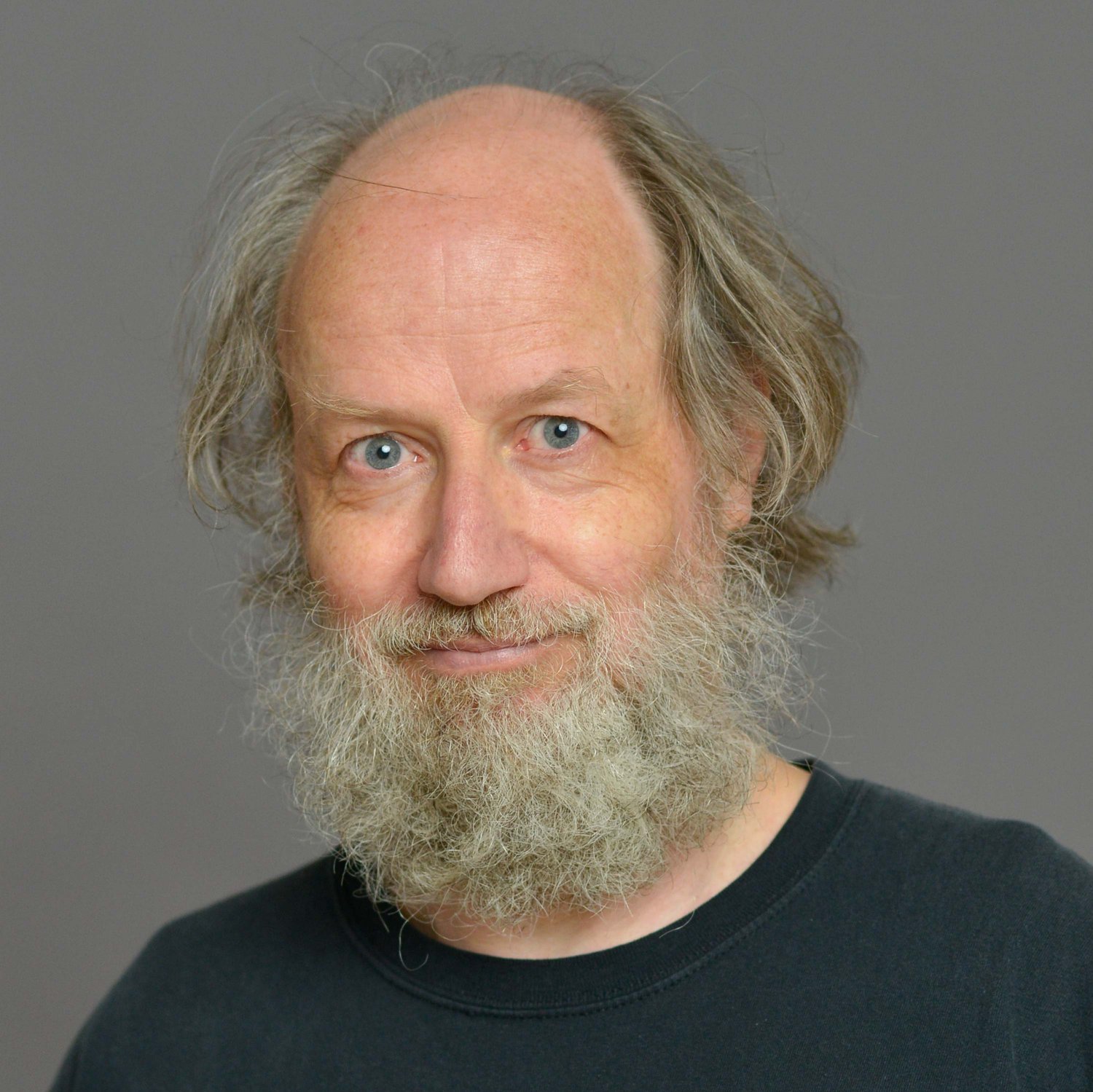
LARS CHITTKA - Author of The Mind of a Bee - Founder, Research Centre for Psychology, QMUL
Lars Chittka is professor of sensory and behavioral ecology at Queen Mary University of London, where he founded a new Research Centre for Psychology in 2008 and was its scientific director until 2012. He is the author of The Mind of a Bee and is the coeditor of Cognitive Ecology of Pollination. He studied Biology in Berlin and completed his PhD studies under the supervision of Randolf Menzel in 1993. He has carried out extensive work on the behaviour, cognition and ecology of bumble bees and honey bees, and their interactions with flowers. His discoveries have made a substantial impact on the understanding of animal intelligence and its neural-computational underpinnings. He has published over 250 peer-reviewed articles, and has been an editor of biology’s foremost open access journal PLoS Biology since 2004. He is an elected Member of the German National Academy of Sciences (Leopoldina), a Fellow of the Linnean Society and Royal Entomological Society, as well as the Royal Society of Biology."Most bees are quite short-lived, not all bees. So queen bees can live for many years, up to seven years, and some stingless bees, the queens can even live much longer than that, but their lives are less exciting in a sense that they are, most of their lives, cave animals, where most of what they do is egg laying.So when we're talking about intelligence tests and bees, these are mostly done with the worker bees, and they only live for a few weeks. And it might be surprising to many people that an animal this short-lived can learn anything at all because, of course, in humans, the process of acquiring crucial life skills takes much longer, many years typically. So when a bee first emerges from the pupa - bees spend their first few days as little grubs inside a wax pot. And this larval stage, of course, there isn't much learning going on. They have a very pampered and easy life in that they are basically immersed in the food that they're required to grow. And then they pupate and turn from what are formerly little helpless grubs into adult bees.Once the bee emerges from the pupa, they have a number of different tasks waiting for them, which in honey bees a fairly defined sequence where the bee might in her first few days simply be involved in the many duties inside the hive – to clean cells, to build wax comb, to feed the larva – and then to transition to their life as a forager.”http://chittkalab.sbcs.qmul.ac.uk/Lars.htmlhttps://press.princeton.edu/books/hardcover/9780691180472/the-mind-of-a-beehttps://journals.plos.org/plosbiologywww.oneplanetpodcast.orgwww.creativeprocess.infoPhoto credit: Markus Scholz / Leopoldina
How Will AI Change the Future of Humanity? with NICK BOSTROM - Highlights
"I do think though that there is a real possibility that within the lifetime of many people who are here today, we will see the arrival of transformative AI, machine intelligence systems that not only can automate specific tasks but can replicate the full generality of human thinking. So that everything that we humans can do with our brains, machines will be able to do, and in fact do faster and more efficiently. What the consequences of that are, is very much an open question and, I think, depends in part on the extent to which we manage to get our act together before these developments. In terms of, on the one hand, working out our technical issues in AI alignment, figuring out exactly the methods by which you could ensure that such very powerful cognitive engines will be aligned to our values, will actually do what we intend for them to do, as opposed to something else. And then, of course, also the political challenges of ensuring that such a powerful technology will be used for positive ends. So depending on how well we perform among those two challenges, the outcome, I think, could be extremely good or extremely bad. And I think all of those possibilities are still in the cards."Nick Bostrom is a Swedish-born philosopher with a background in theoretical physics, computational neuroscience, logic, and artificial intelligence, as well as philosophy. He is the most-cited professional philosopher in the world under the age of 50.He is a Professor at Oxford University, where he heads the Future of Humanity Institute as its founding director. He is the author of some 200 publications, including Anthropic Bias, Global Catastrophic Risks, Human Enhancement, and Superintelligence: Paths, Dangers, Strategies, a New York Times bestseller which helped spark a global conversation about the future of AI. He has also published a series of influential papers, including ones that introduced the simulation argument and the concept of existential risk.Bostrom’s academic work has been translated into more than 30 languages. He is a repeat main TED speaker and has been on Foreign Policy’s Top 100 Global Thinkers list twice and was included in Prospect’s World Thinkers list, the youngest person in the top 15. As a graduate student he dabbled in stand-up comedy on the London circuit, but he has since reconnected with the heavy gloom of his Swedish roots.https://nickbostrom.comhttps://www.fhi.ox.ac.ukwww.creativeprocess.infowww.oneplanetpodcast.org
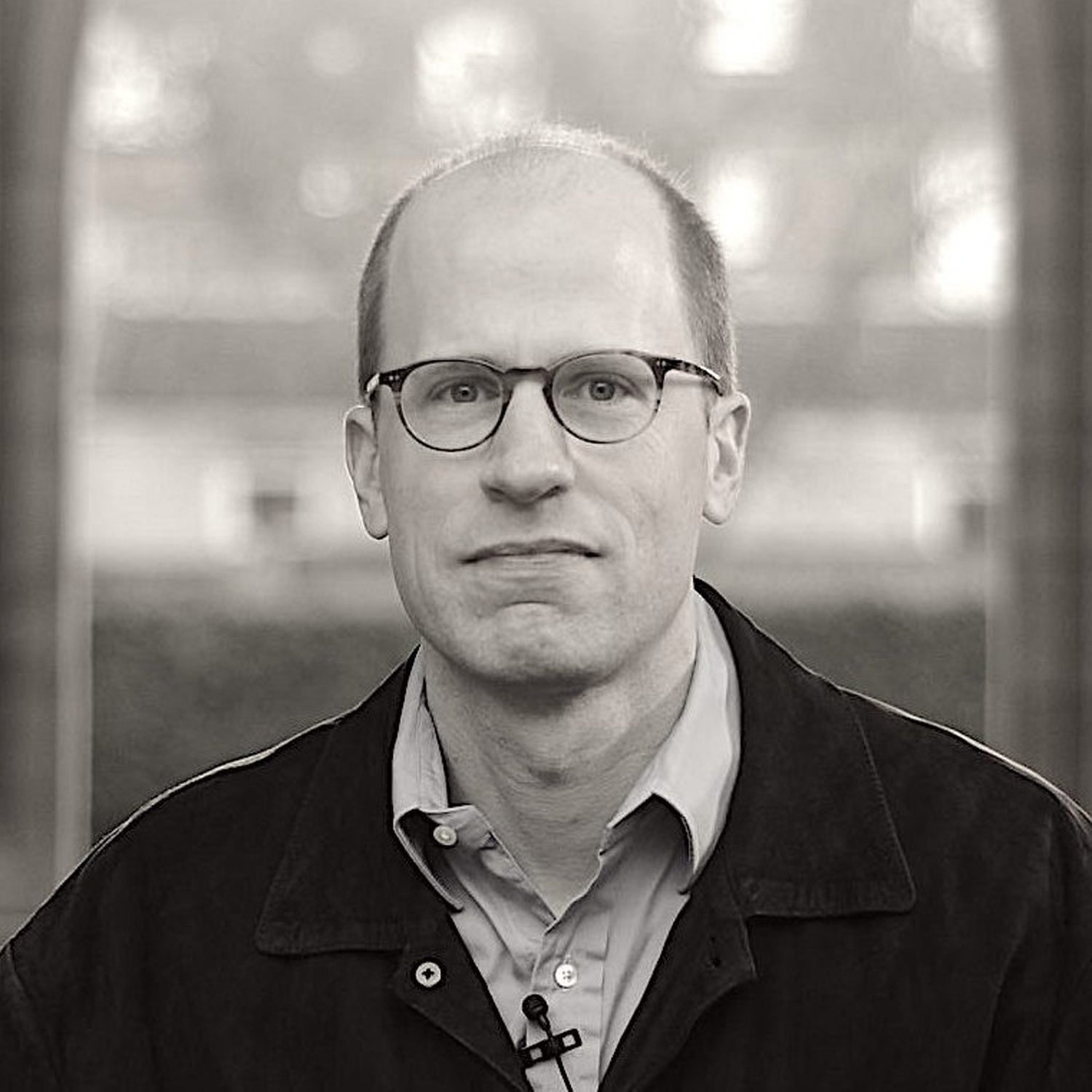
NICK BOSTROM - Philosopher, Founding Director, Future of Humanity Institute, Oxford
Nick Bostrom is a Swedish-born philosopher with a background in theoretical physics, computational neuroscience, logic, and artificial intelligence, as well as philosophy. He is the most-cited professional philosopher in the world under the age of 50.He is a Professor at Oxford University, where he heads the Future of Humanity Institute as its founding director. He is the author of some 200 publications, including Anthropic Bias, Global Catastrophic Risks, Human Enhancement, and Superintelligence: Paths, Dangers, Strategies, a New York Times bestseller which helped spark a global conversation about the future of AI. He has also published a series of influential papers, including ones that introduced the simulation argument and the concept of existential risk.Bostrom’s academic work has been translated into more than 30 languages. He is a repeat main TED speaker and has been on Foreign Policy’s Top 100 Global Thinkers list twice and was included in Prospect’s World Thinkers list, the youngest person in the top 15. As a graduate student he dabbled in stand-up comedy on the London circuit, but he has since reconnected with the heavy gloom of his Swedish roots."I do think though that there is a real possibility that within the lifetime of many people who are here today, we will see the arrival of transformative AI, machine intelligence systems that not only can automate specific tasks but can replicate the full generality of human thinking. So that everything that we humans can do with our brains, machines will be able to do, and in fact do faster and more efficiently. What the consequences of that are, is very much an open question and, I think, depends in part on the extent to which we manage to get our act together before these developments. In terms of, on the one hand, working out our technical issues in AI alignment, figuring out exactly the methods by which you could ensure that such very powerful cognitive engines will be aligned to our values, will actually do what we intend for them to do, as opposed to something else. And then, of course, also the political challenges of ensuring that such a powerful technology will be used for positive ends. So depending on how well we perform among those two challenges, the outcome, I think, could be extremely good or extremely bad. And I think all of those possibilities are still in the cards."https://nickbostrom.comhttps://www.fhi.ox.ac.ukwww.creativeprocess.infowww.oneplanetpodcast.org
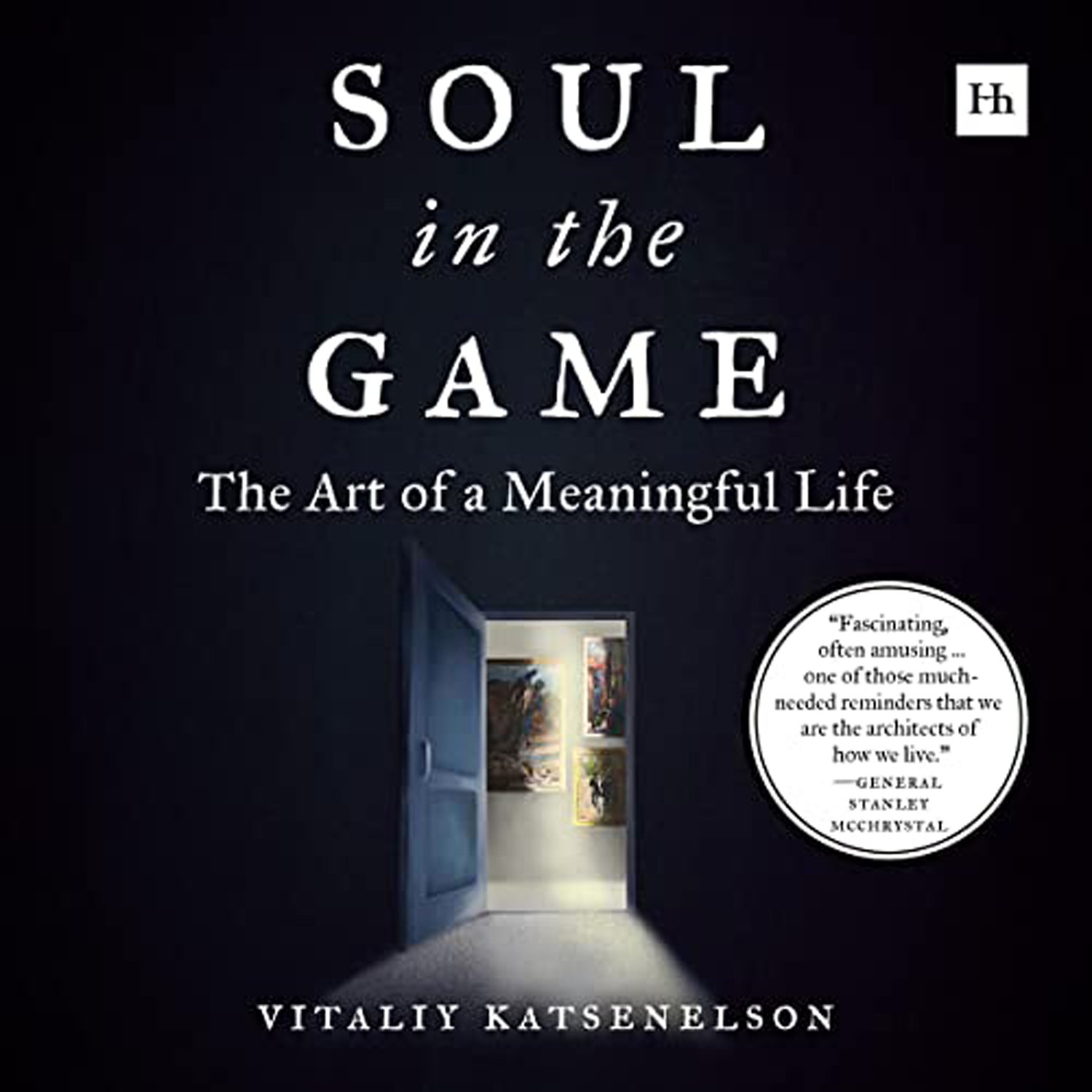
The Art of a Meaningful Life - VITALY KATSNELSON - Highlights
"There are four modes of communicating: preacher, prosecutor, politician, and scientist. So those three Ps are very important modes, but if you spend all your time in these modes, you will learn very little because all of them are kind of outward-looking modes. You're trying to convince others, and you don't learn very much when you're in those modes. Now, I would argue that most of us need to spend a good chunk of our time in a scientist mode. If you are in a scientist mode, then you are doing what Seneca said, "time discovers truth."So in the scientist mode, everything you look at is a hypothesis, and then all you're trying to do is just trying to figure out if your hypothesis is right or wrong. And therefore in the debate, you're trying to understand the other person's side, not necessarily be in prosecutor mode to convince the person to change his or her mind.We want to be very careful that ideas don't become our identity because once they do, we can't change it. In fact, I would argue, we have to be very mindful and evaluate our identity because a lot of times our identity is formed through completely random experiences."Vitaliy Katsenelson was born in Murmansk, Russia and immigrated to the United States with his family in 1991. He is the author of Soul in the Game, The Art of a Meaningful Life. He is the CEO of Denver-based value investment firm IMA. Vitaliy has also written two books on investing. Forbes Magazine called him “The New Benjamin Graham.” He’s written for the Financial Times, Barron’s, Institutional Investor and Foreign Policy. Vitaliy lives in Denver with his wife and three children, where he loves to read, listen to classical music, play chess, and write about life, investing, and music.https://soulinthegame.nethttps://contrarianedge.comhttps://imausa.comwww.creativeprocess.infowww.oneplanetpodcast.org

VITALY KATSNELSON - Author of Soul in the Game: The Art of a Meaningful Life” - CEO of IMA
Vitaliy Katsenelson was born in Murmansk, Russia and immigrated to the United States with his family in 1991. He is the author of Soul in the Game, The Art of a Meaningful Life. He is the CEO of Denver-based value investment firm IMA. Vitaliy has also written two books on investing. Forbes Magazine called him “The New Benjamin Graham.” He’s written for the Financial Times, Barron’s, Institutional Investor and Foreign Policy. Vitaliy lives in Denver with his wife and three children, where he loves to read, listen to classical music, play chess, and write about life, investing, and music."There are four modes of communicating: preacher, prosecutor, politician, and scientist. So those three Ps are very important modes, but if you spend all your time in these modes, you will learn very little because all of them are kind of outward-looking modes. You're trying to convince others, and you don't learn very much when you're in those modes. Now, I would argue that most of us need to spend a good chunk of our time in a scientist mode. If you are in a scientist mode, then you are doing what Seneca said, "time discovers truth."So in the scientist mode, everything you look at is a hypothesis, and then all you're trying to do is just trying to figure out if your hypothesis is right or wrong. And therefore in the debate, you're trying to understand the other person's side, not necessarily be in prosecutor mode to convince the person to change his or her mind.We want to be very careful that ideas don't become our identity because once they do, we can't change it. In fact, I would argue, we have to be very mindful and evaluate our identity because a lot of times our identity is formed through completely random experiences."https://soulinthegame.nethttps://contrarianedge.comhttps://imausa.comwww.creativeprocess.infowww.oneplanetpodcast.org

Climate Change & Health: A Transformational Decade - MONA SARFATY & ED MAIBACH - Highlights
“The Inflation Reduction Act of 2022 is really a bill which is using the financial structure of the country to stimulate business. This is a very different kind of solution than one might have conjured up some years ago. Back in 2010, Congress tried to do something on climate change and the main solution under consideration was a carbon tax. So that was also an effort to use the financial system, but this is a very different approach.This is putting out stimulus so that the business community can do what's necessary to build a clean energy economy. And so consumers can help support the growth of that clean energy economy by purchasing all those products that will allow individual people, families, and communities to be part of the solution by owning electric cars, by putting solar panels on their homes, by buying heat pumps to put in their homes, by improving the insulation in their private homes or buildings and thereby cutting their heating and cooling costs.”Dr. Mona Sarfaty is the Executive Director and Founder of the Medical Society Consortium on Climate and Health, comprised of societies representing 70% of all U.S. physicians. She founded the Consortium in 2016 in conjunction with the George Mason University Center for Climate Change. Under her leadership, the Consortium has grown into a nationwide coalition of societies, organizations, and advocates mobilizing support for equitable policies that address the health impacts of climate change.Edward Maibach is Director of the George Mason University Center for Climate Change Communication, a distinguished University Professor and communication scientist who is expert in the uses of strategic communication and social marketing to address climate change and related public health challenges. His research – funded by NSF, NASA, and private foundations – focuses on public understanding of climate change and clean energy; and the psychology underlying public engagement. In 2021, Ed was identified by Thompson Reuters as one of the world’s 10 most influential scientists working on climate change.https://medsocietiesforclimatehealth.orghttps://twitter.com/docsforclimatewww.climatechangecommunication.org/all/climate-change-american-mind-april-2022/www.climatechangecommunication.org/all/politics-global-warming-april-2022/www.oneplanetpodcast.org
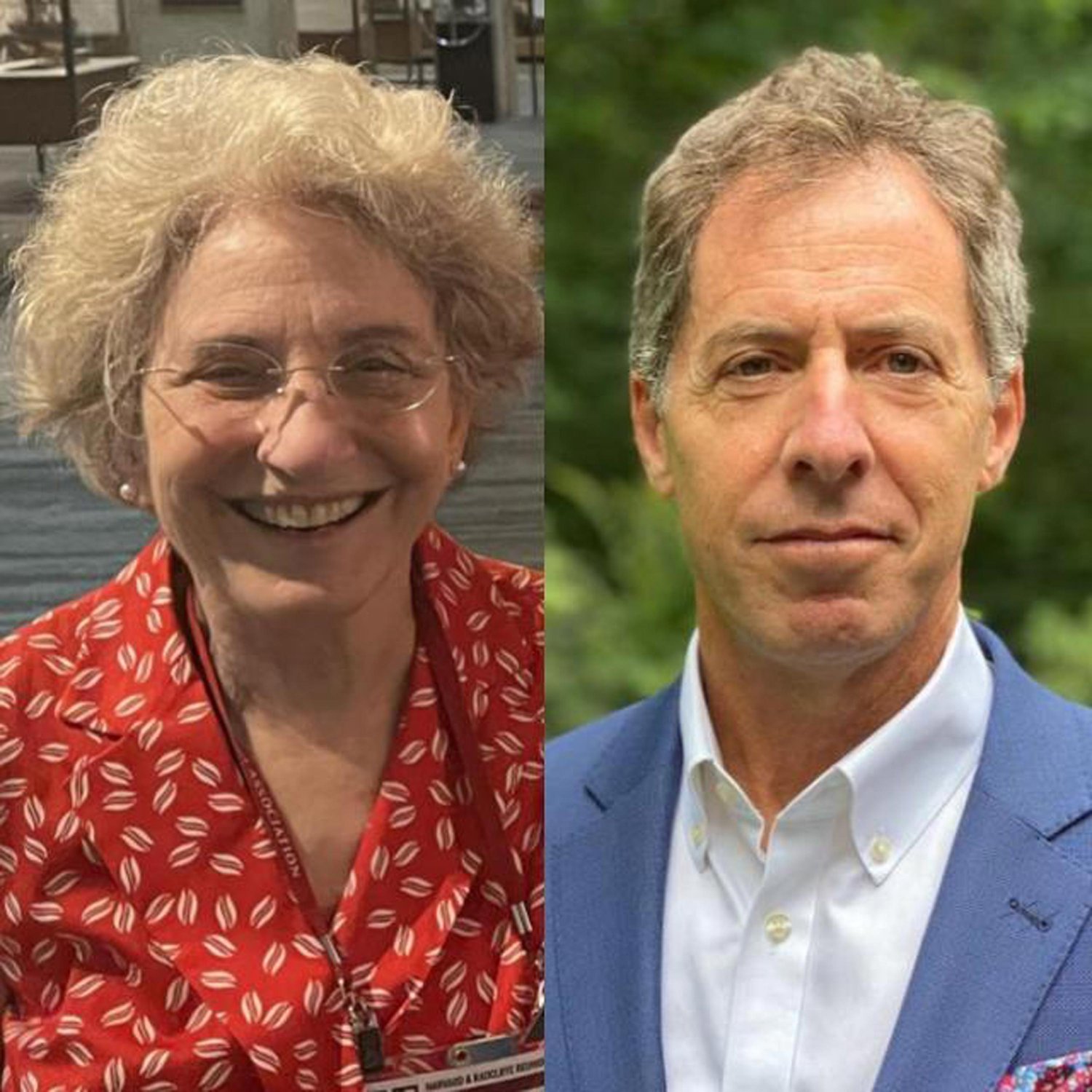
Dr. Mona Sarfaty - Medical Society Consortium on Climate and Health | Dr. Ed Maibach - Communication Scientist
Dr. Mona Sarfaty is the Executive Director and Founder of the Medical Society Consortium on Climate and Health, comprised of societies representing 70% of all U.S. physicians. She founded the Consortium in 2016 in conjunction with the George Mason University Center for Climate Change. Under her leadership, the Consortium has grown into a nationwide coalition of societies, organizations, and advocates mobilizing support for equitable policies that address the health impacts of climate change.Edward Maibach is Director of the George Mason University Center for Climate Change Communication, a distinguished University Professor and communication scientist who is expert in the uses of strategic communication and social marketing to address climate change and related public health challenges. His research – funded by NSF, NASA, and private foundations – focuses on public understanding of climate change and clean energy; and the psychology underlying public engagement. In 2021, Ed was identified by Thompson Reuters as one of the world’s 10 most influential scientists working on climate change.“The Inflation Reduction Act of 2022 is really a bill which is using the financial structure of the country to stimulate business. This is a very different kind of solution than one might have conjured up some years ago. Back in 2010, Congress tried to do something on climate change and the main solution under consideration was a carbon tax. So that was also an effort to use the financial system, but this is a very different approach.This is putting out stimulus so that the business community can do what's necessary to build a clean energy economy. And so consumers can help support the growth of that clean energy economy by purchasing all those products that will allow individual people, families, and communities to be part of the solution by owning electric cars, by putting solar panels on their homes, by buying heat pumps to put in their homes, by improving the insulation in their private homes or buildings and thereby cutting their heating and cooling costs.”https://medsocietiesforclimatehealth.orghttps://twitter.com/docsforclimatewww.climatechangecommunication.org/all/climate-change-american-mind-april-2022/www.climatechangecommunication.org/all/politics-global-warming-april-2022/www.oneplanetpodcast.org
Sonnet's Shakespeare with Poet, Songwriter SONNET L'ABBÉ - Highlights
"Sonnet’s Shakespeare itself came out of thinking about the form of erasure, what working in that form could do and mean. And at the time there were conversations about appropriative poets where there were specific instances of pretty shady power dynamics around certain poets taking certain texts and presenting them as their own and saying, 'This is just an appropriative poetics move.’ And I was looking at critical writing about it, and I couldn't find anything that talked about the role of the poet who is doing that as censorial or as somehow violencing the original text. I was thinking about my resonance with the word erasure and thinking about censoring and deleting what somebody else has already said resonates with me as an analogy for being black, being mixed race, being racialized, and non-European in spaces that are predominantly Anglo-Canadian and in rooms where, classrooms where, playgrounds where, churches where, certain signifiers of difference would make fitting in harder.One tries very hard. At least I did as a child to just try to fit in and make my visible difference as minimal, as invisible as possible. So it's a way of thinking about erasing the self. And so I took that theme and thought, How do I show through a poetic erasure this dynamic of self-erasure and feeling erased?”Sonnet L'Abbé is a Canadian poet, songwriter, editor and professor. They are the author of A Strange Relief, Killarnoe, and Sonnet's Shakespeare. Sonnet's Shakespeare was a Quill and Quire Book of the Year. In 2014 they edited the Best Canadian Poetry in English anthology. Their chapbook, Anima Canadensis, won the 2017 bpNichol Chapbook Award. They teach Creative Writing and English at Vancouver Island University, and are a poetry editor at Brick Books.https://www.instagram.com/sonnetlabbe/https://www.poetryfoundation.org/harriet-books/2017/12/tree-i-invented-a-new-form-of-poemwww.creativeprocess.info www.oneplanetpodcast.org
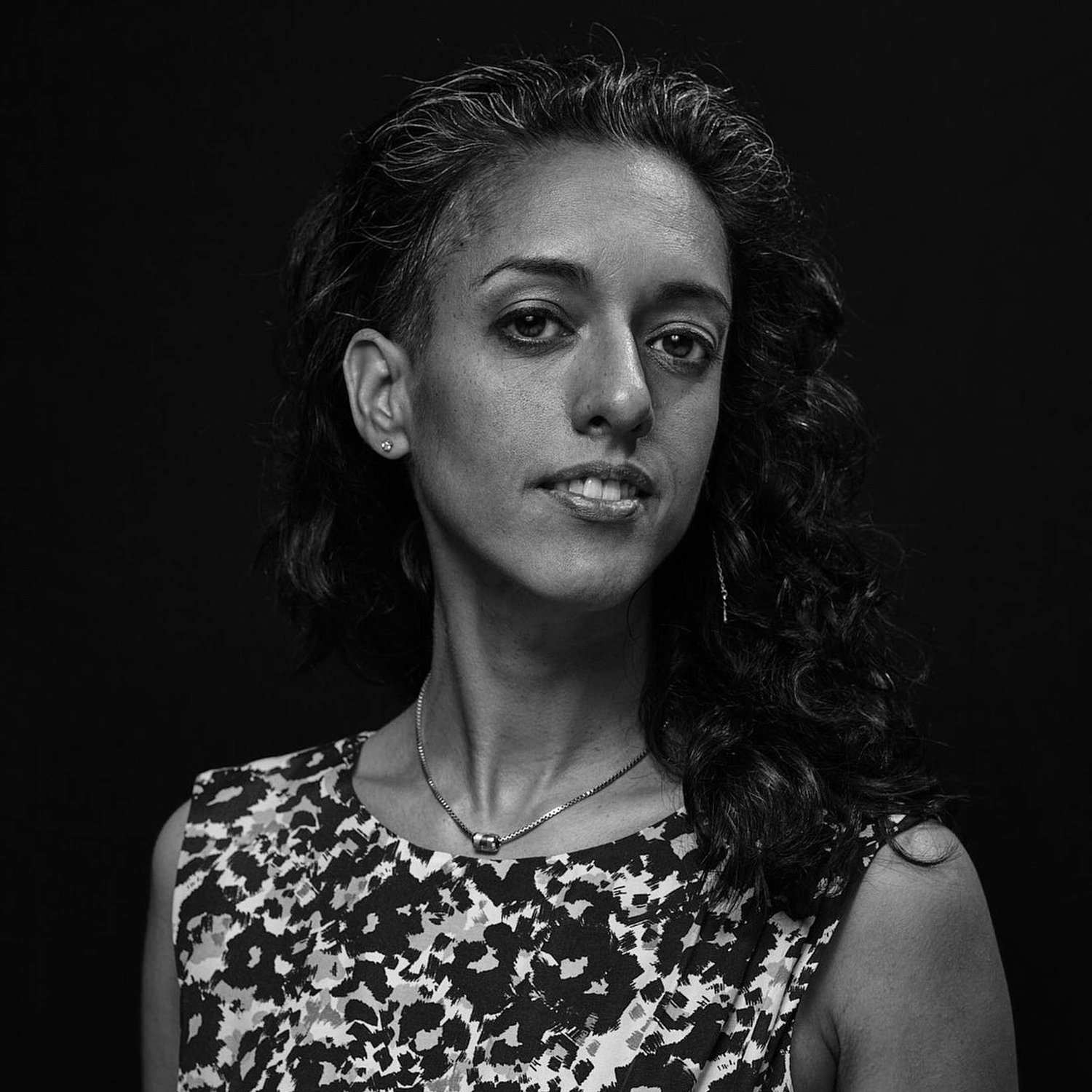
SONNET L'ABBÉ - Award-winning Poet, Songwriter, Author of Sonnet’s Shakespeare
Sonnet L'Abbé is a Canadian poet, songwriter, editor and professor. They are the author of A Strange Relief, Killarnoe, and Sonnet's Shakespeare. Sonnet's Shakespeare was a Quill and Quire Book of the Year. In 2014 they edited the Best Canadian Poetry in English anthology. Their chapbook, Anima Canadensis, won the 2017 bpNichol Chapbook Award. They teach Creative Writing and English at Vancouver Island University, and are a poetry editor at Brick Books."Sonnet’s Shakespeare itself came out of thinking about the form of erasure, what working in that form could do and mean. And at the time there were conversations about appropriative poets where there were specific instances of pretty shady power dynamics around certain poets taking certain texts and presenting them as their own and saying, 'This is just an appropriative poetics move.’ And I was looking at critical writing about it, and I couldn't find anything that talked about the role of the poet who is doing that as censorial or as somehow violencing the original text. I was thinking about my resonance with the word erasure and thinking about censoring and deleting what somebody else has already said resonates with me as an analogy for being black, being mixed race, being racialized, and non-European in spaces that are predominantly Anglo-Canadian and in rooms where, classrooms where, playgrounds where, churches where, certain signifiers of difference would make fitting in harder.One tries very hard. At least I did as a child to just try to fit in and make my visible difference as minimal, as invisible as possible. So it's a way of thinking about erasing the self. And so I took that theme and thought, How do I show through a poetic erasure this dynamic of self-erasure and feeling erased?”https://www.instagram.com/sonnetlabbe/https://www.poetryfoundation.org/harriet-books/2017/12/tree-i-invented-a-new-form-of-poemwww.creativeprocess.info www.oneplanetpodcast.org

The Quest for Clean Water with Geochemist LEX VAN GEEN - Highlights
"So this was maybe nine months after the fire in Notre Dame, and I had been struck visually by the fire, the yellow smoke, which is a telltale indicator of lead. The fact that 400 tons of lead constituted the covering of the roof of the cathedral. And a lot of that had volatilized, presumably, but no one really knew how much. So that got me thinking, and I happened to be in Paris at the time, so I thought if it's so much lead, could it be that it affected the population living within say a kilometer of the cathedral? I thought there wasn't really a lot of clear information about what had happened, and what had been measured. I thought some more openness and transparency was needed."Geochemist Lex van Geen is a research professor at Lamont-Doherty Earth Observatory and is member of the Earth Institute at Columbia University. His research focuses on ways to reduce the impact of the environment on human health. For two decades, he coordinated earth-science on the origin and health effects of elevated levels of arsenic in groundwater. His other projects focus on fluoride in groundwater in India, bauxite dust in Guinea, or soil contaminated with lead from mine-tailings in Peru, and fallout of lead over Paris following the fire in Notre Dame. Dr. Van Geen is a firm believer in the more widespread use of field kits by non-specialists to reduce exposure to environmental toxicants.www.ldeo.columbia.edu/~avangeenwww.oneplanetpodcast.orgwww.creativeprocess.info
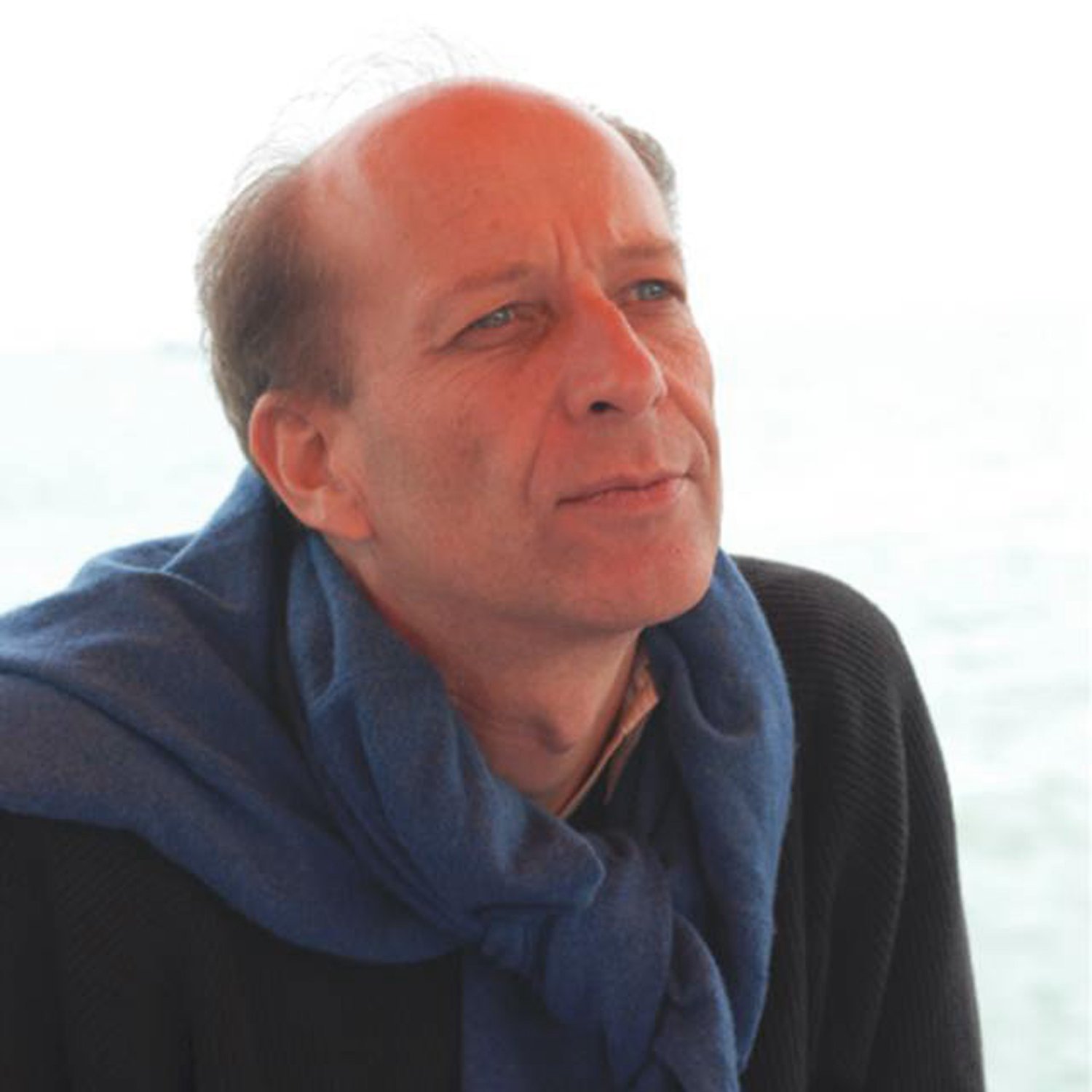
Lex van Geen - Research Professor - Lamont-Doherty Earth Observatory, Columbia University
Geochemist Lex van Geen is a research professor at Lamont-Doherty Earth Observatory and is member of the Earth Institute at Columbia University. His research focuses on ways to reduce the impact of the environment on human health. For two decades, he coordinated earth-science on the origin and health effects of elevated levels of arsenic in groundwater. His other projects focus on fluoride in groundwater in India, bauxite dust in Guinea, or soil contaminated with lead from mine-tailings in Peru, and fallout of lead over Paris following the fire in Notre Dame. Dr. Van Geen is a firm believer in the more widespread use of field kits by non-specialists to reduce exposure to environmental toxicants."So this was maybe nine months after the fire in Notre Dame, and I had been struck visually by the fire, the yellow smoke, which is a telltale indicator of lead. The fact that 400 tons of lead constituted the covering of the roof of the cathedral. And a lot of that had volatilized, presumably, but no one really knew how much. So that got me thinking, and I happened to be in Paris at the time, so I thought if it's so much lead, could it be that it affected the population living within say a kilometer of the cathedral? I thought there wasn't really a lot of clear information about what had happened, and what had been measured. I thought some more openness and transparency was needed."www.ldeo.columbia.edu/~avangeenwww.oneplanetpodcast.orgwww.creativeprocess.info
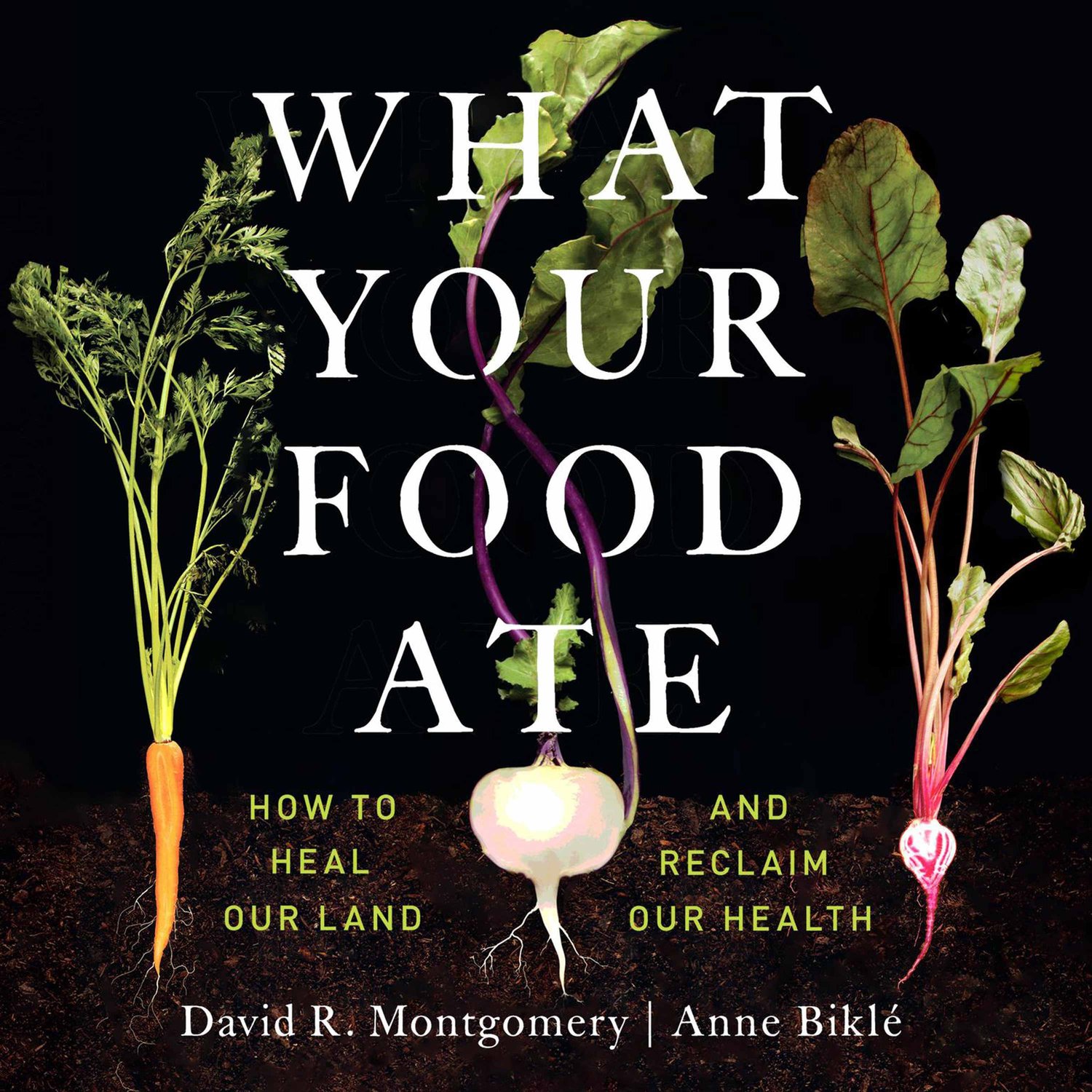
What Your Food Ate: How to Heal Our Land & Reclaim Our Health w/ DAVID MONTGOMERY - Highlights
“When you dig into the medical literature, 7 out of 10 of the leading causes of death in the United States are diet-related chronic diseases. And so one of the hopeful messages that I think comes out of The Hidden Half of Nature, Growing a Revolution, and What Your Food Ate is that what we do to the land, essentially we do to us. And what's good for the land is good for us.So if we think about farming differently, we can actually enjoy ripple effects that are not only beneficial to the farmers in terms of reduced costs for fertilizer, pesticides, and diesel - the three of the big costs in farming today. If we can farm and grow as much food using less of those kind of synthetic inputs, we'll all be better off. And farmers will be better off and more profitable, but it could also translate into better human health outcomes at a population level.”David R. Montgomery teaches at the University of Washington where he studies the evolution of topography and how geological processes shape landscapes and influence ecological systems. He loved maps as a kid and now writes about the relationship of people to their environment, and regenerative agriculture. In 2008 he was named a MacArthur Fellow. He is the author of award-winning popular-science books (King of Fish, Dirt, and Growing a Revolution) and co-authored The Hidden Half of Nature, The Microbial Roots of Life and Health and What Your Food Ate: How to Heal Our Land and Reclaim Our Health with his wife, biologist Anne Biklé.https://www.dig2grow.com/https://twitter.com/Dig2Growwww.oneplanetpodcast.orgwww.creativeprocess.info
DAVID MONTGOMERY - Co-author of What Your Food Ate: How to Heal Our Land & Reclaim Our Health
David R. Montgomery teaches at the University of Washington where he studies the evolution of topography and how geological processes shape landscapes and influence ecological systems. He loved maps as a kid and now writes about the relationship of people to their environment, and regenerative agriculture. In 2008 he was named a MacArthur Fellow. He is the author of award-winning popular-science books (King of Fish, Dirt, and Growing a Revolution) and co-authored The Hidden Half of Nature, The Microbial Roots of Life and Health and What Your Food Ate: How to Heal Our Land and Reclaim Our Health with his wife, biologist Anne Biklé.“When you dig into the medical literature, 7 out of 10 of the leading causes of death in the United States are diet-related chronic diseases. And so one of the hopeful messages that I think comes out of The Hidden Half of Nature, Growing a Revolution, and What Your Food Ate is that what we do to the land, essentially we do to us. And what's good for the land is good for us.So if we think about farming differently, we can actually enjoy ripple effects that are not only beneficial to the farmers in terms of reduced costs for fertilizer, pesticides, and diesel - the three of the big costs in farming today. If we can farm and grow as much food using less of those kind of synthetic inputs, we'll all be better off. And farmers will be better off and more profitable, but it could also translate into better human health outcomes at a population level.”https://www.dig2grow.com/https://twitter.com/Dig2Growwww.oneplanetpodcast.orgwww.creativeprocess.infoPhoto credit: Cooper Reid
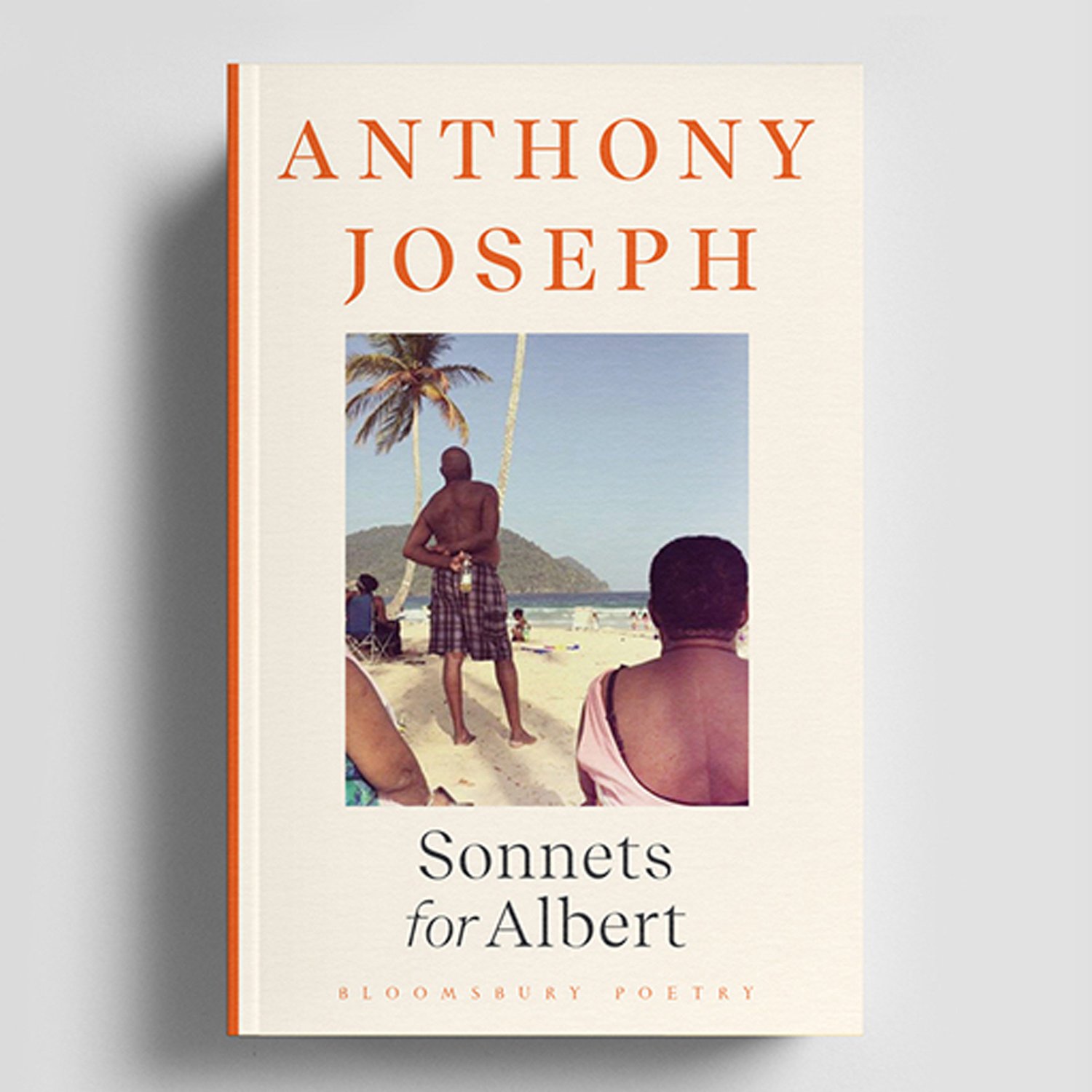
Sonnets for Albert with T.S. Eliot Award-winning Writer & Musician ANTHONY JOSEPH - Highlights
"The life of Caribbean people is not really documented. So this idea of Caribbean life being fragmented is something that I've had in my mind for a long time. So when I came to write this collection for my father, I realized that it was the same process and what I had were fragments, especially with him, because he wasn't around in a physical sense all the time. So all I had were little photographs, scattered memories, and remembrances. They're little parts of his life and parts of my experience with him... I never disliked my father. I always loved him and always was fascinated and captivated by him."Anthony Joseph is a poet, novelist, academic and musician who moved from Trinidad to the UK in 1989. A lecturer in creative writing at Birkbeck College, he is particularly interested in the point at which poetry becomes music.As well as four poetry collections, a slew of albums, and three novels – most recently Kitch – Joseph has published critical work exploring the aesthetics of Caribbean Poetry among other subjects. He performs internationally as the lead vocalist for his band The Spasm Band. Sonnets for Albert is his first poetry collection since Rubber Orchestras. His most recent album is The Rich Are Only Defeated When Running for Their Lives.www.anthonyjoseph.co.ukhttps://open.spotify.com/artist/622cbugSJevUkEanSBCab9www.creativeprocess.infowww.oneplanetpodcast.org
ANTHONY JOSEPH - T. S. Eliot Award-winning Writer & Musician - Author of Sonnets for Albert
Anthony Joseph is a poet, novelist, academic and musician who moved from Trinidad to the UK in 1989. A lecturer in creative writing at Birkbeck College, he is particularly interested in the point at which poetry becomes music.As well as four poetry collections, a slew of albums, and three novels – most recently Kitch – Joseph has published critical work exploring the aesthetics of Caribbean Poetry among other subjects. He performs internationally as the lead vocalist for his band The Spasm Band. Sonnets for Albert is his first poetry collection since Rubber Orchestras. His most recent album is The Rich Are Only Defeated When Running for Their Lives."The life of Caribbean people is not really documented. So this idea of Caribbean life being fragmented is something that I've had in my mind for a long time. So when I came to write this collection for my father, I realized that it was the same process and what I had were fragments, especially with him, because he wasn't around in a physical sense all the time. So all I had were little photographs, scattered memories, and remembrances. They're little parts of his life and parts of my experience with him... I never disliked my father. I always loved him and always was fascinated and captivated by him."www.anthonyjoseph.co.ukhttps://open.spotify.com/artist/622cbugSJevUkEanSBCab9www.creativeprocess.infowww.oneplanetpodcast.org
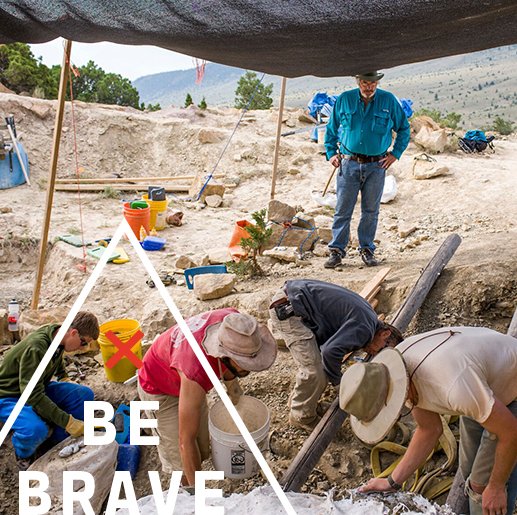
Unraveling Dinosaurs: The Science Behind Jurassic World w/ JACK HORNER - Highlights
"I found my first fossil when I was six years old. And I found my first dinosaur bone when I was eight, my first dinosaur skeleton when I was 13. When I was a kid, I knew I wanted to be a paleontologist, and I didn't think there was much hope for it, though. I was doing very poorly in school. I think I was always a pretty positive kid. And so even though I wasn't doing well in school, I was really happy about the fact that I was finding all these cool fossils, and I was making collections. I don't know when it came to me that I would do this, but I think I just was born this way."Jack Horner is a severely dyslexic, dinosaur paleontologist. He attended the University of Montana for 14 semesters without receiving a degree. He has since received two honorary doctorates of science and a plethora of awards including a MacArthur Fellowship. Jack was Curator and Regent’s Professor of Paleontology at Montana State University in Bozeman, Montana for 34 years. He has more than 300 publications. He was the technical advisor for all of the Jurassic Park/ Jurassic World movies. At Chapman University where he now teaches, Jack encourages his honors students and dyslexic mentorees to challenge their preconceived ideas.https://jackhornersdinosaurs.comHorner Science Groupwww.creativeprocess.infowww.oneplanetpodcast.org
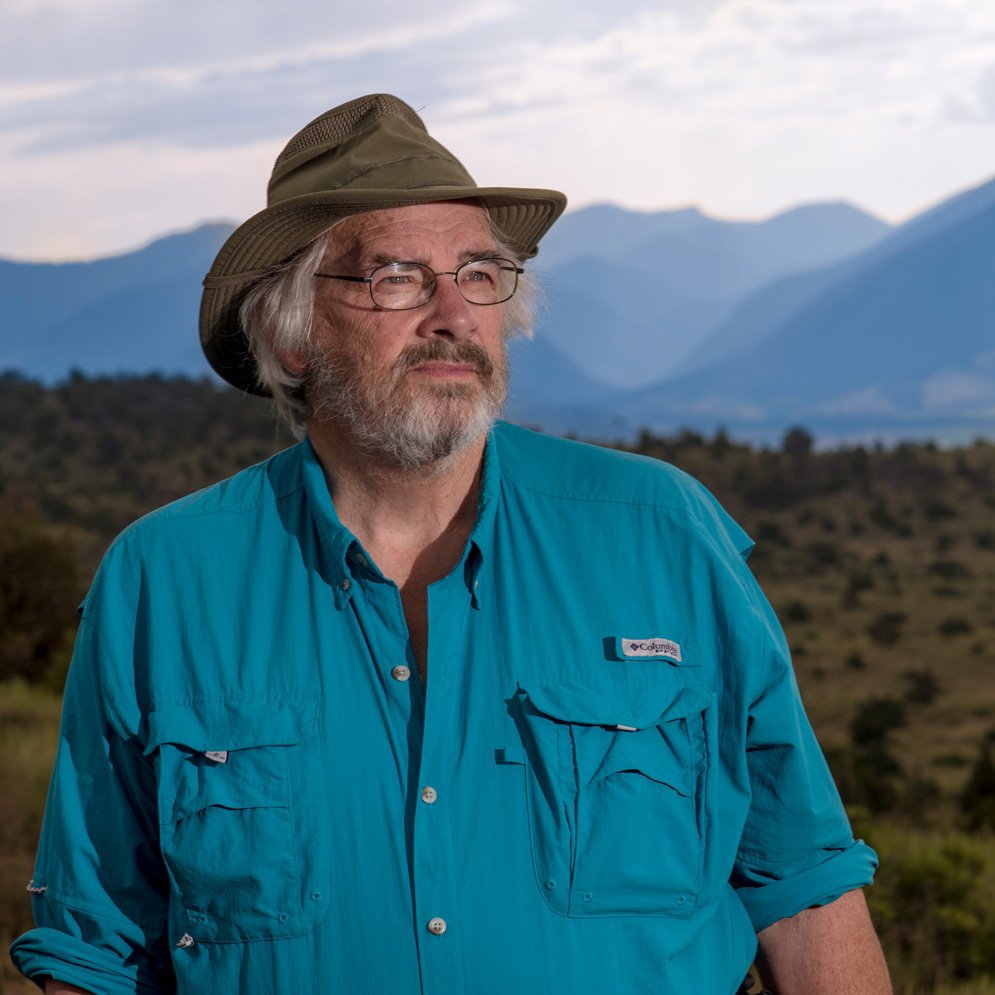
JACK HORNER - Renowned Dinosaur Paleontologist - Technical Advisor, Jurassic Park/World Films
Jack Horner is a severely dyslexic, dinosaur paleontologist. He attended the University of Montana for 14 semesters without receiving a degree. He has since received two honorary doctorates of science and a plethora of awards including a MacArthur Fellowship. Jack was Curator and Regent’s Professor of Paleontology at Montana State University in Bozeman, Montana for 34 years. He has more than 300 publications. He was the technical advisor for all of the Jurassic Park/ Jurassic World movies. At Chapman University where he now teaches, Jack encourages his honors students and dyslexic mentorees to challenge their preconceived ideas."I found my first fossil when I was six years old. And I found my first dinosaur bone when I was eight, my first dinosaur skeleton when I was 13. When I was a kid, I knew I wanted to be a paleontologist, and I didn't think there was much hope for it, though. I was doing very poorly in school. I think I was always a pretty positive kid. And so even though I wasn't doing well in school, I was really happy about the fact that I was finding all these cool fossils, and I was making collections. I don't know when it came to me that I would do this, but I think I just was born this way."https://jackhornersdinosaurs.comHorner Science Groupwww.creativeprocess.infowww.oneplanetpodcast.org
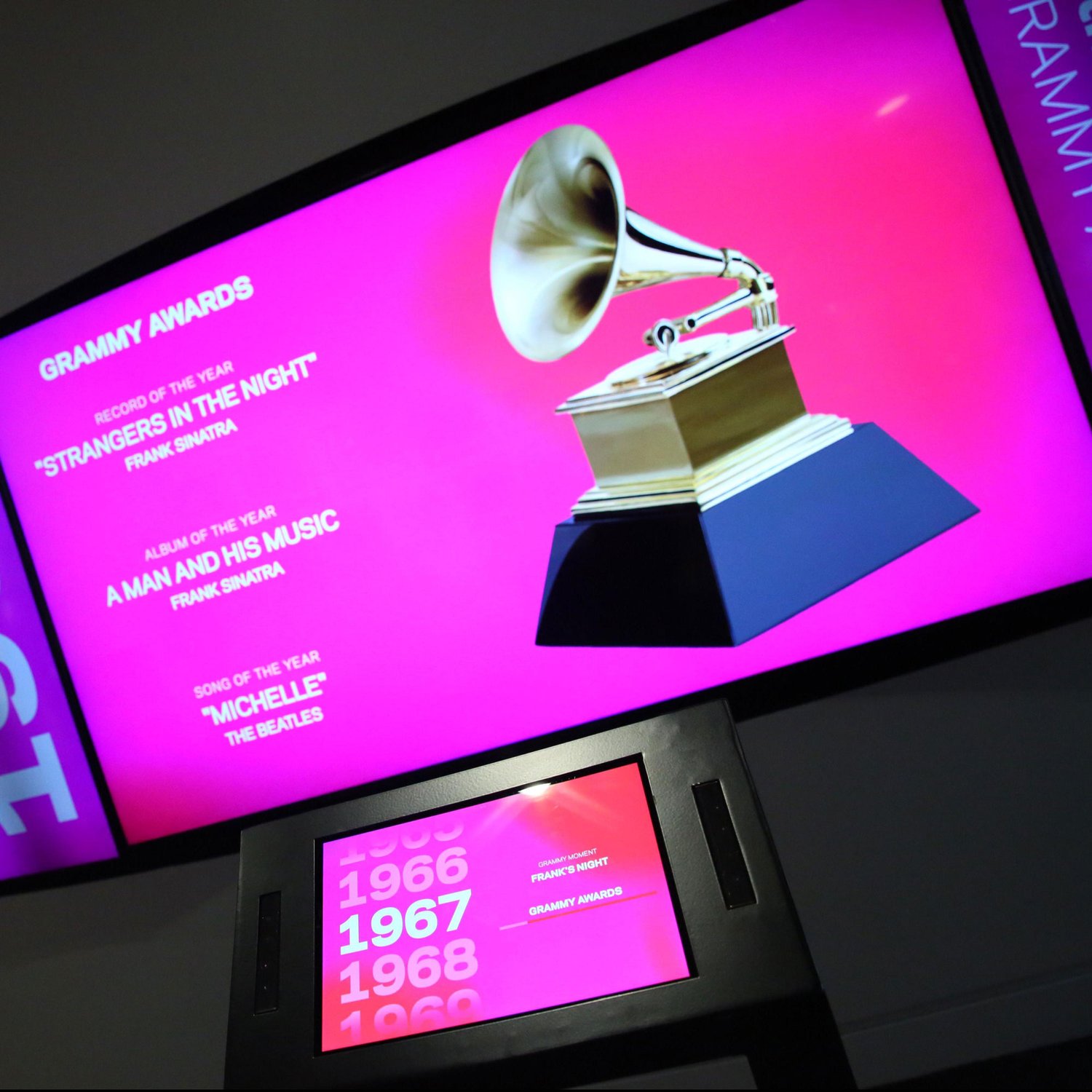
Music as a gateway to learning with The GRAMMY Museum - MICHAEL STICKA - Highlights
"I think music has changed the world. I think if you look at most social movements that have challenged the status quo and challenged even just the establishment at the time, there's been a soundtrack to those movements. And I think that is what maintains and fosters the movement and fosters the people to get behind it. So there's no question that music can change the world. It already has.It's actually right in our mission statement that 'we celebrate the music of yesterday and today to inspire the music of tomorrow.' And we do it through our exhibits. We have 35,000 square feet of galleries. We travel exhibits, really, all over the world over the world for the past 15 years. And through our education programs, we really focus on the next generation of music's creators and leaders. We do that through really specific curricula that is designed to educate particularly young people, K-12, about the business of music, especially for those who want to go into the industry."The GRAMMY Museum believes that music is a gateway to learning. Their mission is to explore and celebrate the enduring legacies of the creative process behind all forms of music through immersive and interactive exhibits and essential music education programs. Michael Sticka serves as President/CEO. He’s responsible for the creation of the Museum's growth and sustainability as an independent nonprofit arts organization, overseeing the Museum Foundation™’s national programming, including GRAMMY In The Schools®, grants for music research and preservation and national affiliates. Their many projects include the multimillion-dollar renovation of the Museum in downtown Los Angeles, building the only gallery dedicated to Latin music in California; GRAMMY Museum at Home, a collection of virtual exhibits, artist programs and educational content available free to educators and music lovers worldwide; and their official streaming service COLLECTION:live™. An advocate for accessibility, the GRAMMY Museum became the only museum named as a Certified Autism Center™ in California. Prior to joining the Academy, Sticka consulted for nonprofit organizations and co-founded the Zoot Theatre Company in Dayton, Ohio.Grammymuseum.orgIG, FB, TW: @grammymuseumwww.creativeprocess.infowww.oneplanetpodcast.org
President/CEO of the GRAMMY Museum - MICHAEL STICKA
The GRAMMY Museum believes that music is a gateway to learning. Their mission is to explore and celebrate the enduring legacies of the creative process behind all forms of music through immersive and interactive exhibits and essential music education programs. Michael Sticka serves as President/CEO. He’s responsible for the creation of the Museum's growth and sustainability as an independent nonprofit arts organization, overseeing the Museum Foundation™’s national programming, including GRAMMY In The Schools®, grants for music research and preservation and national affiliates. Their many projects include the multimillion-dollar renovation of the Museum in downtown Los Angeles, building the only gallery dedicated to Latin music in California; GRAMMY Museum at Home, a collection of virtual exhibits, artist programs and educational content available free to educators and music lovers worldwide; and their official streaming service COLLECTION:live™. An advocate for accessibility, the GRAMMY Museum became the only museum named as a Certified Autism Center™ in California. Prior to joining the Academy, Sticka consulted for nonprofit organizations and co-founded the Zoot Theatre Company in Dayton, Ohio."I think music has changed the world. I think if you look at most social movements that have challenged the status quo and challenged even just the establishment at the time, there's been a soundtrack to those movements. And I think that is what maintains and fosters the movement and fosters the people to get behind it. So there's no question that music can change the world. It already has.It's actually right in our mission statement that 'we celebrate the music of yesterday and today to inspire the music of tomorrow.' And we do it through our exhibits. We have 35,000 square feet of galleries. We travel exhibits, really, all over the world over the world for the past 15 years. And through our education programs, we really focus on the next generation of music's creators and leaders. We do that through really specific curricula that is designed to educate particularly young people, K-12, about the business of music, especially for those who want to go into the industry."Grammymuseum.orgIG, FB, TW: @grammymuseumwww.creativeprocess.infowww.oneplanetpodcast.org