The Creative Process · Arts, Culture & Society: Books, Film, Music, TV, Art, Writing, Creativity, Education, Environment, Theatre, Dance, LGBTQ, Climate Change, Social Justice, Spirituality, Feminism, Tech, Sustainability
1,275 episodes — Page 14 of 26
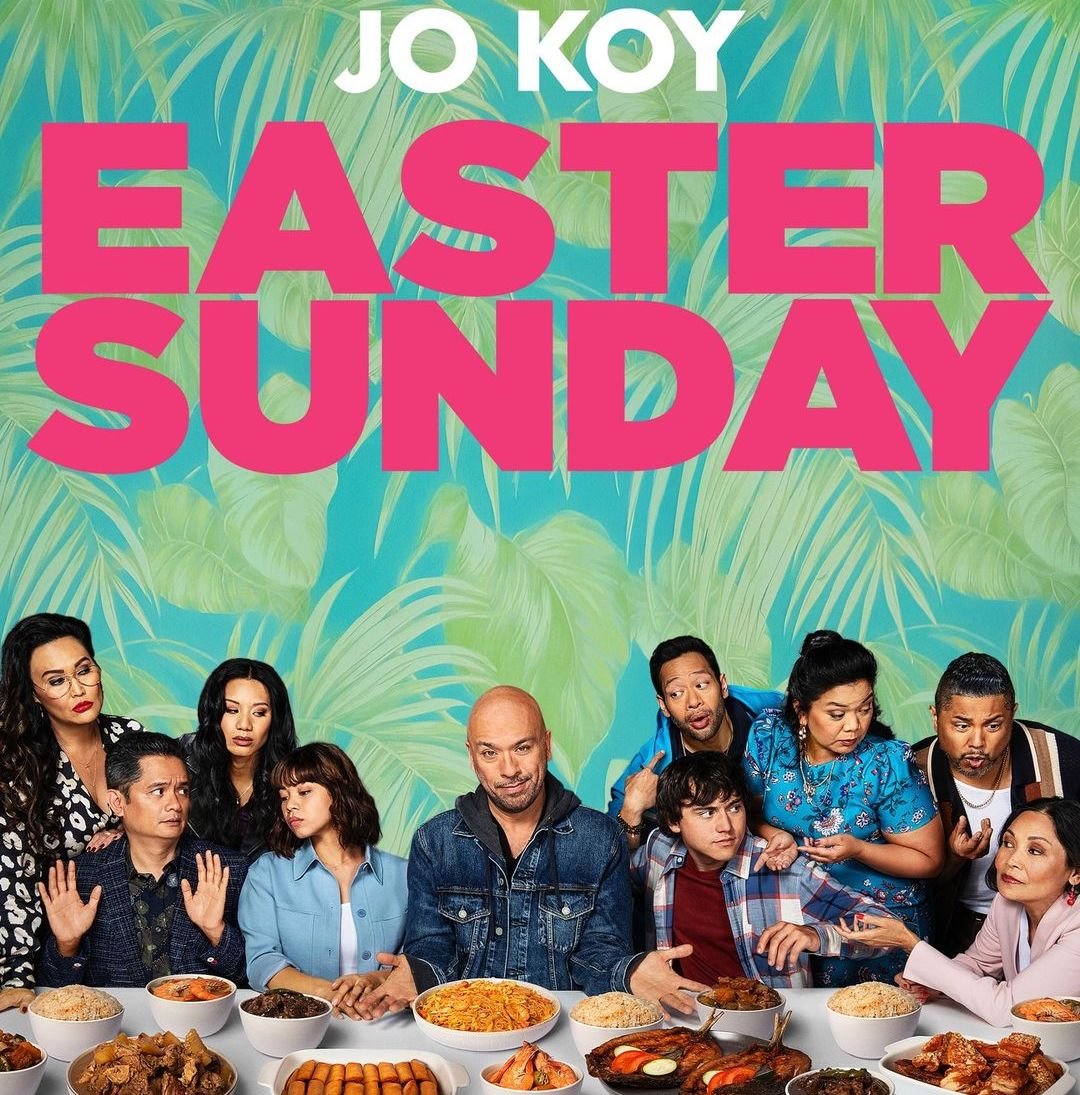
Asian-American Cinema - KEN CHENG on Breaking Barriers in Hollywood - Highlights
"I think there's this belief that creativity requires our ability to think outward and extrapolate beyond our own experiences and think of the world in imaginative new ways - which is true in a lot of cases - but I also believe in creativity as the ability to access inward and look introspectively at our own personal experiences and mine those experiences in ways that aren't necessarily one to one copies of our lives, but that we can extrapolate themes and lessons, comedy, drama, humor...into new works.”Ken Cheng is a writer/producer who has previously written for Wilfred, Betas, and Sin City Saints. Ken’s feature comedy Easter Sunday, which he co-wrote, and executive produced for Amblin Partners, Rideback, and Universal, is inspired by the life and comedy of standup comedian Jo Koy. Forthcoming projects include writing and executive producing the half-hour comedy series, House of Chow, for HBO, co-writing – along with his creative partners at Crab Club, Inc. - a feature film adaptation of the GQ Magazine article, “The Great Chinese Art Heist”, for Warner Bros., Conde Nast, and director Jon M. Chu, and writing/producing a feature adaptation of the New York Magazine article “Chateau Sucker” for Bound Entertainment.www.crabclubinc.comKen Cheng IMDBwww.creativeprocess.infowww.oneplanetpodcast.org
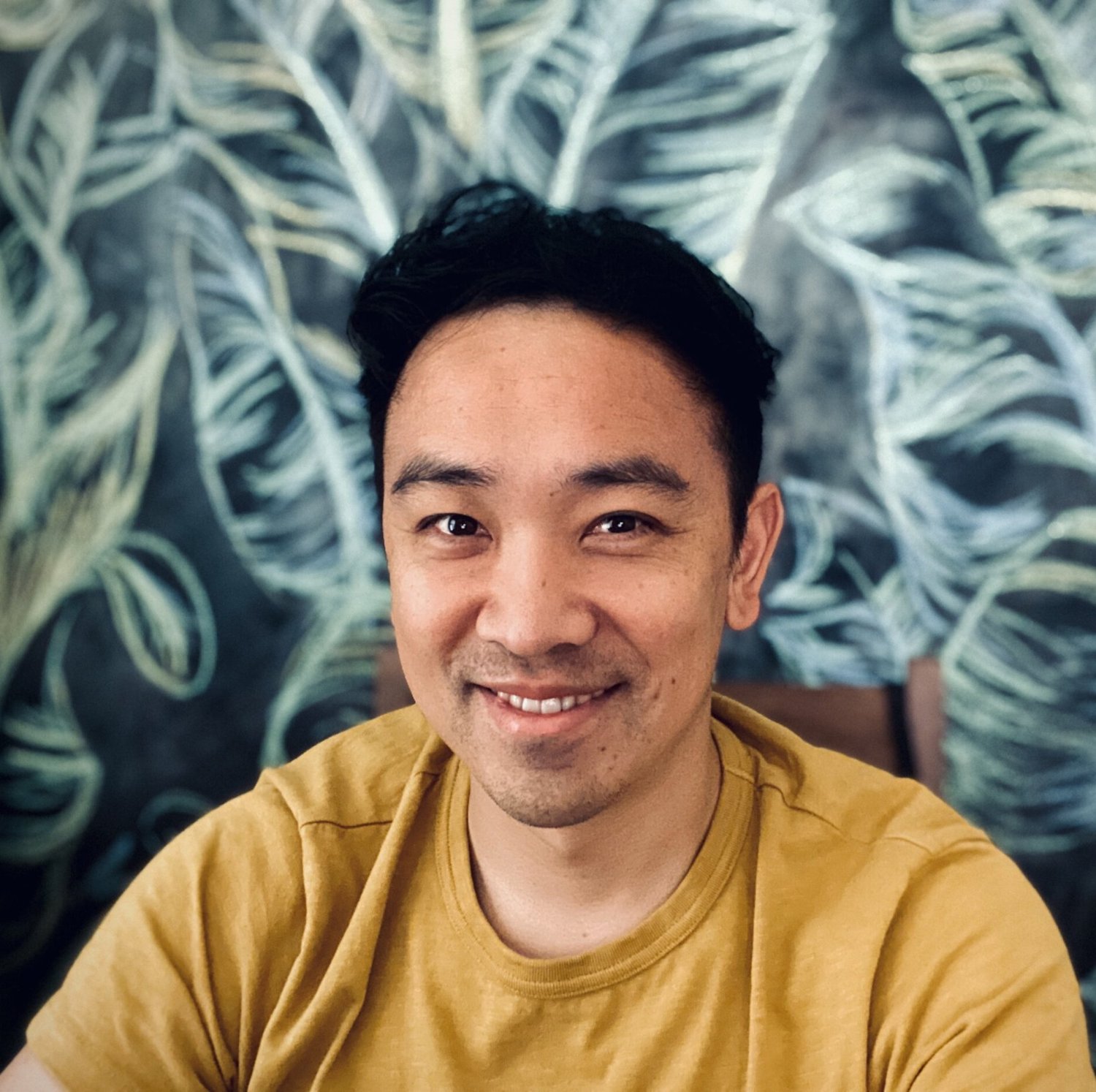
KEN CHENG - Writer/Producer of Easter Sunday starring Jo Koy - Co-Founder - Crab Club, Inc.
Ken Cheng is a writer/producer who has previously written for Wilfred, Betas, and Sin City Saints. Ken’s feature comedy Easter Sunday, which he co-wrote, and executive produced for Amblin Partners, Rideback, and Universal, is inspired by the life and comedy of standup comedian Jo Koy. Forthcoming projects include writing and executive producing the half-hour comedy series, House of Chow, for HBO, co-writing – along with his creative partners at Crab Club, Inc. - a feature film adaptation of the GQ Magazine article, “The Great Chinese Art Heist”, for Warner Bros., Conde Nast, and director Jon M. Chu, and writing/producing a feature adaptation of the New York Magazine article “Chateau Sucker” for Bound Entertainment."I think there's this belief that creativity requires our ability to think outward and extrapolate beyond our own experiences and think of the world in imaginative new ways - which is true in a lot of cases - but I also believe in creativity as the ability to access inward and look introspectively at our own personal experiences and mine those experiences in ways that aren't necessarily one to one copies of our lives, but that we can extrapolate themes and lessons, comedy, drama, humor...into new works.”www.crabclubinc.comKen Cheng IMDBwww.creativeprocess.infowww.oneplanetpodcast.org
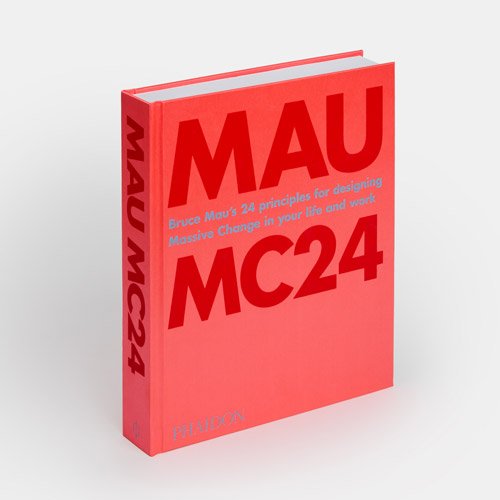
24 Principles for Designing Massive Change with BRUCE MAU - Highlights
Designer, author, educator and artist Bruce Mau is a brilliantly creative optimist whose love of thorny problems led him to create a methodology for life-centered design. Across thirty years of design innovation, he’s collaborated with global brands and companies, leading organizations, heads of state, renowned artists and fellow optimists. Mau became an international figure with the publication of his landmark S,M,L,XL, designed and co-authored with Rem Koolhaas, and his most recent books are Mau MC24: Bruce Mau’s 24 Principles for Designing Massive Change in Your Life and Work and, with co-author, Julio Ottino, dean of Northwestern University’s McCormick School of Engineering, The Nexus: Augmented Thinking for a Complex World – The New Convergence of Art, Technology, and Science. Mau is co-founder and CEO of Massive Change Network, a holistic design collective based in the Chicago area."I'm very, very concerned that we are already in a time of being lost, that a lot of people feel lost, and they feel like the world has kind of moved out from under them, and that they have lost their bearings. They've lost their anchor, and they don't have what it takes to actually navigate.And in that kind of environment, it's a very rich environment for fascism and for the worst kind of political movement, for the worst kind of political actors to take advantage of that feeling of powerlessness and fear and disconnection. Design is a methodology that is an empowering methodology within a condition of being unmoored.So when you don't know what to do, design is a methodology of figuring out what to do, and it's why we're doing a project that we call Massive Action, which is to really give people the tools of empowerment to give them the power to design their life because over the coming couple of decades people are going to see a level of turmoil and change that has not happened in human history. The foundation of any culture is energy, and we have to change fundamentally our source of energy, which is going to change everything else. And I really worry that it's going to be a time – and we're already seeing it - it's going to be a time where the forces of autocracy and totalitarianism and fascism will find fertile ground if we don't actually help people navigate those conditions."www.massivechangenetwork.comwww.Brucemaustudio.comMau MC24The NexusImage Courtesy of Massive Change Networkwww.creativeprocess.infowww.oneplanetpodcast.org
Can Design Save the World? with Award-winning Designer, Artist, Author BRUCE MAU
Designer, author, educator and artist Bruce Mau is a brilliantly creative optimist whose love of thorny problems led him to create a methodology for life-centered design. Across thirty years of design innovation, he’s collaborated with global brands and companies, leading organizations, heads of state, renowned artists and fellow optimists. Mau became an international figure with the publication of his landmark S,M,L,XL, designed and co-authored with Rem Koolhaas, and his most recent books are Mau MC24: Bruce Mau’s 24 Principles for Designing Massive Change in Your Life and Work and, with co-author, Julio Ottino, dean of Northwestern University’s McCormick School of Engineering, The Nexus: Augmented Thinking for a Complex World – The New Convergence of Art, Technology, and Science. Mau is co-founder and CEO of Massive Change Network, a holistic design collective based in the Chicago area."I'm very, very concerned that we are already in a time of being lost, that a lot of people feel lost, and they feel like the world has kind of moved out from under them, and that they have lost their bearings. They've lost their anchor, and they don't have what it takes to actually navigate.And in that kind of environment, it's a very rich environment for fascism and for the worst kind of political movement, for the worst kind of political actors to take advantage of that feeling of powerlessness and fear and disconnection. Design is a methodology that is an empowering methodology within a condition of being unmoored.So when you don't know what to do, design is a methodology of figuring out what to do, and it's why we're doing a project that we call Massive Action, which is to really give people the tools of empowerment to give them the power to design their life because over the coming couple of decades people are going to see a level of turmoil and change that has not happened in human history. The foundation of any culture is energy, and we have to change fundamentally our source of energy, which is going to change everything else. And I really worry that it's going to be a time – and we're already seeing it - it's going to be a time where the forces of autocracy and totalitarianism and fascism will find fertile ground if we don't actually help people navigate those conditions."www.massivechangenetwork.comwww.Brucemaustudio.comMau MC24The NexusImage Courtesy of Massive Change Networkwww.creativeprocess.infowww.oneplanetpodcast.org
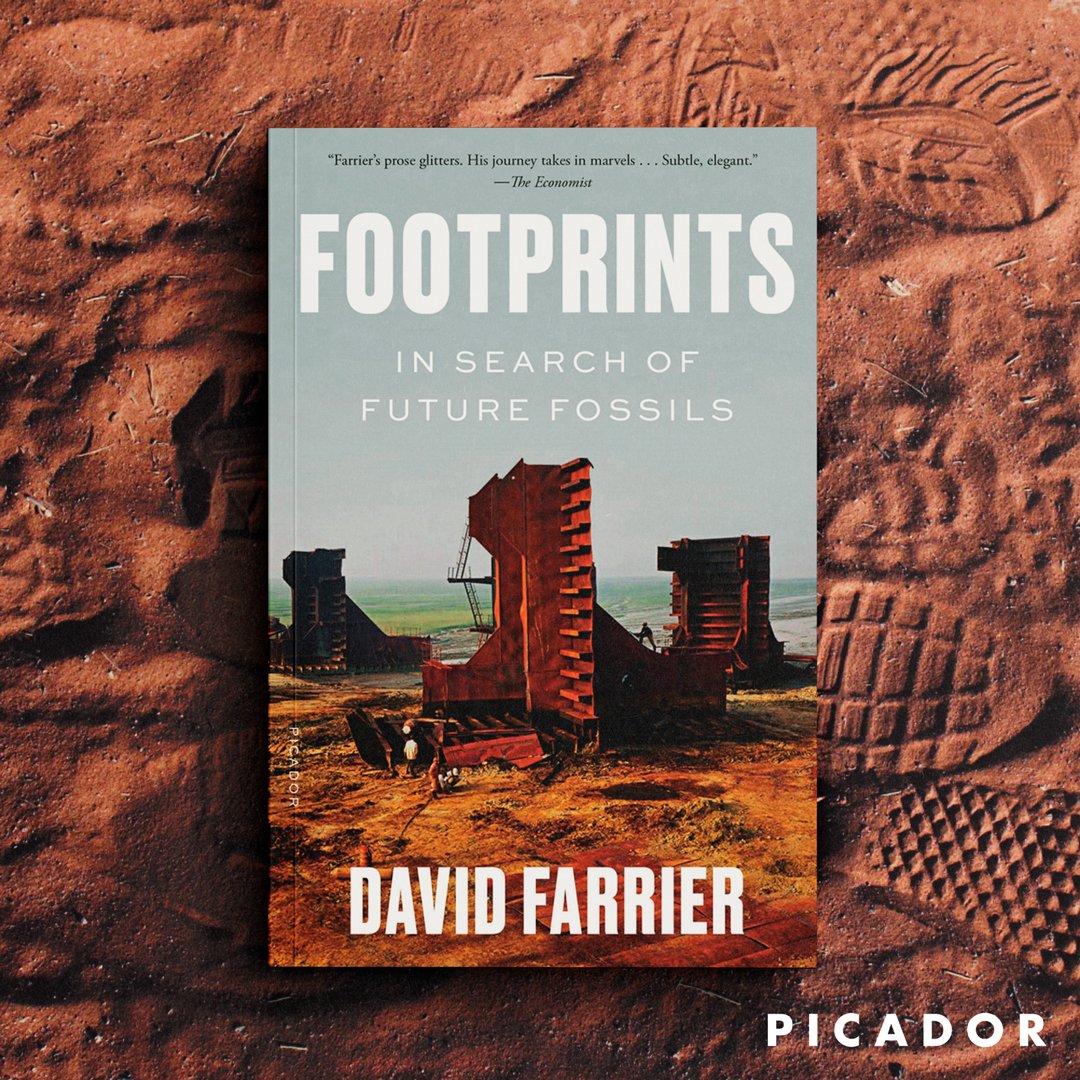
Footprints: In Search of Future Fossils with DAVID FARRIER - Highlights
"Just thinking about how our actions play out over multiple generations who will have to live with the consequences of these decisions. I think we need to stretch our sense of time, and within that stretch our sense of empathy. The philosopher Roman Krznaric talks about that in his book The Good Ancestor, that we need a more elastic sense of empathy that can encompass not just those close to us or living alongside us, but those who have yet to be born will have to inherit the world that we passed down to them. But I think in stretching that sense of empathy and stretching that sense of the times that we touch, if you like, because all of us are engaged in activities that will lead long legacies, long tails, in terms of the fossil fuels we're consuming. And so, alongside that, I think we need to accept that the time we live in is a strange one, and time itself is doing strange things in the anthropocene.”David Farrier's books include Footprints: In Search of Future Fossils (2020) and Anthropocene Poetics (2019). Footprints won the Royal Society of Literature’s Giles St. Aubyn award and has been translated into nine languages. He is Professor of Literature and the Environment at the University of Edinburgh. Footprints: In Search of Future Fossilswww.ed.ac.uk/profile/david-farrierAnthropocene Poeticswww.oneplanetpodcast.orgwww.creativeprocess.info
DAVID FARRIER - Author of Footprints: In Search of Future Fossils - Prof. U of Edinburgh
David Farrier's books include Footprints: In Search of Future Fossils (2020) and Anthropocene Poetics (2019). Footprints won the Royal Society of Literature’s Giles St. Aubyn award and has been translated into nine languages. He is Professor of Literature and the Environment at the University of Edinburgh. "Just thinking about how our actions play out over multiple generations who will have to live with the consequences of these decisions. I think we need to stretch our sense of time, and within that stretch our sense of empathy. The philosopher Roman Krznaric talks about that in his book The Good Ancestor, that we need a more elastic sense of empathy that can encompass not just those close to us or living alongside us, but those who have yet to be born will have to inherit the world that we passed down to them. But I think in stretching that sense of empathy and stretching that sense of the times that we touch, if you like, because all of us are engaged in activities that will lead long legacies, long tails, in terms of the fossil fuels we're consuming. And so, alongside that, I think we need to accept that the time we live in is a strange one, and time itself is doing strange things in the anthropocene.”Footprints: In Search of Future Fossilswww.ed.ac.uk/profile/david-farrierAnthropocene Poeticswww.oneplanetpodcast.orgwww.creativeprocess.info
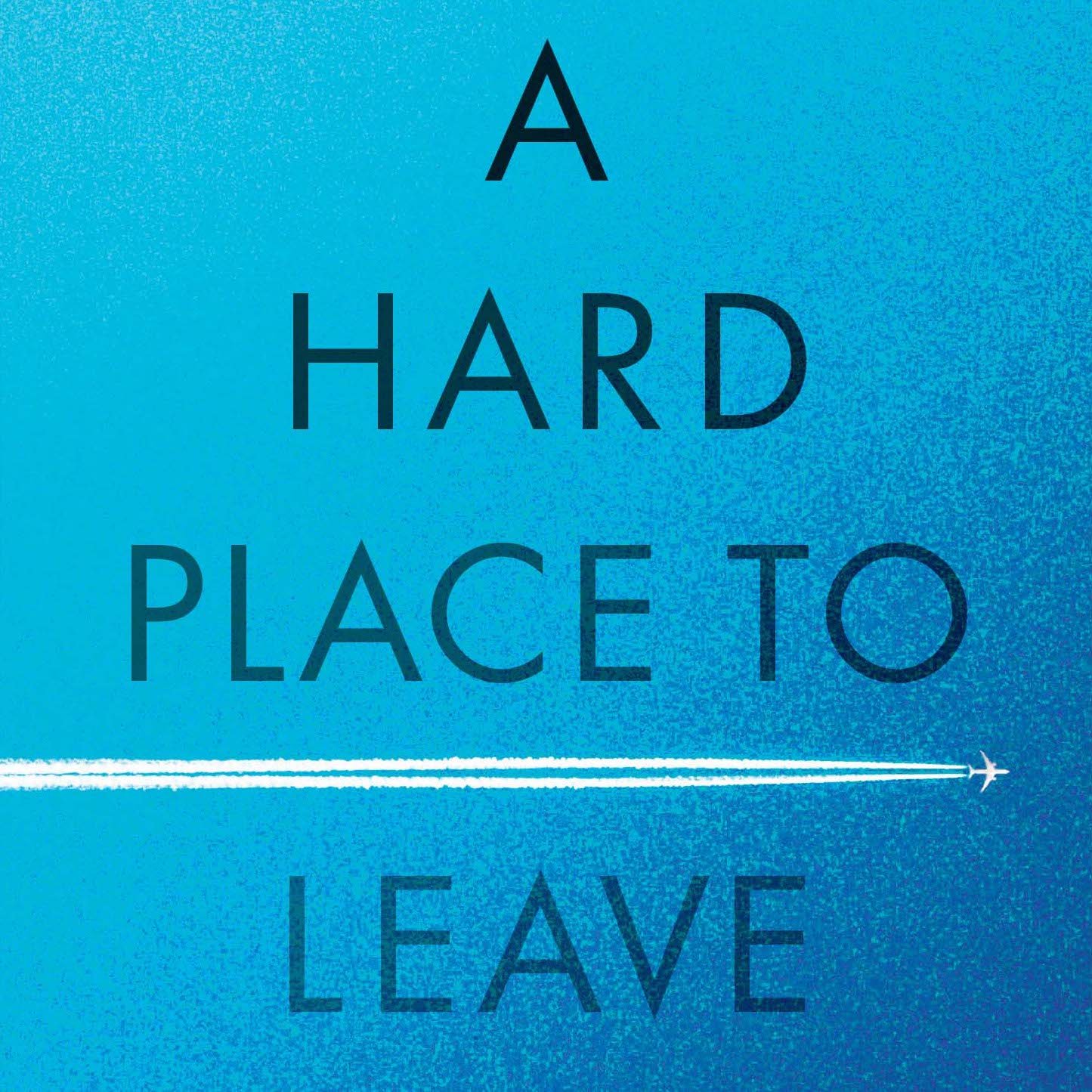
"A Hard Place to Leave", “100 Places in France Every Woman Should Go” - MARCIA DeSANCTIS - Highlights
"I started looking over the stories that I had done. I would say the majority of the essays were not really about travel. They were more about aging and marriage and memory and all of those things, but I did find in the travel essays those kernels of things that I wanted to explore - bigger kernels of things that were sort of scratching at me from the inside like a piece of sand in my pocket that was irritating me and that I wanted to explore. What I found was that the theme of coming and going, the theme of arrivals and departures, the theme of entrances and exits, and the theme of home and away seemed to repeat itself. I felt that whenever I was somewhere, there was always a tide home. And when I was home, there was always the urge for going. And so I just weeded out and weeded out and really wanted to keep this theme of home and away."Marcia DeSanctis is a journalist, essayist, and author of A Hard Place to Leave: Stories from a Restless Life, 100 Places in France Every Woman Should Go, a New York Times travel bestseller. A contributor writer at Travel + Leisure, she also writes for Air Mail, Vogue, BBC Travel and many other publications. She has won five Lowell Thomas Awards from the Society of American Travel Writers and is the recipient of the 2021 Gold Award for Travel Story of the Year. Before becoming a writer, she was a television news producer for ABC, NBC and CBS News, for most of those years producing for Barbara Walters. She lives in Connecticut.https://marciadesanctis.comA Hard Place to Leavewww.creativeprocess.infowww.oneplanetpodcast.org

MARCIA DeSANCTIS - Author of A Hard Place to Leave: Stories from a Restless Life
Marcia DeSanctis is a journalist, essayist, and author of A Hard Place to Leave: Stories from a Restless Life, 100 Places in France Every Woman Should Go, a New York Times travel bestseller. A contributor writer at Travel + Leisure, she also writes for Air Mail, Vogue, BBC Travel and many other publications. She has won five Lowell Thomas Awards from the Society of American Travel Writers and is the recipient of the 2021 Gold Award for Travel Story of the Year. Before becoming a writer, she was a television news producer for ABC, NBC and CBS News, for most of those years producing for Barbara Walters. She lives in Connecticut."I started looking over the stories that I had done. I would say the majority of the essays were not really about travel. They were more about aging and marriage and memory and all of those things, but I did find in the travel essays those kernels of things that I wanted to explore - bigger kernels of things that were sort of scratching at me from the inside like a piece of sand in my pocket that was irritating me and that I wanted to explore. What I found was that the theme of coming and going, the theme of arrivals and departures, the theme of entrances and exits, and the theme of home and away seemed to repeat itself. I felt that whenever I was somewhere, there was always a tide home. And when I was home, there was always the urge for going. And so I just weeded out and weeded out and really wanted to keep this theme of home and away."https://marciadesanctis.comA Hard Place to Leavewww.creativeprocess.infowww.oneplanetpodcast.orgPhoto credit: Elena Seibert
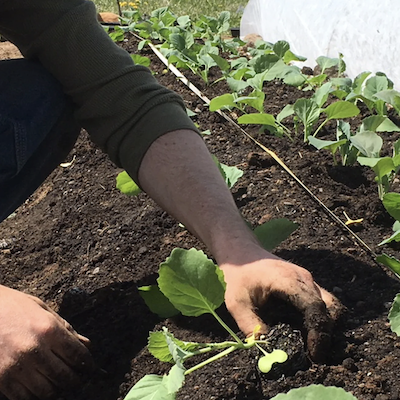
Creating Community & Connection through Family-run Farms - JOHN BEATON - Highlights
"What's trending now with beginning farmers is that it is creating this kind of community connection. It's bringing people to the farm. It's connecting them to their food source. That creates community. It helps cultivate culture and connectivity, and so I think overall, it's like the landscape and agriculture as a whole is shifting towards a different direction."John and Emily Beaton have created a multi-enterprise farming business in Northeastern Minnesota near Duluth and the shores of Lake Superior. They founded Fairhaven Farm with a spirit of community building, a focus on soil health, and a desire to see a thriving local food system. They sell starter plants each spring for home gardeners, grow food for over 50 families through their CSA program, and are launching a new Pizza Farm enterprise where the couple will serve wood-fired pizzas on the farm featuring all locally sourced ingredients—including fresh tomatoes and vegetables right from their field!www.fairhaven.farmwww.oneplanetpodcast.orgwww.creativeprocess.info
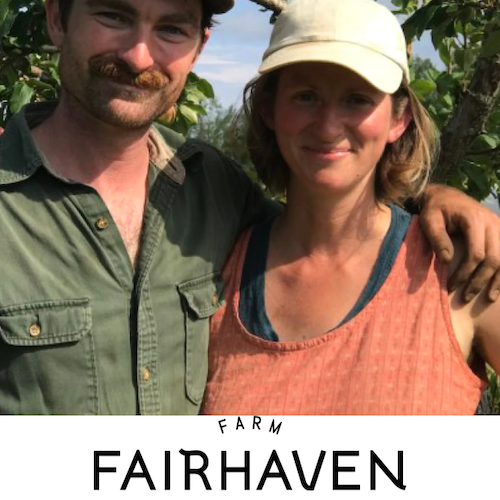
JOHN BEATON - Founder, Director & Co-Visionary of Fairhaven Farm
John and Emily Beaton have created a multi-enterprise farming business in Northeastern Minnesota near Duluth and the shores of Lake Superior. They founded Fairhaven Farm with a spirit of community building, a focus on soil health, and a desire to see a thriving local food system. They sell starter plants each spring for home gardeners, grow food for over 50 families through their CSA program, and are launching a new Pizza Farm enterprise where the couple will serve wood-fired pizzas on the farm featuring all locally sourced ingredients—including fresh tomatoes and vegetables right from their field!"What's trending now with beginning farmers is that it is creating this kind of community connection. It's bringing people to the farm. It's connecting them to their food source. That creates community. It helps cultivate culture and connectivity, and so I think overall, it's like the landscape and agriculture as a whole is shifting towards a different direction."www.fairhaven.farmwww.oneplanetpodcast.orgwww.creativeprocess.info
A Guide to the Good Life: The Ancient Art of Stoic Joy with WILLIAM IRVINE - Highlights
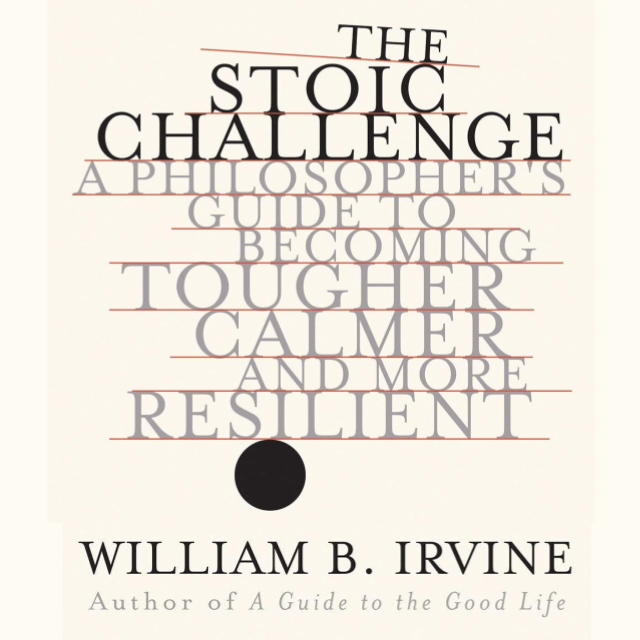
"Happiness is another interesting thing. I've been thinking about this lately. You know, people take aim at happiness. I don't know if you can actually do that, if you can have a recipe for attaining happiness. Happiness is something that just happens as a byproduct of something else going on in your life, and that is having a day where you're experiencing equanimity. You don't have this abundance of negative emotions, where you value the things you've already got, where you value the relationships you've got, where you feel good inside your own body. You like being who you are. And I think, if all that happens, then suddenly, you know, it'll dawn on me. 'Gosh, I guess I'm happy...' "William B. Irvine is emeritus professor of philosophy at Wright State University in Dayton, Ohio, USA. He is the author of eight books that have been translated into more than twenty languages. His A Guide to the Good Life: The Ancient Art of Stoic Joy played a key role in the Stoic renaissance that has taken place in recent years. His subsequent The Stoic Challenge: A Philosopher’s Guide to Becoming Tougher, Calmer, and More Resilient provides a strategy for dealing, in proper Stoic manner, with the setbacks we experience in daily living. He is currently at work on a book about thinking critically, but with an open mind, in the age of the internet.www.williambirvine.comThe Stoic Challengewww.creativeprocess.infowww.oneplanetpodcast.org
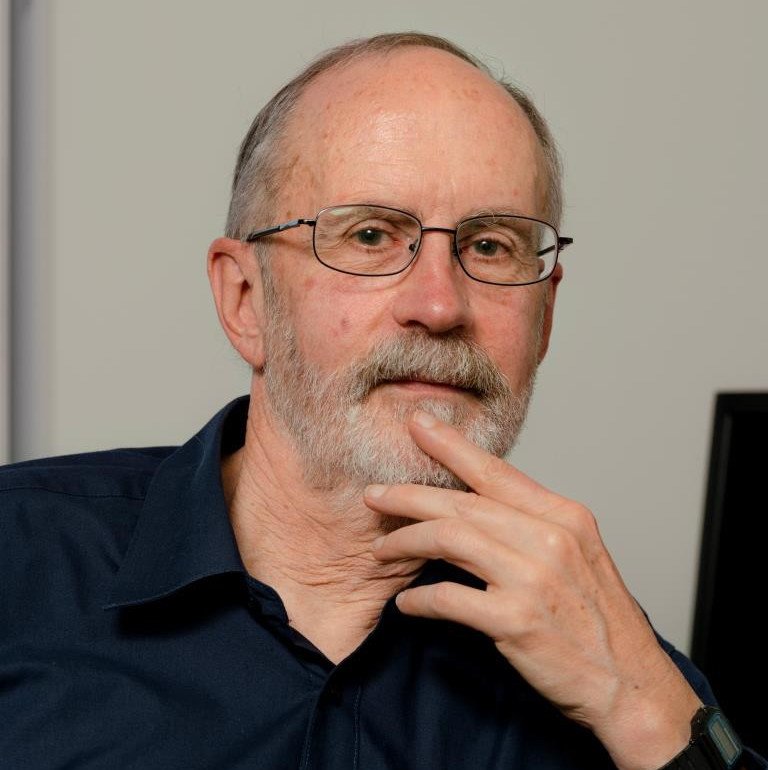
WILLIAM IRVINE - Author of The Stoic Challenge & A Guide to the Good Life
William B. Irvine is emeritus professor of philosophy at Wright State University in Dayton, Ohio, USA. He is the author of eight books that have been translated into more than twenty languages. His A Guide to the Good Life: The Ancient Art of Stoic Joy played a key role in the Stoic renaissance that has taken place in recent years. His subsequent The Stoic Challenge: A Philosopher’s Guide to Becoming Tougher, Calmer, and More Resilient provides a strategy for dealing, in proper Stoic manner, with the setbacks we experience in daily living. He is currently at work on a book about thinking critically, but with an open mind, in the age of the internet."Happiness is another interesting thing. I've been thinking about this lately. You know, people take aim at happiness. I don't know if you can actually do that, if you can have a recipe for attaining happiness. Happiness is something that just happens as a byproduct of something else going on in your life, and that is having a day where you're experiencing equanimity. You don't have this abundance of negative emotions, where you value the things you've already got, where you value the relationships you've got, where you feel good inside your own body. You like being who you are. And I think, if all that happens, then suddenly, you know, it'll dawn on me. 'Gosh, I guess I'm happy...' "www.williambirvine.comThe Stoic Challengewww.creativeprocess.infowww.oneplanetpodcast.orgPhoto credit: Lyndon French
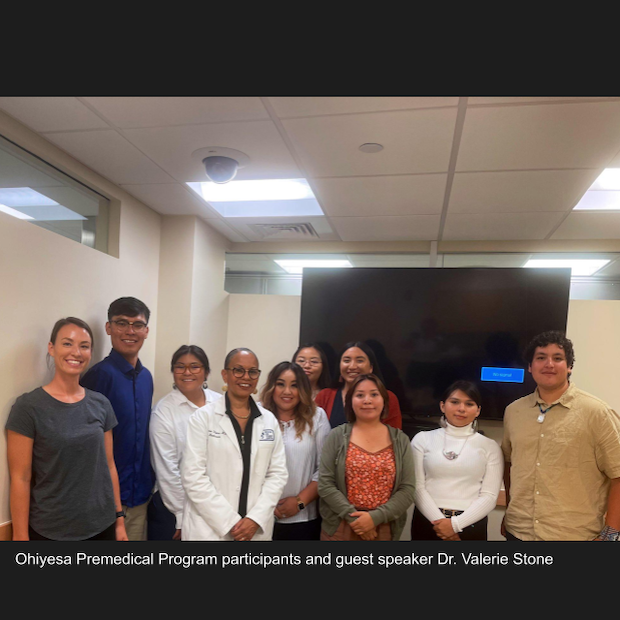
Indigenous Medicine & Ancestral Wisdom - VICTOR LOPEZ-CARMEN - Co-chair, UN Global Indigenous Youth Caucus - Highlights
“My mom and my dad would often go to protests. They would organize movements. They'd be part of multilateral indigenous people's movements, not only nationally, but internationally, that were operating at the grassroots level. Activism, it’s a tradition in my family for indigenous rights. I have aunts and uncles that were very involved as well. So as a kid, I was often at those protests. I was running around as a little Native kid with all the other little Native kids, when our parents would be in meetings discussing how to move forward discussing indigenous rights.”Victor A. Lopez-Carmen is a Dakota and Yaqui writer, health advocate, and student at Harvard Medical School. He is cofounder of the Ohiyesa Premedical Program at the Brigham and Women's Hospital (BWH), which supports Indigenous community and tribal college students to pursue healthcare education. He also founded Translations for our Nations, a grant funded initiation that translated accurate COVID-19 information into over 40 Indigenous languages from over 20 different countries. For his work, he has been featured on the Forbes 30 under 30 and Native American 40 under 40 lists. He is Co-Chair of the UN Global Indigenous Youth Caucus.Forbes 30 under 30 - Healthcare 2022Translations for our NationsOhiyesa Premedical Programwww.globalindigenousyouthcaucus.orgwww.oneplanetpodcast.orgwww.creativeprocess.info

VICTOR LOPEZ-CARMEN - Dakota - Yaqui Writer, Health Advocate - Co-Chair, UN Global Indigenous Youth Caucus
Victor A. Lopez-Carmen is a Dakota and Yaqui writer, health advocate, and student at Harvard Medical School. He is cofounder of the Ohiyesa Premedical Program at the Brigham and Women's Hospital (BWH), which supports Indigenous community and tribal college students to pursue healthcare education. He also founded Translations for our Nations, a grant funded initiation that translated accurate COVID-19 information into over 40 Indigenous languages from over 20 different countries. For his work, he has been featured on the Forbes 30 under 30 and Native American 40 under 40 lists. He is Co-Chair of the UN Global Indigenous Youth Caucus.“My mom and my dad would often go to protests. They would organize movements. They'd be part of multilateral indigenous people's movements, not only nationally, but internationally, that were operating at the grassroots level. Activism, it’s a tradition in my family for indigenous rights. I have aunts and uncles that were very involved as well. So as a kid, I was often at those protests. I was running around as a little Native kid with all the other little Native kids, when our parents would be in meetings discussing how to move forward discussing indigenous rights.”Forbes 30 under 30 - Healthcare 2022Translations for our NationsOhiyesa Premedical Programwww.globalindigenousyouthcaucus.orgwww.oneplanetpodcast.orgwww.creativeprocess.info
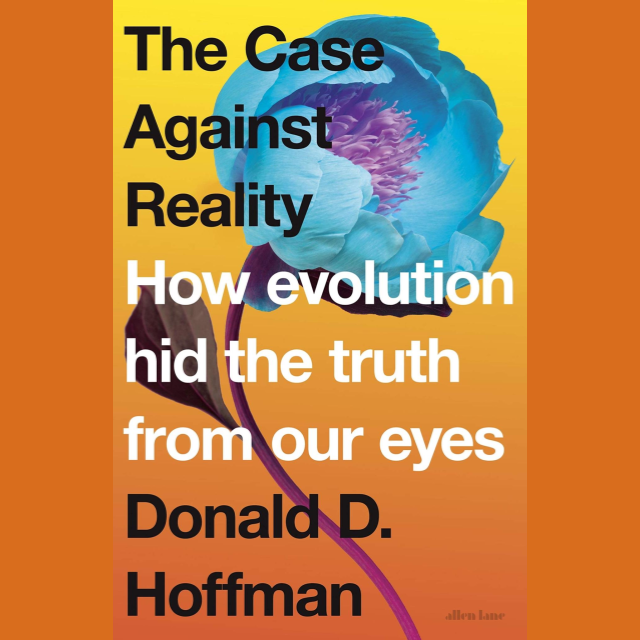
Why evolution hid the truth from our eyes with Cognitive Scientist DONALD HOFFMAN - Highlights
"This is really what life, I think, is about - learning to not believe your thoughts. Watch your thoughts, see their patterns and learn that you are not at the whim and beck and call of your thoughts. You can watch your thoughts, and you can choose to let go of thoughts and just be present and let go of the complaints. And that then opens up a level of creativity that's surprising. It could be in dance, science, it could be in music, or art. Wherever you have creative expression, letting go of thought and having this balance between thinking and no thinking, going into complete silence and then pulling ideas back for your art, your science, your dance, whatever it might be, is really the dance of life."Donald D. Hoffman is a Professor of Cognitive Sciences at the University of California, Irvine. He is the author of The case against reality: Why evolution hid the truth from our eyes. His research on perception, evolution, and consciousness received the Troland Award of the US National Academy of Sciences, the Distinguished Scientific Award for Early Career Contribution of the American Psychological Association, the Rustum Roy Award of the Chopra Foundation, and is the subject of his TED Talk, titled “Do we see reality as it is?”http://www.cogsci.uci.edu/~ddhoff/The Case Against Realitywww.creativeprocess.infowww.oneplanetpodcast.org
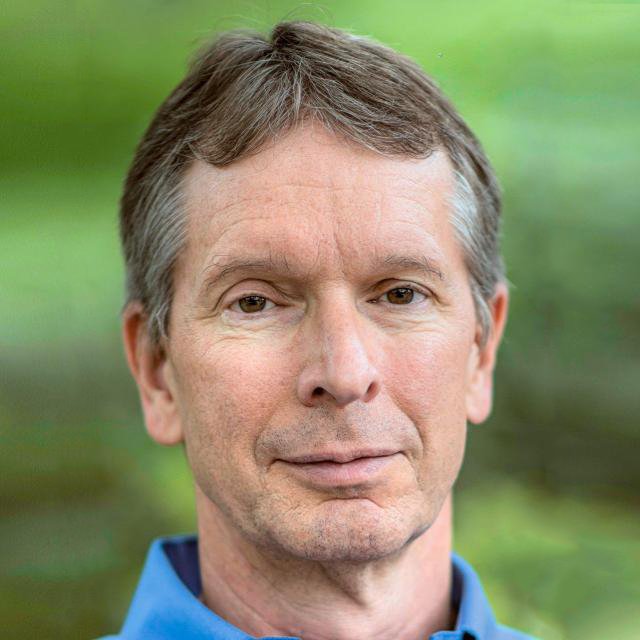
DONALD HOFFMAN - Prof. of Cognitive Sciences, UC Irvine - Author of The case against reality
Donald D. Hoffman is a Professor of Cognitive Sciences at the University of California, Irvine. He is the author of The case against reality: Why evolution hid the truth from our eyes. His research on perception, evolution, and consciousness received the Troland Award of the US National Academy of Sciences, the Distinguished Scientific Award for Early Career Contribution of the American Psychological Association, the Rustum Roy Award of the Chopra Foundation, and is the subject of his TED Talk, titled “Do we see reality as it is?”"This is really what life, I think, is about - learning to not believe your thoughts. Watch your thoughts, see their patterns and learn that you are not at the whim and beck and call of your thoughts. You can watch your thoughts, and you can choose to let go of thoughts and just be present and let go of the complaints. And that then opens up a level of creativity that's surprising. It could be in dance, science, it could be in music, or art. Wherever you have creative expression, letting go of thought and having this balance between thinking and no thinking, going into complete silence and then pulling ideas back for your art, your science, your dance, whatever it might be, is really the dance of life."http://www.cogsci.uci.edu/~ddhoff/The Case Against Realitywww.creativeprocess.infowww.oneplanetpodcast.org
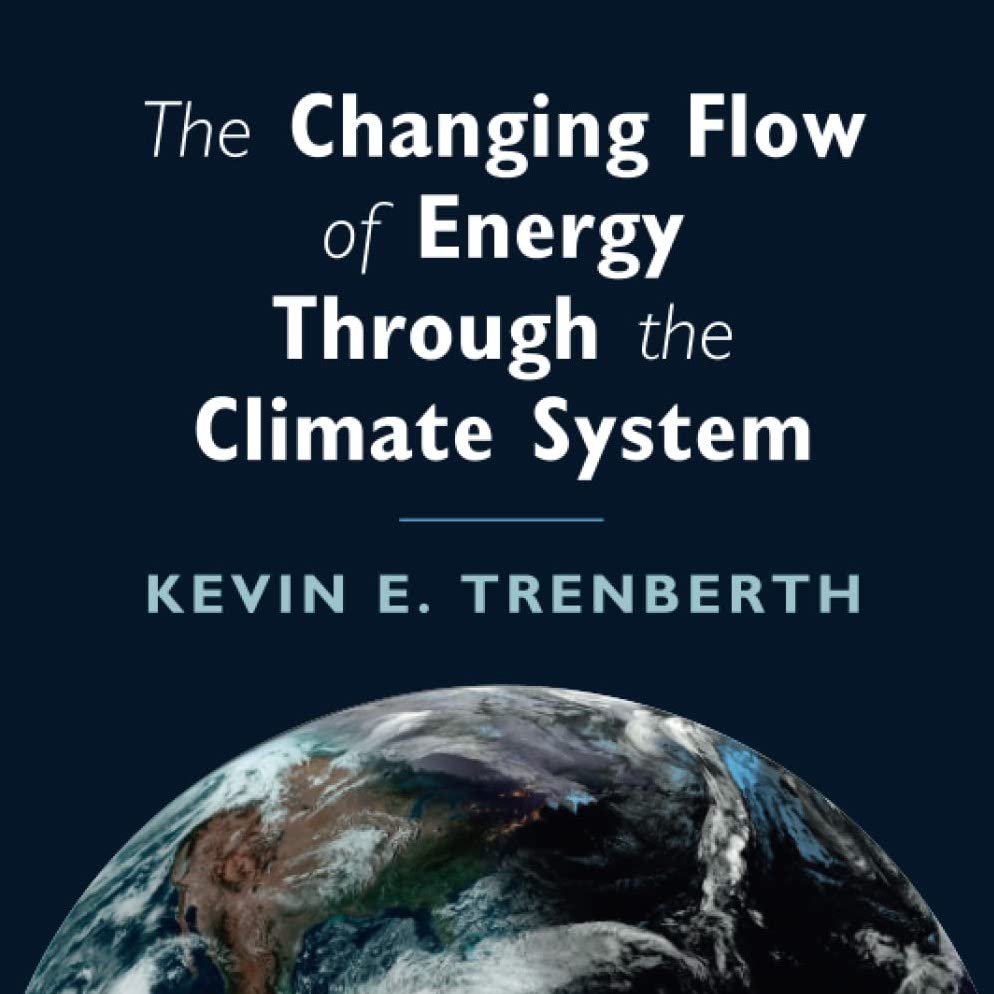
The Changing Flow of Energy Through the Climate System w/ Nobel Prize-winning Scientist KEVIN TRENBERTH - Highlights
"The whole social fabric that we have is based upon the past climate, and so once we cross that threshold, it's what I call the Straw that Breaks the Camel's Back Syndrome. And so you have a relatively modest change, which I estimate to be in the neighborhood of 5 to 20 percent, typically. And that is enough to nudge us. Instead of 1 billion dollars in damage from a hurricane, we end up with 100 billion dollars. Now, that's just one example. There are many other cases, but the sort of things that happen are indeed that something floods, the amount of water can no longer be tolerated, something completely dries out, there's a drought, and subsequent wildfires when buildings burn down, and so on. Suddenly you've gone from something to nothing. That's an extreme non-linearity. And another extreme non-linearity is, of course, when people die, you don't recover from that."Kevin Trenberth is a Distinguished Scholar at the National Center of Atmospheric Research (NCAR) in Boulder and an Honorary Academic in the Department of Physics, Auckland University in Auckland, New Zealand. From New Zealand, he obtained his Sc. D. in meteorology in 1972 from Massachusetts Institute of Technology. He was a lead author of the 1995, 2001 and 2007 Scientific Assessment of Climate Change reports from the Intergovernmental Panel on Climate Change (IPCC), and shared the 2007 Nobel Peace Prize which went to the IPCC. He served from 1999 to 2006 on the Joint Scientific Committee of the World Climate Research Programme (WCRP), and chaired a number of committees for more than 20 years. He is the author of "The Changing Flow of Energy Through the Climate System".The Changing Flow of Energy Through the Climate Systemwww.ipcc.chhttps://www.cgd.ucar.edu/staff/trenbertwww.oneplanetpodcast.orgwww.creativeprocess.info
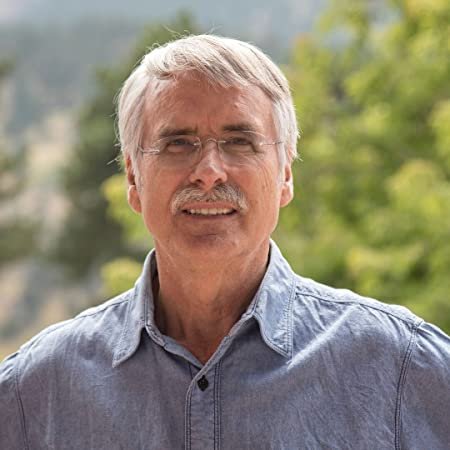
KEVIN TRENBERTH - Nobel Prize-winning Climate Scientist - Author of The Changing Flow of Energy Through the Climate System
Kevin Trenberth is a Distinguished Scholar at the National Center of Atmospheric Research (NCAR) in Boulder and an Honorary Academic in the Department of Physics, Auckland University in Auckland, New Zealand. From New Zealand, he obtained his Sc. D. in meteorology in 1972 from Massachusetts Institute of Technology. He was a lead author of the 1995, 2001 and 2007 Scientific Assessment of Climate Change reports from the Intergovernmental Panel on Climate Change (IPCC), and shared the 2007 Nobel Peace Prize which went to the IPCC. He served from 1999 to 2006 on the Joint Scientific Committee of the World Climate Research Programme (WCRP), and chaired a number of committees for more than 20 years. He is the author of "The Changing Flow of Energy Through the Climate System"."The whole social fabric that we have is based upon the past climate, and so once we cross that threshold, it's what I call the Straw that Breaks the Camel's Back Syndrome. And so you have a relatively modest change, which I estimate to be in the neighborhood of 5 to 20 percent, typically. And that is enough to nudge us. Instead of 1 billion dollars in damage from a hurricane, we end up with 100 billion dollars. Now, that's just one example. There are many other cases, but the sort of things that happen are indeed that something floods, the amount of water can no longer be tolerated, something completely dries out, there's a drought, and subsequent wildfires when buildings burn down, and so on. Suddenly you've gone from something to nothing. That's an extreme non-linearity. And another extreme non-linearity is, of course, when people die, you don't recover from that."The Changing Flow of Energy Through the Climate Systemwww.ipcc.chhttps://www.cgd.ucar.edu/staff/trenbertwww.oneplanetpodcast.orgwww.creativeprocess.info

Transforming Ecology: Profitable Solutions That Save Our Planet with Aviator, Environmentalist BERTRAND PICCARD - Highlights
"So this is why I prefer to speak with a really down to earth language. So maybe the people who love nature are going to say, 'Oh, Bertrand Piccard, now he is too down to earth. He's speaking about profitable solutions. He's speaking to the industries that are polluting,' but we have to speak to the industries that are polluting and bring them profitable solutions, otherwise the world will never change, or humankind will never change. And don't forget one thing, what we are damaging is not the beauty of nature. What is being damaged is the quality of life of human beings on Earth because we can still have beautiful things to see, but if we have climate change, if we have tropical disease in Europe, if we have heat waves, floods, droughts, millions of climate refugees, life will be miserable, even if nature is still beautiful.”Psychiatrist, aviator and explorer, Bertrand Piccard made history in 1999 by accomplishing the first ever non-stop round-the-world balloon flight, and a number of years later the first round-the-world solar-powered flight. Piccard has dedicated his life to demonstrating sustainable development opportunities. He is Founder and Chairman of the Solar Impulse Foundation, which has assembled a verified portfolio of over 1400 actionable and profitable climate solutions. As a pioneer of new ways of thinking that reconcile ecology and economy, he uses his exploration feats to motivate governments and industries to take action. He is a United Nations Goodwill Ambassador for the Environment and Special Advisor to the European Commission. He’s author of Réaliste, Changer d’Altitude, and other books.Solar Impulse Foundationbertrandpiccard.comSolar Impulse Solutions Explorer (1400+)RéalisteChanger d’altitudePhoto credit: Solar Impulse/ StefatouAbu Dhabi, UAE, March 1st, 2015, Solar Impulse 2 second test flight over Abu Dhabiwww.oneplanetpodcast.orgwww.creativeprocess.info
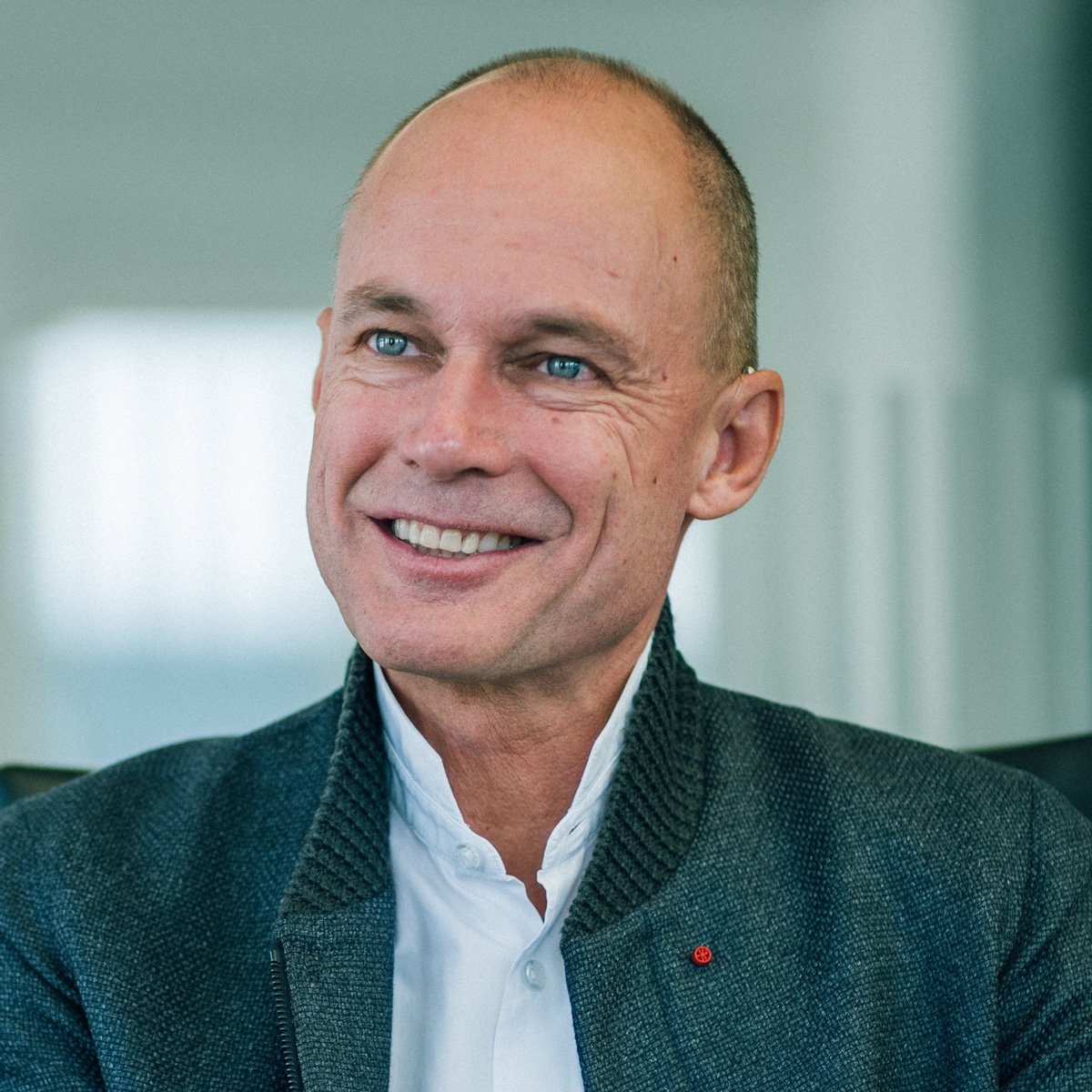
BERTRAND PICCARD - Explorer, Founder, Solar Impulse Foundation: 1000+ Profitable Climate Solutions
Psychiatrist, aviator and explorer, Bertrand Piccard made history in 1999 by accomplishing the first ever non-stop round-the-world balloon flight, and a number of years later the first round-the-world solar-powered flight. Piccard has dedicated his life to demonstrating sustainable development opportunities. He is Founder and Chairman of the Solar Impulse Foundation, which has assembled a verified portfolio of over 1400 actionable and profitable climate solutions. As a pioneer of new ways of thinking that reconcile ecology and economy, he uses his exploration feats to motivate governments and industries to take action. He is a United Nations Goodwill Ambassador for the Environment, Special Advisor to the European Commission, and is author of Réaliste, Changer d’Altitude, and other books."So this is why I prefer to speak with a really down to earth language. So maybe the people who love nature are going to say, 'Oh, Bertrand Piccard, now he is too down to earth. He's speaking about profitable solutions. He's speaking to the industries that are polluting,' but we have to speak to the industries that are polluting and bring them profitable solutions, otherwise the world will never change, or humankind will never change. And don't forget one thing, what we are damaging is not the beauty of nature. What is being damaged is the quality of life of human beings on Earth because we can still have beautiful things to see, but if we have climate change, if we have tropical disease in Europe, if we have heat waves, floods, droughts, millions of climate refugees, life will be miserable, even if nature is still beautiful.”Solar Impulse Foundationbertrandpiccard.comSolar Impulse Solutions Explorer (1400+)RéalisteChanger d’altitudewww.oneplanetpodcast.orgwww.creativeprocess.infoPhoto credit: Philipp Böhlen
Can We Stay Below 1.5 Degrees? Insights from IPCC Lead Writer CHARLES KOVEN - Highlights
“Looking into the future, as a scientist, what I've learned how to do is hold multiple futures in my head at the same time because we just don't know. We don't know what the future holds. We need to fight for the futures that we want, and against the futures that we don't want. All I can really say is that it's up to us. It's up to us to fight and advocate for the future we want, and what does that look like, and how do we get there?”Dr. Charles D. Koven is an Earth System Scientist, working in the Climate Sciences Department at the Lawrence Berkeley National Laboratory. He investigates feedbacks between climate and the carbon cycle. Dr. Koven’s primary research focus is on high-latitude feedbacks to climate change, and in particular the role of soil carbon in permafrost soils, and its response to changing climate. Dr. Koven is a lead author on the IPCC report as part of Working Group I, The Physical Science Basis of Climate Change.Charles D. Kovenwww.ipcc.chwww.oneplanetpodcast.orgwww.creativeprocess.info
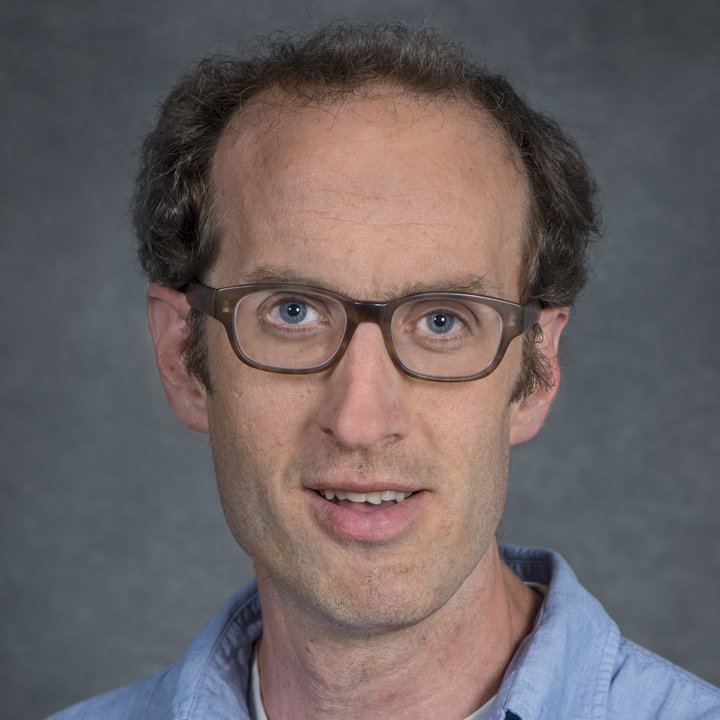
DR. CHARLES D. KOVEN - Earth System Scientist on Methane, Emissions & Future Pathways
Dr. Charles D. Koven is an Earth System Scientist, working in the Climate Sciences Department at the Lawrence Berkeley National Laboratory. He investigates feedbacks between climate and the carbon cycle. Dr. Koven’s primary research focus is on high-latitude feedbacks to climate change, and in particular the role of soil carbon in permafrost soils, and its response to changing climate. Dr. Koven is a lead author on the IPCC report as part of Working Group I, The Physical Science Basis of Climate Change.“Looking into the future, as a scientist, what I've learned how to do is hold multiple futures in my head at the same time because we just don't know. We don't know what the future holds. We need to fight for the futures that we want, and against the futures that we don't want. All I can really say is that it's up to us. It's up to us to fight and advocate for the future we want, and what does that look like, and how do we get there?”Charles D. Kovenwww.ipcc.chwww.oneplanetpodcast.orgwww.creativeprocess.info
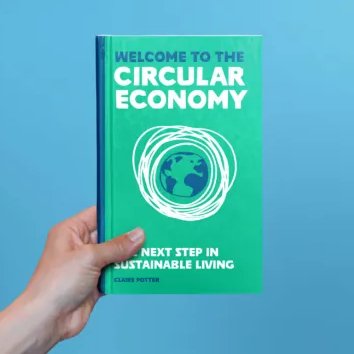
Welcome to the Circular Economy: The Next Step in Sustainable Living - CLAIRE POTTER - Highlights
"That's something that I would want all of the next generations to have in some way or another, to have the ability to access and be amazed by how staggeringly beautiful, complicated - awful in some ways and just brutal - the natural world is, but then really sit and think about how the natural world just gets on and does it.And every species is benefited from everybody else. And you could remove humans from that equation, and nature would just carry on doing its thing. So that's what I would love for people to see and to realize is that nature is so incredibly beautiful and diverse. And so are we. So how can we take the beauty and diversity of the natural world and actually learn a lot more and stop thinking we're separate from nature because we are pretty much, we are all part of that same biosphere on the planet."Claire Potter is a circular economy designer, researcher, lecturer and author based in Brighton, UK. Claire is the Course Convenor of the BSc/BA Product Design course at the University of Sussex, runs her own award-winning circular economy design studio, is a volunteer Regional Rep for Surfers Against Sewage and a working group co-ordinator at the Global Ghost Gear Initiative. In 2021, she published her first book “Welcome to the Circular Economy - the next step in sustainable living”.www.clairepotterdesign.comwww.onecircular.worldwww.sussex.ac.ukwww.sas.org.uk www.ghostgear.org Welcome to the Circular Economy book www.oneplanetpodcast.orgwww.creativeprocess.info
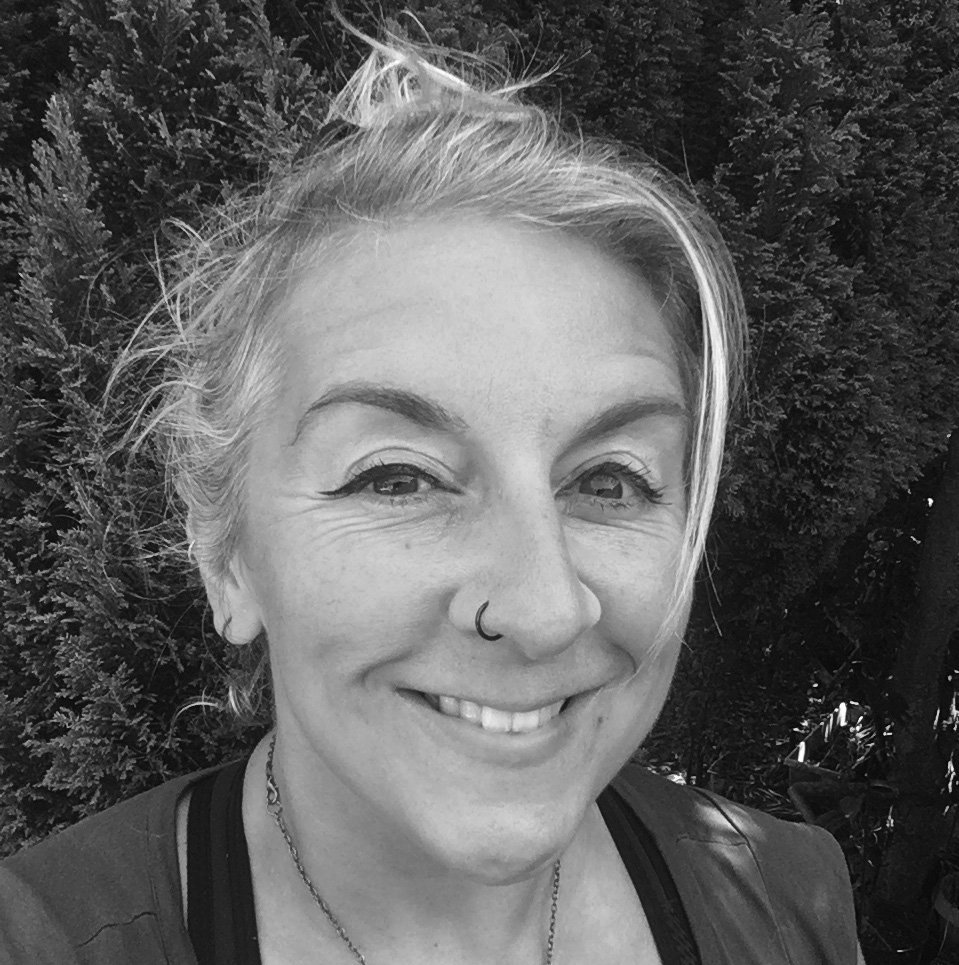
CLAIRE POTTER - Designer, Lecturer, Author of Welcome to the Circular Economy
Claire Potter is a circular economy designer, researcher, lecturer and author based in Brighton, UK. Claire is the Course Convenor of the BSc/BA Product Design course at the University of Sussex, runs her own award-winning circular economy design studio, is a volunteer Regional Rep for Surfers Against Sewage and a working group co-ordinator at the Global Ghost Gear Initiative. In 2021, she published her first book “Welcome to the Circular Economy - the next step in sustainable living”."That's something that I would want all of the next generations to have in some way or another, to have the ability to access and be amazed by how staggeringly beautiful, complicated - awful in some ways and just brutal - the natural world is, but then really sit and think about how the natural world just gets on and does it.And every species is benefited from everybody else. And you could remove humans from that equation, and nature would just carry on doing its thing. So that's what I would love for people to see and to realize is that nature is so incredibly beautiful and diverse. And so are we. So how can we take the beauty and diversity of the natural world and actually learn a lot more and stop thinking we're separate from nature because we are pretty much, we are all part of that same biosphere on the planet."www.clairepotterdesign.comwww.onecircular.worldwww.sussex.ac.ukwww.sas.org.uk www.ghostgear.org Welcome to the Circular Economy book www.oneplanetpodcast.orgwww.creativeprocess.info
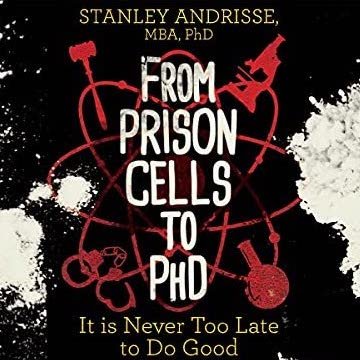
From Prison Cells to PhD: It Is Never Too Late to Do Good - DR. STANLEY ANDRISSE - Highlights
“I kind of thought there was justice in the criminal justice system and that there was care for people, like you matter to me within the system, and in that moment it hit me. There wasn't. And in fact, it's the opposite. In order for the system to work the way it does, it needs to de-humanize the people that it puts in these cages.”Growing up in Ferguson, Missouri, Stanley Andrisse began making poor decisions at a very young age. He started selling dope and was arrested for the first time at fourteen years old. By his early twenties, dope dealing had exponentially multiplied, and he found himself sitting in front of a judge facing twenty years to life on drug trafficking charges. The judge sentenced him to ten years in a maximum-security prison.Upon release, and after several rejections, Stanley was accepted into a PhD program. He completed his PhD/MBA simultaneously and became an endocrinologist and impactful leader at Johns Hopkins Medicine, specializing in diabetes research.Dr. Andrisse is Executive Director and Founder of From Prison Cells to PhD, board member on the Formerly Incarcerated College Graduates Network, founder of the Diversity Postdoctoral Alliance, member on several local and national committees aimed at community outreach, youth mentor, motivational speaker, and community activist. His book From Prison Cells to PhD: It is Never Too Late to Do Good recounts his inspiring story.www.fromprisoncellstophd.orgFrom Prison Cells to PhD bookAsst. Professor, Howard University
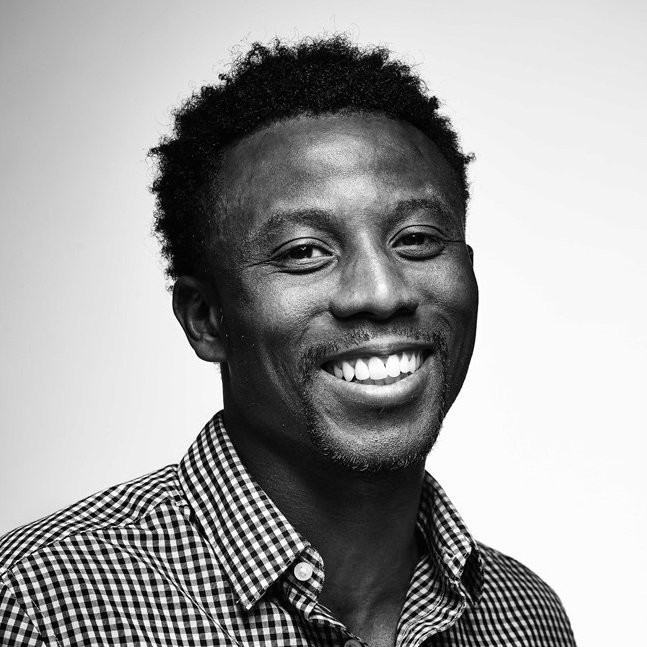
DR. STANLEY ANDRISSE - Endocrinologist Scientist - Author of From Prison Cells to PhD
Growing up in Ferguson, Missouri, Stanley Andrisse began making poor decisions at a very young age. He started selling dope and was arrested for the first time at fourteen years old. By his early twenties, dope dealing had exponentially multiplied, and he found himself sitting in front of a judge facing twenty years to life on drug trafficking charges. The judge sentenced him to ten years in a maximum-security prison.Upon release, and after several rejections, Stanley was accepted into a PhD program. He completed his PhD/MBA simultaneously and became an endocrinologist and impactful leader at Johns Hopkins Medicine, specializing in diabetes research.Dr. Andrisse is Executive Director and Founder of From Prison Cells to PhD, board member on the Formerly Incarcerated College Graduates Network, founder of the Diversity Postdoctoral Alliance, member on several local and national committees aimed at community outreach, youth mentor, motivational speaker, and community activist. His book From Prison Cells to PhD: It is Never Too Late to Do Good recounts his inspiring story.“I kind of thought there was justice in the criminal justice system and that there was care for people, like you matter to me within the system, and in that moment it hit me. There wasn't. And in fact, it's the opposite. In order for the system to work the way it does, it needs to de-humanize the people that it puts in these cages.”www.fromprisoncellstophd.orgFrom Prison Cells to PhD bookAsst. Professor, Howard UniversityPhoto: Wesley Law/STL Magwww.creativeprocess.infowww.oneplanetpodcast.org
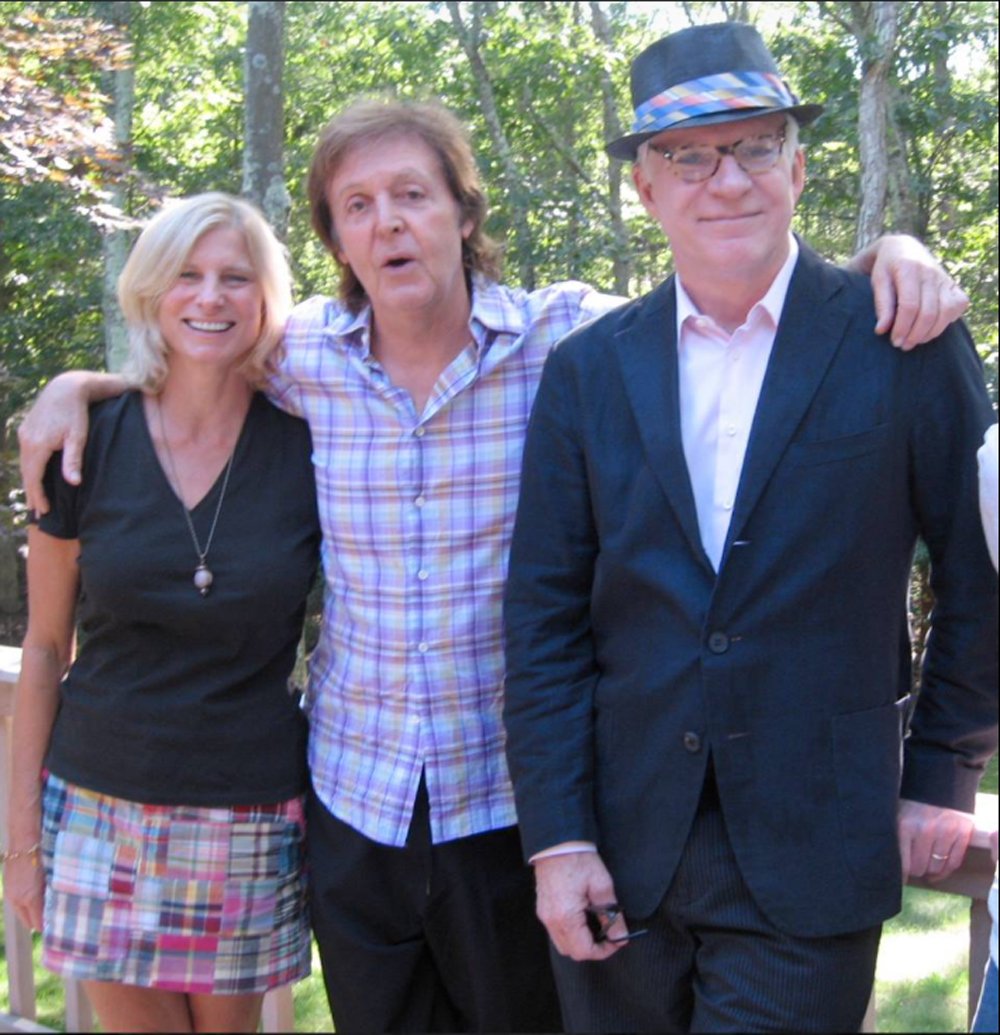
A Life in Music with Grammy/Emmy Award-winning Producer, Engineer, Composer CYNTHIA DANIELS - Highlights
"We all are looking for a little magic in our lives, and I think that's what art and the creative process allow for, above all. In a world that can be either way too predictable and mundane and create tedium, the creative mind, for me, is the curious mind and the mind that's always learning and allowing yourself to make mistakes. To generate from your core, from your soul, and from your experience something new and experimental and something that is unique to yourself.”Cynthia Daniels is a Grammy and Emmy award-winning producer, engineer and composer working extensively in film, television, and music. Her career has led her around the world, initially specializing in orchestral pop from Big Band Jazz to Broadway, and then crossing over into producing records for young and seasoned artists in the rock, country, and folk-rock world. She is owner and chief engineer at The Hamptons first world-class recording studio, MonkMusic. She has hosted or engineered sessions for Chaka Khan, Beyonce, Coldplay, Paul McCartney, Nile Rogers, Alec Baldwin, Julie Andrews, Sarah Jessica Parker, and Billy Porter.www.cynthiadaniels.netMonk Music Radiowww.creativeprocess.infowww.oneplanetpodcast.org
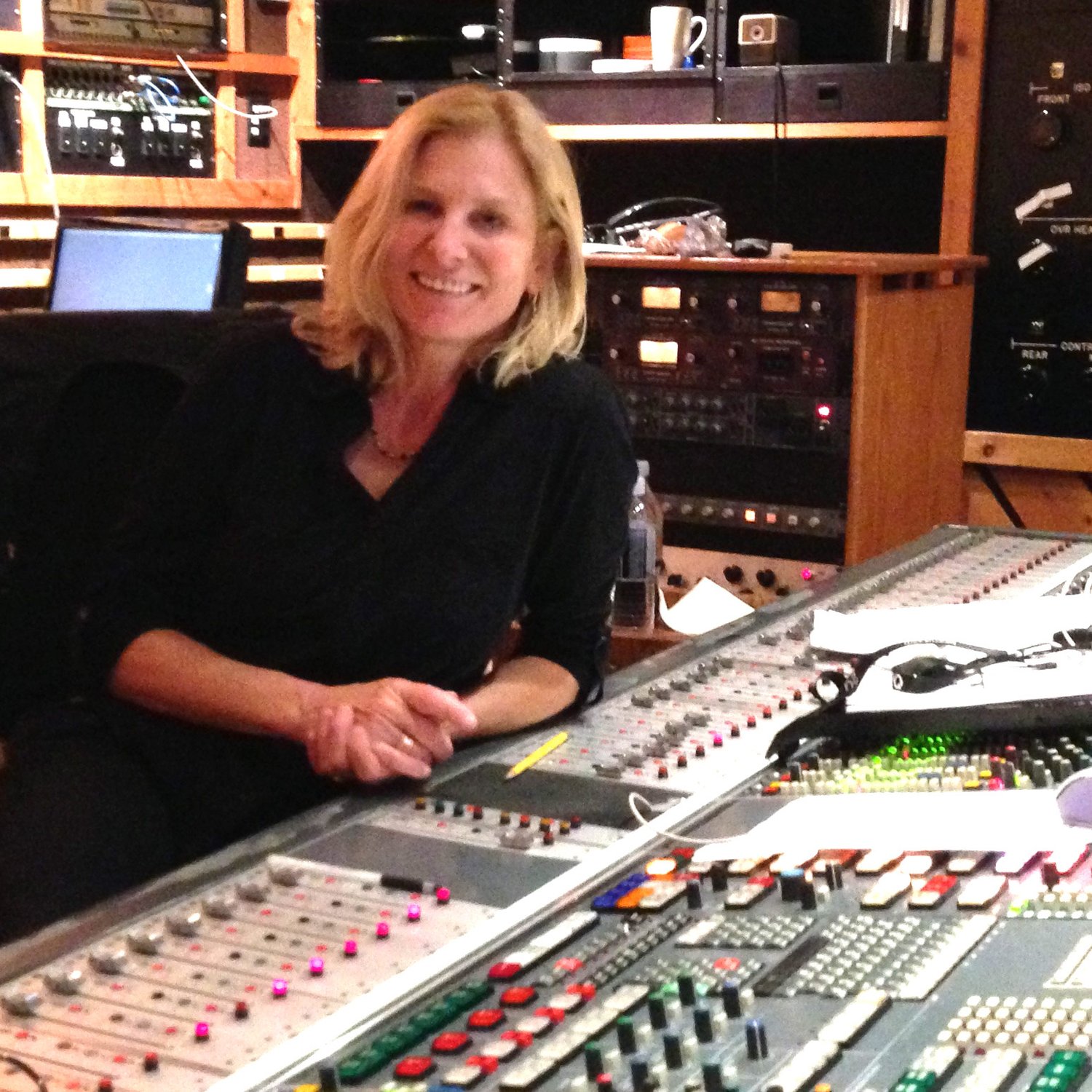
CYNTHIA DANIELS - Grammy and Emmy Award-winning Producer, Engineer, Composer
Cynthia Daniels is a Grammy and Emmy award-winning producer, engineer and composer working extensively in film, television, and music. Her career has led her around the world, initially specializing in orchestral pop from Big Band Jazz to Broadway, and then crossing over into producing records for young and seasoned artists in the rock, country, and folk-rock world. She is owner and chief engineer at The Hamptons first world-class recording studio, MonkMusic. She has hosted or engineered sessions for Chaka Khan, Beyonce, Coldplay, Paul McCartney, Nile Rogers, Alec Baldwin, Julie Andrews, Sarah Jessica Parker, and Billy Porter."We all are looking for a little magic in our lives, and I think that's what art and the creative process allow for, above all. In a world that can be either way too predictable and mundane and create tedium, the creative mind, for me, is the curious mind and the mind that's always learning and allowing yourself to make mistakes. To generate from your core, from your soul, and from your experience something new and experimental and something that is unique to yourself.”www.cynthiadaniels.netMonk Music Radiowww.creativeprocess.infowww.oneplanetpodcast.org

How to Make Drinking Water from Sunlight & Air with NEIL GRIMMER - Highlights
"Water insecurity and water scarcity is affecting all people in almost every part of the world. At this point, by 2025, we expect 1.8 billion people to suffer from water scarcity, which means they have no access to clean, safe drinking water within a 30-minute walk of their home.You fast forward to 2050, we expect 6 billion people will have water scarcity. So the rate at which this problem is increasing is far greater than the current infrastructure that has supported water for humans. And that's where innovation and rapid deployment of technology at scale is really essential. And that's what we're in the business to do."Neil Grimmer is Brand President of SOURCE Global, innovator of the SOURCE Hydropanel, a renewable technology that uses the sun to transform water vapor in the air to clean, safe and perfectly mineralized drinking water. The Public Benefit Company’s mission is to bring perfect drinking water to every person, every place, and Neil leads its marketing, consumer packaged goods and last-mile water solutions for community, consumer and commercial customers in more than 50 countries.www.source.coHow it Workswww.source.co/team/neil-grimmerwww.oneplanetpodcast.orgwww.creativeprocess.info
Nearly 2 Billion People Suffer from Water Scarcity - Water Solutions for a 1.5 Degree World with NEIL GRIMMER
Neil Grimmer is Brand President of SOURCE Global, innovator of the SOURCE Hydropanel, a renewable technology that uses the sun to transform water vapor in the air to clean, safe and perfectly mineralized drinking water. The Public Benefit Company’s mission is to bring perfect drinking water to every person, every place, and Neil leads its marketing, consumer packaged goods and last-mile water solutions for community, consumer and commercial customers in more than 50 countries."Water insecurity and water scarcity is affecting all people in almost every part of the world. At this point, by 2025, we expect 1.8 billion people to suffer from water scarcity, which means they have no access to clean, safe drinking water within a 30-minute walk of their home.You fast forward to 2050, we expect 6 billion people will have water scarcity. So the rate at which this problem is increasing is far greater than the current infrastructure that has supported water for humans. And that's where innovation and rapid deployment of technology at scale is really essential. And that's what we're in the business to do."www.source.coHow it Workswww.source.co/team/neil-grimmerwww.oneplanetpodcast.orgwww.creativeprocess.info

Classical Theatre of Harlem & Shakespeare in the Park with TY JONES & ALLEN GILMORE - Highlights
The Classical Theatre of Harlem provides theatrical productions, educational and literary programs for free or at little cost to Harlem residents, organizations, and all who seek Harlem as a cultural destination. Its productions have received a Drama Desk, OBIE, and New York Times Critics Pick Awards. From July 5th to 29th they bring an Afrofuturistic take on Twelfth Night to Marcus Garvey Park.NAACP and OBIE Award Winner, Ty Jones is Producing Artistic Director responsible for creating the Uptown Shakespeare in the Park series and other community initiatives.Allen Gilmore has played Othello, Iago, and created the role of James Hewlett in The African Company presents Richard The Third at the Public Theater. He makes his CTH debut in Twelfth Night.“I believe that these plays are living arguments and that when you actually read the full text, not cut down versions of them, but the full text, you'll see that Shakespeare was commenting on the ruling class, and for some reason, he found a way to comment on the workings of folks who make decisions in society. Now, I think what's tended to happen over the years is that the ruling class has essentially taken over how we see these plays… We hope that we can move people, and we hope that these are the kind of plays that ignite discourse. I hope that at the end of seeing that piece of art, their hearts begin to beat in sync. I believe all progress begins with a conversation.”www.cthnyc.orgwww.cthnyc.org/dt_team/ty-jones-producing-artistic-director-cth-actorwww.cthnyc.org/twelfth-nightwww.allengilmore.comTwelfth Night photo credit: Richard Terminewww.creativeprocess.infowww.oneplanetpodcast.org

From Shakespeare to Afrofuturism - TY JONES & ALLEN GILMORE - Classical Theater of Harlem
The Classical Theatre of Harlem provides theatrical productions, educational and literary programs for free or at little cost to Harlem residents, organizations, and all who seek Harlem as a cultural destination. Its productions have received a Drama Desk, OBIE, and New York Times Critics Pick Awards. From July 5th to 29th they bring an Afrofuturistic take on Twelfth Night to Marcus Garvey Park.NAACP and OBIE Award Winner, Ty Jones is Producing Artistic Director responsible for creating the Uptown Shakespeare in the Park series and other community initiatives.Allen Gilmore has played Othello, Iago, and created the role of James Hewlett in The African Company presents Richard The Third at the Public Theater. He makes his CTH debut in Twelfth Night.“I believe that these plays are living arguments and that when you actually read the full text, not cut down versions of them, but the full text, you'll see that Shakespeare was commenting on the ruling class, and for some reason, he found a way to comment on the workings of folks who make decisions in society. Now, I think what's tended to happen over the years is that the ruling class has essentially taken over how we see these plays… We hope that we can move people, and we hope that these are the kind of plays that ignite discourse. I hope that at the end of seeing that piece of art, their hearts begin to beat in sync. I believe all progress begins with a conversation.”www.cthnyc.orgwww.cthnyc.org/dt_team/ty-jones-producing-artistic-director-cth-actorwww.cthnyc.org/twelfth-nightwww.allengilmore.comPhoto credits: Lia Chang, Jill Joneswww.creativeprocess.infowww.oneplanetpodcast.org
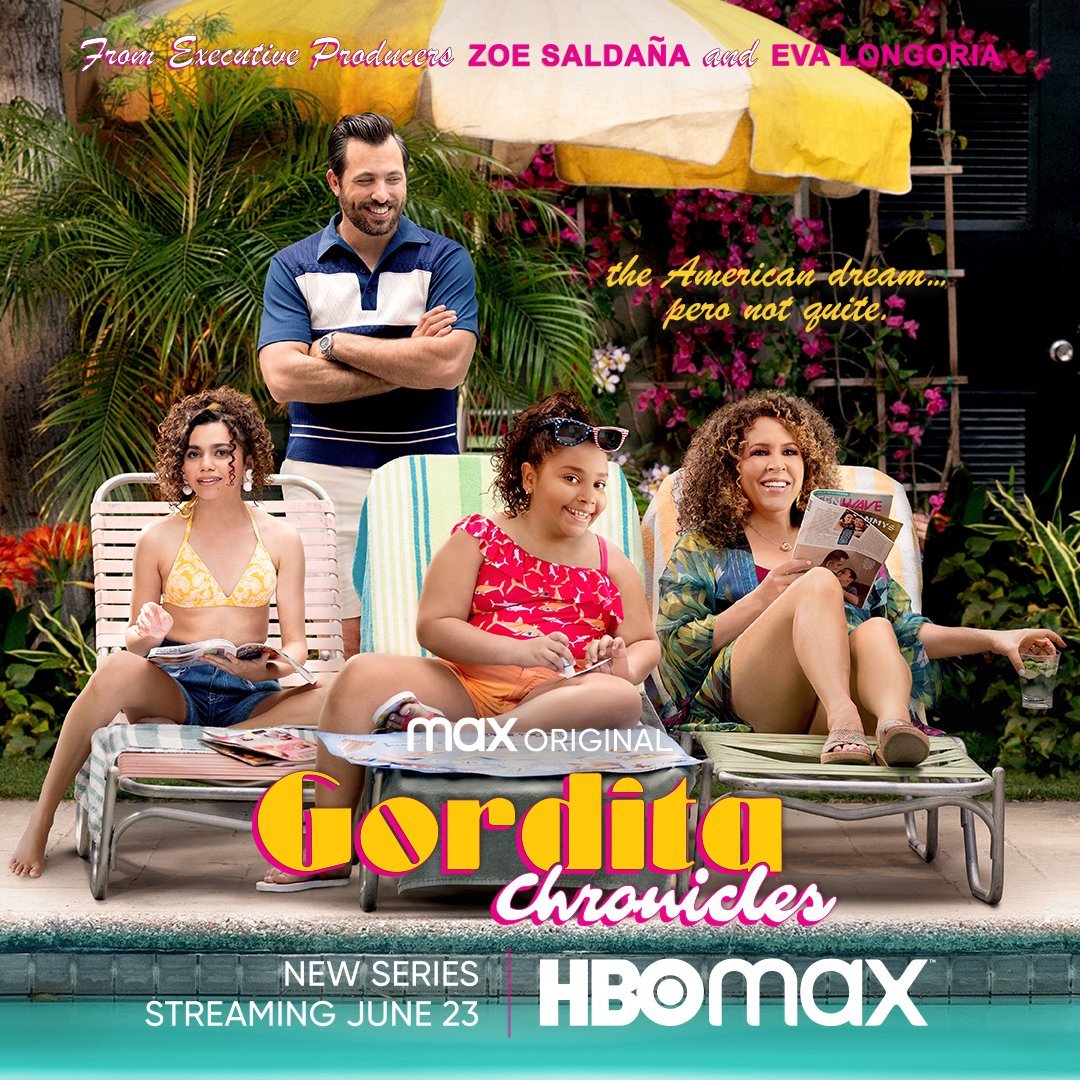
Storytelling, Resilience & Latinx Representation with Emmy-winner Claudia Forestieri & Brigitte Muñoz-Liebowitz - Highlights
"When you immigrate, it's kind of like you're going through adolescence because you're in a new place. You feel weird in your own skin. You're learning new things. Everything is changing. You feel awkward. So that also helped us connect the adult stories to the children's stories.”“To me, America is about coexisting. It's about a million different journeys happening all at once, but really it being the same journey, which is to self-actualization to be seen, to be loved. I know that's not very capitalistic or whatever, but that's what I really see, especially in the immigrant community. It's self-actualization and not just for yourself, but to create that opportunity for your progeny, for your legacy.”"When I think of America, what America is, it's the nation built by immigrants that continues to succeed in large part because of the influx of immigrants to this day. Sometimes I describe the United States as like a club, right? It's a wonderful club, so many people want to be a part of it, and you need new members. And immigrants are like the new members that are kind of like the born again Americans that come here, and they're the ones that believe in America the most because everything is new to them, and they've sacrificed so much to be here. So something that I wish people could garner from this series is the fact that immigrants built this nation, and we continue co-creating this nation with those who aren't immigrants, as well."Claudia Forestieri and Brigitte Muñoz-Liebowitz serve as the creator and showrunner of the Latin-focused comedy series for HBO Max, Gordita Chronicles, making them the first female Latinx showrunner and creator duo. The series is executive produced by Zoe Saldana and Eva Longoria.Inspired by Claudia’s own life experience, the show centers around a Latina reporter looking back on her childhood as a chubby, willful and reluctant Dominican immigrant growing up with her eccentric family in 1980s Miami. The lighthearted series addresses themes around immigration, xenophobia, and body positivity and stars newcomer Olivia Goncalves, Diana Maria Riva, and Juan Javier Cardenas.Gordita Chronicles on HBO Max IMDB Claudia ForestieriBrigitte Muñoz-Liebowitz

CLAUDIA FORESTIERI - BRIGITTE MUÑOZ LIEBOWITZ (Creator - Showrunner) on Gordita Chronicles
Claudia Forestieri and Brigitte Muñoz-Liebowitz serve as the creator and showrunner of the Latin-focused comedy series for HBO Max, Gordita Chronicles, making them the first female Latinx showrunner and creator duo. The series is executive produced by Zoe Saldana and Eva Longoria.Inspired by Claudia’s own life experience, the show centers around a Latina reporter looking back on her childhood as a chubby, willful and reluctant Dominican immigrant growing up with her eccentric family in 1980s Miami. The lighthearted series addresses themes around immigration, xenophobia, and body positivity and stars newcomer Olivia Goncalves, Diana Maria Riva, and Juan Javier Cardenas.Claudia’s previous work for Telemundo earned her five Emmys and a GLAAD Media Award. Brigitte is known for her work on Brooklyn Nine Nine, People of Earth, and Love Life."When you immigrate, it's kind of like you're going through adolescence because you're in a new place. You feel weird in your own skin. You're learning new things. Everything is changing. You feel awkward. So that also helped us connect the adult stories to the children's stories.”Gordita Chronicles on HBO Max IMDB Claudia ForestieriBrigitte Muñoz-Liebowitz
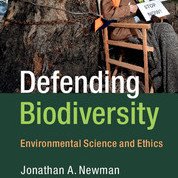
Facing Climate Realities - JONATHAN NEWMAN - Ecologist & VP of Research - Wilfrid Laurier University - Highlights
“Climate change is certainly going to affect biodiversity. Some species will benefit from climate change, but others will not, and we'll have different ecosystems, different biotic communities as a result of this. I think the impacts that are likely are pretty clear, and I think that's a pretty good reason to do all those things we can do without completely destroying our economies and our communities because those things have moral value as well. It's not just the environment that we think is important. We also think humans are important. So doing the things we can do now, do the less painful things first. We should have done them already. We should be now thinking about how to do the harder things.”Jonathan Newman is an ecologist who studies plant–animal interactions in the context of species invasions and climatic change. He is the lead author of two books: Climate Change Biology, and Defending Biodiversity: Environmental Science and Ethics, and co-editor of Grasslands and Climate Change. He is the author of more than 100 other scientific publications.WLU Webpagehttps://wlu.caClimate Change BiologyDefending Biodiversity: Environmental Science and Ethics,Grasslands and Climate Changewww.oneplanetpodcast.orgwww.creativeprocess.info
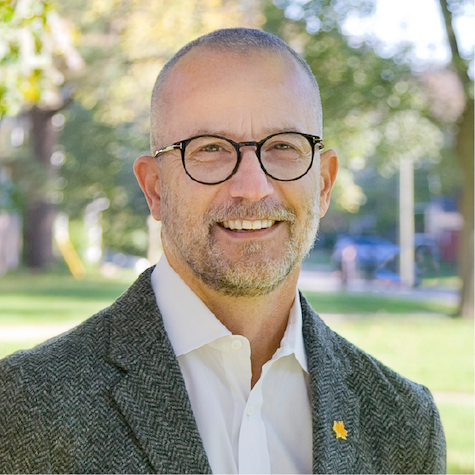
JONATHAN NEWMAN - Lead Author of Defending Biodiversity: Environmental Science and Ethics
Jonathan Newman is an ecologist who studies plant–animal interactions in the context of species invasions and climatic change. He is the lead author of two books: Climate Change Biology, and Defending Biodiversity: Environmental Science and Ethics, and co-editor of Grasslands and Climate Change. He is the author of more than 100 other scientific publications.“Climate change is certainly going to affect biodiversity. Some species will benefit from climate change, but others will not, and we'll have different ecosystems, different biotic communities as a result of this. I think the impacts that are likely are pretty clear, and I think that's a pretty good reason to do all those things we can do without completely destroying our economies and our communities because those things have moral value as well. It's not just the environment that we think is important. We also think humans are important. So doing the things we can do now, do the less painful things first. We should have done them already. We should be now thinking about how to do the harder things.”WLU Webpagehttps://wlu.caClimate Change BiologyDefending Biodiversity: Environmental Science and Ethics,Grasslands and Climate Changewww.oneplanetpodcast.orgwww.creativeprocess.info
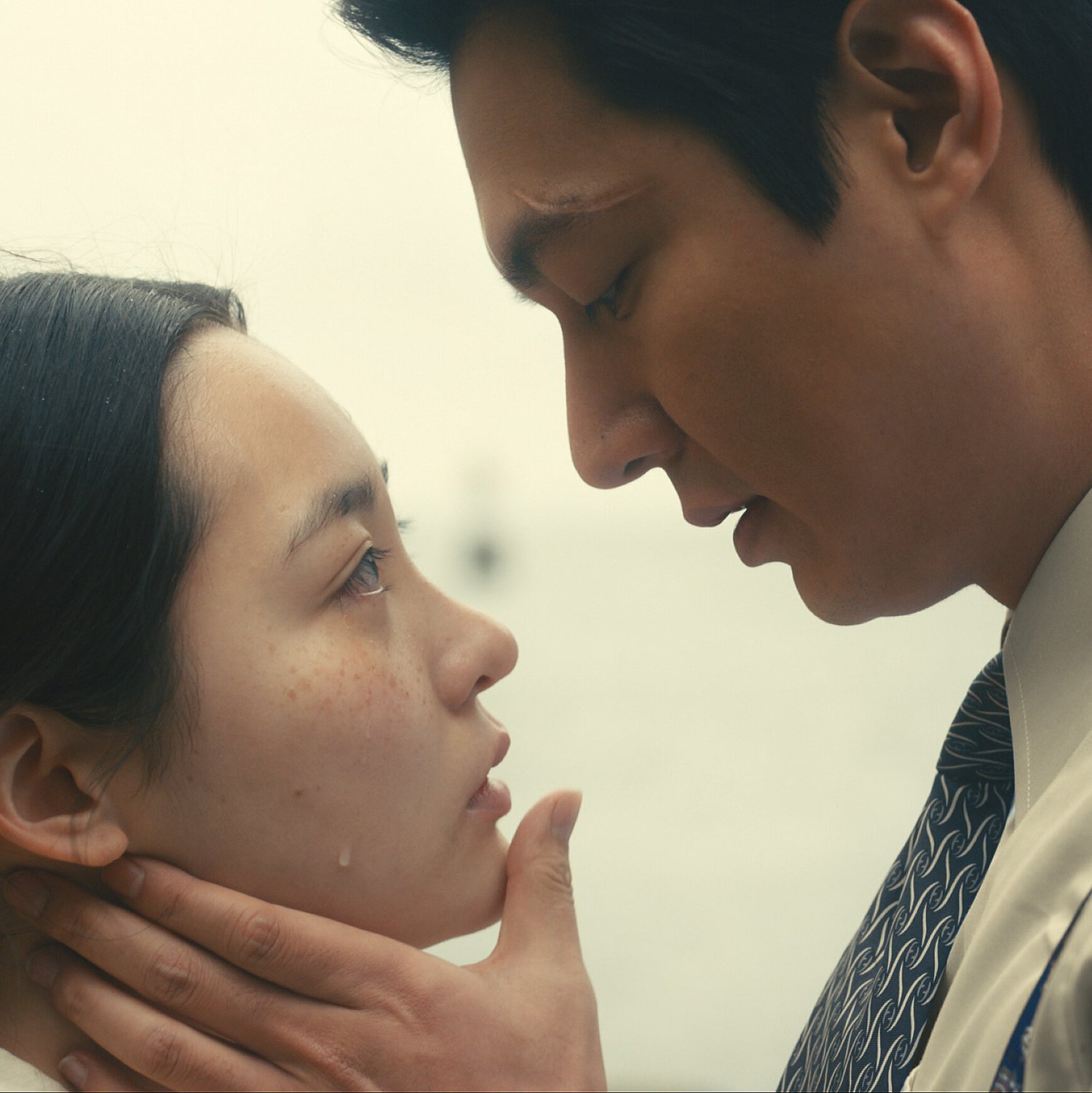
Exploring Pachinko & Great Expectations w/ Emmy Award-winning DP FLORIAN HOFFMEISTER - Highlights
“Every time I ask, ‘What do you need? What do I want? What does the director want? How do we collaborate? What is generated during the collaboration? What ideas, questions come across? And then I can start constructing something like a look.”Florian Hoffmeister is a prolific director of photography. Recent works by Hoffmeister include his lensing on the Apple TV+ series Pachinko, the critically-acclaimed political thriller Official Secrets starring Keira Knightley, Ralph Fiennes, and Matt Smith, and the forthcoming film TÁR starring Cate Blanchett.Hoffmeister is well-known for his collaboration with Terence Davies on feature films The Deep Blue Sea, starring Rachel Weisz, Tom Hiddleston and Simon Russel-Beale, and A Quiet Passion, starring Cynthia Nixon and Jennifer Ehle.His work on Brian Kirk’s television phenomenon Great Expectations earned him further distinction as well as numerous accolades, including a Primetime Emmy, a BAFTA, and an ASC Award.http://florianhoffmeister.dePachinkoGreat ExpectationsOfficial Secrets The Deep Blue Seawww.creativeprocess.infowww.oneplanetpodcast.org
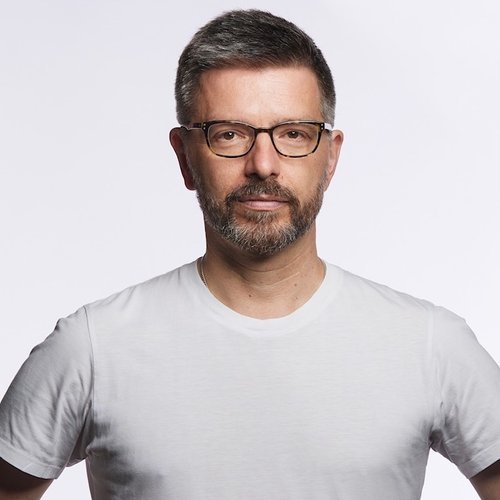
FLORIAN HOFFMEISTER - Emmy - BAFTA Award-winning Director of Photography
Florian Hoffmeister is a prolific director of photography. Recent works by Hoffmeister include his lensing on the Apple TV+ series Pachinko, the critically-acclaimed political thriller Official Secrets starring Keira Knightley, Ralph Fiennes, and Matt Smith, and the forthcoming film TÁR starring Cate Blanchett.Hoffmeister is well-known for his collaboration with Terence Davies on feature films The Deep Blue Sea, starring Rachel Weisz, Tom Hiddleston and Simon Russel-Beale, and A Quiet Passion, starring Cynthia Nixon and Jennifer Ehle.His work on Brian Kirk’s television phenomenon Great Expectations earned him further distinction as well as numerous accolades, including a Primetime Emmy, a BAFTA, and an ASC Award.“Every time I ask, ‘What do you need? What do I want? What does the director want? How do we collaborate? What is generated during the collaboration? What ideas, questions come across? And then I can start constructing something like a look.”http://florianhoffmeister.dePachinkoGreat ExpectationsOfficial Secrets The Deep Blue Seawww.creativeprocess.infowww.oneplanetpodcast.org
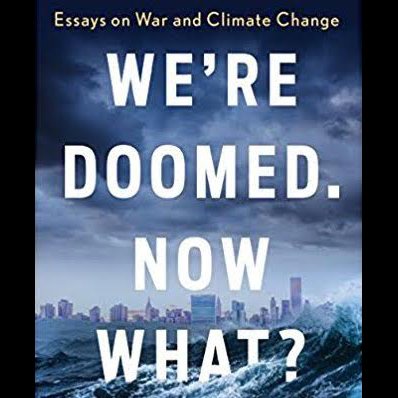
Learning to Die in the Anthropocene: Reflections on the End of a Civilization w/ ROY SCRANTON - Highlights
"It seems irresponsible to me to downplay the possible consequences of climate change. It seems irresponsible to assume that we're going to fix it. And so I think it's absolutely a responsibility for the people who are talking about it and thinking about it, to look at the worst-case scenario and to look at the current trajectories, absent technologies for carbon scrubbers, to look at where we're actually headed, the worst-case scenarios, and address that and bring that to each other and to our children and to our students. When you really look at the situation, it's scary and terrifying, and it upends everything that we've been told to make sense of life... The second part of what I think being a mentor or being a parent or being an adult or a teacher with regard to climate change means helping younger people sit with the terror, sit with the grief, the sense of unknown, and not push it away and not repress it and not try to find a way to just move past it without dealing with it, but to really inhabit that space of unknowing and fear and grief because that's the reality that we live in.”Roy Scranton, is the award-winning author of five books, including Learning to Die in the Anthropocene: Reflections on the End of a Civilization, Total Mobilization: World War II and American Literature, and We’re Doomed. Now What? He has written for the NYTimes, Rolling Stone, The Nation, and other publications. He was selected for the 2015 Best American Science and Nature Writing, has been awarded a Whiting Fellowship, a Lannan Literary Fellowship, and other honors. He’s an Associate Professor of English at the University of Notre Dame, and is director of the Notre Dame Environmental Humanities Initiative.http://royscranton.netNotre Dame Environmental Humanities Initiative sites.nd.edu/ehum www.oneplanetpodcast.org www.creativeprocess.info
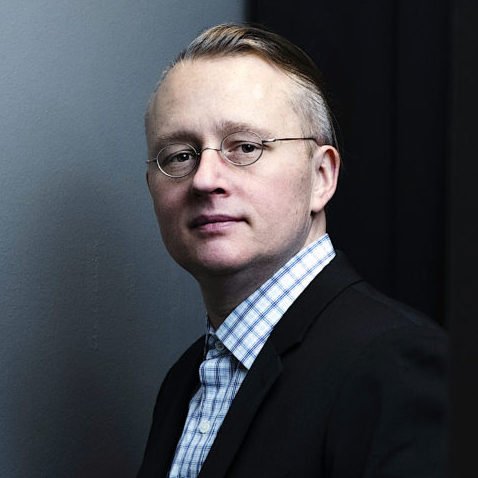
ROY SCRANTON - Author of “Learning to Die in the Anthropocene” - “We’re Doomed, Now What?”
Roy Scranton, is the award-winning author of five books, including Learning to Die in the Anthropocene: Reflections on the End of a Civilization, Total Mobilization: World War II and American Literature, and We’re Doomed. Now What? He has written for the NYTimes, Rolling Stone, The Nation, and other publications. He was selected for the 2015 Best American Science and Nature Writing, has been awarded a Whiting Fellowship, a Lannan Literary Fellowship, and other honors. He’s an Associate Professor of English at the University of Notre Dame, and is director of the Notre Dame Environmental Humanities Initiative."It seems irresponsible to me to downplay the possible consequences of climate change. It seems irresponsible to assume that we're going to fix it. And so I think it's absolutely a responsibility for the people who are talking about it and thinking about it, to look at the worst-case scenario and to look at the current trajectories, absent technologies for carbon scrubbers, to look at where we're actually headed, the worst-case scenarios, and address that and bring that to each other and to our children and to our students. When you really look at the situation, it's scary and terrifying, and it upends everything that we've been told to make sense of life... The second part of what I think being a mentor or being a parent or being an adult or a teacher with regard to climate change means helping younger people sit with the terror, sit with the grief, the sense of unknown, and not push it away and not repress it and not try to find a way to just move past it without dealing with it, but to really inhabit that space of unknowing and fear and grief because that's the reality that we live in.”http://royscranton.netNotre Dame Environmental Humanities Initiative sites.nd.edu/ehum www.oneplanetpodcast.org www.creativeprocess.infoPhoto by Ola Kjelbye

The City Authentic: How the Attention Economy Builds Urban America - DAVID BANKS - Highlights
“I think that is often what tourism is starting to move towards. Is this existential authentic? And what that means is that you're not even really looking to meet expectations or validate that the thing in front of you is what it says it is. You are trying to recreate who you think you should be in a time that is disconnected from your usual life. Because we're a pretty jaded and suspicious society now. 'Is it a deep fake?' We live in this world of make-believe and fakeness, and you want to get to something that's real. And what's more real than yourself and the story that you tell to yourself about yourself. And if you can really connect to that, you'll feel really good.”David A. Banks is the Director of Globalization Studies at the University at Albany, SUNY and the author of the forthcoming book The City Authentic: How the Attention Economy Builds Urban America published by University of California Press. He is also a delegate to the Troy Area Labor Council and the co-host of the podcast Ironweeds.www.davidabanks.orgwww.e-flux.com/architecture/software/337954/where-do-you-live/ https://reallifemag.com/true-ish-grit/ www.reallifemag.com/new-haunts/ The attention economy of authentic cities https://doi.org/10.1080/09654313.2021.1882947https://ironweeds.podbean.com
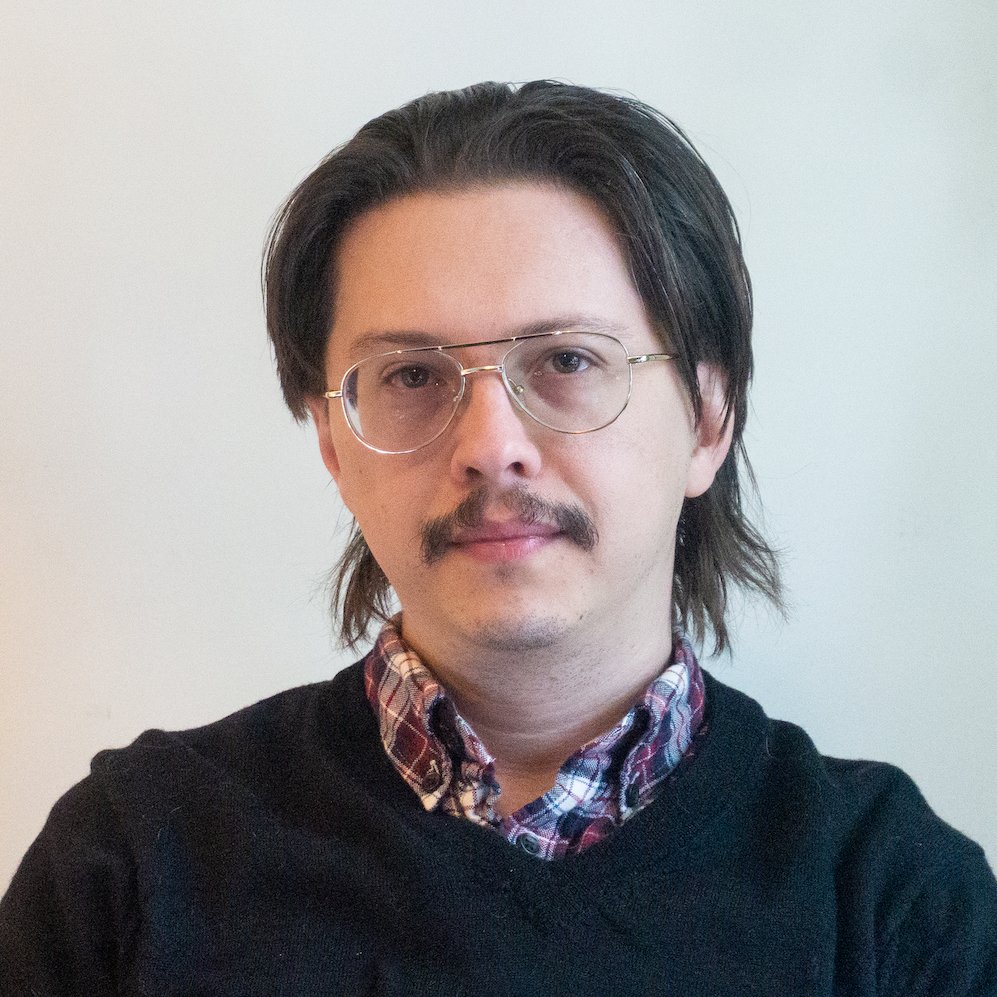
DAVID A. BANKS - Dir. of Globalization Studies - SUNY Albany - Author of The City Authentic
David A. Banks is the Director of Globalization Studies at the University at Albany, SUNY and the author of the forthcoming book The City Authentic: How the Attention Economy Builds Urban America published by University of California Press. He is also a delegate to the Troy Area Labor Council and the co-host of the podcast Ironweeds.“I think that is often what tourism is starting to move towards. Is this existential authentic? And what that means is that you're not even really looking to meet expectations or validate that the thing in front of you is what it says it is. You are trying to recreate who you think you should be in a time that is disconnected from your usual life. Because we're a pretty jaded and suspicious society now. 'Is it a deep fake?' We live in this world of make-believe and fakeness, and you want to get to something that's real. And what's more real than yourself and the story that you tell to yourself about yourself. And if you can really connect to that, you'll feel really good.”www.davidabanks.orgwww.e-flux.com/architecture/software/337954/where-do-you-live/ https://reallifemag.com/true-ish-grit/ www.reallifemag.com/new-haunts/ The attention economy of authentic cities https://doi.org/10.1080/09654313.2021.1882947https://ironweeds.podbean.com
Reimagining Growth: KC LEGACION on De-Growth & Sustainability - Highlights
“Degrowth as an idea has intellectual roots in the environmental critiques of the sixties and seventies found in landmark works like Rachel Carson's Silent Spring, the Club of Rome's Limits to Growth report, Nicholas Georgescu-Roegen's The Entropy Law and the Economic Process, which was a seminal piece of economic theory that applied the laws of thermodynamics to the economy and was very influential for ecological economics, which is intertwined with degrowth.Degrowth was first formulated in 1972 by French philosopher André Gorz in a public debate where he used the term décroissance to question whether planetary stability was compatible with capitalism.”KC Legacion is a Master of Environmental Studies candidate at the University of Pennsylvania. His research presents a reimagined understanding of social media through the lens of degrowth—this project will culminate in a short film set to premiere in September of this year. Outside of their research, KC is a team member of the web collective degrowth.info and a member of a nascent housing cooperative in West Philadelphia.www.degrowth.infowww.kclegacion.comwww.decidim.orgwww.joinmastodon.orgwww.iNaturalist.orgwww.oneplanetpodcast.orgwww.creativeprocess.info
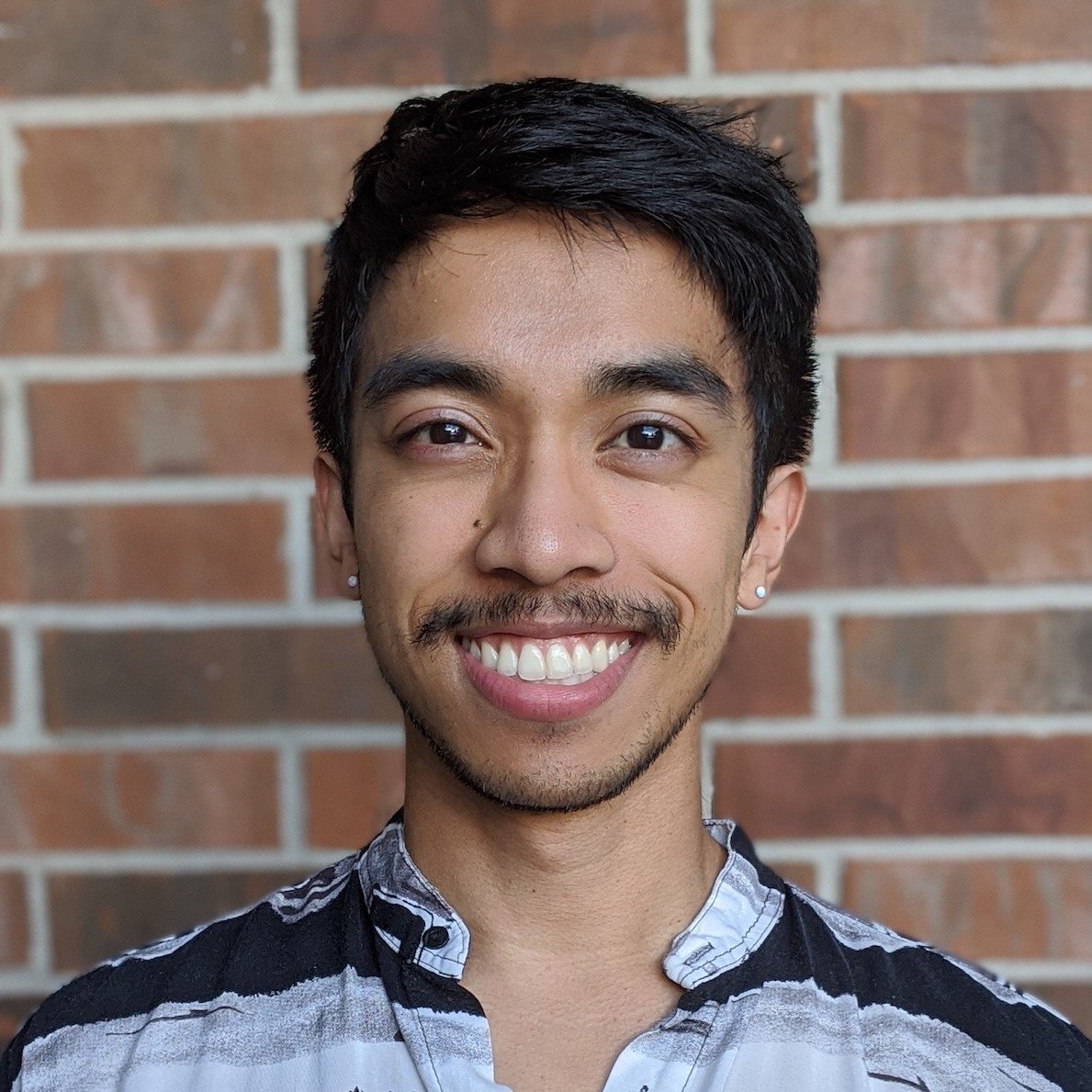
KC Legacion on Degrowth, Technology and Social Media
KC Legacion is a Master of Environmental Studies candidate at the University of Pennsylvania. His research presents a reimagined understanding of social media through the lens of degrowth—this project will culminate in a short film set to premiere in September of this year. Outside of their research, KC is a team member of the web collective degrowth.info and a member of a nascent housing cooperative in West Philadelphia.“Degrowth as an idea has intellectual roots in the environmental critiques of the sixties and seventies found in landmark works like Rachel Carson's Silent Spring, the Club of Rome's Limits to Growth report, Nicholas Georgescu-Roegen's The Entropy Law and the Economic Process, which was a seminal piece of economic theory that applied the laws of thermodynamics to the economy and was very influential for ecological economics, which is intertwined with degrowth.Degrowth was first formulated in 1972 by French philosopher André Gorz in a public debate where he used the term décroissance to question whether planetary stability was compatible with capitalism.”www.degrowth.infowww.kclegacion.comwww.decidim.orgwww.joinmastodon.orgwww.iNaturalist.orgwww.oneplanetpodcast.orgwww.creativeprocess.info
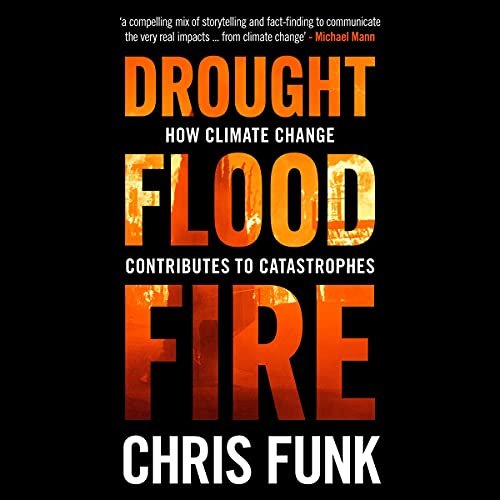
Drought, Flood, Fire: How Climate Change Contributes to Catastrophes - CHRIS FUNK - Highlights
“I guess the work that we're doing here at the Climate Hazards Center is trying to build out the science to cope with a two-degree world. And I think that we can do that. It's not going to be easy, but I think that's definitely within our capabilities, and it is already making human beings be smarter together in very empowering ways. And these are examples of people in Boulder, Colorado getting ready for the next big flood event and having conversations between the National Weather Service and local communities, or me on a zoom call at seven in the morning with my friends in East Africa as they're getting ready to cope with the next extreme. There are great examples of radio clubs in Niger who are working with their meteorological agencies and local farming communities that are pulling data that we're producing here in Santa Barbara, precipitation estimates, but then using them to decide whether they should fertilize their millet crops or not. And so there are ways that we can counter climate hazards and weather hazards by being smarter.”Chris Funk is the Director of the Climate Hazards Center (CHC) at UC Santa Barbara. He works with an international team of Earth scientists to inform weather and famine-related disaster responses. Chris studies climate and climate change while also developing improved data sets and monitoring/prediction systems. He’s the author of Drought, Flood, Fire: How Climate Change Contributes to Recent Catastrophes and co-author with Shrad Shukla of Drought Early Warning and Forecasting. While his research interests are quite diverse, a central theme uniting Chris’ work is developing both the technical/scientific resources and the conceptual frameworks that will help us cope with increasingly dangerous climate and weather extremes.www.chc.ucsb.eduwww.chc.ucsb.edu/people/chris-funkDrought, Flood, Fire: How Climate Change Contributes to Recent Catastropheswww.oneplanetpodcast.org www.creativeprocess.info
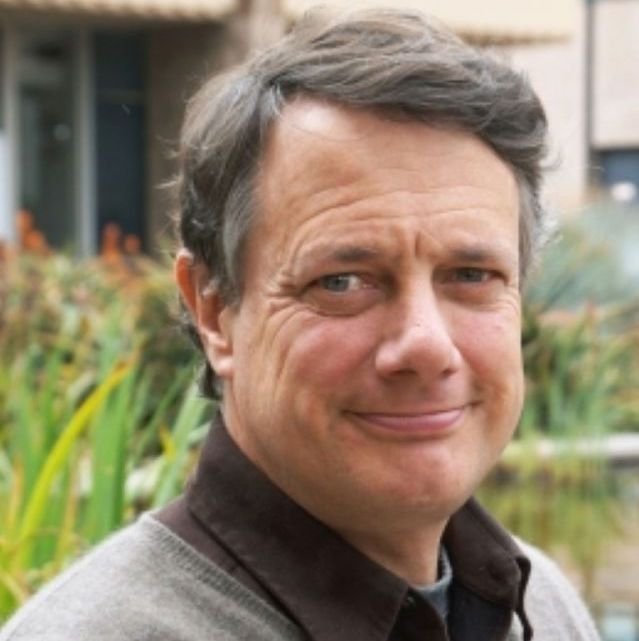
CHRIS FUNK - Director, Climate Hazards Center - Author of Drought, Flood, Fire
Chris Funk is the Director of the Climate Hazards Center (CHC) at UC Santa Barbara. He works with an international team of Earth scientists to inform weather and famine-related disaster responses. Chris studies climate and climate change while also developing improved data sets and monitoring/prediction systems. He’s the author of Drought, Flood, Fire: How Climate Change Contributes to Recent Catastrophes and co-author with Shrad Shukla of Drought Early Warning and Forecasting. While his research interests are quite diverse, a central theme uniting Chris’ work is developing both the technical/scientific resources and the conceptual frameworks that will help us cope with increasingly dangerous climate and weather extremes.“I guess the work that we're doing here at the Climate Hazards Center is trying to build out the science to cope with a two-degree world. And I think that we can do that. It's not going to be easy, but I think that's definitely within our capabilities, and it is already making human beings be smarter together in very empowering ways. And these are examples of people in Boulder, Colorado getting ready for the next big flood event and having conversations between the National Weather Service and local communities, or me on a zoom call at seven in the morning with my friends in East Africa as they're getting ready to cope with the next extreme. There are great examples of radio clubs in Niger who are working with their meteorological agencies and local farming communities that are pulling data that we're producing here in Santa Barbara, precipitation estimates, but then using them to decide whether they should fertilize their millet crops or not. And so there are ways that we can counter climate hazards and weather hazards by being smarter.”www.chc.ucsb.eduwww.chc.ucsb.edu/people/chris-funkDrought, Flood, Fire: How Climate Change Contributes to Recent Catastropheswww.oneplanetpodcast.org www.creativeprocess.info
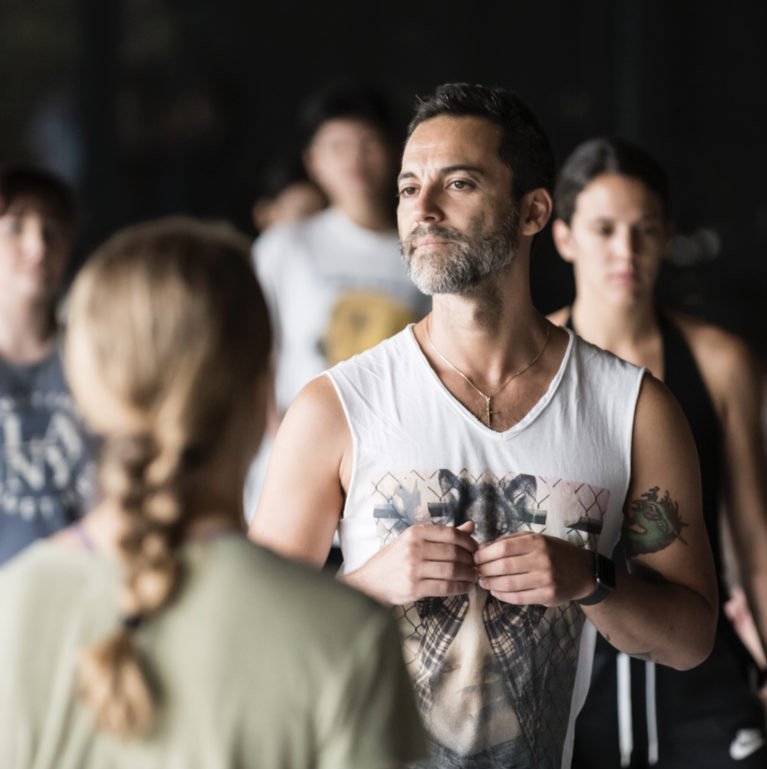
Dance, Literature, Music & the Interdisciplinary Arts with MARIO ALBERTO ZAMBRANO - Highlights
Mario Alberto Zambrano is the Associate Director of Juilliard Dance. He was born in Houston, danced for Batsheva Dance Company, Hubbard Street Dance Chicago, Nederlands Dans Theater II, and Ballet Frankfurt between 1994 and 2005. He then returned to school and earned an MFA in English at the Iowa Writers’ Workshop, where he received a John C. Schupes fellowship for excellence in fiction. His first novel, Lotería (Harper Collins), was a Barnes and Noble Discover Great New Writers pick in 2013 and a finalist for the 2014 John Gardner Fiction Book Award. Zambrano, who was awarded the Alice Hoffman Prize for Fiction for his short story “Some of You,” has been a YoungArts Presidential Scholar in the Arts and a Princess Grace Award winner. He has been awarded literary fellowships to MacDowell Colony, Yaddo, the National Endowment for the Arts, and Scotland’s Hawthornden Castle. Before joining Juilliard, he was a lecturer in theater, dance, and media at Harvard. He serves as program director for Orsolina28’s summer program and curates The LIT Series, a library of interdisciplinary thinking consisting of series of lectures, interviews, classes and discussions.“In both writing a first draft and in the improvisation of a dancing body, what is so key and relevant and exposed is voice. That internal voice of the artist of what they're writing on the page or what they're writing in space. If you go to fiction workshop, you talk about plot, structure, and you talk about character development, but there are very few classes within a dance curriculum where you break down an improvisation and you talk about voice, point of view, metaphor, or musical composition within a phrase. The lifespan of a phrase. And so this realisation is helping me understand that a one minute post of improvisation or even a ten-minute span of improvisation if it’s recorded is very similar to a first draft of creative writing, where then the artist is in a position to evaluate those 10 minutes and identify what is the setting? What is the voice that has come out of my experience of writing this first draft of an improvisation? And how can I give it structure? How can I give it form?”· IG @juilliardschool · IG @malberto777· IG @thelitseries · www.thelitseries.com· www.juilliard.edu/dance/faculty/zambrano-mario-alberto· marioalbertozambrano.com· www.creativeprocess.info· www.oneplanetpodcast.orgPhoto by Julien Benhamou
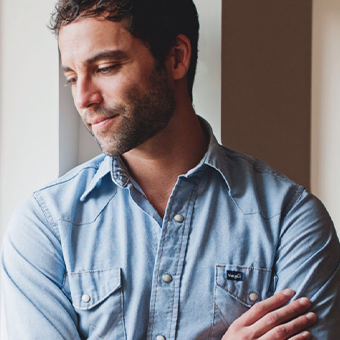
MARIO ALBERTO ZAMBRANO - Dancer, Writer, Assoc. Director of Dance, The Juilliard School
Mario Alberto Zambrano is the Associate Director of Juilliard Dance. He was born in Houston, danced for Batsheva Dance Company, Hubbard Street Dance Chicago, Nederlands Dans Theater II, and Ballet Frankfurt between 1994 and 2005. He then returned to school and earned an MFA in English at the Iowa Writers’ Workshop, where he received a John C. Schupes fellowship for excellence in fiction. His first novel, Lotería (Harper Collins), was a Barnes and Noble Discover Great New Writers pick in 2013 and a finalist for the 2014 John Gardner Fiction Book Award. Zambrano, who was awarded the Alice Hoffman Prize for Fiction for his short story “Some of You,” has been a YoungArts Presidential Scholar in the Arts and a Princess Grace Award winner. He has been awarded literary fellowships to MacDowell Colony, Yaddo, the National Endowment for the Arts, and Scotland’s Hawthornden Castle. Before joining Juilliard, he was a lecturer in theater, dance, and media at Harvard. He serves as program director for Orsolina28’s summer program and curates The LIT Series, a library of interdisciplinary thinking consisting of series of lectures, interviews, classes and discussions.“In both writing a first draft and in the improvisation of a dancing body, what is so key and relevant and exposed is voice. That internal voice of the artist of what they're writing on the page or what they're writing in space. If you go to fiction workshop, you talk about plot, structure, and you talk about character development, but there are very few classes within a dance curriculum where you break down an improvisation and you talk about voice, point of view, metaphor, or musical composition within a phrase. The lifespan of a phrase. And so this realisation is helping me understand that a one minute post of improvisation or even a ten-minute span of improvisation if it’s recorded is very similar to a first draft of creative writing, where then the artist is in a position to evaluate those 10 minutes and identify what is the setting? What is the voice that has come out of my experience of writing this first draft of an improvisation? And how can I give it structure? How can I give it form?”www.marioalbertozambrano.comIG @juilliardschool IG @malberto777IG @thelitserieswww.thelitseries.comwww.juilliard.edu/dance/faculty/zambrano-mario-albertowww.creativeprocess.infowww.oneplanetpodcast.org
The Journey of Humanity: The Origins of Wealth & Inequality with ODED GALOR - Highlights
"If we reduce population growth by 1% in the world economy, we can have growth in income per capita at a level of about 7% and still hold carbon emissions unchanged. Namely, by reducing population growth, we can permit growth in income per capita without polluting planet earth more than otherwise. So this is very important because it suggests to us that policies that target gender equality, the diffusion of contraceptive methods, and the rewards of education are policies that could mitigate population growth and ultimately permit the growth of income per capita without the liability of greater carbon emissions."Oded Galor is Herbert H. Goldberger Professor of Economics at Brown University and the founding thinker behind Unified Growth Theory, which seeks to uncover the fundamental causes of development, prosperity and inequality over the entire span of human history. He has shared the insights of his lifetime’s work in this field at some of the most prestigious lectures around the globe and has now distilled those discoveries into The Journey of Humanity, which is published in 30 languages worldwide.www.odedgalor.comwww.brown.edu/academics/population-studies/people/person/oded-galorThe Journey of Humanity www.oneplanetpodcast.orgwww.creativeprocess.info
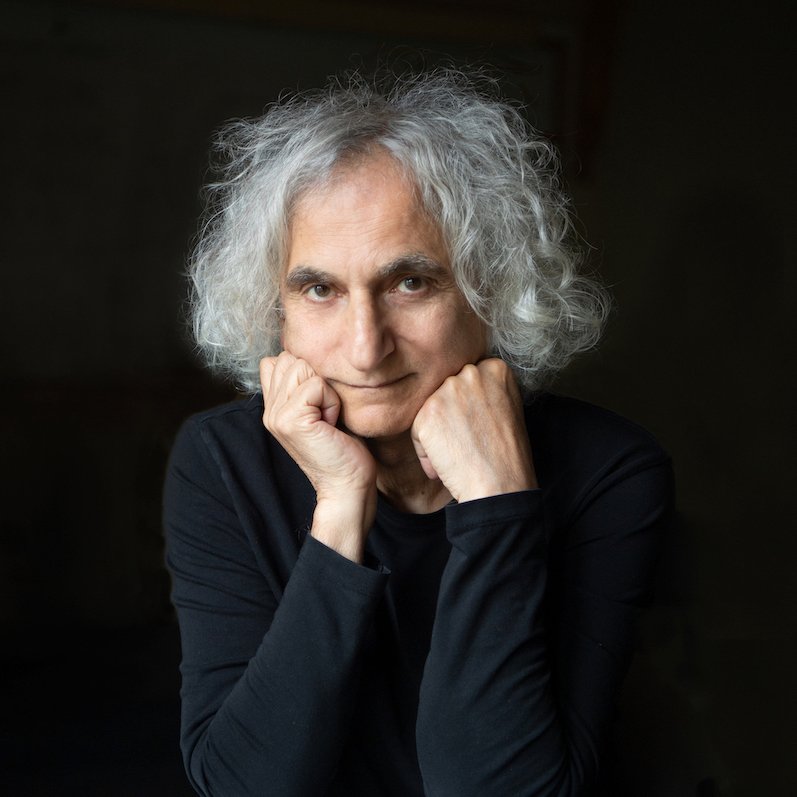
ODED GALOR - Author of The Journey of Humanity - Founder of Unified Growth Theory
Oded Galor is Herbert H. Goldberger Professor of Economics at Brown University and the founding thinker behind Unified Growth Theory, which seeks to uncover the fundamental causes of development, prosperity and inequality over the entire span of human history. He has shared the insights of his lifetime’s work in this field at some of the most prestigious lectures around the globe and has now distilled those discoveries into The Journey of Humanity, which is published in 30 languages worldwide."If we reduce population growth by 1% in the world economy, we can have growth in income per capita at a level of about 7% and still hold carbon emissions unchanged. Namely, by reducing population growth, we can permit growth in income per capita without polluting planet earth more than otherwise. So this is very important because it suggests to us that policies that target gender equality, the diffusion of contraceptive methods, and the rewards of education are policies that could mitigate population growth and ultimately permit the growth of income per capita without the liability of greater carbon emissions."www.odedgalor.comwww.brown.edu/academics/population-studies/people/person/oded-galorThe Journey of Humanity www.oneplanetpodcast.orgwww.creativeprocess.info