The Creative Process · Arts, Culture & Society: Books, Film, Music, TV, Art, Writing, Creativity, Education, Environment, Theatre, Dance, LGBTQ, Climate Change, Social Justice, Spirituality, Feminism, Tech, Sustainability
1,275 episodes — Page 10 of 26
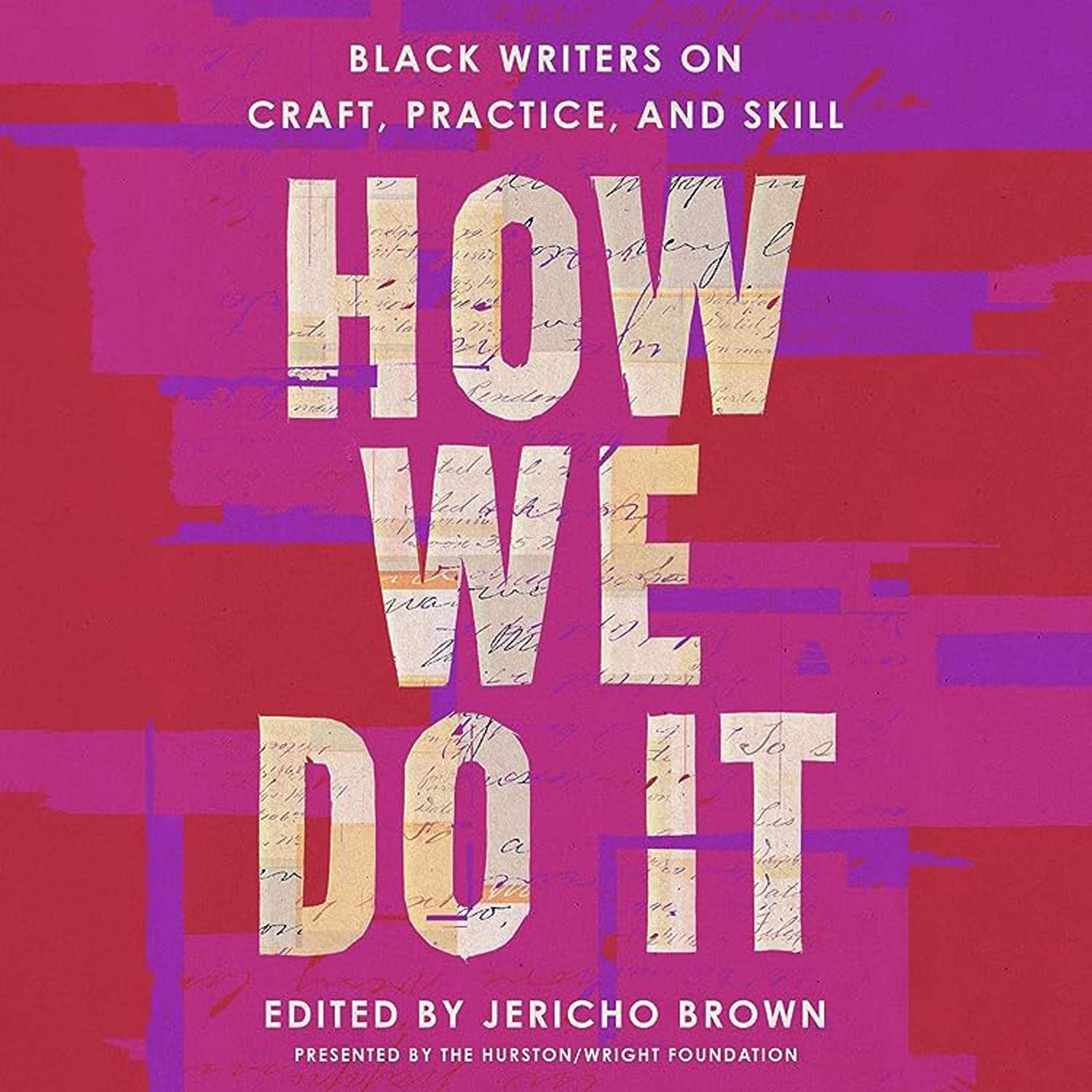
How We Do It: Black Writers on Craft, Practice & Skill w/ JERICHO BROWN - Highlights
"I would like for young people to understand just how powerful they are, just how much what they do matters, that they really can make changes that change themselves and change their communities. Change readership, change what a readership can be. Change people's ideas about what a writer might look like, for instance. That we do have agency, that we do have power, that we can make differences."How do you find your voice? As a writer, how do you take what you know and what you believe to share your stories with the world? How do we let young writers know just how powerful they are and that what they do matters?In How We Do It: Black Writers on Craft, Practice, and Skill Pulitzer Prize winning, and National Book Award finalist author Jericho Brown brings together more than 30 acclaimed writers, including the likes of Tayari Jones, Jacqueline Woodson, Natasha Trethewey, among many others, to discuss, dissect, and offer advice and encouragement on the written word. Brown is author of The Tradition, for which he won the Pulitzer Prize. He is the recipient of fellowships from the Guggenheim Foundation, the Radcliffe Institute for Advanced Study at Harvard, and the National Endowment for the Arts, and he is the winner of the Whiting Award. Brown’s first book, Please, won the American Book Award. His second book, The New Testament, won the Anisfield-Wolf Book Award. His third collection, The Tradition won the Paterson Poetry Prize and was a finalist for the National Book Award and the National Book Critics Circle Award. His poems have appeared in The Bennington Review, Buzzfeed, Fence, jubilat, The New Republic, The New York Times, The New Yorker, The Paris Review TIME magazine, and several volumes of The Best American Poetry. He is the director of the Creative Writing Program and a professor at Emory University.www.jerichobrown.comwww.harpercollins.com/products/how-we-do-it-jericho-browndarlene-taylor?variant=40901184684066www.creativeprocess.infowww.oneplanetpodcast.orgIG www.instagram.com/creativeprocesspodcast
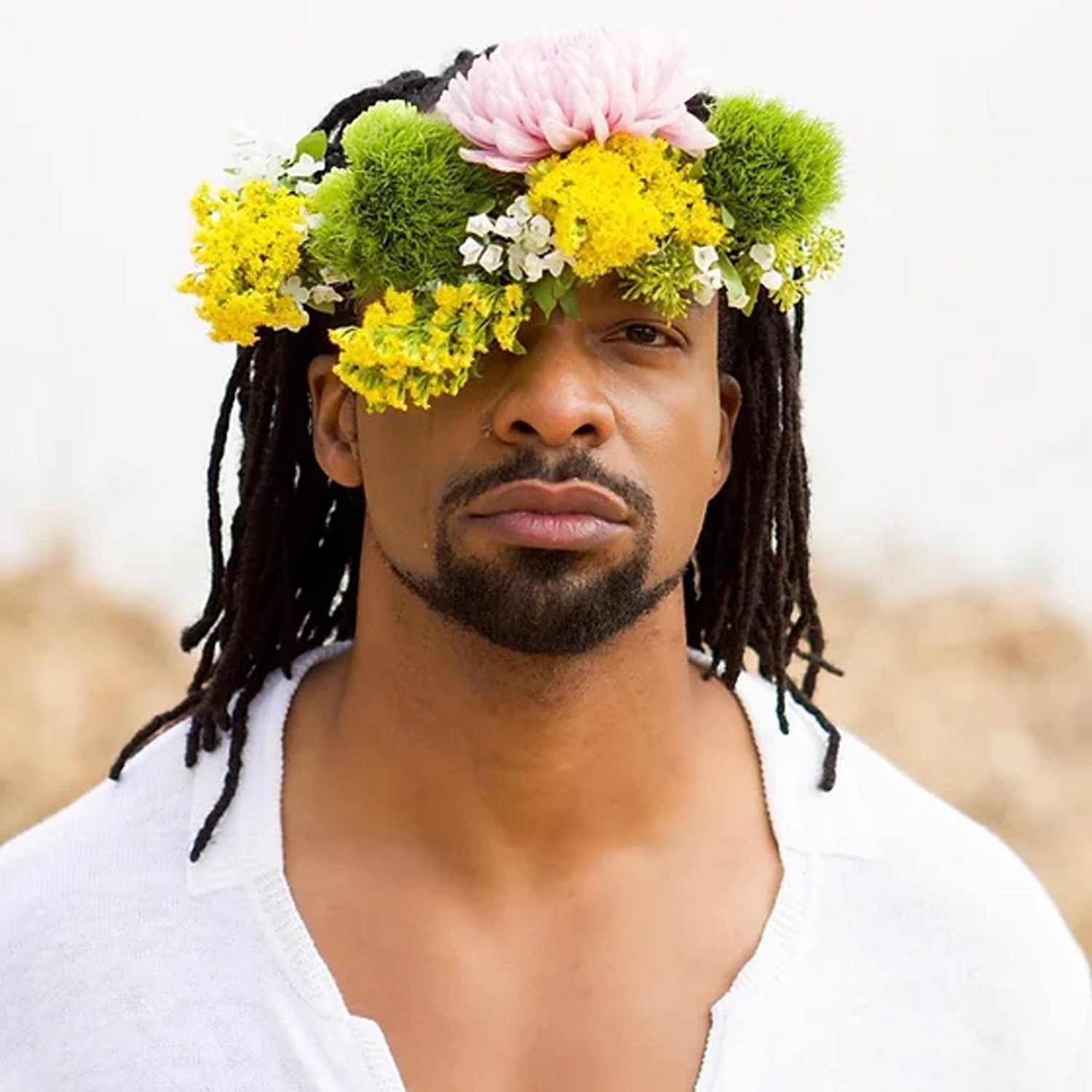
JERICHO BROWN - Pulitzer Prize-winning Poet - Editor of “How We Do It: Black Writers on Craft, Practice, and Skill”
How do you find your voice? As a writer, how do you take what you know and what you believe to share your stories with the world? How do we let young writers know just how powerful they are and that what they do matters?In How We Do It: Black Writers on Craft, Practice, and Skill Pulitzer Prize winning, and National Book Award finalist author Jericho Brown brings together more than 30 acclaimed writers, including the likes of Tayari Jones, Jacqueline Woodson, Natasha Trethewey, among many others, to discuss, dissect, and offer advice and encouragement on the written word. Brown is author of The Tradition, for which he won the Pulitzer Prize. He is the recipient of fellowships from the Guggenheim Foundation, the Radcliffe Institute for Advanced Study at Harvard, and the National Endowment for the Arts, and he is the winner of the Whiting Award. Brown’s first book, Please, won the American Book Award. His second book, The New Testament, won the Anisfield-Wolf Book Award. His third collection, The Tradition won the Paterson Poetry Prize and was a finalist for the National Book Award and the National Book Critics Circle Award. His poems have appeared in The Bennington Review, Buzzfeed, Fence, jubilat, The New Republic, The New York Times, The New Yorker, The Paris Review TIME magazine, and several volumes of The Best American Poetry. He is the director of the Creative Writing Program and a professor at Emory University."I would like for young people to understand just how powerful they are, just how much what they do matters, that they really can make changes that change themselves and change their communities. Change readership, change what a readership can be. Change people's ideas about what a writer might look like, for instance. That we do have agency, that we do have power, that we can make differences."www.jerichobrown.comwww.harpercollins.com/products/how-we-do-it-jericho-browndarlene-taylor?variant=40901184684066www.creativeprocess.info www.oneplanetpodcast.orgIG www.instagram.com/creativeprocesspodcast
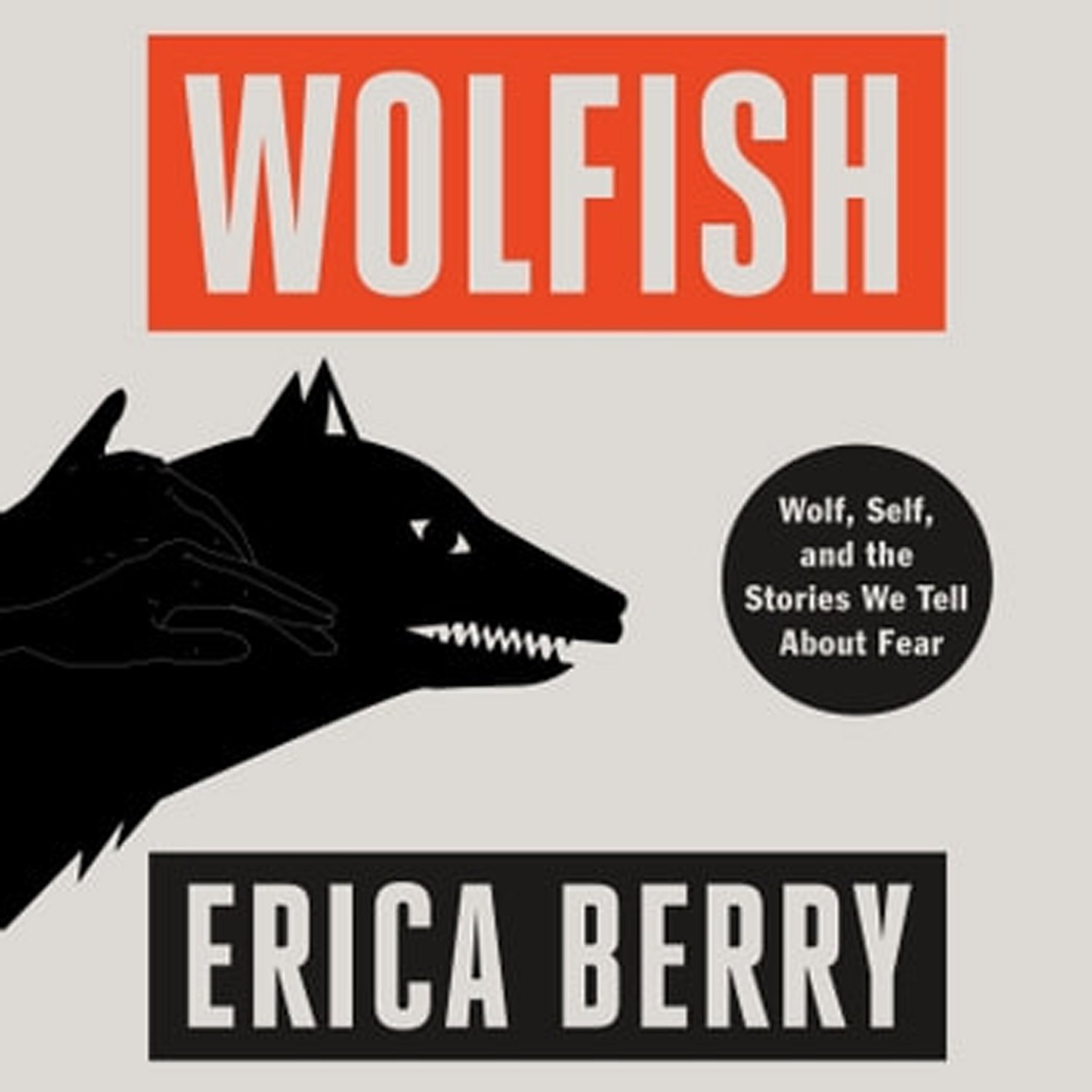
Wolfish: Wolf, Self, and the Stories We Tell About Fear with ERICA BERRY - Highlights
"And I think for so long I thought I'm only going to write about the real wolf. That's the most important thing. We've had too many stories. And yet I've gotten to a point where I just think we are living in a world where any story that comes out of my mouth is shaped by these other stories I've heard which are rooted in ecology, just like stories about biology, stories about how we name wolves are rooted in human choices. Science is tied to colonialism. Stories about how people interact in the landscape are very tied to who those people are and how they feel. Are they meant to feel that they belong there?"The lone wolf is actually alone because it's looking for connection. They leave in order to find a mate and form their own pack. If loneliness is an epidemic, what can wolves teach us about loneliness, courage, and connection?Erica Berry is the author of Wolfish: Wolf, Self, and the Stories We Tell About Fear. Her essays in journalism appear in Outside, Wired, The Yale Review, The Guardian, Literary Hub, The New York Times Magazine, The Atlantic, and Guernica, among other publications. Berry has taught workshops for teenagers and adults at Literary Arts, the Sitka Center for Art and Ecology, the New York Times Student Journeys in Oxford Academia.www.ericaberry.comhttps://us.macmillan.com/books/9781250882264/wolfishwww.creativeprocess.info www.oneplanetpodcast.orgIG www.instagram.com/creativeprocesspodcast
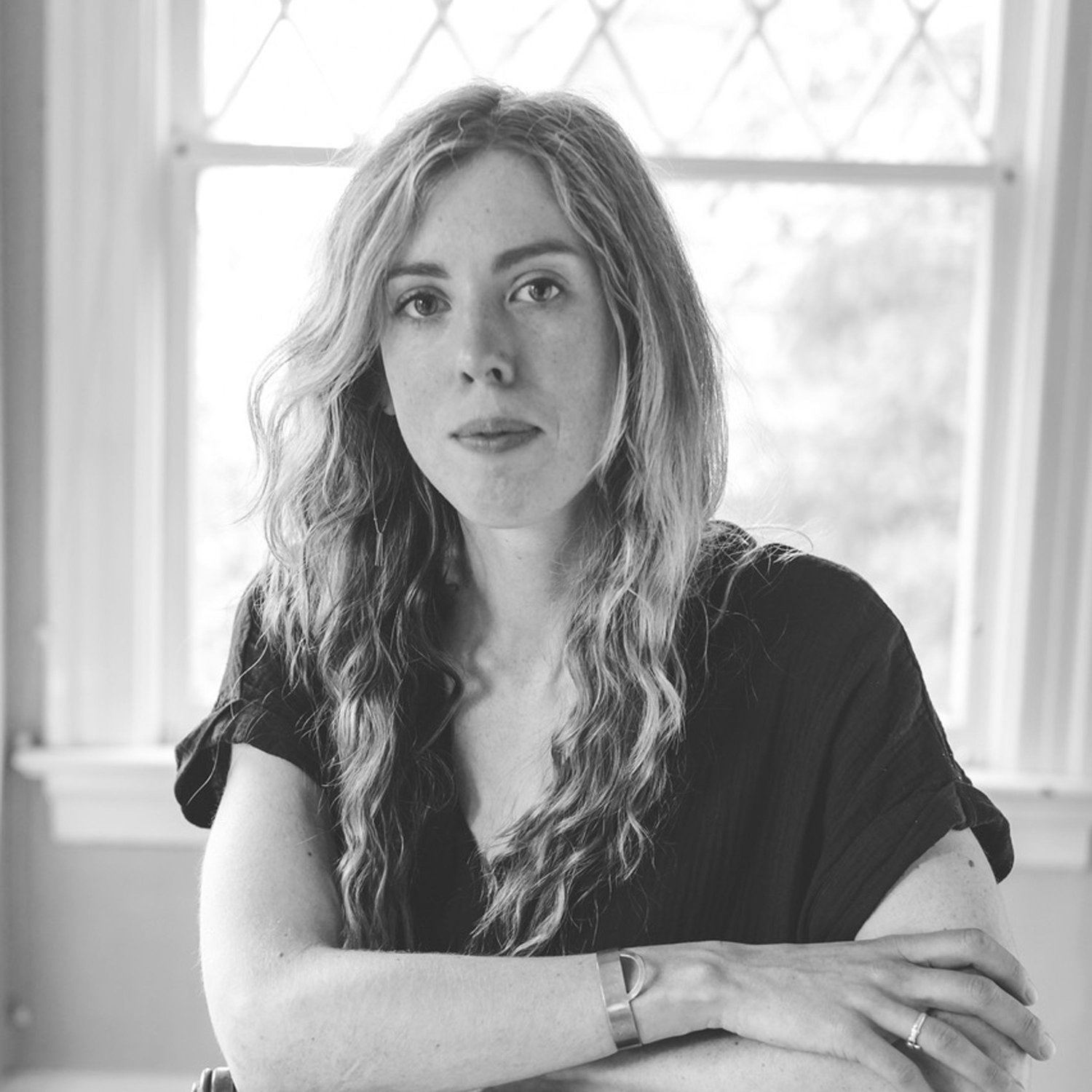
ERICA BERRY - Author of Wolfish: Wolf, Self, and the Stories We Tell About Fear
The lone wolf is actually alone because it's looking for connection. They leave in order to find a mate and form their own pack. If loneliness is an epidemic, what can wolves teach us about loneliness, courage, and connection?Erica Berry is the author of Wolfish: Wolf, Self, and the Stories We Tell About Fear. Her essays in journalism appear in Outside, Wired, The Yale Review, The Guardian, Literary Hub, The New York Times Magazine, The Atlantic, and Guernica, among other publications. Berry has taught workshops for teenagers and adults at Literary Arts, the Sitka Center for Art and Ecology, the New York Times Student Journeys in Oxford Academia."And I think for so long I thought I'm only going to write about the real wolf. That's the most important thing. We've had too many stories. And yet I've gotten to a point where I just think we are living in a world where any story that comes out of my mouth is shaped by these other stories I've heard which are rooted in ecology, just like stories about biology, stories about how we name wolves are rooted in human choices. Science is tied to colonialism. Stories about how people interact in the landscape are very tied to who those people are and how they feel. Are they meant to feel that they belong there?"www.ericaberry.com https://us.macmillan.com/books/9781250882264/wolfishwww.creativeprocess.info www.oneplanetpodcast.org IG www.instagram.com/creativeprocesspodcastPhoto by Andrea Lonas

ELLIOT LEE - Alt Pop Singer/Songwriter, LGBTQIA+ Openly Non-binary - Autism Awareness Advocate
Have you ever experienced the feeling of being alone and not having a community? How can we build an atmosphere of inclusion and greater understanding? Brooklyn-based artist Elliot Lee fuses dark pop melodies with edgy vocals and innovative electronic-rock soundscapes to create an unpredictable sound, acting as a voice for the voiceless. Elliot Lee holds an awareness of what music that is unhindered by norms can do for the underrepresented. Elliot’s single "Easy To Be You” is dedicated to the LGBTQIA+ community and was released during PRIDE Month. Elliot confides that the release is, "about struggling with self image and identity expression as a queer person."I struggle a lot with the feeling of being alone and not having a community. And I did even more as a teenager. That's kind of what my music is about, finding those people who get it so you don't feel like you're alone anymore. And that's why I talk about things that maybe I wouldn't talk about outside of music, because in music it's a safer and easier way to find people who really get it."www.elliotlee.com https://song.space/2nldde/song/2477503www.creativeprocess.info www.oneplanetpodcast.orgIG www.instagram.com/creativeprocesspodcast
How can we retell the story of America? with Author TOM LIN - Highlights
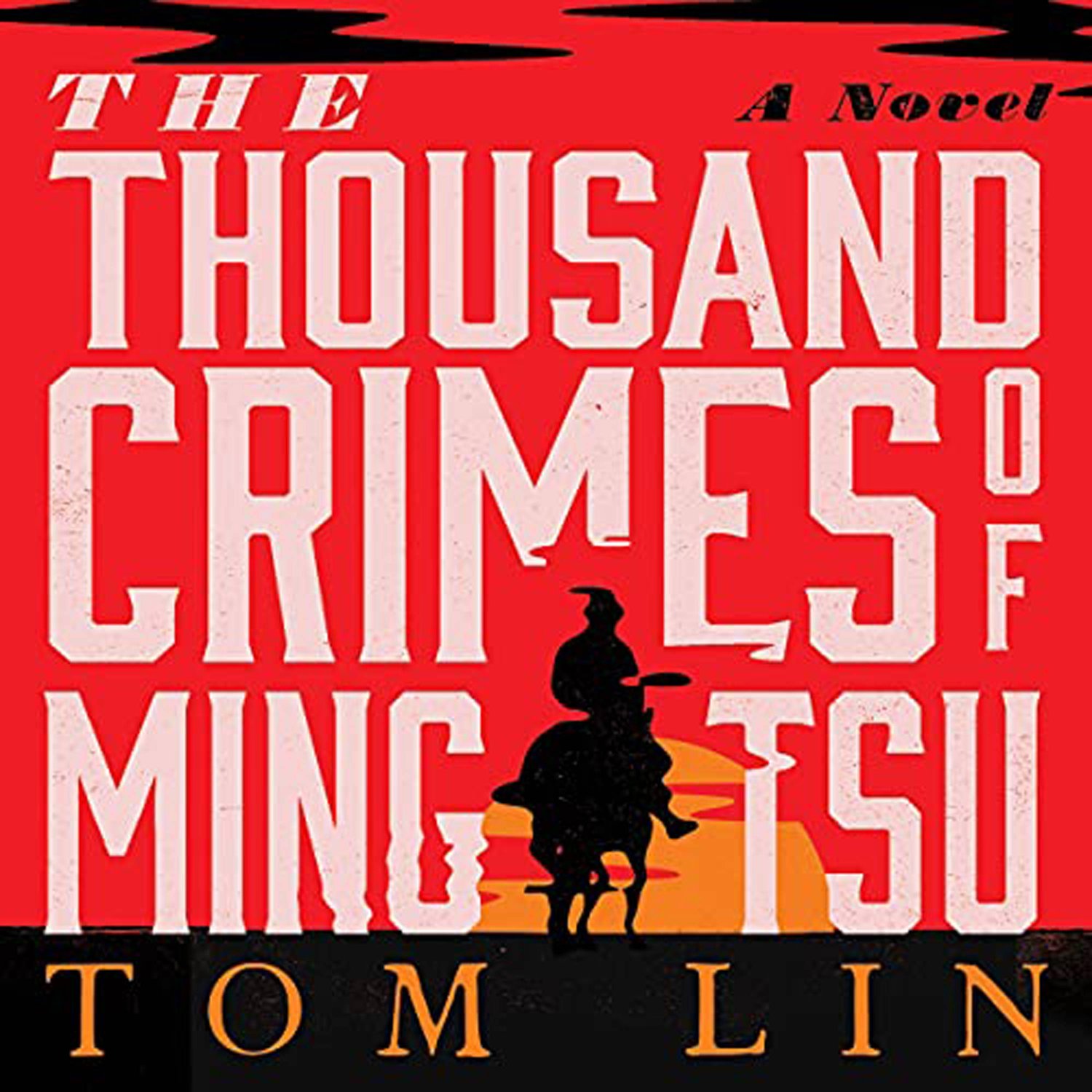
"When I was growing up, it was all about representation. I think that was the thing that was being championed: we need more people of color in books, movies, across all media. And then I think what we saw was an extremely cynical and capitalistic-minded ruthless optimization of that, where someone said: Oh, you want representation? Then we'll just throw in token people of color into projects. And then we'll check that box. And I think that became so prevalent in so many pieces of media that that became what we thought of as representation. I think it's a salvageable concept because, I mean, when I encountered books growing up, they were all with white people in them. Front to back, start to finish. It was just white characters. And so when I started writing stories of my own in school as a middle schooler they - surprise - they had white people in them, right? There were just white people talking about other white people. I went to public school in Queens. I knew very few white people. And so I think what representation does at its best is that it informs the boundaries of possibility. By seeing yourself represented in media, you become able to imagine your own stories transpiring in media and being made available for everybody else to witness.And so I think the point of representation is not just if we do a checklist of this piece of media, can we find a person of color. But I think the idea of representation is more that we want to be expanding the realm of storytelling, expanding what's possible by telling these stories that are not normally told.”How can we retell the story of America? In the United States of Amnesia, why does the Western celebrate cowboys but not all people who built this country? What does a Chinese-American hero look like in the 21st Century?Tom Lin is an American writer whose 2021 debut novel The Thousand Crimes of Ming Tsu chronicles the story of a Chinese American outlaw seeking revenge during America's railroad boom. The book won the 2022 Andrew Carnegie Medal for Excellence in Fiction, making Lin the youngest Carnegie winner in the prize’s history. Tom Lin is currently pursuing an English doctorate at the University of California Davis.https://twotreeforest.comwww.hachettebookgroup.com/titles/tom-lin/the-thousand-crimes-of-ming-tsu/9780316542173/?lens=little-brownwww.creativeprocess.info www.oneplanetpodcast.org IG www.instagram.com/creativeprocesspodcastImage courtesy of Little, Brown and Company & Tom Lin
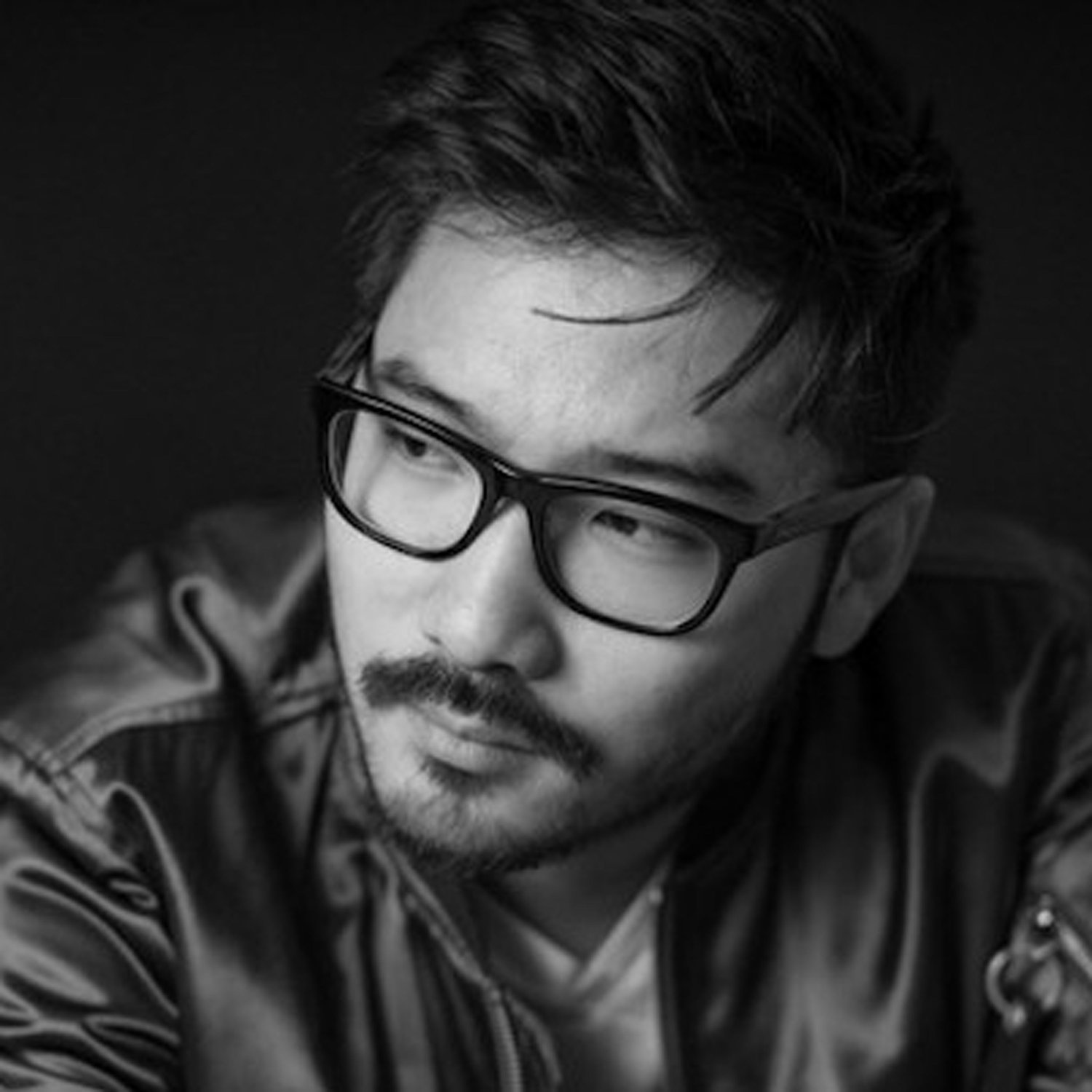
TOM LIN - Author of The Thousand Crimes of Ming Tsu - Andrew Carnegie Medal for Excellence in Fiction 2022
How can we retell the story of America? In the United States of Amnesia, why does the Western celebrate cowboys but not all people who built this country? What does a Chinese-American hero look like in the 21st Century?Tom Lin is an American writer whose 2021 debut novel The Thousand Crimes of Ming Tsu chronicles the story of a Chinese American outlaw seeking revenge during America's railroad boom. The book won the 2022 Andrew Carnegie Medal for Excellence in Fiction, making Lin the youngest Carnegie winner in the prize’s history. Tom Lin is currently pursuing an English doctorate at the University of California Davis."When I was growing up, it was all about representation. I think that was the thing that was being championed: we need more people of color in books, movies, across all media. And then I think what we saw was an extremely cynical and capitalistic-minded ruthless optimization of that, where someone said: Oh, you want representation? Then we'll just throw in token people of color into projects. And then we'll check that box. And I think that became so prevalent in so many pieces of media that that became what we thought of as representation. I think it's a salvageable concept because, I mean, when I encountered books growing up, they were all with white people in them. Front to back, start to finish. It was just white characters. And so when I started writing stories of my own in school as a middle schooler they - surprise - they had white people in them, right? There were just white people talking about other white people. I went to public school in Queens. I knew very few white people. And so I think what representation does at its best is that it informs the boundaries of possibility. By seeing yourself represented in media, you become able to imagine your own stories transpiring in media and being made available for everybody else to witness.And so I think the point of representation is not just if we do a checklist of this piece of media, can we find a person of color. But I think the idea of representation is more that we want to be expanding the realm of storytelling, expanding what's possible by telling these stories that are not normally told.”https://twotreeforest.comwww.hachettebookgroup.com/titles/tom-lin/the-thousand-crimes-of-ming-tsu/9780316542173/?lens=little-brownwww.creativeprocess.info www.oneplanetpodcast.org IG www.instagram.com/creativeprocesspodcastImage courtesy of Little, Brown and Company & Tom Lin
How To Save Our Planet: The Facts - MARK MASLIN - Highlights
"I think the most important thing is realizing how much impact humans have had on the planet. For example, did you know that we move more rock and sediment than all the natural processes put together? We also have created enough concrete already to cover the whole world in a layer that's two millimeters thick, and that includes the oceans. We have also created and make something like 300 million tons of plastic every single year, which we know ends up in our rivers. It ends up in our oceans. And we've also found that microplastics have been found in human blood. So this is the impact we're having all around the world. We've also cut down 3 trillion trees, that's half the trees on the planet. We have doubled carbon dioxide in the atmosphere. We've increased methane by about 150%, which has led to a warming of the planet of about 1.2 degrees Celsius. And If you weigh the land mammals, 30% of that weight is us humans. There are 8 billion of us, and I have to say a few of us could lose a few pounds, but 67% of that weight is our livestock. And just 3% is those wild animals. So in less than 5,000 years, we've gone from 99% being wild animals to less than 3%. That's how much impact we humans have had on the planet."Can we imagine a world where we leave half the earth to the natural environment and use the other half for ourselves? Can we change history and protect the Indigenous, the vulnerable, and the very poorest in society?Mark Maslin is a Professor of Earth System Science at University College London. Maslin is a leading expert in understanding the anthropocene and how it relates to the major challenges facing humanity in the 21st century. He has written a number of books on the issue of climate change, his most book is How to Save Our Planet: The Facts.www.geog.ucl.ac.uk/people/academic-staff/mark-maslinwww.penguin.co.uk/books/320155/how-to-save-our-planet-by-maslin-mark/9780241472521www.creativeprocess.info www.oneplanetpodcast.org IG www.instagram.com/creativeprocesspodcastImage courtesy of Mark Maslin
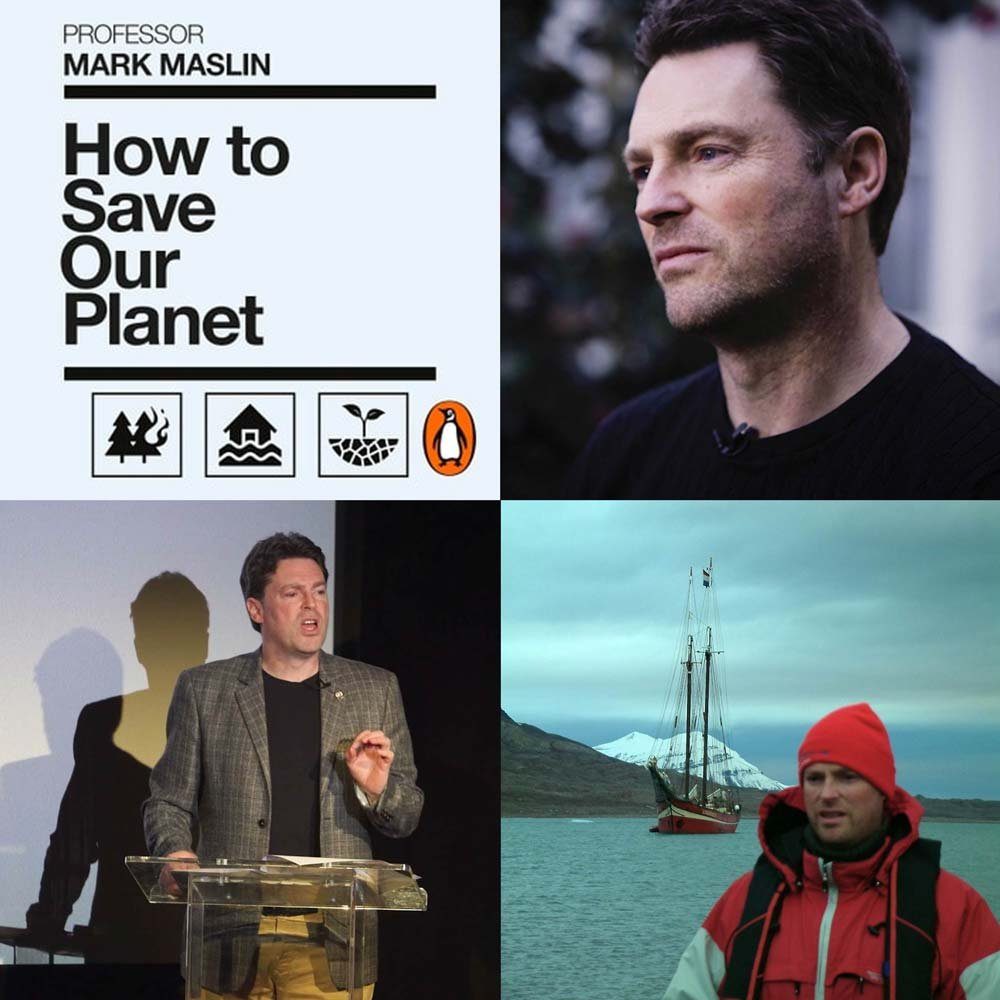
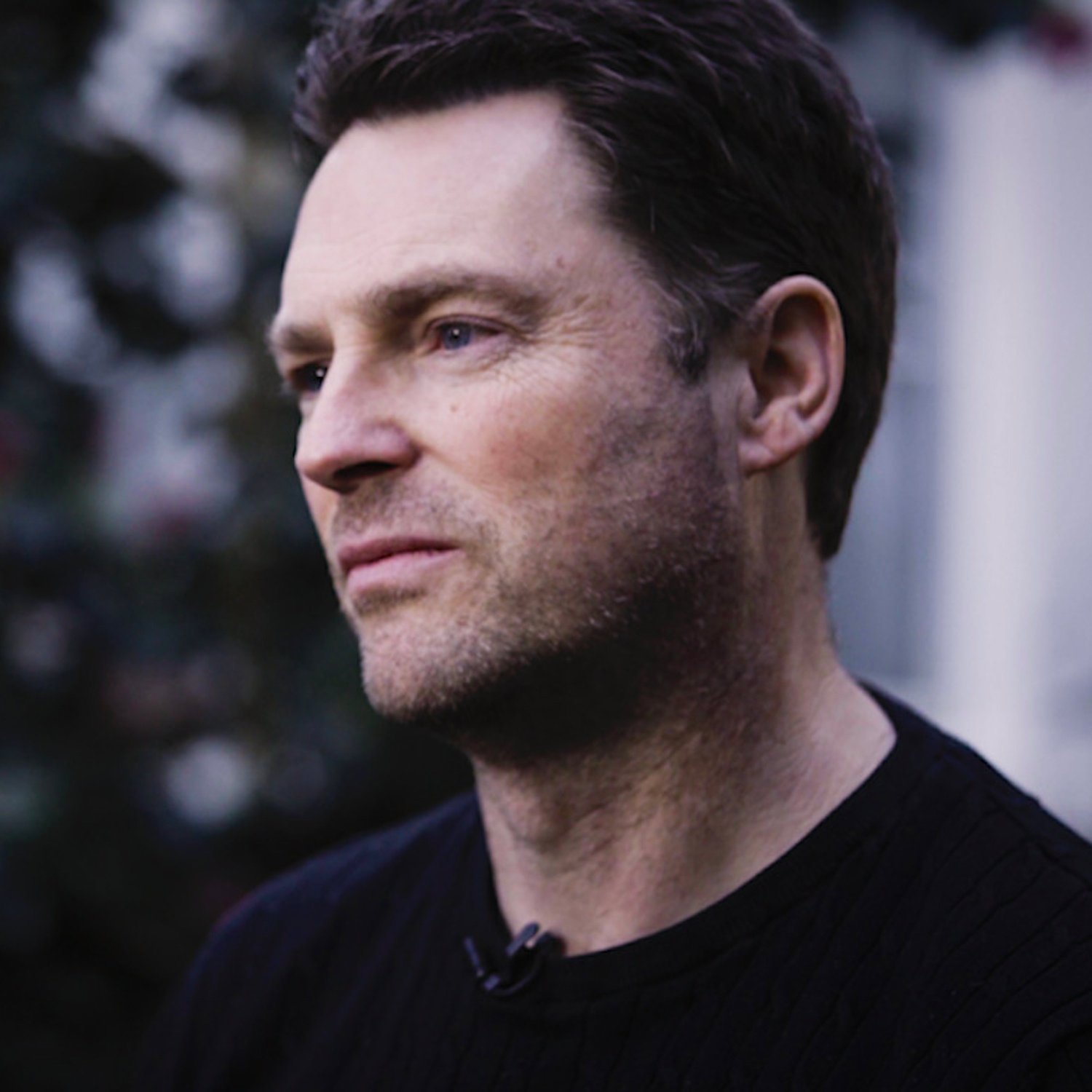
MARK MASLIN - Author of How To Save Our Planet: The Facts - Professor, Earth System Science, University College London
Can we imagine a world where we leave half the earth to the natural environment and use the other half for ourselves? Can we change history and protect the Indigenous, the vulnerable, and the very poorest in society?Mark Maslin is a Professor of Earth System Science at University College London. Maslin is a leading expert in understanding the anthropocene and how it relates to the major challenges facing humanity in the 21st century. He has written a number of books on the issue of climate change, his most book is How to Save Our Planet: The Facts."I think the most important thing is realizing how much impact humans have had on the planet. For example, did you know that we move more rock and sediment than all the natural processes put together? We also have created enough concrete already to cover the whole world in a layer that's two millimeters thick, and that includes the oceans. We have also created and make something like 300 million tons of plastic every single year, which we know ends up in our rivers. It ends up in our oceans. And we've also found that microplastics have been found in human blood. So this is the impact we're having all around the world. We've also cut down 3 trillion trees, that's half the trees on the planet. We have doubled carbon dioxide in the atmosphere. We've increased methane by about 150%, which has led to a warming of the planet of about 1.2 degrees Celsius. And If you weigh the land mammals, 30% of that weight is us humans. There are 8 billion of us, and I have to say a few of us could lose a few pounds, but 67% of that weight is our livestock. And just 3% is those wild animals. So in less than 5,000 years, we've gone from 99% being wild animals to less than 3%. That's how much impact we humans have had on the planet."www.geog.ucl.ac.uk/people/academic-staff/mark-maslinwww.penguin.co.uk/books/320155/how-to-save-our-planet-by-maslin-mark/9780241472521www.creativeprocess.info www.oneplanetpodcast.org IG www.instagram.com/creativeprocesspodcastAll images courtesy of Mark Maslin
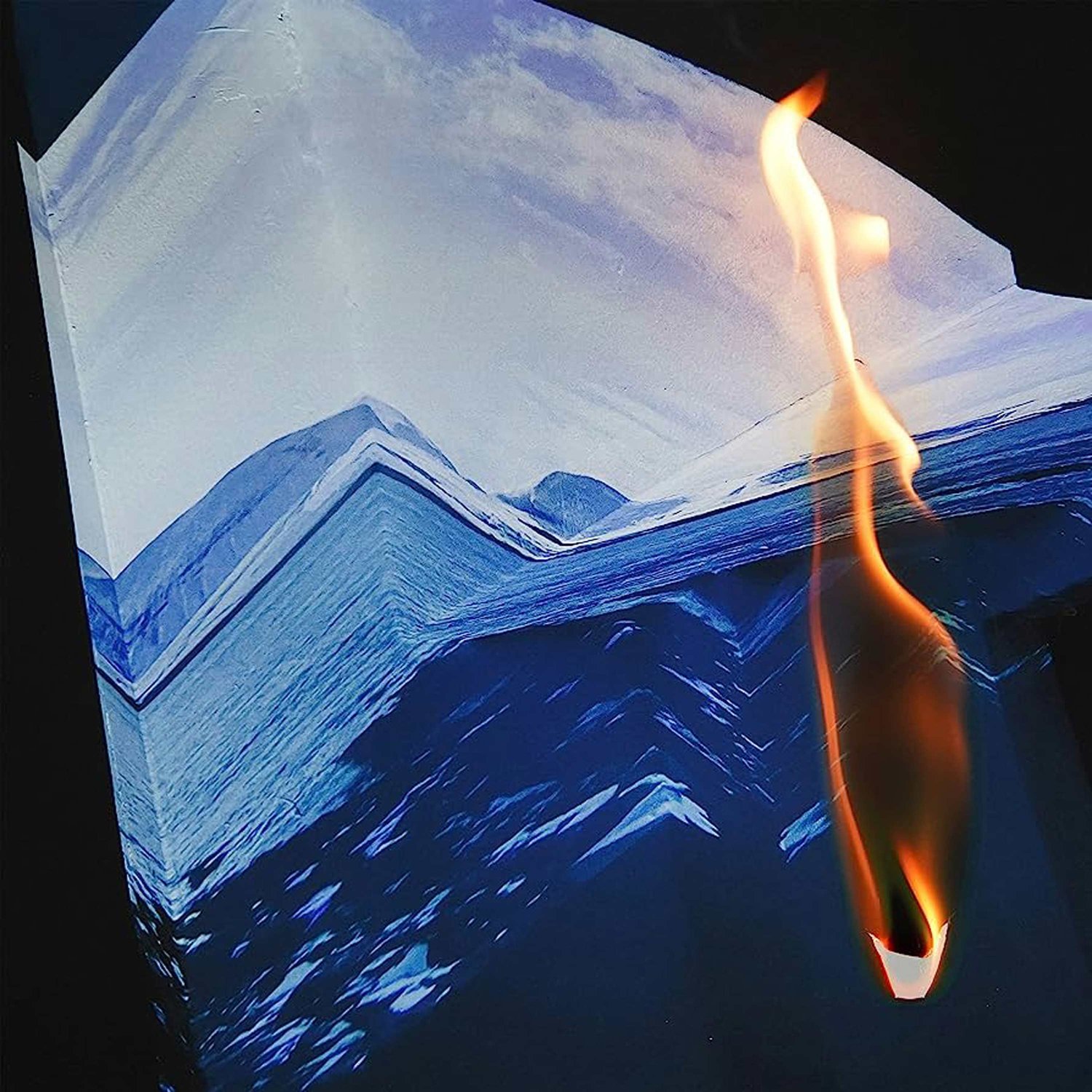
Exploring Landscapes through Sound with Composer ERLAND COOPER - Highlights
"Music has the ability to transport you to a place and create a sort of internal landscape. And we all have life-changing things that happened to us. And I remember I made it as a way to kind of ease a busy mind. And perhaps I was missing home. I still call Orkney home, even though I'm not there every day. I'm a thousand miles away today, and I still call Orkney home. For example, when I hear the voice of the curlew, it transports me back to Orkney with such a jolt. In a heartbeat. And music can do that too. It's very transformative. Visual arts have the ability to do that too. And you could stare at a Rothko painting and cry and not quite know why. It can take days to figure out perhaps certain meanings from it. But music I think is quite instant. It can really do that."How has music transported you? Where do you find inspiration from the natural world? Where do you find moments of every day magic? Erland Cooper is a Scottish composer, producer, and multi-instrumentalist from Stromness, Orkney. He has released three acclaimed studio albums, four additional companion albums, and multiple EPs, including a trilogy of work inspired by his childhood home. His work combines field recordings with traditional orchestration and contemporary electronic elements. Through music words and cinematography, he explores landscape, memory, and identity. Cooper also works across mixed media projects, including installation, art, theater, and film. He is widely known for burying the only existing copy of the master tape of his first classical album in Scotland, deleting all digital files, and leaving only a treasure hunt of clues for fans and his record label alike to search for it. The tape has recently been found.www.erlandcooper.comwww.creativeprocess.info www.oneplanetpodcast.orgIG www.instagram.com/creativeprocesspodcastPhoto by Alex Kozobolis
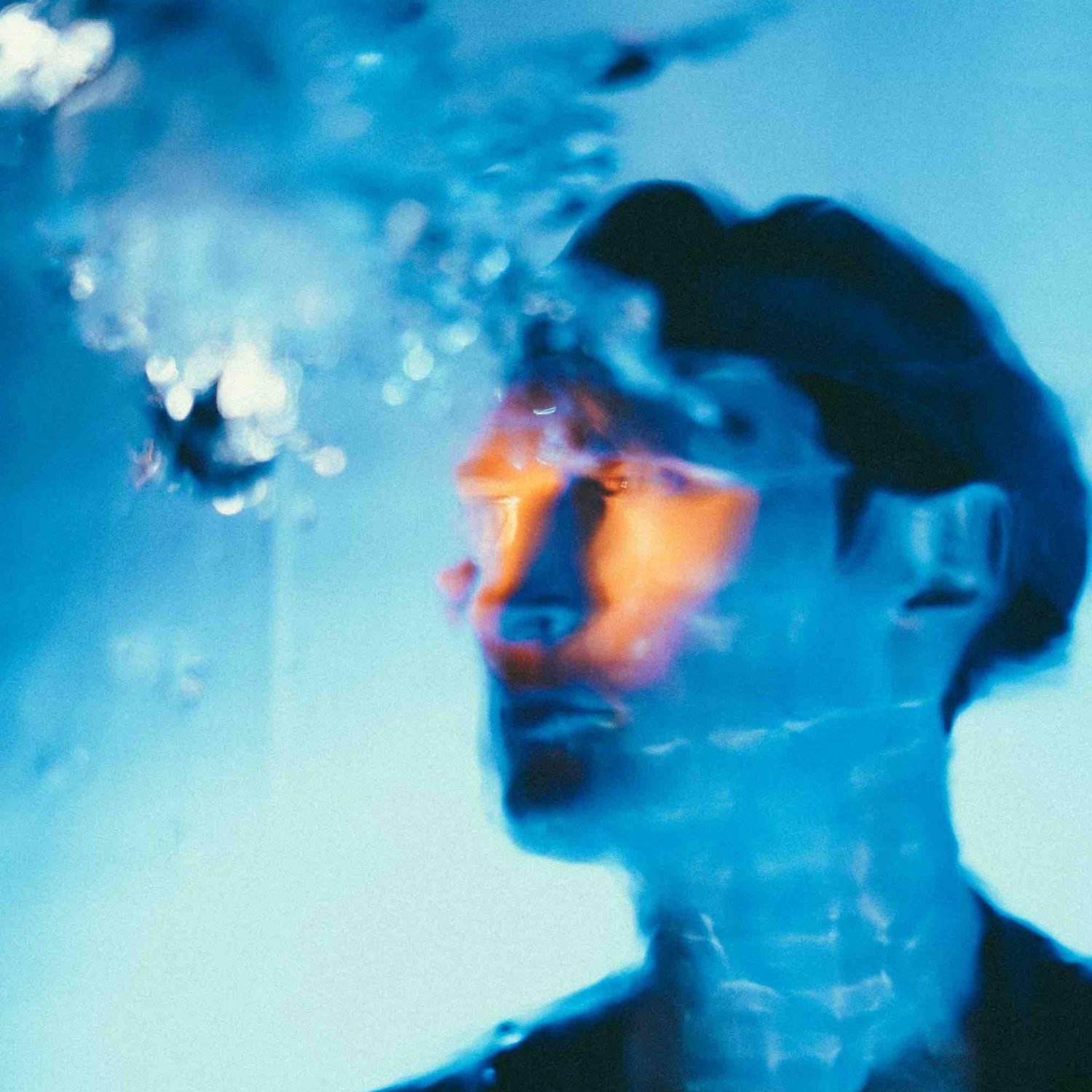
Erland Cooper - Nature’s Songwriter - Composer of “Folded Landscapes”
How has music transported you? Where do you find inspiration from the natural world? Where do you find moments of every day magic? Erland Cooper is a Scottish composer, producer, and multi-instrumentalist from Stromness, Orkney. He has released three acclaimed studio albums, four additional companion albums, and multiple EPs, including a trilogy of work inspired by his childhood home. His work combines field recordings with traditional orchestration and contemporary electronic elements. Through music words and cinematography, he explores landscape, memory, and identity. Cooper also works across mixed media projects, including installation, art, theater, and film. He is widely known for burying the only existing copy of the master tape of his first classical album in Scotland, deleting all digital files, and leaving only a treasure hunt of clues for fans and his record label alike to search for it. The tape has recently been found."I recently wrote a classical piece of music, and I went up to Glasgow, and we recorded this piece of work with this wonderful ensemble called Studio Collective. These fantastic musicians all gathered in one room. And I told them that once I'd put it onto the magnetic tape, I would delete all the digital copies so there only existed one copy. And all of a sudden, this piece of music, this process of creativity became incredibly precious to the people that made it. And somebody said, 'Are you going to bury it?' And I replied, 'I'm going to plant it in the earth somewhere in the Scottish Islands. And I'd like the soil over the next three years to collaborate with the music. So it's my final collaborator.' I like this idea to compose, decompose, and then recompose. So the final piece of work when it comes out of the earth will reticulate the score with the new sounds, these new artifacts of decomposition that have been created by Mother Nature. For me, it's a kind of meditation on value and patience in a world of instant gratification."www.erlandcooper.comwww.creativeprocess.info www.oneplanetpodcast.orgIG www.instagram.com/creativeprocesspodcastPhoto by Alex Kozobolis
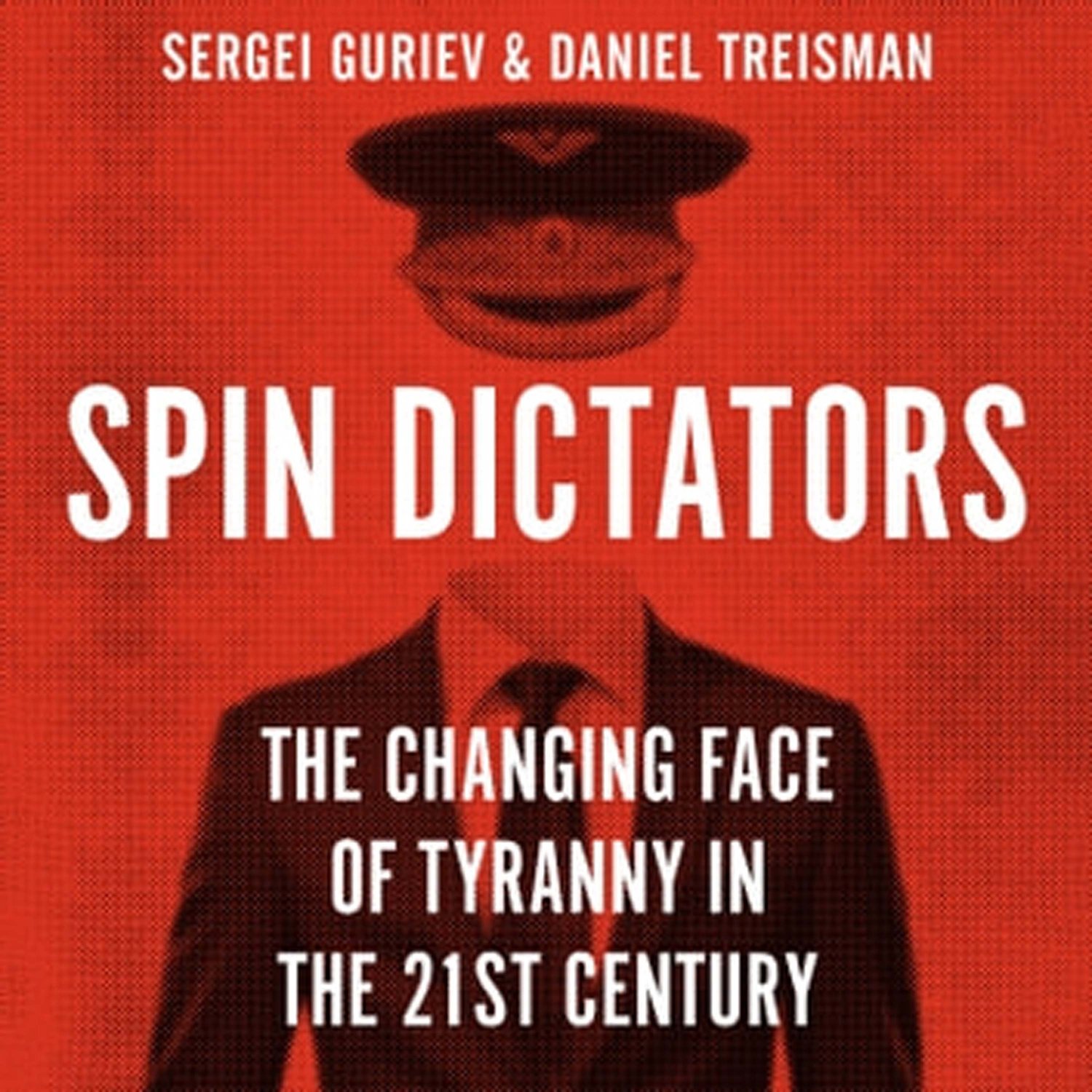
Spin Dictators: The Changing Face of Tyranny in the 21st Century w/ Economist SERGEI GURIEV - Highlights
"In Russia, I ran a university, a new economic school. And as an economist and a public intellectual, I was engaged in interactions with the government, including with Vladimir Putin. And there, of course, the situation was that Russia was already a nondemocratic country, meaning that it was a country where elections were not free and fair and partial censorship was already in place. Yet in those years, we could express ourselves openly, not on national TV, but at least in newspapers and on radio. And that eventually brought me into trouble with Vladimir Putin, who at some point suggested that I talked too much and I should not be in the same country. He's never expressed that clearly to me. He passed this message through various common friends. I was also interrogated. My office was searched. And at some point, common friends told me, 'Look, you shouldn't be here.' And I bought a one-way ticket for the next day and just left Russia."What is a spin dictator? What does tyranny look like in the 21st century? Why is populism on the rise? And how do we reinvent democracy?Sergei Guriev is the co-author of Spin Dictators: The Changing Face of Tyranny in the 21st Century. Guriev is Provost and a professor of economics and at Sciences Po in Paris. He is a former Chief Economist of the European Bank for Reconstruction and Development, London, and a former Rector of the New Economic School in Moscow in 2004-13.https://sites.google.com/site/sguriev/https://spindictators.com/www.sciencespo.fr/department-economics/en/researcher/sergei-guriev.htmlwww.creativeprocess.infowww.oneplanetpodcast.orgIG www.instagram.com/creativeprocesspodcast
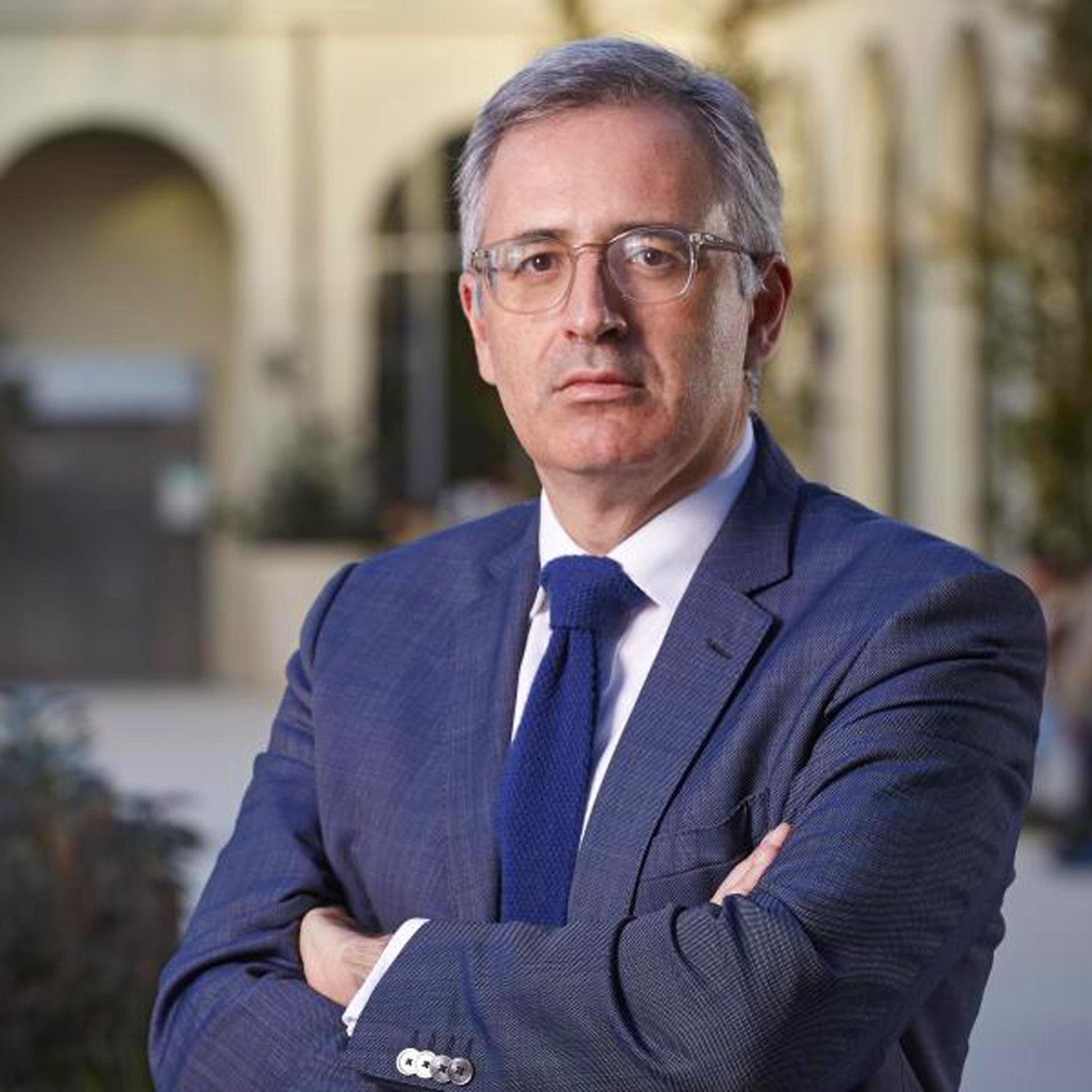
SERGEI GURIEV - Economist - Provost of SciencesPo - Co-author of Spin Dictators: The Changing Face of Tyranny in the 21st Century
What is a spin dictator? What does tyranny look like in the 21st century? Why is populism on the rise? And how do we reinvent democracy?Sergei Guriev is the co-author of Spin Dictators: The Changing Face of Tyranny in the 21st Century. Guriev is Provost and a professor of economics and at Sciences Po in Paris. He is a former Chief Economist of the European Bank for Reconstruction and Development, London, and a former Rector of the New Economic School in Moscow in 2004-13."In Russia, I ran a university, a new economic school. And as an economist and a public intellectual, I was engaged in interactions with the government, including with Vladimir Putin. And there, of course, the situation was that Russia was already a nondemocratic country, meaning that it was a country where elections were not free and fair and partial censorship was already in place. Yet in those years, we could express ourselves openly, not on national TV, but at least in newspapers and on radio. And that eventually brought me into trouble with Vladimir Putin, who at some point suggested that I talked too much and I should not be in the same country. He's never expressed that clearly to me. He passed this message through various common friends. I was also interrogated. My office was searched. And at some point, common friends told me, 'Look, you shouldn't be here.' And I bought a one-way ticket for the next day and just left Russia."https://sites.google.com/site/sguriev/https://spindictators.com/www.sciencespo.fr/department-economics/en/researcher/sergei-guriev.htmlwww.creativeprocess.infowww.oneplanetpodcast.orgIG www.instagram.com/creativeprocesspodcast
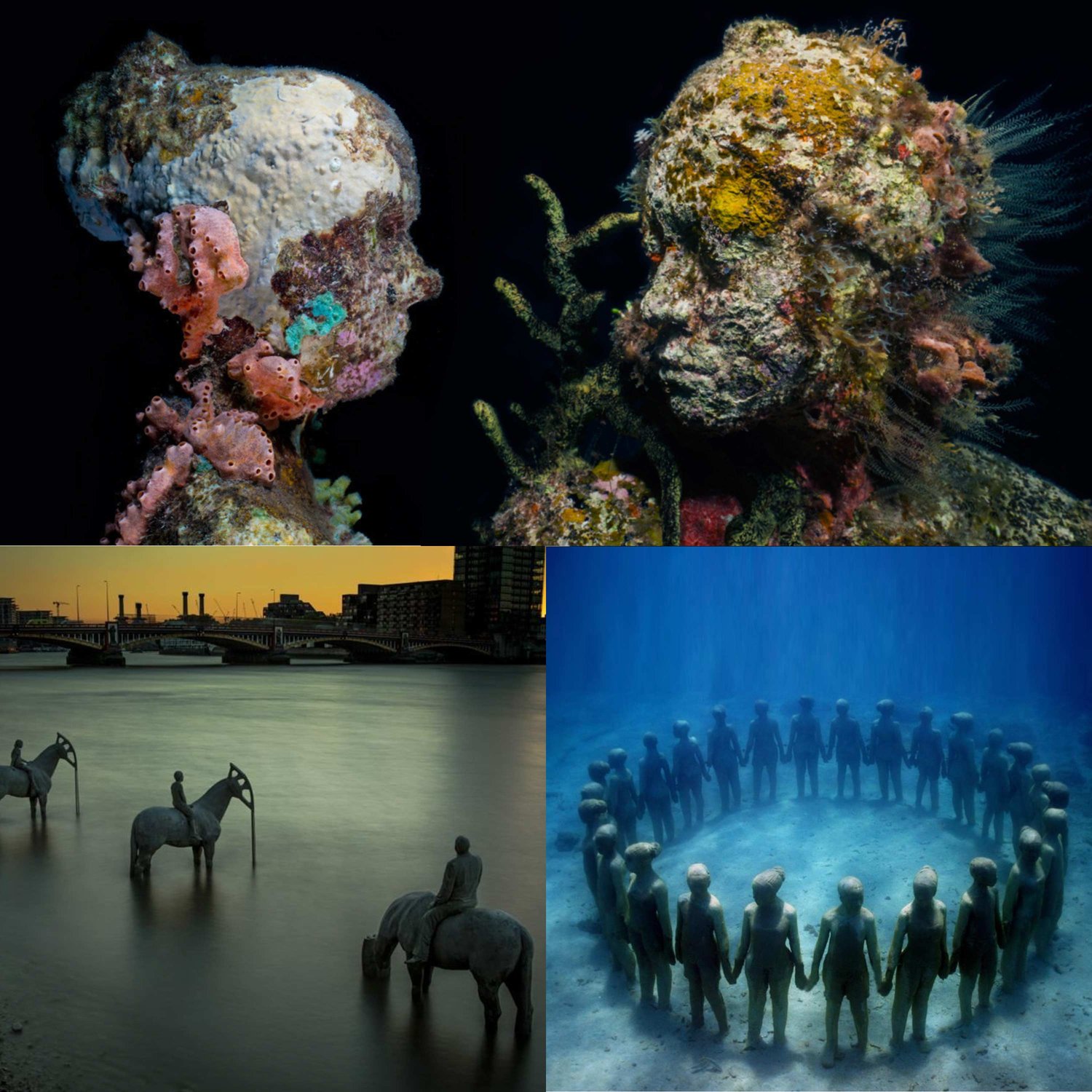
What if museums were part of the natural world? with Sculptor JASON deCAIRES TAYLOR - Highlights
"The sculptures get claimed and almost owned by the sea. And the textures that form the patterns, all things that could never be reproduced by human hands. And it's entirely unpredictable in many cases. I go to some of the 'museums' expect to see this type of colonization or this type of growth, and it's nothing like how I've seen it envisaged it. It's completely different. Other times something has been made at its home, and there's an octopus that's built a house around it, or there's a school of fish that have nestled within the formations. There have been many, many different surprises along the way. I first started in the West Indies on an island called Grenada, which has a tropical reef system. And I expected the works to be sort of colonized. And I knew hard corals took a very long time to get established, to build their calcium skeletons, but actually, they were colonized within days. We saw white little calcareous worms, pink coraline algae, and green algae literally appeared sort of overnight.And then they had these incredible sponges. You know, you see a lot of sponges on the reefs and you don't really take a lot of notice, but actually, some of the formations and the patterns, they sort of blanketed the sculptures with a network of capillaries and veins, and these incredible sorts of scarlet reds and pinks. And it was something that I had no idea would colonize in such a way. And sponges are really interesting because they actually filter water, so they almost breathe the water in and then exhale it out once they've taken the nutrients. And, for me, that was when the work really became living and part of the ecosystem. And I thought it was a really nice metaphor that we are nature. We are part of the system and we're all connected. And I think we lose sight of that a lot."What if museums weren’t confined to buildings but could be part of the natural world? What if sculptures could not only celebrate our oceans, but also provide habitats for marine life?Jason deCaires Taylor is a sculptor, environmentalist, and underwater photographer. His works are constructed using materials to instigate natural growth and the subsequent changes intended to explore the aesthetics of decay, rebirth, and metamorphosis. DeCaires Taylor's pioneering public art projects are not only examples of successful marine conservation but also works of art that seek to encourage environmental awareness and lead us to appreciate the breathtaking natural beauty of the underwater world.www.underwatersculpture.comwww.creativeprocess.infowww.oneplanetpodcast.orgIG www.instagram.com/creativeprocesspodcast
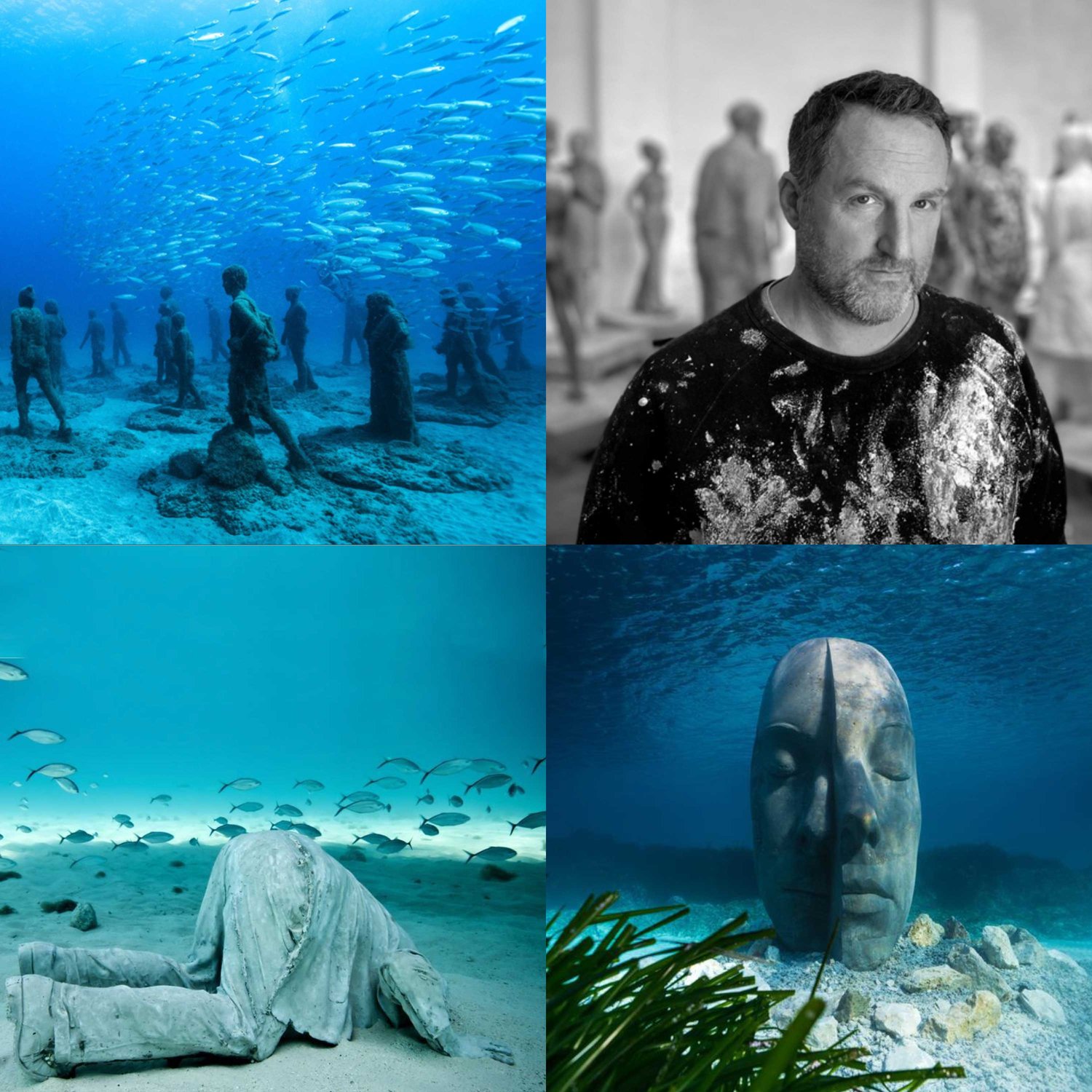
JASON deCAIRES TAYLOR - Sculptor, Environmentalist, Creator of Underwater Museums
What if museums weren’t confined to buildings but could be part of the natural world? What if sculptures could not only celebrate our oceans, but also provide habitats for marine life?Jason deCaires Taylor is a sculptor, environmentalist, and underwater photographer. His works are constructed using materials to instigate natural growth and the subsequent changes intended to explore the aesthetics of decay, rebirth, and metamorphosis. DeCaires Taylor's pioneering public art projects are not only examples of successful marine conservation but also works of art that seek to encourage environmental awareness and lead us to appreciate the breathtaking natural beauty of the underwater world."The sculptures get claimed and almost owned by the sea. And the textures that form the patterns, all things that could never be reproduced by human hands. And it's entirely unpredictable in many cases. I go to some of the 'museums' expect to see this type of colonization or this type of growth, and it's nothing like how I've seen it envisaged it. It's completely different. Other times something has been made at its home, and there's an octopus that's built a house around it, or there's a school of fish that have nestled within the formations. There have been many, many different surprises along the way. I first started in the West Indies on an island called Grenada, which has a tropical reef system. And I expected the works to be sort of colonized. And I knew hard corals took a very long time to get established, to build their calcium skeletons, but actually, they were colonized within days. We saw white little calcareous worms, pink coraline algae, and green algae literally appeared sort of overnight.And then they had these incredible sponges. You know, you see a lot of sponges on the reefs and you don't really take a lot of notice, but actually, some of the formations and the patterns, they sort of blanketed the sculptures with a network of capillaries and veins, and these incredible sorts of scarlet reds and pinks. And it was something that I had no idea would colonize in such a way. And sponges are really interesting because they actually filter water, so they almost breathe the water in and then exhale it out once they've taken the nutrients. And, for me, that was when the work really became living and part of the ecosystem. And I thought it was a really nice metaphor that we are nature. We are part of the system and we're all connected. And I think we lose sight of that a lot."www.underwatersculpture.comwww.creativeprocess.infowww.oneplanetpodcast.orgIG www.instagram.com/creativeprocesspodcast
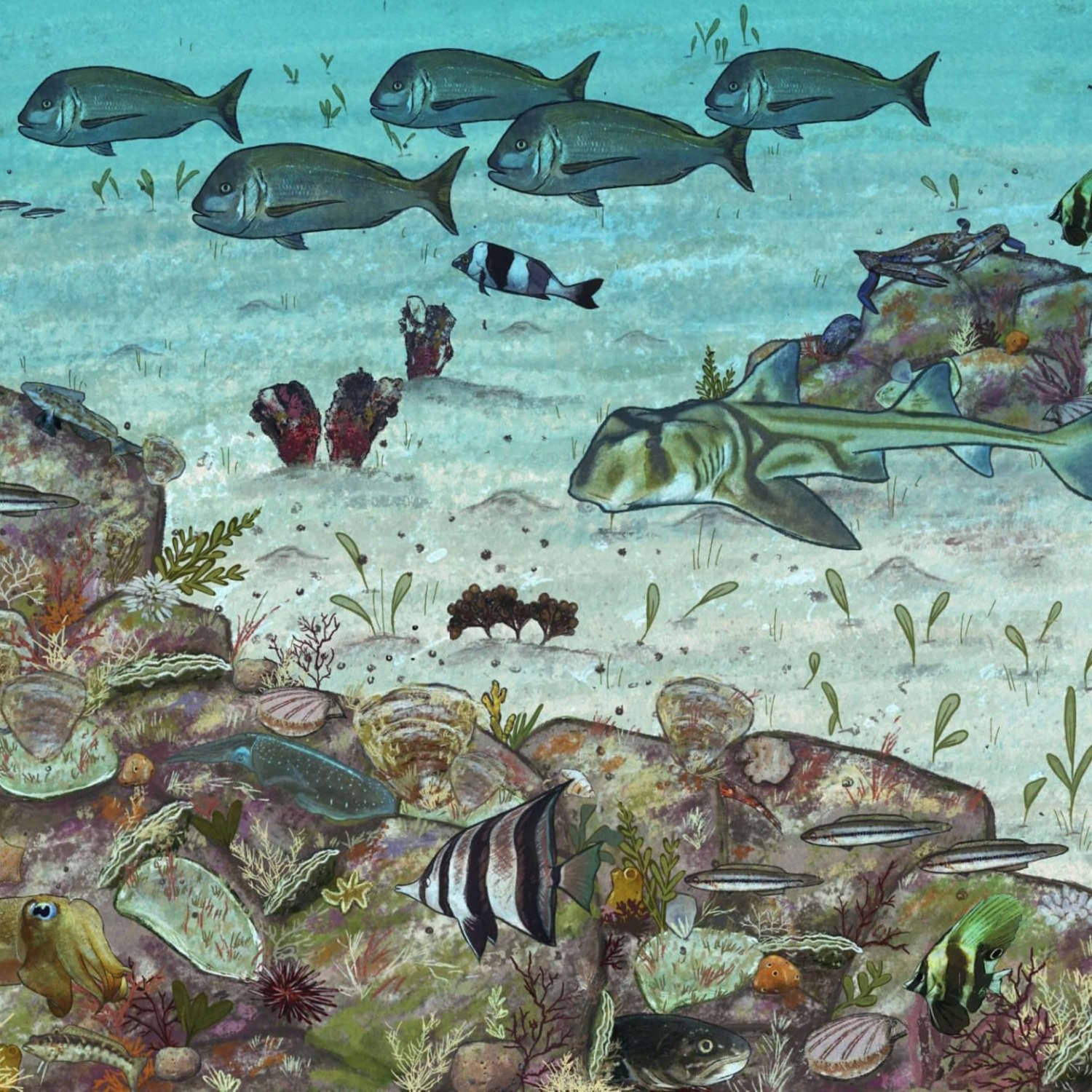
Restoring Lost Oyster Reefs w/ Marine Ecologist DOMINIC McAFEE - Highlights
"There's this real emergence of young people doing incredible things enabled by bio-modern technology and a more globalized and connected world and access to amazing educational resources about what the environment does and means for humanity.People typically have quite a dire view of the state of the world but have a positive view of the local environment, which is very interesting. So it's the potential of every individual to make an impact and to spend a little bit of time thinking about their actions and, and how they can influence the way that other people also care about the environment.Because when you have young, impassioned people involved in environmental work, there's a magnetism there that draws other people in, and that's what I've seen from the young pioneers and the emerging scientists that they can generate a lot more excitement and momentum within their peer groups and their age groups."We have lost around 85% of oyster reefs. That’s not only the loss of oysters but also the habitat they provide other marine animals and plants. Oysters are amazing, not only do some create pearls but as sequential hermaphrodites, they can switch between male and female almost on a daily basis.Dr. Dominic McAfee is a researcher at the University of Adelaide in Australia. His work centers around restoring lost marine ecosystems, specifically shellfish reefs. Along with employing novel technology and reef restoration projects, he seeks to understand how oysters enhance the resilience and function of coastal ecosystems. He seeks to develop conservation messaging strategies that enhance public engagement via conservation optimism.https://researchers.adelaide.edu.au/profile/dominic.mcafeewww.creativeprocess.info www.oneplanetpodcast.orgIG www.instagram.com/creativeprocesspodcast
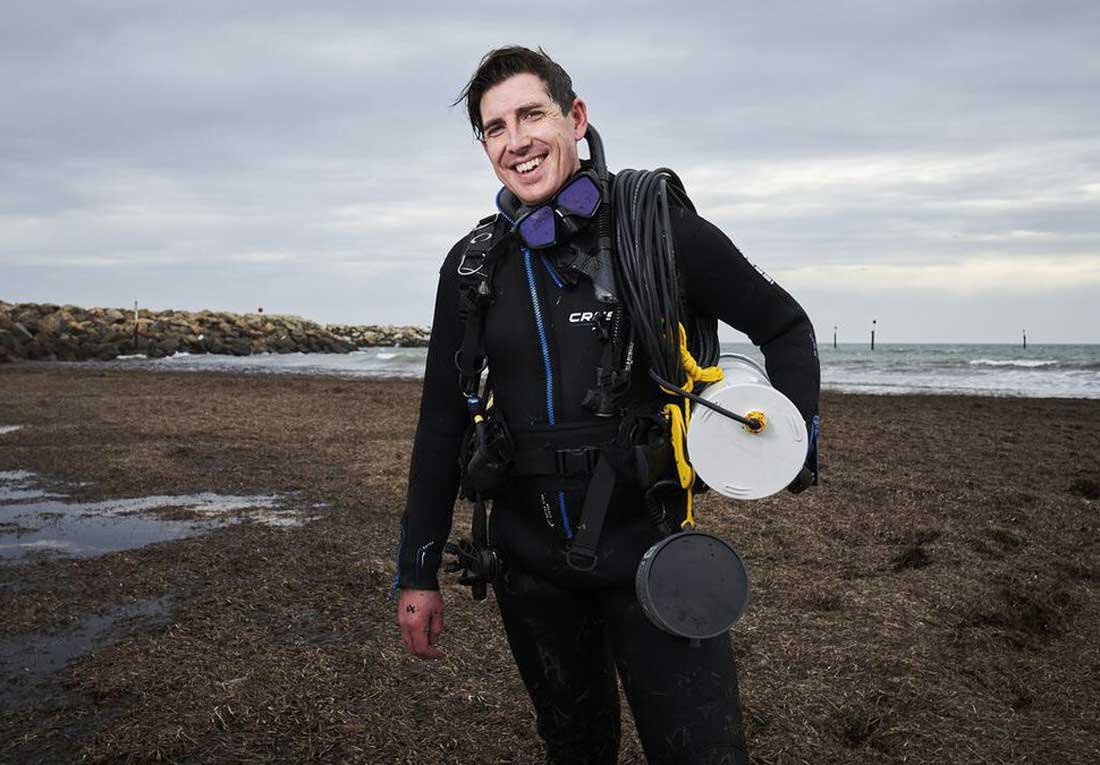
DOMINIC McAFEE - Marine Ecologist, University of Adelaide - Restoring Lost Oyster Reefs
We have lost around 85% of oyster reefs. That’s not only the loss of oysters but also the habitat they provide other marine animals and plants. Oysters are amazing, not only do some create pearls but as sequential hermaphrodites, they can switch between male and female almost on a daily basis.Dr. Dominic McAfee is a researcher at the University of Adelaide in Australia. His work centers around restoring lost marine ecosystems, specifically shellfish reefs. Along with employing novel technology and reef restoration projects, he seeks to understand how oysters enhance the resilience and function of coastal ecosystems. He seeks to develop conservation messaging strategies that enhance public engagement via conservation optimism."There's this real emergence of young people doing incredible things enabled by bio-modern technology and a more globalized and connected world and access to amazing educational resources about what the environment does and means for humanity.People typically have quite a dire view of the state of the world but have a positive view of the local environment, which is very interesting. So it's the potential of every individual to make an impact and to spend a little bit of time thinking about their actions and, and how they can influence the way that other people also care about the environment.Because when you have young, impassioned people involved in environmental work, there's a magnetism there that draws other people in, and that's what I've seen from the young pioneers and the emerging scientists that they can generate a lot more excitement and momentum within their peer groups and their age groups."https://researchers.adelaide.edu.au/profile/dominic.mcafeewww.creativeprocess.info www.oneplanetpodcast.orgIG www.instagram.com/creativeprocesspodcast
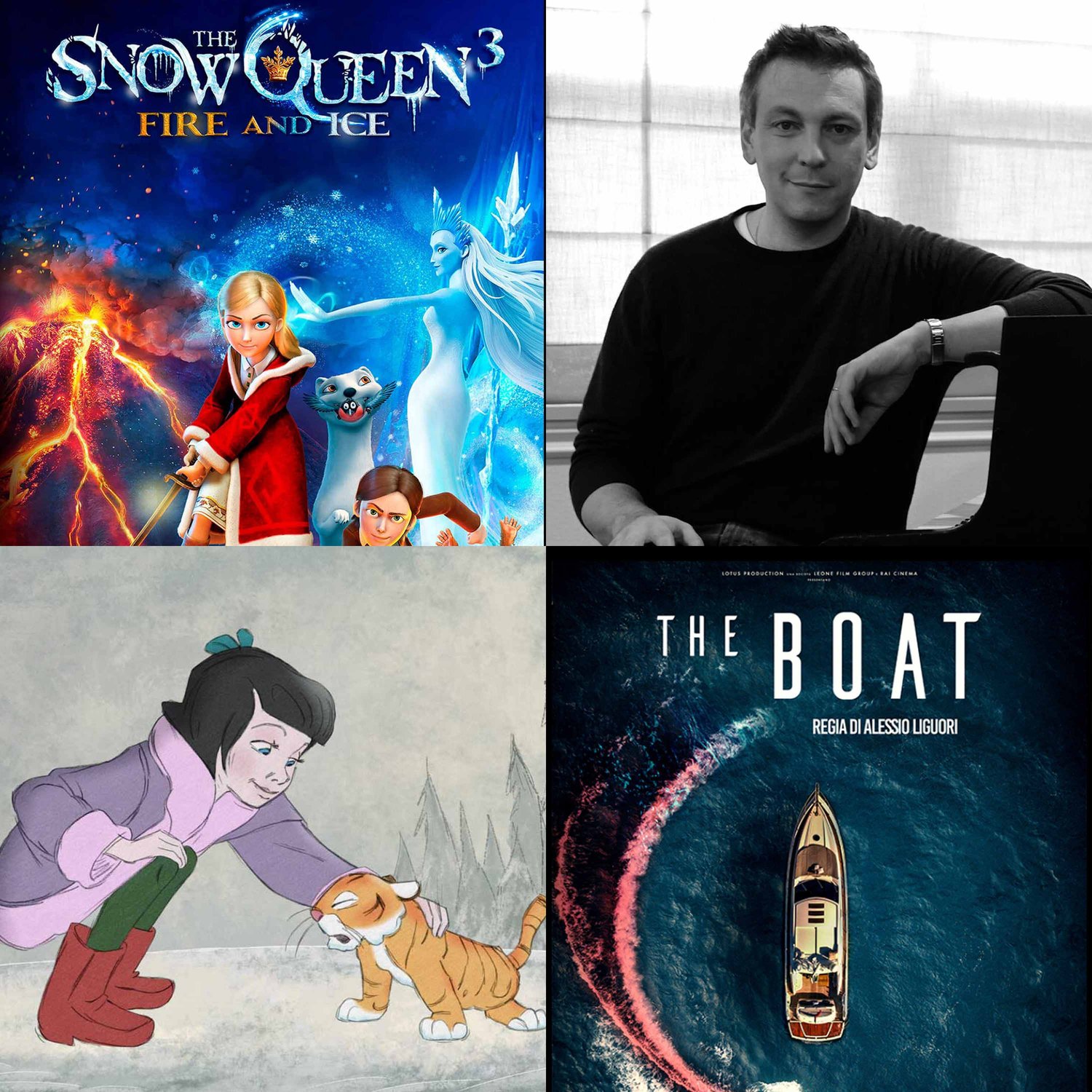
FABRIZIO MANCINELLI - Composer, Songwriter, Conductor
What is the role of music in cinema and why it is such an important part of the storytelling process? How does music increase our capacity for empathy and wonder?Fabrizio Mancinelli is an Italian-American composer, songwriter, and conductor, best known for his musical contributions to the world of cinema. As a songwriter, he has created original scores for The Land of Dreams,The Snow Queen 3, The Boat, and the upcoming animated drama Mushka, among others. In 2017, he led the orchestral recording for the Academy Award-winning Green Book, and he recently scored the documentary Food 2050, which premiered at the UN Climate Change Conference in 2022."I'm always trying to find my place here because, yes, I'm American. I'm an immigrant. I don't want to talk about the difficulties I face in my coming here, but it was not easy. So when I was writing the song called 'Give Up', and it's like a song that I'm singing to myself. Those are things, like there is a lot of personal experience. I was a luxury immigrant on a Fulbright grant on a J-1 Sponsor Visa, you know, with a solid family I could go back to in Italy in case anything went wrong. But at the same time, it was not easy. I want to do my job with a smile on my face, and it brought me to write the lyrics like: 'It's my turn. My time is now.' It's like something that I'm trying, we all try to get our turn to be our moment, to shine our moment. We're all waiting. We don't know if it will happen, but we need to try at least. We need to grab our life with our hands and make it work one way or another. So that's what I mean in my song 'Orlando Dreams.'I always have hope because I've been always on the other side of the world, you know, searching for inspiration, and I've always been like, you know what, I have to recognize there have been special people in my life that have given me their hands at the right moment. There have been also people that slammed the doors. I forgive, I don't forget. But there have been multiple people, way more that have given me their hands and a smile. Like even a compliment from a composer that I admire, you know, those things made a difference in life. A nice inspiration, like, yes, you can do it. It's difficult. I'm not going to say it's easy, but the right attitude can make it easier."https://fabriziomancinelli.uswww.instagram.com/fabmancinelliwww.creativeprocess.info www.oneplanetpodcast.org IG www.instagram.com/creativeprocesspodcast

MARCIA DeSANCTIS reads A Hard Place to Leave: Stories from a Restless Life
Does becoming a mother mean forgetting who you were before? How can we reclaim our lives as women, while still being mothers to our children? What does traveling alone teach us ourselves and those we love?Marcia DeSanctis is a journalist, essayist, and author of A Hard Place to Leave: Stories from a Restless Life, 100 Places in France Every Woman Should Go, a New York Times travel bestseller. A contributor writer at Travel + Leisure, she also writes for Air Mail, Vogue, BBC Travel and many other publications. She has won five Lowell Thomas Awards from the Society of American Travel Writers and is the recipient of the 2021 Gold Award for Travel Story of the Year. Before becoming a writer, she was a television news producer for ABC, NBC and CBS News, for most of those years producing for Barbara Walters. She lives in Connecticut."I started looking over the stories that I had done. I would say the majority of the essays were not really about travel. They were more about aging and marriage and memory and all of those things, but I did find in the travel essays those kernels of things that I wanted to explore - bigger kernels of things that were sort of scratching at me from the inside like a piece of sand in my pocket that was irritating me and that I wanted to explore. What I found was that the theme of coming and going, the theme of arrivals and departures, the theme of entrances and exits, and the theme of home and away seemed to repeat itself. I felt that whenever I was somewhere, there was always a tide home. And when I was home, there was always the urge for going. And so I just weeded out and weeded out and really wanted to keep this theme of home and away."www.miafunk.com www.creativeprocess.info www.oneplanetpodcast.org IG www.instagram.com/creativeprocesspodcastPhoto credit: Elena Seibert
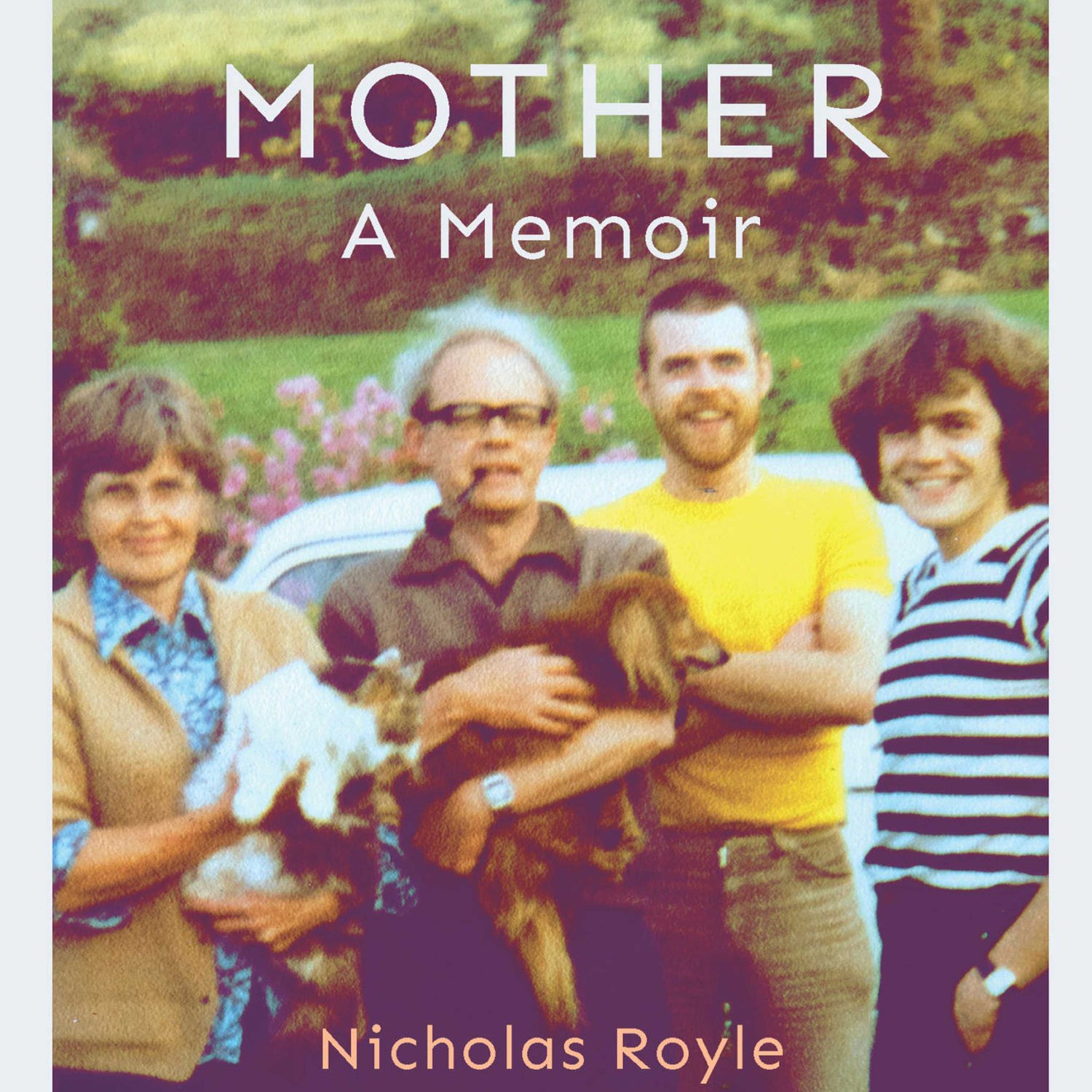
NICHOLAS ROYLE - Author, Editor, Educator reads “Mother: A Memoir”
Nicholas Royle is Professor Emeritus of English at the University of Sussex, England, where he has been based since 1999. He has also taught at the University of Oxford, the University of Tampere, and the University of Stirling; and has been a visiting professor at the universities of Århus, Santiago del Compostela, Turku, Manitoba, and Lille. He is a managing editor of the Oxford Literary Review and director of Quick Fictions. He has published many books, including Telepathy and Literature, E.M. Forster, Jacques Derrida, The Uncanny, Veering: A Theory of Literature, How to Read Shakespeare, and Hélène Cixous: Dreamer, Realist, Analyst, Writing, as well as the novels Quilt and An English Guide to Birdwatching, and Mother: A Memoir. In addition, he is co-author with Andrew Bennett of three books: Elizabeth Bowen and the Dissolution of the Novel, This Thing Called Literature: Reading, Thinking, Writing, and An Introduction to Literature, Criticism and Theory Sixth edition, 2023. Royle’s current projects include a detective novel, a collection of essays about new approaches to narrative theory, and a collaborative work with Timothy Morton on Covid-19. His latest book, David Bowie, Enid Blyton and the Sun Machine, is due to be published in November 2023.Mother: A Memoir“Pre-word In my mind's eye she is sitting at the circular white Formica-top table in the corner. Morning sunlight fills the kitchen. She has a cup of Milky Nescafé Gold Blend and is smoking a purple Silk Cut. She is dressed for comfort in a floral bronze-and-brown blouse and blue jumper with light gray slacks and blue slippers. She is absorbed in a crossword (The Times) but not oblivious. She does what always takes me aback. She reads out one of the clues. As if I would know the answer. Her gift for crosswords is alien to me. I get stuck at the first ambiguity or double-meaning. Whereas she sweeps through all illusions allusions red herrings and anagrams and is done most days by lunchtime. But her fondness for crossword puzzles is inseparable from my interest in words. Where they come from. What they might be doing. Earliest recorded use of 'In my mind's eye': Shakespeare's Hamlet (around 1599). Referring to the Ghost.My mother died years ago. What has induced me to write about her after all this time remains mysterious to me. It is connected to the climate crisis. As the natural historian David Attenborough says: 'the collapse of our civilizations and the extinction of much of the natural world is on the horizon.' In ways I cannot pretend to fathom I have found that writing about my mother is bound up with writing about Mother Nature and Mother Earth. And no doubt it has to do also with my own aging and the buried life of mourning. The strange timetables of realization and loss. A memoir is 'a written record of a person's knowledge of events or of a person's own experiences'. 'A record of events written by a person having intimate knowledge of them and based on personal observation.' So the dictionaries tell us. But this memoir of my mother makes no attempt at a comprehensive record.”www.routledge.com/An-Introduction-to-Literature-Criticism-and-Theory/Bennett-Royle/p/book/9781032158846 https://myriadeditions.com/creator/nicholas-royle/ https://quickfiction.co.uk/www.creativeprocess.info www.oneplanetpodcast.org IG www.instagram.com/creativeprocesspodcast
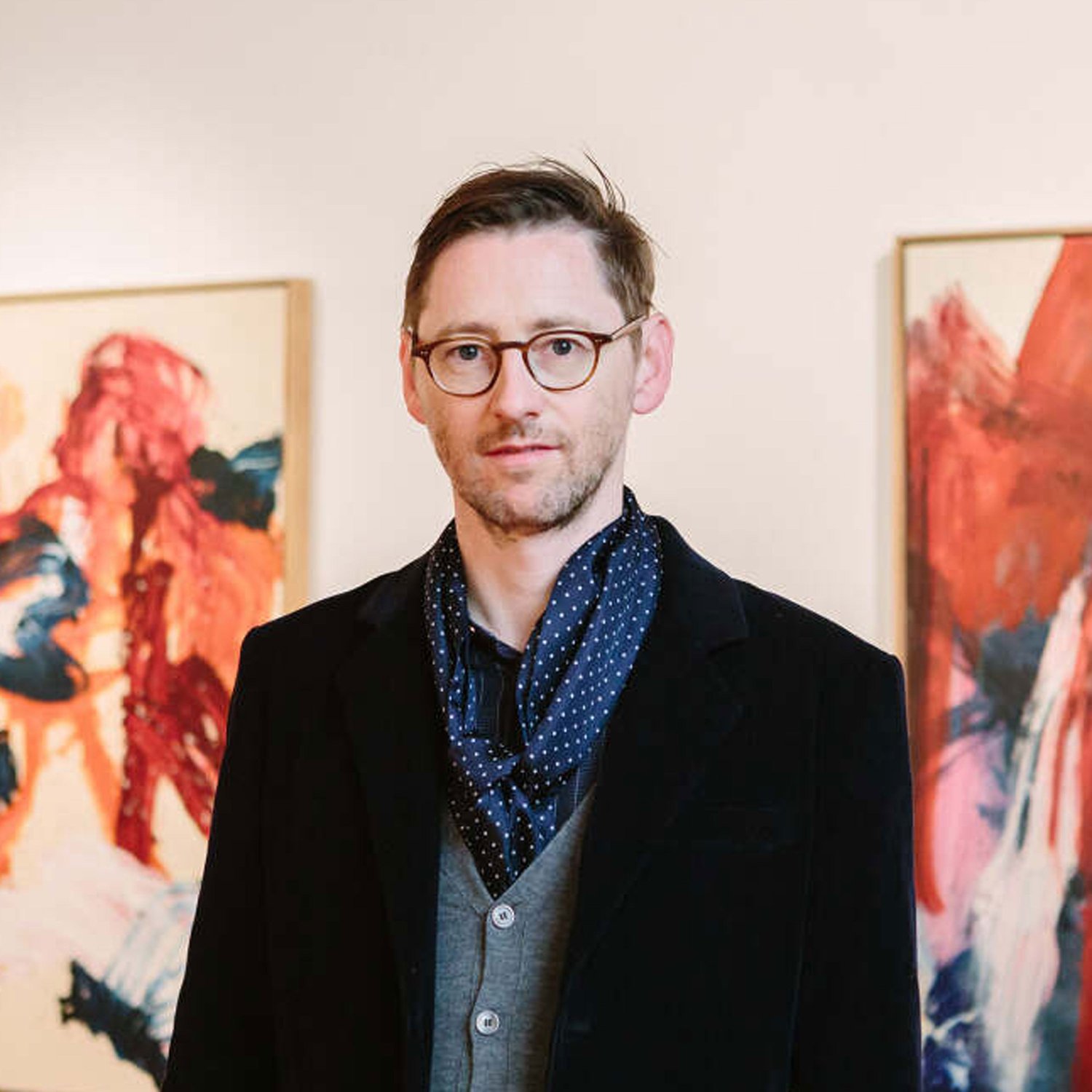
ANTHONY WHITE - Artist - What is the Role of Artists in Society?
What role do the visual arts play in drawing upon history, activating democracy, and asking questions about what culture can do?Australian artist Anthony White lives and works in Paris. White’s artistic work revolves around the notion of reclaiming the act of dissent through the production of cultural objects. His research is situated at the intersection of several fields in the social space including, politics, human rights, and postcolonialism. His practice is centered around concepts of design and its history as a form of social and political expression. He works with painting, drawing, collage, and printmaking. Through this practice, he tackles relevant questions to our time, to encourage emancipation and new ways of thinking.Anthony White’s artwork has been exhibited in Australia, Europe, and Asia. He has received support through cultural agencies such as The Trust Company Australia, The National Association for the Visual Arts,(NAVA) and The Copyright Agency Limited (CAL). He has also received critical acclaim by recognition in the form of art prizes and reviews most notably The Marten Bequest Travelling Scholarship (2007) The Creative Art Fellowship at The National Library of Australia (2020) and acknowledgements in The Australia Financial Review, Art Collector Magazine Australia and also Elle Décor US edition. His exhibition Manifestation is on show from the 12–30 of July at Lennox Street Gallery, in Melbourne."Not in terms of subject matter. Not in the fact that I've taken images from the Eureka Stockade. It was a point in history where there were some gold miners, and they revolted against the government because the government was enforcing licensing fees that were outrageously expensive at the time.So, I don't reproduce figurative paintings, but I wanted to take that energy of what dissent is about, and I wanted to reclaim the energy of the gestural mark as a signifier of dissent. So when I was doing the research in the library, I came across a Roman guy called Raffaello Carboni who wrote a book on the Eureka Stockade.It's actually the book that Sidney Nolan had been reading and his point of motivation for making this large mural. And I found it quite interesting that Carboni was a politically active guy. He was a supporter of Mazzini and Garibaldi who founded modern Italy. And then three years after Carboni fought in the movement that unified Italy, he went to Australia to Victoria. And he was also involved in that Eureka Stockade moment. So I thought, Oh, that's an interesting connection between my roots in Australia and my roots in Europe. So Carboni goes back, and he dies in Rome. And I see that this moment of civil disobedience is interesting and what's happening now with the rise of Fascism. It's an interesting thing that maybe there need to be other moments of civil disobedience where democracy is activated in a way. So I think that the visual arts, they have a role to play in terms of activating democracy. In terms of drawing upon history and asking questions about what culture can do."www.anthonywhite.artwww.instagram.com/anthony_white_paris/www.metrogallery.com.au/exhibitions/manifestationwww.creativeprocess.infowww.oneplanetpodcast.orgIG www.instagram.com/creativeprocesspodcast
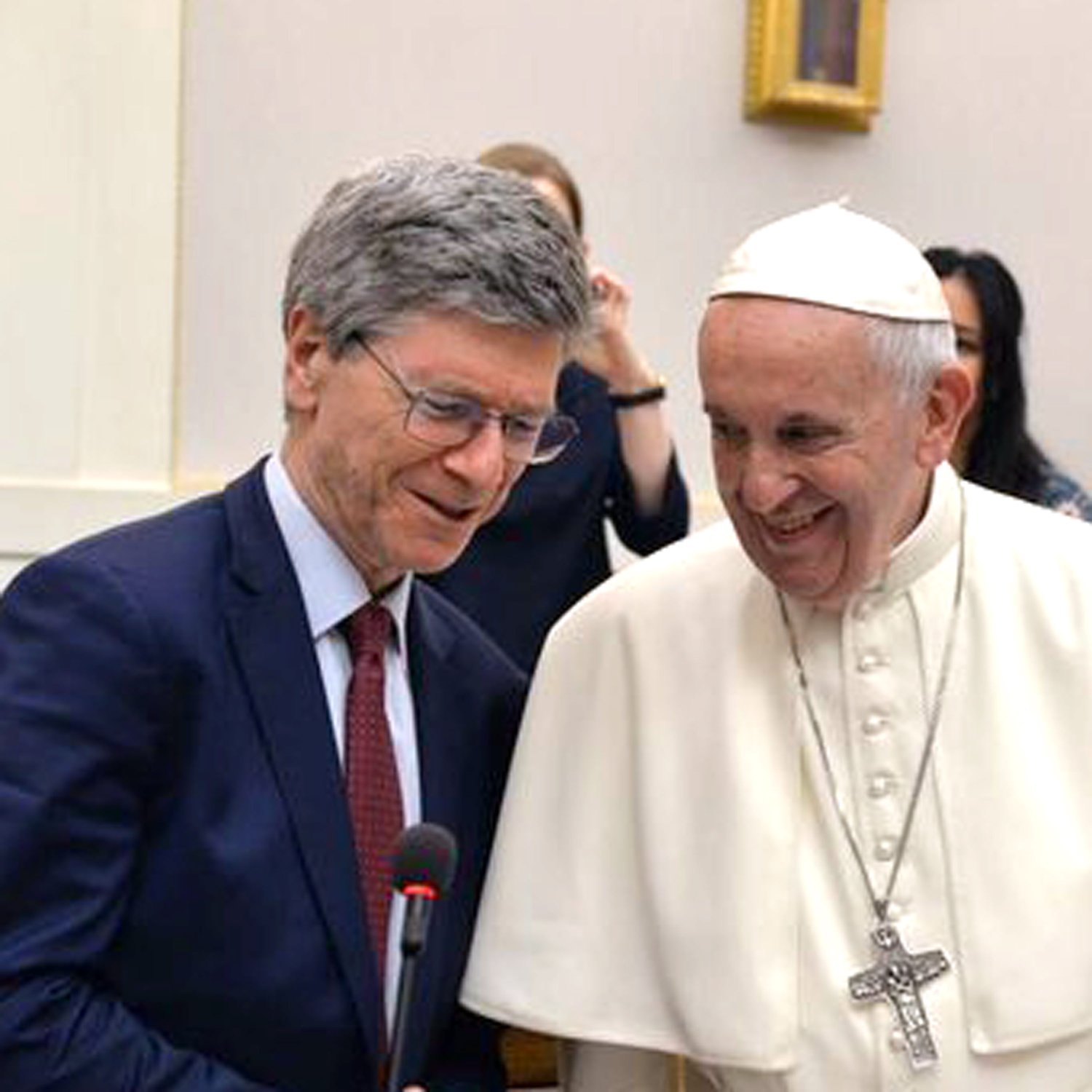
JEFFREY SACHS - Director, Center for Sustainable Development, Columbia - President, UN Sustainable Development Solutions Network
What is the path to peace for the war in Ukraine? Is America still powerful enough to impose global order? The US has just 4.1% of the world's population, while the BRICS countries have 41.5%. In this conversation with economist Jeffrey Sachs, we discuss the origins of the conflict in Ukraine and NATO enlargement, US-China relations, and the decline of US dominance.Jeffrey Sachs is Director of the Center for Sustainable Development at Columbia University and President of the UN Sustainable Development Solutions Network, Sachs has been Special Advisor to three United Nations Secretaries-General. He was an economic adviser to Gorbachev, Yeltsin, and Former President of Ukraine, Leonid Kuchma. Sachs was twice named among Time magazine’s 100 most influential world leaders, received the Tang Prize in Sustainable Development, the Legion of Honor from France, and was co-recipient of the Blue Planet Prize. He is Co-Chair of the Council of Engineers for the Energy Transition, and academician of the Pontifical Academy of Social Sciences at the Vatican.Sachs has authored and edited numerous books, including three New York Times bestsellers: The End of Poverty (2005), Common Wealth: Economics for a Crowded Planet (2008), and The Price of Civilization (2011)."The US signed several statements in 2021 confirming that NATO would enlarge. Russia massed troops on its border and put on the table a draft US-Russia security agreement on December 17th, 2021 based on no NATO enlargement. The Biden administration formally replied that it was not willing to negotiate over that issue in a response in January. Then Russia invaded on February 24th, 2022. Four weeks later, Zelenskyy declared that Ukraine was accepting of neutrality. In other words, the initial Russian invasion brought Ukraine to the negotiating table, and during the second half of March, with the Turkish government being the mediators, Russia and Ukraine hammered out a peace agreement. Incredibly, the United States blocked it because the United States told the Ukrainian government: you fight on.The basic point is the US has 4.1% of the world population. So how could it presume to be the world leader? You know, the US is a powerful country. It's a rich country, but it doesn't run the world, and it should not aspire to run the world. That's a kind of madness, and the US ideology for a long time has been that the US should run the world.It's, to my mind, unbelievable. But then again, I've spent most of my career outside the US seeing the other 95.9% of the world. And I know that the other 95.9% of the world doesn't want the United States to run the world. It's not against the United States. It just says: let us have our own part of the world. We don't want you running the world. We don't want you deciding what our government is, who we are, how we rule ourselves. You know, you're just one place. And this, the United States leaders don't understand. They're very arrogant. They're very ignorant because of the two big oceans. They're very unaware of the history of other parts of the world. And we end up with this arrogant and naive and dangerous foreign policy because, there's no doubt the United States is rich and powerful, and it makes lots of weapon systems. And I'm 68 years old and the United States has been at war almost every year of my life from Vietnam and Laos and Cambodia and Nicaragua, Afghanistan and Iraq and Syria and Libya, and now Ukraine. Come on, give it a break."www.jeffsachs.orghttps://sdgacademy.orgwww.creativeprocess.infowww.oneplanetpodcast.orgIG www.instagram.com/creativeprocesspodcast
MARGE PIERCY - NYTimes Bestselling Novelist, Poet & Activist
Marge Piercy’s 17 novels include NYTimes Bestseller Gone To Soldiers; National Bestsellers Braided Lives and The Longings of Women; the classics Woman on the Edge of Time and He, She and It, and her critically acclaimed memoir Sleeping with Cats. She’s written 20 volumes of poetry. The most recent is On the Way Out, Turn Off the Light. Born in Detroit, educated at the University of Michigan and Northwestern, she is active in antiwar, feminist and environmental causes.www.margepiercy.comwww.miafunk.comwww.creativeprocess.infowww.oneplanetpodcast.orgIG www.instagram.com/creativeprocesspodcast
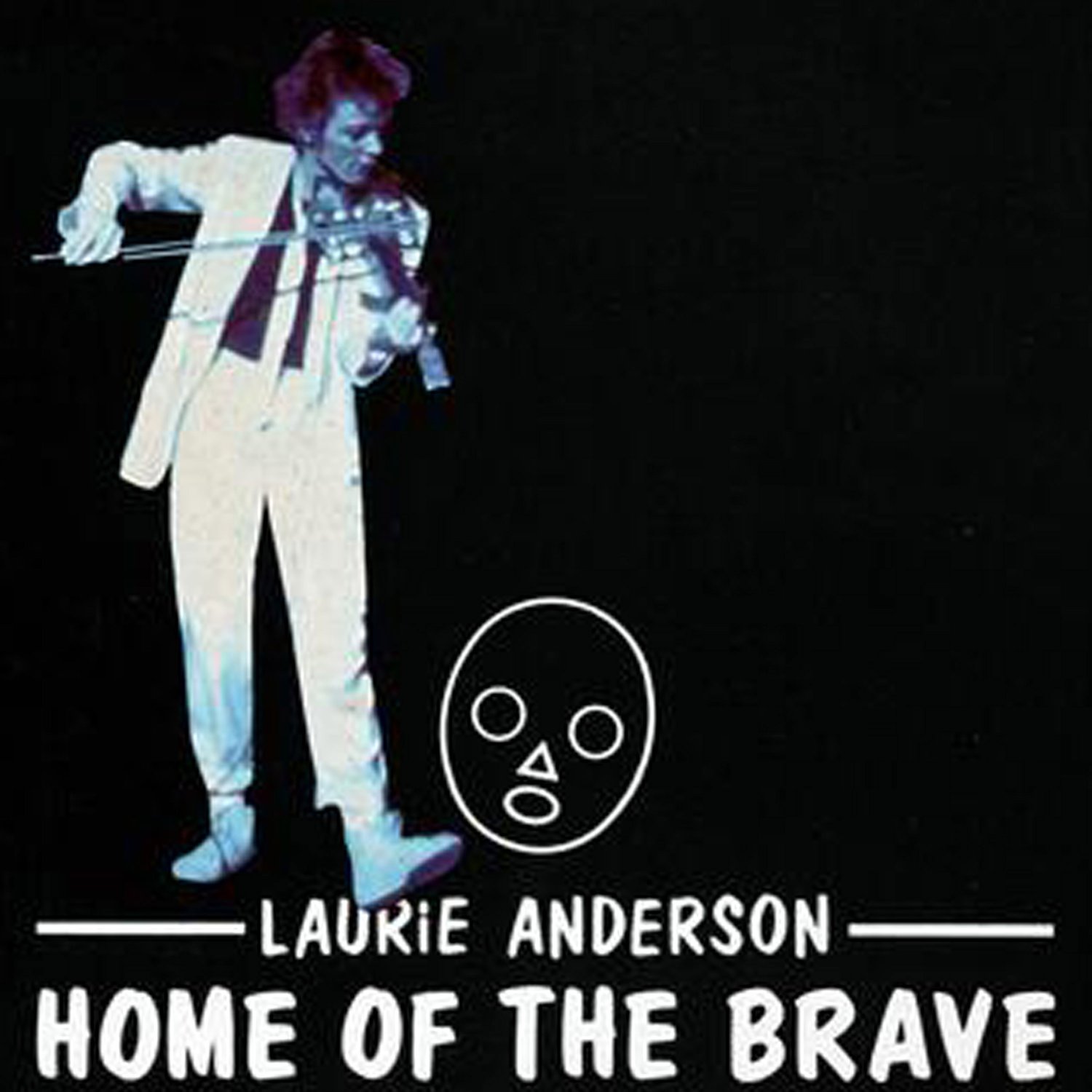
LAURIE ANDERSON - DICKIE LANDRY - "HOME OF THE BRAVE"
“Home of the Brave” performed by Laurie Anderson & Dickie Landry on The Late Show. Laurie Anderson is an American avant-garde artist, composer, musician, and film director whose work spans performance art, pop music, and multimedia projects.For nearly half a century, Richard “Dickie” Landry was at the center of the New York avant-garde. Born in the small Louisiana town of Cecilia in 1938, he began making pilgrimages to the city while still in his teens in search of the city’s most cutting edge gestures in jazz, and relaxed there not long after, falling in with a close knit community of artists and composers like Keith Sonnier, Philip Glass, Joan Jonas, Gordon Matt Clarke, Richard Serra, Robert Rauschenberg, Nancy Graves, Lawrence Weiner, Steve Reich, Jon Gibson, and Robert Wilson. Landry remains one of the few artists of his generation who made important waves within numerous creative idioms. Having been trained from a young age on saxophone, not only is he a remarkably respected solo performer and bandleader, but he was an early and long-standing member of Philip Glass’ ensemble, playing on seminal records like Music With Changing Parts, Music in Similar Motion / Music in Fifths, Music in Twelve Parts, North Star, and Einstein on the Beach, and played with Talking Heads, Laurie Anderson, and jazz giants like Johnny Hammond, Gene Ammons, and Les McCann. He was also one of the most important photographic documenters of the New York Scene, until he left the city for his native Louisiana, following 9/11. Listen to his music on Unseen Worlds.http://www.dickielandry.comhttps://unseenworlds.com/collections/dickie-landrywww.creativeprocess.info www.oneplanetpodcast.org Instagram @creativeprocesspodcast
What is the future of books? What makes stories enduring? with Literary Agent MARK GOTTLIEB - Highlights
"There's a lot of apprenticeship in our industry because historically it had to be that way, otherwise what you would have in publishing - there's still a lot of this - is a bunch of English majors trying to make sense of how to run a business, right?Because book publishing or working at a literary agency - a talent agency for authors like I do - is at the crossroads of creative and business. And if you didn't have that kind of apprenticeship, someone to learn from at the company where you work, then we would all just be English majors just trying to feel our way in the dark.I think that the important thing for people to really know about storytelling is that books are sort of like the oil paintings of the new media. It's a very fine art form, an old art form, and a story exists in everything, whether it's a photograph, a painting, a song, or a movie, it all began with a story. And stories have been here from the dawn of time. They're going to forever be in our existence, but I think people should just always have curious minds and seek out stories and storytelling and try to see the story in everything, not just look at things for face value."Mark Gottlieb is a Vice President and top-selling literary agent at Trident Media Group. He represents a wide range of authors across genres, many of whom have been awarded prestigious prizes and have secured places on the New York Times bestseller list. Among other achievements, Mark has successfully optioned and sold books to film production companies where they were adapted into blockbuster hits, beloved by audiences and critics.In addition to his work as an agent, Mark lectures on his experiences and craft at such noted venues as the Yale Writers’ Workshop, Cambridge University’s MSt in Creative Writing program, Columbia Publishing Course, and Sarah Lawrence College Writing Institute. He founded Emerson College's Wilde Press, and the Stamford Literature, Arts & Culture Salon (SLACS), where he currently serves as president.www.tridentmediagroup.com/agents/mark-gottliebwww.tridentmediagroup.comwww.creativeprocess.info www.oneplanetpodcast.orgIG www.instagram.com/creativeprocesspodcast
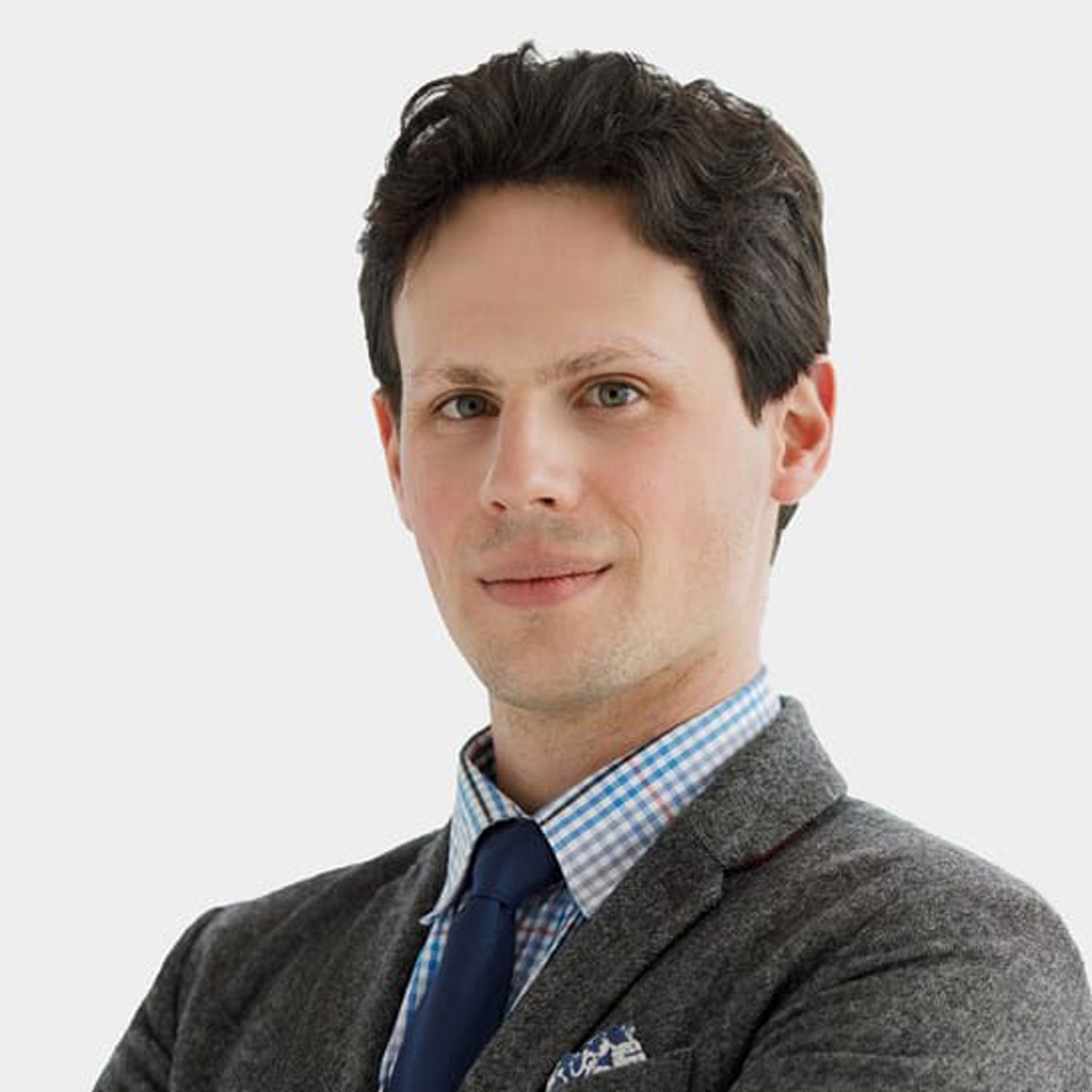
MARK GOTTLIEB - Vice President & Literary Agent at Trident Media Group
As we're entering a world of advanced AI, what is the future of books? What makes stories enduring? And what role do literary agents play in nurturing authors and bringing great stories to the world?Mark Gottlieb is a Vice President and top-selling literary agent at Trident Media Group. He represents a wide range of authors across genres, many of whom have been awarded prestigious prizes and have secured places on the New York Times bestseller list. Among other achievements, Mark has successfully optioned and sold books to film production companies where they were adapted into blockbuster hits, beloved by audiences and critics.In addition to his work as an agent, Mark lectures on his experiences and craft at such noted venues as the Yale Writers’ Workshop, Cambridge University’s MSt in Creative Writing program, Columbia Publishing Course, and Sarah Lawrence College Writing Institute. He founded Emerson College's Wilde Press, and the Stamford Literature, Arts & Culture Salon (SLACS), where he currently serves as president."There's a lot of apprenticeship in our industry because historically it had to be that way, otherwise what you would have in publishing - there's still a lot of this - is a bunch of English majors trying to make sense of how to run a business, right?Because book publishing or working at a literary agency - a talent agency for authors like I do - is at the crossroads of creative and business. And if you didn't have that kind of apprenticeship, someone to learn from at the company where you work, then we would all just be English majors just trying to feel our way in the dark.I think that the important thing for people to really know about storytelling is that books are sort of like the oil paintings of the new media. It's a very fine art form, an old art form, and a story exists in everything, whether it's a photograph, a painting, a song, or a movie, it all began with a story. And stories have been here from the dawn of time. They're going to forever be in our existence, but I think people should just always have curious minds and seek out stories and storytelling and try to see the story in everything, not just look at things for face value."www.tridentmediagroup.com/agents/mark-gottliebwww.tridentmediagroup.comwww.creativeprocess.info www.oneplanetpodcast.orgIG www.instagram.com/creativeprocesspodcast
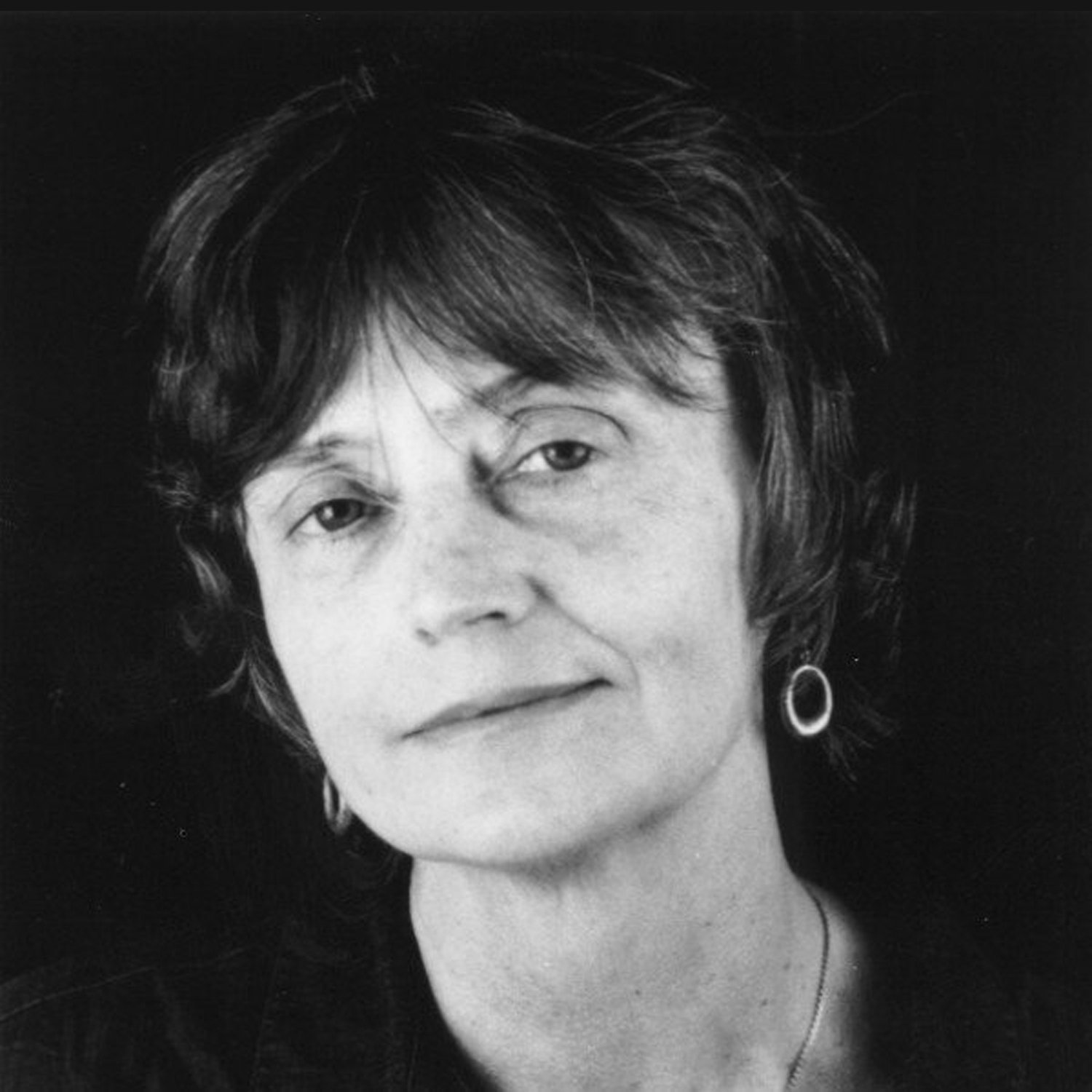
ALICE NOTLEY - Poet & Artist - Academy of American Poets Award Winner
Alice Notley has published over forty books of poetry, most recently For the Ride (Penguin Books) and Eurynome’s Sandals (PURH). Notley has received many awards including the Academy of American Poets’ Lenore Marshall Prize, the Poetry Society of America’s Shelley Award, the Griffin International Prize, two NEA Grants, the Los Angeles Times Book Award for Poetry, and the Ruth Lilly Poetry Prize, a lifetime achievement award. She is also a visual artist and collagist, and a book of her poem-drawings is forthcoming from Archway Editions. Since 1992, Notley has lived and worked in Paris, France.www.miafunk.com www.creativeprocess.info www.oneplanetpodcast.org IG www.instagram.com/creativeprocesspodcast
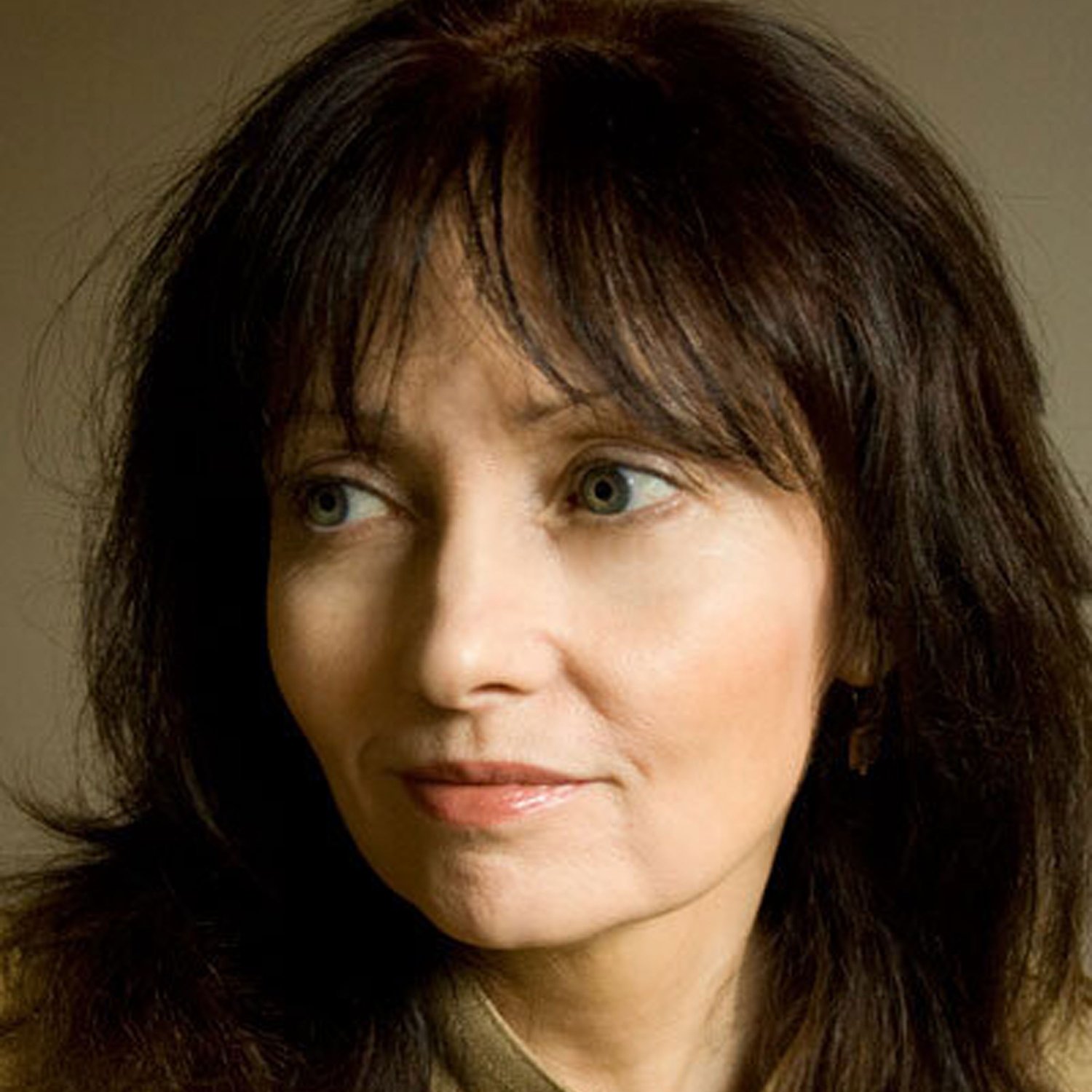
ALICE FULTON - Poet, Essayist, Recipient of MacArthur “Genius” Fellowship
Alice Fulton’s books include Barely Composed, a poetry collection; The Nightingales Of Troy, linked stories; and Cascade Experiment: Selected Poems. Her book Felt received the Bobbitt Prize from the Library of Congress, awarded to the best book of poems published within a two-year period. She has received an American Academy of Arts and Letters Award in Literature and fellowships from the MacArthur Foundation, National Endowment for the Arts, Guggenheim Foundation, and Ingram Merrill Foundation. Her other books include Sensual Math, Powers Of Congress, Palladium, Dance Script With Electric Ballerina, and an essay collection, Feeling As A Foreign Language. She lives in Ithaca, NY. www.alicefulton.comwww.miafunk.com www.creativeprocess.info www.oneplanetpodcast.org IG www.instagram.com/creativeprocesspodcast
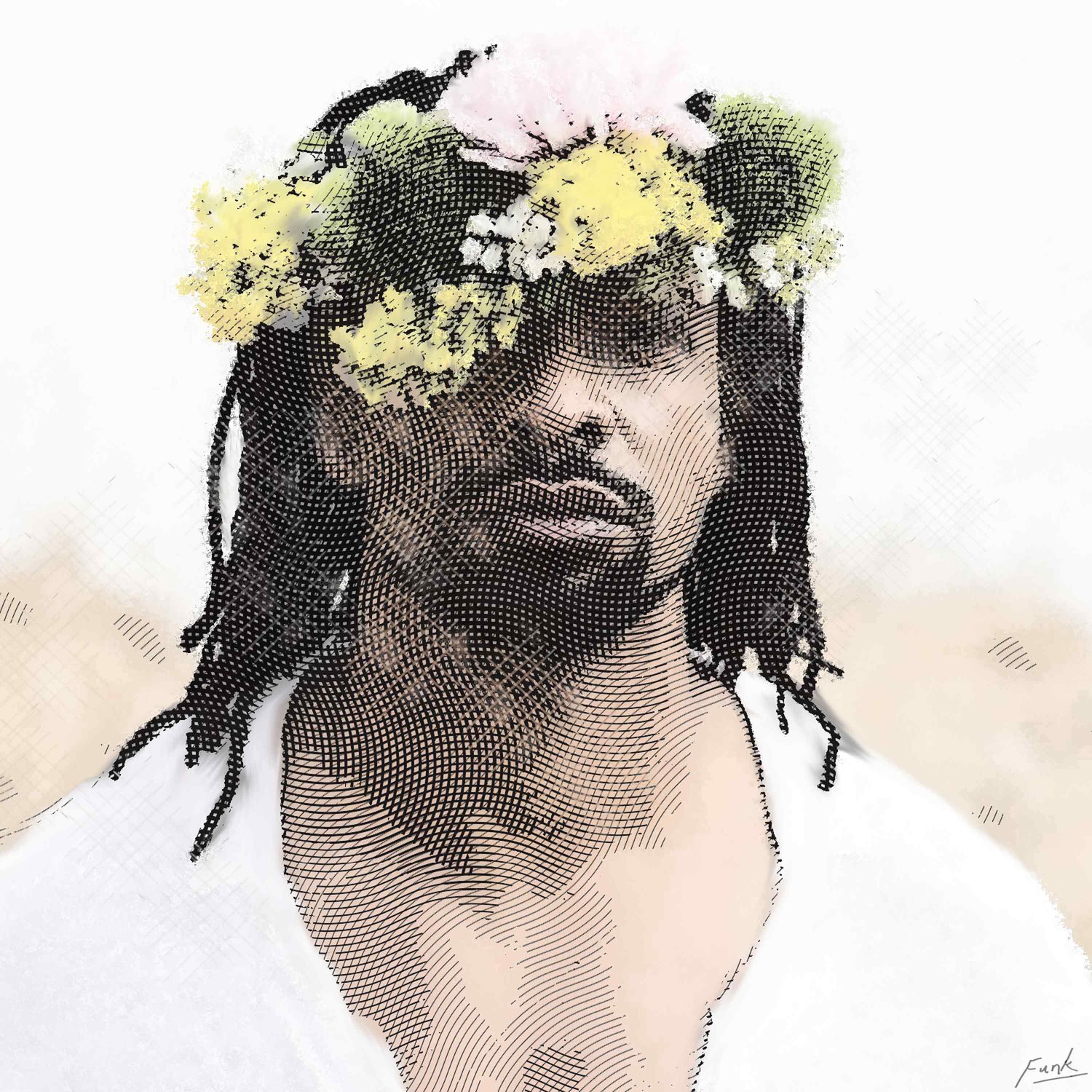
Pulitzer Prize-Winner JERICHO BROWN reads "Foreday in the Morning"
Jericho Brown is author of the The Tradition (Copper Canyon 2019), for which he won the Pulitzer Prize. He is the recipient of fellowships from the Guggenheim Foundation, the Radcliffe Institute for Advanced Study at Harvard, and the National Endowment for the Arts, and he is the winner of the Whiting Award. Brown’s first book, Please (New Issues 2008), won the American Book Award. His second book, The New Testament (Copper Canyon 2014), won the Anisfield-Wolf Book Award. His third collection, The Tradition won the Paterson Poetry Prize and was a finalist for the National Book Award and the National Book Critics Circle Award. His poems have appeared in The Bennington Review, Buzzfeed, Fence, jubilat, The New Republic, The New York Times, The New Yorker, The Paris Review, TIME magazine, and several volumes of The Best American Poetry. He is the director of the Creative Writing Program and a professor at Emory University.www.jerichobrown.com www.creativeprocess.infowww.oneplanetpodcast.orgIG www.instagram.com/creativeprocesspodcastPortrait of Jericho Brown by Mia Funk www.miafunk.com
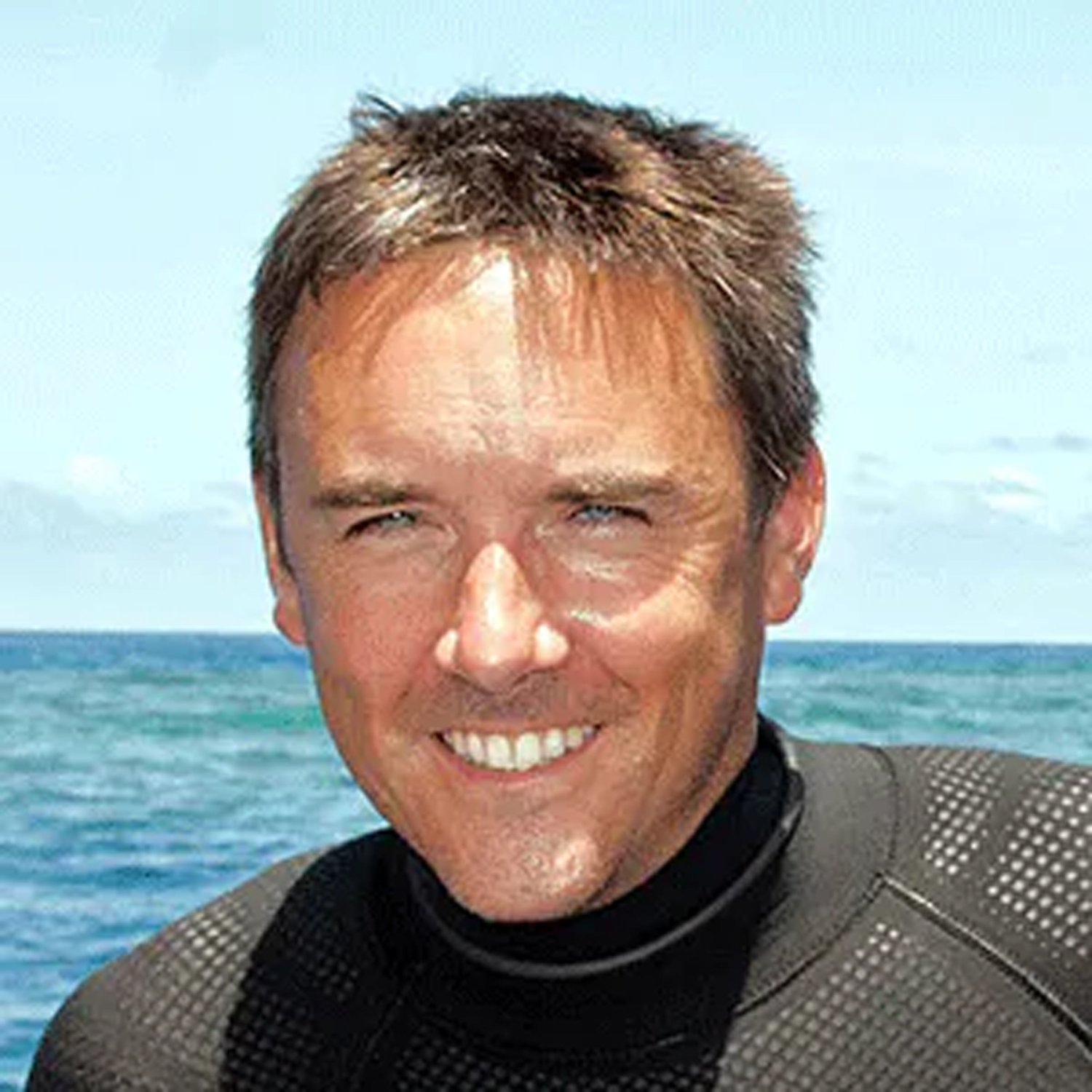
RICHARD VEVERS - Founder & CEO of The Ocean Agency · Featured in Netflix’s Chasing Coral
Richard Vevers is the Founder and CEO of The Ocean Agency. He is a fellow of The Explorers Club and an Adjunct Professor at the University of Rhode Island. He is best known for his leading role in the Emmy Award-winning documentary Chasing Coral on Netflix and his work has been featured in numerous publications and documentaries. Before diving into ocean and coral reef conservation, Vevers worked at some of the top London advertising agencies and then as an artist and underwater photographer. This background guides his unique creative and business-thinking approach to ocean conservation that includes inventing the camera that took Google Street View underwater, pioneering virtual reality ocean education, currently available to over 90 million kids, leading the most comprehensive underwater photographic survey of the world’s coral reefs, and developing a science-based global plan 50 Reefs."We don't use enough good storytelling when it comes to the ocean. We tend to focus on the ocean in almost that natural history approach, rather than talking about the people. Most people wouldn't be able to name an ocean explorer or anybody really associated with the oceans, which is a huge missed opportunity. We need more characters getting actively involved in storytelling around the ocean, so they become the sort of magnet for interest in the oceans."www.theoceanagency.orgwww.50reefs.orgwww.creativeprocess.infowww.oneplanetpodcast.orgIG www.instagram.com/creativeprocesspodcast
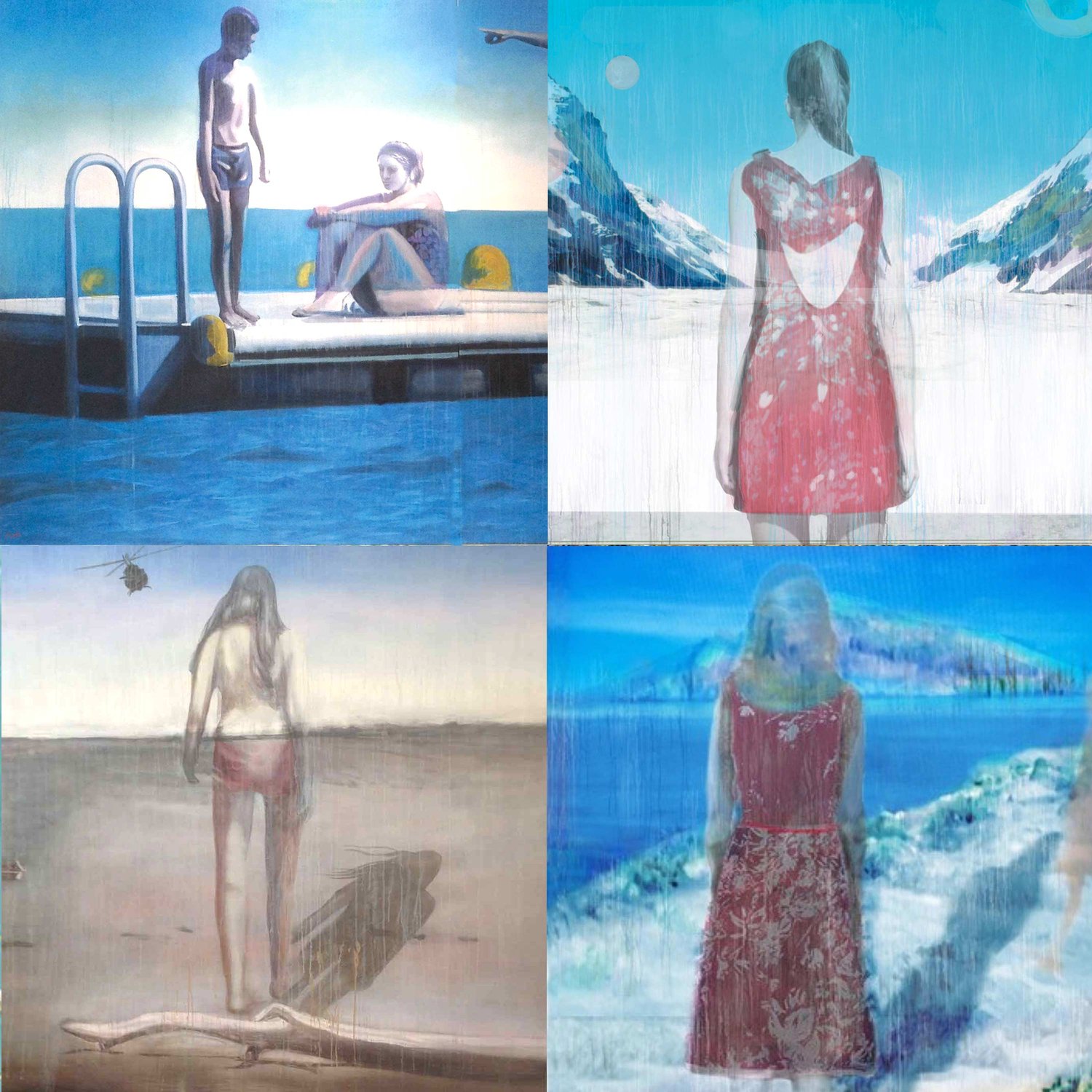
WORLD OCEANS DAY
Happy World Oceans Day! Today we’re streaming voices of environmentalists and artists with music courtesy of composer, producer and multi-instrumentalist Erland Cooper.Voices on this episode areGIULIO BOCCALETTIAuthor of Water, A BiographyNatural Resource Security & Environmental Sustainability ExpertChief Strategy Officer 2016–2020, The Nature ConservancyPAULA PINHODirector of Just Transition at the European Commission Directorate-General for EnergyRON GONENFounder & CEO of Closed Loop PartnersFmr. Deputy Commissioner of Sanitation, Recycling & Sustainability, NYCMARCIA DESANCTISJournalist, Essayist, Author of A Hard Place to Leave: Stories from a Restless LifeJEAN WEINERGoldman Environmental Prize WinnerFounder of Fondation pour la Protection de la Biodiversité Marine, HaitiDERRICK EMSLEYCo-founder & CEO of veritree - Data-driven Restorative Platform & tentree Apparel Co.DR. FARHANA SULTANACo-author: Water Politics: Governance, Justice & the Right to WaterFmr. UNDP Programme Officer, United Nations Development ProgrammeNEIL GRIMMERBrand President of SOURCE Global · Innovator of the SOURCE Hydropanel: Drinking Water Made from Sunlight and AirALAN JACOBSENDirector of PhotographyEmmy & Sundance Special Jury Award-Winning & Oscar Nominated DocumentariesRICHARD VEVERSFounder & CEO of The Ocean AgencyBRIAN WILCOXChief Engineer & Co-founder of Marine BioEnergyGrows Kelp in the Ocean to Provide Carbon-neutral FuelsSETH M. SIEGELEntrepreneur, Public Speaker & NYTimes Bestselling AuthorLet There Be Water: Israel’s Solution for a Water-Starved WorldTroubled Water: What's Wrong with What We DrinkJOELLE GERGISLead Author of the IPCC Sixth Assessment Report, Author of Humanity’s MomentJAY FAMIGLIETTI, Fmr. Senior Water Scientist at NASA Jet Propulsion Laboratory, Exec. Director, Global Institute for Water Security, Host of "What About Water?" PodcastROB BILOTTEnvironmental Lawyer, Partner Taft Stettinius & Hollister LLPAuthor of Exposure: Poisoned Water, Corporate Greed, and One Lawyer’s Twenty-Year Battle Against DuPontJILL HEINERTHExplorer, Presenter, Author of Into The Planet: My Life as a Cave DiverOSPREY ORIELLE LAKEFounder & Executive Director of the Women's Earth & Climate Action Network InternationalAuthor of Uprisings for the Earth: Reconnecting Culture with Nature & ArtistJESS WILBERInternational Outreach Citizens’ Climate LobbyCoordinator, Senior Stewards Acting for the EnvironmentBERTRAND PICCARDAviator of 1st Round-the-World Solar-Powered Flight, Explorer, Founder, Solar Impulse FoundationIBRAHIM ALHUSSEINIFounder & CEO of FullCycle Fund GARY GRIGGSGlobal Oceans Hero Award-Winner · Distinguished Professor of Earth SciencesDirector Institute of Marine Sciences at UC Santa Cruz 1991 to 2017Sample Credits:BBC News Excerpt, Public broadcast, 19th July. Fair usage, courtesy Simon Gurney, BBC Studios Limited.BBC News Excerpt, Public broadcast, 19th July. Fair usage, courtesy Simon Gurney, BBC Studios Limited.UN Broadcast Excerpt, Greta Thunberg, Young Climate Activist at the Opening of the Climate Action Summit 2019, United Nations license 24 October 2022.CBS News Excerpt 1970. Fair usage, archive courtesy Leah Hodge, CBSwww.erlandcooper.comwww.creativeprocess.info www.oneplanetpodcast.orgIG www.instagram.com/creativeprocesspodcastArtworks by Mia Funk www.miafunk.comMusic from Folded Landscapes courtesy of Erland Cooper and Universal Music Ent
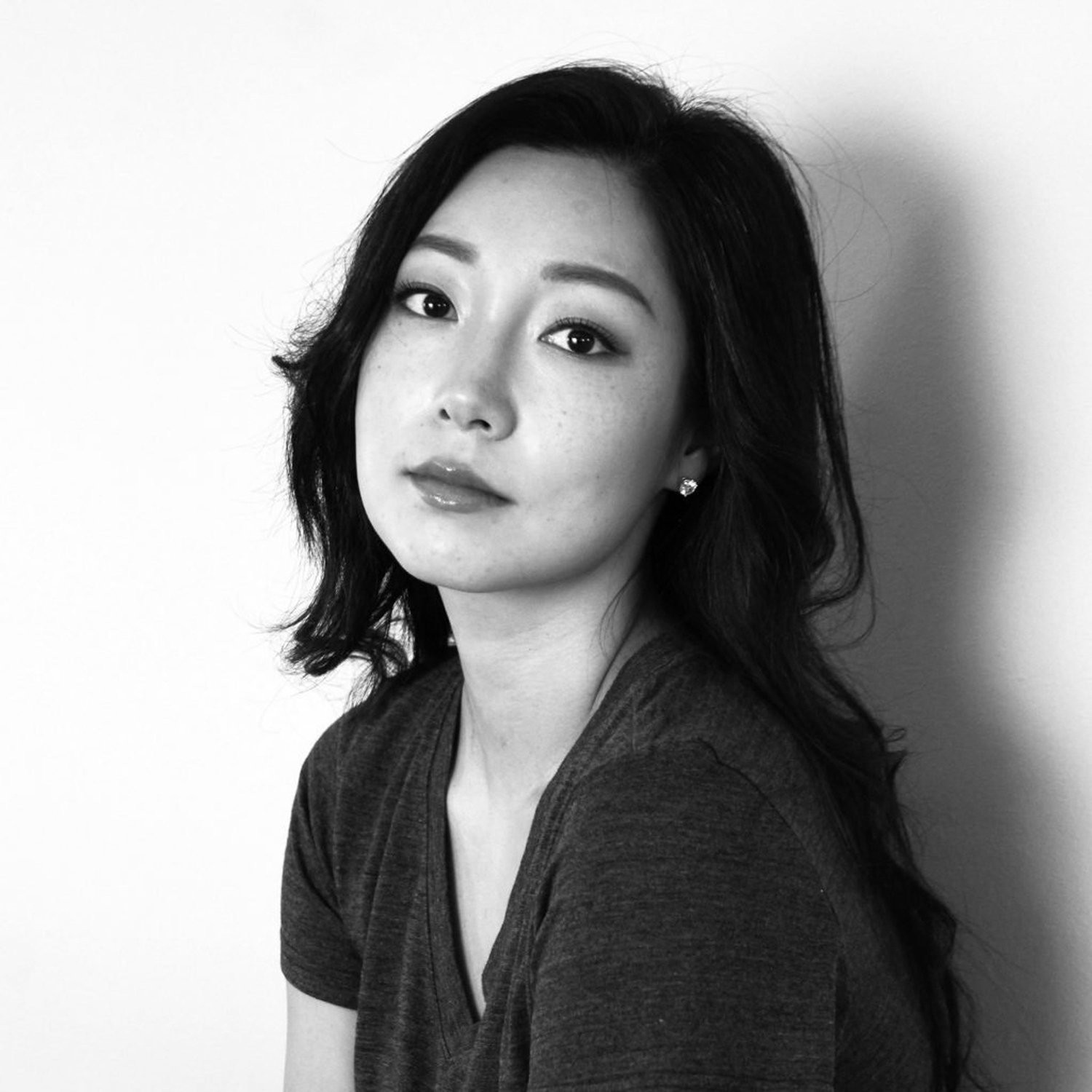
E.J. KOH - Award-Winning Memoirist & Poet - The Magical Language of Others - A Lesser Love
E. J. Koh is the author of the memoir The Magical Language of Others, winner of the Washington State Book Award and the 2021 Pacific Northwest Book Award. For her poetry collection A Lesser Love she received the Pleiades Press Editors Prize. She is the co-translator of Yi Won’s The World’s Lightest Motorcycle, forthcoming from Zephyr Press. Her poems, translations, and stories have appeared in Boston Review, Los Angeles Review of Books, and World Literature Today, among others. She earned her MFA in Literary Translation and Creative Writing from Columbia University, and is completing the PhD program at the University of Washington in Seattle. She is a recipient of MacDowell and Kundiman fellowships.IG @thisisejkoh www.instagram.com/p/CRB8O69BWQJ/www.miafunk.com www.creativeprocess.info www.oneplanetpodcast.org IG www.instagram.com/creativeprocesspodcast
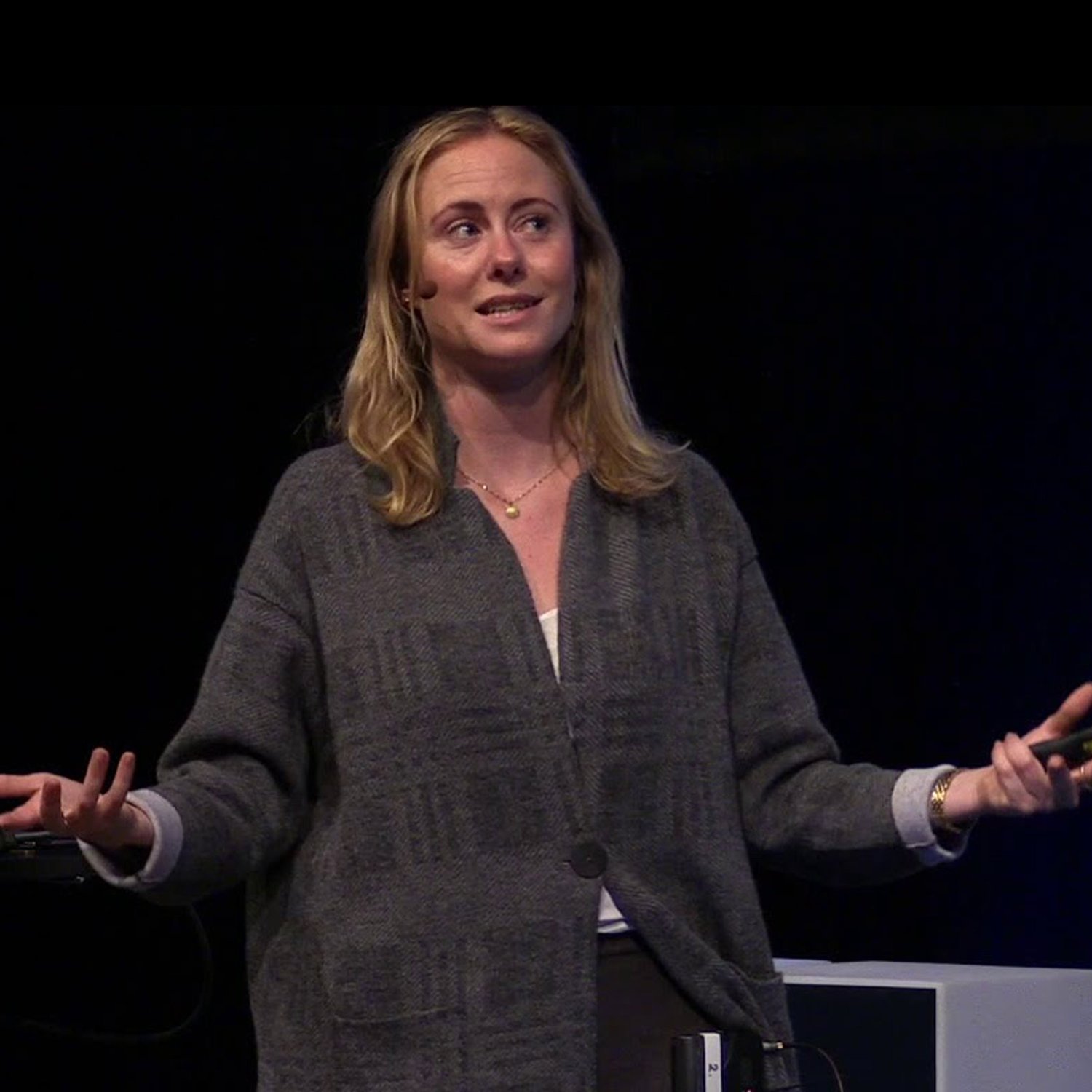
The Circular Way with Circular Economy Expert DITTE LYSGAARD VIND - Highlights
"Putting design first, it really enables us to shape a future that we don't yet know. But we need to be super tactile and practical about it as well. And then seeing that is something that design very much has the ability to do. And at the same time, having this growing frustration that wherever you go, wherever you talk about sustainability, it was a compromise. It was something that meant uglier, less convenient, more expensive, all these different things, but then diving into the Danish Design heritage, seeing that what set them apart was that after the World Wars, they had a social purpose of democratizing and rebuilding the welfare state, and that was not something that lessened the final result. On the contrary, it heightened the ambition, the final design, and the solutions."Ditte Lysgaard Vind is a renowned circular economy and design expert and author of Danish Design Heritage & Global Sustainability (Routledge 2023) and A Changemakers Guide to the Future. She is the Chairwoman of the Danish Design Council and founder of The Circular Way. She is known for pioneering new materials as well as business models, while sharing the knowledge gained from practice through teaching and thought leadership, and is a member of the Executive board of The Royal Danish Academy of Fine Arts Schools of Architecture, Design and Conservation as well as the global SDG innovation lab UNLEASH.www.thecircularway.comhttp://danishdesigncouncil.dk/enwww.routledge.com/Danish-Design-Heritage-and-Global-Sustainability/Vind/p/book/9781032198200www.creativeprocess.info www.oneplanetpodcast.orgIG www.instagram.com/creativeprocesspodcast
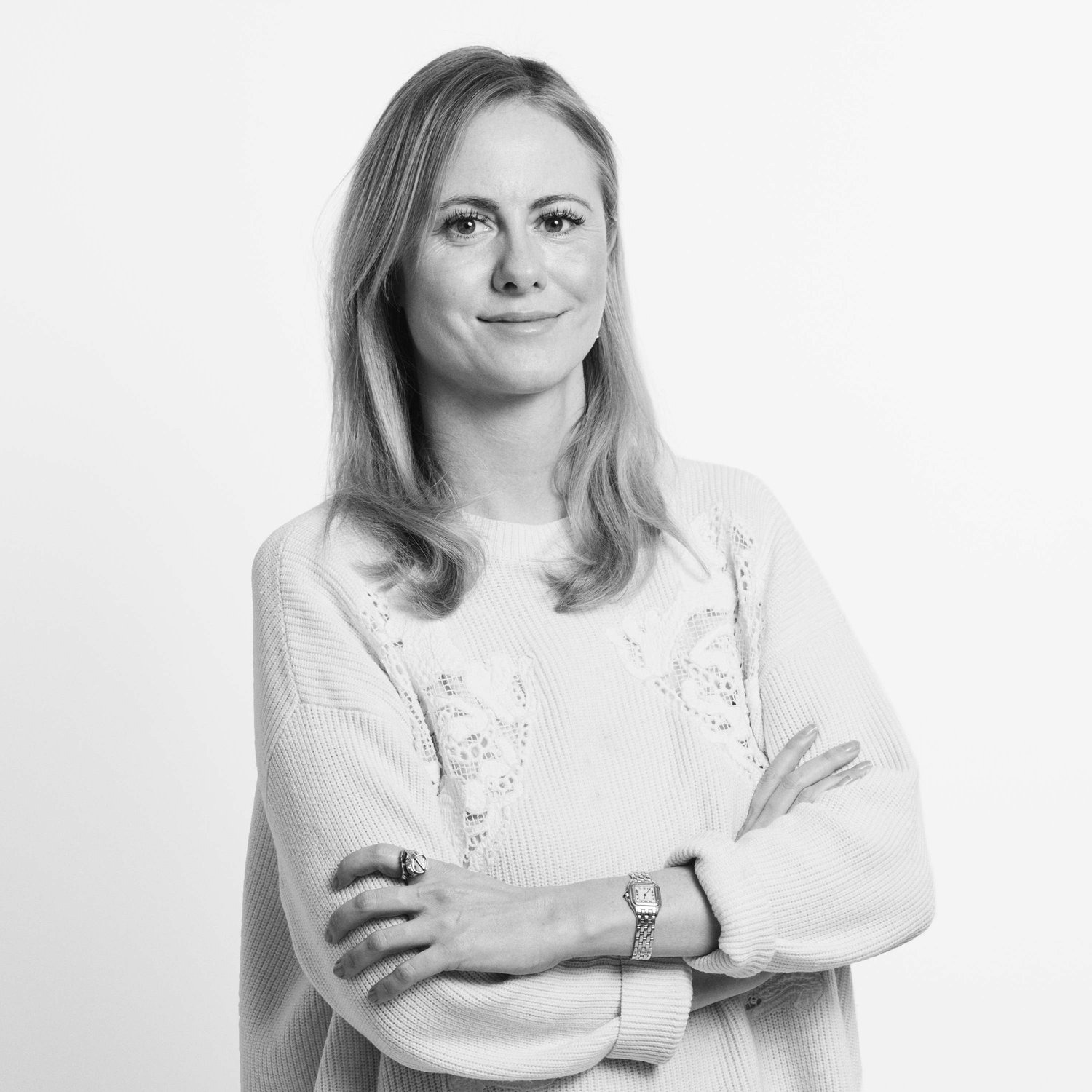
DITTE LYSGAARD VIND - Circular Economy & Design Expert - Author of Danish Design Heritage & Global Sustainability
Happy World Environment Day! Ditte Lysgaard Vind is a renowned circular economy and design expert and author of Danish Design Heritage & Global Sustainability (Routledge 2023) and A Changemakers Guide to the Future. She is the Chairwoman of the Danish Design Council and founder of The Circular Way. She is known for pioneering new materials as well as business models, while sharing the knowledge gained from practice through teaching and thought leadership, and is a member of the Executive board of The Royal Danish Academy of Fine Arts Schools of Architecture, Design and Conservation as well as the global SDG innovation lab UNLEASH."Putting design first, it really enables us to shape a future that we don't yet know. But we need to be super tactile and practical about it as well. And then seeing that is something that design very much has the ability to do. And at the same time, having this growing frustration that wherever you go, wherever you talk about sustainability, it was a compromise. It was something that meant uglier, less convenient, more expensive, all these different things, but then diving into the Danish Design heritage, seeing that what set them apart was that after the World Wars, they had a social purpose of democratizing and rebuilding the welfare state, and that was not something that lessened the final result. On the contrary, it heightened the ambition, the final design, and the solutions."www.thecircularway.comhttp://danishdesigncouncil.dk/enwww.routledge.com/Danish-Design-Heritage-and-Global-Sustainability/Vind/p/book/9781032198200www.creativeprocess.info www.oneplanetpodcast.orgIG www.instagram.com/creativeprocesspodcast
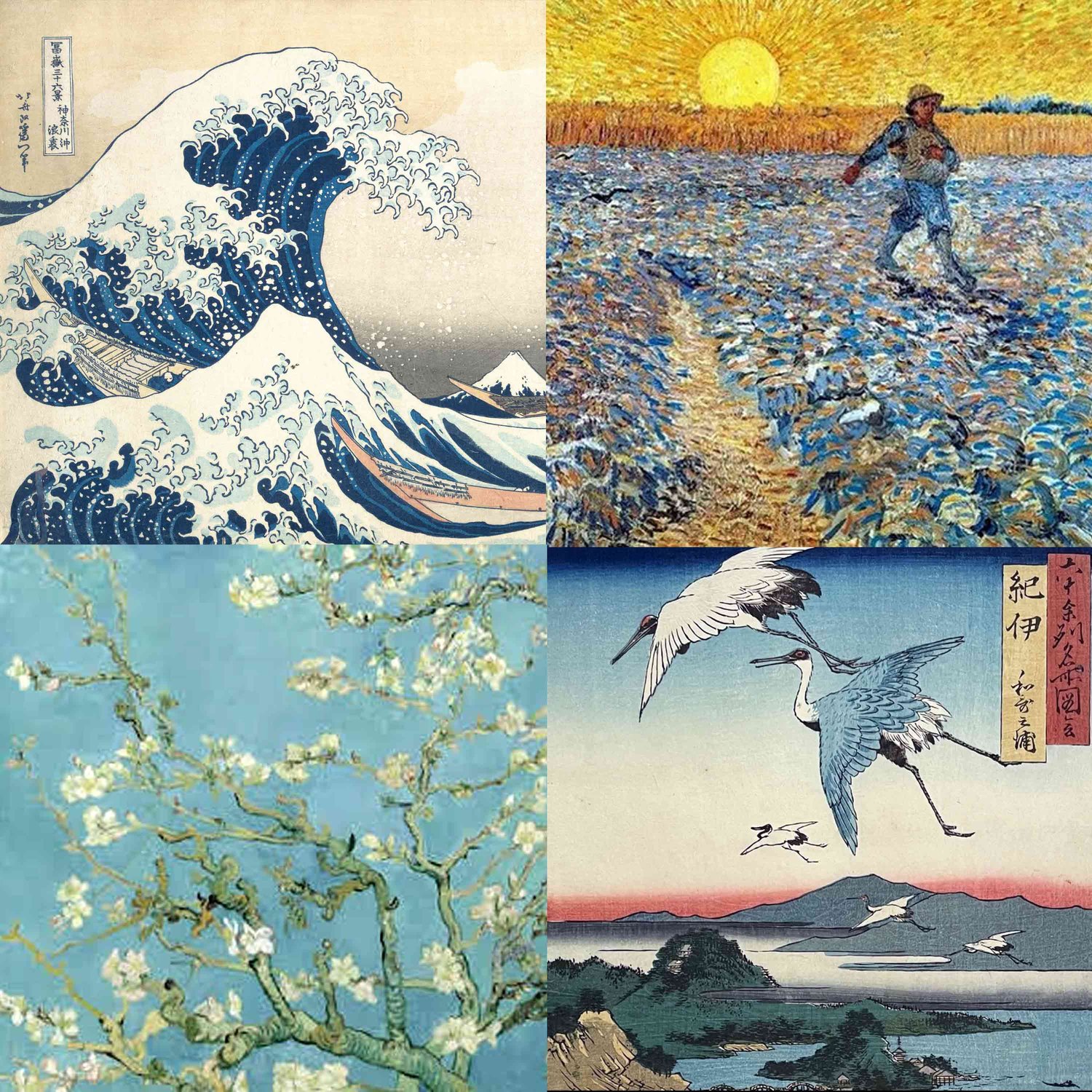
Special World Environment Day Stories - Environmentalists, Students & Teachers share their Love for the Planet
Today we’re streaming voices of environmentalists, students, and teachers with music courtesy of composer Max Richter. All voices in this episode are from our interviews for The Creative Process & One Planet Podcast or reflectors of our participating students.Voices on this episode areBRITT WRAY Author of Generation Dread: Finding Purpose in an Age of Climate Crisis Researcher Working on Climate Change & Mental Health, StanfordJEFFREY SACHS President of UN Sustainable Development Solutions Network Director of Center for Sustainable Development, Columbia UniversityEVELINE MOL, Student Barnard CollegeBERTRAND PICCARD, Aviator of 1st Round-the-World Solar-Powered Flight, Explorer, Founder, Solar Impulse FoundationAVA CLANCY, StudentMIRA PATLA, StudentDARA DIAMOND, StudentARIELLE DAVIS, StudentCLAIRE POTTER, Designer, Lecturer, Author of Welcome to the Circular EconomyMEGAN HEGENBARTH, Participating Student, University of MinnesotaGRACE PHILLIPS, Participating Student, Pitzer CollegeBIANCA WEBER, Participating Student, Syracuse UniversityELLEN EFSTATHIOU, Participating Student, Oberlin CollegeSURYA VIR, Participating Student, University of Wisconsin-MadisonMACIE PARKER, Participating Student, Boston UniversityBEILA UNGAR, Participating Student, Columbia UniversityCARL SAFINA, Ecologist, Founding President of Safina Center, Author of “Becoming Wild: How Animal Cultures Raise Families, Create Beauty, and Achieve Peace”Max Richter’s music featured in this episode are “On the Nature of Daylight” from The Blue Notebooks, “Path 19: Yet Frailest” from Sleep.Music is courtesy of Max Richter, Universal Music Enterprises, and Mute Song.www.creativeprocess.info www.oneplanetpodcast.orgIG www.instagram.com/creativeprocesspodcast
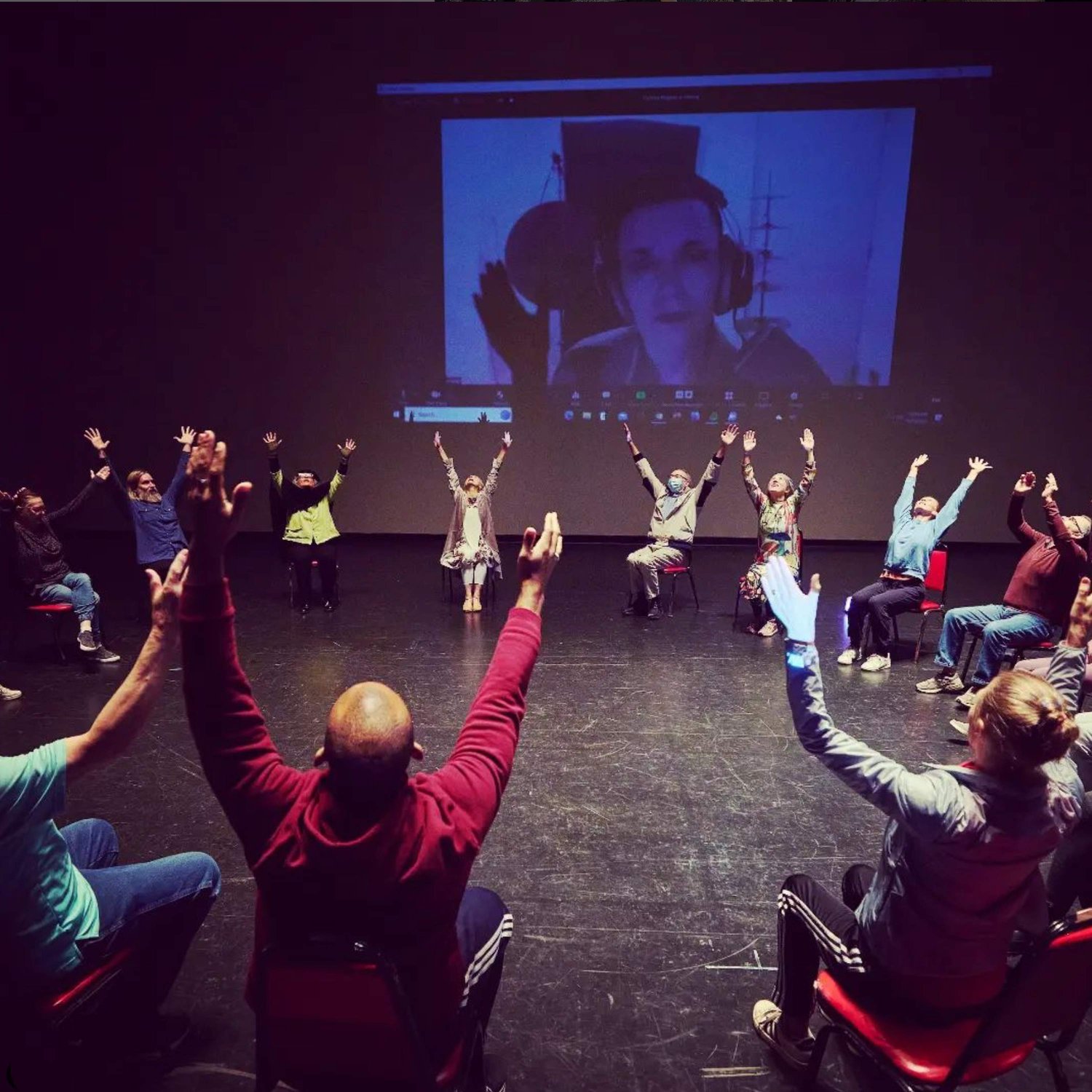
Happy World Environment Day! Voices from the Parkinson's Community & Artpark Bridges Celebrate the Natural World
The Creative Process and One Planet Podcast wishes listeners Happy World Environment Day. For this special episode we celebrate the natural world with Artpark Bridges, the Parkinson's Community, independent living adults with Parkinson's disease, and People Inc, the Arts Experience, a day habilitation program for adults with developmental disabilities. Artpark Bridges is a year-round community engagement program led by interdisciplinary artist Cynthia Pegado, dedicated to empowering adults of diverse abilities and backgrounds through expressive arts workshops and performance opportunities. Serving the Buffalo-Niagara Falls region of New York State, Artpark Bridges connects citizens with a sense of inclusion and purpose, healing and creative expression. Cynthia Pegado Teaching artist and movement expert, Cynthia Cadwell Pegado, weaves her passion for immersive performance into the creative process of site-specific work for people of all abilities. Ms. Pegado is an eight-time New York State Council on the Arts (NYSCA) Community Arts awardee, for “Art Moves Me”, her interpretive dance program based on visual art, designed for the Burchfield Penney Art Center and "Sound Dance" designed for Artpark. She has choreographed performance works for students in Parkinson’s specific classes as well as public programs which include Global Water Dances (a worldwide network of choreographers advocating for water quality)Muriel Louveau French vocalist composer Muriel Louveau has been invited by Sonia Kozlova Clark ,director of Artpark festival, as an international artist in residence at Artpark in 2022 to create and customize virtual expressive voice classes facilitated by Cynthia for Artpark Bridges groups including the Parkinson's and People Inc communities. This ongoing program of classes focuses on vocalizing skills and communal art-making with a theme of universal humanity."For me it is an artistic exchange but foremost a human experience. I cannot describe in words how this collaboration with the Artpark Bridges community inspires me, touches me, and opens my heart." Muriel Louveau, Artpark Bridges Sound Moves Me Artist-in-Residence.These recorded pieces have been developed with their students during "Our Garden " vocal workshop Poem "'Lily" written and read by Nancy (People Inc), "Nature" by Ed (PD group), "Fragile Beauty" by Nancy and Cynthia, "Garden of Love" by Cammie (People Inc).www.creativeprocess.info www.oneplanetpodcast.orgIG www.instagram.com/creativeprocesspodcastFlower Duet - Leo DelibesCreative Commons Attribution 3.0 Unported CC BY 3.0https://creativecommons.org/licenses/by/3.0/Conducted by Philip Milman https://pmmusic.pro/
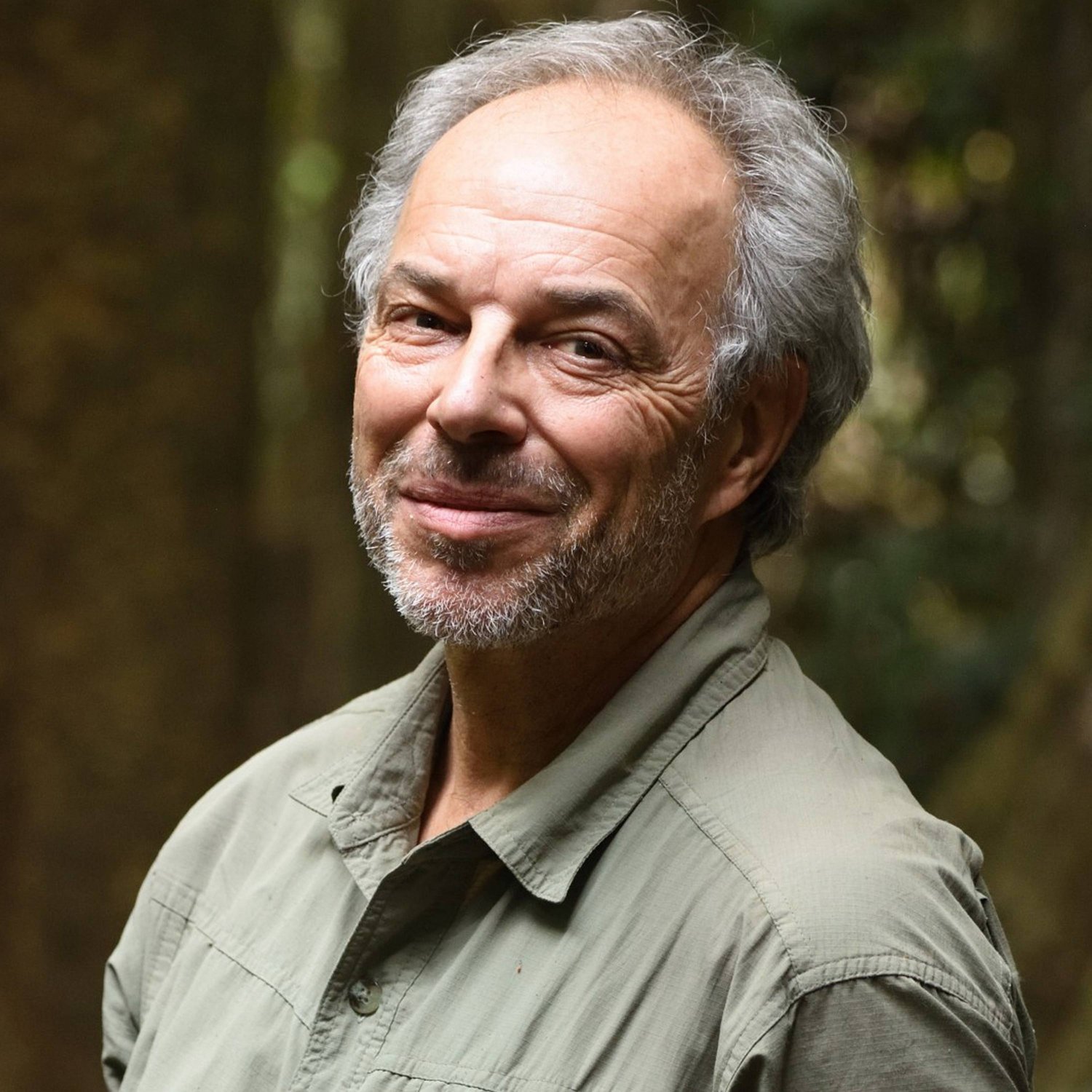
CARL SAFINA - Ecologist - Founding President of Safina Center - NYTimes Bestselling Author
Carl Safina’s lyrical non-fiction writing explores how humans are changing the living world, and what the changes mean for non-human beings and for us all. His work has been recognized with MacArthur, Pew, and Guggenheim Fellowships, and his writing has won Orion, Lannan, and National Academies literary awards and the John Burroughs, James Beard, and George Rabb medals. Safina is the inaugural holder of the endowed chair for nature and humanity at Stony Brook University, where he co-chairs the steering committee of the Alan Alda Center for Communicating Science and is founding president of the not-for-profit Safina Center. He hosted the 10-part PBS series Saving the Ocean with Carl Safina. His writing appears in The New York Times, National Geographic, Audubon, CNN.com, National Geographic News, and other publications. He is the author of ten books including the classic Song for the Blue Ocean, as well as New York Times Bestseller Beyond Words: What Animals Think and Feel. His most recent book is Becoming Wild: How Animal Cultures Raise Families, Create Beauty, and Achieve Peace."So we tend to take living for granted. I think that might be the biggest limitation of human intelligence is to not understand with awe and reverence and love that we live in a miracle that we are part of and that we have the ability to either nurture or destroy.The living world is enormously enriching to human life. I just loved animals. They're always just totally fascinating. They're not here for us. They're just here like we're just here. They are of this world as much as we are of this world. They really have the same claim to life and death and the circle of being."www.safinacenter.orgwww.carlsafina.orgwww.oneplanetpodcast.orgwww.creativeprocess.infoIG www.instagram.com/creativeprocesspodcastPhoto: Carl Safina in Uganda
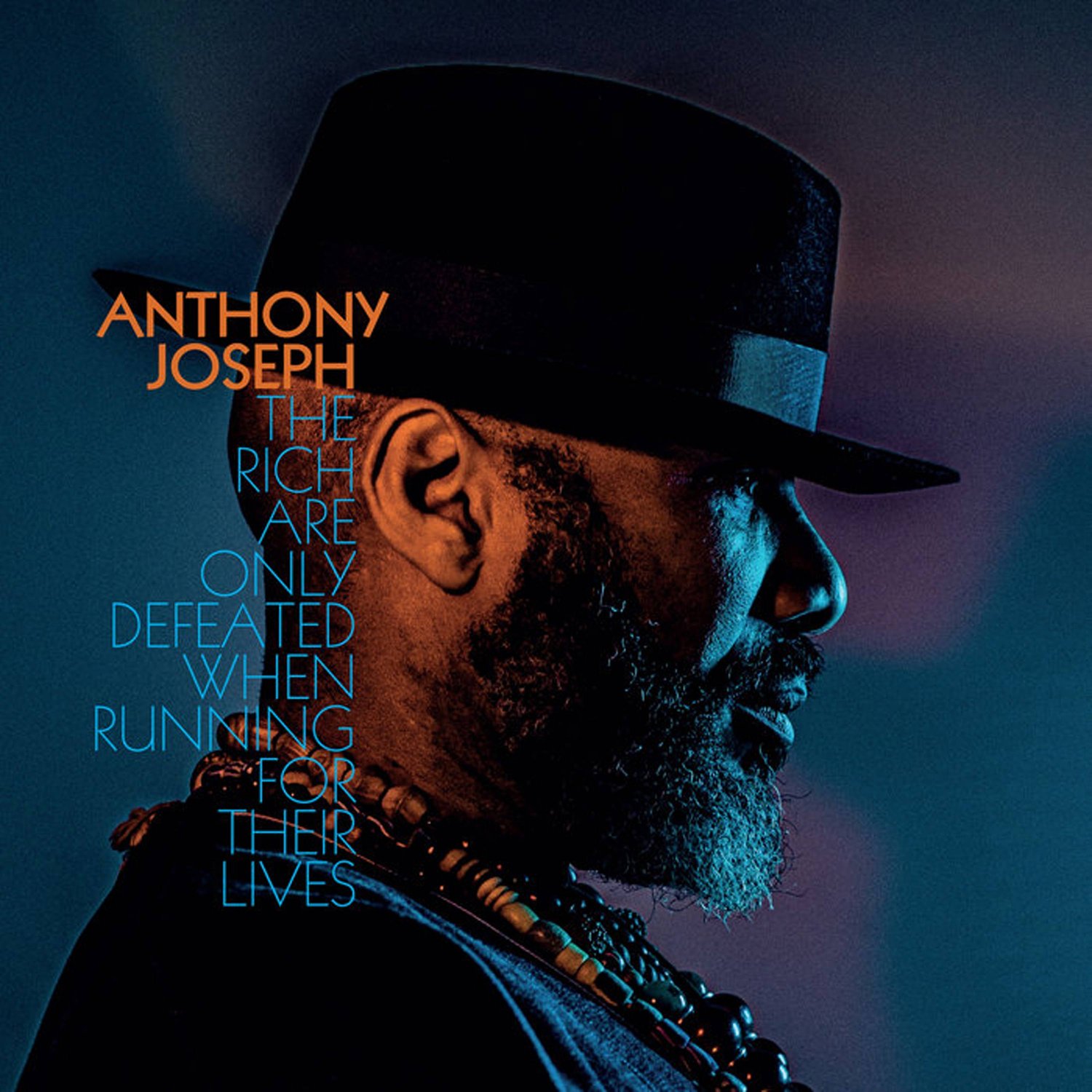
ANTHONY JOSEPH - T.S. Eliot Award-winning Poet, Novelist & Musician, Lead vocalist of The Spasm Band
Anthony Joseph is a poet, novelist, academic and musician who moved from Trinidad to the UK in 1989. A lecturer in creative writing at Birkbeck College, he is particularly interested in the point at which poetry becomes music.As well as four poetry collections, a slew of albums, and three novels – most recently Kitch – Joseph has published critical work exploring the aesthetics of Caribbean Poetry among other subjects. He performs internationally as the lead vocalist for his band The Spasm Band. Sonnets for Albert is his first poetry collection since Rubber Orchestras. “Calling England Home” and “Language (Poem for Anthony McNeill)” were released in 2021 by Anthony Joseph and appear on his album "The Rich Are Only Defeated When Running For Their Lives”. www.anthonyjoseph.co.ukhttps://open.spotify.com/artist/622cbugSJevUkEanSBCab9www.creativeprocess.infowww.oneplanetpodcast.org
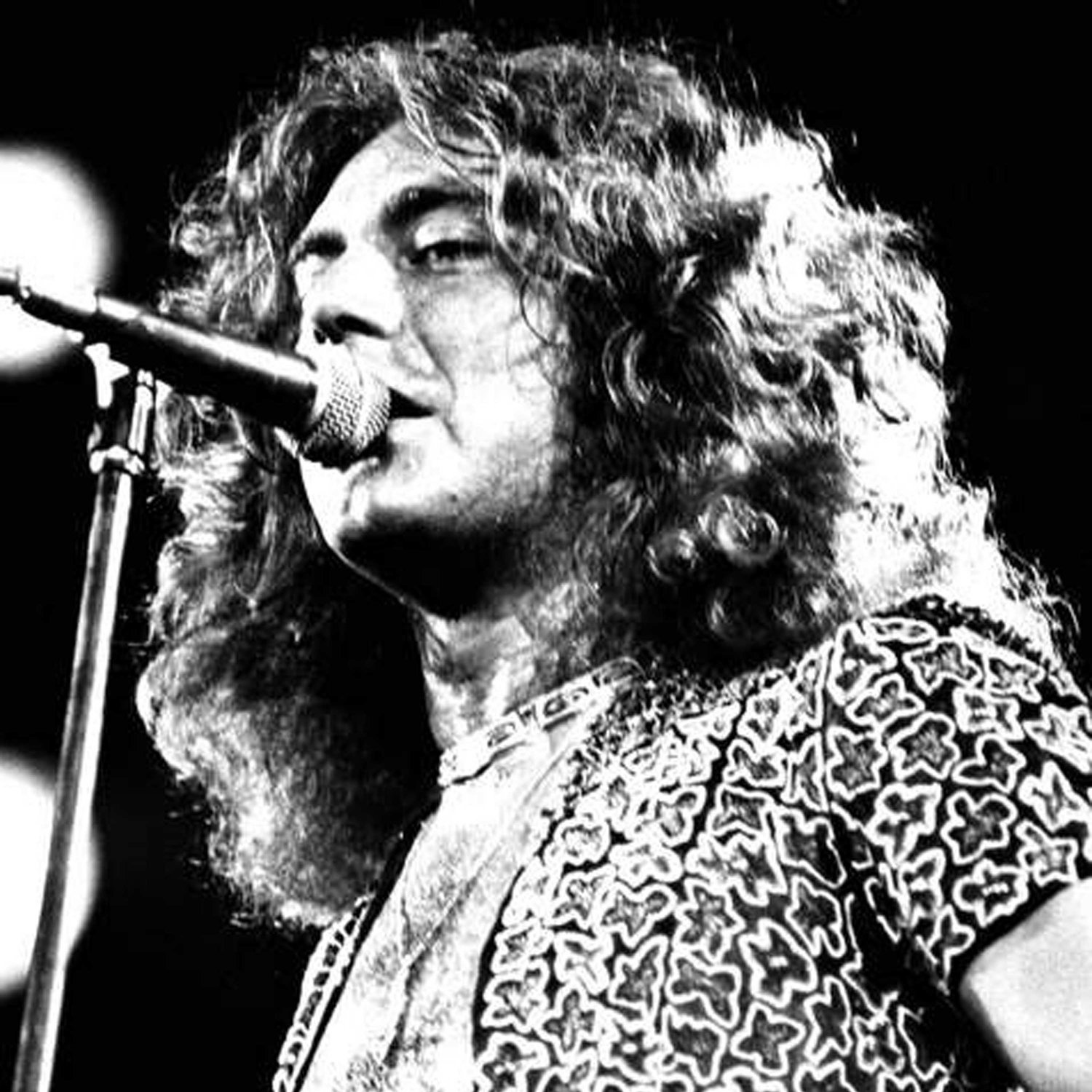
ROBERT PLANT - DICKIE LANDRY - LIL' BAND O' GOLD
Robert Plant is a singer and songwriter, best known as the lead singer and lyricist of the rock band Led Zeppelin. Regarded by many as one of the greatest singers in rock music, he’s known for his flamboyant persona and raw stage performances. He’s also collaborated outside of the rock genre. Here he performs with Lil' Band O' Gold. For nearly half a century, Richard “Dickie” Landry was at the center of the New York avant-garde. Born in the small Louisiana town of Cecilia in 1938, he began making pilgrimages to the city while still in his teens in search of the city’s most cutting edge gestures in jazz, and relaxed there not long after, falling in with a close knit community of artists and composers like Philip Glass, Keith Sonnier, Joan Jonas, Gordon Matt Clarke, Richard Serra, Robert Rauschenberg, Nancy Graves, Lawrence Weiner, Steve Reich, Jon Gibson, and Robert Wilson. Landry remains one of the few artists of his generation who made important waves within numerous creative idioms. Having been trained from a young age on saxophone, not only is he a remarkably respected solo performer and bandleader, but he was an early and long-standing member of Philip Glass’ ensemble, playing on seminal records like Music With Changing Parts, Music in Similar Motion / Music in Fifths, Music in Twelve Parts, North Star, and Einstein on the Beach, and played with Talking Heads, Laurie Anderson, and jazz giants like Johnny Hammond, Gene Ammons, and Les McCann. He was also one of the most important photographic documenters of the New York Scene, until he left the city for his native Louisiana, following 9/11.http://www.dickielandry.comhttps://unseenworlds.com/collections/dickie-landrywww.creativeprocess.info www.oneplanetpodcast.org Instagram @creativeprocesspodcast

The Art of Reading Minds with Mentalist - HENRIK FEXEUS - Highlights
“A mentalist is a kind of magician, an illusionist. And a mentalist uses whatever techniques are at that person's disposal to create the illusion of being able to read minds or being able to contact a supernatural presence…The only rule is that that part is fake, but then you can use techniques for magic or from stagecraft or from psychology. A mentalist is really someone who creates this illusion of having an almost supernatural ability. Having said that, today a mentalist sort of has come to mean something else, mainly due to popular culture TV series like The Mentalist and so on. And now there's this understanding of a mentalist as someone being able to read body language and influence behavior. It sort of ties into it all. And I've had a lifelong passion for magic, and it started when I was seven. Because I was always interested in the question: what if there's a color in the sky that we can't see? What if a handkerchief actually can vanish? What does that mean in terms of how the world works?So that was one part of it. I always longed for there to be something else. And I think one of the reasons for that was because I was quite the socially awkward child. I didn't have the skill set to interact in a frictionless way with my classmates, which meant that I was a weird guy. I was the one who got beaten up every single day at school, but I was also quite extroverted. So I didn't confine myself to my place in the corner. I was still there every Friday because on Fridays there was an open hour in class where you can perform or just show something. And I was always there to do magic because I had a skill. I could do something that the other guys couldn't. And then they beat me up again for it. But I do think that that realization that there's something going on here, that sort of set off something in my mind that this is something I needed to solve. I wanted to understand my bullies. This wasn't a conscious reflection on my part, but it was there. It basically felt like everyone else had been handed a handbook on social intelligence.”Henrik Fexeus is an internationally bestselling author, lecturer, performer, and star of the TV show Mind Melt. An expert in psychology and communications, he travels the world "reading minds" and teaching others how to understand and manipulate human behavior through body language and persuasion. Henrik has studied mental skills like NLP, hypnosis, acting, and magic.https://henrikfexeus.se/en/www.creativeprocess.info www.oneplanetpodcast.orgIG www.instagram.com/creativeprocesspodcast
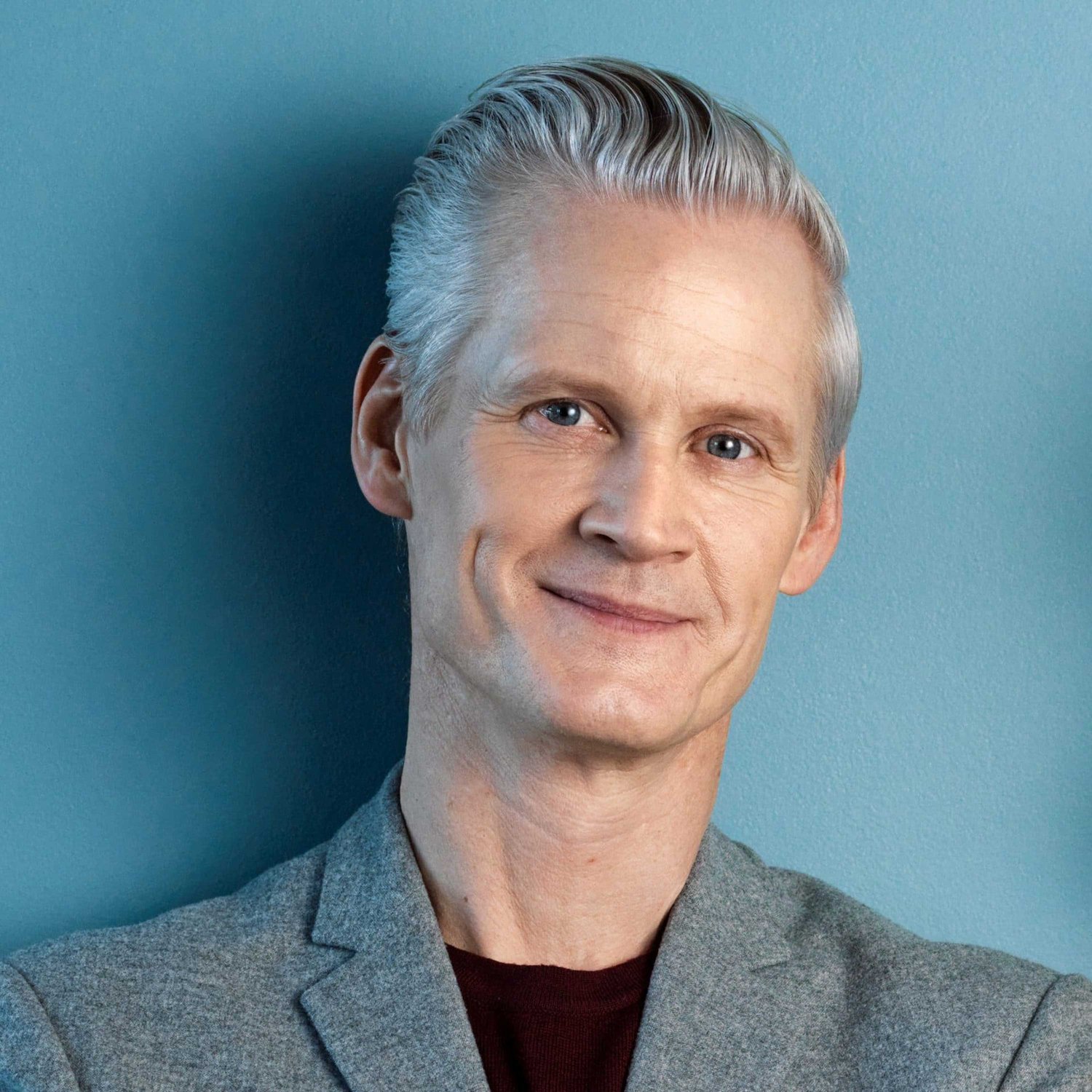
HENRIK FEXEUS - Mentalist, Author & TV Host “The Art of Reading Minds”,“Mind Melt”,“Cult”
Henrik Fexeus is an internationally bestselling author, lecturer, performer, and star of the TV show Mind Melt. An expert in psychology and communications, he travels the world "reading minds" and teaching others how to understand and manipulate human behavior through body language and persuasion. Henrik has studied mental skills like NLP, hypnosis, acting, and magic.“A mentalist is a kind of magician, an illusionist. And a mentalist uses whatever techniques are at that person's disposal to create the illusion of being able to read minds or being able to contact a supernatural presence…The only rule is that that part is fake, but then you can use techniques for magic or from stagecraft or from psychology. A mentalist is really someone who creates this illusion of having an almost supernatural ability. Having said that, today a mentalist sort of has come to mean something else, mainly due to popular culture TV series like The Mentalist and so on. And now there's this understanding of a mentalist as someone being able to read body language and influence behavior. It sort of ties into it all. And I've had a lifelong passion for magic, and it started when I was seven. Because I was always interested in the question: what if there's a color in the sky that we can't see? What if a handkerchief actually can vanish? What does that mean in terms of how the world works?So that was one part of it. I always longed for there to be something else. And I think one of the reasons for that was because I was quite the socially awkward child. I didn't have the skill set to interact in a frictionless way with my classmates, which meant that I was a weird guy. I was the one who got beaten up every single day at school, but I was also quite extroverted. So I didn't confine myself to my place in the corner. I was still there every Friday because on Fridays there was an open hour in class where you can perform or just show something. And I was always there to do magic because I had a skill. I could do something that the other guys couldn't. And then they beat me up again for it. But I do think that that realization that there's something going on here, that sort of set off something in my mind that this is something I needed to solve. I wanted to understand my bullies. This wasn't a conscious reflection on my part, but it was there. It basically felt like everyone else had been handed a handbook on social intelligence.”https://henrikfexeus.se/en/www.creativeprocess.info www.oneplanetpodcast.orgIG www.instagram.com/creativeprocesspodcast
PABLO HOFFMAN - Whitley Award-winning Conservationist - Exec. Director & Co-Founder of Sociedade Chauá
Pablo Hoffman has always been passionate about plants and natural ecosystems, with special appreciation for research and dissemination with practical results for the production and conservation of native species. Pablo graduated in Forestry at the Federal University of Paraná (UFPR) 2002, had his Master’s in Forestry – UFPR 2014, currently he is a PhD candidate in Forestry. One of the Founders of the Sociedade Chauá, Pablo has been a board member since 2008. Currently is the Executive Director as well Coordinator of the Chauá Nursery of native species. A specialist in conservation, propagation and restoration of rare and endangered species of the Araucaria Forest, whose projects are locally and internationally recognized. As a result of Sociedade’s Chauá efforts to save endangered plant species Pablo was awarded the Marsh Award (2018), Whitley Award (2022), and Guardians of Nature (2022). As a life choice, working with conservation of rare and endangered plant species is the lifeblood of his personal and professional aspirations, to leave a positive legacy for the next generations, keeping the ecosystems alive with humans as part of it."Most of my family are cowboys and farmers. And I was like eight or nine years old. My grandmother was getting sick, and she always had a lot of plants at home in pots, and she asked me to help her to water the plants. And it was quite a good experience because when you start to like plants, it becomes like a viral thing. After some time I was growing my own plants, and I was very interested in doing her garden. And I would go to the forest and collect plants to grow at home like orchids that were beginning my first nursery.And it's a crazy love that grows when you start to understand how plants grow, and how the ecosystem functions. And how beautiful and amazing all this is. And we as humans are part of it, and I've always loved animals as well, but plants are my passion. And, of course, my, daughter's name is Flora. My wife, she's also a botanist, and she loves plants as well. So we live in the countryside where the farm has all kinds of plants. And I think one of the things that made me love and try to preserve and conserve the ecosystems and species is when you understand how slowly a plant or tree grows, and how much it takes to keep them healthy. And the interactions between the animals and plants, the pollinators and the dispersers within the ecosystem, it's something that everybody should know and see.Not scientifically, but understand in terms of just how beautiful these natural interactions really are. And we as humans are a part of it. We can have good interactions, or we can have bad interactions in terms of destroying ecosystems. Understanding we are a part of the ecosystem is an important part to keep in mind."www.sociedadechaua.orgwww.creativeprocess.info www.oneplanetpodcast.orgIG www.instagram.com/creativeprocesspodcast
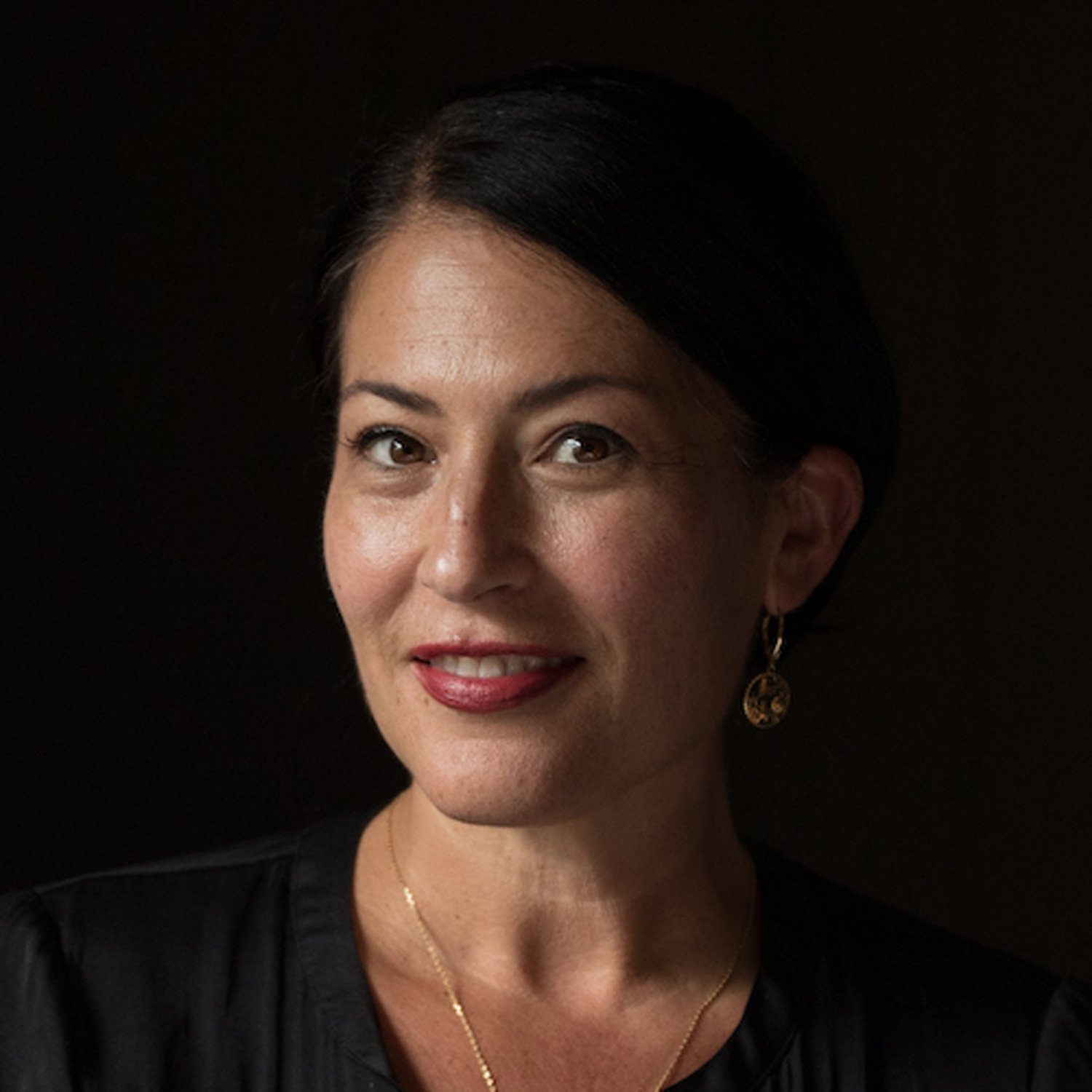
ADA LIMÓN - U.S. Poet Laureate - Author of The Hurting Kind - The Carrying - Highlights
Ada Limón is the author of six books of poetry, including The Carrying, which won the National Book Critics Circle Award for Poetry. Her book Bright Dead Things was nominated for the National Book Award, the National Book Critics Circle Award, and the Kingsley Tufts Poetry Award. Her work has been supported most recently by a Guggenheim Fellowship. She grew up in Sonoma, California and now lives in Lexington, Kentucky where she writes, teaches remotely, and hosts the critically-acclaimed poetry podcast, The Slowdown. Her new book of poetry, The Hurting Kind, is forthcoming from Milkweed Editions in May 2022.Photo credit: Lucas Marquardt www.adalimon.netwww.creativeprocess.infowww.oneplanetpodcast.org
NEIL GAIMAN - Writer, Producer, Showrunner “The Sandman”, “American Gods”, “Good Omens”, “Coraline”
Neil Gaiman is the #1 New York Times bestselling author of more than twenty books, including The Sandman, American Gods, Good Omens, Stardust, Coraline, Norse Mythology, Neverwhere, and The Graveyard Book. He’s adapted many of his books for television and film. Among his numerous literary awards are the Newbery and Carnegie medals, and the Hugo, Nebula, World Fantasy, and Will Eisner awards. He is a Global Goodwill Ambassador for United Nations High Commissioner for Refugees (UNHCR). In this episode, Gaiman reads his poems “A Writer’s Prayer” and “These Are Not Our Faces”. To hear our full interview with Neil Gaiman, visit The Creative Process Podcast: Arts, Culture & Society.www.neilgaiman.comwww.imdb.com/name/nm0301274/www.creativeprocess.infowww.oneplanetpodcast.orgIG www.instagram.com/creativeprocesspodcast
Ep 10The Other Side of Happiness: Embracing a More Fearless Approach to Living w/ BROCK BASTIAN - Highlights
"In today's world, feeling happy is no longer simply a state of mind. It's become a marker of mental health and success. On the flip side, pain and sadness are viewed as signals of failure and sickness. If we're not happy, then there is something wrong with us, and we need to fix it. It is no wonder that the painkiller and antidepressant markets, already worth billions of dollars, continue their rapid expansion. We've come to treat even commonplace experiences of pain and sadness as pathological, as things that need to be medicated and eradicated."Brock Bastian is author of The Other Side of Happiness: Embracing a More Fearless Approach to Living and a professor at University of Melbourne’s School of Psychological Sciences. His research and writing focus on pain, happiness, morality, and wellbeing. In his search for a new perspective on what makes for the good life, Bastian has studied why promoting happiness may have paradoxical effects; why we need negative and painful experiences in life to build meaning, purpose, resilience, and ultimately greater fulfilment in life; and why behavioural ethics is necessary for understanding how we reason about personal and social issues and resolve conflicts of interest.www.brockbastian.comwww.abebooks.com/9780141982106/Side-Happiness-Embracing-Fearless-Approach-0141982101/plpwww.creativeprocess.info www.oneplanetpodcast.orgIG www.instagram.com/creativeprocesspodcast
BROCK BASTIAN - Author of The Other Side of Happiness: Embracing a More Fearless Approach to Living
Brock Bastian is author of The Other Side of Happiness: Embracing a More Fearless Approach to Living and a professor at University of Melbourne’s School of Psychological Sciences. His research and writing focus on pain, happiness, morality, and wellbeing. In his search for a new perspective on what makes for the good life, Bastian has studied why promoting happiness may have paradoxical effects; why we need negative and painful experiences in life to build meaning, purpose, resilience, and ultimately greater fulfilment in life; and why behavioural ethics is necessary for understanding how we reason about personal and social issues and resolve conflicts of interest."In today's world, feeling happy is no longer simply a state of mind. It's become a marker of mental health and success. On the flip side, pain and sadness are viewed as signals of failure and sickness. If we're not happy, then there is something wrong with us, and we need to fix it. It is no wonder that the painkiller and antidepressant markets, already worth billions of dollars, continue their rapid expansion. We've come to treat even commonplace experiences of pain and sadness as pathological, as things that need to be medicated and eradicated."www.brockbastian.comwww.abebooks.com/9780141982106/Side-Happiness-Embracing-Fearless-Approach-0141982101/plpwww.creativeprocess.info www.oneplanetpodcast.orgIG www.instagram.com/creativeprocesspodcast
On Time and Water with Author, Filmmaker ANDRI SNÆR MAGNASON - Highlights
"When I was writing On Time and Water somebody said this is not just one book. This is about your grandmother, about glaciers. You have to focus. You can't have this mythology and glacial and ocean sites, speculations about words like ocean acidification, and your grandfather's sister who is visiting Tolstoy. You have to focus. You can't put all this into a book. And then I thought, oh yes, I forgot my favorite uncle, who was the researcher of crocodiles. I also have to put him into the book. And when I put the crocodile's story into the book, it was like a keystone. Everything fell into a whole picture.Because we live in democratic societies and literature is an art of entertainment. People want to continue reading books, and it's based on instant ways of storytelling. Of course, it's strange to live in a society where we have to entertain ourselves to understand the most important issue in the world."Andri Snær Magnason is an award winning author of On Time and Water, The Casket of Time, LoveStar, Dreamland and The Story of the Blue Planet. His work has been published in more than 35 languages. He has a written in most genres, novels, poetry, plays, short stories, non fiction as well as being a documentary film maker. His novel, LoveStar got a Philip K. Dick Special Citation, and the Grand Prix de l’Imaginaire in France and “Novel of the year” in Iceland. The Story of the Blue Planet, was the first children’s book to receive the Icelandic Literary Award and has been published or performed in 35 countries. The Blue Planet received the Janusz Korczak Honorary Award in Poland 2000, the UKLA Award in the UK and Children's book of the Year in China. His book – Dreamland – a Self Help Manual for a Frightened Nation takes on these issues and has sold more than 20.000 copies in Iceland. He co directed Dreamland - a feature length documentary film based on the book. Footage from Dreamland and an interview with Andri can be seen in the Oscar Award-winning documentary Inside Job by Charles Ferguson. His most recent book, Tímakistan, the Time Casket has now been published in more than 10 languages, was nominated as the best fantasy book in Finland 2016 with authors like Ursula K. le Guin and David Mitchell. In English six books are currently available: Bónus Poetry, The Story of The Blue Planet, LoveStar, Dreamland and The Casket of Time, (Tímakistan) and On Time and Water.www.andrimagnason.comwww.creativeprocess.info www.oneplanetpodcast.org IG www.instagram.com/creativeprocesspodcast
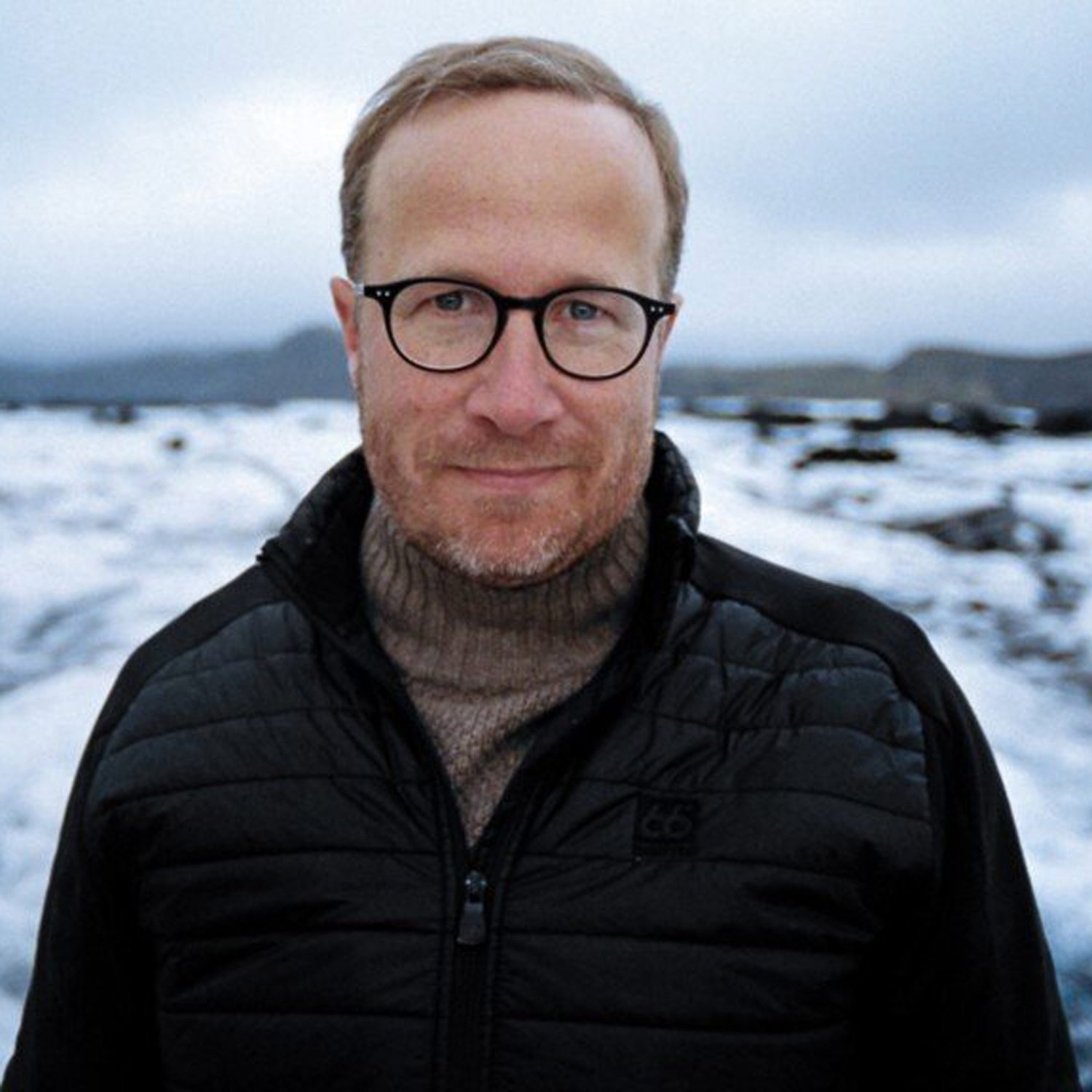
ANDRI SNÆR MAGNASON - Icelandic Writer & Documentary Filmmaker - On Time and Water, The Casket of Time, LoveStar, Not Ok
Andri Snær Magnason is an award winning author of On Time and Water, The Casket of Time, LoveStar, Dreamland and The Story of the Blue Planet. His work has been published in more than 35 languages. He has a written in most genres, novels, poetry, plays, short stories, non fiction as well as being a documentary film maker. His novel, LoveStar got a Philip K. Dick Special Citation, and the Grand Prix de l’Imaginaire in France and “Novel of the year” in Iceland. The Story of the Blue Planet, was the first children’s book to receive the Icelandic Literary Award and has been published or performed in 35 countries. The Blue Planet received the Janusz Korczak Honorary Award in Poland 2000, the UKLA Award in the UK and Children's book of the Year in China. His book – Dreamland – a Self Help Manual for a Frightened Nation takes on these issues and has sold more than 20.000 copies in Iceland. He co directed Dreamland - a feature length documentary film based on the book. Footage from Dreamland and an interview with Andri can be seen in the Oscar Award-winning documentary Inside Job by Charles Ferguson. His most recent book, Tímakistan, the Time Casket has now been published in more than 10 languages, was nominated as the best fantasy book in Finland 2016 with authors like Ursula K. le Guin and David Mitchell. In English six books are currently available: Bónus Poetry, The Story of The Blue Planet, LoveStar, Dreamland and The Casket of Time, (Tímakistan) and On Time and Water."When I was writing On Time and Water somebody said this is not just one book. This is about your grandmother, about glaciers. You have to focus. You can't have this mythology and glacial and ocean sites, speculations about words like ocean acidification, and your grandfather's sister who is visiting Tolstoy. You have to focus. You can't put all this into a book. And then I thought, oh yes, I forgot my favorite uncle, who was the researcher of crocodiles. I also have to put him into the book. And when I put the crocodile's story into the book, it was like a keystone. Everything fell into a whole picture.Because we live in democratic societies and literature is an art of entertainment. People want to continue reading books, and it's based on instant ways of storytelling. Of course, it's strange to live in a society where we have to entertain ourselves to understand the most important issue in the world."www.andrimagnason.comwww.creativeprocess.info www.oneplanetpodcast.orgIG www.instagram.com/creativeprocesspodcast
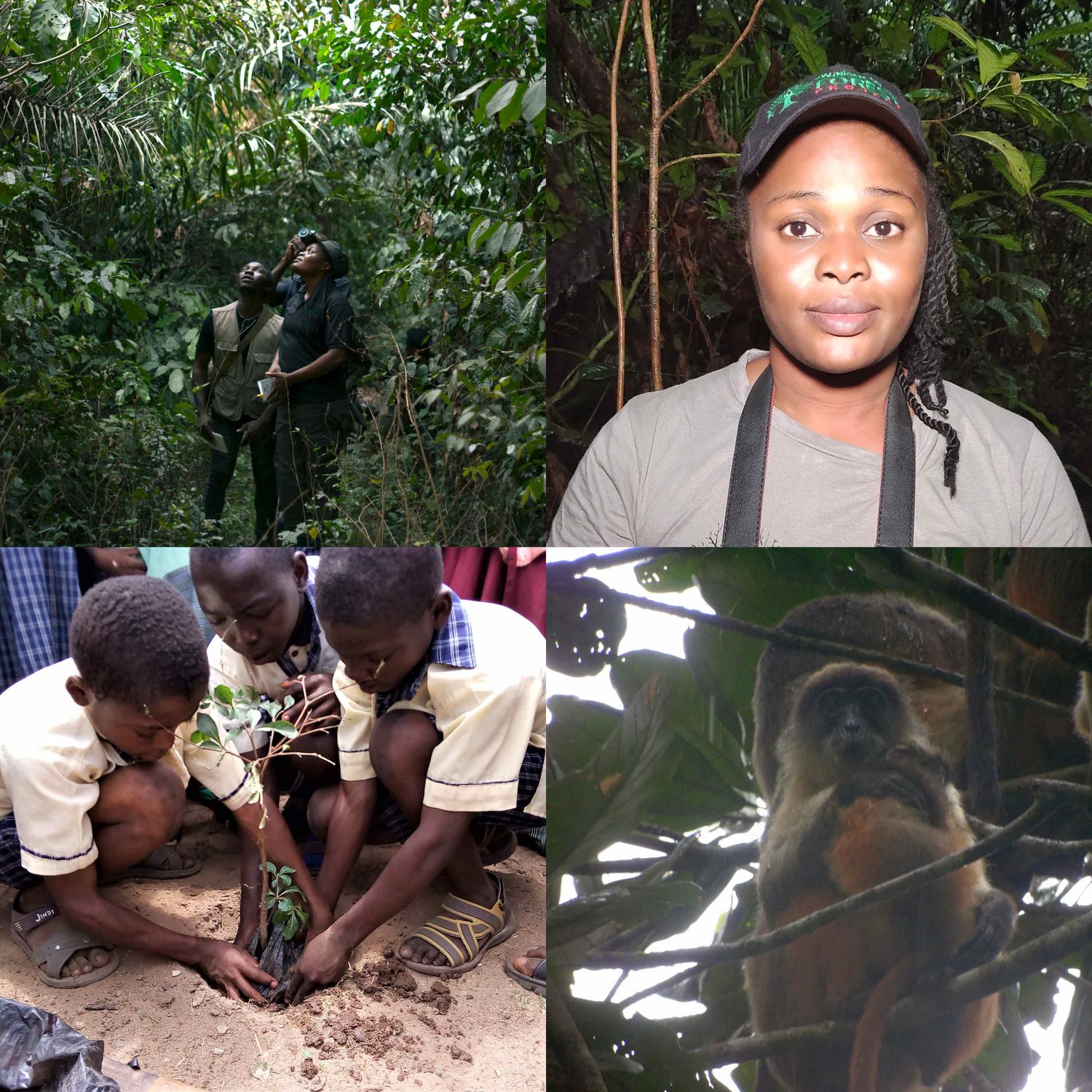
How to Bring a Species Back from the Brink of Extinction w/ RACHEL ASHEGBOFEH IKEMEH - Highlights
"I think the entirety of the work we do, we are navigating a lot of embedded preconceived notions or traditions or culture. And especially in Africa, none of that is easy to navigate. You can't do without stepping on somebody's toes or upsetting the system that was in place. For example, at one of the sites where we created a conservation area, we worked there for seven years before the establishment of that conservation area. It shouldn't take that long or it wouldn't take that long normally, probably a year or two years because you've learned everything you need to know. But in those seven years, we got to really understand how the people think, what their histories are and their experiences, and then considering all that, I think is one of the most important things in navigating traditions and cultures and also respecting those people's beliefs."Rachel Ashegbofeh Ikemeh is a Whitley Award-winning conservationist and Founder/Director at the Southwest Niger Delta Forest Project, a grassroots-focused conservation initiative that has been dedicated to the protection of fragile wildlife populations and habitat across her project sites in Africa’s most populous nation. Rachel won the award in 2020 for her work on chimpanzee populations in Nigeria and is aiming to secure 20% of chimpanzee habitat in Southwest Nigeria. She is also the winner of the National Geographic Society Buffet Awards for Conservaton Leadership in Africa, a Tusk Conservation Awards Finalist.She works to protect some of the most highly threatened forest habitats and primate populations in southern Nigeria. For example, Rachel’s determined efforts has helped to bring back a species from the brink of extinction – the rare and critically endangered Niger Delta red colobus monkey, also, considered one of 25 most endangered primates in the world. She has helped to establish two protected areas and have also taken on the management of these PAs to restore habitats in these very highly threatened ecosystems which are also areas of high-security risks in the country.Rachel is the Co-Vice Chair for the IUCN/SSC Primate Specialist Group African Section and Member of the International Primatological Society (IPS) education committee. Through her strategic positions in these networks, Rachel has been committed to championing the need to increase conservation leadership amongst Africans as she co-founded the African Primatological society in 2017. She’s trained the 55 persons that make up her team from local institutions and local communities. https://swnigerdeltaforestproject.org.ngwww.creativeprocess.info www.oneplanetpodcast.org IG www.instagram.com/creativeprocesspodcast
RACHEL ASHEGBOFEH IKEMEH - Whitley Award-winning Conservationist - Founder/Director, Southwest Niger Delta Forest Project
Rachel Ashegbofeh Ikemeh is a Whitley Award-winning conservationist and Founder/Director at the Southwest Niger Delta Forest Project, a grassroots-focused conservation initiative that has been dedicated to the protection of fragile wildlife populations and habitat across her project sites in Africa’s most populous nation. Rachel won the award in 2020 for her work on chimpanzee populations in Nigeria and is aiming to secure 20% of chimpanzee habitat in Southwest Nigeria. She is also the winner of the National Geographic Society Buffet Awards for Conservaton Leadership in Africa, a Tusk Conservation Awards Finalist.She works to protect some of the most highly threatened forest habitats and primate populations in southern Nigeria. For example, Rachel’s determined efforts has helped to bring back a species from the brink of extinction – the rare and critically endangered Niger Delta red colobus monkey, also, considered one of 25 most endangered primates in the world. She has helped to establish two protected areas and have also taken on the management of these PAs to restore habitats in these very highly threatened ecosystems which are also areas of high-security risks in the country.Rachel is the Co-Vice Chair for the IUCN/SSC Primate Specialist Group African Section and Member of the International Primatological Society (IPS) education committee. Through her strategic positions in these networks, Rachel has been committed to championing the need to increase conservation leadership amongst Africans as she co-founded the African Primatological society in 2017. She’s trained the 55 persons that make up her team from local institutions and local communities. "I think the entirety of the work we do, we are navigating a lot of embedded preconceived notions or traditions or culture. And especially in Africa, none of that is easy to navigate. You can't do without stepping on somebody's toes or upsetting the system that was in place. For example, at one of the sites where we created a conservation area, we worked there for seven years before the establishment of that conservation area. It shouldn't take that long or it wouldn't take that long normally, probably a year or two years because you've learned everything you need to know. But in those seven years, we got to really understand how the people think, what their histories are and their experiences, and then considering all that, I think is one of the most important things in navigating traditions and cultures and also respecting those people's beliefs."https://swnigerdeltaforestproject.org.ngwww.creativeprocess.info www.oneplanetpodcast.org IG www.instagram.com/creativeprocesspodcast