The Creative Process · Arts, Culture & Society: Books, Film, Music, TV, Art, Writing, Creativity, Education, Environment, Theatre, Dance, LGBTQ, Climate Change, Social Justice, Spirituality, Feminism, Tech, Sustainability
1,275 episodes — Page 8 of 26
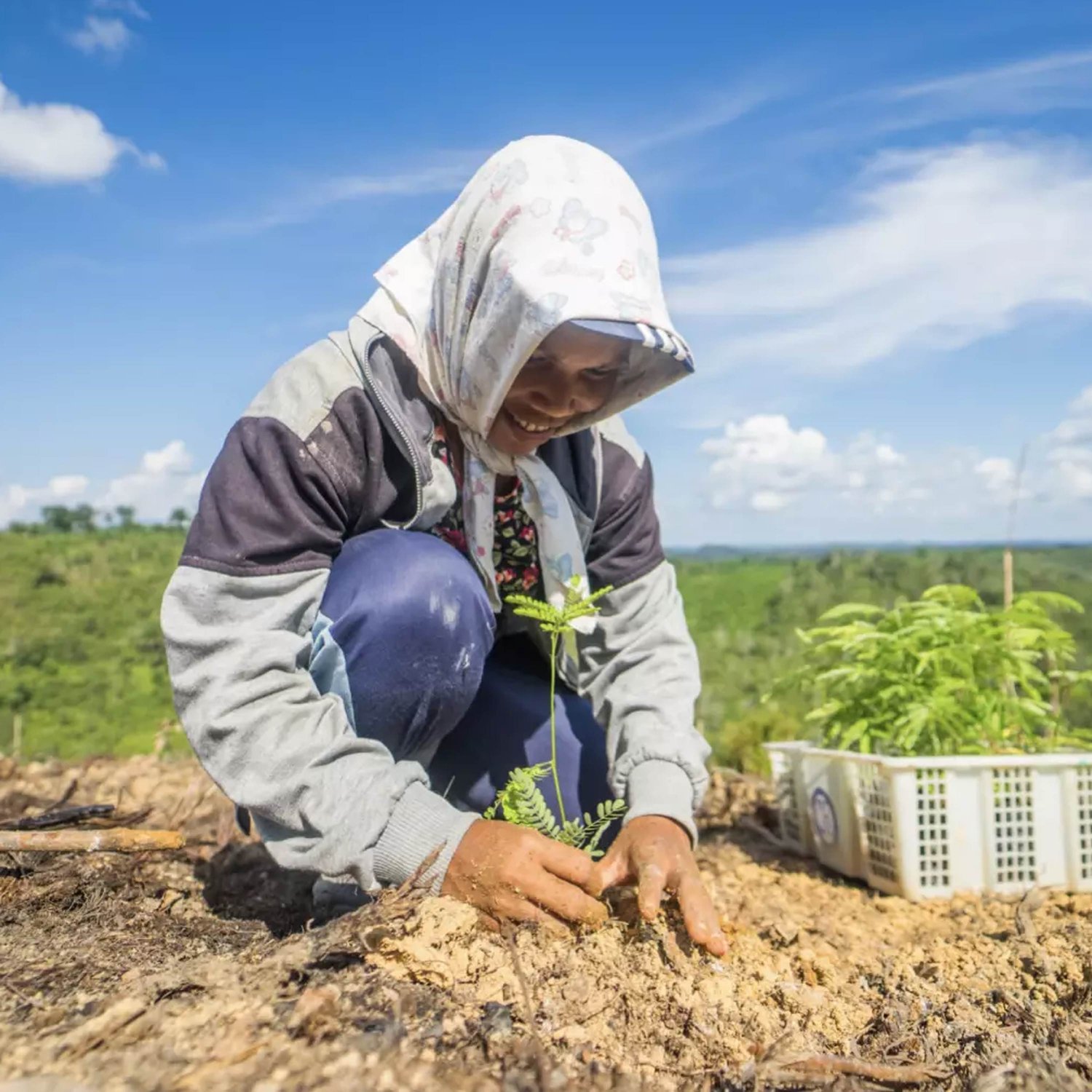
How can we reverse biodiversity loss and restore our ecosystems? - Highlights - THOMAS CROWTHER
“We're just a moving ecosystem and we've got this weird thing called consciousness that gives us this impression that we're somehow separate, but we are just part of the ecosystem. We're a bag of microbes that's interacting with all the microbes around us. And I think there's a real need for us to appreciate our harmony with nature and our interrelatedness with nature.”Although they comprise less than 5% of the world population, Indigenous peoples protect 80% of the Earth’s biodiversity. How can we support farmers, reverse biodiversity loss, and restore our ecosystems?Thomas Crowther is an ecologist studying the connections between biodiversity and climate change. He is a professor in the Department of Environmental Systems Science at ETH Zurich, chair of the advisory council for the United Nations Decade on Ecosystem Restoration, and founder of Restor, an online platform for the global restoration movement, which was a finalist for the Royal Foundation’s Earthshot Prize. In 2021, the World Economic Forum named him a Young Global Leader for his work on the protection and restoration of biodiversity. Crowther’s post-doctoral research transformed the understanding of the world’s tree cover, and the study also inspired the World Economic Forum to announce its Trillion Trees initiative, which aims to conserve and restore one trillion trees globally within the decade.https://crowtherlab.com/about-tom-crowther https://restor.eco/?lat=26&lng=14.23&zoom=3www.creativeprocess.info www.oneplanetpodcast.orgIG www.instagram.com/creativeprocesspodcast
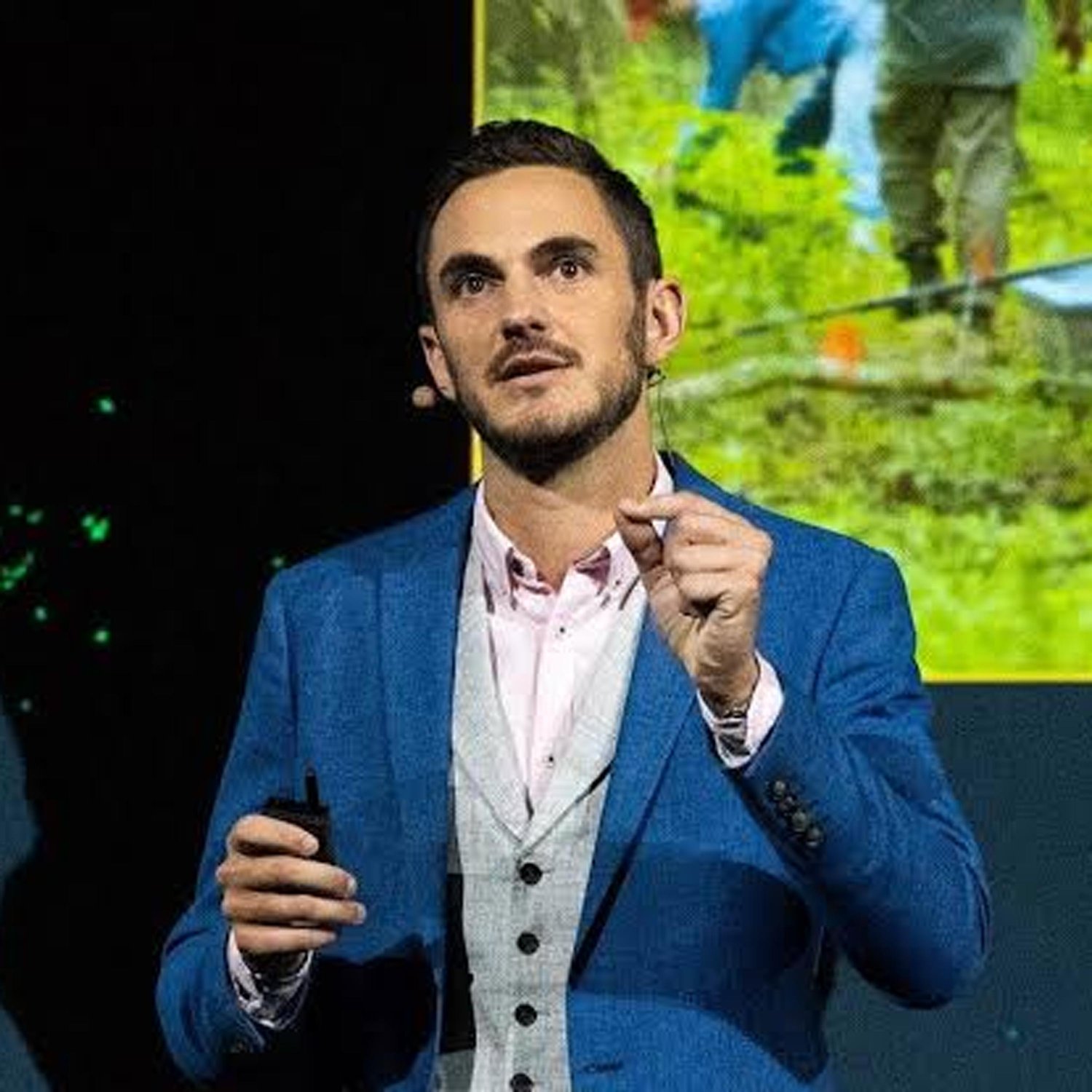
THOMAS CROWTHER - Ecologist - Co-chair of the Board for UN Decade on Ecosystem Restoration - Founder of Restor
Although they comprise less than 5% of the world population, Indigenous peoples protect 80% of the Earth’s biodiversity. How can we support farmers, reverse biodiversity loss, and restore our ecosystems?Thomas Crowther is an ecologist studying the connections between biodiversity and climate change. He is a professor in the Department of Environmental Systems Science at ETH Zurich, chair of the advisory council for the United Nations Decade on Ecosystem Restoration, and founder of Restor, an online platform for the global restoration movement, which was a finalist for the Royal Foundation’s Earthshot Prize. In 2021, the World Economic Forum named him a Young Global Leader for his work on the protection and restoration of biodiversity. Crowther’s post-doctoral research transformed the understanding of the world’s tree cover, and the study also inspired the World Economic Forum to announce its Trillion Trees initiative, which aims to conserve and restore one trillion trees globally within the decade.“We're just a moving ecosystem and we've got this weird thing called consciousness that gives us this impression that we're somehow separate, but we are just part of the ecosystem. We're a bag of microbes that's interacting with all the microbes around us. And I think there's a real need for us to appreciate our harmony with nature and our interrelatedness with nature.”https://crowtherlab.com/about-tom-crowther https://restor.eco/?lat=26&lng=14.23&zoom=3www.creativeprocess.info www.oneplanetpodcast.orgIG www.instagram.com/creativeprocesspodcast
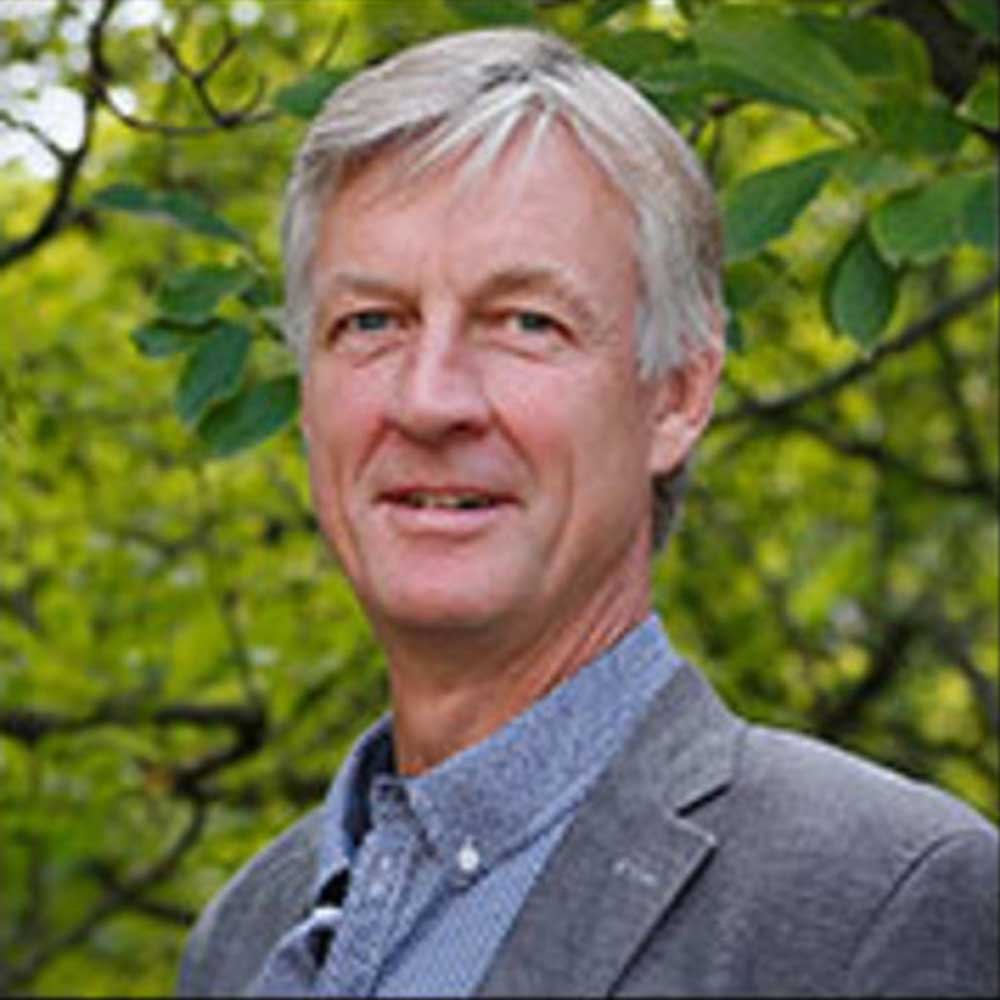
PETER DITLEVSEN - Professor of Physics, Ice, Climate & Earth at the Niels Bohr Institute
As we reach the tipping points of climate change, how will our world change? Greenland has already lost 4,700 billion metric tons of ice, an amount that is enough to flood the entire United States in 1.5 feet of water.Peter D. Ditlevsen is an Associate Professor at the Niels Bohr Institute at Copenhagen University. The institute was founded in 1921 as the Institute for Theoretical Physics. Ditlevsen is a Professor in Physics of Ice, Climate, and Earth. His fields of interest include climate research, turbulence, meteorology, complex systems, time series analysis, and statistical physics.What happens if we lose the Greenland ice sheet and pass the tipping points and Earth systems shut down?If that shuts down, roughly speaking, the climate of Northern Europe would be like the climate of Alaska. So, climate models that actually simulate what happens when it's shut down, would say that England becomes like Northern Norway, which means that food security and things like that will be threatened because you cannot grow many crops in Northern Norway. And other models say precipitation changes, so places that are wet might become dry, and so on. So, these are of course severe consequences for Europe, but in some sense, this is going in the opposite direction of global warming. We're all talking about we're getting into a warmer world, but I'm talking about a cooling here. But the warm water that does not then flow from the tropics into the North Atlantic will stay in the tropics. And there, you're not contra-balancing global warming. There you will have the heating on top of the global warming. And that I see as maybe the largest problem we have is that the tropics become even warmer. And we have to realize if you live in a place where mean temperatures are maybe late thirties Celsius and or rise to the forties livelihood becomes very difficult.https://nbi.ku.dk/english/staff/?pure=en/persons/peter-ditlevsen(77e9801a-6b31-4488-a282-6c99a406a5f1)/cv.htmlwww.creativeprocess.info www.oneplanetpodcast.orgIG www.instagram.com/creativeprocesspodcast
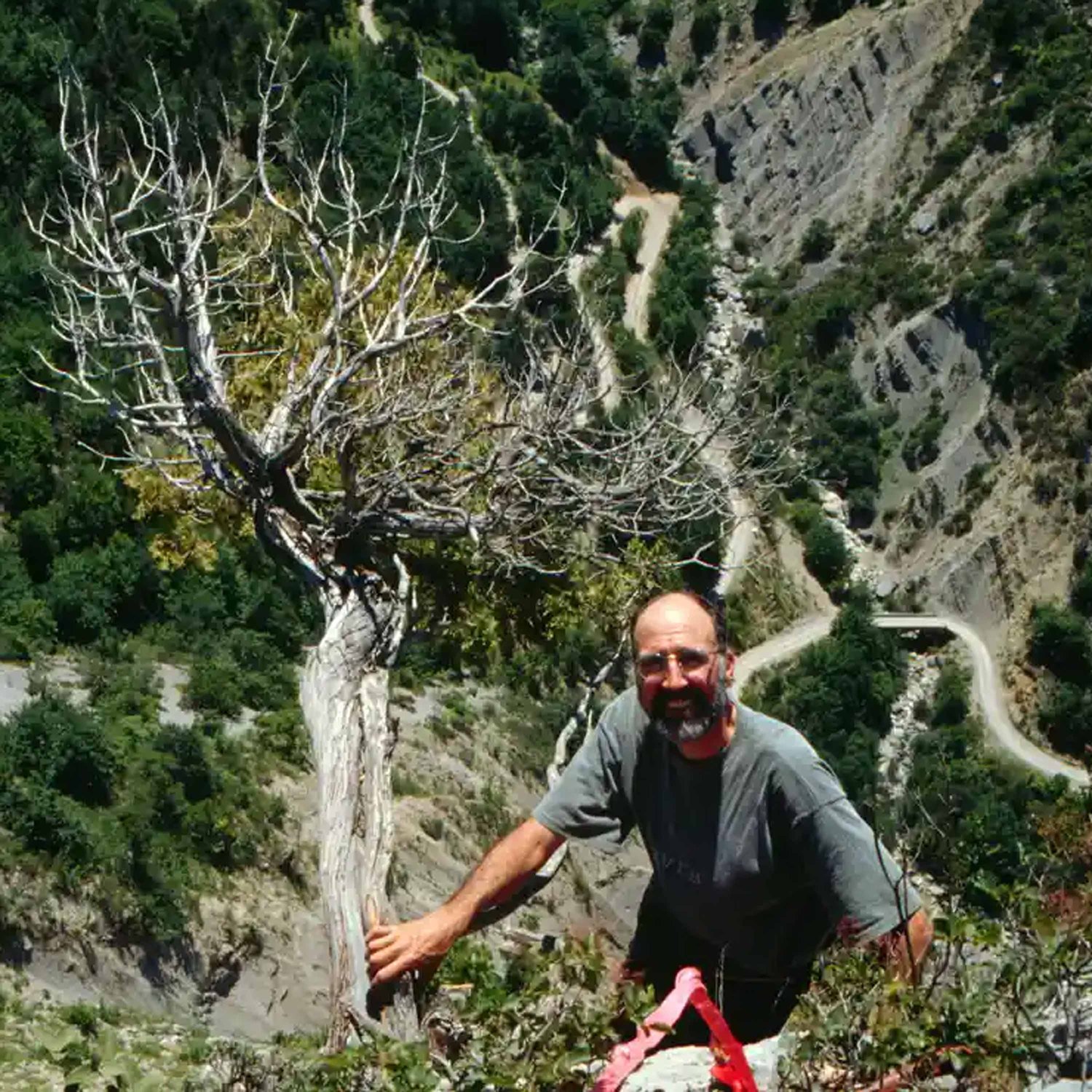
What can thousand-year-old trees teach us about living sustainably on this planet? - Highlights - DOUG LARSON
“I think one thing I learned from looking at the ancient trees is that there is no great benefit to anything of growing quickly and accumulating vast resources. Growing slowly and patiently and with fewer demands on the environment in which you live is just as healthy and perhaps more healthy than the endless hunger for more and more and more, which we see as a characteristic of our species.”What can thousand-year-old trees teach us about living sustainably? If we want to be sustained by this planet indefinitely, we need to stop trying to suck it dry.Doug Larson is an award winning scientist, author, and Professor Emeritus of Biology at the University of Guelph. He is an expert on deforestation and regularly contributes to The Guardian and other publications. His books include Cliff Ecology: Pattern and Process in Cliff Ecosystems, The Urban Cliff Revolution: New Findings on the Origins and Evolution of Human Habitats, Storyteller Guitar, and The Dogma At My Homework.https://experts.uoguelph.ca/doug-larson https://volumesdirect.com/products/the-dogma-ate-my-homework https://www.cambridge.org/core/books/cliff-ecology/7502E52B487789BEA2CACC4553AA663Bhttps://www.amazon.com/Urban-Cliff-Revolution-Evolution-Habitats/dp/1550419927 https://www.amazon.com/Storyteller-Guitar-Doug-Larson-ebook/dp/B00B9VZQXUwww.creativeprocess.info www.oneplanetpodcast.org IG www.instagram.com/creativeprocesspodcastImage courtesy of Doug Larson

DOUG LARSON - Biologist - Expert on Deforestation - Author of Cliff Ecology - The The Dogma Ate My Homework
What can thousand-year-old trees teach us about living sustainably? If we want to be sustained by this planet indefinitely, we need to stop trying to suck it dry.Doug Larson is an award winning scientist, author, and Professor Emeritus of Biology at the University of Guelph. He is an expert on deforestation and regularly contributes to The Guardian and other publications. His books include Cliff Ecology: Pattern and Process in Cliff Ecosystems, The Urban Cliff Revolution: New Findings on the Origins and Evolution of Human Habitats, Storyteller Guitar, and The Dogma At My Homework.“I think one thing I learned from looking at the ancient trees is that there is no great benefit to anything of growing quickly and accumulating vast resources. Growing slowly and patiently and with fewer demands on the environment in which you live is just as healthy and perhaps more healthy than the endless hunger for more and more and more, which we see as a characteristic of our species.”https://experts.uoguelph.ca/doug-larson https://volumesdirect.com/products/the-dogma-ate-my-homework https://www.cambridge.org/core/books/cliff-ecology/7502E52B487789BEA2CACC4553AA663Bhttps://www.amazon.com/Urban-Cliff-Revolution-Evolution-Habitats/dp/1550419927 https://www.amazon.com/Storyteller-Guitar-Doug-Larson-ebook/dp/B00B9VZQXUwww.creativeprocess.info www.oneplanetpodcast.org IG www.instagram.com/creativeprocesspodcastImage courtesy of Doug Larson
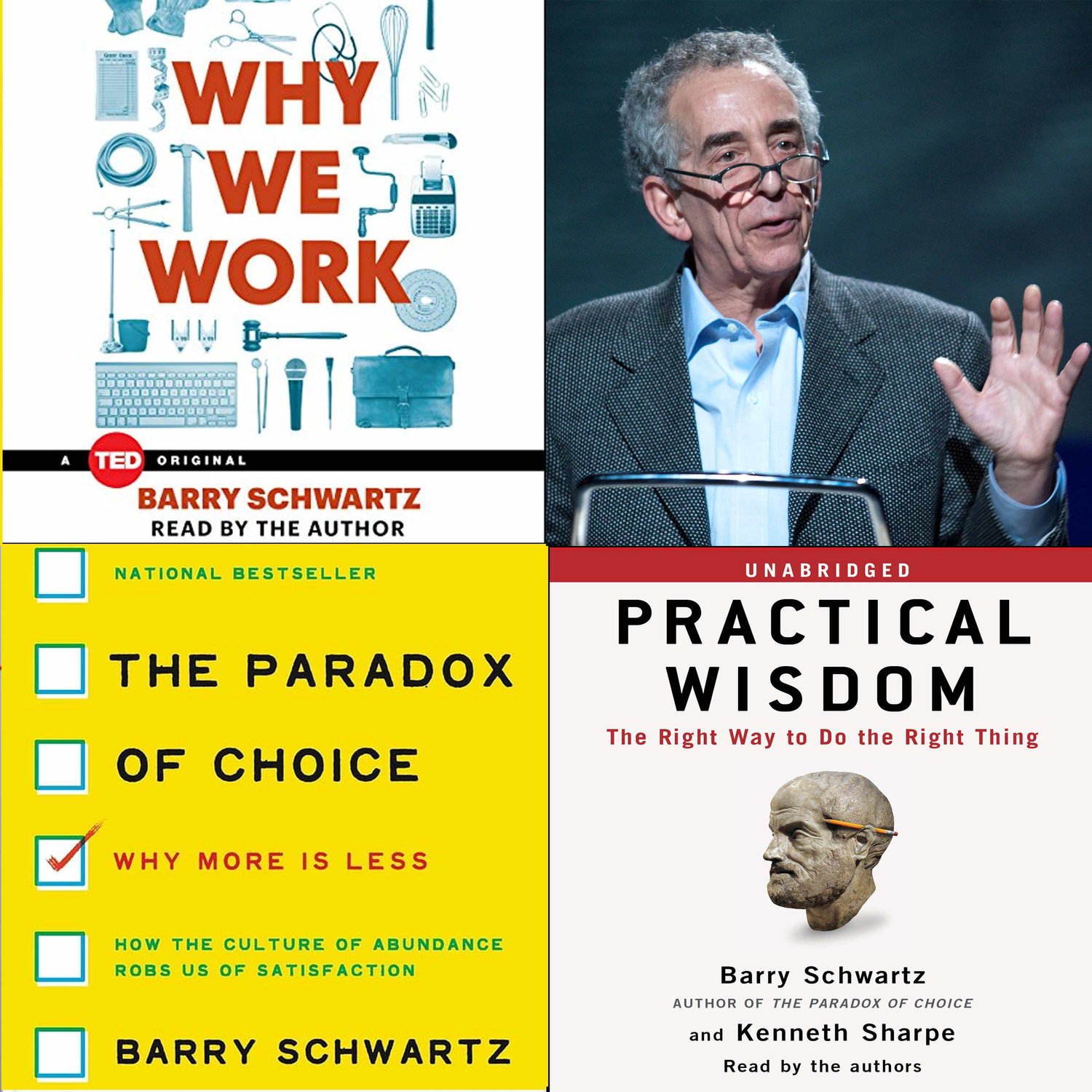
Does having too many choices make us unhappy? - Highlights - DR. BARRY SCHWARTZ
"The original edition of The Paradox of Choice came out in 2004, and the internet was just getting started in a major league way, and already the choice overload was a problem. I would say that from the modern perspective, 2004 seems like the 18th century, and as near as I can tell, all of these changes, every single one of them has made the problem substantially worse. The idea that you can get information to help guide you through - well, yeah, but what information do you believe? What's trustworthy? What's being motivated by an opportunity to sell you something? So there is a haze, there is this fog that we're operating in. And I think we just sort of give up in resignation and look at recommendations and hope that they're legitimate because how else do you get through the day?"Does having too many choices make us unhappy? How can we learn practical wisdom?Dr. Barry Schwartz is the Dorwin P. Cartwright Professor Emeritus of Social Theory and Social Action in the psychology department at Swarthmore College. He is the author of many books, including Why We Work, The Paradox of Choice: Why More Is Less, and co-author of Practical Wisdom: The Right Way to Do the Right Thing.www.swarthmore.edu/profile/barry-schwartzwww.simonandschuster.com/books/Why-We-Work/Barry-Schwartz/TED-Books/9781476784861 https://www.harpercollins.com/products/the-paradox-of-choice-barry-schwartz?variant=32207920234530https://www.penguinrandomhouse.com/books/307231/practical-wisdom-by-barry-schwartz-and-kenneth-sharpewww.creativeprocess.infowww.oneplanetpodcast.org IG www.instagram.com/creativeprocesspodcastPhoto credit: Bill Holsinger-Robinson - CC BY 2.0
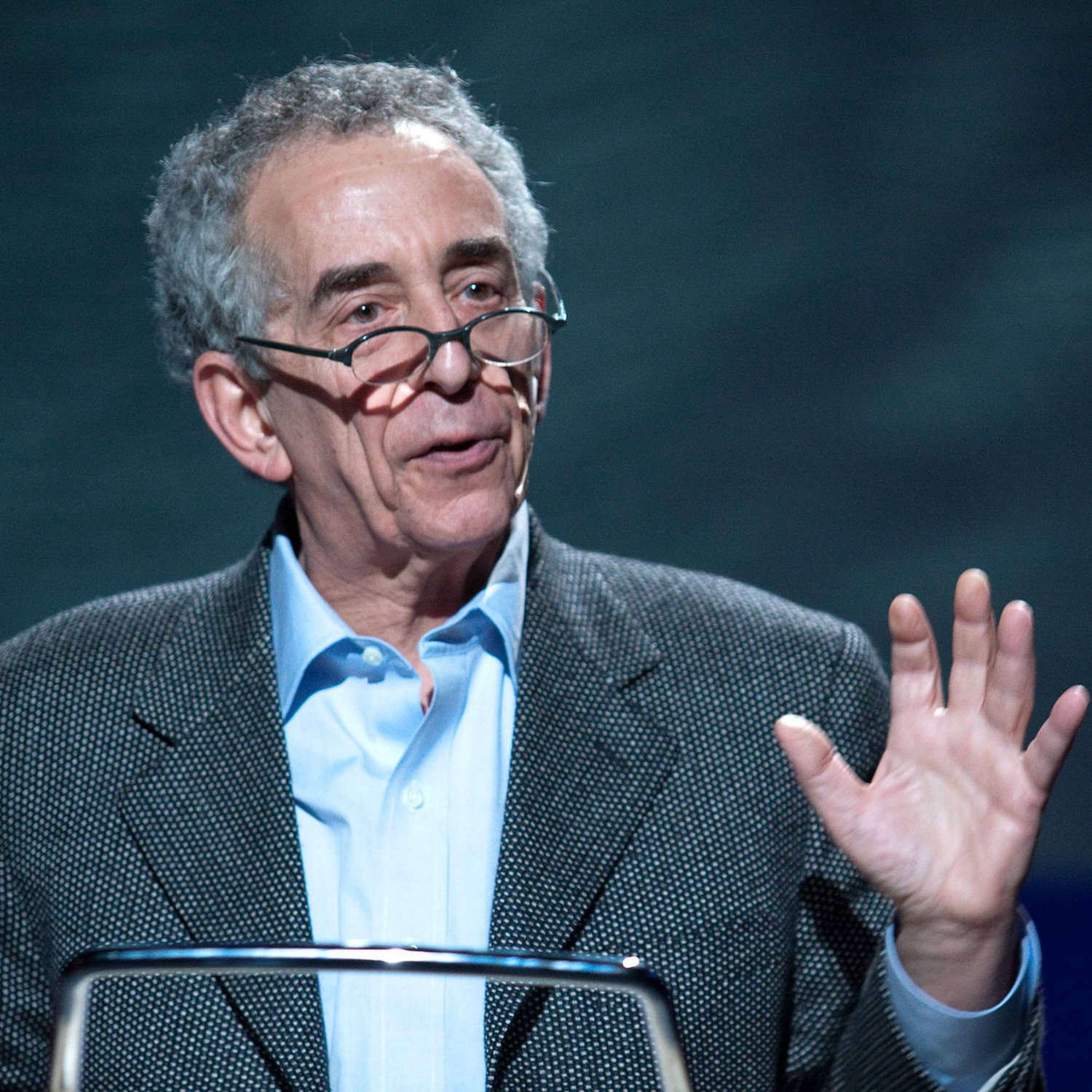
DR. BARRY SCHWARTZ - Author of The Paradox of Choice & Why We Work
Does having too many choices make us unhappy? How can we learn practical wisdom?Dr. Barry Schwartz is the Dorwin P. Cartwright Professor Emeritus of Social Theory and Social Action in the psychology department at Swarthmore College. He is the author of many books, including Why We Work, The Paradox of Choice: Why More Is Less, and co-author of Practical Wisdom: The Right Way to Do the Right Thing."The original edition of The Paradox of Choice came out in 2004, and the internet was just getting started in a major league way, and already the choice overload was a problem. I would say that from the modern perspective, 2004 seems like the 18th century, and as near as I can tell, all of these changes, every single one of them has made the problem substantially worse. The idea that you can get information to help guide you through - well, yeah, but what information do you believe? What's trustworthy? What's being motivated by an opportunity to sell you something? So there is a haze, there is this fog that we're operating in. And I think we just sort of give up in resignation and look at recommendations and hope that they're legitimate because how else do you get through the day?"www.swarthmore.edu/profile/barry-schwartzwww.simonandschuster.com/books/Why-We-Work/Barry-Schwartz/TED-Books/9781476784861 https://www.harpercollins.com/products/the-paradox-of-choice-barry-schwartz?variant=32207920234530https://www.penguinrandomhouse.com/books/307231/practical-wisdom-by-barry-schwartz-and-kenneth-sharpewww.creativeprocess.infowww.oneplanetpodcast.org IG www.instagram.com/creativeprocesspodcastPhoto credit: Bill Holsinger-Robinson - CC BY 2.0
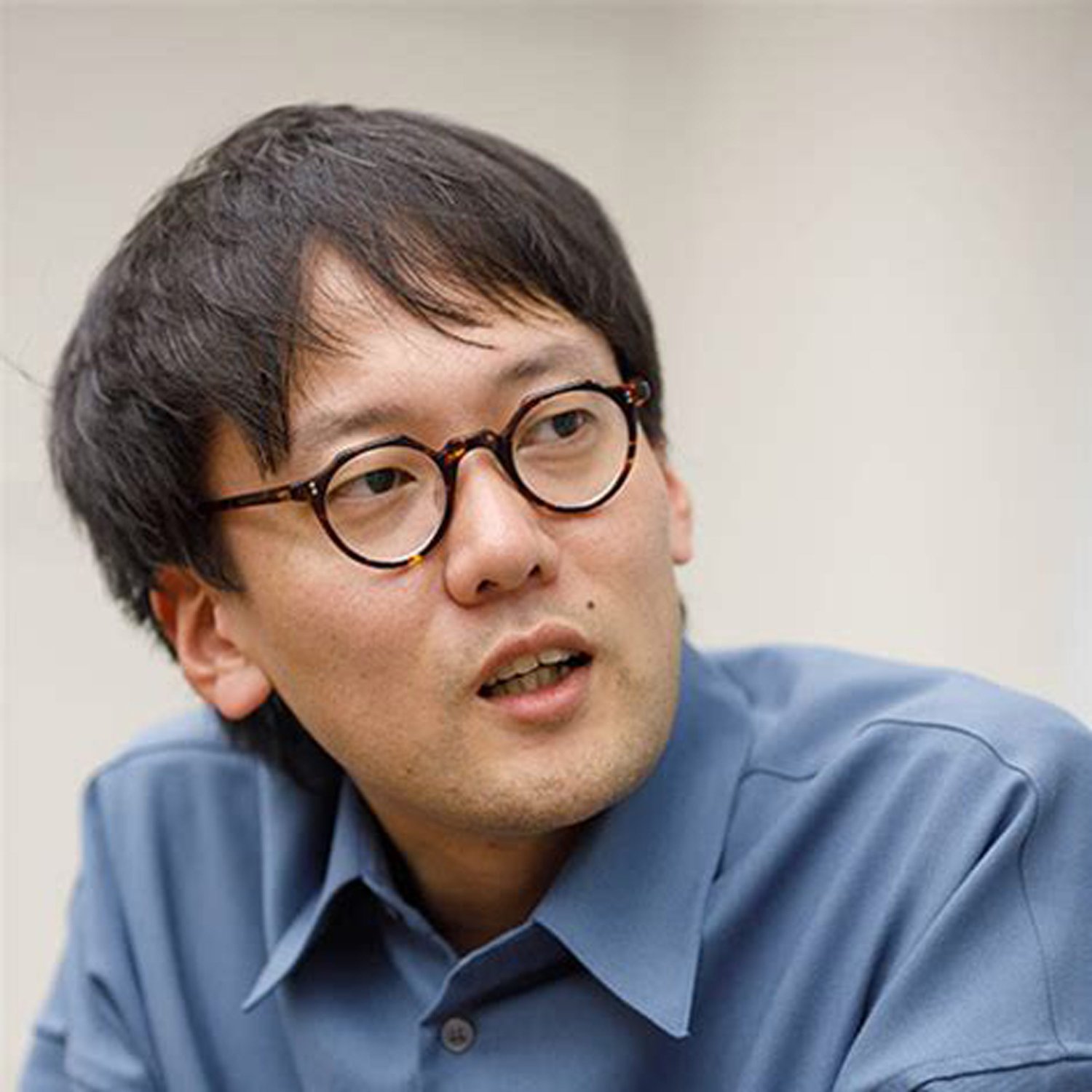
KOHEI SAITO on Degrowth Communism & the Need for Radical Democracy
Can we stop talking about growth and mediate an environmental crisis through the structures of capitalism?In this episode of the Speaking Out of Place podcast, Professor David Palumbo-Liu speaks with Japanese scholar Kohei Saito, whose book, Marx in the Anthropocene sold over half a million copies. In it, Saito shows how late in life Marx came to a richer sense of production when he released that there was a law above the economic as he had conceived it—it was the law of Nature. Marx saw how disturbing Nature’s metabolism could bring about a “rift” that sent destructive ripples across human life. Today we make the connection between that scholarly book and Kohei’s new book, Slow Down!!, which has just come out in English translation. Here he offers a sharp critique of liberal and socialist attempts to “sustain”—like the Green New Deal, and argues for a radical form of degrowth communism that de-celerates our compulsion to add more stuff into the world, in whatever form, and derails our compulsion to sustain, rather than revolutionize. Saito argues that we can lead much happier, and more healthy lives, if we emphasize use value, and revitalize democracy so we all have a hand in deciding what is valuable.“The Green New Deal presents itself as a kind of radical policy. If you look at the content, it's just simply the continuation of what capitalism wants to do. It's a massive investment in new, allegedly green industries, with the creation of more jobs with higher wages, but these are not the things that socialists or any environmentalists should be actually seeking because we recognize that capitalism is basically the root cause of the climate crisis and the misery of the workers. If so, I think it is high time to imagine something radically very different from business-as-usual capitalism.”Kohei Saito as an Associate Professor at the University of Tokyo. He completed his doctorate at the Humboldt University in Berlin. In 2018 he won the prestigious Deutscher Memorial Prize for Marxist research—becoming the first Japanese, and the youngest person, ever to win that prize. His books include: Slow Down! How Degrowth Communism Can Save the World (2023); Marx in the Anthropocene: Towards the Idea of Degrowth Communism (2022), Karl Marx’s Ecosocialism: Capital, Nature, and the Unfinished Critique of Political Economy (2017).https://researchmap.jp/7000022985?lang=enhttps://www.hachette.com.au/kohei-saito/slow-down-how-degrowth-communism-can-save-the-earthwww.palumbo-liu.com https://speakingoutofplace.comhttps://twitter.com/palumboliu?s=20
SPEAKING OUT OF PLACE: BEN FRANTA on Weaponizing Economics - Big Oil, Economic Consultants & Climate Policy Delay
In this episode of the Speaking Out of Place podcast, Professor David Palumbo-Liu speaks with noted researcher and scholar Ben Franta about two new articles he has written that add to his growing archive of seminal work on climate change. Ben tells us now the fossil fuel industry paid economists to join scientists in denying the true nature of the fossil fuel industry’s destruction of the environment. Economists argued that even if some science were correct, implementing change would be too costly. This became a powerful tool to stall and kill climate change legislation. Ben also talks about how communities have tried to sue fossil fuel companies for damages incurred by such misinformation and disinformation. In sum, we learn about what the industry has done, and how ordinary people and municipalities can fight back.Benjamin Franta is the founding head of the Climate Litigation Lab and a Senior Research Fellow at the University of Oxford Sustainable Law Programme. The Climate Litigation Lab is a multidisciplinary research initiative to inform, enable, and accelerate climate change litigation globally. Ben is also an Associate at the Institute for New Economic Thinking at the Oxford Martin School and an Associate Member of Nuffield College, Oxford, and a former research fellow at the Belfer Center for Science and International Affairs at the Harvard Kennedy School of Government. He is the recipient of numerous academic and research fellowships including the Stanford Interdisciplinary Graduate Fellowship and the National Science Foundation Graduate Research Fellowship. His research and writing have appeared in 10 languages, been featured in the Paramount+ documentary Black Gold, been cited in the U.S. Congressional Record, and been published in numerous scholarly and popular venues including Nature Climate Change, Global Environmental Change, The Guardian, Project Syndicate, and more. “For 40 years, the American Petroleum Institute has hired economists to argue it would be too expensive to try and control fossil fuels and that climate change wasn't that bad. The same go-to consultancy firm has been involved in every major climate policy fight from the very beginning and hired by the fossil fuel industry, but what are the courts going to do? It's not just the historical deception. It's an ongoing deception.”www.inet.ox.ac.uk/people/benjamin-franta www.smithschool.ox.ac.uk/oxford-sustainable-law-programme/research/climate-litigation-labwww.palumbo-liu.com https://speakingoutofplace.comhttps://twitter.com/palumboliu?s=20
How do we navigate ambiguity, uncertainty & move beyond linear thinking? - RUPERT SHELDRAKE - Highlights
"The idea that the laws of nature are fixed is taken for granted by almost all scientists and within physics, within cosmology, it leads to an enormous realm of speculation, which I think is totally unnecessary. We're assuming the laws of nature are fixed. Most of science assumes this, but is it really so in an evolving universe? Why shouldn't the laws evolve? And if we think about that, then we realize that actually, the whole idea of a law of nature is a metaphor. It's based on human laws. I mean, after all, dogs and cats don't obey laws. And in tribes, they don't even have laws. They have customs. So it's only in civilized societies that you have laws. And then if we think through that metaphor, then actually the laws do change.All artists are influenced by other artists and by things in the collective culture, and I think that morphic resonance as collective memory would say that all of us draw unconsciously as well as consciously on a collective memory and all animals draw on a collective memory of their kind as well. We don't know where it comes from, but there's true creativity involved in evolution, both human and natural."How do we navigate ambiguity and uncertainty? Moving beyond linear thinking into instinct and intuition, we might discover other sources within ourselves that lie beyond the boundaries of science and reason.Rupert Sheldrake is a biologist and author best known for his hypothesis of morphic resonance. His many books include The Science Delusion, The Presence of the Past, and Ways to Go Beyond and Why They Work. At Cambridge University, Dr. Sheldrake worked in developmental biology as a fellow of Clare College. From 2005 to 2010, he was director of the Perrott Warrick Project for research on unexplained human and animal abilities, funded by Trinity College Cambridge. He was among the top 100 global thought leaders for 2013, as ranked by the Duttweiler Institute.www.sheldrake.orgwww.amazon.com/Science-Delusion/dp/1529393221/?tag=sheldrake-20www.amazon.com/Science-Set-Free-Paths-Discovery/dp/0770436722/?tag=sheldrake-20
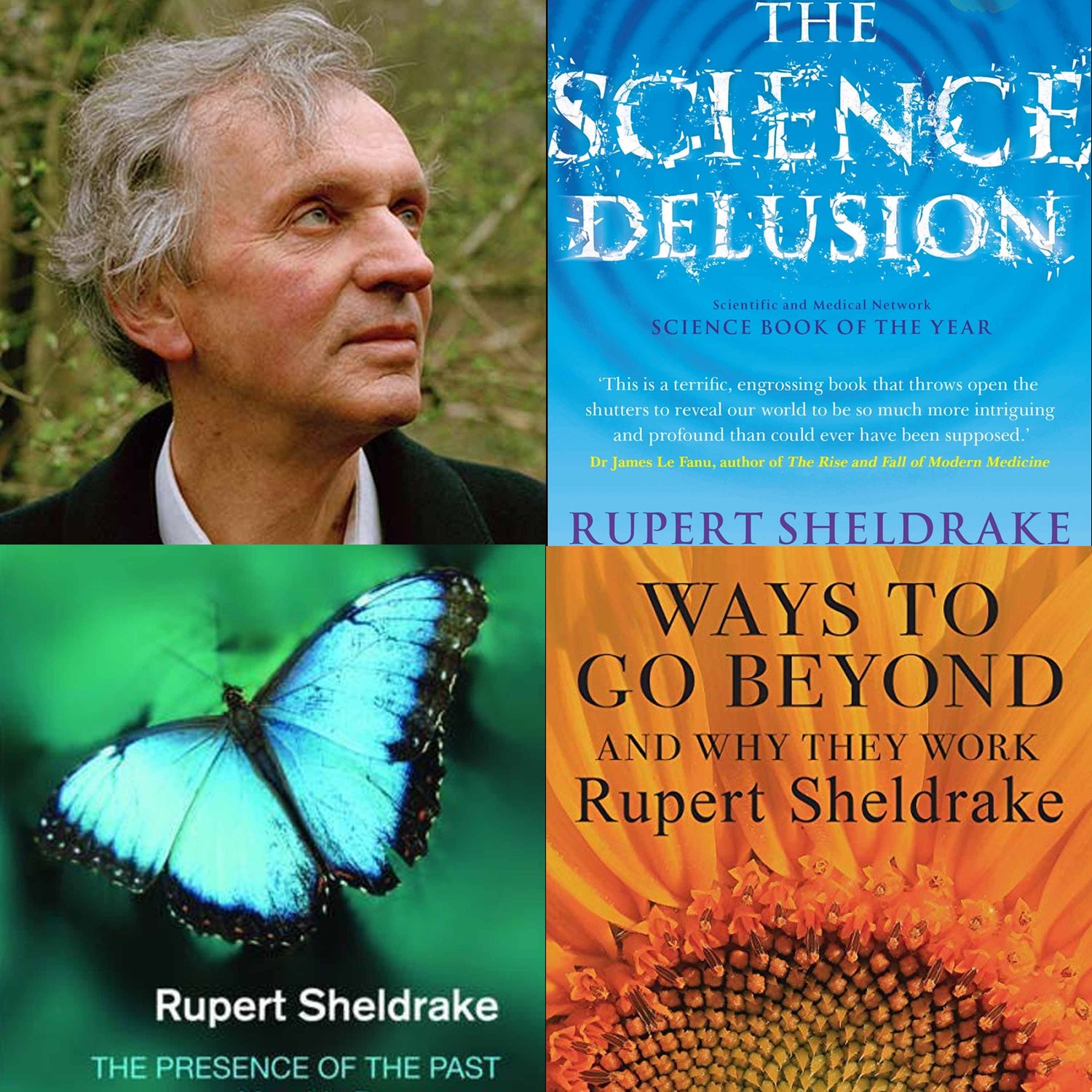
RUPERT SHELDRAKE - Biologist & Author of The Science Delusion, The Presence of the Past
How do we navigate ambiguity and uncertainty? Moving beyond linear thinking into instinct and intuition, we might discover other sources within ourselves that lie beyond the boundaries of science and reason.Rupert Sheldrake is a biologist and author best known for his hypothesis of morphic resonance. His many books include The Science Delusion, The Presence of the Past, and Ways to Go Beyond and Why They Work. At Cambridge University, Dr. Sheldrake worked in developmental biology as a fellow of Clare College. From 2005 to 2010, he was director of the Perrott Warrick Project for research on unexplained human and animal abilities, funded by Trinity College Cambridge. He was among the top 100 global thought leaders for 2013, as ranked by the Duttweiler Institute."The idea that the laws of nature are fixed is taken for granted by almost all scientists and within physics, within cosmology, it leads to an enormous realm of speculation, which I think is totally unnecessary. We're assuming the laws of nature are fixed. Most of science assumes this, but is it really so in an evolving universe? Why shouldn't the laws evolve? And if we think about that, then we realize that actually, the whole idea of a law of nature is a metaphor. It's based on human laws. I mean, after all, dogs and cats don't obey laws. And in tribes, they don't even have laws. They have customs. So it's only in civilized societies that you have laws. And then if we think through that metaphor, then actually the laws do change.All artists are influenced by other artists and by things in the collective culture, and I think that morphic resonance as collective memory would say that all of us draw unconsciously as well as consciously on a collective memory and all animals draw on a collective memory of their kind as well. We don't know where it comes from, but there's true creativity involved in evolution, both human and natural."www.sheldrake.orgwww.amazon.com/Science-Delusion/dp/1529393221/?tag=sheldrake-20www.amazon.com/Science-Set-Free-Paths-Discovery/dp/0770436722/?tag=sheldrake-20
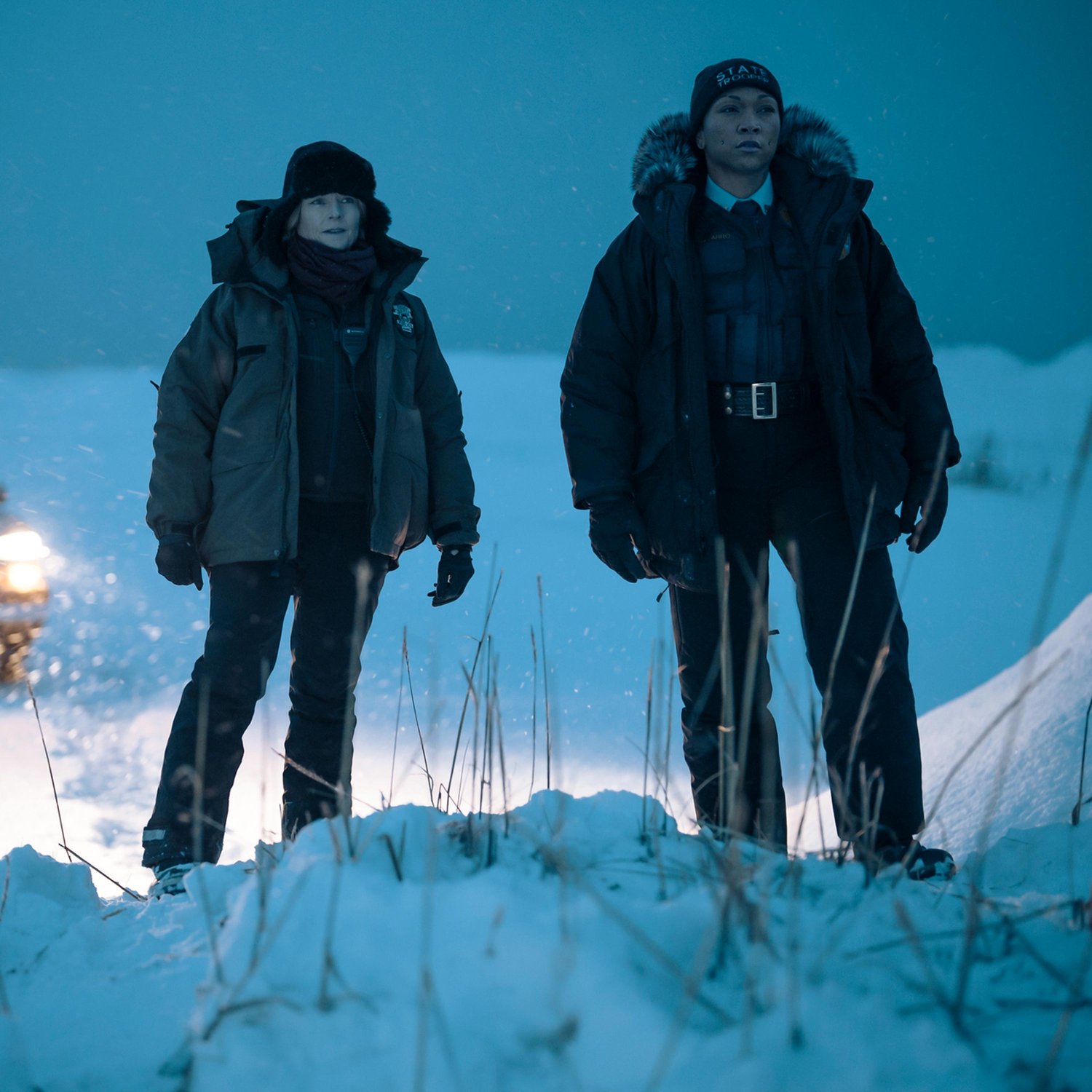
What’s it like to film a supernatural thriller in darkness at minus 17 degrees? - Highlights - FLORIAN HOFFMEISTER
“I drove for like a half an hour into absolute nothingness, and I left the car. It was three o'clock in the morning. It was minus 17 degrees and it was absolutely still. I've never experienced stillness such as that. I mean, it's like you feel like you can feel your atoms move or not move because it's so cold. And the sky is full of the Northern Lights. So you are already in a remote place, but you want to go further. And I think maybe those themes of going out into the wilderness are motivated by the urge to connect. And I think Issa López has really incorporated it beautifully into the script. And the show tells of this great disconnect between people. So not only are we disconnected from our environment, but we are disconnected from each other. When we were shooting I sometimes thought, there is this beauty about collaboration between a director, cinematographer, and production designer, and all these key people. And I'm more and more convinced there's some kind of conscious thing happening. And there's also something subconscious happening.”How does the place we’re born influence our beliefs? What would it be like to live in a world run by women, where it’s perpetually night, and the dead can speak to the living? In this episode, we discuss the new season of HBO’s True Detective: Night Country with award-winning cinematographer Florian Hoffmeister.Known for his work on Tár, Pachinko, Great Expectations, and most recently, the new season of True Detective, he's also known for his collaboration with director Terence Davies on the films The Deep Blue Sea and A Quiet Passion. His work on Great Expectations earned him an Primetime Emmy and a BAFTA in cinematography, and in 2022, he was nominated for the Academy Award for Best Cinematography for his work on Tár.http://florianhoffmeister.de/ www.hbo.com/true-detective www.imdb.com/title/tt2356777/?ref_=fn_al_tt_1www.creativeprocess.info www.oneplanetpodcast.org IG www.instagram.com/creativeprocesspodcastPhoto: Jodie Foster, Kali Reis · Photograph by Michele K. Short/HBO

FLORIAN HOFFMEISTER - Cinematographer - True Detective: Night Country starring Jodie Foster & Kali Reis
How does the place we’re born influence our beliefs? What would it be like to live in a world run by women, where it’s perpetually night, and the dead can speak to the living? In this episode, we discuss the new season of HBO’s True Detective: Night Country with award-winning cinematographer Florian Hoffmeister.Known for his work on Tár, Pachinko, Great Expectations, and most recently, the new season of True Detective, he's also known for his collaboration with director Terence Davies on the films The Deep Blue Sea and A Quiet Passion. His work on Great Expectations earned him an Primetime Emmy and a BAFTA in cinematography, and in 2022, he was nominated for the Academy Award for Best Cinematography for his work on Tár.“I drove for like a half an hour into absolute nothingness, and I left the car. It was three o'clock in the morning. It was minus 17 degrees and it was absolutely still. I've never experienced stillness such as that. I mean, it's like you feel like you can feel your atoms move or not move because it's so cold. And the sky is full of the Northern Lights. So you are already in a remote place, but you want to go further. And I think maybe those themes of going out into the wilderness are motivated by the urge to connect. And I think Issa López has really incorporated it beautifully into the script. And the show tells of this great disconnect between people. So not only are we disconnected from our environment, but we are disconnected from each other. When we were shooting I sometimes thought, there is this beauty about collaboration between a director, cinematographer, and production designer, and all these key people. And I'm more and more convinced there's some kind of conscious thing happening. And there's also something subconscious happening.”http://florianhoffmeister.de/ www.hbo.com/true-detective www.imdb.com/title/tt2356777/?ref_=fn_al_tt_1www.creativeprocess.info www.oneplanetpodcast.org IG www.instagram.com/creativeprocesspodcastPhoto credits: Michele K. Short / HBO
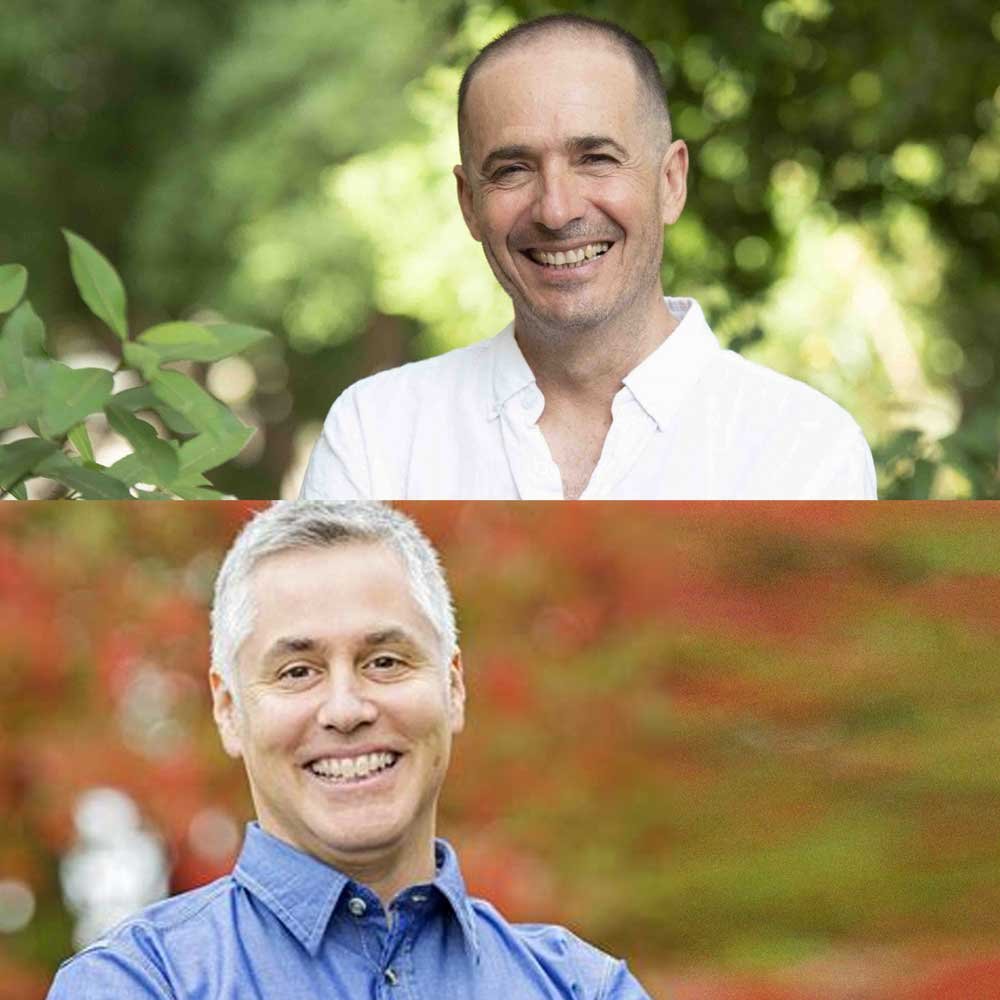
SPEAKING OUT OF PLACE: Exploring Plant Intelligence with John Burrows & Paco Calvo
In this episode of the Speaking Out of Place podcast, Professor David Palumbo-Liu and Azeezah Kanji talk with eminent Anishinaabe legal theorist John Borrows and philosopher Paco Calvo about how we might learn about, learn with, and learn from our plant companions on this earth. Plants show signs of communication and of learning. They produce and respond to many of the same neurochemicals as humans, including anesthetics. They share resources with one another, and when under threat, emit signals of warning and of pain. While Barrows and Calvo both urge us to listen to the Earth, during this conversation we discover that these two thinkers are often listening for different things. The discussion reveals fascinating points of difference and commonality. And in terms of the latter, the point both John and Paco insist upon is that we maintain our separation from other beings at our peril and at a loss.Dr. John Borrows, BA, MA, JD, LLM, PhD, LLD, FRSC, is Canada's pre-eminent legal scholar and a global leader in the field of Indigenous legal traditions and Aboriginal rights. John holds the Canada Research Chair in Indigenous Law at the University of Victoria as well as the Law Foundation Chair in Aboriginal Justice and Governance.Paco Calvo is a renowned cognitive scientist and philosopher of biology, known for his groundbreaking research in the field of plant cognition and intelligence. He is a professor at the University of Murcia in Spain, where he leads the Minimal Intelligence Lab (MINT Lab), focusing on the study of minimal cognition in plants. Calvo’s interdisciplinary work combines insights from biology, philosophy, and cognitive science to explore the fascinating world of plant behavior, decision-making, and problem-solving.https://www.uvic.ca/law/facultystaff/facultydirectory/borrows.phphttps://www.um.es/mintlab/index.php/about/people/paco-calvo/(01:37) Exploring Plant Intelligence(07:26) The Role of Indigenous Knowledge in Understanding Intelligence(50:00) The Ethical Obligations to the More Than Human World(01:17:39) The Co-Evolutionary Perspective of Lifewww.palumbo-liu.com https://speakingoutofplace.comhttps://twitter.com/palumboliu?s=20
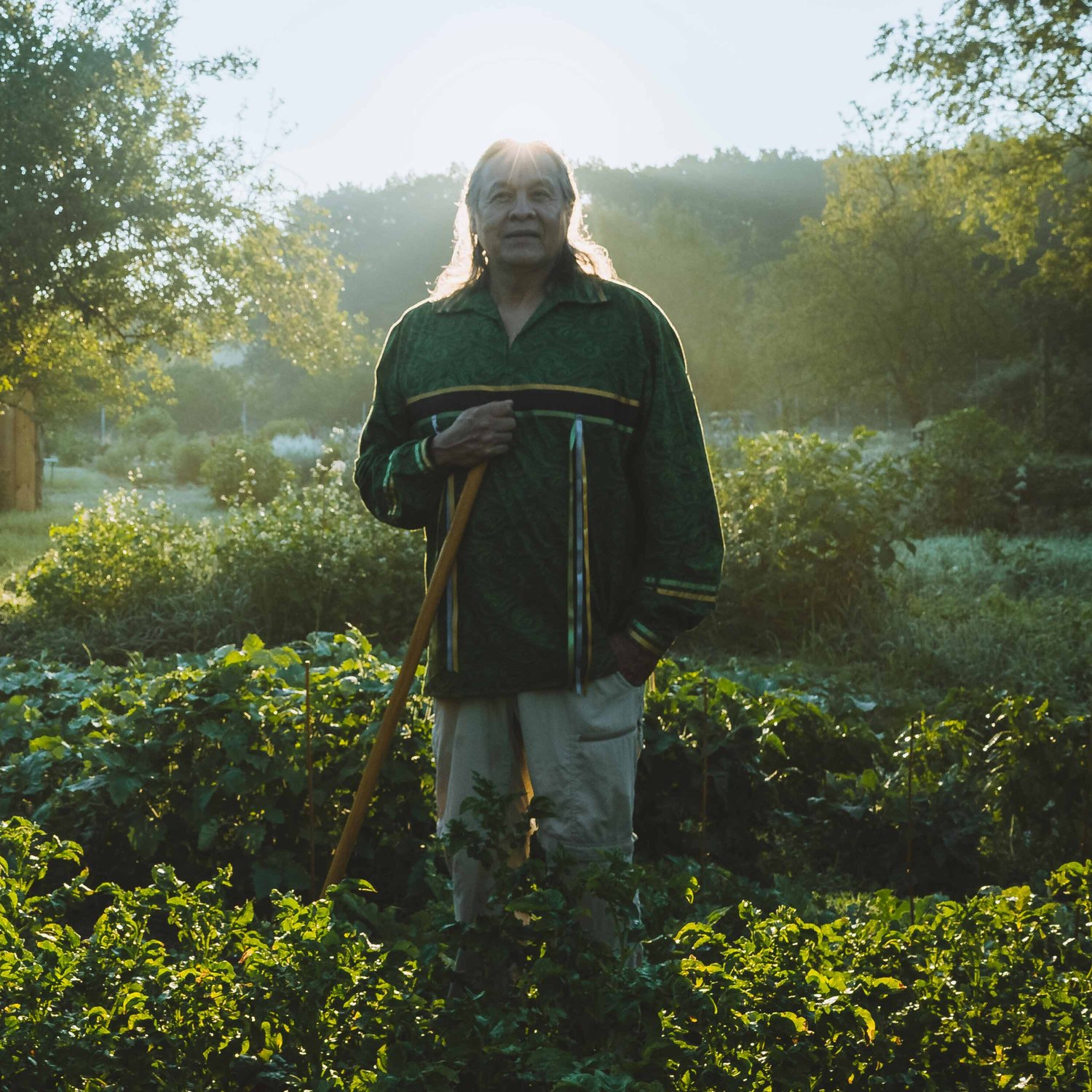
How can we learn to speak the language of the Earth? - Highlights - TIOKASIN GHOSTHORSE
“If we say Mitakuye Oyasin, we don't really mean all my relations. It's like, no, we're talking about what you can formulate into E = mc2 and beyond. It's beyond what you see. And that energy you don't see with these eyes, which only see a certain range of color and light refraction is what we are also understanding. Our body is, people would say the brain is...there is no disconnection. And so are we fully understanding or do we have a full spectrum perspective of what tools of the Earth really mean? Like a bird we think has no intelligence. It just flies here and flies there, right? But we also understand that that bird is also using the tools as the tools of the Earth correctly or properly when...what does that mean?Now, if you go deeper into Indigenous peoples, you can see the modernity and then so-called primitive people. You don't need to be in contact, in relationship, and in communication, have a language with all other life-technology taking us away from Earth because we feel like we're elite to anything having to do with Earth. That's why we want to go to a dead planet called Mars. So they're about controlling, getting you and all of us away from being magic...is how to use tools of the Earth properly. Not, you know, we should not abuse water, the air, the land, the food, anything. So when it comes to animacy, I think it's a Western term also, and so we get away from the Western terms. We start seeing that, oh, we are becoming Earth as we're born into this physical dimension. We are becoming Earth. And then as we are living during this time, we're alive. We are becoming Earth. And when we are finished with this body, we are becoming Earth.”Tiokasin Ghosthorse is a member of the Cheyenne River Lakota Nation of South Dakota and has a long history with Indigenous activism and advocacy. Tiokasin is the Founder, Host and Executive Producer of “First Voices Radio” (formerly “First Voices Indigenous Radio”) for the last 31 years in New York City and Seattle/Olympia, Washington. In 2016, he received a Nomination for the Nobel Peace Prize from the International Institute of Peace Studies and Global Philosophy. Other recent recognitions include: Native Arts and Cultures Foundation National Fellowship in Music (2016), National Endowment for the Arts National Heritage Fellowship Nominee (2017), Indigenous Music Award Nominee for Best Instrumental Album (2019) and National Native American Hall of Fame Nominee (2018, 2019). He also was recently nominated for “Nominee for the 2020 Americans for the Arts Johnson Fellowship for Artists Transforming Communities”. He is the Founder of Akantu Intelligence.https://firstvoicesindigenousradio.org/ https://akantuintelligence.orgwww.creativeprocess.info www.oneplanetpodcast.org IG www.instagram.com/creativeprocesspodcastSongs featured on this episode are “Butterfly Against the Wind” And from the album Somewhere In There “Spatial Moon” and “Sunrise Moon” Composed by Tiokasin Ghosthorse and Alex Alexander Music on this episode is courtesy of Tiokasin Ghosthorse.
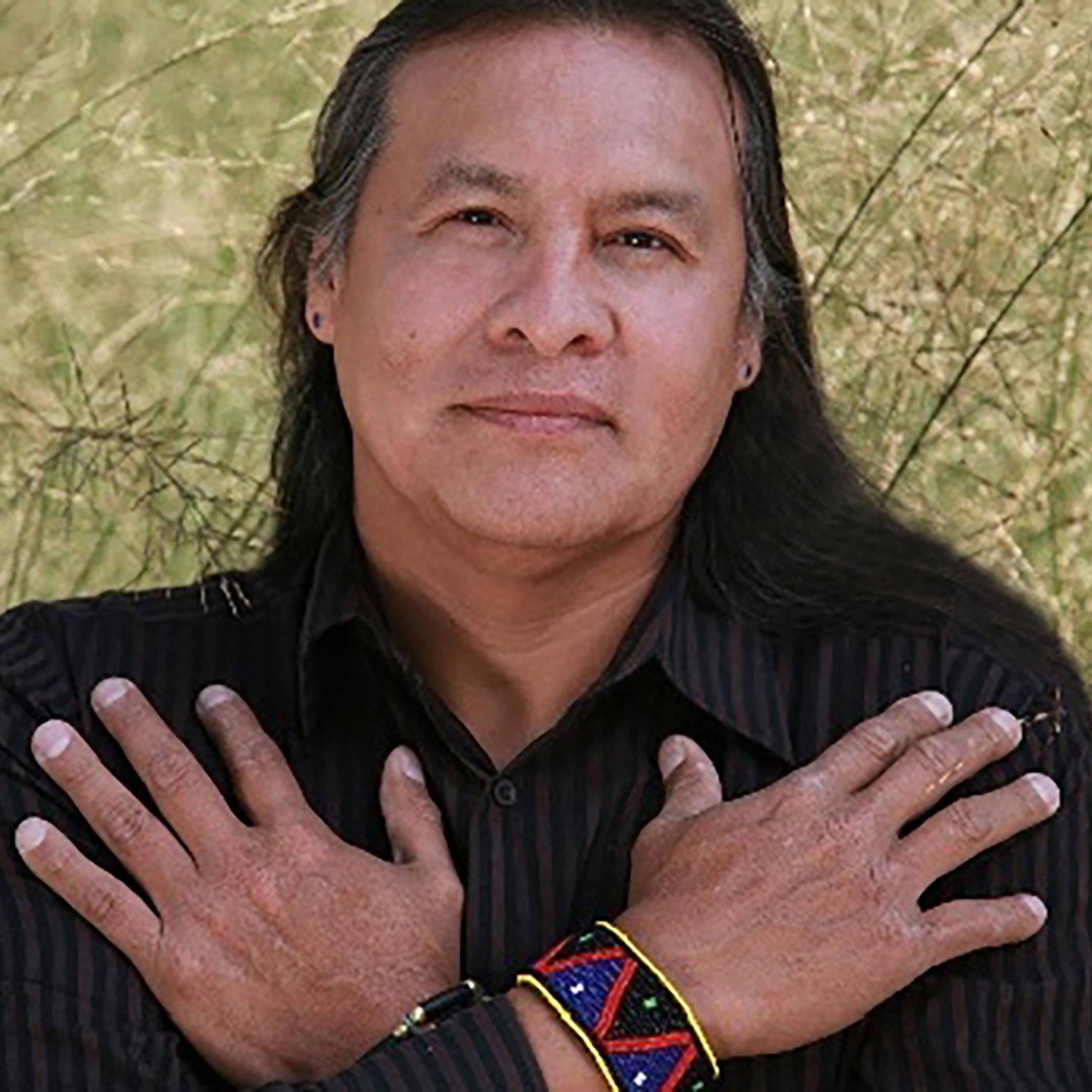
TIOKASIN GHOSTHORSE - Founder/Host of First Voices Radio - Founder of Akantu Intelligence
How can we learn to speak the language of the Earth and cultivate our intuitive intelligence?Tiokasin Ghosthorse is a member of the Cheyenne River Lakota Nation of South Dakota and has a long history with Indigenous activism and advocacy. Tiokasin is the Founder, Host and Executive Producer of “First Voices Radio” (formerly “First Voices Indigenous Radio”) for the last 31 years in New York City and Seattle/Olympia, Washington. In 2016, he received a Nomination for the Nobel Peace Prize from the International Institute of Peace Studies and Global Philosophy. Other recent recognitions include: Native Arts and Cultures Foundation National Fellowship in Music (2016), National Endowment for the Arts National Heritage Fellowship Nominee (2017), Indigenous Music Award Nominee for Best Instrumental Album (2019) and National Native American Hall of Fame Nominee (2018, 2019). He also was recently nominated for “Nominee for the 2020 Americans for the Arts Johnson Fellowship for Artists Transforming Communities”. He is the Founder of Akantu Intelligence.“If we say Mitakuye Oyasin, we don't really mean all my relations. It's like, no, we're talking about what you can formulate into E = mc2 and beyond. It's beyond what you see. And that energy you don't see with these eyes, which only see a certain range of color and light refraction is what we are also understanding. Our body is, people would say the brain is...there is no disconnection. And so are we fully understanding or do we have a full spectrum perspective of what tools of the Earth really mean? Like a bird we think has no intelligence. It just flies here and flies there, right? But we also understand that that bird is also using the tools as the tools of the Earth correctly or properly when...what does that mean?Now, if you go deeper into Indigenous peoples, you can see the modernity and then so-called primitive people. You don't need to be in contact, in relationship, and in communication, have a language with all other life-technology taking us away from Earth because we feel like we're elite to anything having to do with Earth. That's why we want to go to a dead planet called Mars. So they're about controlling, getting you and all of us away from being magic...is how to use tools of the Earth properly. Not, you know, we should not abuse water, the air, the land, the food, anything. So when it comes to animacy, I think it's a Western term also, and so we get away from the Western terms. We start seeing that, oh, we are becoming Earth as we're born into this physical dimension. We are becoming Earth. And then as we are living during this time, we're alive. We are becoming Earth. And when we are finished with this body, we are becoming Earth.”https://firstvoicesindigenousradio.org/ https://akantuintelligence.orgwww.creativeprocess.info www.oneplanetpodcast.org IG www.instagram.com/creativeprocesspodcastSongs featured on this episode are “Butterfly Against the Wind” And from the album Somewhere In There “Spatial Moon” and “Sunrise Moon” Composed by Tiokasin Ghosthorse and Alex Alexander Music on this episode is courtesy of Tiokasin Ghosthorse.
Are we living in a Simulated Universe? - Highlights - MELVIN VOPSON
"These ideas go as far back as Ancient Greece, which basically gave birth to two lines of thinking, two ideologies, materialism and idealism. And the idealist thinkers like Plato regarded reality as a projection of our minds, as something that is not real. And the only thing that is real is our consciousness and our minds and everything else around us is just constructs of our proception and projections. And that was a philosophy that was opposed to materialism, which regards the world as in a materialistic way, made up of atoms and matter and our minds are a product of these chemical reactions and the matter is coming together and forming our minds and consciousness. And everything in the world exists regardless of our consciousness or our minds and the universe is there and it's a materialistic view of the world. So these are two competing ideologies, and this is actually how we see the world today in a materialistic way.What the simulated universe philosophical idea belongs to is this idealistic view of the world. And the idealism philosophy morphs into something else in this simulation hypothesis where not only everything is a simulated construct, but our minds and our consciousness are part of it.So for example, Plato saw our minds and, if you want, our spirit as a fundamental central piece and the only real thing, and everything emerged from this. The simulated hypothesis assumes that everything, including our minds and consciousness, is part of a simulation. So it's a bit of a modern iteration of idealism which has been triggered by these recent developments in advancing technologies and computing science that began in the 1940s with the development of silicon technologies, early microchips, and digital computers creating digital memories.This highly accelerated rate of development, in terms of our technological progress, in less than a hundred years going from analog technologies means we are entering a new era of quantum computers, like generative AI, and artificial intelligence, and all these VRs are a reality today. So this development has helped in some ways to lead to the emergence of this simulated universe concept because we are now reaching a new technological level where we see that we are beginning to simulate virtual realities and they are becoming more and more immersive and sophisticated."Dr. Melvin M. Vopson is Associate Professor of Physics at the University of Portsmouth, Fellow of the Higher Education Academy, Chartered Physicist and Fellow of the Institute of Physics. He is the co-founder and CEO of the Information Physics Institute, editor-in-chief of the IPI Letters and Emerging Minds Journal for Student Research. He is the author of Reality Reloaded: The Scientific Case for a Simulated Universe. Dr. Vopson has a wide-ranging scientific expertise in experimental, applied and theoretical physics that is internationally recognized. He has published over 100 research articles, achieving over 2500 citations.https://www.port.ac.uk/about-us/structure-and-governance/our-people/our-staff/melvin-vopsonhttps://ipipublishing.org/index.php/ipil/RRwww.creativeprocess.info www.oneplanetpodcast.orgIG www.instagram.com/creativeprocesspodcast
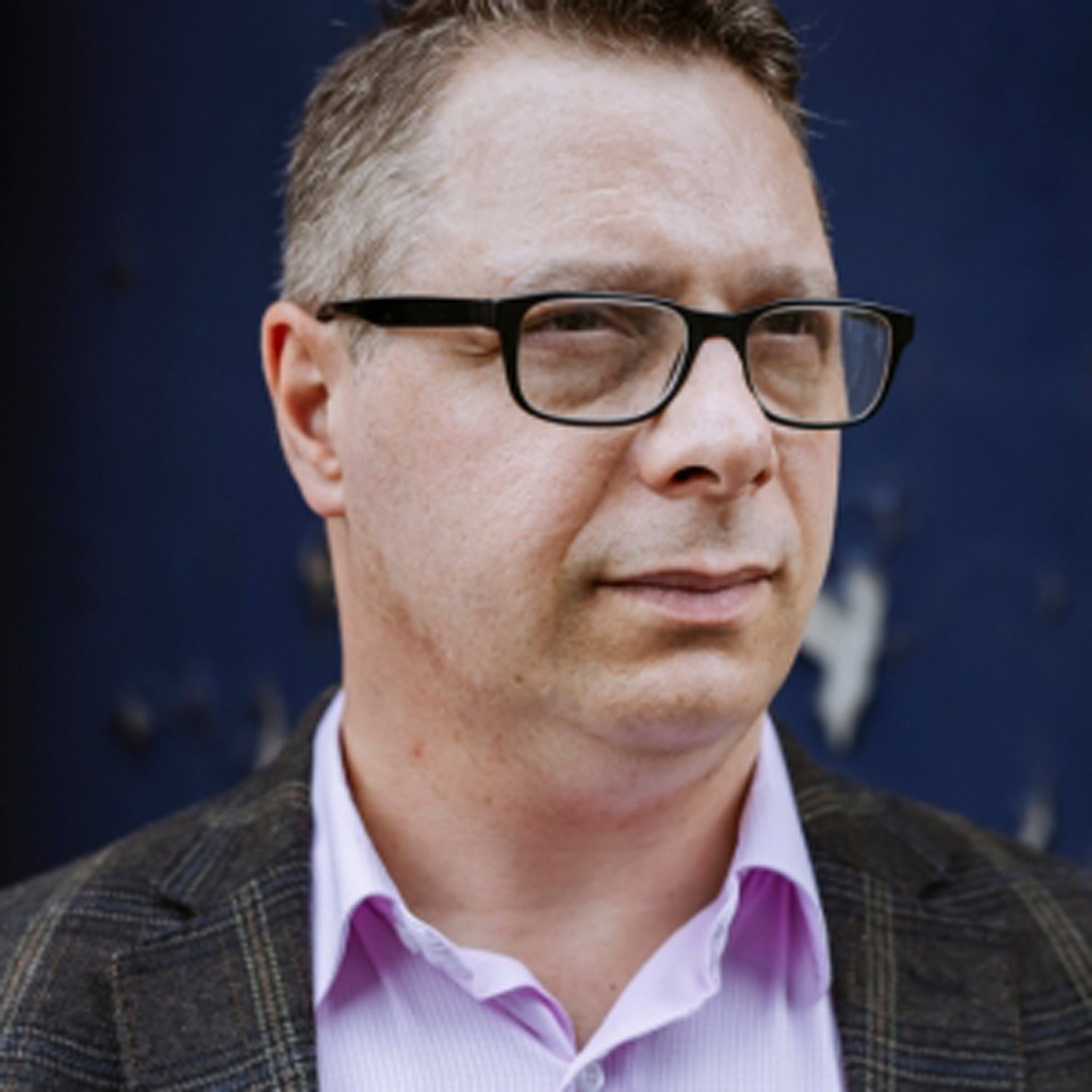
MELVIN VOPSON - Physicist - Author of Reality Reloaded: The Scientific Case for a Simulated Universe
Are we living in a Simulated Universe? How will AI impact the future of work, society & education?Dr. Melvin M. Vopson is Associate Professor of Physics at the University of Portsmouth, Fellow of the Higher Education Academy, Chartered Physicist and Fellow of the Institute of Physics. He is the co-founder and CEO of the Information Physics Institute, editor-in-chief of the IPI Letters and Emerging Minds Journal for Student Research. He is the author of Reality Reloaded: The Scientific Case for a Simulated Universe. Dr. Vopson has a wide-ranging scientific expertise in experimental, applied and theoretical physics that is internationally recognized. He has published over 100 research articles, achieving over 2500 citations."These ideas go as far back as Ancient Greece, which basically gave birth to two lines of thinking, two ideologies, materialism and idealism. And the idealist thinkers like Plato regarded reality as a projection of our minds, as something that is not real. And the only thing that is real is our consciousness and our minds and everything else around us is just constructs of our proception and projections. And that was a philosophy that was opposed to materialism, which regards the world as in a materialistic way, made up of atoms and matter and our minds are a product of these chemical reactions and the matter is coming together and forming our minds and consciousness. And everything in the world exists regardless of our consciousness or our minds and the universe is there and it's a materialistic view of the world. So these are two competing ideologies, and this is actually how we see the world today in a materialistic way.What the simulated universe philosophical idea belongs to is this idealistic view of the world. And the idealism philosophy morphs into something else in this simulation hypothesis where not only everything is a simulated construct, but our minds and our consciousness are part of it.So for example, Plato saw our minds and, if you want, our spirit as a fundamental central piece and the only real thing, and everything emerged from this. The simulated hypothesis assumes that everything, including our minds and consciousness, is part of a simulation. So it's a bit of a modern iteration of idealism which has been triggered by these recent developments in advancing technologies and computing science that began in the 1940s with the development of silicon technologies, early microchips, and digital computers creating digital memories.This highly accelerated rate of development, in terms of our technological progress, in less than a hundred years going from analog technologies means we are entering a new era of quantum computers, like generative AI, and artificial intelligence, and all these VRs are a reality today. So this development has helped in some ways to lead to the emergence of this simulated universe concept because we are now reaching a new technological level where we see that we are beginning to simulate virtual realities and they are becoming more and more immersive and sophisticated."https://www.port.ac.uk/about-us/structure-and-governance/our-people/our-staff/melvin-vopsonhttps://ipipublishing.org/index.php/ipil/RRwww.creativeprocess.info www.oneplanetpodcast.orgIG www.instagram.com/creativeprocesspodcast
What makes a good life? - Highlights - ROBERT WALDINGER, Psychiatrist, Author, Zen Priest
"It's a study of adult lifespan development and when it was started in 1938, it was actually radical to study normal development for two reasons. One is that most of what had been studied was about what goes wrong in development, which we still do because we want to try to help people who are having developmental problems. So that makes a lot of sense, but to study what goes right in development, that was unheard of. The other thing is that for a long time, we certainly thought about children as developing because you can watch children change every day. That change happens so fast, but many people thought that once you got to be in your 20s, you were kind of done with development. You found a partner, you found a line of work, you were set with regard to your personality, and that was it, then you just lived your life.And of course, now we understand that there's so much that changes and develops through the course of adult life, but my predecessors (I'm the fourth director) were really, insightful in their understanding of how much there was to learn about all the changes that happen across the adult lifespan."What makes a good life? How important are relationships in helping us lead happy and meaningful lives?Dr. Robert Waldinger is a professor of psychiatry at Harvard Medical School, director of the Harvard Study of Adult Development at Massachusetts General Hospital, and cofounder of the Lifespan Research Foundation. Dr. Waldinger received his AB from Harvard College and his MD from Harvard Medical School. He is a practicing psychiatrist and psychoanalyst, and he directs a psychotherapy teaching program for Harvard psychiatry residents. He is also a Zen master (Roshi) and teaches meditation in New England and around the world. His TED Talk about the Harvard study “What makes a good life?” has been viewed more than 42 million times and is one of the 10 most watched TED Talks ever. He is co-author of The Good Life: Lessons from the World's Longest Scientific Study of Happiness.https://www.robertwaldinger.com/https://www.simonandschuster.com/books/The-Good-Life/Robert-Waldinger/9781982166694https://www.adultdevelopmentstudy.org/ https://www.lifespanresearch.orgwww.creativeprocess.info www.oneplanetpodcast.org IG www.instagram.com/creativeprocesspodcast
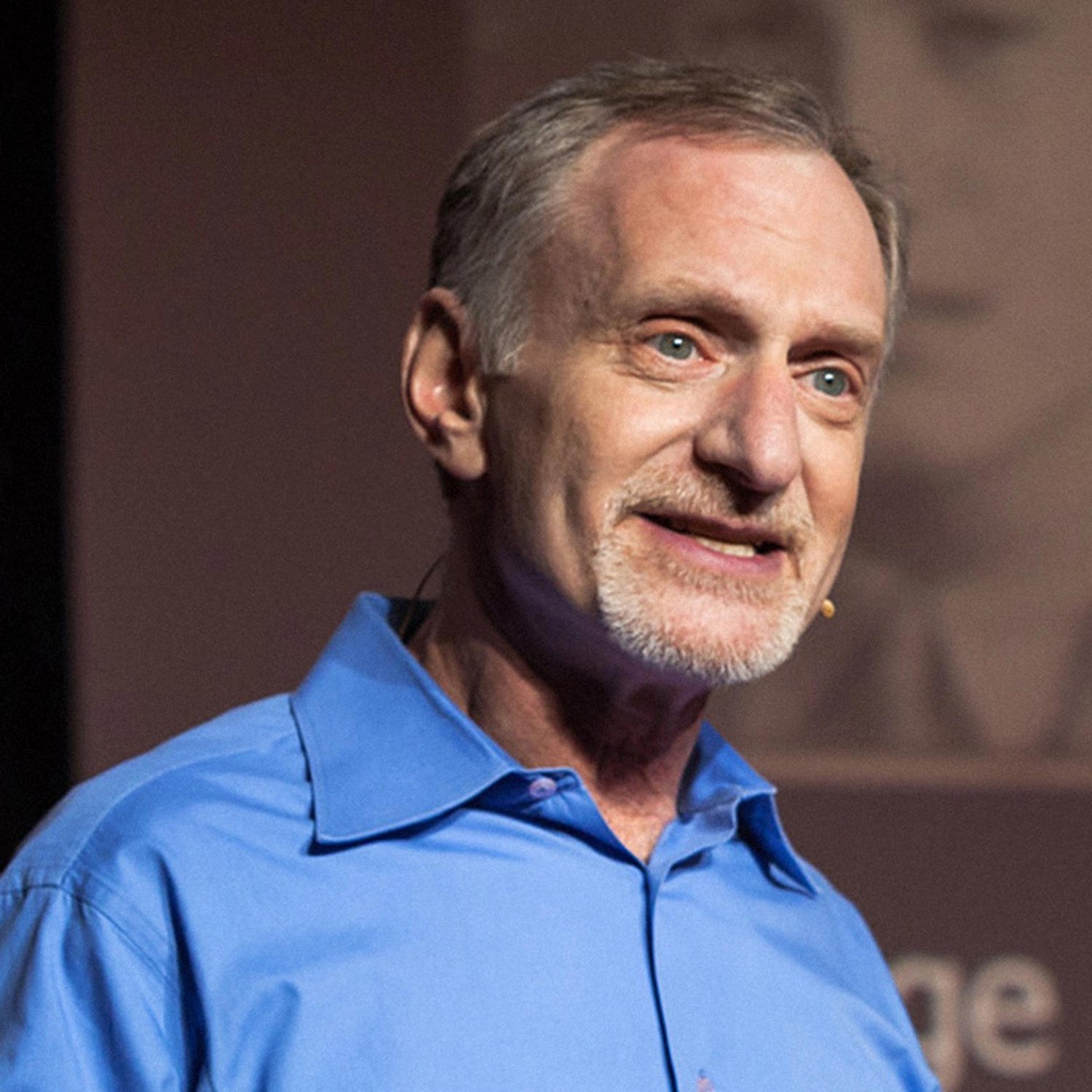
ROBERT WALDINGER - Co-Author of The Good Life: Lessons from the World's Longest Scientific Study of Happiness
What makes a good life? How important are relationships in helping us lead happy and meaningful lives?Dr. Robert Waldinger is a professor of psychiatry at Harvard Medical School, director of the Harvard Study of Adult Development at Massachusetts General Hospital, and cofounder of the Lifespan Research Foundation. Dr. Waldinger received his AB from Harvard College and his MD from Harvard Medical School. He is a practicing psychiatrist and psychoanalyst, and he directs a psychotherapy teaching program for Harvard psychiatry residents. He is also a Zen master (Roshi) and teaches meditation in New England and around the world. His TED Talk about the Harvard study “What makes a good life?” has been viewed more than 42 million times and is one of the 10 most watched TED Talks ever. He is co-author of The Good Life: Lessons from the World's Longest Scientific Study of Happiness."It's a study of adult lifespan development and when it was started in 1938, it was actually radical to study normal development for two reasons. One is that most of what had been studied was about what goes wrong in development, which we still do because we want to try to help people who are having developmental problems.So that makes a lot of sense, but to study what goes right in development, that was unheard of. The other thing is that for a long time, we certainly thought about children as developing because you can watch children change every day. That change happens so fast, but many people thought that once you got to be in your 20s, you were kind of done with development. You found a partner, you found a line of work, you were set with regard to your personality, and that was it, then you just lived your life.And of course, now we understand that there's so much that changes and develops through the course of adult life, but my predecessors (I'm the fourth director) were really, insightful in their understanding of how much there was to learn about all the changes that happen across the adult lifespan."https://www.robertwaldinger.com/https://www.simonandschuster.com/books/The-Good-Life/Robert-Waldinger/9781982166694https://www.adultdevelopmentstudy.org/ https://www.lifespanresearch.orgwww.creativeprocess.info www.oneplanetpodcast.org IG www.instagram.com/creativeprocesspodcast
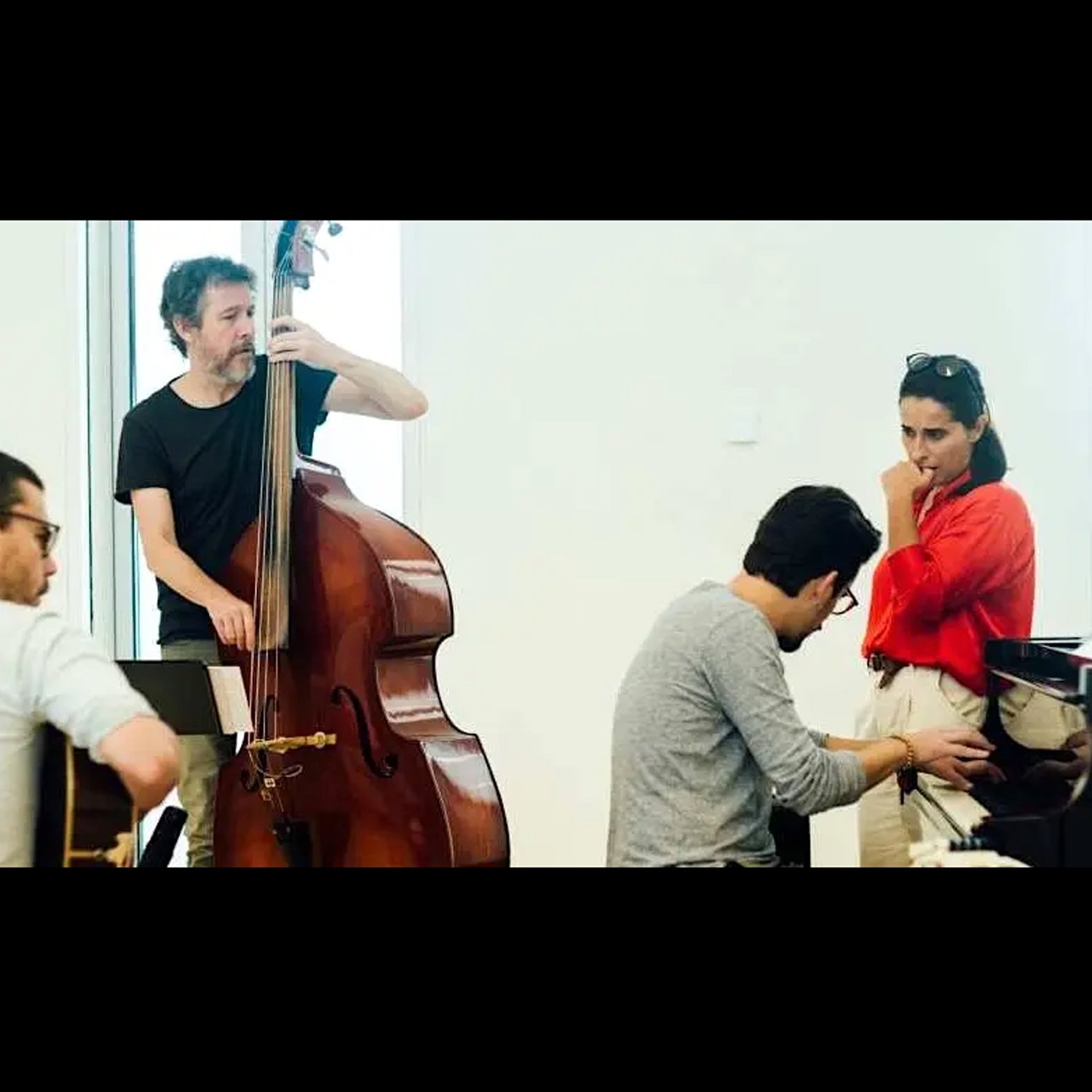
How has jazz been interpreted around the world? Highlights - BERNARDO MOREIRA
“I play the double bass as a professional musician. I don't consider myself a piano player, but I play a little bit of piano, of course. Every musician should play a little bit of piano to understand harmony. And if you want to compose or to arrange music, you need to know basic piano. So I play a little bit of piano. Actually, I started to play guitar before the double bass, because it was not so easy to get a double bass 40 years ago. My father was a bass player, but he never had a bass at home. So I started to play guitar first, and I was really into Bossa Nova and those chords from João Gilberto, and it was a big influence in my early years. But then I found a double bass when I was sixteen or seventeen– it was a terrible double bass, but it was enough to start with. Today, that sounds kind of late to start learning an instrument, but back then it wasn’t so terrible. Now you have small double basses that kids of nine, ten years old can start playing. In the eighties, if you were small, you could not play double bass, basically.”Bernardo Moreira is one of the most active Portuguese double bassists. He has performed as a guest soloist with Gulbenkian, Metropolitan de Lisboa, and Nacional do Porto orchestras, and gained prominence for his collaborations with international artists, including the legendary Benny Colson, Freddie Hubbard, Wayne Shorter, Art Farmer, and Kenny Wheeler. He is a regular collaborator with many jazz musicians in Portugal, participating in formations such as the Maria João/Mário Laginha quartet, the Mário Laginha trio, and singer Cristina Branco. In 2021, he released Enter Paredes, and in 2022, he led Cantina’s de Main and SUL.www.clavenamao.orghttps://open.spotify.com/artist/0Yse2njeXg2XDiQmmxhAc5www.creativeprocess.info www.oneplanetpodcast.org IG www.instagram.com/creativeprocesspodcastMusic on this episode:António Marinheiro, Bernardo Moreira Sextet, from the album Entre Paredes PROMESSAS MIX V3 ULT from SULCourtesy of Bernardo Moreira
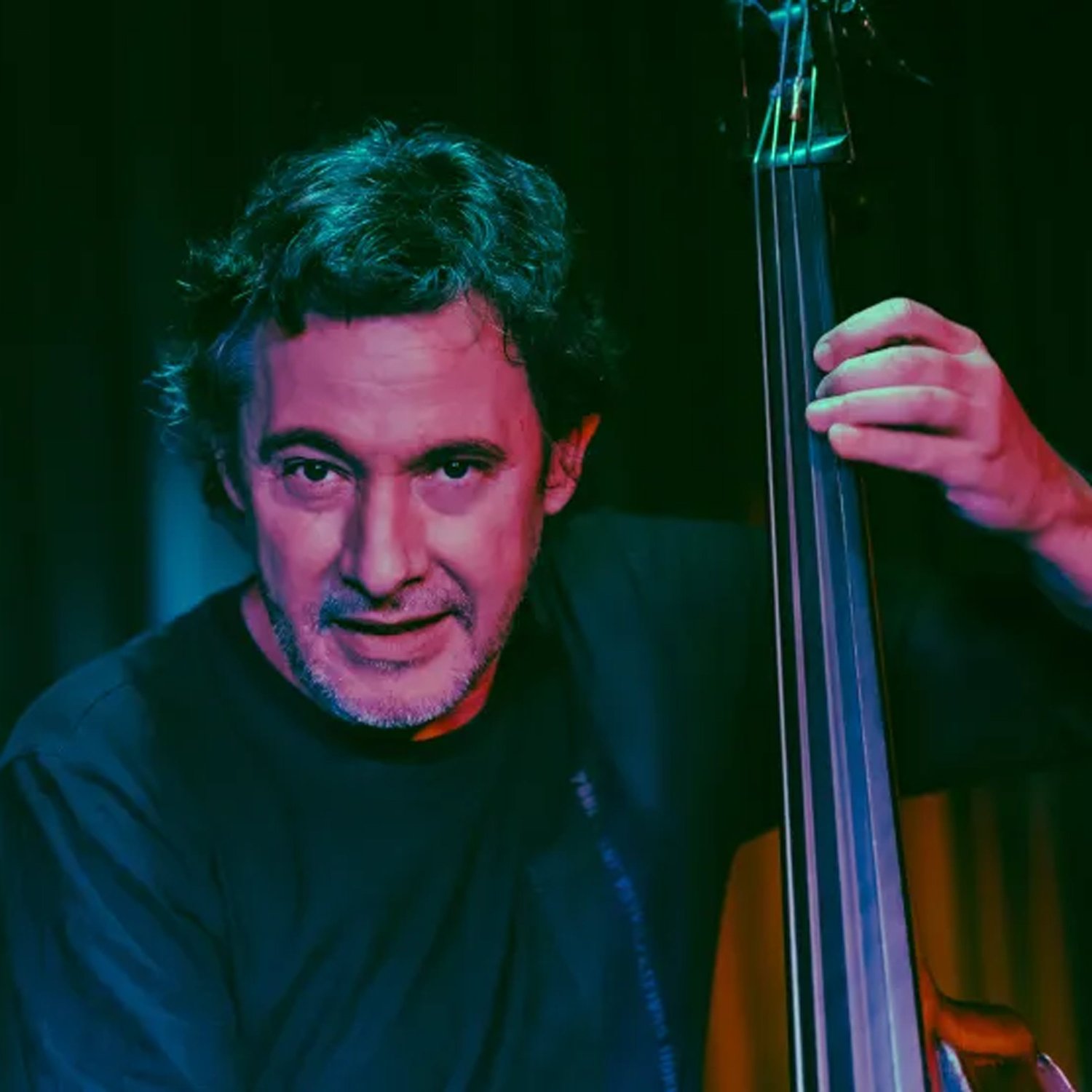
BERNARDO MOREIRA - Portuguese Jazz Musician
Bernardo Moreira is one of the most active Portuguese double bassists. He has performed as a guest soloist with Gulbenkian, Metropolitan de Lisboa, and Nacional do Porto orchestras, and gained prominence for his collaborations with international artists, including the legendary Benny Colson, Freddie Hubbard, Wayne Shorter, Art Farmer, and Kenny Wheeler. He is a regular collaborator with many jazz musicians in Portugal, participating in formations such as the Maria João/Mário Laginha quartet, the Mário Laginha trio, and singer Cristina Branco. In 2021, he released Enter Paredes, and in 2022, he led Cantina’s de Main and SUL.“I play the double bass as a professional musician. I don't consider myself a piano player, but I play a little bit of piano, of course. Every musician should play a little bit of piano to understand harmony. And if you want to compose or to arrange music, you need to know basic piano. So I play a little bit of piano. Actually, I started to play guitar before the double bass, because it was not so easy to get a double bass 40 years ago. My father was a bass player, but he never had a bass at home. So I started to play guitar first, and I was really into Bossa Nova and those chords from João Gilberto, and it was a big influence in my early years. But then I found a double bass when I was sixteen or seventeen– it was a terrible double bass, but it was enough to start with. Today, that sounds kind of late to start learning an instrument, but back then it wasn’t so terrible. Now you have small double basses that kids of nine, ten years old can start playing. In the eighties, if you were small, you could not play double bass, basically.”www.clavenamao.orghttps://open.spotify.com/artist/0Yse2njeXg2XDiQmmxhAc5www.creativeprocess.info www.oneplanetpodcast.org IG www.instagram.com/creativeprocesspodcastMusic on this episode:António Marinheiro, Bernardo Moreira Sextet, from the album Entre Paredes PROMESSAS MIX V3 ULT from SULCourtesy of Bernardo Moreira

Does privacy exist anymore? Or are humans just sets of data to be traded and sold? - Highlights - WENDY WONG
"One of the things that we need to remember is that we are data stakeholders and not data subjects. We're often called data subjects if you look at the way legislation is written and tech companies talk about the users of their technology as data subjects.Being a subject casts this sort of 'you can't help but have this happen to you' effect. But we're actually data stakeholders for the reason that data cannot be created without us. If companies were incentivized to follow data minimization for example, where they only collect the data they need, that would change the way we interact with digital technologies."Does privacy exist anymore? Or are humans just sets of data to be traded and sold?Wendy H. Wong is Professor of Political Science and Principal's Research Chair at the University of British Columbia, Okanagan. She is the author of two award-winning books: Internal Affairs: How the Structure of NGOs Transforms Human Rights and (with Sarah S. Stroup) The Authority Trap: Strategic Choices of International NGOs. Her latest book is We, the Data: Human Rights in the Digital Age.www.wendyhwong.comhttps://mitpress.mit.edu/author/wendy-h-wong-38397www.creativeprocess.info www.oneplanetpodcast.org IG www.instagram.com/creativeprocesspodcast
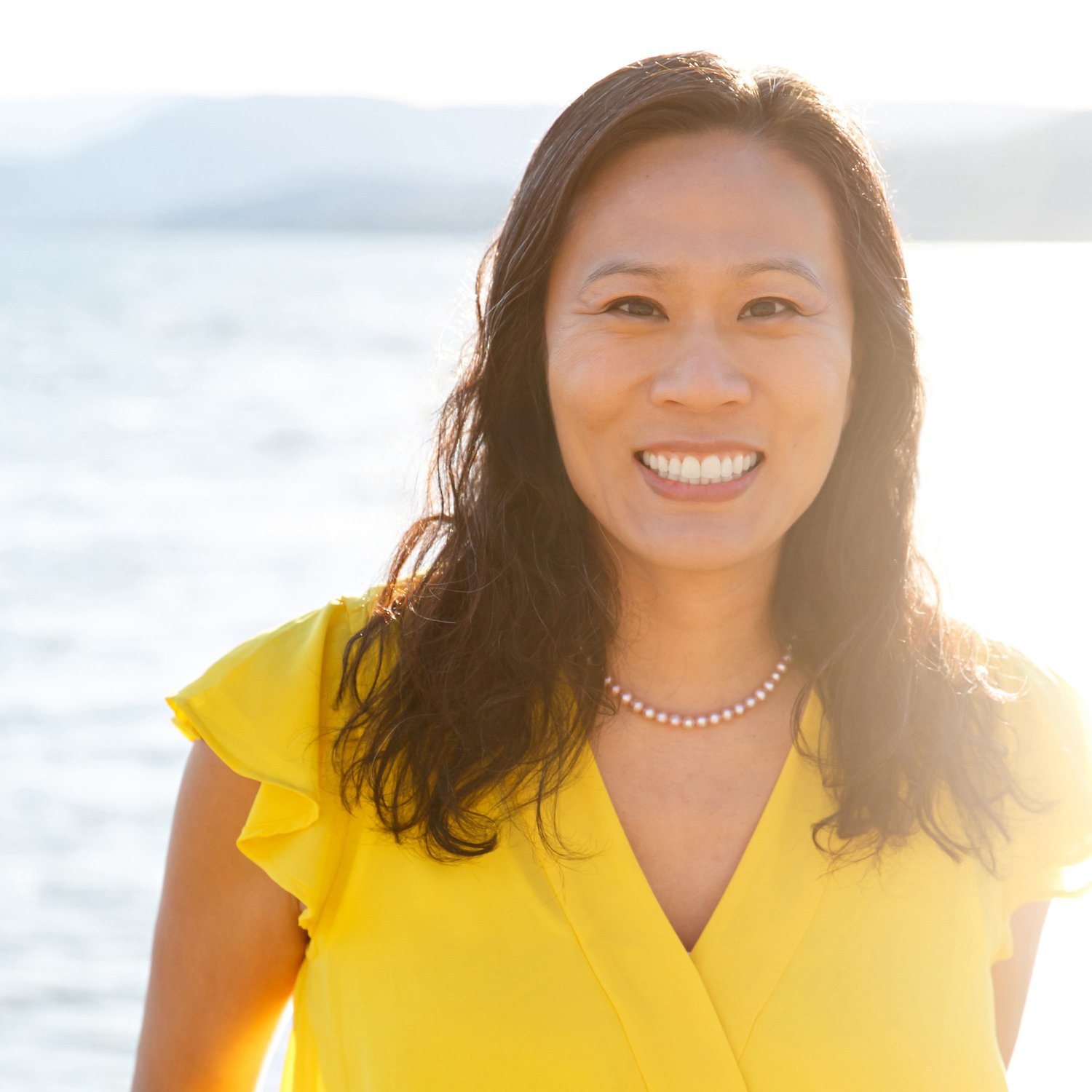
WENDY WONG - Author of We, the Data: Human Rights in the Digital Age
Does privacy exist anymore? Or are humans just sets of data to be traded and sold?Wendy H. Wong is Professor of Political Science and Principal's Research Chair at the University of British Columbia, Okanagan. She is the author of two award-winning books: Internal Affairs: How the Structure of NGOs Transforms Human Rights and (with Sarah S. Stroup) The Authority Trap: Strategic Choices of International NGOs. Her latest book is We, the Data: Human Rights in the Digital Age."One of the things that we need to remember is that we are data stakeholders and not data subjects. We're often called data subjects if you look at the way legislation is written and tech companies talk about the users of their technology as data subjects.Being a subject casts this sort of 'you can't help but have this happen to you' effect. But we're actually data stakeholders for the reason that data cannot be created without us. If companies were incentivized to follow data minimization for example, where they only collect the data they need, that would change the way we interact with digital technologies."www.wendyhwong.comhttps://mitpress.mit.edu/author/wendy-h-wong-38397www.creativeprocess.info www.oneplanetpodcast.org IG www.instagram.com/creativeprocesspodcast

MAX BENNETT - Author of A Brief History of Intelligence: Evolution, AI, and the Five Breakthroughs That Made Our Brains - CEO of Alby
The more the science of intelligence (both human and artificial) advances, the more it holds the potential for great benefits and dangers to society.Max Bennett is the cofounder and CEO of Alby, a start-up that helps companies integrate large language models into their websites to create guided shopping and search experiences. Previously, Bennett was the cofounder and chief product officer of Bluecore, one of the fastest growing companies in the U.S., providing AI technologies to some of the largest companies in the world. Bluecore has been featured in the annual Inc. 500 fastest growing companies, as well as Glassdoor’s 50 best places to work in the U.S. Bluecore was recently valued at over $1 billion. Bennett holds several patents for AI technologies and has published numerous scientific papers in peer-reviewed journals on the topics of evolutionary neuroscience and the neocortex. He has been featured on the Forbes 30 Under 30 list as well as the Built In NYC’s 30 Tech Leaders Under 30. He is the author of A Brief History of Intelligence: Evolution, AI, and the Five Breakthroughs That Made Our Brains."So, modern neuroscientists are questioning if there really is one consistent limbic system. But usually when we're looking at the limbic system, we're thinking about things like emotion, volition, and goals. And those types of things, I would argue reinforcement learning algorithms, at least on a primitive level, we already have because the way that we get them to achieve goals like play a game of go and win is we give them a reward signal or a reward function. And then we let them self-play and teach themselves based on maximizing that reward. But that doesn't mean that they're self-aware, doesn't mean that they're experiencing anything at all. There's a fascinating set of questions in the AI community around what's called the reward hypothesis, which is how much of intelligent behavior can be understood through the lens of just trying to optimize a reward signal. We are more than just trying to optimize reward signals. We do things to try and reinforce our own identities. We do things to try and understand ourselves. These are attributes that are hard to explain from a simple reward signal, but do make sense. And other conceptions of intelligence like Karl Friston's active inference where we build a model of ourselves and try and reinforce that model."www.abriefhistoryofintelligence.com/ www.alby.com www.bluecore.com www.creativeprocess.info www.oneplanetpodcast.org IG www.instagram.com/creativeprocesspodcast
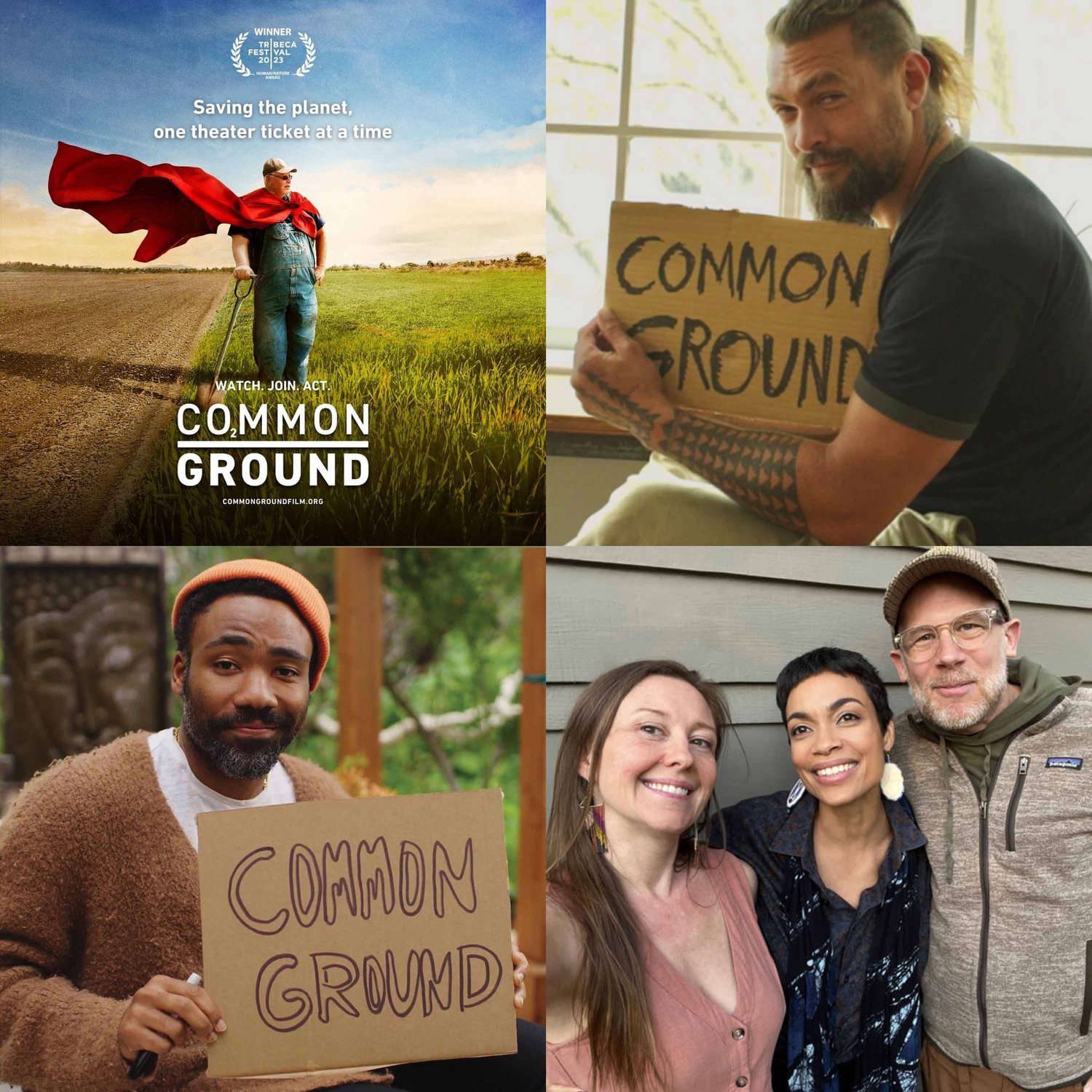
How Can We Heal the Earth? - Highlights - JULIAN LENNON - Singer-songwriter, Photographer, Doc Filmmaker
"I thought, wow, how are they going to bring this across in a way that isn't shoving things down people's throats? It's presenting information in a way that is creative, but also in a way that drives your curiosity into understanding, number one, why are we in the position that we're in? And number two, how can we fix this? What can we do to change all of this?And so, I initially got involved as an executive producer on Kiss the Ground, and I was blown away by how that film came out at the end. How well rounded it was, the flow of the film, the storytelling, and really feeding me information that I didn't even know previously. And so also watching that become a platform around the world was jaw-dropping. I mean, the fact that the belief and the understanding and the wisdom that came out of that project has touched so many hearts, minds, and souls around the world, that people are really single-handedly almost making change for the better around the world.Now, when Common Ground was presented, I did love that concept because Kiss the Ground had been very much a broad approach and about America, for the majority, really, and Common Ground was a much more...I mean, we're still dealing with the same subject matter obviously, but I think it felt great to come from a more personal aspect." How can the arts inspire us to lead lives of greater meaning and connection? What kind of world are we leaving for future generations?Julian Lennon is a Grammy-nominated singer-songwriter, photographer, documentary filmmaker, and NYTimes bestselling author of children's books. Executive Producer of Common Ground and its predecessor Kiss the Ground, which reached over 1 billion people and inspired the US Department of Agriculture (USDA) to put $20 billion toward soil health. The natural world and indigenous people are also the focus of Lennon’s other documentaries Whaledreamers, and Women of the White Buffalo. In 2007, Julian founded the global environmental and humanitarian organization The White Feather Foundation, whose key initiatives are education, health, conservation, and the protection of indigenous culture, causes he also advances through his photography, exhibited across the US and Europe. His latest album Jude spans a body of work created over the last 30 years. Julian was named a Peace Laureate by UNESCO in 2020.https://julianlennon.com https://commongroundfilm.org https://kissthegroundmovie.com https://whitefeatherfoundation.com https://julianlennon.lnk.to/JudeWE https://julianlennon-photography.comwww.creativeprocess.infowww.oneplanetpodcast.orgIG www.instagram.com/creativeprocesspodcast
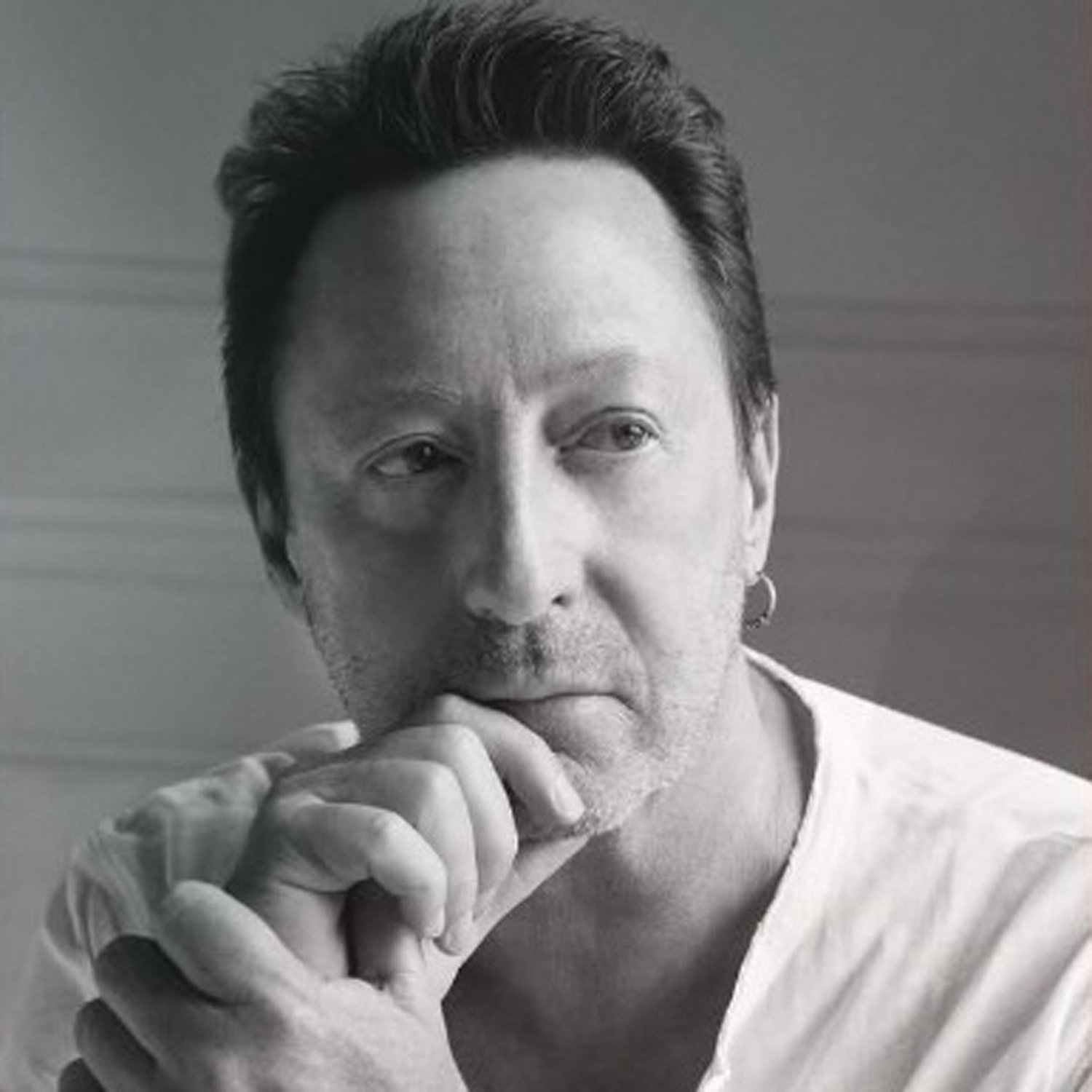
JULIAN LENNON - Singer-songwriter, Photographer, Doc Filmmaker, Exec. Producer of Common Ground
How can the arts inspire us to lead lives of greater meaning and connection? What kind of world are we leaving for future generations?Julian Lennon is a Grammy-nominated singer-songwriter, photographer, documentary filmmaker, and NYTimes bestselling author of children's books. Executive Producer of Common Ground and its predecessor Kiss the Ground, which reached over 1 billion people and inspired the US Department of Agriculture (USDA) to put $20 billion toward soil health. The natural world and indigenous people are also the focus of Lennon’s other documentaries Whaledreamers, and Women of the White Buffalo. In 2007, Julian founded the global environmental and humanitarian organization The White Feather Foundation, whose key initiatives are education, health, conservation, and the protection of indigenous culture, causes he also advances through his photography, exhibited across the US and Europe. His latest album Jude spans a body of work created over the last 30 years. Julian was named a Peace Laureate by UNESCO in 2020."I thought, wow, how are they going to bring this across in a way that isn't shoving things down people's throats? It's presenting information in a way that is creative, but also in a way that drives your curiosity into understanding, number one, why are we in the position that we're in? And number two, how can we fix this? What can we do to change all of this?And so, I initially got involved as an executive producer on Kiss the Ground, and I was blown away by how that film came out at the end. How well rounded it was, the flow of the film, the storytelling, and really feeding me information that I didn't even know previously. And so also watching that become a platform around the world was jaw-dropping. I mean, the fact that the belief and the understanding and the wisdom that came out of that project has touched so many hearts, minds, and souls around the world, that people are really single-handedly almost making change for the better around the world.Now, when Common Ground was presented, I did love that concept because Kiss the Ground had been very much a broad approach and about America, for the majority, really, and Common Ground was a much more...I mean, we're still dealing with the same subject matter obviously, but I think it felt great to come from a more personal aspect." https://julianlennon.com https://commongroundfilm.org https://kissthegroundmovie.com https://whitefeatherfoundation.com https://julianlennon.lnk.to/JudeWE https://julianlennon-photography.comwww.creativeprocess.info www.oneplanetpodcast.org IG www.instagram.com/creativeprocesspodcast
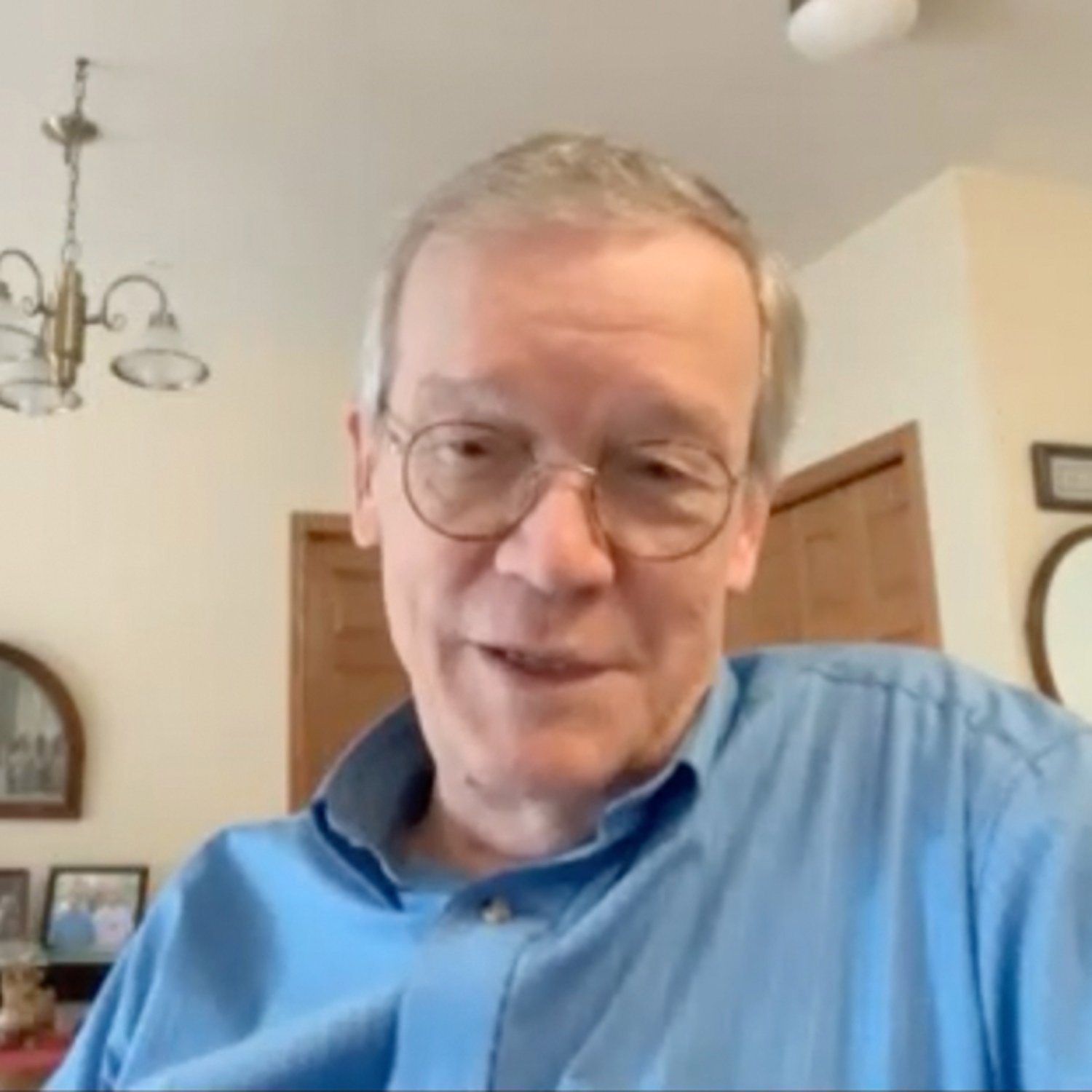
DUANE L. CADY - Philosopher, Author of Moral Vision: How Everyday Life Shapes Ethical Thinking & From Warism to Pacifism
How can we resolve conflicts without compromising our ethics and moral vision? Each year, wars are being fought in our name or with our support that citizens never get an opportunity to vote on. How can we make our voices heard?“Warism, taking war for granted as morally acceptable, even morally required, is the primary obstacle to peace.” Duane L. Cady is a philosopher and Professor Emeritus at Hamline University. He was nominated for the 1991 Grawemeyer World Order Award, was named Outstanding Educator of the Year by the United Methodist Foundation for Higher Education, and a festschiff in his honor was published in 2012. Cady is best known for his works on pacifism, including Moral Vision: How Everyday Life Shapes Ethical Thinking, and From Warism to Pacifism: A Moral Continuum."The task for us is to understand how we can get moral visions and then consider the ethics of negotiating between and among them, including collisions between moral visions. So my interest is in the extent to which various forms of reason take part in these different projects. I argue that contemporary technical philosophers tend to avoid this kind of problem. They tend to think of reason as much more narrow, whereas I want to include things like ordinary experience, the arts, theater, and reading a book. All those things can have an effect. Or as the case, we can consider now with current events experiencing moral horror, even if it's at a bit of a distance, even on TV or reading about it in the newspaper, have an effect on helping shape our moral vision. And so it's not necessarily a matter of neuro-technical reasoning. That probably is enough to get an idea of what I might do."https://duanelcady.comwww.creativeprocess.infowww.oneplanetpodcast.orgIG www.instagram.com/creativeprocesspodcast
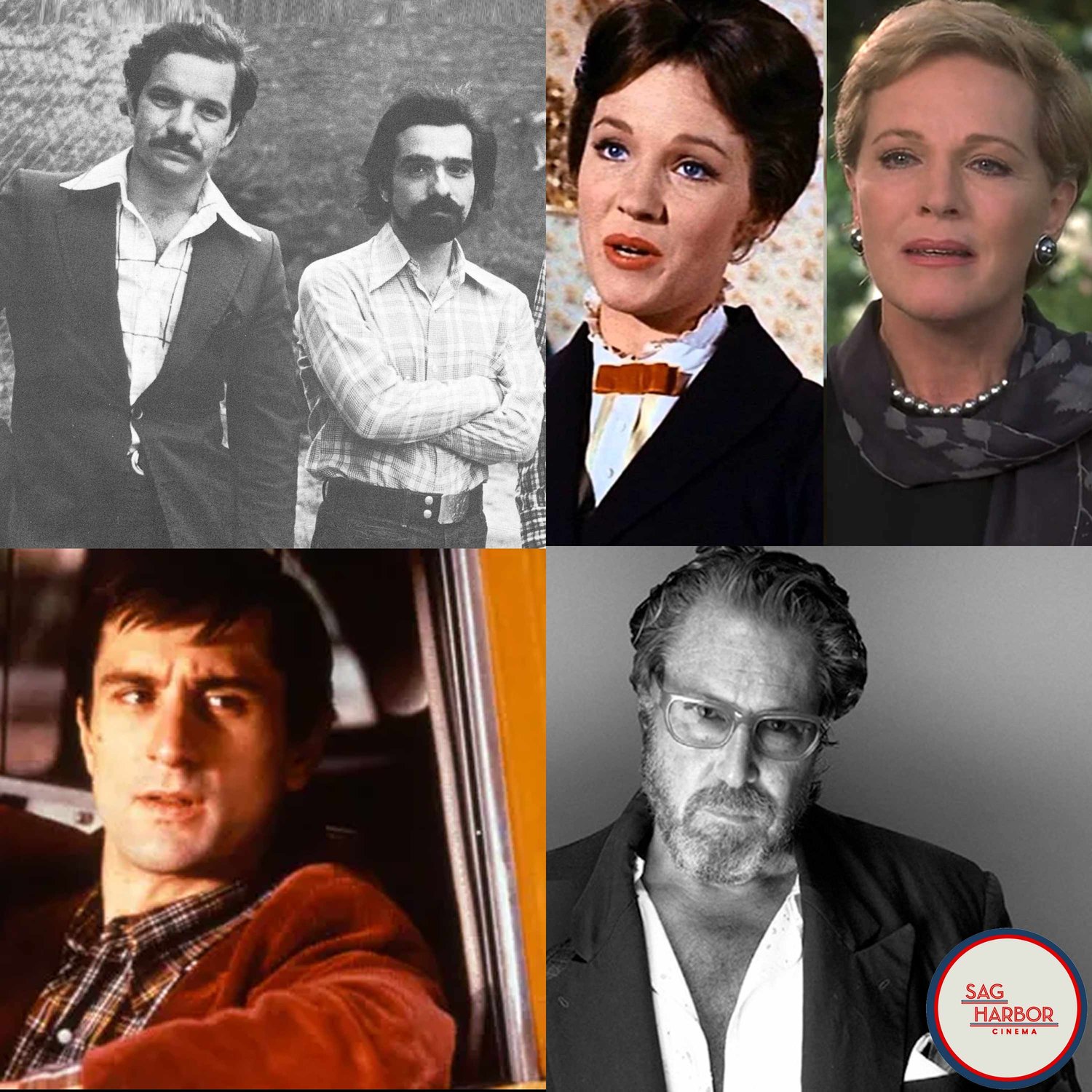
JULIE ANDREWS - PAUL SCHRADER - JULIAN SCHNABEL on Filmmaking & Creative Process
What gave Taxi Driver its edge? What was Mary Poppins secret life? If filmmaking is all about “creating lies”, when does the lie become more real than the truth?Featured film discussions from screenings at Sag Harbor Cinema, following on our interview with April Gornik, community activist/organizer and artist. She is a director of Sag Harbor Cinema and was Campaign Chair for the restoration of the Cinema after a fire nearly destroyed it in 2016. Today the SHG screens a variety of contemporary and classic films, hosting events and public screenings in the presence of filmmakers and actors. You can hear our full interview with Gornik and other artists brought to the stages of Sag Harbor Cinema and The Church Arts & Creativity Center on The Creative Process podcast.Sag Harbor Cinema Arts Center is dedicated to presenting the past, present and future of the movies and to preserving and educating about films, filmmaking, and the film-going experience in its three state-of-the-art theaters and in the surrounding community. The Cinema engages its audiences and the community year-round through dialogue, discovery, and appreciation of the moving image – from blockbusters to student shorts and everything in between. Revitalized and reimagined through unprecedented community efforts to rebuild the iconic Main Street structure after a fire nearly destroyed it in 2016, SHC continues a tradition of entertainment, education, and enrichment in the heart of Sag Harbor Village.https://sagharborcinema.org/www.aprilgornik.comwww.thechurchsagharbor.orgwww.creativeprocess.infowww.oneplanetpodcast.orgIG www.instagram.com/creativeprocesspodcastAudio courtesy of Sag Harbor Cinema Arts Center.
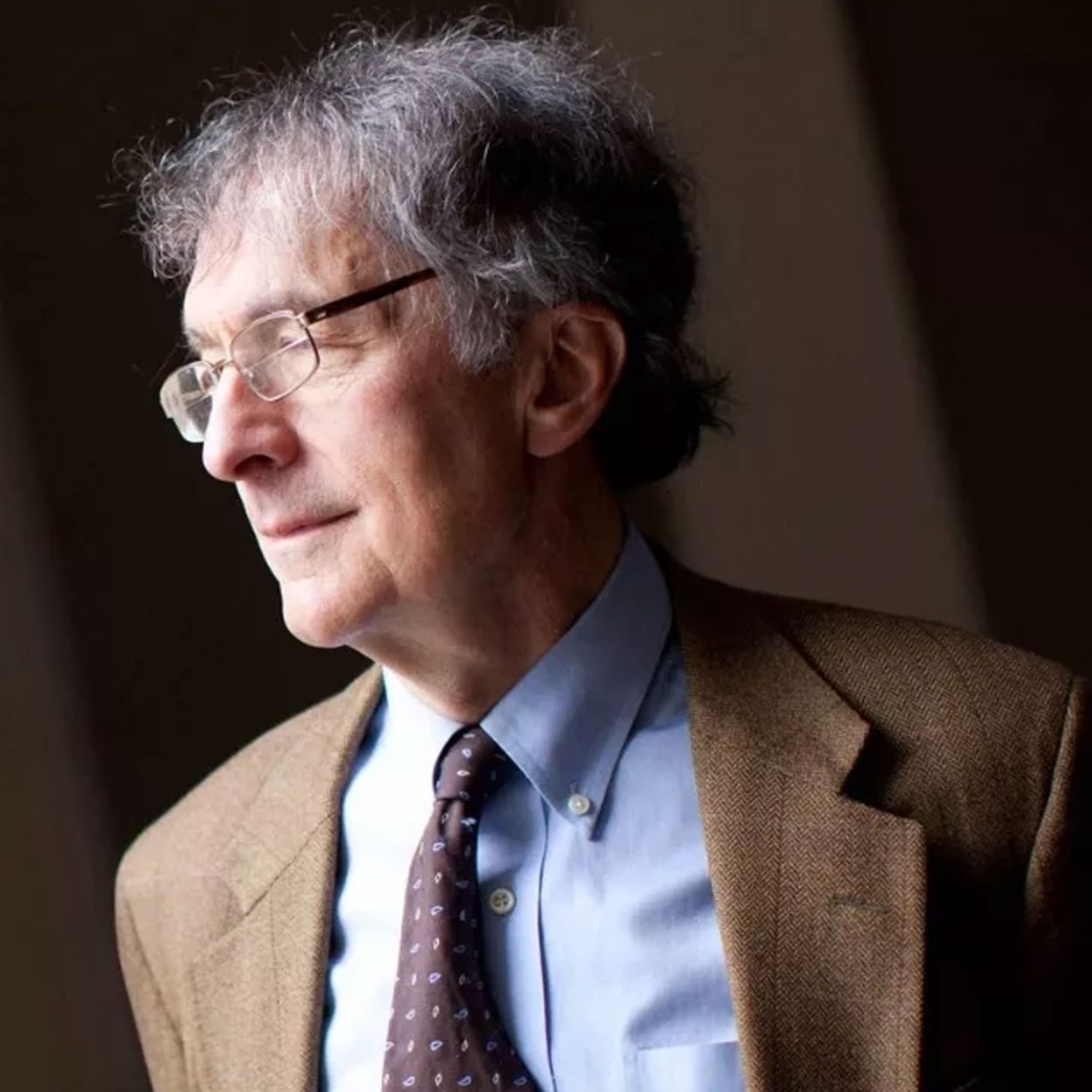
HOWARD GARDNER - Author of A Synthesizing Mind & Frames of Mind: The Theory of Multiple Intelligences - Co-director of The Good Project
How do we define intelligence? What is the point of creativity and intelligence if we are not creating good in the world? In this age of AI, what is the importance of a synthesizing mind?Howard Gardner, Research Professor of Cognition and Education at the Harvard Graduate School of Education, an author of over 30 books, translated into 32 languages, and several hundred articles, is best known for his theory of multiple intelligences, a critique of the notion that there exists but a single human intelligence that can be assessed by standard psychometric instruments. He has twice been selected by Foreign Policy and Prospect magazines as one of the 100 most influential public intellectuals in the world. In the last few years, Gardner has been studying the nature of human synthesizing, a topic introduced in his 2020 memoir, A Synthesizing Mind.For 28 years, with David Perkins, he was Co-Director of Harvard Project Zero, and in more recent years has served in a variety of leadership positions. Since the middle 1990s, Gardner has directed The Good Project, a group of initiatives, founded in collaboration with psychologists Mihaly Csikszentmihalyi and William Damon. The project promotes excellence, engagement, and ethics in education, preparing students to become good workers and good citizens who contribute to the overall well-being of society. Through research-based concepts, frameworks, and resources, The Good Project seeks to help students reflect upon the ethical dilemmas that arise in everyday life and give them the tools to make thoughtful decisions."I had two close colleagues, both psychologists: William Damon, a student of moral development, and Mihaly Csikszentmihalyi, recently deceased, probably known to many of your audience because he developed the notion of flow, which is that psychological state where anxiety and boredom are mediated by something that really involves and engrosses you. And the three of us were able to spend a year together at a research center, and the question we came up with was: Can you be creative and humane at the same time? Creative means having your mind go free, think about all sorts of things, try them out. Nothing is taboo, nothing is off limits. But at the same time, can you do it in a way that's humane and ethical and avoids, for example, creating the Einstein equation, which was a brilliant physics explanation, but also led to nuclear weapons.And similarly with cracking genetic code in any way. And we thought this was a good question, but we weren't wise enough to come up with an answer. So that's why we spent 10 years, roughly from 1995 to 2005, interviewing about 1, 500 people from nine different professions. And it was from that very intensive and extensive study that we came up with the three E's of good work. Excellence, engagement, and ethics. Since then, my research group at Harvard has called this The Good Project. And The Good Project is looking at the development of a moral and ethical stance as young as the age of three or four, preschool, all the way to professions and middle life. And we have a website thegoodproject.org where you can read dozens of blogs and various papers on this topic. And, as Mia indicated, there were also our books in which there's one book called Good Work, and another book called Truth, Beauty, Goodness, Refrain, where we describe our current thinking. And, you know, I think the study would have been different if we had done it in the age of ChatGPT."www.howardgardner.comhttp://thegoodproject.orghttps://mitpress.mit.edu/9780262542838/a-synthesizing-mindwww.creativeprocess.infowww.oneplanetpodcast.orgIG
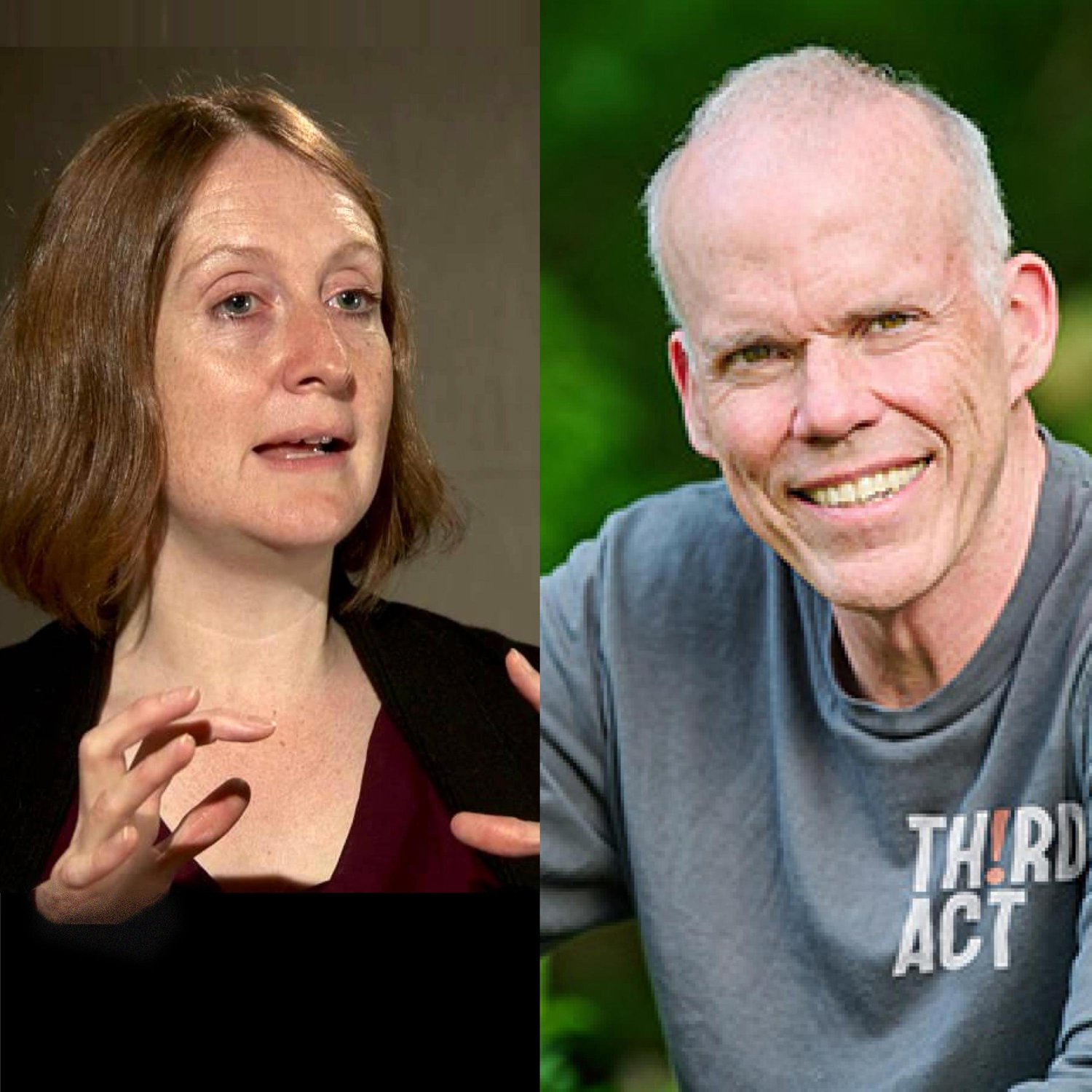
Reimagining Our Future: Co-Founder of 350.org BILL McKIBBEN & Author of The Activist Humanist CAROLINE LEVINE on Climate Action - Highlights
"Viewed one way, we live in a very hopeful moment. Thanks to in large part the work of university scientists and engineers, we now live on a planet where the cheapest way to produce power is to point a sheet of glass at the sun. That is to say, we could run our Earth on energy from heaven instead of hell, and we could do it fast. The fast is the hard part here. The only difference between all the examples of the long victories of social justice activism that we're in now is that this one is a time-limited problem. If we don't solve it fast, then no one's got a plan for how you refreeze the Arctic once you've melted it. And so we have to move very quickly. Our systems are not designed to move quickly. It's the easiest thing in the world to slow down and delay change, which is all that the fossil fuel industry at this point is trying to do, and that means that it's time for maximum effort from all of us. The story to tell is that the planet is outside its comfort zone, so we need to be outside ours."In this episode of the Speaking Out of Place podcast, Professor David Palumbo-Liu talks with legendary climate activist Bill McKibben and scholar Caroline Levine. McKibben relates his long struggle to get companies to divest from fossil fuels and for the world in general to act immediately to seriously and substantially address this existential crisis. Levine tells of her efforts to get the giant pension fund, TIAA-CREF, to divest. She also talks about her new book, The Activist Humanist, and its relation to both her teaching and her activism.Bill McKibben is founder of Third Act, which organizes people over the age of 60 for action on climate and justice. His 1989 book The End of Nature is regarded as the first book for a general audience about climate change, and has appeared in 24 languages. He’s gone on to write 20 books, and his work appears regularly in periodicals from the New Yorker to Rolling Stone. He serves as the Schumann Distinguished Scholar in Environmental Studies at Middlebury College, as a fellow of the American Academy of Arts and Sciences, and he has won the Gandhi Peace Prize as well as honorary degrees from 20 colleges and universities. He was awarded the Right Livelihood Award, sometimes called the alternative Nobel, in the Swedish Parliament. Foreign Policy named him to its inaugural list of the world’s 100 most important global thinkers.McKibben helped found 350.org, the first global grassroots climate campaign, which has organized protests on every continent, including Antarctica, for climate action. He played a leading role in launching the opposition to big oil pipeline projects like Keystone XL, and the fossil fuel divestment campaign, which has become the biggest anti-corporate campaign in history, with endowments worth more than $40 trillion stepping back from oil, gas and coal. He stepped down as board chair of 350 in 2015, and left the board and stepped down from his volunteer role as senior adviser in 2020, accepting emeritus status. He lives in the mountains above Lake Champlain with his wife, the writer Sue Halpern, where he spends as much time as possible outdoors. In 2014, biologists credited his career by naming a new species of woodland gnat—Megophthalmidia mckibbeni–in his honor.Caroline Levine has spent her career asking how and why the humanities and the arts matter, especially in democratic societies. She argues for an understanding of forms and structures as essential both to understanding links between art and society and to the challenge of taking meaningful political action. She is the author of four books. The most recent, The Activist Humanist: Form and Method in the Climate Crisis (Princeton University Press 2023), grows out of the theoretical work of Forms: Whole, Rhythm, Hierarchy, Network (2015, winner of the James Russell Lowell Prize from the MLA, and named one of Flavorwire’s “10 Must-Read Academic Books of 2015”). Levine has also published The Se
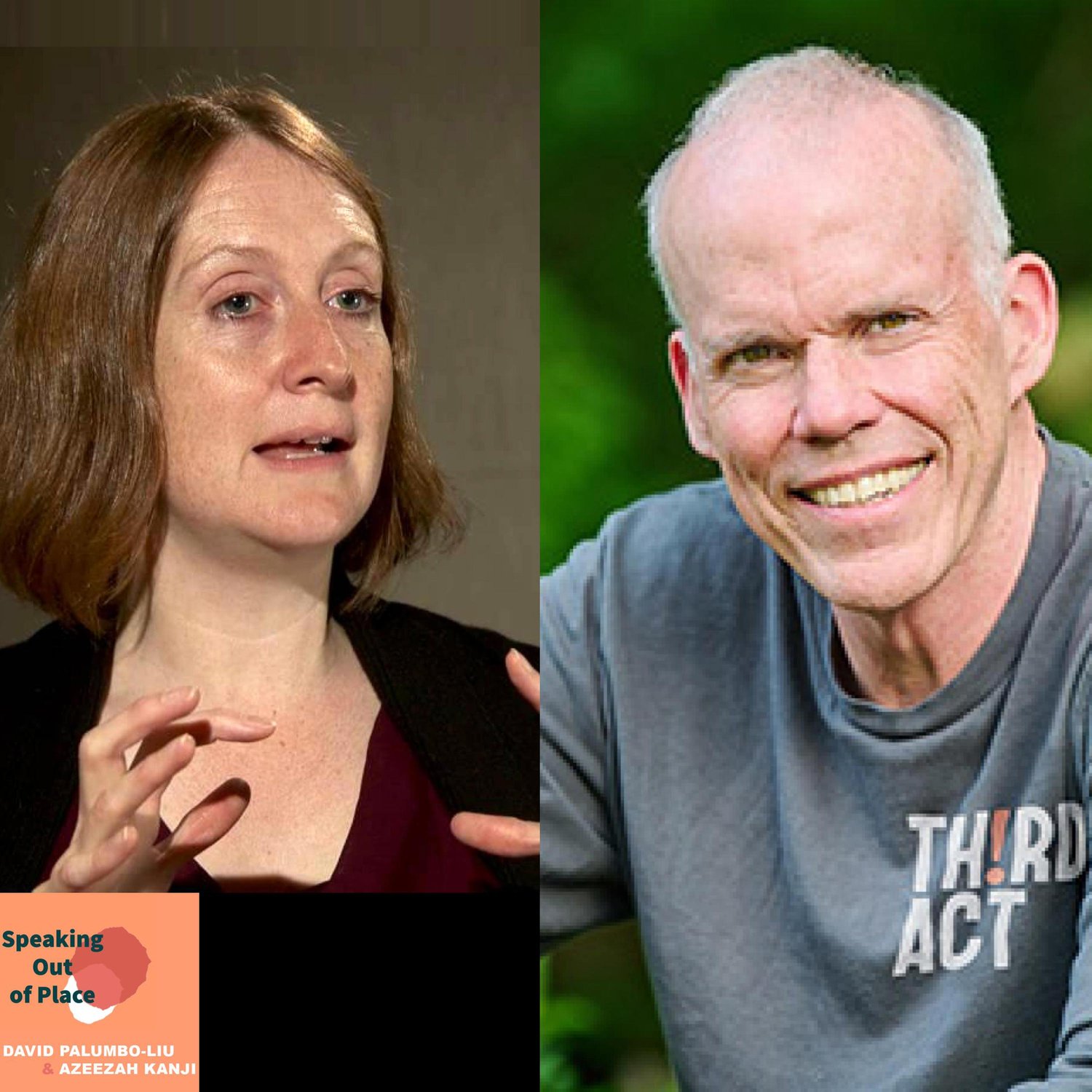
BILL McKIBBEN, Co-Founder of 350.org, Founder Third Act & CAROLINE LEVINE, Author of The Activist Humanist
In this episode of the Speaking Out of Place podcast, Professor David Palumbo-Liu talks with legendary climate activist Bill McKibben and scholar Caroline Levine. McKibben relates his long struggle to get companies to divest from fossil fuels and for the world in general to act immediately to seriously and substantially address this existential crisis. Levine tells of her efforts to get the giant pension fund, TIAA-CREF, to divest. She also talks about her new book, The Activist Humanist, and its relation to both her teaching and her activism.Bill McKibben is founder of Third Act, which organizes people over the age of 60 for action on climate and justice. His 1989 book The End of Nature is regarded as the first book for a general audience about climate change, and has appeared in 24 languages. He’s gone on to write 20 books, and his work appears regularly in periodicals from the New Yorker to Rolling Stone. He serves as the Schumann Distinguished Scholar in Environmental Studies at Middlebury College, as a fellow of the American Academy of Arts and Sciences, and he has won the Gandhi Peace Prize as well as honorary degrees from 20 colleges and universities. He was awarded the Right Livelihood Award, sometimes called the alternative Nobel, in the Swedish Parliament. Foreign Policy named him to its inaugural list of the world’s 100 most important global thinkers.McKibben helped found 350.org, the first global grassroots climate campaign, which has organized protests on every continent, including Antarctica, for climate action. He played a leading role in launching the opposition to big oil pipeline projects like Keystone XL, and the fossil fuel divestment campaign, which has become the biggest anti-corporate campaign in history, with endowments worth more than $40 trillion stepping back from oil, gas and coal. He stepped down as board chair of 350 in 2015, and left the board and stepped down from his volunteer role as senior adviser in 2020, accepting emeritus status. He lives in the mountains above Lake Champlain with his wife, the writer Sue Halpern, where he spends as much time as possible outdoors. In 2014, biologists credited his career by naming a new species of woodland gnat—Megophthalmidia mckibbeni–in his honor.Caroline Levine has spent her career asking how and why the humanities and the arts matter, especially in democratic societies. She argues for an understanding of forms and structures as essential both to understanding links between art and society and to the challenge of taking meaningful political action. She is the author of four books. The most recent, The Activist Humanist: Form and Method in the Climate Crisis (Princeton University Press 2023), grows out of the theoretical work of Forms: Whole, Rhythm, Hierarchy, Network (2015, winner of the James Russell Lowell Prize from the MLA, and named one of Flavorwire’s “10 Must-Read Academic Books of 2015”). Levine has also published The Serious Pleasures of Suspense: Victorian Realism and Narrative Doubt (2003, winner of the Perkins Prize for the best book in narrative studies) and Provoking Democracy: Why We Need the Arts (2007)."Viewed one way, we live in a very hopeful moment. Thanks to in large part the work of university scientists and engineers, we now live on a planet where the cheapest way to produce power is to point a sheet of glass at the sun. That is to say, we could run our Earth on energy from heaven instead of hell, and we could do it fast. The fast is the hard part here. The only difference between all the examples of the long victories of social justice activism that we're in now is that this one is a time-limited problem. If we don't solve it fast, then no one's got a plan for how you refreeze the Arctic once you've melted it. And so we have to move very quickly. Our systems are not designed to move quickly. It's the easiest thing in the world to slow down and delay change, which is all that the fossil fuel industr
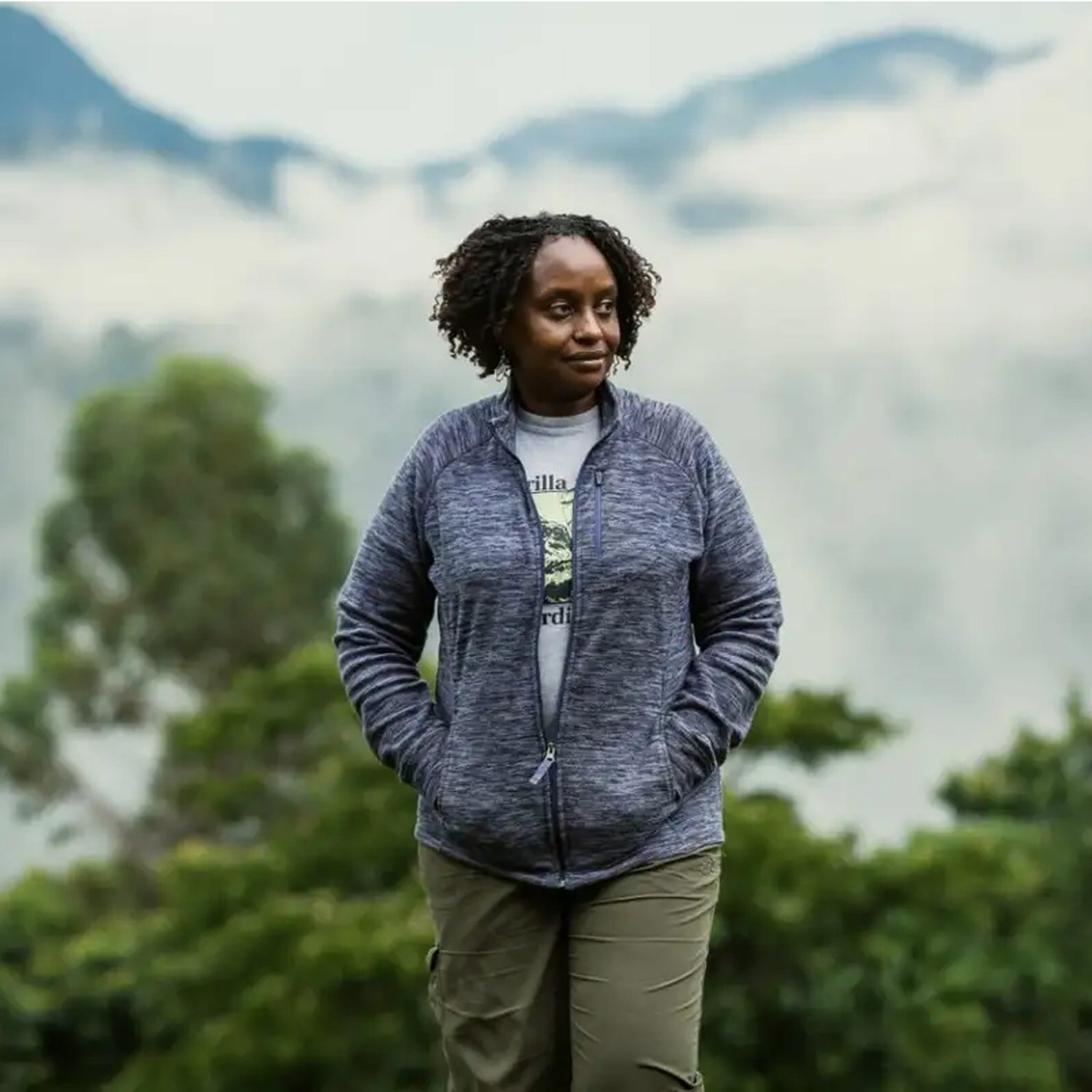
GLADYS KALEMA-ZIKUSOKA - Founder/CEO, Conservation Through Public Health - UN Champion of the Earth for Science & Innovation
How do some people face incredible tragedies and find within these experiences inspiration to improve the lives of others? Our guest today lost her grandfather, who was the assassinated Prime Minister of the Buganda Kingdom, and her father, who was disappeared by Idi Amin, and yet she went on to become a leading conservationist.Dr. Gladys Kalema-Zikusoka is Uganda's first full-time wildlife veterinarian and the Founder and CEO of Conservation Through Public Health. Interested in animals from a young age, she pursued her studies at the Royal Veterinary College at the University of London before returning to Uganda. In the time since, she's worked tirelessly to preserve the animals of Uganda, being awarded the Whitley Gold Award, Sierra Club Earth Care Award, Edinburgh Medal, National Geographic Explorer, and most recently an appointment to become a United Nations Champion of the Earth for Science and Innovation. She is author of Walking with Gorillas: The Journey of an African Wildlife Vet."I was really excited to win the UN Champion of the Earth Award for our One Health approach to conservation. I was so excited when Dr. Jane Goodall wrote the foreword of my book, and she really has a big focus now on the younger generation through Roots and Shoots. And being that I developed my career by setting up a wildlife club at high school so that from a young age teenagers should know that they can make a difference. They don't have to be much older to make a difference.Even as a teenager, you can make a huge difference. I'm excited. My son wrote a book Zookeeper for a Week, which he wrote during the pandemic because he had spent a week at the zoo when he was 13. And when he was 16, he was able to write this book.So you're never too young to make a difference. And I think what I would like to tell many young people is to follow your dreams and the rest will follow. Even if what you're trying to do is something that no one has ever done before. Or let's say women are not considered, it's a male-dominated profession. Wildlife conservation, veterinary medicine in Uganda is still very male-dominated. And you shouldn't really worry about what people think about you, what culture, or society expects you to be doing. If you feel that it's an important thing to do, you should go ahead and do it. And it's so important to protect the natural world, to protect nature and the wildlife because we, we protect nature, we protect nature. We are ultimately protecting ourselves. Gorillas are so few numbers still. I mean, we are happy that the numbers are growing because of so many successful conservation efforts."www.ctph.orghttps://www.skyhorsepublishing.com/9781950994267/walking-with-gorillas/www.creativeprocess.infowww.oneplanetpodcast.orgIG www.instagram.com/creativeprocesspodcast
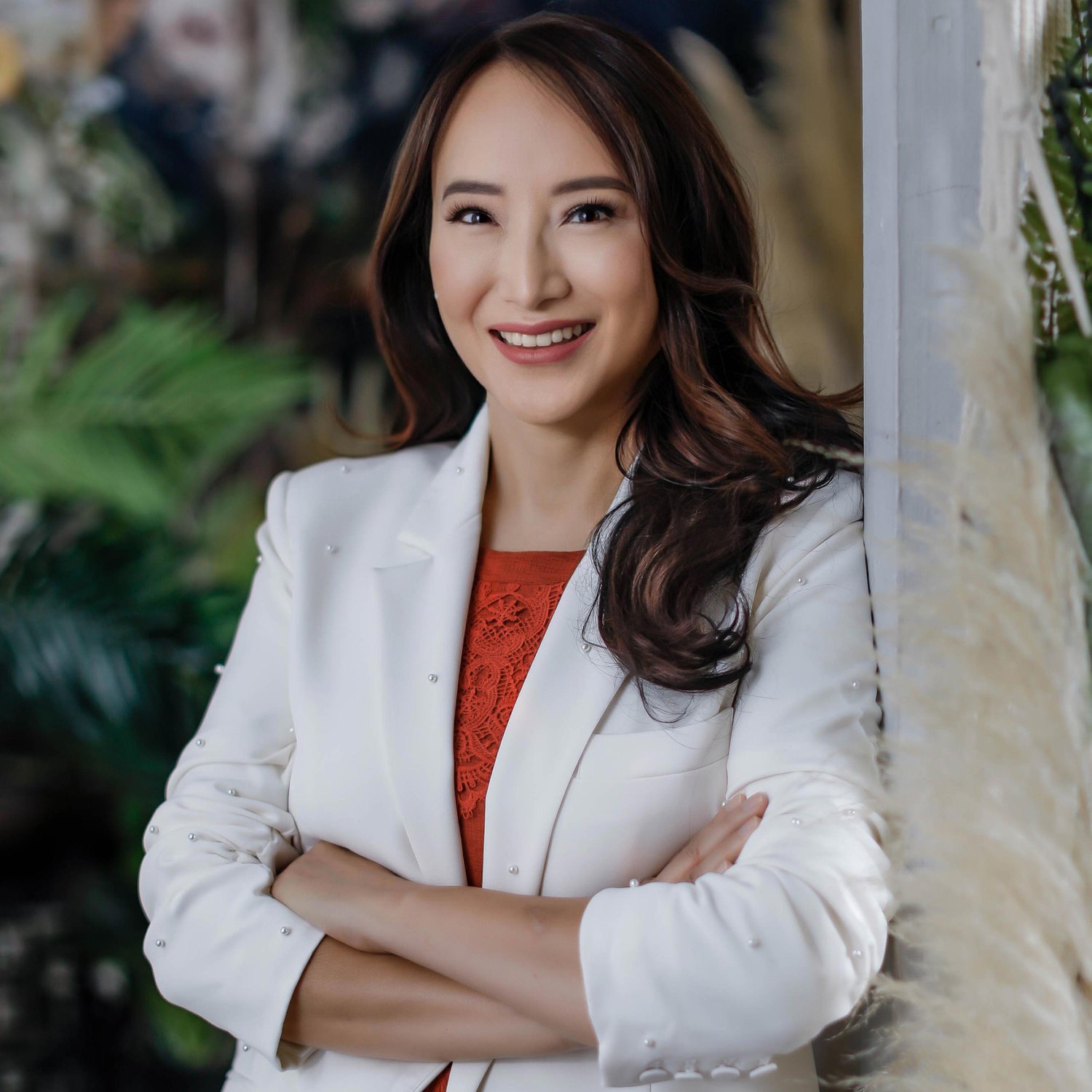
MARY HAYASHI - Healthcare Advocate, Former Assemblymember - Author of Women in Politics
A recent UN report shows that women are underrepresented at all levels of decision-making worldwide. They say that women in executive government positions and gender equality in the highest positions of power will not be reached for another 130 years. How can we close the gender gap and achieve true representation?With a distinguished career in public service, Mary Hayashi has spearheaded substantial reforms in mental health services, championed gender equality, and forged powerful, unprecedented partnerships for social causes that previously had no financial or public backing. Recognized as “Legislator of the Year” by the American Red Cross and the California Medical Association, Mary has also been featured on Redbook’s “Mothers and Shakers” list and Ladies’ Home Journal ’s “Women to Watch.” Mary remains a steadfast proponent of social justice expansion and the rights of underrepresented communities. She is author of Far From Home: Shattering the Myth of the Model Minority, and Women in Politics: Breaking Down the Barriers to Achieve True Representation."My parents expected me to go to college just enough that I could find somebody, marry, and have kids. Because over 21, you're like an old maid and nobody's going to want to marry you. That was really their mentality. I'd only been in the country for seven years at that time and just kind of feeling lost and didn't know what I wanted to do with my life. And one day I signed up for this Women's Studies class. And I thought it was more about how I could be a better woman to my husband and my kids, that type of home economics class. And that's when I was introduced to feminist literature. And I started reading about the women's movement and how Gloria Steinem went from being a Playboy model to becoming a feminist and how that transpired. And when I started reading about these women who did what they did, a light bulb went on my head that I actually could have a career and do something with my life. And so, I'm not a professional writer. I'm a politician. I do government affairs work but publishing a book is a way to help other women realize their path because that's what feminist literature did for me."www.maryhayashi.comhttps://womeninpoliticsbook.orgwww.creativeprocess.infowww.oneplanetpodcast.orgIG www.instagram.com/creativeprocesspodcast

What distinguishes our consciousness from AI & machine learning? Highlights: LIAD MUDRIK - Neuroscientist, Tel Aviv University
"So I think, first of all, I would like young people to keep an open mind and to be able to extract information from multiple sources and gain interdisciplinary training. So if you are a computer scientist, read philosophy. If you're a philosopher, read neuroscience or whatever is interesting for you. And don't be ignorant. It's important for climate change. It's important for politics, for sure. Again, going back to what's going on in the last few weeks, it's important for science, and it's important for who you are.So my, kind of aspiration, if some genie came and gave me one wish, well, I would like three. So after I got my loved ones to be healthy and happy, that's the most important thing. The next wish for me would be to continue learning throughout my life and learn and if I can also teach, that's a plus. But this ability to evolve and expand your horizons and chase the truth, irrespective of which type of truth you're interested in, which field. What's the burning question that you want to answer? But find it yourself. Don't believe others. Build yourself on the knowledge of others, learn from others, but develop this kind of inner sense of critical thinking that allows you to say this is what I believe in. This is what I don't. And leave that to your children as well. So I hope our future generations will build on and will cherish knowledge and kind of generate new knowledge - but qualitative knowledge. It just allows us to know more about ourselves, about the world we live in, about other human beings. And be respectful of others, and be kind."How we think, feel, and experience the world is a mystery. What distinguishes our consciousness from AI and machine learning?Liad Mudrik studies high level cognition and its neural substrates, focusing on conscious experience. She teaches at the School of Psychological Sciences at Tel Aviv University. At her research lab, her team is currently investigating the functionality of consciousness, trying to unravel the depth and limits of unconscious processing, and also researching the ways semantic relations between concepts and objects are formed and detected.https://people.socsci.tau.ac.il/mu/mudriklabhttps://people.socsci.tau.ac.il/mu/mudriklab/people/#gkit-popupwww.creativeprocess.infowww.oneplanetpodcast.orgIG www.instagram.com/creativeprocesspodcast

LIAD MUDRIK - Neuroscientist - Principal Investigator Liad Mudrik Lab, Tel Aviv University
How we think, feel, and experience the world is a mystery. What distinguishes our consciousness from AI and machine learning?Liad Mudrik studies high level cognition and its neural substrates, focusing on conscious experience. She teaches at the School of Psychological Sciences at Tel Aviv University. At her research lab, her team is currently investigating the functionality of consciousness, trying to unravel the depth and limits of unconscious processing, and also researching the ways semantic relations between concepts and objects are formed and detected."So I think, first of all, I would like young people to keep an open mind and to be able to extract information from multiple sources and gain interdisciplinary training. So if you are a computer scientist, read philosophy. If you're a philosopher, read neuroscience or whatever is interesting for you. And don't be ignorant. It's important for climate change. It's important for politics, for sure. Again, going back to what's going on in the last few weeks, it's important for science, and it's important for who you are.So my, kind of aspiration, if some genie came and gave me one wish, well, I would like three. So after I got my loved ones to be healthy and happy, that's the most important thing. The next wish for me would be to continue learning throughout my life and learn and if I can also teach, that's a plus. But this ability to evolve and expand your horizons and chase the truth, irrespective of which type of truth you're interested in, which field. What's the burning question that you want to answer? But find it yourself. Don't believe others. Build yourself on the knowledge of others, learn from others, but develop this kind of inner sense of critical thinking that allows you to say this is what I believe in. This is what I don't. And leave that to your children as well. So I hope our future generations will build on and will cherish knowledge and kind of generate new knowledge - but qualitative knowledge. It just allows us to know more about ourselves, about the world we live in, about other human beings. And be respectful of others, and be kind."https://people.socsci.tau.ac.il/mu/mudriklabhttps://people.socsci.tau.ac.il/mu/mudriklab/people/#gkit-popupwww.creativeprocess.infowww.oneplanetpodcast.orgIG www.instagram.com/creativeprocesspodcast

What Does It Take to Save Coral Reefs? with GATOR HALPERN - Highlights
“Coral reefs are the most biodiverse habitat on the planet, despite covering less than 1 percent of the ocean area, over a quarter of all marine life exists in these rainforests of the sea. And if you think of a coral reef as a rainforest, the trees are the coral themselves. Which are incredible organisms, so, magic is really the right word to describe them. They're these animals that are one of the original forms of animal life, the second branch of the animal kingdom is actually Cnidaria, which includes coral and jellyfish. So, an ancient animal, but they have a symbiotic relationship with algae, and so inside the animal tissue are these zooxanthellae, these algae that do photosynthesis, like algae do, like plants do. It's able to capture sunlight and convert it into sugars and energy. And so, it's an animal, but it's got plants that live inside it, this algae, and then even more wild - it grows a skeleton that is rock!So coral skeleton is actually calcium carbonate, which is limestone. And most of the limestone that exists on the earth was grown by these organisms. And so they're animals with plants inside of them that grow rock as skeleton. And the rock skeletons form these incredibly intricate structures that are coral reefs that can grow for thousands of miles and the corals can live for thousands of years to be seen from space and to create these essential ecosystems that are really the cornerstone of all of life in the ocean and, and therefore much of life on Earth.”Coral reefs are the most biodiverse habitat on the planet, despite covering less than 1 percent of the ocean. Over a quarter of all marine life exists in these rain forests of the sea. Gator Halpern is the Co-founder and President of Coral Vita, a mission-driven company working to restore our world’s dying coral reefs. He is a lifelong entrepreneur who is passionate about starting projects that can help create a better harmony between society and nature. His work has earned him a number of awards including being named a United Nation’s Young Champion of the Earth, a Forbes 30 Under 30 social entrepreneur, and an Echoing Green fellow. Before founding Coral Vita, he worked on development projects in Brazil, Peru, and South Africa. During his career, he has helped distribute millions of baby fish for aquaculture to remote villages in the Amazon, he’s analyzed the environmental effects of land-use change projects on three different continents, and worked for the World Wildlife Fund Global Marine Program. Gator founded Coral Vita during his graduate studies at the Yale School of Forestry and Environmental Studies, and he lives and works in the Bahamas where Coral Vita operates the world’s first commercial land-based coral farm for reef restoration.https://coralvita.cowww.creativeprocess.infowww.oneplanetpodcast.orgIG www.instagram.com/creativeprocesspodcast

GATOR HALPERN - Co-Founder & President of Coral Vita - UN Young Champion of the Earth - Forbes 30 Under 30 Social Entrepreneur
Coral reefs are the most biodiverse habitat on the planet, despite covering less than 1 percent of the ocean. Over a quarter of all marine life exists in these rain forests of the sea. Gator Halpern is the Co-founder and President of Coral Vita, a mission-driven company working to restore our world’s dying coral reefs. He is a lifelong entrepreneur who is passionate about starting projects that can help create a better harmony between society and nature. His work has earned him a number of awards including being named a United Nation’s Young Champion of the Earth, a Forbes 30 Under 30 social entrepreneur, and an Echoing Green fellow. Before founding Coral Vita, he worked on development projects in Brazil, Peru, and South Africa. During his career, he has helped distribute millions of baby fish for aquaculture to remote villages in the Amazon, he’s analyzed the environmental effects of land-use change projects on three different continents, and worked for the World Wildlife Fund Global Marine Program. Gator founded Coral Vita during his graduate studies at the Yale School of Forestry and Environmental Studies, and he lives and works in the Bahamas where Coral Vita operates the world’s first commercial land-based coral farm for reef restoration.“Coral reefs are the most biodiverse habitat on the planet, despite covering less than 1 percent of the ocean area, over a quarter of all marine life exists in these rainforests of the sea. And if you think of a coral reef as a rainforest, the trees are the coral themselves. Which are incredible organisms, so, magic is really the right word to describe them. They're these animals that are one of the original forms of animal life, the second branch of the animal kingdom is actually Cnidaria, which includes coral and jellyfish. So, an ancient animal, but they have a symbiotic relationship with algae, and so inside the animal tissue are these zooxanthellae, these algae that do photosynthesis, like algae do, like plants do. It's able to capture sunlight and convert it into sugars and energy. And so, it's an animal, but it's got plants that live inside it, this algae, and then even more wild - it grows a skeleton that is rock!So coral skeleton is actually calcium carbonate, which is limestone. And most of the limestone that exists on the earth was grown by these organisms. And so they're animals with plants inside of them that grow rock as skeleton. And the rock skeletons form these incredibly intricate structures that are coral reefs that can grow for thousands of miles and the corals can live for thousands of years to be seen from space and to create these essential ecosystems that are really the cornerstone of all of life in the ocean and, and therefore much of life on Earth.”https://coralvita.cowww.creativeprocess.infowww.oneplanetpodcast.orgIG www.instagram.com/creativeprocesspodcast
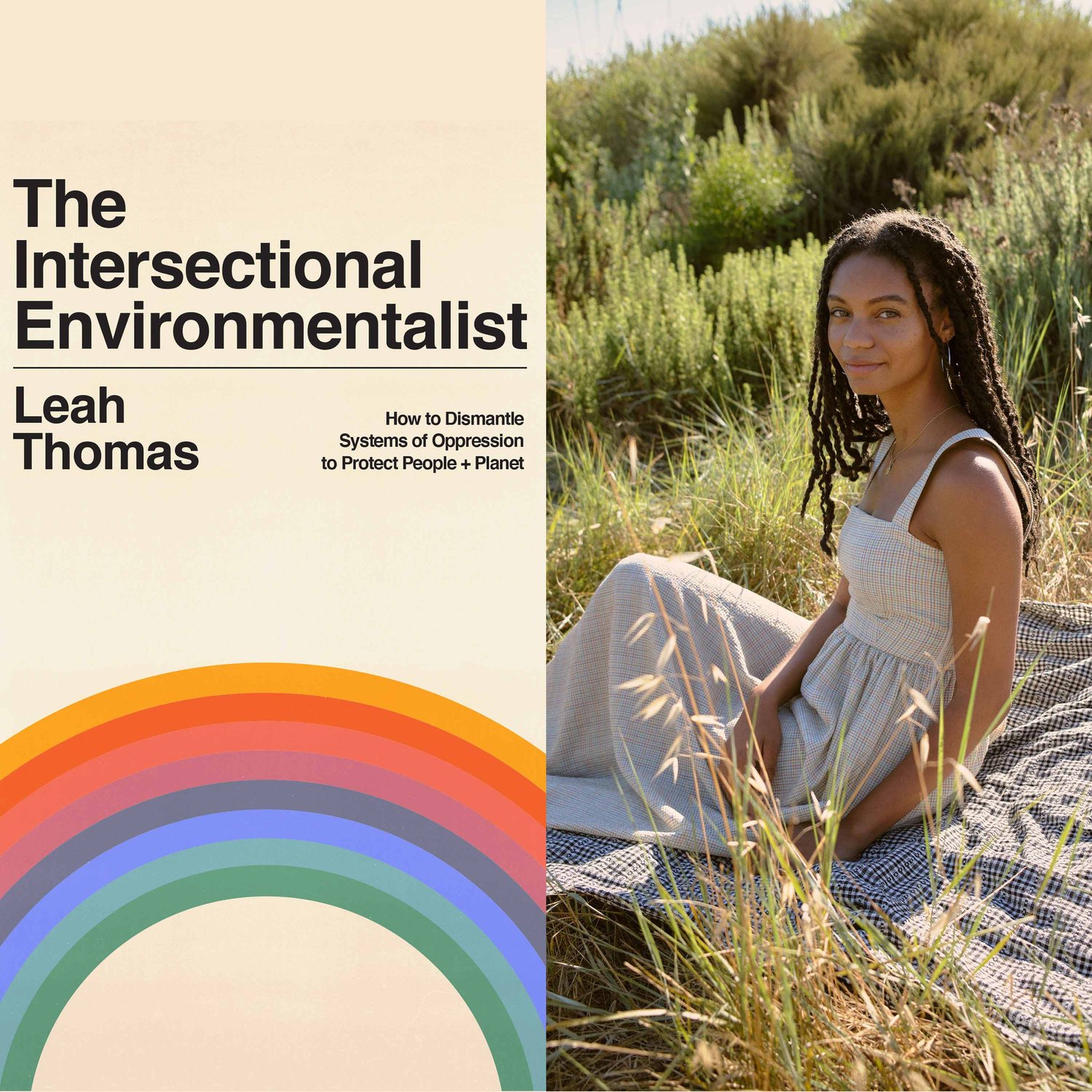
How to Dismantle Systems of Oppression to Protect People + Planet - Highlights - LEAH THOMAS
"Intersectional Environmentalism to me means prioritizing social justice in environmental movements and really thinking about what communities are most impacted by different environmental injustices. So, for example, in the United States, a lot of communities of color, Black, Indigenous communities, and also lower-income communities struggle with things like unclean air and unclean water, and those are environmental injustices. So I thought it was important to have an intersectional approach to environmental advocacy that doesn't ignore these things and these intersections of identity, but explores them to make sure that every community, especially those most impacted by environmental injustices, no longer are. And I wanted to write a really accessible introduction that was targeted at school kids or anyone who wants to learn more."Leah Thomas is an intersectional environmental activist and eco-communicator based in Southern California. She’s passionate about advocating for and exploring the relationship between social justice and environmentalism and was the first to define the term “Intersectional Environmentalism.” She is the founder of @greengirlleah and The Intersectional Environmentalist platform. Her articles on this topic have appeared in Vogue, Elle, The Good Trade, and Youth to the People and she has been featured in Harper’s Bazaar, W Magazine, Domino, GOOP, Fashionista, BuzzFeed, and numerous podcasts. She has a B.S. in Environmental Science and Policy from Chapman University and worked for the National Park Service and Patagonia headquarters before pursuing activism full time. She lives in Carpinteria, California. She is the author of The Intersectional Environmentalist: How to Dismantle Systems of Oppression to Protect People + Planet, and Winner of the Creative Force Foundation Award 2023.www.intersectionalenvironmentalist.com www.instagram.com/greengirlleah www.hachettebookgroup.com/titles/leah-thomas/the-intersectional-environmentalist/9780316281935/?lens=voraciousSeason 2 of Business & Society focuses on CEOs , Sustainability & Environmental Solutions Business & Society is a limited series co-hosted by Bruce Piasecki & Mia Funkwww.oneplanetpodcast.org
LEAH THOMAS - Author of The Intersectional Environmentalist - Founder of IE Platform & @GreenGirlLeah
Leah Thomas is an intersectional environmental activist and eco-communicator based in Southern California. She’s passionate about advocating for and exploring the relationship between social justice and environmentalism and was the first to define the term “Intersectional Environmentalism.” She is the founder of @greengirlleah and The Intersectional Environmentalist platform. Her articles on this topic have appeared in Vogue, Elle, The Good Trade, and Youth to the People and she has been featured in Harper’s Bazaar, W Magazine, Domino, GOOP, Fashionista, BuzzFeed, and numerous podcasts. She has a B.S. in Environmental Science and Policy from Chapman University and worked for the National Park Service and Patagonia headquarters before pursuing activism full time. She lives in Carpinteria, California. She is the author of The Intersectional Environmentalist: How to Dismantle Systems of Oppression to Protect People + Planet, and Winner of the Creative Force Foundation Award 2023."Intersectional Environmentalism to me means prioritizing social justice in environmental movements and really thinking about what communities are most impacted by different environmental injustices. So, for example, in the United States, a lot of communities of color, Black, Indigenous communities, and also lower-income communities struggle with things like unclean air and unclean water, and those are environmental injustices. So I thought it was important to have an intersectional approach to environmental advocacy that doesn't ignore these things and these intersections of identity, but explores them to make sure that every community, especially those most impacted by environmental injustices, no longer are. And I wanted to write a really accessible introduction that was targeted at school kids or anyone who wants to learn more."www.intersectionalenvironmentalist.com www.instagram.com/greengirlleah www.hachettebookgroup.com/titles/leah-thomas/the-intersectional-environmentalist/9780316281935/?lens=voraciousSeason 2 of Business & Society focuses on CEOs , Sustainability & Environmental Solutions Business & Society is a limited series co-hosted by Bruce Piasecki & Mia Funkwww.oneplanetpodcast.org
True Crime & Creative Inspiration: A Conversation with ANDREW KLAVAN - Highlights
"It's a really good point because I think that the modern sensibility and certainly the post-modern sensibility tells us that everything is self-referential. That if we have a certain feeling, it's because of our chemistry, it's because of our sexuality or urges that come within ourselves. But the older way of thinking is that we're in a relationship with a world that actually is reflected in our mind. And I think that that older sensibility is probably closer to the truth. It explains a lot more. It makes a lot more sense of things.So every writer knows this, that he's not actually drawing so much from himself as some kind of literal inspiration, some kind of breathing into him that connects him, his own experiences, his childhood experiences, life experiences, his mental experiences with something that is very real outside him. And what he's trying to do in art, I think, is communicate that experience to other people in the only way possible. You can't describe it, you can't put adjectives into it. You have to dramatize it or paint a picture of it or write a song about it. That's the way human beings communicate the experience of being human."What makes a good drama? What advantages do human storytellers have over their AI counterparts? Where do ideas come from? And what do spiritual beliefs share with artists' faith in the creative process?Andrew Klavan is the author of such internationally bestselling crime novels as True Crime, filmed by Clint Eastwood, Don’t Say A Word, filmed starring Michael Douglas, Empire of Lies and When Christmas Comes. He has been nominated for the Mystery Writers of America’s Edgar Award five times and has won twice. He wrote the screenplays to A Shock to The System starring Michael Caine, One Missed Call starring Edward Burns, and Gosnell: The Trial of America’s Biggest Serial Killer starring Dean Cain. His essays have appeared in the Wall Street Journal, The New York Times, and the Los Angeles Times, his political satire videos have been viewed by tens of millions of people, and he hosts a popular podcast The Andrew Klavan Show at the Daily Wire. He is also the author of a memoir about his religious journey The Great Good Thing: A Secular Jew Comes to Faith in Christ and the USA Today bestseller The Truth and Beauty: How the Lives and Works of England's Greatest Poets Point the Way to a Deeper Understanding of the Words of Jesus. His latest crime novel is The House of Love and Death, the third book in the Cameron Winter series.www.andrewklavan.comwww.amazon.com/House-Death-Cameron-Winter-Mysteries/dp/1613164467www.creativeprocess.infowww.oneplanetpodcast.orgIG www.instagram.com/creativeprocesspodcast
ANDREW KLAVAN - Edgar Award-winning Author of The House of Love and Death - True Crime - Don’t Say a Word
What makes a good drama? What advantages do human storytellers have over their AI counterparts? Where do ideas come from? And what do spiritual beliefs share with artists' faith in the creative process?Andrew Klavan is the author of such internationally bestselling crime novels as True Crime, filmed by Clint Eastwood, Don’t Say A Word, filmed starring Michael Douglas, Empire of Lies and When Christmas Comes. He has been nominated for the Mystery Writers of America’s Edgar Award five times and has won twice. He wrote the screenplays to A Shock to The System starring Michael Caine, One Missed Call starring Edward Burns, and Gosnell: The Trial of America’s Biggest Serial Killer starring Dean Cain. His essays have appeared in the Wall Street Journal, The New York Times, and the Los Angeles Times, his political satire videos have been viewed by tens of millions of people, and he hosts a popular podcast The Andrew Klavan Show at the Daily Wire. He is also the author of a memoir about his religious journey The Great Good Thing: A Secular Jew Comes to Faith in Christ and the USA Today bestseller The Truth and Beauty: How the Lives and Works of England's Greatest Poets Point the Way to a Deeper Understanding of the Words of Jesus. His latest crime novel is The House of Love and Death, the third book in the Cameron Winter series."It's a really good point because I think that the modern sensibility and certainly the post-modern sensibility tells us that everything is self-referential. That if we have a certain feeling, it's because of our chemistry, it's because of our sexuality or urges that come within ourselves. But the older way of thinking is that we're in a relationship with a world that actually is reflected in our mind. And I think that that older sensibility is probably closer to the truth. It explains a lot more. It makes a lot more sense of things.So every writer knows this, that he's not actually drawing so much from himself as some kind of literal inspiration, some kind of breathing into him that connects him, his own experiences, his childhood experiences, life experiences, his mental experiences with something that is very real outside him. And what he's trying to do in art, I think, is communicate that experience to other people in the only way possible. You can't describe it, you can't put adjectives into it. You have to dramatize it or paint a picture of it or write a song about it. That's the way human beings communicate the experience of being human."www.andrewklavan.comwww.amazon.com/House-Death-Cameron-Winter-Mysteries/dp/1613164467www.creativeprocess.infowww.oneplanetpodcast.orgIG www.instagram.com/creativeprocesspodcast
What Can We Learn From History's Greatest Teachers? - MICHAEL S. ROTH - Highlights
“So I wrote this book and it was a lot of fun because I had to learn so much. The book examines three iconic teachers: Confucius, Socrates, and Jesus. And I look at how each of those teachers encourage a certain kind of student. The student as follower, someone who will take on the path that you've developed. In the case of Socrates, the student as critical interlocutor or critical conversation partner, someone who will, in dialogue with you, learn what they don't know, how to take things apart. And in the case of Jesus and the apostles, I look at trying to imitate a way of life to transform themselves to strive towards being the kind of person that Jesus incarnated. And so that's the beginning of the book, these models of studenthood, if I could use that word, and being a teacher. And then I look at the way in which these ideas reverberate in the West across a long period of time. So I'm interested in the idea of the student before there were schools. What did we expect young people to learn even when they weren't going to school?”What is the purpose of education? How are we educating students for the future? What is the importance of the humanities in this age of AI and the rapidly changing workplace?Michael S. Roth is President of Wesleyan University. His books include Beyond the University: Why Liberal Education Matters and Safe Enough Spaces: A Pragmatist’s Approach to Inclusion, Free Speech, and Political Correctness on College Campuses. He's been a Professor of History and the Humanities since 1983, was the Founding Director of the Scripps College Humanities Institute, and was the Associate Director of the Getty Research Institute. His scholarly interests center on how people make sense of the past, and he has authored eight books around this topic, including his latest, The Student: A Short History.https://www.wesleyan.edu/academics/faculty/mroth/profile.htmlhttps://yalebooks.yale.edu/book/9780300250039/the-student/www.wesleyan.eduhttps://twitter.com/mroth78www.creativeprocess.infowww.oneplanetpodcast.orgIG www.instagram.com/creativeprocesspodcast
MICHAEL S. ROTH - President of Wesleyan University - Author of The Student: A Short History
What is the purpose of education? How are we educating students for the future? What is the importance of the humanities in this age of AI and the rapidly changing workplace?Michael S. Roth is President of Wesleyan University. His books include Beyond the University: Why Liberal Education Matters and Safe Enough Spaces: A Pragmatist’s Approach to Inclusion, Free Speech, and Political Correctness on College Campuses. He's been a Professor of History and the Humanities since 1983, was the Founding Director of the Scripps College Humanities Institute, and was the Associate Director of the Getty Research Institute. His scholarly interests center on how people make sense of the past, and he has authored eight books around this topic, including his latest, The Student: A Short History.“So I wrote this book and it was a lot of fun because I had to learn so much. The book examines three iconic teachers: Confucius, Socrates, and Jesus. And I look at how each of those teachers encourage a certain kind of student. The student as follower, someone who will take on the path that you've developed. In the case of Socrates, the student as critical interlocutor or critical conversation partner, someone who will, in dialogue with you, learn what they don't know, how to take things apart. And in the case of Jesus and the apostles, I look at trying to imitate a way of life to transform themselves to strive towards being the kind of person that Jesus incarnated. And so that's the beginning of the book, these models of studenthood, if I could use that word, and being a teacher. And then I look at the way in which these ideas reverberate in the West across a long period of time. So I'm interested in the idea of the student before there were schools. What did we expect young people to learn even when they weren't going to school?”https://www.wesleyan.edu/academics/faculty/mroth/profile.htmlhttps://yalebooks.yale.edu/book/9780300250039/the-student/www.wesleyan.eduhttps://twitter.com/mroth78www.creativeprocess.infowww.oneplanetpodcast.orgIG www.instagram.com/creativeprocesspodcast
Can We Keep Humanity at the Center of AI Development? with BRIAN DAVID JOHNSON - Highlights
"So when people talk about what's the future of AI? I say, I don't know. What do we want the future of AI to be? And I think that's a shift that sounds quite subtle to some people, but it's really important because if you look at any piece of news or anything like that, they talk about AI as if it was a thing that was fully formed, that sprang out of the Earth and is now walking around doing things. And what will AI do in the future and how will it affect our jobs? It's not AI that's doing it. These are people. These are companies. These are organizations that are doing it. And that's where we need to keep our focus. What are those organizations doing. And also what do we want from it as humans?"Brian David Johnson is Futurist in Residence at Arizona State University’s Center for Science and the Imagination, a professor in the School for the Future of Innovation in Society, and the Director of the ASU Threatcasting Lab. He is Author of The Future You: How to Create the Life You Always Wanted, Science Fiction Prototyping: Designing the Future with Science Fiction, 21st Century Robot: The Dr. Simon Egerton Stories, Humanity in the Machine: What Comes After Greed?, Screen Future: The Future of Entertainment, Computing, and the Devices We Love.https://csi.asu.edu/people/brian-david-johnson/www.creativeprocess.infowww.oneplanetpodcast.orgIG www.instagram.com/creativeprocesspodcast
BRIAN DAVID JOHNSON - Author of The Future You: How to Create the Life You Always Wanted - Futurist in Residence, ASU’s Center for Science & the Imagination
There's definitely a dark side to AI. AI is a dual-edged sword. How do we unlock its potential? What do we do when technology becomes lethal? Brian David Johnson is Futurist in Residence at Arizona State University’s Center for Science and the Imagination, a professor in the School for the Future of Innovation in Society, and the Director of the ASU Threatcasting Lab. He is Author of The Future You: How to Create the Life You Always Wanted, Science Fiction Prototyping: Designing the Future with Science Fiction, 21st Century Robot: The Dr. Simon Egerton Stories, Humanity in the Machine: What Comes After Greed?, Screen Future: The Future of Entertainment, Computing, and the Devices We Love."Let's talk about technology and the role of humanity and the role of being human and what it means to be present in that. We need to keep humans at the center of everything that we do, that everything that we do in our life is about humans. It begins with humans and ends with humans. There might be technologies and businesses and all these things in between, but we should measure the effect on humans.When I talk to people about artificial intelligence or technology, I'm generally asking them two questions. What are you optimizing for? What's the effect that you're trying to get? Developing technology for technology's sake, although it can be kind of interesting...then is why you're doing it because you think it's interesting? But then ultimately, if you're doing it beyond your own gratification, why are you doing it?So much of what I do in that is talking to governments and militaries and large organizations to say we always have to keep humans in the loop. You have to keep humans in the center because it's about us. That really is incredibly important. And that's one of the central ideas in the future. The future should be about humans, and where are humans going. And what do we want as humans? And how are we using technology to make us more human, or healthier, or happier, or more productive?"https://csi.asu.edu/people/brian-david-johnson/www.creativeprocess.infowww.oneplanetpodcast.orgIG www.instagram.com/creativeprocesspodcast
Artificial You: AI and the Future of Your Mind - SUSAN SCHNEIDER - Highlights
"It's been surprising to me how quiet things have been in the humanities. Maybe we're all just taking it in, but I also think that - and this really makes me sad - the tech leaders have been looked at by the media and probably by the politicians themselves as being the important voices at the table for the implications of technology. And there's been a lot of confusion about scientific development versus speculation. So you're seeing everybody wanting to interview the CEOs at the big tech companies or the big AI researchers. And then all of a sudden the idea that they somehow have a monopoly on ideas about conscious machines, for example, or merging with AI. Elon Musk never stops with philosophical claims, and a lot of times you have to wonder what they're supposed to be doing for his stock values as opposed to whether they're true or not. But people just take this, sadly, as what the scientists or AI companies say. You know, well, 'they know the science, so it's got to be true.' But that is not the case. That's where the humanities should be more involved. And it's been a slow plotting situation to see people really step up. I've just been sort of taking it all in, and I've been doing a lot of advising in Washington. So maybe we're all waiting to see where this all goes, right? But I think at this point, I finally achieved a sort of confidence about how I think it's going to play out."Will AI become conscious? President Biden has just unveiled a new executive order on AI — the U.S. government’s first action of its kind — requiring new safety assessments, equity and civil rights guidance, and research on AI’s impact on the labor market. With this governance in place, can tech companies be counted on to do the right thing for humanity? Susan Schneider is a philosopher, artificial intelligence expert, and founding director of the Center for the Future Mind at Florida Atlantic University. She is author of Artificial You: AI and the Future of Your Mind, Science Fiction and Philosophy: From Time Travel to Superintelligence, and The Blackwell Companion to Consciousness. She held the NASA Chair with NASA and the Distinguished Scholar Chair at the Library of Congress. She is now working on projects related to advancements in AI policy and technology, drawing from neuroscience research and philosophical developments and writing a new book on the shape of intelligent systems.www.fau.edu/artsandletters/philosophy/susan-schneider/index www.fau.edu/future-mind/www.creativeprocess.infowww.oneplanetpodcast.orgIG www.instagram.com/creativeprocesspodcast

SUSAN SCHNEIDER - Director, Center for the Future Mind, FAU, Fmr. NASA Chair at NASA
Will AI become conscious? President Biden has just unveiled a new executive order on AI — the U.S. government’s first action of its kind — requiring new safety assessments, equity and civil rights guidance, and research on AI’s impact on the labor market. With this governance in place, can tech companies be counted on to do the right thing for humanity? Susan Schneider is a philosopher, artificial intelligence expert, and founding director of the Center for the Future Mind at Florida Atlantic University. She is author of Artificial You: AI and the Future of Your Mind, Science Fiction and Philosophy: From Time Travel to Superintelligence, and The Blackwell Companion to Consciousness. She held the NASA Chair with NASA and the Distinguished Scholar Chair at the Library of Congress. She is now working on projects related to advancements in AI policy and technology, drawing from neuroscience research and philosophical developments and writing a new book on the shape of intelligent systems."It's been surprising to me how quiet things have been in the humanities. Maybe we're all just taking it in, but I also think that - and this really makes me sad - the tech leaders have been looked at by the media and probably by the politicians themselves as being the important voices at the table for the implications of technology. And there's been a lot of confusion about scientific development versus speculation. So you're seeing everybody wanting to interview the CEOs at the big tech companies or the big AI researchers. And then all of a sudden the idea that they somehow have a monopoly on ideas about conscious machines, for example, or merging with AI. Elon Musk never stops with philosophical claims, and a lot of times you have to wonder what they're supposed to be doing for his stock values as opposed to whether they're true or not. But people just take this, sadly, as what the scientists or AI companies say. You know, well, 'they know the science, so it's got to be true.' But that is not the case. That's where the humanities should be more involved. And it's been a slow plotting situation to see people really step up. I've just been sort of taking it all in, and I've been doing a lot of advising in Washington. So maybe we're all waiting to see where this all goes, right? But I think at this point, I finally achieved a sort of confidence about how I think it's going to play out."www.fau.edu/artsandletters/philosophy/susan-schneider/index www.fau.edu/future-mind/www.creativeprocess.infowww.oneplanetpodcast.orgIG www.instagram.com/creativeprocesspodcast
AI & THE FUTURE OF HUMANITY
What will the future look like? What are the risks and opportunities of AI? What role can we play in designing the future we want to live in?Voices of philosophers, futurists, AI experts, science fiction authors, activists, and lawyers reflecting on AI, technology, and the Future of Humanity. All voices in this episode are from our interviews for The Creative Process & One Planet Podcast.Voices on this episode are:DR. SUSAN SCHNEIDER American philosopher and artificial intelligence expert. She is the founding director of the Center for the Future Mind at Florida Atlantic University. Author of Artificial You: AI and the Future of Your Mind, Science Fiction and Philosophy: From Time Travel to Superintelligence, and The Blackwell Companion to Consciousness. www.fau.edu/artsandletters/philosophy/susan-schneider/indexNICK BOSTROM Founder and Director of the Future of Humanity Institute, University of Oxford, Philosopher, Author of NYTimes Bestseller Superintelligence: Paths, Dangers, Strategies. Bostrom’s academic work has been translated into more than 30 languages. He is a repeat main TED speaker and has been on Foreign Policy’s Top 100 Global Thinkers list twice and was included in Prospect’s World Thinkers list, the youngest person in the top 15. https://nickbostrom.com https://www.fhi.ox.ac.ukBRIAN DAVID JOHNSONFuturist in residence at Arizona State University’s Center for Science and the Imagination, a professor in the School for the Future of Innovation in Society and the Director of the ASU Threatcasting Lab. He is Author of The Future You: How to Create the Life You Always Wanted, Science Fiction Prototyping: Designing the Future with Science Fiction, 21st Century Robot: The Dr. Simon Egerton Stories, Humanity in the Machine: What Comes After Greed?, Screen Future: The Future of Entertainment, Computing, and the Devices We Love.https://csi.asu.edu/people/brian-david-johnsonDEAN SPADE Professor at SeattleU’s School of Law, Author of Mutual Aid, Building Solidarity During This Crisis (and the Next), and Normal Life: Administrative Violence, Critical Trans Politics, and the Limits of Law.www.deanspade.netALLEN STEELEScience Fiction Author. He has been awarded a number of Hugos, Asimov's Readers, and Locus Awards. of the Coyote Trilogy, Arkwright, and other books. His books include Coyote Trilogy and Arkwright. He is a former member of the Board of Directors and Board of Advisors for the Science Fiction and Fantasy Writers of America. He has also served as an advisor for the Space Frontier Foundation. In 2001, he testified before the Subcommittee on Space and Aeronautics of the U.S. House of Representatives in hearings regarding space exploration in the 21st century.www.allensteele.comwww.creativeprocess.infowww.oneplanetpodcast.orgIG www.instagram.com/creativeprocesspodcast
War, Exile & Identity with Dayton Peace Prize-winning Poet & Novelist HALA ALYAN - Highlights
Originally aired 2021“We become the stories we tell ourselves…I started writing around the time I learned English because we moved to the States soon after my fourth birthday, and so I was here for kindergarten into elementary school. I grasped this new language just as I was learning how to also put things onto the page. Those two things really happened at the same time for me. I entered this world where I felt very different and very other, for all intents and purposes I was set to be raised in Kuwait. And then that of course got turned upside down after the invasion by Saddam. I think that so much of my trying to make sense of the world had to do with the displacement, exile and these experiences that my parents had experienced but then that I had as well as we were fleeing the war. It’s hard to know because I think that language was being formed in my brain at the same time that these things were happening.”Hala Alyan is the author of the novel Salt Houses, winner of the Dayton Literary Peace Prize and the Arab American Book Award and a finalist for the Chautauqua Prize, as well as the forthcoming novel The Arsonists’ City, and four award-winning collections of poetry, most recently The Twenty-Ninth Year. Her work has been published by the New Yorker, the Academy of American Poets, Lit Hub, The New York Times Book Review, and Guernica. She lives in Brooklyn with her husband, where she works as a clinical psychologist.· halaalyan.com · www.creativeprocess.info