The Creative Process · Arts, Culture & Society: Books, Film, Music, TV, Art, Writing, Creativity, Education, Environment, Theatre, Dance, LGBTQ, Climate Change, Social Justice, Spirituality, Feminism, Tech, Sustainability
1,275 episodes — Page 9 of 26
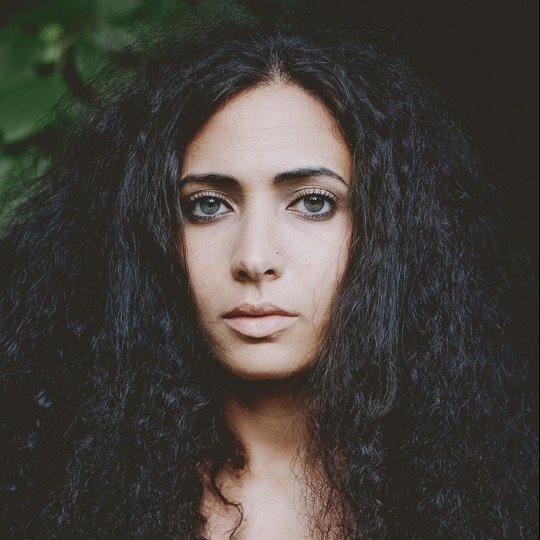
HALA ALYAN - Palestinian-American Poet, Novelist & Clinical Psychologist - Dayton Literary Peace Prize Winner
Originally aired 2021Hala Alyan is the author of the novel Salt Houses, winner of the Dayton Literary Peace Prize and the Arab American Book Award and a finalist for the Chautauqua Prize, as well as the forthcoming novel The Arsonists’ City, and four award-winning collections of poetry, most recently The Twenty-Ninth Year. Her work has been published by the New Yorker, the Academy of American Poets, Lit Hub, The New York Times Book Review, and Guernica. She lives in Brooklyn with her husband, where she works as a clinical psychologist.· halaalyan.com · www.creativeprocess.info
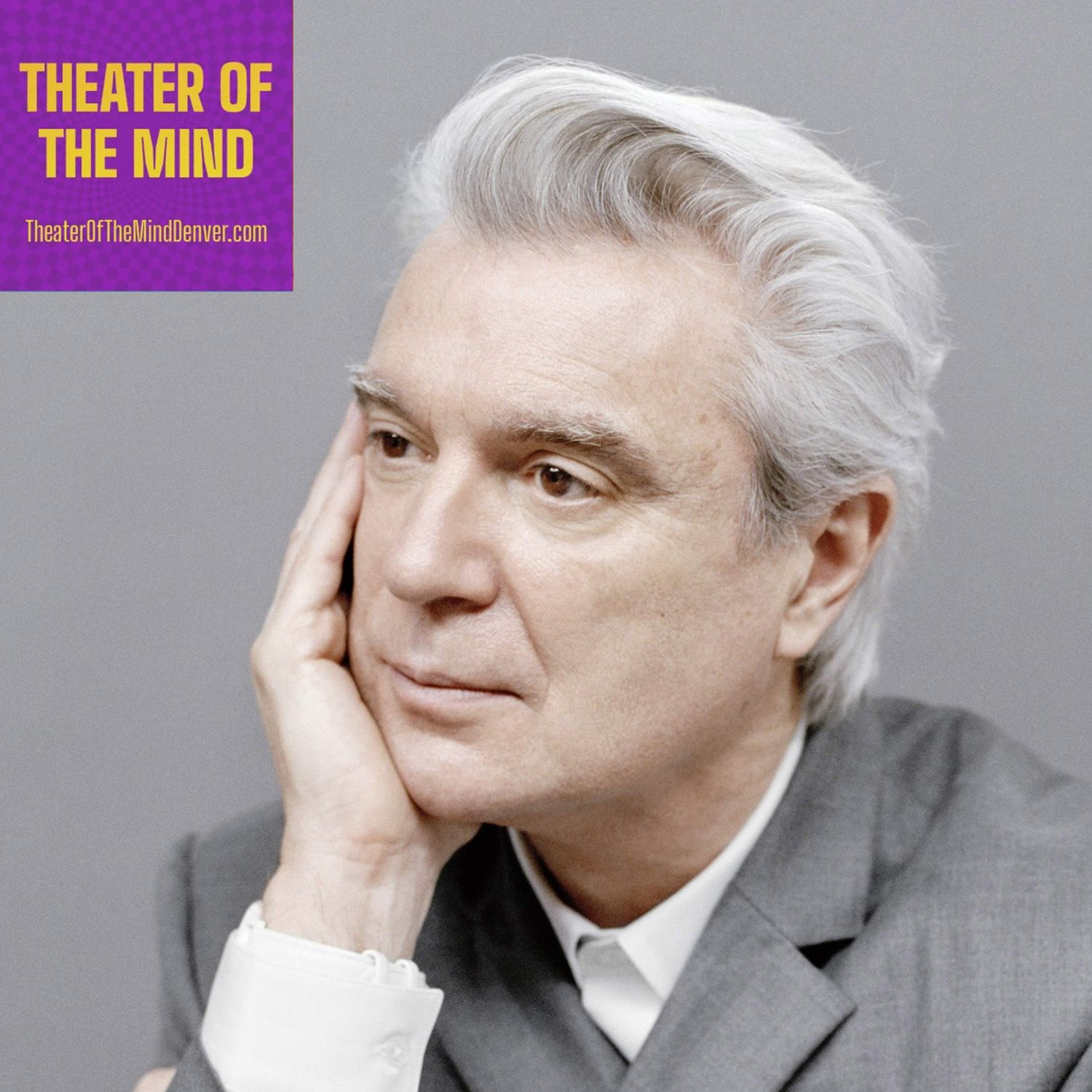
Understanding Consciousness - DAVID BYRNE’s Theater of the Mind - Highlights
Q: Who is David Byrne?David Byrne: ...I have no idea.Most people know me through music, but when I was in high school I saw science and the arts as being equally creative fields. More recently, I just started taking an interest in how the brain works, and there's been this explosion of literature. As much as I love reading about neuroscience, I realize that experiencing some of the phenomena is just on a different level. I wanted to create an experience that shows us we're not who we think we are. Theater of the Mind is an immersive Science Theater project. With this show, I've tried to marry a narrative to the experience of different scientific phenomena that reveal how malleable our perception memory, and identity really are.To make a production like this work, it's a big invisible team. There's actors, lighting designers sound designers, technical people so it's a really complicated system. This is the Theater of the Mind. How do we operate in a world where we're not sure what's real and what's not. If things are unreliable, then what do we trust? People think of science as being intimidating, but it also doesn't mean that you can't understand it or can't enjoy it. Our emotions, our sense of self, our relationship to other people is all connected to our perception, that you can't separate one of these things from another. They all work together to make us what we are.What is consciousness? The mind produces thoughts, sensations, perception, emotions. How can these inner felt experiences be produced within the darkness of the human skull?Nicholas Bruckman is founder and CEO of People's Television, a production studio and creative agency that produces independent films, and video storytelling for brands. Collaborating with the The Simons Foundation through their 'Science Sandbox' Initiative, he directed Theater of the Mind, which takes audiences into the creative inner workings of Musician and Artist David Byrne’s brain, showcasing Byrne’s immersive theater performance, which attempts to conceptualize the idea of our sense of self and how malleable the mind truly is.He directed the award-winning healthcare justice documentary Not Going Quietly, executive produced by Mark and Jay Duplass.John Tracey is Program Director of Science, Society and Culture projects at the Simons Foundation whose mission is to advance the frontiers of research in mathematics and the basic sciences to unravel the mysteries of the universe. The foundation champions basic science through grant funding, support for research and public engagement.Ian Moubayed started his career as a cinematographer, collaborating with Emmy, Peabody, and Oscar-winning filmmakers. His work includes Netflix’s The Great Hack, NBC Peacock’s The Sit-In: Harry Belafonte Hosts the Tonight Show, and HBO’s The Vow.www.youtube.com/@sciencesandboxwww.davidbyrne.comhttps://nickny.com/biohttps://www.simonsfoundation.org/people/john-tracey/https://peoples.tv/director/ian-moubayed/www.creativeprocess.infowww.oneplanetpodcast.orgIG www.instagram.com/creativeprocesspodcast
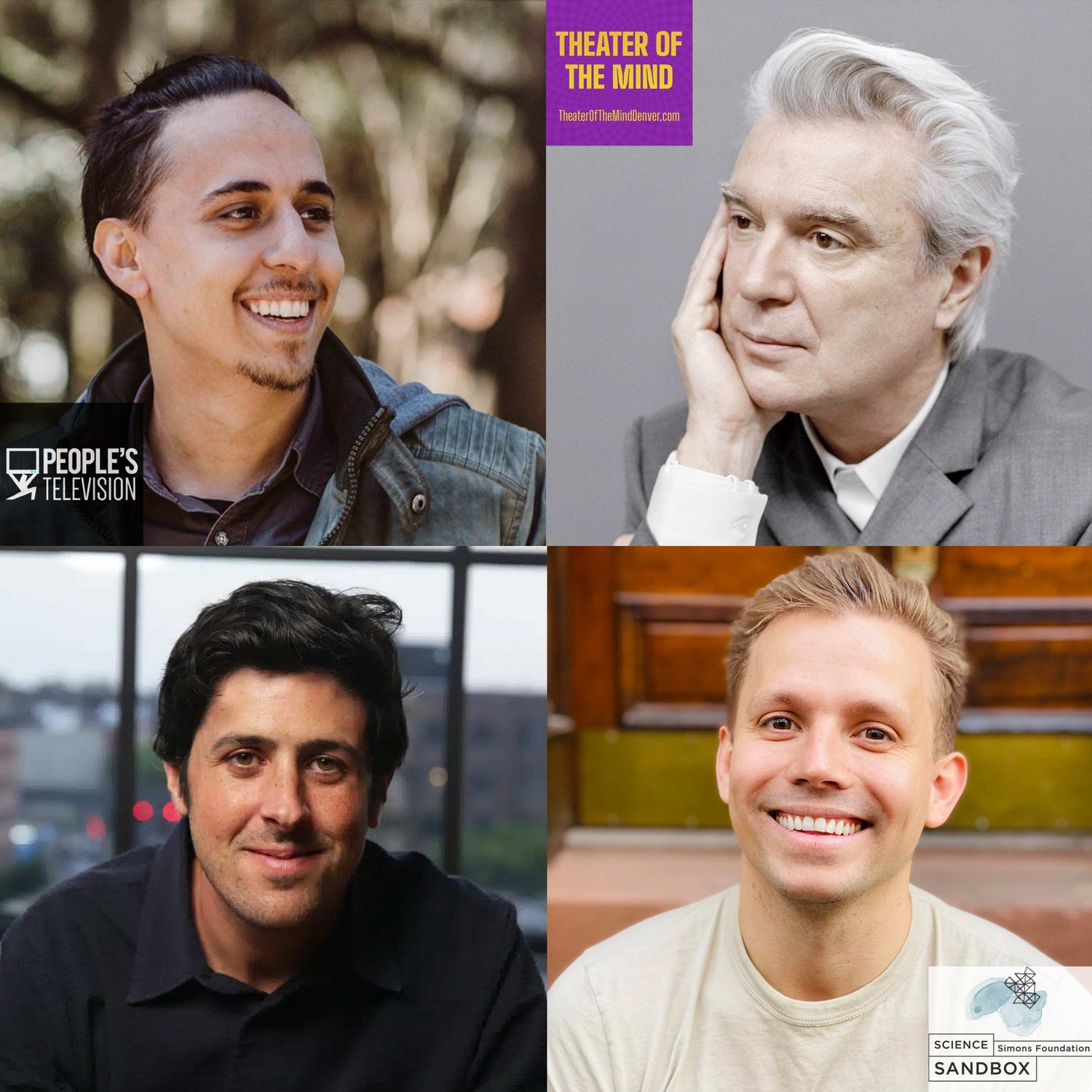
DAVID BYRNE'S THEATER OF THE MIND - Stories of Impact produced by Simons Foundation & People’s TV
What is consciousness? The mind produces thoughts, sensations, perception, emotions. How can these inner felt experiences be produced within the darkness of the human skull?Nicholas Bruckman is founder and CEO of People's Television, a production studio and creative agency that produces independent films, and video storytelling for brands. Collaborating with the The Simons Foundation through their 'Science Sandbox' Initiative, he directed Theater of the Mind, which takes audiences into the creative inner workings of Musician and Artist David Byrne’s brain, showcasing Byrne’s immersive theater performance, which attempts to conceptualize the idea of our sense of self and how malleable the mind truly is.He directed the award-winning healthcare justice documentary Not Going Quietly, executive produced by Mark and Jay Duplass.John Tracey is Program Director of Science, Society and Culture projects at the Simons Foundation whose mission is to advance the frontiers of research in mathematics and the basic sciences to unravel the mysteries of the universe. The foundation champions basic science through grant funding, support for research and public engagement.Ian Moubayed started his career as a cinematographer, collaborating with Emmy, Peabody, and Oscar-winning filmmakers. His work includes Netflix’s The Great Hack, NBC Peacock’s The Sit-In: Harry Belafonte Hosts the Tonight Show, and HBO’s The Vow.Q: Who is David Byrne?David Byrne: ...I have no idea.Most people know me through music, but when I was in high school I saw science and the arts as being equally creative fields. More recently, I just started taking an interest in how the brain works, and there's been this explosion of literature. As much as I love reading about neuroscience, I realize that experiencing some of the phenomena is just on a different level. I wanted to create an experience that shows us we're not who we think we are. Theater of the Mind is an immersive Science Theater project. With this show, I've tried to marry a narrative to the experience of different scientific phenomena that reveal how malleable our perception memory, and identity really are.To make a production like this work, it's a big invisible team. There's actors, lighting designers sound designers, technical people so it's a really complicated system. This is the Theater of the Mind. How do we operate in a world where we're not sure what's real and what's not. If things are unreliable, then what do we trust? People think of science as being intimidating, but it also doesn't mean that you can't understand it or can't enjoy it. Our emotions, our sense of self, our relationship to other people is all connected to our perception, that you can't separate one of these things from another. They all work together to make us what we are.www.youtube.com/@sciencesandboxwww.davidbyrne.comhttps://nickny.com/biohttps://www.simonsfoundation.org/people/john-tracey/https://peoples.tv/director/ian-moubayed/www.creativeprocess.infowww.oneplanetpodcast.orgIG www.instagram.com/creativeprocesspodcast
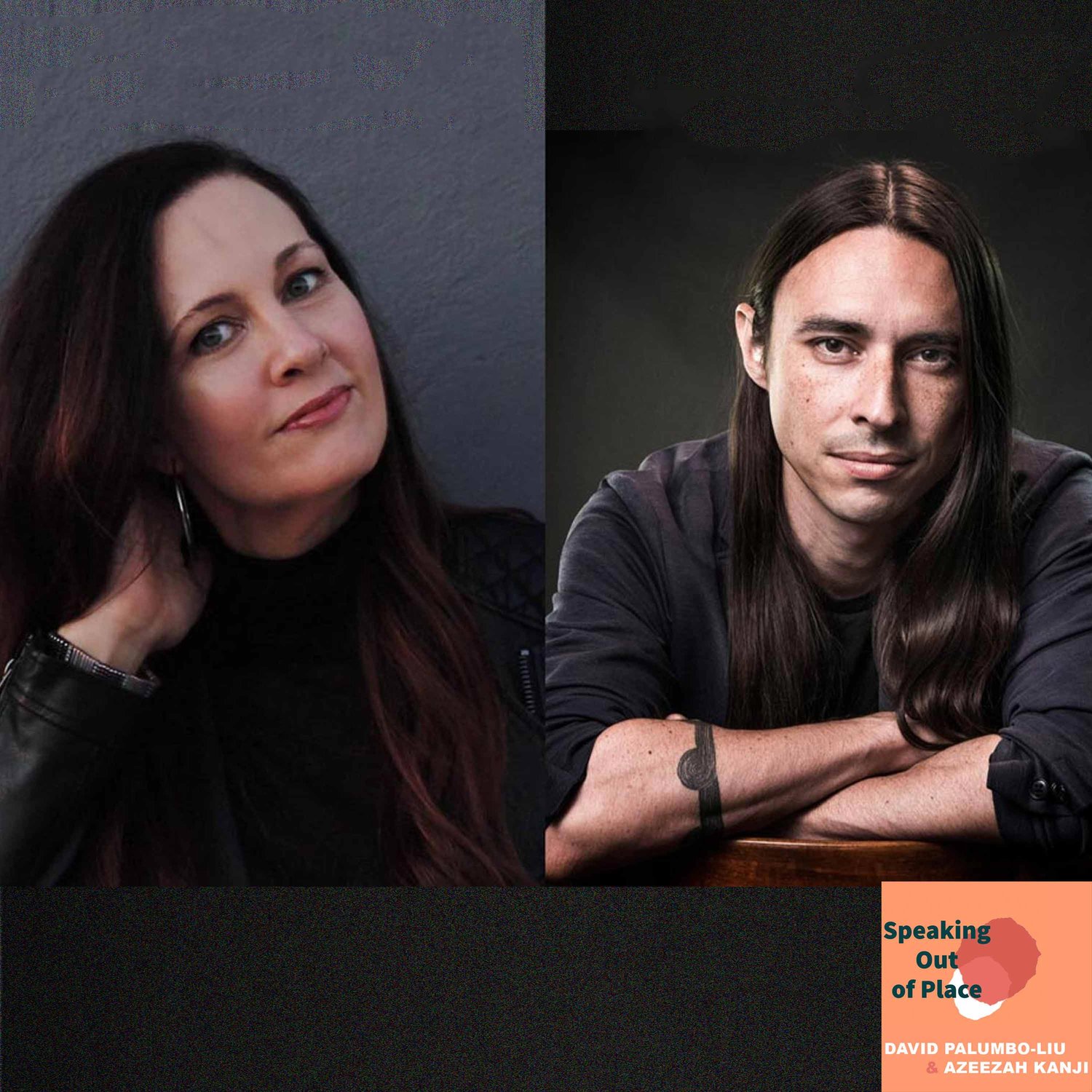
Speaking Out of Place: LIZA BLACK & JOSEPH PIERCE discuss When “Natives” Aren’t: The Epistemic & Communal Violence & Re-storying
In this episode of the Speaking Out of Place podcast, Professor David Palumbo-Liu and Azeezah Kanji talk with Joseph M. Pierce and Liza Black about the vast number of questions that are opened up when people pretend to be Native when they in fact are not. These cases take on a specific significance when such false identifications allow these people access to privilege and positions of authority. When these falsehoods are found out, they place scholars and activists who have allied themselves with these people in extremely difficult positions, and unfortunately make institutions like colleges and universities the final arbiters of how “justice” is to be served. Finally, these cases put even more pressure on Native peoples to imagine and practice inventing identities that are both rooted and at the same time open to a broader set of possibilities.Liza Black is a citizen of Cherokee Nation. Recently on fellowship at UCLA, Black is currently completing her book manuscript: How to Get Away with Murder: A Transnational History of Missing and Murdered Indigenous Women, contracted with Johns Hopkins University Press for an anticipated publication date of 2026. How to Get Away with Murder provides six case studies of women, girls, and two spirits disappeared or murdered over the course of the 20th century. Black is an Associate Professor of History and Native American and Indigenous Studies. In 2020, Black published Picturing Indians: Native Americans in Film, a deeply archival book making the argument that mid-century Native people navigated the complexities of inhabiting filmic representations of themselves as a means of survivance. Black has received several research grants including the Ford pre-, doc and post-doc fellowships; the Institute of American Cultures at UCLA fellowship; and the Cherokee Nation Higher Education Grant.Joseph M. Pierce is Associate Professor in the Department of Hispanic Languages and Literature at Stony Brook University. His research focuses on the intersections of kinship, gender, sexuality, and race in Latin America, 19th century literature and culture, queer studies, Indigenous studies, and hemispheric approaches to citizenship and belonging. He is the author of Argentine Intimacies: Queer Kinship in an Age of Splendor, 1890-1910 (SUNY Press, 2019) and co-editor of Políticas del amor: Derechos sexuales y escrituras disidentes en el Cono Sur (Cuarto Propio, 2018) as well as the 2021 special issue of GLQ, “Queer/Cuir Américas: Translation, Decoloniality, and the Incommensurable.” His work has been published recently in Revista Hispánica Moderna, Critical Ethnic Studies, Latin American Research Review, and has also been featured in Indian Country Today. Along with S.J. Norman (Koori of Wiradjuri descent) he is co-curator of the performance series Knowledge of Wounds. He is a citizen of the Cherokee Nation.www.lizablack.comwww.josephmpierce.comwww.palumbo-liu.com https://speakingoutofplace.comhttps://twitter.com/palumboliu?s=20
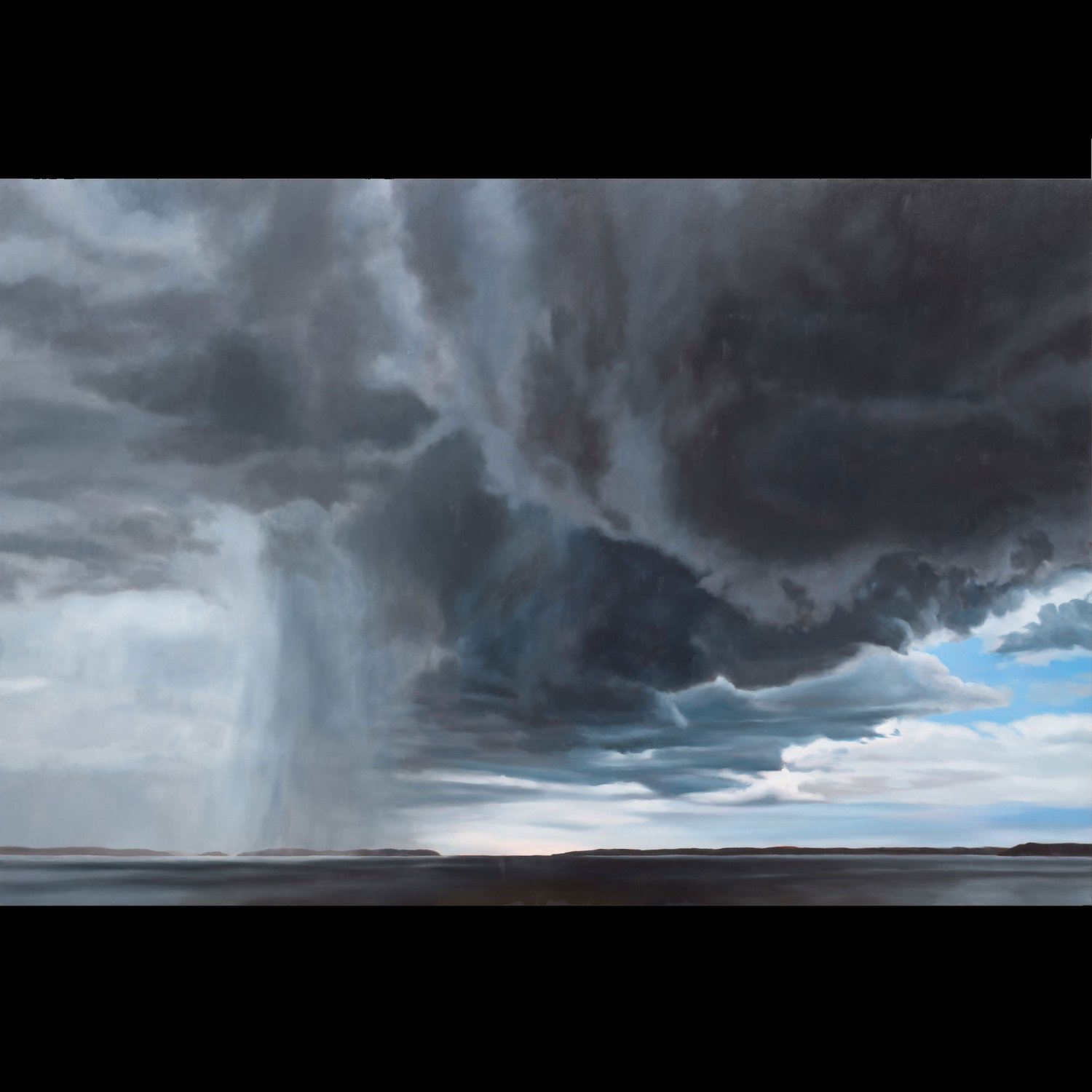
How Do the Arts Build Community & Inspire Change? - Artist & Environmentalist APRIL GORNIK - Highlights
"I was just saying to Eric yesterday, we were walking down the quay and talking and suddenly I said, "People just don't think about place enough. We don't recognize the importance of place." I think it's a little bit the social media environment that we're living in now where we're all bent over a screen, but to try to locate yourself in a place is reifying. It's identifying. It gives you a sense of positive self-consciousness. I think if you find that you're comfortable or not, just being able to feel out the positive or negative effects of a space or place is really important. And I don't think people spend enough time affording themselves that contemplation of place. And, to go back to my work, that's a little bit what I'm doing...I've been trying to sort of locate myself outside of myself as a way of reflecting back on who I am as a person."In this fractured world, how do the arts build community, understanding, and inspire change? How does art help us define who we are and our place in the world?April Gornik is known for her large scale landscape paintings which embrace the vastness of sea and sky. Her imagined landscapes, built up through a series of underpaintings are meditations on light and time. Her work is included in the collections of the Metropolitan Museum of Art, The Museum of Modern Art (MoMA), the Museum of Fine Arts Houston, and the Smithsonian American Art Museum in Washington, DC. She is a director of the board of the Sag Harbor Cinema Arts Center and co-founded The Church arts, exhibition space, and creativity center, which is a sanctuary for visual, performing, literary artists, and other creatives. Together with her husband the artist Eric Fischl, they are at the center of Sag Harbour’s arts district, and in this episode, we’ll also hear from some of the talented artists they’ve brought to their stages.www.aprilgornik.comwww.thechurchsagharbor.orgwww.milesmcenery.com/exhibitions/april-gornik2https://sagharborcinema.org/www.creativeprocess.infowww.oneplanetpodcast.orgIG www.instagram.com/creativeprocesspodcastKimiko Ishizaka - Bach - Well-Tempered Clavier, Book 1 - 01 Prelude No. 1 in C major, BWV 846Creative Commons CC0 1.0 Universal Public DomainAdditional audio courtesy of Sag Harbor Cinema Arts Center.
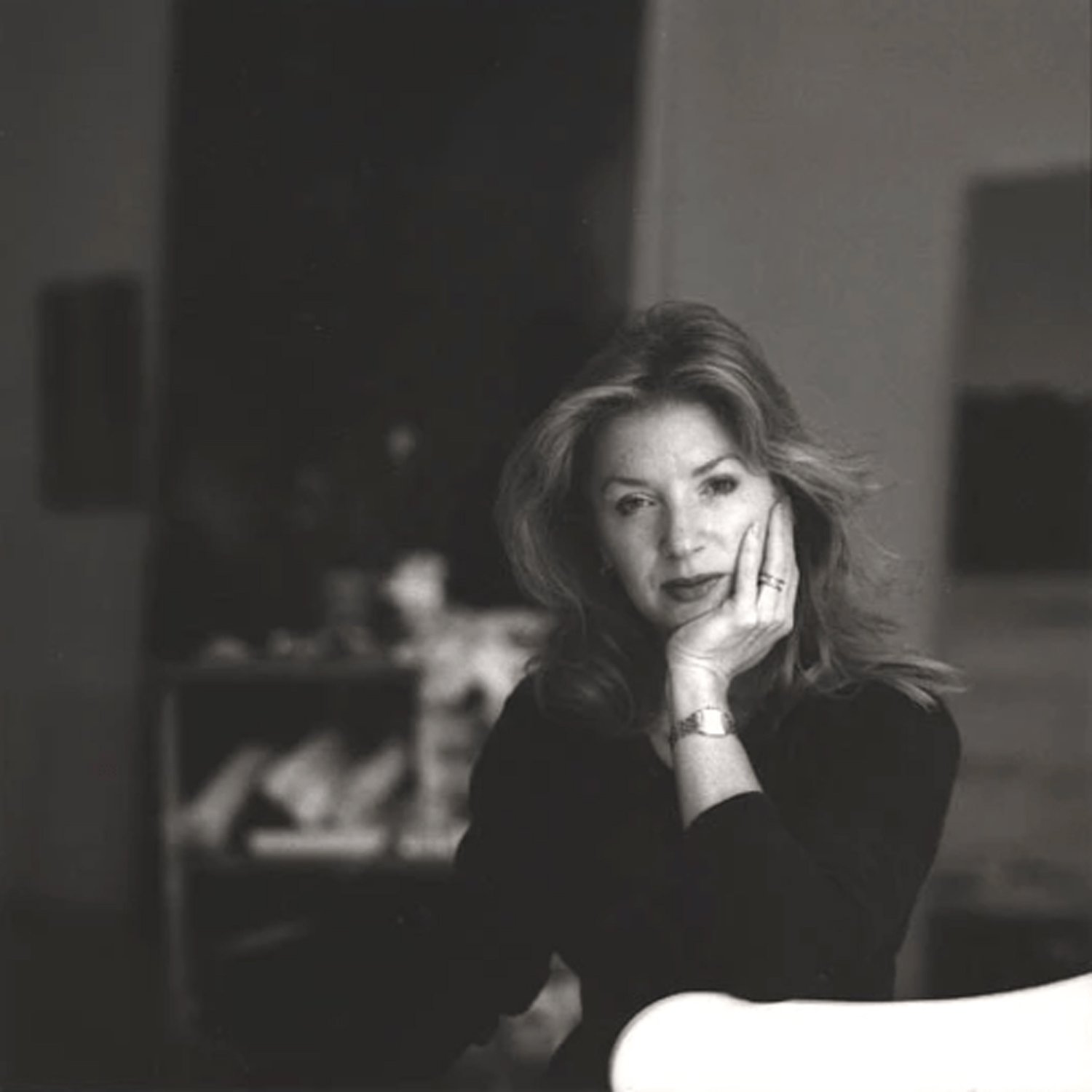
APRIL GORNIK - Artist, Environmentalist, Co-founder of The Church: Arts & Creativity Center
In this fractured world, how do the arts build community, understanding, and inspire change? How does art help us define who we are and our place in the world?April Gornik is known for her large scale landscape paintings which embrace the vastness of sea and sky. Her imagined landscapes, built up through a series of underpaintings are meditations on light and time. Her work is included in the collections of the Metropolitan Museum of Art, The Museum of Modern Art (MoMA), the Museum of Fine Arts Houston, and the Smithsonian American Art Museum in Washington, DC. She is a director of the board of the Sag Harbor Cinema Arts Center and co-founded The Church arts, exhibition space, and creativity center, which is a sanctuary for visual, performing, literary artists, and other creatives. Together with her husband the artist Eric Fischl, they are at the center of Sag Harbour’s arts district, and in this episode, we’ll also hear from some of the talented artists they’ve brought to their stages."I was just saying to Eric yesterday, we were walking down the quay and talking and suddenly I said, "People just don't think about place enough. We don't recognize the importance of place." I think it's a little bit the social media environment that we're living in now where we're all bent over a screen, but to try to locate yourself in a place is reifying. It's identifying. It gives you a sense of positive self-consciousness. I think if you find that you're comfortable or not, just being able to feel out the positive or negative effects of a space or place is really important. And I don't think people spend enough time affording themselves that contemplation of place. And, to go back to my work, that's a little bit what I'm doing...I've been trying to sort of locate myself outside of myself as a way of reflecting back on who I am as a person."www.aprilgornik.comwww.thechurchsagharbor.orgwww.milesmcenery.com/exhibitions/april-gornik2https://sagharborcinema.org/www.creativeprocess.infowww.oneplanetpodcast.orgIG www.instagram.com/creativeprocesspodcastKimiko Ishizaka - Bach - Well-Tempered Clavier, Book 1 - 01 Prelude No. 1 in C major, BWV 846Creative Commons CC0 1.0 Universal Public DomainAdditional audio courtesy of Sag Harbor Cinema Arts Center.
THE ART OF WRITING: NEIL GAIMAN, JERICHO BROWN, ADA LIMÓN, MARGE PIERCY, E.J. KOH & MAX STOSSEL
Novelists, poets, activists, translators discuss the Art of Writing and The Creative Process. This episode features:NEIL GAIMAN - Writer, Producer, Showrunner - The Sandman, American Gods, Good Omens, CoralineJERICHO BROWN - Pulitzer Prize-winning Poet: The TraditionEditor of How We Do It: Black Writers on Craft, Practice, and SkillADA LIMÓN, U.S. Poet Laureate - The Hurting Kind, The CarryingMARGE PIERCY - Award-winning Novelist, Poet & Activist E.J. KOH - Award-Winning Memoirist & Poet - The Magical Language of Others, A Lesser LoveMAX STOSSEL - Award-winning Poet, Filmmaker, SpeakerCreator of Words That Movewww.creativeprocess.infowww.oneplanetpodcast.orgIG www.instagram.com/creativeprocesspodcast
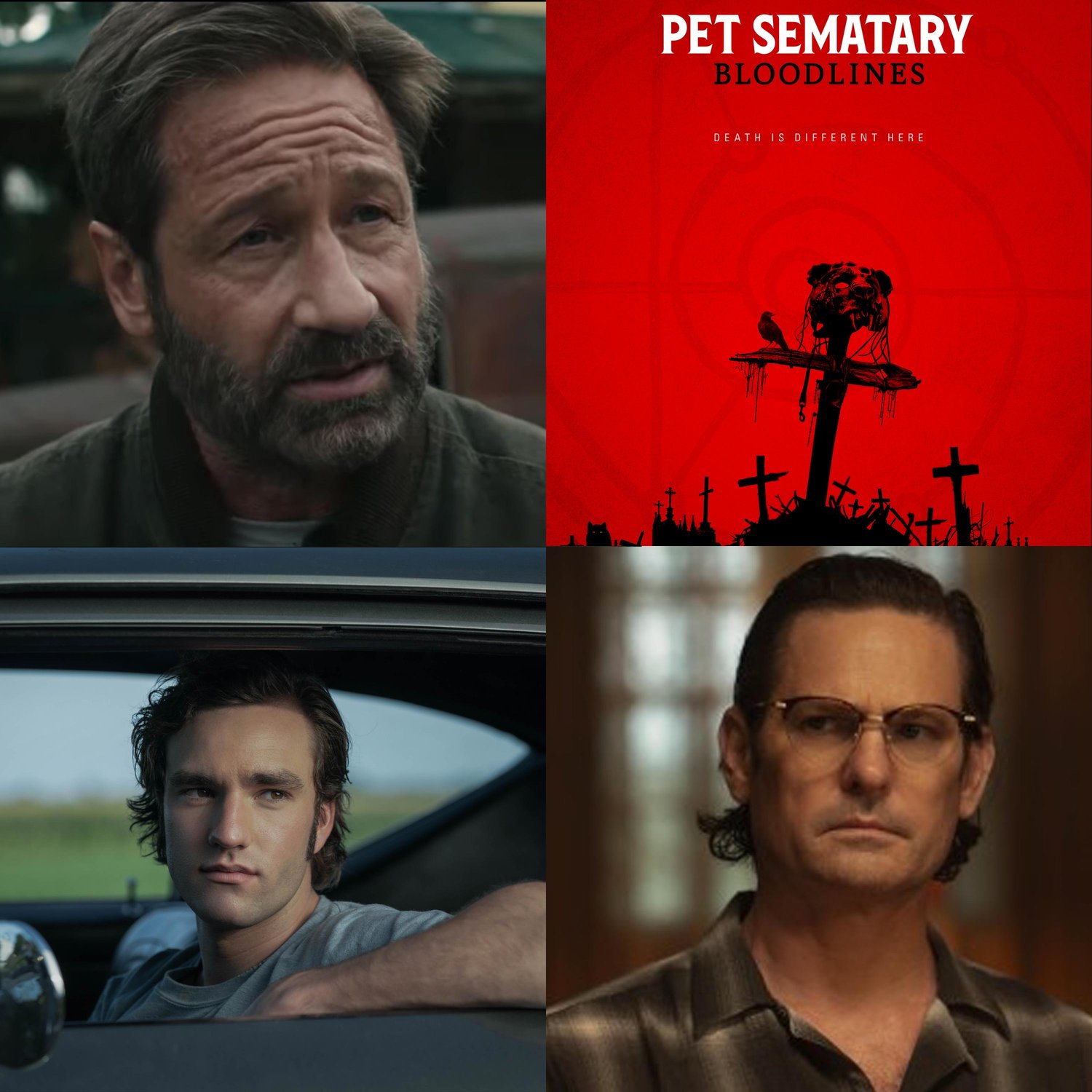
The Making of Modern Classics with LINDSEY ANDERSON BEER on Pet Sematary, Sleepy Hollow, Lord of the Rings - Highlights
"For me, I don't start a project unless I have a really clear understanding of who the main characters are and why this is a journey that's necessary for them to take. And why are these both the best and the worst people to be in this series? That's the question I ask myself all the time because you need to know: What are their strengths? What are their weaknesses? What are the dramatic tension points going to be where these specific people can really succeed or really fail in this scenario?I love people who are passionate, and Quentin Tarantino is just so passionate. And I've never been in a writer's room or even really in any kind of development experience where a director was just so passionate and so full of kind of energetic ideas. And that was really inspiring. Somebody who just completely knows their own point of view and gets excited by their own ideas is just fun to watch.I was about to shoot Pet Sematary: Bloodlines. I was finishing up my work on Star Trek 4, which I had to leave to do Pet Sematary, so I had been working with J. J. Abrams closely for a while on the script, and so I just asked if he had any advice, in terms of just practical stuff on set. And I mean, I've been on so many sets, but still, he's a director who's done so many projects. So he did give me some great advice just about, you know, making it through such long days and taking time for yourself and just kind of keeping your sanity that was kind of the focus of the advice. And he was just very generous and sweet about that.”Lindsey Anderson Beer wrote and executive produced the hit Netflix original dramedy Sierra Burgess is a Loser before making the jump to direct the horror genre with Pet Sematary: Bloodlines, starring Jackson White and Natalie Alyn Lind. The story is based on an untold chapter of Stephen King's self-proclaimed, scariest property of all time. Up next, she will helm Paramount’s Sleepy Hollow reboot as the writer, director, and producer. She also has several projects in various phases of development and production, including Disney's live action remake of Bambi, New Line's Hello Kitty, and Universal's Fast and Furious spinoff, which she wrote with Geneva Robertson-Dworet. Under her production banner Lab Brew, Lord of the Flies will be directed by Luca Guadagnino and written by Patrick Ness for Warner Bros.www.imdb.com/name/nm5170222/www.creativeprocess.infowww.oneplanetpodcast.orgIG www.instagram.com/creativeprocesspodcast
LINDSEY ANDERSON BEER - Writer, Director, Producer - Pet Sematary: Bloodlines - Sleepy Hollow - Bambi
Lindsey Anderson Beer wrote and executive produced the hit Netflix original dramedy Sierra Burgess is a Loser before making the jump to direct the horror genre with Pet Sematary: Bloodlines, starring Jackson White and Natalie Alyn Lind. The story is based on an untold chapter of Stephen King's self-proclaimed, scariest property of all time. Up next, she will helm Paramount’s Sleepy Hollow reboot as the writer, director, and producer. She also has several projects in various phases of development and production, including Disney's live action remake of Bambi, New Line's Hello Kitty, and Universal's Fast and Furious spinoff, which she wrote with Geneva Robertson-Dworet. Under her production banner Lab Brew, Lord of the Flies will be directed by Luca Guadagnino and written by Patrick Ness for Warner Bros."For me, I don't start a project unless I have a really clear understanding of who the main characters are and why this is a journey that's necessary for them to take. And why are these both the best and the worst people to be in this series? That's the question I ask myself all the time because you need to know: What are their strengths? What are their weaknesses? What are the dramatic tension points going to be where these specific people can really succeed or really fail in this scenario?I love people who are passionate, and Quentin Tarantino is just so passionate. And I've never been in a writer's room or even really in any kind of development experience where a director was just so passionate and so full of kind of energetic ideas. And that was really inspiring. Somebody who just completely knows their own point of view and gets excited by their own ideas is just fun to watch.I was about to shoot Pet Sematary: Bloodlines. I was finishing up my work on Star Trek 4, which I had to leave to do Pet Sematary, so I had been working with J. J. Abrams closely for a while on the script, and so I just asked if he had any advice, in terms of just practical stuff on set. And I mean, I've been on so many sets, but still, he's a director who's done so many projects. So he did give me some great advice just about, you know, making it through such long days and taking time for yourself and just kind of keeping your sanity that was kind of the focus of the advice. And he was just very generous and sweet about that.”www.imdb.com/name/nm5170222/www.creativeprocess.infowww.oneplanetpodcast.orgIG www.instagram.com/creativeprocesspodcast
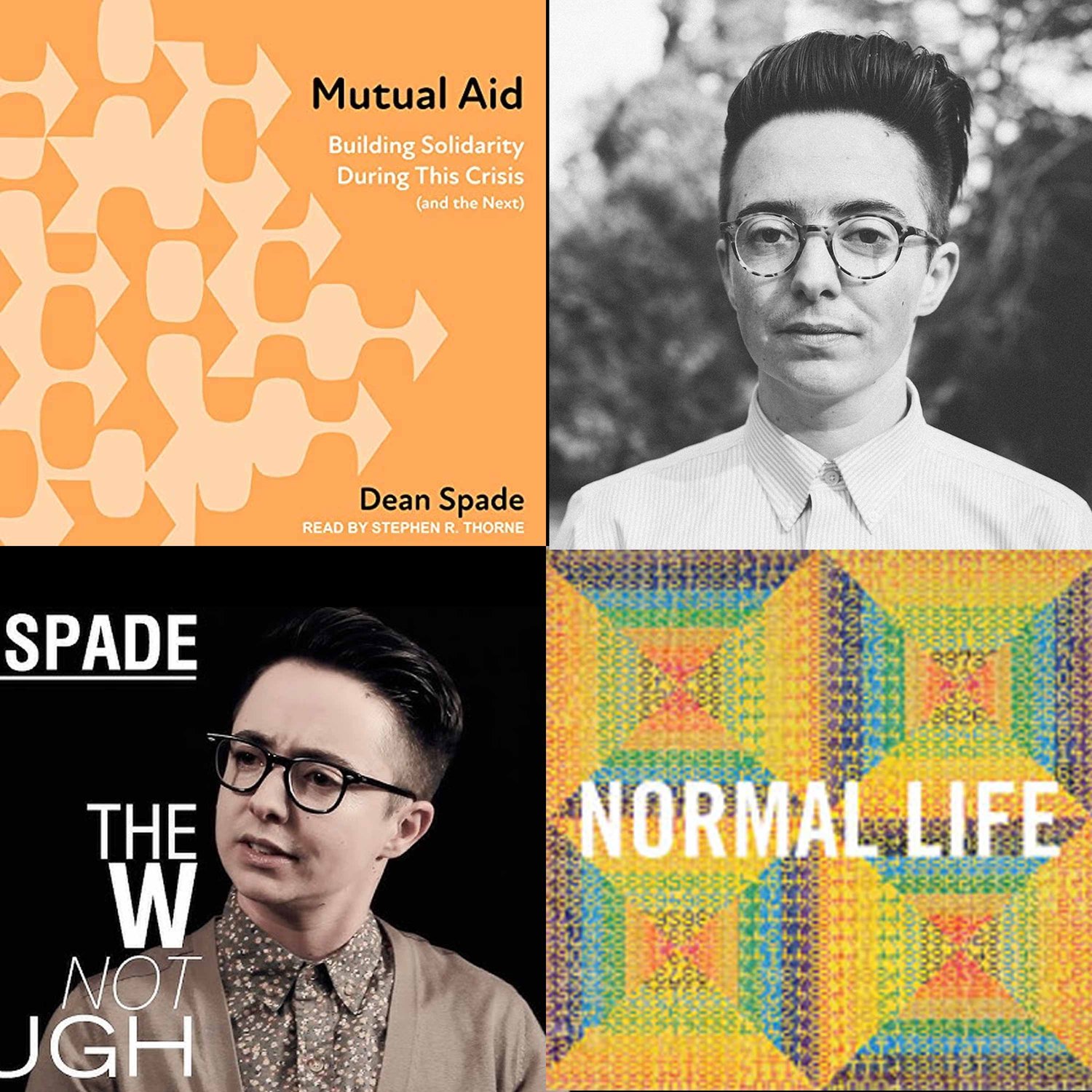
Mutual Aid, Building Solidarity During This Crisis (and the Next) with DEAN SPADE - Highlights
"The belief that marginalized and hated populations can find freedom by being recognized by law, allowed to serve in the military, allowed to marry, and protected by anti-discrimination laws and hate crime statutes is a central narrative of the United States.Politicians, primary school textbooks, and the corporate media tell us the story that the United States left ugly histories of white supremacy behind through a civil rights movement that changed hearts, minds, and especially laws to eradicate racism and bring freedom to all. This simplified narrative is relentlessly reiterated in US culture and has played a starring role in the past four decades of lesbian and gay rights advocacy where the analogy to the Black civil rights to the Black civil rights movement has been a consistent rhetorical tool. 1. I argue that social movements must abandon the widely held belief that oppressed people can be freed by legal recognition and inclusion if we are to truly address and transform the conditions of premature death facing impoverished and criminalized populations in this period."-Normal LifeAdministrative Violence, Critical Trans Politics, and the Limits of Law Dean Spade is an organizer, speaker, author, and professor at Seattle University's School of Law, where he teaches courses on policing, imprisonment, gender, race, and social movements. Spade has been organizing racial and economic movements for queer and trans liberation for the past 20 years. Spade's books include Normal Life: Administrative Violence, Critical Trans Politics, and the Limits of Law and Mutual Aid, Building Solidarity During This Crisis (and the Next). In 2002, Dean founded the Sylvia Rivera Law Project, a non-profit law collective that provides free legal services to transgender, intersex and gender non-conforming people who are low-income and/or people of color, and which operates on a collective governance model. His writing has appeared in The Chronicle of Higher Education, Out, In These Times, Social Text, and Signs.www.deanspade.netwww.southendpress.org/2010/items/87965www.deanspade.net/mutual-aid-building-solidarity-during-this-crisis-and-the-next/https://srlp.orgwww.creativeprocess.infowww.oneplanetpodcast.orgIG www.instagram.com/creativeprocesspodcast
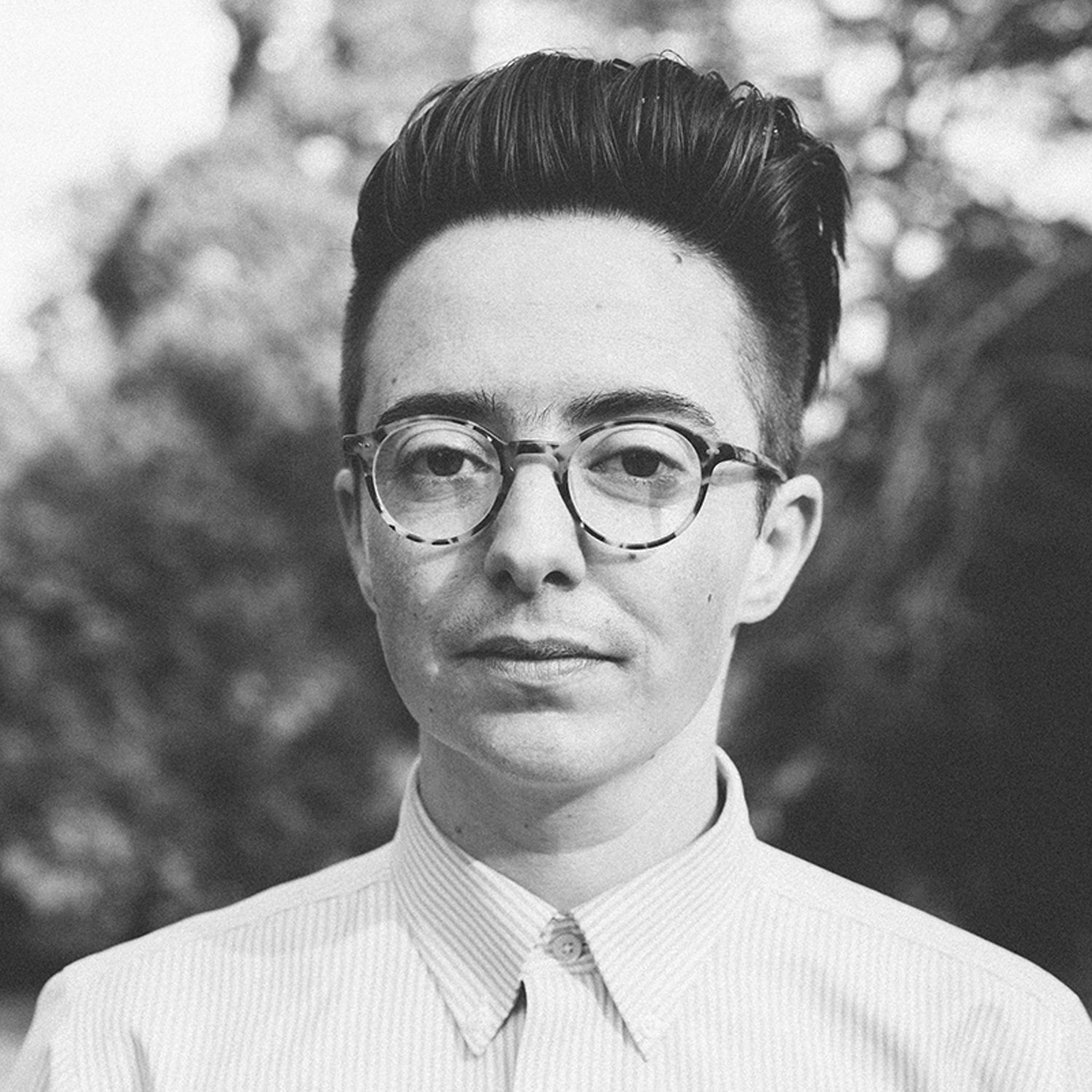
DEAN SPADE - Author of Normal Life: Administrative Violence, Critical Trans Politics, and the Limits of Law
Dean Spade is an organizer, speaker, author, and professor at Seattle University's School of Law, where he teaches courses on policing, imprisonment, gender, race, and social movements. Spade has been organizing racial and economic movements for queer and trans liberation for the past 20 years. Spade's books include Normal Life: Administrative Violence, Critical Trans Politics, and the Limits of Law and Mutual Aid, Building Solidarity During This Crisis (and the Next). In 2002, Dean founded the Sylvia Rivera Law Project, a non-profit law collective that provides free legal services to transgender, intersex and gender non-conforming people who are low-income and/or people of color, and which operates on a collective governance model. His writing has appeared in The Chronicle of Higher Education, Out, In These Times, Social Text, and Signs."The belief that marginalized and hated populations can find freedom by being recognized by law, allowed to serve in the military, allowed to marry, and protected by anti-discrimination laws and hate crime statutes is a central narrative of the United States.Politicians, primary school textbooks, and the corporate media tell us the story that the United States left ugly histories of white supremacy behind through a civil rights movement that changed hearts, minds, and especially laws to eradicate racism and bring freedom to all. This simplified narrative is relentlessly reiterated in US culture and has played a starring role in the past four decades of lesbian and gay rights advocacy where the analogy to the Black civil rights to the Black civil rights movement has been a consistent rhetorical tool. 1. I argue that social movements must abandon the widely held belief that oppressed people can be freed by legal recognition and inclusion if we are to truly address and transform the conditions of premature death facing impoverished and criminalized populations in this period."-Normal LifeAdministrative Violence, Critical Trans Politics, and the Limits of Lawwww.deanspade.netwww.southendpress.org/2010/items/87965www.deanspade.net/mutual-aid-building-solidarity-during-this-crisis-and-the-next/https://srlp.orgwww.creativeprocess.infowww.oneplanetpodcast.orgIG www.instagram.com/creativeprocesspodcast
How Cultural & Political Factors Influence Climate Action - ANTHONY LEISEROWITZ - Highlights
"At the Yale Program on Climate Change Communication, we study how people respond to climate change. So what do people around the world understand or misunderstand about the causes, the consequences, and solutions? How do they perceive the risks: the likelihood and severity of different types of impacts from sea level rise to the health impacts? What kinds of policies do they support or oppose? And then what kinds of behaviors are people engaged in or willing to change to be part of climate solutions? There are lots of different things there, but our ultimate question is answering why. What are the psychological, cultural, the political reasons why some people get engaged with this issue? While others are kind of apathetic and some are downright dismissive and hostile, or at least they are in the United States, which thankfully is not the case in most of the rest of the world."Anthony Leiserowitz, Ph.D. is the founder and Director of the Yale Program on Climate Change Communication and a Senior Research Scientist at the Yale School of the Environment. He is an internationally recognized expert on public climate change beliefs, attitudes, policy support, and behavior, and the psychological, cultural, and political factors that shape them and conducts research globally, including in the United States, China, India, and Brazil. He has published more than 250 scientific articles, chapters, and reports and has worked with the Intergovernmental Panel on Climate Change, the National Academy of Sciences, the Smithsonian Museum of Natural History, the Harvard Kennedy School, the United Nations Development Program, the Gallup World Poll, and the World Economic Forum, among others. He is a recipient of the Friend of the Planet Award from the National Center for Science Education, the Mitofsky Innovator Award from the American Association of Public Opinion Research, the Stephen H. Schneider Award for Outstanding Climate Science Communication from Climate One, and an Environmental Innovator award from the Environmental Protection Agency. In 2020, he was named the second-most influential climate scientist in the world (of 1,000) by Reuters. He is also the host of Climate Connections, a radio program broadcast each day on more than 700 stations nationwide.https://environment.yale.edu/profile/leiserowitzhttps://climatecommunication.yale.eduwww.yaleclimateconnections.orgwww.creativeprocess.infowww.oneplanetpodcast.orgIG www.instagram.com/creativeprocesspodcast
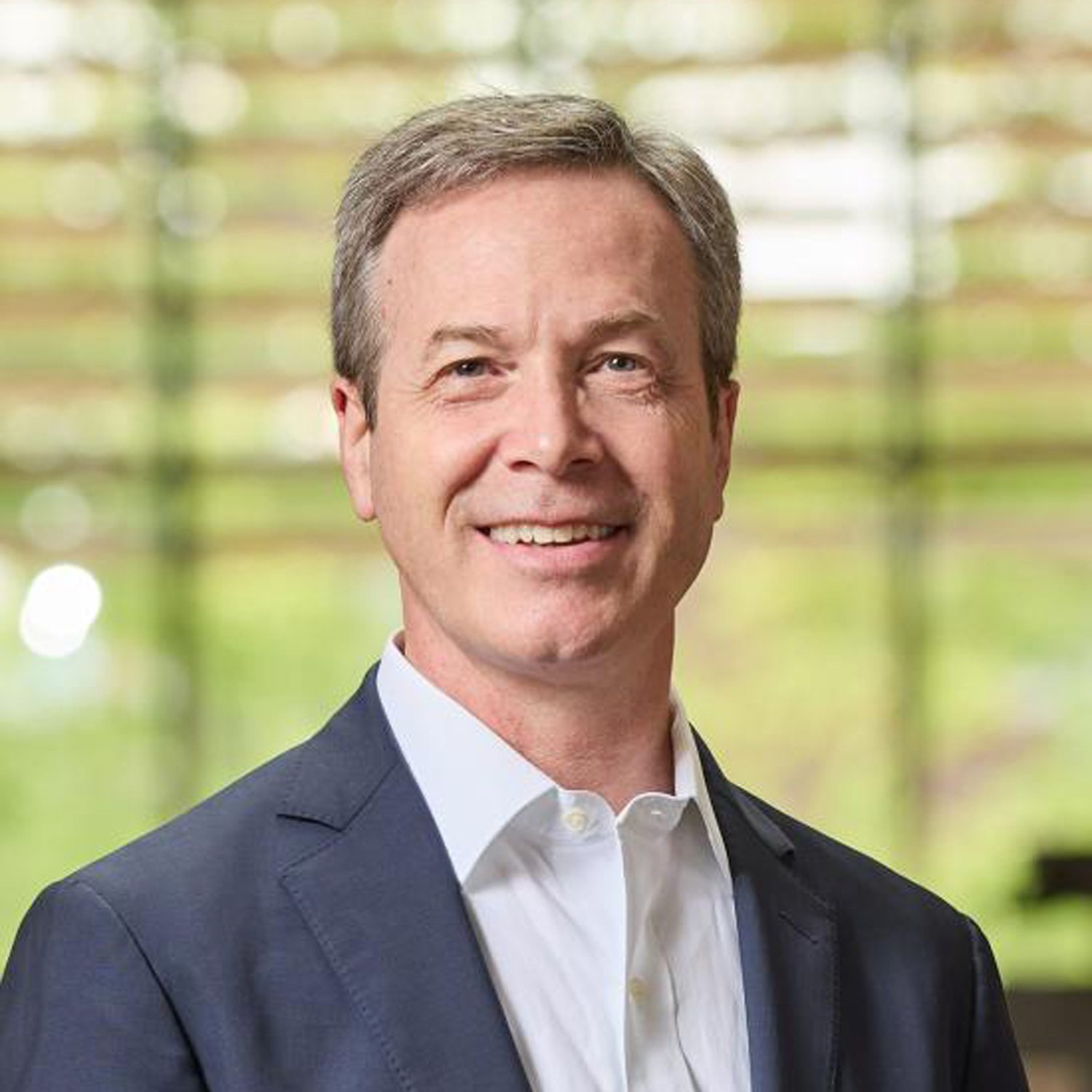
ANTHONY LEISEROWITZ - Founding Director of Yale Program on Climate Change Communication - Host of Climate Connections
Anthony Leiserowitz, Ph.D. is the founder and Director of the Yale Program on Climate Change Communication and a Senior Research Scientist at the Yale School of the Environment. He is an internationally recognized expert on public climate change beliefs, attitudes, policy support, and behavior, and the psychological, cultural, and political factors that shape them and conducts research globally, including in the United States, China, India, and Brazil. He has published more than 250 scientific articles, chapters, and reports and has worked with the Intergovernmental Panel on Climate Change, the National Academy of Sciences, the Smithsonian Museum of Natural History, the Harvard Kennedy School, the United Nations Development Program, the Gallup World Poll, and the World Economic Forum, among others. He is a recipient of the Friend of the Planet Award from the National Center for Science Education, the Mitofsky Innovator Award from the American Association of Public Opinion Research, the Stephen H. Schneider Award for Outstanding Climate Science Communication from Climate One, and an Environmental Innovator award from the Environmental Protection Agency. In 2020, he was named the second-most influential climate scientist in the world (of 1,000) by Reuters. He is also the host of Climate Connections, a radio program broadcast each day on more than 700 stations nationwide."At the Yale Program on Climate Change Communication, we study how people respond to climate change. So what do people around the world understand or misunderstand about the causes, the consequences, and solutions? How do they perceive the risks: the likelihood and severity of different types of impacts from sea level rise to the health impacts? What kinds of policies do they support or oppose? And then what kinds of behaviors are people engaged in or willing to change to be part of climate solutions? There are lots of different things there, but our ultimate question is answering why. What are the psychological, cultural, the political reasons why some people get engaged with this issue? While others are kind of apathetic and some are downright dismissive and hostile, or at least they are in the United States, which thankfully is not the case in most of the rest of the world."https://environment.yale.edu/profile/leiserowitzhttps://climatecommunication.yale.eduwww.yaleclimateconnections.orgwww.creativeprocess.infowww.oneplanetpodcast.orgIG www.instagram.com/creativeprocesspodcast
Science Fiction & The Future of Space Travel with Hugo Award-winning Author ALLEN STEELE - Highlights
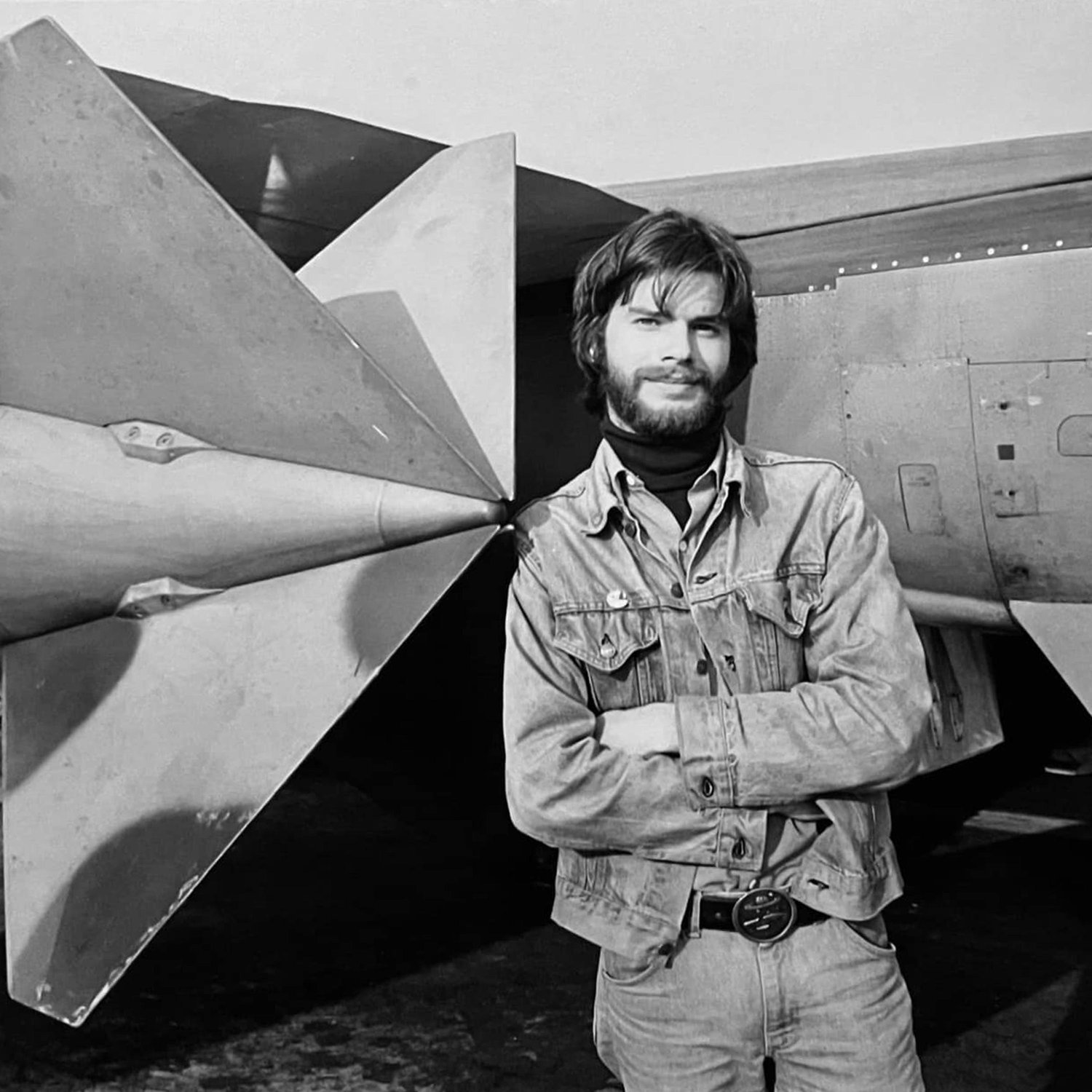
"I'm really very glad. I was happy to see that within my lifetime that the prospects of not just Mars, but in fact interstellar space is being taken seriously. I've been at two conferences where we were talking about building the first starship within this century. One of my later books, Arkwright, is about such a project. I saw that Elon Musk is building Starship One, I wish him all the best. And I envy anybody who goes.I wish I were a younger person and in better health. Somebody asked me some time ago, would you go to Mars? And I said, 'I can't do it now. I've got a bum pancreas, and I'm 65 years old, and I'm not exactly the prime prospect for doing this. If you asked me 40 years ago would I go, I would have said: in a heartbeat!' I would gladly leave behind almost everything. I don't think I'd be glad about leaving my wife and family behind, but I'd be glad to go live on another planet, perhaps for the rest of my life, just for the chance to explore a new world, to be one of the settlers in a new world.And I think this is something that's being taken seriously. It is very possible. We've got to be careful about how we do this. And we've got to be careful, particularly about the rationale of the people who are doing this. It bothers me that Elon Musk has lately taken a shift to the Far Right. I don't know why that is. But I'd love to be able to sit down and talk with him about these things and try to understand why he has done such a right thing, but for what seems to be wrong reasons."What does the future of space exploration look like? How can we unlock the opportunities of outer space without repeating the mistakes of colonization and exploitation committed on Earth? How can we ensure AI and new technologies reflect our values and the world we want to live in? Allen Steele is a science fiction author and journalist. He has written novels, short stories, and essays and been awarded a number of Hugos, Asimov's Readers, and Locus Awards. He’s known for his Coyote Trilogy and Arkwright. He is a former member of the Board of Directors and Board of Advisors for the Science Fiction and Fantasy Writers of America. He has also served as an advisor for the Space Frontier Foundation. In 2001, he testified before the Subcommittee on Space and Aeronautics of the U.S. House of Representatives in hearings regarding space exploration in the 21st century.www.allensteele.comwww.creativeprocess.infowww.oneplanetpodcast.orgIG www.instagram.com/creativeprocesspodcastPhoto from a field trip to Pease Air Force Base in Portsmouth NH, now closed. Photo credit: Chuck Peterson
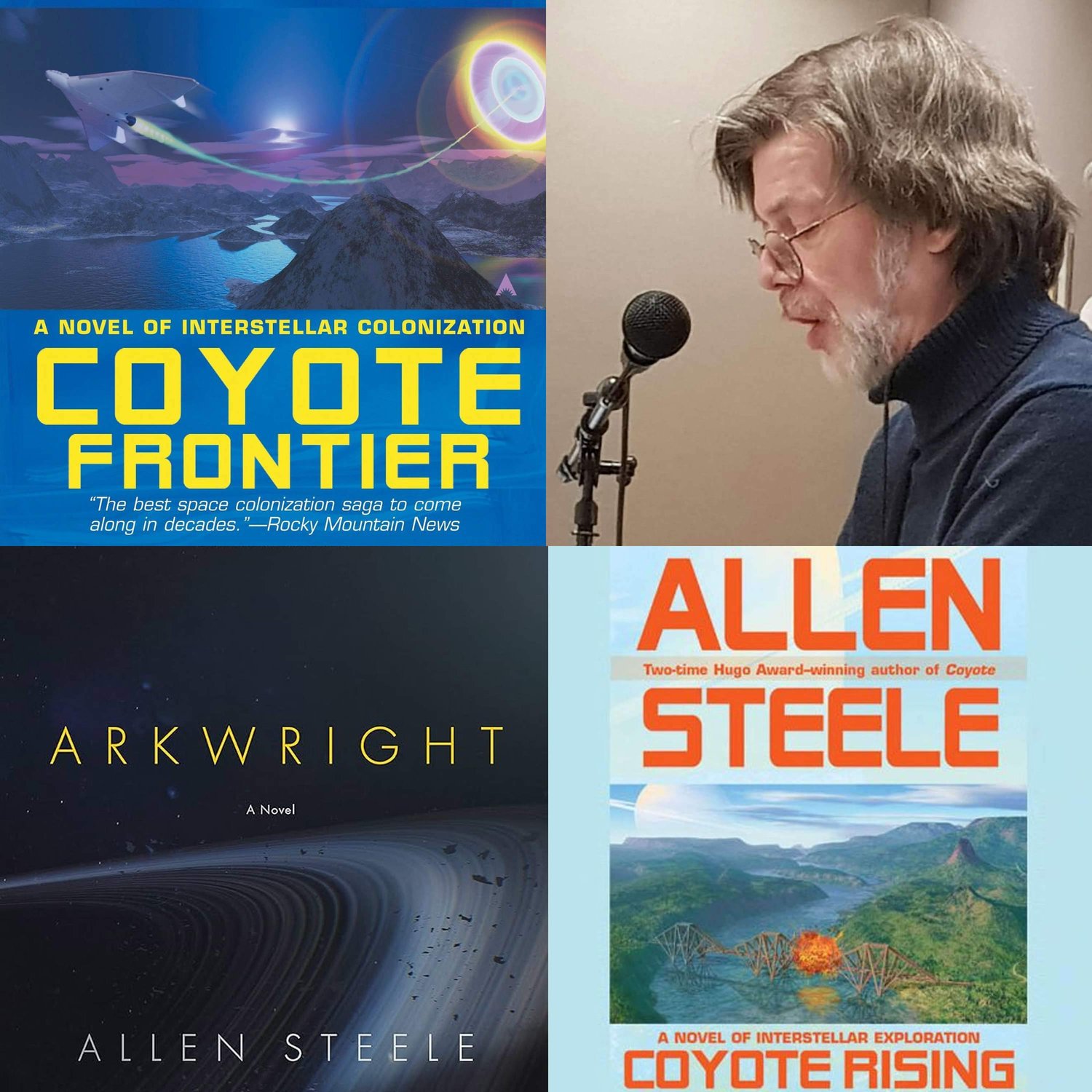
ALLEN STEELE - Hugo Award-winning Science Fiction Author of the Coyote Trilogy, Arkwright
What does the future of space exploration look like? How can we unlock the opportunities of outer space without repeating the mistakes of colonization and exploitation committed on Earth? How can we ensure AI and new technologies reflect our values and the world we want to live in? Allen Steele is a science fiction author and journalist. He has written novels, short stories, and essays and been awarded a number of Hugos, Asimov's Readers, and Locus Awards. He’s known for his Coyote Trilogy and Arkwright. He is a former member of the Board of Directors and Board of Advisors for the Science Fiction and Fantasy Writers of America. He has also served as an advisor for the Space Frontier Foundation. In 2001, he testified before the Subcommittee on Space and Aeronautics of the U.S. House of Representatives in hearings regarding space exploration in the 21st century."I'm really very glad. I was happy to see that within my lifetime that the prospects of not just Mars, but in fact interstellar space is being taken seriously. I've been at two conferences where we were talking about building the first starship within this century. One of my later books, Arkwright, is about such a project. I saw that Elon Musk is building Starship One, I wish him all the best. And I envy anybody who goes.I wish I were a younger person and in better health. Somebody asked me some time ago, would you go to Mars? And I said, 'I can't do it now. I've got a bum pancreas, and I'm 65 years old, and I'm not exactly the prime prospect for doing this. If you asked me 40 years ago would I go, I would have said: in a heartbeat!' I would gladly leave behind almost everything. I don't think I'd be glad about leaving my wife and family behind, but I'd be glad to go live on another planet, perhaps for the rest of my life, just for the chance to explore a new world, to be one of the settlers in a new world.And I think this is something that's being taken seriously. It is very possible. We've got to be careful about how we do this. And we've got to be careful, particularly about the rationale of the people who are doing this. It bothers me that Elon Musk has lately taken a shift to the Far Right. I don't know why that is. But I'd love to be able to sit down and talk with him about these things and try to understand why he has done such a right thing, but for what seems to be wrong reasons."www.allensteele.comwww.creativeprocess.infowww.oneplanetpodcast.orgIG www.instagram.com/creativeprocesspodcast
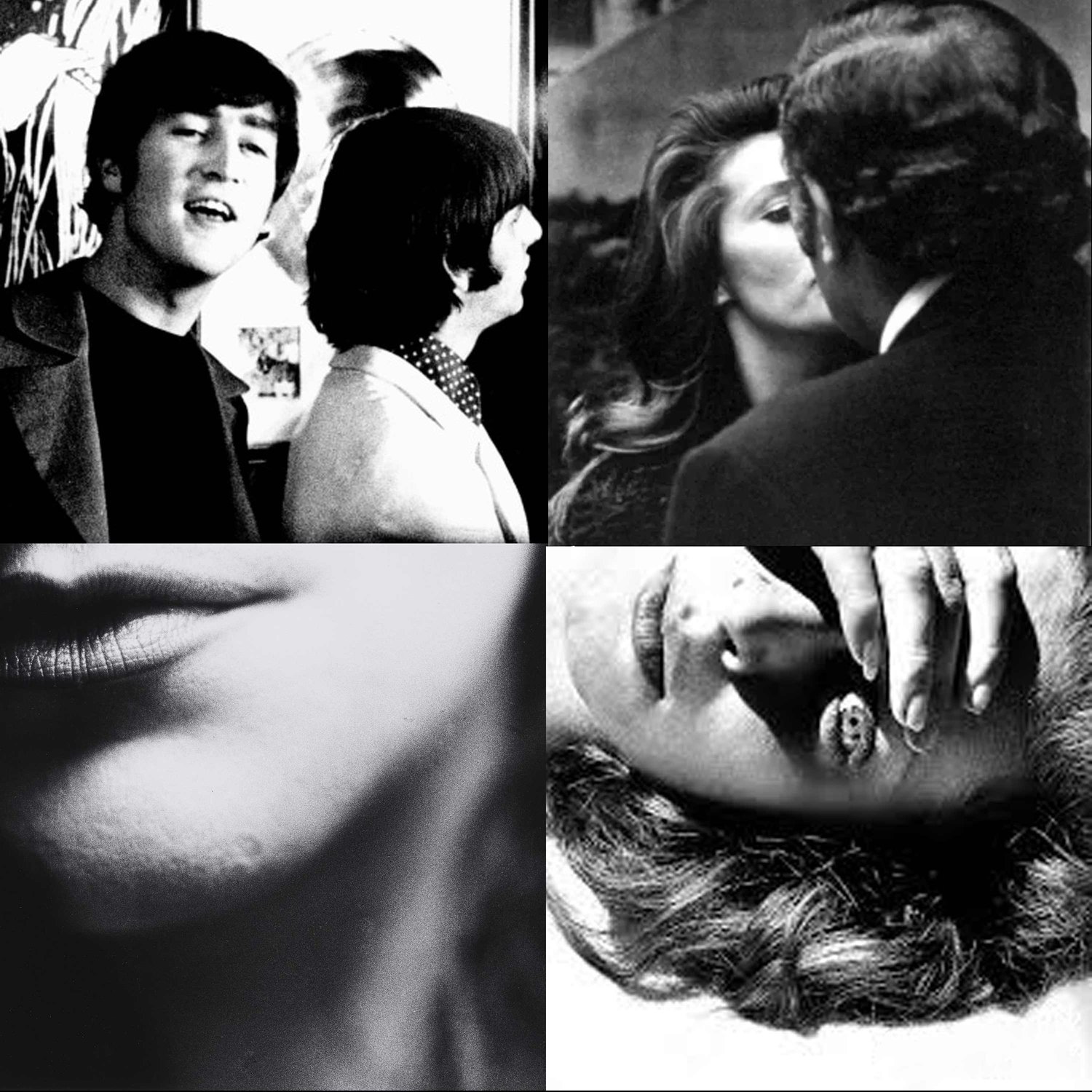
How does the mind influence the mind? How do images tell us who we are? - RALPH GIBSON - Highlights
"The way I measured time for a very large part of my life was I was always in preparation. I remember as a child I was preparing to make my first communion, then I was preparing to go to junior high. There are always these lapses that existed ahead of us, where we were progressing through time predicated on noteworthy events. So I was always functioning as though there was going to be a significant event, which occurred in some kind of concept of the future. And that coincided in parallel with the fact that when you're young, you feel essentially immortal because the idea of being old or dying is so abstract. It's so far away. So now that I'm in this phase of my life where all I'm interested in doing is maintaining my health, doing my push-ups, and profiting from as much time as I have left. Because now I'm at the very peak of my powers as a photographer. I'm getting pictures much faster and in greater ratio, and I'm moving through the experience at a rate that I always had yearned towards. And in terms of exhibitions and publications and all that I had everything I wanted when I was 40."How does the mind influence the mind? The mind cannot function without memory. And memory is just the mind aware of itself. So how do images tell us how we see and who we are?Ralph Gibson is one of the most interesting American photographers of our time. His international renown is based on his work, which is shown and collected by some of the world’s leading museums, including the Museum of Modern Art in New York, the J.P. Getty Museum in Los Angeles, the John Simon Guggenheim Memorial Foundation, the Creative Center for Photography in Tucson, the Museum of Fine Arts in Houston, the Maison Européenne de la Photographie in Paris, the Bibliothèque Nationale de France in Paris, and the Fotomuseum Winterthur in Switzerland.Gibson’s works reveal a meticulous aesthetic and visual territory edging on the surreal. His recent books include his memoir Self Exposure, Sacred Land: Israel before and after Time, and Secret of Light, which accompanied his exhibition at the Deichtorhallen House of Photography in Hamburg. He is a Leica Hall of Fame Inductee and has been awarded the French Legion of Honor. In 2022, The Gibson | Goeun Museum of Photography devoted to his work opened in Busan, South Korea.www.ralphgibson.comwww.deichtorhallen.de/en/ausstellung/ralph-gibsonwww.gibsongoeunmuseum.comwww.creativeprocess.infowww.oneplanetpodcast.orgIG www.instagram.com/creativeprocesspodcast
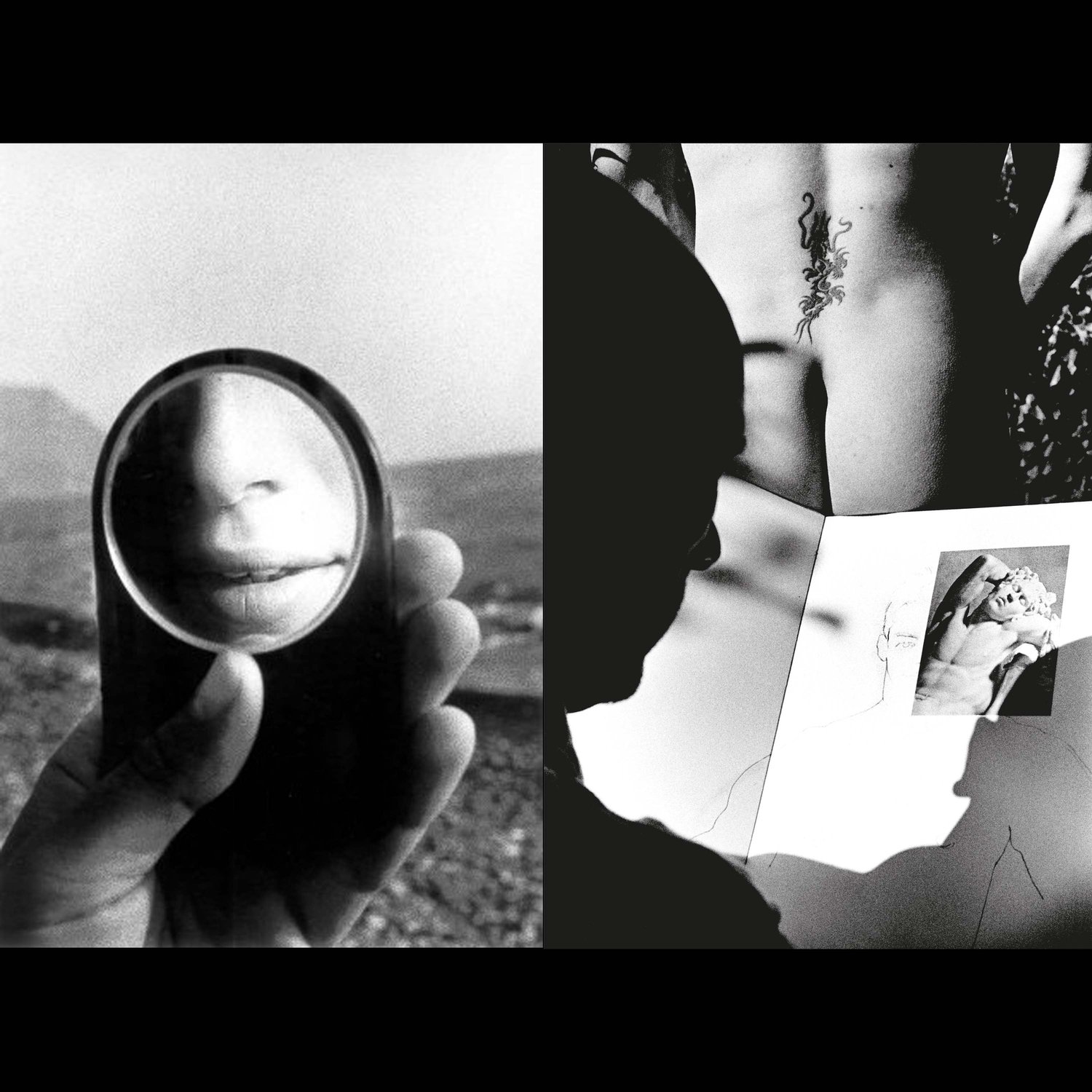
RALPH GIBSON - Award-winning Photographer - Leica Hall of Fame Inductee
How does the mind influence the mind? The mind cannot function without memory. And memory is just the mind aware of itself. So how do images tell us how we see and who we are?Ralph Gibson is one of the most interesting American photographers of our time. His international renown is based on his work, which is shown and collected by some of the world’s leading museums, including the Museum of Modern Art in New York, the J.P. Getty Museum in Los Angeles, the John Simon Guggenheim Memorial Foundation, the Creative Center for Photography in Tucson, the Museum of Fine Arts in Houston, the Maison Européenne de la Photographie in Paris, the Bibliothèque Nationale de France in Paris, and the Fotomuseum Winterthur in Switzerland.Gibson’s works reveal a meticulous aesthetic and visual territory edging on the surreal. His recent books include his memoir Self Exposure, Sacred Land: Israel before and after Time, and Secret of Light, which accompanied his exhibition at the Deichtorhallen House of Photography in Hamburg. He is a Leica Hall of Fame Inductee and has been awarded the French Legion of Honor. In 2022, The Gibson | Goeun Museum of Photography devoted to his work opened in Busan, South Korea."The way I measured time for a very large part of my life was I was always in preparation. I remember as a child I was preparing to make my first communion, then I was preparing to go to junior high. There are always these lapses that existed ahead of us, where we were progressing through time predicated on noteworthy events. So I was always functioning as though there was going to be a significant event, which occurred in some kind of concept of the future. And that coincided in parallel with the fact that when you're young, you feel essentially immortal because the idea of being old or dying is so abstract. It's so far away. So now that I'm in this phase of my life where all I'm interested in doing is maintaining my health, doing my push-ups, and profiting from as much time as I have left. Because now I'm at the very peak of my powers as a photographer. I'm getting pictures much faster and in greater ratio, and I'm moving through the experience at a rate that I always had yearned towards. And in terms of exhibitions and publications and all that I had everything I wanted when I was 40."www.ralphgibson.comwww.deichtorhallen.de/en/ausstellung/ralph-gibsonwww.gibsongoeunmuseum.comwww.creativeprocess.infowww.oneplanetpodcast.orgIG www.instagram.com/creativeprocesspodcast
How Confidence Works with Co-Director, Global Brain Health Institute, IAN ROBERTSON - Highlights
“The book probes the science and neuroscience behind the idea that confidence can be learned, or whether it is something you inherit. Optimism, hope, and self-esteem are all concepts that are easily confused with confidence. But, as I show, they differ in one fundamental way - confidence empowers action. You can be an optimist who is hopeful that things will work out okay in the end without ever believing that you can play a part in that outcome, or indeed have any realistic grounds for that optimism. And you can have high self-esteem and feel good about yourself without feeling confident that you can achieve a particular goal.”How important is confidence? Psychologists say confidence is a series of mental, physical, and emotional habits that can be learned. What makes some people overconfident while others are realistic about their abilities and why are both outlooks important to succeed in life?Ian Robertson is Co-Director of the Global Brain Health Institute (Trinity College Dublin and University of California at San Francisco) and Co-Leader of The BrainHealth Project at University of Texas at Dallas. A trained clinical psychologist as well as a neuroscientist, he is internationally renowned for his research on neuropsychology. He has written five books and numerous newspaper and magazine articles and comment pieces in the Guardian, Times, Telegraph, Irish Times, Time magazine and New York magazine, amongst others. He has appeared on BBC Radio and featured in several major television documentaries. He is a regular speaker at major futurology and business conferences in Europe, the USA and Asia.https://ianrobertson.orgwww.gbhi.orgwww.penguin.co.uk/books/441931/how-confidence-works-by-robertson-ian/9781787633728https://centerforbrainhealth.org/projectwww.creativeprocess.infowww.oneplanetpodcast.orgIG www.instagram.com/creativeprocesspodcast
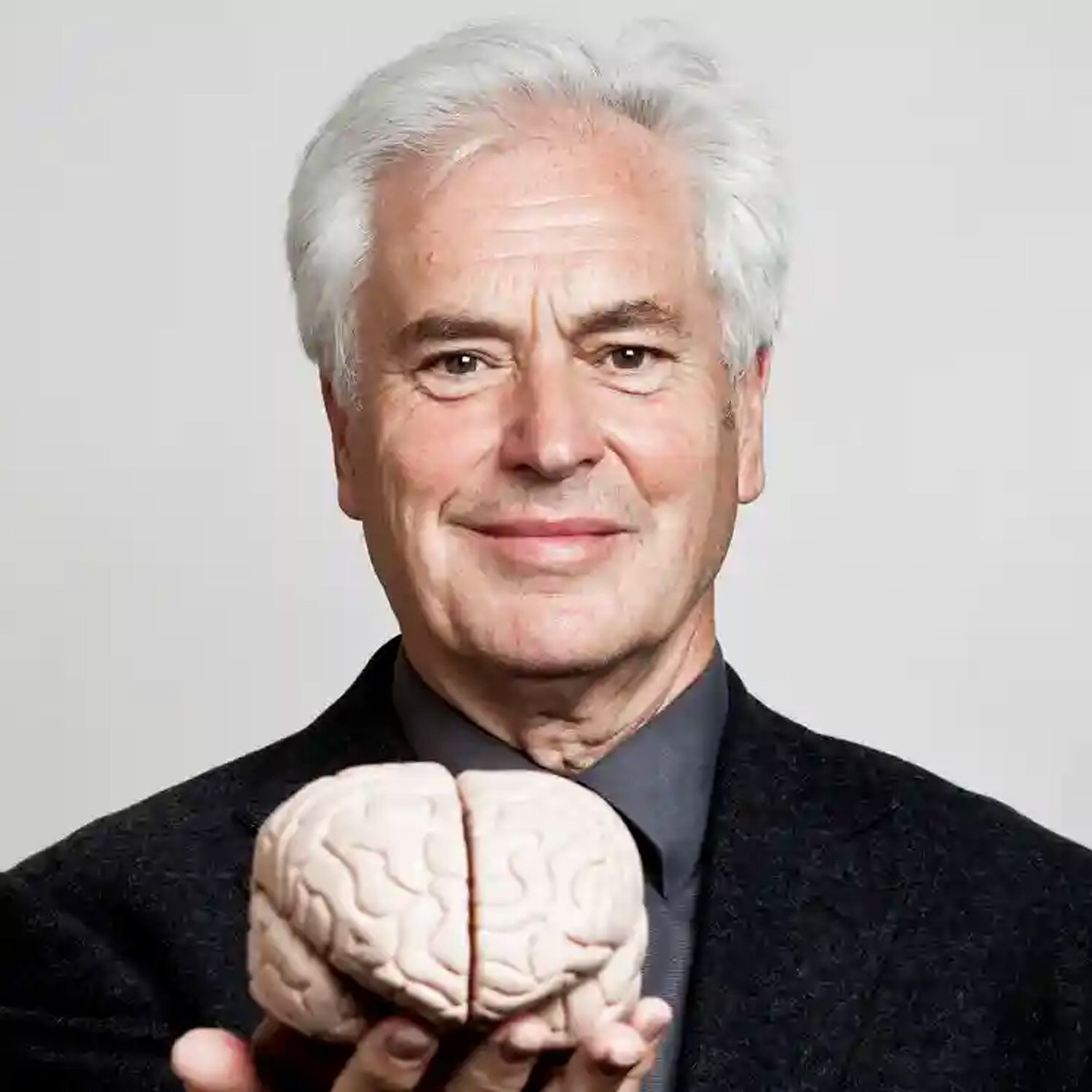
IAN ROBERTSON - Author of How Confidence Works: The New Science of Self-belief - Co-Director of the Global Brain Health Institute
How important is confidence? Psychologists say confidence is a series of mental, physical, and emotional habits that can be learned. What makes some people overconfident while others are realistic about their abilities and why are both outlooks important to succeed in life?Ian Robertson is Co-Director of the Global Brain Health Institute (Trinity College Dublin and University of California at San Francisco) and Co-Leader of The BrainHealth Project at University of Texas at Dallas. A trained clinical psychologist as well as a neuroscientist, he is internationally renowned for his research on neuropsychology. He has written five books and numerous newspaper and magazine articles and comment pieces in the Guardian, Times, Telegraph, Irish Times, Time magazine and New York magazine, amongst others. He has appeared on BBC Radio and featured in several major television documentaries. He is a regular speaker at major futurology and business conferences in Europe, the USA and Asia.“The book probes the science and neuroscience behind the idea that confidence can be learned, or whether it is something you inherit. Optimism, hope, and self-esteem are all concepts that are easily confused with confidence. But, as I show, they differ in one fundamental way - confidence empowers action. You can be an optimist who is hopeful that things will work out okay in the end without ever believing that you can play a part in that outcome, or indeed have any realistic grounds for that optimism. And you can have high self-esteem and feel good about yourself without feeling confident that you can achieve a particular goal.”https://ianrobertson.orgwww.gbhi.orgwww.penguin.co.uk/books/441931/how-confidence-works-by-robertson-ian/9781787633728https://centerforbrainhealth.org/projectwww.creativeprocess.infowww.oneplanetpodcast.orgIG www.instagram.com/creativeprocesspodcast
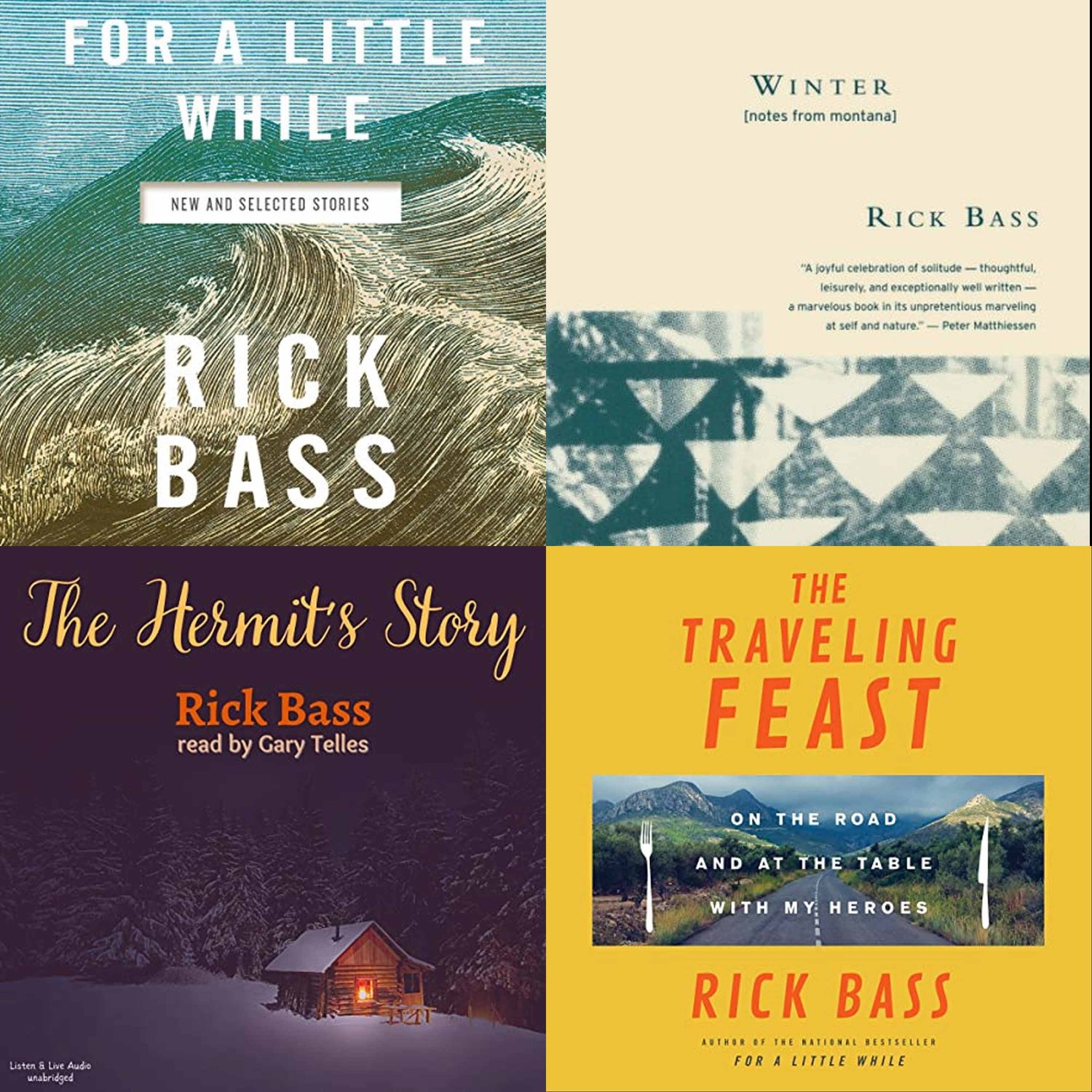
The Voice of the Forest - Author RICK BASS on Climate Aid & the Writing Life - Highlights
"I grieve the changes to the four seasons that are happening here in Montana. One of the great things about this place is having four distinct seasons, and now they're tilted. Some are short, some are long, and some don't exist anymore. And that's unsettling, to say the least. It's not a fear of what's coming. It's a grief for what's gone away. I'm mindful of the pressure that we are putting on the generations who follow us and the mandate to have fun, to be fully human, to be joyous, to celebrate, and to enjoy being in the midst of nature's beauty."Rick Bass, a National Book Critics Circle Award finalist for his memoir Why I Came West, was born and raised in Texas, worked as a petroleum geologist in Mississippi, and has lived in Montana's Yaak Valley for almost three decades. His short fiction, which has appeared in The New Yorker, The Atlantic, Esquire, and The Paris Review, as well as numerous times in Best American Short Stories, has earned him The Story Prize, multiple O. Henry Awards and Pushcart Prizes in addition to NEA and Guggenheim fellowships.He’s an organizer and speaker at Climate Aid: The Voice of the Forest, a fundraiser event to benefit the grassroots environmental movement of Protect Ancient Forests & The Montana Project. Featuring Maggie Rogers and more great performers and speakers. The evening will advance the efforts to protect the Black Ram forest by designating the region as the nation’s first Climate Refuge. Portland, Maine, on Sunday, Oct. 15 at 7 p.m. ET, at the Merrill Auditorium. Tickets available at the Merrill’s box office and online at PortTIX.com.www.rickbass.netwww.protectancientforests.orgwww.montanaproject.orgwww.PortTIX.comwww.creativeprocess.infowww.oneplanetpodcast.orgIG www.instagram.com/creativeprocesspodcast
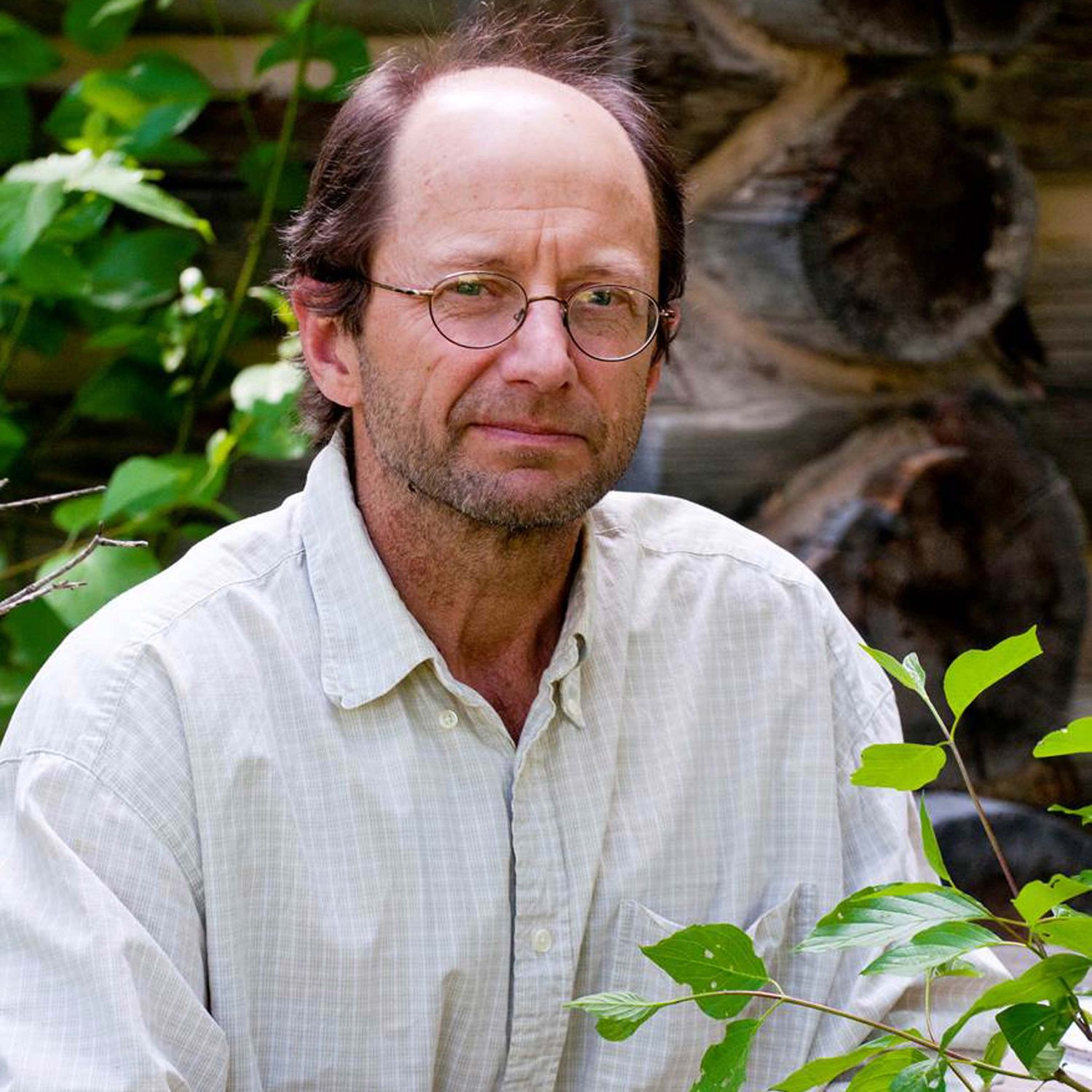
RICK BASS - Environmentalist & Story Prize Award-winning Author of “Why I Came West”, “For a Little While”
Rick Bass, a National Book Critics Circle Award finalist for his memoir Why I Came West, was born and raised in Texas, worked as a petroleum geologist in Mississippi, and has lived in Montana's Yaak Valley for almost three decades. His short fiction, which has appeared in The New Yorker, The Atlantic, Esquire, and The Paris Review, as well as numerous times in Best American Short Stories, has earned him The Story Prize, multiple O. Henry Awards and Pushcart Prizes in addition to NEA and Guggenheim fellowships.He’s an organizer and speaker at Climate Aid: The Voice of the Forest, a fundraiser event to benefit the grassroots environmental movement of Protect Ancient Forests & The Montana Project. Featuring Maggie Rogers and more great performers and speakers. The evening will advance the efforts to protect the Black Ram forest by designating the region as the nation’s first Climate Refuge. Portland, Maine, on Sunday, Oct. 15 at 7 p.m. ET, at the Merrill Auditorium. Tickets available at the Merrill’s box office and online at PortTIX.com. "I grieve the changes to the four seasons that are happening here in Montana. One of the great things about this place is having four distinct seasons, and now they're tilted. Some are short, some are long, and some don't exist anymore. And that's unsettling, to say the least. It's not a fear of what's coming. It's a grief for what's gone away. I'm mindful of the pressure that we are putting on the generations who follow us and the mandate to have fun, to be fully human, to be joyous, to celebrate, and to enjoy being in the midst of nature's beauty."www.rickbass.netwww.protectancientforests.orgwww.montanaproject.orgwww.PortTIX.comwww.creativeprocess.infowww.oneplanetpodcast.orgIG www.instagram.com/creativeprocesspodcast
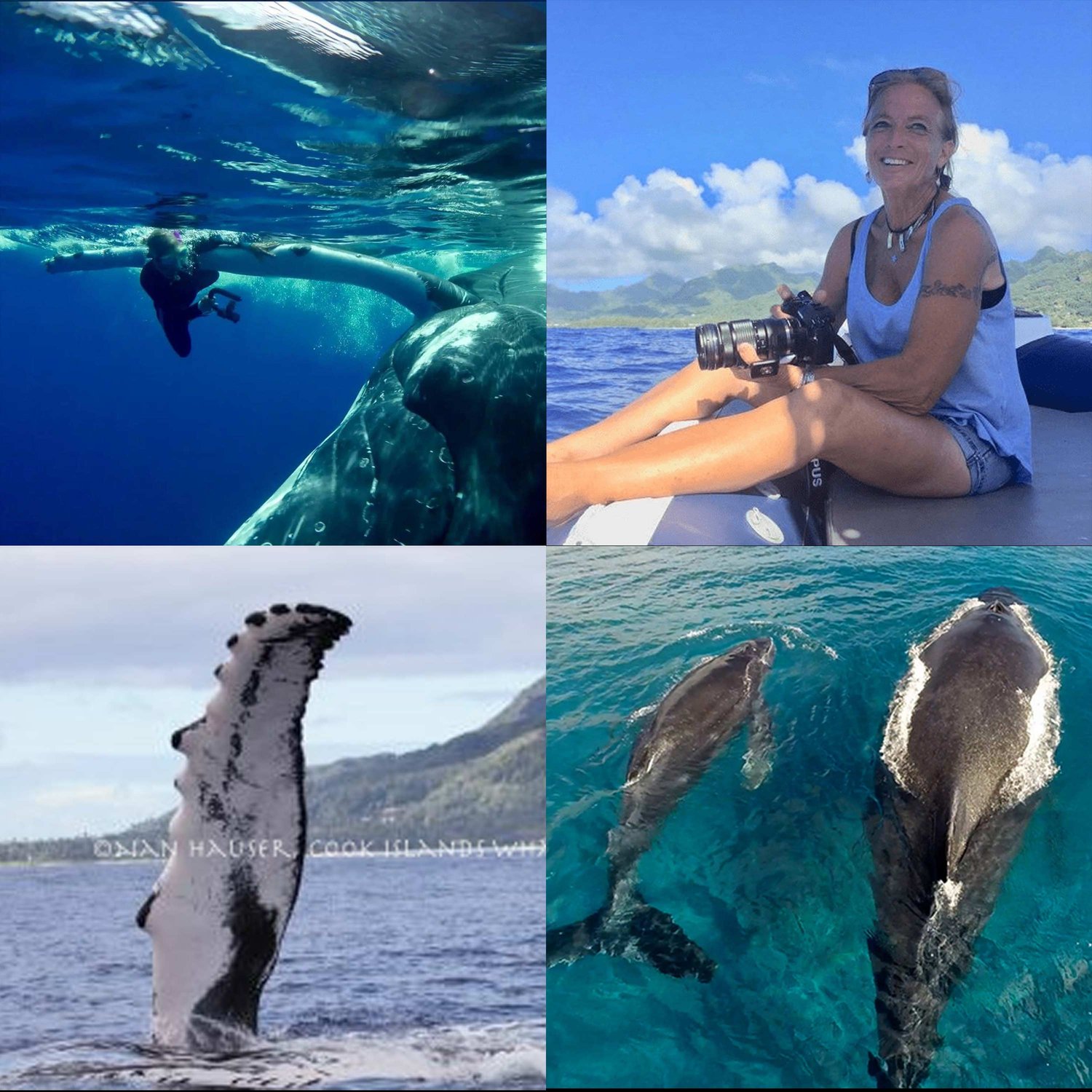
How Do Whales Communicate and Express Love? - NAN HAUSER - Highlights
"I remember years ago, my Ph.D. advisor had asked me, 'How do you get such incredible footage of the whales and get them to stay with you?' So I said, 'unconditional love.' It's this whole sort of intuitive thing. And I can say this very comfortably as a scientist because it makes sense for anybody who works with these animals or any animals. And when you trust them, you emit this unconditional love, and they pick up on that, and they are going to respond. Believe me, every species of cetacean has its vibration, personality, and habits. And I'm just so fascinated by humpbacks and their beauty and their acrobatic abilities and their level of consciousness.Whales communicate with you constantly. It's like you have this relationship with them that you don't even have to use words. So it's reflections of the beauty and the wonder of the natural world, but it's also a reflection of the beauty of ourselves and nature and wildlife, and it's like awakening to to your true self."Nan Hauser is the President and Director of the Center for Cetacean Research & Conservation and the Director and Principal Investigator of Cook Islands Whale Research. Currently she's in the field studying the migration of the Southern Humpback Whale population that is currently passing through the Cook Islands, where she resides on the main island of Rarotonga. Her research includes population identity and abundance, acoustics, genetics stable isotopes behavior, and the navigation of cetaceans.https://whaleresearch.orghttps://whaleresearch.org/saved-by-a-whalewww.creativeprocess.infowww.oneplanetpodcast.orgIG www.instagram.com/creativeprocesspodcast
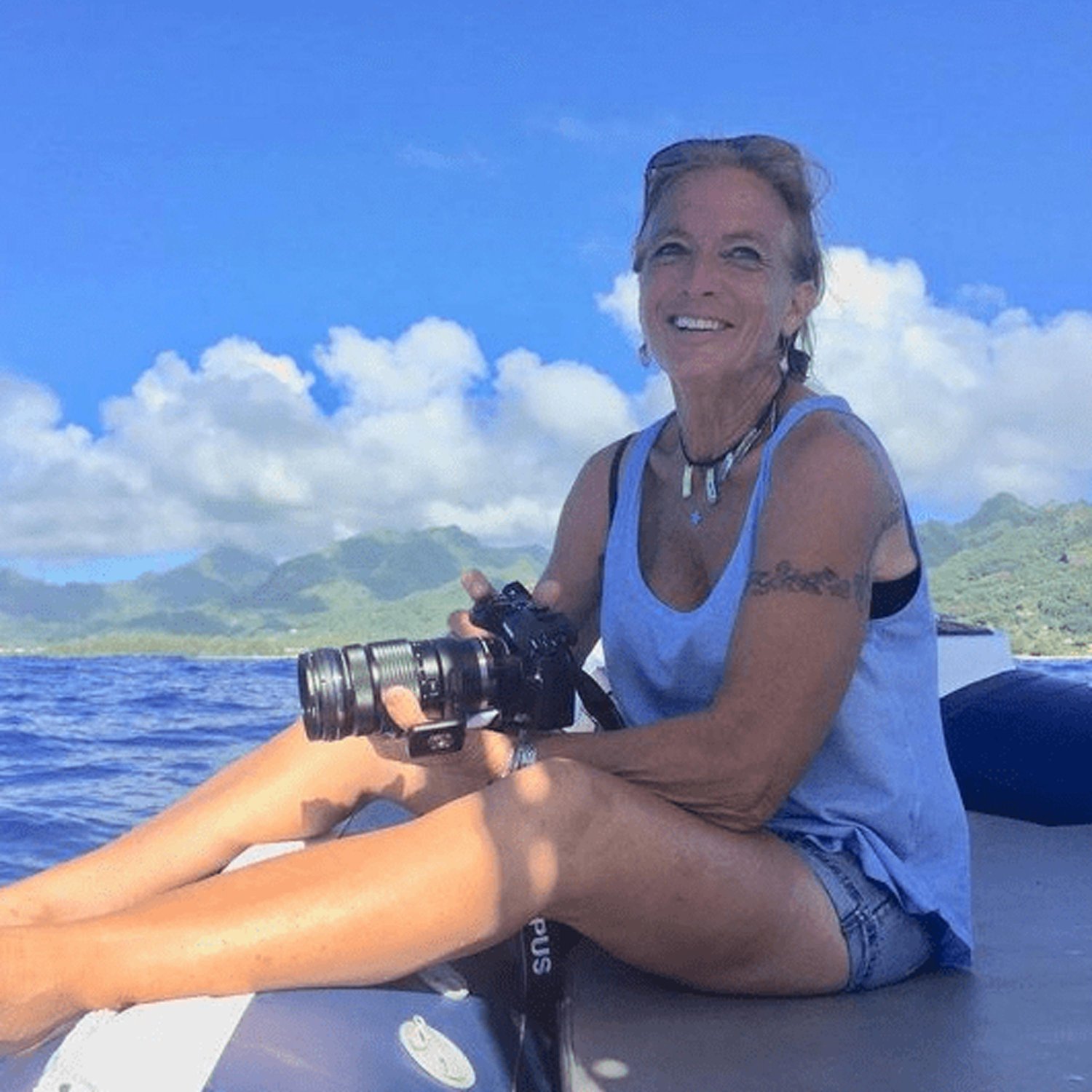
NAN HAUSER - Whale Researcher - President, Center for Cetacean Research & Conservation - Director, Cook Islands Whale Research
Nan Hauser is the President and Director of the Center for Cetacean Research & Conservation and the Director and Principal Investigator of Cook Islands Whale Research. Currently she's in the field studying the migration of the Southern Humpback Whale population that is currently passing through the Cook Islands, where she resides on the main island of Rarotonga. Her research includes population identity and abundance, acoustics, genetics stable isotopes behavior, and the navigation of cetaceans."I remember years ago, my Ph.D. advisor had asked me, 'How do you get such incredible footage of the whales and get them to stay with you?' So I said, 'unconditional love.' It's this whole sort of intuitive thing. And I can say this very comfortably as a scientist because it makes sense for anybody who works with these animals or any animals. And when you trust them, you emit this unconditional love, and they pick up on that, and they are going to respond. Believe me, every species of cetacean has its vibration, personality, and habits. And I'm just so fascinated by humpbacks and their beauty and their acrobatic abilities and their level of consciousness.Whales communicate with you constantly. It's like you have this relationship with them that you don't even have to use words. So it's reflections of the beauty and the wonder of the natural world, but it's also a reflection of the beauty of ourselves and nature and wildlife, and it's like awakening to to your true self."https://whaleresearch.orghttps://whaleresearch.org/saved-by-a-whalewww.creativeprocess.infowww.oneplanetpodcast.orgIG www.instagram.com/creativeprocesspodcast
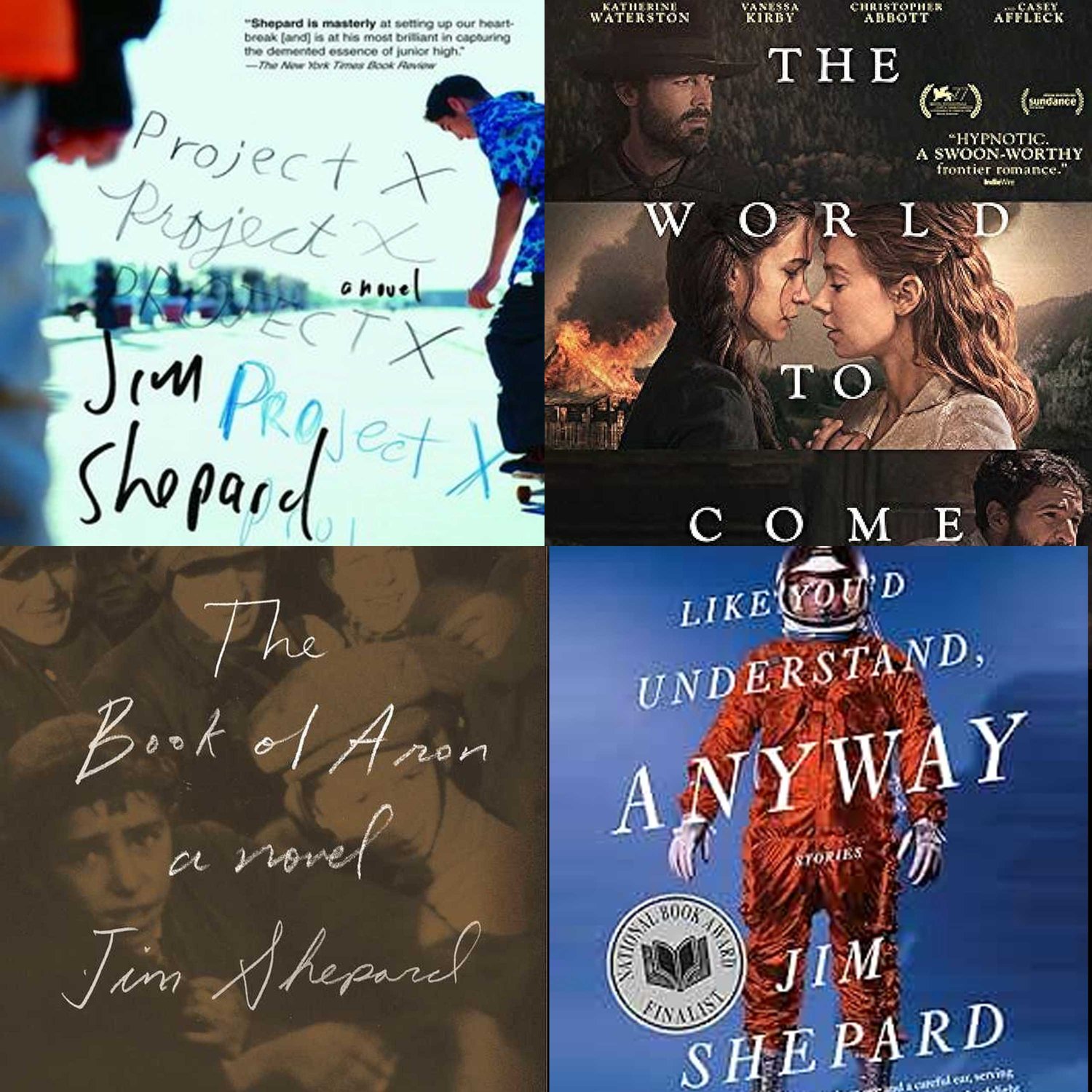
The Power of Empathy: How Literature Expands Our Worldview with JIM SHEPARD - Highlights
"In terms of what I'm writing, I'm always trying to make myself a more interesting human being. And so that means I'm coming across these human dilemmas where I'm like what would it have been like to be in that position? And that snags my emotional imagination. I do think that literature is all about extending the empathetic imagination. And so I'm always looking to educate myself in emotional terms, too. Because I'm very interested in the way we respond in those situations where it feels like we both have responsibility, and we don't have responsibility."How can literature help us extend our empathic imaginations? How can writing and reading expand our curiosity and compassion for people in situations distant from our own?Jim Shepard is the author of seven previous novels, most recently The Book of Aron (winner of the 2016 PEN New England Award, the Sophie Brody medal for achievement in Jewish literature, the Ribalow Prize for Jewish literature, the Clark Fiction Prize, and a finalist for the National Jewish Book Award) and five story collections, including Like You’d Understand, Anyway, which was a finalist for the National Book Award and won The Story Prize. His short fiction has appeared in, among other magazines, The New Yorker, Harper’s Magazine, McSweeney’s, The Paris Review, The Atlantic, Esquire, Tin House, Granta, Zoetrope, Electric Literature, and Vice, and has often been selected for The Best American Short Stories and The PEN/O. Henry Prize Stories. He lives in Williamstown, Massachusetts, with his wife, three children, and three beagles, and he teaches film and creative writing at Williams College. His story “The World to Come” was adapted into a feature film starring Casey Affleck, Vanessa Kirby, and Katherine Waterston.https://jimshepard.wordpress.comwww.creativeprocess.infowww.oneplanetpodcast.orgIG www.instagram.com/creativeprocesspodcast
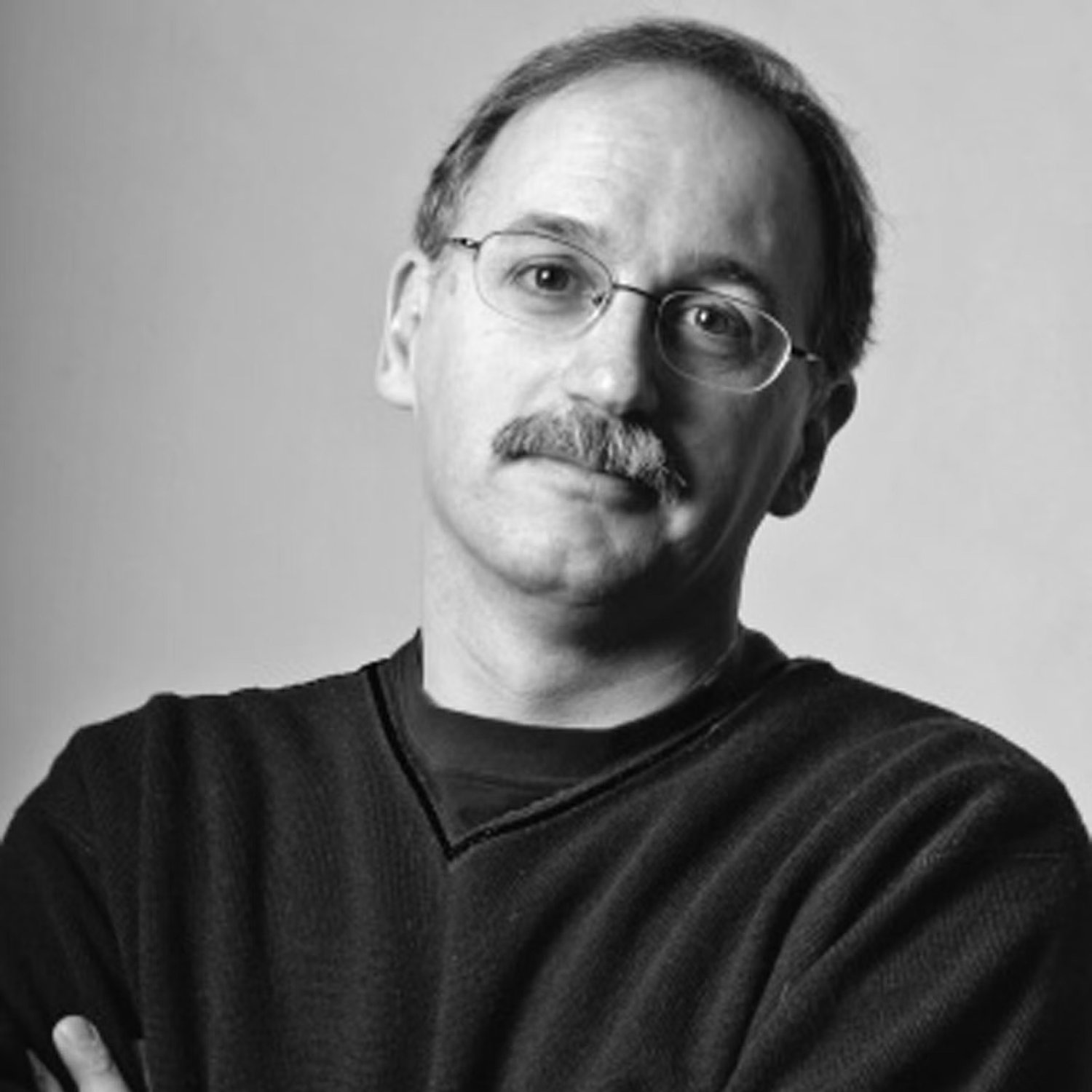
JIM SHEPARD - Author of The Book of Aron, Project X, The World to Come starring Casey Affleck, Vanessa Kirby, Katherine Waterston
How can literature help us extend our empathic imaginations? How can writing and reading expand our curiosity and compassion for people in situations distant from our own?Jim Shepard is the author of seven previous novels, most recently The Book of Aron (winner of the 2016 PEN New England Award, the Sophie Brody medal for achievement in Jewish literature, the Ribalow Prize for Jewish literature, the Clark Fiction Prize, and a finalist for the National Jewish Book Award) and five story collections, including Like You’d Understand, Anyway, which was a finalist for the National Book Award and won The Story Prize. His short fiction has appeared in, among other magazines, The New Yorker, Harper’s Magazine, McSweeney’s, The Paris Review, The Atlantic, Esquire, Tin House, Granta, Zoetrope, Electric Literature, and Vice, and has often been selected for The Best American Short Stories and The PEN/O. Henry Prize Stories. He lives in Williamstown, Massachusetts, with his wife, three children, and three beagles, and he teaches film and creative writing at Williams College. His story “The World to Come” was adapted into a feature film starring Casey Affleck, Vanessa Kirby, and Katherine Waterston."In terms of what I'm writing, I'm always trying to make myself a more interesting human being. And so that means I'm coming across these human dilemmas where I'm like what would it have been like to be in that position? And that snags my emotional imagination.I do think that literature is all about extending the empathetic imagination. And so I'm always looking to educate myself in emotional terms, too. Because I'm very interested in the way we respond in those situations where it feels like we both have responsibility, and we don't have responsibility."https://jimshepard.wordpress.comwww.creativeprocess.infowww.oneplanetpodcast.orgIG www.instagram.com/creativeprocesspodcast
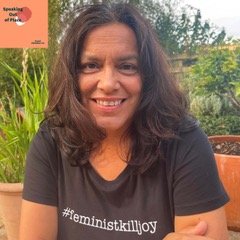
The Feminist Killjoy Handbook with SARA AHMED
In this episode of the Speaking Out of Place podcast, Professor David Palumbo-Liu and Azeezah Kanji talk with Sara Ahmed about her new book, The Feminist Killjoy Handbook. How and why is it that complaining about sexism, misogyny, homophobia, transphobia, and other forms of bigotry, is considered impolite? How is civility uncivil, and the mandate to be “happy” a tool for silencing grievances? Sara Ahmed tackles all those questions, and gives us strength and courage to keep on killingjoy and speaking truth.Sara Ahmed is an independent queer feminist scholar of colour. Her work is concerned with how power is experienced and challenged in everyday life and institutional cultures. Her first trade book, The Feminist Killjoy Handbook is coming out with Seal Press next month. Previous books (all published by Duke University Press) include Complaint! (2021), What's The Use? On the Uses of Use (2019), Living a Feminist Life (2017), Willful Subjects (2014), On Being Included: Racism and Diversity in Institutional Life (2012), The Promise of Happiness (2010) and Queer Phenomenology: Objects, Orientations, Others (2006). She is currently writing A Complainer’s Handbook: A Guide to Building Less Hostile Institutions and has begun a new project on common sense. She blogs at feministkilljoy.com."She often said I was the daughter she didn't have. And I was the daughter she had, in fact, because I'll say that to you. And I got a lot from her. She was very much willing always to speak her mind. And I would watch her tell my father off. It would be just like, yeah, this is possible! And she was outspoken, but also very loving. She's no longer with us. I never came out to her in the sense of saying 'I am a lesbian' or whatever, but I think she kind of knew. We had conversations, and I think she would have been okay with it. And because she was just a very, very curious and creative person and an enormous influence in my life."https://www.penguin.co.uk/books/454793/the-feminist-killjoy-handbook-by-ahmed-sara/9780241619537www.palumbo-liu.com https://speakingoutofplace.comhttps://twitter.com/palumboliu?s=20Photo credit: Sarah Franklin
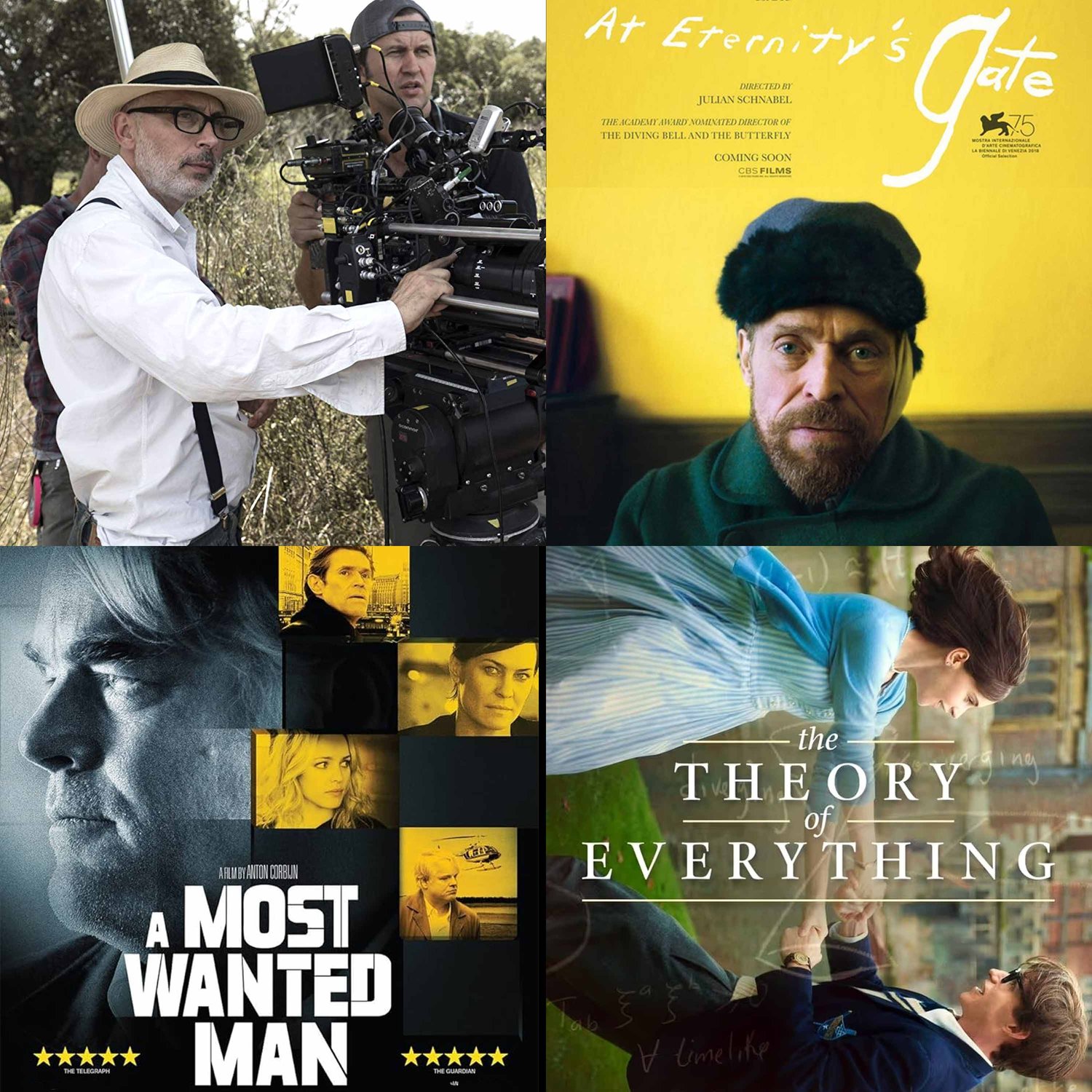
BENOIT DELHOMME - Cinematographer of At Eternity’s Gate w/ Willem Dafoe, The Theory of Everything w/ Eddie Redmayne - Part 1
What makes films memorable and meaningful? Great cinematographers are not only translators of a director’s vision but are involved in a dance between director and actor. When combined with personal techniques like handheld, the camera itself can become a character, bringing us back in time and behind the eyes of well-known figures like Van Gogh and Stephen Hawking, which is what Benoît Delhomme did in the films At Eternity’s Gate and The Theory of Everything.Benoît Delhomme studied cinematography at the École nationale supérieure Louis-Lumière and went on to make his breakthrough as a director of photography for the movie The Scent of Green Papaya directed by Tran Anh Hung. The film went on to win the Caméra d'Or Award at the Cannes Film Festival and was nominated for an Academy Award. Benoît has established himself as an international cinematographer and has worked with creatives such as Al Pacino, Julian Schnabel, and James Marsh. Over the years, Benoît Delhomme has worked on a wide array of films where his focus has been to tell a strong story through the visual. This focus has shined not only through his work as a cinematographer, but also his work as a painter."I certainly like a handheld camera, It's a bit like playing a saxophone. It's like the pace of walking or how I stop or I decide to go closer to the actor or to take more distance is so free. No one is telling me to go one step forward or one step back. I have to decide on the spot. So there certainly a freedom like a painter with a brush. It's nice because you have even the vibrations, your rhythms, the actor's rhythms. It's this dance."www.benoitdelhomme.comwww.benoitdelhommestudio.comwww.instagram.com/benoitdelhommewww.creativeprocess.infowww.oneplanetpodcast.orgIG www.instagram.com/creativeprocesspodcast
ROB VERCHICK - Leading Climate Change Scholar - Author of The Octopus in the Parking Garage
Rob Verchick is one of the nation’s leading scholars in disaster and climate change law and a former EPA official in the Obama administration. He holds the Gauthier-St. Martin Eminent Scholar Chair in Environmental Law at Loyola University New Orleans. Professor Verchick is also a Senior Fellow in Disaster Resilience at Tulane University and the President of the Center for Progressive Reform, a research and advocacy organization that advocates for solutions to our most pressing societal challenges. He is the author of numerous articles and books, including The Octopus in the Parking Garage. A Call for Climate Resilience.“I was an English major in college. But here's the thing. I believe that the strongest machine we have, the strongest empathy machine that we have is literature. The best way to get people to feel what someone else is feeling is through literature and stories. And I also think that feeling and emotion are an important part of reasoning and governing too. It's not the only part, but I think you have to understand how people see the world and how they feel about the world. So in my classes, I teach law classes. I teach policy classes. I often assign novels. We read in one of my classes Their Eyes Were Watching God, the case about a hypothetical hurricane in Florida written by Zora Neale Hurston. We read Oryx and Crake by Margaret Atwood, which is a kind of dystopian novel that involves climate change. We've read The Handmaid's Tale in my classes. But I think what these books do is they, number one, certain books that are speculative, like Margaret Atwood's work, Joyce Carol Oates has written some things like this too. What's interesting about them is that they make us, they open up our imaginations and say, Oh, I never thought something like that could happen. We hope it doesn't, but it could, right? And so how do we change the way we look at the future? And it also changes, I think, the way that we understand people's lives.So even in a book like Their Eyes Were Watching God, which takes place in the early 20th century, and obviously involves race issues and a whole lot of other things. It leads us to think and see the world through a young black woman's perspective in the early 20th century. And there's something about that exercise of being able to some extent put yourself in the shoes of somebody else that I think is really important for governance. I think it's really important for policy. I think it's really important for advocates of any kind because listening and trying to understand what another person is perceiving...You can never do it completely, obviously, but I think it is really one of the most important parts of collective action of working with other people.”https://robverchick.comhttps://works.bepress.com/robert_verchickwww.progressivereform.org/Twitter/X/Instagram/Facebook: @robverchick @robsoctopusbookwww.creativeprocess.infowww.oneplanetpodcast.orgIG www.instagram.com/creativeprocesspodcast

Harnessing Diverse Skills to Tackle the Climate Crisis with IPPC Lead Author LESLEY HUGHES - Highlights
"It's certainly not the case that scientists should be the only people communicating. We have to have everybody in this mix because we're all in this together. So we have to have good science that's communicated. We have to have smart engineers who can work on the technological solutions. We have to have lawyers who are undertaking climate litigation. We have to have creative artists who can tell stories and appeal to people's emotions. No one group should have a responsibility to solve the climate crisis. It's got to be all of those groups bringing what they call the time, the talent, and the treasure to work together on this. We are all in this together, and we've all got a suite of different skills that have to be harnessed to solve this problem."Now in the 21st century, with an abundance of renewable technologies, why is the world still using 18th-century energy technology? How can each of us harness our unique skills to help solve the climate crisis?Lesley Hughes is a Distinguished Professor of Biology and Interim Executive Dean of the Faculty of Science & Engineering at Macquarie University. She is an ecologist whose main research interest has been the impacts of climate change on species and ecosystems, and the implications of climate change for conservation. She was a Lead Author of the IPCC’s 4th and 5th Assessment Report, Director for the WWF Australia and federal Climate Commissioner and is now a Councillor and Director with the Climate Council of Australia. She is also a member of the Wentworth Group of Concerned Scientists.https://researchers.mq.edu.au/en/persons/lesley-hugheswww.climatecouncil.org.auwww.creativeprocess.infowww.oneplanetpodcast.orgIG www.instagram.com/creativeprocesspodcast
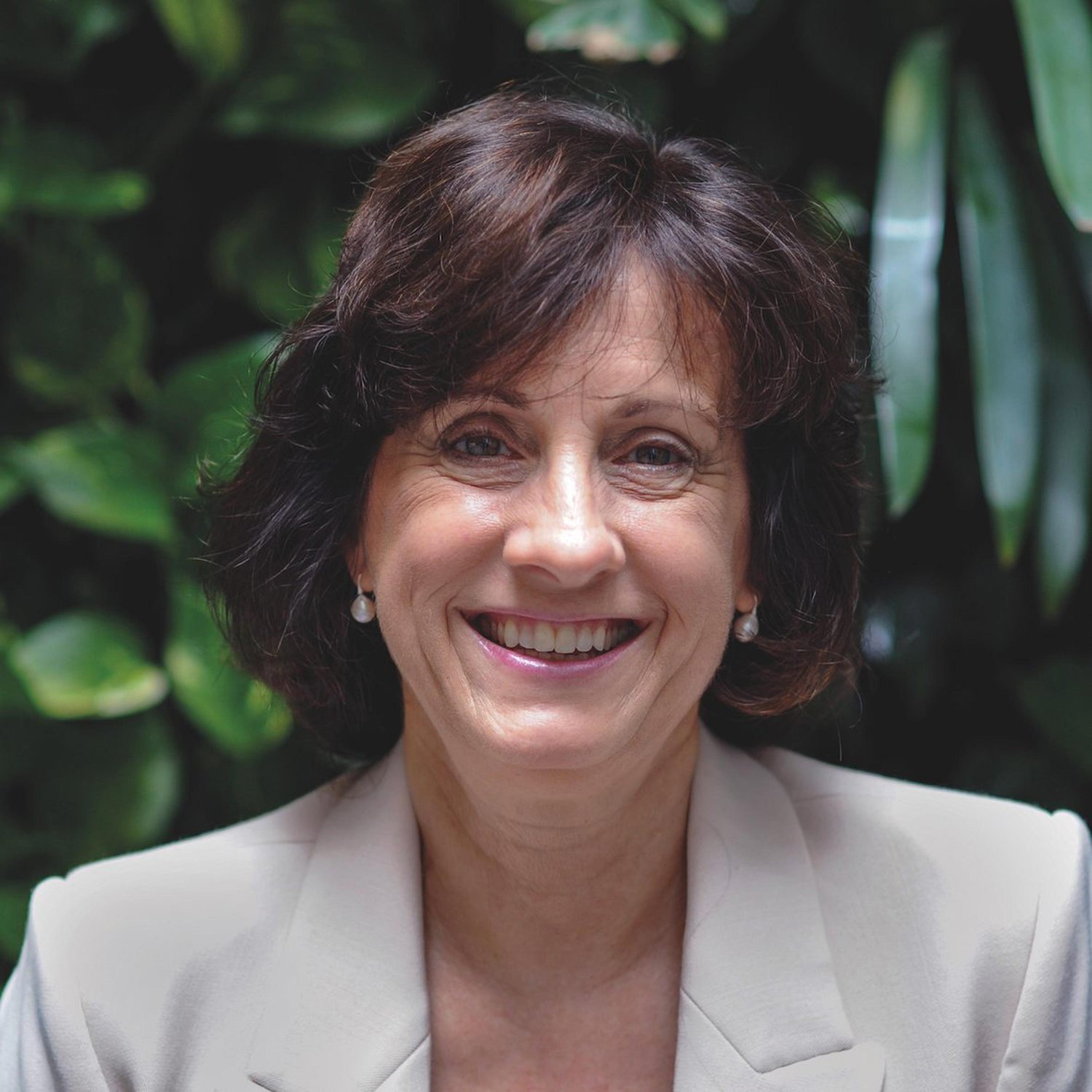
LESLEY HUGHES - Lead Author of IPCC 4th & 5th Assessment Reports - Director of Climate Council of Australia
Now in the 21st century, with an abundance of renewable technologies, why is the world still using 18th-century energy technology? How can each of us harness our unique skills to help solve the climate crisis?Lesley Hughes is a Distinguished Professor of Biology and Interim Executive Dean of the Faculty of Science & Engineering at Macquarie University. She is an ecologist whose main research interest has been the impacts of climate change on species and ecosystems, and the implications of climate change for conservation. She was a Lead Author of the IPCC’s 4th and 5th Assessment Report, Director for the WWF Australia and federal Climate Commissioner and is now a Councillor and Director with the Climate Council of Australia. She is also a member of the Wentworth Group of Concerned Scientists."It's certainly not the case that scientists should be the only people communicating. We have to have everybody in this mix because we're all in this together. So we have to have good science that's communicated. We have to have smart engineers who can work on the technological solutions. We have to have lawyers who are undertaking climate litigation. We have to have creative artists who can tell stories and appeal to people's emotions. No one group should have a responsibility to solve the climate crisis. It's got to be all of those groups bringing what they call the time, the talent, and the treasure to work together on this. We are all in this together, and we've all got a suite of different skills that have to be harnessed to solve this problem."https://researchers.mq.edu.au/en/persons/lesley-hugheswww.climatecouncil.org.auwww.creativeprocess.infowww.oneplanetpodcast.orgIG www.instagram.com/creativeprocesspodcast
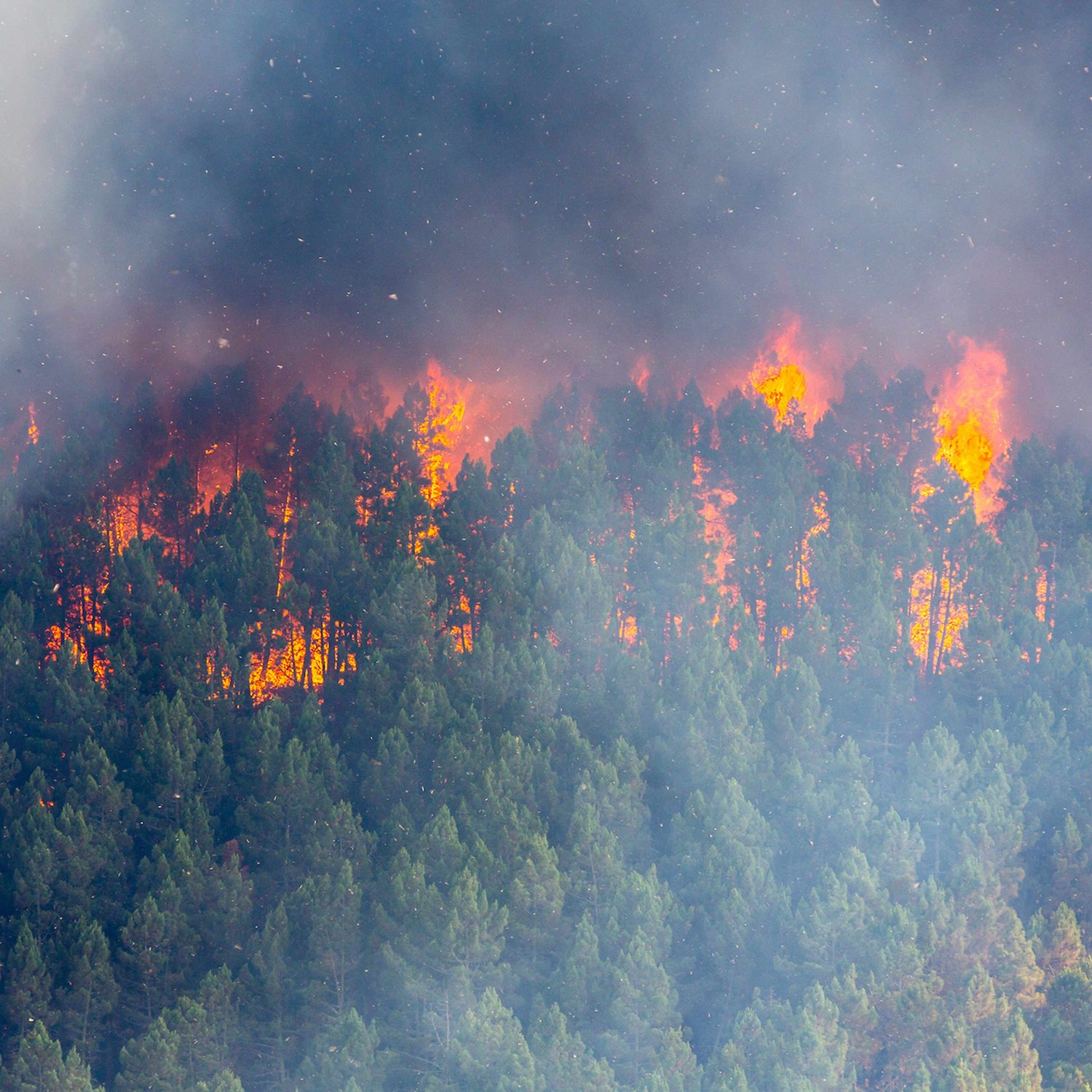
Unmasking Fossil Fuel Lobbyists who Play for Both Sides of the Climate Crisis with JAMES BROWNING - Highlights
"I have two kids. And what I love about kids is how they can immediately spot an adult who is lying or is just saying something that is not real. And I think it's a beautiful thing to have. And young people going to work on the climate crisis or as artists or whatever passion you have - it is just so important to hold on to that. That sense of truth, your north star, what is right for you is the most important thing to hold onto."Why are fossil fuel lobbyists also allowed to work for communities, schools, businesses, and nonprofit organizations being harmed by the climate crisis without declaring their conflict of interest? Why divestment from fossil fuels should include divesting from lobbyists which play for both sides.James Browning is the founder of F Minus, a research and advocacy group that tracks the extent to which fossil fuel lobbyists also represent victims of the climate crisis. He is also a writer and game designer, and his novel The Fracking King was named one of the best 100 books of 2014 by Amazon.https://fminus.orgwww.creativeprocess.infowww.oneplanetpodcast.orgIG www.instagram.com/creativeprocesspodcast
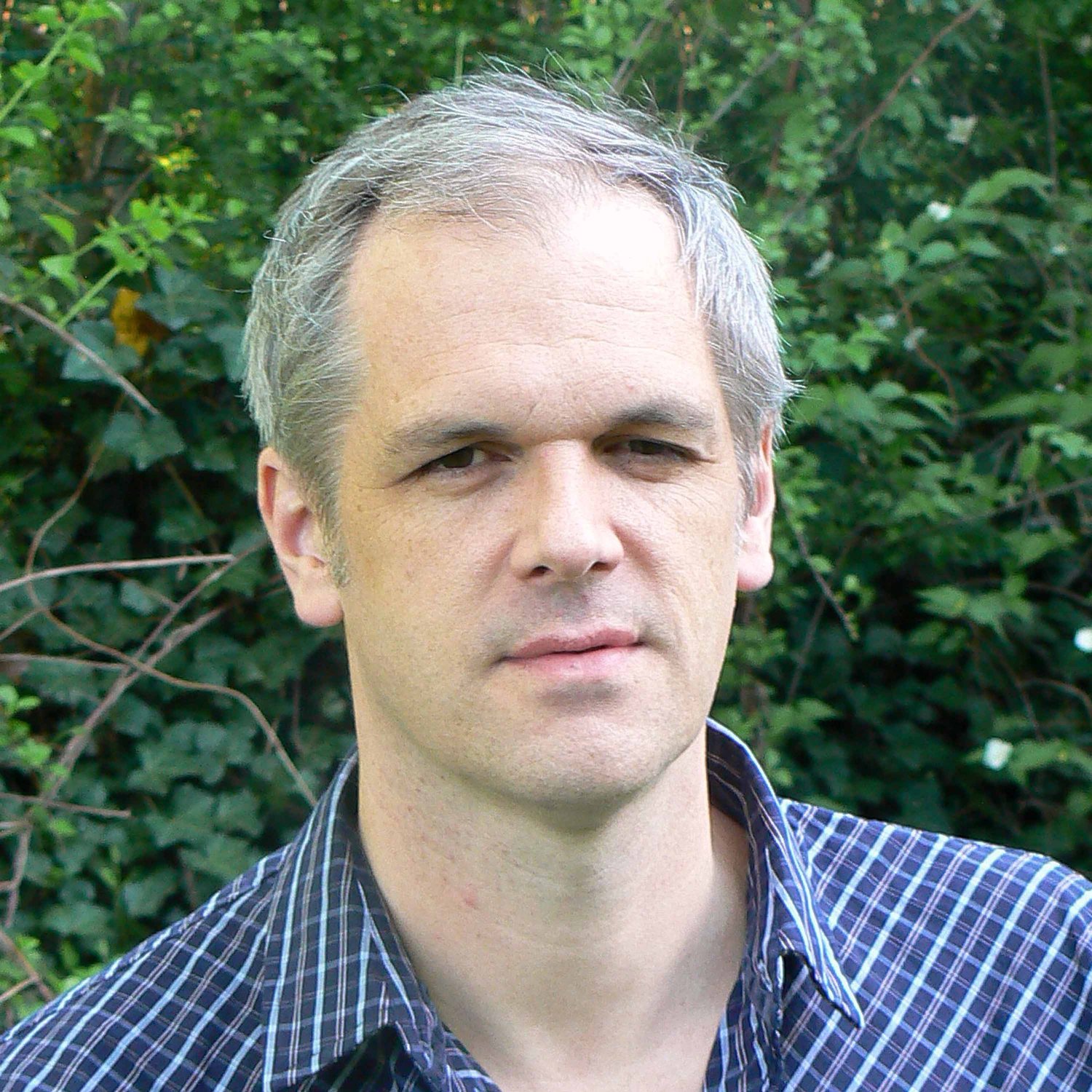
JAMES BROWNING - Founder of F Minus: Calling for Divestment from Fossil Fuel Lobbyists
Why are fossil fuel lobbyists also allowed to work for communities, schools, businesses, and nonprofit organizations being harmed by the climate crisis without declaring their conflict of interest? Why divestment from fossil fuels should include divesting from lobbyists which play for both sides.James Browning is the founder of F Minus, a research and advocacy group that tracks the extent to which fossil fuel lobbyists also represent victims of the climate crisis. He is also a writer and game designer, and his novel The Fracking King was named one of the best 100 books of 2014 by Amazon."I have two kids. And what I love about kids is how they can immediately spot an adult who is lying or is just saying something that is not real. And I think it's a beautiful thing to have. And young people going to work on the climate crisis or as artists or whatever passion you have - it is just so important to hold on to that. That sense of truth, your north star, what is right for you is the most important thing to hold onto."https://fminus.orgwww.creativeprocess.infowww.oneplanetpodcast.orgIG www.instagram.com/creativeprocesspodcast
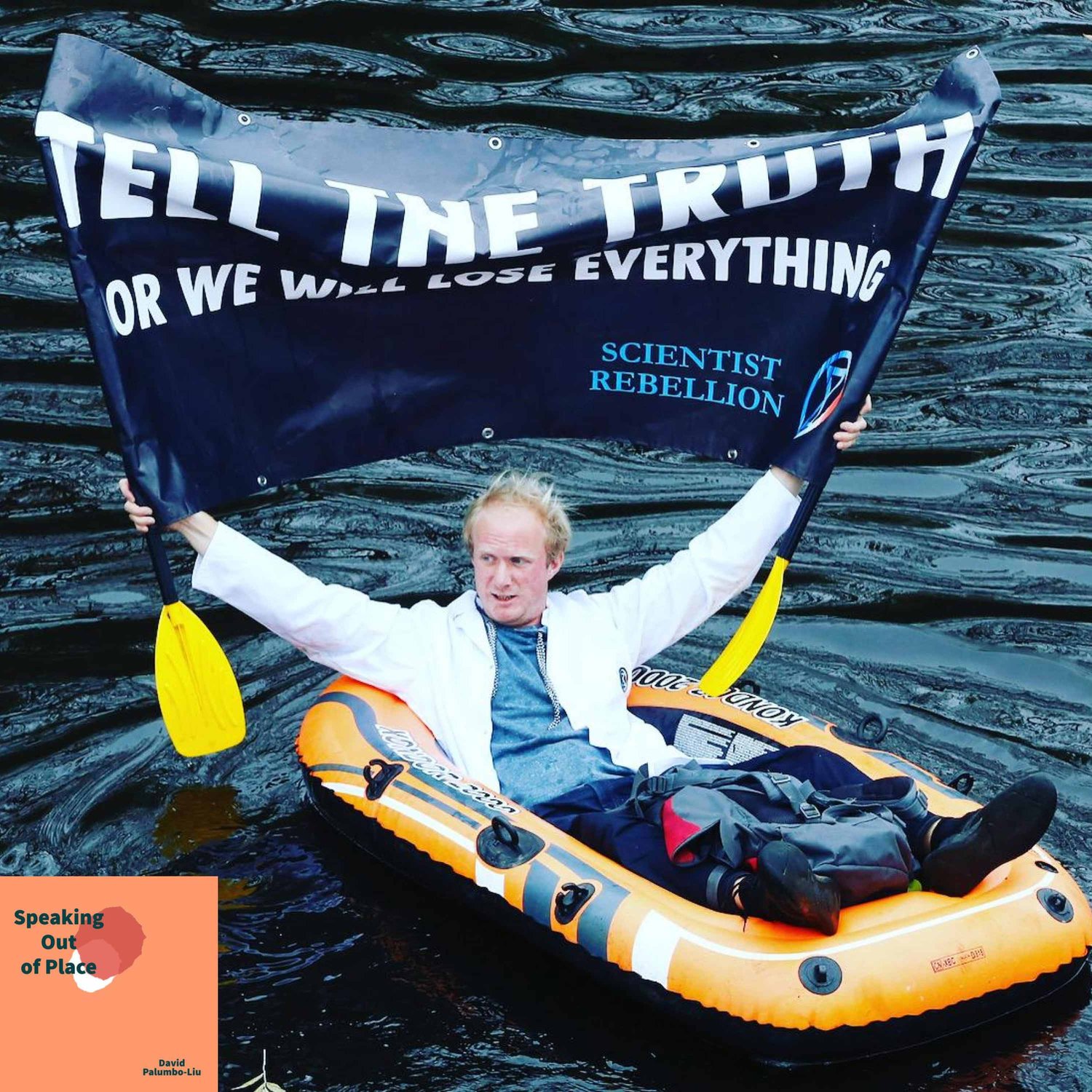
Scientist Rebellion with Activist, Astrophysicist TIM HEWLETT
In this episode of the Speaking Out of Place podcast, Professor David Palumbo-Liu interviews climate activist, astrophysicist and co-founder of Scientist Rebellion Tim Hewlett.Scientist Rebellion is a growing climate activist group with 1000+ scientists and academics across 32 countries. Members range from science students and professors to IPCC contributors and leading climate-related scientists. Through disruptive nonviolent action, Scientist Rebellion demands emergency decarbonization via economic degrowth. During acts of civil resistance, members wear lab coats, and volunteers organize the vast majority of the campaign activity."I think the more pernicious aspect is the way that science as a set of institutions fits into a paradigm that is doomed from the outset. For instance, if you look at the framing of the science within the IPCC reports and how that informs the construction of policy related to the climate around the globe, well, it's foundationally dishonest.If you frame an entire report around the need to keep temperatures below 1.5 degrees or 2 degrees, and all of the efforts that societies are going to make to do that, and you omit from the public discussion the fact that we have no chance whatsoever of achieving those goals...there's a really commonly used measure within climate science called the equilibrium climate sensitivity sample, which says basically how much heating do you expect per doubling of greenhouse gas and concentrations in the atmosphere? It's a robust metric, and that suggests that if you double the greenhouse gas concentrations, you should get at least two and a half, probably closer to five degrees of heating.So we're double impacting the world. We've doubled greenhouse gas concentration. So in what scientific world is it reasonable to construct your arguments around a fantasy like 1.5 degrees? So that's the kind of more pernicious aspect of it that allows corporations, the fossil fuel industry, and the government to keep on polluting, and the idea that the scientific community is saying, yeah, we can still reach these goals.”http://scientistrebellion.orgwww.palumbo-liu.com https://speakingoutofplace.comhttps://twitter.com/palumboliu?s=20

What happens when we die? What happens to our memories & consciousness? Booker Prize-winner SHEHAN KARUNATILAKA - Highlights
"So this was the decision to write in the second person. A lot of people ask me: why? There are not many examples of this technique. The reason I opted for that is I was trying to figure out interviewing a ghost. And one of the challenges was: what does a disembodied voice sound like? The narrator's body has been chopped up and chucked in a lake.So, I figured that if anything survives the death of your body, it's perhaps the voice in your head. The voice in my head is in the second person. I don't know about your head or anyone else's head, but in mine, it's the second person. It's almost like someone else telling me: Yeah, you should have worn a better shirt for this interview. You should have read a better chapter. And it's almost like someone is talking to me. And I tried this technique, and I think Maali Almeida also questions. Who is the you that's telling the story? And this is addressed. We've all had experiences where we've done something or said something and we've thought: what was I thinking? Why did I do that? And what made me do that? And so Maali also ponders: Is the voice telling the story, is that me, or is it someone else? Is there a spirit? Because he observes that spirits, because they're so bored - because I have to also figure out what ghosts do all day? Because we know in horror movies, ghosts turn up and be scary. And I don't know if there are resolutions in the book, but there is the idea that maybe are your thoughts your own? Or is someone else whispering them to you?"What happens when we die? What happens to our memories and consciousness when our bodies cease to be? In the end, is it the things we did and the people we loved that give our lives meaning?Shehan Karunatilaka is the multi-award winning author. He is known for his novels dealing with the history, politics, and folklore of his home country of Sri Lanka. He won the Commonwealth Book Prize and the DSC Prize for South Asian Literature for his debut novel, Chinaman: The Legend of Pradeep Mathew, and the Booker Prize 2022 for his second novel, The Seven Moons of Maali Almeida. In addition to novels, he has written rock songs, screenplays and travel stories. Born in Colombo, he studied in New Zealand and has lived and worked in London, Amsterdam, and Singapore.www.shehanwriter.comhttps://wwnorton.com/books/9781324064824www.creativeprocess.info www.oneplanetpodcast.orgIG www.instagram.com/creativeprocesspodcast
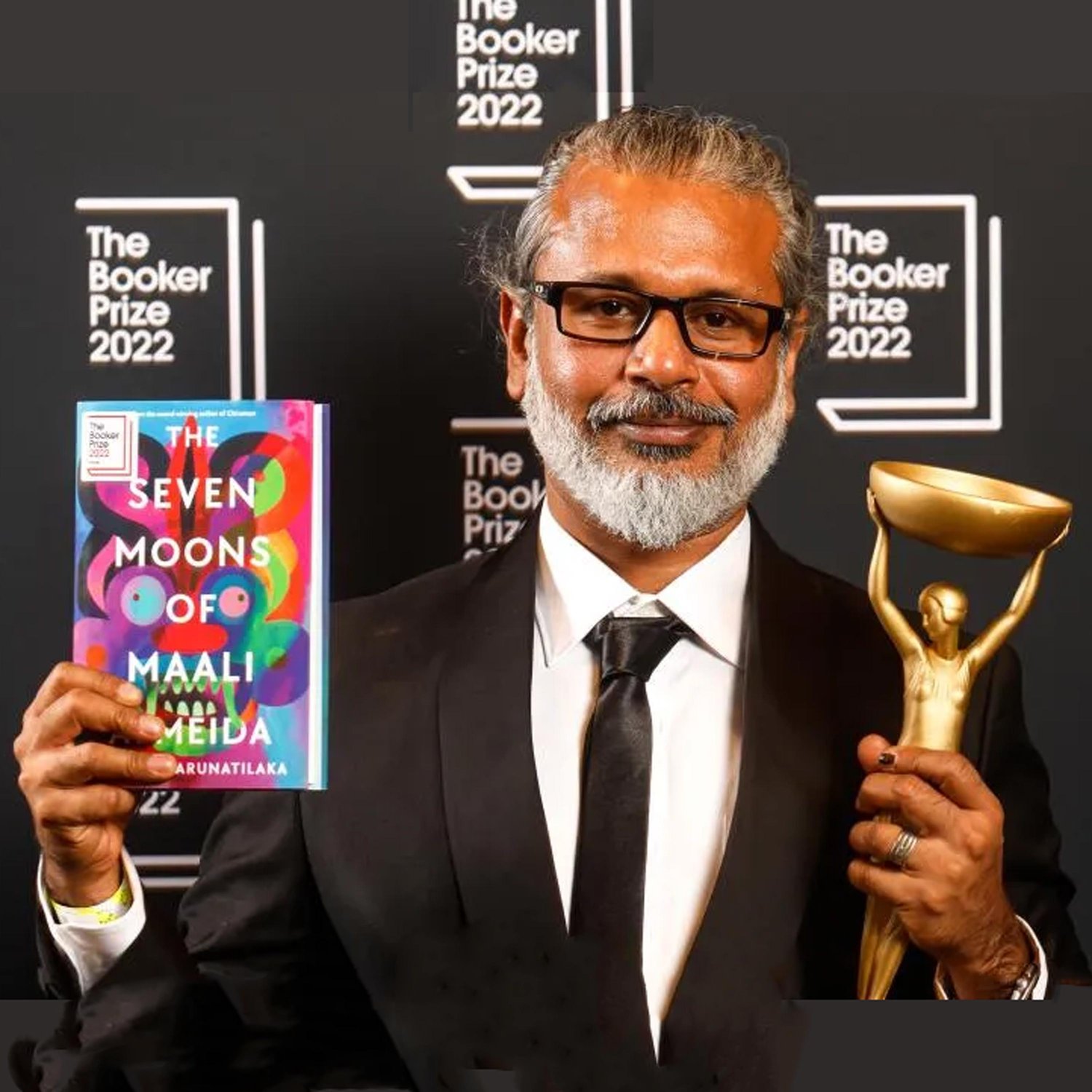
SHEHAN KARUNATILAKA - Booker Prize-winning Author of The Seven Moons of Maali Almeida
What happens when we die? What happens to our memories and consciousness when our bodies cease to be? In the end, is it the things we did and the people we loved that give our lives meaning?Shehan Karunatilaka is the multi-award winning author. He is known for his novels dealing with the history, politics, and folklore of his home country of Sri Lanka. He won the Commonwealth Book Prize and the DSC Prize for South Asian Literature for his debut novel, Chinaman: The Legend of Pradeep Mathew, and the Booker Prize 2022 for his second novel, The Seven Moons of Maali Almeida. In addition to novels, he has written rock songs, screenplays and travel stories. Born in Colombo, he studied in New Zealand and has lived and worked in London, Amsterdam, and Singapore."So this was the decision to write in the second person. A lot of people ask me: why? There are not many examples of this technique. The reason I opted for that is I was trying to figure out interviewing a ghost. And one of the challenges was: what does a disembodied voice sound like? The narrator's body has been chopped up and chucked in a lake.So, I figured that if anything survives the death of your body, it's perhaps the voice in your head. The voice in my head is in the second person. I don't know about your head or anyone else's head, but in mine, it's the second person. It's almost like someone else telling me: Yeah, you should have worn a better shirt for this interview. You should have read a better chapter. And it's almost like someone is talking to me. And I tried this technique, and I think Maali Almeida also questions. Who is the you that's telling the story? And this is addressed. We've all had experiences where we've done something or said something and we've thought: what was I thinking? Why did I do that? And what made me do that? And so Maali also ponders: Is the voice telling the story, is that me, or is it someone else? Is there a spirit? Because he observes that spirits, because they're so bored - because I have to also figure out what ghosts do all day? Because we know in horror movies, ghosts turn up and be scary. And I don't know if there are resolutions in the book, but there is the idea that maybe are your thoughts your own? Or is someone else whispering them to you?"www.shehanwriter.comhttps://wwnorton.com/books/9781324064824www.creativeprocess.info www.oneplanetpodcast.orgIG www.instagram.com/creativeprocesspodcastPhoto credit: David Parry/Booker Prize Foundation
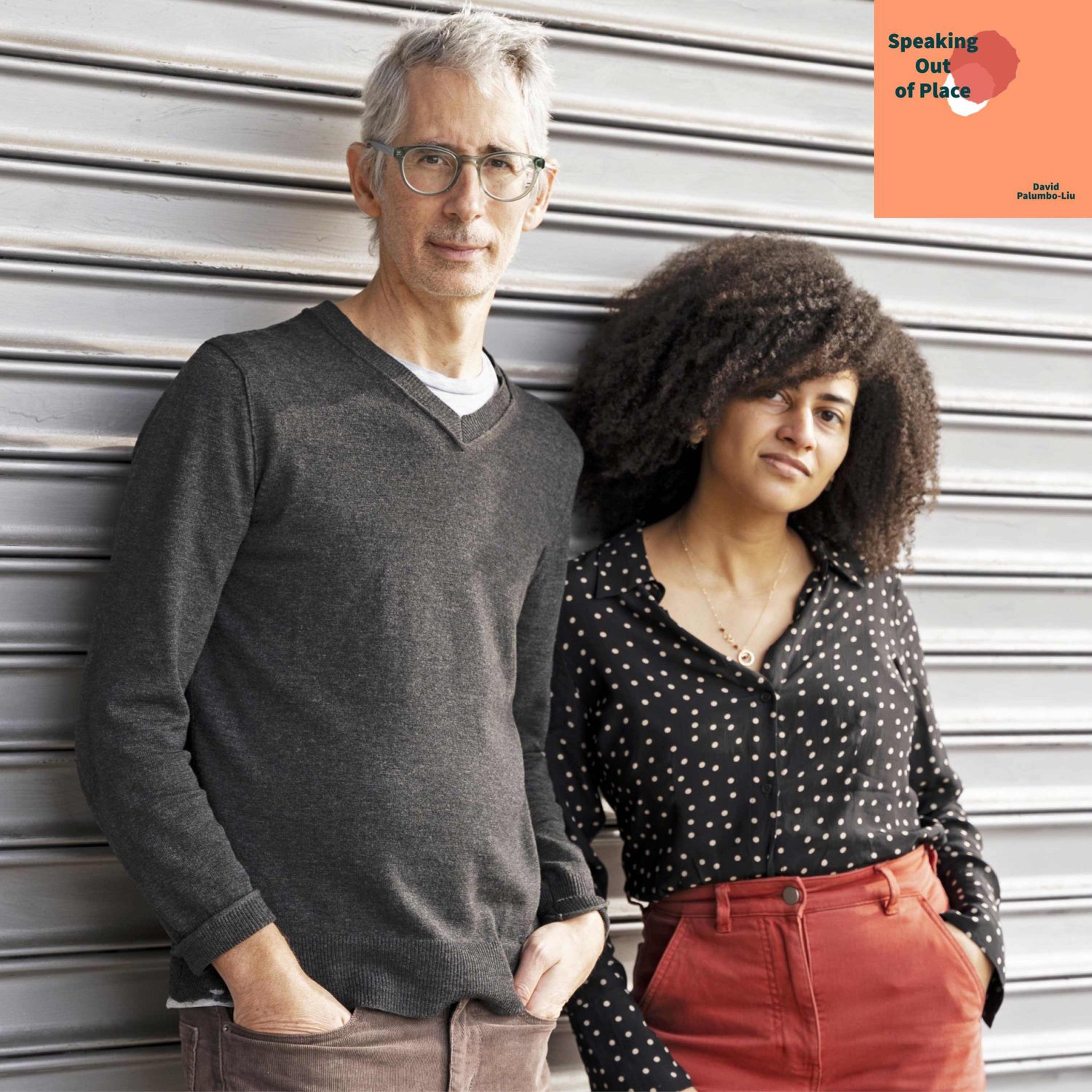
Voices of a People’s History of the United States in the 21st Century with ANTHONY ARNOVE & HALEY PESSIN
In this episode of the Speaking Out of Place podcast, Professor David Palumbo-Liu and Azeezah Kanji talk with Anthony Arnove and Haley Pessin about their new volume Voices of a People’s History of the United States in the 21st Century: Documents of Hope and Resistance.This book is not only a beautiful archive of people's struggles in the 21st century, but also a powerful tribute to and continuation of the work of professor and radical historian Howard Zinn. We speak with Anthony and Haley about the histories of struggles and the possibilities for building a more beautiful future.Anthony Arnove is the editor of several books, including, with Howard Zinn, Voices of a People’s History of the United States and Terrorism and War. He wrote the introduction for the thirty-fifth anniversary edition of Zinn’s classic book, A People’s History of the United States. Arnove cofounded the nonprofit education and arts organization Voices of a People’s History of the United States, wrote, directed, and produced the documentary The People Speak, and has directed stage and television versions of The People Speak in Dublin with Stephen Rea, in London with Colin Firth, and across the United States with various groups including Lincoln Center, the Brooklyn Academy of Music, and the Sundance Film Festival. He produced the Academy Award-nominated documentary Dirty Wars. Arnove is on the editorial boards of Haymarket Books and Tempestmag.org and is the director of Roam Agency, where he represents authors including Arundhati Roy and Noam Chomsky. He lives in Hopewell, New Jersey.Haley Pessin is a socialist activist living in Queens, New York. They have participated in struggles against police brutality and mass incarceration, in solidarity with Palestine, in defense of abortion rights and reproductive justice, and as a legal service worker and union delegate for 119SEIU (Service Employees International Union). Pessin has spoken at conferences in Switzerland, Australia, Ireland, Quebec, and throughout the United States on the struggle for Black liberation. Their writing has appeared in New Politics and at Tempestmag.org, where they currently serve on the editorial board."We have to create alternative institutions to understand history. And to have conversations about how we can intervene because these conversations are increasingly being criminalized, and librarians are being fired and punished. Teachers are also being fired. Whole colleges are being taken over and certain courses are being labeled as not credit-worthy and being canceled. And while conversations around critical race theory and other topics are being declared illegal, there's a long history of book banning in this country. There's a long history of criminalizing dissent in this country, but I do think we all have to recognize that we're in a much more dangerous moment right now, where a new form of McCarthyism is emboldened and we have to speak out against that."https://sevenstories.com/books/4479-voices-of-a-people-s-history-of-the-united-states-in-the-21st-centurywww.palumbo-liu.com https://speakingoutofplace.comhttps://twitter.com/palumboliu?s=20Photo credit: Francesca Ruggiero and Eric Soucy
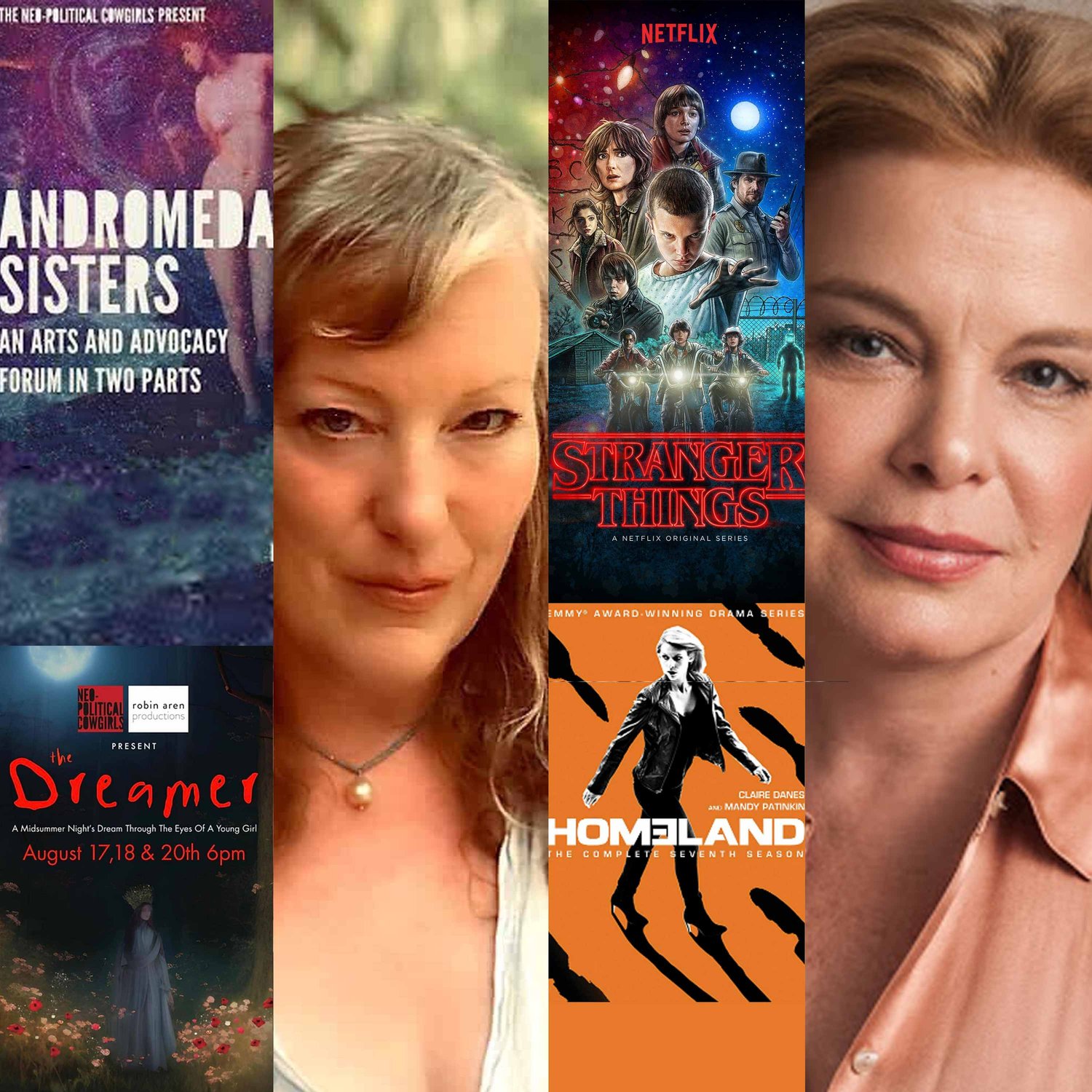
Can Art Heal Society’s Divides? - CATHERINE CURTIN (Stranger Things, Orange Is the New Black) & Artistic Dir. KATE MUETH - Highlights
"I don't know why we would really want to tell stories without being connected to the meaning.And I think that's especially for women, but I do think for human beings, that is how we can work as hard and be able to get up the next morning and keep going. Because we are working through the meaning, and it feeds us as we're like making sense of it all, trying to make sense of it, and for being in community and communion, if I dare say that, as an ex-Catholic too.Like sharing as a witness what it is to be human and what it means, and through this work, tell our story. So yeah, I feel like it's a bit of a crushing experience, as an industry goes. And I often feel like I'm way flung out to the side in the process of how I do the work versus how the industry wants it done, expects it done, and how the money is made and having it done. And there's an unhappy marriage between art and commerce right now. We've changed as a society, and the internet and AI have changed the world. But I kind of don't care because I get one life that I'm aware of, and I just want to do it in a way that feels good and the art feels true for me." -Kate MuethWhy do we make art? What can the performing arts teach us about how to engage in dialogues to overcome conflict and division?Our guests today are actress Catherine Curtin and artistic director Kate Mueth. Curtin is known for her roles on Stranger Things, Homeland, and Insecure. She played correctional officer Wanda Bell in Orange Is the New Black, and for this role she was a joint winner of two Screen Actors Guild Awards for Outstanding Performance by an Ensemble in a Comedy Series.Mueth is the Founder and Artistic Director of the award-winning dance theater company The Neo-Political Cowgirls that seeks to deepen and challenge the ways in which audiences experience stories and awaken their human connection. Based in East Hampton, New York they have performed to audiences in America and Europe.www.imdb.com/name/nm0193160/www.npcowgirls.orgwww.creativeprocess.infowww.oneplanetpodcast.orgIG www.instagram.com/creativeprocesspodcast
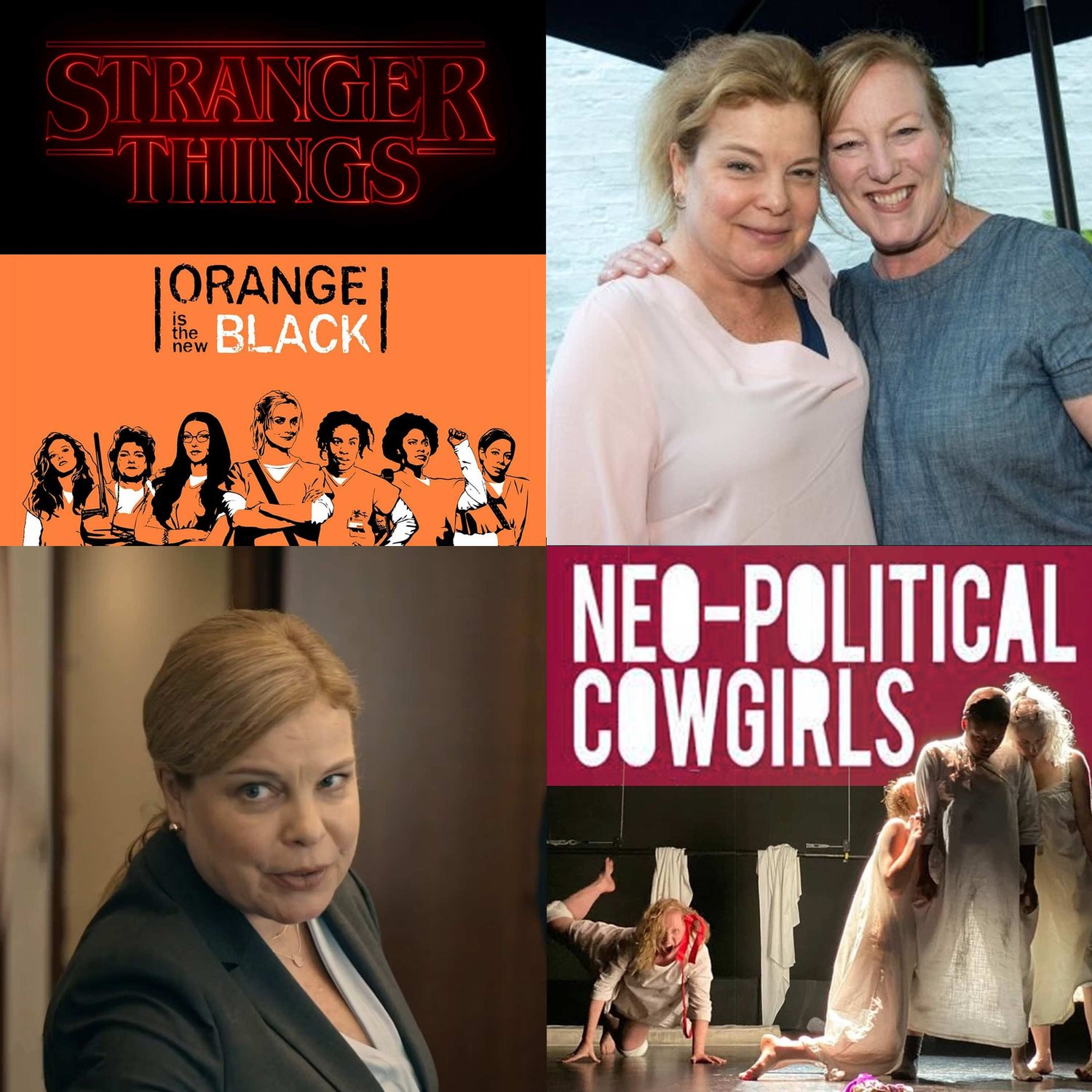
Actress CATHERINE CURTIN (Stranger Things) & Artistic Director KATE MUETH (Neo-Political Cowgirls)
Why do we make art? What can the performing arts teach us about how to engage in dialogues to overcome conflict and division?Our guests today are actress Catherine Curtin and artistic director Kate Mueth. Curtin is known for her roles on Stranger Things, Homeland, and Insecure. She played correctional officer Wanda Bell in Orange Is the New Black, and for this role she was a joint winner of two Screen Actors Guild Awards for Outstanding Performance by an Ensemble in a Comedy Series.Mueth is the Founder and Artistic Director of the award-winning dance theater company The Neo-Political Cowgirls that seeks to deepen and challenge the ways in which audiences experience stories and awaken their human connection. Based in East Hampton, New York they have performed to audiences in America and Europe."I don't know why we would really want to tell stories without being connected to the meaning.And I think that's especially for women, but I do think for human beings, that is how we can work as hard and be able to get up the next morning and keep going. Because we are working through the meaning, and it feeds us as we're like making sense of it all, trying to make sense of it, and for being in community and communion, if I dare say that, as an ex-Catholic too.Like sharing as a witness what it is to be human and what it means, and through this work, tell our story. So yeah, I feel like it's a bit of a crushing experience, as an industry goes. And I often feel like I'm way flung out to the side in the process of how I do the work versus how the industry wants it done, expects it done, and how the money is made and having it done. And there's an unhappy marriage between art and commerce right now. We've changed as a society, and the internet and AI have changed the world. But I kind of don't care because I get one life that I'm aware of, and I just want to do it in a way that feels good and the art feels true for me." -Kate Muethwww.imdb.com/name/nm0193160/www.npcowgirls.orgwww.creativeprocess.infowww.oneplanetpodcast.orgIG www.instagram.com/creativeprocesspodcast
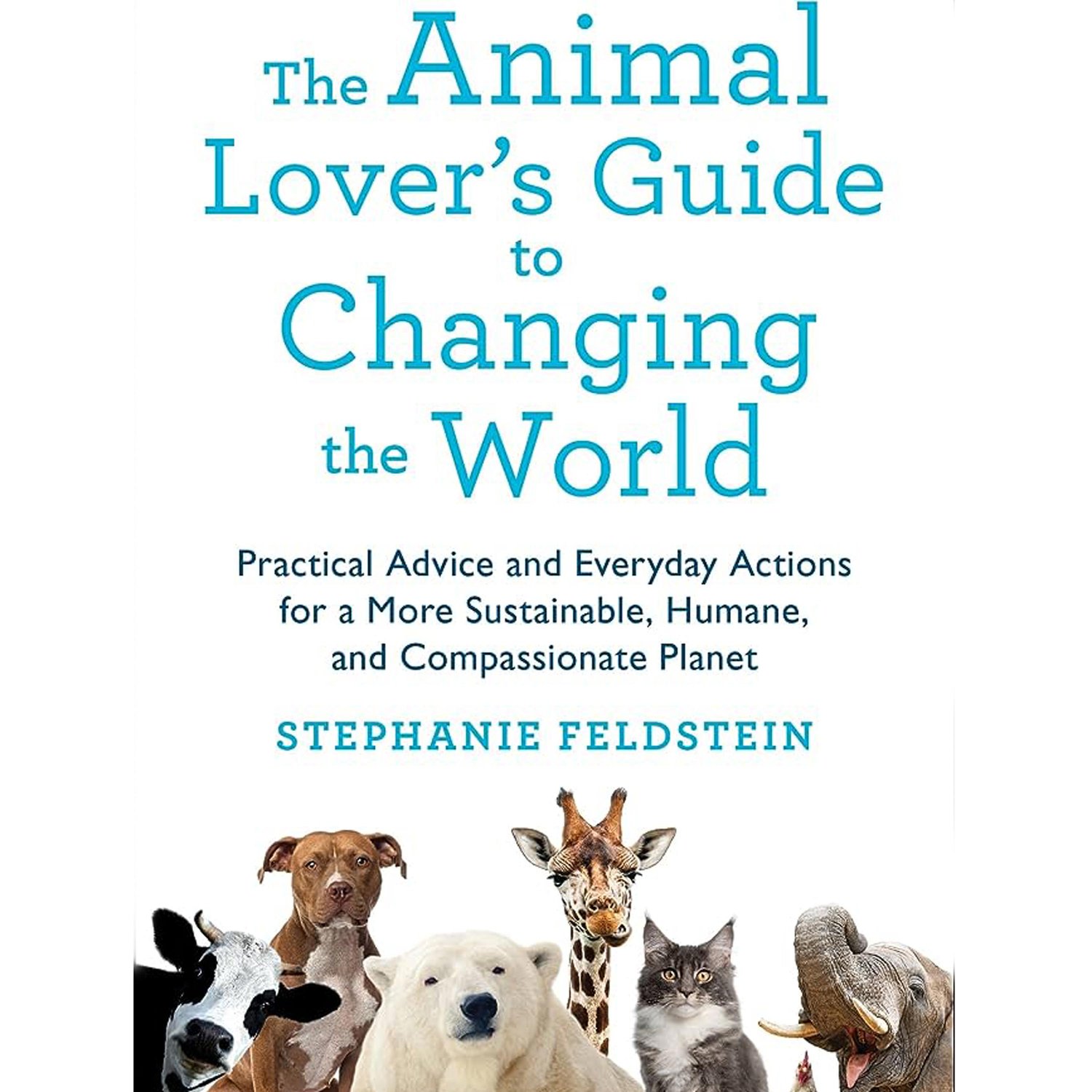
How can we take inspiration from our love for animals to protect wildlife & change the world? STEPHANIE FELDSTEIN - Highlights
"Pretty much everything we do in our lives from the moment we wake up and take a shower, we're using water – that's shared resources. We're using energy that, for most of us, unfortunately, still comes from fossil fuels. We are making decisions about what we eat. We're making purchases that have an impact on the planet and on other animals based on where they came from and what they're made of. There are so many entry points for people to take action and start making changes in their own lives. And that's really important for people to start with what feels right to them. That's a great way to start getting involved in this."How can we take inspiration from our love for animals to protect wildlife and change the world? How can we take action and start making changes in our lives? What if we measured success based on happiness and on the health of communities? Stephanie Feldstein leads the Center for Biological Diversity's work to highlight and address threats to endangered species and wild places from runaway human population growth and overconsumption. Previously Stephanie worked for Change.org, where she helped hundreds of people start and win online campaigns to protect wildlife. She has years of experience in organizing, outreach and communications. She is the author of The Animal Lover’s Guide to Changing the World, and the series aimed at young adults Take Action: Save Life on Earth.https://biologicaldiversity.org/about/staff/#sfeldstein https://biologicaldiversity.org www.abebooks.com/9781250153258/Animal-Lovers-Guide-Changing-World-1250153255/plp https://cherrylakepublishing.com/series/445-take-action-save-life-on-earth https://takeextinctionoffyourplate.com/ https://endangeredspeciescondoms.com/www.creativeprocess.infowww.oneplanetpodcast.orgIG www.instagram.com/creativeprocesspodcast
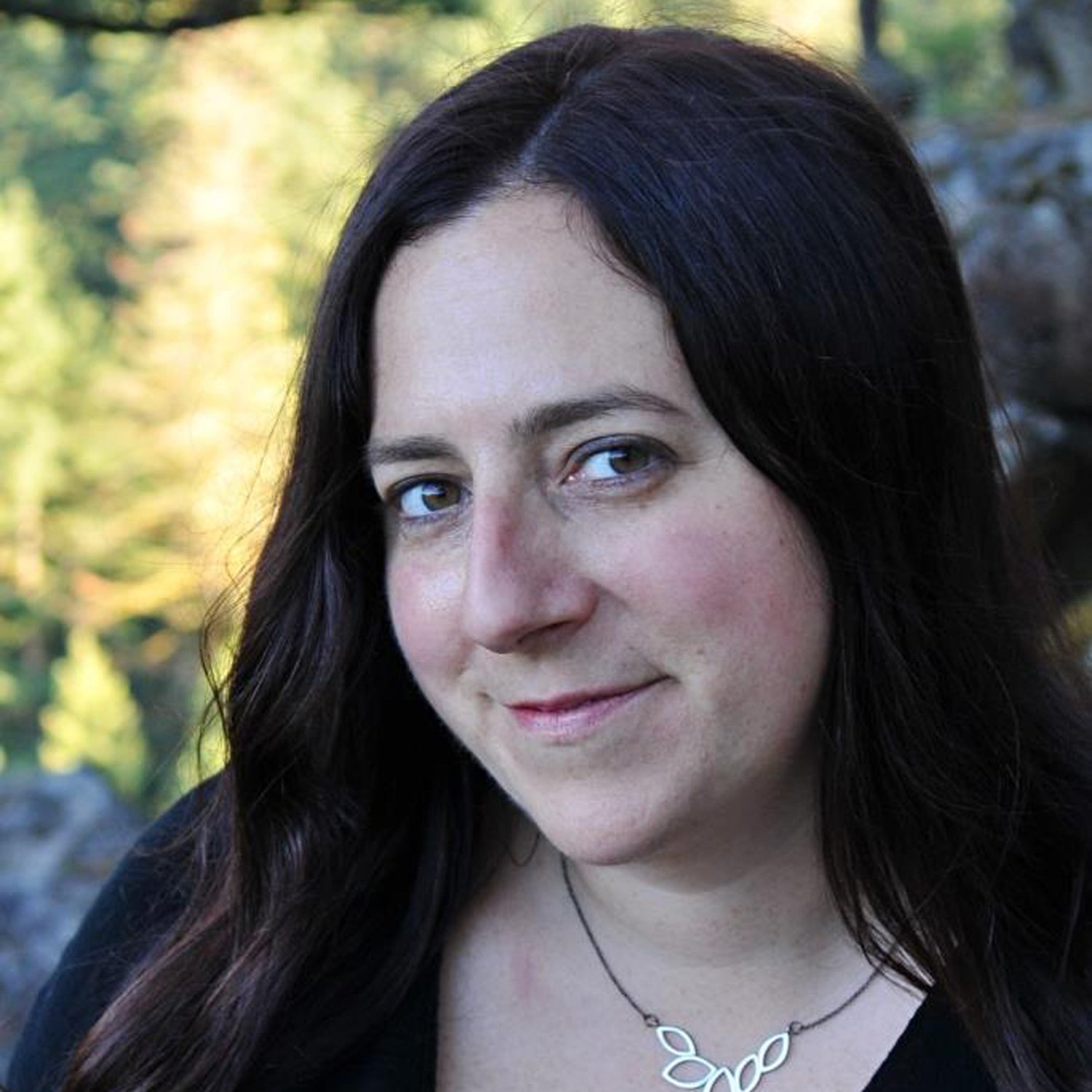
STEPHANIE FELDSTEIN - Author of The Animal Lover’s Guide to Changing the World & Take Action: Save Life on Earth
How can we take inspiration from our love for animals to protect wildlife and change the world? How can we take action and start making changes in our lives? What if we measured success based on happiness and on the health of communities? Stephanie Feldstein leads the Center for Biological Diversity's work to highlight and address threats to endangered species and wild places from runaway human population growth and overconsumption. Previously Stephanie worked for Change.org, where she helped hundreds of people start and win online campaigns to protect wildlife. She has years of experience in organizing, outreach and communications. She is the author of The Animal Lover’s Guide to Changing the World, and the series aimed at young adults Take Action: Save Life on Earth."Pretty much everything we do in our lives from the moment we wake up and take a shower, we're using water – that's shared resources. We're using energy that, for most of us, unfortunately, still comes from fossil fuels. We are making decisions about what we eat. We're making purchases that have an impact on the planet and on other animals based on where they came from and what they're made of. There are so many entry points for people to take action and start making changes in their own lives. And that's really important for people to start with what feels right to them. That's a great way to start getting involved in this."https://biologicaldiversity.org/about/staff/#sfeldstein https://biologicaldiversity.org www.abebooks.com/9781250153258/Animal-Lovers-Guide-Changing-World-1250153255/plp https://cherrylakepublishing.com/series/445-take-action-save-life-on-earth https://takeextinctionoffyourplate.com/ https://endangeredspeciescondoms.com/www.creativeprocess.infowww.oneplanetpodcast.orgIG www.instagram.com/creativeprocesspodcast
Nobel Peace Prize-winning Climate Scientist, IPCC Author MARK HOWDEN on Adapting to a Warming World - Highlights
Director of the Climate Change Institute at The Australian National University Vice Chair of the Intergovernmental Panel on Climate Change (IPCC) Co-recipient of the 2007 NOBEL PEACE PRIZE We live in a diverse world, and we're in a funny time where we sometimes see the best of humanity and the worst of humanity. And I think what we need to do is be very strong in wanting to lift the game of each other and ourselves. And so I think that's one of the sort of key things. Particularly, young people should be more demanding that we behave better towards each other and care more about each other and the world that we live in. In terms of these heatwaves, droughts, and fires that the world is seeing, which we thought were going to hit us in 2050 or 2070, are hitting us now in 2023. So, those risks are coming much faster and harder than we thought they were going to come. And so, in many cases, we're unprepared for the severity of these changes.
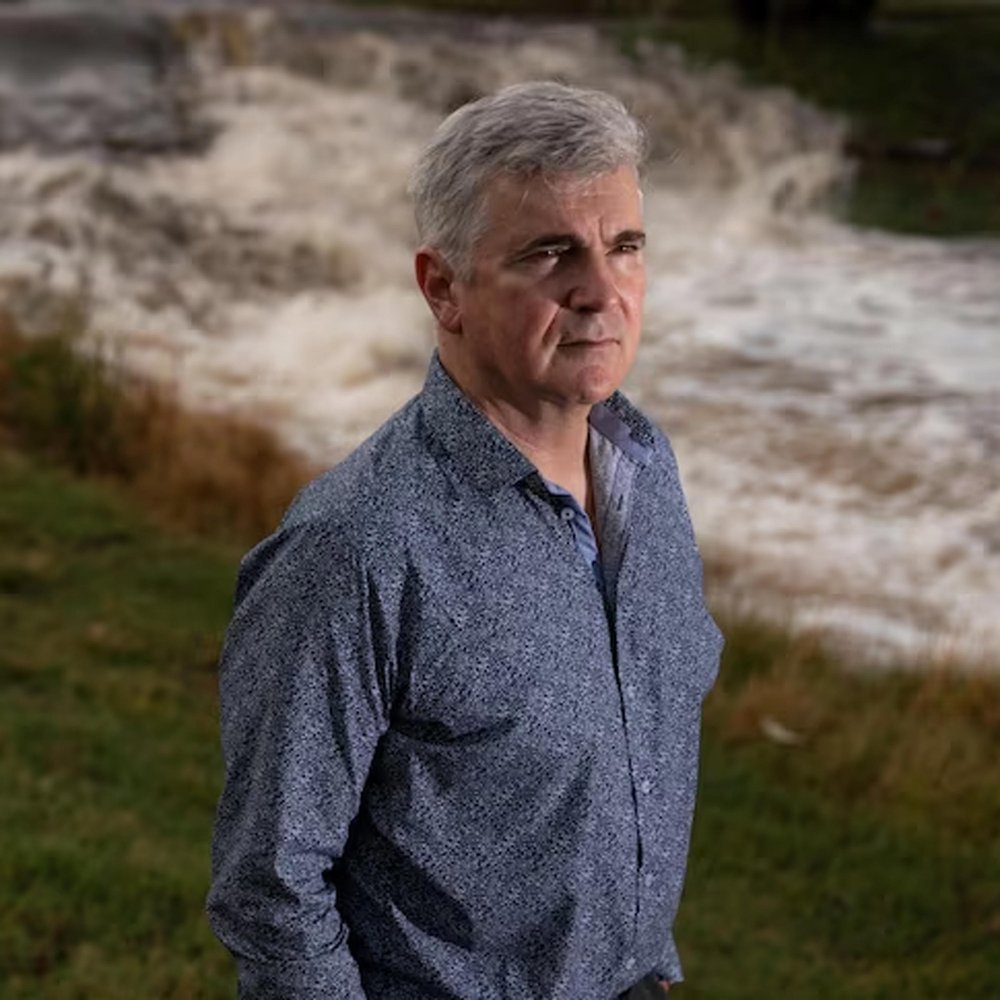
MARK HOWDEN - Vice Chair, Intergovernmental Panel on Climate Change - Director, Climate Change Institute at The Australian National University
Our window to adapt to a warming world is narrowing quickly. What it will take to avert the climate crises? Mark Howden is Director of the Climate Change Institute at The Australian National University and a Vice Chair of the Intergovernmental Panel on Climate Change (IPCC) and a member of the Australian National Climate Science Advisory Committee. He has been a major contributor to the IPCC since 1991, with roles in the Second, Third, Fourth, Fifth and now Sixth Assessment Reports, sharing the 2007 Nobel Peace Prize with other IPCC participants and Al Gore. He was on the US Federal Advisory Committee for the 3rd National Climate Assessment and contributes to several major national and international science and policy advisory bodies. Mark has worked on climate variability, climate change, innovation and adoption issues for over 30 years in partnership with many industry, community and policy groups via both research and science-policy roles."One of the things we have to do is we have to increase the rate of learning. We are entering into increasingly uncharted territory and not just in terms of climate change, but in many other areas of activity, AI being one of those, of course. And I think what we need to do is we need to find ways to learn more quickly, as a society, as communities, as villagers, as professional groups. And there are advantages of using some of those technologies in terms of accelerating that learning.We need to be discerning about the technologies we use, and we need to think about the relationships between those technology and social outcomes, environmental outcomes, how to redesign our systems, and how to redesign our governance. So I think there's going to be a need for a lot more thought and creativity in the future."https://iceds.anu.edu.au/people/academics/professor-mark-howdenhttps://iceds.anu.edu.au/www.ipcc.chwww.creativeprocess.infowww.oneplanetpodcast.orgIG www.instagram.com/creativeprocesspodcastPhoto credit: Lannon Harley/ANU
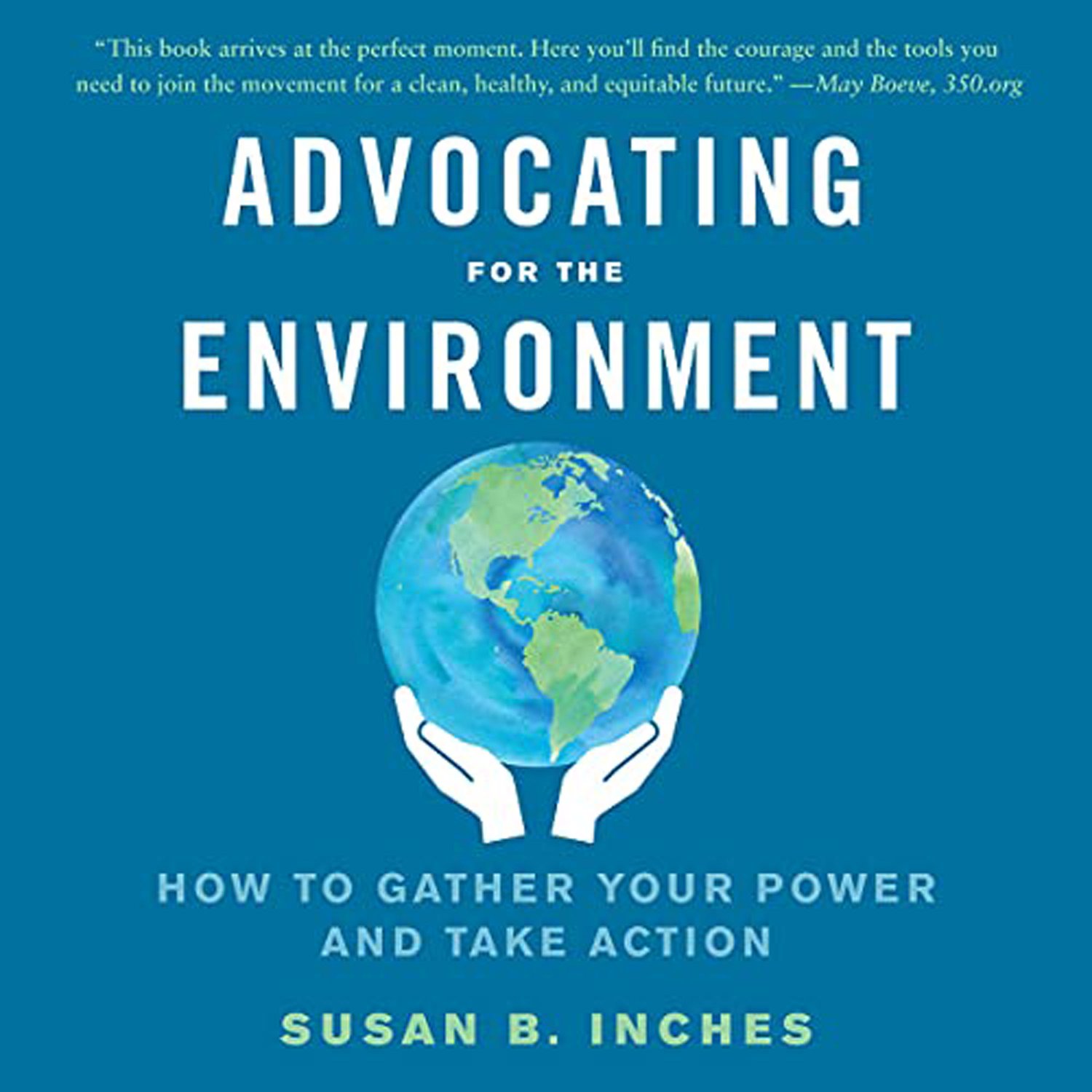
Advocating for the Environment: How to Gather Your Power & Take Action - SUE INCHES - Highlights
"Advocacy starts with your story, my story, and everyone else's stories. They add up to the big story that we are telling ourselves about the Earth. Over time, our collective stories will guide us to sustainable prosperity and well-being, or to total destruction. But let's not get ahead of ourselves. And the reason I bring up stories so early in the book is because when you're actually doing lobbying, it's the stories that the decision-makers remember. So legislators have said that to me when 'I go to vote on an issue, it's the stories I remember.' It's not the data. It's not the charts and graphs. Those are important, but it's the stories that they remember and that's how they vote on these issues."How do we connect our personal stories to the big story about the environment? How can we motivate corporations and government to not just aim for profit, but include reporting on their environmental risks and impacts in their balance sheets?Sue Inches is an advocate, author, and teacher. She has worked in public policy for over 25 years, serving as the Deputy Director of the State Planning Office, and as a Director at the Maine Department of Marine Resources. She is author of Advocating for the Environment: How to Gather Your Power and Take Action, and teaches college and high school workshops on same. Her consulting work focuses on strategic planning, program development, and environmental campaigns.https://sueinches.comwww.penguinrandomhouse.com/books/670609/advocating-for-the-environment-by-susan-b-incheswww.creativeprocess.infowww.oneplanetpodcast.orgIG www.instagram.com/creativeprocesspodcast
SUE INCHES - Author of Advocating for the Environment: How to Gather Your Power and Take Action
How do we connect our personal stories to the big story about the environment? How can we motivate corporations and government to not just aim for profit, but include reporting on their environmental risks and impacts in their balance sheets?Sue Inches is an advocate, author, and teacher. She has worked in public policy for over 25 years, serving as the Deputy Director of the State Planning Office, and as a Director at the Maine Department of Marine Resources. She is author of Advocating for the Environment: How to Gather Your Power and Take Action, and teaches college and high school workshops on same. Her consulting work focuses on strategic planning, program development, and environmental campaigns."Advocacy starts with your story, my story, and everyone else's stories. They add up to the big story that we are telling ourselves about the Earth. Over time, our collective stories will guide us to sustainable prosperity and well-being, or to total destruction. But let's not get ahead of ourselves. And the reason I bring up stories so early in the book is because when you're actually doing lobbying, it's the stories that the decision-makers remember. So legislators have said that to me when 'I go to vote on an issue, it's the stories I remember.' It's not the data. It's not the charts and graphs. Those are important, but it's the stories that they remember and that's how they vote on these issues."https://sueinches.comwww.penguinrandomhouse.com/books/670609/advocating-for-the-environment-by-susan-b-incheswww.creativeprocess.infowww.oneplanetpodcast.orgIG www.instagram.com/creativeprocesspodcast
ARNOLD SCHWARZENEGGER - From War-Torn Austria to Hollywood Success - Highlights
"It's not just that he grew up in a rural environment too. He was born on July 30th, 1947. And most of us today don't have any understanding or relationship to what Europe was like right after World War II. The winter of 1946/1947 in Austria was the most brutal in decades. The people already had too little food. They were in an occupied country.The summer potato crops failed. As Arnold has said, his mother had to go from farm to farm to farm, begging for food to be able to feed her children. His father, like all the men in the village, was defeated by the war. I mean, they were not just defeated by their side losing, but realizing what their side had stood for, that they were the bad guys.And he saw them all physically, emotionally, intellectually defeated and taking it out on their wives and children, that he was beaten and his mother was beaten. All the neighbor kids were beaten, and they were beaten into a kind of placid defeat. And he alone would not accept that. He could not see that life for himself.And he was, as a child, searching for ways to get out of that. And bodybuilding became that when he learned about bodybuilding as a very poor boy. They lived on the top floor of a house. They had no plumbing. They all bathed once a week in the same tub in the kitchen. And his brother and he had to bring the water in. His mother heated it, and they took baths one by one. Mother first, father second, older brother third, Arnold last in the tub of dirty water. And so he wanted out of that. And as a poor boy, he had nothing but his body to work with. That was it. There was not going to be any college. There was not going to be any of that. There was going to be some kind of menial job, or he could use what he had - his body - to get him out of there."“Why I was different from all the other boys in my town I cannot tell you. I was simply born with the gift of vision.” – ARNOLD SCHWARZENEGGERIs there any better example of the American Dream than Arnold Schwarzenegger? What does it take to make your vision a reality? How do you cultivate iron focus to overcome any obstacle and realize your dreams?On the publication of Arnold Schwarzenegger’s limited edition two-volume book published by TASCHEN, we sat down with Senior Editor and Writer Dian Hansen to discuss Schwarzenegger’s life, accomplishments, and history of unforgettable performances. The book has been a decade-long collaborative process and along with portraits by leading photographers Richard Avedon, Annie Leibovitz, Robert Mapplethorpe, Herb Ritts, Francesco Scavullo, and Andy Warhol, it is also filled with photos from Arnold’s private archive and exclusive interviews. Dian’s other works include The Art of Pin-up, Masterpieces of Fantasy Art, and The Fantastic Worlds of Frank Frazetta.www.taschen.com/en/limited-editions/film/03105/arnold-collector-s-editionwww.schwarzenegger.comwww.creativeprocess.infowww.oneplanetpodcast.orgIG www.instagram.com/creativeprocesspodcastImage courtesy of Taschen. Photo credit: ARNOLD SCHWARZENEGGER IN VENICE, CALIFORNIA. PHOTO BY ALBERT BUSEK, 1980
ARNOLD SCHWARZENEGGER: Athlete, Actor, American, Activist - Conversation with Editor DIAN HANSON
“Why I was different from all the other boys in my town I cannot tell you. I was simply born with the gift of vision.” – ARNOLD SCHWARZENEGGERIs there any better example of the American Dream than Arnold Schwarzenegger? What does it take to make your vision a reality? How do you cultivate iron focus to overcome any obstacle and realize your dreams?On the publication of Arnold Schwarzenegger’s limited edition two-volume book published by TASCHEN, we sat down with Senior Editor and Writer Dian Hansen to discuss Schwarzenegger’s life, accomplishments, and history of unforgettable performances. The book has been a decade-long collaborative process and along with portraits by leading photographers Richard Avedon, Annie Leibovitz, Robert Mapplethorpe, Herb Ritts, Francesco Scavullo, and Andy Warhol, it is also filled with photos from Arnold’s private archive and exclusive interviews. Dian’s other works include The Art of Pin-up, Masterpieces of Fantasy Art, and The Fantastic Worlds of Frank Frazetta."It's not just that he grew up in a rural environment too. He was born on July 30th, 1947. And most of us today don't have any understanding or relationship to what Europe was like right after World War II. The winter of 1946/1947 in Austria was the most brutal in decades. The people already had too little food. They were in an occupied country.The summer potato crops failed. As Arnold has said, his mother had to go from farm to farm to farm, begging for food to be able to feed her children. His father, like all the men in the village, was defeated by the war. I mean, they were not just defeated by their side losing, but realizing what their side had stood for, that they were the bad guys.And he saw them all physically, emotionally, intellectually defeated and taking it out on their wives and children, that he was beaten and his mother was beaten. All the neighbor kids were beaten, and they were beaten into a kind of placid defeat. And he alone would not accept that. He could not see that life for himself.And he was, as a child, searching for ways to get out of that. And bodybuilding became that when he learned about bodybuilding as a very poor boy. They lived on the top floor of a house. They had no plumbing. They all bathed once a week in the same tub in the kitchen. And his brother and he had to bring the water in. His mother heated it, and they took baths one by one. Mother first, father second, older brother third, Arnold last in the tub of dirty water. And so he wanted out of that. And as a poor boy, he had nothing but his body to work with. That was it. There was not going to be any college. There was not going to be any of that. There was going to be some kind of menial job, or he could use what he had - his body - to get him out of there."www.taschen.com/en/limited-editions/film/03105/arnold-collector-s-editionwww.schwarzenegger.comwww.creativeprocess.infowww.oneplanetpodcast.orgIG www.instagram.com/creativeprocesspodcastImages courtesy of Taschen. Photo credits: CoverArnold Schwarzenegger for the film End of Days. Sante D'Orazio, 1999Governor Schwarzenegger with the Lincoln Memorial · Photo by Peter Grigsby, 2009 Arnold Schwarzenegger and Lulu at his Los Angeles home · Photo by Tracy Nguyen, 2021
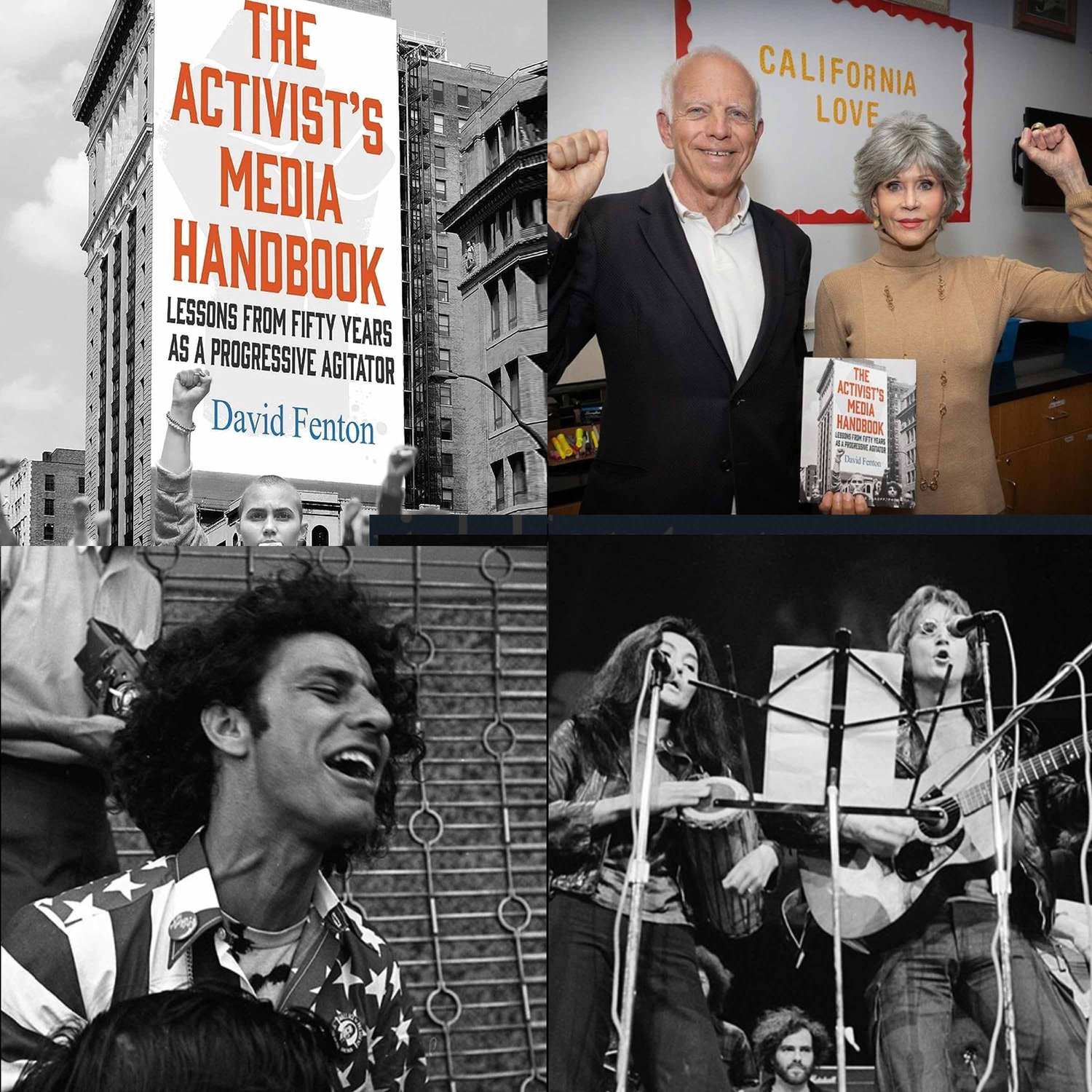
The Activist’s Media Handbook: Lessons From 50 Years as a Progressive Agitator - DAVID FENTON - Highlights
"So a lot has been corporatized. That is certainly true, but not everything. And it sounds like a cliche, but it really is true that history moves in pendulums and waves. And whatever is happening today is not going to last. It will change. So you have periods of concentrations of wealth and power, and then you have periods of rebellion. And I'm quite sure we're headed for another period of rebellion. You can see it a little bit now in the labor strife in the United States and the strikes. You can certainly see it in the massive demonstrations in France and Israel. Excessive concentrations of power breeds rebellion, and that's just inevitable. And the climate crisis is going to cause a lot of rebellion as people figure this out. And I think it's coming very soon, actually, because as you've noticed, the weather is getting very bad. It's become a non-linear accelerating phenomenon. And people will wake up to that. I just hope they wake up in time."How can we effectively communicate that we're moving beyond climate change to a state of climate crisis? The trapped heat energy on Earth is equal to a million Atomic bombs going off every single day. Today we talk to someone who's been mobilizing the public mind for over 50 years. David Fenton, named “one of the 100 most influential PR people” by PR Week and “the Robin Hood of public relations” by The National Journal, founded Fenton in 1982 to create communications campaigns for the environment, public health, and human rights. For more than five decades he has pioneered the use of PR, social media, and advertising techniques for social change. Fenton started his career as a photojournalist in the late 1960s – his book Shots: An American Photographer’s Journal was published in 2005. He was formerly director of public relations at Rolling Stone magazine and co-producer of the No-Nukes concerts in 1979 at Madison Square Garden with Bruce Springsteen, Bonnie Raitt, James Taylor, Jackson Browne, and other artists. He has also helped create JStreet, Climate Nexus, the Death Penalty Information Center, and Families for a Future. He sold Fenton a few years ago to work on climate change full time. He is the author of The Activist’s Media Handbook: Lessons From 50 Years as a Progressive Agitator.https://davidfentonactivist.comwww.simonandschuster.com/books/The-Activists-Media-Handbook/David-Fenton/9781647228668https://fenton.comX / twitter @dfentonIG @dfenton1 facebook.com/davidfentonactivistwww.creativeprocess.info www.oneplanetpodcast.orgIG www.instagram.com/creativeprocesspodcastAll photographs © 1968-2022 David Fenton
DAVID FENTON - Founder of Fenton Communications, Author of The Activist’s Media Handbook: Lessons From 50 Years as a Progressive Agitator
How can we effectively communicate that we're moving beyond climate change to a state of climate crisis? The trapped heat energy on Earth is equal to a million Atomic bombs going off every single day. Today we talk to someone who's been mobilizing the public mind for over 50 years. David Fenton, named “one of the 100 most influential PR people” by PR Week and “the Robin Hood of public relations” by The National Journal, founded Fenton in 1982 to create communications campaigns for the environment, public health, and human rights. For more than five decades he has pioneered the use of PR, social media, and advertising techniques for social change. Fenton started his career as a photojournalist in the late 1960s – his book Shots: An American Photographer’s Journal was published in 2005. He was formerly director of public relations at Rolling Stone magazine and co-producer of the No-Nukes concerts in 1979 at Madison Square Garden with Bruce Springsteen, Bonnie Raitt, James Taylor, Jackson Browne, and other artists. He has also helped create JStreet, Climate Nexus, the Death Penalty Information Center, and Families for a Future. He sold Fenton a few years ago to work on climate change full time. He is the author of The Activist’s Media Handbook: Lessons From 50 Years as a Progressive Agitator."So a lot has been corporatized. That is certainly true, but not everything. And it sounds like a cliche, but it really is true that history moves in pendulums and waves. And whatever is happening today is not going to last. It will change. So you have periods of concentrations of wealth and power, and then you have periods of rebellion. And I'm quite sure we're headed for another period of rebellion. You can see it a little bit now in the labor strife in the United States and the strikes. You can certainly see it in the massive demonstrations in France and Israel. Excessive concentrations of power breeds rebellion, and that's just inevitable. And the climate crisis is going to cause a lot of rebellion as people figure this out. And I think it's coming very soon, actually, because as you've noticed, the weather is getting very bad. It's become a non-linear accelerating phenomenon. And people will wake up to that. I just hope they wake up in time."https://davidfentonactivist.comwww.simonandschuster.com/books/The-Activists-Media-Handbook/David-Fenton/9781647228668https://fenton.comX / twitter @dfentonIG @dfenton1 facebook.com/davidfentonactivistwww.creativeprocess.info www.oneplanetpodcast.orgIG www.instagram.com/creativeprocesspodcastAll photographs © 1968-2022 David Fenton
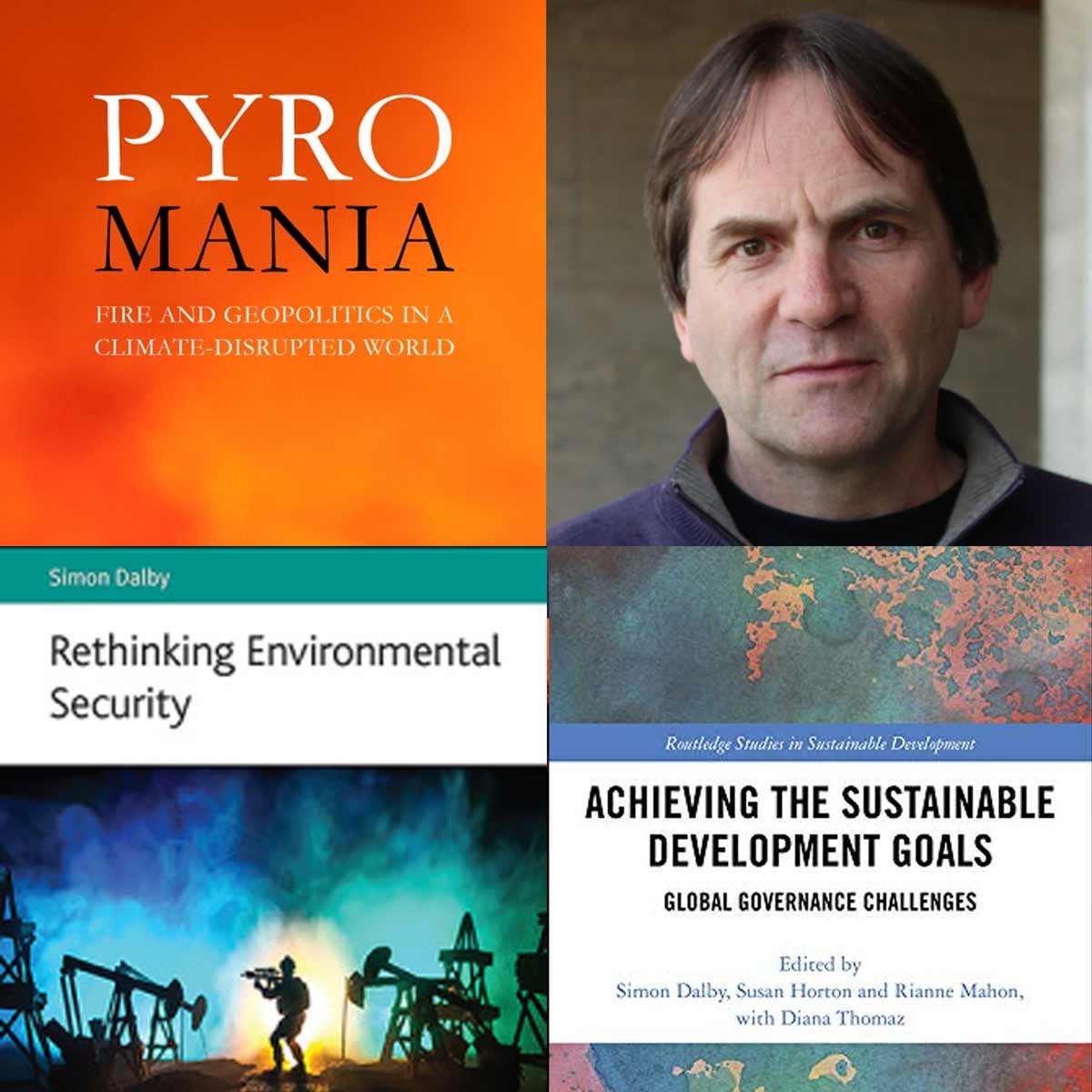
SIMON DALBY - Author of Pyromania: Fire and Geopolitics in a Climate-Disrupted World
Wildfire season is starting earlier and lasting longer due to global warming across the world. What will we do to save the world on fire? How can we cure our addiction to fossil fuels which is verging on pyromania?Simon Dalby is author of Pyromania: Fire and Geopolitics in a Climate-Disrupted World and Professor Emeritus at Wilfrid Laurier University. His other books are Rethinking Environmental Security, Anthropocene Geopolitics: Globalization, Security, Sustainability, and Security and Environmental Change. He’s co-editor of Achieving the Sustainable Development Goals, and Reframing Climate Change: Constructing Ecological Geopolitics."We also need to note most people move locally rather than globally. In the discussions about climate refugees, people are going to be dislocated. There are obviously going to be places that are going to become quite literally uninhabitable because they're too hot and too dry, or they've been flooded so frequently that they're just not sustainable. That said it is also worth pointing out that this climate change process is playing out in a global economy, which is also changing where people live and how people live very rapidly. the migration from rural areas to urban systems has been massive over the last couple of generations. We became an urban species."https://experts.wlu.ca/simon-dalby-1www.agendapub.com/page/detail/pyromania/?k=9781788216500www.creativeprocess.infowww.oneplanetpodcast.orgIG www.instagram.com/creativeprocesspodcast
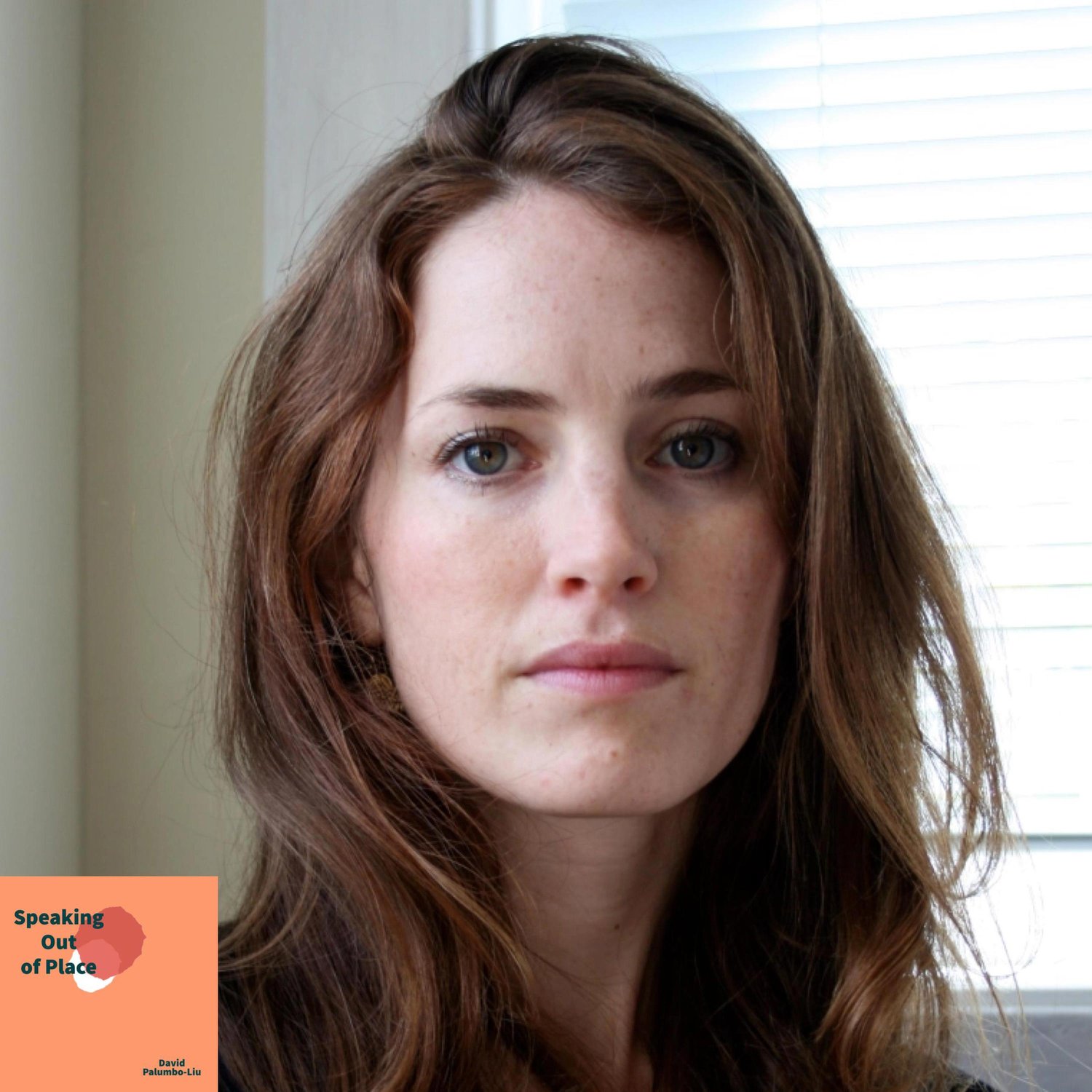
The Playbook: How to Deny Science, Sell Lies, and Make a Killing in the Corporate World with JENNIFER JACQUET
In this episode of the Speaking Out of Place podcast, Professor David Palumbo-Liu interviews Jennifer Jacquet, who is an Associate Professor in the Department of Environmental Studies and Director of XE: Experimental Humanities and Social Engagement at NYU. She is also deputy director of NYU's Center for Environmental and Animal Protection. Her research focuses on animals and the environment, Agnotology, and attribution and responsibility in the Anthropocene. She is author of The Playbook: How to Deny Science, Sell Lies, and Make a Killing in the Corporate World-- a work of 'epistolary non-fiction' that makes the business case for scientific denial. Among other things, we learn how corporations create an arsenal of experts and pseudo-experts at prestigious universities to create misinformation and disinformation for corporate profit, and at great cost to the public. At the end, we make the case for a partnership between the sciences and the humanities to fight such lies and violence.Jennifer Jacquet’s research focuses on animals and the environment, Agnotology, and attribution and responsibility in the Anthropocene. She is author of The: How to Deny Science, Sell Lies, and Make a Killing in the Corporate World (Pantheon/Penguin, 2022)-- a work of 'epistolary non-fiction' that makes the business case for scientific denial. She also wrote Is Shame Necessary? (Pantheon/Penguin, 2015) about the evolution, function, and future of the use of social disapproval in a globalized, digitized world. She is the recipient of a 2015 Alfred P. Sloan research fellowship and a 2016 Pew Fellowship in Marine Conservation.https://jenniferjacquet.com https://as.nyu.edu/faculty/jennifer-jacquet.htmlwww.palumbo-liu.com https://speakingoutofplace.com https://twitter.com/palumboliu?s=20