The Black Studies Podcast
322 episodes — Page 5 of 7
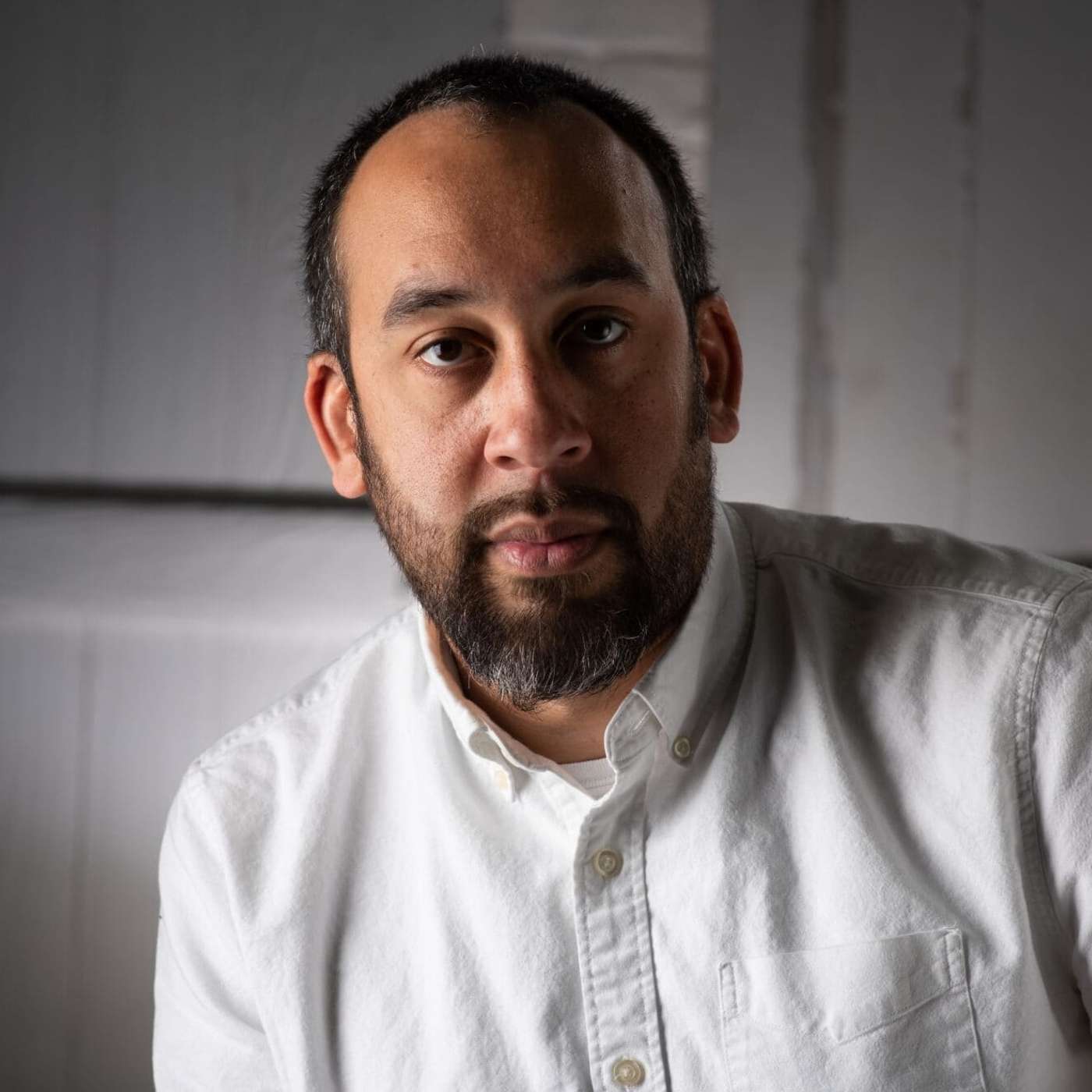
Ep 122Theodore R. Foster III - Department of History, University of Louisiana, Lafayette
This is John Drabinski and you’re listening to The Black Studies podcast, a Mellon grant sponsored series of conversations examining the history of the field. Our conversations engage with a wide range of activists and scholars - senior figures in the field, late doctoral students, and everyone in between, culture workers, and political organizers - in order to explore the cultural and political meaning of Black Studies as an area of inquiry and its critical methods.Today’s conversation is with Theodore Foster III, who teaches in the Department of History, Geography, and Philosophy at University of Louisiana at Lafayette. His research works at the intersection of history and political memory, with special attention to how we remember and reactivate the civil rights movement and other Black freedom struggles. In this conversation, we discuss the place of historical work for political mobilization, the complexity of blackness as an identity in the Black Studies tradition, and the importance of creating spaces of Black memory and of Black study.
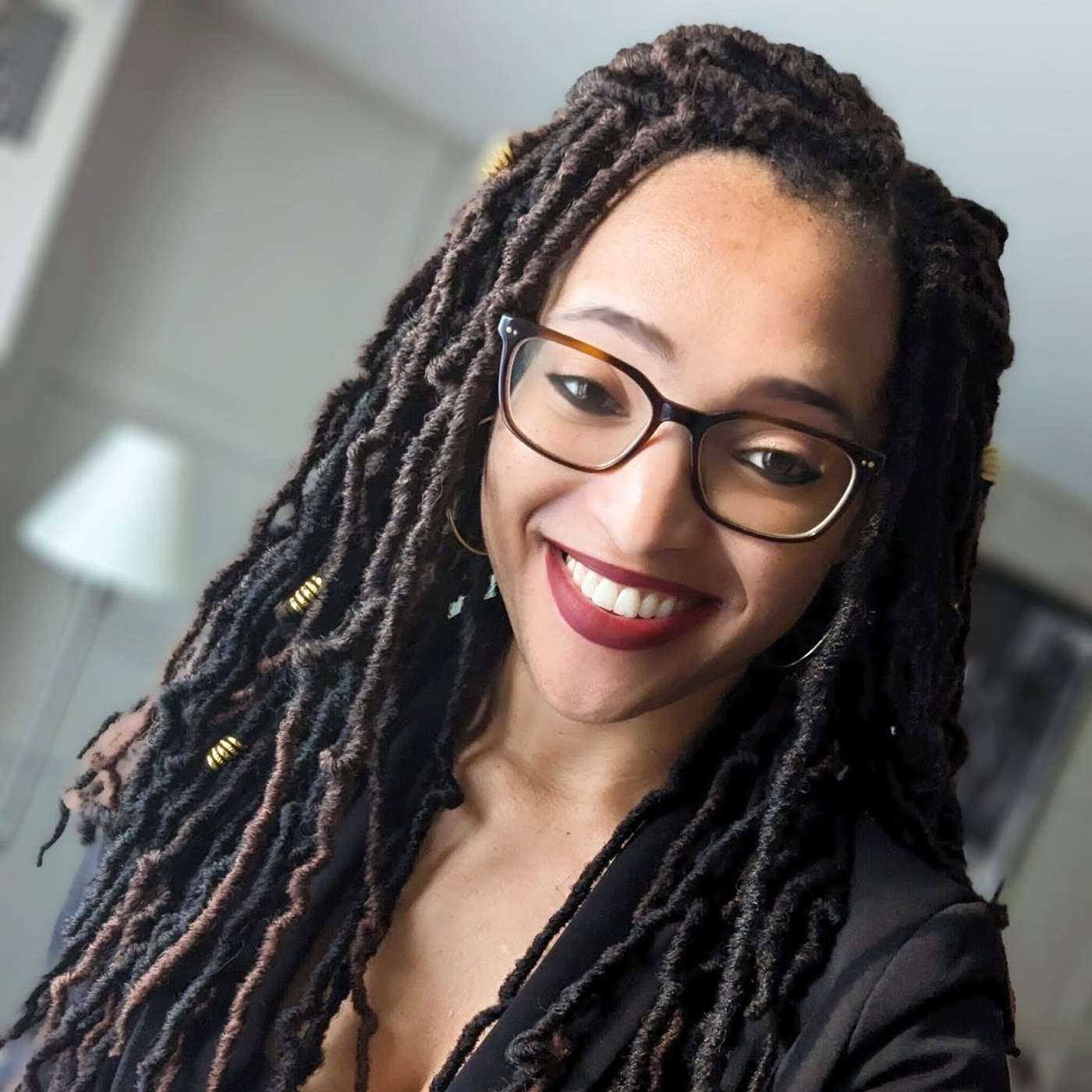
Ep 121Jessica A. Newby - Department of History, Johns Hopkins University
This is Ashley Newby and you’re listening to The Black Studies podcast, a Mellon grant sponsored series of conversations examining the history of the field. Our conversations engage with a wide range of activists and scholars - senior figures in the field, late doctoral students, and everyone in between, culture workers, and political organizers - in order to explore the cultural and political meaning of Black Studies as an area of inquiry and its critical methods.
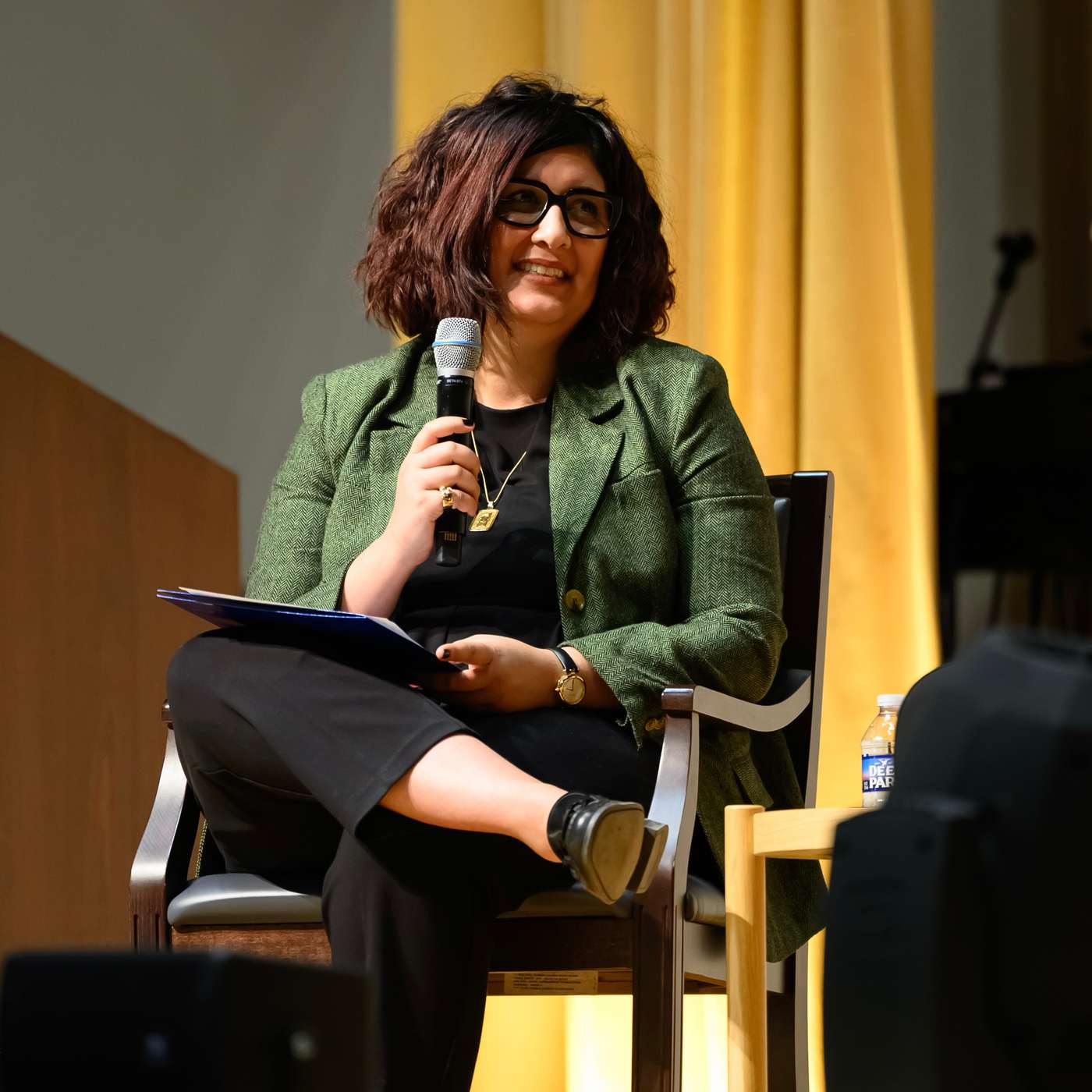
Ep 120M. Shadee Malaklou - Department of Women's, Gender, and Sexuality Studies and Director of The bell hooks Center, Berea College
This is John Drabinski and you’re listening to The Black Studies podcast, a Mellon grant sponsored series of conversations examining the history of the field. Our conversations engage with a wide range of activists and scholars - senior figures in the field, late doctoral students, and everyone in between, culture workers, and political organizers - in order to explore the cultural and political meaning of Black Studies as an area of inquiry and its critical methods.Today’s conversation is with M. Shadee Malaklou, who is Chair of and teaches in the Department of Women’s, Gender, and Sexuality Studies at Berea College where she is also Inaugural Founder and Director of The bell hooks Center. Her work focuses on variations on afropessimism, from the expansiveness of its vision to important critical interventions against its nihilism. In this conversation, we discuss the cultural and political meaning of pessimism, the foundations of the field of Black Studies in nihilism and resistance to it, and the transformative role of gender and sexuality studies for the field.
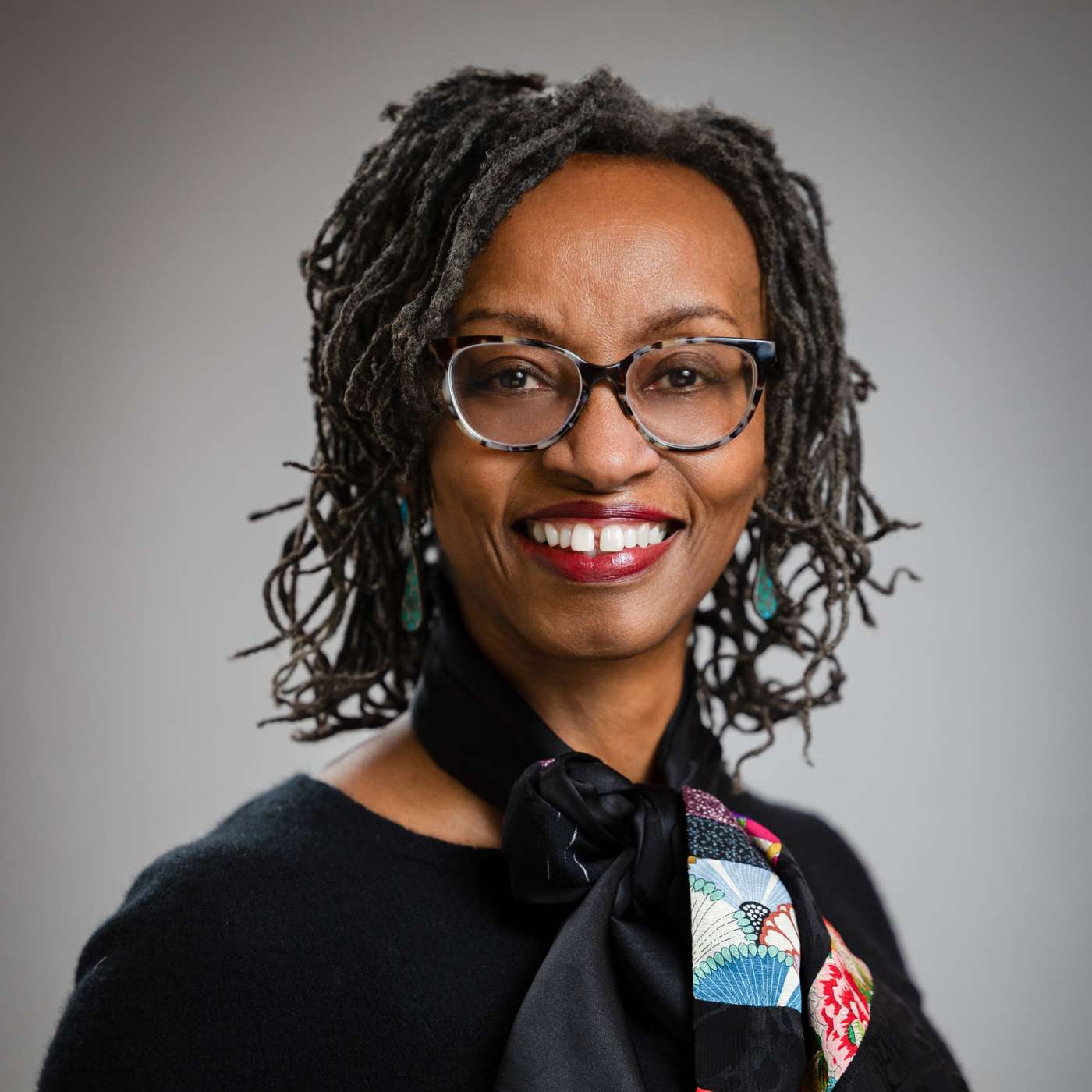
Ep 119Ula Taylor - Department of African American and African Diaspora Studies, University of California, Berkeley
This is Ashley Newby and you’re listening to The Black Studies podcast, a Mellon grant sponsored series of conversations examining the history of the field. Our conversations engage with a wide range of activists and scholars - senior figures in the field, late doctoral students, and everyone in between, culture workers, and political organizers - in order to explore the cultural and political meaning of Black Studies as an area of inquiry and its critical methods.Today’s discussion is with Ula Taylor, who teaches in the Department of African American and African Diaspora Studies at University of California, Berkeley. In addition to numerous articles in scholarly journals she is the author of The Promise of Patriarchy: Women and the Nation of Islam, The Veiled Garvey: The Life and Times of Amy Jacques Garvey, co-author with J. Tarika Lewis of Panther: A Pictorial History of the Black Panther Party and The Story Behind the Film and co-editor of Black California Dreamin: The Crisis of California African American Communities. In this conversation, we discuss the history and politics of Black Studies, the expansive significance of the field, and the meaning of generational shifts for the practice of Black study.
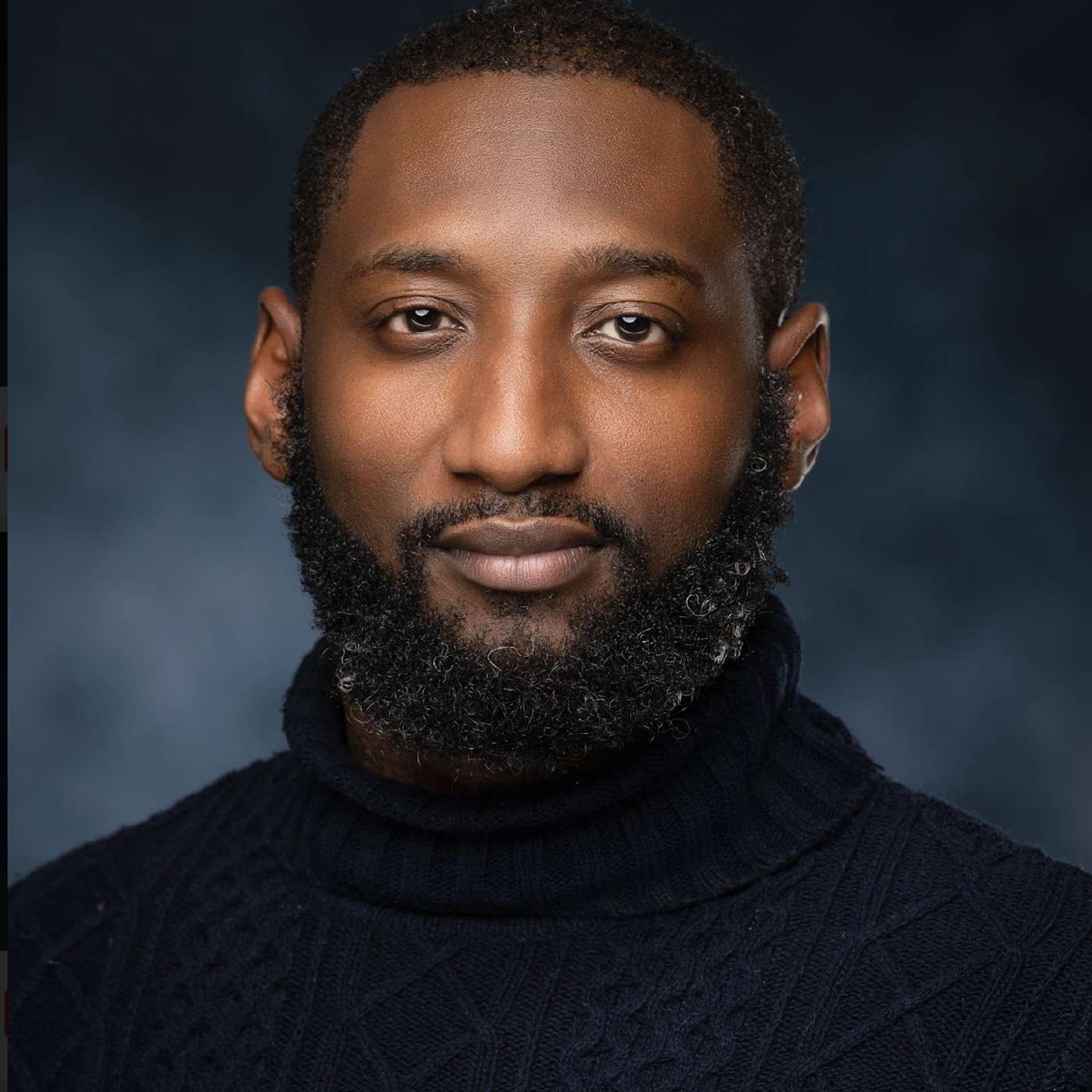
Ep 118Matthew Simmons - Program in African American Studies, University of Alabama, Birmingham
This is John Drabinski and you’re listening to The Black Studies podcast, a Mellon grant sponsored series of conversations examining the history of the field. Our conversations engage with a wide range of activists and scholars - senior figures in the field, late doctoral students, and everyone in between, culture workers, and political organizers - in order to explore the cultural and political meaning of Black Studies as an area of inquiry and its critical methods.Today’s conversation is with Matthew Simmons, who teaches in the Program in African American Studies at University of Alabama, Birmingham. His work focuses on Black voting behavior, with particular attention to non-voting individuals and communities and what non-voting says about the politics of Black life. In this conversation, we discuss the relation of culture and politics in the Black Studies tradition, activism and pedagogy, and new horizons opened in the field around questions of gender and sexuality.
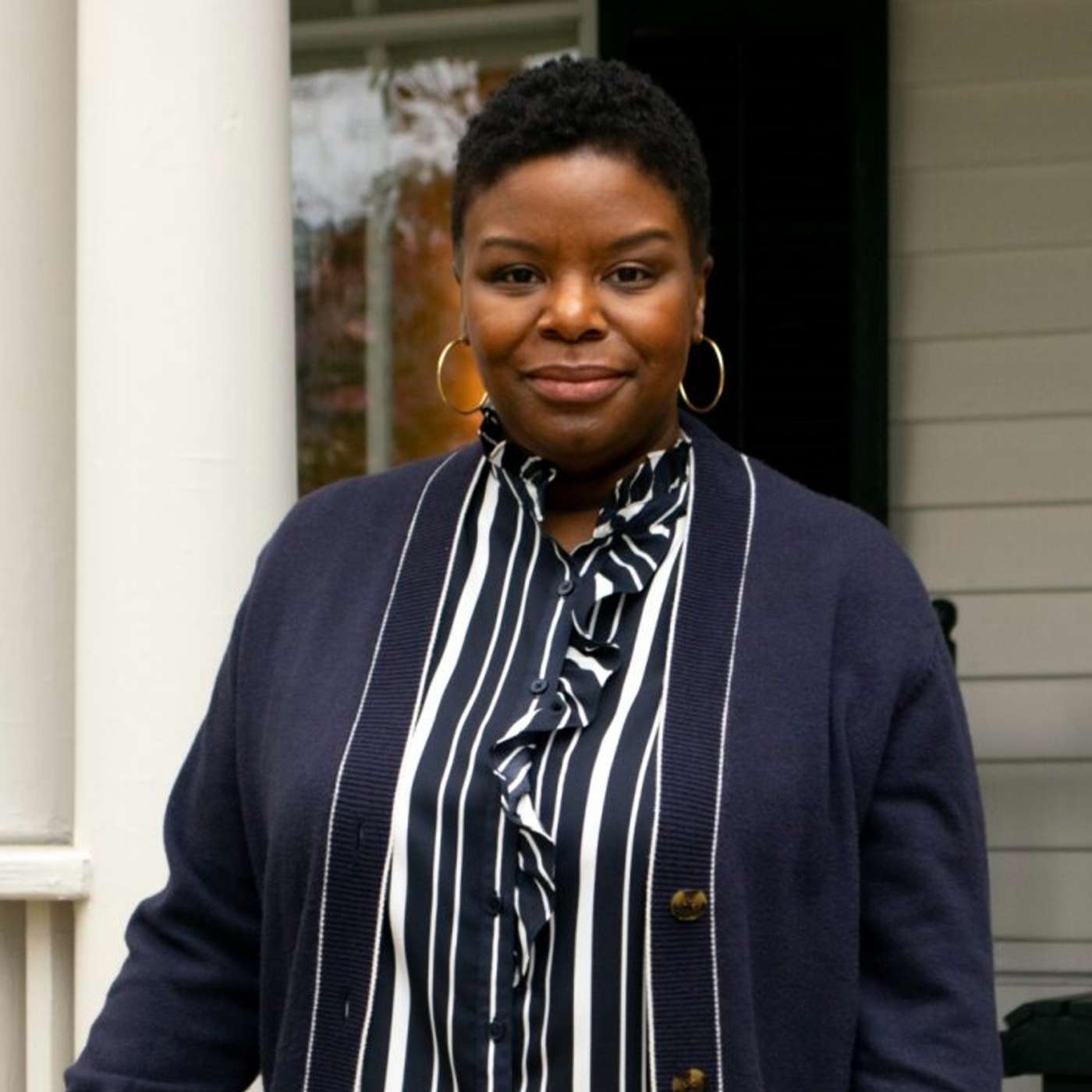
Ep 117Blair LM Kelley - Department of American Studies, University of North Carolina, Chapel Hill
This is Ashley Newby and you’re listening to The Black Studies podcast, a Mellon grant sponsored series of conversations examining the history of the field. Our conversations engage with a wide range of activists and scholars - senior figures in the field, late doctoral students, and everyone in between, culture workers, and political organizers - in order to explore the cultural and political meaning of Black Studies as an area of inquiry and its critical methods.Today’s discussion is with Blair LM Kelley, who is Joel R. Williamson Distinguished Professor of Southern Studies at the University of North Carolina Chapel Hill and the director of the Center for the Study of the American South. In addition to a number of public facing and scholarly essays, she is the author of Right to Ride: Streetcar Boycotts and African American Citizenship in the Era of Plessy v. Ferguson and Black Folk: The Roots of the Black Working Class. In this conversation, we explore the relationship between personal archives and historical writing, family stories and Black study, and the new horizons of historically-grounded research in the field of Black Studies.
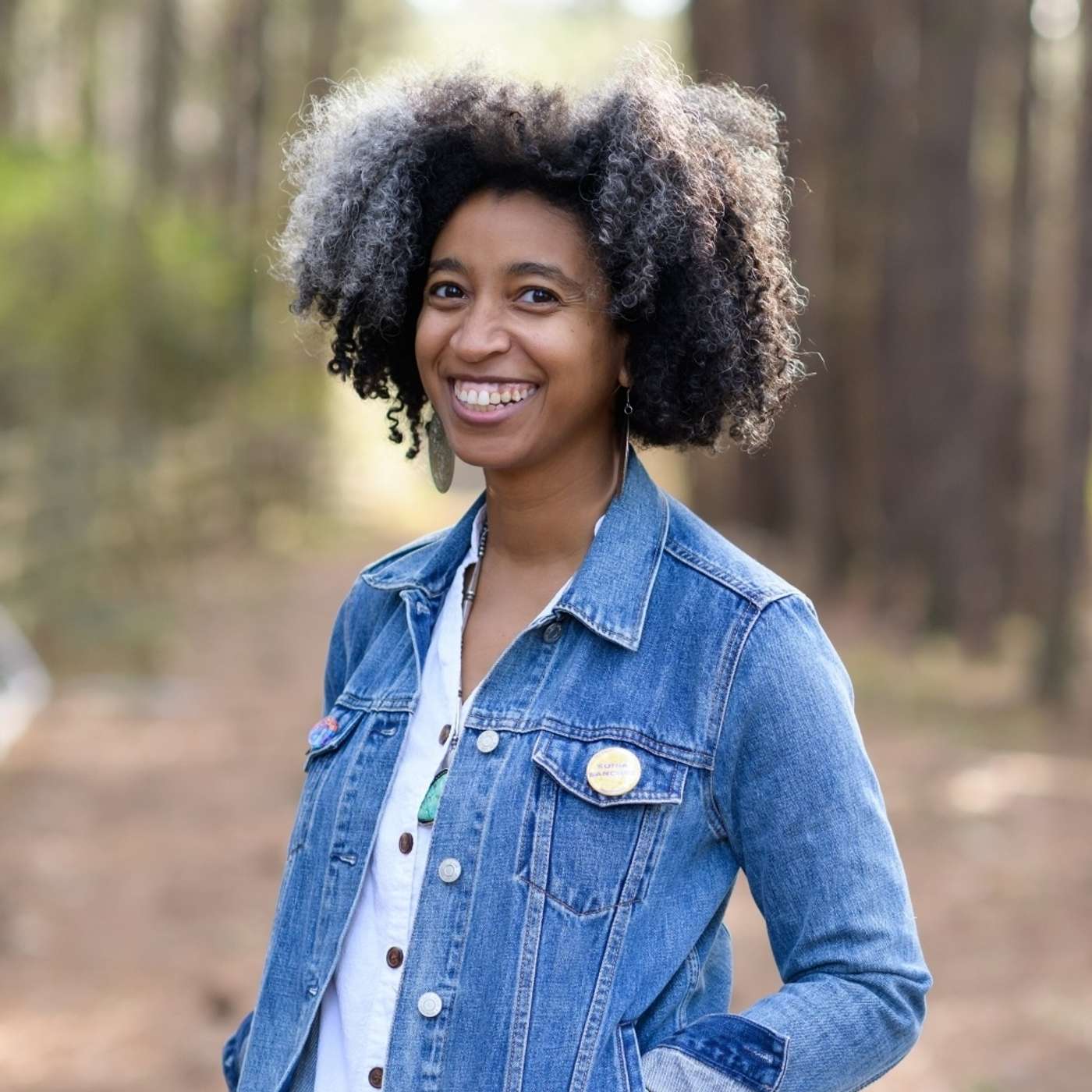
Ep 116Alexis Pauline Gumbs - Poet, Scholar, and Troublemaker, Durham, North Carolina
This is Ashley Newby and you’re listening to The Black Studies podcast, a Mellon grant sponsored series of conversations examining the history of the field. Our conversations engage with a wide range of activists and scholars - senior figures in the field, late doctoral students, and everyone in between, culture workers, and political organizers - in order to explore the cultural and political meaning of Black Studies as an area of inquiry and its critical methods.Today’s discussion is with Alexis Pauline Gumbs, a scholar and poet living and working in Durham, North Carolina. In addition to a number of scholarly and popular pieces, she is the author of Spill: Scenes of Black Feminist Fugitivity, M Archive: After the End of the World, Dub: Finding Ceremony, Undrowned: Black Feminist Lessons from Marine Mammals, and most recently Survival is a Promise: The Eternal Life of Audre Lorde. Across this conversation, we explore the meaning of Black Studies for Black feminist thinking, the relation of writing and expressive life to healing, and the place of history and memory for healing in times of political and cultural crisis.
Ep 115Kelli Morgan - Founding Executive Director, Black Artists Archive
This is John Drabinski and you’re listening to The Black Studies podcast, a Mellon grant sponsored series of conversations examining the history of the field. Our conversations engage with a wide range of activists and scholars - senior figures in the field, late doctoral students, and everyone in between, culture workers, and political organizers - in order to explore the cultural and political meaning of Black Studies as an area of inquiry and its critical methods.Today’s conversation is with Kelli Morgan, who is Founding Executive Director of the Black Artists Archive in Detroit, Michigan. She earned her doctorate in Afro-American Studies at University of Massachusetts, Amherst and has worked as a curator and activist at the Indianapolis Museum of Art, The Charles H. Wright Museum of African American History, and now directs the Black Artists Archive. In this conversation, we discuss the place of art and curatorial practice in Black Studies, the role of art in building community knowledge, and the significance of curation and aesthetic work for Black liberation struggle.
Ep 114Charles Athanasopoulos - Department of African American and African Studies, Ohio State University
This is John Drabinski and you’re listening to The Black Studies podcast, a Mellon grant sponsored series of conversations examining the history of the field. Our conversations engage with a wide range of activists and scholars - senior figures in the field, late doctoral students, and everyone in between, culture workers, and political organizers - in order to explore the cultural and political meaning of Black Studies as an area of inquiry and its critical methods.Today’s conversation is with Charles Athanasopoulos, who teaches in the Department of African American and African Studies at Ohio State University. He is the author of a number of scholarly pieces on politics and Black cultural life, as well as the book Black Iconoclasm: Public Symbols, Racial Progress, and Post-Ferguson America. In this conversation, we discuss the role of rhetorical traditions in Black Studies, iconic figures and moments in Black history and culture, and the various expressions of blackness and Black life in the political work of liberation struggle.
Ep 113Marisa Parham - Department of English, University of Maryland
This is Ashley Newby and you’re listening to The Black Studies podcast, a Mellon grant sponsored series of conversations examining the history of the field. Our conversations engage with a wide range of activists and scholars - senior figures in the field, late doctoral students, and everyone in between, culture workers, and political organizers - in order to explore the cultural and political meaning of Black Studies as an area of inquiry and its critical methods.Today’s conversation is with Marisa Parham, who teaches in the Department of English at University of Maryland where she is also Director of African American and Experimental Digital Humanities and Associate Director of Maryland Institute for Technology and the Humanities. Along with numerous articles in scholarly and public facing venues, she is the author of Haunting and Displacement in African American Literature and Culture and co-editor of Theorizing Glissant: Sites and Citations. In this conversation, we discuss the formation of Black Studies between and beyond disciplines, the relation between skill acquisition and expressive culture in the field, and the centrality of collaborative, experimental work in the study of Black life.
Ep 112Kesewa John - Department of History, Goldsmiths University
This is John Drabinski and you’re listening to The Black Studies podcast, a Mellon grant sponsored series of conversations examining the history of the field. Our conversations engage with a wide range of activists and scholars - senior figures in the field, late doctoral students, and everyone in between, culture workers, and political organizers - in order to explore the cultural and political meaning of Black Studies as an area of inquiry and its critical methods.Today’s conversation is with Kesewa John, who teaches in the Department of History at Goldsmiths University in London, England. Her scholarship addresses the complex intersections of diasporic identity, national belonging and non-belonging, and the emergence of England as a multiracial society. In this conversation, we discuss the origins of Black British identity, the relationship between race and diaspora in the Black British imagination, and the complex meaning of Black Studies in England in terms of its relation to existing fields of African and Caribbean studies.
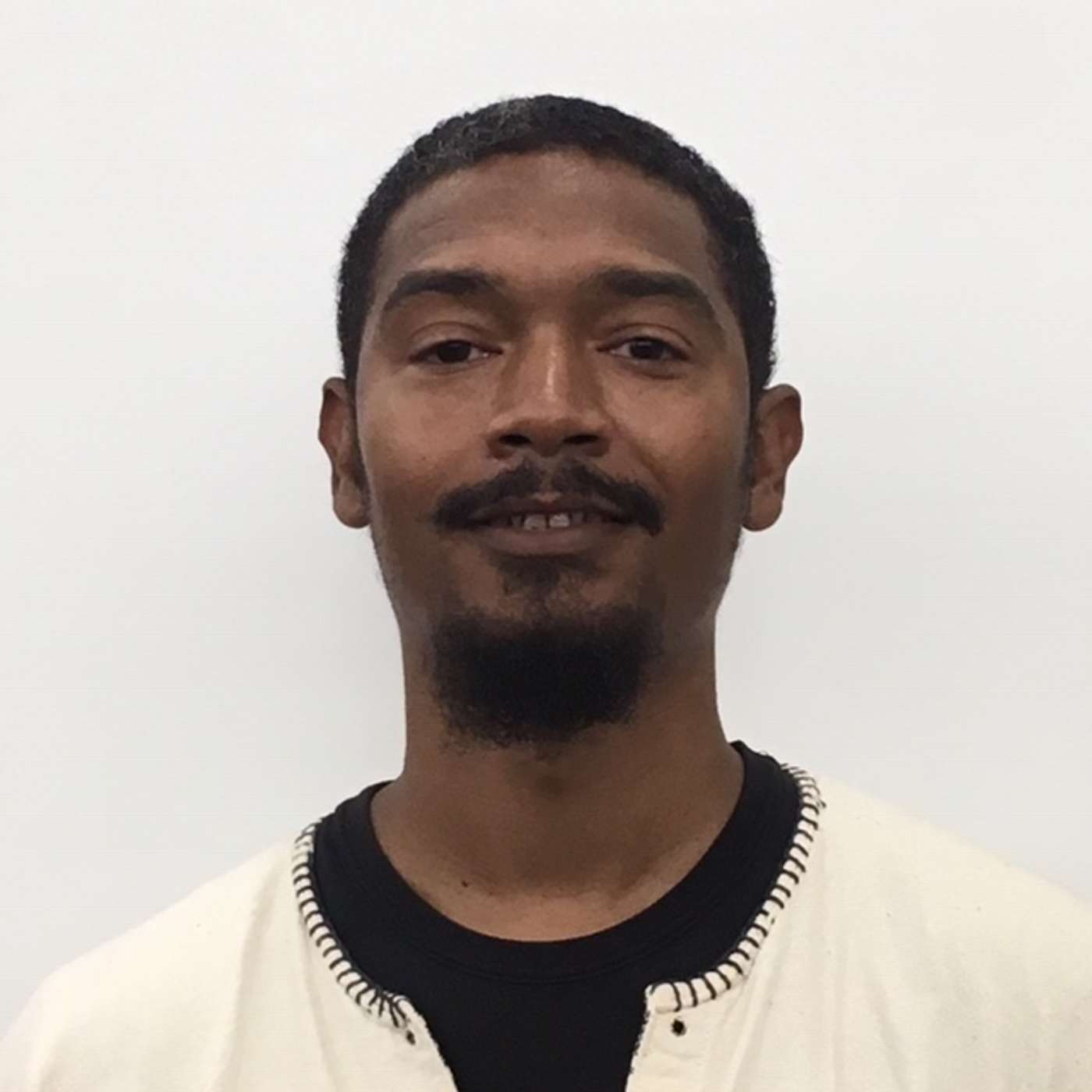
Ep 111Serie McDougal - Department of Pan-African Studies, California State University, Los Angeles
This is Ashley Newby and you’re listening to The Black Studies podcast, a Mellon grant sponsored series of conversations examining the history of the field. Our conversations engage with a wide range of activists and scholars - senior figures in the field, late doctoral students, and everyone in between, culture workers, and political organizers - in order to explore the cultural and political meaning of Black Studies as an area of inquiry and its critical methods.Today’s conversation is with Serie McDougal, who teaches in the Department of Pan-African Studies at California State University, Los Angeles. He is the author of Research Methods in Africana Studies, which was published in 2014. In this conversation, we discuss questions of method and discipline in Black Studies, psychological and sociological aspects of research into Black life, and the ebb and flow of the field’s popularity and visibility.
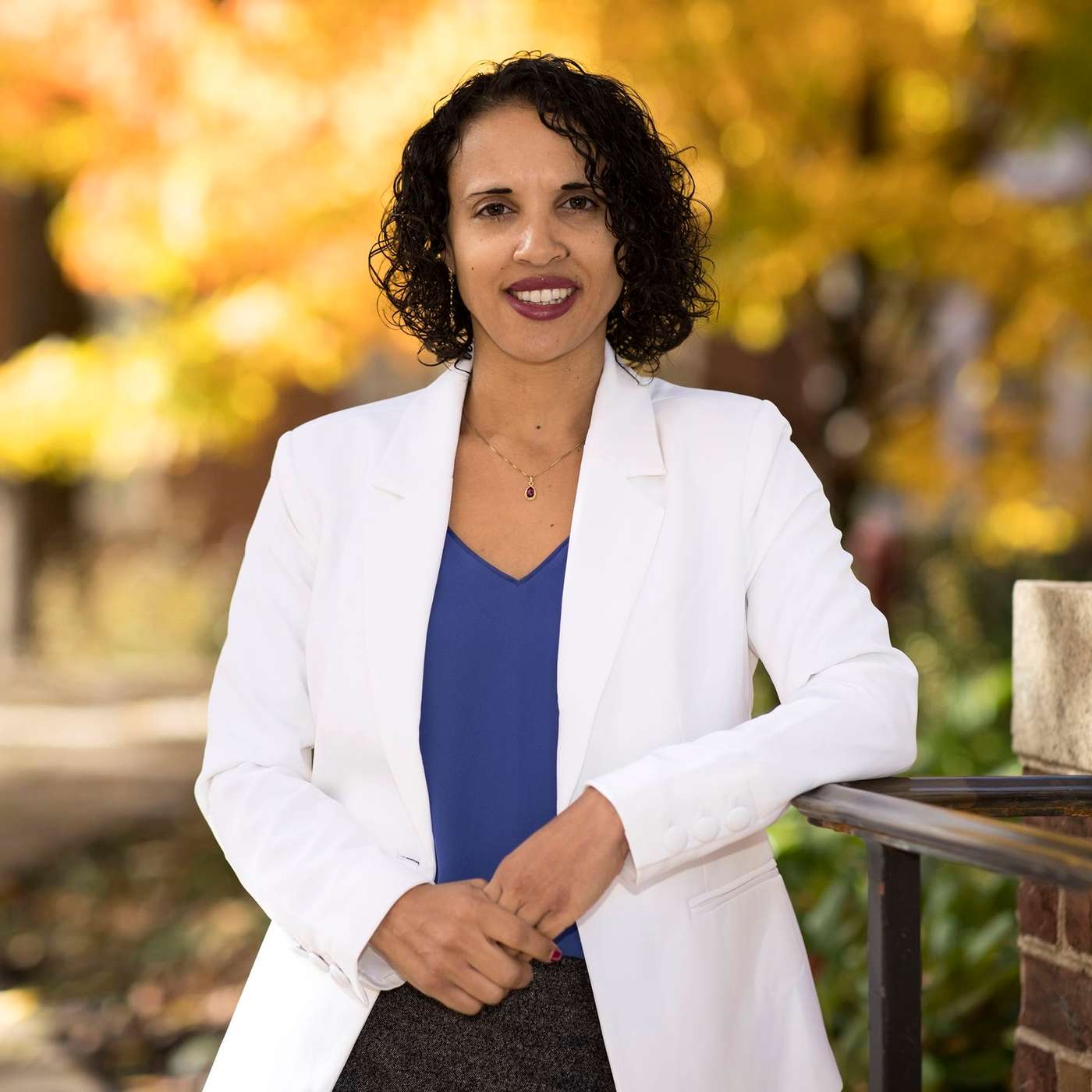
Ep 110Marlene Daut - Departments of French and African American Studies, Yale University
This is John Drabinski and you’re listening to The Black Studies podcast, a Mellon grant sponsored series of conversations examining the history of the field. Our conversations engage with a wide range of activists and scholars - senior figures in the field, late doctoral students, and everyone in between, culture workers, and political organizers - in order to explore the cultural and political meaning of Black Studies as an area of inquiry and its critical methods.Today’s conversation is with Marlene Daut, who teaches in the Departments of French and African American Studies at Yale University. Along with numerous articles in public and scholarly venues, she is the author of Tropics of Haiti: Race and the Literary History of the Haitian Revolution in the Atlantic World (2015); Baron de Vastey and the Origins of Black Atlantic Humanism (2017); Awakening the Ashes: An Intellectual History of the Haitian Revolution (2023); and most recently The First and Last King of Haiti: The Rise and Fall of Henry Christophe (2025). In this conversation, we discuss the place of Haiti in the Black Studies imagination, the creative and archival dimension of writing history, and the significance of transnational study in the field.
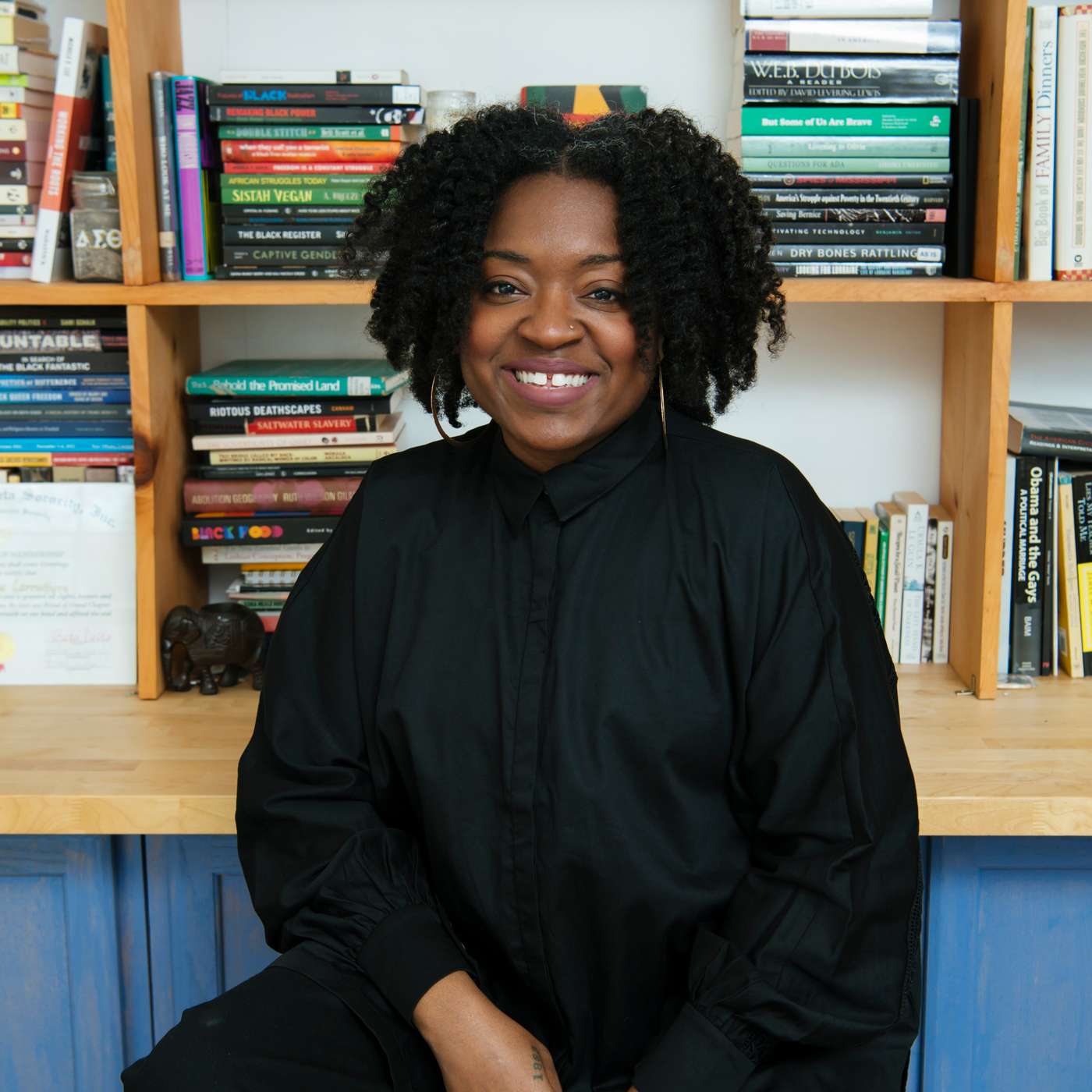
Ep 109Charlene Carruthers - Department of Black Studies, Northwestern University
This is John Drabinski and you’re listening to The Black Studies podcast, a Mellon grant sponsored series of conversations examining the history of the field. Our conversations engage with a wide range of activists and scholars - senior figures in the field, late doctoral students, and everyone in between, culture workers, and political organizers - in order to explore the cultural and political meaning of Black Studies as an area of inquiry and its critical methods.Today’s conversation is with Charlene Carruthers, who is a doctoral candidate in the Department of Black Studies at Northwestern University. She is a writer, filmmaker, and community organizer who is exploring questions of race, place, neighborhood, and urban space in her doctoral work. In this conversation, we discuss the importance of geography and urban studies for Black Studies research, the racial politics of cityscapes and neighborhood configuration, and the place of study and intellectual work in Black liberation struggle.
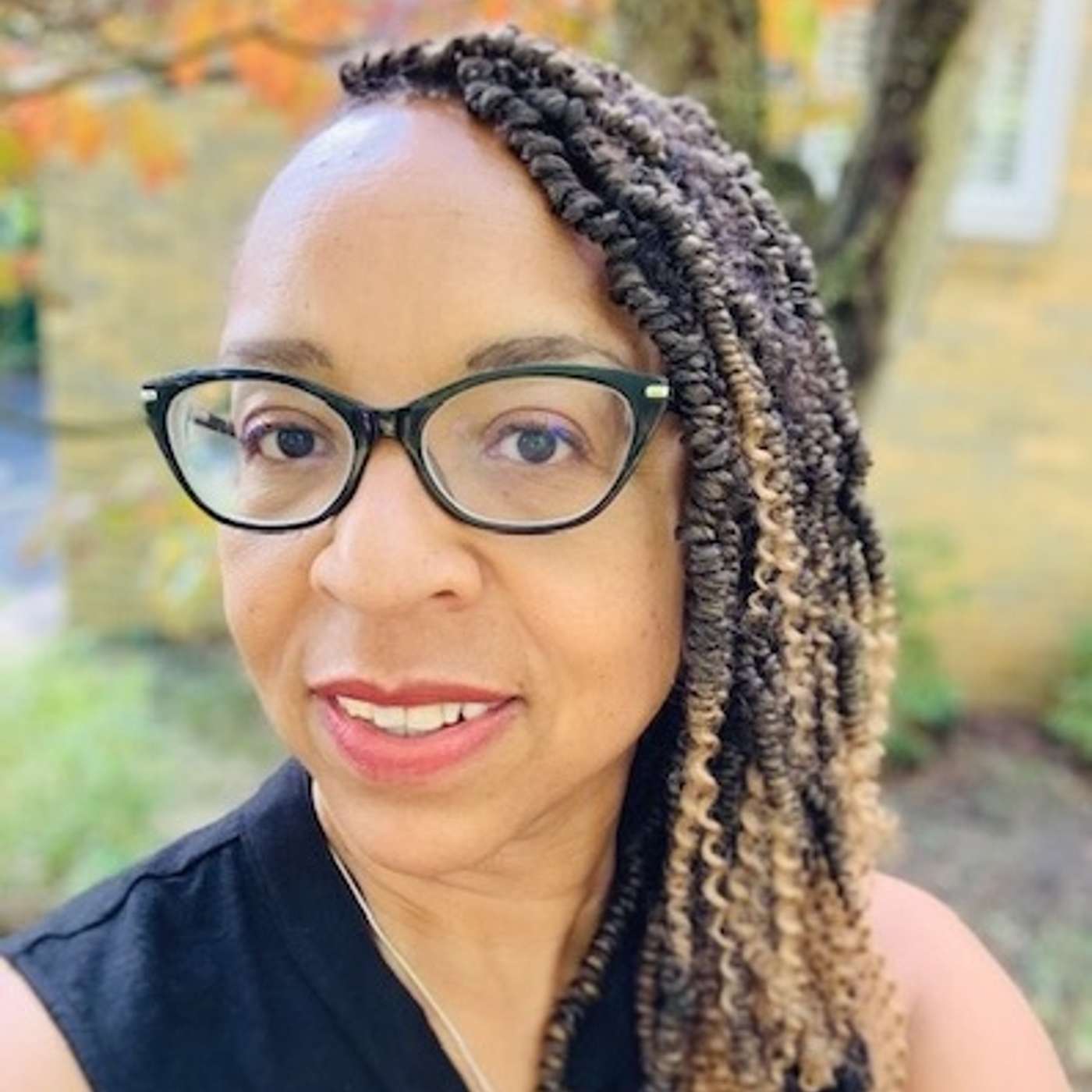
Ep 108Michele Reid-Vazquez - Department of Latin American, Caribbean, and Latinx Studies, Bowdoin College
This is John Drabinski and you’re listening to The Black Studies podcast, a Mellon grant sponsored series of conversations examining the history of the field. Our conversations engage with a wide range of activists and scholars - senior figures in the field, late doctoral students, and everyone in between, culture workers, and political organizers - in order to explore the cultural and political meaning of Black Studies as an area of inquiry and its critical methods.Today’s conversation is with Michele Reid-Vazquez, who teaches in the Department of Africana Studies at Bowdoin College. Along with numerous scholarly articles, she is the author of The Year of the Lash: Free People of Color in Cuba and the Nineteenth-Century Atlantic World and is completing a manuscript tentatively entitled Black Mobilities in the Age of Revolution: Politics, Migration, and Freedom in the Caribbean. She is also the host of the podcast Dialogues in Afrolatinidad, a series exploring the history and culture of black Latin America. In this conversation, we discuss the place of the hispanophone world in thinking the African diaspora, the varied notions and experiences of blackness that comprise Black Studies, and the complex relation between archival sources and the storytelling elements of writing history.
Ep 107Courtney R. Baker - Department of English, University of California, Riverside
This is John Drabinski and you’re listening to The Black Studies podcast, a Mellon grant sponsored series of conversations examining the history of the field. Our conversations engage with a wide range of activists and scholars - senior figures in the field, late doctoral students, and everyone in between, culture workers, and political organizers - in order to explore the cultural and political meaning of Black Studies as an area of inquiry and its critical methods.Today’s conversation is with Courtney Baker, who teaches in the Department of English at University of California, Riverside. Along with numerous articles in public and scholarly venues on art and the aesthetic, she is the author of Humane Insight: Looking at Images of African-American Suffering and Death (2015). In a previous position, she was the co-founder and Chair of the Department of Black Studies at Occidental College. In this conversation, we discuss the place of art and aesthetic inquiry in Black Studies, the role of tradition in building knowledge in Black study, and the significance of the field for Black liberation struggle.
Ep 106Alexander Weheliye - Department of Modern Culture and Media, Brown University
This is Ashley Newby and you’re listening to The Black Studies podcast, a Mellon grant sponsored series of conversations examining the history of the field. Our conversations engage with a wide range of activists and scholars - senior figures in the field, late doctoral students, and everyone in between, culture workers, and political organizers - in order to explore the cultural and political meaning of Black Studies as an area of inquiry and its critical methods.Today's discussion is with Alexander Weheliye, who teaches in the Department of Modern Culture and Media at Brown University. He is the author of numerous articles and three critical books: Phonographies: Grooves in Sonic Afro-Modernity (2005), Habeas Viscus: Racializing Assemblages, Biopolitics, and Black Feminist Theories of the Human (2014), and Feenin: R&B Music and the Materiality of BlackFem Voices and Technology (2023). In this conversation, we explore the boundaries Black Studies research, the expansiveness of its archive, and the place of cultural and political responsibility inside and outside classroom and campus work.
Ep 105LaTaSha Levy - Department of Afro-American Studies, Howard University
This is John Drabinski and you’re listening to The Black Studies podcast, a Mellon grant sponsored series of conversations examining the history of the field. Our conversations engage with a wide range of activists and scholars - senior figures in the field, late doctoral students, and everyone in between, culture workers, and political organizers - in order to explore the cultural and political meaning of Black Studies as an area of inquiry and its critical methods.Today’s conversation is with La TaSha Levy, who teaches in the Department of Africana Studies at Howard University. Her research focuses on the fraught place of Black conservatism in the history of African American political life and dissent. She is also the founder of Black Star Rising, a Black Studies curricula and consulting enterprise focused on expanding access to Black Studies beyond the ivory tower. She provides professional development training and Black history curricula for schools and school districts and collaborates with dedicated teachers on K-12 instruction in Black Studies and Ethnic Studies. Since 2022, she has served as scholar-in-residence with A Long Talk About the Uncomfortable Truth, an antiracist activation experience. Prior to graduate study, La TaSha taught Humanities at Maya Angelou Public Charter High School in D.C., which was co-founded by James Forman, Jr. She also has experience working in Student Affairs, having served as the director of the Luther P. Jackson Black Cultural Center at the University of Virginia. In this conversation, we discuss the singular contributions of the field of Black Studies, its internal debates and conflicts, and how Black Studies remains a centerpiece for understanding liberation struggle in a time of deep political crisis.
Ep 104Stacie McCormick - Department of English, Texas Christian University
This is Ashley Newby and you’re listening to The Black Studies podcast, a Mellon grant sponsored series of conversations examining the history of the field. Our conversations engage with a wide range of activists and scholars - senior figures in the field, late doctoral students, and everyone in between, culture workers, and political organizers - in order to explore the cultural and political meaning of Black Studies as an area of inquiry and its critical methods.Today's discussion is with Stacie McCormick, who teaches in the Department of English, Comparative Race and Ethnic Studies, and Women and Gender Studies at Texas Christian University. Her research examines representations of the body, land, sexuality, and the ongoing resonance of slavery in contemporary Black writing and performance and she is the author of Staging Black Fugitivity and editor of a special issue of College Literature on the them of "Toni Morrison and Adaptation." In this conversation, we discuss gender, race, and the history of medicine, how issues arising from that intersection open important horizons in the field of Black Studies, and the persistence and insistent character of Black Studies as an area of study.
Ep 103Derrick White - Department of African American and African Studies, University of Kentucky
This is John Drabinski and you’re listening to The Black Studies podcast, a Mellon grant sponsored series of conversations examining the history of the field. Our conversations engage with a wide range of activists and scholars - senior figures in the field, late doctoral students, and everyone in between, culture workers, and political organizers - in order to explore the cultural and political meaning of Black Studies as an area of inquiry and its critical methods.Today’s conversation is with Derrick White, who teaches in the Department of African American and Africana Studies at University of Kentucky. He has published widely on African American intellectual history and the cultural study of sports, and is the author of The Challenge of Blackness: The Institute of the Black World and Political Activism in the 1970s (2011) and Blood, Sweat, and Tears: Jake Gaither, Florida A&M, and the History of Black College Football (2019). In this discussion, we explore the relation of historical work to political struggle, the place of cultural study in the Black Studies imagination, and the fecundity of post-disciplinary thinking for the field.
Ep 102Jeffrey Ogbar - Department of History, University of Connecticut
This is Ashley Newby and you’re listening to The Black Studies podcast, a Mellon grant sponsored series of conversations examining the history of the field. Our conversations engage with a wide range of activists and scholars - senior figures in the field, late doctoral students, and everyone in between, culture workers, and political organizers - in order to explore the cultural and political meaning of Black Studies as an area of inquiry and its critical methods.Today's discussion is with Jeffery Ogbar, who teaches in the Department of History at the University of Connecticut where he is also the founding Director of the Center for the Study of Popular Music. He is the author of Black Power: Radical Politics and African American Identity (2004) and Hip-Hop Revolution: The Culture and Politics of Rap (2007), as well as editor of Civil Rights: Problems in American Civilization (Houghton Mifflin 2003), The Harlem Renaissance Revisited: Politics, Arts and Letters (2010), and co-editor with Erica R. Edwards and Roderick A. Ferguson of Keywords for African American Studies (2018). In this conversation, we discuss the place of history in the field of Black Studies and the importance of a Black Studies understanding of historical research in times of political crisis.
Ep 101Ashley Smith-Purviance - Department of African American and African Studies, Ohio State University
This is John Drabinski and you’re listening to The Black Studies podcast, a Mellon grant sponsored series of conversations examining the history of the field. Our conversations engage with a wide range of activists and scholars - senior figures in the field, late doctoral students, and everyone in between, culture workers, and political organizers - in order to explore the cultural and political meaning of Black Studies as an area of inquiry and its critical methods.Today’s conversation is with Ashley Smith-Purviance, who teaches in the Department of African American and African Studies at Ohio State University. Her work is focused on Black girlhood, memory, and the relationship between ethnography, self-authorship, and lived experience. She is the author of the forthcoming book titled, (Un)Schooling Black Girls: Navigating Suburbia, Anti-Black-Girl Violence, and Mechanisms of School Survival and has produced the digital humanities project The Rolling Archives of Black Girlhood, a digital scrapbook that amplifies the voices of Black women and girls by uncovering the spaces and experiences that shape them. In this discussion, we explore the relation between gender and ethnographic research, childhood and its place in the Black Studies imagination, and how Black study expands the archive of Black life.
Ep 100Brie Gorrell, Ashley Newby, and John E. Drabinski - Departments of Africana Studies and English, University of Maryland
This is Brie Gorrell and you’re listening to The Black Studies podcast, a Mellon grant sponsored series of conversations examining the history of the field. Our conversations engage with a wide range of activists and scholars - senior figures in the field, graduate and undergraduate students, and everyone in between, culture workers, and political organizers - in order to explore the cultural and political meaning of Black Studies as an area of inquiry and its critical methods.Today’s conversation is between myself, Ashley Newby, and John Drabinski, hosts of The Black Studies Podcast, reflecting on the 100th episode and what the series has taught us about the meaning of Black study and Black Studies. We discuss the unique contributions made by the field of Black Studies, how critical framings across the series impact pedagogy and research, and what sorts of hopes, aspirations, and expectations we have for the future of the podcast.
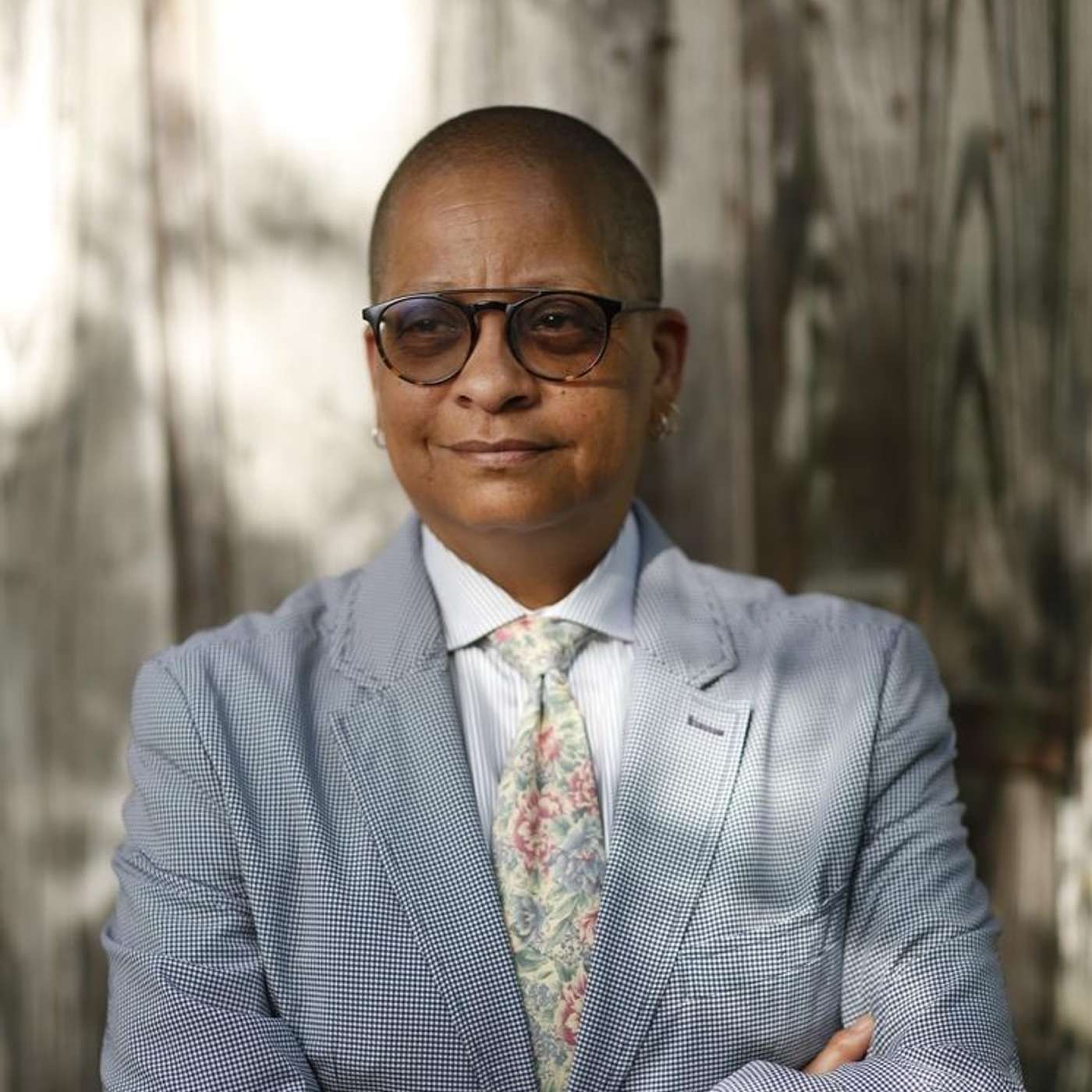
Ep 99Sharon P. Holland - Department of American Studies, University of North Carolina, Chapel Hill
This is John Drabinski and you’re listening to The Black Studies podcast, a Mellon grant sponsored series of conversations examining the history of the field. Our conversations engage with a wide range of activists and scholars - senior figures in the field, late doctoral students, and everyone in between, culture workers, and political organizers - in order to explore the cultural and political meaning of Black Studies as an area of inquiry and its critical methods.Today’s conversation is with Sharon P. Holland, who teaches in the Department of American Studies at University of North Carolina, Chapel Hill. Along with numerous articles and editing work, she is the author of Raising the Dead: Readings of Death and (Black) Subjectivity (2000), The Erotic Life of Racism (2012), and an other: a black feminist consideration of animal life (2023). As well, she is co-host of the podcast Dog Save The People. In this discussion, we explore questions of gender, animal life, and politics and how they open up new horizons in the field of Black Studies.
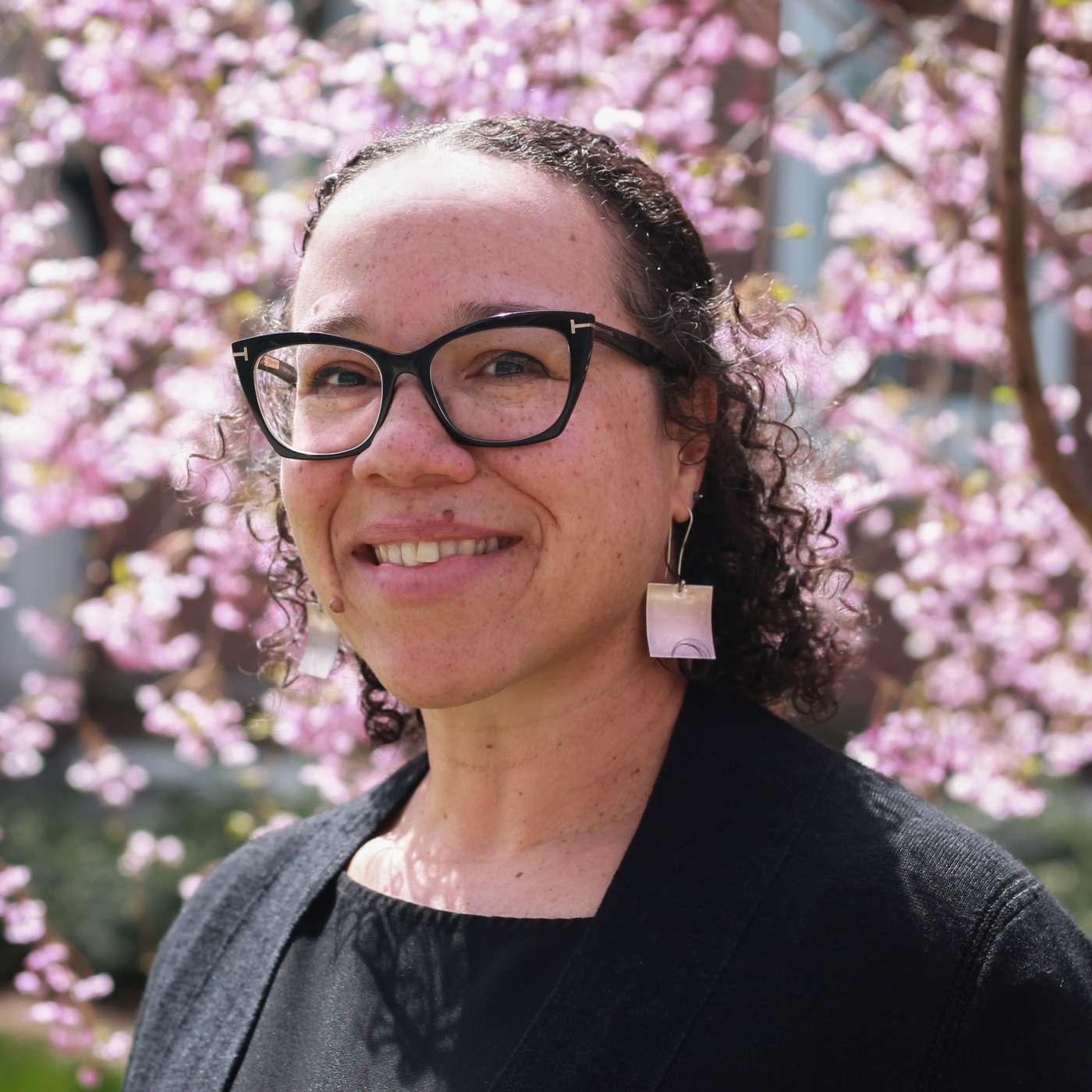
Ep 98Marisa Fuentes - Department of History and Women's, Gender, and Sexuality Studies, Rutgers University
This is Ashley Newby and you’re listening to The Black Studies podcast, a Mellon grant sponsored series of conversations examining the history of the field. Our conversations engage with a wide range of activists and scholars - senior figures in the field, late doctoral students, and everyone in between, culture workers, and political organizers - in order to explore the cultural and political meaning of Black Studies as an area of inquiry and its critical methods.Today's discussion is with Marisa Fuentes, who teaches in the departments of History and Women's, Gender, and Sexuality Studies at Rutgers University. Her research interests are interdisciplinary and focus on histories of gender, slavery, the Caribbean and Black Atlantic worlds. Along with a number of scholarly articles and edited collections, she is the author of Dispossessed Lives: Enslaved Women, Violence, and the Archive, which won book prizes from the Association of Black Women Historians, The Berkshire Conference of Women Historians, and The Barbara T. Christian Best Humanities Book Prize from the Caribbean Studies Association. In this conversation, we discuss how Black Studies informs critical historical research, the theoretical and ethical problem of reading for silences, and how practices of careful, archive-attuned fabulation have deep and abiding impact on Black Atlantic and Black women's history.
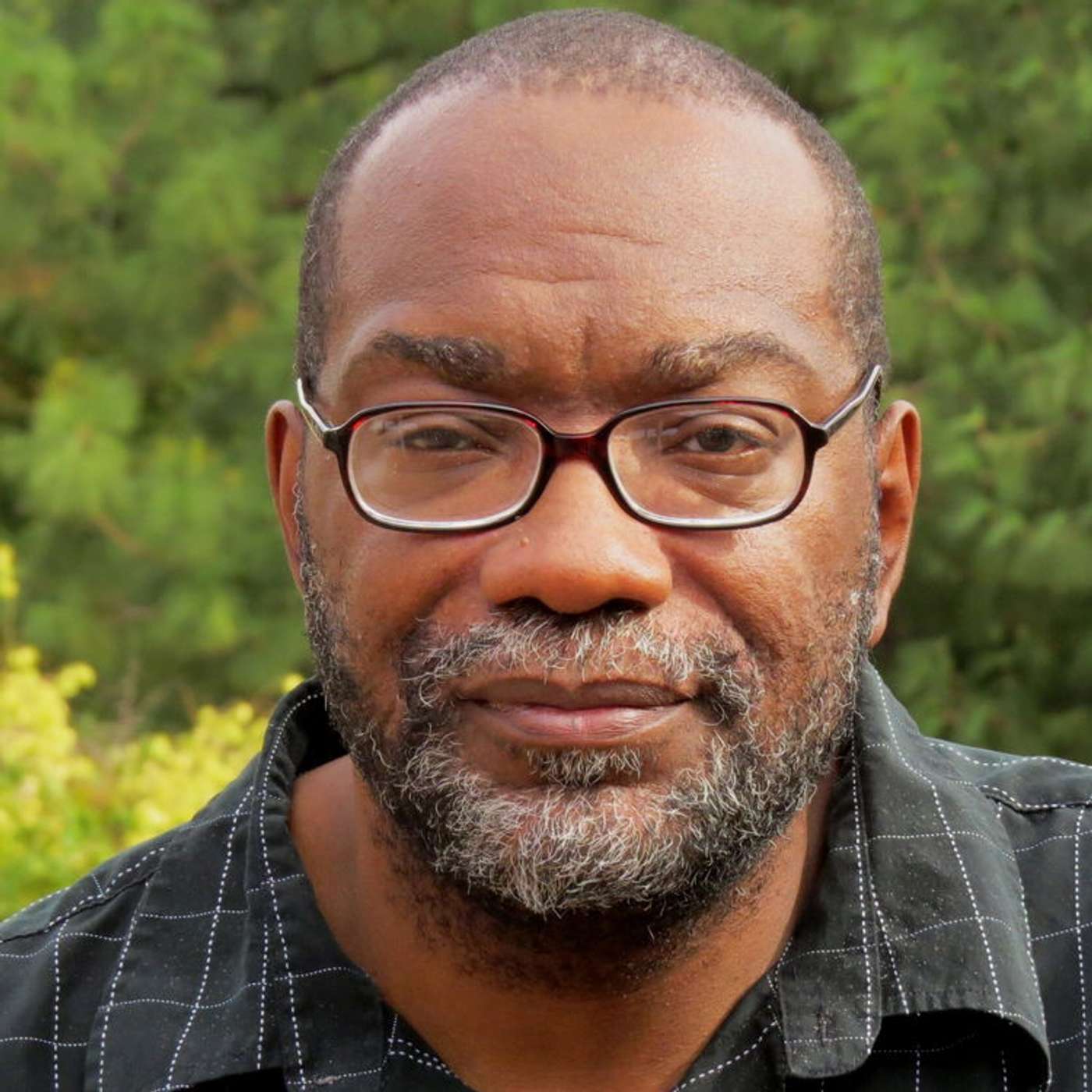
Ep 97Fred Moten - Department of Performance Studies, New York University
This is John Drabinski and you’re listening to The Black Studies podcast, a Mellon grant sponsored series of conversations examining the history of the field. Our conversations engage with a wide range of activists and scholars - senior figures in the field, late doctoral students, and everyone in between, culture workers, and political organizers - in order to explore the cultural and political meaning of Black Studies as an area of inquiry and its critical methods.Today’s conversation is with Fred Moten, who teaches in the Department of Performance Studies at New York University. He is the author of a number of volumes of poetry, including most recently All That Beauty (2019) and perennial fashion, presence falling (2023), and multiple critical books that include In the Break (2003), the trilogy Consent Not to be a Single Being published in 2017 and 2018, and with Stefano Harney The Undercommons: Fugitive Planning and Black Study (2013). In this conversation, we discuss the nature of the field of Black Studies, what lessons it has for thinking politically in the present moment, and how Black study transforms notions of liberation struggle, Black life, and expressive culture.
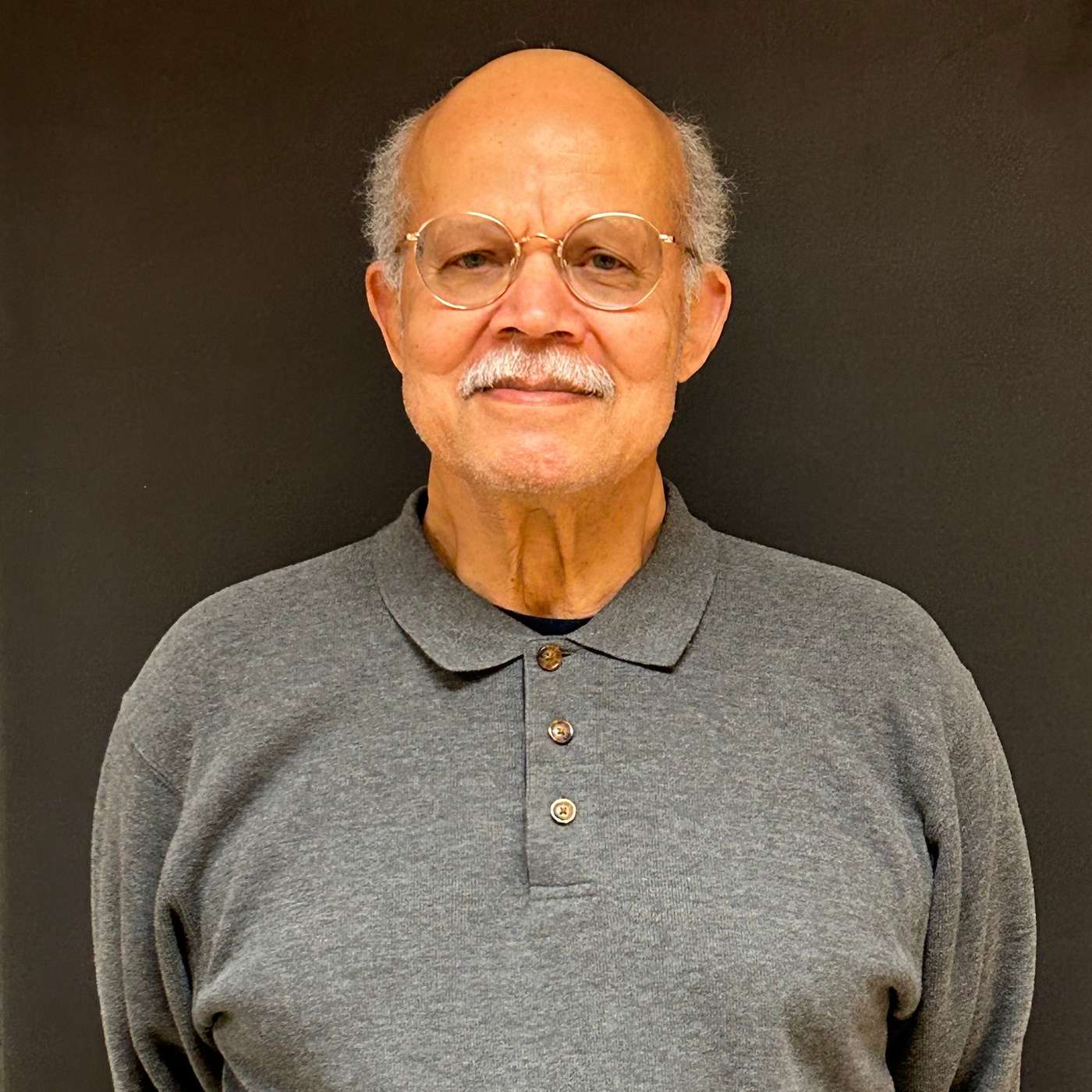
Ep 96Abdul Alkalimat - Department of African American Studies, University of Illinois, Urbana-Champaign
This is John Drabinski and you’re listening to The Black Studies podcast, a Mellon grant sponsored series of conversations examining the history of the field. Our conversations engage with a wide range of activists and scholars - senior figures in the field, late doctoral students, and everyone in between, culture workers, and political organizers - in order to explore the cultural and political meaning of Black Studies as an area of inquiry and its critical methods.Today’s conversation is with Abdul Alkalimat, Professor Emeritus in the Department of African American Studies at University of Illinois, Urbana-Champaign. He is one of the original creators and innovators in the field of Black Studies, whose organizing and professional work expanded the field in terms of its professional organizations, rigor of inquiry, curriculum, and political significance. As well, he is the author of pamphlets, scholarly articles, and a number of books including most recently the critical worksA History of Black Studies and The Future of Black Studies, published in 2021 and 2022 by Pluto Press. In this discussion, we explore the nature of Black Studies inquiry, the link between Black Studies scholarly and classroom work and our various publics, and the particular ethical and political obligations that lie at the heart of the field.
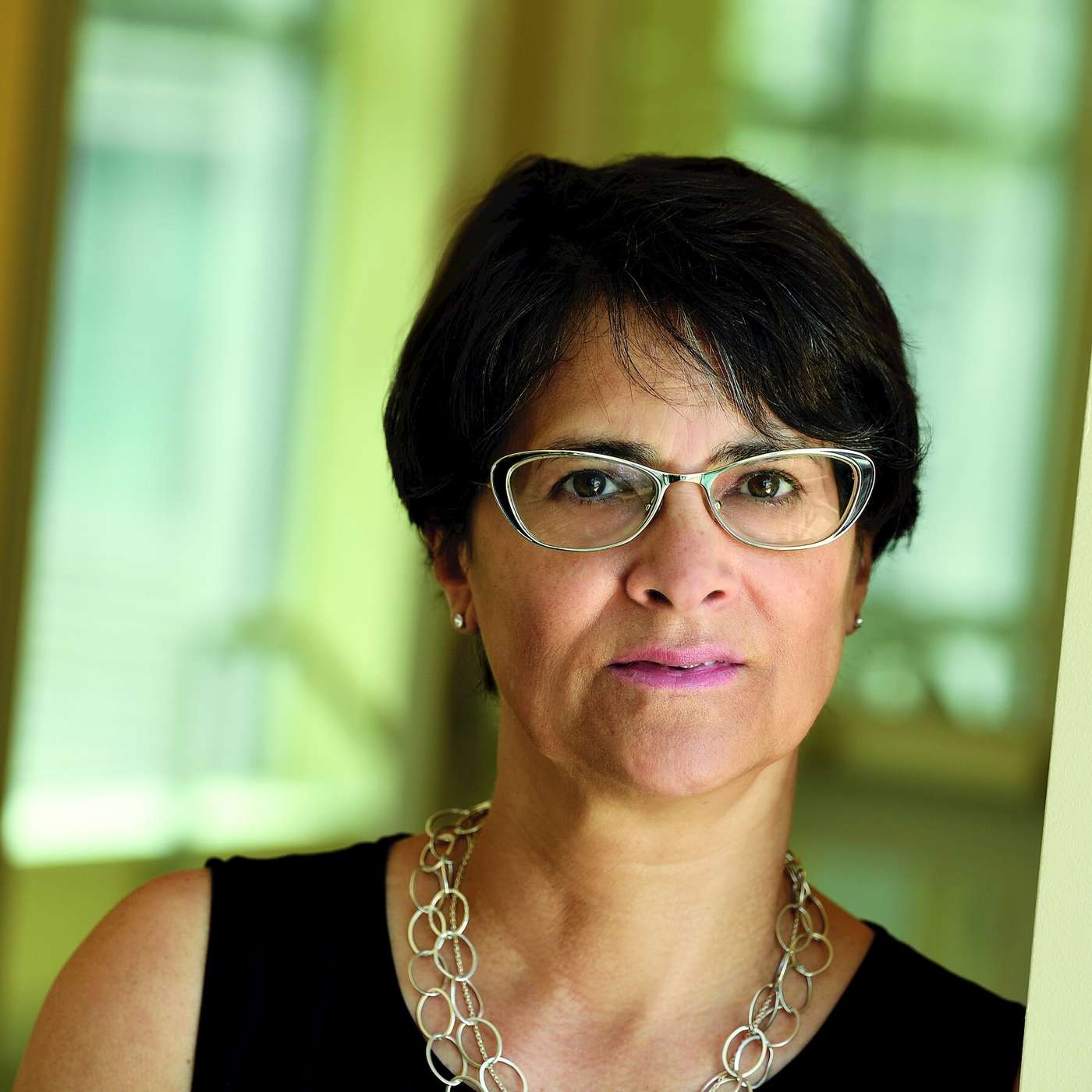
Ep 95Martha S. Jones - Department of History, Johns Hopkins University
This is Ashley Newby and you’re listening to The Black Studies podcast, a Mellon grant sponsored series of conversations examining the history of the field. Our conversations engage with a wide range of activists and scholars - senior figures in the field, late doctoral students, and everyone in between, culture workers, and political organizers - in order to explore the cultural and political meaning of Black Studies as an area of inquiry and its critical methods.Today's discussion is with Martha Jones, who is Society of Black Alumni Presidential Professor of History at Johns Hopkins University. She has written extensively about Atlantic world history, African American cultural and political history, and race and citizenship. She is the author of a number of books, including Birthright Citizens: A History of Race and Rights in Antebellum America, Vanguard: How Black Women Broke Barriers, Won the Vote, and Insisted on Equality for All, and All Bound Up Together: The Woman Question in African American Public Culture, 1830-1900. In this conversation, we discuss the place of history in Black Studies, the emerging importance of memoir work in the field, and the significance of her new work The Trouble of Color: An American Family Memoir.
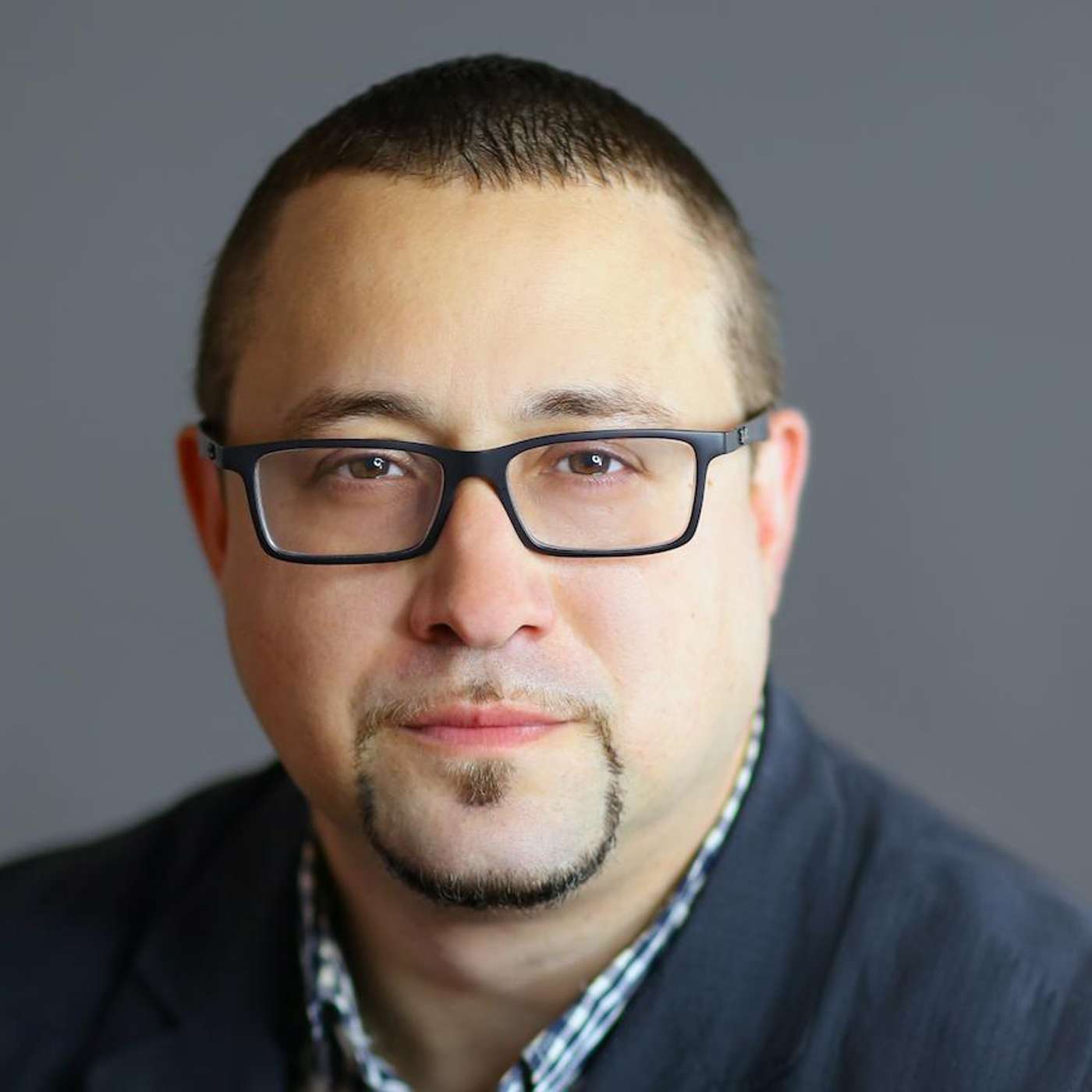
Ep 94Zebulon Miletsky - Department of Africana Studies, Stony Brook University
This is John Drabinski and you’re listening to The Black Studies podcast, a Mellon grant sponsored series of conversations examining the history of the field. Our conversations engage with a wide range of activists and scholars - senior figures in the field, late doctoral students, and everyone in between, culture workers, and political organizers - in order to explore the cultural and political meaning of Black Studies as an area of inquiry and its critical methods.Today’s conversation is with Zebulon Miletsky, who teaches in the Department of Africana Studies at Stony Brook University. In addition to a number of public facing and scholarly pieces, he is the author of Before Busing: A History of Boston’s Long Black Freedom Struggle. In this discussion, we explore the nature of Black Studies inquiry, the link between Black study and public knowledge, and the future culture and politics of the field..
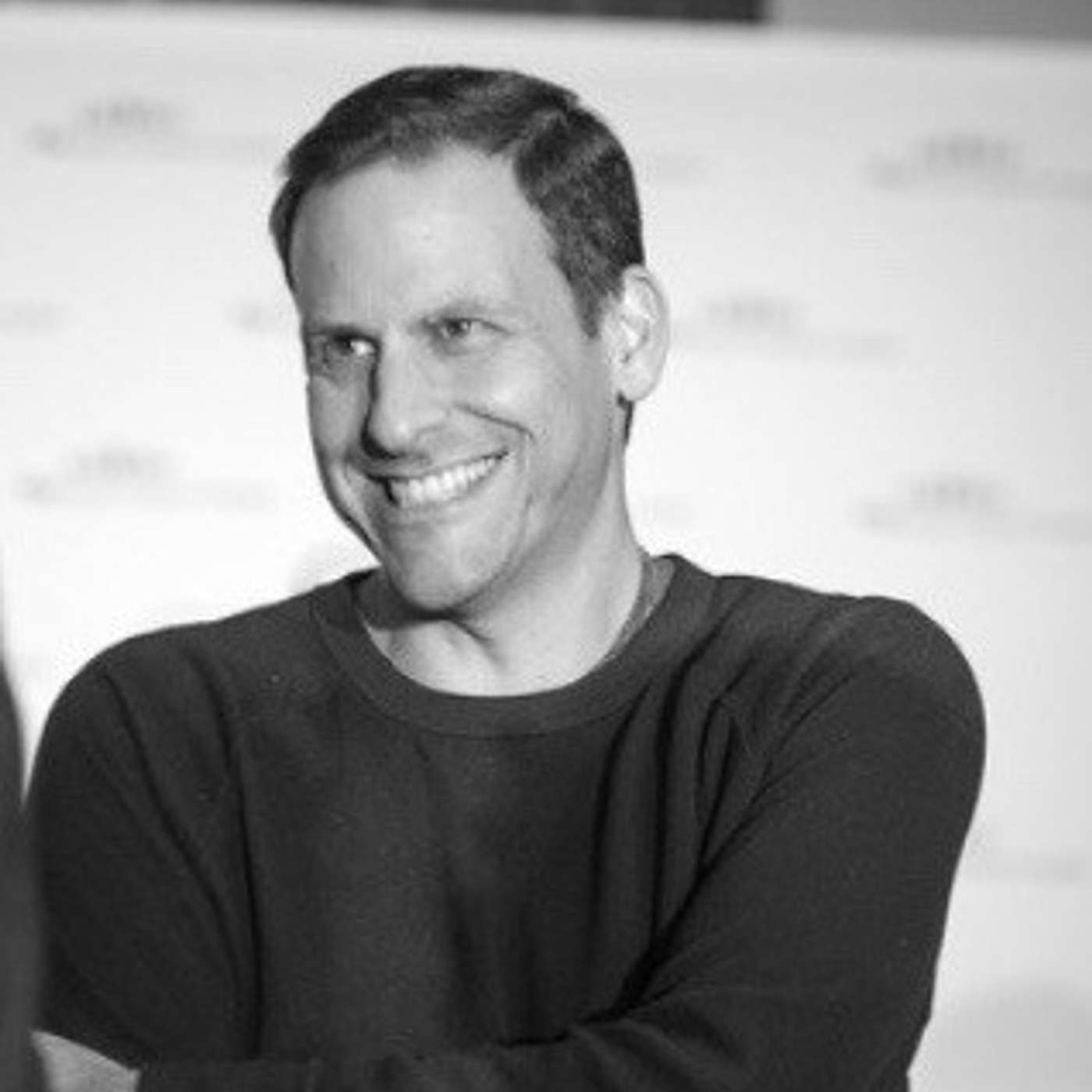
Ep 93Alex Lubin - Department of African American Studies, Penn State University
This is John Drabinski and you’re listening to The Black Studies podcast, a Mellon grant sponsored series of conversations examining the history of the field. Our conversations engage with a wide range of activists and scholars - senior figures in the field, late doctoral students, and everyone in between, culture workers, and political organizers - in order to explore the cultural and political meaning of Black Studies as an area of inquiry and its critical methods.Today’s conversation is with Alex Lubin, who teaches in the Department of African American Studies at Penn State University and is the president-elect of the American Studies Association. His work is informed by cultural studies and history, with specific focus on North Africa and the Arab world more broadly. He is the author of Romance and Rights: The Politics of Interracial Intimacy, 1945–1956, Geographies of Liberation: The Making of an Afro-Arab Political Imaginary, and Never-Ending War on Terror, and is completing a book entitled Third World Ensemble: African Americans in Cairo Between the Suez and Six-Day Wars. In this discussion, we explore the place of transnational study in Black Studies, the new horizons opened up by the study of non-Atlantic routes of diaspora, and the fecundity of Black study as an undisciplined, expansive, and curious practice.
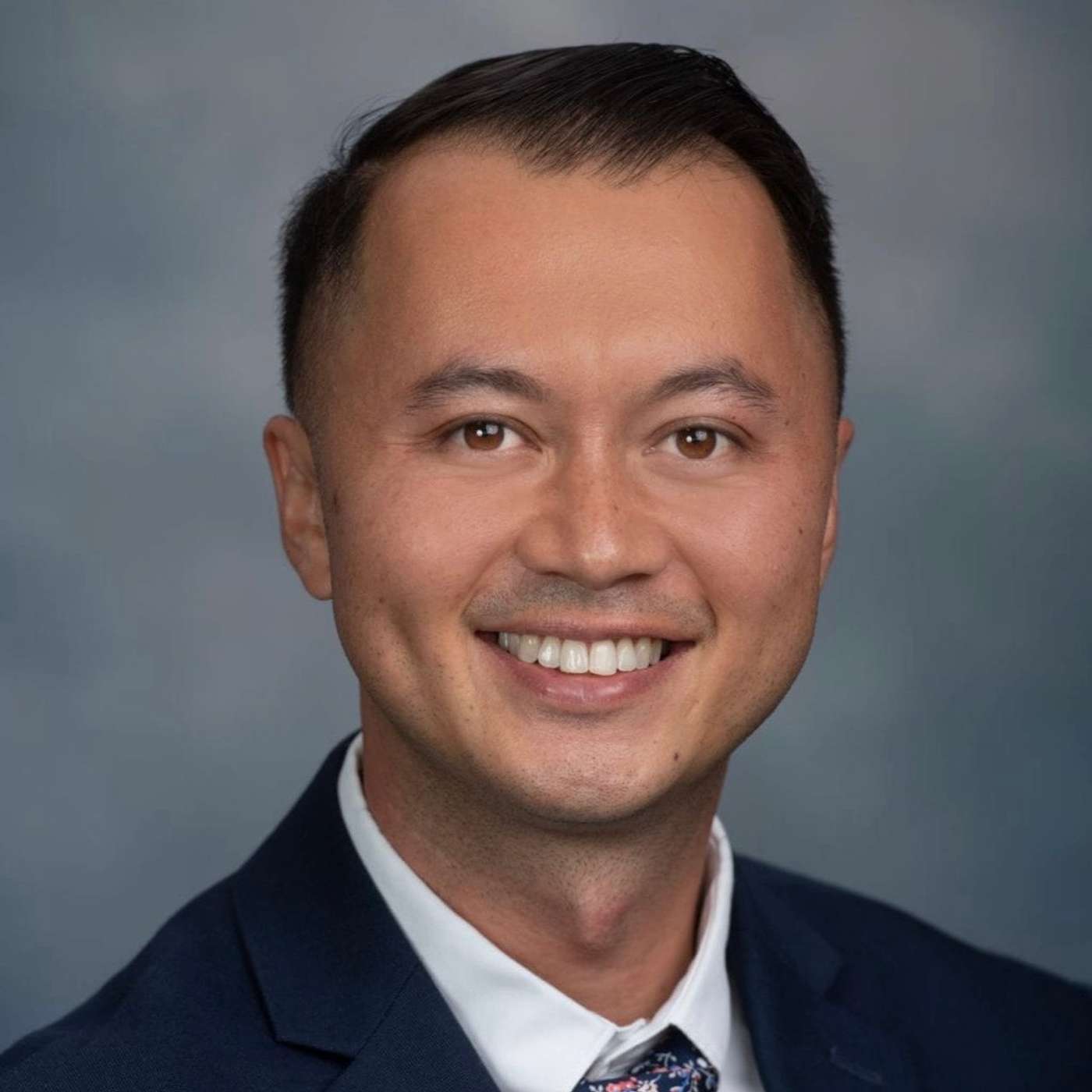
Ep 92Casey Wong - Department of Educational Policy Studies, Georgia State University
This is Ashley Newby and you’re listening to The Black Studies podcast, a Mellon grant sponsored series of conversations examining the history of the field. Our conversations engage with a wide range of activists and scholars - senior figures in the field, late doctoral students, and everyone in between, culture workers, and political organizers - in order to explore the cultural and political meaning of Black Studies as an area of inquiry and its critical methods.Today's discussion is with Casey Wong, who teaches in the Department of Educational Policy at Georgia State University. He is the author of a number of scholarly and public-facing pieces on education history, pedagogy, hip-hop, and public policy, as well as co-editor with H. Samy Alim and Jeff Chang of Freedom Moves: Hip Hop Knowledges, Pedagogies, and Futures. In this conversation, we discuss hip hop as a source for cultural studies, pedagogical inquiry, and insight into public policy matters from childhood to higher ed to the formation of political consciousness.
Ep 91Elizabeth Hamilton - Art History and African American Studies, Fort Valley State University
This is John Drabinski and you’re listening to The Black Studies podcast, a Mellon grant sponsored series of conversations examining the history of the field. Our conversations engage with a wide range of activists and scholars - senior figures in the field, late doctoral students, and everyone in between, culture workers, and political organizers - in order to explore the cultural and political meaning of Black Studies as an area of inquiry and its critical methods.Today’s conversation is with Elizabeth Hamilton, who teaches art history and African American studies at Fort Valley State University. Her work is broadly engaged with African diasporic art practices, ranging from the vernacular to Afrofuturism, and she is the author of Charting the Afrofuturist Imaginary in African American Art and the forthcoming Figuring It Out: Black Womanhood through the Figurative in Alison Saar's Oeuvre, a project funded by the National Endowment for the Humanities and the American Council of Learned Societies. In this discussion, we explore the place of Black Studies sensibilities in art history, the politics of art and art criticism, and the significance of vernacular culture forms for understanding Black life.
Ep 90Grant Farred - Department of Africana Studies, Cornell University
This is John Drabinski and you’re listening to The Black Studies podcast, a Mellon grant sponsored series of conversations examining the history of the field. Our conversations engage with a wide range of activists and scholars - senior figures in the field, late doctoral students, and everyone in between, culture workers, and political organizers - in order to explore the cultural and political meaning of Black Studies as an area of inquiry and its critical methods.Today’s conversation is with Grant Farred, who teaches in the Department of Africana Studies at Cornell University. Along with numerous articles and edited collections, he is the author of over a dozen books, including most recently The Perversity of Gratitude: An Apartheid Education, The Comic Self, co-authored with Timothy Campbell, and Grievance: In Fragments. In this discussion, we explore the meaning of Black Studies pedagogy and writing, vernacular intellectual work, and the question of thinking as a compulsive and political practice.

Ep 89Kellie Carter Jackson - Department of Africana Studies, Wellesley College
This is Ashley Newby and you’re listening to The Black Studies podcast, a Mellon grant sponsored series of conversations examining the history of the field. Our conversations engage with a wide range of activists and scholars - senior figures in the field, late doctoral students, and everyone in between, culture workers, and political organizers - in order to explore the cultural and political meaning of Black Studies as an area of inquiry and its critical methods.Today's discussion is with Kellie Carter Jackson, who teaches in the Department of Africana Studies at Wellesley College. In addition to a number of scholarly and popular essays, she is the author of Force and Freedom: Black Abolitionists and the Politics of Violence (2020) and We Refuse: A Forceful History of Black Resistance (2024). As well, she has co-hosted two podcasts: This Day in Esoteric Political History and You Get a Podcast! Across this conversation, we discuss the meaning of violence and non-violence in Black Studies politics, archival and public facing research, and the place of Black women's history in the past and future of the field.
Ep 88Noliwe Rooks - Department of Africana Studies, Brown University
This is John Drabinski and you’re listening to The Black Studies podcast, a Mellon grant sponsored series of conversations examining the history of the field. Our conversations engage with a wide range of activists and scholars - senior figures in the field, late doctoral students, and everyone in between, culture workers, and political organizers - in order to explore the cultural and political meaning of Black Studies as an area of inquiry and its critical methods.Today’s conversation is with Noliwe Rooks, who teaches in the Department of Africana Studies at Brown University where she is also founding director of the Segrenomics Lab. Her work is widely engage with African American women’s history, education, and cultural studies and she is the author of a number of books, including most recently A Passionate Mind in Relentless Pursuit: The Vision of Mary McLeod Bethune (2024) and Integrated: How American Schools Failed Black Children (2025). In this discussion, we explore the relation of intellectual work to political struggle, the history and intellectual tradition of the field, and how the future of Black Studies is shaped and reshaped by contemporary concerns.
Ep 87Anthony Smith and Geo Maher - W.E.B. Du Bois Movement School for Abolition and Reconstruction
This is John Drabinski and you’re listening to The Black Studies podcast, a Mellon grant sponsored series of conversations examining the history of the field. Our conversations engage with a wide range of activists and scholars - senior figures in the field, late doctoral students, and everyone in between, culture workers, and political organizers - in order to explore the cultural and political meaning of Black Studies as an area of inquiry and its critical methods.Today’s conversation is with Anthony Smith and Geo Maher, both of whom work as coordinators with the W.E.B. Du Bois Movement for Abolition and Reconstruction School in Philadelphia, Pennsylvania. Anthony Smith is an organizer and educator based in West Philly whose work addresses police violence with direct action, political education, and mutual aid. Geo Maher is an organizer with roots in liberation struggle across the Americas and is the author of a number of books, including most recently A World Without Police (2021) and Anticolonial Eruptions (2022). Both Smith and Maher were contributing editors to the Abolition School’s publication Abolition and Reconstruction: An Emergent Guide to Collective Study (2024) with Common Notions Press. In this conversation, we discuss the place of study in political organizing, strategy and education in the formation of political consciousness, and future of liberation struggle.
Ep 86Mary Phillips - Department of African American Studies, University of Illinois, Urbana-Champaign
This is Ashley Newby and you’re listening to The Black Studies podcast, a Mellon grant sponsored series of conversations examining the history of the field. Our conversations engage with a wide range of activists and scholars - senior figures in the field, late doctoral students, and everyone in between, culture workers, and political organizers - in order to explore the cultural and political meaning of Black Studies as an area of inquiry and its critical methods.Today's discussion is with Mary Frances Phillips, who teaches in the Department of African American Studies at the University of Illinois Urbana-Champaign. Her research focuses on modern Black freedom struggle, Black Women’s Studies, and the legacies and traditions of Black feminism. In addition to scholarly and popular pieces, she has published Black Panther Woman: The Political and Spiritual Life of Ericka Huggins (NYU Press, 2025. In this conversation, we discuss radical Black political struggle, the importance of questions of gender in thinking about freedom work, and innovations in the field of Black Studies.
Ep 85Jared Ball - Program in African American and African Diaspora Studies, Morgan State University
This is John Drabinski and you’re listening to The Black Studies podcast, a Mellon grant sponsored series of conversations examining the history of the field. Our conversations engage with a wide range of activists and scholars - senior figures in the field, late doctoral students, and everyone in between, culture workers, and political organizers - in order to explore the cultural and political meaning of Black Studies as an area of inquiry and its critical methods.Today’s conversation is with Jared Ball, who teaches in the Department of Africana Studies at Morgan State University. He is the author of a number of scholarly and public facing essays as well as the book The Myth and Propaganda of Black Buying Power (2023). He also hosts the series I Mix What I Like!, which conducts critical conversations on key issues in African American and African diasporic life. In this podcasted discussion, we explore the politics of Black Studies, the past and future of the study of Black life, and what kinds of commitments hold the best promise for the future of the field.
Ep 84Romaine McNeil, Tatiana Esh, Sha-Shonna Rogers, Jessica Newby, and Julia Mallory - Slavery in Motion Collection, Baltimore Museum of Art
This is Ashley Newby and you’re listening to The Black Studies podcast, a Mellon grant sponsored series of conversations examining the history of the field. Our conversations engage with a wide range of activists and scholars - senior figures in the field, late doctoral students, and everyone in between, culture workers, and political organizers - in order to explore the cultural and political meaning of Black Studies as an area of inquiry and its critical methods.Today's discussion is with the curator and participating artists in the Slavery in Motion collection (see video of event here), a multimedia collection produced as part of Remains // An Archive, a group gathered under the Diaspora Solidarities Lab. Slavery in Motion was on view through January 8, 2025 at the Avery Research Center for African American History and Culture in Charleston, SC. It was inspired by the life of Molia, a young African woman who was sold and lived as a captive in mid-18th century Westmoreland, Jamaica. Molia and other enslaved women and girls in Jamaica are the focus of Remains lab member Jessica Newby’s dissertation research. The four original artworks in the exhibition are by Black women artists from across the diaspora, Romaine McNeil (Kingston, Jamaica), Tatiana Esh (Brooklyn, NY), Sha-Shonna Rogers (Baltimore, MD), and Julia Mallory (Harrisburg, PA), and each convey an aspect of Molia’s life through a variety of visual, poetic, and sonic mediums.

Ep 83Gabrielle Williams - Department of Literary Studies, New School for Social Research
This is John Drabinski and you’re listening to The Black Studies podcast, a Mellon grant sponsored series of conversations examining the history of the field. Our conversations engage with a wide range of activists and scholars - senior figures in the field, late doctoral students, and everyone in between, culture workers, and political organizers - in order to explore the cultural and political meaning of Black Studies as an area of inquiry and its critical methods.Today’s conversation is with Gabrielle Williams, who teaches in the Department of Literary Studies at the New School for Social Research. She is a dancer and jazz vocalist whose scholarly work explores the question of hunger in Africana literature, a question that guides her book manuscript tentatively titled Starving from Satiety. In this conversation, we discuss the relationship between embodiment, expressive culture, and Black Studies and how the study of Black life shifts and grounds the meaning of education and the imagination of the classroom.
Ep 82Shingi Mavima - Department of History, University of Toledo
This is Ashley Newby and you’re listening to The Black Studies podcast, a Mellon grant sponsored series of conversations examining the history of the field. Our conversations engage with a wide range of activists and scholars - senior figures in the field, late doctoral students, and everyone in between, culture workers, and political organizers - in order to explore the cultural and political meaning of Black Studies as an area of inquiry and its critical methods.Today's conversation is with Shingi Mavima, who teaches in the Department of History at University of Toledo. He is a specialist in the history and culture of Southern Africa, with particular focus on literature and popular culture. To this end, he has published on African hip hop, the relation of literature to questions of history and memory, and early nationalist literature in colonial Rhodesia. In this conversation, we discuss how Black Studies shapes the study of Africa, how the field facilitates trans-disciplinary and trans-geographic intellectual discussion, and generational shifts in the meaning of Black study.
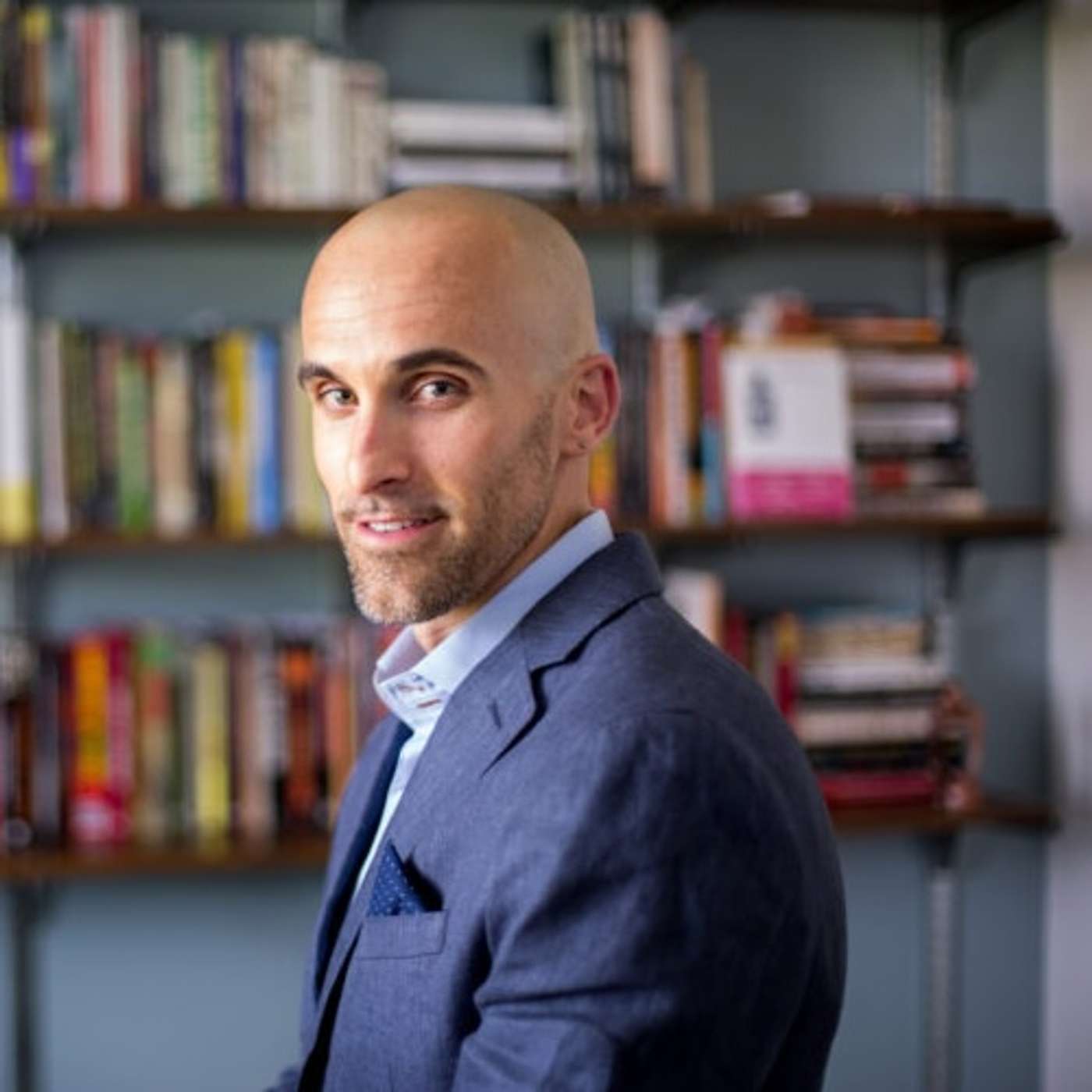
Ep 81Khalil Saucier - Department of Critical Black Studies, Bucknell University
This is John Drabinski and you’re listening to The Black Studies podcast, a Mellon grant sponsored series of conversations examining the history of the field. Our conversations engage with a wide range of activists and scholars - senior figures in the field, late doctoral students, and everyone in between, culture workers, and political organizers - in order to explore the cultural and political meaning of Black Studies as an area of inquiry and its critical methods.Today’s conversation is with Khalil Saucier, who teaches in the Department of Critical Black Studies at Bucknell University. Along with a number of scholarly articles and short pieces, he is the author of Necessarily Black: Cape Verdean Youth, Hip Hop Culture, and a Critique of Identity (2015), co-author of African Migrants, European Borders, and the Problem with Humanitarianism (2024), and has done editorial work producing important volumes including most recently A Luta Continua: Reintroducing Amilcar Cabral to a New Generation of Thinkers (2016), Conceptual Aphasia in Black: Displacing Racial Formation Theory (2016), and The Black Mediterranean: Bodies, Borders, and Citizenship (2021). In this conversation, we discuss transnational study and the Black Studies imagination, the political significance of the study of Black life, and the transformation of disciplines when put in contact with Black Studies sensibilities.
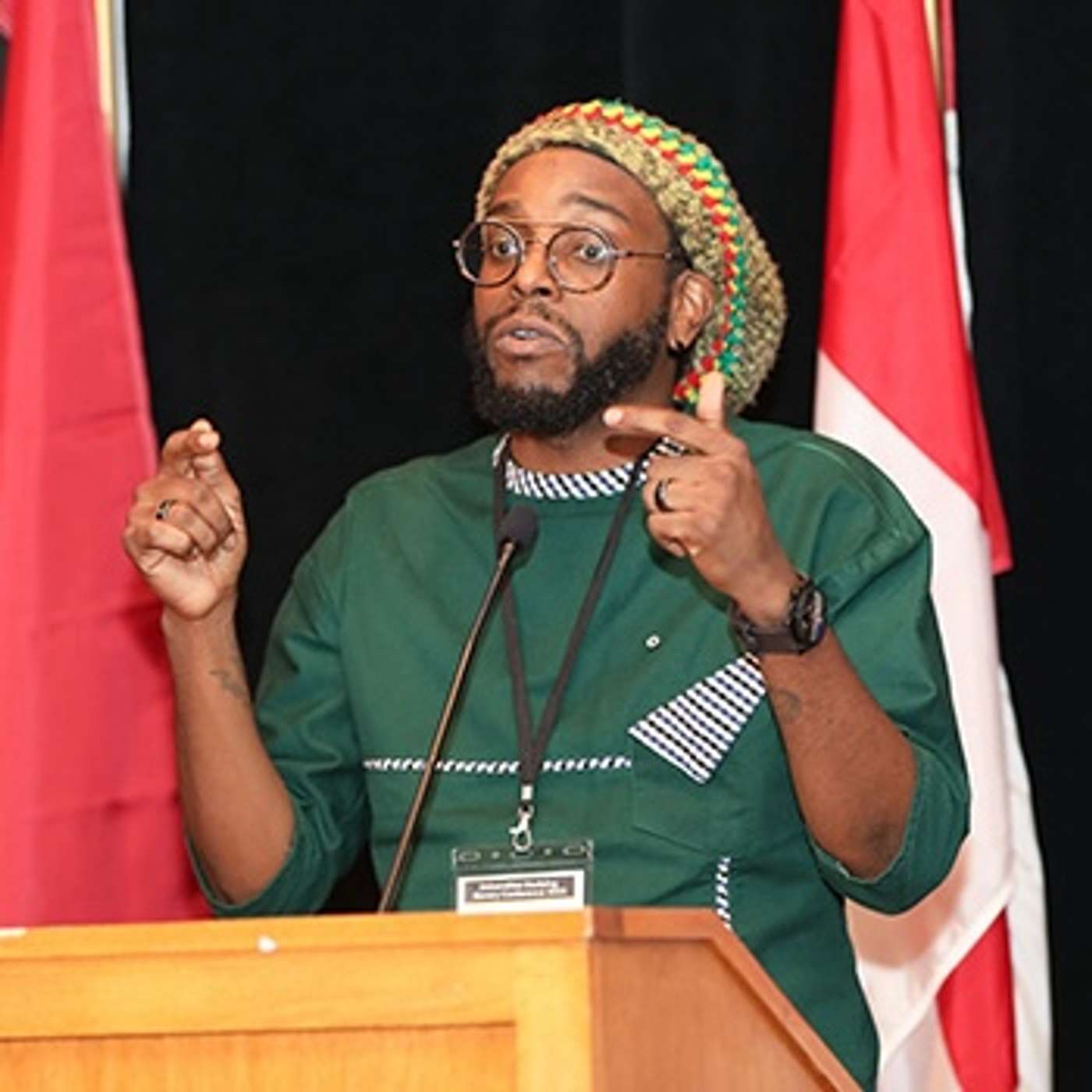
Ep 80Chevy Eugene - Department of Political Science, Dalhousie University
This is John Drabinski and you’re listening to The Black Studies podcast, a Mellon grant sponsored series of conversations examining the history of the field. Our conversations engage with a wide range of activists and scholars - senior figures in the field, late doctoral students, and everyone in between, culture workers, and political organizers - in order to explore the cultural and political meaning of Black Studies as an area of inquiry and its critical methods.Today’s conversation is with Chevy Eugene, who teaches in the Department of Political Science at Dalhousie University in Halifax, Nova Scotia. In addition to a number of scholarly publications on Caribbean thought and the issue of reparations, he has co-edited a book Public Policy Formulation in Post-colonial Africa and the Caribbean from Palgrave (2025) and has done national and international advocacy and activist work on reparations for slavery in the Caribbean. Across this conversation, we discuss the relation between justice work and Black study, the relationship between Black Studies and community struggle, and the impact of Black ways of knowing on the Black Studies classroom.
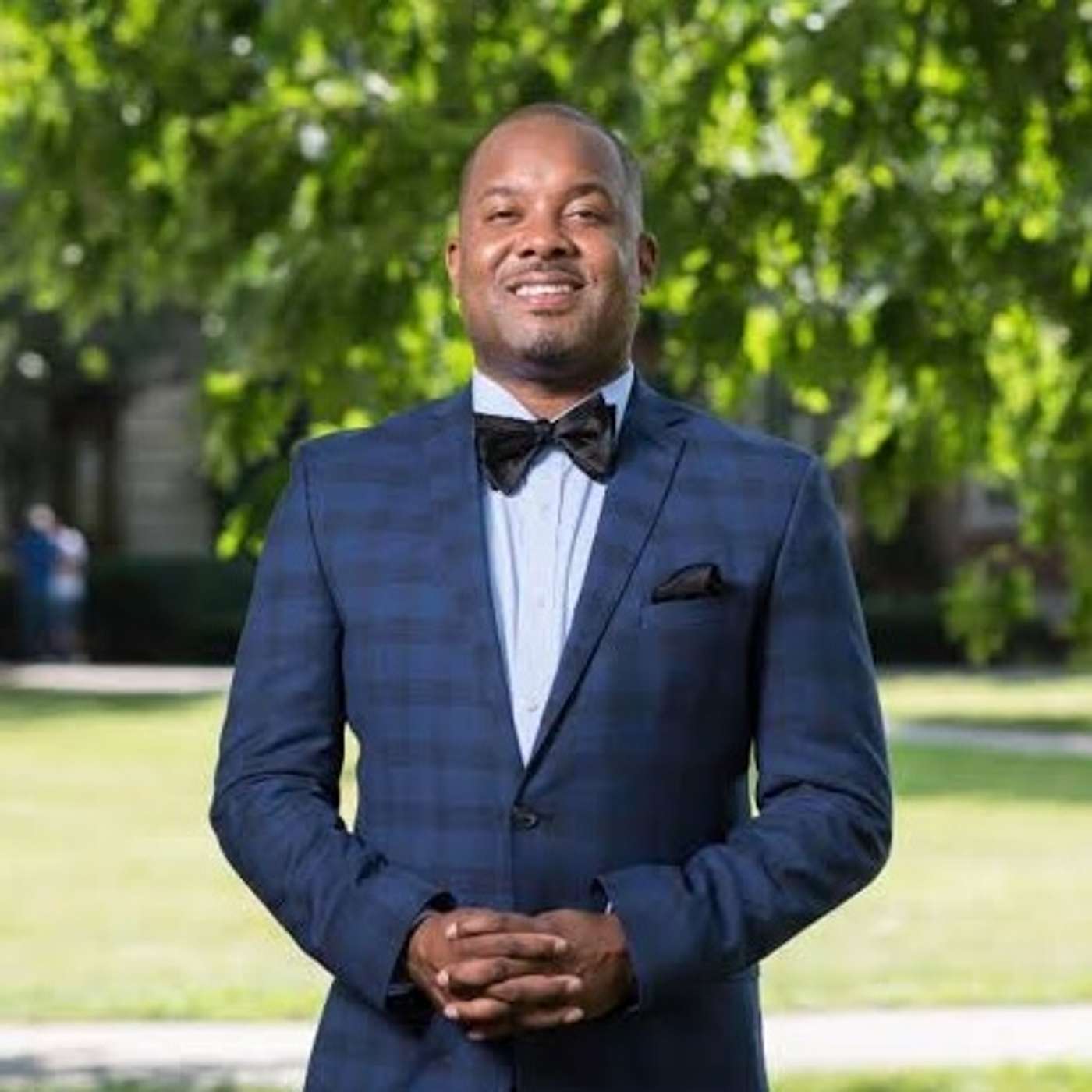
Ep 79Jeffrey Q. McCune, Jr. - Department of Black Studies, University of Rochester
This is Ashley Newby and you’re listening to The Black Studies podcast, a Mellon grant sponsored series of conversations examining the history of the field. Our conversations engage with a wide range of activists and scholars - senior figures in the field, late doctoral students, and everyone in between, culture workers, and political organizers - in order to explore the cultural and political meaning of Black Studies as an area of inquiry and its critical methods.Today's conversation is with Jeffrey Q. McCune Jr., who teaches in Black Studies at University of Rochester where he is the founding Chair of the department. He is the author of Sexual Discretion: Black Masculinity and the Politics of Passing (2014) and co-editor of Black Sexual Economies: Race and Sex in a Culture of Capital (2019). In this episode, we discuss Black Studies, gender, sexuality, and the politics of thinking and doing Black study in the current political moment.
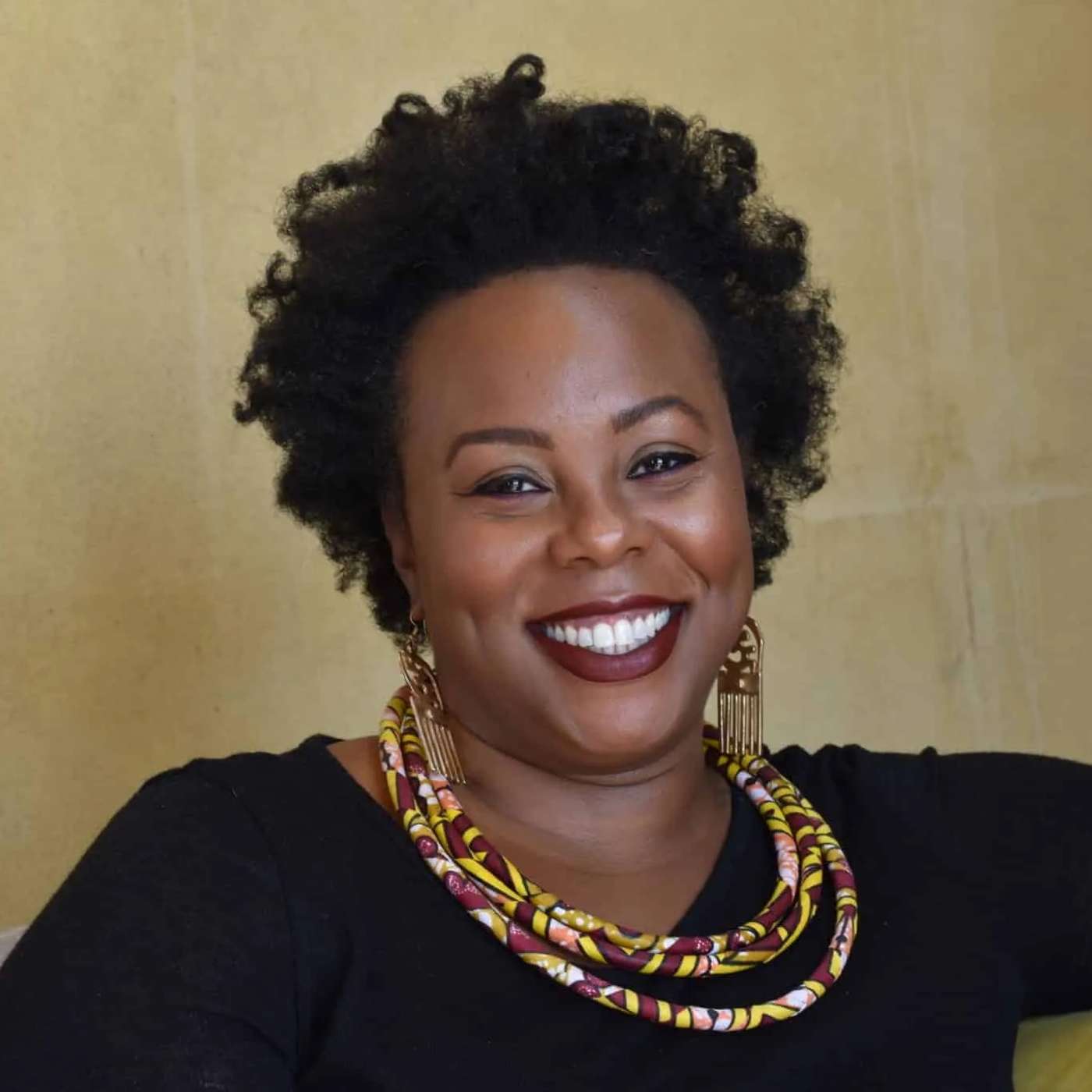
Ep 78Layla Brown - Departments of Anthropology and Sociology and Africana Studies, Northeastern University
This is John Drabinski and you’re listening to The Black Studies podcast, a Mellon grant sponsored series of conversations examining the history of the field. Our conversations engage with a wide range of activists and scholars - senior figures in the field, late doctoral students, and everyone in between, culture workers, and political organizers - in order to explore the cultural and political meaning of Black Studies as an area of inquiry and its critical methods.Today’s conversation is with Layla Brown, who teaches in the Department of Anthropology and Sociology and Africana Studies at Northeastern University. Along with scholarly and popular venue essays and critical articles, she was the co-host with Charisse Burden-Stelly of The Last Dope Intellectual podcast and is currently working with Burden-Stelly on a video podcasted series with Black Liberation Media. In this conversation, we discuss the differences between and intersections of transnational study and pan-Africanism, anthropological research in a Black Studies context, and the relationship between the production of ideas and the work of liberation struggle.
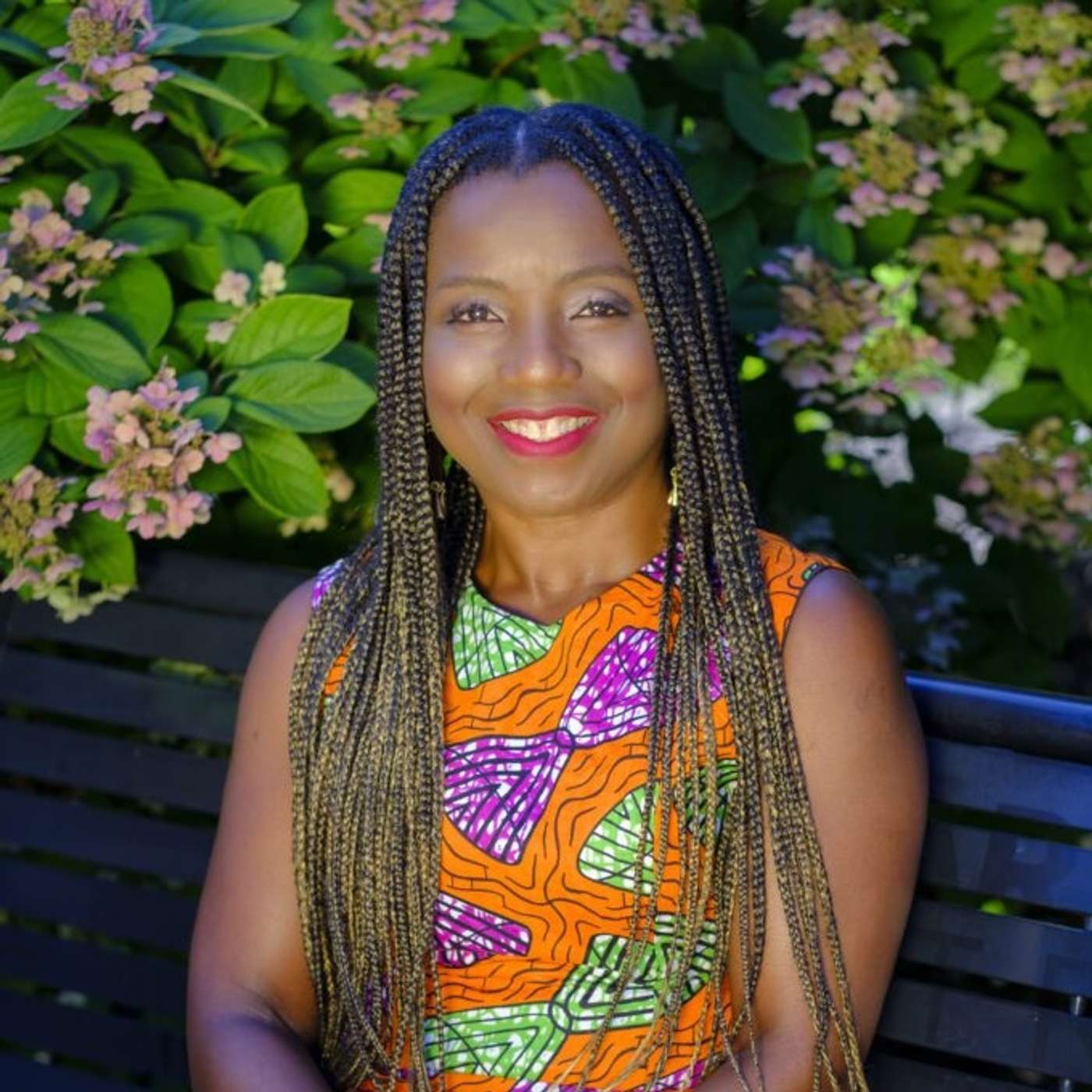
Ep 77Nwando Achebe - Department of History, Michigan State University
This is Ashley Newby and you’re listening to The Black Studies podcast, a Mellon grant sponsored series of conversations examining the history of the field. Our conversations engage with a wide range of activists and scholars - senior figures in the field, late doctoral students, and everyone in between, culture workers, and political organizers - in order to explore the cultural and political meaning of Black Studies as an area of inquiry and its critical methods.Today's conversation is with Nwando Achebe, who teaches in the Department of History at Michigan State University where she serves as Jack and Margaret Sweet Endowed Professor of History and also works as Associate Dean for Access, Faculty Development, and Strategic Implementation in the College of Social Science. Her work is wide-ranging and across media, having been extensively featured in radio and television documentaries, popular print media, and scholarly journals. Achebe's written work includes the groundbreaking books Farmers, Traders, Warriors, and Kings: Female Power and Authority in Northern Igboland, 1900-1960 and The Female King of Colonial Nigeria: Ahebi Ugbabe, the co-authored History of West Africa E-Course Book, edited collections including A Companion to African History and Holding the World Together: African Women in Changing Perspective. In this episode, we discuss the place of the study of Africa in Black Studies, the importance of gender in the study of Africa and the Black Atlantic, and how oral testimony and knowledge production transforms the study of history.
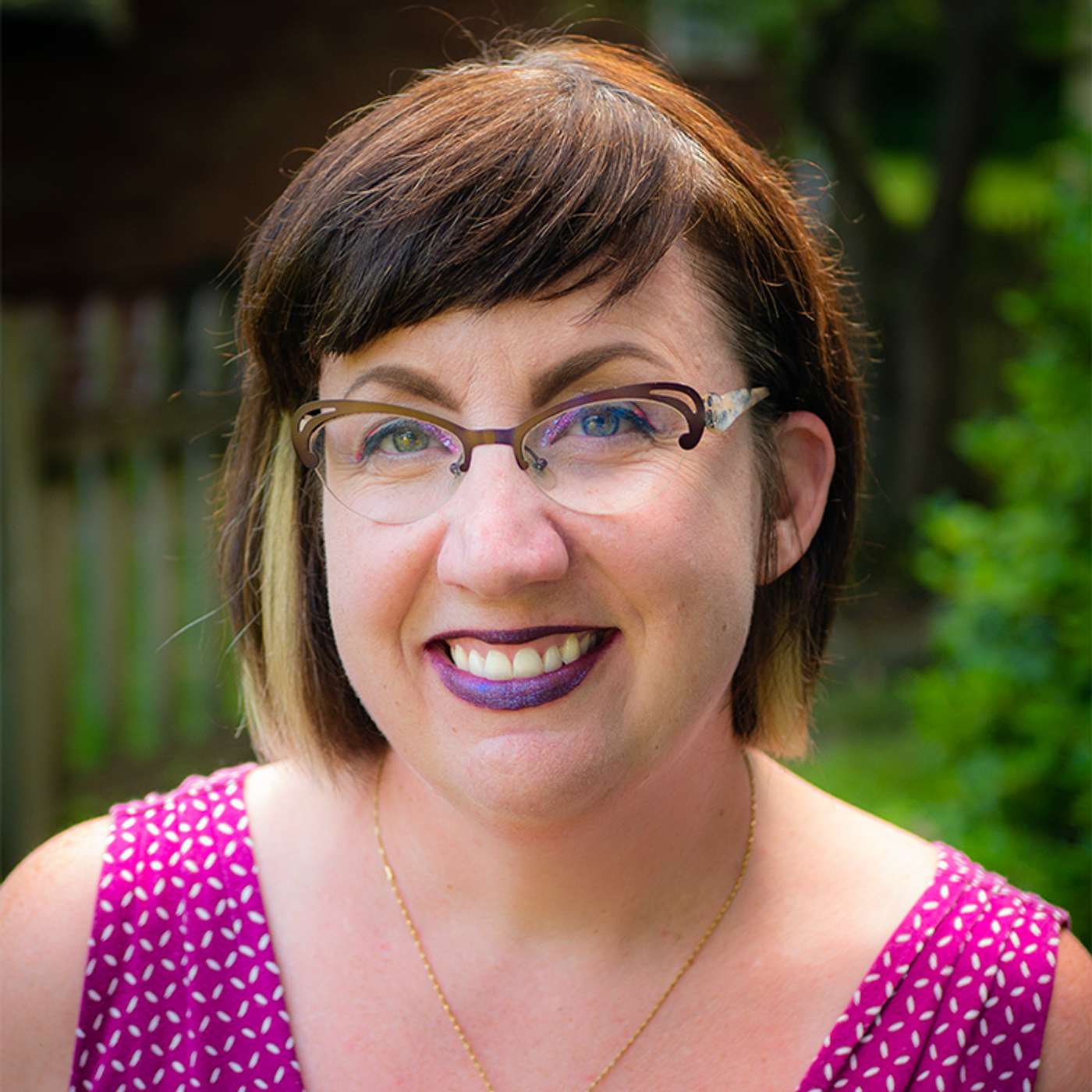
Ep 76Sarah Jane Cervenak - Departments of Women's, Gender, and Sexuality Studies and African American and African Diaspora Studies, University of North Carolina, Greensboro
This is John Drabinski and you’re listening to The Black Studies podcast, a Mellon grant sponsored series of conversations examining the history of the field. Our conversations engage with a wide range of activists and scholars - senior figures in the field, late doctoral students, and everyone in between, culture workers, and political organizers - in order to explore the cultural and political meaning of Black Studies as an area of inquiry and its critical methods.Today’s conversation is with Sarah Jane Cervenak, who teaches in the Departments of Women’s, Gender, and Sexuality Studies and African American and African Diaspora Studies at University of North Carolina, Greensboro. In addition to a number of scholarly articles, she is the author of Wandering: Philosophical Performances of Racial and Sexual Freedom (2014) and Black Gathering: Art, Ecology, Ungiven Life (2022). With J. Kameron Carter, she is co-editor of the series Black Outdoors on Duke University Press. Across this conversation, we discuss the relation between performance studies and Black Studies, the meaning of Black study in the classroom, and the place of expressive culture in the field.
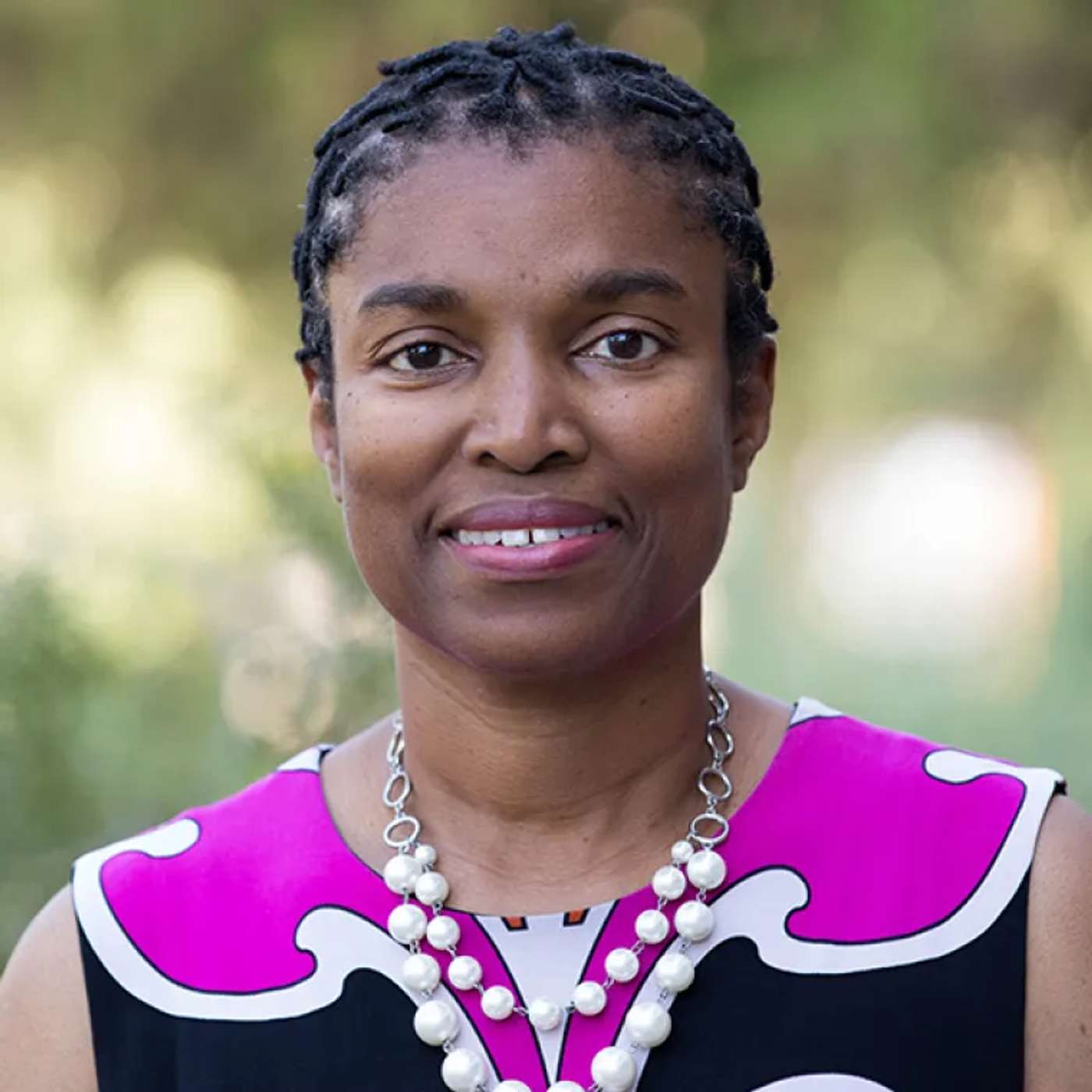
Ep 75Sonja Lanehart - Department of Linguistics, University of Arizona
This is Ashley Newby and you’re listening to The Black Studies podcast, a Mellon grant sponsored series of conversations examining the history of the field. Our conversations engage with a wide range of activists and scholars - senior figures in the field, late doctoral students, and everyone in between, culture workers, and political organizers - in order to explore the cultural and political meaning of Black Studies as an area of inquiry and its critical methods.Today's conversation is with Sonja Lanehart, who teaches in the Department of Linguistics at the University of Arizona where her scholarship focuses on sociolinguistics and language variation, language and education in African American communities, language and identity, and African American education from Black Feminist, Intersectionality, and Critical Race Theory perspectives. In addition to a number of important articles on African American linguistic practices, she is the author and editor of a number of books including Sista, Speak!: Black Women Kinfolk Talk about Language and Literacy, Language in African American Communities, and editor of The Oxford Handbook of African American Language. In this conversation, we discuss the horizons of linguistic research in a Black Studies frame, the place of gender and sexuality in understanding African American linguistic practices, and how to think about teaching in politically fraught times.
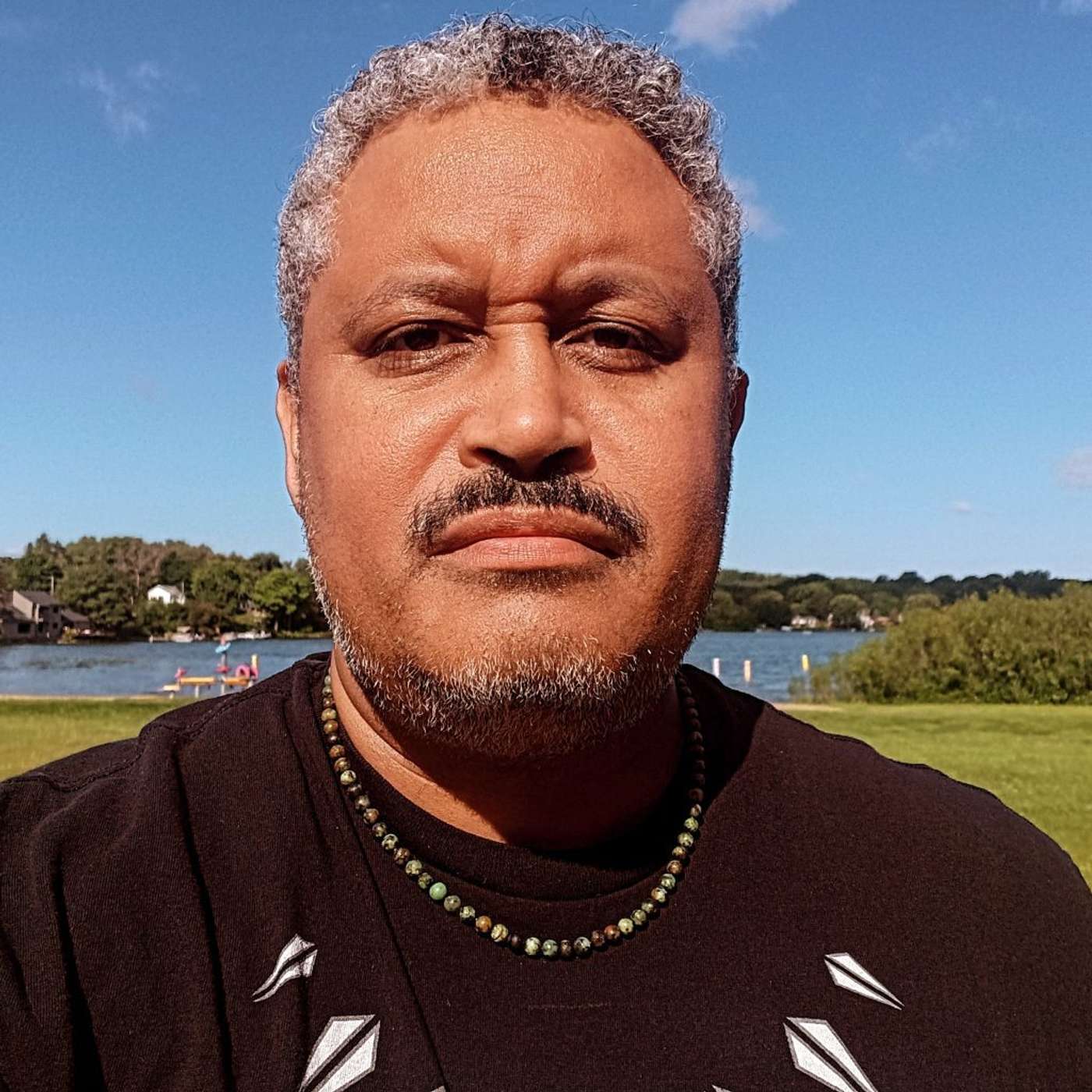
Ep 74Walter Greason - Department of History, Macalester College
This is John Drabinski and you’re listening to The Black Studies podcast, a Mellon grant sponsored series of conversations examining the history of the field. Our conversations engage with a wide range of activists and scholars - senior figures in the field, late doctoral students, and everyone in between, culture workers, and political organizers - in order to explore the cultural and political meaning of Black Studies as an area of inquiry and its critical methods.Today’s conversation is with Walter Greason, who teaches in the Department of History at Macalester College. In addition to a number of scholarly and public facing publications, projects such as The Racial Violence Syllabus, The T. Thomas Fortune Center, and The Wakanda Syllabus, he is the author of a number of groundbreaking works, including The Path to Freedom: Black Families in New Jersey (2010), Suburban Erasure: How the Suburbs Ended the Civil Rights Movement in New Jersey (2012), and most recently, in collaboration with Tim Fielder, The Graphic History of Hip Hop (2024). Across this conversation, we discuss the relation between historical research and Black Studies work, the political significance of the study of Black life, and the intersections of teaching, writing, and direct action aimed at racial justice.
Ep 73Saida Grundy - Departments of Sociology and African American and Black Diaspora Studies, Boston University
This is John Drabinski and you’re listening to The Black Studies podcast, a Mellon grant sponsored series of conversations examining the history of the field. Our conversations engage with a wide range of activists and scholars - senior figures in the field, late doctoral students, and everyone in between, culture workers, and political organizers - in order to explore the cultural and political meaning of Black Studies as an area of inquiry and its critical methods.Today’s conversation is with Saida Grundy, who teaches in the Departments of Africana Studies and Sociology at Boston University. In addition to a number of scholarly and public facing publications, she is the author of Respectable: Politics and Paradox in Making the Morehouse Man (2022). Across this conversation, we discuss the relation between sociological research and Black Studies work, the political significance of the study of Black life, and the complex intersection of movement work and research.