The Black Studies Podcast
322 episodes — Page 4 of 7
Ep 172Yasmine Grier - Department of Black Studies, Northwestern University
This is Brie Gorrell and you’re listening to The Black Studies podcast, a Mellon grant sponsored series of conversations examining the history of the field. Our conversations engage with a wide range of activists and scholars - senior figures in the field, late doctoral students, and everyone in between, culture workers, and political organizers - in order to explore the cultural and political meaning of Black Studies as an area of inquiry and its critical methods.
Ep 171Leonard McKinnis - Departments of Religion and African American Studies, University of Illinois
This is John Drabinski and you’re listening to The Black Studies podcast, a Mellon grant sponsored series of conversations examining the history of the field. Our conversations engage with a wide range of activists and scholars - senior figures in the field, late doctoral students, and everyone in between, culture workers, and political organizers - in order to explore the cultural and political meaning of Black Studies as an area of inquiry and its critical methods.Today’s conversation is with Leonard McKinnis, who teaches in the Departments of Religion and African American Studies at University of Illinois, Urbana-Champaign. Along with a number of scholarly pieces, he is the author of The Black Coptic Church: Race and Imagination in a New Religion (2023). In this conversation, we discuss the place of religious studies in the Black Studies tradition, the relationship between ethnographic and historical research, and how close attention to emerging Black religious sensibilities reveal ethical and political visions to Black study.
Ep 170Lisa Ze Winters - Department of African American Studies, Wayne State University
This is Ashley Newby and you’re listening to The Black Studies podcast, a Mellon grant sponsored series of conversations examining the history of the field. Our conversations engage with a wide range of activists and scholars - senior figures in the field, late doctoral students, and everyone in between, culture workers, and political organizers - in order to explore the cultural and political meaning of Black Studies as an area of inquiry and its critical methods.Today's conversation is with Lisa Ze Winters, Associate Professor of African American Studies and English and Associate Chair of English at Wayne State University in Detroit, Michigan. Currently, she is consumed with the day-to-day practice of mothering a Black girl in the time of now, and her current research interests center on Black motherhood and Black radical love and the possibilities therein in for imagining and enacting freedom for Black children. Her most recent essay, “Fugitive Motherhood, Maroon Revisions, and Otherwise Possibilities in William Wells Brown’s Clotel; or, The President’s Daughter” (J19, 2024), examines Brown’s theorization of the ontological labor of enslaved mothering and the revolutionary possibilities of fugitivity and marronage for the fugitive mother Clotel. Ze Winters is the author of The Mulatta Concubine: Terror, Intimacy, Freedom, and Desire in the Black Transatlantic (2016, UGA Press)
Ep 169Mazi Mutafa - Executive Director and Co-Founder, Words, Beats, & Life
This is Ashley Newby and you’re listening to The Black Studies podcast, a Mellon grant sponsored series of conversations examining the history of the field. Our conversations engage with a wide range of activists and scholars - senior figures in the field, late doctoral students, and everyone in between, culture workers, and political organizers - in order to explore the cultural and political meaning of Black Studies as an area of inquiry and its critical methods.Today's conversation is with Mazi Mutafa, founding Executive Director of Words Beats & Life, a hip-hop non-profit established in Washington D.C in 2002. Mr. Mutafa received his Bachelor’s degree in African American studies from the University of Maryland and became a Brother of Phi BetaSigma Fraternity. He has been a guest lecturer at the University of Maryland, Georgetown University, and George Washington University and, in 2019, was an adjunct professor at American University, co-teaching a course about international hip-hop, called “Whose Hip-Hop Is It?" He contributed a chapter to the Handbook of Research on Black Males, published by Michigan State University Press and an interview with Mazi is included in The Hip-Hop Mindset: A Professional Practice on Rutledge Press. Mr. Mutafa is also the host of a hip-hop show called “Live @ 5,” heard quarterly on WPFW 89.3 FM, featuring performances and interviews with MC’s, poets, DJ’s, producers, and vocalists. Mr. Mutafa is also the host of a poetry and activism show called “Something to Say” every Tuesday on WPFW 89.3 FM, featuring performances and interviews with poets, artists, activists and leaders.
Ep 168Cassie Osei - Department of History, Bucknell University
This is John Drabinski and you’re listening to The Black Studies podcast, a Mellon grant sponsored series of conversations examining the history of the field. Our conversations engage with a wide range of activists and scholars - senior figures in the field, late doctoral students, and everyone in between, culture workers, and political organizers - in order to explore the cultural and political meaning of Black Studies as an area of inquiry and its critical methods.Today’s conversation is with Cassie Osei, who teaches in the Department of History at Bucknell University, where she is also affiliated faculty in the Latin American Studies program. She works at the intersection of Latin American Studies, African Diaspora Studies, and Black Women’s History and her scholarship, teaching and public speaking span the fields of Brazilian studies, Afro-Latin America, Black women’s intellectual thought, Black diasporic feminisms, urban history, gender and sexuality studies, global labor history, and comparative race relations. She is currently completing a book manuscript examining the lives of paid Afro-Brazilian female household workers in the twentieth-century, who insisted on defining themselves as modern workers and dignified women, typically obscured by the loud legacies of slavery, colonialism, and patriarchy. In this conversation, we discuss the place of Latin America in discussions of Blackness, the importance of diaspora for Black Studies thinking, and the transformative meaning of multi-lingual research approaches. Osei's peer-reviewed work appears in Palimpsest: A Journal on Women, Gender, and the Black International and Black Perspectives, whereas her public-facing work has been featured in Anglophone and Lusophone media outlets. She holds both a PhD and Masters in History from University of Illinois-Urbana Champaign, and a BA in History and Latin American Studies from the University of Kansas. In this conversation, we discuss the relationship between the study of Blackness and Latin America, the politics and debates around notions of diaspora, and how a hemispherically expansive vision of Black Studies reorients and challenges the field.
Ep 167Crystal Eddins - Department of Sociology, University of Pittsburgh
This is Ashley Newby and you’re listening to The Black Studies podcast, a Mellon grant sponsored series of conversations examining the history of the field. Our conversations engage with a wide range of activists and scholars - senior figures in the field, late doctoral students, and everyone in between, culture workers, and political organizers - in order to explore the cultural and political meaning of Black Studies as an area of inquiry and its critical methods.Today's conversation is with Crystal Eddins, Associate Professor of Sociology at the University of Pittsburgh. She holds a dualmajor PhD in African American & African Studies and Sociology from Michigan State University. Her areas of research and teaching include the African Diaspora, Social Movements and Revolutions, Race and Ethnicity, Women and Gender, and Atlantic World slavery. Her book, Rituals, Runaways, and the Haitian Revolution (2021), is an interdisciplinary case study that explores the relationship between ritual life, collective consciousness, and marronnage before the Haitian Revolution. Eddins has published other research articles in the Journal of Haitian Studies, Gender & History, the Journal of World-Systems Research, and Research in Social Movements, Conflicts and Change. She is currently developing a second project tentatively titled Black Queens of the Atlantic World, exploring enslaved women’s power, reproduction, and resistance in eighteenth-century British and French Caribbean colonies.
Ep 166Nick Mitchell - Department of Critical Race and Ethnic Studies, University of California, Santa Cruz
This is John Drabinski and you’re listening to The Black Studies podcast, a Mellon grant sponsored series of conversations examining the history of the field. Our conversations engage with a wide range of activists and scholars - senior figures in the field, late doctoral students, and everyone in between, culture workers, and political organizers - in order to explore the cultural and political meaning of Black Studies as an area of inquiry and its critical methods.Today’s conversation is with Nick Mitchell, who teaches in the Department of Critical Race and Ethnic Studies at University of California, Santa Cruz. Her research explores the political economy of the university and its intersection with questions of austerity, race, gender, and the founding of Black Studies. In this conversation, we discuss the relationship between critical politics and institutionalization, intellectual work and the radicalization of educational space, and the future of the university in a Black Studies horizon..
Ep 165Dexter Blackman - Department of History, Geography, and Museum Studies, Morgan State University
This is Ashley Newby and you’re listening to The Black Studies podcast, a Mellon grant sponsored series of conversations examining the history of the field. Our conversations engage with a wide range of activists and scholars - senior figures in the field, late doctoral students, and everyone in between, culture workers, and political organizers - in order to explore the cultural and political meaning of Black Studies as an area of inquiry and its critical methods.Today's conversation is with Dexter Blackman, who teaches in the Department of History, Geography, and Museum Studies at Morgan State University. He researches and studies in the fields of African American, the African Diaspora, U.S. Foreign Policy and the Cold War histories, and African-American Studies. He is currently completing the book manuscript, We Are Standing Up for Humanity: Black Power, the Black Athletic Experience, and the 1968 Olympic Project for Human Rights.
Ep 164Wendell H. Marsh - Department of Africana Studies, Rutgers University, Newark
This is John Drabinski and you’re listening to The Black Studies podcast, a Mellon grant sponsored series of conversations examining the history of the field. Our conversations engage with a wide range of activists and scholars - senior figures in the field, late doctoral students, and everyone in between, culture workers, and political organizers - in order to explore the cultural and political meaning of Black Studies as an area of inquiry and its critical methods.Today’s conversation is with Wendell Marsh, who teaches in the Department of Africana Studies at Rutgers University, Newark. His research explores the relationship between Islamic textual and cultural practice in West Africa and formations of intellectual traditions, social life, and the state. He is the author of Textual Life: Islam, Africa, and the Fate of the Humanities (2025). He will be taking a new position at Muhammad VI Polytechnic University in Morocco in fall of 2025. In this conversation, we discuss the importance of textual study in Black study, the place of religion and nation in Black Atlantic comparative work, and the place of religious diversity in the field of Black Studies.
Ep 163Keith Holmes - Writer and Researcher
This is Ashley Newby and you’re listening to The Black Studies podcast, a Mellon grant sponsored series of conversations examining the history of the field. Our conversations engage with a wide range of activists and scholars - senior figures in the field, late doctoral students, and everyone in between, culture workers, and political organizers - in order to explore the cultural and political meaning of Black Studies as an area of inquiry and its critical methods.Today's conversation is with Keith Holmes, a researcher, historian and author, and founder of Global Black Inventor Research Projects. Mr. Holmes has spent over thirty years researching innovations, inventions and patents by Black innovators & inventors. Researching inventors through the NY Patent Library, the Schomburg Library, Howard University’s Moorland-Spingarn Research Center among other places, Keith Holmes has picked up the baton from Henry E, Baker and has compiled a growing list of over 20,000 (1769-2025) innovations, inventions and trademarks by Black men and women from over eighty countries and five continents. He has lectured in Antigua, Barbados, California, Canada, Connecticut, Florida, Illinois, New York, New Jersey, North Carolina, Pennsylvania, Virginia and Washington, DC. Mr. Holmes has done virtual lectures in Los Angeles, Maryland, Tallahassee, Toronto and London. He is currently working on several projects about Black inventors and his book Black Inventors, Crafting Over 200 Years of Success is now in paperback and ebook formats.
Ep 162Katherine Ponds - Department of African American and American Studies, Yale University
This is Brie Gorrell and you’re listening to The Black Studies podcast, a Mellon grant sponsored series of conversations examining the history of the field. Our conversations engage with a wide range of activists and scholars - senior figures in the field, late doctoral students, and everyone in between, culture workers, and political organizers - in order to explore the cultural and political meaning of Black Studies as an area of inquiry and its critical methods.Today’s conversation is with Katherine Ponds, a late-doctoral candidate in the Department of American and African American Studies at Yale University. Her research explores the relationship between ancient Greek notions of the tragic and contemporary African American theater. In this conversation, we discuss the relationship between classics and work in Black Studies, comparative work as Black study and scholarship, and the varied resonances of “the tragic” in descriptions of Black life in an antiblack world.
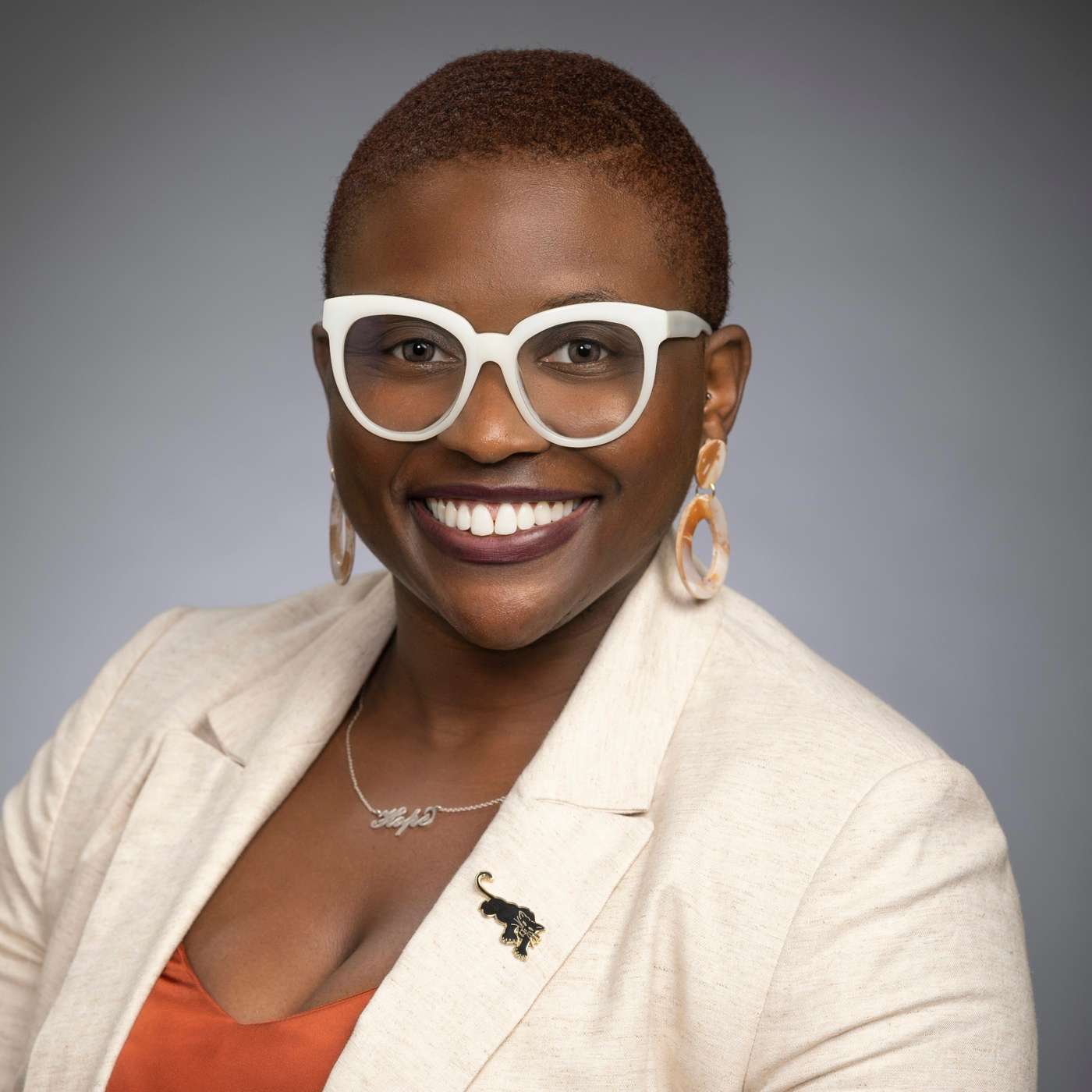
Ep 161Jeanelle Hope - Department of African American Studies, Prairie View A&M University
This is John Drabinski and you’re listening to The Black Studies podcast, a Mellon grant sponsored series of conversations examining the history of the field. Our conversations engage with a wide range of activists and scholars - senior figures in the field, late doctoral students, and everyone in between, culture workers, and political organizers - in order to explore the cultural and political meaning of Black Studies as an area of inquiry and its critical methods.Today’s conversation is with Jeanelle Hope, who teaches in and is Director of the program in African American Studies at Prairie View A&M University. Along with a number of scholarly articles, she is co-author with Bill V. Mullen of The Black Antifascist Tradition (2025). In this conversation, we discuss the anti-fascist theory and practice in the Black Studies tradition, comparative racial and ethnic study, and the importance of critical theoretical work in the history and future of the field.
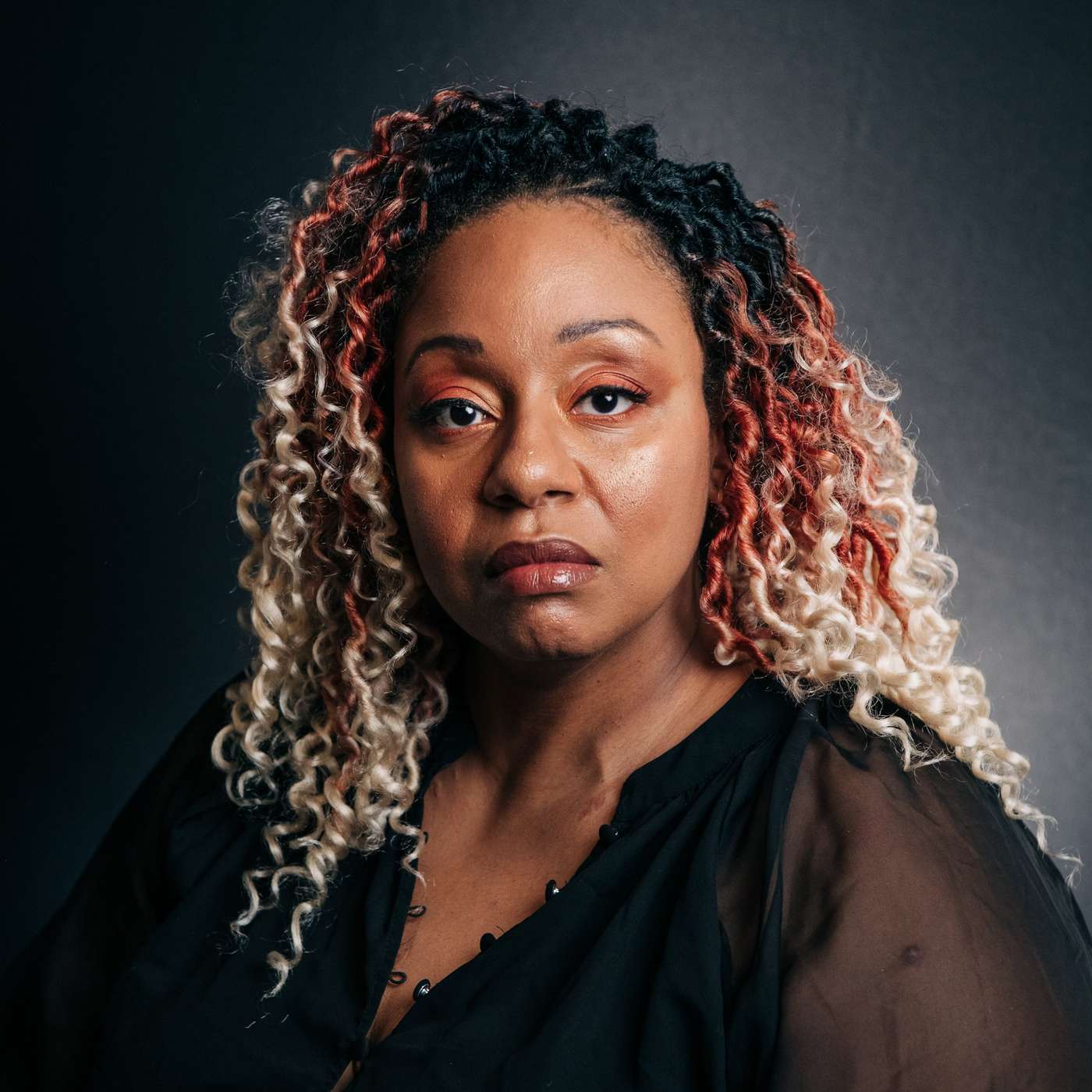
Ep 160Therí Pickens - Departments of English and Africana Studies, Bates College
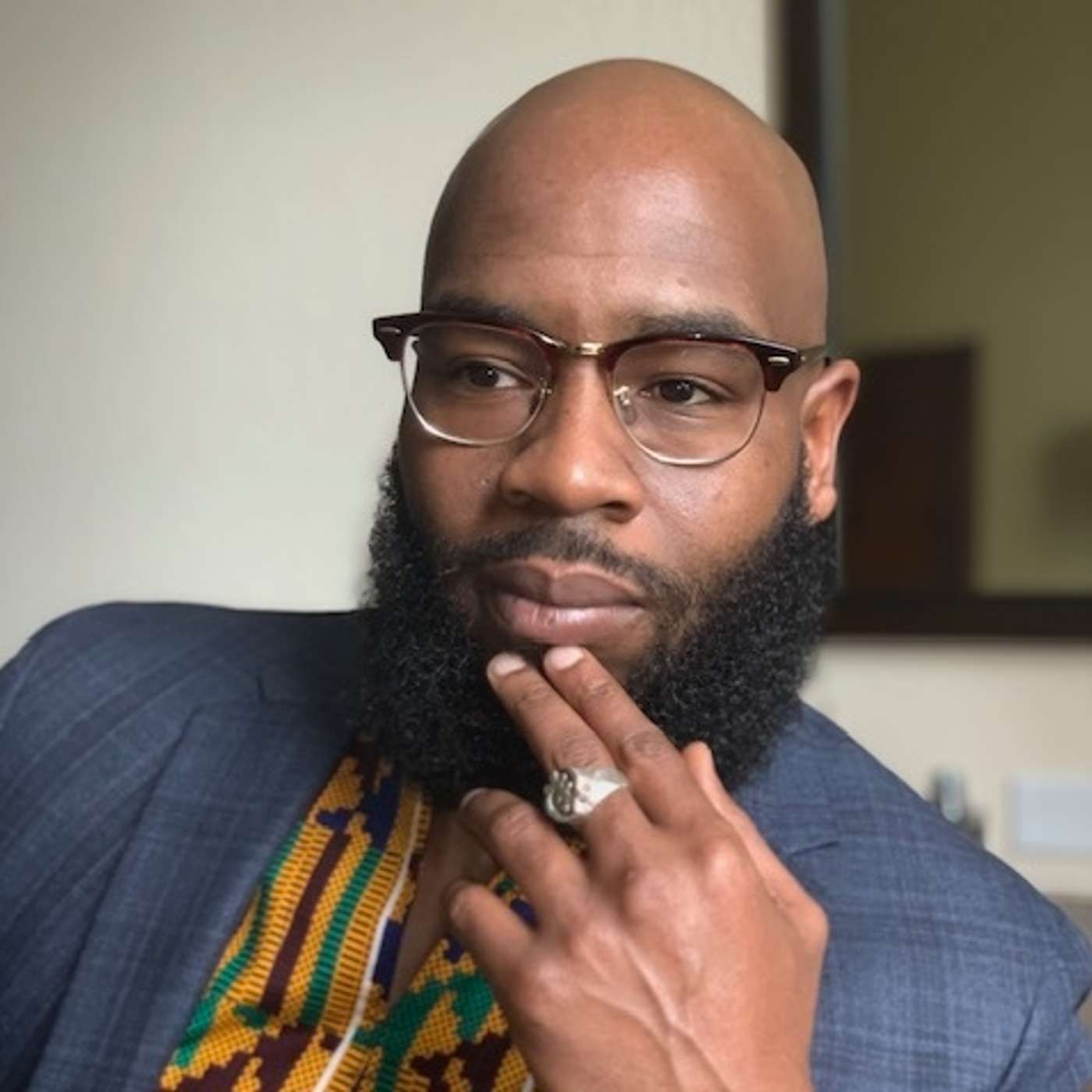
Ep 159Amiri Mahnzili - Department of Ethnic Studies, University of California, Riverside
This is John Drabinski and you’re listening to The Black Studies podcast, a Mellon grant sponsored series of conversations examining the history of the field. Our conversations engage with a wide range of activists and scholars - senior figures in the field, late doctoral students, and everyone in between, culture workers, and political organizers - in order to explore the cultural and political meaning of Black Studies as an area of inquiry and its critical methods.Today’s conversation is with Amiri Mahnzili, who teaches in the Department of Ethnic Studies at University of California, Riverside. His research and teaching interests range across pan-African concerns with history, memory, expressive life, and radical political mobilization. With Lawson Bush and Edward C. Bush, he is co-author of Sankofa (Re)search Model: (Re)membevring, (Re)storing, and (Re)birthing Black Boys and Men (2025) In this conversation, we discuss the importance of pedagogy in Black Studies, radical politics, and the place of pan-African intellectual and political work for the history and future of the field.
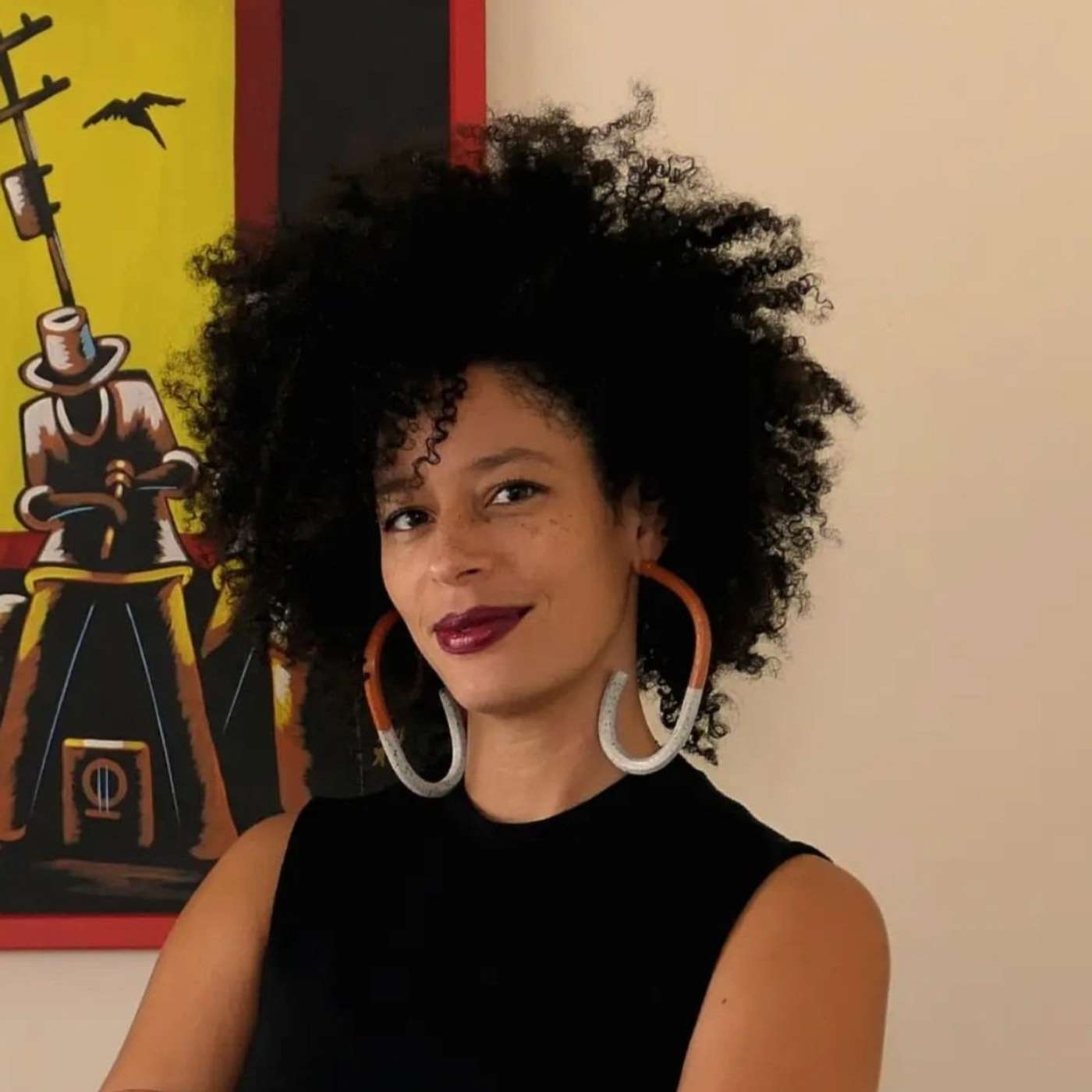
Ep 158Tiffany E. Barber - Department of Art History, University of California, Los Angeles
This is John Drabinski and you’re listening to The Black Studies podcast, a Mellon grant sponsored series of conversations examining the history of the field. Our conversations engage with a wide range of activists and scholars - senior figures in the field, late doctoral students, and everyone in between, culture workers, and political organizers - in order to explore the cultural and political meaning of Black Studies as an area of inquiry and its critical methods.Today’s conversation is with Tiffany E. Barber, who teaches in the Department of Art History at University of California, Los Angeles. In addition to a number of scholarly and public facing pieces, she is the author of Undesirability and Her Sisters: Black Women’s Visual Work and the Ethics of Representation (2025). In this conversation, we discuss the place of expressive culture in Black Studies, gender, race, and art historical research, and the importance of multidisciplinary work on expressive life for the history and future of the field.
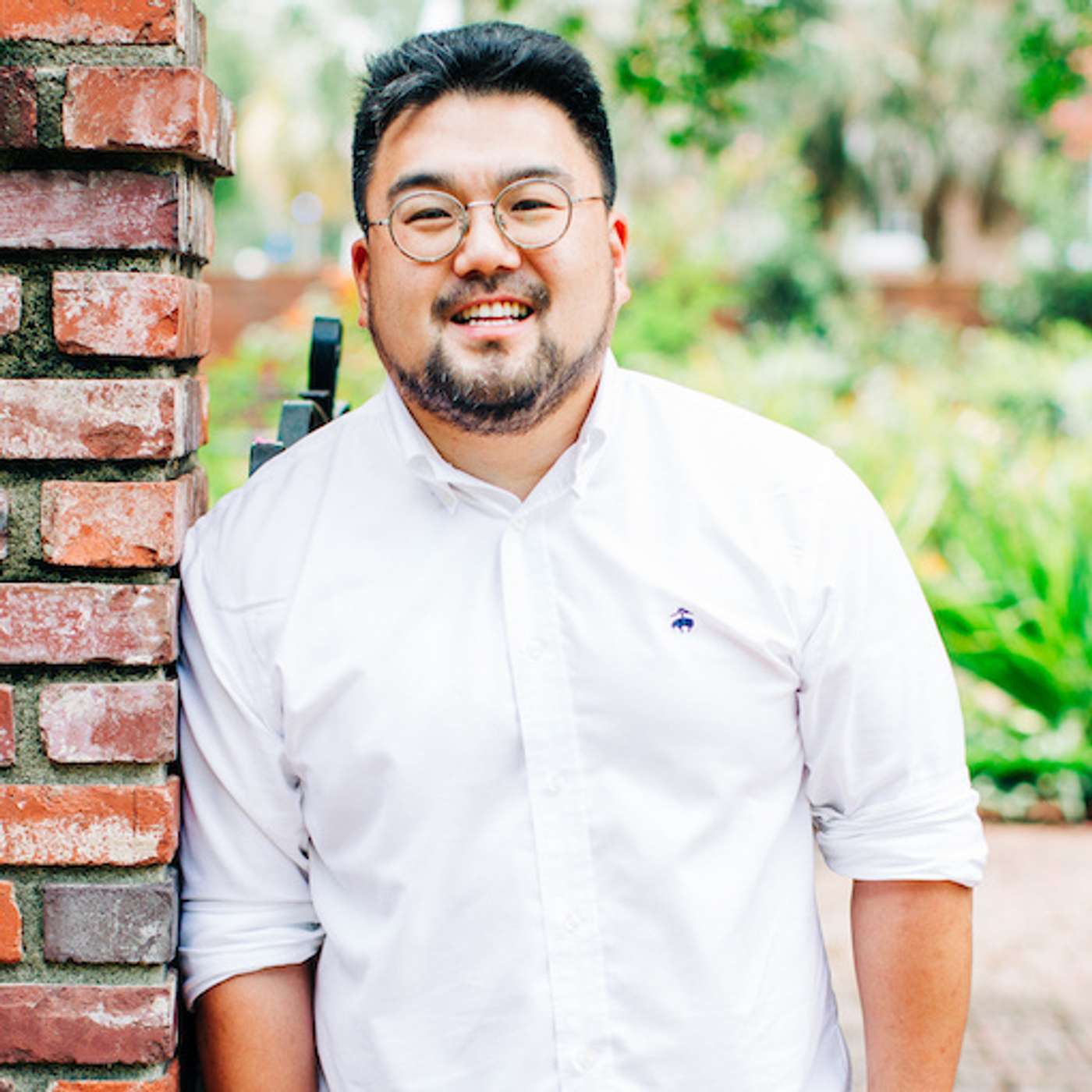
Ep 157Seulghee Lee - Departments of English and African American Studies, University of South Carolina
This is John Drabinski and you’re listening to The Black Studies podcast, a Mellon grant sponsored series of conversations examining the history of the field. Our conversations engage with a wide range of activists and scholars - senior figures in the field, late doctoral students, and everyone in between, culture workers, and political organizers - in order to explore the cultural and political meaning of Black Studies as an area of inquiry and its critical methods.Today’s conversation is with Seulghee Lee, who teaches in the Departments of English and African American Studies at University of South Carolina. In addition to a number of scholarly pieces, he is the author of OtherLovings: An AfroAsian American Theory of Life (2025) and co-editor with Rebecca Kumar of Queer and Femme Gazes in AfroAsian American Visual Culture (2024). In this conversation, we discuss the relationship between literary and expressive culture in Black Studies, comparative racial and ethnic study, and the importance of critical theoretical work in the history and future of the field.
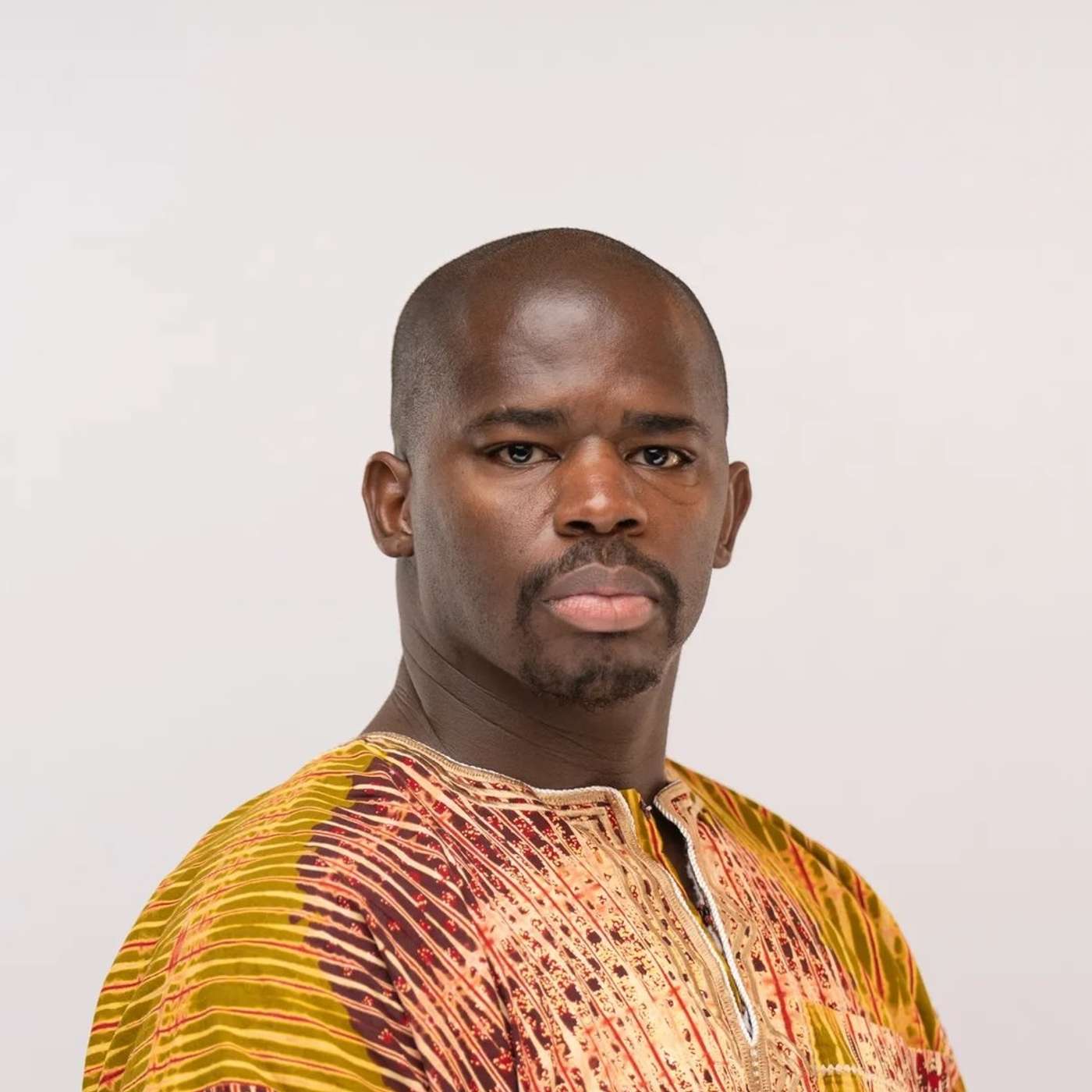
Ep 156Jimmy Butts - Department of History, Trinity University
This is Ashley Newby and you’re listening to The Black Studies podcast, a Mellon grant sponsored series of conversations examining the history of the field. Our conversations engage with a wide range of activists and scholars - senior figures in the field, late doctoral students, and everyone in between, culture workers, and political organizers - in order to explore the cultural and political meaning of Black Studies as an area of inquiry and its critical methods.Today's conversation is with Jimmy Butts, who teaches in the Department of History at Trinity University in San Antonio, Texas. His research focuses on Black religion and radicalism in the 19th and 20th centuries with an emphasis on the discourses and practices that operate at the intersection of religion and violence. His current book project examines the way Malcolm X constructed a revolutionary form of religion over the course of his public life.
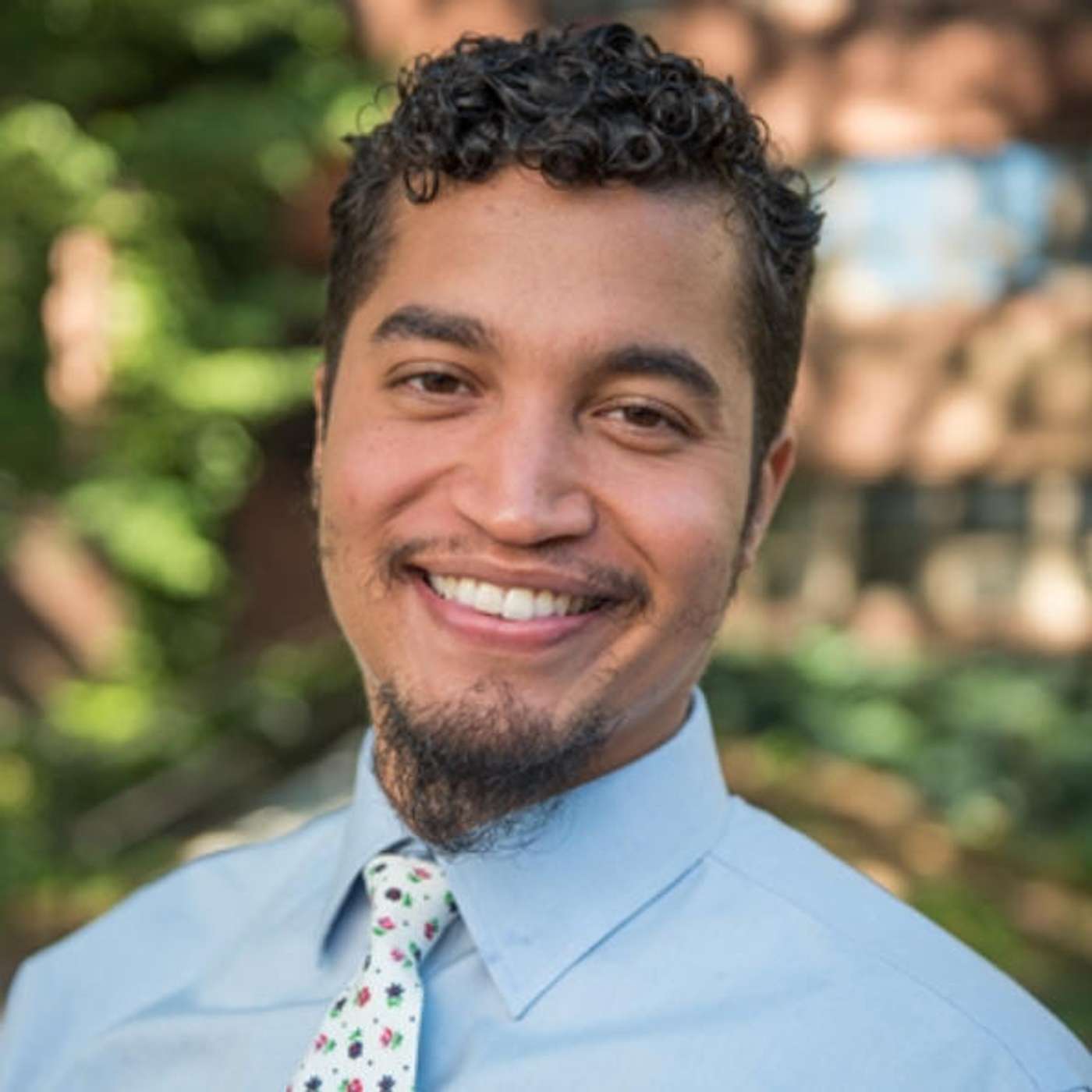
Ep 155J.T. Roane - Department of Geography, Rutgers University
This is John Drabinski and you’re listening to The Black Studies podcast, a Mellon grant sponsored series of conversations examining the history of the field. Our conversations engage with a wide range of activists and scholars - senior figures in the field, late doctoral students, and everyone in between, culture workers, and political organizers - in order to explore the cultural and political meaning of Black Studies as an area of inquiry and its critical methods.Today’s conversation is with J.T. Roane, who teaches in the Department of Geography at Rutgers University. In addition to numerous scholarly and public facing pieces, he is the author of Dark Agora: Insurgent Black Social Life and the Politics of Place, published by New York University Press in 2023. In this conversation, we discuss the relationship between historical writing, research, and Black Studies sensibilities, community work and study, and the place of ecological thinking in the history and future of the field.
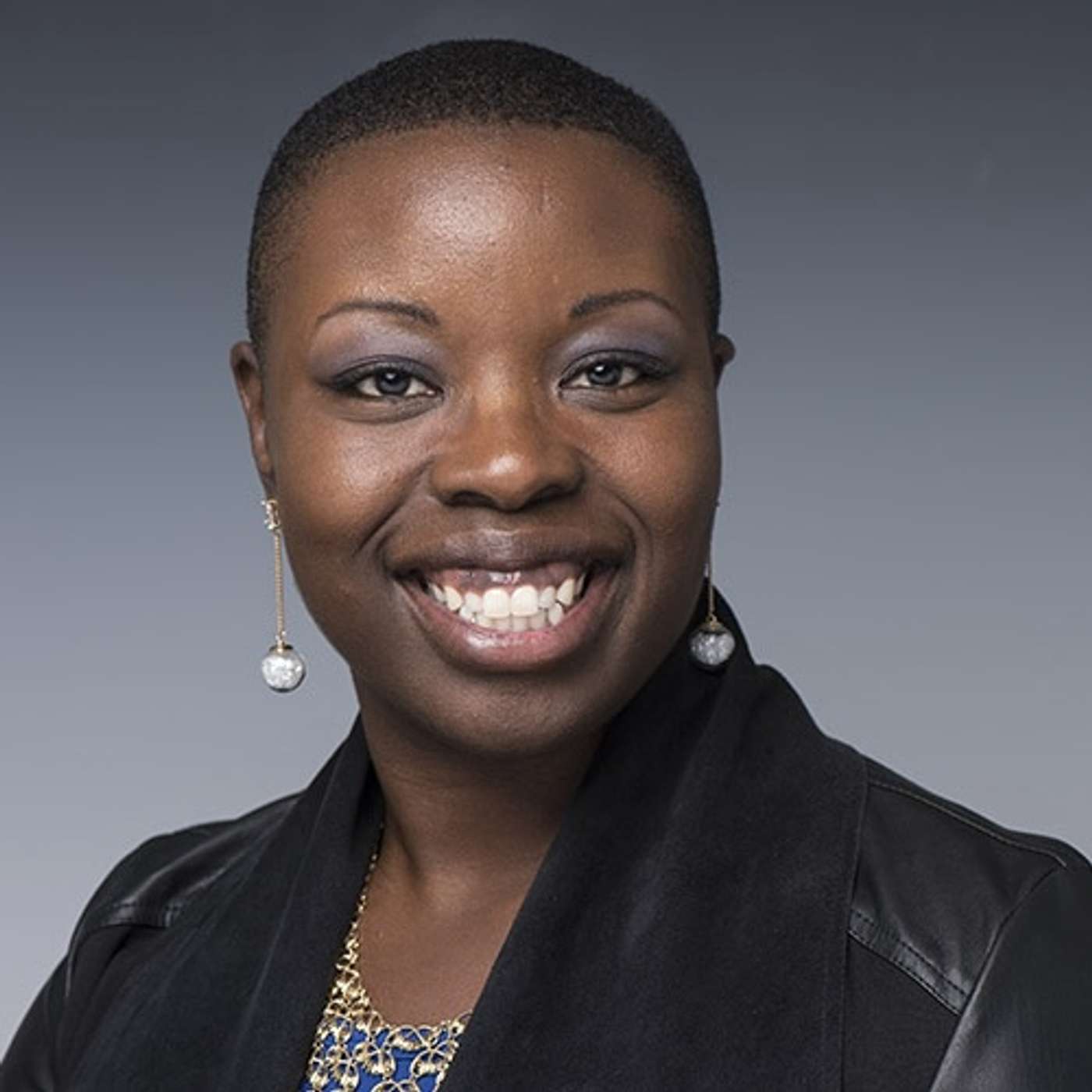
Ep 154Aria Halliday - Departments of Gender and Women's Studies and African American and Africana Studies, University of Kentucky
This is John Drabinski and you’re listening to The Black Studies podcast, a Mellon grant sponsored series of conversations examining the history of the field. Our conversations engage with a wide range of activists and scholars - senior figures in the field, late doctoral students, and everyone in between, culture workers, and political organizers - in order to explore the cultural and political meaning of Black Studies as an area of inquiry and its critical methods.Today’s conversation is with Aria Halliday, who teaches in the Departments of Gender and Women’s Studies and African American and Africana Studies at University of Kentucky. Along with a number of scholarly and public facing essays, she is the author of two books: Black Girls and How We Fail Them (2025) and Buy Black: How Black Women Transformed U.S. Pop Culture (2022), as well as the editor of The Black Girlhood Studies Collection (2019). In this conversation, we discuss the place of gender studies and historical experience in the study of Black life, the ethics and politics of the field, and how Black Studies sensibilities change the nature of research and pedagogy.
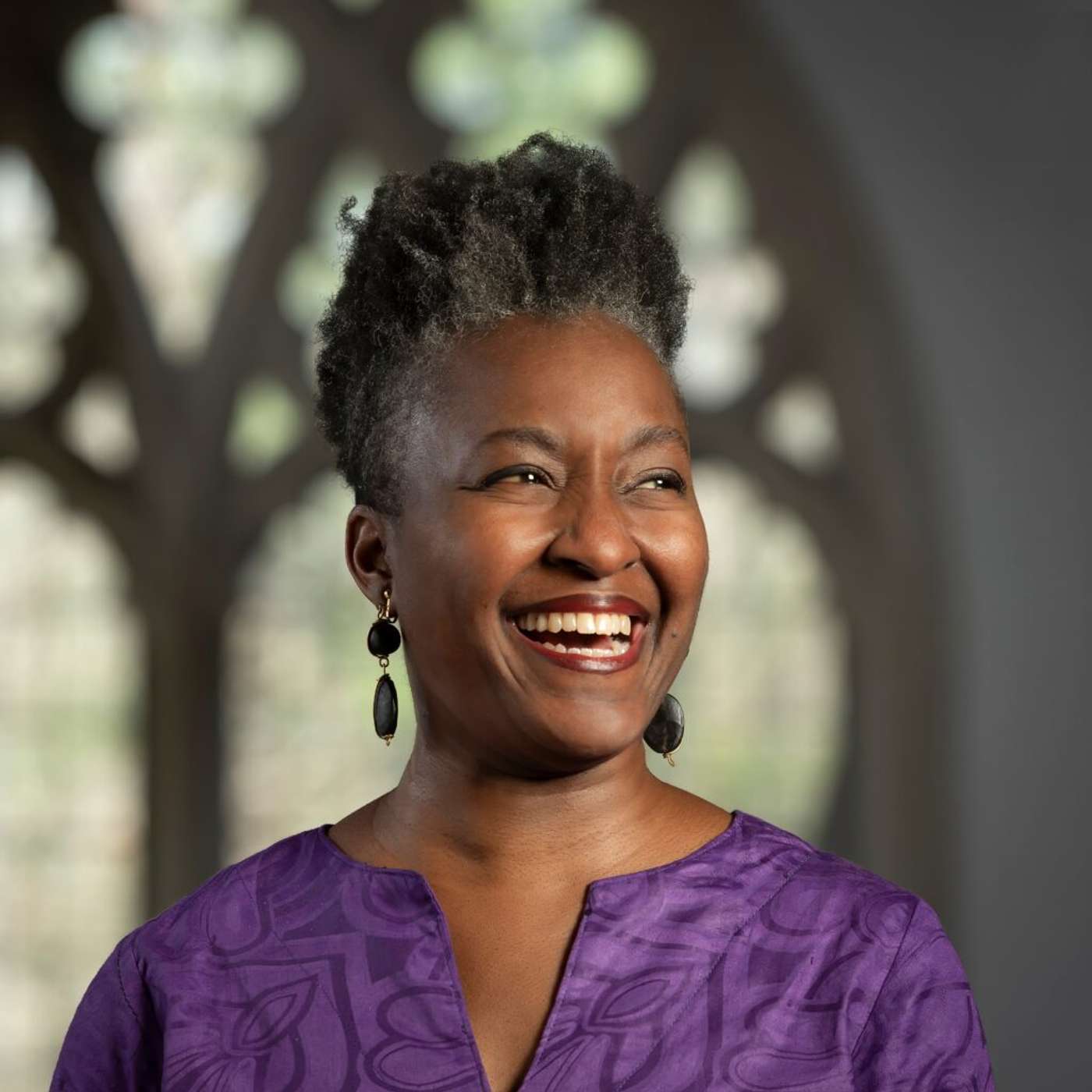
Ep 153Wylin Wilson - Divinity School, Duke University
This is Ashley Newby and you’re listening to The Black Studies podcast, a Mellon grant sponsored series of conversations examining the history of the field. Our conversations engage with a wide range of activists and scholars - senior figures in the field, late doctoral students, and everyone in between, culture workers, and political organizers - in order to explore the cultural and political meaning of Black Studies as an area of inquiry and its critical methods.
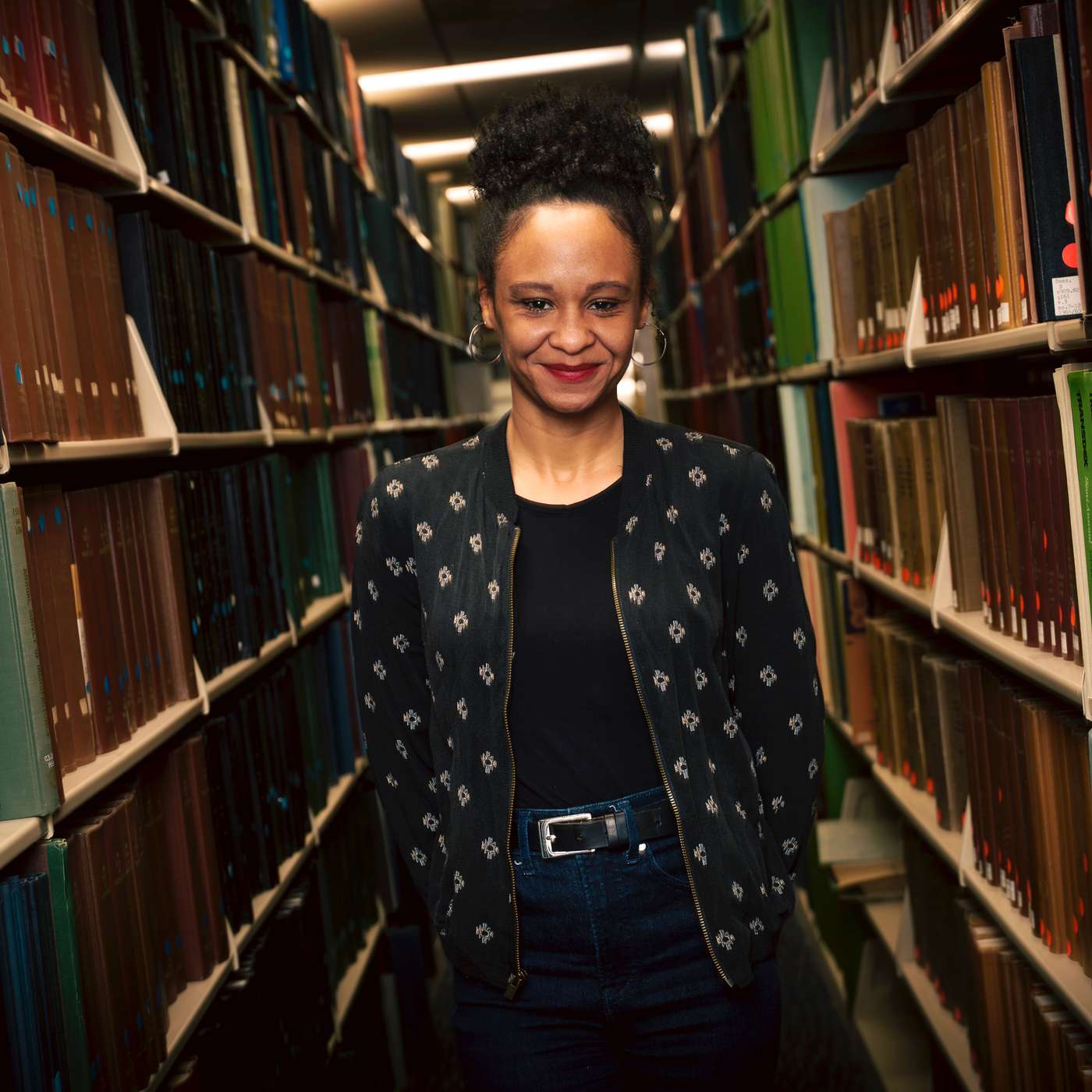
Ep 152Tracie Canada - Departments of Cultural Anthropology and Gender, Sexuality, and Feminist Studies, Duke University
This is John Drabinski and you’re listening to The Black Studies podcast, a Mellon grant sponsored series of conversations examining the history of the field. Our conversations engage with a wide range of activists and scholars - senior figures in the field, late doctoral students, and everyone in between, culture workers, and political organizers - in order to explore the cultural and political meaning of Black Studies as an area of inquiry and its critical methods.Today’s conversation is with Tracie Canada, who teaches in the Departments of Cultural Anthropology and Gender, Sexuality, and Feminist Studies at Duke University. She is the founding director of the Health, Ethnography and Race through Sports Lab and is the author of Tackling the Everyday: Race and Nation in Big-Time College Football. In this conversation, we discuss the cultural and racial politics of sports, particularly sports in higher-ed spaces, and the place of those racial politics in Black Studies and in the study of Black life.
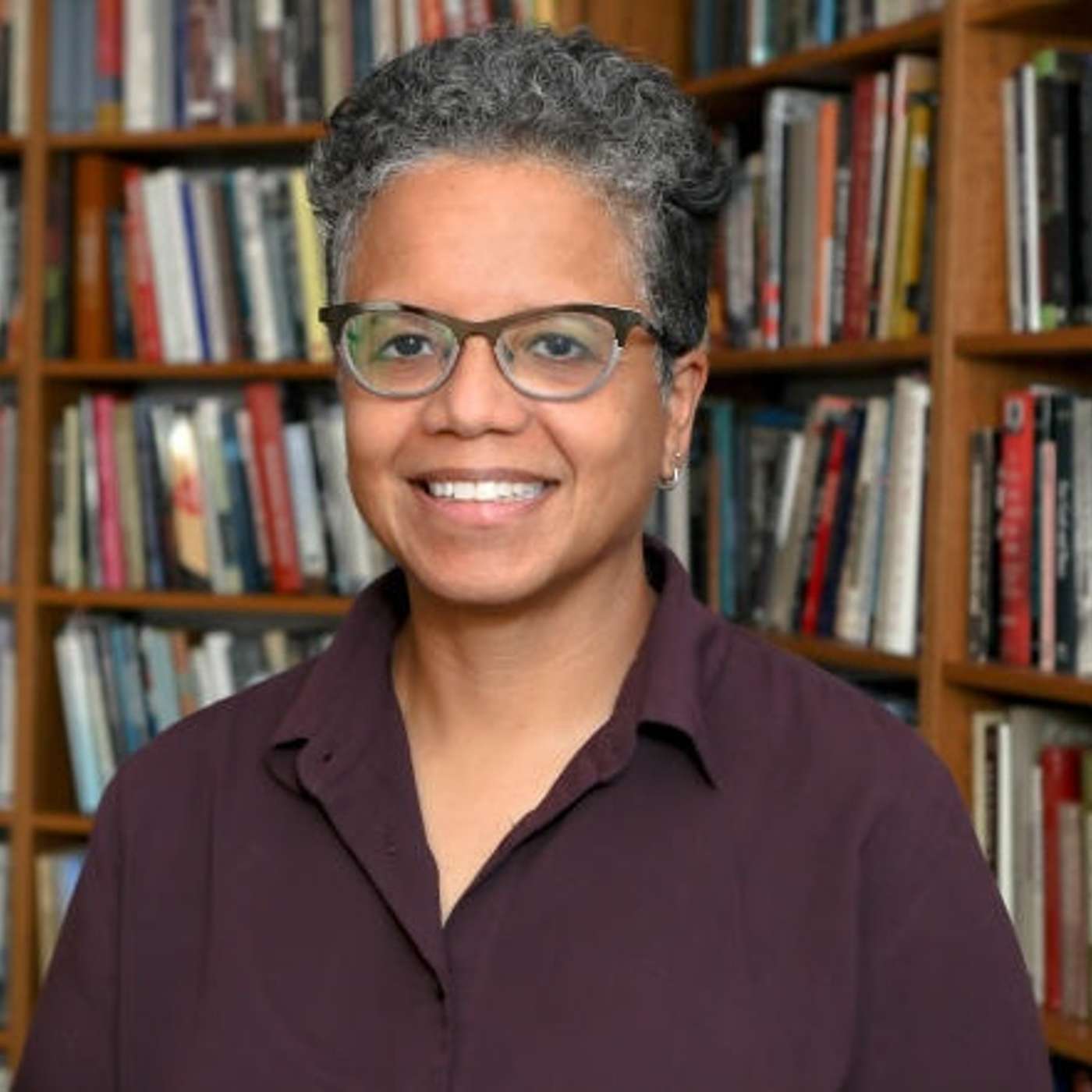
Ep 151Judith Weisenfeld - Department of Religion, Princeton University
This is Ashley Newby and you’re listening to The Black Studies podcast, a Mellon grant sponsored series of conversations examining the history of the field. Our conversations engage with a wide range of activists and scholars - senior figures in the field, late doctoral students, and everyone in between, culture workers, and political organizers - in order to explore the cultural and political meaning of Black Studies as an area of inquiry and its critical methods.Judith Weisenfeld is Agate Brown and George L. Collord Professor of Religion and Chair of the Department of Religion at Princeton University. She is the author most recently of New World A-Coming: Black Religion and Racial Identity during the Great Migration and of the more recent Black Religion in the Madhouse: Race and Psychiatry in Slavery’s Wake, which was published by New York University Press in April 2025.
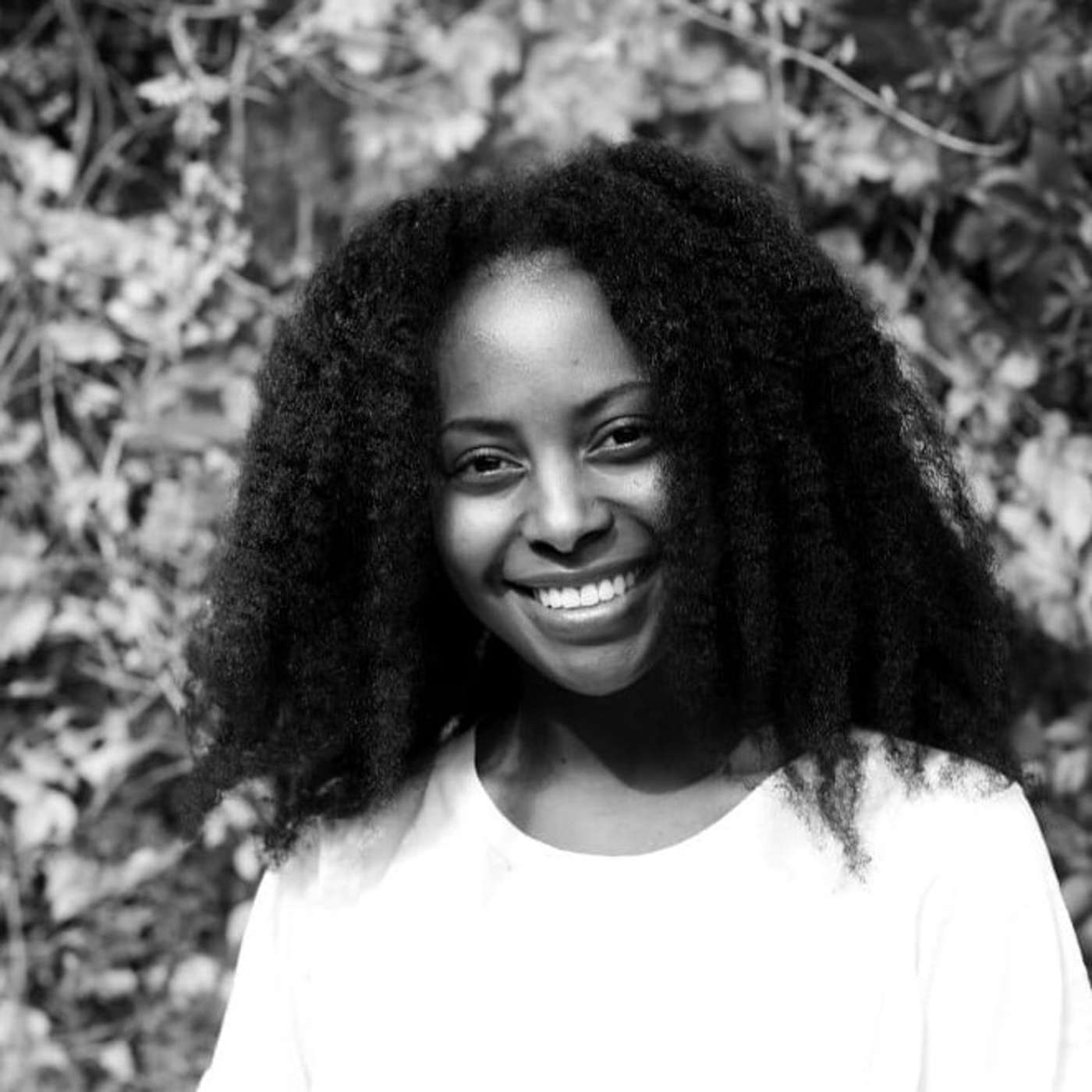
Ep 150Patrice D. Douglass - Department of Gender and Women's Studies, University of California, Berkeley
This is Ashley Newby and you’re listening to The Black Studies podcast, a Mellon grant sponsored series of conversations examining the history of the field. Our conversations engage with a wide range of activists and scholars - senior figures in the field, late doctoral students, and everyone in between, culture workers, and political organizers - in order to explore the cultural and political meaning of Black Studies as an area of inquiry and its critical methods.
Ep 149Brian Kwoba - Department of History, University of Memphis
This is John Drabinski and you’re listening to The Black Studies podcast, a Mellon grant sponsored series of conversations examining the history of the field. Our conversations engage with a wide range of activists and scholars - senior figures in the field, late doctoral students, and everyone in between, culture workers, and political organizers - in order to explore the cultural and political meaning of Black Studies as an area of inquiry and its critical methods.Today’s conversation is with Brian Kwoba, who teaches in the Department of History at University of Memphis where he is also the director of African American Studies. Along with a number of scholarly articles, Brian is the author of the new book Hubert Harrison: Forbidden Genius of Black Radicalism, out in 2025 with University of North Carolina Press. In this conversation, we discuss the role of Black Studies sensibilities in the writing of history and the importance of the long story of Black radicalism for the study of Black life.
Ep 148Sheena C. Howard - Department of Communication and Journalism, Rider University
This is Ashley Newby and you’re listening to The Black Studies podcast, a Mellon grant sponsored series of conversations examining the history of the field. Our conversations engage with a wide range of activists and scholars - senior figures in the field, late doctoral students, and everyone in between, culture workers, and political organizers - in order to explore the cultural and political meaning of Black Studies as an area of inquiry and its critical methods.
Ep 147Khadijah Z. Ali-Coleman - Department of English, Coppin State University
This is John Drabinski and you’re listening to The Black Studies podcast, a Mellon grant sponsored series of conversations examining the history of the field. Our conversations engage with a wide range of activists and scholars - senior figures in the field, late doctoral students, and everyone in between, culture workers, and political organizers - in order to explore the cultural and political meaning of Black Studies as an area of inquiry and its critical methods.Today’s conversation is with Khadijah Z. Ali-Coleman, who teaches in the Department of English at Coppin State University. In addition to a number of collections of poetry and edited volumes on education and race, she is poet laureate of Prince George’s County in Maryland. In this conversation, we discuss the place of education in the formation of the Black Studies imagination and the centrality of creative work for the study of Black life and liberations struggle.
Ep 146Robin Bernstein - Departments of History and African and African American Studies, Harvard University
This is Ashley Newby and you’re listening to The Black Studies podcast, a Mellon grant sponsored series of conversations examining the history of the field. Our conversations engage with a wide range of activists and scholars - senior figures in the field, late doctoral students, and everyone in between, culture workers, and political organizers - in order to explore the cultural and political meaning of Black Studies as an area of inquiry and its critical methods.
Ep 145Mari Crabtree - African American Studies and History, Emerson College
This is John Drabinski and you’re listening to The Black Studies podcast, a Mellon grant sponsored series of conversations examining the history of the field. Our conversations engage with a wide range of activists and scholars - senior figures in the field, late doctoral students, and everyone in between, culture workers, and political organizers - in order to explore the cultural and political meaning of Black Studies as an area of inquiry and its critical methods.Today’s conversation is with Mari Crabtree, Associate Professor of African American Studies and History at Emerson College in the Marlboro Institute for Liberal Arts and Interdisciplinary Studies. She is the author of My Soul Is a Witness: The Traumatic Afterlife of Lynching (2022) and is currently working on two book-length projects: Co-Opted: Essays on Black Studies and Ethical Praxis in the Age of Neoliberalism and Guile: The Pleasures and Political Utility of Subversion in the African American Cultural Tradition. In this conversation, we discuss how Black Studies informs her conception of writing history, the place of politics and culture in the field, and how Black Studies sensibilities shape thinking, pedagogy, and everyday practice.
Ep 144Carleen Carey - Akoma Leadership Consulting and University of Maryland, Global Campus
This is Ashley Newby and you’re listening to The Black Studies podcast, a Mellon grant sponsored series of conversations examining the history of the field. Our conversations engage with a wide range of activists and scholars - senior figures in the field, late doctoral students, and everyone in between, culture workers, and political organizers - in order to explore the cultural and political meaning of Black Studies as an area of inquiry and its critical methods.Today's conversation is with Carleen Carey, a public educator with over 15 years of experience across K-12 and higher education sectors. Before founding Akoma Leadership Consulting, she served as Vice President of Diversity, Equity, and Inclusion, Director of Public Outreach and Equity, College and Career Readiness Manager, and Instructor of Record for government, non-profit, and higher education organizations. In these roles, she led a portfolio of programs including Hidden Histories, EEOC Training Corner, Women’s Leadership Lunch, and Community Coalition. In the K-12 sector, Dr. Carey led the transition to remote education for Career and Technical Education teachers through professional workshops such as Race and Ability in the CTE Classroom, Tech Tune-Ups for CTE Teachers, and Digital Download: Connecting Students with Careers. She also taught Human Diversity, Power, and Opportunity in the Teacher Certification program at Michigan State University. Carey currently teaches "African American Authors from 1700-1900," "African-American Authors from 1900-present," and early American Literature at the University of Maryland Global Campus.
Ep 143Darius Spearman - Program in Black Studies, San Diego City College
This is John Drabinski and you’re listening to The Black Studies podcast, a Mellon grant sponsored series of conversations examining the history of the field. Our conversations engage with a wide range of activists and scholars - senior figures in the field, late doctoral students, and everyone in between, culture workers, and political organizers - in order to explore the cultural and political meaning of Black Studies as an area of inquiry and its critical methods.Today’s conversation is with Darius Spearman, who teaches in the program in Black Studies at San Diego City College. He is the author of two books, Between the Color Lines: A History of African Americans on the California Frontier from 1769 through Reconstruction (2015) and Legacy of Survival: The Dynamics of the Black Family (2025), as well as two edited volumes under the title Reclaiming Our Stories (2020 and 2021). In this conversation, we discuss the place of region and historical experience in the study of Black life, the critical relationship between ethnic studies and Black Studies, and how commitment to community shifts the meaning of pedagogy and the classroom.
Ep 142Leroy F. Moore, Jr. - Krip-Hop Institute and Department of Anthropology, University of California, Los Angeles
This is Ashley Newby and you’re listening to The Black Studies podcast, a Mellon grant sponsored series of conversations examining the history of the field. Our conversations engage with a wide range of activists and scholars - senior figures in the field, late doctoral students, and everyone in between, culture workers, and political organizers - in order to explore the cultural and political meaning of Black Studies as an area of inquiry and its critical methods.Today's conversation is with Leroy F. Moore, Jr., founder of The Krip-Hop Institute and doctoral candidate in the Department of Anthropology at University of California, Los Angeles. Moore is an award-winning writer and political organizer, and in this conversation we discuss the nature of activist work, the place of disability in Black Studies, and the history of expressive cultural work of Black disabled artists and musicians.
Ep 141Lee Hawkins - Author and Journalist
This is Ashley Newby and you’re listening to The Black Studies podcast, a Mellon grant sponsored series of conversations examining the history of the field. Our conversations engage with a wide range of activists and scholars - senior figures in the field, late doctoral students, and everyone in between, culture workers, and political organizers - in order to explore the cultural and political meaning of Black Studies as an area of inquiry and its critical methods.Today's conversation is with Lee Hawkins, a journalist with The Wall Street Journal and author of the 2025 book I Am Nobody's Slave: How Uncovering My Family's History Set Me Free. In this conversation, we discuss the meaning of personal histories, journalistic work, and the persistence of trauma across time and generation.
Ep 140Meredith D. Clark - Hussman School of Journalism, University of North Carolina, Chapel Hill
This is Ashley Newby and you’re listening to The Black Studies podcast, a Mellon grant sponsored series of conversations examining the history of the field. Our conversations engage with a wide range of activists and scholars - senior figures in the field, late doctoral students, and everyone in between, culture workers, and political organizers - in order to explore the cultural and political meaning of Black Studies as an area of inquiry and its critical methods.Today's conversation is with Meredith D. Clark, who teaches in the Hussman School of Journalism at University of North Carolina, Chapel Heill. Her research focuses on the intersections of race, media, and power – covering everything from media processes like newsroom hiring and reporting practices to the digital narratives constructed by social media communities. Clark has studied Black Twitter since 2010, and is currently completing a book-length study of it. TheRoot.com named her as one of the most 100 influential Black Americans on their 2015 Root 100 list.
Ep 139Katherine McKittrick - Department of Gender Studies and Canada Research Chair in Black Studies, Queen's University
This is John Drabinski and you’re listening to The Black Studies podcast, a Mellon grant sponsored series of conversations examining the history of the field. Our conversations engage with a wide range of activists and scholars - senior figures in the field, late doctoral students, and everyone in between, culture workers, and political organizers - in order to explore the cultural and political meaning of Black Studies as an area of inquiry and its critical methods.Today’s conversation is with Katherine McKittrick, who teaches in the Department of Gender Studies and is Canada Research Chair in Black Studies at Queen’s University in Kingston, Ontario. She is the author of Dear Science and Other Stories (2021), and Demonic Grounds: Black Women and the Cartographies of Struggle (2006), as well as editing and contributing to Sylvia Wynter: On Being Human as Praxis (2015). Recent projects include the limited-edition boxset, Trick Not Telos (2023), the limited-edition hand-made book, Twenty Dreams (2024),and an installation honoring the poet nourbeSe philip, A Smile Split by the Stars. She has a number of forthcoming projects including Yarns (2027) and the co-edited artbook, Smile (2026). In this conversation, we discuss how questions of gender and sexuality shift the field of Black Studies, the expansiveness of Black Studies insights in thinking diaspora and nation, and the relationship between study, conversation, and the imagination.
Ep 138Valerie Grim - African American and African Diaspora Studies, Indiana University
This is Ashley Newby and you’re listening to The Black Studies podcast, a Mellon grant sponsored series of conversations examining the history of the field. Our conversations engage with a wide range of activists and scholars - senior figures in the field, late doctoral students, and everyone in between, culture workers, and political organizers - in order to explore the cultural and political meaning of Black Studies as an area of inquiry and its critical methods.Today's conversation is with Valerie Grim, who teaches in the Department of African American and African Diaspora Studies at Indiana University. As a scholar, Grim researches and publishes in the area of twentieth and twenty-first centuries African American rural history. She has conducted research and provided lectures in North America, Europe, South America, Asia, Africa, and the Caribbean. Currently, she has completed Between Paternalism and Self-Determination: Rural African American Life in a Yazoo-Mississippi Delta Community, 1910-1970 (revision in process for publication). She has completed a book (also under revision) on the Brooks Farm Community, formerly known as the Brooks Farm plantation located in Sunflower and Leflore Counties in the Yazoo-Mississippi Delta. Her current book projects - Between Forty Acres and a Class Action: Black Farmers’ Protest against the United States Government, 1995-2010s and Black Land Grant Universities and African American Rural Development, 1990 to the present - focus on the needs of African Americans in rural America and efforts to help them achieve full democratic participation and engagement with federal farm and rural development policies and programs. She also is co-authoring a volume on Rural Students in Higher Education. Grim has edited several journal special issue volumes, including Agency Reduction in the Experiences and Realities of Africana People (International Journal of Africana Studies, 2018); Spirit, Mind, and Body: Research and Engagement in an African American and African Diaspora Studies Graduate Course (Black Diaspora Review, 2011); The Experiences of Rural Women, Children, and Families of Color in U.S. and Global Communities (Rural Women, Families, and Children of Color, 2009); and American Rural and Farm Women (Agricultural History, 1990). In this conversation, we discuss the meaning of rural histories for thinking gender and race, how Black Studies impacts the study and writing of history, and how Black study forms classrooms, community work, and the historical imagination.
Ep 137Kaila Story - Departments of Women's, Gender, and Sexuality Studies and Pan-African Studies, University of Louisville
This is John Drabinski and you’re listening to The Black Studies podcast, a Mellon grant sponsored series of conversations examining the history of the field. Our conversations engage with a wide range of activists and scholars - senior figures in the field, late doctoral students, and everyone in between, culture workers, and political organizers - in order to explore the cultural and political meaning of Black Studies as an area of inquiry and its critical methods.Today’s conversation is with Kaila Story, who is the Audre Lorde Endowed Chair at the University of Louisville where teaches in the Departments of Women’s, Gender, and Sexuality Studies and Pan-African Studies. She is the author of The Rainbow Ain't Never Been Enuf: On The Myth of LGBTQ+ Solidarity (out in May 2025). She is also the co-creator, co-producer, and co-host of Louisville Public Media’s Strange Fruit: Musings on Politics, Pop Culture, and Black Gay Life, a popular award-winning podcast. In this conversation, we discuss how questions of gender and sexuality shift the field of Black Studies, the expansiveness of Black Studies insights, and the relationship between study, conversation, and the classroom.
Ep 136Tamara J. Walker - Department of Africana Studies, Barnard College
This is John Drabinski and you’re listening to The Black Studies podcast, a Mellon grant sponsored series of conversations examining the history of the field. Our conversations engage with a wide range of activists and scholars - senior figures in the field, late doctoral students, and everyone in between, culture workers, and political organizers - in order to explore the cultural and political meaning of Black Studies as an area of inquiry and its critical methods.Today’s conversation is with Tamara J. Walker, who teaches in the Department of Africana Studies at Barnard College. Her work explores race, travel, movement, and place in both Latin American history, which produced the book Exquisite Slaves: Race Clothing and Status in Colonial Lima (2017), and in stories of African American global travel in her recent book Beyond the Shores: A History of African Americans Abroad (2023). In this conversation, we discuss the place of Latin American in the Black Studies imagination, the meaning of movement and travel for understanding Black life, and how inter- and multi-disciplinary approaches to Black life change historical writing.
Ep 135Taelore Marsh, Irma McClaurin Black Feminist Archives Archivist, University of Massachusetts, Amherst
This is John Drabinski and you’re listening to The Black Studies podcast, a Mellon grant sponsored series of conversations examining the history of the field. Our conversations engage with a wide range of activists and scholars - senior figures in the field, late doctoral students, and everyone in between, culture workers, and political organizers - in order to explore the cultural and political meaning of Black Studies as an area of inquiry and its critical methods.Today’s conversation is with Taelore Marsh, Irma McClaurin Black Feminist Archives Archivist to the Robert S. Cox Special Collections and University Archives Research Center at the University of Massachusetts, Amherst. In this conversation, we discuss the significance of archival construction, Black feminist methodologies for that construction, and how a commitment to the whole person changes the memory and history structure of an archive.
Ep 134Fanon Che Wilkins - Department of History, Pasadena City College
This is John Drabinski and you’re listening to The Black Studies podcast, a Mellon grant sponsored series of conversations examining the history of the field. Our conversations engage with a wide range of activists and scholars - senior figures in the field, late doctoral students, and everyone in between, culture workers, and political organizers - in order to explore the cultural and political meaning of Black Studies as an area of inquiry and its critical methods.Today’s conversation is with Fanon Che Wilkins, who teaches in the Department of History at Pasadena City College in Pasadena, California. His teaching and research work focuses on the history of Black radicalism across the Atlantic world, with particular focus on pan-African thought, congresses, and mobilizations in the mid- and later-twentieth century. In this conversation, we discuss the importance of transnational solidarity, the complexity of radical politics in Black Studies, and the transformative work of historical research and writing for political and cultural action.
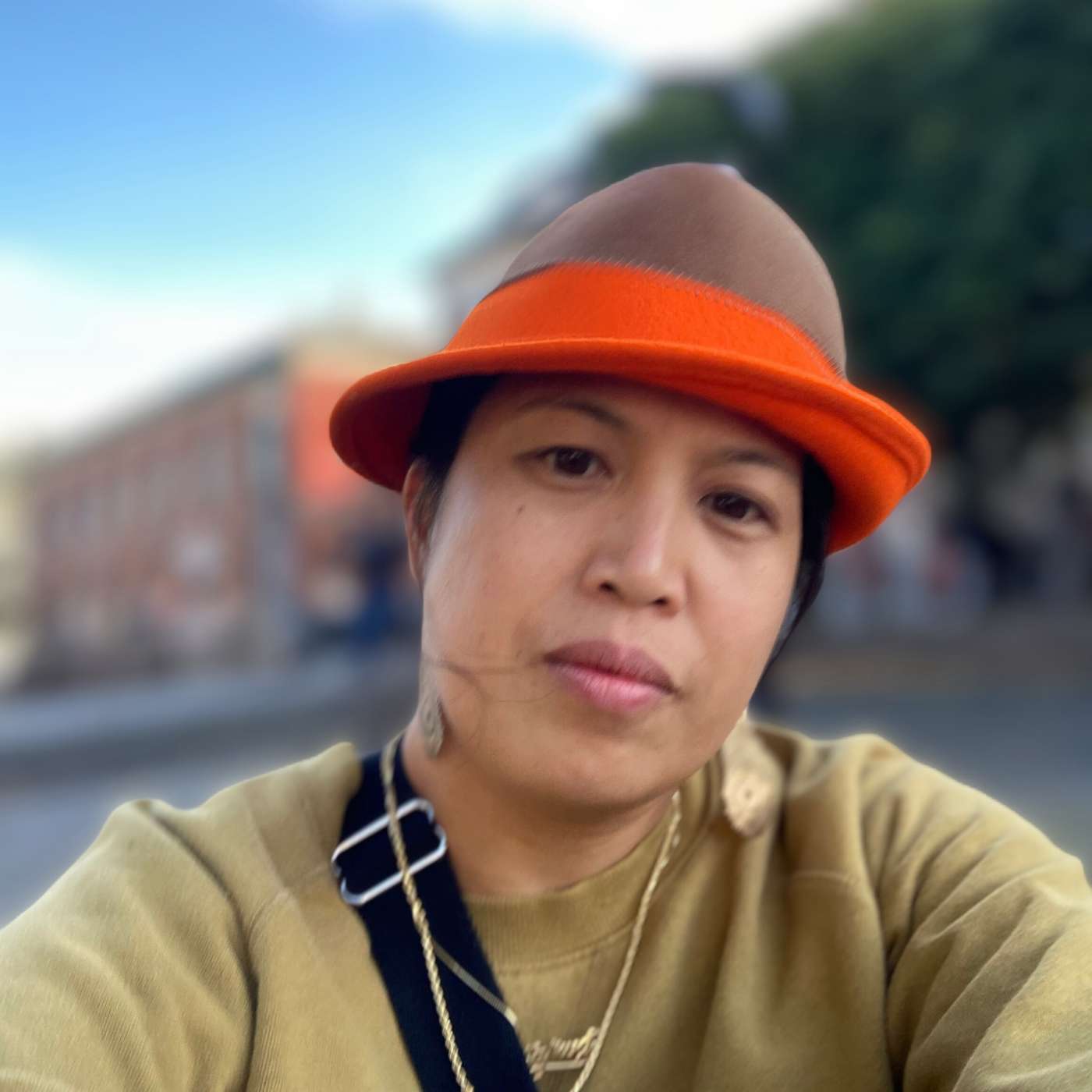
Ep 133Johanna F. Almiron - Scholar and Critic
This is Brie Gorrell and you’re listening to The Black Studies podcast, a Mellon grant sponsored series of conversations examining the history of the field. Our conversations engage with a wide range of activists and scholars - senior figures in the field, late doctoral students, and everyone in between, culture workers, and political organizers - in order to explore the cultural and political meaning of Black Studies as an area of inquiry and its critical methods.Today’s conversation is with Johanna Faith Almiron, a longtime educator, organizer, and scholar currently based in Nyack, New York, and at the Institute for Research in African-American Studies at Columbia University. Her award-winning scholarship on the visual artist Jean-Michel Basquiat has been featured nationally and internationally at major museums and galleries,including the Guggenheim, theMuseum of Fine Arts Boston, the Nahmad Gallery, and the Queensland Gallery of Modern Art. She has penned groundbreaking cultural criticism and essays in LitHub, ArtNews, Public Seminar, LA Review of Books, Hyperallergic, Rizzoli Press with recognition from the New York Times’ Shortlist, and Vanity Fair. She has taught at Rutgers University-New Brunswick, the University of Connecticut at Storrs, Cooper Union School of the Arts, University of Wisconsin-Madison and the University of Hawai'i at Manoa.In this conversation, we discuss the relationship between black studies and ethnic studies, the role of performance and movement in relation to identity and coalition building, and the philosophies and politics of black artists and creatives who’ve guided and influenced the political-intellectual journey of Dr. Almiron
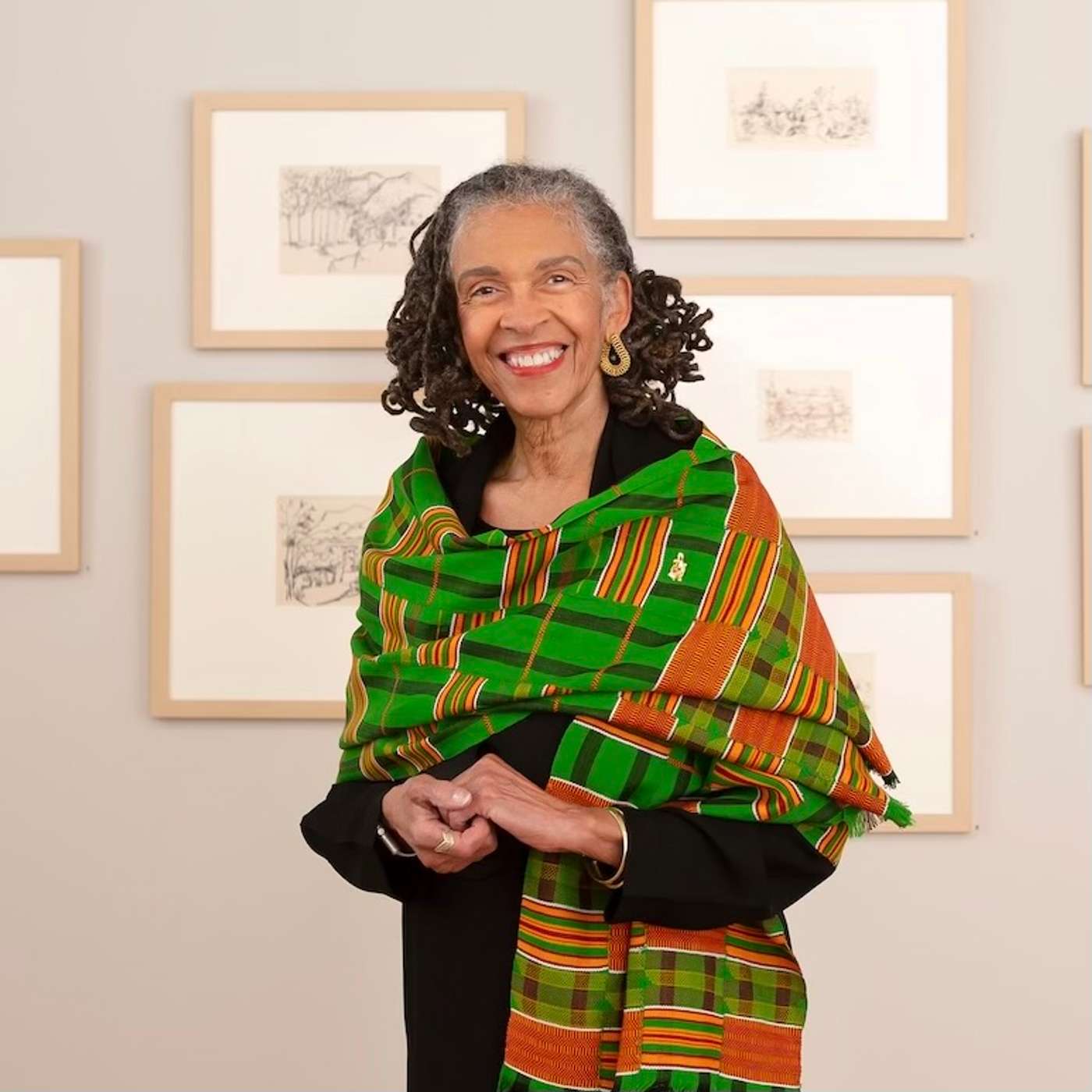
Ep 132Bonnie Thornton Dill - Dean Emeritus and Professor Emeritus of Women, Gender, and Sexuality Studies, University of Maryland
This is Ashley Newby and you’re listening to The Black Studies podcast, a Mellon grant sponsored series of conversations examining the history of the field. Our conversations engage with a wide range of activists and scholars - senior figures in the field, late doctoral students, and everyone in between, culture workers, and political organizers - in order to explore the cultural and political meaning of Black Studies as an area of inquiry and its critical methods.Today's discussion is with Bonnie Thornton Dill, Dean and Professor Emeritus at University of Maryland. Shel was appointed Dean of the University of Maryland’s College of Arts and Humanities in 2011, having joined the university in 1991 as Professor and served as Chair of the Women’s Studies department for eight years. A pioneering scholar on the intersections of race, class and gender in the U.S. with an emphasis on African-American women, work and families, she is founding director of both the Center for Research on Women at the University of Memphis and the Consortium on Race, Gender, and Ethnicity at UMD. Her scholarship includes three books and numerous articles.She is former president of the National Women’s Studies Association; former vice president of the American Sociological Association; and former chair of the Committee of Scholars for Ms. magazine.
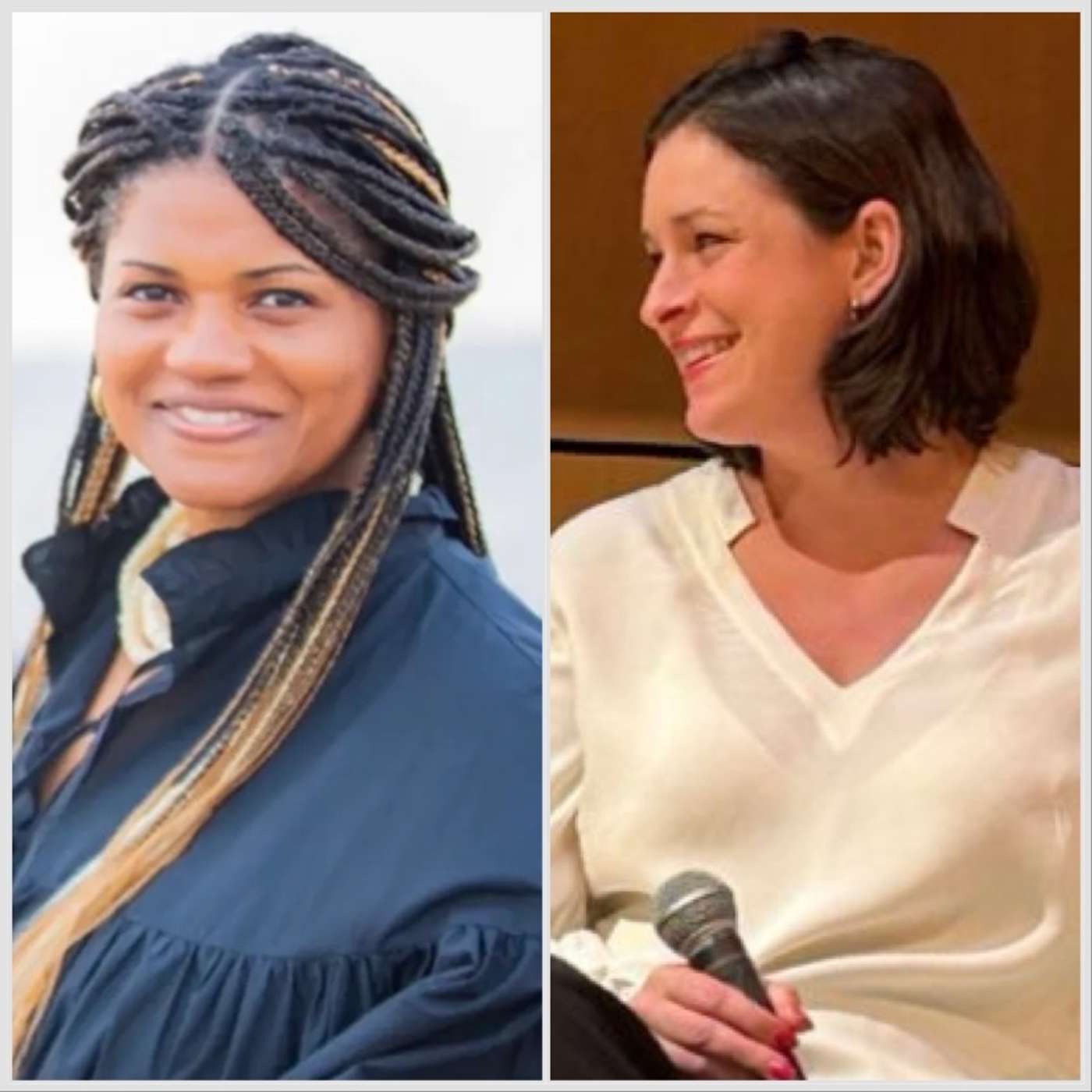
Ep 131Eola Lewis Dance and Jennie K. Williams - Kinfolkology Project, Howard University and University of Virginia
This is John Drabinski and you’re listening to The Black Studies podcast, a Mellon grant sponsored series of conversations examining the history of the field. Our conversations engage with a wide range of activists and scholars - senior figures in the field, late doctoral students, and everyone in between, culture workers, and political organizers - in order to explore the cultural and political meaning of Black Studies as an area of inquiry and its critical methods.Today’s conversation is with Eola Dance and Jennie K. Williams, co-founders and directors of the Kinfolkology project, which explores the complex intersection of data, memory, and descendent communities in the history of enslavement. Eola Dance is a doctoral candidate in the Department of History at Howard University and Jennie K. Williams is a postdoctoral fellow at the University of Virginia. In this conversation, we explore the meaning of data for history, how memory of the enslaved is both inside and outside data, and what obligations curators of slavery’s data have to descendent communities.
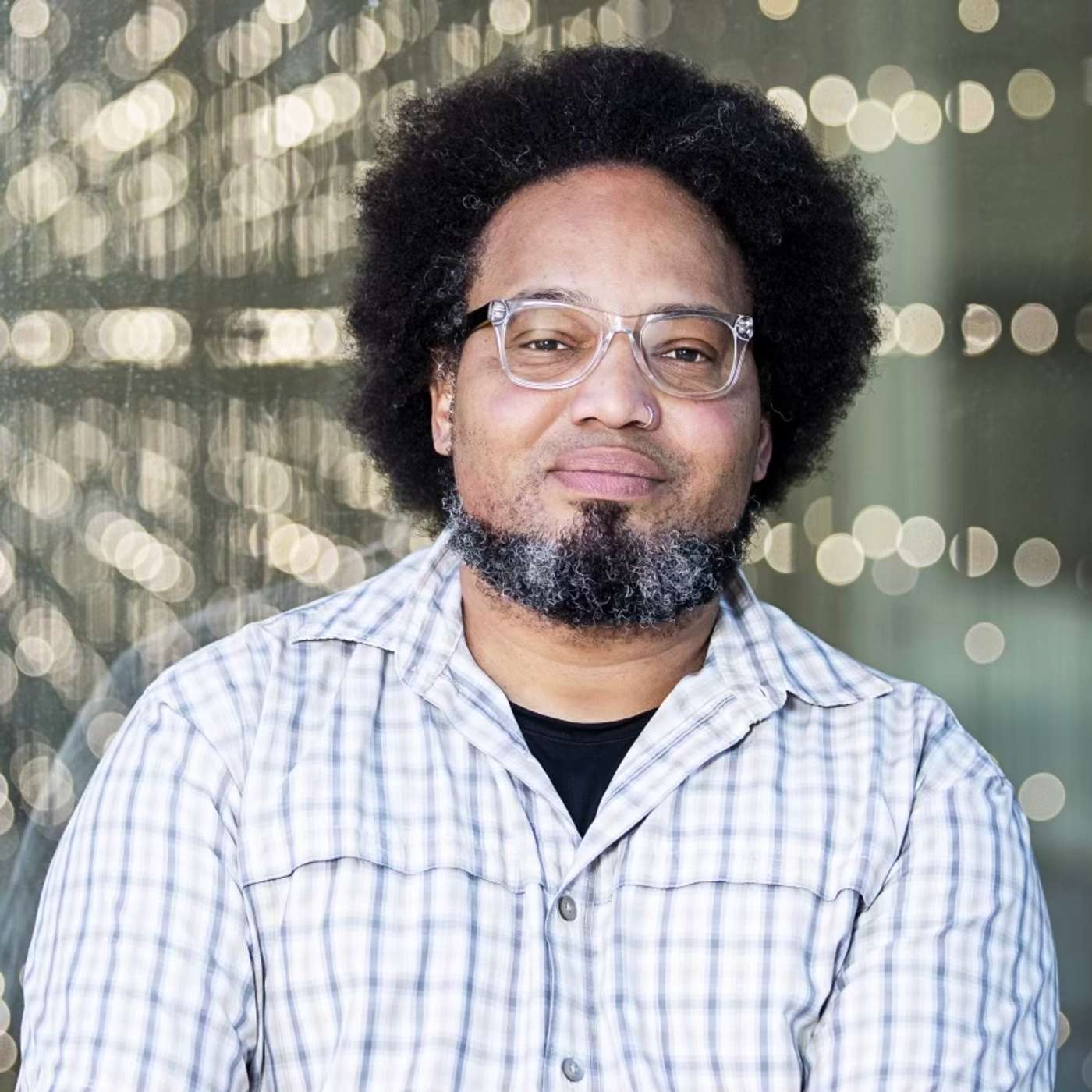
Ep 130André Brock, Jr. - School of Literature, Media, and Communication, Georgia Institute of Technology
This is Ashley Newby and you’re listening to The Black Studies podcast, a Mellon grant sponsored series of conversations examining the history of the field. Our conversations engage with a wide range of activists and scholars - senior figures in the field, late doctoral students, and everyone in between, culture workers, and political organizers - in order to explore the cultural and political meaning of Black Studies as an area of inquiry and its critical methods.Today's conversation is with André Brock, Jr., who teaches in the School of Literature, Media, and Communication at Georgia Institute of Technology. His scholarly work includes published articles on racial representations in videogames, Black women and weblogs, whiteness, blackness, and digital technoculture, as well as groundbreaking research on Black Twitter in his book Distributed Blackness: African American Cybercultures (2020). His article “From the Blackhand Side: Twitter as a Cultural Conversation” challenged social science and communication research to confront the ways in which the field preserved “a color-blind perspective on online endeavors by normalizing Whiteness and othering everyone else” and sparked a conversation that continues, as Twitter, in particular, continues to evolve.
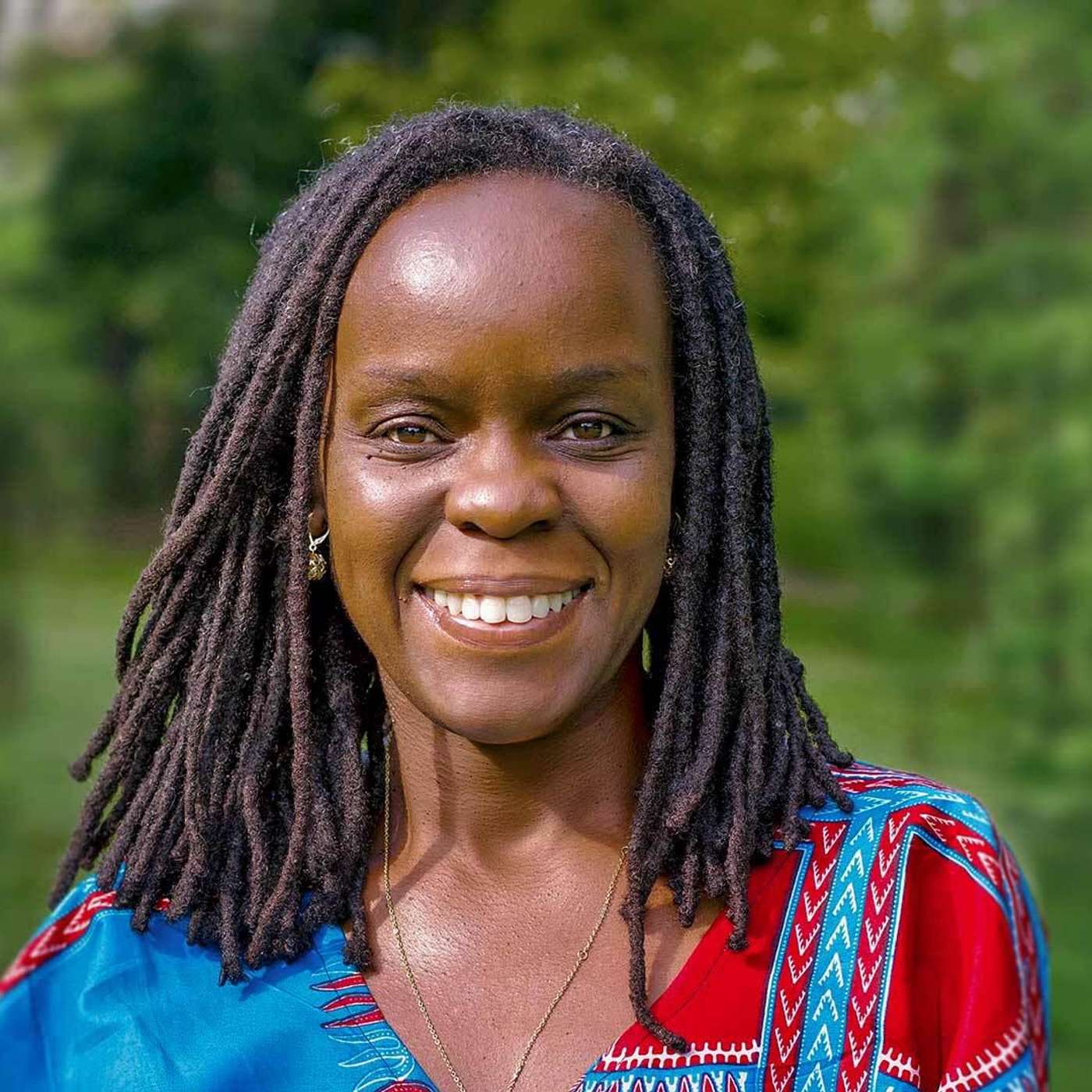
Ep 129Stephanie Shonekan - Dean of Arts and Humanities, University of Maryland
This is John Drabinski and you’re listening to The Black Studies podcast, a Mellon grant sponsored series of conversations examining the history of the field. Our conversations engage with a wide range of activists and scholars - senior figures in the field, late doctoral students, and everyone in between, culture workers, and political organizers - in order to explore the cultural and political meaning of Black Studies as an area of inquiry and its critical methods.Today’s conversation is with Stephanie Shonekan, who is Dean of the School of Arts and Humanities at University of Maryland, where she is also affiliate faculty in the Department of African American and Africana Studies. She is the author of a number of critical essays on music and the Black Studies tradition, with particular focus on the relationship between expressive culture and identity, and is the author of Soul, Country, and the USA: Race and Identity in American Music Culture (2015), Fela Anikulapo-Kuti’s Sorrow Tears and Blood (2025), and Race and the American Story, co-authored with Adam Seagrave in 2024. In this conversation, we discuss the place of musicological research in the field, the importance of transnational studies, and the challenges for Black Studies in higher-ed’s contemporary cultural and political moment.
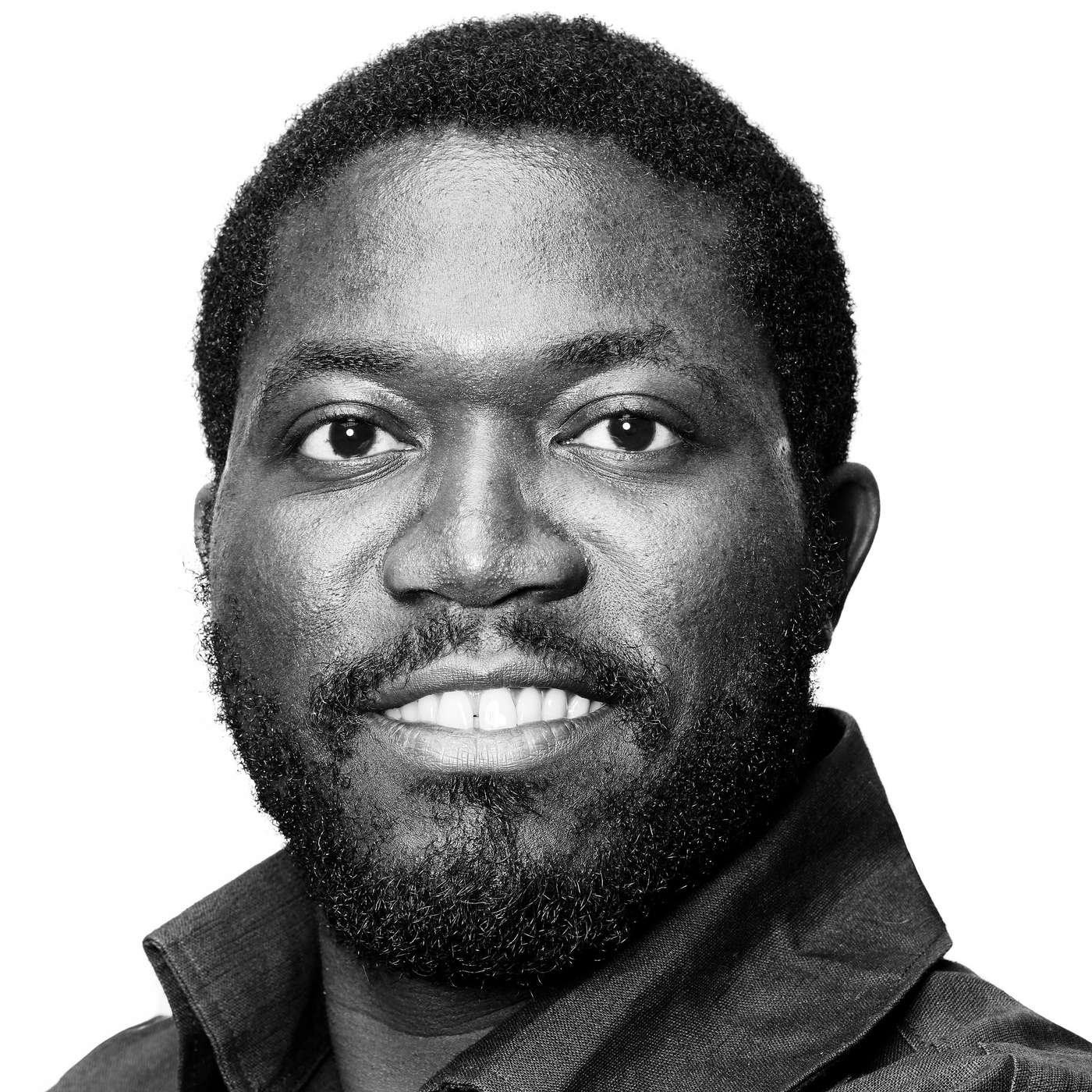
Ep 128Kojo Damptey - Musician and School of Social Work, McMaster University
This is John Drabinski and you’re listening to The Black Studies podcast, a Mellon grant sponsored series of conversations examining the history of the field. Our conversations engage with a wide range of activists and scholars - senior figures in the field, late doctoral students, and everyone in between, culture workers, and political organizers - in order to explore the cultural and political meaning of Black Studies as an area of inquiry and its critical methods.Today’s conversation is with Kojo Damptey, a musician and scholar who is completing doctoral studies in the School of Social Work at McMaster University. His musical work engages with trans-Atlantic sound connections and political meaning, which draws from his academic research in Afrocentrism, indigenous African systems of knowledge, and decolonial theoretical frameworks. In this conversation, we discuss the relationship between study and musical practice, the political meaning of sound, and the significance of art for cultural and social liberation work.
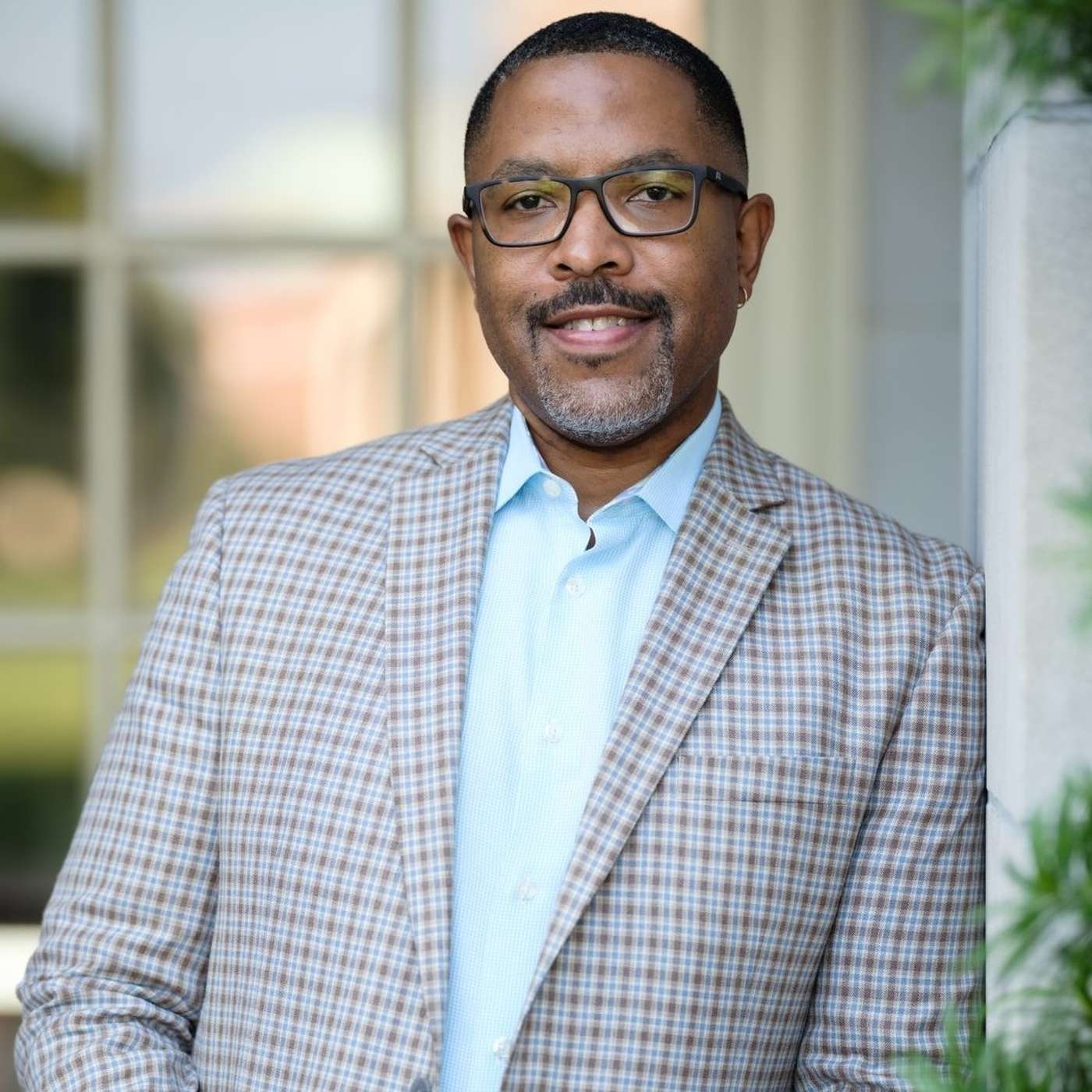
Ep 127Corey D.B. Walker - Dean of the School of Divinity, Wake Forest University
This is John Drabinski and you’re listening to The Black Studies podcast, a Mellon grant sponsored series of conversations examining the history of the field. Our conversations engage with a wide range of activists and scholars - senior figures in the field, late doctoral students, and everyone in between, culture workers, and political organizers - in order to explore the cultural and political meaning of Black Studies as an area of inquiry and its critical methods.Today’s conversation is with Corey D.B. Walker, who is Dean of the School of Divinity at Wake Forest University where he is also Inaugural Director of the Program in African American Studies. His work is ambitious with focus on key figures in the African American intellectual tradition, political and cultural moments of liberation struggle, and the meaning of religious traditions in Black American history. Along with numerous scholarly articles and edited volumes, he is the author of A Noble Fight: African American Freemasonry and the Struggle for Democracy in America (2008) and is completing a book-length manuscript entitled Disciple of Nonviolence: Wyatt Tee Walker and the Struggle for the Soul of Democracy. At Wake Forest University, he is also the Principle Investigator for the Environmental and Epistemic Justice Initiative. In this conversation, we discuss the complex political and cultural origins of the field of Black Studies, the place of religious study in the field, and how future work in Black Studies might address existential questions of environmental degradation, racism, the future of the planet.
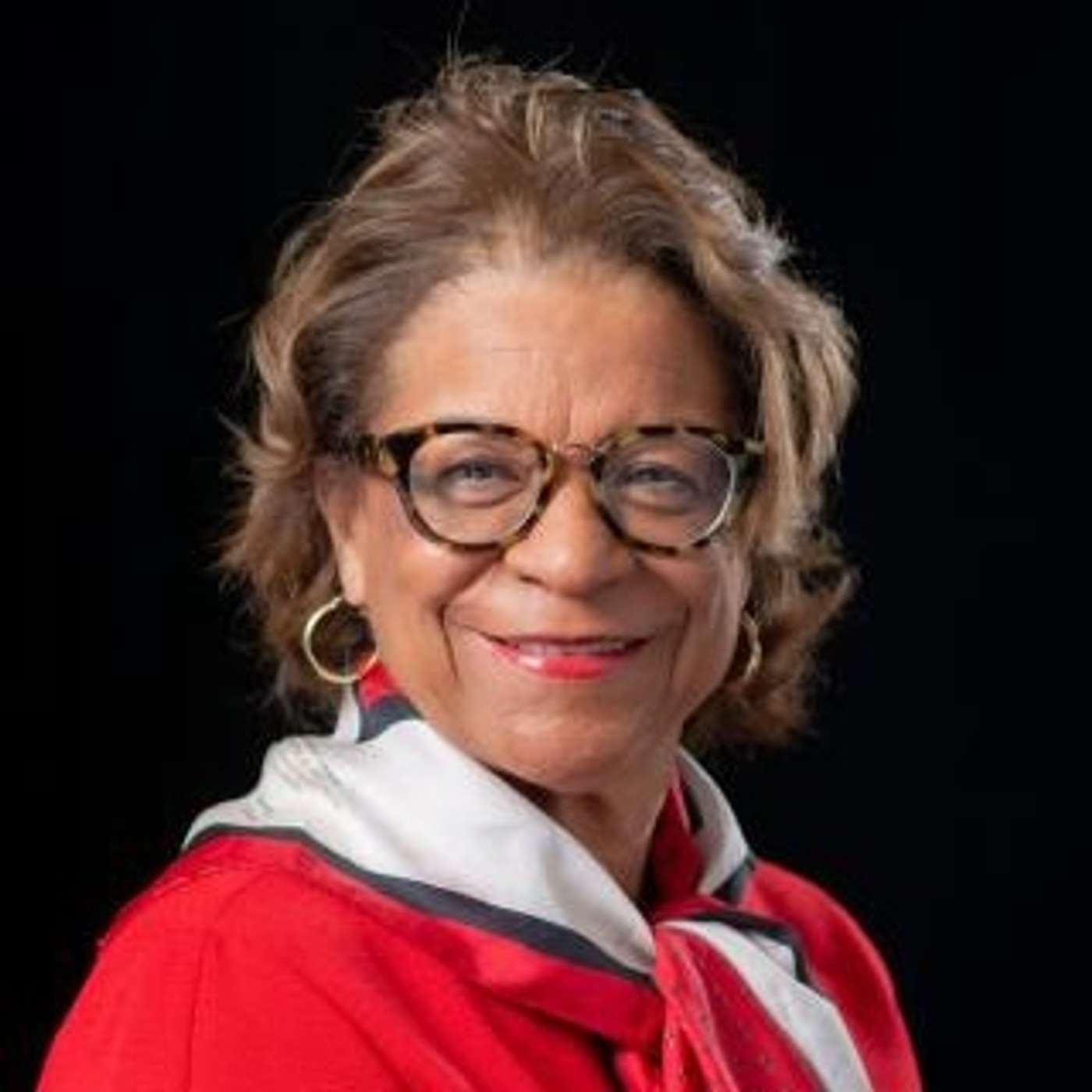
Ep 126Sharon Harley - Department of African American and Africana Studies, University of Maryland
This is Ashley Newby and you’re listening to The Black Studies podcast, a Mellon grant sponsored series of conversations examining the history of the field. Our conversations engage with a wide range of activists and scholars - senior figures in the field, late doctoral students, and everyone in between, culture workers, and political organizers - in order to explore the cultural and political meaning of Black Studies as an area of inquiry and its critical methods.Today's conversation is with Sharon Harley, who teaches in the Department of African American and Africana Studies at University of Maryland, College Park. Her research focuses on Black women's labor history and racial and gender politics. She and historian Rosalyn Terborg-Penn co-edited and contributed essays in the pioneer anthology, The Afro-American Woman: Struggles and Images (1978). She has edited and contributed to two anthologies Sister Circle: Black Women and Work (Rutgers, 2002) and Women’s Labor in the Global Economy: Speaking in Multiple Voices (Rutgers, 2008), resulting from two major Ford Foundation grants. She recently published “African American Women and the Right to Vote” in Women and Suffrage (2018) and "I Don't Pay Those Borders No Mind At All:” Audley E. Moore (“Queen “Mother Moore) – Grassroots Global Traveler and Activist: Reframing Black Nationalist/Pan-Africanist Engagement” in Women and Migrations (2018). In this conversation, we discuss her journey into Black Studies, the importance of telling Black women's history in relation to public but also underground economies, and the expansive future of the field.
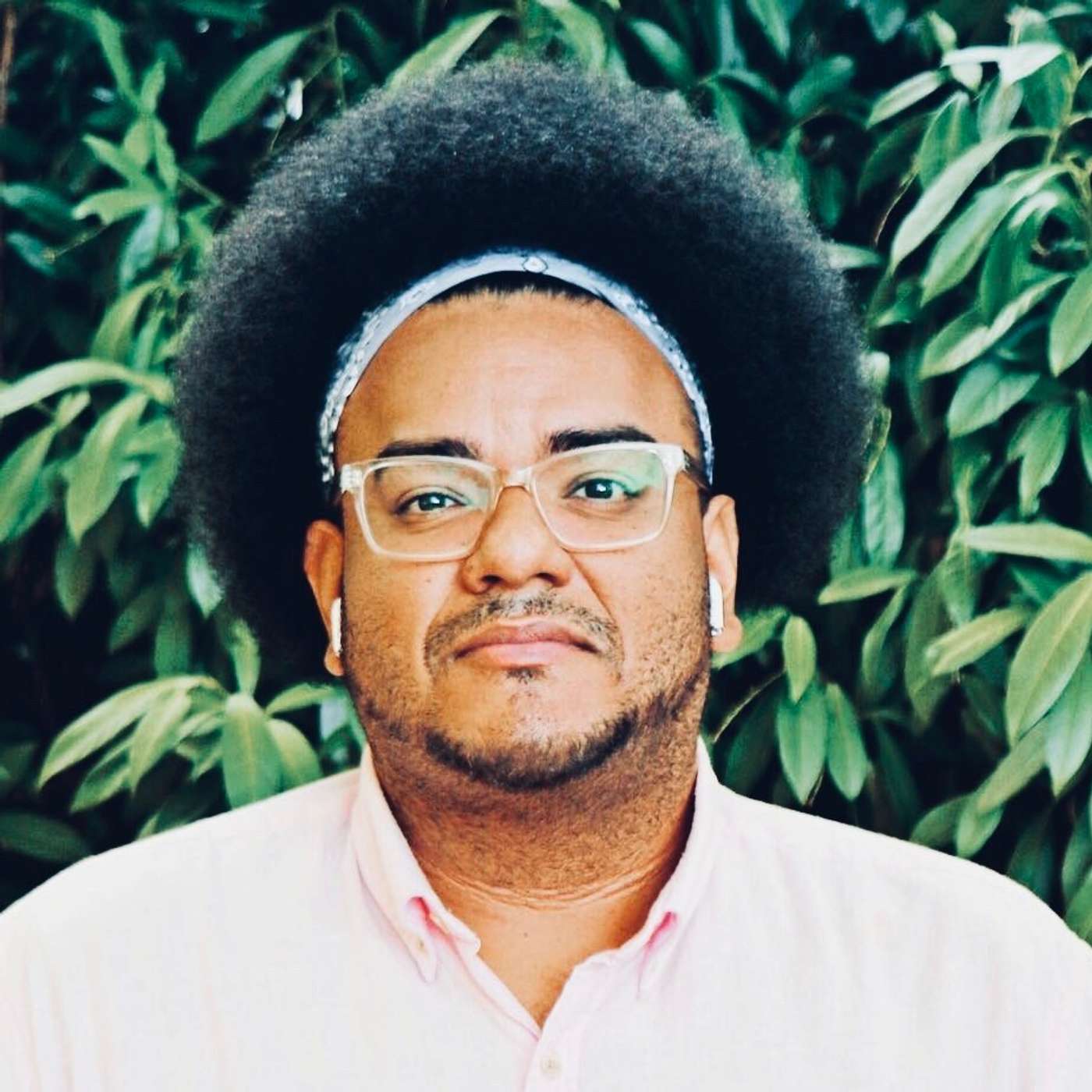
Ep 125Paul Joseph López Oro - Program in Africana Studies, Bryn Mawr College
This is John Drabinski and you’re listening to The Black Studies podcast, a Mellon grant sponsored series of conversations examining the history of the field. Our conversations engage with a wide range of activists and scholars - senior figures in the field, late doctoral students, and everyone in between, culture workers, and political organizers - in order to explore the cultural and political meaning of Black Studies as an area of inquiry and its critical methods.Today’s conversation is with Paul Joseph López Oro, who teaches in and is the director of the Program in Africana Studies at Bryn Mawr College. His work focuses on the history, identity, and complex epistemologies of Black Latinx communities and cultures, with specific attention to Garifuna histories in the hemisphere, which is the focus of his forthcoming book Indigenous Blackness: The Queer Politics of Self-Making Garifuna New York. In this conversation, we discuss the place of Latin America broadly and Central America in particular in the Black Studies imagination, the promise of thinking without imaginary and political borders, and the transformative work of Black queer studies in the history and future of the field.
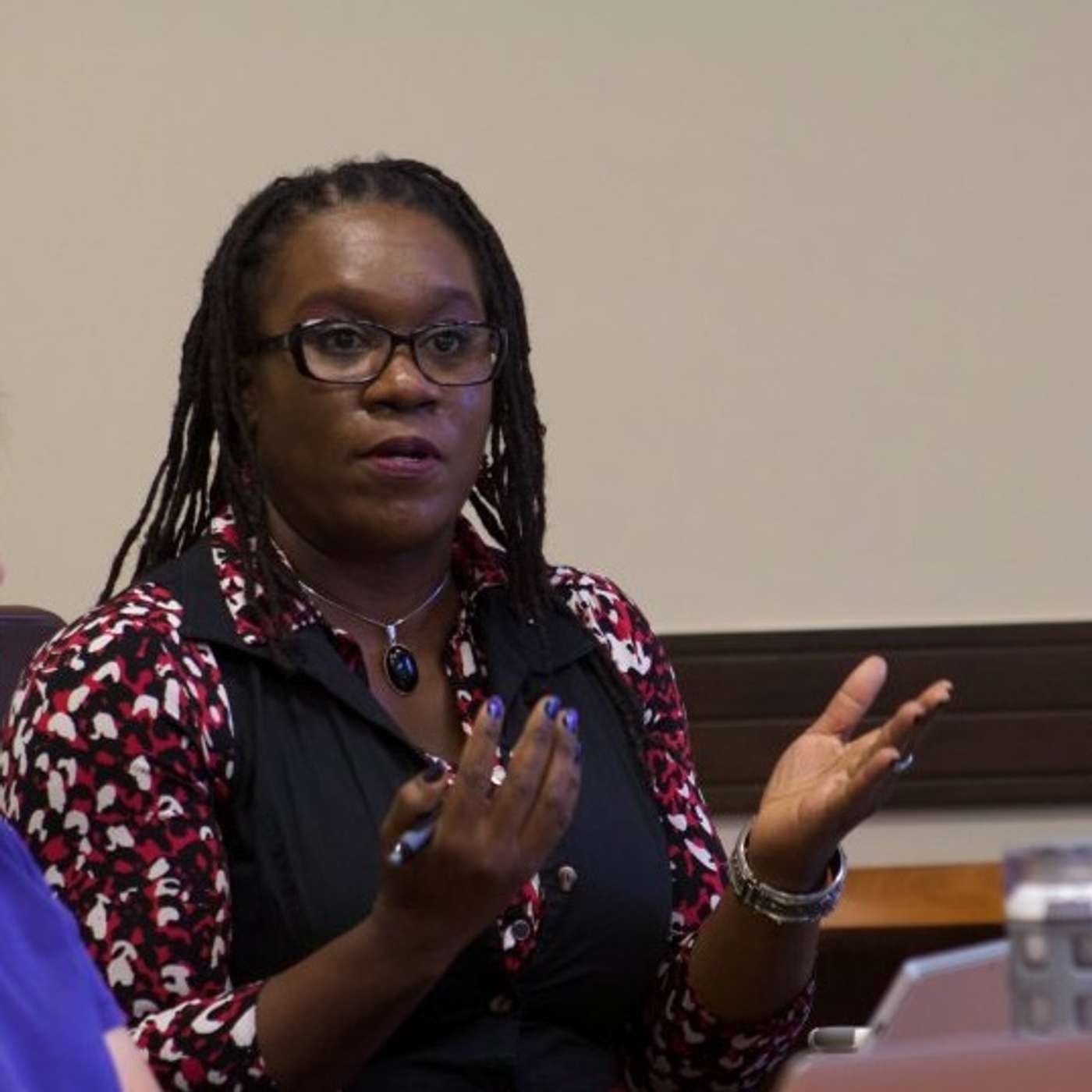
Ep 124Tahirah Akbar-Williams - Research Librarian, University of Maryland
This is Ashley Newby and you’re listening to The Black Studies podcast, a Mellon grant sponsored series of conversations examining the history of the field. Our conversations engage with a wide range of activists and scholars - senior figures in the field, late doctoral students, and everyone in between, culture workers, and political organizers - in order to explore the cultural and political meaning of Black Studies as an area of inquiry and its critical methods.
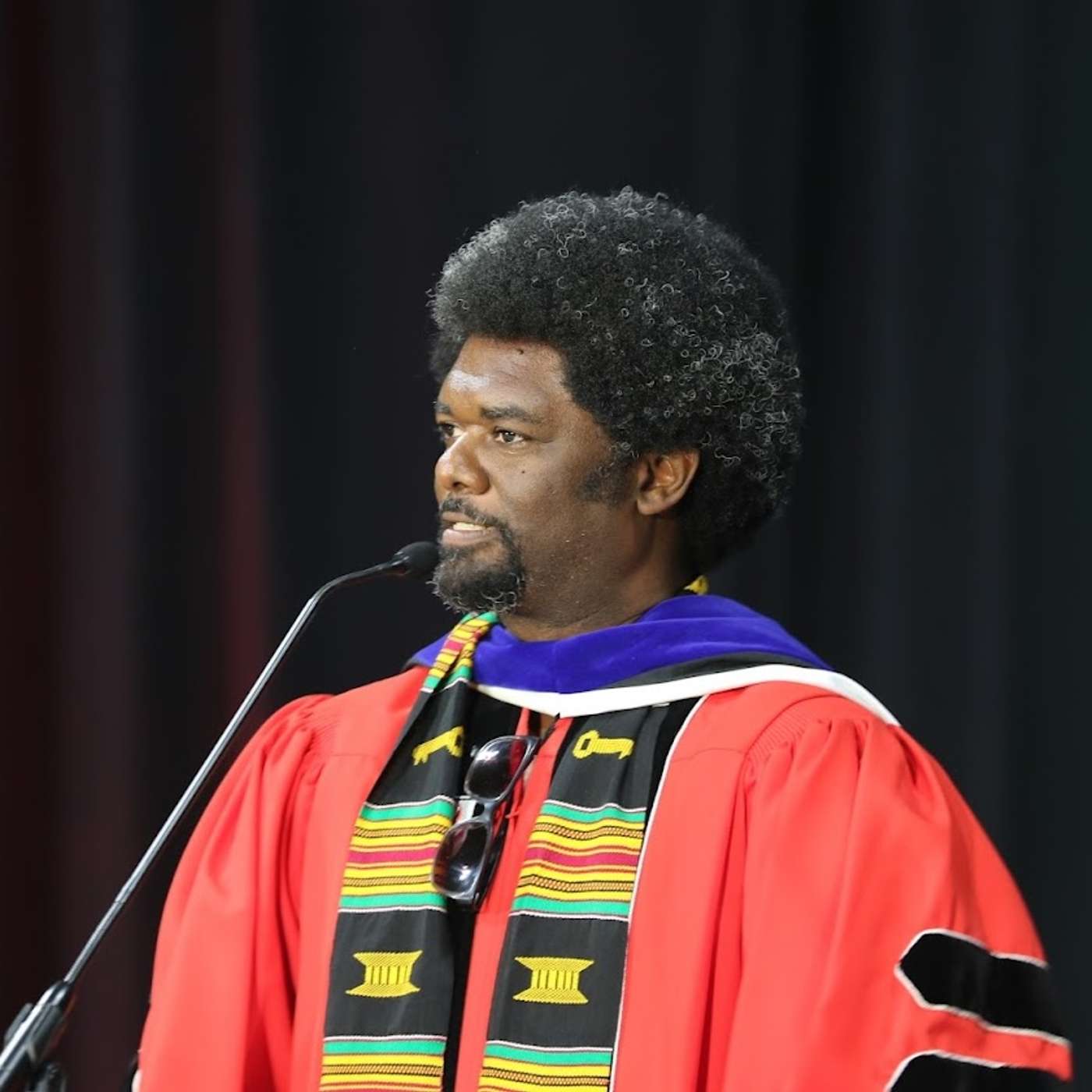
Ep 123M. Keith Claybrook - Department of Africana Studies, California State University, Long Beach
This is Ashley Newby and you’re listening to The Black Studies podcast, a Mellon grant sponsored series of conversations examining the history of the field. Our conversations engage with a wide range of activists and scholars - senior figures in the field, late doctoral students, and everyone in between, culture workers, and political organizers - in order to explore the cultural and political meaning of Black Studies as an area of inquiry and its critical methods.