The Black Studies Podcast
322 episodes — Page 3 of 7
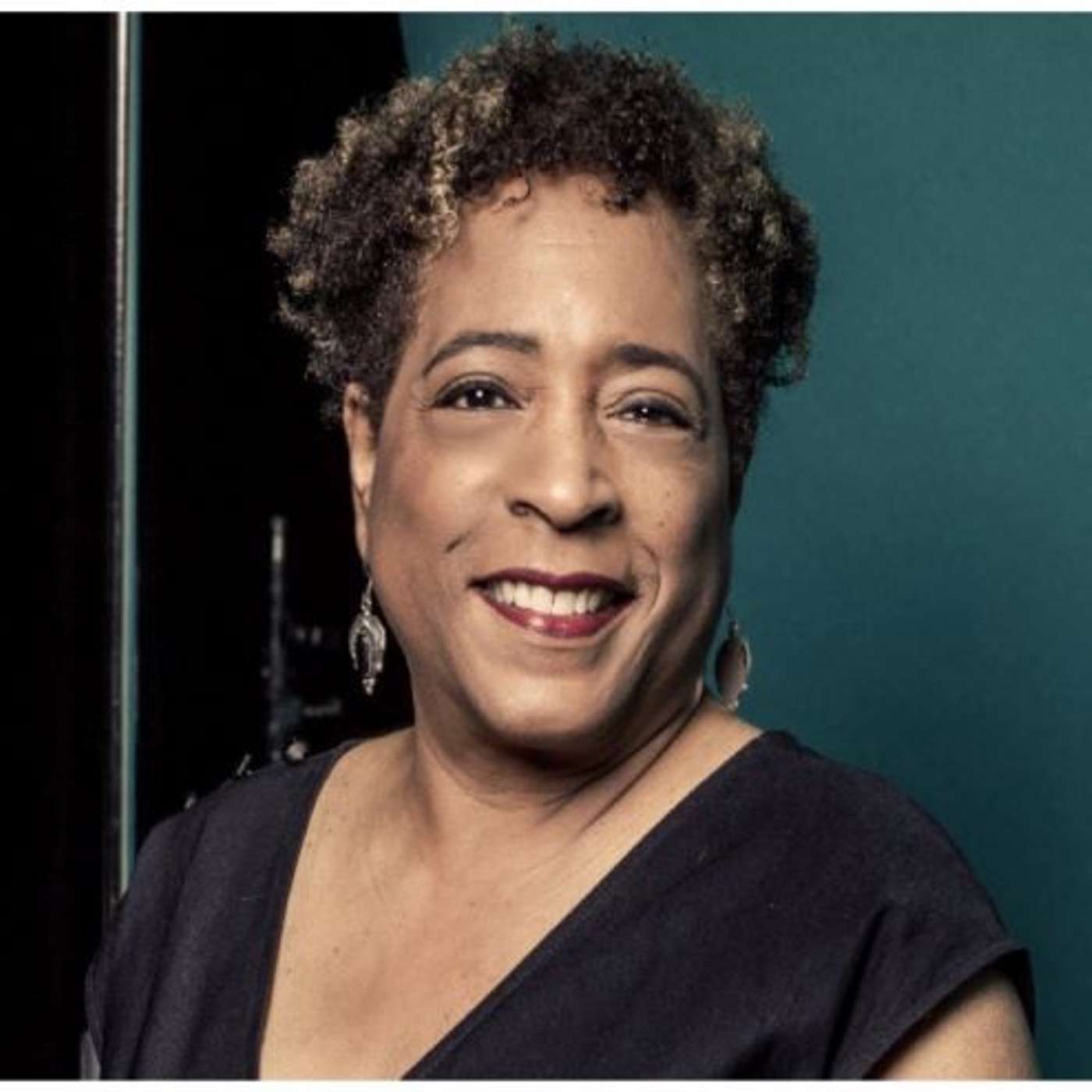
Ep 222Deborah Gray White - Department of History, Rutgers University
This is Ashley Newby and you’re listening to The Black Studies podcast, a series of conversations examining the history of the field. Our conversations engage with a wide range of activists and scholars - senior figures in the field, late doctoral students, and everyone in between, culture workers, and political organizers - in order to explore the cultural and political meaning of Black Studies as an area of inquiry and its critical methods.Today's conversation is with Deborah Gray White, an emeritus Board of Governors Distinguished Professor of History at Rutgers University, New Brunswick, New Jersey. She is author of Ar’n’t I A Woman? Female Slaves in the Plantation South; Too Heavy a Load: Black Women in Defense of Themselves, 1894-1994; several K-12 textbooks on United States History, and Let My People Go, African Americans 1804-1860. In 2008, she published an edited work entitled Telling Histories: Black Women in the Ivory Tower, a collection of personal narratives written by African American women historians that chronicle the entry of black women into the modern historical profession and the development of the field of black women’s history. Freedom On My Mind: A History of African Americans, a co-authored college text, is in its third edition. As a fellow at the Woodrow Wilson International Center for Scholars in Washington, D.C, and as a John Simon Guggenheim Fellow, White conducted research on Lost in the USA: American Identity from the Promise Keepers to the Million Mom March. She holds the Carter G. Woodson Medallion and the Frederick Douglass Medal for excellence in African American history, and in 2019 was awarded the Stephen A. Ambrose Oral History Award. From 2016-2021 she co-directed the “Scarlet and Black Project” which investigated Native Americans and African Americans in the history of Rutgers University and is co-editor of the three-part Scarlet and Black series that explores this history. In 2024, the Association for the Study of African American Life and History awarded her its Living Legacy Award for her work in establishing the field of African American women’s history. She is currently at work on an autobiography, tentatively titled “Winning Against Ugly: A Black Historian’s Tale of Love, Loss, and the Historical Profession.”
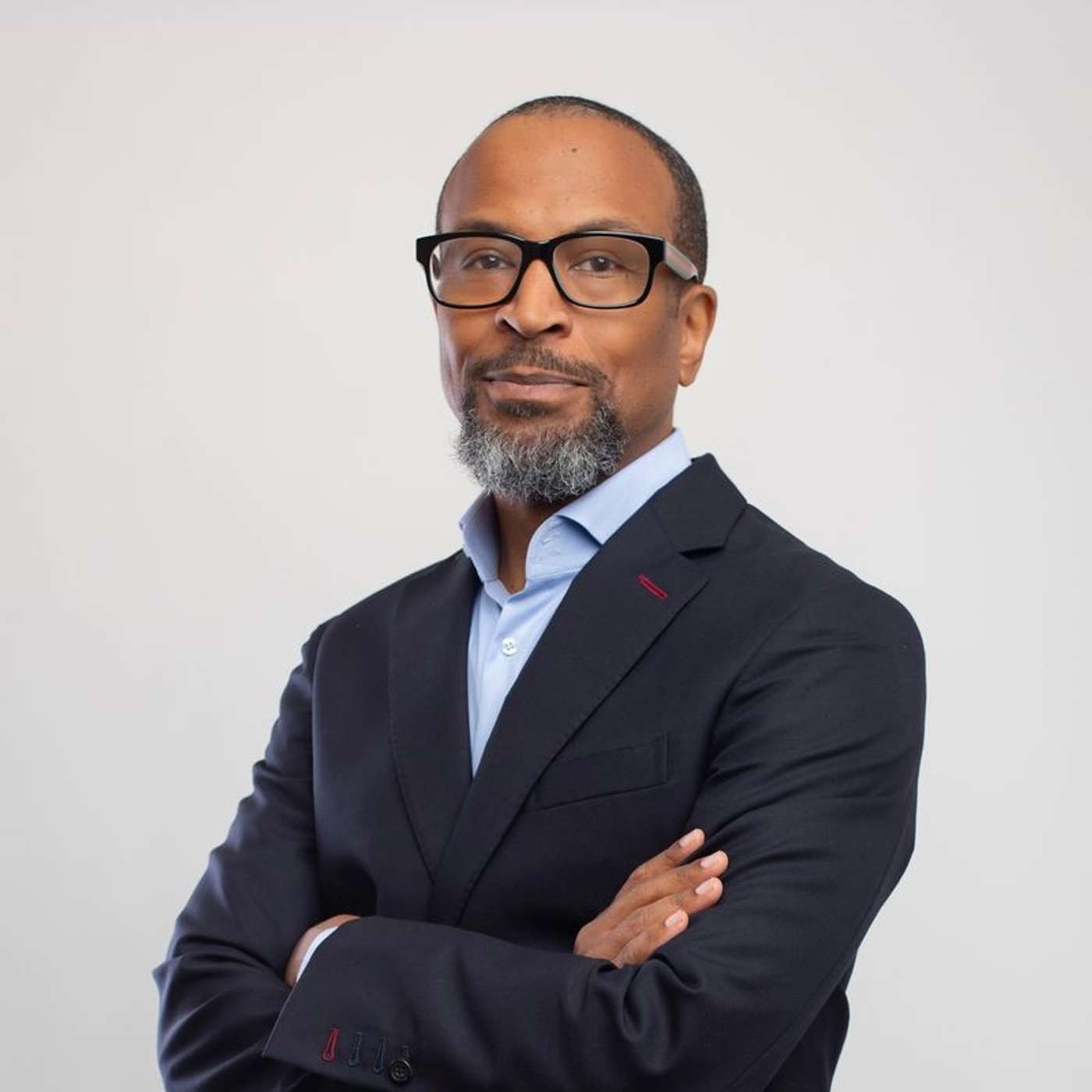
Ep 221Paul C. Taylor - Department of Philosophy, University of California, Los Angeles
This is John Drabinski and you’re listening to The Black Studies podcast, a series of conversations examining the history of the field. Our conversations engage with a wide range of activists and scholars - senior figures in the field, graduate students, and everyone in between, culture workers, and political organizers - in order to explore the cultural and political meaning of Black Studies as an area of inquiry and its critical methods.Today’s conversation is with Paul C. Taylor, who teaches in the Department of Philosophy at University of California, Los Angeles. In addition to a number of scholarly essays and edited collections on philosophy and the question of race, he is the author of Race: A Philosophical Introduction (2003), On Obama (2015), and Black is Beautiful: A Philosophy of Black Aesthetics (2016). He is currently at work on two book-length projects: Dark Futures and Uneasy Sanctuary: Rethinking Race-Thinking.In this conversation, we discuss the place of philosophical thinking in the study of Black life, critical theory as a form of Black study, and the intersection of aesthetic questions and critical theories of race in the field of Black Studies.
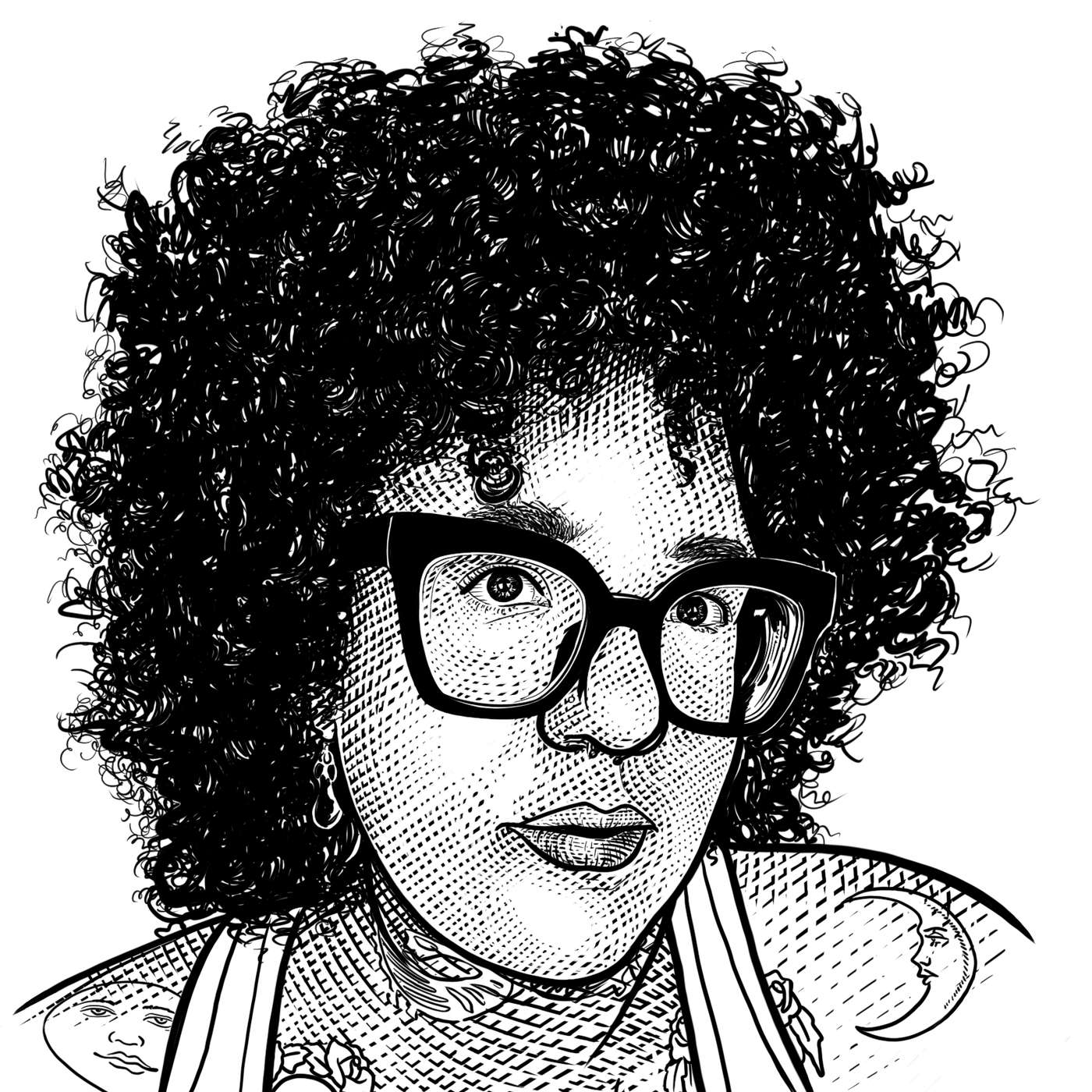
Ep 220Joanna Davis-McElligatt - Department of English, University of North Texas
This is John Drabinski and you’re listening to The Black Studies podcast, a series of conversations examining the history of the field. Our conversations engage with a wide range of activists and scholars - senior figures in the field, graduate students, and everyone in between, culture workers, and political organizers - in order to explore the cultural and political meaning of Black Studies as an area of inquiry and its critical methods.Today’s conversation is with Joanna Davis-McElligatt, who teaches in the Department of English at University of North Texas. In addition to a number of scholarly essays and edited collections on literature and graphic arts, she is the author of the forthcoming Black Aliens: Narrative Spacetime in the Cosmic Diaspora (2026).In this conversation, we discuss the place of the Black literary tradition in the study of Black life, disciplinary limits and possibilities, and how comics, graphic arts, and aesthetic questions they raise expand the Black Studies imagination.
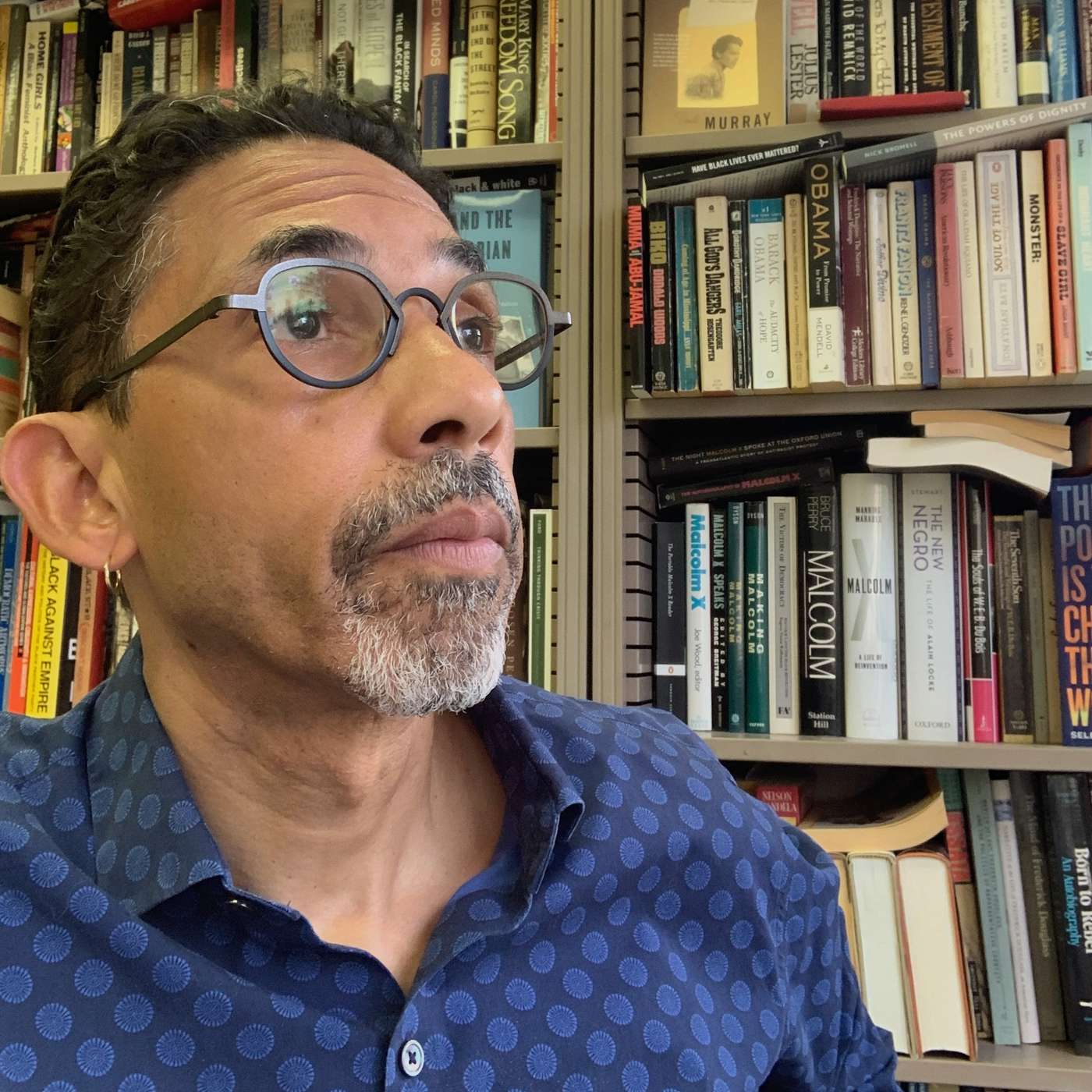
Ep 219Robin D. G. Kelley - Department of African American Studies, University of California, Los Angeles
This is Ashley Newby and you’re listening to The Black Studies podcast, a series of conversations examining the history of the field. Our conversations engage with a wide range of activists and scholars - senior figures in the field, late doctoral students, and everyone in between, culture workers, and political organizers - in order to explore the cultural and political meaning of Black Studies as an area of inquiry and its critical methods.Today's conversation is with Robin D. G. Kelley, Distinguished Professor and Gary B. Nash Endowed Chair in U.S. History at UCLA. His books include, Thelonious Monk: The Life and Times of an American Original (2009) Hammer and Hoe: Alabama Communists During the Great Depression (1990, 2nd ed. 2015); Freedom Dreams: The Black Radical Imagination (2002, New Ed. 2020); Race Rebels: Culture Politics and the Black Working Class (Free Press 1994); Yo’ Mama’s DisFunktional!: Fighting the Culture Wars in Urban America (1997); Africa Speaks, America Answers: Modern Jazz in Revolutionary Times (2012); and forthcoming Making a Killing: Capitalism, Cops, and the War on Black Life (Henry Holt, 2026). He also co-edited (with Colin Kaepernick and Keeanga-Yamahtta Taylor), Our History Has Always Been Contraband: In Defense of Black Studies (2023); (with Jesse Benjamin), Walter Rodney, The Russian Revolution: A View From the Third World (2018); (with Stephen Tuck) The Other Special Relationship: Race, Rights and Riots in Britain and the United States (2015); (with Franklin Rosemont) Black, Brown, and Beige: Surrealist Writings from Africa and the African Diaspora (2009); (with Earl Lewis) To Make Our World Anew: A History of African Americans (2000); and (with Sidney J. Lemelle), Imagining Home: Class, Culture, and Nationalism in the African Diaspora (1995). Kelley’s articles and essays have appeared in dozens of several anthologies, journals, and magazines, including Hammer and Hope; American Quarterly; African Studies Review; Journal of American History; New Labor Forum; The Nation; New York Times; New York Review of Books; Radical History Review; Transition; Black Scholar; Dissent; Rethinking Marxism; Black Music Research Journal; Callaloo; Black Renaissance/Renaissance Noir; and The Boston Review, for which he also serves as Contributing Editor.
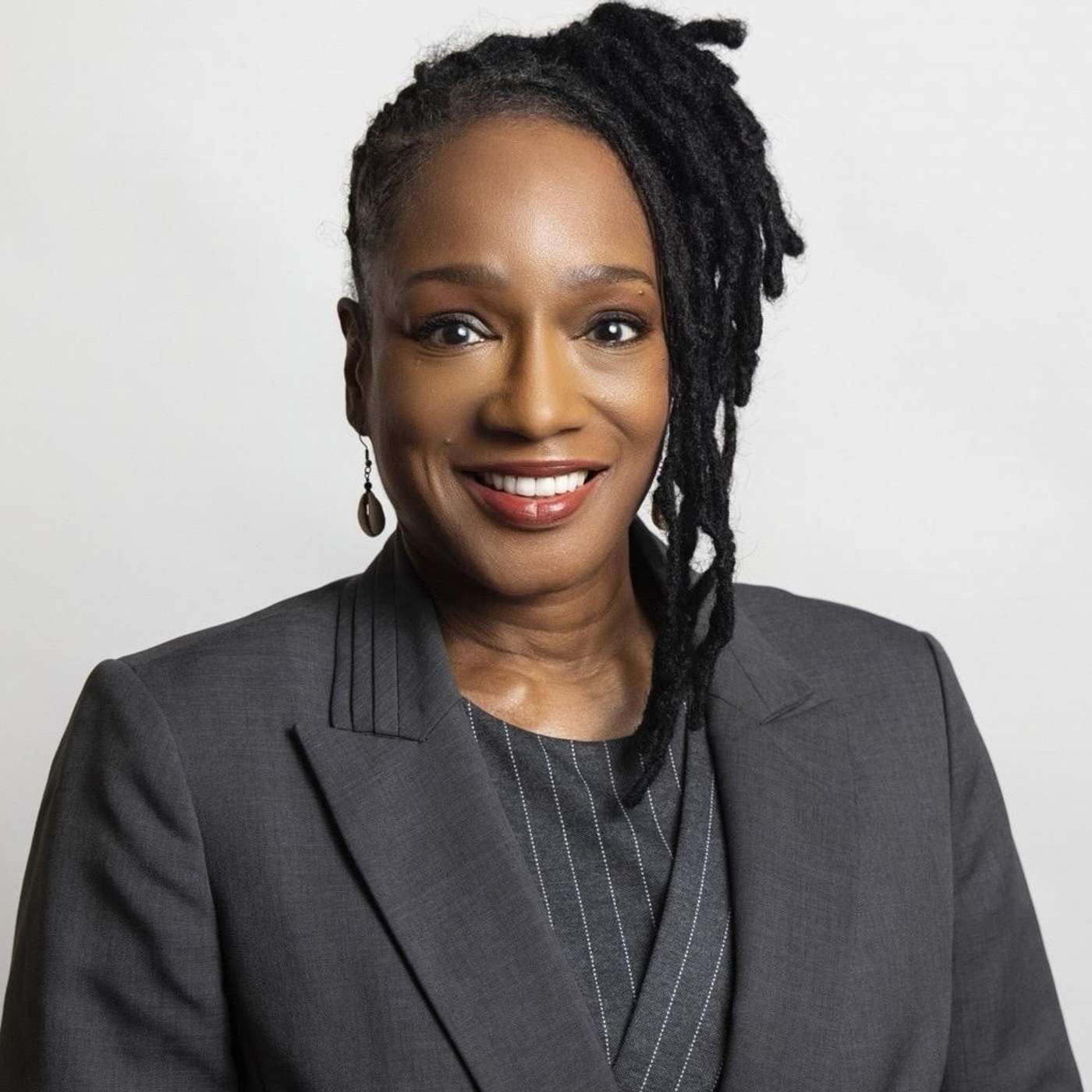
Ep 218Clarissa Myrick-Harris White - Department of Africana Studies, Morehouse College
This is John Drabinski and you’re listening to The Black Studies podcast, a series of conversations examining the history of the field. Our conversations engage with a wide range of activists and scholars - senior figures in the field, graduate students, and everyone in between, culture workers, and political organizers - in order to explore the cultural and political meaning of Black Studies as an area of inquiry and its critical methods.Today's conversation is with Clarissa Myrick-Harris White, PhD, who is a tenured full Professor in the Department of Africana Studies and History at Morehouse College. She leads the college's Movement, Memory, and Justice Project and was co-founder of the Morehouse Black Men's Research Institute. Previously she served as Dean of the Humanities and Social Sciences Division, Associate Provost for Curricular and Pedagogical Initiatives and more recently Chair of the Humanities Division at Morehouse. Dr. Myrick-Harris White is currently Co-Editor-In-Chief of The Black Scholar Journal. Her research and publications focus on the intersection of race, class, culture, and gender in the quest for social change and justice, emphasizing leadership during the Civil Rights and Black Power movements.
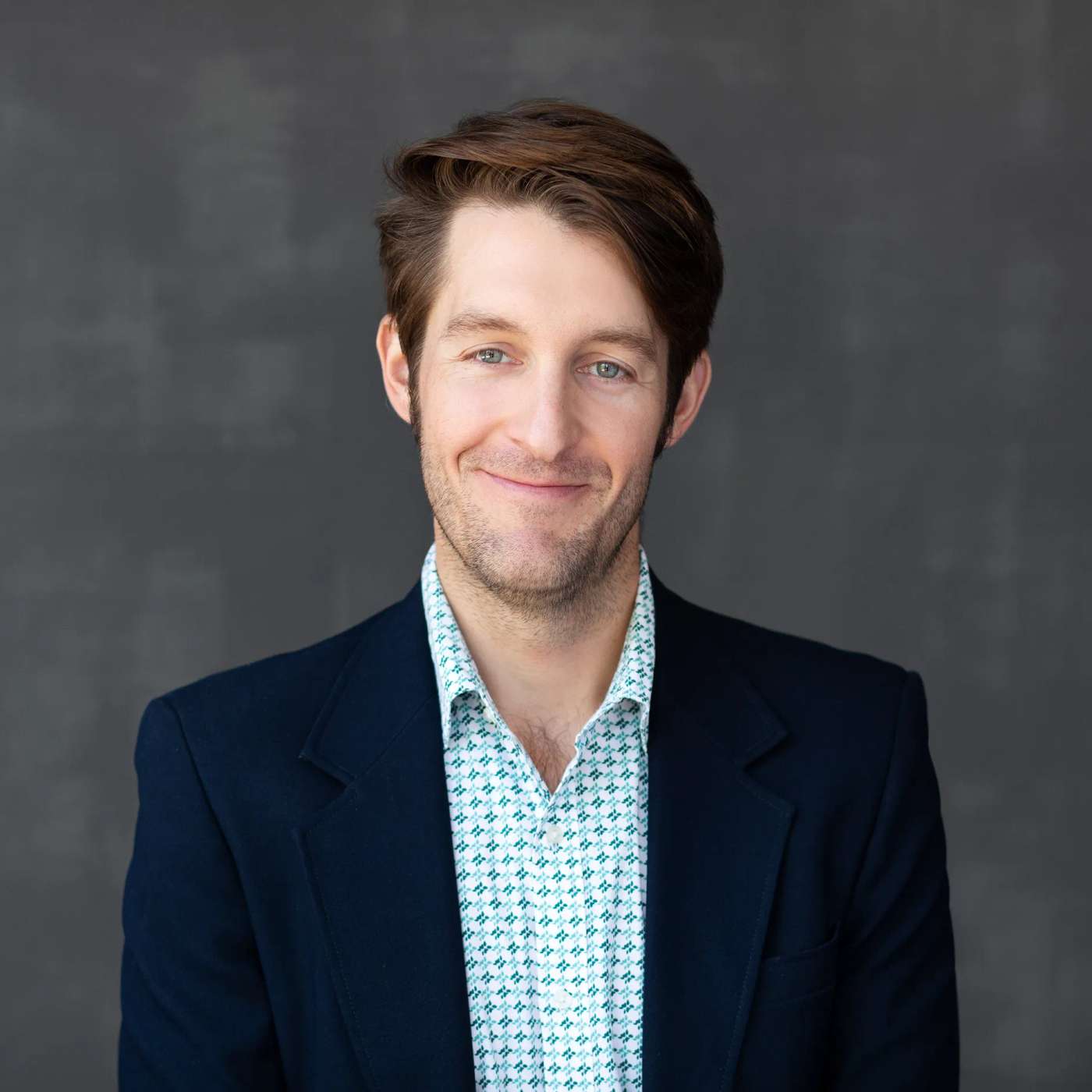
Ep 217Nathan Dize - Department of French, Washington University
This is Ashley Newby and you’re listening to The Black Studies podcast, a series of conversations examining the history of the field. Our conversations engage with a wide range of activists and scholars - senior figures in the field, late doctoral students, and everyone in between, culture workers, and political organizers - in order to explore the cultural and political meaning of Black Studies as an area of inquiry and its critical methods.Today's conversation is with Nathan H. Dize, who teaches in the Department of French at Washington University in Saint Louis, and his work is situated at the intersection of French Caribbean literary and intellectual history, African Diaspora studies, translation studies. He is currently working on two projects: Attending to the Dead: Haitian Literature and the Practice of Mourning (SUNY Press) and Handle with Care: The Legacies of African American Translators of Francophone Literature (LSU Press). Nathan is also a translator of Haitian literature, and his translations include the novels Duels by Néhémy Dahomey, The Immortals and The Emperor by Makenzy Orcel, I Am Alive by Kettly Mars, and Antoine of Gommiers by Lyonel Trouillot. He is also a founding member of the Kwazman Vwa collective, a member of the digital networks of Fanm Rebèl and Rendering Revolution: Sartorial Approaches to Haitian History, and a founding editor of the digital history project, A Colony in Crisis: The Saint-Domingue Grain Shortage of 1789. He is a co-editor of the Global Black Writers in Translation series at Vanderbilt University Press.
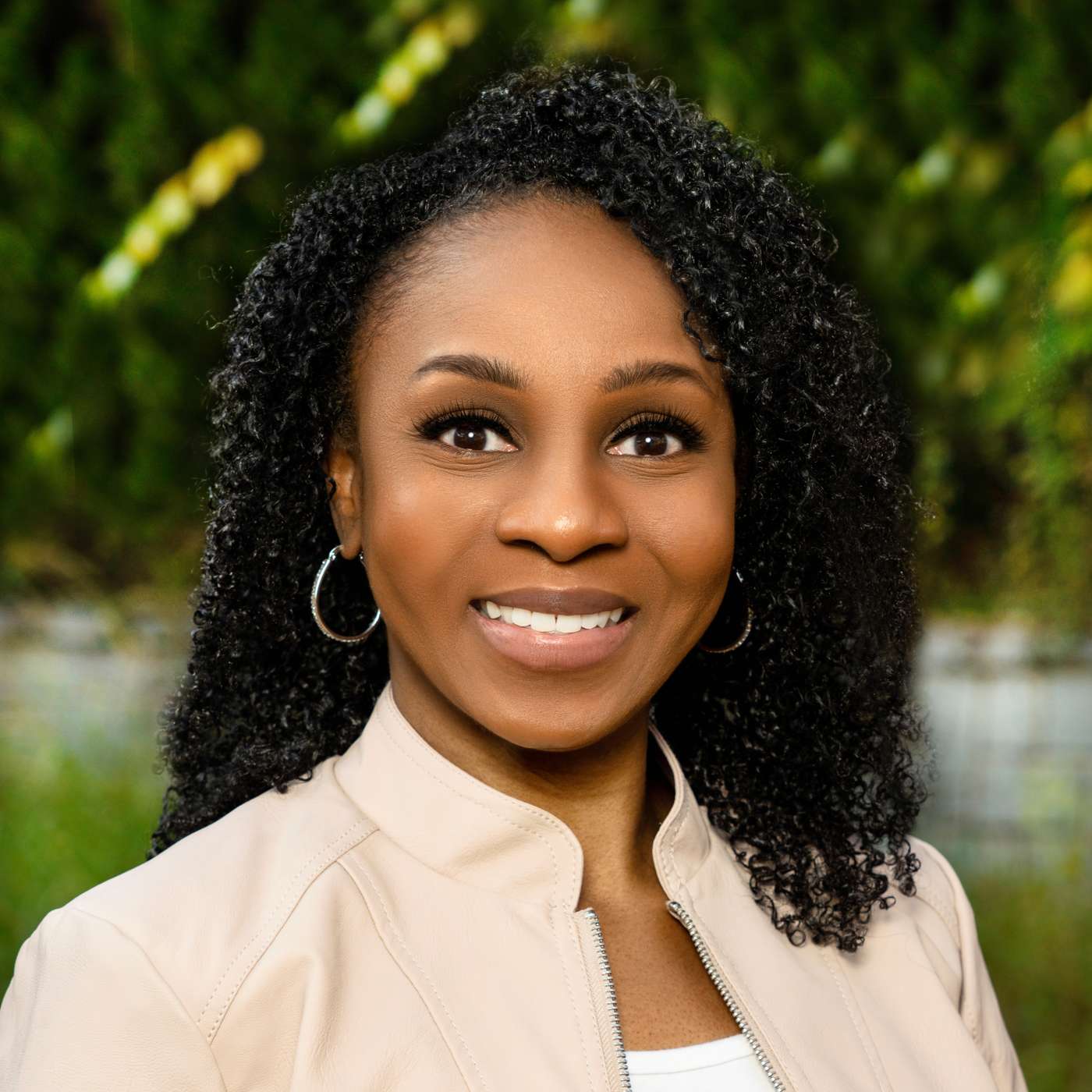
Ep 216Robin Brooks - Department of English, University of Pittsburgh
This is John Drabinski and you’re listening to The Black Studies podcast, a series of conversations examining the history of the field. Our conversations engage with a wide range of activists and scholars - senior figures in the field, graduate students, and everyone in between, culture workers, and political organizers - in order to explore the cultural and political meaning of Black Studies as an area of inquiry and its critical methods.Today’s conversation is with Robin Brooks, who teaches in the Department of English at University of Pittsburgh. In addition to a number of scholarly essays and journal publications, she is the author of Class Interruptions: Inequality and Division in African Diasporic Women’s Fiction (2022) and at work on a book project tentatively titled Death Proximity: Grief and Emotional Wellness Stories in Black Communities.In this conversation, we discuss the diasporic Black literary tradition, the expansiveness of the field, and the fecundity of mixed-methods research for the study of Black life.
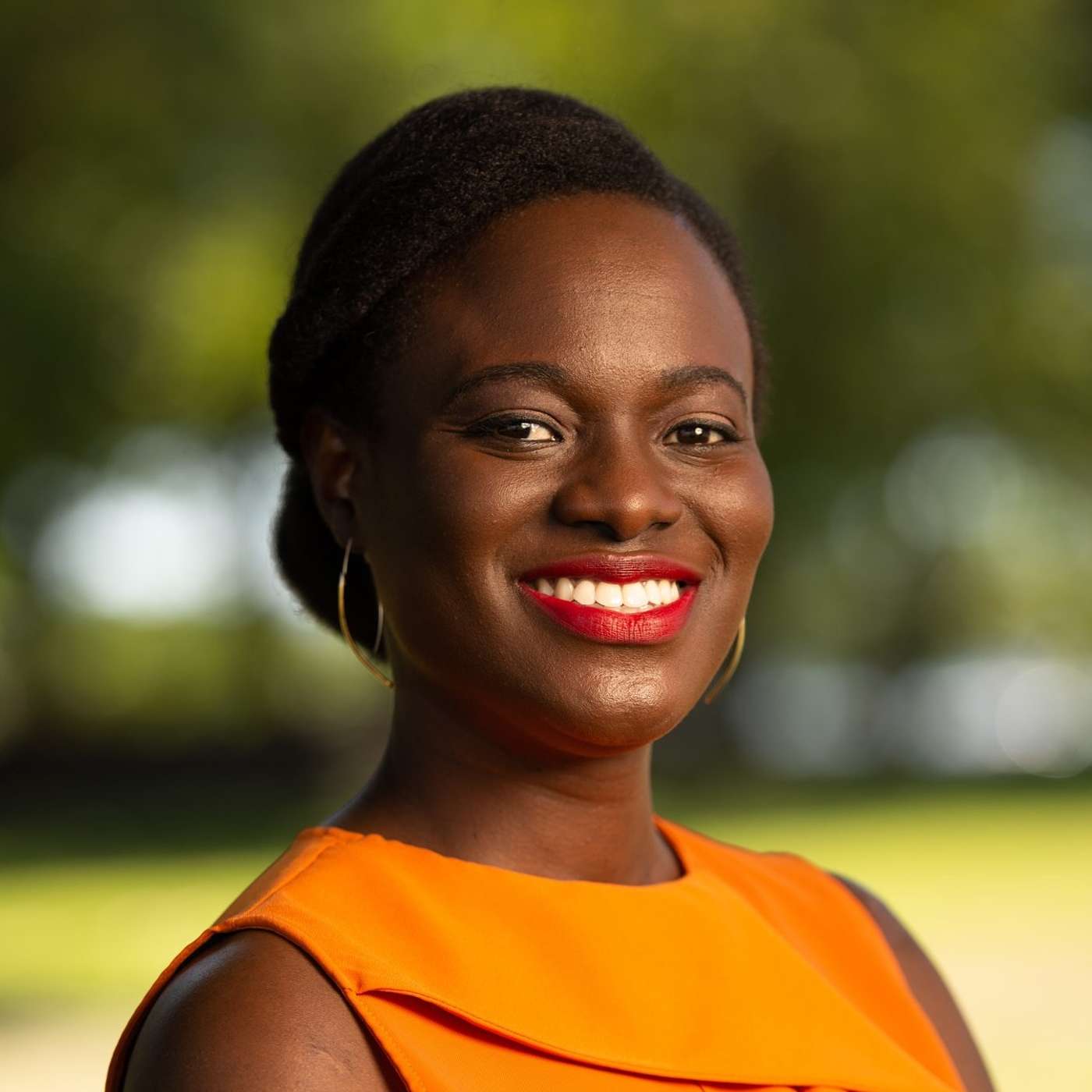
Ep 215Annette Joseph-Gabriel - Department of Romance Languages, Duke University
This is Ashley Newby and you’re listening to The Black Studies podcast, a series of conversations examining the history of the field. Our conversations engage with a wide range of activists and scholars - senior figures in the field, late doctoral students, and everyone in between, culture workers, and political organizers - in order to explore the cultural and political meaning of Black Studies as an area of inquiry and its critical methods.Today's conversation is with Annette Joseph-Gabriel is the John Spencer Bassett Associate Professor of Romance Studies. Her research has been supported by awards from the National Endowment for the Humanities, the National Humanities Center, the American Philosophical Society, the Omohundro Institute of Early American History and Culture, the Folger Shakespeare Library, and others.
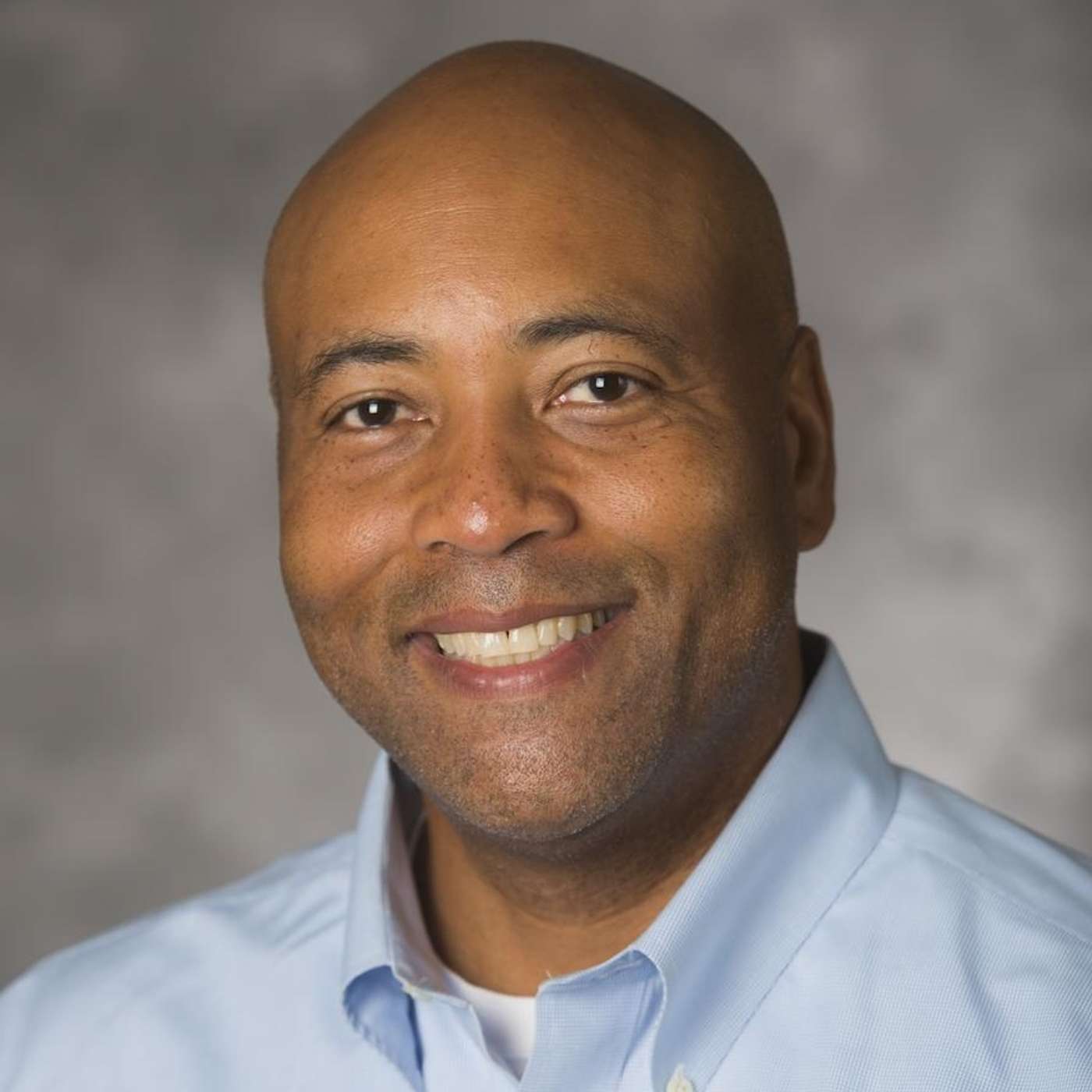
Ep 214Derek Handley - Department of English, University of Wisconsin, Milwaukee
This is John Drabinski and you’re listening to The Black Studies podcast, a series of conversations examining the history of the field. Our conversations engage with a wide range of activists and scholars - senior figures in the field, late doctoral students, and everyone in between, culture workers, and political organizers - in order to explore the cultural and political meaning of Black Studies as an area of inquiry and its critical methods.Today’s conversation is with Derek Handley, who teaches in the Department of English at University of Wisconsin, Milwaukee. Along with a number of articles on rhetoric, urban studies, and composition, he is the author of Struggle for the City: Rhetorics of Citizenship and Resistance during the Black Freedom Movement (2024).In this conversation, we discuss the the place of rhetorical work in the Black intellectual tradition, community work and politics, and the future of Black Studies as a multi-disciplinary project.
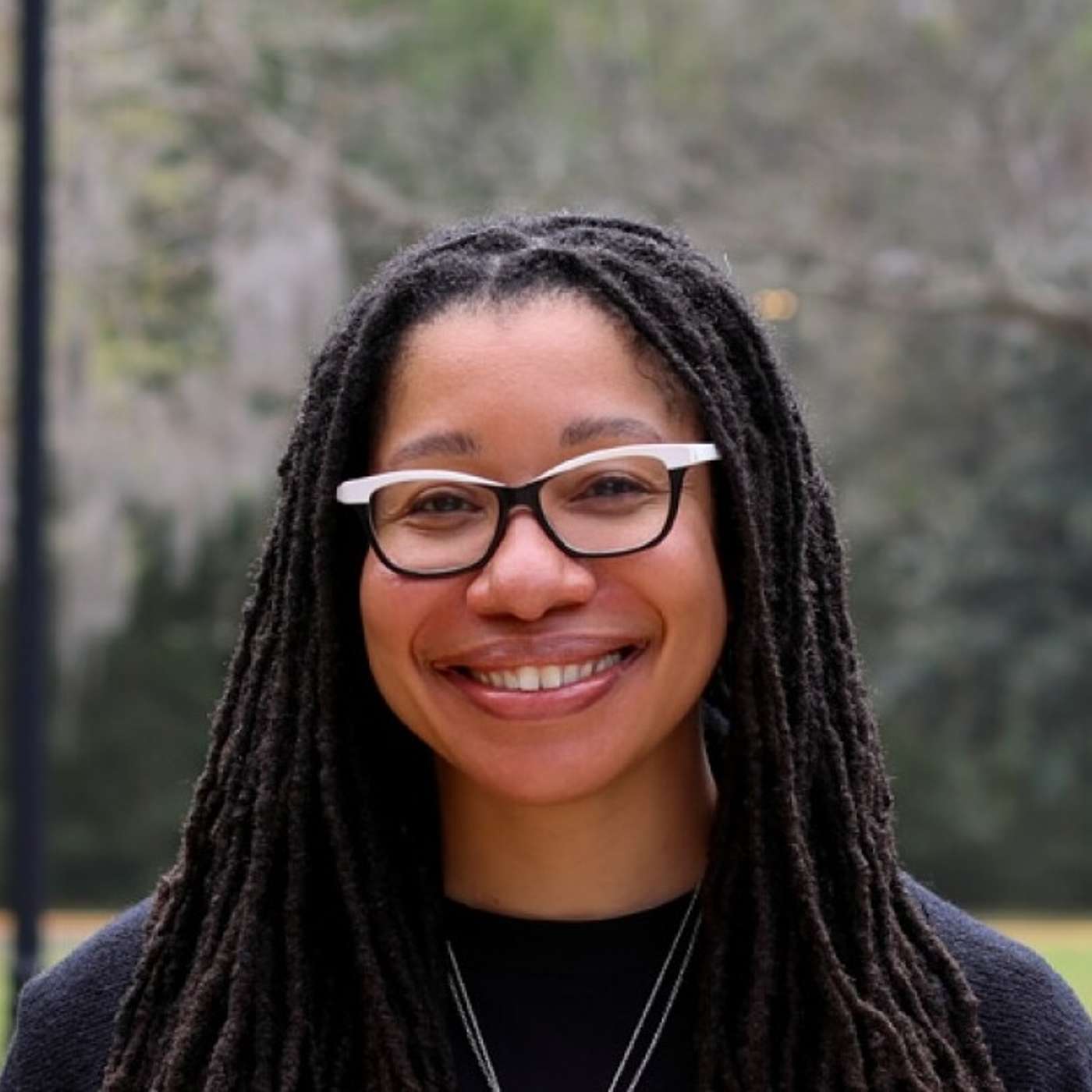
Ep 213Alisha Gaines - Department of African American and African Studies, University of Virginia
This is Brie Gorrell and you’re listening to The Black Studies podcast, a Mellon grant sponsored series of conversations examining the history of the field. Our conversations engage with a wide range of activists and scholars - senior figures in the field, graduate students, and everyone in between, culture workers, and political organizers - in order to explore the cultural and political meaning of Black Studies as an area of inquiry and its critical methods.Today’s conversation is with Dr. Alisha Gaines who is an Associate Professor of African American and African Studies at the Carter G. Woodson Institute at the University of Virginia. She is the co-humanities director of the Evergreen Plantation Archaeological Field School in Edgard, Louisana, and is currently writing her second manuscript “Children of the Plantionocene” which centers on Black American origin stories, Black craftscapes, and what we collectively inherit from the plantation. In this conversation, we discuss: black study as an integral component of an insurgent black radical tradition, the black south and the plantation as rich spaces of knowledge production, and the role of black studies in the fight against local, national, and global dimensions of anti-blackness and fascism today
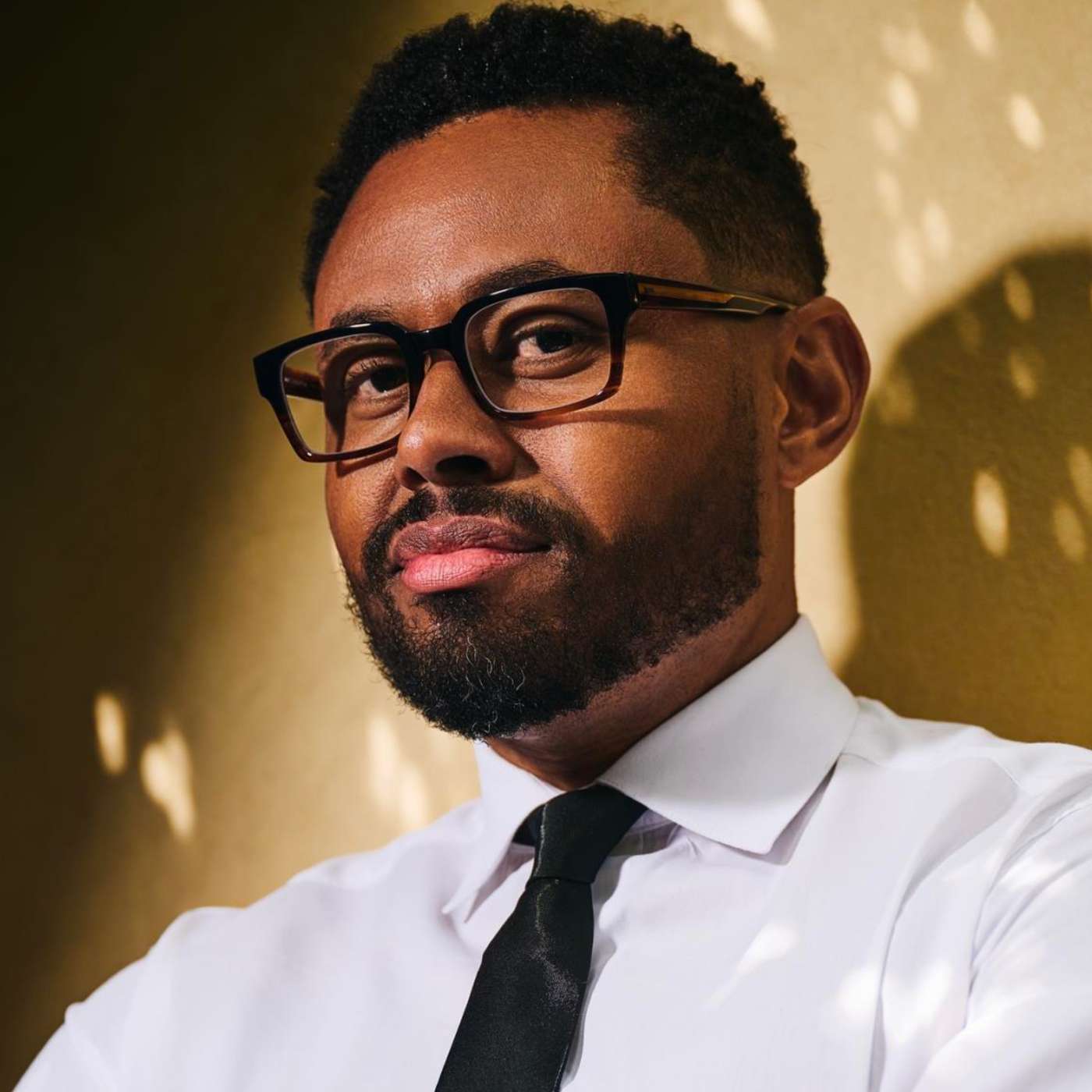
Ep 212Terence Keel - Department of African American Studies, University of California, Los Angeles
This is Ashley Newby and you’re listening to The Black Studies podcast, a series of conversations examining the history of the field. Our conversations engage with a wide range of activists and scholars - senior figures in the field, late doctoral students, and everyone in between, culture workers, and political organizers - in order to explore the cultural and political meaning of Black Studies as an area of inquiry and its critical methods.Today's conversation with with Terence Keel is an award-winning scholar, the founding director of the BioCritical Studies Lab, and a professor of human biology, society, and African American Studies at the University of California, Los Angeles. Keel has received fellowships from the Robert Wood Johnson Foundation, the Russell Sage Foundation, and the National Institutes of Health. He is the author of Divine Variations: How Christian Thought Became Racial Science and co-editor of Critical Approaches to Science and Religion. His latest book is The Coroner’s Silence: Death Records and the Hidden Victims of Police Violence.
Ep 211Benjamin Talton - Department of History, Howard University
This is Ashley Newby and you’re listening to The Black Studies podcast, a series of conversations examining the history of the field. Our conversations engage with a wide range of activists and scholars - senior figures in the field, late doctoral students, and everyone in between, culture workers, and political organizers - in order to explore the cultural and political meaning of Black Studies as an area of inquiry and its critical methods.Today's conversation is with Benjamin Talton, Executive Director of the Moorland-Spingarn Research Center and Professor in the Department of History at Howard University. He is an historian who researches and writes about culture and politics in Africa and the African diaspora. He earned his BA in history at Howard University and his doctorate, also in history, at the University of Chicago. Prior to joining Howard, Talton was Professor of History at Temple University. He has also taught African History at Hofstra University and Kwame Nkrumah University of Science and Technology in Kumasi, Ghana. A highly respected author, Talton has published three books: The Politics of Social Change in Ghana: The Konkomba Struggle for Political Equality (Palgrave 2010); Black Subjects in Africa and its Diasporas: Race and Gender in Research and Writing (Palgrave 2011), which he co-edited with Dr. Quincy Mills of the University of Maryland; and, most recently, In This Land of Plenty: Mickey Leland and Africa in American Politics (Penn Press 2019), which won the 2020 Wesley-Logan Prize from the American Historical Association. Among his current projects is co-editing Volume III of the Cambridge History of the African Diaspora, with Monique Bedasse and Nemata Blyden, and, chief-editor of all three of the series’ volumes, Michael Gomez. Talton’s work has also appeared in numerous peer-reviewed journals and popular media outlets, including The Washington Post, Jacobin, Current History, the Journal of Asian and African Studies, The African Studies Review, The Conversation, Ghana Studies, and Africa Is A Country. Talton serves on the editorial board of the American Historical Review, the leading History academic journal. He is a former editor of African Studies Review, the leading North American peer-reviewed African Studies journal, and serves on the advisory board for New York University’s Center for the Study of Africa and the African Diaspora (CSAAD). Dr. Talton is a past president of the Ghana Studies Association and a former member of the executive board for the Association for the Study of the Worldwide African Diaspora (ASWAD).
Ep 210Mali Collins - Department of Critical Race, Gender, and Culture Studies, American University
This is John Drabinski and you’re listening to The Black Studies podcast, a series of conversations examining the history of the field. Our conversations engage with a wide range of activists and scholars - senior figures in the field, graduate students, and everyone in between, culture workers, and political organizers - in order to explore the cultural and political meaning of Black Studies as an area of inquiry and its critical methods.Today’s conversation is with Mali Collins, who teaches in the Department of Critical Race, Gender, and Culture Studies at American University. Along with numerous scholarly and public pieces, she is the author of Scrap Theory: Reproductive Injustice in the Black Feminist Imagination (2024) and is a practicing birth, postpartum, and pregnancy termination doula, and a trained Perinatal and Infant Loss advocate with The Womb Room in Baltimore, MD. In this conversation, we discuss the intersection of race, gender, and questions of reproduction and its transformative effect for the study of Black life.
Ep 209Theodore A. Harris - Writer and Artist
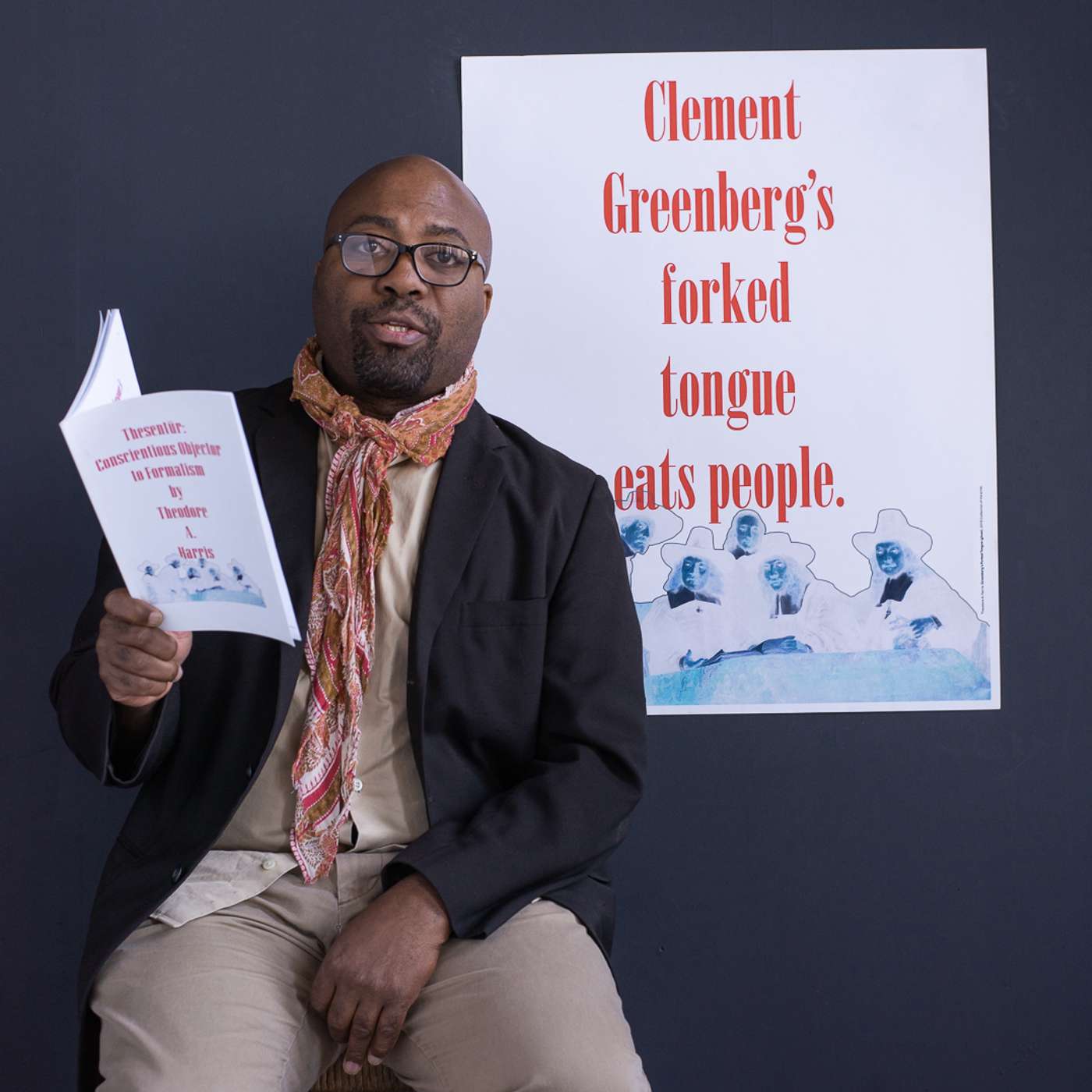
This is John Drabinski and you’re listening to The Black Studies podcast, a series of conversations examining the history of the field. Our conversations engage with a wide range of activists and scholars - senior figures in the field, graduate students, and everyone in between, culture workers, and political organizers - in order to explore the cultural and political meaning of Black Studies as an area of inquiry and its critical methods.Today’s conversation is with Theodore A. Harris, a Philadelphia-based artist and writer. Along with numerous exhibits of his multi-media artwork linked via his website, he is the author of Thesentür: Conscientious Objector to Formalism, and co-author of two books with Amiri Baraka Our Flesh of Flames (Anvil Arts Press) and Malcolm X as Ideology (LeBow Books), a book with Fred Moten: i ran from it and was still in it (Cusp Books); and TRIPTYCH: Text by Amiri Baraka and Jack Hirschman (Caza de Poesía).In this conversation, we discuss the history of Black expressive culture, the importance of art for understanding Black life, and the meaning of creativity in politically fraught times.
Ep 208Michael Simanga - Department of Africana Studies, Morehouse College
This is Ashley Newby and you’re listening to The Black Studies podcast, a series of conversations examining the history of the field. Our conversations engage with a wide range of activists and scholars - senior figures in the field, late doctoral students, and everyone in between, culture workers, and political organizers - in order to explore the cultural and political meaning of Black Studies as an area of inquiry and its critical methods.Michael Simanga is an activist writer, multi-disciplinary artist and educator and came of age during the Civil Rights/Black Power Movement as a student organizer and poet in his hometown of Detroit. He was active in the Congress of African People, the African Liberation Support Committee, the National Black Assembly, the anti-apartheid movement, the labor movement and the independent schools movement. As a cultural worker he has focused on building and supporting community based cultural institutions and has spent his adult life as an advocate of art and culture as an instrument of social change and development. He is the former Executive Director of the National Black Arts Festival; former director of Fulton County Arts and Culture and the Southwest Arts Center. Professor Simanga earned an undergraduate degree in History from Oglethorpe University in Atlanta and a Ph.D. in African American Studies from the Union Institute and University of Cincinnati.
Ep 207Laylah Amatullah Barrayn - Department of Arts, Culture, and Media, Rutgers University, Newark
This is John Drabinski and you’re listening to The Black Studies podcast, a series of conversations examining the history of the field. Our conversations engage with a wide range of activists and scholars - senior figures in the field, graduate students, and everyone in between, culture workers, and political organizers - in order to explore the cultural and political meaning of Black Studies as an area of inquiry and its critical methods.Today’s conversation is with Laylah Amatullah Barrayn, who teaches in the Department of Arts, Culture, and Media at Rutgers University, Newark. Along with numerous scholarly and public facing articles, Laylah is currently co-organizing To Collect and Collate: Keepers of Black Photography, a convening on Black photography archives to be held at NYU Accra in March 2026. Her exhibition, Ground of Memory is on view at Express Newark, Rutgers University - Newark until January 30, 2026 and she is working on a book of first person essays on Black photographers. In this conversation, we discuss curatorial work, photography, and the centrality of aesthetic questions in the Black Studies imagination and intellectual tradition.
Ep 206Rahman A. Culver - Educator and Activist
This is Ashley Newby and you’re listening to The Black Studies podcast, a series of conversations examining the history of the field. Our conversations engage with a wide range of activists and scholars - senior figures in the field, late doctoral students, and everyone in between, culture workers, and political organizers - in order to explore the cultural and political meaning of Black Studies as an area of inquiry and its critical methods.Today's conversation is with Rahman A. Culver, an educator and activist who works to support measurable, lasting social change. Culver earned his B.A. in Afro-American Studies from University of Maryland in 2001, working to found and serving as director of the Saturday Freedom School program. He is certified in secondary and special education, holding a Master's degree in Public Administration from George Mason University. Culver has worked as an educator in the Montgomery County and Prince George's County public school systems.

Ep 205Marion Orr - Department of Political Science, Brown University
This is Ashley Newby and you’re listening to The Black Studies podcast, a series of conversations examining the history of the field. Our conversations engage with a wide range of activists and scholars - senior figures in the field, late doctoral students, and everyone in between, culture workers, and political organizers - in order to explore the cultural and political meaning of Black Studies as an area of inquiry and its critical methods.Today's conversation is with Marion Orr, the inaugural Frederick Lippitt Professor of Public Policy and Professor of Political Science and Urban Studies at Brown University. He previously was a member of the political science faculty at Duke University. Professor Orr earned his B.A. degree in political science from Savannah State College, M.A. in political science from Atlanta University (now Clark-Atlanta University), and a Ph.D. in Government and Politics from the University of Maryland, College Park. From 2008-2014, Professor Orr served as Director of the Alfred Taubman Center for Public Policy at Brown University. He is a former chair of Brown's Department of Political Science and a former director of Brown's Urban Studies Program. Professor Orr's expertise is in the area of American politics. He specializes in urban politics, race and ethnic politics, and African-American politics. He is the author and editor of eight books. His book, House of Diggs: The Rise and Fall of America's Most Consequential Black Congressman, Charles C. Diggs, Jr. (University of North Carolina Press, 2025), is the first biography of Michigan's first Black member of the U.S. House of Representatives.Among Professor Orr's other books, Black Social Capital: The Politics of School Reform in Baltimore (University Press of Kansas), won the Policy Studies Organization's Aaron Wildavsky Award and his co-authored, The Color of School Reform: Race, Politics and the Challenge of Urban Education (Princeton University Press), was named the best book by the American Political Science Association's (APSA) Urban Politics Section. He is the coeditor (with Domingo Morel) of Latino Mayors: Political Change in the Postindustrial City. He is also the author of numerous scholarly articles, essays, and reviews. In 2019, Professor Orr was awarded the APSA's Hanes Walton, Jr. Career Award that honors a political scientist whose lifetime of distinguished scholarship has made significant contributions to our understanding of racial and ethnic politics. Professor Orr is the recipient of Biographers International Organization Francis "Frank" Rollin Fellowship. He has also held a research fellowship at the Brookings Institution, a Presidential Fellowship from the University of California, Berkeley, and a fellowship from the Ford Foundation. Professor Orr served as President of the APSA's Organized Section on Urban Politics and as Chair of the Governing Board of the Urban Affairs Association (UAA), an international organization devoted to the study of urban issues. Dr. Orr has also served as a member of the executive councils of the American Political Science Association and the National Conference of Black Political Scientists. He has served, or is currently serving, on the editorial boards of the National Political Science Review, Journal of Urban Affairs, Journal of Race, Ethnicity and the City, and Urban Affairs Review.
Ep 204Irvin Hunt - Departments of English and African American Studies, University of Illinois
This is John Drabinski and you’re listening to The Black Studies podcast, a series of conversations examining the history of the field. Our conversations engage with a wide range of activists and scholars - senior figures in the field, graduate students, and everyone in between, culture workers, and political organizers - in order to explore the cultural and political meaning of Black Studies as an area of inquiry and its critical methods.Today’s conversation is with Irvin Hunt, who teaches in the Departments of English and African American Studies at University of Illinois. He is the author of Dreaming the Present: Time, Aesthetics, and the Black Cooperative Movement, which won Honorable Mention in the William Scarborough Sanders Prize competition in 2023, and he is at work on two books, a study of contemporary Black poetry titled A New Language for Grief and another titled I Can't Make You Speak: Stories. He is also co-writer of the script for Khalil Joseph's film BLKNWS: Terms & Conditions. In this conversation, we discuss the critical Black literary tradition, horizons of expressive culture, and the politics of thinking and doing Black Studies in the contemporary moment.
Ep 203Jeanine Staples-Dixon - College of Education and Department of African American Studies, Penn State University
This is Ashley Newby and you’re listening to The Black Studies podcast, a series of conversations examining the history of the field. Our conversations engage with a wide range of activists and scholars - senior figures in the field, late doctoral students, and everyone in between, culture workers, and political organizers - in order to explore the cultural and political meaning of Black Studies as an area of inquiry and its critical methods.Today's conversation is with Jeanine Staples-Dixon, a Professor of Literacy and Language, African American Studies, and Women’s, Gender, and Sexuality Studies at Penn State's Colleges of Education and Liberal Arts. She also serves as Senior Faculty Mentor for the university, through the Office of Educational Equity. A long-time leader in Critical New Literacies Studies and teacher education, she's currently writing her two forthcoming books, Extraordinary Pedagogies: An Endarkened Feminist Approach To Revolutionizing Teacher Consciousness (Teachers College Press, 2024) and Extraordinary Literacies: Regarding the Literate Lives of Black Girls and Women In Schools & Society (Palgrave MacMillan, 2026). She teaches LLED 580, CI 590, and CI 501 for Penn State's World Campus. Her website is: https://jeaninestaples.com
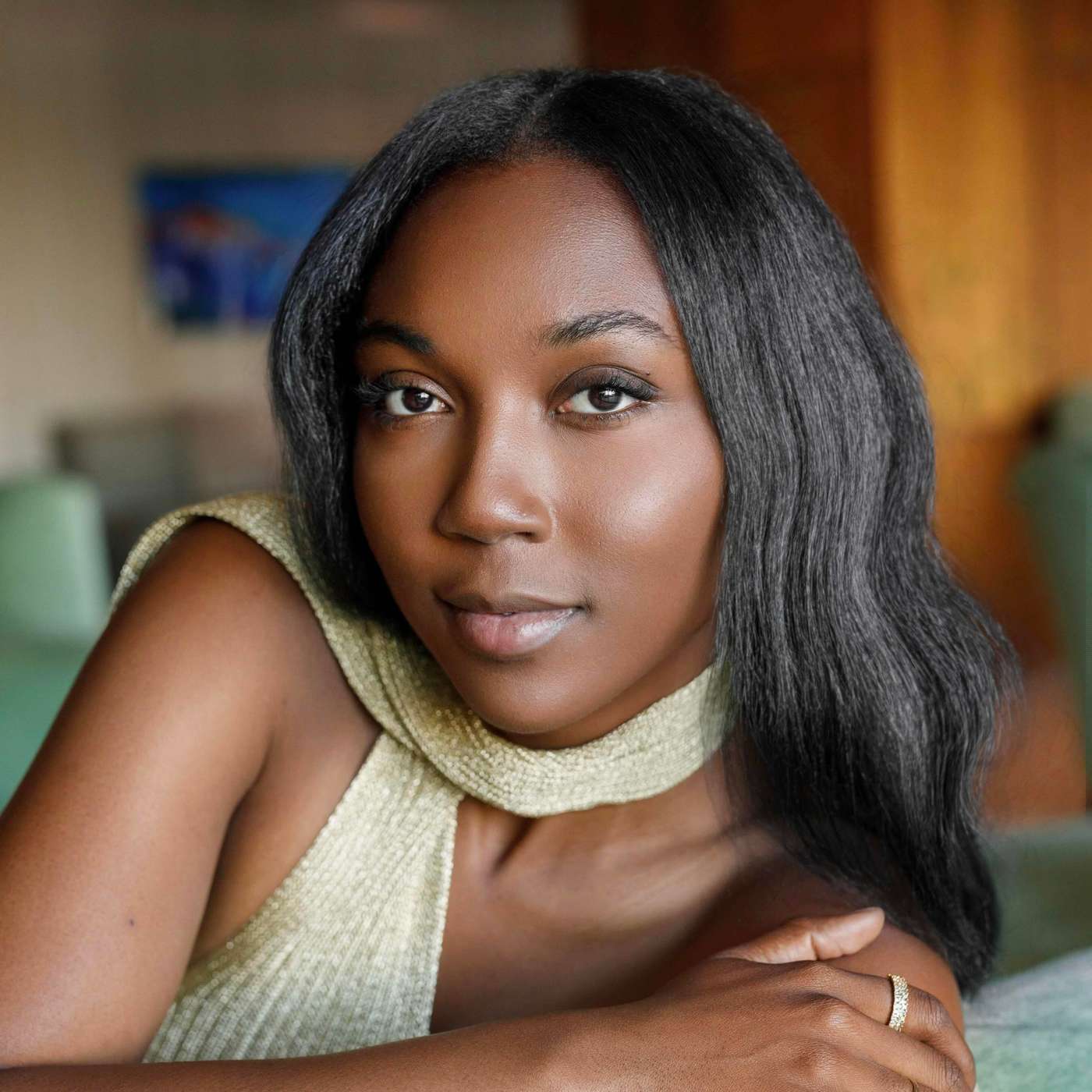
Ep 202Allison A. Waite - Artist and Filmmaker
This is John Drabinski and you’re listening to The Black Studies podcast, a series of conversations examining the history of the field. Our conversations engage with a wide range of activists and scholars - senior figures in the field, late doctoral students, and everyone in between, culture workers, and political organizers - in order to explore the cultural and political meaning of Black Studies as an area of inquiry and its critical methods.Today’s conversation is with Allison A. Waite, a filmmaker based in Los Angeles, California. She has worked on a number of films and has produced, written, and directed a number of pieces including The Dope Years, a documentary on the life and death of Latasha Harlins. In this conversation, we discuss the political significance of art as a facilitator of empathy, the importance of authenticity and voice in Black art making, and the responsibilities of creatives and writers in relation to community.
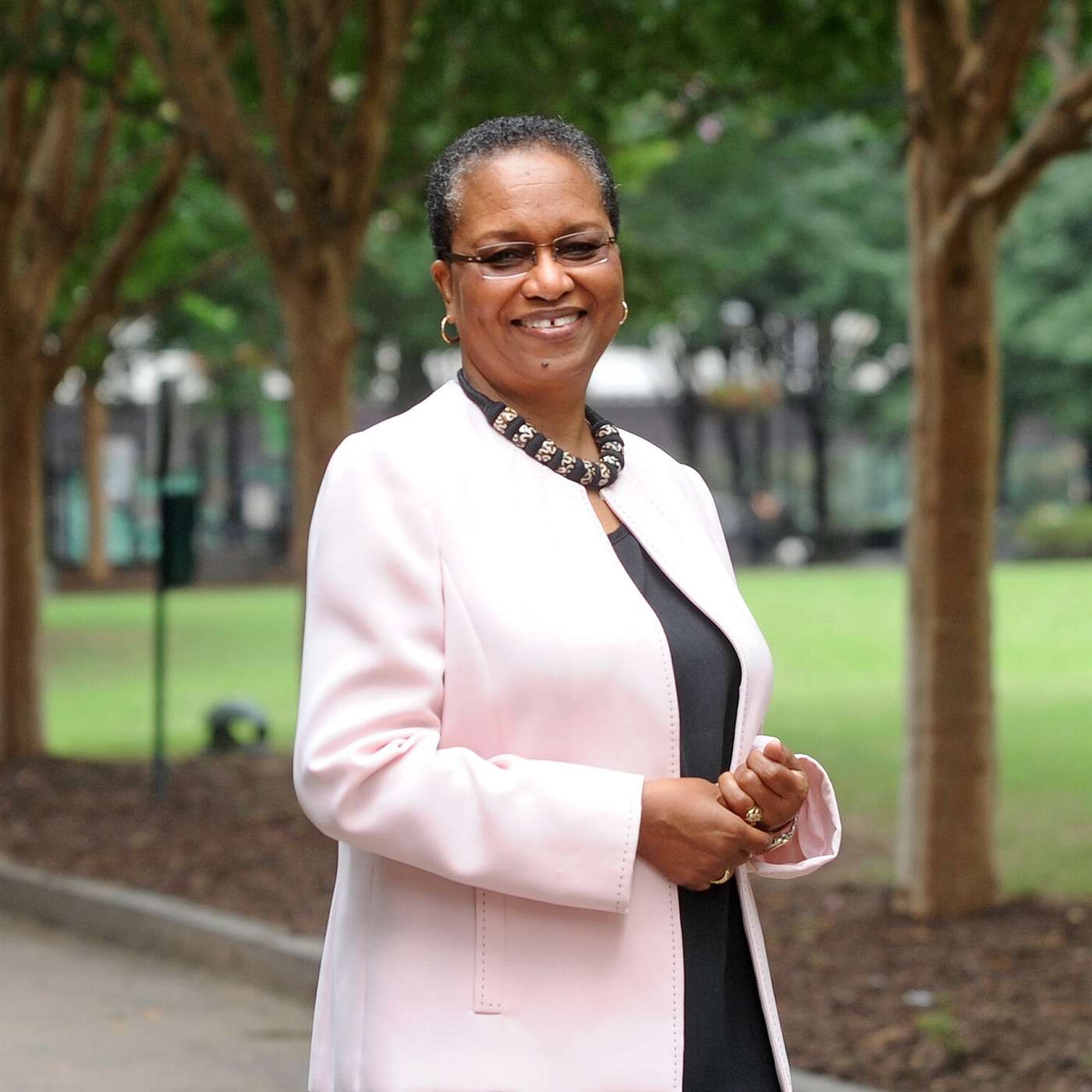
Ep 201Joyce E. King - Benjamin E. Mays Endowed Chair for Urban Teaching, Learning and Leadership, Africana Studies, and Educational Policy Studies, Georgia State University
This is Ashley Newby and you’re listening to The Black Studies podcast, a Mellon grant sponsored series of conversations examining the history of the field. Our conversations engage with a wide range of activists and scholars - senior figures in the field, late doctoral students, and everyone in between, culture workers, and political organizers - in order to explore the cultural and political meaning of Black Studies as an area of inquiry and its critical methods.Today's conversation is with Joyce E. King, Benjamin E. Mays Endowed Chair for Urban Teaching, Learning and Leadership and Professor of Educational Policy Studies in the College of Education & Human Development at Georgia State University. Previously, King held senior academic affairs positions as Provost at Spelman College, Associate Provost at Medgar Evers College, CUNY and Associate Vice Chancellor for Academic Affairs and Diversity Programs at the University of New Orleans. She was director of teacher education for twelve years at Santa Clara University and the first head of the Ethnic Studies Department at Mills College. She completed two prestigious leadership programs: the American Council on Education Fellowship at Stanford University with the President, the Vice President for Planning and Management, and the Office for Multicultural Development. As a W.K. Kellogg National Fellowship recipient, King also studied women’s leadership and grassroots participation in social change in China, Brazil, France, Kenya, Japan, Mali and Peru.Widely respected in the fields of urban education and the sociology of education, King’s research has contributed to the knowledge-base on preparing teachers for diversity and curriculum theorizing through her scholarship, teaching practice and leadership. She served on the Curriculum Commission of the State Board of Education.Recent publications include the Harvard Educational Review, The Handbook of Research on Black Education, The Handbook of Research on Teacher Education and Voices of Historical and Contemporary Black Pioneers. In addition, King organized and edited a landmark book, Black Education: A Transformative Research and Action Agenda for the New Century that was published for the American Educational Research Association (2005).She has served as co-editor of the top-ranked Review of Educational Research, and her concept of “dysconscious racism” continues to influence research and practice in education and sociology as well in the U.S. and in other countries. A forthcoming book produced in collaboration with teacher educators and classroom teachers is: “Re-membering” History in Student and Teacher Learning: An Afrocentric and Culturally Informed Praxis.
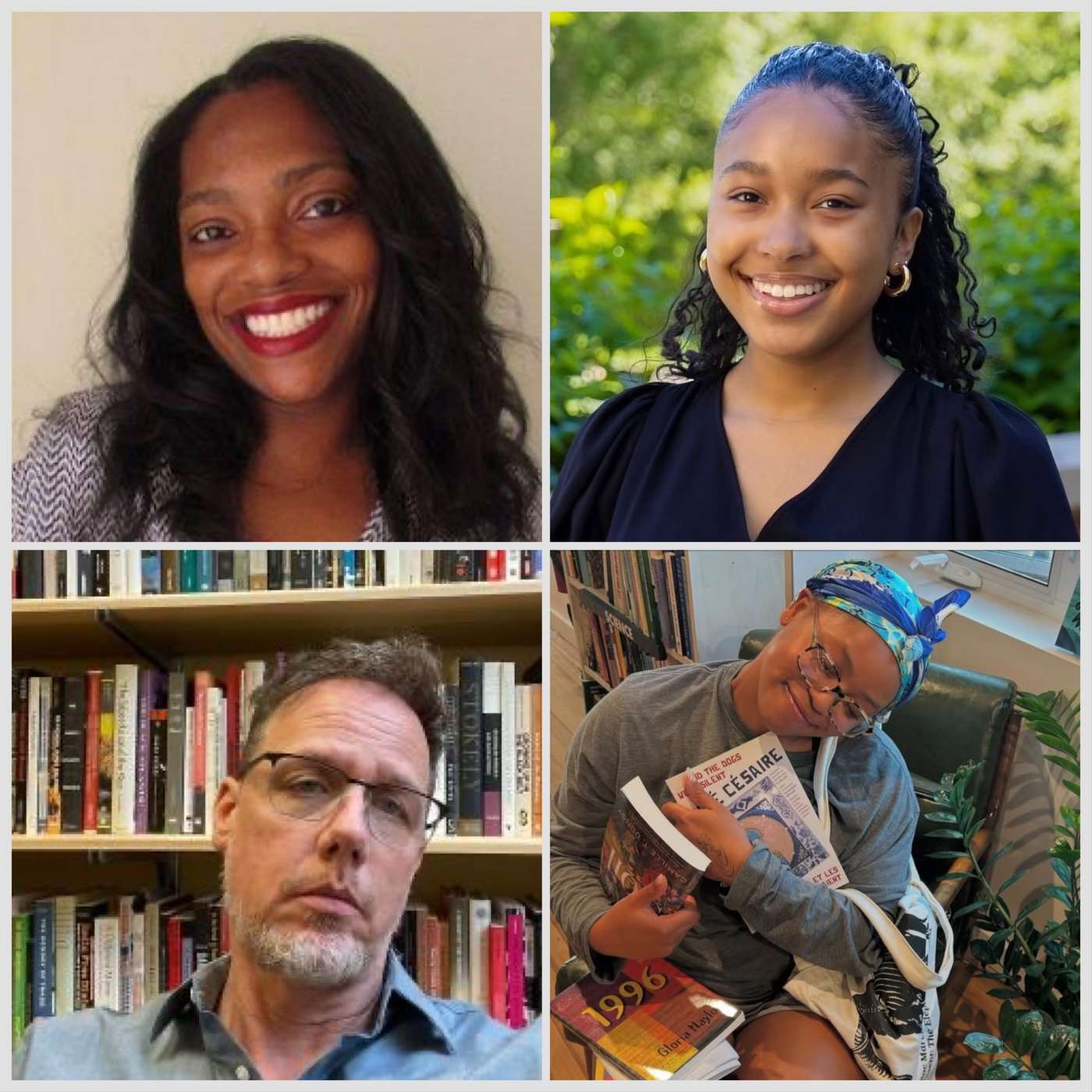
Ep 200Ashley Newby, Brie Gorrell, Olivia Blucker, John E. Drabinski - Podcast Editorial Collective, University of Maryland
This is Ashley Newby and you’re listening to The Black Studies podcast, a series of conversations examining the history of the field. Our conversations engage with a wide range of activists and scholars - senior figures in the field, late doctoral students, and everyone in between, culture workers, and political organizers - in order to explore the cultural and political meaning of Black Studies as an area of inquiry and its critical methods.Today’s conversation is a collaboration between the podcast’s editorial collective: Brie Gorrell, Olivia Blucker, John Drabinski, and Ashley Newby.In this conversation, we discuss the experience of recording two hundred conversations, how it has impacted our thinking about the field of Black Studies, what those conversations say about the past and future of the field, and what sort of new questions have been opened up for us across The Black Studies Podcast.

Ep 199Jaz Riley - Department of African American Studies, University of Illinois
This is John Drabinski and you’re listening to The Black Studies podcast, a series of conversations examining the history of the field. Our conversations engage with a wide range of activists and scholars - senior figures in the field, late doctoral students, and everyone in between, culture workers, and political organizers - in order to explore the cultural and political meaning of Black Studies as an area of inquiry and its critical methods.Today’s conversation is with Jaz Riley, Postdoctoral Fellow and incoming Assistant Professor in the Department of African American Studies at University of Illinois. In this conversation, we discuss the ongoing challenge of community for Black Studies research, the critical intervention made by emerging questions of gender for the field, and the politics of Black study in the contemporary university.
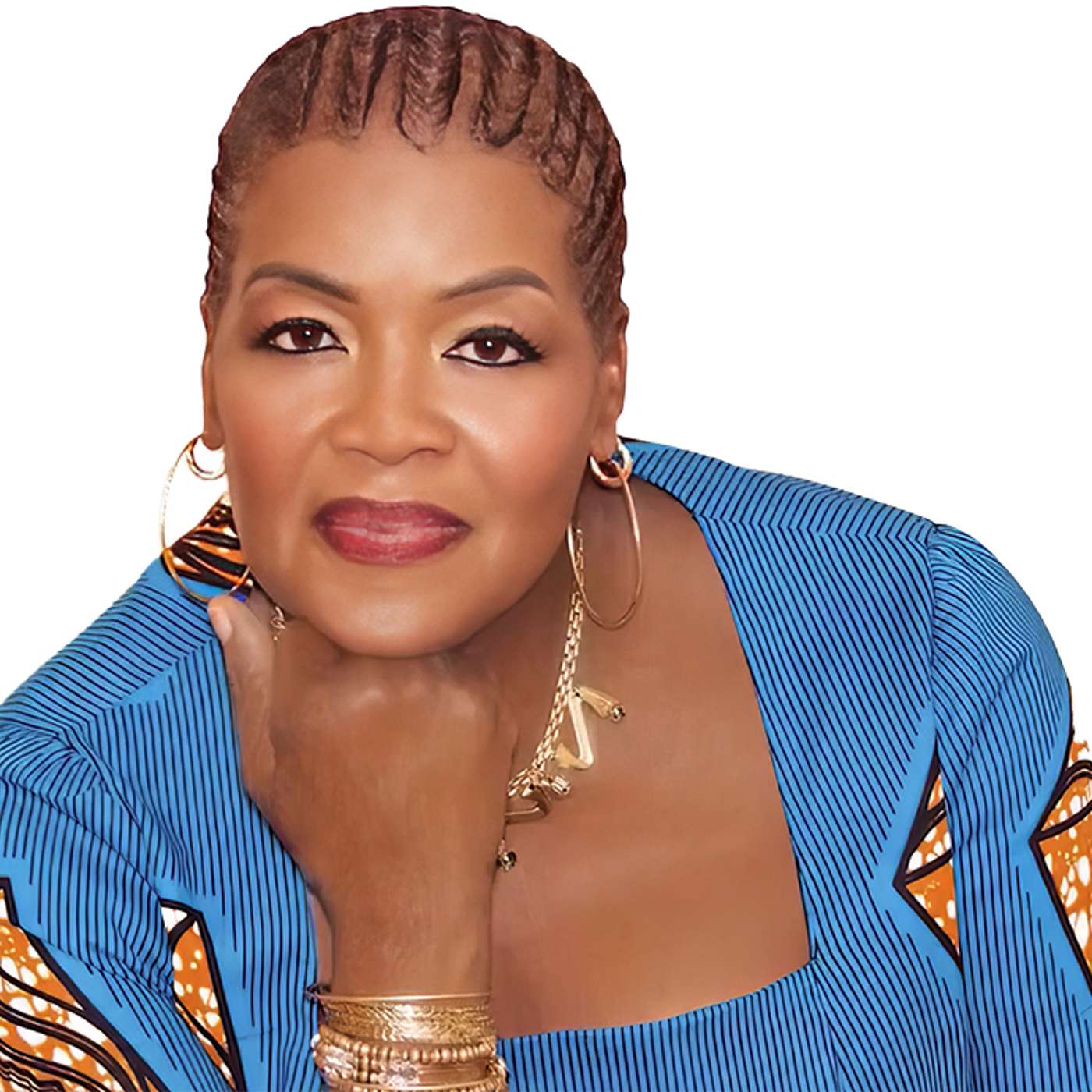
Ep 198Carole Boyce-Davies - Department of English, Howard University
This is Ashley Newby and you’re listening to The Black Studies podcast, a Mellon grant sponsored series of conversations examining the history of the field. Our conversations engage with a wide range of activists and scholars - senior figures in the field, late doctoral students, and everyone in between, culture workers, and political organizers - in order to explore the cultural and political meaning of Black Studies as an area of inquiry and its critical methods.Today's conversation is with Carole Boyce-Davies, Chair and Professor of African Diaspora Literatures in the Department of Literature and Writing at Howard University, Washington, D.C. (2023 to present). She is the Frank H.T. Rhodes Professor Emerita of Humane Letters in the College of Arts and Sciences and Professor Emerita of Africana Studies and Literatures in English at Cornell University where she taught from 2007-2023. From the mid-1980s and throughout the 1990s, she was a popular award-winning professor at the State University of New York, Binghamton. In 1997, she was recruited to build the African Diaspora Studies Program at Florida International University where she served three successful terms until 2007 when she joined the Cornell faculty. An African Diaspora and Black Feminist Studies scholar in scholarship and in practice, she is a popular speaker on several related topics. In 2015, she was appointed to the prestigious Kwame Nkrumah Chair in African Studies at the University of Ghana, Legon which she deferred and was Visiting Professor at the School of Foreign Studies, Beijing, China 2016.. In 2022, she was a visiting professor at the School of Foreign Languages (FLEX), University of Havana during which time she conducted interviews on women and leadership in Cuba, focusing largely on Havana.
Ep 197Christopher Tounsel - Department of History, University of Washington
This is Ashley Newby and you’re listening to The Black Studies podcast, a Mellon grant sponsored series of conversations examining the history of the field. Our conversations engage with a wide range of activists and scholars - senior figures in the field, late doctoral students, and everyone in between, culture workers, and political organizers - in order to explore the cultural and political meaning of Black Studies as an area of inquiry and its critical methods.Today's conversation is with Christopher Tounsel, an historian of modern Sudan, with special focus on race and religion as political technologies. His first book, Chosen Peoples: Christianity and Political Imagination in South Sudan (Duke 2021), was named a finalist for the Association for the Study of the Worldwide African Diaspora's Outstanding First Book Award and was a Finalist for the Christianity Today Book Award (History/Biography). His most recent book, Bounds of Blackness: African Americans, Sudan, and the Politics of Solidarity (Cornell, 2024), has received honorable mention for the International Studies Association Book Award (Diplomatic Studies section). He has provided Sudan-related commentary for outlets including the BBC, Al Jazeera, Human Rights Watch, and NPR's Throughline.
Ep 196Nicole Telfer - Department of Psychology, Notre Dame of Maryland University
This is John Drabinski and you’re listening to The Black Studies podcast, a series of conversations examining the history of the field. Our conversations engage with a wide range of activists and scholars - senior figures in the field, late doctoral students, and everyone in between, culture workers, and political organizers - in order to explore the cultural and political meaning of Black Studies as an area of inquiry and its critical methods.Today’s conversation is with Nicole Telfer, who teaches in the Department of Psychology at Notre Dame of Maryland University. She is the author of a number of essays in both scholarly and popular venues concerned with education, disability, and the lives of Black children. In this conversation, we discuss the impact of Black Studies on psychology research, the significance of the intersection of Black study and research on disability, and the importance of childhood in thinking about Black life.
Ep 195Rebecca Wanzo - Departments of African and African American Studies and Women, Gender, and Sexuality Studies, Washington University
This is John Drabinski and you’re listening to The Black Studies podcast, a series of conversations examining the history of the field. Our conversations engage with a wide range of activists and scholars - senior figures in the field, late doctoral students, and everyone in between, culture workers, and political organizers - in order to explore the cultural and political meaning of Black Studies as an area of inquiry and its critical methods.Today’s conversation is with Rebecca Wanzo, who teaches in the Departments of African and African American Studies and Women, Gender, and Sexuality Studies at Washington University. Along with a number of scholarly and public facing essays, she is the author of The Suffering Will Not Be Televised: African American Women and Sentimental Political Storytelling (2009) and The Content of Our Caricature: African American Comic Art and Political Belonging (2020). In this conversation, we discuss the expansiveness of Black study, the place of graphic and popular arts in Black Studies research, and the relevance of critical theoretical work for the field.
Ep 194Shanice Robinson-Blacknell - Department of Africana Studies, San Francisco State University
This is John Drabinski and you’re listening to The Black Studies podcast, a series of conversations examining the history of the field. Our conversations engage with a wide range of activists and scholars - senior figures in the field, late doctoral students, and everyone in between, culture workers, and political organizers - in order to explore the cultural and political meaning of Black Studies as an area of inquiry and its critical methods.Today’s conversation is with Shanice Robinson-Blacknell, who teaches in the Department of Africana Studies at San Francisco State University. Shanice’s research and teaching revolve around pedagogy, activism, and the relationship between academic work and community intervention and collaboration. In this conversation, we discuss the meaning of education and pedagogy in Black Studies classrooms, the meaning of community for the past and future of the field, and the distinctiveness of Black ways of making and deploying critical knowledge.
Ep 193Tamara T. Butler - Executive Director, Avery Research Center for African American History and Culture, College of Charleston
This is Ashley Newby and you’re listening to The Black Studies podcast, a Mellon grant sponsored series of conversations examining the history of the field. Our conversations engage with a wide range of activists and scholars - senior figures in the field, late doctoral students, and everyone in between, culture workers, and political organizers - in order to explore the cultural and political meaning of Black Studies as an area of inquiry and its critical methods.Today's conversation is with Tamara T. Butler, a community cultivator and thought leader who draws upon lessons learned growing up on Johns Island, South Carolina. Currently, she serves as the Executive Director of the Avery Research Center for African American History and Culture and Associate Dean of Strategic Planning & Community Engagement for the College of Charleston Libraries. At the College of Charleston, she is a member of the Executive Committee for African American Studies. Beyond campus, Dr. Butler serves as a commissioner for the Gullah Geechee Cultural Heritage Corridor, a board member for the Coastal Conservation League and International African American Museum and a trustee for the National Council of Teachers of English Research Foundation. The Charleston County School of the Arts alum went on to earn degrees from Xavier University of Louisiana and THE Ohio State University. Prior to joining the team at the Avery Research Center, Dr. Butler was an Associate Professor of Critical Literacies at Michigan State University. As a scholar teaching and working at the intersections of English Education, African American Studies and Ecology, she has authored over 10 journal articles and book chapters that explore youth activism, civic engagement, Black Girlhood, and placemaking. In her co-authored book, Where is the Justice? Engaged Pedagogies in Schools and Communities, Dr. Butler highlights transformative education that centers community partnerships, student voices, and creative educators.
Ep 192Chelsea Mikael Frazier - Department of English, Cornell University
This is John Drabinski and you’re listening to The Black Studies Podcast, a series of conversations examining the history of the field. Our conversations engage with a wide range of activists and scholars - senior figures in the field, late doctoral students, and everyone in between, culture workers, and political organizers - in order to explore the cultural and political meaning of Black Studies as an area of inquiry and its critical methods.Today’s conversation is with Chelsea Mikael Frazier, who teaches in the Department of English at Cornell University. Along with scholarly essays and critical pieces, she is completing a manuscript that assembles a Black feminist ecology drawn from Black women’s art, activism, and storytelling. She also hosts and directs the educational consultation platform Ask An Amazon. In this conversation, we discuss the place of ecological and environmental questions in the field of Black Studies, Black feminist innovations in the field, and the urgent political questions in the study of Black life in the twenty-first century.
Ep 191Sara E. Johnson - Department of Literature, University of California, San Diego
This is Ashley Newby and you’re listening to The Black Studies podcast, a Mellon grant sponsored series of conversations examining the history of the field. Our conversations engage with a wide range of activists and scholars - senior figures in the field, late doctoral students, and everyone in between, culture workers, and political organizers - in order to explore the cultural and political meaning of Black Studies as an area of inquiry and its critical methods.Today's conversation is with Sara E. Johnson, who teaches in the Department of Literature at the University of California, San Diego. She is a literary historian who specializes in cultural production of the eighteenth- and nineteenth century Caribbean across linguistic and imperial boundaries. She co-directed the UCSD Black Studies Project from 2021-2025. Her most recent book, Encyclopédie noire: The Making of Moreau de Saint-Méry’s Intellectual World (2023), works with archival fragments to center the world of enslaved knowledge production that made Moreau’s research life and academic fame possible. It was awarded the Frederick Douglass Book Prize, along with prizes from the Modern Language Association (MLA), the American Historical Association (AHA), the Association for the Study of the Worldwide African Diaspora (ASWAD) and the French Colonial Historical Society. Her first book, The Fear of French Negroes: Transcolonial Collaboration in the Revolutionary Americas (2012) is an inter-disciplinary study that explored how people of African descent responded to the collapse and reconsolidation of colonial life in the aftermath of the Haitian Revolution. The book traces expressions of transcolonial black politics in places including Hispaniola, Louisiana, Jamaica, and Cuba, through forms including performance idioms and early black newspapers. Johnson is also the co-editor of Kaiso! Writings By and About Katherine Dunham (2006) and Una ventana a Cuba y los Estudios cubanos (2010).
Ep 190Takiyah Harper-Shipman - Department of Africana Studies, Davidson College
This is John Drabinski and you’re listening to The Black Studies podcast, a series of conversations examining the history of the field. Our conversations engage with a wide range of activists and scholars - senior figures in the field, late doctoral students, and everyone in between, culture workers, and political organizers - in order to explore the cultural and political meaning of Black Studies as an area of inquiry and its critical methods.Today’s conversation is with Takiyah Harper-Shipman, who teaches in the Department of Africana Studies at Davidson College. Along with scholarly essays and critical pieces, she is the author of Rethinking Ownership of Development in Africa (2019) and her second monograph, Unruly Fertility: Race, Development, and Decolonial Reproductive Politics, is forthcoming with Stanford University Press. In this conversation, we discuss the place of political economy in the field of Black Studies, transnational and comparative study, and the urgent political questions in the study of Black life in the twenty-first century.
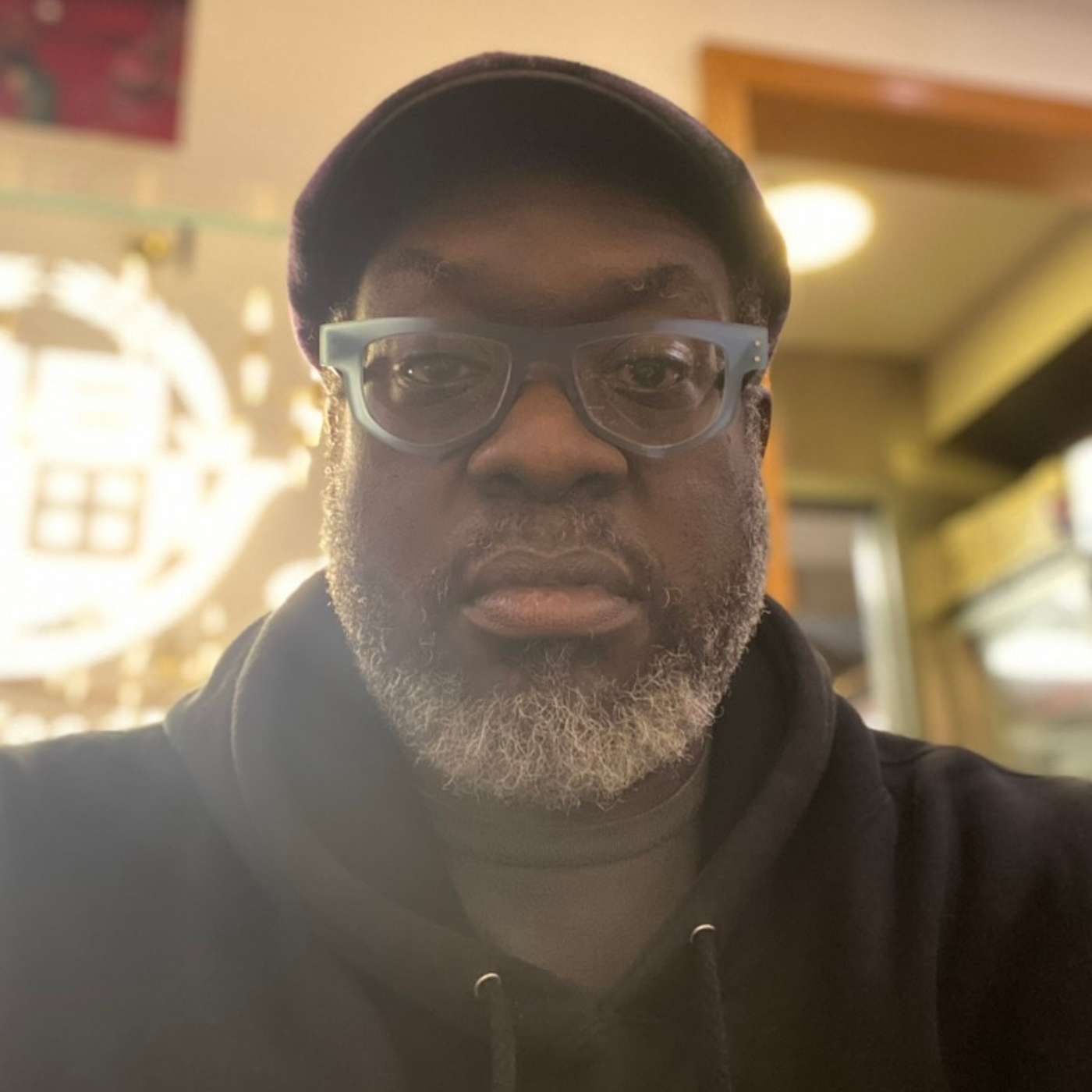
Ep 189Michael Gillespie - Department of Cinema Studies, New York University
This is John Drabinski and you’re listening to The Black Studies podcast, a series of conversations examining the history of the field. Our conversations engage with a wide range of activists and scholars - senior figures in the field, late doctoral students, and everyone in between, culture workers, and political organizers - in order to explore the cultural and political meaning of Black Studies as an area of inquiry and its critical methods.Today’s conversation is with Michael Gillespie, who teaches in the Department of Cinema Studies at New York University. Along with a number of scholarly essays and critical pieces in key journals and collections, he is author of Film Blackness: American Cinema and the Idea of Black Film (2016), co-editor with Lisa Uddin of the groundbreaking art criticism collection Black One Shot, and is currently completing a manuscript entitled Dreams and False Alarms: Pleasure, Ambivalence, and the Art of Blackness. He was the consulting producer on The Criterion Collection releases of Deep Cover, Shaft, and Drylongso. In this conversation, we discuss Black Studies as a wide-frame for inquiry, the place of expressive culture in the field, and the particular challenges and gifts of cinema studies for work on Black life.
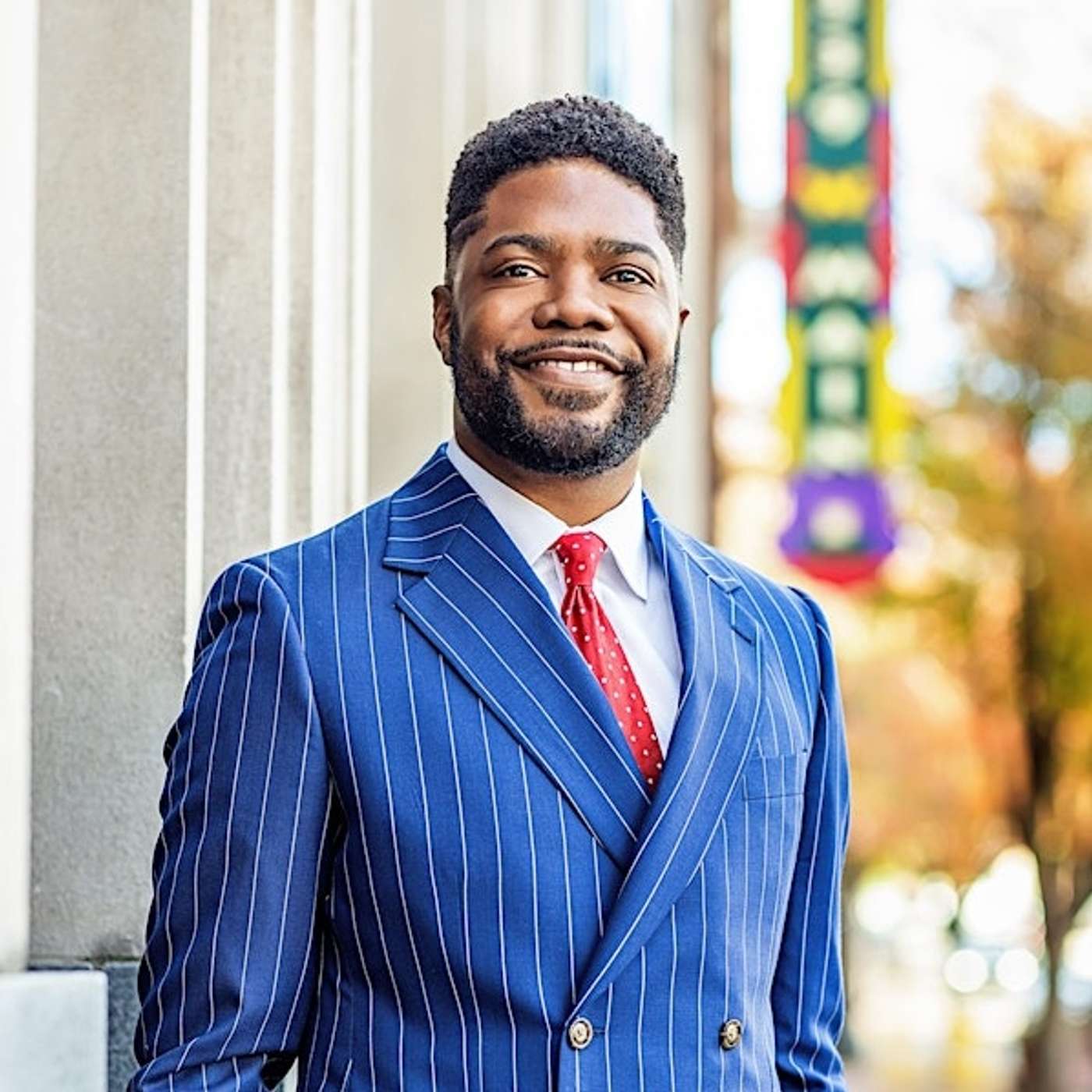
Ep 188Jarvis McInnis - Department of English, Duke University
This is John Drabinski and you’re listening to The Black Studies podcast, a series of conversations examining the history of the field. Our conversations engage with a wide range of activists and scholars - senior figures in the field, late doctoral students, and everyone in between, culture workers, and political organizers - in order to explore the cultural and political meaning of Black Studies as an area of inquiry and its critical methods.Today’s conversation is with Jarvis McInnis, who teaches in the Department of English at Duke University. Along with a number of scholarly essays in key journals, he is author of Afterlives of the Plantation: Plotting Agrarian Futures in the Global Black South, published by Columbia University Press in 2025. In this conversation, we discuss the place of the rural Black south in Black Studies, the expansiveness of thinking and theorizing Black life, and how a Black Studies approach to archives and evidence broadens our notion of who does and what is intellectual work.
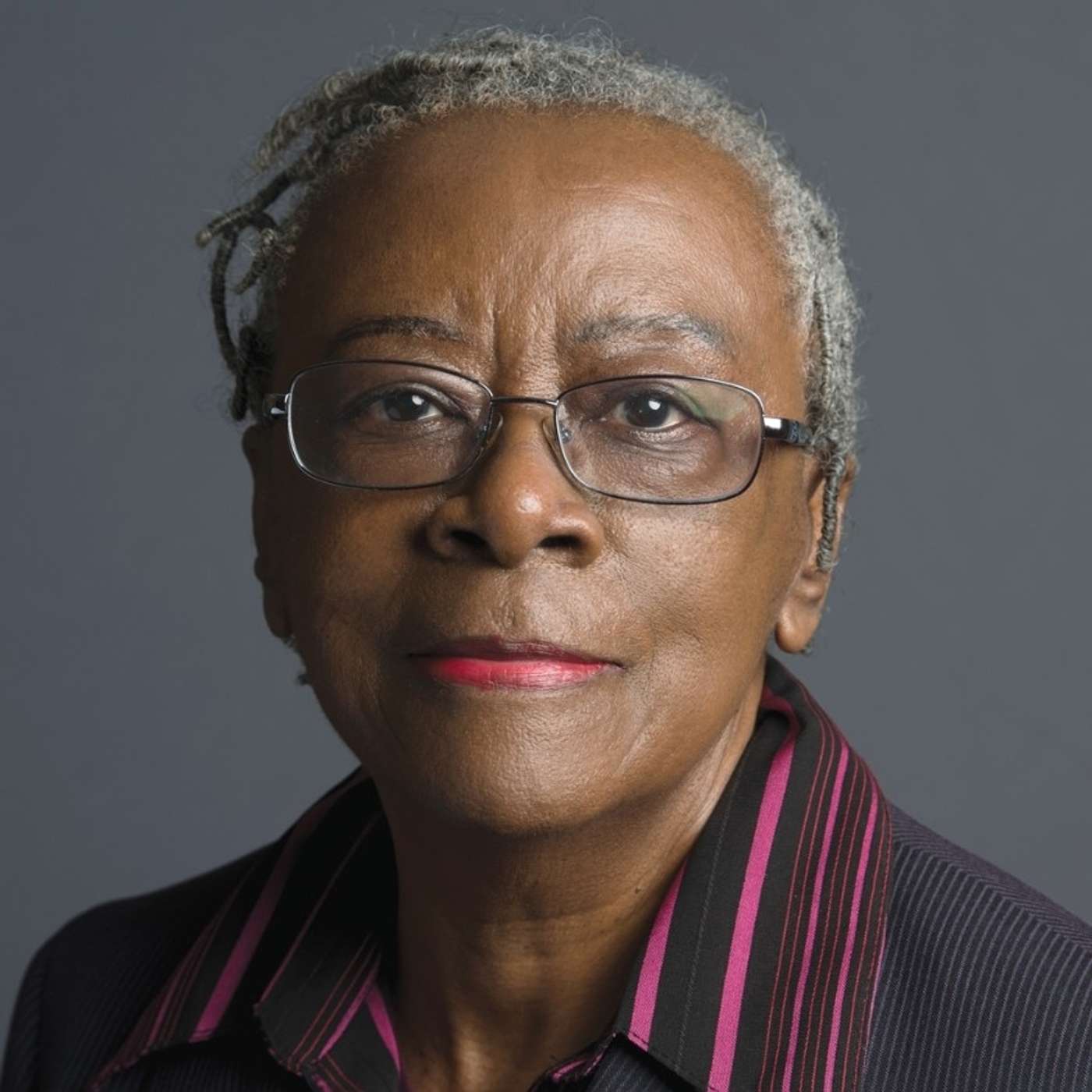
Ep 187Janet Helms - Professor Emeritus, Department of Counseling, Developmental, and Educational Psychology, Boston College
This is Ashley Newby and you’re listening to The Black Studies podcast, a Mellon grant sponsored series of conversations examining the history of the field. Our conversations engage with a wide range of activists and scholars - senior figures in the field, late doctoral students, and everyone in between, culture workers, and political organizers - in order to explore the cultural and political meaning of Black Studies as an area of inquiry and its critical methods.Today's conversation is with Janet E. Helms, Augustus Long Professor Emeritus in the Department of Counseling, Developmental, and Educational Psychology at Boston College and Co-Founder of Psychologists for Racial Justice.
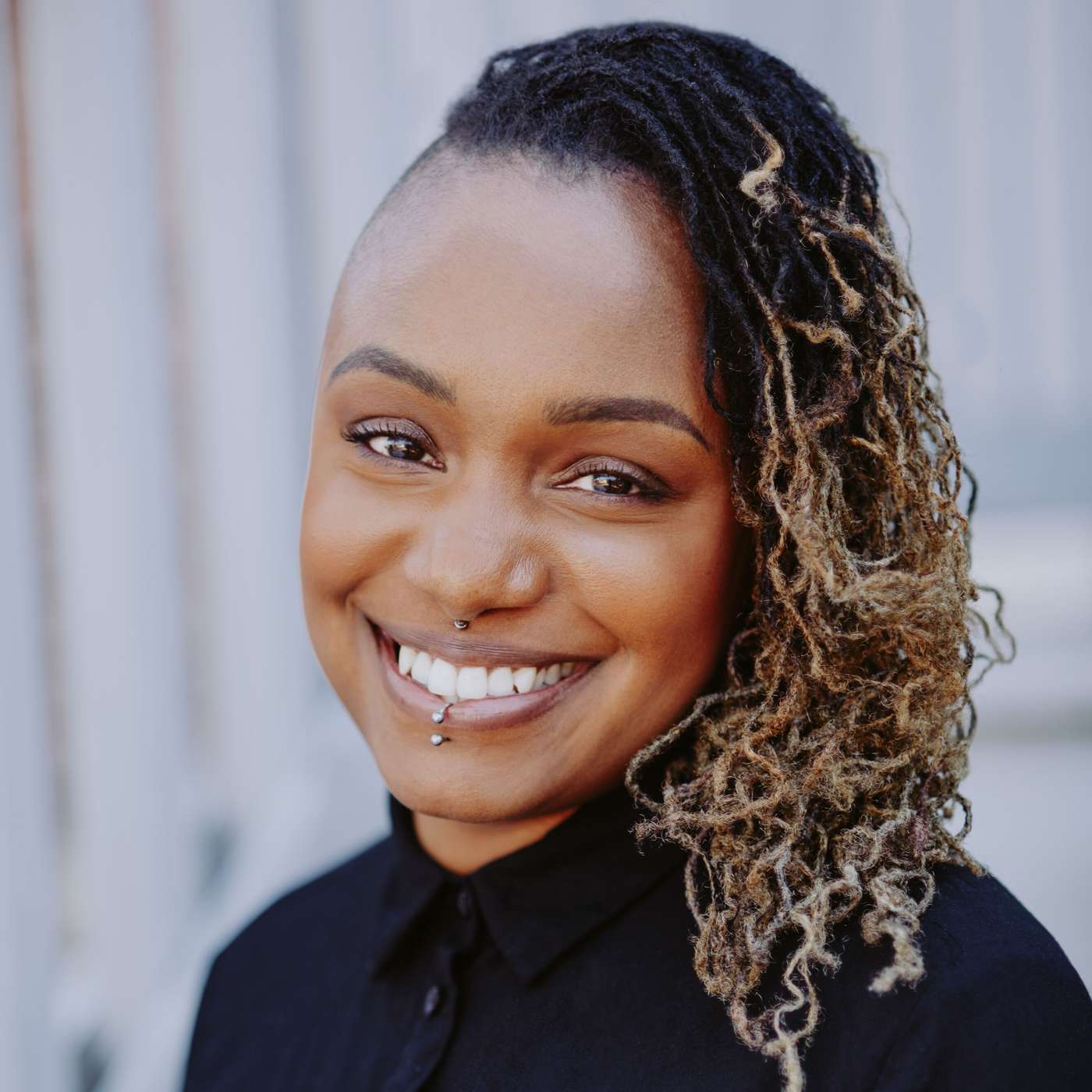
Ep 186Christina Carney - Department of Black Studies, University of Missouri
This is John Drabinski and you’re listening to The Black Studies podcast, a series of conversations examining the history of the field. Our conversations engage with a wide range of activists and scholars - senior figures in the field, late doctoral students, and everyone in between, culture workers, and political organizers - in order to explore the cultural and political meaning of Black Studies as an area of inquiry and its critical methods.Today’s conversation is with Christina Carney, who teaches in the Department of Black Studies at University of Missouri. Along with a number of scholarly essays in key journals, she is author of Disreputable Women: Black Sex Economies and the Making of San Diego, published by University of California Press in 2025. In this conversation, we discuss the transformative role of gender and class in Black Studies discourse, the importance of Black California for thinking about African American life, and the imperatives for Black Studies to take sexual economies seriously when theorizing the structure of Black life.
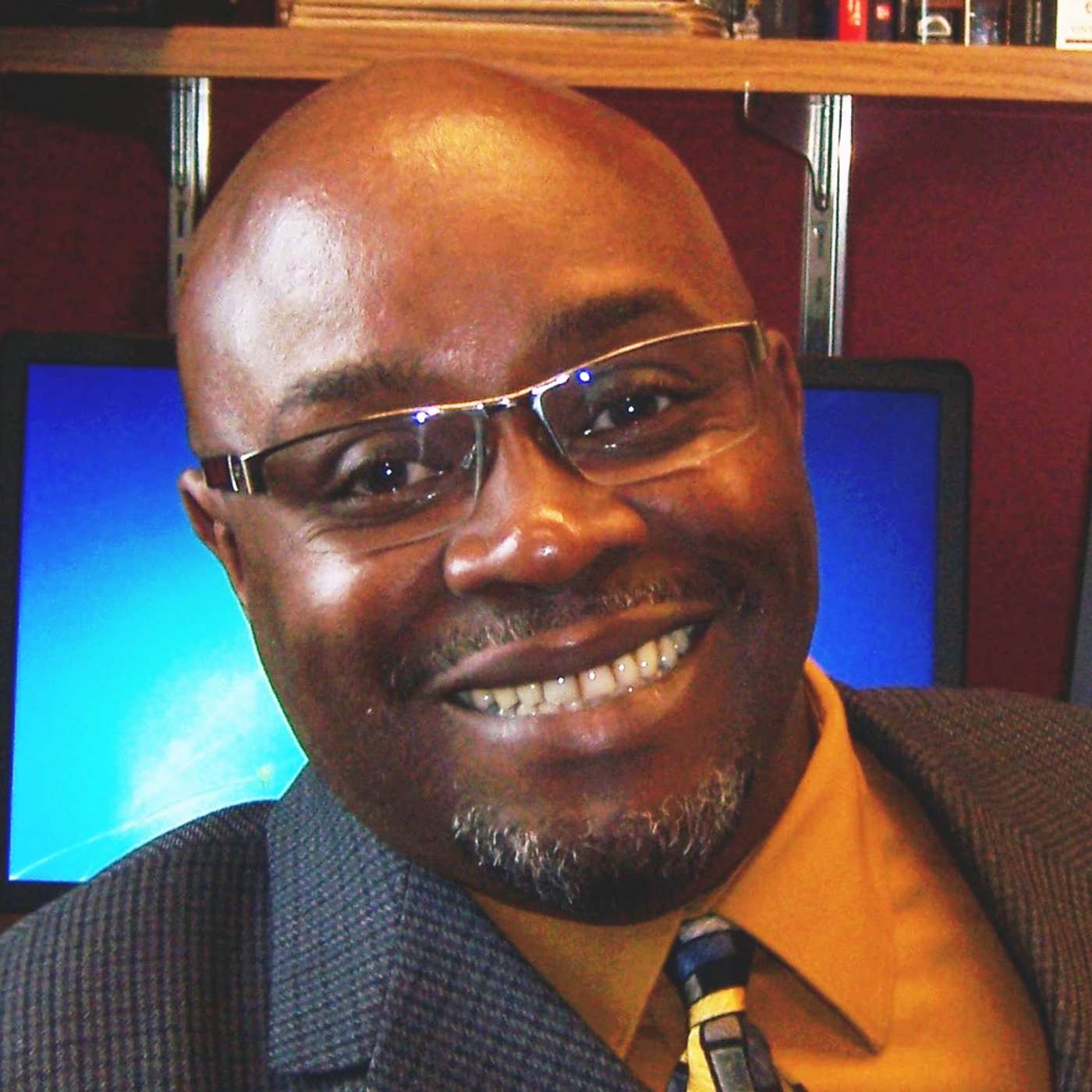
Ep 185Ronald J. Stephens - Program in African American Studies, Purdue University
This is Ashley Newby and you’re listening to The Black Studies podcast, a Mellon grant sponsored series of conversations examining the history of the field. Our conversations engage with a wide range of activists and scholars - senior figures in the field, late doctoral students, and everyone in between, culture workers, and political organizers - in order to explore the cultural and political meaning of Black Studies as an area of inquiry and its critical methods.Today's conversation is with Ronald Stephens, who teaches in the Program in African American Studies at Purdue University, where he is hosting centennial conference on the life and work of Robert F. Williams (22 October 2025). A nationally and internationally recognized expert on the historically significant African American resort in Idlewild, Michigan, he has authored several important works, including Idlewilde: The Rise, Decline, and Rebirth of a Unique African American Resort Town (University of Michigan Press, 2013) and Idlewild: the Black Eden of Michigan (Arcadia, 2001). He is lead co-editor of three volumes: Global Garveyism (University of Florida, 2019), Chicken Bone Beach (Arcadia Publishing, 2023), and African Americans of Denver (Arcadia, 2008), and he is the author of twelve academic journal articles in publications such as the Journal of Black Studies, The Black Scholar, and Black Diaspora Review. He has an article in press with the Michigan Historical Review entitled, “Trailblazers of Justice: Violette Neatley Anderson and Percy J. Langster’s Legal Legacies in Idlewild: the Black Eden and Summer Apollo of Michigan.” Dr. Stephens is currently writing Robert and Mabel Williams: Matrimonial Partnership in Black Resistance History and pursuing a book contract with Wayne State University Press. Dr. Stephens has appeared as an expert for numerous media outlets including NPR, the HIstory Channel, and the Smithsonian Channel. Notable features include appearances in the documentaries Negroes with Guns and The Green Book: Road to Freedom, as well as Tony Brown’s Journal, Black Nouveau and HGTV’s Historic African American Towns. His contributions continue to deepen our understanding of African American leisure culture, and resistance history. Recently, he launched The Resilience Journey, a 40-minute bi-weekly podcast based on the experiences of Robert and Mabel Williams as a testament to the power of defiance in the face of oppression and the enduring spirit in the fight for human dignity and equality. The show explores stories of perseverance and empowerment, and where history’s echoes shape our past and future. Each episode dives deep into stories of resistance, resilience, courage, and the relentless pursuit of justice through the lens of those who’ve lived it. He plans to continue the Resilience Journey and write two other African American biographies - 1. About producer Larry Steele from his Smart Affairs revue from the mid-1940s to the early 1970s; and 2. About John White and the Gotham Hotel of Detroit Dr. Stephens has over a decade of administrative leadership experience, having served as department chair at Metropolitan State University of Denver and Ohio University, as well as program director of African American Studies at various other institutions. He was born and grew up in Detroit. He attended Detroit Public Schools, and graduated from Wayne State University, earning a B.A. and an M.A. in Speech Communication and M.A. and PhD from Temple University in African American Studies. He is the father of two daughters (Kiara and Karielle) and proud grandfather of twelve grandchildren.

Ep 184Mia Bay - Faculty of History, University of Cambridge
This is Ashley Newby and you’re listening to The Black Studies podcast, a Mellon grant sponsored series of conversations examining the history of the field. Our conversations engage with a wide range of activists and scholars - senior figures in the field, late doctoral students, and everyone in between, culture workers, and political organizers - in order to explore the cultural and political meaning of Black Studies as an area of inquiry and its critical methods.Today's conversation is with Mia Bay, Paul Mellon Professor of American History at University of Cambridge. Mia Bay is a scholar of American and African American intellectual, cultural and social history. A graduate of University of Toronto, she completed her post graduate studies at Yale University under the supervision of David Brion Davis. In recent years, she has taught at the University of Pennsylvania, where she was the Roy F. and Jeanette P. Nichols Professor of American History, and before that she taught at Rutgers University, where she also directed the Rutgers Center for Race and Ethnicity.Bay’s most recent book is the Bancroft prize-winning Traveling Black: A Story of Race and Resistance (Harvard University Press, 2021), which also received a PROSE Award for Excellence in American History, the OAH’s Liberty Legacy Award, the Lillian Smith book Award, the Order of the Coif Book Award and the David J, Langum Prize in Legal History. Her other works include The White Image in the Black Mind: African-American Ideas about White People, 1830-1925 (Oxford University Press, 2000); To Tell the Truth Freely: The Life of Ida B. Wells (Farrar, Straus and Giroux, 2009) and the edited work Ida B Wells, The Light of Truth: The Writings of An Anti-Lynching Crusader (Penguin Books, 2014). She is also the co-author, with Waldo Martin and Deborah Gray White, of the textbook Freedom on My Mind: A History of African Americans with Documents (Bedford/St. Martins 2012, 1st Edition, 2016, 2nd Edition), and the editor of two collections of essays: Towards an Intellectual History of Black Women (University of North Carolina Press, 2015), which she co-edited with Farah Jasmin Griffin, Martha S. Jones and Barbara Savage, and Race and Retail: Consumption Across the Color Line( Rutgers University Press, 2015), which she co-edited with Ann Fabian. Bay’s current projects include a new book on the history of African American ideas about Thomas Jefferson. Her work has been supported by the Starr Center for the Study of the American Experience, the Fletcher Foundation, the National Humanities Center, the Robert H. Smith International Center for Jefferson Studies at Monticello; the American Council of Learned Societies, Boston University’s Institute on Race and Social Division, Harvard University’s Charles Warren Center and W.E.B. Du Bois Centers; and the American Historical Association. An Organization of American Historians Distinguished Lecturer, Bay is a member of the Gilder Lehrman Center’s advisory board and serves on the editorial boards of Reviews in American History, the Journal of African American History, and the African American Intellectual History Society’s Black Perspectives Blog. Bay is also a frequent consultant on museum and documentary film projects. Her recent public history work includes working with the Smithsonian Institution's National Museum of African American History and Culture (NMAAHC) on one of its inaugural exhibits-- “Defending Freedom, Defining Freedom: The Era of Segregation 1876-1968”-- and serving a scholarly advisor to the Library of Congress and NMAAHC’s Civil Rights History Project.
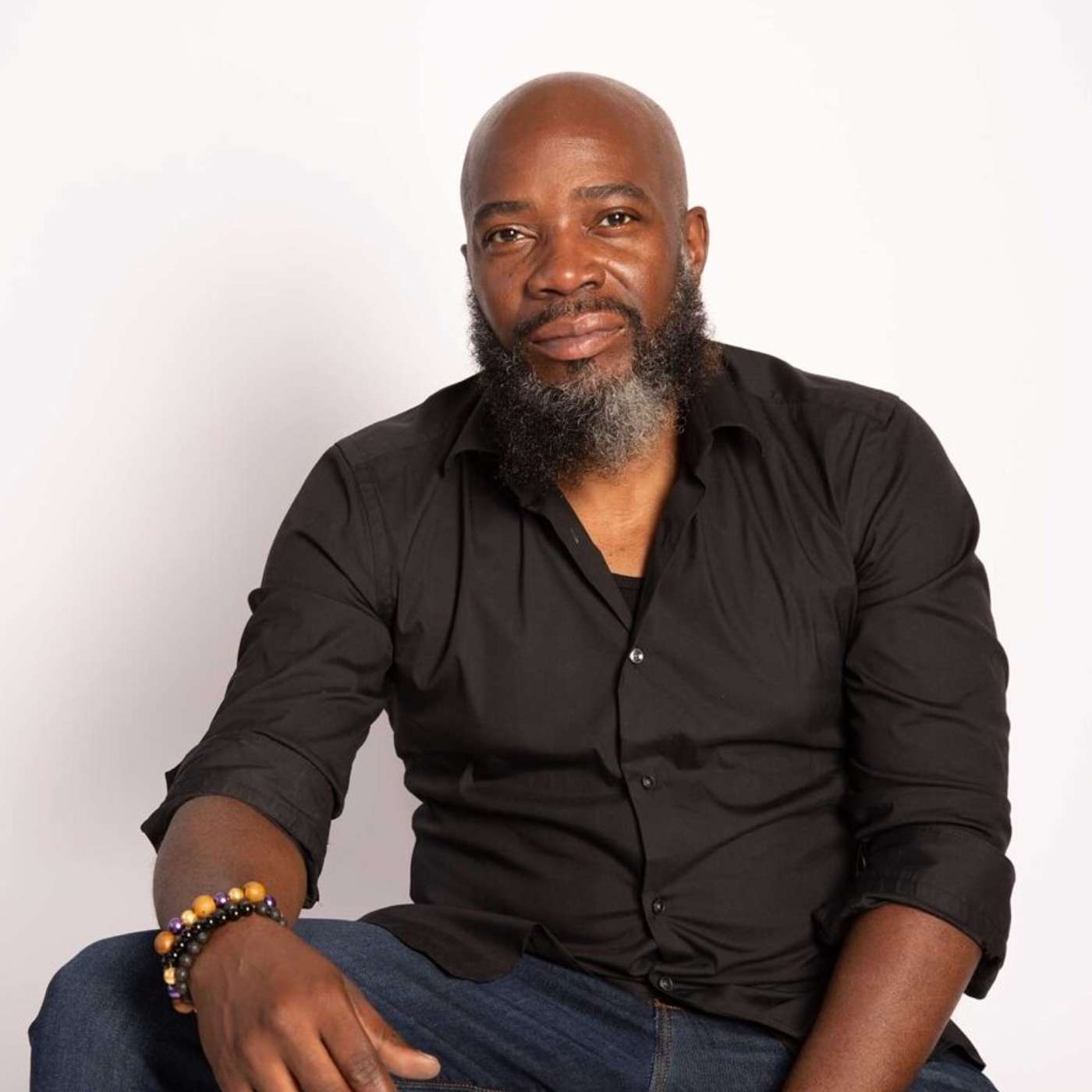
Ep 183Michael Harriot - Writer and Critic
This is John Drabinski and you’re listening to The Black Studies podcast, a series of conversations examining the history of the field. Our conversations engage with a wide range of activists and scholars - senior figures in the field, late doctoral students, and everyone in between, culture workers, and political organizers - in order to explore the cultural and political meaning of Black Studies as an area of inquiry and its critical methods.Today’s conversation is with writer and critic Michael Harriot. Along with numerous journalistic pieces in venues such as The Root, Yes! Magazine, TheGrio.com, he is author of the award-winning book Black AF History: The UnWhitewashed Story of America, published by Dey Street Books in 2023. In this conversation, we discuss the importance of study in journalistic and popular writing, the varied and deep roots of Black study, and the cultural and political responsibilities that come with writing about Black life in the twenty-first century.
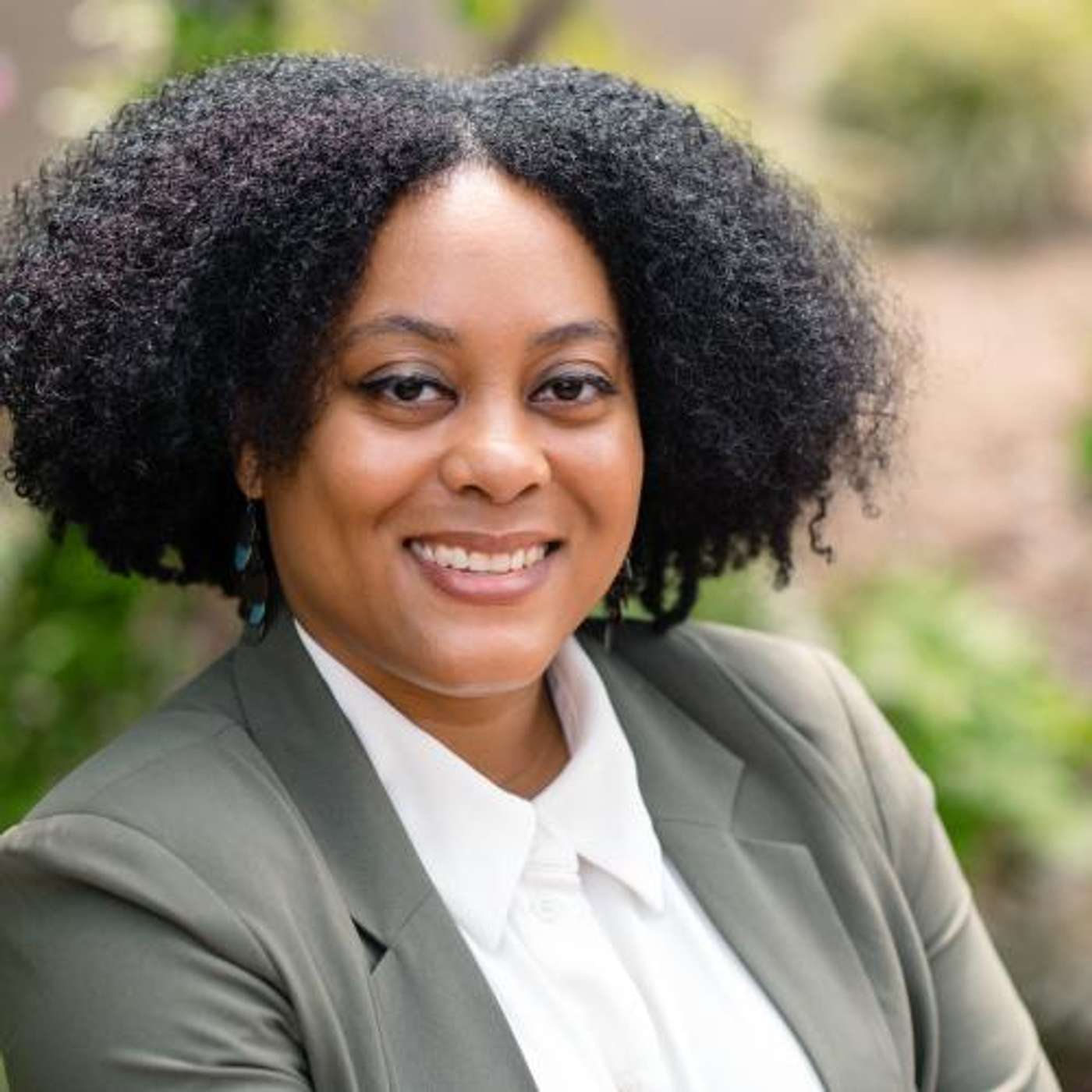
Ep 182Sabrina Evans - Department of Literature and Writing, Howard University
This is Ashley Newby and you’re listening to The Black Studies podcast, a Mellon grant sponsored series of conversations examining the history of the field. Our conversations engage with a wide range of activists and scholars - senior figures in the field, late doctoral students, and everyone in between, culture workers, and political organizers - in order to explore the cultural and political meaning of Black Studies as an area of inquiry and its critical methods.Today's conversation is with Sabrina Evans, who teaches in the Department of Literature and Writing at Howard University where she specializes in nineteenth- and early twentieth-century African American literature with a focus on Black women's writing, archives, and organizing. Her research examines the intellectual thought and literary production of Black clubwomen such as Frances Ellen Watkins Harper, Anna Julia Cooper, Mary Church Terrell, and Ida B. Wells-Barnett as well as the networks and communities that helped sustain their intellectual and activist work. She is project co-coordinator for the Black Women's Organizing Archive (BWOA). BWOA is a digital humanities project that seeks to locate the scattered archives of nineteenth and early twentieth-century Black women organizers and create teaching and research resources. In this work, she has collaborated with a team of faculty, graduate students, archivists, and librarians to produce papers locators featuring digitized and nondigitized collections of early Black women organizers as well as a digital map highlighting the various libraries and repositories holding their collections.
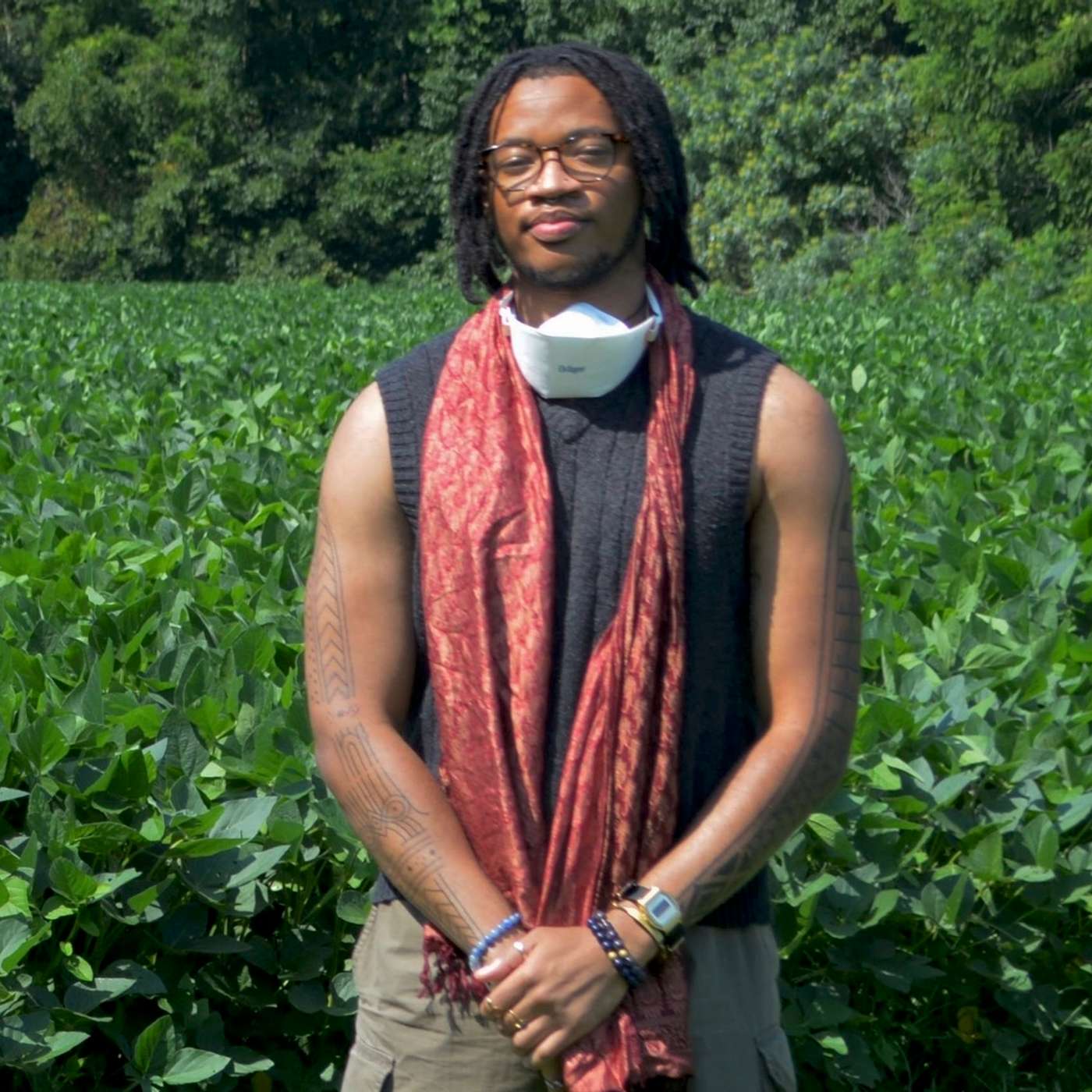
Ep 181Jona Alexander - Poet and Filmmaker
This is Brie Gorrell and you’re listening to The Black Studies podcast, a Mellon grant sponsored series of conversations examining the history of the field. Our conversations engage with a wide range of activists and scholars - senior figures in the field, late doctoral students, and everyone in between, culture workers, and political organizers - in order to explore the cultural and political meaning of Black Studies as an area of inquiry and its critical methods.
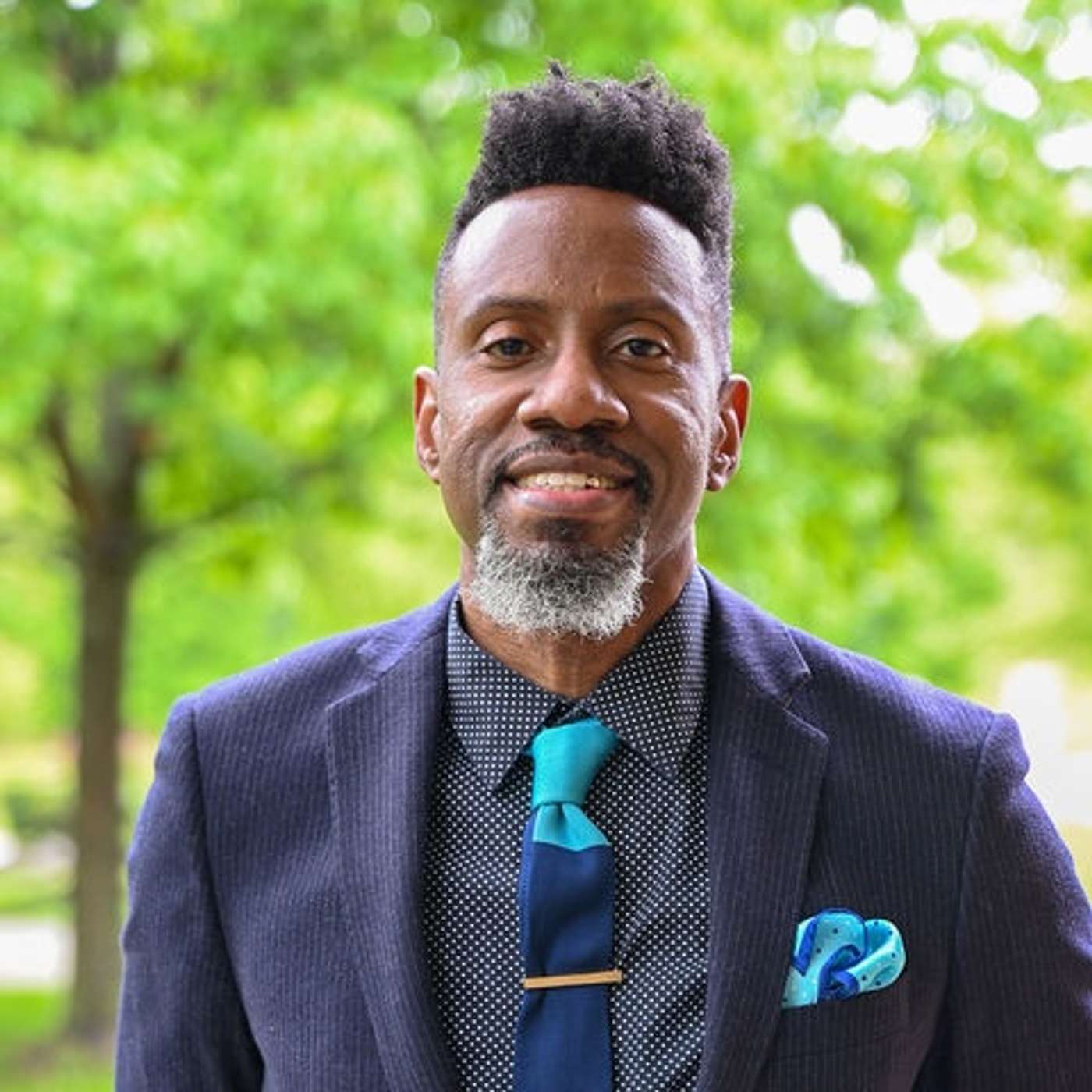
Ep 180Johnathan White - Department of History, Penn State University, Greater Allegheny
This is Ashley Newby and you’re listening to The Black Studies podcast, a Mellon grant sponsored series of conversations examining the history of the field. Our conversations engage with a wide range of activists and scholars - senior figures in the field, late doctoral students, and everyone in between, culture workers, and political organizers - in order to explore the cultural and political meaning of Black Studies as an area of inquiry and its critical methods.Today's conversation is with Johnathan White, who teaches in the Department of History at Penn State, Greater Allegheny. He has taught courses in history, African American studies, black arts, and leadership development. He co-founded the Study of Hip-Hop Conference and the Stewart and Jones Scholar Leadership Program. He is a founding member of the Crossing Bridges committee which serves the surrounding community. In addition, he chairs the Anti-Racism task force at PSUGA. He is also creator of the Black Woman Reaffirmed video project. His up coming album, Love Algorithms, is an eclectic mix of poetry, hip-hop, and spoken word. Finally, he is co-authoring a book, ‘A Love We Need…’, which examines what a divided America can learn from 50 years of Hip Hop culture. He is a board member of the Langston Hughes Poetry Society. In addition, he served as lead instructor of the Full Armor Institute, mentoring young black men at Mt. Olive Baptist church. Moreover, he has conducted black history workshops and seminars on living a vibrant lifestyle that synthesizes faith and the pursuit of social justice. He was awarded the Dr. James Robinson Equal Opportunity Award (honoring those who fight for equity at Penn State) in 2021. He received the highly competitive Atherton Excellence in Teaching Award in 2021 as well. Finally, in 2022 he was a Pittsburgh Courier Men of Excellence honoree. He was recognized for his contribution in the field of education.
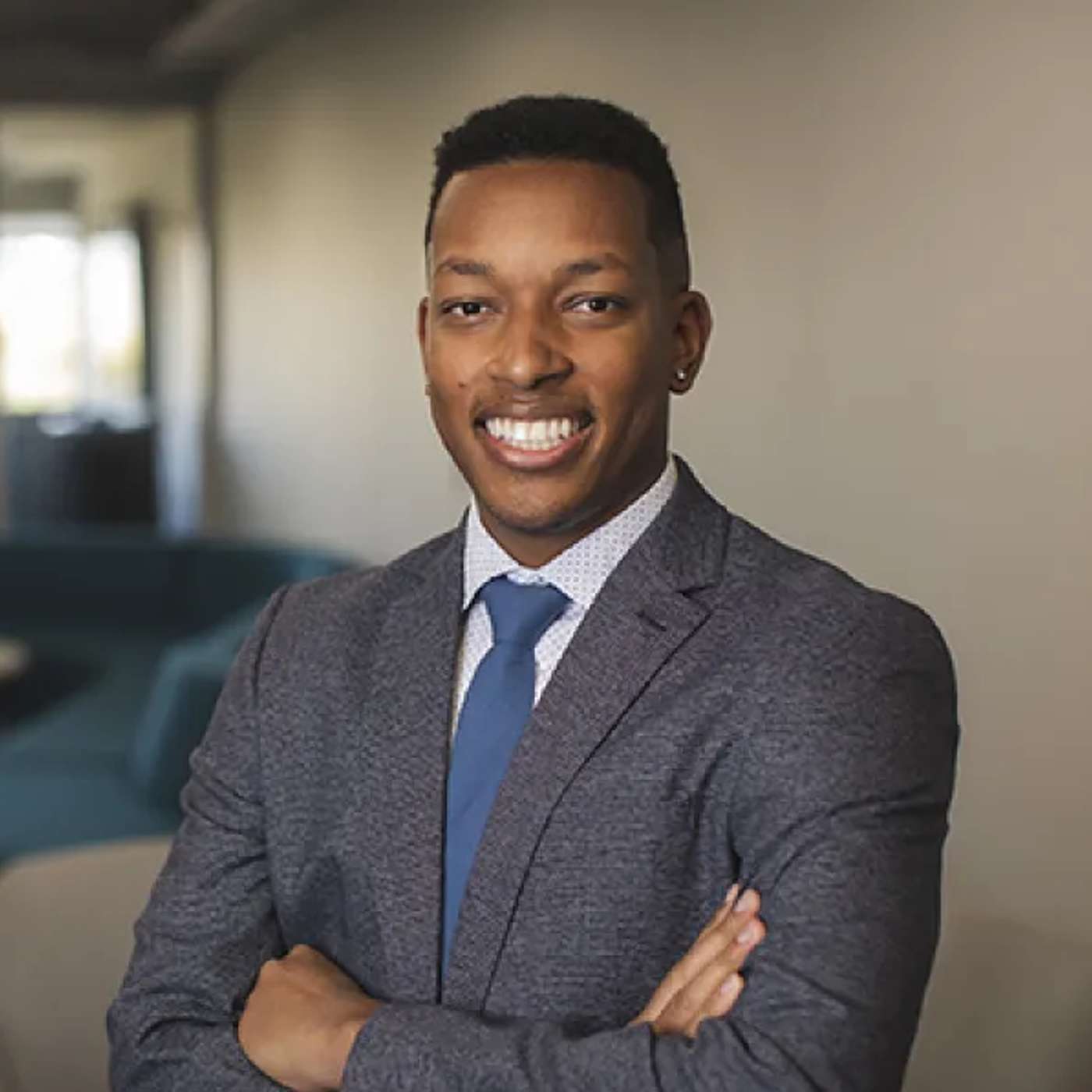
Ep 179Watufani Poe - Department of Communication, Tulane University
This is John Drabinski and you’re listening to The Black Studies podcast, a Mellon grant sponsored series of conversations examining the history of the field. Our conversations engage with a wide range of activists and scholars - senior figures in the field, late doctoral students, and everyone in between, culture workers, and political organizers - in order to explore the cultural and political meaning of Black Studies as an area of inquiry and its critical methods.Today’s conversation is with Watufani Poe, who teaches in the Department of Communication at Tulane University. Along with scholarly and public-facing pieces, he is completing a manuscript entitled Resisting Fragmentation: The Embodied Politics of Black Queer Worldmaking, an ethnohistoric study of Black LGBTQ+ social and political activism in Brazil and the United States that outlines how Black LGBTQ+ people push for freedom across various social and political movement spaces and imagine alternative worlds. In this conversation, we discuss the importance of language and transnational work in Black Studies, the political impact of Black study, and the place of questions of gender and sexuality in the field.
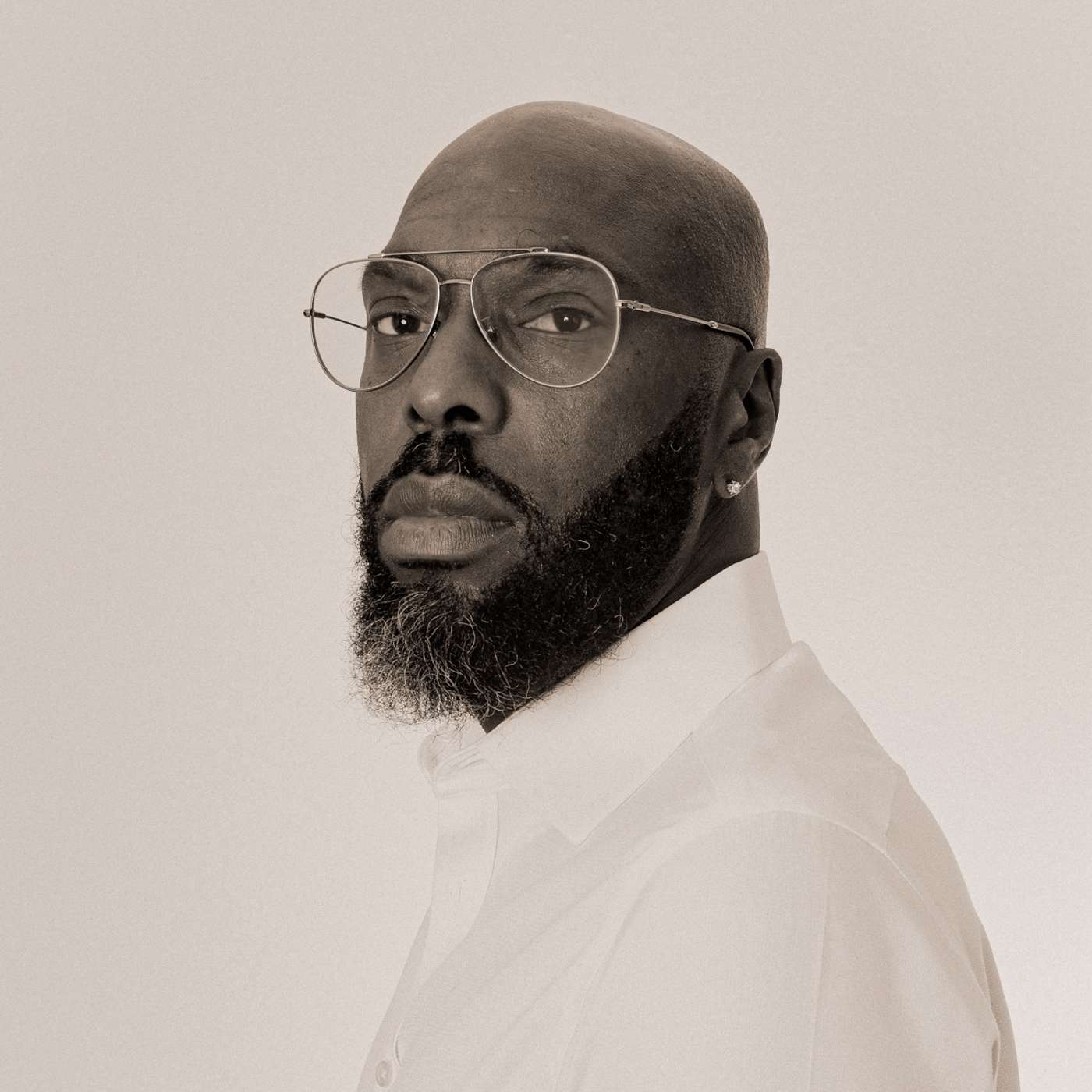
Ep 178Davarian Baldwin - Department of American Studies, Trinity College
This is Ashley Newby and you’re listening to The Black Studies podcast, a Mellon grant sponsored series of conversations examining the history of the field. Our conversations engage with a wide range of activists and scholars - senior figures in the field, late doctoral students, and everyone in between, culture workers, and political organizers - in order to explore the cultural and political meaning of Black Studies as an area of inquiry and its critical methods.Today's conversation is with Davarian Baldwin, Raether Distinguished Professor in the Department of American Studies and founding director of the Smart Cities Research Lab at Trinity College. He is the award-winning author of several books, most recently In the Shadow of the Ivory Tower: How Universities are Plundering Our Cities and worked as the consultant and text author for The World of the Harlem Renaissance: A Jigsaw Puzzle. In addition to teaching and writing, Baldwin has served in the national leadership of the American Association of University Professors and Scholars for Social Justice and sits on several editorial boards including the Journal of African American History and Souls: A Critical Journal of Black Politics, Culture and Society. His commentaries and opinions have been featured in numerous outlets from NBC News, BBC, and HULU to USA Today, The Washington Post, and TIME magazine. Baldwin was named a 2022 Freedom Scholar by the Marguerite Casey Foundation for his work in racial and economic justice.
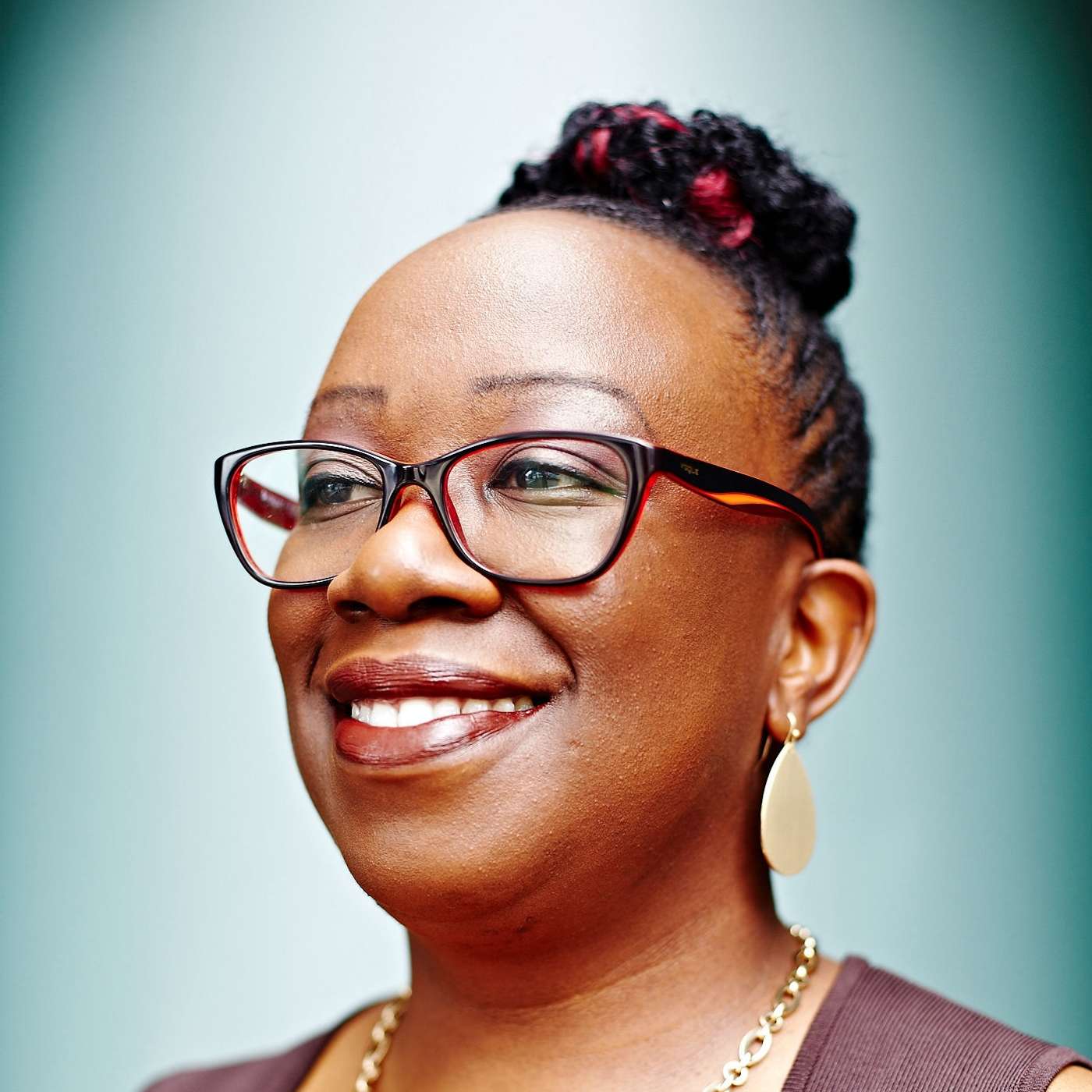
Ep 177Natasha Henry-Dixon - Department of History, York University
This is John Drabinski and you’re listening to The Black Studies podcast, a Mellon grant sponsored series of conversations examining the history of the field. Our conversations engage with a wide range of activists and scholars - senior figures in the field, late doctoral students, and everyone in between, culture workers, and political organizers - in order to explore the cultural and political meaning of Black Studies as an area of inquiry and its critical methods.Today’s conversation is with Natasha Henry-Dixon, who teaches in the Department of History at York University in Toronto, Ontario. Along with numerous scholarly and public-facing pieces, she is the author of Emancipation Day: Celebrating Freedom in Canada (2010), Talking about Freedom (2012). She also maintains the website One Too Many: Black People Enslaved in Upper Canada, 1760-1834. In this conversation, we discuss the history of Black people in Canada, the complicated relationship between the four centuries of Black presence and the place of immigrants in the Black Canadian imagination, and the importance of public history, education, and Black study.
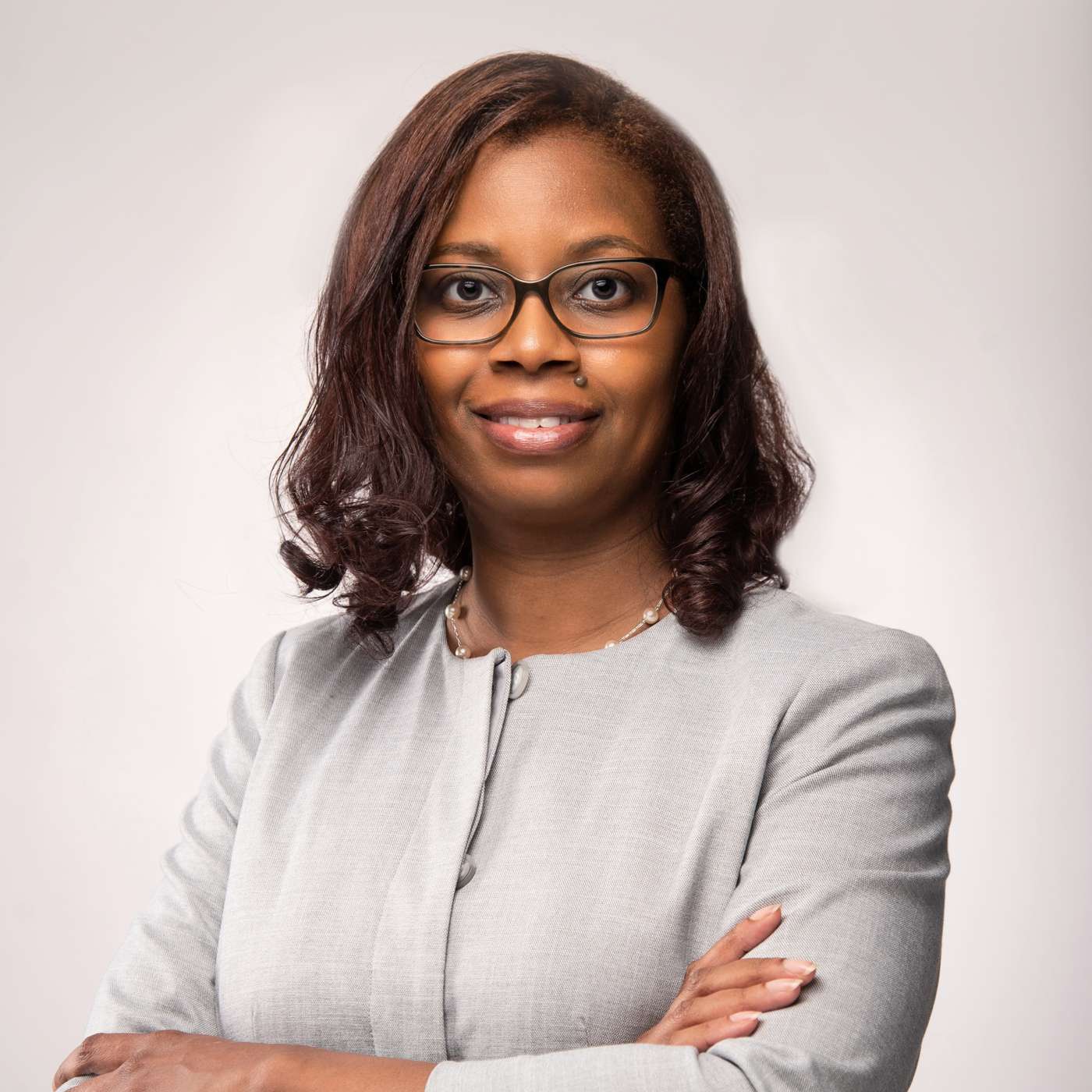
Ep 176Tara T. Green - Department of African American Studies, University of Houston
This is Ashley Newby and you’re listening to The Black Studies podcast, a Mellon grant sponsored series of conversations examining the history of the field. Our conversations engage with a wide range of activists and scholars - senior figures in the field, late doctoral students, and everyone in between, culture workers, and political organizers - in order to explore the cultural and political meaning of Black Studies as an area of inquiry and its critical methods.Today's conversation is with Tara T. Green, who is the CLASS Distinguished Professor and Chair of African American Studies at the University of Houston. She also has a joint appointment in the English department. Dr. Green is a literary and interdisciplinary studies scholar with a doctorate in English. She is the award-winning author and editor of six books, including Love, Activism, and the Respectable Life of Alice Dunbar-Nelson and See Me Naked: Black Women Defining Pleasure During the Interwar Era as well as the co-curator of the Triad Black Lives Matter Collection housed at University of North Carolina at Greensboro. Black feminism and her Southern familial experiences with storytelling influence her approach to her research areas, which include African American fiction and autobiography, African literature, Black leadership/activism, Black Southern studies, and the Harlem Renaissance. She is from the suburbs of New Orleans, which immensely impacts her work.
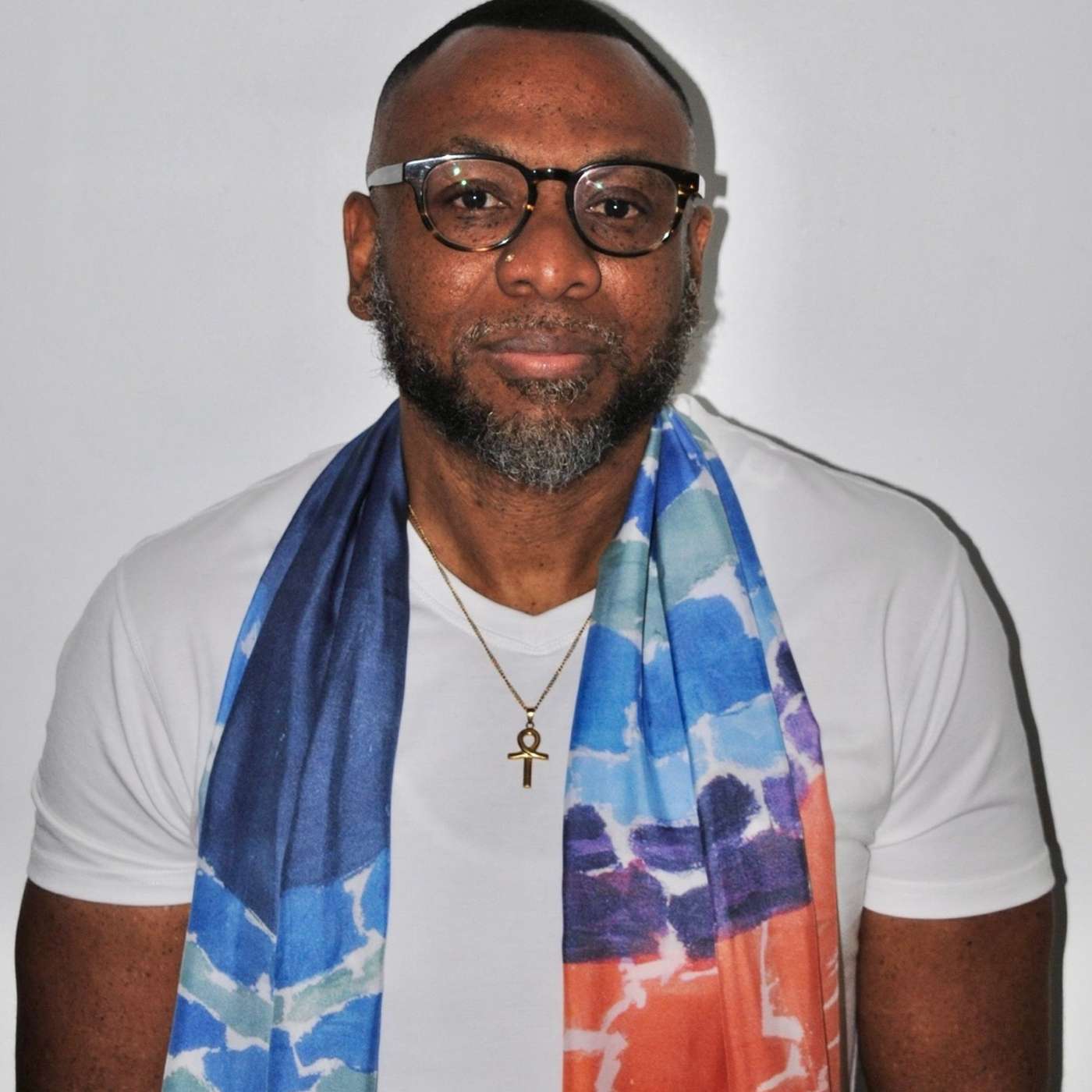
Ep 175Tony Louis - Educator and Curriculum Designer
This is Ashley Newby and you’re listening to The Black Studies podcast, a Mellon grant sponsored series of conversations examining the history of the field. Our conversations engage with a wide range of activists and scholars - senior figures in the field, late doctoral students, and everyone in between, culture workers, and political organizers - in order to explore the cultural and political meaning of Black Studies as an area of inquiry and its critical methods.Tony Louis is a veteran educator with extensive experience in the public school systems of New York, Florida, and Maryland. A specialist in advanced instruction, he has primarily taught International Baccalaureate (IB) and Advanced Placement (AP) literature courses and served as an MYP coordinator. His pedagogy is rooted in the belief that learning is both critical and contextual—an active process in which students collaborate to construct meaning and engage deeply with the world around them. He is also a staunch advocate for educational equity, holding that all students deserve meaningful access to higher education. In pursuit of this mission, he has taught Literature and Critical Race Theory courses for Upward Bound programs at Morehouse College and Rollins College. Over the past three years, he has also pioneered the teaching of Hip-Hop history and culture at the secondary level in Maryland, one of the few such courses in the state.Through his Power Dreaming initiative, Louis remains committed to amplifying student voices by fostering direct dialogue with leading scholars, artists, and thought leaders—without intermediaries. His career reflects both a passion for intellectual rigor and a dedication to cultivating joy, engagement, and empowerment in the classroom.
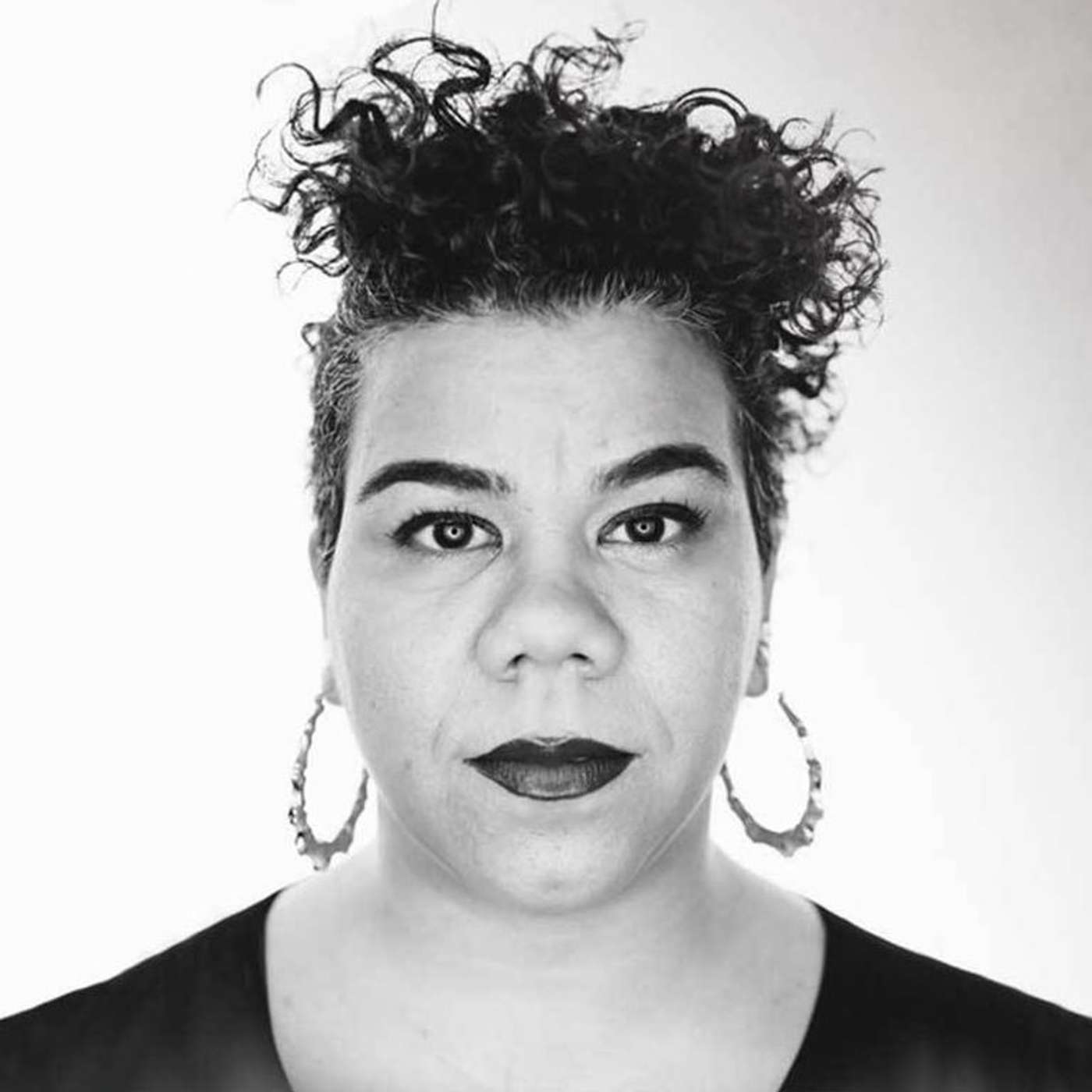
Ep 174Rosa Clemente - Scholar and Activist, Department of Afro-American Studies, University of Massachusetts, Amherst
This is John Drabinski and you’re listening to The Black Studies podcast, a Mellon grant sponsored series of conversations examining the history of the field. Our conversations engage with a wide range of activists and scholars - senior figures in the field, late doctoral students, and everyone in between, culture workers, and political organizers - in order to explore the cultural and political meaning of Black Studies as an area of inquiry and its critical methods.Today’s conversation is with Rosa Clemente, a scholar, activist, and late-doctoral candidate in the Department of Afro-American Studies at University of Massachusetts, Amherst. In this conversation, we explore the complex questions of Afro-Latinx identity, cross-racial and cross-ethnic solidarity, and the meaning of Black Studies in times of deep political crisis.
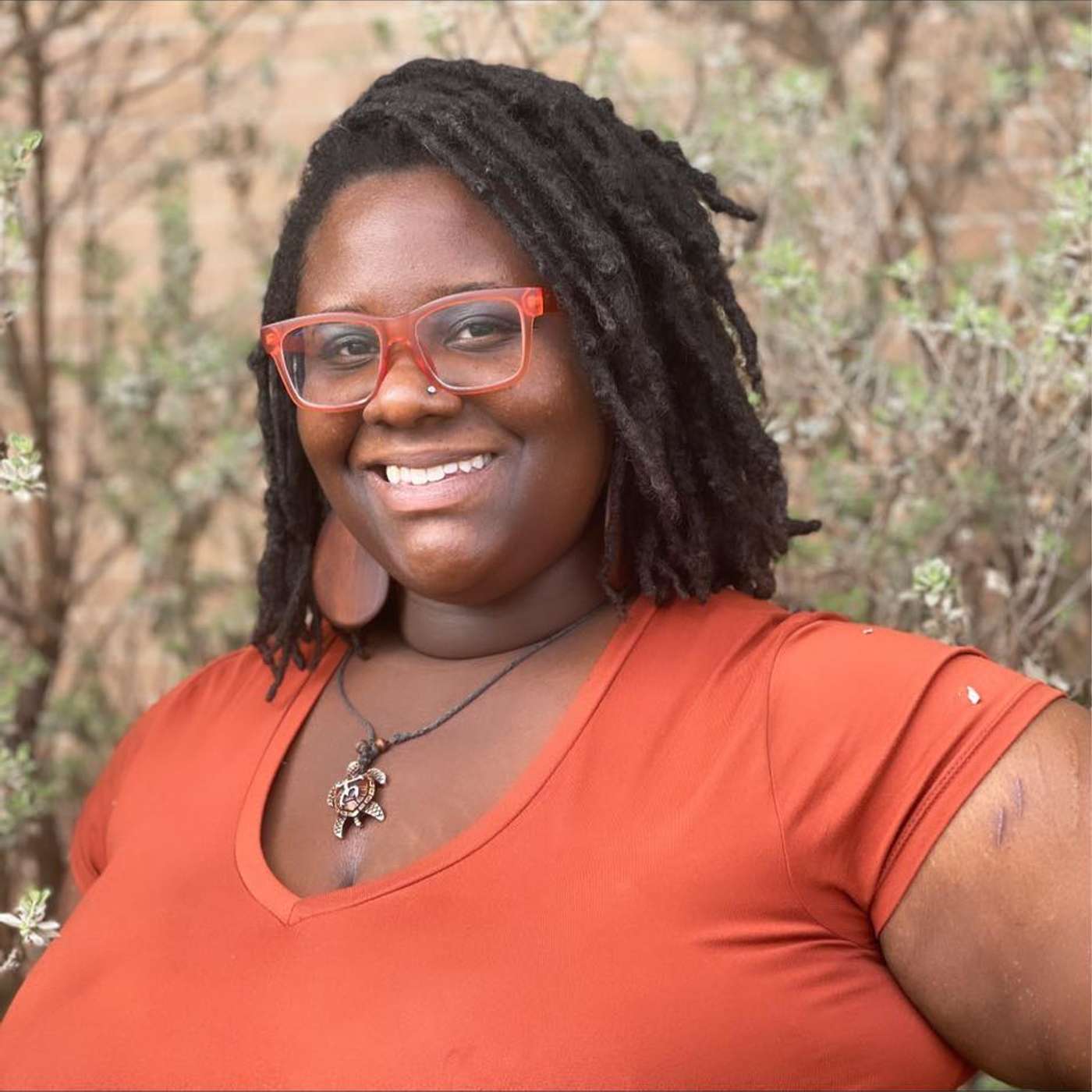
Ep 173Anna Hinton - Department of English, University of North Texas
This is Ashley Newby and you’re listening to The Black Studies podcast, a Mellon grant sponsored series of conversations examining the history of the field. Our conversations engage with a wide range of activists and scholars - senior figures in the field, late doctoral students, and everyone in between, culture workers, and political organizers - in order to explore the cultural and political meaning of Black Studies as an area of inquiry and its critical methods.Today's conversation is with Anna LaQuawn Hinton, assistant professor of Disability Studies and Black Literature & Culture in the English Department at the University of North Texas. She has published in the Journal of Literary and Cultural Disability Studies (JLCDS) and CLA Journal, as well as contributed to The Cambridge Companion to American Literature and the Body, The Cambridge Companion to the Black Body in American Literature, and The Palgrave Handbook on Reproductive Justice and Literature. Her monograph, Refusing to Be Made Whole: Disability in Black Women's Writing, which approaches themes in Black feminist literary studies such as aesthetics, spirituality, representation, community, sexuality, motherhood, and futurity through a Black feminist disability frame, is now available through the University Press of Mississippi. Dr. Hinton is a disabled-queer-momma Black feminist, who “Loves music. Loves dance. Loves the moon. Loves the Spirit. Loves love and food and roundness. Loves struggle. Loves the Folk.(and striving to) Loves herself. Regardless.