The Black Studies Podcast
322 episodes — Page 2 of 7
Skye Jackson - Writer and Poet
Michele Prettyman - Department of Communication and Media Studies, Fordham University
Andrea J. Queeley - Departments of Anthropology and Africa and African Diaspora Studies, Florida International University
Ronald Angelo Johnson - Department of History, Baylor University
Bettina Judd - Department of African American Studies, Emory University
Christel N. Temple - Department of Africana Studies, University of Pittsburgh
Kevin Rigby - Department of African American Studies, University of Illinois
Ifetayo Flannery - Department of Africology and African American Studies, Temple University
Tanisha M. Jackson - Department of African American Studies, Syracuse University
Robert Robinson - Department of Africana Studies, John Jay College
Melanie Holmes - Department of African American Studies, University of South Carolina
Yomaira Figueroa-Vásquez - Director of the Center for Puerto Rican Studies and Department of Africana, Puerto Rican and Latino Studies, Hunter College
Desiree Cooper - Writer and Journalist
Michelle B. Taylor - Educator, Author, Advocate
Joanna Cardenas - Department of African American and African Diaspora Studies, University of California, Berkeley
Justin Leroy - Department of History, Duke University
Kaiama Glover - Department of Black Studies, Yale University
Imani Perry - Department of African and African American Studies, Harvard University
Kinitra Brooks - Department of English, Michigan State University
andré carrington - Department of English, University of California, Riverside
Kyra Gaunt - Department of Music and Theater, State University of New York, Albany
LeRhonda Manigault-Bryant - Department of African, African American, and Diaspora Studies, University of North Carolina, Chapel Hill
Crystal Feimster - Department of Black Studies, Yale University
Maya Doig-Acuña - Department of African and African American Studies, Harvard University
Ep 247Willie J. Wright - Institute of Urban and Regional Research and Planning, University of Rio de Janeiro
This is Brie Gorrell and you’re listening to The Black Studies podcast, a Mellon grant sponsored series of conversations examining the history of the field. Our conversations engage with a wide range of activists and scholars - senior figures in the field, graduate students, and everyone in between, culture workers, and political organizers - in order to explore the cultural and political meaning of Black Studies as an area of inquiry and its critical methods.Today’s conversation is with Dr. Willie Jamaal Wright who is a Research Fellow within the Institute of Urban and Regional Research and Planning at the Federal University of Rio de Janeiro. His research interests include the study of urban and black geographies throughout the Black Diaspora. His writing has appeared in the Annals of the American Association of Geographers, the Black Scholar, City & Society and has been supported by the Ford Foundation, the Urban Studies Foundation, and the Andy Warhol Foundation. He is currently co-editing the late geographer, Bobby M. Wilson’s Consumer Political Economy and African America for the University of Georgia Press. Lastly, Dr. Wright is working on his first sole-authored text, Valorizing the Void: Place and Public Art in the Houston's Third Ward. In this conversation, we discuss black geographies as emerging field in black studies, black studies as life studies, as well as a place of refuge for black students.
Ep 246Mark Sanders - Departments of Africana Studies and English, University of Notre Dame
This is John Drabinski and you’re listening to The Black Studies podcast, a series of conversations examining the history of the field. Our conversations engage with a wide range of activists and scholars - senior figures in the field, graduate students, and everyone in between, culture workers, and political organizers - in order to explore the cultural and political meaning of Black Studies as an area of inquiry and its critical methods.Today’s conversation is with Mark Sanders, who teaches in the Departments of Africana Studies and English at University of Notre Dame. He is the author of a number of scholarly articles on African American and Afro-Caribbean literature and culture, as well as author, editor, and translator of three books, Afro-Modernist Aesthetics and the Poetry of Sterling A. Brown (1999), Sterling A. Brown’s A Negro Looks at the South (co-edited with John Edgar Tidwell from 2007) and A Black Soldier’s Story: The Narrative of Ricardo Batrell and the Cuban War of Independence (2010). In this conversation, we discuss the importance of transnational study, language diversity in the Black Americas, and the fecundity of Black Studies critical frames for the study of literature and culture.
Ep 245Jocelyn Brown - Department of African American Studies, Ohio University
This is Ashley Newby and you’re listening to The Black Studies podcast, a series of conversations examining the history of the field. Our conversations engage with a wide range of activists and scholars - senior figures in the field, late doctoral students, and everyone in between, culture workers, and political organizers - in order to explore the cultural and political meaning of Black Studies as an area of inquiry and its critical methods.Today's conversation is with Jocelyn Brown, Assistant Professor of African American Studies at Ohio University with training in gerontology, applied sociology, and applied psychology. Originally from West Virginia, her scholarship centers Black Appalachian life across the life course. She has a particular focus on health disparities, structural racism, and the political-economic conditions shaping Black communities in Appalachia, the wider U.S., and the African diaspora.
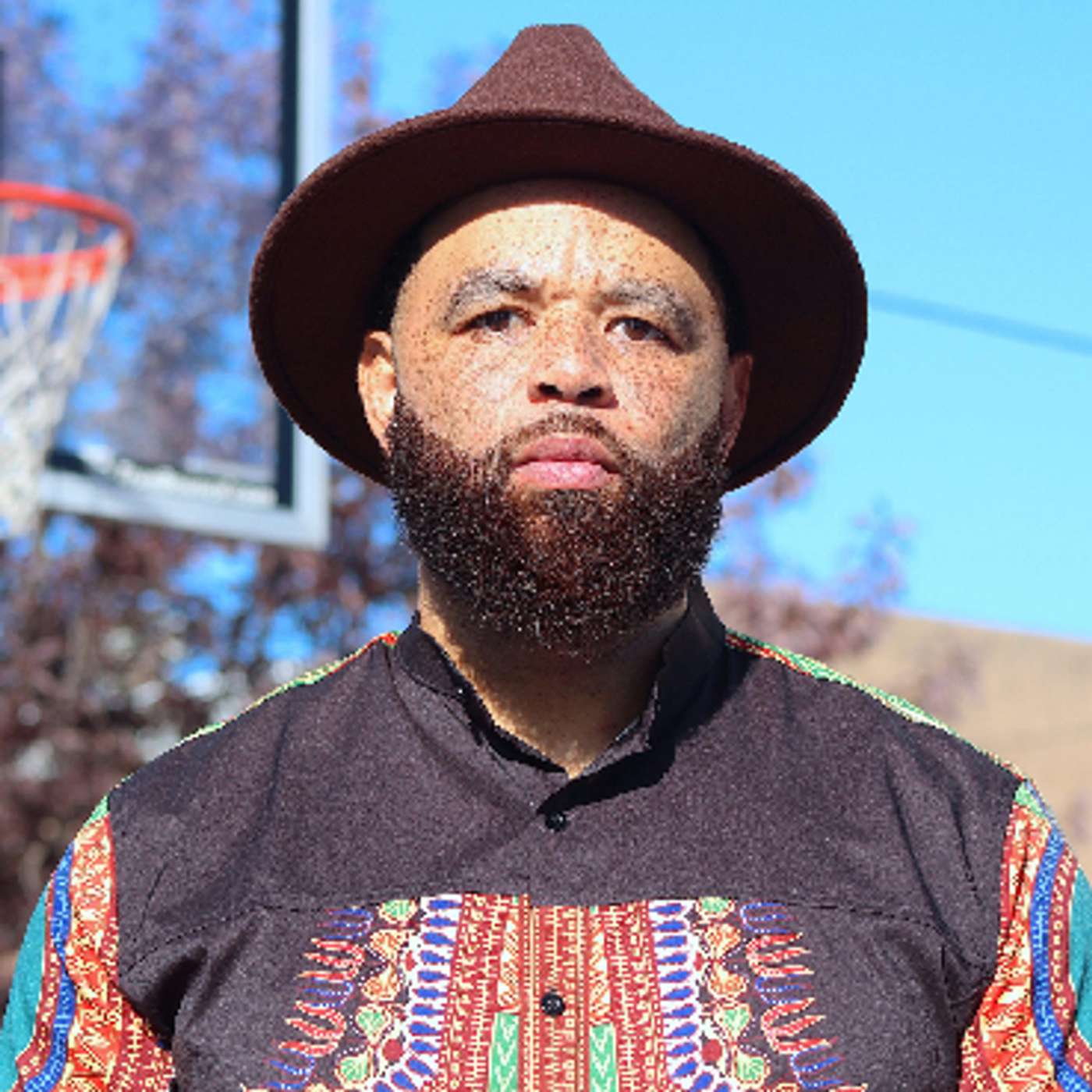
Ep 244Drew D. Brown - Departments of African American Studies and Sociology, University of Florida
This is Ashley Newby and you’re listening to The Black Studies podcast, a series of conversations examining the history of the field. Our conversations engage with a wide range of activists and scholars - senior figures in the field, late doctoral students, and everyone in between, culture workers, and political organizers - in order to explore the cultural and political meaning of Black Studies as an area of inquiry and its critical methods.Today's conversation is with Drew D. Brown, Assistant Professor in African American Studies and Sociology at the University of Florida, specializing in the intersections of Black Culture and Sports. His current book manuscript explores “Baller Culture,” the hip-hop-informed Black cultural expression found in sports. Analyzing sports media from 1988 to 2008, he argues that film, magazines, and commercials became a public arena where young Black Americans negotiated their cultural expression to shape and reshape identities, build community, and gain popularity. The book shows how they deployed a hybrid identity, which was often commodified and misrepresented by the media. Ultimately, the book highlights the constantly evolving nature of Black cultural identity.
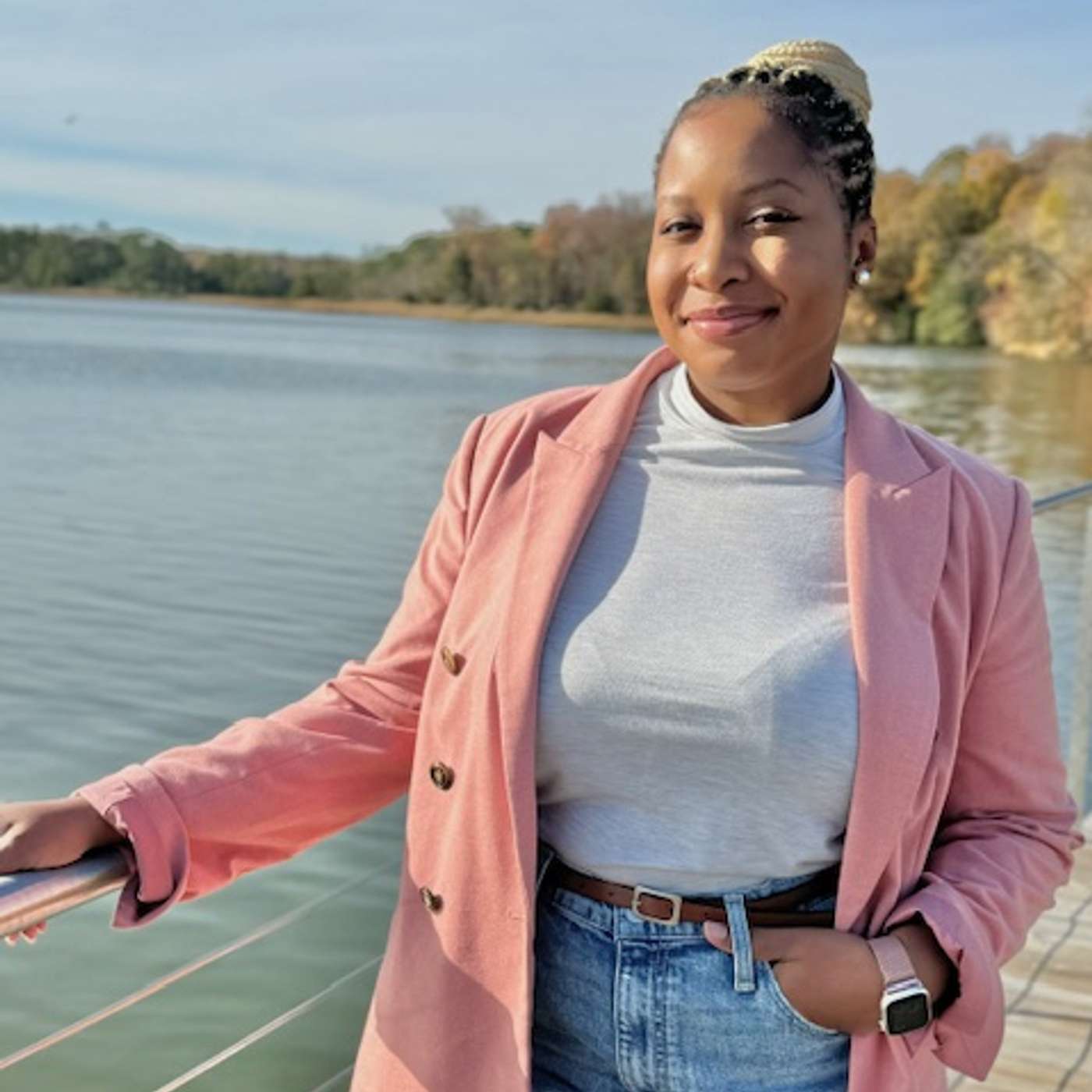
Ep 243Nneka Dennie - Department of History, Washington and Lee University
This is John Drabinski and you’re listening to The Black Studies podcast, a series of conversations examining the history of the field. Our conversations engage with a wide range of activists and scholars - senior figures in the field, graduate students, and everyone in between, culture workers, and political organizers - in order to explore the cultural and political meaning of Black Studies as an area of inquiry and its critical methods.Today’s conversation is with Nneka Dennie, who teaches in the Department of History at Washington and Lee University. She has published on early African-American thought and history, with particular attention to the work of Mary Ann Shadd Cary, and is the author and editor of Mary Ann Shadd Cary: Essential Writings of a Nineteenth-Century Black Radical Feminist (2023) and the in-progress book Redefining Radicalism: Black Women Intellectuals in the Nineteenth Century. In this conversation, we discuss the importance of historical and cultural research in the field of Black Studies, the place of gender in work on the African American intellectual tradition, and the urgency of the study of Black radical thought in our contemporary moment.
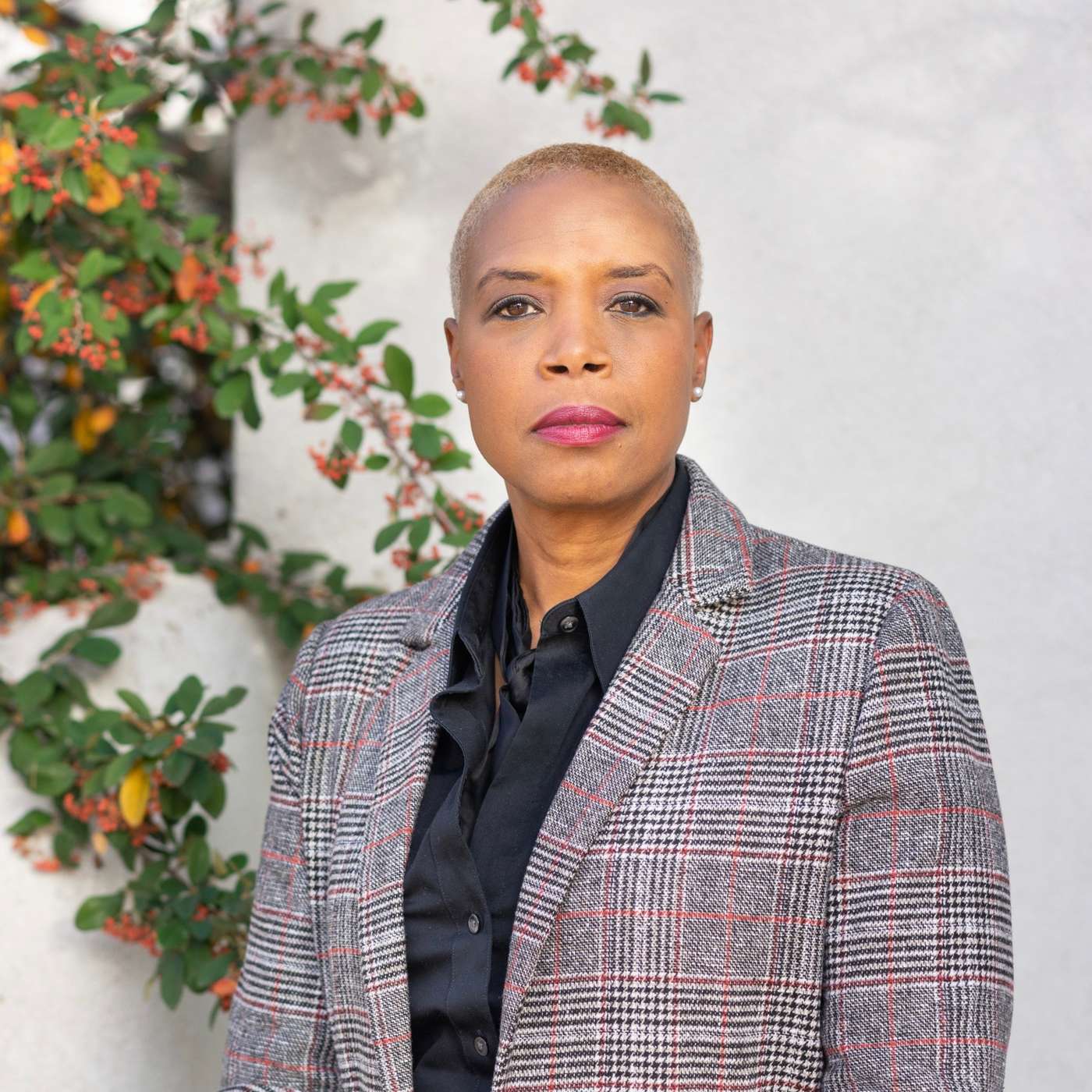
Ep 242Andrea Mays - Department of Africana Studies, University of New Mexico
This is John Drabinski and you’re listening to The Black Studies podcast, a series of conversations examining the history of the field. Our conversations engage with a wide range of activists and scholars - senior figures in the field, graduate students, and everyone in between, culture workers, and political organizers - in order to explore the cultural and political meaning of Black Studies as an area of inquiry and its critical methods.Today’s conversation is with Andrea Mays, who teaches in the Department of Africana Studies at University of New Mexico. She has written extensively in public facing venues and has authored scholarly essays that draw on the history of Black art and what it has to say about resistance, refusal, and culture making in an antiblack world. Her work focuses on African American Visual Culture and Black Atlantic Culture and Politics, Afrofuturism, and Black Feminist Studies. Her research interests include Black Atlantic expressions of critical and resistance politics. Mays’ forthcoming essay “Legacies of Wisdom: The Praxis of Teaching Butler’s Visions of Apocalypse During Apocalyptic Times” will be included in a collection titled, Authority in the Speculative Fiction Classroom due out in 2026. Mays’ public scholarship includes essays and articles published in USA Today, The Albuquerque Journal, The Santa Fe Reporter, IKON Feminisms Digital Archive, and the Morgan State University Global Journalism Review. In this conversation, we discuss the importance of art and culture, new horizons of documenting everyday Black life, and the task of cultivating and sustaining the legacy of Black Studies in a politically fraught world.
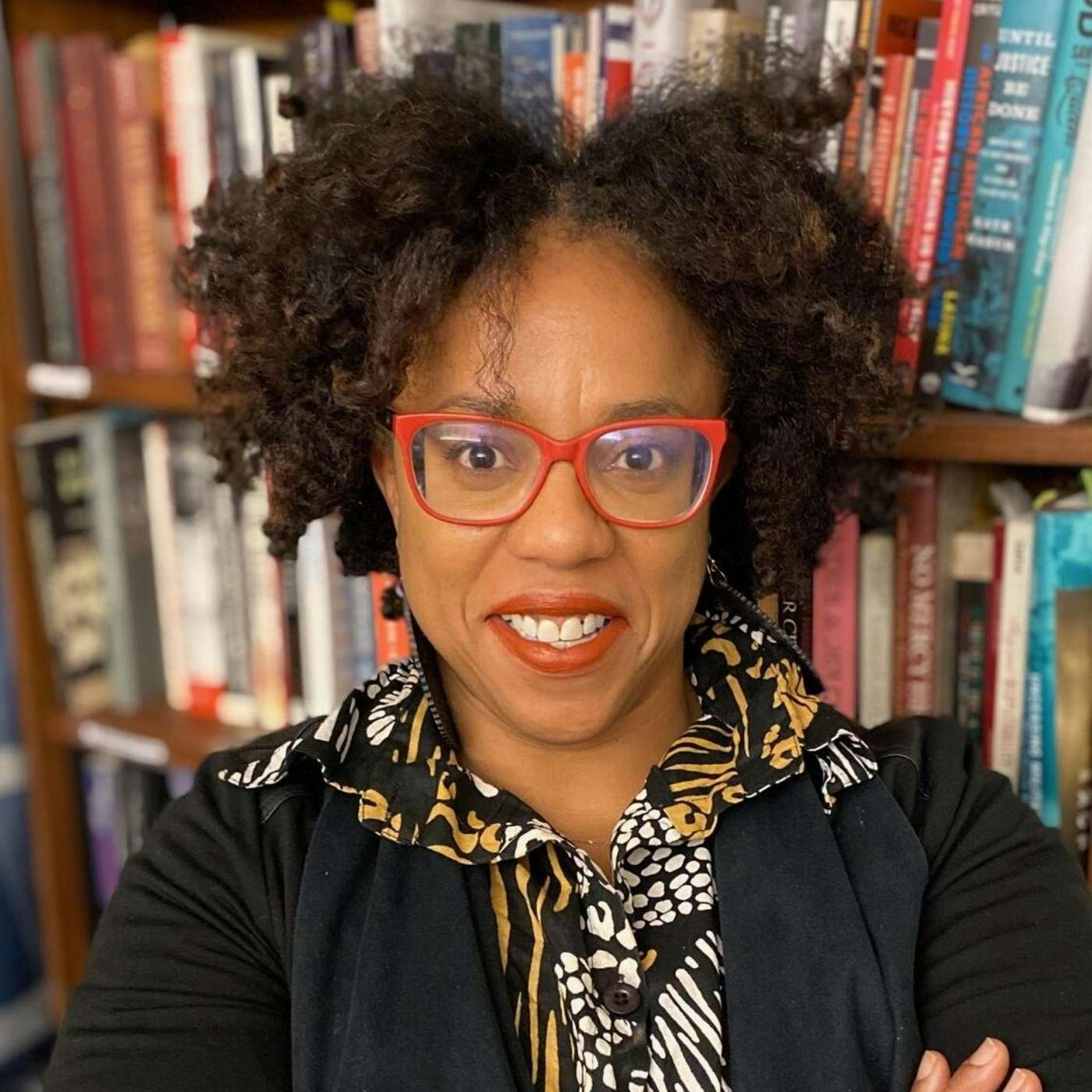
Ep 241Tikia Hamilton - Department of History, Loyola University of Chicago
This is John Drabinski and you’re listening to The Black Studies podcast, a series of conversations examining the history of the field. Our conversations engage with a wide range of activists and scholars - senior figures in the field, graduate students, and everyone in between, culture workers, and political organizers - in order to explore the cultural and political meaning of Black Studies as an area of inquiry and its critical methods.Today’s conversation is with Tikia Hamilton, who teaches in the Department of History at Loyola University of Chicago. Along with a number of scholarly and public facing essays, she is the author of Nothing Less Than Equality: The Battle Over Segregated Education in the Nation's Capital, published in March 2026. In this conversation, we discuss the importance of writing the history of Black life, the centrality of questions of education in Black study, and how Black Studies informs her research questions, sources, and approach to writing.
Ep 240Sam Tecle - Department of Sociology, Toronto Metropolitan University
This is John Drabinski and you’re listening to The Black Studies podcast, a series of conversations examining the history of the field. Our conversations engage with a wide range of activists and scholars - senior figures in the field, graduate students, and everyone in between, culture workers, and political organizers - in order to explore the cultural and political meaning of Black Studies as an area of inquiry and its critical methods.Today’s conversation is with Sam Tecle, who teaches in the Department of Sociology at Toronto Metropolitan University. His research engages with Black and diaspora studies, Urban studies, and sociology of education with particular focus on the analysis of diverse experiences, trajectories and expressions of Blackness grounded in particular histories of racialization, colonialism, community formation and resistance. In this conversation, we discuss the early formative history of Black Studies in Canada, the roots of Black study epistemologies in everyday practice, and the complexity of diverse stories of blackness for the Black Studies imagination.
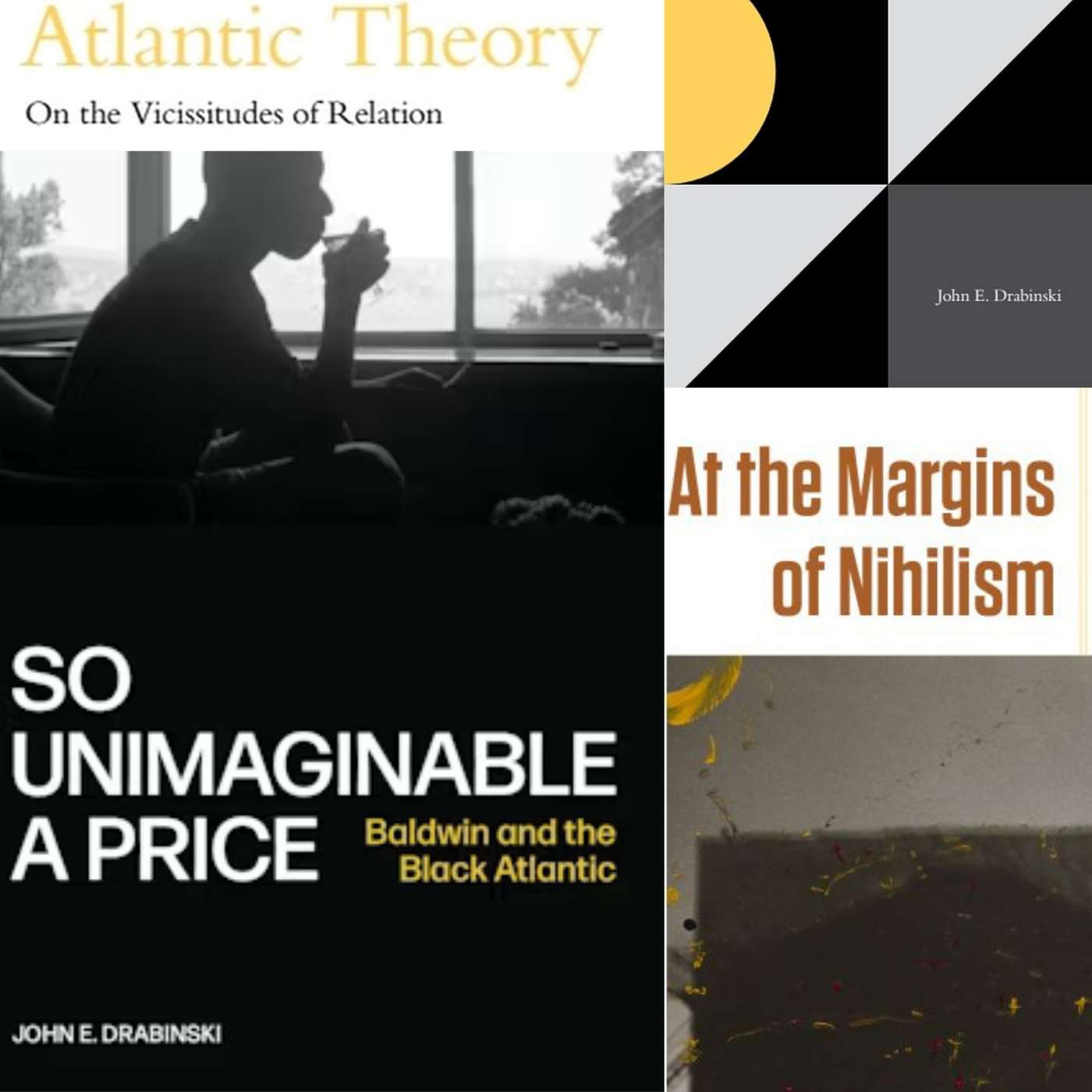
Ep 1John E. Drabinski - Department of Africana Studies, University of Maryland (book podcast collaboration)
Along with dozens of scholarly articles and a handful of edited books and journal issues, he is the author of seven books: Sensibility and Singularity (2001), Godard Between Identity and Difference (2008), Levinas and the Postcolonial (2012), Glissant and the Middle Passage (2019), and three recent books that are the occasion for our conversation, Atlantic Theory (2025), So Unimaginable a Price (2026) and At the Margins of Nihilism (2026). He is also the co-editor with Michael Sawyer of Journal of French and Francophone Philosophy and co-host of both The Black Studies Podcast and Conversations in Atlantic Theory.In today’s conversation, we explore John Drabinski’s three latest monographs. In Atlantic Theory, he traces the enduring legacies of slavery and colonialism while offering a comparative account of critical thought across the Atlantic world. In So Unimaginable a Price, he turns to James Baldwin, situating his work within a broader mid-century Atlantic context and placing it in dialogue with thinkers across the Caribbean and Africa.Finally, in At the Margins of Nihilism, he develops a theoretical framework through a comparative reading of Jacques Derrida and Orlando Patterson, drawing on figures such as Richard Wright, Frantz Fanon, and Baldwin to examine how different forms of nihilism operate as closed systems, and how they are unsettled through vernacular practices of life and refusal.
Ep 239Bryce Henson - Department of Communication and Journalism, Texas A&M University
This is Ashley Newby and you’re listening to The Black Studies podcast, a series of conversations examining the history of the field. Our conversations engage with a wide range of activists and scholars - senior figures in the field, late doctoral students, and everyone in between, culture workers, and political organizers - in order to explore the cultural and political meaning of Black Studies as an area of inquiry and its critical methods.Today's conversation is with Bryce Henson, a critical interpretive social scientist who specializes in Black diasporic cultural studies. Currently, he is an associate professor in the Department of Communication & Journalism with affiliations in Africana Studies and the Race & Ethnic Studies Institute at Texas A&M University. In 2016, he received his PhD from the Institute of Communications Research with a Latin American & Caribbean Studies graduate minor at the University of Illinois, Urbana-Champaign. His first book Emergent Quilombos: Black Life and Hip-Hop in Brazil examines how the Black hip-hop community in Salvador da Bahia constructs the quilombo (maroon) in urban contexts as a mode of fostering and protecting Black life. The book earned three awards from the National Communication Association and honorable mention for Best Book Prize from the Brazilian Studies Association. He is also a co-editor of the 2020 volume, Spaces of New Colonialism: Reading Schools, Museums, and Cities in the Tumult of Globalization. Previously, he was a Fulbright Distinguished Chair in Racial Studies at the Universidade Federal da Bahia in Brazil. He now serves on the advisory board for the Association for the Study of the Worldwide African Diaspora (ASWAD).
Ep 238RA Judy - Department of English, University of Pittsburgh
This is John Drabinski and you’re listening to The Black Studies podcast, a series of conversations examining the history of the field. Our conversations engage with a wide range of activists and scholars - senior figures in the field, graduate students, and everyone in between, culture workers, and political organizers - in order to explore the cultural and political meaning of Black Studies as an area of inquiry and its critical methods.Today’s conversation is with RA Judy, who teaches in the Department of English at University of Pittsburgh. He is the author of a number of important articles on aesthetics, language, and knowledge production in the broad Black intellectual tradition as well as two books, (Dis)forming the American Canon: The Vernacular of African Arabic American Slave Narrative (1992) and Sentient Flesh: Thinking in Disorder, Poiēsis in Black (2020). In this conversation, we explore the place of diverse languages in Black Studies research, Black study as geographically adventurous, and the importance of thinking and practicing community work inside critical theoretical study.
Ep 237Justene H. Edwards - Department of History, University of Virginia
This is Ashley Newby and you’re listening to The Black Studies podcast, a series of conversations examining the history of the field. Our conversations engage with a wide range of activists and scholars - senior figures in the field, late doctoral students, and everyone in between, culture workers, and political organizers - in order to explore the cultural and political meaning of Black Studies as an area of inquiry and its critical methods.Today's conversation is with Justene Hill Edwards, associate professor of history at the University of Virginia. She is the author of Savings and Trust: The Rise and Betrayal of the Freedman’s Bank (Norton, 2024) and Unfree Markets: The Slaves’ Economy and the Rise of Capitalism in South Carolina (Columbia University Press, 2021). A specialist in African American history, her research examines Black economic life in America. She has been awarded several fellowships and awards, most recently the 2025 Virginia Literary Award for Nonfiction and the 2025 Frederick Douglass Book Prize. She is a series editor for the History of U.S. Capitalism Series at Columbia University Press.
Ep 236Tyler D. Parry - Department of African American and African Diaspora Studies, University of Nevada, Las Vegas
This is John Drabinski and you’re listening to The Black Studies podcast, a series of conversations examining the history of the field. Our conversations engage with a wide range of activists and scholars - senior figures in the field, graduate students, and everyone in between, culture workers, and political organizers - in order to explore the cultural and political meaning of Black Studies as an area of inquiry and its critical methods.Today’s conversation is with Tyler D. Parry, who teaches in the Department of African American and African Disapora Studies at University of Nevada, Las Vegas. He is the author of a number of scholarly and public-facing essays, and has published Jumping the Broom: The Surprising Multicultural Origins of a Black Wedding Ritual (2020) and, with Robert Greene II, Invisible No More: The African American Experience at the University of South Carolina (2021). In this conversation, we explore the importance of regional attentiveness in writing Black history in the United States, thinking blackness in the southwest, and the expansiveness of the Black Studies archive and imagination.
Ep 235Kathryn Sophia Belle - Author, Speaker, and Founder of La Belle Vie Academy
This is Ashley Newby and you’re listening to The Black Studies podcast, a series of conversations examining the history of the field. Our conversations engage with a wide range of activists and scholars - senior figures in the field, late doctoral students, and everyone in between, culture workers, and political organizers - in order to explore the cultural and political meaning of Black Studies as an area of inquiry and its critical methods.Today's conversation is with Kathryn Sophia Belle, philosopher, published author, and public speaker. After earning her doctorate in philosophy, she had a successful 20-year career in academia (2003-2023) before resigning/retiring as a tenured associate professor (of philosophy, Black Studies, and Women's Studies) and administrator (directing an Africana Research Center). Her scholarly specializations include African American/Africana Philosophy, Black Feminist Philosophy, Continental Philosophy/Existentialism, and Social/Political Philosophy. She is author of Beauvoir and Belle: A Black Feminist Critique of The Second Sex (Oxford University Press, 2024) and Hannah Arendt and the Negro Question (Indiana University Press, 2014, also in French: Éditions Kimé, 2023). She is also co-editor of Convergences: Black Feminism and Continental Philosophy (SUNY Press, 2010). Her current writing projects include a book on the philosophy of Audre Lorde (under contract with Yale University Press) and her own memoir trilogy (Marriage/Motherhood/Erotic Empowerment). Dr. Belle is founder of La Belle Vie Academy with signature programs: La Belle Vie Writers and Exit Strategies, Happily Unmarried and Erotic Empowerment. Dr. Belle is now channeling her 20-years of experience and expertise in academia and La Belle Vie Academy with a new venture: Belle's Bed & Breakfast/Boutique Hotel - a continuation and extension of her overall vision. She is delighted to call Savannah, GA her chosen and spiritual home – ever grateful to be in beloved community.
Ep 234Vanessa K. Valdés - Editor, CENTRO Press
This is Ashley Newby and you’re listening to The Black Studies podcast, a series of conversations examining the history of the field. Our conversations engage with a wide range of activists and scholars - senior figures in the field, late doctoral students, and everyone in between, culture workers, and political organizers - in order to explore the cultural and political meaning of Black Studies as an area of inquiry and its critical methods.Today's conversation is with Vanessa K. Valdés, a writer and scholar whose work focuses on the literatures, visual arts, performances, and histories of Black peoples throughout the Western hemisphere. She served as a professor at The City College for New York for 14 years, from 2007-2021, earning the rank of full professor, before being named the Dean of the Macaulay Honors College (2021-2022), then returning to City College as the Associate Provost for Community Engagement. Beginning in 2025, she was named the Editor of CENTRO Press, the book-making arm of the Center for Puerto Rican Studies at Hunter College. She is the author of Oshun's Daughters: The Search for Womanhood in the Americas (2014) and Diasporic Blackness: The Life and Times of Arturo Alfonso Schomburg (2017), namesake of the Schomburg Center for Research in Black Culture in Harlem, New York. She is the editor of Let Spirit Speak! Cultural Journeys through the African Diaspora (2012); The Future Is Now: A New Look at African Diaspora Studies (2012); Racialized Visions: Haiti and the Hispanic Caribbean (2020); and, with Earl Fitz, Machado de Assis, Blackness, and the Americas (2024). From 2021-2023, along with David Pullins, she co-curated Juan de Pareja, Afro-Hispanic Painter, an exhibition at The Metropolitan Museum of Art, and co-authored its exhibition catalogue, published in 2023. With Diasporic Blackness, she began a long-standing relationship with the Schomburg Center; she currently serves on its Centennial Advisory Board, and is co-editor, with Barrye Brown and Laura Helton, of a new book, Black Studies on 135th Street: The Founding and Future of the Schomburg Collection, coming in April 2026. In addition to her role at CENTRO Press, she is on the advisory board of Callaloo and Small Axe, and is the series editor of the Afro-Latinx Futures series at the State University of New York Press and a series co-editor, along with Nathan Dize and Annette Joseph-Gabriel, of the Global Black Writers in Translation series at Vanderbilt University Press. You can learn more about her by visiting her website https://drvkv23.com/ or following her on Instagram - @drvkv23.
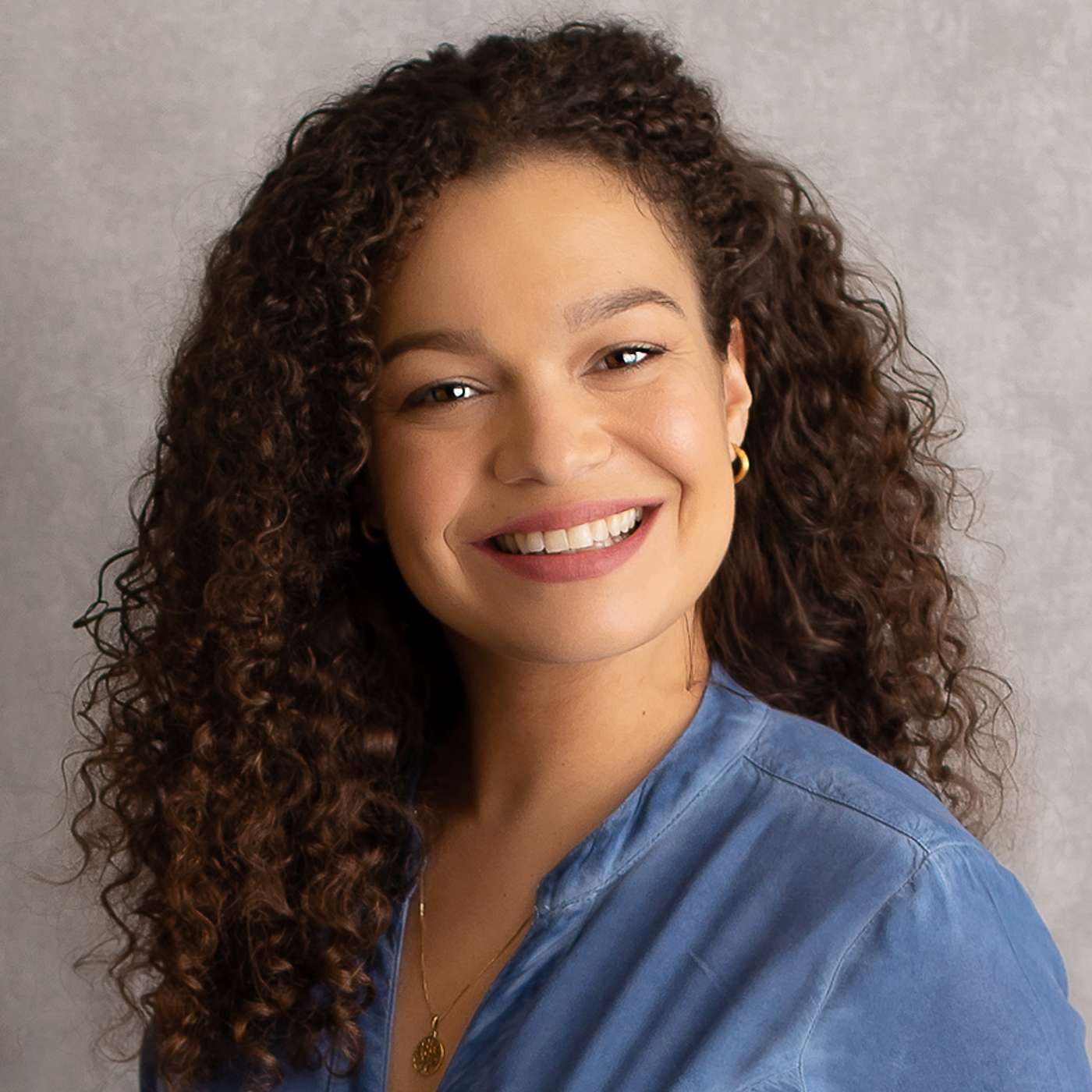
Ep 233Bianca Beauchemin - Department of Gender, Sexuality, and Women's Studies, York University
This is John Drabinski and you’re listening to The Black Studies podcast, a series of conversations examining the history of the field. Our conversations engage with a wide range of activists and scholars - senior figures in the field, graduate students, and everyone in between, culture workers, and political organizers - in order to explore the cultural and political meaning of Black Studies as an area of inquiry and its critical methods.Today’s conversation is with Bianca Beauchemin, who teaches in the Department of Gender, Sexuality, and Women’s Studies at York University. Her work seeks to disrupt the authority of the colonial archive and of prevalent masculinist framings of insurgency discourses, exploring how embodiment, labor, sensuousness, spirituality, marronage, resistance, and alternative sexualities and genders re-imagine the edicts of freedom and Black liberation. In this conversation, we explore the particularities of Black Studies in a Canadian context, the place of gender and sexuality studies in work of Black study, and the complexity of thinking Canadian blackness.
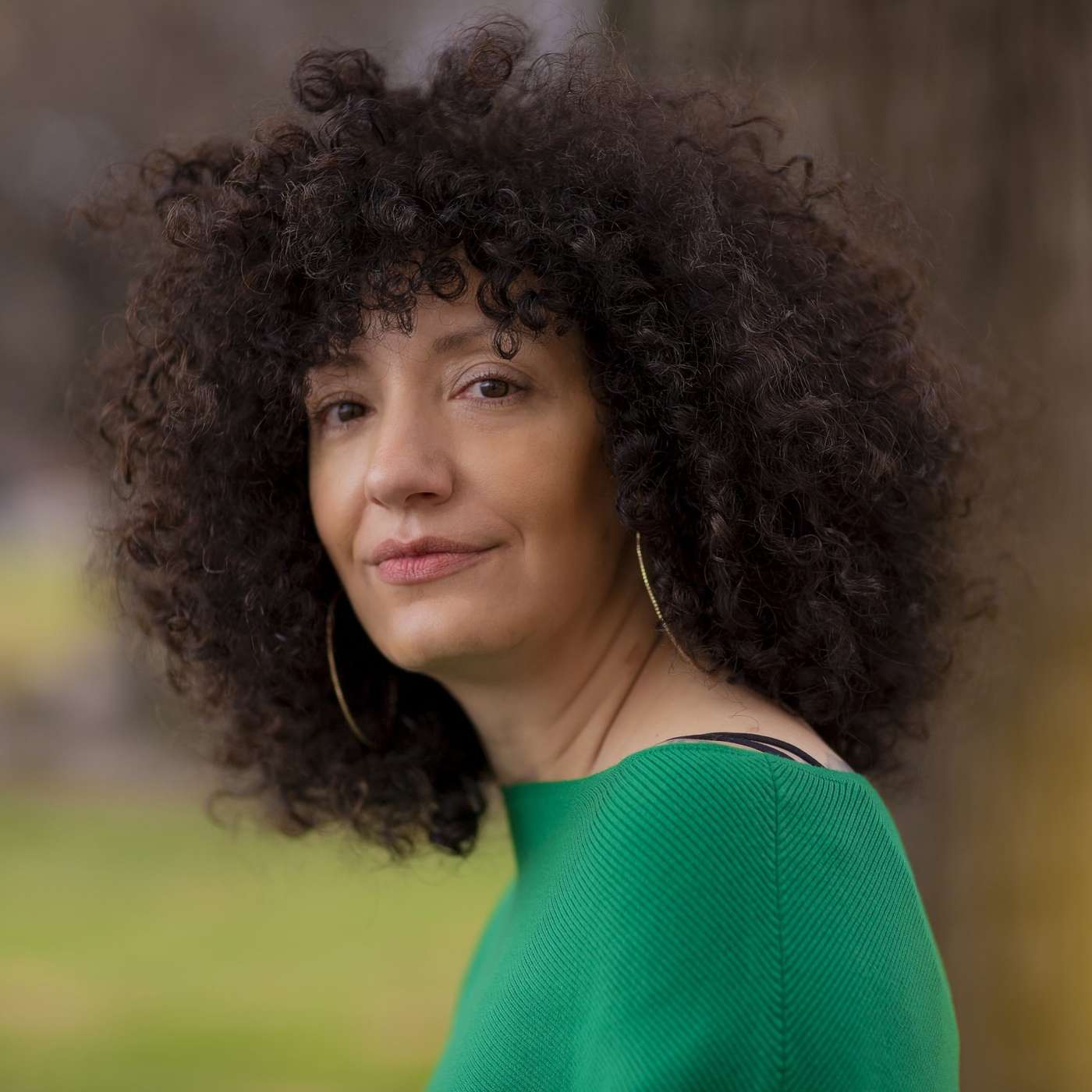
Ep 232Marlee Bunch - Samuel DeWitt Proctor Institute, Rutgers University
This is Ashley Newby and you’re listening to The Black Studies podcast, a series of conversations examining the history of the field. Our conversations engage with a wide range of activists and scholars - senior figures in the field, late doctoral students, and everyone in between, culture workers, and political organizers - in order to explore the cultural and political meaning of Black Studies as an area of inquiry and its critical methods.Today's conversation is with Marlee S. Bunch, an interdisciplinary educator, scholar, and author whose work centers oral histories of Black educators, African American educational history, and culturally responsive teaching and leadership. She is a National Academy of Education/Spencer Postdoctoral Fellow and currently serves as a Senior Research Associate with the Samuel DeWitt Proctor Institute for Leadership, Equity & Justice at Rutgers University, New Brunswick. Dr. Bunch has over a decade of experience teaching across secondary and postsecondary contexts and has held leadership roles in curriculum development, educator preparation, and community-based educational initiatives. In partnership with the University of Illinois and the Illinois State Board of Education, she also created two state-approved micro-credentials—one based on The Magnitude of Us and the other on Unlearning the Hush, designed to support educators’ culturally responsive practice through sustained, reflective learning.Dr. Bunch is the author of The Magnitude of Us (Teachers College Press), which received the Foreword INDIES Book of the Year Award, the Society of Professors of Education Outstanding Book Award, and the National Council of Teachers of English David H. Russell Award for Distinguished Research, Unlearning the Hush: Oral Histories of Black Female Educators in Mississippi in the Civil Rights Era (University of Illinois Press), and Leveraging AI for Human-Centered Learning: Culturally Responsive and Social-Emotional Classroom Practice in Grades 6-12, co-authored with Brittany R. Collins (Routledge).
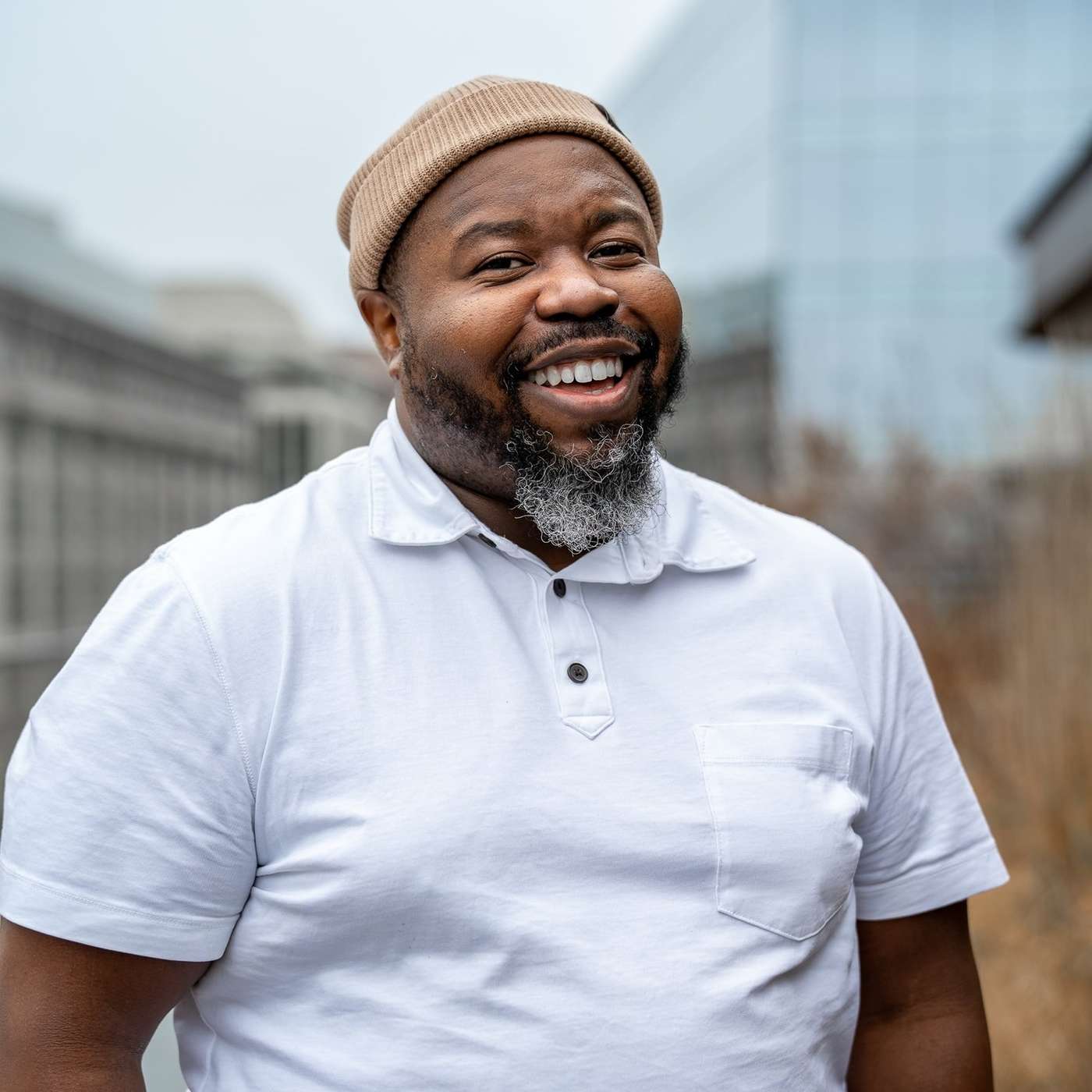
Ep 231Ashon Crawley - Departments of Religious Studies and African American Studies, University of Virginia
This is John Drabinski and you’re listening to The Black Studies podcast, a series of conversations examining the history of the field. Our conversations engage with a wide range of activists and scholars - senior figures in the field, graduate students, and everyone in between, culture workers, and political organizers - in order to explore the cultural and political meaning of Black Studies as an area of inquiry and its critical methods.Today’s conversation is with Ashon Crawley, who teaches in the Departments of Religious Studies and of African American Studies at University of Virginia. Along with his numerous scholarly essays and books Black Pentecostal Breath: The Aesthetics of Possibility (2016) and The Lonely Letters (2020), he is a widely exhibited and hosted multimedia artist. In this conversation, we explore the aesthetic and epistemological resonance of religious practice in Black study, the pleasures of adventurous multidisciplinary research, and the open horizons of pedagogical practice in the Black Studies tradition.
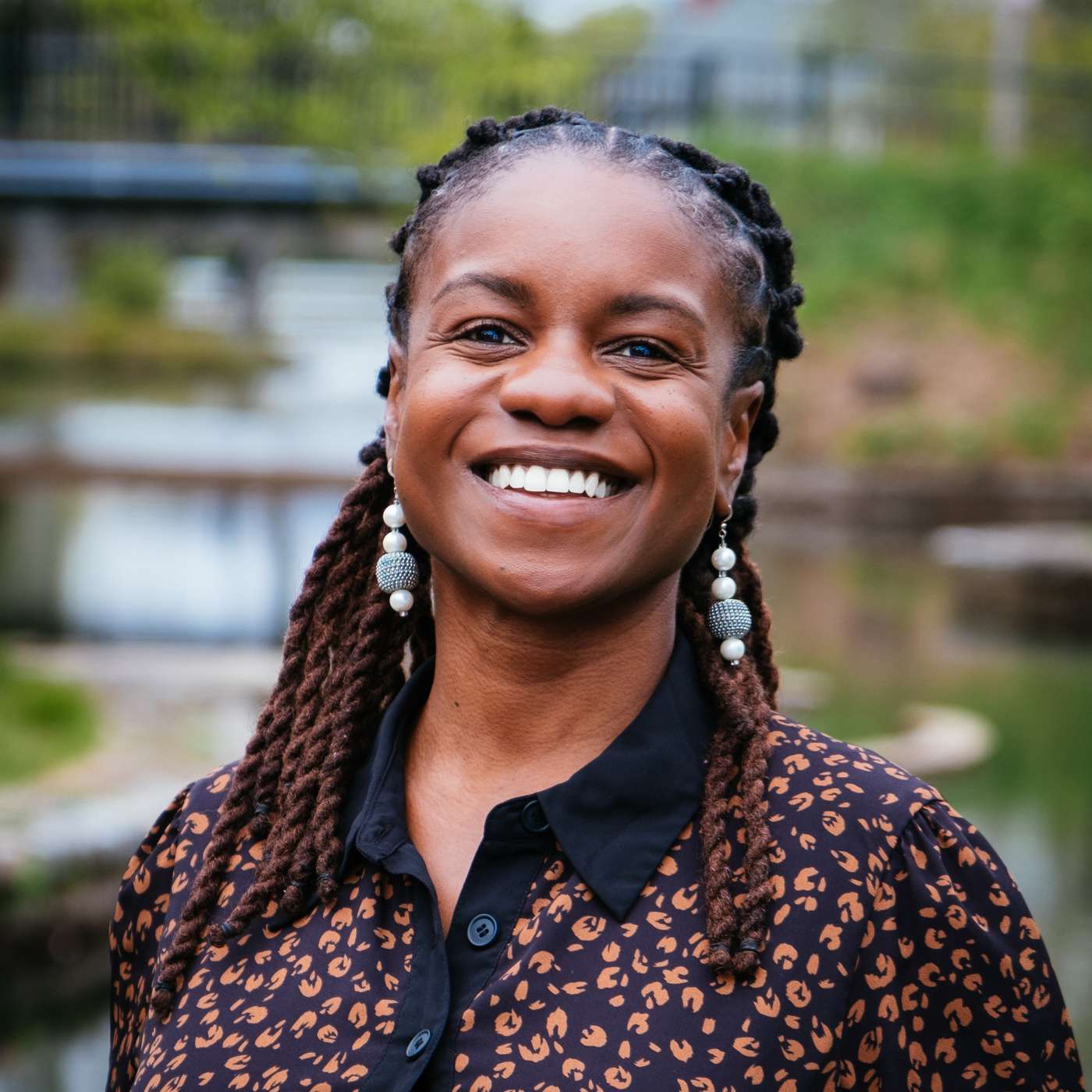
Ep 230Tashal Brown - College of Education, University of Rhode Island
This is John Drabinski and you’re listening to The Black Studies podcast, a series of conversations examining the history of the field. Our conversations engage with a wide range of activists and scholars - senior figures in the field, graduate students, and everyone in between, culture workers, and political organizers - in order to explore the cultural and political meaning of Black Studies as an area of inquiry and its critical methods.Today’s conversation is with Tashal Brown, assistant professor of Urban Education and Secondary Social Studies in the College of Education at University of Rhode Island. Her research focuses on race, ethnicity, and gender in relation to equity and justice in educational contexts and how the cultivation and enactment of critical literacies and liberatory pedagogies across K–12 schools, community-based spaces, and teacher education shape the perspectives, experiences, and actions of youth and educators. In this conversation, we explore the centrality of the study of childhood in Black Studies, the place of education in the field, and the transformative power of multidisciplinary approaches to understanding Black girlhood.
Ep 229Hanna Garth - Department of Anthropology, Princeton University
This is Ashley Newby and you’re listening to The Black Studies podcast, a series of conversations examining the history of the field. Our conversations engage with a wide range of activists and scholars - senior figures in the field, late doctoral students, and everyone in between, culture workers, and political organizers - in order to explore the cultural and political meaning of Black Studies as an area of inquiry and its critical methods.Today's conversation is with Hanna Garth, Assistant Professor of Anthropology at Princeton University, and was previously Assistant Professor of Anthropology at UC San Diego. She held a University of California President's Postdoctoral Fellowship at the University of California, Irvine. She received her PhD in Anthropology at UCLA, an MPH in Global Health from Boston University, and a BA from Rice University. She is a food anthropologist, broadly focused on how individuals and families navigate food systems in the service of their desires to eat in particular, culturally inflected ways. With critical attention to the granular, everyday experiences of navigating broader systems, her work links macro-scale structures to social and material impacts on life conditions. Her research asks questions like beyond our basic needs for survival, what does it take to live a decent life, and who gets to decide? Her work critically analyzes concepts like justice, interrogating how justice is understood and by whom it is defined? She interrogates concepts like food sovereignty and its possibilities in our contemporary globalized world. She is interested in how people build and maintain community and support networks within broader contexts of inequality and struggles for survival. She studies these issues in Latin America and the Caribbean and among Black and Latinx communities in the United States. |
Ep 228Kimberly Blockett - Department of Africana Studies, University of Delaware
This is John Drabinski and you’re listening to The Black Studies podcast, a series of conversations examining the history of the field. Our conversations engage with a wide range of activists and scholars - senior figures in the field, graduate students, and everyone in between, culture workers, and political organizers - in order to explore the cultural and political meaning of Black Studies as an area of inquiry and its critical methods.Today’s conversation is with Kimberly Blockett, who teaches in the Department of Africana Studies at University of Delaware. Along with a number of scholarly articles in prominent journals, she has compiled the heavily annotated edition Memoirs of the Life, Religious Experiences, Ministerial Travels, and Labour’s of Mrs. Elaw (2021), edited the collection Mapping Black Women’s Geographies (2025), and the author of Race, Religion, and Rebellion: The Audacious Ministry of Zilpha Elaw (fall 2026). In this conversation, we discuss the importance of recovering lost voices in a multidisciplinary approach to history, the place of religion in Black study, and the exciting, productive, and imaginative messiness of Black Studies research.
Ep 227Antoine Williams - School of Art and Art History, University of Florida
This is John Drabinski and you’re listening to The Black Studies podcast, a series of conversations examining the history of the field. Our conversations engage with a wide range of activists and scholars - senior figures in the field, graduate students, and everyone in between, culture workers, and political organizers - in order to explore the cultural and political meaning of Black Studies as an area of inquiry and its critical methods.Today’s conversation is with Antoine Williams, a multidisciplinary artist and assistant professor of drawing in the expanded field in the School of Art and Art History at University of Florida. His work has been exhibited across the United States and he’s held numerous fellowships and residencies in the arts.His interactive, multimedia, site-specific installation with Josiah Golson titled “Go to the tree and get the pure sap and find out whether they were right” is being exhibited at the Birmingham Museum of Art through early-July 2026. In this conversation, we discuss roots of his concern with Black life, the relationship between study and creative production, and the place of the arts in the Black Studies project.
Ep 226Angela Simms - Departments of Sociology and Urban Studies, Barnard College and Columbia University
This is Ashley Newby and you’re listening to The Black Studies podcast, a series of conversations examining the history of the field. Our conversations engage with a wide range of activists and scholars - senior figures in the field, late doctoral students, and everyone in between, culture workers, and political organizers - in order to explore the cultural and political meaning of Black Studies as an area of inquiry and its critical methods.Today's conversation is with Angela Simms, Assistant Professor of Sociology and Urban Studies at Barnard-Columbia. She studies the political economy of suburban Black middle-class suburbs, and her forthcoming book Fighting for a Foothold: How Government and Markets Undermine Black Middle-Class Suburbia (Russell Sage, February 2026) asks why majority-Black suburbs that work hard to build stable, thriving communities still face financial barriers that make this harder than it is for their white counterparts.
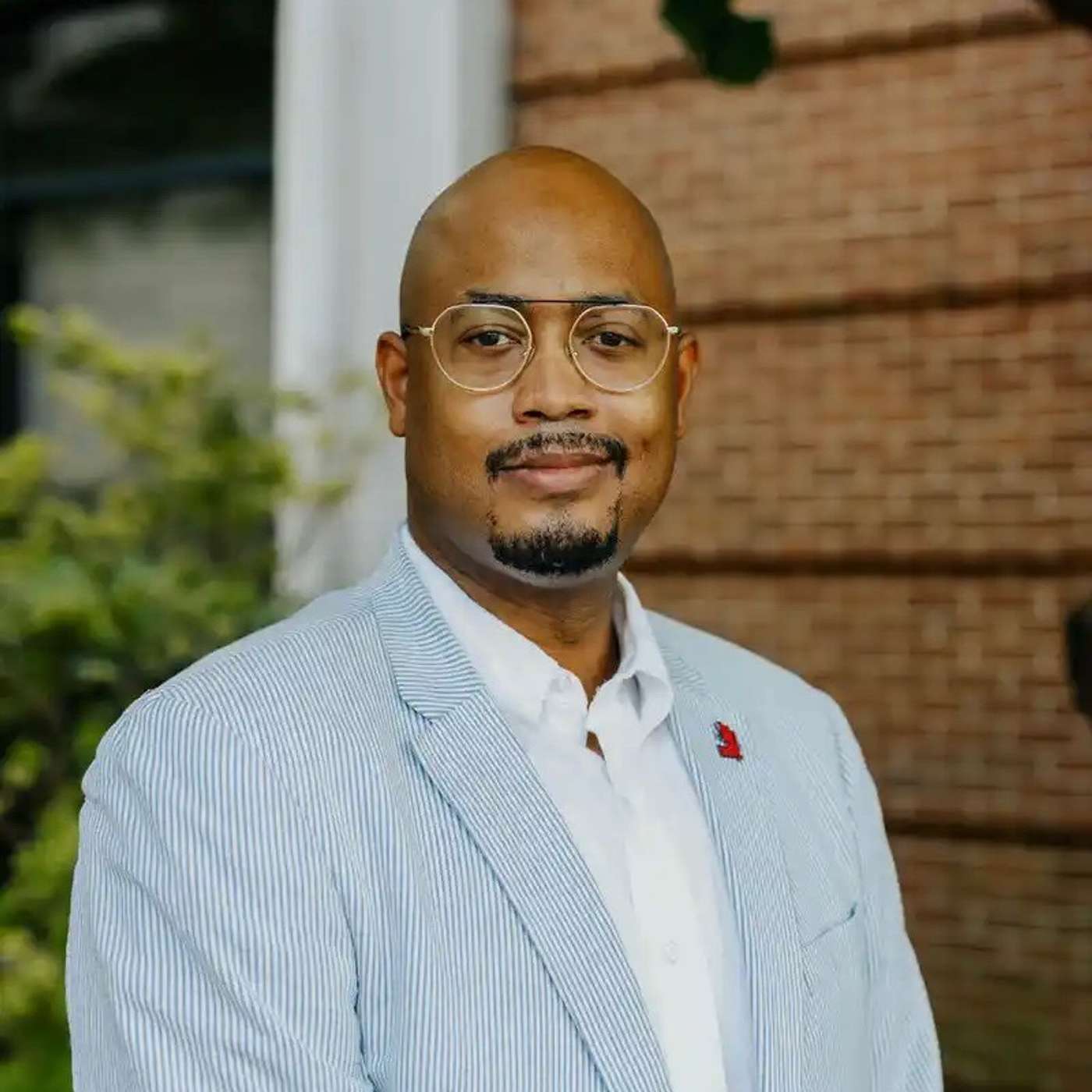
Ep 225Robert Bland - Department of History and Africana Studies, University of Tennessee, Knoxville
This is Ashley Newby and you’re listening to The Black Studies podcast, a series of conversations examining the history of the field. Our conversations engage with a wide range of activists and scholars - senior figures in the field, late doctoral students, and everyone in between, culture workers, and political organizers - in order to explore the cultural and political meaning of Black Studies as an area of inquiry and its critical methods.Today's conversation is with Robert Bland, who teaches in the Departments of History and Africana Studies at the University of Tennessee, Knoxville. He is a historian of the late nineteenth- and early twentieth-century United States with an emphasis on the African American experience and the postbellum South. My research and teaching engage questions of racial formation, electoral and cultural politics, and battles over historical memory.His latest book - Requieum for Reconstruction Black Countermemory and the Legacy of the Lowcountry’s Lost Political Generation - examines the legacy of Reconstruction in the African American public sphere. It explores the efforts of black South Carolinians and their northern allies to preserve the last bastion of radical Republicanism in the South during the half century that followed Compromise of 1877. In doing so, he illuminates a series of connections between grassroots struggles in the South Carolina Lowcountry over political patronage, disaster relief, local schools, and representations of Gullah folklore and the simultaneous debate in the national black press over how to contest the cultural and intellectual dimensions of the emerging Jim Crow order.
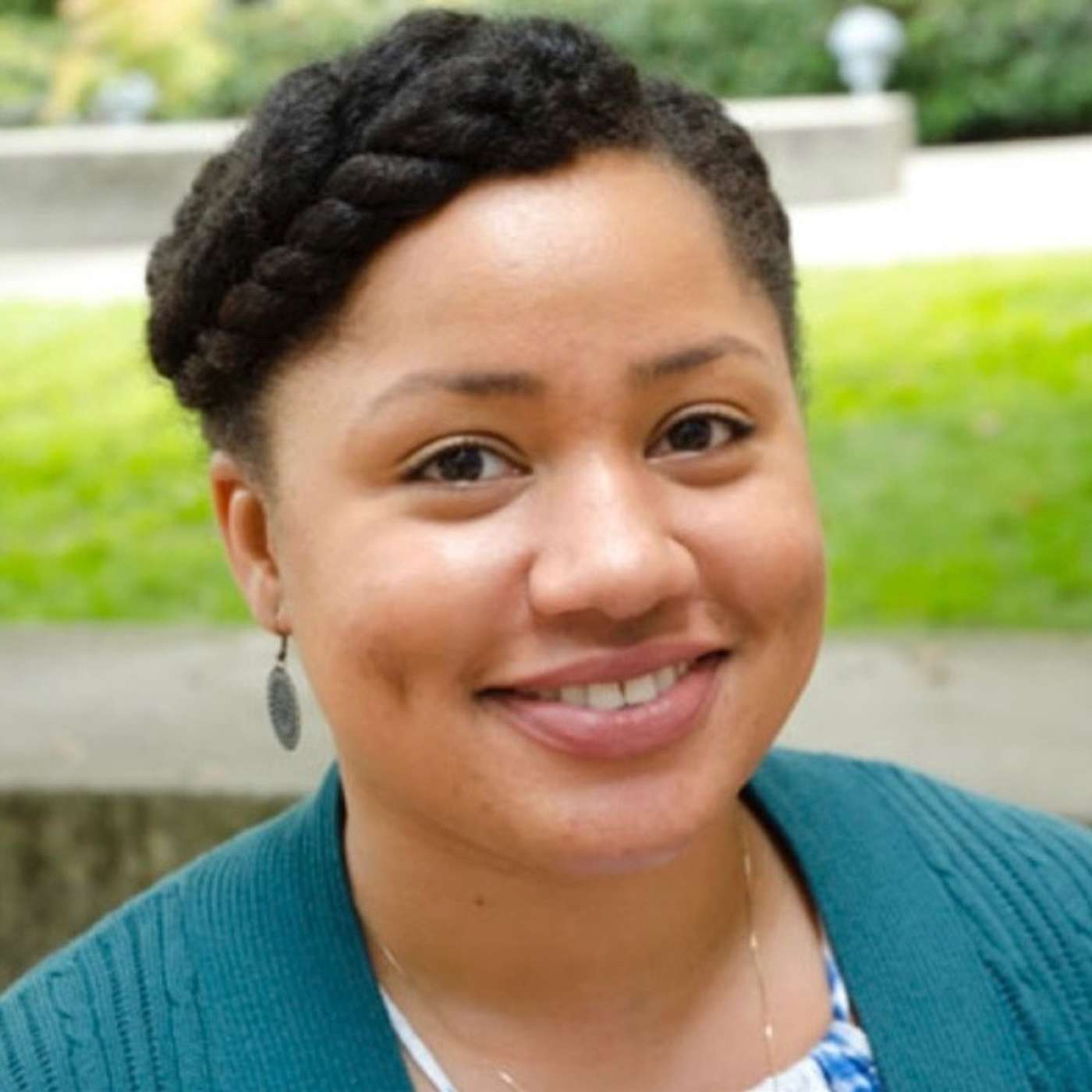
Ep 224Kimberly Thomas McNair - Department of African and African American Studies, Stanford University
This is John Drabinski and you’re listening to The Black Studies podcast, a series of conversations examining the history of the field. Our conversations engage with a wide range of activists and scholars - senior figures in the field, graduate students, and everyone in between, culture workers, and political organizers - in order to explore the cultural and political meaning of Black Studies as an area of inquiry and its critical methods.Today’s conversation is with Kimberly Thomas McNair, who teaches in the Department of African and African American Studies at Stanford University. She teaches widely in literature, gender studies, and cultural studies inside the Black Studies tradition and is completing a book manuscript entitled Every Goodbye Ain’t Gone: T-Shirt Culture and the Black Activist Tradition.In this conversation, we discuss the unique character of Black Studies, relations of disciplines to the non-disciplinary character of the field, and the intersection of politics, memory, and cultural studies in the history of Black social activism.
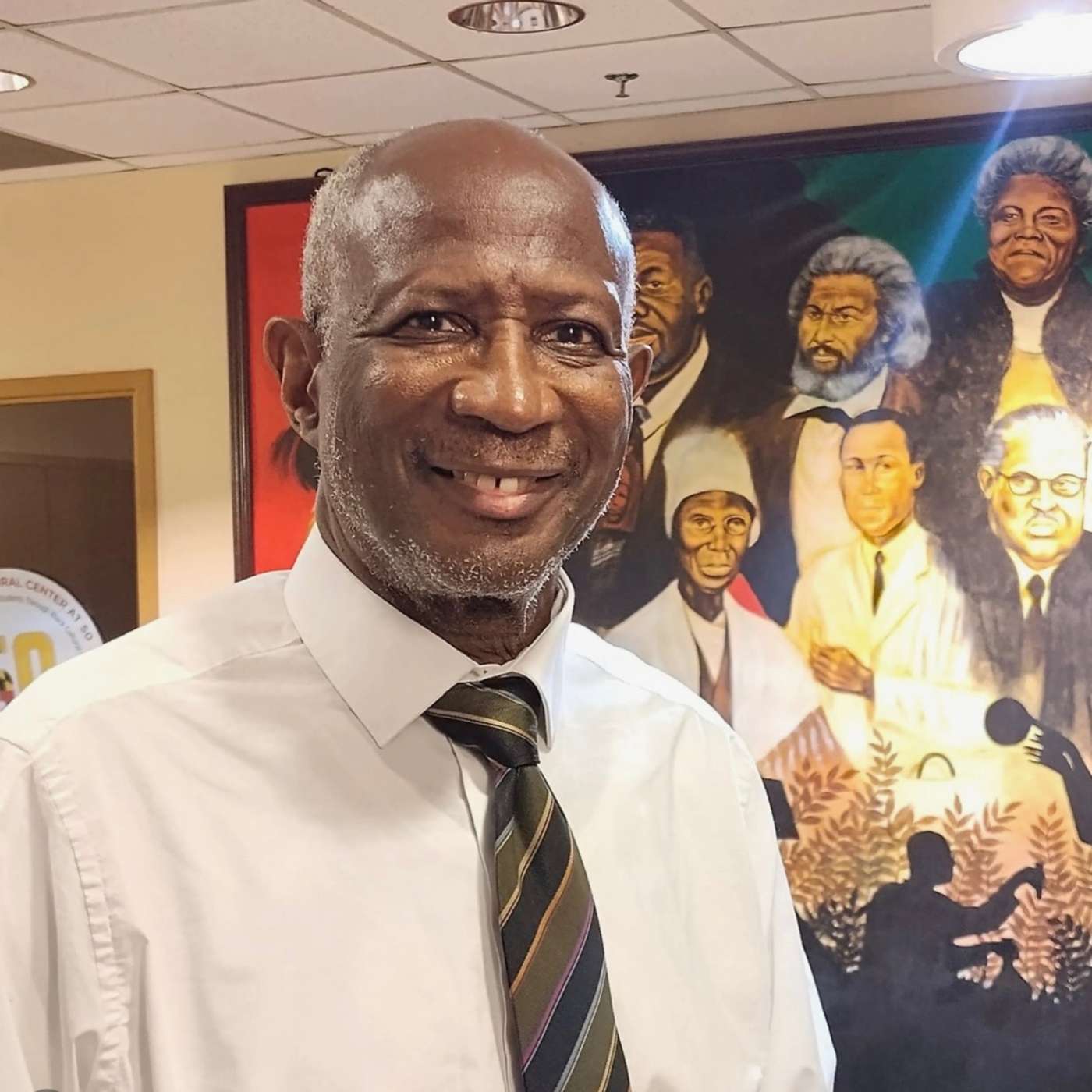
Ep 223Ronald Zeigler - Director, Nyumburu Cultural Center, University of Maryland
This is Ashley Newby and you’re listening to The Black Studies podcast, a series of conversations examining the history of the field. Our conversations engage with a wide range of activists and scholars - senior figures in the field, late doctoral students, and everyone in between, culture workers, and political organizers - in order to explore the cultural and political meaning of Black Studies as an area of inquiry and its critical methods.Today's conversation is with Dr. Ronald Zeigler, former director of Nyumburu Cultural Center for 25 years; colleague who worked as adjuncted in the African American and Africana Studies Department integral part of the Black community on campus for 47 years.