The Black Studies Podcast
322 episodes — Page 6 of 7
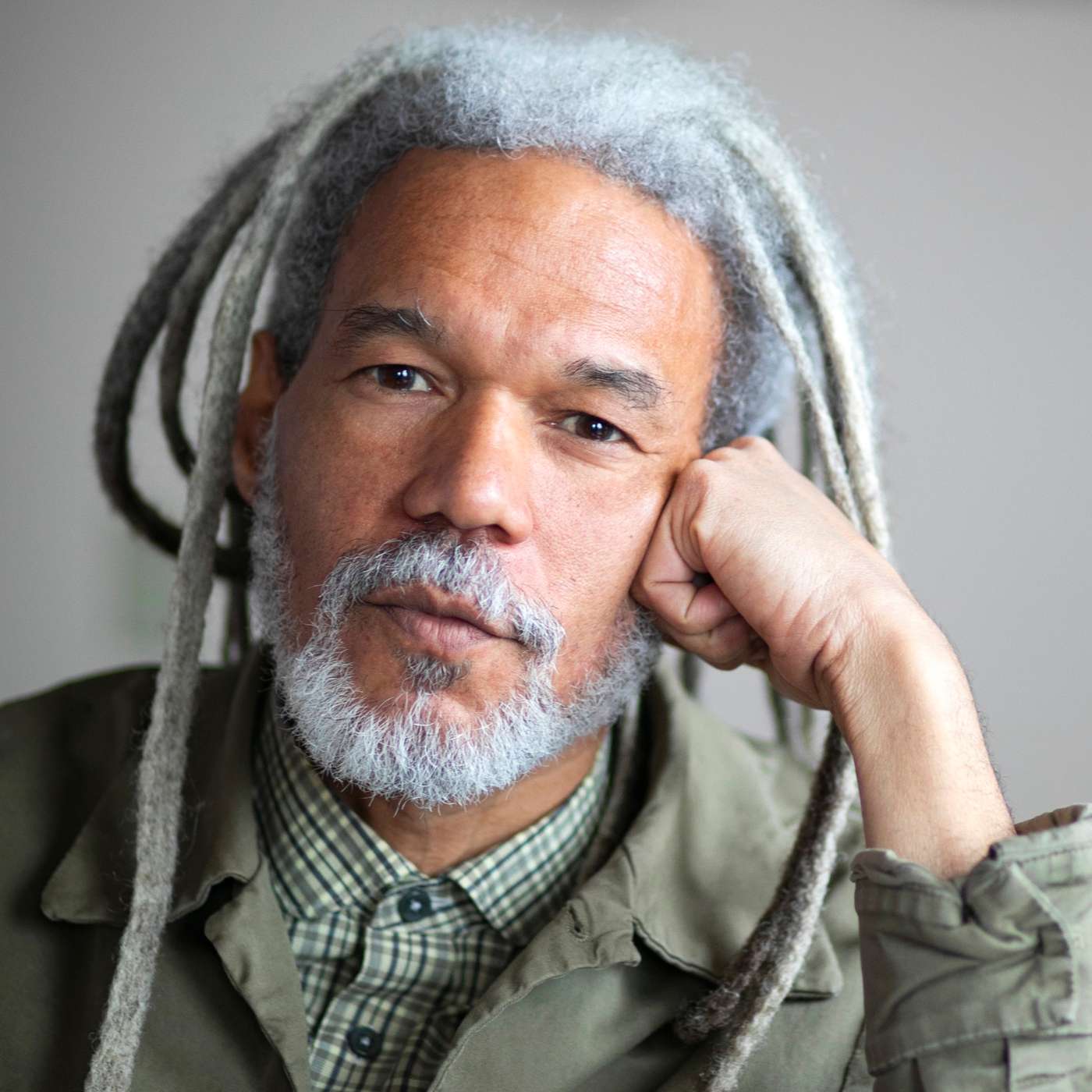
Ep 72Vincent Brown - Departments of History and African and African American Studies, Harvard University
This is Ashley Newby and you’re listening to The Black Studies podcast, a Mellon grant sponsored series of conversations examining the history of the field. Our conversations engage with a wide range of activists and scholars - senior figures in the field, late doctoral students, and everyone in between, culture workers, and political organizers - in order to explore the cultural and political meaning of Black Studies as an area of inquiry and its critical methods.Vincent Brown is Charles Warren Professor of American History and Professor of African and African American Studies. In addition to many academic and public facing essays, he is the author of The Reaper's Garden: Death and Power in the World of Atlantic Slavery (Harvard University Press, 2008) and Tacky's Revolt: The Story of an Atlantic Slave War (Belknap Press, 2020). He is the producer for Herskovits at the Heart of Blackness (2009), an audiovisual documentary broadcast on the PBS series Independent Lens, and the short video series The Bigger Picture (2022) for PBS Digital Studios.
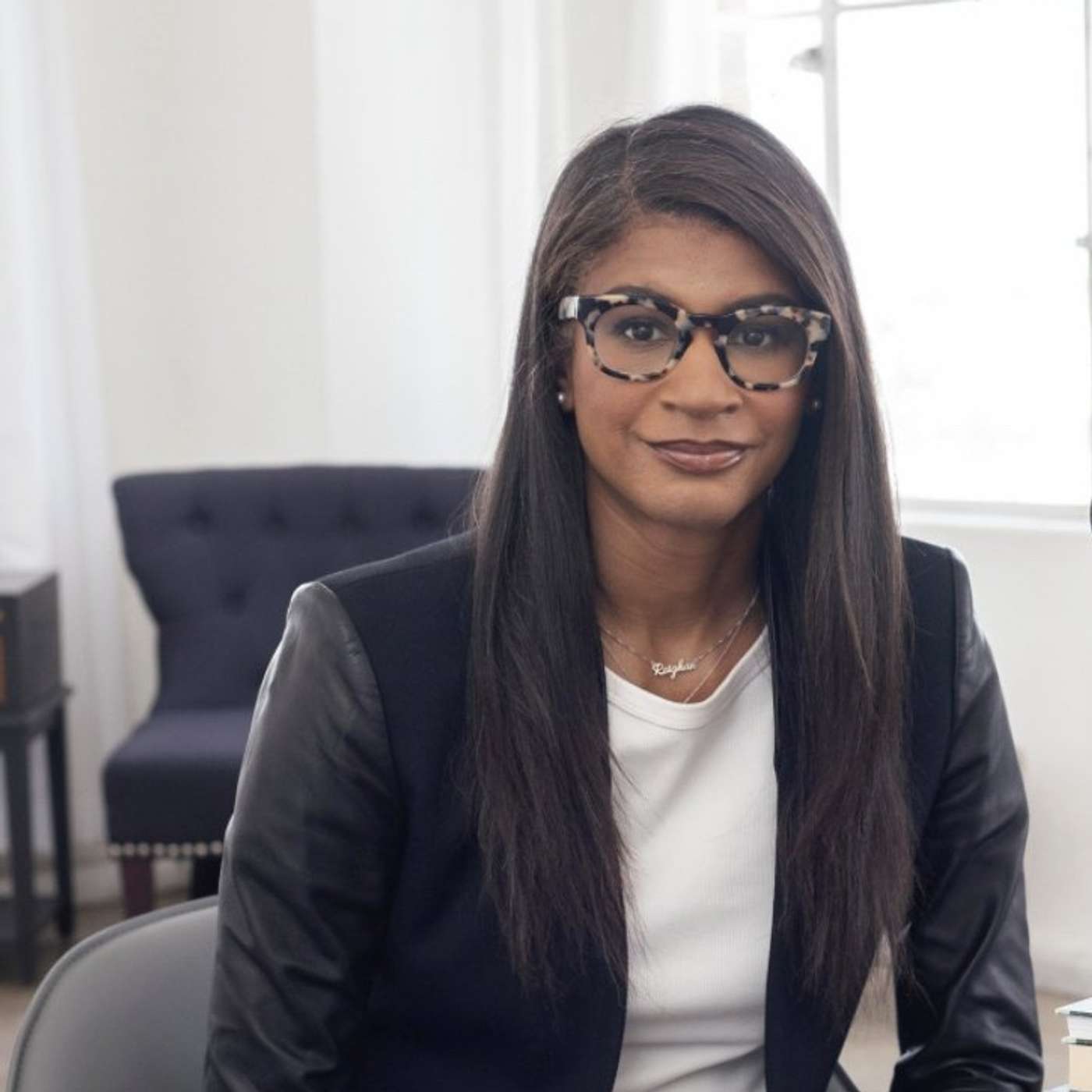
Ep 71Reighan Gillam - Department of Latin American, Latino, and Caribbean Studies, Dartmouth College
This is John Drabinski and you’re listening to The Black Studies podcast, a Mellon grant sponsored series of conversations examining the history of the field. Our conversations engage with a wide range of activists and scholars - senior figures in the field, late doctoral students, and everyone in between, culture workers, and political organizers - in order to explore the cultural and political meaning of Black Studies as an area of inquiry and its critical methods.Today’s conversation is with Reighan Gillam, who teaches in the Department of Latin American, Latino, and Caribbean Studies at Dartmouth University. Along with a number of scholarly articles, she has published Visualizing Black Lives: Ownership and Control in Afro-Brazilian Media (2022) and is completing a book project titled Diasporic Agency: Transnational Racial Leverage and Challenges to Exceptionalism in Brazil. As well, she is the host of a podcast series on the New Books Network that was recently honored for its public facing scholarship work by the American Anthropological Association. In this conversation, we discuss the place of anthropological methods and sensibilities in the field of Black Studies, the cultural importance of transnational exchange, and the place of Brazil and related Latin American sites in the Black Studies imagination.
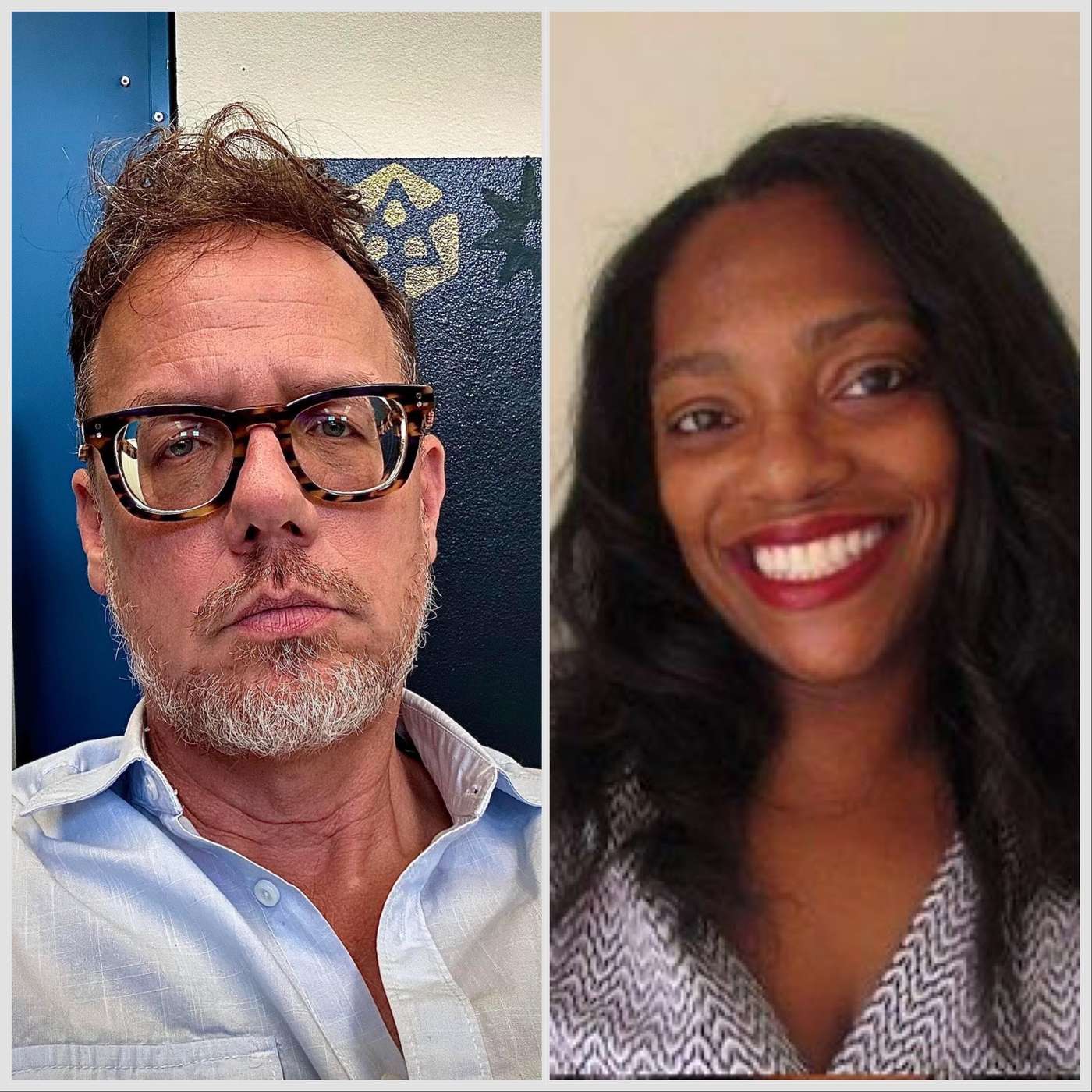
Ep 70Ashley Newby and John E. Drabinski - Department of African American and Africana Studies, University of Maryland
This is Ashley Newby and you’re listening to The Black Studies podcast, a Mellon grant sponsored series of conversations examining the history of the field. Our conversations engage with a wide range of activists and scholars - senior figures in the field, late doctoral students, and everyone in between, culture workers, and political organizers - in order to explore the cultural and political meaning of Black Studies as an area of inquiry and its critical methods.Today's conversation is between me and John E. Drabinski, my department colleague in the Department of African American and Africana Studies at the University of Maryland. As co-hosts of The Black Studies Podcast, we wanted to close out the first calendar year of the project with a reflection on the series thus far, sharing our key takeaways and the insights we've gained through the first seventy discussions of the past and future of the field. In this conversation, we discuss what for us has been both expected and unexpected in the project, what new horizons podcast episodes have opened up for us, and what new critical questions are guiding our evolving portraits of the field.
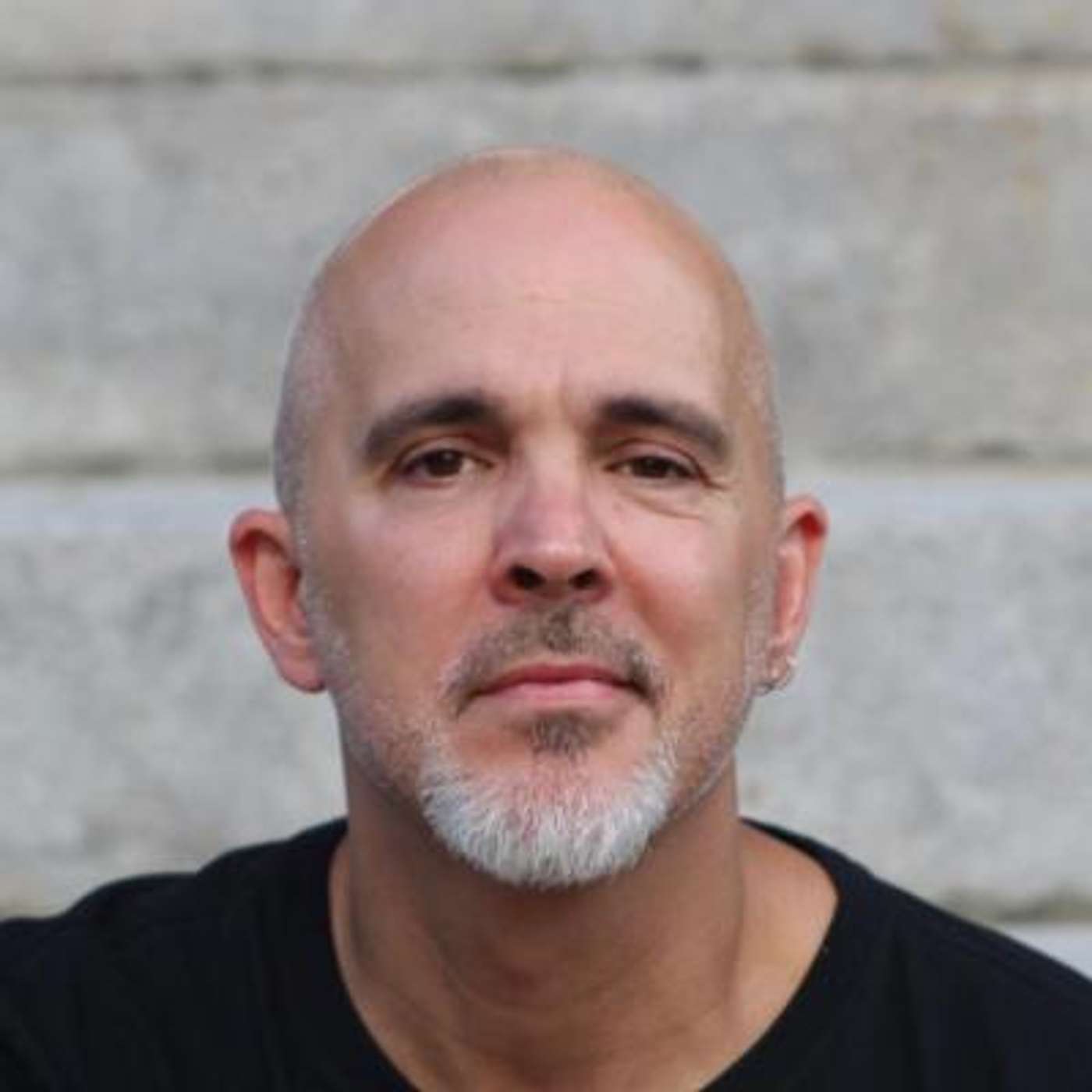
Ep 69Ed Pavlić - Department of English and African American Studies, University of Georgia
This is John Drabinski and you’re listening to The Black Studies podcast, a Mellon grant sponsored series of conversations examining the history of the field. Our conversations engage with a wide range of activists and scholars - senior figures in the field, late doctoral students, and everyone in between, culture workers, and political organizers - in order to explore the cultural and political meaning of Black Studies as an area of inquiry and its critical methods.Today’s conversation is with Ed Pavlić, Distinguished Research Professor of English and African American Studies at the University of Georgia, where he also holds an affiliation with the faculty of Creative Writing. In addition to a series of scholarly and popular essays, he is the author of a number of books and poetry collections, including most recently Call it in the Air (2022), Outward: Adrienne Rich’s Expanding Solitudes (2021), and is currently composing an intellectual biography of James Baldwin rooted in newly discovered archival materials. In this conversation, we discuss the relation between music and literature in the Black Studies tradition, the place of community in the formal and everyday practice of Black study, and importance of conversation, critical work, and creative expression.
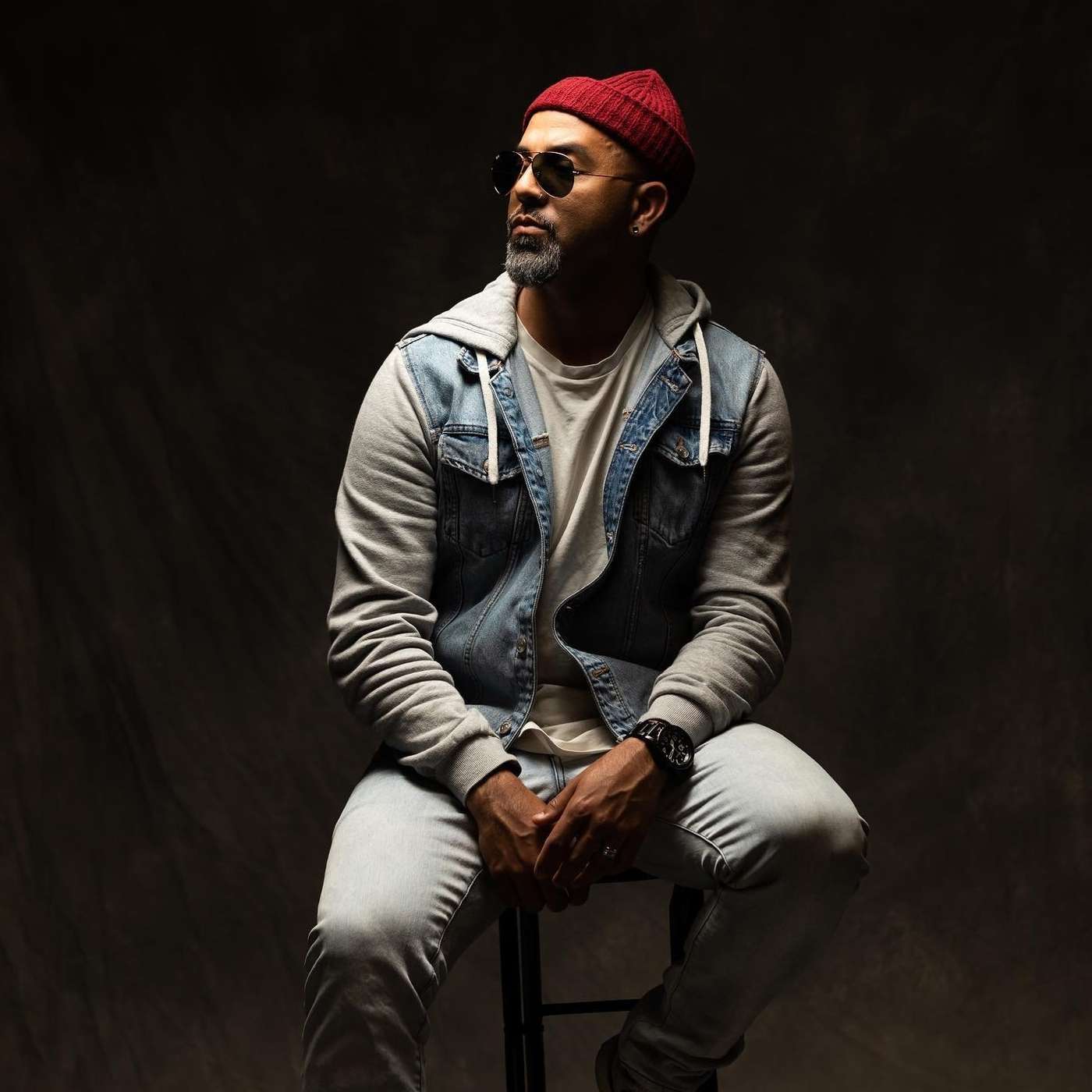
Ep 68Ozay Moore - Executive Director, All of the Above Hip Hop Academy
This is Ashley Newby and you’re listening to The Black Studies podcast, a Mellon grant sponsored series of conversations examining the history of the field. Our conversations engage with a wide range of activists and scholars - senior figures in the field, late doctoral students, and everyone in between, culture workers, and political organizers - in order to explore the cultural and political meaning of Black Studies as an area of inquiry and its critical methods.Today's conversation is with Ozay Moore, an Emcee, DJ, Muralist, and community organizer who is the Executive Director of All of the Above Hip Hop Academy in Lansing, Michigan. In this discussion, we explore the cultural and historical significance of hip hop, the relationship between expressive culture and the politics of place, and the profound contribution of hip hop culture to how we might understand pedagogy and social transformation.
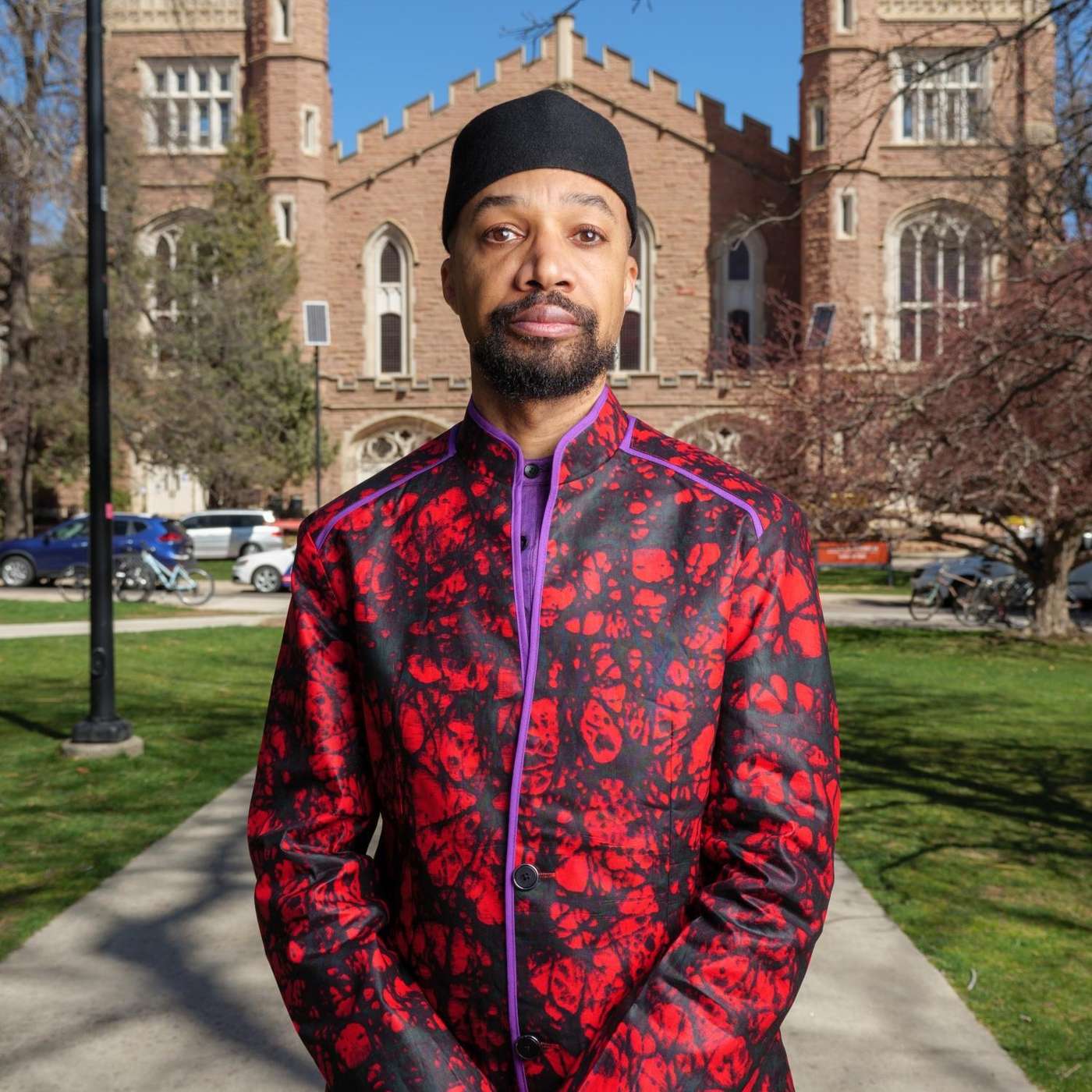
Ep 67Reiland Rabaka - Department of Ethnic Studies, University of Colorado at Boulder
This is John Drabinski and you’re listening to The Black Studies podcast, a Mellon grant sponsored series of conversations examining the history of the field. Our conversations engage with a wide range of activists and scholars - senior figures in the field, late doctoral students, and everyone in between, culture workers, and political organizers - in order to explore the cultural and political meaning of Black Studies as an area of inquiry and its critical methods.Today’s conversation is with Reiland Rabaka, who teaches in the Department of Ethnic Studies at University of Colorado at Boulder, where he is the founder and director of the Center for African and African American Studies. He is the author of a number of important books in the Black Atlantic intellectual tradition, including Du Bois’ Dialectics (2009), Africana Critical Theory (2010), Forms of Fanonism (2011), and most recently Black Women’s Liberation Music (2023) and The Funk Movement (2024). In this conversation, we discuss the place of musical performance in the formation of Black intellectual life, the expansive nature of Black Studies as a political and liberatory movement, and the importance of thinking in the present even as we reckon with the past and imagine a future.
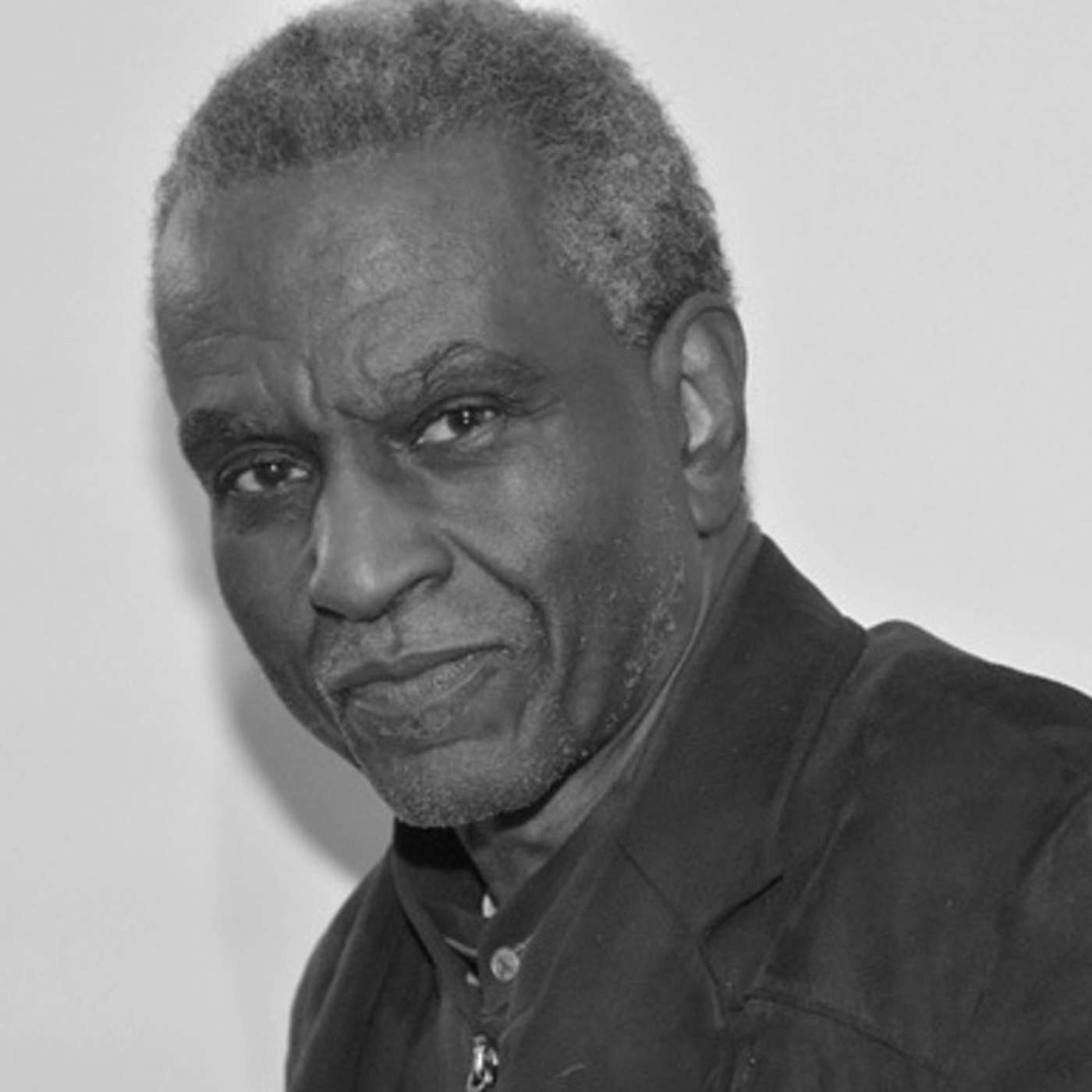
Ep 66Gerald Horne - Department of History, University of Houston
This is Ashley Newby and you’re listening to The Black Studies podcast, a Mellon grant sponsored series of conversations examining the history of the field. Our conversations engage with a wide range of activists and scholars - senior figures in the field, late doctoral students, and everyone in between, culture workers, and political organizers - in order to explore the cultural and political meaning of Black Studies as an area of inquiry and its critical methods.Today's episode features Gerald Horne, who teaches in the Department of History at University of Houston. He has written many scholarly and popular essays on history, race, and politics, and is the author over thirty books including most recently Revolting Capital: Racism & Radicalism in Washington, D.C., 1900-2000 (2023) and The Counter-Revolution of 1836: Texas Slavery & Jim Crow and the Roots of American Fascism (2022), as well as the recently published I Dare Say: A Gerald Horne Reader (2024). In this conversation, we discuss the process of rewriting history from the perspective of African Americans, the impact of that writing on the field of Black Studies, and importance of transnational solidarities for Black liberation struggle.

Ep 65Zalika U. Ibaorimi - Department of African American and African Studies, Ohio State University
This is John Drabinski and you’re listening to The Black Studies podcast, a Mellon grant sponsored series of conversations examining the history of the field. Our conversations engage with a wide range of activists and scholars - senior figures in the field, late doctoral students, and everyone in between, culture workers, and political organizers - in order to explore the cultural and political meaning of Black Studies as an area of inquiry and its critical methods.Today’s conversation is with Zalika U. Ibaorimi, who works under the artist name N0HumanInv0lved (N.H.I.) and teaches in the Department of African American and African Studies at the Ohio State University. Her work engages Black material and digital publics as landscapes in order to trace the Human sexual geographies in the relation of the Black femme and spectator. Additionally, they consider the discursiveness of critical Humanism as a way to chart the figuration of the Black wh0re vis-à-vis the counter- and anti-Human. In this conversation, we discuss the work of undisciplining the field of Black studies, how critical theory and art practice converge to open new horizons in the field, and the significance of breaking with normative notions of taste in thinking about Black life.
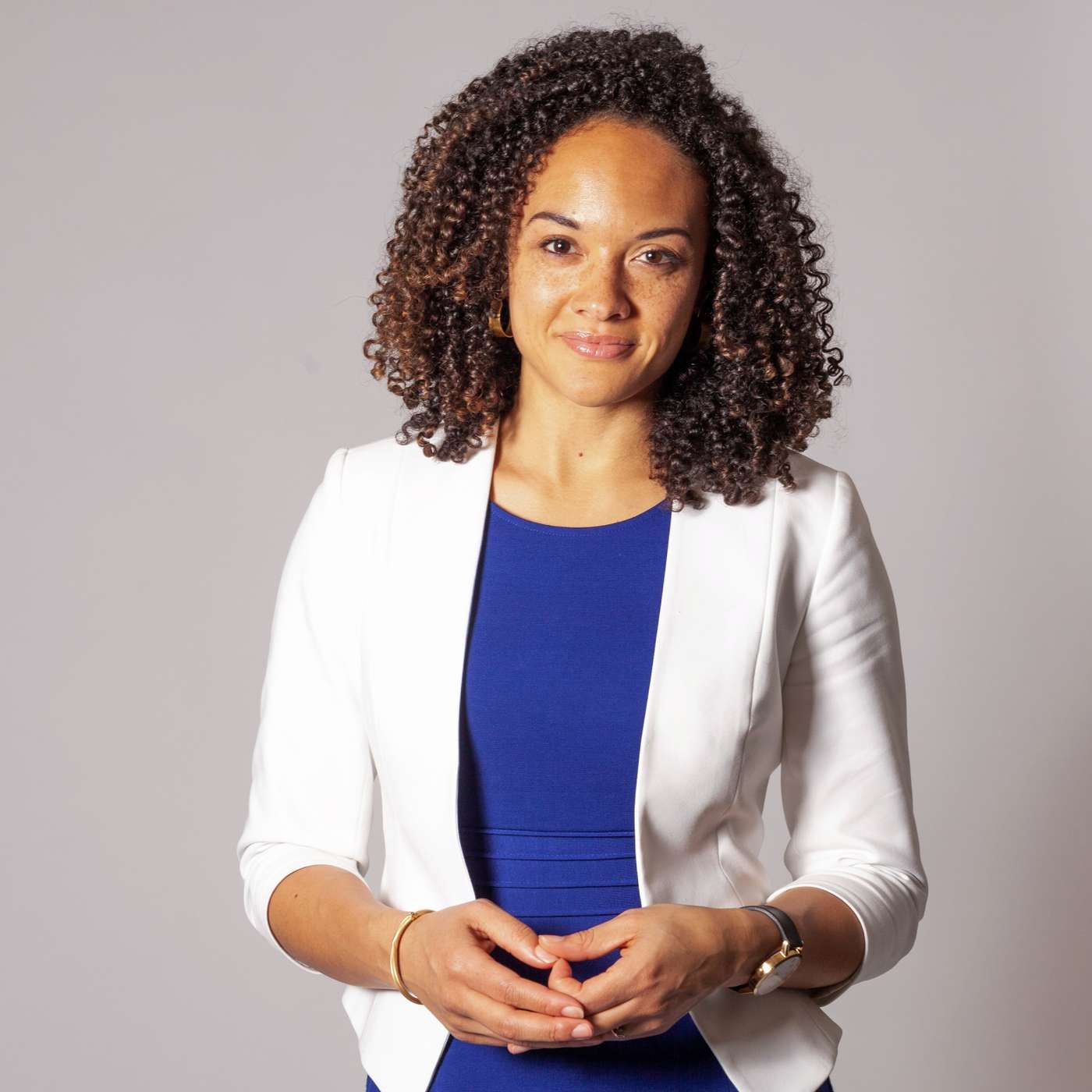
Ep 64Stephanie Sparling Williams - Andrew W. Mellon Curator of American Art at the Brooklyn Museum
This is John Drabinski and you’re listening to The Black Studies podcast, a Mellon grant sponsored series of conversations examining the history of the field. Our conversations engage with a wide range of activists and scholars - senior figures in the field, late doctoral students, and everyone in between, culture workers, and political organizers - in order to explore the cultural and political meaning of Black Studies as an area of inquiry and its critical methods.Today’s conversation is with Stephanie Sparling Williams, the Andrew W. Mellon Curator of American Art at the Brooklyn Museum. Her curatorial practice is predicated on interdisciplinary research, writing, and teaching on American art, and foregrounds Black Feminist space-making. She is the author of Speaking Out of Turn: Lorraine O'Grady and the Art of Language from 2021 and Toward Joy: New Frameworks for American Art, forthcoming in 2025. Her scholarly work is invested in the space of the museum, with a focus on African American art and culture, and the work of U.S.-based artists of color, as well as material histories, cross cultural exchange, strategies of address, and contemporary art that engages with the history of the United States. In this conversation, we discuss the transformative work of Black study and Black Studies, the museum as community and political space, and the place of beauty and joy in thinking about Black life.(Photo credit: Hector René Membreño-Canales)
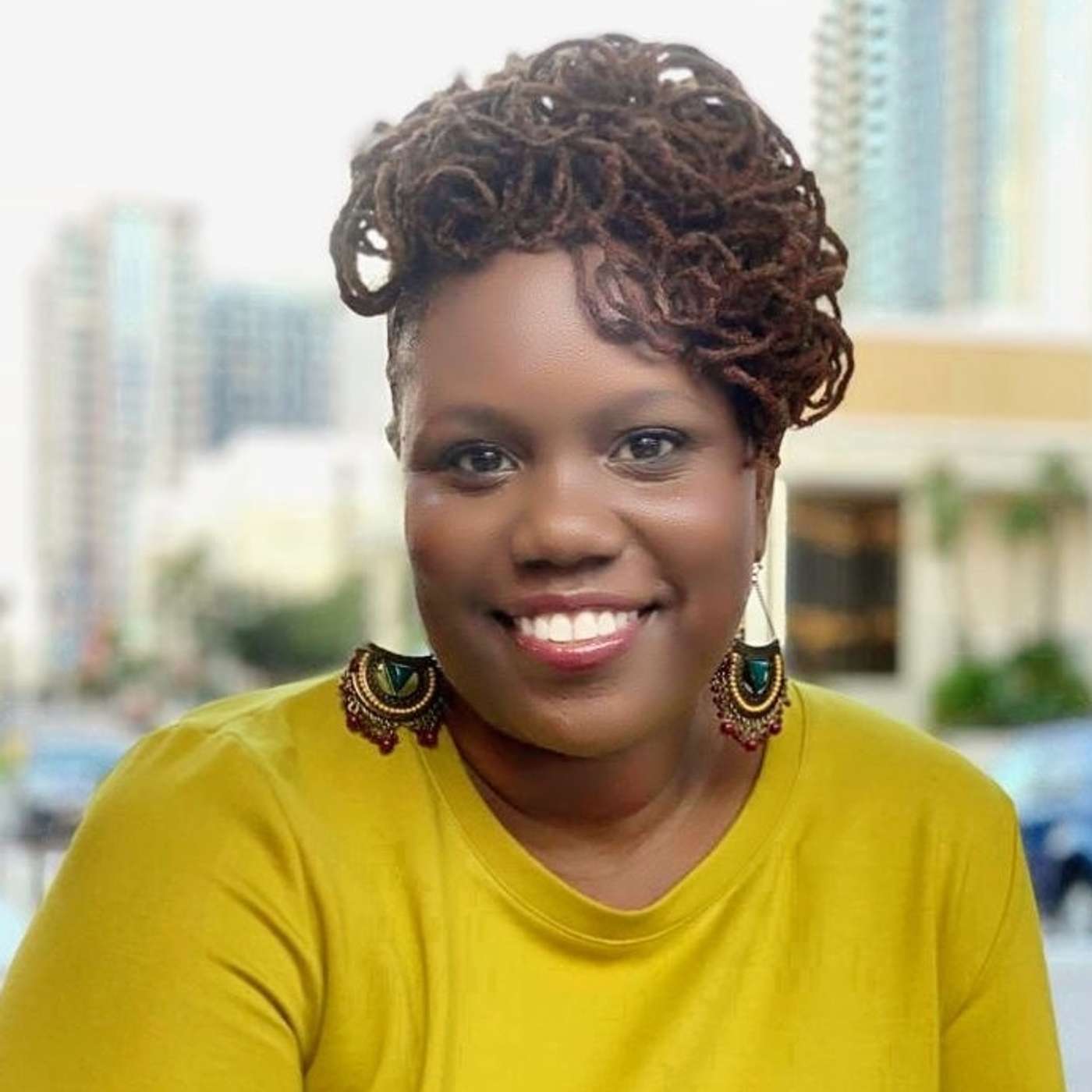
Ep 63Aisha Durham - Department of Communication, University of South Florida
This is Ashley Newby and you’re listening to The Black Studies podcast, a Mellon grant sponsored series of conversations examining the history of the field. Our conversations engage with a wide range of activists and scholars - senior figures in the field, late doctoral students, and everyone in between, culture workers, and political organizers - in order to explore the cultural and political meaning of Black Studies as an area of inquiry and its critical methods.Today's conversation is with Aisha Durham, Professor of Communication at the University of South Florida. Her research explores the relationship between media representations and everyday life in the "post" era using auto/ethnography, performance writing, and Black feminist intersectional approaches refined in hip hop feminism. She engages these methods in her two edited books and NCA award-winning monograph Home with Hip Hop Feminism: Performances in Communication and Culture. She has edited journal special issues about local Florida and transnational culture and her research has been featured in Departures in Critical Qualitative Research, the Journal of Autoethnography, and Communication, Culture, and Critique. Durham is a former Fulbright-Hays Faculty Fellow (Brazil), The National Museum of African American History and Culture advisory board member for their hip hop anthology, and an Ellis-Bochner Autoethnography and Personal Narrative Research award recipient. She has also written public scholarship for news and entertainment outlets, such as Tampa Bay Times, NPR, and Haaretz.
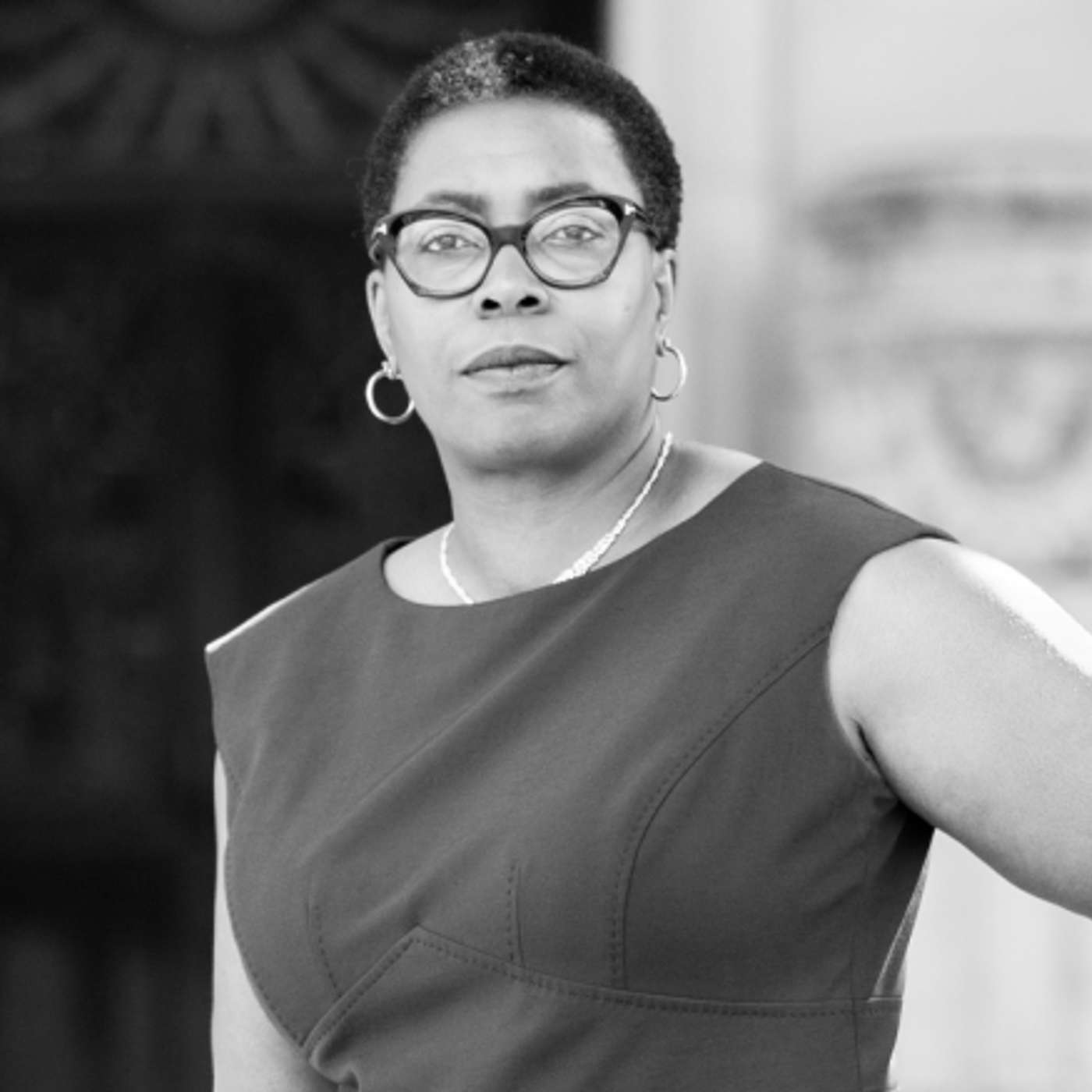
Ep 62Robin Means Coleman - Department of Media Studies and African American and African Studies, University of Virginia
This is John Drabinski and you’re listening to The Black Studies podcast, a Mellon grant sponsored series of conversations examining the history of the field. Our conversations engage with a wide range of activists and scholars - senior figures in the field, late doctoral students, and everyone in between, culture workers, and political organizers - in order to explore the cultural and political meaning of Black Studies as an area of inquiry and its critical methods.Today’s conversation is with Robin Means Coleman, Professor of Media Studies and of African American and African Studies at the University of Virginia where she is also Director of the Black Fantastic Media Research Lab. In addition to a number of scholarly and popular essays, she is the author of Horror Noire: A History of Black American Horror from the 1890s to Present, published as a second edition in 2023, and,] African American Viewers and the Black Situation Comedy: Situating Racial Humor, published in 2000. She is co-author of The Black Guy Dies First: Black Horror from Fodder to Oscar (2023) and Intercultural Communication for Everyday Life (2014). She is the editor of Say It Loud! African American Audiences, Media, and Identity (2002) and co-editor of both The Oxford Handbook of Black Horror Film (2024) and Fight the Power! The Spike Lee Reader (2008). In this conversation, we discuss the dynamic character of Black Studies in relation to community-campus relations, the political nature of research and teaching, and the complex relationship between Black Studies and study focused on Black topics
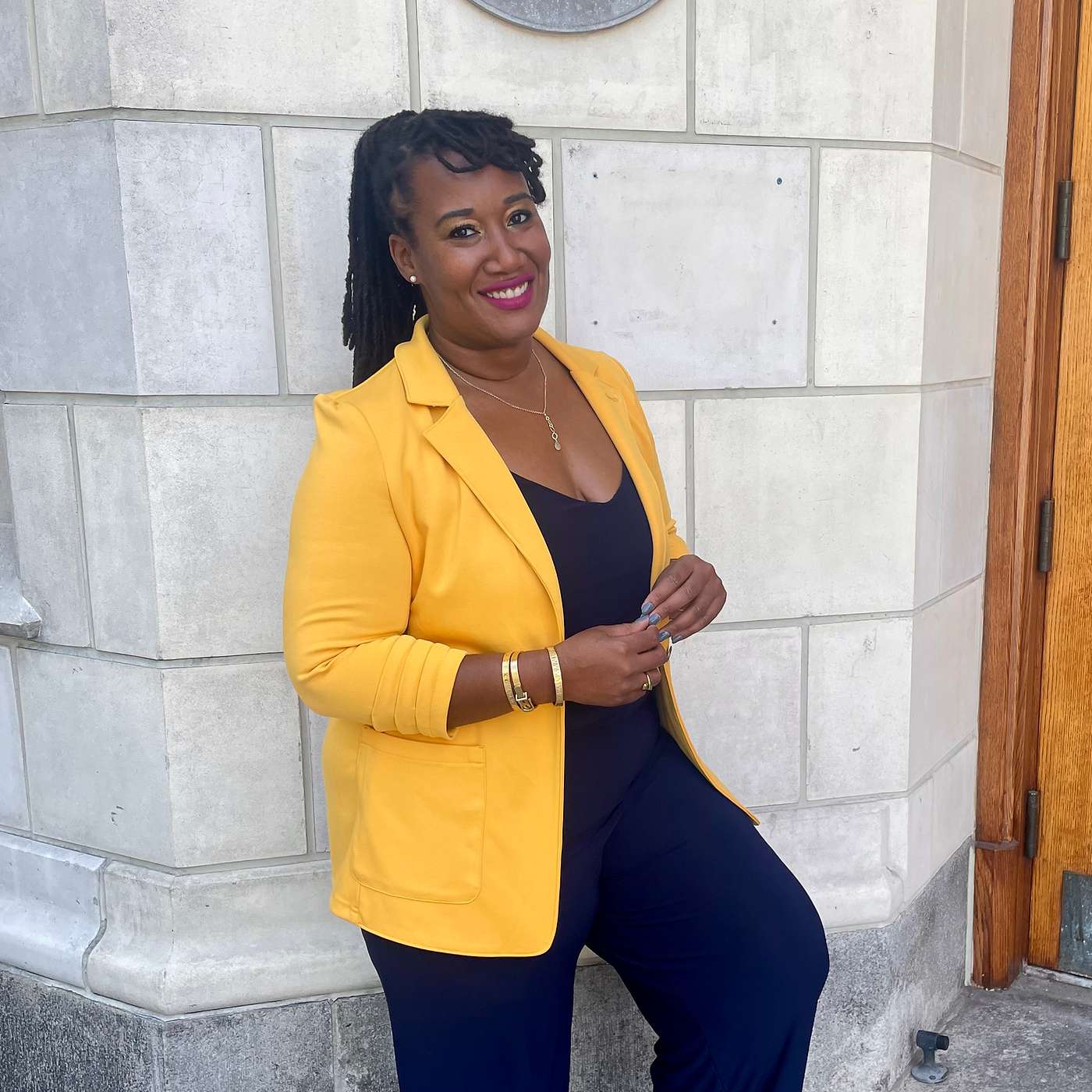
Ep 61Jervette R. Ward - Department of Black Studies, City College of New York
This is John Drabinski and you’re listening to The Black Studies podcast, a Mellon grant sponsored series of conversations examining the history of the field. Our conversations engage with a wide range of activists and scholars - senior figures in the field, late doctoral students, and everyone in between, culture workers, and political organizers - in order to explore the cultural and political meaning of Black Studies as an area of inquiry and its critical methods.Today’s conversation is with Jervette R. Ward, who teaches in and chairs the newly re-established Department of Black Studies at The City College of New York. In addition to her writing and editing work on African American literature and popular culture, she serves as president of the College Language Association. In this conversation, we discuss the relationship between Black studies and literature, how the past struggles to establish the field inform ongoing Black liberation struggle, and how the past and future of Black Studies engages with community life and its everyday habits, objects, and complex practices.
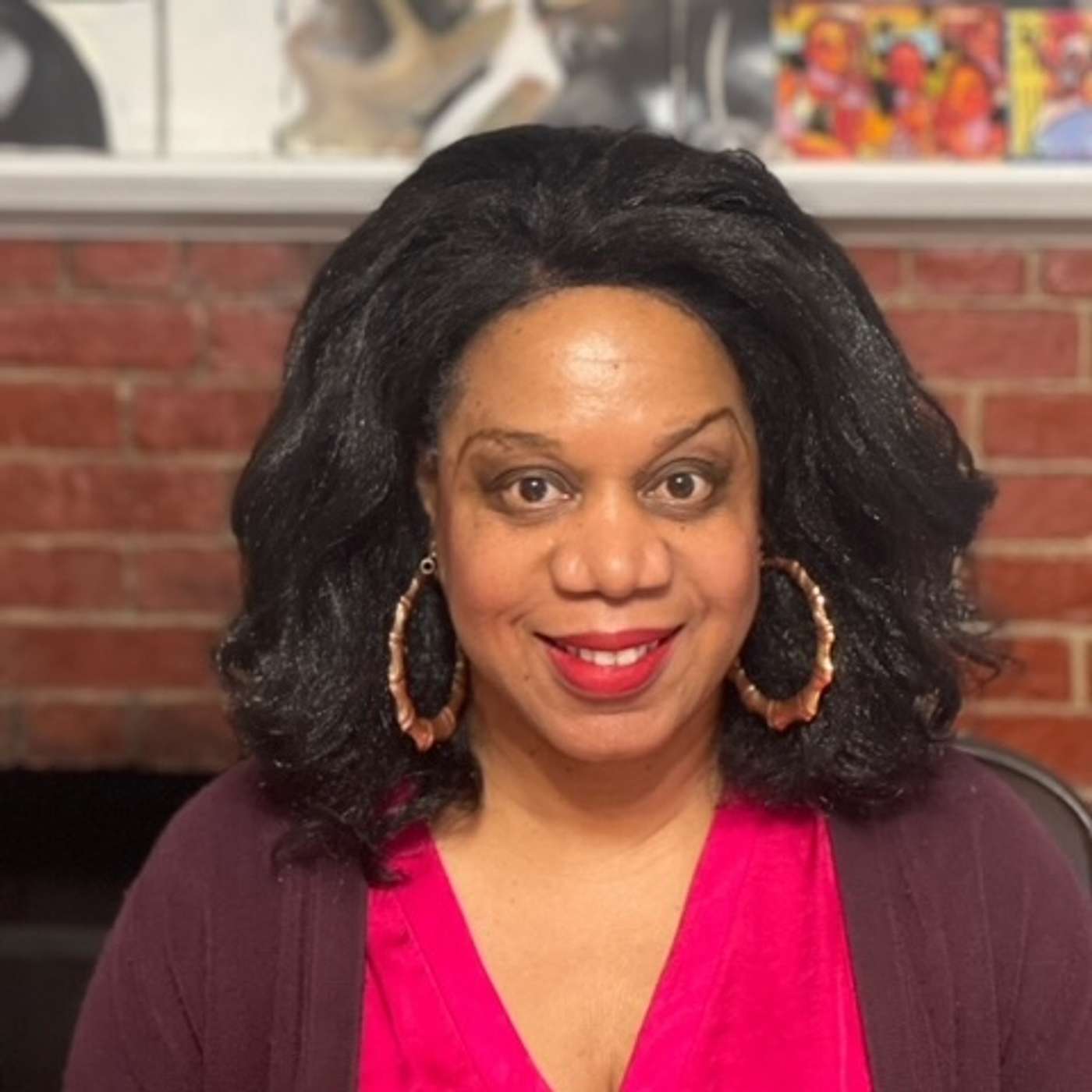
Ep 60Rita Kiki Edozie - Professor of Global Governance, University of Massachusetts-Boston
This is Ashley Newby and you’re listening to The Black Studies podcast, a Mellon grant sponsored series of conversations examining the history of the field. Our conversations engage with a wide range of activists and scholars - senior figures in the field, late doctoral students, and everyone in between, culture workers, and political organizers - in order to explore the cultural and political meaning of Black Studies as an area of inquiry and its critical methods.Today's episode features Rita Kiki Edozie, the Deval Patrick Endowed Chair of Political, Economic, and Social Innovation and Professor of Global Governance at the University of Massachusetts-Boston. She is the university’s former interim Dean of the John W McCormack School of Policy and Global Studies. Her recent books, The African Union’s Africa: New Pan-African Initiatives in Global Governance (2014) and Pan-Africa Rising: The Cultural Political Economy of Nigeria’s Afri-capitalism and South Africa’s Ubuntu Business (2017), and Africa’s New Global Politics: Regionalism in International Relations (with Moses Khisa, 2022).
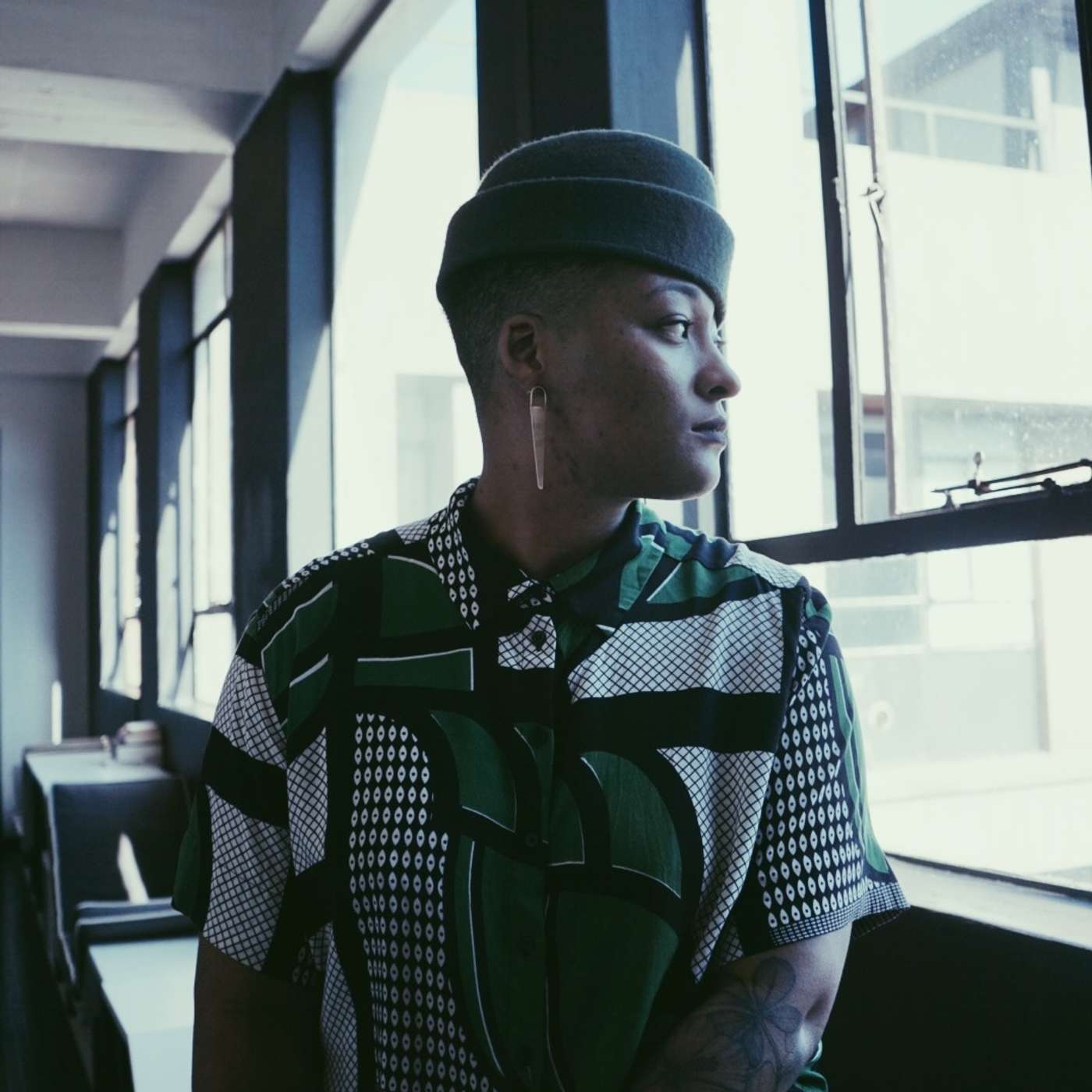
Ep 59Juanita Stephen - Department of Interdisciplinary and Critical Studies, University of Windsor
This is John Drabinski and you’re listening to The Black Studies podcast, a Mellon grant sponsored series of conversations examining the history of the field. Our conversations engage with a wide range of activists and scholars - senior figures in the field, late doctoral students, and everyone in between, culture workers, and political organizers - in order to explore the cultural and political meaning of Black Studies as an area of inquiry and its critical methods.Today’s conversation is with Juanita Stephen, who teaches in the Department of Interdisciplinary and Critical Studies at University of Windsor in Windsor, Ontario. Her research is guided by feminist theory and its methodologies, draws on the insights of care practice and community work, and is focused on questions of gender, families, and children in a Black Studies frame. In this conversation, we discuss the relationship between Black study and care, how childhood and care networks inform theory and writing, and how the past and future of Black Studies engages with community life and its everyday practices.
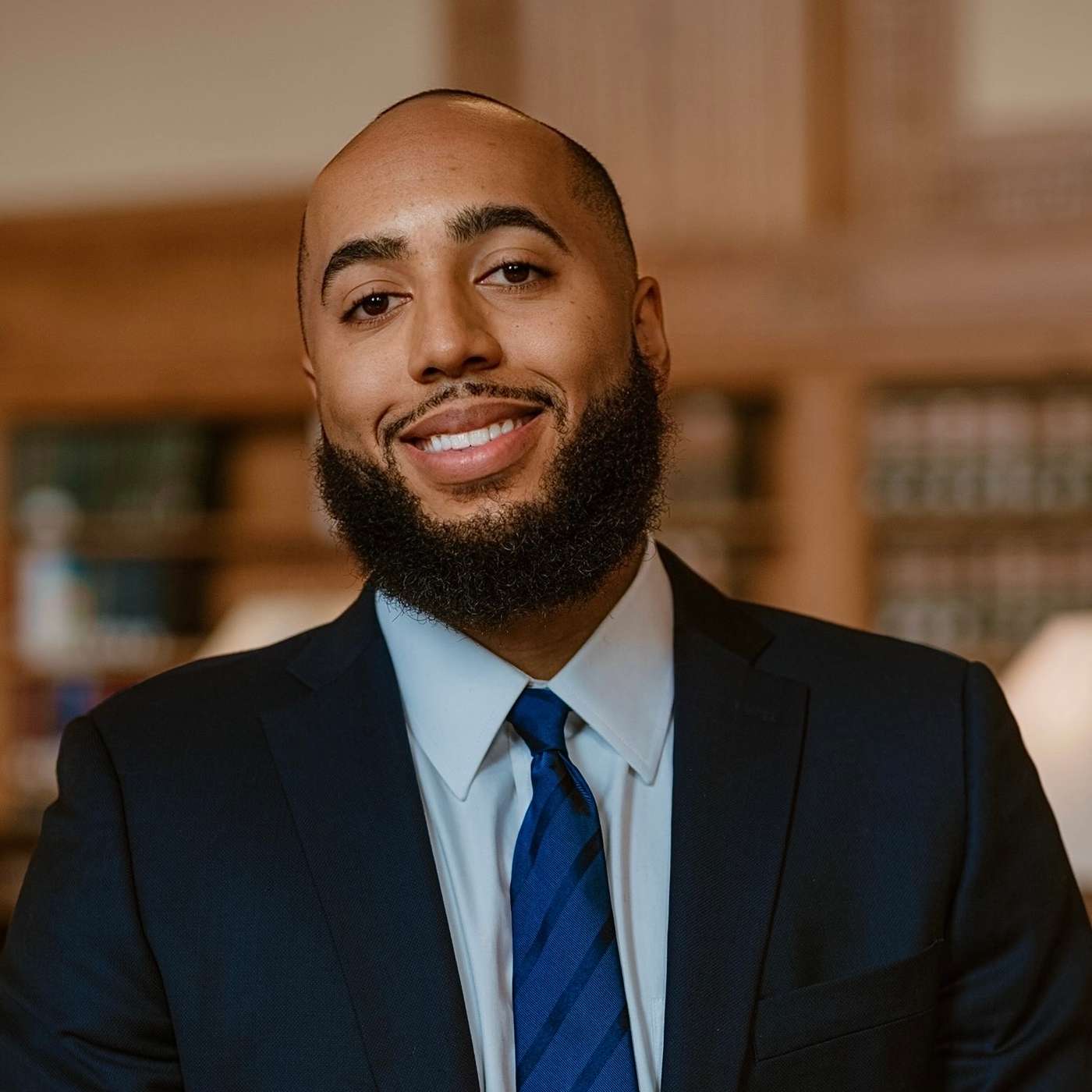
Ep 58Philip V. McHarris - Frederick Douglass Institute and Department of Black Studies, University of Rochester
This is John Drabinski and you’re listening to The Black Studies podcast, a Mellon grant sponsored series of conversations examining the history of the field. Our conversations engage with a wide range of activists and scholars - senior figures in the field, late doctoral students, and everyone in between, culture workers, and political organizers - in order to explore the cultural and political meaning of Black Studies as an area of inquiry and its critical methods.Today’s conversation is with Philip McHarris, who teaches in the Frederick Douglass Institute and Department of Black Studies at University of Rochester. In addition to numerous scholarly and public facing essays, he is the author of Beyond Policing (2024) and is completing a book manuscript titled Brick Dreams, to be published by Princeton University Press. In this conversation, we discuss the urgency of the study of policing and mass incarceration for Black Studies, the politics of thinking expansively about Black study, and the transformative work that comes from teaching and imagining from a space of Black liberation struggle.
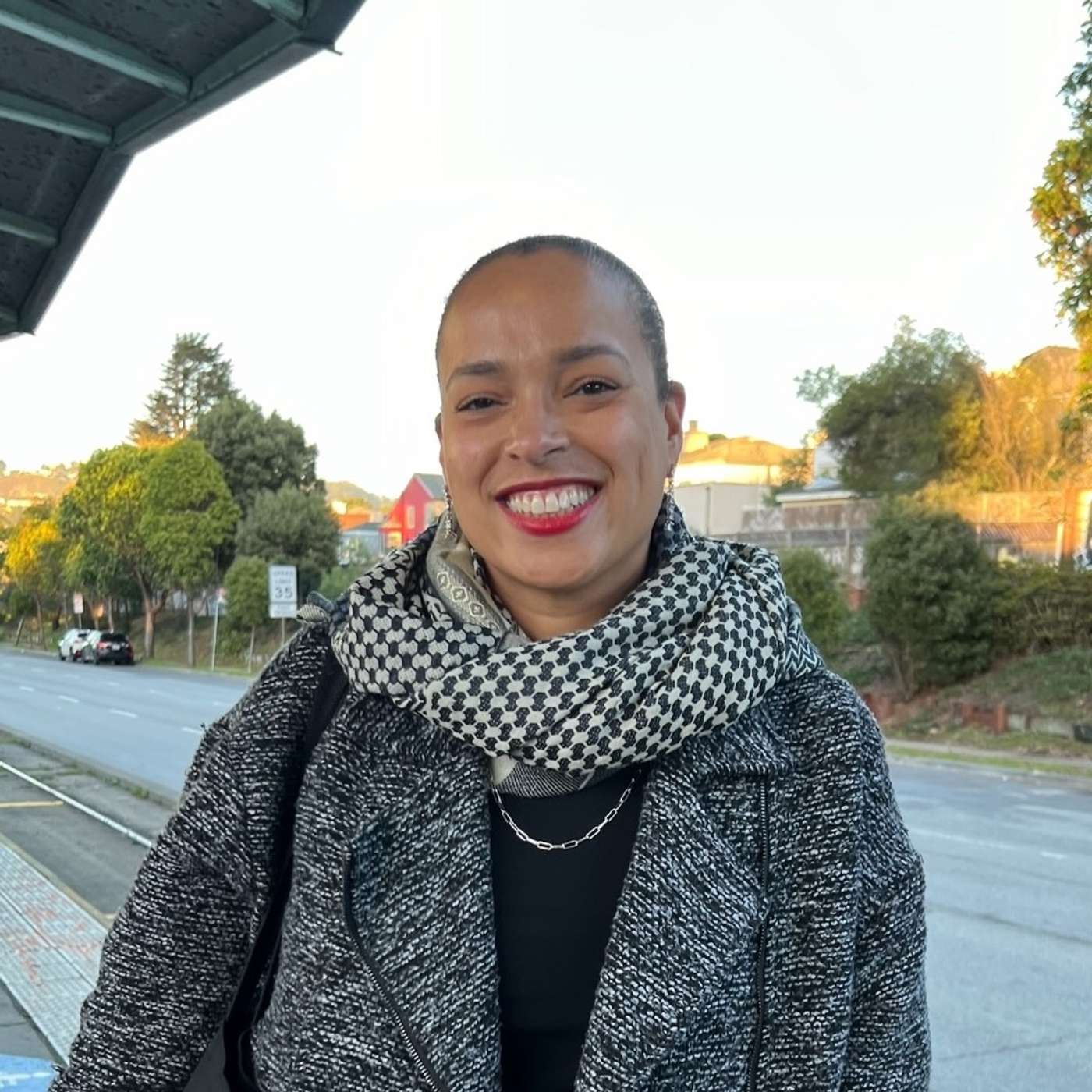
Ep 57Dawn-Elissa Fischer - Department of Anthropology, San Francisco State University
This is Ashley Newby and you’re listening to The Black Studies podcast, a Mellon grant sponsored series of conversations examining the history of the field. Our conversations engage with a wide range of activists and scholars - senior figures in the field, late doctoral students, and everyone in between, culture workers, and political organizers - in order to explore the cultural and political meaning of Black Studies as an area of inquiry and its critical methods.Today's conversation is with Dawn-Elissa Fischer, who teaches in the Department of Anthropology at San Francisco State University. She centers her scholarly endeavors around the thematic core of "Representing the Unseen." For over two decades, ethnographic research has been her pathway to navigating the frontlines of social movements and Black entertainment, unearthing narratives obscured from view, exposing both the unnoticed struggles and triumphs. Her work intricately illuminates the dynamic digital worlds of today’s youth, weaving stories from underground emcees, grassroots organizers, cosplay vloggers, gaming influencers, and other digital creators into a cohesive narrative of an ongoing online revolution. Beyond exploration, the thematic framework of "Representing the Unseen" serves as a lens to acknowledge and elevate historically excluded educators' intellectual and social justice contributions in critical pedagogy and public engagement. With meticulous evaluation spanning K-12 and postsecondary education since 1999, Fischer's commitment remains steadfast to shedding light on hidden narratives and fostering inclusivity within academia and broader societal contexts.
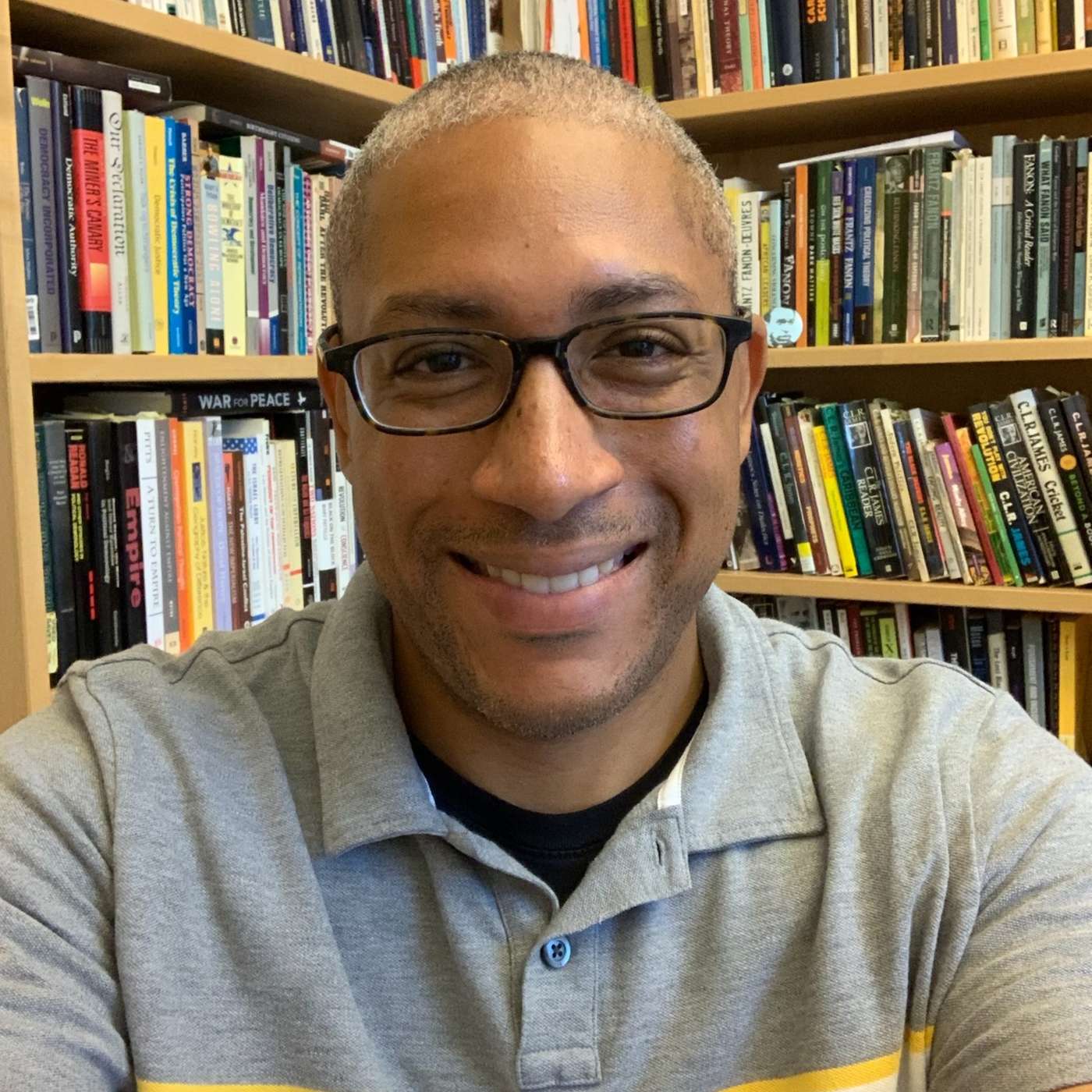
Ep 56Neil Roberts - Department of Africana Studies, Williams College
This is John Drabinski and you’re listening to The Black Studies podcast, a Mellon grant sponsored series of conversations examining the history of the field. Our conversations engage with a wide range of activists and scholars - senior figures in the field, late doctoral students, and everyone in between, culture workers, and political organizers - in order to explore the cultural and political meaning of Black Studies as an area of inquiry and its critical methods.Today’s conversation is with Neil Roberts, Associate Dean of the Faculty and Professor of Africana Studies at Williams College. Along with numerous articles in academic journals, he is the author of Freedom as Marronage (2015) and editor or co-editor of Creolizing Rousseau (2014), Journeys in Caribbean Thought (2016), and A Political Companion to Frederick Douglass (2018). In this conversation, we discuss the place in Caribbean history and thought in Black Studies, the complexity of thinking freedom in the Black Atlantic world, and the challenges that have come with the institutionalization of the field.

Ep 55Donelle Boose - Department of History and African American Studies Program, Randolph-Macon College
This is John Drabinski and you’re listening to The Black Studies podcast, a Mellon grant sponsored series of conversations examining the history of the field. Our conversations engage with a wide range of activists and scholars - senior figures in the field, late doctoral students, and everyone in between, culture workers, and political organizers - in order to explore the cultural and political meaning of Black Studies as an area of inquiry and its critical methods.Today’s conversation is with Donelle Boose, who teaches in the Department of History and African American Studies Program at Randolph-Macon College in Ashland, Virginia. She is an historian who works between public history, archival research, and Black Studies sensibilities. In this conversation, we discuss the relation between public facing work and Black study, documentation and evidence in popular and academic historical writing, and the transformative nature of the Black Studies classroom.
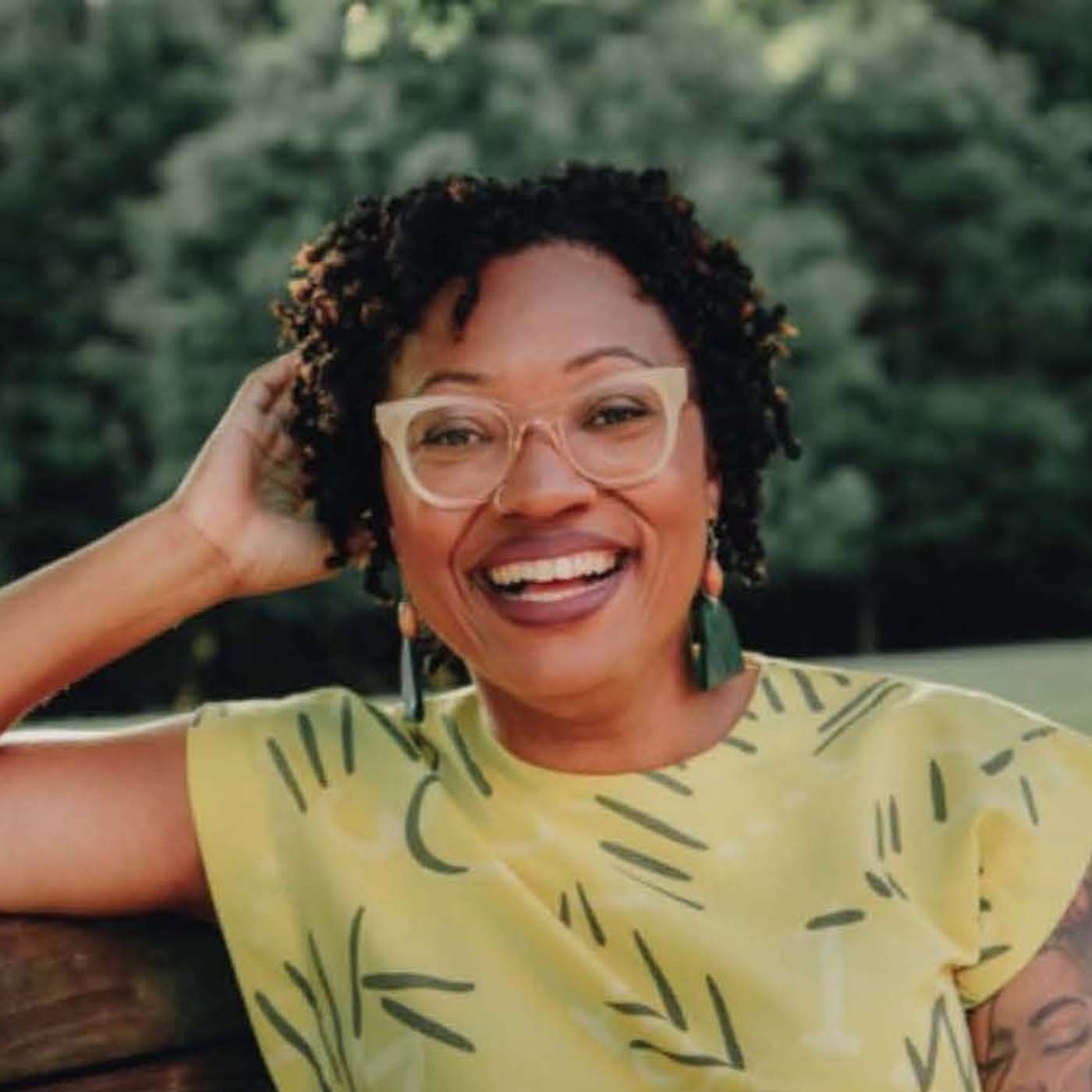
Ep 54Ashanté Reese - Department of African and African Diaspora Studies, University of Texas, Austin
This is John Drabinski and you’re listening to The Black Studies podcast, a Mellon grant sponsored series of conversations examining the history of the field. Our conversations engage with a wide range of activists and scholars - senior figures in the field, late doctoral students, and everyone in between, culture workers, and political organizers - in order to explore the cultural and political meaning of Black Studies as an area of inquiry and its critical methods.Today’s conversation is with Ashanté Reese, who teaches in the Department of African American Studies at the University of Texas, Austin. In addition to a number of scholarly and popular articles, she is the author of Black Food Geographies:Race, Self-Reliance, and Food Access in Washington, D.C. (2019) and the co-editor with Hanna Garth of Black Food Matters: Racial Justice in the Wake of Food Justice (2020). In this conversation, we discuss the place of ethnographic research in Black Studies, the relationship between teaching, scholarship, and racialized space in disciplinary and non-disciplinary places, and the politics of community work as a form of Black study and practice.
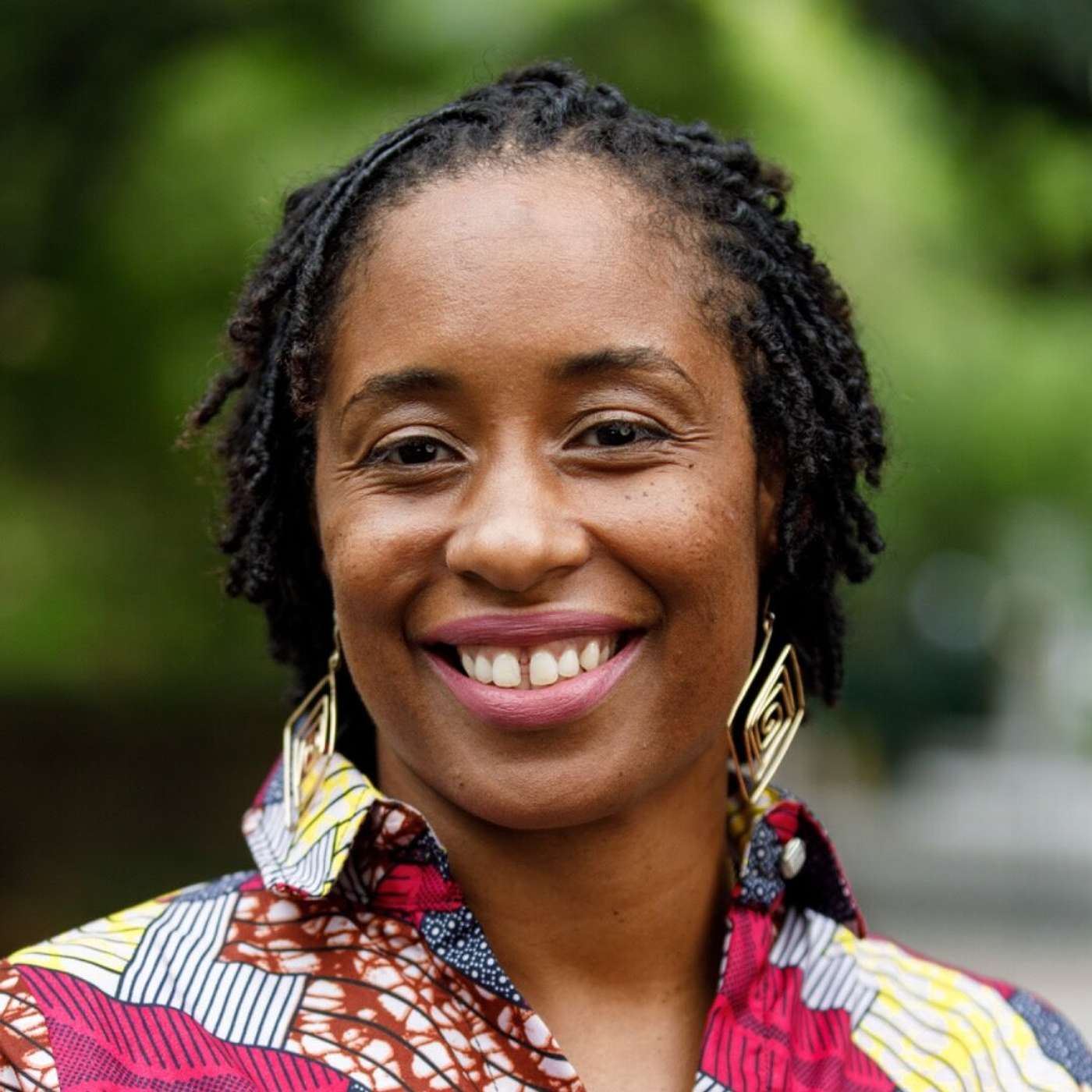
Ep 53Kameelah Martin - Department of African American Studies, College of Charleston
This is John Drabinski and you’re listening to The Black Studies podcast, a Mellon grant sponsored series of conversations examining the history of the field. Our conversations engage with a wide range of activists and scholars - senior figures in the field, late doctoral students, and everyone in between, culture workers, and political organizers - in order to explore the cultural and political meaning of Black Studies as an area of inquiry and its critical methods.Today’s conversation is with Kameelah Martin, who teaches in the Department of African American Studies at the College of Charleston. She has written extensively on African American literature and diasporic cultural studies and is the author of Conjuring Moments in African American Literature: Women, Spirit Work, and Other Such Hoodoo (2012), Envisioning Black Feminist Voodoo Aesthetics: African Spirituality in American Cinema (2016), and co-editor of The Lemonade Reader (2019). In this conversation, we discuss the place of literary studies in the field of Black Studies, the relationship between folk cultural production and everyday Black life, and the reach of Black study inside and outside the academy.
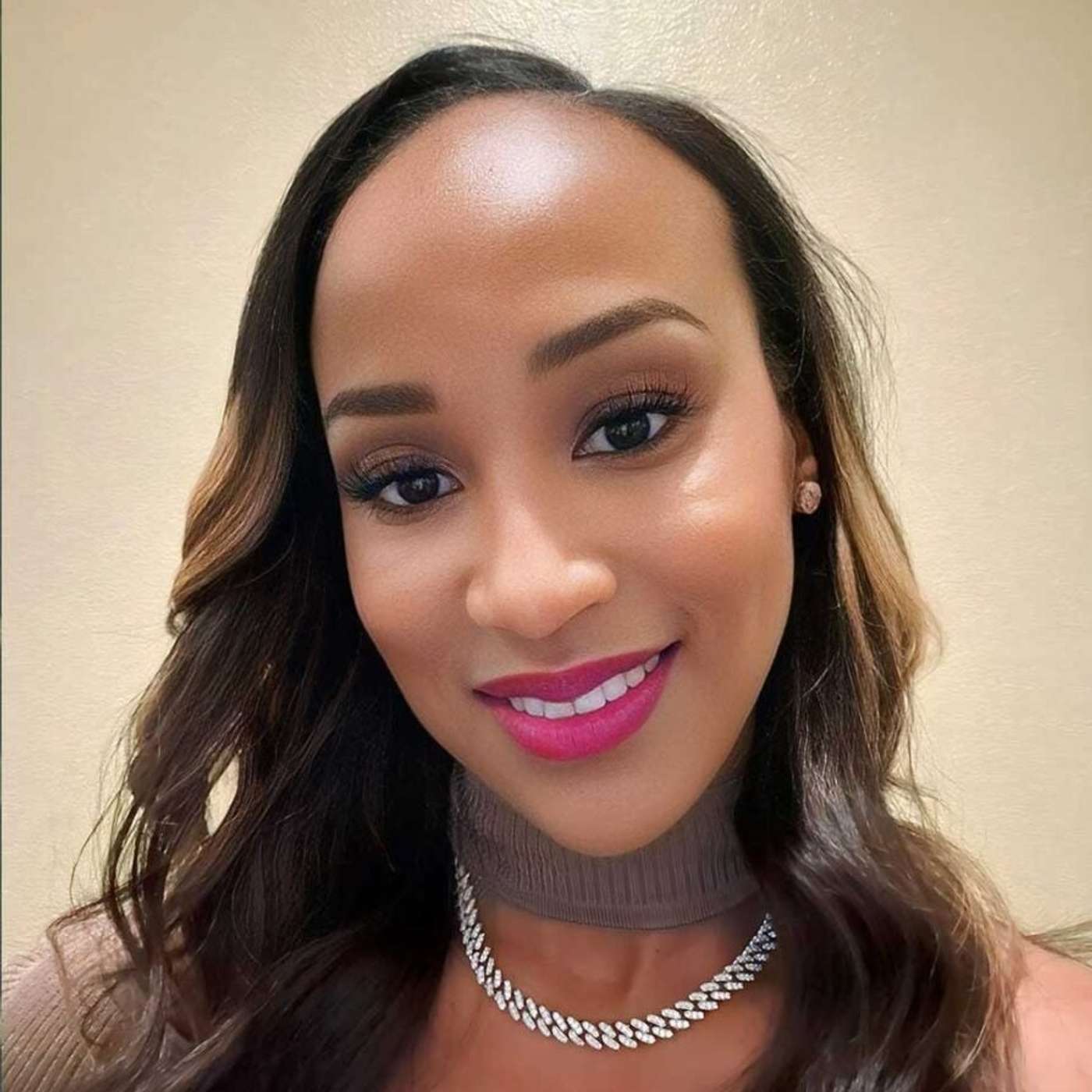
Ep 52Melissa Daniels-Rauterkus - Department of English, University of Southern California
This is John Drabinski and you’re listening to The Black Studies podcast, a Mellon grant sponsored series of conversations examining the history of the field. Our conversations engage with a wide range of activists and scholars - senior figures in the field, late doctoral students, and everyone in between, culture workers, and political organizers - in order to explore the cultural and political meaning of Black Studies as an area of inquiry and its critical methods.Today’s conversation is with Melissa Daniels-Rauterkus, who teaches in the Department of English at the University of Southern California. She has written extensively on African American literature and cultural studies and is the author of Afro-Realism and the Romances of Race: Rethinking Blackness in the African American Novel, published in 2020 and designated as honorable mention for the MLA William Sanders Scarborough Prize. In this conversation, we discuss the place of literary studies in the Black Studies imagination, the relationship between cultural production and everyday Black life, and the politics of Black study inside and outside the academy.
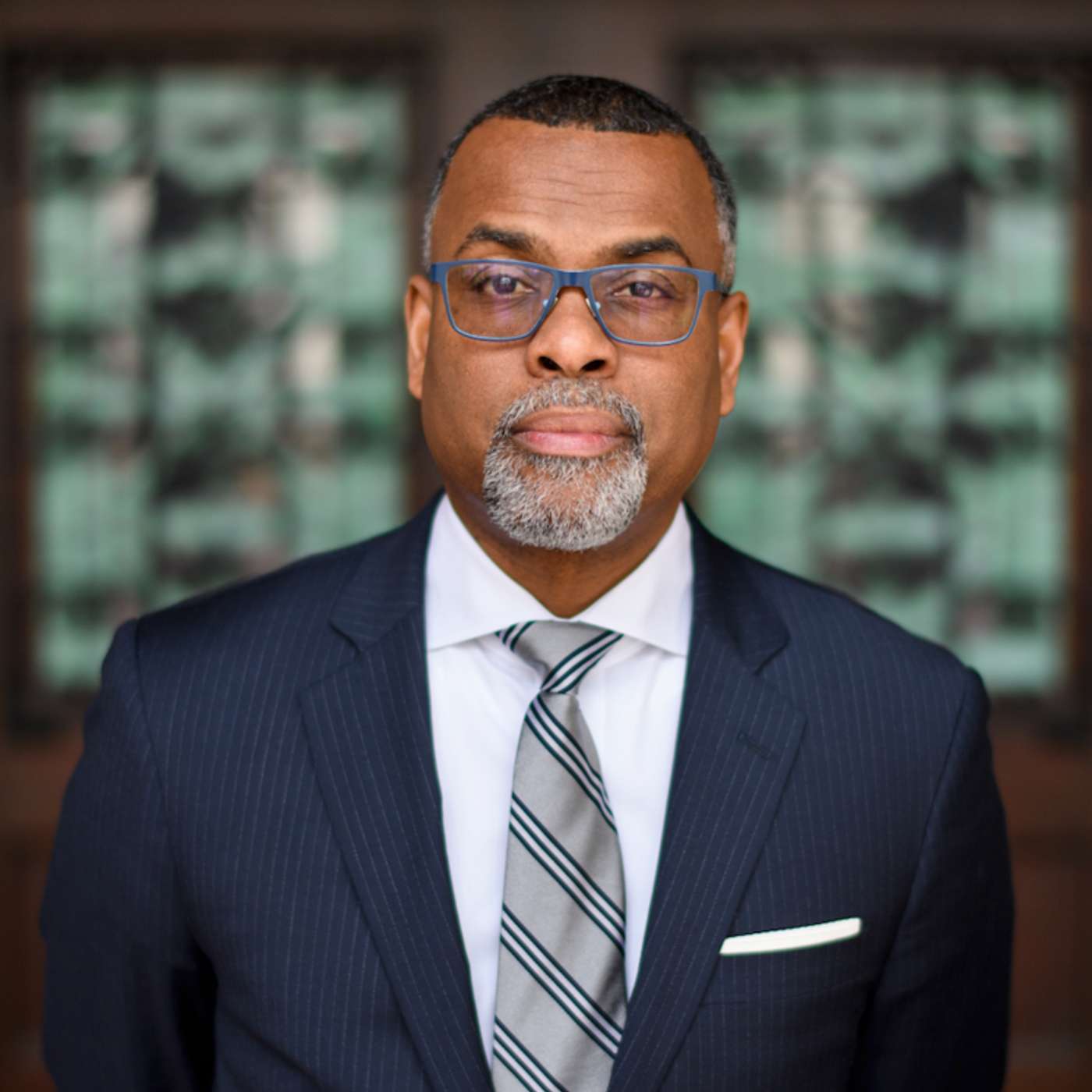
Ep 51Eddie S. Glaude, Jr. - Department of African American Studies, Princeton University
This is John Drabinski and you’re listening to The Black Studies podcast, a Mellon grant sponsored series of conversations examining the history of the field. Our conversations engage with a wide range of activists and scholars - senior figures in the field, late doctoral students, and everyone in between, culture workers, and political organizers - in order to explore the cultural and political meaning of Black Studies as an area of inquiry and its critical methods.Today’s conversation is with Eddie S. Glaude, Jr., who is James S. McDonnell Distinguished University Professor in the Department of African American Studies at Princeton University. In addition to numerous scholarly and public facing essays, he is the author of a number of books including most recently An Uncommon Faith: A Pragmatic Approach to the Study of African American Religion (2018), Begin Again: James Baldwin's America and Its Urgent Lessons for Our Own (2020), and We Are the Leaders We Have Been Looking For (2024). He also maintains a Substack newsletter under the title A Native Son. In this conversation, we discuss the place of religious studies in the field of Black Studies, the impact of pragmatism, prophetic work, and political thinking on reckoning with Black life, and the complex methods, critical frames, and sensibilities that comprise the field.
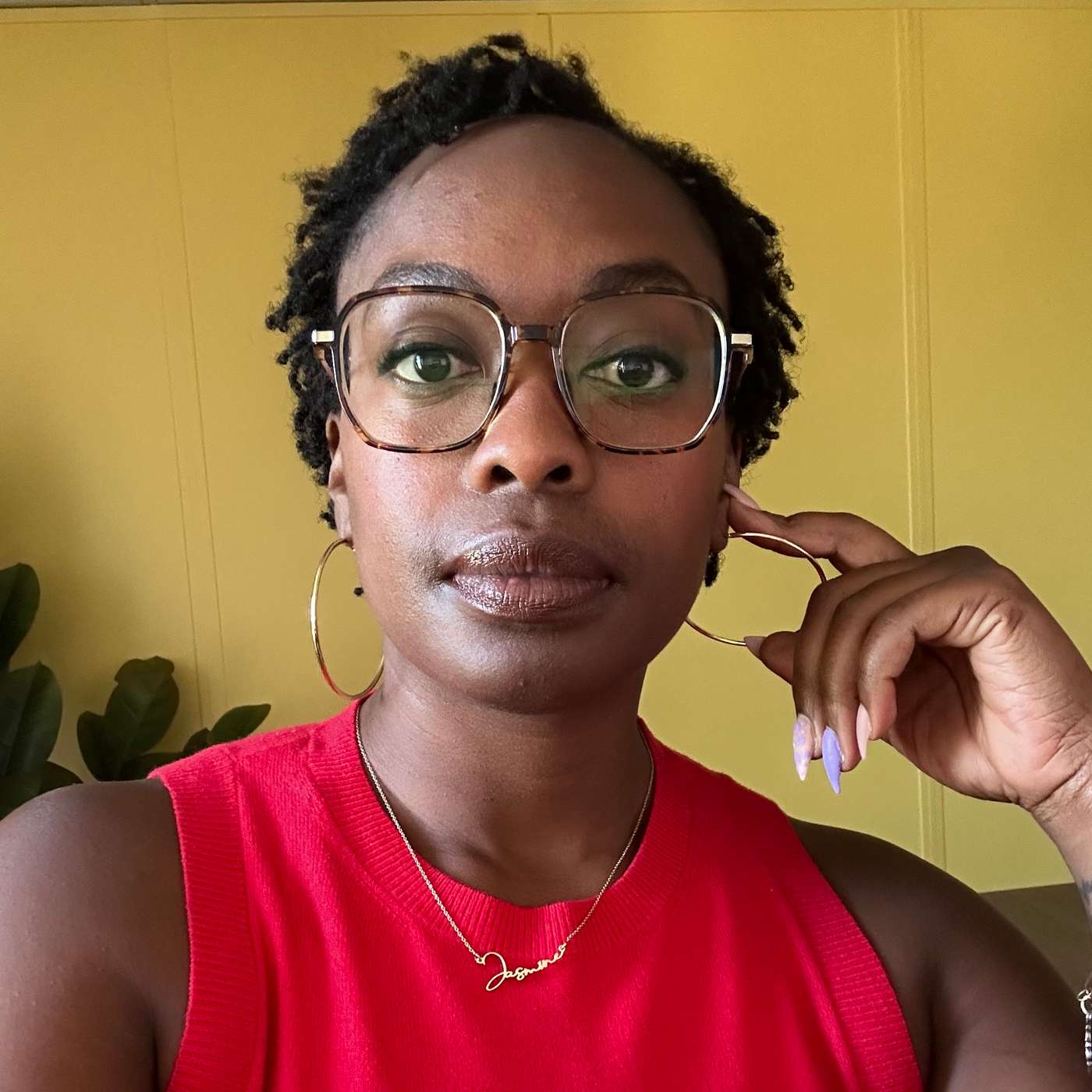
Ep 50Jasmine Lee - Associate Vice President for Community and Culture, University of Maryland, Baltimore County
This is Ashley Newby and you’re listening to The Black Studies podcast, a Mellon grant sponsored series of conversations examining the history of the field. Our conversations engage with a wide range of activists and scholars - senior figures in the field, late doctoral students, and everyone in between, culture workers, and political organizers - in order to explore the cultural and political meaning of Black Studies as an area of inquiry and its critical methods.Today's conversation is with Jasmine Lee, who works as Associate Vice President for Community and Culture, University of Maryland, Baltimore County. Having earned her PhD in Education at Michigan State University in 2016, she works to create "inclusive campus environments through direct programming, strategic student success initiatives, and collaborative leadership, along with consultation for racial climate concerns and broader diversity issues for faculty and staff across campus." In this discussion, we explore the meaning of Black Studies and the study of Black life in classrooms, in non-profit communities, and in educational settings between community and campus.
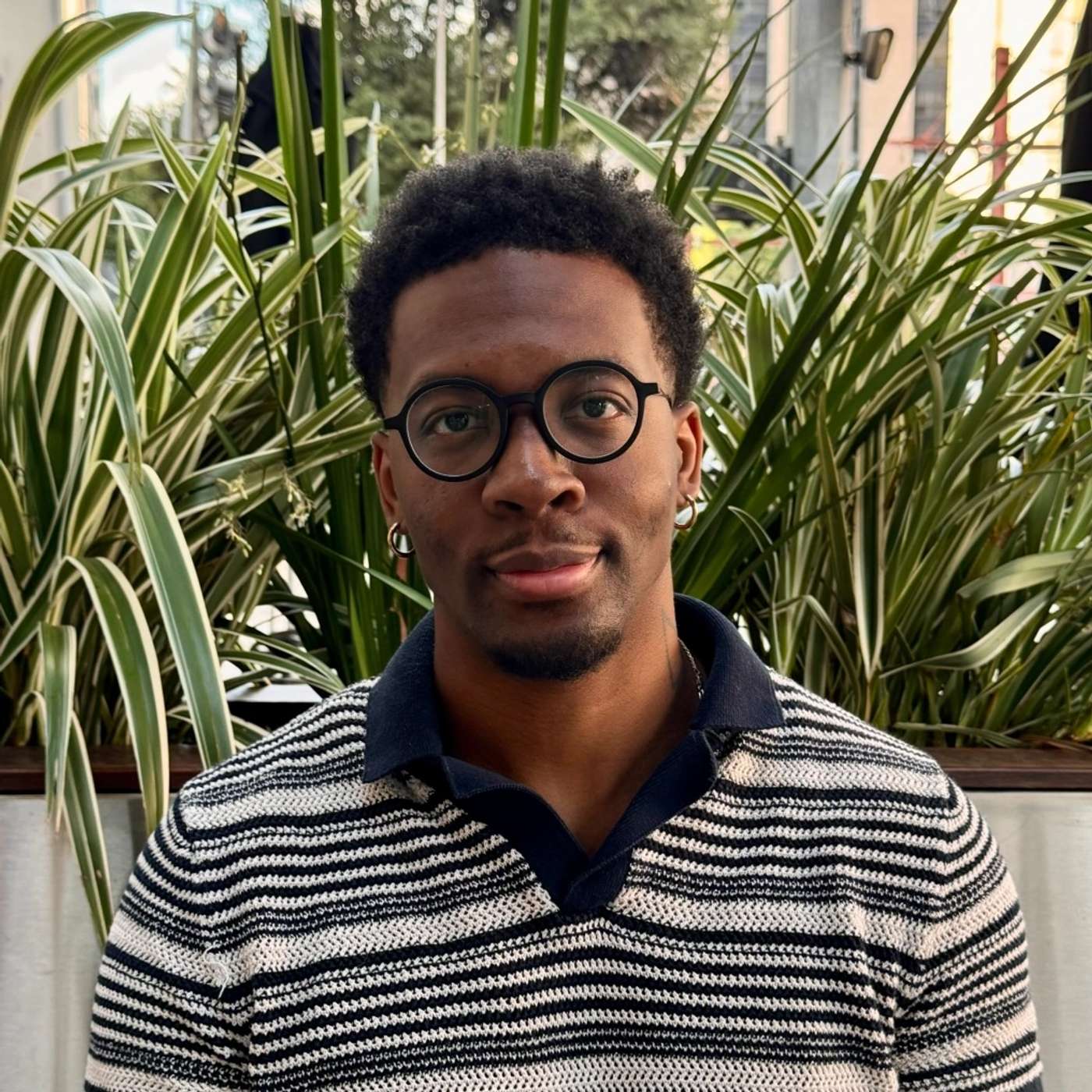
Ep 49Biko Caruthers - Department of English, New York University
This is John Drabinski and you’re listening to The Black Studies podcast, a Mellon grant sponsored series of conversations examining the history of the field. Our conversations engage with a wide range of activists and scholars - senior figures in the field, late doctoral students, and everyone in between, culture workers, and political organizers - in order to explore the cultural and political meaning of Black Studies as an area of inquiry and its critical methods.Today’s conversation is with Biko Caruthers, assistant professor and Provost Postdoctoral Fellow in the Department of English at New York University. His work engages with visual art, literature and history, and the theoretical and readerly possibilities of afropessimism. In this conversation, we explore the origins and political significance of Black Studies, the complex relationship between insurgent work in the field and the institutionalization of departments and professorial life, and how pessimist theory opens new horizons for reading historical texts and intervening in moments of cultural and political violence.
Ep 48Willie Mack - Department of Black Studies, University of Missouri
This is John Drabinski and you’re listening to The Black Studies podcast, a Mellon grant sponsored series of conversations examining the history of the field. Our conversations engage with a wide range of activists and scholars - senior figures in the field, late doctoral students, and everyone in between, culture workers, and political organizers - in order to explore the cultural and political meaning of Black Studies as an area of inquiry and its critical methods.Today’s conversation is with Willie Mack, who teaches in the Department of Black Studies at the University of Missouri. He has written widely in the history of transnational contact and political meaning between Haiti and the United States, carcerality and racial power, and is completing a manuscript tentatively entitled Transnational Carceral Regimes and Punitive Anti-communism: Haitian Immigrants, Race, Empire, and Policing in New York City and Haiti, 1915-2000. In this conversation, we explore the place of Haiti in the Black Studies imagination, carceral studies and the politics of blackness, and the shift of the meaning of historical research inside a Black Studies sensibility.
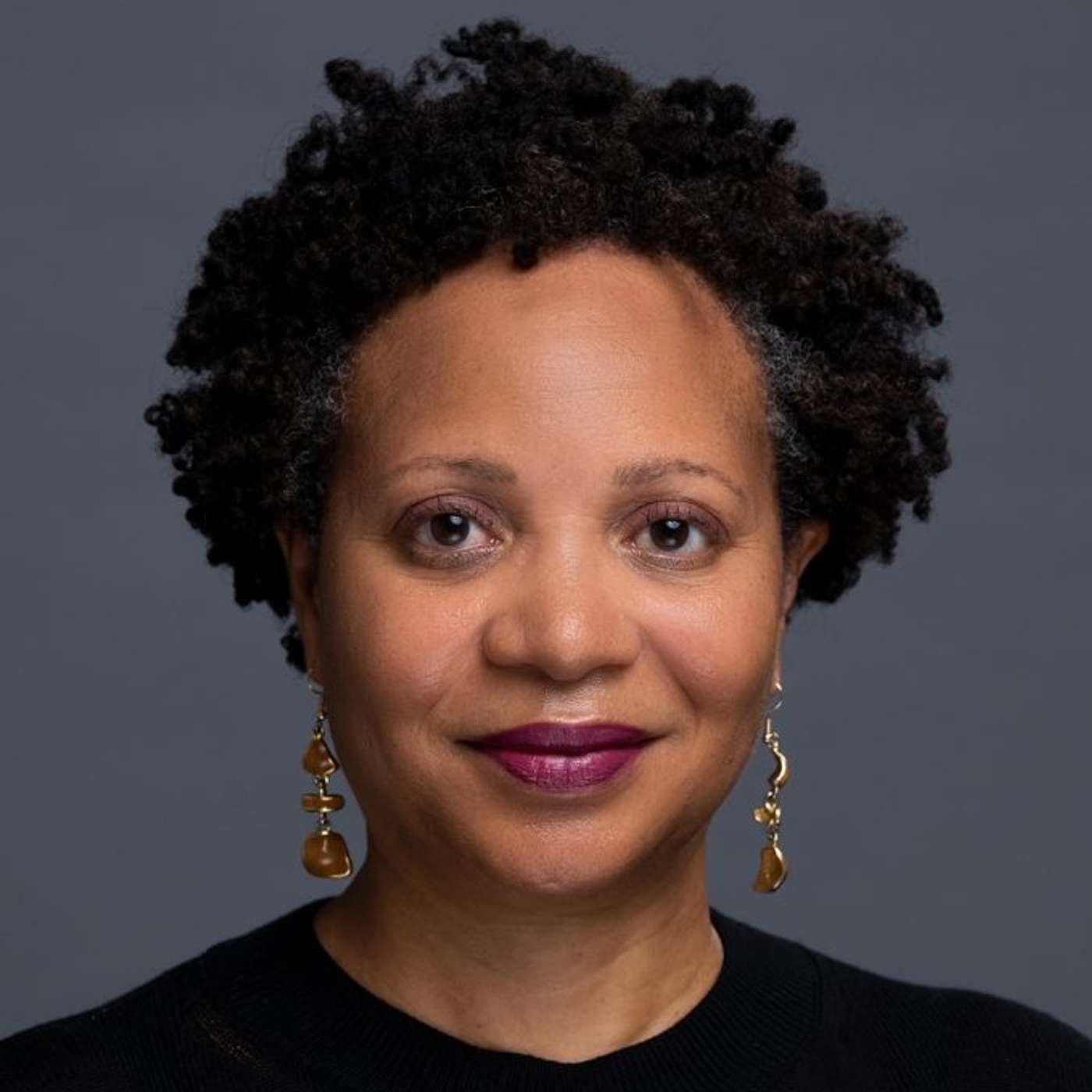
Ep 47Sonya Donaldson - Department of African American Studies, Colby College
This is John Drabinski and you’re listening to The Black Studies podcast, a Mellon grant sponsored series of conversations examining the history of the field. Our conversations engage with a wide range of activists and scholars - senior figures in the field, late doctoral students, and everyone in between, culture workers, and political organizers - in order to explore the cultural and political meaning of Black Studies as an area of inquiry and its critical methods.Today’s conversation is with Sonya Donaldson, who teaches in the Department of African American Studies at Colby College. She works at the intersections of race, class, gender, and technologies and seeks to elucidate the relationship between race, diaspora, and nation. Her research interests include African American Literature, Black Digital Humanities, and Black German Studies. She is the creator of the digital humanities project, Singing the Nation [Into Being], a collection of performances of James Weldon Johnson and J. Rosamond Johnson’s “Lift Every Voice and Sing.” Donaldson is also the executive director of media and archives for the Black German Heritage and Research Association (BGHRA) and a fellow at the Davis Institute for AI at Colby College. In this conversation, we discuss the place of community work inside and outside the Black Studies academy, literary studies and questions of digitality, and the expansive possibilities of the Black Studies classroom.
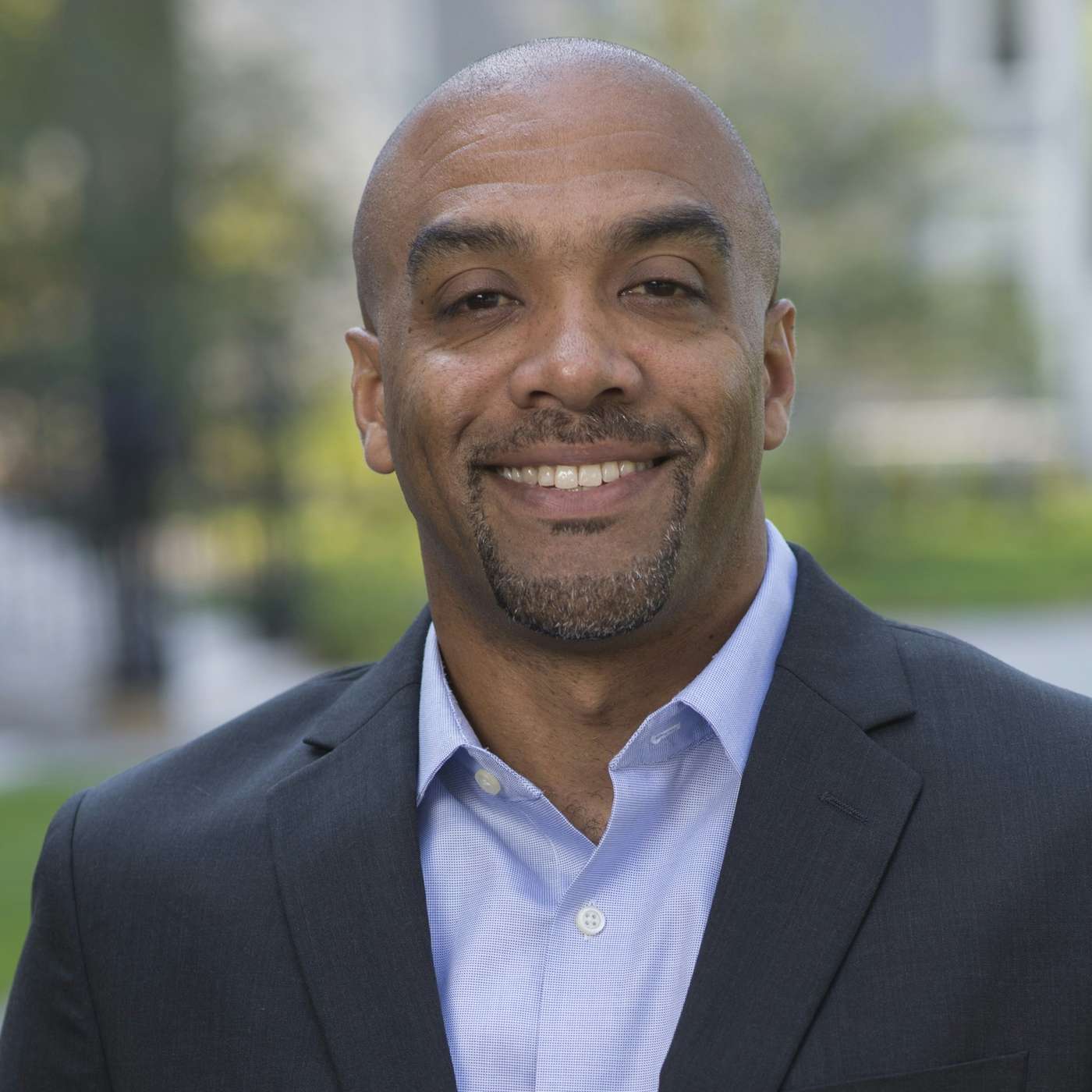
Ep 46Chad L. Williams - Department of African and African American Studies, Brandeis University
This is Ashley Newby and you’re listening to The Black Studies podcast, a Mellon grant sponsored series of conversations examining the history of the field. Our conversations engage with a wide range of activists and scholars - senior figures in the field, late doctoral students, and everyone in between, culture workers, and political organizers - in order to explore the cultural and political meaning of Black Studies as an area of inquiry and its critical methods.Today's conversation is with Chad L. Williams, Samuel J. and Augusta Spector Professor of History and African and African American Studies at Brandeis University. He is the author of Torchbearers of Democracy: African American Soldiers in the World War I Era (2010), which won the 2011 Liberty Legacy Foundation Award from the Organization of American Historians and a 2011 Distinguished Book Award from the Society for Military History, The Wounded World: W. E. B. Du Bois and the First World War (2023), and he is also coeditor of Charleston Syllabus: Readings on Race, Racism, and Racial Violence (2016).
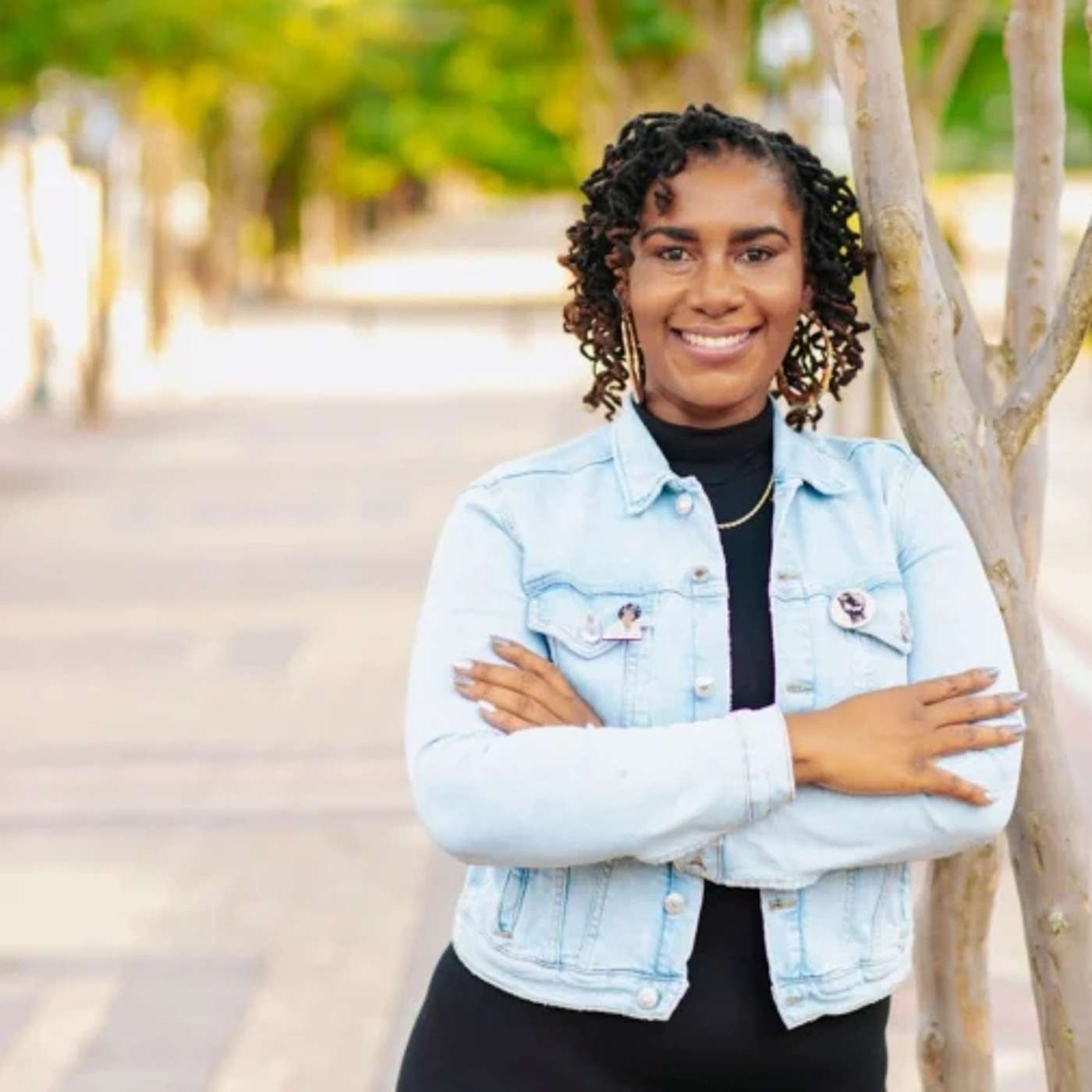
Ep 45Courtney Terry - Department of Black Studies, Portland State University
This is John Drabinski and you’re listening to The Black Studies podcast, a Mellon grant sponsored series of conversations examining the history of the field. Our conversations engage with a wide range of activists and scholars - senior figures in the field, late doctoral students, and everyone in between, culture workers, and political organizers - in order to explore the cultural and political meaning of Black Studies as an area of inquiry and its critical methods.Today’s conversation is with Courtney Terry, assistant professor of Black Studies at Portland State University in Portland, Oregon, where she teaches and writes on the history of and resonance between literary and popular cultural figures around questions of race, class, and expressive life. She also serves as Director of Education for The Hip Hop Museum in Bronx, New York. In this conversation, we discuss the place of popular cultural studies in the field, the echos of forms of blackness across African American history, and how an interrogation of cultural production expands the living archive of Black Studies..
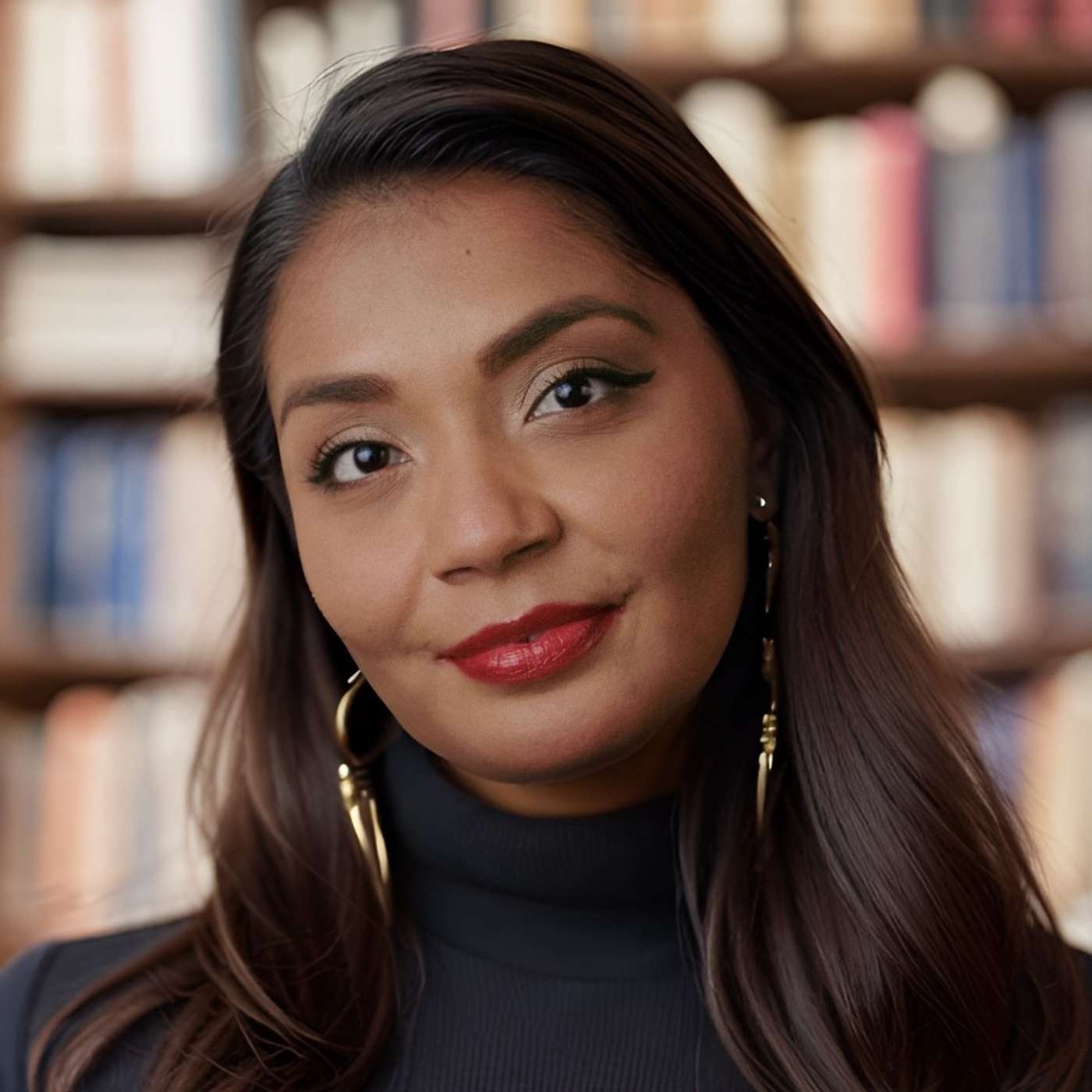
Ep 44Elena Guzman - Department of African American and African Diaspora Studies, Indiana University
This is John Drabinski and you’re listening to The Black Studies podcast, a Mellon grant sponsored series of conversations examining the history of the field. Our conversations engage with a wide range of activists and scholars - senior figures in the field, late doctoral students, and everyone in between, culture workers, and political organizers - in order to explore the cultural and political meaning of Black Studies as an area of inquiry and its critical methods.Today’s conversation is with Elena Guzman, who teaches in the Department of African American and African Diaspora Studies at Indiana University. In addition to her critical writing and research in anthropology, which includes a book manuscript entitled Chimera Geographies: Spiritual Borderlands of the Afro-Caribbean she is a filmmaker whose creative work explores “the transcendental and spiritual experiences of African diasporic religion and spirituality in addition to its intersections with race, gender, and mental health.” In this conversation, we discuss the expansive possibilities of transdisciplinary thinking, the role of a Black Studies sensibility in anthropological research, and the place of creative work in the institutional life of Black Studies.
Ep 43Christin Washington - Department of American Studies, University of Maryland
This is John Drabinski and you’re listening to The Black Studies podcast, a Mellon grant sponsored series of conversations examining the history of the field. Our conversations engage with a wide range of activists and scholars - senior figures in the field, late doctoral students, and everyone in between, culture workers, and political organizers - in order to explore the cultural and political meaning of Black Studies as an area of inquiry and its critical methods.Today’s conversation is with Christin Washington, a doctoral candidate in the Department of American Studies at University of Maryland. Her interests lie at the intersection of Caribbean studies, the cultural labor of Black women’s religious practices, digital studies, and immersive forms of scholarship and and expressive work. In this conversation, we discuss the place of love and imagination in Black Studies, design as intellectual work, and digital studies as play, immersion, and meaning-making.
Ep 42Walidah Imarisha - Department of Black Studies, Portland State University
This is Ashley Newby and you’re listening to The Black Studies podcast, a Mellon grant sponsored series of conversations examining the history of the field. Our conversations engage with a wide range of activists and scholars - senior figures in the field, late doctoral students, and everyone in between, culture workers, and political organizers - in order to explore the cultural and political meaning of Black Studies as an area of inquiry and its critical methods.Today’s conversation is with Walidah Imarisha, Director of the Center for Black Studies and Associate Professor in the Black Studies Department at Portland State University. She is the co-editor of two anthologies, Octavia's Brood: Science Fiction Stories From Social Justice Movements and Another World is Possible. She is also the author of Angels with Dirty Faces: Three Stories of Crime, Prison and Redemption, which won a 2017 Oregon Book Award. She spent 6 years with the Oregon Humanities Conversation Project as a public scholar facilitating programs across the state about Oregon Black history and other topics. In 2015, she received a Tiptree Fellowship for her science fiction writing. In this conversation, we discuss the political meaning of Black Studies, the place of speculative thinking and fiction in the field, and the forms of time appropriate to the study of Black life, history, and expressive culture.
Ep 41Qiana Whitted - Department of English and African American Studies Program, University of South Carolina
This is John Drabinski and you’re listening to The Black Studies podcast, a Mellon grant sponsored series of conversations examining the history of the field. Our conversations engage with a wide range of activists and scholars - senior figures in the field, late doctoral students, and everyone in between, culture workers, and political organizers - in order to explore the cultural and political meaning of Black Studies as an area of inquiry and its critical methods.Today’s conversation is with Qiana Whitted, who teaches in the Department of English Language and Literature and in the African American Studies Program at the University of South Carolina. In addition to numerous articles on African American literature and graphic culture, she is the author of three books - ‘A God of Justice?’: The Problem of Evil in 20th Century Black Literature (2009), EC Comics: Race, Shock, and Social Protest (2019), Desegregating Comics: Debating Blackness in the Golden Age of American Comics (2023) - and is the editor, with Brannon Costello, of Comics and the U.S. South (2012). In this conversation, we discuss the place of material culture in Black Studies, the meaning of graphic and comic book representation of Black life, and how an expanding sense of a Black Studies archive impacts the field.
Ep 40LaToya Brackett - Department of African American Studies, University of Puget Sound
This is Ashley Newby and you’re listening to The Black Studies podcast, a Mellon grant sponsored series of conversations examining the history of the field. Our conversations engage with a wide range of activists and scholars - senior figures in the field, late doctoral students, and everyone in between, culture workers, and political organizers - in order to explore the cultural and political meaning of Black Studies as an area of inquiry and its critical methods.Today’s conversation is with LaToya Brackett, an assistant professor in the Department of African American Studies at the University of Puget Sound in Tacoma, Washington. She researches and publishes on questions of intercultural communication, diasporic identity and meaning, and popular cultural studies. In addition to her appointment as assistant professor, she is a member of the Race and Pedagogy Institute at UPS. This conversation explores how Black Studies shifts the meaning of academic social space, intellectual space, and transforms our sense of classroom pedagogy.
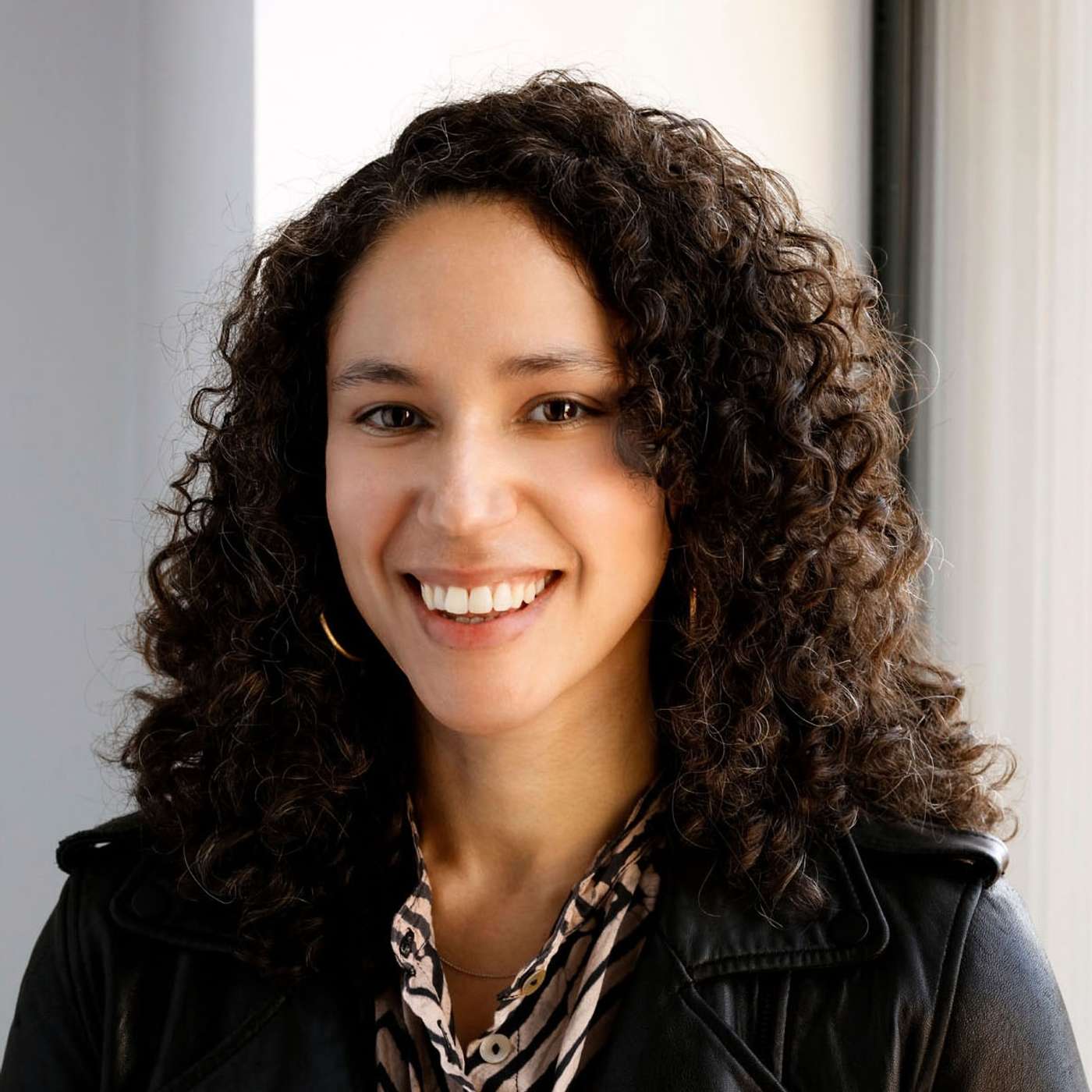
Ep 39Christina Knight - Department of Art History, Rutgers University
This is John Drabinski and you’re listening to The Black Studies podcast, a Mellon grant sponsored series of conversations examining the history of the field. Our conversations engage with a wide range of activists and scholars - senior figures in the field, late doctoral students, and everyone in between, culture workers, and political organizers - in order to explore the cultural and political meaning of Black Studies as an area of inquiry and its critical methods.Today’s conversation is with Christina Knight, who teaches in the Department of Art History at Rutgers University. Christina received her Ph.D. in African American Studies from Harvard University. Her work examines the connection between embodied practices and identity, the relationship between race and the visual field, and the queer imaginary. She is currently at work on a manuscript, The Ship That is the Body: The Middle Passage in Time-Based Art, which investigates contemporary black American performing and visual arts that reimagine the history of the Atlantic slave trade. In this conversation, we discuss the place of expressive culture in Black Studies, how embodiment challenges conventions in scholarship, the profession, and in the classroom, and how time and physics recalibrate our understanding of blackness.Our discussion refers to her short film doomsday : fieldnotes, which can viewed on YouTube.
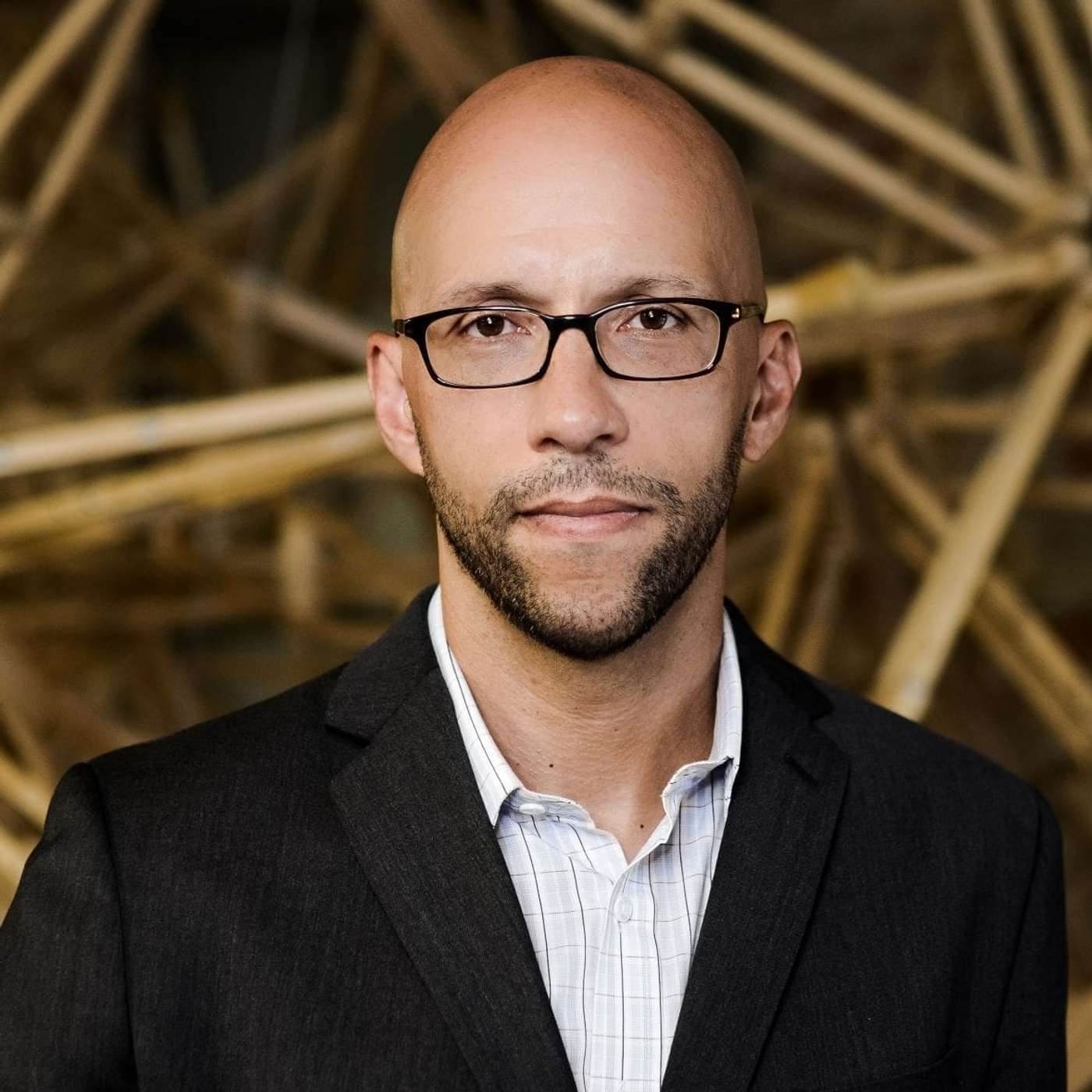
Ep 38Minkah Makalani - Department of History and Center for Africana Studies, Johns Hopkins University
This is Ashley Newby and you’re listening to The Black Studies podcast, a Mellon grant sponsored series of conversations examining the history of the field. Our conversations engage with a wide range of activists and scholars - senior figures in the field, late doctoral students, and everyone in between, culture workers, and political organizers - in order to explore the cultural and political meaning of Black Studies as an area of inquiry and its critical methods.Today’s conversation is with Professor Minkah Makalani, who teaches in the Department of History at Johns Hopkins University where he is also the director of the Center for Africana Studies. He is the author of In the Cause of Freedom: Radical Black Internationalism from Harlem to London, 1917-1939 and the co-editor with Davarian L. Baldwin of Escape from New York: The New Negro Renaissance beyond Harlem. In this conversation, we discuss his journey into and interest in the field of Black Studies, the importance of political and historical dimensions to Black study, and the place of internationalist discourse in the field.
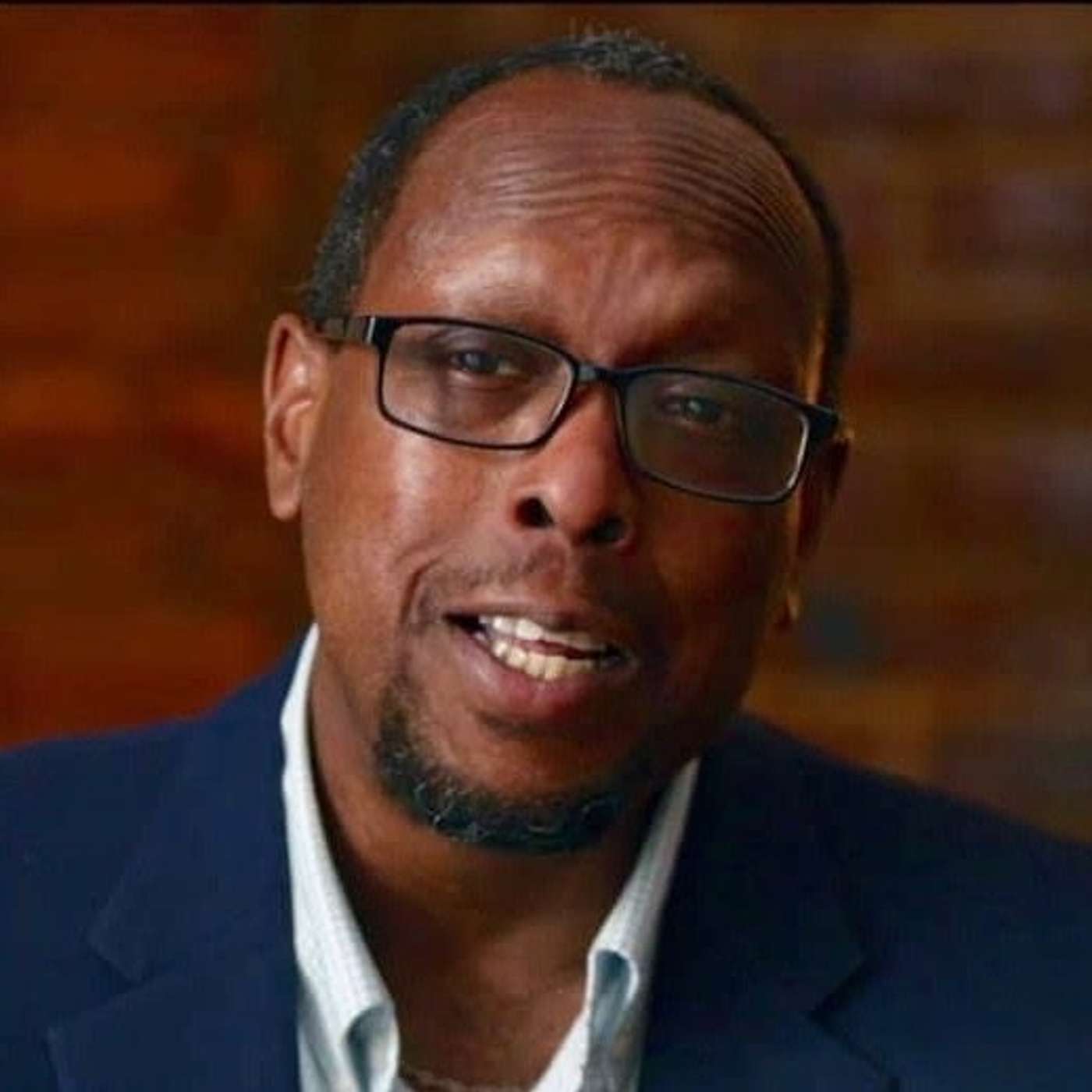
Ep 37Mark Anthony Neal - Department of African and African American Studies, Duke University
This is John Drabinski and you’re listening to The Black Studies podcast, a Mellon grant sponsored series of conversations examining the history of the field. Our conversations engage with a wide range of activists and scholars - senior figures in the field, late doctoral students, and everyone in between, culture workers, and political organizers - in order to explore the cultural and political meaning of Black Studies as an area of inquiry and its critical methods.Today’s conversation is with Mark Anthony Neal, the James B. Duke Distinguished Professor of African & African American Studies and Chair of the Department of African & African American Studies at Duke University. In addition to a number of scholarly articles and edited collections, he is the author of What the Music Said: Black Popular Music and Black Public Culture (1999), Soul Babies: Black Popular Culture and the Post-Soul Aesthetic (2001), Songs in the Key of Life: A Rhythm and Blues Nation (2003), Looking for Leroy: Illegible Black Masculinities (2013), Black Ephemera: The Crisis and Challenge of the Musical Archive (2022), and the groundbreaking work The New Black Man: Rethinking Black Masculinity, published in 2005 and reissued as a second edition in 2015. He is also the host of the long-running series Left of Black, a series of discussions of popular culture and scholarly treatments of Black life. In this conversation, we discuss his entry into Black Studies, the place of popular cultural study in the field’s past and future, and the complex relationship between scholarly work and the everyday lives of Black people.
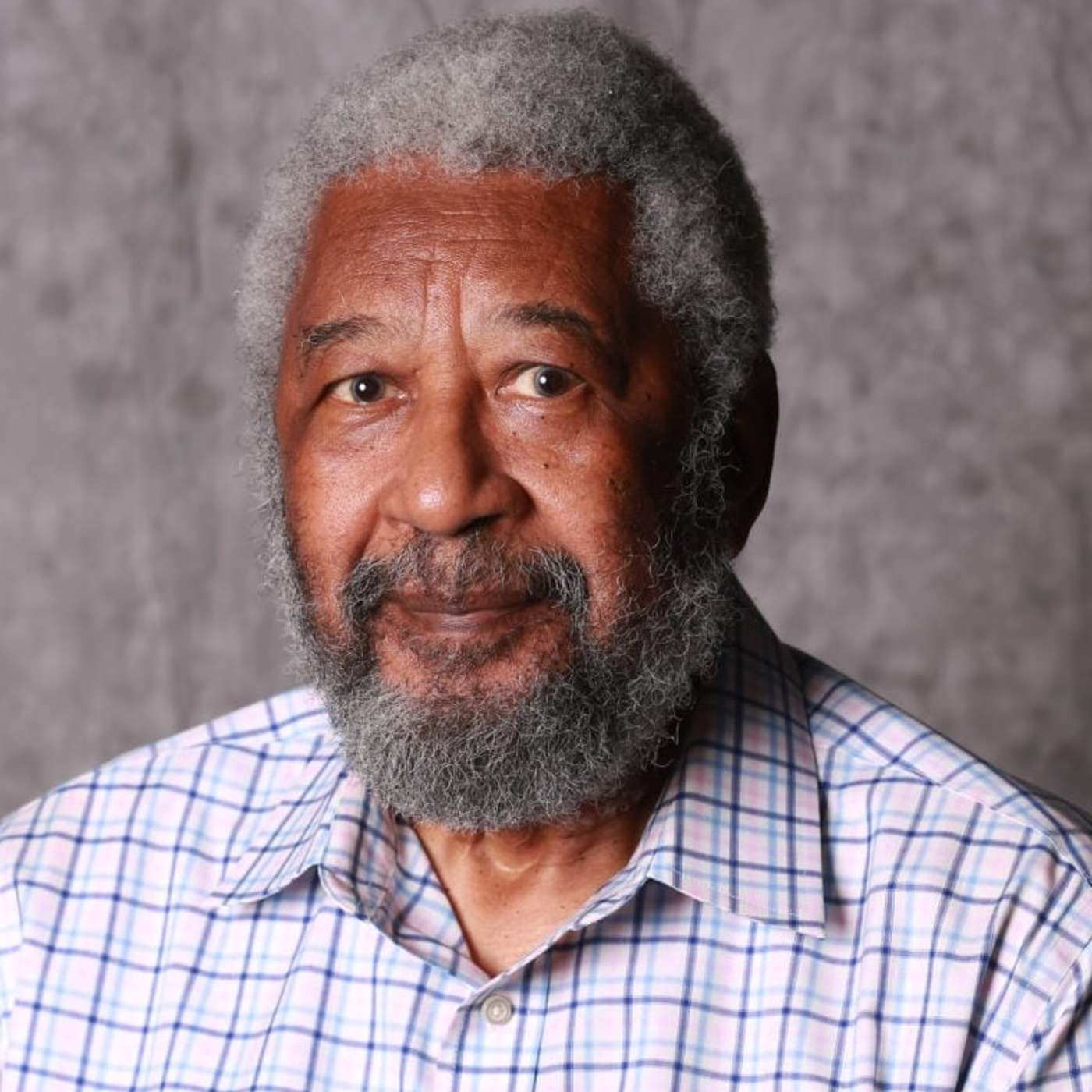
Ep 36Nathaniel Norment - Department of English, Morehouse College
This is Ashley Newby and you’re listening to The Black Studies podcast, a Mellon grant sponsored series of conversations examining the history of the field. Our conversations engage with a wide range of activists and scholars - senior figures in the field, late doctoral students, and everyone in between, culture workers, and political organizers - in order to explore the cultural and political meaning of Black Studies as an area of inquiry and its critical methods.Today’s conversation is with Professor Nathaniel Norment, Professor of English at Morehouse College in Atlanta, Georgia where he also directs the Black Ink Project. He is well-known for his innovations in the field of Black Studies as a writer and cultural historian, and in addition to a number of scholarly articles he is the author-editor of a number of key books including Readings in African American Language, The African American Studies Reader, The Addison Gayle, Jr. Reader, and African American Studies: The Discipline and its Dimensions. In this conversation, he reflects on his journey into the study of Black life, the history of the field, and the place of critical expressive writing in the development of Black Studies thought, reflection, and its intellectual contributions.
Ep 35Wendyliz Martinez - ACLS Leading Edge Fellow, New Jersey Institute for Social Justice
This is John Drabinski and you’re listening to The Black Studies podcast, a Mellon grant sponsored series of conversations examining the history of the field. Our conversations engage with a wide range of activists and scholars - senior figures in the field, late doctoral students, and everyone in between, culture workers, and political organizers - in order to explore the cultural and political meaning of Black Studies as an area of inquiry and its critical methods.Today’s conversation is with Wendyliz Martinez, a 2024 ACLS Leading Edge fellow where she works with the New Jersey Institute for Social Justice developing a digital humanities project related to the history of slavery within the state of New Jersey. She earned her doctorate in English and African American Studies at Penn State University and is a City College of New York and Mellon Mays Undergraduate Fellow alumna. She is currently writing about Black girlhood and its depictions in social media, film, and literature, and maintains interest in art practices from Black communities and its impact on our understanding of Blackness as well as its role in preserving histories.
Ep 34Brenda E. Stevenson - Department of African American Studies, University of California, Los Angeles
This is Ashley Newby and you’re listening to The Black Studies podcast, a Mellon grant sponsored series of conversations examining the history of the field. Our conversations engage with a wide range of activists and scholars - senior figures in the field, late doctoral students, and everyone in between, culture workers, and political organizers - in order to explore the cultural and political meaning of Black Studies as an area of inquiry and its critical methods.Today's conversation is with Brenda E. Stevenson, Professor of African American Studies and Nickoll Family Endowed Chair in the Department of History at the University of California, Los Angeles. She is the author of a number of important scholarly articles and has written and edited several important books: Life in Black and White: Family and Community in the Slave South (1997), The Contested Murder of Latasha Harlins: Justice, Gender, and the Origins of the LA Riots, (2013) What is Slavery? (2015), What Sorrows Labour in My Parent's Breast?: A History of the Enslaved Black Family (2023), and was the critical editor of The Journals of Charlotte Forten Grimké, published in 1989. In this conversation, we discuss her place in the field of Black Studies, how historical research enhances the study of Black life, and how Black Studies methodologies and sensibilities impact the study and writing of history.
Ep 33J. Kameron Carter - Department of African American Studies, University of California, Irvine
This is John Drabinski and you’re listening to The Black Studies podcast, a Mellon grant sponsored series of conversations examining the history of the field. Our conversations engage with a wide range of activists and scholars - senior figures in the field, late doctoral students, and everyone in between, culture workers, and political organizers - in order to explore the cultural and political meaning of Black Studies as an area of inquiry and its critical methods.Today’s conversation is with J. Kameron Carter, who teaches in the Department of African American Studies at University of California, Irvine. He has written numerous scholarly articles in race and religion and is the author of two books: Race: A Theological Account from 2008 and The Anarchy of Black Religion: A Mystic Song from 2023. With Sarah Jane Cervenak, he is the co-editor of the series “Black Outdoors” on Duke University Press. In this conversation, we discuss the place of religion and religious studies in the Black Studies tradition, how Black study treats community and ordinary life as sites of knowing and being, and how a commitment to the everyday opens up new horizons for the field of Black Studies.
Ep 32David Kalonji Walton - Department of History and African American Studies, Lincoln University
This is Ashley Newby and you’re listening to The Black Studies podcast, a Mellon grant sponsored series of conversations examining the history of the field. Our conversations engage with a wide range of activists and scholars - senior figures in the field, late doctoral students, and everyone in between, culture workers, and political organizers - in order to explore the cultural and political meaning of Black Studies as an area of inquiry and its critical methods.Today's conversation is with David Kalonji Walton, who teaches in the Departments of History and African American Studies at Lincoln University in Jefferson City, Missouri. He is the author of a number of popular and scholarly pieces on African American history and politics and is a regular contributor to media outlets on issues concerning the past, present, and future of Black people. In this conversation, we discuss the details of what makes Black Studies a unique form of inquiry, the relationship of historical materials and theory while teaching in the field, and the extensive presence of Black Studies content in popular and intellectual culture.
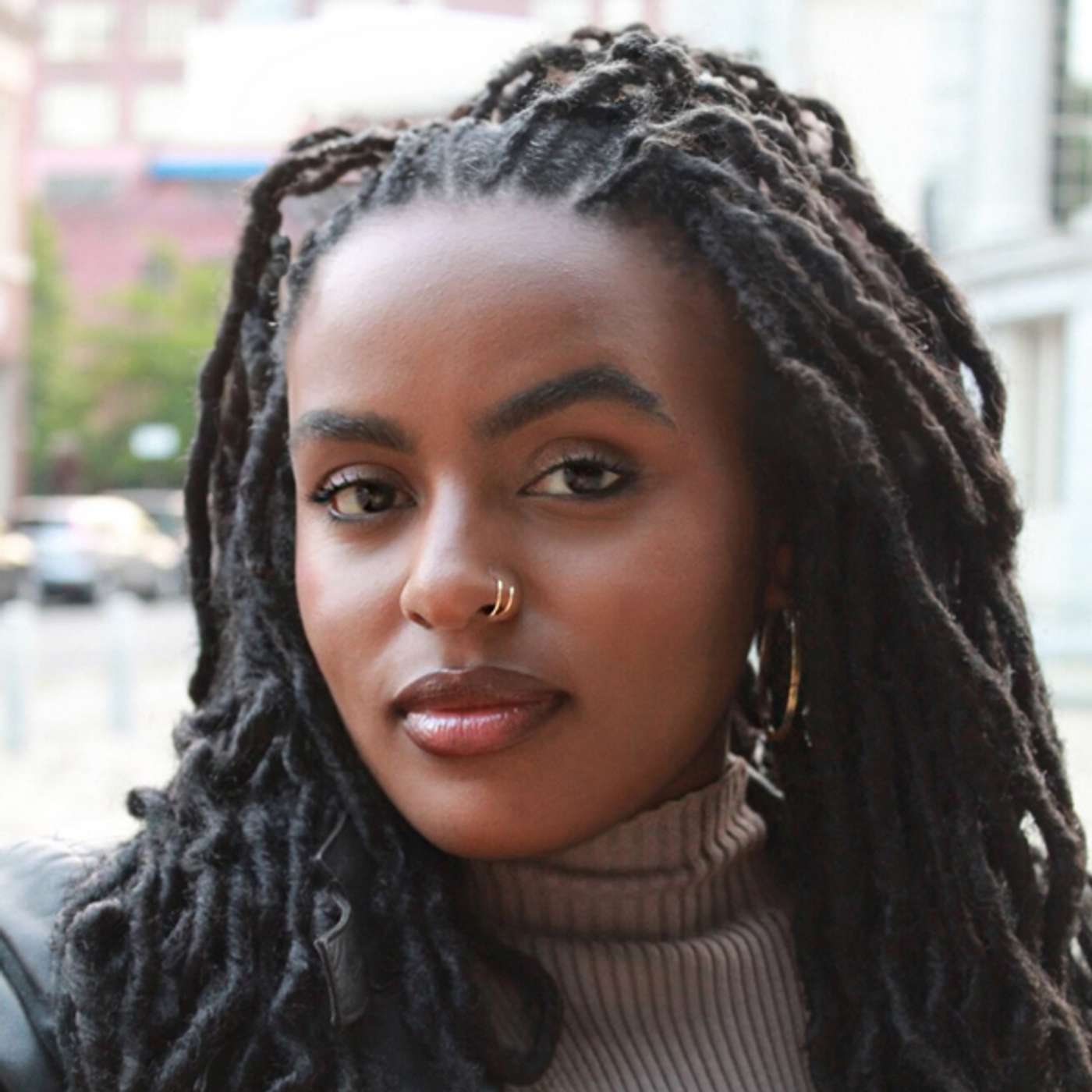
Ep 31Austin Lee - Women's, Gender, and Sexuality Studies Program, Boston University
This is John Drabinski and you’re listening to The Black Studies podcast, a Mellon grant sponsored series of conversations examining the history of the field. Our conversations engage with a wide range of activists and scholars - senior figures in the field, late doctoral students, and everyone in between, culture workers, and political organizers - in order to explore the cultural and political meaning of Black Studies as an area of inquiry and its critical methods.Today’s conversation is with Austin Lee, a postdoctoral scholar at the Boston University Society of Fellows specializing in the study of extended kin networks, communal mothering practices, and the nuances of Black families, sexuality, and gender. She received her Ph.D. in Sociology from the University of Pennsylvania. Her research has received support from various organizations, including the National Science Foundation and the University of Pennsylvania Center for the Study of Ethnicity, Race, and Immigration. Her overarching research agenda utilizes qualitative research methods to highlight the interdependent relationship between antiblackness and norms related to sexuality and gender, such as the essentiality of the nuclear family structure, gender conformity, and compulsory heterosexuality. In this conversation, we explore the place of gender and sexuality in Black Studies, how research draws on and returns to Black communities, and how mixed-methods research charts new paths in the field.
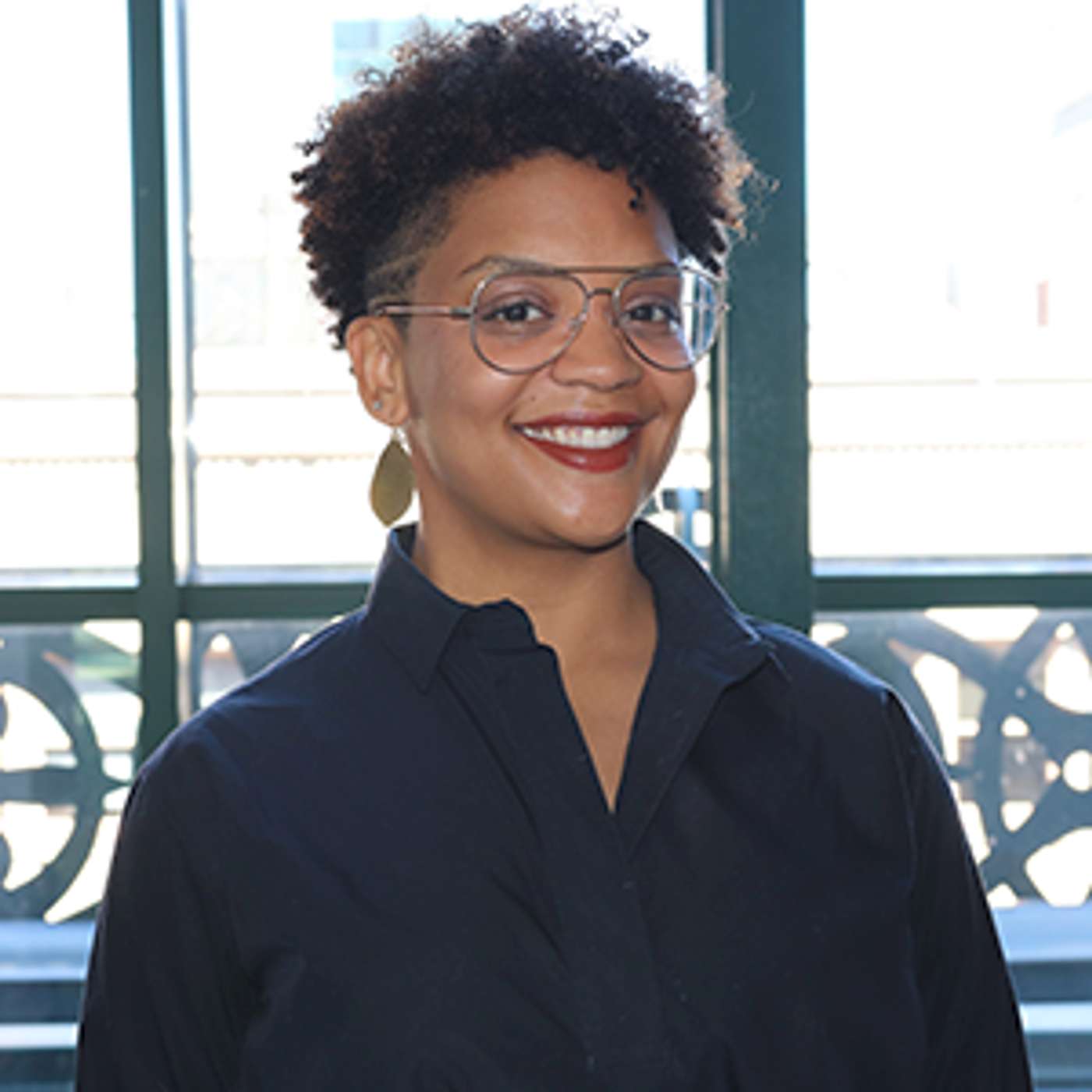
Ep 30Courtney Joseph - Department of History and African American Studies, Lake Forest College
This is John Drabinski and you’re listening to The Black Studies podcast, a Mellon grant sponsored series of conversations examining the history of the field. Our conversations engage with a wide range of activists and scholars - senior figures in the field, late doctoral students, and everyone in between, culture workers, and political organizers - in order to explore the cultural and political meaning of Black Studies as an area of inquiry and its critical methods.Today’s conversation is with Courtney Joseph, who teaches in the departments of History and African American Studies at Lake Forest College. In addition to a number of reviews and scholarly essays, she is completing a book on the Haitian diaspora in Chicago, Illinois entitled Invisibly Visible: A Community History of Haitians in Chicago. In this conversation, we discuss the relationship between scholarly research and political communities, the place of historical methods in Black Studies, and how the study of Haiti and the diaspora speaks to the future of the field.
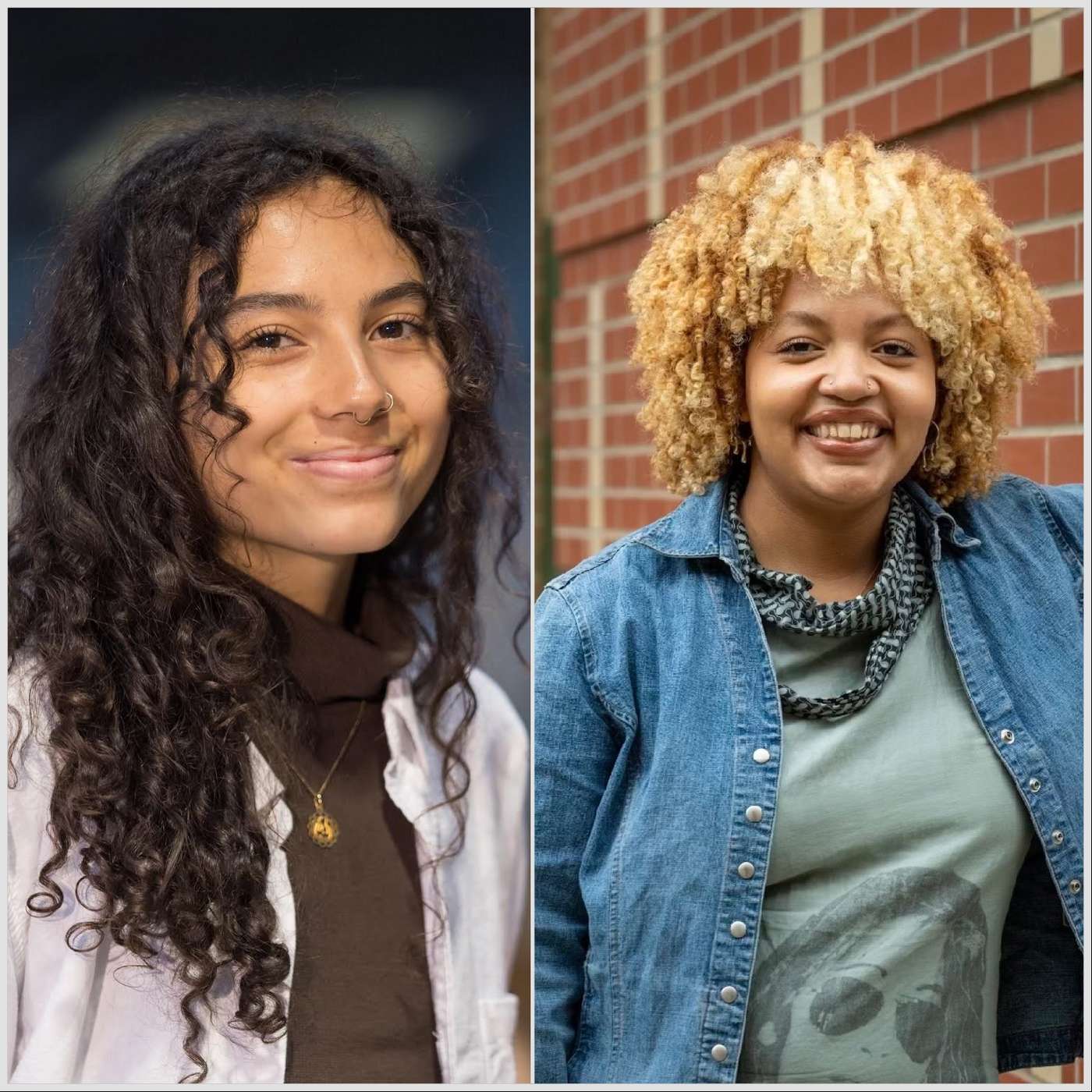
Ep 29Sophia Jahadhmy and Sofia Meadows-Muriel - Department of Africana Studies, Cornell University
This is John Drabinski and you’re listening to The Black Studies podcast, a Mellon grant sponsored series of conversations examining the history of the field. Our conversations engage with a wide range of activists and scholars - senior figures in the field, late doctoral students, and everyone in between, culture workers, and political organizers - in order to explore the cultural and political meaning of Black Studies as an area of inquiry and its critical methods.Today’s conversation is with Sophia Jahadhmy and Sofia Meadows-Muriel, doctoral candidates in the Department of Africana Studies at Cornell University. Sophia Jahadhmy is a second-year PhD candidate and her current interests include thinking cohabitation, biopolitics of the plantation, oceanic stories and histories, and alternative modes of citizenship, autochthony, and Being on the Swahili Seas. In particular, she reads Édouard Glissant to examine the possibilities for identifying, Relating, and constructing communal Self and Other on the Indian Ocean plantation and its aftermath in order to think affirmative futures for cohabitating difference on Africa's easternmost coast. Sofia Meadows-Muriel is also a second-year PhD student, whose research examines how the political philosophy of the Black Power Movement and Pan-African anti-colonial struggles became formative influences on the praxis and intellectual production of black Puerto Rican movement makers.
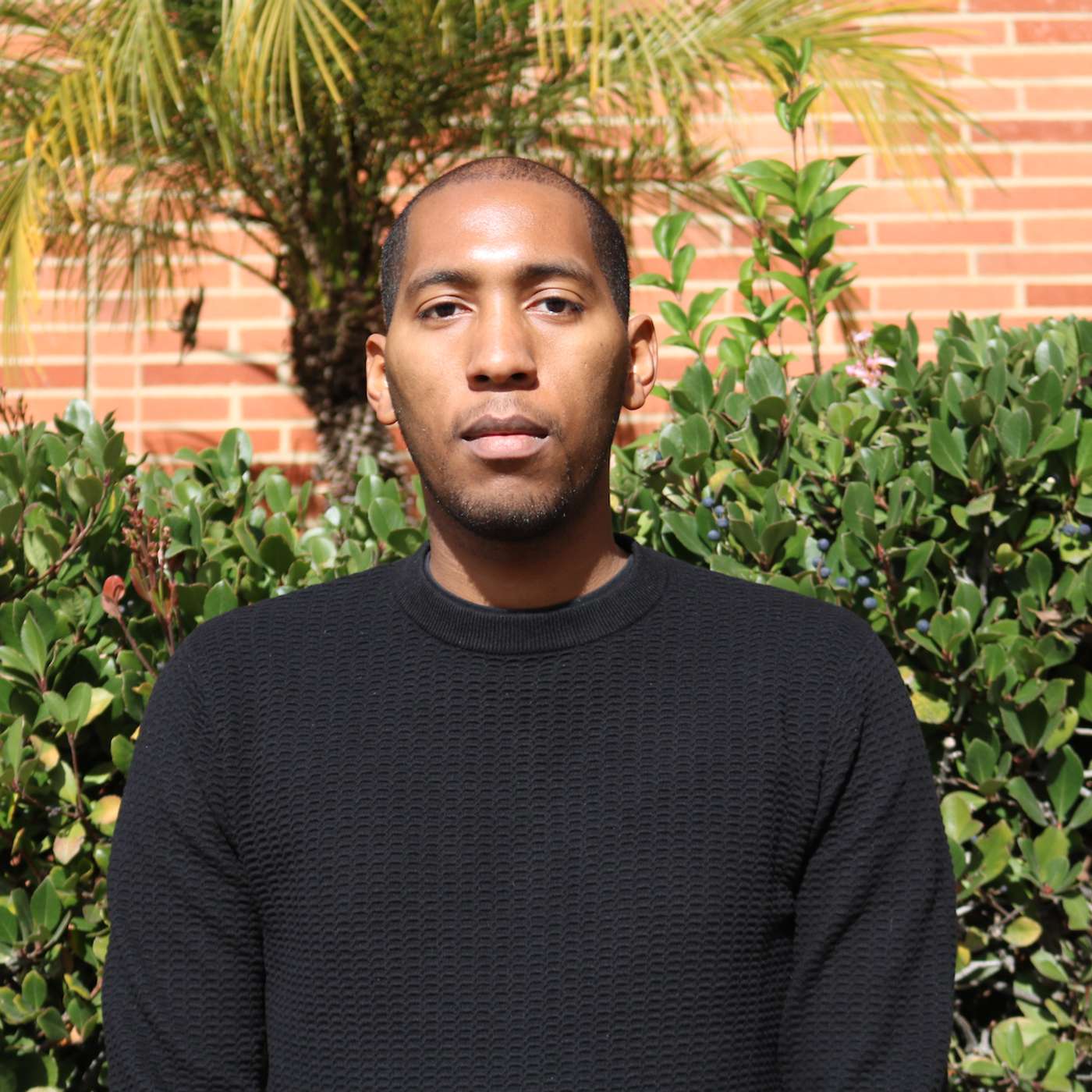
Ep 28Kyle T. Mays - Department of African American Studies, University of California, Los Angeles
This is Ashley Newby and you’re listening to The Black Studies podcast, a Mellon grant sponsored series of conversations examining the history of the field. Our conversations engage with a wide range of activists and scholars - senior figures in the field, late doctoral students, and everyone in between, culture workers, and political organizers - in order to explore the cultural and political meaning of Black Studies as an area of inquiry and its critical methods.Today's conversation is with Kyle T. Mays, Associate Professor of African American Studies, American Indian Studies, and History at University of California, Los Angeles. He is a transdisciplinary scholar of urban history and studies, Afro-Indigenous Studies, and contemporary popular culture. He is the author of Hip Hop Beats, Indigenous Rhymes: Modernity and Hip Hop in Indigenous North America (2018), An Afro-Indigenous History of the United States (2021), and City of Dispossessions: Indigenous Peoples, African Americans, and the Creation of Modern Detroit (2022). In this conversation, we discuss the cultural politics of Black Studies, the relation between expressive culture and place, and the intersection of blackness and nation.
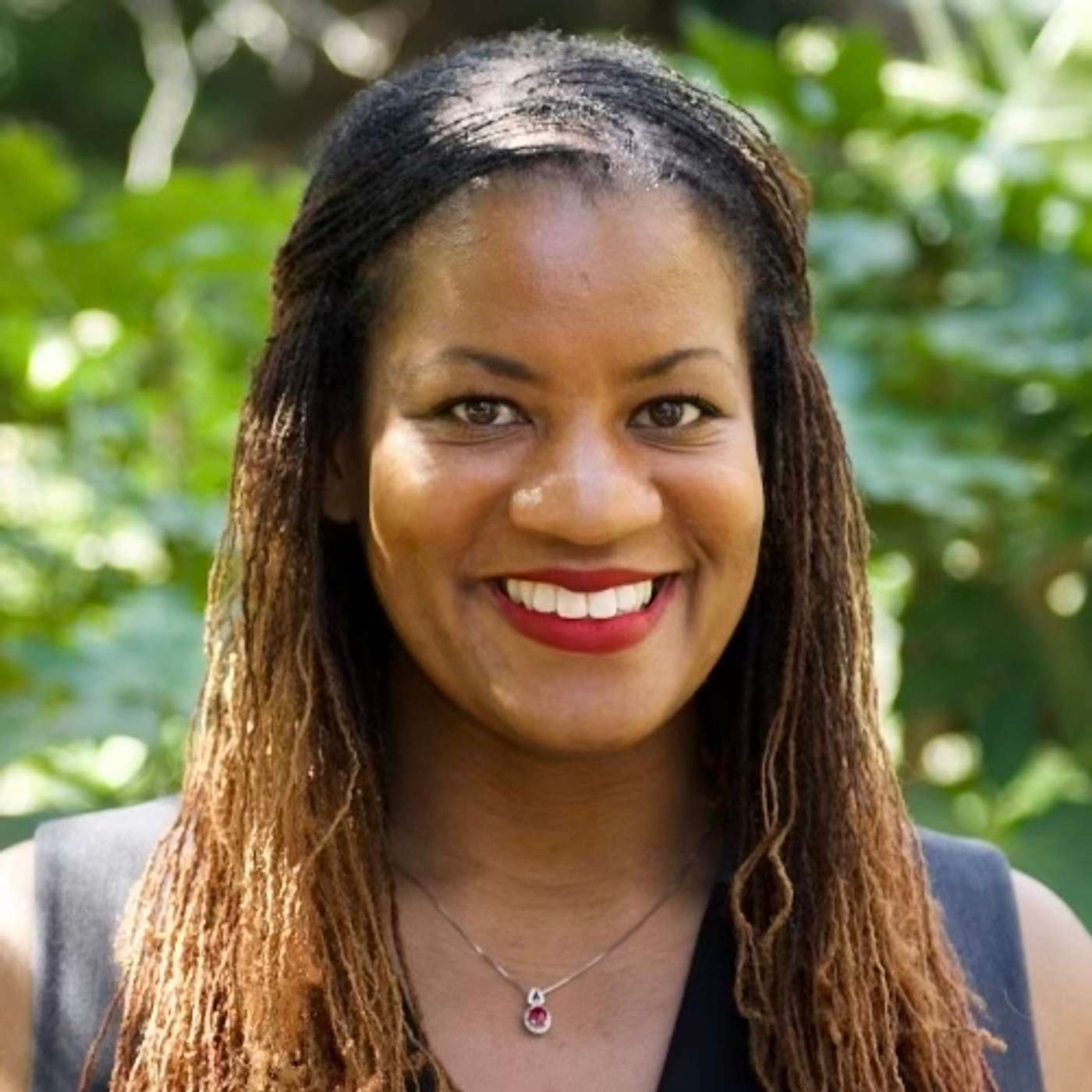
Ep 27Erika Denise Edwards - Department of History, University of Texas at El Paso
This is John Drabinski and you’re listening to The Black Studies podcast, a Mellon grant sponsored series of conversations examining the history of the field. Our conversations engage with a wide range of activists and scholars - senior figures in the field, late doctoral students, and everyone in between, culture workers, and political organizers - in order to explore the cultural and political meaning of Black Studies as an area of inquiry and its critical methods.Today’s conversation is with Erika Denise Edwards, an associate professor of history at the University of Texas at El Paso. She is the author of the award-winning book Hiding in Plain Sight: Black Women, the Law and the Making of a White Argentine Republic from 2020. She is currently editing special issue of Global Black Thought on the theme of “Race in Colonial Latin America,” co-editing the anthology Rhetorical Ambiguities: Blood Purity, Calidad, and Colonial Identities in the Iberian World, 1500-1750, and is the Series Editor for Routledge’s “Women in the Americas” book series. In this conversation, we discuss the relation between geography and the Black Studies tradition, the place of gender in thinking through the field, and how the movement of Black Studies into Latin American spaces opens up new horizons of reflection.
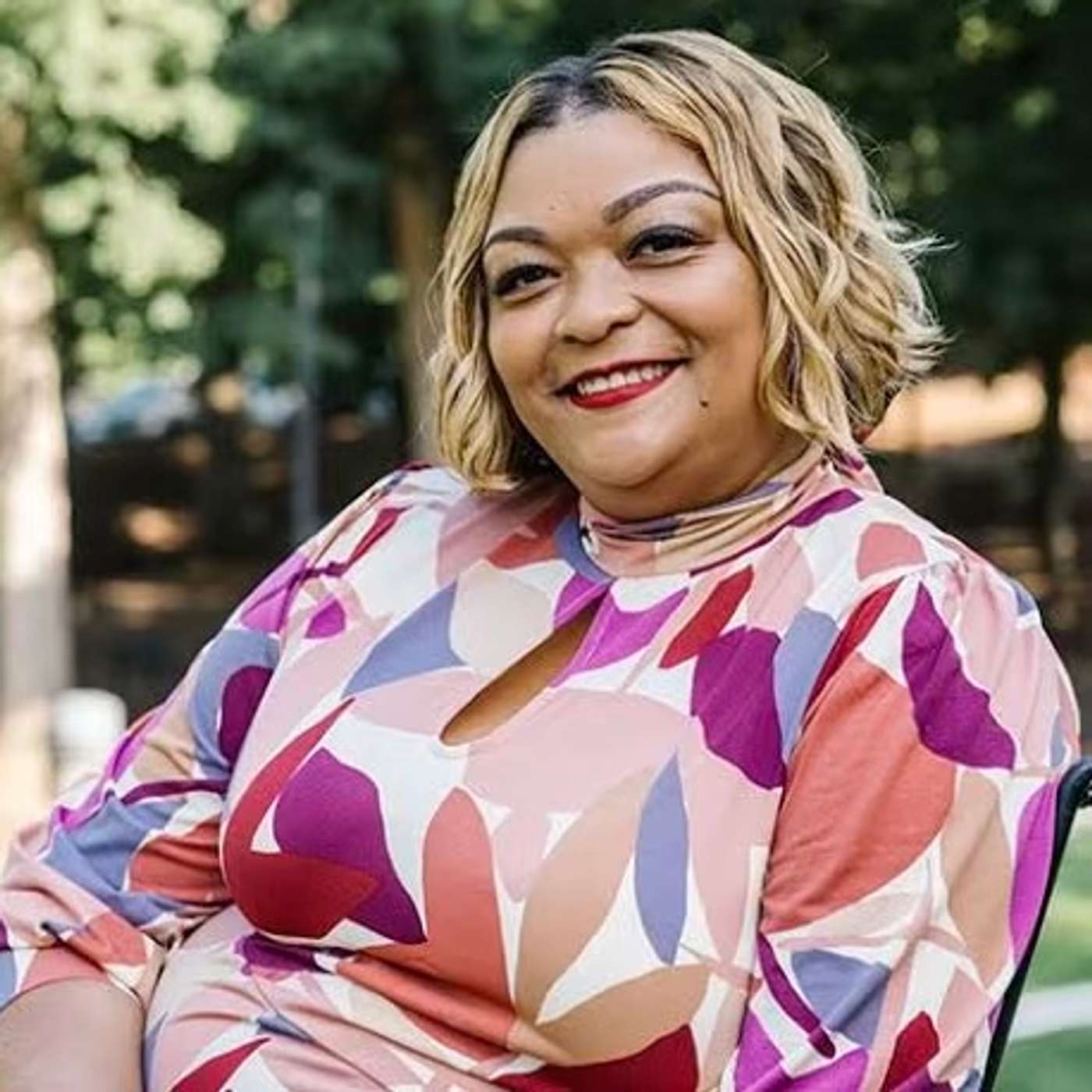
Ep 26Regina Bradley - Department of English, Kennesaw State University
This is Ashley Newby and you’re listening to The Black Studies podcast, a Mellon grant sponsored series of conversations examining the history of the field. Our conversations engage with a wide range of activists and scholars - senior figures in the field, late doctoral students, and everyone in between, culture workers, and political organizers - in order to explore the cultural and political meaning of Black Studies as an area of inquiry and its critical methods.Today’s conversation is with Professor Regina Bradley, who teaches in the Department of English at Kennesaw State University. In addition to both scholarly and popular essays, she is the author of Chronicling Stankonia: The Rise of the Hip Hop South, Boondock Kollage: Stories from the Hip Hop South, and editor of An Outkast Reader and co-editor with Mark Anthony Neal and Murray Forman of That's the Joint: The Hip Hop Studies Reader. In this conversation, we discuss the multiple resonances of the term "Black" across geographies, the relation of Black Studies to popular culture, and how questions of region, gender, and class impact thinking in a Black Studies context.
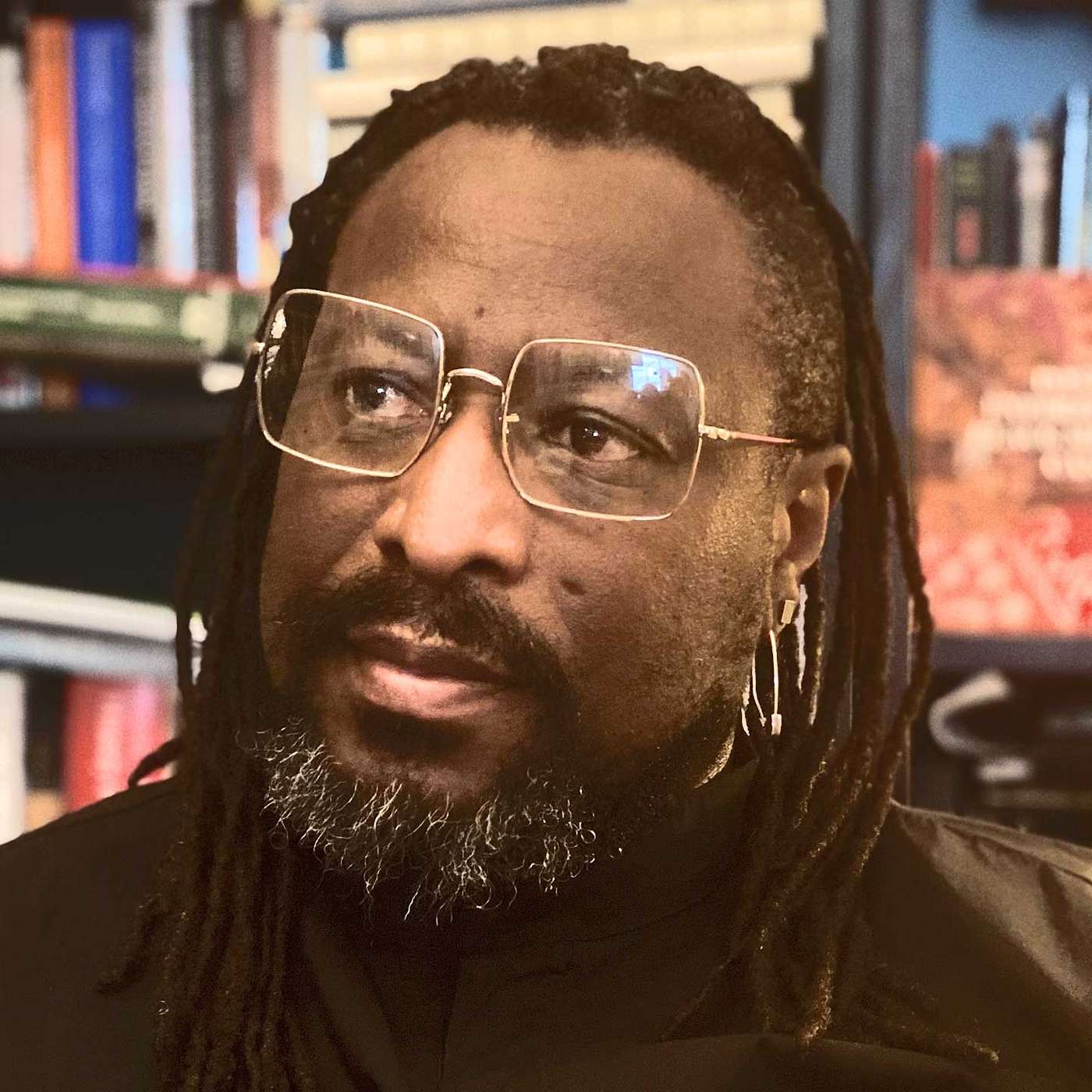
Ep 25Rinaldo Walcott - Department of Africana and American Studies, University of Buffalo
This is John Drabinski and you’re listening to The Black Studies podcast, a Mellon grant sponsored series of conversations examining the history of the field. Our conversations engage with a wide range of activists and scholars - senior figures in the field, late doctoral students, and everyone in between, culture workers, and political organizers - in order to explore the cultural and political meaning of Black Studies as an area of inquiry and its critical methods.Today’s conversation is with Rinaldo Walcott, who teaches in the Department of Africana and American Studies at University of Buffalo. In addition to a number of scholarly essays and public media articles, he has written Black Like Who: Writing Black Canada, Queer Returns: Essays on Multiculturalism, Diaspora and Black Studies, Black Life: Post-BLM and the Struggle for Freedom, and in 2021 he published both The Long Emancipation: Moving Towards Freedom and On Property: Policing, Prisons, and the Call for Abolition. In this conversation, we explore the varied political meaning of Black Studies as a field of research and modality of struggle, the relation of politics to cultural and national studies, and the place of radical thinking in times of political crisis.
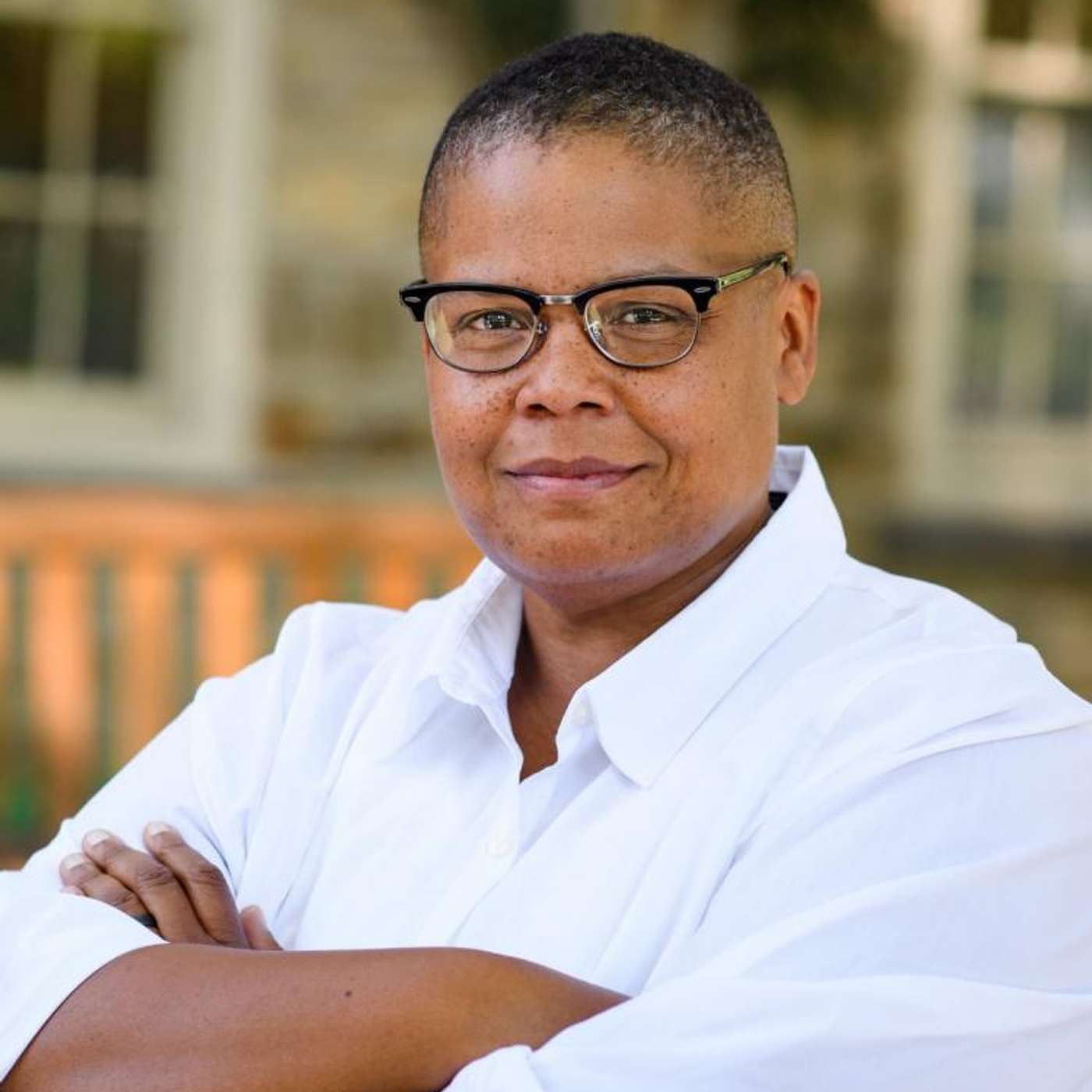
Ep 24Keeanga-Yamahtta Taylor - Department of African American Studies, Princeton University
This is John Drabinski and you’re listening to The Black Studies podcast, a Mellon grant sponsored series of conversations examining the history of the field. Our conversations engage with a wide range of activists and scholars - senior figures in the field, late doctoral students, and everyone in between, culture workers, and political organizers - in order to explore the cultural and political meaning of Black Studies as an area of inquiry and its critical methods.Today’s conversation is with Keeanga-Yamahtta Taylor, who teaches in the Department of African American Studies at Princeton University. In addition to a number of scholarly essays and journalistic articles, she has written From #BlackLivesMatter to Black Liberation in 2016, Race for Profit: How Banks and the Real Estate Industry Undermined Black Homeownership from 2019, and edited the immensely important collection How We Get Free: Black Feminism and the Combahee River Collective in 2017. She was named a MacArthur Foundation Fellow in 2021. In this conversation, we explore the complex political meaning of Black Studies as a field of research and site of resistance, the relation of politics to intellectual inquiry in the past as well as contemporary moment, and the significance of radical thinking and writing in a time of political crisis.
Ep 23David Ikard - Department of African American and Diaspora Studies, Vanderbilt University
This is John Drabinski and you’re listening to The Black Studies podcast, a Mellon grant sponsored series of conversations examining the history of the field. Our conversations engage with a wide range of activists and scholars - senior figures in the field, late doctoral students, and everyone in between, culture workers, and political organizers - in order to explore the cultural and political meaning of Black Studies as an area of inquiry and its critical methods.Today’s conversation is with David Ikard, who teaches in the Department of African American and Diaspora Studies at Vanderbilt University in Nashville, Tennessee. In addition to a number of scholarly essays, authoring and co-authoring four books - Breaking the Silence: Toward a Black Male Feminist Criticism (2007), Nation of Cowards: Black Activism in Barack Obama's Post-Racial America (2012), co-authored with Martell Teasley, Blinded by the Whites: Why Race Still Matters in 21st-Century America (2013), and Lovable Racists, Magical Negroes, and White Messiahs (2017) - he is a practicing artist whose paintings can be found at ikardgallery.com. In this conversation, we explore the complex political meaning of Black Studies as a site of resistance and also an institutionalized field of study, the relation of politics to intellectual inquiry in the contemporary moment, and the significance of the multiple disciplinary research and intellectual expression that comprise the field’s past, present, and future.