The Black Studies Podcast
322 episodes — Page 7 of 7

Ep 22Charisse Burden-Stelly - Department of African American Studies, Wayne State University
This is John Drabinski and you’re listening to The Black Studies podcast, a Mellon grant sponsored series of conversations examining the history of the field. Our conversations engage with a wide range of activists and scholars - senior figures in the field, late doctoral students, and everyone in between, culture workers, and political organizers - in order to explore the cultural and political meaning of Black Studies as an area of inquiry and its critical methods.Today’s conversation is with Charisse Burden-Stelly, who teaches in the Department of African American Studies at Wayne State University in Detroit, Michigan. In addition to a number of scholarly essays, popular writings, and hosted podcast series, she is the author of two books - W.E.B. Du Bois: A Life in American History from 2019, co-written with Gerald Horne, and Black Scare, Red Scare: Theorizing Capitalist Racism in the United States from 2023 - and is the co-editor of two volumes: with Percy Hintzen and Aaron Kamugisha, Reproducing Domination: On the Caribbean Postcolonial State and with Jodi Dean, of Organize, Fight, Win: Black Communist Women’s Political Writings, published in 2022. In this conversation, we explore the complex political meaning of Black Studies as a site of resistance and also an institutionalized field of study, the relation of politics to intellectual inquiry, and the meaning of the multiple disciplinary interventions that comprise the field’s past, present, and future.
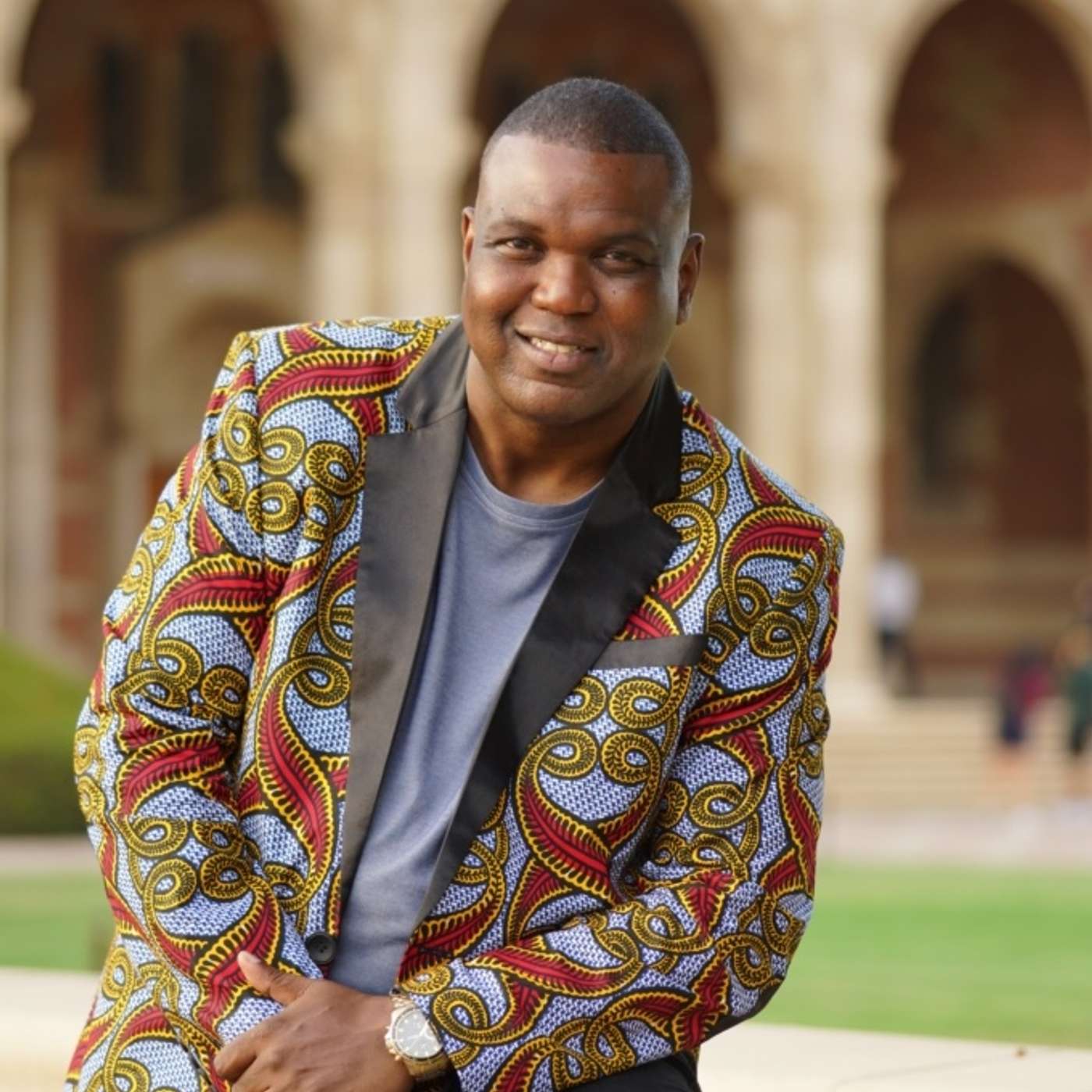
Ep 21Scot Brown - Department of African American Studies, University of California, Los Angeles
This is Ashley Newby and you’re listening to The Black Studies podcast, a Mellon grant sponsored series of conversations examining the history of the field. Our conversations engage with a wide range of activists and scholars - senior figures in the field, late doctoral students, and everyone in between, culture workers, and political organizers - in order to explore the cultural and political meaning of Black Studies as an area of inquiry and its critical methods.Today’s conversation is with Scot Brown, who teaches in the Department of African American Studies at University of California, Los Angeles. A working musician and public commentator on Black culture and politics, he is the author of a number of popular and scholarly works including the 2005 book Fighting for Us, published by New York University Press. In this conversation, we explore the meaning of Black Studies as an area of inquiry, the relationship between cultural production and Black life, and the meaning of music and musical practice in the Black intellectual tradition.
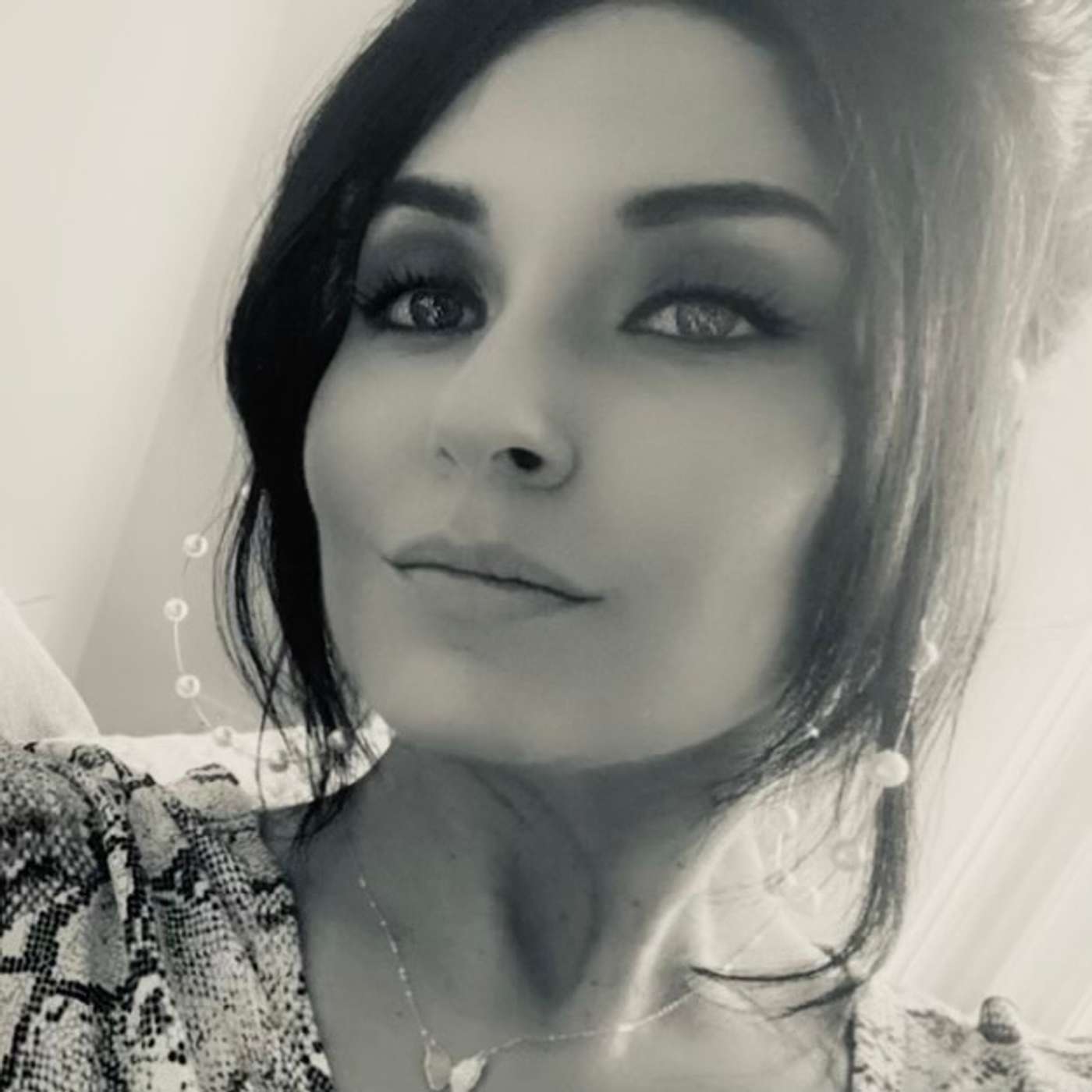
Ep 20Shaida Akbarian - Department of Comparative Studies, Ohio State University
This is John Drabinski and you’re listening to The Black Studies podcast, a Mellon grant sponsored series of conversations examining the history of the field. Our conversations engage with a wide range of activists and scholars - senior figures in the field, late doctoral students, and everyone in between, culture workers, and political organizers - in order to explore the cultural and political meaning of Black Studies as an area of inquiry and its critical methods.Today’s conversation is with Shaida Akbarian, who teaches in the Department of Comparative Studies at Ohio State University, where she also earned her PhD in African American and African Studies. In this conversation, we discuss the complex meanings of Black Studies as an intellectual tradition, a political disposition, and the various impasses and hesitations that lie at the heart of the relation between those two aspects of the field.
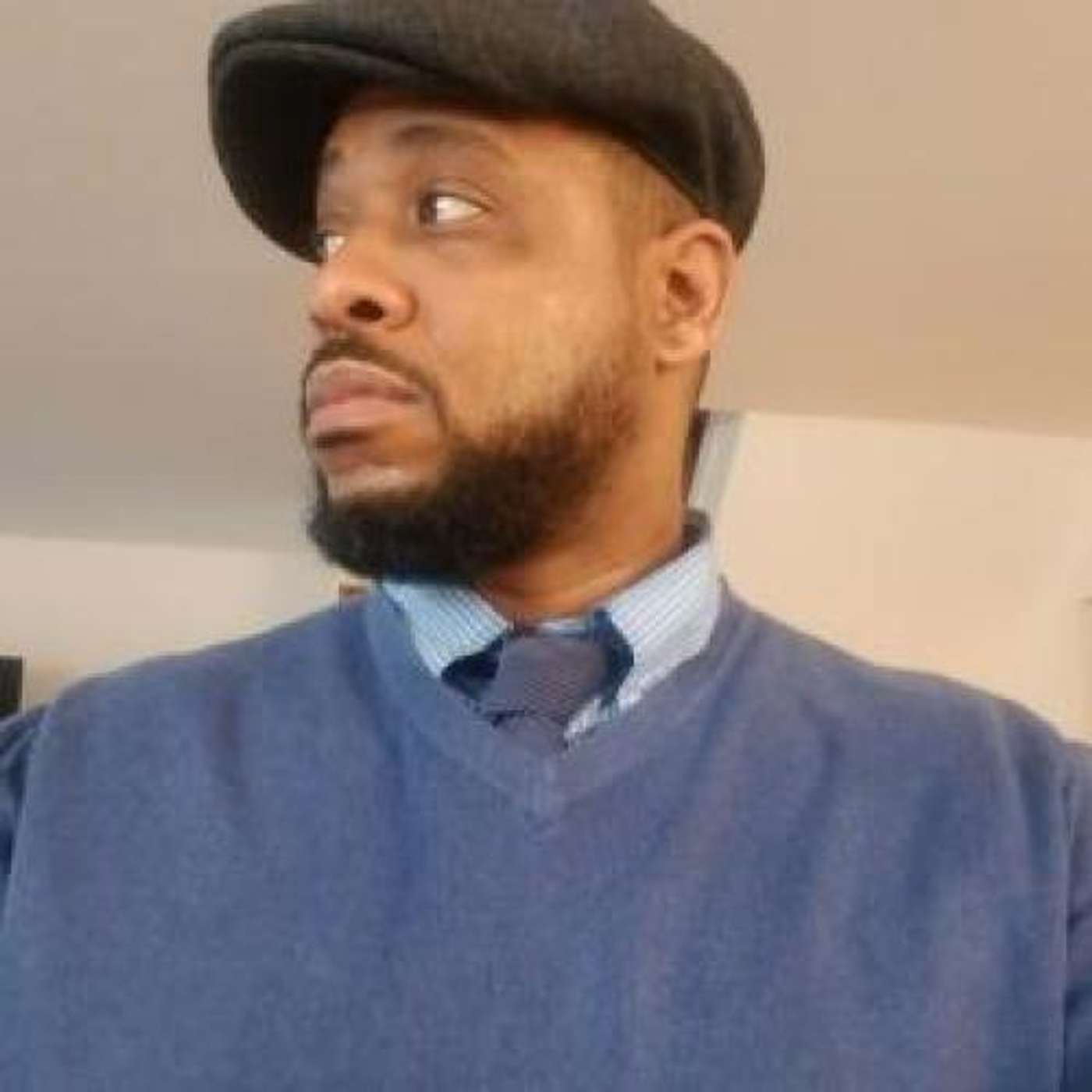
Ep 19David Green - Department of English, Howard University
This is Ashley Newby and you’re listening to The Black Studies podcast, a Mellon grant sponsored series of conversations examining the history of the field. Our conversations engage with a wide range of activists and scholars - senior figures in the field, late doctoral students, and everyone in between, culture workers, and political organizers - in order to explore the cultural and political meaning of Black Studies as an area of inquiry and its critical methods.Today’s conversation is with David Green, who teaches in the Department of English at Howard University in Washington, D.C. where he also directs the first year writing program. In addition to a number of articles on critical writing and race, he is the editor of Visions and Cyphers, a writing studies textbook that emphasizes culture and language research in composition studies. In this conversation, we discuss the place of language and writing in the Black Studies tradition, the function of expressive life in the field, and the future horizons of critical inquiry into Black life.
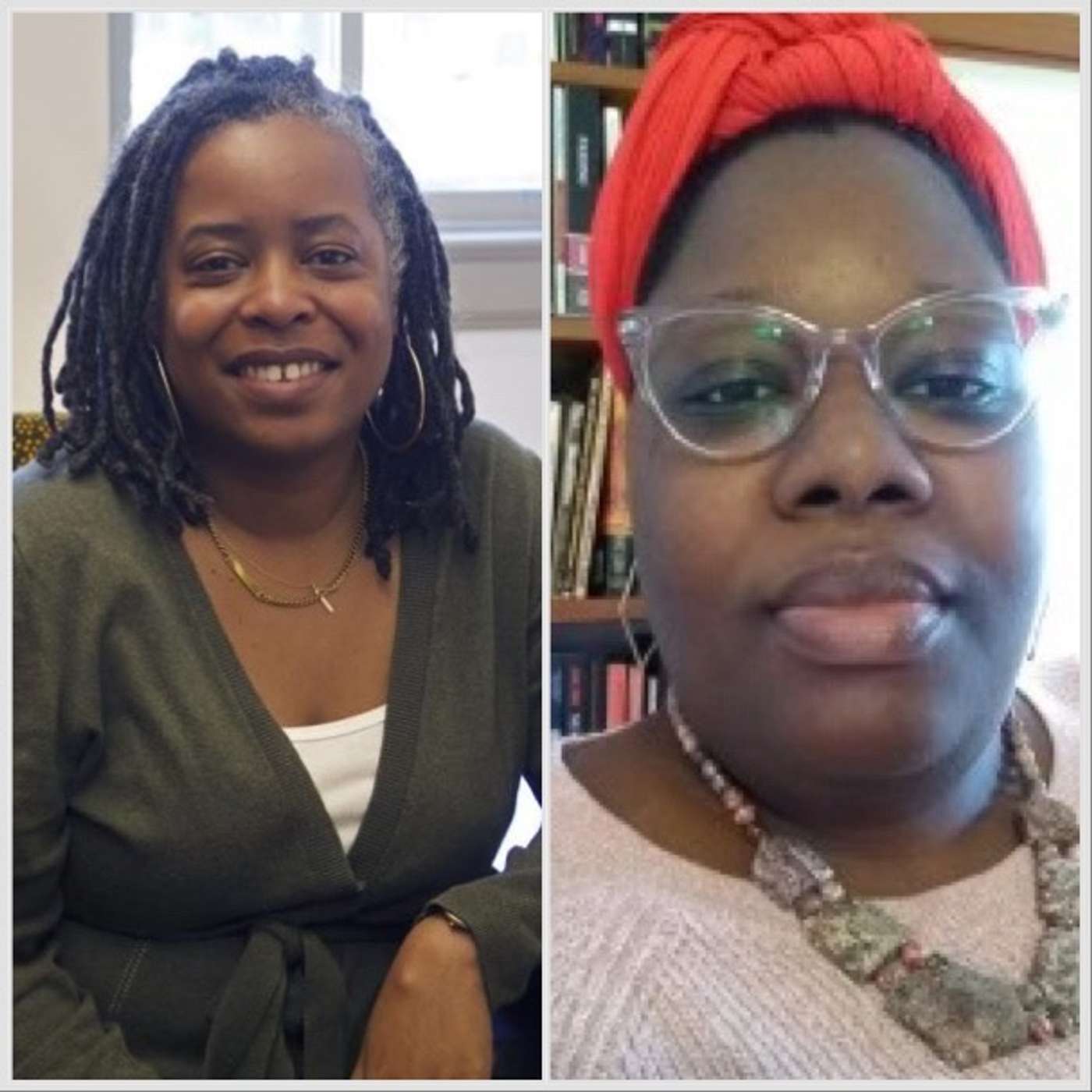
Ep 18Stephanie Jones and Makeba Lavan - Department of African Diaspora Studies, Grinnell College
This is John Drabinski and you’re listening to The Black Studies podcast, a Mellon grant sponsored series of conversations examining the history of the field. Our conversations engage with a wide range of activists and scholars - senior figures in the field, late doctoral students, and everyone in between, culture workers, and political organizers - in order to explore the cultural and political meaning of Black Studies as an area of inquiry and its critical methods.Today’s conversation is with two of the founding members of the newly launched Department of African Diaspora Studies at Grinnell College: Makeba Lavan and Stephanie Jones. Professor Lavan teaches in the English department at Grinnell with a special interest in afrofuturist literature and culture. Professor Jones teaches in the Education Studies department with a focus on the relation between race, curriculum, and trauma in Black students. In this conversation we discuss their journeys into an abiding concern with Black life, what sustains that concern, and how multiple disciplinary approaches to Black Studies expand and deepen the field.
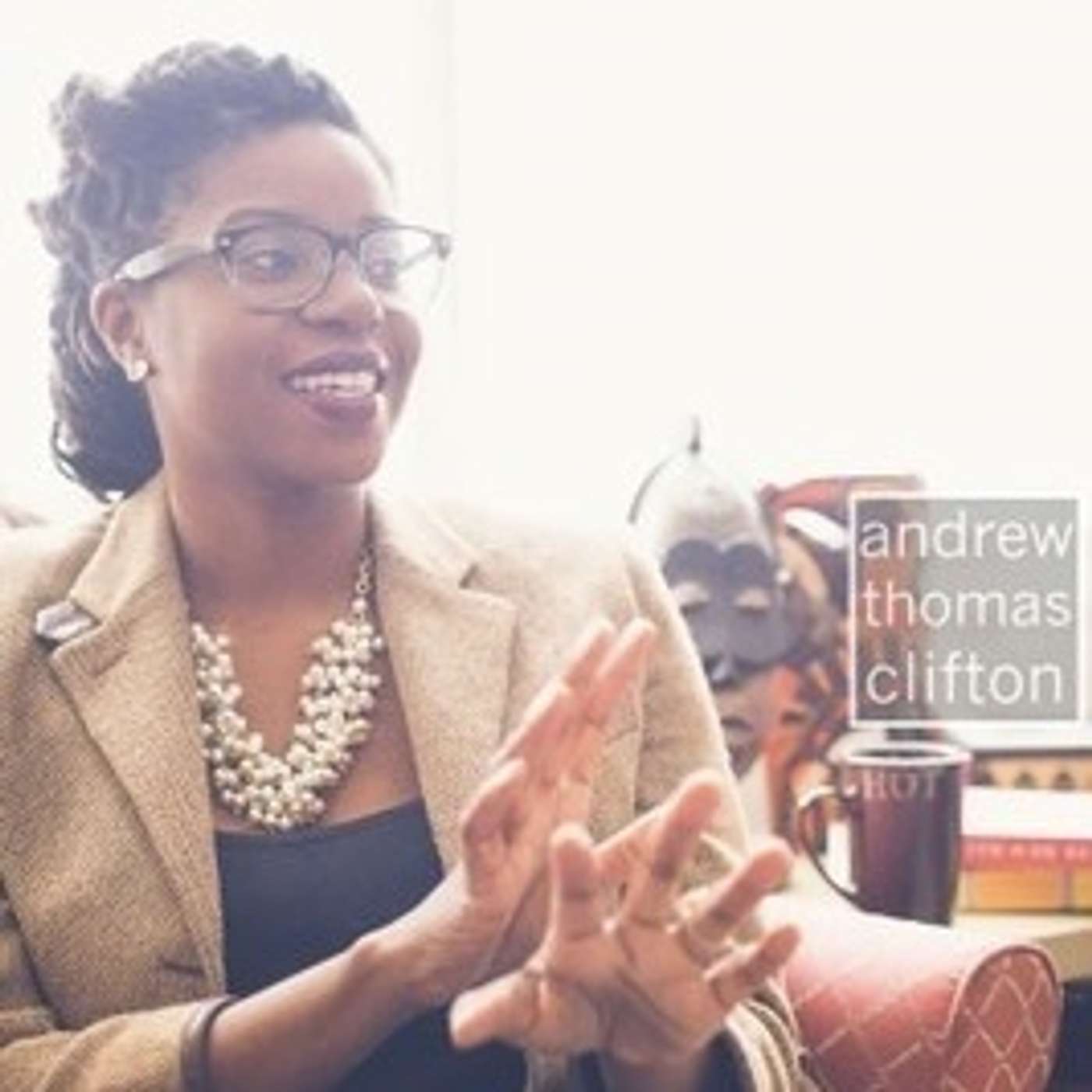
Ep 17J. Marlena Edwards - Department of African American Studies, Penn State University
This is Ashley Newby and you’re listening to The Black Studies podcast, a Mellon grant sponsored series of conversations examining the history of the field. Our conversations engage with a wide range of activists and scholars - senior figures in the field, late doctoral students, and everyone in between, culture workers, and political organizers - in order to explore the cultural and political meaning of Black Studies as an area of inquiry and its critical methods.Today's conversation is with J. Marlena Edwards. She is assistant professor in the Departments of African American Studies and History, having completed a post-doctoral fellowship in the Africana Research Center at Penn State after earning a dual-major Ph.D. in African American and African Studies and History from Michigan State University. Her research interests include multiethnic African American identities, Cape Verdean and Afro-Caribbean migration, U.S. Immigration, and African diaspora histories. She's working on her first book documenting West Indian and Cape Verdean Immigrant communities and their lives after whaling in early twentieth century New England.
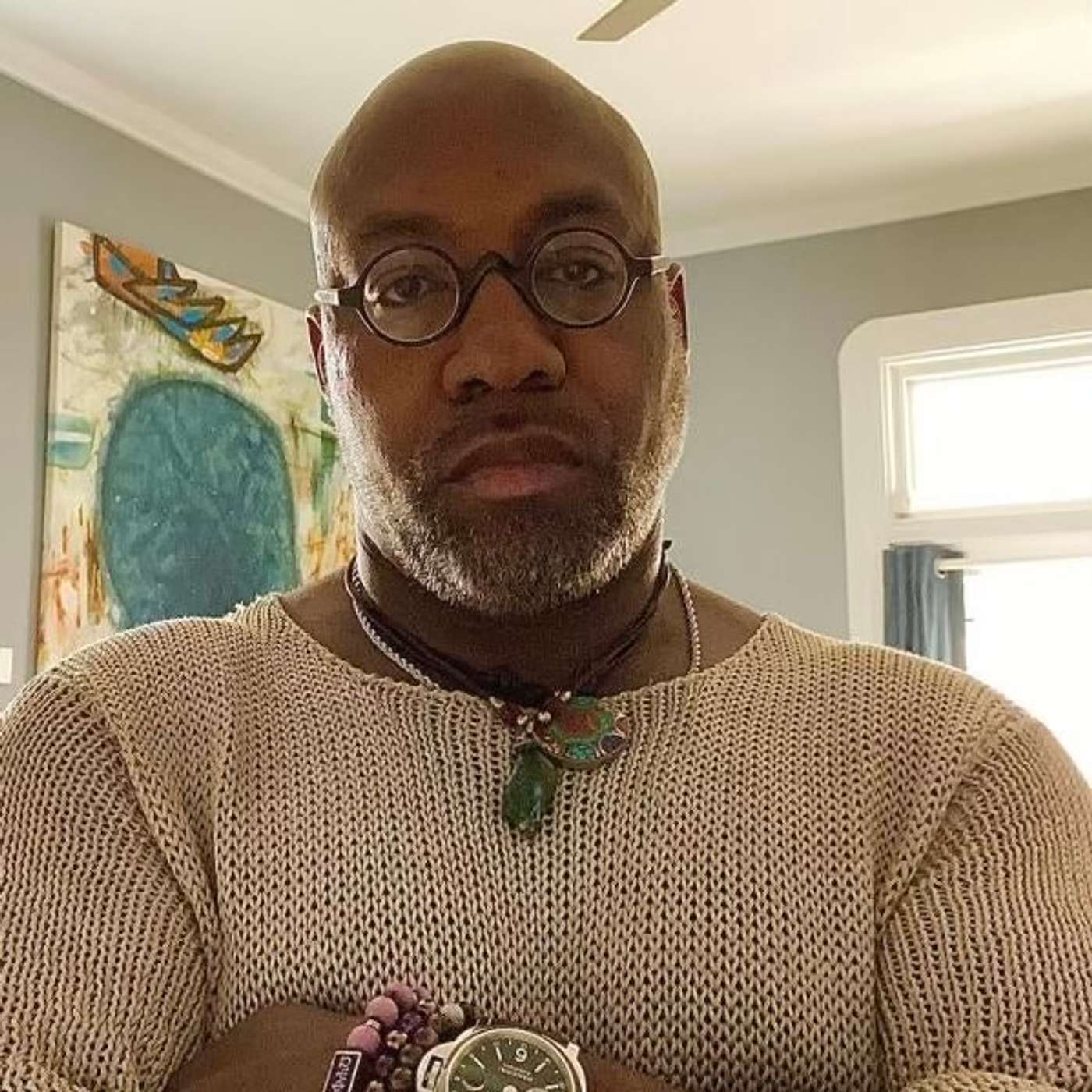
Ep 16Michael E. Sawyer - Department of English, University of Pittsburgh
This is John Drabinski and you’re listening to The Black Studies podcast, a Mellon grant sponsored series of conversations examining the history of the field. Our conversations engage with a wide range of activists and scholars - senior figures in the field, late doctoral students, and everyone in between, culture workers, and political organizers - in order to explore the cultural and political meaning of Black Studies as an area of inquiry and its critical methods. Today’s conversation is with Michael E. Sawyer, who teaches in the Department of English at the University of Pittsburgh. He is the author of a number of scholarly articles and books, including An Africana Philosophy of Temporality: Homo Liminalis (2018), Black Minded: The Political Philosophy of Malcolm X (2020), and a pair of forthcoming works - The Door of No Return: Being-as-Black(spring 2025) and Sir Lewis, a critical book on Lewis Hamilton (also spring 2025). In this conversation, we explore the place of speculative work in the Black Studies tradition, the expansiveness of Black critical inquiry, and the meaning of the multiple disciplinary interventions that comprise the field’s past, present, and future.
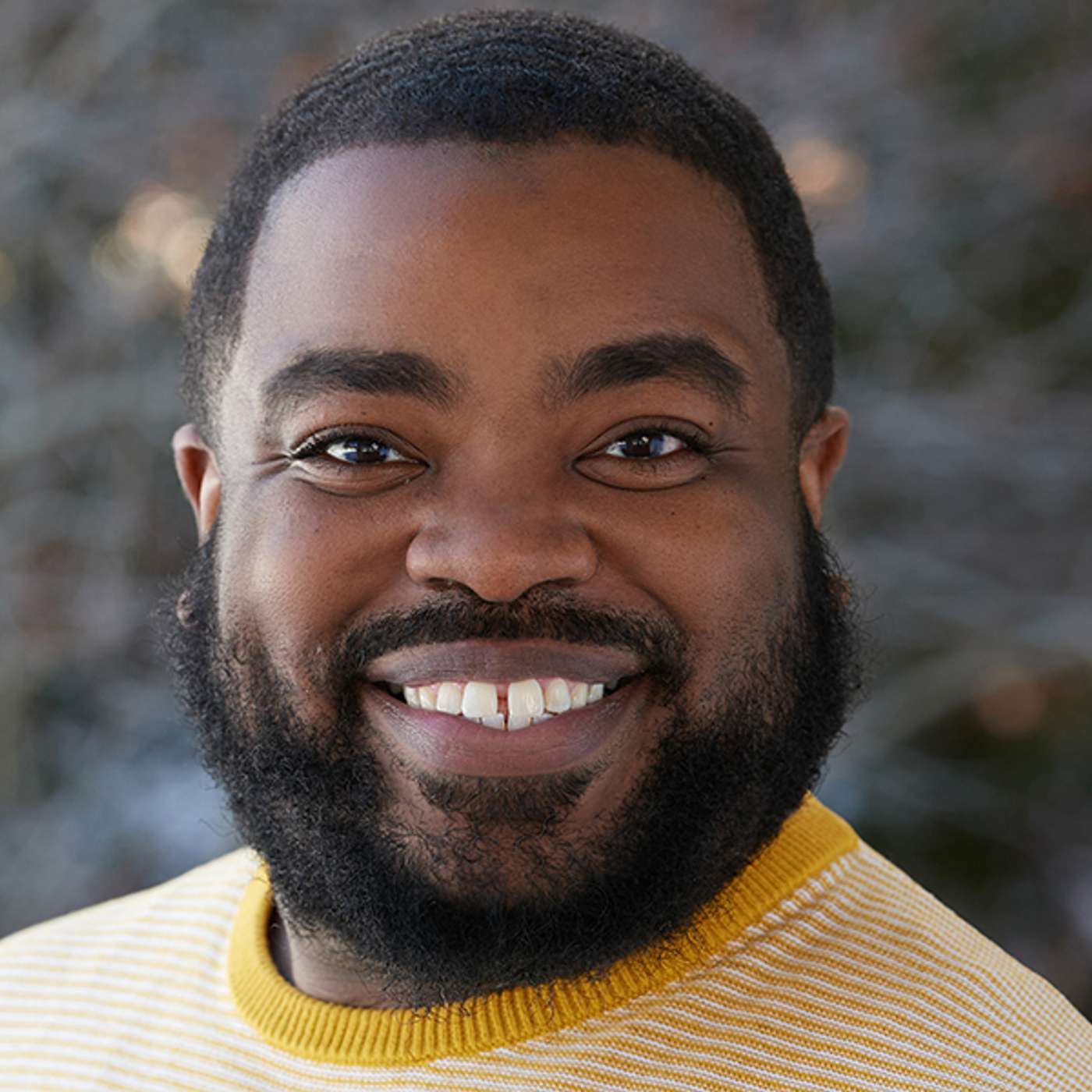
Ep 15Dominick Quinney - Department of Ethnic Studies, Albion College
This is Ashley Newby and you’re listening to The Black Studies podcast, a Mellon grant sponsored series of conversations examining the history of the field. Our conversations engage with a wide range of activists and scholars - senior figures in the field, late doctoral students, and everyone in between, culture workers, and political organizers - in order to explore the cultural and political meaning of Black Studies as an area of inquiry and its critical methods.Today’s conversation is with Dominick Quinney, who teaches in the Department of Ethnic Studies at Albion College in Albion, Michigan. In this discussion, we explore the origins of his interest in the field, relations of research and pedagogy, and the relationship between the study of Black life and the future of disciplines, area studies, and the transformative meaning of education.
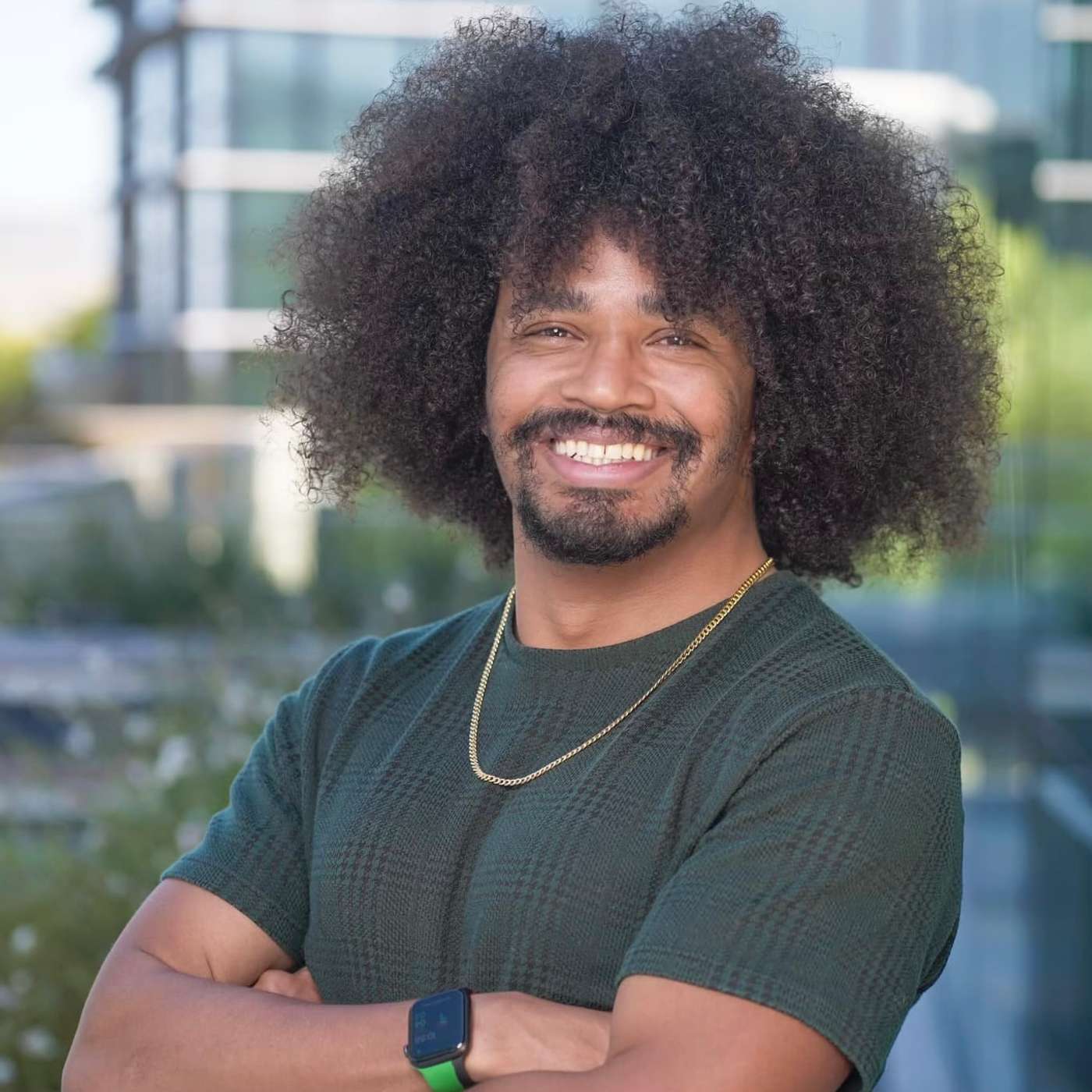
Ep 14John Murillo III - Department of African American Studies, University of California, Irvine
This is John Drabinski and you’re listening to The Black Studies podcast, a Mellon grant sponsored series of conversations examining the history of the field. Our conversations engage with a wide range of activists and scholars - senior figures in the field, late doctoral students, and everyone in between, culture workers, and political organizers - in order to explore the cultural and political meaning of Black Studies as an area of inquiry and its critical methods.Today’s conversation is with John Murillo III, who teaches in the Department of African American Studies at the University of California, Irvine, where he also serves as department chair. In addition to a number of articles in scholarly journals, he is the author of Impossible Stories: On the Space and Time of Black Destructive Creations, published in 2021 by Ohio State University Press. In this conversation, we discuss the relation of physics, literary study, and conceptions of blackness in an antiblack world, the politics of Black Studies and the work of Black study, and how responsibility to community and to transformative political interruption is central to work in the field.
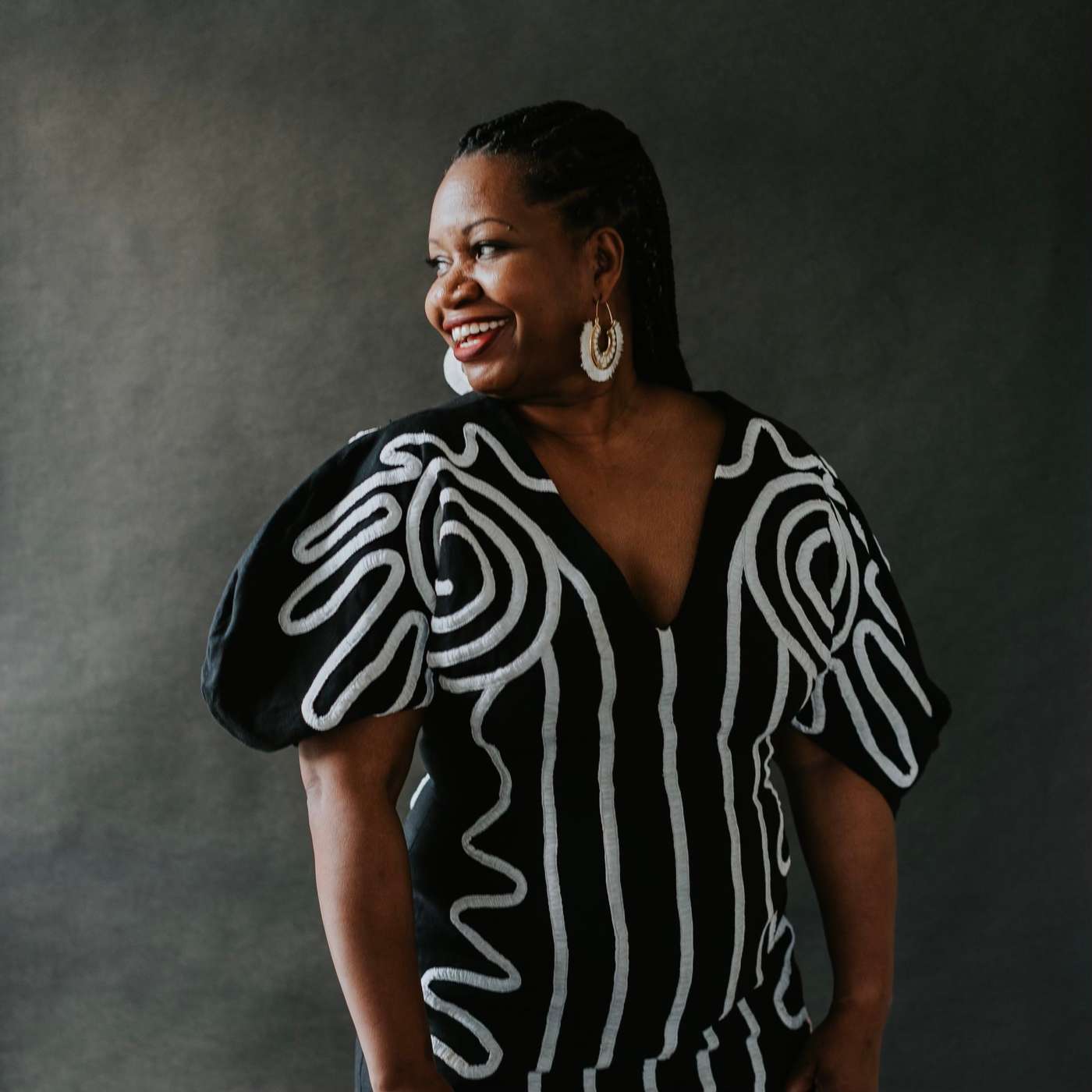
Ep 13Deirdre Cooper Owens - Department of History and Africana Studies Institute, University of Connecticut
This is John Drabinski and you’re listening to The Black Studies podcast, a Mellon grant sponsored series of conversations examining the history of the field. Our conversations engage with a wide range of activists and scholars - senior figures in the field, late doctoral students, and everyone in between, culture workers, and political organizers - in order to explore the cultural and political meaning of Black Studies as an area of inquiry and its critical methods.Today’s conversation is with Deirdre Cooper Owens, who teaches in the Department of History with an appointment in the Africana Studies Institute at the University of Connecticut. In addition to a number of scholarly and public scholarship writings, Cooper Owens is the author of the immensely important book Medical Bondage: Race, Gender, and the Origins of American Gynecology, published by University of Georgia Press in 2018. In this conversation, we explore the meaning of Black Studies from the perspective of race and gender history and historical writing, the question of sources and source material for such writing, and how the study of Black life speaks to the future of intellectual and cultural life in a time of political crisis.
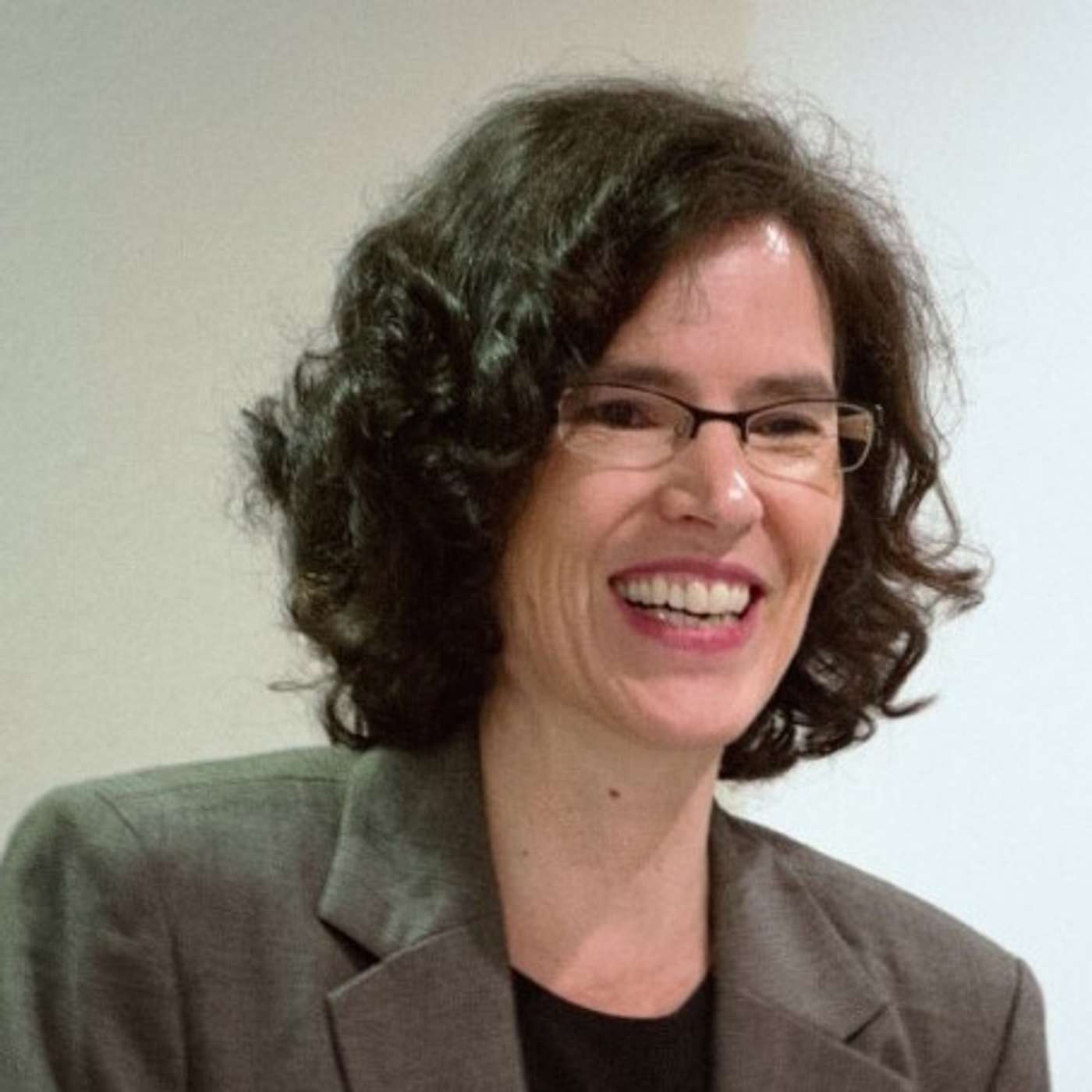
Ep 12Martha Biondi - Department of Black Studies, Northwestern University
This is John Drabinski and you’re listening to The Black Studies podcast, a Mellon grant sponsored series of conversations examining the history of the field. Our conversations engage with a wide range of activists and scholars - senior figures in the field, late doctoral students, and everyone in between, culture workers, and political organizers - in order to explore the cultural and political meaning of Black Studies as an area of inquiry and its critical methods.Today’s conversation is with Martha Biondi, Lorraine H. Morton Professor of Black Studies at Northwestern University. She is the author of To Stand and Fight: The Struggle for Civil Rights in Postwar New York City (Harvard, 2003), The Black Revolution on Campus (California, 2014), and a forthcoming book on Black internationalism. In this conversation, we discuss the origins of Black Studies as a field, the place of historical study in the field, and what questions remain to be asked, explored, and debated in a moment of political crisis.
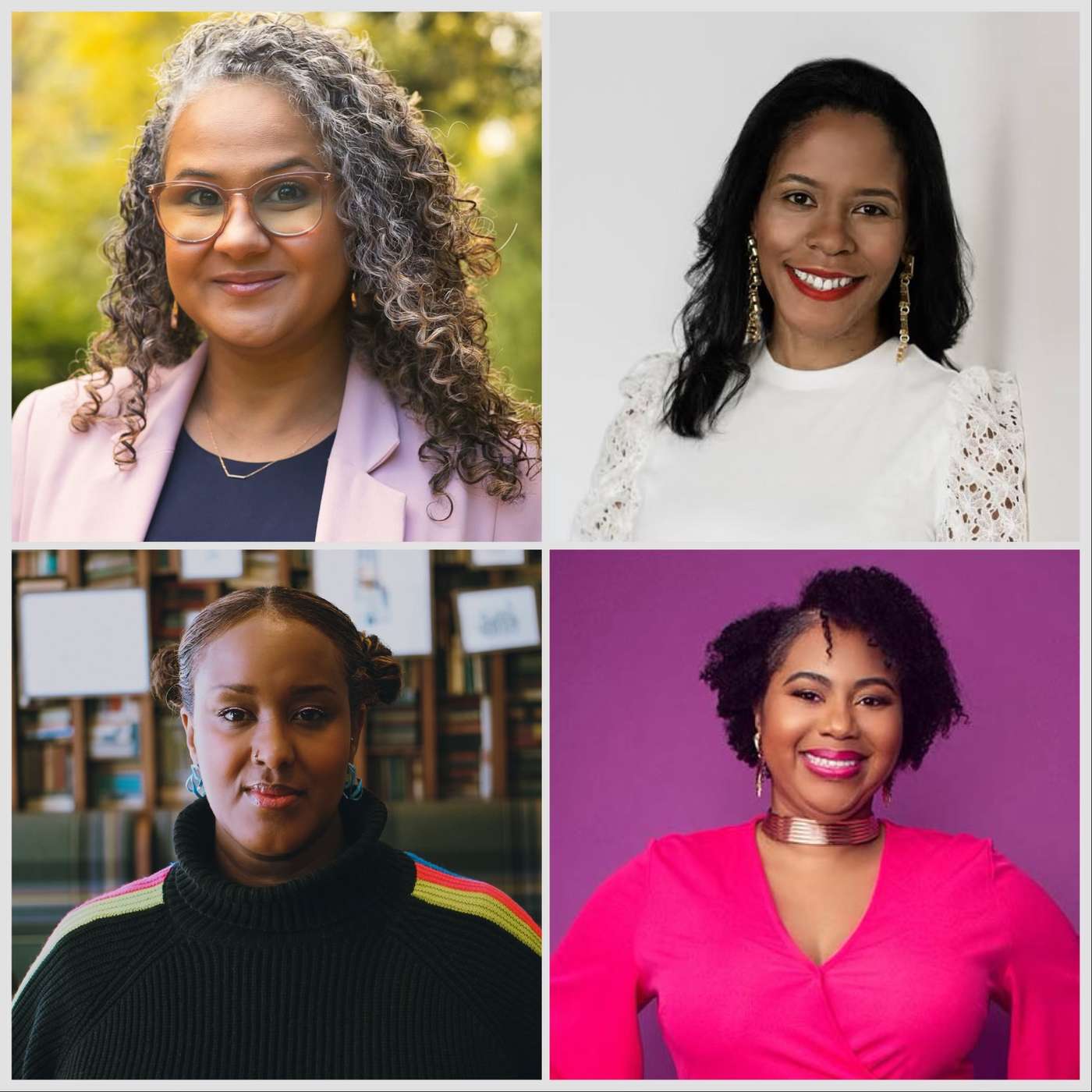
Ep 11Ruth Nicole Brown, Suban Nur Cooley, LeConté Dill, Yvonne Morris - Department of African and African American Studies, Michigan State University
This is Ashley Newby and you’re listening to The Black Studies podcast, a Mellon grant sponsored series of conversations examining the history of the field. Our conversations engage with a wide range of activists and scholars - senior figures in the field, late doctoral students, and everyone in between, culture workers, and political organizers - in order to explore the cultural and political meaning of Black Studies as an area of inquiry and its critical methods.Today’s conversation is with four members of the Department of African and African American Studies at Michigan State University: Ruth Nicole Brown (current chair of the department), Suban Nur Cooley, LeConté Dill, and Yvonne Morris. In this discussion, we explore the meaning of Black Studies for thinking community, gender, sexuality, and the past and future of Black survival and thriving.
Ep 10Austin Jackson - Non-Fiction Writing in the Department of English, Brown University
This is Ashley Newby and you’re listening to The Black Studies podcast, a Mellon grant sponsored series of conversations examining the history of the field. Our conversations engage with a wide range of activists and scholars - senior figures in the field, late doctoral students, and everyone in between, culture workers, and political organizers - in order to explore the cultural and political meaning of Black Studies as an area of inquiry and its critical methods.Today’s conversation is with Austin Jackson, who teaches in the non-fiction writing program in the Department of English at Brown University. From the faculty page, Jackson's "teaching and research areas include rhetoric and composition, critical race studies, and qualitative research in English education. His original research has been published by the National Council of Teachers of English Press/Routledge, The International Journal of Africana Studies, Reading Research Quarterly, The Black Scholar, American Language Review, and Stanford University's Black Arts Quarterly. In 2014, Bedford/St. Martin's Press published his co-edited anthology, Students' Right to Their Own Language: A Critical Sourcebook. The book, co-edited with Staci Perryman-Clark and David Kirkland, collects perspectives from some of the field's most influential scholars to provide a foundation for understanding the historical and theoretical context informing the affirmation of all students' right to exist in their own languages. Austin is an editorial board member of the Journal of Teaching Writing and a member of the Conference on College Composition and Communication’s Language Policy Committee. Austin previously served as an Assistant Director of the Sheridan Center for Teaching and Learning, where he administered Brown’s Writing Center, the Writing Fellows Program, and the Excellence At Brown Pre-Orientation Program (2018-2021). Before coming to Brown, Austin held academic appointments as an Assistant Professor of Writing & Rhetoric in Transcultural Contexts and Core Faculty in the Muslim Studies Program and African American and African Studies at Michigan State University. He also served as Director of the My Brother's and Sister's Keeper Program, an award-winning mentoring and service-learning initiative for adolescent youth attending Detroit Public Schools. In 2016, he established the My Brother's Keeper Prison Outreach Program, a peer-mentoring program for inmates at the Richard A. Handlon Men's Correctional Facility, Ionia, MI."
Ep 9Mary Hicks - Department of History, University of Chicago
This is John Drabinski and you’re listening to The Black Studies podcast, a Mellon grant sponsored series of conversations examining the history of the field. Our conversations engage with a wide range of activists and scholars - senior figures in the field, late doctoral students, and everyone in between, culture workers, and political organizers - in order to explore the cultural and political meaning of Black Studies as an area of inquiry and its critical methods.Today’s conversation is with Mary Hicks, Associate Professor in the Department of History at the University of Chicago, where she teaches the history of the Black Atlantic and Latin America. Her research has been published in Slavery & Abolition, Journal of Global Slavery, and a number of collections on slavery, the Atlantic world, and the meaning of Black history. She is the author of Captive Cosmopolitans: Black Mariners and the World of Atlantic Slavery, 1721-1835, forthcoming with University of North Carolina Press. In this conversation, we discuss the past and future of Black Studies with particular attention to questions of language, everyday life as a form of resistance, and how the field of Black Studies calls us to rethink what we mean by archives and archival sources.
Ep 8Utz McKnight - Department of Gender and Race Studies, University of Alabama
This is John Drabinski and you’re listening to The Black Studies podcast, a Mellon grant sponsored series of conversations examining the history of the field. Our conversations engage with a wide range of activists and scholars - senior figures in the field, late doctoral students, and everyone in between, culture workers, and political organizers - in order to explore the cultural and political meaning of Black Studies as an area of inquiry and its critical methods.Today’s conversation is with Utz McKnight, Professor in the Department of Gender and Race Studies at the University of Alabama, where he teaches courses on political theory in a Black Studies context. McKnight is the author of four books: Political Liberalism and the Politics of Race (1996), The Everyday Practice of Race in America: Ambiguous Privilege (2010), Race and the Politics of the Exception: Equality, Sovereignty, and American Democracy (2013), and most recently Frances E.W. Harper: A Call to Conscience (2020). In this conversation, we discuss the power of Black Studies for thinking nation, community, and democracy and the challenges of questions of diversity, class, and gender in the field.
Ep 7Naila Ansari, John Torrey, and Marcus Watson - Department of Africana Studies, Buffalo State University
This is John Drabinski and you’re listening to The Black Studies podcast, a Mellon grant sponsored series of conversations examining the history of the field. Our conversations engage with a wide range of activists and scholars - senior figures in the field, late doctoral students, and everyone in between, culture workers, and political organizers - in order to explore the cultural and political meaning of Black Studies as an area of inquiry and its critical methods.Today’s conversation is with three faculty members from the Department of Africana Studies at Buffalo State University. Naila Ansari is a dancer and a professor in the Department of Theater. John Torrey is a theorist and a professor in the Philosophy Department. Marcus Watson is an ethnographer and anthropologist and a professor in the individualized study program. All are core members of the Department of Africana Studies at Buffalo State, where Watson also serves as Chairperson. In this conversation, we explore the relation of Black study to social and racial justice, scholarship-community relations, and the future of work in Black Studies from a community and social transformation perspective.
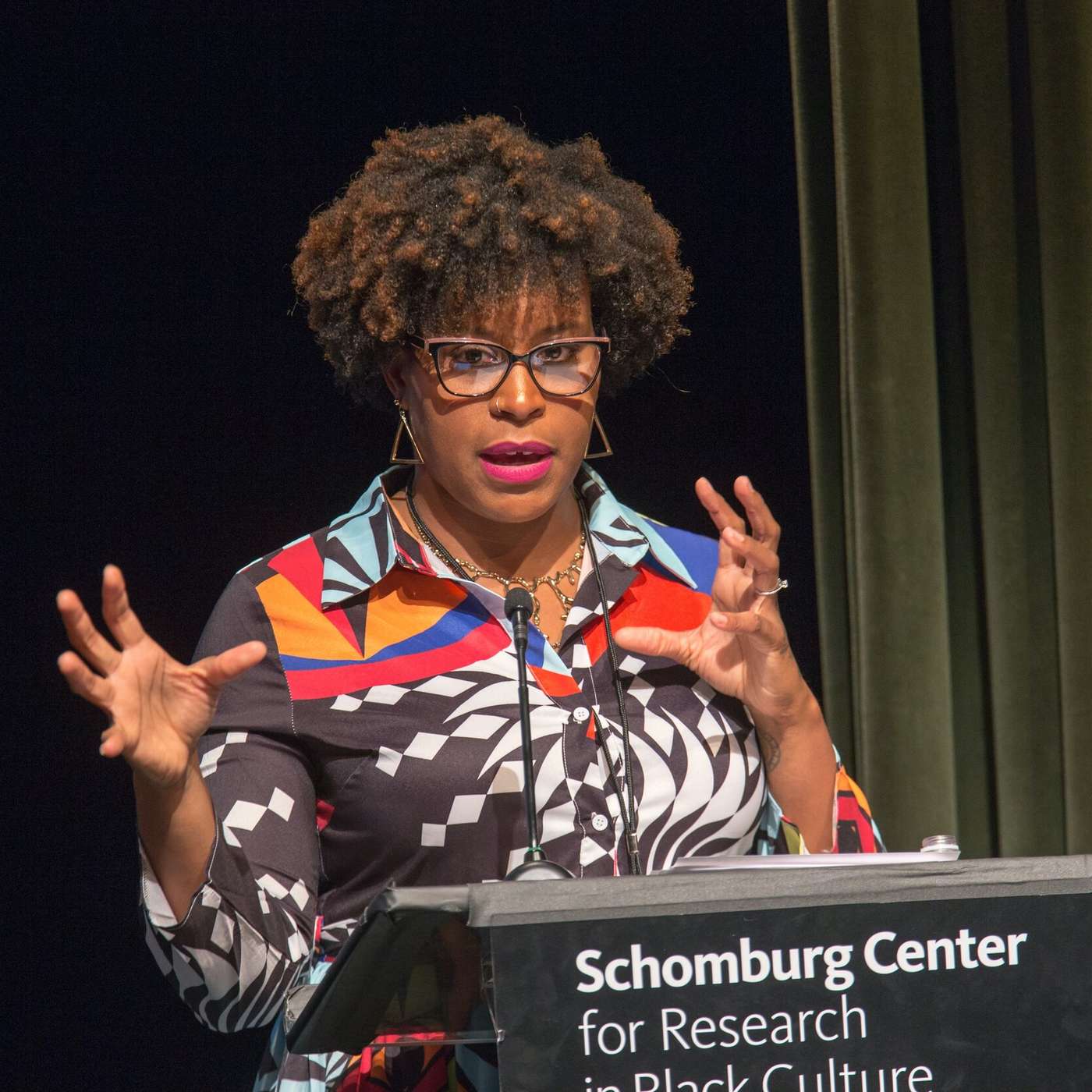
Ep 6Jessica Marie Johnson - Department of History, Johns Hopkins University
This is Ashley Newby and you’re listening to The Black Studies podcast, a Mellon grant sponsored series of conversations examining the history of the field. Our conversations engage with a wide range of activists and scholars - senior figures in the field, late doctoral students, and everyone in between, culture workers, and political organizers - in order to explore the cultural and political meaning of Black Studies as an area of inquiry and its critical methods.Today’s conversation is with Professor Jessica Marie Johnson, who teaches and writes on the history of the Atlantic slave trade and the cultural history of the African diaspora. She is the author of Wicked Flesh: Black Women, Intimacy, and Freedom in the Atlantic World, which was published in 2020 by University of Pennsylvania Press, and is at work on a cluster of projects that engage early post-slavery history in the United States and digital representations of Black women and engagement with the history of enslavement. You can read more about her ongoing research at her professional page jessicamariejohnson.com.
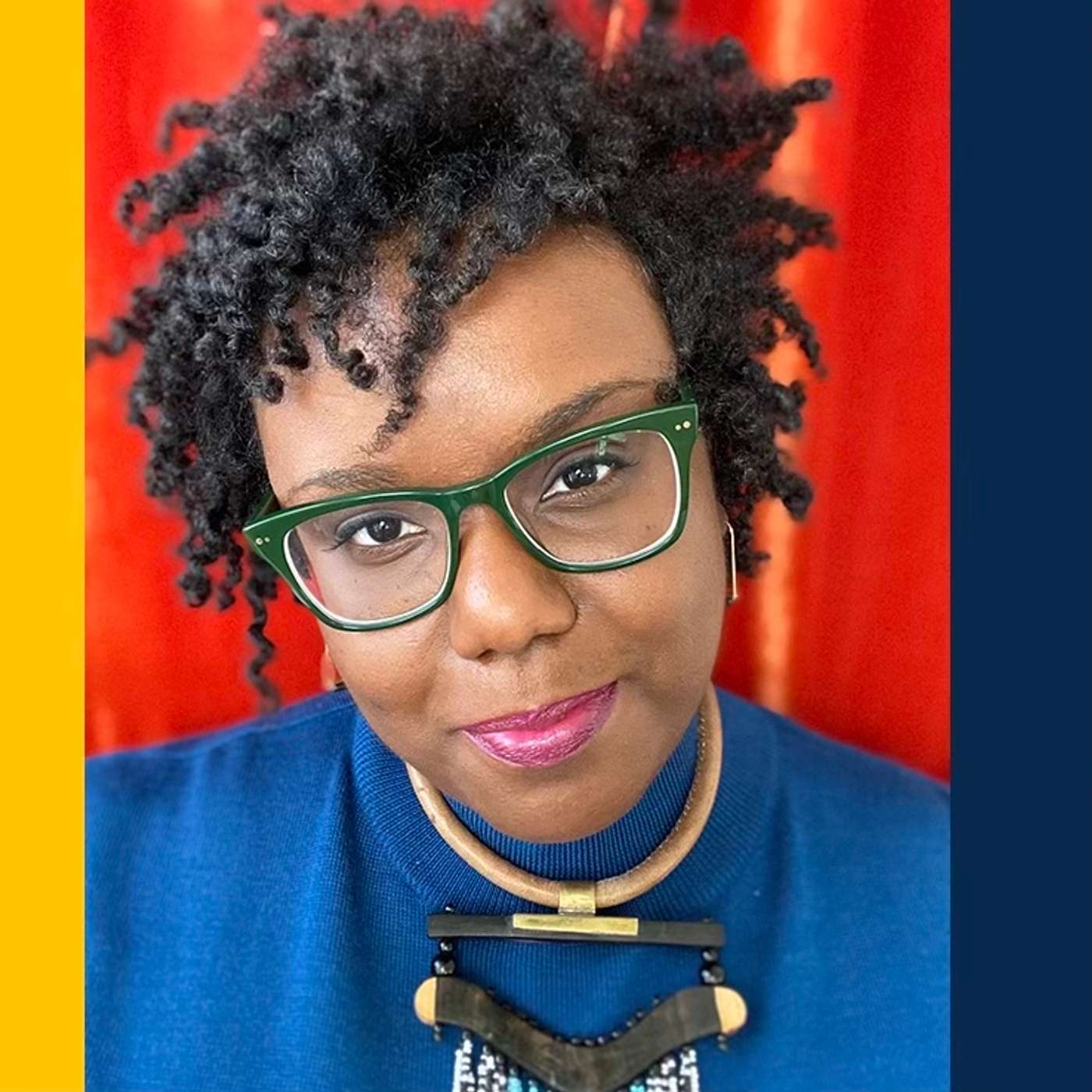
Ep 5Jakeya Caruthers - Departments of English and Africana Studies, Drexel University
This is Ashley Newby and you’re listening to The Black Studies podcast, a Mellon grant sponsored series of conversations examining the history of the field. Our conversations engage with a wide range of activists and scholars - senior figures in the field, late doctoral students, and everyone in between, culture workers, and political organizers - in order to explore the cultural and political meaning of Black Studies as an area of inquiry and its critical methods.Today’s conversation is with Professor Jakeya Caruthers, who teaches in the Departments of English and Africana Studies at Drexel University in Philadelphia, Pennsylvania. Caruthers' teaching and research focuses on black political aesthetics in 20th and 21st century cultural production and on the study of race, gender, sexuality, and state discipline. She is working on a book-length project that examines literature and performance to explore the ways black folks manage racial terror through a sense of humor endowed with black feminist affects like curiosity or a sense of political legitimacy imagined to be possible even among morally, materially, and politically opposing figures. Her recent collaborative projects also include a digital archive of feminist decriminalization campaigns as well as a co-edited double-volume anthology entitled Abolition Feminisms (Haymarket Books).
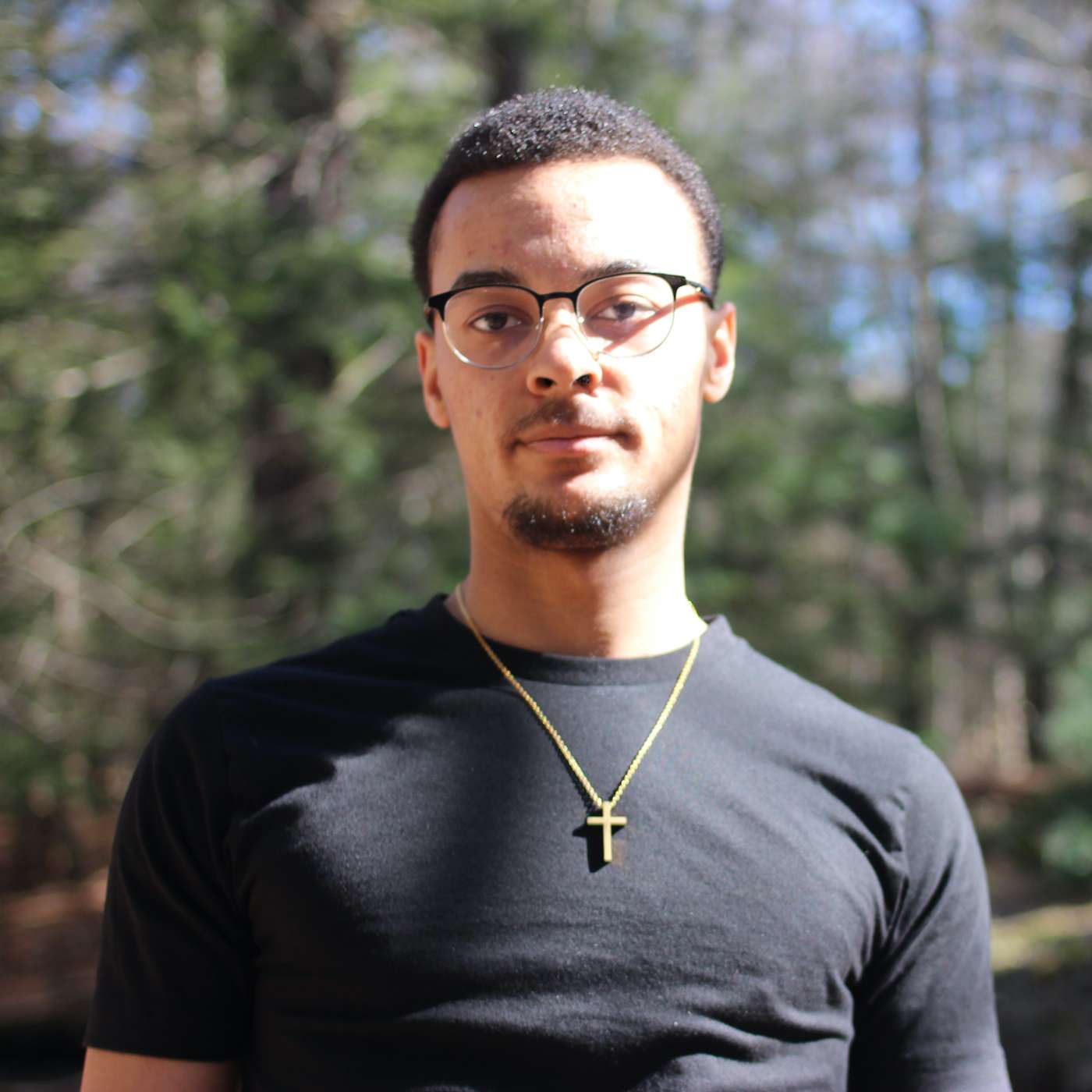
Ep 4Huey Hewitt - Department of African American Studies, Harvard University
This is John Drabinski and you’re listening to The Black Studies podcast, a Mellon grant sponsored series of conversations examining the history of the field. Our conversations engage with a wide range of activists and scholars - senior figures in the field, late doctoral students, and everyone in between, culture workers, and political organizers - in order to explore the cultural and political meaning of Black Studies as an area of inquiry and its critical methods.Today’s conversation is with Huey Hewitt, a late-stage doctoral student in the Department of African American Studies at Harvard University. Hewitt is a graduate of the Department of Black Studies at Amherst College, in which he wrote a lengthy thesis on Black trans incarceration and which was awarded highest honors. At Harvard, Hewitt has continued to interrogate the intersections of race, class, and gender identity in the context of mass incarceration and the police state and is currently composing a doctoral dissertation of key figures in the Black anarchist tradition. In this conversation, we explore the relation of Hewitt’s interests and research to the past of Black Studies and what that research might mean for creating and sustaining new horizons in the field.
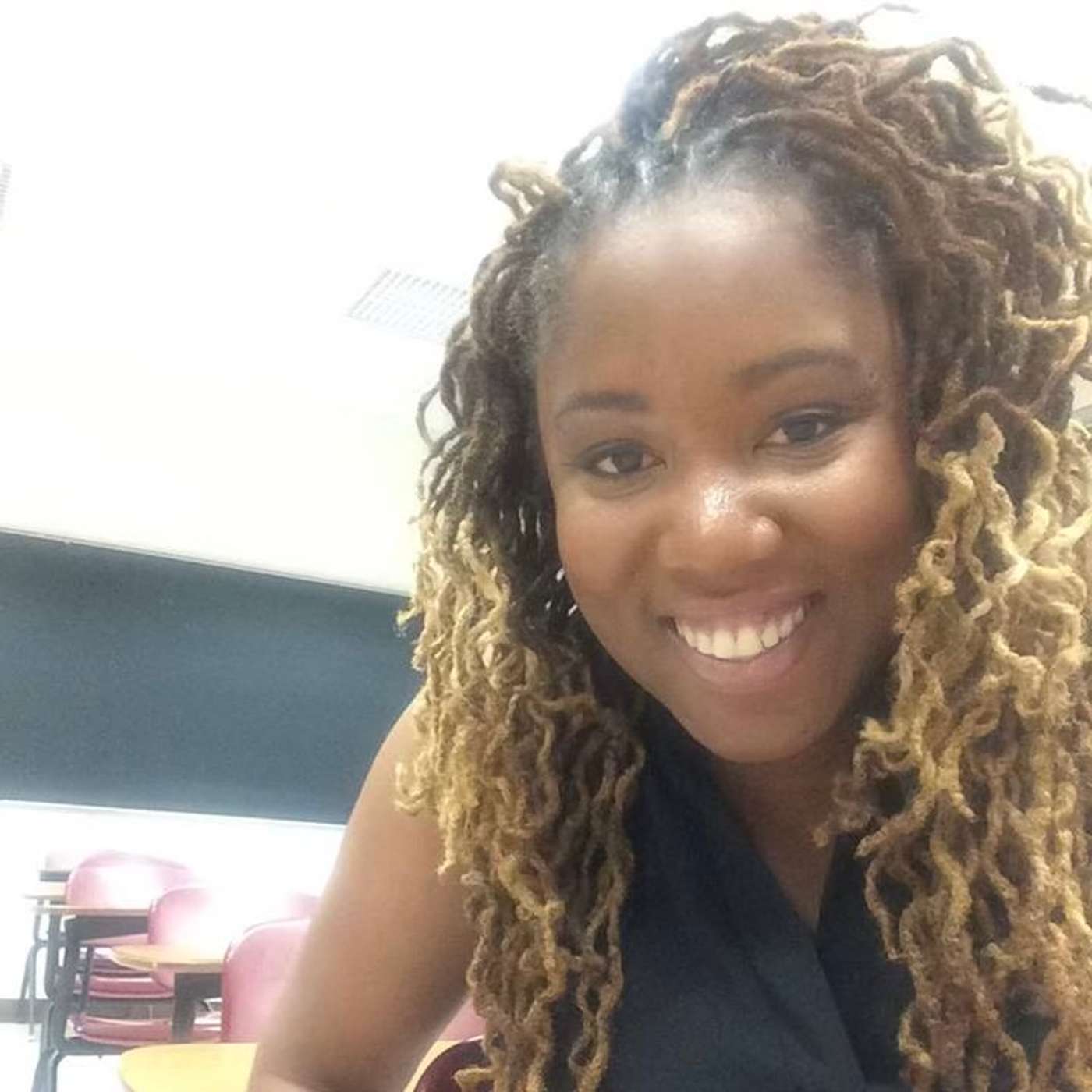
Ep 3Cona Marshall - Department of Religion and Classics, University of Rochester
This is Ashley Newby and you’re listening to The Black Studies podcast, a Mellon grant sponsored series of conversations examining the history of the field. Our conversations engage with a wide range of activists and scholars - senior figures in the field, late doctoral students, and everyone in between, culture workers, and political organizers - in order to explore the cultural and political meaning of Black Studies as an area of inquiry and its critical methods.Today’s conversation is with Professor Cona Marshall, Assistant Professor of Religion and Classics at University of Rochester in Rochester, New York. At the University of Rochester, Professor Marshall teaches and publishes on womanism, Black feminism, the institution of the Black church, and the rhetorical dimensions of African American public religious practice.
Ep 2Charles McKinney - Department of Africana Studies, Rhodes College
Today’s conversation is with Professor Charles McKinney, author of the 2010 book Greater Freedom: The Evolution of Civil Rights Struggle in Wilson, North Carolina and the co-editor of two fantastic volumes: An Unseen Light: Black Struggles for Freedom in Memphis, Tennessee with Aram Goudsouzian from 2018 and the recently released From Rights to Lives: The Evolution of Black Freedom Struggle with Françoise Hamlin. McKinney is an historian by training and is one of the founding faculty members in the Department of Africana Studies at Rhodes College in Memphis, Tennessee.
Ep 1Ashley Newby and John E. Drabinski - Department of African American and Africana Studies, University of Maryland
You’re listening to The Black Studies podcast, a Mellon grant sponsored series of conversations examining the history of the field. Our conversations engage with a wide range of activists and scholars - senior figures in the field, late doctoral students, and everyone in between, culture workers, and political organizers - in order to explore the cultural and political meaning of Black Studies as an area of inquiry and its critical methods.Today’s conversation is between the two collaborators on this project, Ashley Newby and John E. Drabinski. As colleagues in the Department of African American and Africana Studies at University of Maryland, they share a deep commitment to the field and in the inaugural conversation of this series, they explore what they find so engaging about the area of study, what is compelling about its past, and what they hope to see as part of its future.