Talking HealthTech
660 episodes — Page 5 of 14
448 - Funding for Health Tech in Dementia & Cognitive Decline
In this episode of Talking HealthTech, host Peter Birch explore funding for health technology in the realm of dementia and cognitive decline. Pete is joined by Dr Kaele Stokes - Executive Director Services, Advocacy and Research at Dementia Australia; Dr Amanda Vrselja - Program Head of CUREator at Brandon Capital; and Kim Smyth - GM Investment at ANDHealth. In this episode they unpack the new CUREator+ program, which offers up to $50 million in funding to accelerate research translation and commercialisation in dementia care. They touch on the importance of this funding, the key challenges facing dementia care, and the innovative solutions that are being developed to address these issues.Key Takeaways:Funding Opportunities: The CUREator+ program offers up to $50 million, with individual grants of up to $5 million, aimed at SMEs and researchers who can provide innovative solutions in areas such as digital health, therapeutics, diagnostics, assistive technology, or medical devices.Dementia's Impact: Over 421,000 Australians currently live with dementia, and this number is expected to double in the next 20-30 years. The far-reaching effects of dementia on patients, carers, and healthcare systems highlight the urgent need for innovative solutions.Comprehensive Care Needs: Effective dementia care requires a broad range of support, from early diagnosis and family communication to technologically advanced solutions that alleviate symptoms and improve patients' quality of life.Broad Research Focus: Dementia encompasses more than just memory loss; it affects various cognitive and physical abilities. Solutions should consider all aspects of the condition to be most effective.Innovative Potential: The program is open to all Australian SMEs or innovators willing to form companies, emphasising that groundbreaking ideas can come from diverse backgrounds and areas.Loving the show? Leave us a review, and share it with someone who might get some value from it. Keen to take your healthtech to the next level? Become a THT+ Member for access to our online community forum, meet ups, special offers and more exclusive content. For more information visit talkinghealthtech.com/thtplus.
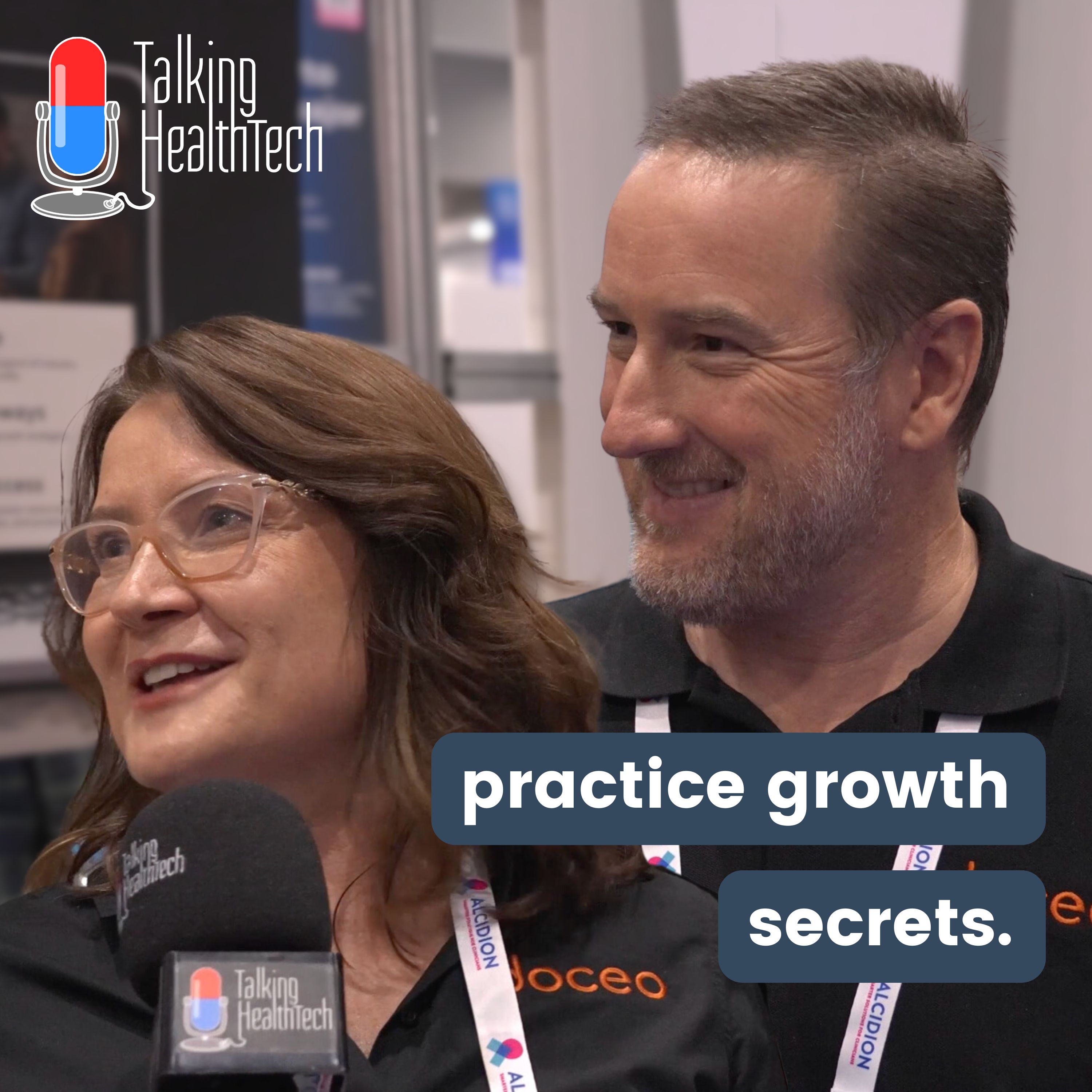
447 - Navigating Healthcare Business Challenges. Hanya Oversby and Jason Borody, Doceo Health
In this episode of Talking HealthTech, Peter Birch speaks with Hanya Oversby and Jason Borody, the Co-Founders of Doceo Health, recorded live from the Digital Health Festival 2024. They discuss Doceo Health's innovative membership platform, which is designed to streamline and support business activities for healthcare practices. Hanya and Jason discuss their backgrounds, share their insights on the current challenges within the healthcare industry, and explore how their platform bridges the gap between clinical practice and effective business management.Key TakeawaysBusiness Support for Clinicians: Doceo Health offers a platform that provides healthcare professionals access to essential business services, educational resources, and vetted advisors, helping them navigate the complexities of running a practice.Holistic Approach: The platform covers a range of needs from marketing and patient acquisition to compliance and financial planning, ensuring practitioners can focus on providing care without worrying about the business side.Community and Collaboration: A significant aspect of Doceo Health is its collaborative environment, allowing healthcare providers to learn from each other and gain insights through forums and Q&A with specialists.Global Perspective: The global nature of healthcare challenges is emphasised, noting that many issues Australian healthcare businesses face are also present in other countries, such as those in the Middle East and South Africa.Future of Healthcare: Advancements in digital health and AI tools are highlighted, underscoring the importance of staying updated and compliant in an evolving landscape.Loving the show? Leave us a review, and share it with someone who might get some value from it.Keen to take your healthtech to the next level? Become a THT+ Member for access to our online community forum, meet ups, special offers, and more exclusive content. For more information visit talkinghealthtech.com/thtplus
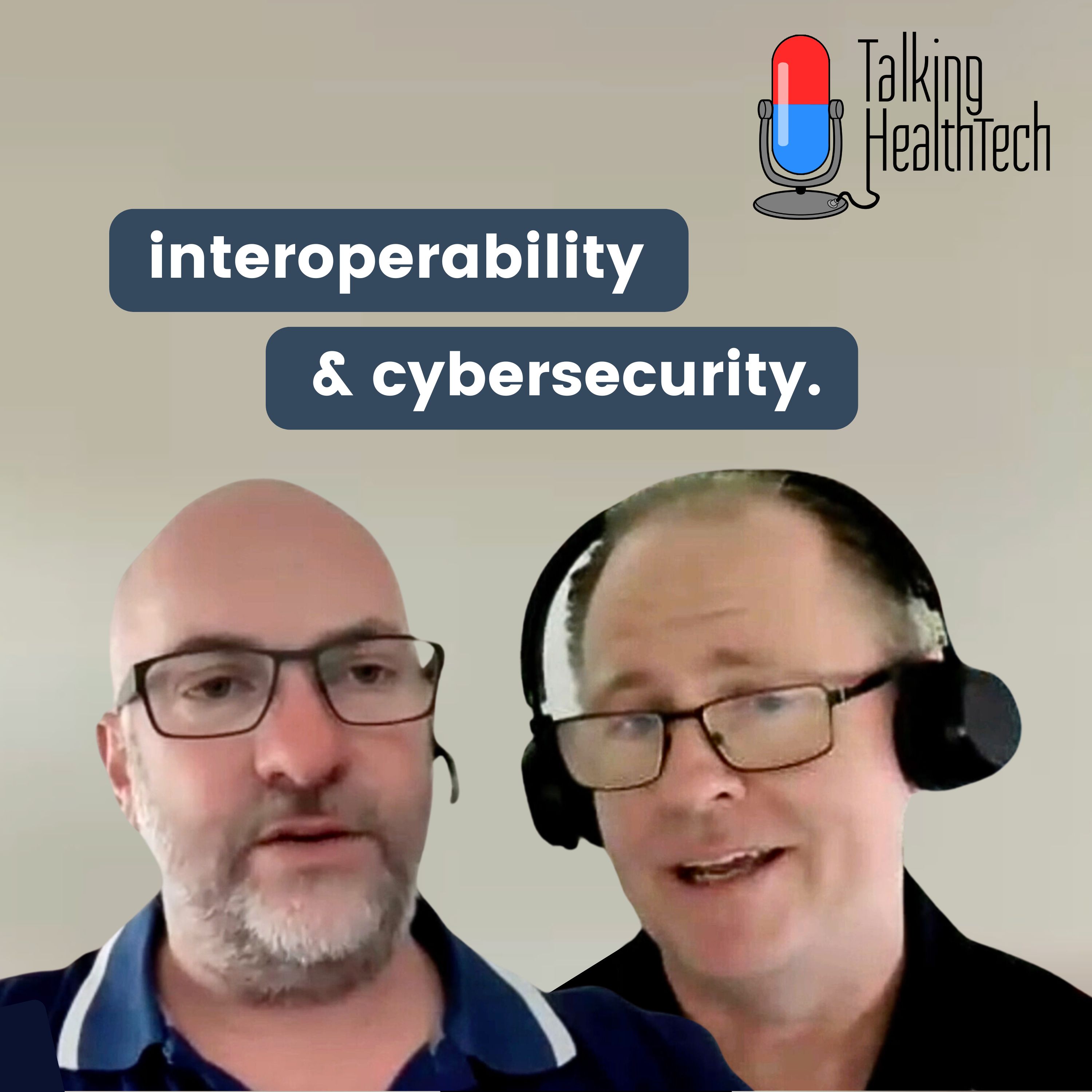
446 - Does open interoperability leave the door open to hackers? Chris Royle and Stephen Burmester, Dedalus
This episode of Talking HealthTech features a conversation taken during a recent live webinar with Chris Royle and Stephen Burmester from Dedalus. We explore interoperability and cybersecurity in healthcare, reflecting on the balance between open standards and security, the implications of recent data breaches, and the future of healthcare technology.Key TakeawaysImportance of Open Standards: Leveraging open standards like HL7 FHIR can foster innovation and reduce costs in healthcare systems.Cybersecurity Challenges: The cybersecurity risks associated with more open system brings the need for robust security measures to protect sensitive health data.National Health Interoperability Plan: How the 2023-2028 plan addresses interoperability alongside cybersecurity concerns, aiming to enhance patient care while securing data.Role of Technology in Healthcare: The potential of technology in healthcare, especially regarding data integration and patient access.Check out the episode and full show notes on the Talking HealthTech website.Loving the show? Leave us a review, and share it with someone who might get some value from it.Keen to take your healthtech to the next level? Become a THT+ Member for access to our online community forum, meet ups, special offers and more exclusive content. For more information visit talkinghealthtech.com/thtplus.
445 - Healthcare AI Evolution: From Machine Learning to Generative AI. Melvin Chen, KeyReply
In this episode of Talking HealthTech, host Peter Birch speaks with Melvin Chen, Co-founder and Chief Commercial Officer of KeyReply. Melvin shares his global perspective and in-depth insights into how KeyReply transforms the healthcare industry with AI-powered solutions. They discuss KeyReply's journey, the rapidly evolving role of AI in healthcare, particularly in productivity and efficiency improvements, and the exciting expansion plans of KeyReply into the Australian market.Key Takeaways:- AI Evolution: The shift from intent-based, machine learning AI to generative AI emphasises how technologies like GPT-3 and GPT-4 have revolutionised capabilities and applications in healthcare.- Productivity and Efficiency: KeyReply focuses on improving operational productivity for both patients and clinicians, addressing bottlenecks like appointment booking, patient follow-up, and incident management.- Global Insights: Comparative insights between the healthcare systems in Singapore and Australia were shared, highlighting similar challenges around workforce shortages and high labour costs.- Voice and Future Tech: The introduction of voice capability and the anticipated advancement to video interactions with technologies like GPT-5 are poised to transform the healthcare landscape further.- Entry Strategy in Australia: KeyReply aims to demystify AI for the Australian healthcare market and showcase the technology's impact through practical, real-world applications.Check out the episode and full show notes on the Talking HealthTech website.Loving the show? Leave us a review, and share it with someone who might get some value from it.Keen to take your healthtech to the next level? Become a THT+ Member for access to our online community forum, meet-ups, special offers, and more exclusive content. For more information, visit https://www.talkinghealthtech.com/thtplus
444 - Tearing Down Barriers to Accessing Addiction Treatment. Pia Clinton-Tarestad, Clean Slate Clinic
In this episode of Talking HealthTech, host Sophie Turner sits down with Pia Clinton-Tarestad, CEO & Co-Founder of Clean Slate Clinic, a virtual care addiction treatment service provider. Pia shares insights into the barriers individuals face when accessing addiction treatment, the journey that led to the creation of Clean Slate Clinic, the innovative approaches they use, and their plans to expand accessibility to addiction treatment services.Key Takeaways:Barriers to Access: Explore the significant hurdles individuals encounter when seeking addiction treatment, from stigma and financial constraints to long waiting lists in the public sector.Social Enterprise Impact: Understand the unique advantages and challenges of operating as a social enterprise in the addiction treatment space, fostering mission-driven work and financial sustainability.Tech-enabled Care: Discover how Clean Slate Clinic leverages technology to deliver a 12-month virtual care program for alcohol dependence, bridging geographical gaps and overcoming traditional treatment limitations.Success & Expansion: Learn about Clean Slate's outstanding outcomes in addiction treatment, surpassing traditional inpatient programs with lower relapse rates and their ambitious plans for future growth and global expansion.Loving the show? Leave us a review, and share it with someone who might get some value from it.Keen to take your healthtech to the next level? Become a THT+ Member for access to our online community forum, meet ups, special offers and more exclusive content. For more information visit talkinghealthtech.com/thtplus.
443 - Partnering with consumers living with disability to co-design and test digitally supported models of healthcare. Rebecca Barnden, National Centre for Healthy Ageing
In this episode of Talking HealthTech, host Sophie Turner sits down with Rebecca Barnden, Project Manager at the National Centre for Healthy Ageing and PhD Candidate at Monash University. They explore deep into Rebecca's exciting work on developing and testing digitally supported methods to capture consumer needs and preferences within healthcare. Rebecca discusses her transition from physiotherapist to an innovator in healthcare solutions, co-designing with consumers, including those living with disabilities. This episode uncovers the intricacies of integrating consumer data with electronic hospital systems and emphasises the collaborative process to ensure these digital models are inclusive and beneficial for everyone.Key Takeaways:- Person-Centred Care: Consumers want to be active partners in their healthcare. It's crucial to involve them in decisions, as this aligns with their need for choice and control like other sectors.- Seamless Healthcare Journey: Consumers often face frustrations like repeating their stories across different care settings. This project aims to create a continuous healthcare journey through a single digital gateway that captures and carries consumer information seamlessly.- Co-design and Collaboration: Successful solutions come from co-designing with both consumers and clinicians. The experience-based co-design process ensures solutions are practical and beneficial for all parties involved.- Digital Inclusivity: There's a significant risk that digital healthcare solutions, often designed for majority populations, could further marginalize disadvantaged groups. Partnering with people living with disabilities in the co-design process helps create more inclusive healthcare solutions.- Implementation Challenges: One of the considerable hurdles in implementing new digital models of care is clinician awareness and integration into existing workflows. Ongoing iterative testing and refinements are essential for overcoming these challenges.- Future Insights: Looking ahead, scaling the implementation across more health services and integrating consumer data with diverse clinical systems is the focus. It's important to ensure that digital health interventions are inclusive of all populations to reduce health disparities.Check out the episode and full show notes on the Talking HealthTech website.Loving the show? Leave us a review and share it with someone who might get some value from it.Keen to take your healthtech to the next level? Become a THT+ Member for access to our online community forum, meet-ups, special offers, and more exclusive content. For more information, visit talkinghealthtech.com/thtplus.

442 - Australian Healthcare Week 2024 Feature Episode
In this feature episode of Talking HealthTech, recorded at Australian Healthcare Week 2024, a number of industry experts uncover insights and practices transforming the healthcare landscape. Check out conversations with Voni Leighton, Co-Founder and Clinical Director of Vitalis Healthcare at Home; Gareth Sherlock, Former Chief Information Officer at Cleveland Clinic London; Dr Emily Kirkpatrick, Executive Medical Director at Calvary-Medibank Joint Venture (CMJV); Nirvana Luckraj, Chief Medical Officer at Healthdirect Australia; Dr John F. Lambert, Chief Clinical Information Officer at NT Health; Tim Deveson, Account Director for Healthcare Industry at Genesys; and Ken Saman, CEO of Personify Care. From digital transformation to patient-centric care and innovative technologies, this episode covers diverse themes pivotal to the future of healthcare in Australia and beyond.Key TakeawaysCollaboration and Patient-Centric Care: Voni Leighton highlights the success of at-home services for high-acuity patients through Vitalis Healthcare at Home, stressing the importance of collaboration among healthcare providers to deliver patient-centric care.Global Market Experiences and Success Factors: Gareth Sherlock discusses essential lessons from large-scale healthcare transformations across global markets, emphasising the significance of organisational culture, stakeholder engagement, reliable partnerships, governance, and financial stewardship.Digital Transformation in Healthcare: Tim Deveson provides insights into improving patient and employee experiences through digital health solutions, including self-service bots and omnichannel engagement.AI and Decision Support: Nirvana Luckraj explains the challenges and triumphs of implementing an AI clinical decision-support system tailored to Australian healthcare needs, which has improved accuracy and usability.Executive Insights and Funding Models: Dr Emily Kirkpatrick addresses the need for funding reform and the potential of virtual and digital technologies in delivering care, particularly for multicultural communities and individuals with disabilities.Human-Centred Design and Inclusivity: Dr John F. Lambert shares the principles of designing healthcare solutions for diverse populations, moving from a hospital-centric approach to a more inclusive model.Innovative Consent Pathways: Ken Saman discusses a new digital consent pathway developed for genetic testing, which enhances patient understanding and improves the overall care experience.Check out the episode and full show notes on the Talking HealthTech website.Loving the show? Leave us a review, and share it with someone who might get some value from it.Keen to take your healthtech to the next level? Become a THT+ Member for access to our online community forum, meetups, special offers, and more exclusive content. For more information, visit talkinghealthtech.com/thtplus.
441 - Celebrating Clinical Entrepreneurship - Whitney Luxford, Amy Wallis, A/Prof Fiona Brownfoot
In this episode of Talking HealthTech, host Peter Birch engages with three participants from Cohort 2 of AUSCEP, Whitney Luxford, Amy Wallis, and Fiona Brownfoot. These guests share their own entrepreneurial journeys within the Australian healthtech landscape. Whitney discusses her "Fit 2 Fly" project, Amy delves into her telehealth solution "Selsus" for cancer survivors, and Fiona talks about "Kali Healthcare," a new foetal monitoring technology. Together, they explore the importance of medical technology in improving patient care, discuss challenges in their ventures, and highlight the significant role of digital innovation in today's healthcare sector.Key Takeaways:✈️ Streamlining Airline Medical Approval: Whitney Luxford identified the need for a more time-efficient and logical system for airline medical clearances, which are currently cumbersome and paper-based.🎗️ Challenges in Cancer Survivorship Care: Amy Wallis highlighted the lack of tailored care for cancer survivors and the urgent need for services geared specifically towards post-treatment life.🤰 Wearable Technology in Pregnancy: Fiona Brownfoot discussed the development of wearable tech that allows for more accessible monitoring of foetal health, aiming to enhance the labour and delivery experience.🏥 Impact of Technology on Rural Healthcare: The episode highlighted the potential of tech solutions in bridging care disparities in remote areas of Australia.Check out the episode and full show notes on the Talking HealthTech website.Loving the show? Leave us a review, and share it with someone who might get some value from it.Keen to take your healthtech to the next level? Become a THT+ Member for access to our online community forum, meet-ups, special offers and more exclusive content. For more information, visit talkinghealthtech.com/thtplus.
440 - Fostering Trust in HealthTech through Clinician Collaboration and AI. Sudeep Acharya and Cate Hilliard, MTX
In this episode of Talking HealthTech recorded at Australian Healthcare Week 2024 in Sydney, host Peter Birch sits down with two guests from MTX APAC: Sudeep Acharya, the CEO, and Cate Hilliard, the Director of Health and Human Services. They discuss the nuances of building technology solutions that serve the healthcare industry, the importance of engagement with subject matter experts, and the role of change management in successful technology implementation. They also discuss future trends in health tech, such as AI, predictive analytics, and the drive towards patient-centric care.Key Takeaways:- MTX focuses on delivering technology solutions, not just software, to underserved industries like public and healthcare sectors with an emphasis on regulatory compliance.- Engaging with domain experts and clinicians ensures that the developed solutions are tailored to their needs, fostering system trust and adoption.- Iterative development and feedback loops are critical to building relevant and effective healthcare technology.- Change management is essential to align people, processes, and technology in any new system implementation.- Getting clinician buy-in is more than convincing; it's about creating genuine value for their practice through the technology.- AI and data analytics are key future trends, focusing on providing a 360-patient view to improve efficiency and patient outcomes.- The healthcare industry is shifting from a sick care model to one emphasising preventative health, leveraging technology to manage health proactively.Check out the episode and full show notes on the Talking HealthTech website.Loving the show? Leave us a review, and share it with someone who might get some value from it.Keen to take your healthtech to the next level? Become a THT+ Member for access to our online community forum, meetups, special offers, and more exclusive content. For more information visit talkinghealthtech.com/thtplus
439 - Revolutionising clinician and patient experiences: simple solutions with sophisticated products. Peter Rady, Medicity
In this episode of Talking HealthTech, host Nathan Moore speaks with Peter Rady, the Acting Director at Medicity. In this deep dive, we discuss the practical applications of technology in health care, looking specifically at the inner workings and innovative strides of Medicity.Peter shares how successful solutions are crafted with clinician input to simplify patient care and improve clinical outcomes. He shares his journey through the healthcare and tech industries and gives detailed insights into Medicity’s successful digital platforms, Eve and eCaptis. Key Takeaways:- Clinician-Driven Technology: One key aspect highlighted is Medicity’s unique approach to involving clinicians directly in the development of technology, ensuring relevance and utility in clinical settings.- Digital Maternity Platform - Eve: Eve caters to both clinical needs and patient engagement. It has been significantly embraced, showing high user satisfaction and clinical relevance.- Patient Journey Platform - eCaptis: The platform is designed to keep track of patients beyond their hospital visits, integrating seamlessly with existing health systems to provide continual care and monitoring.- Integrating Technology: Integrating new digital solutions into hospital systems is often challenging, highlighting the importance of understanding clinical workflow to ensure successful tech integration.Check out the episode and full show notes on the Talking HealthTech website.Loving the show? Leave us a review, and share it with someone who might get some value from it.Keen to take your health tech to the next level? Become a THT+ Member for access to our online community forum, meetups, special offers and more exclusive content. For more information visit talkinghealthtech.com/thtplus.
438 - Digital Twins: How our healthcare could be enhanced by unlocking evidence and improving clinical trials.
In this episode of Talking HealthTech, explore the importance of patient-centred approaches, ethical considerations around data privacy, and how Digital Twins can bridge the gap in standardising and personalising cancer treatments. Hear from Andrew Wilson, head of business development at Oncoshot, Prof Nilmini Wickramasinghe from Latrobe University, and The Honourable Jaala Pulford, as they talk about the integration, challenges, and impact of Digital Twins in healthcare.Key Takeaways🔍 Understanding Digital Twins in Healthcare: The discussion elaborates on Digital Twins' role in healthcare, highlighting their capability to replicate patient’s medical conditions virtually, thus allowing for tailored treatment planning and clinical trial design.🔒 Ethical Data Usage and Patient Privacy: The effectiveness of technologies like Digital Twins depends critically on data availability and integrity, stressing the need for ethical management and strong privacy legislation.🩺 Advancements in Oncology through Digital Twins: Oncoshot employs Digital Twin technology to enhance cancer care research, ensuring that patients receive optimal treatments and making significant developments in improving clinical trials.🌐 Equity and Accessibility: The discussion returned to the theme of ensuring equal access to these advancements, irrespective of geographical and socioeconomic barriers.🤝 Interdisciplinary Collaboration: Advancements in health technologies require the cooperation of various sectors within science, technology, and even policymaking, to be successfully integrated into mainstream healthcare platforms.Check out the episode and full show notes on the Talking HealthTech website.Loving the show? Leave us a review, and share it with someone who might get some value from it.Keen to take your healthtech to the next level? Become a THT+ Member for access to our online community forum, meet ups, special offers and more exclusive content. For more information visit talkinghealthtech.com/thtplus.
437 - Enhancing patient care through result tracking and management. Paul Deffley, Alcidion.
In this episode of Talking HealthTech, host Peter Birch welcomes Paul Deffley, UK Chief Medical Officer, to discuss the importance of diagnostic result handling in healthcare through the use of innovative technology. Paul introduces listeners to Alcidion and its role in revolutionising healthcare systems in the UK, Australia, and New Zealand. They explore Alcidion's latest module, Miya Results Tracking, and the role it plays in ensuring efficient management and acknowledgement of clinical results, aiming to decrease patient harm and improve care delivery. Key Takeaways:- Challenges with Results Management: Up to 60% of results may not be formally acknowledged in healthcare systems, which can delay diagnosis and lead to patient harm.- Introduction of Miya Results Tracking: Miya Results Tracking addresses the complexity surrounding result management and aims to create a digital safety net for clinicians.- The Digital Safety Net: Alcidion's initiative seeks to ensure that results are connected to the patient's records, leading to better decision-making and accountability.- Bridging Geographic Gaps: The Miya Results Tracking module can handle data from multiple healthcare locations, allowing for centralised management of diagnostic results.- Operational and Clinical Impact: Implementing Miya Results Tracking is expected to reduce unacknowledged results, shorten response times, and improve task-related activities linked to patient care outcomes.Check out the episode and full show notes on the Talking HealthTech website.Loving the show? Leave us a review, and share it with someone who might get some value from it.Keen to take your healthtech to the next level? Become a THT+ Member for access to our online community forum, meetups, special offers, and more exclusive content. For more information, visit talkinghealthtech.com/thtplus.
436 - Predicting clinical trial success. Saurabh Jain & Damon Rasheed - Trial Key
In this episode we dive into the intersection of technology and clinical trials. Join our host, Nathan Moore, as he speaks with Damon Rasheed and Saurabh Jain from TrialKey.This episode explores the significant role predictive software plays in optimising the success rates of clinical trials in the pharmaceutical industry.Key TakeawaysClinical trials are the cornerstone of discovering new treatments, and their design is pivotal to the pharmaceutical industry's success. There is a dire need for effective trial design and the current low success rates.The transition from a tradition-bound trial design process to a data-driven, predictive model approach using machine learning and natural language processing (NLP) is a dramatic leap forward.Key technical insights are shared on how NLP and other AI tools are used to sift through vast amounts of data to recognise patterns and predict outcomes of trials, even before they begin.Real-world applications of predictive software in trial outcomes are in early stages, but the potential changes to the investment strategy in the pharmaceutical industry are a topic of considerable interest.There is hope for future developments in clinical trial design and the enhanced role of predictive software, in an industry on the cusp of breakthrough efficiency and effectiveness thanks to technology.Check out the episode and full show notes on the Talking HealthTech website.Loving the show? Leave us a review, and share it with someone who might get some value from it.Keen to take your healthtech to the next level? Become a THT+ Member for access to our online community forum, meet ups, special offers and more exclusive content. For more information visit talkinghealthtech.com/thtplus.
435 - How Health Practitioners & Employers Can Benefit From Telehealth. Greg Lewin, Updoc
In this episode of Talking HealthTech, host Peter Birch sits down with Greg Lewin, Head of Creative, Communications, & Partnerships at Updoc, to discuss the significant role of telehealth in modern medicine, and how their platform offers services such as psychiatry and chronic condition management. They discuss Updoc's approach to healthcare, focusing on reducing wait times and making professional health services more accessible to Australians, especially in high-demand sectors like psychiatry. Key Takeaways:- Enhancing Healthcare Accessibility: Updoc's efforts to connect through intent-driven searches and strategic branding are widening their reach, helping more people access timely healthcare.- Employer Partnerships: Greg discusses the importance of incorporating healthcare solutions into workplaces to enhance employee wellbeing.- Telehealth as a Mainstay: The conversation highlights the evolution of telehealth from an emergency response tool into a crucial component of everyday healthcare delivery.- Expansion and Quality Control: Hear about initiatives to maintain high-quality consultations and potentially integrate services into emergency departments Check out the episode and full show notes on the Talking HealthTech website.Loving the show? Leave us a review, and share it with someone who might get some value from it.Keen to take your healthtech to the next level? Become a THT+ Member for access to our online community forum, meet ups, special offers and more exclusive content. For more information visit talkinghealthtech.com/thtplus.
434 - HIMSS Global 2024, Feature Episode
During HIMSS Global in Orlando Florida earlier this year, Peter Birch from Talking HealthTech spoke with over 20 different change makers and digital health experts about the current state of healthcare and the role technology plays in shaping its future. Check out some selected interviews in this feature episode of HIMSS 24 on the Talking HealthTech Podcast, or watch individual interviews over on our YouTube channel.Featured in this episode:Anne Snowdon, Chief Scientific Research Officer , HIMSSDon Woodlock, VP of Global Healthcare Solutions, InterSystemsLee Kim, Senior Principal of Cybersecurity and Privacy, HIMSSEyal Zimlichman, Chief Transformation Officer and Chief Innovation Officer, Sheba Medical CenterDr Jigar Patel, Senior Director - Oracle Cloud Infrastructure - Product Management for Healthcare, Oracle HealthCherry Drulis, Director of Healthcare Mobile B2B, SamsungKaveh Safavi, Senior Managing Director - Global Health, AccentureTracy Mills & Nick Vass, CEO & President, J29 IncFor even more interviews conducted by Talking HealthTech at HIMSS 24, head over to our YouTube channel for discussions with:Hans Buitendijk, Chair, Public Health Workgroup, Electronic Health Record AssociationClaire Reilly, Chief Nursing Informatics Officer VP Clinical Operations, ImprivataMark Khalil , Vice President & Global Head of Oncology Insights, Roche Information Solutions, RocheRhett Alden, Chief Technology Officer, Elsevier HealthLee Caswell, SVP Product and Solutions Marketing, NutanixJean-François Saint-Pierre, Program Manager for the World Health Data Hub World Health OrganizationVernon O’Donnell, President, Field Operations, HyporiKel Pults, Chief Clinical Officer, MediQuantManny Krakaris, CEO, AugmedixNick Stepro , Chief Product & Technology Officer, ArcadiaVijay Adapala EVP of Global Supply Partnerships, DocereeBrandi Meyers VP of Revenue Operations, MDCloneKim Perry, Chief Growth Officer, emtelligentTimestamps: 00:02:11 - Anne Snowdon, Chief Scientific Research Officer , HIMSS00:19:05 - Don Woodlock, VP of Global Healthcare Solutions, InterSystems00:27:38 - Lee Kim, Senior Principal of Cybersecurity and Privacy, HIMSS00:38:49 - Eyal Zimlichman, Chief Transformation Officer and Chief Innovation Officer, Sheba Medical Center00:45:30 - Dr Jigar Patel, Senior Director - Oracle Cloud Infrastructure - Product Management for Healthcare, Oracle Health00:57:51 - Cherry Drulis, Director of Healthcare Mobile B2B, Samsung01:07:02 - Kaveh Safavi, Senior Managing Director - Global Health, Accenture01:22:05 - Tracy Mills & Nick Vass, CEO & President, J29 IncCheck out the episode and full show notes on the Talking HealthTech website.Loving the show? Leave us a review, and share it with someone who might get some value from it.Keen to take your healthtech to the next level? Become a THT+ Member for access to our online community forum, meet-ups, special offers, and more exclusive content. For more information visit talkinghealthtech.com/thtplus
433 - Optimising The Telehealth Journey: Induction Strategies for Success. Sophie Kessler, Coviu
In this episode of Talking HealthTech, we understand how to optimise the telehealth journey with Sophie Kessler from Coviu. Sophie shares insights into the art of onboarding patients to telehealth services and the resources available from Coviu to optimise this process. As we explore ideas and strategies, we aim to empower clinicians to effectively integrate telehealth into their service offerings, enhancing patient experience and outcomes.Key Takeaways:🌟 The induction of clients into telehealth is critical for a seamless experience and should be emphasized more by clinicians.🗨️ Successful patient onboarding requires clear communication about processes, expectations, and handling of technology.📋 Educational materials, such as welcome emails, checklists, and test calls, are vital components of a comprehensive telehealth induction package.📚 Clinicians can learn from strategies that have proven successful for Coviu’s diverse clients, including personalized onboarding methods.🔄 Gathering and implementing client feedback is key to refining telehealth services and improving client satisfaction.Remember to check out the episode and full show notes on the Talking HealthTech website.Loving the show? Leave us a review, and share it with someone who might get some value from it.Keen to take your healthtech to the next level? Become a THT+ Member for access to our online community forum, quarterly summits and more exclusive content. For more information visit talkinghealthtech.com/thtplus
432 - How AI is transforming EMR implementation. Dr Brian Zimmerman, Microsoft - Nuance
In this episode of Talking HealthTech, host Sophie Turner speaks with Dr Brian Zimmerman to discuss clinical AI-based speech recognition as a tool for healthcare to address workforce shortages, clinician burnout & digital transformation.Dr Zimmerman, an expert in deploying speech recognition platforms in healthcare settings, shares insights from his experience transitioning hospitals to electronic health record (EHR) systems, the burden on healthcare providers inherent to these systems, and how integrating speech recognition technology can help alleviate these issues. Key Takeaways:- Speech Recognition in Healthcare: Dr Zimmerman highlights the significant impact of speech recognition technology like Dragon Medical One on healthcare providers' efficiency, particularly in reducing the clerical load and documentation errors associated with EHR systems.- Global Health Issues and Technology Solutions: Similarities between healthcare challenges faced in the US, Australia, and globally, such as physician burnout and workforce shortages, are discussed, along with how technology can address these issues.- Integrating Speech Recognition: The use of voice commands within Dragon Medical One to navigate EHR systems effectively is emphasized, including the automation of common workflow tasks which can significantly reduce the number of clicks and time spent on documentation.- Future of AI in Healthcare: Dr Zimmerman speaks about the Dragon Ambient Experience (DAX), which uses AI to listen to patient visits and create structured clinical documentation automatically.- Deployment of Speech Recognition: Best practices for deploying speech recognition technology are explored, suggesting that it should be done either prior to or simultaneously with EHR training for maximum benefit.Check out the episode and full show notes on the Talking HealthTech website.Loving the show? Leave us a review, and share it with someone who might get some value from it.Keen to take your healthtech to the next level? Become a THT+ Member for access to our online community forum, quarterly summits and more exclusive content. For more information visit talkinghealthtech.com/thtplus

431 - AI in Action: Streamlining GP Clinical Documentation. Kai Van Lieshout & Linus Talacko, Lyrebird Health & Danielle Bancroft, Best Practice Software
In this episode of Talking HealthTech, host Peter Birch speaks with Linus Talacko and Kai Van Lieshout, the co-founders of Lyrebird Health, about efficiency and functionality of their AI-driven documentation tool for healthcare professionals. They are joined by Danielle Bancroft from Best Practice Software who shares insights on the importance of strategic partnerships within the health tech ecosystem and how Best Practice Software collaborates with other technology developers like Lyrebird. Together, the group dives into the challenges of clinical documentation and admin burdens on healthcare professionals, while exploring how AI can be a tool for improvement, not just a flashy addition.Key Takeaways:Lyrebird's origin: The inception of Lyrebird is rooted in the founders' personal experiences with the healthcare system and their drive to solve the time-intensive burden of clinical documentation for health professionals.AI as a solution, not a focus: Lyrebird Health emphasizes solving the problem of time-consuming notes and paperwork for clinicians. AI serves as a means to achieve this goal, rather than being the product's core.Patient and clinician experience: Lyrebird works by listening to the consultation, converting speech to text, and generating patient notes and documentation, improving engagement between doctor and patient.Importance of security: Lyrebird Health ensures that all audio is converted to text in real-time and immediately deleted to maintain patient confidentiality and data security.Integration leveraging strengths: Best Practice Software's strategy is to focus on what they do best while partnering with experts like Lyrebird to enhance their practice management system.The future of Lyrebird Health: Looking ahead, Lyrebird aims to automate all tasks that are not direct patient care within the consultation, working towards a vision where doctors are empowered to focus solely on patient interaction.Check out the episode and full show notes on the Talking HealthTech website.Loving the show? Leave us a review, and share it with someone who might get some value from it.Keen to take your healthtech to the next level? Become a THT+ Member for access to our online community forum, quarterly summits and more exclusive content. For more information visit talkinghealthtech.com/thtplus
430 - Navigating Healthcare Challenges: Insights from CCIM 2024
The demanding environment of healthcare work has long been recognised for contributing to high levels of stress and burnout among practitioners. In this episode of Talking HealthTech, Peter Birch attends the Creative Careers in Medicine (CCIM) Conference - Meet Me In The Mediverse 2024. He speaks with experts who explore the depth of these challenges in the industry, advocate for transformative changes, and point towards the integration of innovation and flexibility as key solutions. This episode features:Cheryl Martin - Chair ACEM Workforce Wellbeing Executive, Australasian College for Emergency MedicineCarlo Bellini - Director and Founder, Health Innovation Performance (HIP) ConsultingRobin Mann - Consulting Director, Health, FujitsuKey Takeaways:Cheryl Martin highlights the need for systemic changes in emergency medicineCarlo Bellini speaks to the struggle many face in seeking a fulfilling career within healthcare and technology, and the importance of understanding one’s personality and beliefs in overcoming limitations.Robin Mann draws upon his considerable experience in digital health to provide insights into the role of consulting and technology in evolving healthcare practices.Check out the episode and full show notes on the Talking HealthTech website.Loving the show? Leave us a review, and share it with someone who might get some value from it.Keen to take your healthtech to the next level? Become a THT+ Member for access to our online community forum, monthly meet ups and more exclusive content. For more information visit talkinghealthtech.com/thtplus
429 - Insights from Connect Virtual Care Conference, Sydney 2024
In this episode of Talking HealthTech, Pete attends the Connect Virtual Care Conference 2024 in Sydney. The event was held over 2 days with three distinct but interconnected conferences: * The National Telehealth Conference, * The Medication Safety & Efficiency Conference, * And the newly introduced Hospital in the Home Conference. And they each focus on crucial aspects of virtual care, from the intricacies of telehealth to the nuances of medication safety and the revolutionary models of home-based care. Pete caught up with a speaker from each stream of activity, to capture the essence of the discussions that were held at the event, to bring you this podcast episode today.Dr Sarah Robinson from the NHS in England explores the intricacies of activity-based costings, and how proven technologies can address healthcare inequalities. Digital health nurse Kate Renzenbrink, discusses her progression in the field and the significance of sharing information for enhanced healthcare outcomes. Senior Medical Officer Shaun Hosein from Queensland Health, touches on the practical aspects of virtual healthcare, its governance, and ethics.Key Takeaways:💻 Embracing Digital Transition: Kate Renzenbrink's journey to digital health nursing highlights the critical role of education and community in shaping health technology practices.📱 Virtual Care Models: Dr. Sarah Robinson and Shaun Hosein discuss the need for flexible, interoperable solutions that address specific healthcare priorities and allow for efficient treatment, such as in the case of simple cellulitis.👩⚕️ Patient-Centric Approach: Central to the discussions is the involvement of patients in their healthcare journey and ensuring their access to information, which can lead to better safety and outcomes.🧠 Human-Centred Computing: Collaboration on a model for altering human decision-making behaviors within Electronic Medical Records (EMRs) points towards innovative approaches in health informatics.📜 Governance and Ethics in Virtual Healthcare: Shaun Hosein highlights the modalities of virtual care and stresses the importance of good governance and proper training to maintain high standards of patient care.Check out the episode and full show notes on the Talking HealthTech website.Loving the show? Leave us a review, and share it with someone who might get some value from it.Keen to take your healthtech to the next level? Become a THT+ Member for access to our online community forum, monthly meet ups and more exclusive content. For more information visit talkinghealthtech.com/thtplus
428 - Government and vendor collaboration to improve online booking functionality and access to healthcare
This episode of Talking HealthTech hosted by Sophie Turner features an in-depth discussion with Travis Hodgson, Chief Operating Officer at Healthdirect Australia, Aaron D’Souza, Strategic Account Manager – Government Programs at MedAdvisor Solutions, and Anish Calpakam, Head of Partnerships at Hot Doc. Together, we explore the integral collaboration between Healthdirect and healthcare software vendors that emerged during the COVID-19 pandemic, highlighting the advancement of the Vaccine Clinic Finder and how technology is reshaping access to healthcare. Tune in as we dive into the symbiotic relationships that are setting new benchmarks in HealthTech and offering insights into the future of the industry.Key Takeaways:Collaboration between healthtech stakeholders is a standout theme, demonstrating the importance of government and vendor partnerships in enhancing healthcare technology.There's a significant focus on improving the patient experience and ensuring access to healthcare, particularly in the context of COVID vaccine distribution and beyond.The episode highlights how existing technologies and infrastructure were repurposed to meet the challenges of the pandemic rather than starting from scratch.The seamless integration of systems and the removal of barriers, including privacy and technology challenges, illustrates the strength of collaboration and the agility of the industry.Discussions around future potentials for this partnership model shed light on how such approaches can evolve to manage other healthcare services, indicating a promising roadmap for healthcare technology’s role in urgent care, chronic disease management, and beyond.The importance of keeping the conversation going beyond technical collaborations to include proactive communication and building enduring support coalitions for health reform.Check out the episode and full show notes on the Talking HealthTech website.Loving the show? Leave us a review, and share it with someone who might get some value from it.Keen to take your healthtech to the next level? Become a THT+ Member for access to our online community forum, quarterly summits and more exclusive content. For more information visit talkinghealthtech.com/thtplus
427 - Understanding CPD Home: New Standards for Clinicians Continuous Professional Learning
In this episode of Talking HealthTech, host Peter Birch sits down with Amit Vohra to discusss some big changes in CPD requirements for clinicians that are already in effect, but many don’t even realise it. Amit explains the origins of CPD Home, the changes in CPD standards, and the impact these changes have on the medical profession. Key Takeaways:- The implementation of new CPD standards by the medical board has led to significant changes in CPD compliance for healthcare professionals.- CPD Home has emerged as a solution to simplify and streamline the CPD process, ensuring doctors remain compliant with the new standards.- The platform is designed to make CPD tracking and reporting easier for practitioners, covering various mandatory requirements such as continuous learning, professional reflection, and cultural safety.Check out the episode and full show notes on the Talking HealthTech website.Loving the show? Leave us a review, and share it with someone who might get some value from it.Keen to take your healthtech to the next level? Become a THT+ Member for access to our online community forum, quarterly summits and more exclusive content. For more information visit talkinghealthtech.com/thtplus
426 - No-code infrastructure: A gateway to creating and scaling digital health solutions. Leon Young, Cogniss
In this episode of Talking HealthTech, we sit down with Leon Young, the pioneering Founding CEO of Cogniss, to delve into the transformative world of no-code technology in digital health. Leon shares his journey from a serial entrepreneur to spearheading the no-code movement with Cogniss and reveals how no-code infrastructure is revolutionising the way digital health solutions are created and scaled globally. With insight into the origins of Cogniss, considerations for Australian companies looking to expand internationally, and advice on harnessing no-code platforms, this episode is packed full of invaluable wisdom for researchers, entrepreneurs, health professionals, and digital health enthusiasts.Key TakeawaysThe importance of no-code infrastructure in bridging the gap from ideation to commercialisation of digital health solutions.How no-code solutions empower organisations to tackle underserved health markets and cater to patients with rare conditions by making development faster, more accessible, and cost-effective.Insights into Cogniss's strategic establishment of headquarters in the UK and advice on global expansion for Australian health tech innovators.Specifics on Cogniss's role in nurturing digital health innovation and the types of organisations and people who stand to benefit the most from their no-code platform.Opportunities available for Australian digital health entities to replicate successful overseas interventions and collaborations.Check out the episode and full show notes on the Talking HealthTech website.Loving the show? Leave us a review, and share it with someone who might get some value from it.Keen to take your healthtech to the next level? Become a THT+ Member for access to our online community forum, quarterly summits and more exclusive content. For more information visit talkinghealthtech.com/thtplus
425 - How to master your nervous system at work
In this episode of Talking Health Tech, Sophie Turner chats with Claire Wu, CEO of Breathe Into Peace. Claire shares her journey from being a therapist to founding Breathe Into Peace, and how her background in mental health has influenced her entrepreneurial pursuits. She discusses the intersection of mental health, entrepreneurship, and technology, offering insights into the polyvagal theory and its impact on the nervous system. Claire talks about developing innovative products to help manage anxiety and shares her experiences in overcoming challenges in entrepreneurship. She provides valuable advice to healthcare professionals considering entrepreneurship and envisions the future of mental health space and Breathe Into Peace's contribution to its evolution.Key TakeawaysThe polyvagal theory, focusing on the vagus nerve's role in regulating a person's internal state and responses to external cues, and its role in understanding emotional and physiological challenges such as anxiety and burnout.A regulated nervous system is built upon the four pillars of body, mind, connection, and spirituality. To improve the nervous system, building awareness, regulating, healing damage, expanding capacity, and co-regulating with others is essential.Check out the episode and full show notes on the Talking HealthTech website: talkinghealthtech.comLoving the show? Leave us a review, and share it with someone who might get some value from it. Keen to take your healthtech to the next level? Become a THT+ Member for access to our online community forum, quarterly summits and more exclusive content. For more information, visit talkinghealthtech.com/thtplus

424 - On Demand Care. Ben Hurst, HotDoc
In this episode of Talking HealthTech, Ben Hurst, CEO of HotDoc, delves into the world of on-demand care and the evolution of healthcare technology. Ben discusses how patients are seeking faster and more convenient healthcare solutions, which requires a shift from the traditional appointment-based care model to an on-demand approach. Join the conversation to gain insights into the challenges and opportunities associated with implementing on-demand care in the healthcare industry.Key Takeaways:🕒 On-Demand Care: Ben highlights the significance of on-demand care in meeting patients' desire for faster, more convenient healthcare services, emphasizing the need to move away from the traditional appointment model. ⚡😌 Patient Expectations: Patients are increasingly prioritizing convenience and efficiency over maintaining a strong, individual relationship with their doctor, signaling a shift in the healthcare landscape. 🔄🔗 Integration and Interoperability: HotDoc's deep integration with leading practice management systems ensures a seamless and efficient workflow for healthcare professionals, benefiting both the practitioners and patients. Check out the episode and full show notes on the Talking HealthTech website.Loving the show? Leave us a review, and share it with someone who might get some value from it.Keen to take your healthtech to the next level? Become a THT+ Member for access to our online community forum, quarterly summits, and more exclusive content. For more information visit talkinghealthtech.com/thtplus
422 - Leading Digital Transformation in Healthcare: Elizabeth Koff, Telstra Health
In this episode of Talking HealthTech, Peter Birch interviews Elizabeth Koff, the Managing Director of Telstra Health. They discuss the critical focus areas for Telstra Health and the journey to revolutionise healthcare through technology. The conversation addresses the risks of cybercrime in a digitised healthcare environment and the measures required to safeguard systems, as well as the transformative potential of AI in healthcare and how it could redefine patient care and system efficiency.Key Takeaway:Telstra Health is a leader in digital health connectivity, in particular following recent partnerships and innovations. Telstra Health is powering the current drive to connected healthcare and helping create the future of digital healthcare, in Australia and internationally. Check out the episode and full show notes on the Talking HealthTech website.Loving the show? Leave us a review, and share it with someone who might get some value from it.Keen to take your healthtech to the next level? Become a THT+ Member for access to our online community forum, quarterly summits, and more exclusive content. For more information, visit talkinghealthtech.com/thtplus.
420 - Patient engagement and interoperability. Rafic Habib, Clinovera
In this episode of Talking HealthTech recorded from Hamilton Gardens in New Zealand, Peter Birch speaks with Rafic Habib, the managing director for Clinovera in the Asia Pacific. Rafic shares insights into his background in healthcare technology and the work that Clinovera does in the global engineering space. The discussion delves into topics such as patient engagement, interoperability, artificial intelligence (AI), and the challenges and opportunities in the healthcare technology sector.Key Takeaways:Rafic emphasises the importance of patient engagement and interoperability as crucial aspects of healthcare technology.The discussion touches on how technology companies like Clinovera approach problem-solving, including building solutions from scratch or customising existing off-the-shelf solutions.The episode highlights the significance of effective communication and documentation in the development of healthcare technology solutions, stressing the importance of spelling out ideas to ensure alignment between the vision and the developed product.Rafic emphasises the role of readiness and clear project definition from the client's end, stating that organisational readiness is crucial for successful collaboration.The impact of emerging technology, governance, and security issues in healthcare technology, particularly in locations such as the UAE, and the need for data management balancing privacy, accessibility, and relevance is discussed.Check out the episode and full show notes on the Talking HealthTech website..Loving the show? Leave us a review, and share it with someone who might get some value from it.Keen to take your healthtech to the next level? Become a THT+ Member for access to our online community forum, quarterly summits and more exclusive content. For more information visit talkinghealthtech.com/thtplus
419 - Employer-driven healthcare access. Steve Zinsli, HealthNow
In this episode of Talking HealthTech recorded at Hamilton Gardens in New Zealand, host Peter Birch speaks with guest Steve Zinsli to talk about the innovative healthcare technology company, HealthNow. Steve Zinsli shares his journey and passion for making healthcare affordable and accessible, discussing how HealthNow is changing the game in the industry. From the company's background to its offerings, Zinsli sheds light on their approach to redefining employer-funded healthcare and the impact it can have on both employees and employers.Key Takeaways:🚀 Steve Zinsli's journey from building brick-and-mortar healthcare businesses to moving into the tech space, and finally creating HealthNow, demonstrates the evolution of his passion for making healthcare accessible and affordable.🏥 HealthNow's employer-specific product, which allows employers to pre-fund their employees' health wallets and determine where those funds can be spent, simplifies the way employers provide benefits to their diverse teams across various locations.💳 The platform's utilisation of existing payment infrastructure, along with its technology to restrict spending to agreed-upon healthcare service sectors, provides a seamless and confident experience for both end users and healthcare providers.🌍 The impact HealthNow aims to have on the accessibility of healthcare, demonstrated by their plans to expand into the Australian market and potentially influence organizational performance.Check out the episode and full show notes on the Talking HealthTech website.Loving the show? Leave us a review, and share it with someone who might get some value from it.Keen to take your healthtech to the next level? Become a THT+ Member for access to our online community forum, quarterly summits and more exclusive content. For more information visit talkinghealthtech.com/thtplus.
Talking Blood Cancer by The Leukaemia Foundation - Life Beyond the Diagnosis: Peter Geary on Overcoming Myeloma with Positivity and Advocacy
In this special bonus episode of the Talking HealthTech Podcast, we bring you the first episode of a new Season of The Talking Blood Cancer Podcast, by The Leukaemia Foundation. The Talking Blood Cancer Podcast is a proud member of The Talking HealthTech Podcast Network, the premier audio destination for cutting-edge insights and thought leadership in healthcare delivery, innovation, digital health, healthcare ICT, and commercialisation.If you enjoyed this one make sure you subscribe to The Talking Blood Cancer Podcast to catch more episodes: Apple Podcasts: https://podcasts.apple.com/au/podcast/blood-cancer-talks/id1633724992Spotify: https://open.spotify.com/show/0RxIsbzs685Iy1WT3f1UmvWebsite: https://www.leukaemia.org.au/how-we-can-help/information-and-education-services/podcasts-and-audio/Talking Blood Cancer Episode Notes:In this first episode of Season 4 of the Talking Blood Cancer podcast, our host Kate Arkadieff welcomes Peter Geary, a resolute myeloma patient and advocate, to share his profound journey since being diagnosed with asymptomatic myeloma in 2018. The episode begins with Peter recounting the moment of diagnosis and the subsequent "watch and wait" approach that marked the early days of his experience with blood cancer.Peter's story provides a candid exploration of the evolution of his disease 18 months post-diagnosis, the treatments he underwent—including chemotherapy and an autologous stem cell transplant—and the life adjustments he has had to make. Kate and Peter engage in a thoughtful dialogue, covering the physical and psychological repercussions of his treatments, strategies for side effect management, the significance of fitness, and the preparations necessary for a stem cell transplant.Also tapping into Peter's laudable involvement with advocacy groups, his deep-seated commitment to the cause of equitable healthcare access, and the necessity of standardised care protocols, particularly in regional Australia. This episode testimony from Peter underscores the vital role of a resilient mindset, the support of loved ones, and a proactive approach to one's healthcare journey in navigating the complexities of living with blood cancer.Listeners also gain insights into the practical aspects of recovery, from maintaining a healthy weight to navigating daily activities while managing side effects from ongoing treatments. Moreover, the episode features enriching discussions on the support services essential in crafting a harmonious recovery environment and the transformative power of exercise in maintaining a semblance of normalcy in life.Kate concludes the session by expressing appreciation for Peter's wisdom and contributions, affirming the episode's provision of valuable guidance for anyone navigating a blood cancer diagnosis or supporting someone in that battle.The Talking Blood Cancer Podcast is brought to you by the Leukaemia Foundation and is a proud member of the Talking HealthTech Podcast Network - the premier audio destination for cutting-edge insights and thought leadership in healthcare delivery, innovation, digital health, healthcare ICT, and commercialisation. Learn more at www.talkinghealthtech.com/podcast/network
418 - Asking the right questions of patients. Blaik Wilson, Cemplicity
In this episode of Talking HealthTech recorded at Digital Health Week NZ, host Peter Birch interviews Blaik Wilson, CEO of Cemplicity, a company specialising in patient-reported measures. Blaik provides insights into the significance of patient-reported outcome measures (PROMs) and patient-reported experience measures (PREMs) in understanding patient health and experiences. The conversation covers the impact of collecting and analysing this data, the challenges faced in the healthcare industry, and the future priorities for Cemplicity.Key Takeaways:- The significance of patient-reported outcome measures (PROMs) and patient-reported experience measures (PREMs) in understanding patient health and experiences.- The importance of capturing and analysing patient data to drive care improvement and provide patient-centric, personalised care.- The potential of utilising patient-reported measures to enhance the healthcare system by connecting patients with their care teams, especially when they are away from immediate care.- The role of technology, service layer, and customer success in capturing and utilising patient-reported measures effectively.- The impact of global data consolidation in understanding patient perceptions and benchmarking.Check out the episode and full show notes on the Talking HealthTech website.Loving the show? Leave us a review and share it with someone who might get some value from it.Keen to take your health tech to the next level? Become a THT+ Member for access to our online community forum, quarterly summits, and more exclusive content. For more information visit talkinghealthtech.com/thtplus.
417 - Untangling the Clinical Communications Web at Austin Health, FiveP
In this episode of Talking HealthTech recorded at Healthcare Week in Hamilton New Zealand, host Peter Birch speaks with Jane Prowse, CTO of FiveP, and Nicole Hosking, Operations Director for Radiology and Molecular Imaging and Therapy at Austin Health. They discuss the development of the Baret role-based communicator app, a solution that addresses communication challenges in Austin Health. Jane and Nicole share insights into the creation of the app, its functionality, and the impact it has had on clinical workflows.Key Takeaways:- The Baret app was developed to address complex communication challenges, such as finding the right person to communicate with 24/7 and minimising the use of multiple communication methods.- The app leverages Microsoft Teams for seamless integration, reducing the need for additional logins and authentication steps.- Baret focuses on clinical governance, incorporating measures to ensure communication quality, safety, and risk management within the hospital environment. It also provides valuable data insights for better assessment of communication quality and workload.Check out the episode and full show notes on the Talking HealthTech website.Loving the show? Leave us a review, and share it with someone who might get some value from it.Keen to take your healthtech to the next level? Become a THT+ Member for access to our online community forum, quarterly summits, and more exclusive content. For more information visit talkinghealthtech.com/thtplus
416 - Digital Health Week NZ 2023 by HiNZ
In this episode of Talking HealthTech, host Peter Birch speaks with a diverse panel of experts from the healthcare and technology sectors. Recorded during the bustling HiNZ Digital Health Week in Hamilton, New Zealand, this collection of interviews provides a valuable snapshot of the current and future landscape of health informatics in New Zealand. Featured in this episode: Manu Sione - Te Whatu Ora / Health New ZealandDr Simon Kos - MicrosoftAnne O'Hanlon - Orion HealthRobin Blythe - PhD Student QUTDr Angela Lim - ClearheadDr Kaveh Safavi, AccentureGrahame Grieve - HL7 AustraliaTim Corbett - Health Informatics New Zealand (HiNZ)Brian Biggs - IntersystemsChristopher Dawson - SpritelySarfraz Ahmad - Valentia Al Duncan - Webtools NZRyl Jensen - Digital Health Association NZDavid Habib - FujifilmWe explore themes such as interoperability, digital transformation challenges, the significance of community in healthcare, and the embracing of new technologies like AI. Get ready for an engaging tour through the minds of those driving the pulse of health tech innovation in New Zealand!Check out the episode and full show notes on the Talking HealthTech website.Loving the show? Leave us a review, and share it with someone who might get some value from it.Keen to take your healthtech to the next level? Become a THT+ Member for access to our online community forum, quarterly summits, and more exclusive content. For more information, visit talkinghealthtech.com/thtplus.
415 - Victorian Healthcare Week 2023 Feature Episode
In this episode, Sophie Turner from Talking HealthTech brings us conversations with a variety of healthcare and technology experts recorded at Victorian Healthcare Week 2023. Key figures include Grahame Grieve discussing the "Sparked" initiative, Rebecca Meynell from the Victorian Department of Health, Cody Johansen from HealtHIE Nevada, Nickola Allan from Maryborough District Health Service, Tim Bowles from Royal Perth Hospital, Jon Herries from Te Wah Tu Ora Health New Zealand, Amy McKimm from Alfred Health, Brett Chambers from Western NSW LHD, and Eleanor Milton from Monash Health. They cover a wide array of topics including digital health standards, challenges in rural and metropolitan healthcare, the impact of AI on the health system, patient engagement in digital health, and the role of digital platforms in healthcare innovation.Key Takeaways:- Importance of digital health standards and the need for involvement in initiatives like "sparked" discussed by Grahame Grieve.- Challenges and rewards of working in rural and remote communities emphasised by Nickola Allan.- The innovative approach of Royal Perth Hospital to continuous patient monitoring using AI and telehealth solutions.- The significance of the patient voice in digital health highlighted by Amy McKimm.- The transformation of pharmacy services in remote locations through digital platforms, as discussed by Brett Chambers.Check out the episode and full show notes on the Talking HealthTech website. Loving the show? Leave us a review, and share it with someone who might get some value from it. Keen to take your healthtech to the next level? Become a THT+ Member for access to our online community forum, quarterly summits and more exclusive content. For more information visit talkinghealthtech.com/thtplus
414 - The State of Analytics & Interoperability - Where to From Here? Andrew Aho, InterSystems and Robi Karp, Fluffy Spider Technologies
In this episode of Talking HealthTech, host Peter Birch leads a live stream discussion on the current state of analytics and interoperability in the Australian and New Zealand healthcare industry. The episode features guests Robbi Karp, CEO of Fluffy Spider Technologies, specialising in interoperability solutions, and Andrew Aho from InterSystems, a data platforms specialist. The conversation delves into the challenges and opportunities surrounding the adoption of new technology, interoperability, and data analytics in healthcare. The guests share insights from the "state of analytics and interoperability study" conducted by InterSystems, shedding light on the perspectives of healthcare executives in the Australia and New Zealand region.Key Takeaways:1. The resistance to change within the healthcare industry, driven by factors such as patient risk, regulation, and fear of poor outcomes, presents challenges for adopting new technology and achieving interoperability.2. The importance of leveraging technology vendors and partner community for solutions and support in addressing the limitations and challenges of achieving interoperability and sharing data in electronic discharge summary delivery.3. The need for government support to drive data openness and standardisation for the benefit of patient outcomes, overcoming resistance to change within healthcare and technology providers.4. The significance of aligning data strategy with organisational objectives and choosing technology partners with a rich ecosystem to drive progress in Australian healthcare.Check out the episode and full show notes on the Talking HealthTech website.Loving the show? Leave us a review, and share it with someone who might get some value from it.Keen to take your healthtech to the next level? Become a THT+ Member for access to our online community forum, quarterly summits and more exclusive content. For more information visit talkinghealthtech.com/thtplus
413 - HIMSS Outlook & Previews of Upcoming HIMSS Conferences with Hal Wolf
In this episode of Talking HealthTech, host Peter Birch interviews Hal Wolf, President and CEO of HIMSS, a global nonprofit with over 125,000 members advocating for the transformation of healthtech through information and technology. They discuss key highlights and must-see speakers and topics at the upcoming HIMSS 24, critical issues in healthtech, the role of artificial intelligence in healthtech, the modernised INFRAM, and the significance of sustainability in the healthcare industry. Hal Wolf shares valuable insights into the future potentials of healthcare, the challenges, and innovations that healthcare professionals need to be aware of.Key Takeaways:1. The significance of the HIMSS 24 event and the collaboration with Informa Markets in organising large-scale healthcare events.2. The role of artificial intelligence in shaping the future of healthcare and its potential in predictive modelling and healthcare monitoring.3. The importance of sustainability in healthcare, including environmental impact, focusing on carbon emissions and the need for energy-conscious applications.4. The launch of the modernised INFRAM by HIMSS, focusing on the back-end systems needed for the development of system platforms and operational strategies, with an emphasis on cybersecurity, technology adoption, and environmental sustainability.Check out the episode and full show notes on the Talking HealthTech website.Loving the show? Leave us a review, and share it with someone who might get some value from it.Keen to take your healthtech to the next level? Become a THT+ Member for access to our online community forum, quarterly summits and more exclusive content. For more information visit talkinghealthtech.com/thtplus
412 - ANDHealth Summit 2023 Highlights: International Expansion and Digital Health Trends Translated
In this episode of Talking HealthTech, we bring you the highlights from the ANDHealth Digital Health Summit in Melbourne. Featuring industry leaders and experts from across the globe, the summit focused on international market expansion and digital health trends. The discussion delves into the challenges and insights gained while navigating the US market for digital health products. Guest speakers, including Dr. Devinder Chauhan, Fiona Hammond, Emma Ball, Peter Hawkes, Kate Merton, Amandeep Hansra, and Bronwyn Le Grice, provide valuable insights into the potential of digital health, industry challenges, and the impact on patient outcomes.Key Takeaways1. Transitioning to the US Market: Dr. Devinder Chauhan shares insights on transitioning from Australia to the US market, highlighting the challenges and learnings.2. Digital Patient Engagement: Fiona Hammond from Perx Health discusses their success and challenges in providing digital patient engagement tools and their expansion in the US market.3. Collaboration and Equity of Care: The importance of collaboration and equity of care in diverse industries is emphasised by Fiona Hammond and Kate Merton from Chicago ARC.4. Partnering with Startups: Peter Hawkes from Johnson & Johnson Medtech shares the importance of building relationships with startups at different stages of their lifecycle and engaging with large corporations and pharma.5. Impact of Digital Health on Underserved Populations: The event highlights the significance of designing digital health technologies for underserved populations and promoting health equity.Check out the episode and full show notes on the Talking HealthTech website..Loving the show? Leave us a review, and share it with someone who might get some value from it.Keen to take your healthtech to the next level? Become a THT+ Member for access to our online community forum, quarterly summits and more exclusive content. For more information visit talkinghealthtech.com/thtplus
411 - Healthcare Innovation and Opportunities in Japan. Shinya Yamamoto
In this episode of Talking HealthTech, host Peter Birch is in Tokyo, Japan, speaking with Shinya Yamamoto, a startup mentor, clinical research innovation professor, and futurist. They delve into the opportunities and challenges in the healthtech industry in Japan, addressing the impact of an ageing population and rising healthcare costs. Shinya provides insightful perspectives on the Japanese healthcare ecosystem, the need for innovation, and the government's increased interest in supporting technology startups.Key Takeaways- Healthcare Challenges in Japan: The discussion highlights the challenges posed by an ageing population and rising healthcare costs in Japan, which creates a need for innovation and technological advancements in the industry.- Role of Small Incubators: Shinya emphasises the significance of small incubators and startups in driving innovation, given the nimbleness and flexibility they offer compared to large organisations.- Government Support and Global Market Entry: Shinya explains the Japanese government's increasing interest in supporting startups, making it an opportune time for entrepreneurs to enter the Japanese market. He also discusses the importance of building with a global mindset for technology startups.Check out the episode and full show notes on the Talking HealthTech website.Loving the show? Leave us a review, and share it with someone who might get some value from it.Keen to take your healthtech to the next level? Become a THT+ Member for access to our online community forum, quarterly summits and more exclusive content. For more information visit talkinghealthtech.com/thtplus
410 - Managing heart health risk factors with digital health. Professor Clara Chow, Westmead Applied Research Centre (WARC)
In this episode of Talking Health Tech, host Peter Birch catches up with Professor Clara Chow, a cardiologist and academic director of the Westmead Applied Research Centre (WARC). Clara shares insights into WARC's innovative work in addressing chronic diseases like cardiovascular diseases, diabetes, and lung disease using technology to improve healthcare delivery. The episode delves into the importance of evidence-based solutions in the healthcare space, the development of digital clinical trials, the launch of DigiCuris, and the potential impact on patient care in the future.Key Takeaways:1. Importance of Evidence-Based Solutions: Clara emphasises the significance of evidence-based solutions and the need to ensure that technology effectively improves health outcomes and patient experience, while being cost-effective.2. Customised and Personalised Approach: WARC utilises simple, customised, and personalised digital technologies to support patients with a diverse range of chronic health conditions, ensuring that communication and support are accessible to everyone, regardless of language or technological proficiency.3. Impact of Digital Clinical Trials: Clara discusses the positive impact of digital clinical trials on patients, highlighting the effectiveness of a text message-based education support program in improving health markers and patient adherence.4. Development of DigiCuris: The launch of DigiCuris as a culmination of years of research learnings, aiming to deliver complex, personalised, and evidence-based healthcare programs to a wide range of patients, focusing on chronic health conditions.Check out the episode and full show notes on the Talking HealthTech website.Loving the show? Leave us a review, and share it with someone who might get some value from it. Keen to take your healthtech to the next level? Become a THT+ Member for access to our online community forum, quarterly summits, and more exclusive content. For more information visit talkinghealthtech.com/thtplus.
409 - Connected maternity care - the future is here. Anoushka Gungadin, HeraMED
In this episode of Talking Health Tech, host Peter Birch is joined by Anoushka Gungadin from HeraMED to discuss the revolutionising of maternity care through digitalisation. Anoushka shares insights into the current challenges and limitations in maternity care and the role of technology in enhancing care for pregnant women. They cover the mum-centric approach to care, the features of HeraMED's solution, integration with healthcare providers, and the broader impact on healthcare systems. Key Takeaways:- The traditional model of maternity care has remained largely unchanged for about 100 years, with care being centred around hospitals and care providers. HeraMED's solution aims to revolutionise maternity care by delivering a mum-centric approach, empowering women with continuous and convenient care while maintaining the same level of medical grade safety and accuracy.- The solution consists of a Heracare app that integrates different care plans, real-time feedback, and education from renowned sources like the Mayo Clinic. It also allows for the remote monitoring of various pregnancy-related parameters such as blood pressure, glucose levels, and foetal heart rate, facilitating early intervention and reducing the need for frequent in-person visits.- The implementation of digital technologies in maternity care has the potential to address accessibility and equity issues, making high-quality care available to women in remote, rural, and underserved areas. Furthermore, collaboration and ecosystem buy-in are essential for the successful integration of such solutions into healthcare settings and for driving policy changes.Check out the episode and full show notes on the Talking HealthTech website.Loving the show? Leave us a review, and share it with someone who might get some value from it. Keen to take your healthtech to the next level? Become a THT+ Member for access to our online community forum and more exclusive content. For more information visit talkinghealthtech.com/thtplus
408 - Healthcare Global Insights and Innovations. Stefano Bini, MD
In this episode of Talking HealthTech, we are joined by Stefano Bini, an orthopaedic surgeon and professor at the University of California, San Francisco. Stefano discusses the global digital transformation in healthcare and his research in hip and knee arthroplasty. He shares insights on the varying healthcare challenges in different parts of the world, the potential for technology to solve accessibility issues in healthcare, and the increasing adoption of telehealth in Australia. Additionally, he highlights the value of AI for diagnostics and emphasises the importance of addressing pain points in healthcare. Key Takeaways:- The potential of AI and generative AI in healthcare systems and the opportunities they bring.- The importance of digital transformation in healthcare and the impact of various technologies such as 3D printing, blockchain, avatars, and voice recognition software.- The need for technology vendors to focus on co-designing solutions for specific use cases within healthcare systems.- The increasing adoption of telehealth in Australia, emphasising its importance for improving access to healthcare in rural and remote areas.- The significance of understanding local market pain points and the potential for technology applications in different contexts.Check out the episode and full show notes on the Talking HealthTech website.Loving the show? Leave us a review, and share it with someone who might get some value from it.Keen to take your healthtech to the next level? Become a THT+ Member for access to our online community forum, quarterly summits and more exclusive content. For more information visit talkinghealthtech.com/thtplus
407 - Marginal Gains in health and technology: Navigating the Intersection for Better Patient Care. Dr Gihan de Mel
In this episode of Talking HealthTech, host Peter Birch is joined by Dr Gihan de Mel, a general practitioner (GP) and an expert in health technology. Gihan delves into the topic of preventative care for relatively fit, healthy populations and identifies missed opportunities for early intervention, particularly for women going through menopause. He emphasises the need for technology to streamline GP reporting requirements and tasks, highlighting the potential time-saving and meaningful impacts on patient consultations. Gihan and Peter also discuss the future of technology in healthcare, including the adaptability and practical solutions for small-scale issues, such as the innovative use of the stream deck during the COVID vaccination period.Key Takeaways🚨 The missed opportunity for preventative care in relatively fit, healthy populations, particularly for women going through menopause, and the need for earlier intervention to avoid missing years of care.⏱️ The significance of practical solutions in healthcare and the impact of technology on time-saving and meaningful impacts in patient consultations.🌐 The potential of small-scale solutions, such as the innovative use of the stream deck during the COVID vaccination period, to streamline administrative tasks and enhance productivity in general practice.🩺 The evolving landscape of general practice in Australia, the funding models, the involvement of stakeholders, and the increasing prevalence of private billing, and their potential impact on patient care and preventive measures.Check out the full discussion in this episode and explore the complete show notes on the Talking HealthTech website. https://www.talkinghealthtech.com/podcastIf you're enjoying the show, we'd love for you to leave a review and share it with someone who might find it valuable.If you’re keen to elevate your healthtech to the next level, consider becoming a THT+ Member for access to networking, learning, offers, events, and much more. For further details, visit talkinghealthtech.com/thtplus.
406 - Australian Pavilion Showcase at HLTH 2023
At the HLTH 2023 conference in Las Vegas, ANDHealth led the Australian Delegation of healthtech companies keen to showcase their solutions to the US market. During the event Pete visited all of the Australian company delegate attendees to learn more about the problem they are solving to bring you this episode today. Guests include Bronwyn Le Grice - CEO of ANDHealth, Peter Cranes - CEO & Co Founder of Nutromics, Scott Taylor - CEO & Co Founder of Perx Health, Nishanth Krishnananthan - CO-CEO of Vantari VR, John Kelly - CEO & Founder of Atomo Diagnostics, and Francis White - Vice President of Global Business Development at Adherium. The conversation delves into the complexity of the Australian and US healthcare systems, challenges faced by health tech companies, and the importance of understanding these systems for successful market entry and collaboration.Key Takeaways:1. The significance of personal connections and learning from companies with US market experience.2. The importance of targeting the right people, having a focused strategy for meetings, and understanding the unique challenges in the US healthcare market.3. The value of building relationships, understanding the US audience, and addressing the needs of patients, healthcare providers, and employers in the US market.4. Emphasis on the potential for business in the US due to its size, but the need to navigate the complexity of the market.Timestamps:[01:16] Bronwyn Le Grice - CEO, ANDHealth[04:32] Helen Souris - CEO, Cardihab[06:10] Peter Vranes - CEO & Co Founder, Nutromics[09:20] Nishanth Krishnananthan - CO-CEO, Vantari VR[11:58] John Kelly - CEO & Founder, Atomo Diagnostics[13:53] Jill Freyne - Deputy Chief Scientist, CSIRO[15:58] Edwina Wenkart - CEO, PenCS & Kean Seng Lim - Chief Medical Advisor, PenCS[18:46] Francis White - Vice President of Global Business Development, Adherium[22:18] Scott Taylor - CEO & Co Founder - Perx Health[24:00] Shayne Mele - CEO, Scripted Health Technology[26:33] Alex Naoumidis & Chris Naoumidis - Co Founder & Co CEO, Mindset HealthCheck out the episode and full show notes on the Talking HealthTech website.Loving the show? Leave us a review, and share it with someone who might get some value from it.Keen to take your healthtech to the next level? Become a THT+ Member for access to our online community forum, quarterly summits and more exclusive content. For more information visit talkinghealthtech.com/thtplus
405 - HLTH 2023 Las Vegas, Feature Episode - Part 2
In this special episode of Talking HealthTech, Peter Birch attends HLTH 2023 in Las Vegas with over 10,000 attendees to speak with industry experts and thought leaders. This is part 2 of a 2 part episode recorded at HLTH, so make sure you’re subscribed to the podcast so you can be the first to catch all the episodes.In this episode Pete speaks with Maryam Sadeghi, Lisa Shah, Jenna Carl, Mike Montello, and Aaron Gani. The episode delves deep into the world of digital health and technology, covering topics such as AI in dermatology, digital therapeutics for mental health, treatment of chronic metabolic diseases, and the importance of prevention in healthcare and more.Key Takeaways- Maryam Sadeghi emphasises the importance of responsible AI implementation and fair access to technology, especially in dermatology and cancer care, aiming for diversity and inclusion in data sets.- The discussion on digital therapeutics for mental health highlights the potential of non-drug options, such as VR, smartphones, and wearables, and the need for patient data security and a great patient experience.- Lisa Shah focuses on healing metabolism and reversing type two diabetes, stressing the significant impact of preventing disease progression and the cost savings associated with eliminating high-cost medications.- The potential of digital twin technology to create a whole-body digital twin of human metabolism and its role in understanding and managing chronic diseases.Timestamps[01:17] Jenna Carl - Chief Medical Officer, Big Health[14:33] Lisa Shah - Chief Medical Officer, Twin Health[19:50] Maryam Sadeghi - CEO MetaOptima[33:24] Aaron Gani - Founder & CEO BehaVR[43:57] Mike Montello - SVP, R&D Digital and Tech, GSKCheck out the episode and full show notes on the Talking HealthTech website.Enjoying the show? Leave us a review, and share it with someone who might benefit from it.Keen to take your healthtech to the next level? Become a THT+ Member for access to our online community forum, quarterly summits, and more exclusive content. For more information, visit talkinghealthtech.com/thtplus.
404 - HLTH 2023 Las Vegas, Feature Episode - Part 1
In this special episode of Talking HealthTech, Peter Birch attends HLTH 2023 in Las Vegas with over 10,000 attendees to speak with industry experts and thought leaders. This is part 1 of a 2 part episode recorded at HLTH, so make sure you’re subscribed to the podcast so you can be the first to catch the next episode.In this episode, guests Kate Brown, Alex Spanko, Chakra Toleti, Ron Dixon, and Holly Miller share their perspectives on the use of technology in healthcare, including elder care, addressing nursing shortages, managing chronic diseases, and the impact of virtual care observation. The episode covers the innovations and challenges in healthcare technology and emphasises the importance of trust, technology, and data science in driving health innovations.Key Takeaways- The need for a full continuum of care and social support for aging individuals, with a focus on dignified care in the preferred setting, by Alex Spanko.- The importance of utilising technology to address nursing shortages, improve healthcare efficiencies, and gradually evolve towards AI-enabled workflows, advocated by Chakra Toleti.- The disruptive approach of Care Hive Health in outpatient scheduling and managing chronic diseases, highlighting the acceptance of remote healthcare and the pivotal role of navigators in supporting patients.- The impact of Collette Health's virtual care observation technology in preventing falls, reducing staff burden, and improving patient safety and outcomes, as shared by Holly Miller.- The emphasis on personalization of benefits and the impact of generative AI in healthcare, as discussed by Kate Brown at the Health 2023 conference.Timestamps:[01:30] Kate Brown - Health Innovation Leader - Mercer[11:27] Alex Spanko - Center for Innovation - The Green House Project and Pioneer Network[23:00] Holly Miller - President Colette Health [31:18] Chakra Toleti - Founder & CEO care.ai[43:32] Ron Dixon - CEO CareHive HealthCheck out the episode and full show notes on the Talking HealthTech website.Loving the show? Leave us a review, and share it with someone who might get some value from it.Keen to take your healthtech to the next level? Become a THT+ Member for access to our online community forum, quarterly summits and more exclusive content. For more information visit talkinghealthtech.com/thtplus
Engaging with founding inventors: the investor and inventor perspective. Ian Brown & Intan Oldakowska - Rex Ortho. Investor Meets Innovator Takes Over Talking HealthTech!
During the holiday season, Pete and the team from Talking HealthTech are taking a well earned break, so while they're away, the hosts of various shows from within the Talking HealthTech Podcast Network are sharing some of their favourite episodes from their own podcasts!This episode is brought to you by Tracey Wilkinson, host of the Investor Meets Innovator Podcast by Life Sciences Western Australia.About Investor Meets Innovator by LSWA:In this limited podcast series, we’ve brought together a series of conversations with experts from medical science to finance to help demystify investing in biotech, medtech and digital health (also known as the life sciences).This podcast has been brought to you by Life Sciences WA (Western Australia’s Life Sciences Industry Association) in collaboration with Talking HealthTech. It has been possible with funding support from the West Australian government through the New Industries Fund and the REDI initiative, managed by MTPConnect on behalf of the Medical Research Future Fund and with the support of ANDHealth. For more, follow Life Sciences WA on LinkedIn and Twitter or subscribe to the mailing list at lifescienceswa.com.au.About This EpisodeIn this episode of the Investor Meets Innovator Podcast, host Peter Birch is joined by Ian Brown, Executive Chairman, and Intan Oldakowska, Chief Scientific Officer, of Rex Ortho. They discuss the journey of Rex Ortho, a platform technology company focused on orthopaedic fixations, particularly in proximal femoral fractures.Intan shares the background of Rex Ortho, which started in 2012 when she and her co-founder, Matt Oldakowski, were approached by a surgeon with a need for a solution to fixation failures. Intan and Matt embarked on their PhD research, learning about biomechanical engineering, regulatory requirements, and commercialisation. After several pivots and investments, they are now preparing for a clinical trial.Ian, who joined the organisation later, talks about his decision to invest in Rex Ortho. He was drawn to the idea because it came from a surgeon with a genuine need, and he appreciated the effort and investment Intan and Matt put into understanding the market and gathering feedback from surgeons. Ian conducted his due diligence by interviewing surgeons and industry executives to assess the potential of the technology.Throughout the episode, listeners gain insight into the challenges and successes of launching a healthcare startup, the importance of collaboration between clinicians and engineers, and the balance between financial returns and positive impact in healthcare investments.To learn more about Rex Ortho and their innovative orthopaedic fixations, visit their website https://www.rexortho.com.au/ We’d love your feedback on this podcast series, please take a moment to complete this short survey: https://forms.office.com/r/W0R1cEtMjh The LSWA Podcast is brought to you by Life Sciences WA. Stay updated on LSWA and connect by visiting our website https://www.lifescienceswa.com.auThis show is a proud member of the Talking HealthTech Podcast Network — the premier audio destination for cutting-edge insights and thought leadership in healthcare delivery, innovation, digital health, healthcare ICT, and commercialisation. Learn more at www.talkinghealthtech.com/podcast/network.Check out more episodes from LSWA Podcast:Apple Podcasts: https://podcasts.apple.com/us/podcast/life-sciences-wa-investment-series-investor-meets-innovator/id1660685214Spotify: https://open.spotify.com/show/6UEdKH8spewetYPt0GcxLJ

Coping with a skin cancer diagnosis. Dr. Eleanor De Ath-Miller; Neuropsychologist, Coach & Consultant : MSCAN Spot On Takes Over Talking HealthTech!
During the holiday season, Pete and the team from Talking HealthTech are taking a well earned break, so while they're away, the hosts of various shows from within the Talking HealthTech Podcast Network are sharing some of their favourite episodes from their own podcasts!This episode is brought to you by Chantelle from the Spot On Podcast by MSCAN - The Melanoma & Skin Cancer Advocacy Network.About The Spot On Podcast: The Spot On Podcast gives you a baseline understanding and knowledge about skin cancer, and helps navigate you through that journey ahead through diagnosis and treatment.The Spot On Podcast is brought to you by the Melanoma & Skin Cancer Advocacy Network (MSCAN) - who are providing a new, innovative approach to tackle Australia’s national cancer.MSCAN engages with Australia’s leading clinicians, researchers and advocates with the aim of increasing the knowledge of those affected by a diagnosis.For more information about the advocacy work going on to help Australia get skin serious, check out mscan.org.auAbout This Episode: Welcome to Series 3 of the Spot On podcast.In Series 1, we focused on the fundamentals of skin cancer, interviewing some of Australia's leading clinicians on the topic. In this season, we're focused more on the human side of a diagnosis.Series 2 we looked more on the human side of a diagnosis.In this series, we take a step back and look holistically at a skin cancer diagnosis – providing the answers to the questions many people have about looking after their mental health related to their skin cancer diagnosis.Dr. Eleanor De Ath-Miller is a registered psychologist with a Doctoral degree in clinical neuropsychology. She is a coach and consultant in private practice, and also works as a Senior Clinical Neuropsychologist at a public hospital in Melbourne. Eleanor is always looking for ways to make evidence-based health and wellbeing information more meaningful for individuals, leaders and teams, so they can tune into their bodies and minds, manage change and challenge, and do more of what matters in life.We look at how you may feel about a skin cancer diagnosis and ways to adjust, what are normal reactions to a diagnosis, how to manage stress and other coping strategies, and preparing the people around you.The Spot On Podcast is brought to you by the Melanoma & Skin Cancer Advocacy Network (MSCAN) - who are providing a new, innovative approach to tackle Australia’s national cancer. MSCAN engages with Australia’s leading clinicians, researchers and advocates with the aim of increasing the knowledge of those affected by a diagnosis.MSCAN is grateful to the clinicians interviewed in our podcast series. They have all provided their time and input freely and independently.The content discussed in these episodes is for information purposes only and should not be considered as medical advice. Please make sure you speak with a medical professional for advice relating to your own specific situationCheck out more episodes from The Spot On Podcast:Apple Podcasts: https://podcasts.apple.com/au/podcast/spot-on-podcast-by-mscan/id1580507153 Spotify: https://open.spotify.com/show/6yXbicGBf3wXPTkoXHHZfo Website: https://mscan.org.au/learning-hub/podcasts/
Dr Sandro Demaio on a Career in Public Health: Creative Careers In Medicine Podcast Take Over Talking HealthTech!
During the holiday season, Pete and the team from Talking HealthTech are taking a well earned break, so while they're away, the hosts of various shows from within the Talking HealthTech Podcast Network are sharing some of their favourite episodes from their own podcasts!This episode is brought to you by Dr. Elise Putt from Creative Careers In Medicine Podcast.About the CCIM PodcastJoin Drs Amandeep Hansra, Dana Phang and Elise Putt as they interview the most inspiring and creative minds in medicine! Learn all about the many exciting directions a medical degree can take you - from performing arts to technology to entrepreneurship and everything in between. Creative Careers in Medicine is an Australian run community, aiming to equip people with the confidence and skills to forge their own unique and fulfilling career pathAbout the EpisodeIn this episode of Creative Careers in Medicine, host Dr Elise Putt speaks with Dr Sandro Demaio, CEO of VicHealth, a statutory agency in Victoria focused on promoting public health. Sandro shares the importance of living longer, healthier lives and promoting well-being over appearance and weight. He underlines the impact of external factors on health and calls for understanding and compassion in addressing health challenges. Sandro advocates for less judgement and more humility and kindness in the healthcare system, sharing insights on his career transition from clinical work to public health and his various impactful initiatives.Sandro's career path was influenced by his Italian background, passion for food and culture, and his experiences as a junior doctor delivering aid work in various communities. His role as CEO of VicHealth involves managing complex public health systems to improve health outcomes for populations facing significant challenges. His work includes running health awareness campaigns, influencing national data privacy legislation, working with local governments, investing in research and programs, and rolling out youth-led food hubs to address food insecurity.Sandro emphasises the importance of communication and understanding in addressing issues such as chronic disease and climate change. He highlights the need for people to understand the challenge, recognise existing solutions, and contribute to creating a healthier world. Demaio also shares insights into time management, leadership development, and the need for better public health advocacy among doctors.This episode provides valuable insights into career opportunities in public health and emphasises the impact of purpose-driven leadership in making meaningful contributions to society.To get more CCIM, subscribe so you never miss an episode, join our Facebook community and subscribe to our newsletter:https://creativecareersinmedicine.com/https://www.facebook.com/CreativeCareersInMed/The CCIM Podcast is a proud member of the Talking HealthTech Podcast Network - the premier audio destination for cutting-edge insights and thought leadership in healthcare delivery, innovation, digital health, healthcare ICT, and commercialisation. Learn more at www.talkinghealthtech.com/podcast/networkCheck out more episodes from the CCIM podcast:Apple Podcasts: https://podcasts.apple.com/au/podcast/creative-careers-in-medicine-podcast/id1457313295Spotify: <a href="https://open.spotify.com/show/0STg3XBXQ90UdwBTeyrM4U?si=60e4a2c735c84556" rel="noopener noreferrer"...
Creating A Medical Practice Environment For More Accessible Healthcare: Medicubes Take Over Talking HealthTech!
During the holiday season, Pete and the team from Talking HealthTech are taking a well earned break, so while they're away, the hosts of various shows from within the Talking HealthTech Podcast Network are sharing some of their favourite episodes from their own podcasts!This episode is brought to you by Riwka Hagen, Chris Smeed, and Kim Poyner from The Medicubes Podcast.About the Medicubes PodcastThe Medicubes team bring you a monthly panel conversation of exciting and challenging topics in primary health care, answering listener questions and invited guests to the discussions.About the EpisodeWelcome to The Medicubes Podcast with your hosts Riwka Hagen, Chris Smeed, and Kim Poyner. This episode features guest Deb Walter, a practice owner and manager of Sanctuary Medical Practice in Fletcher, New South Wales. Deb has firsthand experience with the NDIS (National Disability Insurance Scheme) and is passionate about accessibility and inclusion in healthcare because of her son Charlie, who lives with spina bifida and intellectual disability.In this episode, the hosts and Deb discuss the successes and challenges of NDIS and share insights into how healthcare organisations can improve their services to support individuals with disabilities. Key Takeaways- The NDIS is still in its infancy compared to Medicare, but it has made a dramatic impact on improving accessibility and affordability of healthcare for people with disabilities such as catheterisation, which used to cost thousands of dollars.- The diverse range of coverage that NDIS offers makes it hard to navigate, and individuals need more help to determine what funding they should have.- NDIS takes an individual approach to putting the client at the centre of funding, which dramatically changed Charlie's life.- The guardianship and financial management process for people with disabilities can be confrontational for parents who have to ask the state for permission to care for their son/daughter.- However, people with disabilities need to have a say in who makes decisions for them, even if they can't independently make all decisions.- The staff in healthcare organisations should connect with patients on a more personal level and remember their preferences and interests.- People with disabilities respond well to staff members who connect with them and become a part of their story, such as employing those who are neurodiverse and have intellectual disabilities.- Standards for medical staff certification, such as CPR, may exclude people with disabilities, and we need to think more flexibly about these standards and not exclude carers and parents of people with disabilities from the healthcare workforce.- Health professionals need templates to easily put together disability-related documents, and collaboration is needed to work towards creating and sharing templates as a resource.- The paperwork in the disability service sector is huge, and staff turnover in group homes can cause difficulties for patients in continuity of care.- Hospitals and healthcare facilities need to have staff who genuinely care and are willing to adapt to each individual's needs, including providing a parking spot and quiet space for individuals with disabilities.Links & Resources- Charlie's Facebook page: https://www.facebook.com/charliedidthis- NDIS Quality and Safeguards Commission worker orientation module: https://www.ndiscommission.gov.au/workers/worker-training-modules-and-resources/worker-orientation-module- Disability awareness training: https://disabilityawareness.com.au/elearning/disability-awareness/- Useful links for intellectual disability: <a href="https://aci.health.nsw.gov.au/resources/intellectual-disability/id-essentials/resources/useful-links" rel="noopener...
Jo Robinson on Suicide Prevention in the Digital Age: Digital Ecology Podcast Take Over Talking HealthTech!
During the holiday season, Pete and the team from Talking HealthTech are taking a well earned break, so while they're away, the hosts of various shows from within the Talking HealthTech Podcast Network are sharing some of their favourite episodes from their own podcasts!This episode is brought to you by Victoria Betton from Digital Ecology Podcast.About the Digital Ecology PodcastThe Digital Ecology podcast creates a window into the backstory of technology adoption in the UK’s healthcare system. Through interviews with experts in the field, we shine a light on the inner workings of digital health and uncover a world of complexity and challenge. We are in the foothills of technology adoption, where the hype doesn’t always match the reality.About the EpisodeIn this episode of Digital Ecology, I speak with guest Jo Robinson, Professor and Head of Suicide Research at Orygen, a leading youth mental health service in Melbourne, Australia. Jo Robinson leads research programs on suicide prevention, specifically focusing on reducing suicide risk among young people.Our conversation centres around Jo's work with the CHATsafe intervention, a project focused on safe online communication about suicide and self-harm. Two pilot studies were conducted to test the effectiveness of the intervention, with the first study assessing young people's confidence, skills, and willingness to communicate about suicide online, as well as adherence to CHATsafe guidelines.Results from the initial campaign were promising, showing that the intervention was safe, feasible, and effective in increasing young people's confidence and willingness to intervene against suicide online. A second study targeted individuals who were bereaved by or exposed to suicide, producing similar positive results and further confirming the safety, feasibility, and potential effectiveness of CHATsafe.At the time of recording, a randomised control trial is underway to test the universal campaign, with the goal of providing care and support to young people in the environment where they already spend time, potentially overcoming barriers to seeking professional help.One of the key aspects of Jo's work is the emphasis on co-design and youth participation. Bespoke co-design workshops were conducted to ensure that the content of the CHATsafe guidelines meets the specific needs of different subpopulations, including LGBTQIA+ youth, South Sudanese communities, and Aboriginal Torres Strait Islander groups.The development of the guidelines involved input from young people from the beginning, and the content was co-designed with their input. The resources aim to educate adults about online safety tools and functionality, empowering them to support young people in having safe conversations about suicide.Throughout the episode, we discuss the effectiveness of social media as a tool for mental health support, the need for investment in mental health services, and the importance of addressing gaps between awareness campaigns and available care. We also touch on the challenges regarding access to healthcare for mental health and suicide prevention in Australia and the UK, particularly in light of the COVID-19 pandemic.Join me and Jo Robinson in this episode as they delve into the world of digital mental health interventions and explore the potential for social media to play a role in suicide prevention among young people. Check out more episodes from Digital Ecology Podcast:Apple Podcasts: https://podcasts.apple.com/gb/podcast/digital-ecology-podcast/id1613898368Spotify: <a href="https://open.spotify.com/show/0STg3XBXQ90UdwBTeyrM4U?si=60e4a2c735c84556" rel="noopener noreferrer"...

Transforming Workflow Efficiency: The Potential of AI Transcription Tools like Lyrebird Health - The Good GP Take Over Talking HealthTech!
During the holiday season, Pete and the team from Talking HealthTech are taking a well earned break, so while they're away, the hosts of various shows from within the Talking HealthTech Podcast Network are sharing some of their favourite episodes from their own podcasts!This episode is brought to you by Dr Sean Stevens from The Good GP.About The Good GPThe Good GP, the education podcast for busy GPs; brought to you by Dr Tim Koh, Dr Krystyna DeLange and Dr Sean Stevens.The Good GP is a proud member of the Talking HealthTech Podcast Network - the premier audio destination for cutting-edge insights and thought leadership in healthcare delivery, innovation, digital health, healthcare ICT, and commercialisation.Disclaimer: The Good GP podcasts are for informational purposes only and do not constitute medical advice. Always seek the advice of a specialist GP or other qualified health provider with any questions you may have regarding a medical condition.About the EpisodeIn this episode of The Good GP, host Dr Sean Stevens discusses the innovative use of AI in healthcare with Kai Van Lieshout, co-founder and CEO of Lyrebird Health, and Dr Ryan Vo, a practising GP and co-CEO of Nouveau Health Medical Centre Group. Delving into the functionality and potential benefits of Lyrebird Health, a medical transcription tool that utilises AI to automate the process of transcribing doctor-patient consultations and generating comprehensive notes in as little as 10 seconds.Kai explains the distinct features of Lyrebird Health, emphasising its ability to ambiently transcribe entire consultations in the background and automatically generate detailed notes, referrals, and patient letters post-consult. The vision for Lyrebird Health is to empower healthcare practitioners by streamlining administrative tasks, enabling them to dedicate more time to patient care.Dr Ryan Vo, as an end-user of Lyrebird Health, shares his experience of significant time savings, improved patient engagement, and enhanced rapport-building with patients. He underscores the tool's potential in streamlining processes, reducing operating expenses, and aiding clinicians in delivering enhanced patient care.Kai addresses the risks associated with AI in healthcare, highlighting the importance of adherence to regulations governing software as a medical device, data privacy, and security. They also talked about the future potential of AI in general practice, with a focus on automation and how it can enhance patient care, practice efficiency, and streamline workflows.The Good GP Podcast is a proud member of the Talking HealthTech Podcast Network - the premier audio destination for cutting-edge insights and thought leadership in healthcare delivery, innovation, digital health, healthcare ICT, and commercialization. Learn more at www.talkinghealthtech.com/podcast/networkIf you have any questions or would like to contact The Good GP, send an email to [email protected] out more episodes from Medicubes:Apple Podcast: https://podcasts.apple.com/au/podcast/the-good-gp/id1212751478 Spotify: https://open.spotify.com/show/5Rw9eohsYjvMFKKyMWMKl6