Talking HealthTech
660 episodes — Page 4 of 14
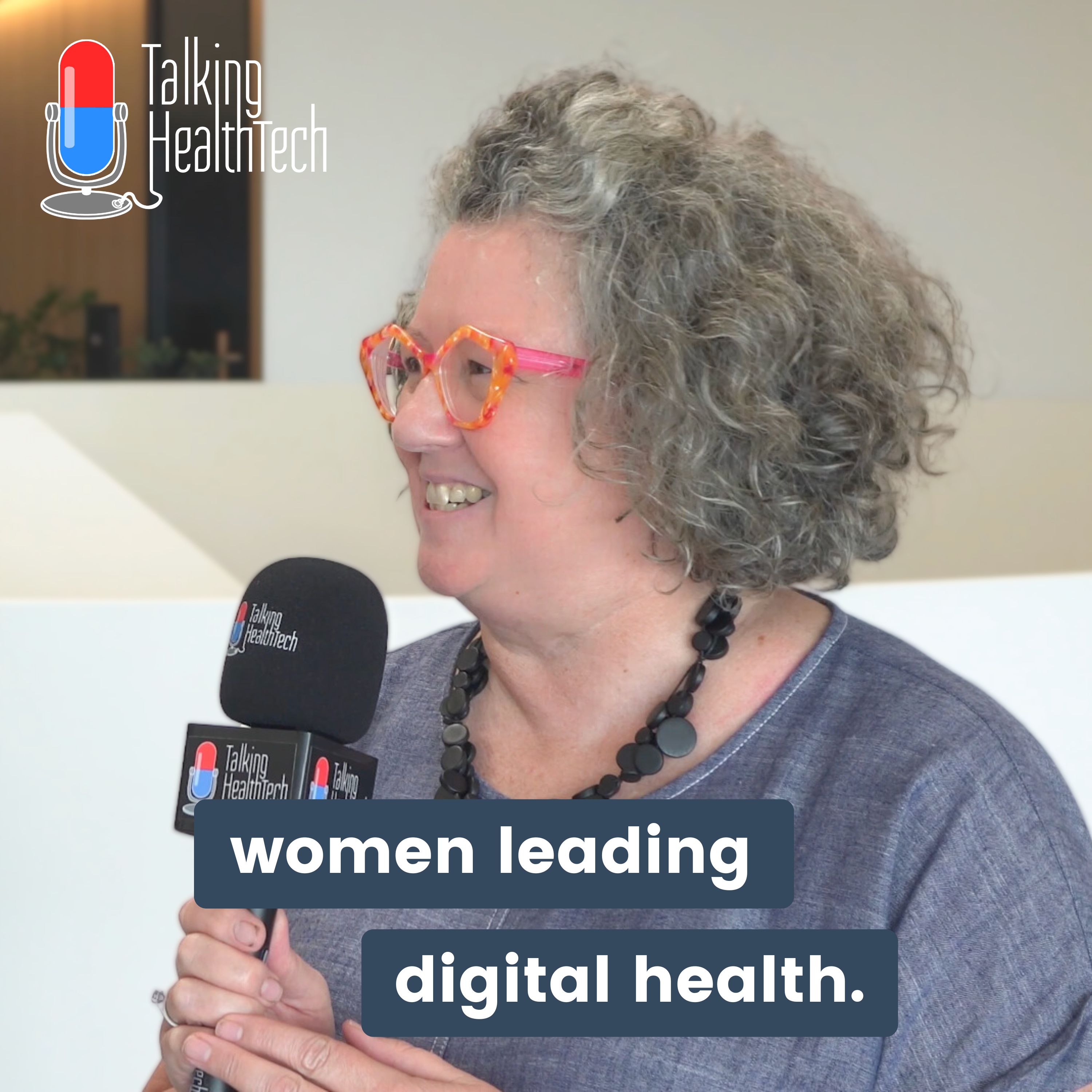
494 - Leaders in Digital Health: Empowering Women through AIDH Initiatives
In this episode of Talking HealthTech, host Nathan Moore speaks with various guests, including Natalie Collard, Eimer Boyle, Kara Burns, Dreda Heard, Sarah Pearson, Lana Bell, Aimee Solomon, Kath Feely, Nirvana Luckraj, Katy Aish, Glynnis Aubrey, and Helen Cox about the Women in Digital Health Leadership Program run by the Australasian Institute of Digital Health (AIDH). The discussion revolves around the program’s impact, personal transformations, and professional growth in digital health. This episode was recorded during the celebration event for the 2024 cohort. Key Takeaways:Program Structure: Structured as a six-month blended learning experience, the program is designed to cultivate leadership capabilities tailored to the digital health domain.Benefits of the Leadership Program: The leadership program benefits new and experienced managers by creating valuable networking opportunities within the digital health sector.Positive Experiences and Empowerment: The program fosters empowerment and personal transformation, focusing on networking and skill enhancement for professionals in various roles across the health system.Transition to Digital Health: The program supports professionals transitioning into digital health from clinical or other fields, focusing on improving safety, quality, and medication management.Encouraging Participation: The initiative encourages professionals to explore opportunities in digital health leadership, highlighting the program’s role in fostering skill development and professional networking.Check out the episode and full show notes on the Talking HealthTech website.Loving the show? Leave us a review, and share it with someone who might get some value from it.Keen to take your healthtech to the next level? Become a THT+ Member for access to our online community forum, meet ups, special offers and more exclusive content. For more information visit talkinghealthtech.com/thtplus
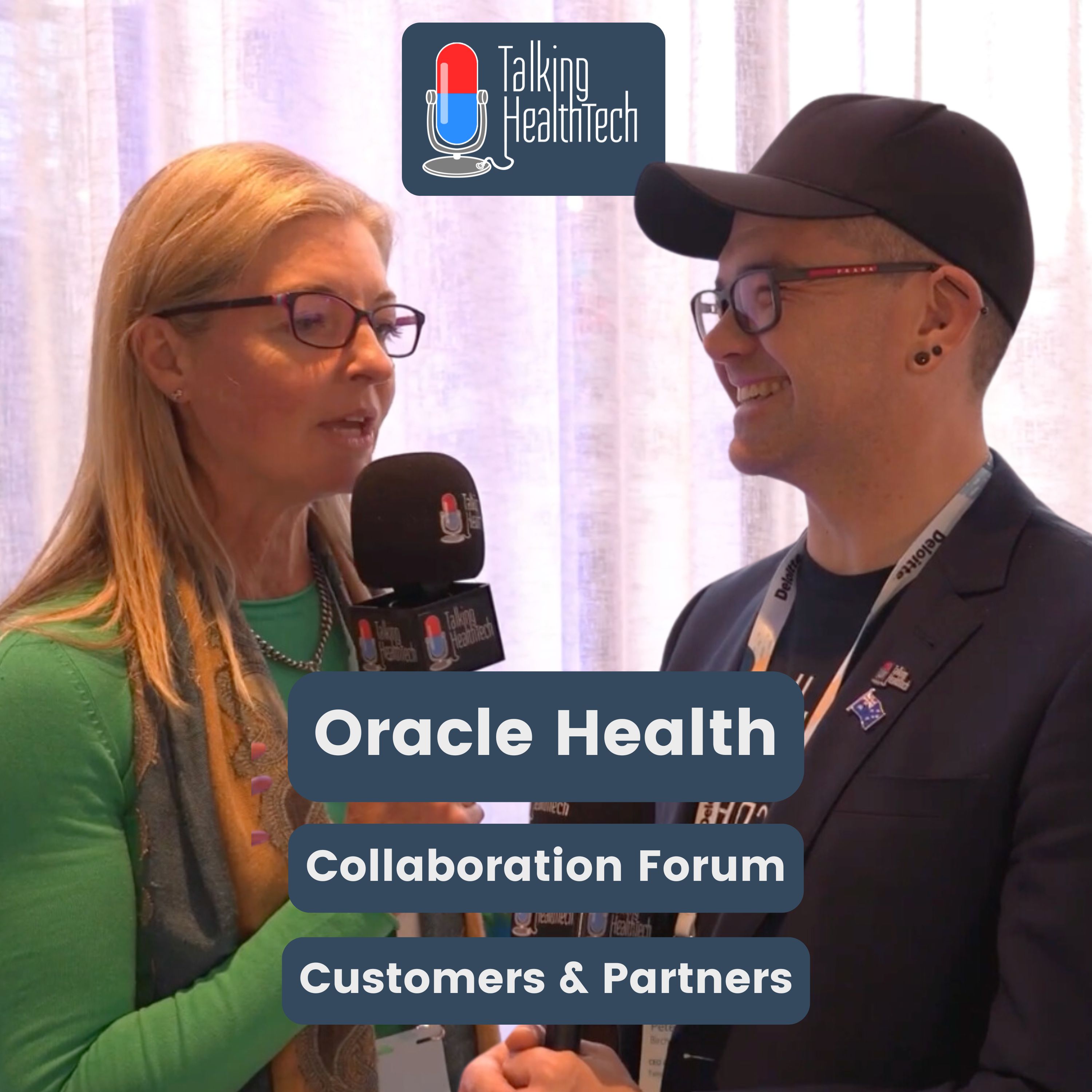
493 - Oracle Health Collaboration Forum 2024: Customers & Partners
Peter Birch from Talking HealthTech was in Melbourne, Australia, for the Oracle Health Collaboration Forum 2024, where he had the opportunity to connect with some of the key senior leaders at Oracle Health from Australia and around the world, as well as their customers and partners.In this feature episode of Talking HealthTech, we focus on those conversations with Oracle Health customers and partners, including Raelene Donovan, Acting Chief Clinical Information Officer at eHealth Queensland; Lily Liu, Divisional Director of Digital Health at Western Health; Josh Simmons, Director at Metro South Health; and Ricko Suryadinata and Shelby Jasper, Clinical EMR Analysts at Eastern Health. These discussions delve into the challenges and successes of implementing electronic medical records (EMRs) and digital solutions within diverse health services, providing a comprehensive look at how digital transformation is reshaping healthcare delivery in Australia.Key TakeawaysRaelene Donovan:Discusses the implementation of a unified EMR system across Queensland and the benefits of centralising health records for enhanced clinician efficiency and patient care.Lily Liu:Explores the digital transformation at Western Health, including the expansion of Oracle’s EMR system and the integration of new tools to improve patient care.Josh Simmons:Highlights the importance of extending digital health platforms beyond hospital settings to improve continuity of care and the role of patient portals in empowering patients.Ricko Suryadinata and Shelby Jasper:Share insights on optimising EMR functionality in outpatient settings at Eastern Health and the importance of simplifying workflows and securing clinician buy-in.Timestamps[00:01:10] - Raelene Donovan discusses the EMR rollout in Queensland.[00:08:05] - Lily Liu on digital transformation at Western Health.[00:12:44] - Josh Simmons talks about extending digital health platforms at Metro South Health.[00:17:41] - Ricko Suryadinata and Shelby Jasper share their experience with EMR optimisation at Eastern Health.Check out the episode and full show notes on the Talking HealthTech website.Loving the show? Leave us a review, and share it with someone who might get some value from it.Keen to take your healthtech to the next level? Become a THT+ Member for access to our online community forum, meet-ups, special offers, and more exclusive content. For more information, visit talkinghealthtech.com/thtplus.
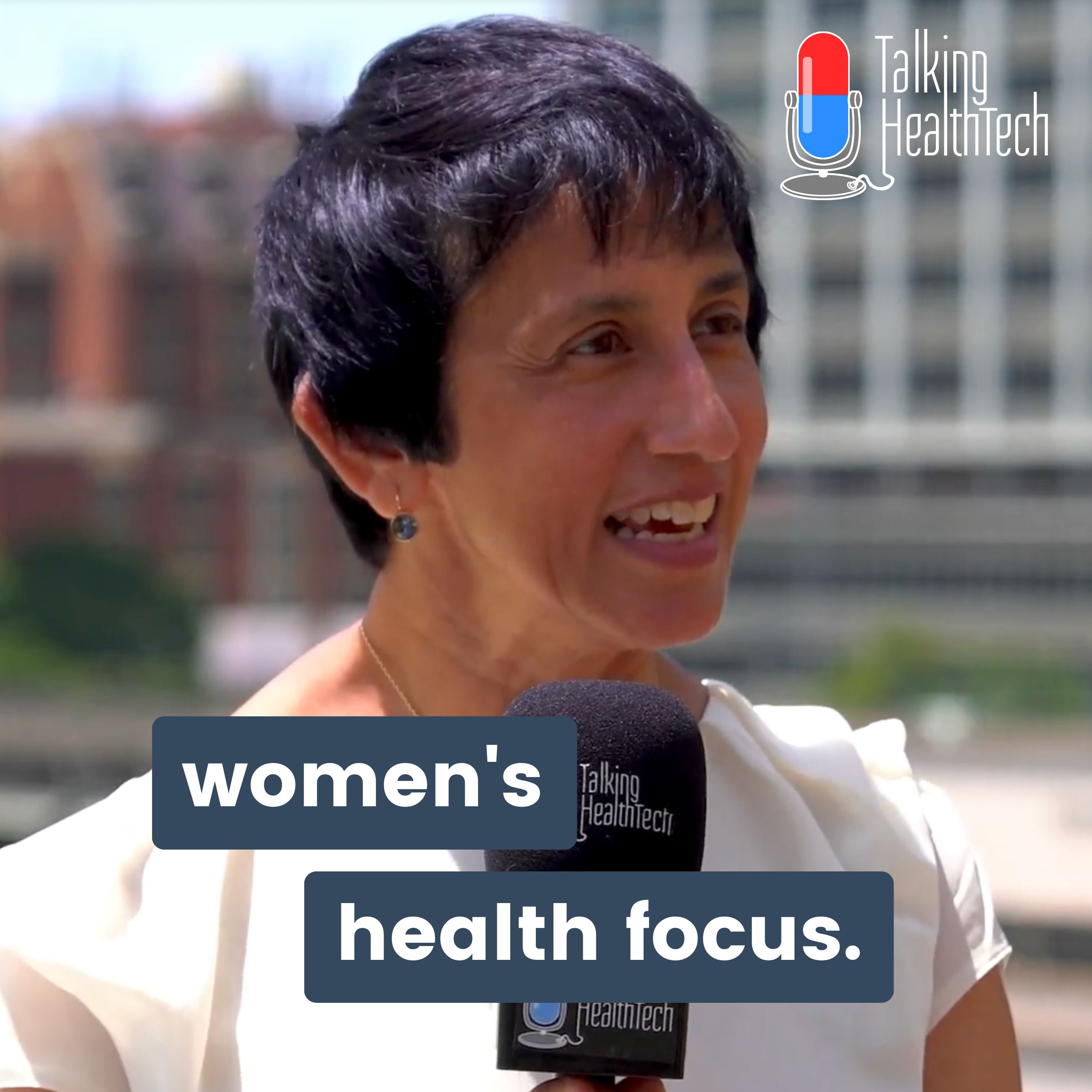
492 - Investing in Women’s Health to Achieve Equity
In this episode of Talking HealthTech, host Peter Birch speaks with a panel of distinguished guests including Simone Clarke, CEO of UN Women Australia; Dr Stephanie Allen, Partner at Kearney; Kathryn Evans, Managing Director of BioMarin Pharmaceutical Australia Pty Ltd; Professor James Elliott, Director of The Kolling Institute; Professor Bronwyn Graham, Director of the Centre for Sex and Gender Equity in Health and Medicine; Dr Elizabeth Shaw, Interventional Cardiologist and Director of Cardiology at Sydney Adventist Hospital and Shaw Cardiology; and Dr Roopa Mehta, Consultant at Kearney.The discussion, recorded as part of the Kearney round table, explores domestic violence, healthcare disparities, leadership representation, economic empowerment, and the significant impact of investing in women's health on the nation's economic and social fabric.Key TakeawaysUN Women Australia Focus: The organisation is committed to raising advocacy, awareness, and funds for vital programs addressing women's health, education, equality, and protection in Australia.Emergency Situations: Women have higher mortality rates in emergencies due to familial responsibilities, necessitating better emergency response strategies.Economic Empowerment: Financial independence for women is crucial for overall societal progress.Investment in Women's Health: Increased awareness and investment in health areas disproportionately affecting women can yield significant economic benefits.Gender Representation in Leadership: Underrepresentation of women in leadership roles remains a concern despite progressing female political representation.Clinical Trials and Research: Emphasis on including women in clinical trials to ensure gender-specific healthcare findings and solutions.Sustainable Development Goals: Gender equality is pivotal for achieving all 17 Sustainable Development Goals (SDGs) by 2030.Check out the episode and full show notes on the Talking HealthTech website.Loving the show? Leave us a review, and share it with someone who might get some value from it.Keen to take your healthtech to the next level? Become a THT+ Member for access to our online community forum, meet ups, special offers and more exclusive content. For more information visit talkinghealthtech.com/thtplus
490 - AI-Powered Monitoring: Predicting Health Issues and Enhancing Patient Care Remotely
In this episode of Talking HealthTech, host Peter Birch speaks with Serge Lauriou from My Medic Watch about integrating smart technology in healthcare, focusing on their smartwatch applications.This episode was recorded during HLTH 2024 in Las Vegas and discusses My Medic Watch's journey and future direction, highlighting consumer and provider benefits.Key Takeaways:Purpose and Scope: My Medic Watch develops smartwatch applications that detect seizures, falls, and cardiac events, aiming to provide immediate assistance through automated alerts to caregivers.Data and AI Integration: The company is leveraging AI and machine learning to predict medical events before they occur, potentially preventing falls and seizures.Consumer and B2B Shifts: Initially a consumer-focused product, My Medic Watch is transitioning to a B2B model to better integrate into healthcare systems and provide comprehensive patient monitoring.Commercial Smartwatches: The application is designed to work on existing commercial smartwatches, utilising their health data and sensors.Predictive Analytics: Emphasis on capturing continuous health data to create predictive models for medical events, highlighting a proactive approach in healthcare.Check out the episode and full show notes on the Talking HealthTech website.Loving the show? Leave us a review, and share it with someone who might get some value from it.Keen to take your healthtech to the next level? Become a THT+ Member for access to our online community forum, meet-ups, special offers and more exclusive content. For more information visit talkinghealthtech.com/thtplus

489 - The Next Generation of Connected Health
In this episode of Talking HealthTech, host Peter Birch speaks with Mani Sahihi and Luke Fletcher from Foxo at HLTH 2024 in Las Vegas. Recorded at The Venetian Expo Center, this episode explores Foxo's growth journey, its innovative solutions in secure communication within healthcare, and its expansion from radiology into other sectors such as hospitals, pathology, and pharmacies.Key Takeaways:📈 Growth Beyond Radiology: Foxo's initial focus was on secure communication in radiology, but they have significantly expanded their platform to encompass hospitals, pathology, pharmacy, and primary care.🔒 Secure Communication: The foundation remains secure communication, but it now includes document sharing, video, and messaging capabilities, all designed to navigate industry challenges like bureaucracy and policy.🌍 US Market Relevance: Foxo's solutions address communication challenges in Australia and the US, adapting to local needs while solving common issues in healthcare communication.🔄 Change Management and Adoption: Successful integration into existing systems can simplify change management and increase adoption rates, crucial for platforms like Foxo.Check out the episode and full show notes on the Talking HealthTech website.Loving the show? Leave us a review, and share it with someone who might get some value from it.Keen to take your healthtech to the next level? Become a THT+ Member for access to our online community forum, meet ups, special offers and more exclusive content. For more information visit talkinghealthtech.com/thtplus

488 - Unpacking the value of digital health
n this episode of Talking HealthTech, host Regina Akacich speaks with Steven McPhail, Amina Tariq, and Sundresan Naicker from the Australian Centre for Health Services Innovation (AusHSI) about the state of digital health, the misconceptions around predictive models, and the need for a systems approach to healthcare innovation.Key TakeawaysAI's Potential: AI plugins for telehealth can help physiotherapists measure joint angles and range of motion, while AI for wound care management offers objective feedback. Generative AI is also being explored for the development of new drugs.Caution with AI: The importance of focusing on preventative medicine and the need for skepticism about AI's rapid advancements without fully understanding their implications.Ethical Concerns and Data Privacy: There are significant ethical concerns and data privacy issues surrounding AI, particularly when summarizing call notes and scraping emails.Balancing AI and Humzan Touch: The importance of using AI to augment human capabilities rather than replace them, ensuring the human touch in patient care remains vital.Future of AI in HealthTech: Envisioning a future where AI assists in reducing clinician burnout, improving health outcomes, and lowering costs while fostering innovation and start-ups in the healthtech space.Check out the episode and full show notes on the Talking HealthTech website.Loving the show? Leave us a review, and share it with someone who might get some value from it.Keen to take your healthtech to the next level? Become a THT+ Member for access to our online community forum, meetups, special offers, and more exclusive content. For more information visit talkinghealthtech.com/thtplus
487 - From Admission to Discharge: How Tech Transforms Patient Care
In this episode of Talking HealthTech, host Sophie Turner speaks with William Hadden, the Managing Director of Oneview Healthcare for the ANZ region. They discuss Oneview's Care Experience Platform, its impact on patient care, and the importance of technology integration in healthcare settings.Key Takeaways:Oneview Care Experience Platform: Oneview provides a platform that enhances patient care and optimizes care team workflows within hospital settings through technology.Comprehensive Patient Care: The platform offers more than entertainment. It includes features for patient distraction, communication, targeted education, and meal ordering, contributing to a more comfortable and controlled hospital stay.Discharge Planning: The system aids in discharge planning by providing workflows for staff to ensure patients are well-prepared for discharge with necessary information and medications.Adaptability and Integration: Oneview’s platform allows hospitals to start small and scale up. It integrates with various hospital systems, offering seamless interoperability.Challenges in Implementation: Emphasis on solving real problems, change management, and ensuring the technology is user-friendly and has a low overhead for staff.Creative Uses and Future Potential: Stories of unique uses of the platform highlight its flexibility. Future enhancements include AI integration and a mobile offering to further lower the barriers and costs of technology implementation in hospitals.Check out the episode and full show notes on the Talking HealthTech website.Loving the show? Leave us a review, and share it with someone who might get some value from it.Keen to take your healthtech to the next level? Become a THT+ Member for access to our online community forum, meet ups, special offers and more exclusive content. For more information visit talkinghealthtech.com/thtplus

486 - Harnessing AI in Healthcare: A Cautious Revolution
In this episode of Talking HealthTech, host Sophie Turner speaks with Landell Archer from Pexip about the integration of AI in healthcare and its potential impacts on multiple sectors. Landell shares her journey from being an exercise physiologist to working in health technology. She discusses how AI is applied in health care, defence, government, justice and the ethical considerations involved.Key Takeaways:AI's Potential: AI plugins for telehealth can help physiotherapists measure joint angles and range of motion, while AI for wound care management offers objective feedback. Generative AI is also being explored for the development of new drugs.Caution with AI: The importance of focusing on preventative medicine and the need for scepticism about AI's rapid advancements without fully understanding their implications.Ethical Concerns and Data Privacy: There are significant ethical concerns and data privacy issues surrounding AI, particularly when summarising call notes and scraping emails.Balancing AI and Human Touch: The importance of using AI to augment human capabilities rather than replace them, ensuring the human touch in patient care remains vital.Future of AI in HealthTech: Envisioning a future where AI assists in reducing clinician burnout, improving health outcomes, and lowering costs while fostering innovation and start-ups in the healthtech space.Check out the episode and full show notes on the Talking HealthTech website.Loving the show? Leave us a review, and share it with someone who might get some value from it.Keen to take your healthtech to the next level? Become a THT+ Member for access to our online community forum, meet ups, special offers and more exclusive content. For more information visit talkinghealthtech.com/thtplus
485 - Can digital clinical solutions enhance the retention and recruitment of clinicians?
In this episode of Talking HealthTech, host Peter Birch speaks with Steven Parrish, Chief Medical Information Officer at Dedalus, and Viti Handyside, Product Manager for ORBIS EMR at Dedalus, about how digital clinical solutions can impact clinician retention and recruitment. This special live recording touches on balancing clinical workflows with patient needs and provides insights into integrating AI, telehealth, and other technologies in healthcare. The episode also discusses the current challenges facing the healthcare workforce in Australia and worldwide.Key Takeaways:🗂️ Traditional EMRs can be cumbersome and need improvements to streamline clinician tasks and reduce redundant documentation.🤝 The alignment of clinician workflows with patient engagement can be supported by technology like AI, dashboards, and telehealth.🔗 Healthcare service fragmentation requires integrating in-person and virtual care for a cohesive system.🛠️ Effective training and customization of technology solutions are essential to suit clinical workflows.🗣️Involving clinicians and patients in discussions about technological advancements can ensure meaningful improvements.💼 Addressing clinician burnout through well-integrated technology solutions is necessary for improving job satisfaction and retention.Check out the episode and full show notes on the Talking HealthTech website.Loving the show? Leave us a review, and share it with someone who might get some value from it.Keen to take your healthtech to the next level? Become a THT+ Member for access to our online community forum, meet-ups, special offers, and more exclusive content. For more information visit talkinghealthtech.com/thtplus

484 - How AI and Digital Platforms are Shaping Disability Care
In this episode of Talking HealthTech, host Peter Birch speaks with Craig Tucker from Yooralla and Dr. Bryan Tan from Salesforce about Yooralla's digital transformation journey in the context of the National Disability Insurance Scheme (NDIS) and other sectors. This discussion explores the complexities of disability care, the challenges in regulatory compliance, and the role of technology as an enabler for clients and the workforce.This episode was recorded during Victorian Healthcare Week 2024 in Melbourne, Australia, capturing the dynamic and informative conversations at the event.Key Takeaways:Digital Transformation in Disability Care: Yooralla’s journey towards becoming more digitally eco-friendly is highlighted, showing how technology supports clients and workforce efficiency.Regulatory Environment and Compliance: The evolving regulatory requirements in the disability and aged care sectors necessitate agile and scalable tech solutions to ensure compliance and improve service delivery.Use of Salesforce Platform: Yooralla leverages Salesforce to manage back-office processes and enable front-facing digital tools for clients and staff.Importance of Data Quality: Emphasis on ensuring data governance and the ethical use of data to support AI-driven decisions in client care.Check out the episode and full show notes on the Talking HealthTech website.Loving the show? Leave us a review and share it with someone who might get some value from it.Keen to take your healthtech to the next level? Become a THT+ Member for access to our online community forum, meet ups, special offers, and more exclusive content. For more information visit talkinghealthtech.com/thtplus
483 - Raising the volume of patient voice in cancer care. Movember & Cancer Australia
In this episode of Talking HealthTech, host Ruby Hartley speaks with Sarah Weller from Movember, Professor Bogda Koczwara from Flinders Centre for Innovation in Cancer, and Cindy Toms from Cancer Australia about the importance of integrating patient feedback into cancer care through advanced health technology. They discuss the challenges and opportunities presented by the Pan Cancer initiative, focusing on data standardisation, interoperability, and the role of patient-reported outcomes in enhancing cancer treatment.Key Takeaways:Effective cancer treatment needs technology capable of managing longitudinal data across various healthcare providers and systems over extended periods.The interoperability of patient-reported outcomes is key to comparing care quality among different health settings and improving targeted care delivery.The Pan Cancer initiative aims to standardise and unify data collection nationwide, addressing differences in jurisdictional technologies and infrastructures.Future healthcare scenarios envision real-time feedback on patient outcomes, providing immediate care adjustments for better management.National benchmarking could help identify high-risk populations, guiding targeted training and better medication accessibility.The initiative by Movember aims to standardise patient-reported outcomes across cancer types in Australia, facilitating improved healthcare systems and decision-making processes.Check out the episode and full show notes on the Talking HealthTech website.Loving the show? Leave us a review, and share it with someone who might get some value from it.Keen to take your healthtech to the next level? Become a THT+ Member for access to our online community forum, meet-ups, special offers, and more exclusive content. For more information, visit talkinghealthtech.com/thtplus.
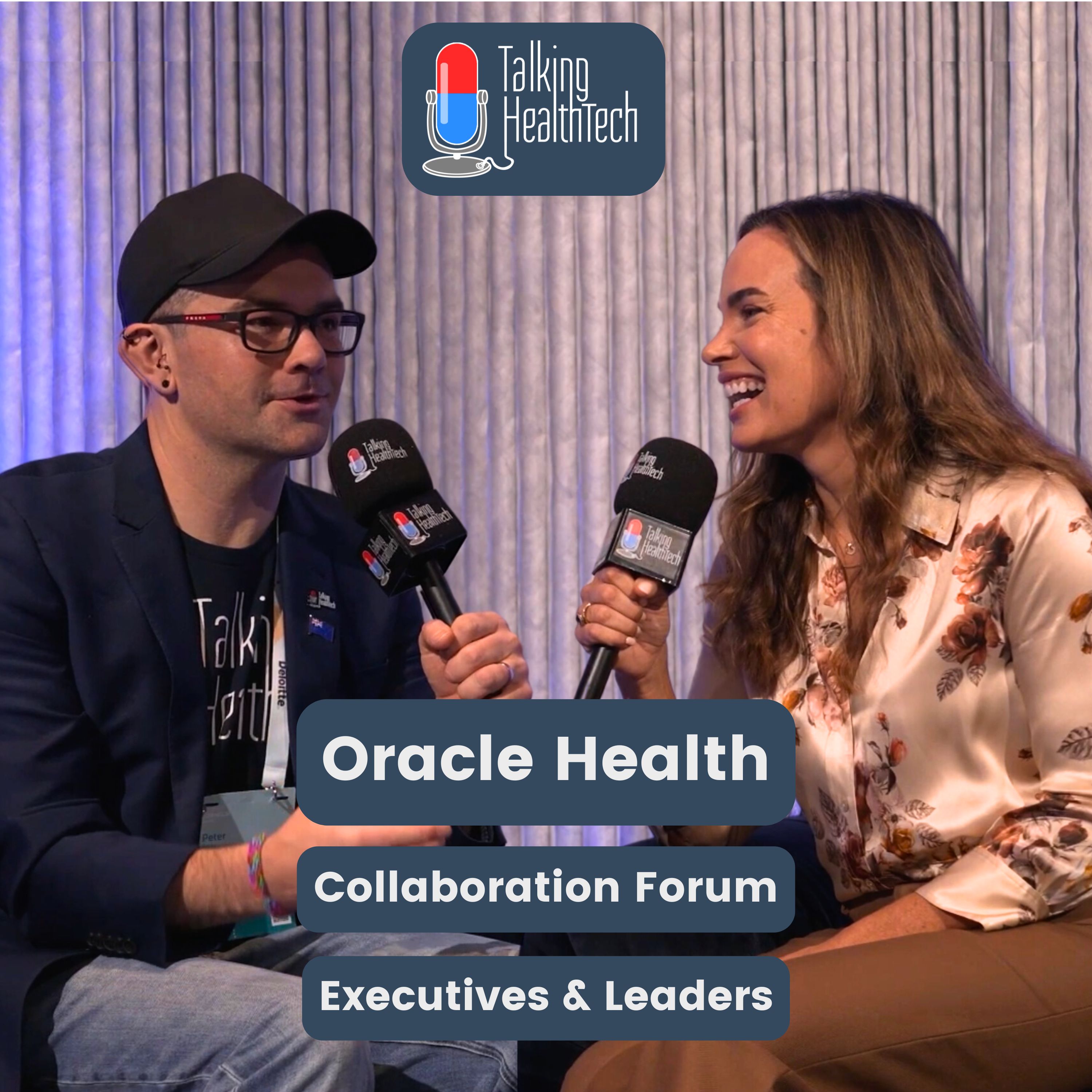
482 - Oracle Health Collaboration Forum 2024: Executives and Leaders
In this episode of Talking HealthTech, host Peter Birch speaks with key leaders from Oracle Health during the Oracle Health Collaboration Forum 2024 in Melbourne, Australia. The episode features conversations with Shanna Adamic, Executive Director of the Oracle Health Foundation; Sam Lambson, Vice President of Interoperability at Oracle Health; and Philip Loya, Lead Business Developer and Market Strategist at Oracle Health. They talk about a range of topics, including eliminating healthcare barriers for children worldwide, the importance of data integration for patient care, the challenges of achieving global interoperability, and how Oracle Health is localising its capabilities to meet the needs of the Australian healthcare ecosystem.Key TakeawaysShanna Adamic:Shanna shares her personal health journey, including her battle with a life-threatening brain tumour, and how it has influenced her work at the Oracle Health Foundation.The Oracle Health Foundation’s mission to remove healthcare barriers for children worldwide, providing essential medical support to those in need.Sam Lambson:The ongoing challenges of achieving interoperability in healthcare, particularly regarding data sharing across systems.The potential role of a national Health Information Exchange (HIE) strategy in addressing interoperability issues in Australia.Philip Loya:The importance of technology in simplifying healthcare processes, enabling clinicians to focus more on patient care.The impact of localising Oracle Health’s capabilities to improve healthcare infrastructure in Australia.Timestamps[00:01:23] - Shanna Adamic discusses her health journey and the Oracle Health Foundation.[00:08:56] - Sam Lambson talks about interoperability challenges and solutions.[00:19:59] - Philip Loya on technology’s role in healthcare and localising solutions for Australia.Check out the episode and full show notes on the Talking HealthTech website.Loving the show? Leave us a review, and share it with someone who might get some value from it.Keen to take your healthtech to the next level? Become a THT+ Member for access to our online community forum, meet-ups, special offers, and more exclusive content. For more information, visit talkinghealthtech.com/thtplus.
BONUS EPISODE: We've launched a new podcast! 🚀
bonusIn this special bonus episode, we’re thrilled to introduce Consumer Health Partnerships, the latest addition to the Talking HealthTech Podcast Network. Hosted by Shelley Thomson and produced in collaboration with the Patient Experience Agency, this new podcast is all about meaningful, patient-driven change in healthcare.Consumer Health Partnerships is designed for healthcare professionals who are committed to putting patients at the centre of care. Each episode dives into how co-designing healthcare with consumers can lead to more impactful and compassionate care. Shelley and her guests—leaders, innovators, and advocates—explore what it means to collaborate with patients in building a system that serves everyone more effectively.Episode 1: Empowering Youth Voices in Healthcare 🎙In the debut episode, Shelley speaks with Jorja Campbell and Brianna McCoola from Queensland Health. Together, they discuss the creation of a “Practice Guide to Adolescent and Young Adult Care” and highlight the benefits of bringing young voices into healthcare design. Through flexible and meaningful engagement, they’ve co-created a guide that reflects the real needs and experiences of young people in the healthcare system.Who should listen?This podcast is essential listening for digital health professionals, clinicians, practice managers, and health leaders looking to integrate patient insights into their work. If you’re keen on improving services and building trust with patients, Consumer Health Partnerships offers practical strategies and inspiring stories to get you there.💡 Don’t miss out—subscribe to Consumer Health Partnerships on Apple Podcasts, Spotify, or wherever you get your podcasts.Apple Podcasts: https://podcasts.apple.com/au/podcast/consumer-health-partnerships/id1755798972?itscg=30200&itsct=podcast_box&ls=1&mttnsubad=1755798972Spotify: https://open.spotify.com/show/1VmBBlTqIVkRefaDWPmJ3L?si=3cd63647368146be&nd=1&dlsi=ea80333fdeb54143 Patient Experience Agency Website: https://www.patientexperienceagency.com.au/podcastThis show is part of the Talking HealthTech Podcast Network, offering the latest in healthcare delivery, innovation, digital health, and more. Discover the network at www.talkinghealthtech.com/podcast/network.
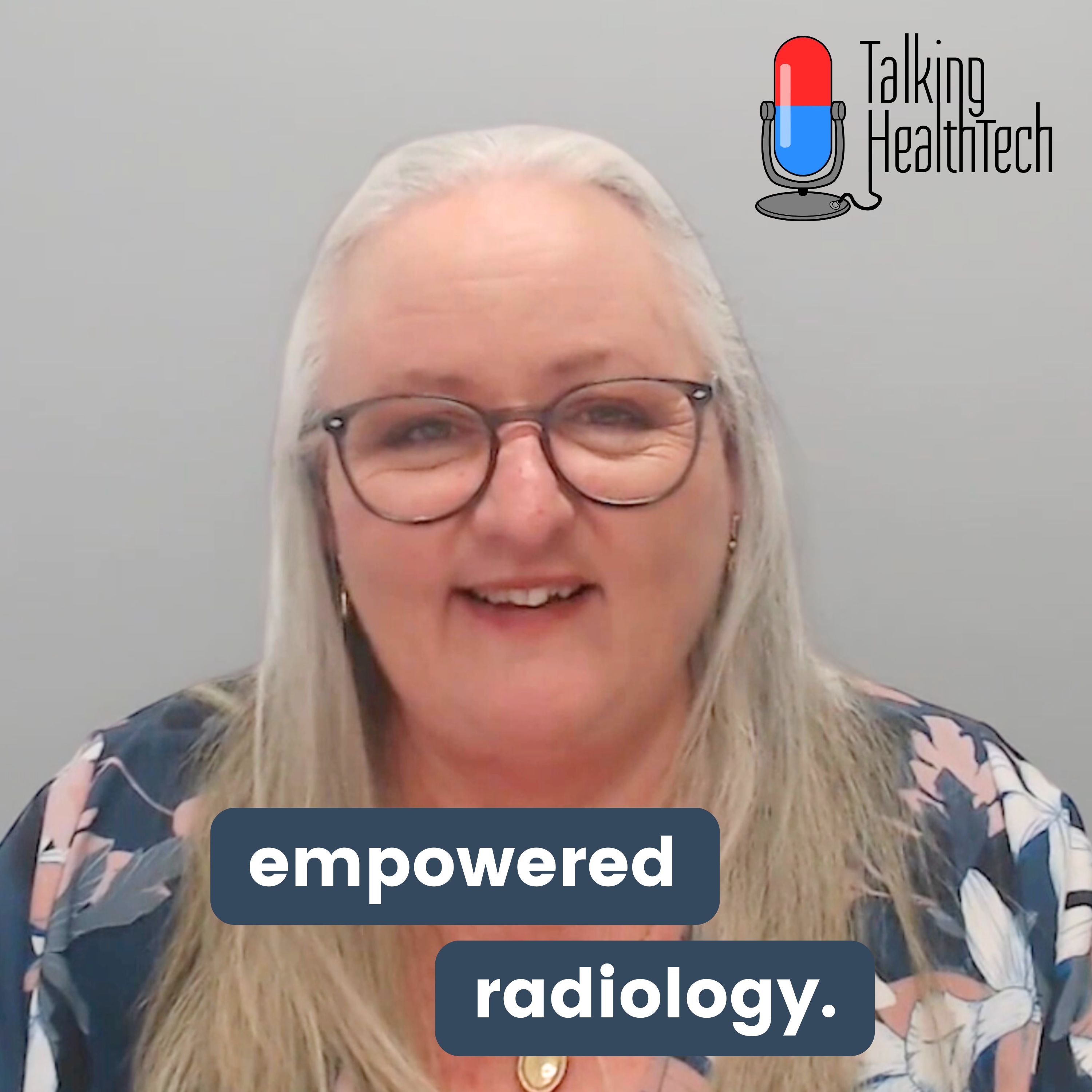
481 - Streamlining Radiology Operations with mPower Clinical Analytics. Kristen Low, Lumus Imaging
In this episode of Talking HealthTech, host Peter Birch speaks with Kristen Low, the National Billing Manager at Lumus Imaging about the importance of routine, effective troubleshooting, and early issue identification in healthcare technology. She explains how the adoption of mPower Clinical Analytics from Nuance has revolutionised billing processes at Lumus Imaging, a private radiology provider with over 130 sites nationally. Kristen also shares the advantages of involving frontline staff in technological integrations and discusses strategies for staying abreast of rapid advancements in diagnostic imaging and billing compliance.Key TakeawaysEarly Issue Identification: Troubleshooting and early identification of issues in technology is crucial for prompt diagnosis and treatment in healthcare.Frontline Staff Involvement: Successful implementation of new technology requires considering exceptions and actively involving frontline staff throughout the integration process.mPower Clinical Analytics: This platform has improved billing compliance and efficiency by enabling specific searches by modality, date, and site, addressing knowledge gaps, and maintaining compliance with industry guidelines.Professional Development: mPower Clinical Analytics aids radiologists by tracking work, supporting professional development, and ensuring adherence to industry standards.Technological Advances in Diagnostic Imaging: The integration of patient databases, voice recognition software, and electronic billing systems has streamlined processes and enhanced efficiency at Lumus Imaging.Check out the episode and full show notes on the Talking HealthTech website.Loving the show? Leave us a review, and share it with someone who might get some value from it.Keen to take your healthtech to the next level? Become a THT+ Member for access to our online community forum, meet ups, special offers, and more exclusive content. For more information, visit talkinghealthtech.com/thtplus

480 - Addressing Rural Health Gaps: NRHA and Remote Care
In this episode of Talking HealthTech, host Peter Birch speaks with Aileen Lai, the CEO of HealthBeats, Susi Tegen from the National Rural Health Alliance (NRHA), and Melanie Molluso from Echuca Regional Health. They explore the challenges of rural healthcare in Australia, the impact of technology such as remote monitoring, and the evolving role of nurse practitioners. This episode was recorded during the 17th National Rural Health Conference in Perth, Australia, and captures key conversations on rural healthcare needs and solutions.Key TakeawaysRural Healthcare Challenges: Many rural Australians face significant gaps in healthcare access, resulting in poor health outcomes. Enhancing support and leveraging technology can improve these conditions.Project Implementation: Despite initial resistance, projects focusing on remote monitoring show positive patient impact, leading to broader staff buy-in.Nurse Practitioners' Role: Nurse practitioners can bridge healthcare gaps in rural areas by prescribing medication, ordering tests, and collaborating with remote consultants.Patient Education: Educating patients on managing conditions like diabetes and heart failure empowers them to take control of their health, reducing hospital visits.Technology's Role: Remote patient monitoring and telehealth are crucial for providing continuous care, especially in areas lacking specialists.Government and Industry Collaboration: Effective rural health care requires backing from the government and industry, highlighting the need for collaborative and innovative approaches to funding and resource allocation. Check out the episode and full show notes on the Talking HealthTech website. Loving the show? Leave us a review, and share it with someone who might get some value from it. Keen to take your healthtech to the next level? Become a THT+ Member for access to our online community forum, meet ups, special offers and more exclusive content. For more information visit talkinghealthtech.com/thtplus
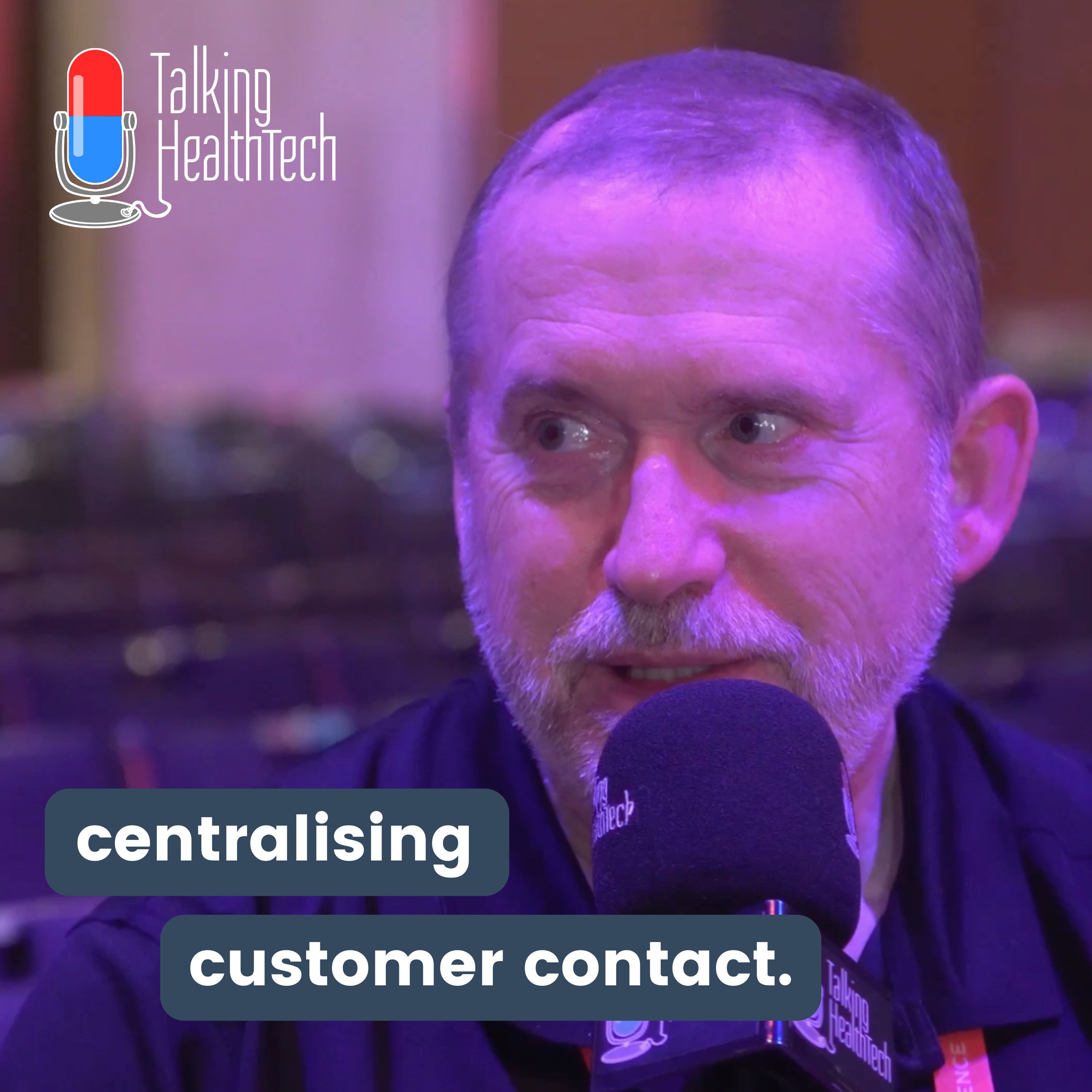
479 - Personalised Customer Service at Scale. Roy Hazelwood, Anglicare
In this episode of Talking HealthTech, host Peter Birch speaks with Roy Hazelwood, the Manager of the Customer Contact Centre at Anglicare. They discuss the challenges and strategies in centralising customer contacts, the role of Genesys technology in enhancing service delivery, and training methods to equip staff for handling stress and complex customer needs. This episode was recorded during the Xperience event hosted by Genesys in Sydney.Key Takeaways:Centralising customer contacts at Anglicare has helped streamline service delivery and enhance customer experiences.Genesys technology plays a crucial role in ensuring that customer interactions are managed efficiently, even with staff working from home.Anglicare handles various communication channels, including voice chat, SMS, and email, and further integrates these with its IT service desk to improve internal operations.Effective training, such as ride-along training and accidental counsellor training, is essential for staff to manage diverse and often stressful customer situations.Maintaining privacy and having protocols to handle sensitive situations like potential financial exploitation or mental health crises is critical.Check out the episode and full show notes on the Talking HealthTech website.Loving the show? Leave us a review, and share it with someone who might get some value from it.Keen to take your healthtech to the next level? Become a THT+ Member for access to our online community forum, meetups, special offers, and more exclusive content. For more information, visit talkinghealthtech.com/thtplus.
478 - Helping people experiencing homelessness connect with healthcare
In this episode of Talking HealthTech, host Sophie Turner speaks with Jayne Thompson, the Chief Product Officer of MediRecords, Tim Pegler, the Senior Business Development Manager at MediRecords, and Alison Sayer, the CEO of Homeless Healthcare. The conversation explores the intersection of digital health technology and services for vulnerable communities, exploring how MediRecords' innovative solutions, including their new admissions module, support the critical work being done by Homeless Healthcare in Perth.Key TakeawaysMediRecords' Evolution: The development of MediRecords' new admissions module enhances patient care management over extended periods, from admission to discharge.Impact on Homeless Communities: Homeless Healthcare’s wide array of services, including pop-up GP clinics and street outreach programs, and how MediRecords' cloud-based solution has bolstered these.Cloud Technology Benefits: The transformative power of MediRecords' cloud capabilities allows for seamless access to patient records anytime and anywhere, thereby facilitating better care for homeless individuals.Future Innovations: MediRecords is set to introduce features like a patient portal and enhanced data insights to improve care quality and patient engagement further.Collaborative Development: Mutual benefits of the collaborative relationship between MediRecords and Homeless Healthcare, emphasising the importance of customer feedback in shaping effective digital health solutions.Check out the episode and full show notes on the Talking HealthTech website.Loving the show? Leave us a review, and share it with someone who might get some value from it.Keen to take your healthtech to the next level? Become a THT+ Member for access to our online community forum, meet ups, special offers and more exclusive content. For more information visit talkinghealthtech.com/thtplus
477 - The Critical Role of Technology in Enhancing Prehospital Care
In this episode of Talking HealthTech, host Peter Birch speaks with Stacey Clifford and Søren Rasmussen from Dedalus about the critical role of technology in enhancing prehospital care. Stacey Clifford, with 26 years of clinical operations experience and digital health transformation expertise, and Søren Rasmussen, a product manager with 22 years in medical systems, discuss the challenges and solutions in prehospital care, focusing on ambulance ramping and the use of Dedalus' amPHI ambulance electronic prehospital record (ePCR) system. Key Takeaways:Multi-user Access & Real-time Information Sharing: The benefits of having multiple people access patient charts simultaneously are that it enhances collaboration and continuity of care. The ability to share images and ECGs and seek advice in real-time significantly improves prehospital care.Challenges of Integration: Discussion on the complexities of transitioning to unified systems due to different healthcare systems being at various stages and using outdated systems.Need for Standardisation: Emphasis on the messy state of integrating diverse IT systems and the necessity for standards like FHIR to achieve better interoperability.Phased Approach to Interoperability: Elaboration of the phased approach in Australian healthcare, using interim solutions like PDF transfers and amPHI web views to improve information sharing.Real-time Access for Paramedics: Real-time access to patient information from ambulances can significantly aid hospital teams in trauma situations, helping in better collaboration and continuous care.Designing User-friendly Systems: Dedalus’ initiative to involve paramedics in system design and testing to ensure practical utility is key to developing user-friendly, intuitive systems.Check out the episode and full show notes on the Talking HealthTech website.Loving the show? Leave us a review, and share it with someone who might get some value from it.Keen to take your healthtech to the next level? Become a THT+ Member for access to our online community forum, meet ups, special offers and more exclusive content. For more information visit talkinghealthtech.com/thtplus
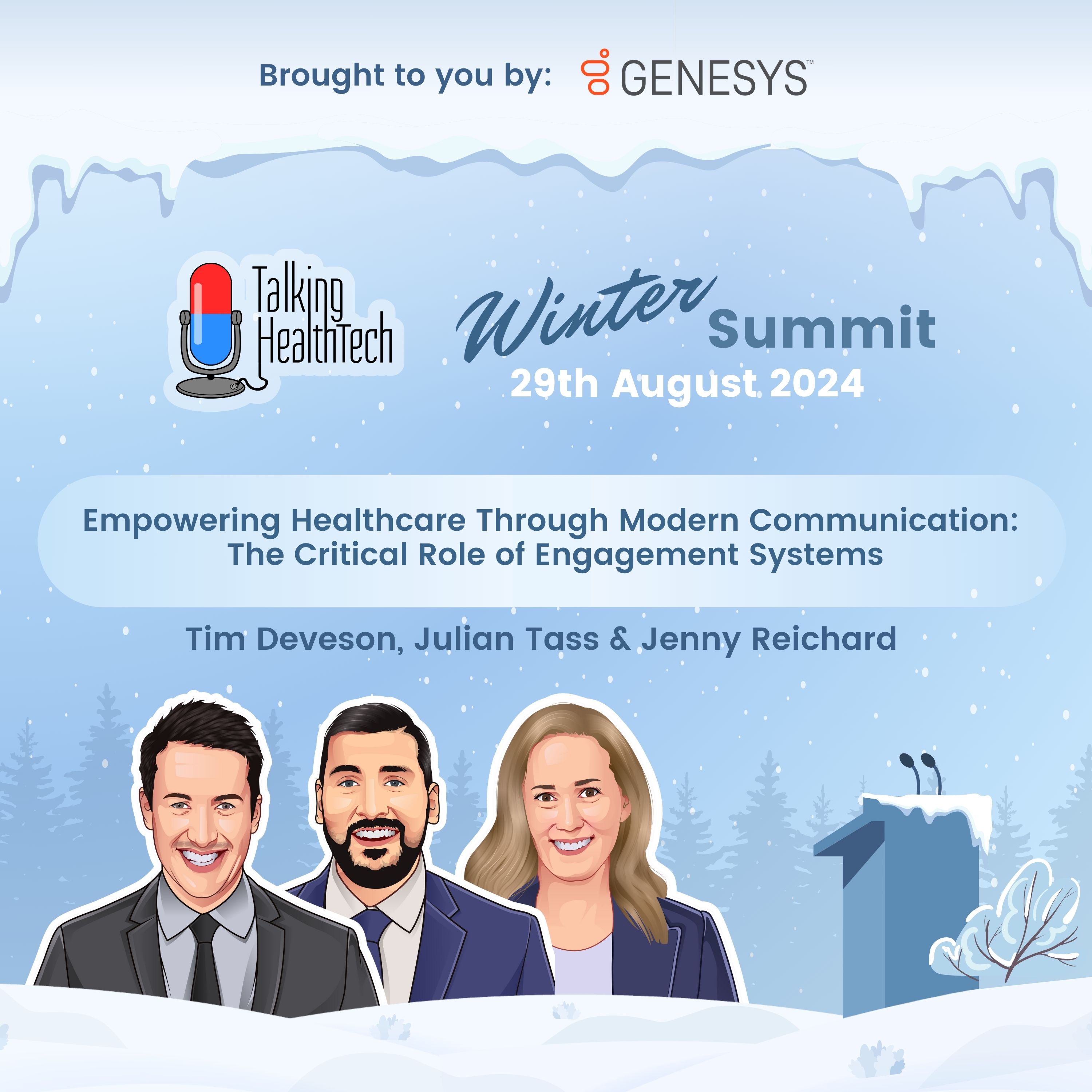
476 - Winter Summit 2024 Session 6: Empowering Healthcare Through Modern Communication: The Critical Role of Engagement Systems
In this episode of Talking HealthTech, host Peter Birch speaks with Jenny Reichard, Senior Industry Executive for Healthcare, Julian Tass, Solutions Consultant, and Tim Deveson, Account Director for Healthcare, all from Genesys, about the critical role of modern communication platforms in healthcare. The discussion, recorded during the Talking HealthTech Winter Summit 2024, focuses on transitioning from outdated communication methods to digital-first platforms, patient engagement, and the future of healthcare communication systems.Key TakeawaysSeamless Communication: Importance of seamlessly transitioning between communication channels without losing information, particularly for non-native English speakers and international students.Improving Patient Experience: Leveraging contextual information to enhance patient experience and moving away from outdated habits for better efficiency in healthcare.Omnichannel Integration: Explore the integration of omnichannel engagement platforms with existing tech ecosystems, specifically the effective management of communications and data routing with EMR and CRM systems.Balancing Anonymity and Data Needs: Addressing consumer concerns about data privacy and the need for anonymity while ensuring essential information remains accessible to healthcare providers.Check out the episode and full show notes on the Talking HealthTech website.Keep an eye out for the details of our Spring Summit happening in November of this year. For more information, go to talkinghealthtech.com/summit.Loving the show? Leave us a review, and share it with someone who might get some value from it.Keen to take your healthtech to the next level? Become a THT+ Member for access to our online community forum, meet ups, special offers and more exclusive content. For more information visit talkinghealthtech.com/thtplus
475 - Modernising healthcare for connected care
In this episode of Talking HealthTech, host Peter Birch speaks with Angie Bass, Executive Vice President at Velatura Public Benefit Corporation, James Agnew, CTO of Smile Digital Health, and Farhoud Salimi, CTO of Telstra Health. The discussion covers health equity, interoperability, and how technology and policy are shaping the future of connected care. They explore data governance, AI, consumer-driven healthcare, and all the associated challenges and opportunities.Key TakeawaysHealth Equity and Interoperability: The importance of providing health data interoperability solutions to all healthcare providers, regardless of their size or location.Consensus Building: The necessity of building consensus for data governance and technology roadmaps, with neutral entities like Health Information Exchanges (HIEs) facilitating collaboration.Policy and AI: Addressing the disparity between current policies and technological capabilities, with AI helping to bridge this gap. Entrepreneurial Opportunities: The democratisation of APIs and data is creating new opportunities in the healthtech space.Vision for the Future: More accessible and secure patient data, aligning with consumer expectations and leveraging technological advances.Connected Care Ecosystem: Seamless patient information flow across different care settings, highlighting the technical and regulatory challenges.Patient Empowerment: The potential for patients to actively participate in their healthcare through improved access to personal health information and contributions to their data.Check out the episode and full show notes on the Talking HealthTech website.Loving the show? Leave us a review, and share it with someone who might get some value from it.Keen to take your healthtech to the next level? Become a THT+ Member for access to our online community forum, meet ups, special offers and more exclusive content. For more information visit talkinghealthtech.com/thtplus

474 - Winter Summit 2024 Session 5: Managing the Clinical Networks of Tomorrow's Hospitals
In this episode of Talking HealthTech, host Peter Birch speaks with Alex Swan, Senior Systems Engineer, and Julanne Saltiel, Head of Services, ANZ, both from Extreme Networks, about the critical role of networks in healthcare. They discuss automation’s importance, network maintenance, security, and adapting to technological changes for enhanced network management. This episode was recorded during the Talking HealthTech Winter Summit 2024.Key Takeaways🤖 Automation's Importance: Automation reduces human error in complex network configurations, especially in a security context.🔒 Network Maintenance and Security: Continuous network upgrades and applying global bug fixes and security patches are essential for preventing security risks.🔄 Adapting to Technological Changes: Constantly evolving platforms to meet changing client requirements and monitoring application performance are critical for effective network management.🧠 Future Technological Innovations: Emerging AI tools are becoming increasingly important in network management, transforming tasks rather than replacing jobs.🌐 Holistic Network Design and Continuous Monitoring: Designing adaptable network platforms that evolve and continuous application performance monitoring are essential, especially in healthcare.⚙️ Security Measures and Risk Mitigation: Risk can be mitigated through encapsulating services, automation, and limiting IoT devices' functionality to essential services.Check out the episode and full show notes on the Talking HealthTech website.Keep an eye out for the details of our Spring Summit happening in November of this year. For more information, go to talkinghealthtech.com/summit.Loving the show? Leave us a review, and share it with someone who might get some value from it.Keen to take your HealthTech to the next level? Become a THT+ Member for access to our online community forum, meet-ups, special offers, and more exclusive content. For more information, visit talkinghealthtech.com/thtplus
473 - Enhancing Patient Experience and Reducing Clinician Burnout. Jamie Chew, i-scribe
In this episode of Talking HealthTech, host Sophie Turner speaks with Jamie Chew, Co-Founder and Chief Operating Officer of i-scribe, about the integration of medical AI in clinical settings to enhance patient care and reduce clinician burnout. Key Takeaways:Journey to Ophthalmology and Medical AI: Jamie shares his journey to becoming an ophthalmologist and how his interest in technology led him to explore AI’s potential in medical applications, particularly in reducing the burden of administrative tasks for clinicians.Differentiating i-scribe: The unique aspects of i-scribe lie in its team's extensive clinical experience and adaptive workflow implementation, making it more medically intuitive and accurate than other AI scribes.Impact on Patient Experience: i-scribe helps clinicians provide patients with timely, relevant, and easily understandable information, significantly improving patient engagement and care outcomes.Reducing Clinician Burnout: By automating paperwork and note-taking, i-scribe saves clinicians up to 12 hours a week, allowing them to spend more quality time with patients and engage more in personal activities.The Future of Medical AI: Discussion on the future potential of AI in clinical settings, with possibilities ranging from research efficiencies to clinical decision support, emphasising the importance of careful, clinician-guided implementation.Check out the episode and full show notes on the Talking HealthTech website.Loving the show? Leave us a review, and share it with someone who might get some value from it.Keen to take your healthtech to the next level? Become a THT+ Member for access to our online community forum, meet-ups, special offers, and more exclusive content. For more information visit talkinghealthtech.com/thtplus
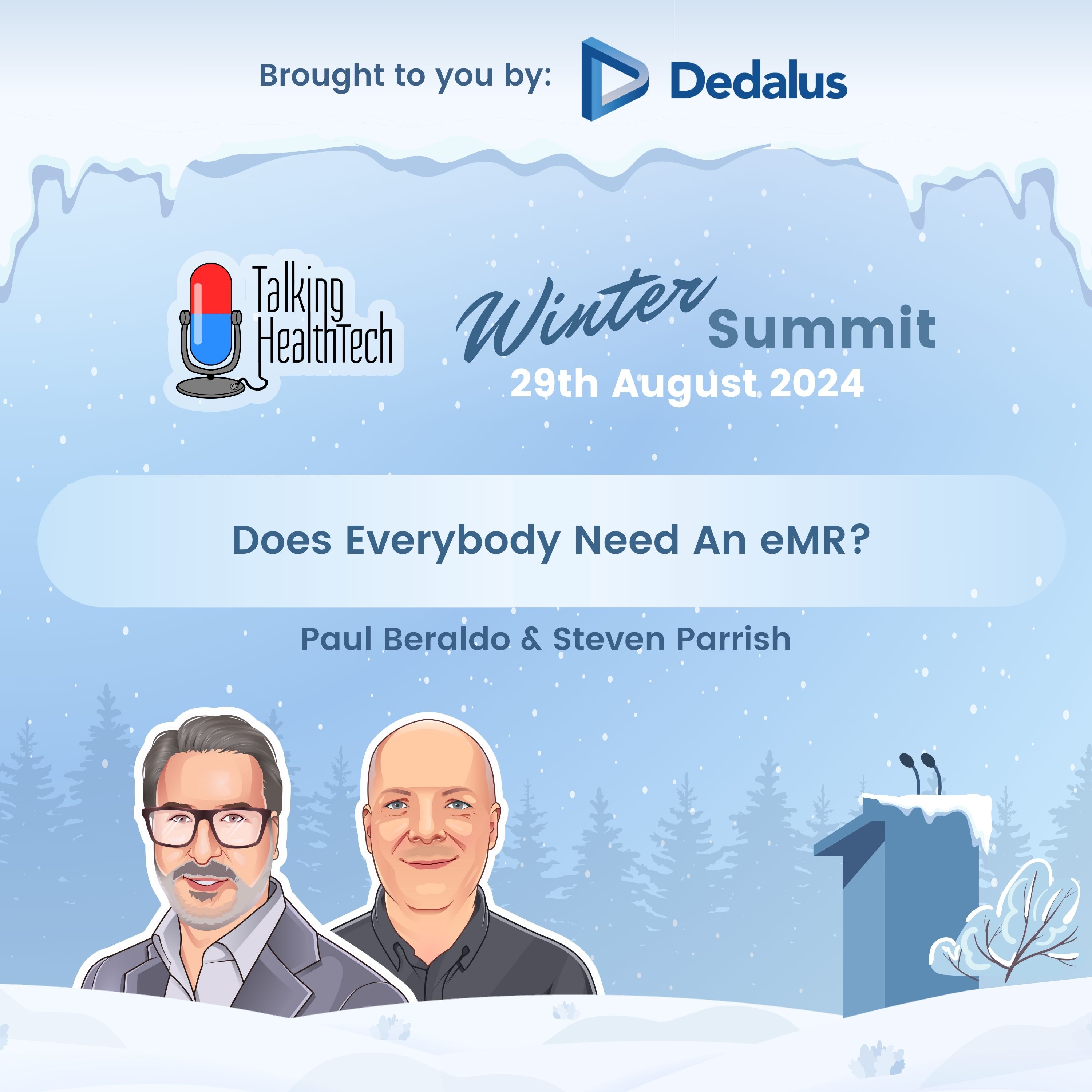
472 - Winter Summit 2024 Session 4: The Necessity of eMR Systems
In this episode of Talking HealthTech, host Peter Birch speaks with Paul Beraldo, Private Health Digitalisation Manager, and Steven Parrish, Chief Medical Information Officer from Dedalus. The discussion explores the necessity and impact of Electronic Medical Record (eMR) systems in modern healthcare settings, addressing challenges and opportunities in the Australian and New Zealand markets. This episode was recorded during the Talking HealthTech Winter Summit held on the 29th of August 2024.Key TakeawaysChallenges in Maintainability and Cybersecurity: The shortage of specialists, particularly in cybersecurity and system availability, is an ongoing issue in maintaining IT resources. Managed Services and Cloud Solutions: Dedalus provides managed services and cloud-hosted solutions to help healthcare organisations focus on their core business without the overhead of managing IT infrastructure.Global Presence and Localisation: Dedalus leverages its global experience to introduce relevant solutions in Australia and New Zealand, ensuring they meet local legal and clinical requirements.eMR System Benefits: eMRs aid in improving patient outcomes by providing real-time data for clinical research and hospital decision-making. Holistic Healthcare Approach: eMRs should be intuitive and user-friendly, aligning with hospital workflows to maximise efficiency. Check out the episode and full show notes on the Talking HealthTech website.Keep an eye out for the details of our Spring Summit happening in November of this year. For more information, go to talkinghealthtech.com/summit.Loving the show? Leave us a review, and share it with someone who might get some value from it.Keen to take your healthtech to the next level? Become a THT+ Member for access to our online community forum, meet-ups, special offers, and more exclusive content. For more information visit talkinghealthtech.com/thtplus
471 - Innovating CPD in General Practice. Chris Smeed, Cubiko
In this episode of Talking HealthTech, host Regina Akacich speaks with Chris Smeed, CEO and co-founder of Cubiko, about the evolution of their practice intelligence platform, the implementation of CPD modules, and their recent expansion into dental analytics.They discuss the origins of Cubiko, feedback from general practices, and the new challenges and opportunities in dental data analytics.Key TakeawaysCubiko's Evolution: User feedback has been instrumental in Cubiko's growth from a practice manager's tool to a platform used by over 2000 practices nationwide.CPD Measurement Modules: Learn about the new CPD features that help healthcare professionals use their practice data for continuous learning and improvement.Dental Analytics Expansion: Chris explains the move into dental analytics with Satora, leveraging insights from general practice to meet the needs of dental practices.Check out the episode and full show notes on the Talking HealthTech website.Loving the show? Leave us a review, and share it with someone who might get some value from it.Keen to take your healthtech to the next level? Become a THT+ Member for access to our online community forum, meetups, special offers and more exclusive content. For more information visit talkinghealthtech.com/thtplus
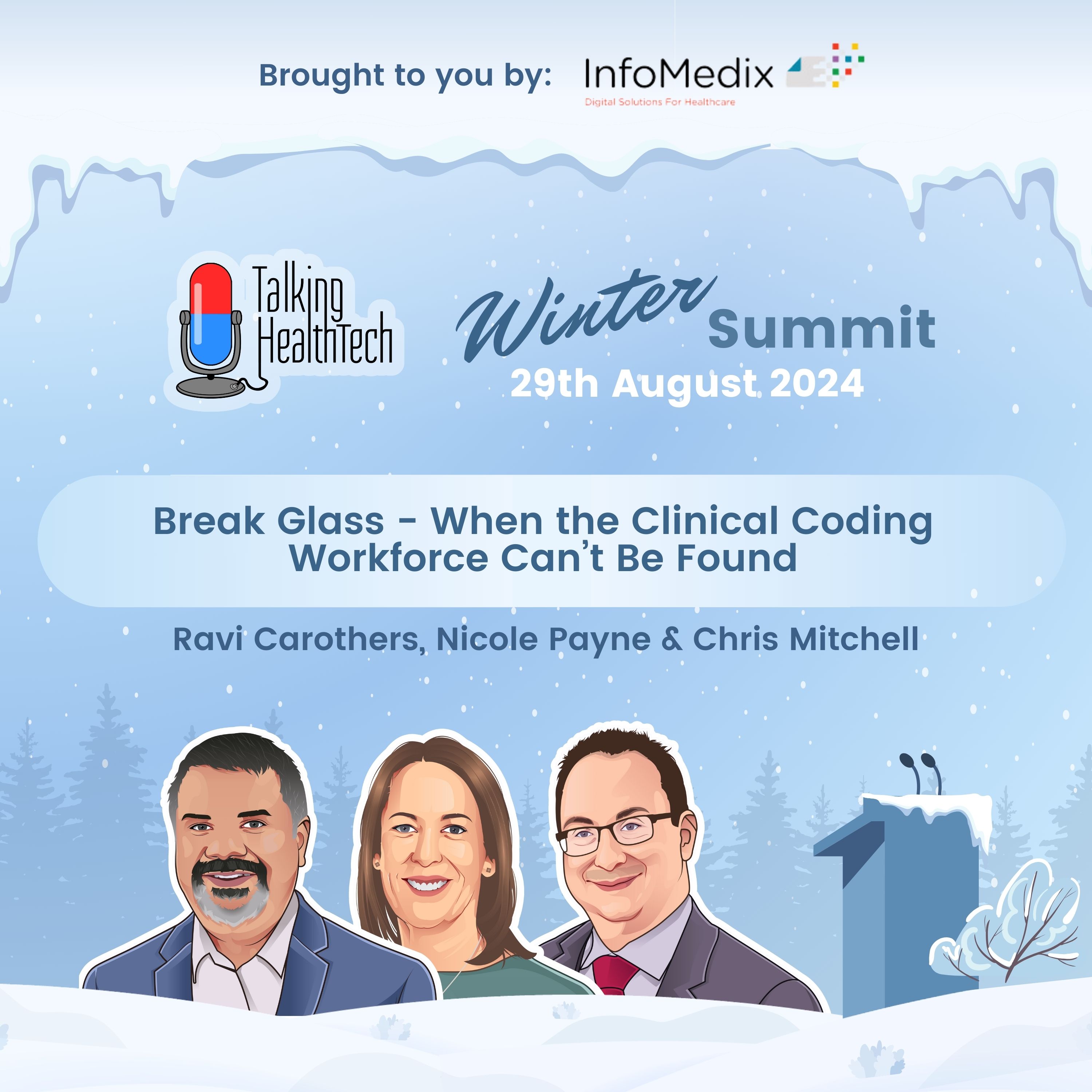
470 - Winter Summit 2024 Session 3: Break Glass - When the Clinical Coding Workforce Can’t Be Found
In this episode of Talking HealthTech, host Peter Birch speaks with Ravi Carothers, Head of Health Fund Relations and Revenue at Healthe Care Australia, Nicole Payne, Head of Transformation of Revenue Cycle Management at Healthscope, and Chris Mitchell, Chief Information and Digital Officer at Hunter New England Local Health District about clinical coding workforce shortages and the role of digitising medical records in addressing this issue.This episode was recorded live at the Talking HealthTech Winter Summit 2024. The session focuses on how digitising medical records can mitigate clinical coder shortages in Australian hospitals and explores various strategies and technological innovations that can bridge gaps in clinical coding workforce availability.Key Takeaways:Use of AI in Healthcare: AI is transitioning clinical coders to checkers rather than transcribers, aiming to increase workforce satisfaction and efficiency. AI will augment, not replace, human coders.Challenges and Solutions: Addressing the difficulties in digitising medical records, particularly in cost implementation, data accuracy, and workforce shortages.Tertiary Storage of Records: Discussion on the future focus on the tertiary storage of old paper records and potential outsourcing options, aiming to support the healthcare workforce through digital systems.Workforce Flexibility: Numerous speakers stress the need for flexible work arrangements to attract and retain clinical coders, especially in remote or under-resourced areas.Check out the episode and full show notes on the Talking HealthTech website.Keep an eye out for the details of our Spring Summit happening in November of this year. For more information, go to talkinghealthtech.com/summit.Loving the show? Leave us a review, and share it with someone who might get some value from it.Keen to take your healthtech to the next level? Become a THT+ Member for access to our online community forum, meet ups, special offers and more exclusive content. For more information visit talkinghealthtech.com/thtplus
469 - Unlocking the Future of Healthcare: Patient Engagement and Technology Integration. Tara Mahoney and Jenny Reichard, Genesys
In this episode of Talking HealthTech, host Peter Birch speaks with Tara Mahoney, VP of Healthcare Practice, and Jenny Reichard, Senior Industry Executive - Healthcare, both at Genesys. They discuss the challenges and opportunities at the intersection of technology and healthcare. Key topics include enhancing patient engagement through AI and digital platforms, reducing administrative burdens, and integrating technology into fragmented healthcare systems, focusing on the Australian landscape. This episode was recorded at an event hosted by Genesys in Sydney called Xperience, which aims to help their customers and partners drive meaningful outcomes and build deeper relationships through experience orchestration.Key TakeawaysTechnology in Healthcare: Genesys is focused on leveraging technology to streamline healthcare workflows and improve patient and member experiences by enhancing communication and reducing inefficiencies.Global Perspective: Healthcare challenges such as administrative burdens and fragmented systems are universal, and Genesys is working to provide sustainable solutions through technology across different regions.Patient Engagement Platforms: Patient engagement platforms and communication tools are essential in delivering better patient experiences and outcomes, especially in the increasingly digital age.Reducing Administrative Burdens: The potential of AI and automated systems in reducing the routine administrative tasks that burden healthcare providers, allowing them to focus more on critical patient care.Local Context: The Australian healthcare system, while robust, faces fragmentation issues that can be mitigated through technology integration and better communication platforms.Future Innovations: The role of AI and natural language processing in healthcare, particularly in identifying patient needs and summarising complex medical information for better patient management.Check out the episode and full show notes on the Talking HealthTech website.Loving the show? Leave us a review, and share it with someone who might get some value from it.Keen to take your healthtech to the next level? Become a THT+ Member for access to our online community forum, meet ups, special offers and more exclusive content. For more information visit talkinghealthtech.com/thtplus
468 - Winter Summit 2024 Session 2: Regional Virtual Care Strategy
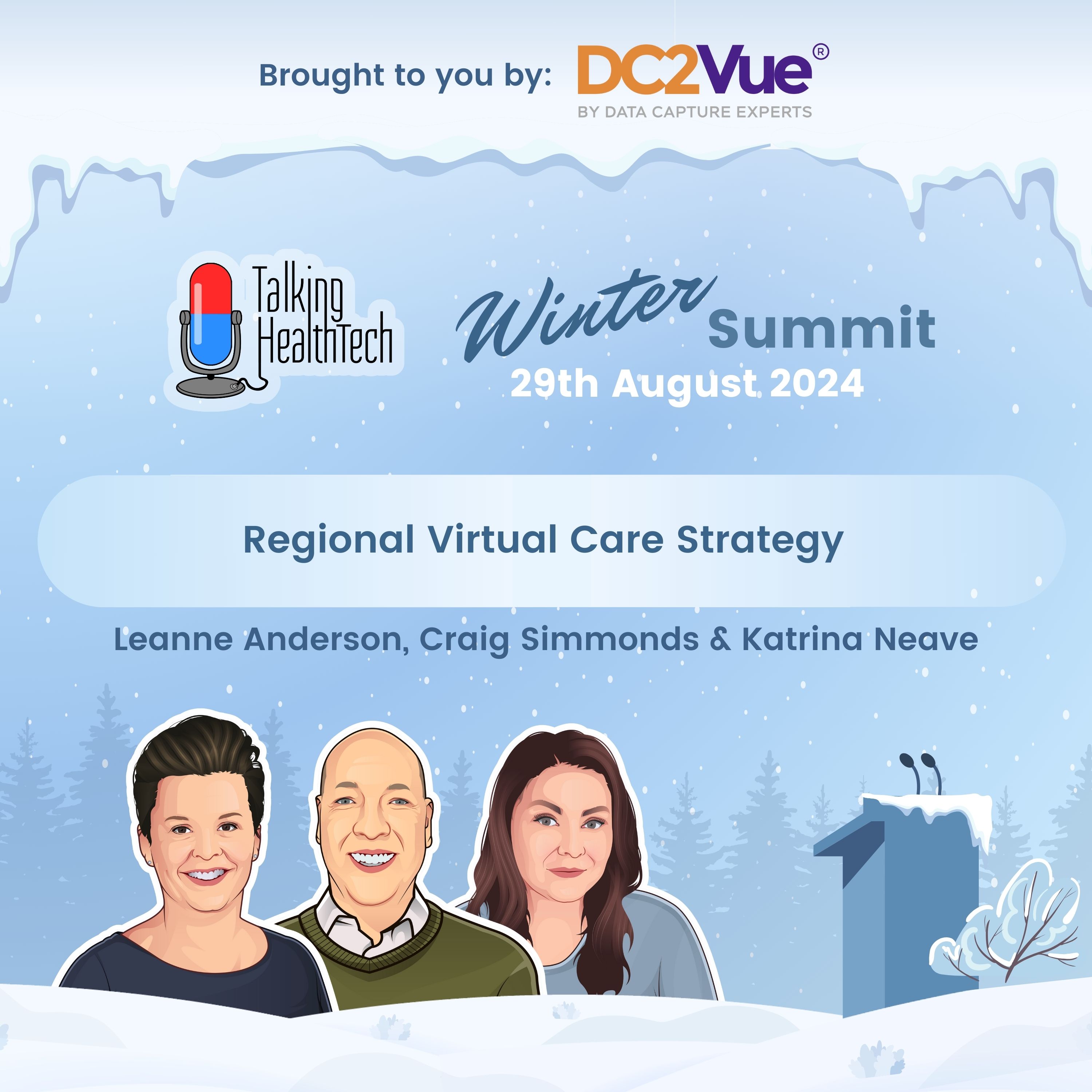
In this episode of Talking HealthTech, host Peter Birch speaks with Leanne Anderson, Chief Clinical Information Officer at Data Capture Experts, Katrina Neave, Manager of Loddon Mallee Virtual Care Office at Bendigo Health, and Craig Simmonds, CEO and Founder of Propell. The discussion revolves around the implementation and benefits of a regional virtual care strategy, particularly focusing on the Loddon Mallee region’s collaborative approach to health services and technology integration.This episode was recorded during the Winter Summit held on the 29th of August 2024, capturing insights and conversations around the regional virtual care strategy.Key TakeawaysRegional Collaboration: The Loddon Mallee virtual care strategy involves the integration of 15 Health Services in the area, aiming to reduce preventable hospitalisations and improve chronic illness care.Platform and Equipment: Using a regional platform pre-equipped with clinical tools, available at no cost to health services, to streamline documentation, scheduling, and virtual care.Connectivity and Adaptation: While connectivity is less of a barrier due to improved internet infrastructure, the major challenge lies in clinicians adapting to new technological workflows.Operational Efficiency: Significance of reducing patient travel and nurse dispatches in vast geographic regions through remote services, leveraging existing collaborative structures in regional healthcare.Patient Engagement: The use of patient portals for sharing biometric data, completing surveys, and communicating with healthcare teams is emphasised to ensure equity and accessibility in healthcare.Technology Adoption: Discussion on the simplicity and scalability of devices like blood pressure monitors and pulse oximeters, integrated with Bluetooth for ease of data capture and remote monitoring.Check out the episode and full show notes on the Talking HealthTech website.Keep an eye out for the details of our Spring Summit happening in November of this year. For more information, go to talkinghealthtech.com/summitLoving the show? Leave us a review, and share it with someone who might get some value from it.Keen to take your healthtech to the next level? Become a THT+ Member for access to our online community forum, meet-ups, special offers, and more exclusive content. For more information visit talkinghealthtech.com/thtplus

467 - How Quantum Computing & AI Will Transform Patient Engagement. Peter Catt, Virtual Blue Limited
In this episode of Talking HealthTech, host Nathan Moore speaks with Peter Catt, Director of Quantum & AI at Virtual Blue Limited, about the role of AI and quantum technologies in transforming patient engagement and clinic operations. They discuss Virtual Blue's solutions like Smart Engage and Neural Insights for Clinic Operations (NICO) and dive deep into how these applications enhance healthcare efficiency and patient interaction.Key TakeawaysSmart Engage: A conversational AI solution primarily used for radiology bookings, utilising natural language processing to handle complex workflows and integration with radiology information systems (RIS).Intelligent Avatars: Personified AI avatars that significantly improve booking completion rates by engaging users and guiding them through processes.Neural Insights for Clinic Operations (NICO): This combines deep learning and quantum technologies to forecast patient demand, optimise workforce schedules, and balance clinician preferences.Operational Efficiency: AI-driven solutions provide 24/7 self-service for patients and reduce contact centre load, leading to cost savings and improved operational efficiency.Change Management: Emphasises the importance of executive sponsorship and effective change management to ensure successful implementation and user acceptance.Check out the episode and full show notes on the Talking HealthTech website.Loving the show? Leave us a review, and share it with someone who might get some value from it.Keen to take your healthtech to the next level? Become a THT+ Member for access to our online community forum, meet ups, special offers, and more exclusive content. For more information visit talkinghealthtech.com/thtplus
466 - Winter Summit 2024 Session 1: Integrating HealthTech Ecosystems
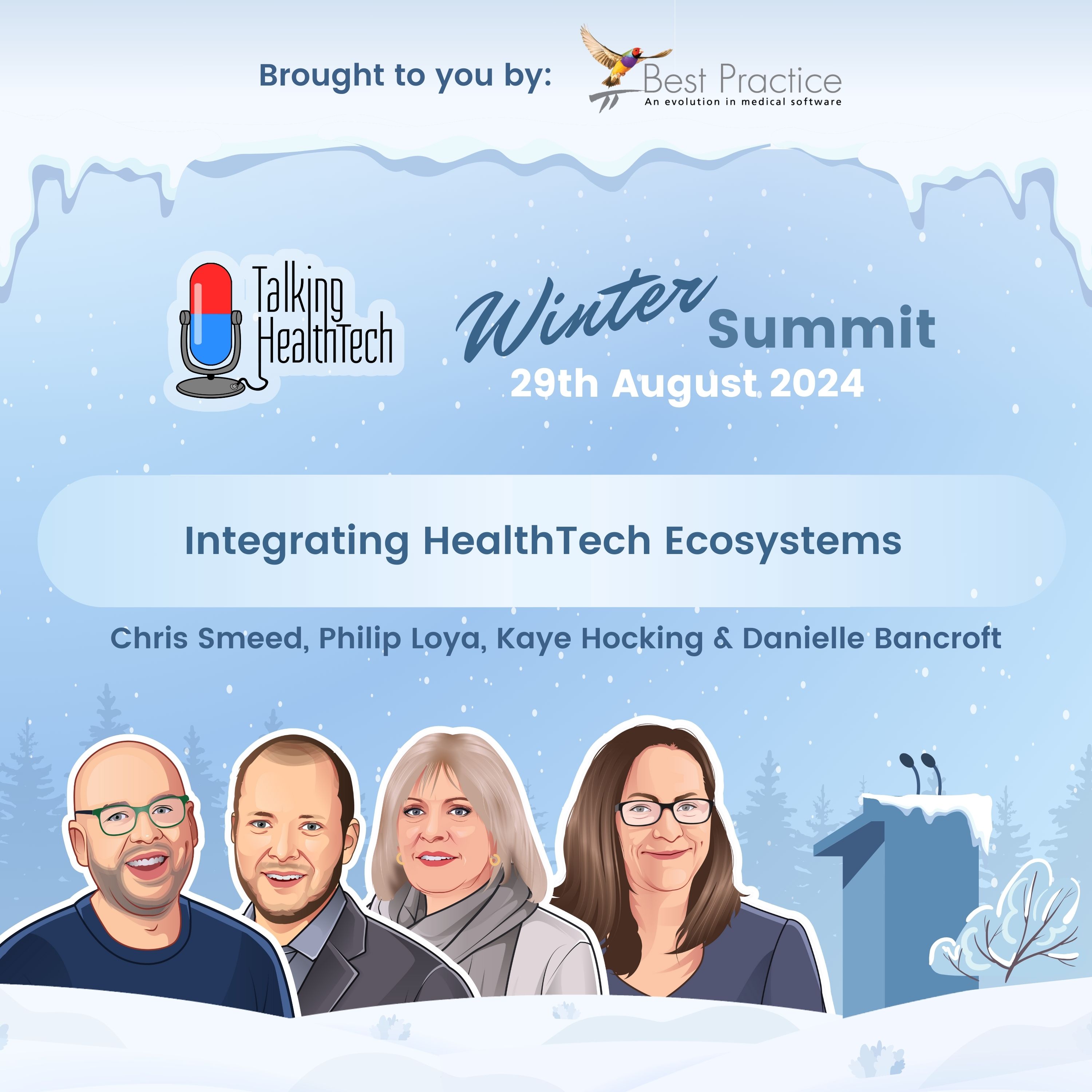
In this episode of Talking HealthTech, host Peter Birch speaks with leading voices from healthtech vendors during the Winter Summit held on the 29th of August 2024. Guests include Chris Smeed, CEO of Cubiko; Phillip Loya, Lead Business Developer and Business Strategist at Oracle Health; Danielle Bancroft, Chief Product Officer of Best Practice Software; and Kaye Hocking, Chief Product Officer at Alcidion. The discussion covers the importance of healthtech integration, consumer needs, standardisation efforts, and the challenges and opportunities within the industry. Key TakeawaysConsumer Needs in HealthTech: It’s important to keep consumer and community needs at the forefront of technology discussions, particularly in healthtech.E-prescribing and E-ordering: E-prescribing is a pivotal development during COVID-19, enabling patients to order prescriptions via SMS.Remote Patient Monitoring: Using Bluetooth-enabled devices for remote patient monitoring enhances virtual care. The momentum for such technologies post-COVID-19 should be maintained.Innovation in Consumer Apps: The cusp of innovation in consumer health applications was emphasised, stressing the importance of standards like FHIR in creating seamless and efficient healthcare experiences.Standardisation and Integration: Discussion around the transition to standardised APIs, focusing on supporting hybrid systems while moving towards interoperability.Challenges and Solutions: The panel identified key challenges in healthtech integration, including data interoperability, stakeholder collaboration, and regulatory compliance.Check out the episode and full show notes on the Talking HealthTech website.Keep an eye out for the details of our Spring Summit happening in November of this year. For more information, go to talkinghealthtech.com/summit.Loving the show? Leave us a review, and share it with someone who might get some value from it.Keen to take your healthtech to the next level? Become a THT+ Member for access to our online community forum, meet-ups, special offers, and more exclusive content. For more information, visit talkinghealthtech.com/thtplus
465 - Designing for Dignity: Health Tech Innovations for Older Adults
In this episode of Talking HealthTech, host Regina Akacich speaks with Lynette Reeves, Behaviour Change Specialist at Miroma Project Factory, and Professor Kim Delbaere, Senior Principal Research Scientist at Neuroscience Research Australia. They explore the development of health technology for older adults, focusing on gamification, human-centred design, and balancing personalised care with standardised protocols.Key TakeawaysFlexibility in Product Development: There is a need to adapt health tech products continually, aligning the technology stack with long-term goals while ensuring regulatory compliance.Gamification and Behaviour Change: Gamification techniques can drive behaviour change, with different age groups responding to various rewards.Human-Centred Design: Lynette and Kim highlight the importance of involving older adults in the design process, using the StandingTall and LIV programs as examples.Technology for Older Adults: Older adults can effectively use technology, especially when it helps them stay independent and connected.Data Management and Privacy: Secure and compliant management of health data is critical, particularly with wearables and AI.Check out the episode and full show notes on the Talking HealthTech website.Loving the show? Leave us a review, and share it with someone who might get some value from it.Keen to take your healthtech to the next level? Become a THT+ Member for access to our online community forum, meet ups, special offers and more exclusive content. For more information visit talkinghealthtech.com/thtplus.
464 - Digital Front Door: A Platform Connecting Clinicians and Consumers
In this episode of Talking HealthTech, host Nathan Moore speaks with Elaria Paul, Product Portfolio Manager for Consumer Engagement at Global Health - MasterCare. They explore the concept of the digital front door, exploring its impact on patient engagement, healthcare accessibility, and the integration of modern technologies like telehealth and smart forms in the healthcare sector.Key TakeawaysDigital Front Door: An all-in-one patient engagement platform designed to streamline patient interactions and improve communication between clinicians and patients.Patient Empowerment: Enables patients to manage their healthcare needs through online appointment scheduling, video consultations, and access to personal health records.Clinician Benefits: Reduces hospital admissions by increasing access to community healthcare services, streamlining workflows, and potentially increasing profitability.Continuous Improvement: The role of regular user feedback and advanced testing in refining the platform and maintaining security.Emerging Technologies: How Global Health - MasterCare is incorporating AI and other emerging technologies to enhance healthcare delivery.Check out the episode and full show notes on the Talking HealthTech website.Loving the show? Leave us a review, and share it with someone who might get some value from it.Keen to take your healthtech to the next level? Become a THT+ Member for access to our online community forum, meet-ups, special offers, and more exclusive content. For more information, visit talkinghealthtech.com/thtplus
463 - HIC 2024 Feature Episode
This special episode of the Talking HealthTech podcast was recorded live at HIC 2024, hosted by the Australasian Institute of Digital Health (AIDH) in Brisbane. Talking HealthTech collaborated with AIDH to bring the Digital Health Studio to the expo floor, where Peter Birch from Talking HealthTech recorded discussions with key speakers and thought leaders who represented at the event. This episode features four of those conversations with leaders shaping the future of digital health in Australia, including:[00:55] John Nosta, Founder of NostaLab[11:47] Annette Schmiede, CEO of Digital Health CRC[21:52] Simon Cleverley, Assistant Secretary, Department of Health and Aged Care[31:49] Anja Nikolic, CEO of AIDHHead over to our YouTube Channel to access all of the interviews recorded at HIC 2024.Key Takeaways:National Governance and Interoperability: Simon Cleverley discusses the establishment of a new digital health oversight committee aimed at improving health information exchange and developing a unified health care identifier system.Role of AIDH: Anja Nikolic emphasises the importance of AIDH in providing authoritative advice, connecting stakeholders, and advocating for digital health advancements.Innovation and Obsolescence: John Nosta highlights the rapid technological advancements and the resulting obsolescence, focusing on how human cognition is being challenged by AI and other technologies.Digital Health CRC Initiatives: Annette Schmiede outlines the contributions and future plans of the Digital Health CRC, including significant funding for research and collaborations aimed at advancing healthcare technologies.AI and Healthcare: Discussions around the role of AI in reducing clinician burnout, improving efficiency, and enhancing diagnostic accuracy.Check out the episode and full show notes on the Talking HealthTech website.Loving the show? Leave us a review, and share it with someone who might get some value from it.Keen to take your healthtech to the next level? Become a THT+ Member for access to our online community forum, meet ups, special offers and more exclusive content. For more information visit talkinghealthtech.com/thtplus

BONUS EPISODE: Medicubes - New Developments in Chronic Disease Care and Aged Care Incentives: A Deep Dive
This special bonus episode of Talking HealthTech is a recent episode from one of the shows in the THT Podcast Network - Medicubes. Subscribe to their show below:Apple Podcasts: https://podcasts.apple.com/au/podcast/medicubes/id1635000183 Spotify: https://open.spotify.com/show/6H6hJ1lMo8Wt5OK2rzLFkZ -----In this episode of Medicubes, join hosts Chris, Riwka, and Kim as they delve into the latest changes in chronic disease management and the GP aged care incentives.Focusing on how the new Medicare Benefits Schedule (MBS) updates will impact practice management, primary care, and specialists across Australia. Discussing the easing of the administrative burden associated with chronic disease management, the introduction of MyMedicare registration for chronic care patients, and the anticipated changes to aged care incentives. Giving insights into the upcoming MBS item numbers and how practices should prepare for these significant changes.Read the Medicare Benefits Schedule updates here: https://www.mbsonline.gov.au/internet/mbsonline/publishing.nsf/Content/51DB00BFCAE778D9CA258B7F007C1FB8/$File/PDF%20Version%20-%20Upcoming%20Changes%20to%20Chronic%20Disease%20Management%20MBS%20Items%20%E2%80%93%20Overview.PDFKey Talking Points:MBS Updates: New item numbers for chronic disease management will come into effect on 1st November 2024, aiming to simplify the process and improve patient care. Chronic Disease Management: Administrative burdens around team care arrangements and the Enhanced Primary Care (EPC) allocation will be reduced, focusing more on outcomes and patient reviews. MyMedicare Registration: Registration becomes crucial for practices to ensure they can provide and claim for chronic disease management plans for their patients. Aged Care Incentives: The new structure requires annual service plans, regular care planning, and quarterly service delivery, with compliance checks on the quality and spread of the care provided. Data and Modelling: Practices are encouraged to use data tools and modelling to understand financial impacts and ensure sustainability. Fee Structures: Discussed the potential for practices to introduce gap fees or private billing for care planning services. Make sure you're subscribed to the podcast so you don't miss an episode, and leave a review on Apple Podcasts or Spotify if you found the discussion valuable. Visit www.medicubes.com.au for previous episodes and more information.Medicubes is a proud member of the Talking HealthTech Podcast Network – the premier audio destination for cutting-edge insights and thought leadership in healthcare delivery, innovation, digital health, healthcare ICT, and commercialisation. Learn more at www.talkinghealthtech.com/podcast/network.
462 - Medtech Conference Preview: MedTech Industry Innovations and Health System Reforms. Ian Burgess, MTAA
In this episode of Talking HealthTech, host Peter Birch speaks with Ian Burgess, CEO of the Medical Technology Association of Australia (MTAA). They delve into the complexities and opportunities within the medtech industry, discussing its growth, challenges, and the upcoming MTAA conference. The conversation covers a wide range of topics including regulatory barriers, digital health, innovation, and the sustainability of Australia's healthcare system.To learn more and register for the MTAA Medtech Conference 2024 in Sydney visit here: https://www.mtaa.org.au/medtech-conferenceKey Takeaways:Understanding Medtech: Ian Burgess explains the broad scope of medical technology, from simple devices like tongue depressors to advanced digital medtech, emphasizing the integration of digital health into the ecosystem.Industry Challenges: The discussion highlights challenges such as regulatory barriers, data governance, and the need for improved reimbursement pathways for digital medtech.Healthcare System: Australia boasts a high-quality healthcare system but faces sustainability issues. The conversation focuses on the need to treat health as an investment rather than simply cutting costs.Private Health System: Ian outlines the financial pressures on private hospitals and the disparity in profitability between medical technology providers and private health insurers.MTAA Medtech Conference: The upcoming conference, themed "Connected Today, Transform Tomorrow," aims to address these challenges and bring together various stakeholders in the healthcare ecosystem to discuss innovative solutions.Check out the episode and full show notes on the Talking HealthTech website.Loving the show? Leave us a review, and share it with someone who might get some value from it.Keen to take your healthtech to the next level? Become a THT+ Member for access to our online community forum, meet-ups, special offers, and more exclusive content. For more information, visit talkinghealthtech.com/thtplus.
461 - Digital Health Strategies in Action: How Sydney LHD Tackles Clinical Documentation Challenges
In this episode of Talking HealthTech, host Peter Birch is joined by Dr Angus Ritchie and Dr Andrew Wilson from Sydney Local Health District (SLHD) to explore the intricate ways technology, particularly advanced clinical documentation systems like Dragon Medical One, is utilised to alleviate the pressures of rising healthcare demands. Angus and Andrew offer insights from both strategic and frontline perspectives, discussing the challenges faced by SLHD's innovative solutions being implemented and what the future holds for digital health.Key Takeaways:Tech-Driven Efficiency: Digital technology plays a critical role in reducing staff burnout and meeting rising healthcare demands without compromising care quality.Dragon Medical One: Dragon Medical One is a cloud-based speech recognition tool that has dramatically improved clinical documentation efficiency during the COVID pandemic.Mental Health Focus: Speech recognition has positively impacted the mental health sector by providing more contemporaneous, detailed, and dynamic documentation.Future of Digital Health: Future trends, including advanced clinical documentation systems that transcribe, interpret emotional nuances, and automate procedural tasks for clinicians, were highlighted.Check out the episode and full show notes on the Talking HealthTech website.Loving the show? Leave us a review, and share it with someone who might get some value from it.Keen to take your healthtech to the next level? Become a THT+ Member for access to our online community forum, meetups, special offers, and more exclusive content. For more information visit talkinghealthtech.com/thtplus
460 - Innovative models of care: Digital Advice & Guidance with Consultmed
In this episode of Talking HealthTech, host Peter Birch is joined by A/Prof Vikram Palit, Dr Phil Tong, and Rosie Wilson to discuss the changing landscape of healthcare information and access in Australia. They explore the effectiveness of Consultmed’s Advice & Guidance capability in facilitating specialist care, reducing unnecessary hospital visits, and providing educational value for GPs.Rosie also shares her personal challenges within the healthcare system and the potential benefits of efficient referral processes.Key TakeawaysSystem Deficiencies: There is a concerning trend of patients resorting to alternative means of obtaining healthcare information due to the limitations of the current system.Specialist Access Improvement: Rosie shares her perspective as a patient, emphasising the critical need for timely specialist access and efficient GP-sourced specialist advice.Advice & Guidance: This innovative platform enables quicker specialist consultations, educates GPs, and can significantly improve patient management before and during specialist appointments.Technological Integration: Discussions on how technology can bridge the gap in specialist care access, potentially reducing wait times and hospital presentations.Educational Component: The Advice & Guidance platform offers GPs the opportunity to earn CPD points while improving their knowledge through specialist advice.Check out the episode and full show notes on the Talking HealthTech website.Loving the show? Leave us a review, and share it with someone who might get some value from it.Keen to take your healthtech to the next level? Become a THT+ Member for access to our online community forum, meet ups, special offers and more exclusive content. For more information visit talkinghealthtech.com/thtplus
459 - Streamlined Staff Immunisation: Linden Bungey & Desleigh Smith, Ocean Health Systems
In this episode of Talking HealthTech, host Peter Birch speaks with Linden Bungey and Desleigh Smith from Ocean Health Systems about their innovative contributions to digital health. Recorded during HIC 2024, the conversation explores Ocean Health Systems' products, their applications in infection control and staff health, and the importance of data-driven decision-making in healthcare settings.Key TakeawaysOcean Health Systems has been in the digital health space for 25 years and is now focusing on new and innovative products.The company uses openEHR standards to develop archetypes and templates that simplify the interface between clinicians and developers.Products like Multiprac are helping healthcare facilities improve infection control by streamlining data entry and providing real-time analytics.Immunise aims to streamline staff health and vaccination records, improving workplace health and safety.- Ocean Health Systems plans to expand its reach globally and collaborate with industry partners to integrate and utilise data effectively further.Check out the episode and full show notes on the Talking HealthTech website.Loving the show? Leave us a review, and share it with someone who might get some value from it.Keen to take your healthtech to the next level? Become a THT+ Member for access to our online community forum, meet-ups, special offers, and more exclusive content. For more information, visit talkinghealthtech.com/thtplus
458 - Inside the ARCS Annual Conference 2024
In this episode of Talking HealthTech, we speak with Tim Boyle, CEO of ARCS Australia; Annree Wogan, Co-founder of ADORA Coaching & Leadership; Nick Northcott, Founder of Chrysalis Advisory; Guy Tsafnat, Founder of Evidentli; Stefan Mazy, CEO of DermR Health Solutions; and Matt Dun, Professor of Paediatric Haematology and Oncology Research at the University of Newcastle and Hunter Medical Research Institute. This episode was recorded at the ARCS Annual Conference 2024 and explored various topics such as leadership development, the convergence of medical technologies, data harmonisation using AI, innovative healthcare solutions, patient engagement, and the professional growth of the medtech and pharmaceutical sectors.Key TakeawaysLeadership Development and Team Performance: The significance of developing leadership and collaboration skills within executive teams is discussed, focusing on the Maximising Team Performance framework.Innovative Medical Devices: Insights are shared into developing a next-generation hydrogel condom and the stringent quality and manufacturing standards involved.Data Integration and AI: Evidentli’s approach to using AI for cleaning and harmonising real-world health data enhances precision and integration in healthcare applications.Healthcare Advancements: A new method for skin cancer testing is introduced, which reduces unnecessary biopsies and costs by utilising micro-needle structures and gene assays.Patient Engagement and Data-Driven Research: The importance of embedding patient and family perspectives in drug development to improve outcomes and integrate research efforts is emphasised.ARCS Transformation and Industry Support: ARCS Australia has evolved into a professional association supporting the broader medtech and pharmaceutical sectors by providing networking and learning opportunities.Check out the episode and full show notes on the Talking HealthTech website. We also recorded many more interviews during ARCS 2024 and can’t include them all in this episode, so head over to our YouTube channel to catch the rest!Loving the show? Leave us a review, and share it with someone who might get some value from it.Keen to take your healthtech to the next level? Become a THT+ Member for access to our online community forum, meet ups, special offers and more exclusive content. For more information visit talkinghealthtech.com/thtplus

BONUS EPISODE: The Good GP: Digital Health Festival 2024: Medtech's Geoffrey Sayer on Transforming GP Software Systems
This special bonus episode of Talking HealthTech is a recent episode from one of the shows in the THT Podcast Network - The Good GP. Subscribe to their show below:Apple Podcasts: https://podcasts.apple.com/au/podcast/the-good-gp/id1212751478Spotify: https://spotify.com/show/5Rw9eohsYjvMFKKyMWMKl6────────In this episode of The Good GP, hosts Dr Tim Koh and Dr Sean Stevens speak with Geoffrey Sayer, CEO of Medtech, at the Digital Health Festival 2024. Geoffrey introduces Medtech, an electronic health record system designed to service practices in Australia and New Zealand, providing a comprehensive patient practice management system (PMS).Beginning with an overview of Medtech's capabilities and its market presence. Geoffrey highlights the importance of having a flexible and future-proof PMS that allows for customization and integration with other software applications adaptable to the diverse needs of general practices.Geoffrey explains the concept of APIs (Application Programming Interfaces) and their role in enabling third-party software to interact with Medtech's system. He introduces Medtech’s Application Layer Exchange (ALEX®), a sandbox environment where developers can create and test new applications that integrate with their PMS. This fosters an ecosystem of innovation, allowing practices to customise their systems to meet specific requirements.Dr Sean Stevens queries about the potential of an app store for PMS, to which Geoffrey acknowledges the growing trend but emphasises the need for standardised APIs to ensure cross-vendor compatibility. They then explore the technical feasibility for GPs to develop or commission customised applications, enhancing their practice management experience.Geoffrey predicts a hybrid model of PMS combining local servers with cloud-based services, advancements in inbox management, and an increase in AI-assisted functions. He acknowledges the appetite amongst GPs for more innovative, flexible solutions and the role that smarter data integration, particularly with wearable devices, will play in the future.The Good GP Podcast is a proud member of the Talking HealthTech Podcast Network - the premier audio destination for cutting-edge insights and thought leadership in healthcare delivery, innovation, digital health, healthcare ICT, and commercialisation.Learn more at www.talkinghealthtech.com/podcast/network
457 - Digitally enhanced Abnormal Uterine Bleeding Management Hub
In this episode of Talking HealthTech, host Sophie Turner speaks with Khika Withnell, Mariah Amjad, and Dr Megan Young from Women's Health Road about their approaches to women's health care, the integration of technology, and patient education. They discuss the clinic's mission, the importance of interoperability in health care, and how AI tools transform patient interactions. Key Takeaways:The team elaborates on Women's Health Road's comprehensive and compassionate health care model, which includes the Abnormal Uterine Bleeding Hub.The role of AI, specifically the AI scribe called Heidi, is covered extensively. It assists in reducing administrative burdens, thus improving patient-clinician interactions.Patient education and advocacy are critical themes, with initiatives like the Bleed Better campaign aiming to raise awareness about heavy menstrual bleeding.Discussions included insights into future projects and how Women's Health Road plans to improve patient pathways through technology and personalised education.Check out the episode and full show notes on the Talking HealthTech website.Loving the show? Leave us a review, and share it with someone who might get some value from it.Keen to take your healthtech to the next level? Become a THT+ Member for access to our online community forum, meet-ups, special offers, and more exclusive content. For more information visit talkinghealthtech.com/thtplus.
456 - Implementing the national digital health strategy
In this episode of Talking HealthTech, host Peter Birch speaks with Lara Spence, Founder and Managing Director of Digivate Health, and Lindsey Gough, a veteran of the public health system and Executive Advisor at Digivate Health. They dive into the design of new healthcare facilities and the necessity for innovative models in care delivery. The conversation explores the successful integration of virtual healthcare services, the critical role of seamless technology in healthcare, and the need for rigorous evaluation of digital health investments. They also highlight the importance of digital health strategies, particularly for remote communities, and discuss the necessity of sustainable partnerships and digital maturity assessments.Key Takeaways:🚀 Innovative Facility Design: Emphasising the inclusion of virtual care models based on their pandemic success.🚄 Seamless Technology: Technology should function effortlessly, much like public transport.🔧 Maximising Tech Benefits: Start by identifying problems, evaluating solutions, and addressing workforce pressures.📊 National Digital Health Strategy: The strategy requires practical steps and measuring progress for effective implementation.🌐 Remote and Equitable Care: Highlighting the need for equitable healthcare access in remote areas through virtual care models.🐢 Slow Tech Adoption: Addressing barriers to tech adoption and focusing on opportunities in remote patient monitoring and alternative care models.Check out the episode and full show notes on the Talking HealthTech website.Loving the show? Leave us a review, and share it with someone who might get some value from it.Keen to take your healthtech to the next level? Become a THT+ Member for access to our online community forum, meet ups, special offers and more exclusive content. For more information visit <a...
455 - Practical Steps to Healthcare Interoperability: Conversations with Sparked FHIR Experts
In this episode of Talking HealthTech, host Peter Birch is joined by Kate Ebrill, Interoperability Lead at AEHRC CSIRO and National Lead at Sparked FHIR Accelerator, alongside Danielle Bancroft, Chief Product and Technology Officer at Best Practice Software. The conversation dives deep into the world of healthcare interoperability.They explore the vital need for seamless data exchange within healthcare systems, the community-driven approach of Sparked, Australia’s national FHIR accelerator, and the exciting prospects for healthcare data exchange. They discuss the critical role of FHIR standards and how they're being adapted and implemented in Australia to improve clinical workflows, enhance patient care, and fuel innovation in healthcare.Key TakeawaysImportance of Interoperability: Seamless data exchange in healthcare systems is crucial for efficient and effective patient care. Interoperability ensures that information is shared without manipulation or additional effort.Incremental Improvements: Instead of aiming for a perfect system from scratch, the focus should be practical, incremental enhancements in healthcare data exchange.Community-Driven Approach: Sparked operates with a bottom-up community-driven process involving over 600 people and is backed by government and health agencies, aiming to localise international FHIR standards for use within Australia.Design Groups: The process of developing FHIR standards involves design groups, including a clinical design group with over 400 participants focused on identifying core information for exchange and a technical design group to implement these using the FHIR standard.Focus on Key Use Cases: The emphasis is on essential use cases like bulk uploads and patient summaries to demonstrate the practical benefits of FHIR standards.Check out the episode and full show notes on the Talking HealthTech website. Loving the show? Leave us a review, and share it with someone who might get some value from it.Keen to take your healthtech to the next level? Become a THT+ Member for access to our online community forum, meet-ups, special offers, and more exclusive content. For more information visit talkinghealthtech.com/thtplus

454 - HLTH Europe 2024
In this episode of Talking HealthTech, Pete hosts The Beat podcast at HLTH Europe 2024 in Amsterdam.In this episode of Talking HealthTech, here a handful of the conversations recorded for The Beat, including Paula Bellostas Muguerza, Senior Partner and Global Healthcare & Life Sciences Practice Leader at Kearney, Rowland Illing, Chief Medical Officer at AWS, and Richard Stubbs, Chair of the Health Innovation Network and Chief Executive of Health Innovation Yorkshire & Humber. In these discussions, explore the intricacies of building healthcare solutions, focusing on health equity, the transformative power of digital pathways, and the critical role of innovation and collaboration in advancing healthcare. Key TakeawaysHealth Equity and Diverse Populations: Building healthcare solutions must prioritise health equity, particularly for communities of need and diverse demographics. Innovators must ensure AI solutions are built without inherent biases and put patients at the centre.Digital Pathways: Embracing digital pathways can optimise resources, allowing more face-to-face care for those requiring it. However, it’s crucial to recognise that healthcare solutions are not one-size-fits-all.Role of the Health Innovation Network: The network plays a pivotal role in navigating the NHS and translating innovative ideas into real-life healthcare solutions, emphasising collaboration across various sectors.Cloud Technology in Healthcare: There is an obvious shift towards cloud technology, providing enhanced security, resilience, and high-performance computing to healthcare providers while supporting both large organisations and startups.Addressing Gender Inequity in Healthcare: There are systemic challenges in women's health, including delays in diagnosis and lack of investment. change is needed in five key areas: reproductive health, brain health, heart health, autoimmune disease, and cancer.Collaborative Innovation: Success in healthcare innovation hinges on collaborative efforts among regulators, policymakers, pharma companies, innovators, academia, and the public, focusing on resolving issues in both developed and lower middle-income countries.Check out the episode and full show notes on the Talking HealthTech website.Loving the show? Leave us a review, and share it with someone who might get some value from it.Keen to take your healthtech to the next level? Become a THT+ Member for access to our online community forum, meet-ups, special offers, and more exclusive content. For more information visit talkinghealthtech.com/thtplus
453 - Ripple Effect of Patient Flow in Healthcare: An Independent Study on The Benefits of Miya Flow, Alcidion
In this episode of Talking HealthTech, host Peter Birch sits down with Nick White, Chief Marketing Officer at Alcidion, to explore the benefits of implementing modern patient flow systems in healthcare. Nick discusses the recent independent study at Alfred Health that highlights the positive impact of electronic patient journey boards on clinical workflows, bed allocation, discharge planning, and overall patient care. With his extensive healthcare tech and marketing background, Nick shares insights on how Alcidion transforms patient flow management through innovative solutions like Miya Precision.Key Takeaways:Enhanced Efficiency in Bed Allocation: The study showed a 67% reduction in call duration for bed allocation, thanks to Alcidion's Miya Precision platform. This freed up clinicians’ time and resources, making bed management more efficient.Reduction in Outliers: There was a significant 17.7% decline in patients being admitted to incorrect wards, improving patient care quality and reducing the length of stay.Real-Time Patient Information: Access to up-to-date patient data has eliminated discrepancies that previously existed between different data sources, enhancing patient safety and care.Improved Discharge Planning: The study highlighted the positive impact of mandatory Estimated Date of Discharge (EDD) entries, which have improved predictive analytics and bed availability planning.Consistency in Workflow: Before Miya Precision, the healthcare facility faced 30 different workflow variations. This number was reduced to 9, allowing staff to move between wards more effectively and maintain consistent care levels.Shorter Length of Stay: A 12.1% reduction in patient length of stay was observed, reflecting the overall enhanced efficiency in the system.Future Technological Advancements: Potential for AI and advanced predictive analytics to further enhance patient flow and bed management.Check out the episode and full show notes on the Talking HealthTech website.Loving the show? Leave us a review, and share it with someone who might get some value from it.Keen to take your healthtech to the next level? Become a THT+ Member for access to our online community forum, meet-ups, special offers and more exclusive content. For more information visit talkinghealthtech.com/thtplus
452 - Navigating Innovations in Healthcare: Supporting Start-ups and Scale-ups Towards Market Success. Sarah-Jane Anker, Anker Alliance
In this episode of Talking HealthTech, host Peter Birch is joined by Sarah-Jane Anker, Director and Founder of Anker Alliance. With a rich background in medical devices and pharmaceuticals, Sarah-Jane dives into the pivotal role of consulting services for healthcare start-ups and scale-ups. The discussion covers everything from strategic partnerships to navigating complex regulations and building robust investor relations. Sarah-Jane also shares success stories and offers insights on the future of healthcare innovation, making this a must-listen for anyone in the MedTech space.Key Takeaways:The Role of Anker Alliance: Anker Alliance specialises in bridging the gap between start-ups and established businesses in the MedTech and healthcare sectors.Importance of Consulting in Healthcare: Consulting services are crucial for healthcare start-ups to navigate regulatory challenges and execute market strategies effectively.Strategic Partnerships: Forming alliances with more prominent companies can help start-ups slipstream into new markets more efficiently. These partnerships often result in cost savings, faster market entry, and the ability to scale globally.Investor Relations and PR: Effectively communicating the value proposition is key to attracting investments and building brand awareness. Challenges and Opportunities in Healthcare: Regulatory complexities and post-COVID shifts are significant hurdles—however, advancements in AI, diagnostics, and preventative healthcare present exciting opportunities for innovation.Check out the episode and full show notes on the Talking HealthTech website.Loving the show? Leave us a review, and share it with someone who might get some value from it.Keen to take your healthtech to the next level? Become a THT+ Member for access to our online community forum, meet-ups, special offers, and more exclusive content. For more information, visit <a...
451 - Improving Clinician Engagement and Clinical Care. Dr Rob Pearlman, MedApps
In this episode of Talking HealthTech, host Peter Birch chats with Dr Rob Pearlman, founder of MedApps, at the Digital Health Festival 2024. They explore the MedApp platform, which enhances orientation and onboarding for hospital staff, especially junior doctors and nurses. Dr Pearlman shares insights about the MedApps evolution, its impact on healthcare settings, and his dual role as a clinician and developer.Key Takeaways:MedApp Overview: MedApp improves orientation and onboarding for hospital staff, aiming to boost engagement and retention.Integration and Scalability: The platform is adaptable and has been successfully integrated across various hospital departments, showcasing its scalability. With a strong focus on user feedback, MedApp continually evolves to meet its users’ needs.Real-World Implementation: MedApp has been successfully implemented in emergency departments and regional hospitals, saving time and improving staff retention.Loving the show? Leave us a review, and share it with someone who might get some value from it.Keen to take your healthtech to the next level? Become a THT+ Member for access to our online community forum, meetups, special offers, and more exclusive content. For more information visit talkinghealthtech.com/thtplus
BONUS EPISODE: Frank and Fearless by ANDHealth: Andrew Murphy on Healthcare Startups: Robust Strategies and Market Adaptation
This special bonus episode of Talking HealthTech is a recent episode from one of the shows in the THT Podcast Network - Frank and Fearless by ANDHealth. Subscribe to their show below:Apple Podcasts: https://podcasts.apple.com/au/podcast/frank-and-fearless-by-andhealth/id1724711269Spotify: https://open.spotify.com/show/7Amrj4axcU9gwCl7AsS2vj?si=5b53150b3e4b4770────────Welcome to the Frank and Fearless podcast, where we join brilliant individuals pushing the boundaries of science, health, and innovation. In this episode, hosted by Bronwyn Le Grice, we're excited to spotlight Andrew Murphy, a driving force behind Ireland's startup and entrepreneurial community and nominee for Entrepreneur of the Year 2014. Andrew is a Partner at Erisbeg I LP and an active seed investor through his own firm, Merleview. With a background in Chemical Engineering, his journey into entrepreneurship began in 2006 when he founded Slainte Healthcare. From humble beginnings, Slainte evolved into two successful entities: Claimsure, a pivotal platform for Revenue Cycle Management in Ireland's Health System, and Vitro Software, an electronic medical record platform that achieved international scaling.But Andrew's impact doesn't stop there. He's been a catalyst for international growth, having co-founded Robotify Labs, acquired by Imagine Learning in 2021, and guiding numerous ventures to scale internationally. Beyond this, Andrew mentors entrepreneurs and CEOs, fostering growth and success across industries. As a director at HealthXL and a member of ANDHealth's International Investment Advisory Committee, he continues to shape the future of healthcare innovation. Join us as we delve into Andrew's journey, his insights on scaling ventures, and his fearless approach to entrepreneurship. If you liked this episode, make sure you subscribe and rate it - your support fuels our continuous endeavour to bring potent discussions to the fore of healthcare innovation.Find us on LinkedIn @ANDHealth and visit our website www.andhealth.com.au for more information and resources.With thanks to our key partners: Murdoch Children’s Research Institute, Novartis, Planet Innovation, Roche, Telstra Health, RMIT University, Curve, HPM Executive, and HealthXL.The Frank & Fearless Podcast by ANDHealth is a proud member of the Talking HealthTech Podcast Network - the premier audio destination for cutting-edge insights and thought leadership in healthcare delivery, innovation, digital health, healthcare ICT, and commercialization. Learn more at www.talkinghealthtech.com/podcast/network.
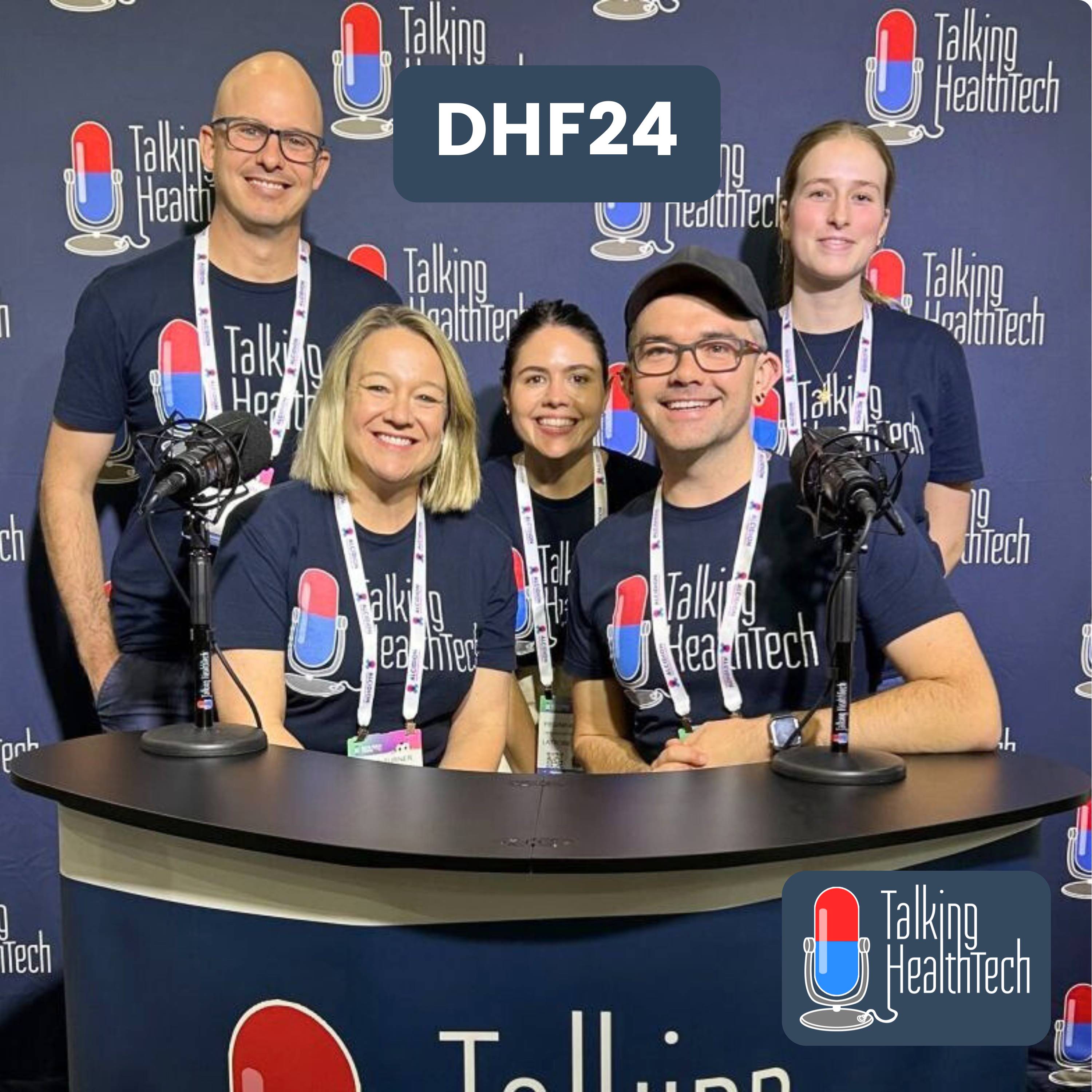
450 - Digital Health Festival 2024 Feature Episode
In this special episode of Talking HealthTech, dive into the vibrant discussions held during the Digital Health Festival 2024 in Melbourne, Australia with a fantastic lineup of guests: Mani Sahihi, Company Director & COO, Foxo; Dr Talat Uppal, Director, Women’s Health Road; Nathan Moore, CEO, Frameless Interactive; Angela Ryan, Lead Healthcare Executive, JAPAC, Oracle Health; Dr Sean Stevens, General Practitioner / Clinic Owner & Director, Grove Medical; Kara Renee Burns, Digital Health Program Manager: Centre for Digital Transformation of Health, University of Melbourne; and Amanda Bury, Chief Commercial Officer, Infermedica. The episode features key insights into the intersection of healthcare and technology, from AI innovations and telemedicine to women's health and digital health equity.Key Takeaways:Collaboration in healthcare technology: There is a wealth of resources available for connecting and innovating within the health tech field, emphasising the value of leveraging these networks for successful advancements.Women's health and digital technology: Efforts to enhance women's healthcare through digital tools such as cloud-based records and AI scribes are driven by a commitment to addressing challenges like heavy periods.AI's role in healthcare: The potential of AI to boost productivity and communication in healthcare is highlighted by experts who advocate for its responsible integration to engage and inform patients effectively.Clinician and tech community partnership: Clinician involvement is crucial in developing healthcare technologies and fostering partnerships with the tech community to create practical and effective solutions.Digital health equity: Research into equitable digital health is championed, aiming for future strategies that ensure technology benefits all individuals, regardless of their background.Check out the episode and full show notes on the Talking HealthTech website.Loving the show? Leave us a review, and share it with someone who might get some value from it.Keen to take your healthtech to the next level? Become a THT+ Member for access to our online community forum, meet ups, special offers and more exclusive content. For more information visit talkinghealthtech.com/thtplus
BONUS EPISODE: Creative Careers in Medicine: Dr Anni Mekhail on a Career as a Product Manager at Google
This special bonus episode of Talking HealthTech is a recent episode from one of the shows in the THT Podcast Network - Creative Careers in Medicine. Subscribe to their show below:Apple Podcasts: https://podcasts.apple.com/au/podcast/creative-careers-in-medicine-podcast/id1457313295Spotify: https://open.spotify.com/show/0STg3XBXQ90UdwBTeyrM4U?si=wATN80LtSL-dbJUTvUFtNA&nd=1&dlsi=60851d81c3cc44ae------In this episode of Creative Careers in Medicine podcast, host Dr Elise Putt engages in an enlightening conversation with Dr Anni Mekhail, an intensive care doctor turned Google product manager. Dr Mekhail has an impressive background, having been a founding member of two successful bootstrapped health tech startups and co-authoring medical textbooks and articles in medical journals. She initially trained in New Zealand, then moved to the UK to work in the NHS, and now resides in Australia.Dr Mekhail discusses her current role at Google, where she is a product manager on the identity team, working on big data platforms to determine user identities online. She explains the complexity and responsibility involved in ensuring secure and user-friendly verification processes. Also sharing her journey from clinical medicine to tech, detailing how her interest in the more data-driven parts of medicine and personal experiences guided her career shift. She talks about her various roles, including working in intensive care in both New Zealand and the UK, and her transition to tech consulting for Deloitte before moving into product management positions in startups and eventually Google.Dr Mekhail offers valuable advice for clinicians interested in transitioning to tech, emphasising the importance of gaining diverse experiences, networking, and continuous learning. She also touches on the similarities between her roles in clinical medicine and product management, such as people management skills and cross-functional teamwork. Insights into her multifaceted career path provide inspiration and practical guidance for medical professionals contemplating a career change.To get more CCIM, subscribe so you never miss an episode, join our Facebook community and subscribe to our newsletter!CCIM WebsiteCCIM FacebookThe CCIM Podcast is part of the Talking HealthTech Podcast Network, offering the latest in healthcare delivery, innovation, digital health, and more. Discover the network at www.talkinghealthtech.com/podcast/network.

449 - Connecting Care Across the Globe. Chris Lucas, Orion Health
In this episode of Talking HealthTech, host Peter Birch speaks with Chris Lucas, the VP for Digital Care Records at Orion Health. Recorded during the Digital Health Festival 2024, Pete and Chris dive deep into the world of digital care records, health information exchanges (HIEs), and the global landscape of shared care records. They discuss the evolution and significance of digital care records, the challenges and solutions regarding clinician access to data, and the innovative use of AI and machine learning in healthcare.Key TakeawaysGlobal Presence and Innovation: Orion Health has a significant global presence, and Chris provides insights into various health economies, including Canada, the UK, and Saudi Arabia. These regions have made strides in creating and managing comprehensive digital care records to improve patient care.Health Information Exchanges (HIE): HIEs can centralize patient data from disparate hospital systems, primary care, and community health services, enabling better coordination and holistic care.Clinician Usability: User-friendly interfaces and single sign-on functionalities are important for streamlining clinician access to digital care records. Orion Health prioritizes making information retrieval as efficient and seamless as possible.AI and Machine Learning: Orion Health employs AI and machine learning to extract meaningful insights from unstructured data, helping clinicians focus on important information quickly. This technology can generate useful summaries and enhance patient care by providing a comprehensive overview of patient history.Holistic Care and Social Determinants: A deep dive into how understanding social determinants of health and providing holistic care can lead to better patient outcomes. Transport and mobility issues, for example, are crucial factors that healthcare providers need to consider.Check out the episode and full show notes on the Talking HealthTech website.Loving the show? Leave us a review, and share it with someone who might get some value from it.Keen to take your healthtech to the next level? Become a THT+ Member for access to our online community forum, meet ups, special offers and more exclusive content. For more information visit talkinghealthtech.com/thtplus.