Talking HealthTech
660 episodes — Page 6 of 14
Dr Ben Bravery on a career in zoology, conservation, and the transition to medicine: Creative Careers In Medicine Podcast Take Over Talking HealthTech!
During the holiday season, Pete and the team from Talking HealthTech are taking a well earned break, so while they're away, the hosts of various shows from within the Talking HealthTech Podcast Network are sharing some of their favourite episodes from their own podcasts!This episode is brought to you by Dr. Elise Putt from Creative Careers In Medicine Podcast.About the CCIM PodcastJoin Drs Amandeep Hansra, Dana Phang and Elise Putt as they interview the most inspiring and creative minds in medicine! Learn all about the many exciting directions a medical degree can take you - from performing arts to technology to entrepreneurship and everything in between. Creative Careers in Medicine is an Australian run community, aiming to equip people with the confidence and skills to forge their own unique and fulfilling career pathAbout the EpisodeIn this episode of the Creative Careers in Medicine podcast, Dr Elise Putt speaks with Dr Ben Bravery, where he shares his experiences and insights that will resonate with both healthcare professionals and those with their own lived experience as a patient through the healthcare system.Ben starts by discussing his observations of the behaviour among junior doctors, senior doctors, and nurses during his time on the wards, which led to him writing articles published in reputable outlets like ABC and The Guardian. As he embarked on his internship in oncology, he reflected on his aspiration to become an oncologist and his evolving understanding of medicine and being a patient.Drawing from his personal experiences as a patient, Ben shares his struggles to navigate the healthcare system, feeling a lack of agency, and encountering difficulties in understanding technical concepts. These experiences motivated him to address the dissatisfaction felt by both doctors and patients, leading him to write the book "The Patient Doctor" and advocate for a more compassionate and patient-centred approach to healthcare.During the conversation, Ben opens up about his own health journey, sharing the anxiety he felt before his colonoscopy and the shocking discovery of a large ulcerated lesion. He candidly discusses the challenges and setbacks he faced during his recovery, including feeling miserable and forgotten in the hospital, and the distressing threat of having a tube inserted due to troubles eating.Transitioning to his career choices, Ben explores his unique path from initially working in a department focused on conservation and animal protection to joining Questacon's science circus, and subsequently becoming a youth ambassador in China. Through these experiences, he developed a strong interest in patient safety, patient advocacy, clinician well-being, system redesign, and quality improvement.To wrap up the episode, Ben highlights the importance of understanding the individuality and complexity of patients, as well as the need for doctors to prioritise their own well-being. He shares his passion for making a positive impact on people's lives, changing perspectives on illness, and reshaping the healthcare system.To get more CCIM, subscribe so you never miss an episode, join our Facebook community and subscribe to our newsletter!Website: https://creativecareersinmedicine.com/Facebook: https://www.facebook.com/CreativeCareersInMed/The CCIM Podcast is a proud member of the Talking HealthTech Podcast Network - the premier audio destination for cutting-edge insights and thought leadership in healthcare delivery, innovation, digital health, healthcare ICT, and commercialisation. Learn more at <a href="http://www.talkinghealthtech.com/podcast/network"...
Payroll Tax Fundamentals - Kelly Chard & Ben Ryan Part 1 of 2: Medicubes TakeOver Talking HealthTech!
During the holiday season, Pete and the team from Talking HealthTech are taking a well earned break, so while they're away, the hosts of various shows from within the Talking HealthTech Podcast Network are sharing some of their favourite episodes from their own podcasts! This episode is brought to you by Chris, Kim and Rif from Medicubes.About the MedicubesThe Medicubes team brings you a monthly panel conversation of exciting and challenging topics in primary health care, answering listener questions and invited guests to the discussions.About the EpisodeIn this episode of Medicubes, join Ben Ryan and Kelly Chard as they discuss the intricacies of payroll tax for GP clinics.They cover how payroll tax affects medical practices in Australia and the recent crackdown by revenue offices on non-compliant practices. Hear real-world cases highlighting the importance of properly classifying doctors to not run into payroll tax pain later down the line.Key Takeaways:Payroll tax is a state-based tax administered by each state's revenue office, not the ATO (Australian Taxation Office)Revenue offices are actively cracking down on medical practices that have been non-compliant with payroll tax regulations.Recent cases involving Optical Superstore and Thomas and Naaz have brought attention to the issue of properly classifying doctors and patients under the Payroll Tax Act.Medical practices need to consider payroll tax when dealing with doctors and patients and seek advice from experienced professionals.It is essential for medical practices to have conversations with knowledgeable professionals who specialise in both accounting and legal aspects of the medical industry.Updating bank accounts without considering the wider plan will not fix any existing payroll tax issues.Collaborating with legal advisors and experts is crucial to ensure operational changes align with legal advice.Understanding the business structure, evaluating day-to-day operations, and seeking professional advice are the first steps in managing payroll tax risks.Remember this episode is not professional advice in any way. Please seek your own accounting and legal advice taking into account your own unique circumstances.Check out more episodes from Medicubes:Apple Podcasts: https://podcasts.apple.com/us/podcast/medicubes/id1635000183 Spotify: https://open.spotify.com/show/6H6hJ1lMo8Wt5OK2rzLFkZ?si=952a1830b9964869
Taking a lifesciences company global: what to expect from an investor perspective. Paul Anderson - Orthocell. Investor Meets Innovator Takes Over Talking HealthTech!
During the holiday season, Pete and the team from Talking HealthTech are taking a well earned break, so while they're away, the hosts of various shows from within the Talking HealthTech Podcast Network are sharing some of their favourite episodes from their own podcasts!This episode is brought to you by Tracey Wilkinson, host of the Investor Meets Innovator Podcast by Life Sciences Western Australia.About Investor Meets Innovator by LSWA:In this limited podcast series, we’ve brought together a series of conversations with experts from medical science to finance to help demystify investing in biotech, medtech and digital health (also known as the life sciences).This podcast has been brought to you by Life Sciences WA (Western Australia’s Life Sciences Industry Association) in collaboration with Talking HealthTech. It has been possible with funding support from the West Australian government through the New Industries Fund and the REDI initiative, managed by MTPConnect on behalf of the Medical Research Future Fund and with the support of ANDHealth. For more, follow Life Sciences WA on LinkedIn and Twitter or subscribe to the mailing list at lifescienceswa.com.au.About This Episode:In this episode of the Investor Meets Innovator Podcast, host Peter Birch sits down with Paul Anderson, the Managing Director of Orthocell. With over 25 years of experience in the medical space and a background in device development and regenerative medicine, Paul shares his insights on the life sciences industry and the journey of bringing innovative medical technologies to market.Paul discusses the challenges and opportunities in the healthcare industry, particularly in Western Australia where the economy is heavily reliant on the mining industry. He emphasises the importance of intellectual property protection and the role it plays in generating value in products and advancements in manufacturing.Through his own experiences with Orthocell, Paul highlights the crucial elements for success in the life sciences, including multidisciplinary teams, funding, faith, and patience. He dives into the lengthy and complex pathway to market for medical devices and pharmaceutical products, shedding light on the challenges investors in the industry need to understand and navigate.Paul also shares the story of Orthocell's pioneering technique to treat tetraplegic patients, resulting in improved mobility and life-changing outcomes for patients like Adrian. He explains the role of patient advocates, surgeons, and government support in developing successful and marketable technologies.We’d love your feedback on this podcast series, please take a moment to complete this short survey: https://forms.office.com/r/W0R1cEtMjh The Investor Meets Innovator Podcast is brought to you by Life Sciences WA. To stay updated on LSWA and connect, visit our website https://www.lifescienceswa.com.auThis show is a proud member of the Talking HealthTech Podcast Network - the premier audio destination for cutting-edge insights and thought leadership in healthcare delivery, innovation, digital health, healthcare ICT, and commercialisation. Learn more at www.talkinghealthtech.com/podcast/network.Check out more episodes from LSWA Podcast:Apple Podcasts: https://podcasts.apple.com/us/podcast/life-sciences-wa-investment-series-investor-meets-innovator/id1660685214Spotify: https://open.spotify.com/show/6UEdKH8spewetYPt0GcxLJ
How to fail better with simulation: James Woollard, Wendy Chapman & Kit Huckvale - Digital Ecology Takes Over Talking HealthTech!
During the holiday season, Pete and the team from Talking HealthTech are taking a well earned break, so while they're away, the hosts of various shows from within the Talking HealthTech Podcast Network are sharing some of their favourite episodes from their own podcasts!This episode is brought to you by Victoria from Digital Ecology.About Digital Ecology:The Digital Ecology podcast creates a window into the backstory of technology adoption in the UK’s healthcare system. Through interviews with experts in the field, we shine a light on the inner workings of digital health and uncover a world of complexity and challenge. We are in the foothills of technology adoption, where the hype doesn’t always match the reality.About This Episode:In the first of my second series of the Digital Ecology podcast I host a panel conversation about the role of simulation in healthcare professional training and how it applies to all stages of design, development and implementation of digital technologies in the NHS. I'm joined by James Woollard, a child psychiatrist and chief clinical information officer along with Wendy Chapman and Kit Huckvale from the University of Melbourne who run an immersive simulation space. We chat about the role of simulation in mitigating risk of harm when implementing digital health interventions and in working out unintended consequences of how a technology might work in practice. Simulation has a role in assessing complexity - taking into account the technology itself, environment, culture, people, process and how data works. We discuss real life examples of simulation in practice and the groundbreaking Validitron at the University of Melbourne - how it works with technology companies and researchers - bridging the gap between implementation and evidence generation. Simulating common scenarios can assist in exploring what could go wrong, reducing the cost of failure and improving uptake as well as the peripheral factors such as devices and connectivity.Check out more episodes from Digital Ecology:Apple Podcasts: https://podcasts.apple.com/gb/podcast/digital-ecology-podcast/id1613898368Spotify: https://open.spotify.com/show/5pFf3xb6pk1alEM1dzP3RG

Patient Stories: Diagnosed with skin cancer; Deborah Hutton (featuring Deb Knight) - MSCAN Spot On Takes Over Talking HealthTech!
During the holiday season, Pete and the team from Talking HealthTech are taking a well earned break, so while they're away, the hosts of various shows from within the Talking HealthTech Podcast Network are sharing some of their favourite episodes from their own podcasts!This episode is brought to you by Chantelle from the Spot On Podcast by MSCAN - The Melanoma & Skin Cancer Advocacy Network.About The Spot On Podcast: The Spot On Podcast gives you a baseline understanding and knowledge about skin cancer, and helps navigate you through that journey ahead through diagnosis and treatment.The Spot On Podcast is brought to you by the Melanoma & Skin Cancer Advocacy Network (MSCAN) - who are providing a new, innovative approach to tackle Australia’s national cancer.MSCAN engages with Australia’s leading clinicians, researchers and advocates with the aim of increasing the knowledge of those affected by a diagnosis.For more information about the advocacy work going on to help Australia get skin serious, check out mscan.org.auAbout This Episode: Welcome to Season 2 of the Spot On podcast. In Season 1, we focused on the fundamentals of skin cancer, interviewing some of Australia's leading clinicians on the topic.In this season, we're focused more on the human side of a diagnosis. MSCAN is thrilled to have renowned journalist Deborah Knight involved and interviewing patients about their journey with skin cancer and the road ahead.In this episode, Deb speaks with Deborah Hutton, who has publicly shared her experiences with skin cancer. Deb has made her career as a fashion model, an editor of The Australian Women’s Weekly, a TV presenter, and entrepreneur.In this conversation, Deb openly shares her reflections on her experience with skin cancer and advice to all Australians when it comes to being skin serious.Check out more episodes from The Spot On Podcast:Apple Podcasts: https://podcasts.apple.com/au/podcast/spot-on-podcast-by-mscan/id1580507153Spotify: https://open.spotify.com/show/6yXbicGBf3wXPTkoXHHZfoWebsite: https://mscan.org.au/learning-hub/podcasts/

Celebrate the festive season with a Parkrun: The Good GP Take Over Talking HealthTech!
During the holiday season, Pete and the team from Talking HealthTech are taking a well earned break, so while they're away, the hosts of various shows from within the Talking HealthTech Podcast Network are sharing some of their favourite episodes from their own podcasts!This episode is brought to you by Tim, Krys and Sean from The Good GP.About The Good GP:The Good GP, the education podcast for busy GPs; brought to you by Dr Tim Koh, Dr Krystyna DeLange and Dr Sean Stevens.The Good GP is a proud member of the Talking HealthTech Podcast Network - the premier audio destination for cutting-edge insights and thought leadership in healthcare delivery, innovation, digital health, healthcare ICT, and commercialisation.Disclaimer: The Good GP podcasts are for informational purposes only and do not constitute medical advice. Always seek the advice of a specialist GP or other qualified health provider with any questions you may have regarding a medical condition.About This Episode:In this episode of The Good GP, host Dr Tim Koh welcomes Glen Turner, Australia Health Lead of Parkrun Australia, to discuss the global health and social phenomenon that is Parkrun. As one of the largest weekly 5-kilometre events held in thousands of locations worldwide, Parkrun encourages physical activity, volunteering, and community support. Glenn and Tim delve into the non-competitive and inclusive nature of Parkrun, its relationship with general practitioners through the Parkrun Practices initiative, and the substantial evidence supporting its health benefits for both physical and mental well-being. They further encourage listeners to participate in Parkrun during the holiday season and share how to find and engage with Parkrun events in their communities.The Good GP Podcast is a proud member of the Talking HealthTech Podcast Network - the premier audio destination for cutting-edge insights and thought leadership in healthcare delivery, innovation, digital health, healthcare ICT, and commercialisation. Learn more at www.talkinghealthtech.com/podcast/networkIf you have any questions or would like to contact The Good GP, send an email to [email protected] out more episodes from The Good GP:Apple Podcasts: https://podcasts.apple.com/au/podcast/the-good-gp/id1212751478Spotify: https://open.spotify.com/show/5Rw9eohsYjvMFKKyMWMKl6
This podcast is being taken over...
Over the coming weeks on the podcast, the Talking HealthTech team are taking a well deserved break, and they've given the keys to the podcast to the hosts of the other podcasts that make up the Talking HealthTech Podcast Network.Over the coming weeks you'll hear episodes from The Good GP, Medicubes, CCIM, Investor Meets Innovator, Digital Ecology and other podcasts that make up the THT Podcast Network. To learn more about the THT Podcast Network go to www.talkinghealthtech.com/podcast/network.This show is made possible thanks to the support of our THT+ Members. Our Solo Membership is a great fit for anyone who is keen to fast track their learning and navigation of the digital health landscape, and our Start Up and Scale Up Membership suits companies looking to get the word out about what they do. Our company memberships will be moving to "application only" when the THT team return, so if you've been meaning to join, now is the time to do it to avoid disappointment. To learn more go to www.talkinghealthtech.com/thtplus We hope you have a safe and fantastic holiday season. We're excited to bring you even more collaborative healthtech conversation in 2024!
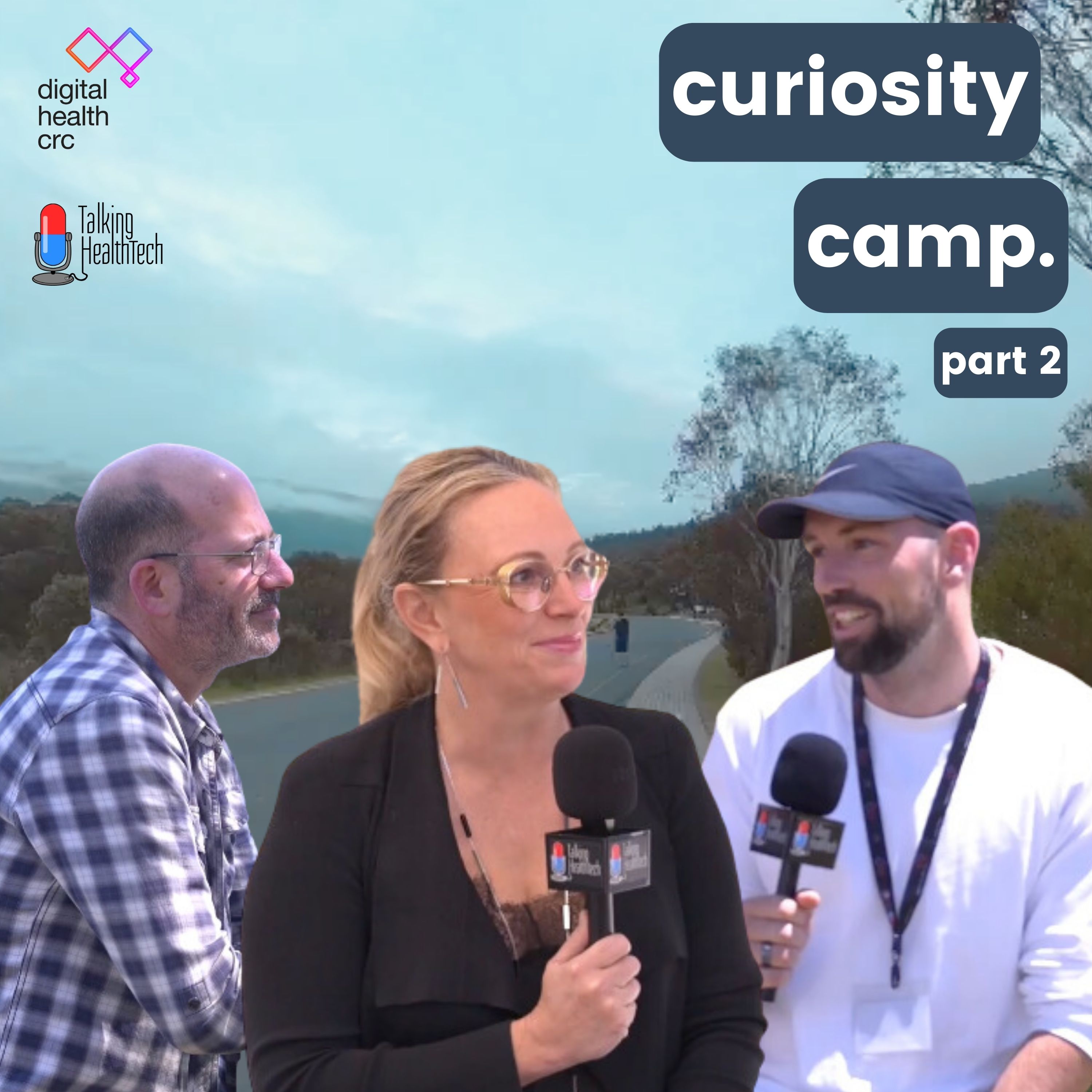
403 - Digital Health Curiosity Camp: Part 2
This is part two of a special two-part series of Talking HealthTech, recorded at the Digital Health CRC Curiosity Camp. In these episodes we continue our exploration into the integration of technology and collaboration in healthcare. Join host Pete as he speaks with Georgie Drury, Guy Tsafnat, and Tim Veron on a range of topics including continuous glucose monitoring, the significance of women's health in the workplace, the role of standardised data in healthcare.Key Topics:Innovative Solutions for the Metabolic Health Crisis: Tim Veron, founder of Vively, discusses the metabolic health crisis in Australia and the role of continuous glucose monitoring in addressing it. He emphasises the importance of early intervention in metabolic health to prevent the onset of type two diabetes.Research Collaboration for Evidence-Based Healthcare: Guy Tsafnat from Evidently highlights the critical role of industry and research partnerships in developing evidence-based healthcare innovations, underscoring the need for multidisciplinary collaboration in healthcare.Prioritising Women's Health in Corporate Settings: Georgie Drury, CEO of Metaluma, advocates for improved support for women's health in the workplace. She discusses digital health solutions that focus on accessibility and evidence-based approaches, such as group coaching and doctor-led one-on-one coaching for conditions like perimenopause and menopause.Check out the full discussion in this episode and explore the complete show notes on the Talking HealthTech website. If you're enjoying the show, we'd love for you to leave a review and share it with someone who might find it valuable.If you’re keen to elevate your healthtech to the next level, consider becoming a THT+ Member for access to networking, learning, offers, events, and much more. For further details, visit talkinghealthtech.com/thtplus.

402 - Digital Health Curiosity Camp: Part 1
This is part one of a special two-part series of Talking HealthTech, recorded at the Digital Health CRC Curiosity Camp. In these episodes, we dive into discussions about healthcare research and systemic change. Our guests in this episode, Jade Barclay and Dale Trevor, bring diverse perspectives on patient advocacy, equity in clinical trials, and healthcare innovation. These conversations were held amongst a group of digital health researchers, industry experts, patient advocates, and other key healthcare stakeholders, all gathered for a collaborative exploration at the Curiosity Camp.Key Topics:Challenges in Current Healthcare Research: Jade Barclay addresses the critical issue of representativeness in clinical trials, highlighting how current research often overlooks the diversity of clinical realities, particularly neglecting those severely affected or with multiple health conditions.Bridging the Divide Between Research and Patient Experience: Dale Trevor emphasises the need for a shift in healthcare research methodologies, advocating for multi-disciplinary teams that align patient experiences with clinical outcomes and represent the complexity of real-world patient conditions.Systemic Changes and Collaboration in Healthcare: The episode explores the necessity for systemic changes in the healthcare industry to better address chronic conditions and improve healthcare equity. It also discusses the role of collaboration and community networks in driving innovation and improving patient outcomes.Check out the full discussion in this episode and explore the complete show notes on the Talking HealthTech website. If you're enjoying the show, we'd love for you to leave a review and share it with someone who might find it valuable.If you’re keen to elevate your healthtech to the next level, consider becoming a THT+ Member for access to networking, learning, offers, events, and much more. For further details, visit talkinghealthtech.com/thtplus.
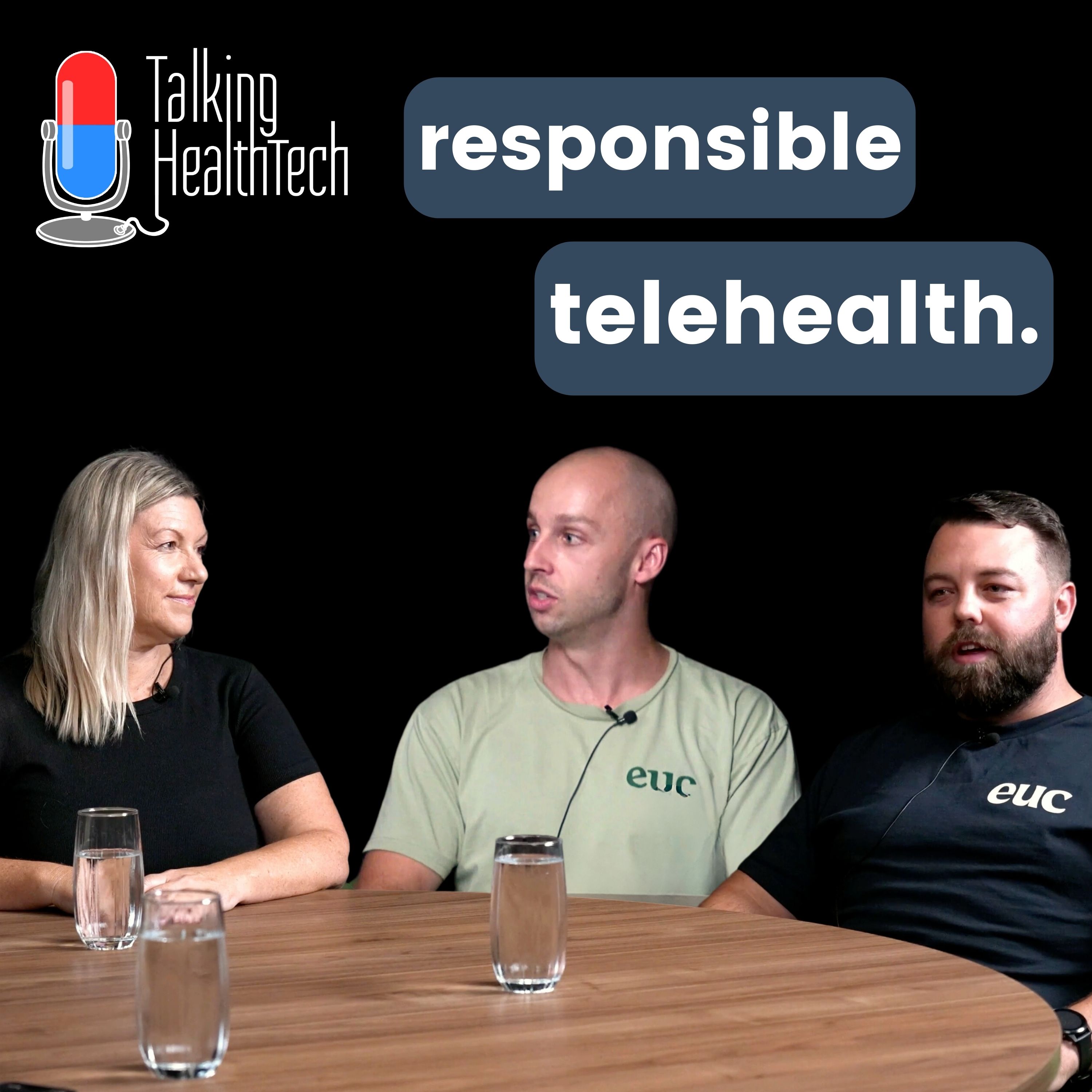
401 - Pioneering Responsible Telehealth Delivery in Stigmatised Conditions. Eucalyptus
In this episode of Talking HealthTech, Peter Birch leads a discussion with Dr Matthew Vickers, Angus Wood from Eucalyptus, and Tiffany Young. The episode delves into the effectiveness of using technology to provide real-time support and interventions, the advantages of telehealth digital platforms in delivering consistent quality care, and the urgent need to elevate standards in digital health to ensure safety and efficacy in managing chronic disease, men's health, and obesity management.Key Takeaways:The value of digital healthcare for stigmatised conditions: Eucalyptus focuses on managing stigmatised conditions, such as men's health, obesity, and fertility. Their digital clinics offer patients access to care, especially those who may struggle with access due to their remote location or discomfort discussing their conditions face to face with GPs.Quality care through comprehensive support: Eucalyptus provides not just consultations but also a wide range of services, including one-on-one email or telephone support, dieticians, and health coaching teams, creating a holistic care approach that aims for high-quality outcomes for patients.Safety and data security: Eucalyptus takes data security seriously and holds external accreditations, ensuring patient data privacy and security. Their rigorous focus on patient safety includes independent certification and clinical audits to ensure the delivery of safe and effective care.Timestamps:[00:00] - Introduction[02:45] - Overview of Eucalyptus and their Services[04:23] - Purpose and Focus of Eucalyptus[05:53] - Measuring Impact and Success[07:31] - Operational Perspective and Growth[08:58] - Transparency and Safety in Telehealth[15:26] - Patient Experience and Engagement with Eucalyptus[18:23] - Data Security and Safety [23:52] - Industry Engagement and Future RoadmapCheck out the episode and full show notes on the Talking HealthTech website.Loving the show? Leave us a review, and share it with someone who might get some value from it.Keen to take your healthtech to the next level? Become a THT+ Member for access to our online community forum, quarterly summits, and more exclusive content. For more information visit talkinghealthtech.com/thtplus.
400 - Perfecting Patient Flow & Optimising Hospital Operations. Nick White & Kaye Hocking, Alcidion
In this episode of Talking HealthTech, host Peter Birch is joined by Nick White and Kaye Hocking from Alcidion. Together, they delve into the topic of improving patient care and streamlining healthcare journeys. They emphasise the importance of prioritising clinician and patient needs before integrating technology, focusing on data liberation and technology support for clinical workflow. The conversation covers patient flow management, the value of data integration and interoperability in healthcare, and the potential of artificial intelligence in predicting demand and capacity mismatches in patient flow.Key Takeaways:Understanding patient flow as managing care delivery for individual patients and across the systemImportance of prioritising clinician and patient needs before integrating technologyTailoring patient flow solutions to different hospital settings for optimising patient journey and experienceBenefits of optimising length of stay for patients and addressing patient discharge planningThe impact of digital solutions on bed management, handover preparation time, and administrative burden on cliniciansThe potential of artificial intelligence and natural language processing in patient flow solutionsTimestamps:[00:00] Introduction[3:30] Kaye Hocking explains the concept of patient flow management and its significance in healthcare[9:20] Nick White emphasizes the importance of prioritizing clinician and patient needs before integrating technology[15:45] Discussion on tailoring patient flow solutions to different hospital settings[21:10] Exploring the challenges in patient allocation and the impact of technology on managing patient information[30:05] Importance of data integration and interoperability in healthcare and patient care delivery[35:40] The benefits of optimising length of stay for patients and the potential of artificial intelligence in predicting demand and capacity mismatchesCheck out the episode and full show notes on the Talking HealthTech website.Loving the show? Leave us a review, and share it with someone who might get some value from it.Keen to take your healthtech to the next level? Become a THT+ Member for access to our online community forum, quarterly summits and more exclusive content. For more information visit talkinghealthtech.com/thtplus
399 - Doing More With Less: Waste In Health Research & Why Recruitment Matters. Anthony Murray, Opyl & Bio NSW
In this episode of Talking HealthTech, Anthony Murray, Head of Growth at Opyl, joins host Peter Birch to discuss the revolution of health research and clinical trials through the use of digital-focused recruitment platform Opin, and AI-driven Analysis Portal, Trial Key. They delve into the current challenges and opportunities in health research, including the barriers to clinical trial participation, the importance of patient advocacy groups, and the role of technology in improving clinical trial recruitment and efficiency.Key Takeaways:Use of Digital Channels for Clinical Trial Recruitment: Using digital channels like social media, search engines, and online platforms for patient recruitment beyond the traditional methods.Importance of Patient Advocacy Groups: The importance of patient advocacy groups in connecting individuals to health research and clinical trials, as well as supporting research advocacy.Accessibility and Inclusivity in Health Research: The need to address the barriers of medical and digital literacy, language, accessibility, and diversity to ensure inclusivity in health research participation.Co-Design and Collaboration: The significance of co-design and collaboration between researchers, sponsors, and participants to create meaningful and inclusive clinical trials that represent the diversity of the population.Timestamps:[00:00] - Introduction [01:21] - Meet Anthony Murray[02:24] The statistical risk behind health research and the traditional methods of finding volunteers for clinical trials.[04:46] Advantages of messaging beyond patient lists and the role of technology in expanding referral networks for clinical trial participation.[07:42] Importance of considering lived experience and the challenges related to medical and digital literacy in clinical trial communication.[09:09] Trends in the number of clinical trials in Australia and the barriers to participation, including language, accessibility, and diversity.[11:21] Launch of the world's first registry with accessible language to facilitate clinical trial search and participation.[13:17] Importance of co-design and diversity in clinical trials and the challenges of accessibility and inclusivity.[:15:12] Collaboration with Bio New South Wales and the focus on commercialization and support for healthcare innovators.[17:51] The role of Opyl in connecting to patient advocacy groups and building digital hubs for education on health research participation.Access the full episode article on the Talking HealthTech website.Loving the show? Leave us a review, and share it with someone who might get some value from it.Keen to take your healthtech to the next level? Become a THT+ Member for access to our online community forum and more exclusive content. For more information, visit talkinghealthtech.com/thtplus.
398 - Celebrating the Brilliant Women in Digital Health in 2023 - Telstra Health
In this episode of Talking HealthTech, host Peter Birch dives into the world of digital health innovation and recognition at the Telstra Health Brilliant Women in Digital Health Awards. He is joined by guests Sonika Tyagi, Arcot Sowmya, Frances Kay-Lambkin, and Kate Taylor, who share their experiences, insights, and challenges in the field. From the importance of collaboration and data analysis to the significance of purpose-driven work and the need for diversity in the tech industry, this episode highlights the incredible contributions made by women in digital health.Key Takeaways:👩⚕️ Developing healthtech solutions that seamlessly integrate into the workflow of users and require minimal additional effort is a major focus.🤝 Collaboration, teamwork, and a shared purpose are critical to unlock the potential of digital technologies in healthcare.🔍 Building trust and strong relationships with stakeholders is essential for creating evidence-based and trusted solutions.💡 Understanding the needs of the person being helped and maintaining human connection are important in driving innovation.🎓 Providing direction, opportunities, and motivation to students in the university context is crucial for fostering the next generation of digital health professionals.🔮 Anticipating future demands and staying ahead of healthcare trends is essential for long-term success.👏Recognising and celebrating the contributions of entire teams in research and development is just as important as individual recognition.Check out the episode and full show notes on the Talking HealthTech website.Loving the show? Leave us a review, and share it with someone who might get some value from it.Keen to take your healthtech to the next level? Become a THT+ Member for access to our online community forum, quarterly summits, and more exclusive content. For more information, visit talkinghealthtech.com/thtplus.
397 - Healthscope hospitals are the first to experience eBookings thanks to Magentus
In this ever-evolving world of healthcare technology, efficiency and streamlined processes are crucial. On this episode of Talking HealthTech, host Sophie Turner delves into the brand evolution of Magentus Practice Management and their eBookings solution with CEO Michelle Blanchard, alongside Tatum Nixon - Consulting Suites Manager at Healthscope. Together, they discuss the transformation from Genie Solutions to Magentus, the importance of interoperability, and how eBookings is revolutionising the way healthcare professionals manage theatre bookings.Key Takeaways:- The brand evolution of Magentus Practice Management from Genie Solutions.- The development of eBookings as the first FHIR enabled open API theatre booking solution in Australia.- The collaborative process behind implementing eBookings within a large private hospital group in Australia.- The ability of eBookings to streamline communication and workflow between doctors, Practice managers, and hospitals.- The positive impact of eBookings on patient experience and reducing cancelled surgeries.Check out the episode and full show notes on the Talking HealthTech website.Loving the show? Leave us a review, and share it with someone who might get some value from it.

396 - Digital enhancement on pharmacy services. Hamish Mackellar, Fluger
In this episode of Talking HealthTech, host Pete is joined by Hamish Mackellar, the founder and owner of Fluger, a corporate health management platform that has expanded its services to include pharmacies. Hamish discusses the evolution of Fluger from coordinating vaccinations in the workplace to providing a comprehensive end-to-end solution for pharmacy management. He highlights the increasing scope of services offered by pharmacists and the need for a flexible platform to manage these services efficiently. The conversation also touches on the importance of patient user experience and data security in the pharmacy setting, and how Fluger partners with Google Cloud for their robust security standards to ensure the protection of patient data.Key Takeaways:🏢 Fluger developed as a corporate health management platform but expanded to serve pharmacies due to the shift of vaccinations from the workplace to pharmacy settings during COVID.👨⚕️ Fluger offers a full end-to-end solution for pharmacies, allowing pharmacists to access various services from one platform without disrupting their workflow.📈 The scope of practice for pharmacists is continually expanding, and Fluger enables pharmacists to quickly adapt and incorporate new services into their practice.🌐 Fluger focuses on providing a seamless user experience for patients, including online booking and record management, to ensure a positive experience and improve retention.Check out the episode and full show notes on the Talking HealthTech website.Loving the show? Leave us a review, and share it with someone who might get some value from it.Keen to take your healthtech to the next level? Become a THT+ Member for access to our online community forum, quarterly summits, and more exclusive content. For more information, visit talkinghealthtech.com/thtplus.
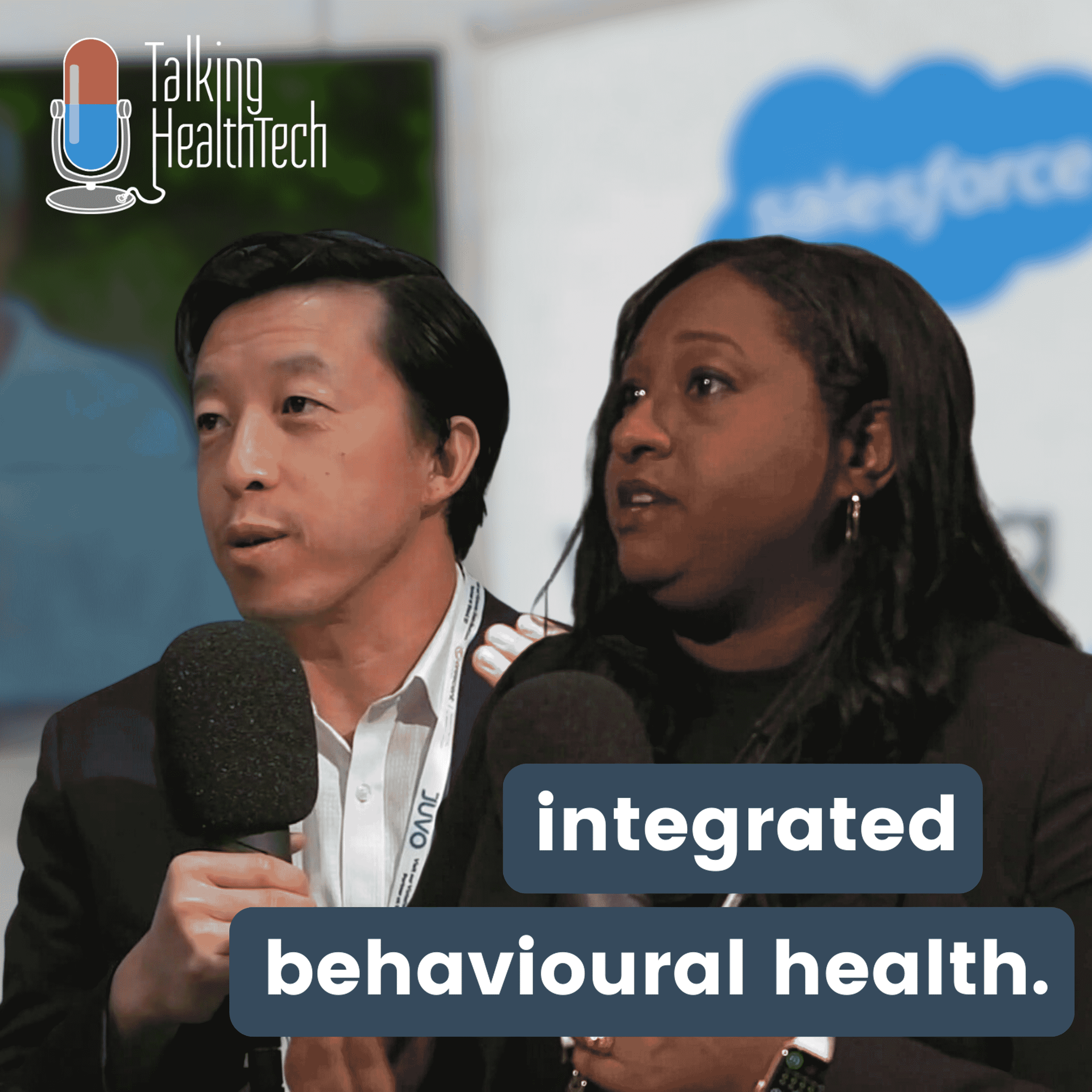
395 - Integrated Solutions in Mental Health Care. Denisha Allicock - MTX Group and Bryan Tan - Salesforce
In this episode of Talking HealthTech, host Peter Birch is joined by Denisha Allicock, Public Health Strategist at MTX, and Bryan Tan, Chief Health Officer for Salesforce APAC. They discuss innovative solutions being developed in healthcare technology, particularly in the areas of mental health and integrated behavioural health. They delve into the importance of collaborative partnerships for innovation and the role of technology in connecting healthcare professionals and patients. Key Takeaways:🤝 Collaborative partnerships between healthcare organisations and technology providers are crucial for developing innovative solutions in healthcare.🚀 Salesforce and MTX work together to create innovative healthcare solutions by leveraging the Salesforce platform and bringing in subject matter experts.🔄 Integrated behavioral health involves a multidisciplinary approach, with behavioral health clinicians working alongside physicians to provide comprehensive care for patients.🌐 Telehealth and digital technologies play a significant role in connecting healthcare professionals and enabling a holistic view of patient care.👥 Involving patients in their treatment plans leads to better outcomes and adherence to medication.Check out the episode and full show notes on the Talking HealthTech website.Loving the show? Leave us a review, and share it with someone who might get some value from it.Keen to take your healthtech to the next level? Become a THT+ Member for access to our online community forum, quarterly summits and more exclusive content. For more information visit talkinghealthtech.com/thtplus
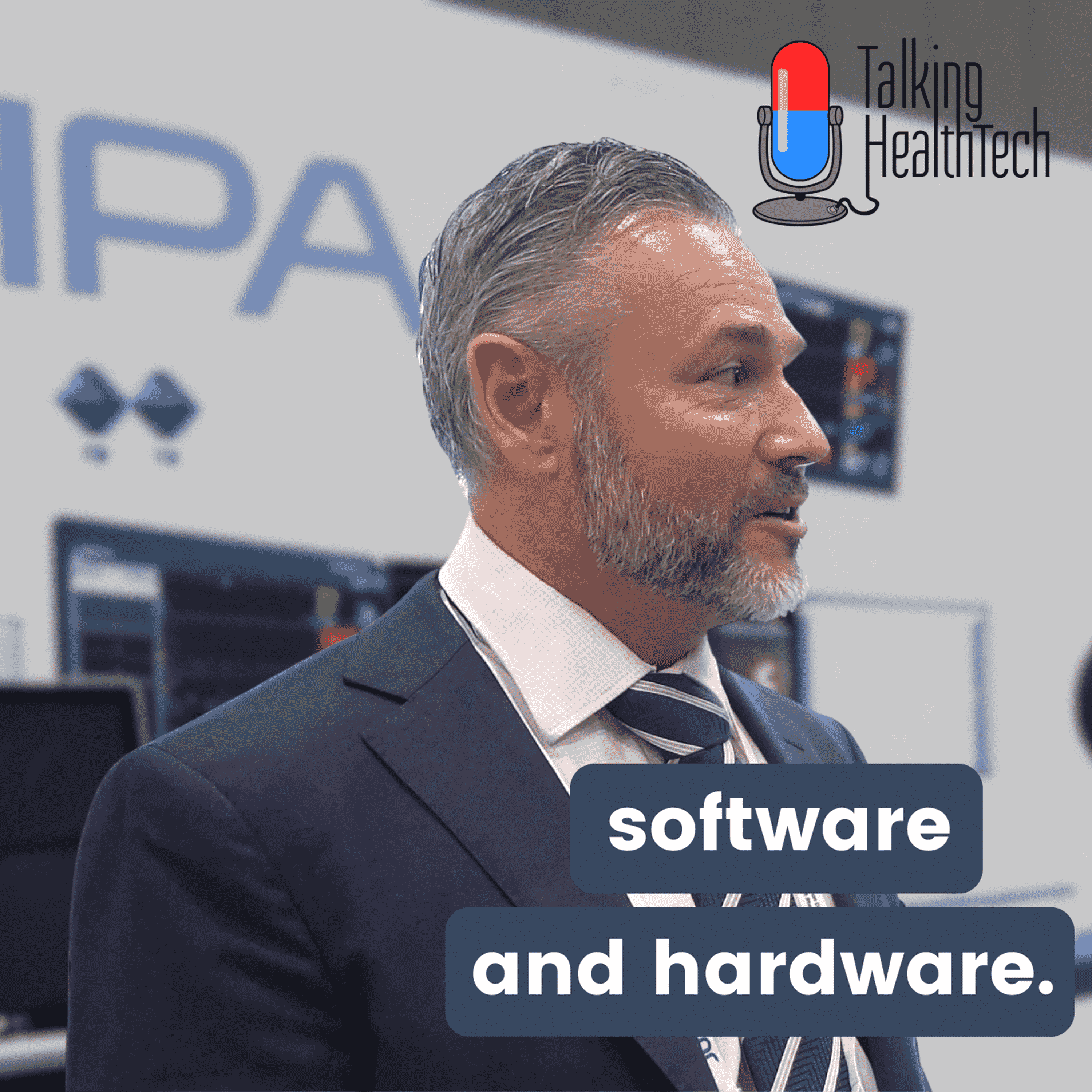
394 - The symbiotic relationship of software and hardware in healthcare. Shawn Wigham, HPA
In this episode of Talking HealthTech, host Peter Birch sits down with Shawn Wigham, the Managing Director of HPA, to discuss the evolution of the company and the solutions they provide in the healthcare space. Shawn shares how HPA started as a one-man operation with a credit card, and has grown to have 50 employees across multiple locations in Australia. They also delve into the importance of hardware and software integration in healthcare, as well as the value of partnerships and collaborations in the industry.Key Takeaways:🚀 HPA started as a small operation and has grown significantly over the past 10 years, now employing 50 people across various locations in Australia.🖥️ The company specializes in providing innovative solutions in hardware, such as computers and cards, for the healthcare industry.🔗 The synergy between hardware and software is crucial in creating effective solutions for healthcare facilities.💡 Shawn and his team have identified the need to expand into the software space and have been working with global software providers to bring new solutions to Australia.Check out the episode and full show notes on the Talking HealthTech website.Loving the show? Leave us a review, and share it with someone who might get some value from it.Keen to take your healthtech to the next level? Become a THT+ Member for access to our online community forum, quarterly summits, and more exclusive content. For more information, visit talkinghealthtech.com/thtplus.
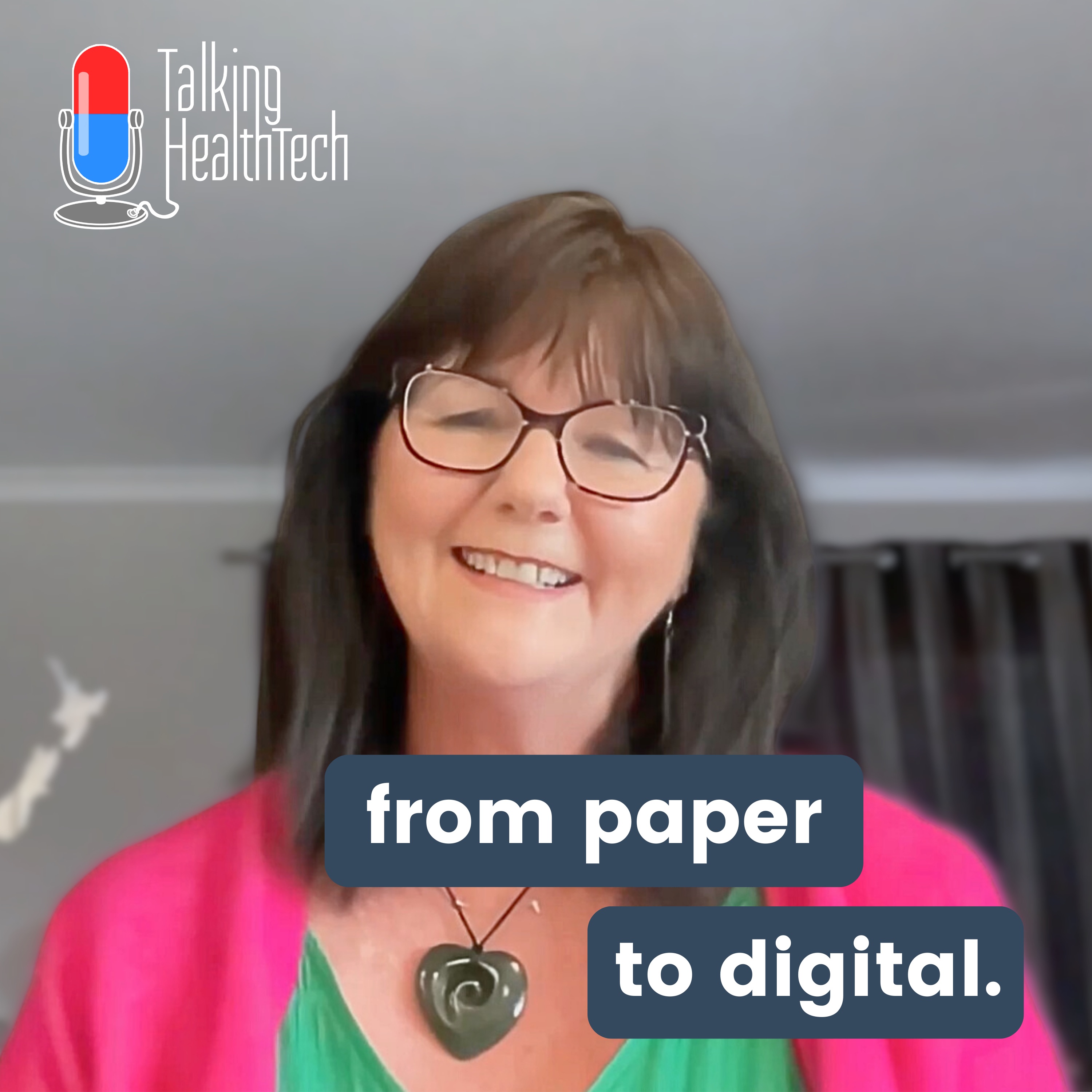
393 - The Good, the Bad, and the Ugly of Digital Care Records in Healthcare. Carey Campbell, Orion Health
In this episode of Talking HealthTech, Peter Birch is joined by Carey Campbell, the clinical director for Australia and New Zealand at Orion Health. The discussion delves into the challenges and benefits of transitioning from paper-based healthcare records to seamlessly integrated digital care records in the hospital landscape across Australia and New Zealand. They explore the complexities of implementing electronic medical records and the importance of aligning digital care records with clinical workflows to eliminate workarounds. The conversation also touches on the significance of removing paper from the healthcare system and highlights the potential impact on patient safety and efficient care delivery.Key Takeaways:- Transitioning from paper-based healthcare records to digital care records poses significant challenges due to the specific nature of health information and the complexities of the healthcare system.- Despite the hurdles, the benefits of digital care records are numerous, including improved accessibility, seamless sharing of information, and enhanced patient care.- The implementation of electronic patient records requires perseverance, clinician engagement, and a mindset geared towards long-term benefits, as it involves a significant shift in workflows and processes.- The use of mobile devices for accessing patient information provides flexibility and convenience for healthcare professionals, leading to higher levels of utilization and improving clinical efficiency.- Addressing concerns around data security and privacy, as well as building a culture of trust among clinicians and patients, are critical in the successful adoption of digital care records in healthcare settings.Check out the episode and full show notes on the Talking HealthTech website.Loving the show? Leave us a review, and share it with someone who might get some value from it.Keen to take your healthtech to the next level? Become a THT+ Member for access to our online community forum, quarterly summits and more exclusive content. For more information visit talkinghealthtech.com/thtplus
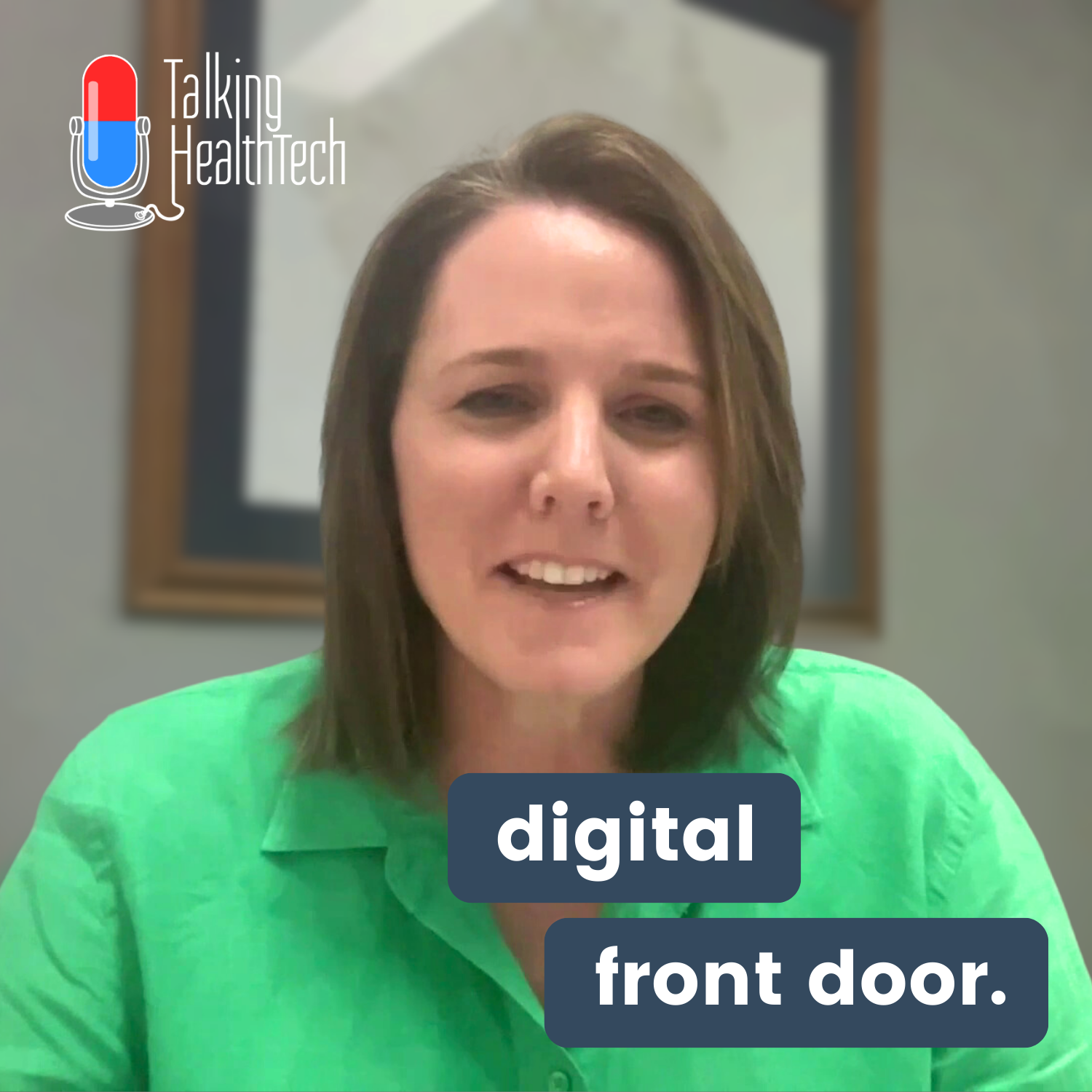
392 - Unlocking the Digital Front Door in Healthcare. Nicole Nixon, Five Faces
In this episode of Talking HealthTech, host Nathan Moore talks with Nicole Nixon, CEO of Five Faces. They discuss Nicole's diverse background in the Royal Australian Air Force, entertainment, manufacturing, and business turnaround, and how these experiences have shaped her approach to leading Five Faces. They also delve into the concept of the digital front door in healthcare and how it improves patient access to care. Nicole shares insights on how Five Faces managed the shift to focus on patient experience during the COVID-19 pandemic and the role of technology in facilitating this change. They also explore why the healthcare industry is increasingly embracing digital technologies and the driving factors behind this trend.Key Takeaways:💼 Nicole's diverse background in various industries, including the Air Force, entertainment, and business turnaround, has shaped her approach to leadership in the healthcare industry. 📱 The digital front door in healthcare refers to how patients access their healthcare digitally, simplifying processes such as appointment scheduling and enabling virtual appointments.🚀 Five Faces made a pivotal shift to focus on patient experience during the COVID-19 pandemic, and technology played a crucial role in facilitating the successful adoption of these changes.🏥 The healthcare industry is increasingly willing to embrace digital technologies due to changing consumer expectations, the need to improve patient engagement, and the desire to reduce administrative burdens on clinicians and nurses.Check out the episode and full show notes on the Talking HealthTech website.Loving the show? Leave us a review, and share it with someone who might get some value from it.Keen to take your healthtech to the next level? Become a THT+ Member for access to our online community forum, quarterly summits, and more exclusive content. For more information, visit talkinghealthtech.com/thtplus.
391 - Real connections: Why managing medications for the elderly needs more than just going digital. Phil Offer, BESTMED
In this episode of Talking HealthTech, host Sophie Turner sits down with Phil Offer, CEO of BestMed, to discuss the power of connection in healthcare. BestMed is a leading medication management system that connects aged care, pharmacies, and doctors, aiming to improve patient safety and efficiency. Phil shares insights into the challenges faced in aged care, the importance of electronic medication management systems, and the process of implementing such systems across multiple facilities.Key Takeaways:• BestMed's software showcases the power of connection by bridging the gap between aged care, pharmacies, and doctors.• Medication errors in aged care are a significant problem, with a high number of complaints to the Royal Commission. Implementing electronic medication management software can help address these issues.• The biggest challenge in implementing medication management systems is the seismic change in regulations and the need to prioritise various aspects of aged care.• The electronic national residential medication chart (ENRMC) is a part of BestMed's solution and helps reduce the risk of data duplication and errors in medication administration.• Successful implementation of the ENRMC requires coordination and buy-in from all stakeholders, including GPs, pharmacies, and residential facilities.Check out the episode and full show notes on the Talking HealthTech website.Loving the show? Leave us a review and share it with someone who might get some value from it.Keen to take your healthtech to the next level? Become a THT+ Member for access to our online community forum, quarterly summits, and more exclusive content. For more information, visit talkinghealthtech.com/thtplus.
390 - Moving the needle on healthcare through the use of data. Antony Ugoni, Think and Grow
In this episode of Talking HealthTech, host Sophie Turner interviews Antony Ugoni, an expert in mathematics, statistics, and data science from Think & Grow. Antony shares his insights on the importance of mathematical capability in all industries, and the shortage of skilled mathematicians who can effectively analyse the abundant data available in today's digital era. He also discusses his work in healthcare and shares valuable perspectives on transforming the healthcare system to prioritise faster patient journeys and better health outcomes. Antony's experiences in various sectors, such as fraud analytics and customer analytics, provide a unique lens through which to explore the intersection of mathematics and healthtech.Key Takeaways:- The importance of mathematical capability in leveraging the vast amounts of data available in the healthcare industry.- The need for more skilled mathematicians and data scientists to analyse and interpret this data effectively.- The potential benefits of transforming the healthcare system to prioritise faster patient journeys and improved health outcomes.- The application of mathematics in various healthcare scenarios, including predicting conditions, optimising ad placement, and matching organ donors.- The challenges of disconnected data in healthcare and the potential benefits of centralised information access.- 41:20: The importance of allocating resources to education and the environment.Check out the episode and full show notes on the Talking HealthTech website.Loving the show? Leave us a review, and share it with someone who might get some value from it.Keen to take your healthtech to the next level? Become a THT+ Member for access to our online community forum, quarterly summits, and more exclusive content. For more information, visit talkinghealthtech.com/thtplus.
389 - Impacting health care through AI Adaptive learning; a global perspective. Dr Marc Berg, Area9 Lyceum
In this episode of Talking HealthTech, host Ruby Hartley is joined by guest Marc Berg, a healthcare education expert and business development professional at Area 9 Lyceum. They delve into the world of adaptive learning and discuss its benefits for healthcare professionals and organisations. From the creation of adaptive learning courses to the impact on patient outcomes, Marc shares valuable insights and practical strategies for implementing adaptive learning in the healthcare industry.Key Takeaways:An adaptive learning course offered by Area 9 equips students with the skills to create their own adaptive learning courses, benefiting both smaller and larger organisations.Area 9's unique biologic approach to adaptive learning, as opposed to inferential hardwired methods, allows for more personalised and effective learning experiences.Area 9's adaptive learning software, used by prestigious institutions such as the New England Journal of Medicine and the American Heart Association, has revolutionised medical education and professional development.Marc emphasises the importance of connecting adaptive learning to improved patient outcomes, and envisions a future where adaptive learning is integrated into medical conferences and organisational training programs.Check out the episode and full show notes on the Talking HealthTech website.Loving the show? Leave us a review, and share it with someone who might get some value from it.Keen to take your healthtech to the next level? Become a THT+ Member for access to our online community forum, quarterly summits, and more exclusive content. For more information, visit talkinghealthtech.com/thtplus
388 - The way of the future for timely access to mental health support. Dr Vishnu Gopalan, Hola Health
In this episode of Talking Health Tech, host Sophie Turner is joined by Dr Vishnu Gopalan, a general practitioner and the founder of Hola Health. Dr Gopalan shares his journey from being a GP to creating Hola Health, a telehealth platform that aims to make healthcare more accessible and affordable for all people. He talks about the challenges in accessing healthcare, the unique features of Hola Health, and their focus on providing mental health services. Key Takeaways:- Hola Health is a telehealth platform that offers on-demand consultations with doctors within 10 minutes, making healthcare more accessible for all.- The platform also provides medicine delivery services, ensuring a complete end-to-end solution for patients.- Hola Health has been able to connect patients with GPs quickly by utilising the free time of doctors, such as lunch breaks or after work hours.- The platform aims to make mental health services more accessible and less daunting by providing timely consultations and facilitating appointments with psychologists.- The average wait time for a Hola Health consultation is only 5 minutes and 23 seconds, improving efficiency and access to care.Check out the episode and full show notes on the Talking HealthTech website.Loving the show? Leave us a review, and share it with someone who might get some value from it.Keen to take your healthtech to the next level? Become a THT+ Member for access to our online community forum, quarterly summits, and more exclusive content. For more information, visit talkinghealthtech.com/thtplus.
387 - Suite, suite data - conversations from VALDCON 2023
In this episode of Talking HealthTech recorded at VALDCON 2023, host Peter Birch speaks with Karl Goodman from Athletes Authority and Shaun Palmer, a physical therapist and VALD team member from the U.S. They discuss the integration of technology in healthcare, particularly in improving athletes' performance metrics and streamlining the rehabilitation process. They also delve into the importance of leveraging metrics and data for effective patient treatment.Key Takeaways:📈 Technology plays a crucial role in tracking progress and facilitating the rehabilitation process for athletes.📊 Data visualization is essential for athletes to gauge progress and maintain engagement.💲Integrating technology into healthcare can create monetization opportunities and differentiate services.💡A comprehensive initial consultation, involving athletic profiling and baseline data collection, can increase the perceived value and price of the service.🏥 The integration of technology can contribute to the top line of a clinic's profit and enable sustainable growth.Check out the episode and full show notes on the Talking HealthTech website.Loving the show? Leave us a review, and share it with someone who might get some value from it.Keen to take your healthtech to the next level? Become a THT+ Member for access to our online community forum, quarterly summits, and more exclusive content. For more information, visit talkinghealthtech.com/thtplus.

386 - What is a FHIR event platform? Vivek Krishnan, Alcidion
In this episode of Talking HealthTech, host Sophie Turner sits down with guest Vivek Krishnan, Chief Technology Officer of Alcidion. They delve into the world of digital innovation in healthcare and discuss the importance of interoperability, event-driven platforms, and the FHIR standard (Fast Healthcare Interoperability Resources). Vivek shares insights into Alcidion's patient flow solutions and how their FHIR events platform is revolutionising data exchange and improving patient care. Key Takeaways:The National FHIR Accelerator Programme, launched by the Department of Health and CSIRO, aims to facilitate real-time data exchange in healthcare in Australia.FHIR (Fast Healthcare Interoperability Resources) is a standard that enables the exchange of healthcare information between different systems using technologies like HTTP, JSON, and MSDP.Alcidion specialises in patient flow solutions and utilises event-driven platforms to process and manage healthcare events, triggering actionable outcomes.The FHIR events platform improves the process of data exchange, standardises information in a FHIR format, and facilitates timely actions and alerts.Interoperability has been a long-standing challenge in the healthcare industry, with the need for a common vocabulary and medium to facilitate seamless data exchange.Check out the episode and full show article on the Talking HealthTech website.Loving the show? Leave us a review, and share it with someone who might get some value from it.Keen to take your healthtech to the next level? Become a THT+ Member for access to our online community forum, quarterly summits, and more exclusive content. For more information, visit talkinghealthtech.com/thtplus
385 - Digitising Healthcare Referrals: A Convergence of AI and Workflow Automation. Vikram Palit, Consultmed
In this episode of Talking HealthTech, host Peter Birch sits down with Vikram Palit, CEO and Founder of ConsultMed. Vikram discusses his background as a paediatrician and his journey into technology, as well as the founding and purpose of ConsultMed. The conversation explores the challenges of paper-based referrals and documents in healthcare, and how ConsultMed aims to digitise and streamline the referral process.Key Takeaways:Digital transformation in healthcare is no longer optional; it's a strategic necessity to improve efficiency and data security.ConsultMed integrates digital referrals and workflow automation, aiming to replace antiquated paper-based systems.AI technologies like Optical Character Recognition (OCR) significantly streamline the referral process by enabling direct-to-EMR capabilities.Digital referrals offer improved speed and traceability, bolstering accountability and reducing the risk of data mismanagement.Advanced AI can assist in document summarisation, alleviating the administrative burden on healthcare professionals.Compliance with data security and privacy regulations is paramount when implementing digital and AI-based systems.Overcoming challenges in digital transformation requires an overhaul of ingrained practices and strong buy-in from healthcare professionals.Integration of AI and digital referrals with existing EMR systems is a focal point for bfuture developments.Workforce implications, such as reducing burnout, are significant benefits of adopting automated systems.As healthcare needs grow, the role of digital and AI technologies will become increasingly integral in delivering efficient and high-quality care.Timestamps:[00:00] - Intro[00:14] - Meet Vikram[00:38] - ConsultMed Intro[01:26] - Paperwork Woes[03:06] - Current Flow[03:54] - Fax Issues[05:53] - Reception Role[06:17] - Data Entry[08:12] - AI Cases[13:35] - Data Security[15:32] - Future Path[16:40] - New Partners[17:47] - Wrap UpCheck out the episode and full show notes on the Talking HealthTech website.Loving the show? Leave us a review, and share it with someone who might get some value from it.Keen to take your healthtech to the next level? Become a THT+ Member for access to our online community forum, quarterly summits and more exclusive content. For more information visit talkinghealthtech.com/thtplus
384 - Telehealth Unleashed: Pioneering the Future of Healthcare with Next-Gen Technology
In this episode of Talking Health Tech, host Nathan Moore chats with Silvia Pfeiffer, the CEO of Coviu. Silvia shares her journey from being a computer scientist to co-founding Coviu and leading the digitization of health tech. They discuss Coviu's unique features as an all-in-one virtual care engagement platform, including its integration capabilities, administrative insights, and focus on uplifting the quality of care through clinical consultations. Silvia also delves into the challenges of interoperability and the practical steps Coviu has taken to address this issue.Key Takeaways:Seamless workflow integration is a cornerstone of effective telehealth platforms, something demonstrated by Coviu's capability to sync with existing healthcare software. This removes barriers in the patient experience and streamlines administrative tasks.Beyond just video calls, telehealth platforms are revolutionising the quality of care through advanced clinical tools. Platforms like Coviu offer automated scoring systems and data visualisation features that empower healthcare providers to make informed decisions.Interoperability remains a complex yet crucial challenge in healthcare technology. Coviu addresses this by leveraging APIs and adhering to FHIR standards, allowing for secure and efficient data exchange between platforms.The telehealth landscape is significantly influenced by the work of cross-disciplinary professionals, like Silvia Pfeiffer, who bring expertise from other fields like computer science to address healthcare needs, particularly in underserved areas.Administrative efficiency is a critical but often overlooked aspect of telehealth. Advanced analytics and oversight features in platforms like Coviu enable smoother coordination between patients and clinicians.The broader impact of telehealth platforms extends to improving treatment planning and promoting evidence-based care. These platforms are centralising and digitising patient data, making it easier to monitor patient progress and adapt treatment plans accordingly.Check out the episode and full show notes on the Talking HealthTech website.Loving the show? Leave us a review, and share it with someone who might get some value from it.Keen to take your healthtech to the next level? Become a THT+ Member for access to our online community forum, quarterly summits, and more exclusive content. For more information, visit talkinghealthtech.com/thtplus.
383 - The role of technology in the maldistribution of the healthcare workforce in Australia
This episode of Talking HealthTech was recorded live at University of Queensland during Taking Healthcare Everywhere - the launch of the 2023 Philips Future Health Index report.In this discussion, host Peter Birch is joined on stage by Dr Steve Hambleton, Jade Barclay, and Dr Rolf Gomes for a discussion on the maldistribution of the healthcare workforce in Australia and the potential of digital advancements, including artificial intelligence (AI) and remote care, to address the issue. The panelists share their experiences and insights, highlighting the importance of trust in AI systems, the need for equitable healthcare across regional and remote areas, and the role of technology in bridging the access gap. The episode also explores the challenges in achieving widespread adoption of AI in healthcare and the potential solutions to overcome them.Key Takeaways- The maldistribution of healthcare providers in Australia is a major challenge, with a lack of placement in areas that need them the most.- Trust in AI systems is essential but can be difficult to gain and easy to lose, especially due to concerns about data hacks. However, the COVID-19 pandemic has increased trust in digital health records and accelerated the adoption of AI systems.- Australia lags behind other countries in AI investment, possibly due to lower levels of trust and risk tolerance. Enterprise-level AI models could help build trust among clinicians and patients.- Remote care and home monitoring through digital technology can improve equity in healthcare, empowering patients with information and tools.- The current healthcare system focuses more on sick care rather than prevention and promoting health. A more interconnected system, with individuals empowered to take care of themselves, is needed for effective healthcare reform.Watch the episode and read the full article on the Talking HealthTech website.Loving the show? Leave us a review, and share it with someone who might get some value from it.Keen to take your healthtech to the next level? Become a THT+ Member for access to our online community forum, quarterly summits, and more exclusive content. For more information, visit talkinghealthtech.com/thtplus.
381 - Raising Capital and Building Teams for MedTech Startups. Giovanni Lauricella, Lifeblood Capital
In this episode of Talking HealthTech, host Sophie Turner sits down with Giovanni Loricella, the managing partner of Lifeblood Capital. Giovanni has a strong background in finance and has helped over 500 startups in the medical device and medtech industries. Lifeblood Capital focuses on assisting health tech startups by building teams and securing funding from the right investors. Giovanni shares his insights and strategies for raising capital, building the right team, and the importance of due diligence in the startup world.Key Takeaways:- Startups often make the mistake of not conducting due diligence when raising capital, resulting in them reaching out to the wrong investors.- Angel investors should invest in the founder's passion and dedication, not just the technology.- Balancing the pursuit of investment with the core mission of the startup is crucial.- Finding the right team members who align with the startup's vision is vital for success.Check out the episode and full show notes on the Talking HealthTech website. Loving the show? Leave us a review and share it with someone who might get some value from it.Keen to take your health tech to the next level? Become a THT+ Member for access to our online community forum, quarterly summits, and more exclusive content. For more information, visit talkinghealthtech.com/thtplus.
380 - A new horizon of precision health, Oliver Canfell
In this episode of Talking HealthTech, Peter Birch is joined by guest Oliver Canfell, a Research Fellow in Digital Health at The University of Queensland and clinically trained as an Accredited Practising Dietitian. In this episode, Oliver shares his journey from being confronted with the reality of patients struggling with obesity to their realisation of the need to treat people earlier and pursue a PhD in research to prevent unhealthy weight. The conversation covers the successes and challenges of public health, the concept of precision in public health, and the role of digital health in predicting and preventing health issues. Key Takeaways:- The concept of precision in healthcare is about using new types of data to target individual factors, whether social, behavioural, genomic, or related to the environment and infrastructure.- Digital health, particularly AI, allows for precise identification of individuals or groups at risk, enabling early intervention and prevention of health issues.- The shift from a break fix system to a predict-prevent system focused on consumer health is the next healthcare revolution.- Real-time data generation through digital health tools can provide more efficient and precise insights for policy-making and intervention.- The prevention of chronic diseases is a major global health challenge, and digital health has the potential to play a significant role in preventing and managing these diseases.Check out the full episode and show notes on the Talking HealthTech website.Loving the show? Leave us a review, and share it with someone who might get some value from it.Keen to take your healthtech to the next level? Become a THT+ Member for access to our online community forum, quarterly summits, and more exclusive content. For more information, visit talkinghealthtech.com/thtplus.
379 - Unlocking the neurosciences with VR. Amir Bozorgzadeh, Virtuleap
In this episode of Talking HealthTech, THT Ambassador and VR expert Nathan Moore sits down with Amir Bozorgzadeh, the co-founder and CEO of Virtual Leap. They discuss the use of virtual reality (VR) technology in addressing cognitive illnesses and learning challenges. Virtual Leap is using VR and neuroscience to improve brain function and overall cognitive health. Tune in as we explore the evolution of the VR industry, the serious applications of VR in healthcare, education, and wellness, and the potential of VR to diagnose neurological issues. Key Takeaways:- Virtual Leap combines virtual reality technology with neuroscience to address cognitive illnesses, learning challenges, and cognitive health.- The VR industry has evolved rapidly, with significant advancements in technology and mainstream adoption in healthcare, education, and corporate wellness.- VR can be a powerful tool in improving brain function and overall cognitive health. It offers unique features, such as immersive experiences and untethered devices like the Meta quest three.- VR is not just a gimmick but a valuable application of technology with real potential to tackle cognitive issues and enhance learning.Check out the episode and full show notes on the Talking HealthTech website.Loving the show? Leave us a review, and share it with someone who might get some value from it.Keen to take your healthtech to the next level? Become a THT+ Member for access to our online community forum, quarterly summits, and more exclusive content. For more information, visit talkinghealthtech.com/thtplus.

378 - The rise of Speciality General Practice Clinics and their changing digital health needs
📺 Watch this episode on YouTube: https://youtu.be/OSJFyx-uSHwIn this episode of Talking HealthTech, podcast host Peter Birch sits on a panel at the Talking HealthTech Winter Summit, moderated by Jessica White from Best Practice, alongside Dr Adam Moody, and Dr Talat Uppal to discuss the changing landscape of specialty GP clinics and their digital health needs. They delve into the importance of workflow optimisation and interoperability in healthcare delivery and share their experiences and challenges with implementing technology solutions. The panel highlights the significance of collaborative care, patient engagement, and understanding the specific needs of clinicians. This episode offers valuable insights into improving health outcomes through technology. Key Takeaways:- Workflow optimisation and interoperability are crucial for efficient healthcare delivery in specialty GP clinics. - Technology solutions should be purpose-built for specific clinical needs rather than forcing clinicians to adapt to existing technology. - Collaborative care and respect for allied health professionals are essential for providing comprehensive patient care. - Patient engagement, such as involving patients in healthcare decisions and using patient portals for information access, can improve outcomes. - Understanding the specific challenges and needs of clinicians is key to solving healthcare problems through technology integration. Check out the episode and full show notes on the Talking HealthTech website.Loving the show? Leave us a review, and share it with someone who might get some value from it.Keen to take your healthtech to the next level? Become a THT+ Member for access to our online community forum, quarterly summits, and more exclusive content. For more information, visit talkinghealthtech.com/thtplus.
377 - What Patients Want
📺 Watch this episode on YouTube: https://youtu.be/5W6JjMgOn_QIn this episode recorded at the Talking HealthTech Winter Summit, we explore patient expectations in healthcare. Learn the importance of understanding who the patient is, what their expectations are, and how health tech businesses can meet those effectively. The conversation ranges from the role of patient advocacy, the duality of convenience vs clinical aspects, and the potential of technology in making healthcare more accessible and personalised.Key Takeaways:- Improving productivity in the HealthTech care sector is essential to allocate more time for patients who need it the most.- Data sharing and interoperability are crucial components for efficient healthcare delivery and cost reduction.- Educating consumers about the healthcare system and empowering them to access their own information can lead to better healthcare outcomes.- Men's reluctance to seek medical help can be addressed through telehealth and other innovative solutions.- The consumerization of healthcare has the potential to reduce costs, improve quality, and increase accessibility and convenience for patients.- Capturing direct feedback from patients is vital in the consumerization process to enhance service provision.Check out the full episode and show notes on the Talking HealthTech website.Don't forget to leave a review and share the episode with someone who might find it valuable.Become a THT+ Member to access the online community forum, quarterly summits, and more exclusive content. Visit talkinghealthtech.com/thtplus for more information.
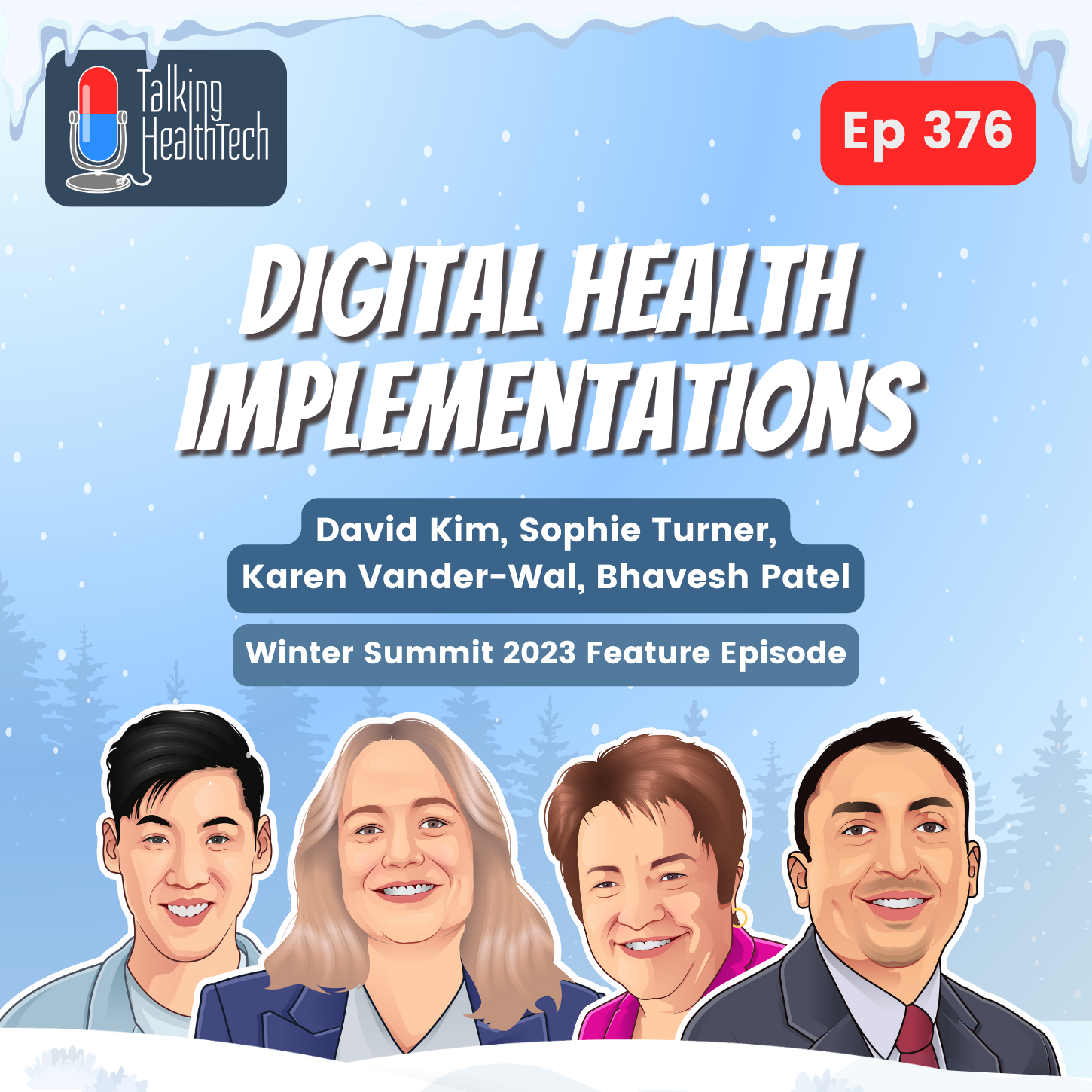
376 - Digital Health Implementations: Navigating Change, Collaboration, and Adoption
This episode of Talking HealthTech was recorded at, the THT Winter Summit 2023. The focus is on digital health implementations and the challenges of navigating change, collaboration, and adoption. The panel includes David Kim from 3M, Sophie Turner from Talking HealthTech, Karen Vander-Wal from Sunshine Coast Health, and Dr. Bhavesh Patel, a Senior Paediatric Surgeon. Together, they discuss the successful implementation of new speech recognition workflows at Sunshine Coast Health using 3M's AI-driven speech understanding technology. They explore the importance of organisational support, the right implementation strategies, and the adoption process that led to project success. Key Takeaways:- Understanding user requirements and their learning styles is crucial in developing effective training programs for new technology adoption.- Having a dedicated education and adoption role, like Karen Vander-Wal, is essential in providing ongoing support and assistance to users.- The partnership between technology vendors and clinicians is valuable, as their deep understanding of clinician pain points allows for real-time feedback and collaborative problem-solving.- Successful technology implementation requires building relationships, trust, and strong communication between clinicians, vendors, and patients.- Having recognized Change Champions, especially senior clinicians, increases credibility and support for change initiatives.Check out the full episode and show notes on the Talking HealthTech website.Don't forget to leave a review and share the episode with someone who might find it valuable.Become a THT+ Member to access the online community forum, quarterly summits, and more exclusive content. Visit talkinghealthtech.com/thtplus for more information.

375 - Growth hacking around an advertising ban on Tinder. James Sneddon, Stigma Health
In this episode of Talking HealthTech during Sexual Health Awareness Week, Sophie Turner speaks with James Sneddon from Stigma Health to discuss the significance of fostering a sex-positive culture and raising awareness about sexual health. We explore pathology referrals and sexual health education, and the impact of increased telehealth adoption during the pandemic. We also delve into Stigma Health's user-centric approach, which has been key to patient retention and word-of-mouth referrals. Also learn about the business aspects of Stigma Health, like growth hacks, strategic partnerships and the pros and cons of external funding.Key Takeaways:- Stigma Health has experienced exponential growth in the last 12 months, tripling their business and adding thousands of new patients per month.- They have built their success through strong clinical governance and earning a reputable reputation.- Word of mouth has played a significant role in their growth, especially in the field of sexual health.- While interested in seeking funding and support, Stigma Health has found ways to collaborate and improve their services without significant financial investment.- They have learned valuable lessons from past mistakes and are confident in their position as a market leader.Timestamps:[00:00] - Introduction[01:09] - Meet James Sneddon, Stigma Health[02:08] - Scaling Operations[03:24] - Bootstrapping and Growth[05:12] - Investment Opportunities[07:56] - Lessons from Angel Investment[09:07] - Addressing Sexual Health Taboos[10:47] - Cost and Stigma Around Sexual Health[11:35] - Challenges in Advertising[12:49] - New Marketing Avenues[15:19] - More Channels and Word-of-Mouth[18:15] - Growth and Scaling[18:41] - Sexual Health Awareness Week[20:13] - Personal Touch in Customer ServiceCheck out the episode and full show notes on the Talking HealthTech website.Loving the show? Leave us a review and share it with someone who might get some value from it.Keen to take your healthtech to the next level? Become a THT+ Member for access to our online community forum, quarterly summits, and more exclusive content. For more information, visit talkinghealthtech.com/thtplus

374 - Evrima vs Captain America: Beating stereotypes with a punch to the facts
In this episode of Talking HealthTech, host Peter Birch is joined by guest Ben McEvoy from Evrima to discuss the challenges and solutions related to recruiting participants for clinical trials. Ben shares insights into the importance of motivation, multinational collaboration, and the role of technology in addressing recruitment and retention issues. This conversation sheds light on the critical role clinical trials play in advancing healthcare and overcoming public perception challenges.Key Takeaways:- Motivation is a crucial factor in recruiting participants for clinical trials, and referral clinicians may not have adequate knowledge about a patient's motivation.- Multinational companies choose to conduct research in Australia due to its robust health system, stable democracy, and strong alliance with the US.- Evrima leverages technology to revolutionise clinical trial recruitment by partnering with healthcare organisations and exploring novel channels for reaching eligible and motivated participants.- Changing public perception and increasing awareness about clinical research can help overcome recruitment challenges and provide access to life-changing treatments.- Technology alone cannot solve recruitment problems, and a combination of human efforts and technological solutions is essential.Check out the episode and full show notes on the Talking HealthTech website.Loving the show? Leave us a review, and share it with someone who might get some value from it.Keen to take your healthtech to the next level? Become a THT+ Member for access to our online community forum, quarterly summits, and more exclusive content. For more information, visit talkinghealthtech.com/thtplus
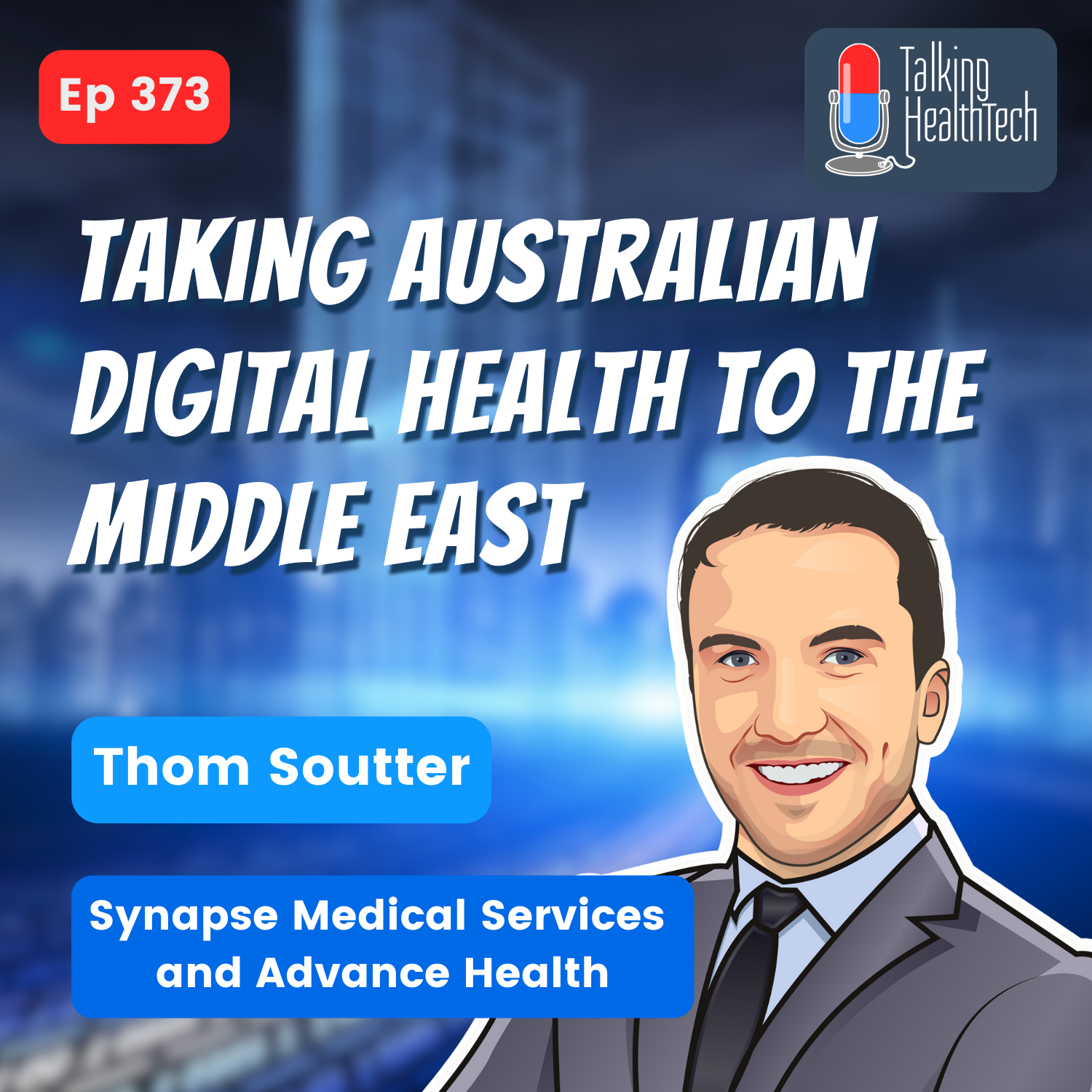
373 - Taking Australian digital health to the Middle East & beyond. Thom Soutter, Synapse Medical Services & Advance Health
In this episode of Talking HealthTech, host Peter Birch is joined by Thom Soutter, Business Development Director at Synapse Medical Services. They discuss the international endeavors of Synapse Medical Services and their unique approach to healthcare financing systems. They explore how to extend digital health solutions from outside of Australia into regions like the Middle East, navigating complex healthcare systems, different regulations and cultural norms, and maintaining integrity and efficiency of HealthTech solutions in different jurisdictions.Key Takeaways:- Synapse Medical Services is a med tech company that specialises in healthcare financing and administration, with a focus on improving efficiencies, reducing wastage, and fraud in health systems.- They have developed technology to aid clinical coders, supplementing their work to support smaller facilities and improve turnaround times for reimbursement.- The complexity and detail of clinical coding requires extensive training, and the technology helps to make the process smoother and provide more visibility on facility revenue.- Building trust and credibility with the clinical coding community was important for Synapse Medical Services when introducing their technology solutions.Check out the episode and full show notes on the Talking HealthTech website.Loving the show? Leave us a review, and share it with someone who might get some value from it.Keen to take your healthtech to the next level? Become a THT+ Member for access to our online community forum, quarterly summits, and more exclusive content. For more information, visit talkinghealthtech.com/thtplus.
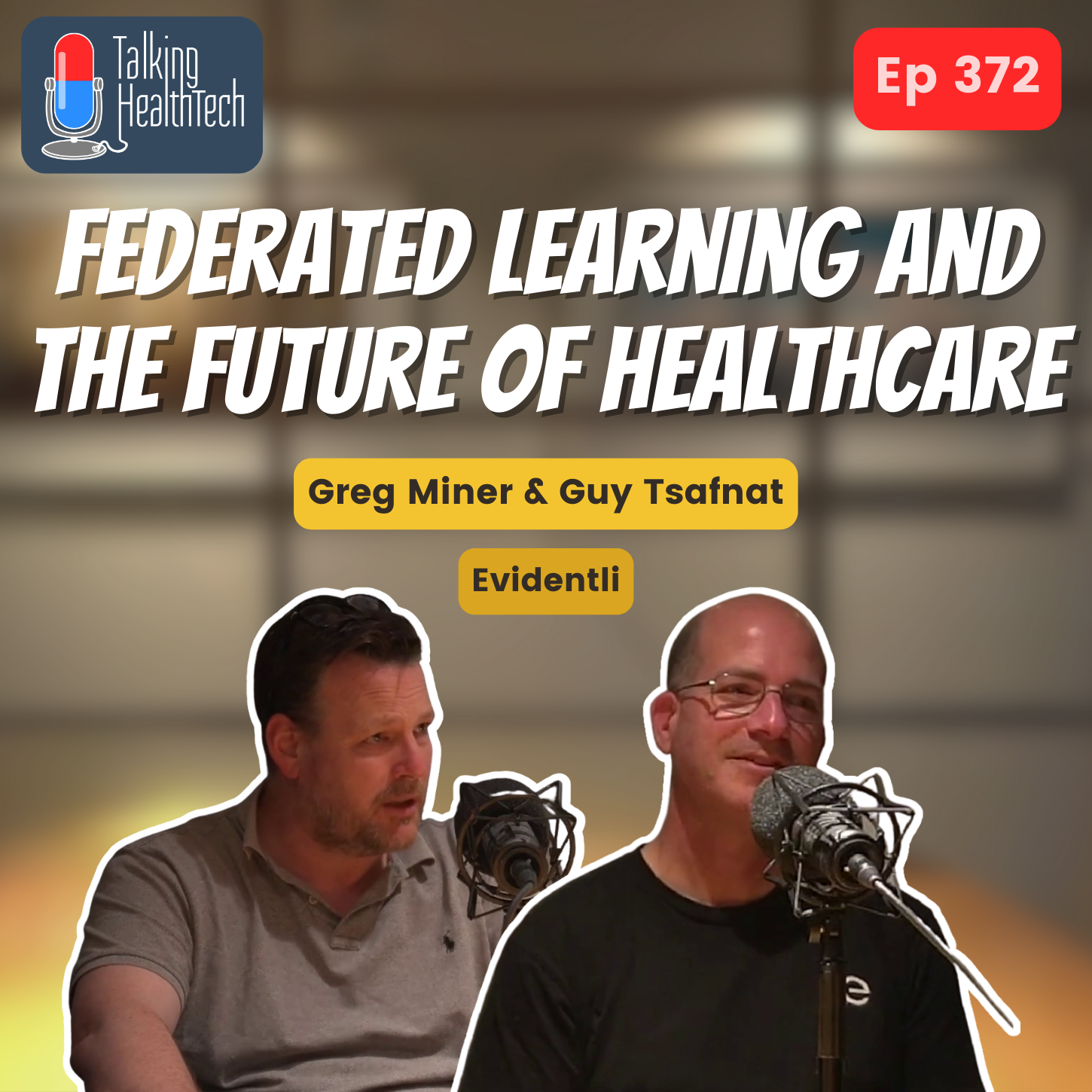
372 - Federated learning and the future of healthcare. Greg Miner, Guy Tsafnat - Evidentli
📺 Watch this episode on YouTube: https://youtu.be/xUxi7iyELs8In this Talking HealthTech episode, Peter Birch talks to Greg Miner and Guy Tsafnat from Evidentli about making healthcare data more useful. They discuss the technical aspects of data federation versus data aggregation and why these approaches are important. They also touch on how data federation is impacting HealthTech globally.Key Points:Evidentli uses AI to convert disorganised clinical data into a format that's easier to analyse, doing it faster than traditional methods.Handling raw healthcare data usually takes a long time; Evidentli can speed up this process considerably.They've developed a way to handle disorganised data, like clinicians' notes, more efficiently.Evidentli's automated systems can be adapted for each customer, which enhances data accuracy.For more, visit the Talking HealthTech website.If you found this episode useful, consider leaving a review.Keen to take your healthtech to the next level? Become a THT+ Member for access to our online community forum, quarterly summits, and more exclusive content. For more information, visit talkinghealthtech.com/thtplus.

371 - Reducing record hospital wait times that cost Australian lives. Kate Quirke - Alcidion & Martin Moszczynski - Olinqua
📺 Watch this episode on YouTube: https://youtu.be/SDjGrXj5KYUIn this episode of Talking HealthTech, host Peter Birch interviews Kate Quirke, CEO of Alcidion, and Martin Moszczynski, founder of Olinqua. The discussion revolves around the partnership between Alcidion and Olinqua to improve hospital operations using clinical and operational data. They delve into the challenges faced by the healthcare system in Australia, the power of data in improving patient care, and the role of technology in enabling healthcare advancements.Key Takeaways:- The partnership between Alcidion and Olinqua aims to address long wait times and ramping in the healthcare system, providing a meaningful solution to a pressing issue.- The digitisation of building management, security systems, and fire panels has resulted in a wealth of data that can be harnessed to predict future needs and optimise facility management.- Exposing and utilising data on bed availability and other operational aspects can expedite patient care and enhance hospital operations.- Automating administrative tasks through technology can free up more time for clinicians to focus on patient care.- Technology serves as an enabler for improving healthcare, but it is crucial to have an ecosystem that supports hospital operation centres.Timestamps:00:00 - Intro01:10 - Meet Martin Moszczynski, Olinqua01:30 - Meet Kate Quirke, Alcidion02:28 - Miya Central03:30 - The Power Of Real Time Data03:55 - Ambulance Ramping & ED Wait Times05:53 - Giving Clinicians More Time To Care09:15 - The Past Predicts The Future10:28 - Future Of Collaboration In Healthcare11:55 - Miya Central Next Steps13:00 - OutroCheck out the episode and full show notes on the Talking HealthTech website.Loving the show? Leave us a review, and share it with someone who might get some value from it.Keen to take your healthtech to the next level? Become a THT+ Member for access to our online community forum, quarterly summits, and more exclusive content. For more information, visit talkinghealthtech.com/thtplus.

370 - Why quitting isn’t the answer to burnout recovery in healthcare. Dr Jo Braid, The Burnout Recover Dr
📺 Watch this episode on YouTube: https://youtu.be/kky5xwiQ_tQIn this episode of Talking HealthTech, host Peter Birch chats with Jo Braid, a clinician and coach who specialises in helping healthcare professionals overcome burnout and find fulfilment in their careers. Jo shares their personal experience with burnout and discusses the common causes and symptoms. They also explore the generational differences in work ethic and the importance of empathy in healthcare. Join Peter and Jo as they dive into the world of burnout and discuss strategies for preventing and recovering from it.Key Takeaways- Burnout is a prevalent issue among healthcare professionals, with at least 63% of physicians experiencing burnout.- Jo Braid emphasises the need for efficiency and reducing administrative tasks to prevent excessive work hours.- Self-care and work-life balance are emerging trends in healthcare that prioritise well-being and prevent burnout.- Empathy plays a significant role in patient care, as patients can sense when healthcare professionals lack genuine care.- Burnout can have significant consequences for both individuals and the healthcare system, including reduced productivity and attrition. Timestamps00:00 - Introduction01:05 - Meet Jo02:33 - Why Focus on Burnout Recovery for Clinicians06:42 - Is Giving Up The Answer?08:52 - What is Burnout and its Common Causes?12:22 - Is Burnout a Generational Issue?14:44 - The Impact of Burnout in Healthcare16:40 - Burnout is More Than The Work Environment18:40 - The Different Stages Of Burnout20:35 - Growth Mindset vs Fixed Mindset21:33 - The Complete Burnout Recovery Program23:00 - OutroCheck out the episode and full show notes on the Talking HealthTech website.Loving the show? Leave us a review, and share it with someone who might get some value from it.Keen to take your healthtech to the next level? Become a THT+ Member for access to our online community forum, quarterly summits, and more exclusive content. For more information, visit talkinghealthtech.com/thtplus.<p...
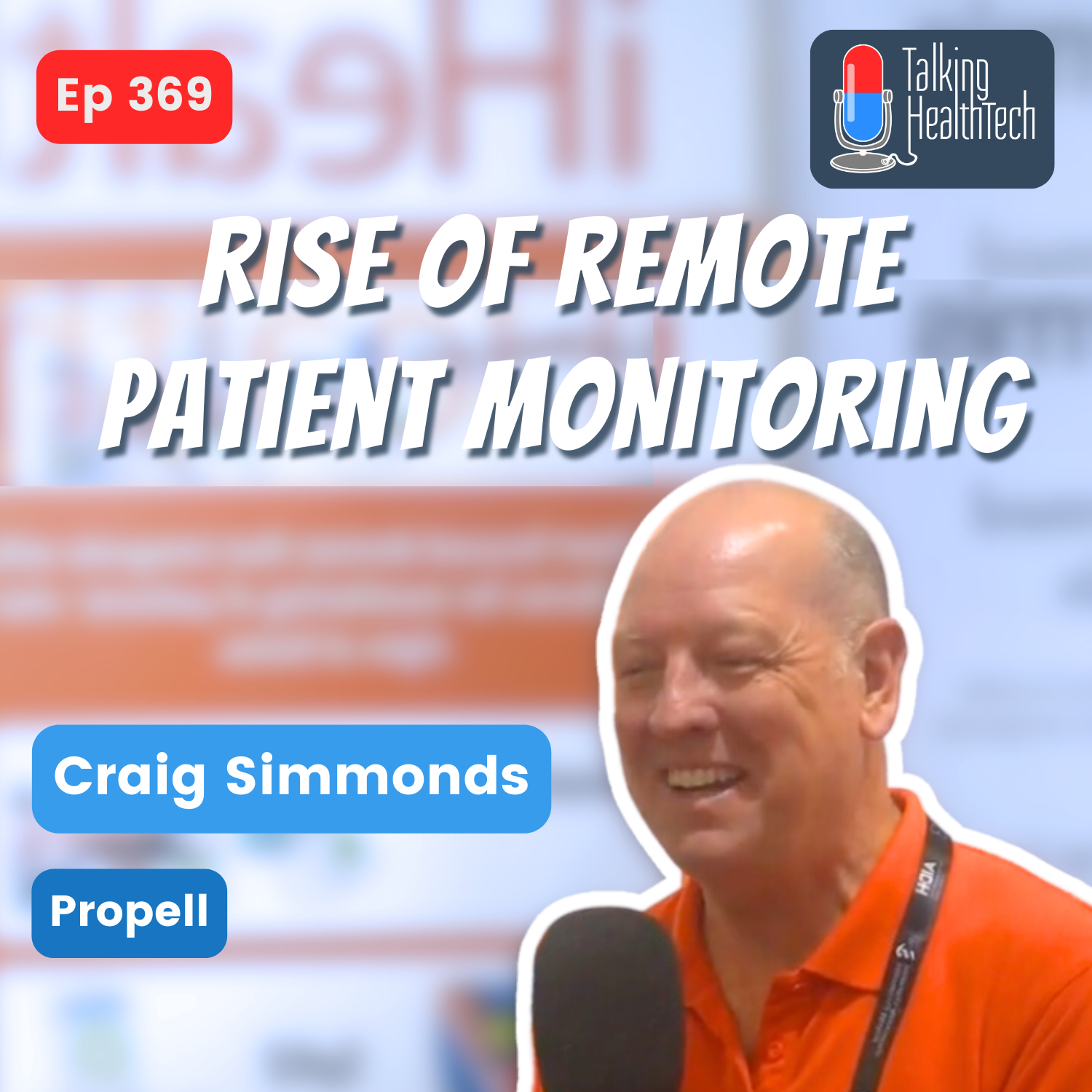
369 - The rise and rise of remote patient monitoring. Craig Simmonds, Propell
📺 Watch this episode on YouTube: https://youtu.be/hKgj8uV7ClYIn this episode of Talking HealthTech, Peter Birch interviews Craig Simmonds from Propell, discussing remote patient monitoring in Australia. They delve into the importance of device interoperability, recent partnerships and collaborations with healthcare organisations, and advancements in wearable technology. The episode also explores the impact of consumer-focused devices and the significance of simplicity and aesthetics in the design of health devices. Key Takeaways- The importance of device interoperability and integrating health devices into existing platforms.- The need for standards and interoperability to allow devices to connect and work across different healthcare platforms.- The significance of recent advancements in wearable technology for remote patient monitoring.- The success and impact of Bendigo Health's remote patient monitoring program in Northern Victoria.- The shift towards a patient and consumer focus in the healthcare industry.- The importance of simplicity and aesthetics in the design of health devices.Timestamps:00:00 - Intro00:55 - Meet Craig & Propel01:36 - Monitoring Devices03:18 - The Rise Of Consumer Focused Devices04:13 - Recent Hospital Partnerships05:30 - Device and Platform Integrations06:11 - Connectivity Challenges In Hospitals07:48 - The Future Of Devices11:10 - Partnership Opportunities12:18 - OutroCheck out the episode and full show notes on the Talking HealthTech website.Loving the show? Leave us a review, and share it with someone who might get some value from it.Keen to take your healthtech to the next level? Become a THT+ Member for access to our online community forum, quarterly summits and more exclusive content. For more information visit talkinghealthtech.com/thtplus
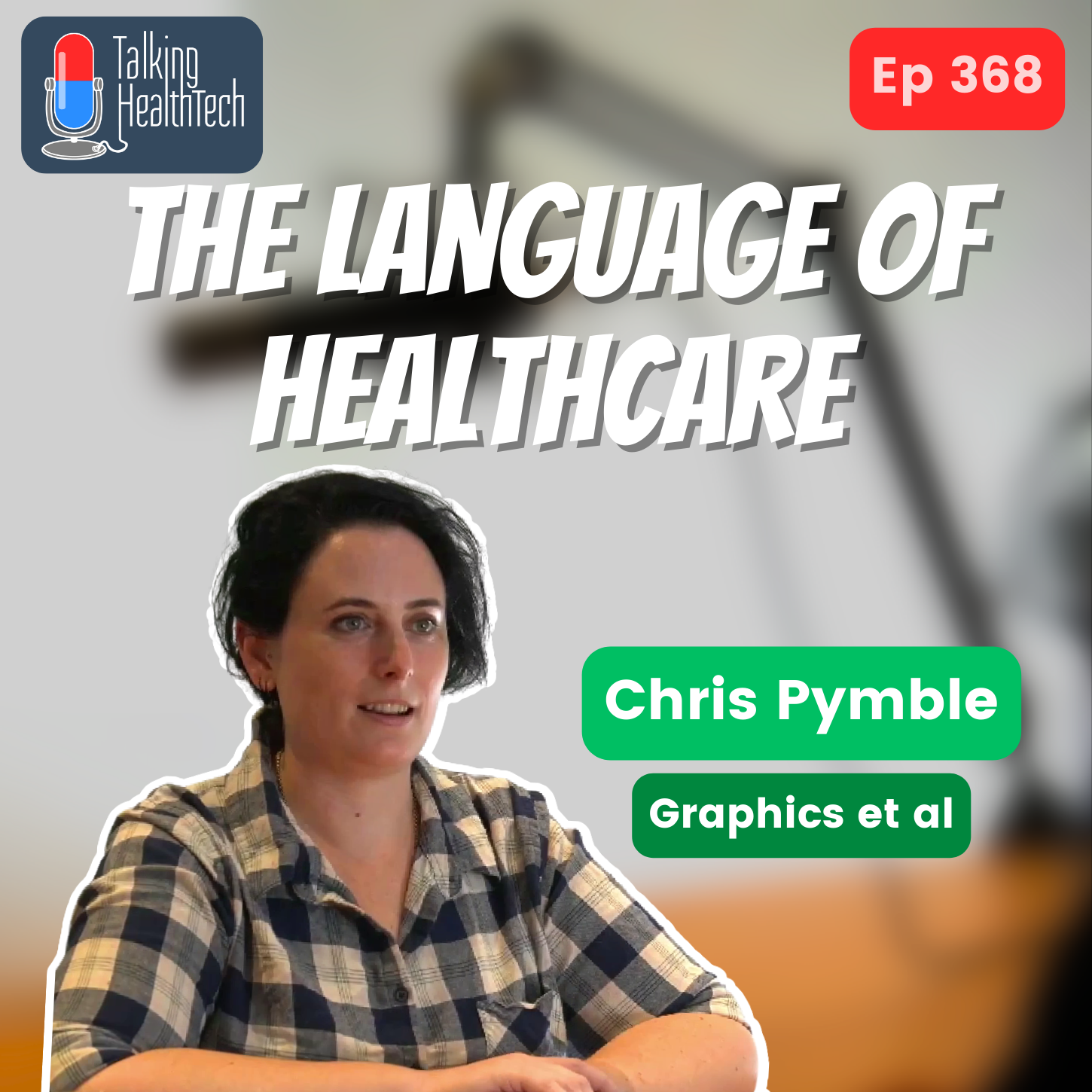
368 - The Language of Healthcare: Bridging the Gap between Patients and Medical Professionals. Chris Pymble, Graphics et al
📺 Watch this episode on YouTube: https://youtu.be/__QhOx-P3SUIn this episode of Talking HealthTech, host Sophie Turner interviews Chris Pymble, founder and CEO of Graphics et al. Chris is an anatomist and a passionate scientific communicator who recognised the need for better patient education in the healthcare industry. Chris shares her insights and experiences in bridging the gap between healthcare education and patient needs.Key Takeaways:- Patient education is often neglected in the healthcare industry, leading to a reliance on unreliable online sources for health information.- Empowering individuals through healthcare education can help them take control of their own health.- There is a significant disparity between patient literacy levels and the complexity of health literature, creating communication challenges.- Incorporating accessible education materials, such as diagrams, animations, and patient journals, can improve understanding and engagement.- Healthcare systems, clinics, and hospitals have a responsibility to prioritise and implement effective patient education initiatives.Check out the episode and full show notes on the Talking HealthTech website.Loving the show? Leave us a review and share it with someone who might find it valuable.Keen to take your healthtech to the next level? Become a THT+ Member for access to our online community forum, quarterly summits, and more exclusive content. For more information, visit talkinghealthtech.com/thtplus.

367 - Clinically-Driven Technology Transforming Patient Care. Michael Dahlweid, Steven Parrish - Dedalus
📺 Watch this episode on YouTube: https://youtu.be/j5pfvFhEmtQIn a world where technology has become an integral part of our lives, it's no surprise that the healthcare industry is also embracing digital transformation.Electronic medical records, clinical decision support systems, and other technological advancements have revolutionised patient care. Among the companies leading this change is Dedalus, whose flagship product is Orbis. In this episode of Talking HealthTech recorded at MEDINFO 2023 in Sydney, we delve into the origins of Dedalus, and their successful growth story across the globe. We talk about the important role of standardisation in healthcare technology and the promise of AI and machine learning for future development in this space, plus a lot more too.Loving the show? Leave us a review, and share it with someone who might get some value from it.Keen to take your healthtech to the next level? Become a THT+ Member for access to our online community forum, quarterly summits and more exclusive content.
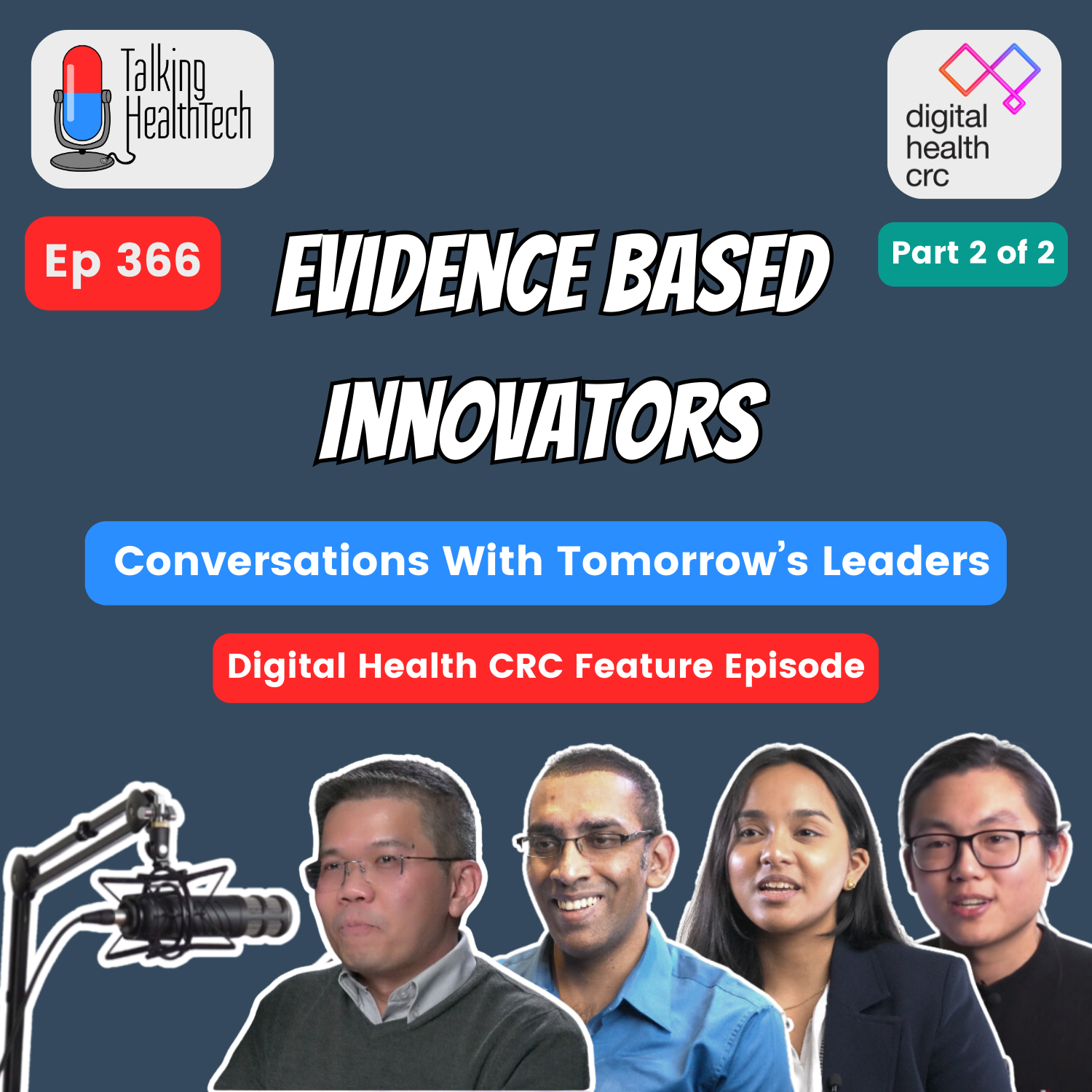
366 - Evidence Based Innovators - Conversations With Tomorrow’s Leaders. Digital Health CRC; Part 2 of 2
This episode is part of a short series of Talking HealthTech episodes, produced in partnership with the Digital Health CRC. Peter Birch speaks with the digital health leaders of tomorrow who are expressing their ideas, solutions, and opinions from a basis of evidence. The Digital Health CRC invests in research and development to support the growth of a strong digital health industry, improve patient outcomes and experience and deliver sustainable digital health solutions, and a core focus for the Digital Health CRC is around education and capacity building to support the next generation of emerging digital health leaders and deliver new and innovative learning opportunities for the sector. In this episode, each speaker will share a short description of the work they're doing and why, followed by a brief conversation with me to learn more about the problems that they're solving. Chapters:00:00 - Intro01:27 - Harvey Koh - Impact Video03:06 - Harvey Koh - Interview10:38 - Sharma Mohammed Salem - Impact Video11:32 - Sharma Mohammed Salem - Interview19:50 - Nalika Ulapane - Impact Video20:53 - Nalika Ulapane - Interview33:12 - Zhao Hui Koh - Impact Video35:15 - Zhao Hui Koh41:25 - OutroLearn more about each of the speakers in this episode in the Talent Hub section of the Digital Health CRC website:Harvey Koh: https://digitalhealthcrc.com/talent-hub/jia-wei-koh/Sharma Mohammed Salem: https://digitalhealthcrc.com/talent-hub/shayma-mohammed-selim/Nalika Ulapane: https://digitalhealthcrc.com/talent-hub/nalika-ulapane/Zhao Hui Koh: https://digitalhealthcrc.com/talent-hub/zhao-hui-koh/

365 - Exploring the Future of Genomics in Digital Health. Alan Robertson, ClearSKY Genomics
In this episode of Talking HealthTech, host Peter Birch interviews Alan Robertson, the founder of ClearSKY Genomics. Alan discusses the collaboration between ClearSKYGenomics and the Digital Health CRC, specifically focusing on the role of genomics in the broader digital health landscape. They delve into the challenges of translating genomic-based treatments into patient care and the importance of data interoperability in genomics. This episode offers valuable insights into the future of genomics and its impact on healthcare innovation and digital health.Key Takeaways:The importance of data interoperability and access in the field of genomics was highlighted. Genomic data may vary between healthcare systems, making it crucial to establish standardised protocols for sharing and utilising this data effectively.The integration of genomics into healthcare innovation and digital health, the potential for advancements in genomics to revolutionise patient outcomes and reshape healthcare practices was emphasised.Building relationships between technical aspects and policy in the genomics field is a challenge that needs to be addressed. By bridging this divide, genomics can play a more prominent role in shaping high-level decisions around data usage and policy-making.Loving the show? Leave us a review, and share it with someone who might get some value from it.Keen to take your healthtech to the next level? Become a THT+ Member for access to our online community forum, quarterly summits, and more exclusive content. For more information, visit talkinghealthtech.com/thtplus
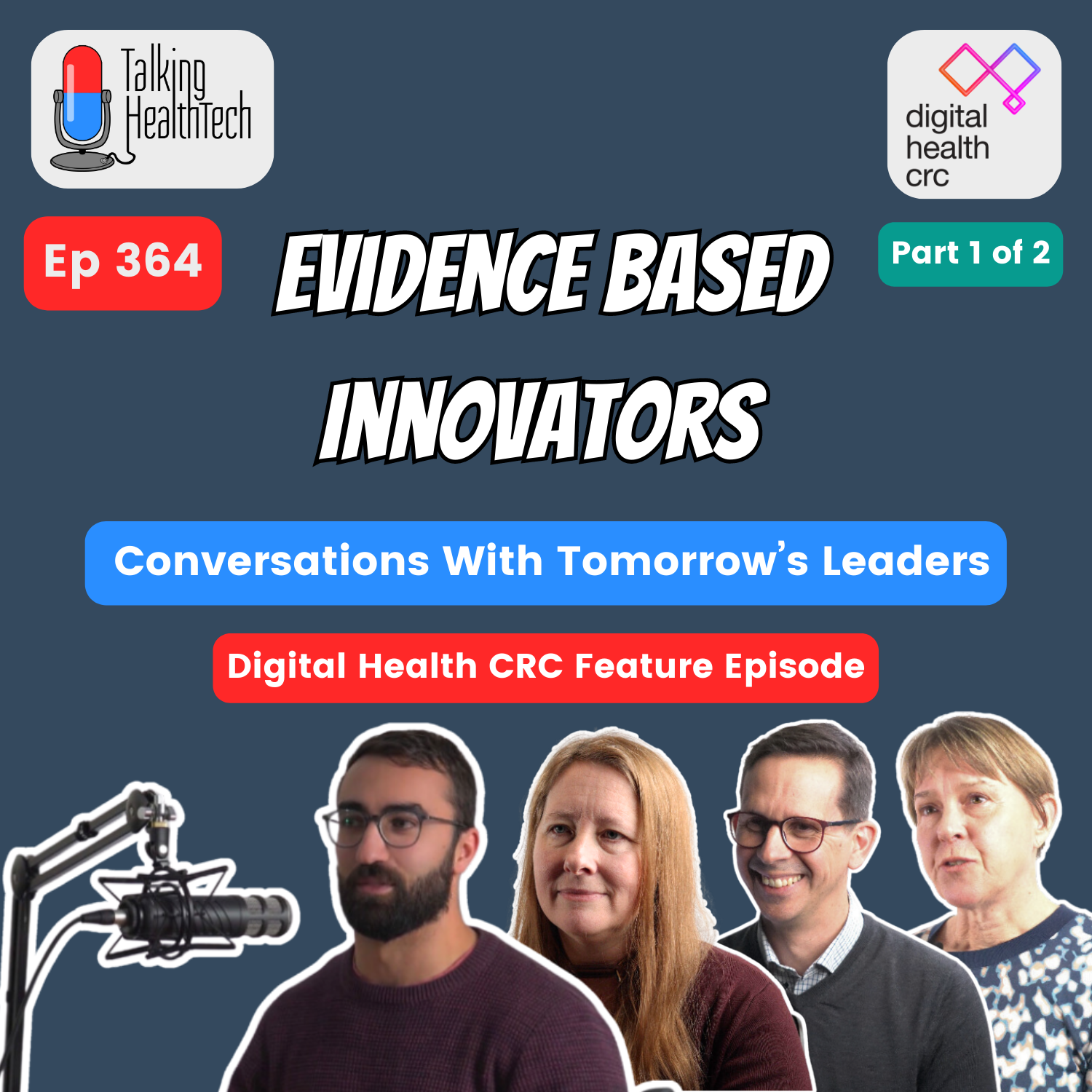
364 - Evidence Based Innovators - Conversations With Tomorrow’s Leaders. Digital Health CRC; Part 1 of 2
This episode is part of a short series of Talking HealthTech episodes, produced in partnership with the Digital Health CRC. Peter Birch speaks with the digital health leaders of tomorrow who are expressing their ideas, solutions, and opinions from a basis of evidence. The Digital Health CRC invests in research and development to support the growth of a strong digital health industry, improve patient outcomes and experience and deliver sustainable digital health solutions, and a core focus for the Digital Health CRC is around education and capacity building to support the next generation of emerging digital health leaders and deliver new and innovative learning opportunities for the sector. In this episode, each speaker will share a short description of the work they're doing and why, followed by a brief conversation with me to learn more about the problems that they're solving. Chapters:00:00 - Intro02:00 - Kate Hopman - Impact Video03:26 - Kate Hopman - Interview14:20 - Nick Marlow - Impact Video15:11 - Nick Marlow - Interview24:02 - Jade Barclay - Impact Video27:43 - Jade Barclay - Interview44:03 - Rex Parsons - Interview51:12 - OutroLearn more about each of the speakers in this episode in the Talent Hub section of the Digital Health CRC website:Kate Hopman: https://digitalhealthcrc.com/talent-hub/kate-hopman/Nick Marlow: https://digitalhealthcrc.com/talent-hub/nicholas-marlow/Rex Parsons: https://digitalhealthcrc.com/talent-hub/rex-parsons/
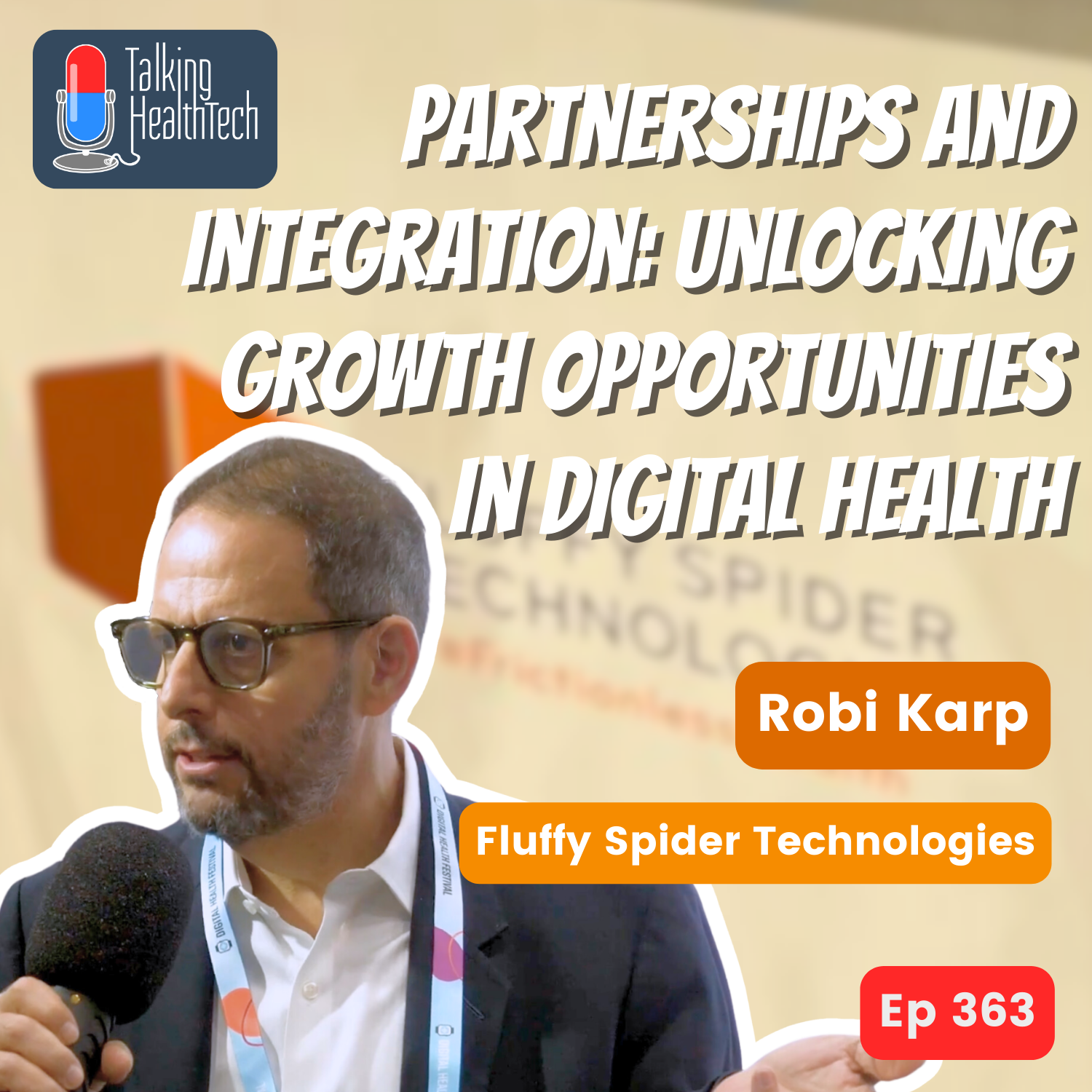
363 - Partnerships and Integration: Unlocking Growth Opportunities in Digital Health. Robi Karp, Fluffy Spider Technologies
In this episode of Talking HealthTech, host Peter Birch is joined by guest Robi Karp, CEO of Fluffy Spider Technologies. They discuss the challenges of integrating legacy HealthTech systems, the importance of partnerships, and working with frontline clinicians. Robi emphasises the need for standardised systems and the benefits of open standards. They also explore Fluffy Spider's lines of business, their partnerships, and the company's focus on healthcare integration services and software development. Key Takeaways:- Legacy HealthTech systems can be complex and lack interoperability, creating challenges for healthcare organisations.- Partnerships and collaboration with other vendors, like the one with Talking HealthTech, are crucial for success in the competitive HealthTech market.- Frontline clinicians play a valuable role in understanding how technology should work and fit into their workflows efficiently.- Fluffy Spider Technologies offers integration services, software development, and advisory/consulting services to healthcare organisations.- The company is focused on growing its expertise in health information exchanges and interoperability, seeing it as a significant opportunity.Check out the episode and full show notes on the Talking HealthTech website.Loving the show? Leave us a review, and share it with someone who might get some value from it.Keen to take your healthtech to the next level? Become a THT+ Member for access to our online community forum, quarterly summits, and more exclusive content. For more information, visit talkinghealthtech.com/thtplus.
362 - An inside look into a major healthtech makeover for better connectivity. Jayne Thompson, MediRecords
Jayne Thompson is the Head of Product at MediRecords.MediRecords is a digital health platform at the forefront of advancing cloud-based Practice management.Listen to this interview with Jayne Thompson from MediRecords about the evolution of their platform. Learn about their new user interface, enhanced features, and commitment to multidisciplinary care, supporting healthcare providers in delivering efficient and innovative solutions.Check out the episode and full show notes here.To see the latest information, news, events and jobs on offer at MediRecords, visit their Talking HealthTech Directory listing here.Loving the show? Leave us a review, and share it with someone who might get some value from it.Keen to take your healthtech to the next level? Become a THT+ Member for access to our online community forum, quarterly summits and more exclusive content. For more information visit here.
361 - Rethinking Nurse Training & Onboarding for Better Care
📺 Watch this episode on YouTube: https://youtu.be/Olc5__Tfup4Dan Graham from MedApp and Dan Shaw from South Eastern Local Health District talk about onboarding nurses and healthcare professionals in the public hospital system.They discuss how MedApp revolutionises the onboarding process for new nurses, providing them with easy access to clinical and hospital guidelines. Discover how MedApp's streamlined approach eliminates cumbersome manuals and intranets, empowering nurses to feel capable, confident, and efficient in delivering care. From improved communication to personalised onboarding, this episode highlights the transformative power of MedApp in healthcare organisations, ultimately enhancing patient outcomes and staff satisfaction.Streamlining healthcare onboarding with offline-accessible guidelines with MedApp. Prioritise timely communication, reduce stress, and empower healthcare professionals. Check out the episode and full show notes here.Timestamps:00:00 - Introduction01:10 - Meet Dan Graham from MedApp02:33 - Learn more about MedApp04:12 - Meet Dan Shaw from SE LHD05:30 - MedApp activities recently09:23 - Supporting clinicians beyond onboarding11:38 - Real world experiences of MedApp in SE LHD15:07 - The importance of communicating early when onboarding of clinicians16:45 - How to successfully implement technology in healthcare20:42 - Demonstrate value: land and expand22:41 - Using MedApps beyond vaccination hubs28:15 - The future of MedApp32:10 - Outro To see the latest information, news, events and jobs on offer at MedApp, visit their Talking HealthTech Directory Listing here. Loving the show? Leave us a review, and share it with someone who might get some value from it.Keen to take your healthtech to the next level? Become a THT+ Member for access to our online community forum, quarterly summits and more exclusive content. For more information visit here.
360 - What is the future of healthcare? Digital Health Festival 2023 Feature Episode
In this episode, we take you on a journey into the future of healthcare as we dive into the insightful discussions and interviews from the Digital Health Festival 2023 in Melbourne, Australia. Join us as we explore groundbreaking topics such as artificial intelligence, patient-centric care, equity, and access in the healthcare industry. With experts and exhibitors sharing their visions and innovations, you'll gain a deeper understanding of the transformative technologies and visionary ideas shaping the future of healthcare delivery.Get inspired by the diverse range of perspectives and expertise presented at the Digital Health Festival. Discover how digital transformation is revolutionising the healthcare industry and learn about the latest innovations and strategies aimed at improving patient care and empowering individuals to take control of their health. Whether you're a healthcare professional, technology enthusiast, or simply curious about the future of healthcare, this episode offers valuable insights and thought-provoking discussions.Timestamps:00:00 - Introduction02:30 - Naren Gunja - CMIO, Western Sydney Health04:04 - Peter Vranes - CEO & CoFounder, Nutromics09:00 - Simeon Naughton - Co-director, Health Care Panel Asia10:55 - Maddison Stone - Virtual & Digital Health, Innovation & Improvement - St Vincent’s Health Network Sydney12:55 - Charles Papp - Founder & CEO, KRE8 IT17:50 - Deb Hornsby, General Manager, Mater Pathology21:34 - Kylie Ovenden - Regional Innovation Hub Manager, Bendigo Health23:12 - Stefan Harrer - Chief Innovation Officer, Digital Health CRC25:13 - Christopher Skene, Founder & CTO, Aurabox29:10 - Dr Talat Uppal - Director, Women's Health Road32:28 - Dr Michael Bonning - President AMA (NSW) and Chief Medical Officer38:50 - Dr. Prash P., Co-Founder - Enosis42:51 - Dr Elizabeth Berryman - CEO & Founder, chnnl46:11 - Dr Bryan Tan - Chief Health Officer, Salesforce51:59 - OutroDon't miss out on this exciting episode where you can catch a glimpse of the future of healthcare and gain insights from industry leaders and innovators. Check out the full episode article here and join us in exploring the possibilities that lie ahead in the ever-evolving world of healthcare.If you're enjoying the show, we'd greatly appreciate your support by leaving us a review and sharing it with someone who would benefit from the valuable discussions. And if you're ready to take your healthtech knowledge to the next level, consider becoming a THT+ Member for exclusive access to our online community forum, quarterly summits, and more engaging content.