Radiolab
674 episodes — Page 8 of 14
Ep 334Man Against Horse
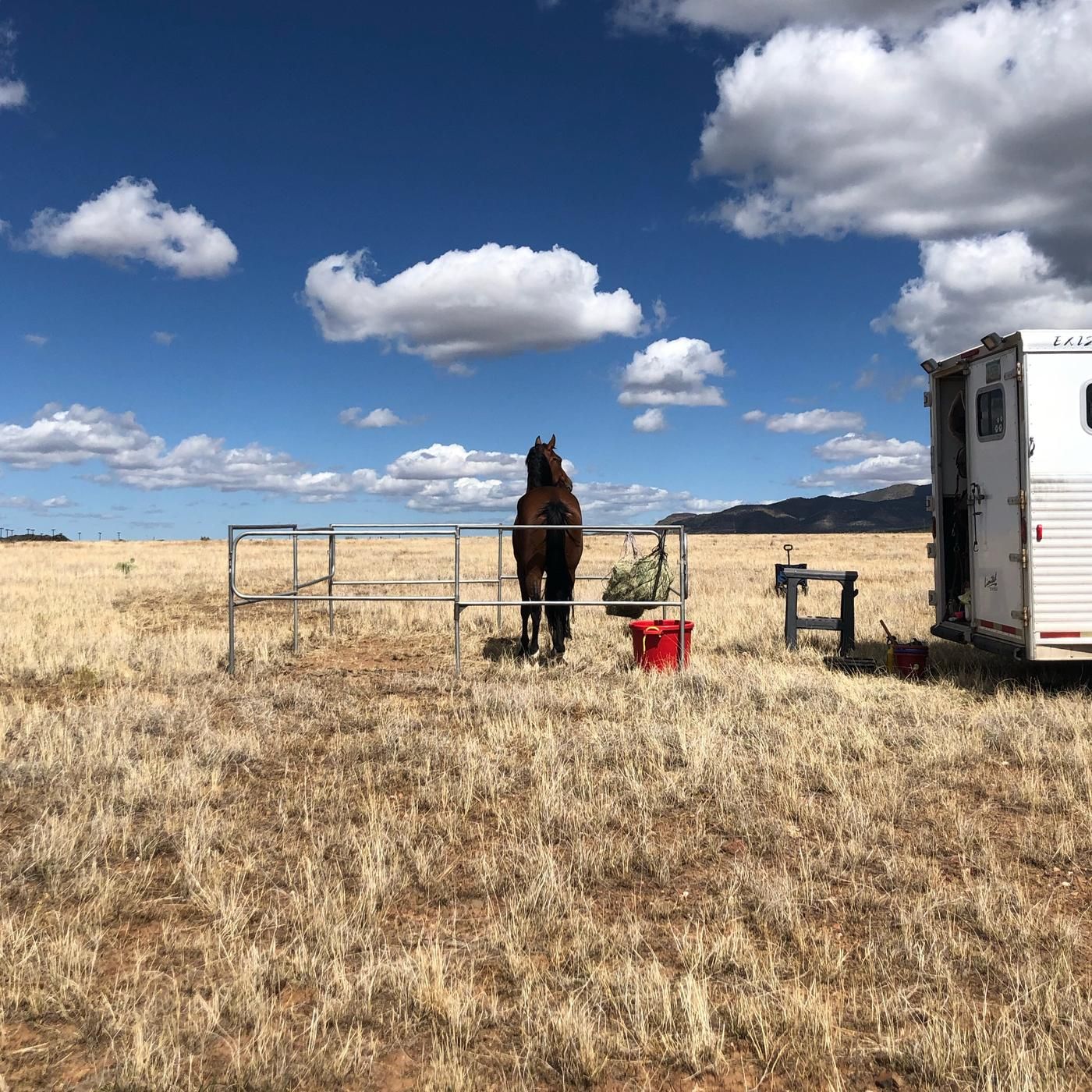
This is a story about your butt. It’s a story about how you got your butt, why you have your butt, and how your butt might be one of the most important and essential things for you being you, for being human. Today, reporters Heather Radke and Matt Kielty talk to two researchers who followed the butt from our ancient beginnings, through millions of years of evolution, and all the way to today, out to a valley in Arizona, where our butts are put to the ultimate test. This episode was reported by Heather Radke and Matt Kielty and was produced by Matt Kielty, Rachael Cusick and Simon Adler. Sound design and mixing by Jeremy Bloom. Fact-checking by Dorie Chevlen. Special thanks to Michelle Legro. Support Radiolab today at Radiolab.org/donate.
Ep 333There and Back Again
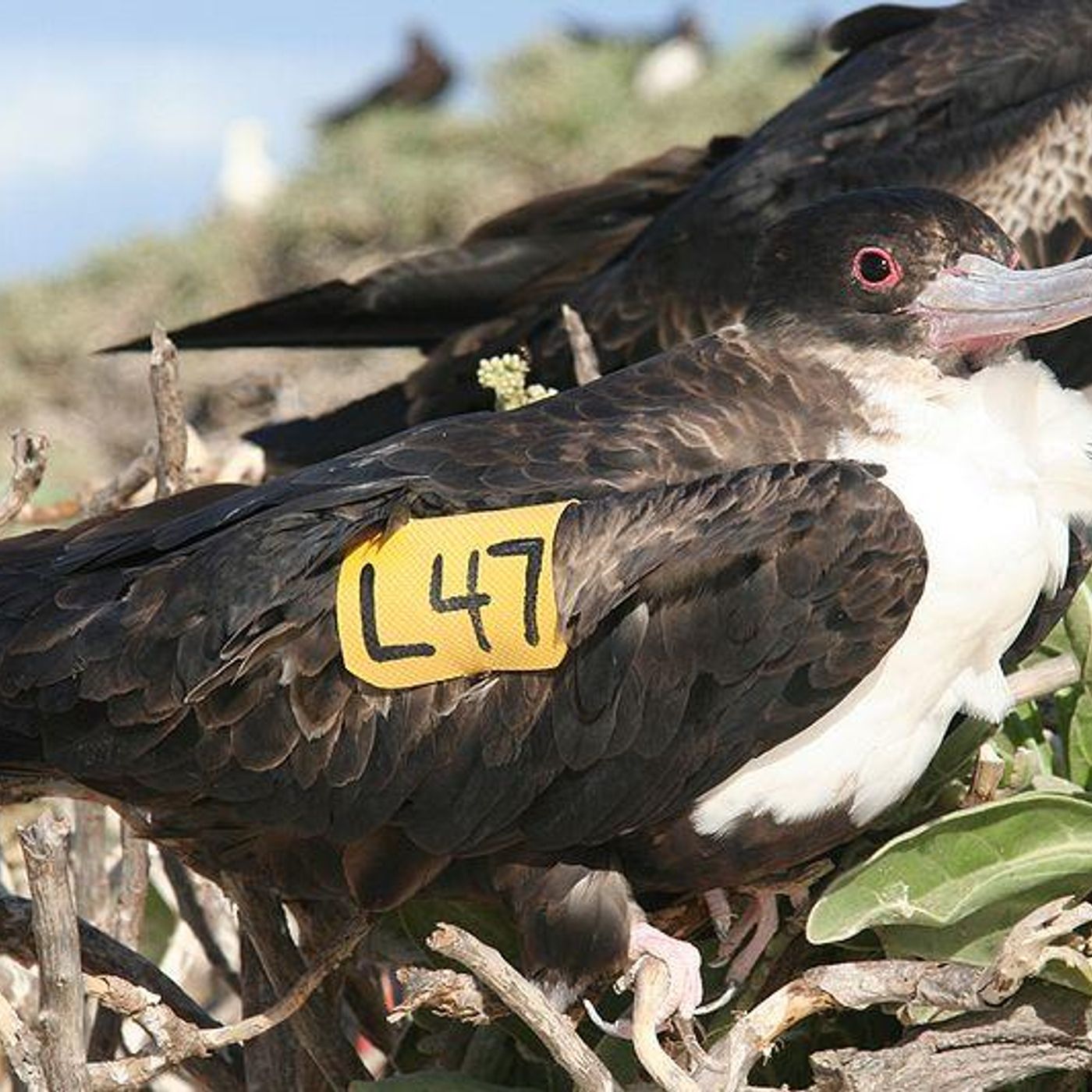
Here's a simple question: When an animal disappears in the winter, where does it go? Oddly enough, this question completely stumped European scientists for thousands of years. And even today, the more we learn about the comings and goings of the animals, the deeper the mystery seems to get. We visit a Bavarian farm with an 11 year old, follow warblers and wildebeests around the world, and get a totally new kind of view of the pulsing flow of animals across the globe. This episode was reported by Robert Krulwich and Jackson Roach and produced by Pat Walters, Matt Kielty, and Jackson Roach. Mix & original music by Jeremy Bloom. Special thanks to Allison Shaw, David Barrie, Auriel Fournier, and Moritz Matschke. Support Radiolab today at Radiolab.org/donate. And check out: The Truth about Animals by Lucy Cooke No Way Home: The Decline of the Great Animal Migrations by David Wilcove The migration video Jad and Robert watch in this episode!
Ep 332Things
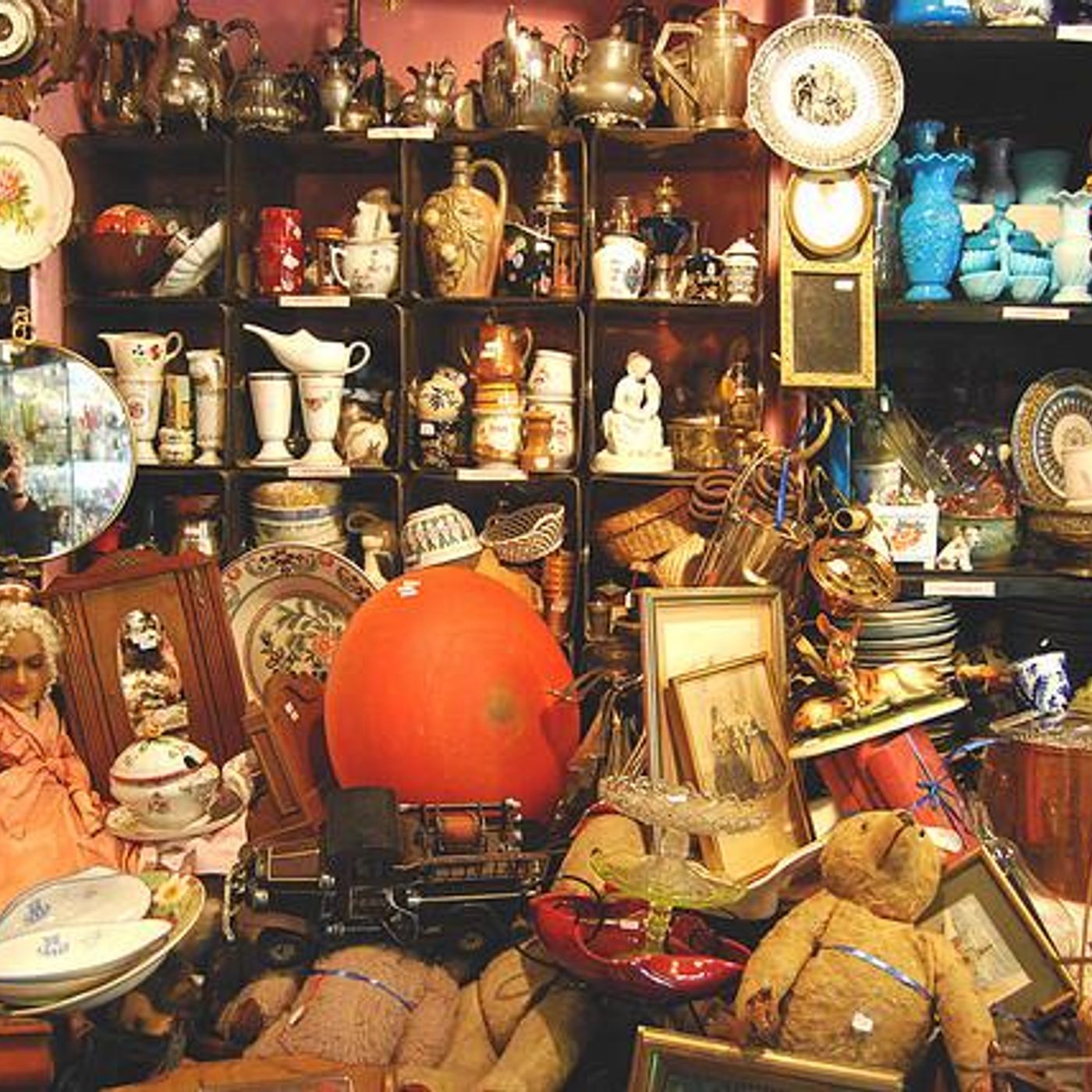
From a piece of the Wright brother's plane to a child’s sugar egg, today: Things! Important things, little things, personal things, things you can hold and things that can take hold of you. This hour, we investigate the objects around us, their power to move us, and whether it's better to look back or move on, hold on tight or just let go.
Ep 330Breaking Bongo
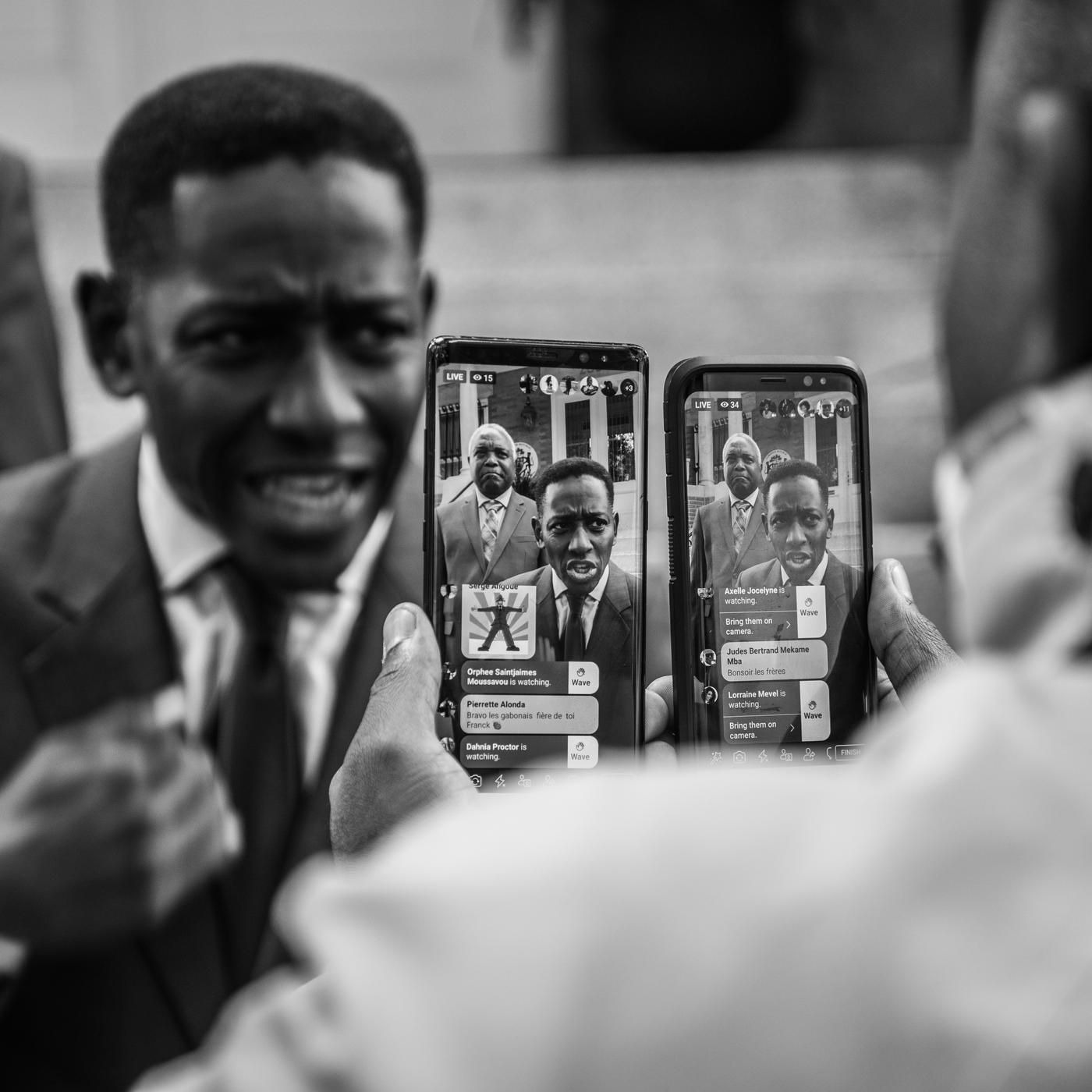
Deep fake videos have the potential to make it impossible to sort fact from fiction. And some have argued that this blackhole of doubt will eventually send truth itself into a death spiral. But a series of recent events in the small African nation of Gabon suggest it's already happening. Today, we follow a ragtag group of freedom fighters as they troll Gabon’s president - Ali Bongo - from afar. Using tweets, videos and the uncertainty they can carry, these insurgents test the limits of using truth to create political change and, confusingly, force us to ask: Can fake news be used for good? This episode was reported and produced by Simon Adler. Support Radiolab today at Radiolab.org/donate.

Ep 329Breaking News
Today, two new technological tricks that together could invade our most deeply held beliefs and rewrite the rules of credibility. Also, we release something terrible into the world. Support Radiolab by becoming a member today at Radiolab.org/donate.

Ep 328Dolly Parton's America: Neon Moss
Today on Radiolab, we're bringing you the fourth episode of Jad's special series, Dolly Parton's America. In this episode, Jad goes back up the mountain to visit Dolly’s actual Tennessee mountain home, where she tells stories about her first trips out of the holler. Back on the mountaintop, standing under the rain by the Little Pigeon River, the trip triggers memories of Jad’s first visit to his father's childhood home, and opens the gateway to dizzying stories of music and migration. Support Radiolab today at Radiolab.org/donate.
Ep 327Songs that Cross Borders
Coming off our adventures with Square Dancing, and Jad's dive into the world of Dolly Parton, we look back at one our favorites. About a decade ago, we found out that American country music is surprising popular in places like Zimbabwe, Thailand, and South Africa. Aaron Fox, an anthropologist of music at Columbia University, tells us that quite simply, country music tells a story that a lot of us get. Then, intrepid international reporter Gregory Warner takes us along on one of his very first forays into another country, where he discovers an unexpected taste of home. Support Radiolab today at Radiolab.org/donate. Aaron Foxes book: Real Country: Music And Language In Working-Class Culture Gregory Warner's podcast Rough Translation
Ep 326Birdie in the Cage
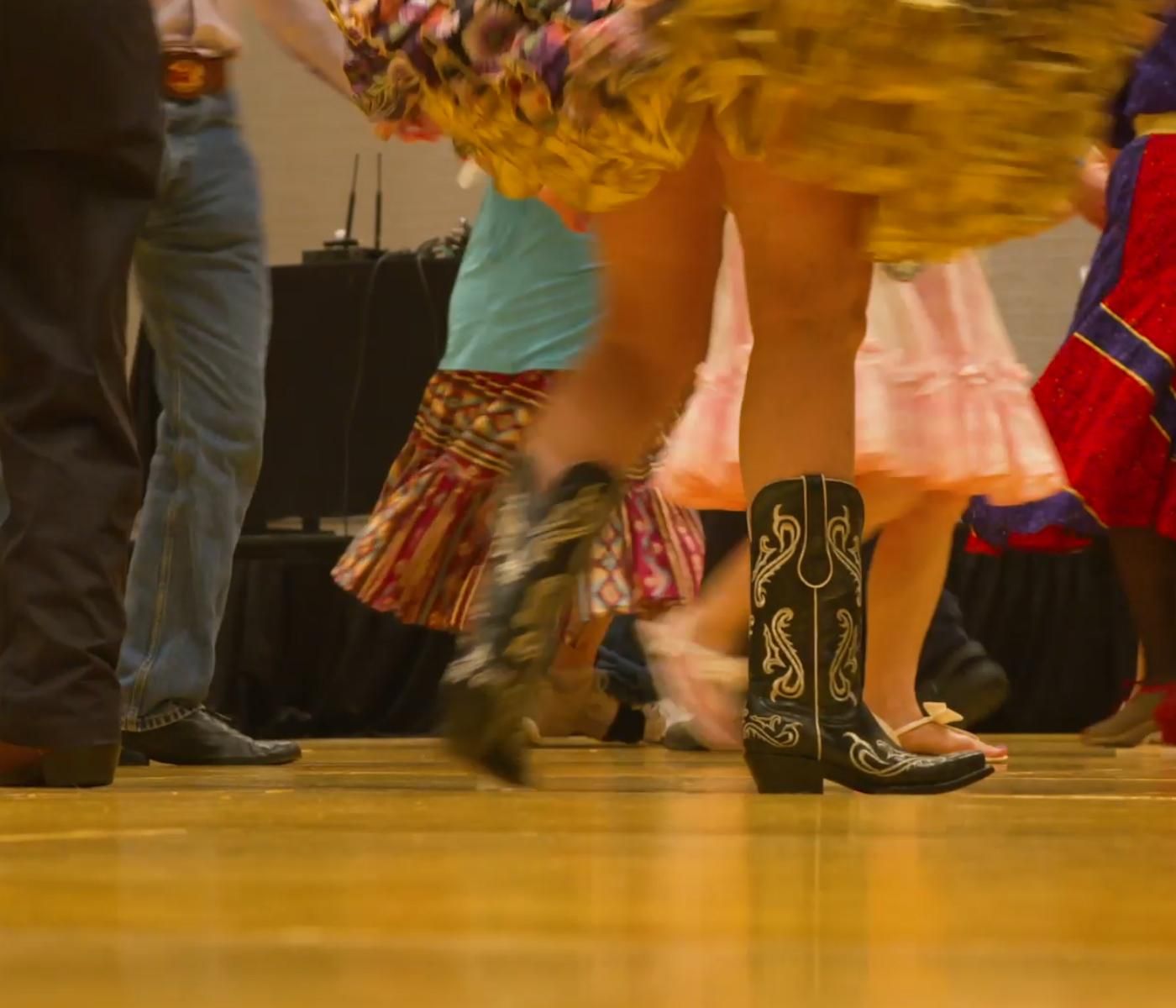
People have been doing the square dance since before the Declaration of Independence. But does that mean it should be THE American folk dance? That question took us on a journey from Appalachian front porches, to dance classes across our nation, to the halls of Congress, and finally a Kansas City convention center. And along the way, we uncovered a secret history of square dancing that made us see how much of our national identity we could stuff into that square, and what it means for a dance to be of the people, by the people, and for the people. Special thanks to Jim Mayo, Claude Fowler, Paul Gifford, Jim Maczko, Jim Davis, Paul Moore, Jack Pladdys, Mary Jane Wegener, Kinsey Brooke and Connie Keener. This episode was reported by Tracie Hunte and produced by Annie McEwen, Tracie Hunte, and Matt Kielty. Mix by Jeremy Bloom. Support Radiolab today at Radiolab.org/donate. Check out Phil Jamison's book, “Hoedowns, Reels, and Frolics: Roots and Branches of Southern Appalachian Dance” Watch this 1948 Lucky Strike Cigarette Square Dancing Commercial A rare image of Black Square Dancers in 1948 The Square Dance History Project Read “America’s Wholesome Square Dancing Tradition is a Tool of White Supremacy,” by Robyn Pennachia for Quartz And Pennachia’s original Twitter thread Read “The State Folk Dance Conspiracy: Fabricating a National Folk Dance,” by Julianne Mangin
Ep 325Radiolab Presents: Dolly Parton's America
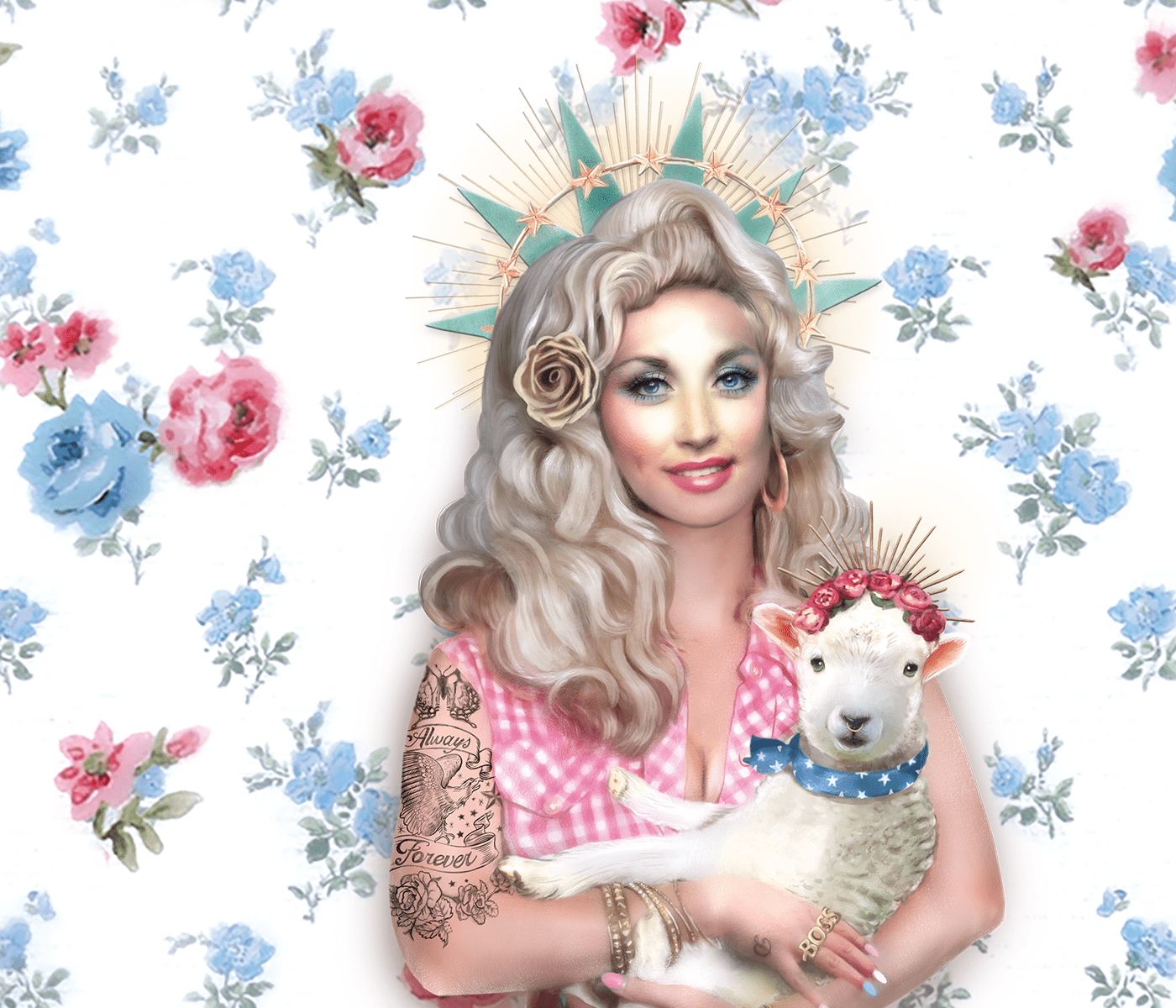
Radiolab creator and host Jad Abumrad spent the last two years following around music legend Dolly Parton, and we're here to say you should tune in! In this episode of Radiolab, we showcase the first of Jad's special series, Dolly Parton's America. In this intensely divided moment, one of the few things everyone still seems to agree on is Dolly Parton—but why? That simple question leads to a deeply personal, historical, and musical rethinking of one of America’s great icons. We begin with a simple question: How did the queen of the boob joke become a feminist icon? Helen Morales, author of “Pilgrimage to Dollywood,” gave us a stern directive – look at the lyrics! So we dive into Dolly’s discography, starting with the early period of what Dolly calls “sad ass songs” to find remarkably prescient words of female pain, slut-shaming, domestic violence, and women being locked away in asylums by cheating husbands. We explore how Dolly took the centuries-old tradition of the Appalachian “murder ballad”—an oral tradition of men singing songs about brutally killing women—and flipped the script, singing from the woman’s point of view. And as her career progresses, the songs expand beyond the pain to tell tales of leaving abuse behind. How can such pro-woman lyrics come from someone who despises the word feminism? Dolly explains. Check out Dolly Parton's America here at: https://www.wnycstudios.org/podcasts/dolly-partons-america
Ep 324Silky Love
We eat eels in sushi, stews, and pasta. Eels eat anything. Also they can survive outside of water for hours and live for up to 80 years. But this slippery snake of the sea harbors an even deeper mystery, one that has tormented the minds of Aristotle and Sigmund Freud and apparently the entire country of Italy: Where do they come from? We travel from the estuaries of New York to the darkest part of the ocean in search of the limits of human knowledge. This episode was produced by Matt Kielty and Becca Bressler. Support Radiolab today at Radiolab.org/donate. Further reading: Lucy Cooke's book The Truth about Animals! Chris Bowser's Eel Research Project
Ep 323Tit for Tat
In the early 60s, Robert Axelrod was a math major messing around with refrigerator-sized computers. Then a dramatic global crisis made him wonder about the space between a rock and a hard place, and whether being good may be a good strategy. With help from Andrew Zolli and Steve Strogatz, we tackle the prisoner’s dilemma, a classic thought experiment, and learn about a simple strategy to navigate the waters of cooperation and betrayal. Then Axelrod, along with Stanley Weintraub, takes us back to the trenches of World War I, to the winter of 1914, and an unlikely Christmas party along the Western Front.
Ep 322What's Left When You're Right?
More often than not, a fight is just a fight... Someone wins, someone loses. But this hour, we have a series of face-offs that shine a light on the human condition, the benefit of coming at something from a different side, and the price of being right. Special thanks to Mark Dresser for the use of his music.

Ep 321The Memory Palace
Nate DiMeo was preoccupied with the past, and how we relate to it, from a very young age. For the last decade or so he's been scratching this itch with The Memory Palace, a podcast he created. He does things very differently than we do, but his show has captured the hearts of Radiolab staffers, past and present, time and time again. So we decided to get Nate into the studio to share a few of his episodes with us and talk to us about how and why he does what he does. He brought us stories about the Morse Code, the draft lottery, and then he hit us with a brand new episode about a bull on trial, that bounces off a story we did pretty recently. More history on scrub bulls. Follow @thememorypalace on Twitter. This episode was produced with help from Bethel Habte. Support Radiolab today at Radiolab.org/donate. Other staff favorites: Zulu Charlie Romeo Notes on an Imagined Plaque Snakes! Outliers
Ep 320Right to be Forgotten
In an online world, that story about you lives forever. The tipsy photograph of you at the college football game? It’s up there. That news article about the political rally you were marching at? It’s up there. A DUI? That’s there, too. But what if ... it wasn’t. In Cleveland, Ohio, a group of journalists are trying out an experiment that has the potential to turn things upside down: they are unpublishing content they’ve already published. Photographs, names, entire articles. Every month or so, they get together to decide what content stays, and what content goes. On today’s episode, reporter Molly Webster goes inside the room where the decisions are being made, listening case-by-case as editors decide who, or what, gets to be deleted. It’s a story about time and memory; mistakes and second chances; and society as we know it. This episode was reported by Molly Webster, and produced by Molly Webster and Bethel Habte. Special thanks to Kathy English, David Erdos, Ed Haber, Brewster Kahle, Imani Leonard, Ruth Samuel, James Bennett II, Alice Wilder, Alex Overington, Jane Kamensky and all the people who helped shape this story. Support Radiolab today at Radiolab.org/donate. To learn more about Cleveland.com’s “right to be forgotten experiment,” check out the very first column Molly read about the project.
Ep 319More Perfect: Cruel and Unusual
On the inaugural episode of More Perfect, we explore three little words embedded in the 8th Amendment of the U.S. Constitution: “cruel and unusual.” America has long wrestled with this concept in the context of our strongest punishment, the death penalty. A majority of “we the people” (61 percent, to be exact) are in favor of having it, but inside the Supreme Court, opinions have evolved over time in surprising ways. And outside of the court, the debate drove one woman in the UK to take on the U.S. death penalty system from Europe. It also caused states to resuscitate old methods used for executing prisoners on death row. And perhaps more than anything, it forced a conversation on what constitutes cruel and unusual punishment. Special thanks to Claire Phillips, Nina Perry, Stephanie Jenkins, Ralph Dellapiana, Byrd Pinkerton, Elisabeth Semel, Christina Spaulding, and The Marshall Project Support Radiolab today at Radiolab.org/donate. Also! We’re working on collecting some audience feedback so we can do a better job of getting our show out to all of you, interacting with you, and reaching new people. We’d love to hear from you. Go to www.radiolab.org/survey to participate.
Ep 318G: The World's Smartest Animal
This episode begins with a rant. This rant, in particular, comes from Dan Engber - a science writer who loves animals but despises animal intelligence research. Dan told us that so much of the way we study animals involves tests that we think show a human is smart ... not the animals we intend to study. Dan’s rant got us thinking: What is the smartest animal in the world? And if we threw out our human intelligence rubric, is there a fair way to figure it out? Obviously, there is. And it’s a live game show, judged by Jad, Robert … and a dog. For the last episode of G, Radiolab’s miniseries on intelligence, we’re sharing that game show with you. It was recorded as a live show back in May 2019 at the Greene Space in New York City. We invited two science writers, Dan Engber and Laurel Braitman, and two comedians, Tracy Clayton and Jordan Mendoza, to compete against one another to find the world’s smartest animal. What resulted were a series of funny, delightful stories about unexpectedly smart animals and a shift in the way we think about intelligence across all the animals - including us. Check out the video of our live event here! This episode was produced by Rachael Cusick and Pat Walters, with help from Nora Keller and Suzie Lechtenberg. Fact-checking by Michelle Harris and Dorie Chevlin. Special thanks to Bill Berloni and Macy (the dog) and everyone at The Greene Space. Radiolab’s “G” is supported in part by Science Sandbox, a Simons Foundation initiative dedicated to engaging everyone with the process of science. Support Radiolab today at Radiolab.org/donate.
Ep 317G: Unnatural Selection
This past fall, a scientist named Steve Hsu made headlines with a provocative announcement. He would start selling a genetic intelligence test to couples doing IVF: a sophisticated prediction tool, built on big data and machine learning, designed to help couples select the best embryo in their batch. We wondered, how does that work? What can the test really say? And do we want to live in a world where certain people can decide how smart their babies will be? This episode was produced by Simon Adler, with help from Rachael Cusick and Pat Walters. Fact-checking by Michelle Harris. Engineering help from Jeremy Bloom. Special thanks to Catherine Bliss. Radiolab’s “G” is supported in part by Science Sandbox, a Simons Foundation initiative dedicated to engaging everyone with the process of science. Support Radiolab today at Radiolab.org/donate.
Ep 316G: Relative Genius
Albert Einstein asked that when he died, his body be cremated and his ashes be scattered in a secret location. He didn’t want his grave, or his body, becoming a shrine to his genius. When he passed away in the early morning hours of April, 18, 1955, his family knew his wishes. There was only one problem: the pathologist who did the autopsy had different plans. In the third episode of “G”, Radiolab’s miniseries on intelligence, we go on one of the strangest scavenger hunts for genius the world has ever seen. We follow Einstein’s stolen brain from that Princeton autopsy table, to a cider box in Wichita, Kansas, to labs all across the country. And eventually, beyond the brain itself entirely. All the while wondering, where exactly is the genius of a man who changed the way we view the world? This episode was reported by Rachael Cusick and Pat Walters, and produced by Bethel Habte, Rachael Cusick, and Pat Walters. Music by Alex Overington and Jad Abumrad. Special thanks to: Elanor Taylor, Claudia Kalb, Dustin O’Halloran, Tim Huson, The Einstein Papers Project, and all the physics for (us) dummies Youtube videos that accomplished the near-impossible feat of helping us understand relativity. Radiolab’s “G” is supported in part by Science Sandbox, a Simons Foundation initiative dedicated to engaging everyone with the process of science. Support Radiolab today at Radiolab.org/donate.
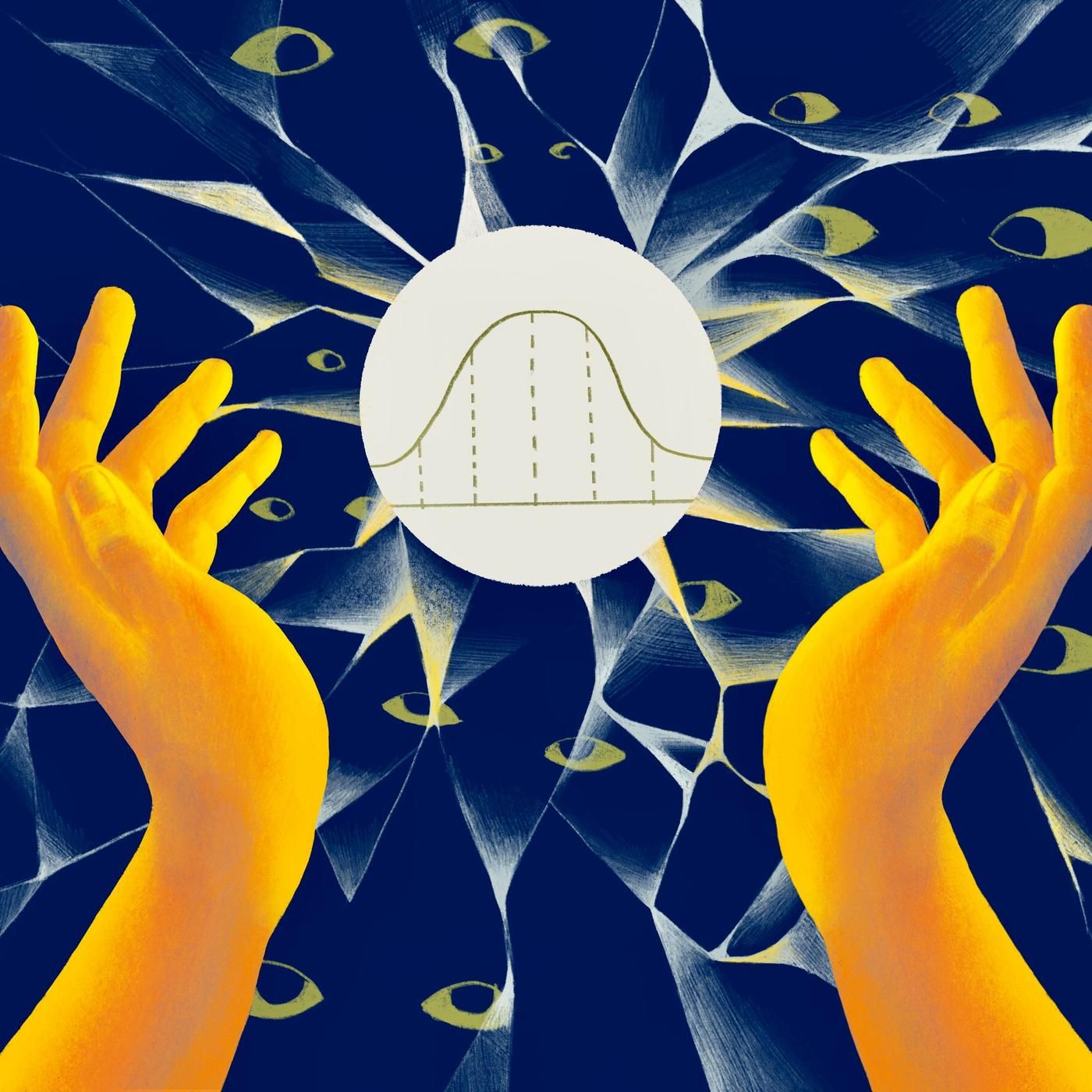
Ep 315G: Problem Space
In the first episode of G, Radiolab’s miniseries on intelligence, we went back to the 1970s to meet a group of Black parents who put the IQ test on trial. The lawsuit, Larry P v Riles, ended with a ban on IQ tests for all Black students in the state of California, a ban that’s still in place today. This week, we meet the families in California dealing with that ban forty years later. Families the ban was designed to protect, but who now say it discriminates against their children. How much have IQ tests changed since the 70s? And can they be used for good? We talk to the people responsible for designing the most widely used modern IQ test, and along the way, we find out that at the very same moment the IQ test was being put on trial in California, on the other side of the country, it was being used to solve one of the biggest public health problems of the 20th century. This episode was reported and produced by Pat Walters, Rachael Cusick and Jad Abumrad, with production help from Bethel Habte. Music by Alex Overington. Fact-checking by Diane Kelly. Special thanks to Lee Romney, Chenjerai Kumanyika, Moira Gunn and Tech Nation, and Lee Rosevere for his song All the Answers. Radiolab’s “G” is supported in part by Science Sandbox, a Simons Foundation initiative dedicated to engaging everyone with the process of science. Support Radiolab today at Radiolab.org/donate.
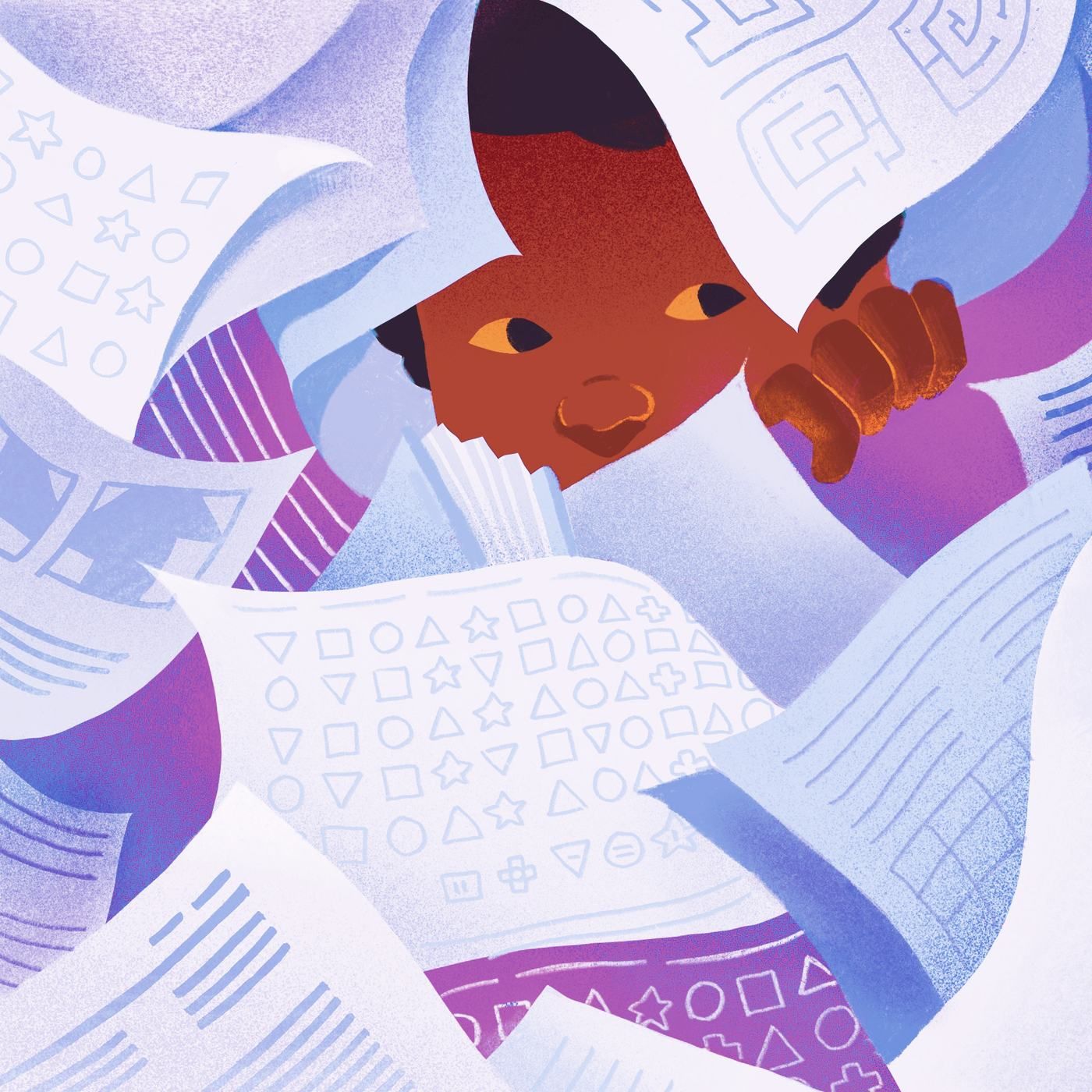
Ep 314G: The Miseducation of Larry P
Are some ideas so dangerous we shouldn’t even talk about them? That question brought Radiolab’s senior editor, Pat Walters, to a subject that at first he thought was long gone: the measuring of human intelligence with IQ tests. Turns out, the tests are all around us. In the workplace. The criminal justice system. Even the NFL. And they’re massive in schools. More than a million US children are IQ tested every year. We begin Radiolab Presents: “G” with a sentence that stopped us all in our tracks: In the state of California, it is off-limits to administer an IQ test to a child if he or she is Black. That’s because of a little-known case called Larry P v Riles that in the 1970s … put the IQ test itself on trial. With the help of reporter Lee Romney, we investigate how that lawsuit came to be, where IQ tests came from, and what happened to one little boy who got caught in the crossfire. This episode was reported and produced by Lee Romney, Rachael Cusick and Pat Walters. Music by Alex Overington. Fact-checking by Diane Kelly. Special thanks to Elie Mistal, Chenjerai Kumanyika, Amanda Stern, Nora Lyons, Ki Sung, Public Advocates, Michelle Wilson, Peter Fernandez, John Schaefer. Lee Romney’s reporting was supported in part by USC’s Center for Health Journalism. Radiolab’s “G” is supported in part by Science Sandbox, a Simons Foundation initiative dedicated to engaging everyone with the process of science. Support Radiolab today at Radiolab.org/donate.

Ep 313Neither Confirm Nor Deny
How a sunken nuclear submarine, a crazy billionaire, and a mechanical claw gave birth to a phrase that has hounded journalists and lawyers for 40 years and embodies the tension between the public’s desire for transparency and the government’s need to keep secrets.
Ep 312The Good Samaritan
On a Tuesday afternoon back in the summer of 2017, Scotty Hatton and Scottie Wightman both made a decision to help someone in need. They both paid a price for their actions that day, which have led to a legal, moral, and scientific puzzle about how we balance accountability and forgiveness. In this episode, we go to Bath County, Kentucky, where, as one health official put it, opioids have created “a hole the size of Kentucky.” We talk to the people on all sides of this story about stemming the tide of overdoses, we wrestle with the science of poison and fear, and we try to figure out when the drive to protect and help those around us should rise above the law. This story was reported by Peter Andrey Smith with Matt Kielty, and produced by Matt Kielty. Special thanks to Earl Willis, Bobby Ratliff, Ronnie Goldie, Megan Fisher, Alan Caudill, Nick Jones, Dan Wermerling, Terry Bunn, Robin Thompson and the staff at KIPRC, Charles Landon, Charles P Gore, Jim McCarthy, Ann Marie Farina, Dr. Jeremy Faust and Dr. Ed Boyer, Justin Brower, Kathy Robinson, Zoe Renfro, John Bucknell, Chris Moraff, Jeremiah Laster, Tommy Kane, Jim McCarthy, Sarah Wakeman, and Al Tompkins. Support Radiolab today at Radiolab.org/donate. CDC recommendations on helping people who overdose: https://www.cdc.gov/drugoverdose/pdf/patients/Preventing-an-Opioid-Overdose-Tip-Card-a.pdf Find out where to get naloxone: https://prevent-protect.org/
Ep 311Bit Flip
Back in 2003 Belgium was holding a national election. One of their first where the votes would be cast and counted on computers. Thousands of hours of preparation went into making it unhackable. And when the day of the vote came, everything seemed to have gone well. That was, until a cosmic chain of events caused a single bit to flip and called the outcome into question. Today on Radiolab, we travel from a voting booth in Brussels to the driver's seat of a runaway car in the Carolinas, exploring the massive effects tiny bits of stardust can have on us unwitting humans. This episode was reported and produced by Simon Adler and Annie McEwen. Support Radiolab today at Radiolab.org/donate. And check out our accompanying short video Bit Flip: the tale of a Belgian election and a cosmic ray that got in the way. This video was produced by Simon Adler with illustration from Kelly Gallagher.
Ep 310Dinopocalypse Redux
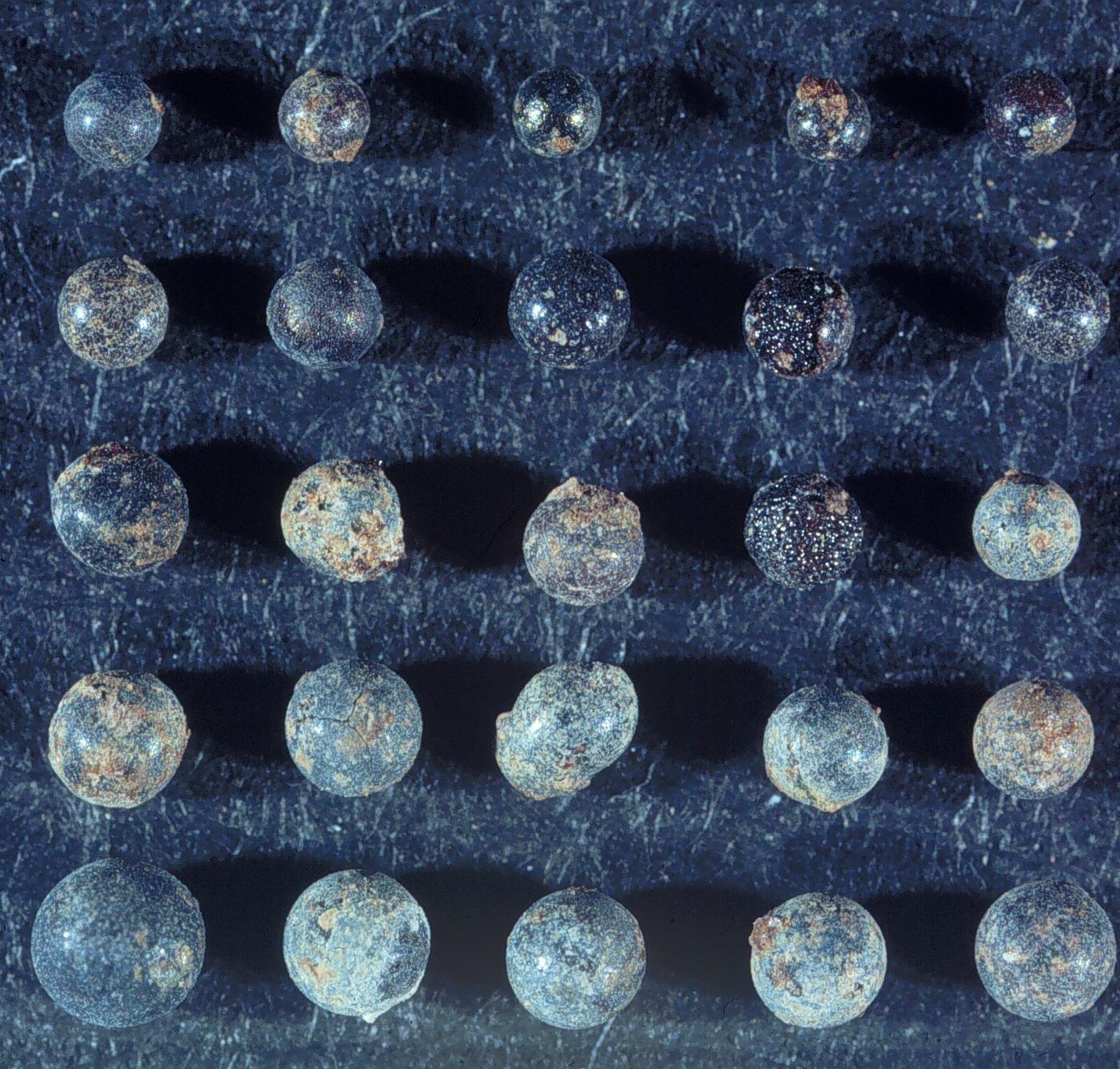
Using high-powered ballistics experiments, fancy computer algorithms, and good old-fashioned ancient geology, scientists have woven together a theory about the extinction of the dinosaurs that is so precise, so hot, so instantaneous, as to seem unimaginable. Today, we bring you this story, first published on Radiolab in 2013, plus an update: a spot on planet Earth, newly discovered, that - if it holds true - has the potential to tell us about the first three hours after the dinos died. This update was reported by Molly Webster and was produced with help from Audrey Quinn. We teamed up with some amazing collaborators for Apocalyptical, the Radiolab live show that this episode is based on. Find out more about these wildly talented folks: comedians Reggie Watts, Patton Oswalt, Simon Amstell, Ophira Eisenberg and Kurt Braunohler; musicians On Fillmore and Noveller, and Erth Visual & Physical Inc. Support Radiolab today at Radiolab.org/donate. To learn more about the North Dakota site - known as Tanis, for all you Indiana Jones fans - check out the recent paper. Make sure you spend time digging into those supplemental materials, it contains all the juice ! And, go watch Apocalyptical; to dinosaurs and beyond!

Ep 309Fu-Go
This week we’re going back to a favorite episode from 2015. During World War II, something happened that nobody ever talks about. This is a tale of mysterious balloons, cowboy sheriffs, and young children caught up in the winds of war. And silence, the terror of silence. Reporters Peter Lang-Stanton and Nick Farago tell us the story of a seemingly ridiculous, almost whimsical series of attacks on the US between November of 1944 and May of 1945. With the help of writer Ross Coen, geologist Elisa Bergslien, and professor Mike Sweeney, we uncover a national secret that led to tragedy in a sleepy logging town in south central Oregon. Check out pictures of the ghostly balloons here. Special thanks to Annie Patzke, Leda and Wayne Hunter, and Ilana Sol. Special thanks also for the use of their music to Jeff Taylor, David Wingo for the use of "Opening" and "Doghouse" - from the Take Shelter soundtrack, Justin Walter's "Mind Shapes" from his album Lullabies and Nightmares, and Michael Manning for the use of "Save". Support Radiolab today at Radiolab.org/donate.

Ep 308Americanish
In 1903 the US Supreme Court refused to say that Isabel González was a citizen of the United States. Then again, they said, she wasn’t a exactly an immigrant either. And they said that the US territory of Puerto Rico, Isabel’s home, was “foreign to the United States in a domestic sense.” Since then, the US has cleared up at least some of the confusion about US territories and the status of people born in them. But, more than a hundred years later, there is still a US territory that has been left in limbo: American Samoa. It is the only place on earth that is US soil, but people who are born there are not automatically US citizens. When we visit American Samoa, we discover that there are some pretty surprising reasons why many American Samoans prefer it that way. This episode was reported and produced by Julia Longoria. Special thanks to John Wasko. Check out Sam Erman's book Almost Citizens and Doug Mack's book The Not Quite States of America. Support Radiolab today at Radiolab.org/donate.

Ep 307For Whom the Cowbell Tolls
When Nancy Holten was 8 years old her mom put her in a moving van. She fell asleep, woke up in Switzerland, and she's been there ever since. Nancy is big into animal rights, crystals, and various forms of natural and holistic healing. She’s also a viral sensation: the Dutch woman apparently so annoying, her Swiss town denied her citizenship. In this episode we go to the little village of Gipf-Oberfrick to meet Nancy, talk with the town, and ask the question: what does it mean and what does it take to belong to a place? This episode was reported by Kelly Prime and was produced by Kelly Prime and Annie McEwen. Special thanks to reporter Anna Mayumi Kerber, the tireless fixer and translator for this story. Thanks also to Dominik Hangartner and to the very talented yodelers Ai Dineen and Gregory Corbino. Support Radiolab today at Radiolab.org/donate. A tasty note from Latif: Towards the end of the story, I casually mentioned a place called Greg's Poutine in Toronto. Turns out, it's actually called Smoke's Poutinerie. (Confused it with Greg's Ice Cream.) Go. It's delicious.
Ep 306Bliss
This week Jad and Radiolab alum Tim Howard revisit a favorite episode from 2012. Because moments of total, world-shaking bliss are not easy to come by. Maybe that's what makes them feel so life-altering when they strike. And so worth chasing. This hour: stories of striving, grasping, tripping, and falling for happiness, perfection, and ideals. With Alexander Gamme, Arika Okrent, Richard Sproat, and Ken Libbrecht. This update was produced with help from Audrey Quinn. Support Radiolab today at Radiolab.org/donate.
Ep 305Asking for Another Friend
Part 2: Last year, we ran a pair of episodes that explored the greatest mysteries in our listeners’ lives - the big ones, little ones, and the ones in between. This year, we’re back on the hunt, tracking down answers to the big little questions swirling around our own heads. Today, we take a look at a strange human emotion, and investigate the mysteries lurking behind the trees, sounds, and furry friends in our lives. This episode was reported by Tracie Hunte, Pat Walters, Molly Webster, Arianne Wack, Carter Hodge, Sarah Qari and Annie McEwen, and was produced by Matt Kielty, Tracie Hunte, Pat Walters, Molly Webster, Arianne Wack, Sarah Qari, Annie McEwen, and Simon Adler. Special thanks to Yiyun Huang, lab manager at Yale's Canine Cognition Center. Check out Code Switch's "Dog Show!" Support Radiolab today at Radiolab.org/donate.
Ep 304Asking for a Friend
Last year, we ran a pair of episodes that explored the greatest mysteries in our listeners’ lives - the big ones, little ones, and the ones in between. This year, we’re back on the hunt, tracking down answers to the big little questions swirling around our own heads. We reached out to some of our favorite people and asked them to come along with us as we journeyed back in time, to outer space, and inside our very own bodies. This episode was reported by Rachael Cusick, Simon Adler, Becca Bressler, and Annie McEwen and was produced by Rachael Cusick, Simon Adler, Matt Kielty, Becca Bressler, and Annie McEwen. Support Radiolab today at Radiolab.org/donate.

Ep 303Loops
Our lives are filled with loops that hurt us, heal us, make us laugh, and, sometimes, leave us wanting more. This hour, Radiolab revisits the strange things that emerge when something happens, then happens again, and again, and again, and again, and again, and… well, again. In this episode of Radiolab, Jad and Robert try to explain an inexplicable comedy act, listen to a loop that literally dies in your ear, and they learn about a loop that sent a shudder up the collective spine of mathematicians everywhere. Finally, they talk to a woman who got to watch herself think the thought that she was watching herself think the thought that she was watching herself think the thought that ... you get the point. With Kristen Schaal and Kurt Braunohler, Alex Bellos, Steven Strogatz, Janna Levin, and Melanie Thernstrom. Plus mind-bending musical accompaniment from Laguardia Arts High School singers Nathaniel Sabat, Julian Soto, Eli Greenhoe, Kelly Efthimiu, Julia Egan, and Ruby Froom. You can find the video Christine Campbell made of her mom Mary Sue here. Support Radiolab today at Radiolab.org/donate.

Ep 302The Beauty Puzzle
When a female animal is checking out her prospects, natural selection would dictate that she pay attention to how healthy, or strong, or fit he is. But when it comes to finding a mate, some animals seem to be engaged in a very different game. What if a female were looking for something else - something that has nothing to do with fitness? Something...beautiful? Today we explore a different way of looking at evolution and what it may mean for the course of science. This episode was reported by Robert Krulwich and Bethel Habte and was produced by Bethel Habte. Support Radiolab today at Radiolab.org/donate.

Ep 301The Punchline
John Scott was the professional hockey player that every fan loved to hate. A tough guy. A brawler. A goon. But when an impish pundit named Puck Daddy called on fans to vote for Scott to play alongside the world’s greatest players in the NHL All-Star Game, Scott found himself facing off against fans, commentators, and the powers that be. Was this the realization of Scott’s childhood dreams? Or a nightmarish prank gone too far? Today on Radiolab, a goof on a goon turns into a parable of the agony and the ecstasy of the internet, and democracy in the age of Boaty McBoatface. This episode was reported by Latif Nasser and was produced by Matt Kielty. Special thanks to Larry Lynch and Morgan Springer. Check out John Scott's "Dropping the Gloves" podcast and his book "A Guy Like Me". Support Radiolab today at Radiolab.org/donate.
Ep 300BONUS: Radiolab Scavenger Hunt
The question we get more than any other here at Radiolab is “Where do all those stories come from?” Today, for the first time ever, we divulge our secret recipe for story-finding. Veteran Radiolab story scout Latif Nasser takes our newest producer Rachael Cusick along for what he calls “the world’s biggest scavenger hunt.” Together, they’ll make you want to bake some cookies and find some true stories. But we can’t find, much less tell, true stories without you. Find it in yourself to donate and help us make another year of this possible. It's a choice only you can make. Radiolab.org/support Here are story-finding resources mentioned in this episode: The World's Biggest Scavenger Hunt: Latif's Transom post on story scouting Google Alerts: Set up your own! Wikipedia Random Article: Play wiki roulette by clicking "random article" in the far-left column WorldCat: to find where a book exists in a library near you ArchiveGrid: to search libraries' special collections and oral histories Trade Publications: Search for trade magazines by industry Cusick Cookies: Rachael's cookie recipe...you're welcome.
Ep 299A Clockwork Miracle
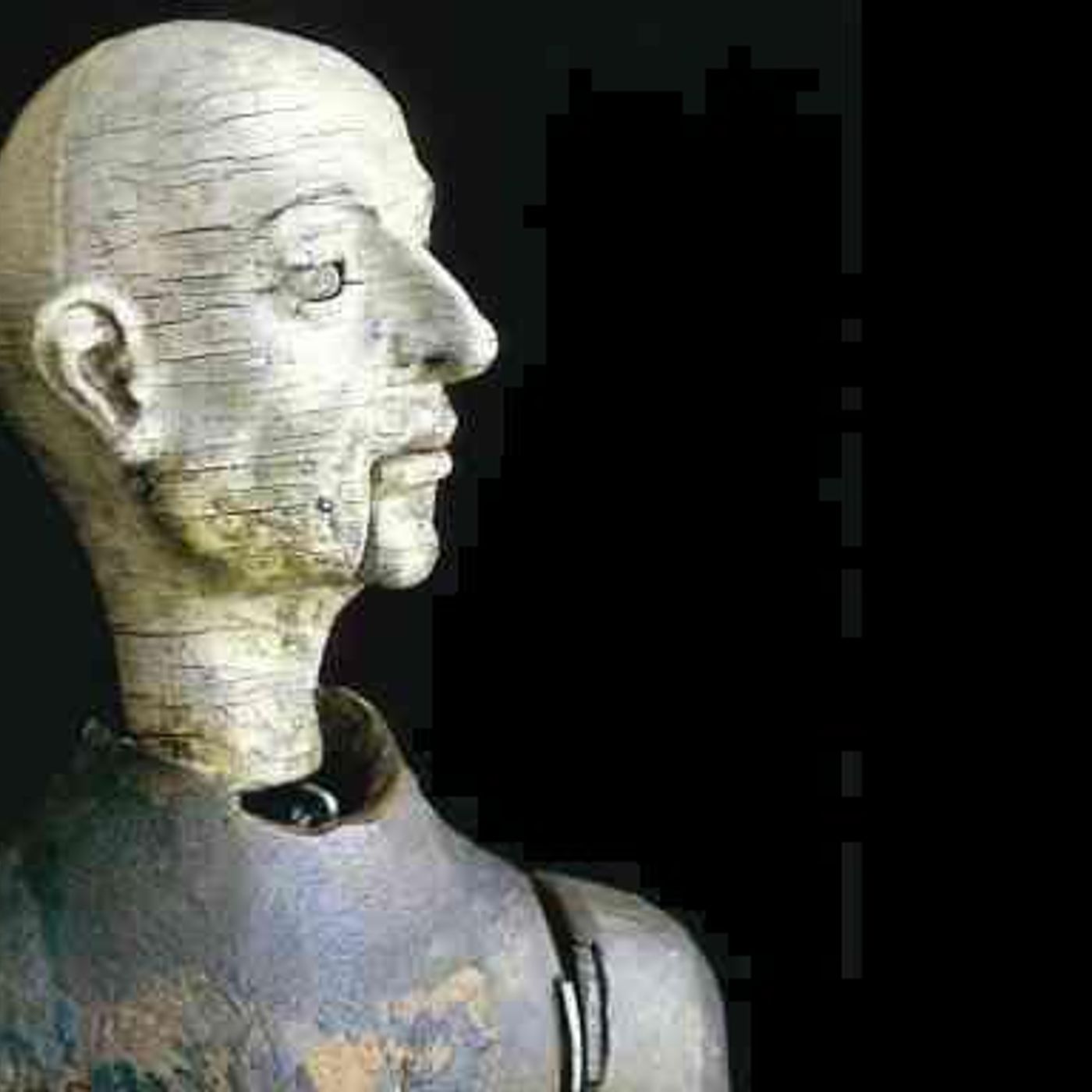
As legend goes, in 1562, King Philip II needed a miracle. So he commissioned one from a highly-skilled clockmaker. In this short, a king's deal with God leads to an intricate mechanical creation, and Jad heads to the Smithsonian to investigate. When the 17-year-old crown prince of Spain, Don Carlos, fell down a set of stairs in 1562, he threw his whole country into a state of uncertainty about the future. Especially his father, King Philip II, who despite being the most powerful man in the world, was helpless in the face of his heir's terrible head wound. When none of the leading remedies of the day--bleeding, blistering, purging, or drilling--helped, the king enlisted the help of a relic...the corpse of a local holy man who had died 100 years earlier. Then, Philip II promised that if God saved his son, he'd repay him with a miracle of his own. Elizabeth King, a professor at Virginia Commonwealth University, describes how--according to legend--Philip II held up his end of the bargain with the help of a renowned clockmaker and an intricate invention. Jad and Latif head to the Smithsonian to meet curator Carlene E. Stephens who shows them the inner workings of a nearly 450-year-old monkbot. This episode was reported by Latif Nasser. Support Radiolab today at Radiolab.org/donate.
Ep 298Apologetical
How do you fix a word that’s broken? A word we need when we bump into someone on the street, or break someone’s heart. In our increasingly disconnected secular world, “sorry” has been stretched and twisted, and in some cases weaponized. But it’s also one of the only ways we have to piece together a sense of shared values and beliefs. Through today's sea of sorry-not-sorries, empty apologies, and just straight up non-apologies, we wonder what it looks like to make amends. The program at Stanford that Leilani went through (and now works for) was a joint creation between Stanford and Lee Taft. Find out more here: www.stanfordchildrens.org/en/patient-family-resources/pearl This episode was reported by Annie McEwen and was produced by Annie McEwen and Simon Adler. Special thanks to Mark Bressler, Nancy Kielty, and Patty Walters. Support Radiolab today at Radiolab.org/donate.
Ep 297UnErased: Smid
Today on Radiolab, we're playing the fourth and final episode of a series Jad worked on called UnErased: The history of conversion therapy in America. Imagine... You’re openly gay. Then, you become the leader of the largest ex-gay organization and, under your leadership, many lives are destroyed. You leave that organization, come out as gay - again - and find love. Do you deserve to be happy? This is a story of identity, making amends and John Smid’s reckoning with his life. UnErased is a series with Focus Features, Stitcher and Limina House in conjunction with the feature film, BOY ERASED. Special thanks go out to the folks at Anonymous Content for their support of UnErased. If you want to hear the whole series, you can find UnErased in all the usual podcast places. Support Radiolab today at Radiolab.org/donate.
Ep 296UnErased: Dr. Davison and the Gay Cure
Today on Radiolab, we're playing part of a series that Jad worked on called UnErased: The history of conversion therapy in America. The episode we're playing today, the third in the series, is one of the rarest stories of all: a man who publicly experiences a profound change of heart. This is a profile of one of the gods of psychotherapy, who through a reckoning with his own work (oddly enough in the pages of Playboy magazine), becomes the first domino to fall in science’s ultimate disowning of the “gay cure.” UnErased is a series with Focus Features, Stitcher and Limina House in conjunction with the feature film, BOY ERASED. Special thanks go out to the folks at Anonymous Content for their support of UnErased. If you want to hear the whole series, you can find UnErased in all the usual podcast places. Support Radiolab today at Radiolab.org/donate.
Ep 295The Front Runner
So, a cool thing happened for the show recently. A couple years ago, our episode "I Don't Have to Answer That" made it to the ears of director Jason Reitman. The story is about presidential candidate Gary Hart, who, in 1987, was caught in an extramarital affair that forced him to drop out of the race. And at the time, this sort of personal scandal was the first of its kind in politics. It pushed politicians and political reporters into unchartered territory that forever changed the way we scrutinize political figures and judge their fitness for office. When Reitman heard this, he saw a major motion picture in his head. And today, that film, The Front Runner, is out in theaters. Listen to Reitman and his team talk about how Radiolab inspired them to make this movie. This piece was produced by Jackson Roach.
Ep 294Tweak the Vote
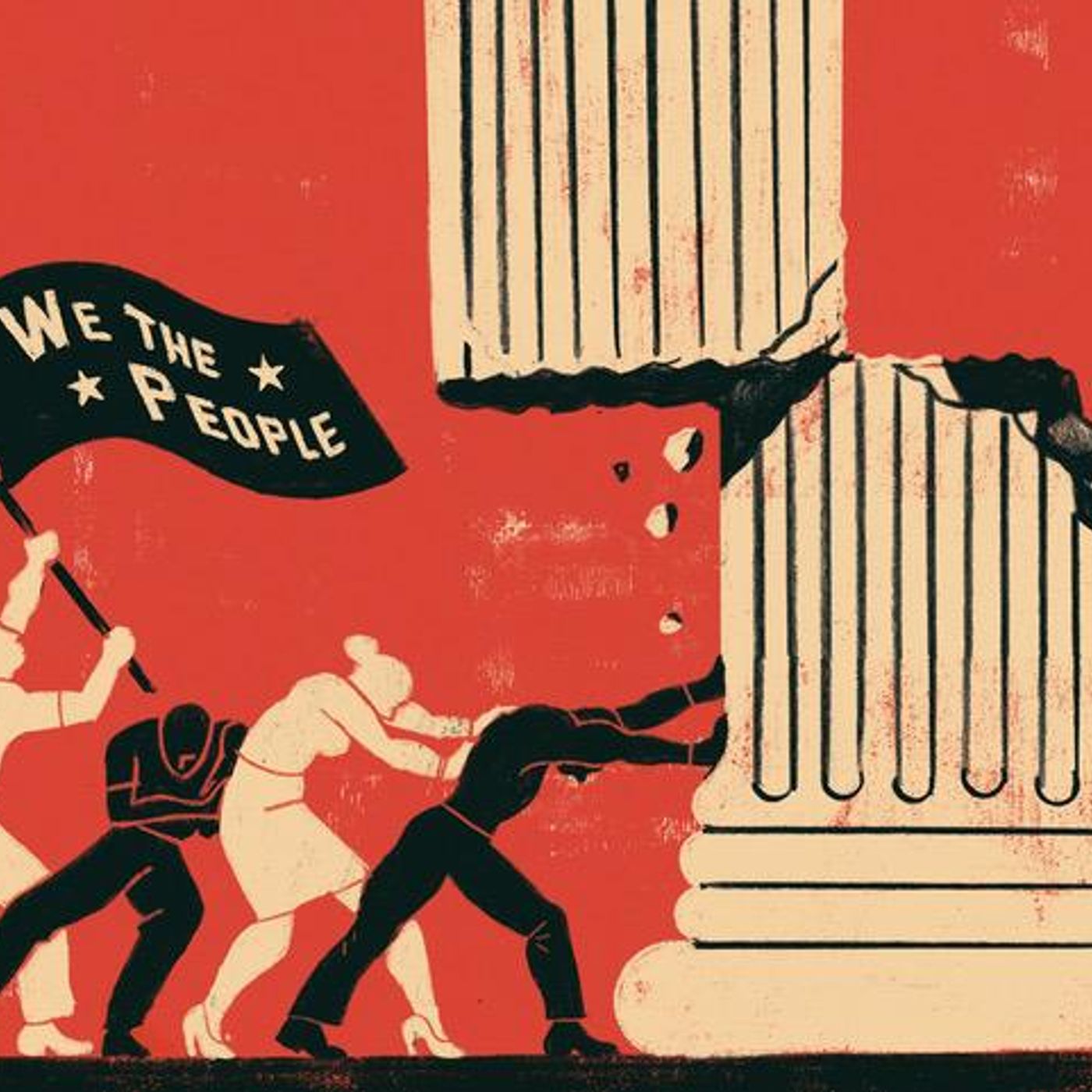
Democracy is on the ropes. In the United States and abroad, citizens of democracies are feeling increasingly alienated, disaffected, and powerless. Some are even asking themselves a question that feels almost too dangerous to say out loud: is democracy fundamentally broken? Today on Radiolab, just a day before the American midterm elections, we ask a different question: how do we fix it? We scrutinize one proposed tweak to the way we vote that could make politics in this country more representative, more moderate, and most shocking of all, more civil. Could this one surprisingly do-able mathematical fix really turn political campaigning from a rude bloodsport to a campfire singalong? And even if we could do that, would we want to? This episode was reported by Latif Nasser, Simon Adler, Sarah Qari, Suzie Lechtenberg and Tracie Hunte, and was produced by Simon Adler, Matt Kielty, Sarah Qari, and Suzie Lechtenberg. Special thanks to Rob Richie (and everyone else at Fairvote), Don Saari, Diana Leygerman, Caroline Tolbert, Bobby Agee, Edward Still, Jim Blacksher, Allen Caton, Nikolas Bowie, John Hale, and Anna Luhrmann and the rest of the team at the Varieties of Democracy Institute in Sweden. Support Radiolab today at Radiolab.org/donate. oh...and GO VOTE!
Ep 293War of the Worlds
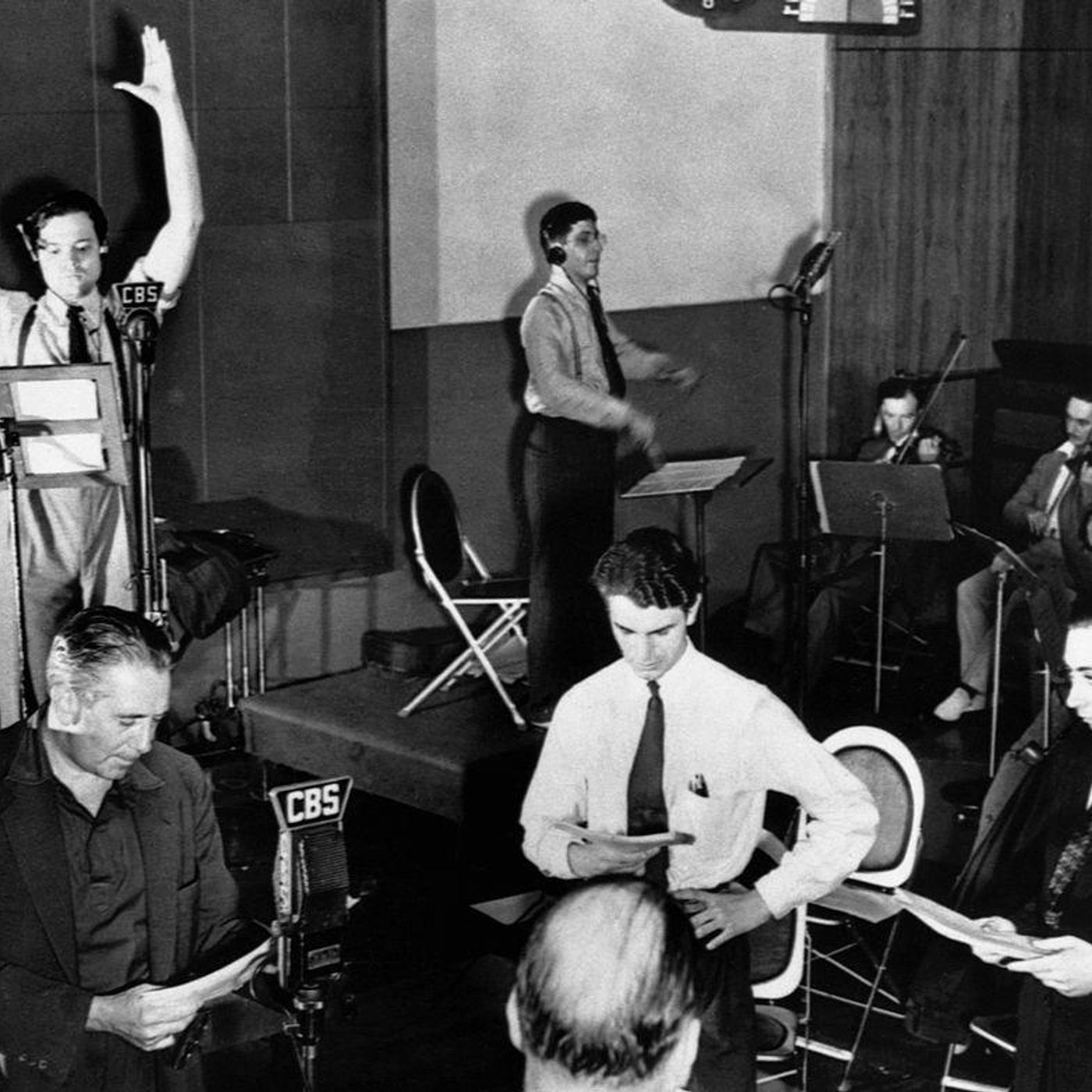
It's been 80 years to the day since Orson Welles' infamous radio drama "The War of the Worlds" echoed far and wide over the airwaves. So we want to bring you back to our very first live hour, where we take a deep dive into what was one of the most controversial moments in broadcasting history. "The War of the Worlds," a radio play about Martians invading New Jersey, caused panic when it originally aired, and it's continued to fool people since--from Santiago, Chile to Buffalo, New York to a particularly disastrous evening in Quito, Ecuador. Support Radiolab today at Radiolab.org/donate.
Ep 292In the No Part 3
In the final episode of our “In The No” series, we sat down with several different groups of college-age women to talk about their sexual experiences. And we found that despite colleges now being steeped in conversations about consent, there was another conversation in intimate moments that just wasn't happening. In search of a script, we dive into the details of BDSM negotiations and are left wondering if all of this talk about consent is ignoring a larger problem. Further reading: "It's all about the Journey": Skepticism and Spirituality in the BDSM Subculture, by Julie Fennell Screw Consent, by Joe Fischel This episode was reported by Becca Bressler and Shima Oliaee, and was produced by Bethel Habte. Special thanks to Ray Matienzo, Janet Hardy, Jay Wiseman, Peter Tupper, Susan Wright, and Dominus Eros of Pagan's Paradise. Support Radiolab today at Radiolab.org/donate.
Ep 291In the No Part 2
In the year since accusations of sexual assault were first brought against Harvey Weinstein, our news has been flooded with stories of sexual misconduct, indicting very visible figures in our public life. Most of these cases have involved unequivocal breaches of consent, some of which have been criminal. But what have also emerged are conversations surrounding more difficult situations to parse – ones that exist in a much grayer space. When we started our own reporting through this gray zone, we stumbled into a challenging conversation that we can’t stop thinking about. In this second episode of ‘In the No’, radio-maker Kaitlin Prest joins us for a conversation with Hanna Stotland, an educational consultant who specializes in crisis management. Her clients include students who have been expelled from school for sexual misconduct. In the aftermath, Hanna helps them reapply to school. While Hanna shares some of her more nuanced and confusing cases, we wrestle with questions of culpability, generational divides, and the utility of fear in changing our culture. Advisory: This episode contains some graphic language and descriptions of very sensitive sexual situations, including discussions of sexual assault, consent and accountability, which may be very difficult for people to listen to. Visit The National Sexual Assault Hotline at online.rainn.org for resources and support. This episode was reported with help from Becca Bressler and Shima Oliaee, and produced with help from Rachael Cusick. Special thanks to Ben Burke and Jackson Prince. Support Radiolab today at Radiolab.org/donate.
Ep 290In the No Part 1
In 2017, radio-maker Kaitlin Prest released a mini-series called "No" about her personal struggle to understand and communicate about sexual consent. That show, which dives into the experience, moment by moment, of navigating sexual intimacy, struck a chord with many of us. It's gorgeous, deeply personal, and incredibly thoughtful. And it seemed to presage a much larger conversation that is happening all around us in this moment. And so we decided to embark, with Kaitlin, on our own exploration of this topic. Over the next three episodes, we'll wander into rooms full of college students, hear from academics and activists, and sit in on classes about BDSM. But to start things off, we are going to share with you the story that started it all. Today, meet Kaitlin (if you haven't already). In The No Part 1 is a collaboration with Kaitlin Prest. It was produced with help from Becca Bressler and Shima Oliaee. The "No" series, from The Heart was created by writer/director Kaitlin Prest, editors Sharon Mashihi and Mitra Kaboli, assistant producer Ariel Hahn and associate producer Phoebe Wang, associate sound designer Shani Aviram. Special thanks to actor Tommy Schell. Check out Kaitlin's new show, The Shadows. Support Radiolab today at Radiolab.org/donate.

Ep 289Breaking Bad News Bears
Today, a challenge: bear with us. We decided to shake things up at the show so we threw our staff a curveball, Walter Matthau-style. In two weeks time we told our producers to pitch, report, and produce stories about breaking news….or bears. What emerged was a sort of love letter for our honey-loving friends and a discovery that they embody so much more than we could have imagined: a town’s symbol for hope, a celebrity, a foe, and a clue to future ways we’ll deal with our changing environment. This episode was reported and produced by Simon Adler, Molly Webster, Bethel Habte, Pat Walters, Matt Kielty, Rachael Cusick, Annie McEwen and Latif Nasser. Special thanks to Wendy Card, Marlene Zuk, Karyn Rode, Barbara Nielsen and Steven Amstrup at Polar Bears International, Jimmy Thomson, Adam Kudlak, Greg Durner, Todd Atwood, and Dawn Curtis and the Environment and Natural Resources Department of Northwest Territories. And thanks to composer Anthony Plog for allowing us to use the Fourth Movement of his "Fantasy Movement," "Very Fast and Manic," performed by Eufonix Quartet off of their album Nuclear Breakfast, available from Potenza Music. Support Radiolab today at Radiolab.org/donate.
Ep 288Infective Heredity
Today, a fast moving, sidestepping, gene-swapping free-for-all that would’ve made Darwin’s head spin. David Quammen tells us about a shocking way that life can evolve - infective heredity. To figure it all out we go back to the earliest versions of life, and we revisit an earlier version of Radiolab. After reckoning with a scientific icon, we find ourselves in a tangle of genes that sheds new light on peppered moths, drug-resistant bugs, and a key moment in the evolution of life when mammals went a little viral. Check out David Quammen's book The Tangled Tree: A Radical New History of Life This episode was produced by Soren Wheeler. Support Radiolab today at Radiolab.org/donate.
Ep 28727: The Most Perfect Album
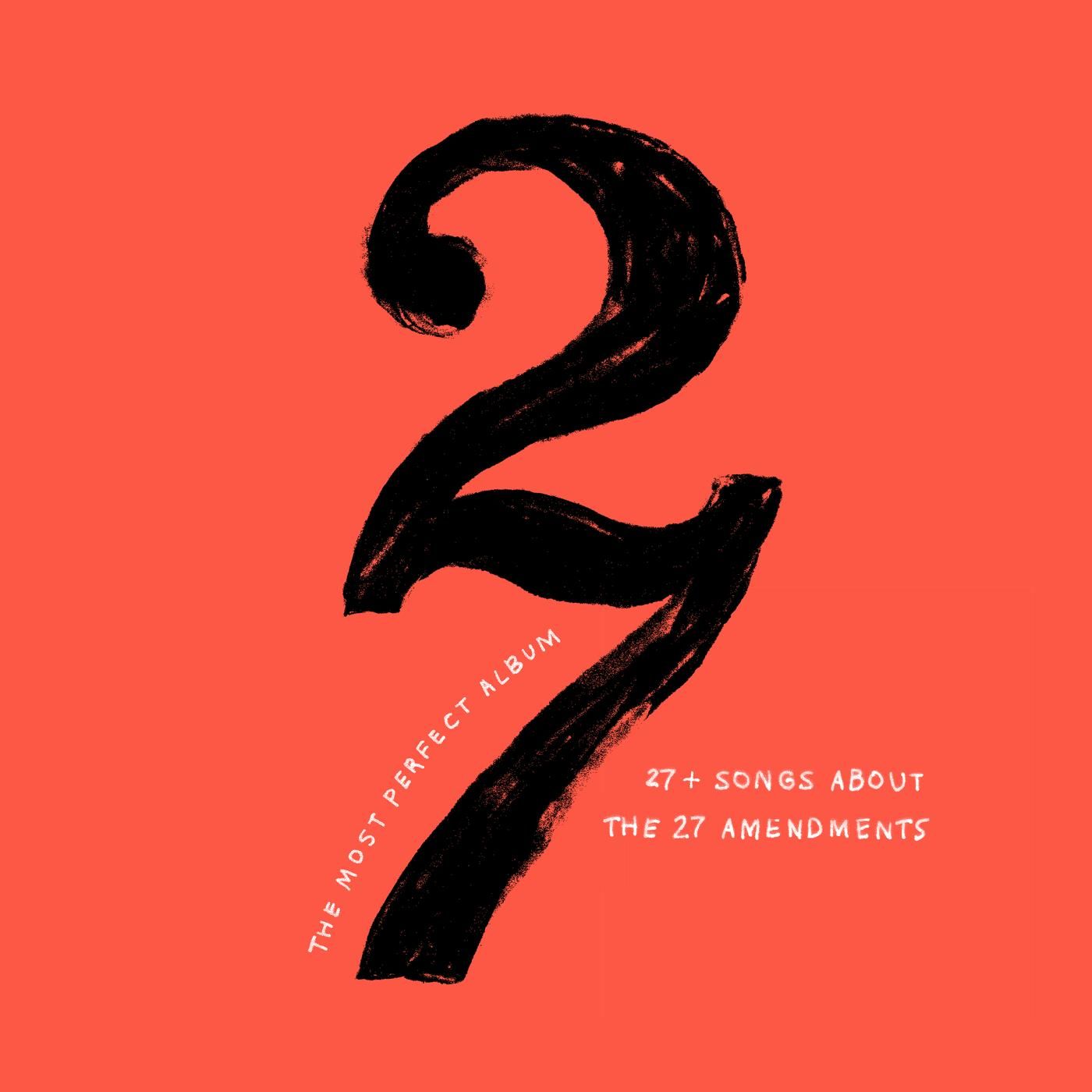
More Perfect is back with something totally new and exciting. They just dropped an ALBUM. 27: The Most Perfect Album is like a Constitutional mix-tape, a Schoolhouse Rock for the 21st century. The album features original tracks by artists like Dolly Parton, Kash Doll, and Devendra Banhart: 27+ songs inspired by the 27 Amendments. Alongside the album they'll be releasing short stories deep-diving into each amendment's history and resonance. In this episode, we preview a few songs and dive into the poetic dream behind the First Amendment. The whole album, plus the first episode of More Perfect Season 3 is out now. Support Radiolab today at Radiolab.org/donate.
Ep 286Post No Evil
Back in 2008 Facebook began writing a document. It was a constitution of sorts, laying out what could and what couldn’t be posted on the site. Back then, the rules were simple, outlawing nudity and gore. Today, they’re anything but. How do you define hate speech? Where’s the line between a joke and an attack? How much butt is too much butt? Facebook has answered these questions. And from these answers they’ve written a rulebook that all 2.2 billion of us are expected to follow. Today, we explore that rulebook. We dive into its details and untangle its logic. All the while wondering what does this mean for the future of free speech? This episode was reported by Simon Adler with help from Tracie Hunte and was produced by Simon Adler with help from Bethel Habte. Special thanks to Sarah Roberts, Jeffrey Rosen, Carolyn Glanville, Ruchika Budhraja, Brian Dogan, Ellen Silver, James Mitchell, Guy Rosen, and our voice actor Michael Chernus. Support Radiolab today at Radiolab.org/donate.
Ep 285The Bad Show
With all of the black-and-white moralizing in our world today, we decided to bring back an old show about the little bit of bad that's in all of us...and the little bit of really, really bad that's in some of us. Cruelty, violence, badness... in this episode we begin with a chilling statistic: 91% of men, and 84% of women, have fantasized about killing someone. We take a look at one particular fantasy lurking behind these numbers, and wonder what this shadow world might tell us about ourselves and our neighbors. Then, we reconsider what Stanley Milgram's famous experiment really revealed about human nature (it's both better and worse than we thought). Next, we meet a man who scrambles our notions of good and evil: chemist Fritz Haber, who won a Nobel Prize in 1918...around the same time officials in the US were calling him a war criminal. And we end with the story of a man who chased one of the most prolific serial killers in US history, then got a chance to ask him the question that had haunted him for years: why? This episode was produced with help from Carter Hodge. Support Radiolab today at Radiolab.org/donate.

Ep 284Gonads: Sex Ed
In this episode, an edited down version of a Radiolab Presents: Gonads Live show, host Molly Webster brings together a cast of storytellers, educators, artists, and comedians to grapple with sex ed in unexpected and thoughtful ways. "Sex Ed" is an edited recording of a live event hosted by Radiolab at the Skirball Center in New York City on May 16, 2018. Radiolab Team Gonads is Molly Webster, Pat Walters, and Rachael Cusick, with Jad Abumrad. Live music, including the sex ed questions, and the Gonads theme song, were written, performed, and produced by Majel Connery and Alex Overington. Radiolab is supported in part by Science Sandbox, a Simons Foundation initiative dedicated to engaging everyone with the process of science. And the Alfred P. Sloan Foundation, enhancing public understanding of science and technology in the modern world. More information about Sloan at www.sloan.org. Support Radiolab today at Radiolab.org/donate.