
Radiolab
674 episodes — Page 10 of 14
Ep 232One Vote
Come election season, it's easy to get cynical. Why cast a ballot if your single measly vote can't possibly change anything? In our first-ever election special, we set off to find a single vote that made a difference. We venture from the biggest election on the planet - where polling officials must brave a lion-inhabited forest to collect the vote of an ascetic temple priest - to the smallest election on the planet - where there are no polling officials, only kitty cats wearing nametags. Along the way, we meet a too-trusting advice columnist, a Texan Emperor, and a passive-aggressive mom who helped change American democracy forever. Reported by Latif Nasser with help from Tracie Hunte. Produced by Simon Adler, Tracie Hunte, Matt Kielty, Annie McEwen and Latif Nasser. Special thanks to The Plymouth Fife and Drum Corps and their director Jim Predhomme. Special thanks also to Professors Timothy Harris, Krista Kesselring, Charles Somerwine, Jim Lehring, Isabel DiVanna, Sara Bronin, Wanda Sobieski, Paula F. Casey, Andrea Mansker, and Jenny Diamond Cheng. Thanks to the Tennessee Archive of Moving Image and Sound. And thanks as well to Cindy Horswell, Robin Melvin, Ken Herman, Laura Harrington and Mel Marvin. Support Radiolab by becoming a member today at Radiolab.org/donate.
Ep 231Alpha Gal
Tuck your napkin under your chin. We’re about to serve up a tale of love, loss, and lamb chops. For as long as she can remember, Amy Pearl has loved meat in all its glorious cuts and marbled flavors. And then one day, for seemingly no reason, her body wouldn’t tolerate it. No steaks. No brisket. No weenies. It made no sense to her or to her doctor: why couldn’t she eat something that she had routinely enjoyed for decades? Something our evolutionary forebears have eaten since time immemorial? The answer involves mysterious maps, interpretive dance, and a collision of three different species. Support Radiolab by becoming a member today at Radiolab.org/donate.
Ep 230Seneca, Nebraska
Back in 2014 the town of Seneca, Nebraska was deeply divided. How divided? They were so fed up with each other that some citizens began circulating a petition that proposed a radical solution. If a majority wanted to they'd self-destruct, end the town and wipe their community off the map. Support Radiolab by becoming a member today at Radiolab.org/donate.
Ep 229The Primitive Streak
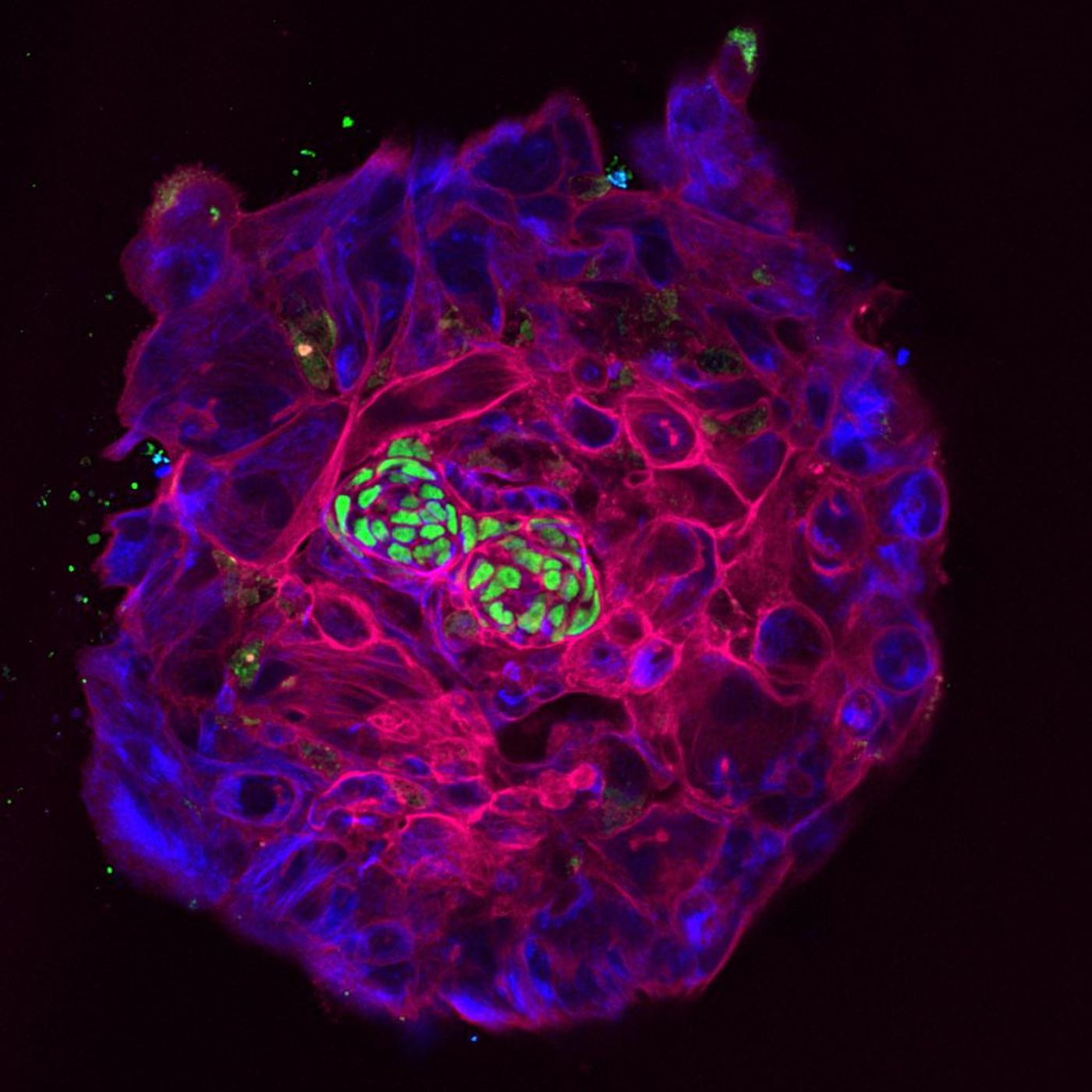
Last May, two research groups announced a breakthrough: they each grew human embryos, in the lab, longer than ever before. In doing so, they witnessed a period of human development no one had ever seen. But in the process, they crashed up against something called the '14-day rule,' a guideline set over 30 years ago that dictates what we do, and possibly how we feel, about human embryos in the lab. On this episode, join producer Molly Webster as she peers down at our very own origins, and wonders: what do we do now? This piece was produced by Molly Webster and Annie McEwen, with help from Matt Kielty. Special thanks goes to the Bioethics Research Library at Georgetown University; Omar Sultan Haque, Kevin Fitzgerald, SJ, and Josephine Johnston; Charlie McCarthy; Elizabeth Lockett, Mark Hill, and Robert Cork; plus, Eric Boodman, Lauren Morello, and Martin Pera. Producer's note about the image: Check out the super cool picture that's running with this piece. Scientist Gist Croft sent it to me a couple of weeks after my visit to the Rockefeller lab: it’s an image of the very embryo I looked at under the microscope - a twelve-day old human embryo - but with all the detail highlighted using fluorescent dye. (When I looked in person, we were using a light microscope that showed everything in black and white, with not nearly that precision.) The neon green bits are what's called the epiblast, the clump of cells from which the entire human body develops. See how it looks like it's pulling apart in to two? The scientists don’t know for sure, but they think this embryo might have been on it's way to becoming TWO embryos. Twinning! In action! Support Radiolab by becoming a member today at Radiolab.org/donate.
Ep 228Update: Eye In the Sky
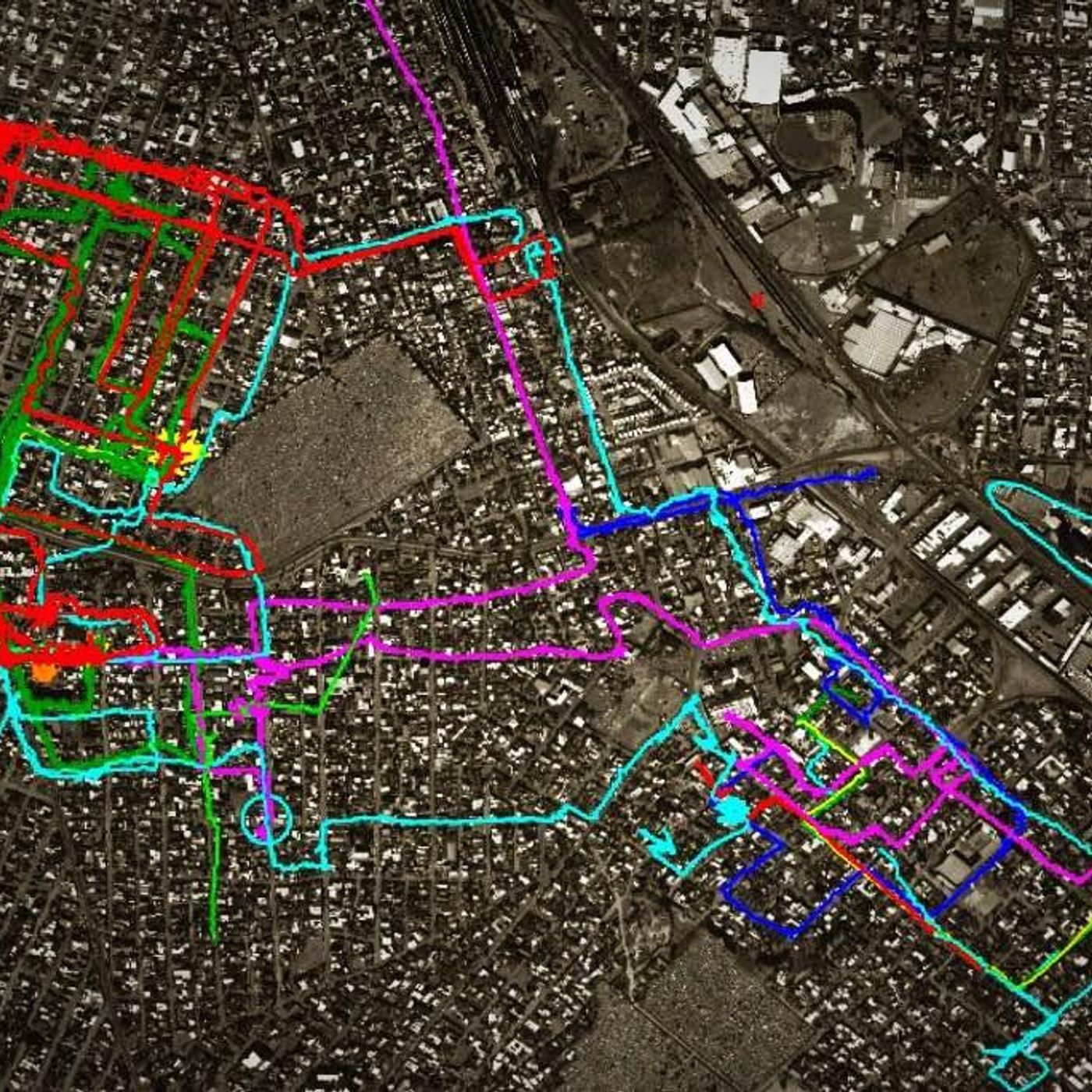
An update on Ross McNutt and his superpower — he can zoom in on everyday life, then rewind and fast-forward to solve crimes in a shutter-flash. But should he? In 2004, when casualties in Iraq were rising due to roadside bombs, Ross McNutt and his team came up with an idea. With a small plane and a 44 mega-pixel camera, they figured out how to watch an entire city all at once, all day long. Whenever a bomb detonated, they could zoom onto that spot and then, because this eye in the sky had been there all along, they could scroll back in time and see - literally see - who planted it. After the war, Ross McNutt retired from the Air Force, and brought this technology back home with him. Manoush Zomorodi and Alex Goldmark from the podcast “Note to Self” give us the lowdown on Ross’s unique brand of persistent surveillance, from Juarez, Mexico to Dayton, Ohio. Then, once we realize what we can do, we wonder whether we should. Produced by Andy Mills. Special thanks to Dan Tucker and George Schulz. Support Radiolab by becoming a member today at Radiolab.org/donate.
Ep 227The Girl Who Doesn't Exist
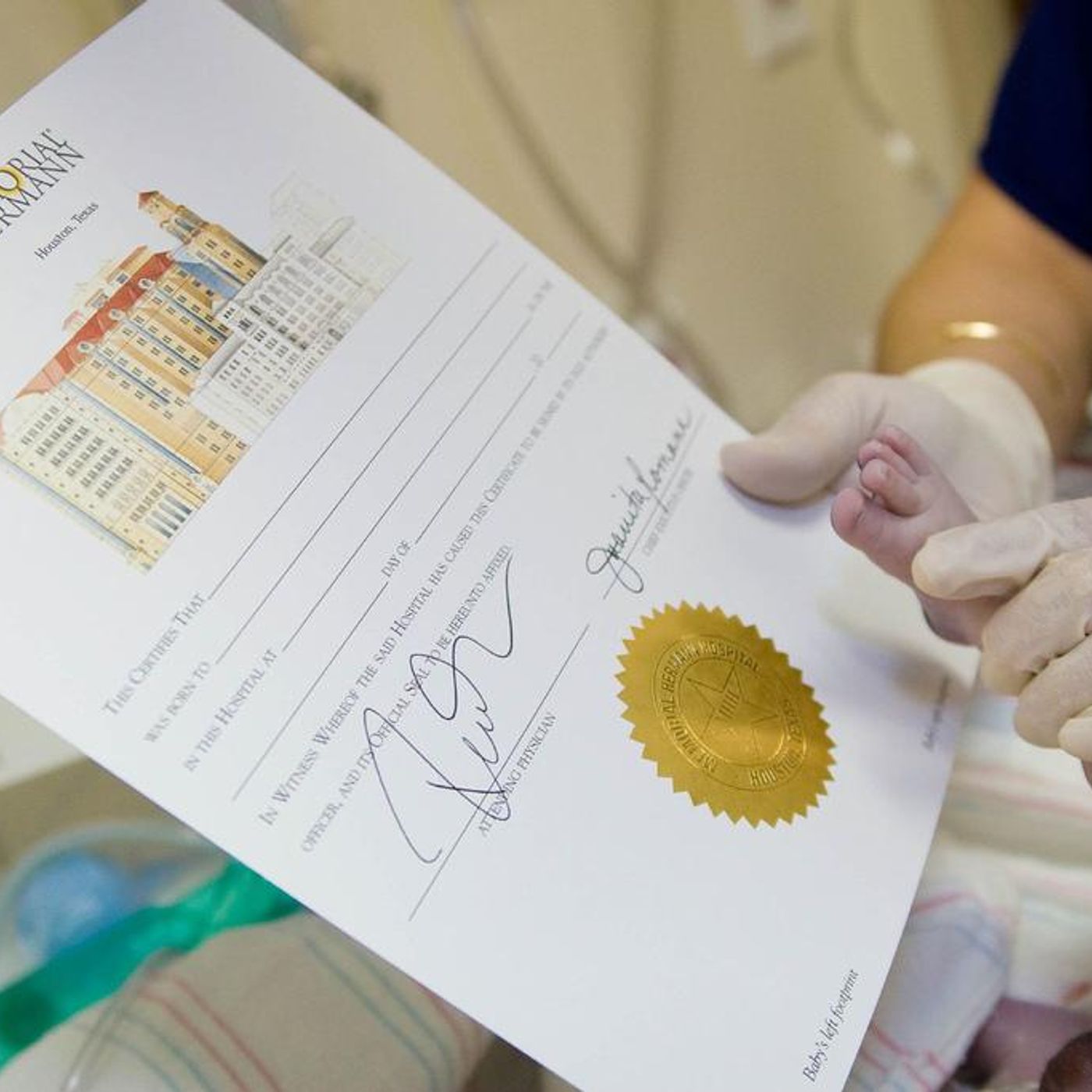
In today’s episode, we meet a young woman from Texas, born and raised, who can’t prove that she exists. Alecia Faith Pennington was born at home, homeschooled, and never visited a dentist or a hospital. By both chance and design she is completely invisible in the eyes of the state. We follow Faith as she struggles to free herself from one restrictive world only to find that she is trapped in another. In her journey to prove her American citizenship she attempts to answer the age-old question: who am I? Reported and produced by Alexandra Leigh Young. Produced by Andy Mills and Brenna Farrell. Special thanks to Savannah Escobar, Nick Reed, Chris Van Deusen, David Glenn, Zen Allegra, Russell Whelan, Rachel Coleman and Lake Travis Zipline Adventures. Correction: An earlier version of this episode's web copy incorrectly stated that Faith Pennington was born on a farm. Pennington was born at home in Houston, TX, then she and her family moved to a farm in Kerrville, TX, where she was raised. Faith’s original Youtube video is posted here: https://www.youtube.com/watch?v=CPtpKNyaO0U For updates on Faith’s journey, visit her Facebook page Help Me Prove It: https://www.facebook.com/Help-Me-Prove-It-882732628415890/ Support Radiolab by becoming a member today at Radiolab.org/donate.
Ep 226Playing God
When people are dying and you can only save some, how do you choose? Maybe you save the youngest. Or the sickest. Maybe you even just put all the names in a hat and pick at random. Would your answer change if a sick person was standing right in front of you? In this episode, we follow New York Times reporter Sheri Fink as she searches for the answer. In a warzone, a hurricane, a church basement, and an earthquake, the question remains the same. What happens, what should happen, when humans are forced to play god? Produced by Simon Adler and Annie McEwen. Reported by Sheri Fink. In the book that inspired this episode you can find more about what transpired at Memorial Hospital during Hurricane Katrina, Sheri Fink’s exhaustively reported Five Days at Memorial You can find more about the work going on in Maryland at: www.nytimes.com/triage Very special thanks to Lilly Sullivan. Special thanks also to: Pat Walters and Jim McCutcheon and Todd Menesses from WWL in New Orleans, the researchers for the allocation of scarce resources project in Maryland - Dr. Lee Daugherty Biddison from Johns Hopkins University School of Medicine, Howie Gwon from the Johns Hopkins Medicine Office of Emergency Management, Alan Regenberg of the Berman Institute of Bioethics and Dr. Eric Toner of the UPMC Center for Health Security. Support Radiolab by becoming a member today at Radiolab.org/donate.

Ep 225From Tree to Shining Tree
A forest can feel like a place of great stillness and quiet. But if you dig a little deeper, there’s a hidden world beneath your feet as busy and complicated as a city at rush hour. In this story, a dog introduces us to a strange creature that burrows beneath forests, building an underground network where deals are made and lives are saved (and lost) in a complex web of friendships, rivalries, and business relations. It’s a network that scientists are only just beginning to untangle and map, and it’s not only turning our understanding of forests upside down, it’s leading some researchers to rethink what it means to be intelligent. Produced by Annie McEwen and Brenna Farrell. Special Thanks to Latif Nasser, Stephanie Tam, Teresa Ryan, Marc Guttman, and Professor Nicholas P. Money at Miami University. Correction: An earlier version of this story misidentified naturalist David Attenborough as his late brother, actor Richard Attenborough. In addition, it dated the earliest scientific studies of fungi to the late 19th century, whereas naturalists have studied fungi since the 17th century. Lastly, we mistakenly stated that the oxygen that a plant respires comes from CO2, when in reality it comes from water. The audio has been adjusted to correct these facts. Support Radiolab by becoming a member today at Radiolab.org/donate.
Ep 224David and the Wire
David Weinberg was stuck. He had been kicked out of college, was cleaning toilets by day, delivering pizzas by night and spending his weekends in jail. Then one night he heard a story on the radio and got it in his head that maybe he too could make a great radio story. He’d cast himself as the main character in a great documentary and he’d travel and live and steer his way out of his rut. So he bought a recorder and began to secretly record every last meaningful and mundane minute of his life and he found his great idea transformed into a troubling obsession. The very thing that gave him hope and purpose was also distancing him from those he loved the most. What if he’d created an archive of his life that had become his life? Produced by Andy Mills. David Weinberg is an award winning reporter and producer for KCRW. His most recent project is Below The Ten (www.belowtheten.com) The iTunes page for the series: https://itunes.apple.com/us/podcast/kcrws-below-ten-life-in-south/id1030625802 He has taken lots of those old recordings (and lots of new ones too) and put them together in a collection called Random Tape http://randomtape.com/ David explored some of this story on the late, great CBC show Wiretap: https://beta.prx.org/stories/82541 David isn't alone in being inspired by Scott Carrier. You can listen to his This American Life stories here: http://www.thisamericanlife.org/search?keys=scott%20carrier And we highly recommend his podcast Home of the Brave: http://homebrave.com/ Support Radiolab by becoming a member today at Radiolab.org/donate.
Ep 223Radiolab Presents: More Perfect - The Imperfect Plaintiffs
EOn this episode, we visit Edward Blum, a 64-year-old “legal entrepreneur” and former stockbroker who has become something of a Supreme Court matchmaker. He’s had remarkable success, with 6 cases heard before the Supreme Court, including that of Abigail Fisher. We also head to Houston, Texas, where in 1998, an unusual 911 call led to one of the most important LGBT rights decisions in the Supreme Court’s history.
Ep 222Radiolab Presents: More Perfect - The Political Thicket
The question of how much power the Supreme Court should possess has divided justices over time. But the issue was perhaps never more hotly debated than in Baker v. Carr. On this episode of More Perfect, we talk about the case that pushed one Supreme Court justice to a nervous breakdown, brought a boiling feud to a head, put one justice in the hospital, and changed the course of the Supreme Court – and the nation – forever.

Ep 221The Buried Bodies Case
In 1973, a massive manhunt in New York's Adirondack Mountains ended when police captured a man named Robert Garrow. And that’s when this story really gets started. This episode we consider a string of barbaric crimes by a hated man, and the attorney who, when called to defend him, also wound up defending a core principle of our legal system. When Frank Armani learned his client’s most gruesome secrets, he made a morally startling decision that stunned the world and goes to the heart of what it means to be a defense attorney - how far should lawyers go to provide the best defense to the worst people? NOTE: This episode contains graphic descriptions of sexual assault and violence. Produced by Matt Kielty and Brenna Farrell. Reported by Brenna Farrell. Special thanks to Tom Alibrandi, author of Privileged Information, with Frank Armani, Laurence Gooley, author of Terror in the Adirondacks: The True Story of Serial Killer Robert F. Garrow, Charl Bader and the students in her Criminal Defense Clinic at Fordham University, Leslie Levin and the students in her Legal Profession class at The University of Connecticut School of Law, Clark D. Cunningham at Georgia State University College of Law, Debra Armani, Mary Armani, Lohr McKinstry, Tom Scozzafava, Stephanie Jenkins, Brian Farrell, Jennifer Brumback and Nick Capodice.
Ep 219Bigger Than Bacon
Today's story is a mystery, shockingly hot, and vanishingly tiny. It starts with a sound, rising like a mist from the marsh, around a dock in South Carolina. But where it goes next - from submarines to superheroes (and yes, Keanu Reeves!); from the surface of the sun to the middle of the brain - is far from expected. Producer Molly Webster brings her family along for the ride. Enjoy the adventure, before it...implodes. Produced by Molly Webster and Annie McEwen. Reported by Molly Webster. Guest sound designer, Jeremy Bloom. Special thanks to Kullervo Hynynen, James Bird, and Lawrence Crum. After you listen to the episode (spoiler alerts): Wanna see the shrimp bubble in super slowmo? Check it out here (and note, of the 1,400 views on this video, producer Molly Webster probably comprises 752). If you want to see cavitation bubbles form, and think you might enjoy watching it happen in French, check this out - the high frame rate makes these shots divine. Bigger Better Bubbles Before Dave Stein, soap bubbles were round, smallish, and collapsed with a pop. Now, they are anything but. Today we explore the story of one man, who - in an instant, changed the art of bubble blowing and what it means to be a bubble forever. Produced by Simon Adler Special thanks to Megan Colby Parker, Gary Pearlman, David Erk, Rick Findley and everyone who came out to blow giant bubbles with us in Brooklyn's Prospect Park. You can hear Jad's bubble dance party song here

Ep 218On the Edge
At the 1998 Olympics in Nagano, Japan, one athlete pulled a move that, so far as we know, no one else had ever done in all of human history. Surya Bonaly was not your typical figure skater. She was black. She was athletic. And she didn’t seem to care about artistry. Her performances – punctuated by triple-triple jumps and other power moves – thrilled audiences around the world. Yet, commentators claimed she couldn’t skate, and judges never gave her the high marks she felt she deserved. But Surya didn’t accept that criticism. Unlike her competitors – ice princesses who hid behind demure smiles – Surya made her feelings known. And, at her final Olympic performance, she attempted one jump that flew in the face of the establishment, and marked her for life as a rebel. This week, we lace up our skates and tell a story about loving a sport that doesn’t love you back, and being judged in front of the world according to rules you don’t understand. Produced by Matt Kielty with help from Tracie Hunte. Reported by Latif Nasser and Tracie Hunte Special thanks to the Sky Rink at Chelsea Piers, the Schwan Super Rink, Richmond Training Center, Simon Bowers of Bowers Audio Service, Vanessa Gusmeroli, Phil Hersh, Allison Manley, Randy Harvey, Rob Bailey and Lynn Plage, Michael Rosenberg, and Linda Lewis If you heard "On the Edge" and you're looking to fall in love with figure skating all over again, start here: http://www.radiolab.org/story/here-are-skating-routines-we-cant-stop-watching/ You can take the survey we mentioned at the beginning of this episode here: https://www.research.net/r/wnyclistener Thank you!

Ep 217Cellmates
There’s a black hole in the middle of the history of life: how did we go from tiny bags of chemicals to the vast menagerie of creatures we see around us? Today, we explore one of the most underrated mysteries of all time, and present one possible answer that takes us from an unexpected houseguest to a tiny bolt of lightning to every critter you hold dear. It’s the story of one cosmic oops moment that changed the game of life forever. Production help from Matt Kielty and Annie McEwen. Reporting help from Latif Nasser. Special thanks to Eric Steinbrook, Scott Dawson, Ahna Skop & Rachel Whittaker
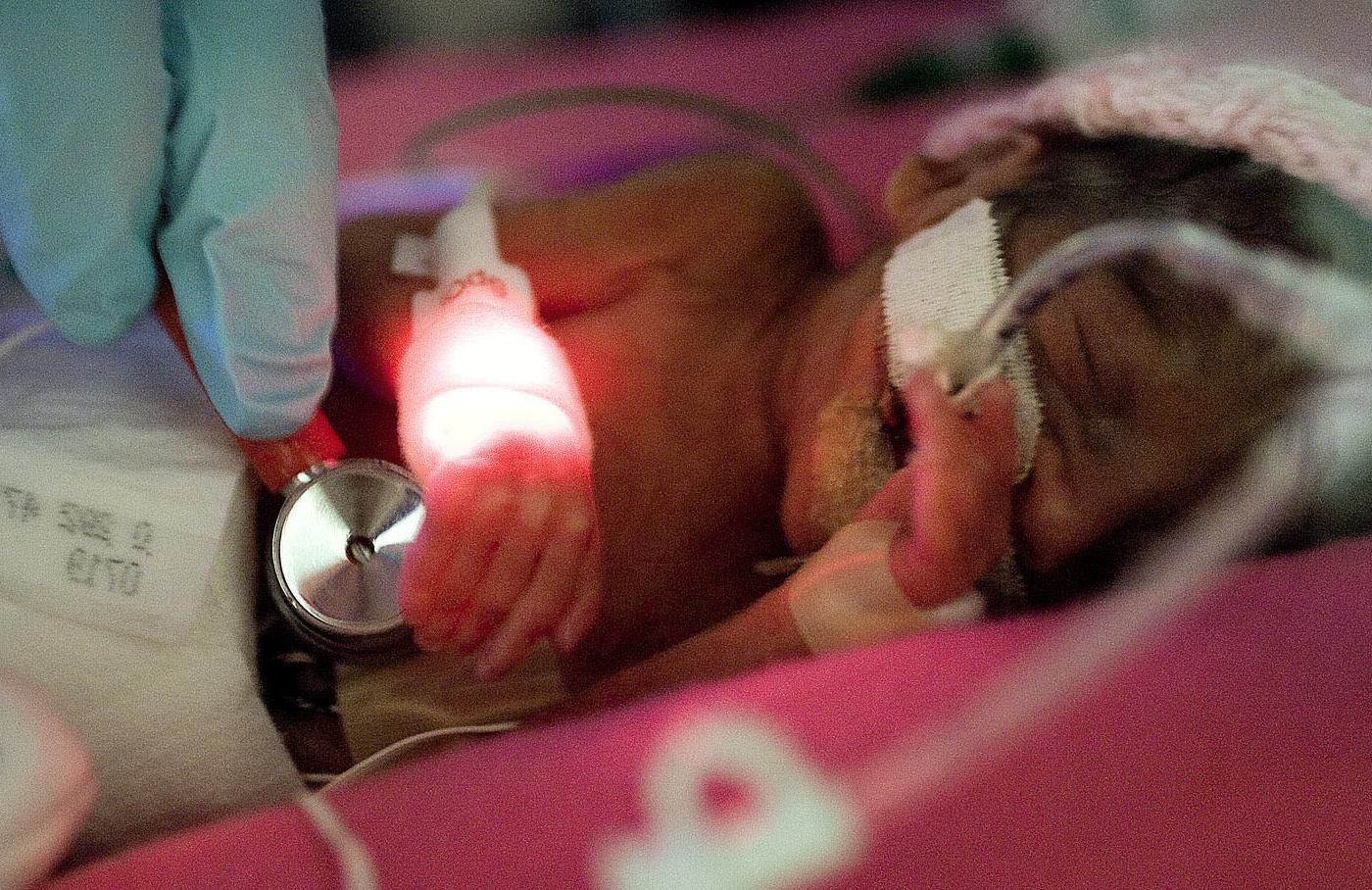
Ep 216Update: 23 Weeks 6 Days
An update on Juniper French, a tiny baby, born at 23 Weeks and 6 days -- roughly halfway to full term. And a whole universe of medical and moral questions. Technology has had a profound effect on how we get pregnant, give birth, and think about life and death. The decision to become parents was not an easy one for Kelley and Tom. Even after they sorted out their relationship issues and hopes for the future, getting pregnant wasn't easy. But, thanks to a lot of technology, they found a way to a baby. Then, about halfway through the pregnancy, the trouble began. Neonatal nurse practitioner Diane Loisel describes helping Kelley and Tom make the most important decision of their lives. And Nita Farahany helps Jad and Robert understand the significance of viability, and how technology has influenced its meaning...making a difficult idea even harder to pin down. Kelley and Tom had hoped that meeting their daughter would be the happiest moment of their life. But when she came early -- at just 23 weeks and 6 days, that moment was full of terror and an impossibly difficult decision. And when the time came to face it, Tom and Kelley turned to their baby for help. Seeing their daughter for the first time, they looked for her to "declare herself." That's a phrase that comes up again and again to help guide decisions in Neonatal Intensive Care Units. But parents and medical professionals have very different ideas about what the phrase really means. Nurse Tracy Hullet and Neonatologist Keith Barrington describe the difficulty of interpreting the fuzzy boundary between a baby's strength of will, and simple physiology. Meanwhile Kelley and Tom are left to wonder, and wait. The Neonatal Intensive Care Unit, or NICU, is a land of emotional and medical limbo. Kelley, Tom, and their daughter Juniper got stranded in this limbo for months, fighting to survive, and finally get to the next chapter of their lives. Their doctor, Fauzia Shakeel, describes the moment when Juniper's life hung in the balance, and Keith Barrington helps us understand how our newest technologies open the door not only to hope, but also to a pain that we, as humans, have kept hidden for most of our history. And finally, Kelley, Tom, Nita Farahany and Juniper herself, nearly 5 years old, give us an update on her life and what has happened since our story originally aired. Juniper and Kelley (Photo Credit: Kelley Benham)

Ep 215Debatable
Unclasp your briefcase. It’s time for a showdown. In competitive debate future presidents, supreme court justices, and titans of industry pummel each other with logic and rhetoric. But a couple years ago Ryan Wash, a queer, Black, first-generation college student from Kansas City, Missouri joined the debate team at Emporia State University. When he started going up against fast-talking, well-funded, “name-brand” teams, it was clear he wasn’t in Kansas anymore. So Ryan became the vanguard of a movement that made everything about debate debatable. In the end, he made himself a home in a strange and hostile land. Whether he was able to change what counts as rigorous academic argument … well, that’s still up for debate. Produced by Matt Kielty. Reported by Abigail Keel Special thanks to Will Baker, Myra Milam, John Dellamore, Sam Mauer, Tiffany Dillard Knox, Mary Mudd, Darren "Chief" Elliot, Jodee Hobbs, Rashad Evans and Luke Hill. Special thanks also to Torgeir Kinne Solsvik for use of the song h-lydisk / B Lydian from the album Geirr Tveitt Piano Works and Songs

Ep 214K-poparazzi
In the U.S., paparazzi are pretty much synonymous with invasion of privacy. But today we travel to a place where the prying press create something more like a prison break. K-pop is a global juggernaut - with billions in sales and millions of fans hanging on every note, watching K-pop idols synchronize and strut. And that fame rests on a fantasy, K-pop stars have to be chaste and pure, but also … available. Until recently, Korean music agencies and K-pop fans held their pop stars to a strict set of rules designed to keep that fantasy alive. That is, until Dispatch showed up. Taking a cue from American and British paparazzi, a group of South Korean reporters started hiding in their cars and snapping photos of stars on their secret dates. The first-ever paparazzi photos turned the world of K-pop upside down and introduced sort of a puzzle … how much do you want to know about the people you idolize, and when is enough enough? Produced by Matthew Kielty and Alexandra Young. Reported by Alexandra Young with Brenna Farrell. Special Thanks to Dispatch, Haeryun Kang, Joseph Kim, Charlie Cho, Hyena, Crayon Pop, Jeremy Bloom, The Kirukkiruk Guesthouse, Choi Baekseol, Jiin Choi, David Bevan, and The One Shots. And if, like us, this story leaves you with an insatiable desire to listen to K-pop here is a starter list of our recommendations:

Ep 213Hard Knock Life
This Valentine's Day, a mysterious tap tap tapping leads us into a world of sex, death, and head-banging. Biologist Dave Goulson introduces us to the lonely yearnings of an especially pathetic beetle and snatches a sound back from the hands of the devil himself. Featuring rapping about rapping from extra special guests Lin-Manuel Miranda, Utkarsh Ambudkar and Freestyle Love Supreme. Produced by Simon Adler. We had engineering help from Rick Kwan.
Ep 212I Don't Have To Answer That
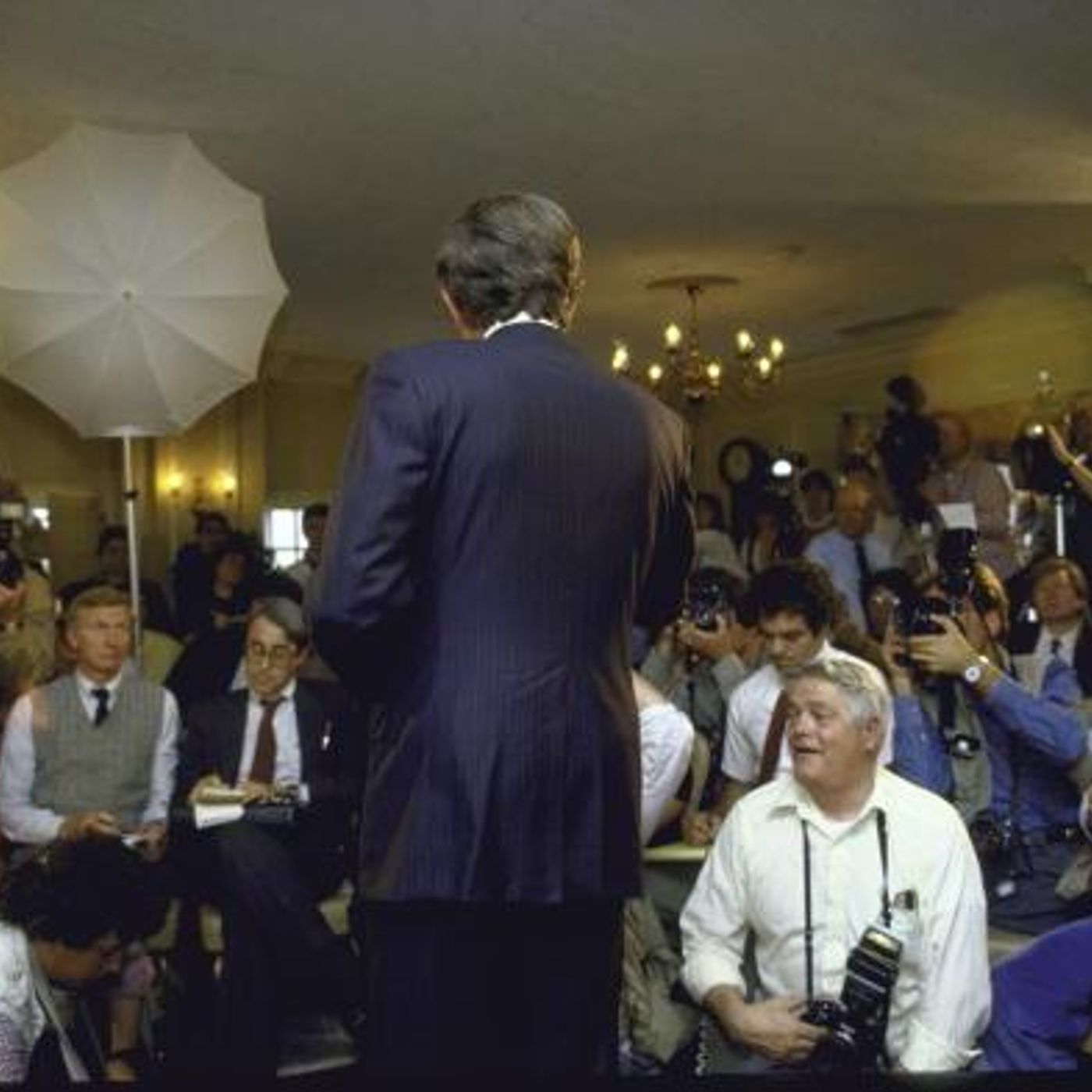
Roosevelt, Kennedy, Eisenhower … they all got a pass. But today we peer back at the moment when poking into the private lives of political figures became standard practice. In 1987, Gary Hart was a young charismatic Democrat, poised to win his party’s nomination and possibly the presidency. Many of us know the story of what happened next, and even if you don’t, it’s a familiar tale. But at the time, politicians and political reporters found themselves in uncharted territory. With help from author Matt Bai, we look at how the events of that May shaped the way we cover politics, and expanded our sense of what's appropriate when it comes to judging a candidate. Produced by Simon Adler Special Thanks to Joe Trippi

Ep 211The Cathedral
Ryan and Amy Green were facing the unfaceable: their youngest son, Joel was diagnosed with terminal cancer after his first birthday. Producer Sruthi Pinnamaneni tells the story of how Ryan and Amy stumble onto an unlikely way of processing their experience fighting alongside Joel: they decide to turn it into a video game. In the end, they find themselves facing what might be, for a game designer or a parent, the hardest design problem ever. Correction: In the original audio we stated that the survival rate of childhood AT/RT cancer is 50% over five years. But studies suggest the survival rate is 50% over two years. The audio has been updated to reflect this change. For an extended version of this story and a bunch more incredible stories, go check out Reply All. Special thanks to Eilis O’ Neill, Jon Hillman, and Josh Larson. This episode included audio from “Thank You For Playing,” a documentary film about the creation of That Dragon, Cancer by David Osit & Malika Zouhali-Worrall. You can learn more about the film and where you can see it, at thankyouforplayingfilm.com. For more, we suggest reading Wired's "Playing For Time."

Ep 210The Fix
This episode we take a sober look at the throbbing, aching, craving desire states that return people (again and again) to the object of their addiction … and the pills that just might set them free. Reporter Amy O’Leary was fed up with her ex-boyfriend’s hard-drinking, when she discovered a French doctor’s memoir titled The End of My Addiction. The fix that he proposed seemed too good to be true. But her phone call with the doctor left her, and us, even more intrigued. Could this malady – so often seen as moral and spiritual - really be beaten back with a pill? We talk to addiction researcher Dr. Anna Rose Childress, addiction psychologist Dr. Mark Willenbring, journalist Gabrielle Glaser, The National Institute of Health’s Dr. Nora Volkow, and scores of people dealing with substance abuse as we try to figure out whether we're in the midst of a sea change in how we think about addiction. Produced by Andy Mills with Simon Adler If you are someone looking for help with a substance abuse problem and want to find health care services in your area, check out this map from the Substance Abuse and Mental Health Administration. For more on Dr. Mark Willenbring and the Alltyr Clinic visit their website. If you’d like to hear more from Nora Volkow you can watch her speech from this summer’s American Psychiatric Association’s annual meeting. Or watch her and other top addiction researchers at last year’s World Science Fair
Ep 208Staph Retreat
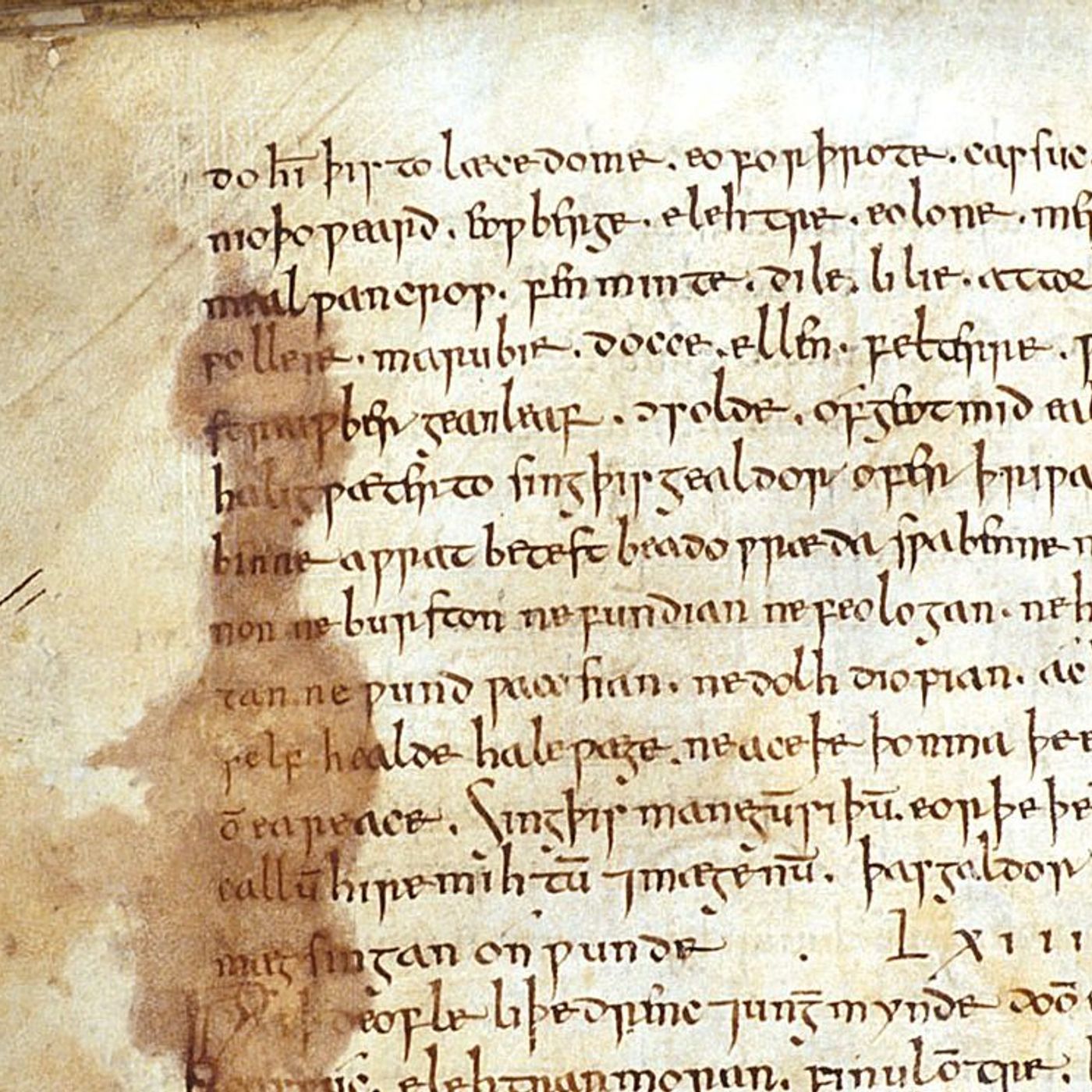
What happens when you combine an axe-wielding microbiologist and a disease-obsessed historian? A strange brew that's hard to resist, even for a modern day microbe. In the war on devilish microbes, our weapons are starting to fail us. The antibiotics we once wielded like miraculous flaming swords seem more like lukewarm butter knives. But today we follow an odd couple to a storied land of elves and dragons. There, they uncover a 1000-year-old secret that makes us reconsider our most basic assumptions about human progress and wonder: What if the only way forward is backward? Reported by Latif Nasser. Produced by Matt Kielty and Soren Wheeler. Special thanks to Steve Diggle, Professor Roberta Frank, Alexandra Reider and Justin Park (our Old English readers), Gene Murrow from Gotham Early Music Scene, Marcia Young for her performance on the medieval harp and Collin Monro of Tadcaster and the rest of the Barony of Iron Bog.

Ep 207Update: New Normal?
An update: Peacenik baboons, a man in a dress and cuddly tame foxes. Stories of adaptation, and reframing ideas about normalcy. 3 stories where choice challenges destiny.
Ep 206Darkode
It would seem that hackers today can do just about anything they want - from turning on the cellphone in your pocket to holding your life's work hostage. Cyber criminals today have more sophisticated tools, have learned to work collaboratively around the world and have found innovative ways to remain deep undercover in the internet's shadows. This episode, we shine a light into those shadows to see the world from the perspectives of both cybercrime victims and perpetrators. First we meet mother-daughter duo Alina and Inna Simone, who tell us about being held hostage by criminals who have burrowed into their lives from half a world away. Along the way we learn about the legally sticky spot that unwitting accomplices like Will Wheeler find themselves in. Then reporter and author Joseph Menn tells us about the surprisingly lucrative professional hacker structure in places throughout the former Soviet Union. Finally, the co-creator of one of the most notorious online marketplaces to ever exist speaks to us and NPR cyber-crime expert Dina Temple-Raston about how a young suburban Boy Scout can turn into a world renowned black hat hacker. Produced by Kelsey Padgett and Andy Mills.
Ep 205Remembering Oliver Sacks
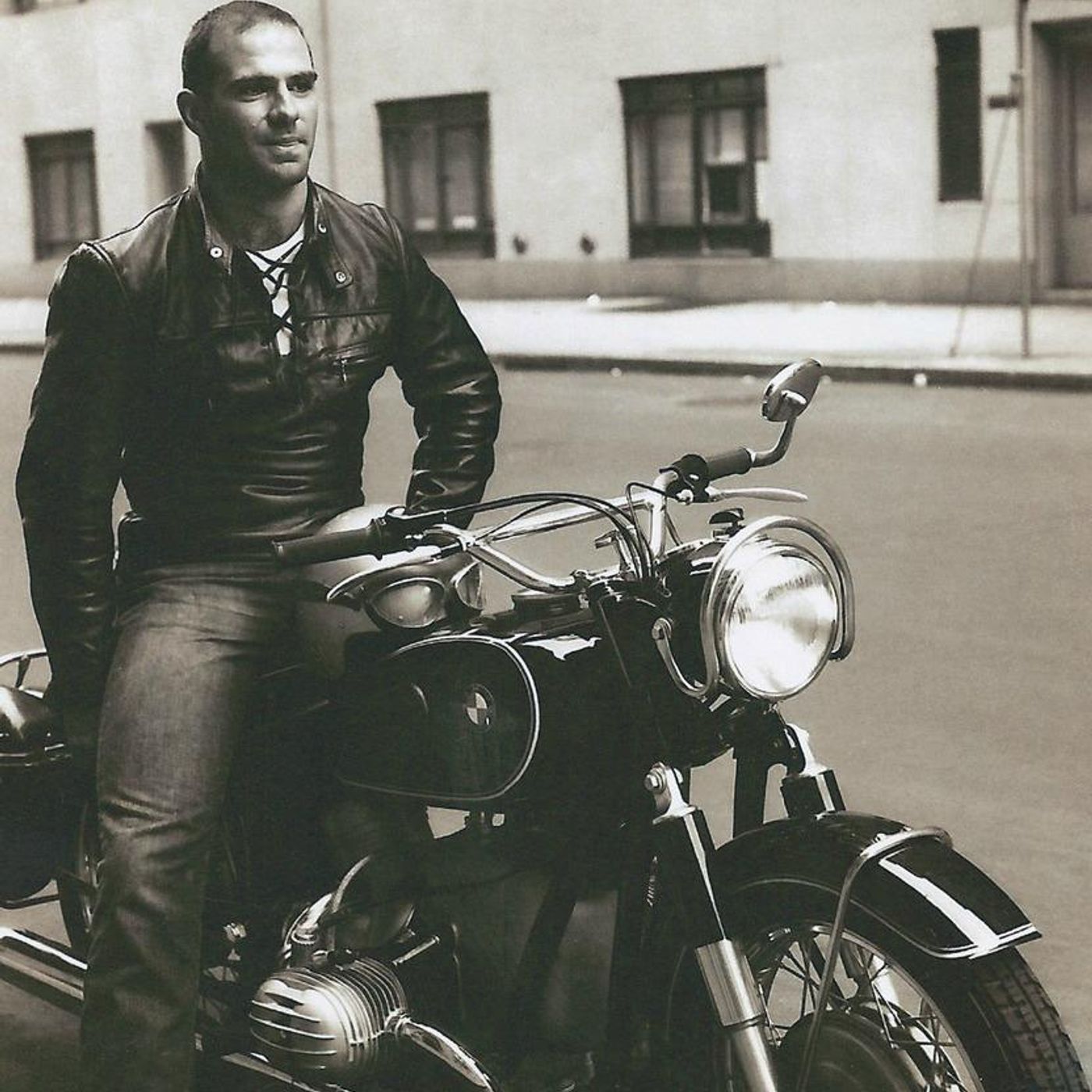
In memory of one of our dear friends, a re-release of our last conversation with Dr. Oliver Sacks.
Ep 204From the Archives: Oliver Sacks' Table of Elements
As we're busy working on our next episode, with stories inspired by the Periodic Table of Elements, we thought we'd bring you one of its chief inspirations. As a young boy, neurologist, author and Radiolab favorite Oliver Sacks pored over the pages of the Handbook of Physics and Chemistry, fantasizing about the day that he, like the shy gas Xenon, would find a companion with whom to connect and share. That companion turned out to be the Periodic Table of the Elements itself, a relationship he's never outgrown. He introduces us to the elements that he's known and loved.
Ep 203Shrink
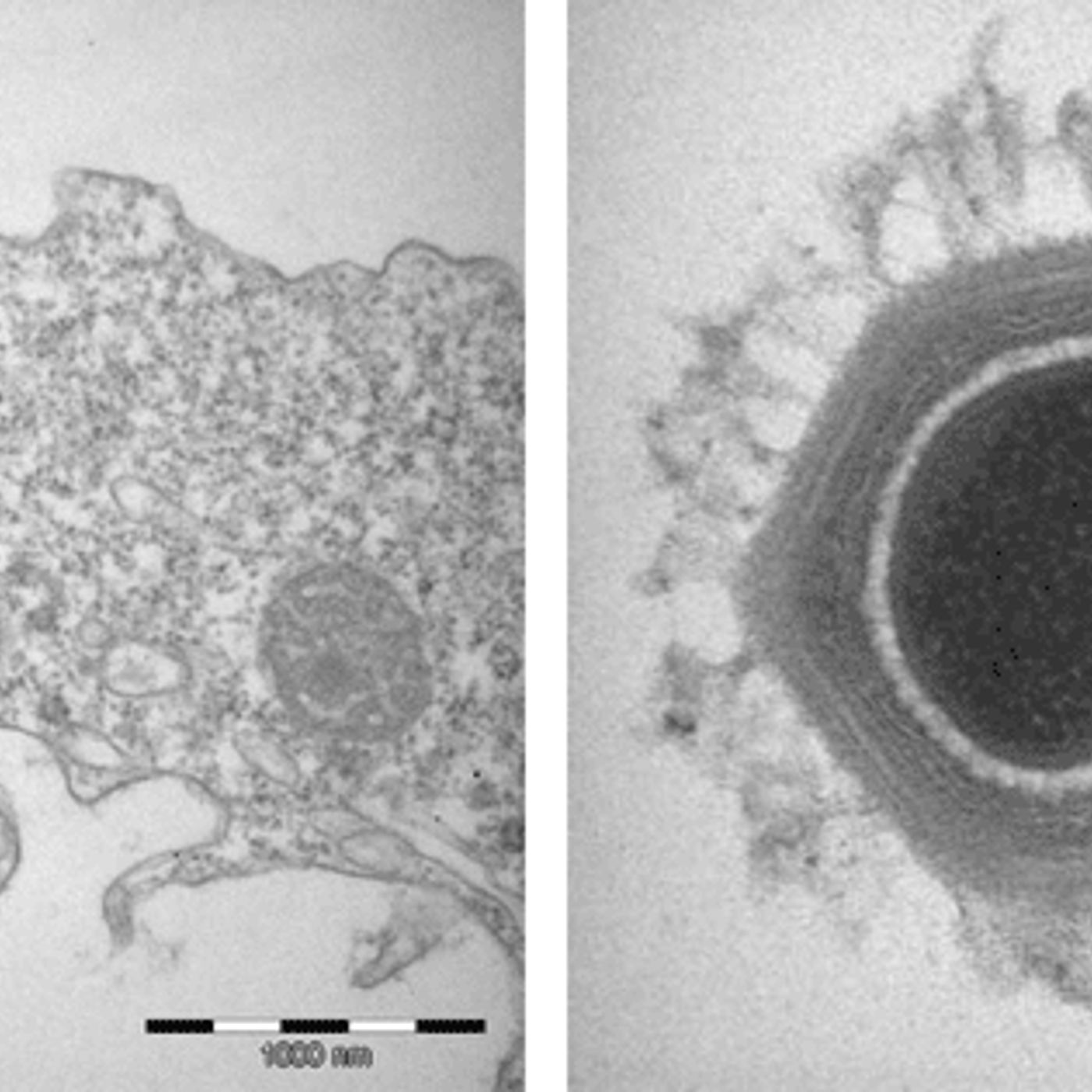
The definition of life is in flux, complexity is overrated, and humans are shrinking. Viruses are supposed to be sleek, pared-down, dead-eyed machines. But when one microbiologist stumbled upon a GIANT virus, hundreds of times bigger than any seen before, all that went out the window. The discovery opened the door not only to a new cast of microscopic characters with names like Mimivirus, Mamavirus, and Megavirus, but also to basic questions: How did we miss these until now? Have they been around since the beginning? What if evolution could go … backwards? Join Jad and Robert as they grill Radiolab regular Carl Zimmer on these paradoxical viruses – they’re so big that they can get their own viruses! - and what they can tell us about the nature of life.
Ep 202Gray's Donation
A donation leads Sarah and Ross Gray to places we rarely get a chance to see. In this surprising journey, they gain a view of science that is redemptive, fussy facts that are tender, and parts of a loved one that add up to something unexpected. Before he was even born, Sarah and Ross knew that their son Thomas wouldn’t live long. But as they let go of him, they made a decision that reverberated through a world that they never bothered to think about. Years later, after a couple awkward phone calls and an unexpected family road trip, they managed to meet the people and places for whom Thomas’ short life was an altogether different kind of gift. Since we first aired this segment, some exciting things have happened in the Gray's world. Our producer Tracie Hunte sat down with Sarah Gray to get the low-down on what's new. Check it out here:
Ep 201Mau Mau
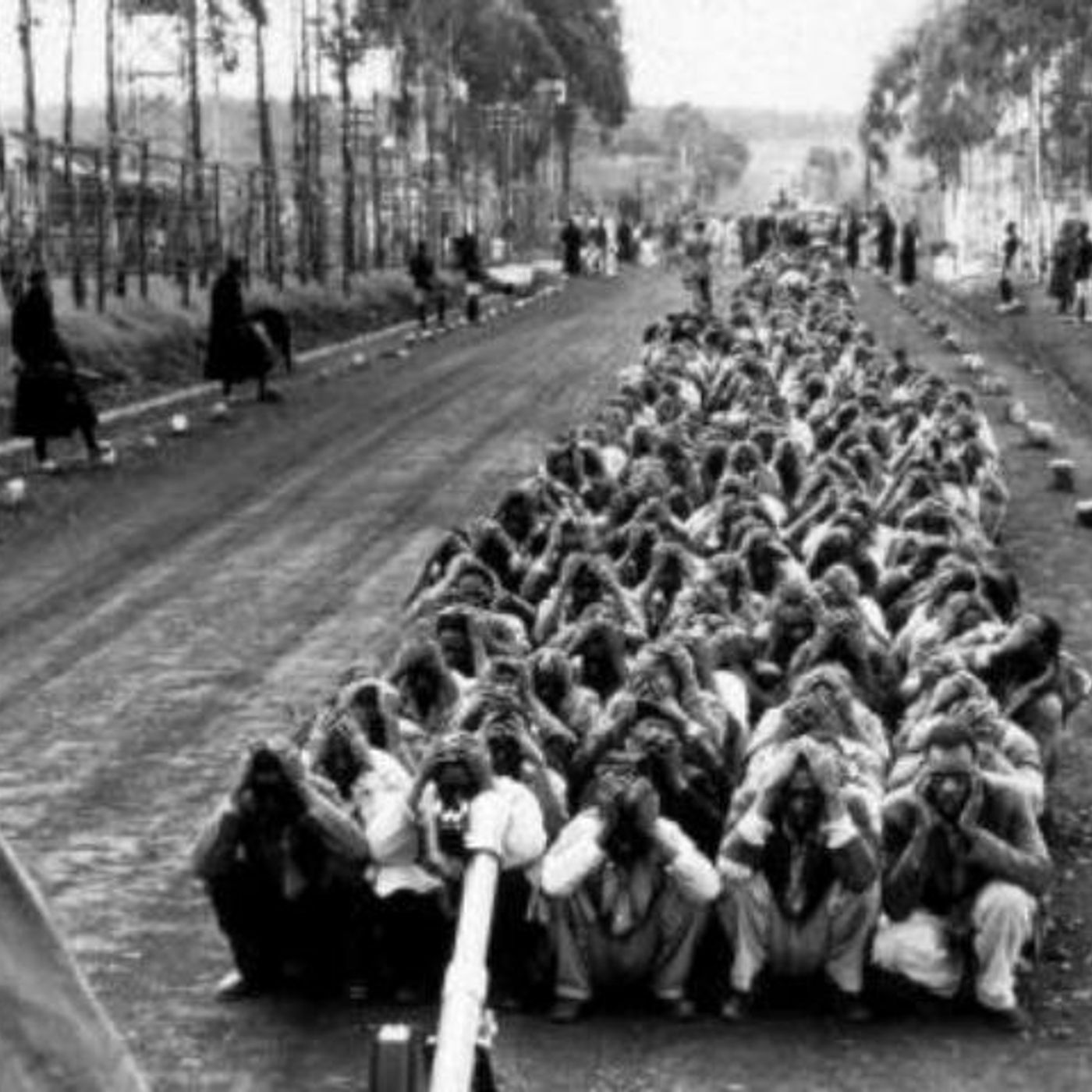
This is the story of a few documents that tumbled out of the secret archives of the biggest empire the world has ever known, offering a glimpse of histories waiting to be rewritten.
Ep 200Eye in the Sky
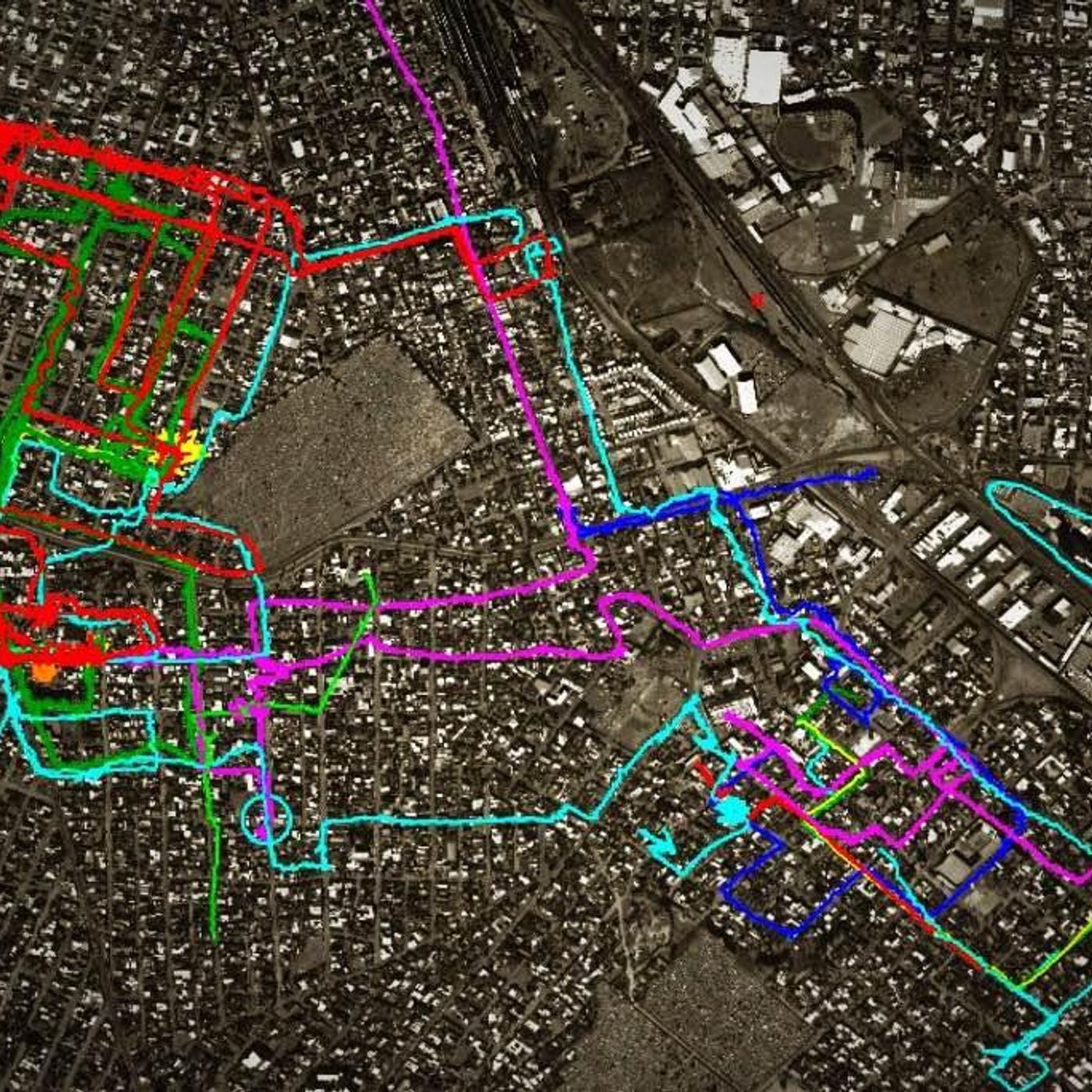
Ross McNutt has a superpower — he can zoom in on everyday life, then rewind and fast-forward to solve crimes in a shutter-flash. But should he? In 2004, when casualties in Iraq were rising due to roadside bombs, Ross McNutt and his team came up with an idea. With a small plane and a 44 mega-pixel camera, they figured out how to watch an entire city all at once, all day long. Whenever a bomb detonated, they could zoom onto that spot and then, because this eye in the sky had been there all along, they could scroll back in time and see - literally see - who planted it. After the war, Ross McNutt retired from the airforce, and brought this technology back home with him. Manoush Zomorodi and Alex Goldmark from the podcast “Note to Self” give us the low-down on Ross’s unique brand of persistent surveillance, from Juarez, Mexico to Dayton, Ohio. Then, once we realize what we can do, we wonder whether we should. Special thanks to Dan Tucker and George Schulz. If you're looking for the updated version of this show, you can check it out here. More info: Listen to Note to Self's episode on surveillance coverage. "New surveillance technology can track everyone in an area for several hours at a time," from the Washington Post "Hollywood-style surveillance technology inches closer to reality," from the Center of Investigative Reporting Ross McNutt's company Persistent Surveillance Systems
Ep 199Antibodies Part 1: CRISPR
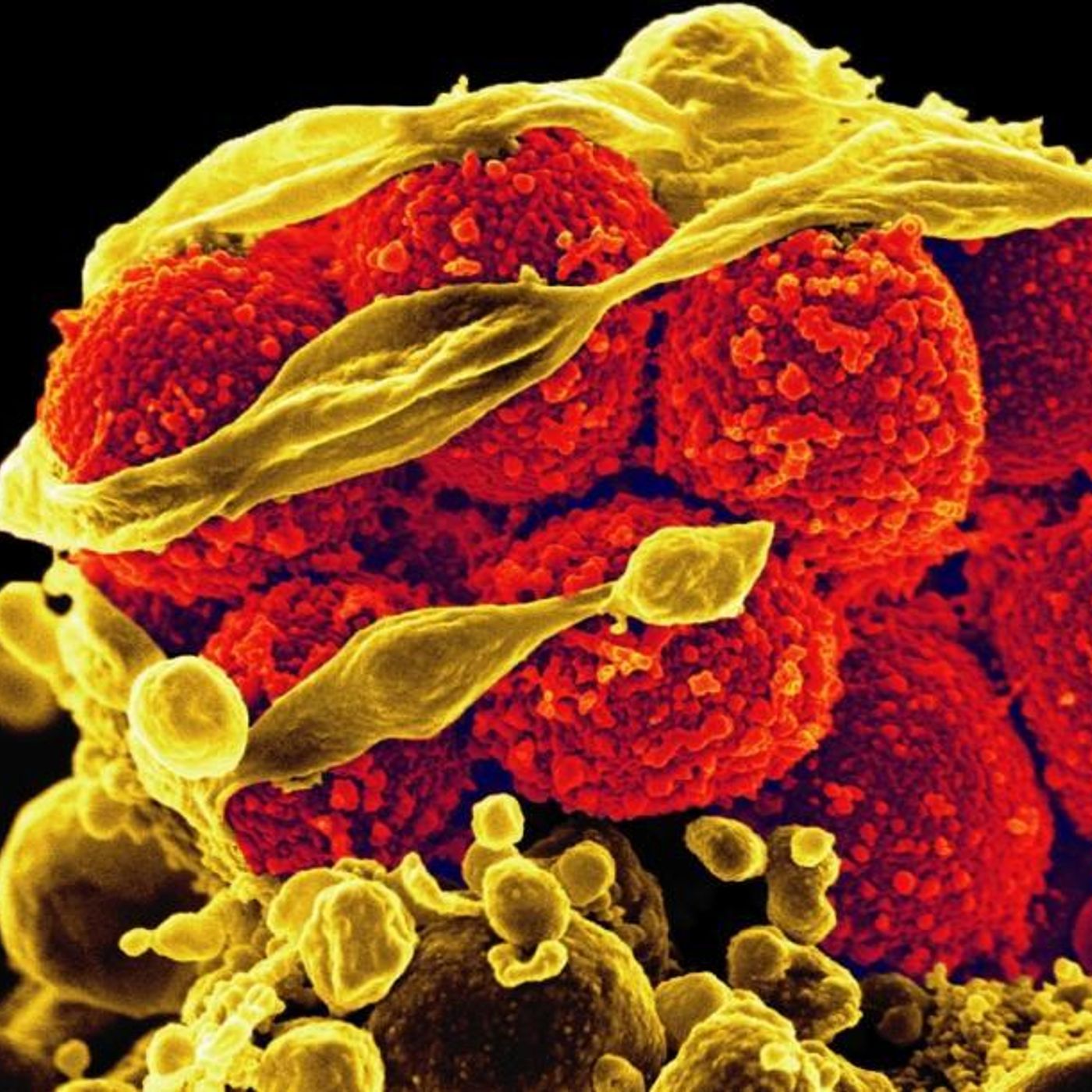
Hidden inside some of the world’s smallest organisms is one of the most powerful tools scientists have ever stumbled across. It's a defense system that has existed in bacteria for millions of years and it may some day let us change the course of human evolution. Out drinking with a few biologists, Jad finds out about something called CRISPR. No, it’s not a robot or the latest dating app, it’s a method for genetic manipulation that is rewriting the way we change DNA. Scientists say they’ll someday be able to use CRISPR to fight cancer and maybe even bring animals back from the dead. Or, pretty much do whatever you want. Jad and Robert delve into how CRISPR does what it does, and consider whether we should be worried about a future full of flying pigs, or the simple fact that scientists have now used CRISPR to tweak the genes of human embryos. As of February 24th, 2017 we've updated this story.

Ep 198Nazi Summer Camp
Reporter Karen Duffin and her father were talking one day when, just as an aside, he mentioned the Nazi prisoners of war that worked on his Idaho farm when he was a kid. Karen was shocked ... and then immediately obsessed. So she spoke with historians, dug through the National Archives and oral histories, and uncovered the astonishing story of a small town in Alabama overwhelmed by thousands of German prisoners of war. Along the way, she discovered that a very fundamental question - one that we are struggling with today - was playing out seventy years ago in hundreds of towns across America: When your enemy is at your mercy, how should you treat them? Karen helps Jad and Robert try to figure out why we did what we did then, and why we are doing things so differently now. Produced by Kelsey Padgett. CORRECTION: A previous version of this podcast stated that the Nuremberg Laws and the Mississippi Black Code could be viewed side by side at a museum in Nuremberg. We were unable to confirm the existence of such an exhibit. We were also unable to confirm that the Nuremberg Laws were literally copied from the Mississippi Black Codes. The audio has been corrected to reflect this. We've gathered more photos of Camp Aliceville here Special thanks to: Mary Bess Paluzzi, founding director of the Aliceville Museum John Gillum, current Director of the Aliceville Museum Sam Love, a filmmaker who gathered the oral histories Ruth Beaumont Cook, who wrote a great book about Aliceville
Ep 197Radiolab Live: Tell-Tale Hearts featuring Oliver Sacks
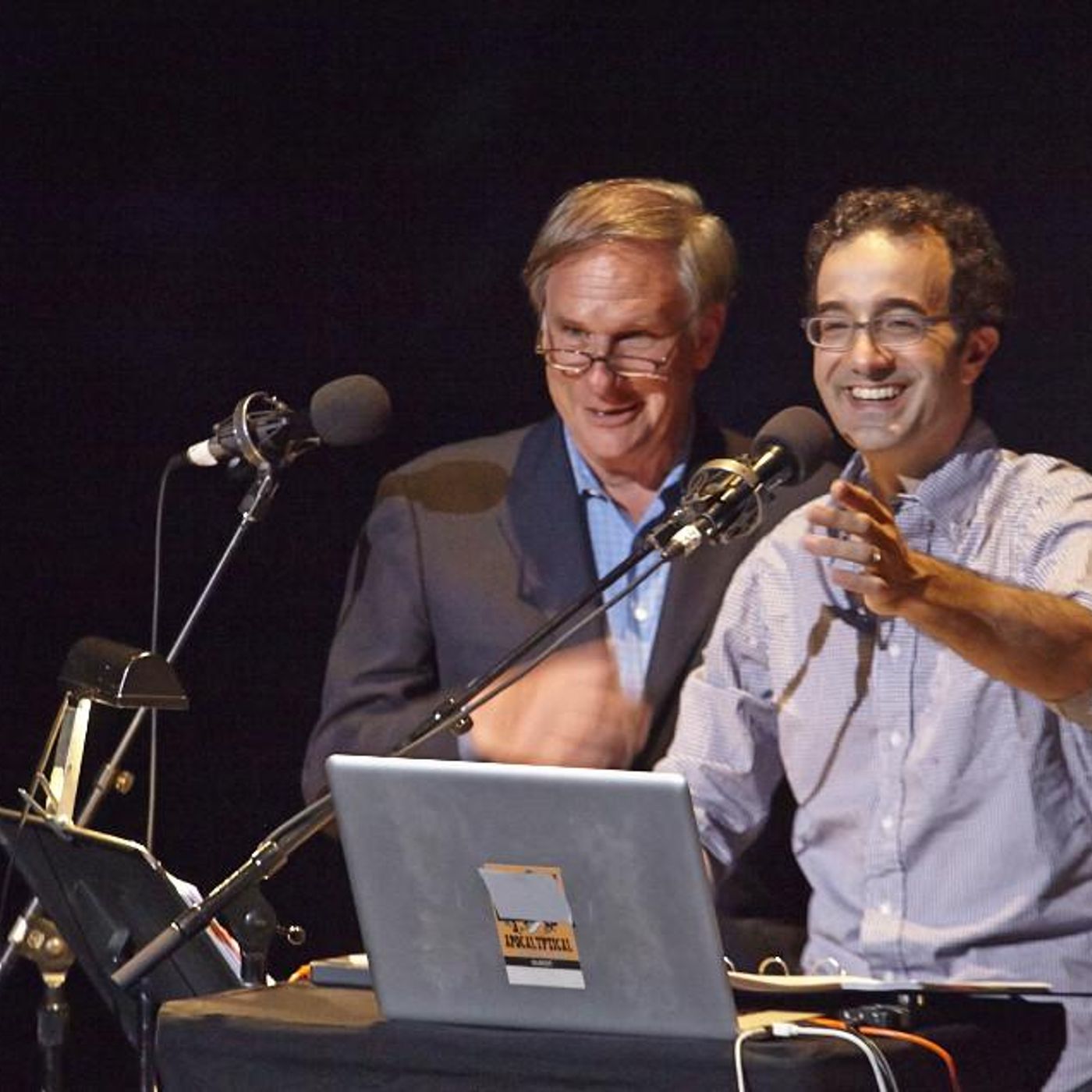
A few days ago Radiolab performed a live show and this episode we're bringing you a few of the highlights. They were stories of what motivates us, our drives, our loves and losses. Producer Molly Webster tells us the story of life, near-death and what happens when your heart starts to work against you. And we visit with Dr. Oliver Sacks one last time to reflect on his life, his loves and his endless sense of wonder. Special thanks to our musical guests, SO Percussion and Sarah Lipstate

Ep 196The Living Room
We're thrilled to present a piece from one of our favorite podcasts, Love + Radio (Nick van der Kolk and Brendan Baker). Producer Briana Breen brings us the story: Diane’s new neighbors across the way never shut their curtains, and that was the beginning of an intimate, but very one-sided relationship. Please listen to as much of Love + Radio as you can.
Ep 194Los Frikis
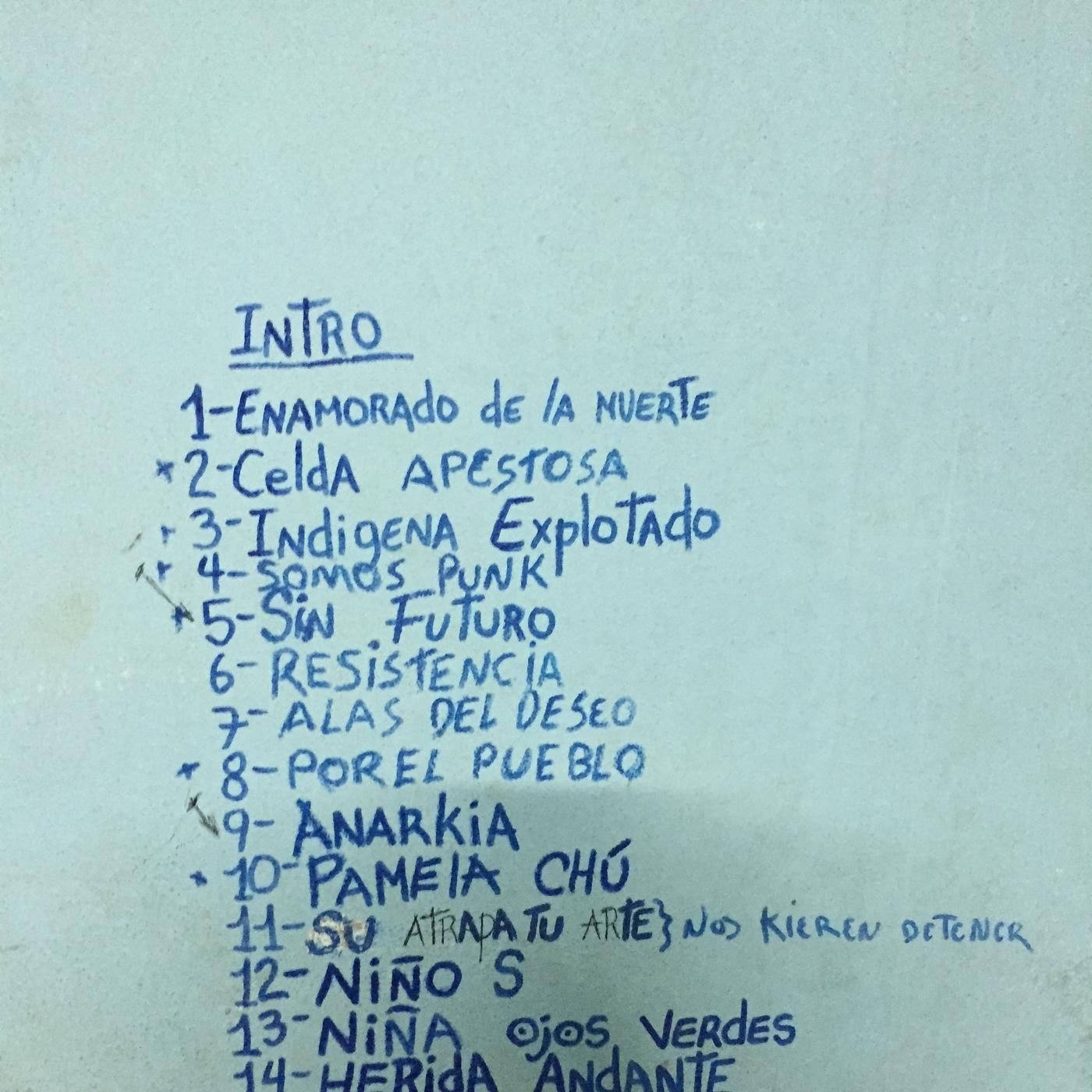
How a group of 80’s Cuban misfits found rock-and-roll and created a revolution within a revolution, going into exile without ever leaving home. In a collaboration with Radio Ambulante, reporter Luis Trelles bring us the story of punk rock’s arrival in Cuba and a small band of outsiders who sentenced themselves to death and set themselves free. Gerson Govea (Photo Credit: Josu Tueba Leiva) Produced by Tim Howard & Matt Kielty. With production help from Andy Mills. Special thanks to VIH, Eskoria, Metamorfosis and Alio Die & Mariolina Zitta for the use of their music.
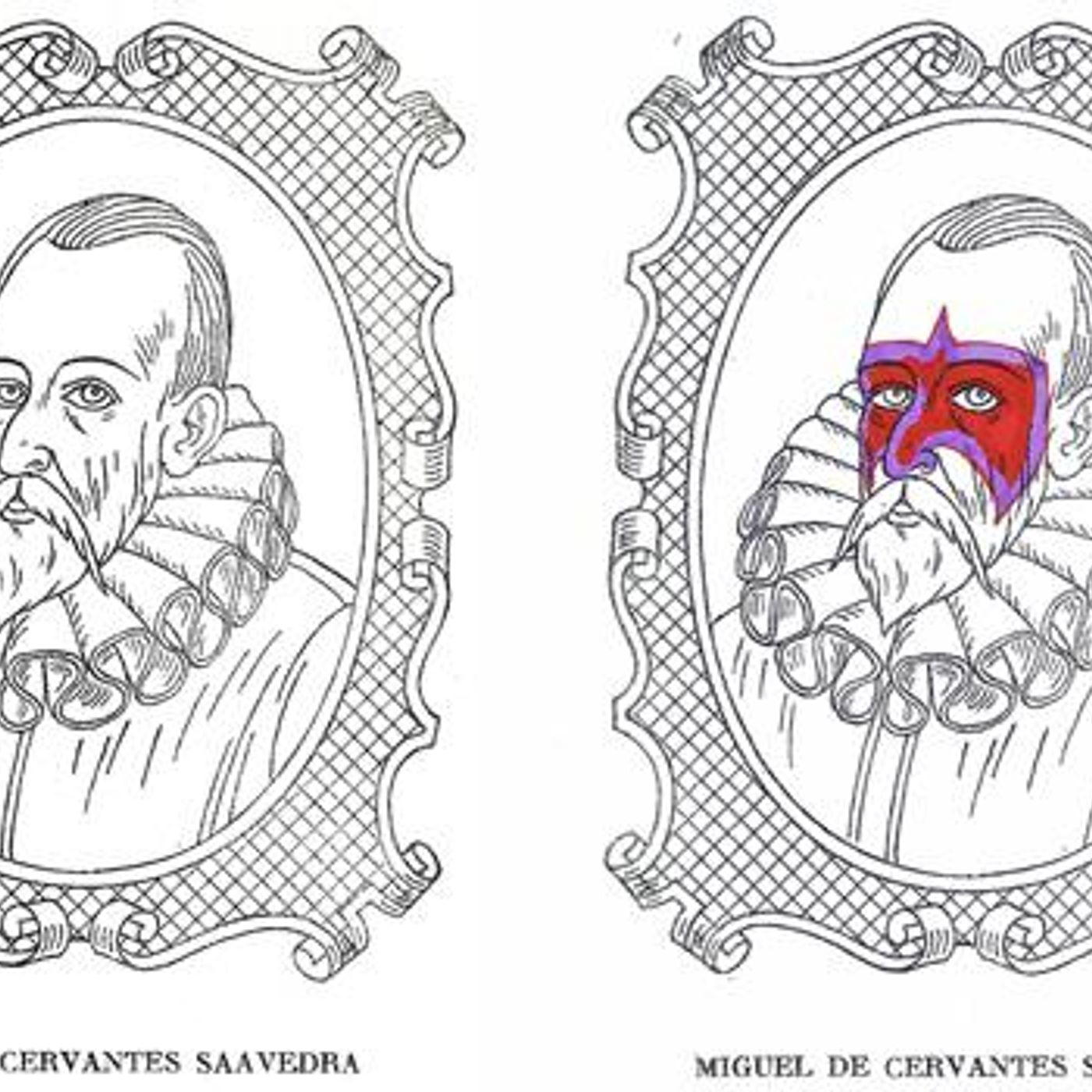
Ep 193La Mancha Screwjob
All the world’s a stage. So we push through the fourth wall, pierce the spandex-ed heart of professional wrestling, and travel 400 years into the past to unmask our obsession with authenticity and our desire to walk the line between reality and fantasy. Thanks to Nick Hakim for the use of his song "The Light".

Ep 192The Trust Engineers
When we talk online, things can go south fast. But they don’t have to. Today, we meet a group of social engineers who are convinced that tiny changes in wording can make the online world a kinder, gentler place. So long as we agree to be their lab rats. Ok, yeah, we’re talking about Facebook. Because Facebook, or something like it, is more and more the way we share and like, and gossip and gripe. And because it's so big, Facebook has a created a laboratory of human behavior the likes of which we’ve never seen. We peek into the work of Arturo Bejar and a team of researchers who are tweaking our online experience, bit by bit, to try to make the world a better place. And along the way we can’t help but wonder whether that’s possible, or even a good idea.
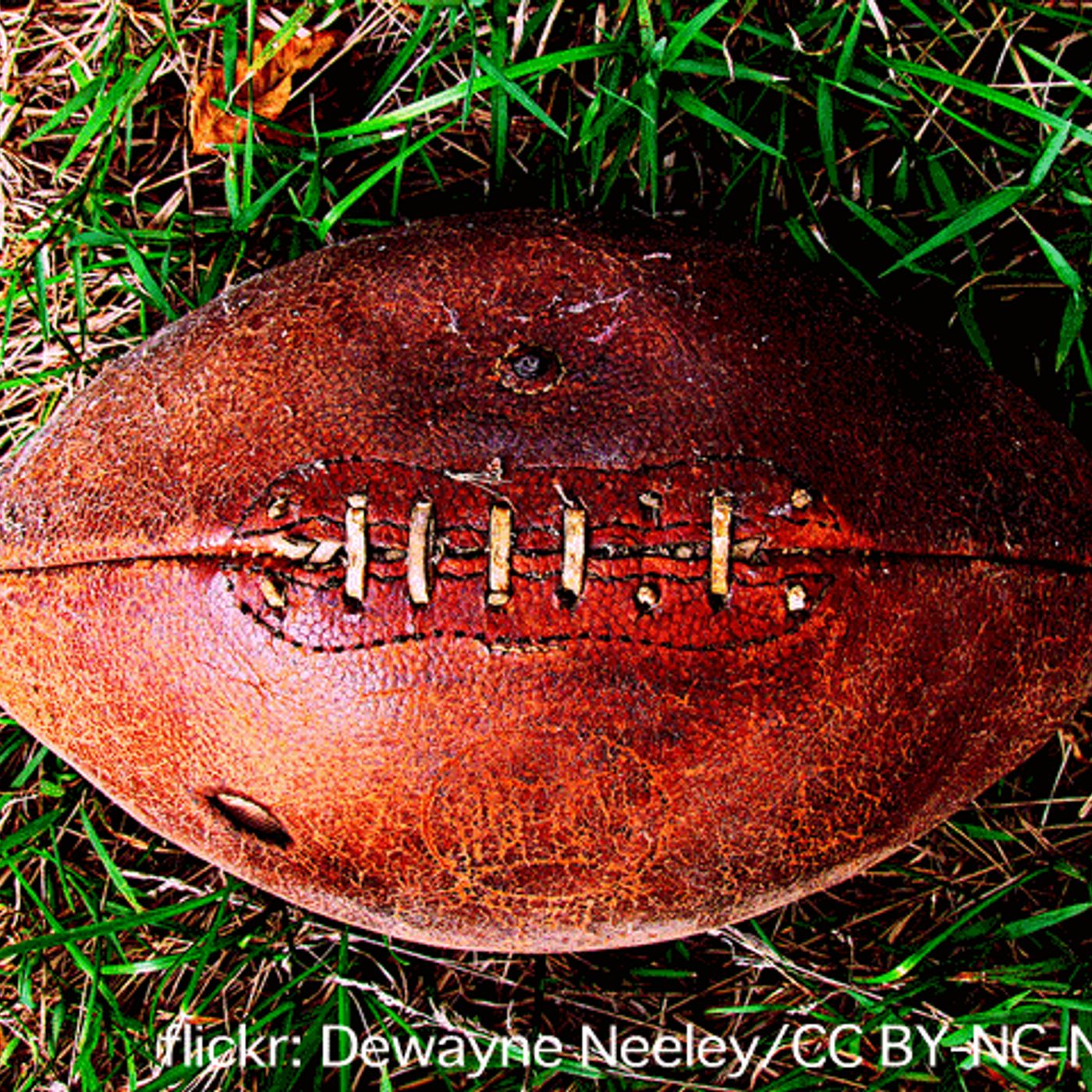
Ep 191American Football
Today, we tackle football. It’s the most popular sport in the US, shining a sometimes harsh light on so much of what we have been, what we are, and what we hope to be. Savage, creative, brutal and balletic, whether you love it or loathe it … it’s a touchstone of the American identity. Along with conflicted parents and players and coaches who aren’t sure if the game will survive, we take a deep dive into the surprising history of how the game came to be. At the end of the 19th century, football is a nascent and nasty sport. The sons of the most powerful men in the country are literally knocking themselves out to win these gladiatorial battles. But then the Carlisle Indian School, formed in 1879 to assimilate the children and grandchildren of the Native American men who fought the final Plains Wars, fields the most American team of all. The kids at Carlisle took the field to face off against a new world that was destroying theirs, and along the way, they changed the fundamentals of football forever. Correction: An earlier version of this episode included a few errors that we have corrected. We've also added one new piece of information. The piece originally stated that British football had no referees. While this was true in the earliest days of British football, they were eventually added. We stated that referees were added to American football in response to Pop Warner. American referees existed prior to Pop Warner, in order to address brutality as well as the kind of rule-bending that Pop Warner specialized in. Chuck Klosterman said that the three most popular sports in the US are football, college football and major league baseball. In fact, baseball actually ranks 2nd, college football is third. Monet Edwards stated that 33 members of her family were players in the NFL. That number is actually 13. We also added one new fact: over 200 students at The Carlisle Indian School died of malnutrition, poor health or distress from homesickness. The audio has been adjusted to reflect these corrections.

Ep 190Radiolab Presents: Invisibilia
Producers' Note: A correction has been made to this audio to reflect the wishes of the subject of this story, Paige Abendroth. NPR's Invisibilia's originally included Paige's birth name in this piece due to a miscommunication between Invisibilia's reporter, Alix Spiegel and Paige. We have not been in contact with Paige directly, but NPR has issued the following statement from Anne Gudenkauf, senior supervising editor of NPR's science desk: "We would never have violated Paige’s wishes in this story; it’s an unfortunate misunderstanding. Invisibilia's upcoming episode on Paige will be edited to remove references to the name she no longer recognizes. Also the upcoming episode, which focuses on how categories affect us all, will explore in more depth the changes in Paige's life over the two years that she and Alix have spoken and will do that, as always, with attention to bi-gender and transgender reporting guidelines." Former Radiolab producer Lulu Miller and NPR reporter Alix Spiegel come to the studio to give us a sneak peak of their new show, Invisibilia. Invisibilia has an upcoming episode about categories, so Alix tells us a story about two very basic categories: boy and girl. We've heard lots of stories about the sometimes blurry boundaries between boy and girl, but Alix introduces us to someone who experiences those categories in a way that was totally, completely new to us.

Ep 189Worth
This episode, we make three earnest, possibly foolhardy, attempts to put a price on the priceless. We figure out the dollar value for an accidental death, another day of life, and the work of bats and bees as we try to keep our careful calculations from falling apart in the face of the realities of life, and love, and loss.

Ep 188Buttons Not Buttons
Buttons are usually small and unimportant. But not always. Sometimes they are a portal to power, freedom, and destruction. Today we thread together tales of taking charge of the little things in life, of fortunes made and lost, and of the ease with which the world can end. Confused? Push the button marked Play. Special thanks for the music of Brian Carpenter's Ghost Train Orchestra
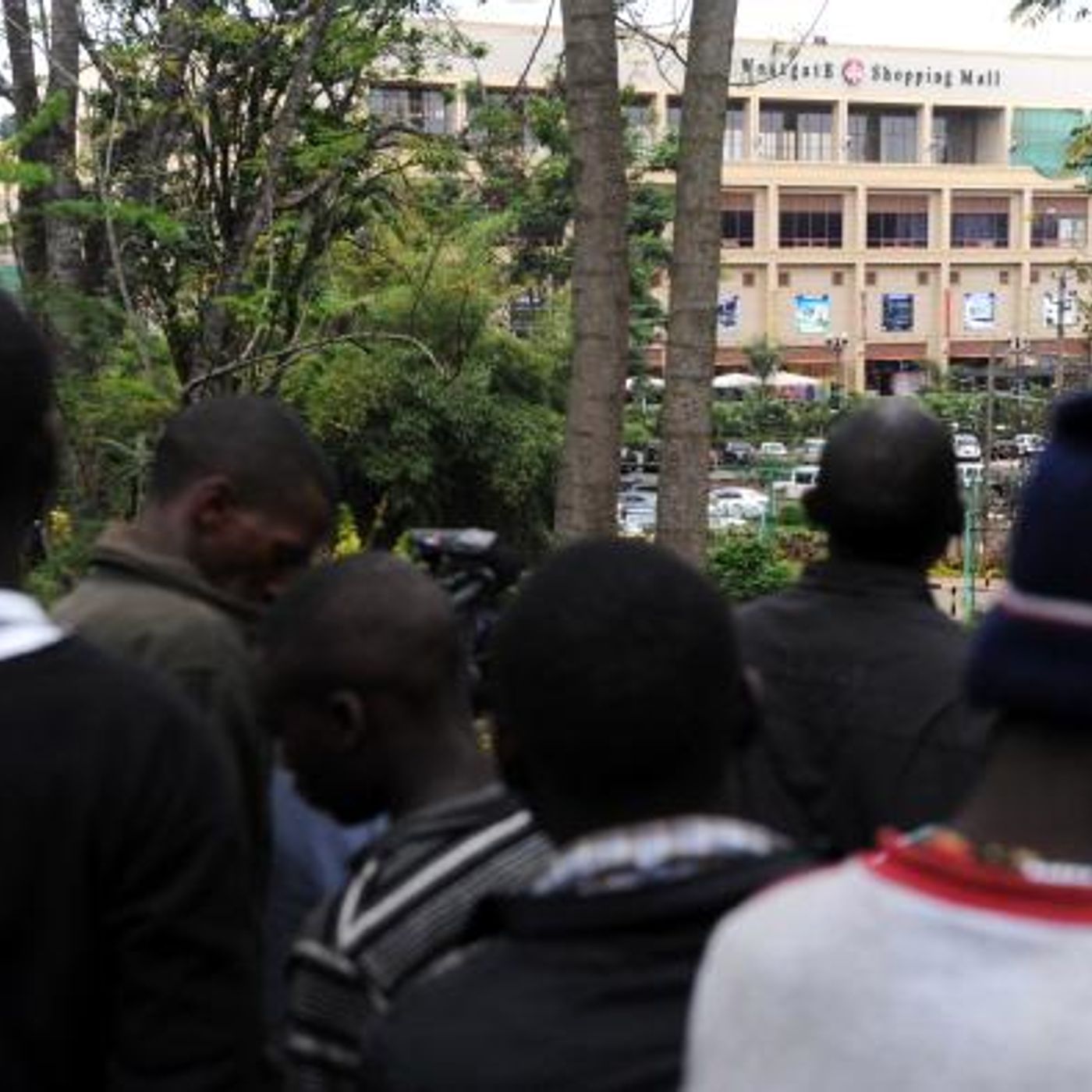
Ep 187Outside Westgate
In the wake of public tragedy there is a space between the official narrative and the stories of the people who experienced it. Today, we crawl inside that space and question the role of journalists in helping us move on from a traumatic event. NPR's East Africa correspondent Gregory Warner takes us back to the 2013 terrorist attacks on the Westgate Mall in Nairobi, Kenya. Warner reported on the attack as it happened, listening to eyewitness accounts, sorting out the facts, establishing the truth. But he's been been wrestling with it ever since as his friends and neighbors try not only to put their lives back together, but also try to piece together what really happened that day. Special thanks to Jason Straziuso, Heidi Vogt, Robert Alai, Didi Schanche and Edith Chapin.
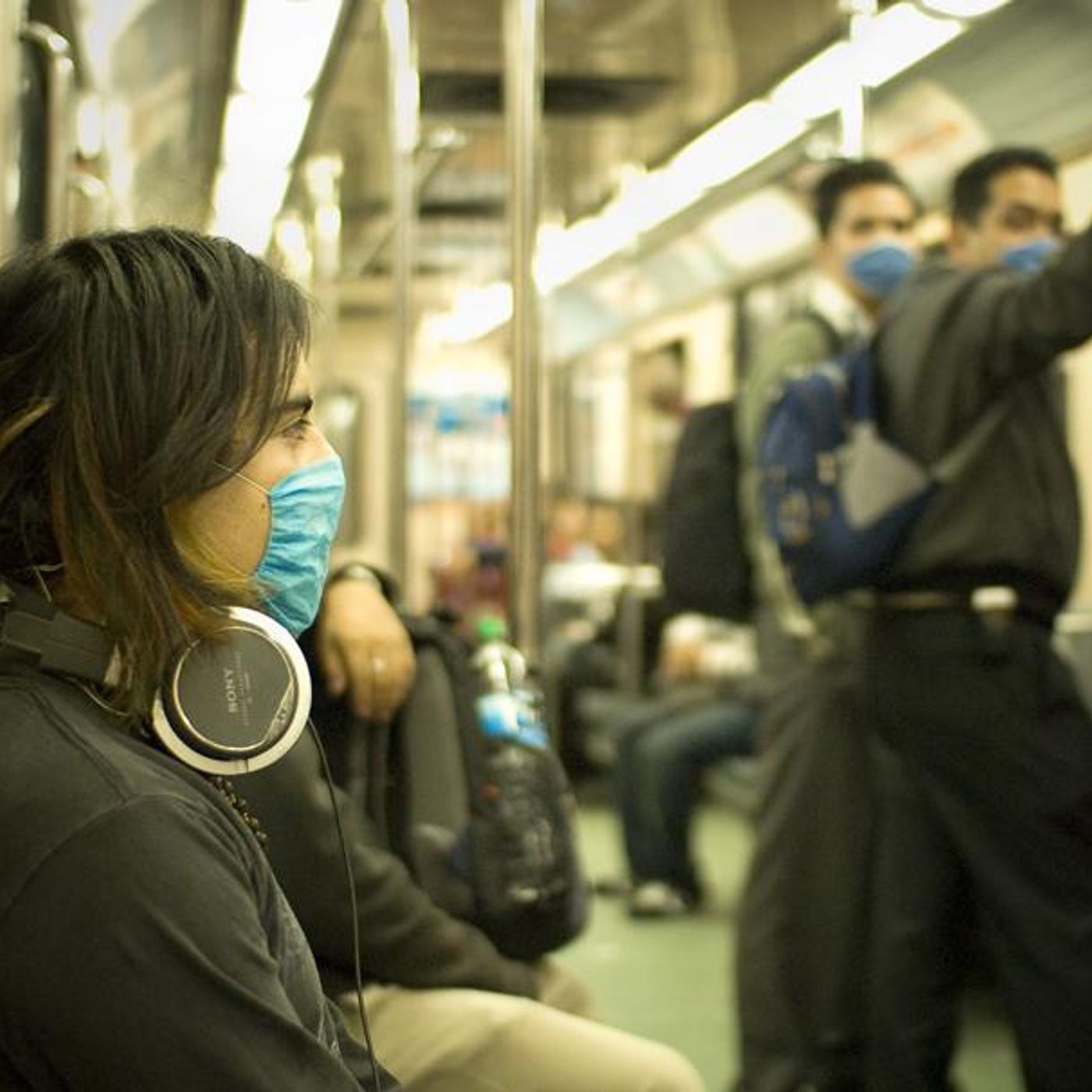
Ep 186Patient Zero - Updated
The greatest mysteries have a shadowy figure at the center—someone who sets things in motion and holds the key to how the story unfolds—Patient Zero. This hour, Radiolab hunts for Patient Zeroes of all kinds and considers the course of an ongoing outbreak. We start with the story of perhaps the most iconic Patient Zero of all time: Typhoid Mary. Then, we dive into a molecular detective story to pinpoint the beginning of the AIDS epidemic, and we re-imagine the moment the virus that caused the global pandemic sprang to life. After that, we update the show with a quick look at the very current Ebola outbreak in west Africa. In the end, we're left wondering if you can trace the spread of an idea the way you can trace the spread of a disease and find ourselves faced with competing claims about the origin of the high five.
Ep 185Haunted
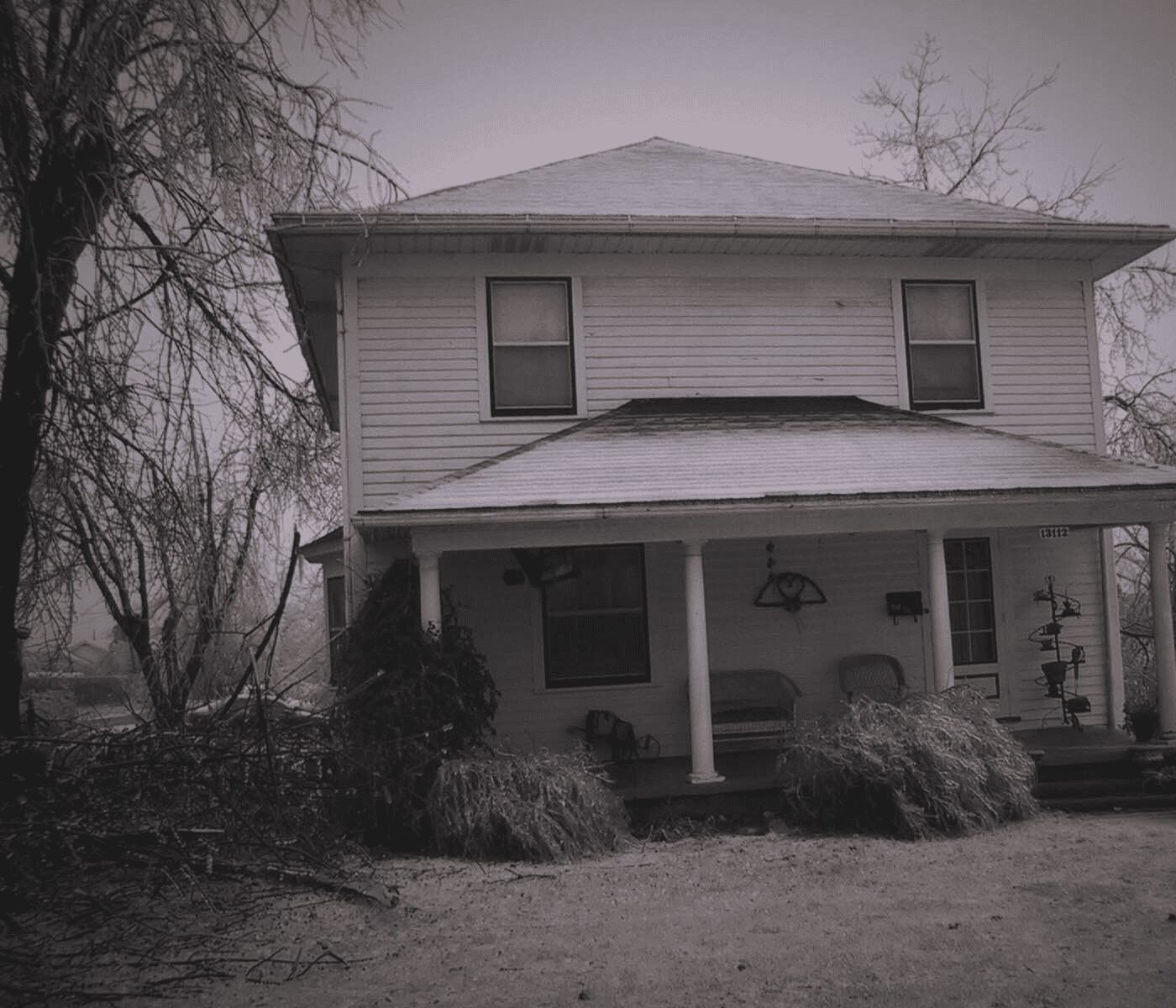
Dennis Conrow was stuck. After a brief stint at college, he’d passed most of his 20’s back home with his parents, sleeping in his childhood room. And just when he finally struck out on his own, fate intervened. He lost both his parents to cancer. So Dennis was left, back in the house, alone. Until one night when a group of paranormal investigators showed up at his door and made him realize what it really means for a house, or a man, to be haunted.

Ep 184John Luther Adams
What's the soundtrack for the end of the world? We go looking for an answer. When Jad started to compose music for our live show Apocalyptical, he immediately thought of John Luther Adams. Adams' symphony “Become Ocean,” rooted in the sounds of nature, is elemental, tectonic, and unstoppable. It seemed a natural fit for our consideration of the (spoiler alert) extinction of the dinosaurs. In this piece, Jad introduces Robert to a special on Adams from a podcast called Meet the Composer. Through interviews and snippets of his music, it captures all the forces at play in Adam's work and reveals the dark majesty of Adams' take on the apocalypse.
Ep 183Juicervose
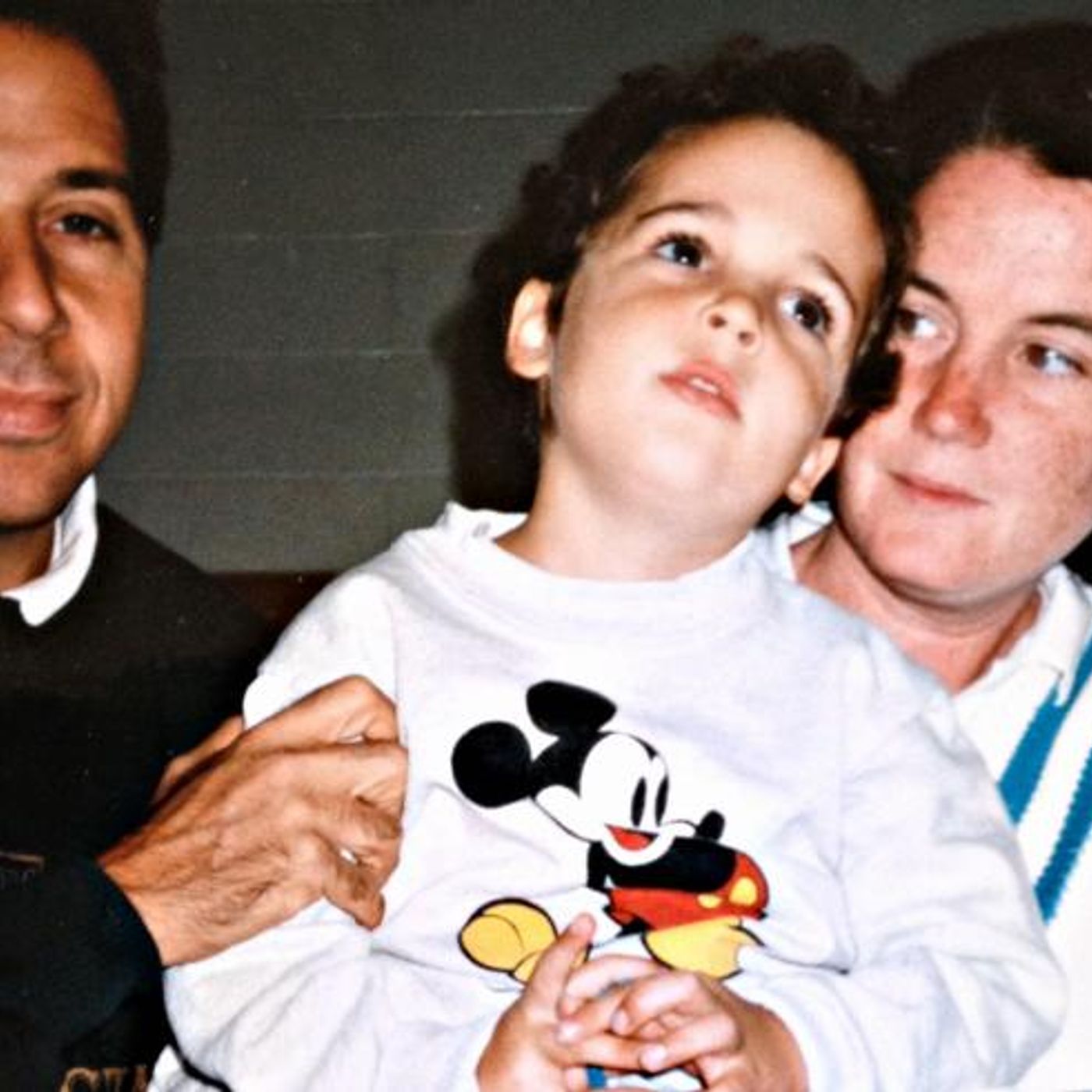
Ron and Cornelia Suskind had two healthy young sons, promising careers, and a brand new home when their youngest son Owen started to disappear. 3 months later a specialist sat Ron and Cornelia down and said the word that changed everything for them: Autism. In this episode, the Suskind family finds an unlikely way to access their silent son's world. We set off to figure out what their story can tell us about Autism, a disorder with a wide spectrum of symptoms and severity. Along the way, we speak to specialists, therapists, and advocates including Simon Baron-Cohen, Barry and Raun Kaufmann, Dave Royko, Geraldine Dawson, Temple Grandin, and Gil Tippy. Produced by Kelsey Padgett.

Ep 182In The Dust Of This Planet
Horror, fashion, and the end of the world … things get weird as we explore the undercurrents of thought that link nihilists, beard-stroking philosophers, Jay-Z, and True Detective. Today on Radiolab, a puzzle. Jad’s brother-in-law wrote a book called 'In The Dust of This Planet'. It’s an academic treatise about the horror humanity feels as we realize that we are nothing but a speck in the universe. For a few years nobody read it. But then … It seemed to show up on True Detective. Then in a fashion magazine. And then on Jay-Z's back. How? We talk nihilism with Eugene Thacker & Simon Critchley, leather jackets with June Ambrose, climate change with David Victor, and hope with the father of Transcendental Black Metal - Hunter Hunt Hendrix of the band Liturgy. Special thanks to Thrill Jockey for use of the Liturgy song 'Generation'. It's from their album Aesthetica, out now, which is highly recommended listening for the end times. You can find Eugene Thacker's 'In The Dust Of the Planet' at Zero Books Correction: An earlier version of this piece mistakenly identified Nic Pizzolatto as the director of True Detective, when he is in fact the creator, writer, and executive producer of the series. The audio has been adjusted to reflect this fact. Cary Fukunaga (brilliantly) directed season one of True Detective.

Ep 181Hello
It's hard to start a conversation with a stranger—especially when that stranger is, well, different. He doesn't share your customs, celebrate your holidays, watch your TV shows, or even speak your language. Plus he has a blowhole. In this episode, we try to make contact with some of the strangest strangers on our little planet: dolphins. Producer Lynn Levy eavesdrops on some human-dolphin conversations, from a studio apartment in the Virgin Islands to a research vessel in the Bermuda Triangle. Special thanks for the music of Brian Carpenter's Ghost Train Orchestra
Ep 180Happy Birthday Bobby K
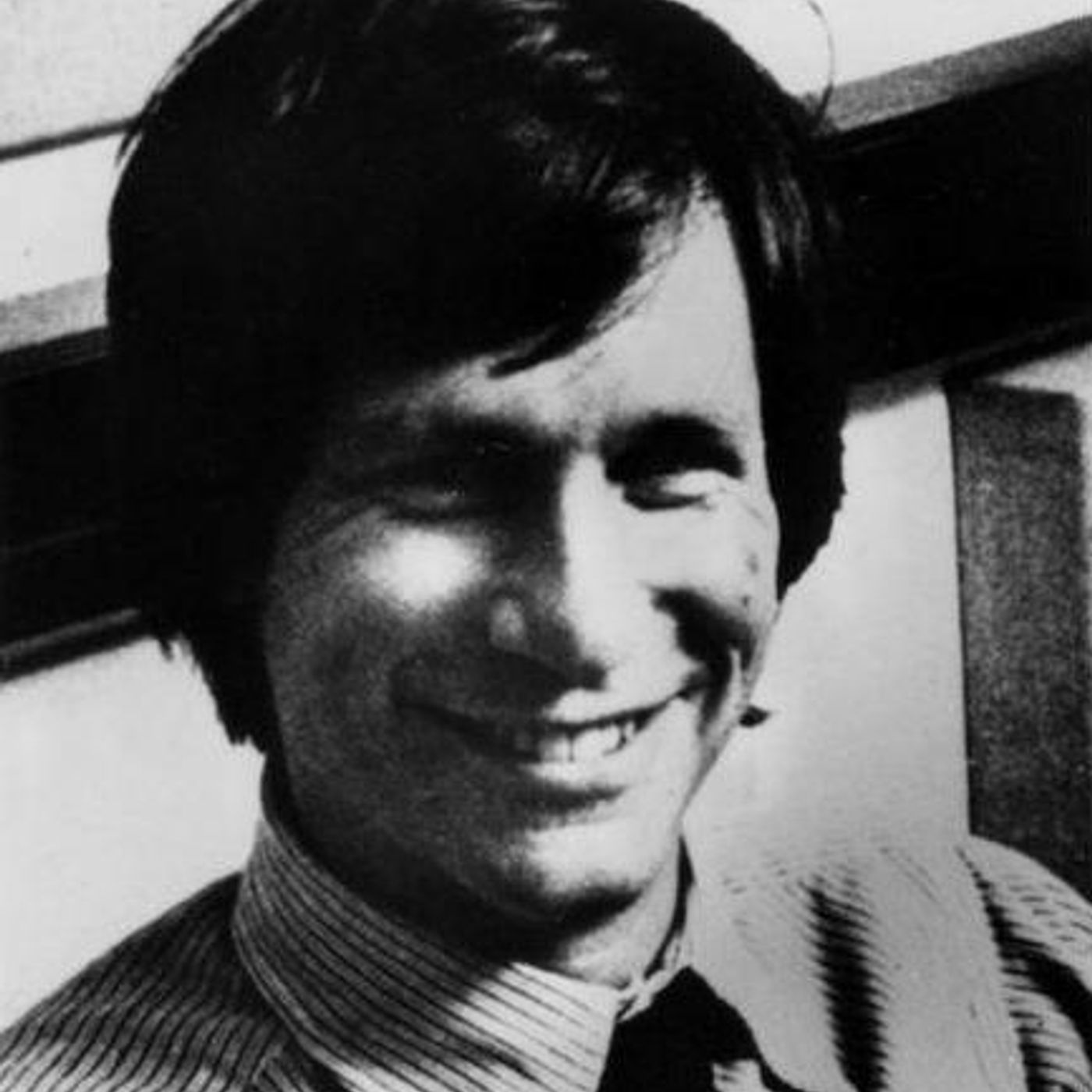
It’s Robert’s birthday! (Or it was, anyway, a couple days back.) So today we celebrate with some classic Krulwich radio and a backwards peek into the spirit and sensibility that, in many ways, drives our show. For his birthday surprise we all listened to some old NPR pieces that Robert did in the 70s, 80s and early 90s — a news piece on the dawn of the ATM, a fake opera on interest rates, and the story of a family business splintered into relatives fighting to be first in the phone book. Along the way, we hear some incredible stories from Robert’s life … And, just to celebrate the man whose infectious curiosity draws so many people (including us) to his side … we share with you the kind of gonzo, full-throated Krulwich story we usually can’t include in the show … an epic of secret zoos, sewing machines, an alligator farm, a marching band, and a bus full of French tourists that save the day.