
Radiolab
674 episodes — Page 9 of 14

Ep 283Gonads: Dana
When Dana Zzyym applied for their first passport back in 2014, they were handed a pretty straightforward application. Name, place of birth, photo ID -- the usual. But one question on the application stopped Dana in their tracks: male or female? Dana, technically, wasn’t either. In this episode, we follow the story of Dana Zzyym, Navy veteran and activist, which starts long before they scribble the word "intersex” on their passport application. Along the way, we see what happens when our inner biological realities bump into the outside world, and the power of words to shape us. This episode is a companion piece to Gonads, Episode 4, Dutee. "Dana" was reported by Molly Webster, and co-produced with Jad Abumrad. It had production help from Rachael Cusick, and editing by Pat Walters. Wordplay categories were written, performed, and produced by Majel Connery and Alex Overington. Special thanks to Paula Stone Williams, Gerry Callahan, Lambda Legal, Kathy Tu, Matt Collette, Arianne Wack, Carter Hodge, and Liza Yeager. Radiolab is supported in part by Science Sandbox, a Simons Foundation initiative dedicated to engaging everyone with the process of science. And the Alfred P. Sloan Foundation, enhancing public understanding of science and technology in the modern world. More information about Sloan at www.sloan.org. Support Radiolab today at Radiolab.org/donate.

Ep 282Gonads: X & Y
A lot of us understand biological sex with a pretty fateful underpinning: if you’re born with XX chromosomes, you’re female; if you’re born with XY chromosomes, you’re male. But it turns out, our relationship to the opposite sex is more complicated than we think. And if you caught this show on-air, and would like to listen to the full version of our Sex Ed Live Show, you can check it out here. This episode was reported by Molly Webster, and produced by Matt Kielty. With scoring, original composition and mixing by Matt Kielty and Alex Overington. Additional production by Rachael Cusick, and editing by Pat Walters. The “Ballad of Daniel Webster” and “Gonads” was written, performed and produced by Majel Connery and Alex Overington. Special thanks to Erica Todd, Andrew Sinclair, Robin Lovell-Badge, and Sarah S. Richardson. Plus, a big thank you to the musicians who gave us permission to use their work in this episode—composer Erik Friedlander, for "Frail as a Breeze, Part II," and musician Sam Prekop, whose work "A Geometric," from his album The Republic, is out on Thrill Jockey. Radiolab is supported in part by Science Sandbox, a Simons Foundation initiative dedicated to engaging everyone with the process of science. And the Alfred P. Sloan Foundation, enhancing public understanding of science and technology in the modern world. More information about Sloan at www.sloan.org.
Ep 281Gonads: Fronads
At 28 years old, Annie Dauer was living a full life. She had a job she loved as a highschool PE teacher, a big family who lived nearby, and a serious boyfriend. Then, cancer struck. Annie would come to find out she had Stage 4 non-Hodgkin's lymphoma. It was so aggressive, there was a real chance she might die. Her oncologists wanted her to start treatment immediately. Like, end-of-the-week immediately. But before Annie started treatment, she walked out of the doctor’s office and crossed the street to see a fertility doctor doing an experimental procedure that sounded like science fiction: ovary freezing. Further ReadingA medical case report on Annie’s frozen ovariesWhat’s primordial germ cells got to do with it? This episode was reported by Molly Webster, and produced by Pat Walters. With original music and scoring by Dylan Keefe and Alex Overington. The Gonads theme was written, performed, and produced by Majel Connery and Alex Overington. Additional production by Rachael Cusick, and editing by Jad Abumrad. Radiolab is supported in part by Science Sandbox, a Simons Foundation initiative dedicated to engaging everyone with the process of science. And the Alfred P. Sloan Foundation, enhancing public understanding of science and technology in the modern world. More information about Sloan at www.sloan.org. Support Radiolab today at Radiolab.org/donate.
Ep 280Gonads: The Primordial Journey
At two weeks old, the human embryo has only just begun its months-long journey to become a baby. The embryo is tiny, still invisible to the naked eye. But inside it, an epic struggle plays out, as a nomadic band of cells marches toward a mysterious destiny, with the future of humanity resting on their microscopic shoulders. If you happened to have caught this show on air, you can find the second half of our broadcast version here. This episode was reported by Molly Webster, and produced by Jad Abumrad. With scoring and original composition by Alex Overington and Dylan Keefe. Additional production by Rachael Cusick, and editing by Pat Walters. The “Ballad of the Fish” and “Gonads” was composed and sung by Majel Connery, and produced by Alex Overington. Special thanks to Ruth Lehmann and Dagmar Wilhelm. Radiolab is supported in part by Science Sandbox, a Simons Foundation initiative dedicated to engaging everyone with the process of science. And the Alfred P. Sloan Foundation, enhancing public understanding of science and technology in the modern world. More information about Sloan at www.sloan.org. Support Radiolab today at Radiolab.org/donate.
Ep 279Birthstory
We originally posted this episode in 2015, and it inspired producer Molly Webster to take a deep dive into the wild and mysterious world of human reproduction. Starting next week, she’ll be taking over the Radiolab podcast feed for a month to present a series of mind-bending stories that make us rethink the ways we make more of us. You know the drill - all it takes is one sperm, one egg, and blammo - you got yourself a baby. Right? Well, in this episode, conception takes on a new form - it’s the sperm and the egg, plus: two wombs, four countries, and money. Lots of money. At first, this is the story of an Israeli couple, two guys, who go to another continent to get themselves a baby - three, in fact - by hiring surrogates to carry the children for them. As we follow them on their journey, an earth shaking revelation shifts our focus from them, to the surrogate mothers. Unfolding in real time, as countries around the world consider bans on surrogacy, this episode looks at a relationship that manages to feel deeply affecting, and deeply uncomfortable, all at the same time. Birthstory is a collaboration with the brilliant radio show and podcast Israel Story, created to tell stories for, and about, Israel. Go check ‘em out! Israel Story's five English-language seasons were produced in partnership with Tablet Magazine and we highly recommend you listen to all of their work at http://www.tabletmag.com/tag/israel-story This episode was produced and reported by Molly Webster. Special thanks go to: Israel Story, and their producers Maya Kosover, and Yochai Maital; reporters Nilanjana Bhowmick in India and Bhrikuti Rai in Nepal plus the International Reporting Project; Doron Mamet, Dr Nayana Patel, and Vicki Ferrara; with translation help from Aya Keefe, Karthik Ravindra, Turna Ray, Tom Wasserman, Pradeep Thapa, and Adhikaar, an organization in Ridgewood, Queens advocating for the Nepali-speaking community. Support Radiolab today at Radiolab.org/donate.

Ep 278Poison Control
When reporter Brenna Farrell was a new mom, her son gave her and her husband a scare -- prompting them to call Poison Control. For Brenna, the experience was so odd, and oddly comforting, that she decided to dive into the birth story of this invisible network of poison experts, and try to understand the evolving relationship we humans have with our poisonous planet. As we learn about how poison control has changed over the years, we end up wondering what a place devoted to data and human connection can tell us about ourselves in this cultural moment of anxiety and information-overload. Call the national Poison Help Hotline at 1-800-222-1222 or text POISON to 797979 to save the number in your phone. This episode was reported by Brenna Farrell and was produced by Annie McEwen. Special thanks to Wendy Blair Stephan, Whitney Pennington, Richard Dart, Marian Moser Jones, and Nathalie Wheaton. Thanks also to Lewis Goldfrank, Robert Hoffman, Steven Marcus, Toby Litovitz, James O'Donnell, and Joseph Botticelli. Support Radiolab today at Radiolab.org/donate.
Ep 277Unraveling Bolero
This week, we're throwing it back to an old favorite: a story about obsession, creativity, and a strange symmetry between a biologist and a composer that revolves around one famously repetitive piece of music. Anne Adams was a brilliant biologist. But when her son Alex was in a bad car accident, she decided to stay home to help him recover. And then, rather suddenly, she decided to quit science altogether and become a full-time artist. After that, her husband Robert Adams tells us, she just painted and painted and painted. First houses and buildings, then a series of paintings involving strawberries, and then ... "Bolero." At some point, Anne became obsessed with Maurice Ravel's famous composition and decided to put an elaborate visual rendition of the song to canvas. She called it "Unraveling Bolero." But at the time, she had no idea that both she and Ravel would themselves unravel shortly after their experiences with this odd piece of music. Arbie Orenstein tells us what happened to Ravel after he wrote "Bolero," and neurologist Bruce Miller helps us understand how, for both Anne and Ravel, "Bolero" might have been the first symptom of a deadly disease. Support Radiolab today at Radiolab.org/donate. Read more: Unravelling Bolero: progressive aphasia, transmodal creativity and the right posterior neocortex Arbie Orenstein's Ravel: Man and Musician
Ep 276More or Less Human
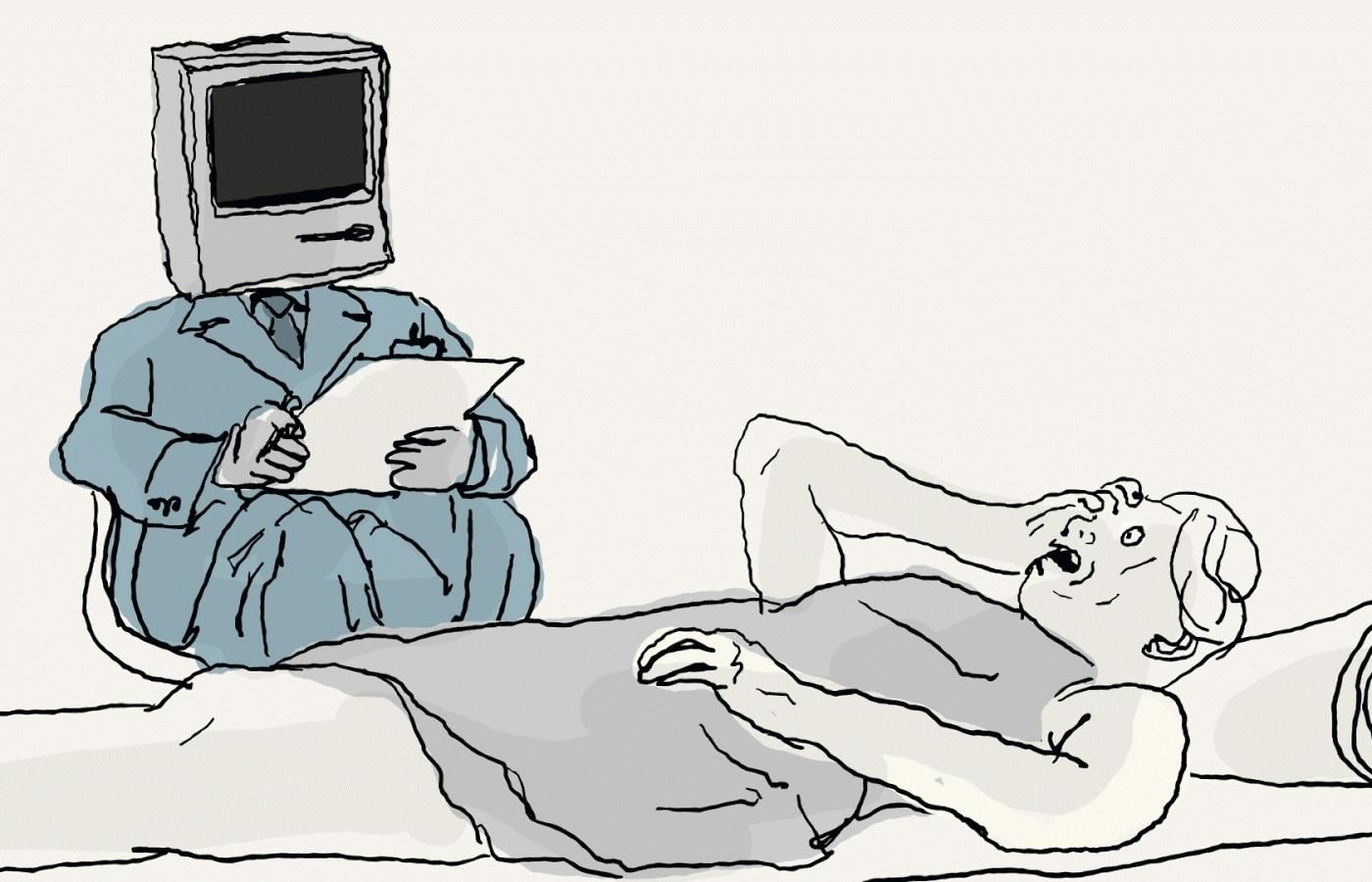
Seven years ago chatbots - those robotic texting machines - were a mere curiosity. They were noticeably robotic and at their most malicious seemed only capable of scamming men looking for love online. Today, the chatbot landscape is wildly different. From election interference to spreading hate, chatbots have become online weapons. And so, we decided to reinvestigate the role these robotic bits of code play in our lives and the effects they’re having on us. We begin with a little theater. In our live show “Robert or Robot?” Jad and Robert test 100 people to see if they can spot a bot. We then take a brief detour to revisit the humanity of the Furby, and finish in a virtual house where the line between technology and humanity becomes blurrier than ever before. This episode was reported and produced by Simon Adler. Our live event was produced by Simon Adler and Suzie Lechtenberg. Support Radiolab today at Radiolab.org/donate. Note from the Managing Editor: In the original version of our “More or Less Human” podcast, our introduction of neuroscientist Mavi Sanchez-Vives began with mention of her husband, Mel Slater. We’ve edited that introduction because it was a mistake to introduce her first as someone’s wife. Dr. Sanchez-Vives is an exceptional scientist and we’re sorry that the original introduction distracted from or diminished her work. On a personal note, I failed to take due note of this while editing the piece, and in doing so, I flubbed what’s known as the Finkbeiner Test (all the more embarrassing given that Ann Finkebeiner is a mentor and one of my favorite science journalists). In addition to being a mistake, this is also a reminder to all of us at Radiolab that we need to be more aware of our blind spots. We should’ve done better, and we will do better. - Soren Wheeler

Ep 275Dark Side of the Earth
Astronauts at the International Space Station can make one request to talk to an earthling of their choice. For some reason, Astronaut Mark Vande Hei chose us. A couple weeks ago, we were able to video chat with Mark and peer over his shoulder through the Cupola, an observatory room in the ISS. Traveling at 17,000 miles an hour, we zoomed from the Rockies to the East Coast in minutes. And from where Mark sits, the total darkness of space isn’t very far away. Talking to Mark brought us back to 2012, when we spoke to another astronaut, Dave Wolf. When we were putting together our live show In the Dark, Jad and Robert called up Dave Wolf to ask him if he had any stories about darkness. And boy, did he. Dave told us two stories that became the finale of our show. Back in late 1997, Dave Wolf was on his first spacewalk, to perform work on the Mir. Dave wasn't alone -- with him was veteran Russian cosmonaut Anatoly Solovyev. Out in blackness of space, the contrast between light and dark is almost unimaginably extreme -- every 45 minutes, you plunge between absolute darkness on the night-side of Earth, and blazing light as the sun screams into view. Dave and Anatoly were tethered to the spacecraft, traveling 5 miles per second. That's 16 times faster than we travel on Earth's surface as it rotates -- so as they orbited, they experienced 16 nights and 16 days for every Earth day. Dave's description of his first spacewalk was all we could've asked for, and more. But what happened next ... well, it's just one of those stories that you always hope an astronaut will tell. Dave and Anatoly were ready to call it a job and head back into the Mir when something went wrong with the airlock. They couldn't get it to re-pressurize. In other words, they were locked out. After hours of trying to fix the airlock, they were running out of the resources that kept them alive in their space suits and facing a grisly death. So, they unhooked their tethers, and tried one last desperate move. In the end, they made it through, and Dave went on to perform dozens more spacewalks in the years to come, but he never again experienced anything like those harrowing minutes trying to improvise his way back into the Mir. After that terrifying tale, Dave told us about another moment he and Anatoly shared, floating high above Earth, staring out into the universe ... a moment so beautiful, and peaceful, we decided to use the audience recreate it, as best we could, for the final act of our live show. This episode was produced by Matt Kielty and Soren Wheeler. Support Radiolab today at Radiolab.org/donate.
Ep 274Border Trilogy Part 3: What Remains
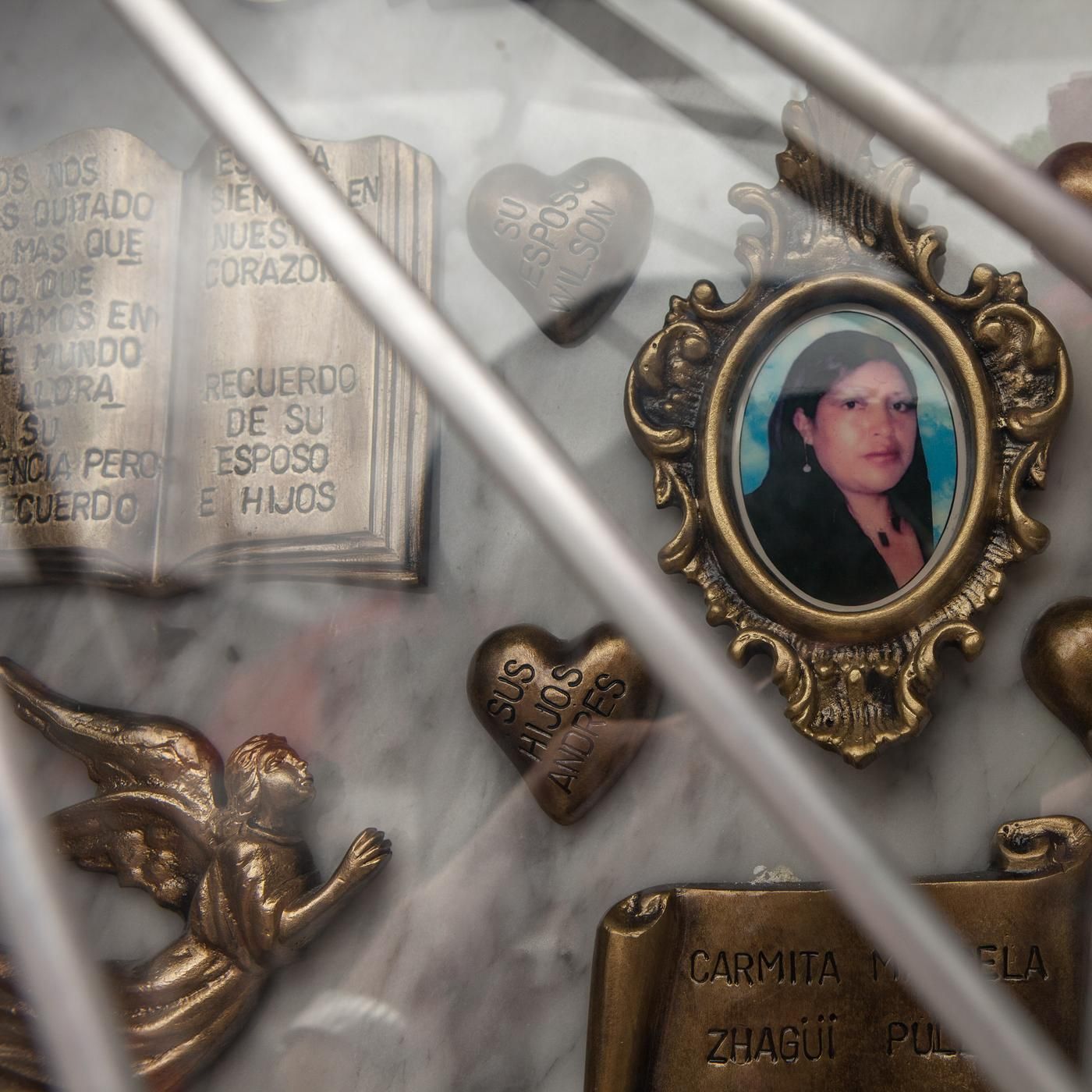
Border Trilogy While scouring the Sonoran Desert for objects left behind by migrants crossing into the United States, anthropologist Jason De León happened upon something he didn't expect to get left behind: a human arm, stripped of flesh. This macabre discovery sent him reeling, needing to know what exactly happened to the body, and how many migrants die that way in the wilderness. In researching border-crosser deaths in the Arizona desert, he noticed something surprising. Sometime in the late-1990s, the number of migrant deaths shot up dramatically and have stayed high since. Jason traced this increase to a Border Patrol policy still in effect, called “Prevention Through Deterrence.” Over three episodes, Radiolab will investigate this policy, its surprising origins, and the people whose lives were changed forever because of it. Part 3: What Remains The third episode in our Border Trilogy follows anthropologist Jason De León after he makes a grisly discovery in Arivaca, Arizona. In the middle of carrying out his pig experiments with his students, Jason finds the body of a 30-year-old female migrant. With the help of the medical examiner and some local humanitarian groups, Jason discovers her identity. Her name was Maricela. Jason then connects with her family, including her brother-in-law, who survived his own harrowing journey through Central America and the Arizona desert. With the human cost of Prevention Through Deterrence weighing on our minds, we try to parse what drives migrants like Maricela to cross through such deadly terrain, and what, if anything, could deter them. This episode was reported by Latif Nasser and Tracie Hunte and was produced by Matt Kielty and Tracie Hunte. Special thanks to Carlo Albán, Sandra Lopez-Monsalve, Chava Gourarie, Lynn M. Morgan, Mike Wells and Tom Barry. Jason de Leon's latest work is a global participatory art project called Hostile Terrain 94, which will be exhibited at over 70 different locations around the world in 2020. Read more about it here. Support Radiolab today at Radiolab.org/donate. CORRECTION: An earlier version of this episode incorrectly stated that a person's gender can be identified from bone remains. We've adjusted the audio to say that a person's sex can be identified from bone remains.

Ep 273Border Trilogy Part 2: Hold the Line
Border Trilogy While scouring the Sonoran Desert for objects left behind by migrants crossing into the United States, anthropologist Jason De León happened upon something he didn't expect to get left behind: a human arm, stripped of flesh. This macabre discovery sent him reeling, needing to know what exactly happened to the body, and how many migrants die that way in the wilderness. In researching border-crosser deaths in the Arizona desert, he noticed something surprising. Sometime in the late-1990s, the number of migrant deaths shot up dramatically and have stayed high since. Jason traced this increase to a Border Patrol policy still in effect, called “Prevention Through Deterrence.” Over three episodes, Radiolab will investigate this policy, its surprising origins, and the people whose lives were changed forever because of it. Part 2: Hold the Line After the showdown in court with Bowie High School, Border Patrol brings in a fresh face to head its dysfunctional El Paso Sector: Silvestre Reyes. The first Mexican-American to ever hold the position, Reyes knows something needs to change and has an idea how to do it. One Saturday night at midnight, with the element of surprise on his side, Reyes unveils ... Operation Blockade. It wins widespread support for the Border Patrol in El Paso, but sparks major protests across the Rio Grande. Soon after, he gets a phone call that catapults his little experiment onto the national stage, where it works so well that it diverts migrant crossing patterns along the entire U.S.-Mexico Border. Years later, in the Arizona desert, anthropologist Jason de León realizes that in order to accurately gauge how many migrants die crossing the desert, he must first understand how human bodies decompose in such an extreme environment. He sets up a macabre experiment, and what he finds is more drastic than anything he could have expected. This episode was reported by Latif Nasser and Tracie Hunte, and was produced by Matt Kielty, Bethel Habte and Latif Nasser. Special thanks to Sherrie Kossoudji at the University of Michigan, Lynn M. Morgan, Cheryl Howard, Andrew Hansen, William Sabol, Donald B. White, Daniel Martinez, Michelle Mittelstadt at the Migration Policy Institute, Former Executive Assistant to the El Paso Mayor Mark Smith, Retired Assistant Border Patrol Sector Chief Clyde Benzenhoefer, Paul Anderson, Eric Robledo, Maggie Southard Gladstone and Kate Hall. Jason de Leon's latest work is a global participatory art project called Hostile Terrain 94, which will be exhibited at over 70 different locations around the world in 2020. Read more about it here. Support Radiolab today at Radiolab.org/donate. CORRECTION: An earlier version of this piece incorrectly stated that Silvestre Reyes's brother died in a car accident in 1968; it was actually his father who died in the accident. We also omitted a detail about the 1997 GAO report that we quote, namely that it predicted that as deaths in the mountains and deserts might rise, deaths in other areas might also fall. The audio has been adjusted accordingly.
Ep 272Border Trilogy Part 1: Hole in the Fence
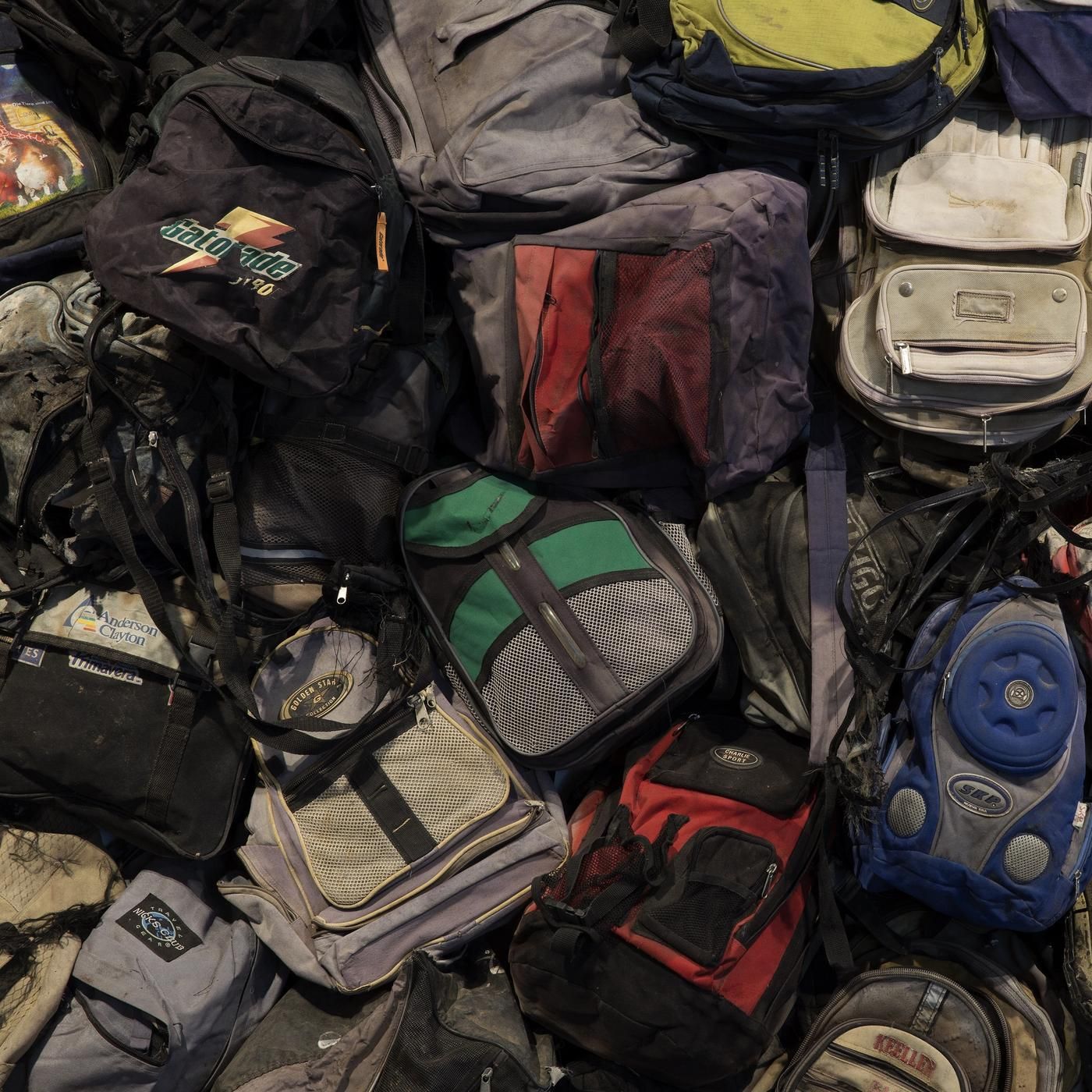
Border Trilogy While scouring the Sonoran Desert for objects left behind by migrants crossing into the United States, anthropologist Jason De León happened upon something he didn't expect to get left behind: a human arm, stripped of flesh. This macabre discovery sent him reeling, needing to know what exactly happened to the body, and how many migrants die that way in the wilderness. In researching border-crosser deaths in the Arizona desert, he noticed something surprising. Sometime in the late-1990s, the number of migrant deaths shot up dramatically and have stayed high since. Jason traced this increase to a Border Patrol policy still in effect, called “Prevention Through Deterrence.” Over three episodes, Radiolab will investigate this policy, its surprising origins, and the people whose lives were changed forever because of it. Part 1: Hole in the Fence: We begin one afternoon in May 1992, when a student named Albert stumbled in late for history class at Bowie High School in El Paso, Texas. His excuse: Border Patrol. Soon more stories of students getting stopped and harassed by Border Patrol started pouring in. So begins the unlikely story of how a handful of Mexican-American high schoolers in one of the poorest neighborhoods in the country stood up to what is today the country’s largest federal law enforcement agency. They had no way of knowing at the time, but what would follow was a chain of events that would drastically change the US-Mexico border. This episode was reported by Latif Nasser and Tracie Hunte and was produced by Matt Kielty, Bethel Habte, Tracie Hunte and Latif Nasser. Special thanks to Centro de Salud Familiar La Fe, Estela Reyes López, Barbara Hines, Lynn M. Morgan, Mallory Falk, Francesca Begos and Nancy Wiese from Hachette Book Group, Professor Michael Olivas at the University of Houston Law Center, and Josiah McC. Heyman, Ph.D, Director, Center for Interamerican and Border Studies and Professor of Anthropology. Jason de Leon's latest work is a global participatory art project called Hostile Terrain 94, which will be exhibited at over 70 different locations around the world in 2020. Read more about it here. Support Radiolab today at Radiolab.org/donate.

Ep 271Rippin’ the Rainbow an Even Newer One
One of our most popular episodes of all time was our Colors episode, where we introduced you to a sea creature that could see a rainbow far beyond what humans can experience. Peacock mantis shrimps are as extraordinary as they are strange and boast what may well be the most complicated visual system in the world. They each have 16 photoreceptors compared to our measly three. But recently researchers in Australia put the mantis shrimps’ eyes to the test only to discover that sure, they can SEE lots of colors, but that doesn't mean they can tell them apart. In fact, when two colors are close together - like yellow and yellow-y green - they can’t seem to tell them apart at all. MORE ON COLORS: There was a time -- between the flickery black-and-white films of yore and the hi-def color-corrected movies we watch today -- when color was in flux. Check out this blog post on how colors made it to the big screen from our director of research, Latif Nasser. Our original episode was produced by Tim Howard and Pat Walters. This update was produced by Amanda Aronczyk. Special thanks to Chris Martin of Creative Aquarium Nation, Phil Weissman, David Gebel and Kate Hinds for lending us their colorful garments. Also thanks to Michael Kerschner, Elisa Nikoloulias and the Young New Yorkers’ Chorus, as well as Chase Culpon and The Greene Space team. Support Radiolab today at Radiolab.org/donate.
Ep 270Radiolab Presents: More Perfect - The Gun Show
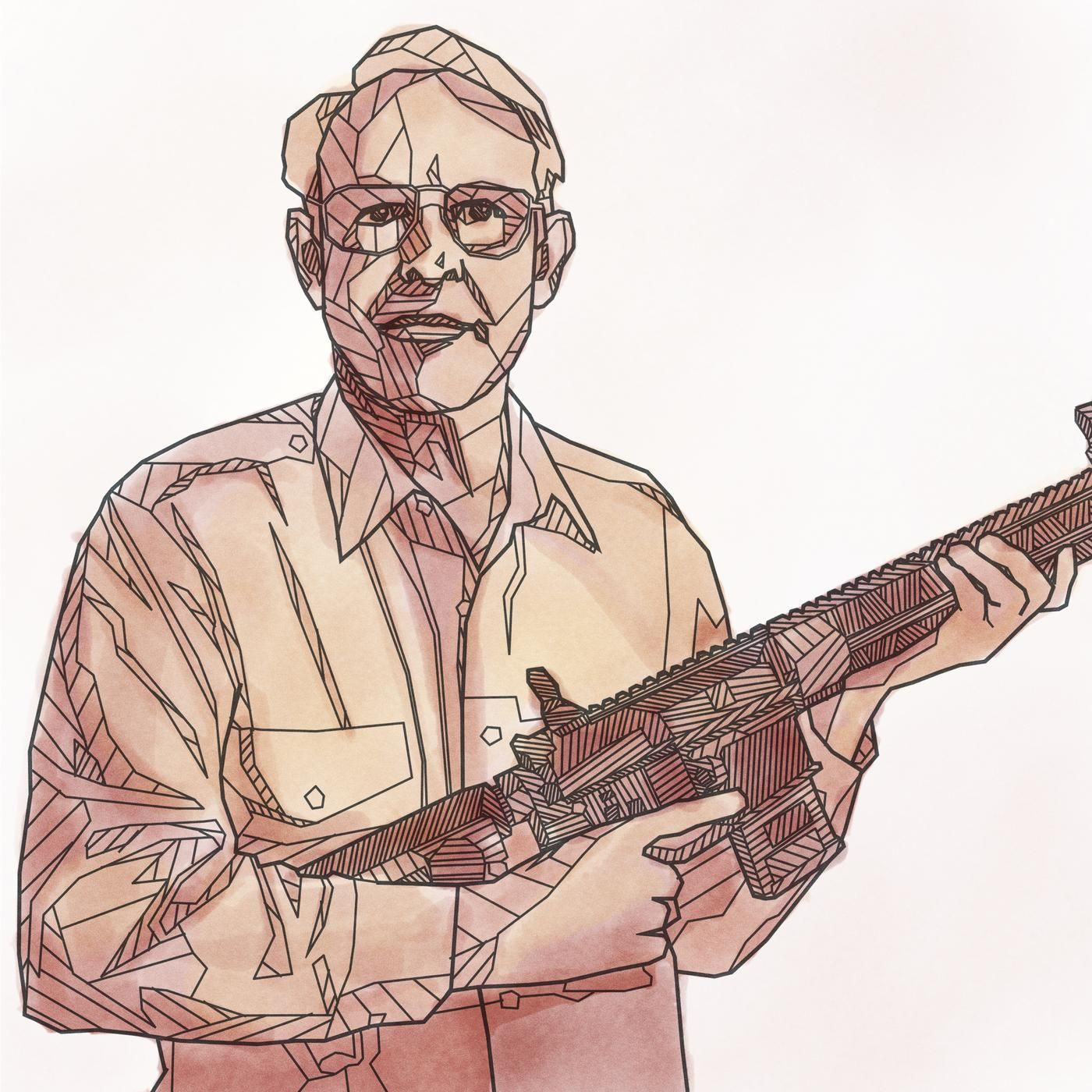
The shooting in Parkland, Florida on February 14, 2018, reignited an increasingly familiar debate about guns in this country. Today, we’re re-releasing a More Perfect episode that aired just after the Las Vegas shooting last year that attempts to make sense of our country’s fraught relationship with the Second Amendment. For nearly 200 years of our nation’s history, the Second Amendment was an all-but-forgotten rule about the importance of militias. But in the 1960s and 70s, a movement emerged — led by Black Panthers and a recently-repositioned NRA — that insisted owning a firearm was the right of each and every American. So began a constitutional debate that only the Supreme Court could solve. That didn’t happen until 2008, when a Washington, D.C. security guard named Dick Heller made a compelling case.
Ep 269The Curious Case of the Russian Flash Mob at the West Palm Beach Cheesecake Factory
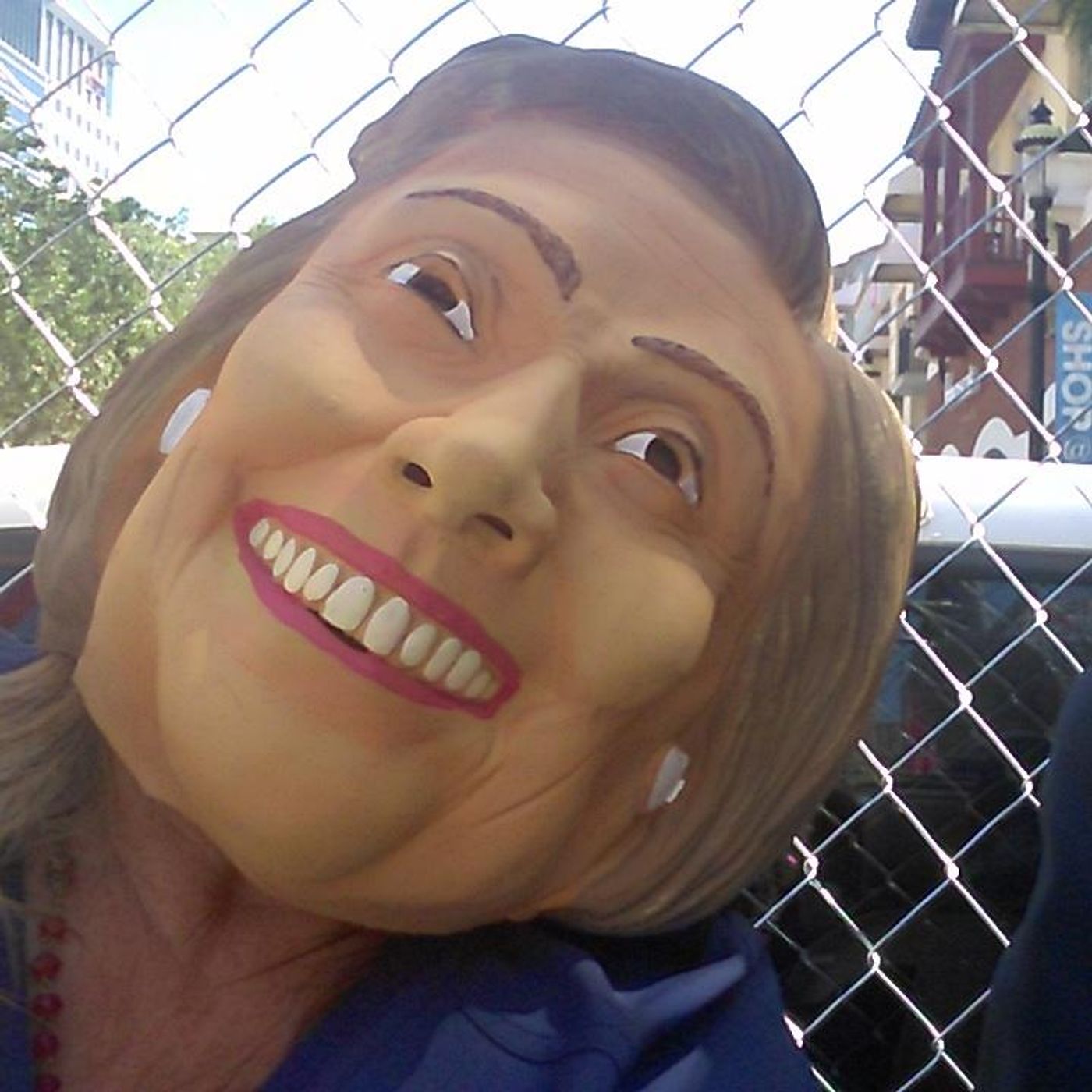
We don’t do breaking news. But when Robert Mueller released his indictment a few days ago, alleging that 13 Russian nationals colluded to disrupt the 2016 elections, we had a lot of questions. Who are these Russian individuals sowing discord? And who are these Americans that were manipulated?? Join us as we follow a trail of likes and tweets that takes us from a Troll Factory to a Cheesecake Factory. This episode was produced by Simon Adler and Annie McEwen with reporting help from Becca Bressler and Charles Maynes. Support Radiolab today at Radiolab.org/donate.
Ep 268Smarty Plants
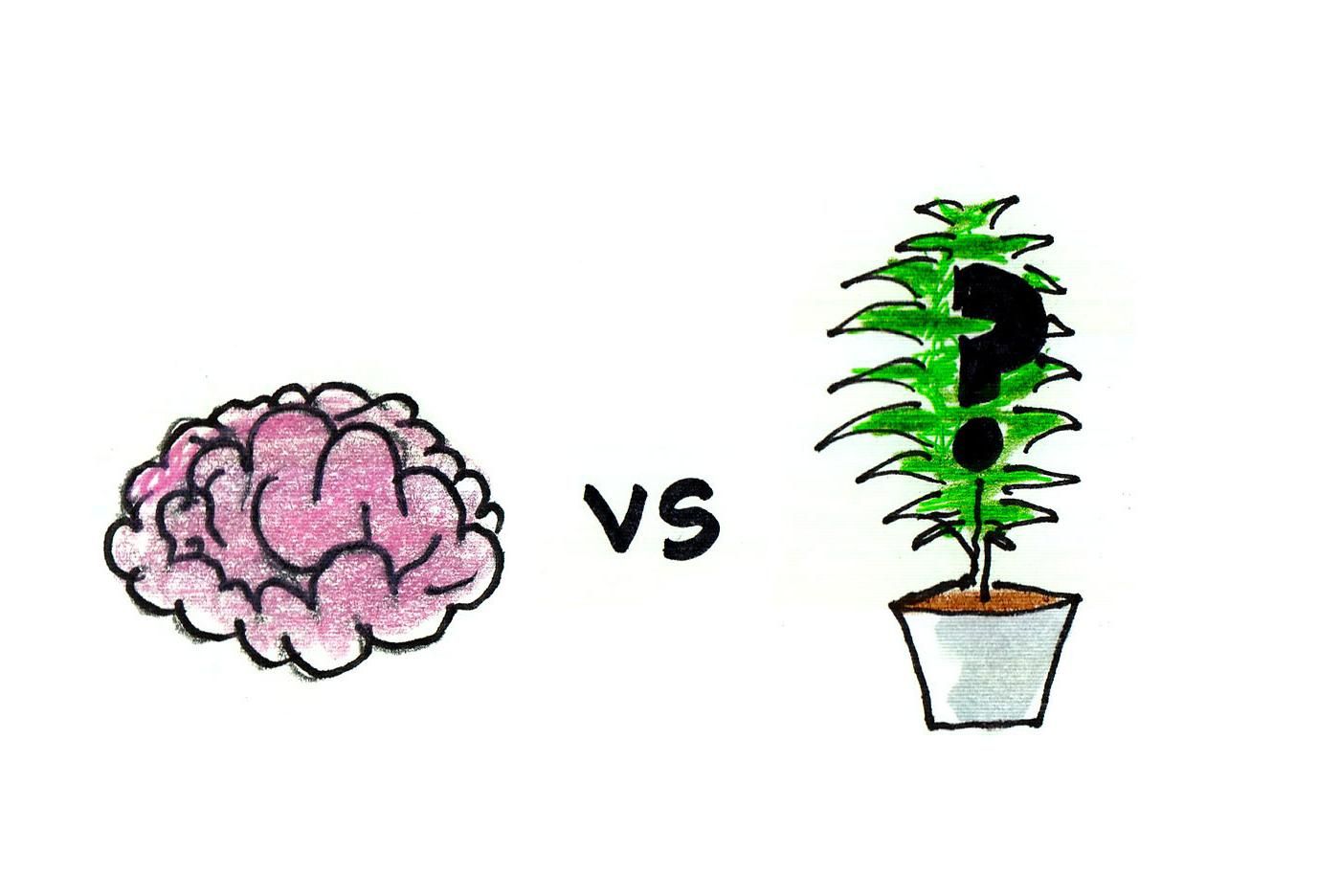
Do you really need a brain to sense the world around you? To remember? Or even learn? Well, it depends on who you ask. Jad and Robert, they are split on this one. Today, Robert drags Jad along on a parade for the surprising feats of brainless plants. Along with a home-inspection duo, a science writer, and some enterprising scientists at Princeton University, we dig into the work of evolutionary ecologist Monica Gagliano, who turns our brain-centered worldview on its head through a series of clever experiments that show plants doing things we never would've imagined. Can Robert get Jad to join the march? This episode was produced by Annie McEwen. Support Radiolab today at Radiolab.org/donate.
Ep 267Ghosts of Football Past
In anticipation of Super Bowl LII (Go Eagles), we're revisiting an old episode about the surprising history of how the game came to be. It's the end of the 19th century -- the Civil War is over, and the frontier is dead. And young college men are anxious. What great struggle will test their character? Then along comes a new craze: football. A brutally violent game where young men can show a stadium full of fans just what they're made of. Harvard, Yale, Princeton, Penn -- the sons of the most powerful men in the country are literally knocking themselves out to win these gladiatorial battles. And then the most American team of all, with the most to prove, gets in the game and owns it. The Carlisle Indian School, formed in 1879 to assimilate the children and grandchildren of the men who fought the final Plains Wars against the fathers and grandfathers of the Ivy Leaguers, starts challenging the best teams in the country. On the football field, Carlisle had a chance for a fair fight with high stakes -- a chance to earn respect, a chance to be winners, and a chance to go forward in a changing world that was destroying theirs. Support Radiolab today at Radiolab.org/donate.

Ep 266Radiolab Presents: More Perfect - One Nation, Under Money
An unassuming string of 16 words tucked into the Constitution grants Congress extensive power to make laws that impact the entire nation. The Commerce Clause has allowed Congress to intervene in all kinds of situations — from penalizing one man for growing too much wheat on his farm, to enforcing the end of racial segregation nationwide. That is, if the federal government can make an economic case for it. This seemingly all-powerful tool has the potential to unite the 50 states into one nation and protect the civil liberties of all. But it also challenges us to consider: when we make everything about money, what does it cost us?
Ep 265The Voice in Your Head - A Tribute to Joe Frank
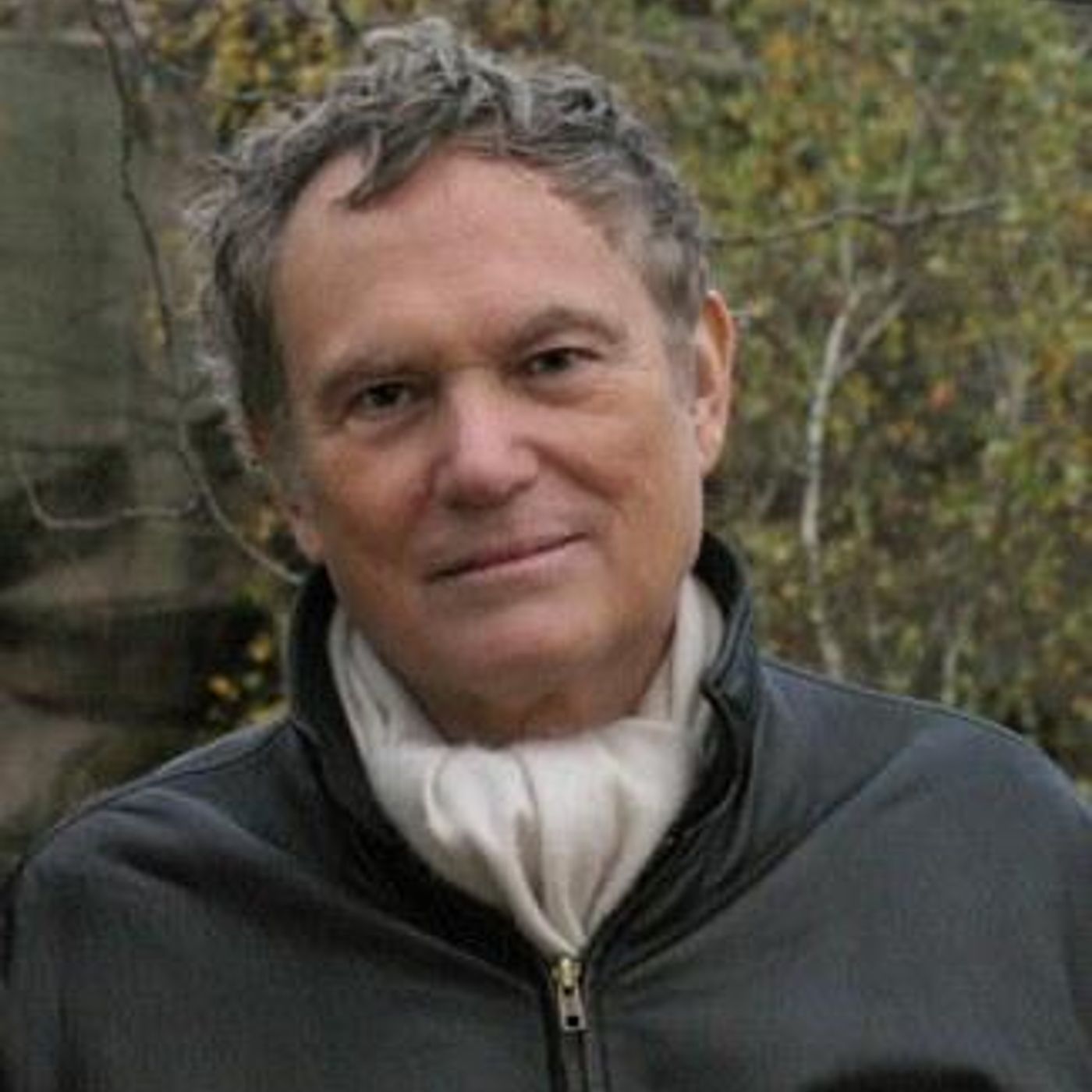
How do you pay proper tribute to a legend that many people haven’t heard of? We began asking ourselves this question last week when the visionary radio producer Joe Frank passed away, after a long struggle with colon cancer. Joe Frank was the radio producer’s radio producer. He told stories that were thrillingly weird, deeply mischievous (and sometimes head-spinningly confusing!). He had a big impact on us at Radiolab. For Jad, his Joe Frank moment happened in 2002, while sitting at a mixing console in an AM radio studio waiting to read the weather. Joe Frank's Peabody Award-winning series "Rent-A-Family” came on the air. Time stood still. We’ve since learned that many of our peers have had similar Joe Frank moments. In this episode, we commemorate one of the greats with Brooke Gladstone from On the Media and Ira Glass from This American Life. This episode was produced by Jad Abumrad with help from Kelly Prime and Sarah Qari. A very special thanks to Michal Story. Support Radiolab today at Radiolab.org/donate.
Ep 264How to Be a Hero
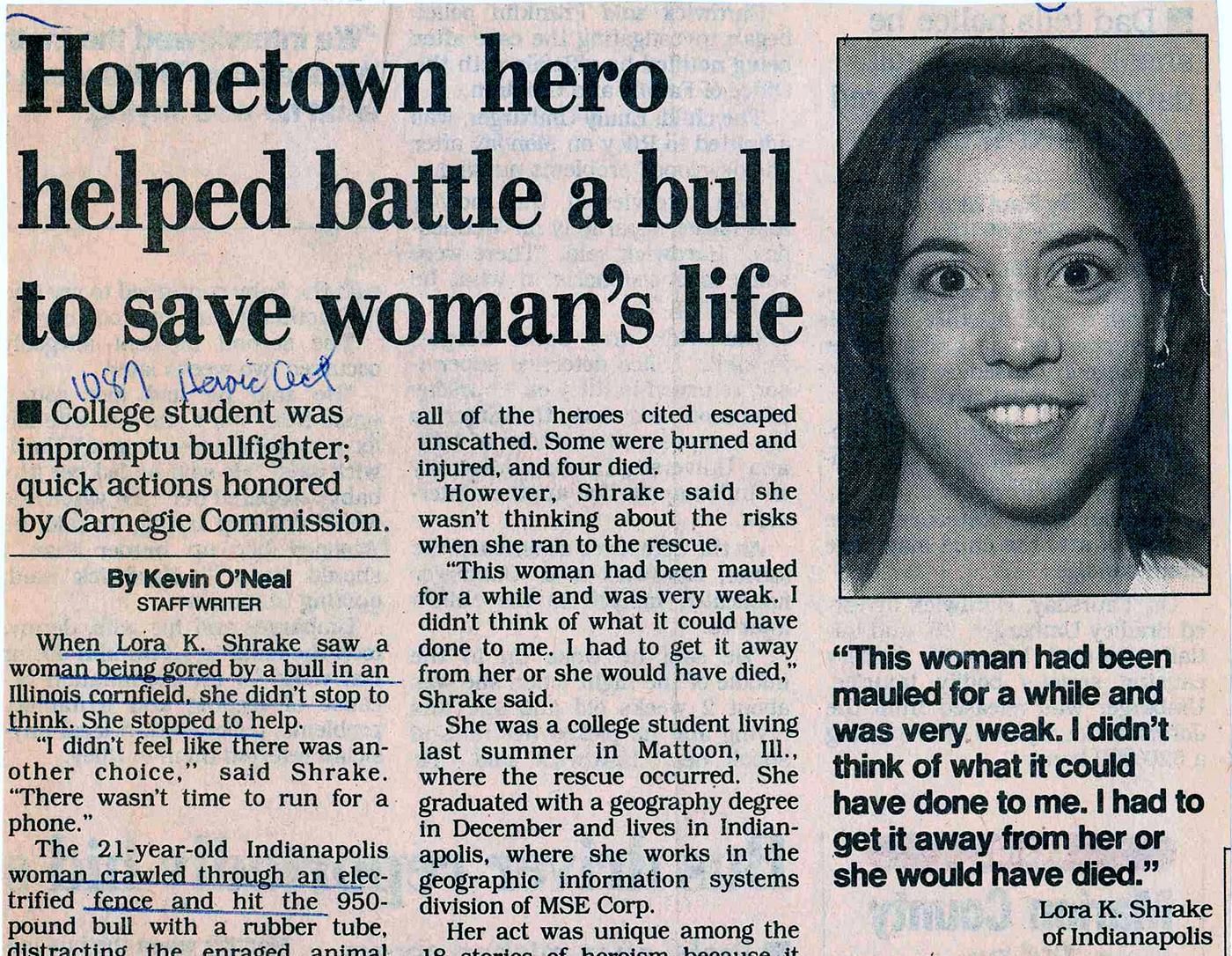
What are people thinking when they risk their lives for someone else? Are they making complicated calculations of risk or diving in without a second thought? Is heroism an act of sympathy or empathy? A few years ago, we spoke with Walter F. Rutkowski about how the Carnegie Hero Fund selects its heroes, an honor the fund bestows upon ordinary people who have done extraordinary acts. When some of these heroes were asked what they were thinking when they leapt into action, they replied: they didn’t think about it, they just went in. Neuroscientist Robert Sapolsky says there is a certain kind of empathy that leads to action. But feeling the pain of another person deeply is not necessarily what makes a hero. Our original episode was reported and produced by Lynn Levy and Tim Howard. This update was produced by Amanda Aronczyk. Support Radiolab today at Radiolab.org/donate.
Ep 262Bigger Little Questions
We're back with Part 2! When we dumped out our bucket of questions, there was a lot of spillover. Like, A LOT of spillover. So today, we’re chasing down answers to some bigger, little questions. This episode was reported and produced by Annie McEwen, Bethel Habte, Latif Nasser, Matt Kielty, Simon Adler and Tracie Hunte. Special thanks to Stephen Brady and Staff Sergeant Erica Picariello in the US Air Force's 21st Space Wing. Support Radiolab today at Radiolab.org/donate.

Ep 261Big Little Questions
Here at the show, we get a lot of questions. Like, A LOT of questions. Tiny questions, big questions, short questions, long questions. Weird questions. Poop questions. We get them all. And over the years, as more and more of these questions arrived in our inbox, what happened was, guiltily, we put them off to the side, in a bucket of sorts, where they just sat around, unanswered. But now, we’re dumping the bucket out. Today, our producers pick up a few of the questions that spilled out of that bucket, and venture out into the great unknown to find answers to some of life's greatest mysteries: coincidences; miracles; life; death; fate; will; and, of course, poop. This episode was reported and produced by Rachael Cusick, Tracie Hunte and Matt Kielty. Special thanks to Blake Nguyen, Sarah Murphy and the New York Public Library. Support Radiolab today at Radiolab.org/donate.
Ep 260Super Cool
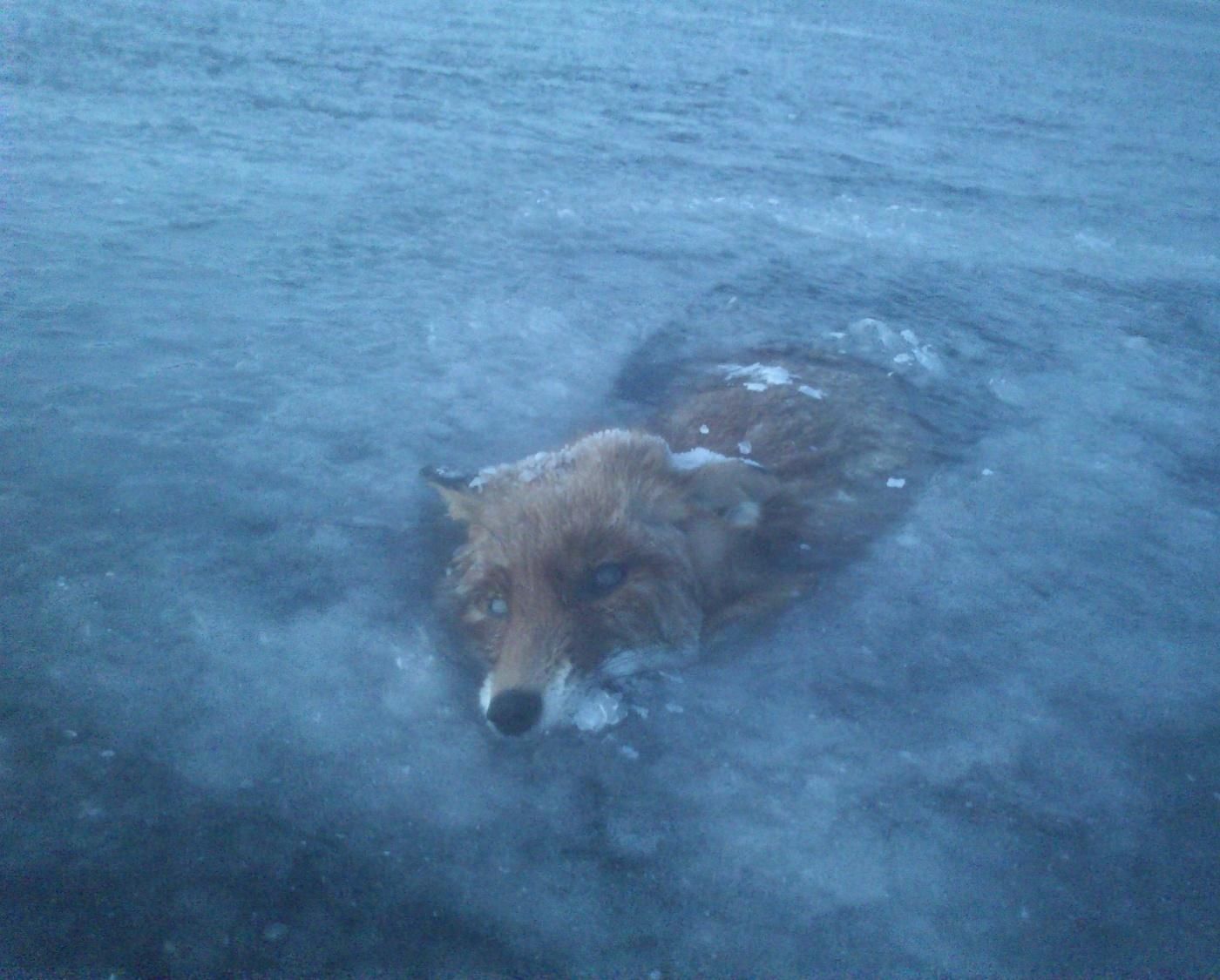
When we started reporting a fantastic, surreal story about one very cold night, more than 70 years ago, in northern Russia, we had no idea we'd end up thinking about cosmology. Or dropping toy horses in test tubes of water. Or talking about bacteria. Or arguing, for a year. Walter Murch (aka, the Godfather of The Godfather), joined by a team of scientists, leads us on what felt like the magical mystery tour of super cool science. This piece was produced by Molly Webster and Matt Kielty with help from Amanda Aronczyk. It originally aired in March of 2014. Support Radiolab today at Radiolab.org/donate.
Ep 259Radiolab Presents: More Perfect - Mr. Graham and the Reasonable Man
EThis story comes from the second season of Radiolab's spin-off podcast, More Perfect. To hear more, subscribe here. On a fall afternoon in 1984, Dethorne Graham ran into a convenience store for a bottle of orange juice. Minutes later he was unconscious, injured, and in police handcuffs. In this episode, we explore a case that sent two Charlotte lawyers on a quest for true objectivity, and changed the face of policing in the US. The key voices: Dethorne Graham Jr., son of Dethorne Graham, appellant in Graham v. Connor Edward G. (Woody) Connette, lawyer who represented Graham in the lower courts Gerald Beaver, lawyer who represented Graham at the Supreme Court Kelly McEvers, host of Embedded and All Things Considered The key case: 1989: Graham v. Connor Additional production for this episode by Dylan Keefe and Derek John; additional music by Matt Kielty and Nicolas Carter. Special thanks to Cynthia Lee, Frank B. Aycock III, Josh Rosenkrantz, Leonard Feldman, and Ben Montgomery. Leadership support for More Perfect is provided by The Joyce Foundation. Additional funding is provided by The Charles Evans Hughes Memorial Foundation. Supreme Court archival audio comes from Oyez®, a free law project in collaboration with the Legal Information Institute at Cornell.
Ep 258Stereothreat
Back in 1995, Claude Steele published a study that showed that negative stereotypes could have a detrimental effect on students' academic performance. But the big surprise was that he could make that effect disappear with just a few simple changes in language. We were completely enamoured with this research when we first heard about it, but in the current roil of replications and self-examination in the field of social psychology, we have to wonder whether we can still cling to the hopes of our earlier selves, or if we might have to grow up just a little bit. This piece was produced by Simon Adler and Amanda Aronczyk and reported by Dan Engber and Amanda Aronczyk. Support Radiolab today at Radiolab.org/donate.
Ep 257Match Made in Marrow
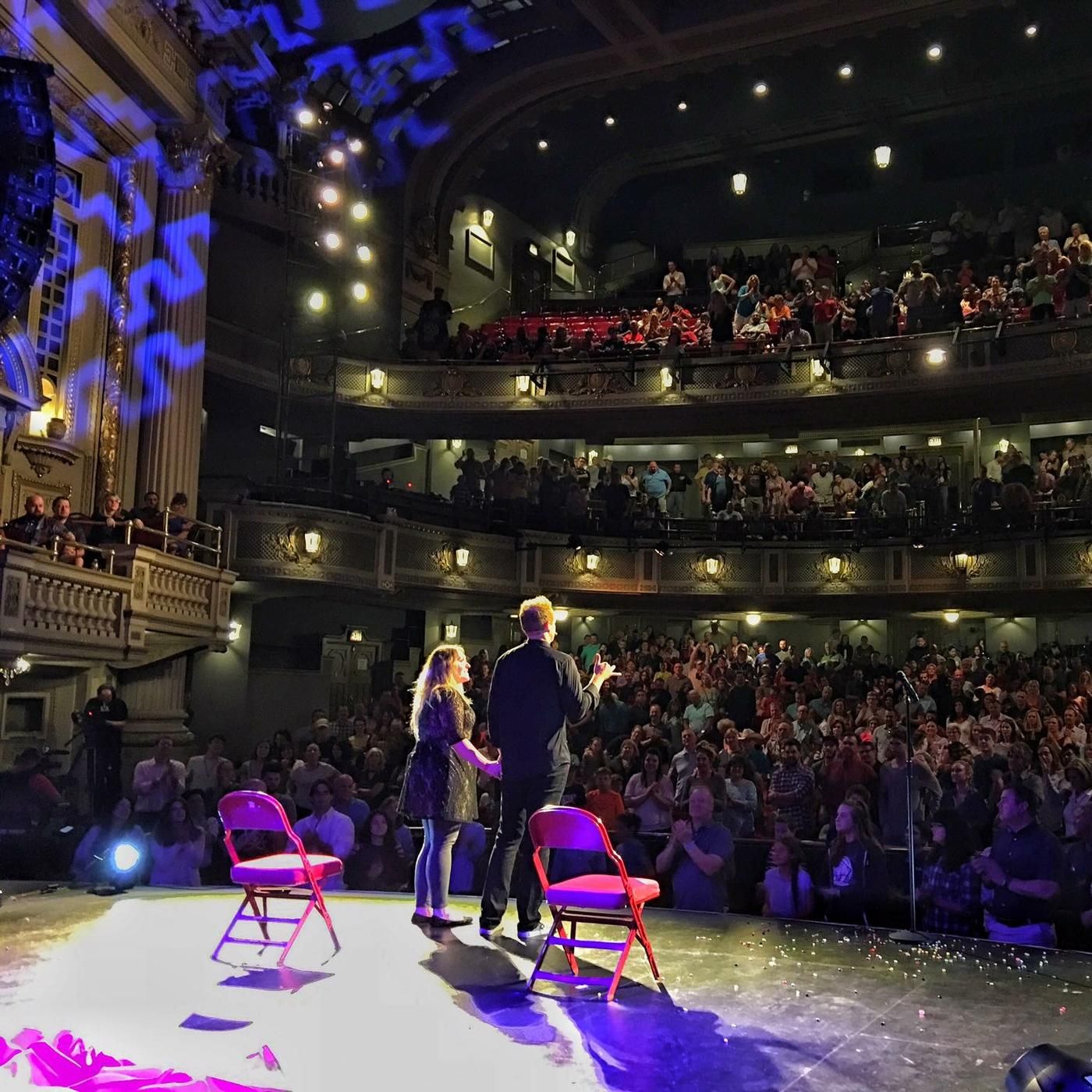
You never know what might happen when you sign up to donate bone marrow. You might save a life… or you might be magically transported across a cultural chasm and find yourself starring in a modern adaptation of the greatest story ever told. One day, without thinking much of it, Jennell Jenney swabbed her cheek and signed up to be a donor. Across the country, Jim Munroe desperately needed a miracle, a one-in-eight-million connection that would save him. It proved to be a match made in marrow, a bit of magic in the world that hadn’t been there before. But when Jennell and Jim had a heart-to-heart in his suburban Dallas backyard, they realized they had contradictory ideas about where that magic came from. Today, an allegory for how to walk through the world in a way that lets you be deeply different, but totally together. This piece was reported by Latif Nasser. It was produced by Annie McEwen, with help from Bethel Habte and Alex Overington. Special thanks to Dr. Matthew J. Matasar, Dr. John Hill, Stephen Spellman at CIBMTR, St. Cloud State University’s Cru Chapter, and Mandy Naglich. Join Be The Match's bone marrow registry here.
Ep 256Oliver Sacks: A Journey From Where to Where
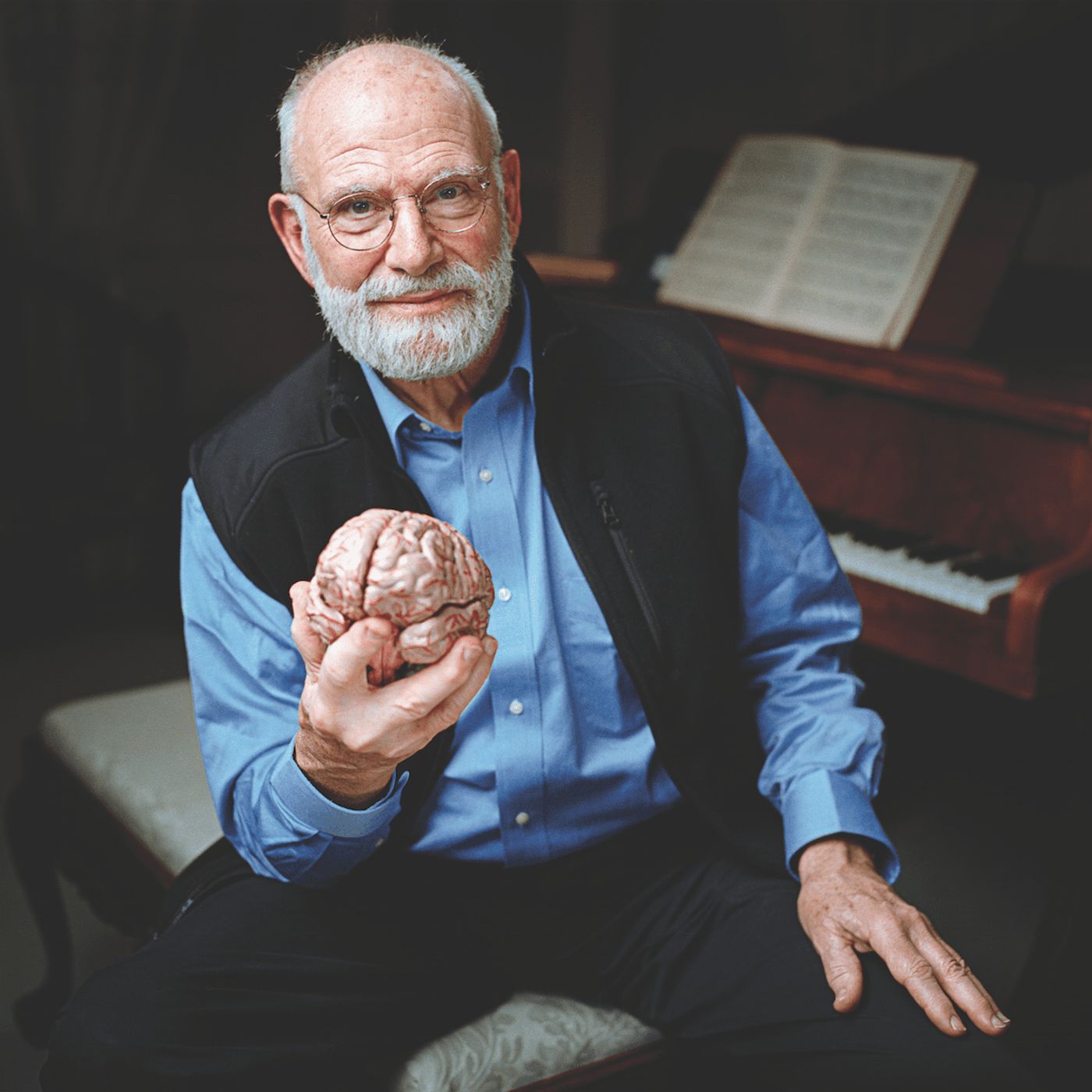
There’s nothing quite like the sound of someone thinking out loud, struggling to find words and ideas to match what’s in their head. Today, we are allowed to dip into the unfiltered thoughts of Oliver Sacks, one of our heroes, in the last months of his life. Oliver died in 2015, but before he passed he and his partner Bill Hayes, in an effort to preserve some of Oliver’s thoughts on his work and his life, bought a little tape recorder. Over a year and half after Oliver’s death, Bill dug up the recorder and turned it on. Through snippets of conversation with Bill, and in moments Oliver recorded whispering to himself as he wrote, we get a peek inside the head, and the life, of one of the greatest science essayists of all time. The passages read in this piece all come from Oliver’s recently released, posthumous book, The River of Consciousness. Special thanks to Billy Hayes for letting us use Oliver’s tapes, you can check out his work at http://www.billhayes.com/
Ep 255Father K
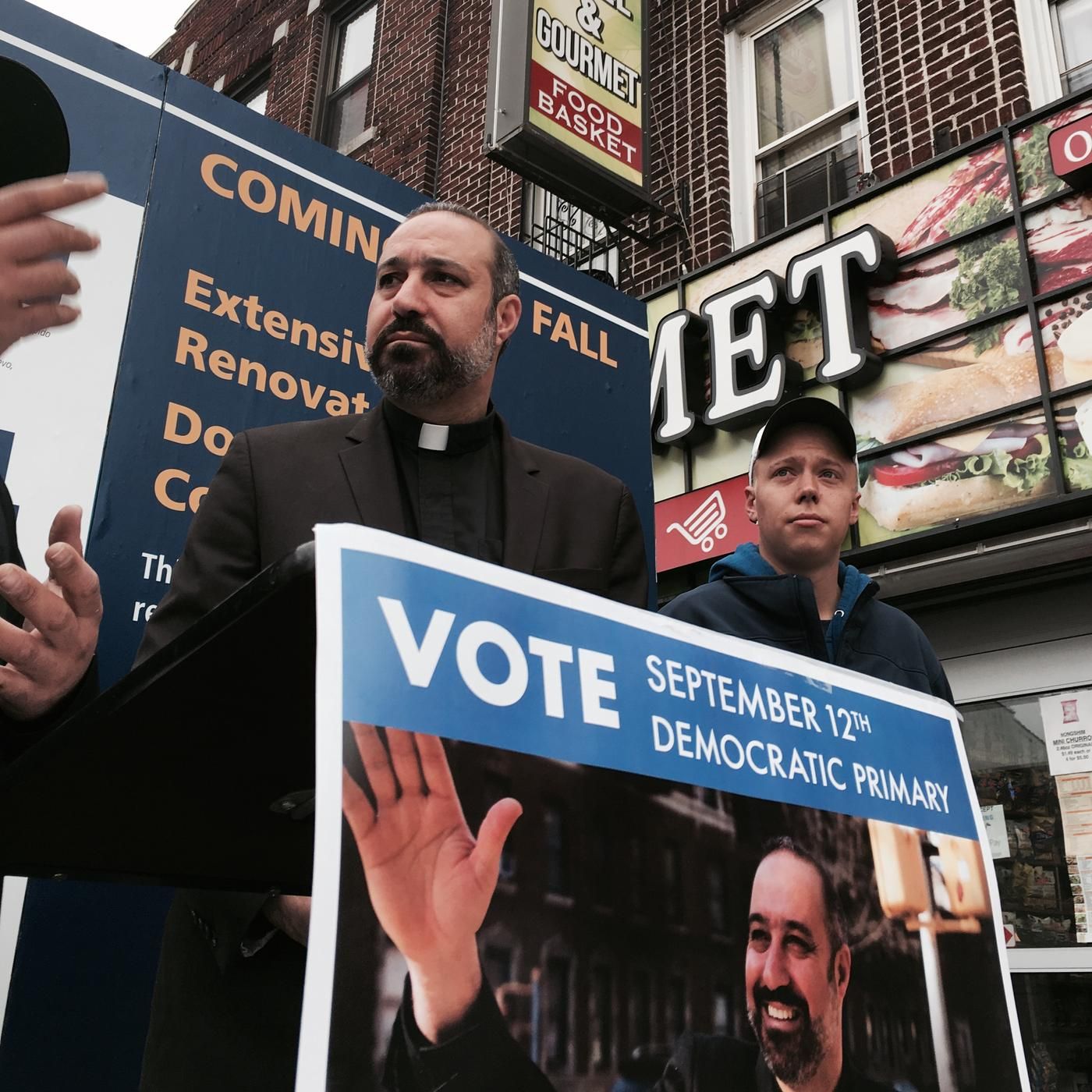
Today, while the divisions between different groups in this country feel more and more insurmountable, we zero in on a particular neighborhood to see if one man can draw people together in a potentially history-making election. Khader El-Yateem is a Palestinian American running for office in Bay Ridge, Brooklyn, one of the most divided, and most conservative neighborhoods in New York City. To win, he'll need to convince a wildly diverse population that he can speak for all of them, and he'll need to pull one particular group of people, Arab American Muslims, out of the shadows and into the political process. And to make things just a bit more interesting, El-Yateem is a Lutheran minister. This story was reported and produced by Simon Adler, with help from Bethel Habte, Annie McEwen, and Sarah Qari. Support Radiolab today at Radiolab.org/donate.
Ep 254Radiolab Presents: More Perfect - American Pendulum I
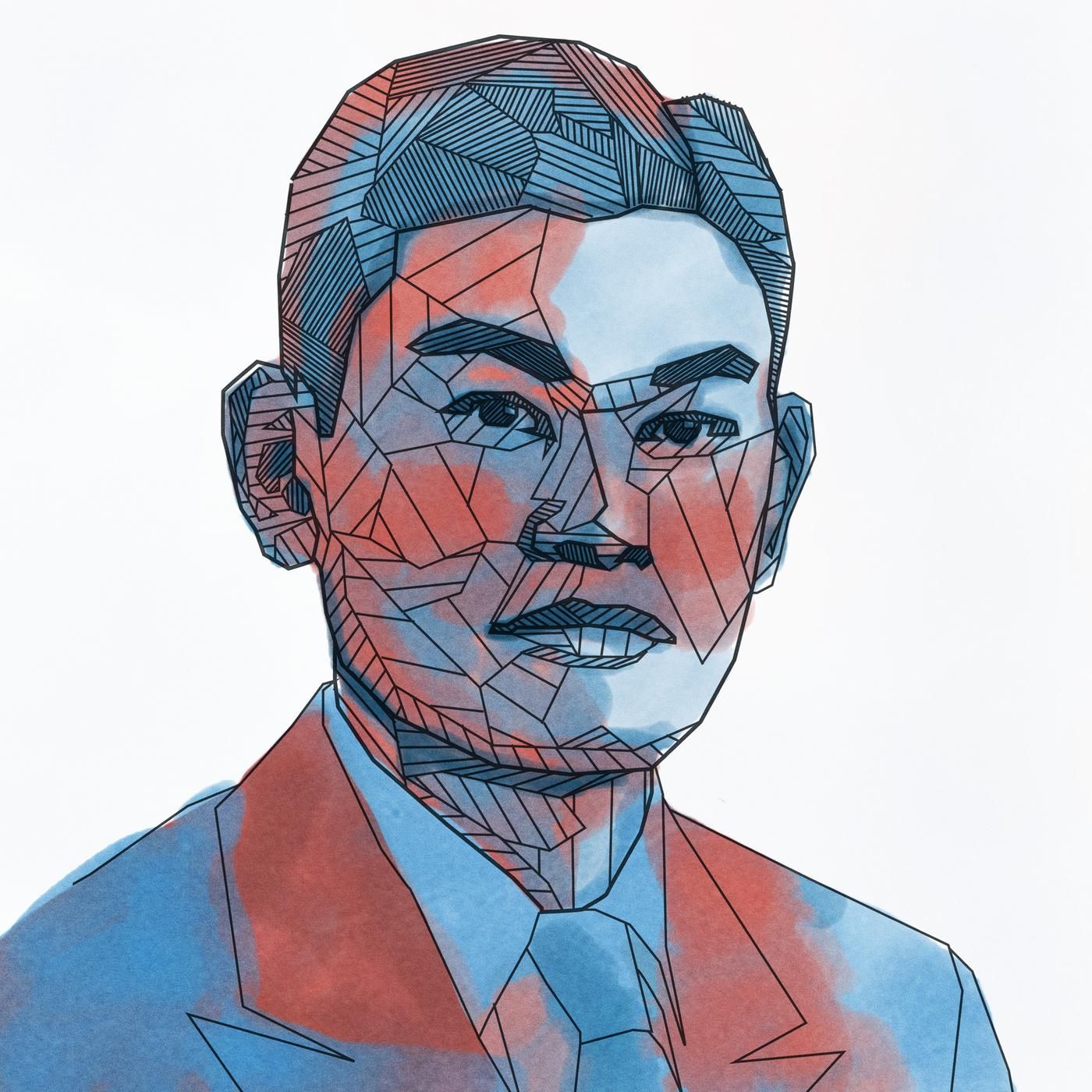
This story comes from the second season of Radiolab's spin-off podcast, More Perfect. To hear more, subscribe here. What happens when the Supreme Court, the highest court in the land, seems to get it wrong? Korematsu v. United States is a case that’s been widely denounced and discredited, but it still remains on the books. This is the case that upheld President Franklin Roosevelt’s internment of American citizens during World War II based solely on their Japanese heritage, for the sake of national security. In this episode, we follow Fred Korematsu’s path to the Supreme Court, and we ask the question: if you can’t get justice in the Supreme Court, can you find it someplace else? The key voices: Fred Korematsu, plaintiff in Korematsu v. United States who resisted evacuation orders during World War II. Karen Korematsu, Fred’s daughter, Founder & Executive Director of Fred T. Korematsu Institute Ernest Besig, ACLU lawyer who helped Fred Korematsu bring his case Lorraine Bannai, Professor at Seattle University School of Law and friend of Fred's family Richard Posner, recently retired Circuit Judge for the U.S. Court of Appeals, 7th Circuit The key cases: 1944: Korematsu v. United States The key links: Fred T. Korematsu Institute Densho Archives Additional music for this episode by The Flamingos, Lulu, Paul Lansky and Austin Vaughn. Special thanks to the Densho Archives for use of archival tape of Fred Korematsu and Ernest Besig. Leadership support for More Perfect is provided by The Joyce Foundation. Additional funding is provided by The Charles Evans Hughes Memorial Foundation. Supreme Court archival audio comes from Oyez®, a free law project in collaboration with the Legal Information Institute at Cornell.
Ep 253Driverless Dilemma
Most of us would sacrifice one person to save five. It’s a pretty straightforward bit of moral math. But if we have to actually kill that person ourselves, the math gets fuzzy. That’s the lesson of the classic Trolley Problem, a moral puzzle that fried our brains in an episode we did about 11 years ago. Luckily, the Trolley Problem has always been little more than a thought experiment, mostly confined to conversations at a certain kind of cocktail party. That is until now. New technologies are forcing that moral quandry out of our philosophy departments and onto our streets. So today we revisit the Trolley Problem and wonder how a two-ton hunk of speeding metal will make moral calculations about life and death that we can’t even figure out ourselves. This story was reported and produced by Amanda Aronczyk and Bethel Habte. Thanks to Iyad Rahwan, Edmond Awad and Sydney Levine from the Moral Machine group at MIT. Also thanks to Fiery Cushman, Matthew DeBord, Sertac Karaman, Martine Powers, Xin Xiang, and Roborace for all of their help. Thanks to the CUNY Graduate School of Journalism students who collected the vox: Chelsea Donohue, Ivan Flores, David Gentile, Maite Hernandez, Claudia Irizarry-Aponte, Comice Johnson, Richard Loria, Nivian Malik, Avery Miles, Alexandra Semenova, Kalah Siegel, Mark Suleymanov, Andee Tagle, Shaydanay Urbani, Isvett Verde and Reece Williams. Support Radiolab today at Radiolab.org/donate.
Ep 252Oliver Sipple
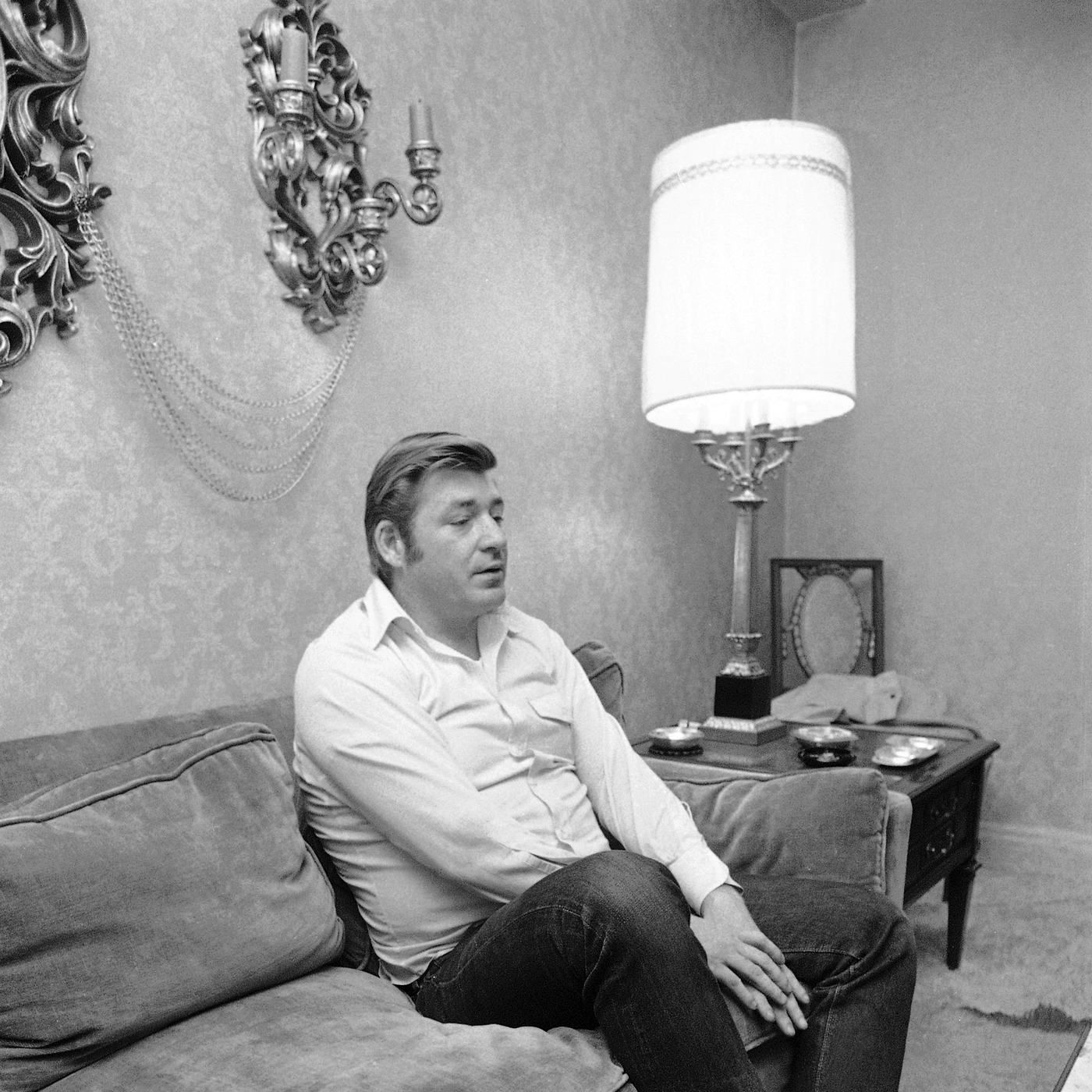
One morning, Oliver Sipple went out for a walk. A couple hours later, to his own surprise, he saved the life of the President of the United States. But in the days that followed, Sipple’s split-second act of heroism turned into a rationale for making his personal life into political opportunity. What happens next makes us wonder what a moment, or a movement, or a whole society can demand of one person. And how much is too much? Through newly unearthed archival tape, we hear Sipple himself grapple with some of the most vexing topics of his day and ours - privacy, identity, the freedom of the press - not to mention the bonds of family and friendship. Reported by Latif Nasser and Tracie Hunte. Produced by Matt Kielty, Annie McEwen, Latif Nasser and Tracie Hunte. Special thanks to Jerry Pritikin, Michael Yamashita, Stan Smith, Duffy Jennings; Ann Dolan, Megan Filly and Ginale Harris at the Superior Court of San Francisco; Leah Gracik, Karyn Hunt, Jesse Hamlin, The San Francisco Bay Area Television Archive, Mike Amico, Jennifer Vanasco and Joey Plaster. Support Radiolab today at Radiolab.org/donate.
Ep 251Radiolab Presents: Anna in Somalia
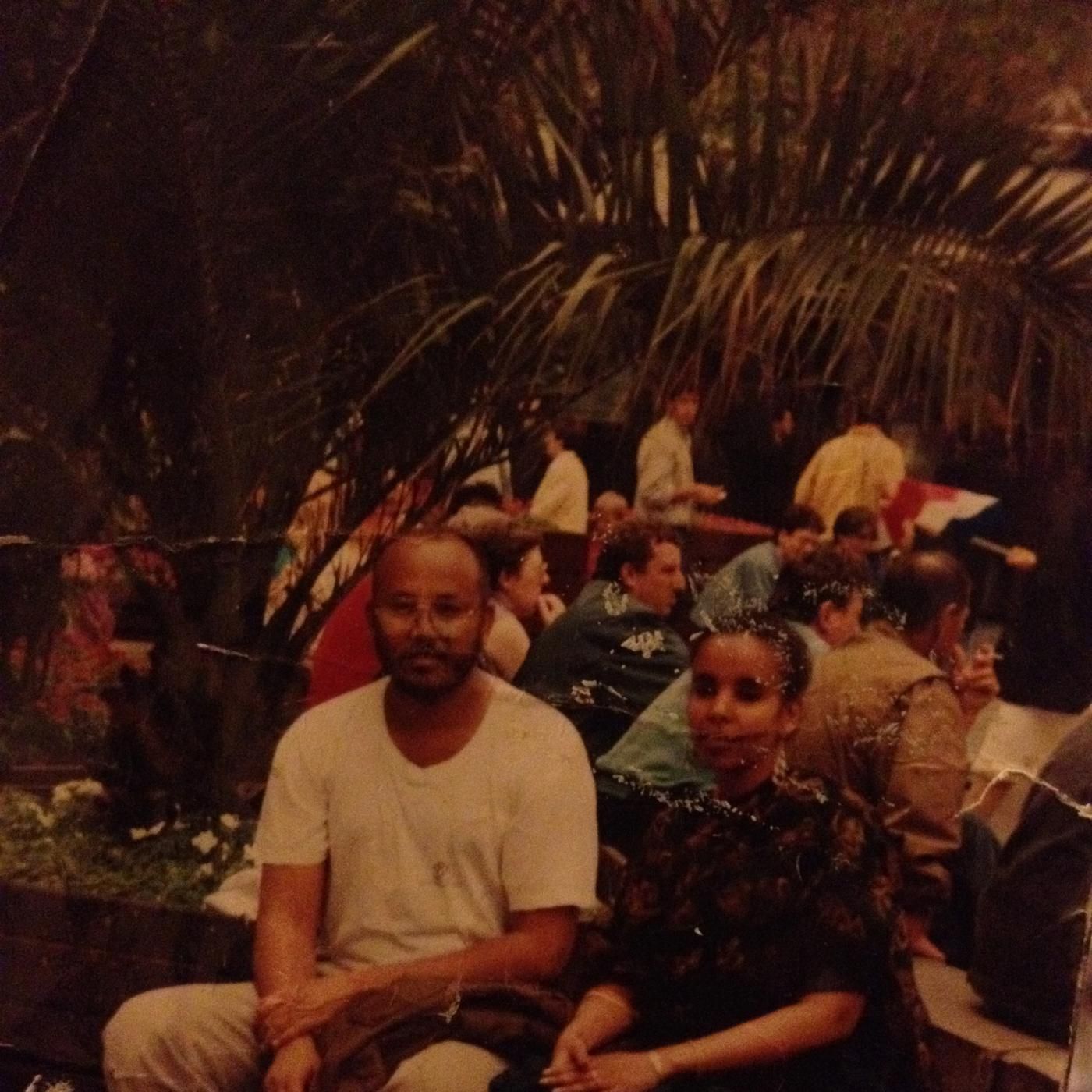
This week, we are presenting a story from NPR foreign correspondent Gregory Warner and his new globe-trotting podcast Rough Translation. Mohammed was having the best six months of his life - working a job he loved, making mixtapes for his sweetheart - when the communist Somali regime perp-walked him out of his own home, and sentenced him to a lifetime of solitary confinement. With only concrete walls and cockroaches to keep him company, Mohammed felt miserable, alone, despondent. But then one day, eight months into his sentence, he heard a whisper, a whisper that would open up a portal to - of all places and times - 19th century Russia, and that would teach him how to live and love again. Support Radiolab today at Radiolab.org/donate.
Ep 250Where the Sun Don't Shine
Today we take a quick look up at a hole in the sky and follow an old story as it travels beyond the reach of the sun.
Ep 249Revising the Fault Line
A new tussle over an old story, and some long-held beliefs, with neurologist and author Robert Sapolsky. Four years ago, we did a story about a man with a starling obsession that made us question our ideas of responsibility and justice. We thought we’d found some solid ground, but today Dr. Sapolsky shows up and takes us down a rather disturbing rabbit hole. Support Radiolab by becoming a member today at Radiolab.org/donate.

Ep 248The Gondolier
What happens when doing what you want to do means giving up who you really are? We travel to Venice, Italy with reporters Kristen Clark and David Conrad, where they meet gondolier Alex Hai. On the winding canals in the hidden parts of Venice, we learn about the nearly 1000-year old tradition of the Venetian Gondolier, and how the global media created a 20-year battle between that tradition and a supposed feminist icon. Reported by David Conrad and Kristen Clark. Produced by Annie McEwen and Molly Webster. Special thanks to Alexis Ungerer, Summer, Alex Hai, Kevin Gotkin, Silvia Del Fabbro, Sandro Mariot, Aldo Rosso and Marta Vannucci, The Longest Shortest Time (Hillary Frank, Peter Clowney and Abigail Keel), Tim Howard, Nick Adams/GLAAD, Valentina Powers, Florence Ursino, Ann Marie Somma, Alex Overington, Jeremy Bloom and the people of Little Italy. Support Radiolab by becoming a member today at Radiolab.org/donate. You can find Alex Hai's website here, where you can check out the photographs discussed in the piece.
Ep 247The Radio Lab
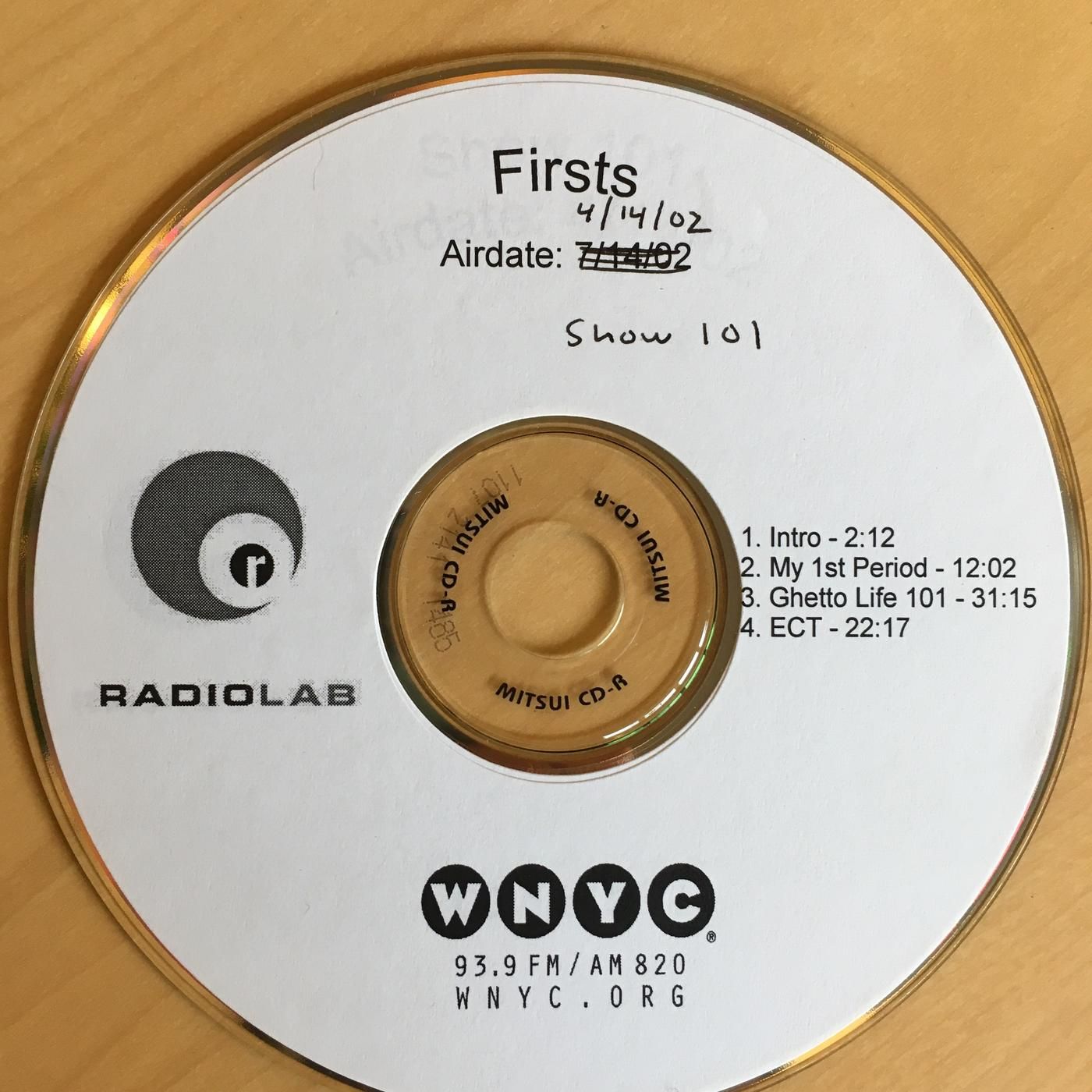
15 years ago the very first episode of Radiolab, fittingly called "Firsts," hit the airwaves. It was a 3-hour long collection of documentaries and musings produced by a solitary sleep-deprived producer named Jad Abumrad. Things have changed a bit since then. Today, with help from our long time Executive Producer Ellen Horne, we celebrate our 15th birthday by surprising Jad and Robert in the studio and forcing them to look back on a time when “Radiolab” was just that: a lab for experimenting with radio. Support Radiolab by becoming a member today at Radiolab.org/donate.
Ep 246Null and Void
Today, a hidden power that is either the cornerstone of our democracy or a trapdoor to anarchy. Should a juror be able to ignore the law? From a Quaker prayer meeting in the streets of London, to riots in the streets of LA, we trace the history of a quiet act of rebellion and struggle with how much power “we the people” should really have. Produced by Matt Kielty and Tracie Hunte Special thanks to Darryl K. Brown, professor of law at the University of Virginia, Andrew Leipold, professor of law at the University of Illinois, at Urbana-Champaign, Nancy King, professor of law at Vanderbilt University, Buzz Scherr law professor at University of New Hampshire, Eric Verlo and attorneys David Lane, Mark Sisto, David Kallman and Paul Grant. Support Radiolab by becoming a member today at Radiolab.org/donate.
Ep 245Funky Hand Jive
Back when Robert was kid, he had a chance encounter with then President John F. Kennedy. The interaction began with a hello and ended with a handshake. And like many of us who have touched greatness, 14 year old Robert was left wondering if maybe some of Kennedy would stay with him. Now, 50 years later, Robert still finds himself pondering that encounter and question. And so with the help of brand new science and Neil Degrasse Tyson, he sets out to satisfy this curiosity once and for all. Produced by Simon Adler with help from Only Human: Amanda Aronczyk, Kenny Malone, Jillian Weinberger and Elaine Chen. Neil deGrasse Tyson's newest book is called "Astrophysics for People in A Hurry." Radiolab needs your help! Please visit wnyc.podcastingsurvey.com and tell us a little about you and the podcasts you love in a 5-minute, anonymous survey. We really appreciate your help - knowing more about you helps us make more of the shows you enjoy. Thank you from all of us at Radiolab! *** As of Wednesday, May 3rd, 2017 we've run out of kits. Thanks so much to uBiome for generously donating over 13,000 free kits, and thanks to everyone for participating. *** FAQ: Who is uBiome? uBiome is a California-based biotech company started in 2012 that sequences the DNA of the microbes that live on and in you. Do I have to pay for my results? No, as long as you use the code for Radiolab/Only Human listeners, the sequencing results are free! uBiome otherwise charges $89 to have a skin sample analyzed. Am I going to find out if I’m sick? This uBiome information isn’t for diagnosing any health condition. How long will it take to get my results? It can take from 3-6 weeks from when uBiome receives your sample to sequence, process and compile the material. So please send those samples back to the uBiome labs soon, so we can report back to you about the Radiolab/Only Human group. What is uBiome going to do with my microbiome info? uBiome scientists are going to share aggregate level analysis with Radiolab and Only Human so we can give general results about our group’s skin microbiome. Aside from that, what uBiome does with your results generally depends on whether you choose to be included in research or share your information. uBiome is HIPAA-compliant, and their practices are reviewed by an independent committee for ethical research (an IRB). For more information, see uBiome’s summary of its privacy practices (just 6 pages in regular-sized font). Will I be able to get my raw data? Yes! Once your results are in, you’ll be able to download it as a CSV, JSON or FASTQ file. Will they take my DNA and clone me? If by “me”, you mean the human you, then no, uBiome isn’t going to clone, let alone even sequence human DNA. More questions? Email [email protected]. Support Radiolab by becoming a member today at Radiolab.org/donate.
Ep 244Radiolab Extra: Henrietta Lacks
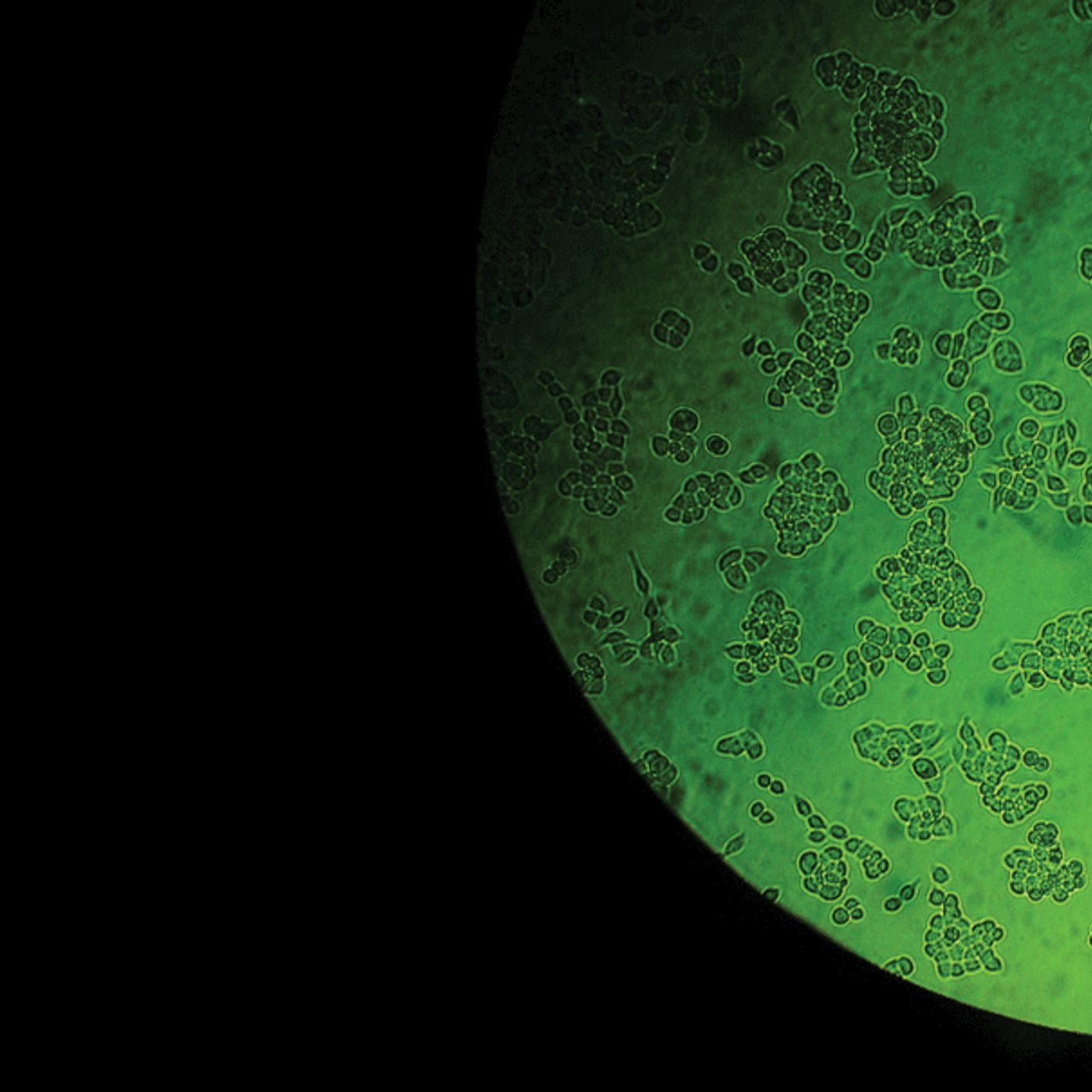
With all the recent talk about HBO's upcoming film, we decided it would be good time to re-run our story of one woman's medically miraculous cancer cells, and how Henrietta Lacks changed modern science and, eventually, her family's understanding of itself. Support Radiolab by becoming a member today at Radiolab.org/donate.

Ep 243Nukes
President Richard Nixon once boasted that at any moment he could pick up a telephone and - in 20 minutes - kill 60 million people. Such is the power of the US President over the nation’s nuclear arsenal. But what if you were the military officer on the receiving end of that phone call? Could you refuse the order? This episode, we profile one Air Force Major who asked that question back in the 1970s and learn how the very act of asking it was so dangerous it derailed his career. We also pick up the question ourselves and pose it to veterans both high and low on the nuclear chain of command. Their responses reveal once and for all whether there are any legal checks and balances between us and a phone call for Armageddon. Reported by Latif Nasser. Produced by Annie McEwen and Simon Adler with production help from Arianne Wack. Special thanks to: Elaine Scarry, Sam Kean, Ron Rosenbaum, Lisa Perry, Ryan Furtkamp, Robin Perry, Thom Woodroofe, Doreen de Brum, Jackie Conley, Sean Malloy, Ray Peter, Jack D’Annibale, Ryan Pettigrew at the Nixon Presidential Library and Samuel Rushay at the Truman Presidential Library. Support Radiolab by becoming a member today at Radiolab.org/donate.

Ep 242Shots Fired: Part 2
A couple years ago, Ben Montgomery, reporter at the Tampa Bay Times, started emailing every police station in Florida. He was asking for any documents created - from 2009 to 2014 - when an officer discharged his weapon in the line of duty. He ended up with a six foot tall stack of reports, pictures, and press clippings cataloging the death or injury of 828 people by Florida police. In part 2 of Shots Fired, Jad and Robert talk to Ben about how communication breakdowns too often lead to violence and our reporter Matt Kielty sits with one man who found himself at the center of a police visit gone horribly wrong. Produced and reported by Matt Kielty. For the full presentation of Ben Montgomery's reporting please visit the Tampa Bay Times' 'Why Do Cops Shoot?" We can't recommend it highly enough. Support Radiolab by becoming a member today at Radiolab.org/donate.
Ep 241Shots Fired: Part 1
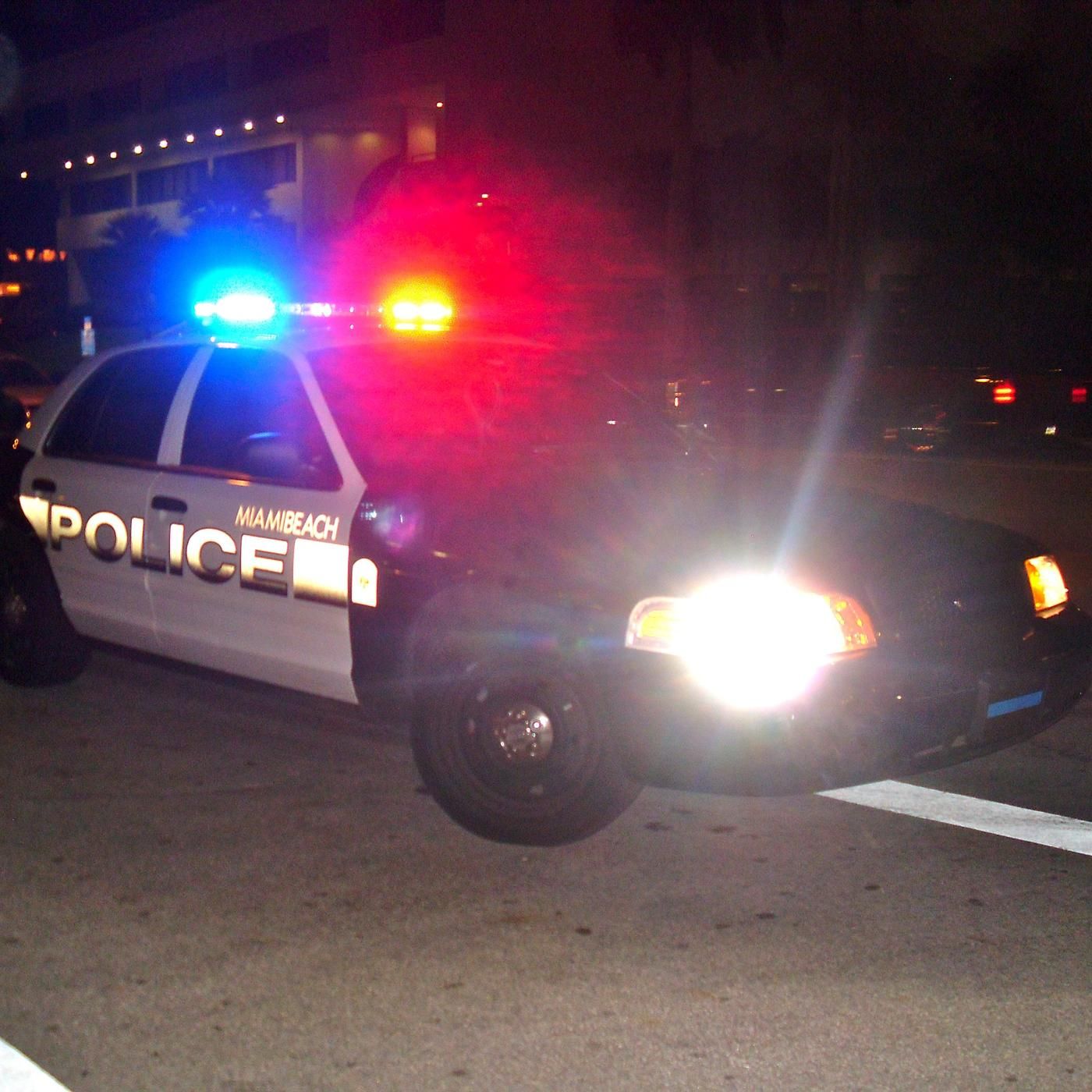
A couple years ago, Ben Montgomery, reporter at the Tampa Bay Times, started emailing every police station in Florida. He was asking for any documents created - from 2009 to 2014 - when an officer discharged his weapon in the line of duty. He ended up with a six foot tall stack of reports, pictures, and press clippings cataloging the death or injury of 828 people by Florida police. Jad and Robert talk to Ben about what he found, crunch some numbers, and then our reporter Matt Kielty takes a couple files off Ben's desk and brings us the stories inside them - from a network of grief to a Daytona police chief. And next week, we bring you another, very different story of a police encounter gone wrong. Produced and reported by Matt Kielty For the full presentation of Ben Montgomery's reporting please visit the Tampa Bay Times' 'Why Cops Shoot?" We can't recommend it highly enough. Correction: An earlier version of this story incorrectly stated that in reporter Ben Montgomery's six years of Florida data there were, on average, 130 people shot and killed each year. Police officers did indeed shoot 130 people per year, on average, but only half of those shootings were fatal. The audio has been adjusted to reflect this fact. Support Radiolab by becoming a member today at Radiolab.org/donate.
Ep 240Update: CRISPR
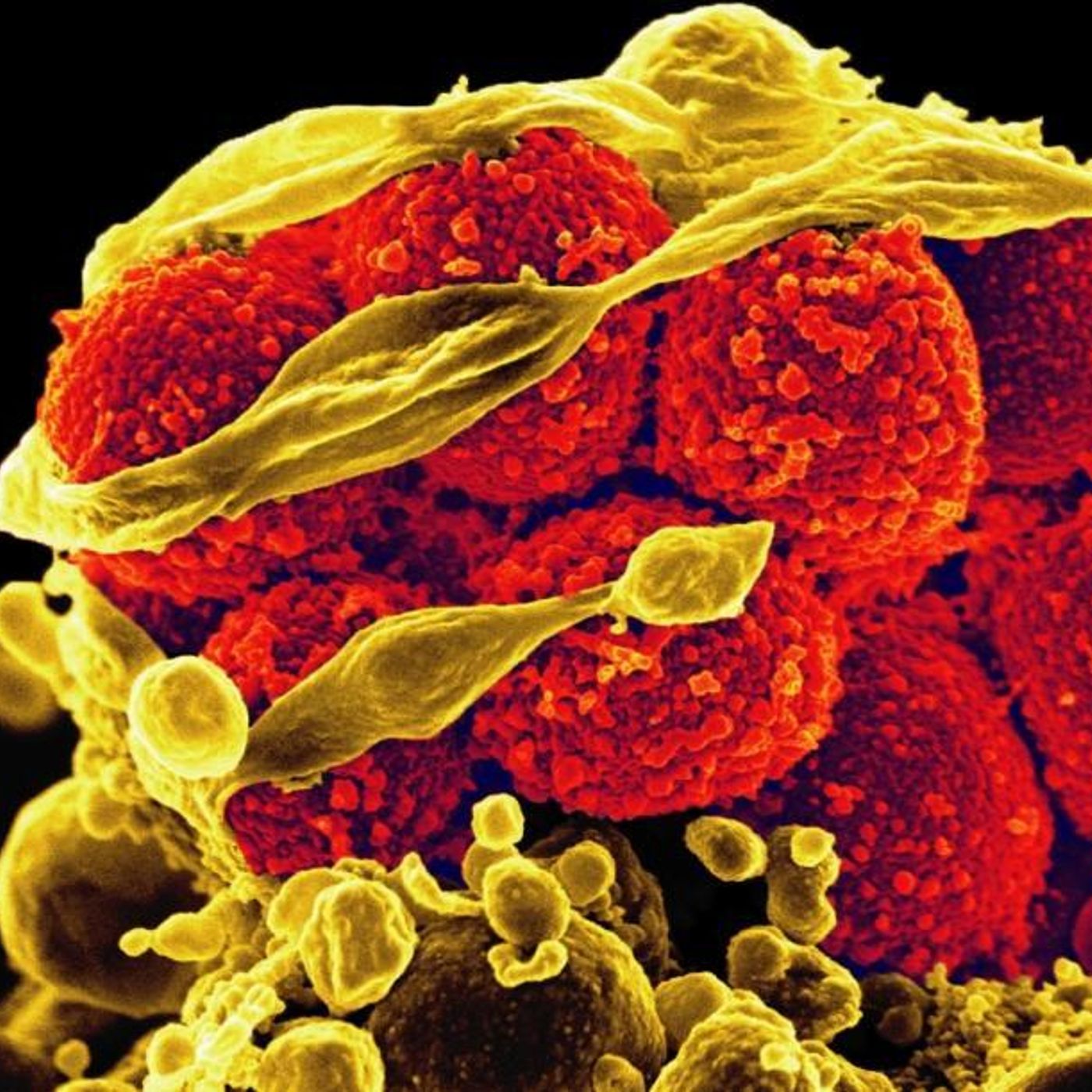
It's been almost two years since we learned about CRISPR, a ninja-assassin-meets-DNA-editing-tool that has been billed as one of the most powerful, and potentially controversial, technologies ever discovered by scientists. In this episode, we catch up on what's been happening (it's a lot), and learn about CRISPR's potential to not only change human evolution, but every organism on the entire planet. Out drinking with a few biologists, Jad finds out about something called CRISPR. No, it’s not a robot or the latest dating app, it’s a method for genetic manipulation that is rewriting the way we change DNA. Scientists say they’ll someday be able to use CRISPR to fight cancer and maybe even bring animals back from the dead. Or, pretty much do whatever you want. Jad and Robert delve into how CRISPR does what it does, and consider whether we should be worried about a future full of flying pigs, or the simple fact that scientists have now used CRISPR to tweak the genes of human embryos. This episode was reported and produced by Molly Webster and Soren Wheeler. Special thanks to Jacob S. Sherkow. Support Radiolab by becoming a member today at Radiolab.org/donate.

Ep 239Radiolab Presents: Ponzi Supernova
We thought we knew the story of Bernie Madoff. How he masterminded the biggest Ponzi scheme in history, leaving behind scores of distraught investors and a $65 billion black hole. But we had never heard the story from Madoff himself. This week, reporter Steve Fishman and former Radiolabber Ellen Horne visit our studio to play us snippets from their extraordinary Audible series Ponzi Supernova, which features exclusive footage of the man who bamboozled the world. After years of investigative reporting – including interviews with dozens of FBI and SEC agents, investors, traders, and attorneys – the pair scrutinize Madoff’s account to understand exactly why he did it, how he managed to pull it off, and how culpable he actually was. Was he a puppetmaster or a puppet? And if the latter, who else is to blame for the biggest financial fraud in history? You can hear the entire series on iTunes or for free on Audible Support Radiolab by becoming a member today at Radiolab.org/donate.
Ep 238Man vs Machine
Are new ideas and new inventions inevitable? Are they driven by us or by a larger force of nature? In this episode, we look at the things we make—from spoons to microwaves to computers—as an extension of the same evolutionary processes that made us. And we may need to adapt to the idea that our technology could someday truly have a mind of its own.
Ep 237Stranger in Paradise
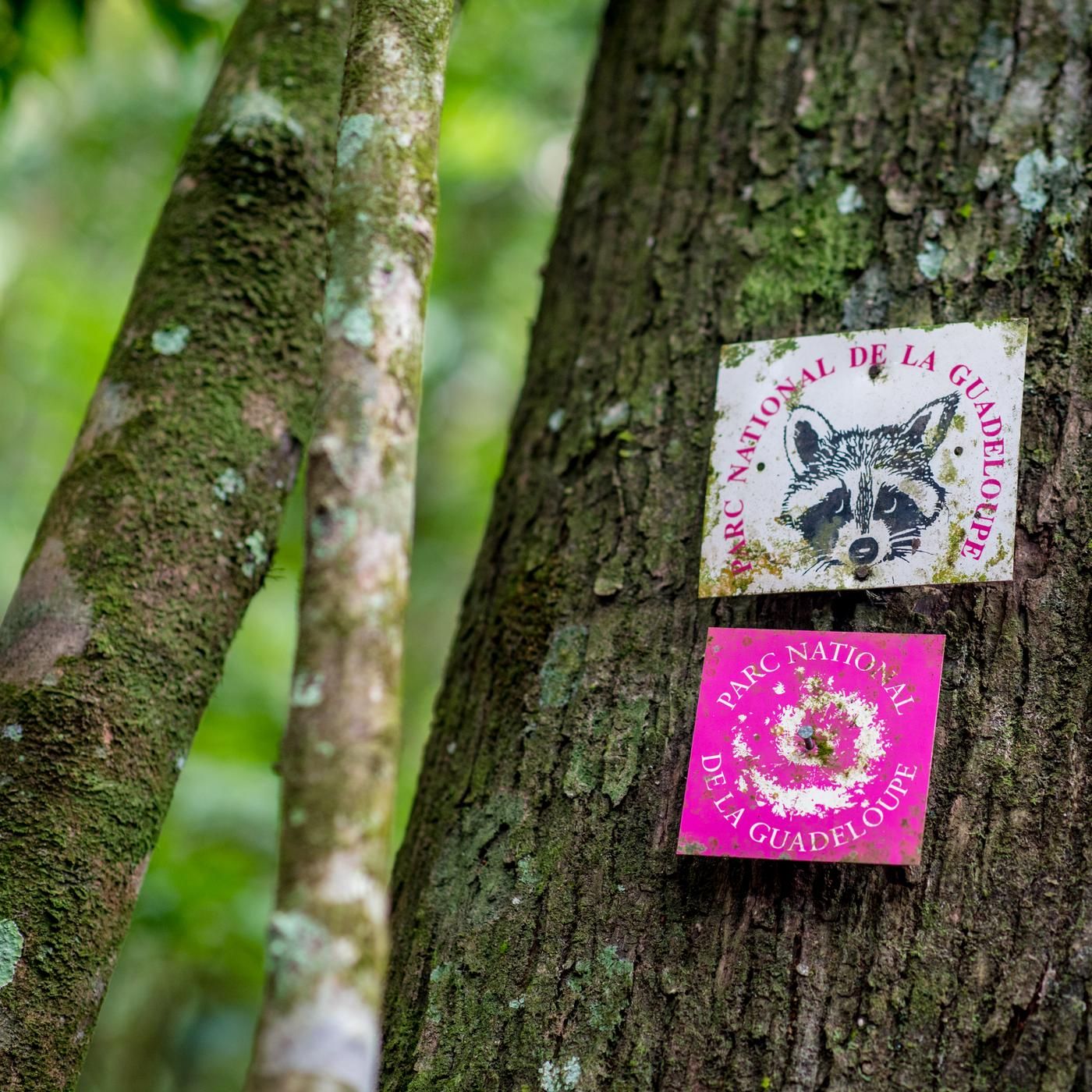
Back in 1911, a box with a dead raccoon in it showed up in Washington D.C., at the office of Gerrit S. Miller. After pulling it out and inspecting it, he realized this raccoon was from the Caribbean islands of Guadeloupe, and unlike anything he’d ever seen before. He christened it Procyon minor and in doing so changed the history of Guadeloupe forever. Today we travel from the storage rooms of the Smithsonian to the sandy beaches of Guadeloupe, chasing the tale of this trash can tipping critter. All the while trying to uncover what it means to be special. Produced and reported by Simon Adler. Special thanks to Sally Stainier and Allie Pinel for all their help translating in Guadeloupe and New York respectively. Thanks to Bernie Beelmeon, Paola Dvihally, Hervé Magnin, Guillaume Aricique, Laurence Baptiste-Salomon, David Xavier-Albert, Florian Kirchner, Matt Chew, and everyone at the ONCFS. Support Radiolab by becoming a member today at Radiolab.org/donate.
Ep 236Radiolab Presents: On the Media: Busted, America's Poverty Myths
We love to share great radio, even if we didn’t make it. Today, On the Media’s Brooke Gladstone tells Jad and Robert about a mammoth project they launched to take a critical look at the tales we tell ourselves when we talk about poverty. In a 5-part series called "Busted: America’s Poverty Myths,” On the Media picked apart numerous oft-repeated narratives about what it's like to be poor in America. From Ben Franklin to a brutal eviction, Brooke gives us just a little taste of what she learned and shares a couple stories of the struggle to get ahead, or even just get by. Go check out the full series, it’s well worth it. You can hear all 5 episodes of Busted here or subscribe to On the Media in iTunes (or wherever you get your podcasts) to listen to this series or all their other great work. "Busted: America’s Poverty Myths" was produced by Meara Sharma and Eve Claxton and edited by Katya Rogers. They produced the series in collaboration with WNET’s Chasing the Dream; poverty and opportunity in America. Support Radiolab by becoming a member today at Radiolab.org/donate.

Ep 235Lose Lose
No matter what sport you play, the object of the game is to win. And that’s hard enough to do. But we found a match where four top athletes had to do the opposite in one of the most high profile matches of their careers. Thanks to a quirk in the tournament rules, their best shot at winning was … to lose. This episode, we scrutinize the most paradoxical and upside down badminton match of all time, a match that dumbfounded spectators, officials, and even the players themselves. And it got us to wondering … what would sports look like if everyone played to lose? Reported by Latif Nasser. Produced by Matt Kielty and Annie McEwen and Latif Nasser. Special thanks to Aparna Nancherla, Mark Phelan, Yuni Kartika, Greysia Polii, Joy Le Li, Mikyoung Kim, Stan Bischof, Vincent Liew, Kota Morikowa, Christ de Roij and Haeryun Kang. Support Radiolab by becoming a member today at Radiolab.org/donate.

Ep 234It's Not Us, It's You
It’s the end of the year, and the entire Radiolab team is starting to take stock and come up for air. We're excited about how much ground we've covered - stories about college debaters and figure skaters, meat allergies and salmon-eating trees, deathwatch beetles mating and Kpop stars dating - we're excited for what 2017 holds, and grateful because you have made all these things possible with your support. But before 2016 comes to an end, we wanted to do something a little different. We wanted to swivel our attention back to you, our listeners, reconnect with some old friends to see how they are doing, and thank everyone for what they've shared with us. Support Radiolab by becoming a member today at Radiolab.org/donate.
Ep 233Radiolab Presents: More Perfect - Object Anyway
At the trial of James Batson in 1982, the prosecution eliminated all the black jurors from the jury pool. Batson objected, setting off a complicated discussion about jury selection that would make its way all the way up to the Supreme Court. On this episode of More Perfect, the Supreme Court ruling that was supposed to prevent race-based jury selection, but may have only made the problem worse. Support Radiolab by becoming a member today at Radiolab.org/donate.