Planetary Radio: Space Exploration, Astronomy and Science
1,363 episodes — Page 4 of 28
Ramses and rockets: Commercial space adventures and the race to Apophis
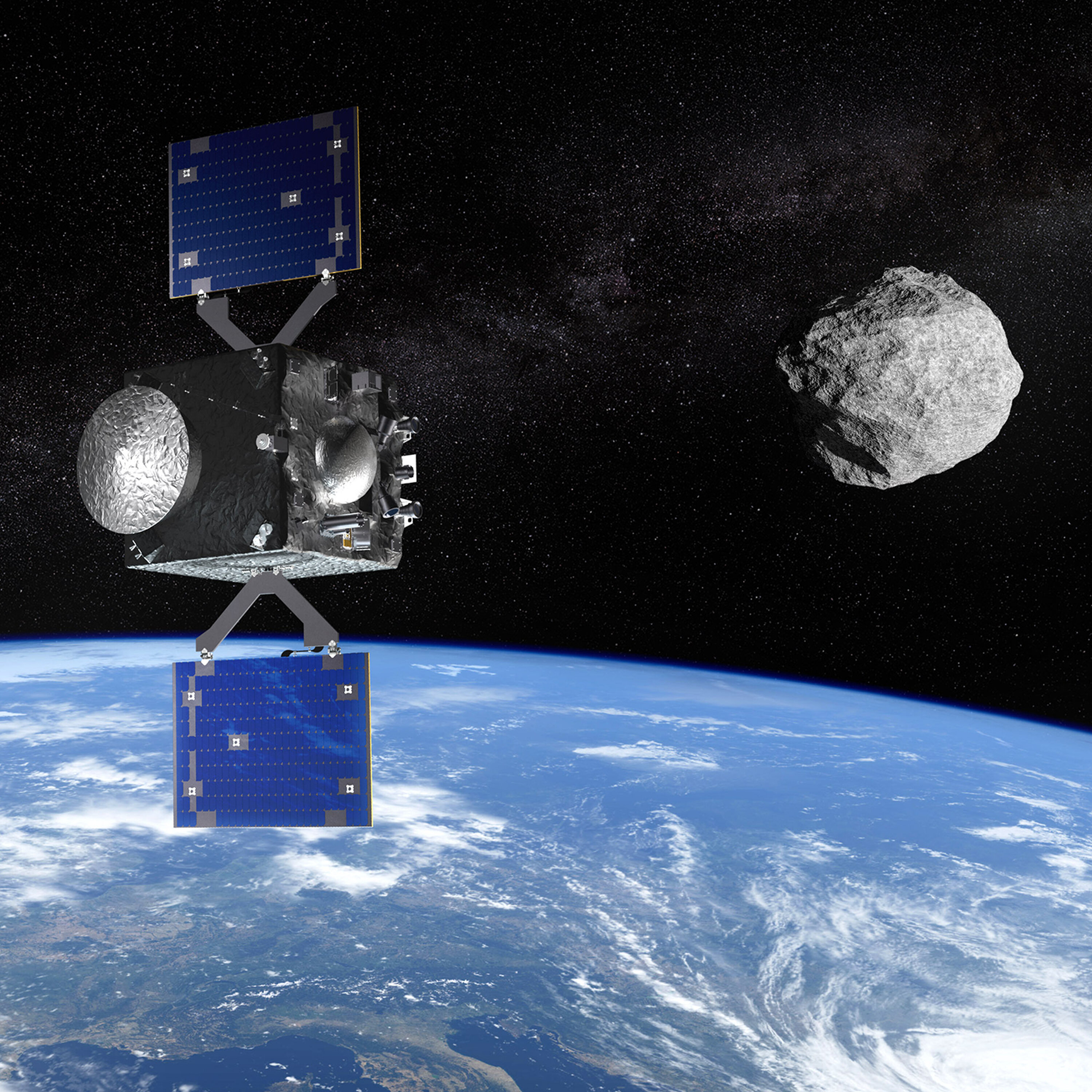
Get up to speed on the latest in commercial space news. Mat Kaplan, the senior communications advisor for The Planetary Society, returns with an update on the fate of the Boeing Starliner astronauts, the imploding and exploding adventures of Blue Origin's New Glenn rocket, and a brief look forward to SpaceX's Polaris Dawn mission. Asa Stahl, our science editor, shares the good news about the European Space Agency's Ramses mission, which hopes to rendezvous with asteroid Apophis before its closest approach to Earth in 2029. Then our public education specialist, Kate Howells, shares some tips on how to deal with space rocks in her new article, "What would happen if we nuked an asteroid?" We end our show with What's Up with Bruce Betts, our chief scientist, and a new random space fact. Discover more at: https://www.planetary.org/planetary-radio/2024-ramses-and-rocketsSee omnystudio.com/listener for privacy information.

Crickets and gastrodiplomacy: The future of space food
As we look to build a more sustainable human presence in space, we will need to find new and innovative ways to feed our travelers. This week, we hear from Team Insecta, a group of Canadian students exploring crickets as a viable source of space food. Newton Campell Jr., a member of The Planetary Society's board of directors and co-founder of Heritage Space Food, discusses gastrodiplomacy and the importance of representation in space food. Then we close out with What's Up with Bruce Betts and a look at one of The Planetary Society's STEP grant-winning projects studying the complexities of growing plants in space. Discover more at: https://www.planetary.org/planetary-radio/2024-crickets-and-gastrodiplomacySee omnystudio.com/listener for privacy information.
An Earthling’s guide to the "Moons Symphony"
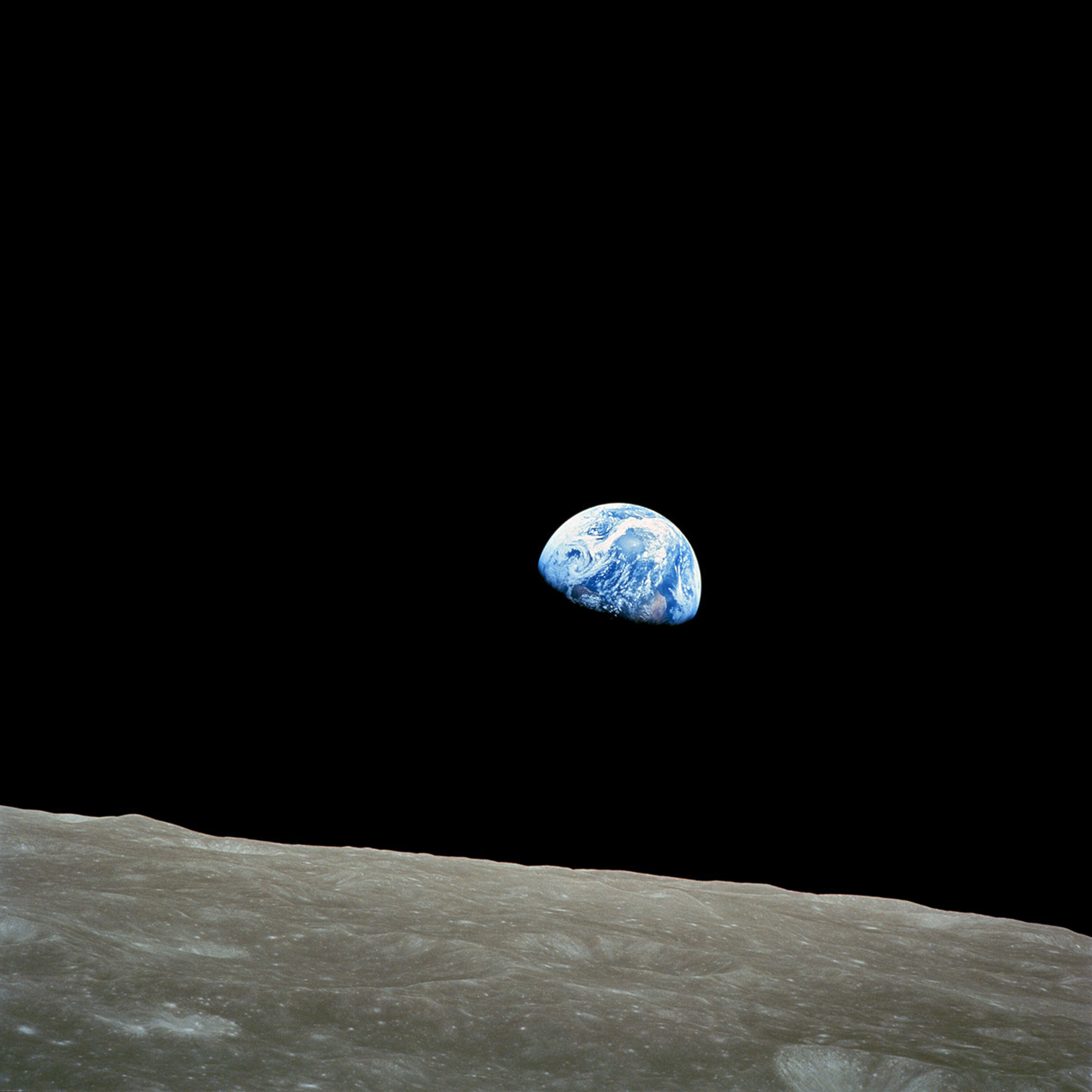
Planetary Radio takes a melodic adventure to the Ravinia Festival in Illinois, USA, for the public premiere of the "Moons Symphony." Mat Kaplan, senior communications advisor at The Planetary Society, speaks with a panel of amazing guests, including members of the Europa Clipper, Dragonfly, and Cassini teams, about the discoveries that inspired the music. Then, Bruce Betts, our chief scientist, marks the end of the 2024 Summer Olympics with a random space fact in What's Up. Discover more at: https://www.planetary.org/planetary-radio/2024-moons-symphony See omnystudio.com/listener for privacy information.

Hide and seek with Planet 9
A ninth planet may be lurking in our Solar System out beyond Neptune. Caltech's Mike Brown and Konstantin Batygin join us to discuss their new paper, the latest evidence for Planet 9, and why they believe their hunt may soon be over. Then, Bruce Betts, chief scientist of The Planetary Society, joins us for What's Up and an Olympic-themed random space fact. Discover more at: https://www.planetary.org/planetary-radio/2024-hide-and-seek-planet-9See omnystudio.com/listener for privacy information.
Space Policy Edition: Do we need a philosophy of space exploration?
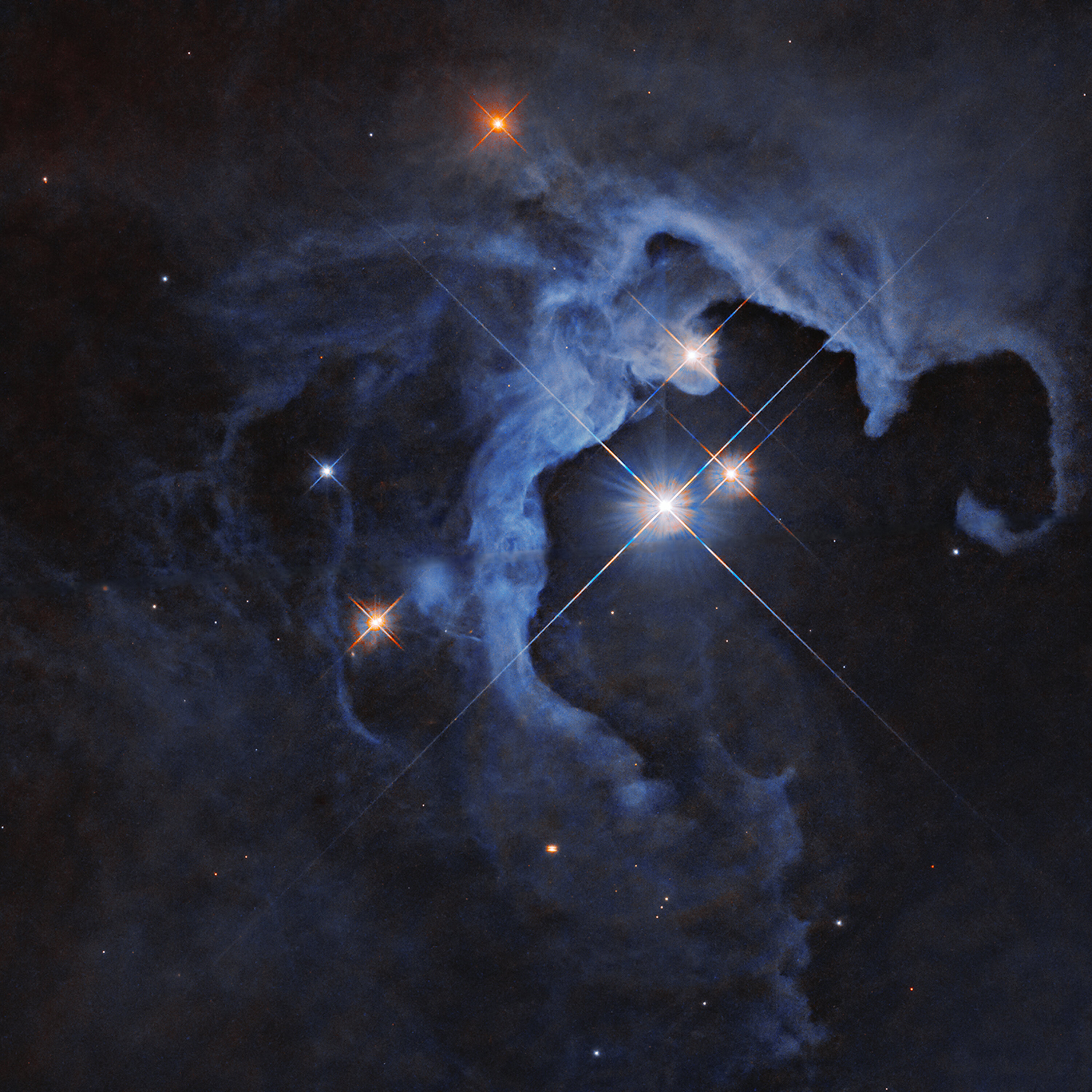
Why do we explore space? This is not an easy question to answer. Yet policy expert G. Ryan Faith believes there is value to be had in communal engagement with this question. While easy answers may elude us, the act of defining our values and goals in space can help avoid common pitfalls and dead ends in our exploration efforts, ensuring a continued commitment to space for generations to come. Discover more at: https://www.planetary.org/planetary-radio/spe-philosophy-of-space-exploration-ryan-faithSee omnystudio.com/listener for privacy information.

Possible biomarkers: Perseverance rocks the Tenth International Conference on Mars
NASA's Perseverance rover has made a groundbreaking discovery on Mars: a sample that may hold evidence of ancient microbial life. This week, we visit the Tenth International Conference on Mars, where you'll hear from several Mars scientists, including Caltech's Ken Farley, Perseverance project scientist, Meenakshi Wadhwa and Brandi Carrier, the principal scientist and lead sample integrity scientist for Mars Sample Return at NASA JPL. We'll also discuss the recent cancellation of NASA's VIPER lunar mission with our director of government relations, Jack Kiraly. Before we go, we'll turn to Bruce Betts, the chief scientist of The Planetary Society for What's Up, as he shares a new cometary random space fact. Discover more at: https://www.planetary.org/planetary-radio/2024-tenth-marsSee omnystudio.com/listener for privacy information.
Victory for VERITAS
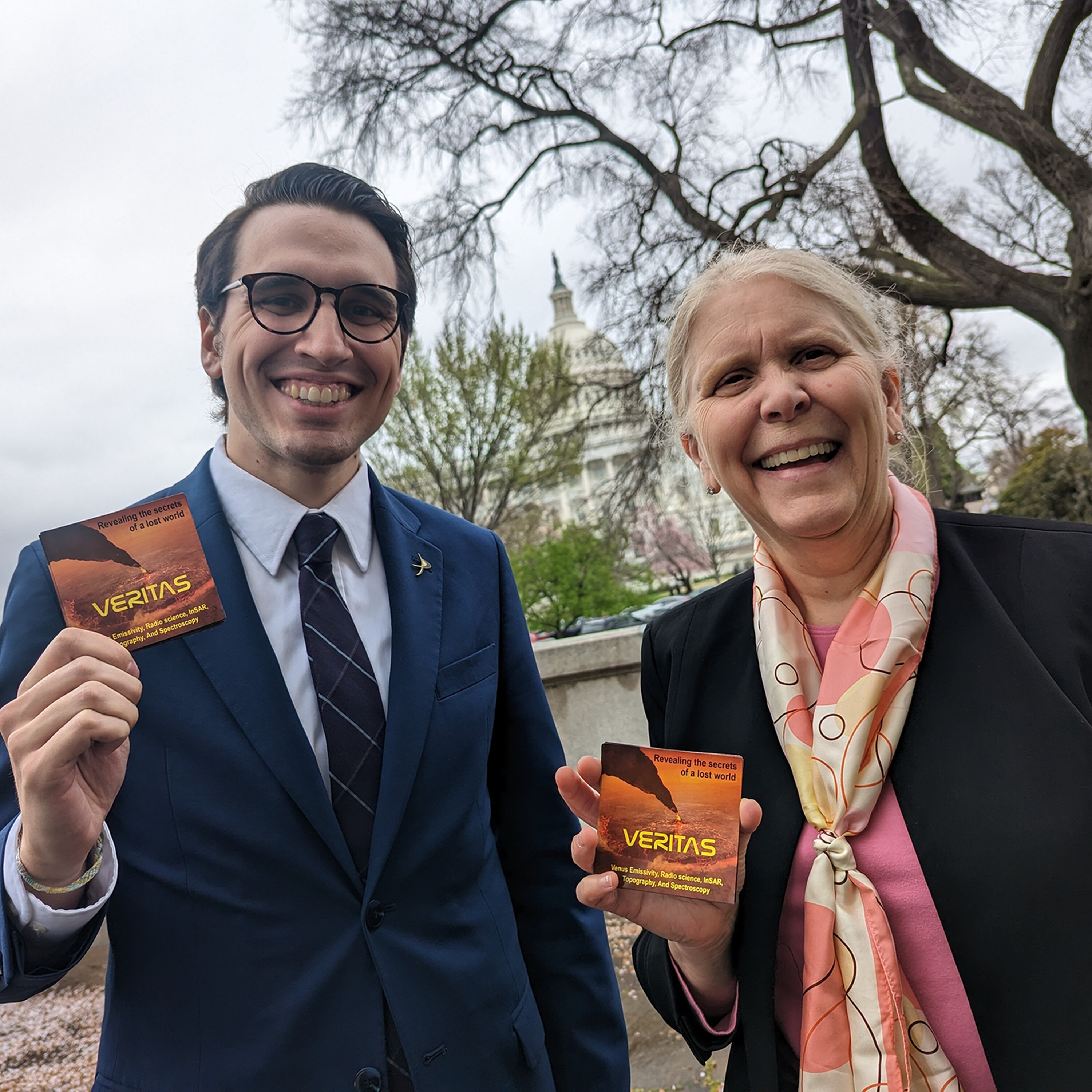
Fans of Venus were saddened in late 2022 to learn that one of NASA's upcoming Venus missions, VERITAS, was defunded, but with the help of space advocates, the mission is now back on. Darby Dyar, the deputy principal investigator for VERITAS, returns triumphantly to Planetary Radio to share the story. We also take a look at the new U.S. House of Representatives budget request for NASA and how it will impact programs like Artemis and Mars Sample Return with Casey Dreier, our chief of space policy. We'll close out our show with Olympic cheer as Bruce Betts, our chief scientist, shares a new random space fact in What's Up. Discover more at: https://www.planetary.org/planetary-radio/2024-victory-for-veritasSee omnystudio.com/listener for privacy information.
The penguin, the egg, and the asteroid collision in Beta Pictoris
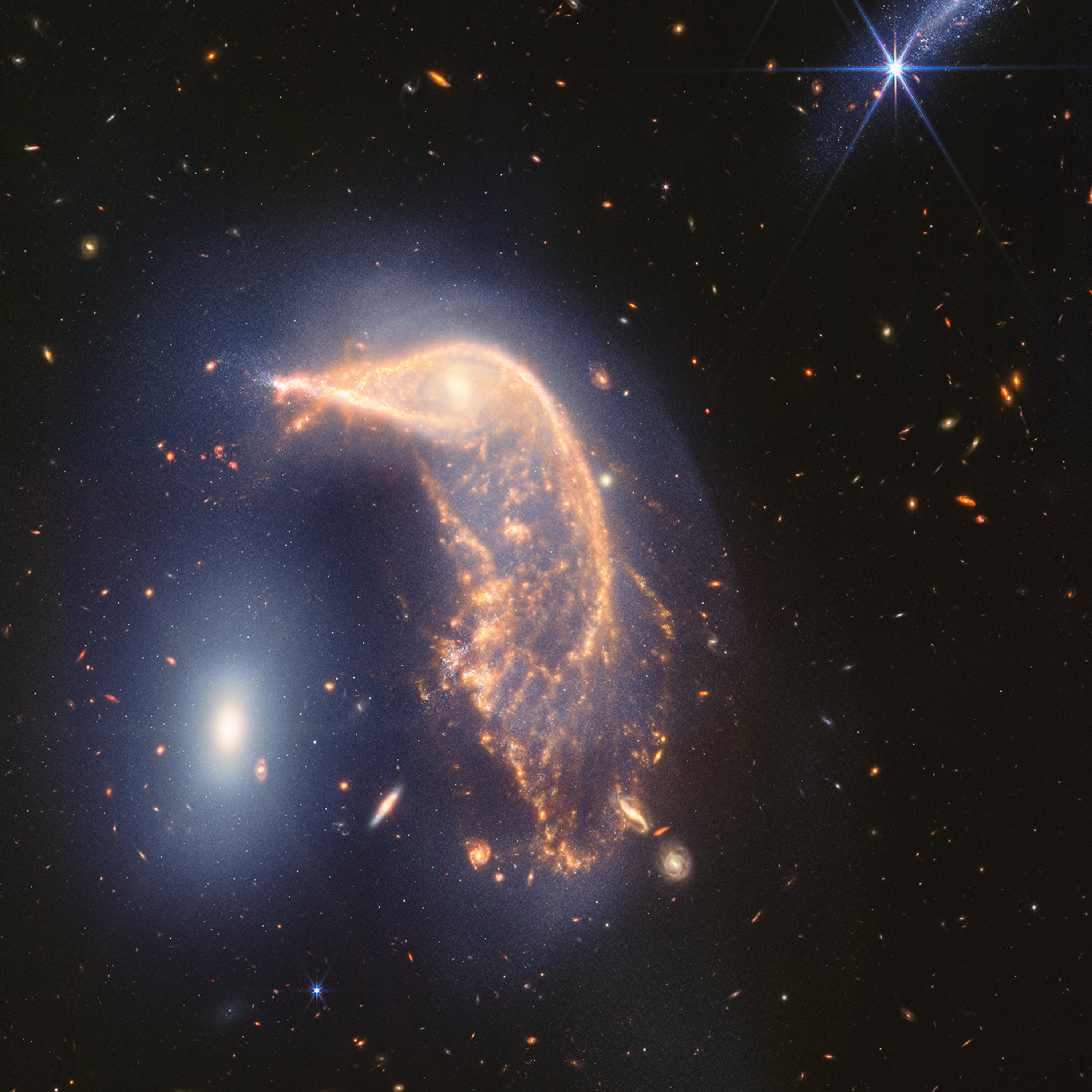
We celebrate the second anniversary of the James Webb Space Telescope's (JWST) science operations with Christine Chen, associate astronomer at the Space Telescope Science Institute. She describes the observatory's newest beautiful image, a close-up of two interacting galaxies called the Penguin and the Egg. Then, she tells us more about her team's recent findings in the Beta Pictoris system, where clearing dust indicates a recent and powerful asteroid collision. We also go back to the early solar system with Bruce Betts, our chief scientist, discussing the massive collisions that shaped our place in space in What's Up. Discover more at: https://www.planetary.org/planetary-radio/2024-penguin-egg-and-asteroidSee omnystudio.com/listener for privacy information.
Meet Roo-ver and The Planetary Society’s new board member
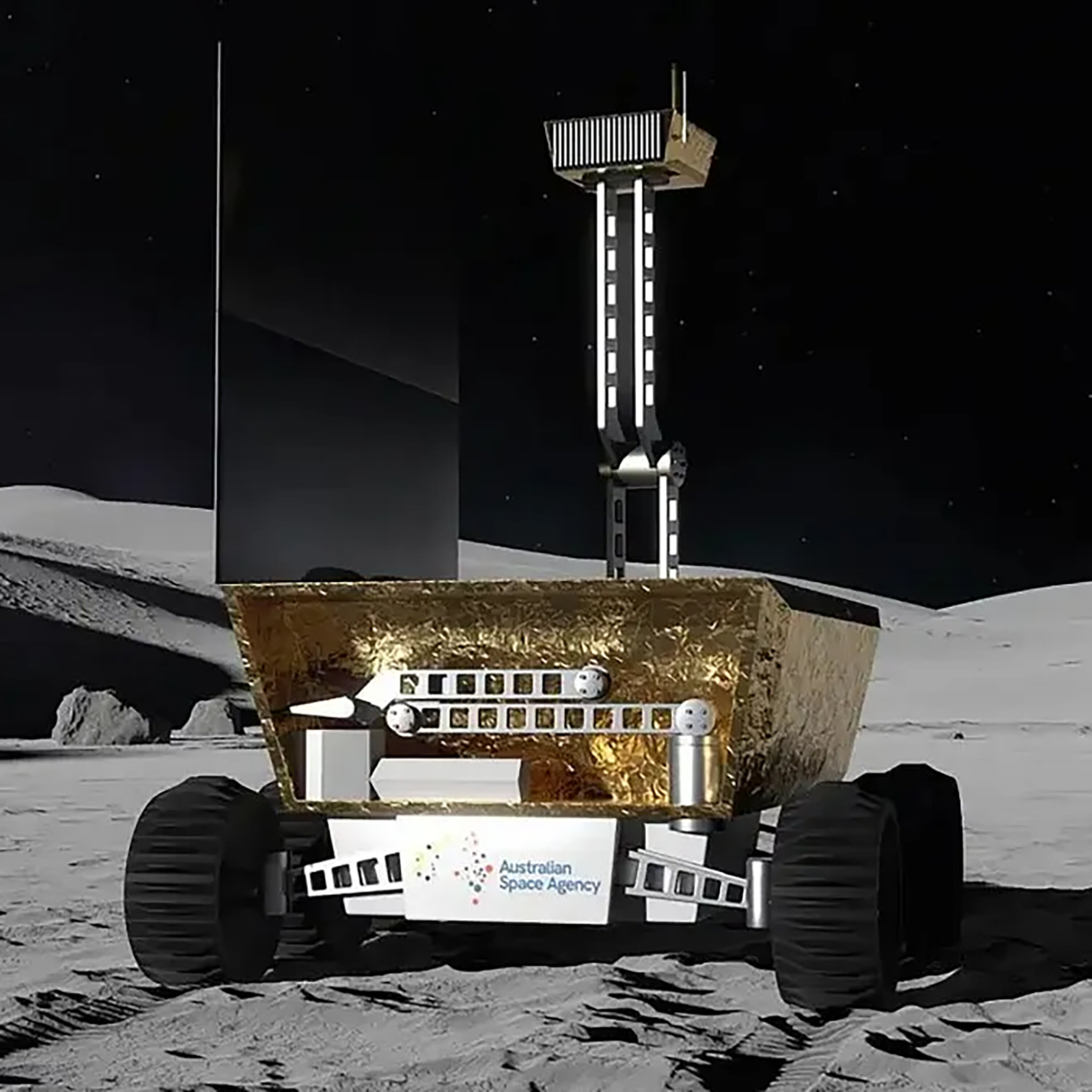
The Planetary Society introduces the newest member of its board of directors this week on Planetary Radio. Newton Campbell Jr., the director of the Australian Remote Operations for Space and Earth (AROSE) Consortium, discusses his career journey, AI in space, and Australia's first lunar rover, the Roo-ver. But first, we go to Washington D.C., U.S.A., where our director of government relations, Jack Kiraly, recently held a briefing for Congressional staffers. Jack discusses the event and the efforts to boost funding for NASA in the coming fiscal year. Then, Bruce Betts, the chief scientist of The Planetary Society, shares a new galactic space fact in What's Up. Discover more at: https://www.planetary.org/planetary-radio/2024-meet-roo-ver See omnystudio.com/listener for privacy information.

Space Policy Edition: NASA and the American South
Every major NASA center built after the agency’s inception is located in the American South. Why? Dr. Brian Odom, NASA’s chief historian, joins the show to explore the relationship between NASA and the South, how politics and geography led to this focus, and why NASA’s expansion during the Apollo era was likened to a second reconstruction of a previously rural and underdeveloped region of the United States. Discover more at: https://www.planetary.org/planetary-radio/spe-nasa-and-the-american-southSee omnystudio.com/listener for privacy information.
Fifty-five hundred worlds and counting: The astonishing diversity of exoplanets
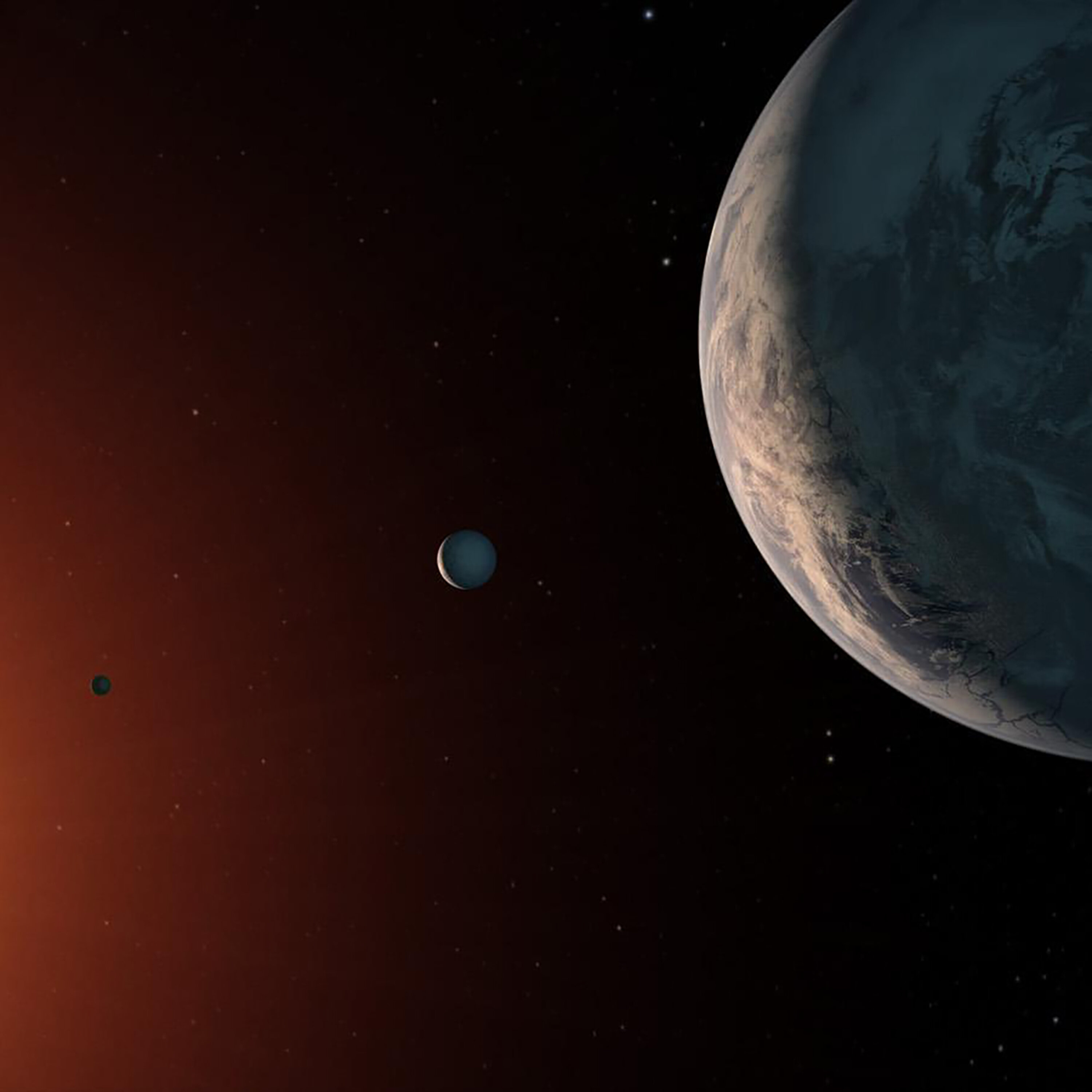
Scientists have discovered over 5,500 exoplanets, but they’re just getting started. We dive into the stunning variety of exoplanets beyond our Solar System with Jessie Christiansen, the project scientist for the NASA Exoplanet Archive. But first, The Planetary Society's science editor, Asa Stahl, shares more about the upcoming Habitable Worlds Observatory, a cutting-edge space telescope designed to hunt for worlds that could harbor life. We also give an update on the International Space Station with our senior communications advisor, Mat Kaplan. Stick around for What's Up with Bruce Betts as we discuss the advances in exoplanet detection and share a new Random Space Fact. Discover more at: https://www.planetary.org/planetary-radio/fifty-five-hundred-worlds-and-counting See omnystudio.com/listener for privacy information.
An asteroid bash and an asteroid smash
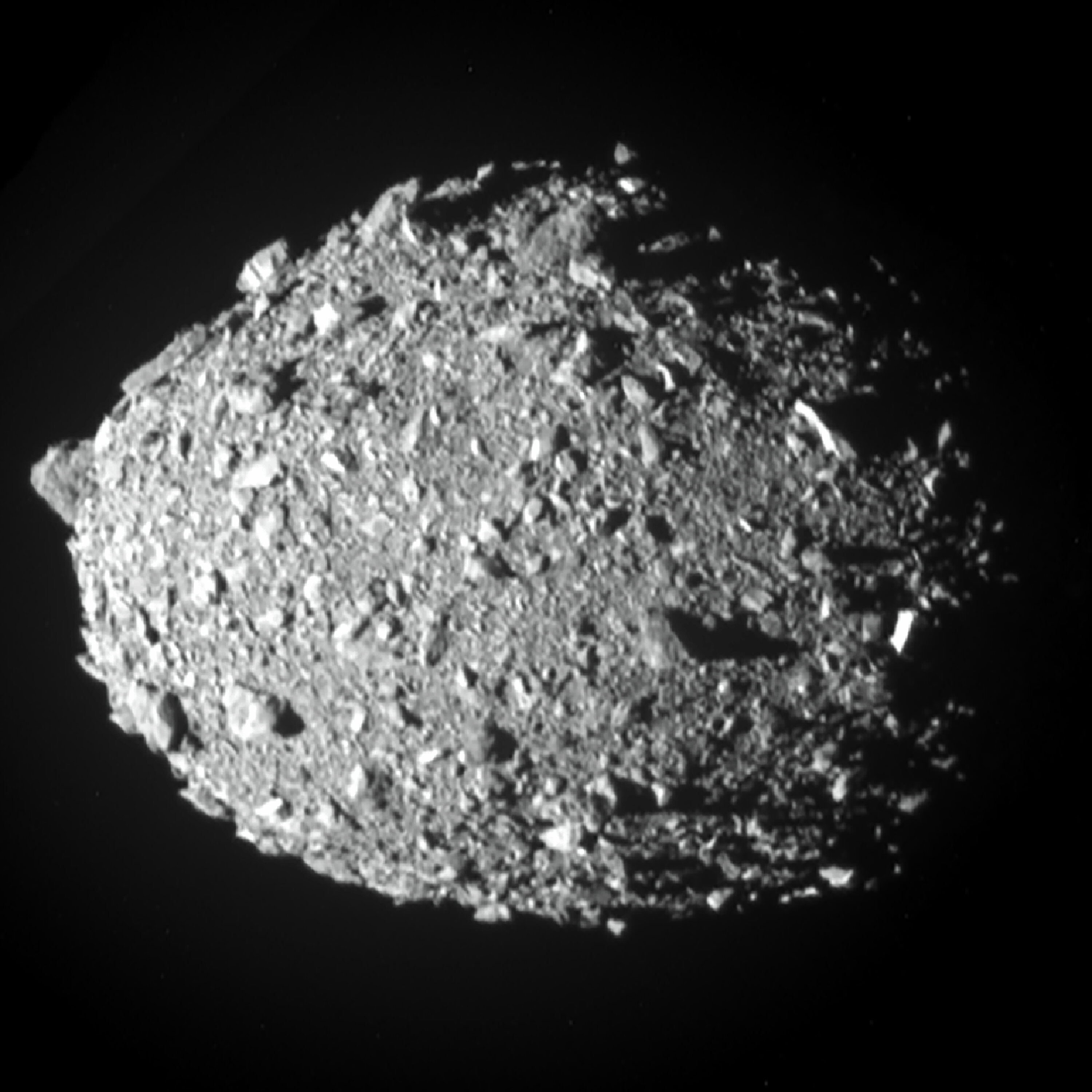
Every year on June 30, the space community observes Asteroid Day, the anniversary of the Tunguska blast. Markus Payer, Asteroid Foundation Chair, joins us to talk about this year's Asteroid Day festivities. We also get an update on the results of the Double Asteroid Redirection Test (DART) with Terik Daly, a planetary scientist and the Planetary Impact Laboratory manager at Johns Hopkins Applied Physics Lab. He’ll tell us more about the aftermath of DART’s smashing encounter with asteroid Dimorphos. Then Bruce Betts, our chief scientist, discusses what The Planetary Society’s asteroid-hunting grant winners have been up and in What's Up. Discover more at: https://www.planetary.org/planetary-radio/2024-asteroid-bash-smashSee omnystudio.com/listener for privacy information.
A big year for heliophysics and Parker Solar Probe
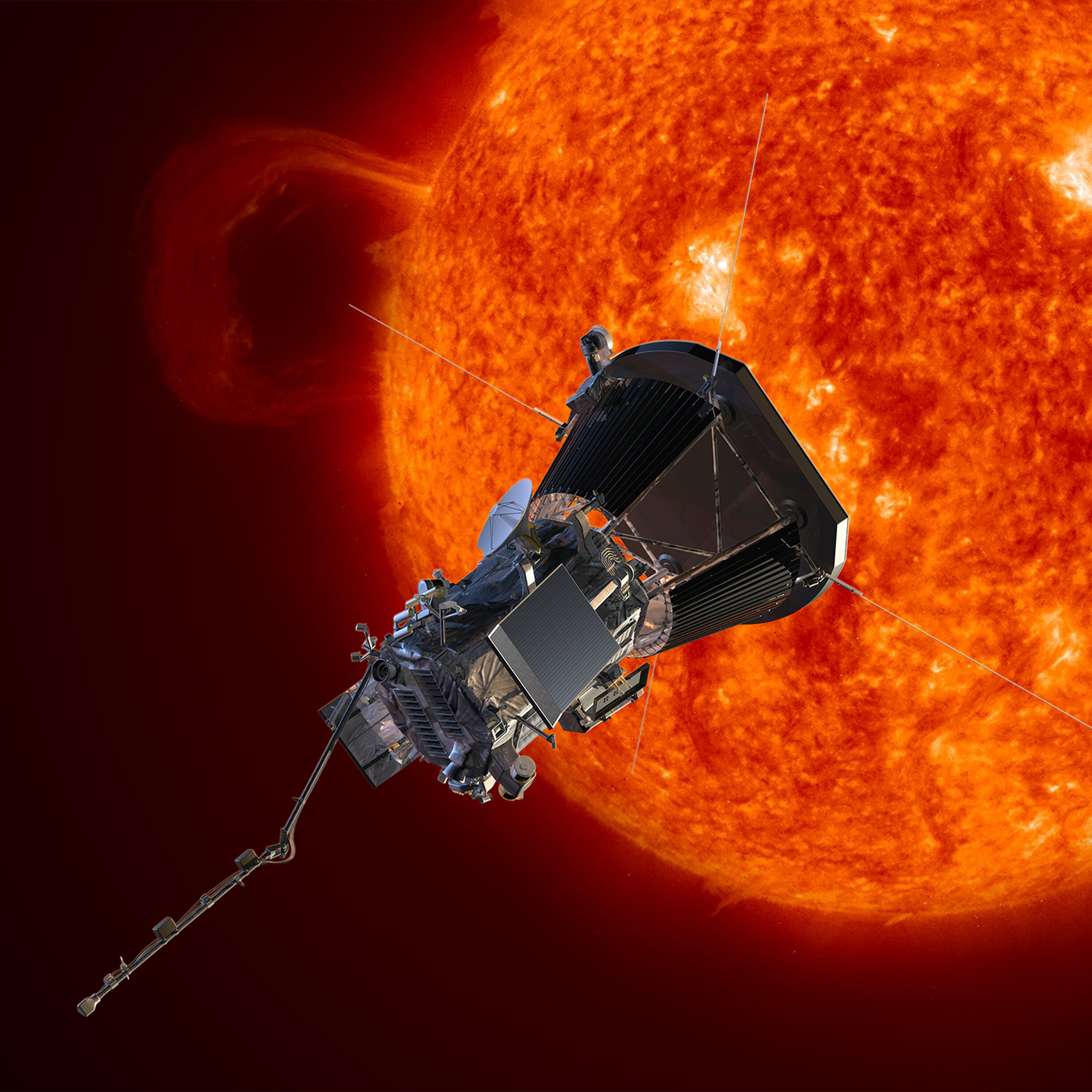
Our Sun is nearing the most active part of its solar cycle. This week, we explore recent solar activity and discoveries from NASA's Parker Solar Probe with Nour Rawafi, the mission's project scientist. But first, we honor the life and legacy of Ed Stone, the former director of NASA's Jet Propulsion Laboratory and the longtime project scientist of the Voyager mission. We close out our show with Bruce Betts, the chief scientist of The Planetary Society, in What's Up. Discover more at: https://www.planetary.org/planetary-radio/2024-parker-solar-probeSee omnystudio.com/listener for privacy information.
The nova and the naming contest
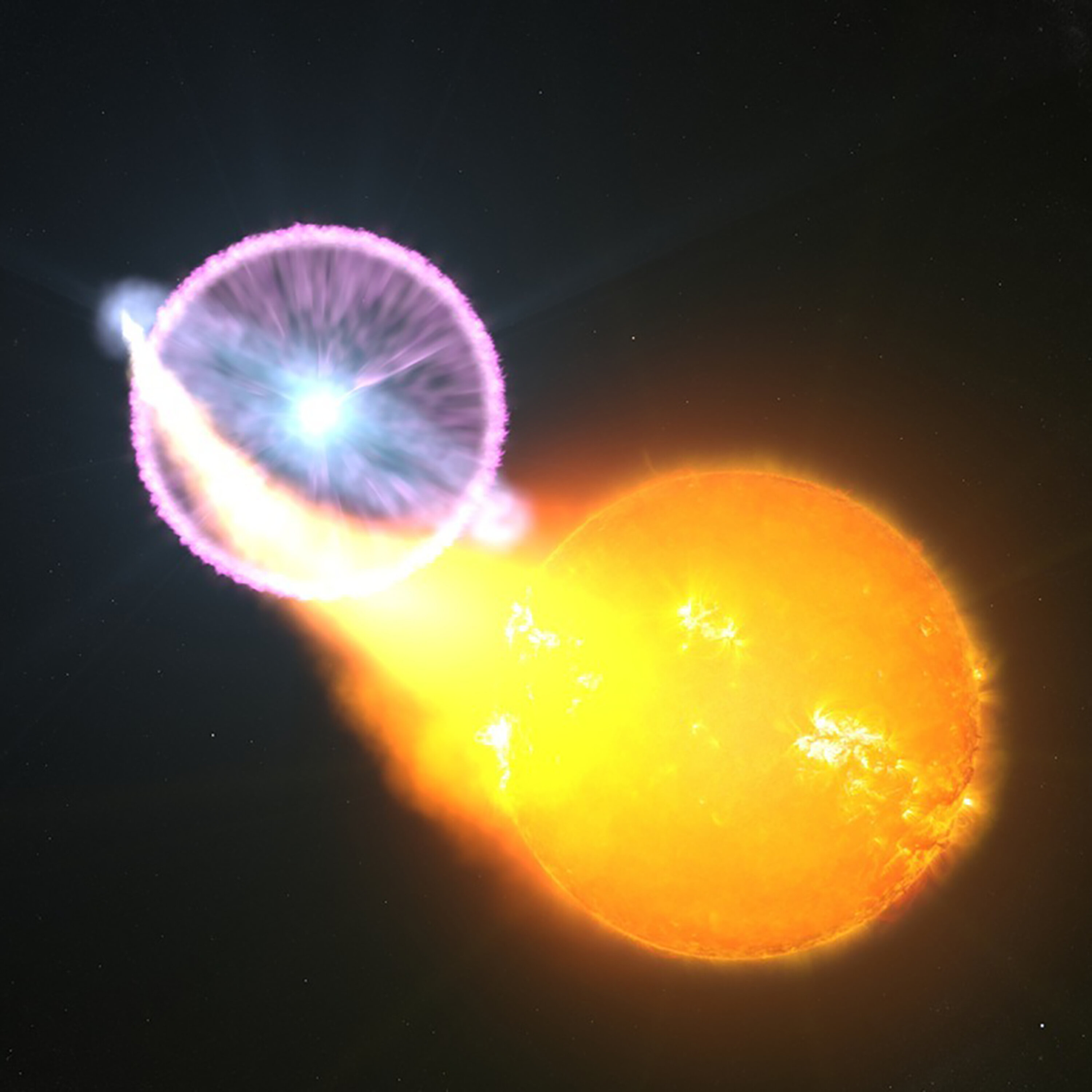
Last week was a big one for commercial space. Our senior communications advisor, Mat Kaplan, discusses the first crewed Boeing Starliner test and SpaceX Starship launch. Then Asa Stahl, our science editor, lets you know how to observe the upcoming nova in Corona Borealis. RadioLab's Latif Nasser returns to Planetary Radio with a new public naming contest for a quasi-moon of Earth. Then, we dive into some naming conventions for space objects in What's Up with our chief scientist, Bruce Betts. Discover more at: https://www.planetary.org/planetary-radio/2024-nova-and-naming-contestSee omnystudio.com/listener for privacy information.

Space Policy Edition: Is Human Spaceflight a Religion?
Holy texts and salvation ideology. Saints and martyrs. True believers and apostates. This isn’t a religion — this is human spaceflight. So says Roger Launius, NASA’s former Chief Historian, in his 2013 paper Escaping Earth: Human Spaceflight as Religion. For the start of our ninth year of the Space Policy Edition, Dr. Launius joins the show to discuss the ways in which human spaceflight exhibits characteristics commonly seen in modern religions, how his thesis has evolved in the past decade with the rise of Elon Musk and his view of Mars as humanity’s salvation, and how exploring secular activities through a religious lens can be instructive in understanding their adherents and support. Discover more at: https://www.planetary.org/planetary-radio/spe-human-spaceflight-as-religionSee omnystudio.com/listener for privacy information.
Accidental astronomy
Astronomical and planetary science discoveries often unfold in strange and serendipitous ways. We discuss the delightfully unpredictable nature of space discoveries with Chris Lintott, author of the upcoming book "Accidental Astronomy: How Random Discoveries Shape the Science of Space." Then, Bruce Betts, our chief scientist, gives us a new way to think about the scale of our Solar System in What's Up. Discover more at: https://www.planetary.org/planetary-radio/2024-accidental-astronomySee omnystudio.com/listener for privacy information.
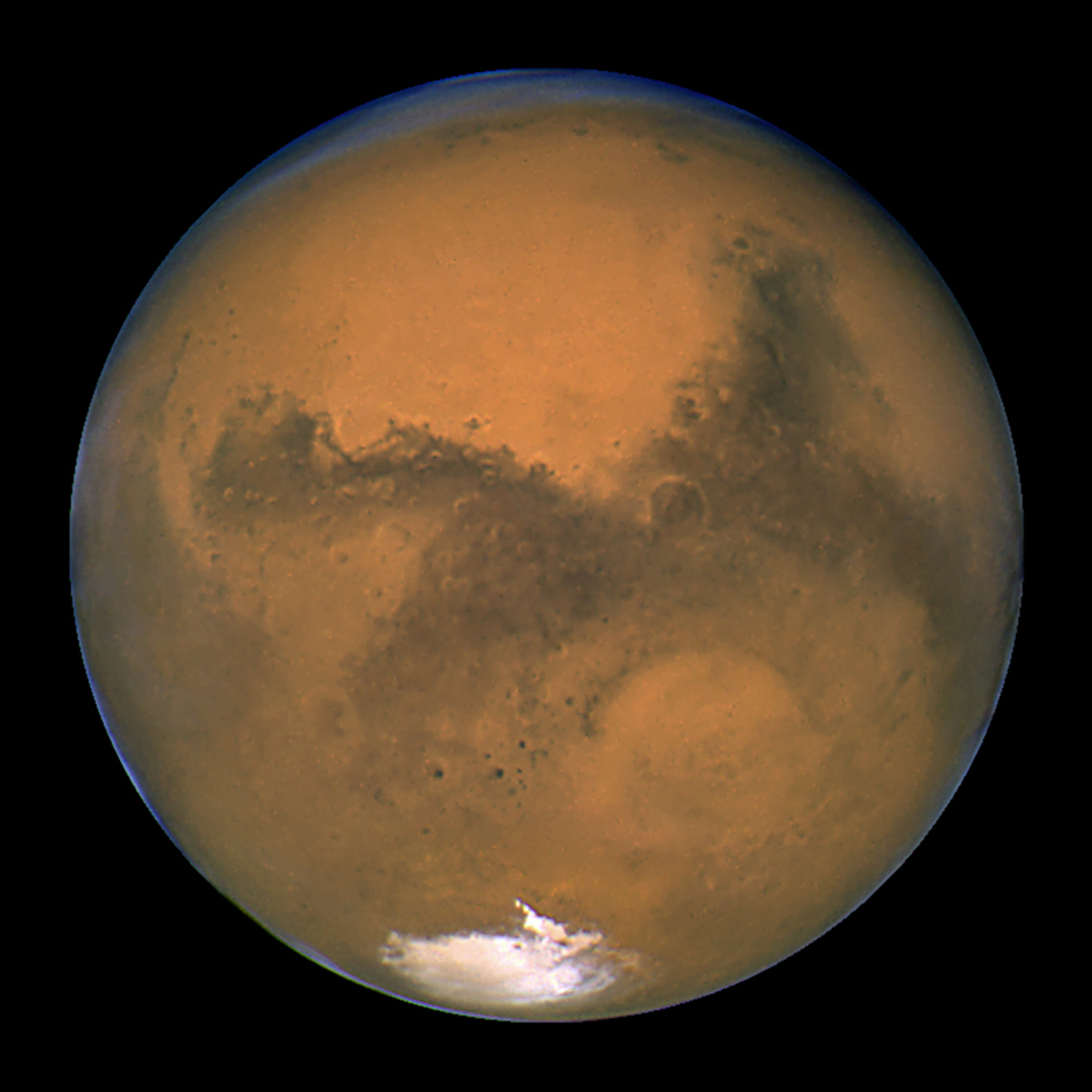
International integration: The path from the Moon to Mars
Every year, Explore Mars hosts the Humans to Mars Summit, a gathering of people from around the world who want to advance human exploration of the Red Planet and beyond. This week on Planetary Radio, we share a conversation from the summit about integrating NASA and its partners as humanity looks to build a permanent and sustainable human presence on Mars. You'll hear from Mat Kaplan (The Planetary Society's senior communications advisor) and representatives of the National Aeronautics and Space Administration (NASA), the Japanese Aerospace Exploration Agency (JAXA), the European Space Agency (ESA), the United Arab Emirates Space Agency (UAESA), and the commercial space industry. Then, we'll check in with Bruce Betts, the chief scientist of The Planetary Society, for What's Up and a new random space fact. Discover more at: https://www.planetary.org/planetary-radio/2024-h2m-international-integrationSee omnystudio.com/listener for privacy information.

Bot battles and space dreams
As humanity aims to explore new frontiers in space, the need for good roboticists has never been greater. Robotics leagues and competitions offer a gateway into the field, connecting aspiring engineers with a vibrant community where enthusiasts can learn to accomplish their space dreams. Kelly Biderman, the CEO of Havoc Robotics, joins Planetary Radio to share how the National Havoc Robot League helps to prepare the next generation of space engineers. Then we hear from Florence Pouya, the former captain of the Afghan Girls Robotics Team, as she shares her insights with our senior communications adviser, Mat Kaplan, during their time at the Humans to Mars Summit in Washington, D.C. Stick around for What's Up with Bruce Betts and a new random space fact.See omnystudio.com/listener for privacy information.
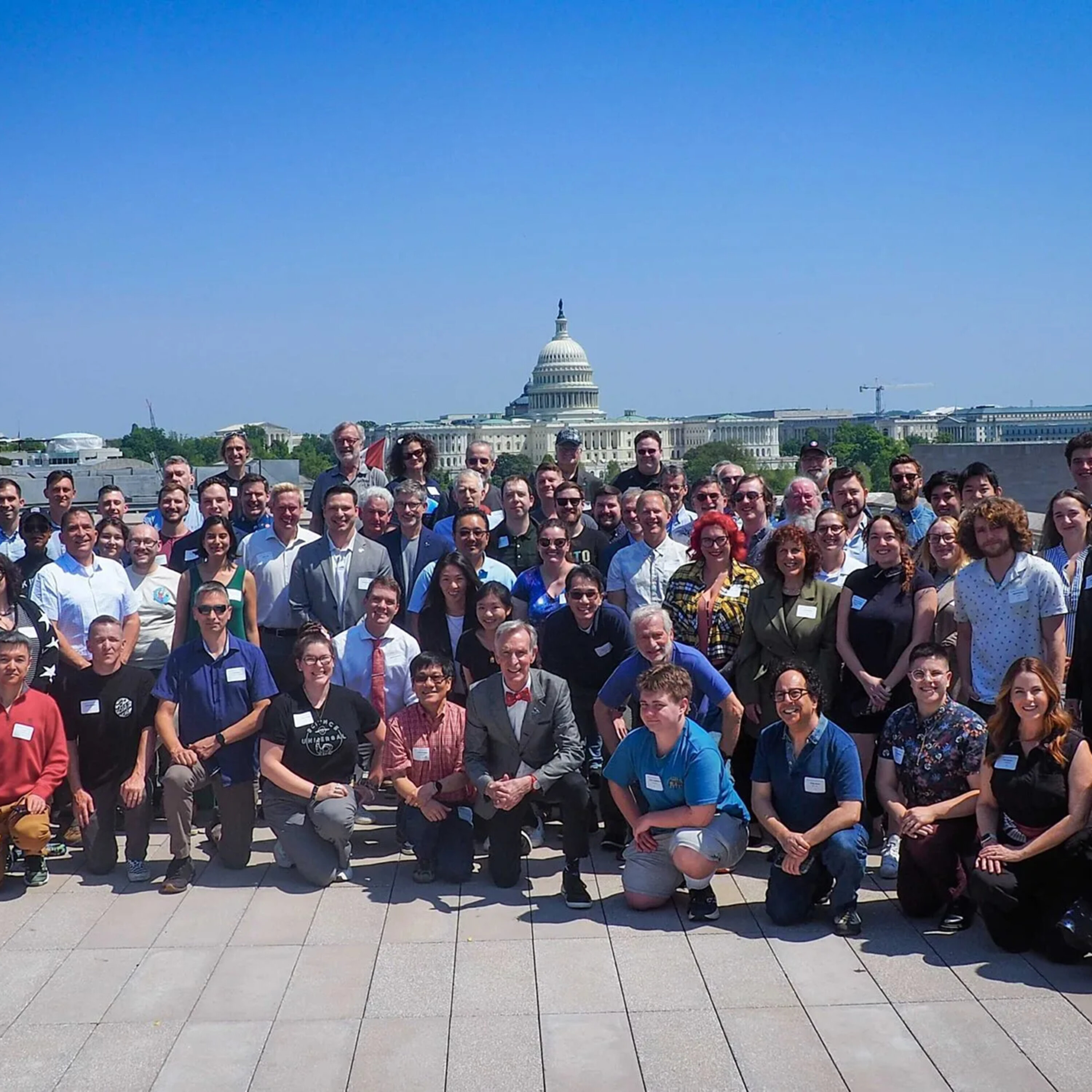
Day of Action 2024: The Planetary Society goes to Washington
Every year, passionate space advocates from the United States travel to Washington, D.C., to ensure that their vision for the future of space exploration gets the funding and support it needs. Nearly 100 advocates gathered this year on Monday, April 29, 2024, to call for increased funding and better support for NASA's groundbreaking science programs. This week on Planetary Radio, we'll share what happened during this year's Day of Action and why it matters. You'll hear from members of The Planetary Society staff, space advocates from across the United States, and various congresspeople, including the co-chairs of the Congressional Planetary Science Caucus, Representatives Don Bacon and Judy Chu. We close out our show with Bruce Betts for What's Up and a new random space fact. Discover more at: https://www.planetary.org/planetary-radio/2024-day-of-actionSee omnystudio.com/listener for privacy information.

TARDIS Talk: Space, Time, and “Doctor Who” with Russell T. Davies
This week on Planetary Radio, we celebrate the longest-running science fiction show in history, “Doctor Who.” We explore how this iconic series has influenced the scientific community and look forward to the new season of the show with Russell T. Davies, the past and present showrunner of “Doctor Who.” Then, space fans from around the world share how the show has impacted their lives and space careers. We close out with Bruce Betts, our chief scientist, as we discuss what we would do with a time machine in What's Up. Discover more at: https://www.planetary.org/planetary-radio/2024-tardis-talkSee omnystudio.com/listener for privacy information.
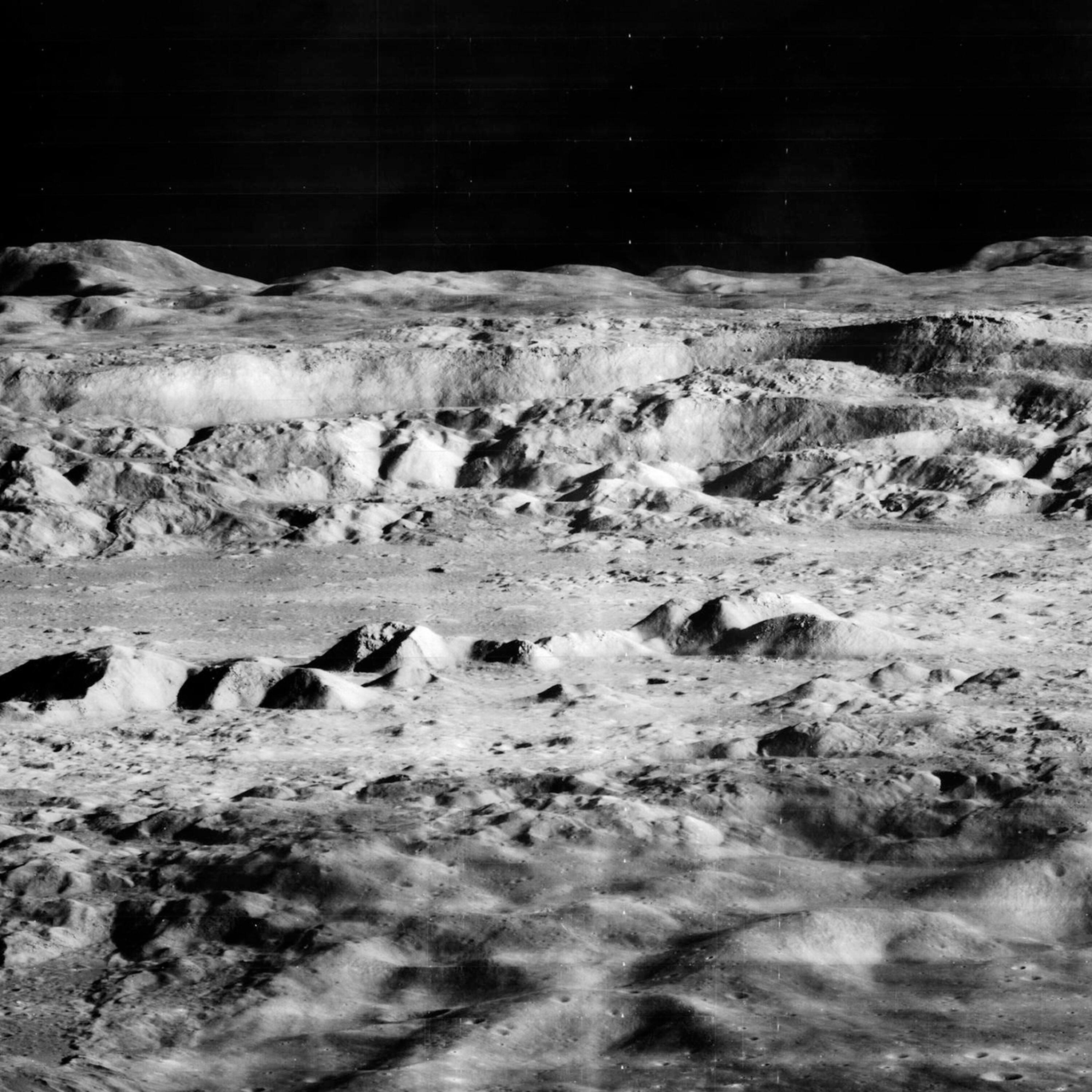
Space Policy Edition: The power of the lunar sublime
Should policymakers spend more time looking — really looking — at the Moon? Chris Cokinos thinks so. He is the author of the new book, Still As Bright: An Illuminating History of the Moon, from Antiquity to Tomorrow, which explores the role of our nearest celestial neighbor in culture, art, and our dreams of space exploration over the course of human history. It’s about the power of looking and seeing something beyond what you’d expect. But the conversation goes beyond that. We discuss the role of the sublime in our everyday lives, how to find beauty in the quotidian, the role of language in conveying the beauty and power of space, and even why he thinks landing cremains on the Moon is disrespectful. Discover more at: https://www.planetary.org/planetary-radio/the-moon-still-as-bright-chris-cokinosSee omnystudio.com/listener for privacy information.

Europa Clipper’s message in a bottle
NASA's Europa Clipper mission is almost ready for its historic trip to the Jovian system. Merc Boyan, a visual storyteller at The Planetary Society, takes us into the clean room at NASA's Jet Propulsion Laboratory to speak with team members about the spacecraft. Then Bob Pappalardo, project scientist for Europa Clipper, visits The Planetary Society headquarters in Pasadena, CA, to share the story of the mission's vault plate, humanity's next collection of messages to another world. Bruce Betts, the Planetary Society chief scientist, closes out this week's show in What's Up, discussing his favorite messages from Earth. Discover more at: https://www.planetary.org/planetary-radio/2024-europa-clipper-message-in-a-bottle See omnystudio.com/listener for privacy information.

Eclipse-O-Rama
On April 8, 2024, a total solar eclipse passed over Mexico, the United States, and Canada. This week on Planetary Radio, we take a trip to The Planetary Society’s Eclipse-O-Rama festival in Fredericksburg, Texas, where hundreds gathered to witness totality. We share the reactions of festival attendees along with snippets from the talks given by special guests at the event, including Bill Nye, the CEO of The Planetary Society, Bethany Ehlmann, president of The Planetary Society and principal investigator for the NASA Lunar Trailblazer mission, and Bee Hayes-Thakore, Vice President of Marketing at Kigen and member of The Planetary Society's board of directors. Tim Dodd, better known as the Everyday Astronaut, and Bob Pflugfelder, popularly known as Science Bob, share their experiences. Bruce Betts, the chief scientist of The Planetary Society, tells us about the solar features people may have seen during the eclipse in What's Up. Then we get an update on the Mars Sample Return mission with Casey Dreier, The Planetary Society's chief of space policy, and Jack Kiraly, our director of government relations. Discover more at: https://www.planetary.org/planetary-radio/2024-eclipse-o-ramaSee omnystudio.com/listener for privacy information.
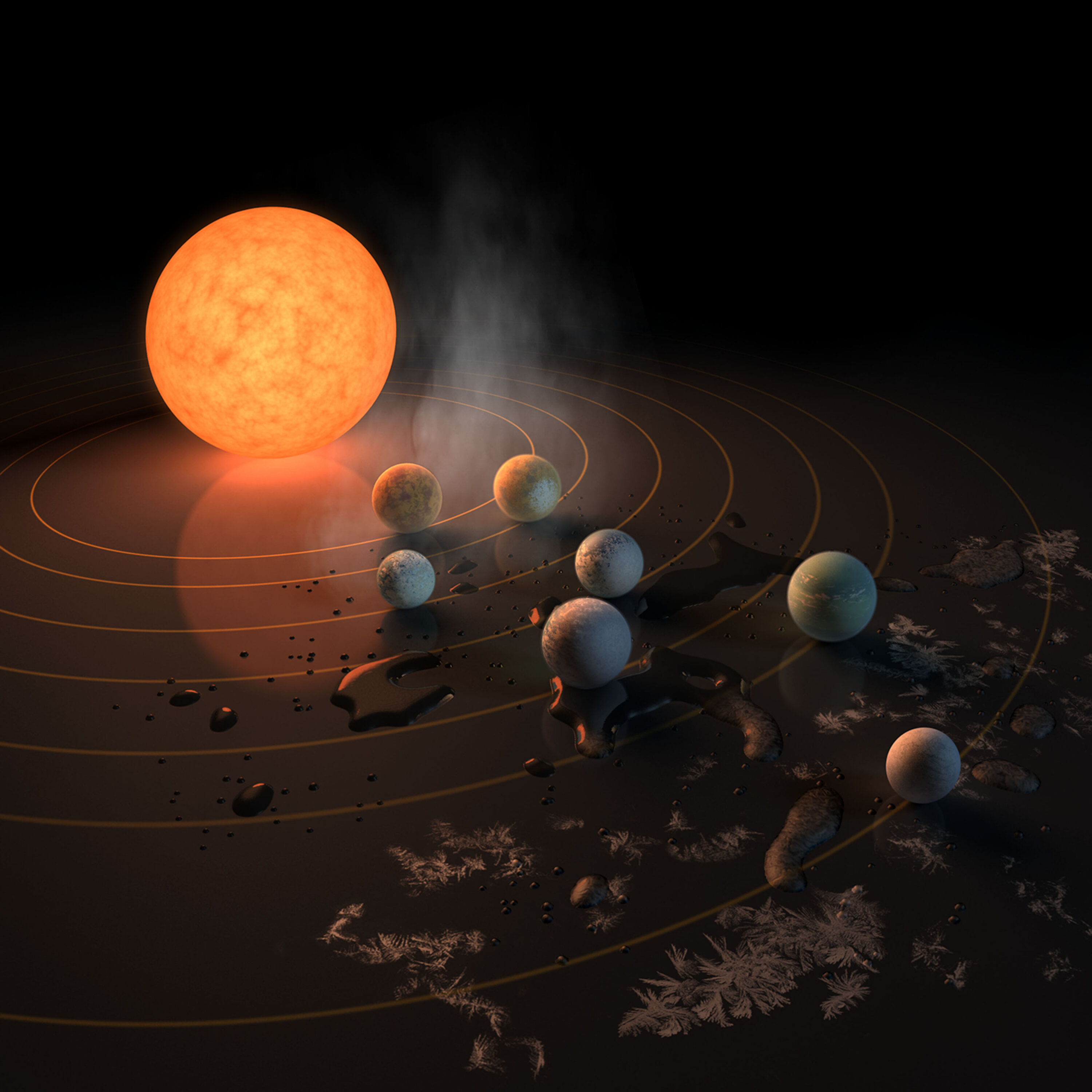
Tabletops and telescopes: NASA’s RPG and the hunt for habitable worlds
This week on Planetary Radio, we explore "The Lost Universe," NASA's first tabletop role-playing game, with Christina Mitchell, a senior multimedia specialist at NASA's Goddard Space Flight Center in Maryland, U.S.A. Then, we'll shift our gaze from the mythical to the methodical with Amaury Triaud, an astronomer from the University of Birmingham in the U.K. He and his colleagues have found a new method for potentially detecting liquid water on the surfaces of terrestrial exoplanets. We close out with our chief scientist, Bruce Betts, for What's Up and a new random space fact. Discover more at: https://www.planetary.org/planetary-radio/2024-tabletops-and-telescopes See omnystudio.com/listener for privacy information.
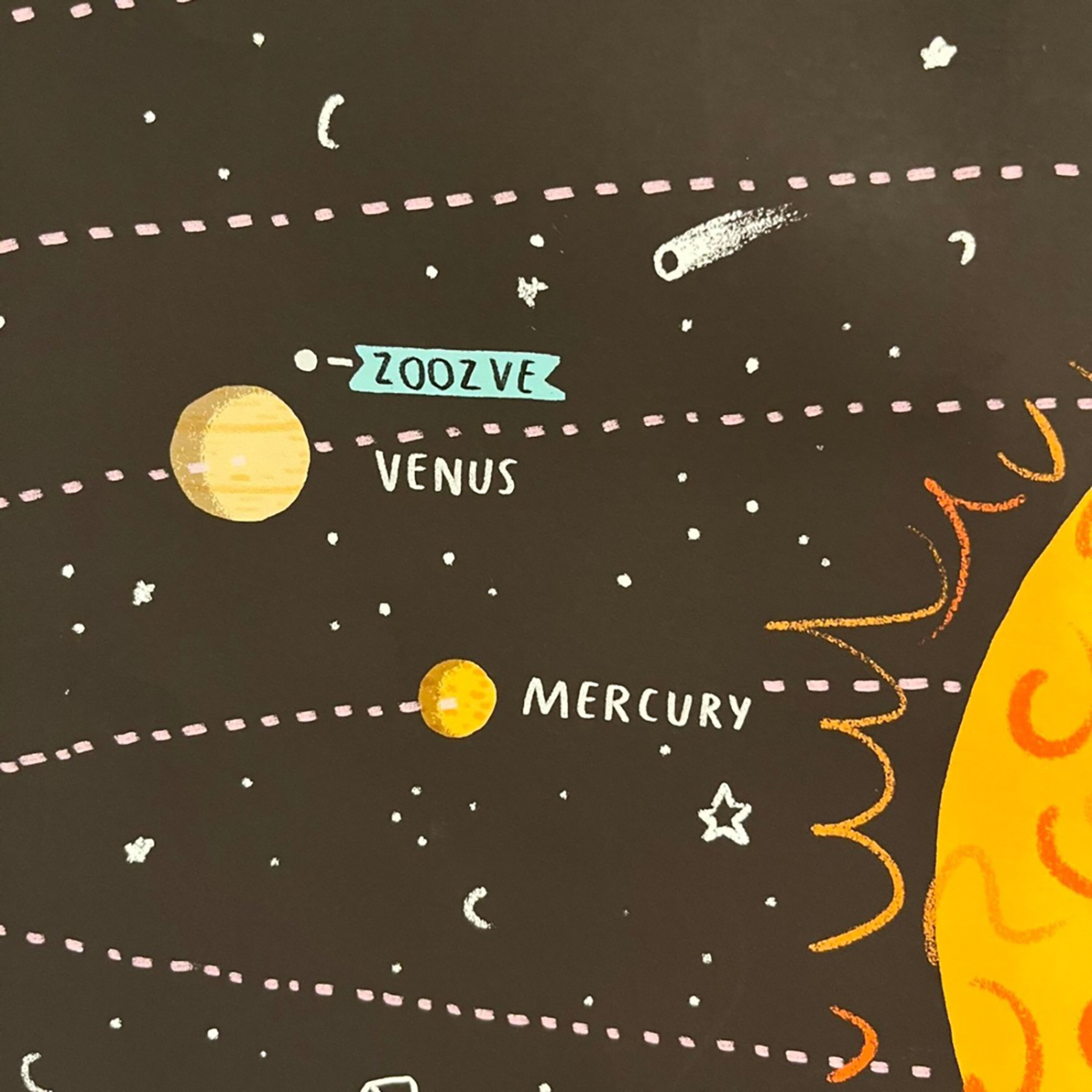
Radiolab helps name a quasi-moon of Venus
Sometimes, misunderstandings can spark beautiful adventures. This week on Planetary Radio, we explore the story behind the naming of Zoozve, a quasi-moon of Venus, with Latif Nasser, co-host of Radiolab. He shares how a typo on a space poster led the Radiolab team on an epic quest to convince the International Astronomical Union to name this quirky space object. Then, Bruce Betts, our chief scientist, pops in for What's Up and a discussion of some of the things asteroid hunters have found lurking in our Solar System. Discover more at: https://www.planetary.org/planetary-radio/2024-radiolab-helps-name-a-quasi-moonSee omnystudio.com/listener for privacy information.
Space Policy Edition: Real and Acceptable Reasons for Space Exploration
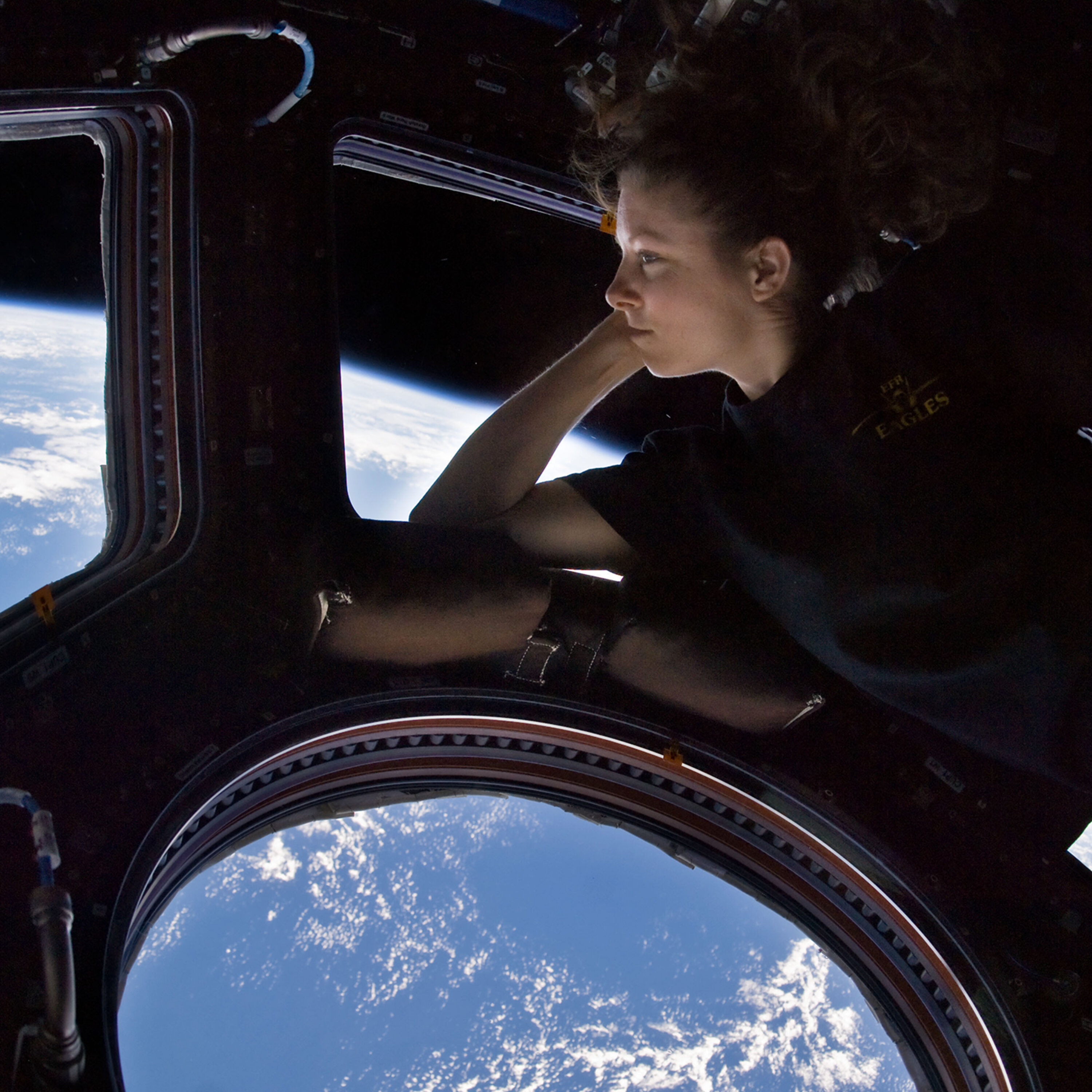
Former NASA Administrator Mike Griffin joins the Space Policy Edition to discuss his notable 2007 speech outlining the tension between so-called “real” and “acceptable” reasons for space exploration. “Acceptable” reasons for space exploration are logical, policy-friendly justifications such as workforce development, technology spinoffs, and STEM engagement. They are quantifiable and dispassionate — the Vulcans of arguments. However, Griffin argues that the essence of humanity's drive to explore space is the “real” reasons, which are intuitive, emotional, and grand. They have value but are hard to quantify. These include the innate human desire for competitiveness, curiosity, and the urge to leave lasting legacies through monumental achievements. Why do we have this dichotomy? What in the system itself prefers acceptable reasons over real reasons? And how can we leverage the relative strengths of both systems to be better space advocates? Discover more at: https://www.planetary.org/planetary-radio/mike-griffin-real-and-acceptable-reasons-for-space-explorationSee omnystudio.com/listener for privacy information.
Syzygy science: Discoveries made during total solar eclipses
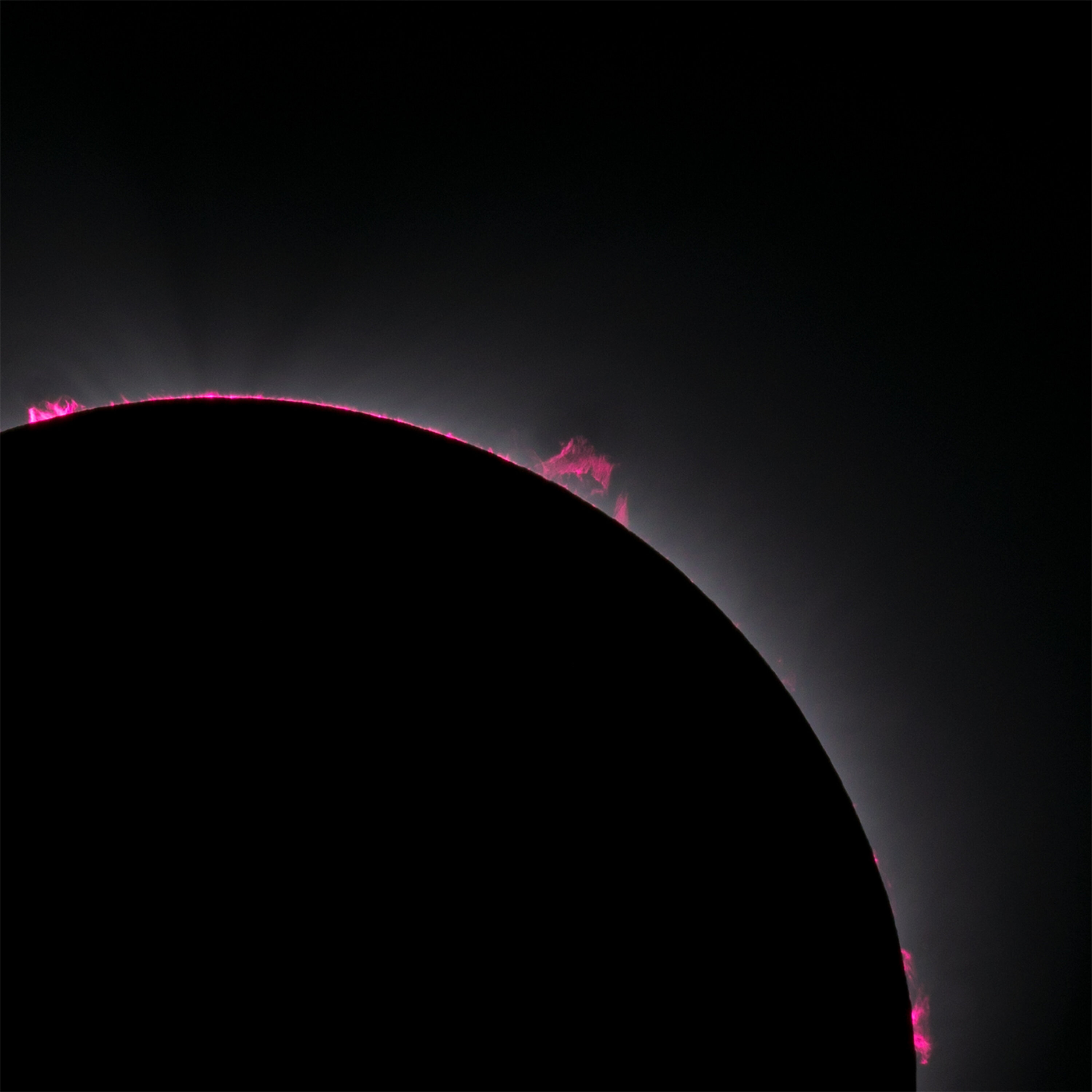
Planetary Radio marks its last show before the Apr. 8 total solar eclipse with a look back at discoveries made during totality. Planetary Society science editor Asa Stahl shares why solar maximum is excellent for eclipse observing but potentially scary for Earth. Then Jeff Rich, outreach coordinator at the Carnegie Science Observatories in Pasadena, CA, joins Planetary Radio to discuss how total solar eclipses have contributed to our understanding of the Sun and beyond. Bruce Betts, our chief scientist, closes the show with What's Up and a chat about the ways that Einstein's general relativity impacts humanity and our technology. Discover more at: https://www.planetary.org/planetary-radio/2024-syzygy-scienceSee omnystudio.com/listener for privacy information.

Eclipse Tips: A guide to safe observing and astrophotography
On April 8, 2024, a total solar eclipse will sweep across North America. Ron Benner, the President of the American Optometric Association, joins Planetary Radio to share safety tips to protect your eyes during partiality. Then, astrophotographer Andrew McCarthy gives helpful advice about observing solar eclipses using telescopes and cameras. We close the show with our chief scientist, Bruce Betts, as he discusses The Planetary Society's new eclipse book for kids, "Casting Shadows," and the upcoming Eclipse-O-Rama festival in Texas, U.S.A. Discover more at: https://www.planetary.org/planetary-radio/2024-eclipse-tipsSee omnystudio.com/listener for privacy information.
The asteroid hunter
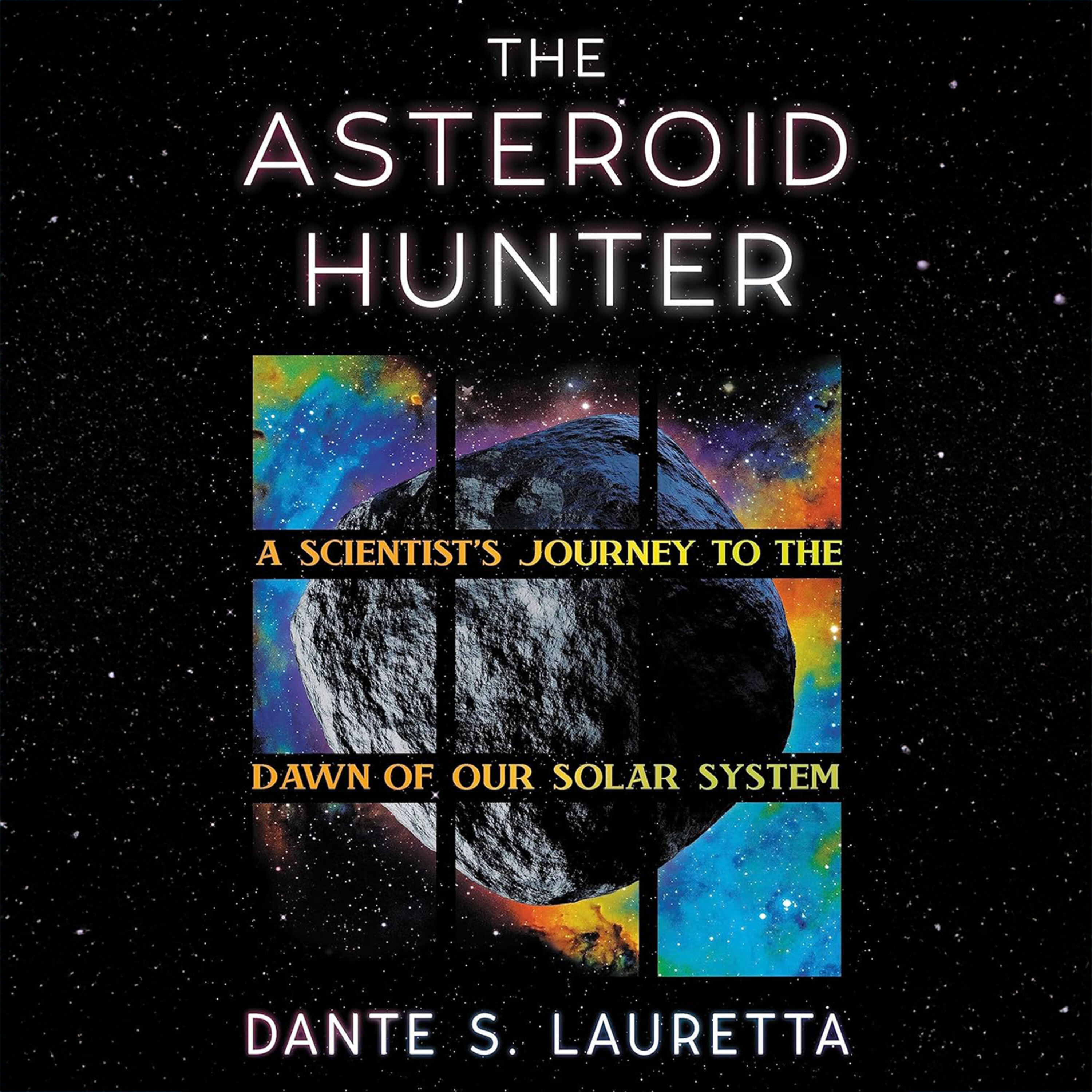
Behind every space mission is a tale of hard work, love, and perseverance. Dante Lauretta, the principal investigator for NASA's OSIRIS-REx mission, joins Planetary Radio to share stories from his new book, "The Asteroid Hunter." Then Bruce Betts, the chief scientist of The Planetary Society, looks back at the Shoemaker-Levy 9 impact on Jupiter and answers a question from our audience in What's Up. Discover more at: https://www.planetary.org/planetary-radio/2024-the-asteroid-hunterSee omnystudio.com/listener for privacy information.
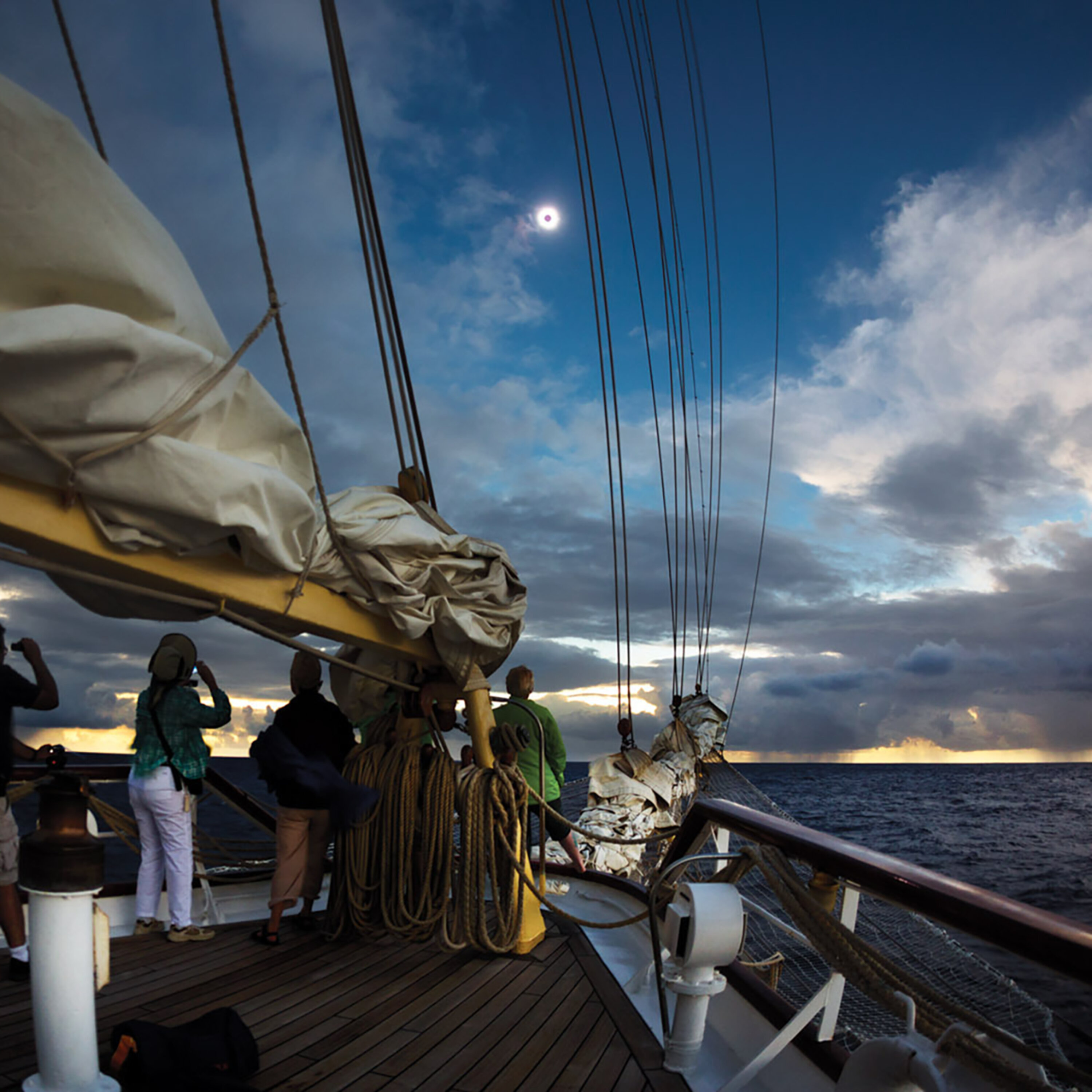
Tales of totality: The adventures of an eclipse chaser
The countdown is on! With less than a month until the total solar eclipse on April 8, 2024, Planetary Radio is buzzing with anticipation. This celestial event will sweep across Mexico, the United States, and Canada, promising a spectacular view to millions. Jim Bell, a professor from the School of Earth and Space Exploration at Arizona State University and former president of The Planetary Society's Board of Directors, will share captivating tales from his global eclipse-chasing journeys. But before diving into the cosmic wonders, we'll bring you the latest updates on the proposed US Presidential Budget. The Planetary Society's space policy experts, Casey Dreier and Jack Kiraly, will explain what this budget proposal means for NASA's funding and future projects. Then, the great Bruce Betts will pop in for What's Up as host Sarah Al-Ahmed looks forward to high-fiving him in person at The Planetary Society's upcoming Eclipse-O-Rama event in Texas, U.S. Discover more at: https://www.planetary.org/planetary-radio/2024-eclipse-chasingSee omnystudio.com/listener for privacy information.
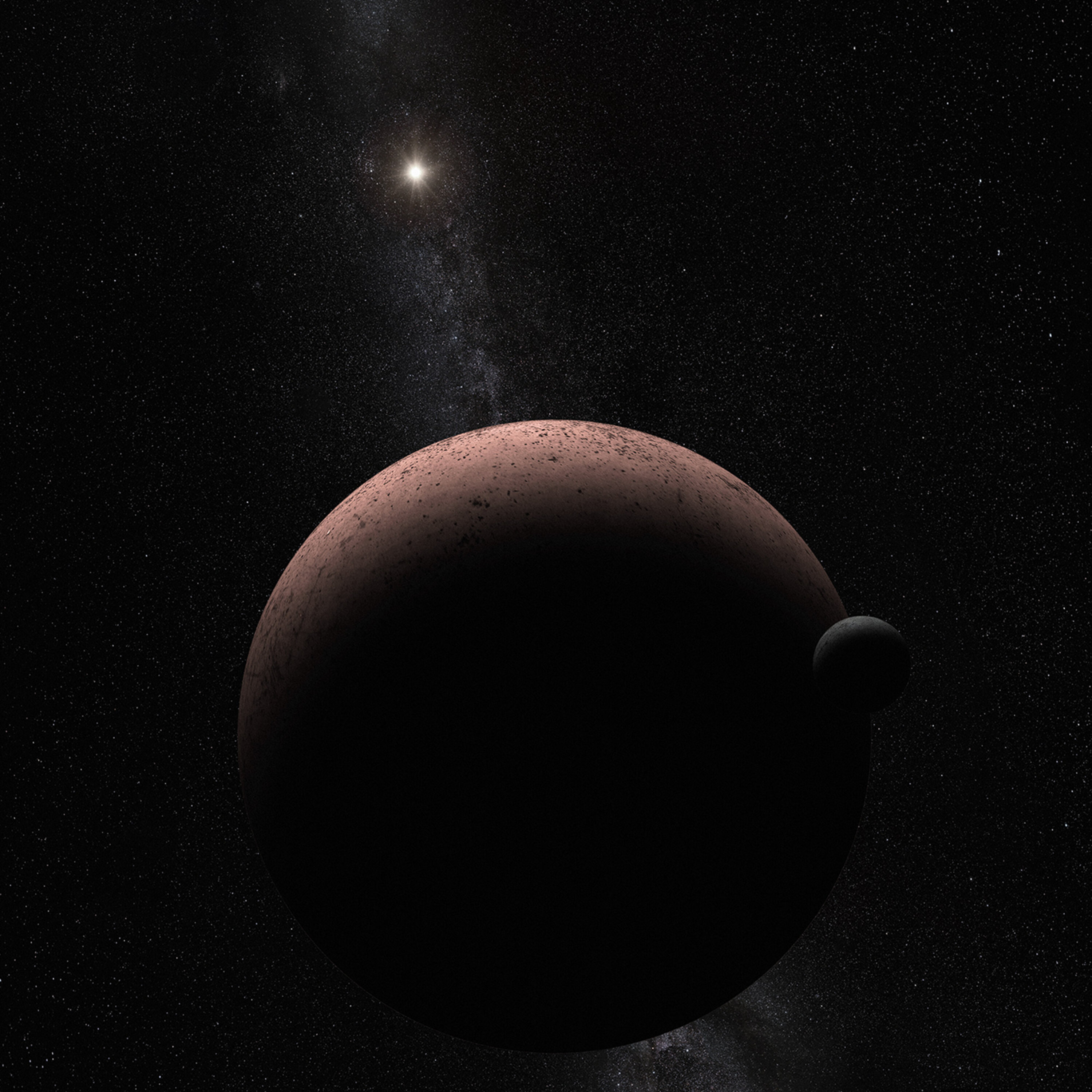
Geothermal activity on the icy dwarf planets Eris and Makemake
A team co-led by the Southwest Research Institute has made a groundbreaking discovery, revealing evidence of hydrothermal or metamorphic activity on the icy dwarf planets Eris and Makemake in the Kuiper Belt. The lead author of this research, Chris Glein, joins Planetary Radio to explain. But our journey doesn't stop there. We dive into the newly reformed US Planetary Science Caucus with The Planetary Society's top space policy experts, Casey Dreier and Jack Kiraly. Our senior communications adviser, Mat Kaplan, celebrates a monumental achievement in space exploration — the successful landing of Intuitive Machine's Odysseus spacecraft on the lunar surface. And don't miss the latest installment of What's Up with Bruce Betts, our chief scientist, as he shares a new random space fact. Discover more at: https://www.planetary.org/planetary-radio/2024-eris-and-makemakeSee omnystudio.com/listener for privacy information.
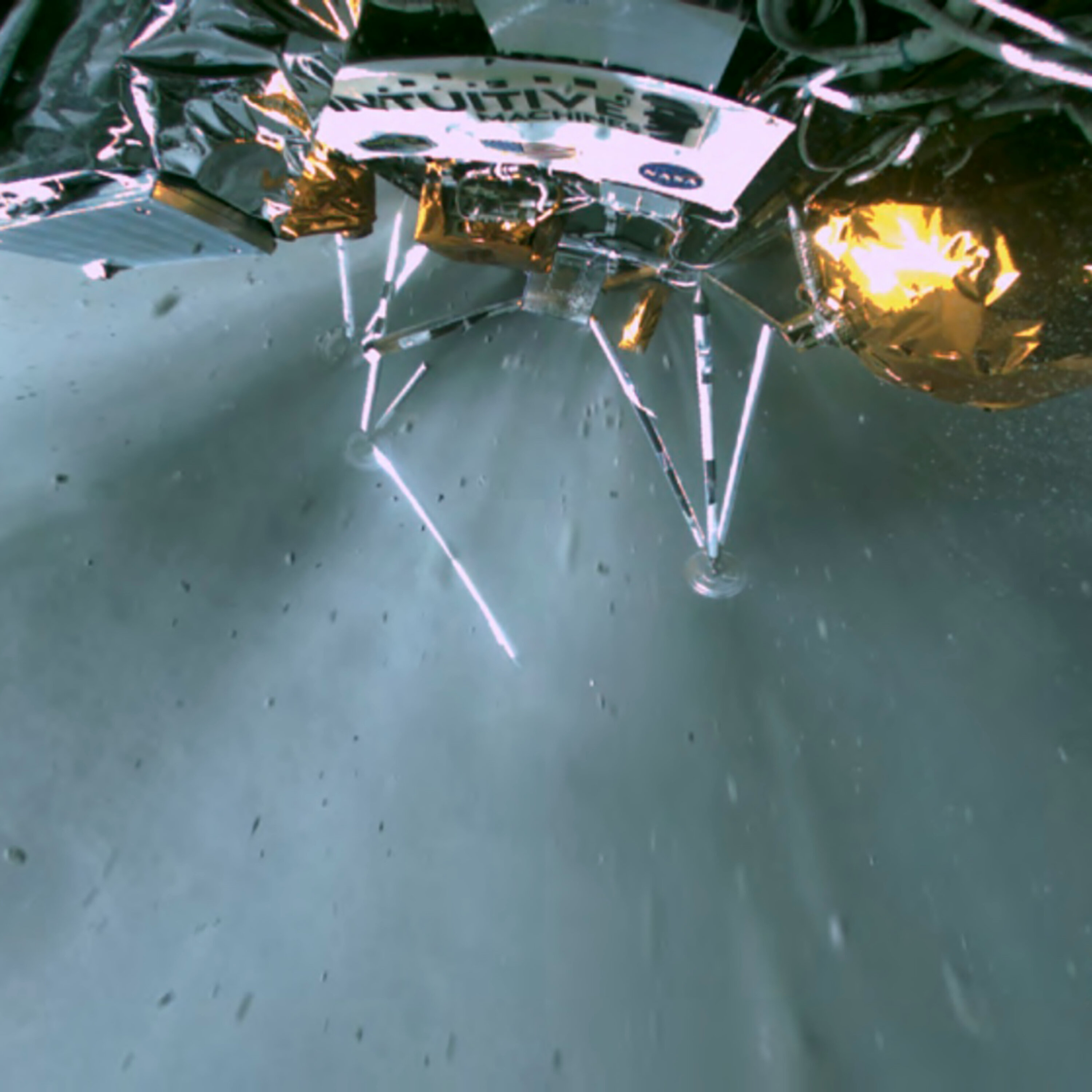
Space Policy Edition: The ahistorical era of commercial lunar exploration
The successful landing of IM-1 on the Moon ushered in a new era of commercial lunar exploration, one that has little to no historical precedent. The future, still highly uncertain, is rich with promise for what commercial payload deliveries can provide. There will be new and more frequent science opportunities, lower-cost access for national and non-state actors, and, potentially, a path to a sustainable presence on the lunar surface. Dr. Matt Shindell, science historian and curator of the planetary exploration collection at the Smithsonian Institution, joins the show to discuss the unique historical moment we find ourselves in, and how planetary exploration has evolved and could continue to evolve on and around the Moon. Discover more at: https://www.planetary.org/planetary-radio/ahistorical-era-of-clpsSee omnystudio.com/listener for privacy information.
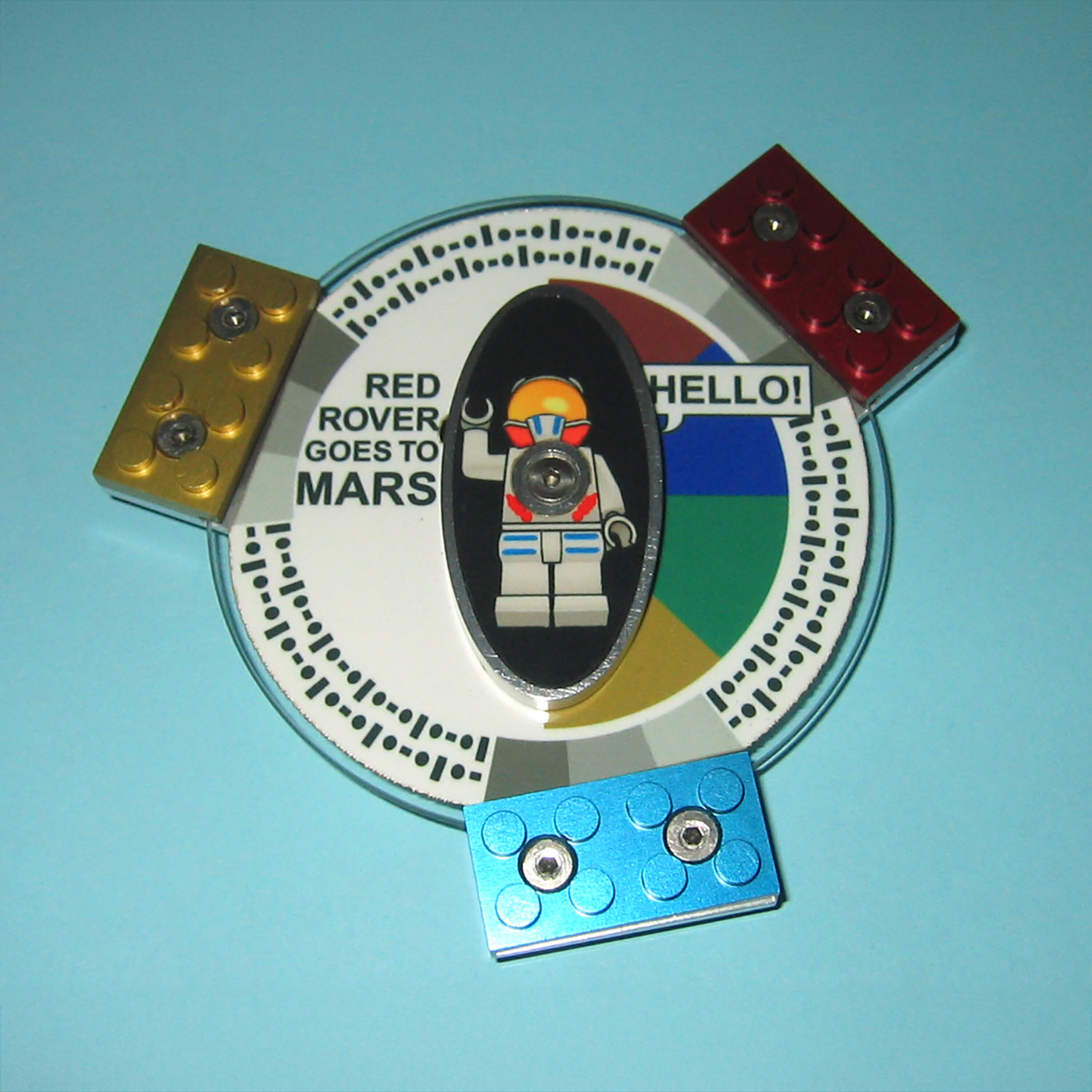
The legacy of Red Rover Goes to Mars
Over two decades ago, an innovative partnership between The Planetary Society, NASA, and LEGO created the Red Rover Goes to Mars program. Today, we reflect on the program's remarkable achievements with our chief scientist, Bruce Betts. We're also joined by two extraordinary people whose lives were forever changed by their experiences as student astronauts in the program during their high school years. Courtney Dressing, an associate professor in the Department of Astronomy at the University of California, Berkeley, and Abigail Fraeman, the deputy project scientist for NASA's Curiosity Rover at the Jet Propulsion Laboratory, share their inspiring journeys through the program and beyond. Then Bruce Betts returns to share more of LEGO's involvement in space exploration and a new random space fact. Discover more at: https://www.planetary.org/planetary-radio/2024-red-rover-goes-to-marsSee omnystudio.com/listener for privacy information.
OSIRIS-REx becomes APEX
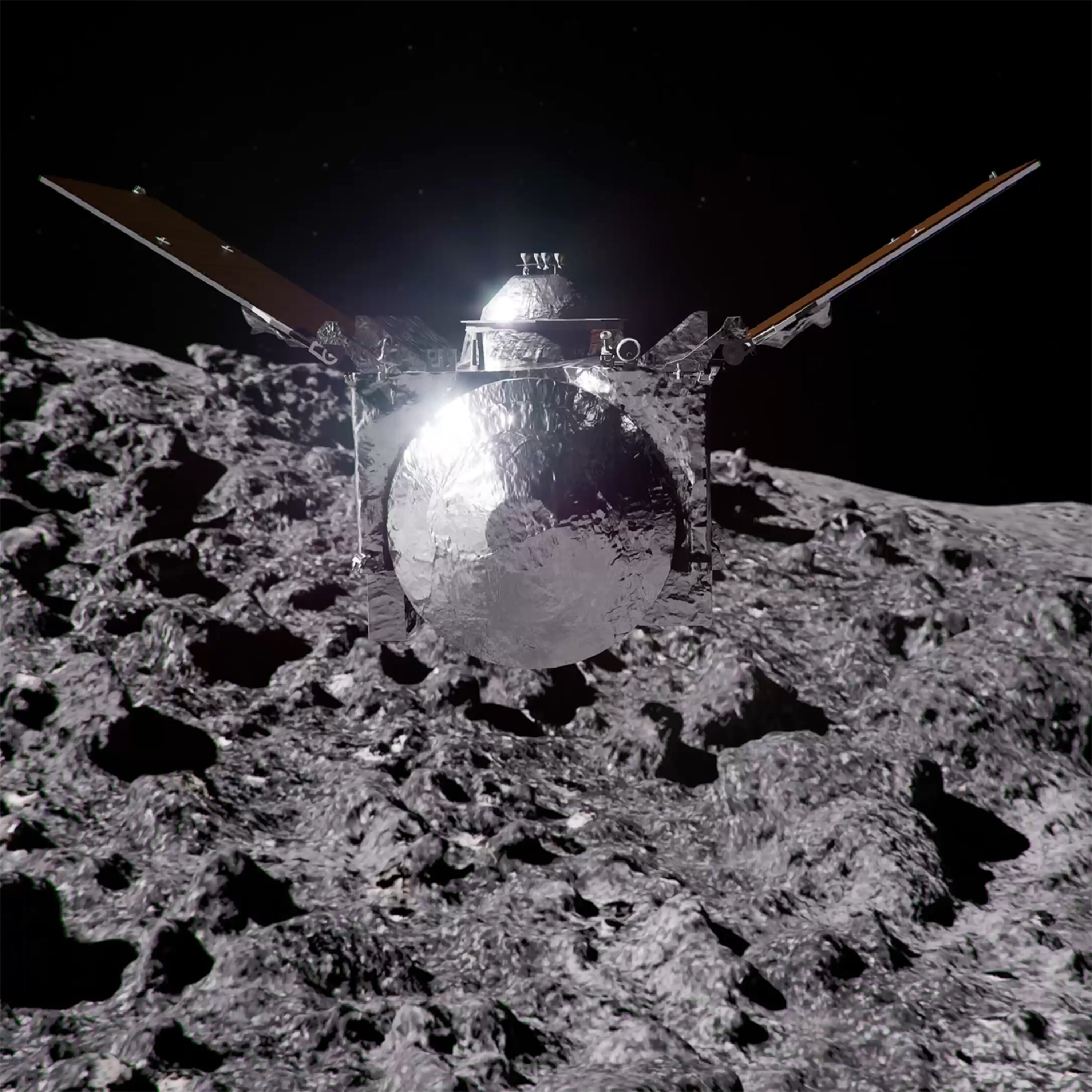
After NASA's OSIRIS-REx spacecraft's successful sample retrieval from asteroid Bennu, it's onto its next adventure as OSIRIS-APEX, the Apophis Explorer. Scott Guzewich, deputy project scientist for APEX, joins Planetary Radio to discuss the next steps for the mission as we count down to asteroid Apophis’ flyby of Earth in 2029. Then Bruce Betts, The Planetary Society’s chief scientist, pops in for What's Up and a look at other multi-world missions. Discover more at: https://www.planetary.org/planetary-radio/2024-osiris-apex See omnystudio.com/listener for privacy information.
The Space Race: Honoring the first African-American space explorers
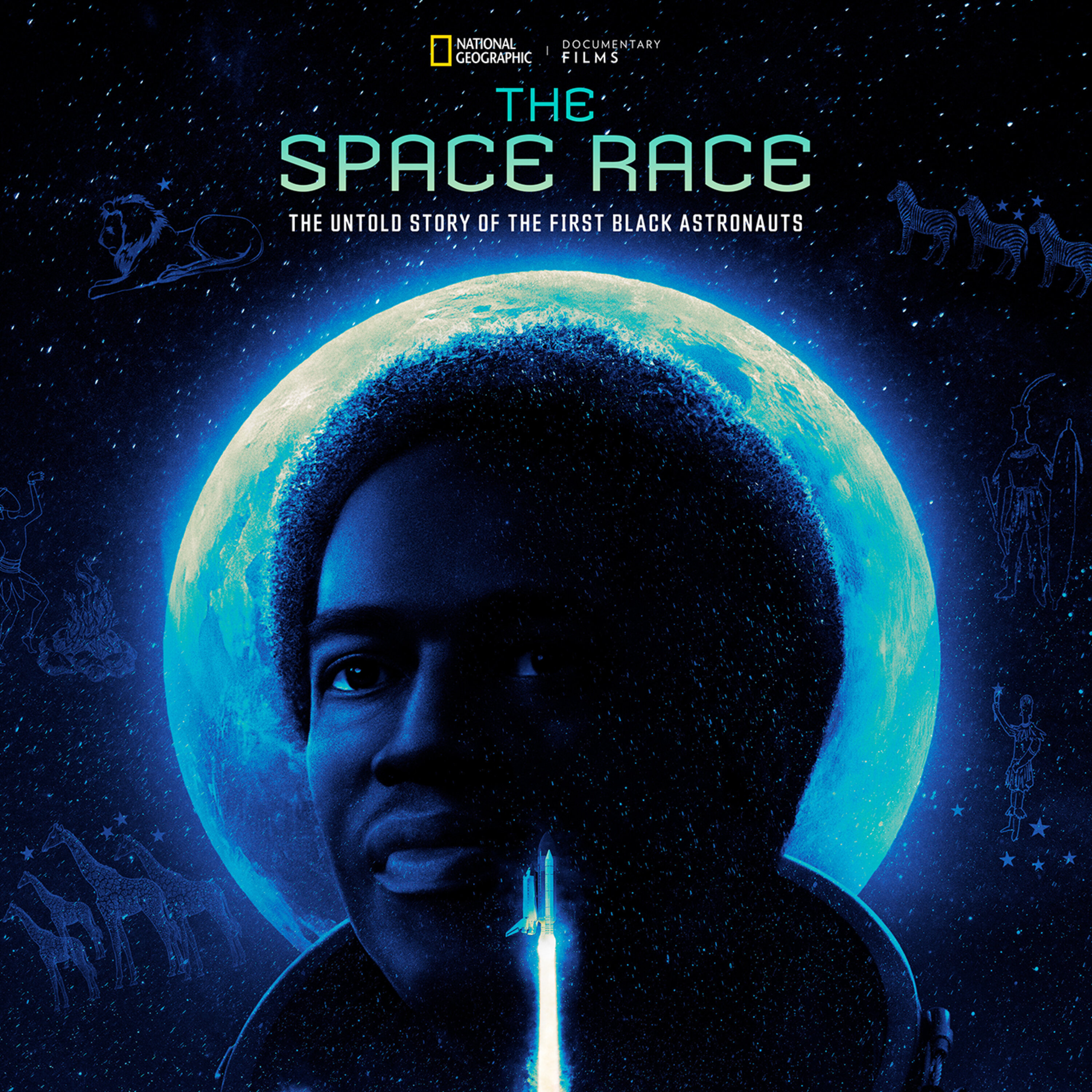
This week on Planetary Radio, we take a peek behind the scenes at National Geographic's new documentary, “The Space Race,” which celebrates the triumphs and struggles of the first African-American space pioneers and astronauts. Co-directors Diego Hurtado de Mendoza and Lisa Cortés, space pioneer Ed Dwight, and astronaut Leland Melvin join us to discuss the film. But first, Casey Dreier, The Planetary Society's chief of space policy, and Jack Kiraly, our director of government relations, give an update on the U.S. budget gridlock that caused the recent layoff of hundreds of people at NASA's Jet Propulsion Laboratory. Twitch streamer Moohoodles joins the show later to talk about her upcoming stream with Planetary Radio, and we close out with What's Up with Bruce Betts and a new random space fact. Discover more at: https://www.planetary.org/planetary-radio/2024-space-raceSee omnystudio.com/listener for privacy information.
Exploring solar eclipses through time
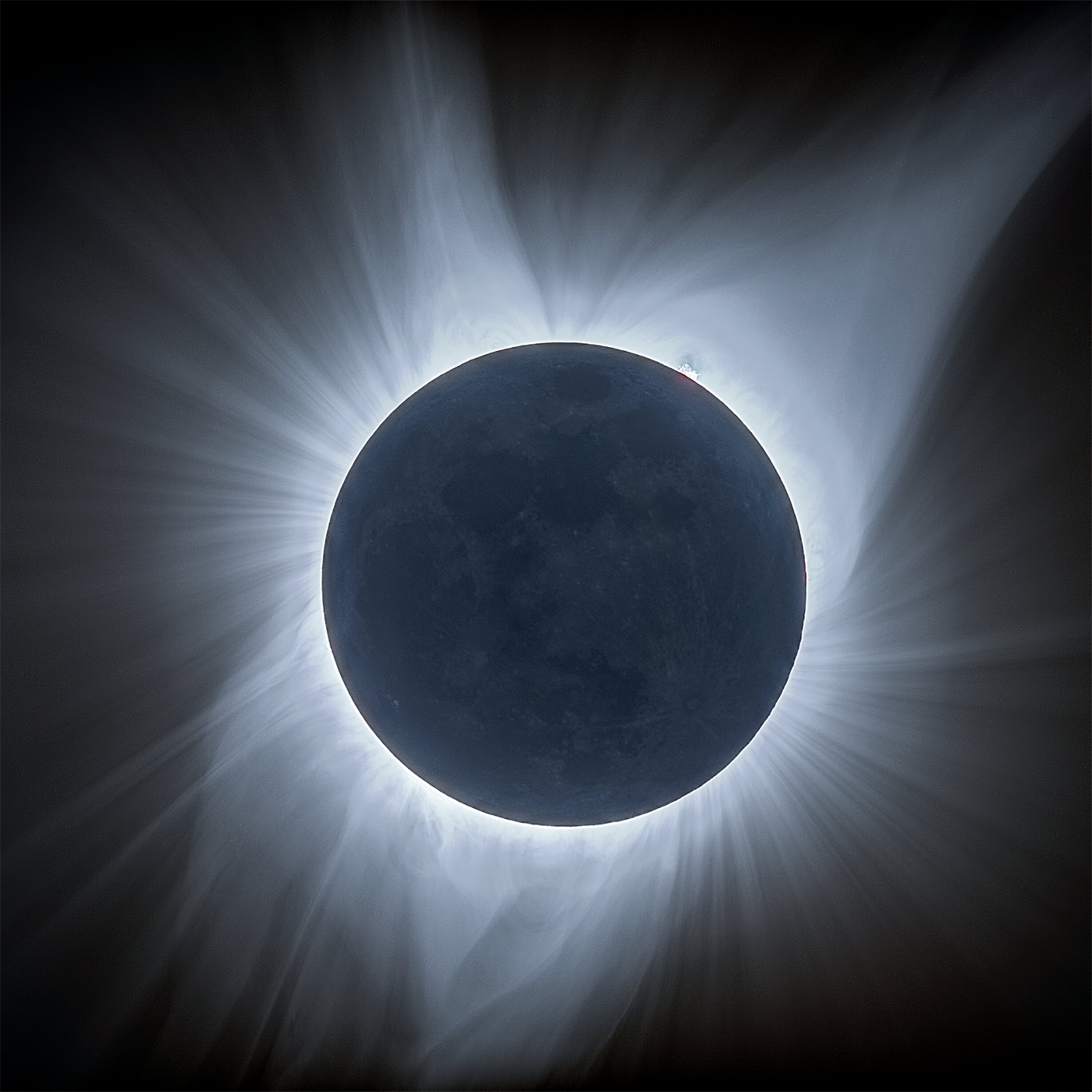
This week on Planetary Radio, we delve into the evolution of humanity's relationship with one of our planet's most awe-inspiring phenomena: total solar eclipses. Ed Krupp, the director of Griffith Observatory in Los Angeles, will share insights from the fascinating field of archaeoastronomy. We'll explore how cultures throughout history have interpreted and imbued solar eclipses with meaning. We'll also introduce The Planetary Society's latest addition, Asa Stahl, our new science editor. Then Bruce Betts, The Planetary Society's chief scientist, shares a new random space fact and his experience with historic astronomical sites. Discover more at: https://www.planetary.org/planetary-radio/2024-solar-eclipses-through-time See omnystudio.com/listener for privacy information.
Space Policy Edition: Space isn’t black — it’s grey
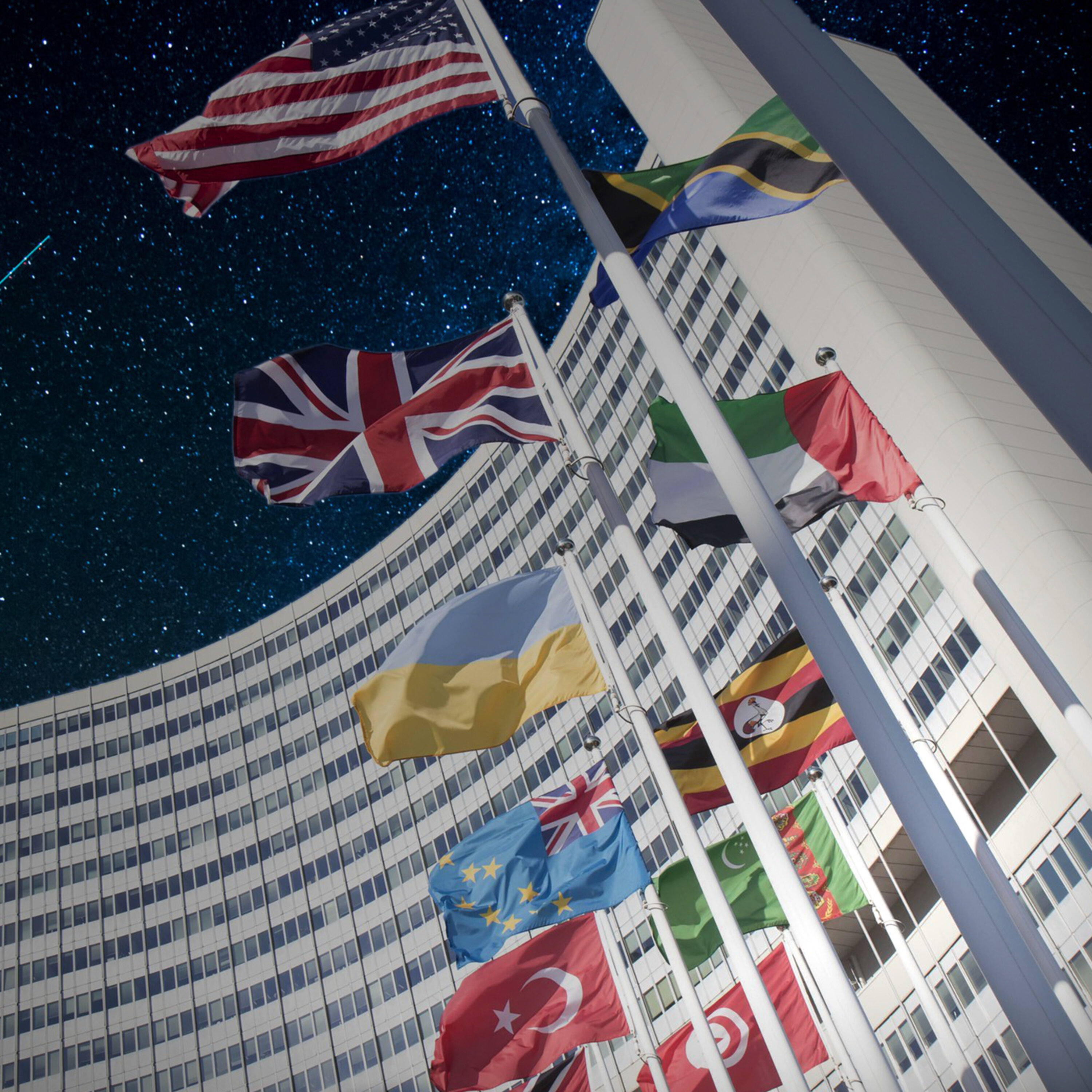
It’s a policy paper episode! Laura Delgado López joins the show to break down “Clearing the Fog: The Grey Zones of Space Governance” by Jessica West and Jordan Miller. Grey zones are harmful or disruptive space activities that fall short of provoking a military response — ideally. But the ambiguity, by its nature, could generate unplanned escalation and conflict. What are these grey zones, and why do they exist? What are their consequences to humanity, even for those in nations not actively pursuing spaceflight? And by what means can we reduce the uncertainty and, therefore the risk to space operations at Earth and beyond? Laura Delgado López has worked in space policy in the Washington, D.C., area for nearly 15 years and is currently a visiting fellow with the Americas Program at the Center for Strategic and International Studies (CSIS), where she researches and writes on international space cooperation in Latin America. She selected this episode’s paper, which can be accessed for free at the Centre for International Governance Innovation’s website.Discover more at: https://www.planetary.org/planetary-radio/grey-zones-in-space-governance See omnystudio.com/listener for privacy information.
The 20th landing anniversary of Spirit and Opportunity
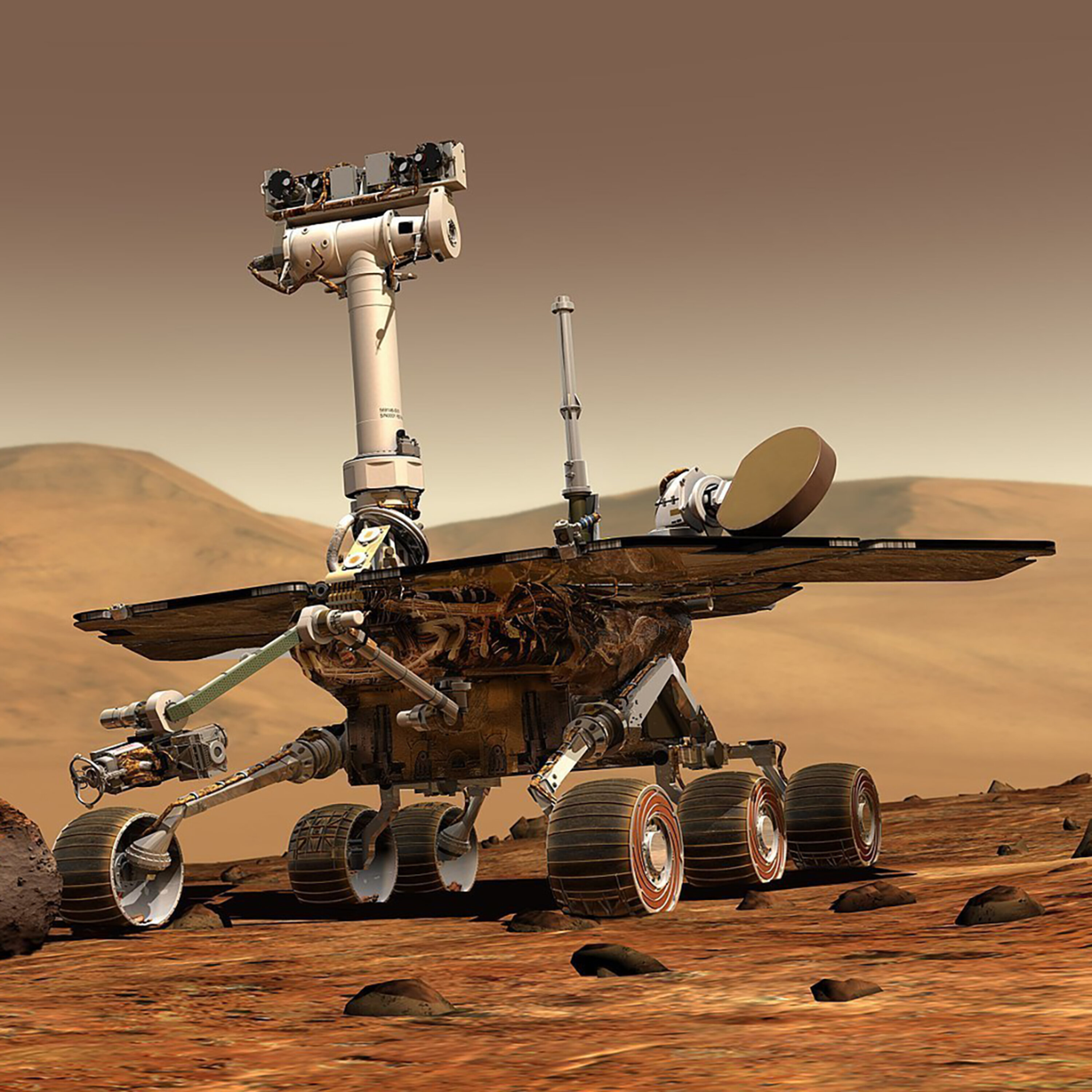
January marks 20 years since NASA’s twin Mars rovers, Spirit and Opportunity, touched down on the surface of the red planet. Matt Golombek, project scientist for the Mars Exploration Rover Project, joins Planetary Radio to celebrate. But first, the countdown to the next great American total solar eclipse continues. Kate Howells, The Planetary Society’s public education specialist and Canadian space policy adviser, explains why this periodic alignment of our Earth, Moon, and Sun is more rare on the scale of the Universe than you might think. Stick around for What’s Up with Bruce Betts, our chief scientist, as we honor the Ingenuity Mars Helicopter and the Mars missions that made it possible. Discover more at: https://www.planetary.org/planetary-radio/2024-20th-anniversary-spirit-and-opportunitySee omnystudio.com/listener for privacy information.
Blazing a trail to the Moon
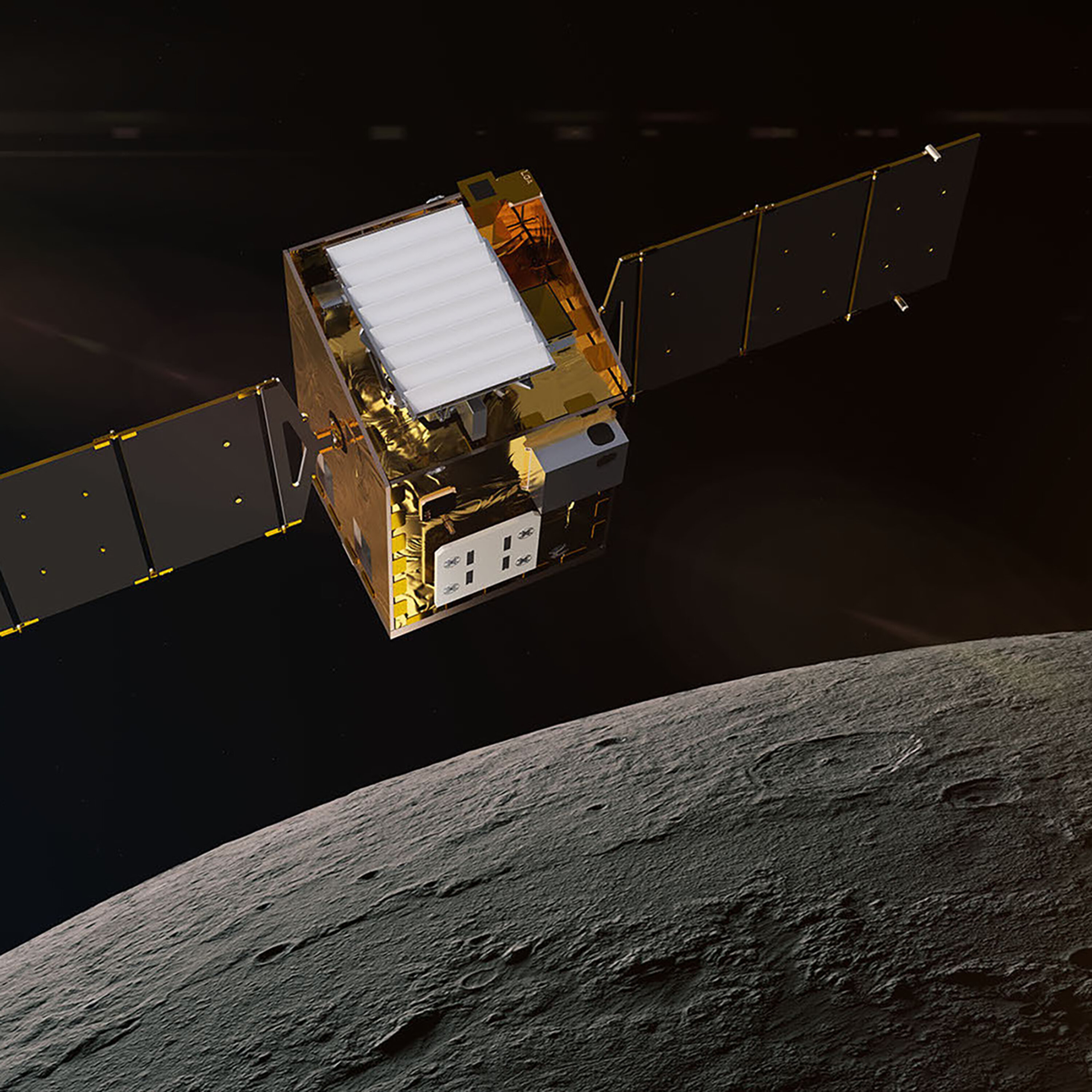
We're celebrating lunar missions and the space advocacy that helps make them happen this week on Planetary Radio. Casey Dreier and Jack Kiraly, chief of space policy and director of government relations at The Planetary Society, update you on our next Day of Action in Washington, D.C. Kate Howells, our public education specialist, shares the triumph and challenges of the Japanese space agency's SLIM lunar lander, as Japan becomes the fifth nation to make a successful soft landing on the Moon. We begin our coverage of the upcoming 2024 total solar eclipse in Mexico, the United States, and Canada on April 8th with Bethany Ehlmann, the president of our board of directors and the principal investigator of NASA's upcoming Lunar Trailblazer mission. She joins us for a mission update and a look at how eclipses affect spacecraft near the Earth and Moon. We'll top off this lunar celebration with Bruce Betts, our Chief Scientist and everyone's favorite master of random space facts, as he shares some history about an iconic Apollo image. Discover more at: https://www.planetary.org/planetary-radio/2024-blazing-a-trail-to-the-moon See omnystudio.com/listener for privacy information.
What’s hidden inside planets?
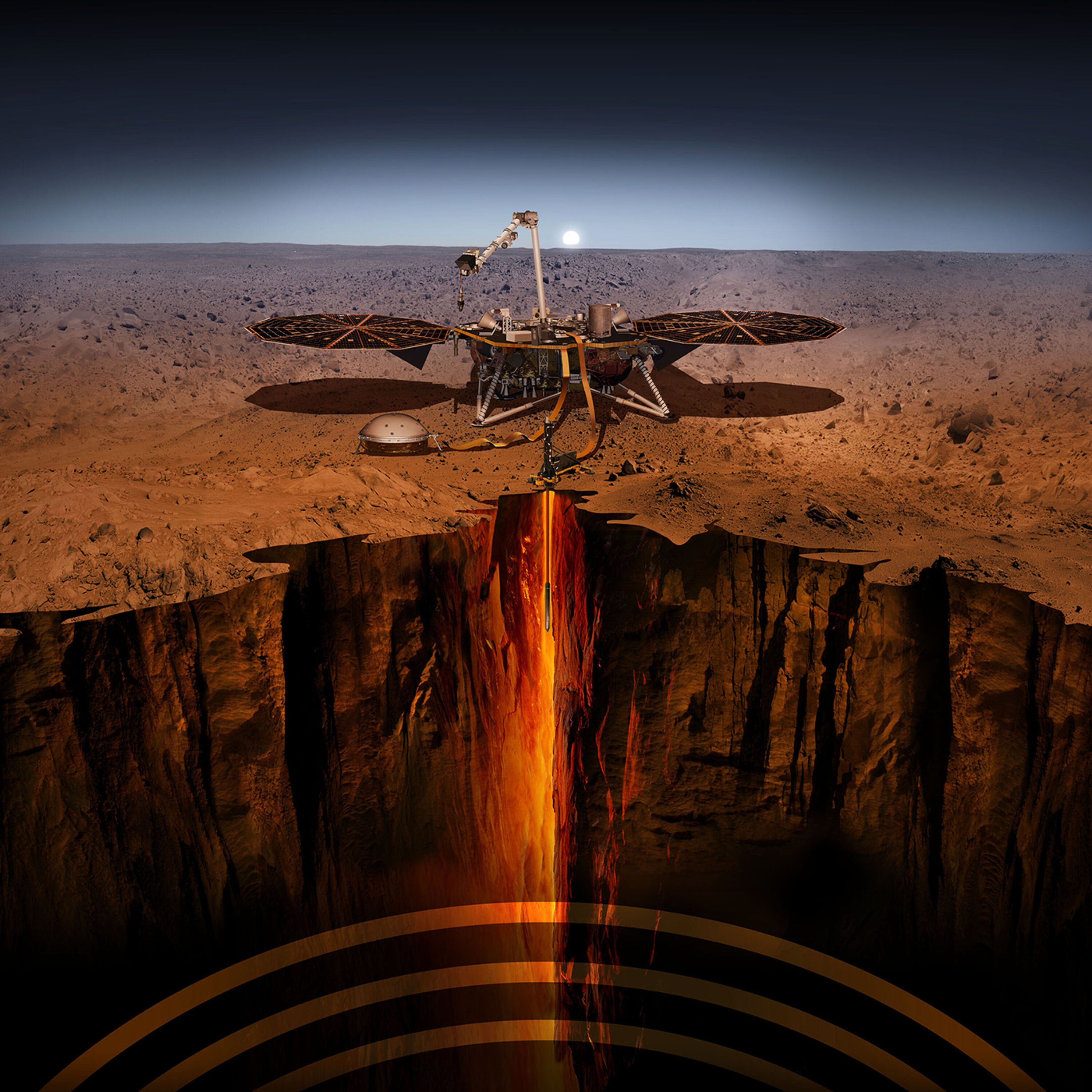
Venture into the hearts of worlds and uncover how we study planetary interiors this week on Planetary Radio. Sabine Stanley, professor of planetary physics at Johns Hopkins University and author of the new book "What's Hidden Inside Planets?" discusses some of the amazing things that lie under the surfaces of the worlds in our Solar System. But first, Mat Kaplan, senior communications advisor at The Planetary Society, gives an update on the first Commercial Lunar Payload Services mission and the timeline for NASA's Artemis program. We close out this show with Bruce Betts, our chief scientist, as he shares information on our new book, "Casting Shadows: Solar and Lunar Eclipses with The Planetary Society." Discover more at: https://www.planetary.org/planetary-radio/2024-whats -hidden-inside-planetsSee omnystudio.com/listener for privacy information.

JWST finds a new lead in the search for life on a mysterious exoplanet
This week on Planetary Radio, we're diving into one of the most remarkable new exoplanet discoveries with the help of the James Webb Space Telescope (JWST). JWST has detected signs of methane and carbon dioxide in the atmosphere of K2-18 b. This discovery could reshape our search for life beyond Earth and teach us more about the enigmatic class of exoplanets known as sub-Neptunes. Our guest, Knicole Colón, is the deputy project scientist for exoplanet science for JWST. She'll fill us in on all of the details. Stick around for What's Up with Bruce Betts, the chief scientist of The Planetary Society. Discover more at: https://www.planetary.org/planetary-radio/2024-jwst-new-lead-in-search-for-life See omnystudio.com/listener for privacy information.
Space Policy Edition: India’s growing space ambitions
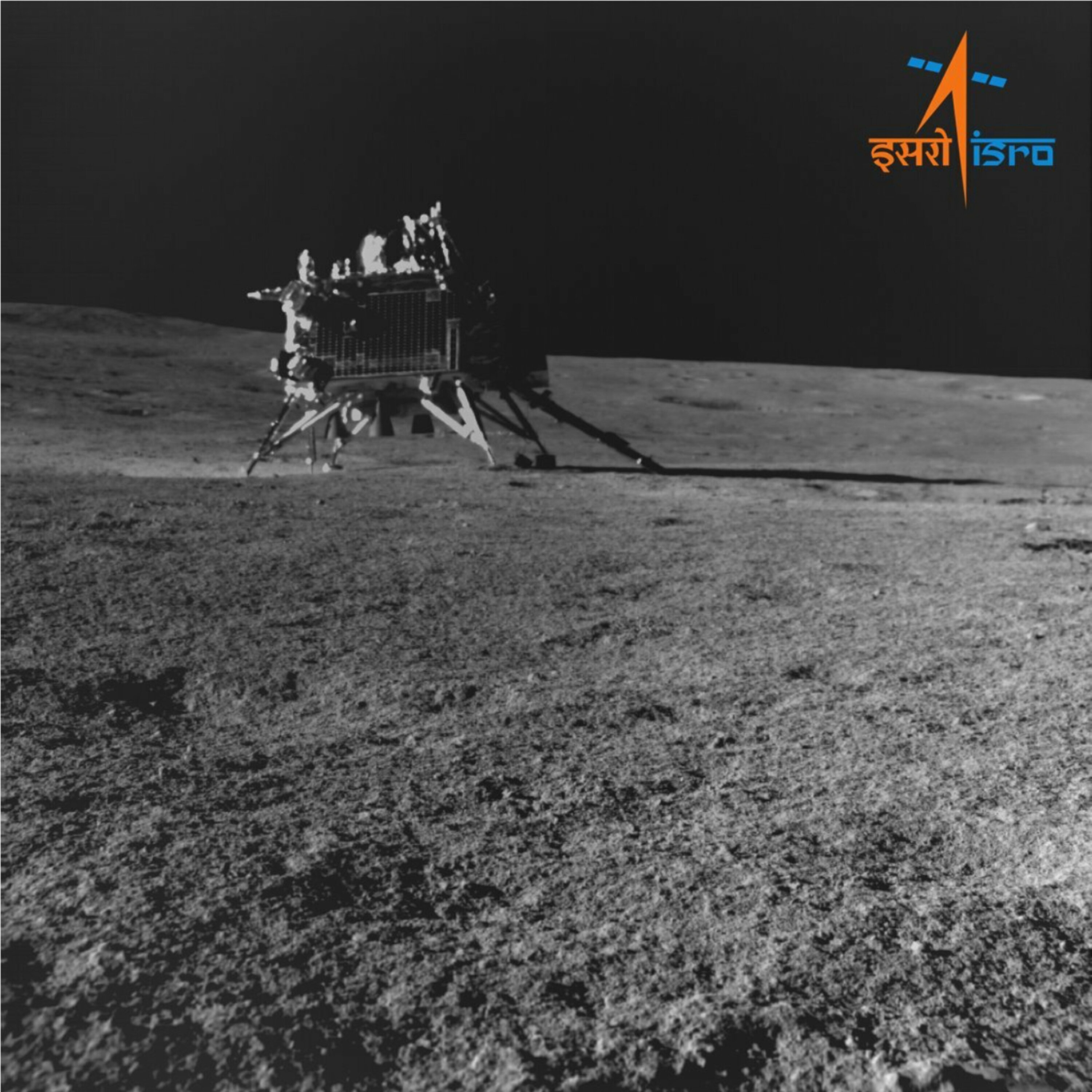
The history of India’s space program is, in many ways, the inverse of that of the US and Russia. While the two superpowers were outpacing each other in space spectaculars in their early decades, India — which began its space program around the same time in 1963 — prioritized practical programs by developing its own launch capability and launching satellites for weather, communications, and regional positioning systems. It is only in the 21st century that India began embracing the more symbolic feats of spaceflight, first with its launches of robotic spacecraft, including the Chandrayaan series and the Mars Orbiter Mission, and now by establishing its own human spaceflight program. Buoyed by the success of Chandrayaan-3, as well as recognizing increasing competition with China, Prime Minister Narendra Modi announced ambitious plans for Indian space stations and lunar missions in the coming decades. UK-based space writer Gurbir Singh, who literally wrote the book on the Indian space program, aptly titled The Indian Space Programme: India’s Incredible Journey from the Third World towards the First, joins the show to help us understand the history and motivations behind these achievements and India’s growing ambitions in space.See omnystudio.com/listener for privacy information.

Revisiting the discovery of phosphorus on Enceladus
This week on Planetary Radio, we are revisiting one of the biggest recent headlines in planetary science, the detection of Phosphorus in the oceans of Saturn’s moon Enceladus. Phosphorus is a key ingredient for life on Earth, and this discovery marks the first time it has been found in an ocean off of Earth. Chris Glein, a lead scientist at the Southwest Research Institute, joins us to discuss the discovery and its implications for the search for life. Then Bruce Betts returns for What's Up. Discover more at: https://www.planetary.org/planetary-radio/2024-revisiting-phosphorus-on-enceladusSee omnystudio.com/listener for privacy information.

Looking back on 2023
Members of The Planetary Society staff revisit some of 2023's most exhilarating moments and groundbreaking discoveries in space this week on Planetary Radio. Kate Howells, Public Education Specialist, announces the winners of The Planetary Society's Best of 2023 awards. Jack Kiraly, Director of Government Relations, shares the strides made in space advocacy. Then Rae Paoletta, Director of Content and Engagement, and Mat Kaplan, Senior Communications advisor and former host of Planetary Radio, return to break down their favorite space moments of the year. Stick around until the end for What's Up with Bruce Betts, the Chief Scientist of The Planetary Society, as he looks forward to the next year of space science and exploration. Discover more at: https://www.planetary.org/planetary-radio/2023-looking-back See omnystudio.com/listener for privacy information.

Dragonfly soars to final design phase
NASA's Dragonfly mission to Saturn's moon Titan has been authorized to proceed with work on final mission design and fabrication, known as Phase C. This week on Planetary Radio, we get an update on the mission's progress and new timeline. You'll hear from Bobby Braun, head of the Johns Hopkins Applied Physics Lab's Space Exploration Sector, Elizabeth (Zibi) Turtle, the principal investigator for Dragonfly, and Ken Hibbard, mission systems engineer for the spacecraft. If that doesn't convince you that Dragonfly is one of the most epic things humanity has attempted to date, stick around for What's Up with Bruce Betts as he shares even more reasons for us to explore Titan. Discover more at: https://www.planetary.org/planetary-radio/2023-dragonfly-final-design-phase See omnystudio.com/listener for privacy information.
An astrogeologic experience with Kirby Runyon
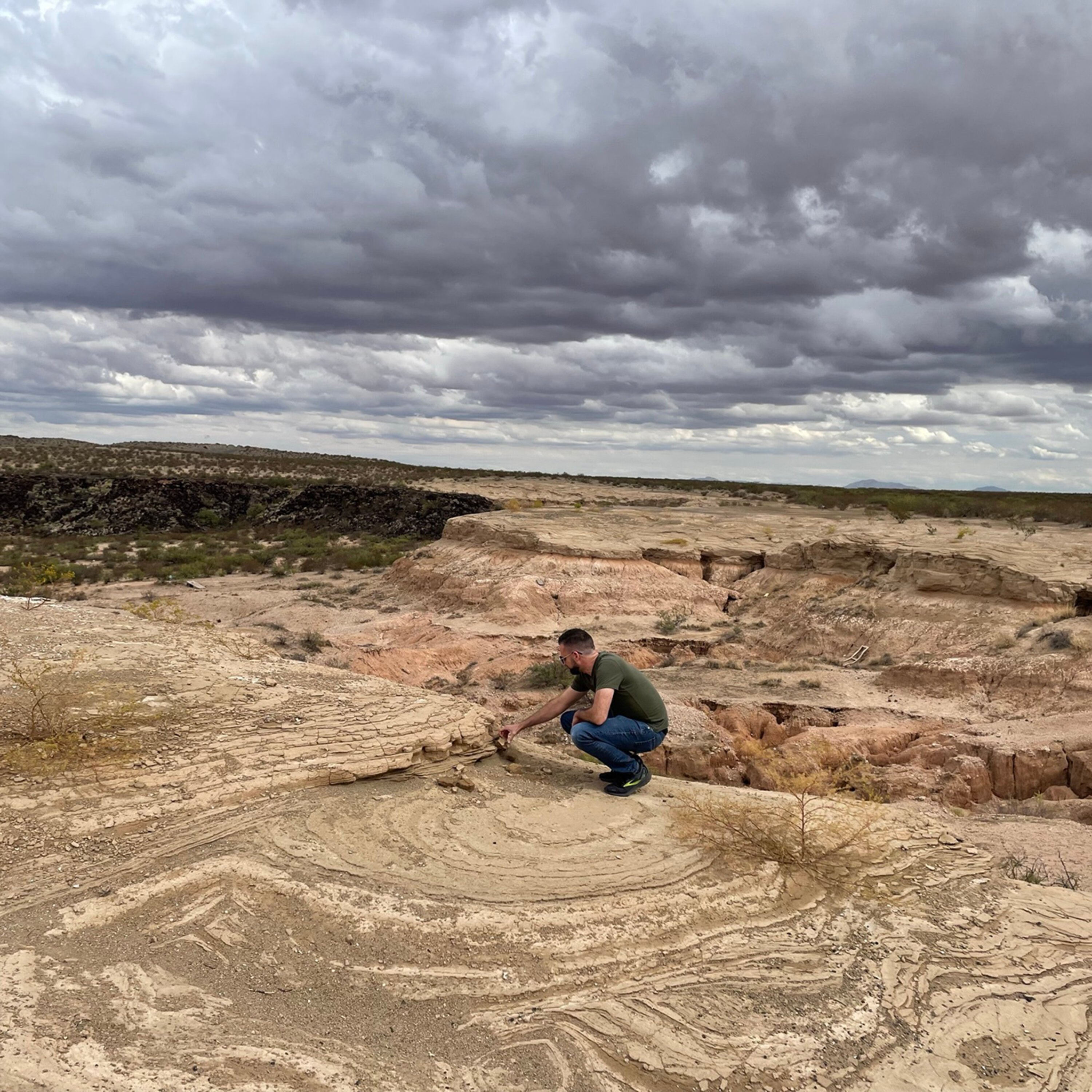
Sometimes, when you want to learn more about other worlds, all you have to do is step out your door. Mat Kaplan, Planetary Radio's creator and former host, takes us on an adventure with planetary geologist Kirby Runyon as they tour New Mexico, U.S.'s varied geology and compare it to other worlds. They'll explore the dunes of White Sands National Park, the Mars-like geology of Kilbourne Hole, and the rocks in the Carrizozo Lava flow. Then Bruce Betts, the chief scientist of The Planetary Society, and host Sarah Al-Ahmed discuss the most otherworldly places they've been in this week's What's Up. Discover more at: https://www.planetary.org/planetary-radio/2023-astrogeologic-expedition See omnystudio.com/listener for privacy information.
The mystery of the largest marsquake ever recorded
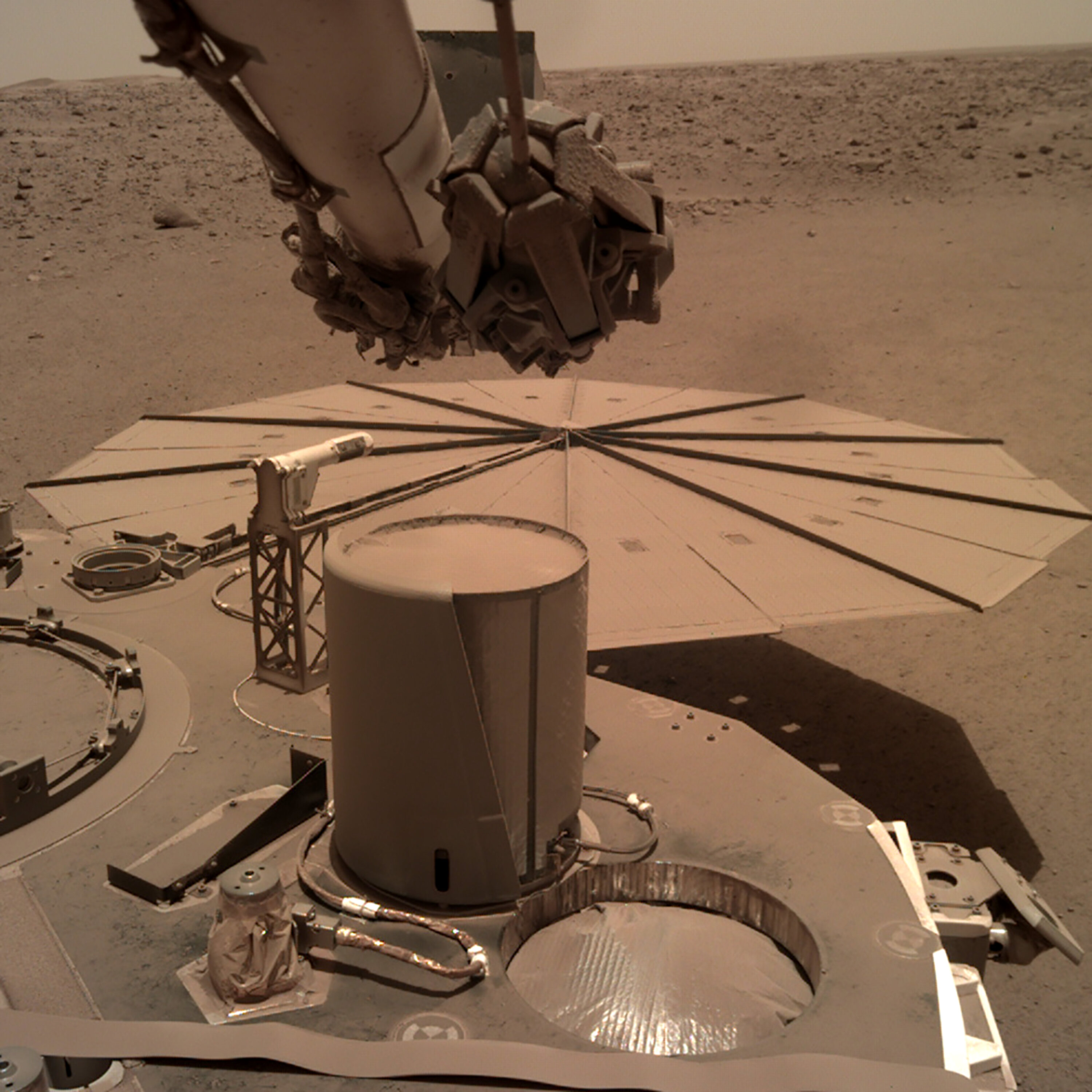
What caused the largest marsquake ever recorded? Benjamin Fernando, a post-doctoral fellow from the University of Oxford, joins Planetary Radio this week to talk about the 4.7-magnitude marsquake recorded by NASA’s InSight Mars lander and the international effort it took to pinpoint the cause of the quake. Then Bruce Betts, the chief scientist of The Planetary Society, and host Sarah Al-Ahmed chat about their earthquake experiences and share a fresh Random Space Fact in this week's What's Up. Discover more at: https://www.planetary.org/planetary-radio/2023-largest-marsquake See omnystudio.com/listener for privacy information.

Space Policy Edition: Was the Space Shuttle a policy failure?
Was the Space Shuttle a successful program? In many ways, yes: it endured for 30 years, launched hundreds of astronauts into space, and built the International Space Station. But, according to the goals of lower costs, rapid reusability, and reliability NASA stated at its conception, the Space Shuttle program was a failure. In this new recurring feature on SPE, Jack and Casey read through a classic paper in space policy and discuss its arguments, its conclusions, and whether the paper stands up to this day. Read along with us and suggest future episodes in our Planetary Society online member community. Discover more at: https://www.planetary.org/planetary-radio/space-shuttle-policy-failureSee omnystudio.com/listener for privacy information.

Lucy's first asteroid flyby reveals a surprise moon
On Nov. 1, 2023, NASA's Lucy spacecraft, which is on a mission to investigate Jupiter's Trojan asteroids, made its first flyby of asteroid Dinkinesh. Hal Levison and Simone Marchi, the mission's principal and deputy principal investigators, join Planetary Radio to discuss the asteroid rendezvous and the surprising discovery of Dinkinesh's moon. Stick around for What's Up with Bruce Betts, the chief scientist of The Planetary Society, as he digests the discovery. Discover more at: https://www.planetary.org/planetary-radio/2023-lucys-first-asteroid-flyby See omnystudio.com/listener for privacy information.
Deep Sky: A JWST IMAX experience
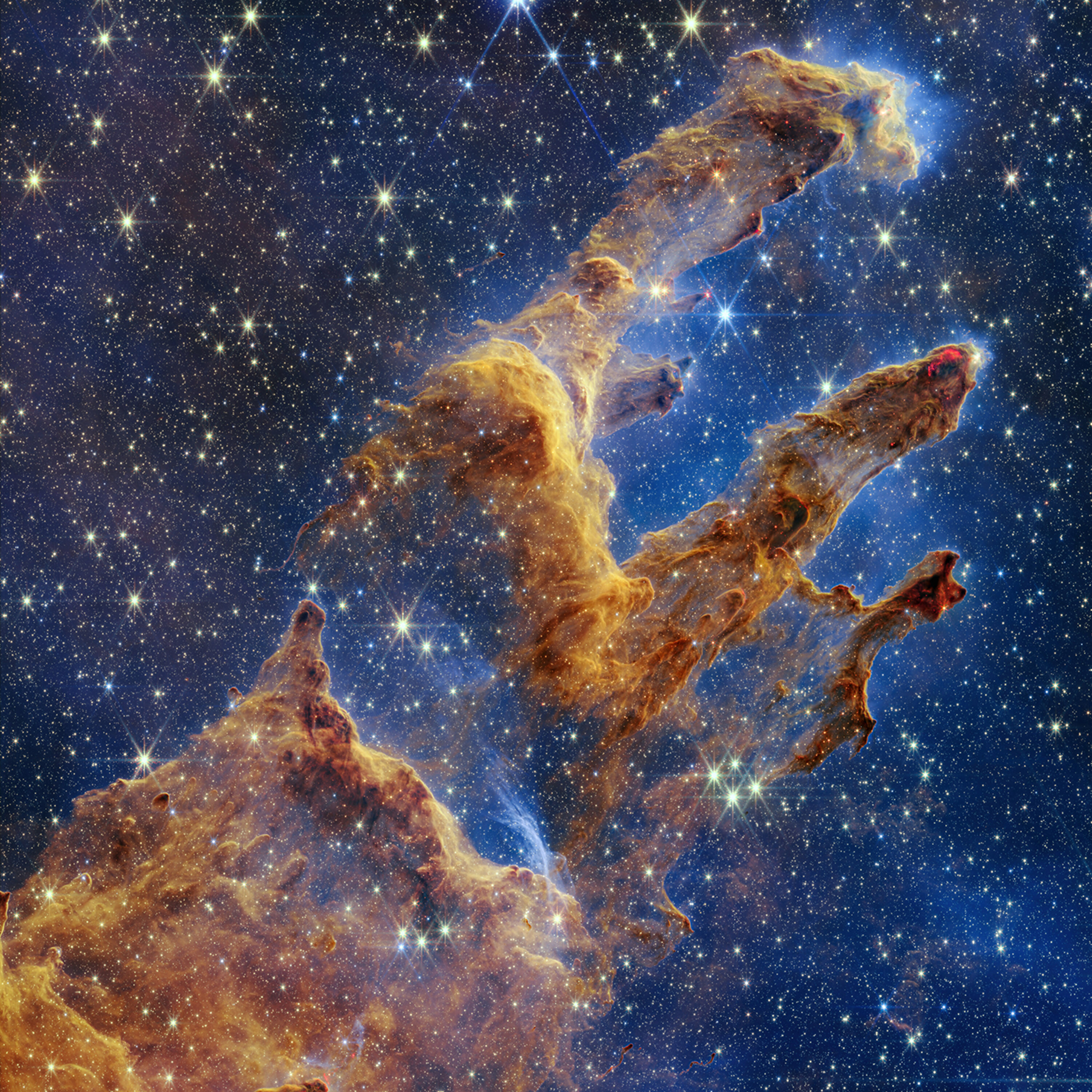
Deep Sky, a newly released IMAX documentary, tells the emotional and hopeful story of the James Webb Space Telescope (JWST). Nathaniel Kahn, an Oscar-nominated filmmaker and the director of Deep Sky, joins Planetary Radio this week to discuss the film's decade-long creation process and the magic of JWST images on the big screen. Then Bruce Betts, the chief scientist of The Planetary Society, joins for What's Up and a new random space fact. Discover more at: https://www.planetary.org/planetary-radio/2023-deep-skySee omnystudio.com/listener for privacy information.