Planetary Radio: Space Exploration, Astronomy and Science
1,363 episodes — Page 6 of 28
Juno Journeys to Jupiter’s Moons
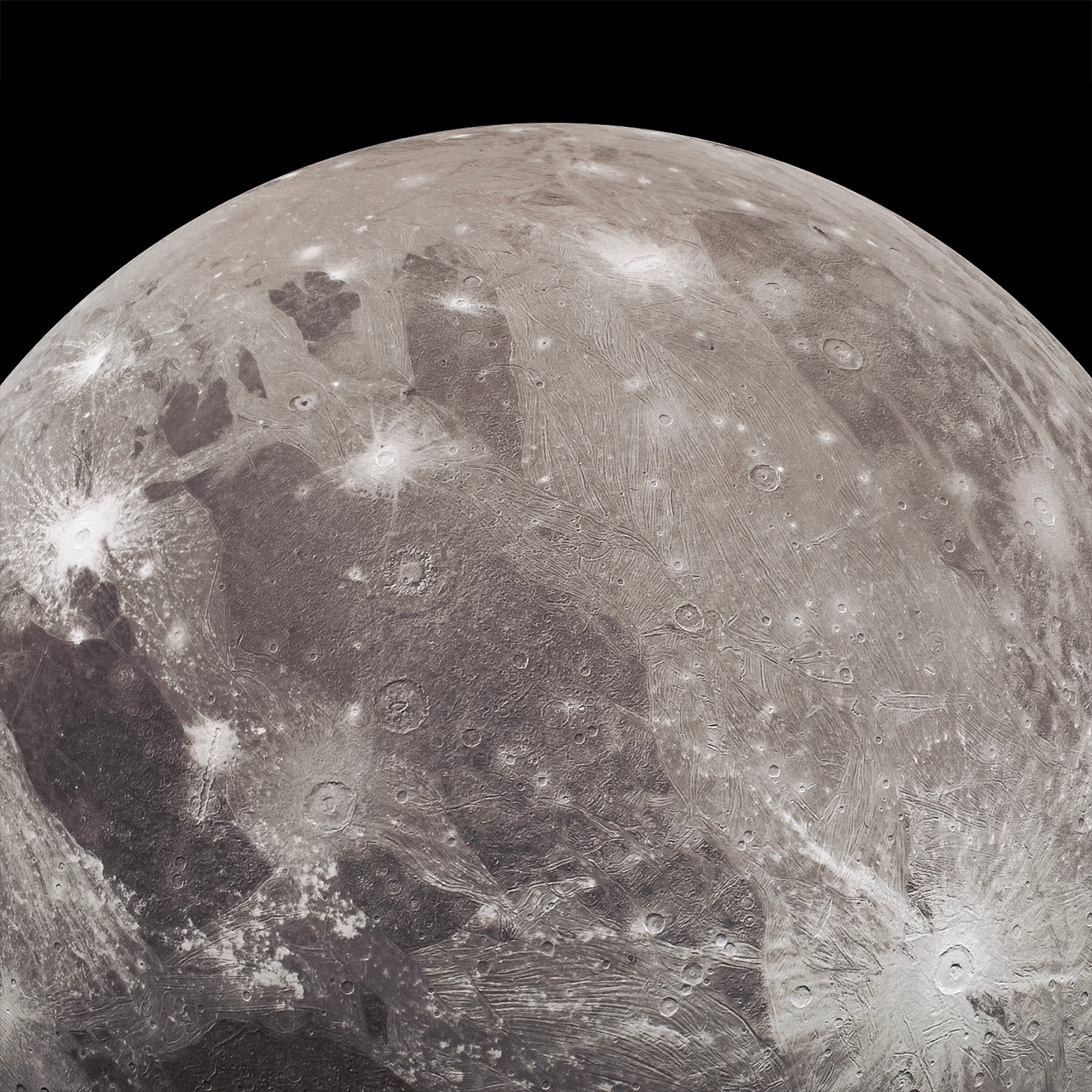
Dive into the latest discoveries about Jupiter’s moons Ganymede, Europa, and Io with Scott Bolton, the principal investigator for NASA’s Juno mission. We share analysis of the data collected by the spacecraft and look forward to upcoming exploratory missions to Jupiter’s moons from ESA and NASA. Stick around for this week’s What’s Up and our space trivia contest. Discover more: at https://www.planetary.org/planetary-radio/2023-juno-journeys-to-jupiters-moonsSee omnystudio.com/listener for privacy information.
Martian Mic Drop
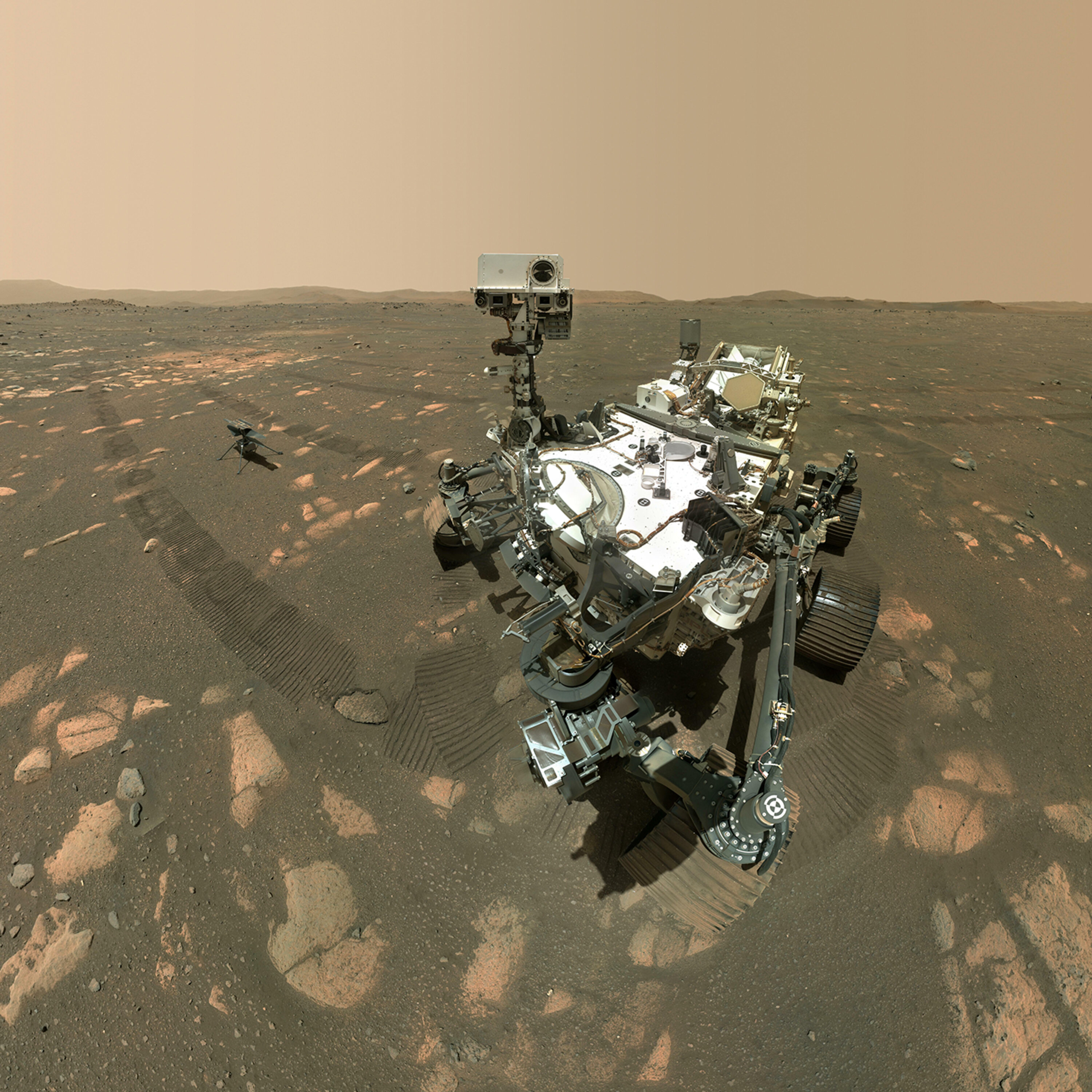
Jason Achilles, a musician who partnered with NASA’s Jet Propulsion Laboratory to help put one of the first microphones on Mars, shares his journey and the joy of listening to the sounds of Mars. We also highlight an upcoming opportunity to view comet 2022 E3 (ZTF). Stick around for more on the night sky and our space trivia contest with What’s Up. Discover more at: https://www.planetary.org/planetary-radio/2023-Martian-mic-dropSee omnystudio.com/listener for privacy information.
Celebrating NASA’s Artemis I mission to the Moon
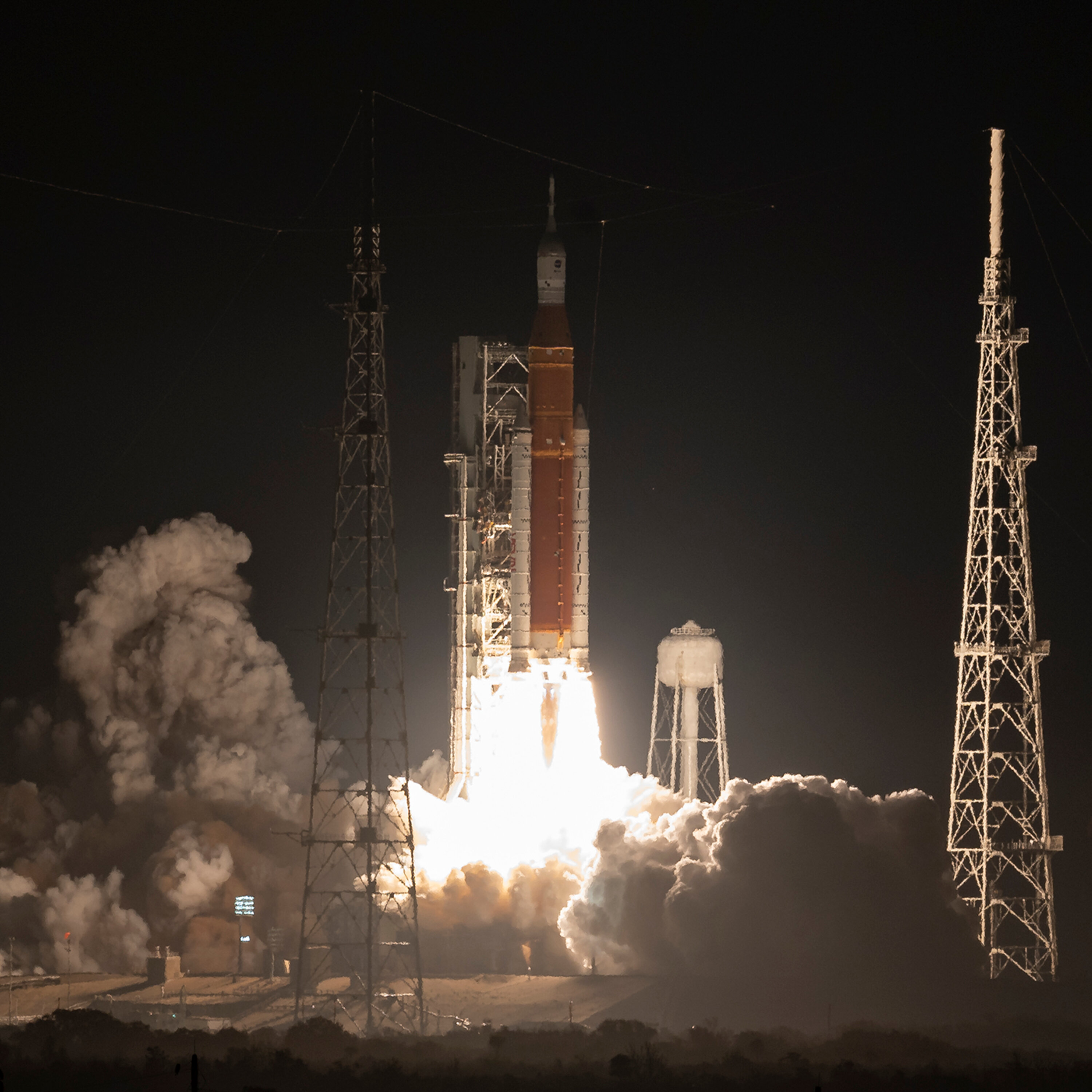
Jeremy Graeber, the assistant launch director at Kennedy Space Center in Florida, joins us to recount his experience on the night of Artemis I’s historic launch. We celebrate the success of the mission and share a short segment about The Planetary Society’s new Space Life Goals list. Bruce Betts pops in to share more about this week in space history and what to keep an eye out for in the night sky in this week’s What’s Up. Discover more at: https://www.planetary.org/planetary-radio/2023-celebrating-artemis-1See omnystudio.com/listener for privacy information.
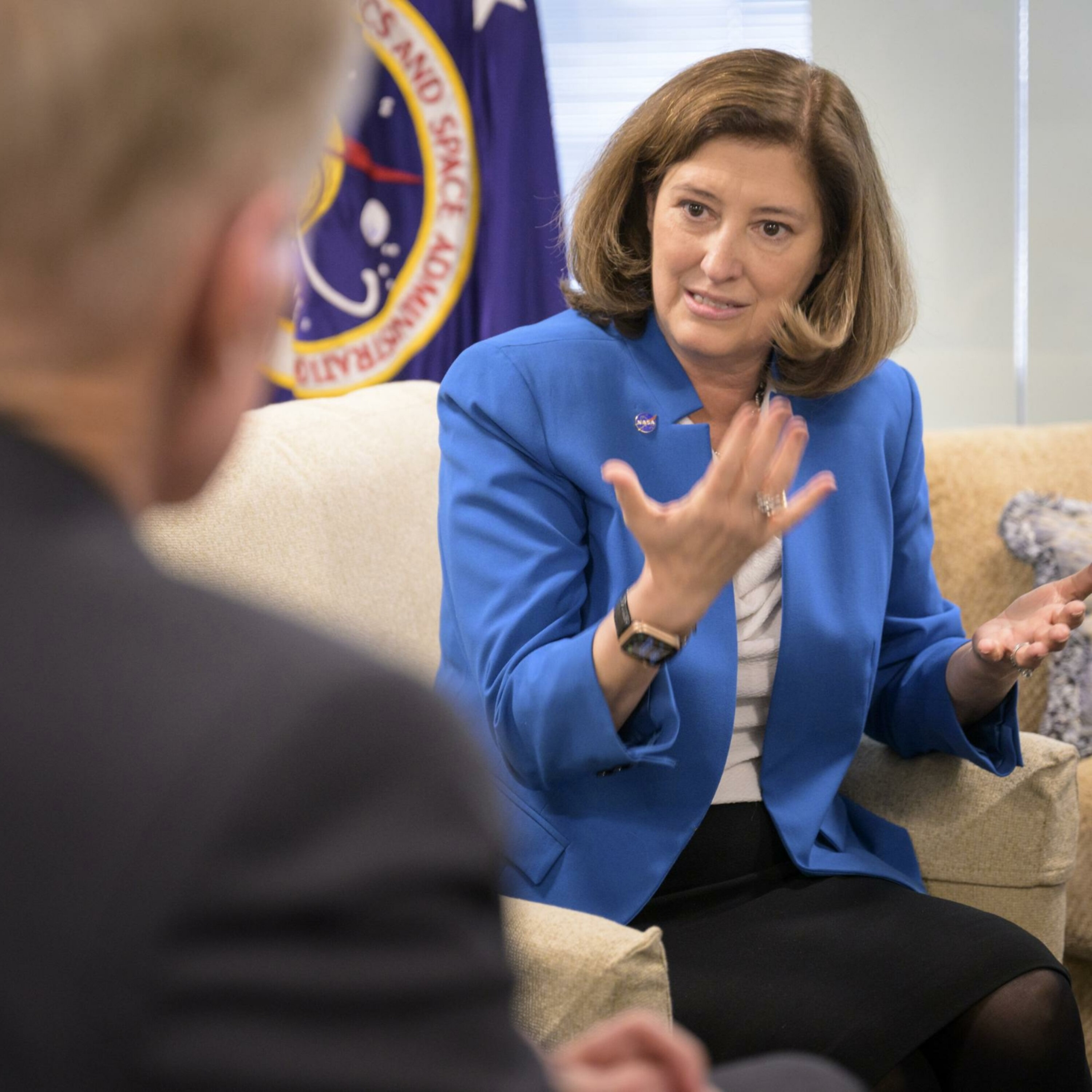
Space Policy Edition: JPL Director wants "every brain" to have the chance to work in space exploration
After the delay of the Psyche mission, an independent review board faulted management and workforce problems at NASA's Jet Propulsion Laboratory as one of the causes. This month we feature the JPL Director, Dr. Laurie Leshin, to discuss what the lab is doing in response to these critiques, how NASA can compete with the private sector for top talent, and why our society needs to improve the diversity of its workforce to ensure every brain possible can work in space exploration.See omnystudio.com/listener for privacy information.
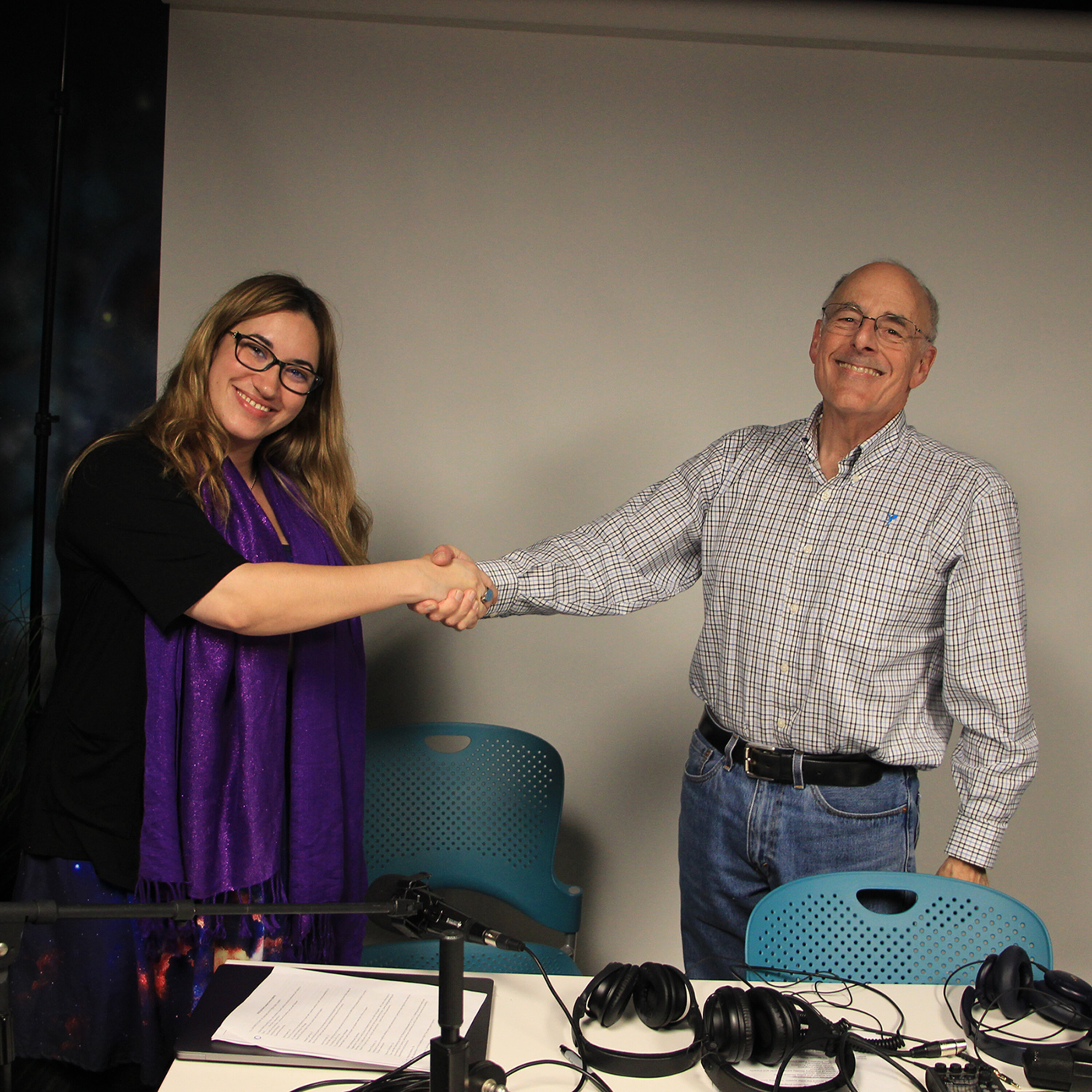
Planetary Radio stories with Mat Kaplan
New host Sarah Al-Ahmed bids a fond farewell to Mat Kaplan, Planetary Radio’s former host, with a heartwarming compilation of messages from fans, followed by a special interview with Mat about his two decades as creator and producer of the show. Be sure to catch Sarah and Bruce Betts in this week’s What’s Up as they share a special gaming-themed trivia question. Discover more at https://www.planetary.org/planetary-radio/2023-stories-with-mat-kaplanSee omnystudio.com/listener for privacy information.
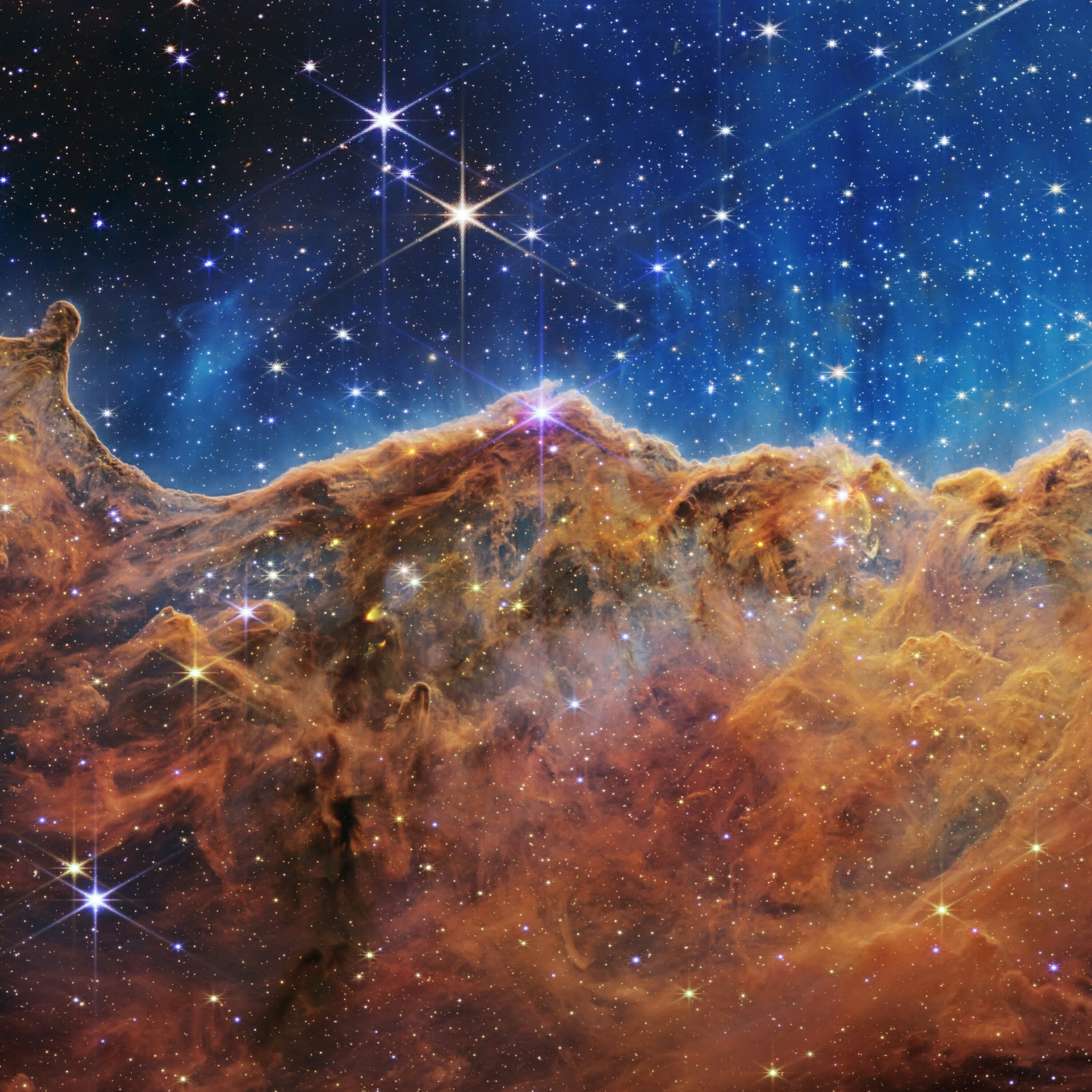
Planetary Society All-Stars Review the Year in Space
It’s Mat Kaplan’s last episode as host of Planetary Radio. He has gathered several of his colleagues to celebrate an outstanding year across the Solar System and beyond. New host Sarah Al-Ahmed sticks around to join Bruce Betts and Mat for her first What’s Up appearance, including listeners’ suggestions for what Mat should take on next! Discover more at https://www.planetary.org/planetary-radio/2022-year-in-space-reviewSee omnystudio.com/listener for privacy information.
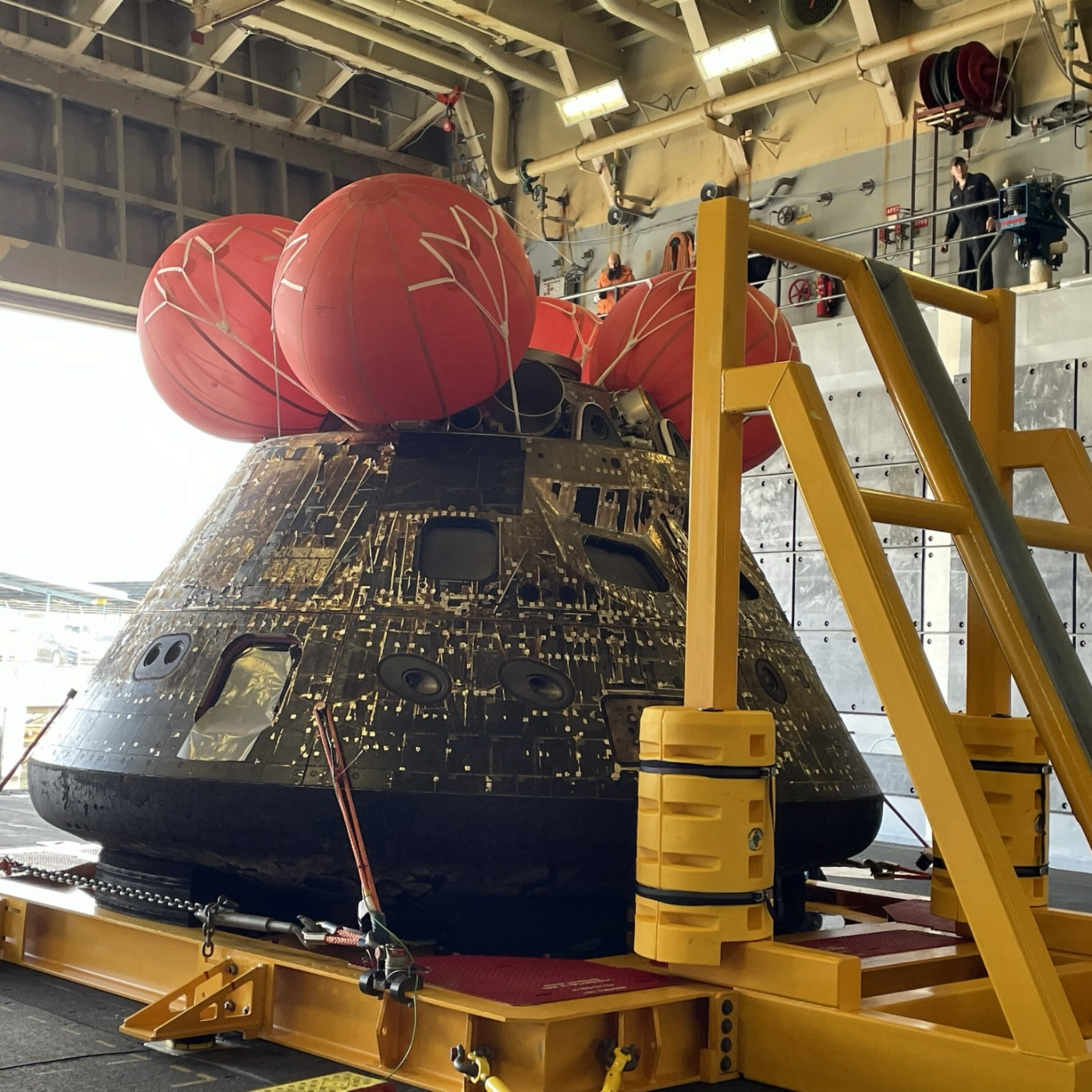
Artemis 1 Orion capsule comes home, and the best of Planetary Radio
Host Mat Kaplan returned to Naval Base San Diego to greet the return of the Artemis 1 Orion spacecraft aboard the USS Portland. Stay with us for a collage of entertaining excerpts of 10 of the very best Planetary Radio episodes produced over the last two decades. Incoming host Sarah Al-Ahmed points to a new article about the JWST’s stunning infrared image of Neptune. Don’t miss Mat serenading Bruce Betts in this week’s What’s Up! Discover more at https://www.planetary.org/planetary-radio/2022-best-of-planetary-radio-orion-capsule-recoverySee omnystudio.com/listener for privacy information.

One Last Blast: Author of ‘The Martian’ Andy Weir with JPL Chief Engineer Rob Manning
A rollicking conversation with two of the most entertaining, most creative Planetary Radio guests across our 20-year history about the role of creativity in space and life. Andy Weir’s “The Martian” and “Project Hail Mary” have been New York Times number one bestsellers. Rob Manning oversees all engineering operations at the Jet Propulsion Lab, and knows as much as any human being about how to land on the red planet. Sarah Al-Ahmed helps Mat Kaplan celebrate the success of Artemis 1, while Bruce Betts receives his 20th anniversary gift from Mat! Discover more at https://www.planetary.org/planetary-radio/2022-rob-manning-andy-weirSee omnystudio.com/listener for privacy information.
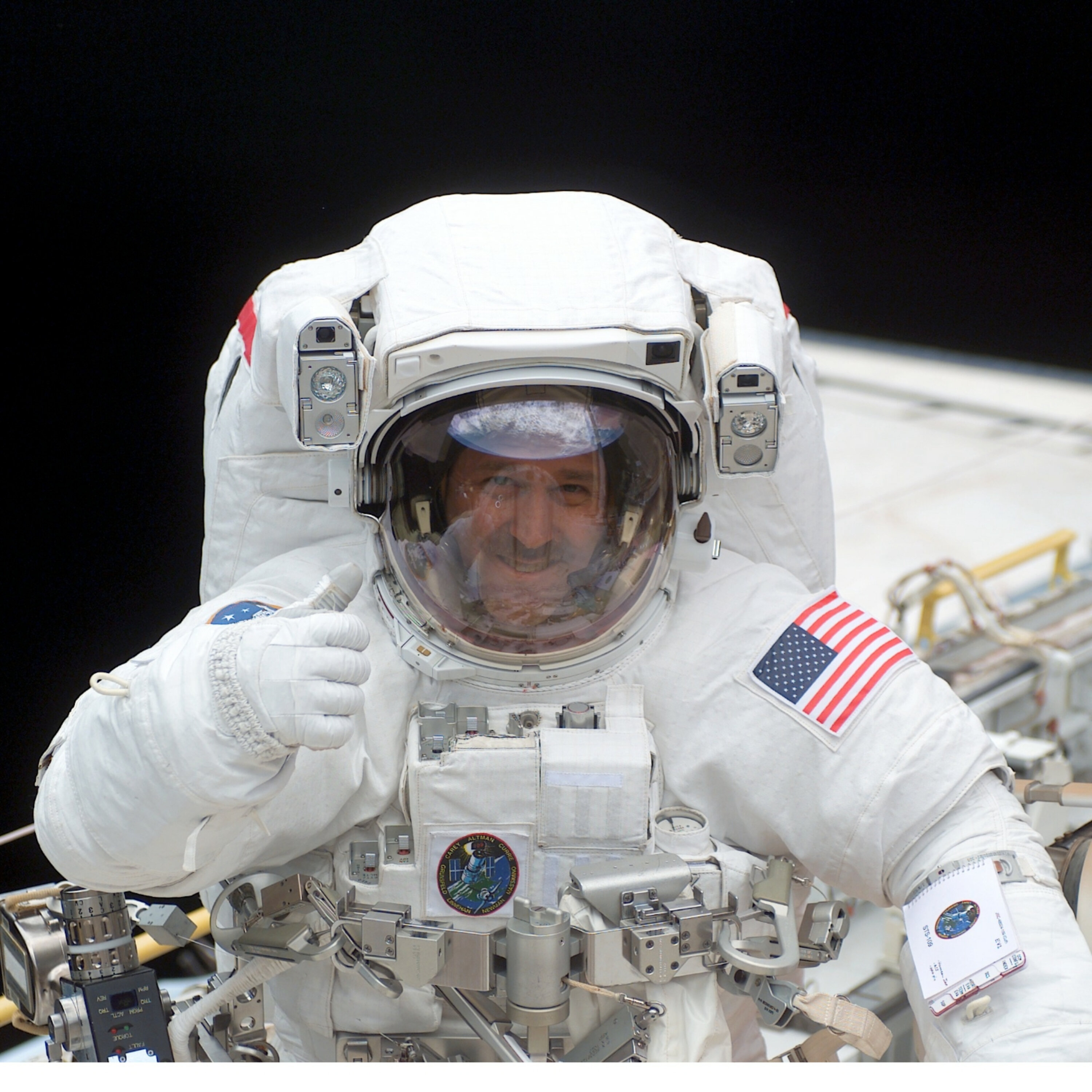
Scientist and Hubble Repairman John Grunsfeld
John Grunsfeld didn’t just ride the Space Shuttle into orbit five times. He accumulated two-and-a-half days of spacewalk time as he worked on the Hubble Space Telescope. The former NASA associate administrator returns to Planetary Radio for a very personal conversation with Mat Kaplan. We’ll also attend a screening of the great new documentary, “Goodnight Oppy” about the Mars Exploration Rovers. Sarah Al-Ahmed celebrates the 50th anniversary of the last Apollo moon mission, and Bruce Betts continues that theme with the new space trivia contest. Discover more at https://www.planetary.org/planetary-radio/2022-john-grunsfeld-goodnight-oppySee omnystudio.com/listener for privacy information.
Space Policy Edition: NASA's Economic Impact with Alex MacDonald and Joshua Drucker
NASA supports nearly 340,000 jobs spread throughout every state in the union, generates billions of dollars of tax revenue, and invests in critical high-tech, high-skilled workers. But how do we know this? A new report, prepared by a team at the University of Illinois Chicago and sponsored by NASA's Chief Economist, provides the sound economic analysis behind understanding the immense benefit of the U.S. space program. We dive into how this analysis is done, how to interpret the results, and why this information is critical for developing good space policy. Discover more here: https://www.planetary.org/planetary-radio/nasa-economic-impact-macdonald-druckerSee omnystudio.com/listener for privacy information.
A Happy 20th Anniversary for Planetary Radio
Join our celebration with Planetary Society chief executive officer Bill Nye, Society co-founder Louis Friedman, and chief operating officer Jennifer Vaughn. Incoming Planetary Radio host Sarah Al-Ahmed calls our attention to several of the Society’s biggest accomplishments in 2022, and Bruce Betts shares not-so-random space facts about our public radio show and podcast. Discover more at https://www.planetary.org/planetary-radio/2022-planetary-radio-20th-anniversarySee omnystudio.com/listener for privacy information.
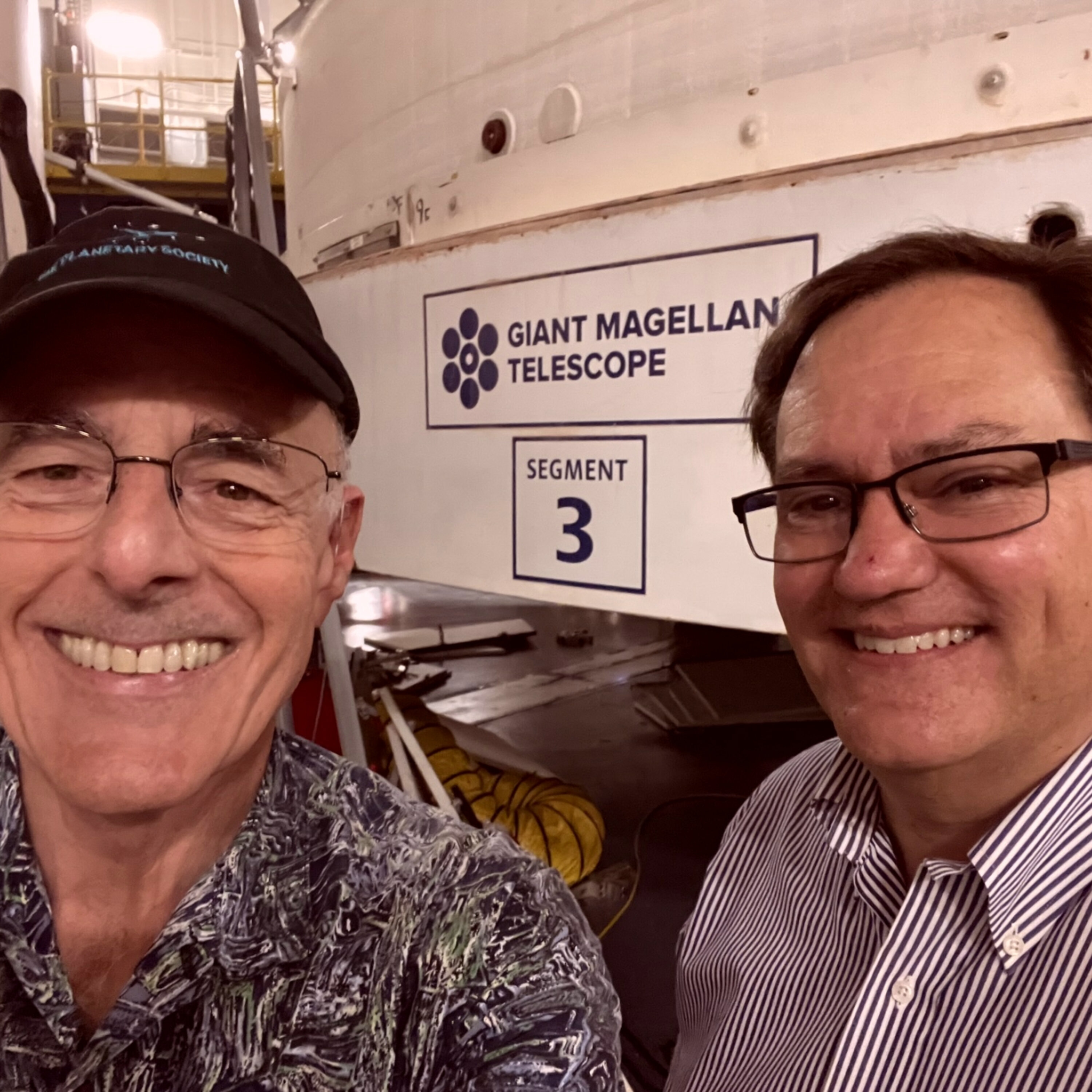
Giving the University of Arizona Mirror Lab a spin
It has been on host Mat Kaplan’s bucket list for years. Join him for a tour of the cavernous Richard F. Caris Mirror Lab at the University of Arizona, where the mirrors for the Giant Magellan Telescope or GMT are being spun into reality. Want your own GMT? You might win a model kit when Bruce Betts delivers this week’s What’s Up space trivia quiz. Stumped by what to get that space nerd in your life? Check out The Planetary Society’s gift guide! Mat and Sarah Al-Ahmed share their favorite suggestions. Discover more at https://www.planetary.org/planetary-radio/2022-buell-jannuzi-ua-mirror-labSee omnystudio.com/listener for privacy information.
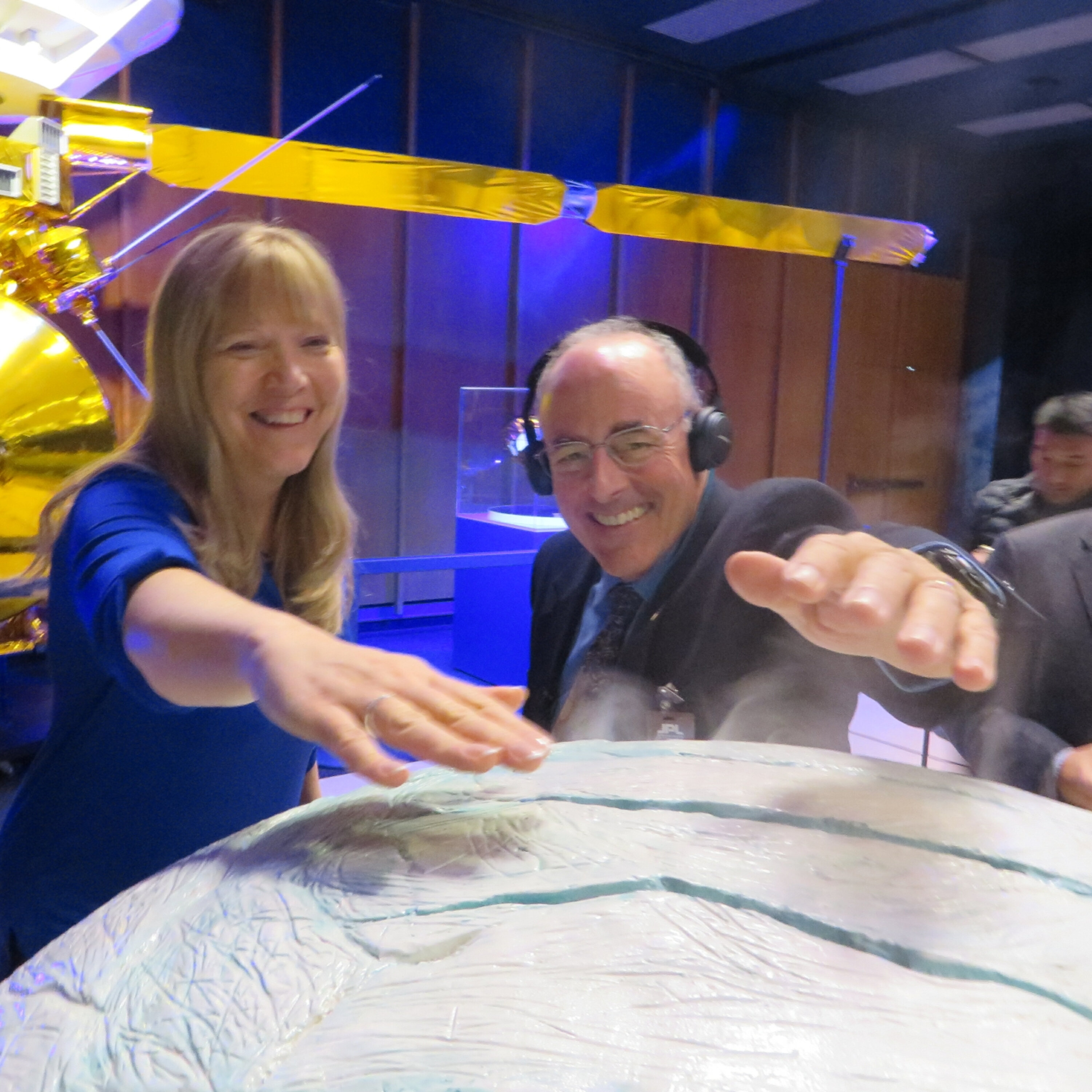
Voyager Mission Project Scientist Linda Spilker
She has been heard on Planetary Radio more than any other guest. Linda Spilker returns in her new role as the Voyager project scientist, following the legendary Ed Stone’s half-century in that job. Linda provides an update on the interstellar journey. The Planetary Society’s LightSail 2 may be only hours from the end of its very successful mission. LightSail Program Manager Bruce Betts makes a special up-front appearance to prepare us for this milestone. And incoming Planetary Radio host Sarah Al-Ahmed introduces The Planetary Academy, a terrific new opportunity for young explorers. Discover more at https://www.planetary.org/planetary-radio/2022-linda-spilker-voyagerSee omnystudio.com/listener for privacy information.

Space Policy Edition: What the Congressional Midterms Means for Space Science
Next year a new class of elected officials will enter Congress and usher in changes to the political focus and leadership of key space and science committees. Dr. Bethany Johns, the deputy director of Public Policy for the American Astronomical Society, joins the show to discuss how her organization is preparing for the change, what issues they intend to focus on, and how the scientific community can engage with members of both parties to ensure continued investment in U.S. scientific capability. Discover more here: https://www.planetary.org/planetary-radio/bethany-johns-midtermsSee omnystudio.com/listener for privacy information.
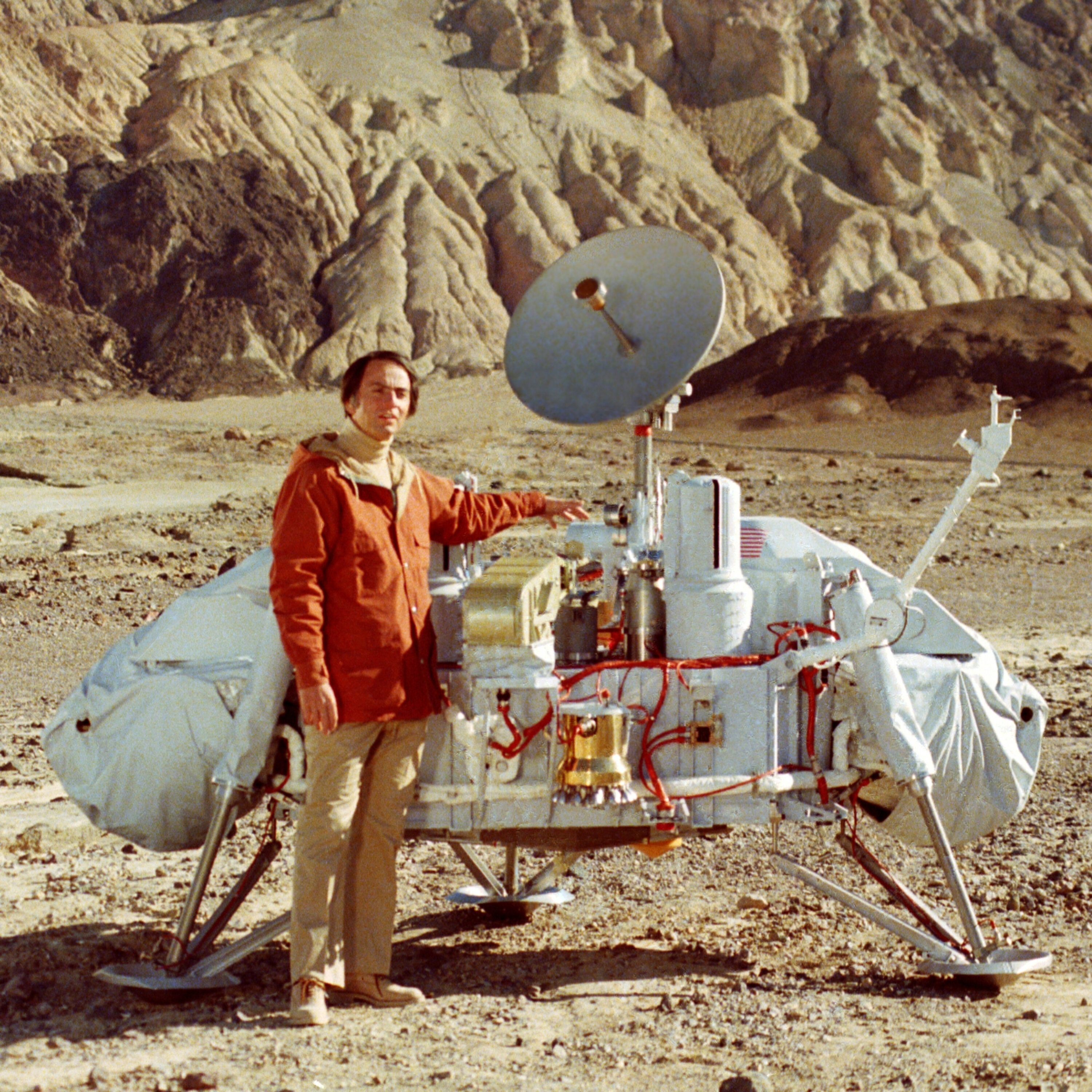
Ann Druyan wishes you a happy Sagan Day
November 9 would have been our co-founder Carl Sagan’s 88th birthday. His professional and life partner, Ann Druyan, returns with a love story — the love between two people that encompassed the Cosmos and had to be shared. Sarah Al-Ahmed will tell us about two missions to Venus. Sarah, too, was inspired by Dr. Sagan. The theme continues with Planetary Society Chief Scientist Bruce Betts in this week’s What’s Up segment. Discover more at https://www.planetary.org/planetary-radio/2022-ann-druyan-sagan-daySee omnystudio.com/listener for privacy information.

Space Policy Edition Bonus: Q&A with Casey Dreier and Bill Nye
While we wait for the result of the upcoming U.S. midterm elections, enjoy this special bonus episode of Space Policy Edition featuring The Planetary Society's Chief Advocate and CEO answering dozens of space policy questions submitted by our members. These twice-annual policy briefings are moderated by Mat Kaplan, and are an exclusive benefit for Planetary Society members. Want to submit questions next time? Join us at planetary.org/join Our regular Space Policy Edition episode will be published next Friday, November 11, after the U.S. midterm elections.See omnystudio.com/listener for privacy information.
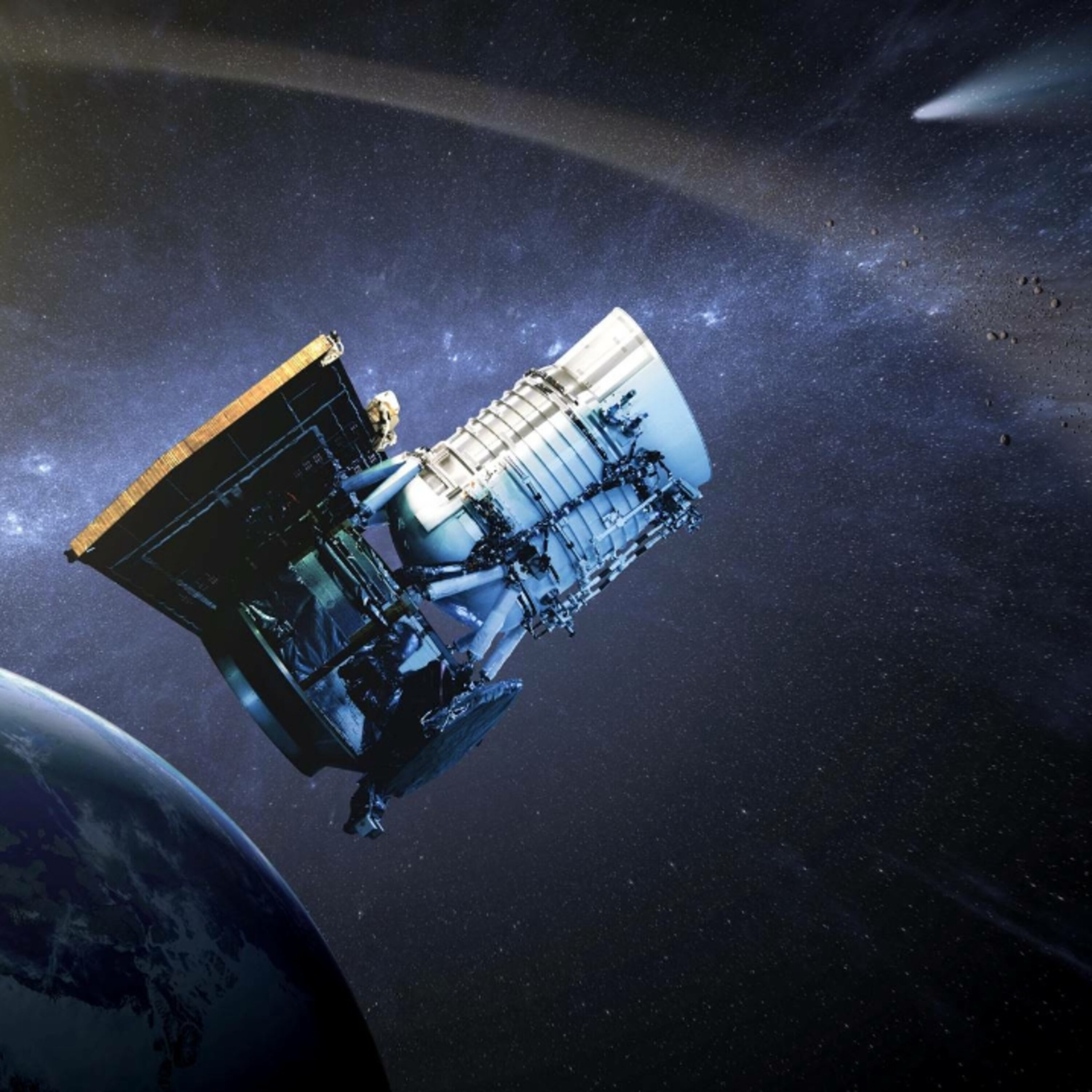
DART smacked an asteroid! So what’s next in planetary defense?
The success of the Double Asteroid Redirection Test was just one more step toward protecting our world from wayward asteroids and comets. NASA Planetary Defense Officer Lindley Johnson, and Kelly Fast, the agency’s near-Earth object observation program manager, return to our show for a discussion of where we go from here. Sarah Al-Ahmed will tell us about an article that locates the water on and under Mars, while Bruce Betts gets us ready to enjoy the upcoming total lunar eclipse. There’s more to discover at https://www.planetary.org/planetary-radio/2022-johnson-and-fast-pdcoSee omnystudio.com/listener for privacy information.

Meet the new Planetary Radio host! (and enjoy a beer with a cosmologist)
Join host Mat Kaplan as he proudly introduces the person who will take on the show he created 20 years ago. Then we’ll join astrophysicist Brian Keating at a joyful gathering of cosmologists who hope to reveal secrets of the Universe through the new Simons Observatory. You might win Brian’s new book about thinking like a Nobel Prize winner in the What’s Up space trivia contest. There’s more to discover at https://www.planetary.org/planetary-radio/2022-introducing-new-hostSee omnystudio.com/listener for privacy information.
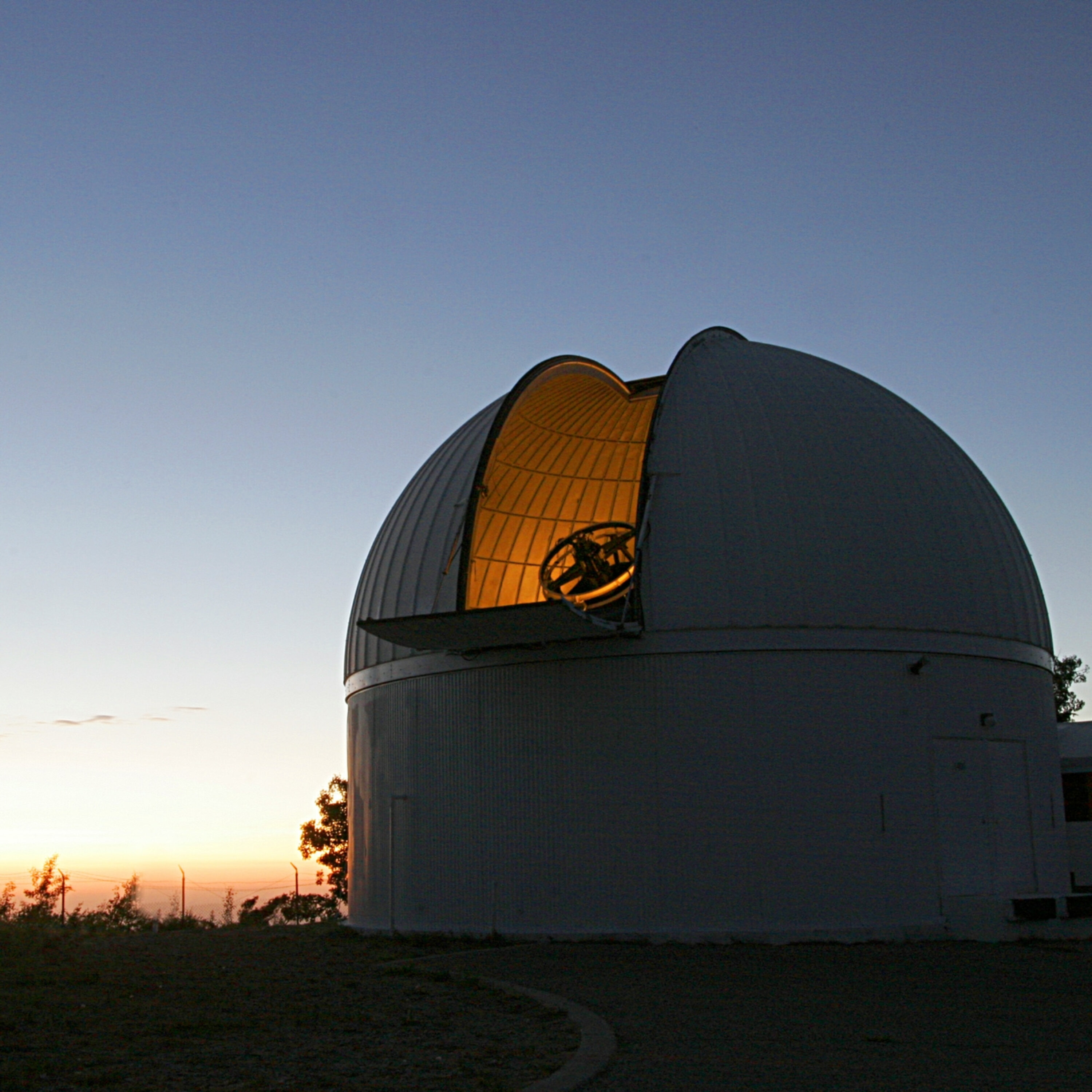
Eyes on the Sky: Spacewatch and the Catalina Sky Survey
The University of Arizona in Tucson hosts two of the most successful asteroid searches on our planet. Together, they have discovered, tracked, and characterized tens of thousands of objects, many of which could pose a threat to Earth. Listen to back-to-back, in-person conversations with the leaders of both efforts. Then we’ll jump to the ever-watchful Bruce Betts for this week’s installment of What’s Up. There’s more to discover at https://www.planetary.org/planetary-radio/2022-spacewatch-and-catalina-sky-surveySee omnystudio.com/listener for privacy information.

Innovate! NASA’s leading-edge fellows share their amazing projects
Mat Kaplan once again hosted the live webcast from the annual NASA Innovative Advanced Concepts or NIAC symposium. He presents a speed dating sample of highlights. How about a Mars habitat grown from mushrooms? A lunar farside radio telescope built by robots? Or a kilometer-long space station launched by a single rocket? We’ll also join Planetary Society chief scientist Bruce Betts for another What’s Up scan of the night sky and more. There’s more to discover at https://www.planetary.org/planetary-radio/2022-2022-niac-projectsSee omnystudio.com/listener for privacy information.
Space Policy Edition: The Geopolitics of a Successful SETI Detection
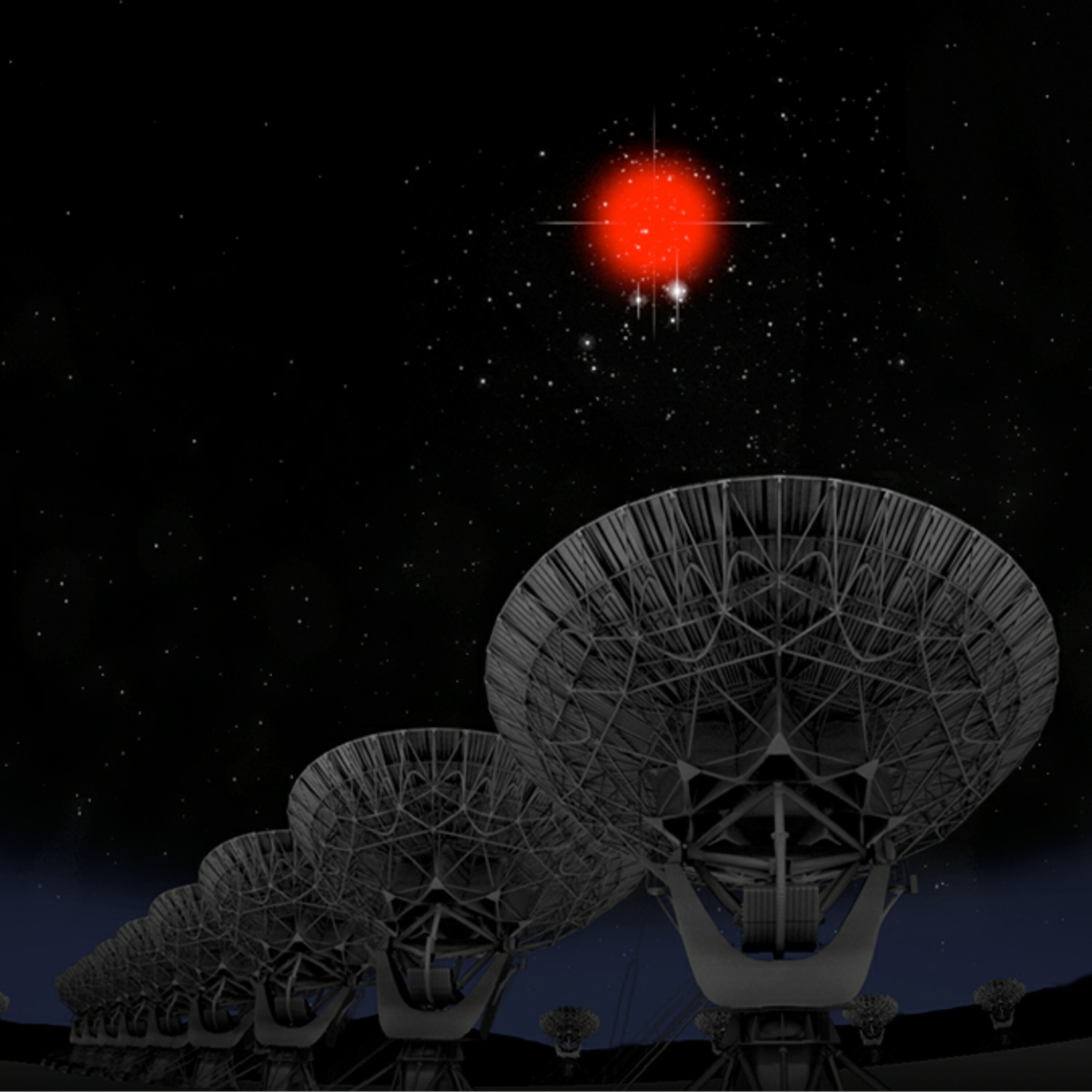
What would nation-states do in response to a signal from an alien intelligence? Would they compete for status and control of the message, or hope to gain some technological advantage from its contents? Or would the world shrug its shoulders and move on? Professor Jason Wright, Director of the Penn State Extraterrestrial Intelligence Center, joins the show to discuss a new paper proposing a more nuanced and positive view of world behavior given a potential SETI detection, and how the most likely message we receive may be more ambiguous than we imagine. Discover more here: https://www.planetary.org/planetary-radio/geopolitical-seti-jason-wrightSee omnystudio.com/listener for privacy information.

Grounded: The director of the SOFIA flying observatory looks back
The Stratospheric Observatory for Infrared Astronomy (SOFIA) made its last flight on Sept. 30, 2022. Astronomer Margaret Meixner was onboard as the huge telescope built into a 747 aircraft ended its observations of the universe. Margaret joined us earlier that day to celebrate the great successes of this unique instrument and its team. You may win a signed CD copy of “The Moons Symphony” in the new What’s Up space trivia contest! There’s more to discover at https://www.planetary.org/planetary-radio/2022-sofia-margaret-meixnerSee omnystudio.com/listener for privacy information.
Bull’s-eye! DART impacts Dimorphos, and we meet space image artist and processor Judy Schmidt
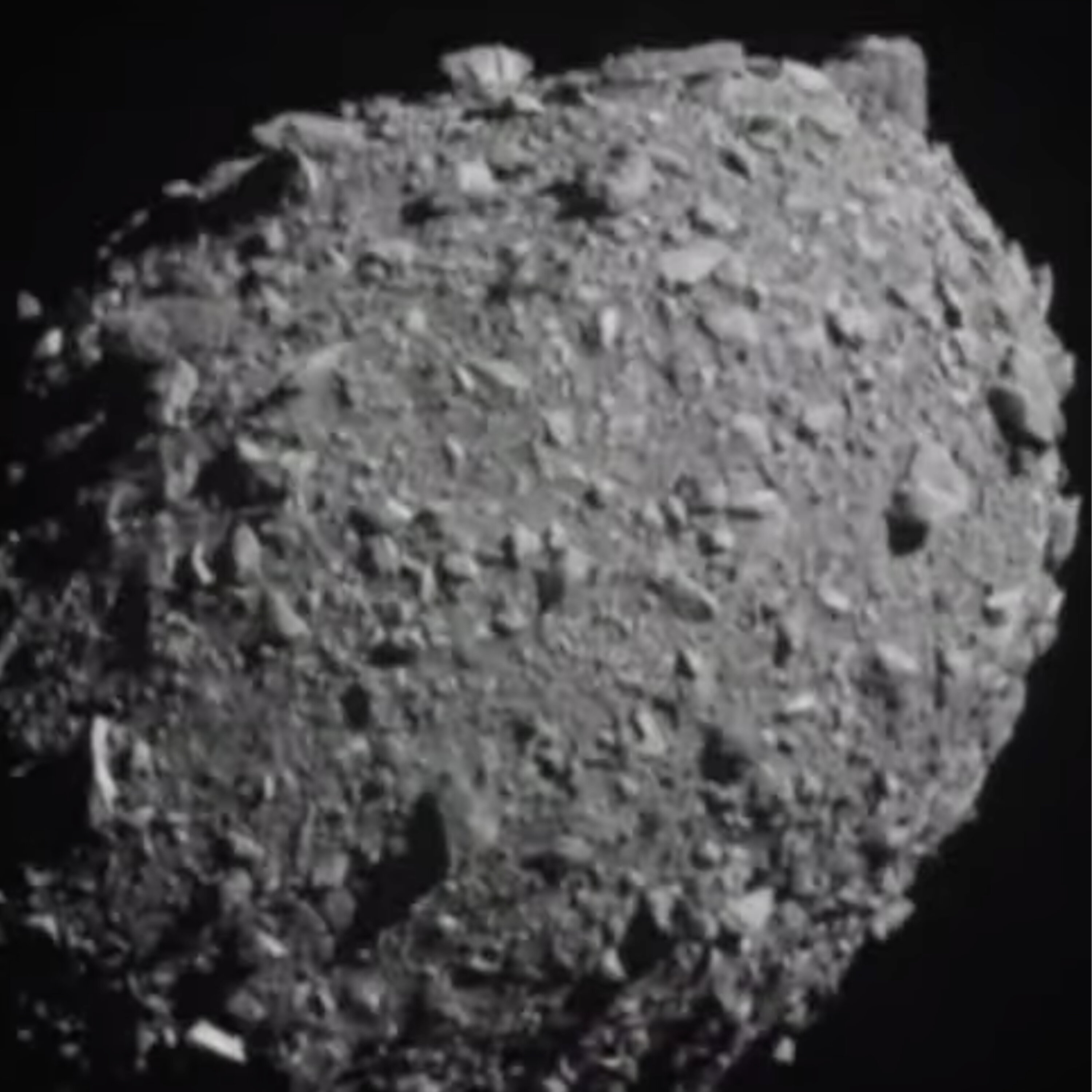
They did it! The Double Asteroid Redirection Test (DART) spacecraft scored a direct hit on Dimorphos. We’ve got the thrilling last moments before impact, followed by an exclusive, triumphant conversation with DART Coordination Lead Nancy Chabot. Then we’ll go from spectacular success to spectacular beauty as we meet extraordinary space image processor and artist Judy Schmidt. Bruce Betts salutes the DART mission with this week’s space trivia contest. There’s more to discover at https://www.planetary.org/planetary-radio/2022-chabot-dart-impact-report-and-judy-schmidtSee omnystudio.com/listener for privacy information.
Countdown to DART: Will We Move an Asteroid?
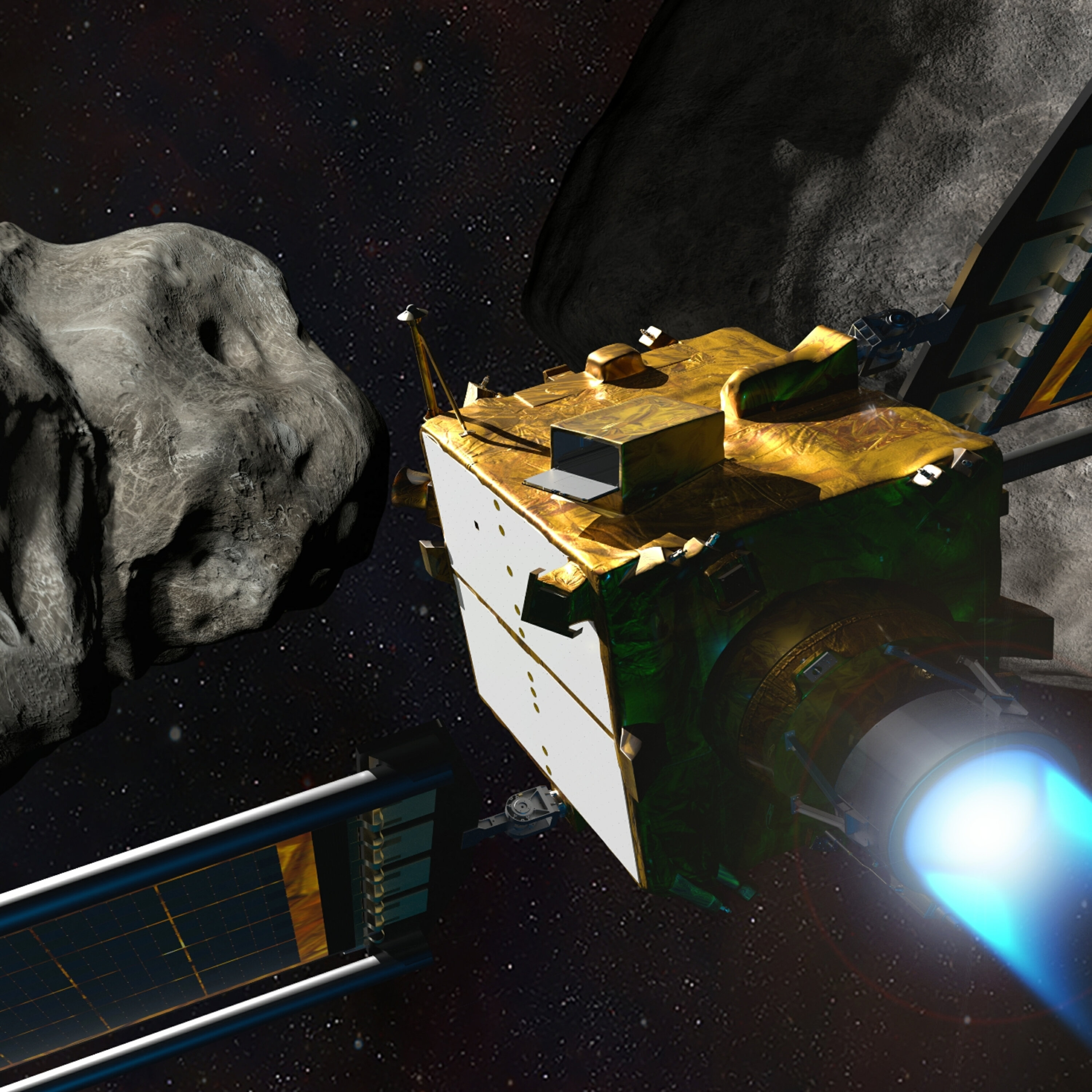
We are less than a week from the DART spacecraft’s impact on asteroid moonlet Dimorphos as this episode is published. Mission Coordination Lead Nancy Chabot gives us a status update and a preview of what to expect during the September 26 encounter. Watching the smackdown from a few kilometers away will be LICIACube. Simone Pirrotta, program manager for the Italian Space Agency’s little cubesat, tells us about his high hopes. We’ll also visit NASA’s Jet Propulsion Lab to hear the exciting announcement of organics discovered and collected by the Perseverance rover on Mars. All this and a new What’s Up space trivia contest. There’s more to discover at https://www.planetary.org/planetary-radio/2022-dart-impact-preview-nancy-chabotSee omnystudio.com/listener for privacy information.
It’s Not Just NASA: Space Agency Leaders at the Artemis 1 Launch Attempt
More than 100,000 came to the Kennedy Space Center hoping to see Artemis 1 head for the Moon on August 29. Among them were leaders of the European Space Agency (ESA), the German Aerospace Center (DLR), and the Italian Space Agency (ASI). They sat down with Mat Kaplan for conversations about the international collaboration behind the Artemis program, along with some of the other brilliant successes they have achieved. We also celebrate the 60th anniversary of President John F. Kennedy’s speech that set the United States on course for the Moon. There’s a JWST T-shirt waiting for the winner of the new What’s Up space trivia contest. And there’s more to discover at https://www.planetary.org/planetary-radio/2022-esa-dlr-asi-leadersSee omnystudio.com/listener for privacy information.
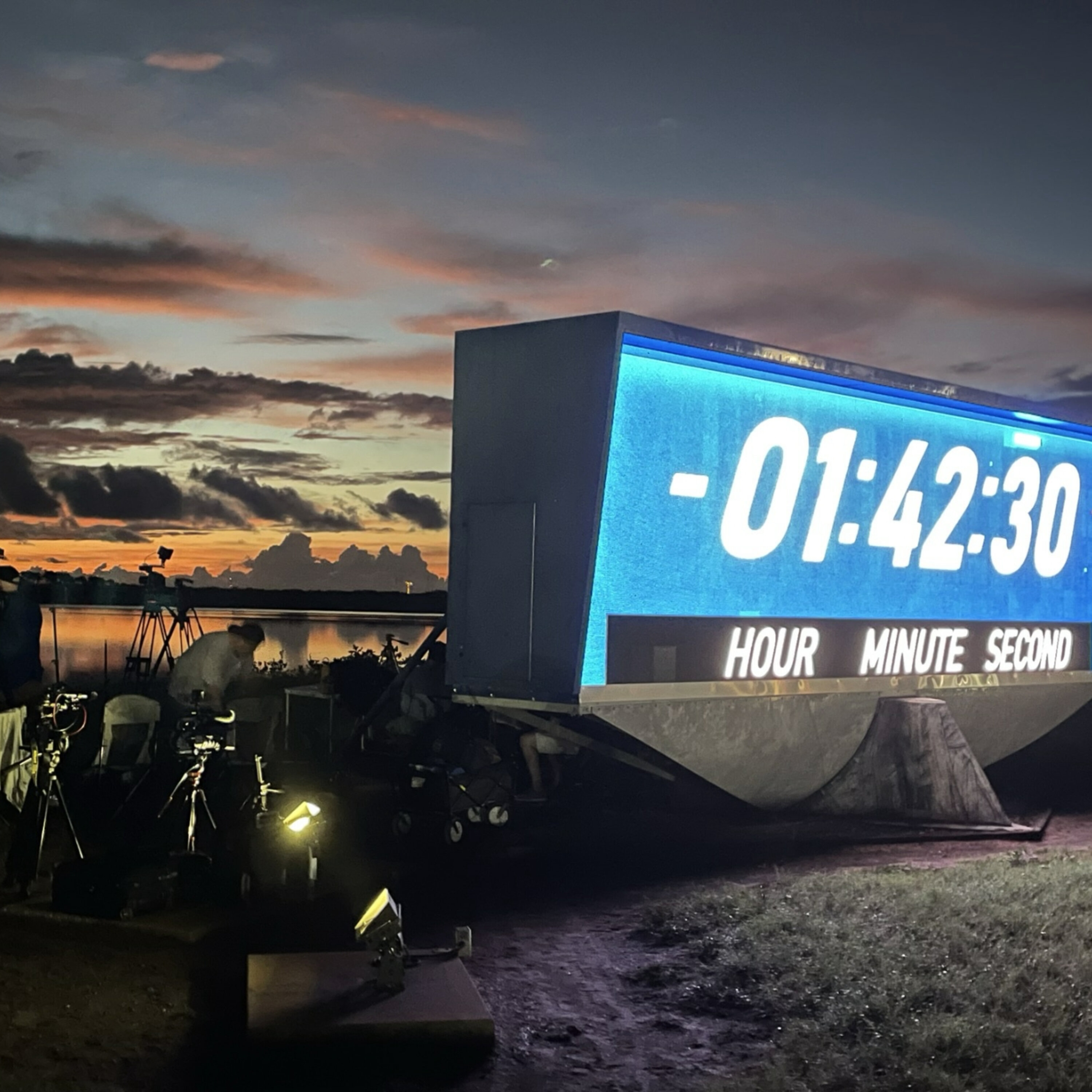
Countdown to Artemis, The Return to the Moon
Come with us to NASA’s Kennedy Space Center for our special coverage of the first attempt to launch the giant Space Launch System rocket toward the Moon. You’ll hear astronaut Thomas Pesquet, “Everyday Astronaut” Tim Dodd, NASA Associate Administrator Thomas Zurbuchen, and much more. Then take your best shot at winning the Artemis 1 prize package in this week’s space trivia contest. There’s more to discover at https://www.planetary.org/planetary-radio/2022-artemis-1-launch-special-coverageSee omnystudio.com/listener for privacy information.
Space Policy Edition: Mike Gold on Crafting the Artemis Accords
As we wait for the launch of Artemis 1, we explore the Artemis Accords: a shared set of principles for exploring space, signed now by more than twenty nations. The accords outline a set of peaceful behaviors and shared values, including the open sharing of scientific data, safe disposal of orbital debris, commitments to mutual aid, and practices for using space resources and preservation. Mike Gold, former Associate Administrator of Space Policy and Partnerships at NASA, helped draft these accords and joins the show to share why they're important, how they came together, and the immense practical benefit of having global norms in space. Casey and Mat also discuss the context and meaning of the Artemis 1 mission following their visit to Kennedy Space Center in Florida. Discover more here: https://www.planetary.org/planetary-radio/artemis-accords-mike-goldSee omnystudio.com/listener for privacy information.
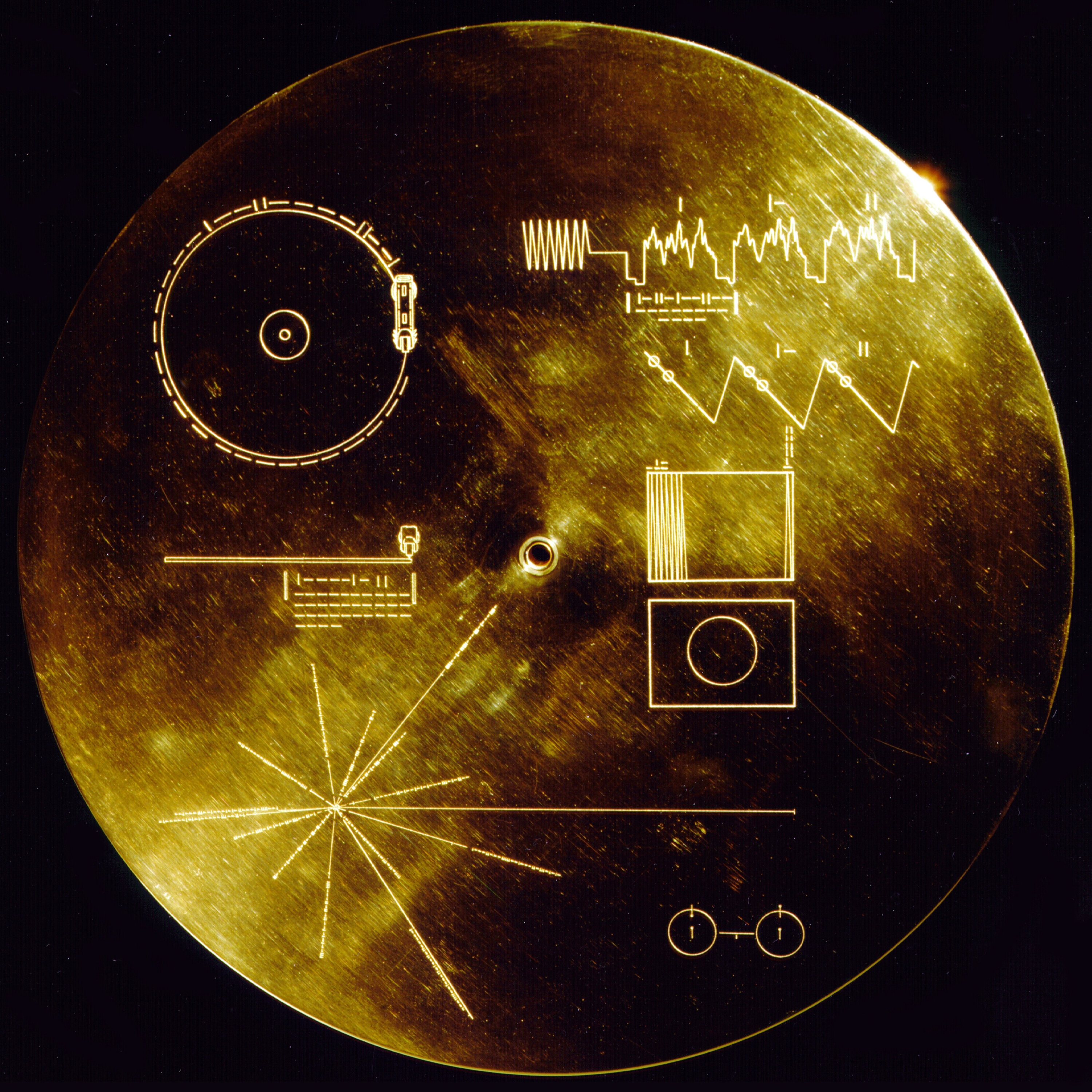
The Voyager Mission: A 45th Anniversary Celebration
Join us at the Jet Propulsion Lab for the celebration of the two Voyager spacecrafts’ 45-year journey across the solar system and beyond. Stick around for a stimulating conversation with Ann Druyan, creative director for the Golden Record carried by the probes. The Voyager theme continues in this week’s What’s Up space trivia contest. There’s more to discover at https://www.planetary.org/planetary-radio/2022-voyager-45th-anniversary-ann-druyanSee omnystudio.com/listener for privacy information.
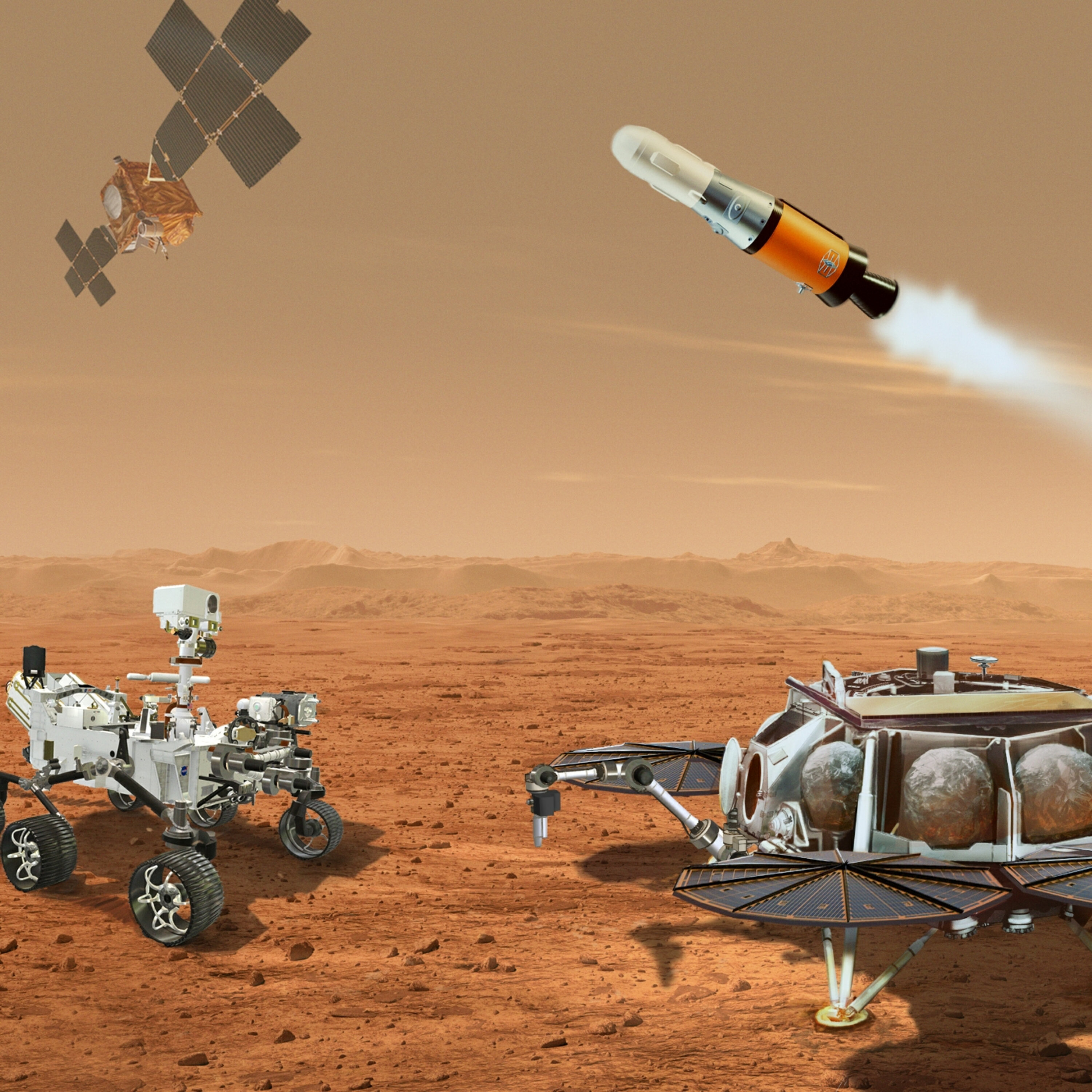
Pieces of Mars: How We’ll Get Them to Earth
We now know the rough outline of how NASA and the European Space Agency (ESA) expect to get the samples collected by Perseverance off Mars and into labs on Earth. Mars Sample Return Program Manager Richard Cook of JPL will take us through the intricate and audacious steps required. The plan now includes two Mars helicopters! Trickster Bruce Betts, chief scientist of The Planetary Society, provides the surprising answer for his latest space trivia question. Apollo 11 was not the first liftoff from another world! There’s more to discover at https://www.planetary.org/planetary-radio/2022-richard-cook-mars-sample-returnSee omnystudio.com/listener for privacy information.
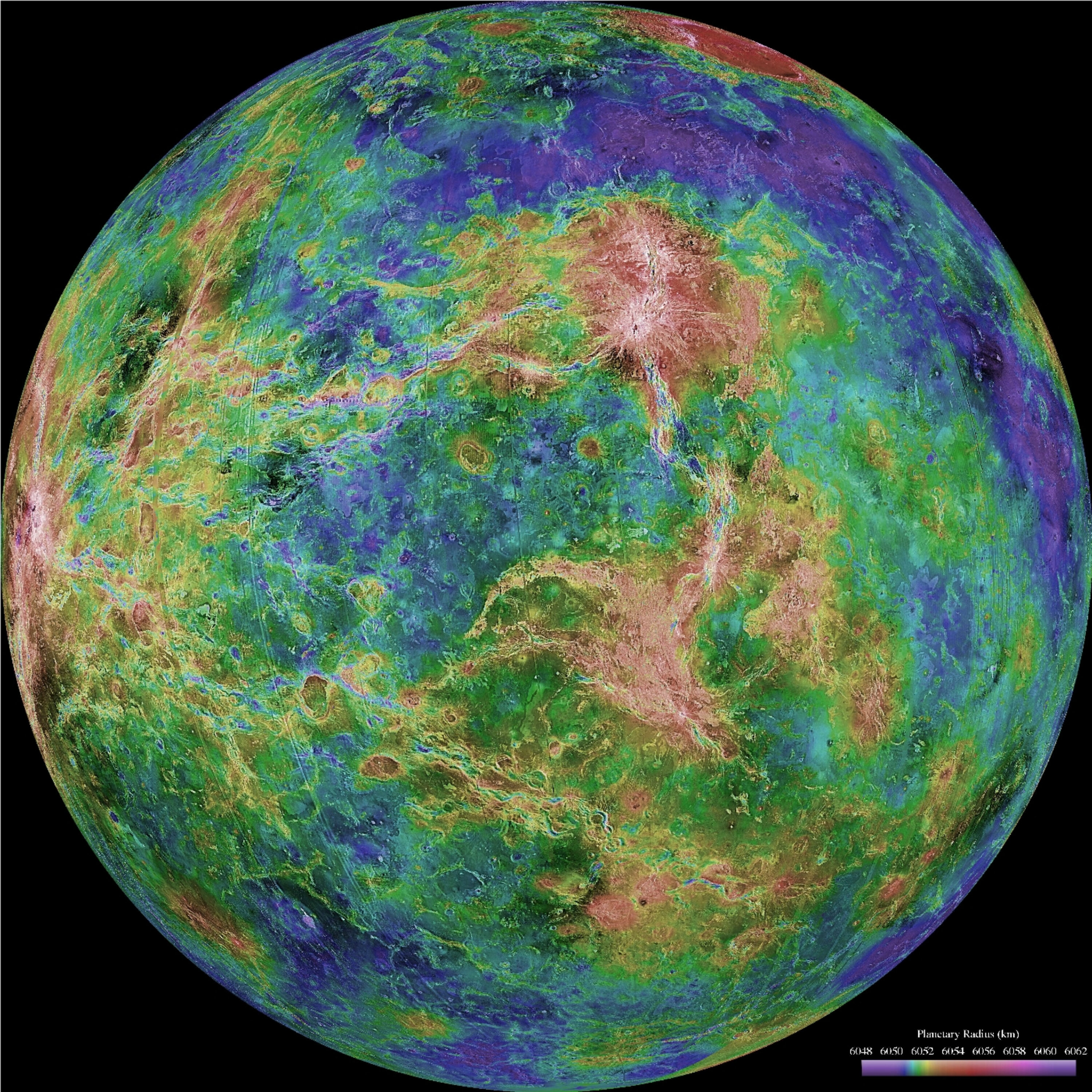
A Venus Phosphine Scoop! The Return of Jane Greaves
Astronomer Jane Greaves and her worldwide team have had quite a ride. It has been two years since the Cardiff University professor announced evidence of phosphine in the atmosphere of Venus. Many scientists were and still are skeptical, but Jane is back with more data, including some that she shares with us first. She and Mat talk about what this could mean. Phosphine-belching Venusian penguins are very unlikely, but we want your artists’ concepts of them! That’s in addition to yet another space trivia contest from Bruce Betts. There’s more to discover at https://www.planetary.org/planetary-radio/2022-jane-greaves-more-venus-phosphineSee omnystudio.com/listener for privacy information.
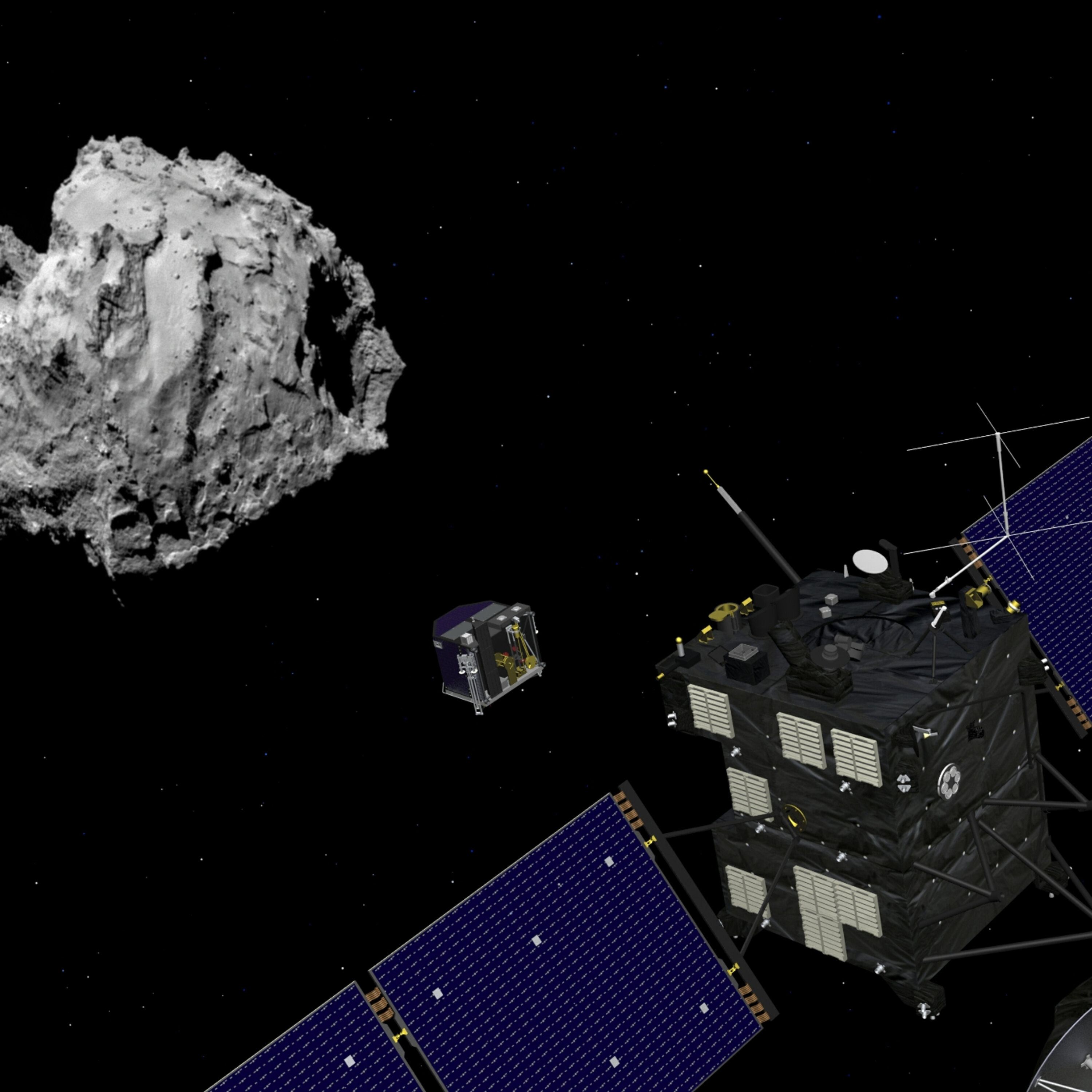
Comets Stink! The Chemical Zoo Found at Comet Chury
Scientists have used data collected by an exquisitely sensitive instrument on the European Space Agency’s Rosetta probe to find a stunning collection of complex organic molecules at the comet known as Chury. The findings are an important step toward understanding the origin of our solar system and life on Earth. Bruce Betts will continue the cometary commentary with this week’s Random Space Fact. There’s more to discover at https://www.planetary.org/planetary-radio/2022-hanni-altwegg-wampfler-churySee omnystudio.com/listener for privacy information.
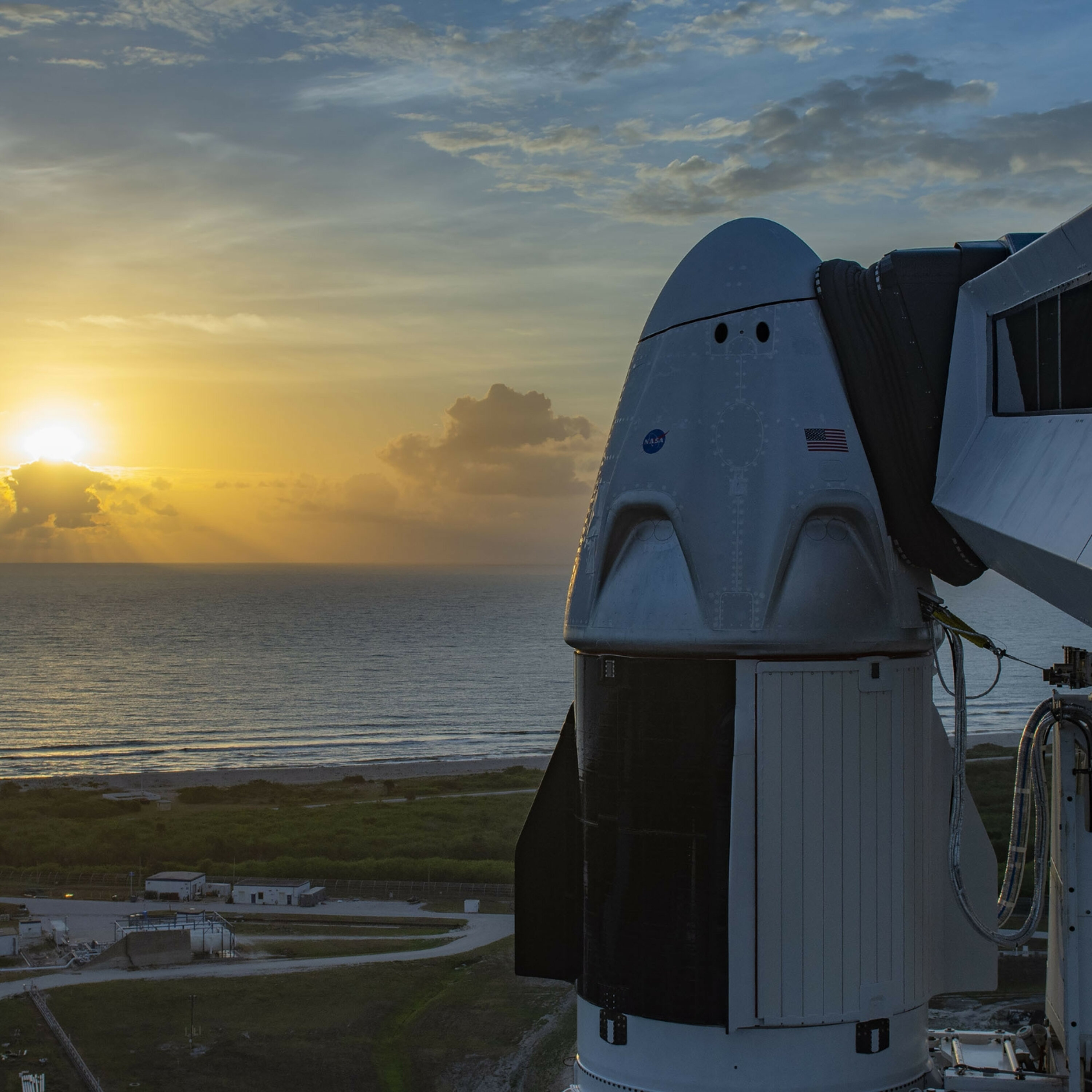
Space Policy Edition: Lori Garver on Bringing Change to NASA
As NASA’s deputy administrator, Lori Garver fought to cancel the Constellation program and shift NASA to use commercial partnerships in spaceflight. She failed at the first but succeeded at the second. She joins the show to discuss the lessons she learned from her time at NASA, key strategies for bringing change to a reticent bureaucracy, and the ways in which NASA should serve the nation and the public. Discover more here: https://www.planetary.org/planetary-radio/lori-garver-bringing-change-to-nasaSee omnystudio.com/listener for privacy information.

Citizen Science: Join the search for Martian clouds
NASA Jet Propulsion Lab scientists Armin Kleinboehl and Marek Slipski lead a new project that is recruiting thousands of citizen explorers. They explain to host Mat Kaplan how this massive effort may help us finally understand how the once plentiful Martian surface water disappeared. Then we look back to the dawn of science as Bruce Betts closes out our latest What’s Up space trivia contest. And there’s a meteor shower around the corner! There’s more to discover at https://www.planetary.org/planetary-radio/2022-cloudspotting-on-marsSee omnystudio.com/listener for privacy information.

New Jet Propulsion Lab Director Laurie Leshin
She is only the tenth director of JPL, and the first woman to hold the position. It’s a homecoming for Laurie Leshin who got her PhD at Caltech, the operator of JPL on behalf of NASA. Laurie talks about her priorities for the lab, and how excited she is about the missions already underway and those to come. Planetary Society chief advocate Casey Dreier analyzes Russia’s announcement that it will withdraw from the International Space Station. Casey also shares his love of “Contact.” The classic science fiction film based on Carl Sagan’s novel has just celebrated its 25th anniversary. Bruce Betts will join us for another tour of the night sky and more in What’s Up. There’s more to discover at https://www.planetary.org/planetary-radio/2022-jpl-director-laurie-leshinSee omnystudio.com/listener for privacy information.
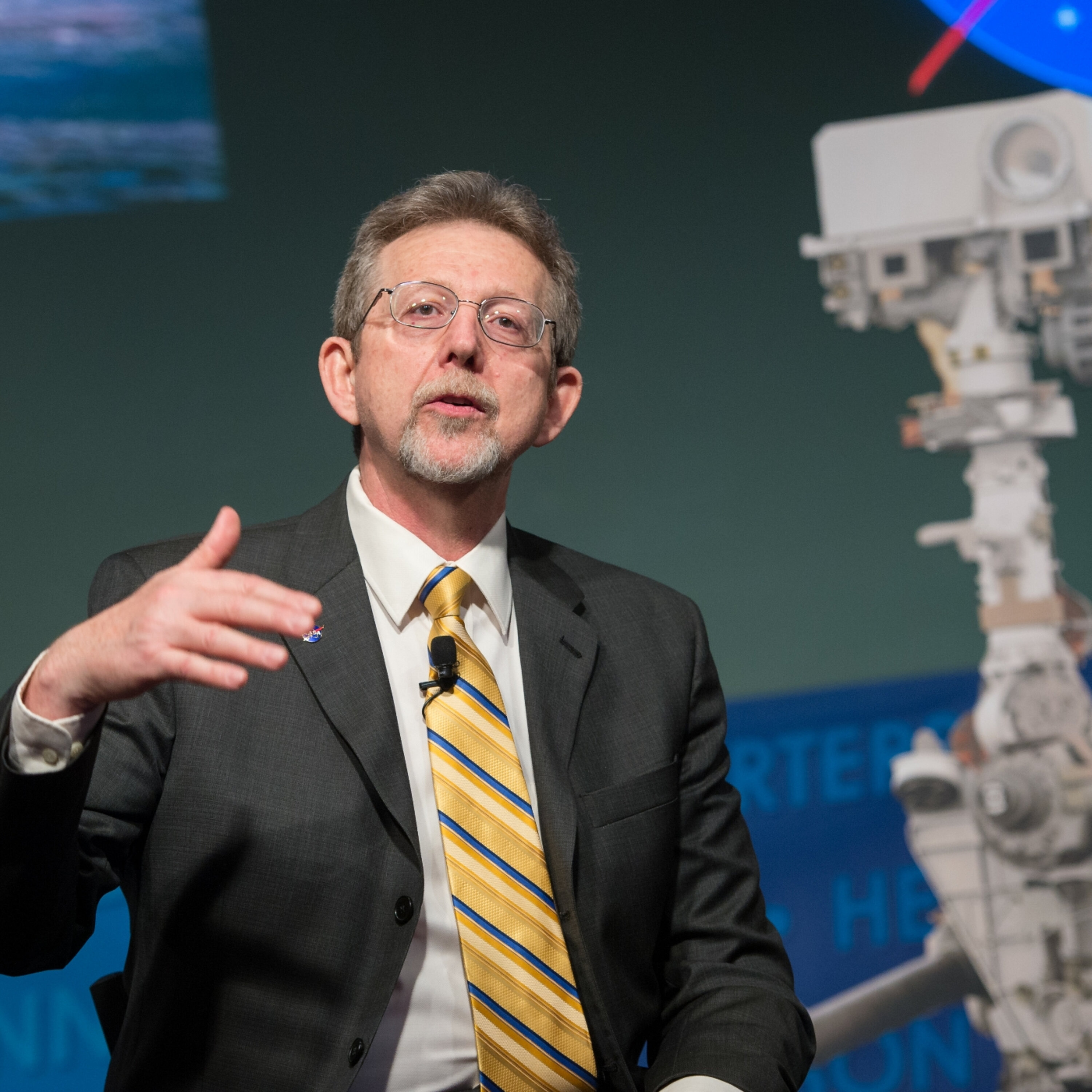
Science from the Moon, and former NASA chief scientist Jim Green looks back
Host Mat Kaplan leads with a special announcement. Then we spend a fascinating hour with the former director of NASA’s Planetary Science division and retired chief scientist Jim Green, who reports on a recent workshop that explored the potential of radio telescopes on the Moon’s farside. He also shares anecdotes from his long history of space science and NASA service. There’s more to discover at https://www.planetary.org/planetary-radio/2022-james-green-lunar-scienceSee omnystudio.com/listener for privacy information.
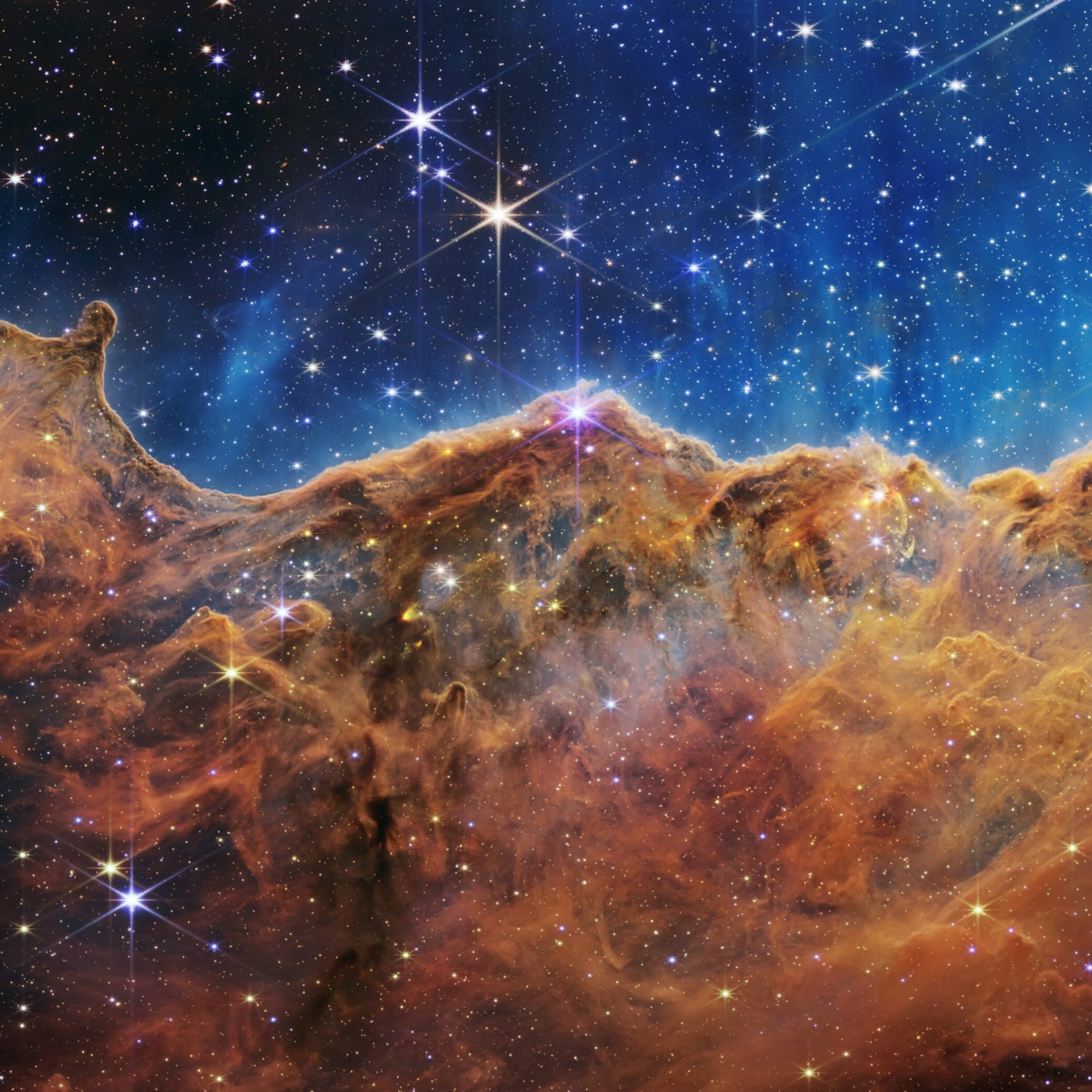
The JWST: An Awesome New Window on the Universe Opens Wide
Have you seen them? Five spectacular images have given us a taste of what’s ahead from the James Webb Space Telescope. Bill Nye will share his reactions after we hear excerpts from NASA’s image revealing event on July 12. We’ll then talk with astrophysicist Tom Greene of the NASA Ames Research Center. Tom has hundreds of hours on the new space telescope to examine planets circling other stars. Planetary Society Chief Scientist Bruce Betts will add his thoughts during What’s Up as he offers a space trivia question that ties the JWST to a long lost fast food hamburger. There’s more to discover at https://www.planetary.org/planetary-radio/2022-jwst-image-reveal-greene-nyeSee omnystudio.com/listener for privacy information.
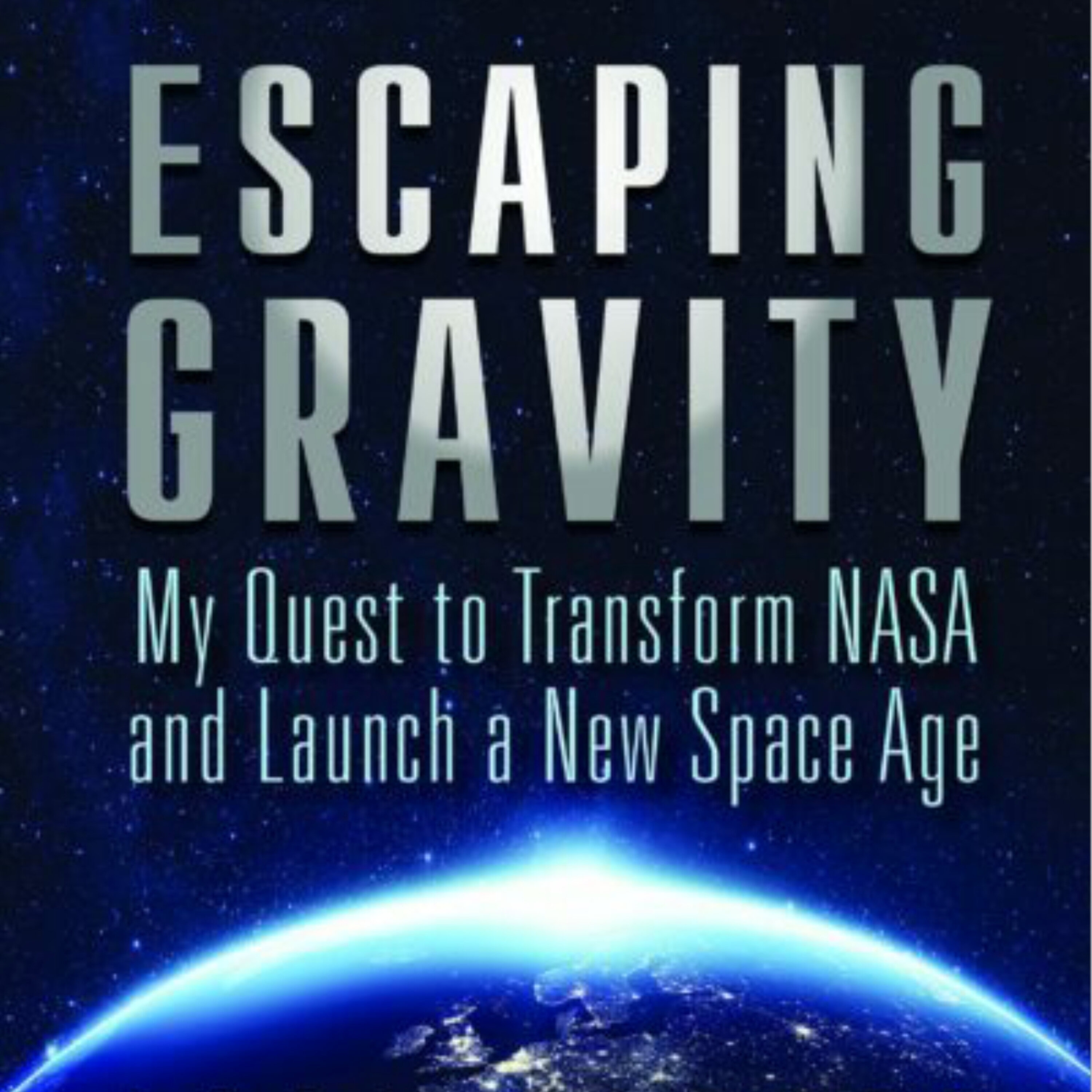
A Hero of the New Space Age: Lori Garver and Escaping Gravity
No one deserves more credit for enabling the new era of commercial space development than former NASA deputy administrator Lori Garver. That includes the commercial crew program that brings astronauts to and from the International Space Station. Mat welcomes Lori back for a conversation about her excellent new memoir that tells the inside story of this achievement. You’ll get the chance to win “Escaping Gravity” in this week’s What’s Up space trivia contest. There’s more to discover at https://www.planetary.org/planetary-radio/2022-lori-garver-escaping-gravity-bookSee omnystudio.com/listener for privacy information.
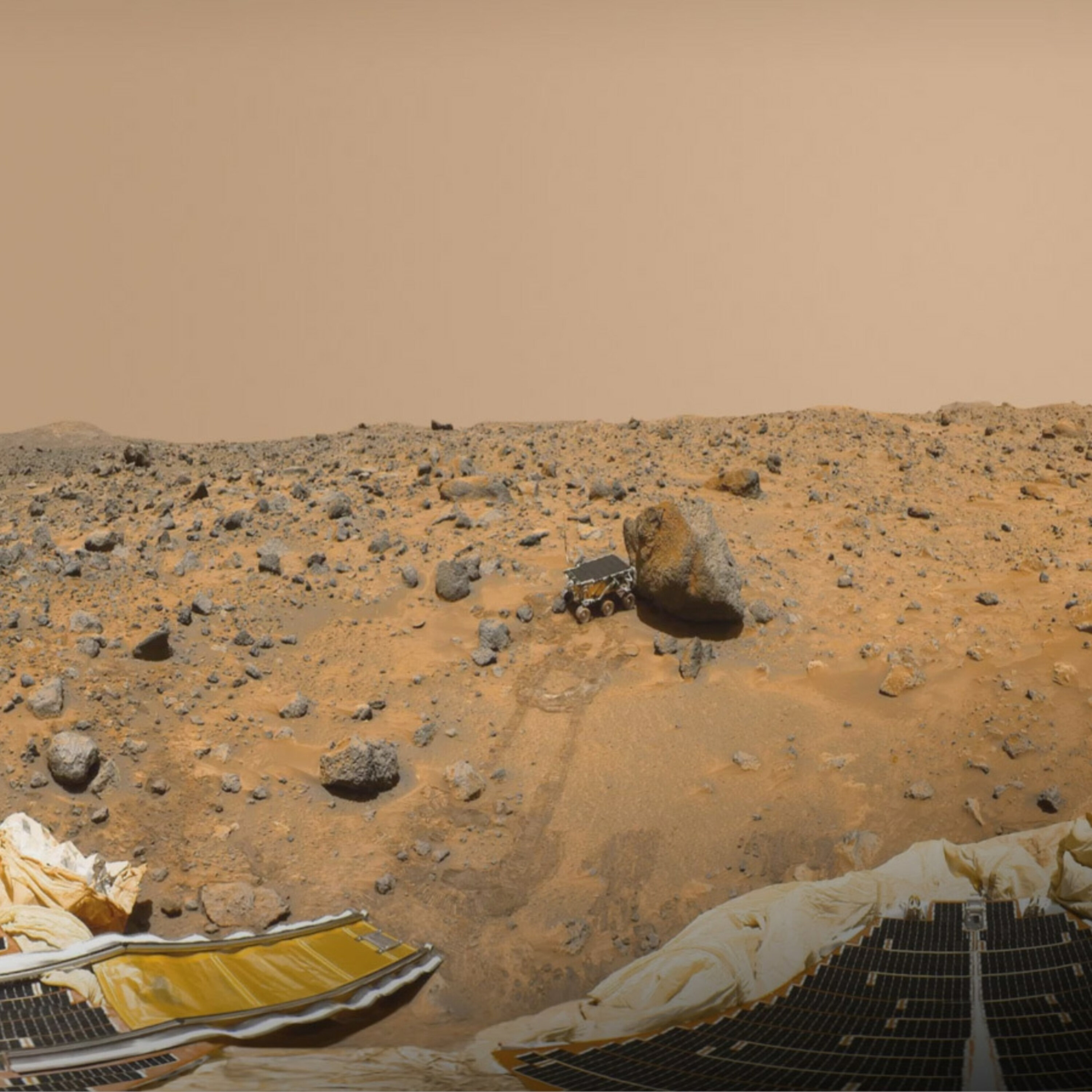
Space Policy Edition: Pathfinder and the Birth of the Discovery Program
It’s the 25th anniversary of the Pathfinder Mars mission and Sojourner, the first rover on the Red Planet. Historian Michael Neufeld joins the show to put this path blazing mission in context as the start of NASA’s low-cost Discovery mission line. There have been 12 Discovery missions over the past 25 years, with two Venus missions now in development. Why did Discovery succeed when other attempts to reign in costs failed? What drove NASA’s readiness to experiment with new ways of building spacecraft? And how did an embarrassing loss for JPL push the lab to change its approach to planetary exploration? We’ll answer these and other questions as we explore the history of one of NASA’s most successful programs. Discover more here: https://www.planetary.org/planetary-radio/michael-neufeld-discovery-programSee omnystudio.com/listener for privacy information.
Asteroid Day! Earth Plays Defense
We Earthlings are making progress toward defending our planet from near-Earth objects, which is reason enough for the annual Asteroid Day celebration. Co-founder Danica Remy tells us what to expect, while Detlef Koschny, acting head of the European Space Agency’s Planetary Defence Office, reviews ESA’s expanded efforts. Planetary Society chief scientist Bruce Betts oversees the Society’s deep involvement before he shows us the current night sky. There’s more to discover at https://www.planetary.org/planetary-radio/2022-danica-remy-detlef-koschny-planetary-defenseSee omnystudio.com/listener for privacy information.
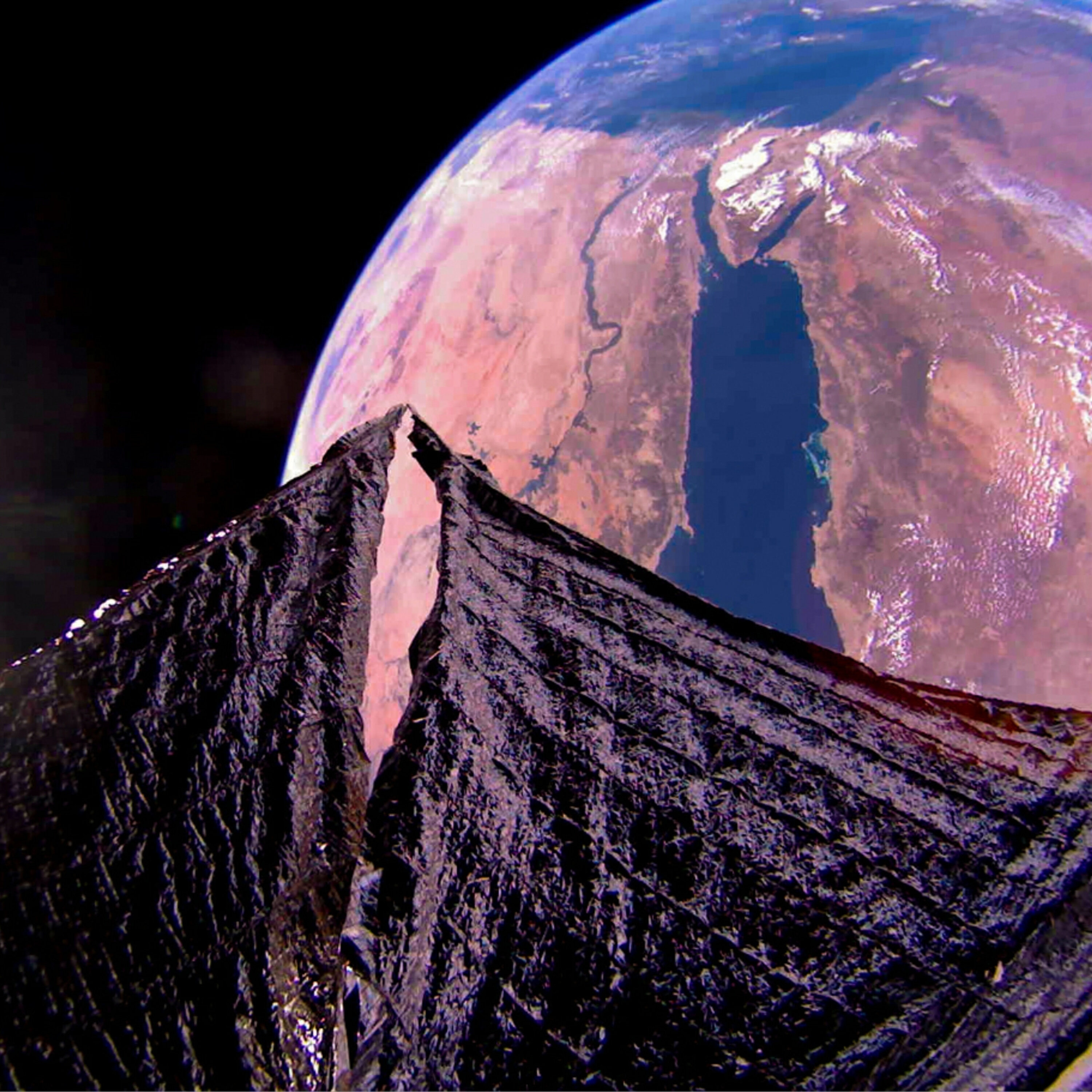
Sail on! Bill Nye and others celebrate LightSail 2’s three years in space
The Planetary Society’s LightSail 2 rocketed into orbit three years ago. Society CEO Bill Nye, chief operating officer Jennifer Vaughn, and LightSail program manager Bruce Betts join Mat Kaplan for a look at the long road to this award-winning mission, the current status of the spacecraft, and what’s ahead. Society editorial director Rae Paoletta provides a sneak peek at the June Solstice edition of The Planetary Report, and digital community manager Sarah Al-Ahmed shares highlights of the just-completed meeting of the American Astronomical Society. Take your shot at winning Bruce’s new book about the solar system in this week’s What’s Up segment. There’s more to discover at https://www.planetary.org/planetary-radio/2022-lightsail-2-third-anniversary-nye-betts-vaughnSee omnystudio.com/listener for privacy information.
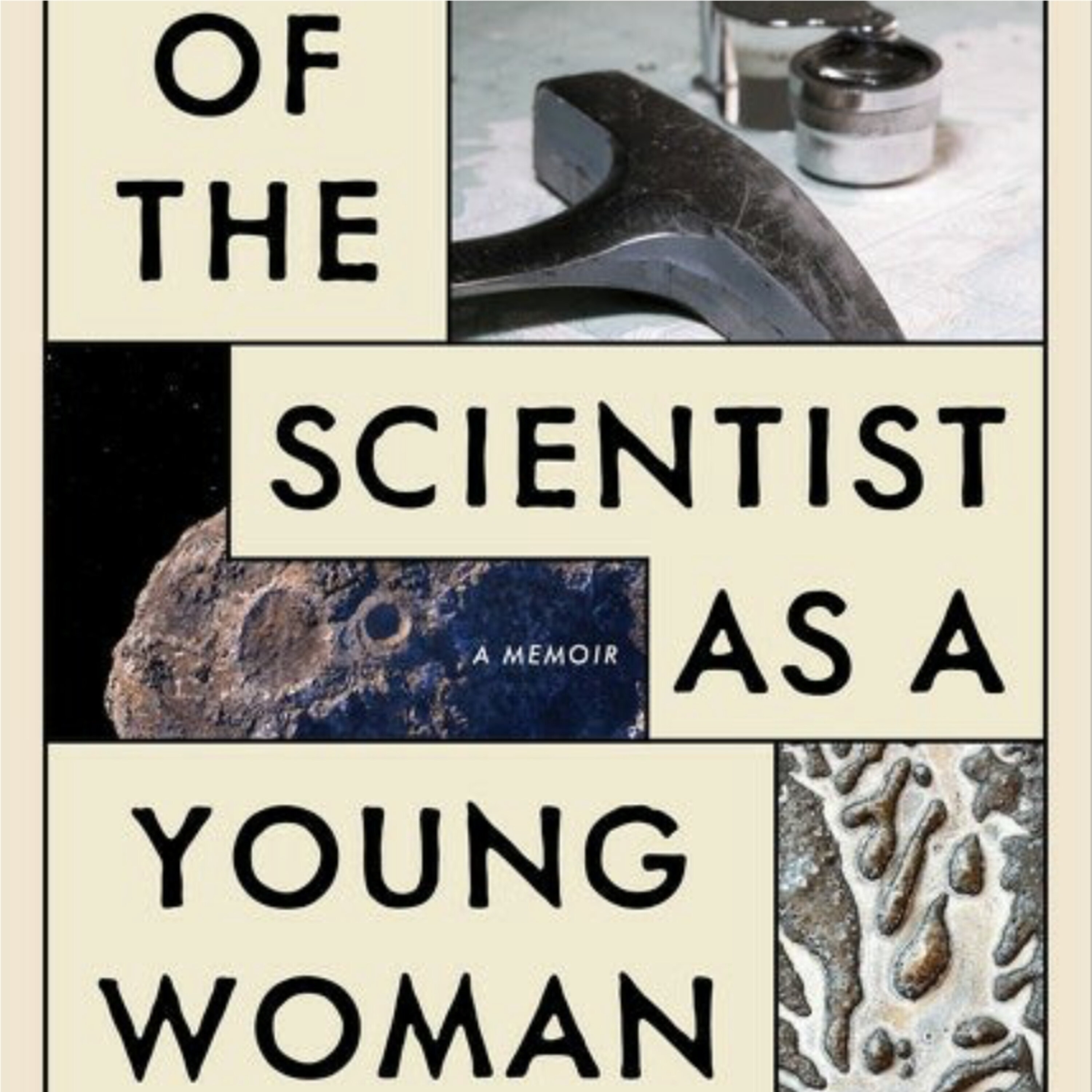
Portrait of a Scientist: A Conversation with Psyche mission leader Lindy Elkins-Tanton
Lindy Elkins-Tanton’s wonderful new memoir is titled, “A Portrait of the Scientist as a Young Woman.” Host Mat Kaplan talks with Lindy about this sometimes harrowing, often heroic, and adventurous chronicle of her path toward leadership of the Psyche asteroid mission. This new conversation follows their brief encounter in a Jet Propulsion Lab clean room that we presented last May. Your chance to win Lindy’s book arrives in this week’s What’s Up segment with Bruce Betts. Discover more at https://www.planetary.org/planetary-radio/2022-lindy-elkins-tanton-portrait-of-the-scientist-bookSee omnystudio.com/listener for privacy information.

Planetary Radio at the Humans to Mars Summit
Join host Mat Kaplan in Washington D.C. for conversations with outstanding presenters at the first in-person Humans to Mars Summit in three years. You’ll hear from Inspiration 4 astronaut Sian Proctor, chief engineer for NASA’s robotic exploration program “Hoppy” Price, and the designer of award-winning Martian homes. NASA deputy administrator and former space shuttle commander Pam Melroy delivered a brilliant keynote. Then Bruce Betts tells us about the new STEP Grant opportunity from The Planetary Society. Hear and discover more at https://www.planetary.org/planetary-radio/2022-2022-humans-to-mars-summitSee omnystudio.com/listener for privacy information.
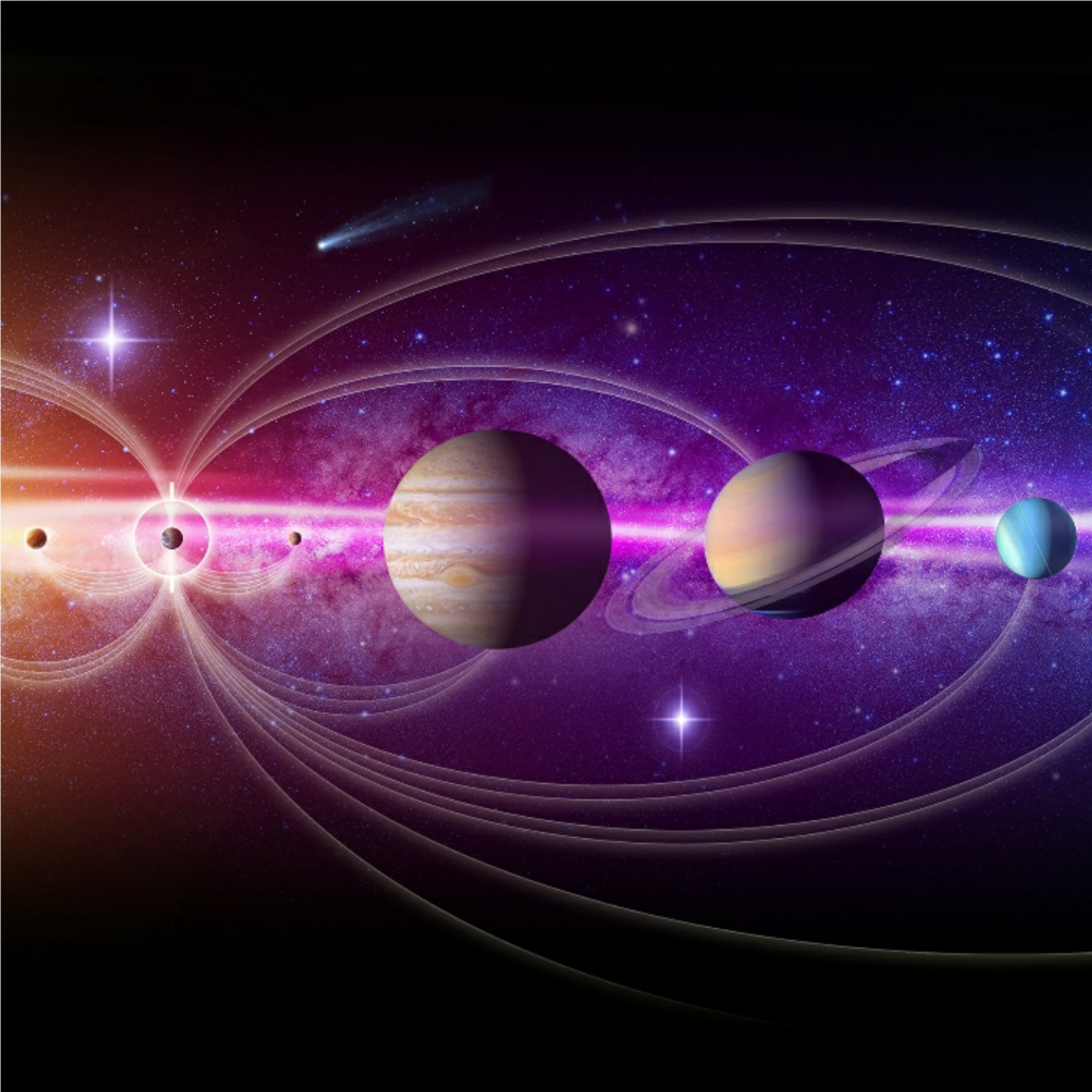
Space Policy Edition: Inside the Planetary Science Decadal Survey Process with Bethany Ehlmann
Caltech planetary scientist and Planetary Society president Bethany Ehlmann was a key player in the creation of the recently released recommendations that may guide solar system exploration for years to come. SPE host Casey Dreier talks with her about the process and approach that led to this influential document. Discover more here: https://www.planetary.org/planetary-radio/bethany-ehlmann-decadal-surveySee omnystudio.com/listener for privacy information.

Planetary Radio Live in London: The Moons Symphony
Host Mat Kaplan has returned from the UK and the recording of The Moons Symphony by the London Symphony Orchestra. You’ll hear excerpts from our Planetary Radio Live show celebrating this intersection of art and science with composer Amanda Lee Falkenberg and three distinguished planetary scientists. It was produced at Imperial College London before a live audience. Hear and discover more at https://www.planetary.org/planetary-radio/2022-planetary-radio-live-moons-symphonySee omnystudio.com/listener for privacy information.
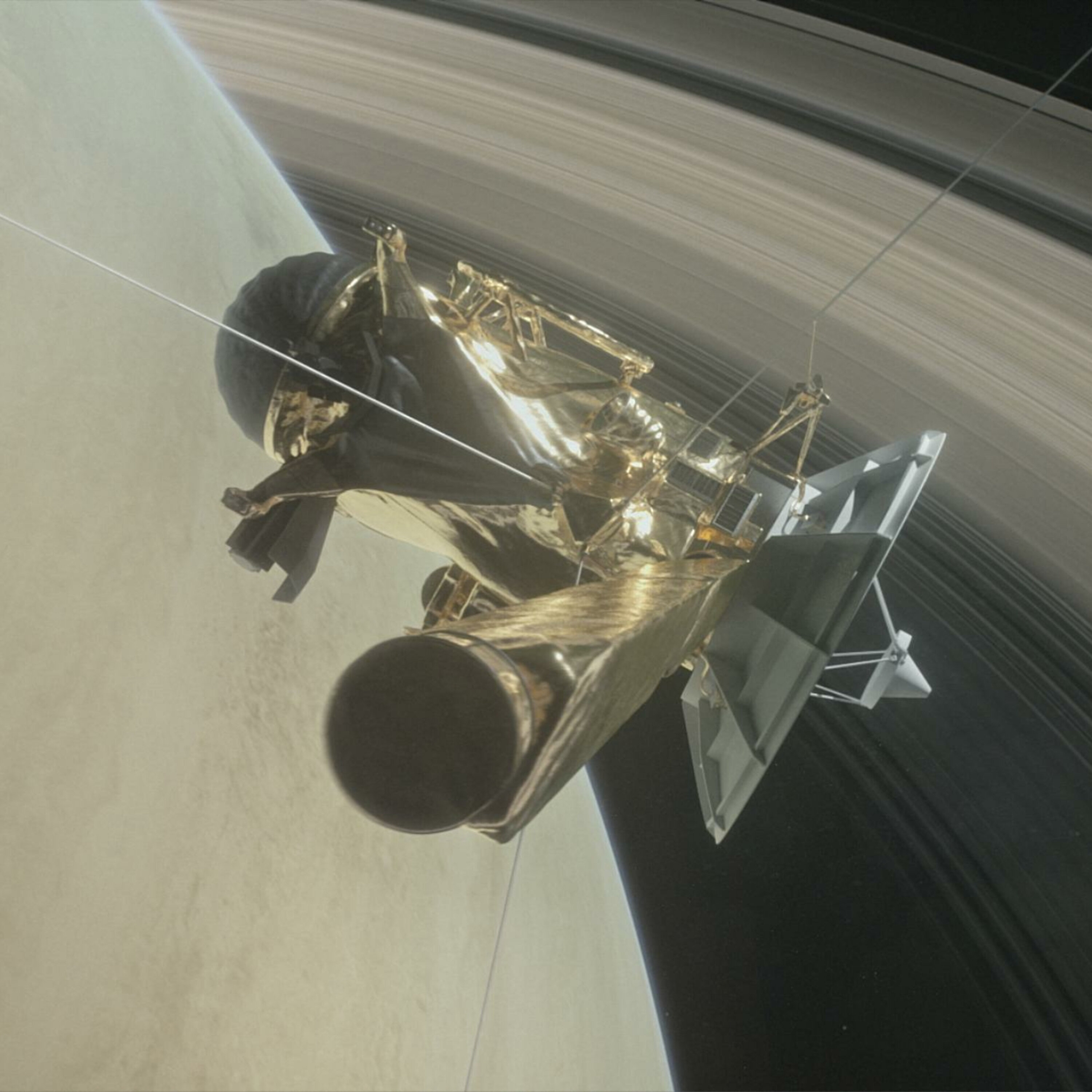
Cassini’s Dramatic End: A Planetary Radio Reprise
With Mat Kaplan in London for Planetary Radio Live, we bring back one of the most moving events in the history of our show. The Cassini orbiter plunged into Saturn in the early hours of September 15, 2017. Hundreds gathered to mark the end of this remarkable voyage, including former NASA chief scientists Jim Green, John Grunsfeld and Ellen Stofan. Mat talked with them and many others on that memorable morning. Then we’ll check in with Bruce Betts for a brand new What’s Up. Discover more at https://www.planetary.org/planetary-radio/2022-cassini-eom-repriseSee omnystudio.com/listener for privacy information.

Life, the Universe and Britney Schmidt
Our in-depth, fascinating conversation with Cornell University professor Britney Schmidt touches on how we’ll recognize life when we find it elsewhere, her sub-ice exploring robotic submarine, why we need an even bigger space telescope, and the best place for ice cream at Cornell. Planetary Society chief scientist Bruce Betts goes Hollywood with this week’s space trivia contest. Discover more at https://www.planetary.org/planetary-radio/2022-britney-schmidtSee omnystudio.com/listener for privacy information.
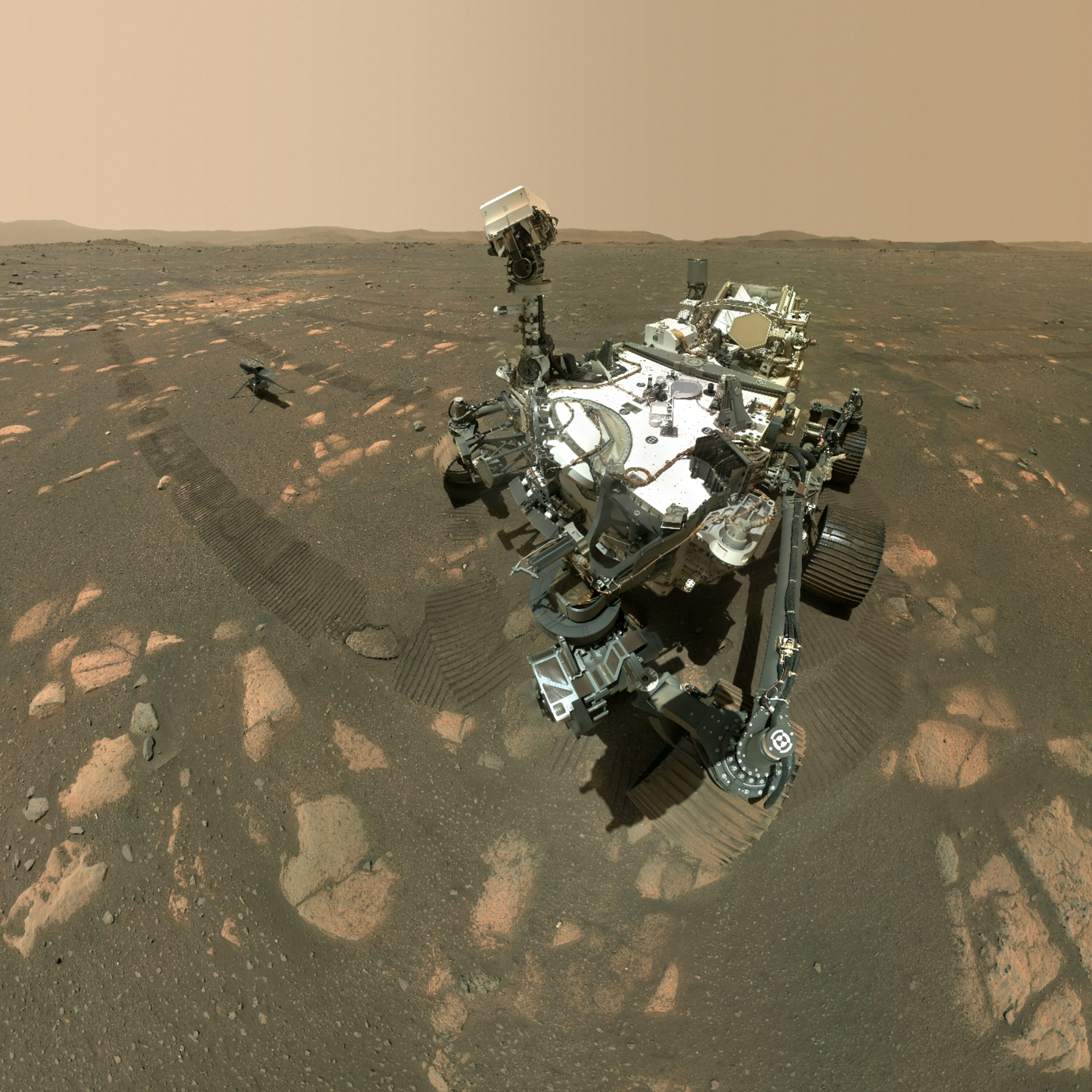
Perseverance Perseveres: A Mars rover update from Ken Farley
Perseverance, the Mars 2020 rover, has begun an exciting new phase of its mission. Project scientist Ken Farley tells us why the ancient river delta it has entered is so enticing and intriguing. Ken also salutes Ingenuity, the Mars Helicopter, as we look forward to the day when samples of the Red Planet are sent to Earth. What role did the Wright brothers, those pioneers of powered flight, contribute to the Apollo and space shuttle programs? Bruce Betts has the answer in What’s Up. Discover more at https://www.planetary.org/planetary-radio/2022-ken-farley-perseveranceSee omnystudio.com/listener for privacy information.

Space Policy Edition: How Russia's Invasion of Ukraine Has Changed Space, with Mariel Borowitz
It's not just the ISS partnership — commercial satellites, international cooperation, and managing space debris may all be impacted by the war in Ukraine. Professor Mariel Borowitz, an expert in international space policy and space sustainability, joins the show to discuss the immediate consequences, potential policy changes, and lessons the global community is learning from the conflict. Discover more here: https://www.planetary.org/planetary-radio/mariel-borowitz-ukraine-invasion-spaceSee omnystudio.com/listener for privacy information.
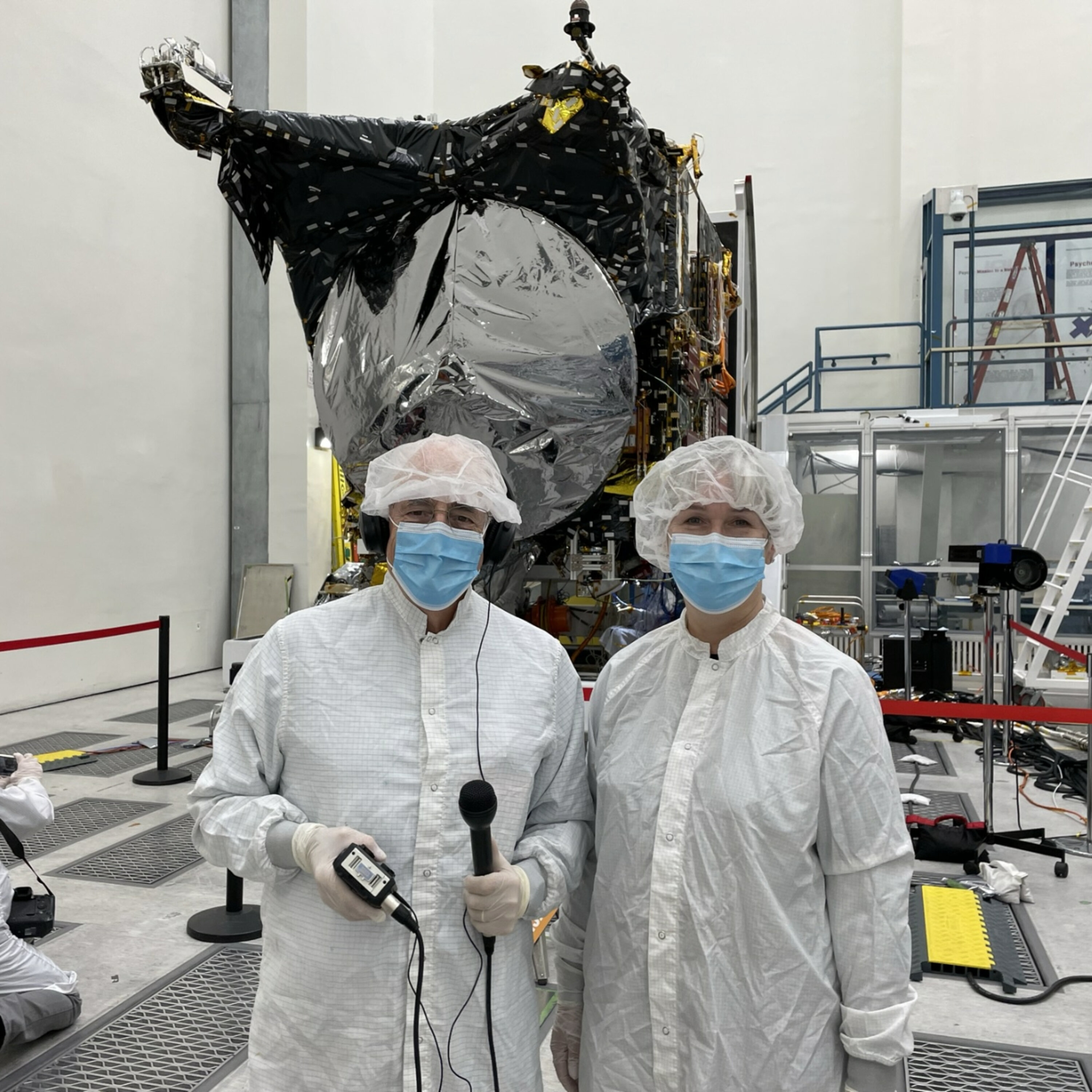
Heavy Metal: An encounter with the Psyche spacecraft
Psyche is a 279 kilometer-wide (173 mile-wide) hunk of metal in space. Psyche is also a magnificent spacecraft that will soon head toward its namesake in the asteroid belt. Host Mat Kaplan recently visited the JPL clean room where the probe was in final preparation for launch. You’ll hear conversations with mission leaders including principal investigator Lindy Elkins-Tanton and project manager Henry Stone. We’re fresh out of metal asteroids at The Planetary Society, but you might win the rubber variety in this week’s What’s Up space trivia contest. Discover more at https://www.planetary.org/planetary-radio/2022-Psyche-mission-elkins-tantonSee omnystudio.com/listener for privacy information.
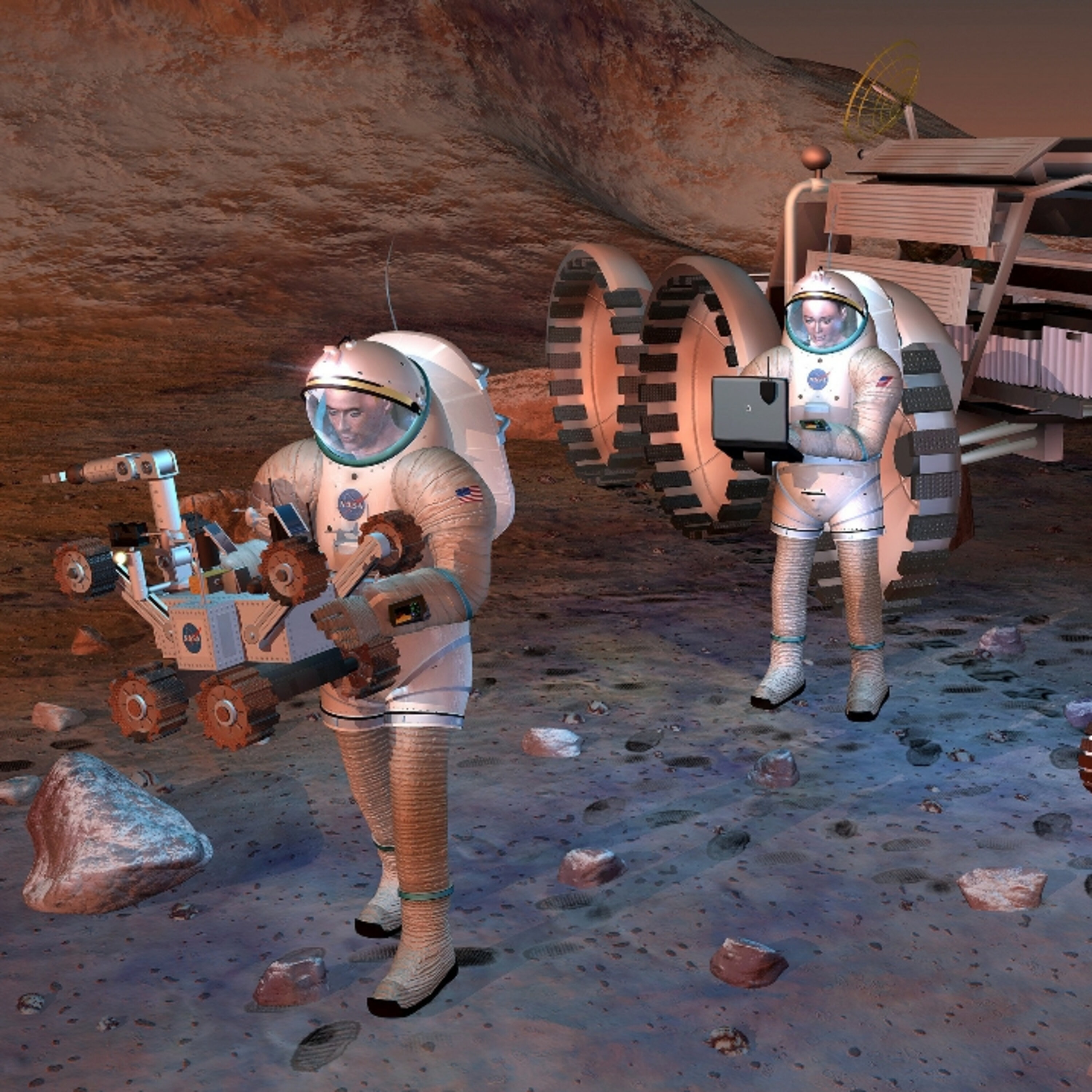
The End of Astronauts?
Do we need to send humans into space? Won't robots soon be smart enough and capable enough to do this dangerous work for us? These and other questions are explored by Martin Rees, Britain's Astronomer Royal, and astrophysicist/science author Donald Goldsmith in their thought-provoking new book, "The End of Astronauts: Why Robots are the Future of Exploration." They present their arguments in this week’s show. Then we climb Mount Kaplan with Bruce Betts to learn who has won the weekly space trivia contest. Discover more at https://www.planetary.org/planetary-radio/2022-goldsmith-rees-end-of-astronautsSee omnystudio.com/listener for privacy information.