Planetary Radio: Space Exploration, Astronomy and Science
1,363 episodes — Page 3 of 28

Space Policy Edition: What does NASA need with an economist?
Former NASA Chief Economist Akhil Rao explains why NASA needs economic expertise to navigate the complex—and often misunderstood—market forces that will determine the success or failure of its private partnerships. As NASA relies ever more on commercial companies to enable its own exploration efforts, it is imperative, Rao believes, to provide clear-eyed perspectives that highlight the challenges and solutions required to reach success. And why NASA puts itself at risk for pursuing faith-based program investments after dissolving the strategy and economics team at the agency a few months ago. Discover more at: https://www.planetary.org/planetary-radio/space-economy-akhil-raoSee omnystudio.com/listener for privacy information.
The dark age of NASA science? Analyzing the FY 2026 budget proposal
The White House has released its Fiscal Year 2026 congressional budget justification for NASA, and the implications are staggering. If enacted, this proposal would slash NASA’s science program funding by nearly half, cancel dozens of active and upcoming missions, and reduce the agency’s workforce by one-third. Sarah Al-Ahmed is joined by Jack Kiraly, The Planetary Society’s director of government relations, to examine what’s in the nearly 500-page document, what it means for the future of space science and exploration, and how advocates can still act to save NASA science. Then, in What’s Up, Planetary Society Chief Scientist Bruce Betts shares insights on China’s newly launched asteroid sample return mission, Tianwen-2. The spacecraft will rendezvous with near-Earth asteroid 469219 Kamoʻoalewa, offering new scientific opportunities amidst a moment of global uncertainty in space exploration. Discover more at: https://www.planetary.org/planetary-radio/2025-FY-2026-budget-proposalSee omnystudio.com/listener for privacy information.
Volcanic worlds across the Solar System
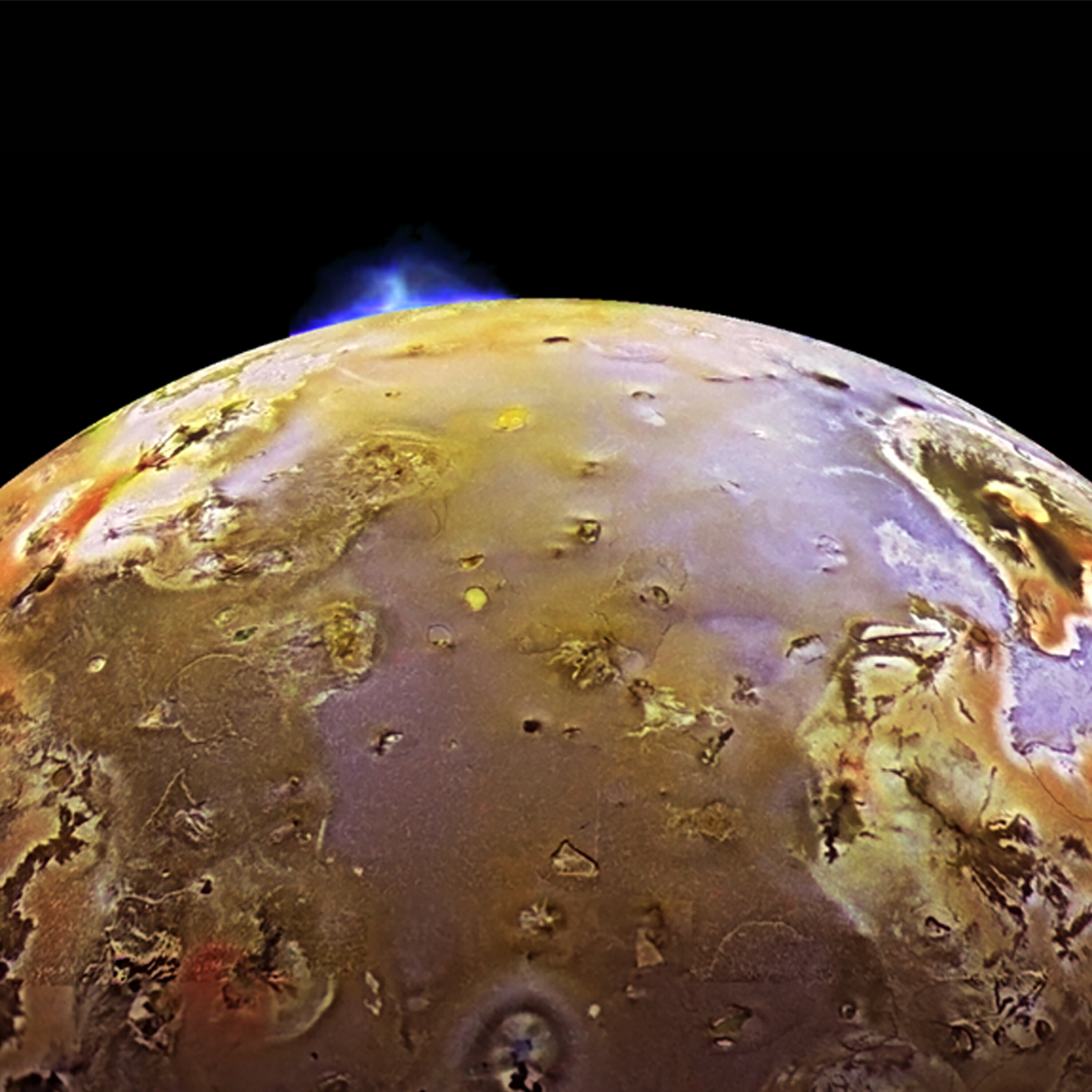
Volcanoes aren’t just an earthly phenomenon. They’re found all across the Solar System. In this compilation episode of Planetary Radio, we explore volcanic and geothermal activity on planets, moons, and distant dwarf planets. You’ll hear from Rosaly Lopes, Nick Schneider, Rae Paoletta, Robbie Herrick, Scott Hensley, and Christopher Glein as they share insights into everything from lava flows on Venus and eruptions on Io to the mysterious heat signatures of icy bodies like Eris and Makemake. This journey spans over 20 years of Planetary Radio, featuring interviews hosted by both current host Sarah Al-Ahmed and founding host Mat Kaplan. Then, our Chief Scientist, Dr. Bruce Betts, returns for What’s Up and shares new findings from NASA’s Juno mission, which recently completed close passes by Jupiter’s volcanic moon, Io. Discover more at: https://www.planetary.org/planetary-radio/2025-volcanic-worldsSee omnystudio.com/listener for privacy information.
Space science under fire: Your questions answered
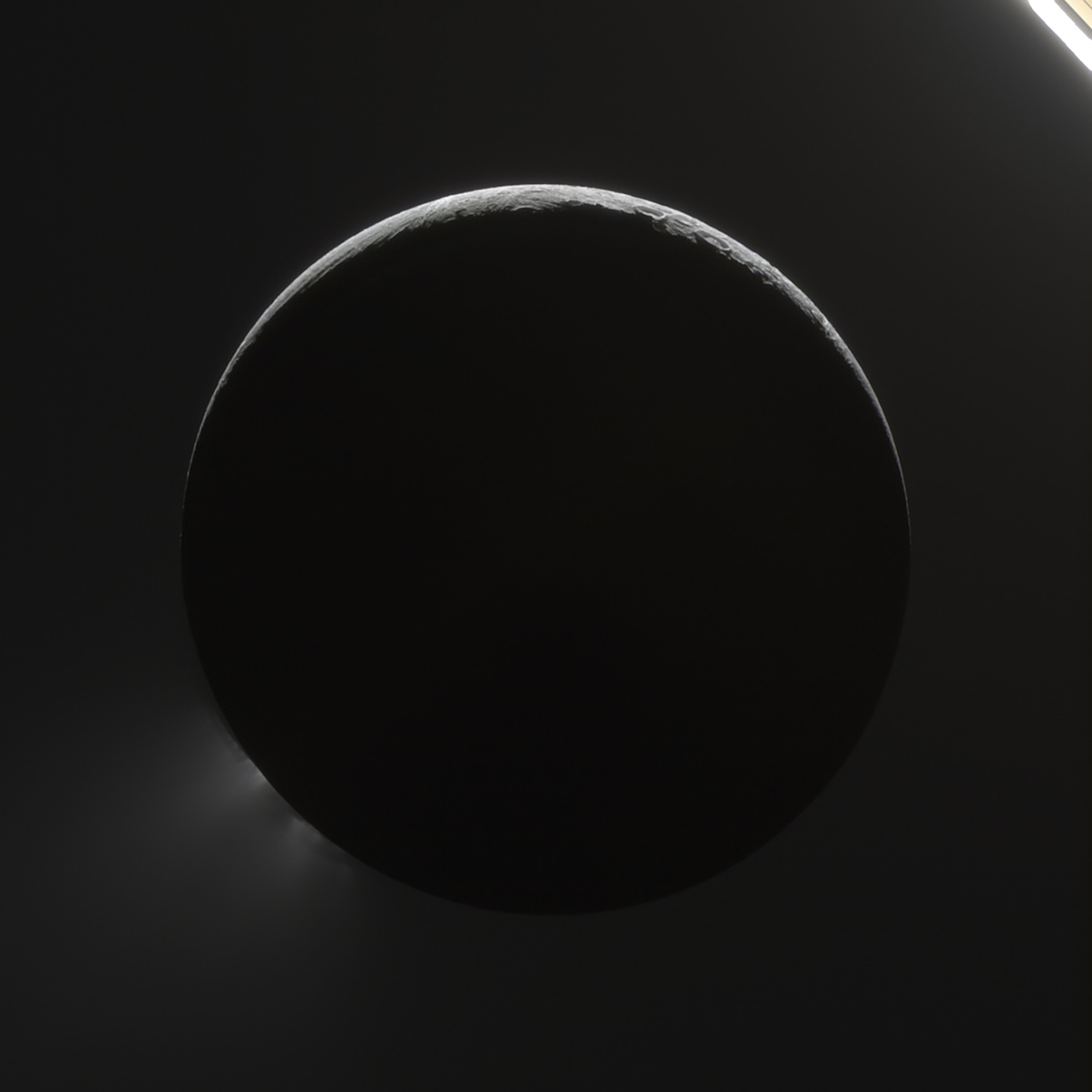
As debates over NASA's future heat up, questions about the value of space exploration are popping up everywhere. This week on Planetary Radio, we're tackling the tough questions head-on with The Planetary Society's staff, including Casey Dreier, chief of space policy, and Ambre Trujillo, digital community manager. They break down the biggest misconceptions about space science, public versus private investment, and why exploration still matters in an ever-changing world. Then Jack Kiraly, director of government relations, joins us for a space policy update. We discuss the growing movement to save NASA science, how community action is ramping up, and what’s happening behind the scenes on Capitol Hill. And in What's Up with Bruce Betts, we explore some of the most recent NASA spinoffs, technologies developed for space that are making life better here on Earth. Discover more at: https://www.planetary.org/planetary-radio/2025-space-science-under-fireSee omnystudio.com/listener for privacy information.

Kosmos 482: The Soviet-era Venus probe that fell to Earth
This week on Planetary Radio, we explore the decades-long journey of Kosmos 482, a Soviet-era Venus probe that spent 53 years orbiting Earth before its dramatic return on May 10, 2025. Ben Fernando, a postdoctoral researcher in seismology and planetary science at Johns Hopkins University, joins us to explain the history of Kosmos 482 and how seismology and acoustic sensors are helping scientists detect and locate objects impacting Earth. Then Bruce Betts, our chief scientist, joins us for What's Up, where we look back at the largest human-made objects ever to crash back to Earth. Discover more at: https://www.planetary.org/planetary-radio/2025-kosmos-482See omnystudio.com/listener for privacy information.
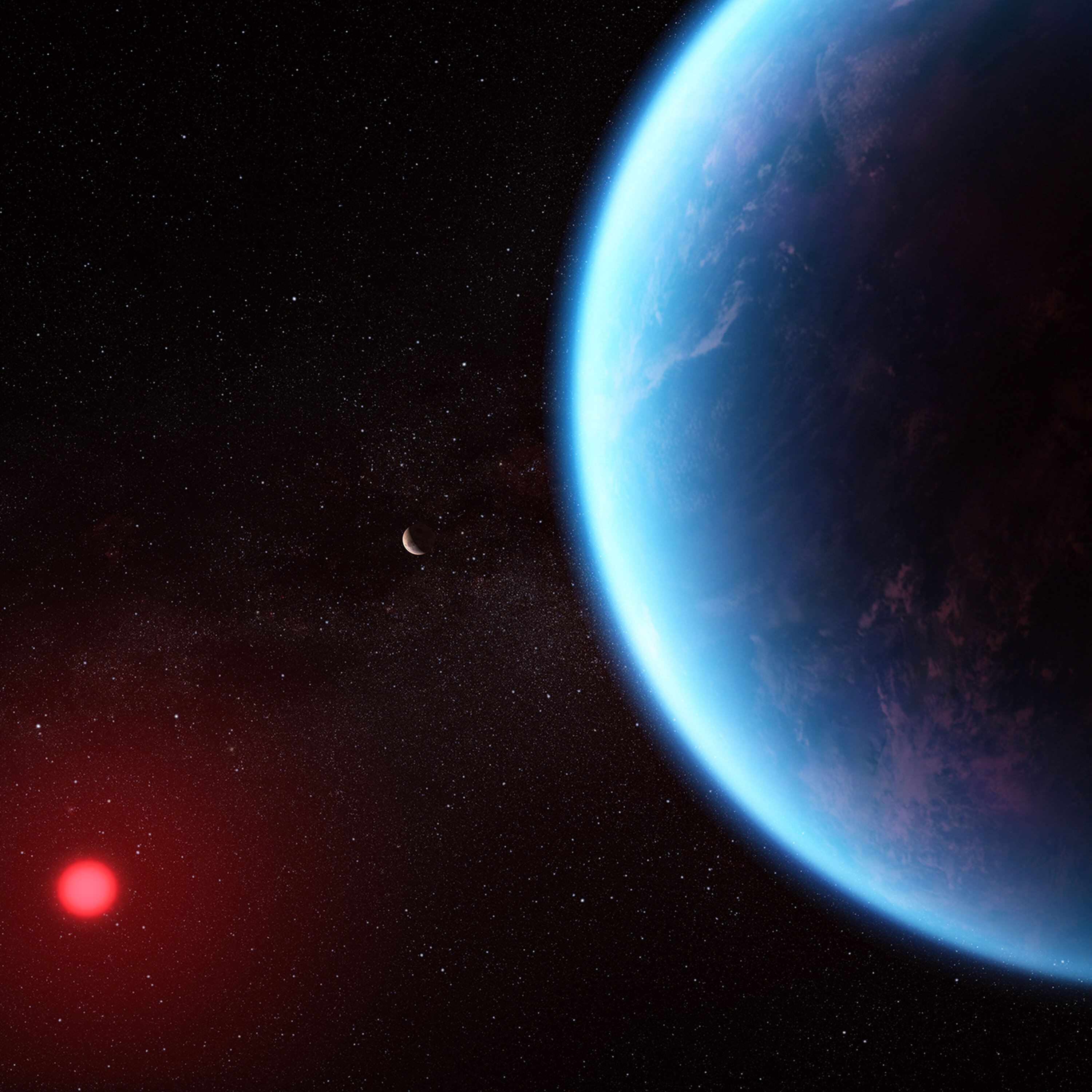
TOI-270 d: Unveiling the secrets of a sub-Neptune
TOI-270 d is revealing secrets about the most common type of planet in our galaxy, sub-Neptunes. Sarah Al-Ahmed is joined by planetary geochemist Chris Glein from the Southwest Research Insitute to discuss his team’s new analysis of its atmosphere, using data from JWST and insights from Earth analogs. Then, The Planetary Society’s Director of Government Relations, Jack Kiraly, breaks down the historic budget cuts proposed for NASA in the U.S. President’s “skinny” budget request, including a 47% reduction to its science program funding. We close out with Bruce Betts and What’s Up. Discover more at: https://www.planetary.org/planetary-radio/2025-toi-270-dSee omnystudio.com/listener for privacy information.
Space Policy Edition: How NASA remembers—and forgets
No one person knows how to build a spaceship. Dr. Janet Vertesi has seen this firsthand. She’s spent years embedded in NASA science teams, not as a participant, but as an observer. She’s a sociologist who studies the team dynamics of NASA missions. She is alarmed at the prospect of indiscriminate firings at the agency, and at the potential loss of institutional knowledge that won’t easily be rebuilt. Discover more at: https://www.planetary.org/planetary-radio/spe-janet-vertesi-on-threats-to-nasas-group-brainSee omnystudio.com/listener for privacy information.

From backyard telescopes to global reach: AstroKobi and the power of short-form space videos
How does someone go from stargazing in a rural Australian backyard to inspiring millions around the world about space science? This week, Sarah Al-Ahmed sits down with Kobi Brown, better known as AstroKobi, to explore how his passion for the Cosmos and a knack for short-form storytelling launched his science communication career. They discuss the evolution of space outreach in the digital age, the power of social media to ignite curiosity, and how a new generation of space communicators is reshaping the way we connect with the Universe. You'll also hear the latest space policy update from Jack Kiraly, director of government relations at The Planetary Society, including developments affecting NASA’s science programs and the confirmation process for a new NASA administrator. We close out the show with What’s Up with Bruce Betts, chief scientist of The Planetary Society, and a discussion of direct imaging of exoplanets. Discover more at: https://www.planetary.org/planetary-radio/2025-astrokobiSee omnystudio.com/listener for privacy information.
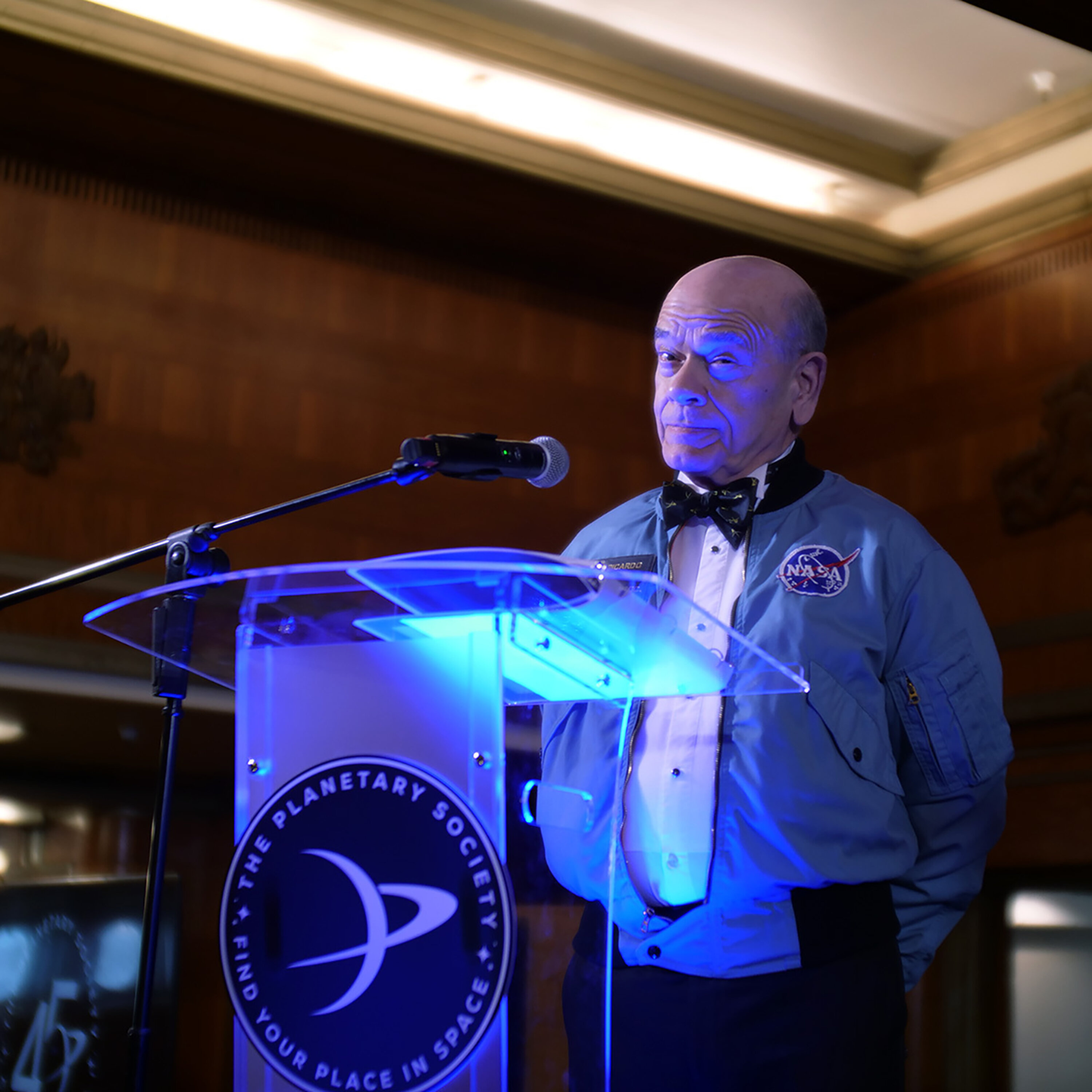
Celebrating 45 years of The Planetary Society at the Cosmic Shores Gala
Join us aboard the historic RMS Queen Mary for a celebration of The Planetary Society’s 45th anniversary. In this special episode of Planetary Radio, we bring you highlights from our Cosmic Shores Gala, where members, scientists, space advocates, and special guests came together to honor the past and look boldly to the future. You’ll hear from CEO Bill Nye, Board President Bethany Ehlmann, Executive Director Jennifer Vaughn, founding Executive Director Lou Friedman, and Congresswoman Judy Chu, with actor and Planetary Society board member Robert Picardo as our master of ceremonies. And of course, we close with Chief Scientist Bruce Betts in this week’s What’s Up. Discover more at: https://www.planetary.org/planetary-radio/2025-cosmic-shores-galaSee omnystudio.com/listener for privacy information.
Passback budget breakdown: A 47% cut to NASA science
NASA’s science programs are facing the largest proposed budget cut in more than 40 years. This staggering 47%reduction could cancel missions, waste billions in U.S. taxpayer investments, and unravel decades of discovery. In this episode of Planetary Radio, host Sarah Al-Ahmed is joined by Casey Dreier, The Planetary Society’s Chief of Space Policy, and Jack Kiraly, Director of Government Relations. Together, they break down what the “passback” stage of the federal budget process means for NASA, which missions and programs are in jeopardy, and how you can help push back. Later in the show, Chief Scientist Bruce Betts joins us for a reflective What’s Up as we explore the science that could be lost and why it still deserves to be saved. Discover more at: https://www.planetary.org/planetary-radio/2025-passback-budget-breakdownSee omnystudio.com/listener for privacy information.

Why is Mars red? A new clue to the history of habitability in Martian dust
For decades, scientists hypothesized that Mars’ reddish color came from hematite, an iron oxide thought to have formed through dry oxidation after Mars lost its water. But new research suggests the story is more complex—and more watery—than we once imagined. In this episode, planetary scientist Adomas (Adam) Valantinas from Brown University joins host Sarah Al-Ahmed to discuss his team’s discovery that Mars’ iconic red dust is likely dominated not by hematite but by a hydrated mineral called ferrihydrite. This subtle but significant shift in understanding could reshape what we know about Mars’ climate history and its potential for past habitability. Then, Sarah and Bruce Betts, Planetary Society chief scientist, revisit one of the most famous Martian discoveries: Opportunity’s hematite-rich “blueberries,” which also told a compelling story about water on the Red Planet. Discover more at: https://www.planetary.org/planetary-radio/2025-why-is-mars-redSee omnystudio.com/listener for privacy information.
Space Policy Edition: Lies, Damned Lies, and Space Data
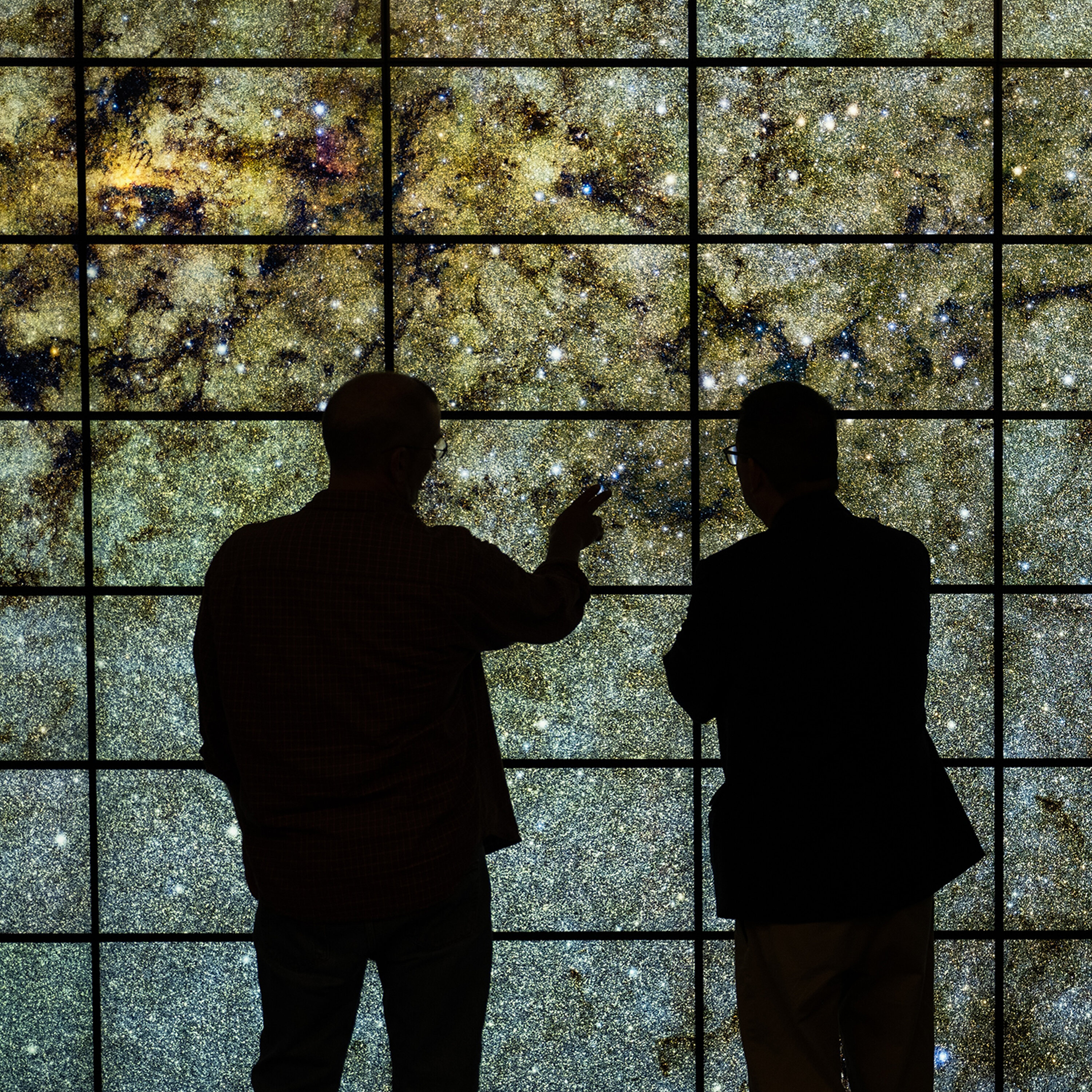
The space sector is data-rich but insight-poor. Jack Kuhr, head of research at Payload Space, joins the show to unpack how business, budgeting, and performance data—not spacecraft science—can shape investments, drive growth, and influence policy. Is there a data crisis in the space industry? What gets measured, what gets missed, and how does that shape the decisions we make about space? Kuhr shares his approach to surfacing the real story behind the numbers—and why clarity, context, and narratives matter. Discover more at: https://www.planetary.org/planetary-radio/lies-and-space-dataSee omnystudio.com/listener for privacy information.
Live from Washington, D.C.: The future of space politics
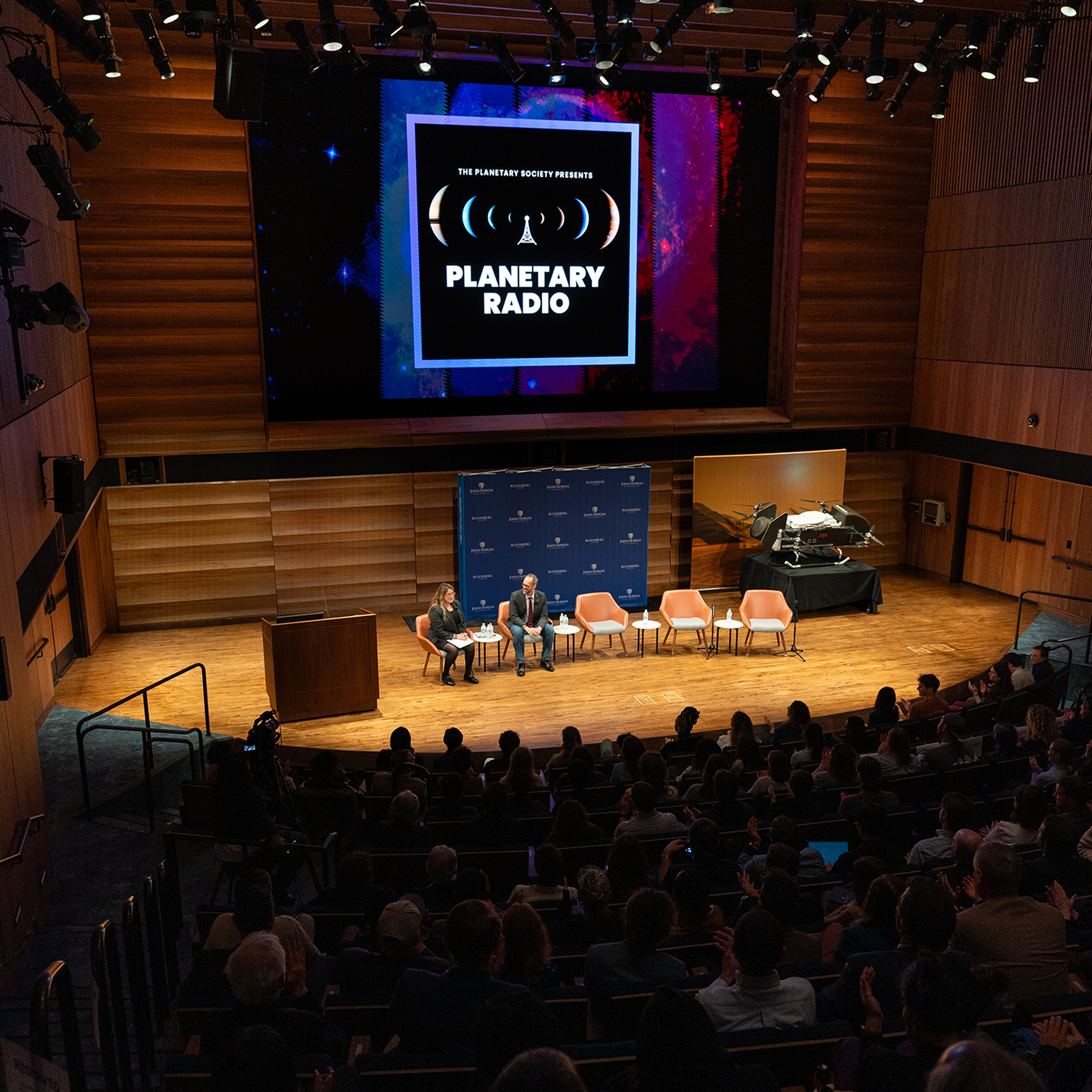
Join Sarah Al-Ahmed and Casey Dreier for a special live recording of Planetary Radio at the Johns Hopkins University Bloomberg Center in Washington, D.C., immediately following The Planetary Society’s Day of Action. In this episode, we explore the complex geopolitical landscape NASA faces as it works toward returning humans to the Moon and exploring other worlds. With growing influence from commercial space companies, potential budget cuts, and changes in committee leadership, this pivotal moment in space exploration is shaping NASA’s future. We’re joined by Bill Nye (CEO, The Planetary Society), Nancy Chabot (Chief Scientist, Johns Hopkins Applied Physics Laboratory), Rep. George Whitesides (Representative, CA-27), Rep. Judy Chu (Co-chair, Congressional Planetary Science Caucus, Representative, CA-28), and Antonio Peronace (Chief Executive, Space for Humanity). Together, we explore how evolving national priorities, key lawmakers, and the rapid growth of the commercial space sector could reshape U.S. space policy, potentially redefining the motivations that have driven space exploration since the Apollo era. Discover more at: https://www.planetary.org/planetary-radio/2025-live-from-dcSee omnystudio.com/listener for privacy information.
The Other Moonshot: The untold stories of Apollo’s Black engineers in Los Angeles
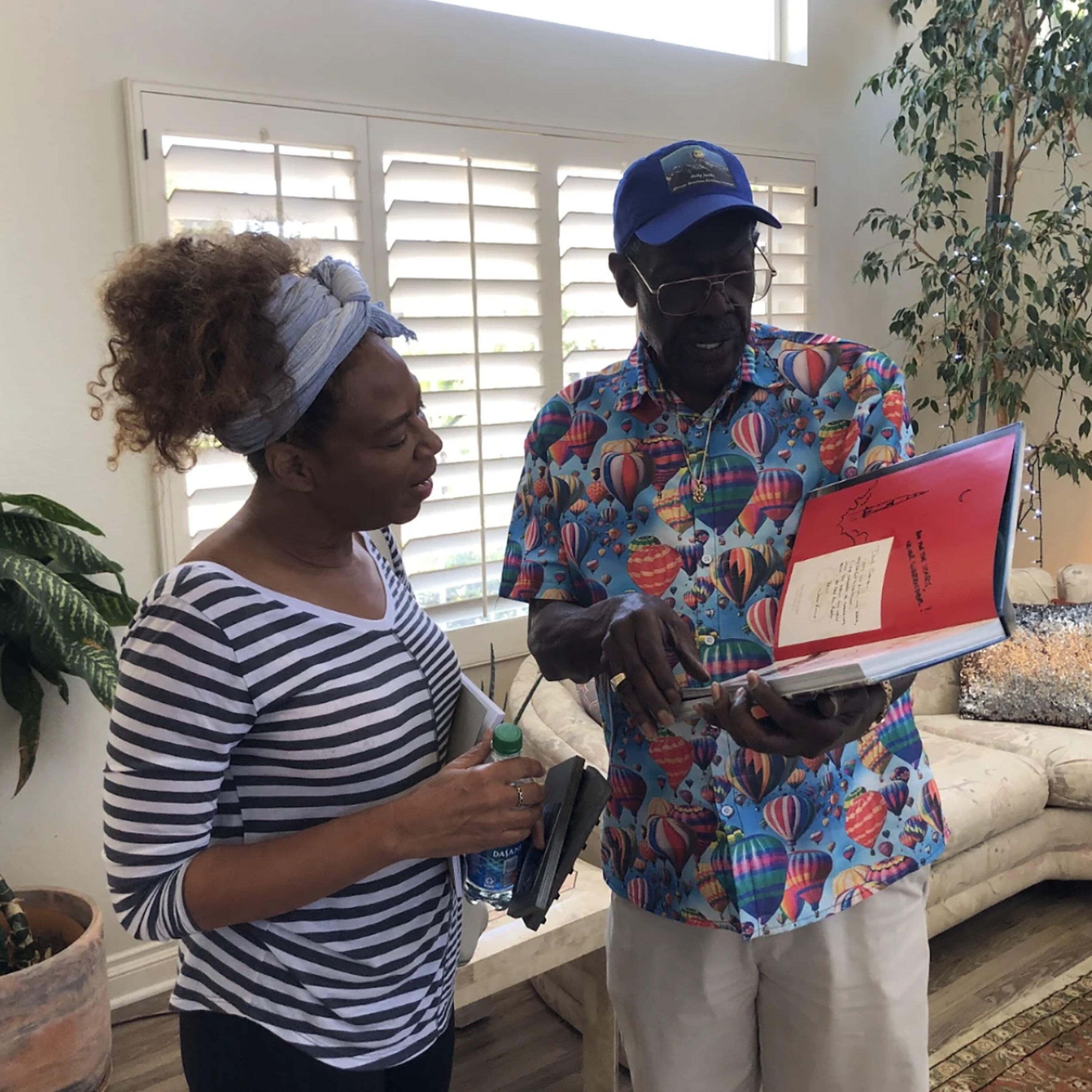
The Apollo program put humans on the Moon, but behind that historic achievement were engineers whose stories have gone largely untold. In this episode, “LA Made: The Other Moonshot” host Joanne Higgins joins Planetary Radio to share the powerful history of Charlie Cheatham, Nate LeVert, and Shelby Jacobs, three Black engineers in Los Angeles who helped make Apollo possible while navigating racism and exclusion. We discuss how their technical brilliance shaped the space program, why their stories were left out of the history books, and how telling them now can help create a more equitable space community for the future. Plus, Casey Dreier checks in from Washington, D.C., during The Planetary Society’s Day of Action, where advocates from across the U.S. gathered to support NASA science. And in What’s Up, Bruce Betts and Sarah explore the Apollo-era technologies still in use today. Discover more at: https://www.planetary.org/planetary-radio/2025-the-other-moonshotSee omnystudio.com/listener for privacy information.

The Mars Innovation Workshop
We take you inside the Mars Innovation Workshop, hosted at the SETI Institute’s headquarters and produced by Explore Mars. Planetary Society Senior Communications Advisor Mat Kaplan shares highlights from the event, exploring how cross-disciplinary collaboration is shaping the future of Mars exploration and creating solutions for challenges here on Earth. Meanwhile, major changes are happening at NASA. In a move that has raised concerns in the space community, NASA leadership has dissolved key advisory offices, including the Office of the Chief Scientist and the Office of Technology, Policy, and Strategy. Jack Kiraly, our director of government relations, explains what these cuts mean for the agency’s future and why space advocates should be paying attention. Then Bruce Betts shares his favorite Mars innovations and a new Random Space Fact, in this week’s What’s Up! Discover more at: https://www.planetary.org/planetary-radio/2025-mars-innovation-workshopSee omnystudio.com/listener for privacy information.
An extinction-level event for NASA science
NASA's science missions have transformed our understanding of the Universe, from breathtaking images of deep space to robotic explorers on Mars. But now, a reported 50% cut to NASA's science budget threatens to shut down missions, halt discoveries, and devastate the future of space exploration. This week, Casey Dreier and Jack Kiraly from The Planetary Society's space policy team break down the fight ahead, explain why these cuts would be catastrophic, and explain how you can take action before they become part of the official presidential budget request. Then, Science Editor Asa Stahl joins us to discuss the power of grassroots advocacy and Planetary Society members' impact in defending space science over the past 45 years. Plus, Bruce Betts returns for What's Up with a celebration of Lunar PlanetVac and a look ahead to this week's lunar eclipse. Discover more at: https://www.planetary.org/planetary-radio/2025-extinction-level-event-for-nasa-scienceSee omnystudio.com/listener for privacy information.

Space Policy Edition: Locke, liberty, and the pursuit of happiness (in space)
Philosopher Rebecca Lowe joins us to explore how the ideas of classical liberalism can provide fresh insight into humanity’s activities in space. Our conversation explores the philosophical tensions between individual freedom and societal good, the instrumental and intrinsic value of space activities, and the uniquely accessible nature of space science and exploration. From a novel approach to lunar property rights and the opportunities to support human flourishing, Lowe offers a thought-provoking vision of how philosophical traditions can inform our cosmic ambitions. Discover more at: https://www.planetary.org/planetary-radio/classical-liberalism-in-spaceSee omnystudio.com/listener for privacy information.
Breaking down Bennu: OSIRIS-REx finds life’s building blocks in asteroid sample
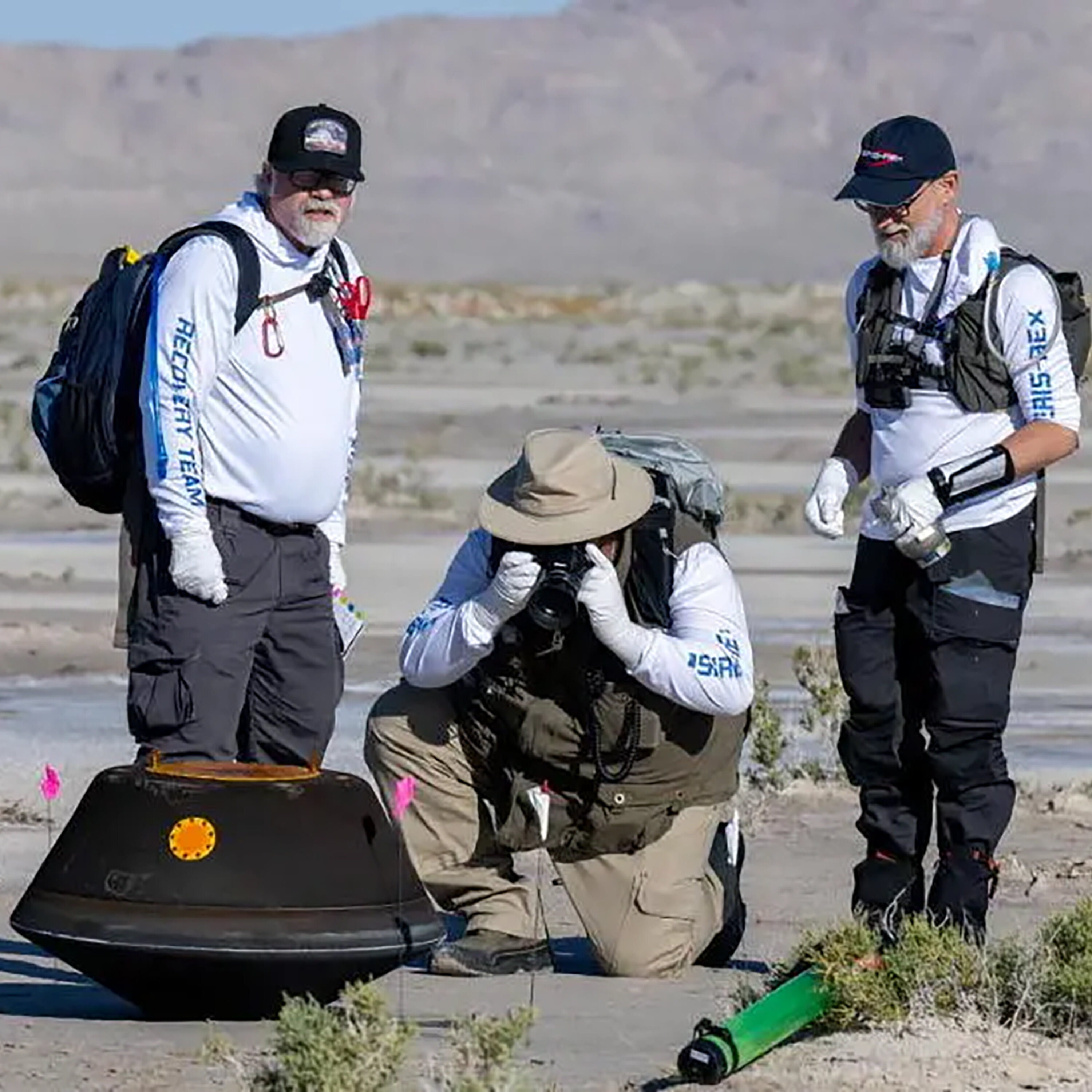
NASA’s OSIRIS-REx mission has returned pristine samples from asteroid Bennu to Earth, and the early results are remarkable. Sample analysts have confirmed the presence of abundant organic compounds, nitrogen-rich material, and evidence of past liquid water, all key ingredients that could help us understand the role asteroids played in delivering the building blocks of life to Earth. This week, we’re joined by Scott Sandford, co-investigator on OSIRIS-REx and a research scientist at NASA’s Ames Research Center. He explores the first two sample analysis papers published by NASA’s OSIRIS-REx team. Then, Bruce Betts joins us for What’s Up, where we look back at humanity’s history of sample return missions. Discover more at: https://www.planetary.org/planetary-radio/2025-OSIRIS-REx-sampleSee omnystudio.com/listener for privacy information.

Genesis: The sample return mission that fell to Earth and still succeeded
Twenty years ago, NASA’s Genesis spacecraft returned to Earth carrying precious samples of the solar wind, only to crash-land in the Utah desert. But that wasn’t the end of the mission. Amy Jurewicz, Assistant Research Professor Emeritus at Arizona State University and former project scientist at NASA’s Jet Propulsion Laboratory for the Genesis team, takes us inside the mission’s highs and lows, from its Apollo-inspired origins to its contributions to cosmochemistry and space weather. We discuss what this mission taught us about future sample returns, spacecraft protection, and long-term human spaceflight beyond Earth’s magnetosphere. Then Bruce Betts, Planetary Society chief scientist, joins for What’s Up and a look back at the history of sample returns. Discover more at: https://www.planetary.org/planetary-radio/2025-genesisSee omnystudio.com/listener for privacy information.

Astronaut Hayley shares her brave adventure
From IV drips to rocket ships, Hayley Arceneaux has been on a journey. She joins Planetary Radio to discuss her memoir “Wild Ride” and her newly released kid's book “Astronaut Hayley's Brave Adventure,” which tell the story of how her experiences with childhood cancer at St. Jude Children's Research Hospital set the stage for her journey to space aboard SpaceX's Inspiration4 mission. Then, Planetary Society Chief Scientist, Bruce Betts, talks about the g-forces experienced during astronaut training in What's Up. Discover more at: https://www.planetary.org/planetary-radio/2025-astronaut-hayleys-brave-adventureSee omnystudio.com/listener for privacy information.

Near-Earth Asteroid 2024 YR4 and NASA under a new administration
The internet is buzzing about Asteroid 2024 YR4, currently ranked as the highest-threat asteroid in our skies. But is it really cause for concern? Our Public Education Specialist, Kate Howells, breaks down the facts. Then, we shift from potential impacts to stunning space imagery as Finn Burridge from the Royal Observatory Greenwich shares how astrophotographers worldwide can participate in the Astronomy Photographer of the Year competition. Finally, our space policy experts, Casey Dreier and Jack Kiraly, discuss how the new Trump administration has impacted NASA in its first weeks. Stick around for What’s Up with Bruce Betts, as he explains how we assess asteroid threats using the Torino Impact Hazard Scale. Discover more at: https://www.planetary.org/planetary-radio/2025-2024-YR4-and-a-new-administrationSee omnystudio.com/listener for privacy information.
Space Policy Edition: Mars Sample Return, but at what (fixed) price?
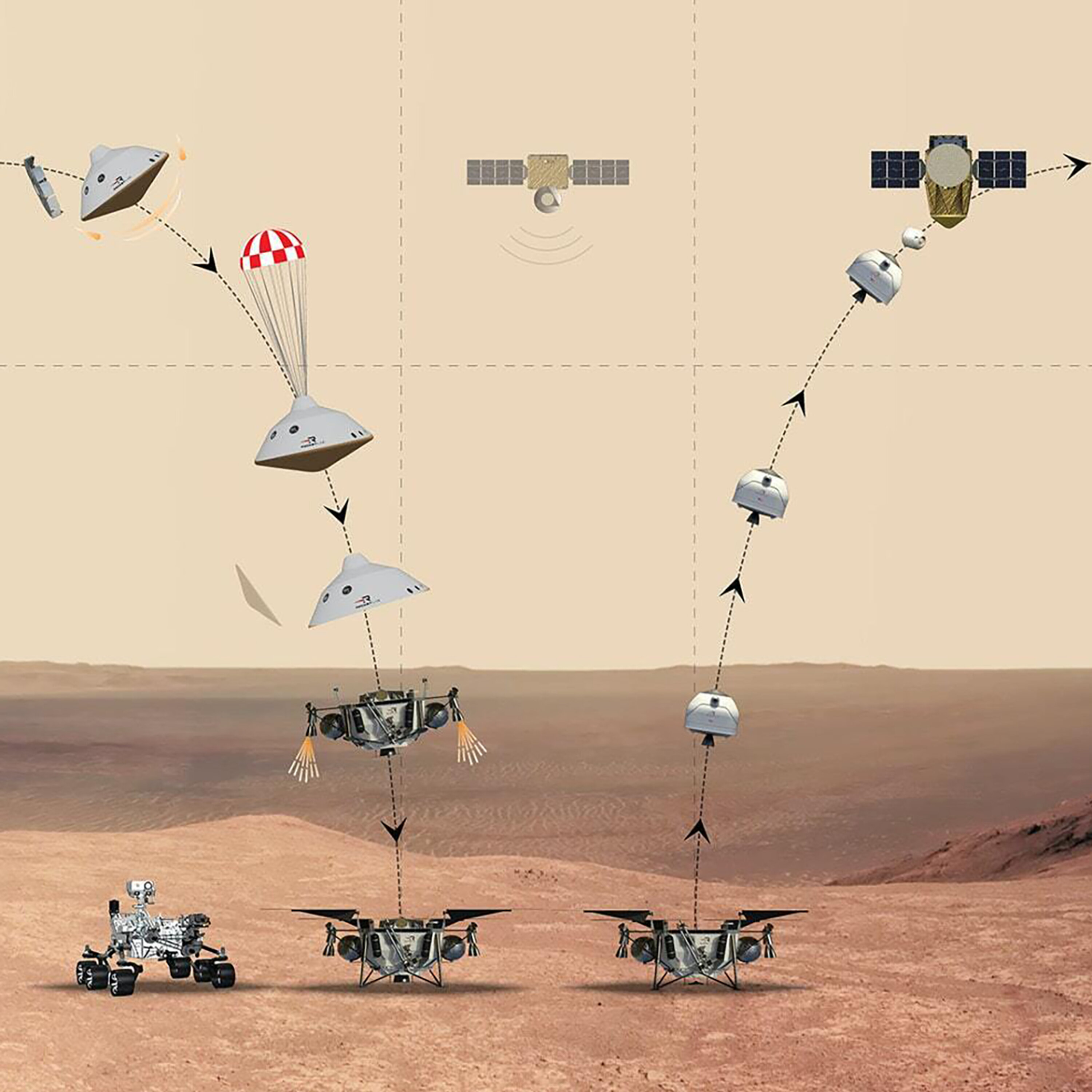
Rocket Lab CEO Peter Beck joins the show to unpack his company’s bold, $4-billion fixed-price plan to bring Martian samples home, why he believes commercial partnerships can unlock new frontiers in planetary science, and his “soft spot” for interplanetary exploration. Then, Richard French — former JPL engineer and now VP of Business & Strategy at Rocket Lab — provides deeper insight into their proposed Mars Sample Return architecture, explaining how a single, vertically integrated team could cut costs and secure mission success. And yes, we get an update on the status of their Venus mission, too. Discover more at: https://www.planetary.org/planetary-radio/can-rocketlab-save-msrSee omnystudio.com/listener for privacy information.
Kiss-and-capture: The dance of Pluto and Charon
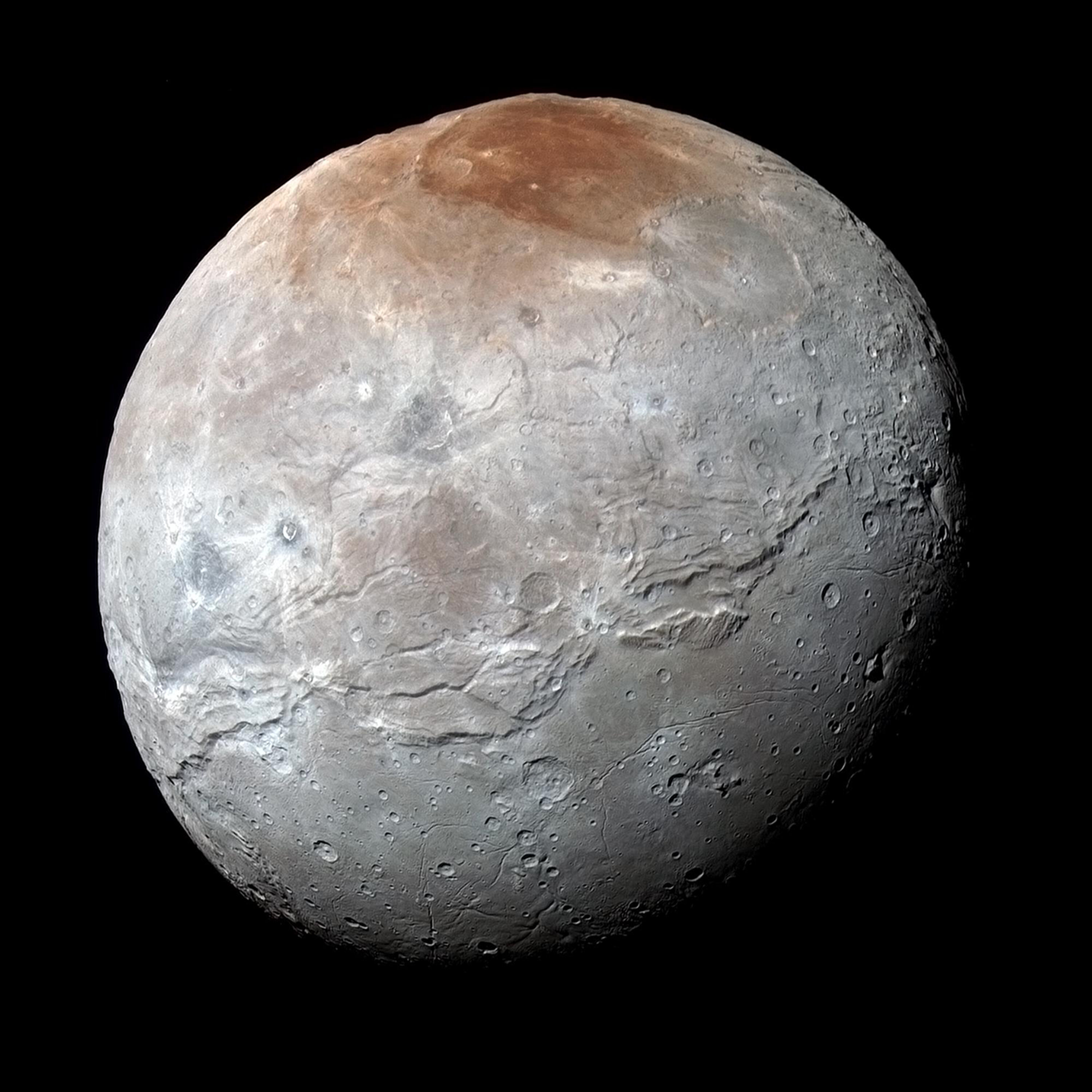
How did Pluto meet its largest moon, Charon? Many have speculated that Charon formed in an impact, but traditional models of planetary formation have struggled to explain many of the quirks of this system. This week, Adeene Denton, a research scientist at the University of Arizona, shares her team's new paper that suggests a "kiss-and-capture" may solve this mystery. Then Bruce Betts, The Planetary Society's chief scientist, discusses contact binaries in our Solar System and shares a new Random Space Fact in What's Up. Discover more at: https://www.planetary.org/planetary-radio/2025-pluto-kiss-and-captureSee omnystudio.com/listener for privacy information.
The Edward Stone Voyager Exploration Trail
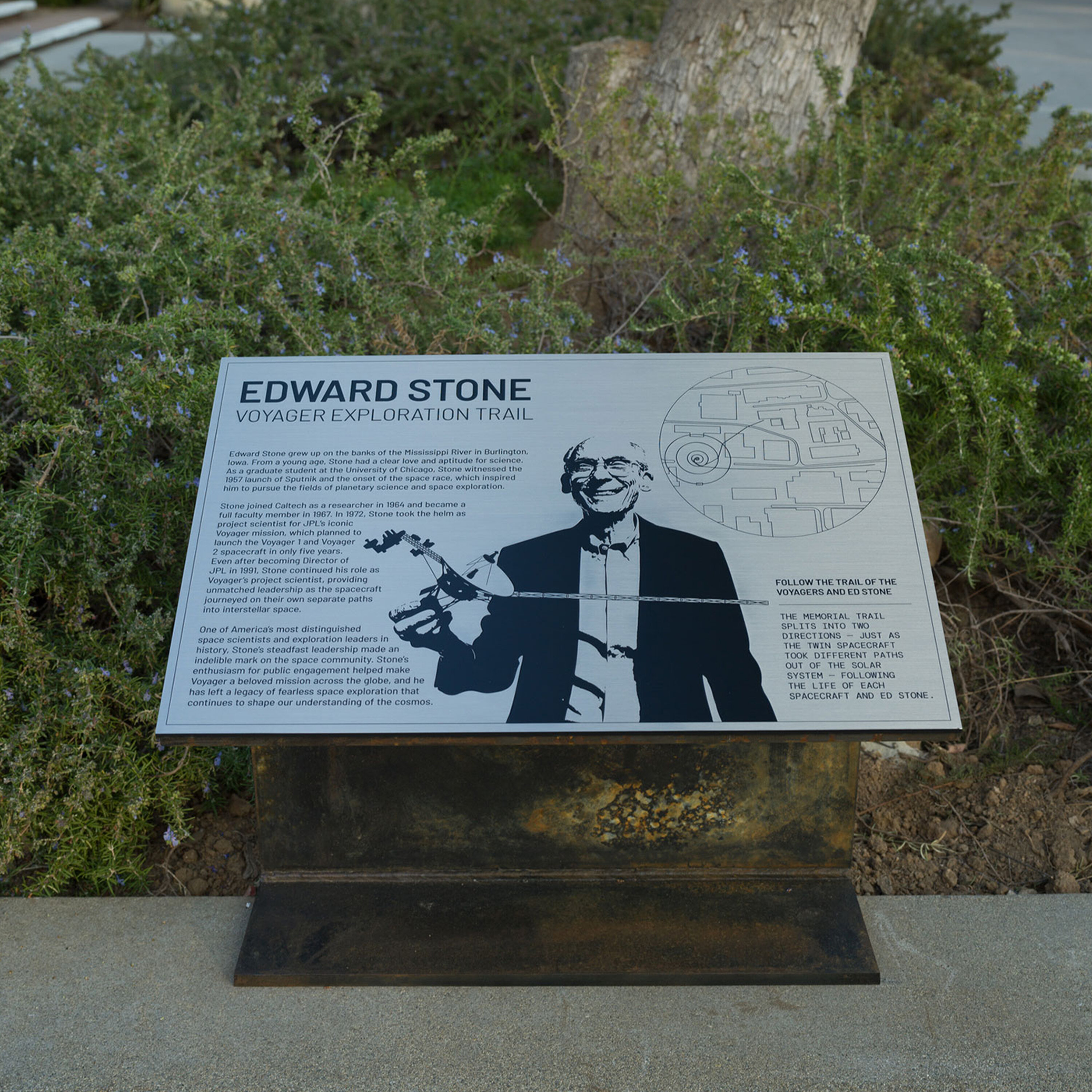
This week on Planetary Radio, we celebrate the enduring legacy of Ed Stone, the longtime project scientist for NASA’s Voyager mission and former director of JPL. Mat Kaplan, senior communications advisor at The Planetary Society, takes us to the unveiling of the Dr. Edward Stone Voyager Exploration Trail at JPL, where we hear from past and present JPL leaders, Voyager mission team members, and Ed Stone’s family. Plus, we kick off the episode with the much-anticipated launch of Blue Origin’s New Glenn rocket and wrap up with What’s Up, as Bruce Betts explores the rare planetary configuration that made Voyager’s Grand Tour possible. Discover more at: https://www.planetary.org/planetary-radio/2025-ed-stone-trailSee omnystudio.com/listener for privacy information.

Does It Fly? Putting science in entertainment to the test
This week, we discuss how to examine the science behind our favorite TV shows and movies with the co-hosts of the "Does It Fly?" podcast, Hakeem Oluseyi and Tamara Krinsky. Produced by Roddenberry Entertainment, "Does It Fly?" takes an expert approach to breaking down the science of popular media, from lightsabers to Dune's stillsuits. Hakeem brings his astrophysics expertise, while Tamara provides her media industry insights as they join Planetary Radio to explore where science and fiction intersect. Stick around for What's Up with Bruce Betts and this week's Random Space Fact. Discover more at: https://www.planetary.org/planetary-radio/2025-does-it-fly See omnystudio.com/listener for privacy information.

Revisiting K2-18 b: JWST finds a lead in the search for life on a mysterious exoplanet
This week we revisit one of the most remarkable exoplanet discoveries of 2024 with the help of the James Webb Space Telescope (JWST). JWST detected signs of methane and carbon dioxide in the atmosphere of K2-18 b. Knicole Colón, the deputy project scientist for exoplanet science for JWST, explains how this discovery could reshape our search for life beyond Earth and teach us more about the enigmatic class of exoplanets known as sub-Neptunes. Stick around for What's Up with Bruce Betts, the chief scientist of The Planetary Society. Discover more at: https://www.planetary.org/planetary-radio/2025-jwst-new-lead-in-search-for-life See omnystudio.com/listener for privacy information.

Emily Calandrelli becomes the hundredth woman in space
This week, we celebrate a remarkable milestone as Emily Calandrelli, also known as “the Space Gal,” becomes the 100th woman to venture into space. Emily shares her experiences on the Blue Origin voyage, what she took to space, and how motherhood influenced her reaction to seeing Earth from space. Then Planetary Society Chief Scientist Bruce Betts joins for What's Up and a list of fun things to do in zero-g. Discover more at: https://www.planetary.org/planetary-radio/2025-100th-woman-in-space See omnystudio.com/listener for privacy information.
Space Policy Edition: The Challenges of Change at NASA
How does change happen within NASA, and what prevents it? Marcia Smith, founder of Space Policy Online, joins the show to discuss the opportunities and pitfalls faced by incoming presidential administrations and how NASA has—and hasn’t—changed over the decades. Will Artemis be reimagined? Will public-private partnerships introduce more risk than reward? And is change even the right default attitude to take? Discover more at: https://www.planetary.org/planetary-radio/change-and-continuity-at-nasa-with-marcia-smith See omnystudio.com/listener for privacy information.
The Planetary Society’s 45th anniversary with Bill Nye
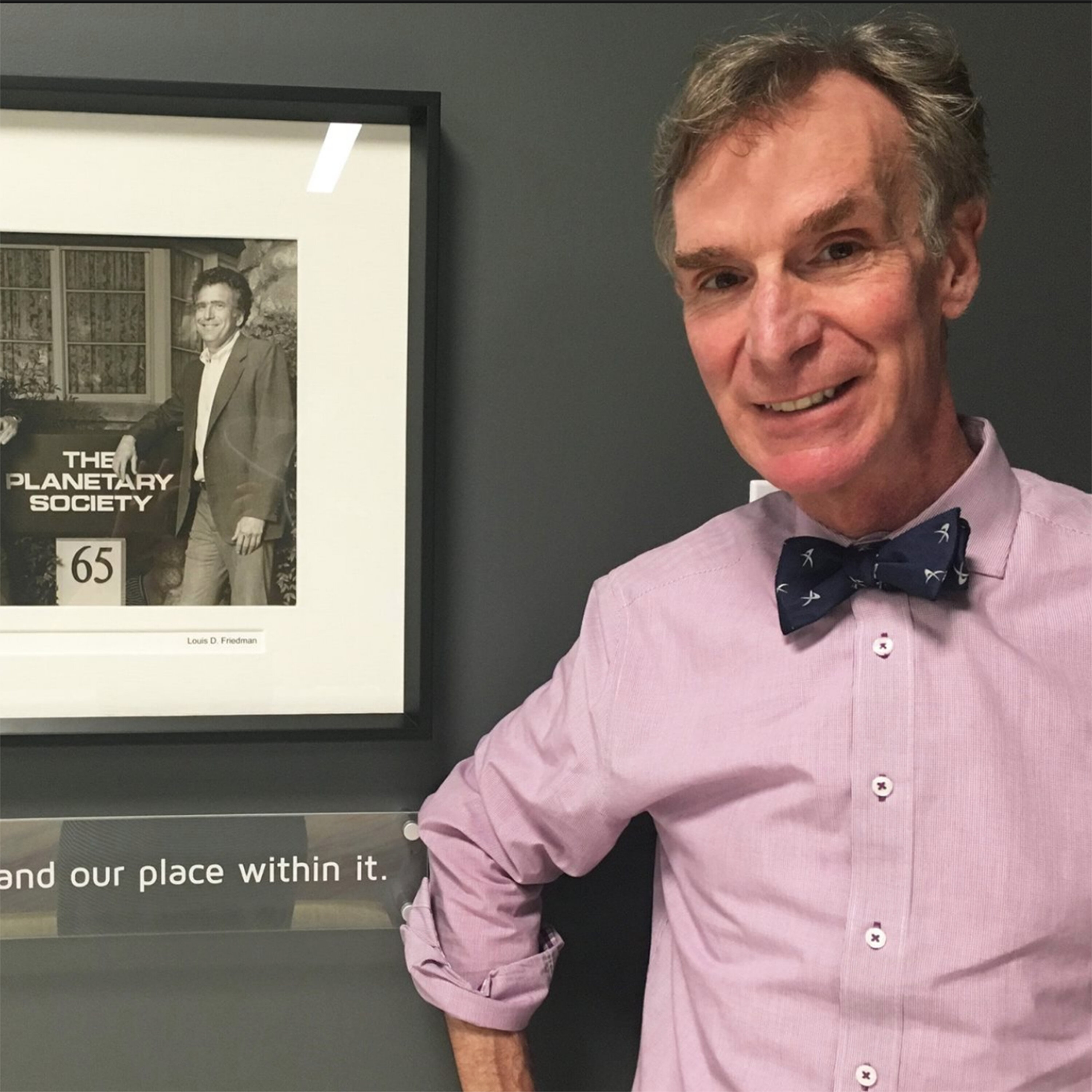
Planetary Radio kicks off The Planetary Society's 45th anniversary year with CEO, Bill Nye. Bill reflects on the organization's first forty-five years and what humanity has learned about space in that time. Then, Chief Scientist Bruce Betts joins in for the first What's Up and Random Space Fact of 2025. Discover more at: https://www.planetary.org/planetary-radio/2025-45th-anniversary See omnystudio.com/listener for privacy information.
Looking back on 2024
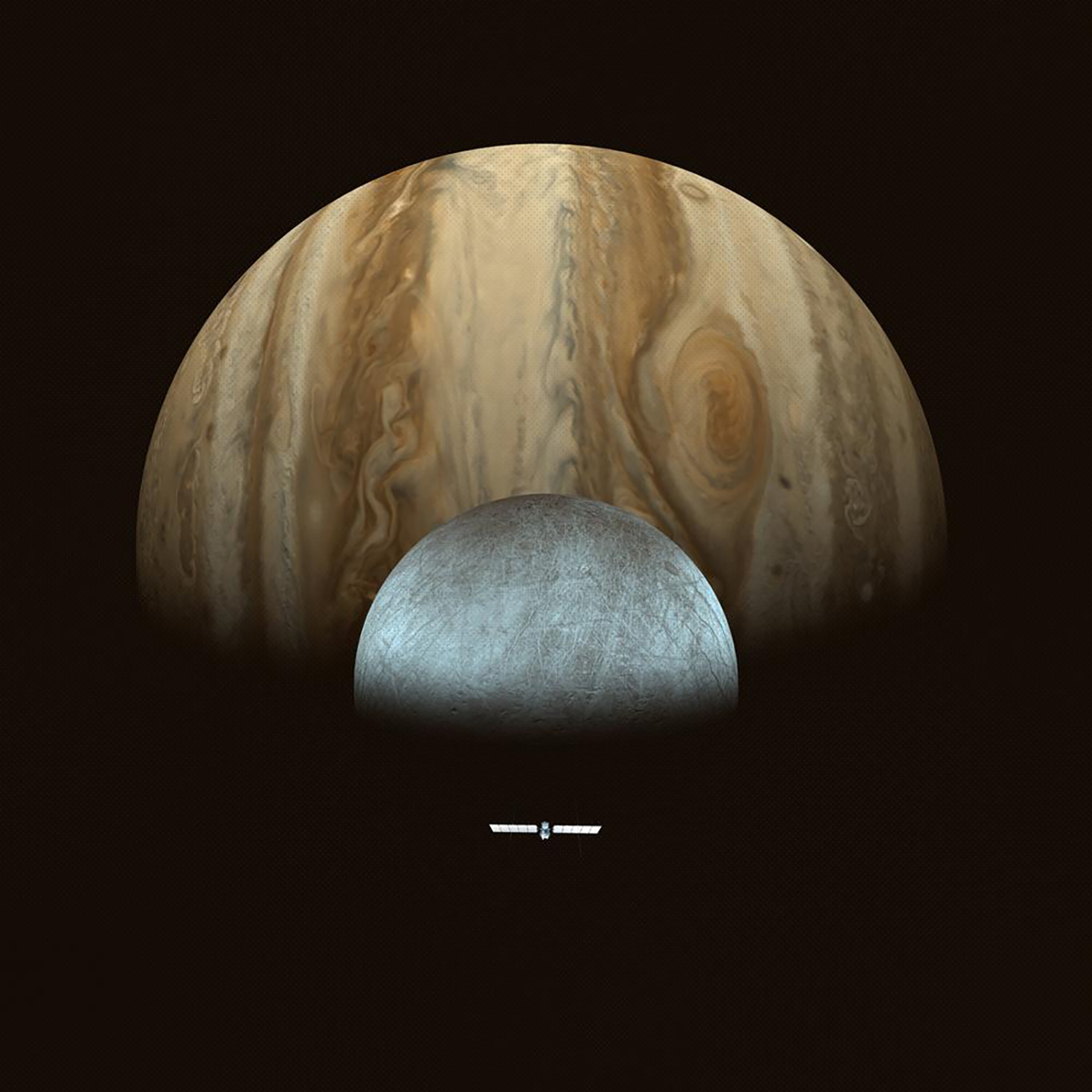
The Planetary Society team reviews the best space moments of 2024, from the China National Space Administration's return of samples from the far side of the Moon to the triumphant launch of NASA's Europa Clipper mission. Kate Howells (Public Education Specialist) shares the winners of The Planetary Society's Best of 2024 awards. Then, Mat Kaplan (Senior Communications Advisor), Ambre Trujillo (Digital Community Manager), and Asa Stahl (Science Editor) team up for a rundown of the year's highlights. We close out 2024 with Bruce Betts, our chief scientist, as he shares his last random space fact of the year. Discover more at: https://www.planetary.org/planetary-radio/2024-looking-back See omnystudio.com/listener for privacy information.

Mars “spiders” recreated in the lab
Lauren Mc Keown, a postdoctoral fellow at NASA's Jet Propulsion Laboratory, discusses her experiences recreating Martian araneiform terrain, also called Mars spiders, in the lab. Latif Nasser, the co-host of Radiolab, also joins Planetary Radio to share how you can cast your vote to name a quasi-Moon of Earth. Then Bruce Betts, chief scientist of The Planetary Society, looks at a different type of seasonal feature on Mars, recurring slope lineae, in What’s Up. Discover more at: https://www.planetary.org/planetary-radio/2024-mars-spidersSee omnystudio.com/listener for privacy information.

Space Policy Edition: The Myth of Presidential Leadership
For over half a century, space advocates and presidents alike have tried to recreate the JFK moment of calling on the country to send a man to Moon — but is this a mistake? The classic book Spaceflight and the Myth of Presidential Leadership argued that it is, and by focusing on presidential power alone advocates set up these initiatives to fail. However, in the decades since its publication, presidential authority has dramatically expanded. In this episode, we examine this tension: Did the success of Apollo create a false expectation about the role of presidential leadership in spaceflight? How can a president most effectively set new long-term goals for NASA? Discover more at: https://www.planetary.org/planetary-radio/myth-of-presidential-leadership See omnystudio.com/listener for privacy information.

StarTalk with Bill Nye and Neil deGrasse Tyson
We take you to Planetary Society headquarters, where Neil deGrasse Tyson, astrophysicist and host of StarTalk, interviews Planetary Society CEO Bill Nye about the organization's 45-year history of empowering the world's citizens to advance space science and exploration. Then, we share an update on the incoming Trump administration's proposed pick for the next NASA Administrator, Jared Isaacman. Planetary Society Chief of Space Policy, Casey Dreier, and Director of Government Relations, Jack Kiraly, give us the details. We close out with Bruce Betts as he discusses the Van Allen belts and shares a new random space fact in What's Up. Discover more at: https://www.planetary.org/planetary-radio/2024-startalkSee omnystudio.com/listener for privacy information.

A hundred weeks in space exploration
Sarah Al-Ahmed, the host of Planetary Radio, marks her 100th episode with a look back at the defining moments of the past 100 weeks of space exploration. We'll revisit previous Planetary Radio interviews, including the launch of ESA's Juice mission to the icy moons of Jupiter with project scientist Olivier Witasse. Danny Glavin, the co-investigator for NASA's OSIRIS-REx, shares his thoughts after the triumphant return of samples from asteroid Bennu. Lindy Elkins-Tanton, principal investigator for NASA's Psyche mission, reflects on her team's mission to explore a metallic asteroid. Then, Bob Pappalardo, project scientist for Europa Clipper, discusses the mission's intense brush with Hurricane Milton before blasting off to unlock the secrets of a potentially habitable ocean world. We close out the show with Bruce Betts, the chief scientist of The Planetary Society, for What's Up. Discover more at: https://www.planetary.org/planetary-radio/2024-one-hundred-weeks See omnystudio.com/listener for privacy information.
Seven worlds, one mission: The United Arab Emirates aims for the asteroid belt
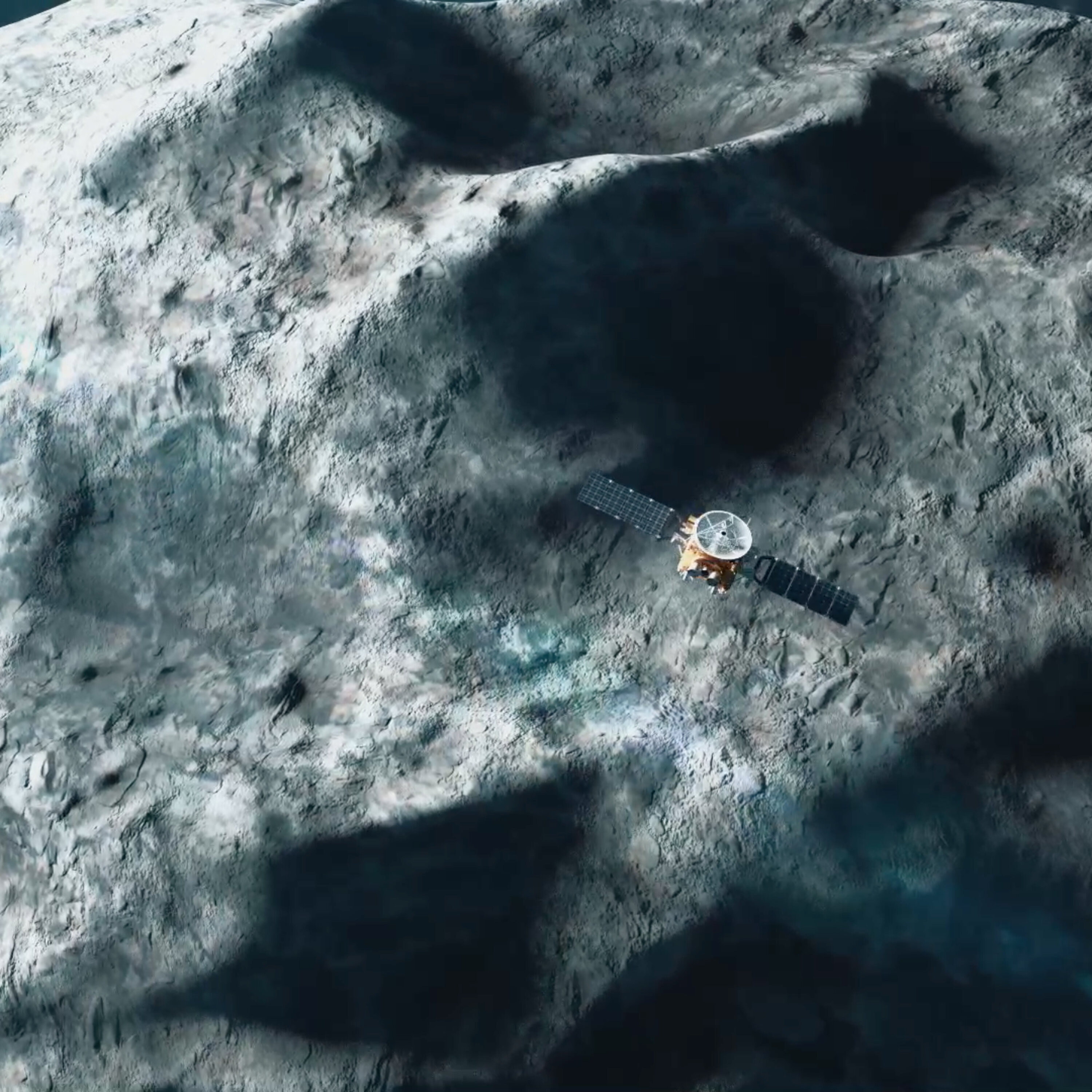
The United Arab Emirates Space Agency is working on its next ambitious spacecraft, the Emirates Mission to the Asteroid Belt. It will visit seven asteroids, ultimately rendezvousing with Justitia, the reddest object in the main asteroid belt. We'll get an update on their team's progress from Mohsen Al Awadhi and Hoor Al Hazmi, the director and science team lead for the Emirates Mission to the Asteroid Belt. Then, our chief scientist at The Planetary Society, Bruce Betts, joins host Sarah Al-Ahmed for What's Up and a new random space fact. Discover more at: https://www.planetary.org/planetary-radio/2024-uae-asteroid-belt See omnystudio.com/listener for privacy information.
What does the U.S. election mean for NASA?
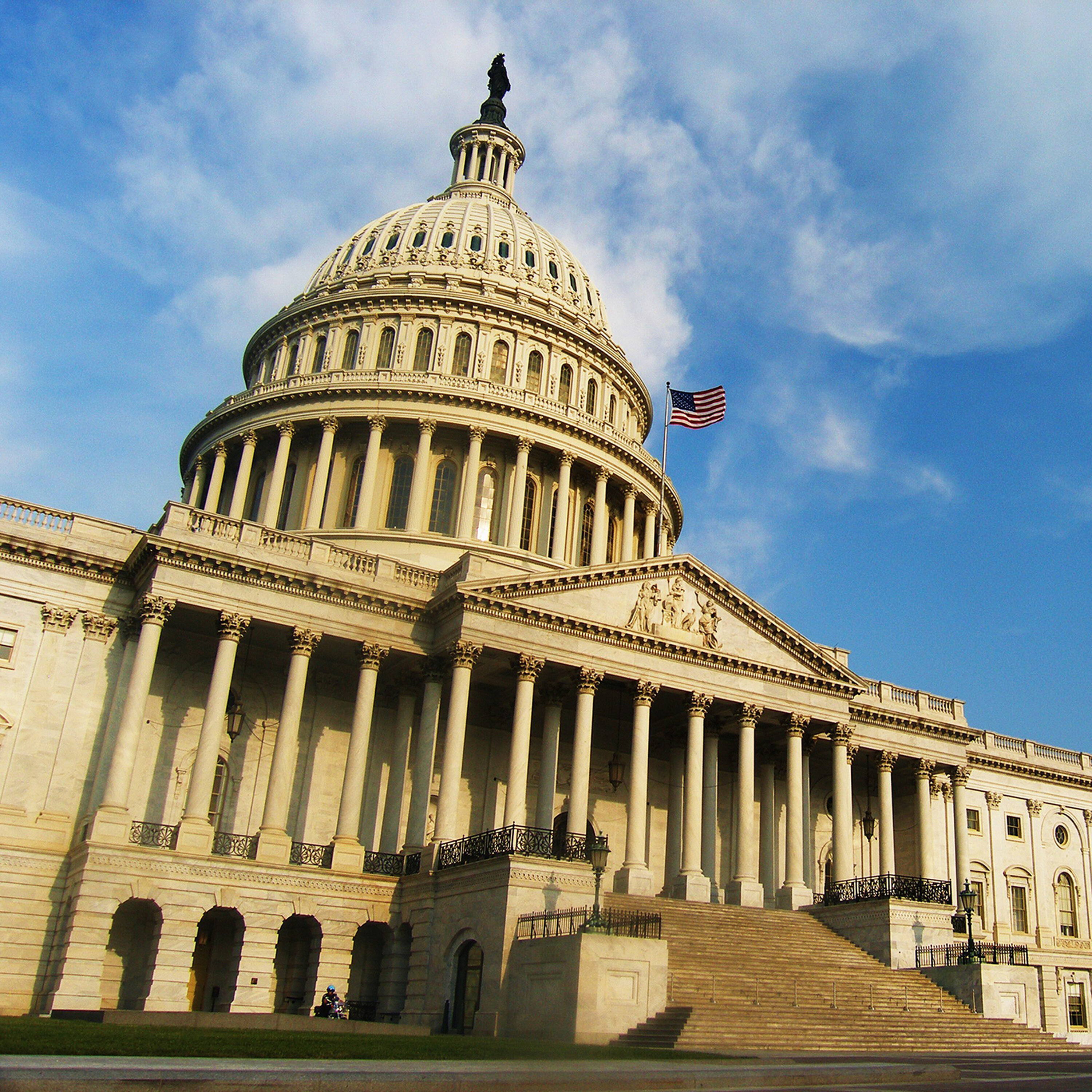
Presidential elections in the United States don’t just shape the country’s future — they set the course for space exploration. This week, Casey Dreier, the chief of space policy at The Planetary Society, analyzes what the incoming Trump administration could mean for NASA’s funding, human spaceflight, and its Science Mission Directorate. Meanwhile, budget cuts have triggered another round of layoffs at NASA’s Jet Propulsion Laboratory. Jack Kiraly, Planetary Society director of government relations, explains why it happened, and what U.S. residents can do to help. Plus, Bruce Betts is back with What's Up and another fascinating Random Space Fact. Discover more at: https://www.planetary.org/planetary-radio/2024-election-nasaSee omnystudio.com/listener for privacy information.

EELS: AI-enabled snake robots and the search for life on Enceladus
Morgan Cable and Hiro Ono from NASA's Jet Propulsion Laboratory join Planetary Radio to discuss the Exobiology Extant Life Surveyor (EELS) robot concept, a snake-like AI-enabled device designed to navigate the vents of Enceladus. This technology could tell us more about the habitability of Enceladus' subsurface ocean. But first, Kate Howells, The Planetary Society's public education specialist, shares how you can participate in The Planetary Society Best of 2024 Awards. Stay tuned for Bruce Betts, our chief scientist, for What's Up and a new Random Space Fact about Enceladus. Discover more at: https://www.planetary.org/planetary-radio/2024-eels See omnystudio.com/listener for privacy information.

Spaceport Nova Scotia
Spaceport Nova Scotia, Canada’s first commercial launch site, represents a significant step forward for the Canadian space industry. This week, we learn what this spaceport can do for the country's exploratory aspirations and international cooperation with Steve Matier and Sasha Jacob, the CEO and Chairman of Maritime Launch Services. Then Bruce Betts joins me for What's Up and a new random space fact. Discover more at: https://www.planetary.org/planetary-radio/2024-spaceport-nova-scotiaSee omnystudio.com/listener for privacy information.
Space Policy Edition: NASA at a Crossroads
Norm Augustine, the distinguished aerospace industry veteran behind numerous influential studies, joins the show to discuss “NASA at a Crossroads,” the new report that raises alarm bells for NASA’s workforce, infrastructure, and technology capabilities. Augustine, who chaired an expert committee of the National Academies of Sciences, Engineering, and Medicine, came to the conclusion that NASA is on an unsustainable path, and has underinvested in its enabling workforce and physical infrastructure for decades. The solutions put forth by this report committee will require years of effort from NASA, Congress, and subsequent presidential administrations. Which path NASA decides to take, however, may not be known for years to come. Discover more at: https://www.planetary.org/planetary-radio/spe-nasa-at-a-crossroadsSee omnystudio.com/listener for privacy information.

Splat or subsurface ocean? The mysterious positioning of Pluto’s heart
This week, we investigate the mysteries of Pluto's iconic heart-shaped feature. We explore recent research on the origins of the Sputnik Planitia region and what it can tell us about whether or not the dwarf planet has a subsurface ocean. Our guest, Adeene Denton from the University of Arizona, discusses her team's work investigating oblique impact basins, or "splats," and their implications for planetary formation. Then Bruce Betts, chief scientist at The Planetary Society, joins host Sarah Al-Ahmed for a roundup of the most significant impacts in our Solar System in What's Up. Discover more at: https://www.planetary.org/planetary-radio/2024-pluto-splat See omnystudio.com/listener for privacy information.
Europa Clipper blasts off: How the mission team weathered Hurricane Milton
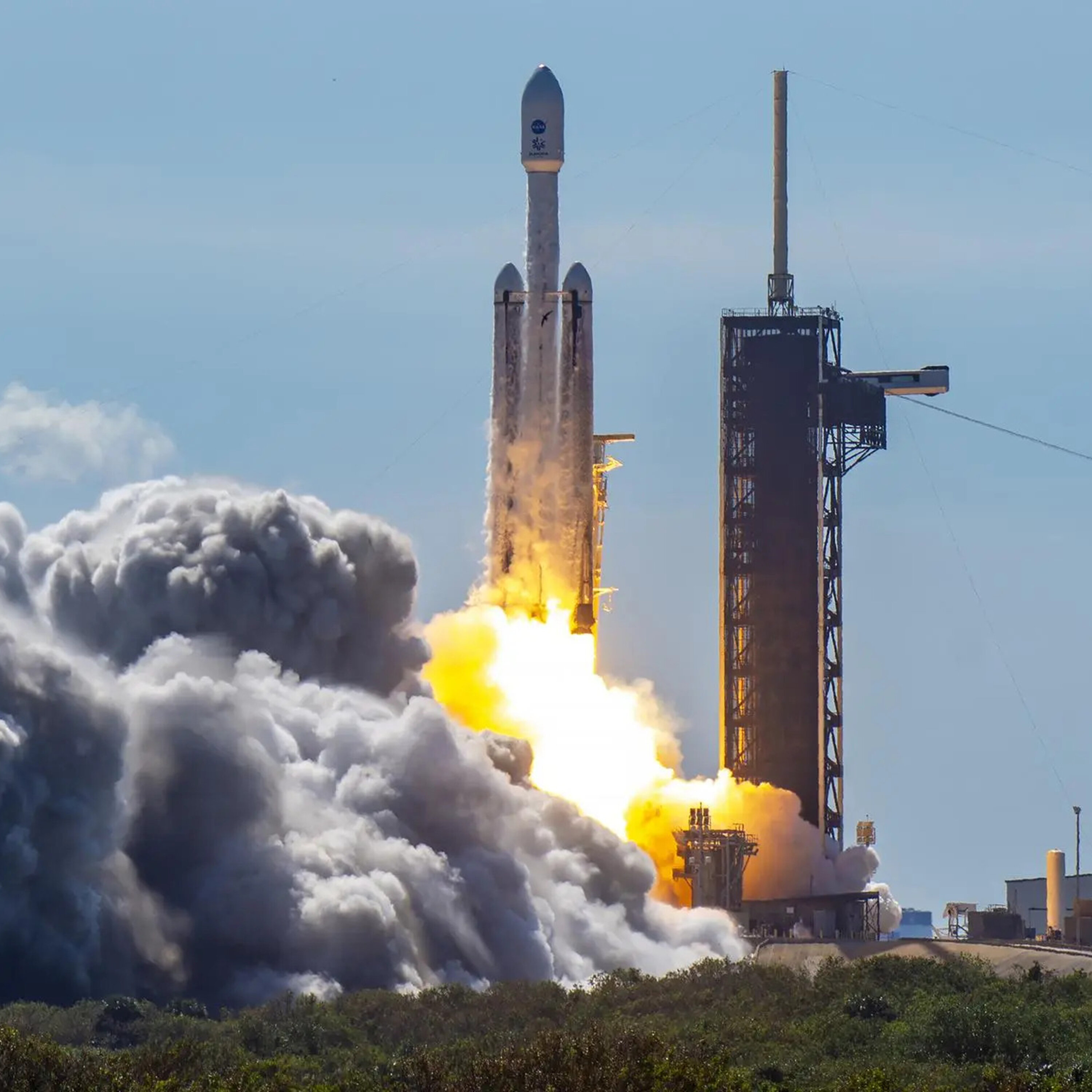
NASA's Europa Clipper mission launched on Monday, Oct. 14, 2024, embarking on a journey to explore Jupiter's icy moon, Europa. This week, Planetary Radio welcomes Bob Pappalardo, the mission's project scientist, who recounts the team's dramatic encounter with Hurricane Milton before their triumphant launch. Plus, get a sneak peek at The Planetary Society's upcoming collaboration with StarTalk as Neil deGrasse Tyson, astrophysicist and director of the Hayden Planetarium, visits The Planetary Society's headquarters. As always, Bruce Betts wraps up with What's Up, featuring a beautiful member-submitted poem and an intriguing random space fact. Discover more at: https://www.planetary.org/planetary-radio/2024-europa-clipper-blasts-offSee omnystudio.com/listener for privacy information.

Internships, conferences, and grad school: A space student's guide
This week, Planetary Radio offers advice for students pursuing higher education in space-related fields. Elizabeth Koenck, a Zed Factor Fellow, shares how her internship at The Planetary Society has helped her pursue a future in space policy. Sara Miller, the organizer of AbGradCon and a Ph.D. candidate at Cornell, discusses how to best leverage conferences and build community. Then, Briley Lewis, a recent Ph.D. graduate at UCLA and a correspondent at STARtorialist, will teach you how to survive grad school. Stick around for What's Up with Bruce Betts, our chief scientist, as he shares more about The Planetary Society's new book series for kids. Discover more at: https://www.planetary.org/planetary-radio/2024-space-students-guide See omnystudio.com/listener for privacy information.
Clipper’s champions: Space advocates and the fight for a mission to Europa
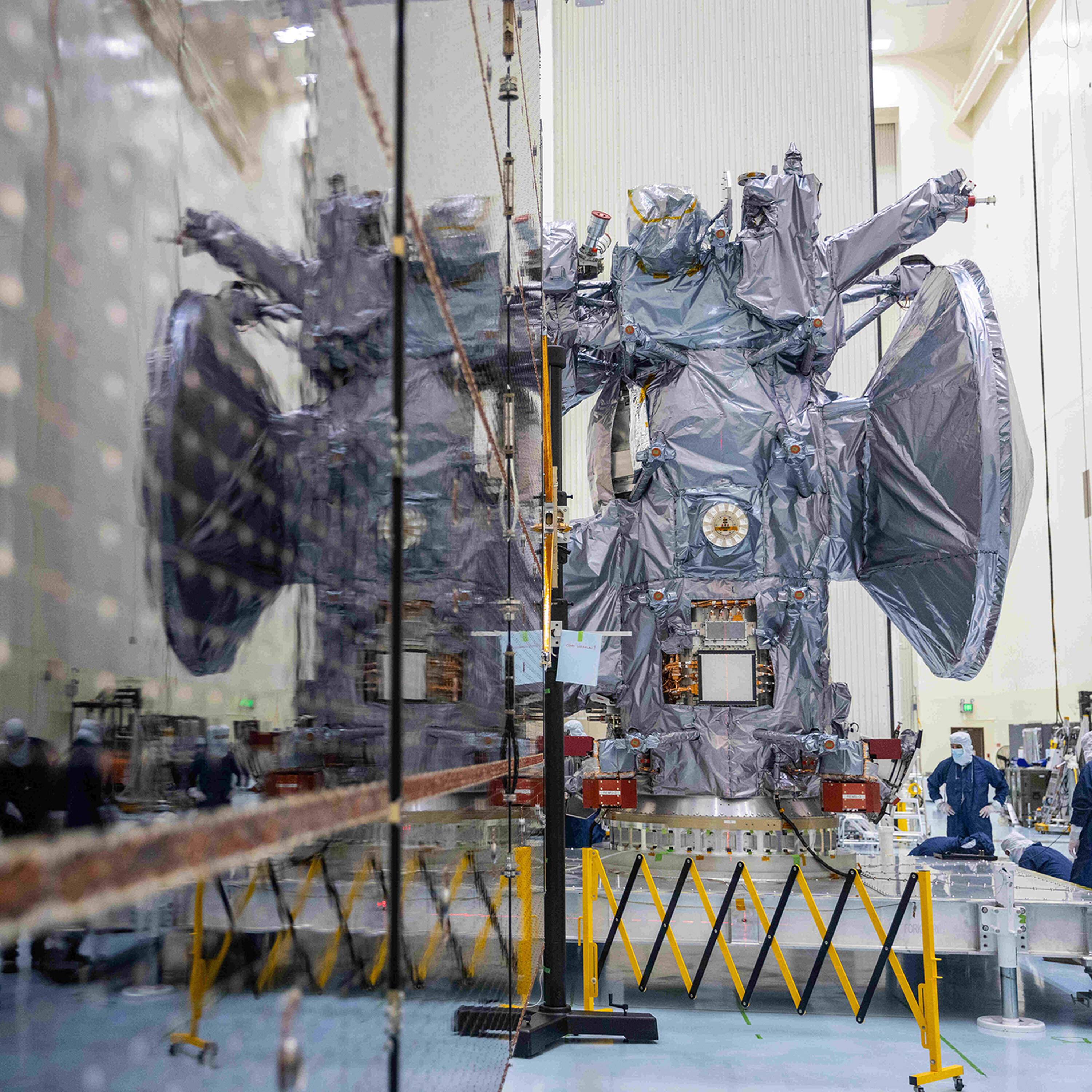
Jupiter's moon Europa is one of the most promising targets in the search for life. The Planetary Society and space advocates around the world fought to make Europa Clipper a reality. This week, we learn more about the tumultuous history of the mission with Casey Dreier, our chief of space policy. Mat Kaplan, senior communications adviser, gives an update on the successful launch of the European Space Agency's Hera mission and the delayed launch of Europa Clipper due to Hurricane Milton. Then, Bruce Betts, chief scientist at The Planetary Society, discusses two opportunities to view comets in the October sky in What's Up. Discover more at: https://www.planetary.org/planetary-radio/2024-clippers-championsSee omnystudio.com/listener for privacy information.

Space Policy Edition: The space policies of a Harris Administration
Lori Garver, former NASA Deputy Administrator, joins the show to discuss the potential space policy priorities of a Harris Administration. We explore Harris’ interests in her role as head of the National Space Council, the major issues facing NASA, and Garver’s thoughts on the evolution of Elon Musk, whom she championed during her tenure at NASA in an effort to kickstart the commercial space industry. Discover more at: https://www.planetary.org/planetary-radio/harris-admin-space-policy-preview See omnystudio.com/listener for privacy information.
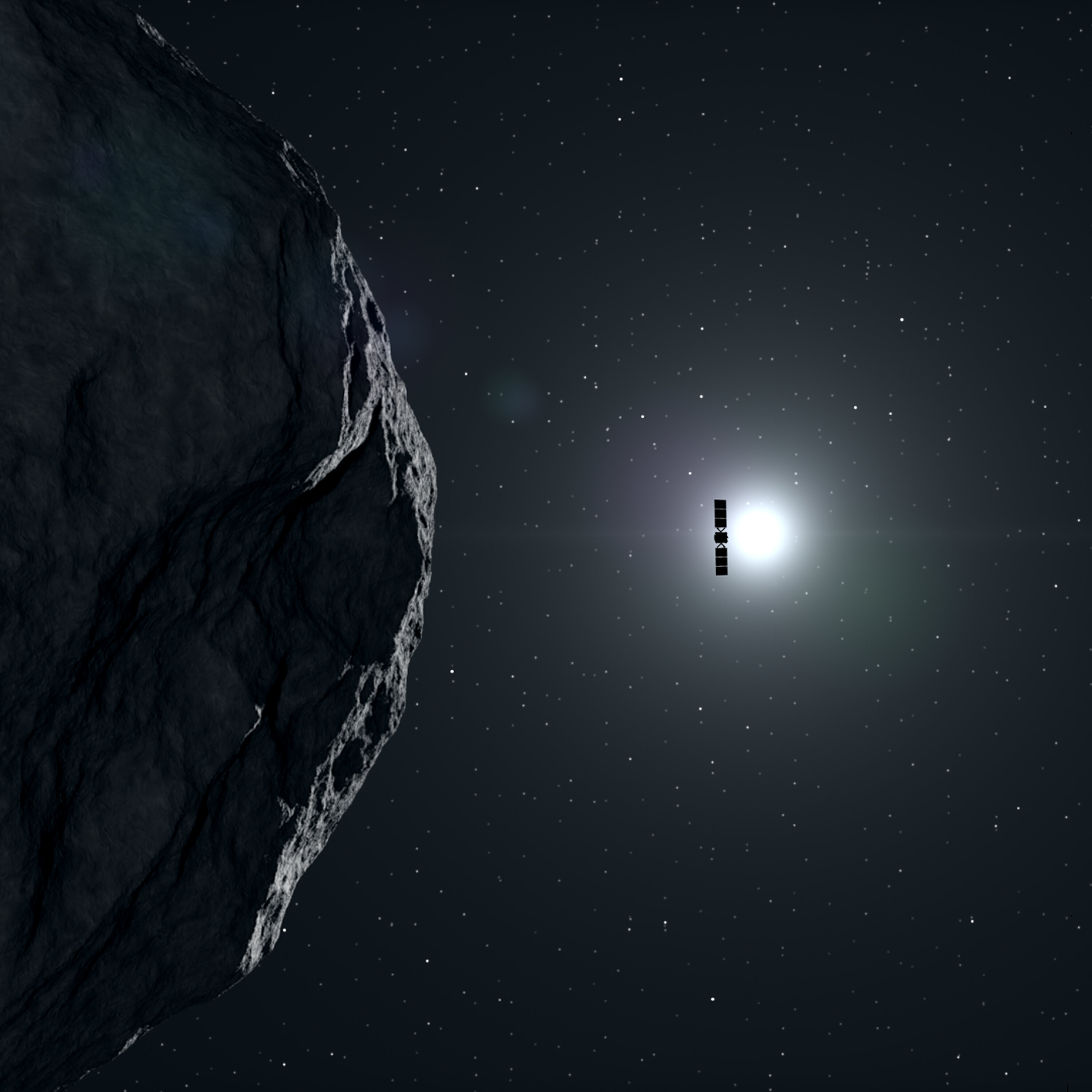
Return to Dimorphos: Looking forward to the Hera launch
We look forward to the Oct. 7 launch of the European Space Agency's Hera spacecraft with Michael Küppers, project scientist for the mission. Then Ambre Trujillo, our digital community manager at The Planetary Society, lets you know how to celebrate Europa Clipper by joining NASA's Runway to Jupiter style challenge. We'll close out with Bruce Betts, our chief scientist, and a discussion of the potential future meteor shower caused by the DART impact in What's Up. Discover more at: https://www.planetary.org/planetary-radio/2024-hera-launchSee omnystudio.com/listener for privacy information.
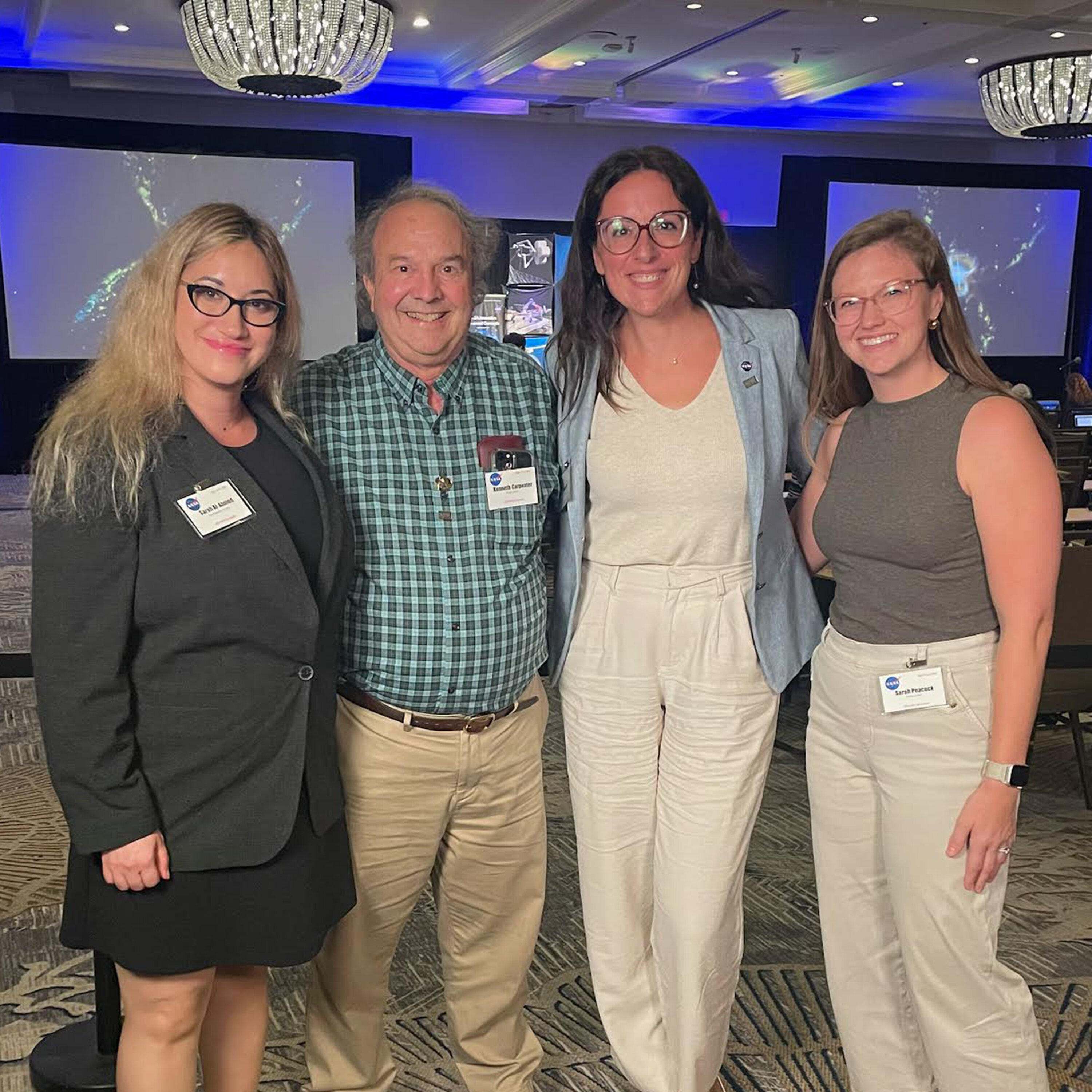
2024 NASA Innovative Advanced Concepts Symposium: Part 2 - Stellar imaging and looking for life while mining water on Mars
We return to the 2024 NASA Innovative Advanced Concepts (NIAC) Symposium for part two of our coverage. Astronaut and NIAC external council member Mae Jemison honors Lou Friedman, the co-founder of The Planetary Society, for his contributions to the space community and the NIAC program. Then Kenneth Carpenter from NASA's Goddard Space Flight Center and his colleagues pitch their plan for an Artemis-enabled Stellar Imager. Steven Benner from the Foundation for Applied Molecular Evolution and his team tell us about their plan for an add-on to large-scale water mining operations on Mars to screen for introduced and alien life. We close out with Bruce Betts, chief scientist of The Planetary Society, in What's Up, as we celebrate LightSail 2 being announced as one of the winners of this year's Gizmodo Science Fair. Discover more at: https://www.planetary.org/planetary-radio/2024-niac-part-2See omnystudio.com/listener for privacy information.
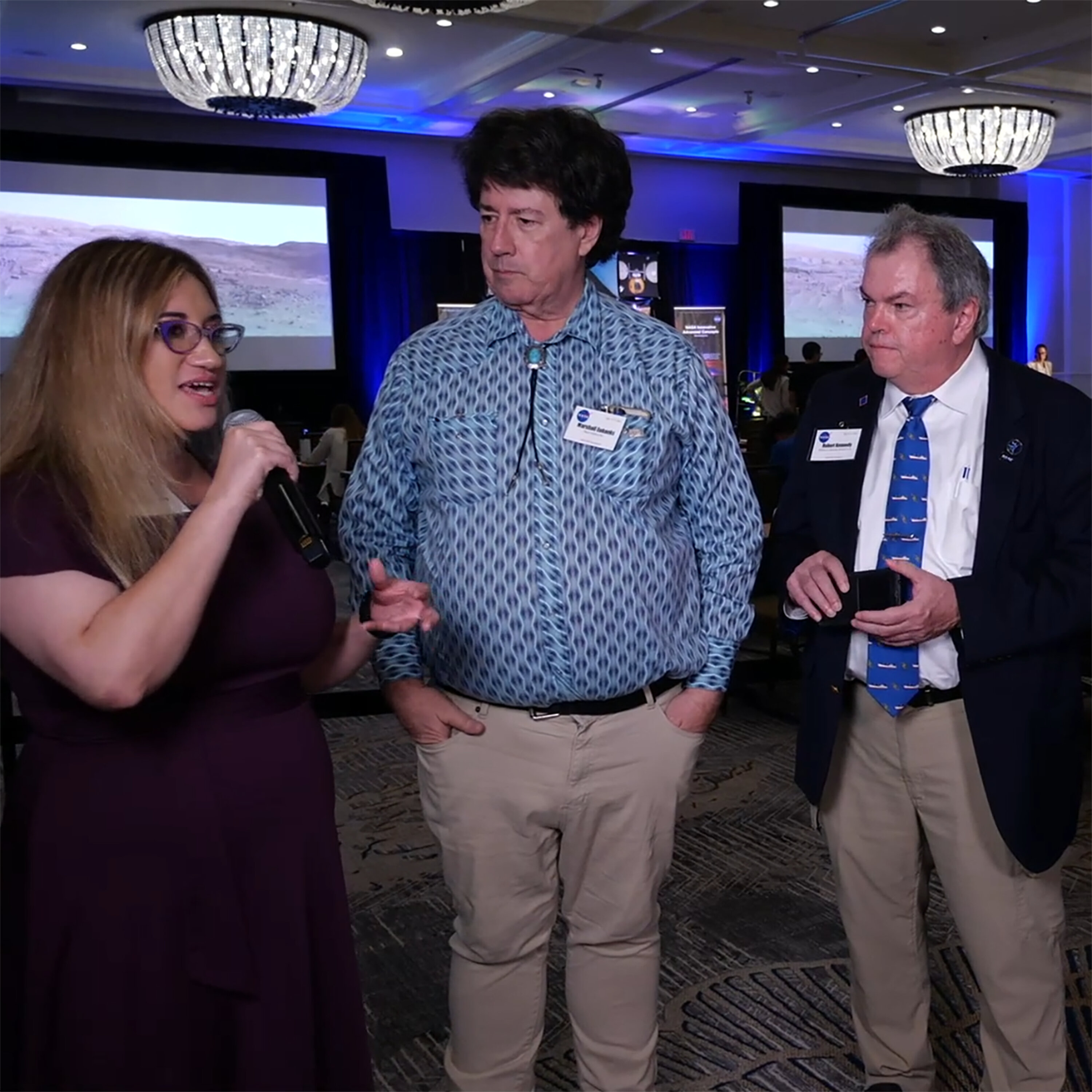
2024 NASA Innovative Advanced Concepts Symposium: Part 1 - Human hibernation and swarming Proxima Centauri
Join us on a journey to the 2024 NASA Innovative Advanced Concepts (NIAC) Symposium. We'll hear from the teams behind two NIAC projects that could help us study distant planets and potentially reach them ourselves. Marshall Eubanks from Space Initiatives, Inc. and his colleagues will introduce us to their concept for a swarm of laser sailing pico spacecraft that could travel interstellar distances. Then Ryan Sprenger from Fauna Bio Inc. joins us to discuss how hibernation could help humans reach other worlds. Then, our chief scientist, Bruce Betts, joins us for What's Up and a new random space fact. Discover more at: https://www.planetary.org/planetary-radio/2024-niac-part-1See omnystudio.com/listener for privacy information.

Chasing auroras with the Aurora Guy
We are near solar maximum, a time in the solar cycle when our Sun is most active. That means more sun spots, coronal mass ejections, and auroras on worlds across our solar system. This week, Vince Ledvina, also known as the Aurora Guy, joins Planetary Radio to discuss the science behind the northern and southern lights and what they can tell us about our Sun, our planet, and worlds across our galaxy. Then Bruce Betts joins in for What's Up, a chat about global magnetic fields on terrestrial worlds and a new random space fact. Discover more at: https://www.planetary.org/planetary-radio/2024-aurora-guy See omnystudio.com/listener for privacy information.
Space Policy Edition: The Space Policy of a Second Trump Administration
Dr. Greg Autry, who served on Trump’s NASA transition team in 2016 and was nominated for the position of NASA CFO in 2020, joins the show to discuss the space policy issues facing a potential second Trump administration in 2025. We discuss the role of competition versus cooperation in space exploration, how space politics have changed since Trump’s first term, and what major issues at NASA must be faced by the next presidential administration. Discover more at: https://www.planetary.org/planetary-radio/space-policy-issues-second-trump-termSee omnystudio.com/listener for privacy information.

Europa in reflection: A compilation of two decades
With less than two months to go until the highly anticipated launch of NASA's Europa Clipper mission, we take a look back at over twenty years of Planetary Radio episodes about Jupiter's most intriguing moon. You'll hear from Elizabeth 'Zibi' Turtle, planetary scientist at Johns Hopkins Applied Physics Lab, Bob Pappalardo, project scientist for Europa Clipper, and many more, as we reflect on all of the dreams and science it took to make the upcoming mission a reality. Then, Bruce Betts, our chief scientist, joins in for What's Up as host Sarah Al-Ahmed gears up for next week's NASA Innovative Advanced Concepts symposium. Discover more at: https://www.planetary.org/planetary-radio/2024-europa-in-reflectionSee omnystudio.com/listener for privacy information.