Planetary Radio: Space Exploration, Astronomy and Science
1,373 episodes — Page 5 of 28

JWST finds a new lead in the search for life on a mysterious exoplanet
This week on Planetary Radio, we're diving into one of the most remarkable new exoplanet discoveries with the help of the James Webb Space Telescope (JWST). JWST has detected signs of methane and carbon dioxide in the atmosphere of K2-18 b. This discovery could reshape our search for life beyond Earth and teach us more about the enigmatic class of exoplanets known as sub-Neptunes. Our guest, Knicole Colón, is the deputy project scientist for exoplanet science for JWST. She'll fill us in on all of the details. Stick around for What's Up with Bruce Betts, the chief scientist of The Planetary Society. Discover more at: https://www.planetary.org/planetary-radio/2024-jwst-new-lead-in-search-for-life See omnystudio.com/listener for privacy information.
Space Policy Edition: India’s growing space ambitions
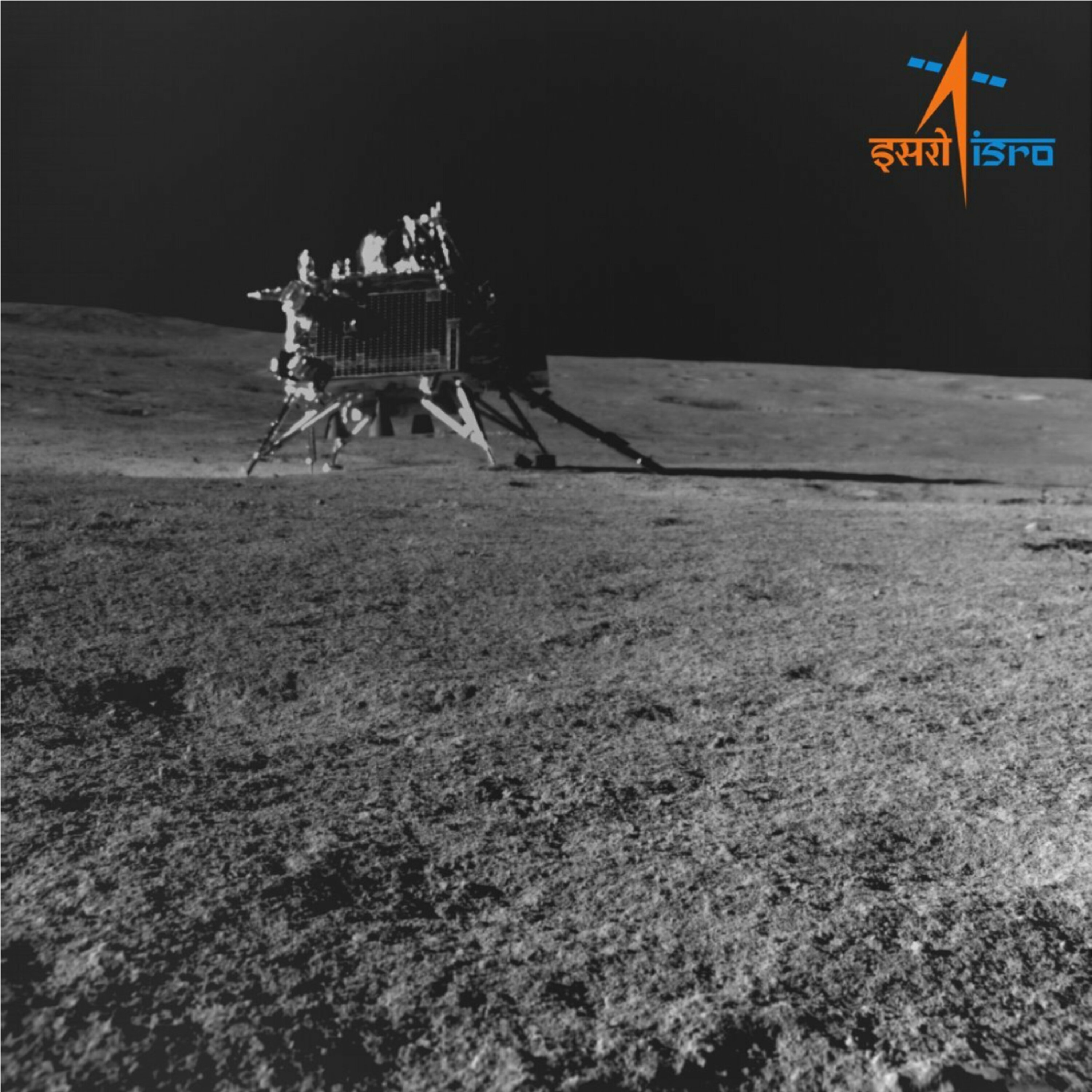
The history of India’s space program is, in many ways, the inverse of that of the US and Russia. While the two superpowers were outpacing each other in space spectaculars in their early decades, India — which began its space program around the same time in 1963 — prioritized practical programs by developing its own launch capability and launching satellites for weather, communications, and regional positioning systems. It is only in the 21st century that India began embracing the more symbolic feats of spaceflight, first with its launches of robotic spacecraft, including the Chandrayaan series and the Mars Orbiter Mission, and now by establishing its own human spaceflight program. Buoyed by the success of Chandrayaan-3, as well as recognizing increasing competition with China, Prime Minister Narendra Modi announced ambitious plans for Indian space stations and lunar missions in the coming decades. UK-based space writer Gurbir Singh, who literally wrote the book on the Indian space program, aptly titled The Indian Space Programme: India’s Incredible Journey from the Third World towards the First, joins the show to help us understand the history and motivations behind these achievements and India’s growing ambitions in space.See omnystudio.com/listener for privacy information.
Revisiting the discovery of phosphorus on Enceladus
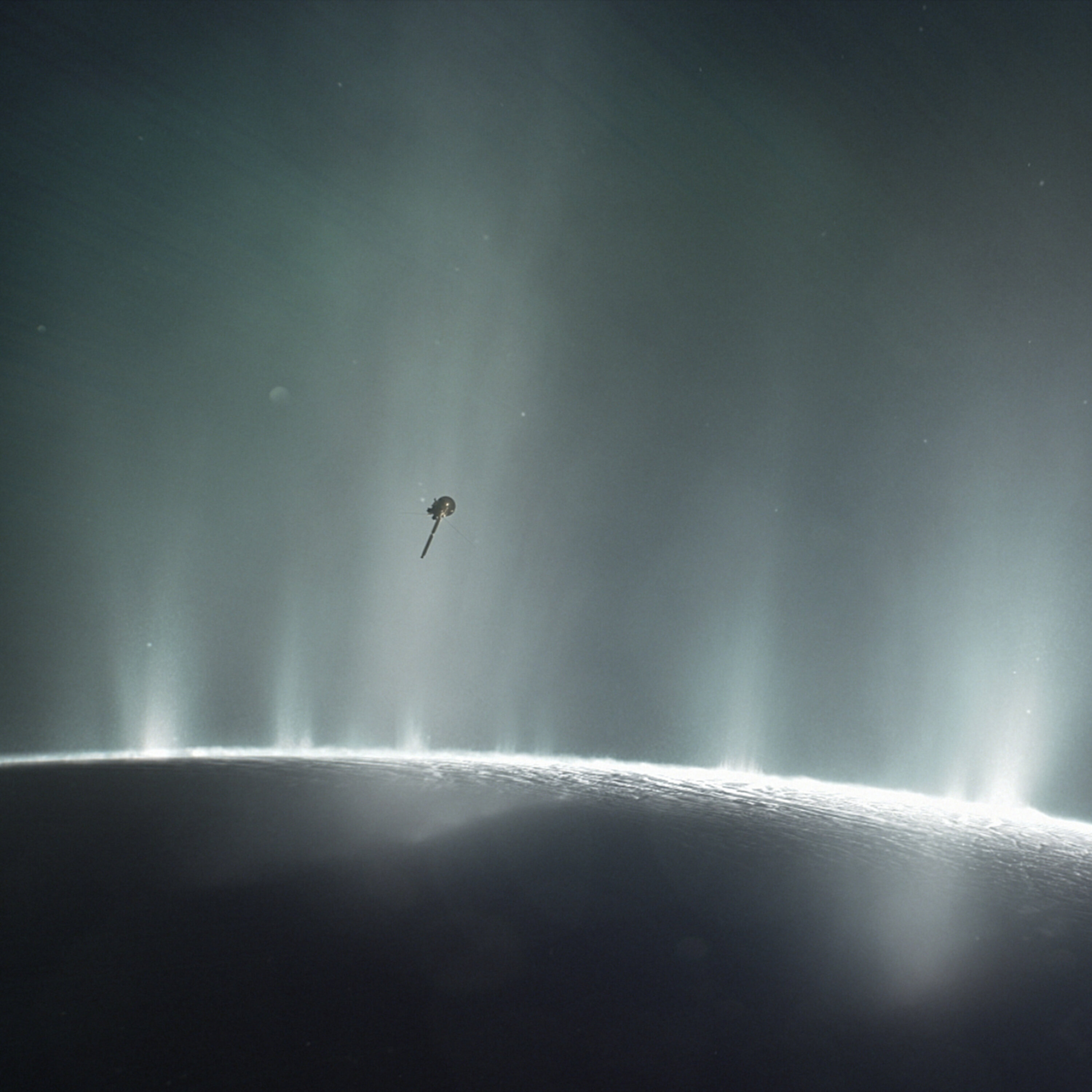
This week on Planetary Radio, we are revisiting one of the biggest recent headlines in planetary science, the detection of Phosphorus in the oceans of Saturn’s moon Enceladus. Phosphorus is a key ingredient for life on Earth, and this discovery marks the first time it has been found in an ocean off of Earth. Chris Glein, a lead scientist at the Southwest Research Institute, joins us to discuss the discovery and its implications for the search for life. Then Bruce Betts returns for What's Up. Discover more at: https://www.planetary.org/planetary-radio/2024-revisiting-phosphorus-on-enceladusSee omnystudio.com/listener for privacy information.

Looking back on 2023
Members of The Planetary Society staff revisit some of 2023's most exhilarating moments and groundbreaking discoveries in space this week on Planetary Radio. Kate Howells, Public Education Specialist, announces the winners of The Planetary Society's Best of 2023 awards. Jack Kiraly, Director of Government Relations, shares the strides made in space advocacy. Then Rae Paoletta, Director of Content and Engagement, and Mat Kaplan, Senior Communications advisor and former host of Planetary Radio, return to break down their favorite space moments of the year. Stick around until the end for What's Up with Bruce Betts, the Chief Scientist of The Planetary Society, as he looks forward to the next year of space science and exploration. Discover more at: https://www.planetary.org/planetary-radio/2023-looking-back See omnystudio.com/listener for privacy information.

Dragonfly soars to final design phase
NASA's Dragonfly mission to Saturn's moon Titan has been authorized to proceed with work on final mission design and fabrication, known as Phase C. This week on Planetary Radio, we get an update on the mission's progress and new timeline. You'll hear from Bobby Braun, head of the Johns Hopkins Applied Physics Lab's Space Exploration Sector, Elizabeth (Zibi) Turtle, the principal investigator for Dragonfly, and Ken Hibbard, mission systems engineer for the spacecraft. If that doesn't convince you that Dragonfly is one of the most epic things humanity has attempted to date, stick around for What's Up with Bruce Betts as he shares even more reasons for us to explore Titan. Discover more at: https://www.planetary.org/planetary-radio/2023-dragonfly-final-design-phase See omnystudio.com/listener for privacy information.
An astrogeologic experience with Kirby Runyon
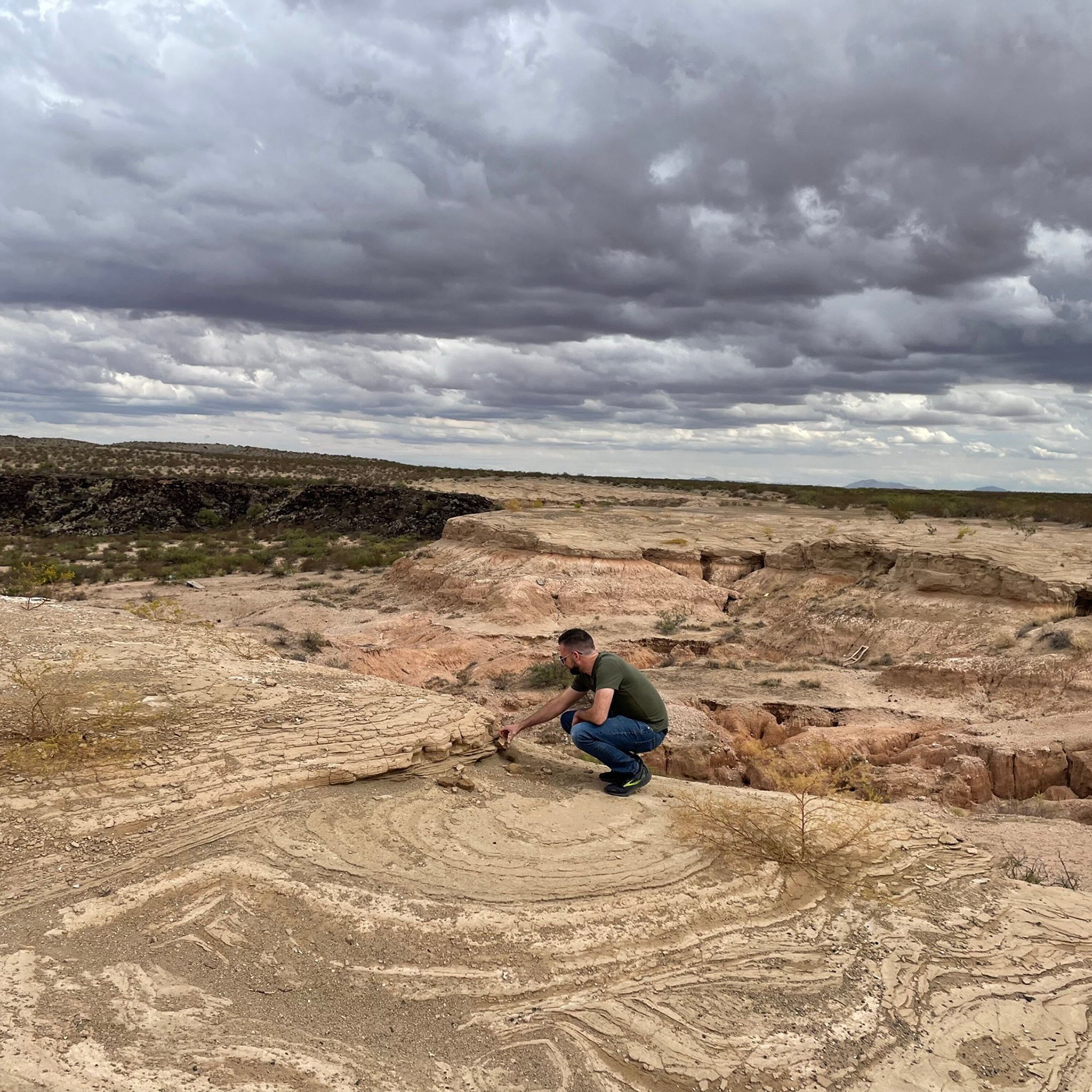
Sometimes, when you want to learn more about other worlds, all you have to do is step out your door. Mat Kaplan, Planetary Radio's creator and former host, takes us on an adventure with planetary geologist Kirby Runyon as they tour New Mexico, U.S.'s varied geology and compare it to other worlds. They'll explore the dunes of White Sands National Park, the Mars-like geology of Kilbourne Hole, and the rocks in the Carrizozo Lava flow. Then Bruce Betts, the chief scientist of The Planetary Society, and host Sarah Al-Ahmed discuss the most otherworldly places they've been in this week's What's Up. Discover more at: https://www.planetary.org/planetary-radio/2023-astrogeologic-expedition See omnystudio.com/listener for privacy information.
The mystery of the largest marsquake ever recorded
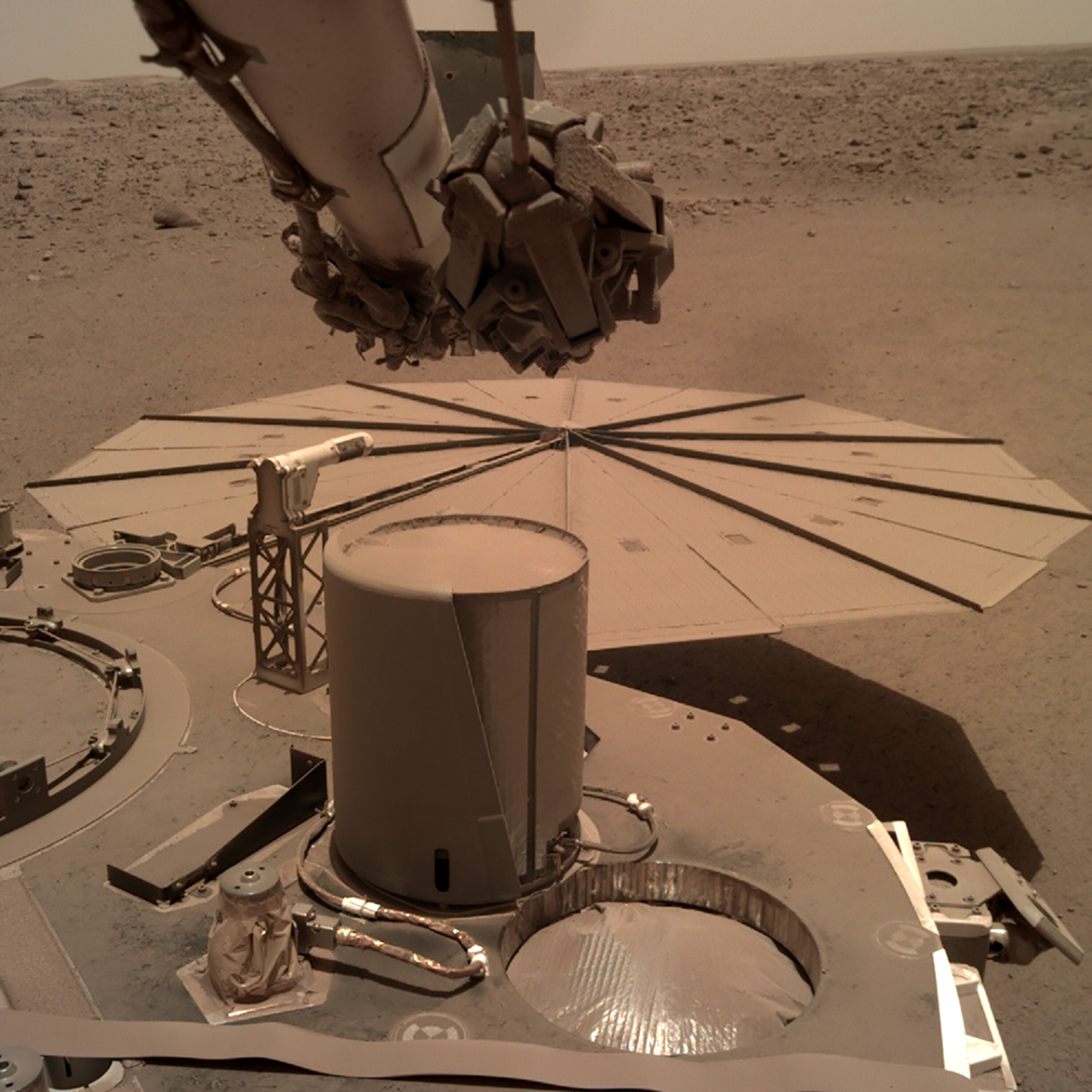
What caused the largest marsquake ever recorded? Benjamin Fernando, a post-doctoral fellow from the University of Oxford, joins Planetary Radio this week to talk about the 4.7-magnitude marsquake recorded by NASA’s InSight Mars lander and the international effort it took to pinpoint the cause of the quake. Then Bruce Betts, the chief scientist of The Planetary Society, and host Sarah Al-Ahmed chat about their earthquake experiences and share a fresh Random Space Fact in this week's What's Up. Discover more at: https://www.planetary.org/planetary-radio/2023-largest-marsquake See omnystudio.com/listener for privacy information.

Space Policy Edition: Was the Space Shuttle a policy failure?
Was the Space Shuttle a successful program? In many ways, yes: it endured for 30 years, launched hundreds of astronauts into space, and built the International Space Station. But, according to the goals of lower costs, rapid reusability, and reliability NASA stated at its conception, the Space Shuttle program was a failure. In this new recurring feature on SPE, Jack and Casey read through a classic paper in space policy and discuss its arguments, its conclusions, and whether the paper stands up to this day. Read along with us and suggest future episodes in our Planetary Society online member community. Discover more at: https://www.planetary.org/planetary-radio/space-shuttle-policy-failureSee omnystudio.com/listener for privacy information.

Lucy's first asteroid flyby reveals a surprise moon
On Nov. 1, 2023, NASA's Lucy spacecraft, which is on a mission to investigate Jupiter's Trojan asteroids, made its first flyby of asteroid Dinkinesh. Hal Levison and Simone Marchi, the mission's principal and deputy principal investigators, join Planetary Radio to discuss the asteroid rendezvous and the surprising discovery of Dinkinesh's moon. Stick around for What's Up with Bruce Betts, the chief scientist of The Planetary Society, as he digests the discovery. Discover more at: https://www.planetary.org/planetary-radio/2023-lucys-first-asteroid-flyby See omnystudio.com/listener for privacy information.
Deep Sky: A JWST IMAX experience
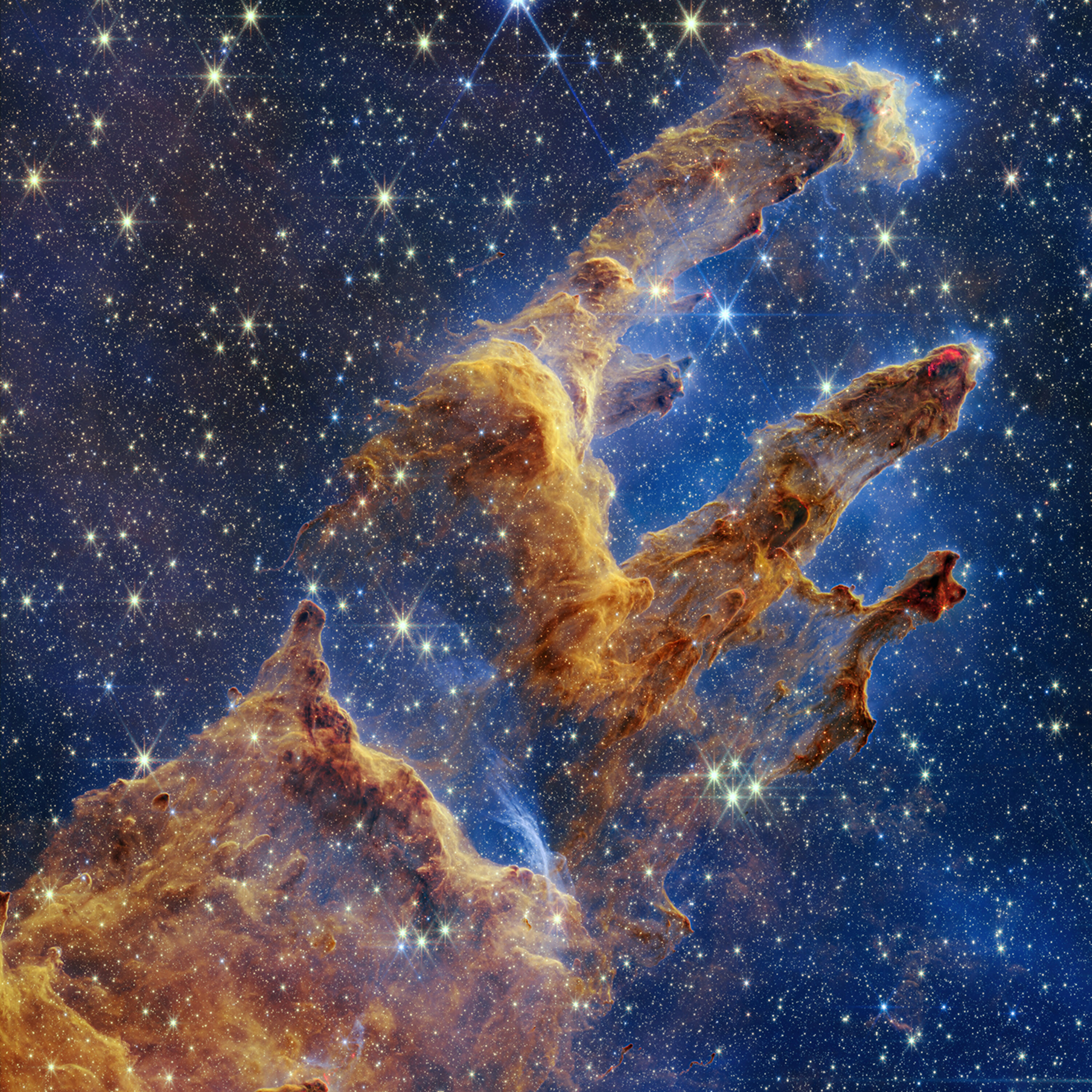
Deep Sky, a newly released IMAX documentary, tells the emotional and hopeful story of the James Webb Space Telescope (JWST). Nathaniel Kahn, an Oscar-nominated filmmaker and the director of Deep Sky, joins Planetary Radio this week to discuss the film's decade-long creation process and the magic of JWST images on the big screen. Then Bruce Betts, the chief scientist of The Planetary Society, joins for What's Up and a new random space fact. Discover more at: https://www.planetary.org/planetary-radio/2023-deep-skySee omnystudio.com/listener for privacy information.

NASA’s STEM program looks to the Moon
Steven Smith, an Education Specialist from NASA's Science, Technology, Engineering, and Mathematics (or STEM) Program, joins Planetary Radio to share some of the unique opportunities available for students in the lead-up to humanity's return to the Moon. Then Bruce Betts, the chief scientist of The Planetary Society, pops in for What's Up and a new random space fact. Discover more at: https://www.planetary.org/planetary-radio/2023-nasa-stemSee omnystudio.com/listener for privacy information.

A City on Mars
Can we build permanent human settlements in space? It might be more complex than you think. Kelly and Zach Weinersmith join Planetary Radio this week to discuss their new book, "A City on Mars: Can We Settle Space, Should We Settle Space, and Have We Really Thought This Through?" Then Bruce Betts, the chief scientist of The Planetary Society, and host Sarah Al-Ahmed chat about some of the most significant challenges humanity might face as we build habitats beyond Earth. Discover more at: https://www.planetary.org/planetary-radio/2023-a-city-on-mars See omnystudio.com/listener for privacy information.

Space Policy Edition: What went wrong with Mars Sample Return
NASA’s Mars Sample Return mission was supposed to be lean, fast, and focused — no extra science instruments, no dedicated communications systems, and launching in 2026. But the effort has foundered under its own complexity and mismanagement. MSR’s total cost is likely to double to $10 billion or more and not launch until 2030 at the earliest. This month’s guest, Orlando Figueroa, chaired an independent review board which recently evaluated this project and identified management failures, unexpected design complexities, and external events such as the war in Ukraine as contributing to MSR’s difficulties. We review the board’s conclusions and recommendations for how NASA can fix MSR’s problems and ensure a successful return of the samples already selected by the Perseverance rover. Discover more at: https://www.planetary.org/planetary-radio/spe-what-went-wrong-with-msrSee omnystudio.com/listener for privacy information.

Psyche and Eclipse Company blast off
On October 13, 2023, NASA's Psyche mission's principal investigator, Lindy Elkins-Tanton, watched her team's spacecraft blast off on its voyage to explore a metallic asteroid. She joins Planetary Radio this week for an emotional retelling of that day. Then Jesse Tomlinson and Stephen Watkins from the Eclipse Company tell us about their partnership with The Planetary Society and the launch of their new eclipse map for the upcoming 2024 total solar eclipse in North America. Stick around for What's Up with Bruce Betts, the chief scientist of The Planetary Society, as we muse about the space moments that spark wonder. Discover more at: https://www.planetary.org/planetary-radio/2023-psyche-and-eclipse-company See omnystudio.com/listener for privacy information.

Simulating Psyche: Modeling craters on a metallic world
NASA's Psyche mission launched on Oct. 13, 2023 on a journey to explore its namesake, the metallic asteroid Psyche. Simone Marchi, co-investigator for the Psyche mission, joins Planetary Radio to share the creative ways their mission team is working to understand cratering on metallic worlds, including everything from computer modeling to blasting metallic meteorites with projectiles. The Planetary Society's Public Education Specialist Kate Howells will discuss the Japanese Space Agency's newest moon mission, SLIM. Then, Bruce Betts, the chief scientist of The Planetary Society, will share his experiences with crater modeling and a fresh random space fact. Discover more at: https://www.planetary.org/planetary-radio/2023-craters-on-psyche See omnystudio.com/listener for privacy information.

InSight's revelation on Mars’ rotation
Data from the now-retired NASA InSight mission suggests that Mars' rotation is speeding up. The InSight RISE instrument's principal investigator, Sebastien Le Maistre, from the Royal Observatory of Belgium, joins Planetary Radio to get into the details. The Planetary Society's Digital Community Manager, Ambre Trujillo, shares her experience observing the October 14 annular solar eclipse and her adventure to the OSIRIS-REx sample return capsule opening at Johnson Space Center. Then, our Director of Government Relations, Jack Kiraly, shares the triumphs of The Planetary Society's in-person Day of Action. Stick around for What's Up with Bruce Betts, the chief scientist of The Planetary Society, as he shares an asteroid mission-themed random space fact. Discover more at: https://www.planetary.org/planetary-radio/2023-insight-mars-rotationSee omnystudio.com/listener for privacy information.

Celebrating the OSIRIS-REx sample return
On September 24th, NASA's OSIRIS-REx spacecraft triumphantly delivered a sample from asteroid Bennu to Earth. Rae Paoletta, the Director of Content and Engagement at The Planetary Society, joins Planetary Radio to recount her firsthand experience of the sample's return in Utah. She introduces us to Mike Puzio, the young man who named asteroid Bennu, and his father, Larry Puzio. Then Danny Glavin, the co-investigator for OSIRIS-REx, shares the next steps for the asteroid samples and the spacecraft. Stick around for What's Up with Bruce Betts, the chief scientist of The Planetary Society, as we digest this huge moment in space history. Discover more at: https://www.planetary.org/planetary-radio/2023-osiris-rex-sample-return See omnystudio.com/listener for privacy information.

2023 NASA Innovative Advanced Concepts Symposium: Part 2
Join Planetary Radio host Sarah Al-Ahmed for part two of her trip to the 2023 NASA Innovative Advanced Concepts (NIAC) Symposium in Houston, Texas. You'll hear from Mike LaPointe and John Nelson, the NIAC Program Executive and Deputy Program Executive along with Theresa Benyo (NASA Glenn Research Center), Lynn Rothschild (NASA Ames Research Center), and Javid Bayandor (State University of New York). Stick around for What's Up with Bruce Betts, the chief scientist of The Planetary Society, to learn more about his favorite science conferences. Discover more at: https://www.planetary.org/planetary-radio/2023-niac-part-2 See omnystudio.com/listener for privacy information.

2023 NASA Innovative Advanced Concepts Symposium: Part 1
Join Planetary Radio host Sarah Al-Ahmed on a trip to the 2023 NASA Innovative Advanced Concepts (NIAC) Symposium in Houston, Texas. In this jam-packed two-part series, you'll hear Sarah's interviews with the inspiring NIAC fellows who are thinking up the technologies that could change the future of space exploration. In this episode, you’ll hear from Congrui Grace Jin (University of Nebraska, Lincoln), Quinn Morley (Planet Enterprises), Ronald Polidan (Lunar Resources, Inc.), and Edward Balaban (NASA Ames Research Center). Stick around for What's Up with Bruce Betts, the chief scientist of The Planetary Society, for a discussion about the advances in space exploration during our lifetimes.See omnystudio.com/listener for privacy information.

Alone but not lonely with Louis Friedman
Louis Friedman, one of the three co-founders of The Planetary Society, joins Planetary Radio to discuss his new book, "Alone but Not Lonely: Exploring for Extraterrestrial Life." The book takes us on a realistic but hopeful reflection on the search for life, from habitable worlds to the technologies that might allow us to explore exoplanets without leaving our stellar backyard. Then stick around for What's Up with Bruce Betts, chief scientist of The Planetary Society, as we get his hot take on life in the universe. Discover more at: https://www.planetary.org/planetary-radio/2023-alone-but-not-lonely See omnystudio.com/listener for privacy information.

Io and Voyager 2: Lost oceans and found signals
This week on Planetary Radio, we're traveling back in time to uncover the luminous infancy of Jupiter and its impact on its enigmatic moon, Io. Carver Bierson, a postdoctoral researcher at Arizona State University, tells the tale of how Jupiter's radiant beginnings might have turned Io from a water-rich moon into a world with lakes of lava. You'll also hear from two legendary figures of space exploration, Voyager project manager Suzanne Dodd and Voyager project scientist Linda Spilker, as they delve into the endeavor to reestablish contact with the iconic Voyager 2 spacecraft with our senior communications advisor, Mat Kaplan. And don't miss "What's Up" with our chief scientist, Bruce Betts, as he answers a question from our Planetary Society member community. Discover more at: https://www.planetary.org/planetary-radio/2023-lost-oceans-and-found-signals See omnystudio.com/listener for privacy information.

Subsurface oceans: The hidden potential of Earth-like exoplanets
Lujendra Ojha, assistant professor at Rutgers University, joins Planetary Radio to discuss how subsurface liquid water on exoplanets orbiting red dwarf stars could increase the likelihood of finding habitable worlds beyond our Solar System. Then we check in with Bruce Betts, chief scientist of The Planetary Society, for What's Up. Discover more at: https://www.planetary.org/planetary-radio/2023-subsurface-oceansSee omnystudio.com/listener for privacy information.

A new algorithm finds its first potentially hazardous asteroid
A next-generation asteroid discovery algorithm, HelioLinc3D, has successfully identified its first potentially hazardous asteroid. Mario Jurić and Ari Heinze from the University of Washington join Planetary Radio to discuss the upcoming Vera Rubin Observatory and how their team's new asteroid detection algorithm can help defend our world. The Planetary Society editorial director, Rae Paoletta, marks the successful landing of the Indian Space Research Organization's (ISRO's) Chandrayaan-3 mission on the Moon. Then Bruce Betts, the chief scientist of The Planetary Society, pops in for What's Up and a conversation about space dreams. Discover more at: https://www.planetary.org/planetary-radio/2023-algorithm-potentially-hazardous-asteroid See omnystudio.com/listener for privacy information.

The slow evolution of Europa
Jupiter's moon Europa is one of the most exciting locations in our Solar System in the search for life, but a crust of ice guards the secrets of its potential subsurface ocean. This week, Kevin Trinh from Arizona State University joins Planetary Radio to discuss his research into Europa's formation history and the consequences for the moon's habitability. The Planetary Society's senior editor, Jason Davis, looks forward to the upcoming total solar eclipse in 2024. Then Bruce Betts joins in for What's Up and a cometary random space fact. Discover more at: https://www.planetary.org/planetary-radio/2023-europa-slow-evolutionSee omnystudio.com/listener for privacy information.

JWST detects water vapor in a planet-forming disk
A team of researchers using the James Webb Space Telescope (or JWST) has made the first detection of water vapor in the inner region of the protoplanetary disc that is already forming worlds. Giulia Perotti and Thomas Henning from the Max Planck Institute for Astronomy in Germany join Planetary Radio to discuss their team's research on PDS 70 and what it can tell us about the formation of planets like Earth. The Planetary Society's most recent intern, Ariel Barreiro, reflects on her summer working with The Planetary Society, and Bruce Betts, our chief scientist, pops in for What's Up and a conversation about terminator zones. Discover more at: https://www.planetary.org/planetary-radio/2023-water-vapor-in-a-planet-forming-disk See omnystudio.com/listener for privacy information.

Mars Life Explorer: The search for extant life on the red planet
Many missions are working to understand Mars' past habitability, but could there still be microbial life on the red planet today? This week on Planetary Radio, we discuss the proposed Mars Life Explorer mission with Amy Williams, assistant professor of geology at the University of Florida. Then Bruce Betts, the chief scientist of The Planetary Society, pops in for What's Up and a celebratory conversation about reestablishing contact with the beloved Voyager 2 spacecraft. Discover more at: https://www.planetary.org/planetary-radio/2023-mars-life-explorer See omnystudio.com/listener for privacy information.

Space Policy Edition: Why lunar exploration must be of enduring national interest
Scott Pace, the prior executive secretary of the National Space Council, discusses why Artemis is of strategic value to U.S. national interests — and why the Moon is unique as a destination to drive global space exploration. Casey also discusses the latest congressional budgets news and what it means for NASA’s Mars Sample Return program. Note: the Space Policy Edition will go on hiatus for two months and return in November 2023. Discover more at: https://www.planetary.org/planetary-radio/lunar-exploration-enduring-national-interestSee omnystudio.com/listener for privacy information.

Subsurface granite on the Moon? The anatomy of a lunar hot spot
A decades-old lunar mystery gets an update in this week's Planetary Radio. Matt Siegler from the Planetary Science Institute shares his team's surprising findings about the granite formation that might lie beneath Compton-Belkovich, a thorium-rich hot spot on the far side of the Moon. Ambre Trujillo, Planetary Society Digital Community Manager, gives an update on the new member community app Space Trivia Contest, and Bruce Betts, chief scientist of The Planetary Society, shares What's Up in the night sky. Discover more at: https://www.planetary.org/planetary-radio/2023-subsurface-granite-on-the-moonSee omnystudio.com/listener for privacy information.

An essential ingredient for life in the oceans of Enceladus
Phosphorus, a key ingredient for life on Earth, has been detected in the ocean of Saturn's moon Enceladus. This discovery marks the first time phosphorus has been found in an ocean off of Earth. Chris Glein, a lead scientist at the Southwest Research Institute, joins Planetary Radio to talk about the discovery and its implications for the search for life. Then Bruce Betts shares what's up in the night sky this week. Discover more at: https://www.planetary.org/planetary-radio/2023-phosphorus-in-enceladus See omnystudio.com/listener for privacy information.

Mars' Axial Tilt: A Key to Gully Formation
The gullies of Mars may appear similar to water-carved channels on Earth, but their formation is more complex than meets the eye. Caltech's Jay Dickson joins Planetary Radio to discuss the planet’s changing axial tilt and the consequences of Martian climate change. Then Bruce Betts shares the beautiful dance of planets in the upcoming night sky and the reflections of the oldest person to ever travel to space. Discover more at: https://www.planetary.org/planetary-radio/2023-mars-gulliesSee omnystudio.com/listener for privacy information.

Comparing the rivers of Earth, Mars, and Titan
Get ready for a journey across the rivers of our Solar System in this week's Planetary Radio. Sam Birch, an assistant professor at Brown University, explores what we know about the alluvial rivers of Earth, Mars, and Saturn’s moon Titan. Stay tuned for the What's Up segment with Bruce Betts and the last question in our on-air space trivia contest. Discover more at: https://www.planetary.org/planetary-radio/2023-rivers-of-earth-mars-and-titan See omnystudio.com/listener for privacy information.

Space Policy Edition: What’s Going on with: Congress, MSR, and ?
We check in on the congressional budget process for NASA, Mars Sample Return’s spiraling cost growth, and the impending end of the regulatory holiday for human commercial space launch companies. Jack Kiraly, director of government relations for The Planetary Society, joins host Casey Dreier to provide the latest insight and analysis on these issues. Discover more at: https://www.planetary.org/planetary-radio/summer-2023-congressional-statusSee omnystudio.com/listener for privacy information.

Humans to Mars by the 2030s? NASA Associate Administrators weigh in
It's going to take a lot of collaboration to get humans to Mars, but we're up for the challenge. This week on Planetary Radio, Mat Kaplan, senior communications adviser at The Planetary Society, takes us to the 2023 Humans to Mars Summit in Washington, D.C. We'll share his conversation with three NASA Associate Administrators, Nicola Fox, James Free, and James Reuter about the international, commercial, and robotic collaboration it will take to put the first humans on the Red Planet. Then Bruce Betts and Sarah Al-Ahmed share What's Up in the night sky and a chance to win a grab bag of prizes in one of our last space trivia contests. Discover more at: https://www.planetary.org/planetary-radio/2023-humans-to-mars See omnystudio.com/listener for privacy information.

2Fast 2Curious: Finding the source of the fast solar wind
Some solar mysteries, like the origin of the fast solar wind, can only be solved by getting up close and personal with the Sun. James Drake from the University of Maryland joins Planetary Radio this week to talk about the latest results from NASA's Parker Solar Probe as it soars closer to our star than any spacecraft in history. We share what to look forward to in the night sky and a Parker Solar Probe-themed question in our space trivia contest. Discover more at: https://www.planetary.org/planetary-radio/2023-fast-solar-windSee omnystudio.com/listener for privacy information.

The disappearing act of Saturn's young rings
Saturn's rings are so young that they may have formed when dinosaurs walked the Earth. Richard Durisen, a Professor Emeritus of Astronomy from Indiana University Bloomington, and Paul Estrada, a Research Scientist at NASA Ames Research Center, join Planetary Radio to discuss their research on the surprisingly recent formation of Saturn's rings and why they are disappearing over time. Then Bruce Betts and host Sarah Al-Ahmed share what's in the upcoming night sky and chat about creepy-crawly constellations. Discover more at: https://www.planetary.org/planetary-radio/2023-saturn-young-ringsSee omnystudio.com/listener for privacy information.

The oldest organic molecules in the known Universe
Justin Spilker and his colleagues at Texas A&M University have detected the oldest and most distant organic molecules in the known Universe using the James Webb Space Telescope. Justin joins Planetary Radio to talk about the discovery and what it means for our understanding of star formation in the early Universe. We also share what to spot in the night sky this week and pay homage to the first women in space in this week’s What’s Up. Discover more at: https://www.planetary.org/planetary-radio/2023-oldest-organic-molecules See omnystudio.com/listener for privacy information.

Starstruck with Sarafina El-Badry Nance
Sarafina El-Badry Nance joins Planetary Radio to discuss her new book, Starstruck: A Memoir of Astrophysics and Finding Light in the Dark. We share a beautiful poem about exploration that will soon be on its way to Europa and let you know how you can put your name on the upcoming Europa Clipper mission. Then we check in with Bruce Betts for What's Up and an update on this week's night sky. Discover more at: https://www.planetary.org/planetary-radio/2023-starstruckSee omnystudio.com/listener for privacy information.

Space Policy Edition: The policy implications of active SETI
Would meeting an extraterrestrial civilization be good or bad for humanity? Astronomer Dr. Jacob Haqq Misra argues that knowing the outcome in advance is fundamentally impossible, which results in a range of policy implications. Should we camouflage Earth's technosignatures or pour money into perhaps the most transformative event in human history? Should we fear the dark or embrace the unknown? Discover more at: https://www.planetary.org/planetary-radio/2023-spe-policy-implications-of-active-setiSee omnystudio.com/listener for privacy information.

The Science You’ve Enabled
The Planetary Society has just announced the latest awards in its Science and Technology Enabled by the Public (STEP) Grant program. With regular host Sarah Al-Ahmed on vacation, Mat Kaplan returns to introduce the principal investigator for a project that will prepare us to grow food on the Moon and Mars. Another PI and his team plan to analyze extreme life in super salty lakes. Planetary Society Chief Scientist Bruce Betts heads the STEP Grant program. He’ll give us an overview, and a quick look at the satisfying success of the previous projects. Stick around as Mat joins Bruce for this week’s What’s Up. Discover more at: https://www.planetary.org/planetary-radio/2023-step-grant-principal-investigatorsSee omnystudio.com/listener for privacy information.

Exoplanet enigma: Unpacking the discovery of a "forbidden" planet
This week on Planetary Radio, Shubham Kanodia, the lead on a paper about a so-called“forbidden planet,” TOI 5202 b, joins us to talk about this strange world and why it's upending our understanding of planetary formation. Then Bruce Betts and Sarah Al-Ahmed will team up for What's Up, a look back at this week in space history, and a preview of the upcoming night sky. Discover more at: https://www.planetary.org/planetary-radio/2023-forbidden-planetSee omnystudio.com/listener for privacy information.

Inspiring the next generation through space education
In this week's episode of Planetary Radio, we're honoring the educators who inspire young, curious minds to explore the marvels of the Cosmos. We’ll speak with guests from The Planetary Academy, the Griffith Observatory School Program, and Mt. Wilson's STEM Education program, all of whom are paving the way for the next generation of space enthusiasts and explorers. Then we'll check in Bruce Betts for What's Up so you know what to watch for in the upcoming night sky. Discover more at: https://www.planetary.org/planetary-radio/2023-inspiring-the-next-generationSee omnystudio.com/listener for privacy information.

The case for saving VERITAS
NASA's VERITAS mission to Venus is currently on an indefinite hold. Darby Dyar, Deputy Principal Investigator for the mission, joins Planetary Radio to share the human story behind the spacecraft. She provides an insightful overview of the mission's background, its intended scientific contributions, and how listeners can help advocate for the mission. Then Bruce Betts guides us through upcoming night sky events and looks forward to asteroid Apophis' close flyby of Earth in 2029. Discover more at: https://www.planetary.org/planetary-radio/2023-the-case-for-saving-veritasSee omnystudio.com/listener for privacy information.

Space Policy Edition: SpaceX's Starship vs. the environment, with Eric Roesch
Prior to Starship's inaugural launch, environmental policy expert Eric Roesch was outspoken about the possibility of catastrophe. As the rocket launched, it kicked up massive clouds of dust and decimated its launchpad, scattering large chunks of concrete into delicate marine and coastal sanctuaries nearby. Eric blames both SpaceX and its regulatory body, the Federal Aviation Administration (FAA), for allowing the company to skirt responsibility in its environmental reporting and mitigating its impact on its surrounding wilderness. He joins the show to discuss the proper role of environmental regulations, why he believes the FAA was irresponsible in approving SpaceX's launch licenses, and how you can simultaneously protect the environment and local wildlife while still pursuing an ambitious path to space. Discover more at: https://www.planetary.org/planetary-radio/space-policy-edition-spacexs-starship-vs-the-environment-with-eric-roesch See omnystudio.com/listener for privacy information.

Adventures at the 2023 Planetary Defense Conference
Planetary Radio creator Mat Kaplan shares a look behind the scenes at the 2023 Planetary Defense Conference in Vienna, Austria. You’ll hear exclusive interviews with planetary defense specialists from around the planet as they gather to push the boundaries of asteroid and comet deflection technologies. Stick around for What’s Up with Bruce Betts, an update on the night sky, and a look forward to the upcoming Eta Aquarid meteor shower.Discover more at: https://www.planetary.org/planetary-radio/2023-planetary-defense-conferenceSee omnystudio.com/listener for privacy information.

Juice mission liftoff: A new era of icy moon exploration begins
Join us as we celebrate the successful launch of the European Space Agency's Juice mission! Our special guest, project scientist Olivier Witasse, shares the thrilling details about the launch and the next steps for this groundbreaking mission to explore Jupiter’s icy moons. We'll also recap the inspiring events of last week's Planetary Society Digital Day of Action, where space enthusiasts and advocates united to make an impact on the future of space exploration. Don't miss our resident astronomer, Bruce Betts, as he guides us through the upcoming night sky in What's Up.Discover more at: https://www.planetary.org/planetary-radio/2023-juice-mission-liftoffSee omnystudio.com/listener for privacy information.

Under Alien Skies with Phil Plait
Phil Plait, the Bad Astronomer, joins Planetary Radio to discuss his new book, “Under Alien Skies: A Sightseer’s Guide to the Galaxy.” The book takes the reader on an imaginary journey to 10 spectacular locations in space and shares the strange and beautiful experience visitors would have if they could witness it for themselves. Stick around after the break for What’s Up with Bruce Betts and a chance to win a copy of “Under Alien Skies” in our space trivia contest. Discover more at: https://www.planetary.org/planetary-radio/2023-under-alien-skiesSee omnystudio.com/listener for privacy information.

Yuri’s Night: For all SpaceKind
Join us as we delve into the heart of LA's 2023 Yuri's Night party, a celebration commemorating Yuri Gagarin's pioneering 1961 voyage into space. We'll bring you exclusive interviews and insights from a stellar lineup, including Star Trek cast members, NASA's Jet Propulsion Labs Director Laurie Leshin, and astronaut Jessica Watkins. Together, they'll celebrate the future of space exploration and what it means to be SpaceKind. Don’t miss our What’s Up segment for the latest stargazing opportunities and info on the upcoming rare hybrid eclipse on April 20th. Discover more at: https://www.planetary.org/planetary-radio/2023-yuris-night See omnystudio.com/listener for privacy information.

Space Policy Edition: The motives behind NASA's billions — Jean Toal Eisen on how Congress funds the final frontier
For over a decade, Jean Toal Eisen drafted legislation directing billions of dollars to NASA as senior staff on the Senate Appropriations Committee. She joins the show to unveil the crucial roles played by committee staff like herself, how decisions and priorities are made behind closed doors, and the motivations and drivers of the people who control the fates of billions of dollars of taxpayer funding for the U.S. space program. Discover more at: https://www.planetary.org/planetary-radio/how-congress-funds-the-final-frontierSee omnystudio.com/listener for privacy information.

Two Years of Hope: Celebrating the Emirates Mars Mission
Join us as we celebrate the accomplishments of a truly inspiring space mission - the United Arab Emirates' Hope probe, which has spent two amazing years orbiting Mars! Our guest, Mohsen Al Awadhi, Director of the Space Missions Department at the UAE Space Agency, shares insights into the mission's journey and teases the next exciting chapter: observing Mars' mysterious moon, Deimos. We're also counting down to the launch of the European Space Agency's highly anticipated JUICE mission, set to explore the enigmatic moons of Jupiter. We update you on NASA's VERITAS mission to Venus and share how you can contribute to the campaign to save this crucial exploratory mission. We'll wrap up the episode with our favorite stargazer, Bruce Betts, who'll guide us through a sneak peek at the upcoming night sky in What's Up. Discover more at: https://www.planetary.org/planetary-radio/2023-two-years-of-hopeSee omnystudio.com/listener for privacy information.

Volcanic Venus? New insights from vintage data
Is Venus hiding volcanic secrets beneath its shroud of clouds? Robbie Herrick and Scott Hensley, the minds behind a new paper on recent potential volcanic activity on Venus, join Planetary Radio to discuss their discovery and what it means for the future of Venusian exploration. Then we turn to the night sky with our resident stargazer, Bruce Betts, for What's Up and our space trivia contest. Discover more at: https://www.planetary.org/planetary-radio/2023-volcanic-venusSee omnystudio.com/listener for privacy information.