Planetary Radio: Space Exploration, Astronomy and Science
1,363 episodes — Page 7 of 28
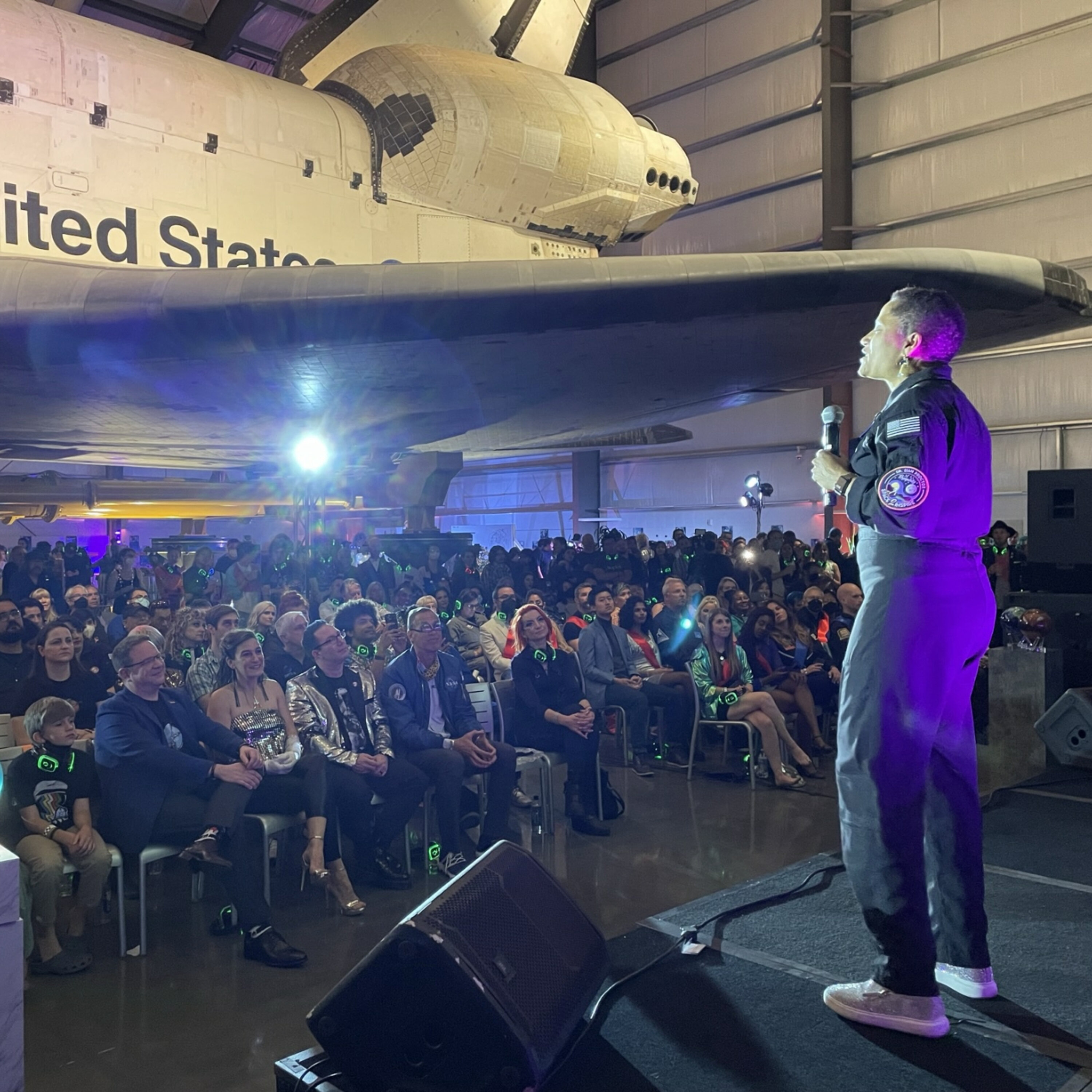
Yuri’s Night: Join the party!
Host Mat Kaplan joined the Los Angeles celebration of humanity becoming a spacefaring species. He talked with the Yuri’s Night founders and others under the Space Shuttle Endeavour. The much-anticipated Planetary Science and Astrobiology Decadal Survey was issued as we finished this week’s show. Planetary Society senior space policy adviser Casey Dreier will give us a brief overview of its recommendations. We’ll close with Bruce Betts and your chance to win a r-r-r-rubber asteroid in the space trivia contest. Discover more at https://www.planetary.org/planetary-radio/2022-yuris-nightSee omnystudio.com/listener for privacy information.
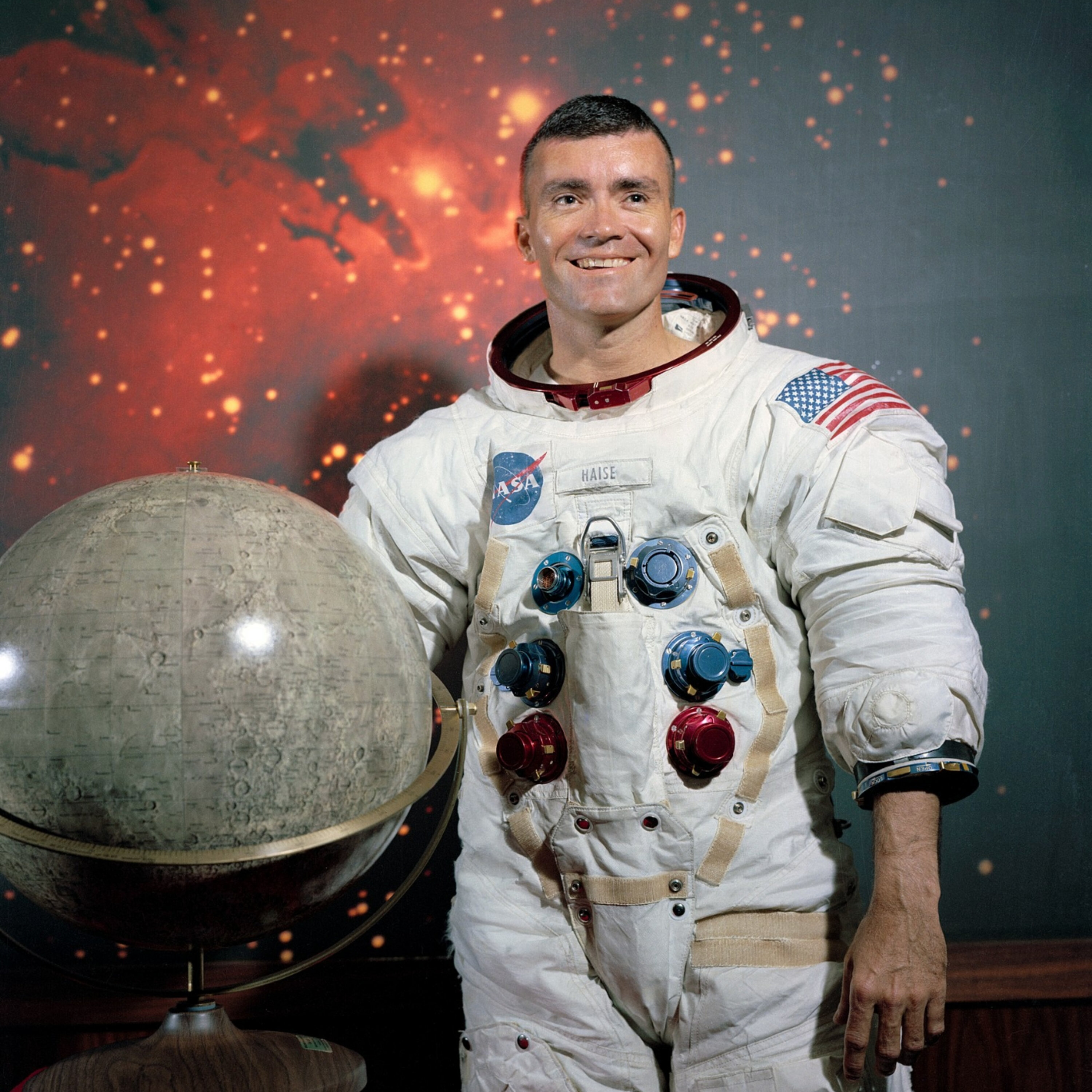
Apollo 13 astronaut Fred Haise
“Never panic early” is both Fred Haise’s motto and the title of his new memoir. Join us for a wonderful hour of stories about the Moon mission that almost didn’t make it home, along with Fred’s memories of the early days of the space shuttle, the International Space Station and much more. You’ll also have the chance to win a copy of his book when Bruce Betts arrives for What’s Up. Discover more at https://www.planetary.org/planetary-radio/2022-fred-haise-never-panic-earlySee omnystudio.com/listener for privacy information.
Space Policy Edition: NASA's 2023 Budget Request
The Biden administration is proposing $26 billion for NASA next year, with significant increases benefiting the Artemis program, Mars Sample Return and Earth Science missions. But not everything is good news: NEO Surveyor and Mars Ice Mapper are both slated for significant cuts, and inflation may take a bite out of any increases NASA would receive on paper. With Congress facing elections in the fall, how likely is it that NASA will get this funding? What consequences will this have on Planetary Society priorities? And what does this mean for the future of exploration? Chief Advocate Casey Dreier and host Mat Kaplan are joined by The Planetary Society's Chief of D.C. Operations, Brendan Curry, to explore NASA's next big budget. Discover more here: https://www.planetary.org/planetary-radio/nasa-budget-request-brendan-currySee omnystudio.com/listener for privacy information.
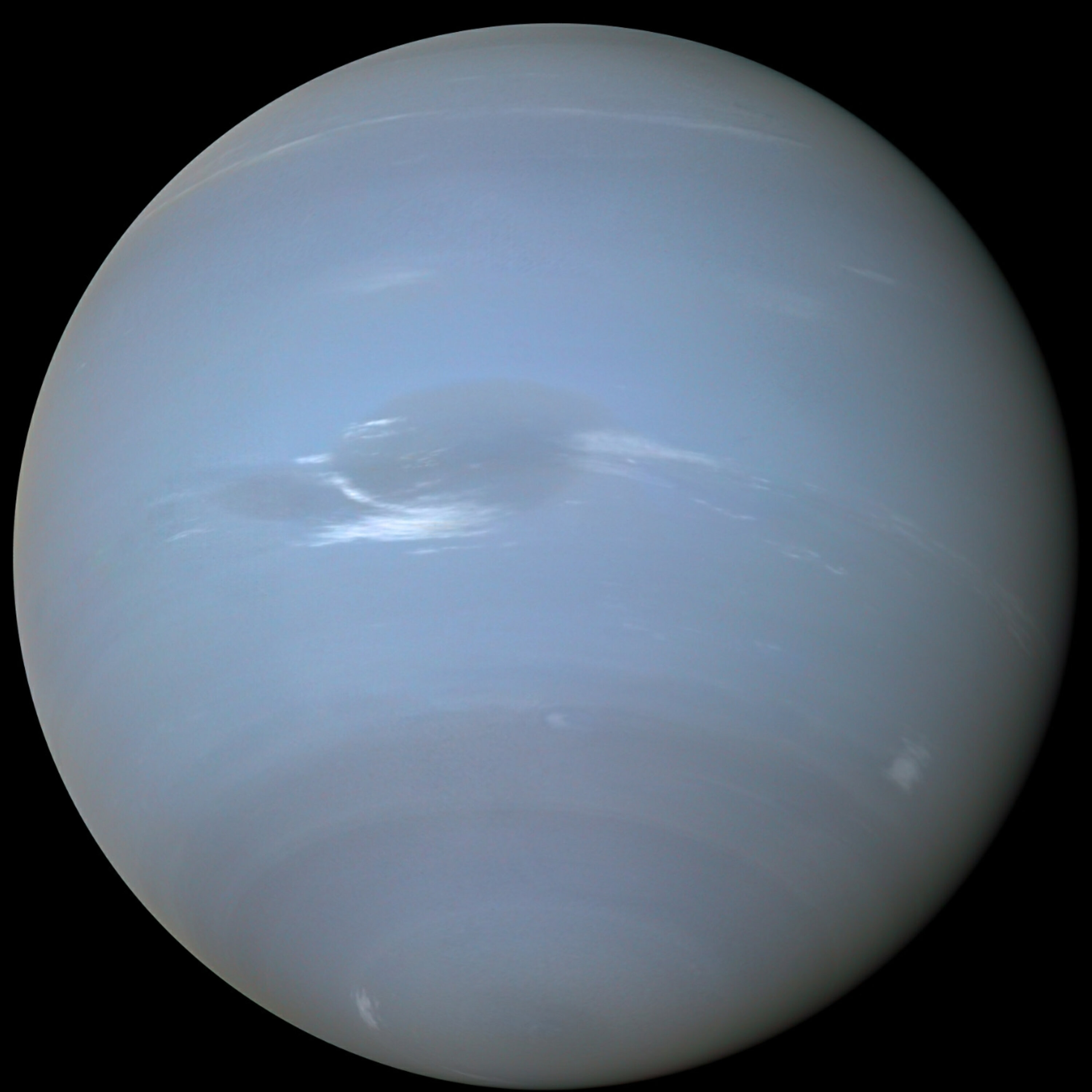
Neptune Odyssey: why we need to visit an ice giant
Recommendations made in the 2023-2032 Planetary Science and Astrobiology Decadal Survey will be revealed on April 19. One of the 11 design studies commissioned for the survey explores a flagship mission to Neptune. The Neptune Odyssey project engineer is Brenda Clyde. Her colleague, Kirby Runyon, is the project scientist. They’ll take us inside this exciting concept and remind us of why an ice giant orbiter is long overdue. Even Bruce Betts and Mat Kaplan were surprised by the answer to this week’s space trivia contest. You’ll hear it and more in What’s Up. Hear and discover more at https://www.planetary.org/planetary-radio/2022-brenda-clyde-kirby-runyon-neptune-odysseySee omnystudio.com/listener for privacy information.
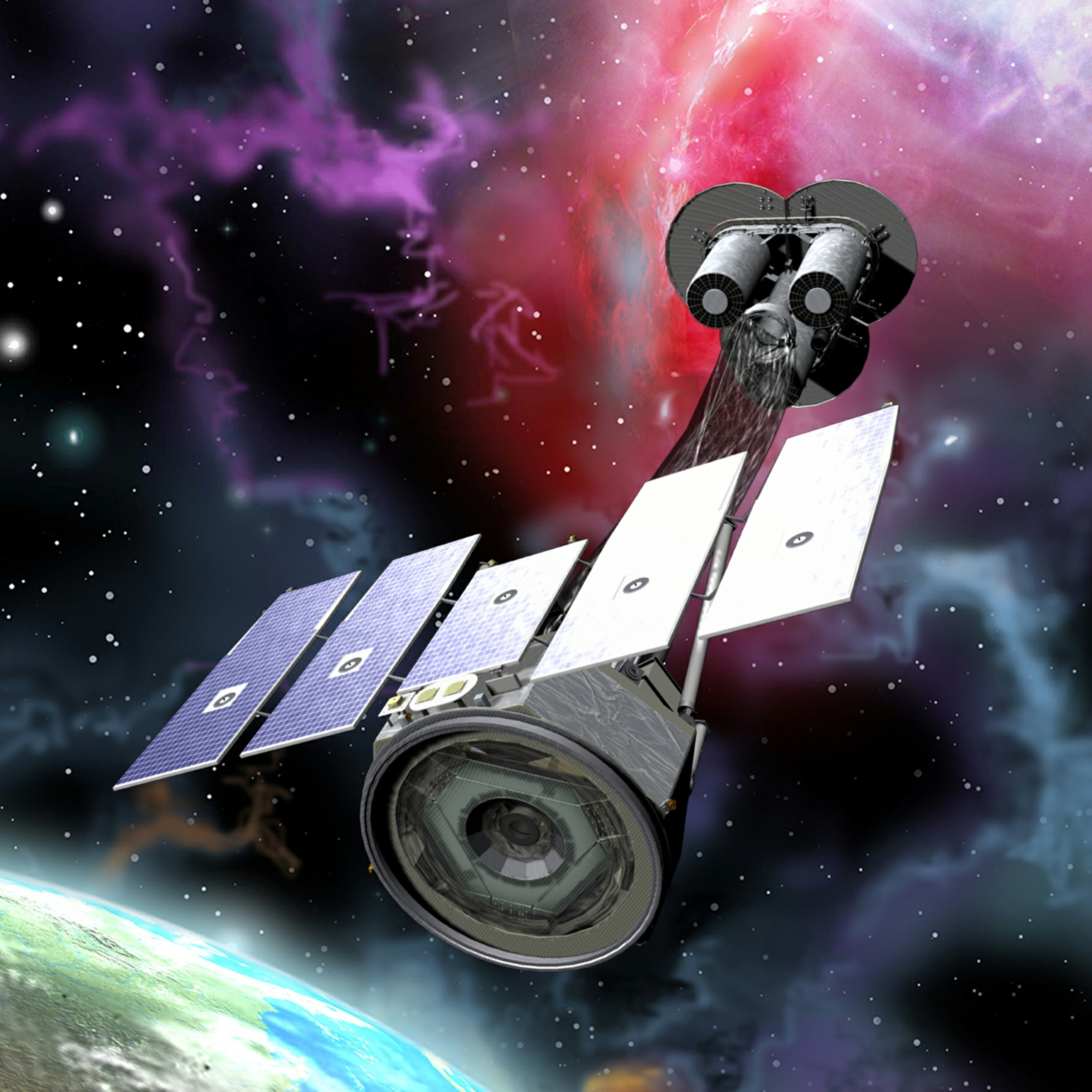
X-raying the universe with Martin Weisskopf
He helped invent X-ray astronomy more than 50 years ago. Martin Weisskopf still leads the field as project scientist for the spectacular Chandra X-ray Observatory and principal investigator for the brand new Imaging X-ray Polarimetry Explorer or IXPE. He’ll help us zero in on the most energetic and enigmatic objects in the cosmos. NASA’s fiscal year 2023 budget proposal has just been unveiled. Chief advocate Casey Dreier will break it down. We’ll close with the first words from the Moon in this week’s What’s Up. Discover more at https://www.planetary.org/planetary-radio/2022-martin-weisskopf-xipe-x-ray-astronomySee omnystudio.com/listener for privacy information.
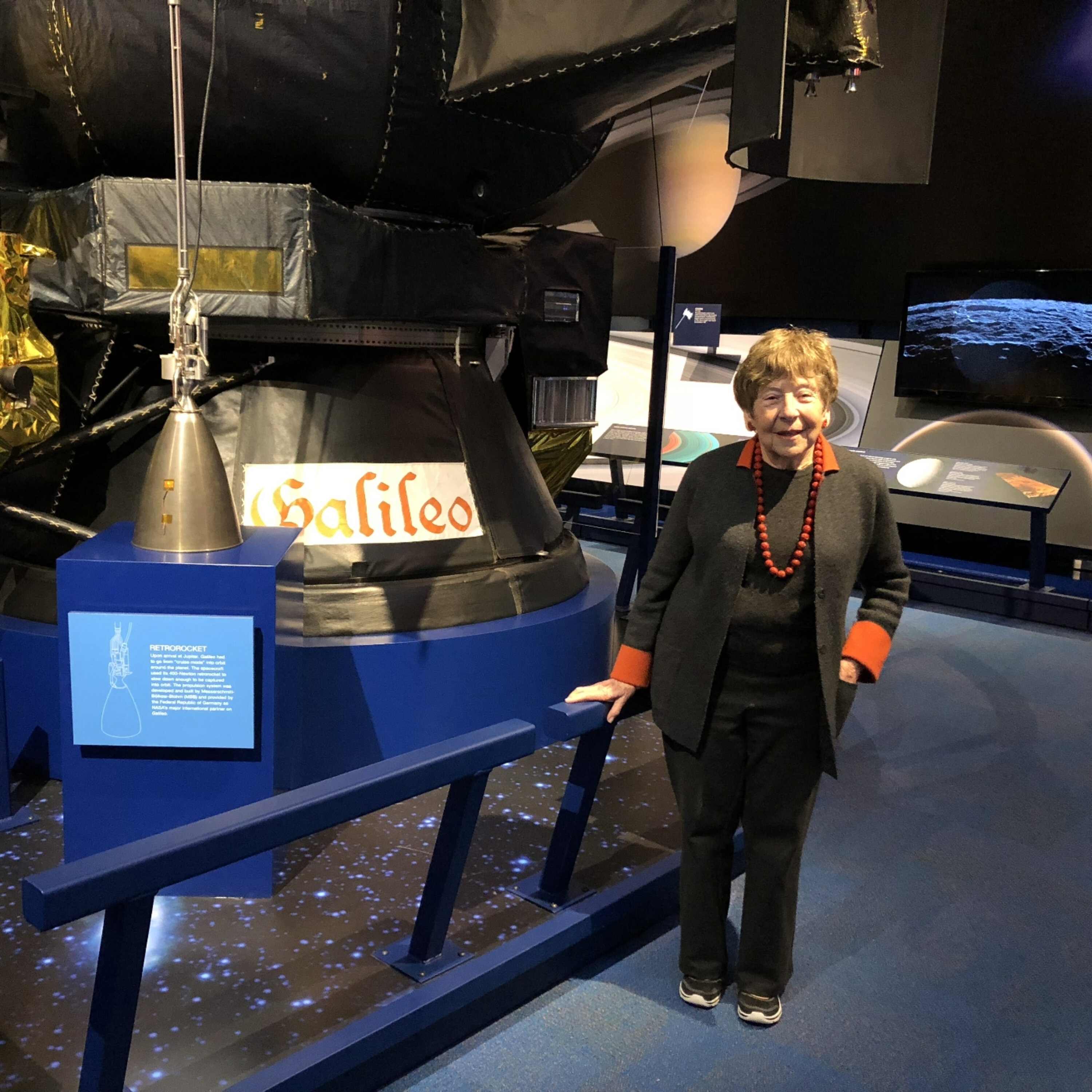
Legendary Space Physics Pioneer Margaret Kivelson
At 93, Margaret Kivelson is still at the center of space science and policy. In this charming conversation she shares anecdotes about her early life, how she entered the new field of space physics and some of her groundbreaking work, including discovery of convincing evidence for a saltwater ocean under the ice on Jupiter’s moon Europa. Bruce and Mat offer another great prize from Chop Shop in this week’s What’s Up space trivia contest. Discover more at https://www.planetary.org/planetary-radio/2022-margaret-kivelsonSee omnystudio.com/listener for privacy information.
Planetary Radio Special Edition: The Voyager Golden Record by Twenty Thousand Hertz
We are honored to offer you this outstanding episode of one of our favorite podcasts. Twenty Thousand Hertz reveals the stories behind the world's most recognizable and interesting sounds. Here they present the Voyager Golden Record carried by those beloved spacecraft that have departed our solar system on a journey to the stars. We hope you'll enjoy it as much as we have. We'll be back with a regular episode of Planetary Radio every Wednesday.See omnystudio.com/listener for privacy information.
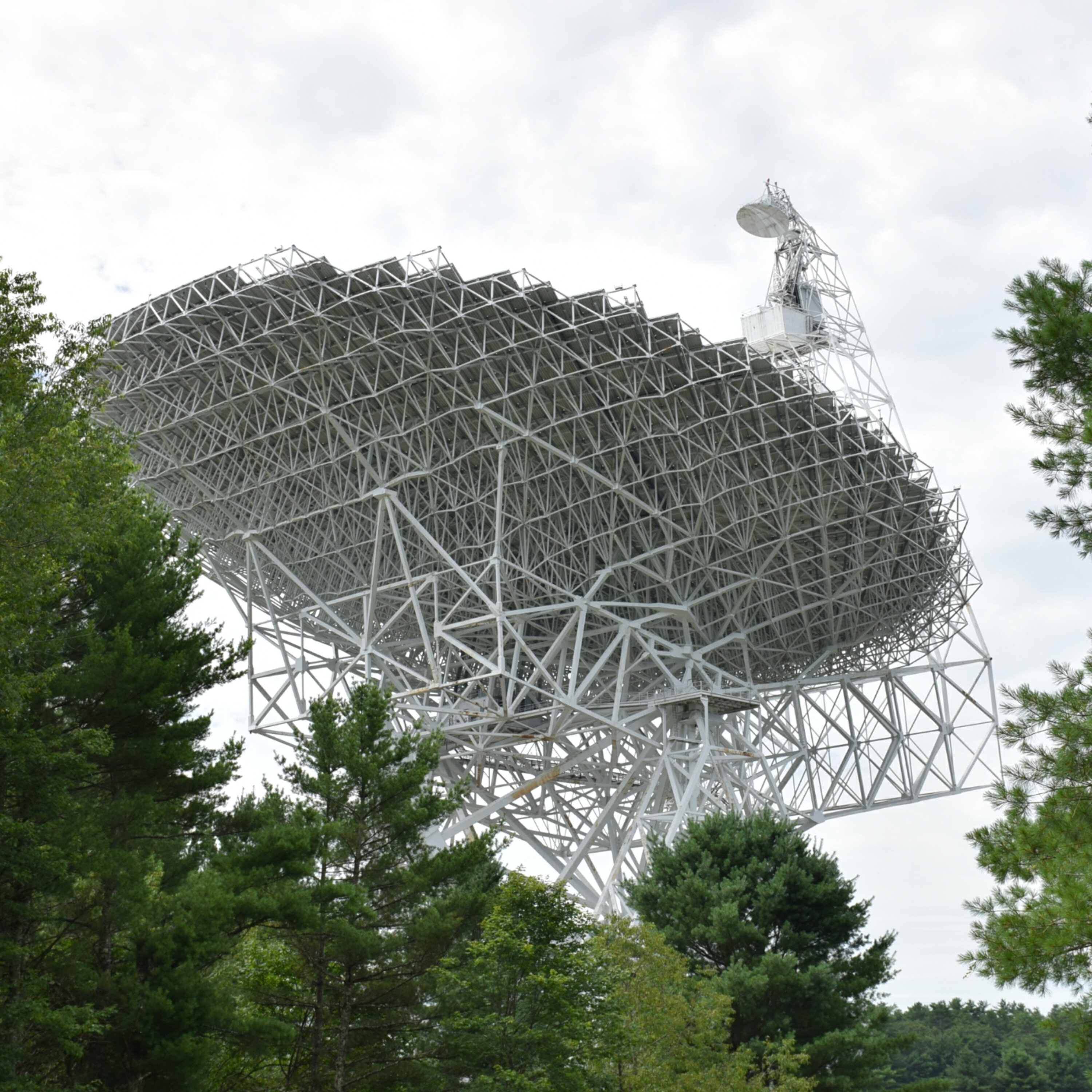
Meet the first STEP Grant awardees
Citizen scientists will soon have another opportunity to become part of the search for extraterrestrial intelligence, and an innovative project will use a subtle effect of sunlight to learn about near-Earth objects. These are the projects funded in the first round of The Planetary Society’s Science and Technology Empowered by the Public (STEP) grant program. We’ll meet the awardees after Society chief scientist Bruce Betts provides an overview. Bruce returns for this week’s What’s Up and the space trivia contest. Discover more at https://www.planetary.org/planetary-radio/2022-first-step-grant-awardeesSee omnystudio.com/listener for privacy information.

Water, water everywhere with Bethany Ehlmann
Planetary scientist Bethany Ehlmann has co-authored a paper presenting evidence that liquid surface water flowed on Mars as much as a billion years more recently than previously thought. That’s an extra billion years for possible life to have formed and thrived. We’ll also join Planetary Society editor Rae Paoletta as she explores water worlds throughout our solar system in a new article. Another great prize awaits the winner of the What’s Up space trivia contest. Discover more at https://www.planetary.org/planetary-radio/2022-bethany-ehlmann-mars-waterSee omnystudio.com/listener for privacy information.
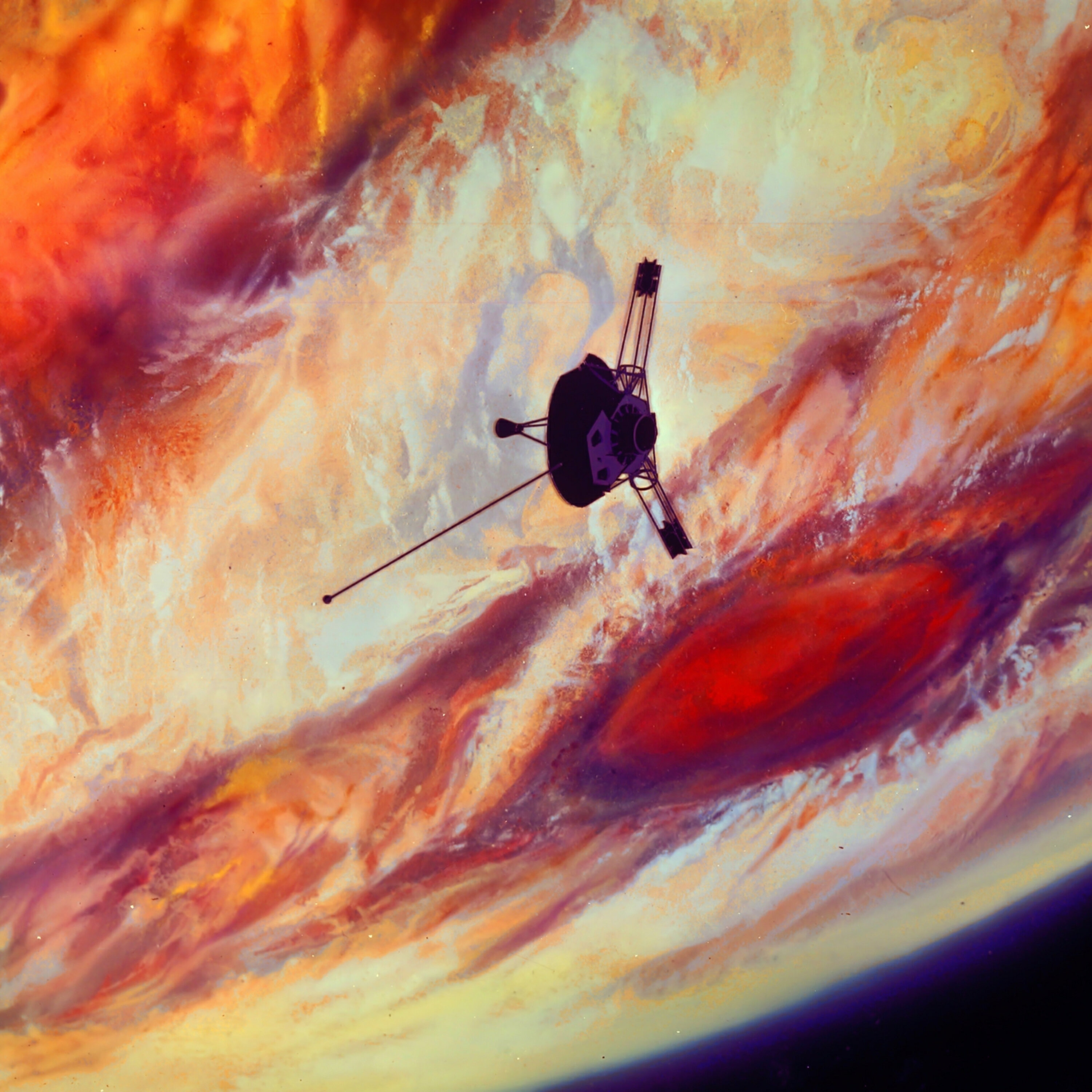
Space Policy Edition: Why are outer planets missions so expensive?
It's the 50th anniversary of Pioneer 10, the first spacecraft to the outer planets. Pioneers 10 and 11 were scrappy, low-cost endeavors that blazed the path for future exploration. But the future has been expensive: outer planets missions are some of the priciest planetary probes in history. Can we get back to a pioneering spirit and increase the frequency of outer planet exploration? To find out, we talk with Mark Wolverton, author of “The Depths of Space: The Story of the Pioneer Probes,” and Scott Bolton, principal investigator for Juno, the most affordable Jupiter mission in decades. Casey and Mat also discuss the dynamic and tragic situation in Ukraine, and its implications for space. Discover more here: https://www.planetary.org/planetary-radio/pioneer-10-and-11-bolton-wolvertonSee omnystudio.com/listener for privacy information.
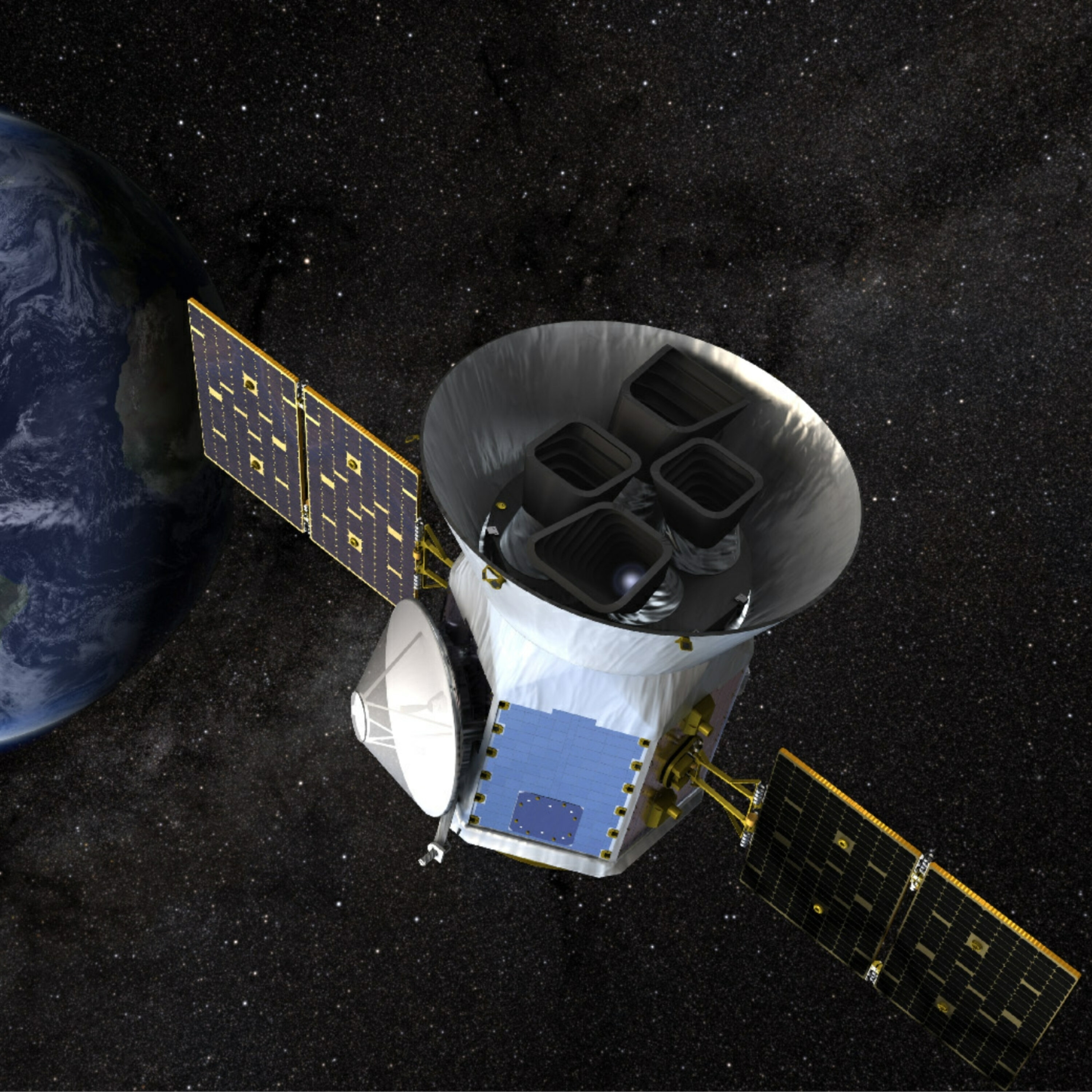
5,000 worlds and counting: the success of TESS
Michelle Kunimoto was one of Forbes magazine’s 30 Under 30 in science. Now she leads the most successful search for exoplanets that relies on data delivered by the Transiting Exoplanet Survey Satellite or TESS. She shares this fast-growing catalog of worlds in her first Planetary Radio conversation. Bruce Betts and Mat Kaplan also kick off a new series of great prizes in the What’s Up space trivia contest. Discover more at https://www.planetary.org/planetary-radio/2022-michelle-kunimoto-tessSee omnystudio.com/listener for privacy information.
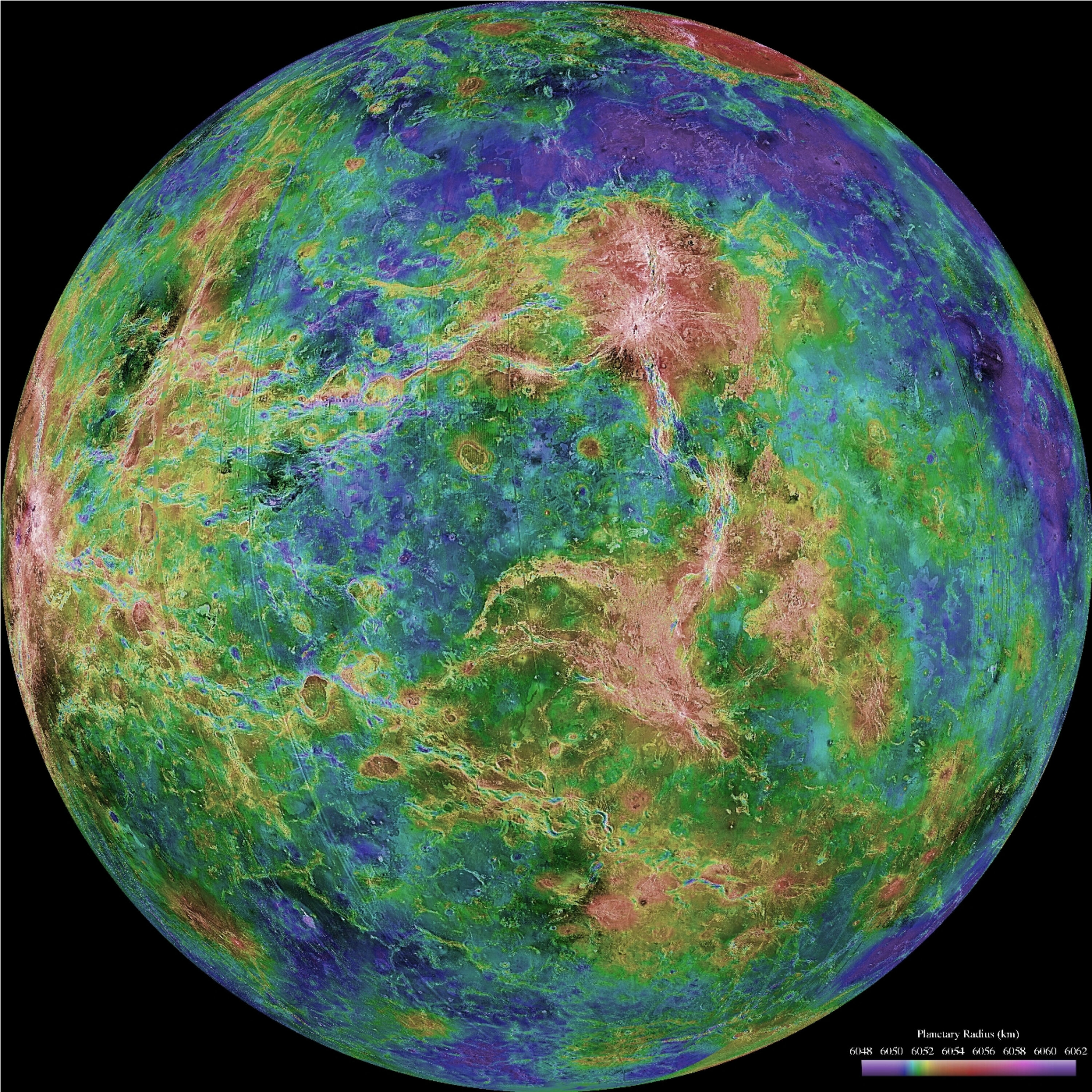
Astrobiologist David Grinspoon on life, the universe and everything
Astrobiologist, planetary scientist, author and science communicator David Grinspoon has just been named a lifetime fellow of the American Association for the Advancement of Science. He returns to Planetary Radio for a wide-ranging conversation about the state of our search for life across the solar system and beyond. We also learn what it was like to grow up in a home visited regularly by Carl Sagan and Isaac Asimov. Plus, get out your pencils and calculators! Bruce Betts delivers another cosmic arithmetic challenge in the space trivia contest. Discover more at https://www.planetary.org/planetary-radio/2022-david-grinspoonSee omnystudio.com/listener for privacy information.
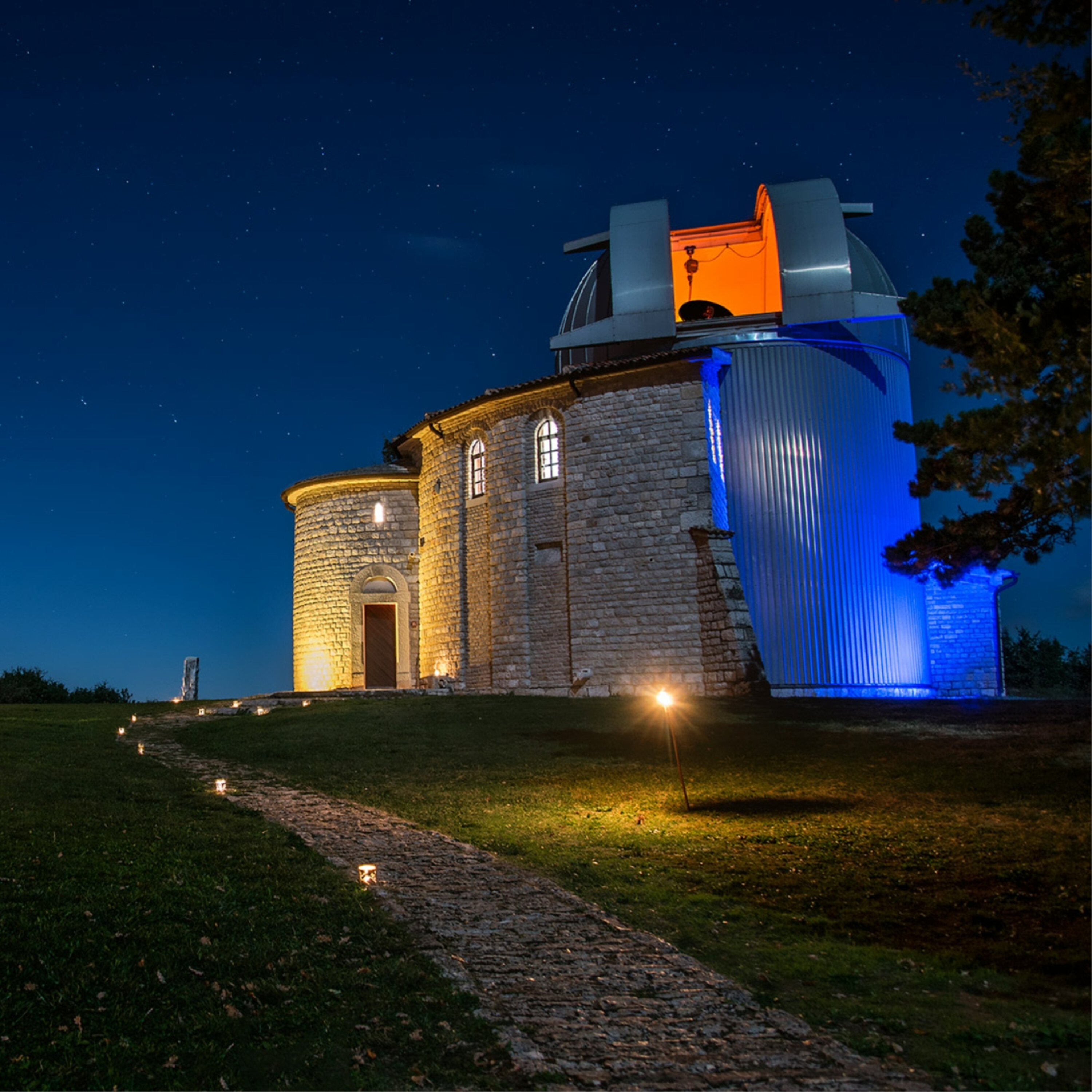
Saving the world one telescope at a time: The Shoemaker NEO grant winne
The Planetary Society has awarded another eight Gene Shoemaker near-Earth object grants to outstanding amateur astronomers and observatories around the world. We’ll meet recipients from Chile, Croatia and the United States after chief scientist Bruce Betts tells us about the program. Bruce will then return with Mat Kaplan for yet another What’s Up tour of the sky and a new space trivia contest. Discover more at https://www.planetary.org/planetary-radio/2022-shoemaker-neo-awardsSee omnystudio.com/listener for privacy information.
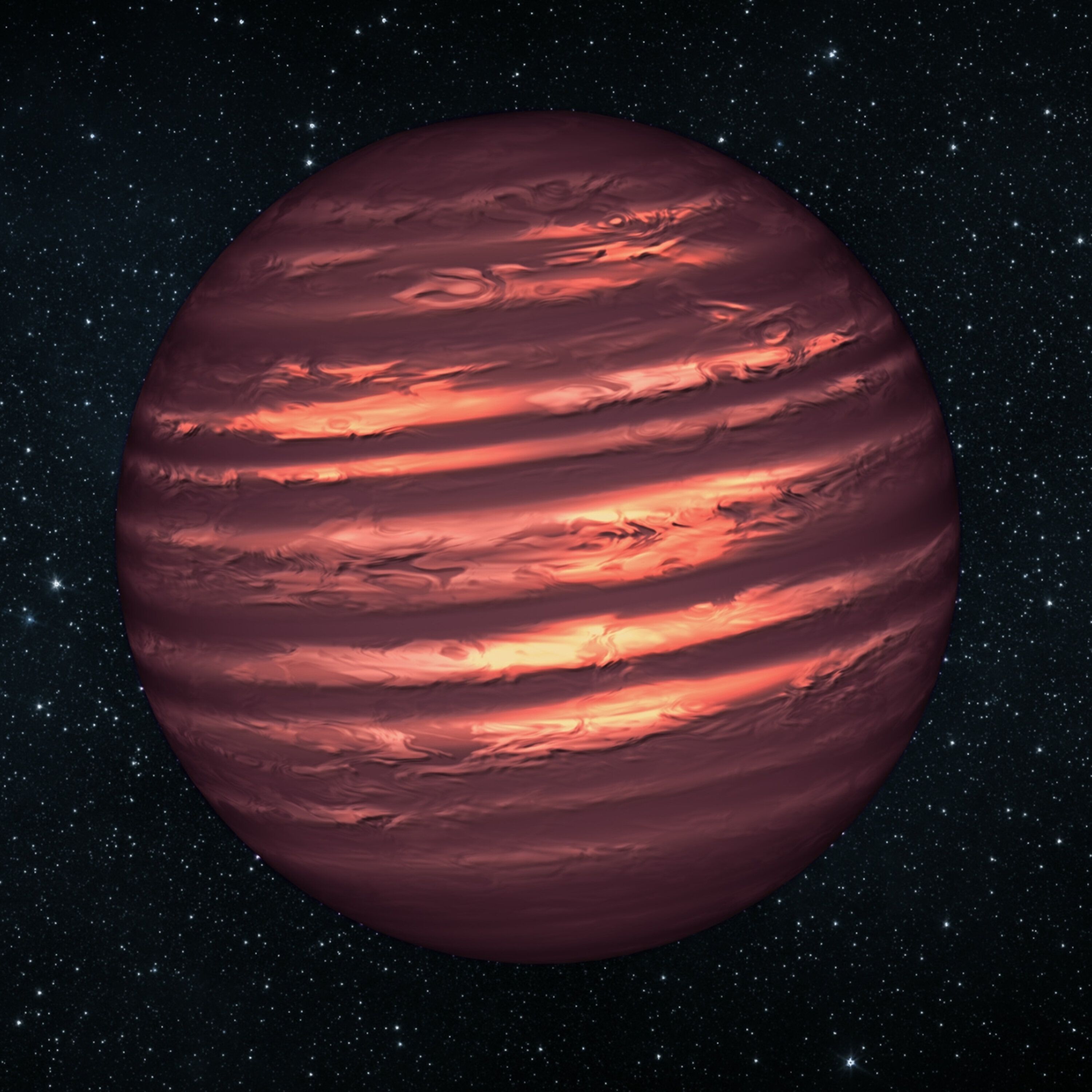
The weather on brown dwarfs, and worlds on the eve of destruction
Astrophysicists Sam Grunblatt and Johanna Vos are colleagues at the American Museum of Natural History in New York. Sam’s team has discovered giant worlds that are about to be devoured by their expanding stars, while Johanna has detected weather on brown dwarfs, those plentiful worlds that are bigger than planets but smaller than stars. Later, Bruce Betts takes the Olympics beyond the edge of our solar system with this week’s space trivia contest. Discover more at https://www.planetary.org/planetary-radio/2022-grunblatt-vos-brown-dwarfs-giant-worlds-near-endSee omnystudio.com/listener for privacy information.

Space Policy Edition: JWST and the politics of mega-science (with Robert Smith)
Robert Smith shares the story of how the astronomical community decided upon the JWST as the follow-up to the Hubble Space Telescope, the coalition politics required for mega-projects like Hubble and JWST, and how that dynamic shapes modern science. Dr. Smith holds a Ph.D. in the history and philosophy of science from the University of Cambridge. He is a professor at the University of Alberta. His book, The Space Telescope: A Study of NASA, Science, Technology, and Politics, was released in 1989. Discover more here: https://www.planetary.org/planetary-radio/robert-smith-jwst-big-scienceSee omnystudio.com/listener for privacy information.
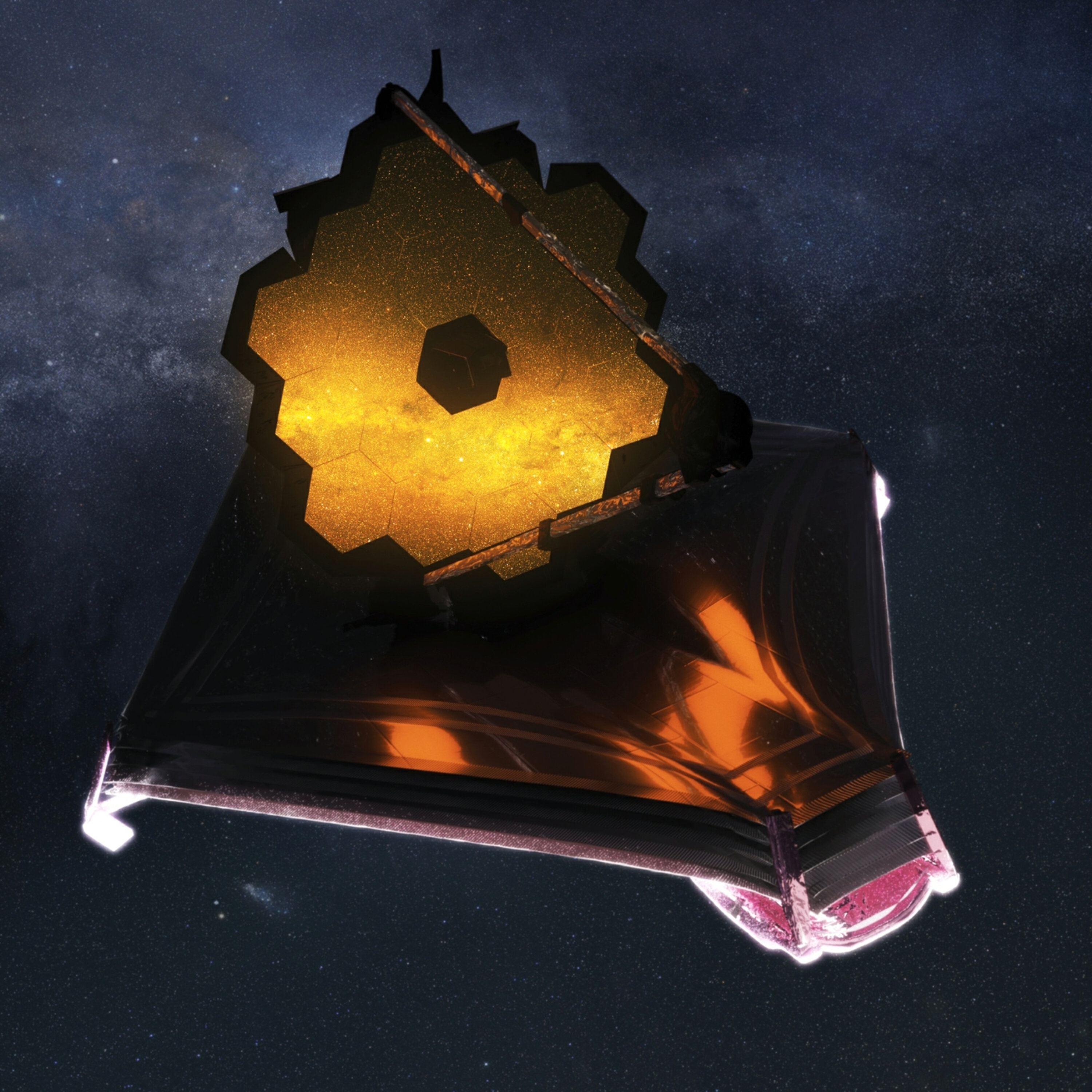
Nobel laureate John Mather: The promise of the James Webb Space Telescope
The JWST’s instruments have been turned on. Now begins the months-long preparation for observations that will reveal our universe as never before. 2006 Nobel Prize for Physics laureate John Mather is the senior project scientist for the new telescope. He shares his hope for what’s to come and a look back at how this mighty instrument came to be. He and Mat Kaplan also take a deep dive into the origin of the cosmos. Bruce Betts says early risers have a treat waiting for them in the predawn sky. Discover more at https://www.planetary.org/planetary-radio/2022-john-mather-jwstSee omnystudio.com/listener for privacy information.
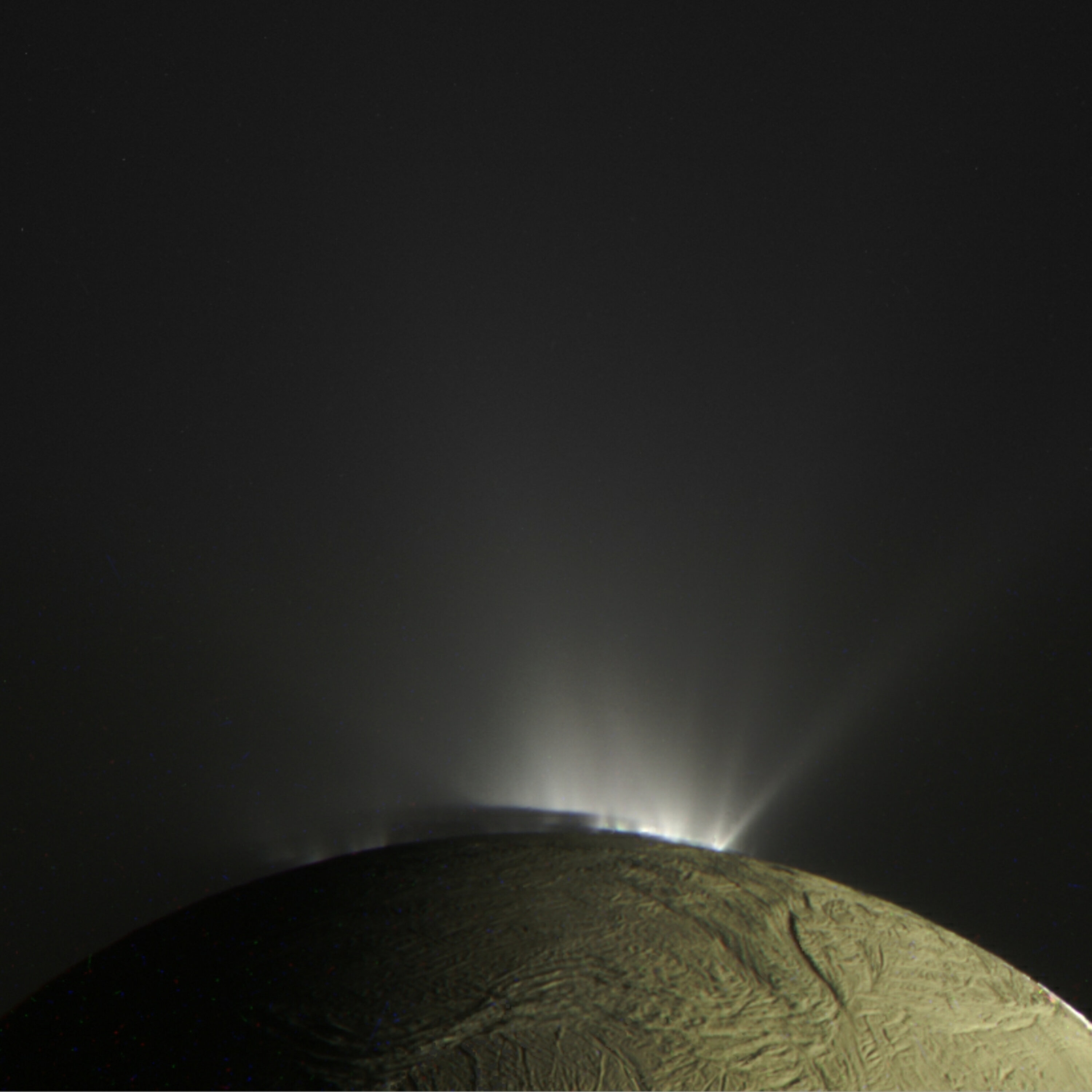
Worlds of snow and ice
From Venus to Pluto, our solar system contains a myriad of planets, moons and other bodies whose surfaces are covered in snow and ice made of water and other exotic stuff. Saturn’s moon Enceladus is among the most intriguing. Colin Meyer, Jacob Buffo and their associates have modeled its ice and the plumes that emanate from the moon’s south pole. These geysers may not originate in the ocean deep below. Planetary Society editor Rae Paoletta is also fascinated by the worlds with ice-like deposits and activity. Bruce Betts keeps us out there with a Titanic random space fact and a new space trivia contest. Discover more at https://www.planetary.org/planetary-radio/2022-meyer-buffo-enceladus-plumesSee omnystudio.com/listener for privacy information.
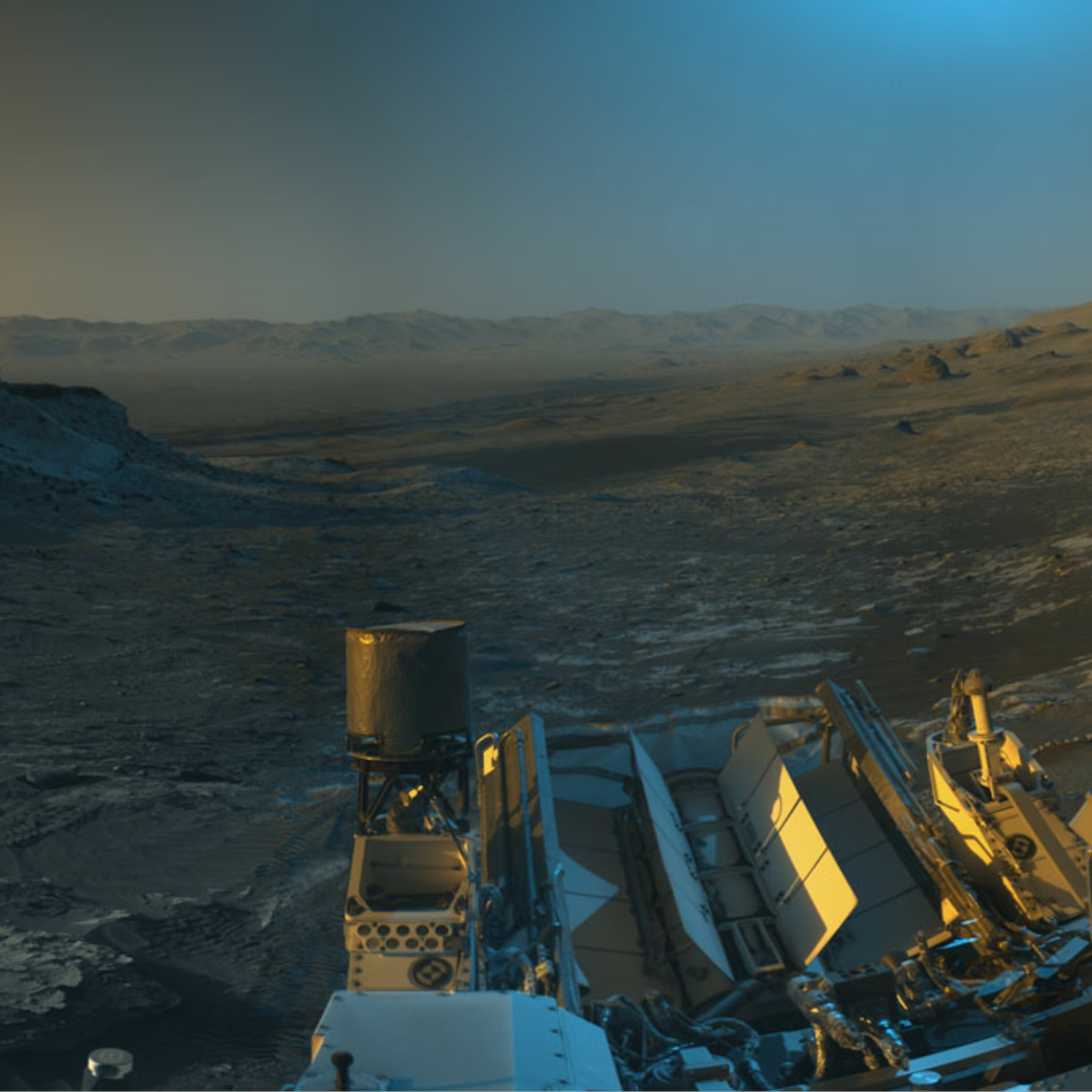
Curiosity rolls on: Mars Science Laboratory project scientist Ashwin Vasavada
We are approaching the 10th anniversary of Curiosity’s arrival in the Red Planet’s Gale crater. The rolling laboratory is still making profound discoveries as it reveals beautiful vistas and closeups. Project scientist Ashwin Vasavada shares some of the most significant finds in the last year. We’re deep into winter in the northern hemisphere, making Orion, Mat Kaplan’s favorite constellation, hard to miss in the night sky. Bruce Betts tells us there’s much more to see in this week’s What’s Up. Discover more at https://www.planetary.org/planetary-radio/2022-ashwin-vasavada-curiosity-updateSee omnystudio.com/listener for privacy information.
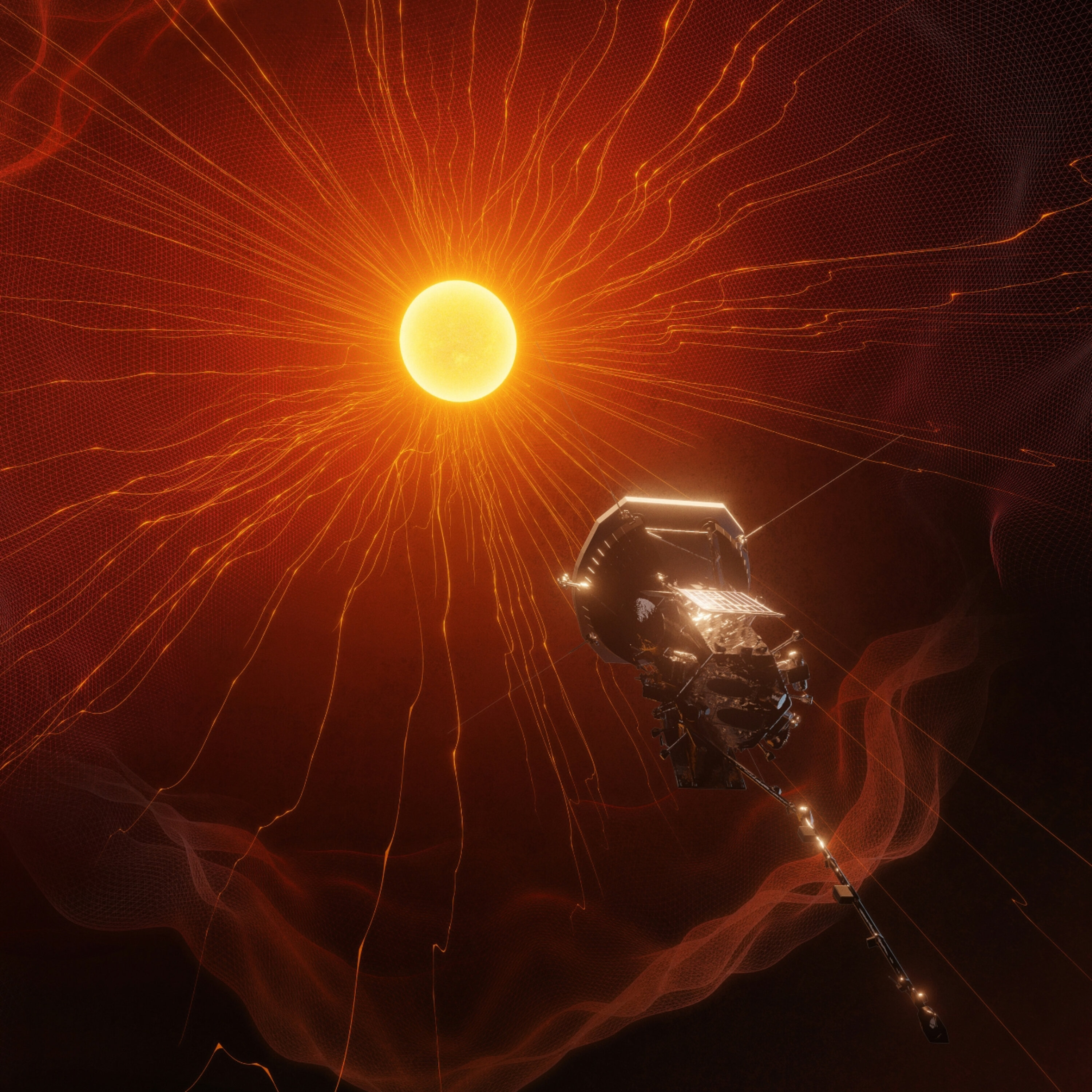
We have touched the Sun: The Parker Solar Probe’s triumph
The Parker Solar Probe dipped within the corona on its eighth encounter with our star. It found phenomena that have surprised and delighted heliophysicists, and it captured a movie that is one of the greatest space videos ever. We’ll talk about these and more with Nicola “Nicky” Fox, director of NASA’s Heliophysics Division, and Nour Raouafi, the mission’s project scientist. Get out your calculators! Winning the new space trivia contest will require some basic arithmetic. Discover more at https://www.planetary.org/planetary-radio/2022-fox-raouafi-parker-solar-probeSee omnystudio.com/listener for privacy information.

Space Policy Edition: What We're Watching in 2022
New rockets, new legislation, and a new direction for planetary exploration are just some of the major events happening in space in the coming year. D.C. Operations Chief Brendan Curry returns to the show to explore these and other issues that will shape the next decade of space exploration and occupy The Planetary Society's advocacy and policy team in 2022. Discover more here: https://www.planetary.org/planetary-radio/2022-preview-curry-dreierSee omnystudio.com/listener for privacy information.
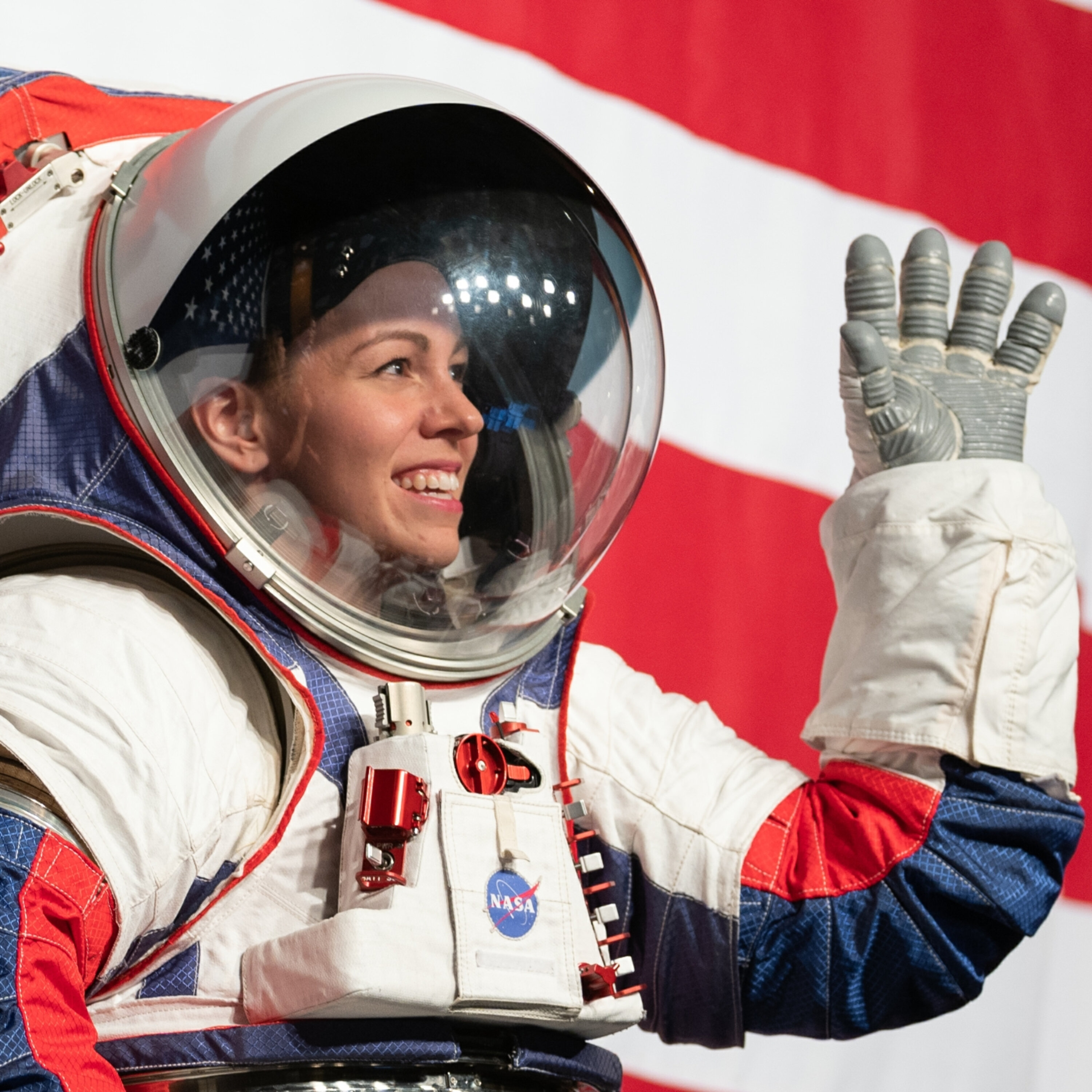
Return to the Moon: Spacesuits and preparing for splashdown in the Pacific
NASA’s Artemis program aims to return humans to the Moon for the first time since 1972. We visit Naval Base San Diego to board the USS John P. Murtha, the ship that may recover the uncrewed Artemis 1 Orion capsule when it returns from the Moon this year. Next, Daniel Kopp of ILC Dover tells us about work underway to create the next moonsuit. Every Apollo moonwalker wore an ILC Dover spacesuit, as do most of the astronauts who go outside the International Space Station. What’s Up? That’s the question chief scientist Bruce Betts answers each week. Explore more at https://www.planetary.org/planetary-radio/2022-ilc-dover-moonsuit-navy-orion-recovery-exerciseSee omnystudio.com/listener for privacy information.
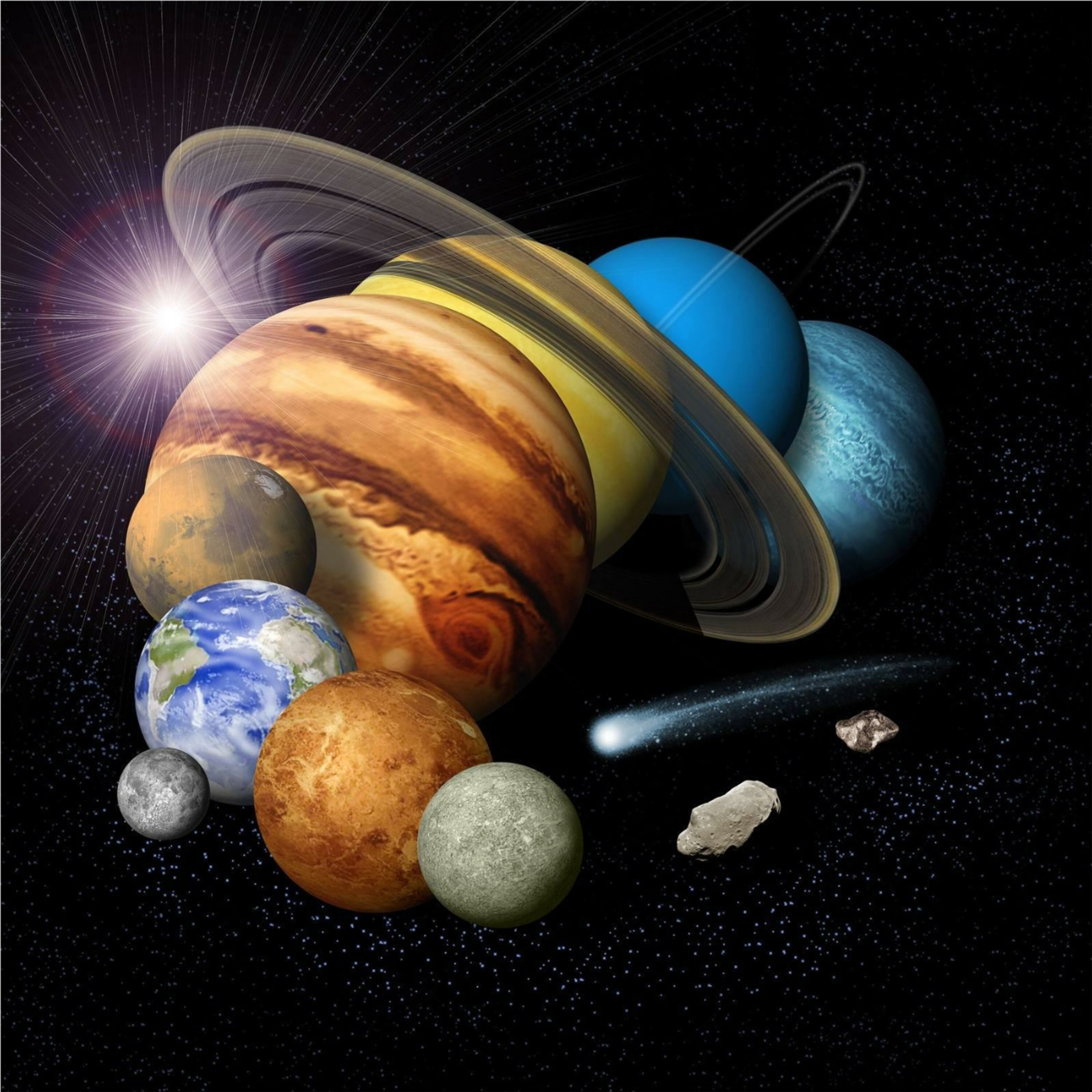
A good year for space: Planetary Society all-stars review 2021
Mat Kaplan and six Planetary Society colleagues review a year full of accomplishments, firsts and exciting discoveries. Society CEO Bill Nye opens the show with a celebration of the James Webb Space Telescope’s launch. Next is a round robin discussion with Jason Davis, Casey Dreier, Kate Howells, and Rae Paoletta. We close with Bruce Betts’ recap of the LightSail 2 mission right after he offers a new What’s Up space trivia contest. Explore more at https://www.planetary.org/planetary-radio/2021-year-in-review.See omnystudio.com/listener for privacy information.

Discovering Mars with Jim Bell and William Sheehan
Space historian William Sheehan and planetary scientist Jim Bell have written a fascinating history of humankind’s at least 5,000-year relationship with the Red Planet. “Discovering Mars” is filled with anecdotes about the people who have revealed Mars. The chronicle includes Mars helicopter Ingenuity’s flights and then looks to the future of exploration. Someone will win the book in Bruce Betts’ latest What’s Up space trivia contest. Discover more at https://www.planetary.org/planetary-radio/2021-discovering-mars-book-bell-sheehanSee omnystudio.com/listener for privacy information.
JWST is ready for launch and amazing science
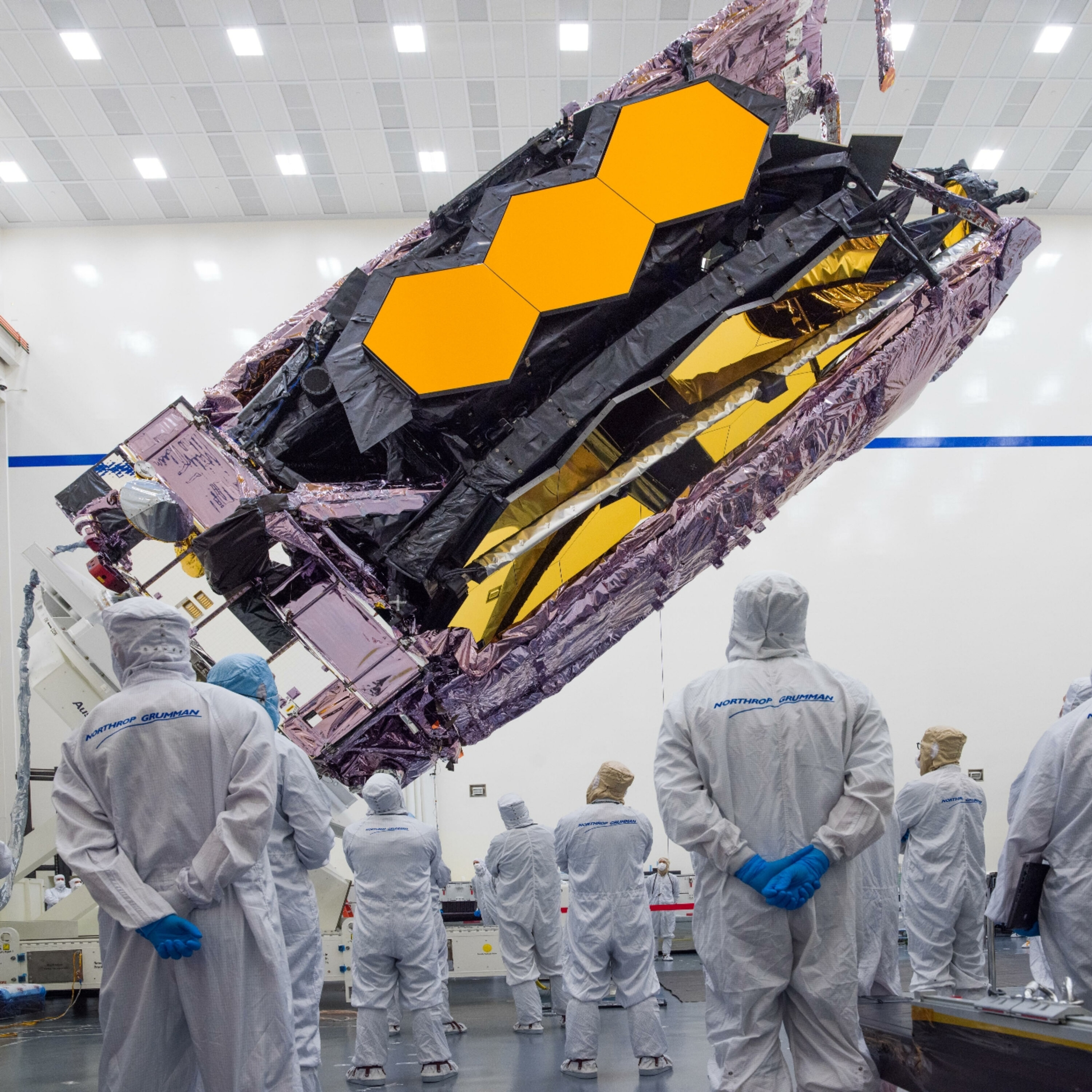
The James Webb Space Telescope will begin its mission of discovery as soon as Dec. 24. René Doyon, Heidi Hammel and Mike McElwain join us for a conversation about what it may reveal from our solar system to the edge of the universe. Doyon is principal investigator for the telescope’s NIRISS imaging spectrograph, Hammel is vice president for science at the Association of University for Research in Astronomy (AURA) and McElwain of the Goddard Space Flight Center is the JWST Observatory project scientist. What do chief scientist Bruce Betts and a horse have in common? Find out in the What’s Up space trivia contest. There’s always more to explore at https://www.planetary.org/planetary-radio/2021-jwst-pre-launch-rene-doyon-heidi-hammel-mike-mcelwainSee omnystudio.com/listener for privacy information.

A conversation with the director of “Don’t Look Up”
The plot of the great new movie “Don’t Look Up” is driven by a giant comet speeding toward Earth and the scientists who want to divert it. Adam McKay directed this dark comedy. He and real-life planetary defense expert Amy Mainzer talk with Mat Kaplan about the science, the scientists, and much more. Then a group of Planetary Society colleagues share their thoughts about the film. Fans of Dr. Seuss will find something special in this week’s What’s Up with Bruce Betts. There’s always more to explore at https://www.planetary.org/planetary-radio/2021-adam-mckay-amy-mainzer-dont-look-upSee omnystudio.com/listener for privacy information.

Space Policy Edition: Astronomy Goes Big, with Heidi Hammel
The search for biosignatures on hundreds of exoplanets is the top goal for U.S. astronomers. That's the conclusion from the new, once-per-decade report from the National Academy of Sciences: Pathways to Discovery. In it, the field of astrophysics is analyzed and prioritized: establishing the major scientific questions, the tools to answer them, and how to best engage the human talent necessary to enable our continued investigation of the cosmos. Dr. Heidi Hammel, astronomer, Vice-President for Science at the Association of Universities for Research in Astronomy, and Vice President of The Planetary Society joins us to discuss the new results and what it means for the future of astronomy. Discover more here: https://www.planetary.org/planetary-radio/heidi-hammel-astrophysics-decadalSee omnystudio.com/listener for privacy information.
Discovering life elsewhere: How can we be sure?
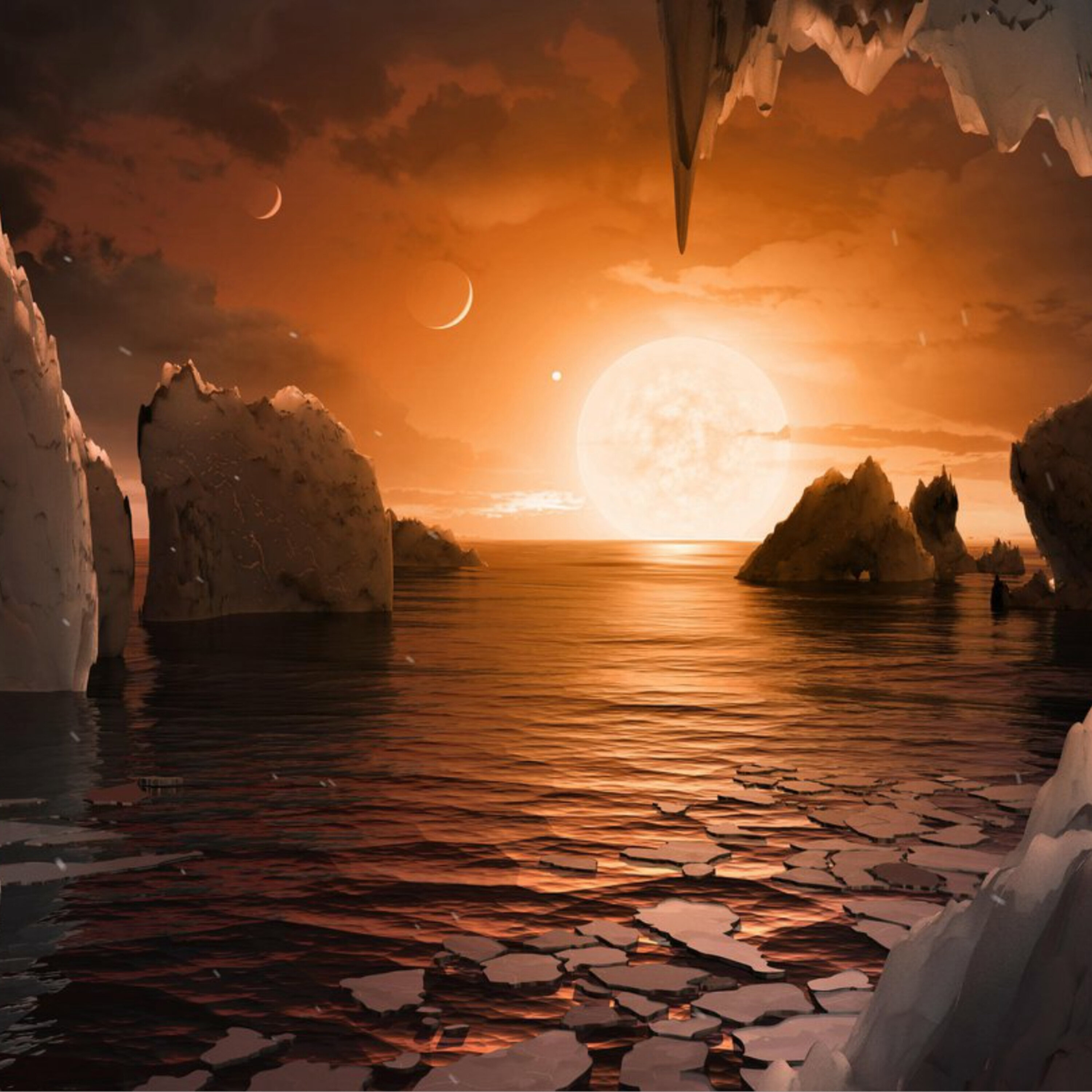
Is it life? NASA chief scientist Jim Green and Mary Voytek, leader of the agency’s astrobiology program, are two authors of a paper that calls for a system or scale that will allow scientists and others to evaluate the validity and importance of evidence that points to life elsewhere in the solar system or across the galaxy. Planetary Society communications strategy adviser Kate Howells shares our gift list for the space fan in your life, while Bruce Betts takes us across the night sky toward a new space trivia contest. There’s more to explore at https://www.planetary.org/planetary-radio/2021-jim-green-mary-voytek-astrobiology-scaleSee omnystudio.com/listener for privacy information.
Into the anthropocosmos with Ariel Ekblaw
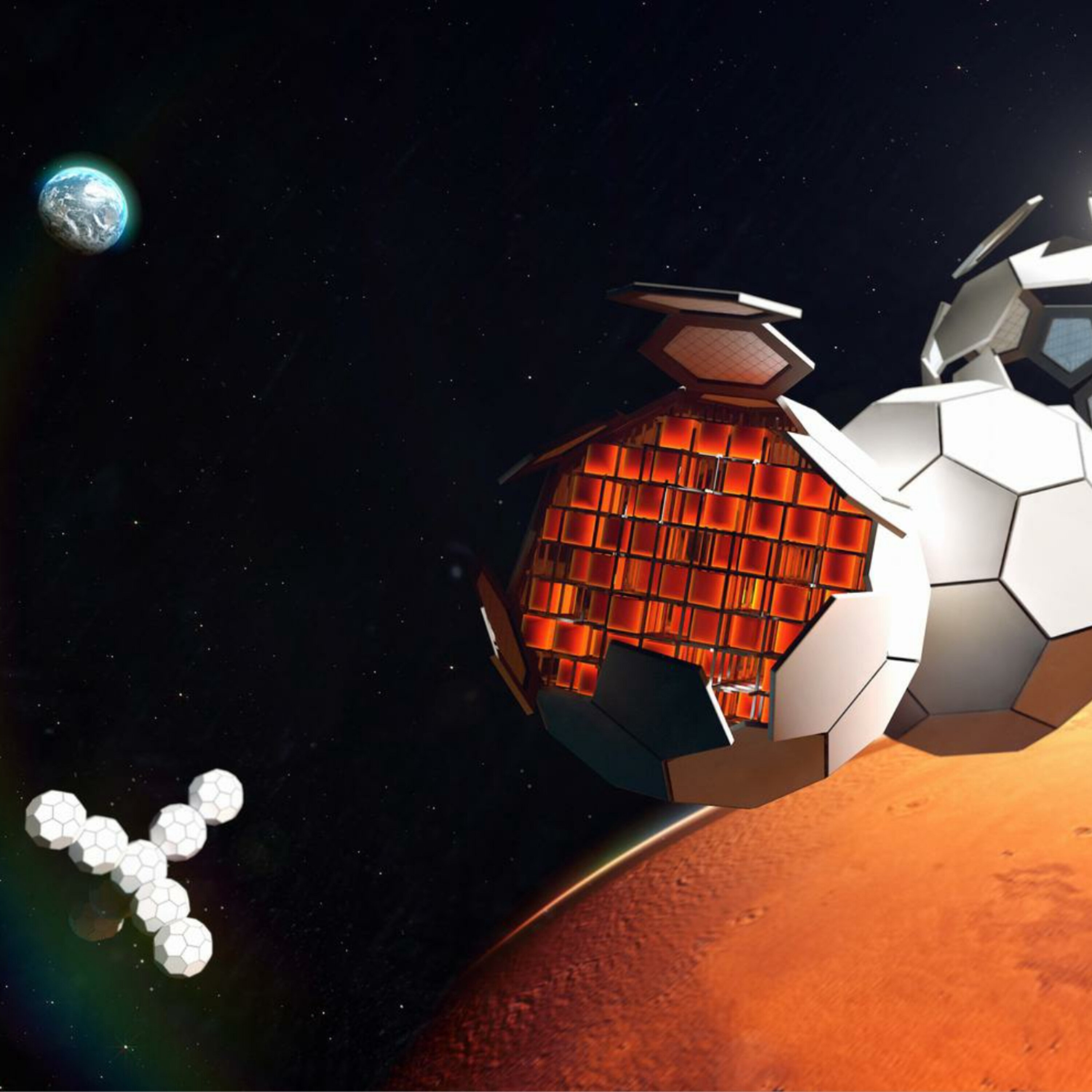
Ariel Ekblaw and her Space Exploration Initiative colleagues believe we are at the cusp of interplanetary civilization. They are building the tools, environments and knowledge that will speed the transition and solve problems on Earth. Ariel has published Into the Anthropocosmos, a beautiful celebration of SEI’s fifth anniversary that presents many of its innovative projects. Someone will win a copy of the book in the new What’s Up space trivia contest. There’s more to explore at https://www.planetary.org/planetary-radio/2021-ariel-ekblaw-mit-space-exploration-initiativeSee omnystudio.com/listener for privacy information.
The DART asteroid impact mission begins, with Nancy Chabot
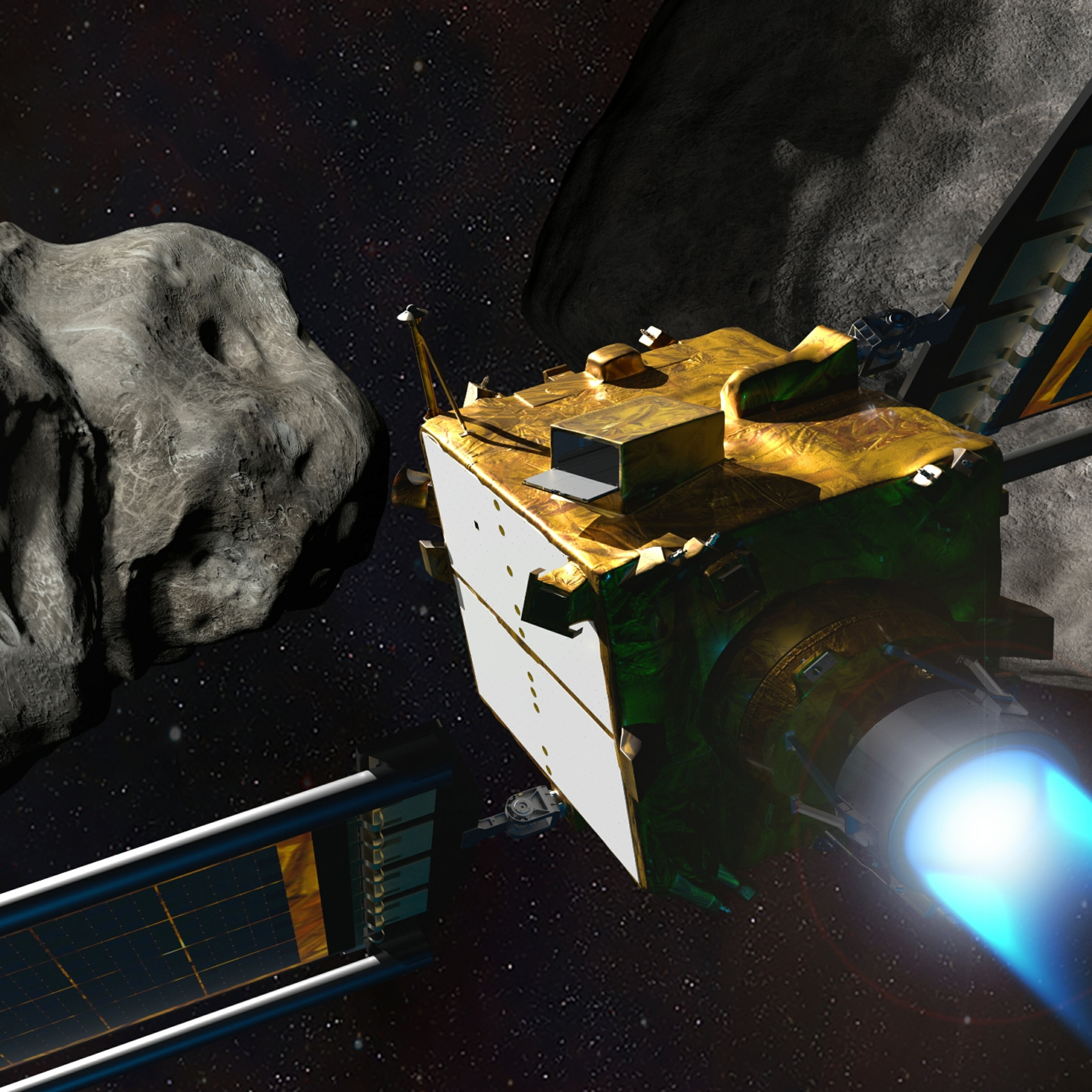
DART coordination lead Nancy Chabot and the rest of the Double Asteroid Redirection Test team will see their spacecraft rocket toward asteroids Didymos and Dimorphos in a few days. She returns to Planetary Radio with a preview of the mission and its difficult challenge. Planetary Society editor Rae Paoletta takes us on a brief tour of the solar system’s volcanoes, and a special guest joins Bruce Betts and Mat Kaplan for What’s Up. There’s more to explore at https://www.planetary.org/planetary-radio/2021-dart-launch-nancy-chabotSee omnystudio.com/listener for privacy information.
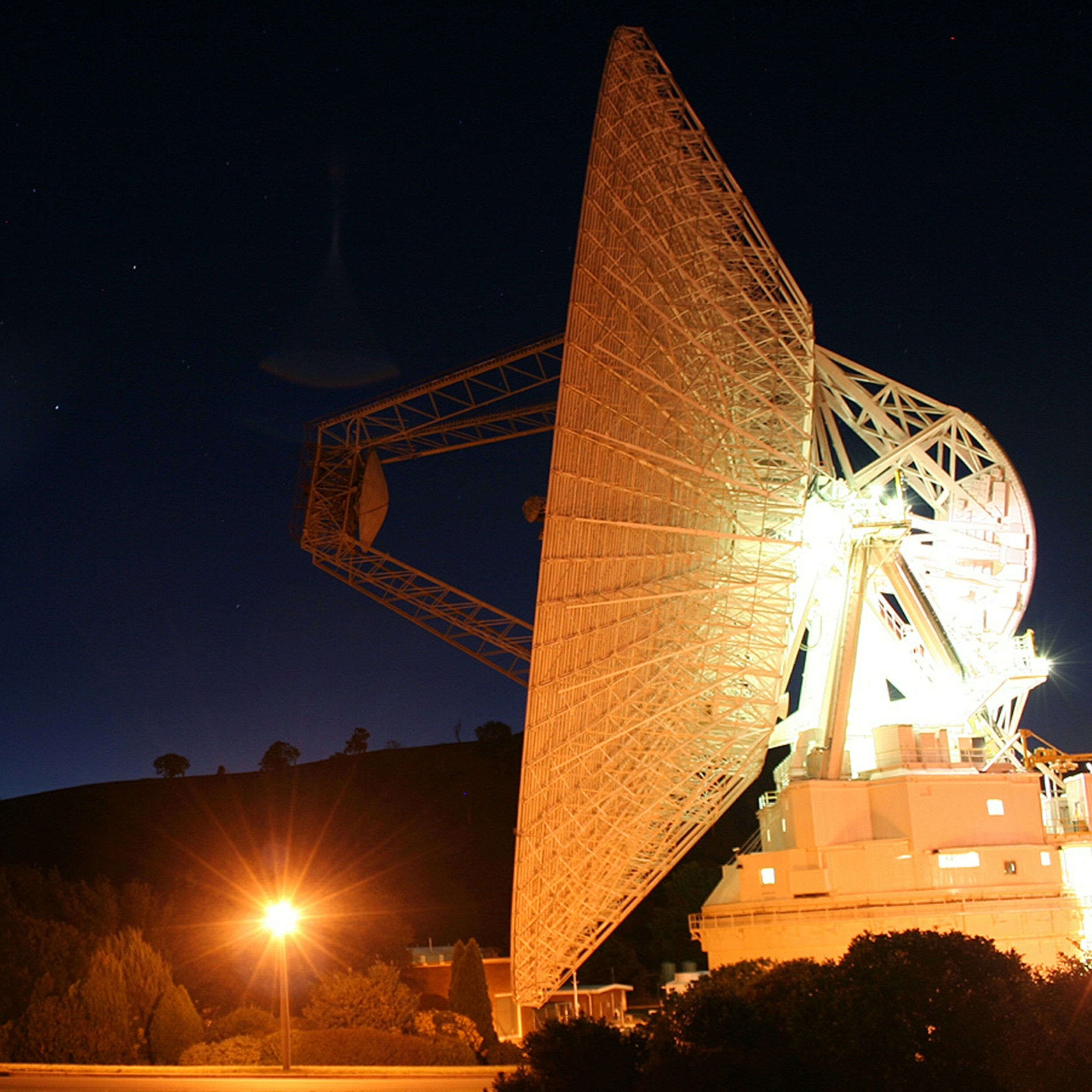
Spacecraft communications and navigation with Badri Younes
Badri Younes says that a spacecraft that can’t communicate or find its way is worthless. He leads SCaN, NASA’s Space Communications and Navigation program, which manages resources like the agency’s Deep Space Network. SCaN is also preparing for a future that relies on optical communication and possibly even quantum computing. Younes takes us on an audio tour of SCaN’s work that extends beyond our solar system. There’s more to explore at https://www.planetary.org/planetary-radio/2021-badri-younes-nasa-scanSee omnystudio.com/listener for privacy information.
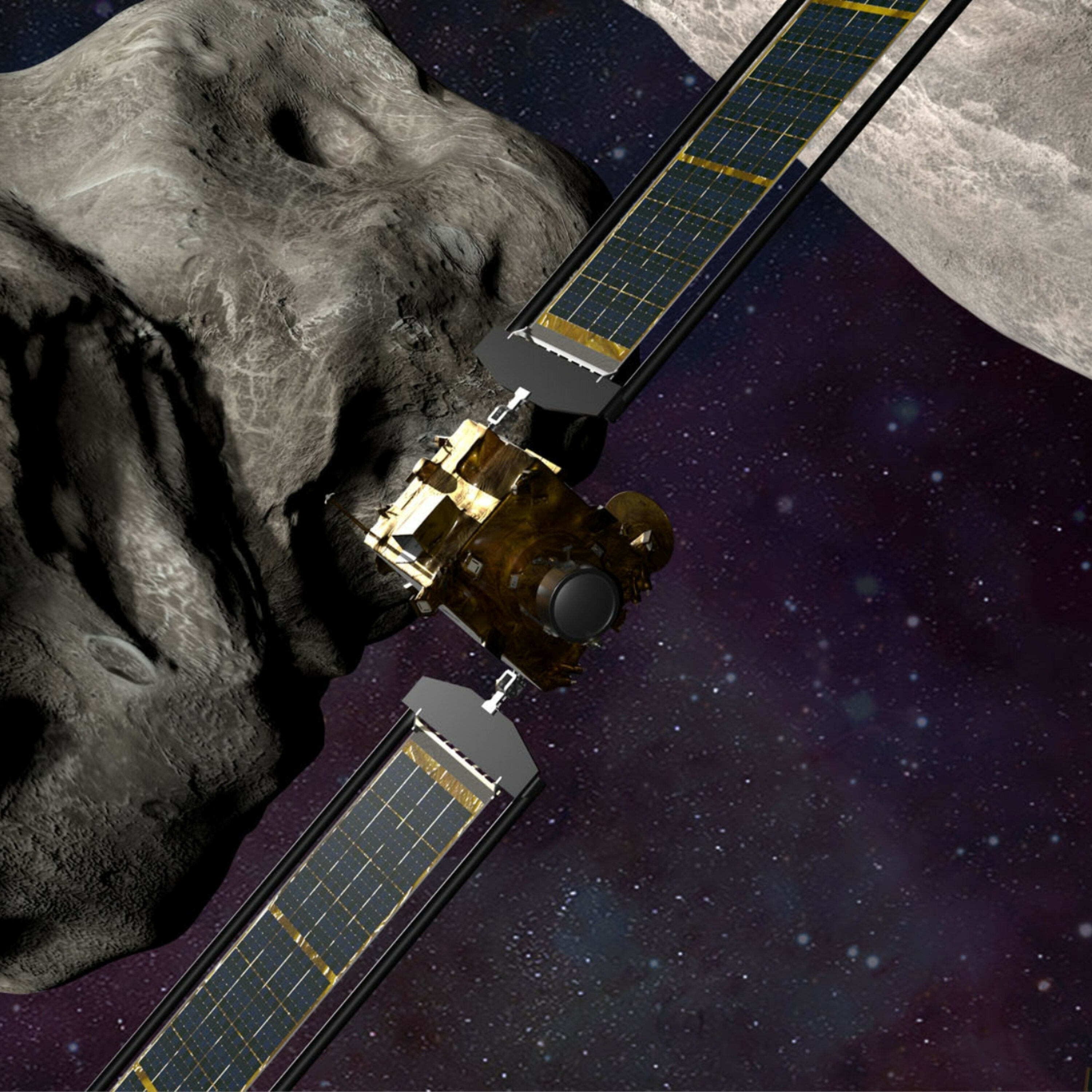
Space Policy Edition: We're entering a new era of planetary defense (with Lindley Johnson)
The first in-space test of asteroid deflection technology, DART, launches this month. Lindley Johnson, NASA's planetary defense coordination officer, joins the show to talk about how this mission represents a new era for the agency's Planetary Defense program, and how it took nearly 25 years to convince policymakers, international partners, and even NASA that asteroid detection and deflection is an important use of taxpayer dollars. Casey and Mat also highlight the new Astrophysics decadal survey report and the federal ruling against Blue Origin in its effort to secure funding for its lunar lander. Discover more here: https://www.planetary.org/planetary-radio/lindley-johnson-dart-planetary-defenseSee omnystudio.com/listener for privacy information.
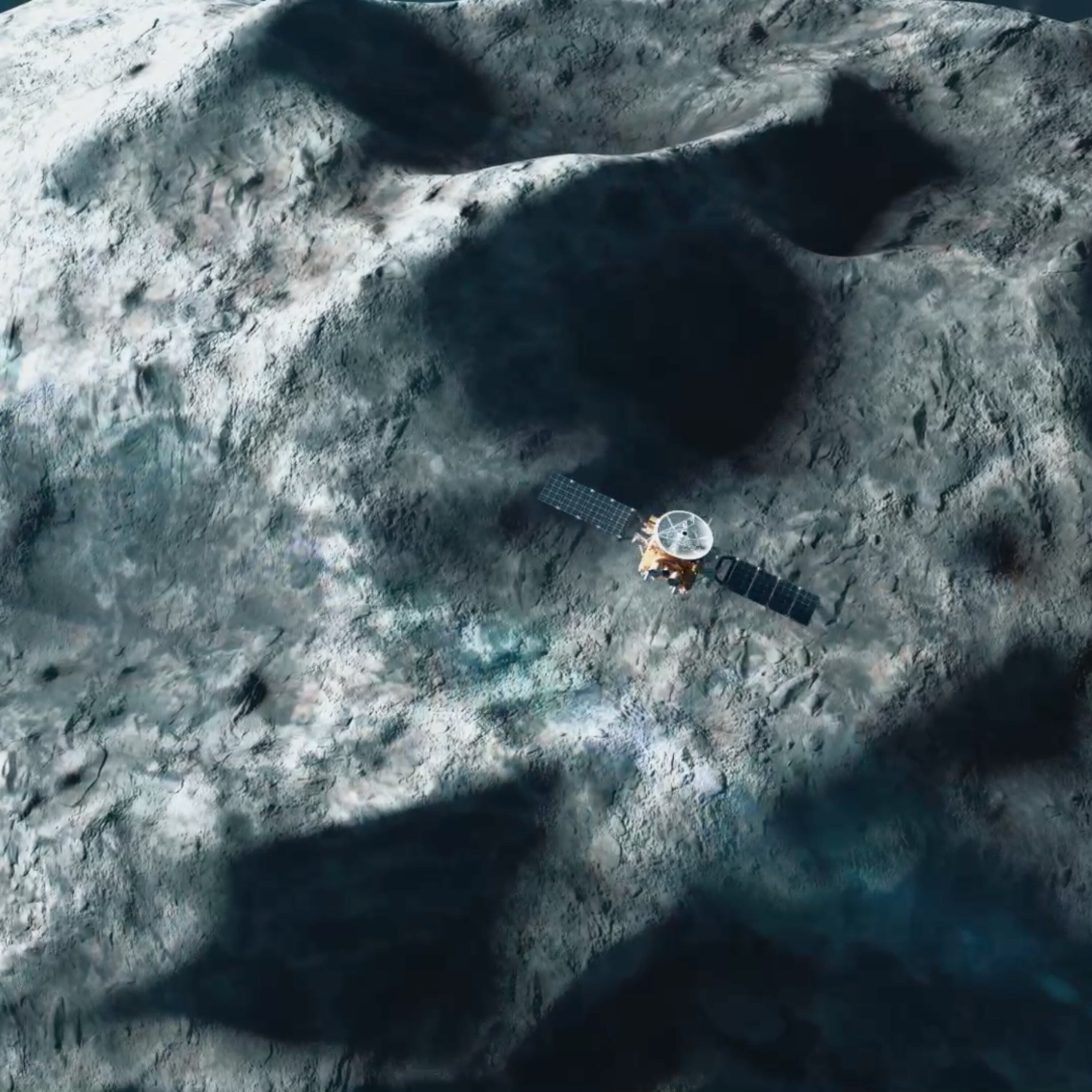
Sarah Al Amiri and the new UAE mission to the asteroid belt
The chair of the United Arab Emirates space agency returns with news of an ambitious mission to explore seven asteroids. Sarah also shares the latest science from the Emirates Mars Mission Hope orbiter. The Planetary Society’s Kate Howells invites you to vote for the best space images and more from 2021. And we’ve got two space trivia contest winners to announce in the new What’s Up with Bruce Betts. There’s more to explore at https://www.planetary.org/planetary-radio/2021-sarah-al-amiri-uae-asteroid-missionSee omnystudio.com/listener for privacy information.
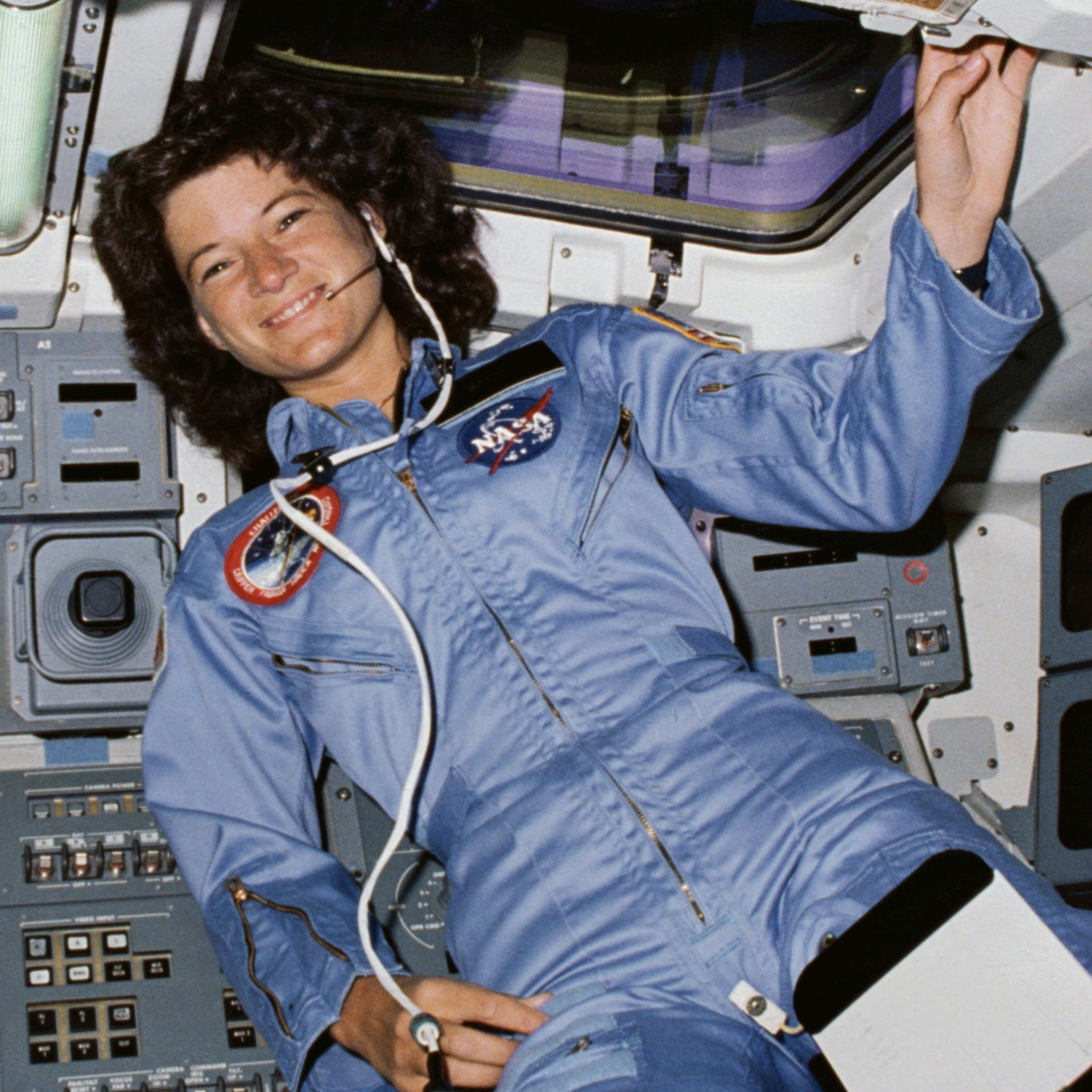
Sally Ride: Revisiting our 2005 conversation
Host Mat Kaplan has wanted to reshare his first conversation with the great Sally Ride for years. Sally talks about women in space, the loss of space shuttle Challenger, and her devotion to sharing the wonders of science with young girls through Sally Ride Science. Planetary Society editor Rae Paoletta takes us to Jupiter’s Great Red Spot. Is it shrinking? We also celebrate the return of the space trivia contest. There’s more to explore at https://www.planetary.org/planetary-radio/2021-2005-sally-ride-interviewSee omnystudio.com/listener for privacy information.
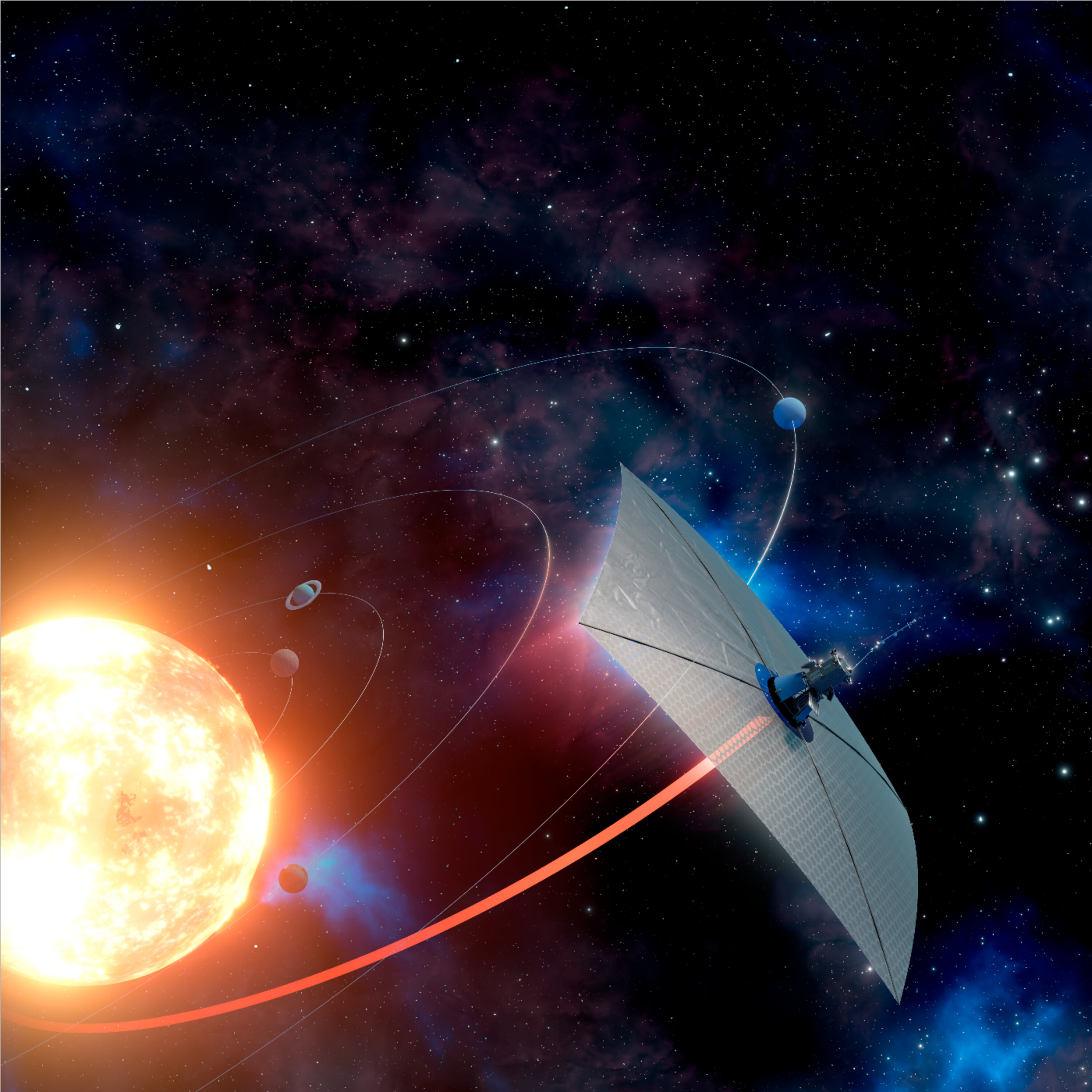
Amazing Technology at the NASA Innovative Advanced Concepts Symposium
Planetary Radio host Mat Kaplan interviewed NIAC Fellows about their revolutionary projects as part of the 2021 virtual symposium. You’ll hear highlights including how we might grow structures on the Moon and Mars from fungi, and solar sails that will pass excruciatingly close to the Sun before they zoom out of our solar system. We’ll also check in with Society chief scientist Bruce Betts for another What’s Up. Learn more at https://www.planetary.org/planetary-radio/2021-2021-niac-symposiumSee omnystudio.com/listener for privacy information.
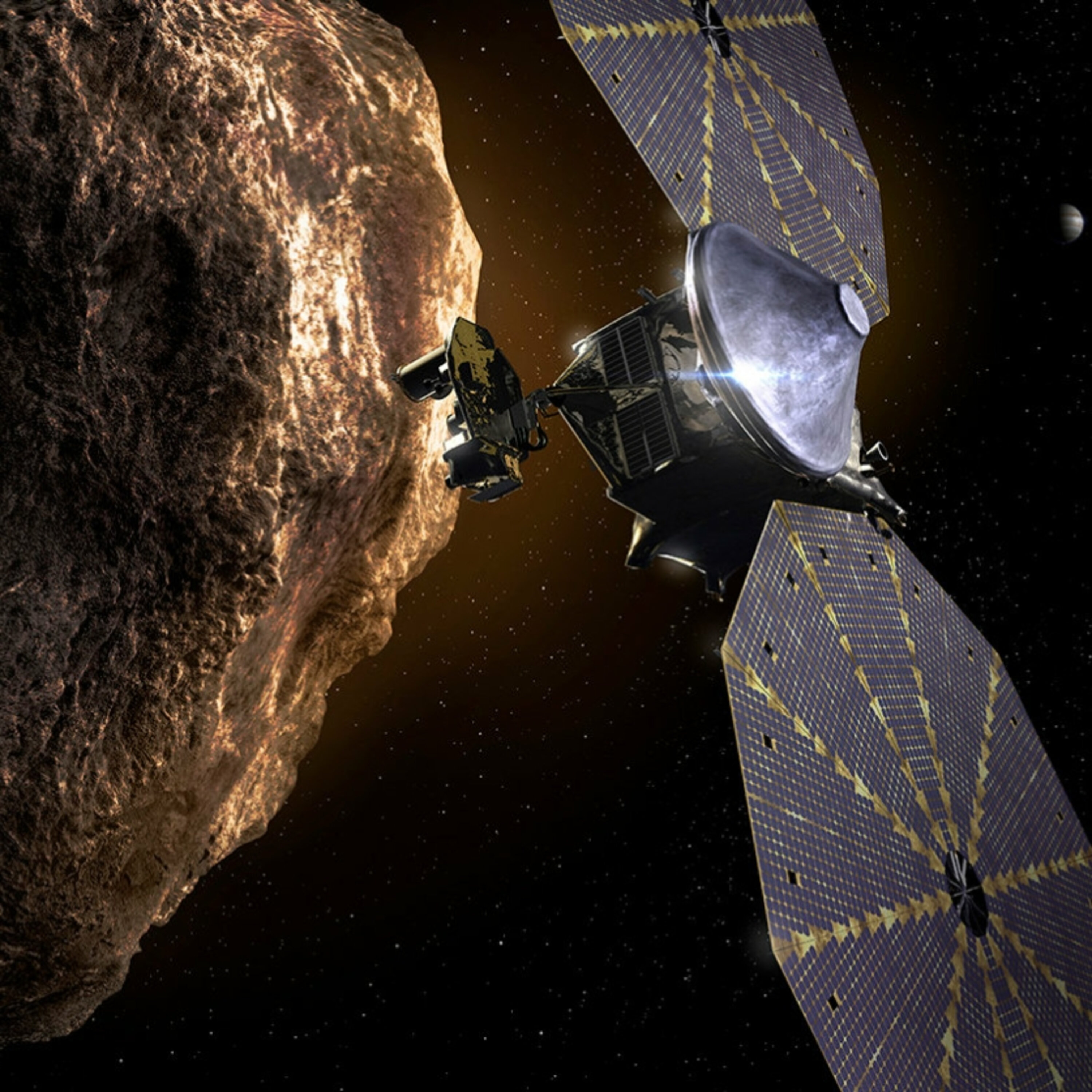
Leaders of the Lucy asteroid mission
A delightful, exclusive conversation with principal investigator Hal Levison, deputy principal investigator Cathy Olkin and deputy project systems engineer Mike Sekerak on the eve of Lucy’s launch toward the asteroids that share Jupiter’s orbit. Don’t miss the cameo appearance by Ringo Starr! Bruce Betts offers another What’s Up space trivia contest with an extended deadline. Learn more at https://www.planetary.org/planetary-radio/2021-lucy-levison-olkin-sekerakSee omnystudio.com/listener for privacy information.
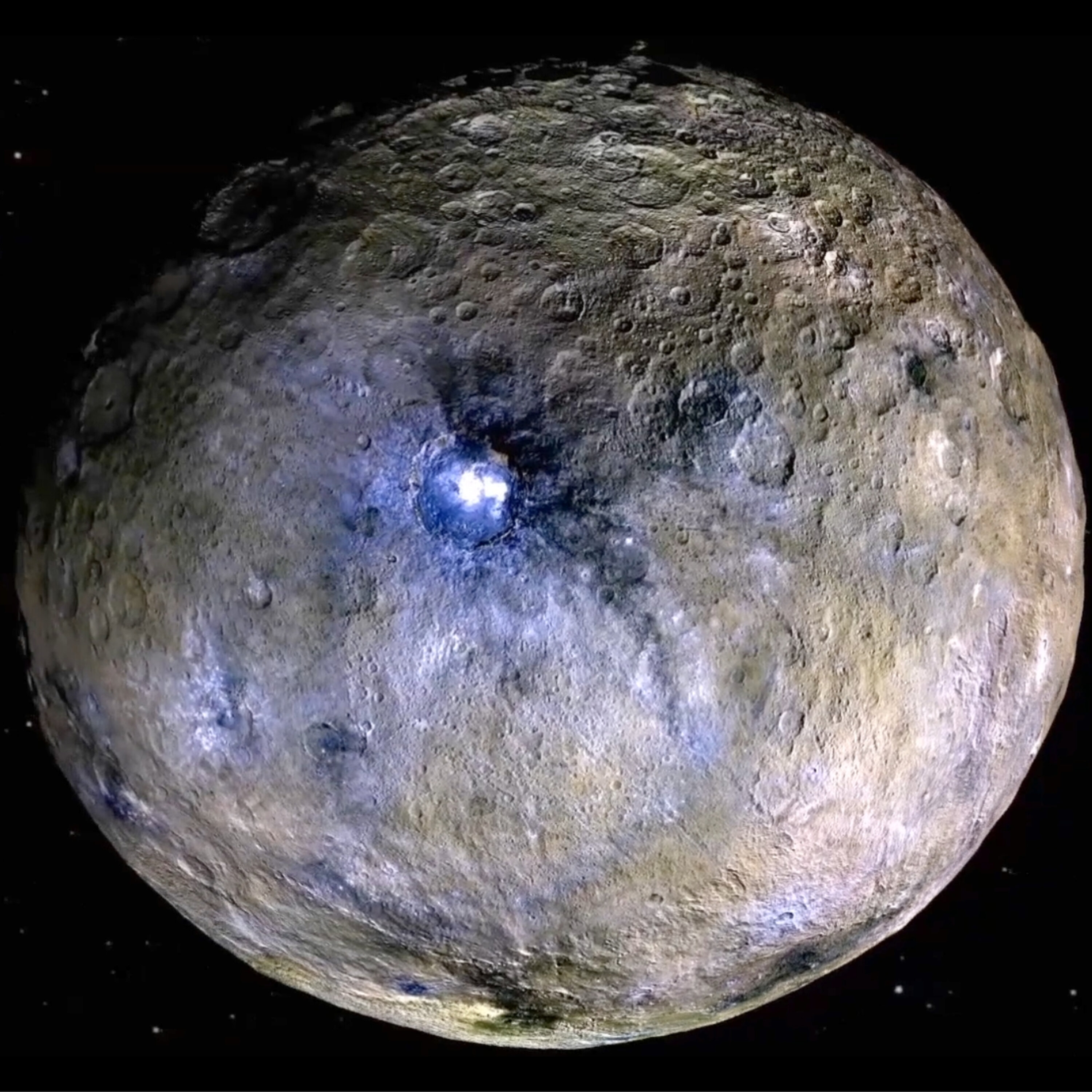
Why didn’t Dawn land on dwarf planet Ceres?
It started with a question from a listener. The answer comes from Dawn mission chief engineer and mission director Marc Rayman. Marc also tells us about his new job as chief engineer for mission operations and science at NASA’s Jet Propulsion Laboratory, and shares his love of space exploration with Mat. LightSail 2 is still going strong! Program manager Bruce Betts opens this week’s What’s Up segment with a mission status report. Learn more at https://www.planetary.org/planetary-radio/2021-mark-rayman-dawn-ceresSee omnystudio.com/listener for privacy information.

Space Policy Edition: NASA's Congressional Logjam
A polarized U.S. Congress is juggling nearly half a dozen pieces of major legislation, several of which face time-sensitive deadlines that, if missed, could create significant disruption for major NASA programs. Brendan Curry, The Planetary Society's Chief of D.C. Operations, reports on the view from inside the beltway, and helps us understand how the current logjam of legislation could impact or delay NASA policymaking. Casey and Mat address NASA's major reorganization of its human spaceflight program and how scuba is a cheaper alternative to space tourism. Discover more here: https://www.planetary.org/planetary-radio/brendan-curry-fall-dc-updateSee omnystudio.com/listener for privacy information.

Mars Beckons: The 2021 Humans to Mars Summit
Mars all-stars gathered online for September’s annual Humans to Mars summit produced by Explore Mars. Planetary Radio host Mat Kaplan moderated three intriguing panels with participants including leaders from space agencies throughout the world. Then we hear about the 19th century’s biggest telescope in this week’s What’s Up segment with Bruce Betts. Learn more at https://www.planetary.org/planetary-radio/2021-humans-to-mars-summit-excerptsSee omnystudio.com/listener for privacy information.
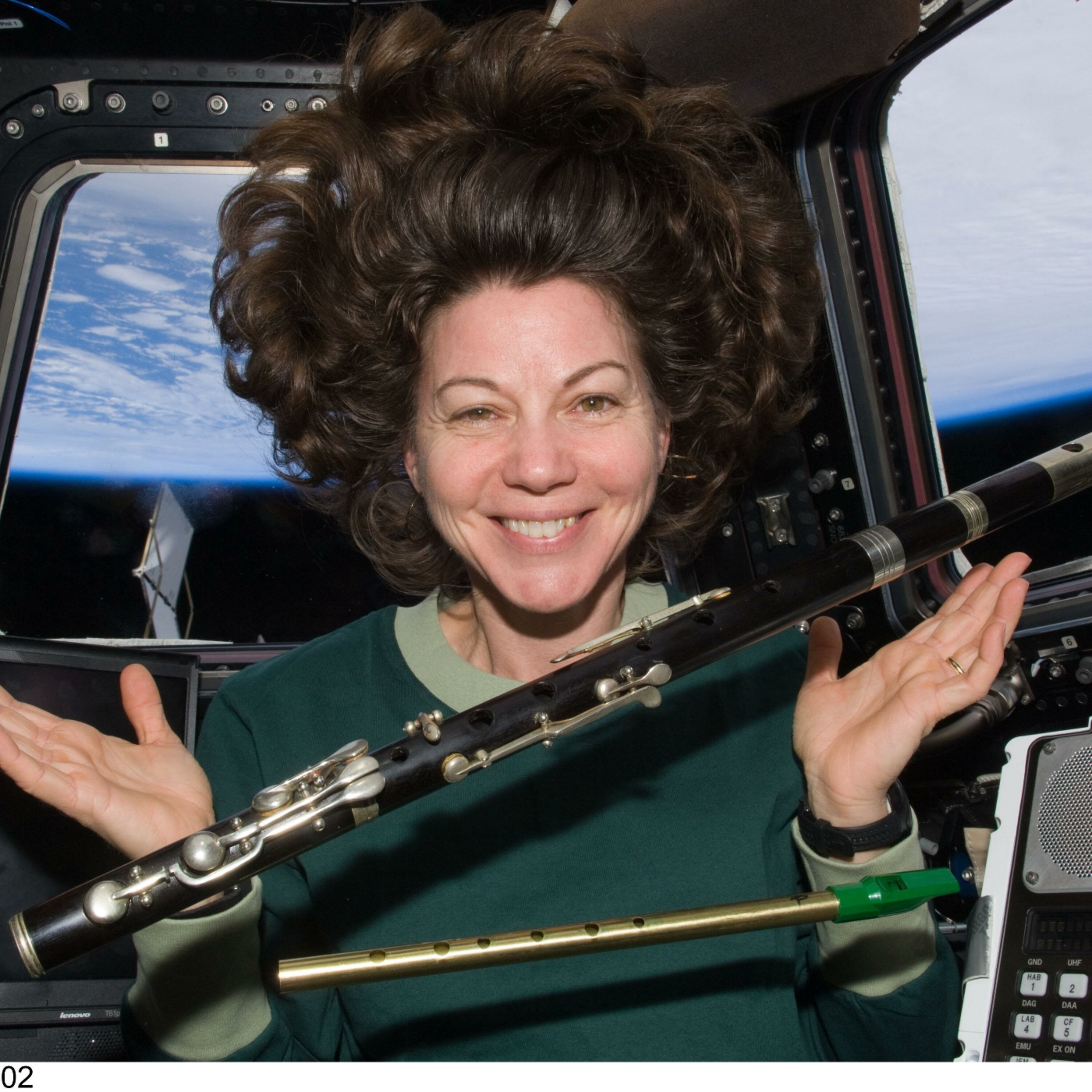
The Wonderful: a new documentary about the International Space Station
Clare Lewins has created a film that takes us inside the lives of people who have lived and worked on the International Space Station. Cady Coleman is one of the featured astronauts in this beautiful, intimate and very affecting documentary. Planetary Society contributor Jatan Mehta tells us about South Korea’s plans for a lunar orbiter with an amazing camera. Bruce Betts returns with yet another space trivia contest and a quick tour of the night sky. Learn more at https://www.planetary.org/planetary-radio/the-wonderful-film-clare-lewins-cady-colemanSee omnystudio.com/listener for privacy information.
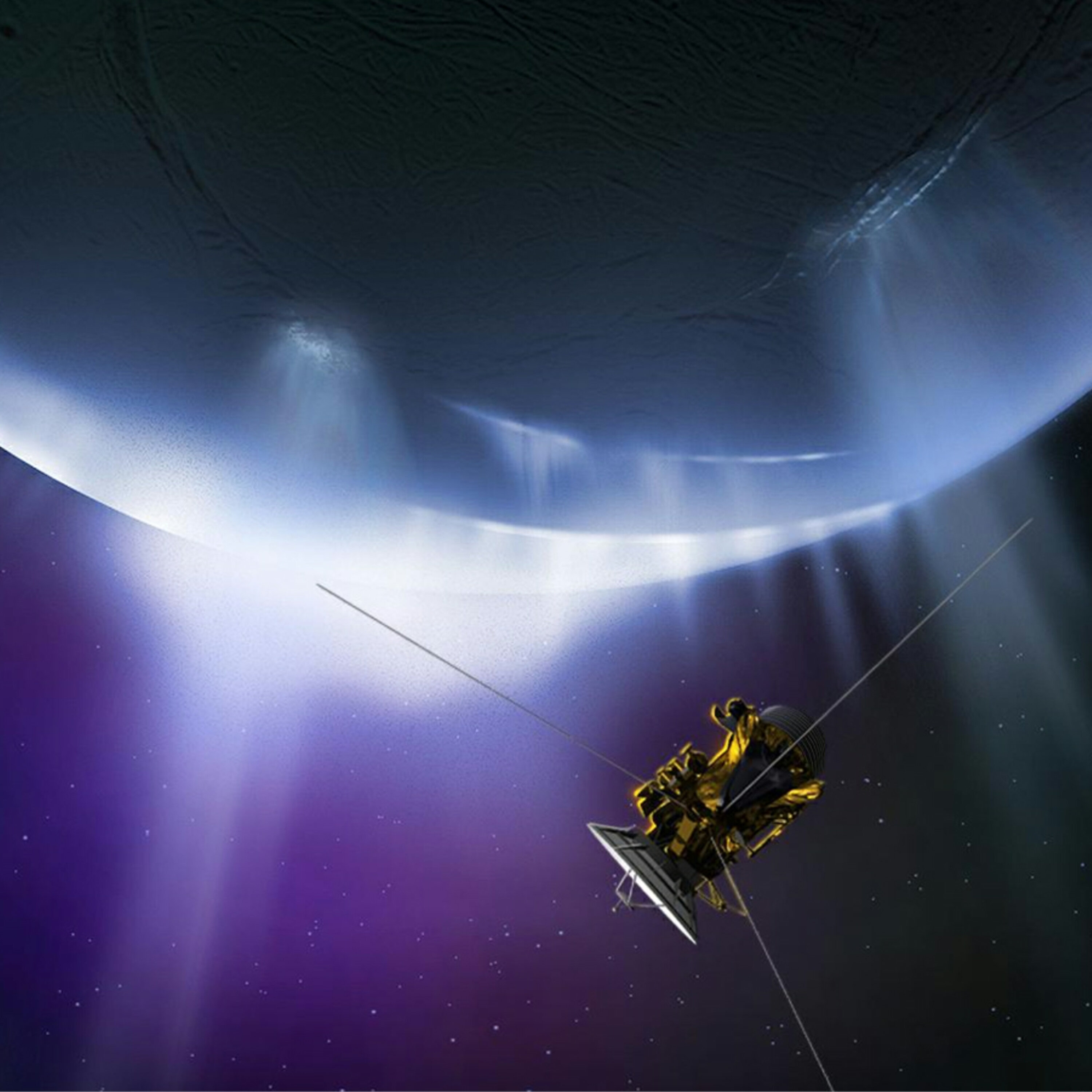
The Case for a Return to Enceladus
Morgan Cable of NASA’s Jet Propulsion Laboratory is lead author of a paper that makes a compelling argument for a mission to Saturn’s small but dynamic moon Enceladus. She and her stellar co-authors believe it is among the best and easiest places in our solar system to look for evidence of life. Morgan has also been involved with the synthesis of organic crystals that could exist on Titan. What would they mean for possible biological activity on that big moon? Bruce Betts shares his excitement about the current night sky in What’s Up. https://www.planetary.org/planetary-radio/morgan-cable-enceladus-titan-co-crystalsSee omnystudio.com/listener for privacy information.
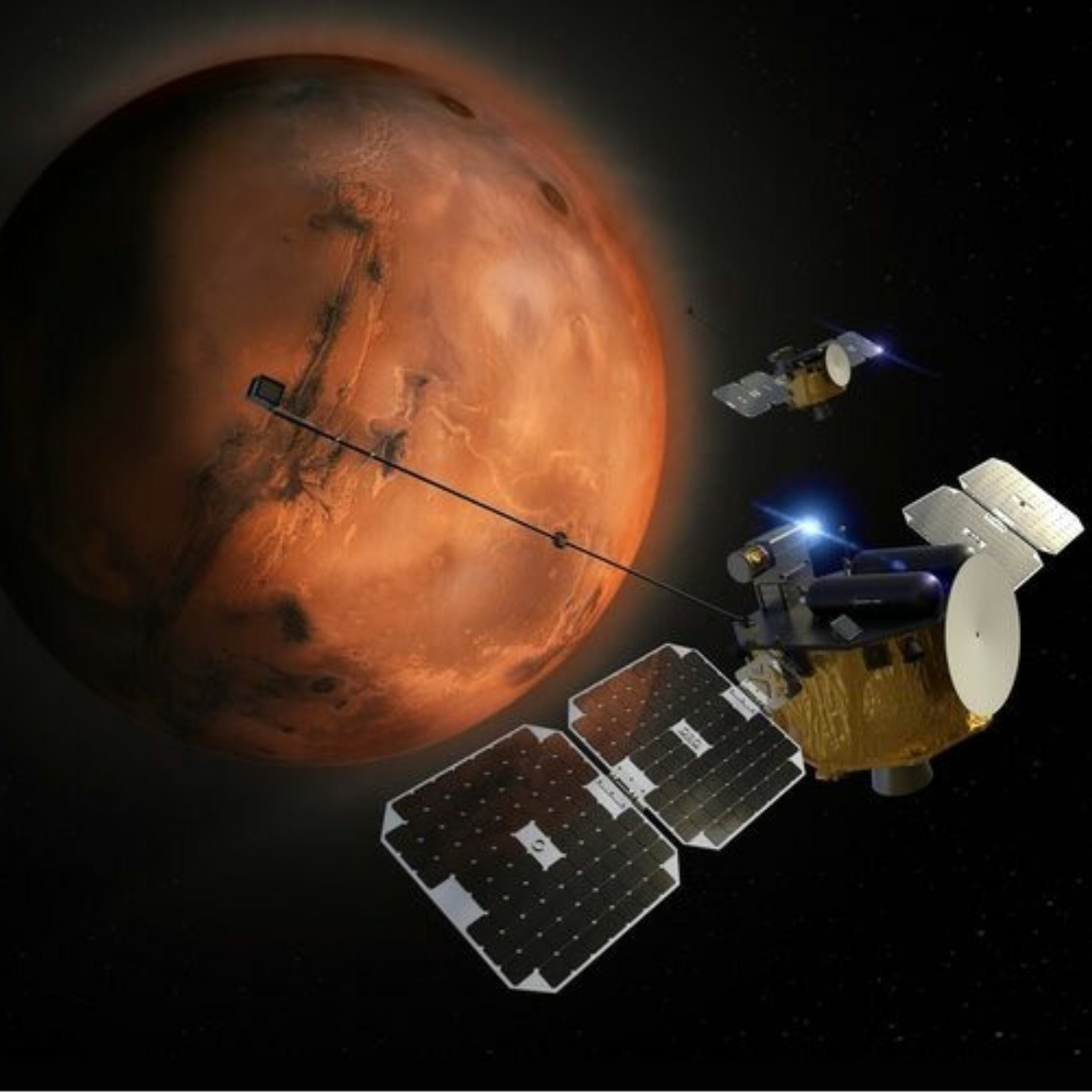
An ESCAPADE to Mars, on the cheap
NASA hopes to radically reduce the price tag for exploring Mars with a mission called ESCAPADE. Principal investigator Rob Lillis and his team will send two small probes to the Red Planet in 2024 for less than $80 million. They will work with orbiters already circling Mars to answer deep questions about the evolution of that world’s formerly thick atmosphere and the effects of solar radiation. Then we’ll check in with Planetary Society chief scientist Bruce Betts for another What’s Up. Discover more at https://www.planetary.org/planetary-radio/robert-lillis-escapade-marsSee omnystudio.com/listener for privacy information.

Space Policy Edition: The cultural rituals of space advocacy, with Linda Billings
Communication is culture, says Dr. Linda Billings, an expert in social science and space outreach. So what culture is summed by the types of space advocacy that call for pioneering, colonization and conquest of nature? Linda talks about the importance of language and context when advocating for space, and how we should consider other cultural values and frameworks for effective public engagement. Discover more here: https://www.planetary.org/planetary-radio/linda-billings-space-advocacy-cultureSee omnystudio.com/listener for privacy information.
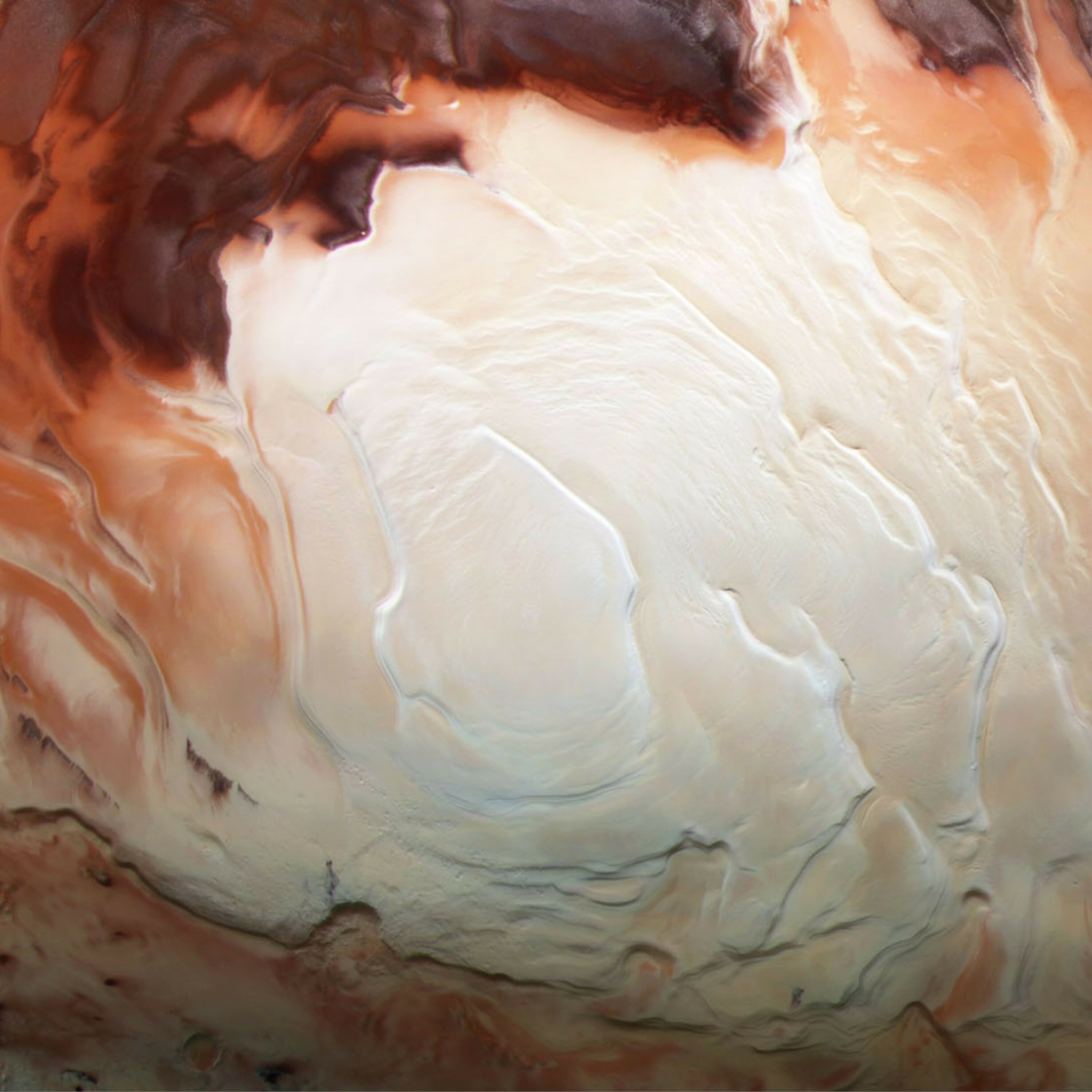
Liquid Water Under the Martian Polar Ice? Maybe Not
It was one of the most exciting planetary science announcements in 2018: Radar from an orbiting spacecraft might have found large pools of liquid water under the Martian south pole. But good science doesn’t end with first conclusions. Jeffrey Plaut and Isaac Smith are among the researchers who have found that a form of clay may better explain these reflections. We also talk with The Planetary Society’s Rae Paoletta about the Earth-like worlds found across our corner of the galaxy. Your chance to win the coveted Planetary Society rubber asteroid returns in this week’s What’s Up. Discover more at https://www.planetary.org/planetary-radio/jeffrey-plaut-isaac-smith-mars-polar-claySee omnystudio.com/listener for privacy information.
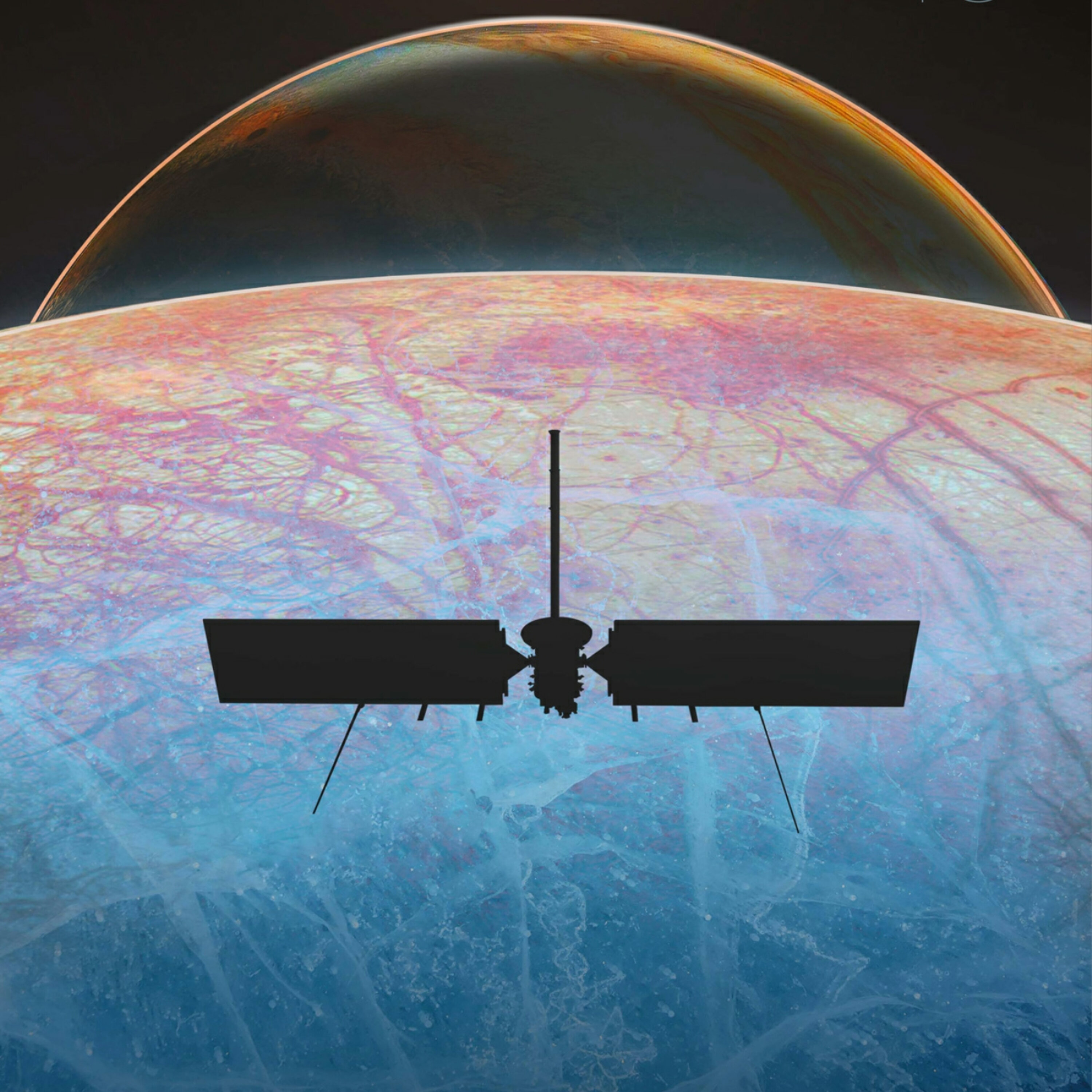
Europa Clipper Sails Toward Launch
Jupiter’s moon Europa hides a vast water ocean under a protective layer of ice. The Europa Clipper mission will send a powerful orbiter to investigate. Mission system manager L. Alberto (Al) Cangahuala tells us about the great strides made toward a planned 2024 launch and the challenges ahead. Bruce Betts faces one of the greatest challenges for any parent: getting a new college freshman installed in a distant university. Our chief scientist takes a break from the preparation to share the night sky and a new space trivia contest. Discover more at https://www.planetary.org/planetary-radio/al-cangahuala-europa-clipper-updateSee omnystudio.com/listener for privacy information.
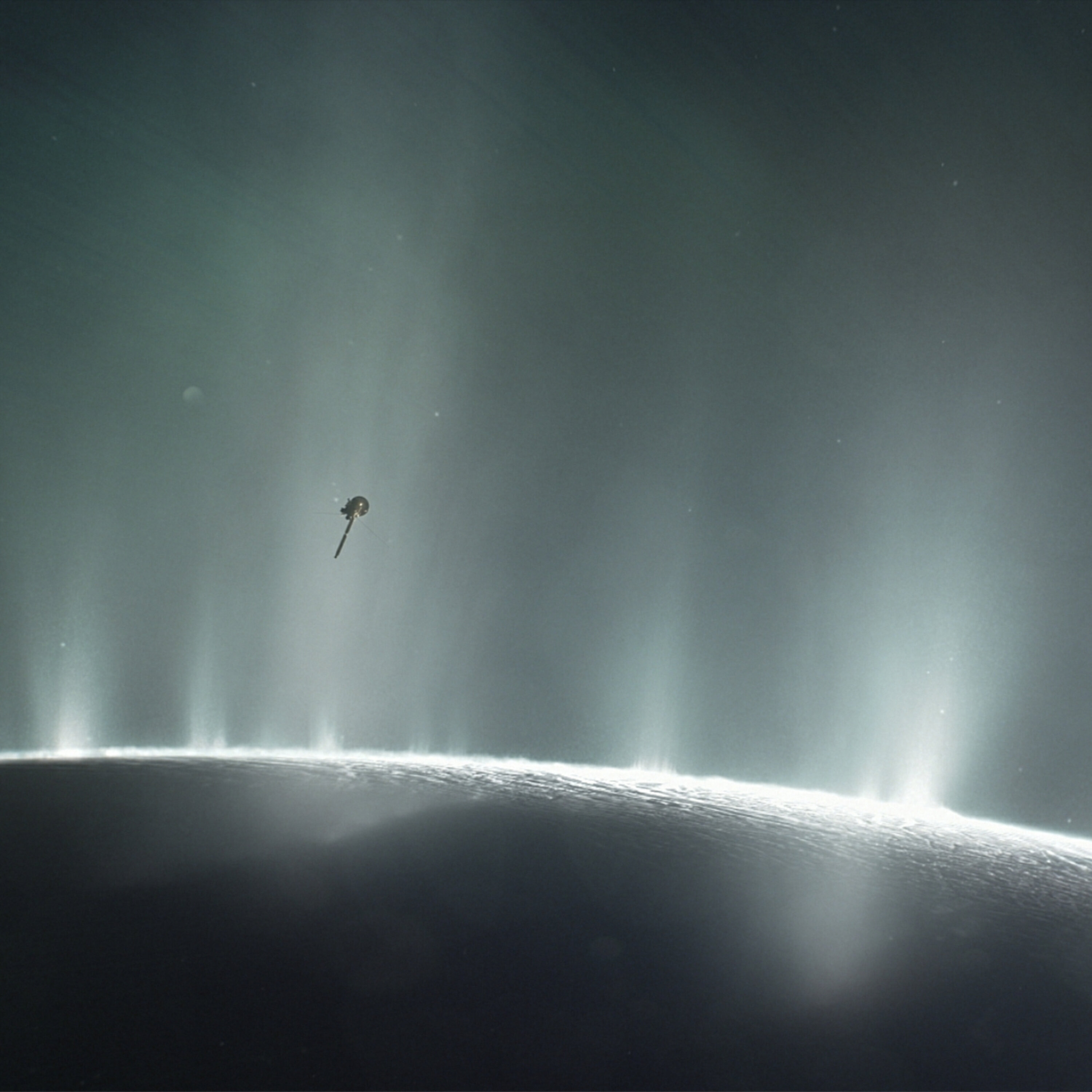
Cassini, Voyager and beyond with Linda Spilker
Cassini project scientist Linda Spilker is back to describe how data from the Saturn mission that ended four years ago is behind new, trailblazing science. Linda has also rejoined the team behind NASA'S Voyager mission that is celebrating important anniversaries. She closes with convincing arguments for missions to Saturn’s moon Enceladus and the ice giants Uranus and Neptune. Bruce Betts gets on the Cassini train with this week’s space trivia contest. Discover more at https://www.planetary.org/planetary-radio/linda-spilker-cassini-voyager-outer-planetsSee omnystudio.com/listener for privacy information.
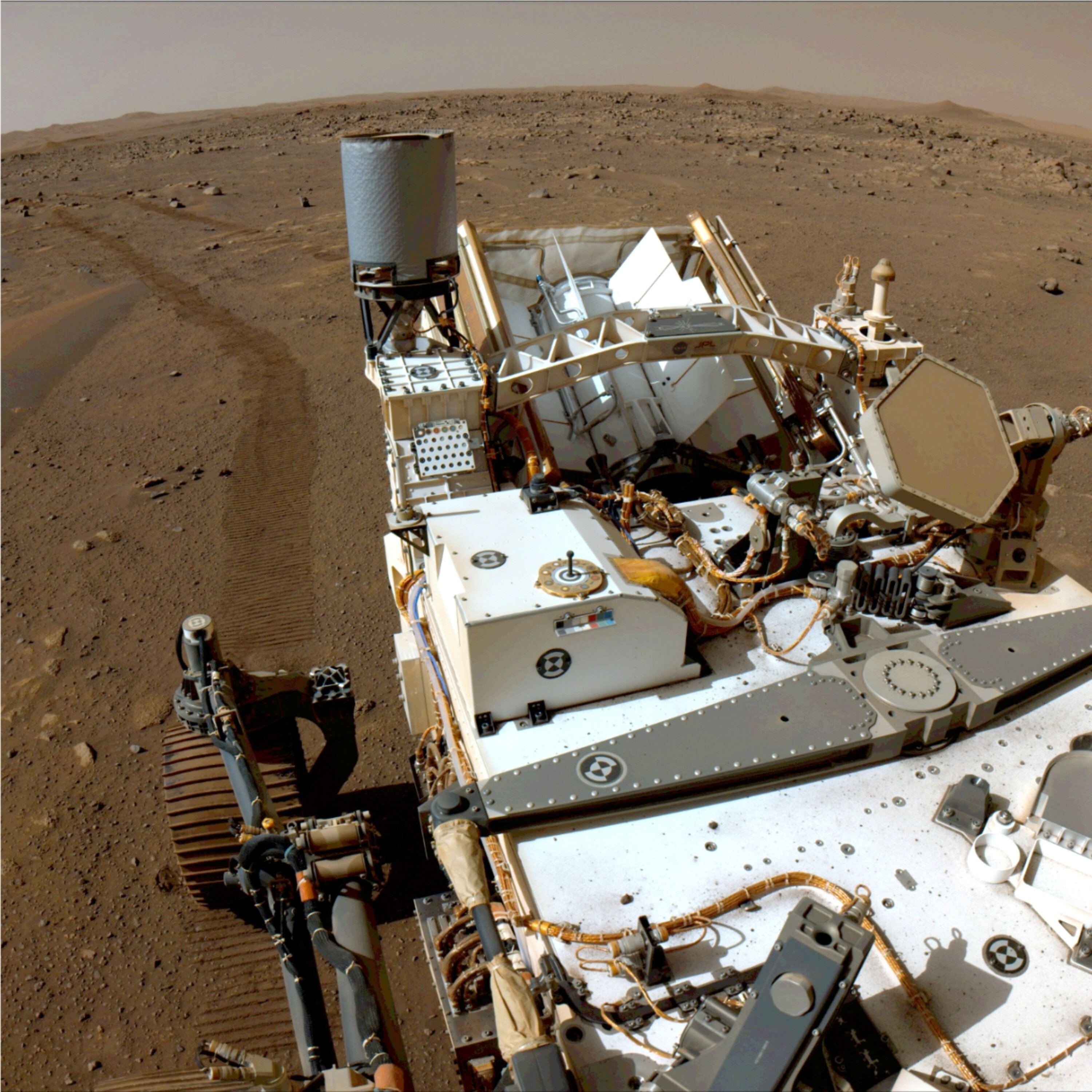
How Perseverance drives itself around Mars
NASA’s Perseverance is driving farther and faster than any previous Mars rover, thanks to its advanced AutoNav system. Vandi Verma, the mission’s chief engineer for robotics at NASA’s Jet Propulsion Laboratory, takes us inside the speedy, six-wheeled robot for a look at its marvelous mechanics and software. Vandi also describes the complex process of sample collection. There’s a high-flying surprise for Bruce Betts in the space trivia contest. Discover more at https://www.planetary.org/planetary-radio/vandi-verma-perseverance-autonav-sample-collectionSee omnystudio.com/listener for privacy information.

Space Policy Edition: Mars via the Nuclear Option
Can nuclear propulsion fundamentally transform our ability to send humans to Mars? Bhavya Lal, a policy and nuclear engineering expert now working at NASA, helped write a new report on the topic for the National Academies of Sciences. She joins the show to talk about the advantages of various types of nuclear propulsion, the engineering and policy challenges that face them, and the role of government versus the private sector in developing and deploying transformational technologies. Discover more here: https://www.planetary.org/planetary-radio/0804-2021-spe-bhavya-lal-nuclear-propulsionSee omnystudio.com/listener for privacy information.

Alan Stern Says It’s Time for Suborbital Science
An experiment rode next to Richard Branson when he rocketed to the edge of space on Virgin Galactic’s SpaceShipTwo last month. Planetary scientist Alan Stern says we’ve begun a new era of affordable space research thanks to this vehicle and Blue Origin’s New Shepard. Alan also delivers an update on the New Horizons mission, including a new, definitive collection of everything we’ve learned about Pluto. Then it’s Olympic gold for Bruce Betts in our weekly What’s Up segment. Discover more at https://www.planetary.org/planetary-radio/alan-stern-suborbital-science-new-horizons-updateSee omnystudio.com/listener for privacy information.
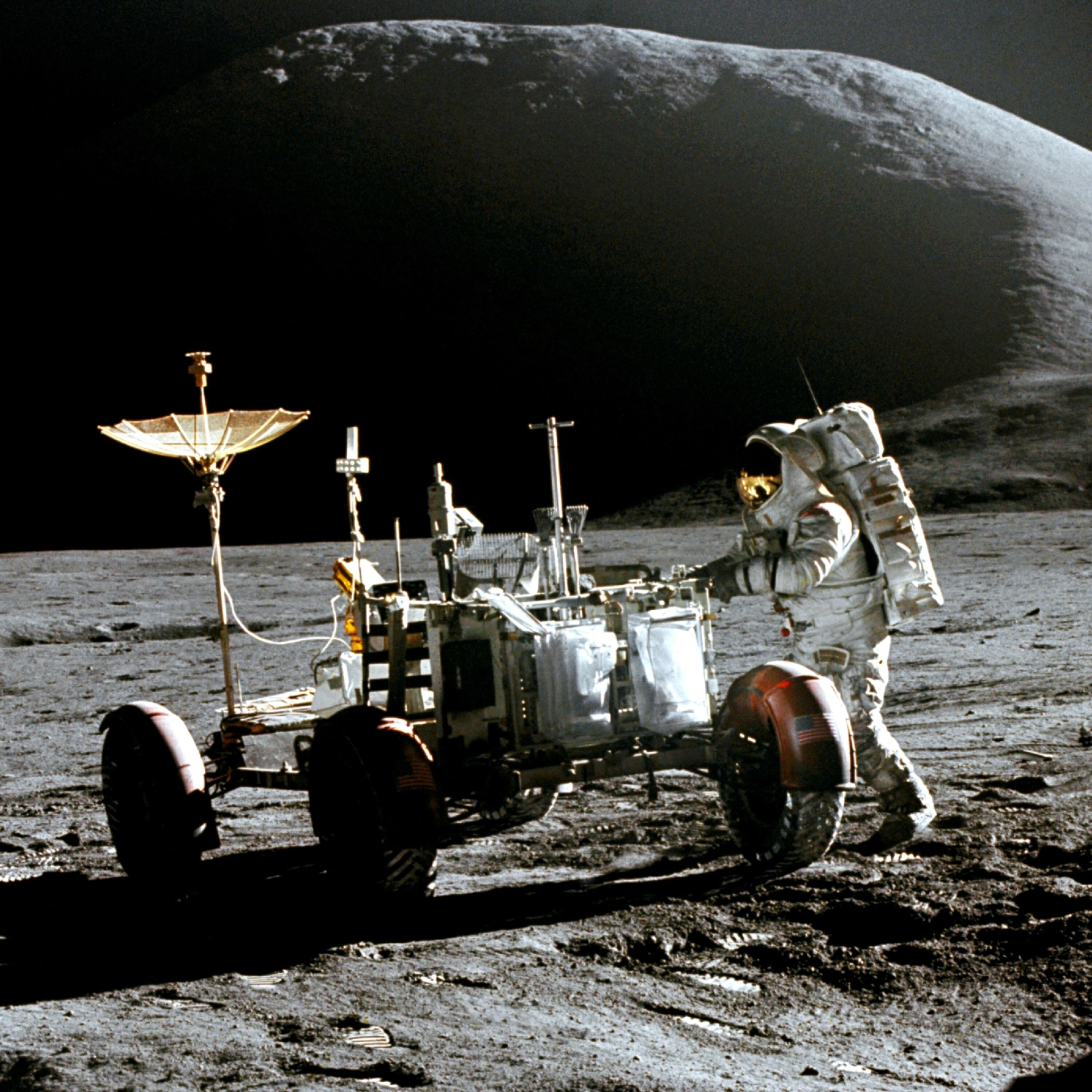
Andy Chaikin on Apollo 15 and the lessons of Apollo
Apollo 17 commander Gene Cernan said of Andy Chaikin’s book A Man on the Moon, “I’ve been there. Chaikin took me back.” Andy returns to help us mark the 50th anniversary of Apollo 15 and the first use of the Lunar Rover. He also talks with Mat about what the Artemis generation should learn from Apollo, how astronauts have evolved, the challenge of putting humans on Mars, and much more. Bruce Betts picks up the Apollo 15 theme with this week in space history. Discover more at https://www.planetary.org/planetary-radio/andy-chaikin-apollo-15-and-moreSee omnystudio.com/listener for privacy information.
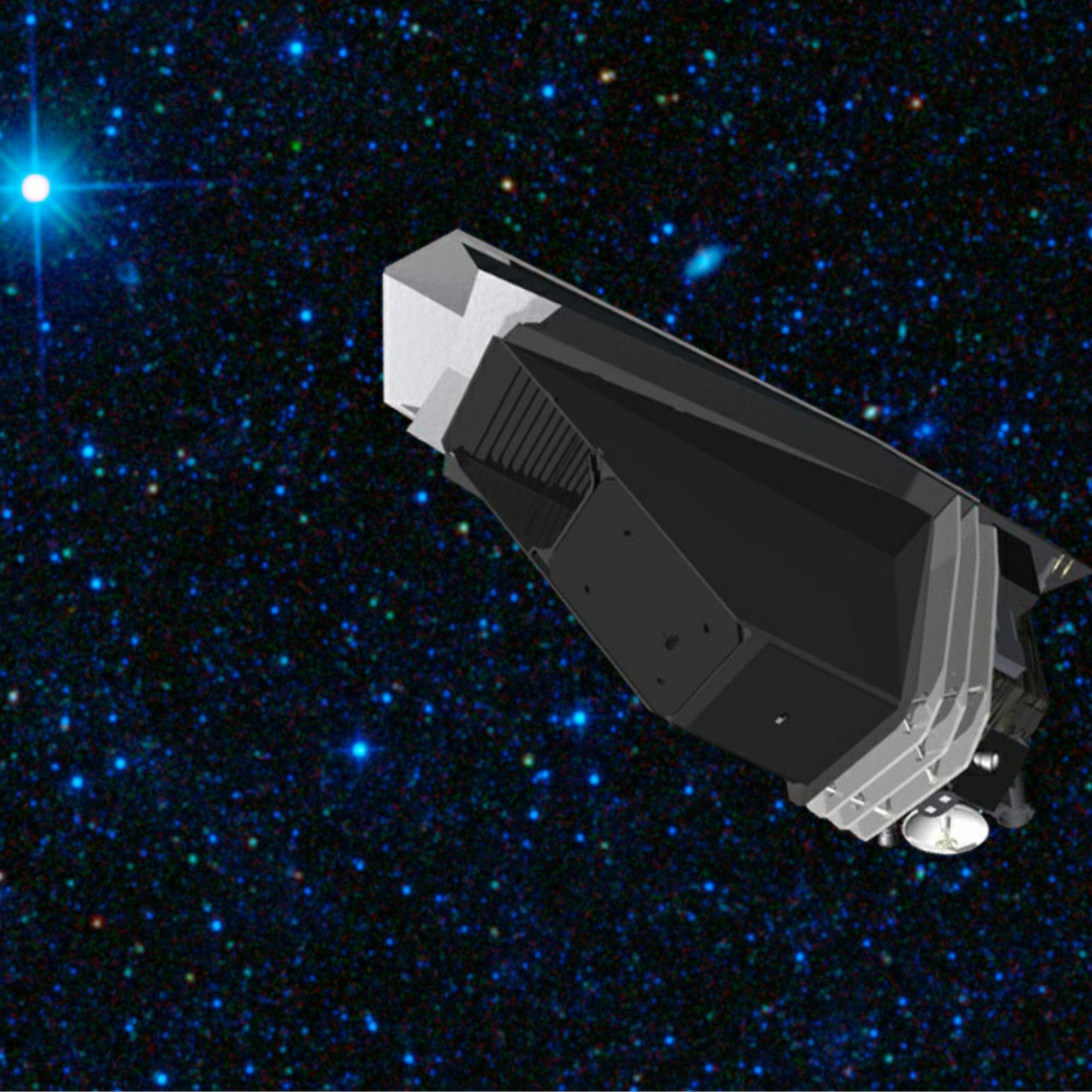
Amy Mainzer and a New Asteroid-Hunting Space Telescope
We may finally get the powerful telescope we’ve needed to find almost all of the near-Earth objects that are big enough to destroy a city. University of Arizona professor Amy Mainzer leads the NEO Surveyor project. She returns to Planetary Radio with the full story. Blue Origin’s Jeff Bezos and three colleagues rode a rocket that briefly put them in space. We’ll hear from Bezos and 82-year-old Wally Funk. The pilot and former astronaut candidate is now the oldest person to have reached space. Discover more at https://www.planetary.org/planetary-radio/amy-mainzer-neo-surveyorSee omnystudio.com/listener for privacy information.