Parallax Views w/ J.G. Michael
1,045 episodes — Page 6 of 21

Ep 933DEFAMATION: Revisiting the Controversial Israeli Documentary on Antisemitism w/ Yoav Shamir
EOn this edition of Parallax Views, in 2009 a documentary came out entitled Defamation. Directed by Israeli filmmaker Yoav Shamir, the film sought to explore the phenomena of antisemitism, the perceptions of what is an isn't antisemitic, the question of whether criticism of Israel is the same as antisemitism (or, in the words of many Israel supporters "The New Antisemitism" that seeks to dress hatred of Jews up in a critique of Israeli and its policies), and related issues. The genesis of Defamation begins with Shamir's previous documentary, the equally controversial Checkpoint. Checkpoint took a "fly on the wall" approach to examining the interactions between Israeli soldiers and Palestinian citizens along the border of the occupied territories. Despite the cinema verite fly on the wall" approach of the film, some felt that it painted a slanted, negative picture of Israel that in turn led to accusations that Shamir was the "Israeli Mel Gibson". Gibson, of course, had at that point been known for having an antisemitic outburst after a DUI arrest and, before that, his 2004 film The Passion of the Christ was heavily criticized as promoting hatred of Jewish people in its depiction of Christ's death. Yoav Shamir, was surprised that anyone would call him the "Israeli Mel Gibson". He also had not experienced antisemitism himself as someone who lives in Israel. So he ventured out to embark on a journey that would take him from the Brooklyn neighborhood of Crown Heights, where race relations between Jewish and Black residents have long been troubled, to Ukraine and even Poland. He met with the Anti-Defamation League's Abe Foxman and was given unprecedented access to the Anti-Defamation League's office where he got a rare inside look of their operations. Additionally he spoke Jewish academic and noted critic of Israel Norman Finkelstein and the international relations scholar John Mearsheimer, who alongside Stephen Walt co-wrote the book The Israel Lobby and U.S. Foreign Policy. And he went with a group of young Israelis to a state-funded trip to Israel in which teenaged Israelis learn about the horrors of the Holocaust in Poland. What Shamir's documentary shows, however, is up for the viewer to decide. From Shamir's purview, victimhood narratives are holding Israel, and perhaps even the Jewish people more broadly, back. However, his documentary nonetheless paints a poignant picture of all its major players and humanizes all the participants from Abe Foxman to his polar opposite Norman Finkelstein. There's moments of the film that are dramatic, but also uneasy moments of what can only be described as comedy or farce, such as when two young Israelis on the Poland trip mistakenly assume that the Polish men they approached in the street were calling them cuss words (it turns out the men simply did not know the Hebrew language and were trying to explain they didn't understand them). It's hard to describe in both the written word or even a podcast what Defamation documents. As such it is highly recommended that either before or after this podcast you view the whole documentary at Yoav Shamir's Youtube channel. You can also watch Yoav's previous documentary Checkpoint on his Youtube channel as well and that too is recommended. At the end of the conversation, we speak a bit about Yoav's latest documentary The Prophet and the Space Aliens about the Raelian UFO cult and discuss Elon Musk's retweeting of Defamation and get Yoav's thoughts on antisemites that have sought to use the film for their own agenda. We'll also discuss strife in Israel amongst it's inhabitants beyond the Palestinians. In other word: Mizrahi vs. Ashkenazi Israelis, etc. There's a lot of ground covered in this discussion and hopefully it supplements Yoav's documentaries well.
Ep 932Inside Erik Prince's Secret Chat Group & Its Gallery of Hawkish Far-Right Power Players w/ Ken Silverstein
EOn this edition of Parallax Views, investigative journalist Ken Silverstein returns to the show hot off the major story he broke for The New Republic last week: "Off Leash: Inside the Secret, Global, Far-Right Group Chat | The New Republic". Ken has blown the lid off a secret chat group created by Erik Prince, the founder of the controversial private military company Blackwater, that includes a who's who of influential figures of the global right-wing including Congressman Ryan Zinke, Congressman Mark Green, Tucker Carlson, Gen. Michael Flynn, and many others. Silverstein's reporting on this provides an insight into where a number of major figures, including some with intelligence and military connection, stand in 2024 behind-closed-doors on issues ranging including Iran, the Israel-Hamas War/Gaza War, Israel/Palestine, MAGA vs. the Democratic Party, U.S. foreign policy, and much, much more. He's found communications that reveal what friend of the show, American Conservative contributor, and Senior Advisor at the Quincy Institute Kelley Vlahos describes as a "batshit crazy chat group that includes Erik Prince, Lara Logan, and every rightwing grifter, politician, influencer, ex-military psycho" that want to "nuke, napalm, and 'take out' everyone." There was even discussion in the group of rounding up the American right's domestic enemies for Nuremberg-style tribunals. And, on the U.S. foreign policy front, there were calls for covert assassination of political leaders from countries seen as adversarial to the U.S. There were even inclinations in the chat group towards the idea of using nuclear weapons against Gaza. There's also some opaque discussion of Erik Prince having "the right people in place" to deal with Iran, which many of the members of Off-Leash have hawkish foreign policy views on, and some rather interesting discussion pertaining to the plane crash that killed Iranian President Ebrahim Raisi. Talk of the need for a MAGA "revolution" and fighting against a cabal of Marxists, Islamists, and globalists that many members of the chat view as destroying the U.S. and Western civilization are also prominent in the communications that Silverstein uncovered. We'll discuss all of this and much more in the conversation, but its highly recommended you consult both Ken's original report on this for The New Republic AND his Washington Babylon Substack which will be covering this further going forward. You'll also hear us discuss Donald Trump and domestic repression, Russiagate, the RFK Jr. connection to Off-Leash, Ken's thoughts on President Joe Biden vs. Donald Trump, and much, much more.

Ep 923The Manichean Psychology of Hasbara Culture w/ Yakov Hirsch
EOn this edition of Parallax Views, recorded in May, a lengthy, almost 3 hour conversation with Yakov Hirsch. You can Yakov's writings at his new Substack here. Although Hirsch is perhaps best-known as professional poker player, he has in recent years began commenting on the psychology of what he calls "Hasbara Culture". Hasbara, for those unfamiliar, is more or less a term that means propaganda and apologia for the state of Israel. Hirsch's concept of hasbara culture, however goes far beyond that. He argues that prominent commentators in the U.S. like Bari Weiss, Eve Barlow, Brett Stephens, and The Atlantic's Jeffrey Goldberg have come to internalize hasabara so much that it has become a culture, a mindset, an identity in and of itself that distorts reality in ways that are harmful to not only Palestinians but also Jews, both in Israel and abroad. Hirsch's thinking on these matters first came to prominence through and article he wrote for Tablet Magazine entitled "Hasbara Culture and the Curse of Bibi-ism". Although Tablet is a generally understood as a right-wing and adamantly pro-Israel publication, it nonetheless viewed 's commentary and thoughts on the concept of hasbara culture relevant and important. Hirsch argues that his examination of this hasbara culture is not about left-wing vs. right-wing or even pro-Israel vs. anti-Israel but instead an attempt to look at a phenomenon that is denying ground-level realities in favor of an alternate reality that exists only in the minds of its proponents. Among the topics discussed in this conversation are Benjamin Netanyahu as the embodiment of hasbara culture; sacred macho victimhood and victimhood discourses; Anti-Antisemitism; the Daniel Goldhagen vs. Christopher Browning debates on the Holocaust (Goldhagen's Hitler's Willing Executioners vs. Browning's Ordinary Men: Reserve Police Battalion 101 and the Final Solution in Poland); Hannah Arendt and the trial of Adolf Eichmann; cognitive empathy and how it is shut down by hasbara culture; the ideology of hasbara culture; the Gaza War and Israel/Palestine; "Never Again" journalists; the "real world" vs. the "separate reality" of hasbara culture; the concept of betrayal in hasbara culture discourse; the Iran nuclear deal and Bibi-ist ideology; John Kerry's warning to Israel about needing to understand the perception of Palestinians; Peter Beinart's The Crisis of Zionism and the significance of Beinart's witnessing the tears of a Palestinian child in the West Bank crying out for his father; the pro-Palestinian protests happening across college campuses; hasbara culture's cultivation of narratives and tactics of agitation; Bill Maher vs. Bill Burr on Hamas, the Gaza War, and the youth; serious people vs. unserious people; the significance of Israeli politician Yair Golan; Ehud Barak's comments on Palestinians and how he'd probably have been a terrorist if he'd grown up as a young Palestinian; Netanyahu's holy war and the coming Jewish schism; pro-Netanyahu demonization of Barack Obama; "us vs. them" mentalities and narratives; the October 7th Hamas attack; the ADL's response to the BDS movement; the question of irrational hatreds vs. legitimate grievances; the "Whataboutism" arguments of hasbara culture discourse; the attacks on Jewish studies culture Derek Penslar, the embattled co-chair of the Harvard's antisemitism task force; the Israel lobby; the IHRA working definition of antisemitism; ethnocentricity and ethnocentrism;

Ep 930House Commitee on Education and the Workforce Investigation Echoes HUAC and the Era of McCarthyism w/ Sahar Aziz
EOn this edition of Parallax Views, Rutgers University's Director of the Center for Security, Race, and Rights, Sahar Aziz, returns to the program to discuss the recent House Committee on Education and the Workforce hearings on antisemitism and why they resemble something more akin to the McCarthyite witch hunts of the House on American Activities during the Cold War than an honest effort to combat antisemitism. These hearings, she argues, are more about shutting down political criticism of Israel than fighting antisemitism. We'll also delve into some of the key points covered in Sahar's book The Racial Muslim: When Racism Quashes Religious Freedom and discuss the Islamophobia-industrial complex that's especially been prevalent in America since 9/11 and the Global War on Terror. Moreover, Prof. Aziz will offer her thoughts on the Anti-Defamation League, which has received harsh criticism in recent years with Jonathan Greenblatt at its head, and its activities against pro-Palestinian and Arab American political activists. Most importantly, however we focus on how the House Commitee on Education and the Workforce investigations into antisemitism, which involves figures like Rep. Elise Stefanik and Rep. Virginia Fox, have attacked the Center for Security, Race, and Right as well as academics like Noura Erakat and Juan Cole. Sahar will address some of the allegations made by the House Commitee against CSRR and delve into how this is connected to broader Republican Party efforts to tamper down academic freedom and discourse (ie: how it connects to GOP attacks on DEI and CRT, right-wing promotion of book-banning, etc.).

Ep 931Israel's Covert War Against the ICC w/ Meron Rapoport
EOn this edition of Parallax Views, Israeli investigative reporter Meron Rappaport joins the show to discuss a MAJOR story he helped break last week with 972 Magazine, Local Call, and The Guardian: Israel's Covert War Against the ICC. According to the bombshell reporting Meron and others have done, Israel has engaged in a nearly long surveillance program against the International Criminal Court. Surveillance was aimed at both current chief prosecutor and his predecessor Fatou Bensouda. Additionally, Palestinian human rights groups like Al-Haq, Addameer, Al Mezan, and the Palestinian Center for Human Rights (PCHR) were targets of surveillance and there are connections to the controversial and scandal-besieged Israeli private cyber-intelligence firm NSO Group's Pegasus spyware to this story. This story includes allegations of illegal activity, intimidation, and blackmail. Read the story HERE: Surveillance and interference: Israel’s covert war on the ICC exposed We'll discuss a numbe of issues-related to this story including how figures at the highest-levels of Israel's government, specifically Benjamin Netanyahu, figure into the surveillance program as well as the military (ie: IDF) and intelligence services (ie: Shin Bet) tie into it as well. Moreover, we'll look at how Israeli officials were initially enthused about Karim Khan taking over as chief prosecutor at the ICC until "everything changed" with the October 7th Hamas attack and the Gaza War. At the beginning of the conversation Meron will give his thoughts on the state of the Israeli free press in light of the recent attack on Haaretz's Tel Aviv headquarters where the main doors of the HQ's entrance were smashed. In the final portion of the conversation Meron discusses the Land for All movement that he helped cofound which offers a Confederation approach to resolving the Israeli-Palestinian conflict. Many argue that the Confederation approach amounts to a push for a de facto one-state solution, but figures like Dahlia Scheindlin as well as Meron argue that it is actually a two-state solution for the 21st century that addresses the failures and missteps of the Oslo generation. All that and more on this edition of Parallax Views.

Ep 929How Activists Scored a Victory for the #CeasefireNow Movement in California w/ Mirvette Judeh
EOn this edition of Parallax Views, longtime California-based progressive activist Mirvette Judeh tells the story of her only political journey and how she and a group of activists scored a victory for the the #CeasefireNow movement that is seeking to make calling for a ceasefire in Gaza a priority in California Democratic Party politics. Mirvette recently penned a piece that appeared in Antiwar.Com entitled "Our Fight To Get the Democratic Party To Call for a Ceasefire in Gaza" in which she chronicles how the fight to get proper recognition of the Palestinian plight in a call for ceasefire resolution. We'll also discuss Mirvette's experiences as a Palestinian, her family's experiences under the Israeli occupation of the West Bank, what "Free Palestine" means for her and what she wants for the Palestinian people, her experiences at the UCLA encampment and what she witnessed there, the "Progressives Except for Palestine" problem, antisemitism, anti-Palestinian racism and Islamophobia, the brutal nature of Israel's assault on Gaza and the cultural destruction it has wrought on Palestinian society, the importance of speaking to Palestinian voices, settler violence in the West Bank and pogroms against Palestinians in the West Bank, feelings of being portrayed by fellow Democrats who she's worked with over the years when it comes to the past 8 months of Israel's assault on Gaza, why she doesn't refer to what's happening as the "Gaza War", land theft and resource access in Israel/Palestine, Rashida Tlaib and other politicians standing up for Palestinians at this moment, problematic language in the original ceasefire language that Mirvette and other activists fought to change, and much, much more!
Ep 928US Officials Throw Military Vets Under the Bus to Excuse Israel's Conduct in Gaza + US's $320 Million Gaza Pier Boondoggle w/ Kelley Vlahos + Iraq War Combat Veteran James R. Webb
EOn this edition of Parallax Views, are major US officials like National Security Spokesman John Kirby, the former Chairman of the Joint Chiefs of Staff Gen. Mark Milley, and Sen. Ted Cruz throwing US military veterans under the bus in an attempt to excuse Israel's conduct in Gaza? This became a question for some after John Kirby said "We did it to" in Iraq and Afghanistan in response to a question about Israel's conduct in Gaza. In the first segment of the show, The Quincy Institute for Responsible Statecraft's Kelley Vlahos returns to the program to discuss her piece in The American Conservative entitled "‘We Did It Too’: The Ugliest Excuse for Israel ". Kelley interviewed military veterans like Ret. Col. Douglas MacGregor and Ret. Lt. Col. Daniel Davis to get an idea of what men who served in the armed forces may be thinking of the statements being made by Kirby, Milley, and others about Israeli military conduct and comparing it to US military adventures in Iraq and Afghanistan. We'll also discuss the $320 million dollar boondogle that was the Gaza pier project and how that's ended on a rather sour note. In the second segment of the program, James R. Webb, son of Sen. Jim Webb and a former combat veteran in the Iraq War and Marine service infantryman from 2005-2010, returns to offer his own commentary on Kirby's comments, the Gaza war, reports of Israeli soldier's taking lewd pictures of themselves posing with stolen Palestinian Gazan women's underwear, the nature of atrocities and how they happen in warfare, lack of discpline as a driving factor in atrocities, the slogan that "Israel is the most moral military in the world" above and beyond the US military, Benjamin Netanyahu's lack of strategy in the current war, how atrocities and mass civilian casualties can create future security threats/terrorist threats, the IDF, Jim's experiences in Ramadi, a rather funny anecdote about Jim's father's reaction to the Rambo movie sequels, misperceptions about American military veterans, Fallujah and use of excessive force/brutality in war, and much, much more!

Ep 927A Comprehensive Look At the Israeli-Palestinian Conflict & Where It Is Headed w/ Hussein Ibish
EOn this edition of Parallax Views, a MASSIVE, wide-ranging conversation with Hussein Ibish, a Senior Resident Scholar at The Arab Gulf States Institute in Washington and a contributor to publications like The Atlantic and the UAE's The National, that delves into the history of the Israel/Palestine conflict and where it is headed. We go through the diplomatic failures, the formation of Israeli and Palestinian national identities, the Bill Clinton and George W. Bush era efforts to bring about a political solution, the 2000 Camp David Summit and its controversies, the ongoing Occupation by Israel of Palestinian territories since 1967, the BDS movement and why Hussein considers "Divestment" to be where activists should focus their energies as opposed to "Boycott" and "Sanctions", the two-state solution vs. the one-state solution, riparian rights (ie: issues related to water) concerns related to a two-state solution, the rise and fall of the American Task Force on Palestine, Condoleezza Rice's forgotten approach to Israel/Palestine in the Bush years, Elliot Abrams and how pushes for a two-state solution have been diminished by shifting focuses of administrations over the years, Israeli and Palestinian competing narratives over 1948 (for one it meant independence; for another it meant destruction and the "Nakba" or "Catastrophe"), Hamas and the psychology of rage in Gaza, the Israeli operation in Rafah, cycles of violence, Israeli obstinance and the one-state reality, Benjamin Netanyahu and the Likud Party, the Gaza War, terrorism and how Israel's current approach is creating a recruitment boom for Hamas, the power asymmetry in the Israeli-Palestinian conflict, Yasser Arafat and the Palestinian Liberation Organization (PLO), the potentially for explosive violence in the West Bank to lead to an ethnic cleansing campaign, Hussein's close friend the late Christopher Hitchens and Hitchen's stance on Palestine, and much, much more. A note that this was recorded on 5/29/24.
Ep 925The ICC, ICJ, and Israel/Palestine w/ Heidi Matthews/A History of Foreign Bribery from Koreagate & Abscam to the Recent Indictments of Sen. Menendez & Rep. Cuellar w/ Brett Heinz
EOn this edition of Parallax Views, Osgoode Hall Law School of York international law scholar Prof. Heidi Matthews joins us in the first segment to discuss the ICC (International Criminal Court) and its announcement that it will seek arrest warrants for Israel's Prime Minister Benjamin Netanyahu, Israel's Minister of Defence Yoav Gallant, and Hamas leaders like Yahya Sinwar in relation to the Gaza War. We get into the nitty gritty of what this means for Israel/Palestine and discuss issues such as genocide, war crimes, the breaking news that Israeli intelligence has been engaged in a nearly decade long covert war against the ICC, the massacre in Rafah, international humanitarian law and international criminal law, and much, much more. In the second segment of the show, Quincy Institue for Responsible Statecraft intern Brett Heinz joins the show to discuss his Responsible Statecraft piece "Foreign bribery in Congress: 'The way business is done'?"as well as the Quincy brief he co-wrote with Ben Freeman entitled "Subsidizing the Military-Industrial Complex: A Review of the Secretary of Defense Executive Fellows (SDEF) Program". Recently, two Congressmen, Rep. Henry Cuellar and Sen. Bob Menendez, were indicted on charges of foreign bribery. But that's only the tip of the iceberg, argues Brett Heinz. We look at foreign bribery scandals from Koreagate to Abscam up to the present day and Heinz offers insight into what is needed to combat this problem in the halls of Congress and the political system in America more broadly.
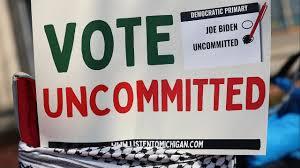
Ep 926The Uncommitted Campaign & Student Encampments w/ Elektra Kostopoulou and Kale Yost
EOn this edition of Parallax Views, the Uncommitted movement, which seeks to push Democratic voters to vote "Uncommitted" rather than "Joe Biden" in the Democratic primaries over Biden's policies on Israel/Palestine and the Gaza War, has been in the news lately alongside the student encampments and Gaza War protests. The movement has garnered much criticism, but what's it all about? Uncommitted New Jersey's Elektra Kostopoulou and Rutgers University graduate and student encampment participant Kale Yost joined me on this edition of the show for a free-flowing dialogue about the Uncommitted campaign and the student encampments that are in making headlines.

Ep 924The "Day After" in Gaza is Today, the "Day After" in Gaza is Yesterday: The Failures of U.S. Diplomacy and the Legacy of Israeli Policy Since 1967 w/ Geoffrey Aronson
EOn this edition of Parallax Views, the Middle East Institute's Geoffrey Aronson returns to the program to discuss his Responsible Statecraft article "There is no 'plan for Palestine' because Israel doesn't want one". Also relevant to this conversation is a piece I HIGHLY RECOMMEND reading that Geoffrey wrote for his Substack entitled "The Second War for Palestine". Elements of that Substack piece are covered here, but there's more in there that we couldn't get to in our time together. The majority of this conversation deal with the United States under the Biden administration's talk of the needs for a two-state solution to the Israel-Palestine conflict with the creation of a Palestinian state, presumably administred by the Palestinian authority. Problem is, according to Aronson's analysis of the history, that Israel doesn't want that. Thus U.S. talk of the "Day After in Gaza" scenario becomes irrelevant because Israel, whether under Benajmin Netanyahu or a potential successor like Benny Gantz, is not interested in the advice the U.S. is offering. We will also delve into Israeli strategy since 1967, with a particular focus on the words and thinking of the late Foreign Affairs Minister of Israel Moshe Dayan. We'll talk about the failure of the Oslo process, how the day after in Gaza looks like both today and yesterday, the "Three Wars" Israel is fighting right now, the West Bank, strategies of management vs. seeking a long-term solution, Islamist movements like Hamas and the strategy of dividing Palestinians, and much, much more.

Ep 921The State of the Israeli Psyche and Society w/ Ori Goldberg
EOn this edition of Parallax Views, Israeli commentator Ori Goldberg, who has become well-known since the Gaza war began for his criticisms of Netanyahu and the state, or mindset, of Israeli society since October 7th. In a previous life he was a Middle East scholar who specialized in studying Iran. We start the conversation off with that as Ori gives his thoughts on the death of Iranian President Ebrahim Raisi and comments on the adaptability of the Islamic Republic in face of crisis. From there we shift to a conversation about the state of Israeli society today. Before October 7th much was made about the internal divisions in Israeli political life that has been summed up as a battle between a secular state of Israel vs. a religious state of Judea embodied by the far-right coalition created by Benjamin Netanyahu. Then the Hamas attack of October 7th happened. And in Ori's estimation it has led to a surfacing of something almost mythical in regard to the Israeli identity. In the course of our conversation Ori attempts to articulate the mindset that and structural make-up of Israeli society and the Israeli psyche. This leads us to a discussion of supremacist beliefs in Israeli society and how Israel sees itself in relation to the world. He argues that his country must go through a reckoning and transformation for a viable future. But he does not argue this from the frame of a mundane political analysis. Rather he seeks to offer what he believes is an intimate and intense portrait of Israel at this moment. Ori will also offer his thoughts on the dehumanization of Palestinians in Israel and how the process dehumanization degrades and dehumanizes even the perpetrator of it. Finally he comments on his statement that, in Israel, "Palestinian blood has become cheaper than air." Ori paints a grim picture of where Israel is at as a society, but maintains that he is optimistic about change and transformation.

Ep 920Analysis of ICC Charges, Regional Dynamics in the Gaza War, Abbas as an Obstacle to Palestinian Unity, Long-Term Israel-Palestine Resolution, & Israel's AI War Machine w/ Mouin Rabbani
EOn this edition of Parallax Views, noted Dutch-Palestinian Middle East analyst and Jadaliyya magazine co-editor Mouin Rabbani took time out of his busy schedule to discuss a number of topics related to the Gaza War and the Israeli-Palestinian conflict more broadly. We begin the conversation by delving into the news of the International Criminal Court (ICC) seeking arrest warrants for Netanyahu and Israeli leaders as well as Hamas leaders like Yahya Sinwar. From there we branch out into a discussion of Mouin's contribution to the recent OR Books anthology DELUGE: Gaza and Israel from Crisis to Cataclysm. In this regard, Mouin delves into the regional dynamics at play with regard to the Gaza War and argues that the often-repeated analysis that Hamas committed the Oct 7th attack in order to sabotage Saudi-Israeli normalization is in fact wrong. He'll also discuss his analysis of what he believes were the motivations behind the Oct 7th attack. Additionally, Mouin and I discuss the issue of propaganda and how to cut through it when examining the Israel/Palestine conflict, the two-state solution's feasibility, prerequisites for a long-term solution to the broader conflict, Israel's us of artificial intelligence in warfare, the Palestinian Authority's Mahmoud Abbas as an obstalce to ending Palestinian divisions, and more.
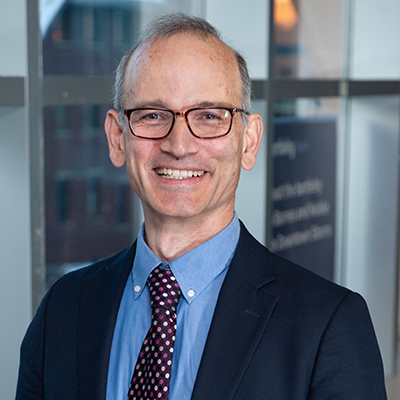
Ep 917Israel/Palestine & the Myths and Realities of the 2000 Camp David Summit w/ Prof. Jeremy Pressman
EOn this edition of Parallax Views, the University of Connecticut's Prof. Jeremy Pressman, Director of Middle East Studies at UConn and author of The Sword is Not Enough: Arabs, Israelis, and the Limits of Military Force, joins the show to discuss the myths of the 2000 Camp David Summit and Taba talks. During recent appearances in media programs such as Morning Joe w/ Joe Scarborough, former Secretary of State Hillary Clinton brought up the old trope that "the Palestinians never miss an opportunity to miss an opportunity" that is often invoked when discussing PLO leader Yasser Arafat and the 2000 Camp David Summit. This is used to say that Arafat failed the Palestinian people and "rejected an offer". It's also a talking point used to justify use of military force rather than pursuing a political solution to the Israel-Palestine conflict. It forecloses on the possibility of a diplomatic solution or peace being achieved by saying the Palestinians are "not ready" for peace. Prof. Jeremy Pressman wrote a researched, footnoted piece entitled "Visions in Collision: What Happened at Camp David and Taba?" that pushes back on this oversimplified narrative of the Clinton-era diplomatic negotiations between Israel and Palestinians. We'll dig into all the different areas of the 2000 Camp David Summit as well as dealing with the pre-history of it, specifically the Oslo Accords and the assassination of Yitzhak Rabin. We'll also compared Camp David to the Abraham Accords, cycles of escalatory violence, land swaps and the two-state solution, the Confederation model and the arguments against the two-state solution, the power asymmetry between Israel and the Occupied Palestinian Territories. concessions made by the Palestinians in negotiations, and much, much more.

Ep 919The History of Communism in Israel/Palestine w/ Prof. Joel Beinin
EOn this edition of Parallax Views, Prof. Joel Beinin joins the program to discuss his July 2023 972 magazine essay "A century after its founding, the Israeli Communist Party is at a crossroads". In said essay, Prof. Beinin gives a history of Communism and the Communist Party in Israel/Palestine that offers an insight into how the Left dealt with issues such as Zionism, anti-Zionism, Arab nationalism, partition, imperialism, and colonialism as they related to Israel/Palestine and the Middle East during the 20th century. In our conversation Prof. Beinin will give a history on the Communist Party in Israel/Palestine that delves into the splits between Palestinian and Israeli in this history as well as how the Soviet Union, the Cold War, the aftermath of the Holocaust, Egyptian President Abdel Nasser and Arab anticommunism, the formation of Hadash (The Democratic Front for Peace and Equality) in Israel, the Suez Crisis of 1956, the Communist Party successful mobilization against Israeli Minister of Agriculture Moshe Dayan's proposed Consolidation of Lands Law in the 1960s, and more. We'll also discuss the failings of the Communist Party in Israel/Palestine and the lessons that can be gleaned from those failings for the Left today in regard to Israel/Palestine.

Ep 918A Former Advisor to Palestinian Negotiators Weighs in on Israel/Palestine, Gaza, the West Bank, UNRWA, and More w/ Leila Hilal
EOn this edition of Parallax Views, Leila Hilal, an international human rights lawyer and the former co-director of the New America Foundation Middle East Task Force, joins the show to discuss her experiences as an advisor to Palestinian negotiators, Israel/Palestine, Israel's assault on Gaza, the situation in the West Bank and settler violence, misunderstandings about UNRWA, the U.S.'s refusal or inability to reign in Israel during this war, dynamics of extremism and containment, Yasser Arafat and the PLO in the era of the Oslo Accords, risks of regional war and the recent confrontation between Israel & Iran, the role of the Arab world in Israel/Palestine going forward, the "Palestinian Never Miss an Opportunity to Miss an Opportunity" trope and dehumanization of Palestinians, the recent settler attack on an aid truck, the one-state reality and Palestinians' struggle for bare life survival/search for dignity in the West Bank, the Second Intifada's effect on Palestinians and Israelis, and much, much more.

Ep 916Author Rifk Ebeid On Writing Palestinian Children's Books, Palestinian Identity & Narratives, & Her Animated Children's Short Film I AM FROM PALESTINE
EOn this edition of Parallax Views, Palestinian children's books author Rifk Ebeid, author of Baba What Does My Name Mean?: A Journey to Palestine, You Are the Color, and Birthday Kunafa, joins the show to discuss her books, Palestinian identity and experience, and her animated children's short I Am From Palestine. We'll also discuss how one of her books was censored a Philadelphia library, the need for Palestinians to know their stories and identity, suppression of Palestinian identity, positive and negative feedback she's gotten on her children's books, thoughts on the Gaza protests, centering Palestinian voices, the Nakba ("The Catastrophe" or 1948 Palestinian expulsion) and the Naksa ("The Setback" or the 1967 Palestinian expulsion), Rifk's awareness of her Palestinian identity even going back her early childhood, Ron DiSantis and Republican book banning efforts, the absurdity of being theatened by a children's book, Rif's work in speech language pathology, censorship, and a number of other topics.

Ep 915Understanding Israel/Palestine at This Crucial Juncture w/ Khalil Sayegh
EOn this edition of Parallax Views, Israel has commenced its operation in Rafah. As this was happening I was interviewing Khalil Sayegh, a D.C.-based Palestinian Christian who was born and raised in the Gaza Strip. Khalil is also the co-founder and President of the Agora Initiative, a non-profit that works to promote democracy in the Middle East. Khalil gives a crash course in the Palestinian perspective on Israle/Palestine in the course of our conversation starting with a discussion of his own background and experiences as a Palestinian who grew up in Gaza. We also end up discussing issues related to how the Palestinian cause, the quest for Palestinian self-determination, can advance forward in these turbulent, uncertain, and grim time of war and bombardment. Among the topics covered are: the need for external pressure to be put on Israel, Israeli obstinance on a two-state solution, Hamas, the Palestinian Authority, Marwan Barghouti, Zionism and anti-Zionism, diplomacy, the Occupation, the West Bank, the shrinking Israeli left, Benjamin Netanyahu, the problem with thinking that a figure succeeding Netanyahu such as Yair Lapid or Benny Gantz will immediately lead to optimal outcomes, the BDS (Boycott, Divestment and Sanctions) movement, the Nakba and Palestinian displacement, Israeli maximalism, and much, much more!

Ep 914Israel and Attacks on Writers & Journalists w/ Jordan Elgrably/Israel Vs. Al Jazeera & the Implications for Press Freedom w/ Kevin Gosztola/Reflections on the Protests Past & Present w/ Jonah Raskin
EOn this edition of Parallax Views, we've got a trouble feature. First, Jordan Elgrably of the Marza Review and editor of the new volume Stories from the Center of the World: New Middle East Fiction joins the show to discuss Israel and attacks on writers and journalist past and present who forward Palestinian perspectives. We'll also talk about Gaza as a laboratory for laboratory for repressive, surveillance technologies that are then later used in the U.S.; racist depictions of Arabs and Palestinians in U.S. media and the professional Islamophobia industry; social media, the attacks on TikTok, and the way social media has advanced Palestinian perspectives; the killing of Al Jazeera journalist Shireen Abu Akleh; and much, much more! In the second segment of the show, reporter Kevin Gosztola from The Dissenter joins us to discuss his latest article "Israel Could Ban Other Media After Banning Al Jazeera". We discuss the raid of Al Jazeera and the 45-day band being placed on the news organization shortly after World Press Freedom Day. In the third and final segment of the show, Jonah Raskin, a legendary figure from late 60s/70s left-wing counterculture and activism, speaks with us about his Counterpunch op-ed "Columbia Protests Now and in ‘68". What are the parallels between the days of rage that were the 1960s and 1970s, when FBI COINTELPRO thought to disrupt student activism and the National Guard was sent in to put down protesters in what became known as the Kent State Massacre, and the incredible moment of protest arising on today's college campuses around the issue of Gaza?
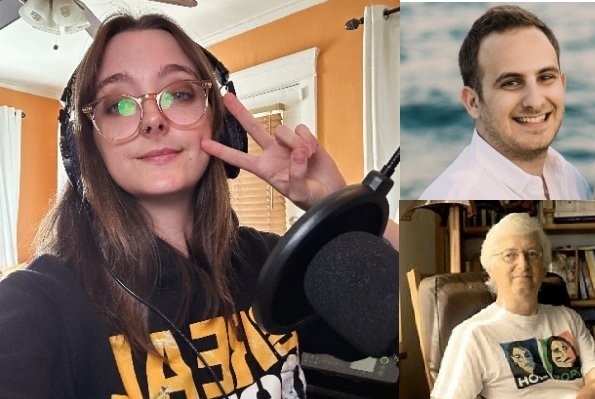
Ep 912Reporting on the UCLA Protests w/ Mel Buer/Congress Passes the Antisemitism Awareness Act w/ ADC's Chris Habiby/The Campus Protests, Antisemitism Awareness Act, & Related Issues w/ Richard Silverstein
EOn this edition of Parallax Views, a triple feature on campus protests and the Antisemitism Awareness Act that just passed Congress. First up, Mel Buer, a staff writer for the The Real News, joins us hot off her Democracy Now appearance to discuss her on-the-ground experiences and reporting on the UCLA Gaza protests. Then, Chris Habiby joins the show to discuss the Antisemitism Awareness Act bill that just passed in Congress and other legislation that could muffle Palestinian and Arab voices in America. And, finally, Richard Silverstein of the Tikun Olam blog joins returns to discuss the campus protests and what he refers to as the powerful backlash alliance against them, the ADL's Jonathan Greenblatt, Bill Aickman, Israel-Russia relations and the Russian oligarchs in Israel, his message to liberal Zionists, and much, much more.

Ep 910Academic Freedom, Viewpoint Discrimination, and Israel/Palestine w/ Jodi Dean
EOn this edition of Parallax Views, Prof. Jodi Dean, who was recently relieved of teaching duties after the publication of her Verso blog post "Palestine speaks for everyone" on April 4th, 2024. In said piece she described the sight of Hamas paragliders breaking through Israel's air defenses to get into Israel as "exhilarating". Although many have condemned her blog post, even a number of commentators who disagree with her, chief among them Sohrab Ahmari of Compact Magazine, have argued that relieving Dean of her academic duties amounts to viewpoint discrimination that goes against standards of academic freedom. This is the basis for the conversation. This is sure to be one of the most controversial episodes of Parallax Views to date. I encourage my listeners to read Dean's original blog post as well as the piece it was responding to: Judith Butler's October 19th, 2023 London Review of Books essay "The Compass of Mourning". Another piece that I would argue is necessary reading for this episode is Judith Butler's response to Jodi Dean that is also at Verso's blog entitled "There Can Be No Critique". My primary reason for reaching out to Prof. Dean was in regard to academic freedom and the issue of viewpoint discrimination. If speech has ideational content, it should be debated freely in the halls of academia no matter how much we may disagree with said content. Since October 7th, I have strived to be sensitive when discussing anything related to Israel/Palestine especially as someone who has friend in both Israel and the Occupied Palestinian Territories. It is my hope that listeners will engage with me in respectful dialogue and critique of this episode but also my episodes in general. Your feedback is welcome.
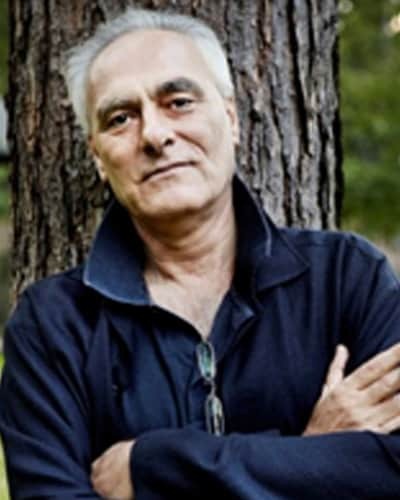
Ep 909The Turbulent World - April 2024 Update on Iran & Israel, Gaza Protests, Extreme Rhetoric in Israel, Israel's Information War, Benjamin Netanyahu, and More w/ James M. Dorsey
EOn this edition of Parallax Views, Middle East scholar Prof. James M. Dorsey of The Turbulent World w/ James M. Dorsey Substack blog returns for another update on the situation of Israel/Palestine and the broader Middle East. This hour and a half conversation delves into many different areas including: - The Gaza War - Violence in the West Bank - The past month of tensions between Iran and Israel starting with Israel's attack on an Iranian consulate compound and Iran's strike in response; the Biden administration's response to the Iran attack; the 7-year-old Bedouin girl injured in the Iranian strike - The U.S. foreign policy establishment and Iran hawks - The Gaza protests at Columbia University and other campuses around the U.S. - Israel's Prime Minister Benjamin Netanyahu, his policy on Palestine, and related matters related to Bibi - Will the situation of Gazans really fundamentally change in a post-Netanyahu Israel? - Khan Younis mass graves allegations - UNRWA situation and Israel's information war (which Dorsey argues Israel is losing) - The different flavors of both Zionism and anti-Zionism; militant anti-Zionism vs. conciliatory anti-Zionism - The genocide discourse, legal definition of genocide, and war crimes/human rights violations - Qatar, Saudi Arabia, Turkey, Hamas, and the Arab street - Nancy Pelosi's conspiracy theory about Gaza protests being tinged by the influence of foreign powers - Personal anecdote from James about an experience he had involving Zbigniew Brzezinski and Iran - Extreme rhetoric within Israel, especially amongst elements in Israel's army and amongst religious leaders; Rabbi Mali's comments suggesting the Israel kill Palestinian women to prevent the births of future Palestinian boys - And much, much more
Ep 907Dear Palestine: A Social History of the 1948 War w/ Prof. Shay Hazkani
EOn this edition of Parallax Views, the University of Maryland's Prof. Shay Hazkani, a former Israeli journalist turned historian, joins the show to discuss the major themes of his book Dear Palestine: A Social History of the 1948 War and documentary The Soldier's Opinion in light of the Gaza War, settler violence in the West Bank, and the October 7th Hamas attack. Prof. Hazkani provides a fresh, illuminating perspective on the 1948 Arab-Israeli War that contributes a great deal to discussion of Israel/Palestine. Specifically, he takes the approach of looking at how non-elites, especially soldiers, viewed/perceived the war compared to elites on both the Israeli and Arab sides of the conflict. We'll delve deep into this as well as Prof. Hazkani's battles with the Israeli Supreme Court over the fight to declassify documents in Israel's archives; how Prof. Hazkani's work overlaps with that of the Israeli New Historians like Benny Morris, Avi Shlaim, and Ilan Pappe (as well as how it differs from those works); propaganda and the mythologies of war (and how said propaganda and myths are generated); some of the myths that Prof. Hazkoni specifically busts in the book; the damage books like Joan Peters' From Time Immemorial have caused to properly understanding Israel/Palestine; the Arab Liberation Army; how then-recent American Jewish immigrants perceived events unfolding at the time compared to Jews who had immigrated prior; and much, much more. And yes, we will discuss all of this within the context of the current Gaza War and violence in the West Bank. Prof. Hazkoni will delve into his fears about what is transpiring currently, especially with regards to messianic right-wing elements in Israeli society like the Religious Zionists, as well as how the parallels between 1948 and today. All that and more on this must-listen edition of Parallax Views!

Ep 908Columbia U Protests + the Kent State Massacre, Project Censored's State of the Free Press 2024, Forever Chemicals, & Remembering Daniel Ellsberg w/ Mickey Huff
EOn this edition of Parallax Views, Project Censored's Mickey Huff joins us to discuss Project Censored's State of the Free Press 2024, the media watchdog group's annual round-up of the most censored news stories in the United States. However, rather than just a straight rundown of this year's annual Project Censored offering, Mickey and I use this conversation to take the opportunity to discuss the recent controversy over the Columbia University pro-Palestinian Gaza protests, John Fetterman's comparing those protests to the Charlottesville "Unit the Right" rally, and Senator Tom Cotton calling for vigilante violence against protesters. With calls for the National Guard to be brought to Columbia University to put an end to the protests, Mickey and I reflect on the Kent State Massacre of 1970, the anniversary of which will be on May 4th. Additionally we'll discuss: - Mainstream media coverage of the Gaza war as well as the leaked New York Times memo telling journalists to avoid words and phrases like "genocide", "ethnic cleansing", and "occupied territories" when covering Israel/Palestine-related issues. - The importance of the right to protest to a functioning democracy - The lack of trust in corporate media and the worrying state of journalism today - Remembering Pentagon Papers whistleblower Daniel Ellsberg - Project Censored's coverage of PFAS or toxic "forever chemicals" and why this environmental story needs more coverage - And much, much more EDIT - NOTE: I used the term "outside agitators" at some point in the conversation when I was thinking more about isolated bad apples and agent provocateurs. Misuse of words on my part.
Ep 906Applying the Lessons of the French Evisceration of Algeria to the Gaza War w/ Sean Tomilson
EOn this edition of Parallax Views, Sean Tomilson, a PhD candidate in Middle Eastern and North African Studies at the University of Arizona, a graduate of West Point, and a U.S. Army veteran, joins the show to discuss his March 2024 Responsible Statecraft piece entitled "What the French evisceration of Algeria has to do with Gaza today". We'll discuss the "Philippeville massacre" of 1955 and the reaction to it during the Algerian War of Independence and its parallels with the October 7th Hamas attack and Israel's response to it. Sean argues that the military logic of "total victory" may not be achievable for Israel in Gaza and that there's many lessons to be gleaned from the French experience in Algeria in this regard. We'll also look at the systemic roots of both conflicts and the errors made strategically by France in regards to Algeria. What can this tell us about the Israel-Palestine conflict and how Israel has waged its military operations in Gaza since October 7th? Also, where does the logic of total victory lead and how can the brutal civilian causalities inflicted actually inflame future conflict? All that and more on this edition of Parllax Views.

Ep 905Examining Biden's Policies on Economics, Gaza, and the Border Heading Into Election Season w/ Karen Dolan/How Autocrats Seek Power w/ Richard Abel
EOn this edition of Parallax Views, in the first segment Karen Dolan, a Fellow at the Institute for Policy Studies who heads of said institute's Criminalization of Race and Poverty project, stops by to discuss Biden's policies in relation to the economy, the border/immigration, and Gaza/Israel-Palestine. In the course of this segment we'll delve into where Biden appears to be leaning into the progressive base's goals and where he is wildly out-of-step with the progressive base. During the conversation Karen and I go through her two most recent articles: "Parsing Biden’s 2024 State of the Union Address" and "Biden’s populist budget marks the overdue end of trickle-down economics". Some of the key issues we cover our green energy policy, corporate price-gouging, inflation, child tax credits, the Pentagon budget, taxation of the wealthy, and more. In the second segment of the show, UCLA law professor Richard Abel, known for his work on apartheid South Africa (his work was even promoted by Nelson Mandela!), joins the show to discuss his trilogy of books on autocrats and autocracy. The third entry in this series Prof. Abel has penned is entitled How Autocrats Seek Power: Resisting Trump and Trumpism and deals heavily with the events of and leading up to the January 6th insurrection. We'll discuss a number of issues, have a respectful back-and-forth about the U.S.'s own relations with autocratic states that the U.S. consider allies, get Richard's thoughts on people who are conscientiously abstaining from voting for Joe Biden over Gaza, chat about Trump and conspiracy theories, and much, much more. Prof. Abel will also talk about his work criticizing the Bush and Obama administration during the War on Terror and why he considers Trump more dangerous than previous presidential administrations.

Ep 904Inside the World of Deathmatch Wrestling w/ Mike Krueger
EOn this edition of Parallax Views, we delve into the controversial world of deathmatch wrestling with deathmatch wrestler Mike Krueger. For those unfamiliar with deathmatch wrestling, it is by far the most extreme variant of professional wrestling imaginable. When watching a deathmatch promotion like Game Changer Wrestling (GCW), Combat Zone Wrestling (CZW), Xtreme Pro Wrestling (XPW), Underground Empire Wrestling (UEW), or any number of others similar promotions you can expect to see things that you'd never see in a mainstream pro wrestling promotion like WWE. This includes wrestler diving off balconies into glass, wrestler being thrown into flaming tables, and competitors using objects like light tubes and barbed wire bats as weapons. It is, in other words, the "outlaw" form of pro wrestling that is often heavily criticized for it's blood-n-guts gruesomeness. And yet, deathmatch wrestling has cultivated a rather diverse audience. On one hand there's the "anti-woke" fans of Rob Black's notorious XPW. On the other there's Game Changer Wrestling, which has become popular especially with some in the LGBTQ+ community for its inclusiveness. Additionally, despite its violence, deathmatch wrestling also has some famous fans. The Muslim gonzo punk novelist Michael Muhammad Knight, for example, is on record as being a fan of legendary deathmatch wrestler Necro Butcher. And then there's the RackaRacka Brothers aka Danny Philippou and Michael Philippou, known for directing last year's A24-distributed sleeper horror hit Talk to Me, who are not only making a documentary on deathmatch wrestling, but have actually participated in deathmatches. And they aren't the only celebrities who have been involved in deathmatch wrestling. Actor David Arquette, known for the Scream movies (as well as his infamous stint in mainstream wrestling as the short-lived World Heavyweight champion of WCW), did a deathmatch with one of the genre's biggest names: Nick Gage. Additionally, rock stars like Glenn Danzig, Korn's Jonathan Davis, Slayer's Kerry King, and former Danzig bassist Josh Lazie as well as rap duo the Insane Clown Posse made appearances or were involved with XPW in the late 90s/early 2000s. The deathmatch performance art shows of New York's Casanova Valentine have gained the attention of punk rock and urban hipster youths at bars. And VICE has tackled the topic in multiple documentaries, most notably in in season 3 of the popular TV show Dark Side of the Ring's "The Ultra-Violence of Nick Gage" episode. Violent as it may be, deathmatch wrestling is, against seemingly all odds, arguably breaking through to the mainstream. The widely listened to Joe Rogan Experience podcast devoting an entire segment to the subject with the aforementioned Phillippou Bros. should attest to that fact. What is the appeal of deathmatch wrestling though? Is there more to it than the elements of ultra-violence? And what is it like being a deathmatch wrestler? Mike Krueger will help answers those questions and more. We'll discuss a number of topics including: - The punk rock nature of deathmatch wrestling - The connection between deathmatch wrestlers and the smaller, more intimate audiences they perform for - The Mount Rushmore of death match wrestling - The trendiness of deathmatch wrestling in the past few years - What drives deathmatch wrestlers? - The dangerous nature of deathmatch wrestling and the fact that the damage the wrestlers' bodies take in deathmatches can't be fact even if the results are predetermined - Trauma, psychological issues, and deathmatch wrestlers - The psychology of deathmatch wrestling - Old school deathmatch wrestling from Japan: Frontier Martial Arts Wrestling (FMW) and their infamous barbed wire exploding death match between Terry Funk and Atsushi Onita - Storytelling in deathmatch wrestling - The wear and tear Mike's body has endured from deathmatch wrestling - The cut-throat nature of the independent wrestling scene; backstabbing in the scene; promoters that don't pay the talent - The story of Mike getting hit multiple times with a weed whacker in a match - The role of muscle memory in pro wrestling - How do deathmatch wrestlers protect themselves when being hit by glass or lighttubes? - Has deathmatch wrestling gotten too violent since the time it began? How has the deathmatch wrestling scene changed since Mike got involved in it? - Mike Krueger's background in amateur wrestling and answering the question of how many deathmatch wrestlers are properly trained - Why Mike quit pro wrestling and why he more recently made a comeback - Deathmatch wrestling and how its violence combined with the type of wrestlers it attracts makes people question the "is this fake?" question more so than other forms of wrestling? How wrestlers like the late New Jack made people believe that they may be watching a "shoot" (a real fight) - The craziest thing Mike has ever seen in a deathmatch - The falls from high heights that deathmatch wrestle

Ep 903Is the U.S.-Israel Special Relationship a Strategic Liability? w/ Jon Hoffman
EOn this edition of Parallax Views, Jon Hoffman, policy analyst in defense and foreign policy at the Cato Institute, joins the show to discuss his Foreign Policy article "For America, Israel Is a Liability, Not an Asset". Hot off his appearance on MSNBC discussing said article, Hoffman joined me to go further into the main points that he raises throughout the piece. Specfically, Hoffman argues that is time for the U.S. to reconsider its special relationship with Israel. He argues that it has become detrimental to both the U.S. and Israel. This is not, to say, however that Hoffman thinks we should have no relationship with Israel. Instead he argues, as other such as Matthe Yglesias have also done, that it is time for a normalization of the U.S.-Israel relationship. The current nature of the special relationship, he argues, does not serve American interests and does harm to U.S. foreign policy and stability in the Middle East. We delve into such issues as the Gaza War, Israel's lack of an endgame strategy beyond "eliminating Hamas" in regards to Gaza, fury against the U.S. and Israel by the Arab streets in the region, how unconditional support for countries like Israel and Saudi Arabia can undermine belief in the U.S.-led "international rules-based order", the nature of the U.S.-Saudi relationship and oil, the argument that Israel is the U.S.'s necessary "eyes and ears" in the Middle East, the American-Israel Public Affairs Committee (AIPAC) and pro-Israel lobbying efforts, how the special relationship may be empowering right-wing figures like Israel's Prime Minister Benjamin Netanyahu TO THE DETERIMENT of Israel itself (this is likely a key point for people who would dismiss Hoffman's piece as an anti-Israel screed; it isn't regardless of what one's views of Israel and the Gaza War are), what normalization of relations between the U.S. and Israel would look like, and much, much more.
Ep 902"White Rural Rage" Book Receives More Criticism from a Scholar It Cited w/ Kristin Lunz Trujillo/Culture Warriors Push Propaganda About Haiti Crisis w/ Patrick MacFarlane
EOn this edition of Parallax Views, Kristin Lunz Trujillo, Assistant Professor of Political Science at the University of South Carolina, joins the show to discuss her Newsweek op-ed "'White Rural Rage' Cites My Research. It Gets Everything About Rural America Wrong". Like previous guest Prof. Nicholas F. Jacobs, Trujillo has a critique of Paul Waldman and Tom Schaller's new book White Rural Rage: The Threat to American Democracy. Given that the book has been covered in various media outlets as of late, Trujillo's critique seems relevant, especially as many Democrats and Democratic Party strategists may take the book to heart despite the problems with the way it cites research. Trujillo and I get into the problems with both the blanket demonization of rural America as well as the romanticization of it. We'll also delve into the problems with the books depiction of rural American politics, a subject that Trujillo specializes in researching. We'll look at the rural America in relation to Christian nationalism and QAnon conspriacy theories as well as delving into how media creates a certain image of rural America that flattens our understanding of rural Americans and their voting habits. All that and more on this edition of the show! In the second, short-but-sweet bonus segment of the show The Libertarian Institute's Patrick MacFarlane joins the program to discuss the right-wing culture warriors pushing stories about Haitian cannibal gangs in light of the crisis in Haiti and how these stories may not be true and actually serve as war propaganda. In particular we hone in on the claims around Jimmy "Barbecue" Chérizier as detailed in his article "Culture Warriors Spread Disinfo on 'Haitian Cannibals'".

Ep 901Prominent Jewish Americans Sign Letter Opposing AIPAC w/ Alan Minsky
EOn this edition of Parallax Views, last week a number of prominent Jewish Americans came together to sign an open letter voicing opposition to AIPAC (American Israel Public Affairs Committee) and its influence on both major American political parties. A statement in the leader reads, "Given that Israel is so isolated internationally that it could not continue its inhumane treatment of the Palestinians without U.S. political and military support, AIPAC is an essential link in the chain that holds in place the unbearable tragedy of Israel/Palestine. In coming U.S. elections, we need to break that chain in order to help free the people of Israel/Palestine to pursue peaceful coexistence." This open letter comes at a crucial time given Israel's war in Gaza and mounting concerns over the humanitarian crisis faced by Palestinians at this very moment. Prominent signees include actors Elliot Gould and Wallace Shawn, journalist Martin A. Lee, playwright Tony Kushner, and previous Parallax Views guests such as Ariel Gold, Dave Zirin, Mitchell Plitnick, and Samuel Moyn. Given AIPAC activities against progessive candidates in the Democratic Party, this letter should catch the eye of progressive voters and activists. Alan Minsky, executive director of Progressive Democrats of America and one of the main forces behind the letter, joins the show to discuss the letter, AIPAC, and related issues. Full text of the open letter below: A Statement from Jewish Americans Opposing AIPAC’s Intervention in Democratic Party Politics We are Jewish Americans who have varying perspectives. We’ve agreed to come together to highlight and oppose the unprecedented and damaging role of AIPAC (American Israel Public Affairs Committee) and allied groups in U.S. elections, especially within Democratic Party primaries. We recognize the purpose of AIPAC's interventions in electoral politics is to defeat any critics of Israeli Government policy and to support candidates who vow unwavering loyalty to Israel, thereby ensuring the United States' continuing support for all that Israel does, regardless of its violence and illegality. Given that Israel is so isolated internationally that it could not continue its inhumane treatment of the Palestinians without U.S. political and military support, AIPAC is an essential link in the chain that holds in place the unbearable tragedy of Israel/Palestine. In the coming U.S. elections, we need to break that chain in order to help free the people of Israel/Palestine to pursue peaceful coexistence. In the same 2021-22 election cycle in which AIPAC endorsed Republican extremists and dozens of Congress members who’d voted against certifying Biden’s victory over Trump, the AIPAC network raised millions from Trump donors and spent the money inside Democratic primaries against progressives, mostly candidates of color. AIPAC is now vowing to spend even more millions in the 2024 Democratic primaries, targeting specific Democrats in Congress – initially all legislators of color – who’ve advocated for a Gaza ceasefire, a position supported by the vast majority of Democratic voters. AIPAC’s election spending increasingly works to defeat candidates who criticize the racist policies of Israel. In contrast to AIPAC, we are American Jews who believe that U.S. support for foreign governments should only be extended to those that respect the full human and civil rights, and right to self-determination, of all people. We oppose all forms of racism and bigotry, including antisemitism – and we support the historic alliance in our country of Jewish Americans with African Americans and other people of color in the cause of civil rights and equal justice. Therefore, we strongly oppose AIPAC's attempts to dominate Democratic primary elections. We call on Democratic candidates to not accept AIPAC network funding, and demand that the Democratic leadership not allow Republican funders to use that network to deform Democratic primary elections. We will support candidates who are opposed by AIPAC, and who are advocates for peace and a new, just U.S. policy toward Israel/Palestine.
Ep 900Jonathan Glazer's Oscar Speech, Its Parallels to Vanessa Redgrave's 1978 Oscar Speech, & the Meaning of THE ZONE OF INTEREST w/ Corey Atad
EOn this edition of Parallax Views, freelance writer Corey Atad, who has written in such publications as Esquire, Slate, Hazlitt, and The Baffler, joins the show to discuss his piece in Welcome to Hellworld on Jonathan Glazer's Oscar speech and the reaction to said speech. Glazer decided to bring up the Gaza War when accepting the award for his Holocaust drama The Zone of Interest. He was accused of saying he was "refuting his Jewishness and the memory of the Holocaust" even though the clip was taken out of context. What he said was actually a commentary on the hijacking of Jewish identity and Holocaust memory for political purposes (which is what he sought to refute), a warning/call to resistance against dehumanization. As Glazer explained, he felt that Zone of Interest was not just a film about the past, but also the present. In other words: we need to be aware of where dehumanization has led in the past and where it could lead in the present. Glazer also made reference to Israel's Occupation of Palestinian territories during this speech. This has all sparked backlash and the aforementioned distortion of Glazer's words. A letter signed by at least a thousand people in Hollywood (some, like Jennifer Jason Leigh, recognizable, but many not) denouncing Glazer. Other, such as playwright Tony Kushner and the Auschwitz Memorial director Piotr Cywiński, have come to Glazer's defense. Corey joins the show to give his take on the speech as well as to offer his commentary on The Zone of Interest and relaying the tale of actress Vanessa Redgrave's 1978 Oscar speech which cause a similar controversy when she called out the extremist Jewish Defense League (referring to them as "Zionist hoodlums). We'll also delve into The Zone of Interest from the perspective of Hannah Arendt's "banality of evil" concept, Corey's criticism of The Zone of Interest, and the themes of alienation at the heart of The Zone of Interest's story centered on Auschwitz commandant Rudolf Höss, his wife Hedwig, and their family against the backdrop of the Third Reich's exterminatory horrors. All that and more on this edition of Parallax Views.
Ep 899Gaza War Update w/ Prof. James M. Dorsey
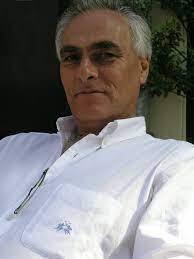
EOn this edition of Parallax Views, Middle East scholar Prof. James Dorsey, the man behind The Turbulent World w/ James M. Dorsey blog and Substakc, returns for a Gaza War update. We discuss the clans in Gaza that may or may not end up collaborating with Israel against Hamas and their own unsavory nature, the bombing of Gaza and its infrastructure like hospitals, Israel's information war, Benjamin Netanyahu, Joe Biden's vision for the Middle East and the political obstacles he faces, the 1948 war and what came after it, the two-state vs. one-state solution, and much, much more. NOTE: There's some audio crackle that couldn't be fixed in post on this episode. I hope you will find it listenable anyways.

Ep 898Schaller & Waldman's "White Rural Rage" Thesis Misuses Data to Push an Unhelpful Narrative w/ Prof. Nicholas F. Jacobs
EOn this edition of Parallax Views, Colby College's Prof. Nicholas F. Jacobs, co-author with Daniel M. Shea of The Rural Voter: The Politics of Place and the Disuniting of America, joins the show to discuss his piece in The Daily Yonder entitled "New Book on Rural America Started with a False Conclusion, Then Looked for Evidence". Jacobs offers a damning critique of the hot new book White Rural Rage: The Threat to American Democracy by Paul Waldman and Tom Schaller. Waldman and Schaller's book, which has garnered a lot of media coverage in outlets like MSNBC and The Washington Post, posits that the biggest threat facing democracy is the rage of white rural voters who they are more bigoted, xenophobic, prone to anti-government violence, believing in conspiracy theories like QAnon, and more than other portions of the population. Jacobs isn't in the business of giving a defense of rural America. That's not his interest as an academic. He is, however, perturbed by claims made in Waldman and Schaller's book because, he argues they misuse data and survey research in a way that is harmful to discourse about the current American political landscape, voter attitudes, and the urban-rural divide. Moreover, he argues that Waldman and Schaller's books fan the flames of right-wing talking points about Democrats and resentment against rural populations. But most of all he focuses on the issues with the data itself that's presented in the book. Get ready for a blow-by-blow breakdown of White Rural Rage on this edition of the program.

Ep 897Europe Must Look Beyond the U.S. for Its Future in a Changing World + Biden, Netanyahu, and the Gaza War w/ Amb. Patrick Theros
EOn this edition of Parallax Views, Amb. Patrick Theros of the Gulf International Forum returns to discuss his The National Herald op-ed "Europe Must Take Charge of Europe". Amb. Theros argues that a combination of U.S. public attitudes on foreign policy (particularly amongst, but not limited to Republicans; namely, what Theros sees as the return of isolationist attitudes of the 1930s) and the U.S. foreign policy spreading itself too thin means that Europe must take charge of its own future going forward rather than relying on U.S. assistance. This gets into a discussion of NATO, the specter of another Trump Presidency in the U.S., France's President Emmanuel Macron and his vision for Europe, the Ukraine-Russia war, and much, much more. We'll also talk a bit about the war in Gaza, President Biden, and Israel's Prime Minister Benjamin Netanyahu in the latter half of the program. And we'll discuss isolationism vs. pro-restraint views in foreign policy, the issue of the U.S. not using diplomacy as a tool in its arsenal nearly enough, the disaster of Libya, and more. NOTE: Messed up on the Producer's Credits on this one and put an older version of it in. This has been rectified with the correct Producer's Credits.
Ep 896The Death of Film Criticism and the Infantilization of Cinema (+ Oscar Talk) w/ Jim DiEugenio
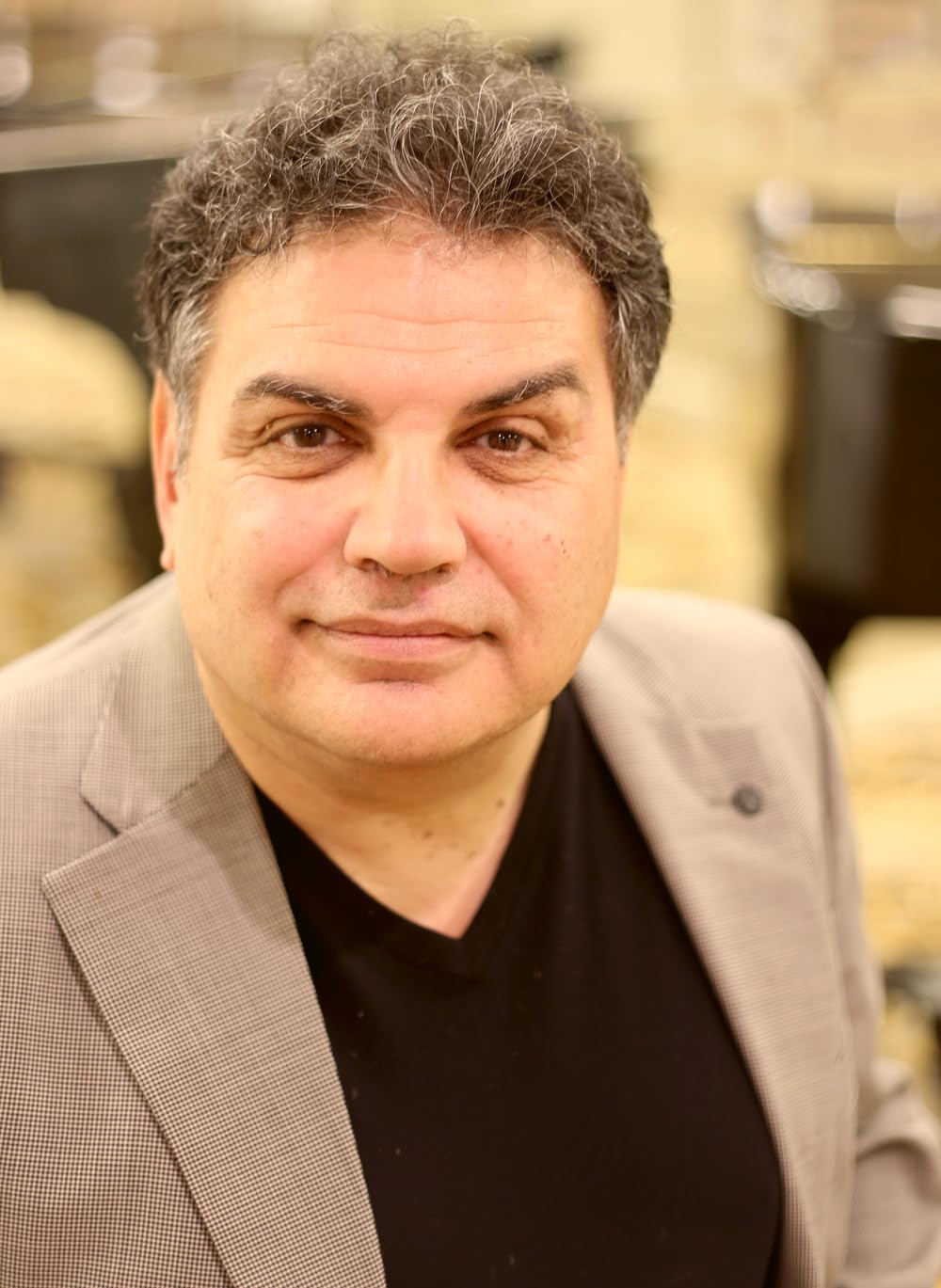
EOn this edition of Parallax Views, Jim DiEugenio, writer of Oliver Stone's JFK Revisited and co-author of The JFK Assassination Chokeholds: That Prove There Was a Conspiracy, returns to discuss the death of film criticism as well as the rise of Marvel/DC superhero movies and what he judges to be their negative impact on the movie landscape. Although he's known to most as a JFK assassination researcher, Jim has also for many years been a film critic and has an insight into the golden era of film critics that included such names as Pauline Kael, Andrew Sarris, Dwight MacDonald, and John Simon among others. In the course of our conversation we talk about such classic films as Lawrence of Arabia, Sam Peckinpah's The Wild Bunch, Michael Antonioni's Blow-Up, and Bonnie and Clyde among many others. We'll discuss the Golden Era of New Hollywood from the mid-60s to the mid-70s and why Jim mourns the loss of this era of film and film criticism. Additionally, Jim will give his take on the latest Oscar-nominated movies like Christopher Nolan's Oppenheimer, the Emma Stone vehicle Poor Things, and Martin Scorsese's Killers of the Flower Moon. And he'll explain why he thinks the film critics Ebert and Siskel, with their show At the Movies, hurt film criticism. All that and much more!

Ep 895The Islamophobia Network and the Israel-Palestine Discourse w/ Sahar Aziz and Mitchell Plitnick
On this edition of Parallax Views, ReThinking Foreign Policy's Mitchell Plitnick and Sahar Aziz of the Center for Security, Race, and Rights join the show to discuss their recent report Presumptively Antisemitic: Islamophobic Tropes in the Palestine-Israel Discourse. Sahar Aziz is the author of the book The Racial Muslim: When Racism Quashes Religious Freedom and has done extensive work on the issue of Islamophobia. Together with Mitchell Plitnick, known for his work on U.S. foreign policy related to Israel/Palestine, they are taking on the connection between Islamophobia and the silencing of Arab voices on the issue of the Israel-Palestine conflict. This has an impact on the Israel-Palestine discourse. We'll also delve into the forces at play in promoting Islamophobia and, more specifically, what is often referred to as the Islamophobia network in the U.S. In relation to all of this we will discuss the terrorist trope, Orientalism, President Joe Biden's approach to the Gaza War, and more.
Ep 894Ringmaster: Vince McMahon and the Unmaking of America w/ Josie Riesman
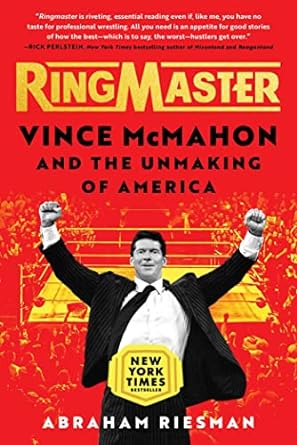
EOn this edition of Parallax Views, Vince McMahon, the former chairman and CEO of World Wrestling Entertainment (WWE), was the most powerful man in all of professional wrestling (or, as he likes to call it, "sports entertainment"). Now though McMahon is completely out of WWE after horrific allegations of sex trafficking and abuse of a former employee, Janel Grant. It's not the first time controversy has follow McMahon or WWE. There's also the case of Rita Chatterton, a former WWE referee who accused McMahon of rape, and the ring boys scandal, in which WWE employees Mel Phillips and Terry Garvin (as well as Pat Patterson) were accused of being involved in a pedophile sex ring within the company. In lieu of the latest accusations, I reached out to Josie Riesman, author of the book Ringmaster: Vince McMahon and the Unmaking of America, to discuss McMahon and the wrestling empire he built over the years as well as how it relates to issues like robber baron-style capitalism and labor exploitation. We'll also, of course, discuss the sex scandals mentioned above as well as diving into the early history of Vince McMahon, who initially grew up in poverty with an abusive stepfather. Moreover, we'll delve into the relationship between Vince and his biological father Vince McMahon Sr. and how the book is also about father/son relationships. Other issues discussed include: - Vince McMahon Sr. (Vince's father) and the FBI tapes in which he threatens pro wrestler Dr. Jerry Graham - The issue of "independent contractor" status in pro wrestling and how it could be seen as labor exploitation - The wrestling term "kayfabe" and why Josie believe the concept needs to be studied outside of a pro wrestling cotnext; Josie's concept of neokayfabe, omerta in pro wrestling, and the "protect the business" dictum - Tom Cole and the ring boys scandal - Vince McMahon's wife, Linda McMahon - And much, much more!
Ep 893BEST OF: The Enduring Legacy of V, the Hit Sci-Fi TV Series That Used the Alien Invasion Trope to Explore the Dangers of Fascism w/ Kenny Johnson
EOn this edition of Parallax Views, 2023 marks the 40th anniversary of the release of V: The Original Miniseries. A two-part sci-fi television event that brought in around 33 million homes, V was ostensibly the story of reptilian alien invading earth to steal it's resources and turn the human population into a food source. However, beneath the surface it acted as a parable about how fascism and authoritarianism can take hold in a country. In fact, it was inspired by Sinclair Lewis' classic novel It Can't Happen Here and was initially not about malevolent extraterrestrial invaders at all. In this conversation we discuss how V came to be, the conspiracy theorists who take the miniseries and it's reptilian invasion literally and Kenny's response to them, V as a parable about fascism, Kenny's work with Vincent Price on An Evening With Edgar Allen Poe, what Kenny thinks of being compared to The Twilight Zone's Rod Serling due to his interest in sci-fi that deals with social issues, the TV how Alien Nation, the cast of V (which included such names as Marc Singer of The Beastmaster franchise, Robert Englund of Freddy Krueger fame, Jane Badler, Andrew Prine, and many others), the Holocaust and how it tied into the story of V, racism and diversity and the way those topics figured into V, Kenny's sequel novel to V entitled V: The Second Generation, the possibility of a big screen movie remake of the miniseries, looking back on V in the era of Trump (and anti-vaxxers and conspiracy theories), V's dealing with the topic of anti-science sentiments and how they can be damaging to society, the way in which V is about two powerful women (the heroine Juliet and the villainous reptilian alien Diana), the cinematic quality of V and its European theatrical release, the studio's lack of faith in V and belief that it's dealing with social issues of the time would be too intellectual for American audiences, and much, much more!

Ep 892Israel/Palestine, the Gaza War, and Rebel Governance in the Middle East w/ Abdalhadi Alijla
EOn this editiion of Parallax Views, Writer and researcher Abdalhadi Alijla, author of Trust in Divided Societies and co-editor of Rebel Governance in the Middle East, joins the show to discuss his perspective on Israel-Palestine and the Gaza War from his perspective as both a researcher and writer on the region as well as someone who was born in Gaza. We'll also be discussing the aforementioned book Rebel Governance in the Middle East and examine groups like Hamas, Hezbollah, and the Houthis. Ajiljla will also look at the effect of the war on Israel as well as Palestinians, the response of the Global South to the war, Israeli Prime Minister Netanyahu's strategy, the risks of regional war, how the war could have an impact on the U.S. Presidential election, Jordan and Egypt in relation to the current war, forced migration of Palestinians and Egyptian security concerns, Saudi Arabia and the Gulf States (including most especially Qatar) in relation to the war, talk of the resettlement of Gazans by Israeli political figures, Israel's political scene and the Israeli far-right, one state vs two state solution, the IDs issued to Palestinians by Israel, the one state reality and the Occupation, the issue of human dignity in regards to Israel-Palestine, misperceptions about the Palestinian people and the specter of antisemitism, and more. NOTE: RECORDED 1/31/24

Ep 882The Confederation Model Approach to Israel/Palestine w/ Josef Avesar
EOn this edition of Parallax Views, Josef Avesar of the Israeli-Palestinian Confederation joins the show to discuss not the one-state or two-state solutions to the Israel-Palestine conflict, but instead the Confederation approach to the issue. This is a very basic introduction to the Confederation model for Israel/Palestine that proposes a common government alongside Israeli and Palestinian governments. Hopefully, if this episode gains traction we can have another conversation with listener questions. In any case, it is important to think about ways that this issue can be solved. Especially in light of the October 7th Hamas attack AND the ensuing Gaza War that has seen Israel's bombing of Gaza kills tens of thousands of Palestinian civilians. After 75 years of war and conflict, Avesar argues that seeking peace is the realistic approach whereas the argument that peace is not possible is actually the naive approach. We will discuss all this and much more in this fascinating conversation. Although many argue that the Confederation model is a defacto one-state solution others argue that it's a compromise between the two-state solution and the one-state democratic solution. We'll get into Josef's views, his own views on Zionism, his debate with Alan Dershowitz about Zionism, the criticisms he's received over the confederation approach, the simulations that IPC does, and much, much more.
Ep 891Free Your Mind!: Giovanni 'Tinto' Brass, 'Swinging London' and the 60s Pop Culture Scene w/ Simon Matthews
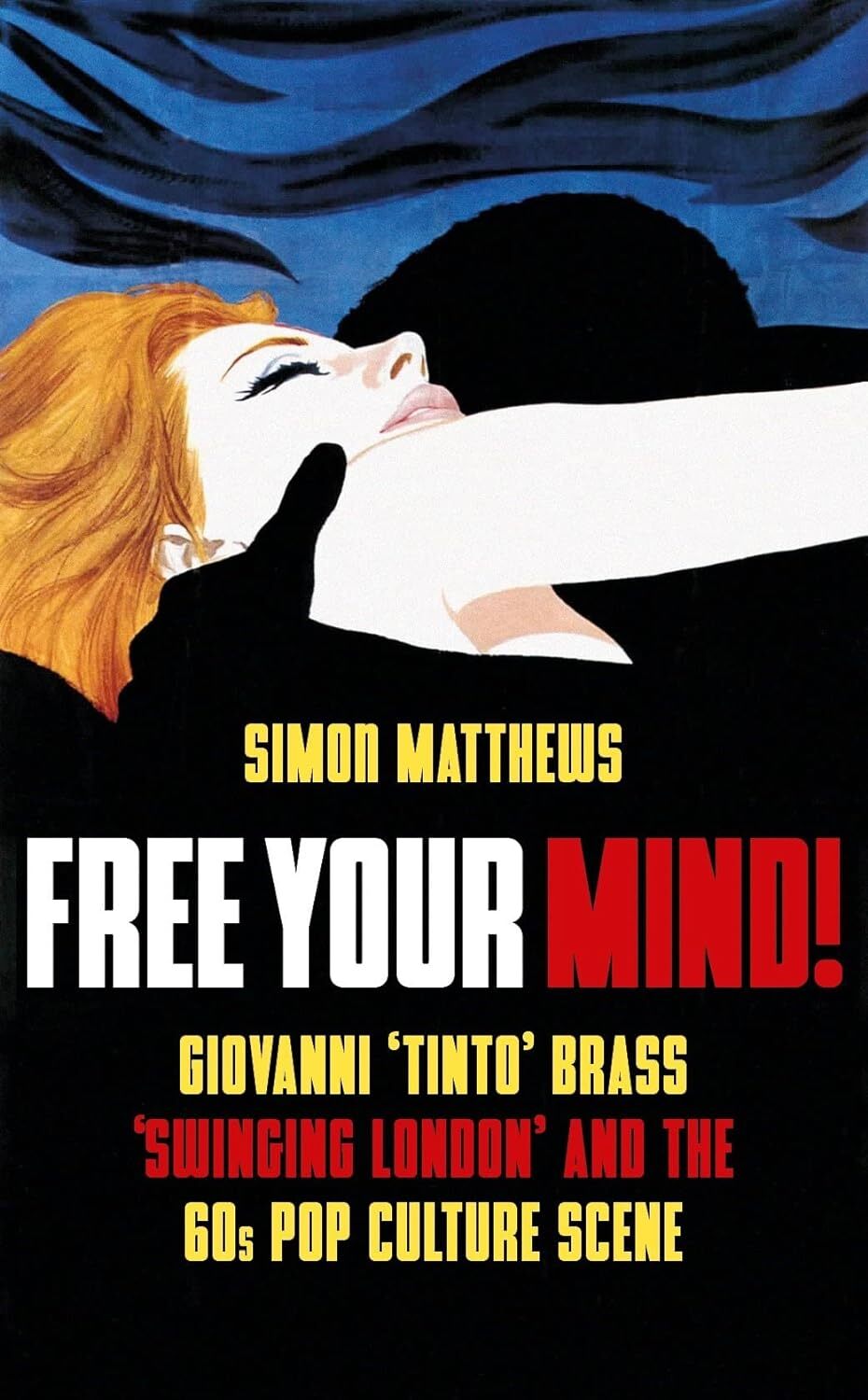
EOn this edition of Parallax Views, Simon Matthews, author of Free Your Mind!: Giovanni 'Tinto' Brass, 'Swinging London' and the 60s Pop Culture Scene, joins the show to discuss the life and career of European filmmaker Tinto Brass. Brass is perhaps most well-known today for his erotic/softcore features as well as the epic, star-studded effort Caligula (starring Malcolm McDowell and Helen Mirren among others), that was re-edited at the behest of Penthouse's Bob Guccione to the point of butchering Brass' original vision. Matthews, however, hones in on the works of Brass as they relate to the the era of mod culture in the days of London's swinging 60s. With a foreward by the legendary actor Franco Nero, Free Your Mind! explores such Brass efforts as Nerosubianco (aka Attraction), The Howl, The Vacation, and The Dropout and their relation to 60s pop culture and counterculture. We'll also be discussing such Tinto Brass movies as the controversial Salon Kitty about Nazi Germany (part of the Nazi chic boom of the 60s/70s film industry), the spaghetti Western Yankee, and Brass in relation to contemporaries like Russ Meyer and John Waters. We'll look at the politics of Tinto Brass and why his filmography, especially in Britain, has been overlooked. If you're unfamiliar with Tinto Brass this will fill you in on an interesting auteur in the world of filmmaking who hasn't gotten his proper due despite working with heavyweight actors like Vanessa Redgrave and the aforementioned Franco Nero. We'll also discuss the unmade films of Tinto Brass including the adaptation of Anthony Burgess' A Clockwork Orange that he almost made and a project that never materialized with Jim Morrison of the legendary rock 'n' roll band The Doors. All that and more on this edition of Parallax Views.
Ep 890The Future of Israelis & Palestinians Are Intertwined: Peter Beinart on His Belief in a Single Democratic State, Gaza, and More
EOn this edition of Paralalx Views, Peter Beinart, the Editor-at-Large for Jewish Current and author of The Beinart Notebook Substack, joins the show to discuss his views on Israel/Palestine amidst the war in Gaza. In his 2020 Jewish Currents article "Yavne: A Jewish Case for Equality in Israel-Palestine", Beinart definitively moved on from his two-state solution position on Israel/Palestine by declaring, "The two-state solution is dead. It’s time for liberal Zionists to abandon Jewish–Palestinian separation and embrace equality." In other words, he became a proponent of a One Democratic State solution for Israel/Palestine that advocates equal rights for Palestinians and Israelis alike. Beinart's positions sent shockwaves through the Israel/Palestine discourse due to his high-profile as a journalist and commentator. He joined me on this edition of the show to discuss why he sees the fates and futures of Palestinians and Israeli Jews as being intertwined. We'll discuss how he came to his positions and his own intellectual evolution as well as his writings addressing subjects like the American Jewish Establishment (no, he's not talking about an antisemitic conspiracy theory, but rather the institutions that make up the American Jewish community), the dual loyalty trope, antisemitism, anti-Palestinian bigotry, and much, much more. And, of course, amidst this discussion the issue of the war in Gaza and Israel's bombardment of Gaza, which has claimed an estimated 25k+ Palestinian lives, after the October 7th Hamas attack will be part of the conversation. Peter will also offer his thoughts on pushes for a ceasefire, the beliefs of Rep. Rashida Tlaib, what he believes needs to change about U.S. policy on Israel/Palestine, and a potpourri of other topics as well.

Ep 889Diplomacy, Israel/Palestine, and the Action Biden Must Take on Gaza w/ Amb. Patrick Theros
EOn this edition of Parallax Views, retired diplomat Patrick Theros, who served as the United States Ambassador to Qatar from 1995 to 1998 and is currently a Strategic Adviser for Gulf International Forum, joins the show to discuss Israel/Palestine and the war in Gaza from a diplomat's perspective and his Responsible Statecraft piece "Who’s the superpower around here?". We discuss what Biden must do in this situation not just for the sake of Palestinians, but also Israelis. Theros argues that if a President isn't willing to take the risk of making difficult decisions then what is the point of being President. He also laments the lack of diplomatic thought in approaching the Middle East arguing that you have to understand the perspective of the various players in the region and in many cases people do not do this. We also discuss how the GCC Gulf states have responded to the Gaza war, Iran in relation to the Gaza war, actions of past presidents like Eisenhower and HW Bush in regard to Israel/Palestine, Bill Clinton and Camp David 2000 (and the often repeated but contested claim that Arafat turned down a fair and generous offer), and much, much more.

Ep 888The Undertow: Scenes from a Slow Civil War w/ Jeff Sharlet
EOn this edition of Parallax Views, last month I spoke to journalist Jeffrey Sharlet, known for his books on the Christian Nationalist movement (The Family and C Street; the former has been made into hit Netflix documentary miniseries), to discuss his latest work The Undertow: Scenes from a Slow Civil War. The book is a series of essays exploring the chaotic moment that Sharlet calls the "Trumpocene" and delves into everything from the January 6th insurrection and death of Ashli Babbitt to the Men's Rights Movement. Given he New Hampshire primary on January 23rd, I felt that now was the perfect time to release this prescient conversation. In this conversation we cover a number of topics including: - The "F Word"; or fascism - The rise of the far-right in the U.S. and its global ascendancy - Trump and Gnosticism; Jeff's citing of the Gnostic poem "Thunder Perfect Mind" in relation to the Trump/MAGA movement phenomena - Jan 6th and the death of Ashli Babbit; what drove Ashli Babbit into Trumpism and the MAGA movement? - QAnon and the power of narratives in mobilizing the American right-wing - Revisiting Jeff's groundbreaking journalism on The Family, C Street, the Council for National Policy (CNP), and Christian Nationalism - Christian Nationalism and Trumpism as radical reinterpretations of Christianity; the Church itself as not being the be-all-end-all of Christian Nationalism (it's much bigger than that) - Jeff's experiences reporting on the MRA movement and the ways in which they start with some true observations (men have high suicide rates, custody issues, etc.) that are chucked away in favor of misogny and all-out attacks on feminism (even though some of their initial observations can also be found amongst feminist works such as Susan Faludi's Stiffed: The Betrayal of the American Man) - And more!
Ep 887Israel, Democracy, Israeli Public Opinion Polling/Surveys, and the Confederal Approach to Israel/Palestine w/ Dahlia Scheindlin
EOn this edition of Parallax Views, Israeli pollster, political consultant, and political scientist Dahlia Scheindlin joins the show to discuss a number of topics ranging from the war in Gaza and the broader Israeli-Palestinian to her new book The Crooked Timber of Democracy in Israel: Promise Unfulfilled. Dahlia is also one of the main voices that has written about the confederation approach to Israel/Palestine. We will discuss what the confederation approach is, why Dahlia doesn't believe it is a one-state solution by another name (and why it actually fits into a two-state solution approach for the 21st century), how it could potentially work (especially in regard to Jerusalem) and the promise Dahlia finds in it, and more. Dahlia will also discuss her polling/survey research on Israeli public opinion, her work with Palestinian pollsters, and Israeli public opinion of the Occupation.

Ep 886What History Says About How the Gaza War Will End w/ Ian Lustick
EOn this edition of Parallax Views, Prof. Ian S. Lustick, author of Paradigm Lost: From Two-State Solution to One-State Reality, returns to discuss his TIME Magazine op-ed "History Tells Us How the Israel-Hamas War Will End". Looking back at previous Israeli wars, such as the Israeli-Lebanon war of 2006, Prof. Lustick discusses what he believes will bring about the end of the current war and how the U.S. and President Biden will factor into the equation. He also gives a history lesson the trajectory of Zionist/Israeli political thought over the years, with a particular focus on comparing and contrasting Revisionist Zionist Ze'ev Jabotinsky and the party seen as his ideological heir, Likud (currently led by Prime Minister Benjamin Netanyahu). Israel, he argues, has moved beyond a key element of Jabotinsky's "Iron Wall" strategy for dealing with Israeli-Arab/Israeli-Palestinian hostilities. NOTE: THIS WAS RECORDED BEFORE SEN. BERNIE SANDERS' BID TO PROBE ISRAEL OVER HUMAN RIGHTS CONCERNS (noted because this is mentioned at the end of the interview)
Ep 885RFK Jr.'s Former Foreign Policy Advisor James R. Webb on Gaza, Risks of Regional War, Israel/Palestine, and U.S. Foreign Policy
EOn this edition of Parallax Views, Robert F. Kennedy Jr.'s former foreign policy advisor James R. Webb, son of Sen. Jim Webb, joins the show to discuss U.S. foreign policy, Israel/Palestine, Gaza, Yemen, Iraq, and the risks of the current Middle East turmoil escalating into a very nasty regional war. Webb recently resigned from RFK Jr.'s campaign over Gaza (you can read his resignation letter here). James served a Marine infantryman from 2005-2010 and has worked on the Hill, bringing him into contact with politicians like Bernie Sanders and working with Rand Paul. He'll bring those experiences to this conversation.
Ep 884The Sordid Saga of Jeffrey Epstein Revisited w/ Nick Bryant, the Reporter Who Published Epstein’s Little Black Book
EOn this edition of Parallax Views, Nick Bryant, the reporter who published Epstein's Little Black Book full of names and addresses of Epstein's associates, joins the show to discuss the sordid sagas of Jeffrey Epstein and Ghislaine Maxwell in light of the recent unsealed documents related to the case. For some time now Bryant has been reporting on issues related to sexual political blackmail as cases of child sexual exploitation like the Jerry Sandusky scandal. In his first book, The Franklin Scandal: A Story of Powerbrokers, Child Abuse and Betrayal, Bryant delved into the murky waters of the Franklin Community Federal Credit Union scandal that included allegations of child prostitution rings being ran by then rising GOP star Lawrence E. King. As I note in the conversation, I found Bryant's book on the subject more substantial than the other well-known book on the topic, Senator John W. DeCamp's The Franklin Cover-Up: Child Abuse, Satanism, and Murder in Nebraska. Since that book, Bryant has also written or co-written two other books dealing with the phenomena of sexual political blackmail, The Truth About Watergate: A Tale of Extraordinary Lies & Liars and Confessions of a D.C. Madam: The Politics of Sex, Lies, and Blackmail (w/ Henry W. Vinson). He's also, as previously stated, played a role in drawing attention to the victims of Jeffrey Epstein, like Maria Farmer and Virginia Giuffre, by publishing Epstein's little black book, writing a basic primer on the Epstein/Maxwell sagas for ScheerPost entitled "The Jeffrey Epstein Cover Up: Pedophilia, Lies, and Ghislaine Maxwell", and directing the501(c)(3) Non-Profit Organization Epstein Justice.

Ep 883Dimes Square Demons w/ Matthew Gasda
EOn this edition of Parallax Views, playwright Matthew Gasda joins the show to discuss his Compact Magazine piece "Downtown Demons" about micro-celebrities and micro-cultures in New York went from rebellious parties during the pandemic to feeding political nihilism in the guise of far-right politics. Matthew is the author of the play "Dimes Square" and discusses the scene culture of Manhattan during the pandemic in this regard. Those with and interest in the culture and trollish politics that have emerged out of Manhattan in the past few years through podcasts, events, and Peter Thiel money, may want to give this a listen. Matthew argues that the trollish politics of the scene culture can evolve into something much more dangerous and bleak in the course of conversation and we also manage to tie-in the pro wrestling idea of "kayfabe" into our discussion of meme culture, micro-celebrity podcasters, and the like.

Ep 874The Necessity of Exile: Essays from a Distance (On Zionism, Israel, Anti-Zionism, Jewish Identity, and More) w/ Shaul Magid
EOn this edition of Parallax Views, Shaul Magid, author of Meir Kahane: The Public Life and Political Thought of an American Jewish Radical, returns to discuss his latest book, The Necessity of Exile: Essays from a Distance. In said series of essays Shaul explores Jewish identity, Israel, Zionism, anti-Zionism, Jewish intellectual history, and more from a provocative but thought-provoking manner that even manages to delve into his own intellectual evolution going back to his youthful involvement in Israeli counterculture. At much of the core of the book are the questions: "Has Zionism exhausted itself?" and what exactly is the importance of Exile in Jewish culture and thought. We'll also delve into the BDS (Boycott, Divestment, and Sanctions) movements and the Jewish community's response to it, Shaul's critique of liberal Zionism, the idea of "counter-Zionism", the Gaza war and the October 7th Hamas attack, settler-colonialism and Shaul's critique of pro-Israel voices using the rhetoric of "freeing Palestinians from Hamas" since the war began, and much, much more.