Parallax Views w/ J.G. Michael
1,045 episodes — Page 8 of 21

Ep 826Corman/Poe: Roger Corman’s Edgar Allan Poe Films + Horror Talk Shop w/ Delirium Magazine’s Chris Alexander
EOn this spooky season edition of Parallax Views, Chris Alexander of Full Moon Presents Delirium Magazine returns to discuss his new TOMBS OF THE BLIND DEAD homage movie SCREAM OF THE BLIND DEAD, the Euro-horror of Jess Franco and Jean Rollin, and his two new Headpress books ART! TRASH! TERROR!: ADVENTURES IN STRANGE CINEMA and CORMAN/POE: INTERVIEWS AND ESSAYS EXPLORING THE MAKING OF ROGER CORMAN'S EDGAR ALLEN POE FILMS 1960-1964. We also discuss new horror movie fare like the "revenge-o-matic" SAW X and the Australian demonic possession movie TALK TO ME. At the end we try to figure out a movie that slipped my tongue, I found out after the show that I was thinking of was Full Moon's THE PRIMEVALS. We talk the making of the Roger Corman Edgar Allen Poe movies, the use of Freudian image in Corman's Poe films, THE HAUNTED PALACE, THE PIT AND THE PENDULUM, THE HOUSE OF USHER, THE TOMB OF LIGEIA, the Corman/Poe horror-comedy THE RAVEN, the impetus behind casting Vincent Price in the Poe films, Roger Corman's dabbling in the counterculture and his LSD trip (as well as his counterculture movies like THE TRIP, BLOODY MAMA, and GA-S-S-S-S -OR- IT BECAME NECESSARY TO DESTROY THE WORLD IN ORDER TO SAVE IT), Corman's early years at American International Pictures (AIP) and how his relationship with AIP evolved over time (and where it fell apart), Roger Corman's wife Julie Corman and her contributions to the Corman movie machine, the Vatican's attempts to censor Corman's THE MASQUE OF THE RED DEATH, and much, much more!

Ep 825The Art of the Horror Movie Edit w/ Faneditor LastSurvivor
EOn this edition of Parallax Views, legendary faneditor LastSurvivor joins the show to discuss the horror movie fan edits he's made over the years and the art of the horror edit. Some of LastSurvivor's fanedits include: THE NIGHT OF SAMHAIN - An ambitious fanedit that combines HALLOWEEN III: SEASON OF THE WITCH and HALLOWEEN: THE CURSE OF MICHAEL MYERS into one movie in a very unique way! HALLOWEEN: THE NIGHT OF THE BOOGEYMAN - An attempt to edit John Carpenter's HALLOWEEN and HALLOWEEN II into one movie, BUT with around a 90 minute running time common for many movies and slasher films of the 80s. JAW II: THE AMITY HORROR - An edit that attempts to bring out the more slasher-esque elements of JAWS II; the shark is a lot like Jason Voorhees in JAWS II with the setting being the ocean rather than the woods JAWS III: MONSTER - An ambitious edit of JAW III that amps up the B-movie disaster movie element of JAWS III and, amazingly, adds in a new monster to fight Jaws in the finale: Jaws vs. Octopus! FRIDAY THE 13TH PART V: JASON'S LEGACY - An edit of FRIDAY THE 13TH PART V that, through color regrading and trimming of scenes, brings the movie more in line with Joseph Zito's much beloved entry in the cult franchise, FRIDAY THE 13TH PART IV: THE FINAL CHAPTER. HALLOWEEN 5: THE SHAPE OF RAGE and HALLOWEEN HOMECOMING - Two fanfix fanedits that attempt to address the problems of HALLOWEEN 5: THE REVENGE OF MICHAEL MYERS and HALLOWEEN: RESURRECTION to make both movies a better viewing experience for fans of the Michael Myers saga! We also discuss the wild JAWS: THE SHARKSPLOITATION edit that faneditor TheManBehindTheMask did (it's literally a grindhouse version of Jaws with an insane twist at the end), David Gordon Green's Halloween trilogy, editing Rob Zombie's HALLOWEEN and HALLOWEEN II, the character of Tina in Halloween 5, color regrading and color correction in fanedits, the opening credits of HALLOWEEN 4: THE RETURN OF MICHAEL MYERS, Halloween's Thorn trilogy and similarties with the Druid cult storyline in HALLOWEEN III: SEASON OF THE WITCH, the role of pacing in edits, and much, much more!
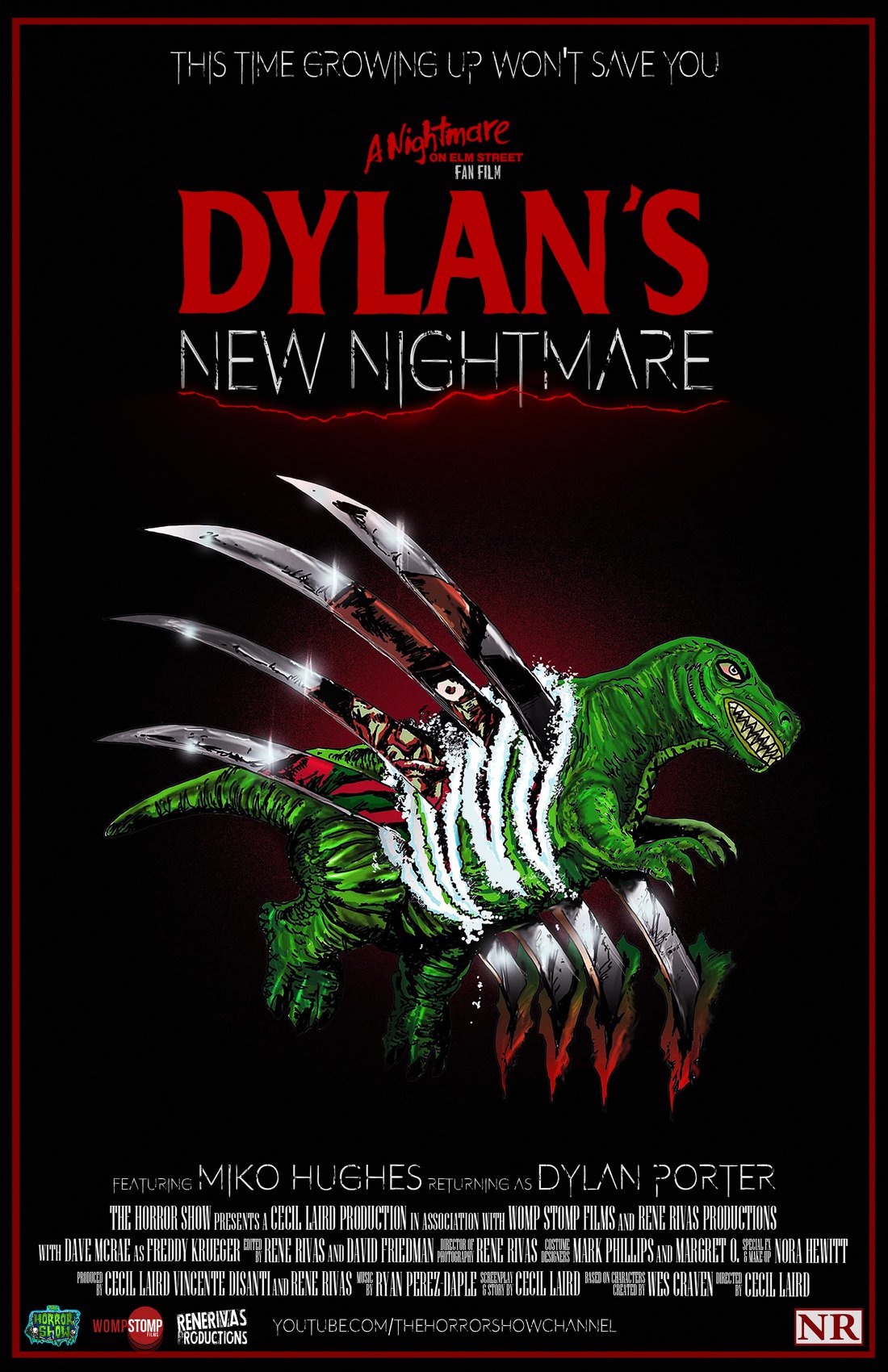
Ep 819A Sequel to Wes Craven’s New Nightmare?: Inside Dylan’s New Nightmare w/ Cecil Laird
EOn this edition of Parallax Views, it's spooky season and we're getting into the Halloween spirit! Cecil Laird of the Youtube channel The Horror Show joins the show to tell us about his fan film, DYLAN'S NEW NIGHTMARE. A sequel to the surprisingly innovative 1994 meta-horror NIGHTMARE ON ELM STREET entry WES CRAVEN'S NEW NIGHTMARE, DYLAN'S NEW NIGHTMARE isn't your average fan film. In addition to being made with a rather professional crew and having a slick, pro look, the movie also features a starring turn from Miko Hughes aka Heather Langenkamp's son Dylan in WES CRAVEN'S NEW NIGHTMARE (and also horror royalty due to his childhood turn as the killer toddler Gage in Mary Lambert's adaptation of Stephen King's PET SEMATARY). It tells the story of Dylan's trauma and struggles 30 years after being haunted by The Entity that took the form of horror icon Freddy Krueger in WES CRAVEN'S NEW NIGHTMARE. Dylan is trying to make a career in acting, but The Entity is returning in the form of Freddy Krueger slowly but surely to haunt him. Cecil and I discuss DYLAN'S NEW NIGHTMARE, the possibility of a sequel, our favorite NIGHTMARE ON ELM STREET movies, and much, much more! Watch DYLAN'S NEW NIGHTMARE here: https://www.youtube.com/watch?v=51JPiePa5dc
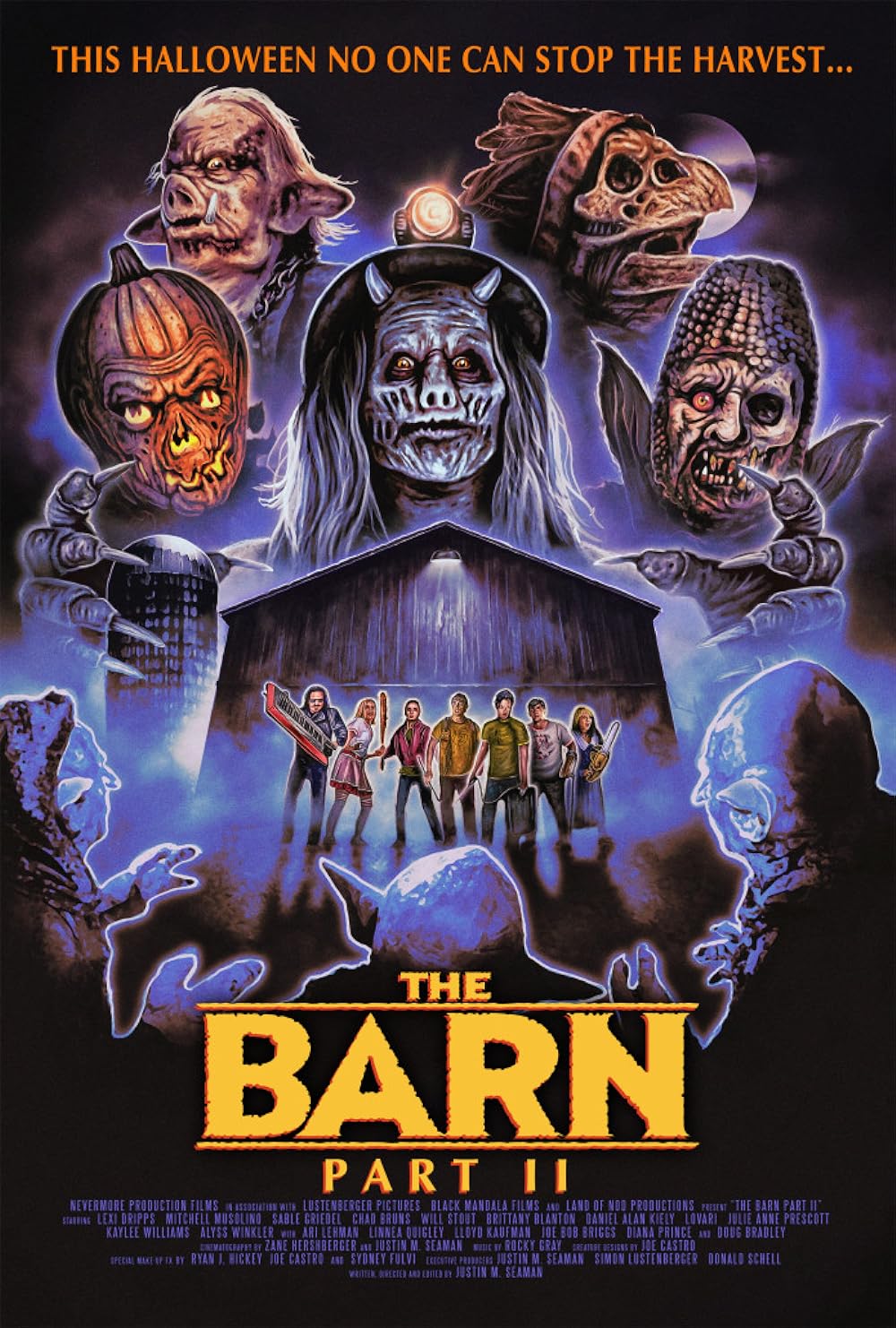
Ep 824THE BARN Duology Serves Up the Perfect Halloween Double Feature w/ Justin M. Seaman and Zane Hershberger
EOn this edition of Parallax Views, in 2016 a little regional horror movie called The Barn became and underground hit. Set on Halloween, the movie told the story of a group of teenage pranksters and their encounter with a trio of local legend monsters known as The Boogeyman, Hollow Jack, and the Candy Corn Scarecrow. Featuring guest starring roles from horror icons Linnea Quigley (Return of the Living Dead, Night of the Demons) and Ari Lehman (the first Jason from Friday the 13th), the movie evoked the nostalgia of the old Goosebumps TV series and direct-to-video horror movies you would see in mom 'n' pop video stores in the halcyon days of the early/mid 1990's. Director Justin M. Seaman ended up getting a sequel off the ground that was released in 2022 called The Barn Part II that amped up the gore quotient and featured guest appearances by Doug Bradley (Pinhead from the Hellraiser movie franchise), TV horror host Joe Bob Briggs, Diana Prince (Darcy the Mail Girl from The Last Drive-In with Joe Bob Briggs), Troma's Lloyd Kaufman, and returning performances from "Scream Queen" Linnea Quigley and "First Jason" Ari Lehman. Together, these two movie make for the perfect Halloween double feature this spooky season and Parallax Views is joined by director Justin Seaman and cinematographer Zane Hershberger to discuss this spook-tacular double feature! THE BARN duology has it all: chainsaws, blood, zombies, curses, 90s nostalgia, creepy monsters, practical special effects, Halloween season atmosphere, and much, much more! You can watch THE BARN and THE BARN PART II via a trial subscription to Screambox
Ep 823EXCLUSIVE: Israel Security Source ”Security Cabinet Orders Murders of Senior Hamas Leaders and Their Families”? w/ Richard Silverstein
EOn this edition of Parallax Views, Richard Silverstein of Tikun Olam, a blog featuring breaking news the Israeli national security state, returns for a Parallax Views exclusive: Richard relays how an Israeli Security source has told him that the Israeli Security Cabinet has given orders to assassinate not only Hamas leaders like Muhammad Deif and Yahya Sinwar but also their families. We'll also discuss the geostrategic implications of the unfolding Levant War and what it means for Israel/Palestine, Iran, Turkey, Syria, Qatar, the Houthis in Yemen, Hezbollah in Lebanon, and Saudi Arabia. Moreover, Richard discusses the U.S.-China rivalry moving into the Middle East theater (and the way it brings to mind the Cold War between the U.S. and Soviet Union), the possibility of broader regional war breaking out in the Middle East, and much, much more.
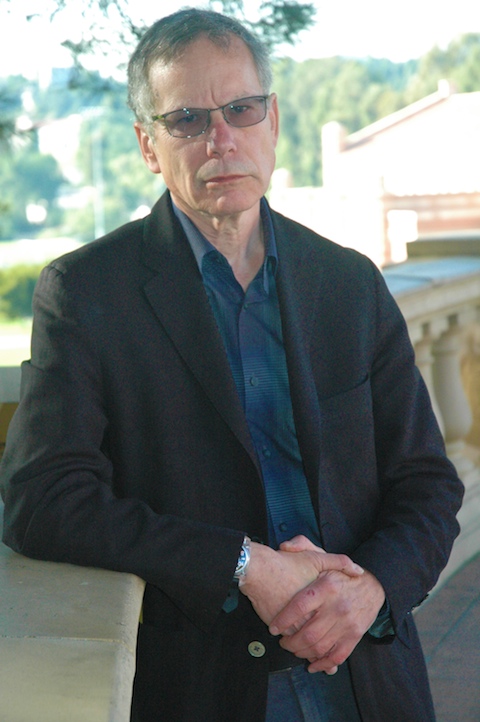
Ep 822The History of Israel/Palestine, the Motivations of the Hamas Attack, Israel’s Bombing of Gaza, and More w/ Prof. James Gelvin
EOn this edition of Parallax Views, Prof. James L. Gelvin, noted scholar of Middle East history at the University of California, Los Angeles (UCLA) and author of The Israel-Palestine Conflict: A History, joins the show to discuss the October 7th, 2023 Hamas attack and Israel's retaliatory bombing of Gaza, but also the broader history of the Israel/Palestine issue/situation/question/conflict. The conversation begins with Prof. Gelvin's analysis of the Israel/Palestine issue and its origins which he argues is about clashing nationalisms rather than religious war or a dispute going back to biblical times. From there he gives his insights into conditions on the ground in Gaza, the question of whether or not U.S. foreign polciy has "kicked the can down the road" on pursuing a diplomatic political solution to Israel/Palestine, the one-state solution vs. the two-state solution, the assassination of Yitzhak Rabin, the Oslo Accords, the legitimacy of national identities and their mythologies, the increasingly common argument that the PLO's Yasser Arafat is responsible for the current crisis for "walking away" from a "generous offer" at the 2000 Camp David Summit, the motivations of Hamas, Israel-Saudi normalization, the criticisms right-wing figures like David Horowitz have made of Gelvin's scholarship and his response to those criticisms, Obama and the Asia pivot, the West Bank and Israeli settlements, and much, much more.

Ep 821Israel/Palestine, Gaza, Hamas, and the Need for a Political Solution w/ William Dowell (Former TIME Magazine Correspondent in Cairo)
EOn this edition of Parallax Views, WhoWhatWhy's William Dowell, a former TIME Magazine correspondent in Cairo who has also covered such pivotal events as the Vietnam War, the Iranian Revolution, Operation Desert Storm, Afghanistan, and the Civil War in Beirut, join us to discuss his articles "Hiding in the Rubble of Israel and Palestine: Opportunity" and "Biden’s Visit May Have Kept Gaza From Boiling Over". He will also discuss his experiences as a journalist who has interacted with such figures as Yasser Arafat. Moreover, William and I discuss the figure of Hamas military leader Mohammed Masri aka Mohammed Deif, William's analysis of Biden's diplomatic moves in response to the October 7th attack in Israeli and Israel's bombing of Gaza, Hamas as having set "a trap" for Israel that could lead to an Israeli quagmire in Gaza, the possibility of divisions/fissures within Hamas (particularly between its military wing and its political wing), Israeli Prime Minister Benjamin "Bibi" Netanyahu's right-wing government, and much, much more.

Ep 820Israel/Palestine and What Comes After Hamas? w/ Steve Simon
EOn this edition of Parallax Views, Steve Simon, Professor of Practice in Middle East Studies at the Henry M. Jackson School of International Studies of the University of Washington,National Security Council senior director for counterterrorism in the Clinton White House and for the Middle East and North Africa in the Obama White House, and author of Grand Delusion: The Rise and Fall of American Ambition in the Middle East, joins the show to discuss his Foreign Affairs article "What Comes After Hamas?". We discuss what he sees as being at stake in the current situation in Gaza, the possible "eternal dystopia" facing Gaza, what eradication of means, the role the United Nations could play in a post-Hamas Gaza, and much, much more.
Ep 818Perspective from Israel: Israel Political Turmoil, West Bank Settlements, Gaza Bombing, Hamas, and More w/ @tamars
EOn this edition of Parallax Views, Israel/Palestine coverage continues as Israeli Twitter/X user Tamara (@tamars) joins the show for a 3 hour episode providing her perspective from within Israel on political turmoil within Israel, the West Bank settlements, Itamar Ben-Gvir, Benjamin Netanyahu, the bombing of Gaza, Hamas, the October 7th attack, repression of Israeli-Palestinians or Israeli-Arabs, the debate over the Al-Ahli Baptist Hospital explosion, the Israeli bombing of a Palestinian church, the relationship between Hamas and the Israeli government (specifically the work visa programs for Gazan), ultra-Orthodox Jews in Israel and the harassment of ultra-Orthodox left-wing Israeli Israel Frey, settler violence, and much, much, much

Ep 817Israel/Palestine, U.S. Foreign Policy Failures, and Gaza w/ Prof. Stephen M. Walt
EOn this edition of Parallax Views, Stephen M. Walt, Robert and Renée Belfer professor of international relations at Harvard University, joins Parallax Views to discuss the Israel-Hamas War, U.S. foreign policy failures in regards to Israel/Palestine, and his latest Foreign Policy column "Israel Could Win This Gaza Battle and Lose the War". We also discuss the two-state solution vs. one-state reality (see: Ian S. Lustick's Paradigm Lost: From Two-State Solution to One-State Reality), misconceptions about Walt's book The Israel Lobby and U.S. Foreign Policy (co-authored with John J. Mearsheimer), "kicking the can down the road" on the Israel/Palestine Question and its consequences, what the late international relations scholar (and one of Walt's mentors) Kenneth Waltz's would make of currents events involving Israel/Palestine, the Hamas attack of October 7th, Benjamin Netanyahu, the grievances of Palestinians and the reasons for their desire for a Palestinian state, and much, much more!

Ep 816Huwaida Arraf, Co-Founder of the International Solidarity Movement/Jeff Halper, Head of the Israeli Commitee Against House Demolitions
EOn this edition of Parallax Views, in the first portion of the program I speak with Palestinian-American lawyer and activist Huwaida Arraf, co-founder of the International Solidarity Movement, to discuss the bombing of Gaza, the October 7th attack, and more. In the second half of the program Jeff Halper of the Israeli Commitee Against House Demolitions and the One Democratic State campaign joins the show to offer his thoughts and commentary on Israel/Palestine.

Ep 815A Perspective from Palestine w/ Fathi Nimer
EOn this edition of Parallax Views, Fathi Nimer of Al-Shabaka, the Palestinian Policy Network, joins us from Ramallah to discuss his perspective on the events unfolding in the Middle East, Israel/Palestine, Gaza, the Hamas attack, prospects for a solution, and much, much more.
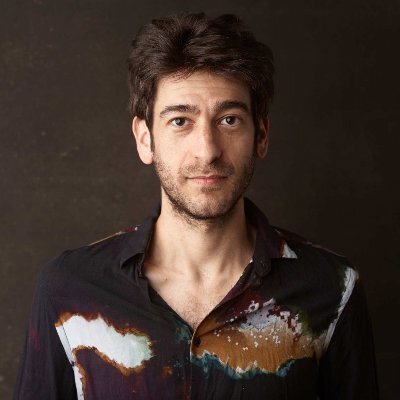
Ep 813Netanyahu’s Clampdown on Israeli Dissidents, the History of Hamas, and the Blowback of Netanyahu’s Divide-and-Conquer Strategy w/ Zachary Foster
EOn this edition of Parallax Views, Zachary Foster of Palestine Nexus joins the show to discuss recent news of the Netanyahu government's crackdown on Israeli dissidents as well as the history of Hamas and how Netanyahu's divide-and-conquer strategy in relations to the Palestinians has arguably led to what those in foreign policy circles call "blowback". We also discuss the plight of Palestinians not only in Gaza, which many describe as an open-air prison, but also the occupied West Bank. Links: Likud Minister Formulates Emergency Regulations to Imprison Citizens Who 'Harm National Morale': Communications Minister Karhi is promoting regulations that would allow him to direct police to arrest civilians, remove them from their homes, or seize their property if he believes they have spread information that could harm national morale or served as the basis for enemy propaganda - Haaretz - October 15th, 2023 For years, Netanyahu propped up Hamas. Now it’s blown up in our faces The premier’s policy of treating the terror group as a partner, at the expense of Abbas and Palestinian statehood, has resulted in wounds that will take Israel years to heal from - The Times of Israel - October 8th, 2023
Ep 812Israel/Palestine, the Bombing of Gaza, Hamas, and the Danger of Irrationality in the Current Moment w/ Ian S. Lustick
EOn this edition of Parallax Views, Prof. Ian S. Lustick of the University of Pennsylvania and author of Paradigm Lost: From Two-State Solution to One-State Reality joins the show to discuss his Foreign Policy op-ed "Vengeance is Not a Policy". We discuss Gaza as a prison, the need for historical context in discussing unfolding events, the intelligence/military/operational failure of preventing the Oct. 7th attacks, the dangers of irrationality in responding to unfolding events (and the comparisons being made to 9/11 and the chilling effect on speech and dialogue that happened in America during the War on Terror), the assassination of Yitzhak Rabin and why events like that need to be discussed in relation to events unfolding today, Benjamin Netanyahu, the West Bank, and much, much more!
Ep 811Israel/Palestine, Hamas, the Bombing of Gaza, 9/11, and Blowback w/ Scott Horton
EOn this edition of Parallax Views, we continue our coverage of the horrific events unfolding in Israel/Palestine, the comparisons being made between 9/11 and October 7th (and the comparisons to the events that aren't being discussed), the theory of blowback and the thesis of the Adam Curtis documentary THE POWER OF NIGHTMARES as it relates to the unfolding events, Netanyahu's propping up of Hamas in the years leading up to the attack in an effort to divide Palestinians, the siege of Gaza, and much, much more!

Ep 810The Calculus of Hamas and the Strategy of Atrocity in Warfare w/ Christopher W. Jones
EOn this edition of Parallax Views, Union University's Christopher W. Jones joins me to discuss the potential calculus of Hamas in their brutal attack over the weekend. Christopher brings his knowledge as specialist in ancient history and ISIS/ISIL aka Islamic State (which he has written about) to this conversation. In the later portion of the discussion we discuss what Christopher calls the "Strategy of Atrocities" as used in warfare as well as the comparisons being made between the tactics of Islamic State and Hamas. In the earlier part of the conversation we discuss calculus of Hamas, normalization of relationships between Arab states and Israel and the role that may have played in motivating the attack, Hezbollah, the Second Intifada, the trained professional military of Hamas, Turkey, Qatar, demographics and the role it could play in this war, and much, much more.

Ep 809Continued Coverage of Hamas Attack, Israel’s Retaliation in Gaza, and Events Unfolding in the Middle East w/ ReThinking Foreign Policy’s Mitchell Plitnick
EParallax Views continues coverage of the Hamas attack, Israel's retaliation in Gaza, and events unfolding in the Middle East. This time Mitchell Plitnick of ReThinking Foreign Policy joins the program.

Ep 808Hamas Attack, Israel’s Retaliation in Gaza, and More w/ Abe Silberstein
EOn this edition of Parallax Views, Jewish-American journalist Abe Silberstein joins the show to offer his commentary on the events unfolding in the Middle East. This is part of an ongoing series with different guests and was recorded on Monday.

Ep 807The Hamas Attack, Israel/Palestine, U.S. Foreign Policy, and How Hamas Got Power in the First Place w/ Prof. Stephen Zunes
EOn this edition of Parallax Views, Prof Stephen Zunes, noted Middle East scholar and politics professor at the University of San Francisco, returns to discuss the latest events unfolding in Israel/Palestine with a focus on the Hamas attack and the Israeli response. Prof. Zunes will also offer a history lesson about how Hamas originally gained power and political prominence in the Middle East. This will include an examination of U.S. foreign policy under George W. Bush. We'll also be discussing a number of other issues such as Iran, the ideology of Hamas, the Israeli far-right, and much, much more!

Ep 806Hamas’ Unprecedented Attack on Israel and How It May Change Middle East Geopolitics Irrevocably w/ James M. Dorsey
EOn this edition of Parallax Views, Prof. James M. Dorsey of the Turbulent World of MidEast Soccer blog returns to discuss the latest news on Israel/Palestine, specifically the deadly attack on Hamas and what it pertains for the future of Middle East geopolitics. The attack has been described as "Israel's 9/11" and incurred civilian causalities. Among the issues tackled in this conversation: - Hamas' motivations for the attack - Saudi Arabia, Turkey, Iran, the United Arab Emirates, Bahrain, Morrocco, Egypt, and what this means for Middle East relations and the shattering of many notions about geopolitics in the Middle East - Israel cutting off access to water, electricity, and food - Hezbollah in Lebanon - Netanyahu's government focus on the West Bank; failure to prevent attack and intelligence and operational failure - Possibility of escalation into a conflict with Iran - U.S. decision to send an aircraft carrier to the Mediterranean - Israeli far-right ultranationalist movements led by figures like Religious Zionist Party's Bezalel Smotrich and Otzma Yehudit's Itamar Ben-Gvir - Netanyahu's coalition government and the polarization of the Jewish community over the current Israeli government - Effect of Hamas attack: hardening of anti-Palestinian sentiments in Israel while also calling into question the efficacy of Israeli security forces in the public sentiment - Relationship between Hamas and Iran; it hasn't always been a comfortable relationship re: Syria - Hamas was preparing in the open for a moment like this; the explosion between Hamas and Israel should not be surprising, but breaking through the fence into Israel should be; Hamas official Saleh al-Arouri's comments about "total war" over the summer - Question of Saudi recognition of Israel and whether these unfolding events will kill that - Erdogan's Turkey and whether it will try to take a role/position as mediators - Arab social media backlash against Hamas' way of conducting the attack; Turkish support of Israel on social media and the reasons for it - Palestine Authority's Mahmoud Abbas and potential succession struggle - Possible future negotiation between Hamas and Israel? - Difference between Hamas and Fatah - Hamas' miscalculation on two fronts - U.S.-Israel relationship rift prior to the attacks; Biden administration - Israeli blockade of Gaza and occupation of the West Bank - Occupation cannot be sustained indefinitely - Biggest risk going forward for Palestinians and Israelis - The strange points-of-commonality between Hamas and Israeli ultranationalists - Netanyahu's warning telling Gazans to leave areas that Israel is targeting; misconceptions about that warning; density of Gaza's population and importance of that fact - Israeli and Palestinian trauma - What will it take to end the conflict? - Question of failure of the international community in regards to Israel/Palestine - How will China react to this? - WWIII? - James article on the subject of this episode: "The Middle East may never be the same"
Ep 804The Secret History of Watergate: Nixon, Howard Hughes, and Blackmail in Politics w/ Jonathan Marshall
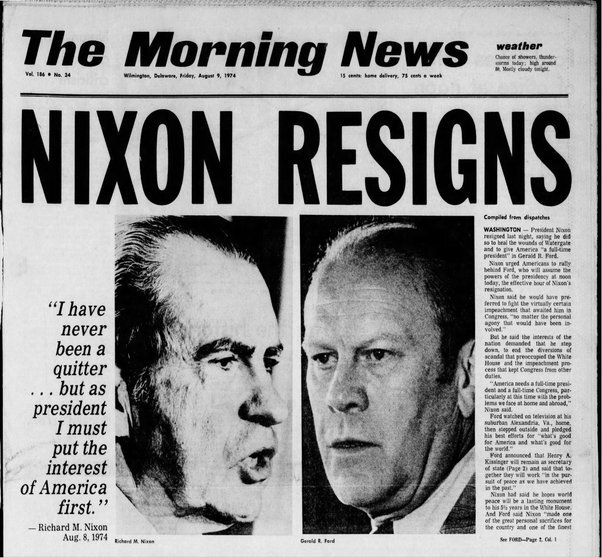
EOn this edition of Parallax Views, Jonathan Marshall, author of the book Dark Quadrant: Organized Crime, Big Business, and the Corruption of American Democracy, returns to discuss his recent Lobster Magazine piece "The Watergate break-ins and the Howard Hughes connection" as well as, briefly in the latter portion of the program, his scholarly article in the Journal of Cold War Studies entitled "U.S. Cold War Policy and the Italian Far-Right: The Nixon Administration, Republican Party Operatives, and the Borghese Coup Plot of 1970". Over the years many have pondered the question of "Why" when it comes to the Watergate break-in. What was the motivation, the end goal of breaking into the Democratic National Committee? It's no doubt an important question to ask. What brought down the Nixon administration, however, was the cover-up rather than the crime. So, in many ways, the question has remained unanswered or only speculated. Jonathan Marshall offers his assessment in this conversation in which we delve into what could be called the "Secret History" of Watergate. For Marshall, the motivations for Watergate, can be tied into issues related to money-in-politics, blackmail, and, believe it or not, the figure of the notoriously reclusive 20th century business tycoon Howard Hughes. Marshall takes us through the history of the Howard Hughes empire's attempt to gain political favor, including with regards to his relationship with Richard Nixon over the years. Additionally, Hughes had ties to Larry O'Brien, the then chair of the Democratic National Commitee. It's a story that will lead us down rabbit holes of political subterfuge involving publishers, reporters, political organizers, and other social power players as well as the CIA, Watergate plumber G. Gordon Liddy, and many other. It also, Jonathan argues, has relevance to today. All that and more on this edition of Parallax Views!
Ep 803The Political Right and Equality: Turning Back the Tide of Egalitarian Modernity w/ Matt McManus
EOn this edition of Parallax Views, Matt McManus, a Lecturer in the Department of Political Science at the University of Michigan and the author of The Rise of Post-Modern Conservatism, joins the show to discuss his new book The Political Right and Equality: Turning Back the Tide of Egalitarian Modernity. Matt gives a sweeping history of the political right that tries to grapple, from a left social democratic perspective, with conservative thought since the French Revolution. In doing so Matt gets beyond the talking heads on FOX News or flamboyant characters like Alex Jones and Jordan Peterson, instead focusing on the most serious intellectual elements of the political right and how the left should/can respond to those elements. Moreover, Matt discusses the most reactionary segments of the political right in this conversation and their beliefs. Among the topics discussed in this conversation: - Aristotle and the Aristotelian universe in the political right; order and hierarchy in the thinking of the political right; modernity and the radical break from antiquity - Conservatism's relationship with liberals; conservative discomfort with liberalism - English conservative philosopher Roger Scruton's unpacking of liberalism; Roger Scruton and "The Unthinking Man"; agency and critical thinking as an entitlement of the higher orders of society (within the thought of the political right); - Edmund Burke, Reflections on the Revolution in France, the sublime quality of the "Sun King", and monarchy - The thought of uber-reactionary Joseph de Maistre and his response to the events of the French Revolution - F.A. Hegel as conservative? and right-wing Hegelianism - Russian novelist Fyodor Dostoyevsky and his turn from Christian socialism to conservatism, his critique of socialism and liberalism in books like Demons, and Fyodor Dostoyevsky Contra Leo Tolstoy - Dostoyevsky's Crime and Punishment and Dostoyevsky's critique of scientifically-oriented material ontologies and utilitarianism; psychological reactions to ontological materialism - Utopianism vs. Anti-utopianism, hierarchy and social order/organization, and strawman arguments - The political right in the 20th century and particularly after WWII - The far-right and the transition to fascism from its antecedents on the right; anti-democratic thought amongst elements of the political right; blood and soil ideology - Nietzsche and the political right - Edifying myths, charismatic cults of personality, and fascism; brief discussion about Mussolini - Right-wing anti-capitalism; right-wing rejections of economistic worldviews - Noblesse oblige and the political right; an exploration of the emergent postliberal right - The New American Right of the 1950s; the three-legged stool of American conservatism: muscular anti-New Deal free market capitalism, anticommunist foreign policy hawks, and social conservatives (specifically white evangelical Christian social conservatives); American right-wing opposition to Civil Rights; the breaking down of the three-legged stool after the end of the Cold War and fall of the Soviet Union - The new formation of the American political right: National Conservatism, Postliberalism, and the Eugenicons or Nietzschean Right - The Peter Thiel/Curtis Yarvin segment of the 21st century American Right and Richard Hanania; Hayek's anti-conservatism, the political right, and neoliberalism; Ayn Rand - Ideological diversity of the 21st century right-wing - Patrick Deneen, Sohrab Ahmari, Michael Lind, and postliberal oppositions to figures like Bronze Age Pervert and white nationalist/eugenicist segments of the right - The possibility of a multiracial political right? - The thought of Russian philosopher/geopolitical thinker Aleksandr Dugin and the far-right

Ep 802Nagorno-Karabakh and the Persecution of Armenians w/ Alfred de Zayas, Former UN Independent Expert on International Order
EOn this edition of Parallax Views, Alfred de Zayas, a law professor at the Geneva School of Diplomacy and the UN Independent Expert on International Order from 2012-18, returns to the program to discuss the current worrying situation of Nagorno-Karabakh from an international law and human rights perspective. In the course of this conversation de Zayas offers sweeping history of why Armenians from Nagorno-Karabakh fear aggression by Azerbaijan enough to flee. We delve into the history of Turkish and Azeri persecution of Armenians going back to the 1915 genocide at the hands of the Ottoman Empire as well as the Istanbul Pogrom of September 6-7 1955. Additionally, Alfred de Zayas talk about Responsibility to Protect (R2P) doctrine and what he argues is the hypocrisy of the international community on the issue of Nagorno-Karabakh.

Ep 801U.S. Foreign Policy, Great Power Competition, and the Azerbaijani Ethnic Cleansing of Armenians w/ Mark Movsesian
EOn this edition of Parallax Views, Mark Movsesian, Director of the Center for Law and Religion at St. John's University, joins us to discuss his Compact Magazine article "The Second Armenian Genocide". The Nagorno-Karabakh conflict has come to a close with Azerbaijan taking control, thus leaving many Armenians to flee the region in what many are calling an ethnic cleansing. Mark argues that these events unfolded due to 21st century Great Power competition and that Armenians are the ones that are paying for it. In relation to this we discuss Russia, Turkey, Israel, and the U.S. in relation to Nagorno-Karabakh. We also delve into why U.S. foreign policy has had so little interest in the plight of Armenians despite claiming to being in favor of human rights and R2P (Responsibility to Protect Doctrine), how this incident and the U.S. response reveals American foreign policy hypocrisy, the belief that Armenia is a puppet of Russia, Russia's issues with Armenia and the end of their peacekeeping efforts in the region, the Armenian genocide of 1915, Azeri lobbying efforts guiding the narrative about Nagorno-Karabakh in the West, the response (or lack of response) to Nagorno-Karabakh by American Christians and secular Leftists, Armenia as the oldest Christian civilizations in the world and the role religion plays in the conflict, Turkey's Erdogan, and much, much more!

Ep 800Jewish Space Lasers: The Rothschilds and 200 Years of Conspiracy Theories w/ Mike Rothschild
EOn this edition of Parallax Views, Mike Rothschild, a journalist specializing in the topic of right-wing conspiracy culture, joins us to discuss his new book Jewish Space Lasers: The Rothschilds and 200 Years of Conspiracy Theories. A follow-up of sorts to his previous book The Storm Is Upon Us: How QAnon Became a Movement, Cult, and Conspiracy Theory of Everything, Jewish Space Lasers delves into the history of virulently antisemitic conspiracy theories concerning the wealthy Rothschild banking family and the popularity of those theories within the American right-wing and it's media ecosystem. How did the Rothschilds become public enemy No. 1 of the fringe right in America? How does the Rothschild conspiracy theory feed into conspiracy theories about George Soros and Black Rock's Larry Fink? And how has the Rothchild conspiracy theory crept from the dark corners of the fringe right into, in many ways, the mainstream of U.S. conservatism? Hopefully this conversation will help answer all of those questions and more! And no, Mike is not related to the famed financial family. In the course of our conversation we'll discuss the history of Rothschild conspiracy theories going back to the era of Napolean and Waterloo, the lucrative grift of antisemitic conspiracy theory peddling, the John Birch Society and Gary Allen's None Dare Call It Conspiracy, the modernist poet Ezra Pound and how his protege Eustace Mullins created an antisemitic narrative around the formation of the Federal Reserve (and how well-known figures like Glenn Beck have picked up on this particular conspiracy theory), the Mormon conspiracy theorist Cleon Skousen and his influence on the American right-wing, David Icke's reptilian conspiracy theories and the New Age/Wellness connection to antisemitic conspiracism, Marjorie Taylor Green's conspiracy theory about the Rothschilds and weather modification, Bill Cooper's UFO conspiracy tome Behold a Pale Horse and the strange hoax known as Quiet Weapons for Silent Wars: An Introductory Programming Manual which claimed to be a top secret document, the Rothschilds and Zionism, Cold War anti-communism and antisemitism, the 1930s movie House of Rothschild starring horror icon Boris Karloff and Hollywood's WWII-era reluctance to alienate Nazi Germany, Nazi propaganda films like The Eternal Jew and Die Rothschilds (aka The Rothschilds' Shares in Waterloo), how antisemitic conspiracy theories distract from truly addressing issues like wealth inequality, the role American evangelist and 700 Club host Pat Robertson had in promulgating Rothschild conspiracy theories, the Grand Mufti of Jerusalem, and much, much more.

Ep 799The Afghanistan Ouroboros, the BCCI, and 9/11 w/ Blowback’s Noah Kulwin
EOn this edition of Parallax Views, Noah Kulwin joins us to discuss the fourth season of his and Brendan James's highly lauded podcast series Blowback. In previous seasons Noah and Brendan have covered the Iraq War, the Cuban Revolution, and the Korean War. For season four they're tackling the mammoth topic of Afghanistan from the era of the Cold War to the U.S.'s invasion of the country after the September 11th, 2001 terrorist attacks and eventual withdrawal 20 years later. In the course of our conversation will discuss the covert intelligence network known as the Safari Club and the scandalous Bank of Credit and Commerce International (BCCI), Afghan warlords, the mujahedeen and D.C. foreign policy heavyweight Zbigniew Brezinski, Rambo III, the metaphor of the ouroboros (snake eats its own tail) in Blowback Season 4, the influence of Hideo Kojima's acclaimed video game series Metal Gear Solid on Blowback season 4, Clinton/Bush-era Counterterrorism Czard Richard Clarke's curious comments about 9/11, Peter Dale Scott's The Road to 9/11, conspiracy theories and parapolitics, Steve Coll's Ghost Wars, sources used for Blowback season 4, the deep state, torture programs, al Qaeda, jihadism and intel agencies, Seymour Hersh, the double agent Ali Mohammad, and much, much more!
Ep 797Liberalism Against Itself: Cold War Intellectuals and the Making of Our Times w/ Samuel Moyn
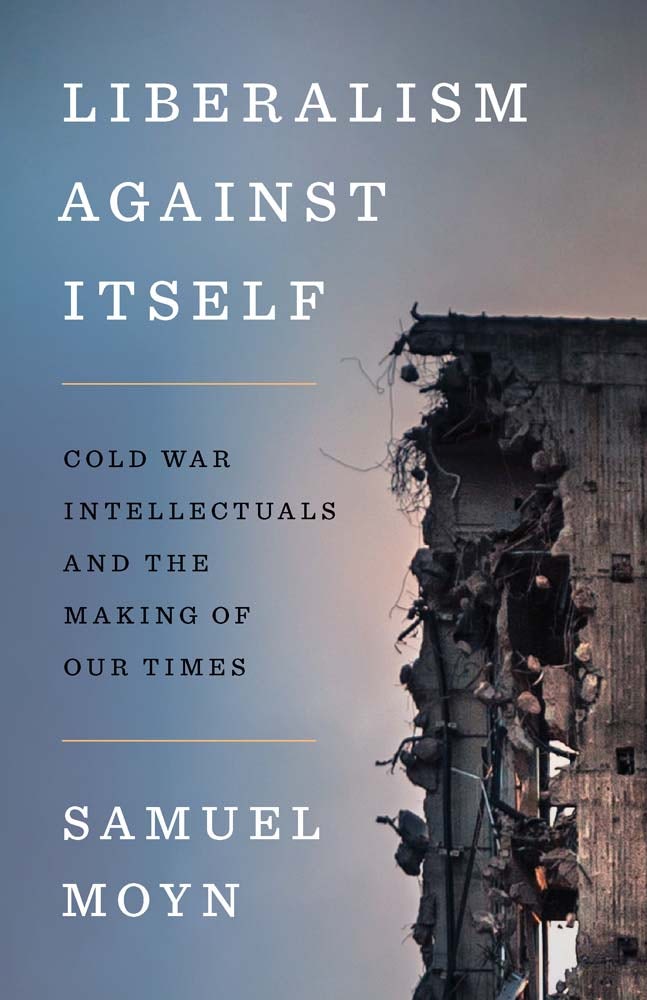
EOn this edition of Parallax Views, Samuel Moyn, Chancellor Kent Professor of Law and History at Yale University, joins the show to discuss his new book Liberalism Against Itself: Cold War Intellectuals and the Making of Our Times. Samuel examines and dissects the beliefs of Cold War intellectuals like Karl Popper, Judith Shklar, Gertrude Himmelfarb, Lionel Trilling, Isaiah Berlin, and Hannah Arendt to argue that liberals of the Cold War in many ways ended up undermining the progressive and Enlightenment principles of the liberal tradition in their attempts to combat communism. In doing so, he makes the case, they helped paved the way not only for modern equivalents/heirs of the Cold War liberalism like Anne Applebaum, Timothy Garton Ash, Paul Berman, Michael Ignatieff, Tony Judt, and Leon Wieseltierm, but also the reigning power of the current neoliberal order and the withering of the welfare state. A note that this conversation is talking about liberals and liberalism in a very academic sense rather than it's colloquial usage. Among the topics discussed are Judith Shklar's After Utopia (and why Shklar is a guiding force throughout Liberalism Against Itself), Sigmun Freud and the politics of self-regulations, decolonization and paternalisitic racism in the Cold War era, Jonathan Chait's scathing review of Liberalism Against Itself and Samuel's response to it (excluive, thus far, to this show), Patrick Deneen's Why Liberalism Failed and Samuel's critique of the burgeoning postliberal right, thoughts on Sohrab Ahmari's Tyranny Inc., Karl Popper of The Open Society and Its Enemies fame and the problem his critique of historicism, the Mont Pelerin Society and neoliberalism, F.A. Hayek, Gertrude Himmelfarb and the Christian thinker Lord Acton, the Cold War liberals' critique of romanticism and Samuel's response to it, the Soviet Union and the idea of Progress and who lays claim to it, the concept of emancipation and the French Revolution, and much, much more!
Ep 798War Made Invisible: How America Hides the Human Toll of Its Military Machine w/ Norman Solomon
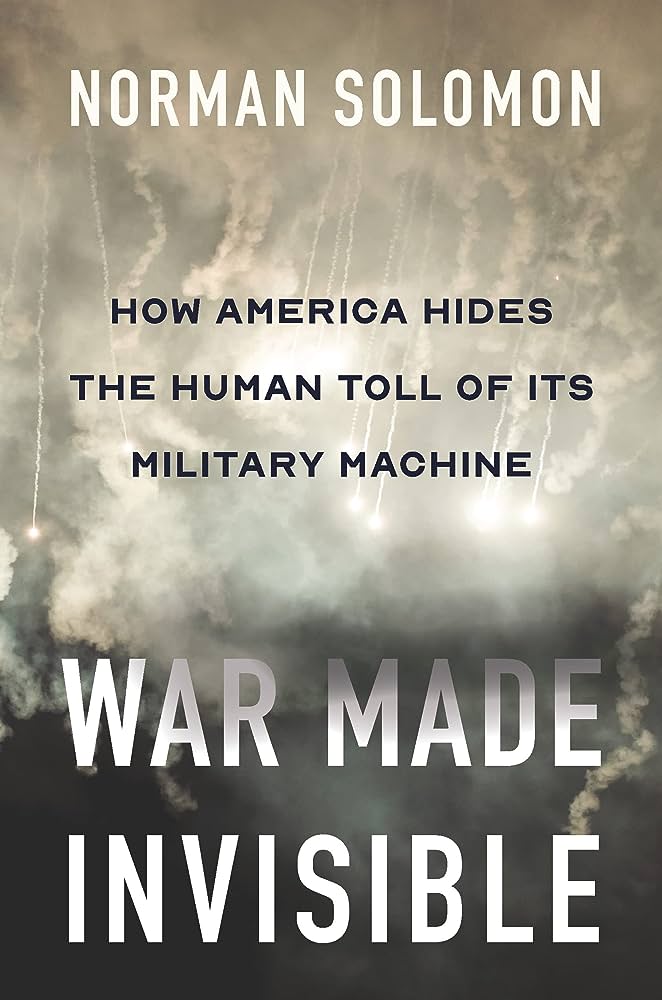
EOn this edition of Parallax Views, longtime antiwar movement voice and peace activist Norman Solomon joins Parallax Views to discuss his book War Made Invisible: How America Hides the Human Toll of It's Military Machine. We also debate/conversate about Ukraine and where things should go from here in regards to the Russian invasion, Ukraine's continued resistance, the question of diplomacy, and how the U.S. should be responding to it as well as how weapons manufacturers on both sides are the biggest victors of the invasion in terms of the weapons sales bonanza it has been for them. Most of the conversation thought is devoted to the nature of the U.S. warfare state and how media has often been complicit in manufacturing consent for U.S. war and military adventurism abroad. Norman also talks about his background, the problem with embedded journalism and how it ends up turning journalists into mouthpieces for the U.S. war machine, the myths of broadcast media ending the war in Vietnam, the nature of propaganda and the use of language in selling and normalizing war and militarism, the War on Terror, Iraq, Afghanistan, drone warfare and the technologies of war, the connection between racism and military adventurism, and much, much more!
Ep 796Military Carbon Emissions & Congressional Blocking of DoD Emission Reduction Efforts w/ Hanna Homestead
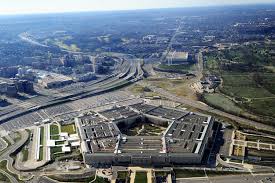
EOn this edition of Parallax Views, Hanna Homestead, a policy analyst for the Center for International Policy, joins me to discuss the National Defense Authorization Act (NDAA) for Fiscal Year 2024 in relation to climate change, carbon emissions, and emission reductions efforts. We delve into the Congressional efforts to block Department of Defense emission reduction endeavors and the reasons for that. We also delve into the paradoxical nature of U.S. militarized foreign policy "national interests" doctrine, the Biden administration, third party contractors and the DoD, the need for accountability and transparency measures, 9/11 and the War on Terror in relation to the NDAA, the 2001 and 2003 AUMFs (Authorization for Use of Military Force), Congressional pork barreling, and more!

Ep 795Unanswered Questions: What the September Eleventh Families Asked and the 9/11 Commission Ignored w/ Ray McGinnis
EOn this edition of Parallax Views, we just passed the anniversary of the September 11th, 2001 terrorist attacks. As such this episode is devoted to the subject of 9/11 and the guest is Ray McGinnis, author of Unanswered Questions: What the September Eleventh Families Asked and the 9/11 Commission Ignored. Ray tells the story of the 9/11 Family Steering Committee and the Jersey Girls, a group of widows whose husbands perished in the 9/11 attacks, and their pressure campaigns that led to the formation of the 9/11 Commission. These families, traumatized by the attacks and the loss of their loved ones, sought to have hard questions answered about the 9/11 attacks. Was there a Saudi connection to the events of that day? Why was the United States government unable to prevent the attacks? What led to the failure of response? Who dropped the ball? Simply put, they wanted accountability. McGinnis skillfully tells the story in their book, offering a tale of grassroot citizens activism. In the course of our conversation we'll discuss a number of topics related to these issues including a possible UAE tie to the events of 9/11, Counterterrorism Czar Richard A. Clarke, Henry Kissinger's resignation from the 9/11 Commision and the role the 9/11 families played in that resignation, and much, much more!

Ep 794No Justice, No Police?: The Politics of Protest and Social Change w/ Matt Clement
EAfter a break due to Hurricane Idalia, Parallax Views is back! Earlier this year I spoke with Matt Clement, editor of the recent zer0 books anthology No Justice, No Police?: The Politic of Protest and Social Change. Matt and I discussed the radical movements seeking to reform or even abolition policing in the U.S. and U.K. since the advent of the Black Lives Matter (BLM) movement took off. We'll discuss where these efforts are today and the different perspectives on policing, police brutality, police killing, and related topics in this conversation
Ep 793Tyranny Inc.: How Private Power Crushed American Liberty and What to Do About It (+ Opposing the Eugenicist, Nietzschean Right) w/ Sohrab Ahmari
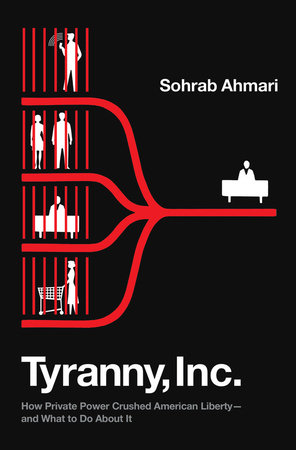
On this edition of Parallax Views, Sohrab Ahmari of the online magazine Compact joins the show to discuss his intriguing new book Tyranny Inc.: How Private Power Crushed American Liberty--and What to Do About It. Sohrab is a self-described "man of the Right". As such one may expect that Tyranny Inc. is another addition to the growing cottage industry conservative diatribes about "woke capitalism". That's what makes the book so interesting though. Rather than offering an extended invective against "woke capital", Ahmari opts instead to offer a surprisingly materialist-based critical analysis of neoliberal capitalism and the darkest consequences of it. One could easily mistake it for having been written by a left-wing thinker. Ahmari even cites such figures associated with broadly leftist tendencies such as Marxist economic geographer David Harvey and economist J.K. Galbraith. In this conversation we discuss the key points of his book, his hopes for regulation of the corporate power in America going forward (which could be spearheaded by the political odd couple of Elizabeth Warren and JD Vance), capitalism and atomization, regional capital (small business owners) as the power base of the GOP that prevents Republicans from being a truly working class-friendly party, and, in the latter portion of the conversation, Ahmari's laudable, Catholic-driven opposition to the emergent trend of a racist, social darwinist, and eugenicist segment of the right that he calls the "Nietzschean Right".

Ep 792The Maui Fires and the Grotesque Mismanagement of a Disaster w/ Journalist Albert Lanier from Hawaii
EOn this edition of Parallax Views, long-time Hawaii-based journalist Albert Lanier makes his return to Parallax Views to discuss the Maui wildfires that have ravaged Lahaina. The death toll is currently at 114 with 800 or more unaccounted for at the time of this episode's release. And that doesn't even get into the financial damages to Maui. Homes have been destroyed and lives displaced. This raises the question: Could this tragedy have been, if not prevented, handled better? Could lives have been saved? Was the response to the Maui wildfires by the Maui Emergency Management and its then chief (now resigned) Herman Andaya profoundly mismanaged? Why were sirens not put into effect? Why were residents left to looking out there windows to realize the fire was happening and run to the harbor? What to make of the Biden administration's and FEMA's response? Or the frankly bizarre conspiracy theories that have already started trying to claim the natural disaster was actually a DEW (Directed Energy Weapons) attack? All this and much more will be addressed on this edition of Parallax Views.

Ep 791The Year That Broke Politics: Collusion and Chaos in the Presidential Election of 1968 w/ Luke A. Nichter
On this edition of Parallax Views, historian Luke A. Nichter, author of such books as The Nixon Tapes (w/ Douglas Brinkley), The Last Brahmin: Henry Cabot Lodge Jr. and the Making of the Cold War, and Lyndon B. Johnson: Pursuit of Populism, Paradox of Power, joins the show to discuss his new book The Year That Broke Politics: Collusion and Chaos in the Presidential Election of 1968. Although many think of the 1960s as the "summer of love", it was in truth an era of great turbulence and tumult beyond all the imagery of flower-pop and free love as depicted in pop culture explorations of the era. 1968, in particular, was particularly chaotic year both domestically within the U.S. and internationally. The Vietnam war was raging. It was a time of protests. The assassinations of Civil Rights leader Martin Luther King Jr. and Presidential hopeful Robert F. Kennedy. Lyndon Johnson announced that he would not be seeking another term in office. Riots broke out outside the Democratic National Convention. And an election was in our midst that would see Republican Richard Nixon, Democrat Hubert Humphrey, and pro-segregation third-party candidate George Wallace. Luke will take us through what that year meant political, delve into how LBJ may have dropped out of the race but not out of making political maneuverings, evangelist Billy Graham's only recently discovered role in the election year and the campaigns, what motivated the voters with their decision at the ballot box in 1968, Luke's questioning of the narrative that Nixon's "Southern Strategy" played an outside role in the election outcome, the meaning of 1968 in the age of Trump and in lieu of the 2024 election, Nixon's centrism?, and much, much more.

Ep 790The Hidden History of American Democracy w/ Thom Hartmann/The Risks of Nuclear War, Oppenheimer, & Reflections on Alamogordo and Los Alamos w/ Ret. LTC. William J. Astore
EOn this edition of Parallax Views, progressive radio host Thom Hartmann joins the show in the first half for a 30-minute conversation about his latest book The Hidden History of American Democracy. Hartmann argues that if American citizens look back deep into the history of the United States, going back to the Founding Fathers, they will find that "democracy is in our veins" despite the country's many faults over its history. We'll delve into some of the key points of the book, the Constitution, slavery in America, the work of historians Charles and Mary Beard and Thom's criticism of it, and much, much more. In the second segment of the show, Ret. LTC. William J. Astore of the Eisenhower Media Network to discuss the British Medical Journal editorial "Reducing the risks of nuclear war". William and I will discuss the risks of nuclear war in the 21st century, Oppenheimer, William's reflection on his time spent at Alamogordo and Los Alamos, thought on the recently passed away Pentagon Papers whistleblower Daniel Ellsberg, and much, much more.

Ep 789The Black Poor, Class, and Affirmative Action w/ Bertrand Cooper
EOn this edition of Parallax Views, freelancer writer Bertrand Russell joins me to discuss the issue of black poverty, which he grew up in, and his article for The Atlantic entitled "The Failure of Affirmative Action". This article has led to Bertrand appearing on media outlets like MSNBC and Slate. It doesn't argue that Affirmative Action didn't help black Americans, but rather that Affirmative Action didn't adequately address the plight of the black poor in America. In this discussion we'll discuss how black America isn't a monolith, specifically socioeconomically. This'll lead us to talking about the black poor, black middle, and black upper class. We'll also talk about "class reductionism" and "race reductionism", Bertrand's criticism of black intellectual thought leaders like Ta-Nehisi Coates and Ibram X. Kendi, class interests in the black community, the Netflix show Beef and how it deals with the class in relationship to the Asian-American experience, the racial wealth gap and the work of scholar William "Sandy" Darity, the ADOS (American Descendants of Slavery) movement, Ibram X. Kendi's recent piece "'Working Class' Does Not Equal 'White'", acknowledging the human elements when discussing class as well race, the "Ambassador" model of having someone from the upper echelons of a marginalized group represent the rest of that marginalized, class tensions in the black community, lack of representation of the black poor in media and academia, Bertrand's personal experience in University as someone who came from a background of poverty, cultural appropriation of the black poor and their experiences, "authenticity" as a social currency and the potential problems with it, and much, much more! Sources: Gen X incarceration rates by race, gender, and parental income https://opportunityinsights.org/paper/race/ Pew Research (2007) surveying value differences among black folks https://pewresearch.org/social-trends/2007/11/13/blacks-see-growing-values-gap-between-poor-and-middle-class/ Pew Research on black intra-group commonality
Ep 788The Texas Mall Shooting and the Phenomena of Nazis of Color w/ Spencer Sunshine and Isaac
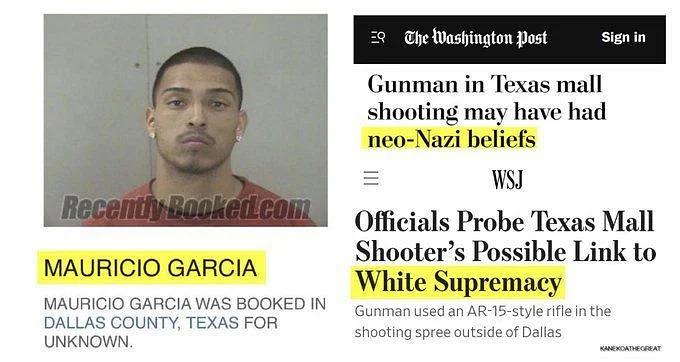
EOn this edition of Parallax Views, on May 6, 2023 a mass shooting occurred at Allen Premium Outlets in Allen, Texas. Nine people, including the shooter, perished in that incident with others being injured. The perpetrator was a man by the name of Mauricio Garcia. Despite his Latino background, Garcia identified as a neo-nazi. How, some thought, could a Latino man hold the views of neo-nazi, fascist, white supremacists? Antifascist researcher and antifascist skinhead Isaac join me to discuss this incident and, more broadly, their article "Nazis of Color" for the grassroots Unicorn Riot website. As it turns out, Nazis come in many different forms and can be found in Latin America, the Asia and Pacific Islands, and elsewhere. There are even, believe it or not, black Nazi skinheads. What is behind this startling phenomena? We'll discuss all that as well as much more in this conversation including the recent revelations about right-wing commentator Richard Hanania's association with the alt right, how skinhead culture was appropriated by neo-nazis and the history of the "Rock Against Communism" skinhead music movement,

Ep 775Seeing through the Smoke: A Cannabis Specialist Untangles the Truth about Marijuana w/ Peter Grinspoon, M.D.
On this edition of Parallax Views, Peter Grinspoon, MD joins the show to discuss his new book Seeing Through the Smoke: A Cannabis Specialist Untangles the Truth About Marijuana. Peter is the son of Lester Grinspoon, who was one of the top researchers into cannabis and psychedelics at Harvard. Peter's approach to marijuana is a bit different and unique as he takes aims at the myths perpetuated by reefer pessimists (those who think marijuana is the devil's plant) and cannatopians (those who consider marijuana a no-downsides miracle plant). We'll discuss the effects of marijuana on youths, the question of marijuana and disorders like schizophrenia, the medical benefits of marijuana, a story about Peter hanging out with science popularizer Carl Sagan (Sagan was a friend of the Grinspoon family and a marijuana advocate), thoughts on psychedelic research (and the question of whether Timothy Leary's effect on said research was positive or negative), and much, much more.

Ep 787The Fourth Turning Is Here: What The Seasons Of History Tell Us About How And When This Crisis Will End w/ Neil Howe
On this edition of Parallax Views, Neil Howe, coiner of the term "Millennial", joins us to discuss his new book The Fourth Turning Is Here: What the Seasons of History Tell Us About How and When This Crisis Will End. Howe, alongside his late colleague William Struass, came up with a generational view of history that emphasized history being cyclical rather than linear. This came about when Howe began to wonder about the differences between Baby Boomers and the GI Generation. Strauss and Howe's work has influenced a diverse range of figures including former Vice President Al Gore, progressive radio host Thom Hartmann, and, most infamously, former Trump advisor Steve Bannon (who made a documentary, Generation Zero, that was heavily influenced by the Fourth Turning theory). Neil and I will discuss the ins-and-outs of the Fourth Turning, generational archetypes, community vs. atomization, the decline of academia and academic disciplines, and much, misunderstanding about the Fourth Turning, whether the Howe-Strauss generational theory of history ignores material and identity (like gender) related issues, culture, and much more in this wide-ranging conversation.

Ep 783Are Business Interests Driving an AI Panic? (+ WGA Strike, ChatGPT Bias, Henry Kissinger, and More) w/ Grant M. Gallagher
EOn this edition of Parallax Views, Grant M. Gallagher of the upcoming history podcast New Disorder: a History of the 21st Century returns to discuss his June 5th, 2023 Newsweek op-ed "Why AI Panic is Not About Safety". We delve into how Sam Altman, chief executive of OpenAI and a signatory of the Center for AI Safety's recent statement about the potential dangers of AI, has been at the forefront of calling for safety regulations in lieu of current concerns about the rapid development of artificial intelligence technologies. But is all of this simply about AI safety, or ensuring regulations that are on the terms of and to the benefit of figures like Altman and their companies? Gallagher makes this argument in the op-ed and we delve into it more in this conversation about the AI Panic. This is not to say that there aren't legitimate concerns about AI, but rather that the way concerns about AI is currently being discussed conceal business interests and motivations. We also discuss ChatGPT and its potential biases, the Writer's Guild of America (WGA) strike in Hollywood (which is being driven by fears about AI), Henry Kissinger and the American political establishment, and much, much more.

Ep 786Exposing SOUND OF FREEDOM, Tim Ballard, and Operation Underground Railroad w/ Damion Moore
EOn this edition of Parallax Views, the Angel Studios movie Sound of Freedom, starring The Passion of the Christ's Jim Caviezel and Academy Award-winner Mira Sorvino, has become the sleeper indie hit of the summer. It purports to be based on the true life exploits of Tim Ballard, a former Department of Home Security official, and his fight to save children from the scourge of human trafficking in Colombia. The movie has been described as akin to the First Blood/Rambo movie or the Liam Neeson-starring Taken franchise, but based on a true story. Journalists Damion Moore and Lynn Packer of American Crime Journal, however, have been on the beat with regards to Tim Ballard the organization he co-founded Operation Underground Railroad (O.U.R.; Ballard has since resigned or, depending on your interpretation, been forced out of the organization) for a number of years now. Their reporting tells a very different story and paints a less flattering picture of Mr. Ballard. Damion Moore joins us on this edition of Parallax Views to unravel the true story of Sound of Freedom and Tim Ballard. We'll be covering the arrest of Earl Buchanan (the basis of the Tim Ballard/Sound of Freedom story), Mormonism, right-wing broadcaster Glenn Beck and his connection to Tim Ballard through the Nazarene Fund, the holes in Ballard's narrative and twisting of the truth, the "Rambo raid" story of Sound of Freedom vs. the reality, Sound of Freedom producer Eduardo Verástegui, how Sound of Freedom could harm/hurt efforts to fight human trafficking, the Jeffrey Epstein case, QAnon, the Wayfair child trafficking conspiracy theory, the Tim Ballard "White Board meeting" and profiteering/money-making, human/child trafficking cases (Elizabeth Frasier and Coco Berthmann), Utah attorney General Sean Reyes and his connections to Tim Ballard, Tim Ballard's during his days in the Department of Homeland Security and President Obama's record of immigrant deportation, American Crime Journal's coverage of the Eliza Bleu case, Tim Ballard's connections to Donald Trump, Tim Ballard and right-wing's "groomer" allegations against trans and LGBTQ+ activists, the problem with sensationalistic and tabloid true crime media and podcasts, and much, much more in this nearly 2 and a half hour conversation! Photo of the Tim Ballard "White Board" referenced in this episode. Thank you Damion Moore.

Ep 785Israel/Palestine, Violence in Jenin, Israeli Police Murder of an Autistic Man, and the Iraqi Shia Kidnapping of an Israeli-Russian National w/ Richard Silverstein
EOn this edition of Parallax Views, Richard Silverstein of the Tikun Olam blog returns to discuss the latest news in Israel/Palestine. We beging with a breakdown of the latest Israeli raid on Jenin and it's significance, the U.S. response, the resiliency of Palestinians, and related issues. From there we move onto the troubling story of an autistic Palestinian man who was killed by an Israeli police officer. Charges against said police officer were recently dropped and Israeli Minister of National Security Itamar Ben-Gvir mocked the dead man's mother calling her a "terrorist". We then wrap up the show with a discussion about Israeli-Russian national and academic Elizabeth Tsukov, who has done pro-Palestinian and human rights work, and her kidnapping by an Iraqi Shia militia. All that and more on this addition of Parallax Views!

Ep 784Biden Nominee Elliott Abrams, the Iran-Contra Affair, and the U.S. Foreign Policy Blob
EOn this edition of Parallax Views, Sam Fraser, researcher and senior communications associate at the Quincy Institute for Responsible Statecraft, joins us to discuss the Biden administration's nomination of Elliott Abrams to the bipartisan United States Advisory Commission on Public Diplomacy. A few years ago Abrams, who was at that time appointed as the U.S. special envoy to Venezuela by the Trump administration, was in the news when Rep. Ilhan Omar confronted Abrams on his involvement in the Iran-Contra scandal and human rights abuses in Latin America. Why is a figure like Abrams, who was convicted for his involvement with Iran/Contra, still involved in international relations and U.S. foreign policy? And how do figures like Abrams sticking around effect U.S. relations with Latin American countries? These are just a few of the questions posed in this conversation and Sam's recent article "Biden’s disgraceful nomination of Elliott Abrams". This conversation will also delve into the history of the Ronald Reagan Presidency and U.S. foreign policy in that era. We'll discuss Iran-Contra for those who need a refresher, atrocities in El Salvador and Guatemala, dirty wars, death squads in Latin America in the 1980s, the Cold War, Abrams' praise for a dictator that's been convicted of genocide, how left-wing movements gain traction in Latin America and how they are suppressed by the right-wing, the military dictatorship of Gen. Fulgencio Batista and the rise of Fidel Castro, Juan Guaido and the failed coup against Nicolas Maduro in Venezuela, Brazilian President Lula Da Silva and Operation Car Wash, Hugo Chavez and failed coup attempts against him in the George W. Bush years, Israel/Palestine, the 2007 Gaza War between Fatah and Hamas, the history of the neocons (neoconservatives) and their role in U.S. foreign policy (also: are they still relevant?), lack of accountability in the U.S. foreign policy blob/establishment, Elliot Abrams and the Council on Foreign Relations, the democracy vs. autocracy debate and its contradictions, American exceptionalism and U.S. hegemony, and more!

Ep 782Control: The Dark History and Troubling Present of Eugenics w/ Geneticist Adam Rutherford
On this edition of Parallax Views, geneticist Adam Rutherford joins us to discuss his new, timely book Control: The Dark History and Troubling Present of Eugenics. British philosopher John Gray, author of Stray Dogs, praised Control saying, "[Rutherford's] scientific demolition of the eugenic project is brilliantly illuminating and compelling. His book will be indispensable for anyone who wants to assess the wild claims and counter-claims surrounding new genetic technologies." Believe it or not, the idea, or pseudoscientific mindset as Rutherford refers to it, of eugenics did not die with WWII and the atrocities of the Nazi Third Reich. In fact, elements of it still linger in the culture today. This is why Rutherford wrote Control, a book that attempts to explore the history of eugenics, the opposition to it, and the scientific problems with it from the perspective of an accomplished geneticist. In this conversation we discuss not only the history of eugenics, but also the opposition to it from Christian like G.K. Chesterton, eugenics and H.G. Wells' The Time Machine, tackling modern eugenicist thinkers like Richard Lynn who offer an intellectual, pseudo-academic sheen to eugenics and the ways in which Rutherford believes we should pushback on their claims, and a even a brief discursion into Adam's work with filmmaker Alex Garland on the Natalie Portman-starring sci-fi movie Annihilation. All that and more on this edition of Parallax Views!

Ep 781The Enduring Legacy of V, the Hit Sci-Fi TV Series That Used the Alien Invasion Trope to Explore the Dangers of Fascism w/ Kenny Johnson
On this edition of Parallax Views, 2023 marks the 40th anniversary of the release of V: The Original Miniseries. A two-part sci-fi television event that brought in around 33 million homes, V was ostensibly the story of reptilian alien invading earth to steal it's resources and turn the human population into a food source. However, beneath the surface it acted as a parable about how fascism and authoritarianism can take hold in a country. In fact, it was inspired by Sinclair Lewis' classic novel It Can't Happen Here and was initially not about malevolent extraterrestrial invaders at all. In this conversation we discuss how V came to be, the conspiracy theorists who take the miniseries and it's reptilian invasion literally and Kenny's response to them, V as a parable about fascism, Kenny's work with Vincent Price on An Evening With Edgar Allen Poe, what Kenny thinks of being compared to The Twilight Zone's Rod Serling due to his interest in sci-fi that deals with social issues, the TV how Alien Nation, the cast of V (which included such names as Marc Singer of The Beastmaster franchise, Robert Englund of Freddy Krueger fame, Jane Badler, Andrew Prine, and many others), the Holocaust and how it tied into the story of V, racism and diversity and the way those topics figured into V, Kenny's sequel novel to V entitled V: The Second Generation, the possibility of a big screen movie remake of the miniseries, looking back on V in the era of Trump (and anti-vaxxers and conspiracy theories), V's dealing with the topic of anti-science sentiments and how they can be damaging to society, the way in which V is about two powerful women (the heroine Juliet and the villainous reptilian alien Diana), the cinematic quality of V and its European theatrical release, the studio's lack of faith in V and belief that it's dealing with social issues of the time would be too intellectual for American audiences, and much, much more!
Ep 780The Wild World of Pro Wrestling (and Some Politics Talk Too... Plus Freemasonry!?) w/ Kenny ”Starmaker” Bolin
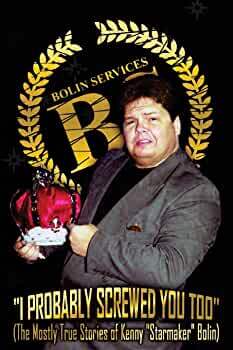
EOn this edition of Parallax Views, we dive into the wild world of pro wrestling, the parallels it has with politics, and even a diversion into Freemasonry with former pro wrestling manager turned political podcast extraordinaire Kenny "Starmaker" Bolin. Kenny Bolin worked as a heel (bad guy) manager in Ohio Valley Wrestling, the one-time developmental promotion for World Wrestling Entertainment (WWE) that produced such stars as John Cena, Dave Bautista, Rico Constantino, and Rene Dupree among others. In fact, Bolin was OVW top heel that irked the fans into buying tickets because they hoped to see him get his comeuppance after insulting the audience. Kenny's lived a fascinating life growing up on pro wrestling, becoming a talent in OVW, and making friends like billionaire investor Mark Cuban and former Trump appointed White House Director of Communications Anthony Scaramucci along the way. We begin the conversation by diving into the world of pro wrestling, how tickets are sold, the Memphis territory ran by the late Jerry Jarrett, the infamous feud that took place between comedian Andy Kaufman and wrestling legend Jerry "The King" Lawler in the squared circle, and much, much more. From there we delve into the world of politics, what politics has learned from pro wrestling, and Kenny explains his immense dislike of Donald Trump. Near the end we delve into Kenny background, his experience with Freemasons and racist family members (including a biological father that was a key member of the KKK), thoughts on evangelical Christianity and televangelists, and much, much more!

Ep 773Cultural Memory, Climate Change, and the Potential Catastrophe of a Digital Dark Age w/ Charles Henry
On this edition of Parallax Views, Charles Henry, President of the Council on Library and Information Resources, joins us to discuss the importance of preserving cultural memory and history in the digital age. Massive amount of information, if not properly maintained in this new digital era, could be lost to the sands of time. This incredible loss of knowledge, like the burning of the Library of Alexandria, would be catastrophic.. Simply put, it would amount to a digital dark age. In this conversation we discuss this issue in-depth as well as how climate change and it's consequences pose an immense threat, even arguably the number one threat, to retaining human knowledge and cultural memory. We also touch upon issues such as film/cinema preservation, the disinformation/misinformation problem, the pros and cons of massive information proliferation in the digital age, the digital age's amplification of marginalized voices, the digital memory hole and the problem with the "once it's on the internet it'll be around forever" mentality, and much, much more!

Ep 779Media Representation, How AI Can Amplify Bias, and the Problem With The Little Mermaid w/ Marcus Ryder
EOn this edition of Parallax Views, Marcus Ryder, a media a UK-based representation/diversity expert and Head of External Consultancies for the Sir Lenny Henry Centre, recently gained a bit of notoriety or his critique of Disney's live-action remake of The Little Mermaid. In a tweet and blog Ryder critiqued the movie for taking place in the 18th century Carribean, but ignoring the existence of slavery in that period. At the same time he said that he found the film's normalization of black beauty standards, vis-a-vis it's star Halle Berry as the titular character Ariel, and praised the film in other regards. Despite the positive sentiments Ryder expressed in addition to his criticism, the tweet/blog was met with backlash from both people who thought that in critiquing the movie he was downplaying it's importance in regards media representation as well as a multitude of "anti-SJW" voices on social media who saw Ryder's tweet/blog as another chance to push their culture war viewpoints. I'm editorializing a bit here, but I felt that the backlash obscured what Ryder's actual thoughts were and the nature of his criticism. As such I invited him on my show to discuss this as well as his work on media representation, what media representation/media diversity is about, his thoughts about the attacks on media diversity/representation work by some political elements, and more. Much of the conversation centers around what Ryder's work entails and what we mean by media representation/diversity actually means. However, another issue we discuss in great depth is the issue of AI, with a focus on ChatGPT, and how it can actually reproduce or amplify dominant cultural biases and perspectives at the expense of perspectives and way of thinking. The final portion of the conversation deals largely with The Little Mermaid. We also touch upon how class and socioeconomic status should, in Ryder's view, be part of media representation/diversity and how media representation/diversity should aim to be inclusive for all (ie: one type of diversity/representation doesn't have to trump another; taking a holistic approach).

Ep 778Ukraine/Russia War Update + Wagner Group’s Chief Attacks Russian Military Elites w/ Anatol Lieven
On this edition of Parallax Views, Dr. Anatol Lieven, the director of the Eurasia Program at the Quincy Institute for Responsible Statecraft, returns to discuss his observations from a recent visit he took to Ukraine. Additionally, Anatol and I delve into Yevgeny Prigozhin, chief of the Russian private military company Wagner Group, and his recent attacks of Russian military elites. Is Prigozhin's attacks indicative of a Russian succession struggle brewing for when Putin is no longer in power? Anatol and I also discuss his views on where the war is headed, how the war has been a failure for Russia, Russian-ethnic Ukrainian support for Ukraine, ethnic tensions in Ukraine caused by the invasion, U.S. foreign policy, the D.C. Blob, Anatol's criticism of pro-Russian opponents of the D.C. foreign policy establishment, and more All that and much more on this edition of Parallax Views.

Ep 776The U.S. & Middle East in a Changing 21st Century Order & the Nation-States Vs. Civilizational States Conflict w/ James M. Dorsey
On this edition of Parallax Views, Dr. James M. Dorsey of the Turbulent World w/ James Dorsey blog returns with a discussion that begins with Iran's saying it's forming a naval alliance with Gulf States (Saudi Arabia, Qatar, Bahrain, and the United Arab Emirates) as well as Pakistan, India, and Iraq. This, however, leads into a larger discussion about the geopolitics of the Middle East and the political battle for the soul of Islam, the shaping of a 21st Century World Order that is emerging before our very eyes, and the conflict between nation state vs. civilizational state modes of thought across the global political chessboard. This is a wide-ranging discussion that covers a massive amount of topics in just under an hour. Dorsey and I manage to discuss all of the above in relation to U.S. foreign policy, the Russian invasion of Ukraine and the war that's resulted from it, the Gulf States' relationship with Türkiye and Erdogan, Iran's nuclear capabilities, political reformism and political repression in the Middle East, Indonesia and the battle for the soul of Islam, culture wars in the Arab world, China, U.S. failings in the Middle East, Middle East power rivalries and de-escalation, Israel in a bind, and much, much more!