Parallax Views w/ J.G. Michael
1,045 episodes — Page 5 of 21

Ep 984The Cognitive Infiltration of Alternative Media w/ Robbie Martin
EYou're Listening to Parallax Views https://parallaxviews.podbean.com/ Support the Show on Patreon: https://www.patreon.com/parallaxviews On this edition of Parallax Views, Robbie Martin, filmmaker behind the documentary A Very Heavy Agenda about the history of neoconservatism & co-host with Abby Martin of Media Roots Radio, returns to discuss the 2024 election and its fallout with a particular focus on what Robbie perceives as the psyop-ing or cognitive infiltration of so-called alternative media. Robbie expresses his annoyance with the state of alternative media and what he sees as alt media figures who claim to be antiwar and against the mainstream, but are smuggling pro-war, hawkish views into the political arena while claiming to be against U.S. militarism and interventionism. We'll also delve into the parallels between this cognitive infiltration of alt media and the trajectory of the 9/11 Truth movement. Robbie and I also discuss the state of conspiracy culture, RFK Jr.'s leaked call with Trump before he suspended his campaign in the 2024 election, the paranoid climate in the post-Jeffrey Epstein moment, antisemitism in alt media, nationalist sentiments in alt media, Trump's foreign policy record in his first term (arming Saudi Arabia's war in Yemen, Ukraine and Russia, reneging on the JCPOA deal with Iran and assassinating Gen. Qassem Soleimani of the Islamic Revolutionary Guard Corps., Latin America), the influence of Tucker Carlson, Trump's hawkish appointments (confirmed and unconfirmed at time of recording; Pete Hegseth, Marco Rubio, Mike Waltz, et al.), antiwar Libertarians getting sucked into the right-wing's culture war, the mainstream media's turn on Joe Biden,
Ep 9872024 Election Post-Mortem and Why the Democratic Party Lost w/ Josh "Ettingermentum" Cohen
EOn this edition of Parallax Views, popular election analyst Josh Cohen aka Ettingermentum returns to breakdown the 2024 election, its outcomes, and just why exactly the Democratic Party lost the Presidency, House, and Senate. We'll look at where the Kamala Harris and the Democratic Party campaign went wrong in their race against Donald Trump and the Republican Party. Josh will discuss why he believes Joe Biden played a big role in the the defeat of Democrats along with Kamala Harris's inability to differentiate herself from Biden. We'll also talk about the Harris campaign as the Democrats' first "post-woke" campaign, the issue of inflation and the economy's role in the 2024 election, Gaza and the Uncommitted campaign, and what the future may hold for the Democratic Party (we'll talk about Gretchen Whitmer, Andy Beshear, and the wide-open field for Democrats as well as the emergence of the post-Obama Democratic Party in the aftermath of this election). Josh's main analysis: bottom line, Democrats were self-indulgent and arguably played things too safe in a time where they needed to creatively respond to the situation in America. Some other issues covered in the course of our conversation include: - Democrats trying to appeal to moderate Republicans (as seen by the Harris campaign cozying up to Liz Cheney) in this election cycle - Comparing Trump's win to the victories for abortion rights at the state level; are we really seeing a cultural shift to the right-wing; why was the Dobbs decision not enough for Democrats to win nationally? - Criticism of the analysis being provided by figures like Matthew Yglesias and James Carville in relation to the election; the role of figures like Yglesias in the tone of the Democrats' overall campaign in the election cycle - The border and immigration in relation to the 2024 election - Israel/Palestine and the Gaza crisis as a wedge issue for Democrats - The shattering of Joe Biden's reputation in the past 4 years and his low-approval ratings - Comparing Democratic candidates that won their election bids in 2024 to the ones that lost - Josh addresses the criticism that the results of the 2024 election had nothing to do with the economy because "the economy is fine"; the average Americans dissatisfaction with the current macro-economic environment - Democrats' loss of ground in New York - And more!

Ep 986The Economy and the 2024 Election w/ Stephen Semler/A 2024 Election Post-Mortem w/ Daniel Bessner
On this edition of Parallax Views, we continue our post-mortem of the 2024 election with two separate and distinguished guests. In the first segment, Stephen Semler of the date-based political blog Polygraph joins the show to discuss his articles "A couple charts to explain a Harris loss" and the facetiously titled "'The economy is fine'". Stephen delves into how the economy played a role in this election, and addresses criticisms by some pundits that economic anxieties could not have played a role in the election because the economy is doing well by some metrics and statistics (for example: low unemployment, a booming stock market, etc.). We'll delve into the difference between the economy and average American's economic well-being, and we'll look at two graphs from the U.S. Department of Agriculture and the U.S. Census Bureau that deal with food insecurity and poverty to further elucidate Stephen's analysis. We'll also delve into Biden's Build Back Better and American Rescue Plans and how certain elements of Bidenomics in spring of 2022 got sidelined in a way that may have led to economic whiplash for American voters. In the second segment of the show, Daniel Bessner, known for his work at the Quincy Institute and Jacobin as well as co-hosting the left-leaning foreign policy/international relations podcast American Prestige, returns to the program to give his own analysis of the 2024 election's outcome and what he expects from a 2nd Trump Presidency. We'll discuss the feeling that there's been a more muted response to this election that in 2016, the question of Trump and fascism and why Danny prefers to discuss Trump as a reactionary populist with authoritarian inclinations, Trump as a PT Barnum-esque carny barker character mixed with shades of Boss Tweed and Tammany Hall, Trump and his promises of mass deportation, what Trump means for climate change, populism and anti-establishment backlash in the 2024 election, what Danny expects out of Trump's foreign policy (with regards to Ukraine and Russia, China, Iran, and Israel/Palestine), and, most significantly, the crisis of liberalism. In regard to the crisis of liberalism we'll mention Francis Fukuyama's "End of History" hypothesis, the decline of civic institutions since the 1960s (and maybe even before), Clinton-era liberalism (colored by the primacy of Third Way neoliberalism in the Democratic Party) vs. FDR's New Deal liberalism, the liberal international order and great power politics, and much, much more.

Ep 985The 2024 Election, Why Kamala Harris Lost, and What to Expect from the 2nd Trump Presidency w/ Dr. Jack Rasmus
In this insightful episode of Parallax Views w/ J.G. Michael, political economist Dr. Jack Rasmus joins J.G. to dissect the reasons behind Donald Trump’s unexpected victory over Kamala Harris in the 2024 presidential election. The discussion is centered around Dr. Rasmus's article, "Why Trump Won—And Some Consequences," which explores the economic and political factors that led to Trump’s victory in both the electoral college and the popular vote. Rasmus presents an in-depth analysis of the socio-economic discontent that propelled Trump’s victory, offering a fresh perspective on the frustrations and disillusionment affecting American voters today. Dr. Rasmus argues that economic policies affecting the middle and working classes, alongside concerns over inflation, job stability, healthcare, and childcare costs played a pivotal role in the 2024 election. Dr. Rasmus addresses the now already common retort the economy could not have driven the outcome of the 2024 election due to the stock market booming, low unemployment rates, lowering of inflation, and a good GDP. He argues that media accounts of the economy have often cherry-picked statistics and do not necessarily deal with the economic well-being of average Americans. He offers statistic in support of his claims and makes the case for why many Americans felt their economic well-being was under siege. A key aspect of this discussion centers on why Kamala Harris lost, with Dr. Rasmus exploring what he terms “The Humphrey Effect.” Similar to Hubert Humphrey’s inability to distance himself from Lyndon B. Johnson’s policies during the 1968 election, Harris struggled to differentiate her platform from President Joe Biden’s. Rasmus argues that voters saw Harris as an extension of Biden’s policies rather than a fresh alternative, which weakened her appeal. Additionally, Dr. Rasmus contends that Harris’s focus on issues like the January 6th insurrection and identity politics, though central to her campaign, did not resonate with a wide swath of voters. Many Americans, rightly or wrongly, felt these issues were disconnected from their immediate economic concerns. Instead, inflation, job instability, and healthcare affordability were front and center for voters struggling to make ends meet. According to Rasmus, Harris’s perceived failure to address these economic pocketbook issues head-on left many working-class and middle-class voters disillusioned and created an opening for Trump to campaign on issues like no-taxes on tipping, etc. In a second Trump presidency, Dr. Rasmus expects sweeping economic and social policy changes that will impact Americans across various income brackets. Trump’s approach will likely center on increased tariffs, which, while meant to protect American industries, may raise consumer prices, impacting the pocketbooks of average Americans—though not as severely as some Democrats predict. Rasmus argues that while consumer goods prices will increase under the tariff agenda, he is more immediately concerned about inflationary pressures in the service sector as well looming recession in said sector, which could have far-reaching economic consequences. Rasmus anticipates that Trump will implement further austerity measures, reducing social spending on programs. In this regard we discuss what to expect out of Trump when it comes to social security. Rasmus also discusses the likely tax cuts for the wealthy that can be expected under this second Trump administration. Additionally, we delve into what Trump's second term may entail for climate change, tensions with China, foreign policy in the Middle East, and much, much more.

Ep 983The Anti-Politics Moment and the 2024 Election w/ The Rabble Report's Tyler Joseph
EIn this episode of Parallax Views w/ J.G. Michael, J.G. sits down with Tyler Joseph, co-host of the Rabble Report YouTube show, to examine the surprising results of the 2024 election, where Donald Trump achieved a historic victory over Kamala Harris, becoming the first Republican in 20 years to secure the popular vote. Tyler delves into the anti-politics phenomenon—an intensifying public disillusionment with political institutions that’s shaping how Americans vote. They discuss how figures like Trump and Obama have harnessed this discontent to their advantage, tapping into an electorate increasingly skeptical of political institutions. Beyond just examining the 2024 election, Tyler explores the role of anti-politics in the decline of civic institutions and the rise of social atomization, as communities fragment and people become more isolated. Join the conversation as J.G. and Tyler assess how anti-politics and the erosion of civic trust are reshaping America’s political and social landscape in the wake of this unprecedented election. We also delve into the overlap between anti-politics and anti-corruption rhetoric, the difference between anti-politics and anti-politicians, the pandemic, Bernie Sanders, abortion protections being won in many states despite the victory of the GOP at the national level, Joe Rogan and politics, the American voter and ideological incoherence, Jimmy Carter's "great malaise" speech, the American public and the immigration debate, New Jersey's Senate-elect Andy Kim's recent references to anti-politics, culture wars and politicians trying to game anti-politics to their own ends, the Ross Perot Presidential campaign in the 1990s and its relationship to anti-politics, George Galloway's The Worker's Part of Britain, and the Sahra Wagenknecht Alliance party in Germany, and more
Ep 982HALLOWEEN HANGOVER: Pop Life - Two Dudes in the Cheap Seats: Horror Tropes w/ Jason Myles & Toure Reed
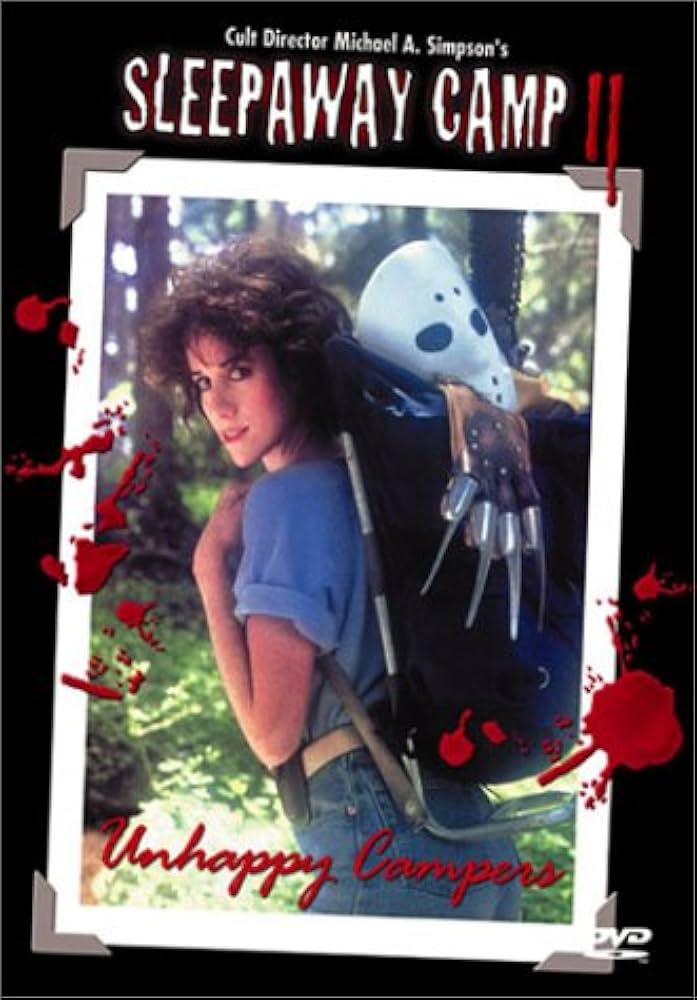
EI'll be back with the fallout from the election next week. But until then here's a Halloween Hangover episode of the show that consists of my appearance on Jason Myles' Pop Life. Toure Reed also joined the program. We talked about teen-campers in the woods horror movies from FRIDAY THE 13TH and SLEEPAWAY CAMP franchises to more obscure titles like THE BURNING, MADMAN, and CHEERLEADER CAMP. Toure gave his thoughts on Joss Wheadon's CABIN IN THE WOODS and its tongue-in-cheek "meta" approach to horror. Realize everyone is burned out from the election, so hopefully this episode will be some type of reprieve.
Ep 981Exploring the History and Joys of Horror Comic Books w/ Stephen Bissette
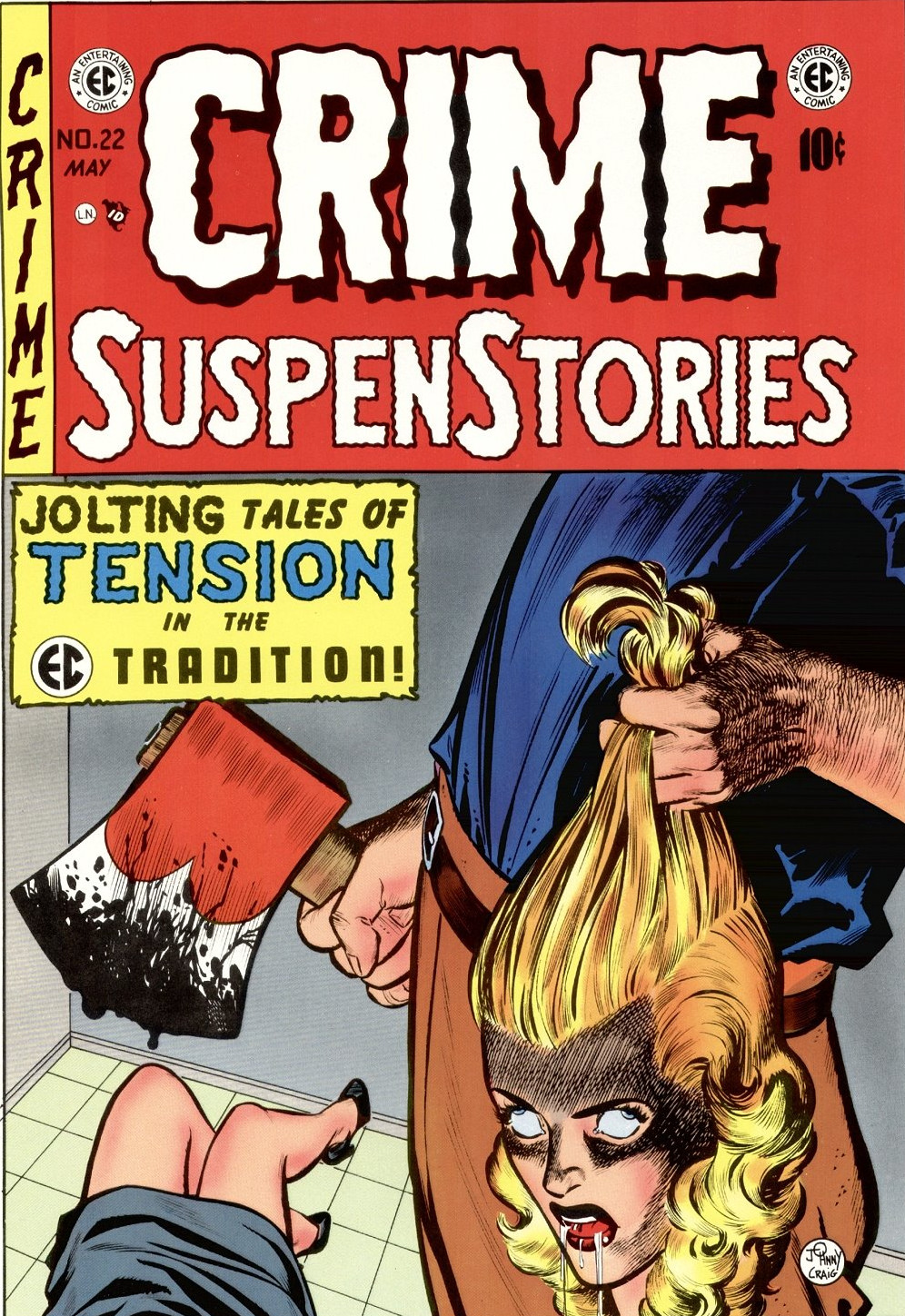
EFor the grand finale of this year’s Parallax Views Halloween-themed series, host J.G. Michael dives deep into the world of horror comics with none other than Stephen Bissette, legendary artist and penciler from Alan Moore’s iconic Saga of the Swamp Thing. In this episode, Bissette reveals the eerie origins and turbulent history of horror comics, starting with the foundational impact of Famous Monsters of Filmland magazine and its most well-known cover artist, Basil Gogos, which captivated a generation of horror enthusiasts. From there, the conversation explores the 1950s moral panic that vilified horror comics, leading to the creation of the restrictive Comics Code that effectively snuffed out horror comics for decades. Bissette and Michael delve into the legendary horror tales published by Warren with Creepy and Eerie, as well as EC Comics' iconic titles like Tales from the Crypt and Vault of Horror. The conversation highlights artists who shaped the genre, including Wally Wood and Gene Colan, whose work on Tomb of Dracula remains a horror classic. We also delve into the connection between the 60s/70s counterculture, underground comix, and horror comics by discussing the way in which horror comics were available in places like headshops in the 70s and how artists like the great Richard Corben of Heavy Metal fame worked in both the underground comix and horror comics spaces. Moving into his own groundbreaking work, Bissette discusses his boundary-pushing horror anthology series Taboo, a space where comics could embrace uncensored horror storytelling. They also explore Bissette’s acclaimed run on Swamp Thing, with a particular focus on the legendary issue "The Anatomy Lesson." Bissette recounts how the eerie villain Jason Woodrue, aka the Floronic Man, came to feature as the main antagonist in the first arc of his Swamp Thing and shares how he modeled the character's unsettling look on Peter Cushing’s portrayal in Hammer’s Frankenstein films. The conversation also covers the rebirth of gothic horror in the late 1950s, the cultural fascination with giant monster sci-fi films in the early 50s, and the impact of censorship in comics, drawing fascinating parallels to contemporary book bans by Christian nationalist groups. With an exploration of censorship's effects, the genre's evolution, and chilling themes still relevant today, this episode is packed with rich insights for horror lovers and comics fans alike.

Ep 980Making Movies Based on True Crimes & Serial Killers w/ Chuck Parello (Publicist for HENRY: PORTRAIT OF A SERIAL KILLER; Director of HENRY II, ED GEIN, & THE HILLSIDE STRANGLER)
EIn this Halloween "spooky season" episode of Parallax Views w/ J.G. Michael, we delve into the unsettling world of true crime cinema with Chuck Parello, a filmmaker renowned for his work on notorious serial killer films. Parello began as the publicist for John McNaughton’s groundbreaking and controversial Henry: Portrait of a Serial Killer, which faced a grueling battle with the MPAA that refused to grant it an R-rating despite extensive cuts. J.G. and Chuck discuss the haunting power of Henry, the terrifyingly quiet portrayal of the titular character by Michael Rooker, and how the film isn’t a straightforward biopic of infamous killers Henry Lee Lucas, who came to be known as "The Confessions Killer" for fabricating many of his claims in exchange for special privileges, or Otis Toole but rather a unique examination of monstrous characters. Chuck then details his own sequel, Henry: Portrait of a Serial Killer, Part II, where Henry is drawn into the world of arsonists, shedding light on the creative origins of that choice. The conversation continues with Chuck’s film Ed Gein, which diverges from fictionalized films inspired by the Butcher of Plainfield—such as Psycho, The Texas Chainsaw Massacre, and Silence of the Lambs—and instead stays grounded in the actual life and psyche of Ed Gein. Featuring Steve Railsback, known for his unnerving performance as Charles Manson in the 1970s TV miniseries Helter Skelter, Railsback’s portrayal of Gein is both unsettling and oddly tragic, showcasing a different side of the infamous killer. Chuck and J.G. also discuss The Hillside Strangler, a disturbing portrayal of Kenneth Bianchi and Angelo Buono's deadly partnership, in which C. Thomas Howell and Nicholas Turturro take on chilling roles as the murderous cousins whose combined force drove them to escalate their crimes in late 1970s Los Angeles. Further, Chuck shares insights on his upcoming project on the Sunset Strip Killers/The Sunset Slayers (Doug Clark and Carol Bundy) and how he was originally was slated to direct the 2002 Ted Bundy biopic before Oingo Boingo’s Matthew Bright ended up with the job. They tackle ethical questions surrounding the portrayal of real-life killers, the potential for exploitation, and the cultural obsession with true crime, shedding light on the complex responsibilities of filmmakers in this genre. This episode is a must-listen for fans of horror, crime thrillers, and serial killer cinema, as it examines the artistry and ethics of bringing these haunting real-life tales to the screen.

Ep 979The History of the 80s Halloween Cult Classic NIGHT OF THE DEMONS & Its Sequels w/ Chris MacGibbon
EGet ready for a spine-tingling dive into 1988’s cult horror classic Night of the Demons on the latest episode of Parallax Views w/ J.G. Michael! Kicking off the Halloween “spooky season” series, J.G. welcomes Chris MacGibbon of the Spooky Picture Show, a die-hard fan and researcher of Night of the Demons. Chris has delved deep into the film’s eerie legacy, speaking with the cast, unearthing behind-the-scenes stories, and contributing to the Blu-ray releases of Night of the Demons and its sequels. Together, they discuss what makes this iconic film—and its sequels and remakes—so unforgettable in horror history. Tune in as they explore everything from the haunting atmosphere and cult following to the demon-filled, blood-curdling thrills that keep fans returning to this Halloween favorite year after year. Among the topics covered: - The making of NIGHT OF THE DEMONS (1988), which was filmed on a low-budget over a few weeks with some of the shooting taking place in gangland territory - The on-set romance between special effects artist Steve Johnson and scream queen Linnea Quigley (who plays Suzanne in the film) after Johnson had to create a mold of Linnea's breasts - Australian director Brian Trenchard-Smith's NIGHT OF THE DEMONS 2; although the first movie had comedic elements, NIGHT OF THE DEMONS 2 dove into full-on horror farce territory - The strange and troubled history of NIGHT OF THE DEMONS 3 in Canada and its connections to the children's horror TV shows Are You Afraid of the Dark? and Goosebumps - The rather disliked 2009 remake/reimagining of NIGHT OF THE DEMONS starring American Pie's Shannon Elizabeth, Freddy Vs. Jason's Monica Keena, and Terminator 2's Edward Furlong - How NIGHT OF THE DEMONS director Kevin S. Tenney ended up working on the film after making the cult classic Witchboard - Republic Pictures and the unexpected success of Night of the Demons on the home video market - Amelia Kinkade, the actress who plays the goth-girl-turned-demon-possessed-villain-of-the-series Angela, and her other life as a pet psychic; also discussion of her awesome dance scenes in Night of the Demons and Night of the Demons 2 where she dances to the gothic post-punk band Bauhaus and the death metal band Morbid Angel! - And more!
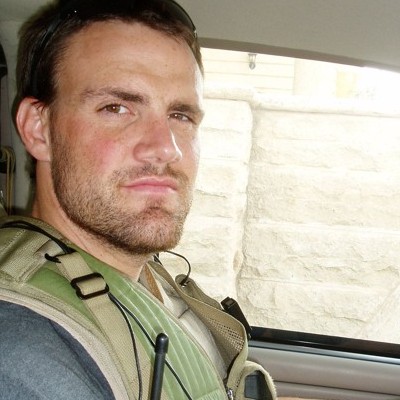
Ep 978Guns, Girls, and Greed: I Was a Blackwater Mercenary in Iraq w/ Morgan Lerette
EIn this episode of Parallax Views w/ J.G. Michael, we dive into the world of private military companies (PMCs) with Morgan Lerette, author of Guns, Girls, and Greed: I Was a Blackwater Mercenary in Iraq. Morgan shares his firsthand experiences as a Blackwater mercenary in Iraq, offering candid thoughts and criticisms of Blackwater's controversial activities and its founder, Eric Prince. We explore Blackwater mercenaries' interactions with Iraqi civilians, diplomats, and fellow contractors, as well as Morgan's broader critiques of the PMC industry. The conversation also touches on journalist Jeremy Scahill's journalism that specialized in heavily criticizing Blackwater, along with unique anecdotes like female military personnel tanning around Saddam Hussein's palace, the day-to-day life and drudgery of a Blackwater employee, Christmas in Baghdad, how Morgan helped put a grifter who claimed to be a CIA operative in jail, and Iraqi kids selling Morgan bootleg copies of Star Wars movies and adult. Don't miss this in-depth discussion on the gritty realities of war, mercenary culture, and the ethics of private military operations.
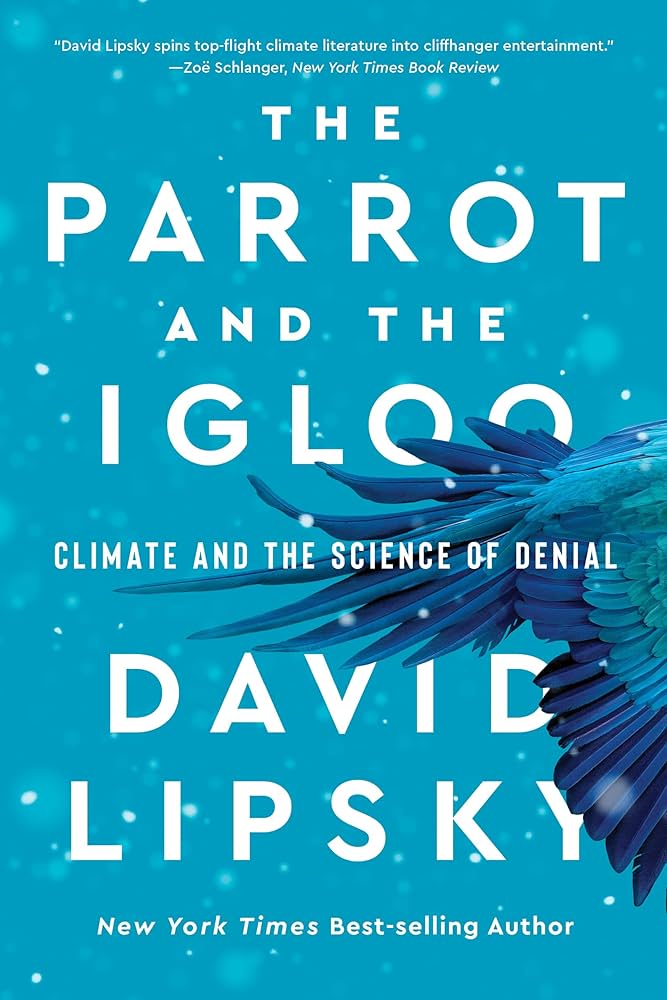
Ep 977The Parrot and the Igloo: Climate and the Science of Denial w/ David Lipsky
EOn this edition of Parallax Views w/ J.G. Michael, we dive into the world of climate science and denial with acclaimed author David Lipsky, discussing his latest book, The Parrot and the Igloo: Climate and the Science of Denial. Lipsky's narrative unravels the journey from the early days of climate awareness to the rise of misinformation and denialism that has shaped public perception and policy today. Lipsky explores the prophetic warnings of global warming, like the New York Times' 1956 prediction of parrots in the Antarctic, and the contrasting spectacle of Senator James Inhofe's 2010 igloo on the Washington Mall, mocking climate change with a sign reading, "Al Gore's New Home: Honk If You Love Climate Change." The discussion highlights the groundbreaking work of James Hansen, an academic at Columbia University who was an important voice warning the world about the dangers of climate change and serves as one of the real life heroes in Lipsky's book. We delve into Hansen's involvement in the Pioneer Venus project and how research into Venus's atmosphere helped scientists understand the catastrophic potential of a runaway greenhouse effect—a scenario he feared could threaten Earth’s future, driving him to speak out for the sake of his grandchildren. We also delve into the role of big business in science denial, with a focus on the tobacco industry and the Phillip Morris Science Action Plan. Lipsky illustrates how tactics developed by the tobacco industry to spread doubt about the dangers of smoking were later adapted to promote climate denial. Companies used these methods to create uncertainty around the scientific consensus on global warming, employing PR strategies that aimed to manipulate public perception. Lipsky brings to light the financial interests and industries that fueled climate denial propaganda, referencing the controversial 2007 documentary The Great Global Warming Swindle. He introduces the concept of "The 25," the key figures in climate denialism, a term inspired by Steven Milloy's admission that there were only "25 of us" fighting against climate science. Lipsky traces how these denialists, some with backgrounds in defending tobacco, transitioned to spreading disinformation tied to the oil industry. The episode also touches on Lipsky's thought-provoking hypothesis about societal complicity in climate denial. While J.G. Michael suggests that powerful entities like the oil industry and groups such as the Moonies were actively pushing climate skepticism, Lipsky adds that society at large may have subconsciously wanted the denialists to be right because of our dependence on fossil fuels. He suggests that instead of taking collective action, we find it easier to blame oil companies and denialists, ignoring our own unwillingness to make lifestyle changes. This, however, is not to say that Lipsky let's oil companies and interest groups off the hook, but rather points at the way we, as a society, have failed to take action when it comes to the warming of our planet. We discuss the years of inaction on climate change by Republican administrations and the Democratic Party’s missed opportunities, specifically during the presidency of Barack Obama. Despite organized climate denial losing ground in recent years, societal action on climate change remains insufficient. Figures like Bjorn Lomborg and Dr. Timothy Ball have faded into obscurity, yet Lipsky argues that our lack of decisive action indicates that we, as a society, might now be the ones in denial. Finally, we examine the influence of Republican pollster Frank Luntz, who reframed the conversation by popularizing the term "climate change" to make the issue seem less alarming and downplay the urgency of global warming. Join us for a conversation that covers the heroes and villains of climate science, the spread of disinformation, and how the American character has played a role in this tragicomic battle for the truth. Whether you're a climate advocate or curious about the history of climate skepticism, this episode offers a deep dive into one of the most critical issues of our time.
Ep 976REPLAY (DUE TO HURRICANE MILTON): The RealPage Scandal, the Emerging AI Price Fixing Dystopia, and the Importance of the Antitrust Movement w/ Lee Hepner
ERecovering from Hurricane Milton. Please accept my apologies for not being able to post a new episode. I am safe but need a few days of mental vacation giving the nerve-wracking past few days. On this edition of Parallax Views, we delve into the explosive story of a software company and corporate landlords accused of engaging in a criminal conspiracy to artificially jack-up prices in the U.S. rental housing market. Lee Hepner of the American Economic Liberties Project joins the show to discuss the scandal-plagued software company RealPage and algorithmic price-fixing in the U.S. rental housing market as well as what was recently described in The Atlantic as the emerging "AI Price Fixing Dystopia". We'll talk about how the relationship between vacancies and rental prices has changed since the introduction of software of the kind RealPage is selling, the significance of the RealPage antitrust case, and how scandals like this tie into the issue of evictions and homelessness. We'll also delve into broader issues related to cartels and the threat monopoly capital poses to U.S. consumers, the Google antitrust lawsuit and Judge Amit Mehta ruling that Google is a monopolist in violation of antitrust laws, the significance of the Google antitrust lawsuit and what could come of it, the Federal Trade Commision's Lina Khan and Department of Justice Jonathan Kanter & the antirust project, how price fixing also ties into food and airline prices, countering anti-antitrust propaganda, the concept of "greedflation" as the cause of inflation, and much, much more.
Ep 975A Critique of Anne Applebaum's Autocracy, Inc. w/ Samuel McIlhagga
EOn this edition of of Parallax Views w/ J.G. Michael, British reporter and book critic Samuel McIlhagga joins to dissect Anne Applebaum's latest work, Autocracy Inc., and his critique of it in his Jacobin article, "Anne Applebaum’s Dystopia of Rules." Together, they explore Applebaum's analysis of rising authoritarianism, her framing of the battle between democracy and autocracy, and how her perspective may overlook key complexities. McIlhagga challenges Applebaum's conclusions while agreeing with some parts of her general analysis, offering a deeper critique of the political narrative she builds, particularly in the context of global politics today. Amongst the topics we cover are NATO, multipolarity and the concept of the multipolar world, France's Emmanuel Macron and European intellectuals/political figures preparing for a world where Europe won't be able to rely on the U.S. (especially in the case of a 2nd Donald Trump Presidency in the White House), autocratic states that are U.S. allies vs. autocratics states that are U.S. enemies, Saudi Arabia, Turkey, Latin America, the post-WWII order, geopolitical tensions, thinkers adjacent to Applebaum like Timothy Snyder, the Middle East, Israel/Palestine, Russia, Ukraine, and much, much more.

Ep 974A Critique of Rachel Maddow's PREQUEL w/ Brandan P. Buck
EIn this episode of Parallax Views w/ J.G. Michael, historian Brandan P. Buck discusses his Reason magazine article, "Rachel Maddow's Prequel Is a Deceptively Framed History of the Radical Right." Buck critiques Maddow's portrayal of a Nazi Fifth Column attempting to influence America in the lead-up to WWII, arguing that while Nazi spies and groups like the Silver Shirts existed, their influence on U.S. non-interventionist sentiments is overstated. Citing sources like noted Holocaust historian Deborah Lipstadt’s book Beyond Belief, Buck challenges Maddow’s claims. He also emphasizes how antiwar opinions in the U.S. were shaped by the American experience of WWI and argues that Maddow does not highlight how that experience informed anti-interventionist sentiments prior to U.S. entry into WWII. Additionally, the episode explores Maddow's overestimation of groups like the Silver Shirts and the American Bund, whose actual membership was far smaller than her claims of widespread influence. This is not a defense of anti-interventionism during WWII but a critique of media oversimplification and historical distortion. Listeners will gain a deeper understanding of U.S. antiwar movements, media narratives, and the importance of accurately framing historical events.
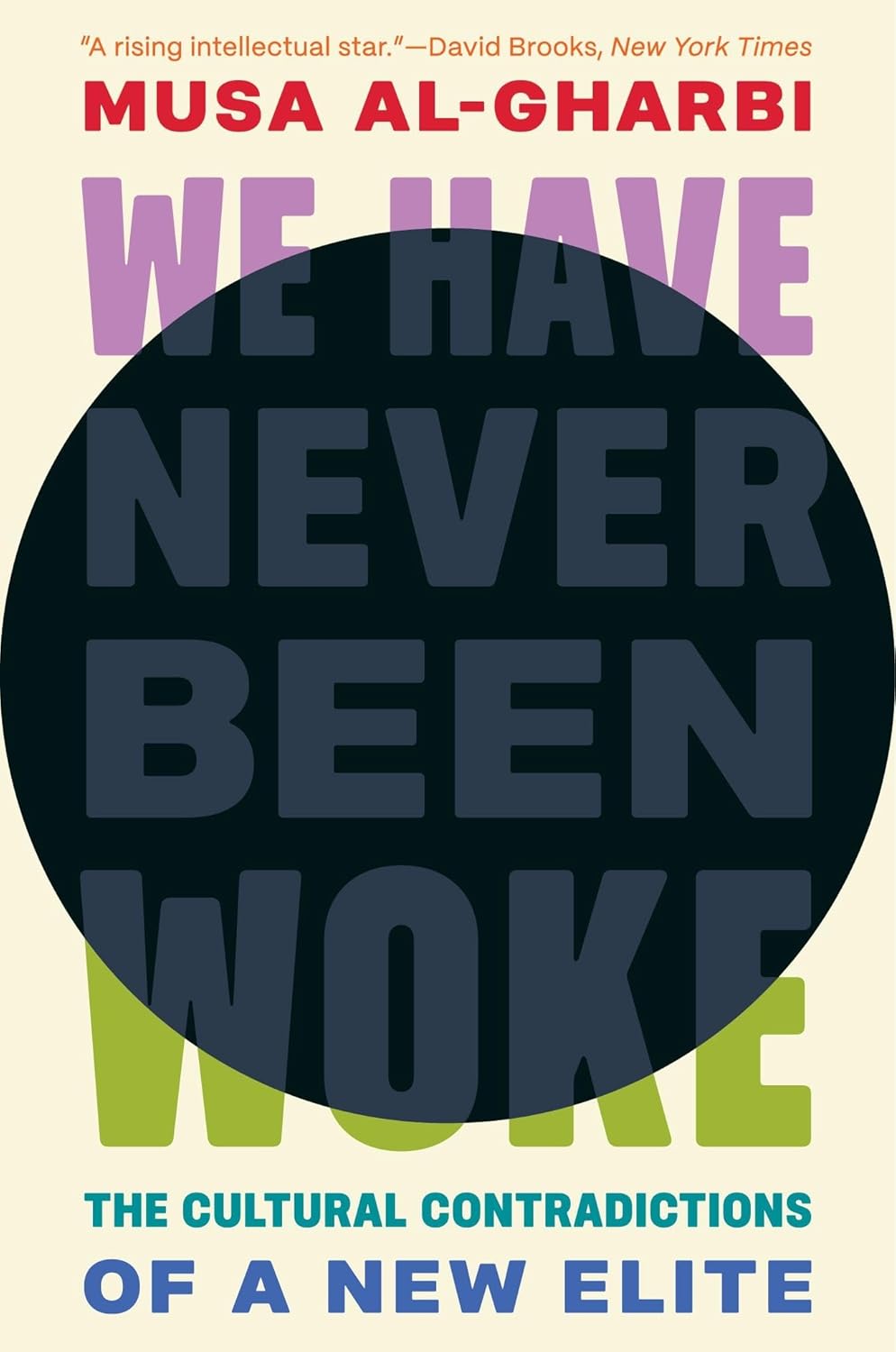
Ep 973We Have Never Been Woke: The Cultural Contradictions of a New Elite w/ Musa al-Gharbi
EIn this episode of Parallax Views w/ J.G. Michael, host J.G. Michael interviews sociologist Musa al-Gharbi about his upcoming book We Have Never Been Woke: The Cultural Contradictions of a New Elite. The conversation focuses on the woke vs. anti-woke culture wars, exploring the work of French sociologist Pierre Bourdieu and his concept of symbolic capital. Al-Gharbi explains how symbolic capital, a form of social and cultural influence, plays a crucial role in shaping the ideologies and actions of today’s elites in the woke debates. And he does not limit this to people who define themselves as "woke", but also those who define themselves as "anti-woke". This hopefully insightful discussion sheds light on the contradictions and complexities of the cultural elite and their influence on modern political and cultural discourse. If you're interested in understanding the deeper sociological factors driving the woke vs. anti-woke divide, this episode may be of interest. Pre-Order Musa's book here: https://musaalgharbi.com/2021/05/05/book-announcement-we-have-never-been-woke/
Ep 972Israel/Palestine, Christian Zionism, and the Effort to Build Bridges Between Palestinian Activists & Evangelical Christians w/ Gregory Khalil
EIn this episode of Parallax Views, host J.G. Michael engages in a thought-provoking conversation with Palestinian American activist Greg Khalil, president and co-founder of the Telos Group. The discussion dives into the complex dynamics of the Israel/Palestine conflict, with a special focus on Christian Zionism and the Telos Group's efforts to build bridge between Palestinian activists and Evangelical Christians. Khalil offers insights into how faith, politics, and activism intersect in the region, challenging traditional narratives and exploring the role Evangelical Christian communities can have in peacebuilding initiatives. Tune in to explore how Telos is fostering understanding, promoting justice, and encouraging meaningful dialogue across deep-rooted divisions. Listeners will learn how the Telos Group came to be through an unlikely alliance between Khalil, a Palestinian American activist and lifelong Democrat, and Todd Deatherage, a conservative, evangelical Christian who worked at the State Department in the years of the George W. Bush Presidency. We'll learn about their efforts at peacemaking as well as dissecting how not all the evangelical community aligns with the politics of notable Christian Zionists like John Hagee.
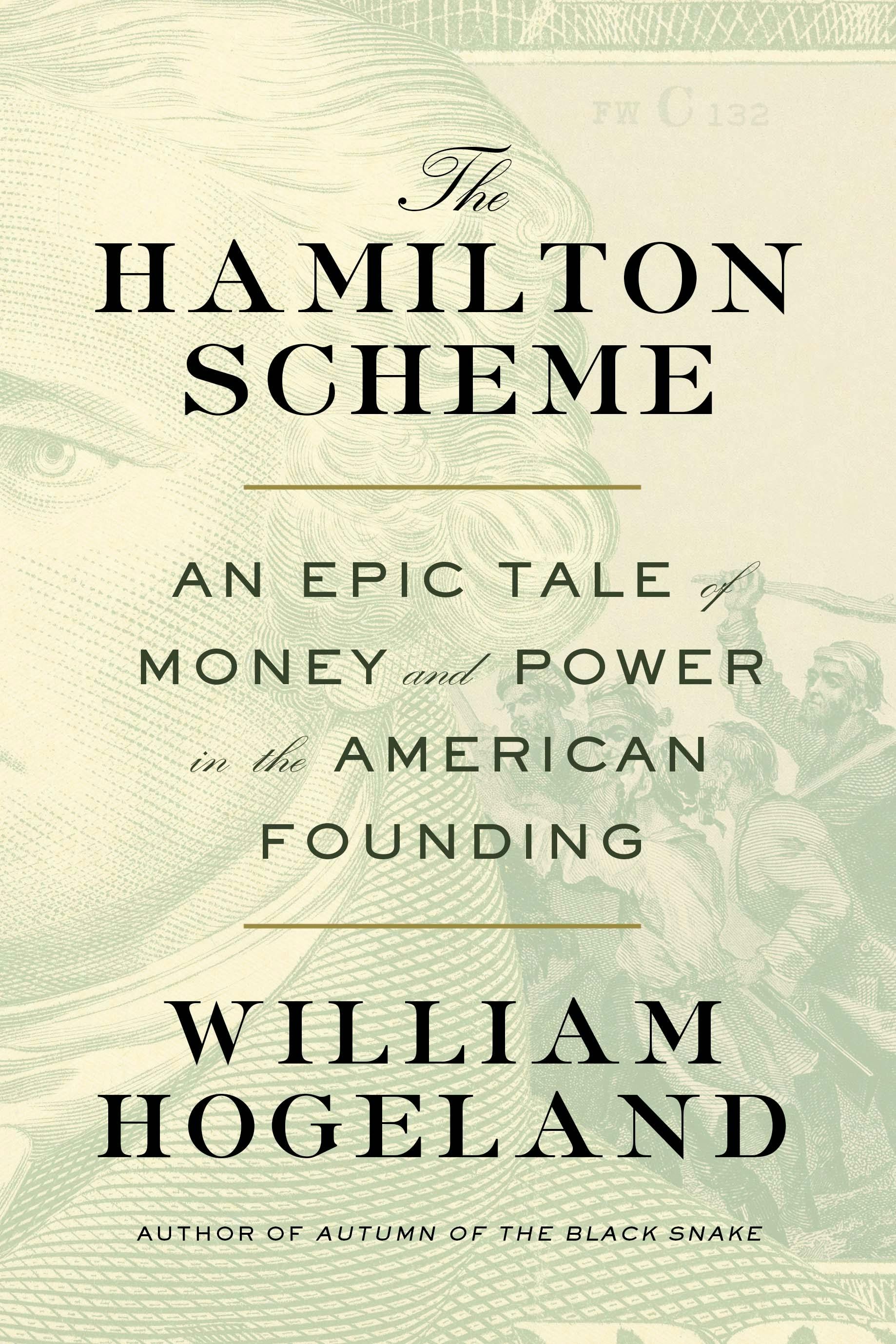
Ep 971The Hamilton Scheme: An Epic Tale of Money and Power in the American Founding w/ William Hogeland
EOn this edition of Parallax Views, historian William Hogeland joins the show to discuss his book, The Hamilton Scheme: An Epic Tale of Money and Power in the American Founding. Hogeland offers a critical examination of Alexander Hamilton, challenging the romanticized image of this influential Founding Father. The conversation explores Hamilton’s ambitious economic plans and his efforts to consolidate power through financial institutions, shedding light on the often-overlooked power struggles that shaped the early United States. As previously noted, Hogeland challenges the romanticized image of Hamilton, popularized by the hit musical Hamilton, and critiques the "Cult of Hamilton" that has emerged in recent years. The discussion explores Hamilton’s consolidation of power through financial institutions, his alliance with figures like Robert Morris—another Founding Father of the United States and a war profiteer—and the class struggles of the founding era, positioning "The Hamilton Scheme" against the working class of the era. Additionally, Hogeland critiques mainstream liberal "Obamaist" civics and the dominance of Clinton-era Third Way neoliberalism in the Democratic Party, particularly during Barack Obama's presidency, when economic policy was heavily influenced by figures like Tim Geithner. In this conversation, you'll find out how Hogeland views his book as "implicitly a thoroughgoing critique mainly from the left of mainstream liberal Obamaist civics regarding the US founding". The discussion also touches on the progressive vision of 18th century Christian, farmer, and activist Herman Husband, a stark contrast to Hamilton’s economic ideas, and how historians since WWII, like Douglas Adair, have downplayed class-oriented interpretations of America's founding in favor of the ideas and virtues of the Founders. We'll also discuss Hamilton's vision for an activist government vs. Herman Husband's vision for an activist government, Gore Vidal's take on Alexander Hamilton in his historical novel Burr, the neocons and Clinton Democrats that have embraced Hamilton in recent decades, neocons vs. paleocons/liberations on Hamilton, Charles Beard and revisionist historians on the American founding, and much, much more!

Ep 970The Mainstream Media's Coverage of the Gaza War & Anti-Palestinian Bias w/ Dr. Assal Rad
EIn this powerful episode of Parallax Views, host J.G. Michael speaks with Dr. Assal Rad about the mainstream media’s portrayal of the Gaza War and the ongoing anti-Palestinian bias in news coverage. Together, they break down the key narratives shaping how the public perceives the Israeli-Palestinian conflict and how media outlets like the New York Times are influencing those perceptions. Highlights include: Media Bias in Gaza War Coverage: How mainstream media, particularly U.S. outlets, frame the conflict and marginalize Palestinian voices. Leaked NYT Memo: Analyzing The Intercept's explosive reporting on the leaked New York Times memo advising reporters on words to avoid when covering the Gaza War and how it shapes understanding of Israel's actions in Gaza. John Oliver’s Criticism of Gaza War Coverage: Why it’s a problem that a comedy show like Last Week Tonight is offering more critical coverage than respected news publications like the New York Times. The Killings of Shireen Abu Akleh & Ayşenur Ezgi Eygi: Discussing the deaths of these journalists and what it reveals about the media’s handling of violence against Palestinians and, in the case of Aysenur Ezgi Eygi, an American citizen. Also noted is the fact that Eygi is not the first American citizen killed in the history of the Israeli-Palestinian conflict. Rachel Corrie is also covered in this regard. Impact of Language in Conflict Reporting: How the framing of words and phrases influences global perception and policy. Diversionary Tactics in Discourse Around Israel/Palestine and Gaza: The use of deflection techniques to shift attention away from criticism of Israel's actions in Gaza and focus on other narratives, such as accusations of antisemitism or emphasis on Hamas. Conflating Criticism of Israel with Antisemitism: How framing any critique of Israeli actions during the Gaza War as antisemitism undermines genuine efforts to combat antisemitism and stifles meaningful discussion about human rights. Blaming Iran for the Gaza War: Why portraying Iran as the puppet-master behind the continuation of the Israeli-Palestinian conflict is a problematic narrative that oversimplifies the situation and distracts from the core issues driving the Gaza War. We talk about the concept of the "Axis of Resistance" in this regard and what it is and isn't. Dr. Rad provides insight into how media bias affects public understanding of the Gaza War and what can be done to promote more balanced, human-centered reporting. This episode offers a critical examination of media coverage during one of the most significant ongoing conflicts in the Middle East.
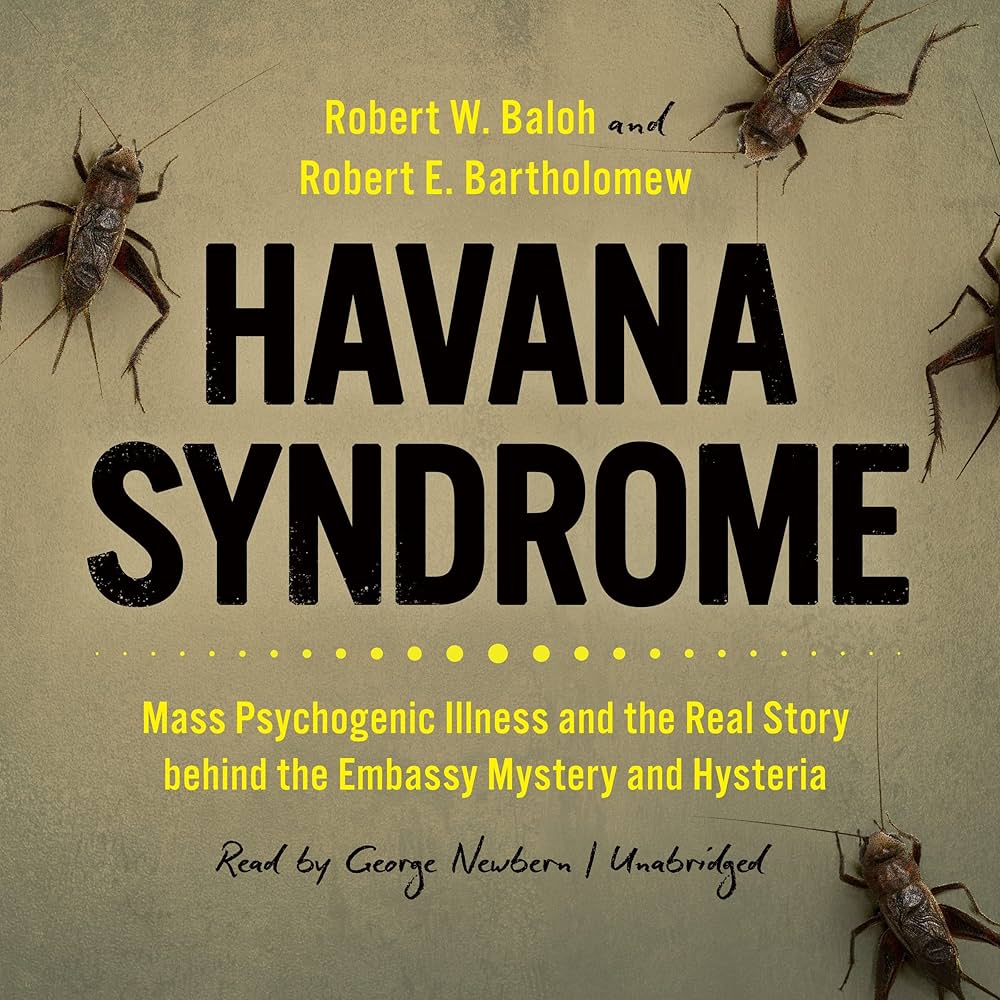
Ep 969Havana Syndrome Hoax?: Mass Panic, Shoddy Journalism, Media Sensationalism, and 60 Minutes w/ Robert E. Bartholomew
EOn the edition of Parallax Views, sociologist Robert E. Bartholomew, co-author of Havana Syndrome: Mass Psychogenic Illness and the Real Story Behind the Embassy Mystery and Hysteria, returns to discuss the story that won't die: Havana Syndrome. Bartholomew dives deep into his recent Skeptical Inquirer piece, "Smoke and Mirrors: The 60 Minutes ‘Breakthrough’ on Havana Syndrome Exposed," critically analyzing the recent media coverage surrounding Havana Syndrome, particularly the claims made on CBS's 60 Minutes. During the discussion, Bartholomew breaks down the historical context of mass psychogenic illness and applies it to the mysterious symptoms experienced by U.S. diplomats and intelligence officers. He challenges the popular narrative attributing the syndrome to foreign attacks and explores how misinformation, hysteria, and media sensationalism may have played a significant role in shaping public perceptions. The episode sheds light on the evidence, or lack thereof, surrounding the Havana Syndrome phenomenon and emphasizes the importance of scientific skepticism when dealing with high-profile public health scares. Listeners interested in media criticism, psychological phenomena, and the intersection of science and public discourse will find this episode to be a compelling dive into the real story behind the embassy mystery. Tune in for an enlightening conversation that questions mainstream narratives and urges listeners to think critically about sensationalist headlines.

Ep 968The Problem of the Revolving Door Phenomena and Matthew Yglesias's Strange Defense of It w/ Henry Burke
EOn this edition of Parallax Views, Henry Burke of the Revolving Door Project joins the show to discuss an article he co-wrote with Max Moran for The American Prospect entitled "What We Talk About When We Talk About the Revolving Door". Burke offers a critical examination of the revolving door phenomenon, where government officials transition into lucrative positions in the private sector and vice versa, often leading to conflicts of interest and the perpetuation of corrupt corporate practices. The conversation explores the urgent need to crack down on these unethical practices that undermine democracy and public trust. Burke and J.G. Michael also discuss journalist Matthew Yglesias' recent defense of the revolving door, and the criticisms Burke and Moran have of Yglesias' perspective. Ultimately, Burke argues that we need to challenge the normalization of the revolving door and calls for greater accountability in both corporate and governmental spheres. Other subjects that get mentioned on this episode include: populism vs. faux populism, Kamala Harris and her promises to go after price-gouging in regard to groceries, the targeting of Chairperson of U.S. Securities and Exchange Commission Gary Gensler by corporate interests, the crypto industry, the Biden administration and progressive economic policies, and much more!

Ep 967Project 2025 as Pax Romana, Militarization & the War on the Poor, the Christian Nationalist Agenda, & More w/ Rev. Dr. Liz Theoharis
EOn this edition of Parallax Views, Rev. Dr. Liz Theoharis, co-chair of the Poor People’s Campaign: A National Call for Moral Revival and director of the Kairos Center for Religions, Rights, and Social Justice at Union Theological Seminary. Rev. Dr. Theoharis delves into her recent article for TomDispatch, The Nation, and Counterpunch, where she critiques the Heritage Foundation's controversial Project 2025, likening it to an American version of Pax Romana. Key topics include the rise of right-wing Christian Nationalism, the conflict between the Christian Left and the Christian Nationalist agenda, and the implications of Project 2025 for labor rights and the working class. The conversation also covers the intersection of militarism, the war on the poor, the ongoing crisis in Gaza, and bipartisan support for the military-industrial complex, which diverts resources from critical needs like healthcare and affordable housing. Additionally, the episode examines the influence of Pax Americana and parallel rises of Christian Nationalism and neoliberalism in the United States. We'll also discuss the social justice work that the Poor People's Campaign and Kairos Center are engaged in, especially during this year's election season.

Ep 966Israel's Black Panthers: The Radicals Who Punctured a Nation's Founding Myth w/ Asaf Elia-Shalev
EOn this edition of Parallax Views, the Jewish Telegraphic Agency's Asaf Elia-Shalev joins the show to discuss his riveting book, Israel's Black Panthers. This episode uncovers the untold story of Israel's Black Panthers, a radical Mizrahi movement from the 1970s, drawing critical parallels between the FBI's COINTELPRO and the Israeli security state's targeting of the Panthers. The discussion highlights the intense conflicts between Israel's Black Panthers and figures like Meir Kahane, Golda Meir, and the police, including the significant events of The Night of the Panthers and Operation Milk. Listeners will gain insights into the racism faced by Mizrahi Jews, the internal conflict between Mizrahi and Ashkenazi Jews, and how the Mizrahi community's political alignment shifted towards the right-wing Likud Party under Menachem Begin. The episode also explores the complex relationship between Israel's Black Panthers and Palestinians, and shines a spotlight on Reuven Abergel, one of the movement’s key co-founders. Essential listening for anyone interested in Middle Eastern history, social justice, and the dynamics of political activism.
Ep 965Techno-Authoritarianism, Balaji Srinivasan's Network State, and the Big Tech Oligarchs Backing MAGA w/ Gil Duran
EOn this edition of Parallax Views, San Francisco-based journalist Gil Duran, a former communications director for U.S. Senator Dianne Feinstein & Kamala Harris (during her time as Attorney General), joins the show to discuss the big tech oligarchs backing Donald Trump, JD Vance, and MAGA this election season and their strange, science fiction-sounding techno-authoritarian vision for America. Gil Duran recently wrote two pieces in The New Republic that will form the basis for this conversation. The first, "Where J.D. Vance Gets His Weird, Terrifying Techno-Authoritarian Ideas", deals with JD Vance and the figure of Mencius Moldbug aka Curtis Yarvin, both of whom have a conneciton to Peter Thiel. Moldbug/Yarvin, for the uninitiated, is a key figure in the formation of what's come to be known as "Neo-Reaction" (NRx). Yarvin has promoted many ideas over the years, including the creation of corporate-controlled sovereign "realms" such as an imagined version of San Francisco called "Friscorps". These realms would essentially serve as panopticon-esque Orwellian surveillance systems. For example, in regard to his concept of Friscorps, Yarvin writes: “All residents, even temporary visitors, carry an ID card with RFID response. All are genotyped and iris-scanned. Public places and transportation systems track everyone. Security cameras are ubiquitous. Every car knows where it is, and who is sitting in it, and tells the authorities both.” We'll delve into Yarvin's ideas about patchworks, his strange writings about using humans as biodiesel fuel, and, most importantly, how his RAGE (Retire All Government Employees) plan bears similarties to Project 2025. And yes, as previously mentioned, we'll discuss how both Vance and Yarvin are tied to Peter Thiel. The second article, also from The New Republic, that informs much of Gil and I's discussion is entitled "The Tech Baron Seeking to Purge San Francisco of 'Blues'". That piece deals with the figure of venture capitalist Balaji Srinivasan and his rather right-wing, techno-authoritarian vision for San Francisco vis-a-vis a concept called the Network State. We'll delve into Srinivasan's ideas about the Network State as well as a concept he refers to as "techno-Zionism" and the conflict between what he calls the gray tribe (tech-loyalists) and the blue tribe (liberal voters). According to Duran, Srinivasan's vision involves purging Blues from San Francisco. “Take total control of your neighborhood. Push out all Blues. Tell them they’re ... unwelcome,” Srinivasan says, "Just as Blues ethnically cleanse me out of San Francisco, like, push out all Blues.” We'll dissect exactly what Srinivasan meant by that and much more. Additionally, Gil and I will delve into why these figures are fascinated by the figure of French philosopher Rene Girard and his writings on the scapegoat mechanism of mimetic theory, how these figures are influenced by the controversial legal theorist Carl Schmitt (who worked for the Nazis under Hitler's Third Reich) and Schmitt's concept of the Sovereign and the State of Exception, and much, much more. In other words, you'll be hearing episode pulling the curtain back on the Silicon Valley/venture capitalist right-wing in California and America more broadly.

Ep 964Starvation Being Used as a Weapon of War in Sudan w/ Stan Cox
EOn this edition of Parallax Views, Stan Cox, a regular contributor at TomDispatch and the author of The Path to a Livable Future: A New Politics to Fight Climate Change, Racism, and the Next Pandemic and The Green New Deal and Beyond: Ending the Climate Emergency While We Still Can, joins the show to discuss the article he recently co-wrote with Priti Gulati Cox entitled "Starvation in Sudan". We discuss the way in which both the RSF (Rapid Support Forces) paramilitaries and the government-backed SAF (Sudanese Army Forces) in Sudan having been using starvation as a weapon of war. Now, starvation is in full effect in Sudan with the Sudanese people caught in the middle of the RSF and SAF. It is, in a word, a massive humanitarian crisis that the U.S. has done little to stop. Even much needed humanitarian aid is not getting into Sudan at this point. Many Sudanese have already been displaced and the situation is getting worse by the day.
Ep 963The RealPage Scandal, the Emerging AI Price Fixing Dystopia, and the Importance of the Antitrust Movement w/ Lee Hepner
EOn this edition of Parallax Views, we delve into the explosive story of a software company and corporate landlords accused of engaging in a criminal conspiracy to artificially jack-up prices in the U.S. rental housing market. Lee Hepner of the American Economic Liberties Project joins the show to discuss the scandal-plagued software company RealPage and algorithmic price-fixing in the U.S. rental housing market as well as what was recently described in The Atlantic as the emerging "AI Price Fixing Dystopia". We'll talk about how the relationship between vacancies and rental prices has changed since the introduction of software of the kind RealPage is selling, the significance of the RealPage antitrust case, and how scandals like this tie into the issue of evictions and homelessness. We'll also delve into broader issues related to cartels and the threat monopoly capital poses to U.S. consumers, the Google antitrust lawsuit and Judge Amit Mehta ruling that Google is a monopolist in violation of antitrust laws, the significance of the Google antitrust lawsuit and what could come of it, the Federal Trade Commision's Lina Khan and Department of Justice Jonathan Kanter & the antirust project, how price fixing also ties into food and airline prices, countering anti-antitrust propaganda, the concept of "greedflation" as the cause of inflation, and much, much more.
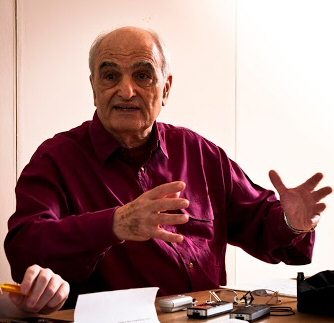
Ep 962The Last of the First Israeli Anti-Zionists: A Conversation w/ Moshe Machover About Israel, Jabotinsky's Iron Wall, Colonialism, and Matzpen
EOn this edition of Parallax Views, a few short months ago I had the opportunity to speak with Moshe Machover amidst the horrors we are seeing in Gaza. for the unfamiliar, Moshe Machover has become known as "The First of the Last Israeli Anti-Zionist". Born in Tel Aviv when Israel was still British Mandate Palestine, Machover was one of the founders of Matzpen, Officially known as the Socialist Organisation in Israel, Matzpen were a group of Israelis who broke away from Maki, the Israeli Communist Party. Matzpen believed in radical, left-wing, revolutionary politics and were proponents of anti-Zionism from a socialist perspective. On September 22, 1967, three months after Six-Day War that ended with the Israeli capture and occupation of the Sinai Peninsula, the Golan Heights, the West Bank, the Gaza Strip and East Jerusalem, an ad appeared in the pages of the Israeli publication Haaretz. A Declaration of only 52 words in length, it read: Our right to defend ourselves from extermination does not give us the right to oppress others. Occupation entails foreign rule. Foreign rule entails resistance. Resistance entails repression. Repression entails terror and counter-terror. The victims of terror are mostly innocent people Holding on to the occupied territories will turn us into a nation of murderers and murder victims Let us get out of the occupied territories immediately. The ad was accompanied by a number of signatures, including Moshe Machover. In this conversation we'll discuss that declaration as well as Machover's analysis of influential Revisionist Zionist Vladimir Jabotinsky's seminal text The Iron Wall. Machover wrote a translation of the infamous Jabotinsky essay for Jewish Voice for Labour that can be read here. In addition to discussing Matzpen, the 1967 Declaration that appeared in Haaretz, and Jabotinsky's Iron Wall we will also delve into why Moshe, as a socialist, opposes Zionism and his socialist analysis of Israel in relation to the phenomena of colonialism. Moshe describes colonization as "like a gas" that seeks to occupy all available space and continually expand.
Ep 958The OKC Bombing, Fed Shenanigans & Entrapment Plots, Right-Wing Hawks Co-Opting of Antiwar Politics, Peter Thiel & the Oligarchic War Machine, & More w/ Scott Horton
EOn this edition of Parallax Views, Scott Horton of the Scott Horton show and author of such books as Fool's Errand: Time to End the War in Afghanistan and Enough Already: Time to End the War on Terrorism returns to discuss the ongoing fundraising campaign for his non-profit, The Libertarian Institute. We talk about a number of issues including the OKC bombing, Waco, federal entrapments plots, the co-opting of antiwar politics by right-wing hawks-posing-as-doves, Peter Thiel and the oligarchic war machine, where Scott disagrees with realist John Mearsheimer's assessment of conflict between the U.S. and China, and much, much more. This is a pretty free-flowing conversation that goes down some interesting avenues, particularly if you're interested in the OKC bombing and Waco, but also for the criticisms Scott makes of the National Conservatism movement that previous guests on Parallax Views such as Kelley Vlahos and James W. Carden have made recently.

Ep 959"Storm the Capitol" Turns the January 6th Insurrection Into a Board Game w/ Walker and Z. Behl
EOn this edition of Parallax Views, Creamhound's Walker and Z. Behl joins the show to discuss their TrueAnon-approved, controversy-stirring, and darkly humorous board game Storm the Capitol. Described cheekily as "Insurrection in a Box!", Storm the Capitol allows you to relive the madness of the January 6th Capitol attack as either a MAGA "patriot" that needs to help Donald Trump "Stop the Steal" or a member of the Capitol police trying to stop them. Needless to say, some have been offended by the game, even assuming that it's a pro-MAGA board game. A look at the game, however, reveals that it's a satirical poke-in-the-eye to our politics-as-pro-wrestling media circus spectacle with its darkly, even gallows-esque, sense of humor rather than an endorsement of MAGA or the January 6th insurrection. We'll discuss the game, its mechanics, how it came to be during the days of the pandemic, the reactions to and controversy stirred up by the game, the lameness of moral tut-tutting about the game, the influence of punk rock on the game, and some of the game's jokes about QAnon, MAGA's alleged obsession with Alexandria Ocasio Cortez's feet, indie rockers (cough... Ariel Pink... cough) who participate in the January 6th Capitol attack, the QAnon shaman, and more. Yes, a lot of horrible things happened on January 6th. But it was also a day where a guy dressed in face paint carrying a spear and animal headdress stormed the capitol building. It was like something out of a David Lynch movie. A completely surreal, absurd moment in American history. And there's something darkly comical about that absurdity. Which is what made it perfect fodder for a satirical board game. We'll discuss all that and much more on this edition of the show.
Ep 961Judge Declares Google a Monopolist in Major Antitrust Victory w/ Emily Peterson-Cassin/Waffle House Workers Organize to Fight Unfair Labor Policies w/ Macy Stacher
EOn this edition of Parallax Views, Emily Peterson-Cassin of the Demand Progress Education fund joins the program in the first segment to discuss the landmark decision made in the Google antitrust lawsuit that saw a judge declare that Google is a monopolist. This is a major win for the antitrust movement and those seeking to challenge monopoly capitalism in America. We'll discuss what this means as well as why anti-trust is important for consumers and workers as well as society as a whole. Additionally, we'll discuss the billionaire attacks on FTC chair Lina Khan by billionaires like Reid Hoffman who dislike her antitrust agenda. Recently, Hoffman donated millions to the Kamala Harris campaign and then went on TV to talk about how he'd like to see Khan sacked form the FTC. Supporters of Khan have accused using his status as a mega-donor to curry favor with the Harris campaign in the hopes that a Harris administration will repay him by removing Khan from her position. We'll discuss all of this as well as the work Khan and Jonathan Kanter of the DOJ's Antitrust Division have done over the past four years of President Joe Biden administration. We'll also discuss how Khan, Kanter, and others have inspired a new generation of antitrust enthusiasts that want to break up concentrated corporate power's grip on America. In the second segment of the show, The American Prospect's Macy Stacher joins the show to discuss his article, "Waffle House Workers Challenge the Southern Economy". Waffle House workers are fighting back against ridiculously low, non-livable wages as well as lack of safety at their jobs, wage theft, meal deductions policies, and, overall, labor policies of the Jim Crow-era that have persisted in today's American South. You may have heard about the phenomena of "Waffle House Fights" that go viral on Twitter and garner chuckles in social media, but what is happening to Waffle House workers who face safety risk and a lack of concern from corporate office in Atlanta when it comes to their needs and rights is no laughing matter. We'll discuss how the Union of Southern Service workers are changing all that and the struggles that Waffle House workers like Cindy Smith, who is prominently featured in Macy's article, face regularly. Macy will also explain how the Atlanta HQ of Waffle House locked out protesting workers and threw out their petition. But even with all the grimness of what these workers face, we'll also delve into the successes they've been able to achieve especially in regard to wages recently. All that and more on this edition of Parallax Views.
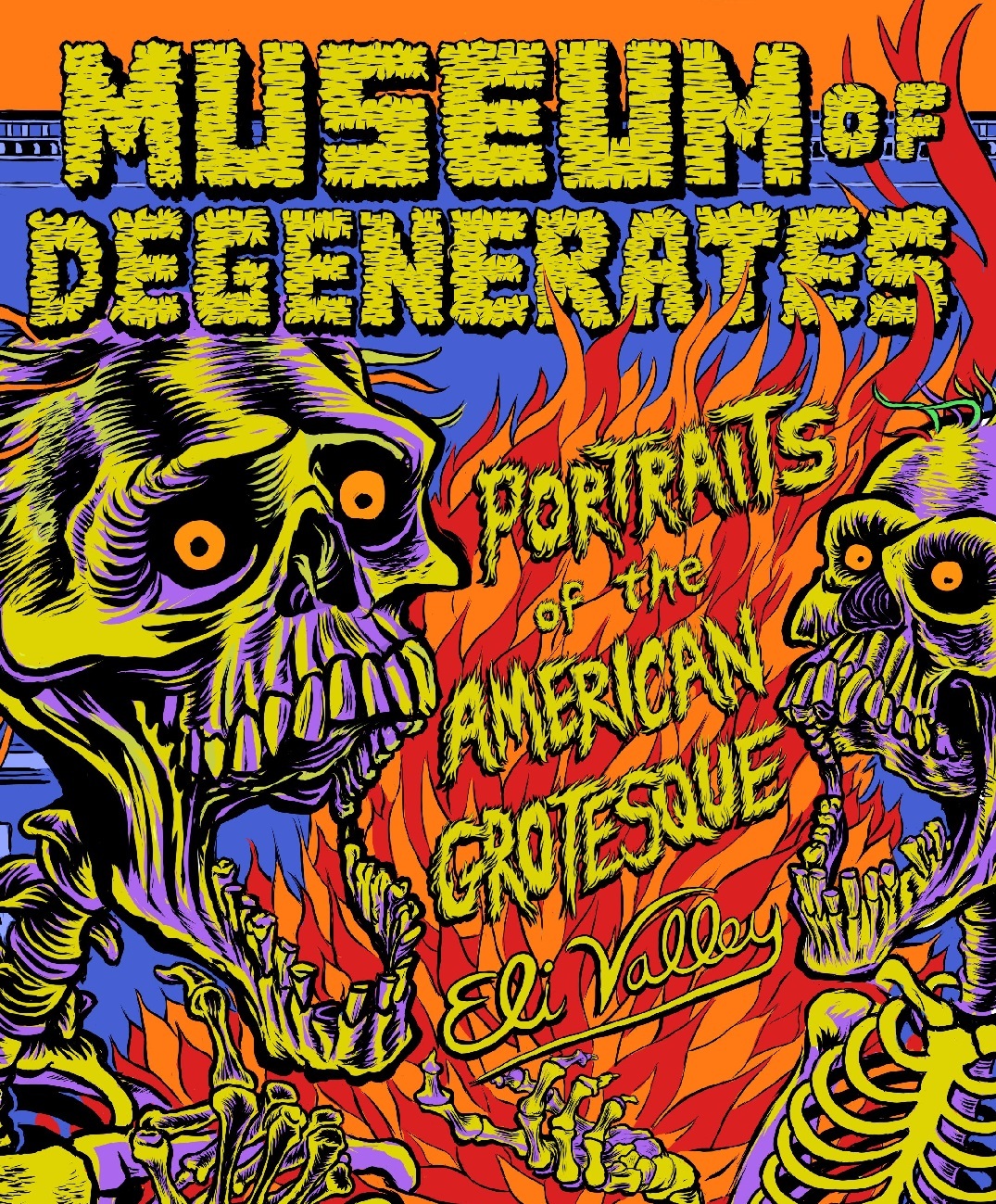
Ep 960Exposing the Grotesqueries of American Political Life Through Cartoons w/ Eli Valley
EOn this edition of Parallax, "America's angriest political cartoonist" Eli Valley joins the show to discuss his upcoming book The Museum of Degenerates: Portraits of the American Grotesque, available for pre-order now from OR Books, and his savage comics/cartoons that offer biting, scathing, acidic critiques of American political life and public figures like Donald Trump, Benjamin Netanyahu, Ben Shapiro, Joshua Shapiro, Abe Foxman, and many others. Although the focus of this episode isn't on Israel/Palestine and what is happening in Gaza or the West Bank specifically, it certainly lingers in the background and informs the discussion given how Eli's own views on the matter. In this conversation we'll discuss the influence of horror comics like EC Comics' Tales from the Crypt & the pulp-noirs of the 20th century on his cartoon style, Jewish authenticity and the influence of Jewish culture and intellectual thought on Valley's work, the Jewish American radical/progressive tradition, Netanyahu's speech to Congress, the rage that informs Eli's cartoons, right-wing American Jewish public figures aligning themselves with antisemites, the ADL, the role of the grotesque aesthetic in Eli's work, Eli's infamous cartoon lampooning Meghan McCain's appropriation of Jewish identity, Joshua Shapiro comparing pro-Palestinian protesters to the KKK, the Jewish American right-wing vs. Jewish American progressives, misconceptions people have about Eli's work, the disingenuousness of claims that Tim Walz was chosen a Kamala Harris' VP pick over Shapiro because of the antisemitism in the Democratic Party, has Eli paid a price for the approach he's taken to political cartoon (and, if so, has that price been worth it), and much, much more! A sampling of Eli Valley's cartoons. These lampoon, in order, Donald Trump, Ben Shapiro, Joshua Shapiro, and Meghan McCain:

Ep 957Venezuela's Election, Maduro, and What the U.S. Gets Wrong About Venezuela & Chavismo w/ Alejandro Velasco
EOn this edition of Parallax Views, New York University Gallatin School of Individualized Study's Prof. Alejandro Velasco, author of Barrio Rising: Urban Popular Politics and the Making of Modern Venezuela, joins the show to discuss the controversial Venezuela elections and the ways in which analysis of the elections and the modern history of Venezuela from U.S. commentators of the Left, the Rigth, and the Center has proven facile. Prof. Velasco, argues that the picture is more complex than either those on the Right who believe Maduro is being couped by an orchestrated color revolution, those on the Right who believe Biden's easing of sanctions has led Nicolás Maduro to consolidate more power in Venezuela, and Centrists who argue all Venezuela's problems are contingent on the legacy of Hugo Chavez. The recent Venezuelan election resulted in much controversy, with even Chavistas being upset with Maduro and footage of resident of the Venezuelan barrios, the urban streets from which Chavismo have traditionally garnered much support from ordinary people, dissenting after the election results were announced. The election results which led to Maduro being declared victorious are believed by a number of different parties. The Carter Center, for example, has said that the elections "cannot be considered democratic". Protest have erupted in the streets of Venezuela's capitol, Caracas. Given the history of coup attempts in Venezuela, many Leftists in the U.S. and internationally the controversy around this election is actually just U.S.-directed dirty tricks. Prof. Velasco offers a different analysis while also directly addressing the problems with the virulently anti-Chavista elements that lay the blame for all of this on the deceased Chavez. We'll discuss all of this as well as the effect of U.S. sanctions in Venezuela, how Maduro ignored warnings from left-wing economists about how his policies would cause inflation in Venezuela, why Prof. Velasco takes issue with historian and pundit Anne Applebaum's analysis of Venezuela and Hugo Chavez, how this year's election in Venezuela is different than previous elections, the National Electoral Council and the lack of precinct-by-precinct data released in the aftermath of this election, Hugo Chavez's concept of a "socialism for the 21st century", misperceptions about private property in Venezuela, Venezuela's economy and oil, Chavez vs. Maduro, the continuities between Chavez and Maduro and the even more important differences between Chavez and Maduro, material incentives for the Maduro government clinging to power, police raids and discontent in Venezuela, and much, much more.

Ep 956Beyond the Water's Edge: How Partisanship Corrupts U.S. Foreign Policy w/ Paul R. Pillar
ENOTE: Record 5/29; Released 8/2/24; subject matters deal with history as well as current events that are still unraveling before us now; also Producer's Credits on this episode were recorded in July so if you are a new $10 or above tier subscriber on Patreon you'll hear your producer's credit on the next episode. On this edition of Parallax Views, Paul R. Pillar, a 28-year veteran of the CIA and a non-resident fellow at the Quincy Institute for Responsible Statecraft, returns to discuss his incredibly interesting book, Beyond the Water's Edge: How Partisanship Corrupts U.S. Foreign Policy. You're probably thinking that's an incredibly academic title that indicates a rather dry survey of how Republicans and Democrats have handled U.S. foreign policy over the years in ways that were more driven by ideological concerns rather than National Security interests. But while Pillar's book is a scholarly examination of those issues, one should not mistake the book for being a boring look at these matters. Which is to say that Pillar exposes all kinds of skullduggery related to how political partisans, especially on the Republican side of the spectrum but also encompassing the Democratic Party as well, when it's come to U.S. foreign policy over the years. Case in point: there's an entire section on the October Surprise. For those unfamiliar the October Surprise was an alleged plot by the Ronald Reagan campaign to pay of the Iranians to not release the hostages of the Iran hostage crisis until after the election in order to sabotage Jimmy Carter's reelection chances. Paul and I will cover that as well as skullduggery related to Richard Nixon and the Vietnam war. And by the end of the conversation, we'll delve into the ideological underpinning of the neoconservatives that made up the George W. Bush administration and pushed America into the Iraq War. Additionally, we'll discuss Donald Trump, Russiagate, George HW Bush's showdown with AIPAC on Israel, how Wilson and FDR dealt with WWI and WWII, Israel/Palestine, and a number of other issues. I won't give away all the subjects we cover because this is one you really just need to listen to.

Ep 955Critiquing Lichtman's Presidential Election Prediction Model, Will "Rust Best or Bust?" Hold in Future Elections, & Whose the Best VP Pick for Kamala Harris? w/ Lars Emerson
EOn this edition of Parallax Views, I was asked by a listener to have a guest on that could offer a critique of Lichtman, who appeared on my show recently, and his model. So on this edition of the program, The Postrider's Lars Emerson joins the show to discuss Allan Lichtman's 13 Keys to the White House model for predicting Presidential elections. The Postrider is a small media outlet run by two American University alumni, but has recently gained some attention for their critique of Lichtman's model. We'll discuss the nature of their critique in this model. Additionally, Lars and I will discuss his writing on the "Rust Belt or Bust" mentality talked about by Democrats during election seasons dn whether this will hold true in coming elections, especially by the 2030s. We'll also discuss the Sunbelt in this regard. And finally, we'll talk about the Postrider's tool for determining what potential Democratic Vice-Presidential candidate would make for the strongest ticket alongside Harris this election. Links: Allan Lichtman is Famous for Correctly Predicting the 2016 Election. The Problem? He Didn’t (thepostrider.com) Letter: Allan Lichtman’s Response (thepostrider.com) Is the Biden Campaign Really Relying on the Debunked 13 Keys to Make This Decision? (thepostrider.com) When Will the Rust Belt’s Electoral Supremacy End? (thepostrider.com) Is the Rust Belt Still the Lowest Hanging Fruit for Biden? (thepostrider.com) The 2024 (Emergency) Democratic Vice Presidential Power Index (thepostrider.com)
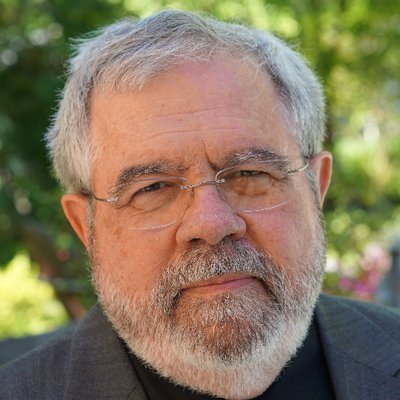
Ep 954Donald Trump's Pro-Corporate Agenda and the Hidden System Redistributing Wealth from the Many to the Few w/ David Cay Johnston
EOn this edition of Parallax Views, Pulitzer Prize winning reporter David Cay Johnston has becomes widely known for his reporting on Donald Trump. He first reported on Donald Trump in 1988 and his since written three books on the former President: The Making of Donald Trump (2016), It's Even Worse Than You Think: What the Trump Administration is Doing to America (2018), and The Big Cheat: How Donald Trump Fleeced America and Enriched Himself and His Family (2022). Before writing those books on the MAGA movement leader, however, David wrote about what he refers to as the "hidden-in-plain sight system we have that takes from the money and redistributes to the very few". Turns out, there's a connective tissue between Davide's books on Trump and his reporting on that hidden system. Namely, David says, Trump is the embodiment of that system. In this interview, David and I will delve into how his books Temples of Chance: How America Inc. Bought Out Murder Inc. to Win Control of the Casino Business (1992), Perfectly Legal: The Covert Campaign to Rig Our Tax System to Benefit the Super Rich—and Cheat Everybody Else (2003), Free Lunch: How the Wealthiest Americans Enrich Themselves at Government Expense and Stick You With The Bill (2007), The Fine Print: How Big Companies Use "Plain English" to Rob You Blind (2012), and Divided: The Perils of Our Growing Inequality (2014). We'll delve into Trump's pro-corporate, anti-working class agenda; some of the specific mechanism that have been used to make massive wealth transfer to the rich at the expense of the working class and poor since Reagan; the Heritage Foundation's Project 2025; the Build the Wall charity scam; President Joe Biden, the U.S. economy, inflation, job creation, and wage increases; Trump's views on minimum wage not being pro-worker; Trump's reverse Robin Hood tax policy and tax cuts to the rich; the problem with big mainstream media today and why the legacy media outlets don't intensively cover issues effecting everyday Americans enough; the warping of the campaign finance system since the Watergate scandal; how the donor class became so powerful in the American political system; a history lesson going back to the Civil War through to the Nixon years and beyond on how we got to this moment; the Supreme Court decisions that helped shaped politics in favor of big business; the poverty found in low-tax societies and David's reporting on "hidden taxes" in Singapore; the modern world's need for investments in public infrastructure and the creation of common wealth that benefits all; issues facing the education system today and how failing literacy rates in America are ruining the American political system; China's innovations in education and what it means for America; and much, much more! This is by far the best interview of had with David Cay Johnston.
Ep 952The Billionaires vs. FTC Chair Lina Khan & the Antitrust Movement w/ David Dayen/A Closer Look at Trump Loyalist Russ Vought & His Agenda w/ Chris Lewis (FIXED)
EUPDATE: Intro fixed; made a mistake in editing some of the extracted audio that's used to introduce the first segment. Brief sample from another show that I edited incorrectly and ended up being longer than it was supposed to be. On this edition of Parallax Views, another double feature with two guests. First up, if there's any interview you listen to on my show this week make it this one, folks. David Dayen, executive editor of The American Prospect and author of Monopolized: Life in the Age of Corporate Power, joins the show to discuss his important article "The Corporate Wishcasting Attack on Lina Khan". Lina Khan was apponted by President Joe Biden to chair the Federal Trade Commission (FTC). In this role Khan, alongside the Antitrust Division of the Justice Department's Jonathan Kanter and others, has attempted to take on big tech, corporate power, and monopoly capitol in America. Billionaire LinkedIn co-founder Reid Hoffman is apparently not happy about this because after donating $8.6 million to Super PACs supporting Democratic Presidential candidate Kamala Harris has claimed Khan is “waging war on American business” and pushed for a Harris administration to dump her as FTC chair. Dayen and I will discuss why billionaires like Hoffman are so opposed to Harris and those who support strengthening antitrust laws and their enforcement in the U.S. We'll also discuss what Dayen argues the billionaire anti-antitrust crowd are leaving out about how Khan's agenda benefits working people over corporate profits. Although some reports indicate that Harris is skeptical of Khan's antitrust agenda and may as a result remove her, Dayen cautions that we don't know what a Harris administration will do with the antitrust agenda that has been ushered in by the Biden administration in recent years. Nonetheless, he argues that supporters of the antitrust movement should mobilize in support of Lina Khan now. Recently, a number of organizations, including the AFL-CIO and NAACP, signed a letter in support of Khan. At the end of the conversation we also discuss Dayen's latest article in "The Only Member of Congress Who Has Worked for Kamala Harris" in which he interviewed former Rep. Katie Porter who worked with Kamala Harris about her thoughts on how Harris will deal with big business and corporate interests. In the second segment of the show, the Revolving Door Project's Chris Lewis joins the show to discuss his American Prospect article, "The Dangerous Authoritarian Gunning to Serve as Trump’s Grand Vizier". Chris and I take a closer looks at the figure of Trump loyalist and Christian nationalist Russ Vought, founder of the Center for Renewing America. Vought worked for the Trump administration from the director of the Office of Management and Budget from July 2020 to January 2021. Since then, he has become involved in the saga of the controversial Project 2025. Chris explains Vought's beliefs and rather authoritarian, even anti-constitutional or post-constitutional views on America. Additionally, Chris and I delve into the Project 2025 Schedule F scheme that would allow the President to sack numerous civil servants in various federal agencies to replace them with loyalists. Theoretically, this could lead to cranks with no knowledge in an agency's expertise in key positions they are not equipped to be in. In other words, imagine Infowars' Alex Jones, who has promoted using colloidal silver as supplement to counter coronavirus (despite the dangers of colloidal silver consumption), in a key position at the FDA.

Ep 953Is the Consensus on the U.S.-Israel Relationship Fracturing? w/ Eli Clifton/A Conservative Critique of National Conservatism w/ James W. Carden
EOn this edition of Parallax Views, a double feature edition of the show featuring returning guests Eli Clifton and James W. Carden. First up, Eli Clifton joins the show to discuss his article in The Guardian entitled "Netanyahu is presiding over a sharp decline in the US’s pro-Israel consensus". We discuss Netanyahu's speech to Congress and the fact that almost of the Democrats in Congress did not attend. We'll also discuss Republican figures like Sen. Rand Paul and Rep. Thomas Massie introducing conservatives to a more critical/skeptical view of the reigning U.S. consensus on the U.S.-Israel special relationship. It leads us to the question: Will this U.S. consensus change in the future due to fracture in the Democratic Party on Israel over its conduct in Gaza as well as potentially emergent fractures in the GOP over unconditional U.S. support for Israel? In the second segment of the show, James W. Carden, a former advisor to the State Department and a regular contributor to The American Conservative, joins the show to discuss article he recently co-wrote with former Trump appointee Col. Douglas MacGregor entitled "Neoconservatism by Another Name". We'll discuss the movement known as "National Conservatism" that has been backed by prominent figures like Peter Thiel and JD as well as its origins in the form of an Israeli philosopher, Yoram Hazony, who was a youthful admirer of the late far-right wing American-born Israeli political extremist Rabbi Meier Kahane. Carden discusses this from a particular perspective. He himself is a conservative. But he's put off by both the hawkish tendencies of National Conservatism on China and Iran and very akin to that of the Bush-era neoconservatives of the Wolfowitz Doctrine and the Project for a New American Century, and what he judges to be their desires for a "theocratic revolution". He also argues that NatCons would do well to distinguish between patriotism and national, and offers an analysis of why ethno-nationalism, on even simply pragmatic grounds, is a fool-hardy endeavor for conservatives to pursue and would be disastrous in America. Moreover, James will go over the interest NatCons have in Israel and Hungary as a model for their vision of America, and why this will not work for the U.S. We'll also go over what could be described as "Caesarist" tendencies within the National Conservatism and adjacent integralist movements, as pointed out in 2021 by Rod Dreher, and his views on the NatCons interest pushing for, again, what he judges to be a plan for Christian theocracy in the United States.

Ep 951Strike Kills 12 Druze Children in Israeli-Occupied Golan Heights; Will It Lead to Feared Israel-Hezbollah War? w/ Ori Goldberg
EOn this edition of Parallax Views, Israel commentator Ori Goldberg joins me from Tel Aviv to discuss the rocket that hit a soccer field in the Druze village of Majdal Shams within the Israeli-occupied Golan Heights. Israel has blamed the attacked on a Hezbollah strike. Hezbollah denied being behind the attack. Speculation arose that it was actually due to a malfunction of Israel's Iron Dome. That said, there is evidence that this was likely a Hezbollah rocket. In any case, 12 Druze children perished due to the rocket. At the funeral for the dead children, members of the Druze community protested the presence of Israeli ministers. Meanwhile, a number of Israelis are turning "We Are All Druze Now" into a slogan as fears of a full-blown war between Israel and Hezbollah grow. Ori offers his thoughts on the incident, and makes the case that the deaths of the Druze children was likely accidental based on Hezbollah past history and concerns that any false move could start a war. He DOES NOT deny that Hezbollah conducted strikes. Nor does he seek to deny the tragedy of children being killed. Additionally, he questions/challenges the conspiracy theories arising that this was an Israeli false flag and gives his reasons for believing this is not the case. With that in mind, he cautions against drawing any firm conclusions about whether this was a mistake or intentional until there is further investigation. Ori also argues that this will not lead to a war between Israel and Hezbollah because, in his analysis, neither the IDF or Hezbollah want a full-blown war at this time. In addition to all of this we'll also discuss the death of Mohammad Bhar, a young Palestinian man afflicted with autism and Down syndrome who was mauled by an Israel Defense Forces attack dog and bled out in the aftermath. Moreover, we will discuss the Israeli psyche at this moment, the situation of the Bedouin and Druze minorities in Israel and discrimination against them, the Basic Law: Israel as the Nation-State of the Jewish People that was passed by the Israeli Knesset in 2018, why Ori believes the Gaza war is slouching towards an inevitable close/end, Benjamin Netanyahu's speech to U.S. congress, post-war Gaza and "The Day After", Netanyahu announcing the he's "postponing" the departure of sick children from Gaza who need life-saving therapy because of the Majdal Shams indecent, the blowing up of Rafah's water reservoir, Israeli hopes of introducing "de-radicalization" into Gazan education post-war, and much, much more.

Ep 95013 Keys to the White House: A Model for Predicting Presidential Elections w/ Allan Lichtman/Russia & Conflict-Related Sexual Violence Crimes w/ Kateryna Busol
EOn this edition of Parallax Views we've got a double feature. In the first half hour of the program historian Allan Lichtman of American University discusses his The Keys to the White House model for predicting Presidential election. This model has proven extremely robust at getting election predictions right and is based on 13 true/false statements about the candidates and/or their parties preceding the election. According to the model, "If five or fewer of the following statements are false, the incumbent party is predicted to win the election. If six or more are false, the incumbent party is predicted to lose." We'll discuss a number of issues related to this election including Joe Biden recently dropping out of the election and Kamala Harris becoming the presumptive Democratic Party Presidential candidate. What does it entail for the election? Find out in this conversation with Allan Lichtman! In the second segment of the show, a segment yours truly recorded a few months ago with Ukrainian lawyer Kateryna Busol. In a recent edition of the Journal of Genocide Studies, Busol penned a peice entitled "When the Head of State Makes Rape Jokes, His Troops Rape on the Ground: Conflict-Related Sexual Violence in Russia’s Aggression against Ukraine". We'll be discussing the issue of conflict-related sexual violence (CRSV) in relation the Russo-Ukrainian war, the worrying rhetoric of Timofey Sergeytsev's "What Should Russia Do With Ukraine?" that was published in Russian state-owned outlet RIA Novosti, reparations for victims of CRSV, Kateryna's work on destruction of cultural heritage in war, and the importance of applying international law to other issues like the Gaza War.

Ep 949Netanyahu Goes to Washington w/ James Dorsey
EOn this edition of Parallax Views, James M. Dorsey, whose commentaries can be read at his Turbulent World w/ James M. Dorsey Substack, give one of his regular visits to discuss the latest in regard to the Middle East and Israel/Palestine. This time we examine Israeli Prime Minister's visit to Washington D.C. where he gave a speech to Congress that received multiple standing ovations despite the heavy criticisms Netanyahu has come under for both how the war in Gaza has been conducted and the safety of hostages. Pro-Palestinian activist and hostages' families alike protested Netanyahu's visit. We'll discuss all of that as well as James's upcoming book The Battle for the Soul of Islam, the two-state vs. one-state solution, his views on the Confederation solution to the Israeli-Palestinian conflict (and why he believes it looks good on paper, but has obstacles), the calculus of Netanyahu's speech to Congress, what a second Trump term may mean for Israel, the Israeli far-right, the settler movement, land swaps in relation to solutions to the Israeli-Palestinian conflict, presumptive Democratic Presidential candidate/current Vice President Kamala Harris and her rhetoric on Gaza, and much, much more.

Ep 948Netanyahu Goes to Washington While the Humanitarian Crisis Rages in Gaza and Congress Cheers w/ Abdelhalim Abdelrahman
EOn this edition of Parallax Views, Palestinian Muslim writer Abdelhalim Abdelrahman, who has written for such publications as The New Arab, The Hill, and MSN, joins the show to discuss Israeli Prime Minister Benjamin Netanyahu's visit to Washington D.C. to speak to Congress. Netanyahu received a standing ovation from Congressmen and Congresswomen who attended, with the notable exception of Rep. Rashida Tlaib who held up a sign that read "War Criminal". Interestingly, a number of top Democrats declined to intend, including Nancy Pelosi, who called Netanyahu's speech was "by far the worst presentation of any foreign dignitary invited and honored with the privilege of addressing the Congress of the United States". Meanwhile protests raged outside and a flag-burning, which has taken up much media attention, took place. Additionally, Gaza still faces a humanitarian crisis. Palestinians in Gaza face a dire situation, as exemplified by the tragic death of a 24-year old Gazan man named Mohammad Bhar. Bhar was afflicted with autism and Down's syndrome. He was killed last week after bleeding out from being bitten by an Israeli army dog as reportedly screamed "enough my dear, enough" and/or "let go my love, enough". Worth noting as well, is the fact that it was not only pro-Palestinian activists protesting Netanyahu's D.C. visit. Families of hostages also protested, believing that Netanyahu has exploited them for politics and not done enough to secure the hostages from the October 7th. Hamas attack. In other words, there are a lot of matters to discuss in this conversation. Abdelhalim covered all these issues with me as well as: - The Palestinian Authority - The letter Mahmoud Abbas sent to Donald Trump after the attempted assassination on Trump's life and Donald Trump's seemingly warm, positive feelings (at least in past rhetoric and response to the letter) to Abbas - Elements of the American conservative movement moving away from Israel on "America First" grounds - Thoughts on whether Kamala Harris will take a different approach to Gaza and the West Bank than President Joe Biden - Empathetic rhetoric vs. actual concrete policy that Palestinian American want to see - Abdelhalim's thoughts on the plight of the October 7th hostages - The Fatah-Hamas unity deal that was signed in Beijing - Abdelhalim's personal feelings on the Uncommitted movement and his frustration with the Democratic Party - The Occupation of the West Bank and the issues of annexation and settlement expansion - The question of "synthetic" or "artificial" Arab voices claiming to be "pro-peace" or "pro-Palestinian" but demonstrating a deep bias against Palestinians - Hunger and starvation in Israel - U.S. hypocrisy/double-standards on the situation of Palestinians vs. the situation of Ukrainians; Palestinians who express support for Ukraine and Ukrainians who express support for Palestinians - Abdelhalim's point of frustration with Nancy Pelosi's criticism of Netanyahu's speech to Congress And much, much more!

Ep 947The Pentagon's $280 Million Gaza Pier Boondoggle w/ Stephen Semler
EOn this edition of Parallax Views, Stephen Semler of the Security Reform Policy Institute joins us to discuss the Biden administration and the Pentagon's $280 million Gaza floating aid pier boondoggle that promised to get much needed humanitarian aid to Gazans who are now facing hunger/starvation during the Israeli bombardment. The pier became operational in May but was shut down this month, July, in what appears to have been a massive waste of time and resources that didn't even help the Palestinians of Gaza. Stephen, it turns out, was warning about the Gaza pier in Responsible Statecraft back in June when he wrote the article "Washington is not telling truth about the Gaza pier". Friend of the show and multi-time guest Kelley Vlahos also warned of the piers problems alongside others. There were logistical issues amongst much else that was criticized. We'll dive into what happened with the Gaza pier as well as discussing PR stunts and "Humanitarian Theater" being played out during the Gaza war, hunger/starvation in Gaza, the U.S. ignoring Human Rights Watch reports when it comes to the Gaza war but not the Russo-Ukraine war, Palestinian American congresswoman Rep. Rashida Tlaib, Israeli Prime Minister Benjamin Netanyahu's visit to Congress, potential Democratic Vice-Presidential candidate Gov. Josh Shapiro and his reaction to pro-Palestinian protests, free speech and crackdowns on protesters, Donald Trump and the American right-wing's hawkishness on China, thoughts on Kamala Harris as it relates to U.S. policy on Israel/Palestine, families of hostages being held by Hamas protesting Netanyahu's visit to Congress, Palestinians being held in Israeli administrative detention, and much, much more!
Ep 943Silicon Valley Elites Rally Behind Trump w/ Jacob Silverman
EOn this edition of Parallax Views, freelance journalist Jacob Silverman, co-author with actor Ben McKenzie (TV's The O.C. & Gotham) of Easy Money: Cryptocurrency, Casino Capitalism, and the Golden Age of Fraud, joins the show to discuss his article in The Nation entitled "It’s Official: Silicon Valley Is Fully MAGA-Pilled". With Peter Thiel associate JD Vance being unveiled as Trump's Vice President pick and Elon Musk officially throwing his endorsement to Donald Trump after the attempted assassination of the former President, this topic is timelier than ever. But Peter Thiel and Elon Musk are far from the only Silicon Valley elites to throw their weight behind Trump's campaign. They've been joined by Marc Andreassen, David Sacks, Shaun Maguire, and Joe Lonsdale. In this conversation will discuss why rich Silicon Valley power players are getting on the MAGA train. Amongst some of the topics covered in this conversation: libertarianism and the Silicon Valley ideology, the late David Golumbia's The Politics of Bitcoin: Software as Right-Wing Extremism, corporate tyranny, Thiel associate Curtis Yarvin aka Mencius Moldbug, Mark Cuban's comments about how Silicon Valley's power player may be getting behind trump as a "bitcoin play", America PAC and crypotcurrency lobbying/lobbyists, cryptocurrency-related organizations like Coinbase and Ripple Labs, the crypto PAC known as Fairshake that's interested in "installing crypto-friendly politicians and ousting those the industry views as a threat", JD Vance, Sam Bankman-Fried, right-wing faux populism, the Silicon Valley right-wing's fascination with J.R.R. Tolkien's The Lord of the Rings, artificial intelligence, Silicon Valley apocalypticism, and much, much more!

Ep 942JD Vance, Phony Populism on the Right, the Republican National Convention, and Democratic Party Messaging w/ Ben Burgis
EOn this edition of Parallax Views, Ben Burgis, Jacobin columnist and host of the Youtube show Give Them an Argument, returns to discuss a potpourri of topics and revisit his 2022 article in The Daily Beast entitled "J.D. Vance’s Unbelievably Phony Populism". And, yes, we'll also cover Joe Biden dropping out and his apparent replacement in the race, Kamala Harris. Where should the Democrats go next if they hope to win? And what should Democratic Party messaging be as we head into the heart of election season? We'll also discuss the Republican National convention including the circus like inclusion of pro wrestling legend Hulk Hogan and the speech made by Teamsters union leader Sean O'Brien that has sparked much debate. We'll talk the records of Josh Hawley and JD Vance, rhetoric vs. records, fake antiwar sentiments amongst Republicans (and the hawkish elements in the GOP saber-rattling for a war with Iran and China), Biden's immigration record, Gaza, antitrust lawsuit and labor in the era of the Joe Biden Presidency, the GOP's deregulatory agenda and the impacts it'll have on workers, Ron DeSantis' assault on worker's rights in Florida, forever chemicals (PFAS) and Project 2025, Josh Hawley's copyright reform BUT only to target Disney, why JD Vance doesn't support the pro-labor PRO Act and Ben's response to that, the opioid epidemic and deaths of despair, and much, much more!

Ep 941The Heritage Foundation's Project 2025 and the Council for National Policy Network w/ Anne Nelson
EOn this edition of Parallax Views, journalist Anne Nelson, author of Shadow Network: Media, Money, and the Secret Hub of the Radical Right, returns to the show to discuss her piece in The Washington Spectator entitled "Project 2025: The Latest Plot Against America". Nelson gives rundown of what conservative think-tank The Heritage Foundation's 900-page document "Mandate for Leadership: The Conservative Promise" is all about and what Project 2025 entails for worker's rights, LGBTQ+ people, the economy, food safety, the environment, and more if it is implemented during a second Donald Trump Presidency, in full or part. We'll also discuss Nelson's research into the umbrella network of the American right-wing known as the Council for National Policy, a secretive organization that brings together right-wing billionaires, conservative Catholic, evangelical Christian nationalists, and other elements of American right-wing into a formidable network. The CNP was at the heart of her previously mentioned book Shadow Network and offers a glimpse into the American right-wing's machinations and maneuverings since its founding by conservative activist Paul Weyrich and Left Behind author Tim Lahaye in the era of the Ronald Reagan Presidency. We'll also manage to briefly discuss Catholic right-wing movements like the Opus Day and their relationship to the Supreme Court. All that and much more on this edition of Parallax Views!

Ep 940Israel's Knesset Votes Against 2 State Solution, Would Proportional Representation Solve the US's Tribe & Clan Wars?, SCOTUS's Historic Trump V. US Decision, Biden Dropping Out? w/ Amb. Patrick Theros
EOn this edition of Parallax Views, Amb. Patrick Theros returns to discuss his The National Herald op-eds "Be Careful What You Wish For…" and "Tribe and Clan Wars – Is Proportional Representation the Solution?". At the beginning of the show, however, we discuss the Israeli Knesset's ruling against a two-state solution in the Israel/Palestine conflict. What does it actually mean and entail? We'll also discuss the expansion of settlements in the West Bank, what the future of the Israeli-Palestinian conflict means for the U.S. and its standing in the world, Israel's lack of a vision for the future beyond war, and related subject. Then, at around the fifteen minute mark, we will turn our attention to United States domestic politics. Firstly, we'll discuss the American two-party system and how the country's tribal war, between a Democratic "blue tribe" and a Republican "red tribe", are actually not an accurate depiction, in Amb. Theros' estimation, of the political landscape. Instead of just tribal war, Amb. Theros argues, we have clan wars. In other words, voters that are only concerned with specific issues fighting for those issues within the two-parties and often feeling dissatisifed within those parties when other factions win greater favor. This has manifested in the Republican Party, Amb. Theros say, in the abortion debate and in the Democratic Party in regard to the pro-Palestinian activists in the party who are upset with the Biden administration's handling of Gaza. We will also discuss the historic Supreme Court decision in Trump v. United States and the unprecedented power it gives to the President. Moreover, we'll discuss how this could come back to haunt Republicans. Finally, we will delve into the issue of Biden's performance at the first Presidential debate with Trump and whether or not he should drop out of the election.

Ep 938Laughing All the Way to Freedom: The Americanization of a Russian Emigre
EOn this edition of Parallax Views, Prof. Emil Draitser returns to discuss his latest book Laughing All the Way to Freedom: The Americanization of a Russian Emigre. Growing up in a Jewish family in Soviet Union-era Odessa, Emil came to the United States in the 1970s and began a new life in America. His previous books Shush! Growing Up Jewish Under Stalin: A Memoir, Farewell, Mama Odessa: A Novel, and In the Jaws of the Crocodile: A Soviet Memoir are a trilogy that chronicles his experiences in both the Soviet Union and the U.S. Laughing All the Way to Freedom continues that exploration of Emil's experiences, specifically as an emigre. What does it mean to be an emigre from another land with a different culture? And when does one truly become American, in a cultural sense, once they've settled in the U.S.? In this conversation we discuss issues that face emigres like culture shock, Russian humor and Emil's appearance on the Merv Griffin show discussing the subject of Russian humor, working as a satirical writer in Russia, the power of humor to soften barriers between people, the Russian bombing of Odessa and Emil's feelings of PTSD over the Russo-Ukrainian war, what does Americanization mean and what is the road to Americanization, mass emigration from the Soviet Union and the parallels with the biblical story of Exodus, how Americans born of Russian descent view America and the differences between their understanding of America and their parents' understanding of America, America's core values as understood by a Russian emigre, the concept of freedom and law in relation to both America and Russia, and much, much more.

Ep 937Operation Debt Day: End Veteran Debt! w/ Jerry Ashton
EOn this edition of Parallax Views, former Navy journalist and ex-debt collector Jerry Ashton joins the show to discuss the End Veteran Debt campaign. As previously mentioned, Jerry was a debt collector, but Occupy Wall Street changed all of that. Inspired by the Occupy movement, Jerry went from being a debt collector to a "debt for-giver" and helped co-found the RIP Medical Debt (now known as Undue Medical Debt) 501 charity. Now he's turned his attention to the issue of veterans' debts. Believe it or not many veterans from the U.S. armed forces face debt struggles and the VA is unable in many circumstances to provide all that it can for them. As such, Jerry and other have started what they call "Operation D-Day". Not D-Day as in WWII, however. But rather Operation Debt Day to help veterans with their debts. Find out all about it on this edition of Parallax Views!

Ep 936Parallax Vlog - Project 2025 and the Presidential Election (Segment Only - Full Episode on Patreon)
EFor those that don't know, Parallax Views has a monthly (sometimes bi-monthly) Patreon exclusive show known as the Parallax Vlog, a crossover show between Parallax Views and Youtube's Varn Vlog, in which C. Derick Varn and I discuss current events and culture. As I've been under-the-weather from a case of food poisoning, I thought I'd offer a preview of the Patreon content by publishing the opening segment of the latest Parallax Vlog in which Derick and I discuss Project 2025, my interview with Adolph Reed, and the upcoming U.S. Presidential election. We'll get into Derick's thoughts on Project 2025, the failures of the Democrats when they're in power, the judicial coup we've seen take place in the U.S., and much, much more. Check out the full show (which will be released in the next day or so) at: https://www.patreon.com/parallaxviews

Ep 935"Vote for the Crook: It's Important": The 2024 Election w/ Adolph Reed
EOn this edition of Parallax Views, activist, organizer, academic, and political commentator Adolph Reed, an American professor emeritus of political science at the University of Pennsylvania, joins the program to discuss his article for The Nation entitled "Why I’m Voting for the Enemy". Reed has been a longtime critic of the mainstream or corporate wing of the Democratic Party and its embrace of neoliberalism. He was a rather vocal critic of Barack Obama. And he hasn't been afraid to vote for third party candidates like Ralph Nader in the past. As such, he cannot be accused of always towing a strict "vote for the lesser of two evils" line that other Leftist intellectuals like Noam Chomsky & Howard Zinn have sometimes been criticized as promoting. However, in 2016, Reed penned a piece entitled "Vote for the Lying Neoliberal Warmonger: It's Important" during the tumultuous Presidential election. In that op-ed, Reed outlined why he was voting for Hillary Clinton. Needless to say, the article was a bit provocative for elements of the Left that have sought a break from the Democratic Party. Although Reed has likewise been critical of the Democratic Party for many of the same reasons given by those elements of the Left, he nonetheless viewed Donald Trump as a severe, perhaps even existential, threat that needed to be defeated. The same sentiments can also be found in the more recent The Nation piece Reed penned about the 2024 election. In this conversation we'll cover a number of different issues including electoral fetishism in both its mainstream and Left-wing variants, the need for politics and organizing beyond the electoral realm, the working class and the professional managerial class, the pro wrestling concept of "kayfabe" and why it interests Reed as a political scientist, The Heritage Foundation's Project 2025 (or the Presidential Transition Project) and what it indicates about a second Trump Presidency, and much, much more.

Ep 934Life as a Film Critic/Movie Reviewer + The State of Film Criticism & the Movie Industry Today w/ Albert Lanier
EOn this edition of Parallax Views, journalist Albert Lanier, a multi-time guest on the show, just started a Substack called The Final Cut. This new venture from Lanier is a return to his roots. Although he's become known, especially to listeners of this show, for his thoughts on true crime cases and politics, in a previous life he was a film critic/movie reviewer. He even contributed to Ain't It Cool News! And over the years he had an opportunity to meet Hollywood players ranging from Nancy Kwan to Roger Corman. In this conversation, Lanier and I will discuss his work writing about cinema and his experiences going to film festivals. But we'll also discuss his thoughts on the state of the movie industry and the state of film criticism as well. In particular, we will look at the decline of film criticism and what phenomena such as film-focused, anti-woke, culture war Youtube channels have on film criticism as well as the impact of Movie Tok on film criticism and how we understand and appreciate cinema. We'll also discuss the cycles of the film industry, the importance of overseas markets to Hollywood, and much, much more.