
Nārāyaṇīyaṃ - Learn to Chant
1,066 episodes — Page 19 of 22

S15 Ep 5Dasakam 015 - Sloka 05
मम गुणगणलीलाकर्णनै: कीर्तनाद्यै- र्मयि सुरसरिदोघप्रख्यचित्तानुवृत्ति: । भवति परमभक्ति: सा हि मृत्योर्विजेत्री कपिलतनुरिति त्वं देवहूत्यै न्यगादी: ॥५॥Verse 5: மம குணகணலீலாகர்ணனைய: கீர்த்தனாத்யை- ர்மயி ஸுரஸரிதோகப்ரக்யசித்தானுவ்ருத்தி: । பவதி பரமபக்தி: ஸா ஹி ம்ருத்யோர்விஜேத்ரீ கபிலதனுரிதி த்வம் தேவஹூத்யை ந்யகாதீ: ॥Verse 5:Mama guṇagaṇalīlākarṇanaiḥ kīrtanādyaiḥ Mayi surasaridogha-prakhya-chittānuvṛttiḥ । Bhavati paramabhaktiḥ sā hi mṛtyor vijetrī Kapilatanur iti tvaṁ Devahūtyai nyagādīḥ ॥मम-गुण-गण-लीला-आकर्णनै:by listening to My many excellences and sportive activitiesकीर्तन-आद्यै:(and) by chanting My name etc.मयिin Me,सुर-सरित्-ओघ-प्रख्य-चित्त-अनुवृत्ति:in which the mind flows in a continuous stream like that of Gangaभवति परम-भक्ति:is born that supreme devotionसा हिthat (devotion) aloneमृत्यो:-विजेत्रीis the conqueror of the cycle of birth and deathकपिल-तनु:-इति त्वंa human descent as Kapil Thouदेवहूत्यै न्यगादी:instructed DevahootiBy regularly listening to My excellences and My sportive deeds and by chanting My name, the supreme devotion is born. This devotion in which the mind flows in an uninterrupted stream towards Me, like the Ganga flows towards the sea, alone can conquer the cycle of birth and death. Thus, Thou incarnate as Kapil, instructed Devahooti.

S15 Ep 4Dasakam 015 - Sloka 04
विमलमतिरुपात्तैरासनाद्यैर्मदङ्गं गरुडसमधिरूढं दिव्यभूषायुधाङ्कम् । रुचितुलिततमालं शीलयेतानुवेलं कपिलतनुरिति त्वं देवहूत्यै न्यगादी: ॥४॥Verse 4:விமலமதிருபாத்தைராஸநாத்யைர்மதங்கம் கருடஸமதிரூடம் திவ்யபூஷாயுதாங்கம் । ருசிதுலிததமாலம் ஶீலயேதானுவேலம் கபிலதனுரிதி த்வம் தேவஹூத்யை ந்யகாதீ: ॥Verse 4: Vimalamatir upāttair āsanādyair madaṅgaṁ Garudasamadhirūḍhaṁ divyabhūṣāyudhāṅkam । Ruchitulitatamālaṁ śīlayetānuvelaṁ Kapilatanur iti tvaṁ Devahūtyai nyagādīḥ ॥विमल-मति:-one who has purified his mindउपात्तै:-आसन-आद्यै:-by control of the senses by meditative posturesमत्-अङ्गम् गरुड-समधिरूढम्should, (meditate on) My form mounted on Garudaदिव्य-भूषा-आयुध-अङ्कम्adorned with divine ornaments and divine weaponsरुचि-तुलित-तमालम्resembling a Tamaala tree in lustreशीलयेत-अनुवेलंshould meditate on constantlyकपिल-तनु: इति त्वंa human descent as Kapila, Thouदेवहूत्यै न्यगादी:instructed DevahootiHaving purified the mind by control of the senses and by meditative postures, one should constantly meditate on My form, adorned with divine ornaments and weapons, seated on Garuda and blue and lustrous like the Tamaala tree. Thus ,Thou instructed Devahooti incarnate as Kapila.

S15 Ep 3Dasakam 015 - Sloka 03
प्रकृतिगतगुणौघैर्नाज्यते पूरुषोऽयं यदि तु सजति तस्यां तत् गुणास्तं भजेरन् । मदनुभजनतत्त्वालोचनै: साऽप्यपेयात् कपिलतनुरिति त्वं देवहूत्यै न्यगादी: ॥३॥Verse 3: ப்ரகுதிகதகுணோகைர்நாஜ்யதே பூருஷோ’யம் யதி து ஸஜதி தஸ்யாம் தத் குணாஸ்தம் பஜேரன் । மதநுபஜனதத்வாலோசனைய: ஸாப்யபேயாத் கபிலதனுரிதி த்வம் தேவஹூத்யை ந்யகாதீ: ॥Verse 3: Prakṛtigataguṇaughair nājyate pūruṣo’yaṁ Yadi tu sajati tasyāṁ tat guṇās taṁ bhajeran । Madanubhajanatattvālochanaḥ sā’py apeyāt Kapilatanur iti tvaṁ Devahūtyai nyagādīḥ ॥प्रकृति-गत-गुण-औघै:-by the many attributes of Prakritiन-आज्यते पूरुष:-अयंthis Purusha is not taintedयदि तु सजति तस्यांbut if he becomes attached to Prakritiतत् गुणा:-तं भजेरन्the attributes of Prakriti attach themselves to himमत्-अनुभजन-by constant worship to meतत्-तु-आलोचनै:and by enquiring into My real natureसा-अपि-अपेयात्that Prakriti also will leave (her hold)कपिलतनु:-इति त्वंa human descent as Kapil Thouदेवहूत्यै न्यगादी:instructed DevahootiThe Purusha, by itself, is free from the attributes of Prakriti, but if he identifies himself with Prakriti, then the attributes of Prakriti attach themselves to him. Prakriti will leave its hold on Purusha if he constantly worships Me and enquires into My real nature. Thou incarnate as Kapila thus instructed Devahooti.

S15 Ep 2Dasakam 015 - Sloka 02
प्रकृतिमहदहङ्काराश्च मात्राश्च भूता- न्यपि हृदपि दशाक्षी पूरुष: पञ्चविंश: । इति विदितविभागो मुच्यतेऽसौ प्रकृत्या कपिलतनुरिति त्वं देवहूत्यै न्यगादी: ॥२॥Verse 2: ப்ரகுதிமஹதஹங்காராஷ்ச மாத்ராஷ்ச பூதா- ந்யபி ஹ்ருதபி தசாக்ஷீ பூருஷ: பஞ்சவிம்ஶ: । இதி விதிதவிபாகோ முச்யதே’ஸௌ ப்ரகுத்யா கபிலதனுரிதி த்வம் தேவஹூத்யை ந்யகாதீ: ॥Verse 2: Prakṛtimahadahaṅkārāś ca mātrāś ca bhūtā- Ny api hṛd api daśākṣī pūruṣaḥ pañcaviṁśaḥ । Iti viditavibhāgo mucyate’sau prakṛtyā Kapilatanur iti tvaṁ Devahūtyai nyagādīḥ ॥प्रकृति-महत्-अहङ्कारा:-चPrakriti, Mahat, Ahankaar andमात्रा:-चthe five Tanmaatraasभूतानि-अपिand also the five elementsहृत्-अपिand the mindदश-आक्षीthe ten Indriyaasपूरुष: पञ्चविंशthe Purusha as the twenty fifthइति विदित-विभाग:knowing these divisionsमुच्यते-असौ प्रकृत्याhe is released from Prakritiकपिल-तनु:-इति त्वंincarnate as Kapil, Thouदेवहूत्यै न्यगादी:instructed DevahootiPrakriti, (Primordial Nature), Mahat-tatva (the great Spirit),Ahankaara (I sense), the five Tanmaatraas (sound, smell, touch, form, taste), the five Bhootaas (subtle elements- space,air,fire, water, earth), Antahkarana (mind and its various modes), the ten Indriyaas (Organs, five of knowledge-hearing, seeing, touch, taste smell, and five of action-speech,hands,legs,anus,genitals), and Purush (Atman), these are the twentyfive categories. When the Purusha realizes the distinctiveness of these categories, he is liberated from the bondage of Prakriti.Thus Thou incarnate as Kapila, instructed Devahooti.

S15 Ep 1Dasakam 015 - Sloka 01
मतिरिह गुणसक्ता बन्धकृत्तेष्वसक्ता त्वमृतकृदुपरुन्धे भक्तियोगस्तु सक्तिम् । महदनुगमलभ्या भक्तिरेवात्र साध्या कपिलतनुरिति त्वं देवहूत्यै न्यगादी: ॥१॥Verse 1: மதிரிஹ குணஸக்தா பந்தக்ருத்தேஷ்வஸக்தா த்வம்ருதக்ருதுபருந்தே பக்தியோகஸ்து சக்திம் । மஹதனுகமலப்யா பக்திரேவாத்ர சாத்யா கபிலதனுரிதி த்வம் தேவஹூத்யை ந்யகாதீ: ॥Verse 1: Matir iha guṇasaktā bandhakṛtteṣv asaktā Tvamṛtakṛd uparundhe bhaktiyogas tu saktim । Mahadanugamalabhyā bhaktir evātra sādhya Kapilatanur iti tvaṁ Devahūtyai nyagādīḥ ॥मति: इहthe intellect, here (in this world)गुण-सक्ताwhich is attached to the Gunas (and so to the sense objects)बन्धकृत्-is the cause of bondageतेषु-असक्ता तु-if it (the intellect) is not attached to them (the sense objects)अमृत-कृत्-(then) it is the cause of liberationउपरुन्धे(but) preventsभक्तियोग:-तुthe path of devotion, indeedसक्तिम्(whereas) attachmentमहत्-अनुगम-लभ्या भक्ति:-devotion which arises from following holy menएव-अत्र साध्याalone should be sought hereकपिल-तनु:-इति त्वंThou incarnate as Kapil, thusदेवहूत्यै न्यगादी:instructed DevahootiIn this world when the intellect gets attached to the sense objects, which are the product of the three Gunas, it becomes the cause of bondage. Otherwise, it leads to liberation. The path of devotion indeed prevents attachment. Devotion which arises from following holy men alone should be sought after. Thou incarnate as Kapila thus instructed Devahooti.

S14 Ep 11Dasakam 014 - All Slokas
समनुस्मृततावकाङ्घ्रियुग्म: स मनु: पङ्कजसम्भवाङ्गजन्मा । निजमन्तरमन्तरायहीनं चरितं ते कथयन् सुखं निनाय ॥१॥समये खलु तत्र कर्दमाख्यो द्रुहिणच्छायभवस्तदीयवाचा । धृतसर्गरसो निसर्गरम्यं भगवंस्त्वामयुतं समा: सिषेवे ॥२॥गरुडोपरि कालमेघक्रमं विलसत्केलिसरोजपाणिपद्मम् । हसितोल्लसिताननं विभो त्वं वपुराविष्कुरुषे स्म कर्दमाय ॥३॥स्तुवते पुलकावृताय तस्मै मनुपुत्रीं दयितां नवापि पुत्री: । कपिलं च सुतं स्वमेव पश्चात् स्वगतिं चाप्यनुगृह्य निर्गतोऽभू: ॥४॥स मनु: शतरूपया महिष्या गुणवत्या सुतया च देवहूत्या । भवदीरितनारदोपदिष्ट: समगात् कर्दममागतिप्रतीक्षम् ॥५॥मनुनोपहृतां च देवहूतिं तरुणीरत्नमवाप्य कर्दमोऽसौ । भवदर्चननिवृतोऽपि तस्यां दृढशुश्रूषणया दधौ प्रसादम् ॥६॥स पुनस्त्वदुपासनप्रभावा- द्दयिताकामकृते कृते विमाने । वनिताकुलसङ्कुलो नवात्मा व्यहरद्देवपथेषु देवहूत्या ॥७॥शतवर्षमथ व्यतीत्य सोऽयं नव कन्या: समवाप्य धन्यरूपा: । वनयानसमुद्यतोऽपि कान्ता- हितकृत्त्वज्जननोत्सुको न्यवात्सीत् ॥८॥निजभर्तृगिरा भवन्निषेवा- निरतायामथ देव देवहूत्याम् । कपिलस्त्वमजायथा जनानां प्रथयिष्यन् परमात्मतत्त्वविद्याम् ॥९॥वनमेयुषि कर्दमे प्रसन्ने मतसर्वस्वमुपादिशन् जनन्यै । कपिलात्मक वायुमन्दिरेश त्वरितं त्वं परिपाहि मां गदौघात् ॥१०॥ Verse 1: Samanusmṛta tāvakāṅghriyugmaḥ Sa manuḥ paṅkajasambhavāṅgajanmā । Nijam antaram antarāyahīnaṁ Caritaṁ te kathayan sukhaṁ nināya ॥Verse 2: Samaye khalu tatra Kardamākhyo Druhiṇachchāyabhavas tadīyavāchā । Dhṛtasargaraso nisargaramyaṁ Bhagavan tvām ayutaṁ samāḥ siṣeve ॥Verse 3: Garuḍopari kālameghakramaṁ Vilasatkelisarojapāṇipadmaṁ । Hasitollasitānanaṁ vibho tvaṁ Vapur āviṣkuruṣe sma Kardamāya ॥Verse 4: Stuvate pulakāvṛtāya tasmai Manuputrīṁ dayitāṁ navāpi putrīḥ । Kapilaṁ cha sutaṁ svam eva paścāt Svagatiṁ chāpy anugṛhya nirgato’bhūḥ ॥Verse 5: Sa manuḥ Shatarūpayā mahiṣyā Guṇavatyā sutayā cha Devahūtyā । Bhavadīritanāradopadiṣṭaḥ Samagāt Kardamam āgatipratīkṣam ॥Verse 6: Manunopahṛtāṁ cha Devahūtiṁ Taruṇīratnam avāpya Kardamo’sau । Bhavadarcananivṛto’pi tasyāṁ Dṛḍhaśuśrūṣaṇayā dadhau prasādam ॥Verse 7: Sa punas tvadupāsanaprabhāvā- Dayitākāmakṛte kṛte vimāne । Vanitākulasankulo navātmā Vyaharad devapatheṣu Devahūtyā ॥Verse 8: Shatavarṣamatha vyatītya so’yaṁ Nava kanyāḥ samavāpya dhanyarūpāḥ । Vanayānasamudyato’pi kāntā- Hitakṛt tvajjananotsuko nyavātsīt ॥Verse 9: Nijabhartṛgirā bhavanniṣevā- Niratāyāmatha Deva Devahūtyām । Kapilas tvam ajāyathā janānāṁ Prathayiṣyan paramātmatattvavidyām ॥Verse 10: Vanameyuṣi Kardame prasanne Matasarvasvam upādiśan jananyai । Kapilātmaka Vāyumandireśa Tvaritaṁ tvaṁ paripāhi māṁ gadaughāt ॥If you have further instructions, let me know!

S14 Ep 10Dasakam 014 - Sloka 010
वनमेयुषि कर्दमे प्रसन्ने मतसर्वस्वमुपादिशन् जनन्यै । कपिलात्मक वायुमन्दिरेश त्वरितं त्वं परिपाहि मां गदौघात् ॥१०॥Verse 10:Vanameyuṣi Kardame prasanneMatasarvasvam upādiśan jananyai ।Kapilātmaka VāyumandireśaTvaritaṁ tvaṁ paripāhi māṁ gadaughāt ॥Verse 10: வனமேயுஷி கர்தமே ப்ரசந்நே மதஸர்வஸ்வமுபாதிசன் ஜனந்யை । கபிலாத்மக வாயுமந்திரேச த்வரிதம் த்வம் பரிபாஹி மாம் கதோகாத் ॥वनम्-एयुषि कर्दमे प्रसन्नेwhen Kardama left for the forest happilyमत-सर्वस्वम्-the entire philosophy (of Thine)उपादिशन् जनन्यै(Thou) imparted to (Thy) motherकपिल-आत्मकO Thou incarnate as Kapil!वायु-मन्दिर-ईशO Lord of Guruvaayur!त्वरितम्hastilyत्वं परिपाहिThou relieveमाम् गद-औघात्me from my many miseriesO Lord of Guruvaayur! Who were incarnate as Kapil, when Kardama left for the forest with a sense of fulfillment, Thou imparted the whole of Thy philosophy to Thy mother. Deign to hastily save me from my many ailments.

S14 Ep 9Dasakam 014 - Sloka 09
निजभर्तृगिरा भवन्निषेवा- निरतायामथ देव देवहूत्याम् । कपिलस्त्वमजायथा जनानां प्रथयिष्यन् परमात्मतत्त्वविद्याम् ॥९॥Verse 9:Nijabhartṛgirā bhavanniṣevā-Niratāyāmatha Deva Devahūtyām ।Kapilas tvam ajāyathā janānāṁPrathayiṣyan paramātmatattvavidyām ॥Verse 9:நிஜபர்த்ருகிரா பவந்நிஷேவா-நிரதாயாமத தேவ தேவஹூத்யாம் ।கபிலஸ்த்வமஜாயதா ஜனாநாம்ப்ரதயிஷ்யன் பரமாத்மதத்வவித்யாம் ॥निज-भर्तृ-गिराat the words of her husbandभवत्-निषेवा-निरतायाम्-who was ever intent on Thy worshipअथ देवthen, O Lord!देवहूत्याम्to Devahootiकपिल-त्वम्-अजायथाas Kapil Thou were bornजनानाम्amongst the peopleप्रथयिष्यन्to proclaimपरम-आत्म-तत्व-विद्याम्the knowledge of the truth of the Supreme BeingO Lord! To Devahooti who, on the advise of her husband was ever engaged in worshipping Thee, Thou were born as Kapil in order to teach mankind the means for the attainment of the Supreme Reality.

S14 Ep 8Dasakam 014 - Sloka 08
शतवर्षमथ व्यतीत्य सोऽयं नव कन्या: समवाप्य धन्यरूपा: । वनयानसमुद्यतोऽपि कान्ता- हितकृत्त्वज्जननोत्सुको न्यवात्सीत् ॥८॥Verse 8:சதவர்ஷமத வ்யதீத்ய ஸோ’யம்நவ கன்யா: ஸமவாப்ய தன்யரூபா: ।வனயாநஸமுத்யதோ’பி காந்தா-ஹிதக்ருத்த்வஜ்ஜனனோத்ஸுகோ ந்யவாத்ஸீத் ॥Verse 8:Shatavarṣamatha vyatītya so’yaṁNava kanyāḥ samavāpya dhanyarūpāḥ ।Vanayānasamudyato’pi kāntā-Hitakṛt tvajjananotsuko nyavātsīt ॥शत-वर्षम्-अथ व्यतीत्यthen after spending a hundred yearsस:-अयम्that this (Kardama)नव कन्या: समवाप्यnine daughters begettingधन्य-रूपा:who were very beautifulवन-यान-समुद्यत:-अपिthough preparing to go to the forestकान्ता-हित-कृत्-wishing to fulfill the desire of his wife (and)त्वत्-जनन-उत्सुक:eager for Thy birth (as his son)न्यवात्सीत्stayed on (at home)After spending a hundred years thus and begetting nine very beautiful daughters, Kardama wanted to take up the ascetic life and retire to the forest. Yielding to his wife's wishes and eagerly awaiting Thy birth as their son, he continued to stay on at home.

S14 Ep 7Dasakam 014 - Sloka 07
स पुनस्त्वदुपासनप्रभावा- द्दयिताकामकृते कृते विमाने ।वनिताकुलसङ्कुलो नवात्मा व्यहरद्देवपथेषु देवहूत्या ॥७॥Verse 7:Sa punas tvadupāsanaprabhāvā-Dayitākāmakṛte kṛte vimāne ।Vanitākulasankulo navātmāVyaharad devapatheṣu Devahūtyā ॥Verse 7:ஸ புனஸ்த்வதுபாஸனப்ரபாவா-த்யிதகாமக்ருதே க்ருதே விமானே ।வநிதாகுலஸங்குலோ நவாத்மாவ்யஹரத் தேவபதேஷு தேவஹூத்யா ॥स: पुन;-he (Kardama)त्वत्-उपासन-प्रभावात्-because of the glory of Thy worshipदयिता-काम-कृतेfor fulfilling the desires of his loving wifeकृते विमानेin the aerial vehicle which was madeवनिता-कुल-सङ्कुल:full of female attendantsनव-आत्माtaking on a new bodyव्यहरत्-देवपथेषुsported in the garden of the godsदेवहूत्या(with) DevahootiThereafter Kardama by the glory of worshipping Thee, to fulfill the desires of his loving wife, took on a new body, got an aerial vehicle made, which was full of female attendants, and sported in the garden of the gods along with Devahooti.

S14 Ep 6Dasakam 014 - Sloka 06
मनुनोपहृतां च देवहूतिं तरुणीरत्नमवाप्य कर्दमोऽसौ । भवदर्चननिवृतोऽपि तस्यां दृढशुश्रूषणया दधौ प्रसादम् ॥६॥Verse 6:Manunopahṛtāṁ cha DevahūtiṁTaruṇīratnam avāpya Kardamo’sau ।Bhavadarcananivṛto’pi tasyāṁDṛḍhaśuśrūṣaṇayā dadhau prasādam ॥Verse 6:மனுநோபஹ்ருதாம் ச தேவஹூதிம்தருணீரத்னமவாப்ய கர்தமோ’ஸௌ ।பவதார்ச்சநநிவ்ருதோ’பி தஸ்யாம்த்ருதசுஷ்ரூஷணயா ததௌ ப்ரஸாதம் ॥मनुना-उपहृताम् चand given respectfully by Manuदेवहूतिं तरुणी-रत्नम्-Devahooti, a jewel among damselsअवाप्य कर्दम:-असौhaving got, that Kardamaभवत्-अर्चन-निर्वृत:-अपिthough content with worshipping Thee,तस्यां दृढ-शुश्रूषणयाby her dedicated serviceदधौ प्रसादम्(was) pleased with herDevahooti who was a gem among women was respectfully given by Manu to Kardama. Kardama, though solely delighted in worshipping Thee, was pleased with her by her dedicated service to him.

S14 Ep 5Dasakam 014 - Sloka 05
स मनु: शतरूपया महिष्या गुणवत्या सुतया च देवहूत्या । भवदीरितनारदोपदिष्ट: समगात् कर्दममागतिप्रतीक्षम् ॥५॥Verse 5:Sa manuḥ Shatarūpayā mahiṣyāGuṇavatyā sutayā cha Devahūtyā ।BhavadīritanāradopadiṣṭaḥSamagāt Kardamam āgatipratīkṣam ॥Verse 5:ஸ மனு: ஸதரூபயா மகிஷ்யாகுணவத்யா ஸுதயா ச தேவஹூத்யா ।பவதீரிதநாரதோபதிஷ்ட:ஸமகாத் கர்தமமாகதிப்ரதீக்ஷம் ॥स: मनु:that Manuशतरूपया महिष्या(along with) queen Shatarupaaगुणवत्या सुतया देवहूत्या चand the virtuous daughter Devahootiभवत्-ईरित-नारद-उपदिष्ट:advised by Naarada who was prompted by Theeसमगात् कर्दमम्-approached Kardamaआगति-प्रतीक्षं(who was) awaiting (their) arrivalManu along with his queen wife Shatarupa and the virtuous daughter Devahooti, as advised by Naarada who was prompted by Thee, approached Kardama who was awaiting their arrival.

S14 Ep 4Dasakam 014 - Sloka 04
स्तुवते पुलकावृताय तस्मै मनुपुत्रीं दयितां नवापि पुत्री: । कपिलं च सुतं स्वमेव पश्चात् स्वगतिं चाप्यनुगृह्य निर्गतोऽभू: ॥४॥Verse 4:Stuvate pulakāvṛtāya tasmaiManuputrīṁ dayitāṁ navāpi putrīḥ ।Kapilaṁ cha sutaṁ svam eva paścātSvagatiṁ chāpy anugṛhya nirgato’bhūḥ ॥Verse 4:ஸ்துவதே புலகாவ்ருதாய தஸ்மைமனுபுத்ரீம் தயிதாம் நவாபி புத்ரீ: ।கபிலம் ச ஸுதம் ஸ்வமேவ பஸ்சாத்ஸ்வகதிம் சாப்யனுக்ருஹ்ய நிர்கதோ’பூ: ॥स्तुवते पुलक-आवृताय तस्मैwith horripilation over his body, who was praising (Thee) to himमनुपुत्रीम्the daughter of Manu (Devahooti)दयिताम्as wifeनव-अपि पुत्री:also nine daughtersकपिलं च सुतम्and Kapil as sonस्वम्-एव पश्चात्Thyself finallyस्वगतिं च-अपि-अनुगृह्यand union with Thee also conferringनिर्गत:-अभू:Thou disappearedKardama was praising Thee thrilled with devotion. Thou blessed that he would have Manu's daughter Devahooti as wife. Thou also blessed that he would have nine daughters, that Thou Thyself will be born as his son Kapil and also that he (Kadarma) would finally attain union with Thee.

S14 Ep 3Dasakam 014 - Sloka 03
गरुडोपरि कालमेघक्रमं विलसत्केलिसरोजपाणिपद्मम् । हसितोल्लसिताननं विभो त्वं वपुराविष्कुरुषे स्म कर्दमाय ॥३॥Verse 3:Garuḍopari kālameghakramaṁVilasatkelisarojapāṇipadmaṁ ।Hasitollasitānanaṁ vibho tvaṁVapur āviṣkuruṣe sma Kardamāya ॥Verse 3:கருடோபரி காலமேகக்ரமம்விலஸத்கேலிஸரோஜபாணிபத்மம் ।ஹஸிதோல்லஸிதானனம் விபோ த்வம்வபுராவிஷ்குருஷே ஸ்ம கர்தமாய ॥गरुड-उपरिon Garudaकाल-मेघ-क्रमम्as beautiful as a dark rain-bearing cloudविलसत्-केलि-सरोज-पाणि-पद्मम्holding in Thy hand a lustrous lotusहसित-उल्लासित-आननम्(with Thy) face lit up with a smileविभो त्वंO Lord! Thouवपु:-आविष्कुरुषे स्म(Thy) form did manifestकर्दमायfor KardamaO Lord! Thou manifested Thy form for Kardama, sitting on Garuda, as beautiful as a dark rain-bearing cloud, holding a lustrous lotus in Thy hand, with your face lit up with a smile.

S14 Ep 2Dasakam 014 - Sloka 02
समये खलु तत्र कर्दमाख्यो द्रुहिणच्छायभवस्तदीयवाचा । धृतसर्गरसो निसर्गरम्यं भगवंस्त्वामयुतं समा: सिषेवे ॥२॥Verse 2:Samaye khalu tatra KardamākhyoDruhiṇachchāyabhavas tadīyavāchā ।Dhṛtasargaraso nisargaramyaṁBhagavan tvām ayutaṁ samāḥ siṣeve ॥Verse 2:ஸமயே குலு தத்ர கர்தமாஹ்யோத்ருஹிணச்சாயபவஸ்ததீயவாசா ।த்ருதஸர்கரஸோ நிஸர்கரம்யம்பகவந்தஸ்த்வாமயுதம் ஸமா: ஸிஷேவே ॥समये खलु तत्रat that very timeकर्दम-आख्य:(the Prajaapati) named Kardamaद्रुहिण-च्छाय-भव:-born from the shadow of Brahmaaतदीय-वाचाfollowing his (Brahmaa's) wordsधृत-सर्ग-रस:keenly interested in creationनिसर्ग-रम्यं भगवन्-त्वाम्-O Lord! Who are naturally charmingअयुतम् समा:for ten thousand yearsसिषेवेworshipped (Thee)During that time the Prajaapati named Kardama who was born from the shadow of Brahmaa, following his (Brahmaa's) words became keenly interested in creation. He worshipped Thee who are naturally charming, for ten thousand years.

S14 Ep 1Dasakam 014 - Sloka 01
समनुस्मृततावकाङ्घ्रियुग्म: स मनु: पङ्कजसम्भवाङ्गजन्मा । निजमन्तरमन्तरायहीनं चरितं ते कथयन् सुखं निनाय ॥१॥Verse 1:ஸமனுஸ்ம்ருத தாவகாங்க்ரியுக்ம:ஸ மனு: பங்கஜஸம்பவாங்கஜன்மா ।நிஜமந்தரம் அந்தராயஹீனம்சரிதம் தே கதயந் ஸுகம் நிநாய ॥Verse 1:Samanusmṛta tāvakāṅghriyugmaḥSa manuḥ paṅkajasambhavāṅgajanmā ।Nijam antaram antarāyahīnaṁCaritaṁ te kathayan sukhaṁ nināya ॥समनुस्मृत-तावक-अङ्घ्रि-युग्म:meditating properly on Thy pair of lotus feetस: मनु:that Manu (Swayambhuva)पङ्कजसम्भव-अङ्ग-जन्माthe son of Brahmaaनिजम्-अन्तरम्-his own Manvantaraअन्तराय-हीनम्free from all hindrancesचरितम् ते कथयन्recounting Thy gloriesसुखं निनायpassed peacefullyThat Swayambhuva Manu, the son of Brahmaa, spent his own Manvantara peacefully, free from all hindrances, meditating on Thy pair of lotus feet and recounting Thy glories.

S13 Ep 11Dasakam 013 - All Slokas
हिरण्याक्षं तावद्वरद भवदन्वेषणपरं चरन्तं सांवर्ते पयसि निजजङ्घापरिमिते । भवद्भक्तो गत्वा कपटपटुधीर्नारदमुनि: शनैरूचे नन्दन् दनुजमपि निन्दंस्तव बलम् ॥१॥स मायावी विष्णुर्हरति भवदीयां वसुमतीं प्रभो कष्टं कष्टं किमिदमिति तेनाभिगदित: । नदन् क्वासौ क्वासविति स मुनिना दर्शितपथो भवन्तं सम्प्रापद्धरणिधरमुद्यन्तमुदकात् ॥२॥अहो आरण्योऽयं मृग इति हसन्तं बहुतरै- र्दुरुक्तैर्विध्यन्तं दितिसुतमवज्ञाय भगवन् । महीं दृष्ट्वा दंष्ट्राशिरसि चकितां स्वेन महसा पयोधावाधाय प्रसभमुदयुङ्क्था मृधविधौ ॥३॥गदापाणौ दैत्ये त्वमपि हि गृहीतोन्नतगदो नियुद्धेन क्रीडन् घटघटरवोद्घुष्टवियता । रणालोकौत्सुक्यान्मिलति सुरसङ्घे द्रुतममुं निरुन्ध्या: सन्ध्यात: प्रथममिति धात्रा जगदिषे ॥४॥गदोन्मर्दे तस्मिंस्तव खलु गदायां दितिभुवो गदाघाताद्भूमौ झटिति पतितायामहह! भो: । मृदुस्मेरास्यस्त्वं दनुजकुलनिर्मूलनचणं महाचक्रं स्मृत्वा करभुवि दधानो रुरुचिषे ॥५॥तत: शूलं कालप्रतिमरुषि दैत्ये विसृजति त्वयि छिन्दत्येनत् करकलितचक्रप्रहरणात् । समारुष्टो मुष्ट्या स खलु वितुदंस्त्वां समतनोत् गलन्माये मायास्त्वयि किल जगन्मोहनकरी: ॥६॥भवच्चक्रज्योतिष्कणलवनिपातेन विधुते ततो मायाचक्रे विततघनरोषान्धमनसम् । गरिष्ठाभिर्मुष्टिप्रहृतिभिरभिघ्नन्तमसुरं स्वपादाङ्गुष्ठेन श्रवणपदमूले निरवधी: ॥७॥महाकाय: सो॓ऽयं तव चरणपातप्रमथितो गलद्रक्तो वक्त्रादपतदृषिभि: श्लाघितहति: । तदा त्वामुद्दामप्रमदभरविद्योतिहृदया मुनीन्द्रा: सान्द्राभि: स्तुतिभिरनुवन्नध्वरतनुम् ॥८॥त्वचि छन्दो रोमस्वपि कुशगणश्चक्षुषि घृतं चतुर्होतारोऽङ्घ्रौ स्रुगपि वदने चोदर इडा । ग्रहा जिह्वायां ते परपुरुष कर्णे च चमसा विभो सोमो वीर्यं वरद गलदेशेऽप्युपसद: ॥९॥मुनीन्द्रैरित्यादिस्तवनमुखरैर्मोदितमना महीयस्या मूर्त्या विमलतरकीर्त्या च विलसन् । स्वधिष्ण्यं सम्प्राप्त: सुखरसविहारी मधुरिपो निरुन्ध्या रोगं मे सकलमपि वातालयपते ॥१०॥ Verse 1: Hiraṇyākṣaṁ tāvad varada bhavad-anveṣaṇa-paraṁ carantaṁ sāṁvarte payasi nija-jaṅghā-parimite। bhavad-bhakto gatvā kapaṭa-paṭudhīr nārada-muniḥ śanair ūce nandan danujam api nindaṁs tava balam॥Verse 2: Sa māyāvī viṣṇur harati bhavadīyāṁ vasumatīṁ prabho kaṣṭaṁ kaṣṭaṁ kimidam iti tenābhigaditaḥ। nadan kvāsau kvāsav iti sa muninā darśita-patho bhavantaṁ samprāpad dharaṇidharam udyantam udakāt॥Verse 3: Aho āraṇyo’yaṁ mṛga iti hasantaṁ bahu-taraiḥ duruktair vidhyantaṁ diti-sutam avajñāya bhagavan। mahīṁ dṛṣṭvā daṁṣṭrā-śirasi cakitāṁ svena mahasā payodhāv ādhāya prasabham udayuṅkthā mṛdha-vidhau॥Verse 4: Gadā-pāṇau daitye tvam api hi gṛhītonnata-gado niyuddhena krīḍan ghaṭa-ghaṭa-ravodghuṣṭa-viyatā। raṇālokautsukyān milati sura-saṅghe drutam amuṁ nirundhyāḥ sandhyātaḥ prathamam iti dhātrā jagadiṣe॥Verse 5: Gadonnmarde tasmiṁs tava khalu gadāyāṁ diti-bhuvo gadāghātād bhūmau jhaṭiti patitāyām ahaha! bhoḥ। mṛdu-smerāsyas tvaṁ danuja-kula-nirmūlana-caṇaṁ mahācakraṁ smṛtvā kara-bhuvi dadhāno ruruciṣe॥Verse 6: Tataḥ śūlaṁ kāla-pratimaruṣi daitye visṛjati tvayi chindaty enam kara-kalita-cakra-praharaṇāt। samāruṣṭo muṣṭyā sa khalu vitudaṁs tvāṁ samatanot galan-māyā māyās tvayi kila jagan-mohanakarīḥ॥Verse 7: Bhavac-cakra-jyotiṣ-kaṇa-lava-nipātena vidhute tato māyā-cakre vitata-ghana-roṣāndha-manasam। gariṣṭhābhir muṣṭi-prahṛtibhir abhighnantam asuraṁ sva-pādāṅguṣṭhena śravaṇa-padamūle niravadhīḥ॥Verse 8: Mahākāyaḥ so’yam tava caraṇa-pāta-pramathito galad-rakto vaktrād apatad ṛṣibhiḥ ślāghita-hatiḥ। tadā tvām uddāma-pramada-bhara-vidyoti-hṛdayā munīndrāḥ sāndrābhiḥ stutibhir anvann adhvara-tanum॥Verse 9: Tvaci chando romasu api kuśa-gaṇaś cakṣuṣi ghṛtaṁ catur-hotāro’ṅghrau srug api vadane codara iḍā। grahā jihvāyāṁ te para-puruṣa karṇe ca camasā vibho somo vīryaṁ varada gala-deśe’py upasadaḥ॥Verse 10: Munīndrair ityādi-stavana-mukharair modita-manā mahīyasyā mūrtyā vimalatara-kīrtyā ca vilasan। svadhiṣṇyaṁ samprāptaḥ sukha-rasa-vihārī madhuripo nirundhyā rogaṁ me sakalam api vātālaya-pate॥

S13 Ep 10Dasakam 013 - Sloka 010
मुनीन्द्रैरित्यादिस्तवनमुखरैर्मोदितमना महीयस्या मूर्त्या विमलतरकीर्त्या च विलसन् । स्वधिष्ण्यं सम्प्राप्त: सुखरसविहारी मधुरिपो निरुन्ध्या रोगं मे सकलमपि वातालयपते ॥१०॥Verse 10:Munīndrair ityādi-stavana-mukharair modita-manāmahīyasyā mūrtyā vimalatara-kīrtyā ca vilasan।svadhiṣṇyaṁ samprāptaḥ sukha-rasa-vihārī madhuriponirundhyā rogaṁ me sakalam api vātālaya-pate॥Verse 10:முநீந்த்ரைரித்யாதிஸ்தவநமுகரைர்மோதிதமனாமஹீயஸ்யா மூர்த்யா விமலதரகீர்த்யா ச விளஸன்।ஸ்வதிஷ்ண்யம் ஸம்ப்ராப்த: ஸுகரஸவிஹாரீ மதுரிபோநிருந்த்யா ரோகம் மே ஸகலமபிमुनीन्द्रै:-इत्यादि-by the various great sagesस्तवन-मुखरै:-मोदित-मनाwho were intoning such hymns,मोदित-मनाbeing delightedमहीयस्या मूर्त्याwith a splendid form andविमलतर-कीर्त्या चwith unblemished gloryविलसन्shiningस्वधिष्ण्यं सम्प्राप्त:reaching Thy abode of Vaikunthसुख-रस-विहारीO Thee! Reveling in Thy own Bliss!मधुरिपोO Destroyer of Madhu!निरुन्ध्या रोगम् मेdestroy ailments of mineसकलम्-अपिall of themवातालयपतेO Lord of Guruvaayur!O Lord of Guruvaayur! O Destroyer of Madhu! Delighted with the hymns of the sages Thou shone with Thy huge and adorable form and taintless glory and retired to Thy abode of Vaikunth, revelling in Thy innate Bliss. May Thou be pleased to eradicate all my ailments.

S13 Ep 9Dasakam 013 - Sloka 09
त्वचि छन्दो रोमस्वपि कुशगणश्चक्षुषि घृतं चतुर्होतारोऽङ्घ्रौ स्रुगपि वदने चोदर इडा । ग्रहा जिह्वायां ते परपुरुष कर्णे च चमसा विभो सोमो वीर्यं वरद गलदेशेऽप्युपसद: ॥९॥Verse 9:Tvaci chando romasu api kuśa-gaṇaś cakṣuṣi ghṛtaṁcatur-hotāro’ṅghrau srug api vadane codara iḍā।grahā jihvāyāṁ te para-puruṣa karṇe ca camasāvibho somo vīryaṁ varada gala-deśe’py upasadaḥ॥Verse 9:த்வசி சந்தோ ரோமஸ்வபி குஷகணஸ்சக்ஷுஷி க்ருதம்சதுர்ஹோதாரோ’ங்ங்ரௌ ஸ்ருகபி வதநே சோதர இதா।க்ரஹா ஜிஹ்வாயாம் தே பரபுருஷ கர்ணே ச சமசாவிபோ ஸோமோ வீர்யம் வரத கலதேஶே’ப்யுபஸத:॥त्वचि छन्द:in Thy skin are the Vedic Metresरोमसु-अपि कुशगण:-Thy hair are the Kush grassचक्षुषि घृतम्Thy eyes are gheeचतुर्होतार:-अङ्घ्रौThy feet are the four sacrificing priestsस्रुग्-अपि वदनेThy face is 'sruk' (the ladle used for offering)च-उदर इडाand Thy stomach the 'ida' (the vessel used for keeping the ingredients for offering)ग्रहा जिह्वायां तेThy tongue the soma potपरपुरुषO Infinite Lord!कर्णे च चमसाThy ears are the chamasas (vessel used for keeping the sacrificial remnants)विभोO Lord!सोमो वीर्यम्Thy virility is SomaवरदO Bestower of Boons!गलदेशे-अपि-उपसद:in Thy neck are the sacrifices called 'Upasat' (the subsidiary rites)O Infinite Lord! In Thy skin are the Vedic Mantras, Thy hair are the 'kush' grass, Thy eyes are the ghee, Thy feet are the four sacrificing priests, Thy face is 'sruk',( the ladle for sacrifice) and Thy stomach is the 'Ida' (the vessel which holds the sacrificial ingredients), Thy tongue is the soma pot. O Lord! Thy ears are the chamasas (the vessel which holds the sacrificial remnants) and Thy virility is soma. O Bestower of Boons! in Thy neck are the sacrifices called Upasat, (the subsidiary rites). Thou are the embodiment of the holy Yagna

S13 Ep 8Dasakam 013 - Sloka 08
महाकाय: सो॓ऽयं तव चरणपातप्रमथितो गलद्रक्तो वक्त्रादपतदृषिभि: श्लाघितहति: । तदा त्वामुद्दामप्रमदभरविद्योतिहृदया मुनीन्द्रा: सान्द्राभि: स्तुतिभिरनुवन्नध्वरतनुम् ॥८॥Verse 8:Mahākāyaḥ so’yam tava caraṇa-pāta-pramathitogalad-rakto vaktrād apatad ṛṣibhiḥ ślāghita-hatiḥ।tadā tvām uddāma-pramada-bhara-vidyoti-hṛdayāmunīndrāḥ sāndrābhiḥ stutibhir anvann adhvara-tanum॥Verse 8: மஹாகாய: ஸோ’யம் தவ சரணபாத ப்ரமதிதோ கலத்ரக்தோ வக்த்ராதபதத்ருஷிபி: ஶ்லாகிதஹதி:। ததா த்வாமுத்தாம ப்ரமதபர வித்யோதிஹ்ருதயா முநீந்த்ரா: ஸாந்த்ராபி: ஸ்துதிபிரனுவந்நத்வரதனும்॥महाकाय: स:-अयम्that Asura of gigantic proportionsतव चरण-पात-प्रमथित:by the blow of Thy foot crushedगलत्-रक्त: वक्त्रात्-with blood flowing out of his mouthअपतत्-fellऋषिभि: श्लाघित-हति:the sages praised his slayingतदा त्वाम्-then to Theeउद्दाम-प्रमदभर-विद्योति-हृदयाwith their hearts full and brimming with joyमुनीन्द्रा:the great sagesसान्द्राभि: स्तुतिभि:-with verses full of deep meaningअनुवन्-praisedअध्वर-तनुम्O Thou! The Embodiment of YajnaThat gigantic Asura crushed by the powerful blow of Thy foot, fell down with blood flowing out of his mouth. The sages praised his slaying. O Thou! Who are the embodiment of Yajna! As they did so their hearts were full and brimming with joy. They sang hymns with deep meaning.

S13 Ep 7Dasakam 013 - Sloka 07
भवच्चक्रज्योतिष्कणलवनिपातेन विधुते ततो मायाचक्रे विततघनरोषान्धमनसम् । गरिष्ठाभिर्मुष्टिप्रहृतिभिरभिघ्नन्तमसुरं स्वपादाङ्गुष्ठेन श्रवणपदमूले निरवधी: ॥७॥Verse 7:Bhavac-cakra-jyotiṣ-kaṇa-lava-nipātena vidhutetato māyā-cakre vitata-ghana-roṣāndha-manasam।gariṣṭhābhir muṣṭi-prahṛtibhir abhighnantam asuraṁsva-pādāṅguṣṭhena śravaṇa-padamūle niravadhīḥ॥Verse 7:பவச்சக்ர ஜ்யோதிஷ்கண லவநிபாதேந விதுதேததோ மாயாசக்ரே விததகன ரோஷாந்த மனசம்।கரிஷ்டாபிர்முஷ்டி ப்ரஹ்ருதிபிரபிக்ஞந்தமஸுரம்ஸ்வபாதாங்குஷ்டேந ஸ்ரவணபதமூலே நிரவதீ:॥भवत्-चक्र-ज्योतिष्-कण-लव-निपातेनbeing hit by a powerful spark of Thy divine discusविधुतेwere destroyedतत: माया-चक्रेthen (when) the illusion created by the Asuraवितत-घन-रोष-अन्ध-मनसम्whose mind was blinded by intense rageगरिष्ठाभि:-मुष्टि-प्रहृतिभि:-with strong blows of his fistअभिघ्नन्तम्-असुरम्the Asura who was hitting Theeस्व-पाद-अङुगुष्ठेनwith Thy big toeश्रवण-पद-मूलेat the base of (his) earनिरवधी:Thou did strikeWhen the illusions created by the Asura were all dispersed being hit by a powerful spark of Thy divine discus, the Asura's mind was overcome by intense rage. He then attacked Thee with strong blows of his heavy fists, whereupon Thou struck him with a powerful blow with Thy big toe at the base of his ear.

S13 Ep 6Dasakam 013 - Sloka 06
तत: शूलं कालप्रतिमरुषि दैत्ये विसृजति त्वयि छिन्दत्येनत् करकलितचक्रप्रहरणात् । समारुष्टो मुष्ट्या स खलु वितुदंस्त्वां समतनोत् गलन्माये मायास्त्वयि किल जगन्मोहनकरी: ॥६॥Verse 6:Tataḥ śūlaṁ kāla-pratimaruṣi daitye visṛjatitvayi chindaty enam kara-kalita-cakra-praharaṇāt।samāruṣṭo muṣṭyā sa khalu vitudaṁs tvāṁ samatanotgalan-māyā māyās tvayi kila jagan-mohanakarīḥ॥Verse 6:தத: சூலம் காலப்ரதிமருஷி தைத்யே விச்ருஜதித்வயி சிந்தத்யேநத் கரகலிதசக்ரப்ரஹரணாத்।ஸமாருஷ்டோ முஷ்ட்யா ஸ கலு விதுதம்ஸ்த்வாம் ஸமதநோத்கலன்மாயா மாயாஸ்த்வயி கில ஜகன்மோஹநகரீ:॥तत: शूलम्then, a tridentकालप्रतिम्-अरुषि दैत्येangry like Rudra the Destroyer, when the Asuraविसृजतिthrew (the trident)त्वयि छिन्दति-Thou brokeएनत्this (trident)कर-कलित-चक्र-प्रहरणात्by the blow of the discus held in Thy handसमारुष्ट:greatly enragedमुष्ट्या स खलुwith (his) fist he indeedवितुदन्-त्वाम्hitting Theeसमतनोत् गलन्मायेdid employ against Thee, who are beyond, the effects of Mayaमाया: त्वयि किलMaaya on Thee indeedजगत्-मोहनकरी:(Maya) whose tricks can deceive the whole worldThe Asura who was angry as the Destroyer Rudra, threw his trident at Thee, and Thou broke it with the discus in Thy hands.Greatly enraged he hit Thee with his fist and also employed tricks of Maya against Thee,which may deceive the whole world but does not effect Thee who are above all Maya.

S13 Ep 5Dasakam 013 - Sloka 05
गदोन्मर्दे तस्मिंस्तव खलु गदायां दितिभुवो गदाघाताद्भूमौ झटिति पतितायामहह! भो: । मृदुस्मेरास्यस्त्वं दनुजकुलनिर्मूलनचणं महाचक्रं स्मृत्वा करभुवि दधानो रुरुचिषे ॥५॥Verse 5:Gadonnmarde tasmiṁs tava khalu gadāyāṁ diti-bhuvogadāghātād bhūmau jhaṭiti patitāyām ahaha! bhoḥ।mṛdu-smerāsyas tvaṁ danuja-kula-nirmūlana-caṇaṁmahācakraṁ smṛtvā kara-bhuvi dadhāno ruruciṣe॥Verse 5:கதோன்மர்தே தஸ்மின்ஸ்தவ கலு கதாயாம் திதிபுவோகதாகாதாத்பூமௌ ஜடிதி பதிதாயாமஹஹ! போ:।ம்ருது ஸ்மேராஸ்யஸ்த்வம் தனுஜகுல நிர்மூலனசண:மஹாசக்ரம் ஸ்ம்ருத்வா கரபுவி ததானோ ருருசிஷே॥गदोन्मर्दे तस्मिन्-in that fight with the macesतव खलु गदायां(when) Thy mace indeedदितिभुव:(and) of the Asura'sगदा-घातात्-by a blow of the maceभूमौ झटिति पतितायाम्-on the ground suddenly fellअहह भो:what a wonder O Lord!मृदुस्मेर-आस्य:-त्वम्with a gentle smile on Thy face, Thouदनुजकुल-निर्मूलचणम्famous as the destroyer of the entire Asura raceमहाचक्रम् स्मृत्वा(that) great discus invoking (Sudarshana)करभुवि दधानोin the palms of Thy hands holdingरुरुचिषेlooked magnificentDuring that combat, the Asura's stroke suddenly knocked down Thy mace to the ground. With a smile on Thy face Thou invoked Thy discus (Sudarshana) which is well known for slaying of the race of the Asuras. Thou looked magnificent as the invoked discus placed itself in Thy hands.

S13 Ep 4Dasakam 013 - Sloka 04
गदापाणौ दैत्ये त्वमपि हि गृहीतोन्नतगदो नियुद्धेन क्रीडन् घटघटरवोद्घुष्टवियता । रणालोकौत्सुक्यान्मिलति सुरसङ्घे द्रुतममुं निरुन्ध्या: सन्ध्यात: प्रथममिति धात्रा जगदिषे ॥४॥Gadā-pāṇau daitye tvam api hi gṛhītonnata-gadoniyuddhena krīḍan ghaṭa-ghaṭa-ravodghuṣṭa-viyatā।raṇālokautsukyān milati sura-saṅghe drutam amuṁnirundhyāḥ sandhyātaḥ prathamam iti dhātrā jagadiṣe॥கதாபாணௌ தைத்யே த்வமபி ஹி க்ருஹீதோன்னதகதோநியுத்தேந க்ரீடந் கடகடரவோத்குஷ்டவியதா।ரணாலோகௌத்ஸுக்யான் மிலதி ஸுரஸங்கே த்ருதமமும்நிருந்த்யா: ஸந்த்யாத: ப்ரதமமிதி தாத்ரா ஜகதிஷே॥गदापाणौ दैत्येthe Asura armed with a maceत्वम्-अपि हिThou also indeedगृहीत-उन्न्त-गद:flourishing a mighty maceनियुद्धेन क्रीडन्by a dual (fight) as though sporting (the clashing of maces)घट-घट-रव-उद्घुष्ट-वियताresounding the sky with fierce soundरण-आलोक-औत्सुक्यात्-with the eagerness to see the fightमिलति सुरसङ्घेwhen the hosts of gods assembledद्रुतम्-अमुम् निरुन्ध्या:quickly kill this (Asura)सन्ध्यात: प्रथमम्-before eveningइति धात्रा जगदिषेthus Thou were requested by BrahmaaAs the Asura was armed with a mace, Thou too flourished a mighty mace and sportingly gave him battle. As the clang of the clashing maces resounded in the sky, the hosts of gods assembled eagerly to see the dual. Brahmaa cried out requesting Thee to kill the Asura before nightfall.

S13 Ep 3Dasakam 013 - Sloka 03
अहो आरण्योऽयं मृग इति हसन्तं बहुतरै- र्दुरुक्तैर्विध्यन्तं दितिसुतमवज्ञाय भगवन् । महीं दृष्ट्वा दंष्ट्राशिरसि चकितां स्वेन महसा पयोधावाधाय प्रसभमुदयुङ्क्था मृधविधौ ॥३॥Aho āraṇyo’yaṁ mṛga iti hasantaṁ bahu-taraiḥ duruktair vidhyantaṁ diti-sutam avajñāya bhagavan। mahīṁ dṛṣṭvā daṁṣṭrā-śirasi cakitāṁ svena mahasā payodhāv ādhāya prasabham udayuṅkthā mṛdha-vidhau॥அஹோ ஆரண்யோ’யம் ம்ருக இதி ஹஸந்தம் பஹுதரை:துருக்தைர்வித்யந்தம் திதிஸுதமவஜ்ஞாய பகவன்।மஹீம் த்ருஷ்ட்வா தந்ஷ்ட்ராஶிரஸி சகிதாம் ஸ்வேந மகஸாபயோதாவாதாய ப்ரஸபமுதயுங்க்தா ம்ருதவிதவ்॥अहो आरण्य:-अयं मृग"O this is only a wild animal"इति हसन्तंthus ridiculing withबहुतरै:-दुरुक्तै:-विध्यन्तंand many abuses lashing outदितिसुतम्-the son of Diti (the Asura)अवज्ञाय भगवन्ignoring (Thee) O Lordमहीं दृष्ट्वाseeing the earthदंष्ट्राशिरसिat the tip of the tusksचकितां(the earth) tremblingस्वेन महसाby Thy powerपयोधौ-आधाय(then) placing (the earth) in the oceanप्रसभम्-at onceउदयुङ्क्था(Thou) did prepareमृधविधौfor a fightO Lord! Thou ignored the ridiculing words of the Asura that this is only a wild animal and the many abuses hurled by him. Thou saw the earth trembling in fear at the tip of Thy tusk and so placed her firmly on the ocean by Thy power. Then Thou at once were ready for a fight.

S13 Ep 2Dasakam 013 - Sloka 02
स मायावी विष्णुर्हरति भवदीयां वसुमतीं प्रभो कष्टं कष्टं किमिदमिति तेनाभिगदित: । नदन् क्वासौ क्वासविति स मुनिना दर्शितपथो भवन्तं सम्प्रापद्धरणिधरमुद्यन्तमुदकात् ॥२॥Sa māyāvī viṣṇur harati bhavadīyāṁ vasumatīṁprabho kaṣṭaṁ kaṣṭaṁ kimidam iti tenābhigaditaḥ।nadan kvāsau kvāsav iti sa muninā darśita-pathobhavantaṁ samprāpad dharaṇidharam udyantam udakāt॥ஸ மாயாவீ விஷ்ணுர்ஹரதி பவதீயாம் வசுமதீம்ப்ரபோ கஷ்டம் கஷ்டம் கிமிதமிதி தேநாபிகதித:।நதன் க்வாஸௌ க்வாஸவிதி ஸ முநினா தர்ஷிதபதோபவந்தம் ஸம்ப்ராபத் தரணிதரமுய்யந்தமுடகாத்॥स: मायावी विष्णु:-"that deceitful Vishnuहरति भवदीयां वसुमतींis stealing away your own earthप्रभोO Mighty One!कष्टं कष्टं किम्-इदम्-इतिwhat a pity, how is it so", thusतेन-अभिगदित:by him (Naarada) was saidनदन् क्व-असौroaring "Where is heक्व-असौ-इतिwhere is he", thusस मुनिनाhe (the Asura) by the Muniदर्शित-पथ:was shown the wayभवन्तं सम्प्रापत्-reached Theeधरणि-धरम्-(Thee who was) holding up the earthउद्यन्तम्-उदकात्coming up from the watersWhen Naarada told the mighty Hiranyaaksh that the deceitful Vishnu was stealing away his own earth and how was it so , Hiranyaaksha with a roar asked where he was, where he was. Thus, following the direction given by the sage, he reached Thee, as Thou were rising up from the waters with the earth.

S13 Ep 1Dasakam 013 - Sloka 01
हिरण्याक्षं तावद्वरद भवदन्वेषणपरं चरन्तं सांवर्ते पयसि निजजङ्घापरिमिते ।भवद्भक्तो गत्वा कपटपटुधीर्नारदमुनि: शनैरूचे नन्दन् दनुजमपि निन्दंस्तव बलम् ॥१॥Hiraṇyākṣaṁ tāvad varada bhavad-anveṣaṇa-paraṁcarantaṁ sāṁvarte payasi nija-jaṅghā-parimite।bhavad-bhakto gatvā kapaṭa-paṭudhīr nārada-muniḥśanair ūce nandan danujam api nindaṁs tava balam॥ஹிரண்யாக்ஷம் தாவத் வரத பவதன்வேஷணபரம்சரந்தம் சாம்வர்தே பயஸி நிஜஜங்ஙா பரிமிதே।பவத்பக்தோ கத்வா கபடபடுதீர்நாரதமுநி:சனைரூசே நந்தன் தனுஜமபி நிந்தம் ஸ்தவ பலம்॥हिरण्याक्षम् तावत्-to Hiranyaaksha, thenवरदO Bestower of boons!भवत्-अण्वेषणपरम्who was searching for Thee (and)चरन्तम् सांवर्ते पयसिwho was running around in the waters of delugeनिज-जङ्घा-परिमितेwhich was reaching his thighsभवत्-भक्त: गत्वाThy devotee approaching (Hiranyaaksha)कपटपटुधी:-नारदमुनि:Naarada muni who was a diplomatic missionaryशनै:-ऊचेcalmly spoke (to Hiranyaaksha)नन्दन् दनुजम्-अपिpleasing the Asuraनिन्दन्-तव बलम्and denigrating Thy prowessO Bestower of Boons! Then Thy devotee, the sage Naarada who is skillfully diplomatic in furthering Thy purposes, approached Hiranyaaksha, who was running about searching for Thee, in the cosmic waters which barely reached his knees. Naarada calmly spoke to him, praising him and undermining Thy prowess.
S12 Ep 11Dasakam 012 - All Slokas
Dasakam 12 - All Slokas
S12 Ep 10Dasakam 012 - Sloka 010
अभ्युद्धरन्नथ धरां दशनाग्रलग्न मुस्ताङ्कुराङ्कित इवाधिकपीवरात्मा । उद्धूतघोरसलिलाज्जलधेरुदञ्चन् क्रीडावराहवपुरीश्वर पाहि रोगात् ॥१०॥अभ्युद्धरन्-अथlifting up, thenधरांthe earthदशन-अग्र-लग्नंin the tooth front stuckमुस्त-अङ्कुर-अङ्कित इवa blade of grass as ifअधिक-पीवर-आत्माwith a gigantic bodyउद्धूत-घोर-सलिलात्-जलधे:-from the fiercely shaken up waters of the ocean,उदञ्चन्emergingक्रीडा-वराह-वपु: -ईश्वरsportingly (taking the form) of a boar body, O Lord!पाहि रोगात्save me from diseaseThou who had sportingly assumed the body of a boar, lifted the earth from the frightening turbulent waters of the ocean. On Thy gigantic body, the earth looked like a blade of grass stuck on the tip Thy tusk. O Lord! Save me from the disease.
S12 Ep 9Dasakam 012 - Sloka 09
दृष्ट्वाऽथ दैत्यहतकेन रसातलान्ते संवेशितां झटिति कूटकिटिर्विभो त्वम् । आपातुकानविगणय्य सुरारिखेटान् दंष्ट्राङ्कुरेण वसुधामदधा: सलीलम् ॥९॥दृष्ट्वा-अथseeing then (the earth)दैत्य-हतकेनby the wicked Asuraरसातल-अन्तेat the bottom of the Rasaatalaसंवेशितांconcealedझटितिin no timeकूट-किटि: -(Thou who had by Maaya) assumed the form of a boarविभो त्वम्O Lord! Thou,आपातुकान्-the rushing (Asuras)अविगण्य्यneglectingसुरारि-खेटान्the wretched Asuraasदंष्ट्र-अङ्कुरेणwith the tusk's tipवसुधाम्-अदधा:the earth lifted upसलीलम्as if in sportO Lord! Then seeing the earth concealed at the bottom of the Rasaatal, by the wretched Asura, Thou hastily lifted it up with the tip of the tusk of the boar, a form which Thou had asummed by Maaya. Treating the Asura with disdain who was rushing at Thee. All this was a mere sport for Thee.
S12 Ep 8Dasakam 012 - Sloka 08
अन्तर्जलं तदनुसंकुलनक्रचक्रं भ्राम्यत्तिमिङ्गिलकुलं कलुषोर्मिमालम् । आविश्य भीषणरवेण रसातलस्था नाकम्पयन् वसुमतीमगवेषयस्त्वम् ॥८॥Antarjalaṁ tadanusaṅkulanakracakraṁbhrāmyattimiṅgilakulaṁ kaluṣormimālam।Āviśya bhīṣaṇaraveṇa rasātalasthānākampayan vasumatīmagaveṣayastvam॥ 8 ॥अन्तर्जलंthe waters' insidesतदनु-thenसंकुल-नक्र-चक्रंwith moving about crocodilesभ्राम्यत्-तिमिङ्गिल-कुलंwith whirling around whalesकलुष-उर्मि-मालम्with turbulent watersआविश्यenteringभीषण-रवेणwith a fierce roarरसातलस्थान्-the inhabitants of the nether worldsआकम्पयन्shakingवसुमतीम्-the earthअगवेषय: -searched forत्वम्ThouThou entered the insides of the waters where the crocodiles were moving about, whales were whirling around and which was full of turbulent waves. The inhabitants of the nether worlds shook with fear as with a fierce roar Thou searched for the earth.
S12 Ep 7Dasakam 012 - Sloka 07
ऊर्ध्वप्रसारिपरिधूम्रविधूतरोमा प्रोत्क्षिप्तवालधिरवाङ्मुखघोरघोण: । तूर्णप्रदीर्णजलद: परिघूर्णदक्ष्णा स्तोतृन् मुनीन् शिशिरयन्नवतेरिथ त्वम् ॥७॥Ūrdhvaprasāriparidhūmravidhūtaromāprotkṣiptavāladhiravāṅmukhaghoraghoṇaḥ।Tūrṇapradīrṇajaladaḥ parighūrṇadakṣṇāstotṛn munīn śiśirayannavatēritha tvam॥ 7 ॥ऊर्ध्व-प्रसारि-(with) standing erectपरिधूम्र-विधूत-रोमाdark red colored shivering hairप्रोत्क्षिप्त-वालधि:lifted up tailअवाङ्-मुख-घोर-घोण:pointing downwards the fierce snoutतूर्ण-प्रदीर्ण-जलद:with ease breaking through the cloudsपरिघूर्णत्-अक्ष्णाrolling eyesस्तोतृन् मुनीन्the praising sagesशिशिरयन्-delightingअवतेरिथ त्वम्jumped down ThouWith Thy twitching and erect reddish hair, tail lifted up and the fierce snout pointing down and the eyes rolling, delighting the sages who were praising Thee, Thou easily broke through the clouds and jumped.
S12 Ep 6Dasakam 012 - Sloka 06
तं ते निनादमुपकर्ण्य जनस्तप:स्था: सत्यस्थिताश्च मुनयो नुनुवुर्भवन्तम् । तत्स्तोत्रहर्षुलमना: परिणद्य भूय:- स्तोयाशयं विपुलमूर्तिरवातरस्त्वम् ॥६॥Taṁ te ninādamupakarṇya janastapaḥsthāḥsatyasthitāśca munayo nunuvurbhavantam।Tatstotraharṣulamanāḥ pariṇadya bhūyaḥstoyāśayaṁ vipulamūrtiravātarastvam॥ 6 ॥तं ते निनादम्-that Thine roarउपकर्ण्यhearingजन:-तप:-स्था:the inhabitants of the Jana and Tapa lokasसत्य-स्थिता: -चand those in the Satyalokaमुनय:sagesनुनुवु: -भवन्तम्praised Theeतत्-स्तोत्र-हर्षुल-मना:by their praises pleasedपरिणद्य भूय:roaring againतोयाशयंin the oceanविपुल-मूर्ति: -assuming a huge formअवातर: -त्वम्Thou jumpedHearing that fierce roar of Thine, the resident sages of the Jana, Tapa and Satya loka praised Thee. Pleased by their praises, Thou assumed a huge form and roaring again jumped into the ocean.
S12 Ep 5Dasakam 012 - Sloka 05
कोऽसावचिन्त्यमहिमा किटिरुत्थितो मेनासापुटात् किमु भवेदजितस्य माया ।इत्थं विचिन्तयति धातरि शैलमात्र:सद्यो भवन् किल जगर्जिथ घोरघोरम् ॥५॥Ko'sāvachintyamahimā kiṭirutthito menāsāpuṭāt kimu bhavedajitasya māyā।Itthaṁ vicintayati dhātari śailamātraḥsadyo bhavan kila jagarjitha ghoraghoram॥ 5 ॥क: -असौ-who is thisअचिन्त्य-महिमाof unconceivable gloryकिटि: -उत्थित:-this boar which has emergedमे नासापुटात्from my nostrilsकिमु भवेत्-or is itअजितस्य मायाthe Invincible Lord's Maayaइत्थं विचिन्तयतिthus (as Brahmaa was) contemplatingधातरिBrahmaa,शैलमात्र:the size of a mountainसद्य: भवन्soon becoming (Thou)किल जगर्जिथindeed roaredघोरघोरंin a terrific mannerBrahmaa was wondering as to who the glorious boar was which had come out from his nostrils. As he was trying to reflect if it was the work of the Invincible Lord's Maayaa, Thee in the form of the boar became the size of a mountain and roared fiercely.
S12 Ep 4Dasakam 012 - Sloka 04
अङ्गुष्ठमात्रवपुरुत्पतित: पुरस्तात् भोयोऽथ कुम्भिसदृश: समजृम्भथास्त्वम् । अभ्रे तथाविधमुदीक्ष्य भवन्तमुच्चै - र्विस्मेरतां विधिरगात् सह सूनुभि: स्वै: ॥४॥Aṅguṣṭhamātravapurutpatitaḥ purastātbhōyō'tha kumbhisadṛśaḥ samajṛmbhathāstvām।Abhre tathāvidhamudīkṣya bhavantamuccaiḥvismeratāṁ vidhiragāt saha sūnubhiḥ svaiḥ॥ 4 ॥अङ्गुष्ठ-मात्र-वपु:-with a body of the size of a thumbउत्पतित:emergedपुरस्तात्at firstभूय: -अथgradually thenकुम्भि-सदृश:an elephant in sizeसमजृम्भथा: - त्वम्did Thou growअभ्रेin the skyतथा-विधम्-उदीक्ष्यin that form seeingभवन्तम्-उच्चै:Thou so bigविस्मेरतां विधि: -अगात्wonder struck Brahmaa wasसह सूनुभि: स्वै:with his own sonsAt first Thy size was of a thumb, then it gradually grew to the size of an elephant. Brahmaa and his sons were wonder struck seeing Thy huge form in the sky.
S12 Ep 3Dasakam 012 - Sloka 03
हा हा विभो जलमहं न्यपिबं पुरस्ता-दद्यापि मज्जति मही किमहं करोमि ।इत्थं त्वदङ्घ्रियुगलं शरणं यतोऽस्यनासापुटात् समभव: शिशुकोलरूपी ।३॥Hā hā vibho jalamahaṁ nyapibaṁ purastātadyāpi majjati mahī kimahaṁ karomi।Itthaṁ tvadaṅghriyugalaṁ śaraṇaṁ yato'syanāsāpuṭāt samabhavaḥ śiśukōlarūpī॥ 3 ॥Brahmaa took refuge at Thy pair of lotus feet saying that he had earlier also drunk the waters and that the earth was still submerging and he did not know what to do. From Brahmaa's nostrils, who was saying thus, Thou emerged in the form of a child boar.
S12 Ep 2Dasakam 012 - Sloka 02
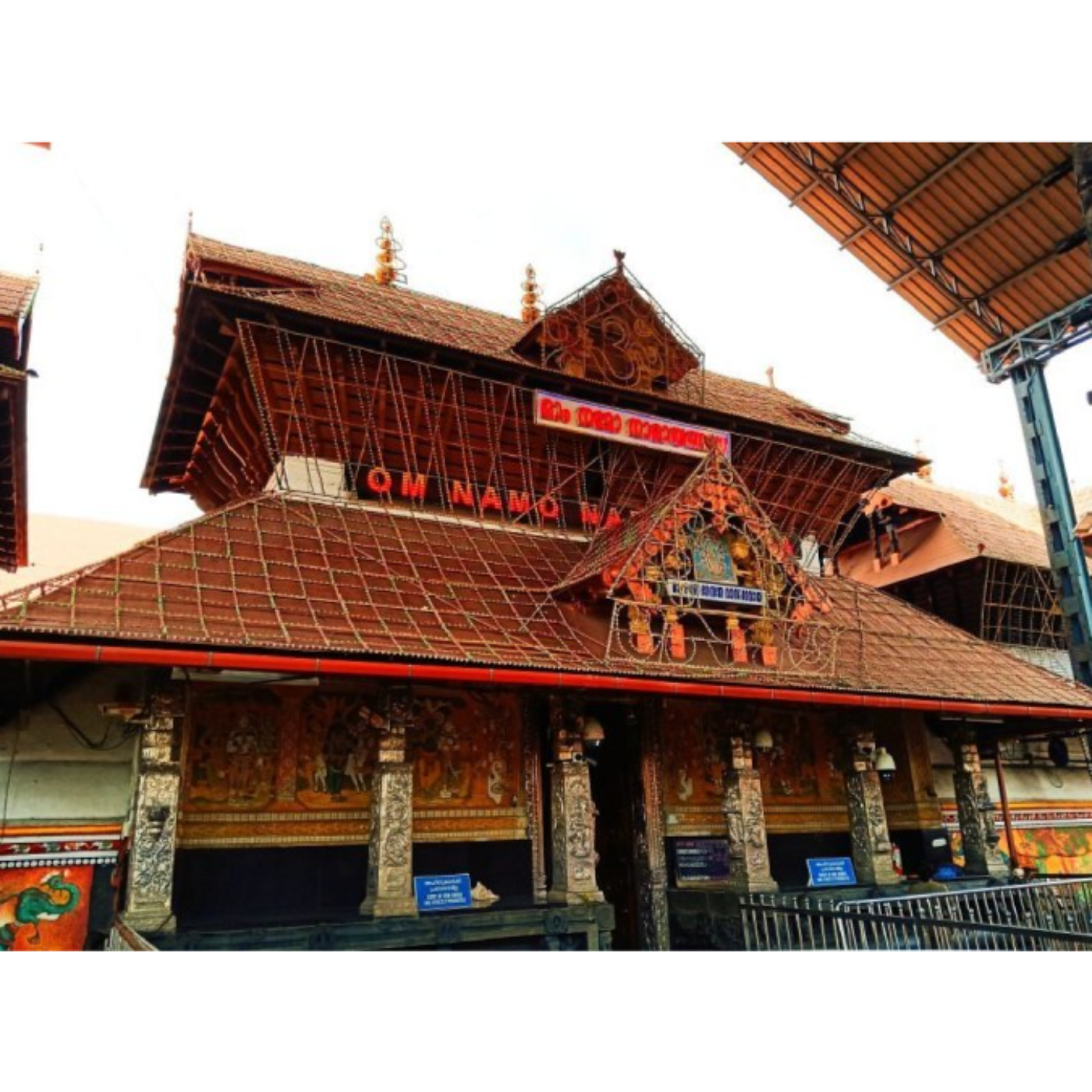
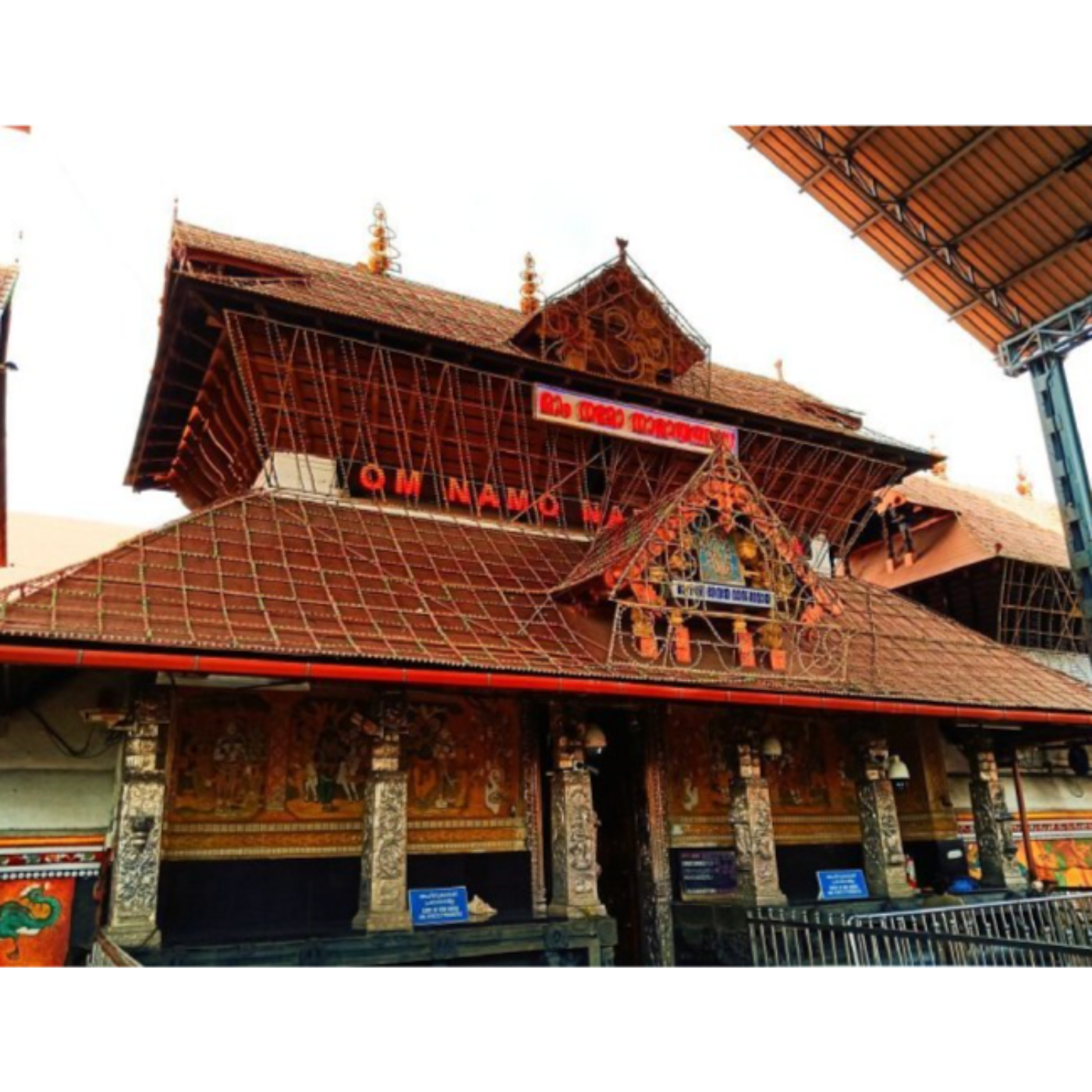
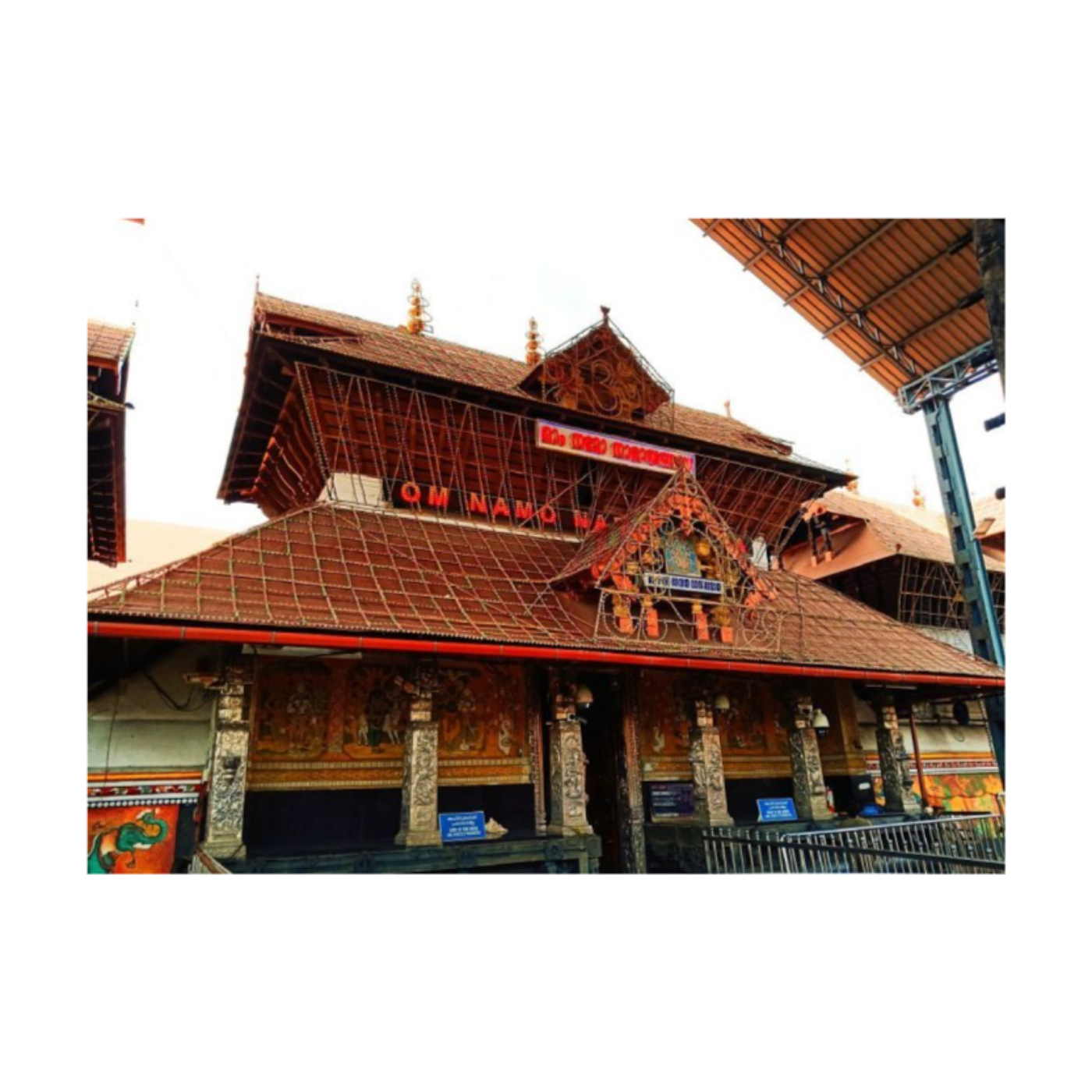
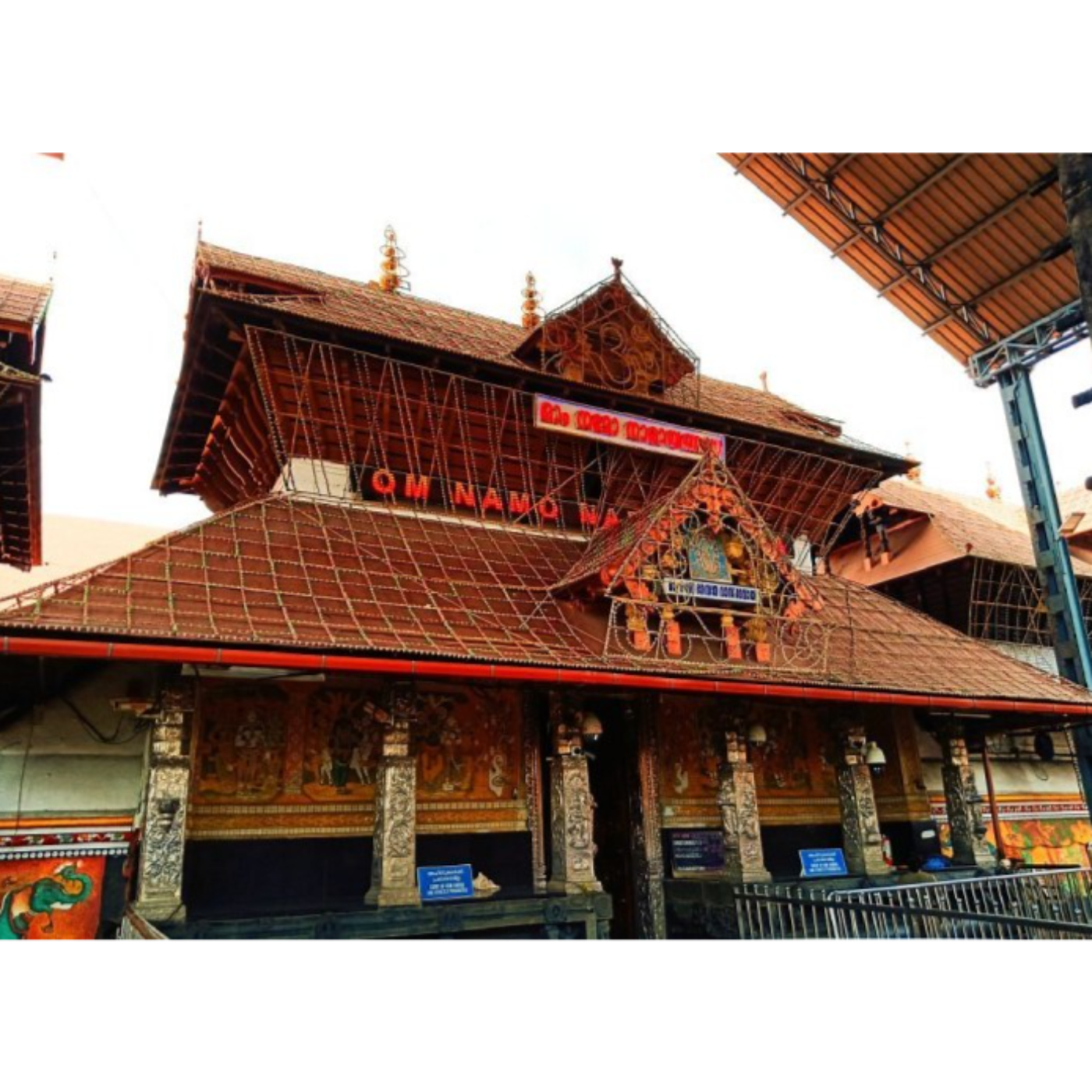
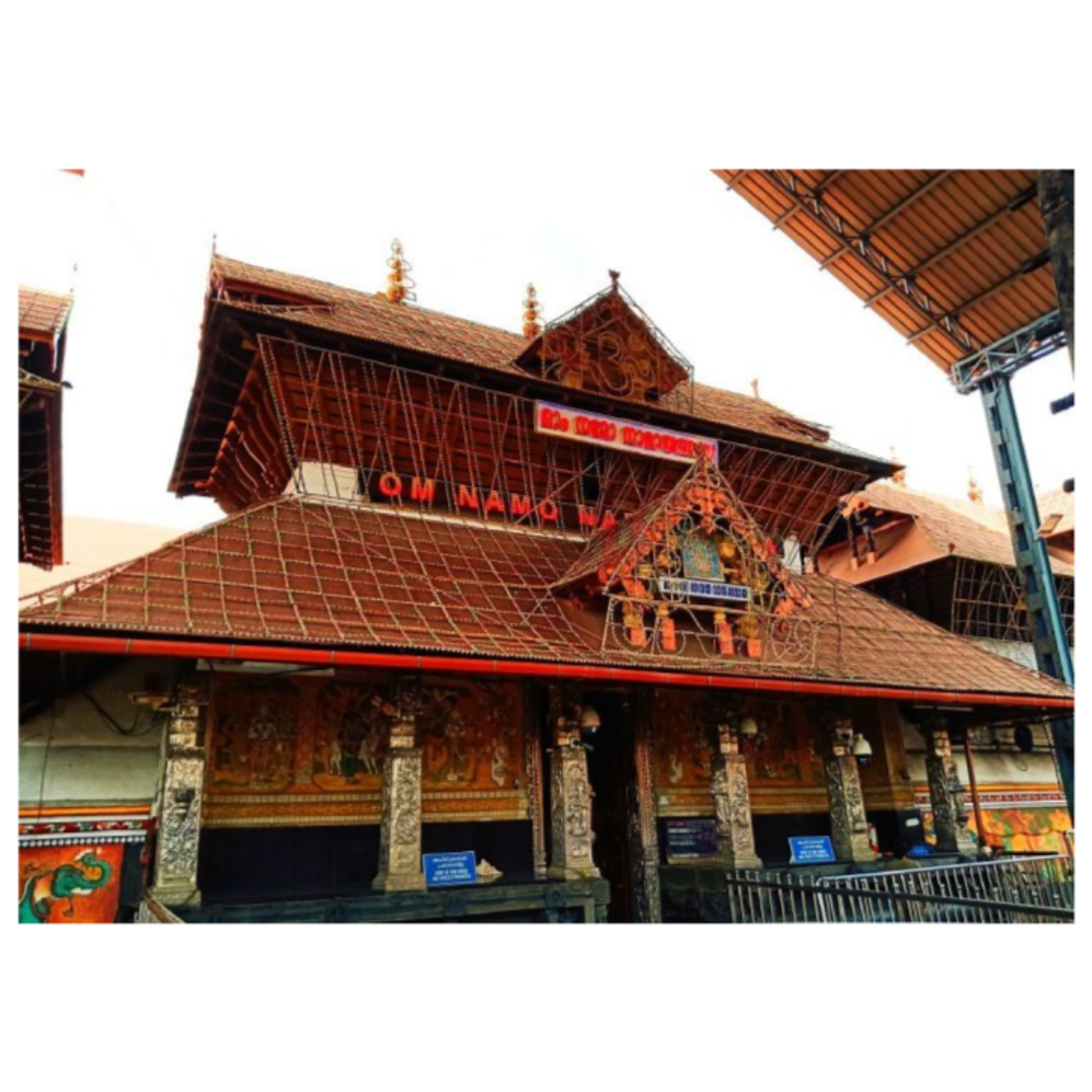
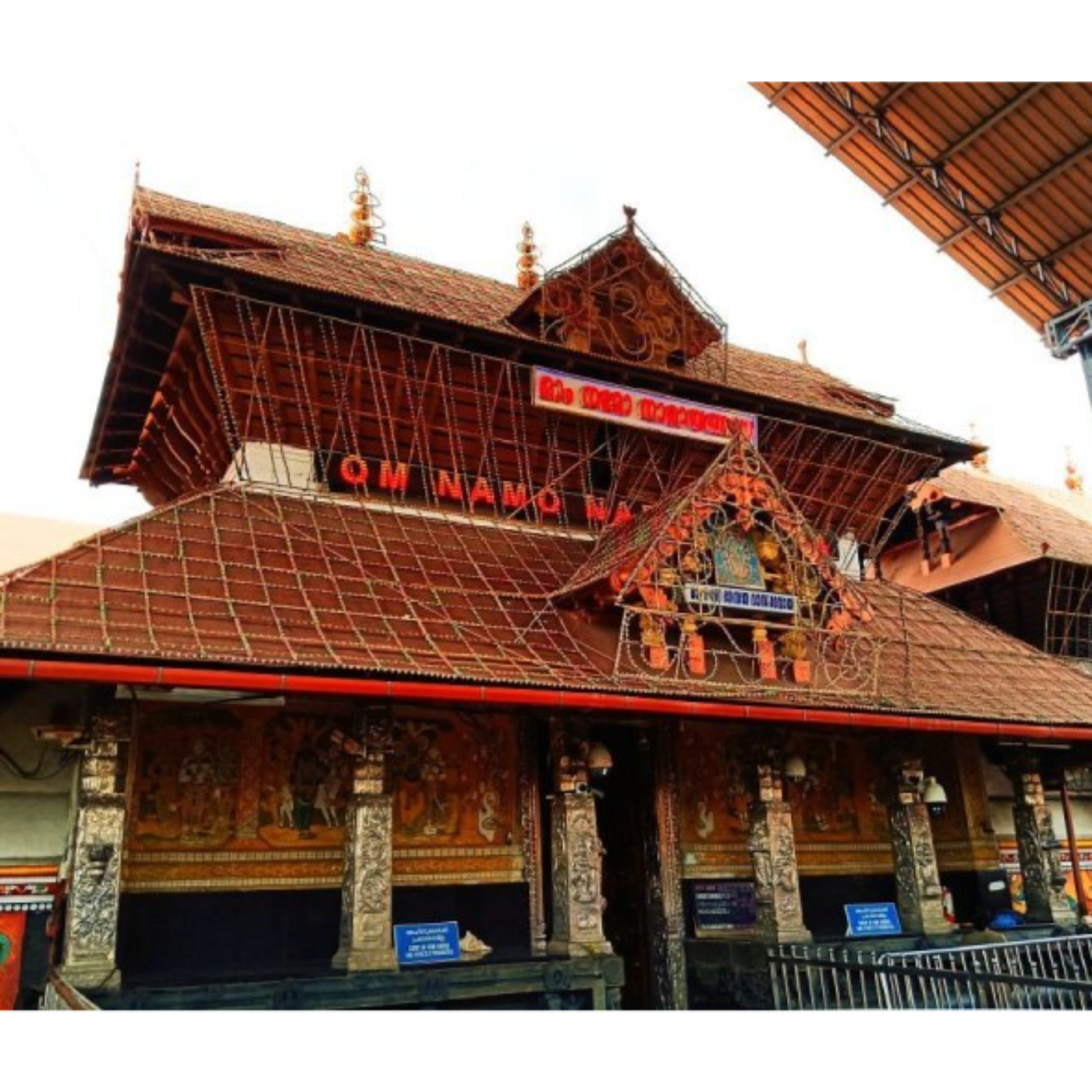
हरि ओम् || Hari Omकष्टं प्रजा: सृजति मय्यवनिर्निमग्नास्थानं सरोजभव कल्पय तत् प्रजानाम् ।इत्येवमेष कथितो मनुना स्वयंभू: -रम्भोरुहाक्ष तव पादयुगं व्यचिन्तीत् ॥ २ ॥Kaṣṭaṁ prajāḥ sṛjati mayyavanirnimaṅgnāsthānaṁ sarojabhava kalpaya tat prajānām।ityevameṣa kathito manunā svayaṁbhūḥambhoruhākṣa tava pādayugaṁ vyacintīt॥ 2 ॥The benefits of Chanting Shlokas:Health Low blood pressure, regulated heart rate, balanced nervous system,Mental health Calm mind, less stress Clear & positive thoughts. Confidence & happiness, Peace, & wellness.Communication Enhance pronunciation, phonetics, concentration & memory.Spiritual Higher spiritual realms.Unlike olden days teachings of shlokas to children by the elders at home is becoming rare. The objective of this channel is to motivate children to learn shlokas and gain the benefits. Teaching Pattern is simple for children to easily follow and learn.Learning pattern is similar to the olden methods of learning from guru. Let the whole world be filled with happiness and peace).Shriman Narayaniyam:From Adi Shankaracharya to countless others, many have emerged to enrich Hinduism with their contributions.One such chosen devotee of the 16th century was Melpathur Narayana BhattathiriAchyuta Pisharadi taught Bhattathiri all forms of knowledge. His guru suffered from severe rheumatism in old age,He beseeched the Lord, asking for the disease to be transferred to him so that his guru could continue to serve and teach. In his immense sacrifice, Bhattathiri willingly took on the disease, and his guru recovered.Although he bore the disease out of devotion, the intensity of his suffering became unbearable. The Lord, who had given him the disease, also provided a way to alleviate it.A learned scholar named Thunjath Ramanujan Ezhuthachan advised Bhattathiri to visit Guruvayur and pray there.Enduring severe pain, Bhattathiri made his way to the Guruvayur temple,At the sanctum of Guruvayurappan, he heard a divine voice instructing him, “Sing about Me, starting from the Matsya (fish) avatar.”Realizing the Lord was asking him to compose verses on His incarnations, Bhattathiri immersed himself in the task.For 100 days, Bhattathiri stayed at the Guruvayur temple, composing one dashakam (10 verses) every day, resulting in 1,036 shlokas, now known as "Shriman Narayaneeyam."This monumental work is a concise retelling of the "Shrimad Bhagavatam". Bhattathiri composed it with deep devotion, often asking the Lord for confirmation of the events described, to which the Lord responded affirmatively.At the end of every 10 verses, Bhattathiri expressed his own suffering and prayed for relief. When the work was completed, his disease was cured, and the text was formally presented at the Guruvayur temple.The recital of the Narayaneeyam moved everyone to tears, as it beautifully encapsulated the glory of the Lord and the sanctity of Guruvayur.Narayaneeyam brings prosperity, cures severe ailments, removes planetary afflictions, and bestows peace, longevity, and happiness.If you have any questions, please email us at learntochant[at]outlook.com.श्री गुरुभ्यो नमः || śrī gurubhyo namaḥ
S12 Ep 1Dasakam 012 - Sloka 01
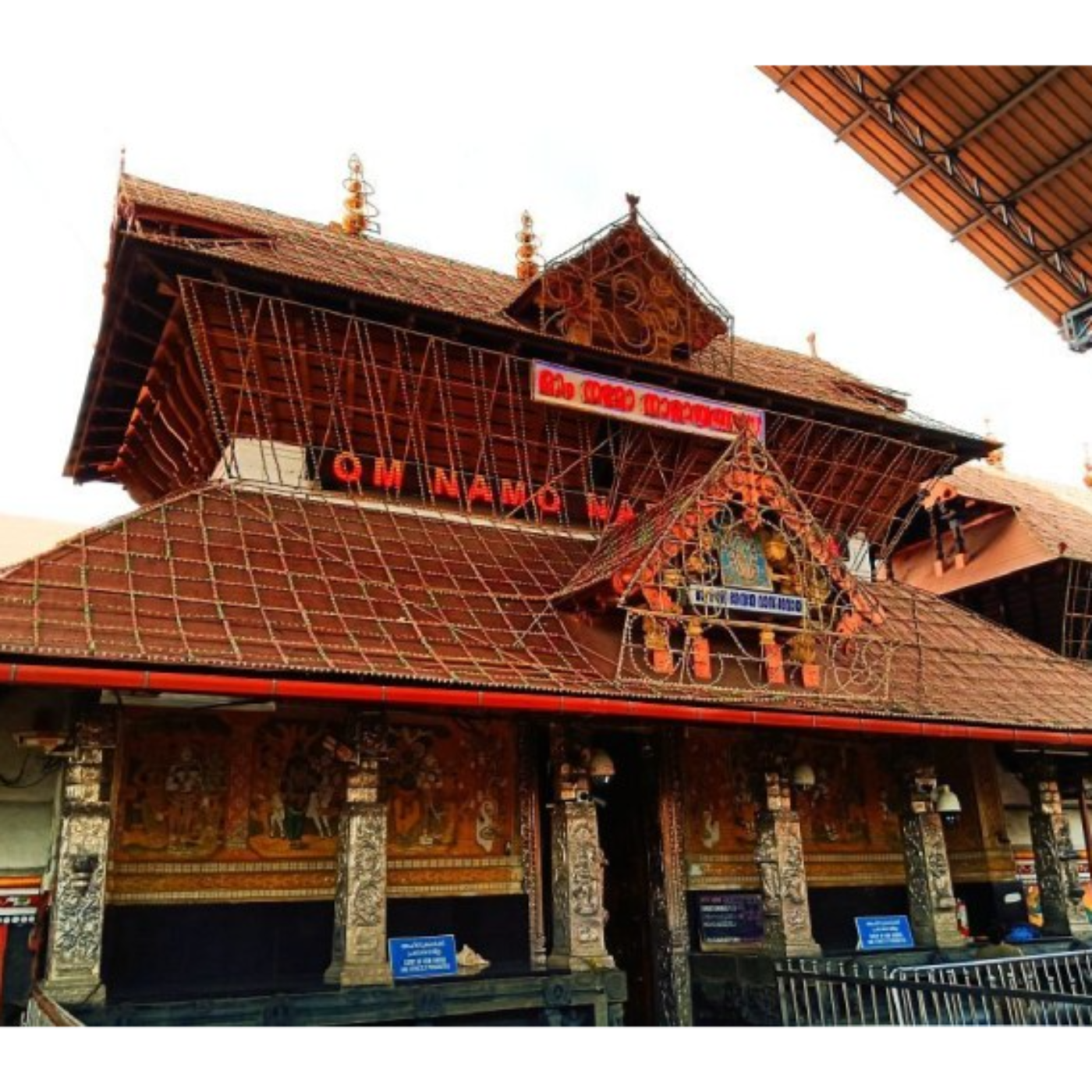
स्वायम्भुवो मनुरथो जनसर्गशीलोदृष्ट्वा महीमसमये सलिले निमग्नाम् ।स्रष्टारमाप शरणं भवदङ्घ्रिसेवा-तुष्टाशयं मुनिजनै: सह सत्यलोके ॥१॥हरि ओम् || Hari OmThe benefits of Chanting Shlokas:Health Low blood pressure, regulated heart rate, balanced nervous system,Mental health Calm mind, less stress Clear & positive thoughts. Confidence & happiness, Peace, & wellness.Communication Enhance pronunciation, phonetics, concentration & memory.Spiritual Higher spiritual realms.Vibrating sounds of shlokas resonate with the energy of the universe. Meditation Help calm the mind into a meditative state.The "aum" sound, is the base sound of the universe. Positive vibrations & remove negative energy in the environment.Unlike olden days teachings of shlokas to children by the elders at home is becoming rare. The objective of this channel is to motivate children to learn shlokas and gain the benefits. Teaching Pattern is simple for children to easily follow and learn.Learning pattern is similar to the olden methods of learning from guru. Let the whole world be filled with happiness and peace).Shriman Narayaniyam:From Adi Shankaracharya to countless others, many have emerged to enrich Hinduism with their contributions.One such chosen devotee of the 16th century was Melpathur Narayana BhattathiriAchyuta Pisharadi taught Bhattathiri all forms of knowledge. His guru suffered from severe rheumatism in old age,He beseeched the Lord, asking for the disease to be transferred to him so that his guru could continue to serve and teach. In his immense sacrifice, Bhattathiri willingly took on the disease, and his guru recovered.Although he bore the disease out of devotion, the intensity of his suffering became unbearable. The Lord, who had given him the disease, also provided a way to alleviate it.A learned scholar named Thunjath Ramanujan Ezhuthachan advised Bhattathiri to visit Guruvayur and pray there.Enduring severe pain, Bhattathiri made his way to the Guruvayur temple,At the sanctum of Guruvayurappan, he heard a divine voice instructing him, “Sing about Me, starting from the Matsya (fish) avatar.”Realizing the Lord was asking him to compose verses on His incarnations, Bhattathiri immersed himself in the task.For 100 days, Bhattathiri stayed at the Guruvayur temple, composing one dashakam (10 verses) every day, resulting in 1,036 shlokas, now known as "Shriman Narayaneeyam."This monumental work is a concise retelling of the "Shrimad Bhagavatam". Bhattathiri composed it with deep devotion, often asking the Lord for confirmation of the events described, to which the Lord responded affirmatively.At the end of every 10 verses, Bhattathiri expressed his own suffering and prayed for relief. When the work was completed, his disease was cured, and the text was formally presented at the Guruvayur temple.The recital of the Narayaneeyam moved everyone to tears, as it beautifully encapsulated the glory of the Lord and the sanctity of Guruvayur.This divine gift became a treasured legacy of the Guruvayur temple, inspiring its translation into many languages and finding a place in every Hindu home. It is believed that chanting theNarayaneeyam brings prosperity, cures severe ailments, removes planetary afflictions, and bestows peace, longevity, and happiness.If you have any questions, please email us at learntochant[at]outlook.com.
S11 Ep 11Dasakam 011 - All Slokas
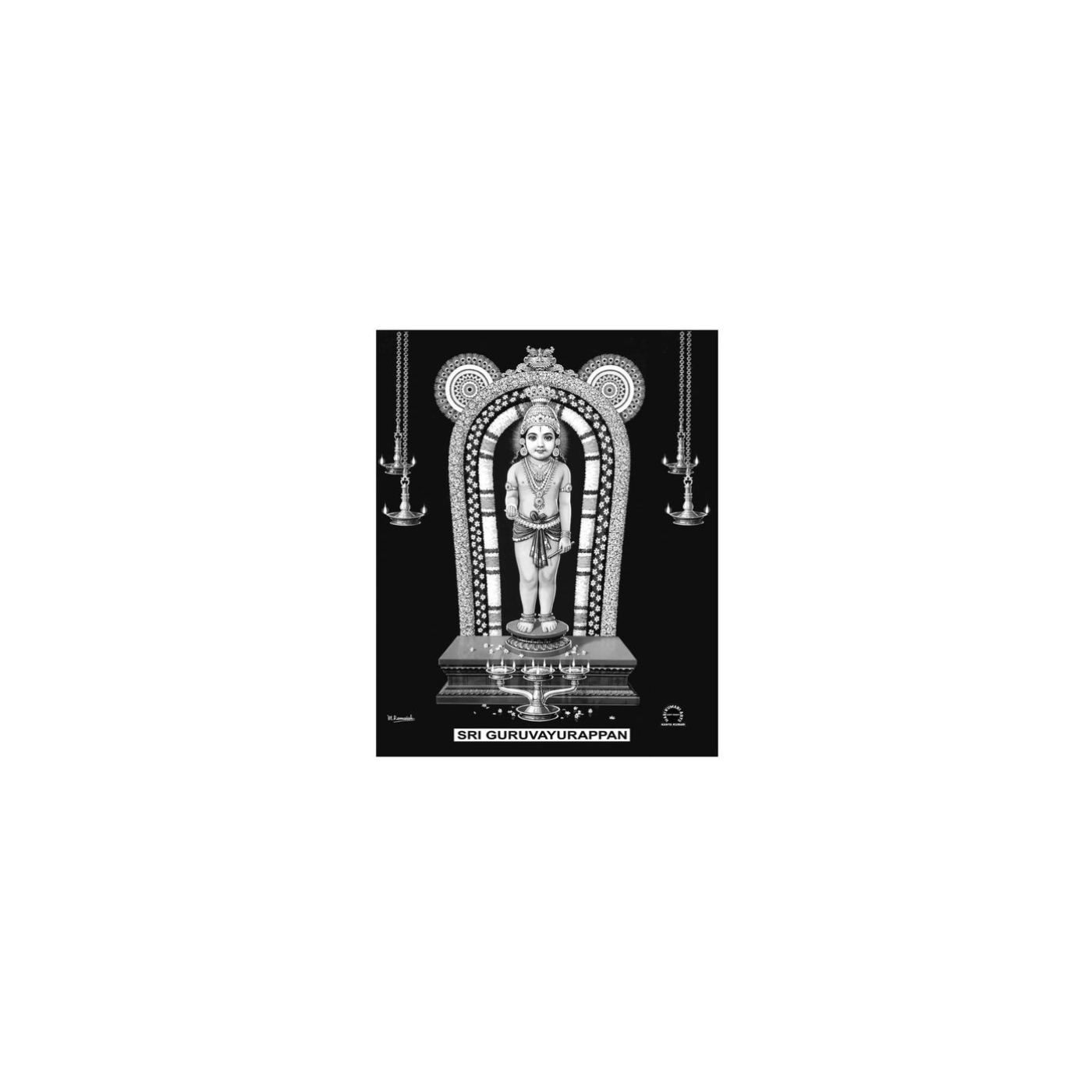
हरि ओम् || Hari OmThe benefits of Chanting Shlokas: Health Low blood pressure, regulated heart rate, balanced nervous system, Mental health Calm mind, less stress Clear & positive thoughts. Confidence & happiness, Peace, & wellness. Communication Enhance pronunciation, phonetics, concentration & memory. Spiritual Higher spiritual realms. Vibrating sounds of shlokas resonate with the energy of the universe. Meditation Help calm the mind into a meditative state. The "aum" sound, is the base sound of the universe. Positive vibrations & remove negative energy in the environment. Unlike olden days teachings of shlokas to children by the elders at home is becoming rare. The objective of this channel is to motivate children to learn shlokas and gain the benefits. Teaching Pattern is simple for children to easily follow and learn. Learning pattern is similar to the olden methods of learning from guru. Let the whole world be filled with happiness and peace).Shriman Narayaniyam: From Adi Shankaracharya to countless others, many have emerged to enrich Hinduism with their contributions.One such chosen devotee of the 16th century was Melpathur Narayana BhattathiriAchyuta Pisharadi taught Bhattathiri all forms of knowledge. His guru suffered from severe rheumatism in old age, He beseeched the Lord, asking for the disease to be transferred to him so that his guru could continue to serve and teach. In his immense sacrifice, Bhattathiri willingly took on the disease, and his guru recovered.Although he bore the disease out of devotion, the intensity of his suffering became unbearable. The Lord, who had given him the disease, also provided a way to alleviate it. A learned scholar named Thunjath Ramanujan Ezhuthachan advised Bhattathiri to visit Guruvayur and pray there.Enduring severe pain, Bhattathiri made his way to the Guruvayur temple, At the sanctum of Guruvayurappan, he heard a divine voice instructing him, “Sing about Me, starting from the Matsya (fish) avatar.” Realizing the Lord was asking him to compose verses on His incarnations, Bhattathiri immersed himself in the task.For 100 days, Bhattathiri stayed at the Guruvayur temple, composing one dashakam (10 verses) every day, resulting in 1,036 shlokas, now known as "Shriman Narayaneeyam."This monumental work is a concise retelling of the "Shrimad Bhagavatam". Bhattathiri composed it with deep devotion, often asking the Lord for confirmation of the events described, to which the Lord responded affirmatively.At the end of every 10 verses, Bhattathiri expressed his own suffering and prayed for relief. When the work was completed, his disease was cured, and the text was formally presented at the Guruvayur temple.The recital of the Narayaneeyam moved everyone to tears, as it beautifully encapsulated the glory of the Lord and the sanctity of Guruvayur. This divine gift became a treasured legacy of the Guruvayur temple, inspiring its translation into many languages and finding a place in every Hindu home. It is believed that chanting the Narayaneeyam brings prosperity, cures severe ailments, removes planetary afflictions, and bestows peace, longevity, and happiness.Every Hindu should read or chant it regularly, as even one verse a day can resolve countless challenges.If you have any questions, please email us at learntochant[at]outlook.com.श्री गुरुभ्यो नमः || śrī gurubhyo namaḥ
S11 Ep 10Dasakam 011 - Sloka 10
हरि ओम् || Hari OmThe benefits of Chanting Shlokas: Health Low blood pressure, regulated heart rate, balanced nervous system, Mental health Calm mind, less stress Clear & positive thoughts. Confidence & happiness, Peace, & wellness. Communication Enhance pronunciation, phonetics, concentration & memory. Spiritual Higher spiritual realms. Vibrating sounds of shlokas resonate with the energy of the universe. Meditation Help calm the mind into a meditative state. The "aum" sound, is the base sound of the universe. Positive vibrations & remove negative energy in the environment. Unlike olden days teachings of shlokas to children by the elders at home is becoming rare. The objective of this channel is to motivate children to learn shlokas and gain the benefits. Teaching Pattern is simple for children to easily follow and learn. Learning pattern is similar to the olden methods of learning from guru. Let the whole world be filled with happiness and peace).Shriman Narayaniyam: From Adi Shankaracharya to countless others, many have emerged to enrich Hinduism with their contributions.One such chosen devotee of the 16th century was Melpathur Narayana BhattathiriAchyuta Pisharadi taught Bhattathiri all forms of knowledge. His guru suffered from severe rheumatism in old age, He beseeched the Lord, asking for the disease to be transferred to him so that his guru could continue to serve and teach. In his immense sacrifice, Bhattathiri willingly took on the disease, and his guru recovered.Although he bore the disease out of devotion, the intensity of his suffering became unbearable. The Lord, who had given him the disease, also provided a way to alleviate it. A learned scholar named Thunjath Ramanujan Ezhuthachan advised Bhattathiri to visit Guruvayur and pray there.Enduring severe pain, Bhattathiri made his way to the Guruvayur temple, At the sanctum of Guruvayurappan, he heard a divine voice instructing him, “Sing about Me, starting from the Matsya (fish) avatar.” Realizing the Lord was asking him to compose verses on His incarnations, Bhattathiri immersed himself in the task.For 100 days, Bhattathiri stayed at the Guruvayur temple, composing one dashakam (10 verses) every day, resulting in 1,036 shlokas, now known as "Shriman Narayaneeyam."This monumental work is a concise retelling of the "Shrimad Bhagavatam". Bhattathiri composed it with deep devotion, often asking the Lord for confirmation of the events described, to which the Lord responded affirmatively.At the end of every 10 verses, Bhattathiri expressed his own suffering and prayed for relief. When the work was completed, his disease was cured, and the text was formally presented at the Guruvayur temple.The recital of the Narayaneeyam moved everyone to tears, as it beautifully encapsulated the glory of the Lord and the sanctity of Guruvayur. This divine gift became a treasured legacy of the Guruvayur temple, inspiring its translation into many languages and finding a place in every Hindu home. It is believed that chanting the Narayaneeyam brings prosperity, cures severe ailments, removes planetary afflictions, and bestows peace, longevity, and happiness.Every Hindu should read or chant it regularly, as even one verse a day can resolve countless challenges.If you have any questions, please email us at learntochant[at]outlook.com.श्री गुरुभ्यो नमः || śrī gurubhyo namaḥ
S11 Ep 9Dasakam 011 - Sloka 09
हरि ओम् || Hari OmThe benefits of Chanting Shlokas: Health Low blood pressure, regulated heart rate, balanced nervous system, Mental health Calm mind, less stress Clear & positive thoughts. Confidence & happiness, Peace, & wellness. Communication Enhance pronunciation, phonetics, concentration & memory. Spiritual Higher spiritual realms. Vibrating sounds of shlokas resonate with the energy of the universe. Meditation Help calm the mind into a meditative state. The "aum" sound, is the base sound of the universe. Positive vibrations & remove negative energy in the environment. Unlike olden days teachings of shlokas to children by the elders at home is becoming rare. The objective of this channel is to motivate children to learn shlokas and gain the benefits. Teaching Pattern is simple for children to easily follow and learn. Learning pattern is similar to the olden methods of learning from guru. Let the whole world be filled with happiness and peace).Shriman Narayaniyam: From Adi Shankaracharya to countless others, many have emerged to enrich Hinduism with their contributions.One such chosen devotee of the 16th century was Melpathur Narayana BhattathiriAchyuta Pisharadi taught Bhattathiri all forms of knowledge. His guru suffered from severe rheumatism in old age, He beseeched the Lord, asking for the disease to be transferred to him so that his guru could continue to serve and teach. In his immense sacrifice, Bhattathiri willingly took on the disease, and his guru recovered.Although he bore the disease out of devotion, the intensity of his suffering became unbearable. The Lord, who had given him the disease, also provided a way to alleviate it. A learned scholar named Thunjath Ramanujan Ezhuthachan advised Bhattathiri to visit Guruvayur and pray there.Enduring severe pain, Bhattathiri made his way to the Guruvayur temple, At the sanctum of Guruvayurappan, he heard a divine voice instructing him, “Sing about Me, starting from the Matsya (fish) avatar.” Realizing the Lord was asking him to compose verses on His incarnations, Bhattathiri immersed himself in the task.For 100 days, Bhattathiri stayed at the Guruvayur temple, composing one dashakam (10 verses) every day, resulting in 1,036 shlokas, now known as "Shriman Narayaneeyam."This monumental work is a concise retelling of the "Shrimad Bhagavatam". Bhattathiri composed it with deep devotion, often asking the Lord for confirmation of the events described, to which the Lord responded affirmatively.At the end of every 10 verses, Bhattathiri expressed his own suffering and prayed for relief. When the work was completed, his disease was cured, and the text was formally presented at the Guruvayur temple.The recital of the Narayaneeyam moved everyone to tears, as it beautifully encapsulated the glory of the Lord and the sanctity of Guruvayur. This divine gift became a treasured legacy of the Guruvayur temple, inspiring its translation into many languages and finding a place in every Hindu home. It is believed that chanting the Narayaneeyam brings prosperity, cures severe ailments, removes planetary afflictions, and bestows peace, longevity, and happiness.Every Hindu should read or chant it regularly, as even one verse a day can resolve countless challenges.If you have any questions, please email us at learntochant[at]outlook.com.श्री गुरुभ्यो नमः || śrī gurubhyo namaḥ
Ep 8Dasakam 011 - Sloka 08
हरि ओम् || Hari OmThe benefits of Chanting Shlokas: Health Low blood pressure, regulated heart rate, balanced nervous system, Mental health Calm mind, less stress Clear & positive thoughts. Confidence & happiness, Peace, & wellness. Communication Enhance pronunciation, phonetics, concentration & memory. Spiritual Higher spiritual realms. Vibrating sounds of shlokas resonate with the energy of the universe. Meditation Help calm the mind into a meditative state. The "aum" sound, is the base sound of the universe. Positive vibrations & remove negative energy in the environment. Unlike olden days teachings of shlokas to children by the elders at home is becoming rare. The objective of this channel is to motivate children to learn shlokas and gain the benefits. Teaching Pattern is simple for children to easily follow and learn. Learning pattern is similar to the olden methods of learning from guru. Let the whole world be filled with happiness and peace).Shriman Narayaniyam: From Adi Shankaracharya to countless others, many have emerged to enrich Hinduism with their contributions.One such chosen devotee of the 16th century was Melpathur Narayana BhattathiriAchyuta Pisharadi taught Bhattathiri all forms of knowledge. His guru suffered from severe rheumatism in old age, He beseeched the Lord, asking for the disease to be transferred to him so that his guru could continue to serve and teach. In his immense sacrifice, Bhattathiri willingly took on the disease, and his guru recovered.Although he bore the disease out of devotion, the intensity of his suffering became unbearable. The Lord, who had given him the disease, also provided a way to alleviate it. A learned scholar named Thunjath Ramanujan Ezhuthachan advised Bhattathiri to visit Guruvayur and pray there.Enduring severe pain, Bhattathiri made his way to the Guruvayur temple, At the sanctum of Guruvayurappan, he heard a divine voice instructing him, “Sing about Me, starting from the Matsya (fish) avatar.” Realizing the Lord was asking him to compose verses on His incarnations, Bhattathiri immersed himself in the task.For 100 days, Bhattathiri stayed at the Guruvayur temple, composing one dashakam (10 verses) every day, resulting in 1,036 shlokas, now known as "Shriman Narayaneeyam."This monumental work is a concise retelling of the "Shrimad Bhagavatam". Bhattathiri composed it with deep devotion, often asking the Lord for confirmation of the events described, to which the Lord responded affirmatively.At the end of every 10 verses, Bhattathiri expressed his own suffering and prayed for relief. When the work was completed, his disease was cured, and the text was formally presented at the Guruvayur temple.The recital of the Narayaneeyam moved everyone to tears, as it beautifully encapsulated the glory of the Lord and the sanctity of Guruvayur. This divine gift became a treasured legacy of the Guruvayur temple, inspiring its translation into many languages and finding a place in every Hindu home. It is believed that chanting the Narayaneeyam brings prosperity, cures severe ailments, removes planetary afflictions, and bestows peace, longevity, and happiness.Every Hindu should read or chant it regularly, as even one verse a day can resolve countless challenges.If you have any questions, please email us at learntochant[at]outlook.com.श्री गुरुभ्यो नमः || śrī gurubhyo namaḥ
S11 Ep 7Dasakam 011 - Sloka 07
हरि ओम् || Hari OmThe benefits of Chanting Shlokas: Health Low blood pressure, regulated heart rate, balanced nervous system, Mental health Calm mind, less stress Clear & positive thoughts. Confidence & happiness, Peace, & wellness. Communication Enhance pronunciation, phonetics, concentration & memory. Spiritual Higher spiritual realms. Vibrating sounds of shlokas resonate with the energy of the universe. Meditation Help calm the mind into a meditative state. The "aum" sound, is the base sound of the universe. Positive vibrations & remove negative energy in the environment. Unlike olden days teachings of shlokas to children by the elders at home is becoming rare. The objective of this channel is to motivate children to learn shlokas and gain the benefits. Teaching Pattern is simple for children to easily follow and learn. Learning pattern is similar to the olden methods of learning from guru. Let the whole world be filled with happiness and peace).Shriman Narayaniyam: From Adi Shankaracharya to countless others, many have emerged to enrich Hinduism with their contributions.One such chosen devotee of the 16th century was Melpathur Narayana BhattathiriAchyuta Pisharadi taught Bhattathiri all forms of knowledge. His guru suffered from severe rheumatism in old age, He beseeched the Lord, asking for the disease to be transferred to him so that his guru could continue to serve and teach. In his immense sacrifice, Bhattathiri willingly took on the disease, and his guru recovered.Although he bore the disease out of devotion, the intensity of his suffering became unbearable. The Lord, who had given him the disease, also provided a way to alleviate it. A learned scholar named Thunjath Ramanujan Ezhuthachan advised Bhattathiri to visit Guruvayur and pray there.Enduring severe pain, Bhattathiri made his way to the Guruvayur temple, At the sanctum of Guruvayurappan, he heard a divine voice instructing him, “Sing about Me, starting from the Matsya (fish) avatar.” Realizing the Lord was asking him to compose verses on His incarnations, Bhattathiri immersed himself in the task.For 100 days, Bhattathiri stayed at the Guruvayur temple, composing one dashakam (10 verses) every day, resulting in 1,036 shlokas, now known as "Shriman Narayaneeyam."This monumental work is a concise retelling of the "Shrimad Bhagavatam". Bhattathiri composed it with deep devotion, often asking the Lord for confirmation of the events described, to which the Lord responded affirmatively.At the end of every 10 verses, Bhattathiri expressed his own suffering and prayed for relief. When the work was completed, his disease was cured, and the text was formally presented at the Guruvayur temple.The recital of the Narayaneeyam moved everyone to tears, as it beautifully encapsulated the glory of the Lord and the sanctity of Guruvayur. This divine gift became a treasured legacy of the Guruvayur temple, inspiring its translation into many languages and finding a place in every Hindu home. It is believed that chanting the Narayaneeyam brings prosperity, cures severe ailments, removes planetary afflictions, and bestows peace, longevity, and happiness.Every Hindu should read or chant it regularly, as even one verse a day can resolve countless challenges.If you have any questions, please email us at learntochant[at]outlook.com.श्री गुरुभ्यो नमः || śrī gurubhyo namaḥ
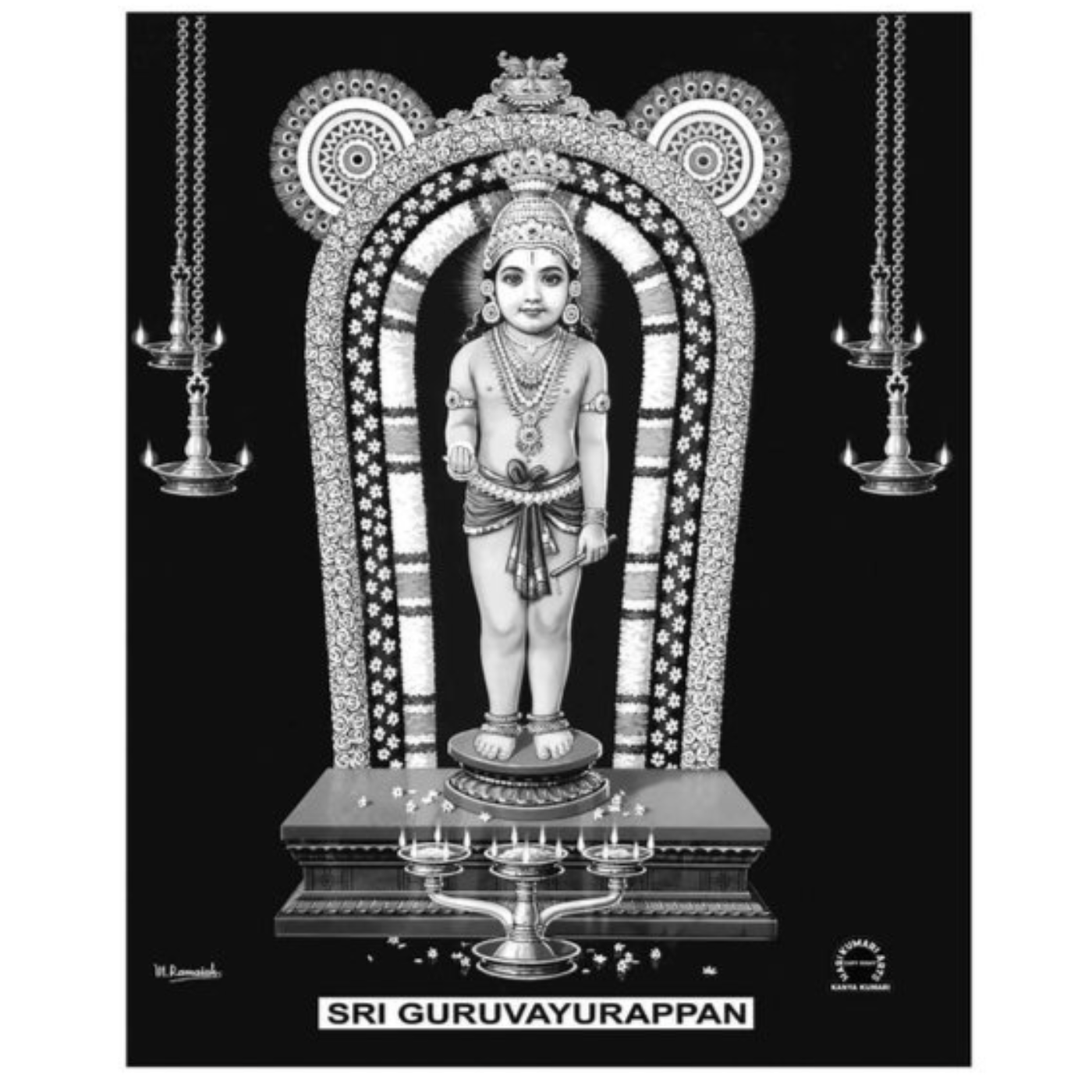
S11 Ep 6Dasakam 011 - Sloka 06
हरि ओम् || Hari OmThe benefits of Chanting Shlokas: Health Low blood pressure, regulated heart rate, balanced nervous system, Mental health Calm mind, less stress Clear & positive thoughts. Confidence & happiness, Peace, & wellness. Communication Enhance pronunciation, phonetics, concentration & memory. Spiritual Higher spiritual realms. Vibrating sounds of shlokas resonate with the energy of the universe. Meditation Help calm the mind into a meditative state. The "aum" sound, is the base sound of the universe. Positive vibrations & remove negative energy in the environment. Unlike olden days teachings of shlokas to children by the elders at home is becoming rare. The objective of this channel is to motivate children to learn shlokas and gain the benefits. Teaching Pattern is simple for children to easily follow and learn. Learning pattern is similar to the olden methods of learning from guru. Let the whole world be filled with happiness and peace).Shriman Narayaniyam: From Adi Shankaracharya to countless others, many have emerged to enrich Hinduism with their contributions.One such chosen devotee of the 16th century was Melpathur Narayana BhattathiriAchyuta Pisharadi taught Bhattathiri all forms of knowledge. His guru suffered from severe rheumatism in old age, He beseeched the Lord, asking for the disease to be transferred to him so that his guru could continue to serve and teach. In his immense sacrifice, Bhattathiri willingly took on the disease, and his guru recovered.Although he bore the disease out of devotion, the intensity of his suffering became unbearable. The Lord, who had given him the disease, also provided a way to alleviate it. A learned scholar named Thunjath Ramanujan Ezhuthachan advised Bhattathiri to visit Guruvayur and pray there.Enduring severe pain, Bhattathiri made his way to the Guruvayur temple, At the sanctum of Guruvayurappan, he heard a divine voice instructing him, “Sing about Me, starting from the Matsya (fish) avatar.” Realizing the Lord was asking him to compose verses on His incarnations, Bhattathiri immersed himself in the task.For 100 days, Bhattathiri stayed at the Guruvayur temple, composing one dashakam (10 verses) every day, resulting in 1,036 shlokas, now known as "Shriman Narayaneeyam."This monumental work is a concise retelling of the "Shrimad Bhagavatam". Bhattathiri composed it with deep devotion, often asking the Lord for confirmation of the events described, to which the Lord responded affirmatively.At the end of every 10 verses, Bhattathiri expressed his own suffering and prayed for relief. When the work was completed, his disease was cured, and the text was formally presented at the Guruvayur temple.The recital of the Narayaneeyam moved everyone to tears, as it beautifully encapsulated the glory of the Lord and the sanctity of Guruvayur. This divine gift became a treasured legacy of the Guruvayur temple, inspiring its translation into many languages and finding a place in every Hindu home. It is believed that chanting the Narayaneeyam brings prosperity, cures severe ailments, removes planetary afflictions, and bestows peace, longevity, and happiness.Every Hindu should read or chant it regularly, as even one verse a day can resolve countless challenges.If you have any questions, please email us at learntochant[at]outlook.com.श्री गुरुभ्यो नमः || śrī gurubhyo namaḥ
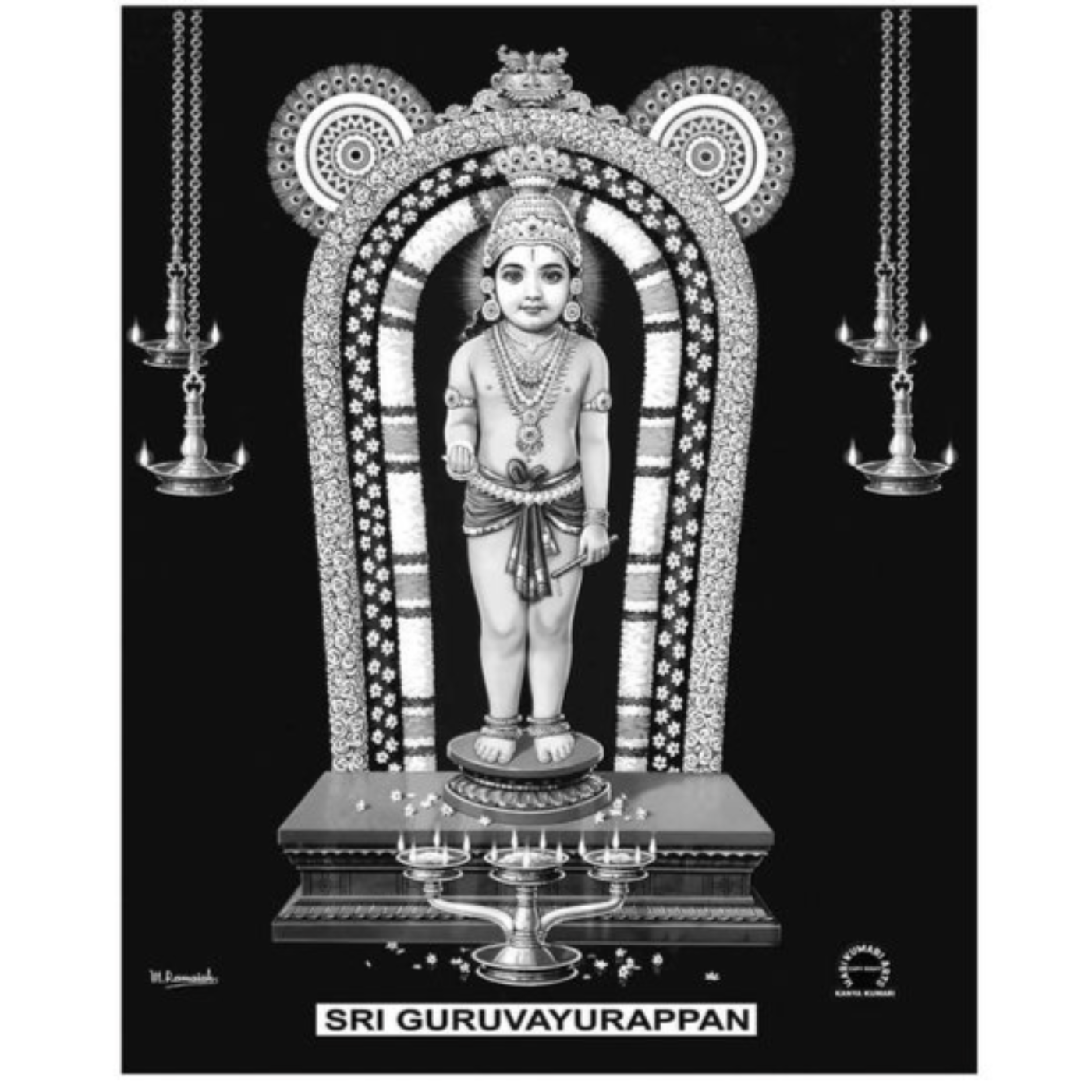
S11 Ep 5Dasakam 011 - Sloka 05
हरि ओम् || Hari OmThe benefits of Chanting Shlokas: Health Low blood pressure, regulated heart rate, balanced nervous system, Mental health Calm mind, less stress Clear & positive thoughts. Confidence & happiness, Peace, & wellness. Communication Enhance pronunciation, phonetics, concentration & memory. Spiritual Higher spiritual realms. Vibrating sounds of shlokas resonate with the energy of the universe. Meditation Help calm the mind into a meditative state. The "aum" sound, is the base sound of the universe. Positive vibrations & remove negative energy in the environment. Unlike olden days teachings of shlokas to children by the elders at home is becoming rare. The objective of this channel is to motivate children to learn shlokas and gain the benefits. Teaching Pattern is simple for children to easily follow and learn. Learning pattern is similar to the olden methods of learning from guru. Let the whole world be filled with happiness and peace).Shriman Narayaniyam: From Adi Shankaracharya to countless others, many have emerged to enrich Hinduism with their contributions.One such chosen devotee of the 16th century was Melpathur Narayana BhattathiriAchyuta Pisharadi taught Bhattathiri all forms of knowledge. His guru suffered from severe rheumatism in old age, He beseeched the Lord, asking for the disease to be transferred to him so that his guru could continue to serve and teach. In his immense sacrifice, Bhattathiri willingly took on the disease, and his guru recovered.Although he bore the disease out of devotion, the intensity of his suffering became unbearable. The Lord, who had given him the disease, also provided a way to alleviate it. A learned scholar named Thunjath Ramanujan Ezhuthachan advised Bhattathiri to visit Guruvayur and pray there.Enduring severe pain, Bhattathiri made his way to the Guruvayur temple, At the sanctum of Guruvayurappan, he heard a divine voice instructing him, “Sing about Me, starting from the Matsya (fish) avatar.” Realizing the Lord was asking him to compose verses on His incarnations, Bhattathiri immersed himself in the task.For 100 days, Bhattathiri stayed at the Guruvayur temple, composing one dashakam (10 verses) every day, resulting in 1,036 shlokas, now known as "Shriman Narayaneeyam."This monumental work is a concise retelling of the "Shrimad Bhagavatam". Bhattathiri composed it with deep devotion, often asking the Lord for confirmation of the events described, to which the Lord responded affirmatively.At the end of every 10 verses, Bhattathiri expressed his own suffering and prayed for relief. When the work was completed, his disease was cured, and the text was formally presented at the Guruvayur temple.The recital of the Narayaneeyam moved everyone to tears, as it beautifully encapsulated the glory of the Lord and the sanctity of Guruvayur. This divine gift became a treasured legacy of the Guruvayur temple, inspiring its translation into many languages and finding a place in every Hindu home. It is believed that chanting the Narayaneeyam brings prosperity, cures severe ailments, removes planetary afflictions, and bestows peace, longevity, and happiness.Every Hindu should read or chant it regularly, as even one verse a day can resolve countless challenges.If you have any questions, please email us at learntochant[at]outlook.com.श्री गुरुभ्यो नमः || śrī gurubhyo namaḥ
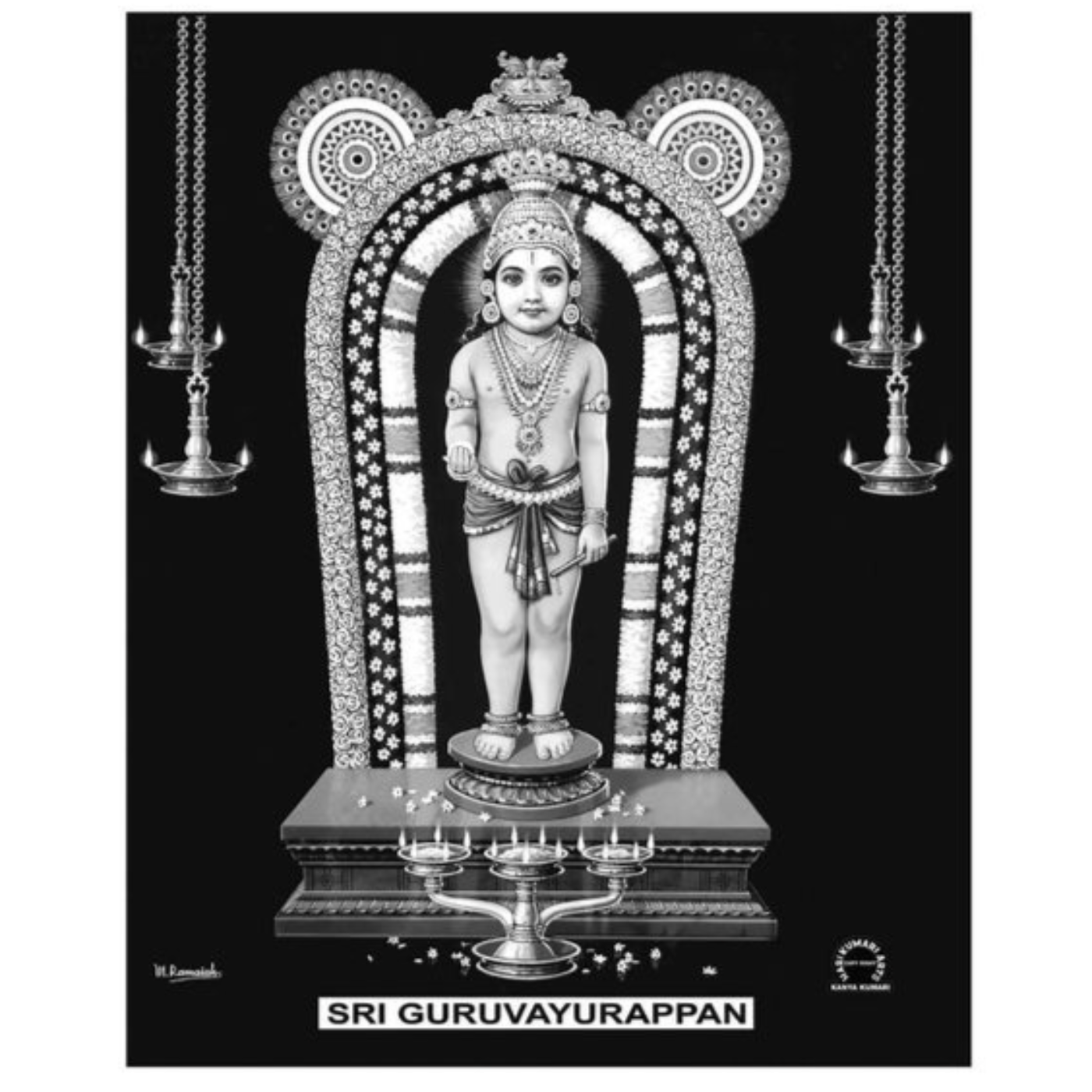
S11 Ep 4Dasakam 011 -Sloka 04
हरि ओम् || Hari OmThe benefits of Chanting Shlokas: Health Low blood pressure, regulated heart rate, balanced nervous system, Mental health Calm mind, less stress Clear & positive thoughts. Confidence & happiness, Peace, & wellness. Communication Enhance pronunciation, phonetics, concentration & memory. Spiritual Higher spiritual realms. Vibrating sounds of shlokas resonate with the energy of the universe. Meditation Help calm the mind into a meditative state. The "aum" sound, is the base sound of the universe. Positive vibrations & remove negative energy in the environment. Unlike olden days teachings of shlokas to children by the elders at home is becoming rare. The objective of this channel is to motivate children to learn shlokas and gain the benefits. Teaching Pattern is simple for children to easily follow and learn. Learning pattern is similar to the olden methods of learning from guru. Let the whole world be filled with happiness and peace).Shriman Narayaniyam: From Adi Shankaracharya to countless others, many have emerged to enrich Hinduism with their contributions.One such chosen devotee of the 16th century was Melpathur Narayana BhattathiriAchyuta Pisharadi taught Bhattathiri all forms of knowledge. His guru suffered from severe rheumatism in old age, He beseeched the Lord, asking for the disease to be transferred to him so that his guru could continue to serve and teach. In his immense sacrifice, Bhattathiri willingly took on the disease, and his guru recovered.Although he bore the disease out of devotion, the intensity of his suffering became unbearable. The Lord, who had given him the disease, also provided a way to alleviate it. A learned scholar named Thunjath Ramanujan Ezhuthachan advised Bhattathiri to visit Guruvayur and pray there.Enduring severe pain, Bhattathiri made his way to the Guruvayur temple, At the sanctum of Guruvayurappan, he heard a divine voice instructing him, “Sing about Me, starting from the Matsya (fish) avatar.” Realizing the Lord was asking him to compose verses on His incarnations, Bhattathiri immersed himself in the task.For 100 days, Bhattathiri stayed at the Guruvayur temple, composing one dashakam (10 verses) every day, resulting in 1,036 shlokas, now known as "Shriman Narayaneeyam."This monumental work is a concise retelling of the "Shrimad Bhagavatam". Bhattathiri composed it with deep devotion, often asking the Lord for confirmation of the events described, to which the Lord responded affirmatively.At the end of every 10 verses, Bhattathiri expressed his own suffering and prayed for relief. When the work was completed, his disease was cured, and the text was formally presented at the Guruvayur temple.The recital of the Narayaneeyam moved everyone to tears, as it beautifully encapsulated the glory of the Lord and the sanctity of Guruvayur. This divine gift became a treasured legacy of the Guruvayur temple, inspiring its translation into many languages and finding a place in every Hindu home. It is believed that chanting the Narayaneeyam brings prosperity, cures severe ailments, removes planetary afflictions, and bestows peace, longevity, and happiness.Every Hindu should read or chant it regularly, as even one verse a day can resolve countless challenges.If you have any questions, please email us at learntochant[at]outlook.com.श्री गुरुभ्यो नमः || śrī gurubhyo namaḥ
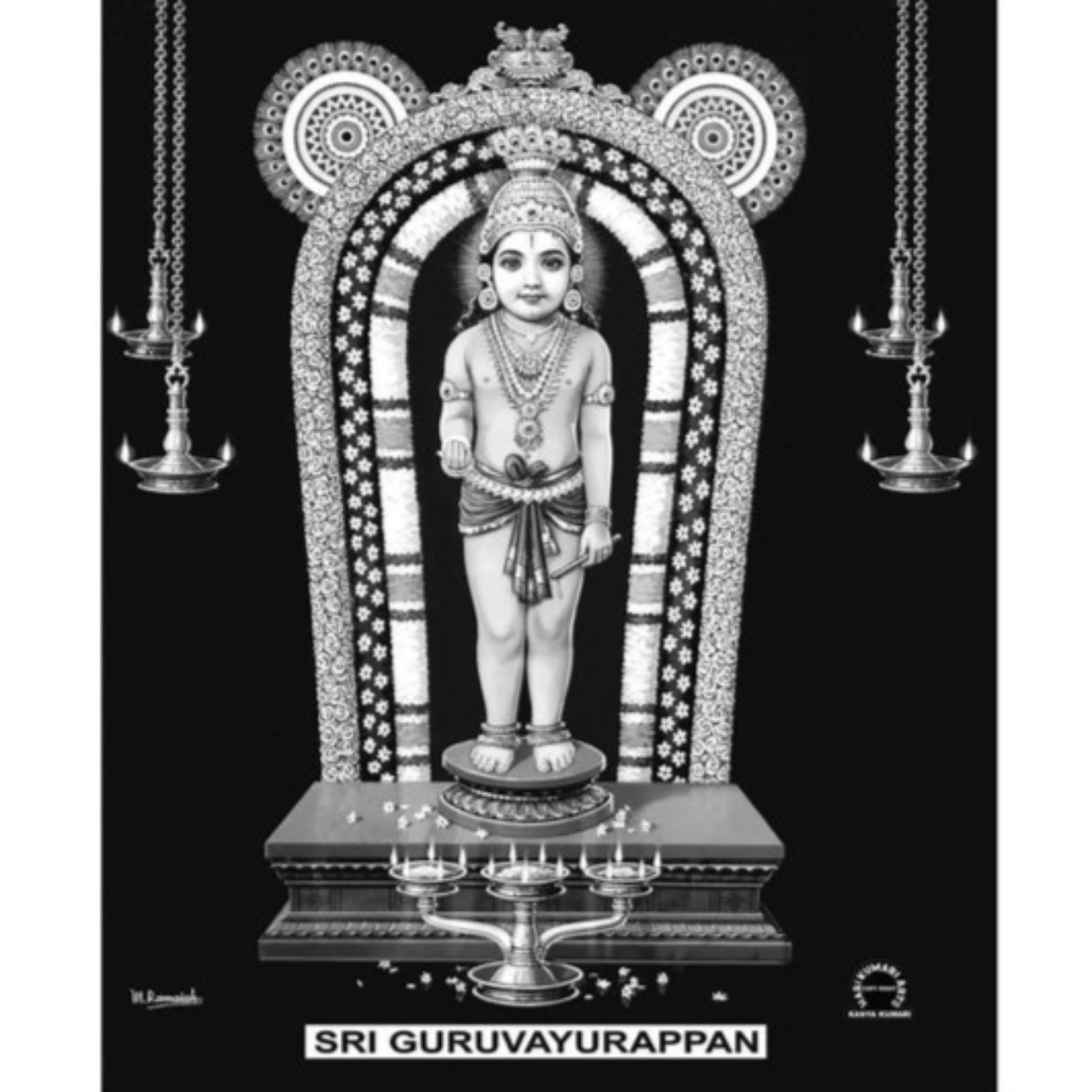
S11 Ep 3Dasakam 011 - Sloka 03
हरि ओम् || Hari OmThe benefits of Chanting Shlokas: Health Low blood pressure, regulated heart rate, balanced nervous system, Mental health Calm mind, less stress Clear & positive thoughts. Confidence & happiness, Peace, & wellness. Communication Enhance pronunciation, phonetics, concentration & memory. Spiritual Higher spiritual realms. Vibrating sounds of shlokas resonate with the energy of the universe. Meditation Help calm the mind into a meditative state. The "aum" sound, is the base sound of the universe. Positive vibrations & remove negative energy in the environment. Unlike olden days teachings of shlokas to children by the elders at home is becoming rare. The objective of this channel is to motivate children to learn shlokas and gain the benefits. Teaching Pattern is simple for children to easily follow and learn. Learning pattern is similar to the olden methods of learning from guru. Let the whole world be filled with happiness and peace).Shriman Narayaniyam: From Adi Shankaracharya to countless others, many have emerged to enrich Hinduism with their contributions.One such chosen devotee of the 16th century was Melpathur Narayana BhattathiriAchyuta Pisharadi taught Bhattathiri all forms of knowledge. His guru suffered from severe rheumatism in old age, He beseeched the Lord, asking for the disease to be transferred to him so that his guru could continue to serve and teach. In his immense sacrifice, Bhattathiri willingly took on the disease, and his guru recovered.Although he bore the disease out of devotion, the intensity of his suffering became unbearable. The Lord, who had given him the disease, also provided a way to alleviate it. A learned scholar named Thunjath Ramanujan Ezhuthachan advised Bhattathiri to visit Guruvayur and pray there.Enduring severe pain, Bhattathiri made his way to the Guruvayur temple, At the sanctum of Guruvayurappan, he heard a divine voice instructing him, “Sing about Me, starting from the Matsya (fish) avatar.” Realizing the Lord was asking him to compose verses on His incarnations, Bhattathiri immersed himself in the task.For 100 days, Bhattathiri stayed at the Guruvayur temple, composing one dashakam (10 verses) every day, resulting in 1,036 shlokas, now known as "Shriman Narayaneeyam."This monumental work is a concise retelling of the "Shrimad Bhagavatam". Bhattathiri composed it with deep devotion, often asking the Lord for confirmation of the events described, to which the Lord responded affirmatively.At the end of every 10 verses, Bhattathiri expressed his own suffering and prayed for relief. When the work was completed, his disease was cured, and the text was formally presented at the Guruvayur temple.The recital of the Narayaneeyam moved everyone to tears, as it beautifully encapsulated the glory of the Lord and the sanctity of Guruvayur. This divine gift became a treasured legacy of the Guruvayur temple, inspiring its translation into many languages and finding a place in every Hindu home. It is believed that chanting the Narayaneeyam brings prosperity, cures severe ailments, removes planetary afflictions, and bestows peace, longevity, and happiness.Every Hindu should read or chant it regularly, as even one verse a day can resolve countless challenges.If you have any questions, please email us at learntochant[at]outlook.com.श्री गुरुभ्यो नमः || śrī gurubhyo namaḥ
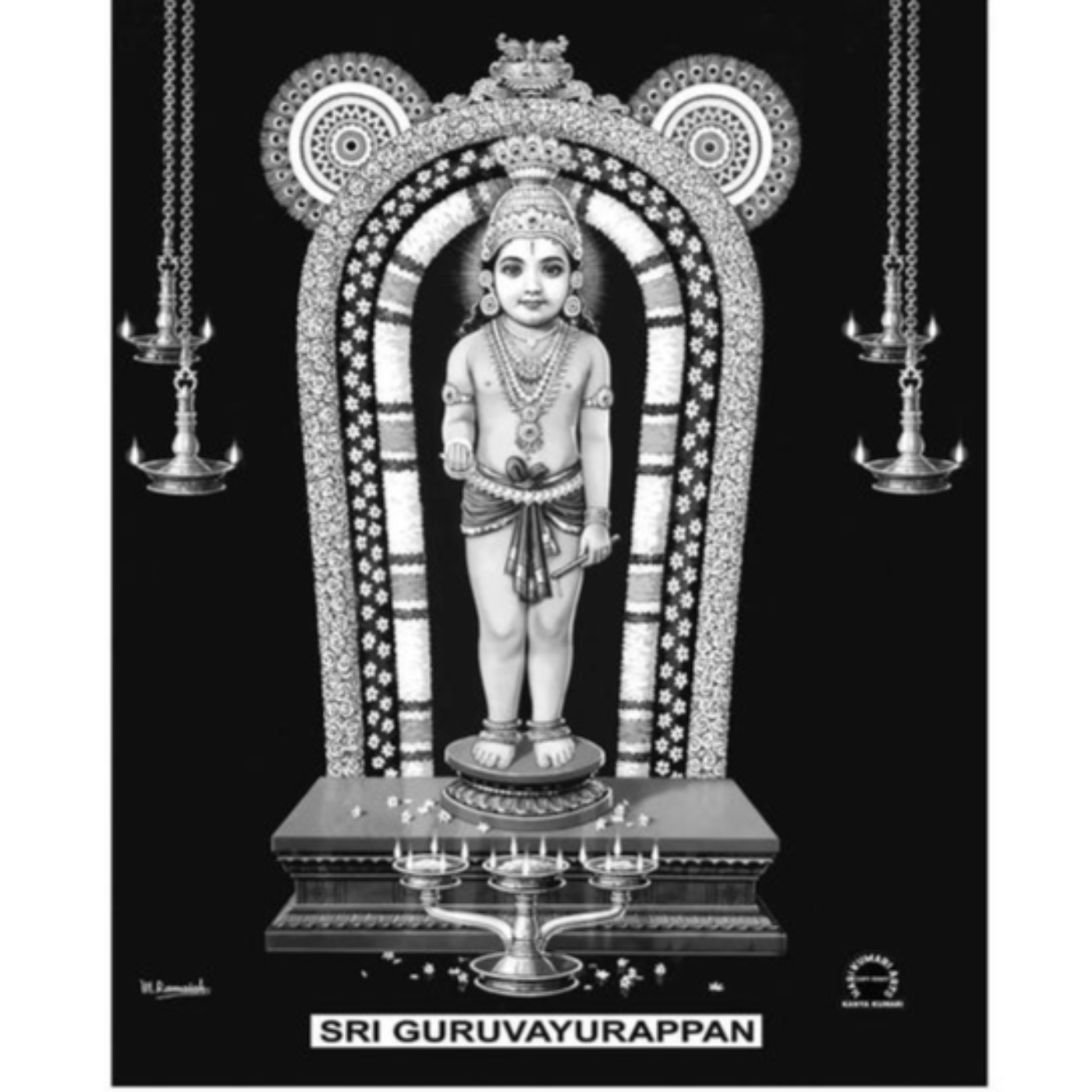
Dasakam 011 - Sloka 03
हरि ओम् || Hari OmThe benefits of Chanting Shlokas: Health Low blood pressure, regulated heart rate, balanced nervous system, Mental health Calm mind, less stress Clear & positive thoughts. Confidence & happiness, Peace, & wellness. Communication Enhance pronunciation, phonetics, concentration & memory. Spiritual Higher spiritual realms. Vibrating sounds of shlokas resonate with the energy of the universe. Meditation Help calm the mind into a meditative state. The "aum" sound, is the base sound of the universe. Positive vibrations & remove negative energy in the environment. Unlike olden days teachings of shlokas to children by the elders at home is becoming rare. The objective of this channel is to motivate children to learn shlokas and gain the benefits. Teaching Pattern is simple for children to easily follow and learn. Learning pattern is similar to the olden methods of learning from guru. Let the whole world be filled with happiness and peace).Shriman Narayaniyam: From Adi Shankaracharya to countless others, many have emerged to enrich Hinduism with their contributions.One such chosen devotee of the 16th century was Melpathur Narayana BhattathiriAchyuta Pisharadi taught Bhattathiri all forms of knowledge. His guru suffered from severe rheumatism in old age, He beseeched the Lord, asking for the disease to be transferred to him so that his guru could continue to serve and teach. In his immense sacrifice, Bhattathiri willingly took on the disease, and his guru recovered.Although he bore the disease out of devotion, the intensity of his suffering became unbearable. The Lord, who had given him the disease, also provided a way to alleviate it. A learned scholar named Thunjath Ramanujan Ezhuthachan advised Bhattathiri to visit Guruvayur and pray there.Enduring severe pain, Bhattathiri made his way to the Guruvayur temple, At the sanctum of Guruvayurappan, he heard a divine voice instructing him, “Sing about Me, starting from the Matsya (fish) avatar.” Realizing the Lord was asking him to compose verses on His incarnations, Bhattathiri immersed himself in the task.For 100 days, Bhattathiri stayed at the Guruvayur temple, composing one dashakam (10 verses) every day, resulting in 1,036 shlokas, now known as "Shriman Narayaneeyam."This monumental work is a concise retelling of the "Shrimad Bhagavatam". Bhattathiri composed it with deep devotion, often asking the Lord for confirmation of the events described, to which the Lord responded affirmatively.At the end of every 10 verses, Bhattathiri expressed his own suffering and prayed for relief. When the work was completed, his disease was cured, and the text was formally presented at the Guruvayur temple.The recital of the Narayaneeyam moved everyone to tears, as it beautifully encapsulated the glory of the Lord and the sanctity of Guruvayur. This divine gift became a treasured legacy of the Guruvayur temple, inspiring its translation into many languages and finding a place in every Hindu home. It is believed that chanting the Narayaneeyam brings prosperity, cures severe ailments, removes planetary afflictions, and bestows peace, longevity, and happiness.Every Hindu should read or chant it regularly, as even one verse a day can resolve countless challenges.If you have any questions, please email us at learntochant[at]outlook.com.श्री गुरुभ्यो नमः || śrī gurubhyo namaḥ
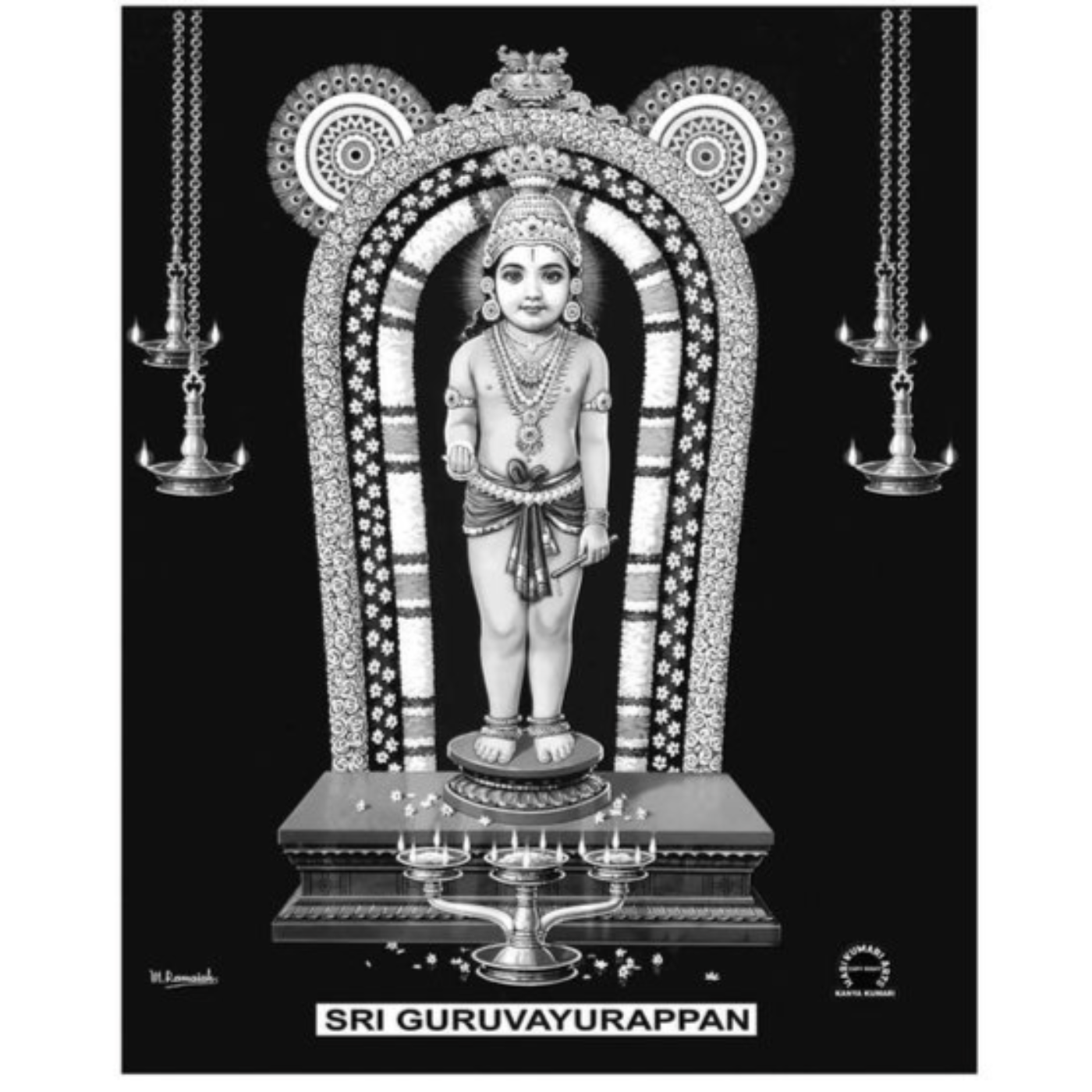
S11 Ep 2Dasakam 011 - Sloka 02
हरि ओम् || Hari OmThe benefits of Chanting Shlokas: Health Low blood pressure, regulated heart rate, balanced nervous system, Mental health Calm mind, less stress Clear & positive thoughts. Confidence & happiness, Peace, & wellness. Communication Enhance pronunciation, phonetics, concentration & memory. Spiritual Higher spiritual realms. Vibrating sounds of shlokas resonate with the energy of the universe. Meditation Help calm the mind into a meditative state. The "aum" sound, is the base sound of the universe. Positive vibrations & remove negative energy in the environment. Unlike olden days teachings of shlokas to children by the elders at home is becoming rare. The objective of this channel is to motivate children to learn shlokas and gain the benefits. Teaching Pattern is simple for children to easily follow and learn. Learning pattern is similar to the olden methods of learning from guru. Let the whole world be filled with happiness and peace).Shriman Narayaniyam: From Adi Shankaracharya to countless others, many have emerged to enrich Hinduism with their contributions.One such chosen devotee of the 16th century was Melpathur Narayana BhattathiriAchyuta Pisharadi taught Bhattathiri all forms of knowledge. His guru suffered from severe rheumatism in old age, He beseeched the Lord, asking for the disease to be transferred to him so that his guru could continue to serve and teach. In his immense sacrifice, Bhattathiri willingly took on the disease, and his guru recovered.Although he bore the disease out of devotion, the intensity of his suffering became unbearable. The Lord, who had given him the disease, also provided a way to alleviate it. A learned scholar named Thunjath Ramanujan Ezhuthachan advised Bhattathiri to visit Guruvayur and pray there.Enduring severe pain, Bhattathiri made his way to the Guruvayur temple, At the sanctum of Guruvayurappan, he heard a divine voice instructing him, “Sing about Me, starting from the Matsya (fish) avatar.” Realizing the Lord was asking him to compose verses on His incarnations, Bhattathiri immersed himself in the task.For 100 days, Bhattathiri stayed at the Guruvayur temple, composing one dashakam (10 verses) every day, resulting in 1,036 shlokas, now known as "Shriman Narayaneeyam."This monumental work is a concise retelling of the "Shrimad Bhagavatam". Bhattathiri composed it with deep devotion, often asking the Lord for confirmation of the events described, to which the Lord responded affirmatively.At the end of every 10 verses, Bhattathiri expressed his own suffering and prayed for relief. When the work was completed, his disease was cured, and the text was formally presented at the Guruvayur temple.The recital of the Narayaneeyam moved everyone to tears, as it beautifully encapsulated the glory of the Lord and the sanctity of Guruvayur. This divine gift became a treasured legacy of the Guruvayur temple, inspiring its translation into many languages and finding a place in every Hindu home. It is believed that chanting the Narayaneeyam brings prosperity, cures severe ailments, removes planetary afflictions, and bestows peace, longevity, and happiness.Every Hindu should read or chant it regularly, as even one verse a day can resolve countless challenges.If you have any questions, please email us at learntochant[at]outlook.com.श्री गुरुभ्यो नमः || śrī gurubhyo namaḥ
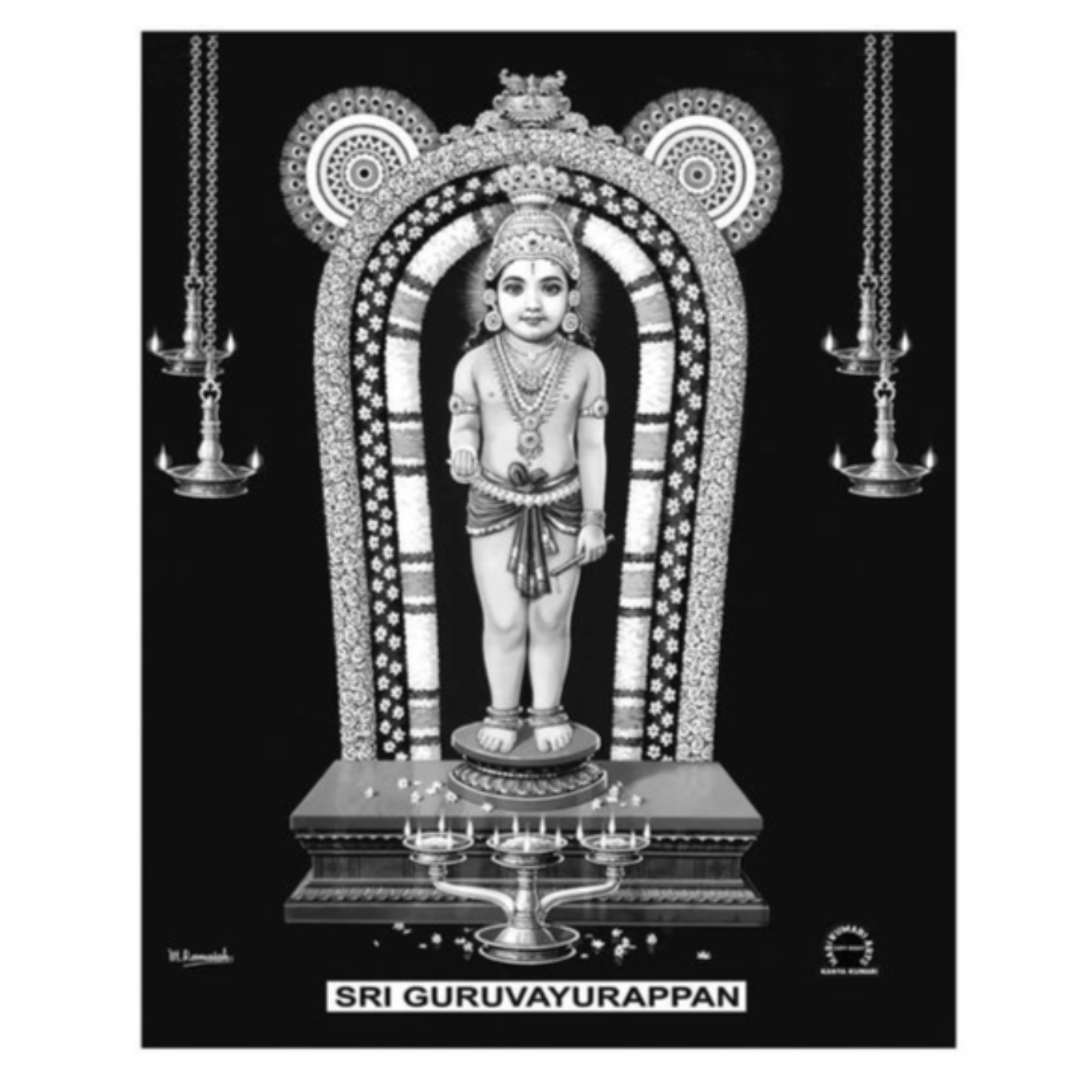
S11 Ep 1Dasakam 011-Sloka 01
हरि ओम् || Hari OmThe benefits of Chanting Shlokas: Health Low blood pressure, regulated heart rate, balanced nervous system, Mental health Calm mind, less stress Clear & positive thoughts. Confidence & happiness, Peace, & wellness. Communication Enhance pronunciation, phonetics, concentration & memory. Spiritual Higher spiritual realms. Vibrating sounds of shlokas resonate with the energy of the universe. Meditation Help calm the mind into a meditative state. The "aum" sound, is the base sound of the universe. Positive vibrations & remove negative energy in the environment. Unlike olden days teachings of shlokas to children by the elders at home is becoming rare. The objective of this channel is to motivate children to learn shlokas and gain the benefits. Teaching Pattern is simple for children to easily follow and learn. Learning pattern is similar to the olden methods of learning from guru. Let the whole world be filled with happiness and peace).Shriman Narayaniyam: From Adi Shankaracharya to countless others, many have emerged to enrich Hinduism with their contributions.One such chosen devotee of the 16th century was Melpathur Narayana BhattathiriAchyuta Pisharadi taught Bhattathiri all forms of knowledge. His guru suffered from severe rheumatism in old age, He beseeched the Lord, asking for the disease to be transferred to him so that his guru could continue to serve and teach. In his immense sacrifice, Bhattathiri willingly took on the disease, and his guru recovered.Although he bore the disease out of devotion, the intensity of his suffering became unbearable. The Lord, who had given him the disease, also provided a way to alleviate it. A learned scholar named Thunjath Ramanujan Ezhuthachan advised Bhattathiri to visit Guruvayur and pray there.Enduring severe pain, Bhattathiri made his way to the Guruvayur temple, At the sanctum of Guruvayurappan, he heard a divine voice instructing him, “Sing about Me, starting from the Matsya (fish) avatar.” Realizing the Lord was asking him to compose verses on His incarnations, Bhattathiri immersed himself in the task.For 100 days, Bhattathiri stayed at the Guruvayur temple, composing one dashakam (10 verses) every day, resulting in 1,036 shlokas, now known as "Shriman Narayaneeyam."This monumental work is a concise retelling of the "Shrimad Bhagavatam". Bhattathiri composed it with deep devotion, often asking the Lord for confirmation of the events described, to which the Lord responded affirmatively.At the end of every 10 verses, Bhattathiri expressed his own suffering and prayed for relief. When the work was completed, his disease was cured, and the text was formally presented at the Guruvayur temple.The recital of the Narayaneeyam moved everyone to tears, as it beautifully encapsulated the glory of the Lord and the sanctity of Guruvayur. This divine gift became a treasured legacy of the Guruvayur temple, inspiring its translation into many languages and finding a place in every Hindu home. It is believed that chanting the Narayaneeyam brings prosperity, cures severe ailments, removes planetary afflictions, and bestows peace, longevity, and happiness.Every Hindu should read or chant it regularly, as even one verse a day can resolve countless challenges.If you have any questions, please email us at learntochant[at]outlook.com.श्री गुरुभ्यो नमः || śrī gurubhyo namaḥ