Hardiness with Dr Paul Taylor
751 episodes — Page 7 of 16
Explore The Fascinating World of Your Endocannabinoid System, with Dr. Jim Connell
In this episode of The Paul Taylor Podcast, I dive deep into the fascinating world of the endocannabinoid system with Dr. Jim Connell, a leading medical expert, unravelling the intricate mechanisms that govern our body's most sophisticated self-regulation system. We explore how this complex biological network influences everything from our mental health and stress responses to immune function and neurogenesis, challenging traditional medical paradigms and revealing the body as an interconnected ecosystem rather than a collection of isolated parts. If you're seeking to understand how your body maintains balance, the profound implications of cannabinoid research, and actionable insights into supporting your endocannabinoid system, this conversation is packed with groundbreaking scientific revelations that could transform your approach to holistic health. Key Topics: From GP to Endocannabinoid Expert: Understanding the Holistic Approach to Medical Research The Endocannabinoid System: A Complex Ecosystem for Bodily Homeostasis and Balance Receptor Functions and Interactions: CB1 and CB2 Receptors Explained Neurological Insights: The Endocannabinoid System's Role in Mood, Stress, and Anxiety Medical Cannabis and Autoimmune Conditions: Exploring Potential Therapeutic Effects THC, Teenage Brain Development, and the Risk of Psychosis: A Critical Examination Future of Cannabinoid Research: Potential Impacts on Metabolism, Immune System, and Neurogenesis Key Takeaways: View your body as an interconnected ecosystem rather than a collection of isolated parts. Investigate what nutrients might support your endocannabinoid system's optimal functioning. Learn to recognise how your body rebalances itself under chronic stress. Be particularly cautious about high-THC cannabis use, especially for teenagers. Consider how the endocannabinoid system influences your immune and mental health holistically. Understand the link between the endocannabinoid system and your cellular energy and brain health. Stay curious and informed about emerging research on the endocannabinoid system. Connect with Dr. Jim ConnellLearn more about Dr. Jim ConnellDr. Jim Connell on LinkedInConnect with Paul Taylor:Learn more about Paul TaylorPaul Taylor on LinkedInPaul Taylor on InstagramPaul Taylor on YouTube Support the Podcast:If you found this episode valuable, please consider subscribing, rating, and leaving a review on your preferred podcast platform. Your support helps us reach more people with important conversations like this one. Share this episode with someone who might benefit from hearing it—emotional eating is more common than we think, and this conversation could make a difference in someone's life.See omnystudio.com/listener for privacy information.
Wisdom Wednesdays: The Hidden Harms of Food Emulsifiers
See omnystudio.com/listener for privacy information.
Mojo Monday - Anxiety and the Desire to Live Well: Two Sides of the Same Coin
In our Western culture, we often see anxiety, fear, sadness as problems to fix - barriers to overcome before we can truely live. But what if these feelings are only one side of our story? What if, by flipping the coin, we uncover something deeply meaningful? This week, Carly explores the two sides of the coin that make us human and why embracing both is essential to living fully.See omnystudio.com/listener for privacy information.
How to Transform Your Longevity Strategy in 6 Months Using Holistic Regenerative Approaches with Dr. Jeff Gross
In this episode of The Paul Taylor Podcast, I sit down with Dr. Jeff Gross, a regenerative stem cell medicine and anti-aging specialist and dig deep into the cutting-edge world of regenerative medicine, exploring the revolutionary potential of stem cell therapies, exosomes, and holistic approaches to longevity. Tune in as Dr. Gross unpacks the complex landscape of cellular treatments, from regional insights in Las Vegas to groundbreaking technologies that could transform how we understand ageing, healing, and human potential. He reveals the science behind stem cell therapies, the game-changing implications of exosomes, and how emerging medical technologies are redefining our approach to health, recovery, and cellular rejuvenation. Whether you're a healthcare professional, someone interested in preventative medicine, or simply curious about the future of human health, this episode offers unprecedented insights into the world of regenerative medicine and its potential to reshape our understanding of wellness and longevity. Key Topics: Las Vegas: Exploring Regional Diversity in the United States Stem Cell Therapies: An Overview of Types and Current Approaches Regenerative Medicine Applications: Potential treatments for orthopaedic conditions Exosomes: A Potential Game-Changing Medical Technology Future of Longevity and Regenerative Medicine: Potential technological advances Regulatory Landscape and Medical Limitations Holistic Approach to Regenerative Treatment: Importance of lifestyle factors Key Takeaways: Start regenerative treatments early to maximise cellular health and prevent potential issues. Combine regenerative therapies with a healthy lifestyle for optimal results. Explore stem cell and exosome therapies for diverse medical applications from injury recovery to potential neurological management. Understand that treatment effectiveness varies based on individual health status and personalised factors. Stay informed about emerging regenerative medicine technologies and their potential breakthrough applications. Research thoroughly and consult specialists before pursuing any regenerative treatment. View ageing as a complex process and consider regenerative treatments as part of a comprehensive health strategy. Episode Timestamps: 00:00:07 - Vegas Connections: Introducing another Las Vegas guest 00:02:22 - Stem Cell Journey: Path to studying stem cell therapies 00:07:31 - Stem Cell Types: Overview of different stem cell therapies 00:18:00 - Current Treatments: Present applications of regenerative medicine 00:21:51 - Surgical Alternatives: Potential stem cell treatments for joints and spine 00:26:10 - Treatment Benefits: Advantages beyond traditional medical approaches 00:30:43 - Therapy Potential: Possible treatments for various medical conditions 00:34:21 - Exosome Delivery: Targeting cellular inflammation through exosomes 00:39:23 - Addressing Doubts: Insights for medicine skeptics 00:41:23 - Lifestyle Connection: Importance of health alongside treatment 00:47:12 - Future of Medicine: Trajectory of regenerative health technologies 00:51:33 - Lifespan Perspectives: Discussions on human longevity 00:59:12 - Treatment Guidance: Advice for exploring regenerative medicine 01:01:50 - More Information: How to learn about the clinic's treatments Connect with Dr. Jeff GrossWebsite - https://recellebrate.com/Facebook - https://www.facebook.com/recellebrateInstagram - https://www.instagram.com/recellebrateTikTok - https://www.tiktok.com/@recellebrateConnect with Paul Taylor:Learn more about Paul Taylor - https://www.paultaylor.biz/Paul Taylor on LinkedIn - https://www.linkedin.com/in/paultaylor1971/Paul Taylor on Instagram - https://www.instagram.com/paultaylor.biz/Paul Taylor on YouTube - https://www.youtube.com/@thepaultaylorpodcast Support the Podcast:If you found this episode valuable, please consider subscribing, rating, and leaving a review on your preferred podcast platform. Your support helps us reach more people with important conversations like this one. Share this episode with someone who might benefit from hearing it—emotional eating is more common than we think, and this conversation could make a difference in someone's life.See omnystudio.com/listener for privacy information.
Wisdom Wednesdays: A simple and sustainable strategy for successful weight-loss - and it's not Ozempic!
See omnystudio.com/listener for privacy information.
Mojo Monday - Untangle Yourself from Your Inner Critic
All of us have an inner critic. Eckhart Tolle calls that part of us the Tormentor, we call it our inner Gremlin. Whatever you want to call it, you have a choice whether this voice dictates your life. In this episode, Carly dives into some strategies so you can get unstuck and live your life well. Loving the podcast? Consider leaving a review as it helps us keep the podcast going. Carly Taylor is a Mental Fitness Coach passionate about helping people tame their mind so they can live a rich, meaningful and fulfilled life. She is trained in ACT (Acceptance and Commitment Therapy), Japanese Psychology, is an IIN qualified Health Coach and is currently undergoing a Masters of Counselling. For more information, go to carlytaylorcoaching.com.au or follow her on Instagram: carly_taylor_coaching.See omnystudio.com/listener for privacy information.
The Elephant in the Mental Health Room with Professor John Read
Join me in this illuminating episode as I sit down with Professor John Read, a leading mental health researcher. Drawing from decades of research and clinical experience, Prof. Read explains how childhood trauma physically reshapes the brain, challenges the oversimplified "chemical imbalance" theory of depression, and reveals disturbing data about the efficacy of antidepressant medications. Through evidence-based insights and real patient experiences, Prof. Read explains why the current psychiatric system often fails those it aims to help, and why many people struggling with mental health deserve better options than just medication. Key Topics: Childhood Trauma and Mental Health: How early life trauma physically changes the brain and affects mental health in adulthood Critique of Modern Psychiatry: Examining the flaws in current psychiatric diagnostic systems and treatment approaches Antidepressant Medication: Efficacy and Concerns: Antidepressants vs Placebo and their side effects Pharmaceutical Industry Influence: How drug companies shape mental health research and treatment decisions Alternative Treatment Approaches: Exploring non-medication options for managing mental health Medication Withdrawal Support: Practical advice for safely stopping psychiatric medications Future of Mental Health Care: Discussing hopes for reform in mental health treatment, including moving away from ECT Actionable Takeaways: Remember that mental health is complex and not just about brain chemistry - explore all factors affecting your wellbeing. Share your life experiences and any past trauma with your mental health provider, as these significantly impact your current health. Research multiple treatment options beyond medication, as antidepressants aren't always more effective than placebos. If stopping antidepressants, create a careful tapering plan with your doctor to avoid confusing withdrawal symptoms with returning depression. Focus on sleep, exercise, diet, and social connections as powerful tools for mental health improvement. Before taking any psychiatric medication, investigate both benefits and risks using independent sources. Connect with support groups and advocacy organisations for guidance through your mental health journey. Connect with Professor John Read:International Institute for Psychiatric Drug Withdrawal Hearing Voices Network, England Connect with Paul Taylor:Learn more about Paul TaylorPaul Taylor on LinkedInPaul Taylor on InstagramPaul Taylor on YouTube Support the Podcast:If you found this episode valuable, please consider subscribing, rating, and leaving a review on your preferred podcast platform. Your support helps us reach more people with important conversations like this one. Share this episode with someone who might benefit from hearing it—emotional eating is more common than we think, and this conversation could make a difference in someone's life.See omnystudio.com/listener for privacy information.
Wisdom Wednesdays: Why you should reframe how you think about Lactic Acid (Lactate)
Today I discuss how our knowledge of Lactic Acid, or to be more specific, it's close cousin Lactate, which is Lactic Acid without the hydrogen ion. Most of us think about the unpleasant sensations and feelings, but research shows that Lactate has a myriad of surprising benefits for the body and brain.See omnystudio.com/listener for privacy information.
Mojo Monday - The Stuff That Shapes Our Stress Response: Early Life Experiences and Daily Fundamentals
How you respond to stress today has been significantly influenced by your early childhood experiences. However, this doesn't mean you have to be victim of the past. Carly delves into what you can do on a daily basis to help you manage your stress and live well. Carly Taylor is a Mental Fitness Coach passionate about helping people tame their mind so they can live a rich, meaningful and fulfilled life. She is trained in ACT (Acceptance and Commitment Therapy), Japanese Psychology, is an IIN qualified Health Coach and is currently undergoing a Masters of Counselling. For more information, go to carlytaylorcoaching.com.au or follow her on Instagram: carly_taylor_coaching.See omnystudio.com/listener for privacy information.
Transform Your Health Through Boosting Your Second Brain with Dr Jason Hawrelak
In today's episode, we delve into the fascinating world of your gut microbiome—often called your 'second brain'—with leading expert Dr. Jason Hawrelak - a researcher, educator, and naturopath with 25 years’ clinical experience. We explore how modern diets and environmental toxins are decimating our gut health, with shocking revelations about how 'forever chemicals' and the impact on our hea;th. From explaining faecal transplants to understanding the critical role of probiotics during antibiotic treatment, this conversation uncovers cutting-edge research about the gut-brain connection and its impact on ageing, mental health, and overall wellbeing. Whether you're struggling with digestive issues or simply want to optimise your health through personalised nutrition, this episode provides practical strategies to protect and enhance your microbiome in our modern toxic world. Key Topics: The Gut-Brain Connection: Exploring the microbiome as a 'second brain' and its communication pathways with the central nervous system Modern Diet Challenges: Processed foods, emulsifiers, and preservatives' impact on gut health and the microbiome Faecal Microbiota Transplantation (FMT): Historical context and current applications in treating various health conditions Environmental Toxins: Examining 'forever chemicals', microplastics, and their effects on gut health and human organs Antibiotics and Probiotics: Guidelines for probiotic use during antibiotic treatment and the role of Saccharomyces boulardii Ageing and the Microbiome: How gut bacteria changes with age, implications for health, and the Japanese 'ikigai' approach to healthy ageing Personalised Nutrition: The future of microbiome testing and customised dietary interventions based on individual gut profiles Key Takeaways: Minimise ultra-processed foods and preservatives to protect your gut barrier, which houses 80% of your immune system. When prescribed antibiotics, take Saccharomyces boulardii a few hours after each dose to support your gut health. Reduce exposure to 'forever chemicals' by choosing plastic-free food storage and minimising packaged foods. Eat a varied diet whilst young to build a diverse microbiome that will serve you well into old age. Follow the Japanese 'ikigai' principle by growing your own vegetables and staying active to maintain gut health as you age. Manage your stress levels actively, as there's a direct two-way relationship between stress and gut health. Consider microbiome testing for personalised dietary recommendations if you're experiencing persistent digestive issues Connect with Dr. Jason Hawrelak:Dr Jason Hawrelak on LinkedInLearn more about Dr. Jason Hawrelak: Home - Probiotic AdvisorThe Hawrelak Gut & Microbiome ClinicConnect with Paul Taylor:Learn more about Paul TaylorPaul Taylor on LinkedInPaul Taylor on InstagramPaul Taylor on YouTubeSupport the Podcast:If you found this episode valuable, please consider subscribing, rating, and leaving a review on your preferred podcast platform. Your support helps us reach more people with important conversations like this one. Share this episode with someone who might benefit from hearing it—emotional eating is more common than we think, and this conversation could make a difference in someone's life.See omnystudio.com/listener for privacy information.
Wisdom Wednesdays: Is this the most significant way to impact lifetime risk of certain chronic diseases?
See omnystudio.com/listener for privacy information.
Mojo Monday - Letting Go of How Life 'Should Be' with Carly Taylor
In this episode, Carly explores the power of embracing life as it truely is. We often get stuck on how things 'should' be, but that mindset can lead to frustration, stress and disappointment. Whether it's family gatherings, challenging situations, or unexpected turns in life, learning to accept reality helps us find peace and live more fully in the present. Carly will dive into practical ways to release the struggle and focus on what truely matters. Carly Taylor is a Mental Fitness Coach passionate about helping people tame their mind so they can live a rich, meaningful and fulfilled life. She is trained in ACT (Acceptance and Commitment Therapy), Japanese Psychology, is an IIN qualified Health Coach and is currently undergoing a Maters of Counselling. For more information, go to carlytaylorcoaching.com.au or follow her on Instagram: carly_taylor_coaching.See omnystudio.com/listener for privacy information.
Why You Need to be A MITOchondriac Part 2 with Dr. Christabelle Yeoh
In this second part of the mind-blowing conversation on The Paul Taylor Podcast, we explore the fascinating world of cellular health with Dr. Christabelle Yeoh who challenges our understanding of light, cold exposure, and mitochondrial function. Through a blend of cutting-edge science and practical applications, we uncover why sunlight impacts far more than just vitamin D levels, how red-light therapy directly activates your cellular powerhouses, and why your mother's genes might influence your mental health more than previously thought. From the science of cold exposure progression to the truth about trendy NAD+ supplements, this episode breaks down complex biochemistry into actionable steps for optimising your health. Using real-world examples and clinical experience, we tackle common misconceptions about sunlight exposure in Australia and reveal why mastering the basics might be more powerful than advanced biohacking techniques. Key Topics: Red Light Therapy & Mitochondria: Exploring how red and near-infrared light directly impacts mitochondrial function through Complex IV and cytochrome c oxidase Sunlight & Health Beyond Vitamin D: Australia's sun exposure paradox and the broader impacts of sunlight on hormones, mood, and metabolic health Mitochondrial Psychobiology: Examining the connection between mitochondrial function and psychological health, including maternal inheritance patterns Nutritional Support for Mitochondria: Detailed analysis of how specific nutrients, including B vitamins, NAD+, and methylation support mitochondrial complexes Supplementation Strategies: Critical evaluation of supplements including methylated B vitamins, NMN (Nicotinamide Mononucleotide), and NR (Nicotinamide Riboside) Hormetic Stressors: Overview of beneficial stressors including fasting, cold exposure, and exercise for optimising mitochondrial health Cold Therapy Progression: Practical guidance on introducing cold exposure, from face plunges to cold showers, with emphasis on appropriate progression for different health conditions Key Takeaways: Prioritise regular sunlight exposure as it directly activates mitochondria and influences hormones, mood, and metabolism beyond just vitamin D production. Begin cold exposure therapy with gentle face plunges or brief cold showers rather than jumping straight into ice baths, especially if dealing with chronic conditions. Incorporate regular fasting into your routine as a fundamental tool for optimising mitochondrial function and metabolic flexibility. Consider personalised B vitamin supplementation based on your individual genetic makeup and health requirements. Support your mitochondrial complexes through targeted nutrition, NAD support for Complex 1, and red light therapy for Complex 4 Master the fundamental health practices before advancing to more complex biohacking interventions. Include strategic exercise in your routine as it's a cornerstone of mitochondrial health and function. Connect with Christabelle Yeoh:Christabelle Yeoh on LinkedInLearn about Next Practice Genbiome ClinicLearn about Mito Core ClinicConnect with Paul Taylor:Learn more about Paul Taylor Paul Taylor on LinkedInPaul Taylor on Instagram Paul Taylor on YouTube Support the Podcast:If you found this episode valuable, please consider subscribing, rating, and leaving a review on your preferred podcast platform. Your support helps us reach more people with important conversations like this one. Share this episode with someone who might benefit from hearing it—emotional eating is more common than we think, and this conversation could make a difference in someone's life.See omnystudio.com/listener for privacy information.
Wisdom Wednesdays: Don't miss out on this nutrient proven to reduce your biological age.
Of all the touted strategies and supplement touted to reduce your biological age and rate of aging, one stands out for the strength of the evidence, and we explore it on this week's Wisdom Wednesdays.See omnystudio.com/listener for privacy information.
Mojo Monday: Willingness vs Avoidance: the Choice to Live Fully with Carly Taylor
In today's episode, Carly Taylor talks about the skill of Willingness and how it can shift us from avoidance to fully engaging with life. Willingness is a skill to stop struggling with difficult emotions and start living in alignment with the important things in your life. Carly Taylor is a Mental Fitness Coach passionate about helping people tame their mind so they can live a rich, meaningful and fulfilled life. She is trained in ACT (Acceptance and Commitment Therapy), Japanese Psychology, is an IIN qualified Health Coach and is currently undergoing a Maters of Counselling. For more information, go to carlytaylorcoaching.com.au or follow her on Instagram: carly_taylor_coaching.See omnystudio.com/listener for privacy information.
Why You Need To Be A MITOchondriac Part 1 with Dr. Christabelle Yeoh
Journey deep into your cellular powerhouses - the mitochondria - in this eye-opening episode of The Paul Taylor Podcast. I sit down with Dr. Christabelle Yeoh, an Integrative Medicine Physician, with over 20 years of experience in clinical care, as she reveals how these ancient cellular components govern everything from brain health to athletic performance, and why they might be the key to understanding conditions like depression, diabetes, and dementia. Discover the fascinating evolutionary link between fructose and energy regulation, explore cutting-edge insights about oxygen therapy, and learn practical strategies to optimise your cellular health. Whether you're battling chronic health issues or simply want to understand the hidden mechanisms controlling your wellbeing, this conversation offers revolutionary insights that bridge complex biology with actionable solutions. Join us as we challenge conventional medical wisdom and uncover a fresh perspective on health and healing. Key Topics: Integrative Medicine Journey: From conventional to integrative medicine, including pursuing advanced nutrition education after medical residency Metabolic Health & Disease Risk: Deep dive into metabolic syndrome's connection to major health conditions including cardiovascular disease, type 2 diabetes, and dementia Mitochondrial Function & Evolution: Understanding mitochondria's vital role in cellular health, energy production, and their ancient evolutionary origins Brain Energy & Mental Health: Exploring the brain's energy demands and how mitochondrial dysfunction impacts neurological and mental health conditions Fructose & Metabolic Crisis: Analysing Professor Richard Johnson's research on fructose consumption, genetic adaptations, and mitochondrial energy production Mitohormesis & Adaptive Stress: Understanding hormetic stressors and their beneficial effects on mitochondrial function and overall health Oxygen Therapy & Performance: Hyperbaric oxygen therapy (HBOT) and intermittent hypoxia for chronic disease management and performance optimisation Key Takeaways: Look beyond blood glucose readings alone, as metabolic dysfunction can exist even with normal blood sugar levels. Request comprehensive metabolic testing as normal blood sugar levels don't guarantee metabolic health. Reduce processed fructose intake to protect mitochondrial function and maintain healthy energy production. Support your brain's high energy demands by prioritising mitochondrial health through lifestyle and nutrition choices. Start gradually introducing beneficial stressors like controlled exercise, fasting, or temperature variation to strengthen your mitochondria. Match your oxygen therapy to your health status: choose HBOT for chronic conditions or intermittent hypoxia for performance enhancement. Take preventive action against metabolic syndrome before symptoms appear to reduce risk of serious health conditions. Identify and eliminate lifestyle habits that force your body into chronic anaerobic metabolism. Connect with Christabelle Yeoh:Christabelle Yeoh on LinkedInLearn about Next Practice Genbiome ClinicLearn about Mito Core ClinicConnect with Paul Taylor:Learn more about Paul TaylorPaul Taylor on LinkedInPaul Taylor on InstagramPaul Taylor on YouTube Support the Podcast:If you found this episode valuable, please consider subscribing, rating, and leaving a review on your preferred podcast platform. Your support helps us reach more people with important conversations like this one. Share this episode with someone who might benefit from hearing it—emotional eating is more common than we think, and this conversation could make a difference in someone's life.See omnystudio.com/listener for privacy information.
Wisdom Wednesdays: Science uncovers why chocolate, chips, wine and beer are more tempting after a hard day's work - and what to do about it.
See omnystudio.com/listener for privacy information.
Mojo Monday - Preparing for a Stressful Event: A Mind-Body Approach
When we're preparing for an important event, like school exams, a job interview, a performance or even a date, we naturally get stressed and anxious. In this episode, Carly gives you tips to manage that stress and anxiety so it doesn't take over and affect your performance. These powerful strategies can help you perform at your best on the big day. Carly Taylor is a Mental Fitness Coach passionate about helping people tame their mind so they can live a rich, meaningful and fulfilled life. She is trained in ACT (Acceptance and Commitment Therapy), Japanese Psychology, is an IIN qualified Health Coach and is currently undergoing a Maters of Counselling. For more information, go to carlytaylorcoaching.com.au or follow her on Instagram: carly_taylor_coaching.See omnystudio.com/listener for privacy information.
Be the Oldest in the Gym, Not the Youngest in the Nursing Home Part 2
Dive into the world of exercise science with physiology and performance expert Dr. Stacy Sims. Discover age-optimised fitness strategies from youth to golden years, unpack the science of recovery, and demystify cardio training. Learn how to adapt your workouts through hormonal changes, understand the mental health benefits of exercise, and explore nutrition's role in longevity. Whether you're a fitness novice or seasoned athlete, gain actionable insights to revolutionise your health and add life to your years. This episode spans generations, offering wisdom on everything from youth sports to advanced techniques for the 50+ crowd. Key Topics: Age-Optimised Exercise Protocols: Tailored strength and cardio recommendations for different life stages, from twenties through to post-menopause/andropause, with evidence-based adjustments for optimal results. The Science of Recovery and Training Intensity: Gender differences in rest periods, central nervous system impacts, and how to properly implement supersets and heavy lifting for maximum benefit. Cardio Training Demystified: Deep dive into Zone 2 training, high-intensity intervals, and sprint protocols, exploring the science behind mitochondrial adaptations and their impact on overall fitness gains. Hormonal Transitions and Exercise Adaptation: How to modify training approaches during menopause and andropause, with specific guidelines for maintaining strength and metabolic health through hormonal changes. Youth Fitness Foundations: The importance of teaching diverse sports and proper lifting techniques to young people, emphasising the psychological benefits of strength training and movement competency. Nutrition Fundamentals for Longevity: Protein requirements as we age, the role of plant-based diets, and the significance of fermented foods in overall health optimisation. Advanced Training Techniques: Exploration of plyometrics, specialised protocols for 50+ fitness enthusiasts, and how to balance different training modalities for comprehensive health benefits. Memorable Quotes: “Resistance training is a bedrock there, but it has not been used as a bedrock.” “Don't fall into that whole Fitzbo idea that the smaller you are, the better. That's a man putting you in a box, man.” “When we look at morphology, women are more fatigue resistant.” “when we're supersetting, we're doing more of a metabolic stress. We're not doing a neuromuscular stress” “be the oldest one in the gym, not the youngest one in the nursing home” “You got to expand. You got to eat a lot of different things.” Actionable Takeaways: Experiment with different exercise intensities, including Zone 2 cardio and high-intensity interval training, to find the optimal balance for your fitness goals. Start strength training in your youth and maintain it throughout life to prevent early-onset muscle loss and its associated health risks. Modify your workouts to account for hormonal changes during menopause and andropause, focusing on maintaining muscle mass and bone density. Listen to your body and take rest periods according to your gender Ensure you're consuming enough protein, especially as you age, to support muscle maintenance and overall health. Add a variety of fermented foods to your diet to support gut health, which plays a crucial role in overall well-being and possibly brain health. Resources Mentioned: https://www.drstacysims.com/ Connect with Dr Stacy Sims:Learn more about Dr Stacy Sims Dr Stacy Sims on LinkedInDr Stacy Sims on FacebookDr Stacy Sims on InstagramDr Stacy Sims on YouTubeConnect with Paul Taylor:Learn more about Paul Taylor Paul Taylor on LinkedInPaul Taylor on InstagramPaul Taylor on YouTubeSupport the Podcast:If you found this episode valuable, please consider subscribing, rating, and leaving a review on your preferred podcast platform. Your support helps us reach more people with important conversations like this one. Share this episode with someone who might benefit from hearing it—emotional eating is more common than we think, and this conversation could make a difference in someone's life.See omnystudio.com/listener for privacy information.
Wisdom Wednesdays: The Six Most Important Health Biomarkers to Track
We all know the importance of regular check-ups, but what should you pay the most attention to? Today I discuss what I think are the 6 most important biomarkers to track, as when they go awry, they dramatically increase your risk of Cardiovascular Disease, Type 2 Diabetes, Dementia, some Cancers, Fatty Liver Disease, Chronic kidney Disease and more. See omnystudio.com/listener for privacy information.
Mojo Monday: How To Stop Emotions and Thoughts from Taking Over With Carly Taylor
This week, Carly talks about a strategy based on ACT and Viktor Frankl's Logo Therapy to help manage unpleasant thoughts and emotions so they don't gain power and dictate what we do. Carly Taylor is a Mental Fitness Coach passionate about helping people tame their mind so they can live a rich, meaningful and fulfilled life. She is trained in ACT (Acceptance and Commitment Therapy), Japanese Psychology, is an IIN qualified Health Coach and is currently undergoing a Maters of Counselling. For more information, go to carlytaylorcoaching.com.au or follow her on Instagram: carly_taylor_coaching.See omnystudio.com/listener for privacy information.
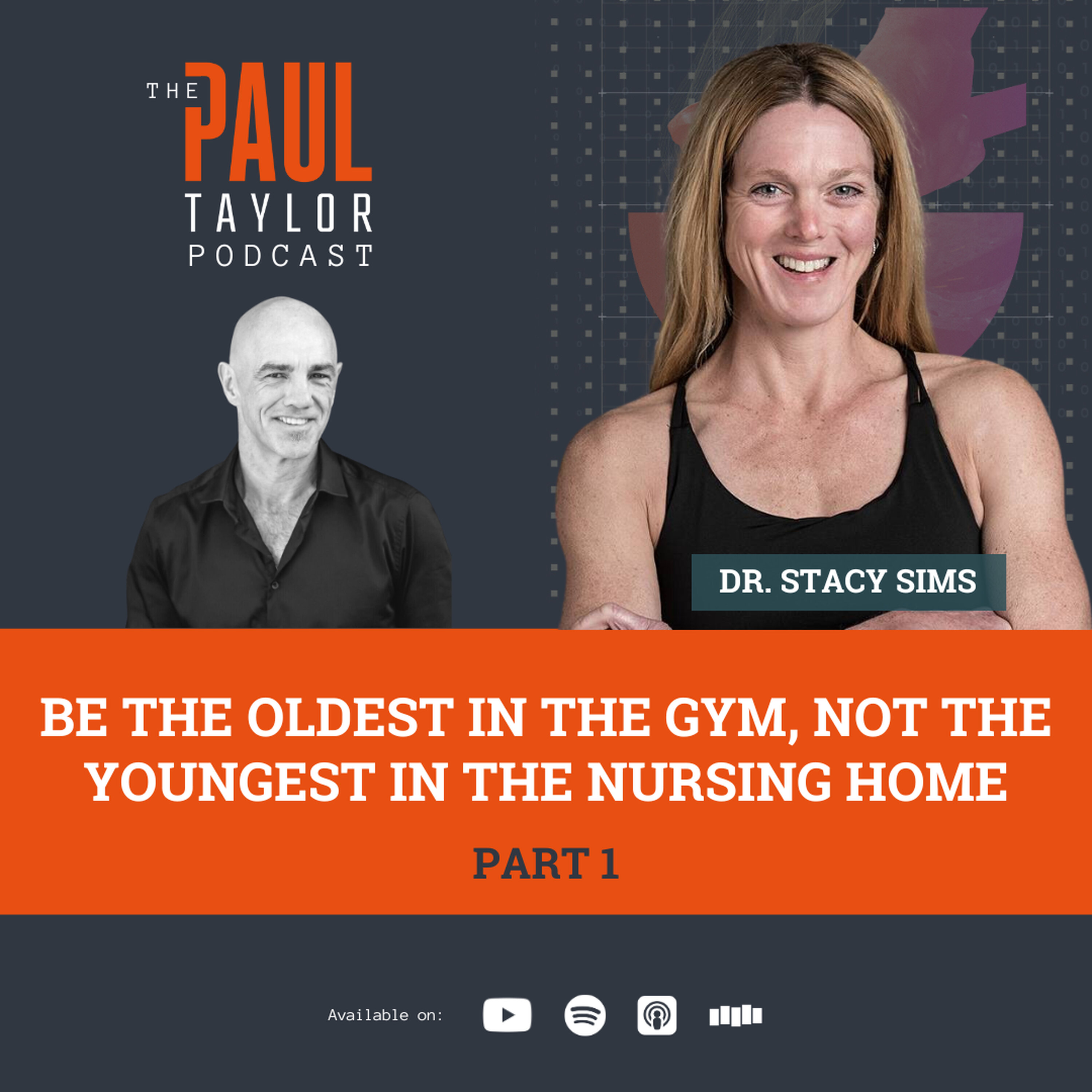
Be the Oldest in the Gym, Not the Youngest in the Nursing Home Part 1 with Stacy Sims
Discover the hidden power of exercise in transforming your health and longevity in this illuminating conversation with Dr. Sims, a leading expert in physiology and performance. This eye-opening episode explores the brain-boosting effects of physical activity and uncovers the alarming trend of early-onset muscle loss, and the myriad of health implications of losing muscle as we age. Dr Sims then outlines what training we should all be doing, and highlights important differences for peri and postmenopausal females from the rest of the population, exploring the role of maternal health in offspring development to the unique challenges of menopause, Dr. Sims provides actionable insights to optimise your wellbeing at any age. Tune in for a blend of cutting-edge science and practical tips that could revolutionise your approach to health and fitness. Key Topics: Exercise and ageing: The broad impact of physical activity on various aspects of the body's ageing process Gender bias in medical research: Historical focus on male subjects and its implications for AI in healthcare Myokines: Understanding these muscle-derived signalling proteins and their effects on metabolism and health GLUT4 and insulin sensitivity: The role of glucose transporters in metabolic health, particularly for women during menopause Brain health and exercise: The critical relationship between physical activity and cognitive function, including the importance of BDN Sarcopenia: The alarming trend of early-onset muscle loss and its long-term health consequences Maternal obesity: Its potential links to neurodevelopmental disorders in offspring, such as autism spectrum disorder and ADHD Memorable Quotes: “when we're doing intensity or even study state with some lactate production, because it does happen. seeing the brain using its preferred” “when people are severely depressed and then they get put into either resistance training or high intensity work very much. It brings them out of depression, keeps them out of there.” “As an exercise physiologist, you know, we need to teach people to train well while they're on it.” “the more muscle you have, the stronger you are and the better metabolism you have” “Osteoporosis is not just a woman's disease. We're seeing significant increase in men, younger men at that too.” Actionable Takeaways: Do regular exercise and physical activities to help improve brain health and metabolic function, and combat ageing. Be aware of gender bias in health information: Recognise that historical medical research has often focused on men, which may affect the accuracy of AI-generated health advice for women. Focus on building and maintaining muscle mass and take steps to prevent sarcopenia (muscle loss) early Especially for women approaching menopause, understand the role of GLUT4 in glucose metabolism and take measures to maintain insulin sensitivity. Engage in activities that increase Brain-Derived Neurotrophic Factor, often described as 'miracle grow' for the brain, to support cognitive function. Consider the intensity of your workouts as it plays a crucial role in health benefits Maintain a healthy weight during pregnancy Resources Mentioned: https://www.drstacysims.com/ Connect with Dr Stacy Sims:Learn more about Dr Stacy Sims Dr Stacy Sims on LinkedInDr Stacy Sims on FacebookDr Stacy Sims on Instagram Dr Stacy Sims on YouTube Connect with Paul Taylor:Learn more about Paul TaylorPaul Taylor on LinkedIn Paul Taylor on Instagram Paul Taylor on YouTube Support the Podcast:If you found this episode valuable, please consider subscribing, rating, and leaving a review on your preferred podcast platform. Your support helps us reach more people with important conversations like this one. Share this episode with someone who might benefit from hearing it—emotional eating is more common than we think, and this conversation could make a difference in someone's life.See omnystudio.com/listener for privacy information.
Wisdom Wednesdays: The Real Deal of Longevity Genes - And How To Increase The Expression of Yours
Today I discuss the remarkable longevity molecule Klotho and it's associated gene. We go into the history of it, variants which over-express it and the dramatic benefits, as well as a proven way to enhance the expression of klotho in your body and brain.See omnystudio.com/listener for privacy information.
Mojo Monday: Healing Moral Injury with Acceptance and Commitment Therapy with Carly Taylor
The term Moral Injury is when your ethical compass is thrown off course and can have a huge emotional impact on people, leading to anxiety, depression or a loss of trust. Carly looks at the research for managing Moral Injury using ACT, an effective values-focussed approach. Carly Taylor is a Mental Fitness Coach passionate about helping people tame their mind so they can live a rich, meaningful and fulfilled life. She is trained in ACT (Acceptance and Commitment Therapy), Japanese Psychology, is an IIN qualified Health Coach and is currently undergoing a Maters of Counselling. For more information, go to carlytaylorcoaching.com.au or follow her on Instagram: carly_taylor_coaching.See omnystudio.com/listener for privacy information.
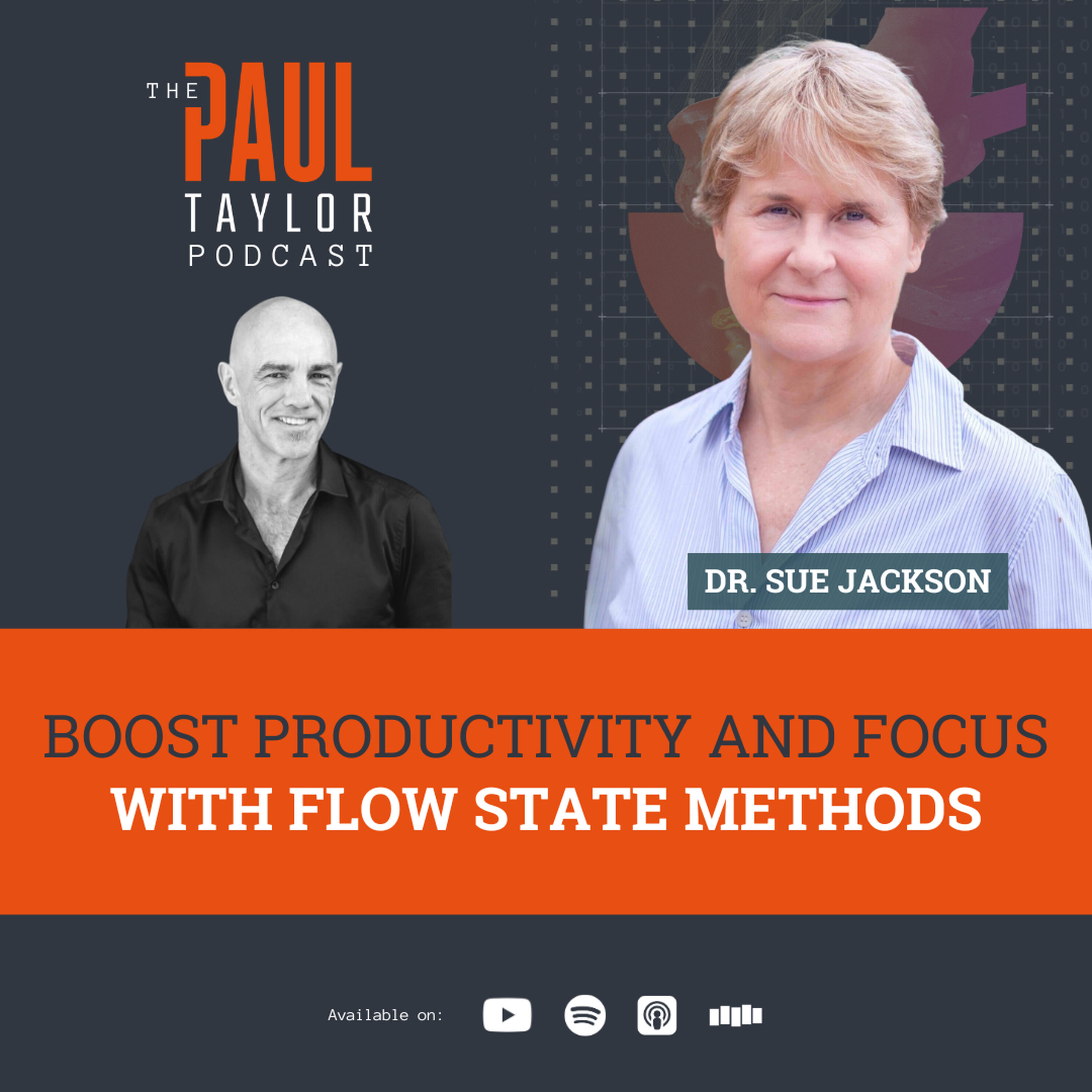
Boost Productivity and Focus with Flow State Methods with Dr. Sue Jackson
In this engaging episode, we unlock the secrets of the 'flow state' with Dr. Sue Jackson, a renowned expert in performance psychology and bestselling author. Discover how this peak state of focus and productivity, often experienced by elite athletes and artists, can be harnessed by anyone to improve daily life, work, and even exam preparation. Dr. Jackson explains flow, its nine dimensions, and how attentional control plays a crucial role in accessing this optimal state. We will also discuss the personality types, professions most prone to experiencing flow, and learn the key differences between flow, 'being in the zone,' and deep work, along with why flow isn’t a constant state. Packed with practical insights, this conversation offers actionable strategies to balance challenge and skill, overcome flow-blockers, and integrate flow into educational settings. Whether you're aiming to boost productivity, enhance learning, or find more joy in everyday activities, this episode provides a holistic guide to tapping into the power of flow. Key Topics: Flow State: Definition and Characteristics The Nine Dimensions of Flow Attentional Control and its Relationship to Flow Flow State in Various Life Areas Beyond Sport Personality Types and Professions Prone to Flow States Differences Between Flow, 'Being in the Zone', and Deep Work Integrating Flow into Educational Settings and Exam Preparation Memorable Quotes: “we take ourselves out of our comfort zone by stretching, uh, boundaries, maybe stretching the challenge a little bit higher than what we might be entirely comfortable with.” “without that ability to pay attention to refocus attention, you know, flow is not gonna happen” “it's about training our ability to be able to know where our attention is and to bring it back and again” “the culmination of having these other eight factors all happening together is that we have what's known as an autotelic experience, which means. intrinsically rewarding or enjoyable” “So if we can learn to trust ourselves in a situation that it's safe for us to remain in, unlike your example there, then we can shift from anxiety.” “high level performance, it's very much about the trust. Yeah, whereas at the lower levels, it might be you simply don't have the skills and you've got to develop them.” “if you're going to be involved in a task and you don't, your phone isn't part of that task, then having it on silent makes sense. Otherwise there will be distractions.” “it's, uh, incorrect to, to sort of think that there's just a switch that we can turn on” “we can experience flow in everyday life. And it comes down to that balance of challenges and skills” Actionable Takeaways: To achieve flow, engage in activities that stretch your abilities but are still within your capabilities. Establish specific objectives for your tasks and find ways to get quick feedback on your progress to enhance your flow experience. Develop your ability to focus and maintain concentration, as this is crucial for entering and staying in a flow state. Learn to recognise when you're in flow and when negative self-talk or distractions are pulling you out of it. Don't limit your flow experiences to sports or work; seek opportunities for flow in different aspects of your life, such as hobbies or creative pursuits. Minimise distractions and establish conditions that support deep focus and engagement in your chosen activities. Integrate flow principles into studying by breaking down revision into manageable chunks, setting clear goals, and creating a distraction-free study environment to enhance learning and exam preparation. Resources Mentioned: Body and Mind Flow by Dr. Sue Jackson Connect with Dr. Sue Jackson:Learn more about Dr Sue Jackson Dr Sue Jackson on LinkedInDr Sue Jackson on FacebookConnect with Paul Taylor:Learn more about Paul TaylorPaul Taylor on LinkedInhttps://www.linkedin.com/in/paultaylor1971/Paul Taylor on InstagramPaul Taylor on YouTube Support the Podcast:If you found this episode valuable, please consider subscribing, rating, and leaving a review on your preferred podcast platform. Your support helps us reach more people with important conversations like this one. Share this episode with someone who might benefit from hearing it—emotional eating is more common than we think, and this conversation could make a difference in someone's lifeSee omnystudio.com/listener for privacy information.
Wisdom Wednesdays: The Pros and Cons of Plant-Based Eating
Today I discuss my view on plant-based diets by looking at different systematic reviews comparing nutrient intakes of plant-based eaters versus omnivores, plus the impact of such diets on cardiovascular disease deaths and another looking at mental health outcomes. I also report on recent research comparing the cost of these diets as well. This is often a highly charged emotional debate, and lots of studies in this area have inherent biases. We know that some older studies sponsored by the meat and diary industry were flawed, as are quite a few modern studies on plant-based diets. Systematic reviews tend to weed out these weaker studies and combine the data from lots of different studies to get a clearer picture. Here's the paper on the cost of the diets. Her's the one on mental health outcomes. Here's the one on nutrient status. Here's the one on CVD risk. See omnystudio.com/listener for privacy information.
Mojo Monday - Are You Enough? The Balance Between Acceptance and Growth with Carly Taylor
In this episode, Carly explores the popular mantra 'I am enough', diving into what it really means and the misconceptions that may arise through interpretation. How we interpret this statement is important because it could mean the difference between staying stuck and moving forward. This is a thought provoking episode about the balance between embracing where you are right now, while still striving for personal growth. Carly Taylor is a Mental Fitness Coach passionate about helping people tame their mind so they can live a rich, meaningful and fulfilled life. She is trained in ACT (Acceptance and Commitment Therapy), Japanese Psychology, is an IIN qualified Health Coach and is currently undergoing a Maters of Counselling. For more information, go to carlytaylorcoaching.com.au or follow her on Instagram: carly_taylor_coaching.See omnystudio.com/listener for privacy information.
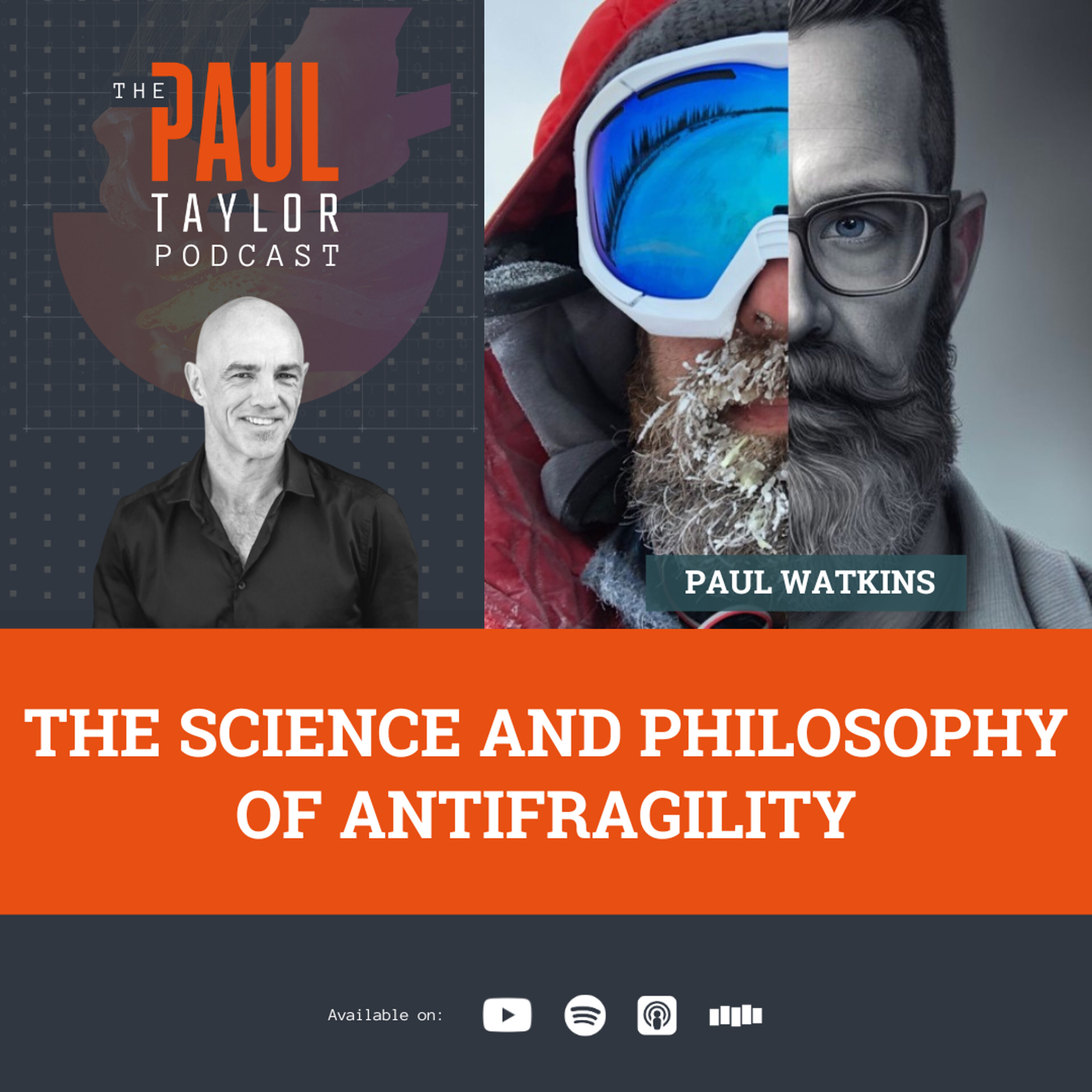
The Science and Philosophy of Antifragility with Paul Watkins
In this episode, we explore the world of extreme expeditions and mental resilience with Paul Watkins, an adventurer who has conquered challenges across seven continents. From Antarctica's icy expanses to towering mountain peaks, Paul shares gripping tales that showcase not just physical endurance, but also mental fortitude, self-discovery, and the power of human connection in adversity. He explores how gallows humour becomes a lifeline in dire situations and why confronting your limitations can be transformative. Paul unveils practical techniques for building mental resilience, including the intriguing 'future self' concept and its impact on decision-making. He challenges conventional wisdom about resilience, advocating for an 'anti-fragile' approach that thrives on stress rather than just withstanding it. These insights aren't just for extreme adventurers - they're valuable for parents fostering independence in children, professionals facing tough decisions, or anyone looking to build confidence in challenging situations. This conversation is packed with actionable takeaways, from tips on positive self-talk to a thought-provoking two-step model for decision-making. You'll learn why 'pre-paying hurt' through training is invaluable, how to harness your 'future self' for motivation, and why being merely resilient isn't enough in today's world. Whether you're scaling mountains or navigating everyday challenges, this episode offers invaluable lessons on not just surviving, but truly thriving in the face of adversity. Key Topics: Expedition Experiences: Trail running, climbing, and expeditions across seven continents, with a particular focus on Antarctic conditions and challenges. Mental Resilience: Exploring the mental vs. physical challenges in extreme situations, including the role of gallows humour as a coping strategy during difficult expeditions. Trust and Human Connection: How shared extreme experiences create lasting bonds and trust between expedition partners. Self-Discovery Through Discomfort: Why pushing personal limits and "staring into the abyss" help us learn about ourselves in extreme situations. Mindset and Self-Talk: Practical techniques for mental resilience, including the importance of positive self-talk ("I'm awesome") and framing challenges through the lens of personal values rather than as chores. Future Self Concept: The psychological concept of "future self" and how thinking about your future self can influence current decision-making and motivation. Antifragility: How to build resilience through intentional exposure to challenges, including the importance of allowing children to experience and overcome difficulties rather than overprotecting them. Key Takeaways: When doing extreme challenges, be conscious of what you're doing all the time. Always have the mindset and the framework to keep going until you reach your goal. Have a conversation with yourself and ask, “How important is it to you to win?” Discipline is an act of self-love. Two-step model for deciding whether to do something: think about it for 30 days and at the end of 30 days, reflect how much you thought about it; then ask yourself, if you could do it, and no one would ever know, and you can never tell anyone, do you still want to do it? Look at training as a pre-payment of hurt for future events. Do something today that your future you will thank you for. Being resilient is not enough; we should adapt to stress and thrive in hard environments. Connect with Guest:Website: https://www.paulwatkins.com.au/LinkedIn: https://www.linkedin.com/in/paul-watkins-92125499/Instagram: https://www.instagram.com/the.rogue.scholar/?hl=enYouTube: https://www.youtube.com/@paulwatkinsroguescholar Support the Podcast:If you found this episode valuable, please consider subscribing, rating, and leaving a review on your preferred podcast platform. Your support helps us reach more people with important conversations like this one. Share this episode with someone who might benefit from hearing it—emotional eating is more common than we think, and this conversation could make a difference in someone's life.See omnystudio.com/listener for privacy information.
Wisdom Wednesdays: Shocking New Research On Contributing Factors To ADHD and Autism Spectrum Disorders
This will be uncomfortable listening for some, but it contains a critical public health message. See omnystudio.com/listener for privacy information.
Mojo Monday - Master the Art of Listening to Understand vs. Listening to Reply with Carly Taylor
In this episode of Mojo Monday, Carly Taylor explores the importance of listening to understand rather than just responding. She breaks down the three levels of listening—internal, focused, and global—and explains how self-awareness can improve communication and deepen connections. Listen to discover how mastering these skills can help others feel truly heard and valued in your conversations.See omnystudio.com/listener for privacy information.
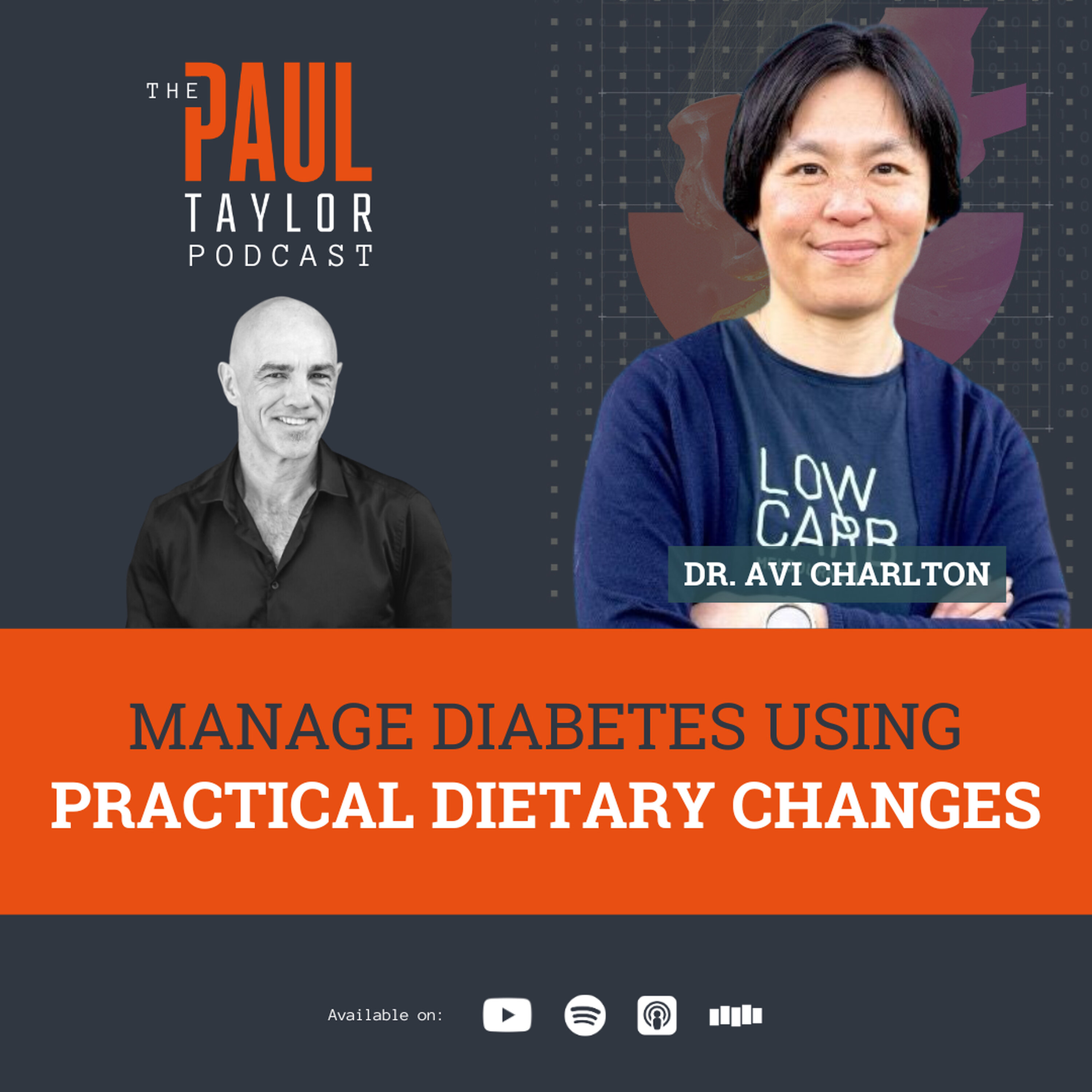
How To Prevent And Manage Diabetes Using Practical Dietary Changes with Dr. Avi Charlton
In this episode, we look closely at the critical topics surrounding diabetes and metabolic syndrome with Dr. Avi Charlton, a seasoned GP with over 20 years of experience managing these conditions. Dr. Charlton takes us on a comprehensive journey through the nuances of diabetes, distinguishing between its various forms, and unravel the mysteries of metabolic syndrome—a condition closely tied to diabetes that often goes unnoticed. Furthermore, Dr. Charlton sheds light on the serious complications of both conditions, from hidden cellular damage to life-altering issues like amputations and vision loss. She offers a fascinating exploration of how high insulin levels can affect mental health, delving into the potential link between diabetes and neurodegenerative diseases like Alzheimer's, often dubbed "Type 3 diabetes." From diet to medication, Dr. Charlton discusses actionable ways to manage and potentially reverse some of the damage caused by these conditions. This episode also covers cutting-edge topics such as the new class of diabetes drugs like Ozempic, weighing their benefits and drawbacks. Additionally, we introduce the potential of breathwork as a complementary approach to managing stress and improving overall health for those with diabetes and metabolic syndrome. Whether you're a healthcare professional looking to expand your knowledge, someone living with diabetes or metabolic syndrome, or simply interested in optimising your health, this episode provides valuable, practical insights you can use in everyday life. From understanding the role of mitochondria in cellular health to actionable dietary advice, you'll gain a comprehensive understanding of these conditions and practical strategies for management and prevention. Key Topics: Diabetes and metabolic syndrome: Definitions and distinctions Complications and health issues associated with diabetes and metabolic syndrome The impact of diabetes on mental health and cognitive function: the link between Alzheimer’s disease and diabetes The recommended diet for diabetes management Discussion on healthy fats: Monounsaturated, omega-3, omega-6, and saturated fats Patient results from dietary interventions New class of diabetes drugs: Ozempic and its variations Introduction to breathwork and its potential benefits Actionable Takeaways: Understanding a medical professional's personal journey can provide valuable insights into their approach to patient care. Making dietary changes can potentially reverse some of the complications of diabetes. A balanced, personalised diet is crucial for managing diabetes and metabolic syndrome. Focus on incorporating healthy fats, particularly monounsaturated and omega-3 fats, into your diet. Positive results can be achieved through dietary changes in patients with diabetes and metabolic syndrome. Doing Breathwork can help in managing stress and improving overall health, complementing other lifestyle changes for diabetes and metabolic syndrome management. Connect with Guest:Website: https://mlcclinic.com.au/ https://breatheinhealth.com.au/Instagram: https://www.instagram.com/dr_charlton_lifestyle_gp/LinkedIn: linkedin.com/in/avi-charltonYouTube: https://www.youtube.com/@avicharltonFacebook: https://www.facebook.com/profile.php?id=100063738752807Support the Podcast:If you found this episode valuable, please consider subscribing, rating, and leaving a review on your preferred podcast platform. Your support helps us reach more people with important conversations like this one. Share this episode with someone who might benefit from hearing it—emotional eating is more common than we think, and this conversation could make a difference in someone's life.See omnystudio.com/listener for privacy information.
Wisdom Wednesdays: Ground-Breaking Research On How Exercise Changes How You Fat Cells Behave To Improve Your Metabolic Health - Even Without Weight Loss
Many people start an exercise program in an attempt to lose weight, and end up disheartened when the scales don't move. New research shows that even without weight loss, exercise can have profound impact on how your fat cells behave, which in turn improves your metabolic health. The take-home message - prioritise fitness, rather than the scales.See omnystudio.com/listener for privacy information.
Mojo Monday - How Values and Virtues Move us Towards a Meaningful Life
In this episode of Mojo Monday, Carly explores the relationship between character strengths (or virtues) and values and how understanding the difference and applying them can move you towards are more meaningful and fulfilling life.See omnystudio.com/listener for privacy information.
Navigate the Future of Mental Health Care with Psychedelic-Assisted Therapy with Paul Liknaitzky
In this groundbreaking episode, we explore the rapidly evolving field of psychedelic-assisted therapy with Dr. Paul Liknaitzky, a leading researcher at the forefront of this innovative approach to mental health treatment. From the original and sometimes controversial studies of the 1960s to cutting-edge clinical trials today, we explore how substances once associated with counterculture are now at the forefront of mental health treatment. Dr. Liknaitzky reveals the fascinating synergy between psychedelics and psychotherapy, explaining why this combination holds such promise for treating depression, PTSD, and other mental health disorders. He discusses the latest findings on psilocybin, DMT, and MDMA, examining their unique properties and the scientific rationale behind their use in clinical settings. Through a blend of scientific evidence, real-world examples, and thoughtful analysis, we navigate the complex landscape of regulatory challenges, brain imaging advancements, and the future directions of psychedelic studies. Dr. Liknaitzky also addresses common misconceptions, emphasising the importance of controlled environments and professional guidance in this field. Whether you're a healthcare professional seeking to understand emerging treatments, someone curious about alternative approaches to mental health, or simply interested in the latest developments in psychology, this episode offers a balanced, informative look at a field that could significantly impact our approach to mental health care in the coming years. Key Topics: Historical context: Psychedelic studies from the 1960s to present The synergy of psychedelics and psychotherapy in treatment Importance of combining psychedelics with therapy for effective treatment Regulatory challenges: Recent FDA decisions on psychedelic treatments Ongoing research: Focus on psilocybin and future studies Exploring DMT: Differences from traditional formulations Promising psychedelics for treating depression Brain imaging in psychedelic research: Using fMRI to track changes Future directions in psychedelic studies Potential impact of psychedelic therapy on relationships and family dynamics Actionable Takeaways: The effect of psychedelics is intensified by psychotherapy through a psychotherapeutic process. A productive and successful psychotherapy requires deep trust between patient and therapist. Having your own psychedelic experience potentially improves your competency to be a good psychedelic therapist. We should try to remain in conversation with reality. The critical thing to remain in a relationship with is the reality of real people's lives as we treat them after we treat them. Psilocybin is a promising drug for psychedelic treatment of depression. MDMA is an empathogen that massively increases tolerance for distress and allows you to feel incredibly comfortable. Neuroimaging studies with Psilocybin and LSD cause our default mode network to get quiet. Connect with Paul Liknaitzky: Website: https://www.monash.edu/psychedelics LinkedIn: https://www.linkedin.com/in/paul-liknaitzky-phd-6a2681aa/ Support the Podcast:If you found this episode valuable, please consider subscribing, rating, and leaving a review on your preferred podcast platform. Your support helps us reach more people with important conversations like this one. Share this episode with someone who might benefit from hearing it—emotional eating is more common than we think, and this conversation could make a difference in someone's life.See omnystudio.com/listener for privacy information.
Wisdom Wednesdays: Rewilding Your Microbiome
Today I discuss a few connected research papers that show, quite amazingly, that when you spend time in nature, the microbiome of your surroundings impacts your own microbiome and much more. See omnystudio.com/listener for privacy information.
Mojo Monday - Art of Acquiescence: Strength Through Surrender with Carly Taylor
The Stoic Art of Acquiescence is one we can all apply to our lives to reduce the struggle we so often have with what we can't change in our lives. Carly tells a personal and moving story to reflect on this practice and offers you, the listener, the invitation to apply this to your own life.See omnystudio.com/listener for privacy information.
Mojo Monday - Purpose Isn't a Feeling, It's an Action with Carly Taylor
In this episode, Carly Taylor dives into the idea of finding purpose in everyday life. What if purpose isn't something you have to search for, but something you create through daily actions? This episode challenges common beliefs and offers another perspective on living a life of meaning and purpose.See omnystudio.com/listener for privacy information.
Exercise and Longevity - Insights from Paul Taylor
In this keynote talk that I gave at the ACNEM Annual Conference, I (Paul Taylor) delve deep into the life-changing impact of exercise on longevity. Using a blend of research, personal insights and real-world examples, I explain why exercise is the most powerful tool we have to prevent chronic diseases, extend lifespan, and improve our overall health. I share key data showing how regular physical activity can transform your physical and mental health, while tackling misconceptions around fitness and aging. Key Topics: The Hunter-Gatherer Genome: Why modern lifestyles are out of sync with what our bodies are built for. Exercise and Chronic Diseases: The evidence that exercise can prevent or treat 26 of the most common chronic diseases. The Hallmarks of Aging: How exercise counters the biological hallmarks of aging to improve longevity. Muscle as an Endocrine Organ: The role of myokines, released during exercise, in improving organ and brain function. Cardiorespiratory Fitness and Longevity: How VO2 max is one of the strongest predictors of longevity and how you can improve it. Strength Training for Life: The critical role of muscle strength in preventing age-related decline and supporting health. Exercise for Mental Health: How exercise boosts brain function, resilience, and helps in managing stress. Memorable Quotes: "The human genome hasn’t changed in over 45,000 years. It expects us to be physically active for normal functioning." "Exercise is the best medicine for your mitochondria—it’s manna for your cells." "Lift heavy shit. It’s as simple as that." Actionable Takeaways: Include strength training in your weekly routine to build and maintain muscle, which is key for metabolic health and longevity. Dedicate three hours a week to exercise: 1 hour of cardio, 1 hour of resistance training, and 1 hour of mindful movement such as yoga or dancing. Incorporate movement snacks throughout the day—short bursts of activity like running up stairs or quick sprints. Track and improve your VO2 max—aim to move up from a low fitness level to at least "above average." Balance steady-state cardio and high-intensity interval training (HIIT) to get the best health outcomes. Resources Mentioned: Hadza Tribe Study: Research on one of the last hunter-gatherer societies and how their physical activity levels compare to modern humans. The Hallmarks of Aging: A seminal paper on aging biology and how exercise can mitigate these effects. Support the Podcast: Please subscribe, rate, and review the podcast on your preferred platform to help spread these important messages. Share this episode with friends or family members who need extra motivation to get moving—exercise is truly the best medicine! Connect:www.paultaylor.bizPaul Taylor On LinkedInPaul Taylor On InstagramPaul Taylor On YouTube See omnystudio.com/listener for privacy information.
Wisdom Wednesdays: Alarming New research On Sacropenia
Typically thought of as a geriatric condition that starts over the age of 65 and dramatically reduces quality of life and negatively affects both healthspan and lifespan, new research suggests that it's occurring much sooner than we thought. This is a completely preventable disaster and I discuss some of the mechanisms involved.See omnystudio.com/listener for privacy information.
Mojo Monday - Strategies to Move From Overwhelm to Focussed with Carly Taylor
In this episode, Carly explores practical strategies from Eastern and Stoic philosophies to help you shift from feeling overwhelmed to feeling focussed.See omnystudio.com/listener for privacy information.
How to Rewire Your Stress Response in Minutes Using the Body-Brain Connection with Dr. Stan Rodski
Ever wondered why some people seem unfazed by stress while others crumble under pressure? In this captivating episode, Paul Taylor and Dr. Stan Rodski unlock the secrets of the body-brain connection, revealing how simple techniques like breathing and music can dramatically alter your stress response. Whether you're battling anxiety, seeking peak performance, or simply curious about the incredible power of your own nervous system, this conversation offers game-changing insights that could transform your daily life. Discover how cutting-edge science is revolutionizing our approach to mental health and learn practical tools to harness the power of your mind-body connection. Listen in for a journey that might just change the way you think about your brain – and your potential – forever. What You'll Learn: The historical divide between body and mind in Western science Exploring the reasons behind the brain-body connection Can blood tests diagnose depression? The hunt for mental health markers Your heart's secret language with your brain Understanding the crucial difference of recovery and relaxation Rewire your nervous system: The power of breath and biofeedback Brainwaves decoded: The rhythms that rule your mind Why focusing on outcomes might be hurting your progress The breathing trick that might be better than meditation Your body's hidden symphony: How everything's connected Key Takeaways: Inflammation is a key factor in understanding the brain-body connection. Focused distraction has a remarkable effect on brain activity and stress reduction. The best biomarkers we have of depression and different types of depression or anxiety are serotonin. Visualisation is a powerful technique and can help with mental disorders. The brain communicates through brainwaves. There is an electrical world going on in the body-mind connection process. Long, slow breathing is an effective way to activate the parasympathetic nervous system and the relaxation response. Brainwaves can be manipulated with sound by using certain beats and soundtracks which impacts heart rate variability. Connect with Dr. Stan RodskiWebsite: https://www.colourtation.comInstagram: https://www.instagram.com/stanrodski/LinkedIn:https://www.linkedin.com/in/stan-rodski-48985041Support the Podcast:If you found this episode valuable, please consider subscribing, rating, and leaving a review on your preferred podcast platform. Your support helps us reach more people with important conversations like this one. Share this episode with someone who might benefit from hearing it—emotional eating is more common than we think, and this conversation could make a difference in someone's life.See omnystudio.com/listener for privacy information.
Wisdom Wednesdays: Human Ageing Appears To Occur In 2 or 3 Distinct Phases - And We Can Influence It
Today I discuss some new research that shows that humans do not age linearly, but in 2 or 3 distinct bursts. Science says that we can also do something about it.See omnystudio.com/listener for privacy information.
Mojo Monday - Food Unwrapped: The NOVA Classification of Food with Carly Taylor.
In this episode, Carly explores the NOVA classification of food, breaking down what it is and why it can help take the guess work out of our food choices.See omnystudio.com/listener for privacy information.
Revolutionise Your Gut Health And Brain Health Through Diet with Dr. Emily Leeming
In this enlightening episode, Paul Taylor sits down with Dr. Emily Leeming, a dietitian and gut microbiome expert with a PhD from King's College London. They dig deep into the fascinating world of gut health, exploring how what we eat shapes our internal ecosystem and influences our overall well-being. From the surprising impact of early life events on our microbiome to the power of fiber and fermented foods, this conversation covers the latest research and practical tips for nurturing your gut health. Dr. Leeming shares insights from her innovative studies on diet, gut health, and brain inflammation, shedding light on the intricate gut-brain connection. Whether you're curious about the long-term effects of C-sections, wondering why Melbourne has such high allergy rates, or just looking to improve your diet, this episode offers something for everyone interested in the hidden world inside us all. What You'll Learn: Diving into the hidden world of your gut Your microbiome's origin story starts before birth The Impact of birthing method on a newborn's microbiome What influences microbiome development Can you renovate your gut? The truth about microbiome makeovers Gut feelings – How your belly bacteria influence your brain The unsung hero in your digestive drama Not all fiber is created equal A gut-health grocery list Whole foods vs. isolated nutrients - Which is better for gut health? Will your microbes dictate your diet? The future of personalised diets based on individual microbiomes Key Takeaways: Your first dose of microbes comes from birth. Your immune system and your gut microbiome are very much in tandem throughout your life. A more diverse gut microbiome is effectively a healthier gut microbiome. Our gut microbiome is a living ecosystem and we are able to change it throughout our life. Our gut microbiome is involved with our brain, and this can affect our mood, our cognition, and our behaviour as well. Fiber is the closest thing we have to a superfood and is not just important for our gut microbiome but our whole body health. Getting enough fiber rich containing foods and fermented foods that feed our gut bacteria are key important things to have in our diet. The BGBGs – beans, greens, berries, grains, and nuts and seeds are big high fibre hitters and are rich sources of other phytonutrients that are important for our gut and brain health. Connect with Emily Leeming: Website: dremilyleeming.substack.com , https://www.emilyleeming.com/ LinkedIn: linkedin.com/in/dr-emily-leeming-phd-rd-615b5566 Instagram: https://www.instagram.com/dremilyleeming/ Support the Podcast:If you found this episode valuable, please consider subscribing, rating, and leaving a review on your preferred podcast platform. Your support helps us reach more people with important conversations like this one. Share this episode with someone who might benefit from hearing it—emotional eating is more common than we think, and this conversation could make a difference in someone's life.See omnystudio.com/listener for privacy information.
Wisdom Wednesdays: Why Lots Of Nutritional Research Just Cannot Be Trusted
See omnystudio.com/listener for privacy information.
Mojo Monday - Beyond Productivity: The Kaizen Mindset with Carly Taylor
Most of us have heard of Kaizen and it's relevance to productivity and processes. However, this is not the true Japanese meaning of Kaizen. Kaizen is more than productivity. It is a deeply personal mindset that we can all adopt in order to live life aligned with what is truely important to us. In this episode, Carly will shed light on what Kaizen is and gives you a practical tool to develop the Kaizen mindset. Follow Carly on Instagram - @carly_taylor_coachingConnect with Carly - carlytaylorcoaching.com.auSee omnystudio.com/listener for privacy information.
The Hidden Psychology Behind Your Food Choices with Matty Lansdown
In this eye-opening chat, Paul Taylor sits down with Matty Lansdown, a nutritionist, scientist, speaker, and fellow podcast host. They talk about why we eat when we're not hungry, how junk food messes with our brains, and what we can do to build a healthier relationship with food. From the tricks food companies use to keep us snacking, to the reasons diets often backfire, this conversation covers a lot of ground. Whether you're trying to kick a late-night snacking habit or just curious about why food has such a hold on us, there's something here for everyone. What You'll Learn: How our brains push us towards unhealthy foods and why it's not just about willpower The sneaky ways junk food is designed to keep us coming back for more Why eating more protein might help you snack less How yo-yo dieting can mess up your metabolism and what to do instead Practical tips for figuring out your emotional eating triggers Ideas for setting up your home and life to make healthy eating easier How to stay motivated when you're trying to change your eating habits Ways to stop sabotaging yourself when it comes to food and health Main Takeaways: Emotional eating is often about coping with stress or feelings, not just hunger Dieting without dealing with the reasons you overeat usually doesn't work long-term Having different reasons to eat healthy can help you stay on track, even on tough days Sometimes we mess up our health goals because of deeper issues, like rebelling or fear of success Changing your surroundings and who you hang out with can make a big difference in your eating habits Resources: Check out Matty Lansdown's podcast "How to Not Get Sick and Die" Visit Matty's website at https://mattylansdown.com/ for more information on his programs and services Connect with Matty Lansdown: Website: https://mattylansdown.com/ LinkedIn: https://www.linkedin.com/in/matty-lansdown/ Support the Podcast:If you found this episode valuable, please consider subscribing, rating, and leaving a review on your preferred podcast platform. Your support helps us reach more people with important conversations like this one. Share this episode with someone who might benefit from hearing it—emotional eating is more common than we think, and this conversation could make a difference in someone's life.See omnystudio.com/listener for privacy information.
Wisdom Wednesdays: Artificial Sweeteners - Healthy Sugar Alternatives Or Sweet Poison?
There is a massive industry centred around artificial sweeteners, with the idea being that they are good for managing weight and decreasing your risk of diabetes - but what does the actual science say? Tune in to find out. And if you're enjoying the podcast, please leave us a review on your preferred podcast player.See omnystudio.com/listener for privacy information.
Mojo Monday: Need to Get Out of Your Head? Try this Strategy, with Carly Taylor
All of us struggle with overthinking at some stage. In this episode, we explore a practical strategy, recommended by a clinical psychologist, to help you shift your attention away from your thoughts. Find out more about Carly at carlytaylorcoaching.com.auFollow her on Instagram at @carly_taylor_coachingSee omnystudio.com/listener for privacy information.
The Impact of Loneliness on Health with Dr. Michelle H Lim
In this long-overdue conversation, I sit down with Dr. Michelle H Lim, a leading expert on loneliness and the CEO of Ending Loneliness Together. We dive deep into the often-overlooked issue of loneliness, exploring its profound impact on our health and well-being. Dr. Lim shares her extensive research and insights into how loneliness not only affects us emotionally but also has serious physical health implications. We discuss the subjective nature of loneliness, the importance of meaningful social connections, and why it's crucial to change the way we think and talk about loneliness in our society. What You'll Learn: Understanding Loneliness: Dr. Lim explains what loneliness really is—a subjective feeling of distress when our social relationships don’t meet our needs. Health Impacts: Discover how loneliness can affect your longevity and overall health, and why it’s becoming a major public health concern. Loneliness vs. Social Isolation: We discuss the critical differences between being socially isolated and feeling lonely, and why both can be detrimental. Age and Loneliness: Insights into how loneliness manifests across different age groups, and why middle-aged adults might be more vulnerable than we think. Cognitive Biases and Loneliness: Learn about the mental traps that can keep people stuck in loneliness, and strategies for breaking out of them. Practical Steps: Dr. Lim offers actionable advice on how to manage loneliness, both for yourself and for supporting others. Key Takeaways: Loneliness is not just a social issue but a serious health risk that needs to be addressed with the same urgency as physical health. Meaningful connections are more important than the number of connections—quality over quantity. It’s time to normalise conversations about loneliness, breaking down the stigma and encouraging people to reach out when they need help. We all have a role to play in combating loneliness, whether by supporting those around us or taking steps to improve our own social connections. Resources: Check out Ending Loneliness Together for more information on how you can get involved and find support. Visit Loneliness Awareness Week for upcoming events and resources. Connect with Dr. Michelle Lim: Website: Ending Loneliness Together LinkedIn: Dr. Michelle H Lim Support the Podcast: If you found this episode valuable, please consider subscribing, rating, and leaving a review on your preferred podcast platform. Your support helps us reach more people with important conversations like this one. Share this episode with someone who might benefit from hearing it—loneliness is more common than we think, and this conversation could make a difference.See omnystudio.com/listener for privacy information.