Engineering Culture by InfoQ
429 episodes — Page 7 of 9
Jeremy Kriegel on Design Innovation and Doc Norton on Tuckman was Wrong
This is the Engineering Culture Podcast, from the people behind InfoQ.com and the QCon conferences. In this podcast, recorded at the Agile India 2019 conference, Shane Hastie, Lead Editor for Culture & Methods, first spoke to Jeremy Kriegel about design innovation and then with Doc Norton about why Tuckman was wrong and how dynamic reteaming makes organisations more resilient. Why listen to this podcast: • Working to bring the design and agile communities together because there is a lot of synergy between and unfortunately there has been a lot of antagonism between practitioners in the two fields • Agile done well compliments UX and design, however some of the agile anti-patterns have burned UX designers • UX designers think holistically because customers experience products as complete things, they don’t experience them in pieces and if the product is built in pieces and those pieces don’t form a cohesive whole then the user experience is compromised • When developers watch someone struggle with their product there’s a dramatic change in the way teams approach their work More on this: Quick scan our curated show notes on InfoQ https://bit.ly/2nQUi9h You can also subscribe to the InfoQ newsletter to receive weekly updates on the hottest topics from professional software development. bit.ly/24x3IVq Subscribe: www.youtube.com/infoq Like InfoQ on Facebook: bit.ly/2jmlyG8 Follow on Twitter: twitter.com/InfoQ Follow on LinkedIn: www.linkedin.com/company/infoq Check the landing page on InfoQ: https://bit.ly/2nQUi9h

Judy Rees on Effective Remote Meetings
This is the Engineering Culture Podcast, from the people behind InfoQ.com and the QCon conferences. In this podcast Shane Hastie, Lead Editor for Culture & Methods, spoke to Judy Rees about making remote meetings effective, clean language, the series of articles she is curating for InfoQ and the upcoming remote meeting that our listeners/readers are invited to participate in. Why listen to this podcast: • Remote meetings and the need for remote collaboration is not new • Real, interactive, participative meetings and training conducted over video conference is now possible • When you are in a remote meeting, each person who participates in the meeting brings a part of the meeting room with them • Quality of conversations matters; if you want high-quality conversations then you need to allow time for human, social interactions • By having participants turn on their cameras you make the video meeting more compelling than the distractions around the participants More on this: Quick scan our curated show notes on InfoQ https://bit.ly/2mcbhlt You can also subscribe to the InfoQ newsletter to receive weekly updates on the hottest topics from professional software development. bit.ly/24x3IVq Subscribe: www.youtube.com/infoq Like InfoQ on Facebook: bit.ly/2jmlyG8 Follow on Twitter: twitter.com/InfoQ Follow on LinkedIn: www.linkedin.com/company/infoq Check the landing page on InfoQ: https://bit.ly/2mcbhlt

Deborah Hartmann Preuss on Creating Joyful Workplaces
This is the Engineering Culture Podcast, from the people behind InfoQ.com and the QCon conferences. In this podcast, recorded at the Agile India 2019 conference, Shane Hastie, Lead Editor for Culture & Methods, spoke to Deb Preuss about life coaching, creating joyful workplaces, diversity and inclusion.
Dave Thomas & Andy Hunt on the 20th Anniversary Edition of The Pragmatic Programmer
In this podcast Shane Hastie, Lead Editor for Culture & Methods, spoke to David Thomas and Andrew Hunt about the 20th Anniversary edition of The Pragmatic Programmer. Why listen to this podcast: • The importance of curiosity and the mindset of “still figuring it out” • When you optimize, standardize and make things the same you crush any hope of getting it right • The real spirit of agility is about constantly monitoring what you are doing, constantly trying small changes and constantly getting feedback • The 20th Anniversary Edition of The Pragmatic Programmer was updated to be relevant for today’s context • Software developers are able to write the future – which comes with incredible responsibility • Software developers have the responsibility to use their best efforts to explore how their software will be used and how they will mitigate the potential bad uses of the products they build More on this: Quick scan our curated show notes on InfoQ https://bit.ly/2LqaZAD You can also subscribe to the InfoQ newsletter to receive weekly updates on the hottest topics from professional software development. bit.ly/24x3IVq Subscribe: www.youtube.com/infoq Like InfoQ on Facebook: bit.ly/2jmlyG8 Follow on Twitter: twitter.com/InfoQ Follow on LinkedIn: www.linkedin.com/company/infoq Check the landing page on InfoQ: https://bit.ly/2LqaZAD

Portia Tung on Coaching, Playful Leadership and the Importance of Play at Work
In this podcast recorded at QCon London 2019, Shane Hastie, Lead Editor for Culture & Methods, spoke to Portua Tung from the School of Play about agile coaching, helping individuals and organisations adopt a playful leadership style and the importance of play in the workplace. Why listen to this podcast: • Being a coach is learning to become your whole person so you can enable others to live at their full potential • The characteristics of playful leaders are they take calculated risks, they look after their people and are results focused • True Play is fair play, safe play and being a good sport even in tough • Playful leadership is a collection of tools and techniques that enable you to adopt a playful mindset, even when under pressure • There is scientific evidence that laughter IS a great medicine More on this: Quick scan our curated show notes on InfoQ https://bit.ly/341jKcD You can also subscribe to the InfoQ newsletter to receive weekly updates on the hottest topics from professional software development. bit.ly/24x3IVq Subscribe: www.youtube.com/infoq Like InfoQ on Facebook: bit.ly/2jmlyG8 Follow on Twitter: twitter.com/InfoQ Follow on LinkedIn: www.linkedin.com/company/infoq Check the landing page on InfoQ: https://bit.ly/341jKcD

Randy Shoup on Creating High-Performance Cultures
In this podcast recorded at QCon London 2019, Shane Hastie, Lead Editor for Culture & Methods, spoke to Randy Shoup, VP of Engineering at WeWork about what is needed to create a high-performance culture. Why listen to this podcast: • Theory X leaders believe that people are inherently lazy and need extrinsic motivation which results in micromanagement and disempowerment • Theory Y says that people are intrinsically motivated and want to perform well, the role of management is to remove impediments and enable people to do their best • Organisations with generative cultures based on trust and learning consistently perform better than bureaucratic cultures based on rules and standards • The worst performers are characterised by pathological cultures based on fear and threat • With a piece of software, it doesn’t matter how much effort we’ve put in to producing it, if we haven’t shipped it there is no value More on this: Quick scan our curated show notes on InfoQ https://bit.ly/2KI6vWW You can also subscribe to the InfoQ newsletter to receive weekly updates on the hottest topics from professional software development. bit.ly/24x3IVq Subscribe: www.youtube.com/infoq Like InfoQ on Facebook: bit.ly/2jmlyG8 Follow on Twitter: twitter.com/InfoQ Follow on LinkedIn: www.linkedin.com/company/infoq Check the landing page on InfoQ: https://bit.ly/2KI6vWW

Sarah Wells on FT’s Transition to DevOps
In this podcast recorded at QCon London 2019, Shane Hastie, Lead Editor for Culture & Methods, spoke to Sarah Wells, Technical Director for Operations and Reliability at the Financial Times about their adoption of DevOps. Why listen to this podcast: • Adopting DevOps is both a technology and a very significant culture change • It’s a big change for most developers to be operating the software they build and if you haven’t done it before, it’s terrifying • A safe culture means not looking for blame but focusing on how to fix and how to prevent things that do go wrong • The need for a really good relationship between technical teams and product people in order to explain the benefits of investing in technology improvements vs new features • Do everything you can to reduce the need for coordination with any external teams, because that slows you down More on this: Quick scan our curated show notes on InfoQ https://bit.ly/2MbN8r2 You can also subscribe to the InfoQ newsletter to receive weekly updates on the hottest topics from professional software development. bit.ly/24x3IVq Subscribe: www.youtube.com/infoq Like InfoQ on Facebook: bit.ly/2jmlyG8 Follow on Twitter: twitter.com/InfoQ Follow on LinkedIn: www.linkedin.com/company/infoq Check the landing page on InfoQ: https://bit.ly/2MbN8r2

A. Dobson on Balancing Risk and Psychological Safety and K. Kirk on Escaping Organisational Hell
This is the Engineering Culture Podcast, from the people behind InfoQ.com and the QCon conferences. In this episode recorded at QCon London 2019 Shane Hastie, Lead Editor for Culture & Methods, first spoke to Andrea Dobson on balancing risk and psychological safety and Katherine Kirk on escaping organisational hell. Why listen to this podcast: • Where people work together we see behaviours that need coaching and that’s where organisational psychologists provide value • Psychological safety is necessary in order to be able to mitigate risks • Teams need to build habits that promote safety – ask more questions rather than blaming, and look for learning opportunities • There is a lot to learn from Eastern philosophy about empowering people to solve their own problems rather than solving it for them • One of the main reasons that organisation “transformations” don’t stick is due to the ingrained habits that haven’t been changed • Frequently the issue is that the effort involved in changing habits wasn’t taken into account when the transition plan was established • There are some common patterns which inhibit organisational change, these include: aversion, desire, restlessness (or busyness), dullness (exhaustion) and oscillating doubt More on this: Quick scan our curated show notes on InfoQ https://bit.ly/2Kg2NTX You can also subscribe to the InfoQ newsletter to receive weekly updates on the hottest topics from professional software development. bit.ly/24x3IVq Subscribe: www.youtube.com/infoq Like InfoQ on Facebook: bit.ly/2jmlyG8 Follow on Twitter: twitter.com/InfoQ Follow on LinkedIn: www.linkedin.com/company/infoq Check the landing page on InfoQ: https://bit.ly/2Kg2NTX
Tim Falls on Developer Relations, Open Source, Free Education and Ethics
In this podcast, Shane Hastie, Lead Editor for Culture & Methods, spoke to Tim Falls of Digital Ocean about developer relations, the importance of embracing and providing open-source software, the need to offer free education in software development and the importance of ethics in education. Why listen to this podcast: • There is a need to take a more open and community-based approach to business • Taking an open-source viewpoint means you can build products and give them away for free while still building a sustainable business • If you’re solving a real problem for your customers, they will happily pay you for your solution • Not only can this approach build a successful business; it is a more enjoyable way of going about things • We need more and more people able to build software and providing free online education will enable the whole industry to grow More on this: Quick scan our curated show notes on InfoQ https://bit.ly/2Y3zWKi You can also subscribe to the InfoQ newsletter to receive weekly updates on the hottest topics from professional software development. bit.ly/24x3IVq Subscribe: www.youtube.com/infoq Like InfoQ on Facebook: bit.ly/2jmlyG8 Follow on Twitter: twitter.com/InfoQ Follow on LinkedIn: www.linkedin.com/company/infoq Check the landing page on InfoQ: https://bit.ly/2Y3zWKi

Pablo Santos on Creating a Great Engineering Culture, Engaging Remote Workers and DevOps
In this Shane Hastie, Lead Editor for Culture & Methods, spoke to Pablo Santos of Plastic SCM about what it takes to create a great engineering culture, dealing with skills shortages, engaging remote workers and getting the highest value out of DevOps. Why listen to this podcast: • Attracting the right people is a constant challenge in the technology space • Having interesting and challenging work is important • Remote workers are common today and it’s important to focus on keeping them engaged • DevOps is a way to create a continuous flow of stable changes and get them into production quickly • The art of splitting the work is key to DevOps and it is something that takes significant understanding and careful design More on this: Quick scan our curated show notes on InfoQ https://bit.ly/2ZZhAYn You can also subscribe to the InfoQ newsletter to receive weekly updates on the hottest topics from professional software development. bit.ly/24x3IVq Subscribe: www.youtube.com/infoq Like InfoQ on Facebook: bit.ly/2jmlyG8 Follow on Twitter: twitter.com/InfoQ Follow on LinkedIn: www.linkedin.com/company/infoq Check the landing page on InfoQ: https://bit.ly/2ZZhAYn

Jossie Haines and Aneri Shah of Tile on Culture, Mentoring, Diversity and Inclusion
In this podcast Shane Hastie, Lead Editor for Culture & Methods, spoke to Jossie Haines and Aneri Shah of Tile on the culture at Tile, mentoring, diversity & inclusion and retaining women in technology Why listen to this podcast: • Genuine collaborative and supportive cultures don’t just happen • Corporate values need to be real to people, so they feel able to live them every day • Looking at diversity and inclusion is not a stand-alone activity – you need to address all aspects of the employee experience • Mentoring is important because under-represented groups tend to have the most challenges in the workplace and a proven way to help them achieve success is to provide them with mentors and sponsors • 56% of women leave the tech industries after 10-20 years due to their treatment in the workplace – this has to change and we know what to do to change it More on this: Quick scan our curated show notes on InfoQ https://bit.ly/2ZvoILL You can also subscribe to the InfoQ newsletter to receive weekly updates on the hottest topics from professional software development. bit.ly/24x3IVq Subscribe: www.youtube.com/infoq Like InfoQ on Facebook: bit.ly/2jmlyG8 Follow on Twitter: twitter.com/InfoQ Follow on LinkedIn: www.linkedin.com/company/infoq Check the landing page on InfoQ: https://bit.ly/2ZvoILL

Lee Cunningham on the 13th State of Agile Report
In this podcast Shane Hastie, Lead Editor for Culture & Methods, spoke to Lee Cunningham about the latest State of Agile report, recently released by Collabnet/VersionOne. Why listen to this podcast: • This is the 13th year the State of Agile report has been released • There is a strengthening of momentum towards holistic value stream management • Most organisations are adopting agile for the right reasons: they are trying to accelerate the ability to get software built with high quality and get it into the hands of their customers, managing changing priorities and improve alignment between IT and business groups • The factors that impact success for scaling agile adoption are having internal agile coaches, executive coaches, company-provided training, consistent practices and processes and implementation of a common tool • Adoption of value stream thinking and integrating end-to-end delivery is an important goal that advanced organisations are adopting, but it’s a significant change that is not easy More on this: Quick scan our curated show notes on InfoQ https://bit.ly/2ZaAIlV You can also subscribe to the InfoQ newsletter to receive weekly updates on the hottest topics from professional software development. bit.ly/24x3IVq Subscribe: www.youtube.com/infoq Like InfoQ on Facebook: bit.ly/2jmlyG8 Follow on Twitter: twitter.com/InfoQ Follow on LinkedIn: www.linkedin.com/company/infoq Check the landing page on InfoQ: https://bit.ly/2ZaAIlV
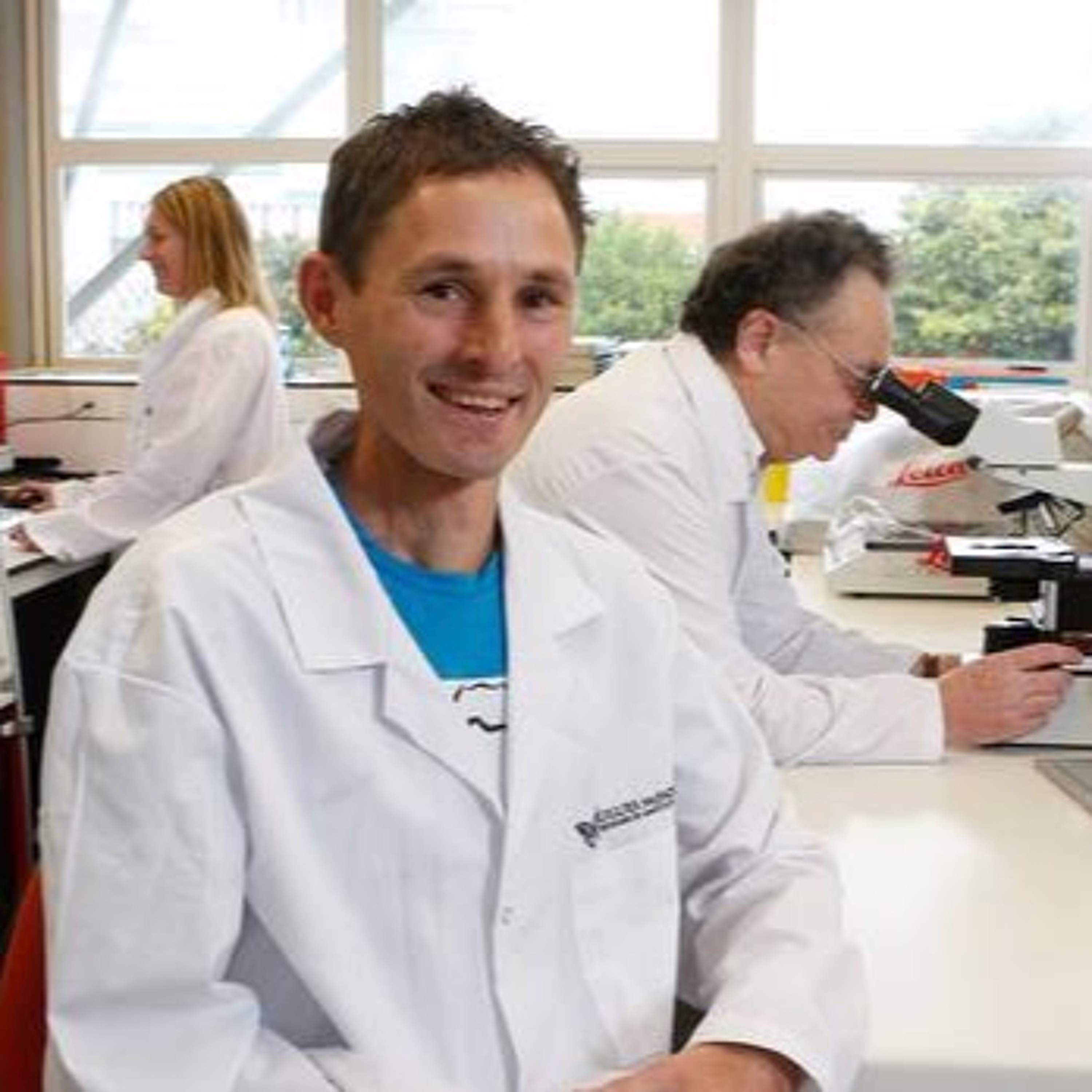
Nick White on the Lessons Software Engineering Can Learn from Multi-disciplinary Medical Teams
In this podcast, Shane Hastie, Lead Editor for Culture & Methods, spoke to Nick White about his experiences as a medical patient under the care of a cross-functional, multi-disciplinary team and the lessons that we can take from that for software engineering Why listen to this podcast: • The collaborative approach to diagnosis by a multi-disciplinary team of specialists used by the Wellington Regional Hospital Cancer Care Unit • With a complex diagnosis like cancer the range of treatment options is wide and the multi-disciplinary approach enables the best possible combination of treatments and more successful patient outcomes • Setting a goal of coming back from the surgery to continue as a mountain runner • Running up Mt Fuji to raise funds and awareness for cancer research • As technologists we need to be open to learning from other disciplines in areas such as collaboration approaches, dealing with hand-offs and bottle-necks, and customer service More on this: Quick scan our curated show notes on InfoQ https://bit.ly/2WpvzZd You can also subscribe to the InfoQ newsletter to receive weekly updates on the hottest topics from professional software development. bit.ly/24x3IVq Subscribe: www.youtube.com/infoq Like InfoQ on Facebook: bit.ly/2jmlyG8 Follow on Twitter: twitter.com/InfoQ Follow on LinkedIn: www.linkedin.com/company/infoq Check the landing page on InfoQ: https://bit.ly/2WpvzZd

Michael Bolton on the Testing Mindset
In this Shane Hastie, Lead Editor for Culture & Methods, spoke to Michael Bolton about the current and future state of testing. Why listen to this podcast: • Testing is about evaluating products by learning about them through exploration and experimentation • These is confusion about the difference between testing a small bit of functionality and the complexity that arises when many of these small bits of software are combined into systems • The common approach of using unit tests and checking the output of transactions they are not looking for trouble, they are looking to demonstrate that everything is OK, and this is a dangerous perspective • The need for testing of machine learning so that it reflects what we aspire to be, rather than what we are, which requires testers to become ethicists, sociologists, psychologists, anthropologists and artists • The evolution of testing is not about changes in tools and technologies, it is about applying the tester mindset to the new types of systems being tested today More on this: Quick scan our curated show notes on InfoQ https://bit.ly/2WPoRJ7 You can also subscribe to the InfoQ newsletter to receive weekly updates on the hottest topics from professional software development. bit.ly/24x3IVq Subscribe: www.youtube.com/infoq Like InfoQ on Facebook: bit.ly/2jmlyG8 Follow on Twitter: twitter.com/InfoQ Follow on LinkedIn: www.linkedin.com/company/infoq Check the landing page on InfoQ: https://bit.ly/2WPoRJ7
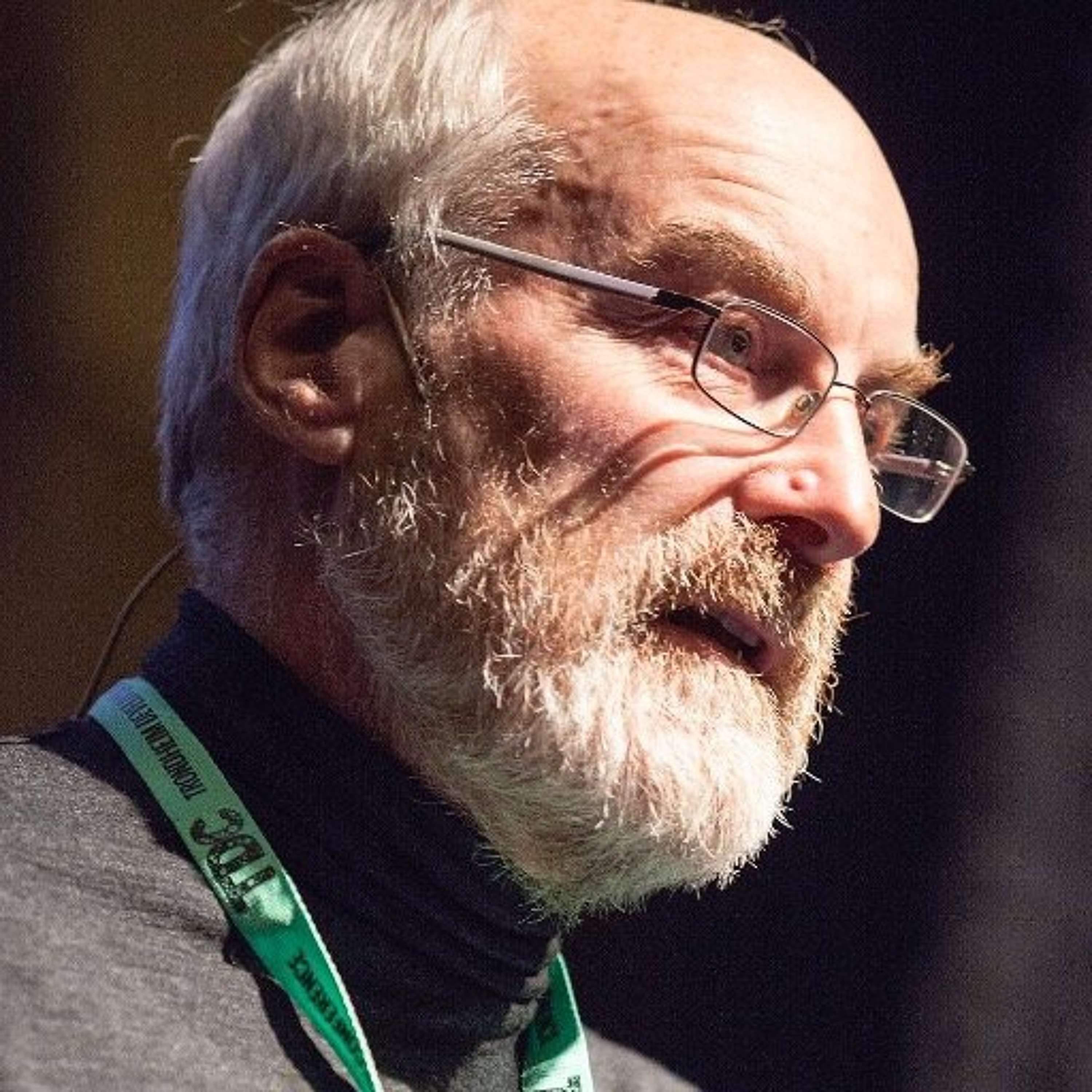
Dave Snowden on Liminality in Cynefin and Moving Beyond Agile to Agility
In this Shane Hastie, Lead Editor for Culture & Methods, spoke to Dave Snowden at the Agile People conference in Stockholm, Sweden, about the addition of liminal spaces in the Cynefin framework, pre-scrum techniques and the future of agility Why listen to this podcast: • The Cynefin Framework provides a perspective on the world • The latest version of the Cynefin framework include two liminal domains • The strength of approaches like Scrum is holding things in a liminal state long enough to become right, before they move to complicated • In the complex domain the keys are identifying coherent hypotheses and running parallel safe-to-fail experiments • There is a whole body of techniques for addressing IT problems and there is no one right answer – use the techniques best suited to the nature of the problem More on this: Quick scan our curated show notes on InfoQ https://bit.ly/2Hh5qn0 You can also subscribe to the InfoQ newsletter to receive weekly updates on the hottest topics from professional software development. bit.ly/24x3IVq Subscribe: www.youtube.com/infoq Like InfoQ on Facebook: bit.ly/2jmlyG8 Follow on Twitter: twitter.com/InfoQ Follow on LinkedIn: www.linkedin.com/company/infoq Check the landing page on InfoQ: https://bit.ly/2Hh5qn0
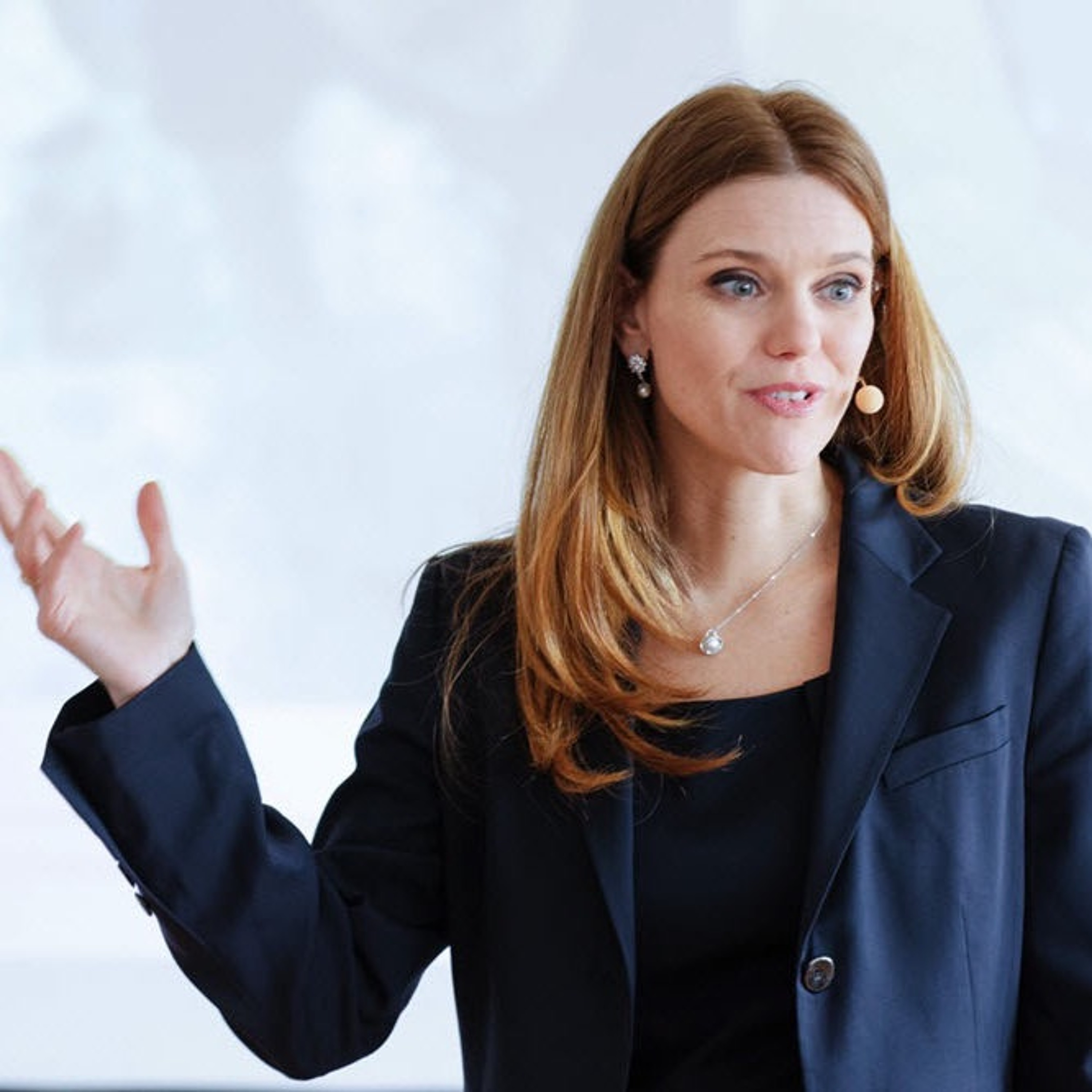
Fabiola Eyholzer on Changing Thinking in HR
In this Shane Hastie, Lead Editor for Culture & Methods, spoke to Fabiola Eyholze at the Agile People conference in Stockholm, Sweden, about the need to radically change HR thinking and practices in organisations to enable creativity and productivity. Why listen to this podcast: • The need to create great places of work where people enjoy going to work • It’s about having meaningful work; understanding why we do things and our contribution is to making a positive impact on other peoples’ lives • We want people to think outside the box and be creative at work and that means we need to create workplaces that support them to do so • We thrive when we bring diversity into teams – different personalities and approaches result in better outcomes • Most HR people do genuinely care about other people, about engagement and about creating healthy workspaces; yet HR is often so process-driven that they forget about the important people factors More on this: Quick scan our curated show notes on InfoQ https://bit.ly/2GYAp6f You can also subscribe to the InfoQ newsletter to receive weekly updates on the hottest topics from professional software development. bit.ly/24x3IVq Subscribe: www.youtube.com/infoq Like InfoQ on Facebook: bit.ly/2jmlyG8 Follow on Twitter: twitter.com/InfoQ Follow on LinkedIn: www.linkedin.com/company/infoq Check the landing page on InfoQ: https://bit.ly/2GYAp6f

Doug Kirkpatrick on Self-Management, Professional Growth and Great Cultures
In this Shane Hastie, Lead Editor for Culture & Methods, spoke to Doug Kirkpatrick at the Agile People conference in Stockholm, Sweden, about what self-management actually means for the people in an organisation. Why listen to this podcast: • Self-management enables everyone in the organisation to thrive and do their best work • It’s not about layers of control, rather it’s dense networks of committed self-managers guided by a clear set of principles • It’s the responsibility of each self-manager to guide their own career • Decision rights come down to who is the best person to make that particular decision • Great organisation culture is one where people are happy, free to do their best work, engaged in high levels of good, effective collaboration and are able to contribute to the world More on this: Quick scan our curated show notes on InfoQ https://bit.ly/2DHpq0a You can also subscribe to the InfoQ newsletter to receive weekly updates on the hottest topics from professional software development. bit.ly/24x3IVq Subscribe: www.youtube.com/infoq Like InfoQ on Facebook: bit.ly/2jmlyG8 Follow on Twitter: twitter.com/InfoQ Follow on LinkedIn: www.linkedin.com/company/infoq Check the landing page on InfoQ: https://bit.ly/2DHpq0a
Dave West on the State of Scrum
In this Shane Hastie, Lead Editor for Culture & Methods, spoke to Dave West, CEO and Product Owner at scrum.org about the current state of scrum and the latest initiatives by scrum.org Why listen to this podcast: • Scrum has been used for over 25 years and people are using it in different areas and the challenges are not around the rudimentary aspects of adoption rather it is about optimising the way of working in different contexts • The need to move beyond adherence to a single approach into a wider, pragmatic mesh of ideas from multiple sources • The fundamentals of Empiricism, self-organisation and continuous improvement need to be wrapped in discipline, customer-centricity and a value model that makes sense while we constantly improve our skills • The characteristics of the organic model are completely different to the factory model – thinking needs to shift from process adherence to values & behaviours, from specialists to generalists who are customer focused who can learn quickly, from hierarchies to flat organisations • You can’t be agile without transparency and an empirical mindset More on this: Quick scan our curated show notes on InfoQ https://bit.ly/2PtfhsE You can also subscribe to the InfoQ newsletter to receive weekly updates on the hottest topics from professional software development. bit.ly/24x3IVq Subscribe: www.youtube.com/infoq Like InfoQ on Facebook: bit.ly/2jmlyG8 Follow on Twitter: twitter.com/InfoQ Follow on LinkedIn: www.linkedin.com/company/infoq Check the landing page on InfoQ: https://bit.ly/2PtfhsE
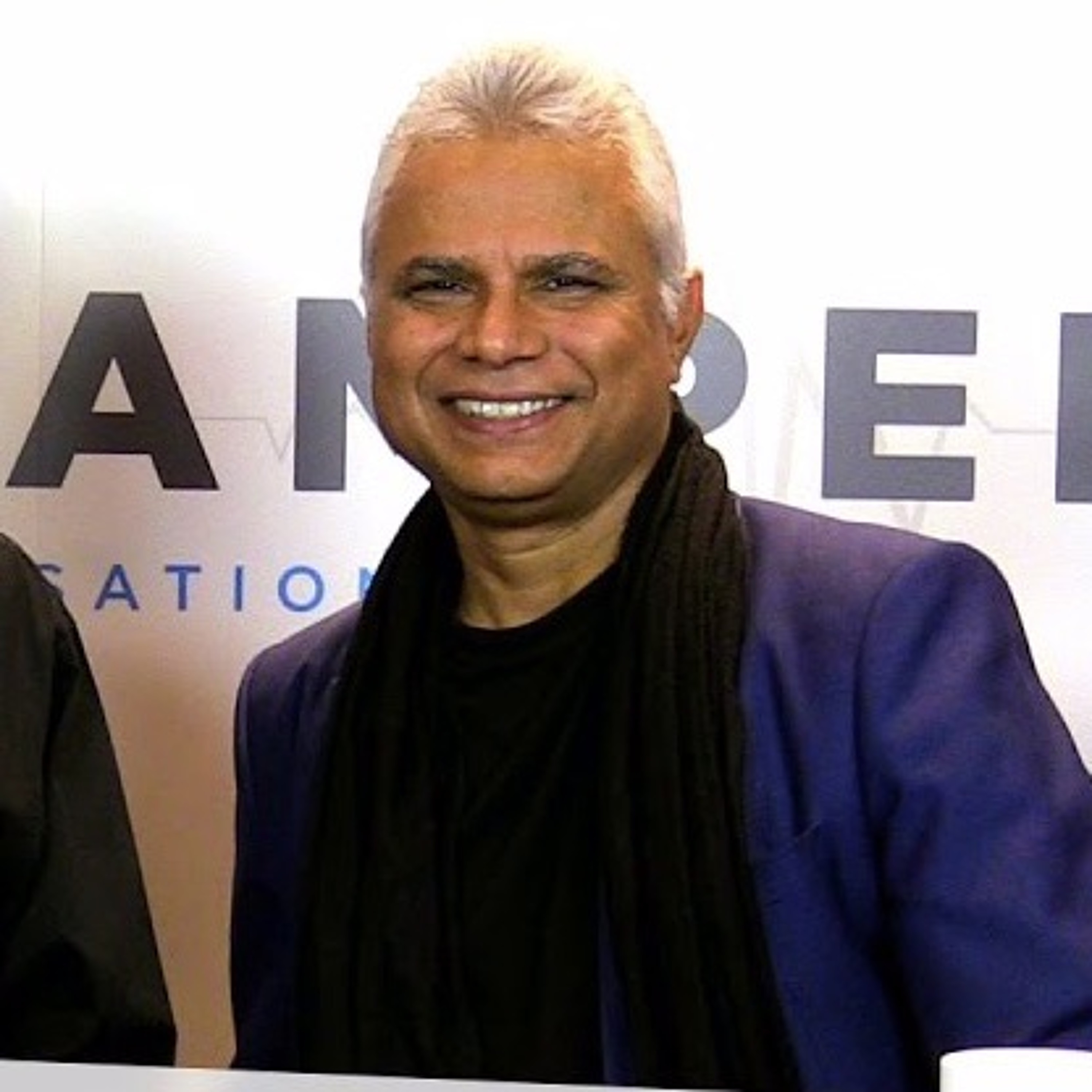
Phil Abernathy on Employee Happiness and the Bureaucracy Mass Index
In this Shane Hastie, Lead Editor for Culture & Methods, spoke to Phil Abernathy about his work helping organisations focus on employee happiness to drive customer happiness and shareholder return and the Bureaucracy Mass Index as a tool to identify where companies are bloated and ineffective. He also spoke about what’s needed for real transformation. Why listen to this podcast: • Great companies are realising that in order to attract great talent you have to have a great place to work • If you have complex systems and complex processes, the root cause will be complex structures • The organisational BMI – the Bureaucracy Mass Index, the proportion of enablers to doers. A healthy BMI is around 10%, whereas in many organisations it gets to be as high as 40% • Having clear objectives that are visible to the while organisation enables good decision making; Objectives and Key Results are one tool to achieve this • Organization transformation must include mindset and culture as well as structure and roles More on this: Quick scan our curated show notes on InfoQ https://bit.ly/2XhBYCO You can also subscribe to the InfoQ newsletter to receive weekly updates on the hottest topics from professional software development. bit.ly/24x3IVq Subscribe: www.youtube.com/infoq Like InfoQ on Facebook: bit.ly/2jmlyG8 Follow on Twitter: twitter.com/InfoQ Follow on LinkedIn: www.linkedin.com/company/infoq Check the landing page on InfoQ: https://bit.ly/2XhBYCO
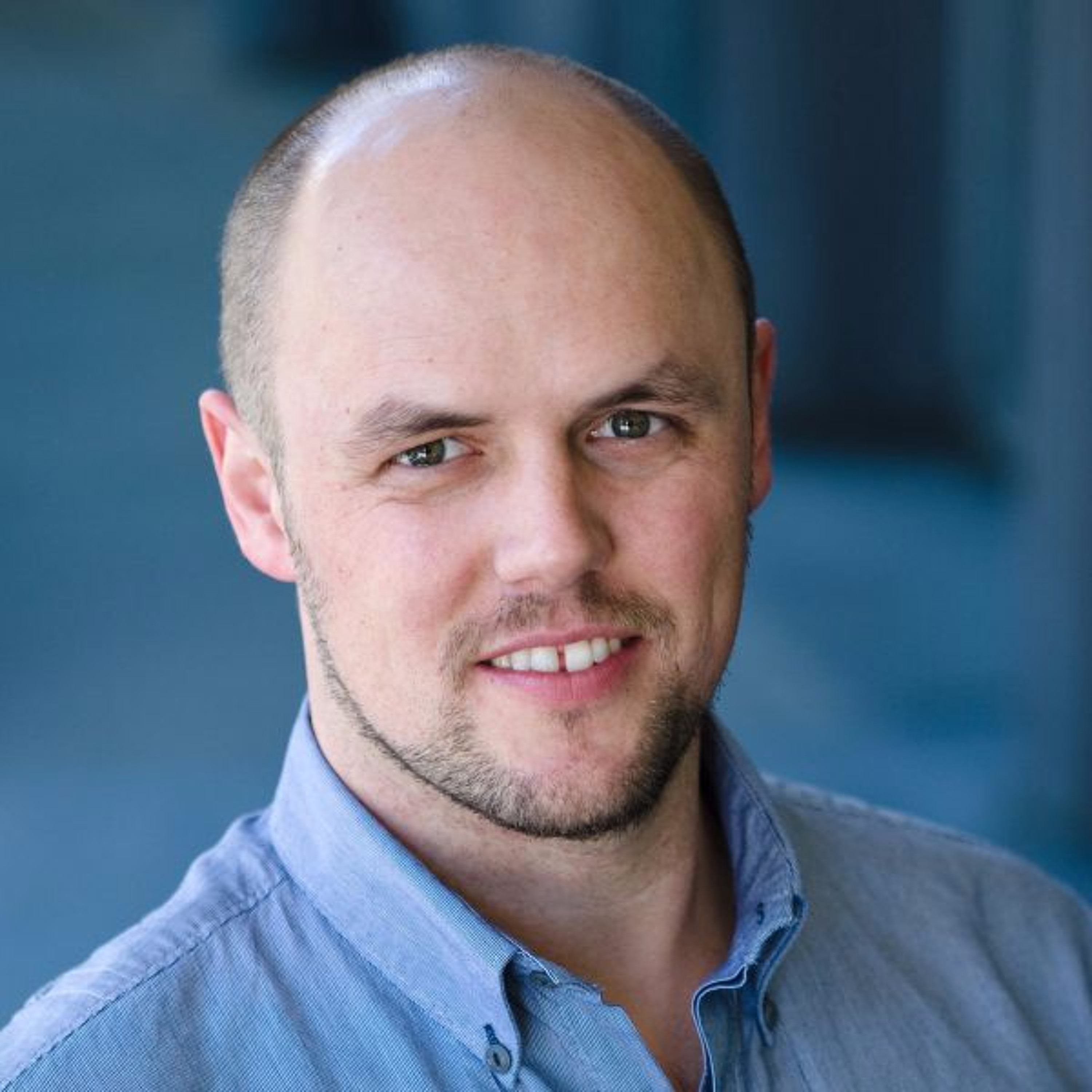
Mik Kersten on Moving from Projects to Products
Shane Hastie, Lead Editor for Culture & Methods, spoke to Mik Kersten of Tasktop about his new book, Project to Product and how the Flow Framework can be applied to changing the way of working in organisations. Why listen to this podcast: • The project model of software development is fundamentally broken • The management techniques which were invented in and needed for managing in the era of industrial revolution are not applicable or useful in the era of software development • Most organisations’ rate of change in improving how they build software is so slow that they are unable to compete against any of the tech giants who choose to adopt a new market • The shift from projects to products enables organisations to realise more value and respond top market changes quicker • The flow framework is a tool to help identify where to make changes based on finding the bottlenecks and releasing value in the system More on this: Quick scan our curated show notes on InfoQ https://bit.ly/2VxhVj7 You can also subscribe to the InfoQ newsletter to receive weekly updates on the hottest topics from professional software development. bit.ly/24x3IVq Subscribe: www.youtube.com/infoq Like InfoQ on Facebook: bit.ly/2jmlyG8 Follow on Twitter: twitter.com/InfoQ Follow on LinkedIn: www.linkedin.com/company/infoq Check the landing page on InfoQ: https://bit.ly/2VxhVj7

Nigel Dalton on Taking Back Management
In this podcast recorded at the Agile India conference Shane Hastie, Lead Editor for Culture & Methods, spoke to Nigel Dalton, Chief Inventor at REA Group about his experiences and the need to take back management as an important practice in today’s organisations Why listen to this podcast: • There is a science of invention – deliberately combining things that you might not have thought of combining before • What matters more than having an agile process is having a resilient organisation – bounce-back-ability • The four elements which need to be present for sustainable success are good management, resilience, creativity and agility • Management as a profession and practice has become tainted and unpopular, yet good management is critical to organisation success • The more organizations that can apply humanistic values, lean principles, value focus, flow of work and continuous improvement the stronger the economy will become More on this: Quick scan our curated show notes on InfoQ hhttps://bit.ly/2HQNoJW You can also subscribe to the InfoQ newsletter to receive weekly updates on the hottest topics from professional software development. bit.ly/24x3IVq Subscribe: www.youtube.com/infoq Like InfoQ on Facebook: bit.ly/2jmlyG8 Follow on Twitter: twitter.com/InfoQ Follow on LinkedIn: www.linkedin.com/company/infoq Check the landing page on InfoQ: https://bit.ly/2HQNoJW

Flint Brenton on the Collabnet/VersionOne merger and Helping Customers Adopt Value Streams
In this podcast recorded at the Agile 2018 conference Shane Hastie, Lead Editor for Culture & Methods, spoke to Flint Brenton, CEO of Collabnet/VersionOne on how the organisation is integrating post the merger and supporting customers as they adopt value stream thinking. Why listen to this podcast: • Reflecting on the way the two businesses have come together since the merger of Collabnet and VersionOne • The company is focusing on supporting value stream management in their customers development businesses • You can adopt value stream management without including DevOps, but it’s really hard and doesn’t deliver the expected benefits • Regardless of size, every enterprise is now a software company • The importance of educating customers on the cultures that are found in the best run development organisations and the benefits that are possible More on this: Quick scan our curated show notes on InfoQ https://bit.ly/2HH6uSO You can also subscribe to the InfoQ newsletter to receive weekly updates on the hottest topics from professional software development. bit.ly/24x3IVq Subscribe: www.youtube.com/infoq Like InfoQ on Facebook: bit.ly/2jmlyG8 Follow on Twitter: twitter.com/InfoQ Follow on LinkedIn: www.linkedin.com/company/infoq Check the landing page on InfoQ: https://bit.ly/2HH6uSO

Andrew King of Ocado Technologies on Great Hiring Practices and Designing Culture
In this podcast Shane Hastie, Lead Editor for Culture & Methods, spoke to Andrew King, Organisational Scientist at Ocado Technologies about the hiring practices they use and how to design the culture you want. Why listen to this podcast: • Context effect says that anything that happens in decision making that is altered by the context in which the decision is made • The compromise effect – when faced with a choice of options we try to avoid the extremes • These types of effects impact hiring processes and culture design and have to be actively mitigated against • Design your interviewing questions very carefully to explore the things that will actually help in the decision-making process • The content of an interview is the candidate’s responses, not the questions that are asked • To implement effective change, follow the principles rather than blindly following a process More on this: Quick scan our curated show notes on InfoQ https://bit.ly/2FfKyuo You can also subscribe to the InfoQ newsletter to receive weekly updates on the hottest topics from professional software development. bit.ly/24x3IVq Subscribe: www.youtube.com/infoq Like InfoQ on Facebook: bit.ly/2jmlyG8 Follow on Twitter: twitter.com/InfoQ Follow on LinkedIn: www.linkedin.com/company/infoq Check the landing page on InfoQ: https://bit.ly/2FfKyuo This is the Engineering Culture Podcast, from the people behind InfoQ.com and the QCon conferences.
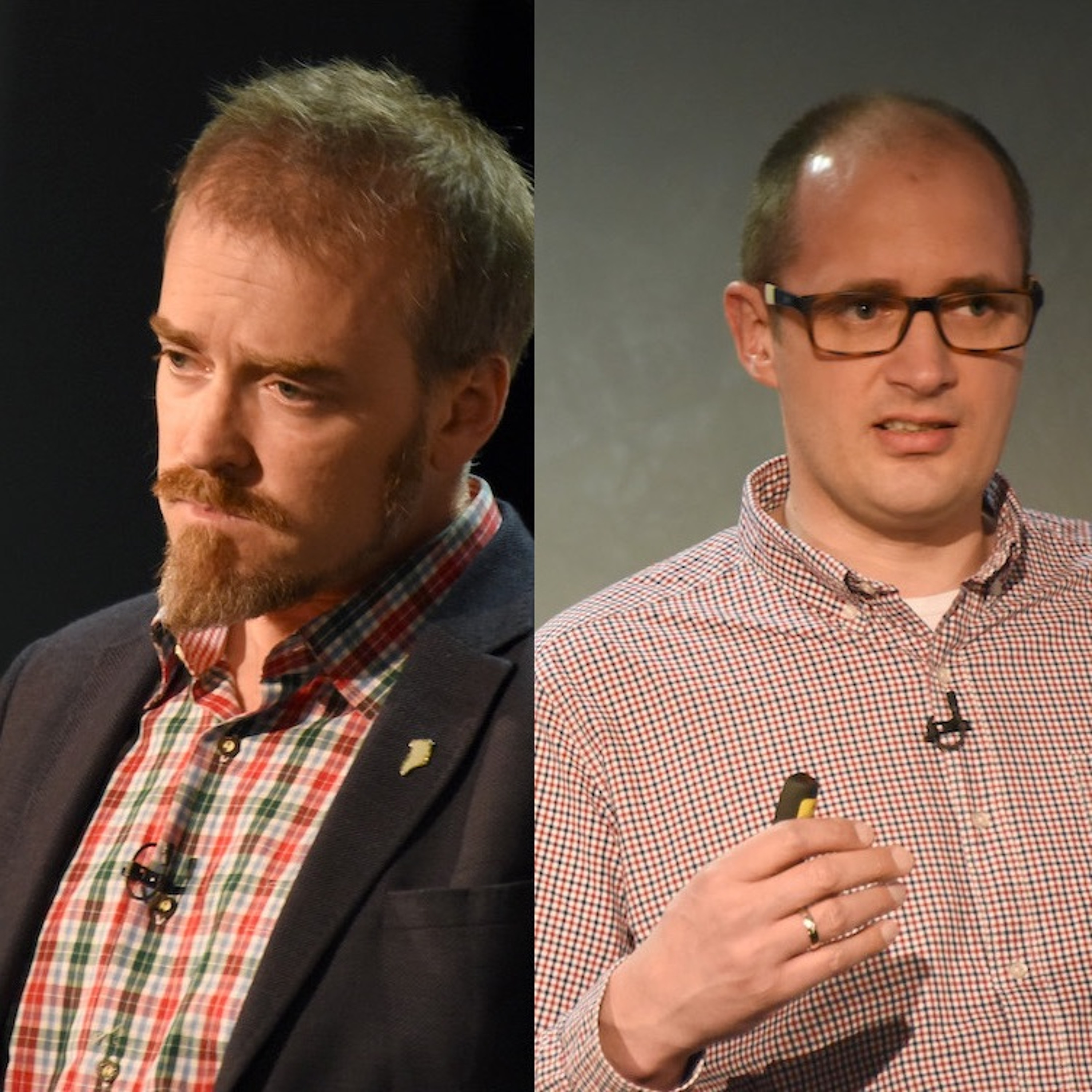
Jason Box and Paul Johnston on What Technologists can do About Climate Change
In this podcast recorded at QCon London 2019, Shane Hastie, Lead Editor for Culture & Methods, spoke to Jason Box and Paul Johnston about the impact climate change is having, how information technology contributes to greenhouse gasses and what technologists can do to help combat it. Why listen to this podcast: • Climate change is the challenge of our time • Data centers are a real problem IRO global warming and greenhouse gas emissions • Data centers have the same emissions impact as the aviation industry • There is an initiative to have all data centres using sustainable power sources by 2024 • Data center demand is set to increase by 5 times by 2025 • The greenlandtrees.org initiative is planting trees to capture carbon More on this: Quick scan our curated show notes on InfoQ https://bit.ly/2Hi9jt8 You can also subscribe to the InfoQ newsletter to receive weekly updates on the hottest topics from professional software development. bit.ly/24x3IVq Subscribe: www.youtube.com/infoq Like InfoQ on Facebook: bit.ly/2jmlyG8 Follow on Twitter: twitter.com/InfoQ Follow on LinkedIn: www.linkedin.com/company/infoq Check the landing page on InfoQ: https://bit.ly/2Hi9jt8

Kim Scott on Radical Candor
In this podcast recorded at the Agile 2018 conference Shane Hastie, Lead Editor for Culture & Methods, spoke to Kim Scott, author of the book Radical Candor about what radical candor is and how it can be applied in teams and relationships. Why listen to this podcast: • Radical candor is the behaviour which comes about when people both care personally and are able to challenge directly in a relationship • Telling each other about problems or praising each other in a way that is productive is difficult and seldom done well • Radical candor is first and foremost about soliciting feedback and criticism - ask the question “what can I do, or stop doing, that will make it easier to work with me?” • It is even more important to give public praise than it is to give private criticism – recognise and encourage positive behaviour • The best way to encourage radical candor is to be open to it yourself – demonstrate the behaviour you want to encourage in others More on this: Quick scan our curated show notes on InfoQ https://bit.ly/2TgZUZu You can also subscribe to the InfoQ newsletter to receive weekly updates on the hottest topics from professional software development. bit.ly/24x3IVq Subscribe: www.youtube.com/infoq Like InfoQ on Facebook: bit.ly/2jmlyG8 Follow on Twitter: twitter.com/InfoQ Follow on LinkedIn: www.linkedin.com/company/infoq Check the landing page on InfoQ: https://bit.ly/2TgZUZu

Anna Obukhova on The Biology of Leadership and Working with Tired Teams
In this podcast recorded at the Agile 2018 conference Shane Hastie, Lead Editor for Culture & Methods, spoke to Anna Obukhova about the neuroscience and biology of leadership and what it takes to coach and work with tired teams. Why listen to this podcast: • When we change a process we also impact and cause change to the body and brain of the people involved in the process • Behavioural ethology shows how the perception of being in a “caged environment” impacts hormone production and results in changed attitudes and approaches • Energy levels vary from person to person and over time; maintaining high energy is crucial to leading and adapting to change • Tired teams need different styles of coaching and support, using the same techniques as with energised teams can result in harm • Different agile approaches and frameworks are applicable with companies and teams who have different energy levels, trying to apply a high energy framework in low energy environment will fail and cause stress More on this: Quick scan our curated show notes on InfoQ https://bit.ly/2GV24qn You can also subscribe to the InfoQ newsletter to receive weekly updates on the hottest topics from professional software development. bit.ly/24x3IVq Subscribe: www.youtube.com/infoq Like InfoQ on Facebook: bit.ly/2jmlyG8 Follow on Twitter: twitter.com/InfoQ Follow on LinkedIn: www.linkedin.com/company/infoq Check the landing page on InfoQ: https://bit.ly/2GV24qn

Ash Coleman on Testing, Ethics, Diversity and What it Means To Be an Ally
In this podcast recorded at the Agile 2018 conference Shane Hastie, Lead Editor for Culture & Methods, spoke to Ash Coleman . Why listen to this podcast: • Testing is not a simplistic process that can be reduced to automation, although automation helps • Ethics matter in software development I we need to build products that the builders are proud of, that people will use in real life and that is safe for them to use • The lack of diversity in teams producing AI/ML based products results in very biased datasets • Ally-ship is an important role for people who have privilege to support and enable people from disadvantaged communities to overcome the biases in the system • It takes work, money and time to fix the imbalances in our workplaces – it doesn’t just happen because we would like it to More on this: Quick scan our curated show notes on InfoQ https://bit.ly/2MZdZ7j You can also subscribe to the InfoQ newsletter to receive weekly updates on the hottest topics from professional software development. bit.ly/24x3IVq Subscribe: www.youtube.com/infoq Like InfoQ on Facebook: bit.ly/2jmlyG8 Follow on Twitter: twitter.com/InfoQ Follow on LinkedIn: www.linkedin.com/company/infoq Check the landing page on InfoQ: https://bit.ly/2MZdZ7j
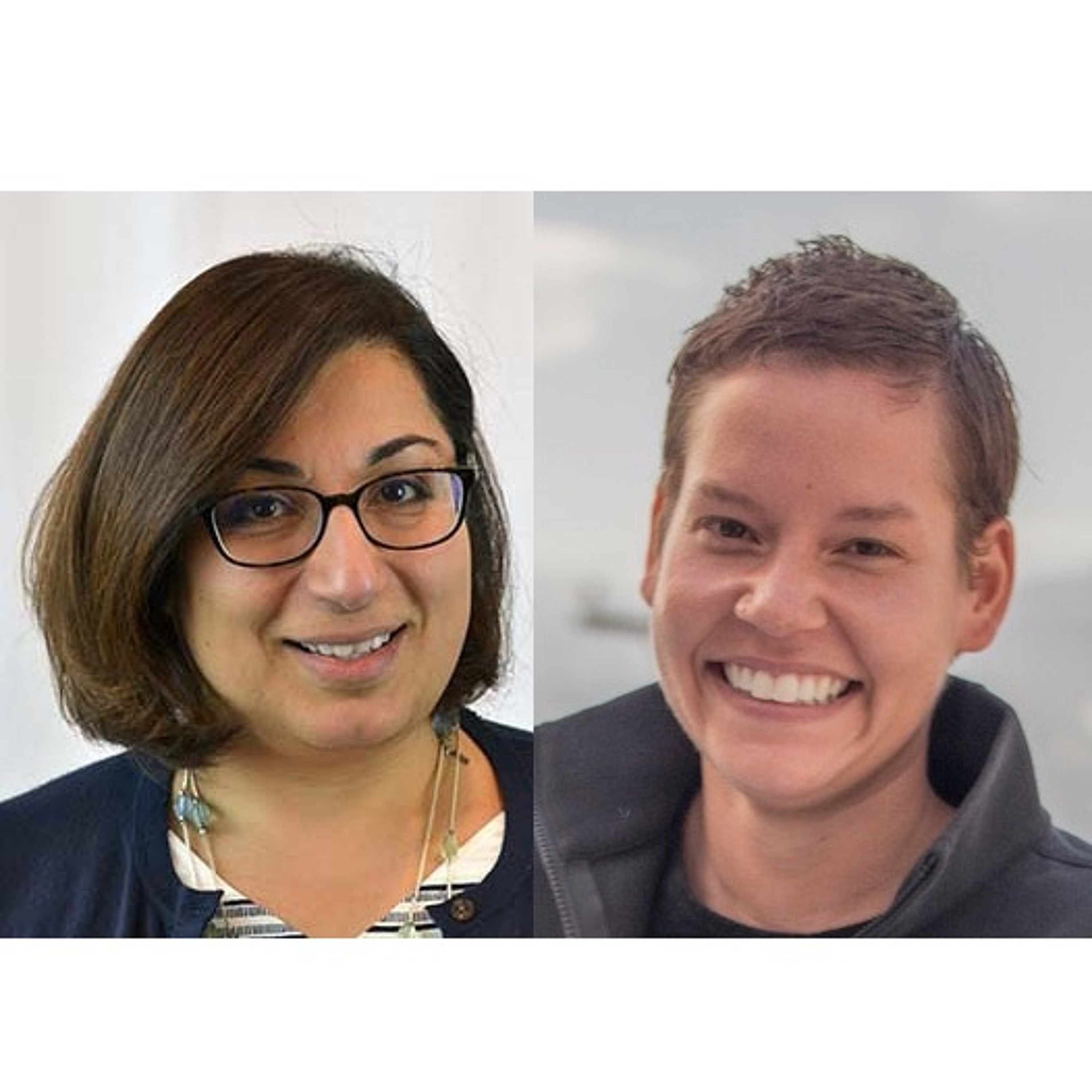
Deema Dajani & Shannon Mason on the Women in Agile community and Supporting Women in Technology
In this podcast recorded at the Agile 2018 conference Shane Hastie, Lead Editor for Culture & Methods, spoke to Deema Dajani (Advisor Transformation Consulting) & Shannon Mason (VP Product Management, Agile Central) of CA Technologies about the Women in Agile organisation, their own experiences as women in the technology industry and ways to support and increase diversity in organisations. Why listen to this podcast: - Women in Agile is an incorporated not for profit focused on supporting, enabling an empowering women and allies in the agile community - The unconscious bias that comes in to so many aspects of work, particularly as it impacts recruitment - There is data which shows that the more diverse a team is, the better the solutions they come up with are - The need to coach and support women candidates for promotions and new roles to encourage them to overcome their own self-evaluation, which is often more judgemental than it should be - There are pools of qualified people with diverse backgrounds not just a few isolated individuals – helping ensure that the ratios in our organisations match the ratios in society More on this: Quick scan our curated show notes on InfoQ https://bit.ly/2UGu8RW You can also subscribe to the InfoQ newsletter to receive weekly updates on the hottest topics from professional software development. bit.ly/24x3IVq Subscribe: www.youtube.com/infoq Like InfoQ on Facebook: bit.ly/2jmlyG8 Follow on Twitter: twitter.com/InfoQ Follow on LinkedIn: www.linkedin.com/company/infoq Check the landing page on InfoQ: https://bit.ly/2UGu8RW

Chloë Bregman on High Performance Design
In this podcast recorded at the Agile 2018 conference Shane Hastie, Lead Editor for Culture & Methods, spoke to Chloë Bregman about high performance design. Why listen to this podcast: • High-performance design is design that fits with the customers needs and is successful • Design is worthless unless it is creating ROI in some way • Design is not “one thing” – there are many aspects which need to be addressed and these aspects have tension between them • All design is human experience design • We’re almost always wrong in what we think will be a good design, so a culture that is comfortable to be wrong and learn is critical for success • Ask “if we changed one thing, what possibilities could that open up for us” and make the change to see what the results are More on this: Quick scan our curated show notes on InfoQ https://bit.ly/2UxxDdj You can also subscribe to the InfoQ newsletter to receive weekly updates on the hottest topics from professional software development. bit.ly/24x3IVq Subscribe: www.youtube.com/infoq Like InfoQ on Facebook: bit.ly/2jmlyG8 Follow on Twitter: twitter.com/InfoQ Follow on LinkedIn: www.linkedin.com/company/infoq Check the landing page on InfoQ: https://bit.ly/2UxxDdj
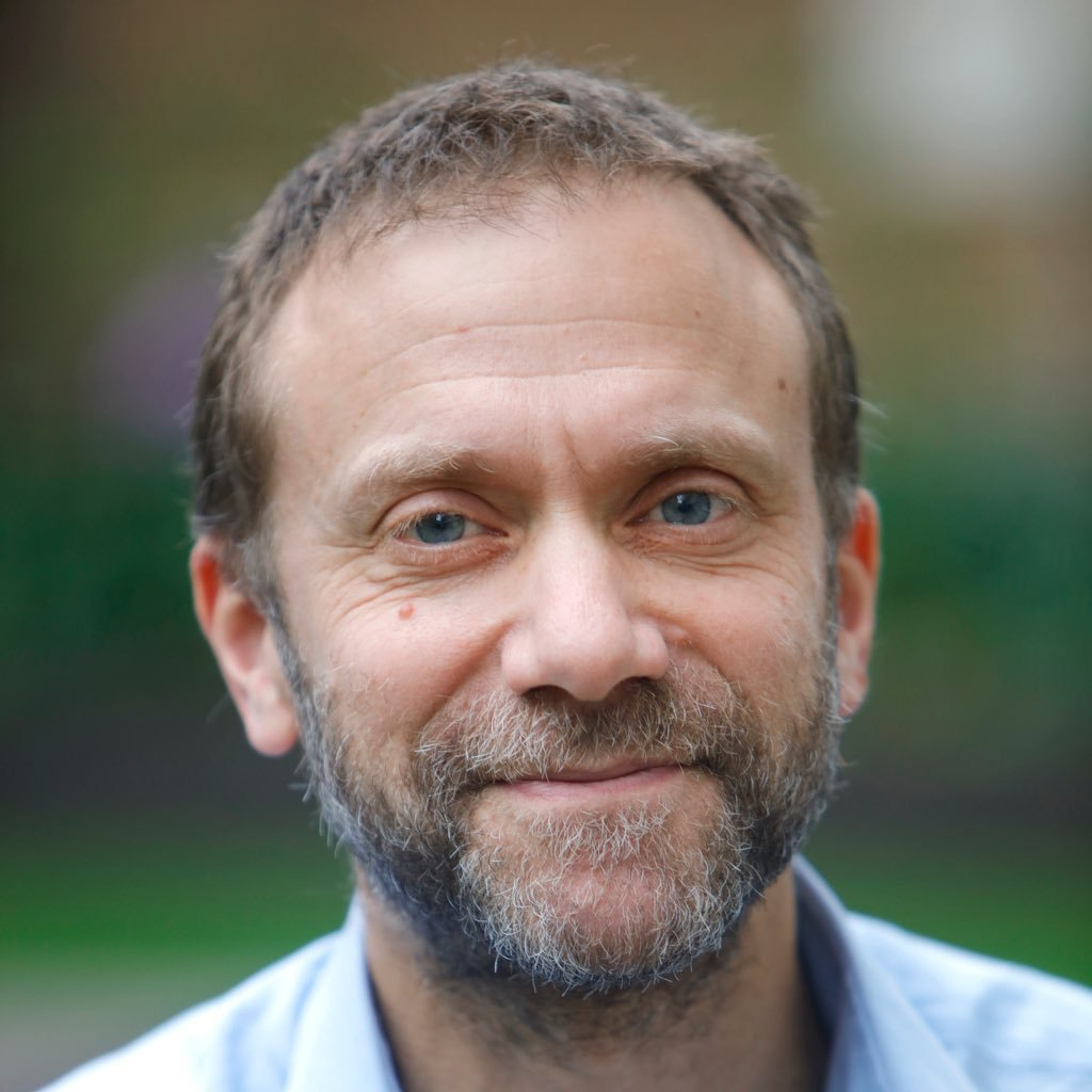
Seb Rose on BDD, Cucumber, Cyberdojo, Certification and Testers in Code Reviews
In this podcast recorded at the Agile 2018 conference Shane Hastie, Lead Editor for Culture & Methods, spoke to Seb Rose, a dispassionate developer, and one of the principals of Cucumber Limited about his work at Cucumber, the Cyber-dojo charity, designing a robust certification program and involving testers in code reviews Why listen to this podcast: • Cucumber is more than a testing tool – it is a collaboration tool • There is a lot of confusion around what Behaviour Driven Development (BDD) is and isn’t • BDD is made up of three distinct practices: Discovery, Formulation and Automation – Cucumber is only about the Automation practice • Provide concrete examples to communicate business needs using BDD to ensure that business rules are defined unambiguously • Cyber-dojo is a place for people to practice their coding skills on many platforms • Ideas around designing a robust certification scheme The value of having testers involved in code reviews goes far beyond reading the code

L. Adkins and H. Dunsky on the State of Agile Coaching and the Competencies Coaches Need to Build
In this podcast recorded at the Agile 2018 conference Shane Hastie, Lead Editor for Culture & Methods, spoke to Lyssa Adkins and Halim Dunsky about the current state of agile coaching, the competencies and skills that coaches need to develop and the journey that the Agile Coaching Institute has taken since they became part of Accenture Why listen to this podcast: • The wide range of approaches which exist in agile coaching, while remaining aligned with common learning objectives • There is a marked difference between people who have put in the effort to build deep and wide coaching competency and those who have not done so, and organisation are becoming more discerning about who they engage in the coaching role • Key competencies for effective coaching are about the ability to reach people on a human-to-human level • There shouldn’t be a distinction between the scrummaster and agile coach roles – scrummasters should be coaches • Even the most experienced and knowledgeable coaches can and do fall prey to human system dynamics and make mistakes More on this: Quick scan our curated show notes on InfoQ https://bit.ly/2FxgwEf You can also subscribe to the InfoQ newsletter to receive weekly updates on the hottest topics from professional software development. bit.ly/24x3IVq Subscribe: www.youtube.com/infoq Like InfoQ on Facebook: bit.ly/2jmlyG8 Follow on Twitter: twitter.com/InfoQ Follow on LinkedIn: www.linkedin.com/company/infoq Check the landing page on InfoQ: https://bit.ly/2FxgwEf
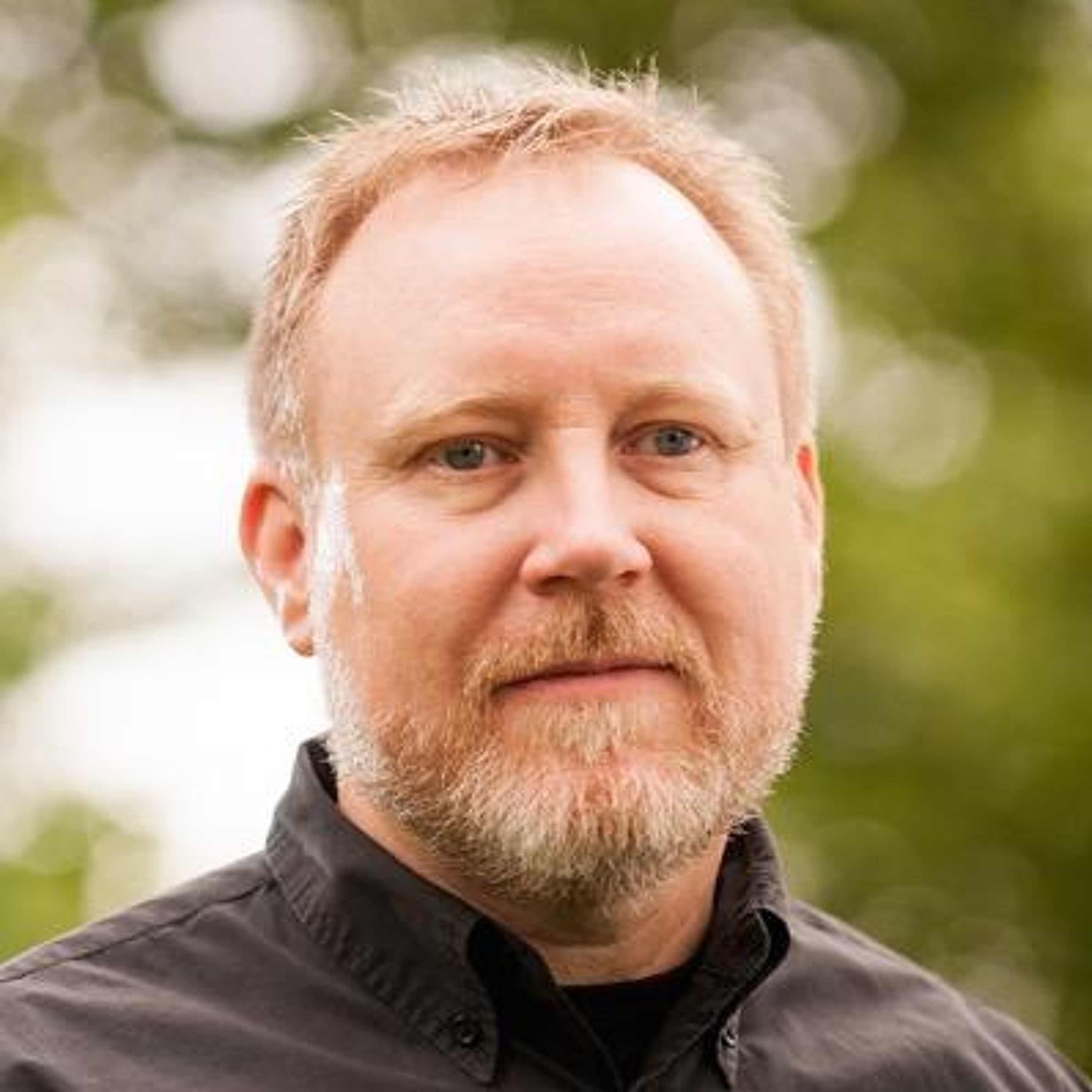
Jeff Patton on #NoProjects and Product Management
In this podcast recorded at the Agile 2018 conference Shane Hastie, Lead Editor for Culture & Methods, spoke to Jeff Patton about moving from project to product thinking; whole team product ownership and satisfying the real customer needs. Why listen to this podcast: • There is a lack of focus on product in the agile community – the emphasis has been on projects • “Project” and “product” are used interchangeably, yet they are two very different things • If you are building a product that is sold to end consumers, then they are your customer, not “the business”; the focus on “the business” means we build products to satisfy the internal perceived needs, not the real customer needs • When we start measuring outcomes, we realize that we’re wrong a lot and begin to embrace experimentation Implementing effective measurement takes engineering – instrumentation needs to be built into the product More on this: Quick scan our curated show notes on InfoQ https://bit.ly/2R9ZiDT You can also subscribe to the InfoQ newsletter to receive weekly updates on the hottest topics from professional software development. bit.ly/24x3IVq Subscribe: www.youtube.com/infoq Like InfoQ on Facebook: bit.ly/2jmlyG8 Follow on Twitter: twitter.com/InfoQ Follow on LinkedIn: www.linkedin.com/company/infoq Check the landing page on InfoQ: https://bit.ly/2R9ZiDT
Phil Brock & Paul Hammond on the State of the Agile
In this podcast recorded at the Agile 2018 conference Shane Hastie, Lead Editor for Culture & Methods, spoke to Phil Brock and Paul Hammond of the Agile Alliance about the current state of the Alliance and plans for the future. Why listen to this podcast: • Agile 2018 had around 2400 attendees, from 54 countries and 900 companies, with over 270 sessions across the five days of the conference • The Agile Alliance initiatives represent the areas that the Alliance is involved in and supporting their members globally • The mission of the alliance is to create an inclusive global community, advance the breadth and depth of agile and provide value to the member community • Affiliates are being established where there is a strong community that wants to come together and have a more local focus with support that is appropriate for the local context Being a part of the agile community implies that one is participating, not simply consuming More on this: Quick scan our curated show notes on InfoQ https://bit.ly/2A5TrEW You can also subscribe to the InfoQ newsletter to receive weekly updates on the hottest topics from professional software development. bit.ly/24x3IVq Subscribe: www.youtube.com/infoq Like InfoQ on Facebook: bit.ly/2jmlyG8 Follow on Twitter: twitter.com/InfoQ Follow on LinkedIn: www.linkedin.com/company/infoq Check the landing page on InfoQ: https://bit.ly/2A5TrEW
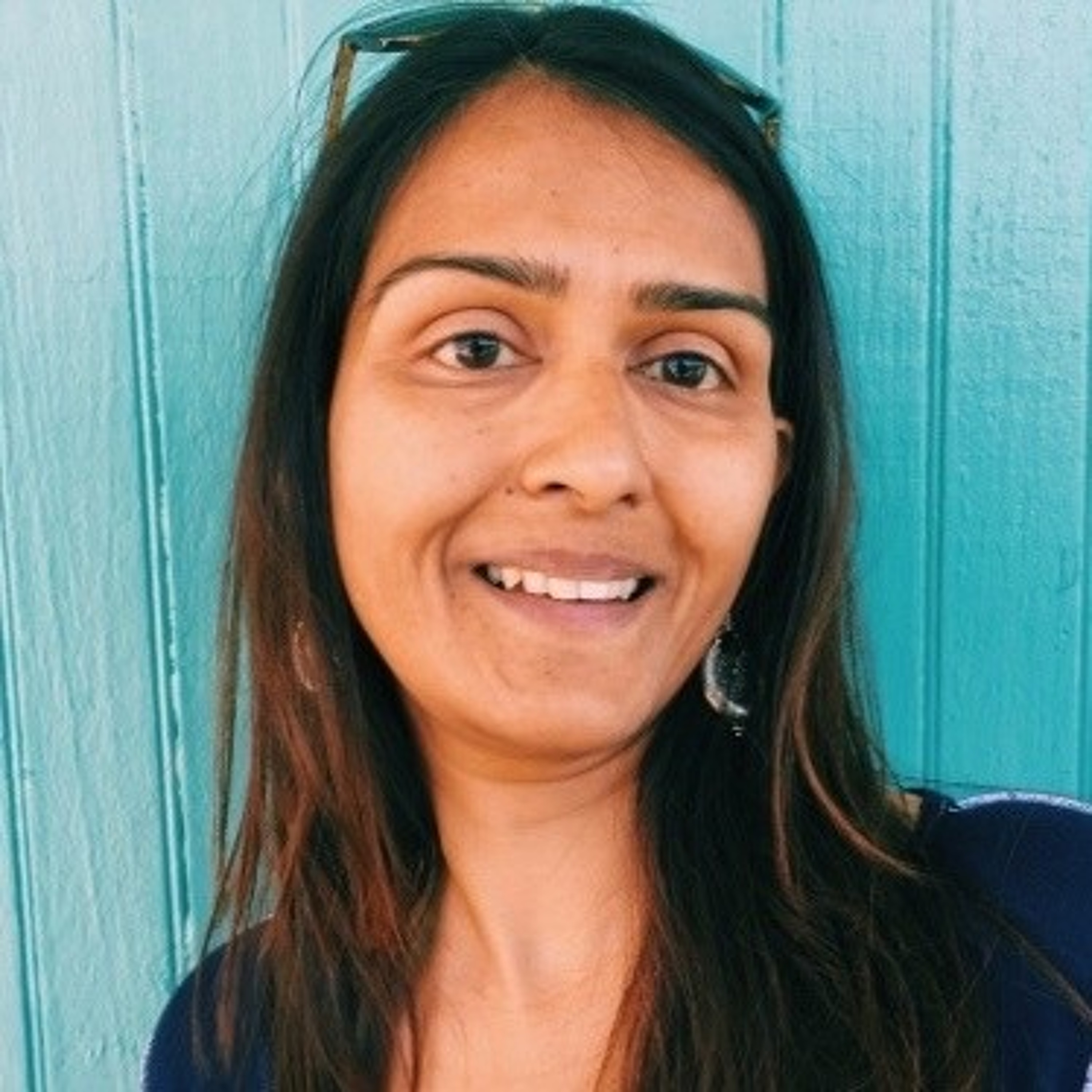
Sangeeta Narayanan of Netflix on Improving the Developer Experience
In this podcast recorded at QCon New York, Shane Hastie, Lead Editor for Culture & Methods, spoke to Sangeeta Narayanan of Netflix about improving the developer experience, and why it matters. Why listen to this podcast: • Developer Experience is about making it easy and simple for software to be developed, released and operated • It’s about identifying and removing whatever creates friction in the process of building software • Modern approaches increase the cognitive load on engineers in every part of the process, DevEx tries to reduce that load • The tools and infrastructure you use to build the system is as important as the production environment – treat your tooling in the same way you treat your production environment • DevEx goes beyond the tools into anything which influences the ability to do effective work, the culture, motivation, team and individual health and productivity More on this: Quick scan our curated show notes on InfoQ https://bit.ly/2rwkQeM You can also subscribe to the InfoQ newsletter to receive weekly updates on the hottest topics from professional software development. bit.ly/24x3IVq Subscribe: www.youtube.com/infoq Like InfoQ on Facebook: bit.ly/2jmlyG8 Follow on Twitter: twitter.com/InfoQ Follow on LinkedIn: www.linkedin.com/company/infoq Check the landing page on InfoQ: https://bit.ly/2rwkQeM
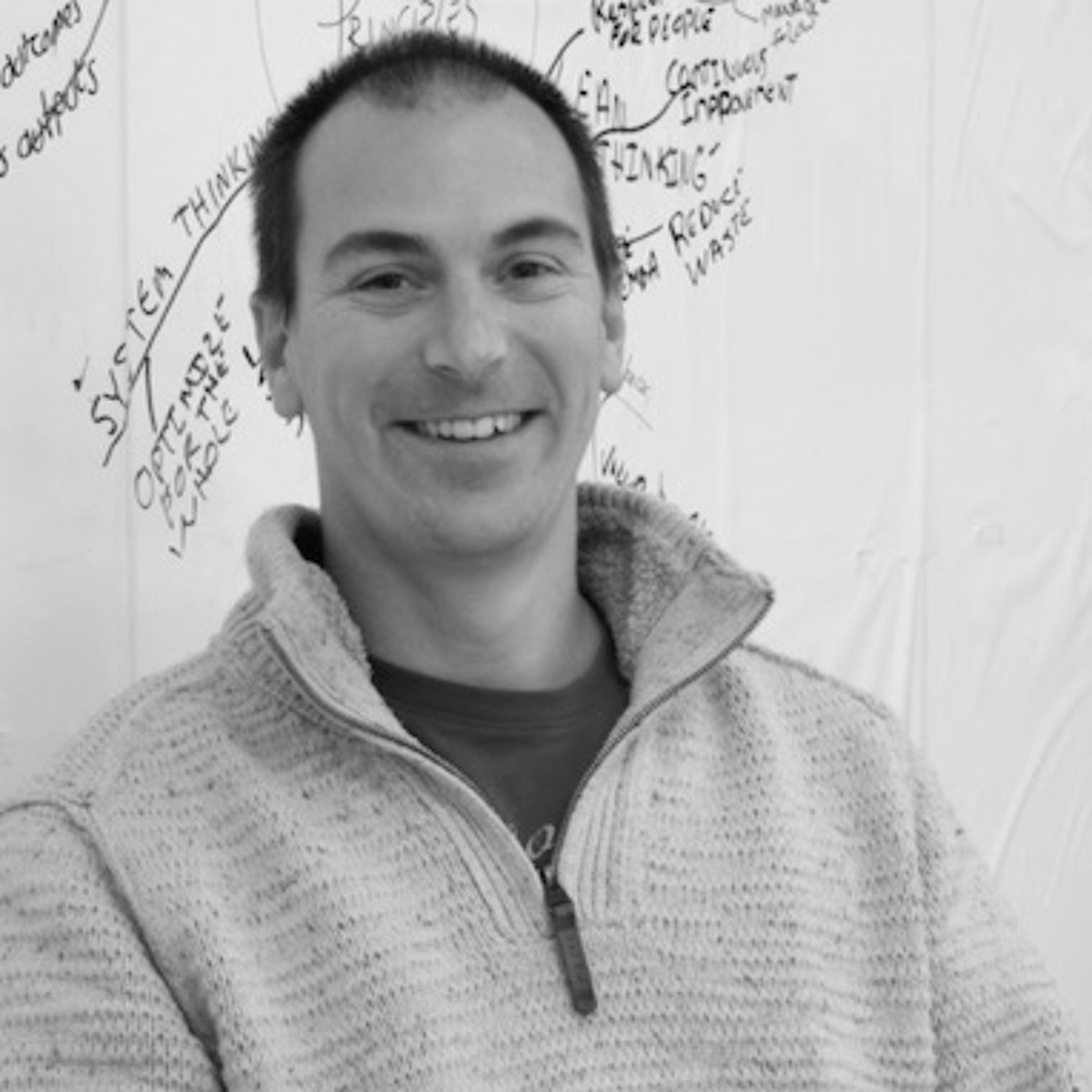
Simon Powers on Transitioning to Product Teams and Advice for New Managers
In this podcast recorded at the Agile 2018 conference Shane Hastie, Lead Editor for Culture & Methods, spoke to Simon Powers of Adventures with Agile about helping organisations move from siloed groups to large product teams, he gave advice for new managers and discussed the trends he sees happening in large organisations. Why listen to this podcast: • The challenges of making businesses more successful through technology • Today the challenges are less technological and more cultural • The team is everyone who works on the product or service, working collaboratively to meet customer needs – this could be hundreds of people and they all need to have consistent goals • We are looking to create a structure that enables truly self-organizing teams at scale • The role of middle-tier leaders is to truly adopt a servant leadership mindset and help work out what the team can do to solve their own problems, rather than solving the problems for the team ore on this: Quick scan our curated show notes on InfoQ https://bit.ly/2U9ddb2 You can also subscribe to the InfoQ newsletter to receive weekly updates on the hottest topics from professional software development. bit.ly/24x3IVq Subscribe: www.youtube.com/infoq Like InfoQ on Facebook: bit.ly/2jmlyG8 Follow on Twitter: twitter.com/InfoQ Follow on LinkedIn: www.linkedin.com/company/infoq Check the landing page on InfoQ: https://bit.ly/2U9ddb2

Dominic Price on Why Agile is Not Always the Answer
In this podcast recorded at the Agile 2018 conference Shane Hastie, Lead Editor for Culture & Methods, spoke to Dominic Price from Atlassian about his opening keynote at the Agile 2018 conference. Why listen to this podcast: • Agile is an answer to teams working together effectively, but it is not the only answer • A lot of large-scale “transformations” are about AGILE being thrust around as a compliance regime where the measures of success are the following of rituals • The example of an organisation who moved from “agile transformation” to “new ways of working”. The difference is that “agile” is not the only answer and in a “transformation” there is an expectation of an end-state whereas new ways of working are continually evolving • Many of the things we call “soft skills” are in fact very hard and they are the key to success in making change in organisations • The need to focus on the mental health and wellbeing of people in the organisation – we believe we are custodians of our people More on this: Quick scan our curated show notes on InfoQ https://bit.ly/2AxhT1o You can also subscribe to the InfoQ newsletter to receive weekly updates on the hottest topics from professional software development. bit.ly/24x3IVq Subscribe: www.youtube.com/infoq Like InfoQ on Facebook: bit.ly/2jmlyG8 Follow on Twitter: twitter.com/InfoQ Follow on LinkedIn: www.linkedin.com/company/infoq Check the landing page on InfoQ: https://bit.ly/2AxhT1o

Diana Larsen on Agile Fluency, Organisational Design and Being an Ally
In this podcast recorded at the Agile 2018 conference Shane Hastie, Lead Editor for Culture & Methods, spoke to Diana Larsen about the evolution of the Agile Fluency model, the rate of adoption of new ideas in organisations, organisation design and being an ally. Why listen to this podcast: • The ideas around agile fluency have evolved through feedback and use in the field • New ideas take time to be adopted in organisations and agile is far from prevalent • Agile ways of working will become “the way we do things” but it will take time • There is a diagnostic instrument which allows teams to undertake self-reflection and explore areas they want to improve • The organisation design community have a lot of knowledge about things that the agile community can learn from • Diversity and inclusiveness are still issues in the agile and broader IT community, but things are improving • The single most powerful tool to combat racism/sexism and help diversity and inclusion grow is the action of bystanders More on this: Quick scan our curated show notes on InfoQ https://bit.ly/2OYTIOM You can also subscribe to the InfoQ newsletter to receive weekly updates on the hottest topics from professional software development. bit.ly/24x3IVq Subscribe: www.youtube.com/infoq Like InfoQ on Facebook: bit.ly/2jmlyG8 Follow on Twitter: twitter.com/InfoQ Follow on LinkedIn: www.linkedin.com/company/infoq Check the landing page on InfoQ: https://bit.ly/2OYTIOM

Miki Szikszai and Sandy Mamoli on Adopting Holacracy at Snapper
In this podcast recorded after the JAFAC 2018 conference Shane Hastie, Lead Editor for Culture & Methods, spoke Miki Szikszai and Sandy Mamoli about Snapper’s adoption of holacracy. Why listen to this podcast: • Clarity of purpose is key for an organisation looking to improve their ways of working • The sign of a good coach is when they realise they need to step away so the client can stand on their own • The most important skills are around collaboration, teamwork, innovation and empathy, not technologies and tools • Holacracy is a system to create a self-organising organisation where decisions are made at the right level with a hierarchy of purpose rather than a hierarchy of people • Holacracy amplifies the culture you already have – so get the culture right first More on this: Quick scan our curated show notes on InfoQ https://bit.ly/2zLL7cx You can also subscribe to the InfoQ newsletter to receive weekly updates on the hottest topics from professional software development. bit.ly/24x3IVq Subscribe: www.youtube.com/infoq Like InfoQ on Facebook: bit.ly/2jmlyG8 Follow on Twitter: twitter.com/InfoQ Follow on LinkedIn: www.linkedin.com/company/infoq Check the landing page on InfoQ: https://bit.ly/2zLL7cx

Jim Rose on Building a Great Engineering Culture in a Remote Team
In this podcast Shane Hastie, Lead Editor for Culture & Methods, spoke to Jim Rose of Circle CI about building a great engineering culture in a distributed, remote team. Why listen to this podcast: • Hiring engineers is a difficult task • Working in a completely remote organisation takes a particular type of person • It’s crucial that the engineering teams understand and empathise with their customers • You won’t find new and creative ways to solve problems unless you experiment and try new things, and some of those things won’t work • Ensure that your recruiting and hiring practices match the values of the company and that the onboarding process reinforces this • Ensure there is no “in vs out” – ensure everyone has the experience irrespective of where they are located More on this: Quick scan our curated show notes on InfoQ https://bit.ly/2PB0oHh You can also subscribe to the InfoQ newsletter to receive weekly updates on the hottest topics from professional software development. bit.ly/24x3IVq Subscribe: www.youtube.com/infoq Like InfoQ on Facebook: bit.ly/2jmlyG8 Follow on Twitter: twitter.com/InfoQ Follow on LinkedIn: www.linkedin.com/company/infoq Check the landing page on InfoQ: https://bit.ly/2PB0oHh

Jeff Foster on Creating Space for People to Learn through 10% Time, Open Space and Conferences
In this podcast Shane Hastie, Lead Editor for Culture & Methods, spoke to Jeff Foster of Red Gate on their approach to continuous learning through 10% time, open space and running an internal conference. Why listen to this podcast: • The best software is software that people • The only secret to great engineering is simplicity • No matter how hard you try to enable people to take the 10% time, they take their deadlines to heart and the natural inclination is to focus on the work rather than the learning time • Teams should not focus on the backlog items they are completing, rather on the difference they are making for the end user of the product • Running a conference is tough, but by engaging the people in the event organisation it can be powerfully successful More on this: Quick scan our curated show notes on InfoQ https://bit.ly/2zdk21C You can also subscribe to the InfoQ newsletter to receive weekly updates on the hottest topics from professional software development. bit.ly/24x3IVq Subscribe: www.youtube.com/infoq Like InfoQ on Facebook: bit.ly/2jmlyG8 Follow on Twitter: twitter.com/InfoQ Follow on LinkedIn: www.linkedin.com/company/infoq Check the landing page on InfoQ: https://bit.ly/2zdk21C
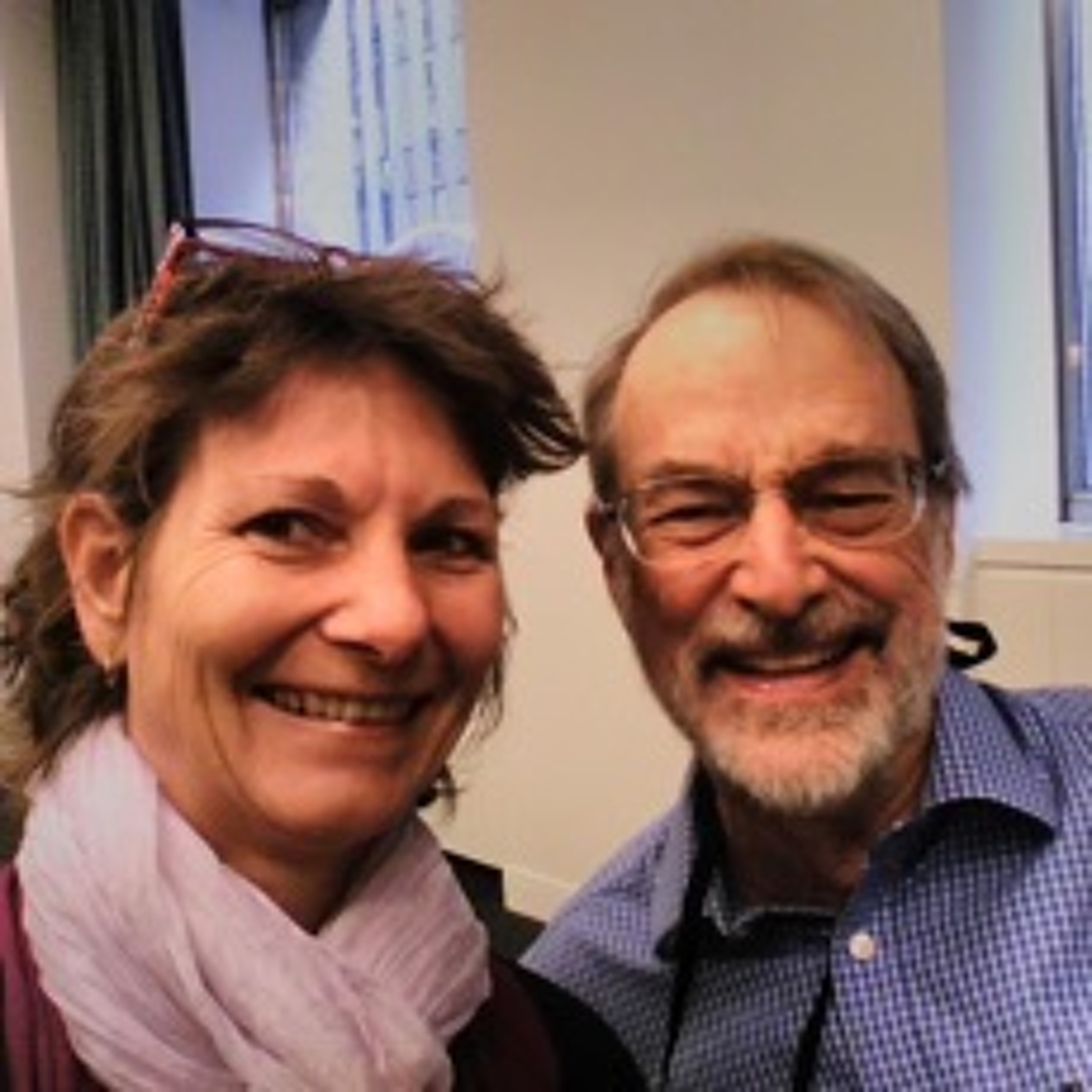
Jutta E. and John B. on Company-wide Agility with Beyond Budgeting, Open Space and Sociocracy
In this podcast Shane Hastie, Lead Editor for Culture & Methods, spoke to Jutta Eckstein and John Buck about their new book: Company-wide Agility with Beyond Budgeting, Open Space and Sociocracy – BOSSA-Nova Why listen to this podcast: • The pressing question: if democracy is good, why aren’t businesses using it • The new book is a theoretical framework for organizations to help agile spread philosophy across whole organizations • Just using Agile company-wide is not enough • In the VUCA times we live in require that companies are able to make quick and fast decisions – sociocracy provides this ability • Beyond Budgeting provides guidance on how finance, accounting, HR and management needs to change in the new environment • Open Space is a great way to bring alignment and commitment into the organization More on this: Quick scan our curated show notes on InfoQ https://bit.ly/2PNUOOp You can also subscribe to the InfoQ newsletter to receive weekly updates on the hottest topics from professional software development. bit.ly/24x3IVq Subscribe: www.youtube.com/infoq Like InfoQ on Facebook: bit.ly/2jmlyG8 Follow on Twitter: twitter.com/InfoQ Follow on LinkedIn: www.linkedin.com/company/infoq Check the landing page on InfoQ: https://bit.ly/2PNUOOp

Fred George on Solving Fuzzy Problems
In this podcast Shane Hastie, Lead Editor for Culture & Methods, spoke to Fred George about the need to solve “fuzzy problems” and approaches to doing so. Why listen to this podcast: • Fuzzy problems are ones which don’t have precise answers but they are the places where most money is being made in the modern economy • Applying the thinking that works for traditional problems to fuzzy problems causes frustration because the underlying assumption that the problem will have a single solution is wrong • The rules for solving fuzzy problems are related to the speed of trying out ideas and learning rather and so competitive advantage accrues to fast delivery • Most organisations have a mix of traditional and fuzzy problems – segregate the teams and use the appropriate approach for the problem type • If you’re doing agile the same way in all your teams you’re probably not doing agile anymore More on this: Quick scan our curated show notes on InfoQ https://bit.ly/2J1xBpg You can also subscribe to the InfoQ newsletter to receive weekly updates on the hottest topics from professional software development. bit.ly/24x3IVq Subscribe: www.youtube.com/infoq Like InfoQ on Facebook: bit.ly/2jmlyG8 Follow on Twitter: twitter.com/InfoQ Follow on LinkedIn: www.linkedin.com/company/infoq Check the landing page on InfoQ: https://bit.ly/2J1xBpg

Todd Little on how Kanban Helps Organizations Improve
In this podcast Shane Hastie, Lead Editor for Culture & Methods, spoke to Todd Little, CEO of LeanKanban Inc about how organizations can use Kanban to identify bottlenecks and improve flow in their business processes. Why listen to this podcast: • Kanban is a more natural way of working for more experienced teams • Kanban tells you to start wherever you are at and make change incrementally • Only if you deeply understand your system can you deeply improve it • Kanban helps collaboration through allowing the team focus on where the work is and what we can do to get the work to flow through the system • Continuous improvement is the fundamental underlying idea of Kanban More on this: Quick scan our curated show notes on InfoQ https://bit.ly/2OMVuq5 You can also subscribe to the InfoQ newsletter to receive weekly updates on the hottest topics from professional software development. bit.ly/24x3IVq Subscribe: www.youtube.com/infoq Like InfoQ on Facebook: bit.ly/2jmlyG8 Follow on Twitter: twitter.com/InfoQ Follow on LinkedIn: www.linkedin.com/company/infoq Check the landing page on InfoQ: https://bit.ly/2OMVuq5

Linda Rising on Thinking Fast, Thinking Slow, Ethics and Overcoming Biases
In this podcast Shane Hastie, Lead Editor for Culture & Methods, spoke to Linda Rising about Daniel Kahneman’s work on Thinking Fast, Thinking Slow, overcoming bias in the employment process and resisting social pressure in decision making. Why listen to this podcast: • Daniel Kahneman’s book Thinking Fast Thinking Slow based on the research he did with Amos Tversky into how the human brain works, for which Kahneman win the 2011 Nobel Prize for Economics, is hard to read. Linda wants to make the ideas more accessible • One part is known as System One – the part that reacts quickly, never sleeps, where our cognitive biases reside and is the home of our expertise • The second part known as System Two is the conscious mind, somewhat associated with the prefrontal cortex, it is the part that sleeps and wakes and where considered decision making happens • In the hiring process, and other important decisions, it is vital to involve more than one person because awareness of the possibility of bias enables you to question each other’s decision-making process and invoke System Two to examine decisions more objectively • Social pressure results in biases being reinforced, but a single dissenting voice can and des change the direction of bad decision making More on this: Quick scan our curated show notes on InfoQ https://bit.ly/2NgG8Fm You can also subscribe to the InfoQ newsletter to receive weekly updates on the hottest topics from professional software development. bit.ly/24x3IVq Subscribe: www.youtube.com/infoq Like InfoQ on Facebook: bit.ly/2jmlyG8 Follow on Twitter: twitter.com/InfoQ Follow on LinkedIn: www.linkedin.com/company/infoq Check the landing page on InfoQ: https://bit.ly/2NgG8Fm
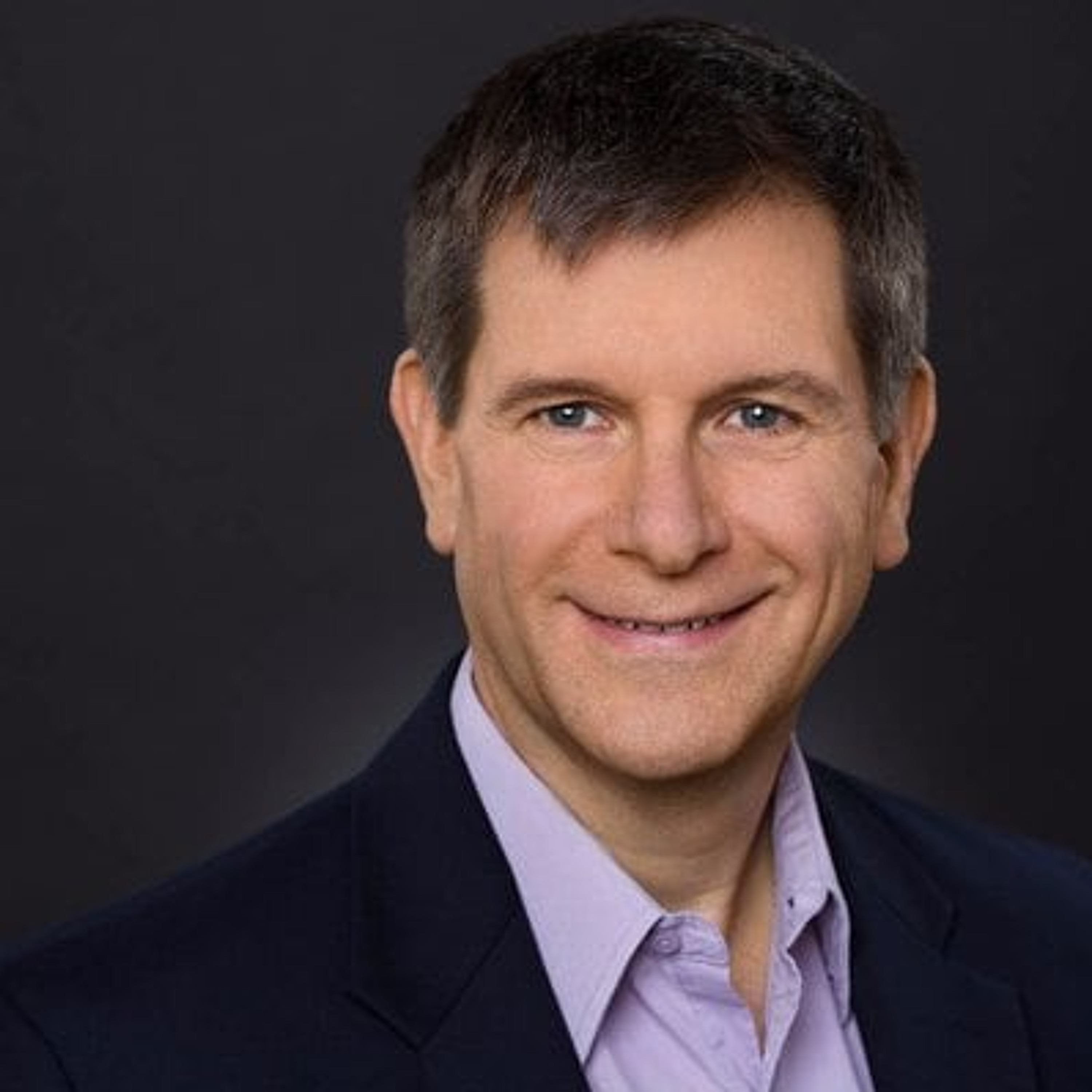
Bernie Maloney on Servant Leadership and Bringing Out Human Potential
In this podcast Shane Hastie, Lead Editor for Culture & Methods, spoke to Bernie Maloney of Persistent Systems about servant leadership and bringing out human potential. Why listen to this podcast: - Servant leadership is about creating a space through which other people can succeed and stepping back to let them do so. It matters because it requires empathy and compassion. - Organizations that don’t change to the new ways of working are being disrupted out of existence - Teams need to learn new ways of working, especially collaboration over individual specialization - There are no models and structures in place to help leaders make the jump to letting go and trusting their teams to do the work – this is new territory. More on this: Quick scan our curated show notes on InfoQ https://bit.ly/2OcVejX You can also subscribe to the InfoQ newsletter to receive weekly updates on the hottest topics from professional software development. bit.ly/24x3IVq Subscribe: www.youtube.com/infoq Like InfoQ on Facebook: bit.ly/2jmlyG8 Follow on Twitter: twitter.com/InfoQ Follow on LinkedIn: www.linkedin.com/company/infoq Check the landing page on InfoQ: https://bit.ly/2OcVejX
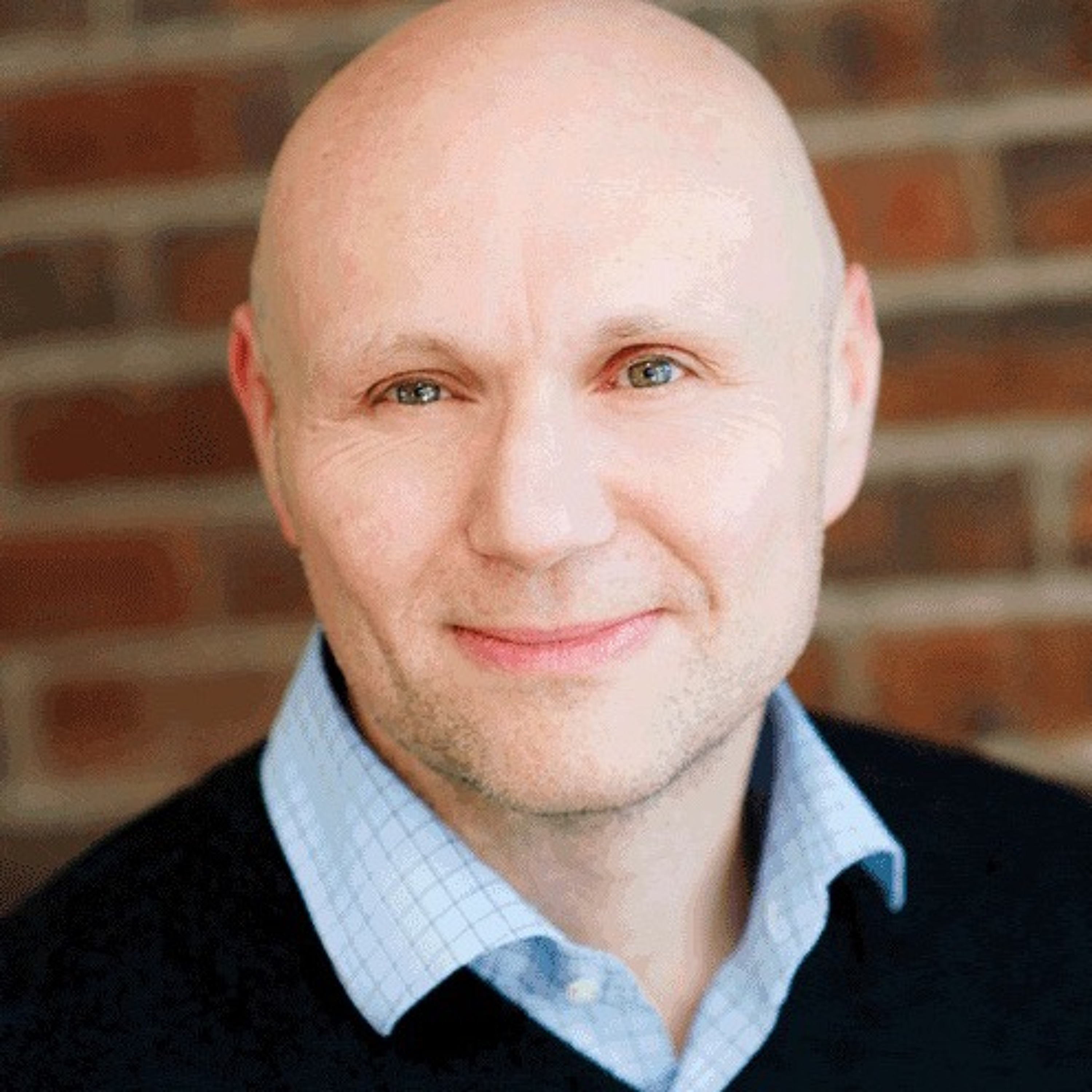
Dave West on the State of Scrum and the Latest Scrum Guide
In this podcast Shane Hastie, Lead Editor for Culture & Methods, spoke to Dave West, Chief Product Owner of Scrum.org about the state of Scrum, the latest revision to the Scrum Guide, the rise of Digital and the way Scrum.org maintains its courseware. Why listen to this podcast: • Scrum continues to be the dominant force in agile/digital/lean startup approaches • As complexity grows in our world the value of Scrum continues to grow • If you’re not doing Scrum per the book it doesn’t mean you’re “wrong”, just don’t call it Scrum • It’s not optional to improve how you work – it’s mandatory! • Scrum is fundamentally about dealing with complexity and improving productivity • Digital is about building organisations that are very different and able to take advantage of new technologies with new business models • Organisations need to move very strongly towards a product mindset and a product structured organisational architecture More on this: Quick scan our curated show notes on InfoQ https://bit.ly/2xjpDDv You can also subscribe to the InfoQ newsletter to receive weekly updates on the hottest topics from professional software development. bit.ly/24x3IVq Subscribe: www.youtube.com/infoq Like InfoQ on Facebook: bit.ly/2jmlyG8 Follow on Twitter: twitter.com/InfoQ Follow on LinkedIn: www.linkedin.com/company/infoq Check the landing page on InfoQ: https://bit.ly/2xjpDDv

John Le Drew on Solving Technical Problems by Addressing Human Issues
In this podcast recorded at the Agile India conference Shane Hastie, Lead Editor for Culture & Methods, spoke to John Le Drew about solving technical problems by addressing the people issues. Why listen to this podcast: • Very diverse teams will naturally have conflict, but they still produce better outcomes despite the journey being more of a struggle to get there • Cognitive biases are real and are an evolutionary survival tactic and we need to be very mindful of them • We all like to think that we aren’t biased, but the imbalances in team formation and hiring practices are still perpetuated • We can’t reprogram our brains to remove biases, the way to overcome them is to be aware of them • If you address your people as unique human beings with individual needs and work out how to support them in the best way possible for their needs then you will get better outcomes More on this: Quick scan our curated show notes on InfoQ https://bit.ly/2x79tfD You can also subscribe to the InfoQ newsletter to receive weekly updates on the hottest topics from professional software development. bit.ly/24x3IVq Subscribe: www.youtube.com/infoq Like InfoQ on Facebook: bit.ly/2jmlyG8 Follow on Twitter: twitter.com/InfoQ Follow on LinkedIn: www.linkedin.com/company/infoq Check the landing page on InfoQ: https://bit.ly/2x79tfD

Aurynn Shaw on Enabling an Sustainable DevOps Culture
In this podcast Shane Hastie, Lead Editor for Culture & Methods, spoke to Aurynn Shaw about how DevOps, Microservices and other “technical” approaches are in fact cultural constraints on technical ideas and what’s needed to make the culture sustainable. Key takeaways: * Running and testing a program on the developer desktop is not running the program * You must rethink the approach to building the software based on the way it will be deployed * DevOps isn’t about the tooling – it is about the context in which we find ourselves * Sustainable DevOps is about understanding the system that makes up the organisation ecosystem and what needs to change to enable the new ways of working * Design the system to help prevent dangerous actions rather than laying blame when something goes wrong * As a technologist you want to say “yes” – fix the systems around you that force you to say “no” * When examining the system we will discover that we’ve done things that we’re not happy about and must accept that they happened without apportioning blame

Sanjeev Sharma of IBM on what a DevOps Culture Really Means
In this podcast Shane Hastie, Lead Editor for Culture & Methods, spoke to Sanjeev Sharma, a Distinguished Engineer at IBM, on the challenges for large enterprises adopting DevOps at scale and what it really means to have a DevOps culture Why listen to this podcast: • There is no single “why” for adopting DevOps – each organisation is unique and the adoption approach should be based around what they are trying to optimize • DevOps is not a methodology – it is a set of guiding principles • As more and more parts of the business get to the higher levels of maturity you get to DevOps adoption at scale • The biggest challenge to adopting DevOps in a large enterprise is overcoming cultural inertia • The cultural impact of DevOps needs to be about building trust across silos in the organisation • There is a need for DevOps coaches who have skills that go deep into the operations areas, not just rebranded Agile coaches More on this: Quick scan our curated show notes on InfoQ https://bit.ly/2wmiDEv You can also subscribe to the InfoQ newsletter to receive weekly updates on the hottest topics from professional software development. bit.ly/24x3IVq Subscribe: www.youtube.com/infoq Like InfoQ on Facebook: bit.ly/2jmlyG8 Follow on Twitter: twitter.com/InfoQ Follow on LinkedIn: www.linkedin.com/company/infoq Check the landing page on InfoQ: https://bit.ly/2wmiDEv
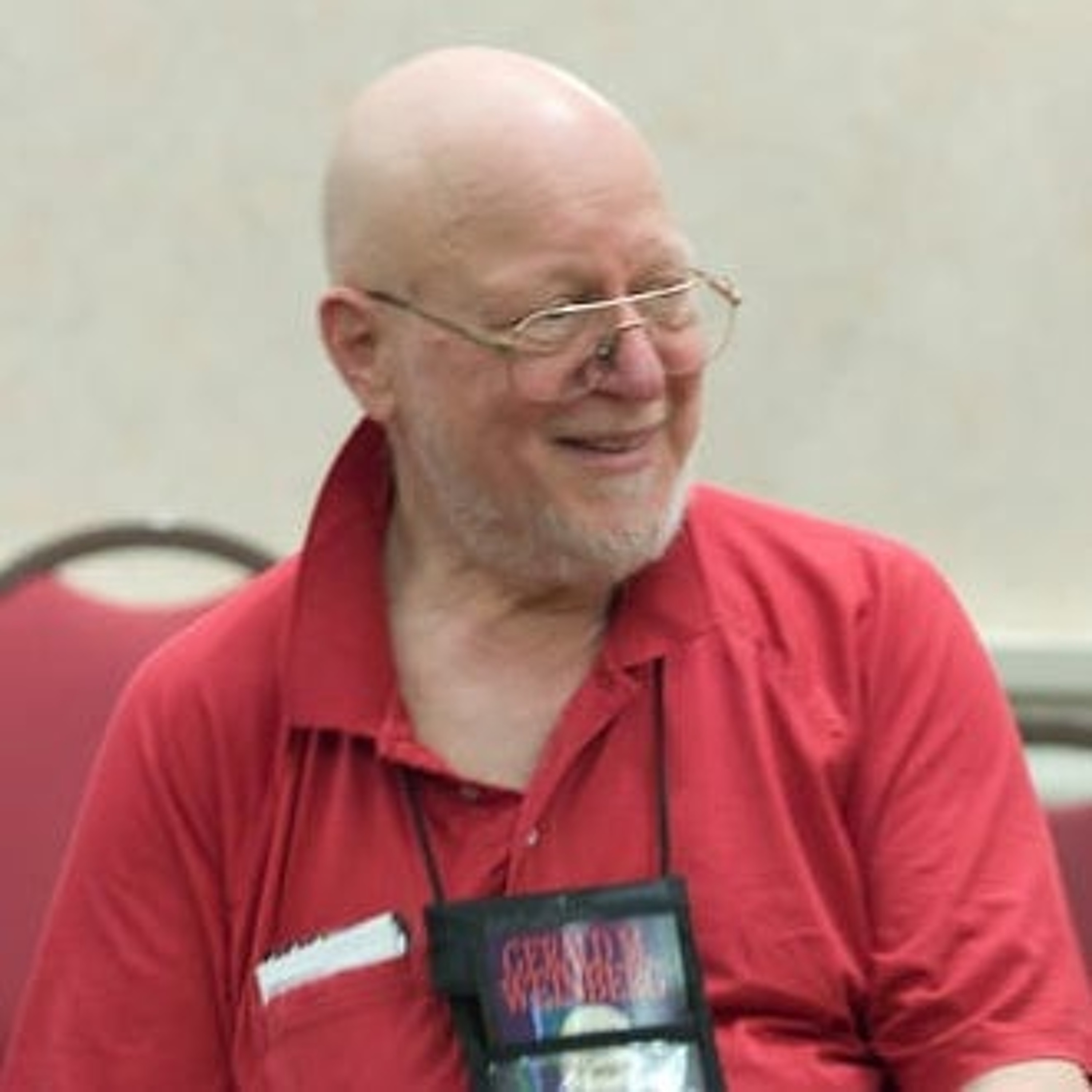
Remembering Jerry Weinberg with Johanna Rothman and Esther Derby
In this podcast Shane Hastie, Lead Editor for Culture & Methods, spoke to Johanna Rothman and Esther Derby about their memories of Gerald M. (Jerry) Weinberg who passed away on the 7th of August 2018. Why listen to this podcast: • Jerry Weinberg was a highly respected thinker and author • He was instrumental in defining some of the key elements of systems thinking and quality practices for software development • The rule of three – one option is a trap, two is a dilemma and three breaks logjam thinking to enable creativity • “It’s always a human problem” • Jerry inspired people to look at things in different ways • Jerry’s advice to anyone who wanted to be like him – become the best version of yourself More on this: Quick scan our curated show notes on InfoQ https://bit.ly/2vSo7r7 You can also subscribe to the InfoQ newsletter to receive weekly updates on the hottest topics from professional software development. bit.ly/24x3IVq Subscribe: www.youtube.com/infoq Like InfoQ on Facebook: bit.ly/2jmlyG8 Follow on Twitter: twitter.com/InfoQ Follow on LinkedIn: www.linkedin.com/company/infoq Check the landing page on InfoQ: https://bit.ly/2vSo7r7