Engineering Culture by InfoQ
429 episodes — Page 8 of 9
Michael Cote from Pivotal on Programming the Business
In this podcast Shane Hastie, Lead Editor for Culture & Methods, spoke to Michael Cote from Pivotal Labs about “programming the business” to enable support for automation and moving towards DevOps. Why listen to this podcast: • It’s possible to move from deploying on a yearly basis to a daily basis • Adopting a new process or approach often improves things dramatically, frequently because what was being done before was not effective rather than because of the effectiveness of the new way • Change the structures so teams are focused on products, not projects, ensure all the roles needed are in the team and that they are fully dedicated to working on the product • The rift in many organizations between “the business” and IT means that business people don’t expect the software to be agile and responsive to their needs • Businesses which were founded in the tech space are inherently agile and they run using these approaches all the time. The challenge is bringing “traditional” businesses down the same path More on this: Quick scan our curated show notes on InfoQ https://bit.ly/2P3dud4 You can also subscribe to the InfoQ newsletter to receive weekly updates on the hottest topics from professional software development. bit.ly/24x3IVq Subscribe: www.youtube.com/infoq Like InfoQ on Facebook: bit.ly/2jmlyG8 Follow on Twitter: twitter.com/InfoQ Follow on LinkedIn: www.linkedin.com/company/infoq Check the landing page on InfoQ: https://bit.ly/2P3dud4

Dan Kreigh on Building SpaceShipOne and Designing Flying Cars
In this podcast Shane Hastie, Lead Editor for Culture & Methods, spoke to Dan Kreigh about his experiences as the lead structural analyst working on SpaceShipOne and his personal interest in designing and building a flying car. Why listen to this podcast: • Building SpaceShipOne was an iterative and incremental project • There are many parallels between the development of SpaceShipOne and an agile software product • Dan’s definition of a flying car is one that you can drive on the freeway and to the store, then drive to an airport and take off and fly to your next destination • There are a number of debates about the best designs for flying cars with multiple different approaches to addressing the challenges • Dan’s approach is to build a flying car which will fit in a home garage using well understood technologies and incremental development More on this: Quick scan our curated show notes on InfoQ https://bit.ly/2KfKpYo You can also subscribe to the InfoQ newsletter to receive weekly updates on the hottest topics from professional software development. bit.ly/24x3IVq Subscribe: www.youtube.com/infoq Like InfoQ on Facebook: bit.ly/2jmlyG8 Follow on Twitter: twitter.com/InfoQ Follow on LinkedIn: www.linkedin.com/company/infoq Check the landing page on InfoQ: https://bit.ly/2KfKpYo

Jeff Dalton on Teaching Leaders How to Teach
In this podcast Shane Hastie, Lead Editor for Culture & Methods, spoke to Jeff Dalton about the challenges of agile adoption in large organizations and the need to teach agile leaders how to teach so they can lead the cultural shift that is needed Why listen to this podcast: • The marketing of agility is going far better than the actual on the ground adoption • When process-centric, low trust organisations adopt agile they bring that approach to their agile practices • The link between the soft skills and the hard technical practices of agile is what enables high quality and real agility, but many senior managers haven’t made the connection for themselves • There is no need for a new framework – the need is to enable leaders to leverage agility and teach that to other leaders and to their teams • The re-emergence of a focus on craftsmanship is a great thing, but it is not enough More on this: Quick scan our curated show notes on InfoQ https://bit.ly/2LOc5bq You can also subscribe to the InfoQ newsletter to receive weekly updates on the hottest topics from professional software development. bit.ly/24x3IVq Subscribe: www.youtube.com/infoq Like InfoQ on Facebook: bit.ly/2jmlyG8 Follow on Twitter: twitter.com/InfoQ Follow on LinkedIn: www.linkedin.com/company/infoq Check the landing page on InfoQ: https://bit.ly/2LOc5bq

Edith Harbaugh of Launch Darkly on Engineering a Good Engineering Culture
In this podcast Shane Hastie, Lead Editor for Culture & Methods, spoke to Edith Harbaugh of Launch Darkly on the way she and her cofounder have deliberately engineered their organisation’s culture Why listen to this podcast: • A good engineering culture is one where there is a lot of respect for different people and roles • Start by good intent on behalf of your colleagues – everyone is doing their best • Be open to continually learning – mistakes will happen, learn from them in a blame-free way • Another aspect of respect is ensuring meetings are purposeful, have the right people involved, have a clear agenda and stay on time • To build mastery it’s OK to be bad at something in the beginning and deliberately get better • Sharing the reason why the customer chooses the product, rather than how much was earned from the sale, is motivational More on this: Quick scan our curated show notes on InfoQ https://bit.ly/2LewoiU You can also subscribe to the InfoQ newsletter to receive weekly updates on the hottest topics from professional software development. bit.ly/24x3IVq Subscribe: www.youtube.com/infoq Like InfoQ on Facebook: bit.ly/2jmlyG8 Follow on Twitter: twitter.com/InfoQ Follow on LinkedIn: www.linkedin.com/company/infoq Check the landing page on InfoQ: https://bit.ly/2LewoiU

Matt Abrahams of BoldEcho on Becoming Effective Communicators
In this podcast Shane Hastie, Lead Editor for Culture & Methods, spoke with Matt Abrahams of BoldEcho and Stanford Graduate School of Business on becoming effective communicators, especially around speaking in public. Why listen to this podcast: • Everyone has a story to tell • Make sure you understand who you are speaking to and what it is that you can do to help them • It’s important to structuring your message in such a way as to make it easy for your audience to understand • All communication should have a goal which has three parts - information, emotion and action (what, so what, now what) • Overcoming imposter syndrome – most audiences are there to learn, they want you to be successful • It takes bravery to admit that we’re not great communicators and start on a path of learning to improve
Pooja Brown on Building Great Engineering Cultures
In this podcast Shane Hastie, Lead Editor for Culture & Methods, spoke with Pooja Brown, VP of Engineering at Docusign about building great engineering culture. Why listen to this podcast: • Great culture comes when people are aligned with the organisation’s mission • There are ways to bring the voice of the customer to the ears of the team and doing so creates empathy and results in better products • Transparency and openness around what matters to the company helps ensure people align with those goals • Every engineer is responsible for ensuring that the code they write is reliable, available and secure • Fairness and transparency are key to great culture • Being a people manager requires technical knowledge for credibility but is not about providing technical leadership; many people confuse the two More on this: Quick scan our curated show notes on InfoQ https://bit.ly/2KapXgc You can also subscribe to the InfoQ newsletter to receive weekly updates on the hottest topics from professional software development. bit.ly/24x3IVq Subscribe: www.youtube.com/infoq Like InfoQ on Facebook: bit.ly/2jmlyG8 Follow on Twitter: twitter.com/InfoQ Follow on LinkedIn: www.linkedin.com/company/infoq Check the landing page on InfoQ: https://bit.ly/2KapXgc

Jarrod Overson Offers Advice for Aspirant and Current Technical Leaders
In this podcast Shane Hastie, Lead Editor for Culture & Methods, spoke with Jarrod Overson of Shape Security about the reason for and the content in the Beyond Being an Individual Contributor track at QCon San Francisco, and he offers advice for current and aspirant technical leaders. Why listen to this podcast: • Many technologists get the opportunity to move into leadership roles but receive no training or guidance about what skills such a role needs • Solving other people’s problems as quickly as possible is an important aspect of a leadership role – this is very different to being an individual contributor where the focus is on solving your own problems • Advice for aspirant leaders: assume you are in the role you want and practice doing everything you think should be done in that role • There is a bias among software developers against what is perceived as “old” knowledge – practices that have been around for decades and centuries – this is very wrong • The problems of software engineering have not yet all been solved so there is still a lot of learning to be done, you can’t just repeat what has been done elsewhere before and expect it to work • Software engineering is a creative, artistic skill done by creative, artistic people and a leader needs to understand how such people are motivated • Culture and motivation comes from the top of a company and spreads all the way down More on this: Quick scan our curated show notes on InfoQ https://bit.ly/2HXSIXF You can also subscribe to the InfoQ newsletter to receive weekly updates on the hottest topics from professional software development. bit.ly/24x3IVq Subscribe: www.youtube.com/infoq Like InfoQ on Facebook: bit.ly/2jmlyG8 Follow on Twitter: twitter.com/InfoQ Follow on LinkedIn: www.linkedin.com/company/infoq Check the landing page on InfoQ: https://bit.ly/2HXSIXF

Susan McIntosh on Diversity in Tech
In this podcast Shane Hastie, Lead Editor for Culture & Methods, spoke with Susan McIntosh, an InfoQ editor, agile practitioner and scrum master who works in the area of cultural change about the impacts that the lack of diversity in tech has and some ways to address the inherent imbalances in the system. Why listen to this podcast: • There is a significant diversity challenge in the information technology industry • Women are the primary decision makers in shopping but the IT industry as a whole doesn’t consider the women’s perspective when designing and building products • The common misconception that confidence equates to competence and how that impacts people who may be very competent but may be uncomfortable putting themselves forward • Some advice on how organisations can encourage people to “bring your whole self to work” and create a safe, supportive culture • Being valued as a complete person in the workplace improves engagement and commitment to the organisation, and benefits the employee, employer and customers • A diverse group will have a wide variety of experiences and can use these diverse ideas to produce products which provide better value for the customers they are building products for More on this: Quick scan our curated show notes on InfoQ https://bit.ly/2kYJ6Tp You can also subscribe to the InfoQ newsletter to receive weekly updates on the hottest topics from professional software development. bit.ly/24x3IVq Subscribe: www.youtube.com/infoq Like InfoQ on Facebook: bit.ly/2jmlyG8 Follow on Twitter: twitter.com/InfoQ Follow on LinkedIn: www.linkedin.com/company/infoq Check the landing page on InfoQ: https://bit.ly/2kYJ6Tp

Chris Manuel on Continuous Testing and Culture Change
In this podcast Shane Hastie, Lead Editor for Culture & Methods, spoke to Chris Manuel who heads the global test engineering service for Mindtree about continuous testing, cultural change and creating a culture of quality in organisations Why listen to this podcast: • The application portfolio of every organisation has become much more complex and this needs different ways of approaching the testing challenges that just having legions of people banging away at keyboards • The value of moving away from testing at the end to injecting quality throughout the lifecycle • This needs to extend beyond just testing functionality in the product, it needs rethinking about testing at the different levels and different targets in parallel • The value of bringing analytics into the right-hand side of the software development lifecycle and feeding that information into the ongoing development activities • There are lots of things that prevent the effective collaboration and mitigate against developer-tester collaboration in many organisations • Even in organisations that have adopted agile approaches, most haven’t truly addressed the cultural changes needed to have a one-team, quality first mindset More on this: Quick scan our curated show notes on InfoQ https://bit.ly/2IRCHHR You can also subscribe to the InfoQ newsletter to receive weekly updates on the hottest topics from professional software development. bit.ly/24x3IVq Subscribe: www.youtube.com/infoq Like InfoQ on Facebook: bit.ly/2jmlyG8 Follow on Twitter: twitter.com/InfoQ Follow on LinkedIn: www.linkedin.com/company/infoq Check the landing page on InfoQ: https://bit.ly/2IRCHHR

Dominica DeGrandis on Her Book Making Work Visible
In this podcast Shane Hastie, Lead Editor for Culture & Methods, spoke to Dominica DeGrandis about time thieves, making work visible, the important themes from the DevOps Enterprise Summit and ways to be more productive. Why listen to this podcast: • If we can understand the thieves of time better we can get some time back from our overburdened work-life • Having too much work in progress is the mother of all the other thieves of time • Much of our work is based on arbitrary rather than real due dates • Most daily stand up events take too long because of the focus on status - Instead of talking about what people are doing rather talk about what’s blocking them • Different type of works needs different time focus – managers vs makers • The value of having a regular cadence for meetings and for “Do Not Disturb” time • The danger, and harm, that comes about from believing there are “best” practices which can be applied in complex or complicated domains More on this: Quick scan our curated show notes on InfoQ https://bit.ly/2x1ZVFJ You can also subscribe to the InfoQ newsletter to receive weekly updates on the hottest topics from professional software development. bit.ly/24x3IVq Subscribe: www.youtube.com/infoq Like InfoQ on Facebook: bit.ly/2jmlyG8 Follow on Twitter: twitter.com/InfoQ Follow on LinkedIn: www.linkedin.com/company/infoq Check the landing page on InfoQ: https://bit.ly/2x1ZVFJ

Steve Holyer on Collaboration, Culture & Teams
In this podcast Shane Hastie, Lead Editor for Culture & Methods, spoke to Steve Holyer about collaboration, culture and teams, and the state of the Agile Fluency projects. Why listen to this podcast: • Diverse lived experiences make people better individuals and team members • How important psychological safety is for teams • We all have unconscious biases and our language reflects this • The value in the Agile Fluency Model is the outcomes we can produce by using it • The Agile Fluency Model helps teams and organisations figure out how to identify value and prioritize work • The product owner as the facilitator of conversations so the shared understanding of value can emerge More on this: Quick scan our curated show notes on InfoQ https://bit.ly/2jUipyu You can also subscribe to the InfoQ newsletter to receive weekly updates on the hottest topics from professional software development. bit.ly/24x3IVq Subscribe: www.youtube.com/infoq Like InfoQ on Facebook: bit.ly/2jmlyG8 Follow on Twitter: twitter.com/InfoQ Follow on LinkedIn: www.linkedin.com/company/infoq Check the landing page on InfoQ: https://bit.ly/2jUipyu
CA agile leaders on the using data and creating a safe environment to drive strategy
In this podcast Shane Hastie, Lead Editor for Culture & Methods, spoke to Shannon Mason, Laureen Knudsen and Steve Wolfe about a wide range of topics from agile marketing to using data effectively to drive strategy, to organisation incentives and neuroscience. Why listen to this podcast: • While there are differences in the application of agile ideas in different domains, the principles apply across the board • An effective agile environment produces good data for executive decision making • To be able to use the data effectively the culture needs to support psychological safety • Agile adoption forces organisations to confront dysfunctional practices • The shift from seeing oneself as the individual contributor to part of a collective group who achieve success together is very hard • Define your ways of working so they work with how people’s brains work, and there is no single process which works for everyone or every area of the organisation More on this: Quick scan our curated show notes on InfoQ https://bit.ly/2rtRc9m You can also subscribe to the InfoQ newsletter to receive weekly updates on the hottest topics from professional software development. bit.ly/24x3IVq Subscribe: www.youtube.com/infoq Like InfoQ on Facebook: bit.ly/2jmlyG8 Follow on Twitter: twitter.com/InfoQ Follow on LinkedIn: www.linkedin.com/company/infoq Check the landing page on InfoQ: https://bit.ly/2rtRc9m

Diana Larsen on Organisation Design for Team Effectiveness and Having the Best Possible Worklife
This is the Engineering Culture Podcast, from the people behind InfoQ.com and the QCon conferences. In this podcast Shane Hastie, Lead Editor for Culture & Methods, spoke to Diana Larsen about organisational design for team effectiveness, having the best possible worklife and the evolution of the Agile Fluency Model Why listen to this podcast: • Organisation design is a distinct subset of organisation development • For teams to be effective, every team needs a clear purpose – why are we doing this work • Team effectiveness comes from every member of the team committing to working on the purpose together in collaboration and committing to making the best possible worklife for everybody else on the team • Many organisation’s motivation systems mitigate against teamwork and care for each other’s wellbeing • Deliberate practice is the investment you make in learning that gets you to a state of fluency which allows you to take on the next challenge More on this: Quick scan our curated show notes on InfoQ https://bit.ly/2HC2seR You can also subscribe to the InfoQ newsletter to receive weekly updates on the hottest topics from professional software development. bit.ly/24x3IVq Subscribe: www.youtube.com/infoq Like InfoQ on Facebook: bit.ly/2jmlyG8 Follow on Twitter: twitter.com/InfoQ Follow on LinkedIn: www.linkedin.com/company/infoq Check the landing page on InfoQ: https://bit.ly/2HC2seR
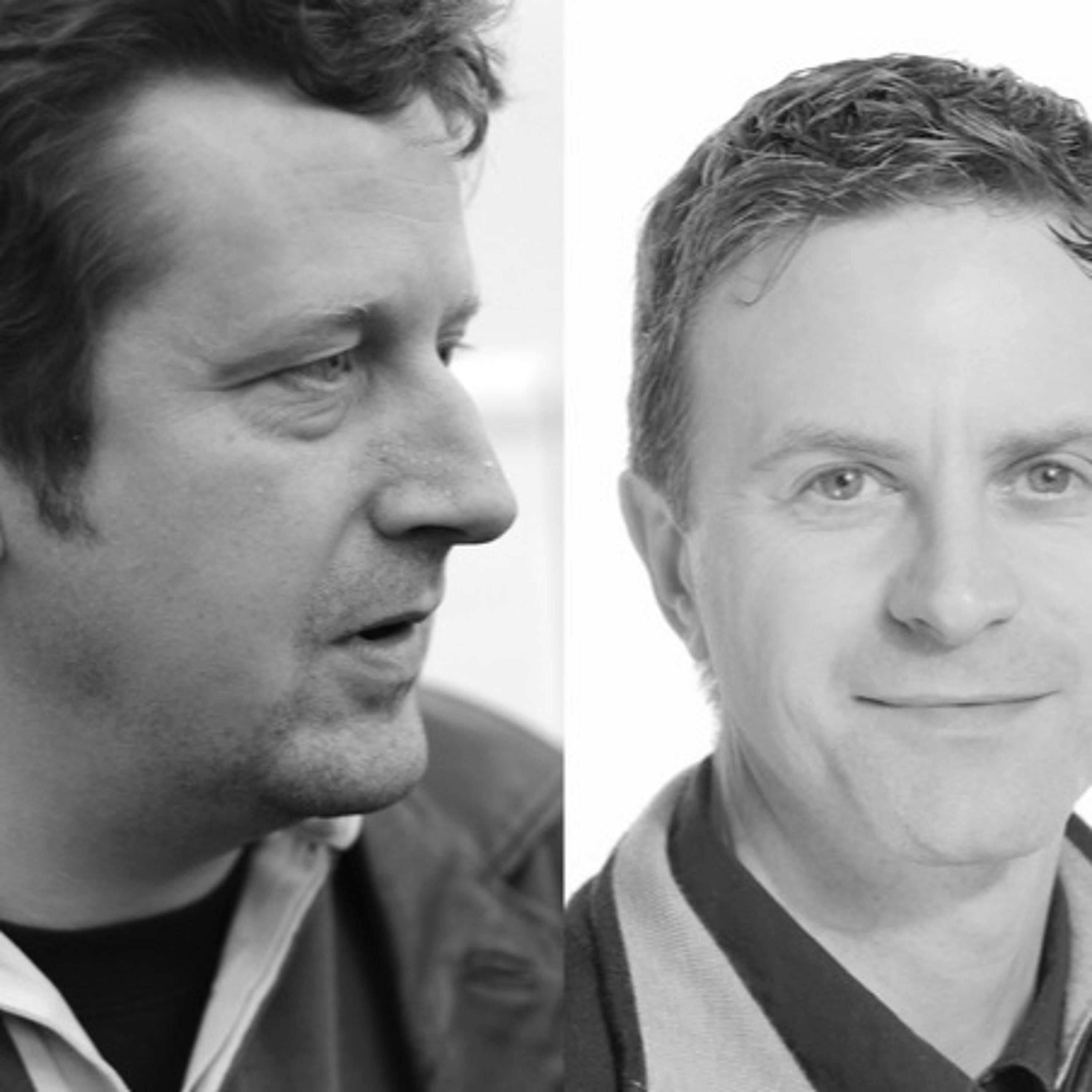
Chris Matts & Tony Grout on IT Risk Management Framework as a Catalyst for Change
In this podcast Shane Hastie, Lead Editor for Culture & Methods, talks to Tony Grout and Chris Matts about building an IT risk management framework at a large bank and using that as a catalyst for a digital transformation. Why listen to this podcast: • Just deploying another prescriptive method will not make an organisation agile and adaptive • A risk management framework can be a catalyst for change • The components of a simple framework which enables adaptation at the team level while ensuring alignment to organisational outcomes • The importance of an organisational-level backlog which is transparently prioritised to ensure the teams who need to collaborate have clarity about cross-cutting priorities • Ensuring that controls are as easy to evidence as possible and that there very low overhead in gathering the metrics You can also subscribe to the InfoQ newsletter to receive weekly updates on the hottest topics from professional software development. bit.ly/24x3IVq Subscribe: www.youtube.com/infoq Like InfoQ on Facebook: bit.ly/2jmlyG8 Follow on Twitter: twitter.com/InfoQ Follow on LinkedIn: www.linkedin.com/company/infoq
Riot Games on Moving Beyond Product Ownership
In this podcast recorded at Agile 2017, Shane Hastie, Lead Editor for Culture & Methods, spoke to Ahmed Sidky and Michael Robillard of Riot Games about their experiences in product management for a comprehensive gaming experience Why listen to this podcast: • The need for a framework to make really tough product decisions • The importance of a clear strategy when faced with many good ideas - selecting which ones not to pursue • In the Agile community most of the conversation is about being better product owners, not having better product strategy and this is a gap • In the product space there are lots of loosely defined terms (outcome, impact, mission, vision, strategy…) so aligning on common terminology and meaning was an important early step • There are models and frameworks for strategic product management which draw on multiple sources • To have agility in the tactical space you need to have it in the strategic space • Anybody in the product development lifecycle should be able to think strategically More on this: Quick scan our curated show notes on InfoQ https://bit.ly/2vkr8mq You can also subscribe to the InfoQ newsletter to receive weekly updates on the hottest topics from professional software development. bit.ly/24x3IVq Subscribe: www.youtube.com/infoq Like InfoQ on Facebook: bit.ly/2jmlyG8 Follow on Twitter: twitter.com/InfoQ Follow on LinkedIn: www.linkedin.com/company/infoq Check the landing page on InfoQ: https://bit.ly/2vkr8mq

Troy Magennis on Using Data to Support Decision Making
In this podcast recorded at Agile 2017, Shane Hastie, Lead Editor for Culture & Methods, spoke Troy Magennis about his talks at the conference on “I love the smell of data in the morning” and “10 ways to choose what to start next” Why listen to this podcast: • The absence of data means all you have is an opinion • The simplest way to start gathering data in software development is to put the starting date/time on one corner, the ending date/time on another corner and use different colour post-its for different types of work • It’s the trend that’s important, not any one week of data • Your job is to make better decisions with the least amount of effort • Context is hard to spot if you are in the middle of it – you need to be able to step away and see from a different perspective • The job of a leader is to help the people who report to you understand the bigger picture and the impact of their decisions on the whole More on this: Quick scan our curated show notes on InfoQ https://bit.ly/2HAIBcs You can also subscribe to the InfoQ newsletter to receive weekly updates on the hottest topics from professional software development. bit.ly/24x3IVq Subscribe: www.youtube.com/infoq Like InfoQ on Facebook: bit.ly/2jmlyG8 Follow on Twitter: twitter.com/InfoQ Follow on LinkedIn: www.linkedin.com/company/infoq Check the landing page on InfoQ: https://bit.ly/2HAIBcs
Katherine Kirk, Sally Freudenberg & Chris Corriere on Inclusive Collaboration
In this podcast recorded at Agile 2017, Shane Hastie, Lead Editor for Culture & Methods, spoke to Katherine Kirk, Sally Freudenberg & Chris Corriere on Inclusive Collaboration, Neurodiversity and Creating Safe Spaces Why listen to this podcast: • Neurodiversity is the idea that things like autism, bi-polar disorder, dyslexia and ADHD are not “disabilities”, rather they are normal variations in the human genome • The tech industry is an industry of thinkers and we know that diverse teams are more effective, so embracing neurodiversity is a sensible approach • Create environments that include collaborative space as well as spaces suited for quiet, isolated individual contemplation or work • A robust system is absolutely vital in continuous environments – it enables continuous innovation and continuous delivery and supports a mindset of continuous learning • Many of our agile practices are suited for extroverted, fast thinkers and this disadvantages the contemplators who need time to reflect before contributing their ideas • Insight is the new market differentiator – insight comes from people and they need a creative environment in order to generate insights More on this: Quick scan our curated show notes on InfoQ https://bit.ly/2GaLbEJ You can also subscribe to the InfoQ newsletter to receive weekly updates on the hottest topics from professional software development. bit.ly/24x3IVq Subscribe: www.youtube.com/infoq Like InfoQ on Facebook: bit.ly/2jmlyG8 Follow on Twitter: twitter.com/InfoQ Follow on LinkedIn: www.linkedin.com/company/infoq Check the landing page on InfoQ: https://bit.ly/2GaLbEJ

Heidi Helfand On Dynamic Reteaming
This is the Engineering Culture Podcast, from the people behind InfoQ.com and the QCon conferences. In this podcast recorded at Agile 2017, Shane Hastie, Lead Editor for Culture & Methods, spoke to Heidi Helfand about Dynamic Reteaming Why listen to this podcast: • Team change is real – we might as well get good at it • People come and go from teams all the time for many different reasons • A missing level in Tuckman’s model of team formation – Stagnating, when you keep a team together for too long • There are techniques to build social bonds beyond the single team level to prevent constant forming/storming when team composition changes • The rate of reteaming is a business decision based on the context and needs of the organisation at the time More on this: Quick scan our curated show notes on InfoQ http://bit.ly/2oPFG71 You can also subscribe to the InfoQ newsletter to receive weekly updates on the hottest topics from professional software development. bit.ly/24x3IVq Subscribe: www.youtube.com/infoq Like InfoQ on Facebook: bit.ly/2jmlyG8 Follow on Twitter: twitter.com/InfoQ Follow on LinkedIn: www.linkedin.com/company/infoq Check the landing page on InfoQ: http://bit.ly/2oPFG71
Mike Bryzek of Flow.io on Testing in Production
This is the Engineering Culture Podcast, from the people behind InfoQ.com and the QCon conferences. In this podcast Shane Hastie, Lead Editor for Culture & Methods, spoke to Mike Bryzek – CTO and founder of Flow.io about his background in philanthropy, his current role at Flow.io and how they have empowered developers and adopted testing in production in order to raise the quality of their software. Why listen to this podcast: • The value of volunteerism and philanthropy for good through focusing on outcomes • Testing in production helps make higher quality software • The importance of instrumenting the software so we get feedback in real time • Allowing the engineer to own the decision about when to release the software and be accountable for that decision results in better products because the engineers who build them carefully consider what they need to do to get the product truly ready for release • Testing in production may seem scary now, but it’s just another tool in the toolbox of building quality software – it’s the only way we can guarantee that the software is actually working as expected in the environment that it is intended for More on this: Quick scan our curated show notes on InfoQ http://bit.ly/2sVXPoV You can also subscribe to the InfoQ newsletter to receive weekly updates on the hottest topics from professional software development. bit.ly/24x3IVq Subscribe: www.youtube.com/infoq Like InfoQ on Facebook: bit.ly/2jmlyG8 Follow on Twitter: twitter.com/InfoQ Follow on LinkedIn: www.linkedin.com/company/infoq Check the landing page on InfoQ: http://bit.ly/2sVXPoV

Harsh Sinha on Building Culture at TransferWise
In this podcast Shane Hastie, Lead Editor for Culture & Methods, spoke to Harsh Sinha, CTO of TransferWise about deliberately designing organisational culture. Why listen to this podcast: • The organisation is structured in lots of autonomous, independent teams each one of which is focused on meeting a specific customer need • For a startup the biggest competitive edge is speed, and this organisation structure supports and enables speed of decision making and responding to customer needs • Principles such as weak code ownership allow rapid changes within clearly defined constraints • While this may sound like a recipe for chaos it actually results in stronger ownership and better customer focus • Better decision making comes about because the people who make the decisions are the ones closest to the customer problems The difference between software development and product engineering. Engineers are expected to be proactive and go deeper into understanding the customer problem, not just working from More on this: Quick scan our curated show notes on InfoQ http://bit.ly/2obRelB You can also subscribe to the InfoQ newsletter to receive weekly updates on the hottest topics from professional software development. bit.ly/24x3IVq Subscribe: www.youtube.com/infoq Like InfoQ on Facebook: bit.ly/2jmlyG8 Follow on Twitter: twitter.com/InfoQ Follow on LinkedIn: www.linkedin.com/company/infoq Check the landing page on InfoQ: http://bit.ly/2obRelB

Rich Mironov on Product Development Trends
In this podcast Shane Hastie, Lead Editor for Culture & Methods, spoke to Rich Mironov about the current trends in product development Why listen to this podcast: • There is nothing more wasteful in the world than beautifully building a product that no one wants to buy • Everywhere in the world engineering teams are similar to other engineering teams and sales teams are similar to other sales teams and the two groups are completely opposite to each other • Dropping time and funding allocated to the quality/infrastructure improvements is similar to joining a health club and never going – you won’t get better and fitter unless you go • If you can’t cope with the role which has lots of responsibility and little authority then maybe a product role isn’t right for you • Bringing the dev team into close contact with customers has been a goal and a topic of conversation for a long time, but very few organisations are actually doing this • Good product managers frame problems, they don’t demand features More on this: Quick scan our curated show notes on InfoQ http://bit.ly/2GaezdT You can also subscribe to the InfoQ newsletter to receive weekly updates on the hottest topics from professional software development. bit.ly/24x3IVq Subscribe: www.youtube.com/infoq Like InfoQ on Facebook: bit.ly/2jmlyG8 Follow on Twitter: twitter.com/InfoQ Follow on LinkedIn: www.linkedin.com/company/infoq Check the landing page on InfoQ: http://bit.ly/2GaezdT

Cahlan Sharp on Teaching Development Skills
In this podcast Shane Hastie, Lead Editor for Culture & Methods, spoke to Cahlan Sharp about the DevMountain schools that teach software development skills in intensive “bootcamp” programs. Why listen to this podcast: • A lot of formal education is very theory based rather than teaching hands-on development skills • A Stack-Overflow survey in which 60% of respondents describe themselves as self-taught developers • A high-pressure, high performance environment where students learn by doing results in faster learning and better retention • All of this information and teaching is available online, however when trying to teach yourself online you don’t know what you don’t know so it will probably take longer to find what you actually need to learn • Employers are struggling to find the talent they need to continue to grow their businesses • The higher education system is ill-equipped to supply the people needed for the jobs that are available • Challenging the “it takes four years to learn something” mentality – people can and do learn things quickly and deeply when given the opportunity to do so More on this: Quick scan our curated show notes on InfoQ http://bit.ly/2E5Gaw2 You can also subscribe to the InfoQ newsletter to receive weekly updates on the hottest topics from professional software development. bit.ly/24x3IVq Subscribe: www.youtube.com/infoq Like InfoQ on Facebook: bit.ly/2jmlyG8 Follow on Twitter: twitter.com/InfoQ Follow on LinkedIn: www.linkedin.com/company/infoq Check the landing page on InfoQ: http://bit.ly/2E5Gaw2

Linda Rising on Values, Morality and the Impact of Politics
In this podcast Shane Hastie, Lead Editor for Culture & Methods, spoke Linda Rising about her talk at Agile 2017 in which she explores her own reaction to the politics in the USA and how it triggered her to research morality and values. Why listen to this podcast: • The inclusiveness, openness, learning and joy that characterises the agile community • Exploring her own reactions to people with different political viewpoints and finding research into morality which helps explain them • There are values which are commonly held, but different groups empathise some over others • Experiments that show that even when people understand the differences in viewpoint individuals are largely unable to argue from the “other” perspective • Seek to come to an understanding of other people’s values, even if you don’t share them More on this: Quick scan our curated show notes on InfoQ http://bit.ly/2rvMGdR You can also subscribe to the InfoQ newsletter to receive weekly updates on the hottest topics from professional software development. bit.ly/24x3IVq Subscribe: www.youtube.com/infoq Like InfoQ on Facebook: bit.ly/2jmlyG8 Follow on Twitter: twitter.com/InfoQ Follow on LinkedIn: www.linkedin.com/company/infoq Check the landing page on InfoQ: http://bit.ly/2rvMGdR
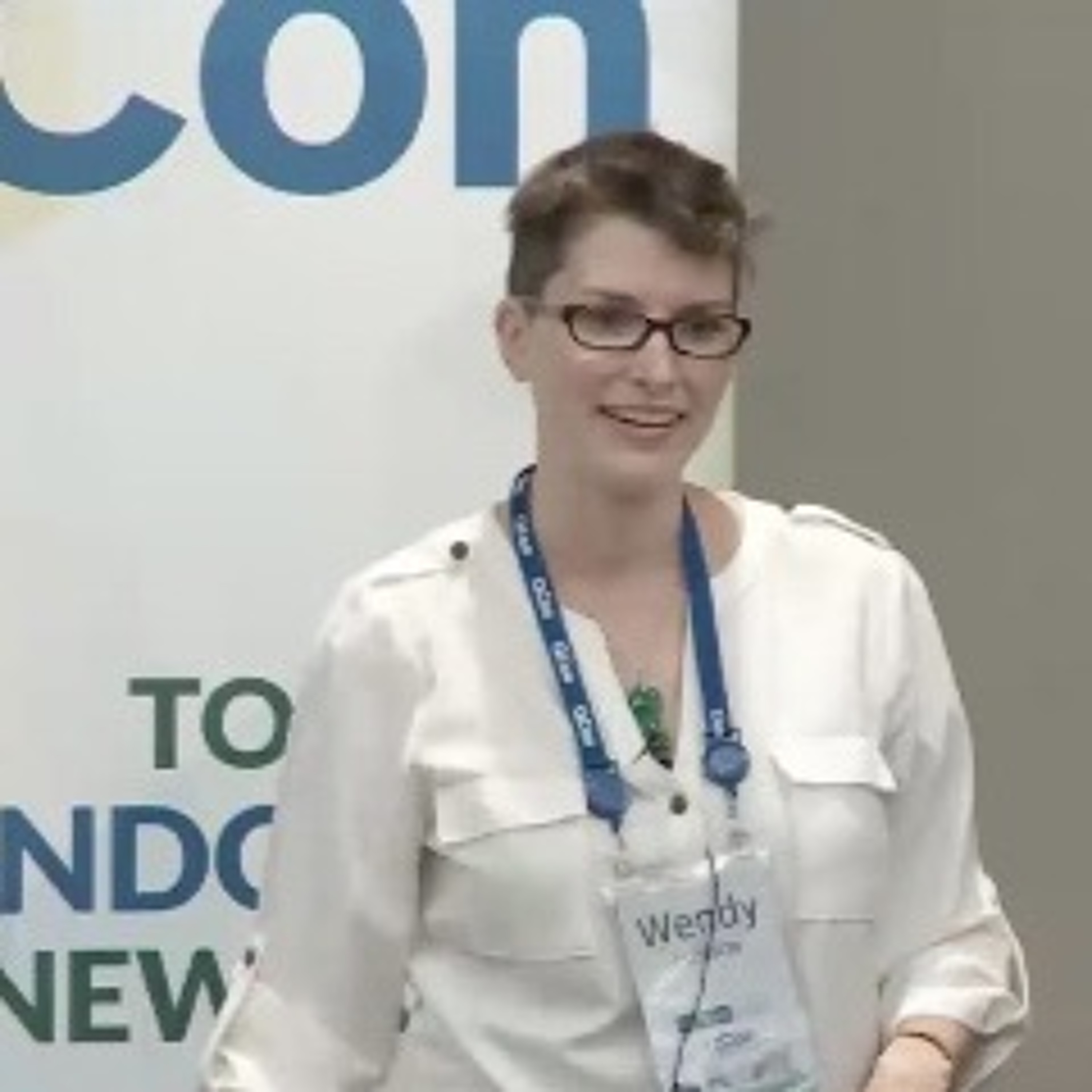
Wendy Closson on Mindfulness and Effective Communication
In this podcast Shane Hastie, Lead Editor for Culture & Methods, spoke to Wendy Closson about her journey of recovery from contracting a rare, deadly form of cancer to leading to the Optimize You track at QCon New York Why listen to this podcast: • The impact of contracting a rare form of cancer • The combination of things that together make a difference to survival rates • The five things that will impact your life for the better: Change the way you speak, think, feel, actions and attitude • The feedback loop – how you speak influences how you think which influences how you feel and nonviolent communication makes this a positive cycle • Different people have different needs and styles so find what works for you – use the tools that will help you fly. Consciousness is your awareness of yourself – your thoughts, your emotions, your actions, your attitude; how is the way you’re speaking planting seeds for tomorrow More on this: Quick scan our curated show notes on InfoQ http://bit.ly/2B36e8Q You can also subscribe to the InfoQ newsletter to receive weekly updates on the hottest topics from professional software development. bit.ly/24x3IVq Subscribe: www.youtube.com/infoq Like InfoQ on Facebook: bit.ly/2jmlyG8 Follow on Twitter: twitter.com/InfoQ Follow on LinkedIn: www.linkedin.com/company/infoq Check the landing page on InfoQ: http://bit.ly/2B36e8Q

Ramon Harrington of Vistaprint on Choosing What Not To Build
In this podcast Shane Hastie, Lead Editor for Culture & Methods, spoke to Ramon Harrington of Vistaprint about his QCon New York talk on Rapid Prototyping. Why listen to this podcast: • Putting engineers in front of customers and having conversations results in far better understanding and empathy for the customer’s needs • Be prepared to launch before you’ve built everything you think the product needs in order to avoid building features people don’t want • In engineering there is often a “right” answer, in product identification there isn’t – you don’t know until you try it out • Launching early with a reduced feature set can result in more engaged customers because their important problems are addressed first, and the product will be improved incrementally • Sometimes the software that you don’t write is more important than the software that you do write More on this: Quick scan our curated show notes on InfoQ http://bit.ly/2qfuJQ7 You can also subscribe to the InfoQ newsletter to receive weekly updates on the hottest topics from professional software development. bit.ly/24x3IVq Subscribe: www.youtube.com/infoq Like InfoQ on Facebook: bit.ly/2jmlyG8 Follow on Twitter: twitter.com/InfoQ Follow on LinkedIn: www.linkedin.com/company/infoq Check the landing page on InfoQ: http://bit.ly/2qfuJQ7

Conal Scanlon on Monte Carlo Mapping
This is the Engineering Culture Podcast, from the people behind InfoQ.com and the QCon conferences. In this podcast Shane Hastie, Lead Editor for Culture & Methods, spoke to Conal Scanlon about his talk at QCon New York on Monte Carlo Simulation for forecasting feature development Why listen to this podcast: • Knowledge work is inherently variable, and estimates are inevitably incorrect • Monte Carlo simulation projects likely completion based on past history rather than future guesses • A small set of real data points is extrapolated to 1000 samples and that is used to produce a probability curve • A forecast is a point in time situation – as teams get better at delivery their predictability should improve • Everything in the delivery process should be subject to change as it is continuously improved More on this: Quick scan our curated show notes on InfoQ http://bit.ly/2kneWJM You can also subscribe to the InfoQ newsletter to receive weekly updates on the hottest topics from professional software development. bit.ly/24x3IVq Subscribe: www.youtube.com/infoq Like InfoQ on Facebook: bit.ly/2jmlyG8 Follow on Twitter: twitter.com/InfoQ Follow on LinkedIn: www.linkedin.com/company/infoq Want to see extented shownotes? Check the landing page on InfoQ: http://bit.ly/2kneWJM

Dave West on the State of Scrum and the Future of Agile
In this podcast Shane Hastie, Lead Editor for Culture & Methods, spoke to Dave West, CEO and chief product owner at Scrum.org, about the state of Scrum in 2017 and the future of agile. Why listen to this podcast: • Agile adoption is now in the late-majority phase of the adoption curve; large organisations who are risk averse have seen the ideas proven elsewhere and they are adopting them • The underlying issues are not that complicated – we’ve got customers who have needs that they can’t explain and are rapidly changing, so we need ways to deliver products and experiment rapidly to enable us to learn and adapt to the emergent needs • The unicorn organisations are not successful because of their technology; it’s because they have served their customers better than the traditional businesses did • The primary customers of scrum.org are professional product developers, and helping them become more professional helps ensure the products are built better • Young enquiring minds “get” why an agile approach is the obvious way of working in today’s world • The future of agile is about communicating in different ways to make it relevant to different people to solve their evolving and emerging problems More on this: Quick scan our curated show notes on InfoQ http://bit.ly/2ygEufI You can also subscribe to the InfoQ newsletter to receive weekly updates on the hottest topics from professional software development. bit.ly/24x3IVq Subscribe: www.youtube.com/infoq Like InfoQ on Facebook: bit.ly/2jmlyG8 Follow on Twitter: twitter.com/InfoQ Follow on LinkedIn: www.linkedin.com/company/infoq Want to see extented shownotes? Check the landing page on InfoQ: http://bit.ly/2ygEufI

Kent McDonald and Heather Mylan-Mains on Socratic Questioning
In this podcast Shane Hastie, Lead Editor for Culture & Methods, spoke to Kent McDonald and Heather Mylan-Mains on their talk at Agile 2017 about Socratic Questioning Why listen to this podcast: - Socratic questioning n approach to learning which is based on getting to answers through a question-based dialogue - Frequently what is presented at the beginning of a product investigation is a proposed solution rather than exploring the real need - There are six categories of questions to expose assumptions, change perspectives and delve into an issue or opportunity - There are other techniques which are needed when there is uncertainty about the existence of a problem or opportunity - This approach is not just restricted to elicitation – it can be used very effectively in a team situation when exploring options and identifying challenges More on this: Quick scan our curated show notes on InfoQ http://bit.ly/2AX6pX8 You can also subscribe to the InfoQ newsletter to receive weekly updates on the hottest topics from professional software development. bit.ly/24x3IVq Subscribe: www.youtube.com/infoq Like InfoQ on Facebook: bit.ly/2jmlyG8 Follow on Twitter: twitter.com/InfoQ Follow on LinkedIn: www.linkedin.com/company/infoq Want to see extented shownotes? Check the landing page on InfoQ: http://bit.ly/2AX6pX8

Anders Wallgren on Containerize Your Enthusiasm
In this podcast Shane Hastie, Lead Editor for Culture & Methods, talks to Anders Wallgren, CTO of Electric Cloud about the adoption of DevOps, containers and microservices and the dangers of vanity metrics. Why listen to this podcast: - Adoption of containers is increasing – one survey indicated 42% of organizations surveyed are using them for something - Container orchestration platforms are good at managing the challenges around scaling and resilience - Architecture is a significant challenge for agility and DevOps – the need to move away from monoliths towards microservices requires a fundamental rethink of our products - Software organisations who are still building monolithic applications do so at their own peril - These ideas are not new, and we have known about them for decades – it’s not the quality of the daily work that matters, it’s the improvement in the quality of the daily work - Focus on actionable metrics – don’t show me a metric unless there is something I can do about it or it is something I should take action about More on this: Quick scan our curated show notes on InfoQ http://bit.ly/2BiDXvm You can also subscribe to the InfoQ newsletter to receive weekly updates on the hottest topics from professional software development. bit.ly/24x3IVq Subscribe: www.youtube.com/infoq Like InfoQ on Facebook: bit.ly/2jmlyG8 Follow on Twitter: twitter.com/InfoQ Follow on LinkedIn: www.linkedin.com/company/infoq Want to see extented shownotes? Check the landing page on InfoQ: http://bit.ly/2BiDXvm
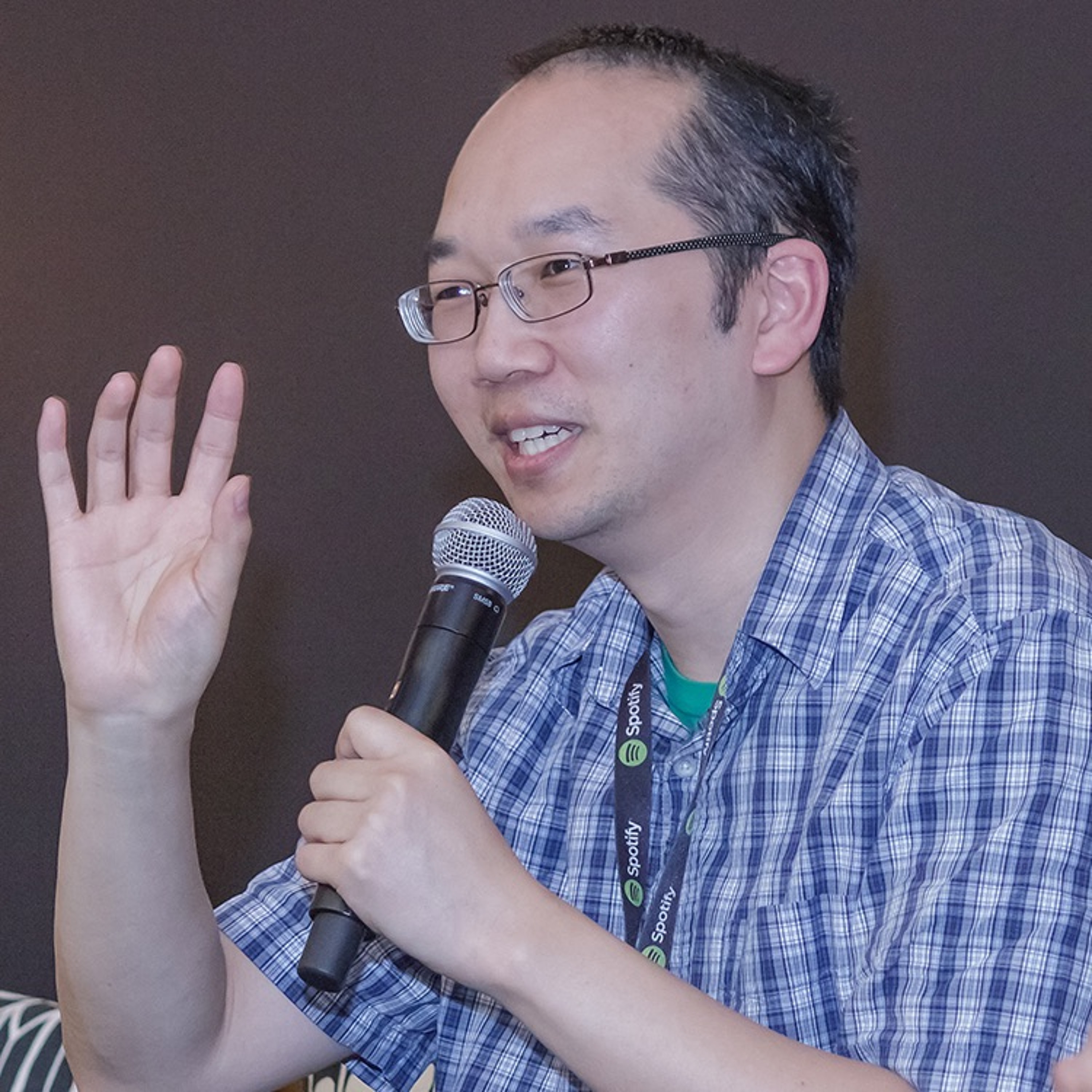
Jason Yip on Removing Friction in Development and DevOps at Spotify
In this podcast Shane Hastie, Lead Editor for Culture & Methods, spoke to Jason Yip about removing friction in the developer experience and DevOps at Spotify Why listen to this podcast: • Friction is the feeling that your environment is fighting you – examples include poorly named variables in code, editors configured incorrectly, access to environments etc • These things often seem small individually, but together they significantly and slow down development activities • Cultivate refined annoyance; not tolerating these issues but actively resolving them • Challenges often come mainly from rapid growth – every design will fail if you just try to scale it larger and larger, you need to redesign for larger contexts, what worked yesterday may not work tomorrow and needs to be adapted • Be careful not to locally optimize one part of the system at the expense of the overall throughput More on this: Quick scan our curated show notes on InfoQ http://bit.ly/2hVBH9A You can also subscribe to the InfoQ newsletter to receive weekly updates on the hottest topics from professional software development. bit.ly/24x3IVq Subscribe: www.youtube.com/infoq Like InfoQ on Facebook: bit.ly/2jmlyG8 Follow on Twitter: twitter.com/InfoQ Follow on LinkedIn: www.linkedin.com/company/infoq
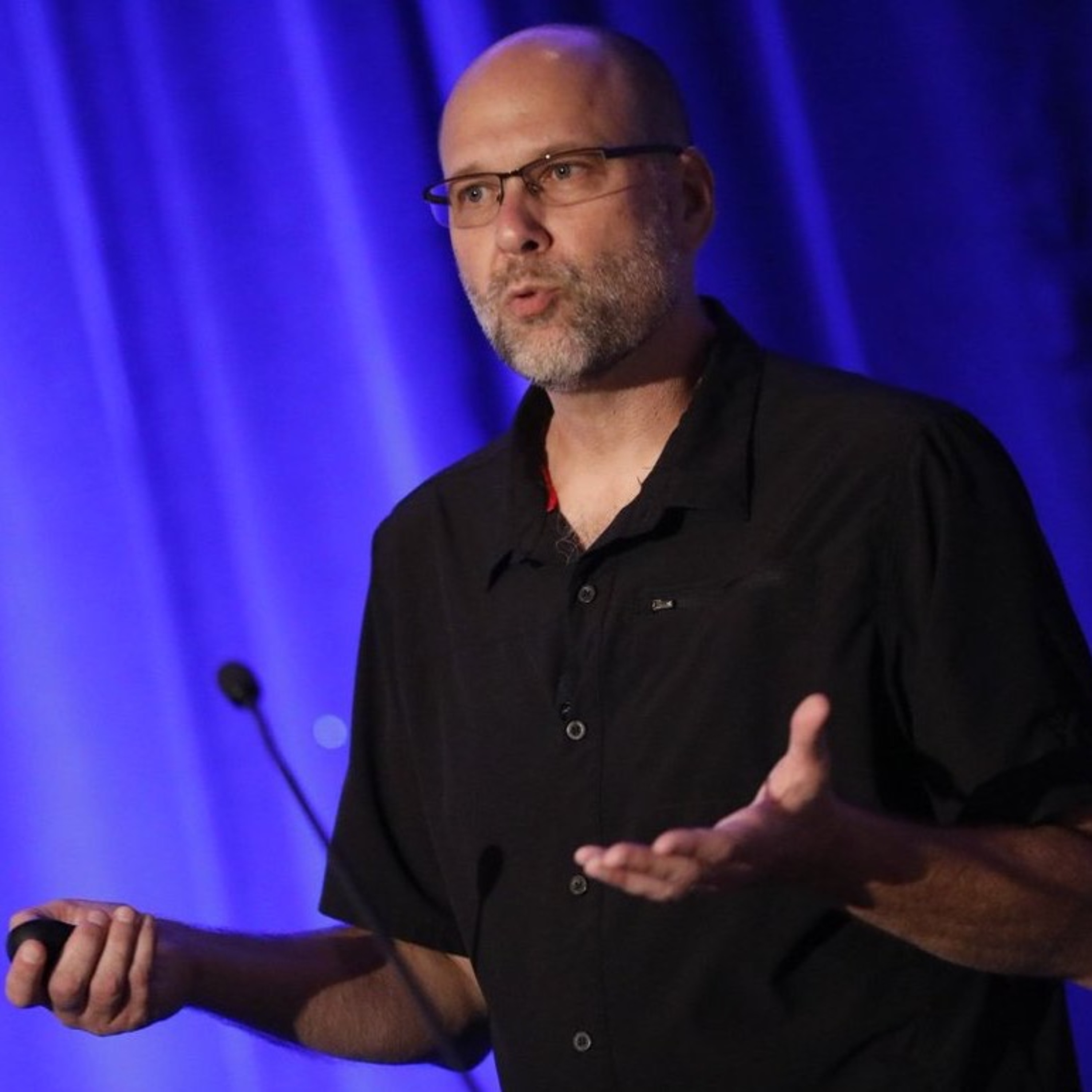
Josh Evans on DevOps at Netflix
In this podcast Shane Hastie, Lead Editor for Culture & Methods, spoke to Josh Evans, former engineering manager at Netflix on how Netflix does DevOps and the freedom and responsibility culture that undermines their way of working. Why listen to this podcast: • There are many interpretations of the term DevOps, it is a useful shorthand for a wide variety of technologies and approaches • “You build it, you run it” is the concrete application of the freedom and responsibility culture • When building a platform tool make it so easy to use that the product teams are not tempted to try and build something for themselves • Product teams are free to experiment and learn, which can feel chaotic and is a valuable part of the freedom and responsibility culture • The value of blameless and safe incident reviews – the goal is to learn and find patterns and use that information to present whole classes of failure from happening in the future • Don’t view the value stream in a fragmented way – see the whole end to end system with all its interactions and dependencies and optimize the system as a cohesive whole rather than different tools and domains More on this: Quick scan our curated show notes on InfoQ http://bit.ly/2mtCIr1 You can also subscribe to the InfoQ newsletter to receive weekly updates on the hottest topics from professional software development. bit.ly/24x3IVq Subscribe: www.youtube.com/infoq Like InfoQ on Facebook: bit.ly/2jmlyG8 Follow on Twitter: twitter.com/InfoQ Follow on LinkedIn: www.linkedin.com/company/infoq Want to see extented shownotes? Check the landing page on InfoQ: http://bit.ly/2mtCIr1
Sean Dunn & Chris Edwards on Ethics and Professionalism in Software Engineering
In this podcast Shane Hastie, Lead Editor for Culture & Methods, spoke to Sean Dunn and Chris Edwards about professionalism, licensing and ethics in software engineering Why listen to this podcast: • Situations where software development intersects with the public interest are widening and software can impact the health and wellbeing of society • The distinguishing characteristic of a profession is holding paramount the public interest • Unlike the failure of a bridge unethical results from software will be less visible and more insidious • What steps can we take within our organisations to instil a sense of responsibility that is beyond getting the product out the door quickly • A core tenant of professionalism is we cannot detach our actions from the outcomes – ignorance is not an excuse More on this: Quick scan our curated show notes on InfoQ http://bit.ly/2hheRZO You can also subscribe to the InfoQ newsletter to receive weekly updates on the hottest topics from professional software development. bit.ly/24x3IVq Subscribe: www.youtube.com/infoq Like InfoQ on Facebook: bit.ly/2jmlyG8 Follow on Twitter: twitter.com/InfoQ Follow on LinkedIn: www.linkedin.com/company/infoq Want to see extented shownotes? Check the landing page on InfoQ: http://bit.ly/2hheRZO

Don Denoncourt on Aging in IT and Being a Lifelong Learner
In this podcast Shane Hastie, Lead Editor for Culture & Methods, talks to Don Denoncourt about remaining an engineer as one ages. Why listen to this podcast: • Looking back over history and programming language changes since the early 1980’s • The importance of lifelong learning and putting your personal time into remaining relevant and up to date with new development platforms • New graduates get to work on new things because they have just learned about them and they are prepared to take the lower paid roles than “experienced” people • If ongoing learning is not fun, then maybe you are in the wrong profession • The unconscious bias against older workers in a few teams and how they miss out on great insights • Some advice for oldies and youngies working together More on this: Quick scan our curated show notes on InfoQ http://bit.ly/2ltre65 You can also subscribe to the InfoQ newsletter to receive weekly updates on the hottest topics from professional software development. bit.ly/24x3IVq Subscribe: www.youtube.com/infoq Like InfoQ on Facebook: bit.ly/2jmlyG8 Follow on Twitter: twitter.com/InfoQ Follow on LinkedIn: www.linkedin.com/company/infoq Want to see extented shownotes? Check the landing page on InfoQ: http://bit.ly/2ltre65
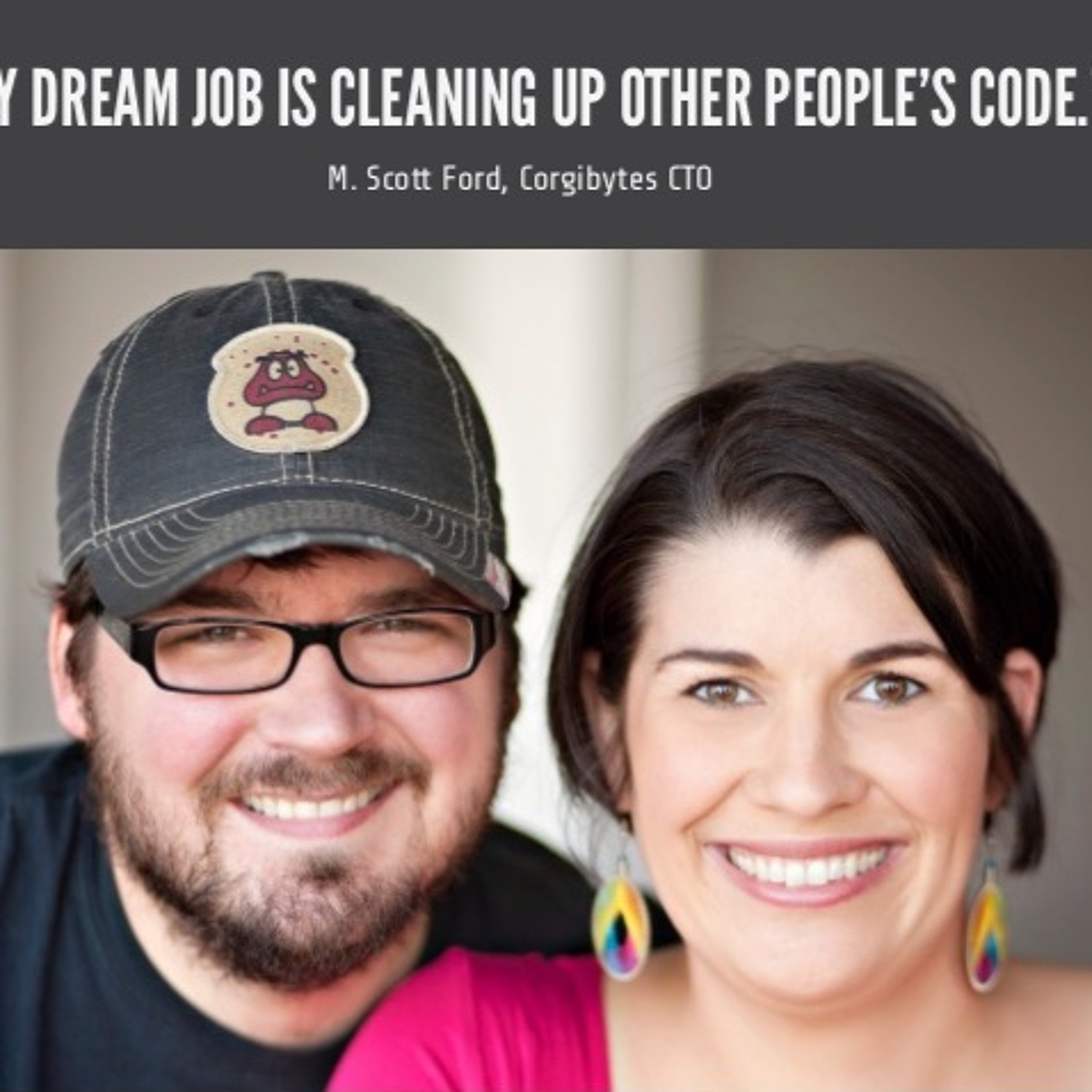
Andrea Goulet & M. Scott Ford on the Marriage of Communication & Code
In this podcast Shane Hastie, Lead Editor for Culture & Methods, talks to Andrea Goulet & M. Scott Ford about their journey working together as a married couple and business partners, learning to collaborate and communicate despite having vastly different communication styles and viewpoints. Why listen to this podcast: - Effective communication is a competitive advantage - The system that you produce will only be as good as the communication structure you have in place while you build it - The importance of learning to speak each other’s language – the terminology of development and business is different and it is necessary to take the time and effort to learn the different language - The concept of “inception layers” relating to how intensively someone is concentrating on an activity and their level of openness to interruption - The value of writing a daily journal in a wiki to share what’s been happening and make progress and learning visible More on this: Quick scan our curated show notes on InfoQ http://bit.ly/2zwXlnO You can also subscribe to the InfoQ newsletter to receive weekly updates on the hottest topics from professional software development. bit.ly/24x3IVq Subscribe: www.youtube.com/infoq Like InfoQ on Facebook: bit.ly/2jmlyG8 Follow on Twitter: twitter.com/InfoQ Follow on LinkedIn: www.linkedin.com/company/infoq Want to see extented shownotes? Check the landing page on InfoQ: http://bit.ly/2zwXlnO

Pavneet Saund on Practical Empathy
This is the Engineering Culture Podcast, from the people behind InfoQ.com and the QCon conferences. In this podcast Shane Hastie, Lead Editor for Culture & Methods, Pavneet Saund about his ideas on making empathy a superpower and effective team leadership Why listen to this podcast: - Showing and receiving empathy is truly life-changing - The need to assume good intent when communicating using chat and written words - Leadership is a different set of skills from technology and these need to be learned More on this: Quick scan our curated show notes on InfoQ http://bit.ly/2ztpigM You can also subscribe to the InfoQ newsletter to receive weekly updates on the hottest topics from professional software development. bit.ly/24x3IVq Subscribe: www.youtube.com/infoq Like InfoQ on Facebook: bit.ly/2jmlyG8 Follow on Twitter: twitter.com/InfoQ Follow on LinkedIn: www.linkedin.com/company/infoq Want to see extented shownotes? Check the landing page on InfoQ: http://bit.ly/2ztpigM

Lee Cunningham on the 11th State of Agile Survey Results
In this podcast Shane Hastie, Lead Editor for Culture & Methods, spoke Lee Cunningham of VersionOne about the results from the State of Agile Survey Why listen to this podcast: • Agile is not just something that developers do – it’s an enabler of business outcomes • The emergence of multi-modal organisations where there are multiple different approaches being used simultaneously which holds them back from progressing effectively • Some organisations are adopting a Taylorism approach to agile adoption – get experts to tell us what to do and control the teams to abide by those rules • The emergence of business value as an important measure, over productivity (although productivity is a necessary precondition for business value) • Buying an expensive tool doesn’t make your agile adoption successful, in the same way that buying an expensive treadmill doesn’t make you fit – both need to be used effectively to deliver any value More on this: Quick scan our curated show notes on InfoQ http://bit.ly/2y6NKnY You can also subscribe to the InfoQ newsletter to receive weekly updates on the hottest topics from professional software development. bit.ly/24x3IVq Subscribe: www.youtube.com/infoq Like InfoQ on Facebook: bit.ly/2jmlyG8 Follow on Twitter: twitter.com/InfoQ Follow on LinkedIn: www.linkedin.com/company/infoq Want to see extented shownotes? Check the landing page on InfoQ: http://bit.ly/2y6NKnY

Johanna Rothman and Mike Griffiths on the Agile Alliance/PMI Agile Practice Guide
In this podcast Shane Hastie, Lead Editor for Culture & Methods, spoke to Johanna Rothman and Mike Grifiths about the joint PMI & Agile Alliance initiative to produce the Agile Practice Guide. Why listen to this podcast: - There is nothing in the PMBOK that says you have to use a waterfall project delivery model - If we want to influence the people who hold the hearts and minds of senior management, there is no better way than to collaborate with them - The guide reflects the State of the Practice when it was written - The prevalence of agile terms in projects, without actually using agile approaches – the veneer of agile without the substance - Defining agile as a mindset based on values and principles rather than any set of practices - There are many options for undertaking work; the key is to have an agile mindset about which practices are most appropriate in a particular context and be prepared to change if the chosen practices are not helpful More on this: Quick scan our curated show notes on InfoQ http://bit.ly/2xXIMeU You can also subscribe to the InfoQ newsletter to receive weekly updates on the hottest topics from professional software development. bit.ly/24x3IVq Subscribe: www.youtube.com/infoq Like InfoQ on Facebook: bit.ly/2jmlyG8 Follow on Twitter: twitter.com/InfoQ Follow on LinkedIn: www.linkedin.com/company/infoq Want to see extented shownotes? Check the landing page on InfoQ: http://bit.ly/2xXIMeU

ThoughtWorks' CTO Rebecca Parsons on Courageous Leadership and Evolutionary Architecture
In this podcast Shane Hastie, Lead Editor for Culture & Methods, spoke to Rebecca Parsons, CTO of ThoughtWorks, about their recent report on the need for Courageous Leadership and her forthcoming book on Evolutionary Architecture. Why listen to this podcast: - Courageous leadership enables organisations to solve enterprise-scale problems while still allowing empowered development teams to produce software in an agile fashion - The importance of making the link between technology advances and what they could mean for a business organisation, rather than seeing them in isolation - If your metric is how many experiments succeed then you will not take enough risks – turn this around and celebrate the learning from failed experiments - The need to truly put the customer at the centre our focus, understand the kind of relationship we want with customers and how we want to interact with them - Create an environment where people are recognised and valued for their varied perspectives and recognise that good ideas can come from many different places - Evolutionary architecture is based on the idea that things are changing so rapidly now that you can’t predict what changes will be needed in the future - Innovations around databases, architecture and continuous delivery enable evolutionary architecture to be a real thing today

Joshua Kerievsky and Heidi Helfand on High Performance via Psychological Safety
In this podcast Shane Hastie, Lead Editor for Culture & Methods, spoke to Joshua Kerievsky CEO of Industrial Logic and Heidi Helfand Director of Engineering Excellence at Procore Technologies and author of the book Dynamic Reteaming about their talk High Performance via Psychological Safety Why listen to this podcast: • You cannot have a high performing team unless you have psychological safety • Creating a safe environment is hard, and it must go beyond just lip service • Take the time to have crucial conversations early rather than later • The quality of the products we produce is a direct reflection of the quality of the conversations we have in our teams

Denise Jacobs on Banishing Your Inner Critic
In this podcast Shane Hastie, Lead Editor for Culture & Methods, spoke to Denise Jacobs about her keynote talk on Banishing your Inner Critic. Why listen to this podcast: • Imposter syndrome is a real thing and it has many manifestations • Getting into a flow state results in massive productivity increases and is highly rewarding • Creativity is a practice and needs to be exercised • Creativity Denial is rife in the tech industry – “I’m not creative”, whereas many technical skills require highly creative thinking • Recognise that creativity is not just about the artistic field – it’s not about whether or not you are creative, it’s about how you are creative More on this: Quick scan our curated show notes on InfoQ http://bit.ly/2y35Zum You can also subscribe to the InfoQ newsletter to receive weekly updates on the hottest topics from professional software development. bit.ly/24x3IVq Subscribe: www.youtube.com/infoq Like InfoQ on Facebook: bit.ly/2jmlyG8 Follow on Twitter: twitter.com/InfoQ Follow on LinkedIn: www.linkedin.com/company/infoq Want to see extented shownotes? Check the landing page on InfoQ: http://bit.ly/2y35Zum

David Marquet on the Difference Between Red-Work and Blue-Work
This is the Engineering Culture Podcast, from the people behind InfoQ.com and the QCon conferences. In this podcast Shane Hastie, Lead Editor for Culture & Methods, spoke to David Marquet about his keynote talk at the recent Agile 2017 conference and his book – Turn the Ship Around. Why listen to this podcast: - Create organizations for the future that have the right balance of thinking (blue-work) and doing (red-work) - The person doing the work has much more contextual information about the situation than any manager or commander - Empowerment on its own is not enough – strong technical/domain knowledge is a necessary precondition - Match the language you use to the type of activity being done – thinking vs doing, blue-work or red-work More on this: Quick scan our curated show notes on InfoQ http://bit.ly/2grZxbR You can also subscribe to the InfoQ newsletter to receive weekly updates on the hottest topics from professional software development. bit.ly/24x3IVq Subscribe: www.youtube.com/infoq Like InfoQ on Facebook: bit.ly/2jmlyG8 Follow on Twitter: twitter.com/InfoQ Follow on LinkedIn: www.linkedin.com/company/infoq Want to see extented shownotes? Check the landing page on InfoQ: http://bit.ly/2grZxbR
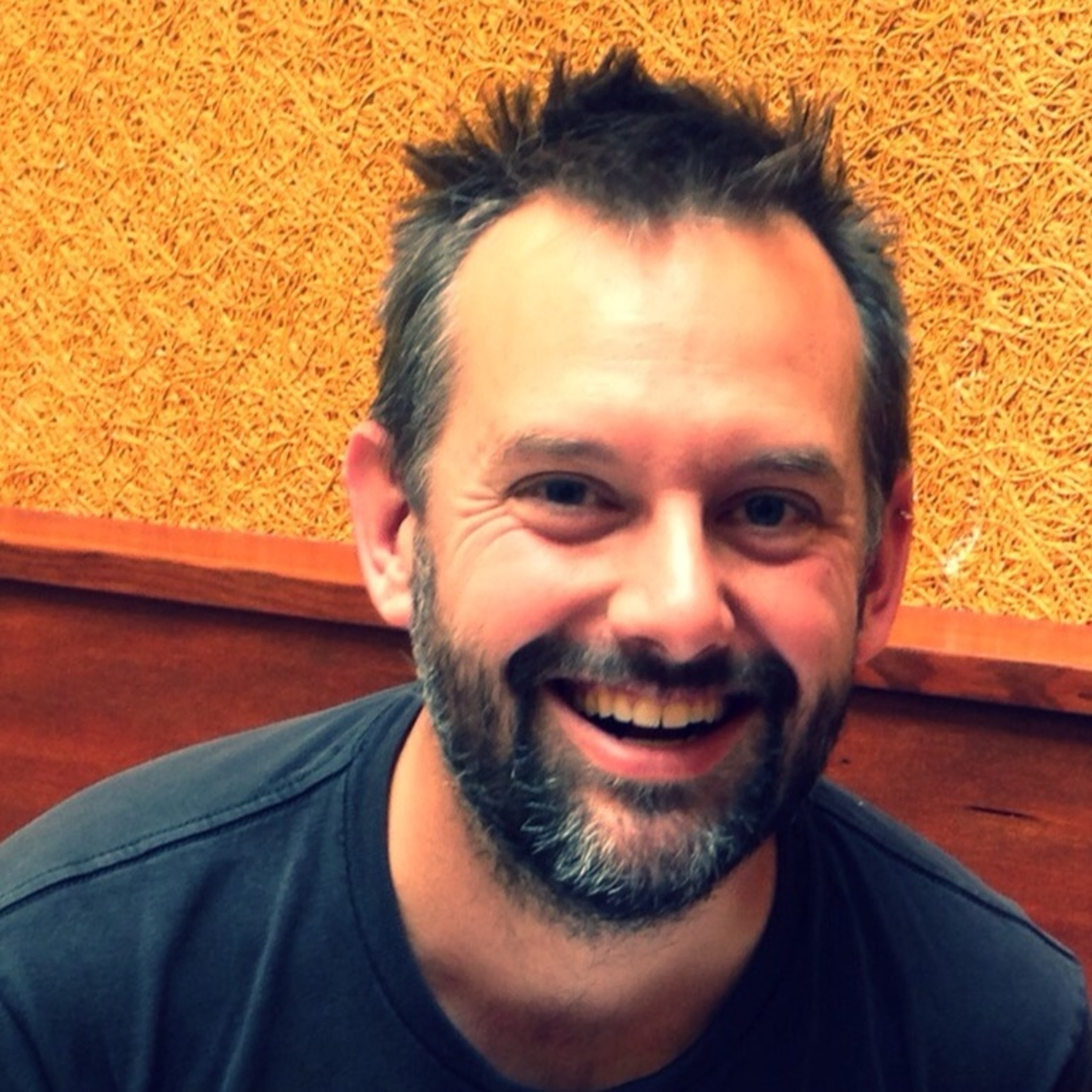
Jez Humble on Making Continuous Delivery Work and Responding to Discrimination in Tech
In this podcast Shane Hastie, Lead Editor for Culture & Methods, spoke to Jez Humble about his Agile 2017 Keynote talk in which he refuted many of the common excuses why “continuous delivery won’t work here”. He also gave a scathing response to the “Manifestbro” controversy which recently unfolded at Google. Why listen to this podcast: Key takeaways about DevOps: - There are many reasons cited for not adopting DevOps – the real reasons are cultural and architectural issues - It takes commitment and effort at every level to rearchitect not just the products but the organisation to support the new ways of working - Even if you are not deploying every day, the practices of DevOps deliver huge dividends around reducing development costs, improving quality and maintainability and driving shorter lead - It’s not about repeating what someone else has done, it’s the ability to make mistakes and learn from them which makes teams and organisations successful Key takeaways on the gender diversity challenge: - In 2017 we should have come beyond the need to address these issues but the state of the industry means we must - There is extensive research that shows the differences are tiny between the genders, and this cannot explain the vast disparity in representation in the industry by women and people of colour - The harm done by perpetuating the myths around gender differences - We all have a duty to create an inclusive environment - Examine your organisation’s systems, policies and practices for the visible elements of discrimination and fix them – check salaries and career advancement by role and if there is a gender or race difference in the rates of pay or advancement then fix them - Introducing Inclusive Collaboration and calling for participation and having the conversations about the many aspects of diversity in the workplace today More on this: Quick scan our curated show notes on InfoQ http://bit.ly/2hYYH6G You can also subscribe to the InfoQ newsletter to receive weekly updates on the hottest topics from professional software development. bit.ly/24x3IVq Subscribe: www.youtube.com/infoq Like InfoQ on Facebook: bit.ly/2jmlyG8 Follow on Twitter: twitter.com/InfoQ Follow on LinkedIn: www.linkedin.com/company/infoq Want to see extented shownotes? Check the landing page on InfoQ: http://bit.ly/2hYYH6G

Patrick Kua on Growing Technical Leadership and Evolutionary Architecture
This is the Engineering Culture Podcast, from the people behind InfoQ.com and the QCon conferences. In this podcast Shane Hastie, Lead Editor for Culture & Methods, spoke to Patrick Kua from ThoughtWorks on growing technical leadership and evolutionary architecture Why listen to this podcast: - There is a significant gap in technical leadership capability in teams and across the industry as a whole - Your experience as a developer doesn’t prepare you for a tech lead roleRecognize that the skills and responsibilities are very different and find ways to build the new skills – training, mentoring and support - Software will continue to be changed so it is important to build it for changeability from the beginning - Many of the big decisions which are made at the beginning of a product’s life will change over time, build the ability to change into the core architectural design More on this: Quick scan our curated show notes on InfoQ http://bit.ly/2vy4xl4 You can also subscribe to the InfoQ newsletter to receive weekly updates on the hottest topics from professional software development. bit.ly/24x3IVq Subscribe: www.youtube.com/infoq Like InfoQ on Facebook: bit.ly/2jmlyG8 Follow on Twitter: twitter.com/InfoQ Follow on LinkedIn: www.linkedin.com/company/infoq Want to see extented shownotes? Check the landing page on InfoQ: http://bit.ly/2vy4xl4

Larry Cooper on Putting Value First & Cultural Agility
In this podcast Shane Hastie, Lead Editor for Culture & Methods, spoke to Larry Cooper about the Agility Series – a collection of books and other resources which explore what agility means in many different dimensions. Why reading to this podcast: - Value management is about doing the right thing, rather than doing lots of stuff, right - The reason for doing something should always trace back to an organisational strategic goal, and if it doesn’t then we’re wasting the organisation’s money - Introducing the ideas of cultural agility - the ability to understand multiple local contexts and work within them to obtain business results - A strategic intent is not a statement of fact, it is a current direction which can changeSustainability and resilience are enhanced through agility - Everything changes – the practices we are using now won’t be the ones we will use in the future, be adaptive to changing everything about how we do work More on this: Quick scan our curated show notes on InfoQ http://bit.ly/2udfFPw You can also subscribe to the InfoQ newsletter to receive weekly updates on the hottest topics from professional software development. bit.ly/24x3IVq Subscribe: www.youtube.com/infoq Like InfoQ on Facebook: bit.ly/2jmlyG8 Follow on Twitter: twitter.com/InfoQ Follow on LinkedIn: www.linkedin.com/company/infoq Want to see extented shownotes? Check the landing page on InfoQ: http://bit.ly/2udfFPw
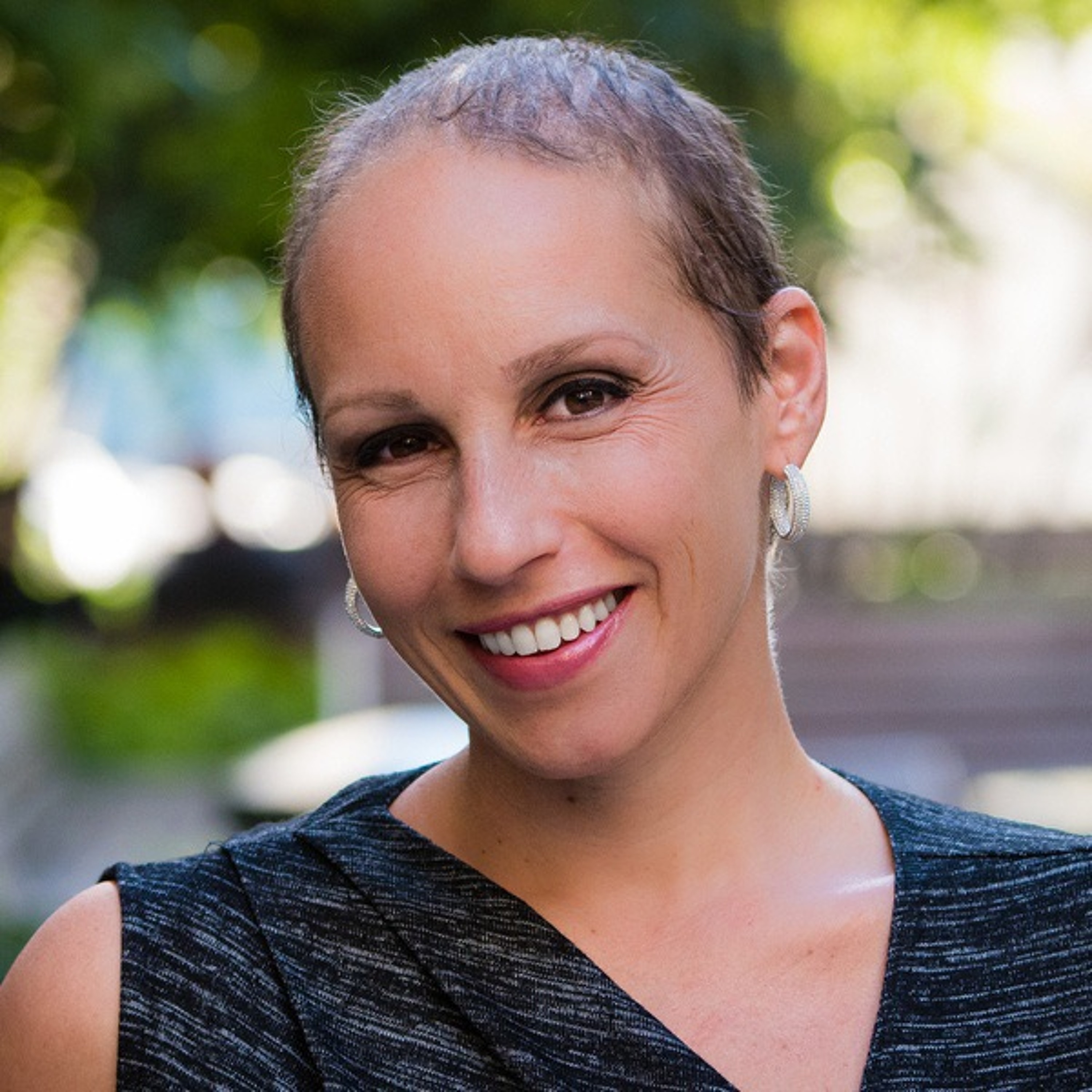
Debbie Madden on Forming and Maintaining Great Teams
In this podcast recorded at QCon New York 2017 Shane Hastie, Lead Editor for Culture & Methods, spoke to Debbie Madden, CEO of Stride on communication advice and techniques for technical teams and what it takes for build truly great teams. Why listen to this podcast: - The most effective teams have a true advantage in today’s organisations - The danger of coddling “rock star” performers - Create working environments that are flexible, welcoming and diverse - The value of healthy conflict - having a team environment where it is safe to disagree, not just within the team but across organisational levels - Becoming a really effective team needs constant effort, it doesn’t just happen and it must be maintained More on this: Quick scan our curated show notes on InfoQ http://bit.ly/2uRuDz2 You can also subscribe to the InfoQ newsletter to receive weekly updates on the hotest topics from professional software development. bit.ly/24x3IVq Subscribe: www.youtube.com/infoq Like InfoQ on Facebook: bit.ly/2jmlyG8 Follow on Twitter: twitter.com/InfoQ Follow on LinkedIn: www.linkedin.com/company/infoq Want to see extented shownotes? Check the landing page on InfoQ: http://bit.ly/2uRuDz2

Alex Qin on Leveraging Technology to Create Positive Social Change
In this podcast Shane Hastie, Lead Editor for Culture & Methods, spoke to Alex Qin following on from her QCon London talk “Shaving My Head Made Me A Better Programmer”. Why listen to this podcast: - Casual discrimination and unconscious bias is rife in society, and very prevalent in tech - The need to have many more people in the field who don’t fit the preconceived mould of a programmer - The complexity of the overall system means we need to tackle discrimination at many levels in many different aspects - One person can make a difference - Call things out when you see things that are wrong – speak up, show up and shield those who can’t shield themselves More on this: Quick scan our curated show notes on InfoQ http://bit.ly/2ugjaZY You can also subscribe to the InfoQ newsletter to receive weekly updates on the hottest topics from professional software development. bit.ly/24x3IVq Subscribe: www.youtube.com/infoq Like InfoQ on Facebook: bit.ly/2jmlyG8 Follow on Twitter: twitter.com/InfoQ Follow on LinkedIn: www.linkedin.com/company/infoq Want to see extented shownotes? Check the landing page on InfoQ: http://bit.ly/2ugjaZY
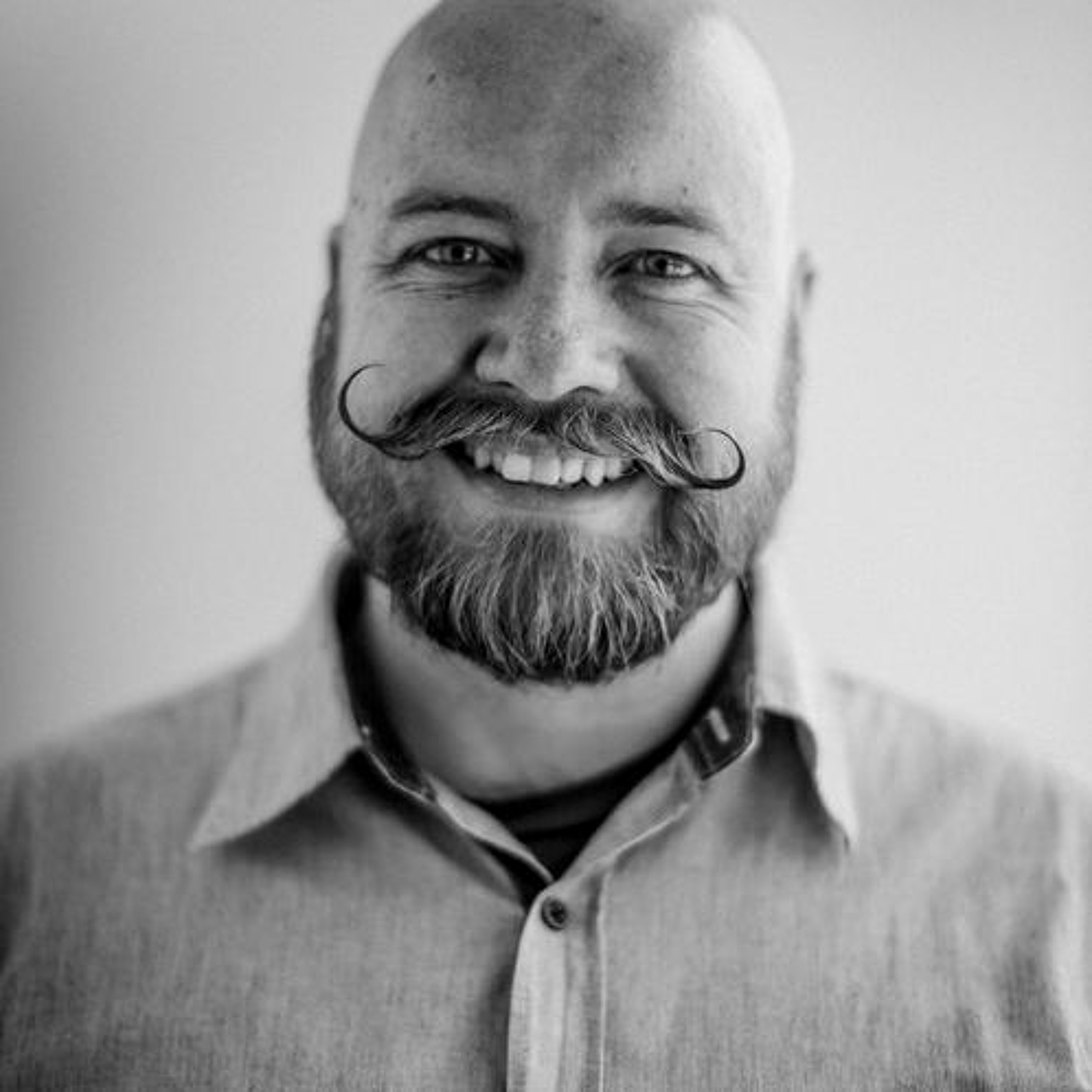
Experiences in the Submarine Service and Tackling Big Issues Using Startup Weekend Events
In this podcast recorded in London Shane Hastie, InfoQ Lead Editor for Culture & Methods, spoke to Colart Miles about leading towards innovative cultures and running startup weekends. Why listen to this podcast: - It’s not about rank or status – it’s about the value you bring to the team environment - Identifying a process for bringing an idea from inception to market and sharing that with others through Startup Weekends - Startup Weekend events in 160 countries, over 500000 people have participated around the world - The need to build resilience into the problem-solving community to tackle the big issues facing humanity - The value of “flearnings” – small experiments where the cost of failure is low and learning happens rapidly - The cost of failure goes up if you try to avoid it, it goes down if you lean in to it More on this: Quick scan our curated show notes on InfoQ http://bit.ly/2rS5dN5 You can also subscribe to the InfoQ newsletter to receive weekly updates on the hotest topics from professional software development. bit.ly/24x3IVq Subscribe: www.youtube.com/infoq Like InfoQ on Facebook: bit.ly/2jmlyG8 Follow on Twitter: twitter.com/InfoQ Follow on LinkedIn: www.linkedin.com/company/infoq Want to see extented shownotes? Check the landing page on InfoQ: http://bit.ly/2rS5dN5

Colin Breck from Tesla on Quality Views to Expose Technical Debt
In this podcast recorded in London Shane Hastie, InfoQ Lead Editor for Culture & Methods, spoke Colin Breck, an Egineer from Tesla about using quality views to expose and prioritize technical debt. Why listen to this podcast: • When systems are not customer facing, quality is not directly obvious and is frequently overlooked • Quality views provide a visual way of exposing quality in a system block diagram • Quality is a subjective – the value is in the conversations rather than the numbers • Quality views can help plan and prioritise development of features in the product and paying down technical debt More on this: Quick scan our curated show notes on InfoQ http://bit.ly/2sRcaS9 You can also subscribe to the InfoQ newsletter to receive weekly updates on the hottest topics from professional software development. bit.ly/24x3IVq Subscribe: www.youtube.com/infoq Like InfoQ on Facebook: bit.ly/2jmlyG8 Follow on Twitter: twitter.com/InfoQ Follow on LinkedIn: www.linkedin.com/company/infoq Want to see extented shownotes? Check the landing page on InfoQ: http://bit.ly/2sRcaS9

Alanna Brown and Nicole Forsgren on the State of DevOps Report 2017
Manuel Pais, InfoQ Lead Editor for DevOps, talks to Alanna Brown Director of Technical Product Marketing at Puppet and Nicole Forsgren, PhD in Management Information Systems and CEO at DORA, on the State of DevOps Report 2017. Why listen to this podcast: - Three new areas of research in 2017: leadership, automation and organizational performance for non-financial organizations. - Transformational leaders have a clear business vision and communicate in an inspiring way, and provide intellectual stimulation, care for their followers' needs, and praise accomplishments. - High performing not-for-profit organizations (such as government) are twice as likely to achieve their goals, just like commercial organizations. - Medium performers are in the middle of the J curve effect where performance initially improves (via quick wins) but then gets worse (as technical debt surfaces) until it definitely improves again (for those that resist reverting to old ways). - Survey data analysis involves rigorous statistical integrity checks, followed by data correlation, prediction and inferencial tests to gather new insights. - C-level executives have to chose between ignoring technological transformation or leveraging DevOps to keep their organization competitive via improved technical practices and a culture of continuous improvement. More on this: Quick scan our curated show notes on InfoQ http://bit.ly/2ra4re9 You can also subscribe to the InfoQ newsletter to receive weekly updates on the hottest topics from professional software development. bit.ly/24x3IVq Subscribe: www.youtube.com/infoq Like InfoQ on Facebook: bit.ly/2jmlyG8 Follow on Twitter: twitter.com/InfoQ Follow on LinkedIn: www.linkedin.com/company/infoq Want to see extented shownotes? Check the landing page on InfoQ: http://bit.ly/2ra4re9
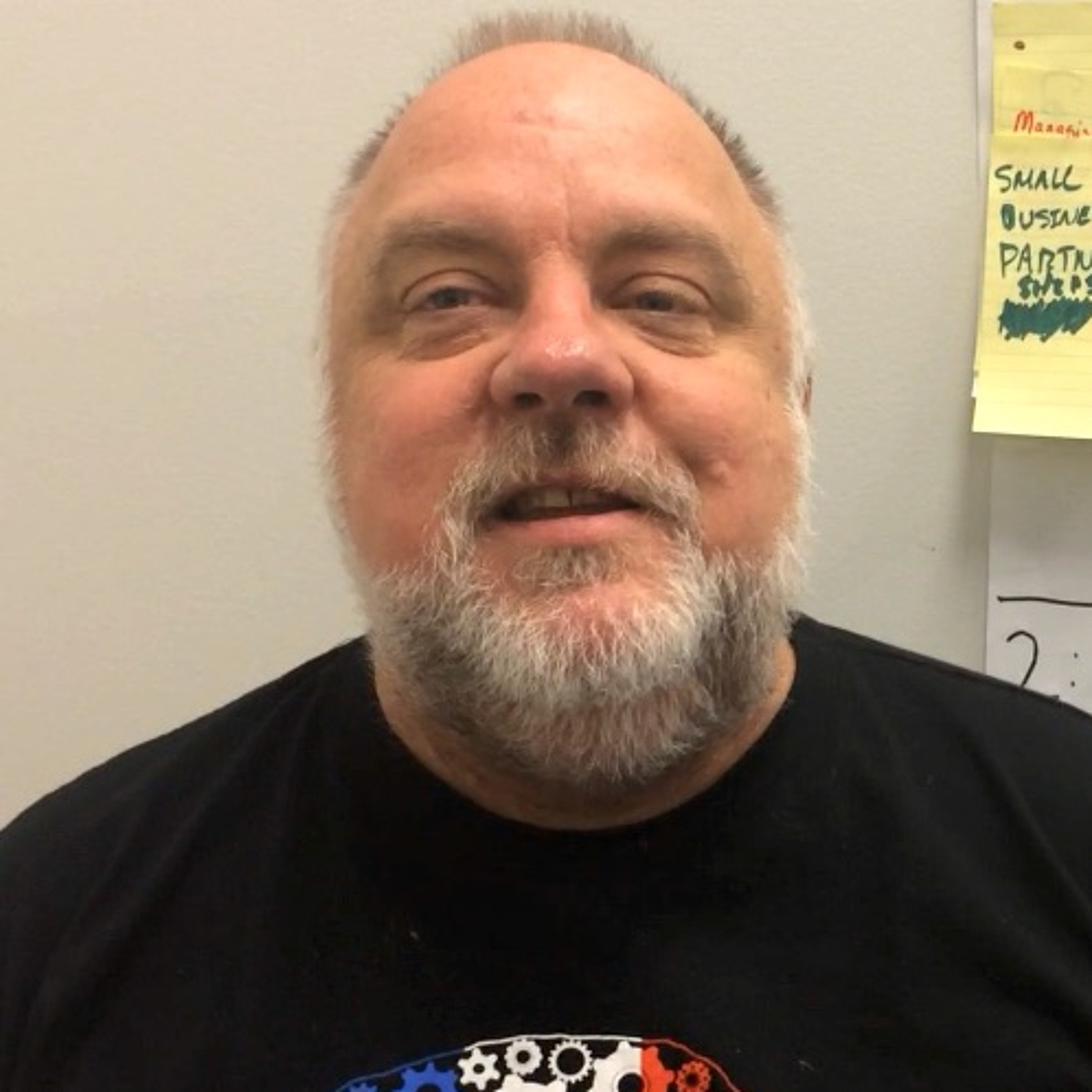
John Willis on DevOps Evolution, Leadership and Burnout
Manuel Pais, InfoQ Lead Editor for DevOps, talks to John Willis, Director of Ecosystem Development for Docker and co-author of the "DevOps Handbook", on DevOps evolution, leadership and burnout. Why listen to this podcast: - DevOps got watered down along the way, but its principles and practices will stay. - People can learn the technical side of DevOps with training but they need to follow up on case studies from organizations that went through similar journeys. - Still early days to be able to distill what are the good and bad DevOps leadership practices, but we at least know that blameless environments are much more productive. - We are missing a burnout survey in DevOps, number of people affected probably staggering high but no one knows for sure, so the problem gets underrated. - The new view on human error is that we need to look at the system that allowed people to make the mistakes in the first place. More on this: Quick scan our curated show notes on InfoQ http://bit.ly/2rLIPrG You can also subscribe to the InfoQ newsletter to receive weekly updates on the hottest topics from professional software development. bit.ly/24x3IVq Subscribe: www.youtube.com/infoq Like InfoQ on Facebook: bit.ly/2jmlyG8 Follow on Twitter: twitter.com/InfoQ Follow on LinkedIn: www.linkedin.com/company/infoq Want to see extented shownotes? Check the landing page on InfoQ: http://bit.ly/2rLIPrG