Engineering Culture by InfoQ
429 episodes — Page 6 of 9

Harry Brumleve on Optimizing Yourself and Enabling Great Culture
In this podcast recorded at QCon San Francisco 2019, Shane Hastie, Lead Editor for Culture & Methods, spoke to Harry Brumleve who was the track chair for Optimizing Yourself Human Skills for Individuals Track. Listen to the podcast for more. Curated transcript and more information on the https://bit.ly/3nm2mIt Follow us on Facebook, Twitter, LinkedIn, Youtube: @InfoQ Follow us on Instagram: @infoqdotcom Stay informed on emerging trends, peer-validated early adoption of technologies, and architectural best practices. Subscribe to The Software Architects’ Newsletter: www.infoq.com/software-architects-newsletter/

Ayana Miller on Privacy & Data Governance and Julia Nguyen on Mental Health Tech for Good
In this podcast recorded at QCon San Francisco 2019, Shane Hastie, Lead Editor for Culture & Methods, spoke to Ayana Miller of Pinterest on privacy & data governance and Julia Nguyen about her open-source project if-me.org for supporting mental health Listen to the podcast for more. Curated transcript and more information on the https://bit.ly/32k5dcZ Follow us on Facebook, Twitter, LinkedIn, Youtube: @InfoQ Follow us on Instagram: @infoqdotcom Stay informed on emerging trends, peer-validated early adoption of technologies, and architectural best practices. Subscribe to The Software Architects’ Newsletter: www.infoq.com/software-architects-newsletter/
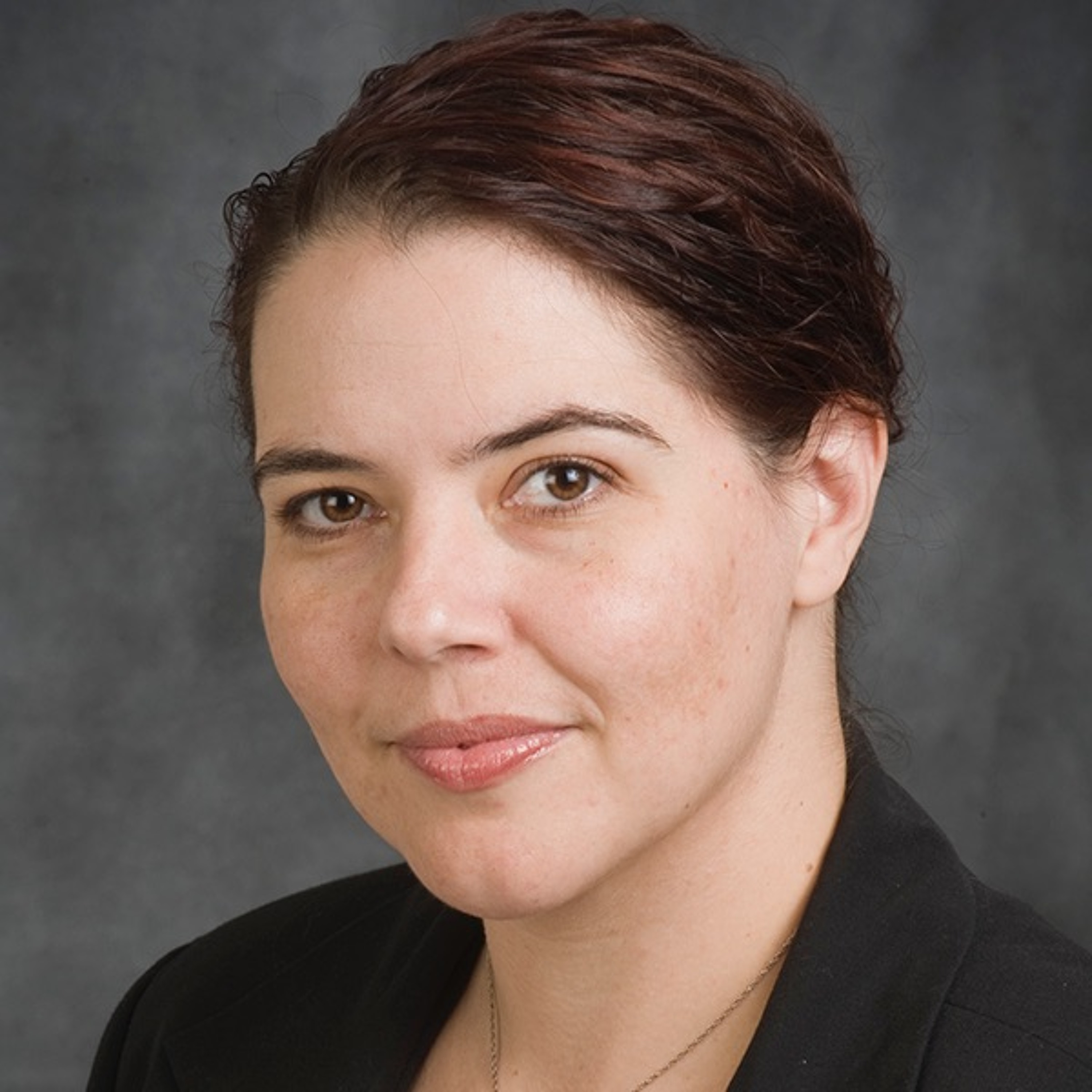
Dr Pamela Gay from the Planetary Science Institute on Citizen Science
In this podcast recorded at QCon San Francisco 2019, Shane Hastie, Lead Editor for Culture & Methods, spoke to Dr Pamela Gay from the Planetary Science Institute about her work using human wetware and machine learning in scientific research, fostering citizen science and ethical behabiours. Listen to the podcast for more. Curated transcript and more information on the https://bit.ly/2JkpiJF Follow us on Facebook, Twitter, LinkedIn, Youtube: @InfoQ Follow us on Instagram: @infoqdotcom Stay informed on emerging trends, peer-validated early adoption of technologies, and architectural best practices. Subscribe to The Software Architects’ Newsletter: www.infoq.com/software-architects-newsletter/

Aaron Blohowiak from Netflix on Mistakes and Discoveries While Cultivating Ownership
In this podcast recorded at QCon San Francisco 2019, Shane Hastie, Lead Editor for Culture & Methods, spoke to Aaron Blohowiak of Netflix about using a framework for delegation to encourage ownership and engagement among team members. Listen to the podcast for more. Curated transcript and more information on the https://bit.ly/3dNpL2b Follow us on Facebook, Twitter, LinkedIn, Youtube: @InfoQ Follow us on Instagram: @infoqdotcom Stay informed on emerging trends, peer-validated early adoption of technologies, and architectural best practices. Subscribe to The Software Architects’ Newsletter: www.infoq.com/software-architects-newsletter/
Hoang Bao on Ethics, Privacy and Regulation in Software Engineering
In this podcast recorded at QCon San Francisco 2019, Shane Hastie, Lead Editor for Culture & Methods, spoke to Hoang Bao who was the track chair for the Ethics, Regulation, Risk, and Compliance track. Curated transcript and more information on the https://bit.ly/33Ezioz Follow us on Facebook, Twitter, LinkedIn, Youtube: @InfoQ Follow us on Instagram: @infoqdotcom Stay informed on emerging trends, peer-validated early adoption of technologies, and architectural best practices. Subscribe to The Software Architects’ Newsletter: www.infoq.com/software-architects-newsletter/

Guillermo De Anda on Shifting Organisational Culture One Small Step at a Time
In this podcast Shane Hastie, Lead Editor for Culture & Methods, spoke to Guillermo De Anda of ProKarma about digital transformations, shifting organisational culture one small step at a time and the importance of managers having a coaching mindset Curated transcript and more information on the https://bit.ly/34qQj4Z Follow us on Facebook, Twitter, LinkedIn, Youtube: @InfoQ Follow us on Instagram: @infoqdotcom Stay informed on emerging trends, peer-validated early adoption of technologies, and architectural best practices. Subscribe to The Software Architects’ Newsletter: www.infoq.com/software-architects-newsletter/
Nishant Bhajaria on Security, Privacy and Ethics
In this podcast Shane Hastie, Lead Editor for Culture & Methods, spoke to Nishant Bhajaria about security, data privacy, ethics and privacy by design. Curated transcript and more information on the https://bit.ly/2G36qNw Follow us on Facebook, Twitter, LinkedIn, Youtube: @InfoQ Follow us on Instagram: @infoqdotcom Stay informed on emerging trends, peer-validated early adoption of technologies, and architectural best practices. Subscribe to The Software Architects’ Newsletter: www.infoq.com/software-architects-newsletter/
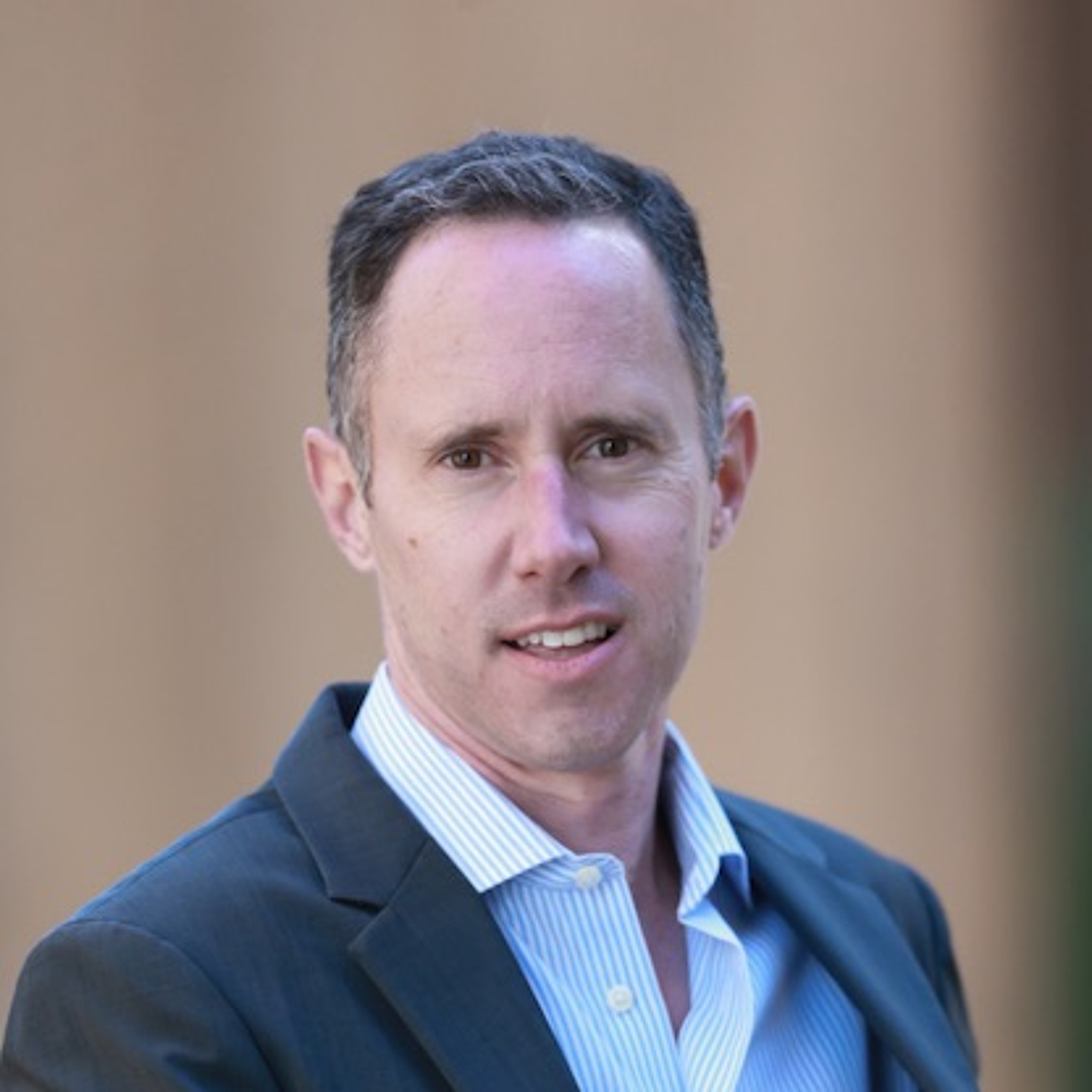
Jeff Jacobson on the Coaching Profession and Leadership
In this podcast Shane Hastie, Lead Editor for Culture & Methods, spoke to Jeff Jacobson Curated transcript and more information on the https://bit.ly/2FNzZSY Follow us on Facebook, Twitter, LinkedIn, Youtube: @InfoQ Follow us on Instagram: @infoqdotcom Stay informed on emerging trends, peer-validated early adoption of technologies, and architectural best practices. Subscribe to The Software Architects’ Newsletter: www.infoq.com/software-architects-newsletter/
Daniel Mezick & Mark Sheffield on Open Space using Zoom
In this episode Shane Hastie, Lead Editor for Culture & Methods, first spoke to Daniel Mezick & Mark Sheffield about using Zoom for Open Space events. They have release a set of guidelines and a checklist for online Open Space events under a Creative Commons license. Listen to the podcast for more. Curated transcript and more information on the podcast: https://bit.ly/3mcdIza Follow us on Facebook, Twitter, LinkedIn, Youtube: @InfoQ Follow us on Instagram: @infoqdotcom Stay informed on emerging trends, peer-validated early adoption of technologies, and architectural best practices. Subscribe to The Software Architects’ Newsletter: www.infoq.com/software-architects-newsletter/
Em Campbell-Pretty on Scaling Culture and Greg Koeberger on Building a Culture you want to Work in
In these two episodes Shane Hastie, Lead Editor for Culture & Methods, first spoke to Em Campbell-Pretty about cultural change, the Scaled Agile Framework and her role as a SAFe Fellow. He then spoke to Greg Koeberger of readme.io about building a culture you want to work in. Listen to the podcast for more. Curated transcript and more information on the podcast: https://bit.ly/3brfO9m Follow us on Facebook, Twitter, LinkedIn, Youtube: @InfoQ Follow us on Instagram: @infoqdotcom Stay informed on emerging trends, peer-validated early adoption of technologies, and architectural best practices. Subscribe to The Software Architects’ Newsletter: www.infoq.com/software-architects-newsletter/
Eric Willeke & Ronica Roth on Leadership and Lisa Crispin on the State of Testing in Agile & DevOps
In this podcast recorded at Agile 2019, Shane Hastie, Lead Editor for Culture & Methods, spoke to Eric Willeke & Ronica Roth about supporting leadership through transformation and then he spoke to Lisa Crispin about the state testing in agile and DevOps Listen to the podcast for more. Curated transcript and more information on the podcast: https://bit.ly/2QyD3ES Follow us on Facebook, Twitter, LinkedIn, Youtube: @InfoQ Follow us on Instagram: @infoqdotcom Stay informed on emerging trends, peer-validated early adoption of technologies, and architectural best practices. Subscribe to The Software Architects’ Newsletter: www.infoq.com/software-architects-newsletter/

Sandra Davey on Purposeful Aligned Governance and Product Management
In this podcast Shane Hastie, Lead Editor for Culture & Methods, spoke to Sandra Davey, Chair of Choice Australia and founder of The Product Space about governance with clear objectives and the current state of product management. Listen to the podcast for more. Curated transcript and more information on the podcast: https://bit.ly/3aJEXvD Follow us on Facebook, Twitter, LinkedIn, Youtube: @InfoQ Follow us on Instagram: @infoqdotcom Stay informed on emerging trends, peer-validated early adoption of technologies, and architectural best practices. Subscribe to The Software Architects’ Newsletter: www.infoq.com/software-architects-newsletter/
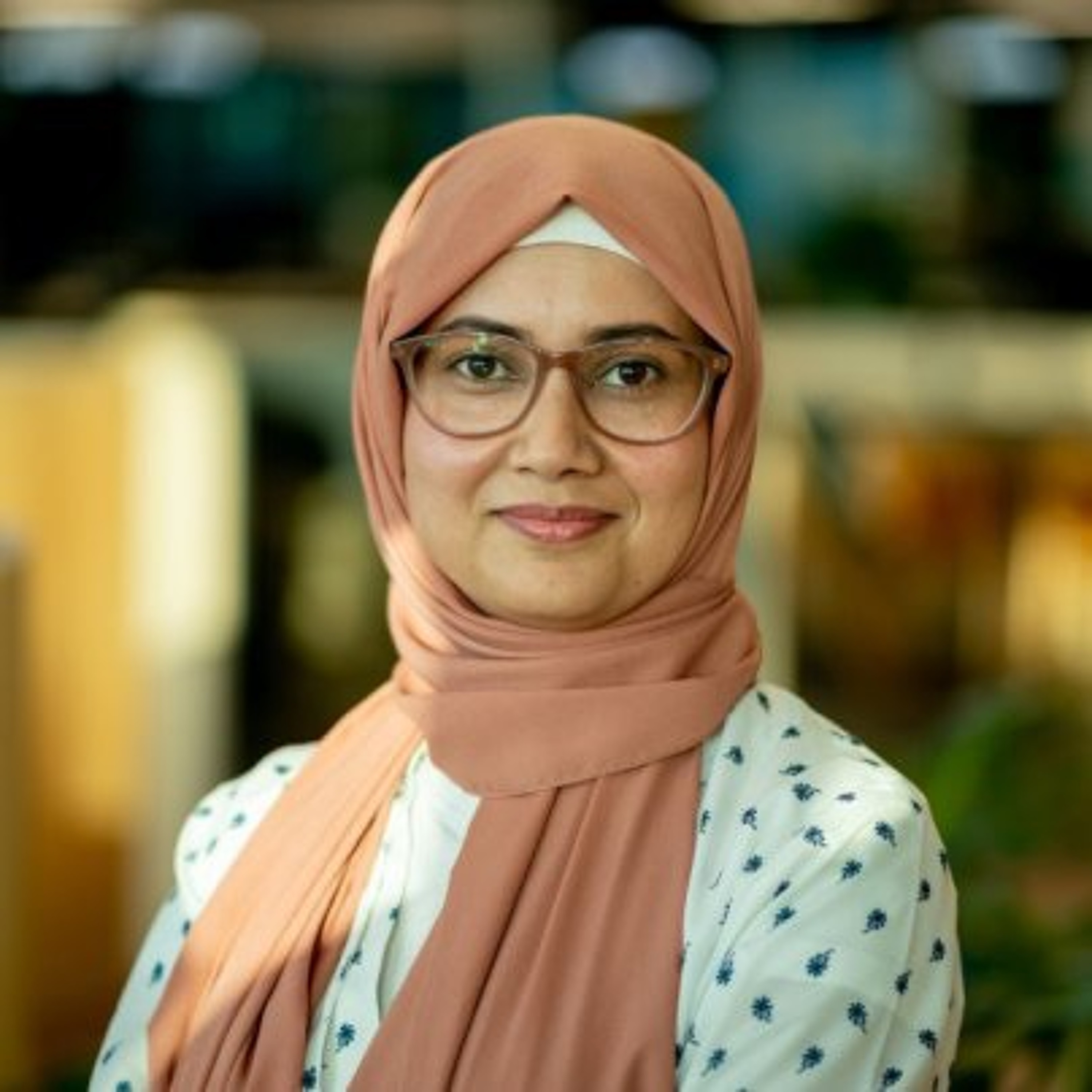
Rashina Hoda on Pandemic Programming and Agile Nations
In this podcast Shane Hastie, Lead Editor for Culture & Methods, spoke to Dr Rashina Hoda or Monash University in Melbourne, Australia, about the Pandemic Programming study, the importance of research into human factors in software development focusing on the programmer experience, how biases impact software design and what it means to be an agile nation. Listen to the podcast for more. Curated transcript and more information on the podcast: https://bit.ly/3axvnvL Follow us on Facebook, Twitter, LinkedIn, Youtube: @InfoQ Follow us on Instagram: @infoqdotcom Stay informed on emerging trends, peer-validated early adoption of technologies, and architectural best practices. Subscribe to The Software Architects’ Newsletter: www.infoq.com/software-architects-newsletter/
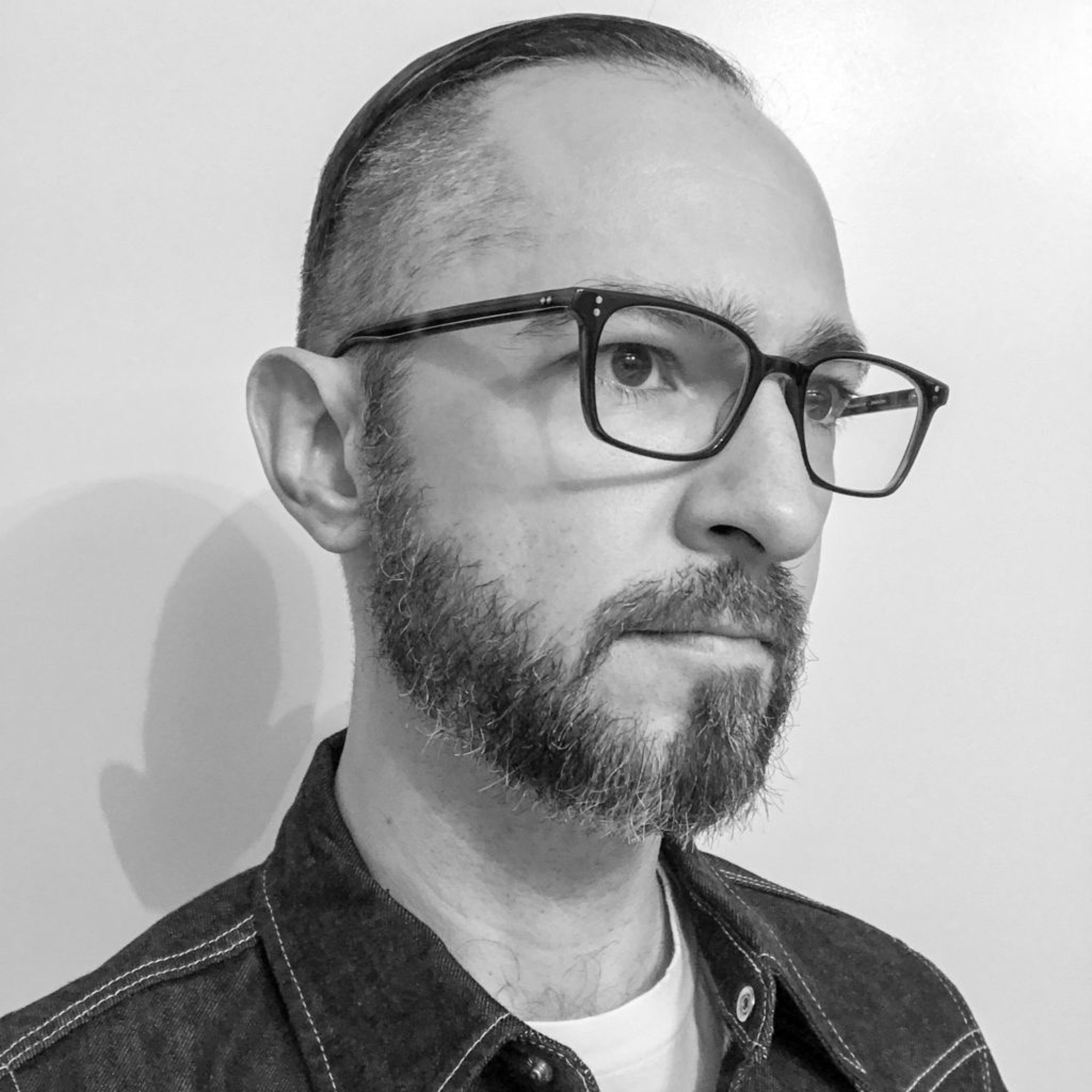
Justin Dauer on Creative Culture
In this podcast Shane Hastie, Lead Editor for Culture & Methods, spoke to Justin Dauer about his new book Creative Culture – Human centred interaction, design and inspiration. Listen to the podcast for more. Curated transcript and more information on the podcast: https://bit.ly/2Pva0Bo Follow us on Facebook, Twitter, LinkedIn, Youtube: @InfoQ Follow us on Instagram: @infoqdotcom Stay informed on emerging trends, peer-validated early adoption of technologies, and architectural best practices. Subscribe to The Software Architects’ Newsletter: https://www.infoq.com/software-architects-newsletter/
Bas Vodde on LeSS, LeSS Huge and Descaling for Agility
This is the Engineering Culture Podcast, from the people behind InfoQ.com and the QCon conferences. In this podcast recorded at Agile 2019, Shane Hastie, Lead Editor for Culture & Methods, spoke to Bas Vodde, one of the formulators of Large Scale Scrum (LeSS) about how LeSS is designed to descale an organisation rather than scaling up to cope with complexity Why listen to this podcast: • LeSS is based on the idea of de-scaling and reducing complexity rather than scaling to cope with complexity • A characteristic of LeSS adoptions is that the concepts of projects and programs tend to completely disappear in favour of product-based working • With LeSS, you have always one Product Owner for the entire product. Product owners per team are considered to be an exceptionally bad idea from a LeSS perspective • LeSS is based on having largely stable, cross-functional teams working on customer centric functionality • LeSS is based on a set of ten principles which guide the approach, and then imperical feedback based on experiments and constant learning More on this: Quick scan our curated show notes on InfoQ https://bit.ly/2WcEiwy You can also subscribe to the InfoQ newsletter to receive weekly updates on the hottest topics from professional software development. bit.ly/24x3IVq Subscribe: www.youtube.com/infoq Like InfoQ on Facebook: bit.ly/2jmlyG8 Follow on Twitter: twitter.com/InfoQ Follow on LinkedIn: www.linkedin.com/company/infoq Check the landing page on InfoQ: https://bit.ly/2WcEiwy
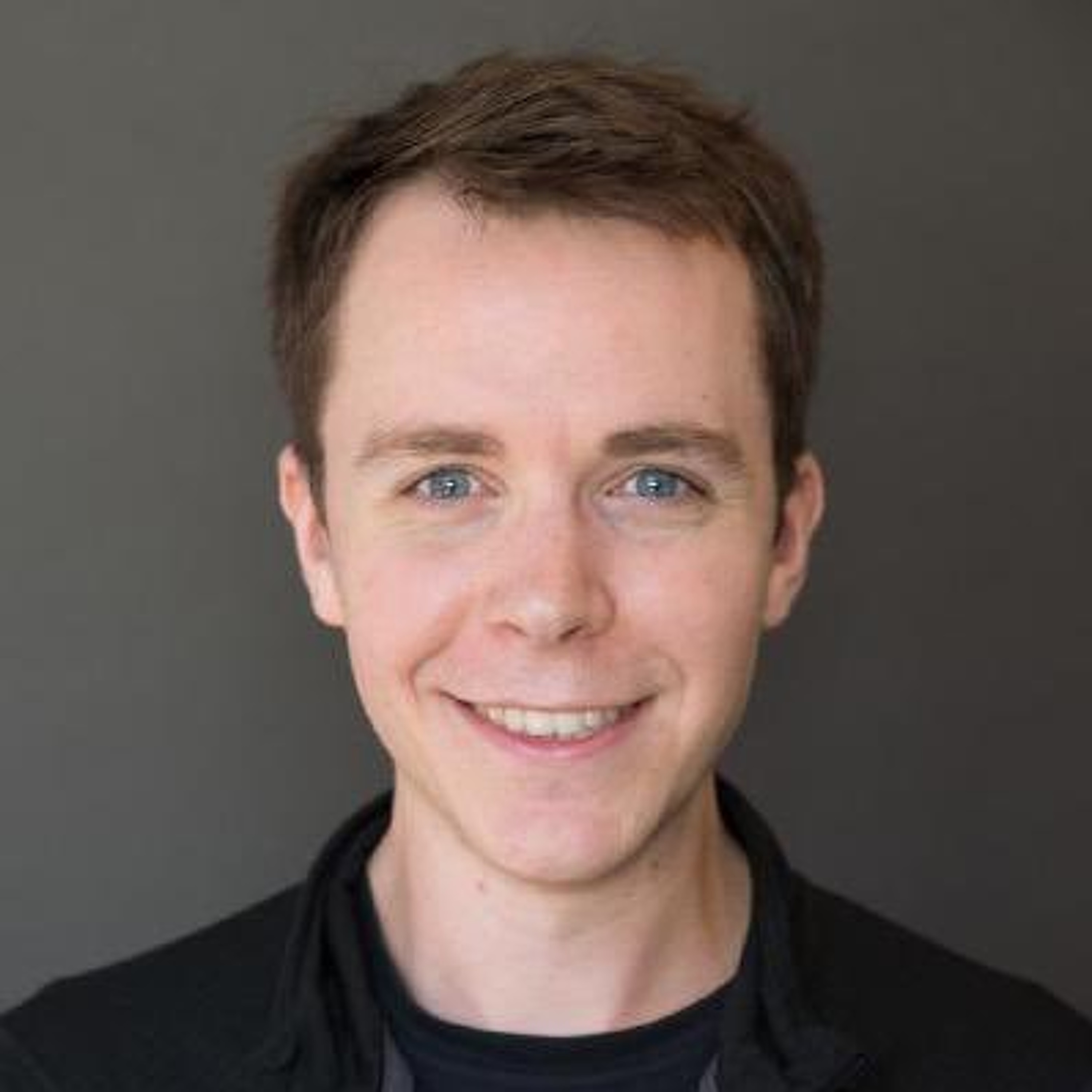
Quinn Slack of Sourcegraph on Moving to Fully Remote and Zoomcations
In this podcast Shane Hastie, Lead Editor for Culture & Methods, spoke to Quinn Slack, CEO of Sourcegraph, about becoming a fully remote company, ways to improve communication and collaboration and the value of Zoomcations Why listen to this podcast: • If working remotely really is optional then it’s really important not to put any subtle pressure that says to people that they need to be in the office – it causes stress and confusion • Coming into a half-empty office feels like being in a disaster movie, and generates subtle pressure on people to come into the office • Working remotely is a forcing function that causes you to tackle problems which get ignored when working in person, such as how you onboard new people and how you encourage collaboration • Making all policies and way-of-working public and visible enhances collaboration and communication • Zoomcations (taking a week and working completely asynchronously, without attending any synchronous meetings) allow for deep work and expose communication & collaboration shortcomings in organisation systems More on this: Quick scan our curated show notes on InfoQ https://bit.ly/2ZLdzIq You can also subscribe to the InfoQ newsletter to receive weekly updates on the hottest topics from professional software development. bit.ly/24x3IVq Subscribe: www.youtube.com/infoq Like InfoQ on Facebook: bit.ly/2jmlyG8 Follow on Twitter: twitter.com/InfoQ Follow on LinkedIn: www.linkedin.com/company/infoq Check the landing page on InfoQ: https://bit.ly/2ZLdzIq
Steve Adolph on Product Management, Product Ownership and Business Agility
In this podcast recorded at Agile 2019, Shane Hastie, Lead Editor for Culture & Methods, spoke to Steve Adolph about the role of the product owner, the rock crusher for user stories and bridging the gap between “the business” and IT Tags: Agile, Agile 2019, Agile conferences, product management, product ownership, business agility, user stories, MVP, MMF Why listen to this podcast: • The role of the product owner often hides the complexity of product management and upstream activities designed to ensure we build the right product • A product backlog should not be like a stack of plates – every item the same size – rather it is like a rock crusher where large items are further away and as they get closer they are broken down into more granular pieces • A good minimum viable product is an experiment designed to answer a specific set of questions about the value and utility of some aspect of a product • Minimum marketable feature set is what is the minimum set of features that we can put out there that people will actually buy and use • The artificial divide between IT and business in many organizations is an inhibitor to generating real value More on this: Quick scan our curated show notes on InfoQ https://bit.ly/2BrWI5p You can also subscribe to the InfoQ newsletter to receive weekly updates on the hottest topics from professional software development. bit.ly/24x3IVq Subscribe: www.youtube.com/infoq Like InfoQ on Facebook: bit.ly/2jmlyG8 Follow on Twitter: twitter.com/InfoQ Follow on LinkedIn: www.linkedin.com/company/infoq Check the landing page on InfoQ: https://bit.ly/2BrWI5p

Lanette Creamer on Exploratory Testing and Technical Testers
In this podcast recorded at Agile 2019, Shane Hastie, Lead Editor for Culture & Methods, spoke to Lanette Creamer about the need for technical skills by testers and the importance of exploratory testing. Why listen to this podcast: • Despite the importance and value it provides, software testing is not a particularly respected profession • Testers with development skills and developers with testing skills can communicate effectively with each other and pairing results in faster bug identification and removal • Unit tests are an asset of confidence • Testers have an ethical responsibility to think beyond the intended use of the code, considering what could happen and how the product could be misused • Exploratory testing is an approach where instead of trying to prove that the software works, the goal is discovery More on this: Quick scan our curated show notes on InfoQ https://bit.ly/3hQAiuP You can also subscribe to the InfoQ newsletter to receive weekly updates on the hottest topics from professional software development. bit.ly/24x3IVq Subscribe: www.youtube.com/infoq Like InfoQ on Facebook: bit.ly/2jmlyG8 Follow on Twitter: twitter.com/InfoQ Follow on LinkedIn: www.linkedin.com/company/infoq Check the landing page on InfoQ: https://bit.ly/3hQAiuP

Scott Ambler on Disciplined Agile and Agile Beyond Software Teams
In this podcast recorded at Agile 2019, Shane Hastie, Lead Editor for Culture & Methods, spoke to Scott Ambler of Disciplined Agile about the DA toolkit and taking agile beyond software devlopment Why listen to this podcast • Disciplined Agile is a toolkit which provides a view of agile adoption at four levels – software development, DevOps, IT departments and whole enterprise • The toolkit provides context and questions to help you to make better choices for the specific context each team is working in and to do process improvement • Consistency across teams should not be a goal of agile adoption – each team is different, and they must inspect and adapt in ways that work best for their context. There is no one size fits all • Guided continuous improvement gives teams and organisations a head start on improvement by identifying patterns that have worked elsewhere, showing the choices available and the trade-offs that need to be made between different approaches • Good governance is all about motivation, enablement, monitoring and transparency, ideally with an automated framework – not bureaucracy and manual checks. Transparency over false predictability More on this: Quick scan our curated show notes on InfoQ https://bit.ly/3fwQyiZ You can also subscribe to the InfoQ newsletter to receive weekly updates on the hottest topics from professional software development. bit.ly/24x3IVq Subscribe: www.youtube.com/infoq Like InfoQ on Facebook: bit.ly/2jmlyG8 Follow on Twitter: twitter.com/InfoQ Follow on LinkedIn: www.linkedin.com/company/infoq Check the landing page on InfoQ: https://bit.ly/3fwQyiZ
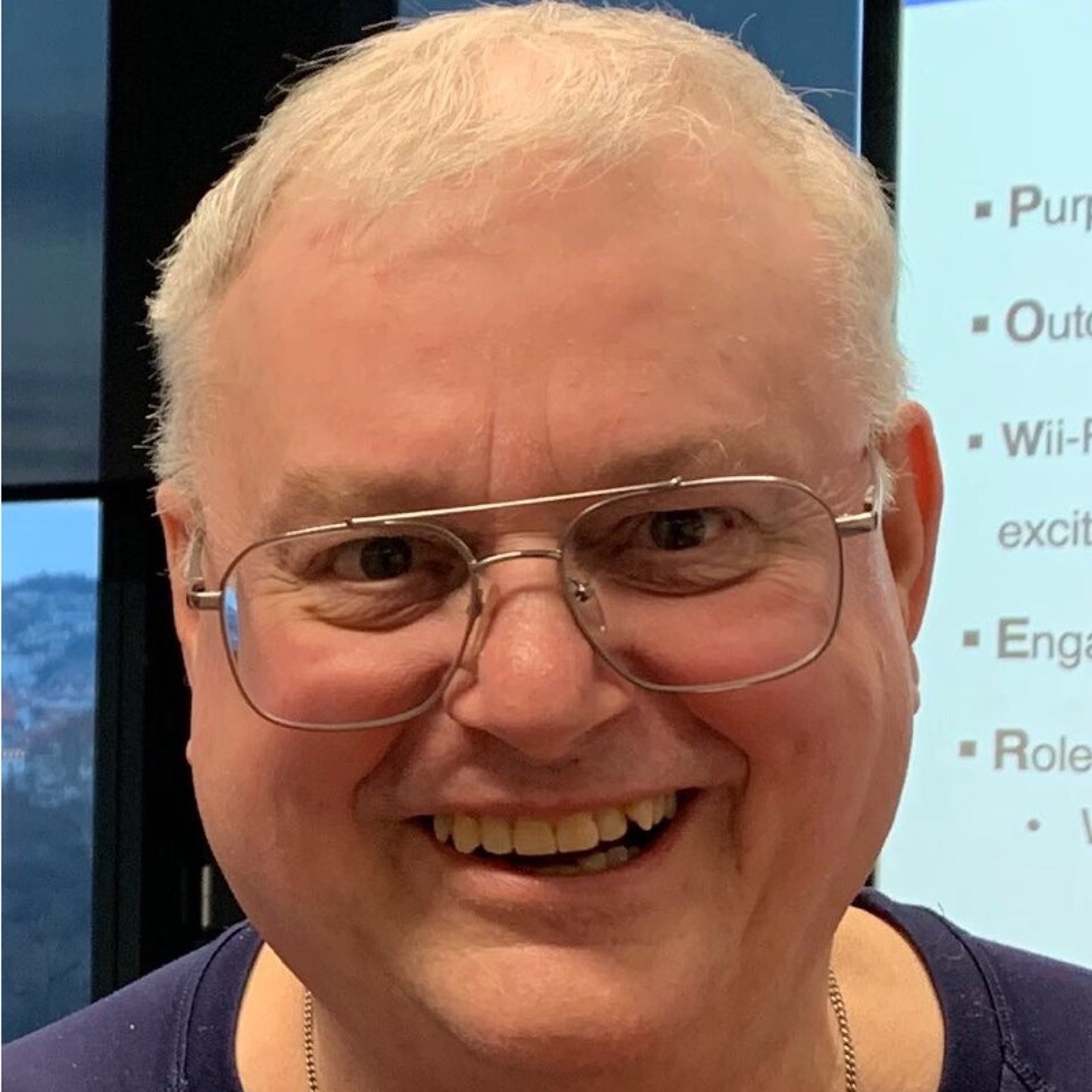
Steve Crago on Coaching, Mentoring and Facilitating Effective Teamwork
In this podcast recorded at Agile 2019, Shane Hastie, Lead Editor for Culture & Methods, spoke to Steve Crago about how leaders need to be coaches, being a good mentor and facilitating effective meetings Why listen to this podcast • There is an expectation that leaders are able to be effective coaches for their teams today • There are tools such as the Leadership Circle Profile that can help you understand your own strengths and weaknesses • You don’t necessarily need to work on weaknesses – often enhancing areas of strength can give better results than focusing on improving areas of weakness • To effectively mentor someone in an area you need to have deep knowledge and experience working in that domain • Facilitation is a skillset that is about helping others achieve their goals in a collaborative session More on this: Quick scan our curated show notes on InfoQ https://bit.ly/2Yk1g5s You can also subscribe to the InfoQ newsletter to receive weekly updates on the hottest topics from professional software development. bit.ly/24x3IVq Subscribe: www.youtube.com/infoq Like InfoQ on Facebook: bit.ly/2jmlyG8 Follow on Twitter: twitter.com/InfoQ Follow on LinkedIn: www.linkedin.com/company/infoq Check the landing page on InfoQ: https://bit.ly/2Yk1g5s
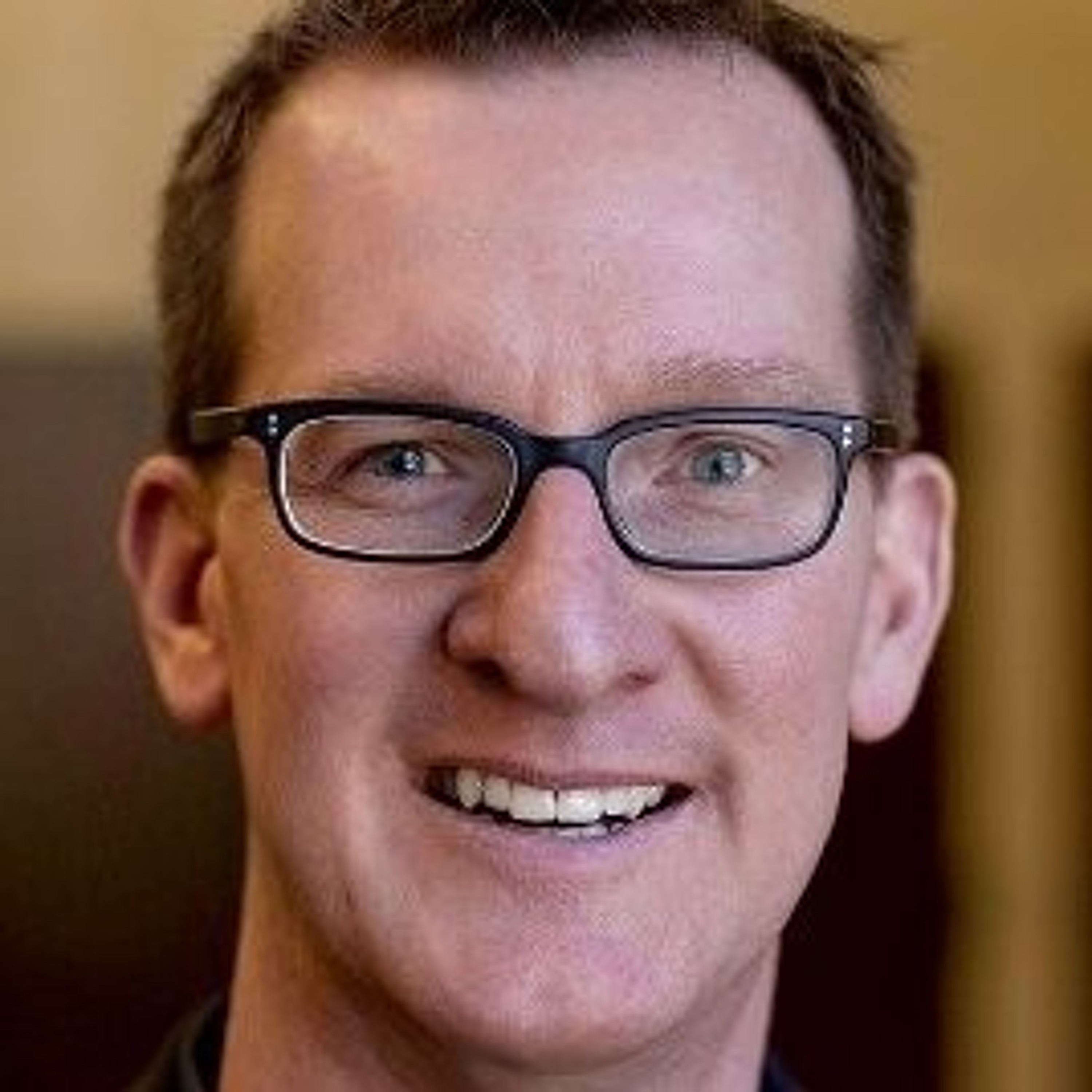
Derek Weeks on the 2020 DevSecOps Community Survey Results
In this podcast Shane Hastie, Lead Editor for Culture & Methods, spoke to Derek Weeks of Sonatype about the results of the 2020 DevSecOps Community Survey and the All Day DevOps conference. Why listen to this podcast: • If you’re doing DevOps correctly then DevSecOps is already a part of it • Organisations with mature DevOps practices have more security tools and security is more tightly integrated into the overall environment • Organisations with mature teams have a higher percentage of happier developers within their organizations than the immature ones • Happy developers are 3.6 times more likely to pay attention to security • In organisations with unhappy developers the primary cause of friction in the development process is management, in happy environments it is other developers More on this: Quick scan our curated show notes on InfoQ https://bit.ly/379gYEf You can also subscribe to the InfoQ newsletter to receive weekly updates on the hottest topics from professional software development. bit.ly/24x3IVq Subscribe: www.youtube.com/infoq Like InfoQ on Facebook: bit.ly/2jmlyG8 Follow on Twitter: twitter.com/InfoQ Follow on LinkedIn: www.linkedin.com/company/infoq Check the landing page on InfoQ: https://bit.ly/379gYEf
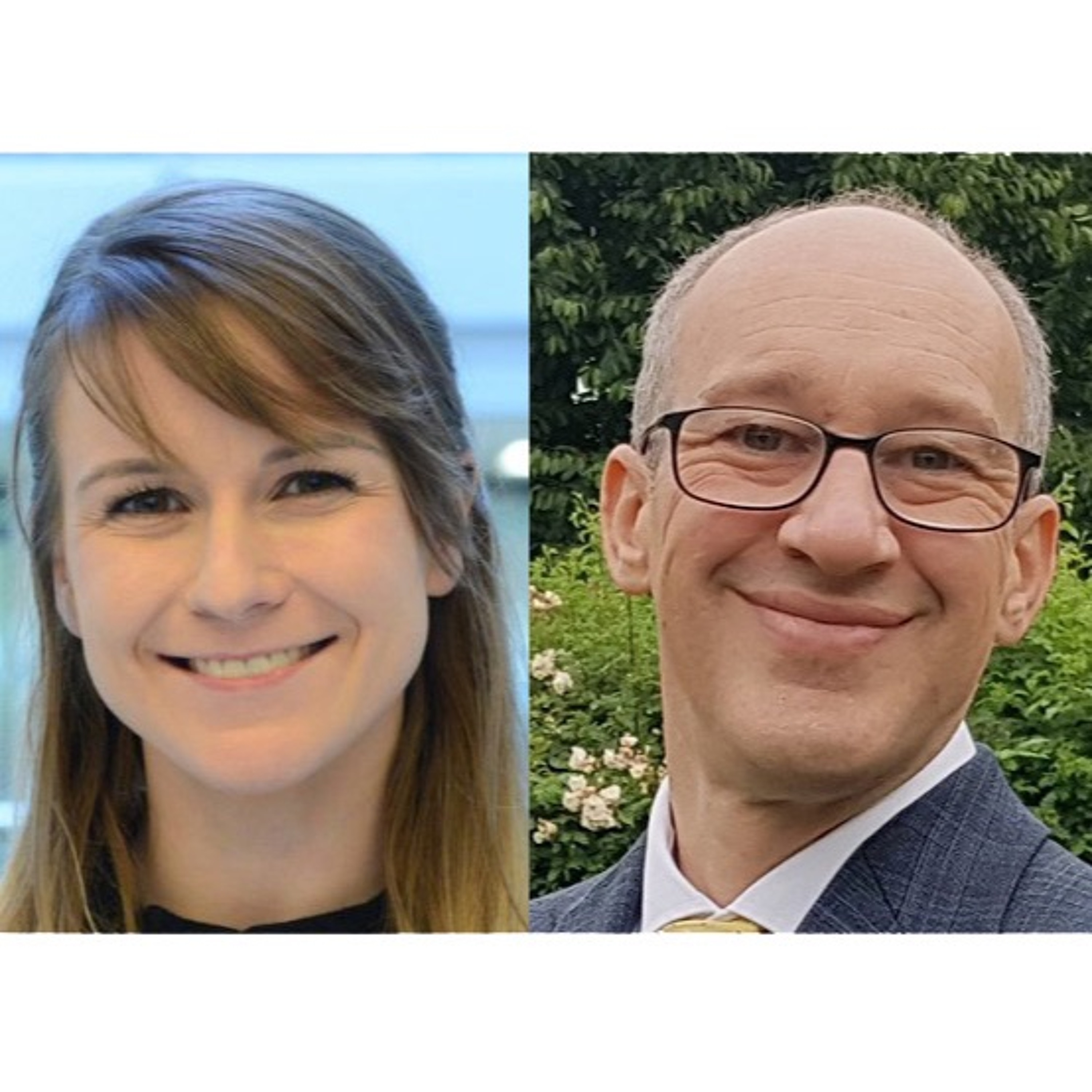
Advices for Managers to Promote Mental Wellness in Turbulent Times
In this podcast Shane Hastie, Lead Editor for Culture & Methods spoke to Dr Michelle O’Sullivan and Douglas Talbot about how managers and team leads can support the mental wellness of their teams through turbulent times Why listen to this podcast: • Good work is one of the best things for our mental health. It gives us a sense of purpose and it provides us with a community • Mental wellness is about how to speak with people, having open conversations, giving people practical support when they need it, and also just creating a safe space and a good culture within your team. Most of it is just about good line management in general. • Checking in in about how people are sleeping can be a safe conversation and can be good indicator of potential deeper issues • So if somebody is quite stressed by the pandemic or what's happening with their loved ones, or someone's sick, these are very real fears, and we don't want to pathologize what is a very normal reaction to an abnormal situation • As a manager it is important for you to model the behaviour you want to see in your team, be vulnerable and open about your own fears and concerns, which gives others permission to be vulnerable too More on this: Quick scan our curated show notes on InfoQ https://bit.ly/2ZGTaGa You can also subscribe to the InfoQ newsletter to receive weekly updates on the hottest topics from professional software development. bit.ly/24x3IVq Subscribe: www.youtube.com/infoq Like InfoQ on Facebook: bit.ly/2jmlyG8 Follow on Twitter: twitter.com/InfoQ Follow on LinkedIn: www.linkedin.com/company/infoq Check the landing page on InfoQ: https://bit.ly/2ZGTaGa
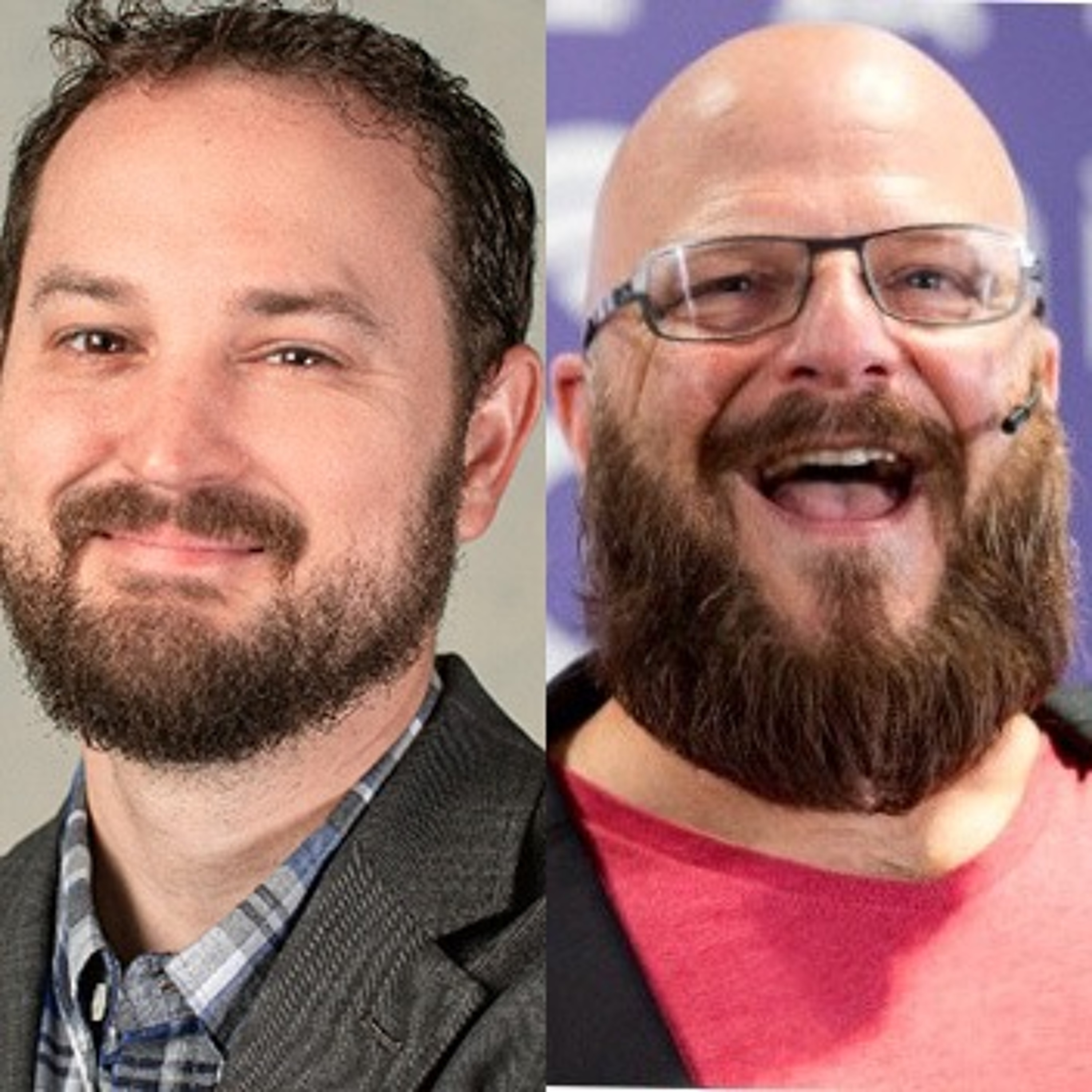
Steve Holyer on Running an Effective Open Space and Tim Meyers on Good Coaching
In this podcast recorded at Agile 2019, Shane Hastie, Lead Editor for Culture & Methods, first spoke to Steve Holyer about facilitating open space events, then he spoke to Tim Meyers about the competencies and attitudes needed for good coaching Why listen to this podcast: (Open Space) • Open Space Technology is a powerful tool for engaging participation • Designing a good Open Space event take careful preparation and support • Open Space gives the benefit of the hallway conversations that are so valuable in most in-person events • Open Space events can be facilitated remotely, provided the facilitators are experienced and put care into the design of the event (Coaching) • There is a well defined set of competencies for agile coaching • These competencies include professional coaching, mentoring, facilitation and teaching • Agile coaching has a bias towards using an agile approach to address problems and opportunities • Being a coach means you're prepared to partner with people as they improve, as they go through change • An ethical foundation for coaching is to firstly do no harm More on this: Quick scan our curated show notes on InfoQ https://bit.ly/2WlQFqz You can also subscribe to the InfoQ newsletter to receive weekly updates on the hottest topics from professional software development. bit.ly/24x3IVq Subscribe: www.youtube.com/infoq Like InfoQ on Facebook: bit.ly/2jmlyG8 Follow on Twitter: twitter.com/InfoQ Follow on LinkedIn: www.linkedin.com/company/infoq Check the landing page on InfoQ: https://bit.ly/2WlQFqz
Victor Germano, Deepti Jain and Angie Doyle on How the Agile Alliance Supports Community Initiatives
In this podcast recorded at Agile 2019, Shane Hastie, Lead Editor for Culture & Methods, spoke to with Victor Germano, Deepti Jain and Angie Doyle about the ways the Agile Alliance supports community initiatives. Why listen to this podcast: • The Agile Alliance supports many initiatives which are the way that community members get involved with the work of the Alliance around the world • Initiatives are mainly member created ideas which support the value dials of the organisaiton: increase the depth and breadth of agile, create an inclusive and global community, bringing value to members • There are a wide range of initiatives already underway, and the Alliance is always looking for more opportunities to expand the way they reach and serve members around the globe • There is a process to follow and people who want to help get new initiatives established • Before proposing a new initiative examine the ones which are already underway to see if what is needed can be met through one of them More on this: Quick scan our curated show notes on InfoQ https://bit.ly/2YDu2PU You can also subscribe to the InfoQ newsletter to receive weekly updates on the hottest topics from professional software development. bit.ly/24x3IVq Subscribe: www.youtube.com/infoq Like InfoQ on Facebook: bit.ly/2jmlyG8 Follow on Twitter: twitter.com/InfoQ Follow on LinkedIn: www.linkedin.com/company/infoq Check the landing page on InfoQ: https://bit.ly/2YDu2PU
Collective Sensemaking and Deliberately Developmental Conversations
In this podcast recorded at Agile 2019, Shane Hastie, Lead Editor for Culture & Methods, spoke to Antoinette Coetzee and Jason Knight about Collective Sensemaking and Deliberately Developmental Conversations Tags: Agile, Agile 2019, Agile conferences, productivity, teamwork, psychological safety Key takeaways: • We are generally unaware of our own developmental stage in building relationships • Raising awareness and exploring our own perceptions is possible and a powerful tool for building relationships with others • Psychological safety is a precondition for developmental conversations, and it needs to be paired with psychological challenge • You can't have psychological challenge without psychological safety and you won't have any growth unless there is psychological challenge as well • The participants have to be mutually committed to each other's development and to their own development in order to help each other grow in areas that they need More on this: Quick scan our curated show notes on InfoQ https://bit.ly/2y3Io1j You can also subscribe to the InfoQ newsletter to receive weekly updates on the hottest topics from professional software development. bit.ly/24x3IVq Subscribe: www.youtube.com/infoq Like InfoQ on Facebook: bit.ly/2jmlyG8 Follow on Twitter: twitter.com/InfoQ Follow on LinkedIn: www.linkedin.com/company/infoq Check the landing page on InfoQ: https://bit.ly/2y3Io1j
Chris Bailey on Productivity Hacking and Hyperfocus
In this podcast recorded at Agile 2019, Shane Hastie, Lead Editor for Culture & Methods, spoke to Chris Bailey about his book Hyperfocus and techniques for productivity hacking. Why listen to this podcast: • For many of us, having available time is not the problem – it’s having available attention • We all have a chronotype which shows the time of day when we are most productive • Productivity is about more than just managing time – it’s about managing time, energy and attention • Research shows that we tend to focus on one thing for only 35-40 seconds before being distracted • Tasks that lead to procrastination have seven things in common: Those are whether a task is boring, whether it’s frustrating, whether it's difficult, whether it's ambiguous, whether it is unstructured, whether it's lacking in personal meaning, and whether it's lacking in intrinsic rewards. More on this: Quick scan our curated show notes on InfoQ https://bit.ly/2XPhZyF You can also subscribe to the InfoQ newsletter to receive weekly updates on the hottest topics from professional software development. bit.ly/24x3IVq Subscribe: www.youtube.com/infoq Like InfoQ on Facebook: bit.ly/2jmlyG8 Follow on Twitter: twitter.com/InfoQ Follow on LinkedIn: www.linkedin.com/company/infoq Check the landing page on InfoQ: https://bit.ly/2XPhZyF

Jono Bacon on Building Community and Remote Collaboration
In this podcast Shane Hastie, Lead Editor for Culture & Methods, spoke to Jono Bacon about building communities, the value of community when suddenly working remotely and remote collaboration. Why listen to this podcast: • In the suddenly remote environment caused by COVID-19, community becomes even more important than when teams were mainly collocated • Every business has got an internal community to a degree, often somewhat accidental in nature, but when you become remote you need to lean on that sense of connectedness with your colleagues a lot more • One of the things that unifies communities more than anything else is a sense of purpose • There are three types of communities in the world - consumer, champion and collaborator • When working remotely it’s very important to be intentional about maintaining the relationships with your colleagues More on this: Quick scan our curated show notes on InfoQ https://bit.ly/3cee02z You can also subscribe to the InfoQ newsletter to receive weekly updates on the hottest topics from professional software development. bit.ly/24x3IVq Subscribe: www.youtube.com/infoq Like InfoQ on Facebook: bit.ly/2jmlyG8 Follow on Twitter: twitter.com/InfoQ Follow on LinkedIn: www.linkedin.com/company/infoq Check the landing page on InfoQ: https://bit.ly/3cee02z

Helen Bartimote and Jamie Dobson on Mental Health and Wellbeing During the COVID-19 Pandemic
In this podcast, Shane Hastie, Lead Editor for Culture & Methods, spoke to Helen Bartimote and Jamie Dobson from Container Solutions about maintaining mental health and wellbeing during the COVID-19 pandemic. Why listen to this podcast: • Mental health and wellness is not a new challenge for the technology industry, and it is more openly discussed today that is has been previously • The COVID-19 pandemic has put many people into a collective state of shock. • Acknowledging the emotional reactions and their impact is an important part of being able to cope with what is happening. It's really important to give them time and know that they will pass, come back again and pass, and that’s OK. • It’s important to identify what you can control and acknowledge what you cannot control, accept that the feelings of being out of control are real and they are stressful, and that you always have control over how we respond to a situation, even if you can’t control the circumstances • Empathic responding, finding ways to care for and help others, is one of the best ways to respond to a crisis and contributes to our own wellbeing More on this: Quick scan our curated show notes on InfoQ https://bit.ly/2Ri0283 You can also subscribe to the InfoQ newsletter to receive weekly updates on the hottest topics from professional software development. bit.ly/24x3IVq Subscribe: www.youtube.com/infoq Like InfoQ on Facebook: bit.ly/2jmlyG8 Follow on Twitter: twitter.com/InfoQ Follow on LinkedIn: www.linkedin.com/company/infoq Check the landing page on InfoQ: https://bit.ly/2Ri0283
Johanna Rothman & Mark Kilby on Their Book From Chaos to Successful Distributed Agile Teams
In this podcast recorded at Agile 2019, Shane Hastie, Lead Editor for Culture & Methods, spoke to Johanna Rothman & Mark Kilby about their book From Chaos to Successful Distributed Agile Teams Why listen to this podcast: • There are important mindset shifts that are needed to help enable distributed teams to be effective • You can’t take practices and approaches that are designed for co-located teams and apply them to distributed teams without adapting them to the new context • Distributed teams need to identify and align on their hours of overlap • Transparency and experimentation are important for a distributed team to build their culture • Communication needs to include personal context, not just focusing on the work but get to know the people • Let the teams identify and evolve their own ways of working, do not impose it from above More on this: Quick scan our curated show notes on InfoQ bit.ly/2Jwg9u5 You can also subscribe to the InfoQ newsletter to receive weekly updates on the hottest topics from professional software development. bit.ly/24x3IVq Subscribe: www.youtube.com/infoq Like InfoQ on Facebook: bit.ly/2jmlyG8 Follow on Twitter: twitter.com/InfoQ Follow on LinkedIn: www.linkedin.com/company/infoq Check the landing page on InfoQ: bit.ly/2Jwg9u5
Panel: Suddenly Distributed - Effective Agility in The Age of Coronavirus
In this special edition of the podcast, made in conjunction with Retrium and the Agile Alliance, we brought together a panel of remote working experts to explore and share experiences around what teams and individuals can do to cope and be effective in the environment where so many people are suddenly forced to work from home and collaborate remotely. The panel consisted of: • David Horowitz • Mark Kilby • Lisette Sutherland • Judy Rees • Steve McCann • Charles Humble • Shane Hastie The full video recording of the webinar can be found here: https://bit.ly/2wniFjL. • Huge numbers of people around the globe are suddenly having to work remotely and figure out how to cope in these turbulent times • Part of what makes this environment so stressful for many of us is the fact that life feels out of our control • One way to gain back some semblance of control is to come up with 15% solutions, small actions that you can take immediately • Remote work can be effective and efficient provided people are supported properly • When meeting remotely the experience is far more effective for everybody when you have video cameras on • Working agreements with your teams and with your family about how we will support each other to work remotely are important • Taking care of yourself and your family is more important than being busy with work More on this: Quick scan our curated show notes on InfoQ https://bit.ly/2UfYA85 You can also subscribe to the InfoQ newsletter to receive weekly updates on the hottest topics from professional software development. bit.ly/24x3IVq Subscribe: www.youtube.com/infoq Like InfoQ on Facebook: bit.ly/2jmlyG8 Follow on Twitter: twitter.com/InfoQ Follow on LinkedIn: www.linkedin.com/company/infoq Check the landing page on InfoQ: https://bit.ly/2UfYA85
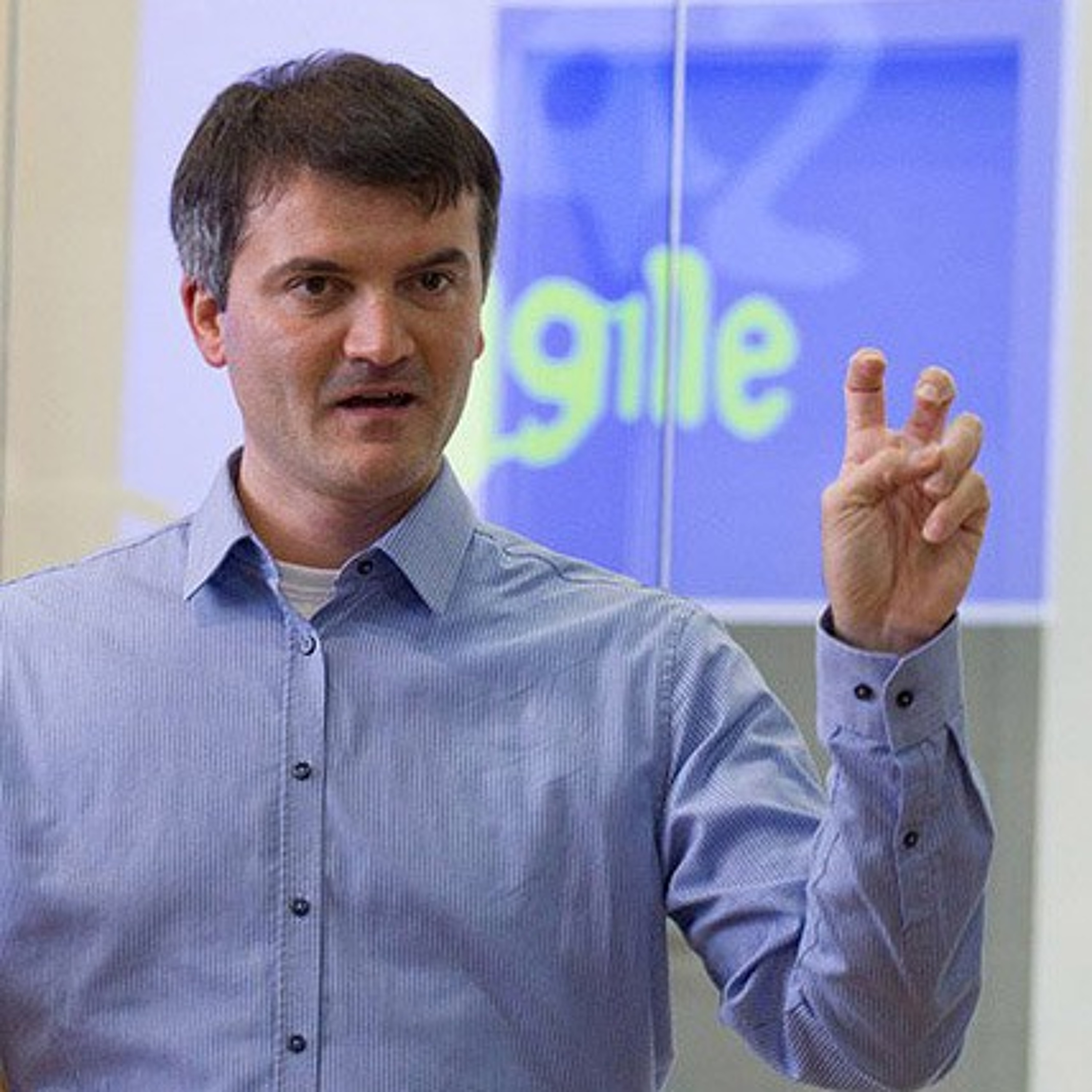
Andrea Tomasini of Agile 42 on influencing change in complex environments
In this podcast recorded at Agile 2019, Shane Hastie, Lead Editor for Culture & Methods, spoke to Andrea Tomasini on organisational change, sense-making, leadership and organic agility Why listen to this podcast: • Organic Agility is a way to help make organisations more resilient by making culture explicit and visible • You can’t design culture, you can only influence it • Interviews and questionnaires give a limited a biased view of culture – you need other tools to make sense and truly understand organisation culture • Organisations need to be seen as complex systems and analysed from that perspective, not through mechanistic view • You influence culture by making the stories visible and letting people move in the direction that makes the stories more positive More on this: Quick scan our curated show notes on InfoQ https://bit.ly/2QsqMCf You can also subscribe to the InfoQ newsletter to receive weekly updates on the hottest topics from professional software development. bit.ly/24x3IVq Subscribe: www.youtube.com/infoq Like InfoQ on Facebook: bit.ly/2jmlyG8 Follow on Twitter: twitter.com/InfoQ Follow on LinkedIn: www.linkedin.com/company/infoq Check the landing page on InfoQ: https://bit.ly/2QsqMCf
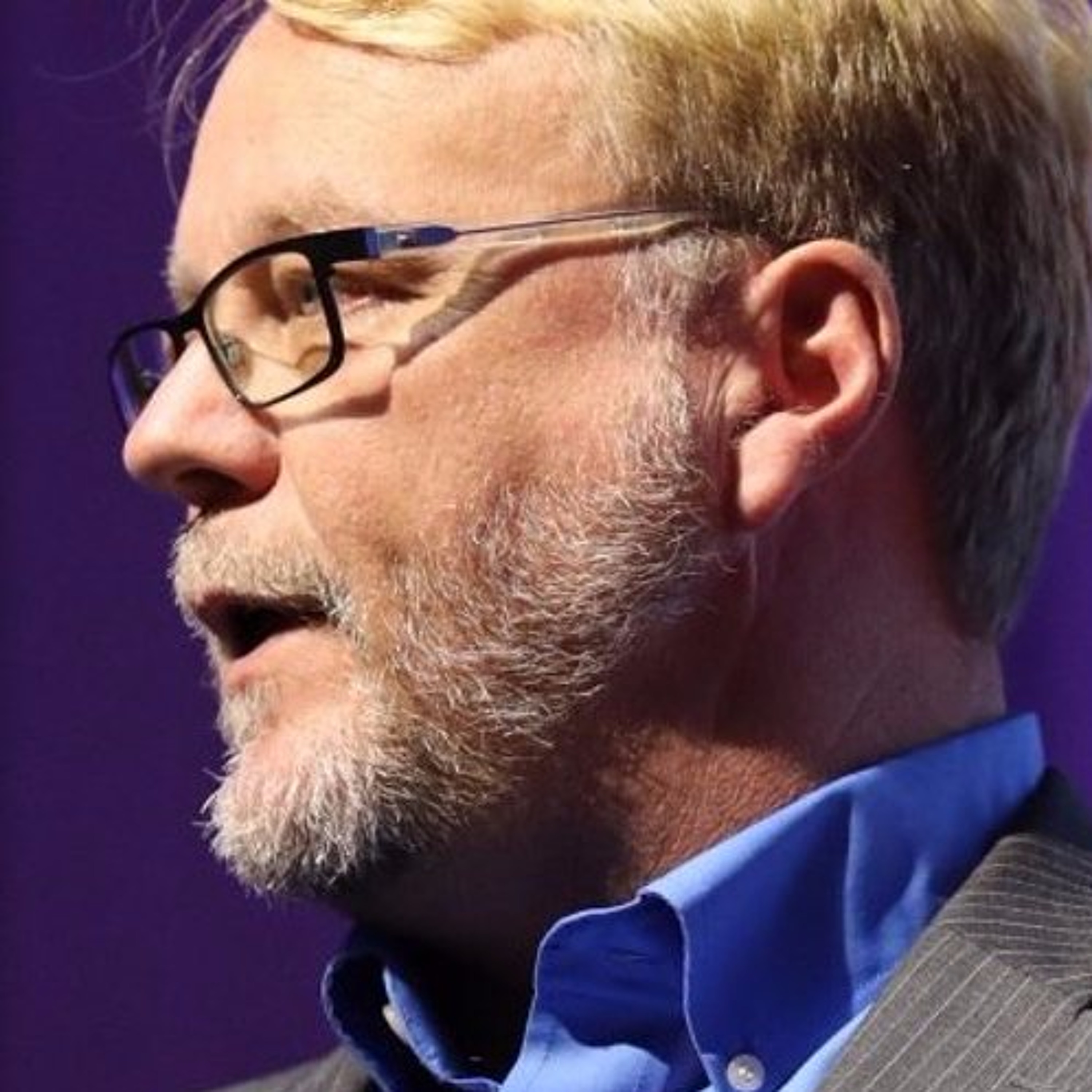
Howard Sublett on current and future state of the Scrum Alliance
This is the Engineering Culture Podcast, from the people behind InfoQ.com and the QCon conferences. In this podcast recorded at Agile 2019, Shane Hastie, Lead Editor for Culture & Methods, spoke to Howard Sublett about the current and future state of the Scrum Alliance. Why listen to this podcast: • When organisations and teams adopt Scrum effectively the difference in atmosphere and attitude to work is palpable • There is still a lot of faux-agile/scrum where practices are adopted without the mindset shift • The Scrum Alliance have appointed Howard as the Chief Product Owner, responsible for defining the what and the why of the organisation, and Melissa Bloggs as the Chief Scrum Master responsible for the how of implementation • The Scrum Alliance has moved to a self-selected, cross-functional team model based around customer segments • With7 billion people working in the world today, even with 1.2 million people certified in Scrum, there’s still a huge amount of work to be done to improve the world of work for the majority of people More on this: Quick scan our curated show notes on InfoQ https://bit.ly/2TUCTcf You can also subscribe to the InfoQ newsletter to receive weekly updates on the hottest topics from professional software development. bit.ly/24x3IVq Subscribe: www.youtube.com/infoq Like InfoQ on Facebook: bit.ly/2jmlyG8 Follow on Twitter: twitter.com/InfoQ Follow on LinkedIn: www.linkedin.com/company/infoq Check the landing page on InfoQ: https://bit.ly/2TUCTcf

Diana Larsen on the Origins of Agility and Agile Fluency
In this podcast recorded at Agile 2019, Shane Hastie, Lead Editor for Culture & Methods, spoke to Diana Larsen about the origins of what became agile development, where business agility is header and the agile fluency project . Why listen to this podcast: • There is a deep history of business improvement initiatives that predates the agile manifesto • It was a part of a cultural movement that was moving more toward more humane workplaces that could deliver more value • When you give people a good environment and good support to do their work, you get better work and better products • The ideas of business agility predate the work in agile development – engaging support structures in organisations to enable change • You can't change one part of a system without it having effects on other parts of the system • The Agile Fluency Model is a tool to help teams diagnose themselves and to expose the system to leadership More on this: Quick scan our curated show notes on InfoQ https://bit.ly/3acIJwf You can also subscribe to the InfoQ newsletter to receive weekly updates on the hottest topics from professional software development. bit.ly/24x3IVq Subscribe: www.youtube.com/infoq Like InfoQ on Facebook: bit.ly/2jmlyG8 Follow on Twitter: twitter.com/InfoQ Follow on LinkedIn: www.linkedin.com/company/infoq Check the landing page on InfoQ: https://bit.ly/3acIJwf

Steve Milligan on Agile Finance and Finding Synergies
In this podcast recorded at Agile 2019, Shane Hastie, Lead Editor for Culture & Methods, spoke to Steve Milligan about his work in Agile Finance and bringing the back-office along on the agile transformation journey. Why listen to this podcast: • The funding of agile initiatives has been largely left outside of the scope of transformation efforts, which results in dysfunction and cross purpose • Agile finance introduces structure so that financial aspects (target setting, budgeting, expenditure and reporting) become synergistic and add to the positive impact of transformation • Attitude changes need to start with the agile coaching and transformation change agents – they self-constrain and are biased against working with finance groups • The need to move from static budgets to activity-based budgets and investigate ideas like Beyond Budgeting • The authoritative bodies (SEC, AICPA) have issued guidance for the accounting profession regarding investigating and determining the applicability of concepts like Beyond Budgeting More on this: Quick scan our curated show notes on InfoQ https://bit.ly/2SYlOOd You can also subscribe to the InfoQ newsletter to receive weekly updates on the hottest topics from professional software development. bit.ly/24x3IVq Subscribe: www.youtube.com/infoq Like InfoQ on Facebook: bit.ly/2jmlyG8 Follow on Twitter: twitter.com/InfoQ Follow on LinkedIn: www.linkedin.com/company/infoq Check the landing page on InfoQ: https://bit.ly/2SYlOOd
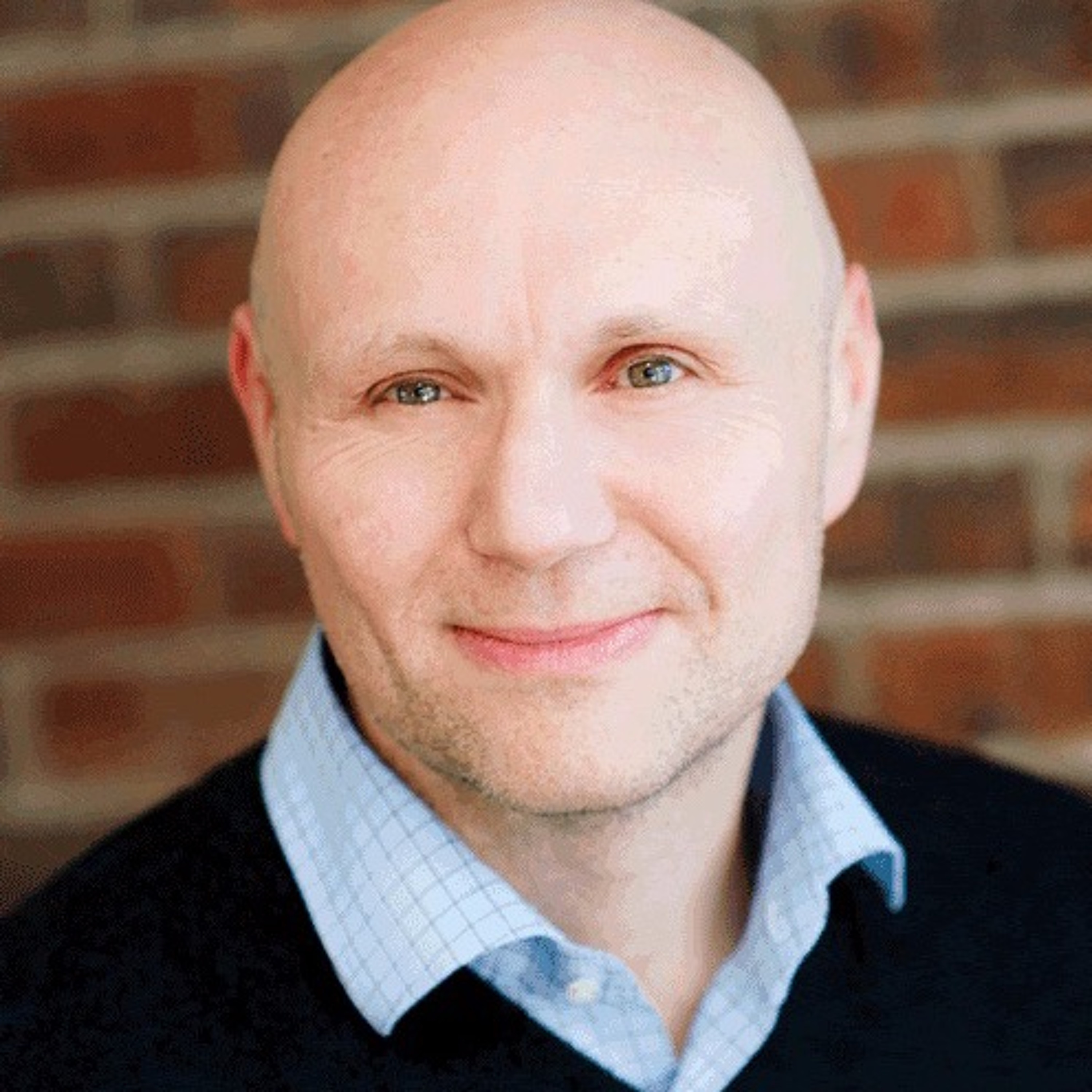
Dave West on Agile Beyond Software, Organisational Alignment and Product Ownership is Hard
In this podcast recorded at Agile 2019, Shane Hastie, Lead Editor for Culture & Methods, spoke to Dave West, CEO of scrum.org about agile beyond software, the need for organisational alignment and how product ownership is a major inhibitor for many organisations because it is not done well. Why listen to this podcast: • Agile ideas are taking root beyond software development, in business areas and in complex engineering environments • The scope of agility is more than just delivering great product – it is delivering great product, getting great feedback, experimentation and learning • The large consulting firms have the relationships at the most senior levels to enable top-down change in organisations • Most software teams today are delivering relatively well, however there is misalignment between the delivery teams and the wider organisation’s ability to accept and release product to the market effectively • Good product ownership is incredibly hard and most organisations do product ownership very badly More on this: Quick scan our curated show notes on InfoQ https://bit.ly/3bvC9lY You can also subscribe to the InfoQ newsletter to receive weekly updates on the hottest topics from professional software development. bit.ly/24x3IVq Subscribe: www.youtube.com/infoq Like InfoQ on Facebook: bit.ly/2jmlyG8 Follow on Twitter: twitter.com/InfoQ Follow on LinkedIn: www.linkedin.com/company/infoq Check the landing page on InfoQ: https://bit.ly/3bvC9lY

Caitlin Walker on Clean Language, Anti-Fragility and Inclusiveness
This is the Engineering Culture Podcast, from the people behind InfoQ.com and the QCon conferences. In this podcast recorded at Agile 2019, Shane Hastie, Lead Editor for Culture & Methods, spoke to Caitlin Walker about clean language, anti-fragility and inclusiveness. Why listen to this podcast: • Clean Language is a way of communicating that helps reduce bias and influence in order to help bring clarity to a situation • Clean language questions can be used anywhere where gathering high quality information without biasing the answer will be useful • The questions expose diversity in thinking and attitudes and enable greater connections and empathy between people • An antifragile system is one that when you apply stress to it, it grows stronger • Clean language applied to teams helps them create the conditions for antifragility More on this: Quick scan our curated show notes on InfoQ https://bit.ly/2OiMjwb You can also subscribe to the InfoQ newsletter to receive weekly updates on the hottest topics from professional software development. bit.ly/24x3IVq Subscribe: www.youtube.com/infoq Like InfoQ on Facebook: bit.ly/2jmlyG8 Follow on Twitter: twitter.com/InfoQ Follow on LinkedIn: www.linkedin.com/company/infoq Check the landing page on InfoQ: https://bit.ly/2OiMjwb
Steve Persch on Open Source Communities and Tough Challenges in Technical Leadership
In this podcast Shane Hastie, Lead Editor for Culture & Methods, spoke to Steve Persch of Panthion about supporting open source communities and leading technical teams Why listen to this podcast: • Communities need to be nurtured and supported • The open source community is based around the idea that you can build on the knowledge of others • Leadership technical teams can be challenging and there are some simple (but not easy) things that can be dome to be better at it • The goal should never be to follow a brand or methodology slavishly – it should always be about solving customer problems and delivering business value • Successful projects happen as a result of the people who work together, not the technology used More on this: Quick scan our curated show notes on InfoQ https://bit.ly/30Xi6rq You can also subscribe to the InfoQ newsletter to receive weekly updates on the hottest topics from professional software development. bit.ly/24x3IVq Subscribe: www.youtube.com/infoq Like InfoQ on Facebook: bit.ly/2jmlyG8 Follow on Twitter: twitter.com/InfoQ Follow on LinkedIn: www.linkedin.com/company/infoq Check the landing page on InfoQ: https://bit.ly/30Xi6rq
David McAllister on Building Communities
In this podcast Shane Hastie, Lead Editor for Culture & Methods, spoke to David McAllister about building technical communities. Why listen to this podcast: • A community comes together around a common shared interest of some sort • Communities need to be actively nurtured in a similar way to open source projects • Communities require constant tuning, and this means you need to figure out ways to measure them • Different types of content work for different members of the community and in different contexts – ensure your content matches the intent • “Collecting data is only the first step towards wisdom, sharing data is the first step towards community” More on this: Quick scan our curated show notes on InfoQ https://bit.ly/3asqUtV You can also subscribe to the InfoQ newsletter to receive weekly updates on the hottest topics from professional software development. bit.ly/24x3IVq Subscribe: www.youtube.com/infoq Like InfoQ on Facebook: bit.ly/2jmlyG8 Follow on Twitter: twitter.com/InfoQ Follow on LinkedIn: www.linkedin.com/company/infoq Check the landing page on InfoQ: https://bit.ly/3asqUtV
Kevin Callahan on Positive Organisational Design and Complex Systems
This is the Engineering Culture Podcast, from the people behind InfoQ.com and the QCon conferences. In this podcast Shane Hastie, Lead Editor for Culture & Methods, spoke to Kevin Callahan about positive organisational design and organisations as complex systems Why listen to this podcast: • Positive organisation development starts with areas where you are strong and builds on those, rather than focusing on weaknesses and negative areas • Involving people to open up “what could be” which starts a change effort that makes it possible to achieve • Start by trusting that people want to do amazing work • Organisations are complex systems and need to be treated as such • In complex systems the balance of pressures is necessary, and in many organisations one or other area becomes predominant (eg revenue or cost saving pressure) and this causes the system to become brittle More on this: Quick scan our curated show notes on InfoQ https://bit.ly/36Qj5fk You can also subscribe to the InfoQ newsletter to receive weekly updates on the hottest topics from professional software development. bit.ly/24x3IVq Subscribe: www.youtube.com/infoq Like InfoQ on Facebook: bit.ly/2jmlyG8 Follow on Twitter: twitter.com/InfoQ Follow on LinkedIn: www.linkedin.com/company/infoq Check the landing page on InfoQ: https://bit.ly/36Qj5fk
Arie van Bennekum on the Liquid Manifesto
In this podcast Shane Hastie, Lead Editor for Culture & Methods, spoke to Arie van Bennekum about Liquid Manifesto, a transformation framework to help organisations shift from old paradigms to new ones. Why listen to this podcast: • The Liquid Manifesto is a transformation framework to help organisations shift from old paradigms to new ones • Changing paradigms is the most difficult thing to do because bringing in new paradigms takes time and old paradigms define reflexes under stress • Your organisation has the have the capability to respond to change, if not you die • A Liquid organisation has people and teams who can work independently while remaining coherent, flowing together towards a common goal • A liquid organisation has a common cause, you know why you are there, you are connected while being very self-organising and you look for continuous improvement More on this: Quick scan our curated show notes on InfoQ https://bit.ly/2sIBCeV You can also subscribe to the InfoQ newsletter to receive weekly updates on the hottest topics from professional software development. bit.ly/24x3IVq Subscribe: www.youtube.com/infoq Like InfoQ on Facebook: bit.ly/2jmlyG8 Follow on Twitter: twitter.com/InfoQ Follow on LinkedIn: www.linkedin.com/company/infoq Check the landing page on InfoQ: https://bit.ly/2sIBCeV
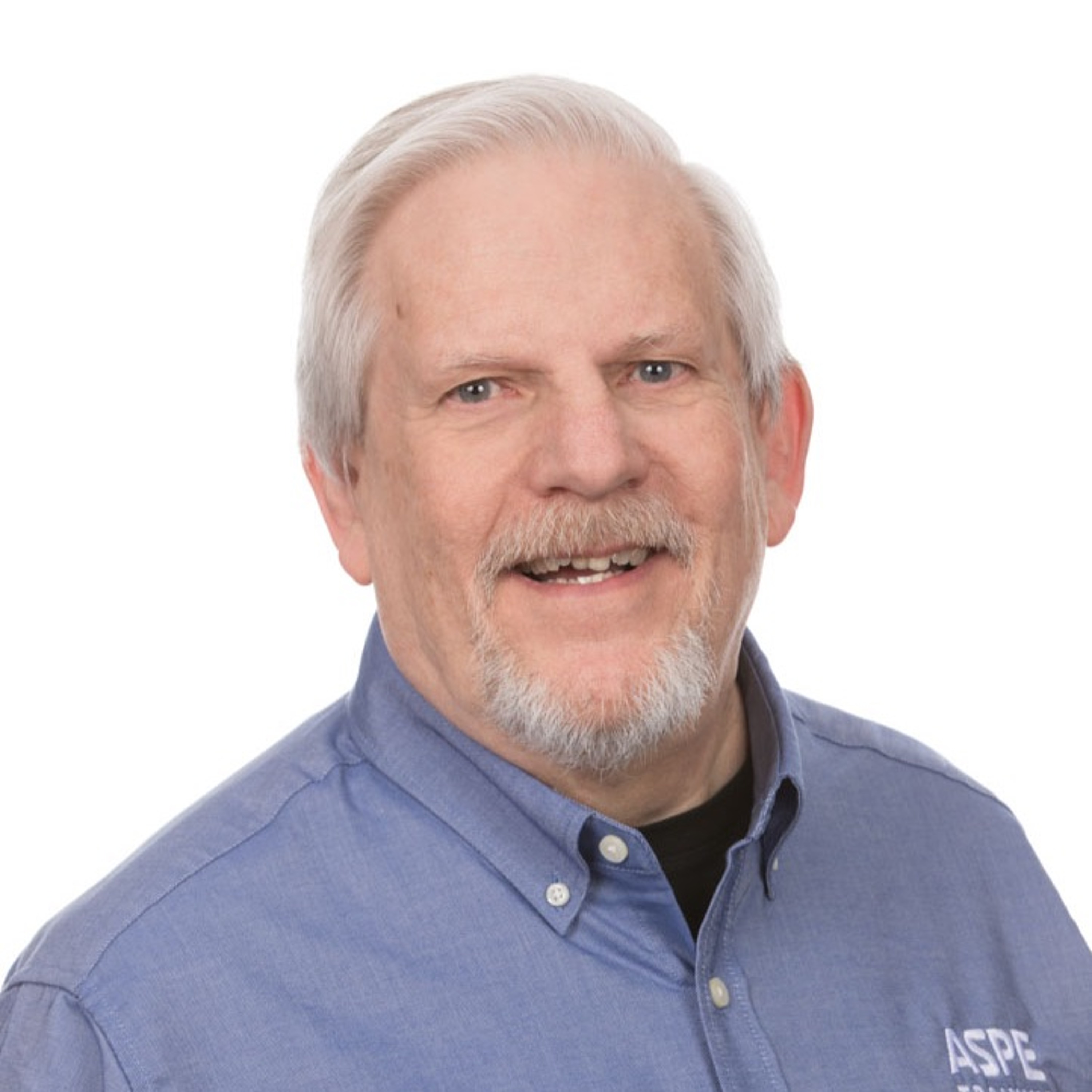
Scott Duncan on Examining the Agile Manifesto
In this podcast Shane Hastie, Lead Editor for Culture & Methods, spoke to Scott Duncan about his InfoQ book Understanding Agile Values & Principles. An Examination of the Agile Manifesto. Why listen to this podcast: • The Agile Manifesto was written as a set of values and principles for improving software development outcomes • There are many brands, frameworks and methodologies which were represented at the Snowbird Lightweight Methods Conference where the manifesto was written • The authors were looking for common ground and the four values of the manifesto represented their collective agreement on the mindset which should underly software development • There is a difference between doing the practices of any agile method and being agile in mindset • Approaches such as Modern Agile and Heart of Agile are focused on returning to the underlying philosophy with a humanistic focus and moving away from prescriptive practice adoption More on this: Quick scan our curated show notes on InfoQ https://bit.ly/37qs9Yc You can also subscribe to the InfoQ newsletter to receive weekly updates on the hottest topics from professional software development. bit.ly/24x3IVq Subscribe: www.youtube.com/infoq Like InfoQ on Facebook: bit.ly/2jmlyG8 Follow on Twitter: twitter.com/InfoQ Follow on LinkedIn: www.linkedin.com/company/infoq Check the landing page on InfoQ: https://bit.ly/37qs9Yc
The InfoQ Podcast Hosts Take a Look Back at 2019, Discussing Teal, Edge, Quantum Computing, and more
In this special year-end wrap-up podcast Wes Reisz, Shane Hastie, Daniel Bryant, and Charles Humble discuss what we’ve seen in 2019 and speculate a little on what we hope to see in 2020. Topics include business agility and Teal, what it means to be an ethical engineer, bringing your whole self to work, highlights from QCon and InfoQ during 2019, the rise of Python, and progress in quantum computing. Why listen to this podcast: * Business agility is one of the major themes that the InfoQ team has seen emerge this year, with stronger emphasis on outcomes over outputs. We’ve also seen a growing interest in ethics and the ethical implications of the work we all do. * On the programming languages front the rise of Python continues, driven largely by its popularity in data science. * As Kubernetes cements its dominant position we’re hoping to see a simplification of the workflows associated with it, as well as in areas like observability. * There have been several big announcements in quantum computing in the past year, and this is an area we continue to watch with interest. * Another key trend for next year is edge computing. The edge of the cloud infrastructure has an amazing amount of available compute resource, as does the device edge. More on this: Quick scan our curated show notes on InfoQ bit.ly/2Z0Q9OI You can also subscribe to the InfoQ newsletter to receive weekly updates on the hottest topics from professional software development. bit.ly/24x3IVq Subscribe: www.youtube.com/infoq Like InfoQ on Facebook: bit.ly/2jmlyG8 Follow on Twitter: twitter.com/InfoQ Follow on LinkedIn: www.linkedin.com/company/infoq Check the landing page on InfoQ: bit.ly/2Z0Q9OI

Ivar Jacobson on Use Case 2.0
In this podcast Shane Hastie, Lead Editor for Culture & Methods, spoke Ivar Jacobson about his work on the latest approach to use cases – Use Case 2.0. This is the second of two podcasts with Ivar – the first one exploring the Essence of Software can be found here: http://bit.ly/2OQEi2s Why listen to this podcast: • Use Case 2.0 expand on the ideas embodied in user stories • Some up-front design is needed in all software development projects • For any product you need the skeleton system that has the key requirements embodied in it early on • Any system should be able to be represented by between 10 and 20 key use cases More on this: Quick scan our curated show notes on InfoQ https://bit.ly/2DEPM2m You can also subscribe to the InfoQ newsletter to receive weekly updates on the hottest topics from professional software development. bit.ly/24x3IVq Subscribe: www.youtube.com/infoq Like InfoQ on Facebook: bit.ly/2jmlyG8 Follow on Twitter: twitter.com/InfoQ Follow on LinkedIn: www.linkedin.com/company/infoq Check the landing page on InfoQ: https://bit.ly/2DEPM2m
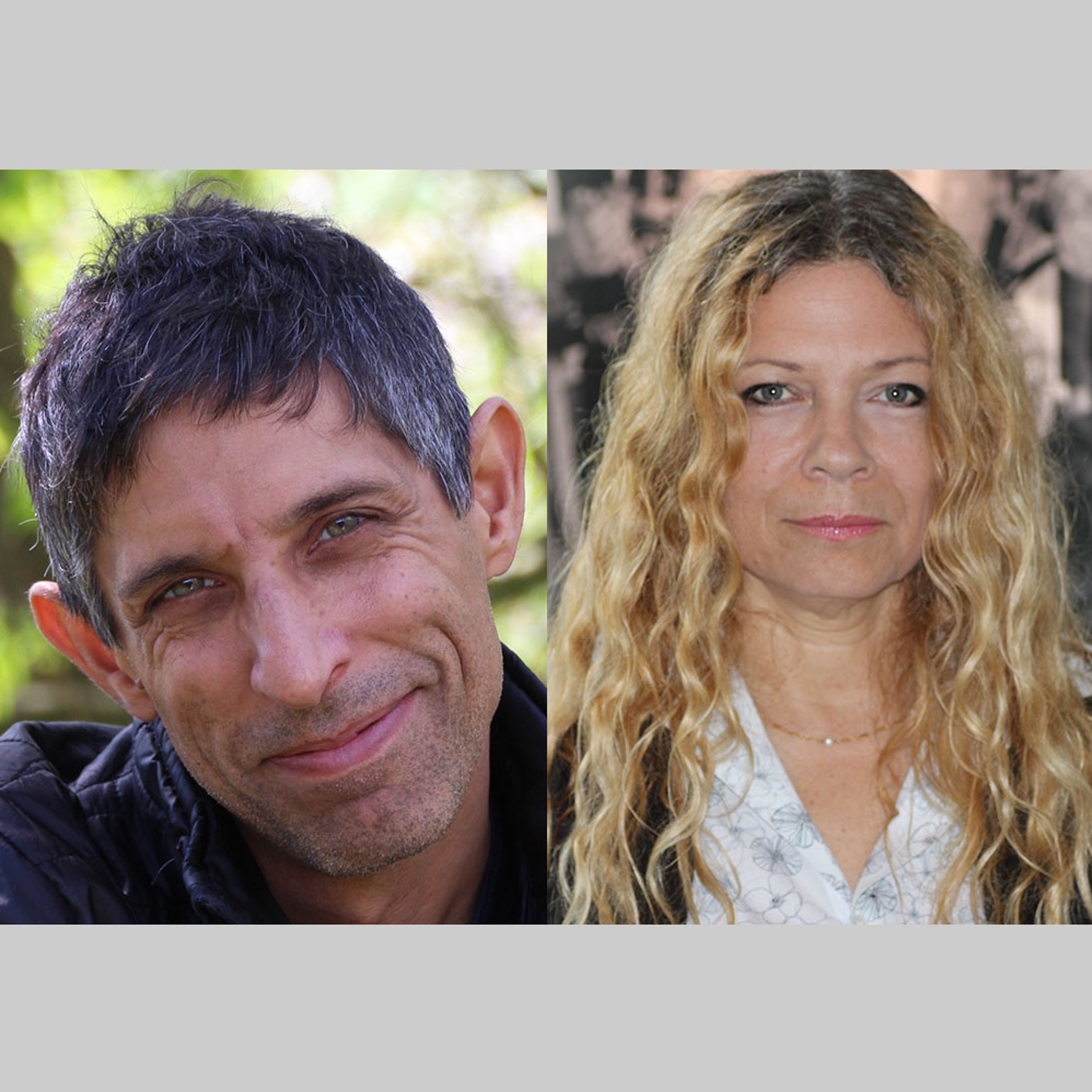
Michael & Audree Sahota on Being Better Leaders
This is the Engineering Culture Podcast, from the people behind InfoQ.com and the QCon conferences. In this podcast, recorded at the Agile on the Beach New Zealand conference, Shane Hastie, Lead Editor for Culture & Methods, spoke to Michael & Audree Sahota about their work on helping leaders change to enable high performance Why listen to this podcast • Organisational transformation is about a deep shift from our current way of working and being into a completely different way of working and being which requires of us to grow and develop as human beings • In high-performance organisations people are willing to examine their egos, their leadership styles, their practices in order to learn and grow as a human being • As leaders we need to become aware of how we are showing up to others and then apply our problem-solving skills to deliberately choosing to adopt new ways of thinking and behaving • We’ve known from solid research over the last 20+ years that the only factor that matters about having an engaged team is the boss - the world’s greatest managers treat their people well • Culture, leadership and organisational change are not three separate things – they are one deeply interwoven thing and we need to have a deeply integrated understanding on how they are related to and dependent on each other More on this: Quick scan our curated show notes on InfoQ https://bit.ly/37yTnwN You can also subscribe to the InfoQ newsletter to receive weekly updates on the hottest topics from professional software development. bit.ly/24x3IVq Subscribe: www.youtube.com/infoq Like InfoQ on Facebook: bit.ly/2jmlyG8 Follow on Twitter: twitter.com/InfoQ Follow on LinkedIn: www.linkedin.com/company/infoq Check the landing page on InfoQ: https://bit.ly/37yTnwN
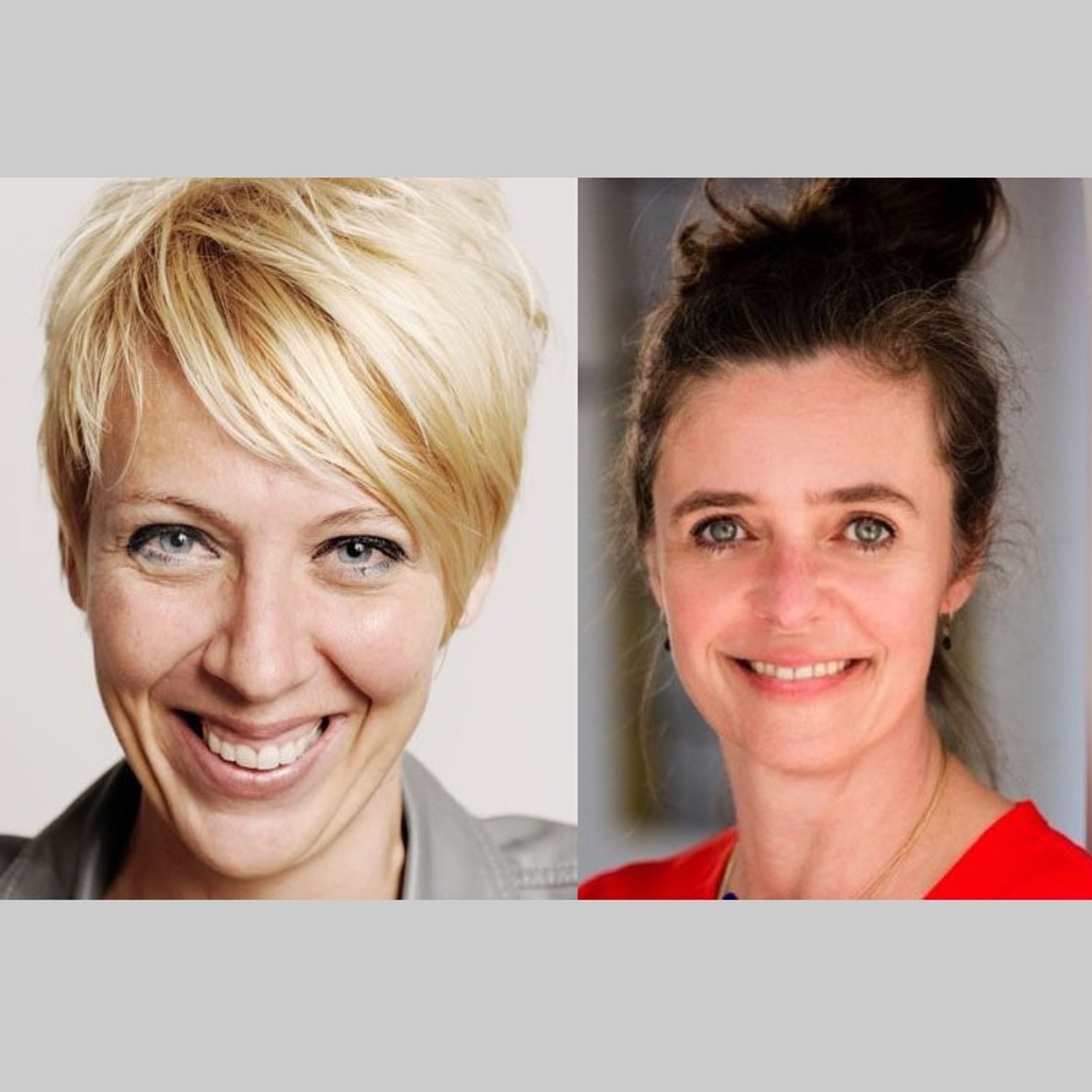
Maartje & Fennande of Happy Office on Creating a Culture of Happiness at Work
In this podcast, recorded at the Agile India 2019 conference, Shane Hastie, Lead Editor for Culture & Methods, spoke to Maartje Wolff and Fennande van der Meulen. Why listen to this podcast: • If you want to transform organisations and make them future-proof, then happiness is crucial to success because happy people get better outcomes • When people feel they have a meaningful job that contributes to meaningful results, feel connected to their colleagues and are able to have fun at work they are more engaged which gives better results for the individuals and for the company • The drivers for happiness are different for each person – there is no single recipe that can be applied to every organisation • Happy companies have formulated their purpose very clearly and have translated that purpose to values and linked those values to behaviours • The four pillars of a happy workplace are: o Purpose – having a meaningful job o People – feeling connected, belonging to the group o Progress – making progress towards meaningful goals is the best motivator at work o Play – being able to have fun at work More on this: Quick scan our curated show notes on InfoQ https://bit.ly/2QBD6Ru You can also subscribe to the InfoQ newsletter to receive weekly updates on the hottest topics from professional software development. bit.ly/24x3IVq Subscribe: www.youtube.com/infoq Like InfoQ on Facebook: bit.ly/2jmlyG8 Follow on Twitter: twitter.com/InfoQ Follow on LinkedIn: www.linkedin.com/company/infoq Check the landing page on InfoQ: https://bit.ly/2QBD6Ru

Dave Farley on Taking Back Software Engineering
In this podcast, recorded at the Agile India 2019 conference, Shane Hastie, Lead Editor for Culture & Methods, spoke to Dave Farley about what it means to build a real profession of software engineering. Why listen to this podcast: • At the very hard end of computing you need genuine engineering disciplines to be successful • Most of the previous definitions of software engineering have got it wrong because they tried to be too prescriptive • In many ways software development is a fashion industry – we chose technologies, languages and approaches based on who if the most persuasive orator rather than empirical evidence • Extreme Programming and continuous delivery have the characteristics of genuine engineering disciplines because they are focused on the engineering practices that enable you to build high-quality products fast • Pair programming unlocks the capability of individuals and teams to learn More on this: Quick scan our curated show notes on InfoQ https://bit.ly/33B2YAz You can also subscribe to the InfoQ newsletter to receive weekly updates on the hottest topics from professional software development. bit.ly/24x3IVq Subscribe: www.youtube.com/infoq Like InfoQ on Facebook: bit.ly/2jmlyG8 Follow on Twitter: twitter.com/InfoQ Follow on LinkedIn: www.linkedin.com/company/infoq Check the landing page on InfoQ: https://bit.ly/33B2YAz

Travis Kimmel on What Makes a Good Engineering Manager
This is the Engineering Culture Podcast, from the people behind InfoQ.com and the QCon conferences. In this podcast, Shane Hastie, Lead Editor for Culture & Methods, spoke to Travis Kimmel of Gitprime about the challenges of being an engineering manager, the value of metrics and how to use them wisely Why listen to this podcast: • There is lots of information about the “stuff” of engineering, but very little on the human processes of engineering • Without a data layer that gives insight into the process the manager needs to interrupt the flow of work to understand what’s happening • The difficulty in running an engineering team is ensuring that the impulse to build is aligned with the overall business goals • The state of nature for engineering is a group of people building interesting things that make sense from a business value perspective – if any of these point stops being true then dysfunction creeps in • The data generated by a team should be consumed by the manager of that team and they use it to tell the story of how the team is doing to others More on this: Quick scan our curated show notes on InfoQ https://bit.ly/2JNqpil You can also subscribe to the InfoQ newsletter to receive weekly updates on the hottest topics from professional software development. bit.ly/24x3IVq Subscribe: www.youtube.com/infoq Like InfoQ on Facebook: bit.ly/2jmlyG8 Follow on Twitter: twitter.com/InfoQ Follow on LinkedIn: www.linkedin.com/company/infoq Check the landing page on InfoQ: https://bit.ly/2JNqpil

Lynne Cazaly on Embracing “ish” and the Dangers of Perfectionism
In this podcast, recorded at the Agile on the Beach New Zealand conference, Shane Hastie, Lead Editor for Culture & Methods, spoke to Lynne Cazaly about the dangers of perfectionism and using visual tools to make sense of information and ideas. Why listen to this podcast: • “Ish” has come to mean approximately or good enough • Perfectionism is the opposite of “ish” and is dangerous • We often overcomplicate things and spend inordinate amounts of time trying to achieve a standard that is not necessary • Perfectionism is a serious problem today and is causing personal and social harm • Sensemaking as a way of understanding the deeper meaning of what is being talked about or expressed More on this: Quick scan our curated show notes on InfoQ https://bit.ly/2PsGwW6 You can also subscribe to the InfoQ newsletter to receive weekly updates on the hottest topics from professional software development. bit.ly/24x3IVq Subscribe: www.youtube.com/infoq Like InfoQ on Facebook: bit.ly/2jmlyG8 Follow on Twitter: twitter.com/InfoQ Follow on LinkedIn: www.linkedin.com/company/infoq Check the landing page on InfoQ: https://bit.ly/2PsGwW6

Ivar Jacobson on the Essence of Software Engineering
This is the Engineering Culture Podcast, from the people behind InfoQ.com and the QCon conferences. In this podcast Shane Hastie, Lead Editor for Culture & Methods, spoke Ivar Jacobson about his work defining the essence of software engineering. Why listen to this podcast: • Method prisons capture mean that the practices of different methods are not seen as complimentary and mixing approaches is very hard • Most large organisations have adopted many methods created by many different gurus which often results in chaos and misunderstanding across groups are trying to achieve the same outcomes with different approaches • Software development is the largest expense in today’s economy – globally organisations spend more money on software than any other aspect of their business • Using the Essence language methods can be described using a common taxonomy and this enables bringing ideas from multiple approaches together in a way that enables them to be adapted to a specific context • The kernel of software engineering is true irrespective of which languages or tools you use More on this: Quick scan our curated show notes on InfoQ https://bit.ly/2OQEi2s You can also subscribe to the InfoQ newsletter to receive weekly updates on the hottest topics from professional software development. bit.ly/24x3IVq Subscribe: www.youtube.com/infoq Like InfoQ on Facebook: bit.ly/2jmlyG8 Follow on Twitter: twitter.com/InfoQ Follow on LinkedIn: www.linkedin.com/company/infoq Check the landing page on InfoQ: https://bit.ly/2OQEi2s
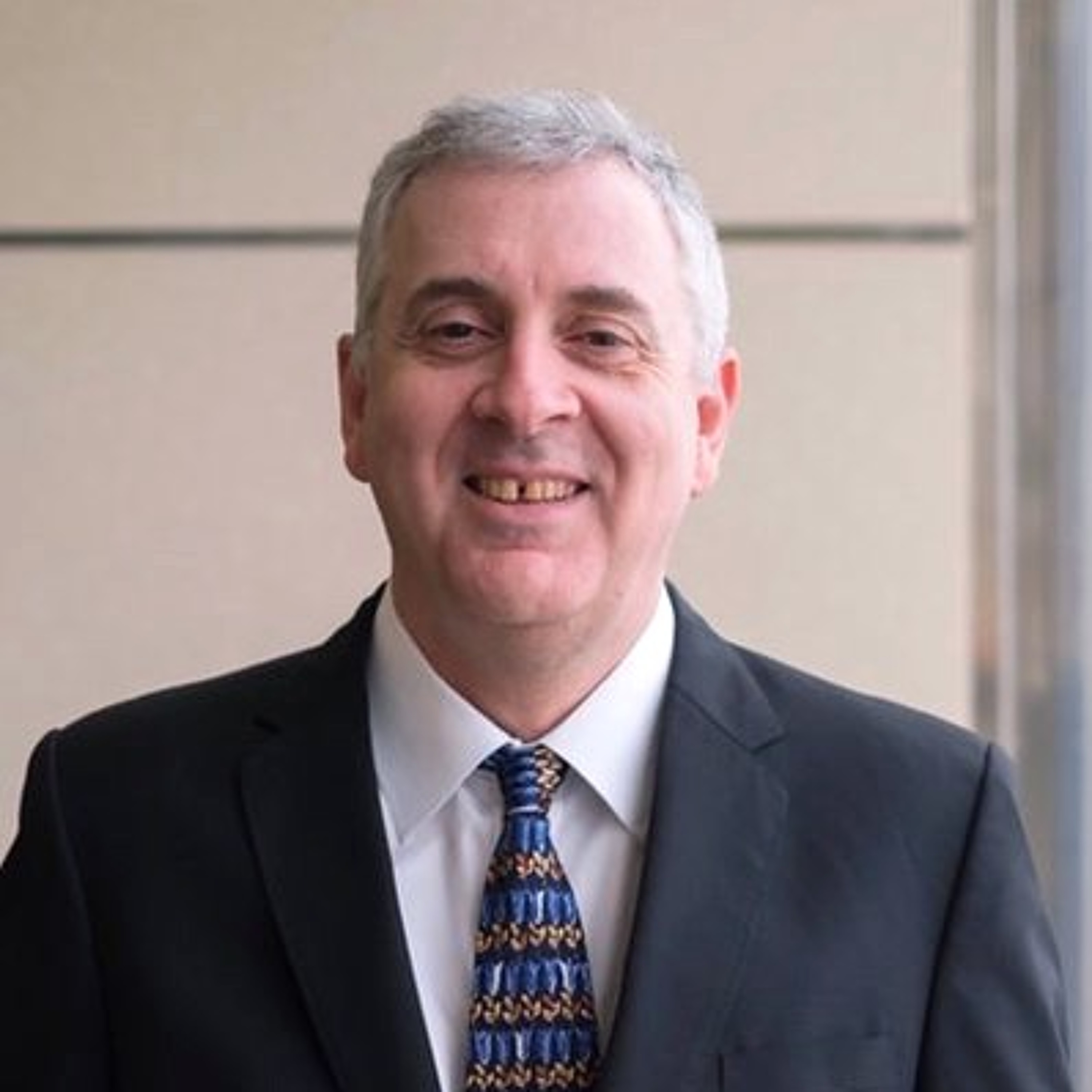
Jeff DeLuca on FDD and Transforming Large Organisations to Product Thinking
In this podcast Shane Hastie, Lead Editor for Culture & Methods, spoke to Jeff DeLuca, founder of Feature Driven Development and an early agile development pioneer, on the background to FDD, Java modelling with colour and transforming large organisations to product thinking. Why listen to this podcast: • The first value statement of the Agile Manifesto (Individuals and interactions over processes and tools) is the key to agility, and yet agile is often equated with processes and tools today • In the traditional, siloed environment, the structure that delivers value (the project) is transient and moving to a NoProjects/product structure results in better outcomes and higher value for the whole organisation • Aligning KPIs and metrics with business outcomes across the whole cross functional team results in faster problem resolution and better products • Changing just one part of the organisation can have very detrimental impacts on other parts and can be detrimental overall and needs to be approached with care • Be wary of salespeople selling silver bullets – there is no easy answer and simple solution to the complex problems organisations face when brining in new ways of working More on this: Quick scan our curated show notes on InfoQ https://bit.ly/2ASa1bq You can also subscribe to the InfoQ newsletter to receive weekly updates on the hottest topics from professional software development. bit.ly/24x3IVq Subscribe: www.youtube.com/infoq Like InfoQ on Facebook: bit.ly/2jmlyG8 Follow on Twitter: twitter.com/InfoQ Follow on LinkedIn: www.linkedin.com/company/infoq Check the landing page on InfoQ: https://bit.ly/2ASa1bq