Engineering Culture by InfoQ
429 episodes — Page 9 of 9

Rosalind Radcliffe on the Non-Challenges to Continuous Delivery on Mainframe
Manuel Pais, InfoQ Lead Editor for DevOps, talks to Rosalind Radcliffe, Distinguished Engineer at IBM, about mainframe software delivery, from technical evolution to the mindset change required to adopt DevOps and modern development practices. Why listen to this podcast: - Large organizations have not evolved practices in mainframe systems due to cultural challenges, not technical. - Most mainframe applications still have high business value but don't take advantage of modern hardware. - Modern practices like TDD, code coverage, infrastructure-as-code and automated pipelines are possible today in mainframe. - Biggest problem in DevOps transformations is to exclude mainframe. There's no need for bi-modal IT because there is no constraint that mainframe must be slow to change. - Aging workforce is a particular issue around mainframe. Younger developers are not attracted by old school practices. More on this: Quick scan our curated show notes on InfoQ http://bit.ly/2r3KHuY You can also subscribe to the InfoQ newsletter to receive weekly updates on the hottest topics from professional software development. bit.ly/24x3IVq Subscribe: www.youtube.com/infoq Like InfoQ on Facebook: bit.ly/2jmlyG8 Follow on Twitter: twitter.com/InfoQ Follow on LinkedIn: www.linkedin.com/company/infoq Want to see extented shownotes? Check the landing page on InfoQ: http://bit.ly/2r3KHuY Want more? Read InfoQ: http://bit.ly/2frh2b6

Gene Kim on Scaling DevOps and Learning from Courageous "Horses" at the DevOps Enterprise Summit
In this podcast Manuel Pais, InfoQ Lead Editor for DevOps, talks to Gene Kim, co-author of the "DevOps Handbook" and "The Phoenix Project" books, on how to scale DevOps in large organizations ("horses") and the need for continuous learning and adaptation. Why listen to this podcast: - DevOps Enterprise Summit focuses on continuously learning from leaders elevating technical practices and cultural norms at large, complex organizations. - Remaining challenges in large organizations include largely outsourced IT workforces, rigid change management processes, and powerful regulatory offices. - Effective DevOps transformations require a certain political savvyness to protect teams and prevent initiatives getting killed too early. - It's not the org chart that dictates outcomes, it's how people act and react. Reorganization is far less important than setting cultural norms and expectations. - Metrics that matter in high performing organizations are code deployment lead time, deployment frequency, change success rate, or mean time to repair. More on this: Quick scan our curated show notes on InfoQ http://bit.ly/2q9VRKQ You can also subscribe to the InfoQ newsletter to receive weekly updates on the hottest topics from professional software development. bit.ly/24x3IVq Subscribe: www.youtube.com/infoq Like InfoQ on Facebook: bit.ly/2jmlyG8 Follow on Twitter: twitter.com/InfoQ Follow on LinkedIn: www.linkedin.com/company/infoq Want to see extented shownotes? Check the landing page on InfoQ: http://bit.ly/2q9VRKQ
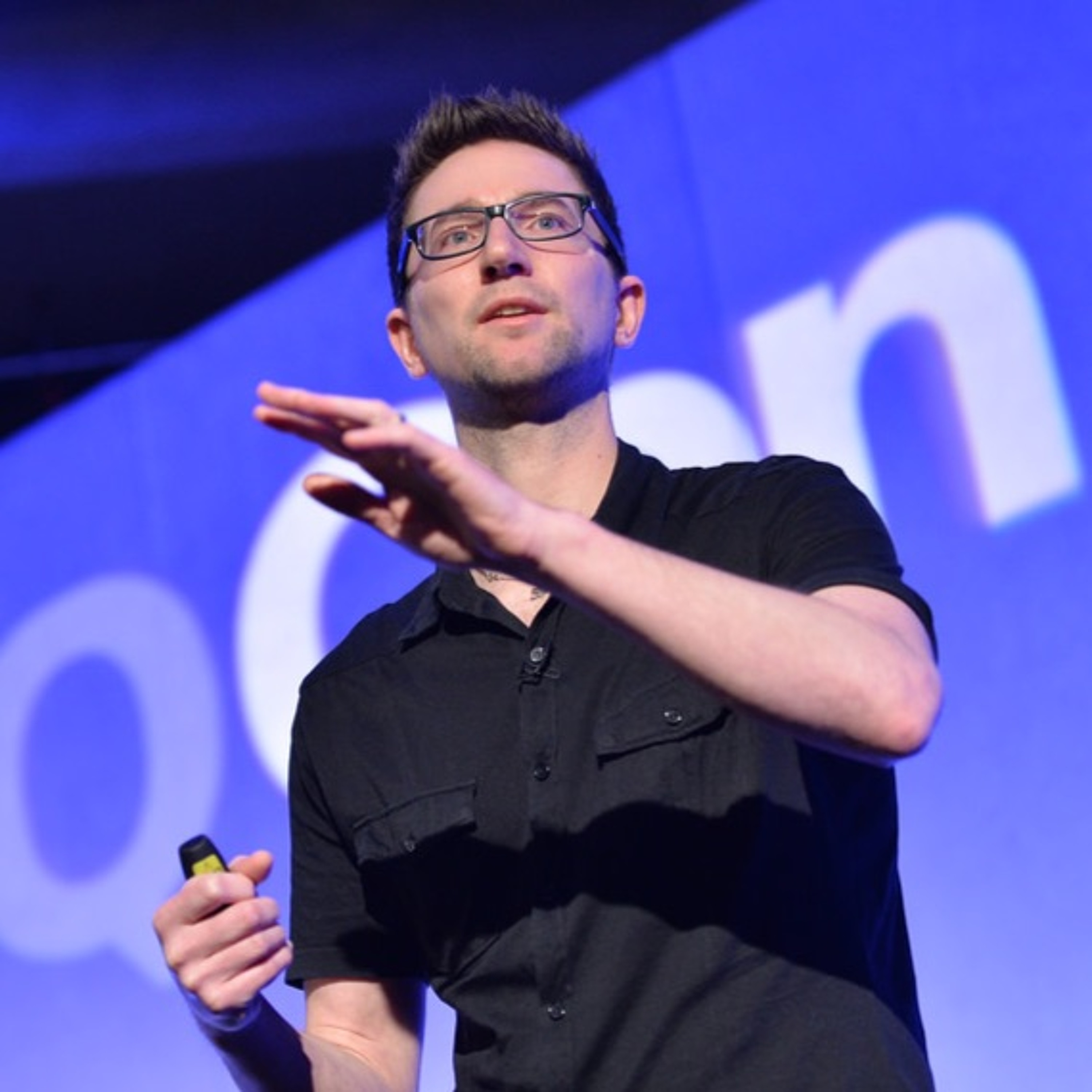
Adam Tornhill on Good Engineering Culture, Technical Debt and Ways to Reduce Inter-Team Conflict
This is the Engineering Culture Podcast, from the people behind InfoQ.com and the QCon conferences. In this podcast Shane Hastie, InfoQ Lead Editor for Culture & Methods, spoke Adam Tornhill of Empear on combining psychology and software engineering, technical debt. Why listen to this podcast: - The problems in software engineering are not technical they are almost always people related - A lot of technical debt is not actually technical in nature – it is due to organisational and social factors - Research that shows that the number of developers who work on a block of code is a predictor of the number of quality issues that code will have - There is a cuttoff point above which adding more people to work on a codebase becomes a negative return is fairly low - Safety to be able to admit to not knowing, collaboration and constant learning are key to a healthy engineering culture - Complex areas of a codebase which change frequently are the best targets for technical debt reduction - hotspotsInter-team conflict is inevitable unless you have an engineering culture where there is a clear and compelling common goal More on this: Quick scan our curated show notes on InfoQ http://bit.ly/2qkQtsj You can also subscribe to the InfoQ newsletter to receive weekly updates on the hottest topics from professional software development. bit.ly/24x3IVq Subscribe: www.youtube.com/infoq Like InfoQ on Facebook: bit.ly/2jmlyG8 Follow on Twitter: twitter.com/InfoQ Follow on LinkedIn: www.linkedin.com/company/infoq Want to see extented shownotes? Check the landing page on InfoQ: http://bit.ly/2qkQtsj

Jason Hand on DevOps Culture and Powerful Post-Mortems
In this podcast Shane Hastie, InfoQ Lead Editor for Culture & Methods, spoke to Jason Hand of VictorOps about the DevOps culture, what ChatOps is and powerful post-mortems. Why listen to this podcast: - The misaligned incentives between development and operations in many organisations - The need to instil a sense of ownership across the whole delivery organisation where everyone takes responsibility for solving problems, rather than saying “that’s not my job” - There is no roadmap to change the culture of a company, because every company is different - In complex systems you can’t avoid failure, so make sure you can learn from it and respond rapidly More on this: Quick scan our curated show notes on InfoQ http://bit.ly/2qKmrPe You can also subscribe to the InfoQ newsletter to receive weekly updates on the hottest topics from professional software development. bit.ly/24x3IVq Subscribe: www.youtube.com/infoq Like InfoQ on Facebook: bit.ly/2jmlyG8 Follow on Twitter: twitter.com/InfoQ Follow on LinkedIn: www.linkedin.com/company/infoq Want to see extented shownotes? Check the landing page on InfoQ: http://bit.ly/2qKmrPe
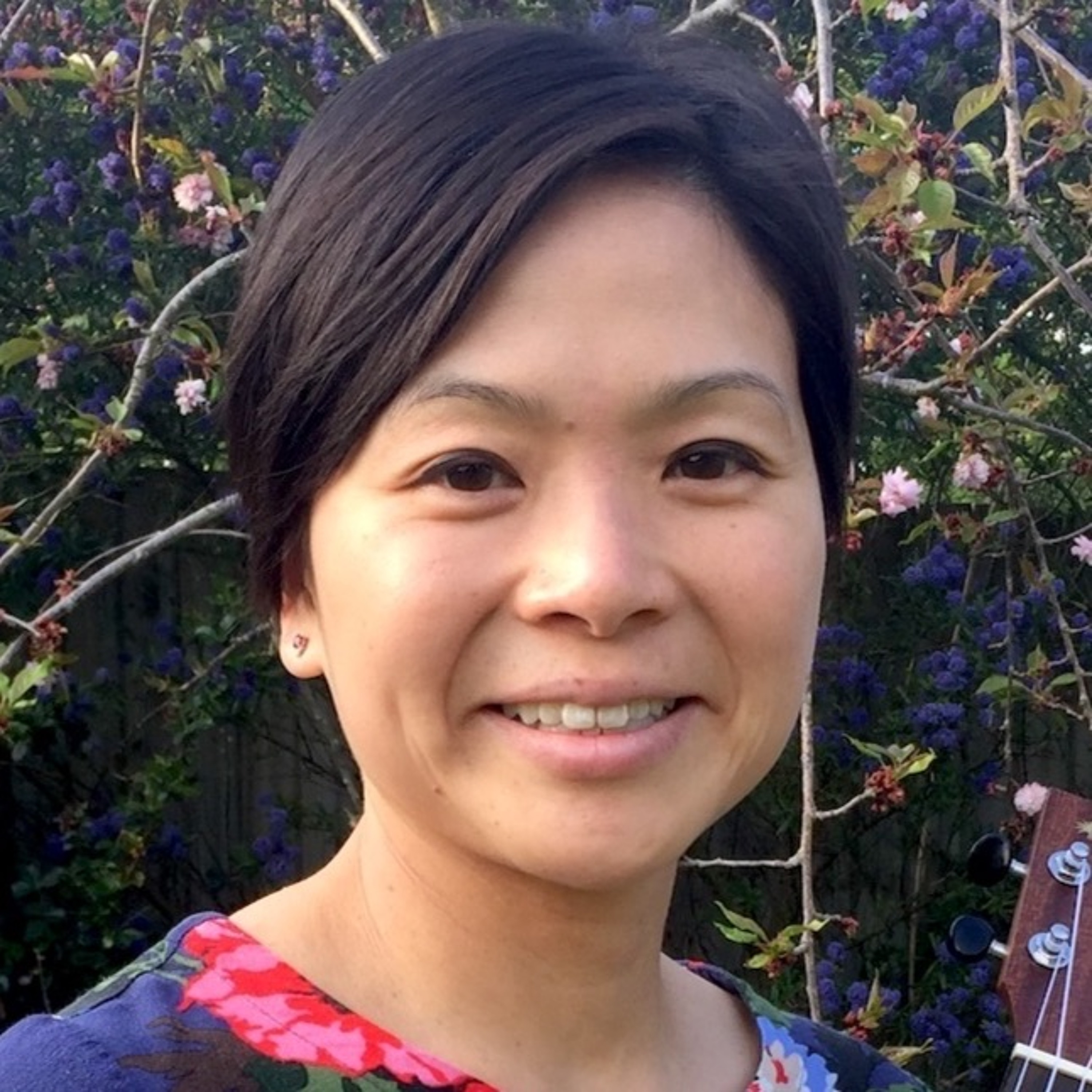
Portia Tung on the Critical Importance of Play in the Workplace
In this podcast, Shane Hastie speaks to Portia Tung, founder of the School of Play, author and executive coach, about the critical importance of play in the workplace. Why listen to this podcast: - Culture is defined by what people say and think, based on what’s expected of them and the environment they are in - You don’t change culture – you grow it. Culture is emergent based on the ingredients you put into the mix for growing it - The high rates of depression and burnout in high-tech organisations - The opposite of depression is play - Ways to incorporate play into work lives - Work should give us a clear purpose, play unleashes creativity – surely the two belong together More on this: Quick scan our curated show notes on InfoQ http://bit.ly/2pB6zO7 You can also subscribe to the InfoQ newsletter to receive weekly updates on the hottest topics from professional software development. bit.ly/24x3IVq Subscribe: www.youtube.com/infoq Like InfoQ on Facebook: bit.ly/2jmlyG8 Follow on Twitter: twitter.com/InfoQ Follow on LinkedIn: www.linkedin.com/company/infoq Want to see extented shownotes? Check the landing page on InfoQ: http://bit.ly/2pB6zO7

Chris Matts on BDD, Real Options, Risk Management and the Impact of Culture for Effective Outcomes
Shane Hastie spoke to Chris Matts “The IT Risk Manager”, one of the original thinkers behind Real Options, Feature Injection and Behaviour Driven Development, about BDD, Real Options, Risk Management and the Impact of Culture for Effective Outcomes. Why listen to this podcast: - Real Options is about translating the ideas from financial risk management into IT projects - Understanding that things go wrong and that what is thought of as the last responsible moment is often actually too late and is in fact an irresponsible moment - Most of the challenges to agile adoption are far above the level of the delivery team - Introducing a simple governance framework which supports an agile culture - The difference between the community of needs and the community of solutions, and the need for both More on this: Quick scan our curated show notes on InfoQ http://bit.ly/2pes3jD You can also subscribe to the InfoQ newsletter to receive weekly updates on the hottest topics from professional software development. bit.ly/24x3IVq Subscribe: www.youtube.com/infoq Like InfoQ on Facebook: bit.ly/2jmlyG8 Follow on Twitter: twitter.com/InfoQ Follow on LinkedIn: www.linkedin.com/company/infoq Want to see extented shownotes? Check the landing page on InfoQ: http://bit.ly/2pes3jD
Grandview Prep on Using Scrum in Schools
Shane Hastie, Lead Editor in the Culture & Methods area, spoke to Susan Rose and Aileen Palmer of Grandview Prep about their experiences using Scrum in their school environment. Why listen to this podcast: • Taking on Agile & Scrum as a way to get things happening more effectively in the school • Agile/Scrum is a natural fit for the education environment • These are skills which students will take with them and are crucial to success in the 21st century workplace • Not imposed as a mandate, rather adoption has been a voluntary pull approach • The importance of all stakeholders buying in to the change, and acknowledging the need for improvement You can also subscribe to the InfoQ newsletter to receive weekly updates on the hottest topics from professional software development. bit.ly/24x3IVq Subscribe: www.youtube.com/infoq Like InfoQ on Facebook: bit.ly/2jmlyG8 Follow on Twitter: twitter.com/InfoQ Follow on LinkedIn: www.linkedin.com/company/infoq

Betty Zakheim of Tasktop on Software Development as a Value Stream
In this podcast Shane Hastie, InfoQ Lead Editor for Culture & Methods, spoke to Betty Zakheim, VP of Industrial Strategy for Tasktop and treating software development as a value stream which starts with an idea and goes through to getting feedback from real customers. Why listen to this podcast: - We often forget about the aspects of the requirements which are beyond the written word - Debunking the stereotypes of software developmentUsing the Definition of Done to encourage shifting responsibilities and agile practices left and right of the development team - The intent and promise of DevOps is to see the business of software development as a holistic business process from ideation through to production and feedback loops - The ideal stand-alone, cross-functional team is probably not possible in complex organizations - The currencies of communication – how we speak to each other across disciplines and how we convey information to each other across the value stream More on this: Quick scan our curated show notes on InfoQ http://bit.ly/2ouUWIy You can also subscribe to the InfoQ newsletter to receive weekly updates on the hottest topics from professional software development. bit.ly/24x3IVq Subscribe: www.youtube.com/infoq Like InfoQ on Facebook: bit.ly/2jmlyG8 Follow on Twitter: twitter.com/InfoQ Follow on LinkedIn: www.linkedin.com/company/infoq Want to see extented shownotes? Check the landing page on InfoQ: http://bit.ly/2ouUWIy

Kaila Colbin on the Nature of Technological Innovation and the Implications for Society
In this podcast, recorded at the Agile New Zealand conference, Shane Hastie, InfoQ Lead Editor for Culture & Methods, spoke to Kaila Colbin from the Ministry of Awesome and Singularity University about the Nature of Technological Innovation and the Implications for Society Why listen to this podcast: - The nature of technological innovation and the implications for society - The doubling curve which shows how innovations advance (eg Moore’s Law) - The doubling in price-performance trend applies to any technology once it becomes information enabled - The convergence of multiple technologies which are on a doubling curve - Technology advances because of usefulness – the more useful something becomes the more we invest in it - These technologies need a more robust conversation than what we are currently having in society - The ethical obligations of programmers – consciously exploring the implications of the work that we do; will the code we write have a net contribution to humanity - Even if your job is safe – what is the implication of living in a society with massive inequality, political and social unrest and economic instability? More on this: Quick scan our curated show notes on InfoQ http://bit.ly/2nGTcL9 You can also subscribe to the InfoQ newsletter to receive weekly updates on the hottest topics from professional software development. bit.ly/24x3IVq Subscribe: www.youtube.com/infoq Like InfoQ on Facebook: bit.ly/2jmlyG8 Follow on Twitter: twitter.com/InfoQ Follow on LinkedIn: www.linkedin.com/company/infoq Want to see extented shownotes? Check the landing page on InfoQ: http://bit.ly/2nGTcL9

Dave West on Craftsmanship, the Future of Scrum and Improving the Profession of Software Delivery
In this podcast, recorded at the Agile New Zealand conference in November 2016, Shane Hastie, InfoQ Lead Editor for Culture & Methods, spoke to David West, CEO and Product Owner of Scrum.org, about the history of Scrum, the importance of empiricism and improving the profession of software delivery. Why listen to this podcast: - Between 12 and 15 million people use Scrum on a daily basis - Scrum.org’s mission is about improving the profession of software delivery, not having more people use the Scrum framework - Empiricism and the scientific method are fundamental to being a professional in an industry - The Scrum delivery team needs to include “all the skills you need to deliver working software” into the hands of end users so operations and deployment skills are a crucial part of Scrum - To enable teams to be successful, management needs to provide absolute clarity of the objective, move out of the way of the teams and support the ScrumMaster in removing impediments - The moral responsibility of software professionals to show integrity in their work More on this: Quick scan our curated show notes on InfoQ http://bit.ly/2n6NpxS You can also subscribe to the InfoQ newsletter to receive weekly updates on the hottest topics from professional software development. bit.ly/24x3IVq Subscribe: www.youtube.com/infoq Like InfoQ on Facebook: bit.ly/2jmlyG8 Follow on Twitter: twitter.com/InfoQ Follow on LinkedIn: www.linkedin.com/company/infoq Want to see extented shownotes? Check the landing page on InfoQ: http://bit.ly/2n6NpxS
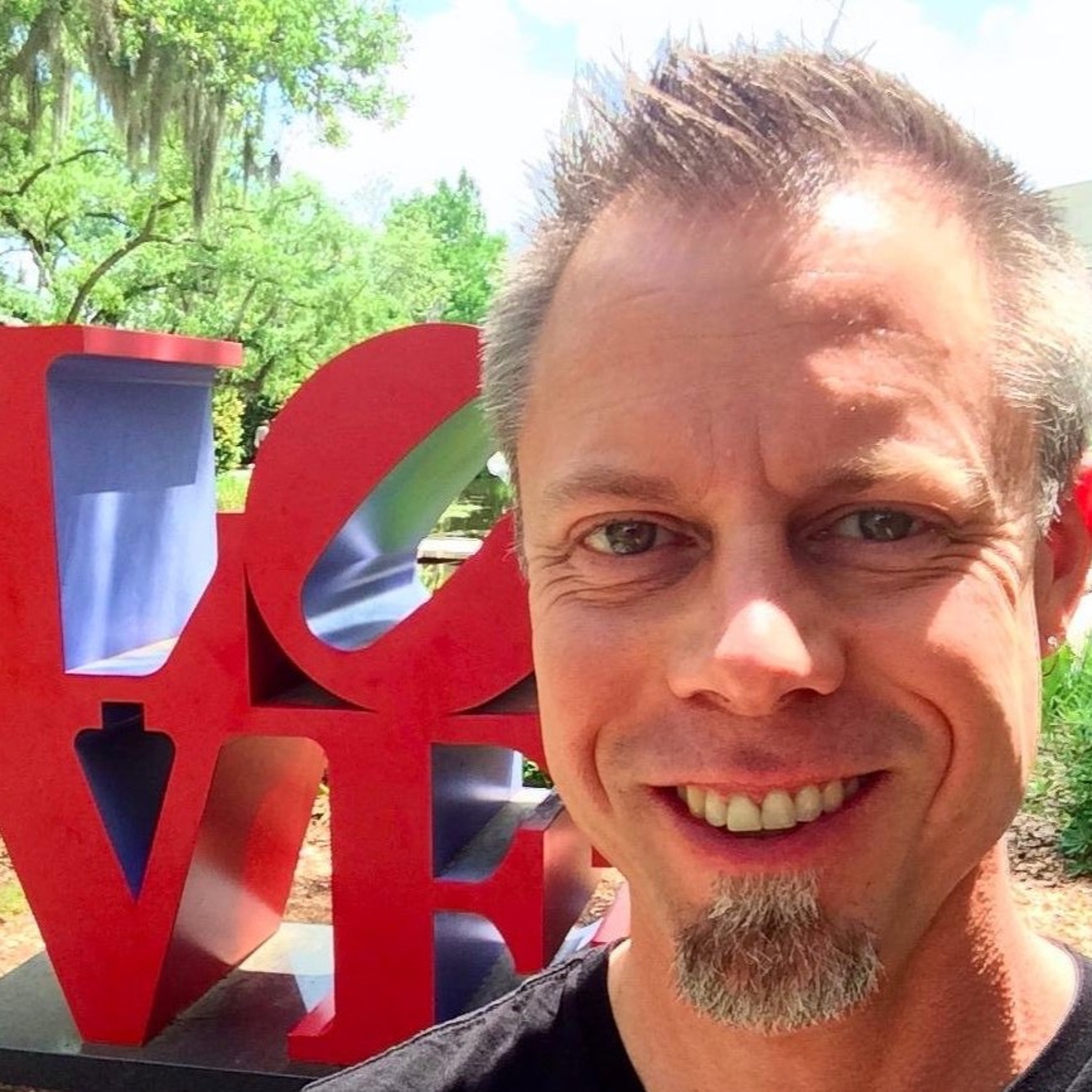
Richard Kasperowski on Building High Performing Teams and the Core Protocols
In this podcast Shane Hastie, Lead Editor in the Culture & Methods area, spoke to Richard Kasperowski at the QCon San Francisco conference. Why listen to this podcast: - Agile is not new, and the ideas help organisations focus on building the right thing and building it right - High performing teams have some specific characteristics which can be measured - Over 200 different things have been identified as “the one thing” needed for high performance - All the research shows that the social/cultural factors are more important than technical skills for high performance - The behaviour patterns of the Core Protocols seem to cause high performing teams - To work well as a high performing team, the members must be able to connect with each other effectively More on this: Quick scan our curated show notes on InfoQ http://bit.ly/2mkjFtM You can also subscribe to the InfoQ newsletter to receive weekly updates on the hottest topics from professional software development. bit.ly/24x3IVq Subscribe: www.youtube.com/infoq Like InfoQ on Facebook: bit.ly/2jmlyG8 Follow on Twitter: twitter.com/InfoQ Follow on LinkedIn: www.linkedin.com/company/infoq Want to see extented shownotes? Check the landing page on InfoQ: http://bit.ly/2mkjFtM

Michael Lopp on Designing Culture for Sustainable Growth
In our podcast this week Shane Hastie speaks to Michael Lopp, VP of Engineering at Slack, about intentional culture and continuous delivery. Why listen to this podcast: - Leadership is a craft that needs to be learned - Characteristics and common challenges of high-growth startups - Aspects of culture include how do we get things done, how do we treat each other, how do we make decisions, who has power and influence, what are the things that we value? - The importance of making values explicit and experiential - The importance of the small group of influencers in any organisation who spread the culture to others More on this: Quick scan our curated show notes on InfoQ http://bit.ly/2mP3Qjj You can also subscribe to the InfoQ newsletter to receive weekly updates on the hottest topics from professional software development. bit.ly/24x3IVq Subscribe: https://www.youtube.com/infoq Like InfoQ on Facebook: http://bit.ly/2jmlyG8 Follow on Twitter: https://twitter.com/InfoQ Follow on LinkedIn: https://www.linkedin.com/company/infoq Want to see extented shownotes? Check the landing page on InfoQ: http://bit.ly/2mP3Qjj

Ted DesMaisons & Lisa Rowland on How Improv Improves Collaboration and Teamwork
In this podcast Shane Hastie, InfoQ Lead Editor for Culture & Methods, spoke to Ted DesMaisons and Lisa Rowland who spoke at QCon San Francisco on The Improvisor's Code: Engineering Your Best Self Why listen to this podcast: - The skills of improve are applicable outside a theatrical setting - You don’t have to be an extrovert to use these ideas - These are intra-personal skills as well as inter-personal – they help develop mindfulness and awareness at the individual level - The study of improvisation gets us good at agility, adapting to changing circumstances More on this: Quick scan our curated show notes on InfoQ http://bit.ly/2lZBp13 You can also subscribe to the InfoQ newsletter to receive weekly updates on the hottest topics from professional software development. bit.ly/24x3IVq

Lianping Chen on Implementing Continuous Delivery
In this podcast Ben Linders, an InfoQ editor in the Culture & Methods area, spoke to Lianping Chen of Paddy Power about their adoption of continuous delivery. Why listen to this podcast: - An introduction to continuous delivery - It is possible and feasible to go faster while maintaining and improving the quality of the products being built - The benefits from adopting continuous delivery include reduced time from completing development to getting product into production and getting faster customer feedback - The way you elicit and represent requirements also needs to change when adopting continuous delivery - Implementing continuous delivery needs significant investment in time and money – don’t underestimate the costs involved and plan the adoption to deliver benefits early and get some quick wins More on this: Quick scan our curated show notes on InfoQ http://bit.ly/2mgLhA8 You can also subscribe to the InfoQ newsletter to receive weekly updates on the hottest topics from professional software development. bit.ly/24x3IVq

Doug Kirkpatrick on Transforming Organisations Towards Empowered Self-Organising Teams
In this podcast Shane Hastie, InfoQ Lead Editor for Culture & Methods, spoke to Doug Kirkpatrick, organisational change expert, author and advocate for new ways of working. Why listen to this podcast: • Decentralization is replacing hierarchy and bureaucracy. Organisations need to be directly connected to the outside world and agilely adapt to changes in their ecosystems • The idea of people managing other people will fade and be replaced by people connecting to a mission and meaning, and managing themselves in the same way they manage themselves in their lives • Mandating a change is command and control in a different guise – people need to be part of the change and opt in to be part of the changed organisation • Two simple, yet profound, principles: o No use of force – abandon command and control authority o People keep commitments that they make • Speaking up when something seems wrong is a crucial self-managing competency. If you choose not to speak up about a particular issue, you have chosen to tolerate it Notes and links can be found on: http://bit.ly/2l35tWS You can also subscribe to the InfoQ newsletter to receive weekly updates on the hottest topics from professional software development. bit.ly/24x3IVq

Pat Reed on the need for Business Agility and Value Innovation
In this podcast Shane Hastie, InfoQ Lead Editor for Culture & Methods, spoke to Pat Reed of iHoriz about value innovation, adaptive leadership and what’s needed to create real business agility. Why listen to this podcast: - Business agility is about adapting and thriving in extreme uncertainty - Make value visible – really understand who your customer is and how value is derived in your organisation, then focus on only doing things that truly add value - The management practice of “doing more with less” is both delusional and counter-productive - We know about the need for WIP limits and the impact of context switching on productivity, yet somehow some managers believe their organisations are immune from these realities - Value must be measured in terms of making an impactful difference to a customer or to the business - Fast failure and learning are critical to innovation and sustainable organisation success - Being able to adapt quicker than the competition, quicker than the customer’s changing needs is imperative for business success today Notes and links can be found on: http://bit.ly/2lcedge You can also subscribe to the InfoQ newsletter to receive weekly updates on the hottest topics from professional software development. bit.ly/24x3IVq

Matt Sakaguchi on the Key to High Performing Teams at Google
In this podcast Shane Hastie, InfoQ Lead Editor for Culture & Methods, spoke to Matt Sakaguchi about his talk at QCon San Francisco 2016 and the research Google has done on what makes effective teams. Why listen to this podcast: - Psychological safety – people feel comfortable taking a risk or asking a question and know they will be supported by their team mates, they feel safe to share personal and “crazy” ideas - Dependability – the knowledge that team mates will deliver quality outputs and meet their commitments - Structure & clarity – the team has well defined roles and responsibilities, everyone knows what they are supposed to do and they do it - Meaning – the work has personal meaning to the individual team membersImpact – the team members can see the value they bring to the greater good through their work Notes and links can be found on: http://bit.ly/2jNF7H8 You can also subscribe to the InfoQ newsletter to receive weekly updates on the hottest topics from professional software development. bit.ly/24x3IVq

Sara Bayless Da Costa on the Skills Designers Need to Be Effective with New Technologies
Shane Hastie, InfoQ Lead Editor for Culture & Methods, spoke to Sara Bayless Da Costa, visual storyteller and design thinking evangelist at Fjord. Bayless Da Costa gave a talk at QCon San Francisco on Rapid Prototyping Methods. They spoke about prototyping, collaborative design, designing for new interfaces and new skills that designers need in order to be successful with new technologies. Why listen to this podcast: - The importance of taking a collaborative design approach with multiple roles involved – design is not just done by designers - Design and development work well together to deliver an exceptional customer experience - The importance of empathy when understanding people’s needsVisual storytelling is a powerful way to convey messages and inform good decision making - Evergreen needs – human needs have not fundamentally changed, but the way we solve them is constantly evolving - Designers need new and different skills to be effective in this new world Notes and links can be found on: http://bit.ly/2kkWzT1 6m:40s - The value and importance of visual story-telling 7m:55s - The “hero’s journey” story of product creation to solve real problems for real users 8m:28s - Story telling is important across the entire design and development process 9m:17s - Contrasting the current story with the future story of the customer experience 9m:40s - Storyboarding as a technique for sketching the end-to-end customer experience 9m:53s - Creating a video from customer interviews to understand and communicate their story More on this: Quick scan our curated show notes on InfoQ. http://bit.ly/2kkWzT1 You can also subscribe to the InfoQ newsletter to receive weekly updates on the hottest topics from professional software development. bit.ly/24x3IVq

Alexandre Freire Kawakami on Enabling Engineering Culture
In this podcast Shane Hastie, InfoQ Lead Editor for Culture & Methods, spoke to Alexandre Freire Kawakami, a Director at Industrial Logic about his talk Enabling Awesome Engineering Teams, the ideas behind Modern Agile and the importance of feedback loops and real usage data for product development. Why listen to this podcast: - Overview of his talk on enabling awesome engineering teamsThe contradiction between values-driven and process-driven change - Modern Agile is designed to help people and organisations get over the process obsession - Working software is not enough – achieving better outcomes for customers is what’s important - By having analytics and usage data available we can learn what works and what doesn’t and make better decisions Notes and links can be found on InfoQ: http://bit.ly/2j2usrx 6m:15s - Modern agile is about a community sharing ideas and stories about working towards four principles: Deliver value continuously Make people awesome Experiment and learn rapidly Make safety a prerequisite 6m:40s - Some techniques which can help achieve these values, depending on the culture fit 7m:25s - The benefits of single piece flow 8m:10s - The importance of safety to make experimentation and learning possible 9m:40s - It’s about building a community- not selling ideas 9m:55s - Some practices which can be taught 10m:22s - Not all organisations want to change at the same rate and to the same extent, and that’s OK Quick scan our curated show notes on InfoQ: http://bit.ly/2j2usrx You can also subscribe to the InfoQ newsletter to receive weekly updates on the hottest topics from professional software development. bit.ly/2cMnjfW

Mitch Shepard on Managing for Diversity
In this podcast recorded at QCon San Francisco 2016, Shane Hastie, InfoQ Lead Editor for Culture & Methods, spoke to Mitch Shepard founder of WiRL about her talk at QCon and the challenges around gender diversity in the tech workforce. Why listen to this podcast: - Gender diversity and women leaving tech roles is a real and serious problem - There are compelling reasons to have a more diverse workplace – both ethical and bottom line results - “It’s nobody’s fault, but it is everybody’s problem” - There are physiological differences between the male and female brains - Don’t assume anything about anyone because of who they are or any characteristic they may have – we are all different Notes and links can be found on InfoQ: http://bit.ly/2jodKmn 4m:34s - “It’s nobody’s fault, but it is everybody’s problem” 4m:49s - There is strong, systematic bias which gives men an advantage which goes long and deep 5m:09s - Things driving the recognition of the issue at a personal level are often related to leaders who see the issue and are driven by an extreme sense of fairness, and seeing the women they care about impeded in their career growth 6m:14s - The business case for diversity is compelling – businesses who have a higher percentage of women leaders than the average consistently achieve better financial performance Quick scan our curated show notes on InfoQ: http://bit.ly/2jodKmn You can also subscribe to the InfoQ newsletter to receive weekly updates on the hottest topics from professional software development. bit.ly/2cMnjfW
Deliberately Designing Culture at Ocado Technology
This is the Engineering Culture Podcast, from the people behind InfoQ.com and the QCon conferences. In this podcast Shane Hastie, InfoQ Lead Editor for Culture & Methods, spoke with Douglas Talbot, Head of Organisational Effectiveness for Ocado Technology, about the challenges and opportunities involved in creating a culture of innovation and agility in “a technology company that also does retail”. Why listen to this podcast: - Differences in the way IT is approached in different parts of the worldApplying ideas from agile, lean and Kanban to making business smarter by looking beyond process and practices to the people factors that make a difference to organisational outcomes - Looking beyond the “latest consultancy model of choice” and taking an evidence-based approach to understand what really drives motivation and behavioural change in teams - Leadership is a game of providing clarity of vision and allowing teams to be self-organising and empowered - Cultural change is not really possible without commitment from the very topTop talent wants to work in places where there is a great culture, so culture becomes a competitive advantage Notes and links can be found on InfoQ: http://bit.ly/2hQ5Kdg 8m:35s - Diverse backgrounds of the organisational effectiveness group 9m:05s - Engaging a behavioural economist and an organisational psychologist to ensure there is an understanding of the evidence around group dynamics and motivation 9m:25s - Looking beyond the “latest consultancy model of choice” and taking an evidence-based approach to understand what really drives motivation and behavioural change in teams 10m:10s - Examples of evidence found and changes made Quick scan our curated show notes on InfoQ: http://bit.ly/2hQ5Kdg You can also subscribe to the InfoQ newsletter to receive weekly updates on the hottest topics from professional software development. bit.ly/2cMnjfW

Amber Case on Modern UIs and the Importance of Quiet Technology
This is the Engineering Culture Podcast, from the people behind InfoQ.com and the QCon conferences. In this podcast recorded at QCon San Francisco 2016, Shane Hastie, InfoQ Lead Editor for Culture & Methods, spoke to Amber Case, Cyborg Anthropologist. Case explains why VR is an important step along the way to Augmented Reality, how technology needs to fit in with social norms, and why calm technology is so important. Why listen to this podcast: - We are all cyborgs now - There is a clear sequence for a technology to be accepted in society, and trying to leapfrog the steps results in failure - The value of calm technology to overcome the shock of so many devices competing for our attention in different ways - The importance of security and safety in the always connected technology world - The risks, downfalls and benefits of technology in human lives Notes and links can be found on InfoQ: http://bit.ly/amber-case 1m:40s - Starting with VR to create new experiences and use them to learn about the potential of the new technologies 2m:00s - The importance of starting with a technology that fits in with the current social norms and expand slowly into new frontiers 2m:10s - The hype and excitement around AR made us forget the normal order – get VR working well first then move on to AR 2m:55s - The value of games as a way to socialise the new technologies Quick scan our curated show notes on InfoQ: http://bit.ly/amber-case You can also subscribe to the InfoQ newsletter to receive weekly updates on the hottest topics from professional software development. bit.ly/2cMnjfW
Why Agile Works
This is the Engineering Culture Podcast, from the people behind InfoQ.com and the QCon conferences. In this podcast, recorded at Agile 2016, Shane Hastie, InfoQ Lead Editor for Culture & Methods, spoke to Michael de la Maza and David Benz about their minibook Why Agile Works, which is available at InfoQ.com. Why listen to this podcast: - In a startup you have to use an Agile approach – it just makes sense - It’s easy to teach practices, but with a foundation in the core values of agile then practice drive adoption of agile can be hell - There has been a recent resurgence in the recognition of the importance of the values - This can be a way to explain agile approaches to executives - Cutting through dysfunction requires addressing culture and assumptions Notes and links can be found on InfoQ: http://bit.ly/why-agile-works 7m:30s - The book has lots of dimensions and plenty of examples of why values matter, and how they make a difference 7m:50s - The audience includes managers who want to adopt a value-driven approach 8m:05s - It is for people who want to deepen their level of consciousness about the agile values, not just add another practice to their toolkit 8m:35s - This is a book to help explain agile approaches to executives 9m:20s - Key message: integrity and consistency. 9m:45s - The impact of practices which are at odds with corporate values Quick scan our curated show notes on InfoQ: http://bit.ly/why-agile-works You can also subscribe to the InfoQ newsletter to receive weekly updates on the hottest topics from professional software development. bit.ly/2cMnjfW
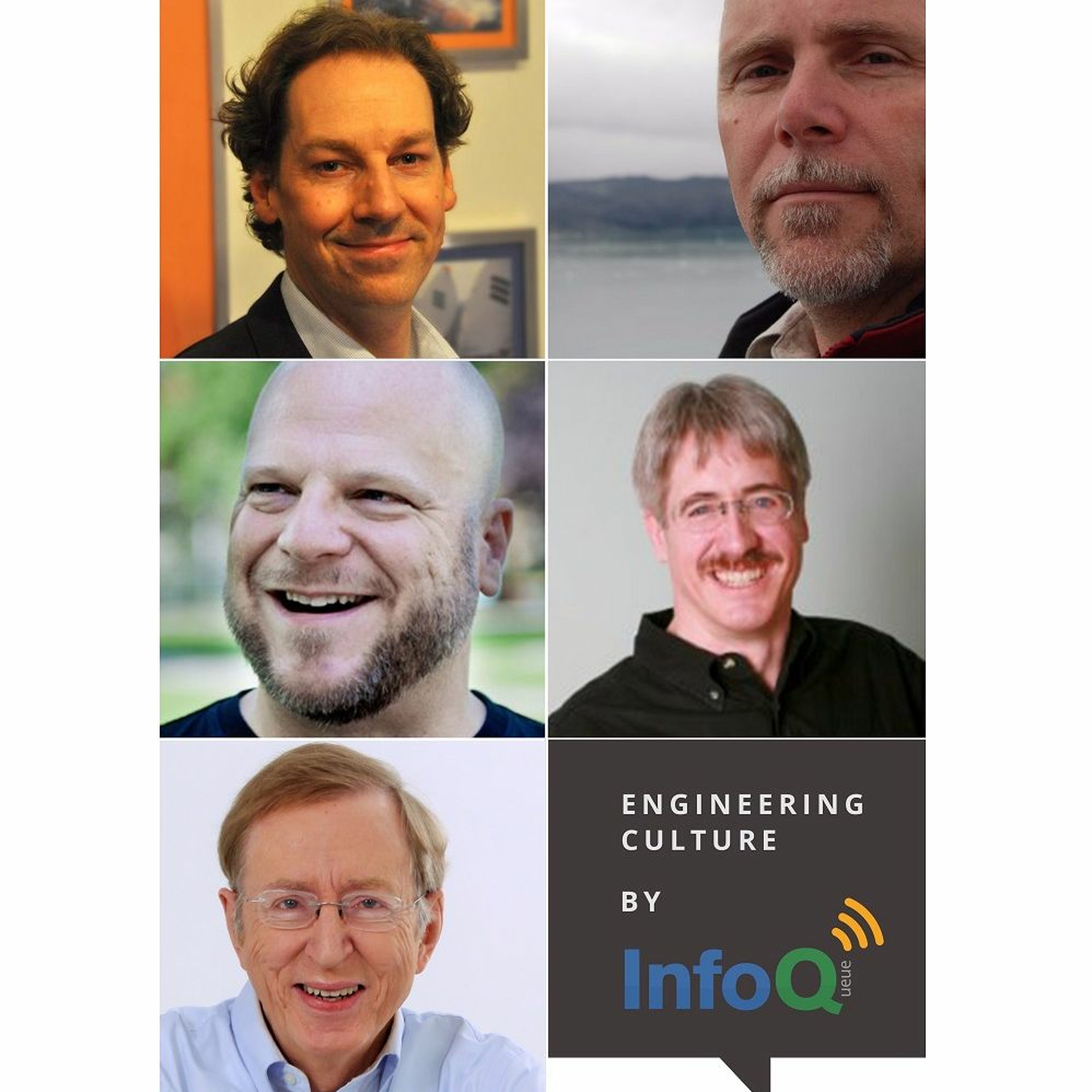
Exploring if Agile is Still Agile
This is the Engineering Culture Podcast, from the people behind InfoQ.com and the QCon conferences. In this podcast recorded at the Agile 2016 conference, Shane Hastie, InfoQ Lead Editor for Culture & Methods, talks to five of the leading minds of Agile Management: Steve Denning, Ray Arell, Todd Little, Hendrik Esser and Steve Holyer. They explore the question “Is agile still agile?”, look at the challenges around agile development and product management, and what is needed for large scale agile transformation. Why listen to this podcast: - Agile is a mindset, not a set of processes or practices - The risks and dangers of packaged implementation of “agile” using process checkboxes without understanding why - Agile adoption is hard – simple but not easy - When agile practices are adopted for the wrong reasons it causes stress levels to go up and drives unsustainable behavioursIt’s not “twice the work in half the time”; it should be about twice the value with half the work - The Scrum role of Product Owner is broken - Product management is the hardest part of product development, irrespective of the development approachIn a complex world your only chance for survival is learning Notes and links can be found on InfoQ: http://bit.ly/2g2hWuR 4m:15s - Some teams can benefit from checkbox, packaged implementations of agility as a starting point but they must be able to evolve. 4m:30s - Agility is a journey – you need to be agile in mindset, based around continuous improvement. 4m:40s - The most agile teams are the ones who continually inspect and adapt their practices to work most effectively for their context. 5m:00s - Checkbox teams who follow every one of the practices without knowing why are unable to improve and are not effective. 5m:15s - It’s about understanding and getting to the heart of why – for your process and for your product. 5m:30s - The checkbox process is easy for companies to measure and doing so drives bad behaviour. Quick scan our curated show notes on InfoQ: http://bit.ly/2g2hWuR You can also subscribe to the InfoQ newsletter to receive weekly updates on the hottest topics from professional software development. bit.ly/2cMnjfW

Melissa Perri on what's needed for Effective Product Management
This is the Engineering Culture Podcast, from the people behind InfoQ.com and the QCon conferences. In this podcast, Shane Hastie, InfoQ Lead Editor for Culture & Methods, talks to Melissa Perri, a UX and Product Management expert and founder of Produx Labs. Why listen to this podcast: - Put value first – it’s not about building more stuff but making sure we build the right thing for the right people - Product ownership is about optimising value for the organisation - Managers need to understand their role in product management - Identify outcomes and define pirate metrics for success - Empower teams to achieve the outcomes, not deliver features Notes and links can be found on InfoQ: http://bit.ly/melissa-perri 3m:45s Management should communicate the metrics and goals to the product owner and let them work with the delivery team(s) to figure out how to achieve them 4m:20s Product owners told to make decisions but not actually empowered to do so 4m:35s Focus on training the managers on what they need to do to effectively support product ownership and how to communicate clear boundaries and goals 5m:20s A product strategy is not a plan 5m:55s Common approach is for managers to define the features and roadmap instead of identifying and communicating the goals, and trust the teams to figure out the best way to achieve the goals Quick scan our curated show notes on InfoQ: http://bit.ly/melissa-perri You can also subscribe to the InfoQ newsletter to receive weekly updates on the hottest topics from professional software development. http://bit.ly/2cMnjfW

“Dude’s Law” with David Hussman
This is the Engineering Culture Podcast, from the people behind InfoQ.com and the QCon conferences. In this podcast, Shane Hastie, InfoQ Lead Editor for Culture & Methods, talks to David Hussman, founder and “The Dude” from DevJam and CardBoard It!, a tool for story mapping. Why listen to this podcast: - Put value first – it’s not about building more stuff but making sure we build the right thing for the right people - Dude’s Law: Value = Why / How - Identify the impact that a product needs to make on someone’s life - Constrain complexity using thin slicing and “minimum viable learning” - Have an intentional discovery-delivery cadence to speed up the learning cycles – design and delivery sprints tightly coupled - “Done” is not enough – value is only delivered when the item has been validated with real customers - Validation can happen in both discovery and delivery Notes and links can be found on InfoQ: http://bit.ly/2eegjYf - 1m 41s Introducing “Dude’s Law”: Value = Why divided by How. - 3m 05s Think about the intent, not the process, when looking at product development. - 3m 17s Focus on Product over Process and finding the intent, identifying the impact that the product will have. - 3m 30s Large “transformations” are often never-ending and not very successful; successful products come from finding the thing that impacts someone – that makes someone’s life better. More on this: Quick scan our curated show notes on InfoQ. http://bit.ly/2eegjYf You can also subscribe to the InfoQ newsletter to receive weekly updates on the hottest topics from professional software development. http://bit.ly/2cMnjfW
Engineering Culture Podcast: The State of the Alliance and the Future of Agility
This is the Engineering Culture Podcast, from the people behind InfoQ.com and the QCon conferences. In this podcast, Shane Hastie, InfoQ Lead Editor for Culture & Methods, talks to Phil Brock, Rebecca Parsons, Paul Hammond and Victor Hugo about the state of the Agile Alliance, new initiatives being worked on around the world and the future of agility in the workplace. Why listen to this podcast: - The Agile 2016 conference was the largest ever with nearly 2500 people attending - The Agile Alliance is spreading around the world with events and through affiliates - The Agile Alliance has responded to the criticism about the main conference having less technical content and ran a Technical Conference in 2016 with another scheduled for 2017, as well as having technically focused initiatives which are exploring new technical practices in response to the changing technical landscape - Member driven initiatives are receiving more focus and more funding to engage the agile community The Agile Alliance website has a large repository of content which is freely available to the global agile community, and more is constantly being produced Notes and links can be found on InfoQ: http://bit.ly/2dDB01f - 4m 55s The Agile Alliance is spreading into parts of the world beyond North America with affiliates and with events in different countries. - 5m 05s Victor talks about the Agile Europe and Agile Brazil conferences. - 6m 09s The value of having an Affiliate in Brazil is about providing a structure and support for the large Agile Brazil conference as well as providing a vehicle to support the growth of a healthy agile community in Brazil - 7m 25s There are a variety of Initiatives which the Alliance supports. These are ways for the community to get involved and to propose ideas for areas they want to see the Alliance working in. There are three types of initiatives the Alliance supports More on this: Quick scan our curated show notes on InfoQ. http://bit.ly/2dDB01f You can also subscribe to the InfoQ newsletter to receive weekly updates on the hottest topics from professional software development. http://bit.ly/2cMnjfW
Business Analysis & Product Management in Agile
This is the Engineering Culture Podcast, from the people behind InfoQ.com and the QCon conferences. In this podcast, Shane Hastie, InfoQ Lead Editor for Culture & Methods, talks to Kent McDonald, Steve Adolph and Ryland Leyton about the state of business analysis and product management in agile product development. They were participants in a weekend workshop where the Agile Alliance and the International Institute of Business Analysis were collaborating to produce a revised version of the Agile Extension to the Business Analysis Body of Knowledge. Why listen to this podcast: - Analysis skills are necessary for successful product development - We don’t question and challenge the rationale and strategic alignment of projects enough, which results in lots of waste from doing the wrong projects or building the wrong features in a project - The best return on investment that you can get is to stop wasting your money - Value is hard to define but crucial to identify; the definition of value will be different in every context - Agile methods provide for learning and rapid feedback, which enables us to optimize value and ensure strategic alignment in product development - User stories are conversation placeholders, not orders to be fulfilled Notes and links can be found on InfoQ: bit.ly/2e32o5X - 6m 20s Analysis skills reside in many different roles and doing analysis in agile development is far less prescriptive that has been the case. - 6m 44s You need to have a very comprehensive toolkit and have the ability to relate the tool needed to the context of the work being done. - 9m 13s Advanced organisations are changing when they utilise analysis skills to determine which initiatives should be worked on and how they align with organisation strategy; being able to review these decisions even after an initiative has started, stopping development work when it is no longer valuable. More on this: Quick scan our curated show notes on InfoQ. bit.ly/2e32o5X You can also subscribe to the InfoQ newsletter to receive weekly updates on the hottest topics from professional software development. bit.ly/2cMnjfW

Github’s Phil Haack on Moving from Engineering to Management
This is the first in a new series of podcasts from the people behind InfoQ.com and the QCon conferences - the Engineering Culture Podcast. In this podcast, Wes Reisz, chair of the QCon conferences in San Francisco, London and New York talks to Phil Haack, an Engineering Director at GitHub focused on software pushed mostly to the desktop. He’s shipping software like GitHub Desktop, GitHub Extensions for Visual Studio and the Atom text editor. Haack joined GitHub in 2011 and is a prominent member of the .Net community. At Microsoft Phil was core to shipping NewGit and ASP.NET, MVC.NET. Why listen to this podcast: - There is often too much focus on the nitty-gritty details of software development practices but as you scale out to larger projects and teams the challenges are not technological- they are sociological. - Research shows that teams which are more diverse are more effective. - Engineers shifting to management should consider it a discipline like any other technical field; it’s not something that you should “just wing”. - Building an effective team requires trust and that allows candid discussions and healthy debates without disrupting the relationships. One-on-ones can be an effective way to do that. - To be an effective coach for engineers, a manager needs to be seen as a strong technical leader. Someone without technical credibility is generally not received well. Notes and links can be found on InfoQ: https://bit.ly/2L7Irg3 5m 10s The big problems we have are sociological, and frequently companies and engineers don’t pay enough attention to these problems because they try to focus on the technical practices instead; but the root cause is how people interact with each other and how they are working together. 5m 40s The talk covers some personal lessons learned and the research that backs those personal lessons. There is validated research that shows certain things make for more effective teams. More on this: Quick scan our curated show notes on InfoQ https://bit.ly/2L7Irg3 You can also subscribe to the InfoQ newsletter to receive weekly updates on the hottest topics from professional software development. bit.ly/24x3IVq Subscribe: www.youtube.com/infoq Like InfoQ on Facebook: bit.ly/2jmlyG8 Follow on Twitter: twitter.com/InfoQ Follow on LinkedIn: www.linkedin.com/company/infoq Check the landing page on InfoQ: https://bit.ly/2L7Irg3 Here is Phil Haack's talk on Social Coding for Effective Teams and Products recorded at QCon San Francisco 2016: https://bit.ly/2QPEU9D