
Emergency Medical Minute
1,173 episodes — Page 7 of 24
Podcast 746: Elderly Head Trauma on Anticoagulation
Contributor: Aaron Lessen, MD Educational Pearls: Biggest study to date examined new protocol for repeat head CT in anticoagulated elderly patients with head trauma and an initial negative head CT 0.5%-6% of patients in this category will get a delayed ICH and this can occur up to a week out from initial injury 18% of the study group had an ICH on initial head CT, but the rest who had negative head CT initially received a repeat head CT at 6 hours 0.9% had a bleed identified on repeat head CT 6 hours after initial imaging, but of this group no one had an intervention for this bleed Suggests repeat head CT may not be needed and that good counseling for return precautions and discharge is a reasonable disposition in caring for these patients Supratherapeutic INR was a risk factor for delayed bleed, so they should be treated as a higher risk group of patients References Borst J, Godat LN, Berndtson AE, Kobayashi L, Doucet JJ, Costantini TW. Repeat head computed tomography for anticoagulated patients with an initial negative scan is not cost-effective. Surgery. 2021;170(2):623-627. doi:10.1016/j.surg.2021.02.024 Summarized by John Spartz, MS4 | Edited by Erik Verzemnieks, MD The Emergency Medical Minute is excited to announce that we are now offering AMA PRA Category 1 credits™ via online course modules. To access these and for more information, visit our website at https://emergencymedicalminute.org/cme-courses/ and create an account. Donate to EMM today!
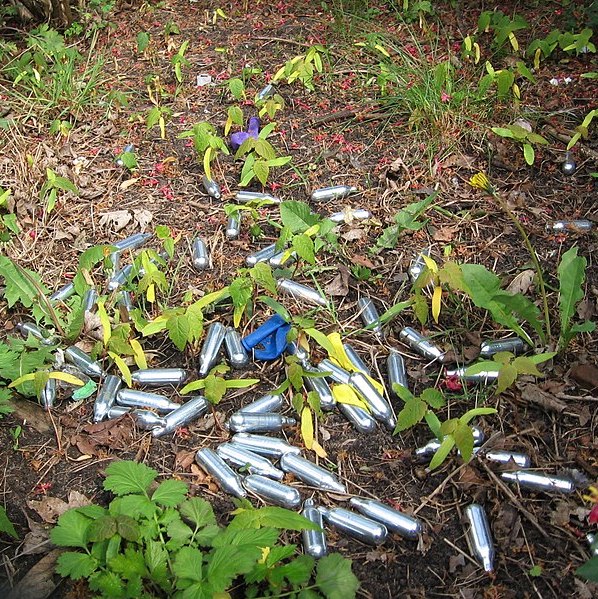
Podcast 745: Nitrous-Induced B12 Deficiency
Contributor: Alicia Oberle, MD Educational Pearls: Nitrous oxide (N2O) can cause a vitamin B12 deficiency in patients after regular use N2O is used in procedural sedation but also as a popular recreational drug N2O binds and inactivate B12 in the body, therefore decreasing usable supply Lack of B12, which is essential for myelinating nerves, can lead to subacute combined degeneration of the spinal cord Presentation may include paresthesias, ataxia, gait changes, or bilateral lower extremity motor weakness B12 can be normal on labs, as the B12 is present but inactivated Treatment is daily B12 injections and oral supplementation References Stockton L, Simonsen C, Seago S. Nitrous oxide-induced vitamin B12 deficiency. Proc (Bayl Univ Med Cent). 2017;30(2):171-172. doi:10.1080/08998280.2017.11929571 Samia AM, Nenow J, Price D. Subacute Combined Degeneration Secondary to Nitrous Oxide Abuse: Quantification of Use With Patient Follow-up. Cureus. 2020;12(10):e11041. Published 2020 Oct 19. doi:10.7759/cureus.11041 Edigin E, Ajiboye O, Nathani A. Nitrous Oxide-induced B12 Deficiency Presenting With Myeloneuropathy. Cureus. 2019;11(8):e5331. Published 2019 Aug 6. doi:10.7759/cureus.5331 *Image obtained from Wikimedia author Hansmuller and licensed under Creative Commons Attribution-Share Alike 4.0 International license. Summarized by John Spartz, MS4 | Edited by Erik Verzemnieks, MD The Emergency Medical Minute is excited to announce that we are now offering AMA PRA Category 1 credits™ via online course modules. To access these and for more information, visit our website at https://emergencymedicalminute.org/cme-courses/ and create an account. Donate to EMM today!
Podcast 744: Glucagon for Beta Blocker Toxicity
Educational Pearls: Glucagon can be used to treat hypoglycemia and esophageal foreign body, but it can also be used in beta-blocker toxicity to bypass cardiac beta-blockade The superior option for treating bradycardia due to beta-blocker toxicity is glucagon Glucagon has decreased efficacy in patients with heart failure, so increased doses up to 10 mg might be required in the event of beta-blocker toxicity References Khalid MM, Galuska MA, Hamilton RJ. Beta-Blocker Toxicity. [Updated 2021 Jul 26]. In: StatPearls [Internet]. Treasure Island (FL): StatPearls Publishing; 2021 Jan-. Available from: https://www.ncbi.nlm.nih.gov/books/NBK448097/ Rotella JA, Greene SL, Koutsogiannis Z, et al. Treatment for beta-blocker poisoning: a systematic review. Clin Toxicol (Phila). 2020;58(10):943-983. doi:10.1080/15563650.2020.1752918 Summarized by John Spartz, MS4 | Edited by Erik Verzemnieks, MD The Emergency Medical Minute is excited to announce that we are now offering AMA PRA Category 1 credits™ via online course modules. To access these and for more information, visit our website at https://emergencymedicalminute.org/cme-courses/ and create an account. Donate to EMM today!
Podcast 743: Rust Rings
Contributor: Jared Scott, MD Educational Pearls: A rust ring can occur after a metallic foreign body is left in the eye for a prolonged period of time Issues occur when the rust ring is left as it can epithelialize and become a permanent spot in the patient's vision An eye burr or Alger brush can help to gouge out the rust ring in the emergency setting These tools have a failsafe mechanism to prevent the eye burr from going through layers past the cornea (though this does not work if the foreign body is already through the cornea) Referral to ophthalmology, antibiotic drops, and dilating drops are recommended options upon discharge Complications include poor wound healing, scarring, and infection References Camodeca AJ, Anderson EP. Corneal Foreign Body. [Updated 2021 Apr 26]. In: StatPearls [Internet]. Treasure Island (FL): StatPearls Publishing; 2021 Jan-. Available from: https://www.ncbi.nlm.nih.gov/books/NBK536977/ https://www.reviewofoptometry.com/article/no-insult-to-injury-managing-foreign--body-removal Summarized by John Spartz, MS4 | Edited by Erik Verzemnieks, MD The Emergency Medical Minute is excited to announce that we are now offering AMA PRA Category 1 credits™ via online course modules. To access these and for more information, visit our website at https://emergencymedicalminute.org/cme-courses/ and create an account. Donate to EMM today!
Podcast 742: Pulse Check During CPR
Contributor: Aaron Lessen, MD Educational Pearls: Pulse checks are necessary during CPR to check for return of spontaneous circulation (ROSC) Previous studies have shown that assessing ROSC with palpating for pulse are not a very consistent Study compared palpating pulses at carotid/femoral artery versus a newly contrived gold standard for pulse checks The gold standard used was an increase in end tidal CO2 + cardiac activity on ultrasound + perfusing rhythm on ECG Carotid artery palpation was the best location to confirm pulse during pulse check, although femoral artery palpation Carotid artery palpation was 92% accurate versus 82% accuracy with femoral pulse check Regardless of chosen site, remember 10 seconds is the maximum amount of time for a pulse check before resuming CPR References Yılmaz G, Bol O. Comparison of femoral and carotid arteries in terms of pulse check in cardiopulmonary resuscitation: A prospective observational study. Resuscitation. 2021;162:56-62. doi:10.1016/j.resuscitation.2021.01.042 Summarized by John Spartz, MS4 | Edited by Erik Verzemnieks, MD The Emergency Medical Minute is excited to announce that we are now offering AMA PRA Category 1 credits™ via online course modules. To access these and for more information, visit our website at https://emergencymedicalminute.org/cme-courses/ and create an account. Donate to EMM today!
Podcast 741: Calcium for Cardiac Arrest
Contributor: Aaron Lessen, MD Educational Pearls: Study of nearly 400 patients evaluating giving calcium during cardiac arrest with the endpoint as return of spontaneous circulation (ROSC) Compared giving 1 amp calcium chloride with each round of epinephrine for the first two rounds of epinephrine versus saline placebo ROSC occurred in 19% of patients in the calcium groups versus 27% in saline placebo group No magic drugs in cardiac arrest, good CPR and early defibrillation are still the most important factors for ROSC in cardiac arrest References Vallentin MF, Granfeldt A, Meilandt C, et al. Effect of Intravenous or Intraosseous Calcium vs Saline on Return of Spontaneous Circulation in Adults With Out-of-Hospital Cardiac Arrest: A Randomized Clinical Trial. JAMA. 2021;326(22):2268-2276. doi:10.1001/jama.2021.20929 Summarized by John Spartz, MS4 | Edited by Erik Verzemnieks, MD The Emergency Medical Minute is excited to announce that we are now offering AMA PRA Category 1 credits™ via online course modules. To access these and for more information, visit our website at https://emergencymedicalminute.org/cme-courses/ and create an account. Donate to EMM today!
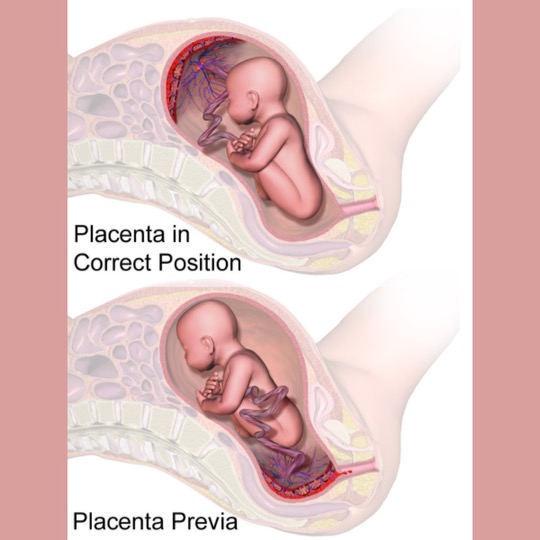
Podcast 740: Placenta Previa
Contributor: Peter Bakes, MD Educational Pearls: High concern causes of third trimester vaginal bleeding include placenta previa, placental abruption, or vasa previa In placenta previa, the placenta implants over the cervix and this condition Often noted during routine prenatal care on transabdominal ultrasound Patients present with painful vaginal bleeding, usually in the absence of trauma Avoid pelvic exam, transvaginal ultrasound, or digital vaginal exam in placenta previa Risk factors for placenta previa include multiple gestations, previous medical abortions, advanced maternal age, and previous placenta previa Management usually includes admission to the hospital >37 weeks: admission for c-section 34-37 weeks: judgment call based on maternal/fetal stability References Anderson-Bagga FM, Sze A. Placenta Previa. [Updated 2021 Jun 26]. In: StatPearls [Internet]. Treasure Island (FL): StatPearls Publishing; 2021 Jan-. Available from: https://www.ncbi.nlm.nih.gov/books/NBK539818/ Young JS, White LM. Vaginal Bleeding in Late Pregnancy. Emerg Med Clin North Am. 2019;37(2):251-264. doi:10.1016/j.emc.2019.01.006 Summarized by John Spartz, MS4 | Edited by Erik Verzemnieks, MD *Image from BruceBlaus via Wikimedia Commons licensed under Creative Commons license The Emergency Medical Minute is excited to announce that we are now offering AMA PRA Category 1 credits™ via online course modules. To access these and for more information, visit our website at https://emergencymedicalminute.org/cme-courses/ and create an account. Donate to EMM today!
Podcast 739: Perceptions of Dress
Contributor: Aaron Lessen, MD Educational Pearls: Study examined patient perceptions of providers wearing traditional white coats, fleece coats and soft-shell jackets Found that white coats were seen as more professional than other types of dress Also found that female physicians were viewed as less professional than their male counterparts regardless of dress Older respondents thought more of white coats than younger respondents Patient perspective should be considered and reiterating roles may help build relationships with patients References Xun H, Chen J, Sun AH, Jenny HE, Liang F, Steinberg JP. Public Perceptions of Physician Attire and Professionalism in the US. JAMA Netw Open. 2021;4(7):e2117779. Published 2021 Jul 1. doi:10.1001/jamanetworkopen.2021.17779 Summarized by John Spartz, MS4 | Edited by Erik Verzemnieks, MD The Emergency Medical Minute is excited to announce that we are now offering AMA PRA Category 1 credits™ via online course modules. To access these and for more information, visit our website at https://emergencymedicalminute.org/cme-courses/ and create an account. Donate to EMM today!
Podcast 738: Acute Mesenteric Ischemia
Contributor: Ian Gillman, PA-C Educational Pearls: Acute mesenteric ischemia is a condition where bowel loses blood supply from an acute occlusion of the mesenteric arteries A frequent sign is abdominal pain that is out of proportion to the exam Atrial fibrillation is one risk factor for mesenteric ischemia Treatment includes anticoagulation and possible surgical intervention depending on the extent of the ischemia References Monita MM, Gonzalez L. Acute Mesenteric Ischemia. [Updated 2021 Jun 29]. In: StatPearls [Internet]. Treasure Island (FL): StatPearls Publishing; 2021 Jan-. Kühn F, Schiergens TS, Klar E. Acute Mesenteric Ischemia. Visc Med. 2020;36(4):256-262. doi:10.1159/000508739 Summarized by John Spartz, MS4 | Edited by Erik Verzemnieks, MD The Emergency Medical Minute is excited to announce that we are now offering AMA PRA Category 1 credits™ via online course modules. To access these and for more information, visit our website at https://emergencymedicalminute.org/cme-courses/ and create an account. Donate to EMM today!
Podcast 737: TBI Outcomes
Contributor: Aaron Lessen, MD Educational Pearls: Study evaluating patient outcomes after traumatic brain injury (TBI) over 1 year Trial followed patients with severe TBI (GCS 3-8) and moderate TBI (GCS 9-12) At 1 year out ½ of the severe TBI group were able to be independent for at least 8 hours per day; ⅔ were independent to this level at one year in the moderate TBI group ¼ of the patient who were in a vegetative state 2 weeks after the traumatic brain injury had good outcomes at 1 year References McCrea MA, Giacino JT, Barber J, et al. Functional Outcomes Over the First Year After Moderate to Severe Traumatic Brain Injury in the Prospective, Longitudinal TRACK-TBI Study. JAMA Neurol. 2021;78(8):982-992. doi:10.1001/jamaneurol.2021.2043 Summarized by John Spartz, MS4 | Edited by Erik Verzemnieks, MD The Emergency Medical Minute is excited to announce that we are now offering AMA PRA Category 1 credits™ via online course modules. To access these and for more information, visit our website at https://emergencymedicalminute.org/cme-courses/ and create an account. Donate to EMM today!
Podcast 736: Seasonal Affective Disorder
Contributor: Adam Barkin, MD Educational Pearls: Seasonal Affective Disorder (SAD) a form of seasonal depression which can result in trouble sleeping, concentration difficulties, changes in appetite, and decreased mood SAD is a common condition affecting millions of people in the US Coupling this with the stresses of COVID, these affects may be compounded To reduce the effects of SAD: Stick to a routine Exercise Light therapy Engage with your community Meditation Tangible bucket list to set goals for the winter Nostalgic activity References Melrose S. Seasonal Affective Disorder: An Overview of Assessment and Treatment Approaches. Depress Res Treat. 2015;2015:178564. doi:10.1155/2015/178564 Summarized by John Spartz, MS4 | Edited by Erik Verzemnieks, MD The Emergency Medical Minute offers AMA PRA Category 1 credits™ via online course modules. To access these and for more information, visit our website at https://emergencymedicalminute.org/cme-courses/ and create an account. Donate to EMM today!
Podcast 735: End Tidal CO2 and BiPAP
Contributor: Aaron Lessen, MD Educational Pearls: End tidal CO2 is accurate to 1-4 mmHg in intubated patient but use with those on positive pressure ventilation like BiPAP is unclear Study looked at patients on BiPAP for COPD or CHF and found end tidal CO2 measurements were significantly underestimated when compared to VBG levels End tidal CO2 measurements for those on positive pressure ventilation appears to be inaccurate References Uzunay H, Selvi F, Bedel C, Karakoyun OF. Comparison of ETCO2 Value and Blood Gas PCO2 Value of Patients Receiving Non-invasive Mechanical Ventilation Treatment in Emergency Department [published online ahead of print, 2021 Apr 27]. SN Compr Clin Med. 2021;1-5. doi:10.1007/s42399-021-00935-y Casati A, Gallioli G, Scandroglio M, Passaretta R, Borghi B, Torri G. Accuracy of end-tidal carbon dioxide monitoring using the NBP-75 microstream capnometer. A study in intubated ventilated and spontaneously breathing nonintubated patients. Eur J Anaesthesiol. 2000;17(10):622-626. doi:10.1046/j.1365-2346.2000.00731.x Summarized by John Spartz, MS4 | Edited by Erik Verzemnieks, MD The Emergency Medical Minute is excited to announce that we are now offering AMA PRA Category 1 credits™ via online course modules. To access these and for more information, visit our website at https://emergencymedicalminute.org/cme-courses/ and create an account. Donate to EMM today! Diversity and Inclusion Award
Podcast 734: Push Dose Antibiotics
Contributor: Aaron Lessen, MD Educational Pearls: Recent study at a hospital in Chicago with a shortage of normal saline decided to push IV ceftriaxone rather than the typical infusion of the antibiotic Retrospective chart analysis of about 800 patients to determine safety of giving a push dose of ceftriaxone Only 1 complication due to the ceftriaxone causing a patient to vomit References Agunbiade A, Routsolias JC, Rizvanolli L, Bleifuss W, Sundaresan S, Moskoff J. The effects of ceftriaxone by intravenous push on adverse drug reactions in the emergency department. Am J Emerg Med. 2021;43:245-248. doi:10.1016/j.ajem.2020.03.022 Summarized by John Spartz, MS4 | Edited by Erik Verzemnieks, MD The Emergency Medical Minute is excited to announce that we are now offering AMA PRA Category 1 credits™ via online course modules. To access these and for more information, visit our website at https://emergencymedicalminute.org/cme-courses/ and create an account. Donate to EMM today!
Podcast 733: Nitric Oxide for COVID
Contributor: Nick Hatch, MD Educational Pearls: Inhaled nitric oxide or Flolan may be considered in COVID Flolan is a prostaglandin can be inhaled or given IV These medications are classically used for right-sided heart failure, but may be used in COVID Causes pulmonary vasodilation to reduce the resistance against the right ventricle Complications include hypotension and hemolysis, but nitric oxide can be turned off very quickly if needed Be careful and wean patients on nitric oxide for pulmonary hypertension References Lotz C, Muellenbach RM, Meybohm P, et al. Effects of inhaled nitric oxide in COVID-19-induced ARDS - Is it worthwhile?. Acta Anaesthesiol Scand. 2021;65(5):629-632. doi:10.1111/aas.13757 Summarized by John Spartz, MS4 | Edited by Erik Verzemnieks, MD The Emergency Medical Minute is excited to announce that we are now offering AMA PRA Category 1 credits™ via online course modules. To access these and for more information, visit our website at https://emergencymedicalminute.org/cme-courses/ and create an account. Donate to EMM today! Diversity and Inclusion Award
Podcast 732: Organophosphate Toxicity
Educational Pearls: Organophosphates affect the cholinergic system by inhibiting acetylcholinesterase affecting muscarinic and nicotinic receptors Symptoms include lacrimation, salivation, bronchoconstriction, blurred vision, bradycardia, bronchorrhea, emesis, and diarrhea Initially, the patient should be decontaminated to prevent further organophosphate exposure Treatment consists of atropine every 5 minutes, 1-3 mg to start and doubling the dose each time it is given until reversal of symptoms is seen Atropine only works on muscarinic receptors, so nicotinic receptor activation continues despite atropine administration resulting in muscle contractions and eventually respiratory arrest Pralidoxime (2-PAM) should also be given to prevent the nicotinic effects and maturation of the organophosphate-acetylcholinesterase complex References Robb EL, Baker MB. Organophosphate Toxicity. [Updated 2021 Jul 26]. In: StatPearls [Internet]. Treasure Island (FL): StatPearls Publishing; 2021 Jan-. Available from: https://www.ncbi.nlm.nih.gov/books/NBK470430/ Summarized by John Spartz, MS4 | Edited by Erik Verzemnieks, MD ********************* The Emergency Medical Minute is excited to announce that we are now offering AMA PRA Category 1 credits™ via online course modules. To access these and for more information, visit our website at https://emergencymedicalminute.org/cme-courses/ and create an account. Donate to EMM today! Diversity and Inclusion Award
Podcast 731: Fluid Resuscitation in Burns
Contributor: Chris Holmes, MD Educational Pearls: Parkland Formula: 4 mL x [Total Body Surface Area Burned (%)] x [body weight (kg)] given in 24 hours 50% given over 8 hours and 50% given over the next 16 hours Brooke Formula: 2 mL x [Total Body Surface Area Burned (%)] x [body weight (kg)] given in 24 hours 50% given over 8 hours and 50% given over the next 16 hours 2009 military study evaluated Parkland vs. Brooke formulas for severe burn patients and found the outcomes were the same Guidelines are in flux on which formula to use, but reducing the overall volume using the Brooke formula can be done without significant change in morbidity or mortality Using fluid responsiveness by measuring urine output and signs of fluid overload can help guide overall resuscitative approach in burn patients References Chung KK, Wolf SE, Cancio LC, et al. Resuscitation of severely burned military casualties: fluid begets more fluid. J Trauma. 2009;67(2):231-237. doi:10.1097/TA.0b013e3181ac68cf Schaefer TJ, Nunez Lopez O. Burn Resuscitation And Management. [Updated 2021 Aug 11]. In: StatPearls [Internet]. Treasure Island (FL): StatPearls Publishing; 2021 Jan-. Available from: https://www.ncbi.nlm.nih.gov/books/NBK430795/ Summarized by John Spartz, MS4 | Edited by Erik Verzemnieks, MD ********************* The Emergency Medical Minute is excited to announce that we are now offering AMA PRA Category 1 credits™ via online course modules. To access these and for more information, visit our website at https://emergencymedicalminute.org/cme-courses/ and create an account. Donate to EMM today! Diversity and Inclusion Award
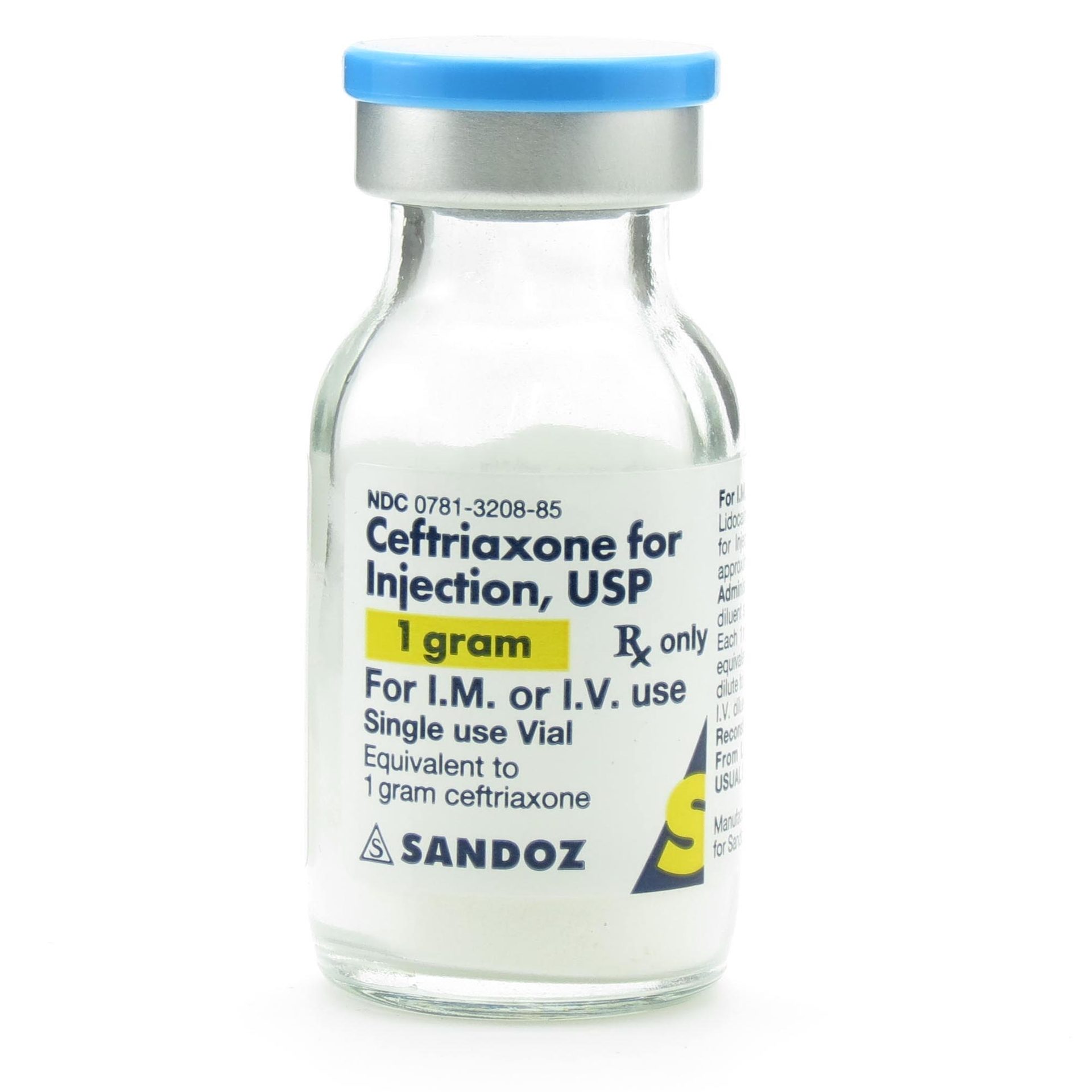
Podcast 730: Alternative Treatment for Gonorrhea
Educational Pearls: Recent updates to treatment guidelines increased the 250 mg ceftriaxone IM dose to 500 mg ceftriaxone IM IM dosing can be very painful, so other methods of administration can help decrease pain for patients Using IV ceftriaxone instead of IM has no significant difference in pharmacokinetics or bioavailability, so it can be considered in patients with an IV already placed References St Cyr S, Barbee L, Workowski KA, et al. Update to CDC's Treatment Guidelines for Gonococcal Infection, 2020. MMWR Morb Mortal Wkly Rep. 2020;69(50):1911-1916. Published 2020 Dec 18. doi:10.15585/mmwr.mm6950a6 Product Information: ROCEPHIN(R) IV, IM injection, ceftriaxone sodium IV, IM injection. Genentech USA, Inc. (per Manufacturer), South San Francisco, CA, 2010. Summarized by John Spartz, MS4 | Edited by Erik Verzemnieks, MD The Emergency Medical Minute is excited to announce that we are now offering AMA PRA Category 1 credits™ via online course modules. To access these and for more information, visit our website at https://emergencymedicalminute.org/cme-courses/ and create an account. Donate to EMM today! Diversity and Inclusion Award

Podcast 729: Molnupiravir for COVID
Contributor: Jared Scott, MD Educational Pearls: A press release from Merck introduced Molnupiravir for treatment of mild to moderate COVID-19 The yet to be published study is a randomized control trial at around 100 different sites Reported outcomes were hospitalization and mortality from COVID and mortality from COVID Molnupiravir was found to be twice as effective as placebo looking at these two endpoints (7% vs. 14%) 5 day course of the drug taken twice per day costs $700, but cost-saved from using this drug was $32,000 per patient References https://www.merck.com/news/merck-and-ridgebacks-investigational-oral-antiviral-molnupiravir-reduced-the-risk-of-hospitalization-or-death-by-approximately-50-percent-compared-to-placebo-for-patients-with-mild-or-moderat/ https://www.merck.com/news/merck-and-ridgebacks-molnupiravir-an-oral-covid-19-antiviral-medicine-receives-first-authorization-in-the-world/ Summarized by John Spartz, MS4 | Edited by Erik Verzemnieks, MD The Emergency Medical Minute is excited to announce that we are now offering AMA PRA Category 1 credits™ via online course modules. To access these and for more information, visit our website at https://emergencymedicalminute.org/cme-courses/ and create an account. Donate to EMM today! Diversity and Inclusion Award
Podcast 728: Angiography for Out-of-Hospital Cardiac Arrest without ST Elevation
Contributor: Nick Tsipis, MD Educational Pearls: Meaningful survival under 10% for out of hospital cardiac arrest The most common cause of out-of-hospital cardiac arrest is due to cardiac ischemia Study looked at whether taking patients without ST elevation who had an out-of-hospital cardiac arrest with return of spontaneous circulation (ROSC) should receive angiography upon arrival to the hospital Took 530 patients and randomized to early vs. delayed angiography after resuscitation from out-of-hospital arrest Found no benefit to early angiography using 30-day all-cause risk of death as the primary endpoint References Desch S, Freund A, Akin I, et al. Angiography after Out-of-Hospital Cardiac Arrest without ST-Segment Elevation [published online ahead of print, 2021 Aug 29]. N Engl J Med. 2021;10.1056/NEJMoa2101909. doi:10.1056/NEJMoa2101909 Summarized by John Spartz, MS4 | Edited by Erik Verzemnieks, MD The Emergency Medical Minute is excited to announce that we are now offering AMA PRA Category 1 credits™ via online course modules. To access these and for more information, visit our website at https://emergencymedicalminute.org/cme-courses/ and create an account. Donate to EMM today! Diversity and Inclusion Award

Podcast 727: Antibiotics for Diverticulitis
Contributor: Aaron Lessen, MD Educational Pearls: Classically, diverticulitis is diagnosed via CT scan and patients are discharged home on antibiotics if they are without complication The DINAMO study is a multicenter open-label RCT that evaluated if it is safe to not give antibiotics to patients with mild acute diverticulitis Found no difference in readmission, return visits to ED, pain control, or likelihood of surgical intervention between the group that was sent home with antibiotics and the group without Medical societies have not reached a consensus on this issue, likely further studies need to be completed References Mora-López L, Ruiz-Edo N, Estrada-Ferrer O, et al. Efficacy and Safety of Nonantibiotic Outpatient Treatment in Mild Acute Diverticulitis (DINAMO-study): A Multicentre, Randomised, Open-label, Noninferiority Trial. Ann Surg. 2021;274(5):e435-e442. doi:10.1097/SLA.0000000000005031 *Image from Hellerhoff, CC BY-SA 3.0 https://creativecommons.org/licenses/by-sa/3.0>, via Wikimedia Commons Summarized by John Spartz, MS4 | Edited by Erik Verzemnieks, MD The Emergency Medical Minute is excited to announce that we are now offering AMA PRA Category 1 credits™ via online course modules. To access these and for more information, visit our website at https://emergencymedicalminute.org/cme-courses/ and create an account. Donate to EMM today! Diversity and Inclusion Award
Podcast 726: Ophthalmia Neonatorum
Contributor: Peter Bakes, MD Educational Pearls: Ophthalmia Neonatorum encompasses any conjunctivitis that presents within the first 28 days of life Neonates often receive prophylactic silver nitrate eye drops for gonorrhea prophylaxis, but the drops can cause chemical conjunctivitis Etiology & Timing of Presentation: Silver nitrate conjunctivitis presents 0-2 days after birth Neisseria gonorrhae presents 2-5 days after birth Chlamydia trachomatis presents 5 days to 5 weeks Neisseria gonorrhoeae conjunctivitis is vision-threatening, typically requiring admission and IV antibiotics with a 3rd generation cephalosporin References Castro Ochoa KJ, Mendez MD. Ophthalmia Neonatorum. [Updated 2021 Jul 22]. In: StatPearls [Internet]. Treasure Island (FL): StatPearls Publishing; 2021 Jan-. Available from: https://www.ncbi.nlm.nih.gov/books/NBK551572/ US Preventive Services Task Force, Curry SJ, Krist AH, et al. Ocular Prophylaxis for Gonococcal Ophthalmia Neonatorum: US Preventive Services Task Force Reaffirmation Recommendation Statement. JAMA. 2019;321(4):394-398. doi:10.1001/jama.2018.21367 Summarized by John Spartz, MS4 | Edited by Erik Verzemnieks, MD The Emergency Medical Minute is excited to announce that we are now offering AMA PRA Category 1 credits™ via online course modules. To access these and for more information, visit our website at https://emergencymedicalminute.org/cme-courses/ and create an account. Donate to EMM today! Diversity and Inclusion Award
Podcast 725: Hypothermia in Preterm Deliveries
Contributor: Aaron Lessen, MD Educational Pearls: Preterm deliveries in the ED can be complex and preventing hypothermia is essential to the health of the baby Recent meta-analysis examined methods for warming preterm deliveries to prevent hypothermia The most effective way to warm the baby is by wrapping them in plastic References Abiramalatha T, Ramaswamy VV, Bandyopadhyay T, et al. Delivery Room Interventions for Hypothermia in Preterm Neonates: A Systematic Review and Network Meta-analysis. JAMA Pediatr. 2021;175(9):e210775. doi:10.1001/jamapediatrics.2021.0775 Summarized by John Spartz, MS4 | Edited by Erik Verzemnieks, MD The Emergency Medical Minute is excited to announce that we are now offering AMA PRA Category 1 credits™ via online course modules. To access these and for more information, visit our website at https://emergencymedicalminute.org/cme-courses/ and create an account. Donate to EMM today! Diversity and Inclusion Award
Podcast 724: Ivermectin Overdose
Contributor: Don Stader, MD Educational Pearls: Ivermectin is a Nobel-Prize winning antiparasitic used to treat filariasis and onchocerciasis Ivermectin is receiving press due to a scientific study examining ivermectin on COVID-19 viral replication in vitro, but the dosages needed for this effect were much higher than is safe for human use Ivermectin has since been studied in humans with no evidence suggesting it is a viable treatment for COVID-19 Ivermectin is a neurotoxin but at normal levels it does not cross the blood-brain barrier Ivermectin toxicity can include altered mental status, seizures, coma, tachycardia, hypotension, nausea, vomiting and diarrhea Treatment of suspected ivermectin overdose is predominately supportive References Caly L., Druce J.D., Catton M.G., Jans D.A., Wagstaff K.M. The FDA-approved drug ivermectin inhibits the replication of SARS-CoV-2 in vitro. Antivir Res. 2020;178:104787. doi: 10.1016/j.antiviral.2020.104787 López-Medina E, López P, Hurtado IC, et al. Effect of Ivermectin on Time to Resolution of Symptoms Among Adults With Mild COVID-19: A Randomized Clinical Trial. JAMA. 2021;325(14):1426–1435. doi:10.1001/jama.2021.3071 Roder JD, Stair EL. An overview of ivermectin toxicosis. Vet Hum Toxicol. 1998;40(6):369-370. Roman YM, Burela PA, Pasupuleti V, Piscoya A, Vidal JE, Hernandez AV. Ivermectin for the treatment of COVID-19: A systematic review and meta-analysis of randomized controlled trials [published online ahead of print, 2021 Jun 28]. Clin Infect Dis. 2021;ciab591. doi:10.1093/cid/ciab591 Chandler RE. Serious Neurological Adverse Events after Ivermectin-Do They Occur beyond the Indication of Onchocerciasis?. Am J Trop Med Hyg. 2018;98(2):382-388. doi:10.4269/ajtmh.17-0042 Summarized by John Spartz, MS4 | Edited by Erik Verzemnieks, MD The Emergency Medical Minute is excited to announce that we are now offering AMA PRA Category 1 credits™ via online course modules. To access these and for more information, visit our website at https://emergencymedicalminute.org/cme-courses/ and create an account. Donate to EMM today! Diversity and Inclusion Award
Podcast 723: Nitro Drip in Flash Pulmonary Edema
Contributor: Alec Coston, MD Educational Pearls: Flash pulmonary edema or Sympathetic Crash Acute Pulmonary Edema (SCAPE) is a severe illness that requires aggressive treatment Often in patients with heart failure and a sympathetic surge increasing heart rate, decreased diastolic filling, increased preload, and increased afterload causing pulmonary edema Clinical diagnosis: acute onset diaphoresis and respiratory distress, hypoxia and tachypnea on exam Bedside lung ultrasound will demonstrate B-lines, indicative of pulmonary edema Treatment is nitroglycerin and BiPAP Nitroglycerin drip can be started at 80 micrograms/minute, which is similar to the dose delivered by sublingual nitroglycerin References Stemple K, DeWitt KM, Porter BA, Sheeser M, Blohm E, Bisanzo M. High-dose nitroglycerin infusion for the management of sympathetic crashing acute pulmonary edema (SCAPE): A case series. Am J Emerg Med. 2021;44:262-266. doi:10.1016/j.ajem.2020.03.062 Agrawal N, Kumar A, Aggarwal P, Jamshed N. Sympathetic crashing acute pulmonary edema. Indian J Crit Care Med. 2016;20(12):719-723. doi:10.4103/0972-5229.195710 Wilson SS, Kwiatkowski GM, Millis SR, Purakal JD, Mahajan AP, Levy PD. Use of nitroglycerin by bolus prevents intensive care unit admission in patients with acute hypertensive heart failure. Am J Emerg Med. 2017;35(1):126-131. doi:10.1016/j.ajem.2016.10.038 Summarized by John Spartz, MS4 | Edited by Erik Verzemnieks, MD The Emergency Medical Minute is excited to announce that we are now offering AMA PRA Category 1 credits™ via online course modules. To access these and for more information, visit our website at https://emergencymedicalminute.org/cme-courses/ and create an account. Donate to EMM today!

On the Streets #12: Salient Pre-hospital Considerations for Neurosurgical Emergencies - a Smorgasbord Part II
In this podcast, we are back again with host, Jordan Ourada, and neurosurgeon, Dr. Eddie Tsvankin as they discuss an exciting and mind-blowing array of topics pertaining to neurosurgery. Listen as Dr. Tsvankin shares his views on not only the history of neurosurgery, but also the medical, surgical, and engineering advancements that are taking place today. You'll also hear Dr. Tsvankin give intriguing details into how neurosurgeries are performed with cutting-edge technology including the exoscopes that are presently utilized at Swedish Medical Center. Finally, Jordan and Dr. Tsvankin delve into predictions for future advancements in neurosurgery and neurooncology, as well as why cancer seems more prevalent today than ever. The Emergency Medical Minute is excited to announce that we are now offering AMA PRA Category 1 credits™ via online course modules. To access these and for more information, visit our website at https://emergencymedicalminute.org/cme-courses/ and create an account. Donate to EMM today! Diversity and Inclusion Award

Podcast 722: Lower Extremity Dislocations
Contributor: Donald Stader, MD Educational Pearls: Hip Dislocation Prolonged dislocations can impair blood supply to femoral head Hip dislocation for >6 hours puts patient at high risk for needing a hip replacement in the next two year Knee Dislocation High mechanism Often looks anatomically normal on knee x-ray Vascular injuries of the popliteal artery can cause significant morbidity with some studies suggesting an 80% amputation rate if not treated within 6 hours Ankle Dislocation Common dislocation and often co-occurs with ankle fractures (bimalleolar/trimalleolar) Pressure on the skin from the displaced joint can cause skin tenting, which can lead to skin necrosis Hematoma blocks work well for ankle reductions as an adjunct to or substitute for procedural sedation References Arnold C, Fayos Z, Bruner D, Arnold D. Managing dislocations of the hip, knee, and ankle in the emergency department. Emerg Med Pract. 2017;19(12):1-28. Dawson-Amoah K, Raszewski J, Duplantier N, Waddell BS. Dislocation of the Hip: A Review of Types, Causes, and Treatment. Ochsner J. 2018;18(3):242-252. doi:10.31486/toj.17.0079 Patterson BM, Agel J, Swiontkowski MF, Mackenzie EJ, Bosse MJ; LEAP Study Group. Knee dislocations with vascular injury: outcomes in the Lower Extremity Assessment Project (LEAP) Study. J Trauma. 2007;63(4):855-858. doi:10.1097/TA.0b013e31806915a7 Ross A, Catanzariti AR, Mendicino RW. The hematoma block: a simple, effective technique for closed reduction of ankle fracture dislocations. J Foot Ankle Surg. 2011;50(4):507-509. doi:10.1053/j.jfas.2011.04.037 Summarized by John Spartz, MS4 | Edited by Erik Verzemnieks, MD
Podcast 721: Blakemore & Minnesota Tubes: Part II
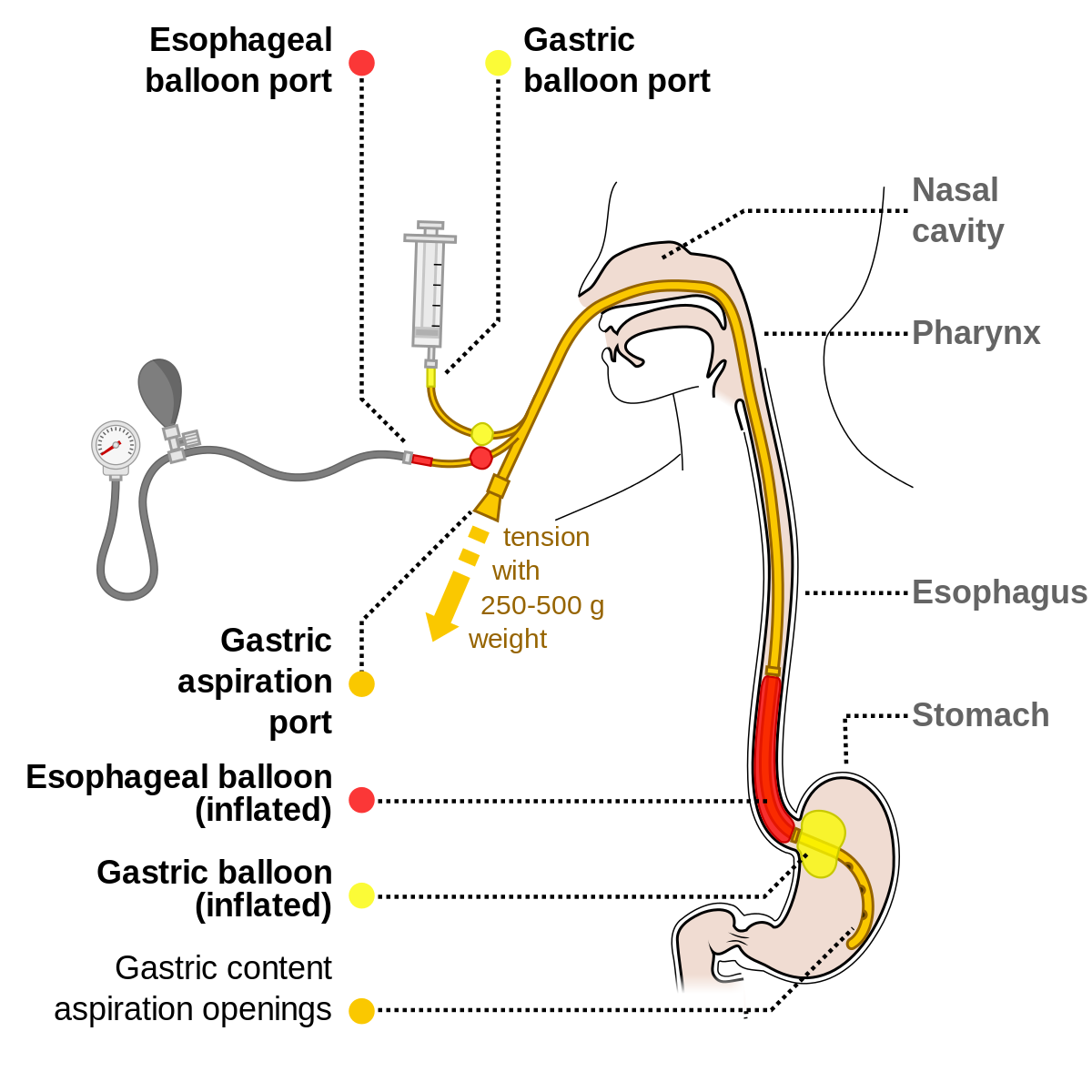
Contributor: Dylan Luyten, MD Educational Pearls: To place a Blakemore/Minnesota Tube: Insert into esophagus under visualization Inflate gastric port with 60 cc of air and obtain a chest xray to ensure the balloon below the diaphragm Once confirmed, place a total of 500cc of air into the gastric balloon via the gastric port Tie a liter saline bad to the tube using Kerlix and hang it off an IV pole or other object to provide about 2 lbs of traction Now the the tube is in place under traction, attach a manometer to the esophageal balloon port Provide low pressure to tamponade a variceal bleed, which is about 33 mmHg This is a temporizing measure and often patients need to get a Transjugular Intrahepatic Portosystemic Shunt (TIPS) from interventional radiology for more definitive treatment References Powell M, Journey JD. Sengstaken-Blakemore Tube. [Updated 2021 Jul 27]. In: StatPearls [Internet]. Treasure Island (FL): StatPearls Publishing; 2021 Jan-. Available from: https://www.ncbi.nlm.nih.gov/books/NBK558924/ Amazing video of placement by EM:RAP ProductionsPlacement of a Minnesota Tube for Bleeding Varices Summarized by John Spartz, MS4 | Edited by Erik Verzemnieks, MD The Emergency Medical Minute is excited to announce that we are now offering AMA PRA Category 1 credits™ via online course modules. To access these and for more information, visit our website at https://emergencymedicalminute.org/cme-courses/ and create an account. Donate to EMM today!

On the Streets #11: Salient Pre-hospital Considerations for Neurosurgical Emergencies - a Smorgasbord
On this episode of On The Streets, host, Jordan Ourada sits down with neurosurgeon/neurooncologist Dr. Eddie Tsvankin to discuss various topics concerning neurosurgery and how EMS workers in the field can better understand and manage neurological emergencies. In this episode specifically, you'll hear Jordan and Dr. Tsvankin discuss topics including: Priorities in caring for patients experiencing seizures Short and long-term complications of tumor resection surgery Specifics on how brain tumors are operated on and the difficult decisions that must be made ahead of time Assessment of post-operative incisions and signs of infections How chemotherapy and radiation effect the healing process for neurosurgery patients Dr. Eddie's thoughts on COVID and how it has impacted his career The ins and outs of ventriculoperitoneal shunts The Emergency Medical Minute is excited to announce that we are now offering AMA PRA Category 1 credits™ via online course modules. To access these and for more information, visit our website at https://emergencymedicalminute.org/cme-courses/ and create an account. Donate to EMM today! Diversity and Inclusion Award
Podcast 720: Blakemore & Minnesota Tubes: Part I
Contributor: Dylan Luyten, MD Educational Pearls: Minnesota Tube has an extra port for suctioning otherwise is the same as a Blakemore Tube Indicated in MASSIVE upper GI bleeding often due to esophageal varices Esophageal varices are dilated, tortuous vessels in the esophagus due to increased portal venous pressure that can bleeding into the upper GI tract Patients with massive upper GI bleed should be intubated prior to placing a Blakemore/Minnesota tube References Meseeha M, Attia M. Esophageal Varices. [Updated 2021 Aug 11]. In: StatPearls [Internet]. Treasure Island (FL): StatPearls Publishing; 2021 Jan-. Available from: https://www.ncbi.nlm.nih.gov/books/NBK448078/ Biecker E. Portal hypertension and gastrointestinal bleeding: diagnosis, prevention and management. World J Gastroenterol. 2013;19(31):5035-5050. doi:10.3748/wjg.v19.i31.5035 Powell M, Journey JD. Sengstaken-Blakemore Tube. [Updated 2021 Jul 27]. In: StatPearls [Internet]. Treasure Island (FL): StatPearls Publishing; 2021 Jan-. Available from: https://www.ncbi.nlm.nih.gov/books/NBK558924/ Photo from Wikimedia Commons Summarized by John Spartz, MS4 | Edited by Erik Verzemnieks, MD The Emergency Medical Minute is excited to announce that we are now offering AMA PRA Category 1 credits™ via online course modules. To access these and for more information, visit our website at https://emergencymedicalminute.org/cme-courses/ and create an account. Donate to EMM today! Check out our Diversity and Inclusion Award
Podcast 719: Normal Saline vs. Tap Water for Wound Irrigation
Contributor: Ricky Dhaliwal, MD Educational Pearls: Multiple RCTs and a Cochrane Review found there is no difference in wound infection rates when irrigating with tap water Pressure of the water and how extensively the wound is irrigated were the most important factors affecting infection rates Quantity and type of water were independently not as important References Fernandez R, Griffiths R. Water for wound cleansing. Cochrane Database Syst Rev. 2012;(2):CD003861. Published 2012 Feb 15. doi:10.1002/14651858.CD003861.pub3 Lewis K, Pay JL. Wound Irrigation. [Updated 2021 Jun 4]. In: StatPearls [Internet]. Treasure Island (FL): StatPearls Publishing; 2021 Jan-. Available from: https://www.ncbi.nlm.nih.gov/books/NBK538522/ Summarized by John Spartz, MS4 | Edited by Erik Verzemnieks, MD The Emergency Medical Minute is excited to announce that we are now offering AMA PRA Category 1 credits™ via online course modules. To access these and for more information, visit our website at https://emergencymedicalminute.org/cme-courses/ and create an account. Donate to EMM today!
Podcast 718: Renal Failure Follow Up
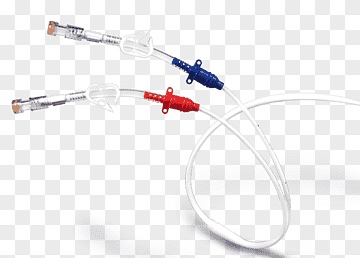
Contributor: Aaron Lessen, MD Educational Pearls: Patients with acute renal failure often need medical management for hyperkalemia Those with severe electrolyte derangements or absent renal function may need emergent dialysis as well Dialysis catheters are 12 or 14 french catheters placed in the right internal jugular or left subclavian Placement is very similar to a central line or cordis catheter Trialysis catheter is one option that has an extra port that can be used for regular medication administration and drawing blood Do not default to use dialysis catheters for normal ED access due to risk of infection and clot development While dialysis catheters are typically reserved for dialysis only, they can be used in extreme circumstances, such as a cardiac arrest References Co I, Gunnerson K. Emergency Department Management of Acute Kidney Injury, Electrolyte Abnormalities, and Renal Replacement Therapy in the Critically Ill. Emerg Med Clin North Am. 2019;37(3):459-471. doi:10.1016/j.emc.2019.04.006 Simon LV, Hashmi MF, Farrell MW. Hyperkalemia. [Updated 2021 Aug 14]. In: StatPearls [Internet]. Treasure Island (FL): StatPearls Publishing; 2021 Jan-. Available from: https://www.ncbi.nlm.nih.gov/books/NBK470284/ Akaraborworn O. A review in emergency central venous catheterization. Chin J Traumatol. 2017;20(3):137-140. doi:10.1016/j.cjtee.2017.03.003 Summarized by John Spartz, MS4 | Edited by Erik Verzemnieks, MD The Emergency Medical Minute is excited to announce that we are now offering AMA PRA Category 1 credits™ via online course modules. To access these and for more information, visit our website at https://emergencymedicalminute.org/cme-courses/ and create an account. Donate to EMM today!

Podcast 717: A cautionary tale of renal failure
Contributor: Aaron Lessen, MD Educational Pearls: Hyperkalemia can cause EKG changes such as a widened QRS The fastest electrolyte results can be obtained off a VBG with electrolytes or point-of-care labs Hyperkalemia may be reported as "hemolyzed" which indicated lysis of red blood cells and artificial elevation of the potassium level. However, always keep in mind the clinical context and look at other metabolic abnormalities like creatinine and BUN for other clues that it may actually not be hemolyzed References Co I, Gunnerson K. Emergency Department Management of Acute Kidney Injury, Electrolyte Abnormalities, and Renal Replacement Therapy in the Critically Ill. Emerg Med Clin North Am. 2019;37(3):459-471. doi:10.1016/j.emc.2019.04.006 Simon LV, Hashmi MF, Farrell MW. Hyperkalemia. [Updated 2021 Aug 14]. In: StatPearls [Internet]. Treasure Island (FL): StatPearls Publishing; 2021 Jan-. Available from: https://www.ncbi.nlm.nih.gov/books/NBK470284/ Summarized by John Spartz, MS4 | Edited by Erik Verzemnieks, MD The Emergency Medical Minute is excited to announce that we are now offering AMA PRA Category 1 credits™ via online course modules. To access these and for more information, visit our website at https://emergencymedicalminute.org/cme-courses/ and create an account. Donate to EMM today!

Podcast 716: Resuscitation Fluids
Contributor: Nick Tsipis, MD Educational Pearls: Fluid choice may have an impact on outcomes in resuscitation, and a meta-analysis has relevant insight into their use in sepsis and trauma patients Large volume normal saline fluid resuscitation in sepsis is associated with acute kidney injury and metabolic acidosis compared to Lactated Ringers Choice of fluid did not have significant differences in trauma patients for initial resuscitation References Tseng CH, Chen TT, Wu MY, Chan MC, Shih MC, Tu YK. Resuscitation fluid types in sepsis, surgical, and trauma patients: a systematic review and sequential network meta-analyses. Crit Care. 2020;24(1):693. Published 2020 Dec 14. doi:10.1186/s13054-020-03419-y The Emergency Medical Minute is excited to announce that we are now offering AMA PRA Category 1 credits™ via online course modules. To access these and for more information, visit our website at https://emergencymedicalminute.org/cme-courses/ and create an account. Donate to EMM today!
Podcast 715: Heated High Flow O2
Contributor: Nick Hatch, MD Educational Pearls: High flow nasal cannula (HFNC) or "heated high flow" can deliver higher oxygen levels than nasal cannula It typically is used as an "intermediate" between oxygen via nasal cannula and other non-invasive positive pressure devices, such as BiPAP Can modify both the FiO2 and flow rate Maximum flow rate is typically 60 liters per minute (compare that to a typical breath that is 30-40 L/min) Humidification of HFNC is important due to risk of epistaxis from drying out the nasal mucosa Large energy expenditure to humidify airflow by a patient in respiratory distress, so humidified oxygen may help decrease this metabolic demand References Nishimura M. High-Flow Nasal Cannula Oxygen Therapy in Adults: Physiological Benefits, Indication, Clinical Benefits, and Adverse Effects. Respir Care. 2016;61(4):529-541. doi:10.4187/respcare.04577 Hacquin A, Perret M, Manckoundia P, et al. High-Flow Nasal Cannula Oxygenation in Older Patients with SARS-CoV-2-Related Acute Respiratory Failure. J Clin Med. 2021;10(16):3515. Published 2021 Aug 10. doi:10.3390/jcm10163515 Summarized by John Spartz, MS4 | Edited by Erik Verzemnieks, MD The Emergency Medical Minute is excited to announce that we are now offering AMA PRA Category 1 credits™ via online course modules. To access these and for more information, visit our website at https://emergencymedicalminute.org/cme-courses/ and create an account. Donate to EMM today!
Podcast 714: Intradermal Sterile Water for Back Pain
Contributor: Aaron Lessen, MD Educational Pearls: Randomized controlled-trial evaluated intradermal injections of sterile water to manage low back pain versus an IV NSAID Four intradermal injections of 0.1 cc sterile water in a square around the area of musculoskeletal pain Reduction of pain was 7 points with the procedure and 2 points with the IV NSAID at 24 hours 12% in the injection group versus 50% in the IV NSAID group needed opioids 87% patient satisfaction in the injection group versus 16% patient satisfaction in the IV NSAID group References Tekin E, Gur A, Bayraktar M, Ozlu I, Celik BK. The effectiveness of intradermal sterile water injection for low back pain in the emergency department: A prospective, randomized controlled study. Am J Emerg Med. 2021;42:103-109. doi:10.1016/j.ajem.2021.01.038 Summarized by John Spartz, MS4 | Edited by Erik Verzemnieks, MD The Emergency Medical Minute is excited to announce that we are now offering AMA PRA Category 1 credits™ via online course modules. To access these and for more information, visit our website at https://emergencymedicalminute.org/cme-courses/ and create an account. Donate to EMM today!
Podcast 713: Oral Ketamine
Contributor: Don Stader, MD Educational Pearls: Those on chronic opioid therapy may have high tolerance to opioids and/or opioid hyperalgesia Ketamine is a good adjunct for pain control in patients on chronic opioid therapy To avoid the time constraints often required to push ketamine intravenously, it can be given orally: Ketamine IV 25-50 mg (~0.01-0.03 mg/kg) as a single dose by mouth References Blonk M, Koder B, et al. Use of oral ketamine in chronic pain management: A review. European Journal of Pain. 2009. Schwenk ES, et al. Consensus guidelines on the use of intravenous ketamine infusions for acute pain management from the America Society of Regional Anesthesia and Pain Medicine, the American Academy of Pain Medicine and the American Society of Anesthesiologists. Reg Anesth Pain Med. 2018. Summarized by John Spartz, MS4 | Edited by Erik Verzemnieks, MD The Emergency Medical Minute is excited to announce that we are now offering AMA PRA Category 1 credits™ via online course modules. To access these and for more information, visit our website at https://emergencymedicalminute.org/cme-courses/ and create an account. Donate to EMM today!
Podcast 712: Cephalosporin with a Penicillin Allergy
Contributor: Aaron Lessen, MD Educational Pearls: Retrospective cohort study in the Kaiser system looked at over 4 million patients receiving antibiotics to determine the effect of penicillin allergy prompts in the EHR on antibiotic prescribing Half of the sites removed prompts stating penicillin allergy and half kept the prompts Patients with penicillin allergies who received cephalosporins went up from 20% to 27% in areas where the prompt was remove No difference in mortality or no new allergies found between the two groups Reduced the use of fluoroquinolones and clindamycin in the group without the prompt References Macy E, McCormick TA, Adams JL, et al. Association Between Removal of a Warning Against Cephalosporin Use in Patients With Penicillin Allergy and Antibiotic Prescribing. JAMA Netw Open. 2021;4(4):e218367. Published 2021 Apr 1. doi:10.1001/jamanetworkopen.2021.8367 Summarized by John Spartz, MS4 | Edited by Erik Verzemnieks, MD The Emergency Medical Minute is excited to announce that we are now offering AMA PRA Category 1 credits™ via online course modules. To access these and for more information, visit our website at https://emergencymedicalminute.org/cme-courses/ and create an account. Donate to EMM today!
On the Streets #10: IO Administration Gone Awry
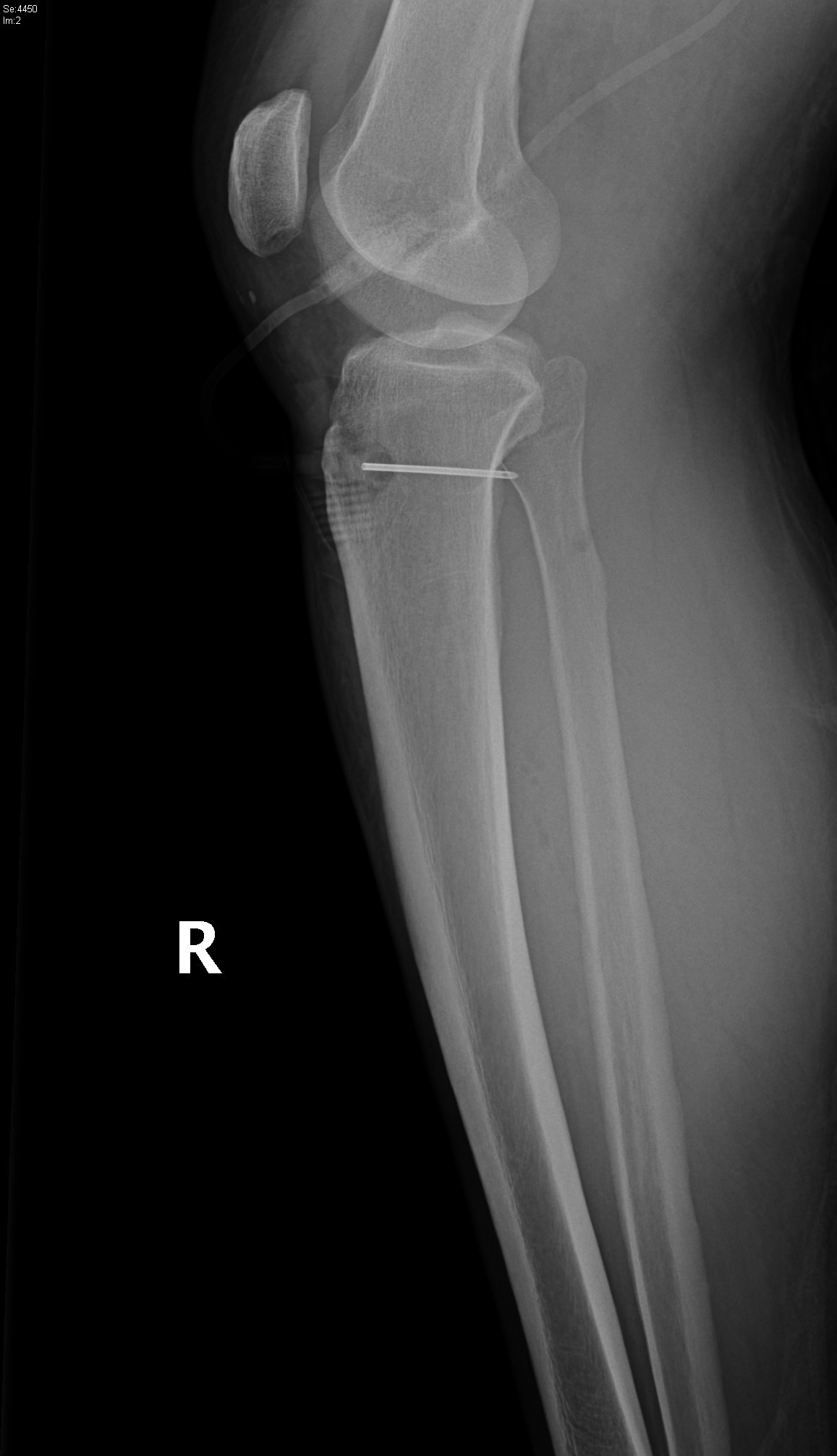
Dr. Glenda Quan, trauma surgeon from Swedish Medical Center joins our host Jordan Ourada to review a case of an incorrectly placed IO and how to avoid it. The Emergency Medical Minute is excited to announce that we are now offering AMA PRA Category 1 credits™ via online course modules. To access these and for more information, visit our website at https://emergencymedicalminute.org/cme-courses/ and create an account.
Podcast 711: Insulin Pumps
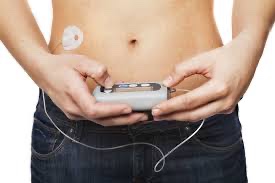
Contributor: Aaron Lessen, MD Educational Pearls: Insulin pumps provide a continuous infusion of fast-acting insulin using a basal rate and bolus prior to meals Some connect to a continuous glucometer but often blood glucose needs to be checked manually Hypoglycemia is rarely due to a malfunctioning pump - there is usually an another external factor Hyperglycemia can be caused by underdosing, illness, pump malfunction or expired insulin The pump can be used to give a bolus of insulin in the emergency department if necessary Stopping the device can be done manually on the device or disconnecting it from the tubing attachment - do not remove the tubing from the skin site if possible References Nimri R, Nir J, Phillip M. Insulin Pump Therapy. Am J Ther. 2020;27(1):e30-e41. doi:10.1097/MJT.0000000000001097 Sora ND, Shashpal F, Bond EA, Jenkins AJ. Insulin Pumps: Review of Technological Advancement in Diabetes Management. Am J Med Sci. 2019;358(5):326-331. doi:10.1016/j.amjms.2019.08.008 Summarized by John Spartz, MS4 | Edited by Erik Verzemnieks, MD The Emergency Medical Minute is excited to announce that we are now offering AMA PRA Category 1 credits™ via online course modules. To access these and for more information, visit our website at https://emergencymedicalminute.org/cme-courses/ and create an account. Donate to EMM today!

Podcast 710: Droperidol vs. Zyprexa
Contributor: Nick Tsipis, MD Educational Pearls: Prospective trial studied 5 mg IM droperidol to 10 mg IM olanzapine (Zyprexa) in the reducing levels of agitation Time to adequate sedation was about 16 minutes for both agents Droperidol was slightly less sedating than olanzapine and length of stay for olanzapine was longer Olanzapine had a higher rate of requiring another agent for adequate sedation Droperidol had a higher rate of adverse events (mainly extrapyramidal symptoms) than olanzapine Remember to put the safety of the staff and patient at the forefront of sedation practices and be cognizant of the psychological effect of giving involuntary medications to patients References Cole JB, Stang JL, DeVries PA, Martel ML, Miner JR, Driver BE. A Prospective Study of Intramuscular Droperidol or Olanzapine for Acute Agitation in the Emergency Department: A Natural Experiment Owing to Drug Shortages. Ann Emerg Med. 2021;78(2):274-286. doi:10.1016/j.annemergmed.2021.01.005 Summarized by John Spartz, MS4 | Edited by Erik Verzemnieks, MD The Emergency Medical Minute is excited to announce that we are now offering AMA PRA Category 1 credits™ via online course modules. To access these and for more information, visit our website at https://emergencymedicalminute.org/cme-courses/ and create an account. Donate to EMM today!

Podcast 709: Clown Therapy
Contributor: Jared Scott, MD Educational Pearls: Using LET, procedural sedation, and distraction techniques are often needed to successfully perform painful procedures in pediatrics patients The technique of clown therapy has been studied as an adjunct to LET and other distraction techniques for procedures in pediatric patients One randomized-controlled trial from 2016 found anxiety was greatly reduced using medical clown therapy to aid in painful procedures in pediatrics patients References Felluga M, Rabach I, Minute M, et al. A quasi randomized-controlled trial to evaluate the effectiveness of clowntherapy on children's anxiety and pain levels in emergency department. Eur J Pediatr. 2016;175(5):645-650. doi:10.1007/s00431-015-2688-0 Summarized by John Spartz, MS4 | Edited by Erik Verzemnieks, MD The Emergency Medical Minute is excited to announce that we are now offering AMA PRA Category 1 credits™ via online course modules. To access these and for more information, visit our website at https://emergencymedicalminute.org/cme-courses/ and create an account. Donate to EMM today!
Podcast 708: Diagnostic Paracentesis
Contributor: Peter Bakes, MD Educational Pearls: Paracentesis is a procedure where fluid is removed from the peritoneal cavity by needle Indications for paracentesis include: large volume paracentesis (5-6L), diagnosis of transudative or exudative ascites, evaluation for spontaneous bacterial peritonitis (SBP) Infection of ascitic fluid is more likely in transudative processes due to the increased frequency of paracentesis E coli is the most common pathogen to cause SBP Treatment with 3rd generation cephalosporin, like ceftriaxone References Aponte EM, Katta S, O'Rourke MC. Paracentesis. [Updated 2020 Sep 9]. In: StatPearls [Internet]. Treasure Island (FL): StatPearls Publishing; 2021 Jan-. Available from: https://www.ncbi.nlm.nih.gov/books/NBK435998/ Summarized by John Spartz, MS4 | Edited by Erik Verzemnieks, MD
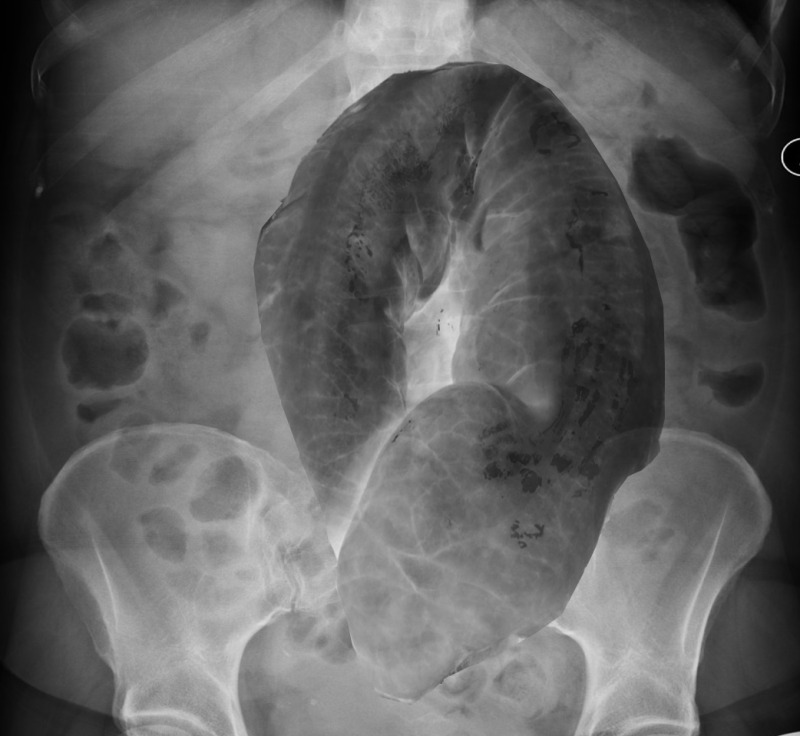
Podcast 707: Sigmoid Volvulus
Contributor: Aaron Lessen, MD Educational Pearls: Sigmoid volvulus occurs when the sigmoid colon twists 180 to 360 degrees 10% of intestinal obstructions in the US; 50-70% of intestinal obstructions worldwide More common in elderly patients with chronic constipation Eventually may lead to bowel perforation, a surgical emergency Treatment is sigmoidoscopy or sigmoid colectomy References Lieske B, Antunes C. Sigmoid Volvulus. [Updated 2021 Aug 11]. In: StatPearls [Internet]. Treasure Island (FL): StatPearls Publishing; 2021 Jan-. Available from: https://www.ncbi.nlm.nih.gov/books/NBK441925/ Summarized by John Spartz, MS4 | Edited by Erik Verzemnieks, MD The Emergency Medical Minute is excited to announce that we are now offering AMA PRA Category 1 credits™ via online course modules. To access these and for more information, visit our website at https://emergencymedicalminute.org/cme-courses/ and create an account. Donate to EMM today!
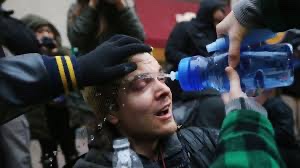
Podcast 706: Pepper Spray Decon
Contributor: Ramnik Dhaliwal, MD JD Educational Pearls: Pepper spray is a highly irritating compound with active ingredient of capsaicin Techniques to help decontaminate and alleviate symptoms of an exposure include: Disrobing the patient to prevent further exposure Half milk of magnesia and half water mixture can be used to soothe the skin in the area of exposure Proparacaine followed by Morgan lens to irrigate the eye in adults Nasal cannula connected to a liter of normal saline can passively irrigate the eye in small children and other less than cooperating patients References Tidwell RD, Wills BK. Tear Gas and Pepper Spray Toxicity. [Updated 2020 Nov 4]. In: StatPearls [Internet]. Treasure Island (FL): StatPearls Publishing; 2021 Jan-. Available from: https://www.ncbi.nlm.nih.gov/books/NBK544263/ Summarized by John Spartz, MS4 | Edited by Erik Verzemnieks, MD
Podcast 705: Pyloric Stenosis
Contributor: Neil Cella, MD Educational Pearls: Pylorus becomes hypertrophied and does not allow food or liquid to pass through to the duodenum tOccurs between the ages of 3 weeks to 3 months Classic presentation includes projectile nonbilious vomiting and palpable abdominal mass Ultrasound can visualize/diagnose pyloric stenosis and the treatment is surgical correction Be aware that electrolyte abnormalities and acid/base disturbances may occur References Garfield K, Sergent SR. Pyloric Stenosis. [Updated 2021 Feb 6]. In: StatPearls [Internet]. Treasure Island (FL): StatPearls Publishing; 2021 Jan-. Available from: https://www.ncbi.nlm.nih.gov/books/NBK555931/ Summarized by John Spartz, MS4 | Edited by Erik Verzemnieks, MD
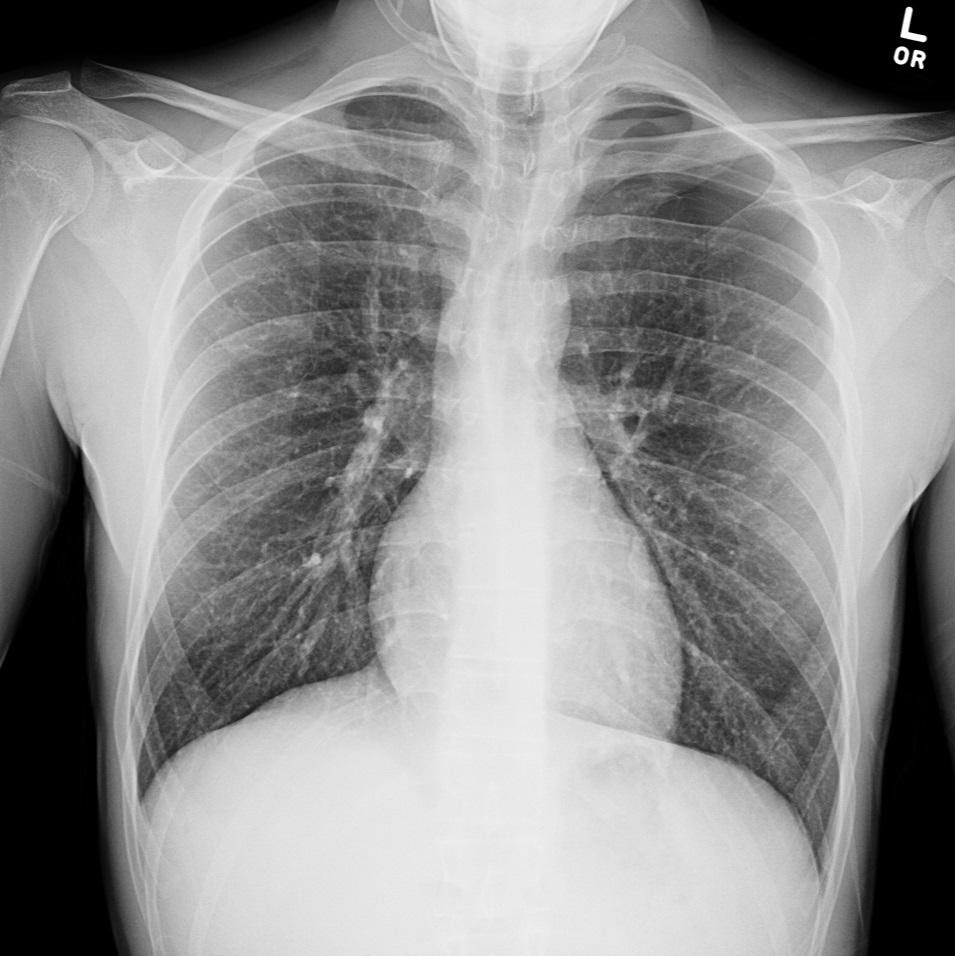
Podcast 704: Treatment of Pneumothorax
Contributor: Adam Barkin, MD Educational Pearls: Multi-center open-label non-inferiority trial looked at treatment of pneumothorax with a small-bore chest tube versus conservative management with exceptional follow up 316 patients ages 14-50 with moderate to large pneumothorax (>32% measured on CXR) were randomized into one of the two treatment arms 15% of the conservative group required further intervention as determined by prespecified protocols 94.4% of the intervention group had resolution at 8 weeks, whereas 98.5% of the conservative group had resolution at 8 weeks These data were affected by poor follow up CXR resolution average of 16 days in the intervention group and 30 days in the conservative group Symptom resolution was similar between the two groups (median 15 days vs. 14 days) Recurrence at 12 months was 17% in interventional group vs 8% in conservative group 41 adverse events in intervention group and 13 adverse events in conservative group References Brown SGA, Ball EL, Perrin K, et al. Conservative versus Interventional Treatment for Spontaneous Pneumothorax. N Engl J Med. 2020;382(5):405-415. doi:10.1056/NEJMoa1910775 Franzen, D. (2019, November). Pneumothorax. Society of Academic Emergency Medicine. https://www.saem.org/about-saem/academies-interest-groups-affiliates2/cdem/for-students/online-education/m4-curriculum/group-m4-respiratory/pneumothorax. Summarized by John Spartz, MS4 | Edited by Erik Verzemnieks, MD The Emergency Medical Minute is excited to announce that we are now offering AMA PRA Category 1 credits™ via online course modules. To access these and for more information, visit our website at https://emergencymedicalminute.org/cme-courses/ and create an account. Donate to EMM today!
Mental Health Monthly #8: Trauma-Informed Care
Contributor: Randi Libbon, MD The Core features of trauma-informed care include: Patient empowerment, choice and collaboration. This means educating patients and allowing patients to make choices about their care when possible. Collaboration helps to level the power differential between patients and providers through shared decision making. Safety and sensitivity: Developing health care settings and activities that ensure patients' physical and emotional safety taking into account their diverse backgrounds of gender, sexuality, race, culture, and ethnicity Trustworthiness and transparency: Creating clear expectations with patients about what proposed treatments entail, who will provide services, and how care will be provided. Resources: Reeves E. A synthesis of the literature on trauma-informed care. Issues Ment Health Nurs. 2015;36(9):698-709. doi: 10.3109/01612840.2015.1025319. PMID: 26440873. Molloy L, Fields L, Trostian B, Kinghorn G. Trauma-informed care for people presenting to the emergency department with mental health issues. Emerg Nurse. 2020 Mar 10;28(2):30-35. doi: 10.7748/en.2020.e1990. Epub 2020 Feb 25. PMID: 32096370. Key ingredients for Trauma-informed care from SAMHSA https://www.samhsa.gov/sites/default/files/programs_campaigns/childrens_mental_health/atc-whitepaper-040616.pdf The National Childhood Traumatic Stress Network: https://www.nctsn.org/trauma-informed-care The Science of Adverse Childhood Events and Toxic Stress: https://www.acesaware.org/ace-fundamentals/the-science-of-aces-toxic-stress/ From the Institute for Health Care Improvement: http://www.ihi.org/communities/blogs/how-trauma-informed-care-can-help-patients-and-clinicians-during-behavioral-health-emergencies
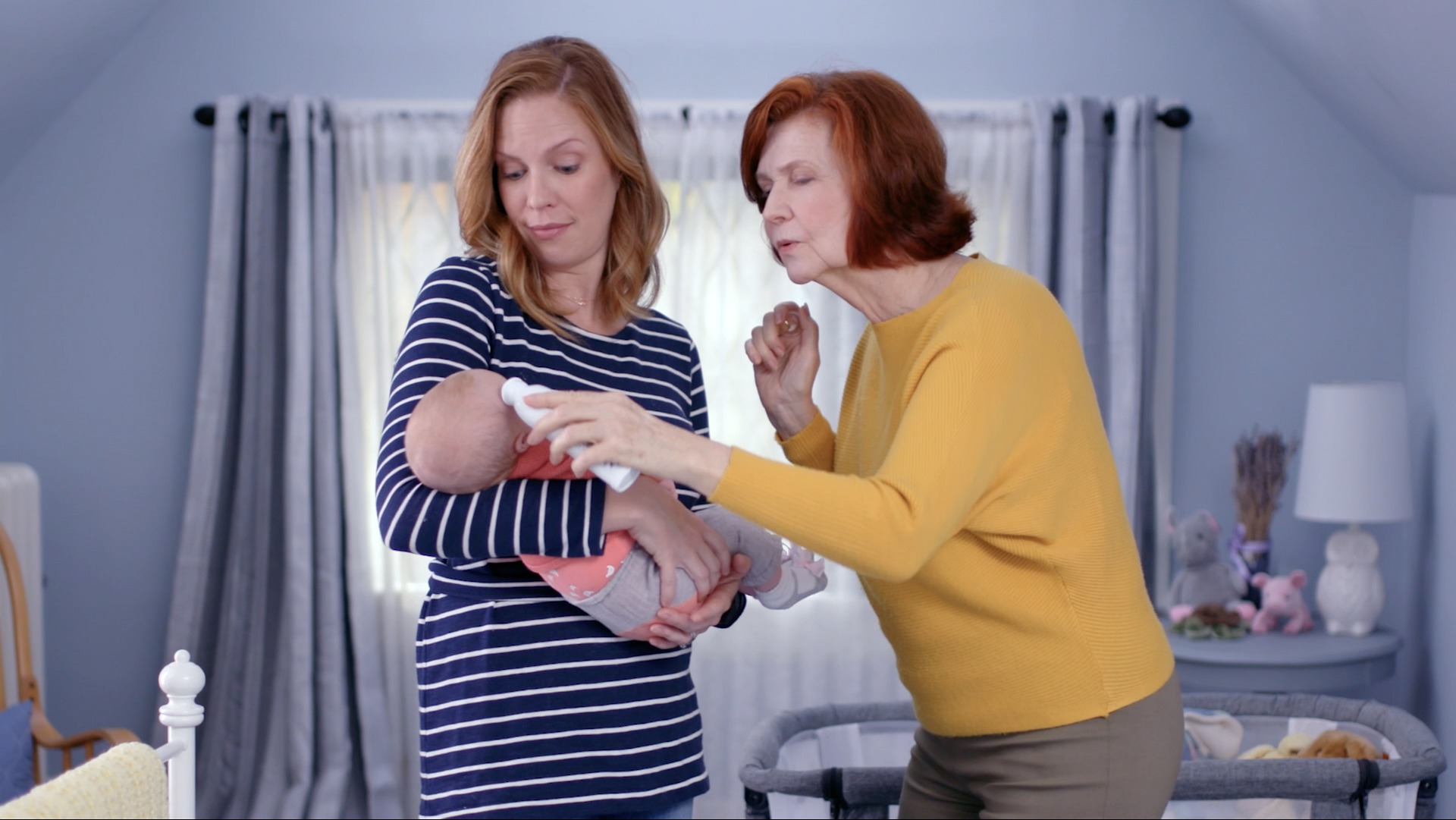
Podcast 703: Fever in Infants
Contributor: Neil Cella, MD Educational Pearls: 10% of patients 100.4) have an serious bacterial infection Most of these are UTIs, but also consider pneumonia and meningitis Requires CXR, LP, labs, and UA to work up cause of fever 29-60 day old well-appearing febrile infant: Can discharge without abx if CXR, lumbar puncture, labs and UA without signs of bacterial infection If UA is positive for UTI a LP is still indicated for febrile infants References Hamilton JL, Evans SG, Bakshi M. Management of Fever in Infants and Young Children. Am Fam Physician. 2020;101(12):721-729. Summarized by John Spartz, MS4 | Edited by Erik Verzemnieks, MD

Podcast 702: Paralytic Awareness
Contributor: Aaron Lessen, MD Educational Pearls: Known risk factors for being awake and paralyzed in the OR include only receiving IV medications, long-acting paralytics, and no formal monitoring system for being awake The ED-AWARENESS study, a prospective single-center study found 2.6% of patients with induced paralysis during mechanical ventilation were aware Rocuronium was a risk factor for developing awareness while paralyzed in this study Ensure adequate sedation during paralysis for mechanical ventilation in the ED setting, especially when using rocuronium References Pappal RD, Roberts BW, Mohr NM, et al. The ED-AWARENESS Study: A Prospective, Observational Cohort Study of Awareness With Paralysis in Mechanically Ventilated Patients Admitted From the Emergency Department. Ann Emerg Med. 2021;77(5):532-544. doi:10.1016/j.annemergmed.2020.10.012 Pappal RD, Roberts BW, Winkler W, Yaegar LH, Stephens RJ, Fuller BM. Awareness With Paralysis in Mechanically Ventilated Patients in the Emergency Department and ICU: A Systematic Review and Meta-Analysis. Crit Care Med. 2021;49(3):e304-e314. doi:10.1097/CCM.0000000000004824 The Emergency Medical Minute offers AMA PRA Category 1 credits™ via online course modules. For more information and to access this content,, visit our website at www.emergencymedicalminute.org/cme-courses/ and create an account. Donate to EMM today!
Podcast 701: Elevated Blood Pressure Readings
Contributor: Aaron Lessen, MD Educational Pearls: Recent retrospective cohort study looked at elevated BP readings in the ED and correlation to underlying hypertension Large cohort of over 30,000 patients found that nearly 50% had an elevated blood pressure reading in the ED Less than 15% of patients with elevated BP readings in the ED were diagnosed with hypertension within 2 years Only 25% of patients with BP readings >160/100 were diagnosed with hypertension within 2 years Patients with an elevated blood pressure reading of >160/100 had only a slightly increased risk of stroke, transient ischemic attack, acute coronary syndrome, heart failure, or death in the next 2 years References McAlister FA, Youngson E, Rowe BH. Elevated Blood Pressures Are Common in the Emergency Department but Are They Important? A Retrospective Cohort Study of 30,278 Adults. Ann Emerg Med. 2021;77(4):425-432. doi:10.1016/j.annemergmed.2020.11.005 Summarized by John Spartz, MS4 | Edited by Erik Verzemnieks, MD The Emergency Medical Minute offers AMA PRA Category 1 credits™ via online course modules. For more information and to access this content,, visit our website at www.emergencymedicalminute.org/cme-courses/ and create an account. Donate to EMM today!