
Emergency Medical Minute
1,173 episodes — Page 9 of 24
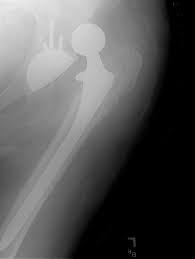
Podcast 652: Prosthetic Hip Dislocation
Contributor: Jared Scott, MD Educational Pearls: While it is rare to have a native hip dislocation, it is relatively common to dislocate a prosthetic hip The mechanism for dislocation is usually adduction, flexion, and internal rotation the hip which can occur when walking Arthroplasty in the setting of trauma or fracture, posterior approach during surgery, and using a small femoral head increase the likelihood of later dislocation If a patient with a total hip arthroplasty says they were walking and then developed hip pain, do not discount a potential dislocation References Zahar A, Rastogi A, Kendoff D. Dislocation after total hip arthroplasty. Curr Rev Musculoskelet Med. 2013;6(4):350-356. doi:10.1007/s12178-013-9187-6 Summarized by John Spartz, MS3 | Edited by Erik Verzemnieks, MD

Dr. Don Stader Shares Personal Experience of Losing his Mother to COVID-19 and Ruminates on the Culture of Death in Medicine (UnfilterED #12 Excerpt)
EA heartfelt excerpt from our most recent UnfilterED episode with Dr. Don Stader.
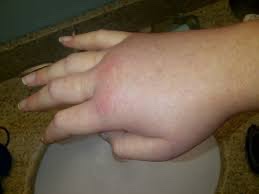
Podcast 651: Hereditary Angioedema
Contributor: Katie Sprinkel, MD Educational Pearls: Hereditary angioedema (HA) is an autosomal dominant bradykinin-mediated disease affecting the airway, skin or gastrointestinal tract and typically presents with swelling in the absence of pruritus HA episodes last 3-5 days, typically occur first in childhood or adolescence, and decrease in frequency with aging Airway angioedema is the most dangerous but least common Skin angioedema is usually uncomfortable and should be monitored if involving the face GI angioedema involves nausea, vomiting, and severe abdominal pain No definitive triggers, but episodes may be preceded by a variable prodrome but can include headache, GI symptoms, and even a rash Treatment can include infusion of a C-1 inhibitor, such as Berinert but it is very expensive References Busse PJ, Christiansen SC. Hereditary Angioedema. N Engl J Med. 2020 Mar 19;382(12):1136-1148. doi: 10.1056/NEJMra1808012. PMID: 32187470. Longhurst HJ, Bork K. Hereditary angioedema: an update on causes, manifestations and treatment. Br J Hosp Med (Lond). 2019 Jul 2;80(7):391-398. doi: 10.12968/hmed.2019.80.7.391. PMID: 31283393. Summarized by John Spartz, MS3 | Edited by Erik Verzemnieks, MD

Podcast 650: PNES
Contributor: Katie Sprinkel, MD Educational Pearls: Psychogenic Non-Epileptic Seizures (PNES) are due to a psychogenic rather than an epileptic cause Despite common assumption, PNES are not always volitional 20-40% of those with PNES can also have true epileptic seizures 20-40% True diagnosis requires a video EEG Characteristics of PNES include: Waxing and waning of the seizure intensity Eyes clenched shut Pelvic thrusting, rolling from side-to-side Ability to respond to verbal stimuli during the seizure Ability to recall information during the seizure Weeping or stuttering Guarding the face on passive hand drop Characteristics of epileptic seizures: Tongue biting Prolonged postictal state Incontinence Haldol or Zyprexa may be better for PNES and benzodiazepines tend to be better for epileptic seizures References Huff JS, Murr N. Psychogenic Nonepileptic Seizures. 2021 Jan 28. In: StatPearls [Internet]. Treasure Island (FL): StatPearls Publishing; 2021 Jan–. PMID: 28722901. Asadi-Pooya AA. Psychogenic nonepileptic seizures: a concise review. Neurol Sci. 2017 Jun;38(6):935-940. doi: 10.1007/s10072-017-2887-8. Epub 2017 Mar 8. PMID: 28275874. Summarized by John Spartz, MS3 | Edited by Erik Verzemnieks, MD

Trauma Is A Journey #4 Coming Full Circle
High in the mountains of Colorado, a crew of unsuspecting docs stumble upon the EMS scene of a head-on collision after an arduous mountain bike ride. Trauma is a Journey is a four part rural trauma mini series that recounts this tale as this group springs into action to assist the EMS crews dealing with two critical patients. Elizabeth Esty hosts a panel discussion with the key players: Dr. Dylan Luyten, Dr. JP Brewer, Dr. Madison Macht, Dr. Glenda Quan and Jeremiah Grantham as this story unfolds. This final episode explores how addressing psychological and emotional trauma is the final step in a patient's journey once their physical illnesses have been addressed. The group discusses how this can take time and how they support patients through these tough journeys. Dr. Luyten brings everything full circle as he recounts his own story of being a patient in a rural car crash and how that experience affected him and ultimately set him on a path to become an ER physician. This episode also emphasizes the need for healthcare professionals to support each other through debriefs to prevent burnout and remain resilient themselves when providing care. Thank you all for listening!
Trauma Is A Journey #3 What's In Your Jump Kit
High in the mountains of Colorado, a crew of unsuspecting docs stumble upon the EMS scene of a head-on collision after an arduous mountain bike ride. Trauma is a Journey is a four part rural trauma mini series that recounts this tale as this group springs into action to assist the EMS crews dealing with two critical patients. Elizabeth Esty hosts a panel discussion with the key players: Dr. Dylan Luyten, Dr. JP Brewer, Dr. Madison Macht, Dr. Glenda Quan and Jeremiah Grantham as this story unfolds. The third episode opens up with an ode to ATLS and how important those training protocols really are to real-world applications like the one in this story. The group segues into discussion of the various opinions on the essentials for emergency first aid supplies you should have on hand. Dr. JP Brewer circles back to the role of teamwork and establishing roles in order to accomplish a successful resuscitation and the others chime in based on their experiences.
Trauma is a Journey #2 The Complete Antidote to Burnout
High in the mountains of Colorado, a crew of unsuspecting docs stumble upon the EMS scene of a head-on collision after an arduous mountain bike ride. Trauma is a Journey is a four part rural trauma mini series that recounts this tale as this group springs into action to assist the EMS crews dealing with two critical patients. Elizabeth Esty hosts a panel discussion with the key players: Dr. Dylan Luyten, Dr. JP Brewer, Dr. Madison Macht, Dr. Glenda Quan and Jeremiah Grantham as this story unfolds. This second episode follows the patients as they arrive to St. Vincent, a small critical access hospital in Leadville, the next stop on their journey. Teamwork is the main theme throughout this episode as these doctors work to stabilize these patients and coordinate air transport to definitive care at Level 1 Trauma Center Swedish Medical Center. Dr. Quan goes into detail about the extent of the patients' internal injuries, the role of damage control surgery in their management and how appropriate pre-hospital management is crucial for these critical trauma patients.
Trauma is a Journey #1 Setting the Scene
High in the mountains of Colorado, a crew of unsuspecting docs stumble upon the EMS scene of a head-on collision after an arduous mountain bike ride. Trauma is a Journey is a four part rural trauma mini series that recounts this tale as this group springs into action to assist the EMS crews dealing with two critical patients. Elizabeth Esty hosts a panel discussion with the key players: Dr. Dylan Luyten, Dr. JP Brewer, Dr. Madison Macht, Dr. Glenda Quan and Jeremiah Grantham as this story unfolds. In this first episode, the scene is set for the arc of this storyline and while the journey of these patients is the primary focus, the doctors involved come to realize that this experience also took them on a journey as they debrief the events following their ride. Tune in for discussion of the pre-hospital management and insightful commentary on the situation as a whole.

Podcast 649: Normal Triage EKGs
Contributor: Samuel Killian, MD Educational Pearls: Anecdotally, when the computer reads a triage EKG as normal it is most often normal One study tested this theory by examining 855 computer-read EKGS (222 of which were read as normal) Two cardiologists reviewed these 222 normal EKGs and only found 13 EKGs that were slightly abnormal with nonspecific abnormalities Two EM physicians then reviewed these EKGs and only one physician on one EKG said they would change the patient's course of care by rooming them faster The study may support eliminating physician review of normal triage EKGs as a safe practice that would decrease physician interruption References Hughes KE, Lewis SM, Katz L, Jones J. Safety of Computer Interpretation of Normal Triage Electrocardiograms. Acad Emerg Med. 2017 Jan;24(1):120-124. doi: 10.1111/acem.13067. PMID: 27519772. Summarized by John Spartz, MS3 | Edited by Erik Verzemnieks, MD

Podcast 648: Ivermectin for COVID-19
Contributor: Aaron Lessen, MD Educational Pearls: Ivermectin is an antiparasitic medication that has been used for a long time, but has sparked new interest in the past year as a potential treatment for COVID-19 In-vitro studies have shown it decreases how quickly COVID replicates and may make it less likely to adhere to cells Observational studies have found lower rates of COVID-19 infections in areas that provide ivermectin prophylaxis In several studies it was shown that it decreased severity and mortality, though there were significant methodological limitations NIH gave a statement saying there is not enough evidence to support or refute based on current trials and larger more rigorous trials are needed References Caly L, Druce JD, Catton MG, Jans DA, Wagstaff KM. The FDA-approved drug ivermectin inhibits the replication of SARS-CoV-2 in vitro. Antiviral Res. 2020 Jun;178:104787. doi: 10.1016/j.antiviral.2020.104787. Epub 2020 Apr 3. PMID: 32251768; PMCID: PMC7129059. Hellwig MD, Maia A. A COVID-19 prophylaxis? Lower incidence associated with prophylactic administration of ivermectin. Int J Antimicrob Agents. 2021 Jan;57(1):106248. doi: 10.1016/j.ijantimicag.2020.106248. Epub 2020 Nov 28. PMID: 33259913; PMCID: PMC7698683. Rajter JC, Sherman MS, Fatteh N, Vogel F, Sacks J, Rajter JJ. Use of Ivermectin Is Associated With Lower Mortality in Hospitalized Patients With Coronavirus Disease 2019: The Ivermectin in COVID Nineteen Study. Chest. 2021 Jan;159(1):85-92. doi: 10.1016/j.chest.2020.10.009. Epub 2020 Oct 13. PMID: 33065103; PMCID: PMC7550891. Chaccour C, Casellas A, Blanco-Di Matteo A, Pineda I, Fernandez-Montero A, Ruiz-Castillo P, Richardson MA, Rodríguez-Mateos M, Jordán-Iborra C, Brew J, Carmona-Torre F, Giráldez M, Laso E, Gabaldón-Figueira JC, Dobaño C, Moncunill G, Yuste JR, Del Pozo JL, Rabinovich NR, Schöning V, Hammann F, Reina G, Sadaba B, Fernández-Alonso M. The effect of early treatment with ivermectin on viral load, symptoms and humoral response in patients with non-severe COVID-19: A pilot, double-blind, placebo-controlled, randomized clinical trial. EClinicalMedicine. 2021 Feb;32:100720. doi: 10.1016/j.eclinm.2020.100720. Epub 2021 Jan 19. PMID: 33495752; PMCID: PMC7816625. Summarized by John Spartz, MS3 | Edited by Erik Verzemnieks, MD

UnfilterED #12: Dr. Don Stader
EIf you listen to this podcast, then you're probably familiar with our founder and frequent contributor, Dr. Donald Stader, and his fascination with the intersection of Emergency Medicine, opioids and Addiction Medicine. He is board certified in both specialties and is an active clinician in the ED that is constantly working to improve systems of best practice surrounding opioid uses there and in other specialties. In this episode of UnfilterED, Nick touches on these topics briefly before diving much deeper into the evolution of Don's perspectives on life and death in the context of his mother's recent passing due to COVID-19. Tune in to hear Don's unfiltered personal account that can only be described as real, raw and relevant. Time Stamps 1:35 Don introduction 3:00 Opioid epidemic impacted by COVID 10:00 Upcoming Don projects and the role of stories 14:42 Sources of aspirational inspiration 34:07 Mother's death and learning how to die 49:12 Ending on a happier note The Emergency Medical Minute is excited to announce that we are now offering AMA PRA Category 1 credits™ via online course modules. To access these and for more information, visit our website at www.emergencymedicalminute.com/cme-courses/ and create an account. Donate to EMM today!
Podcast 647: INR and Liver Failure
Contributor: Erik Verzemnieks, MD Educational Pearls: INR measures the clotting cascade including factors II, VII, IX, and X Coumadin most commonly elevates the INR, and it is used to monitor the anticoagulant's effectiveness Liver failure can cause a similar elevation in the INR due to lack of synthesis of factors II, VII, IX, X An elevated INR in liver failure does not mean that the patient is anticoagulated, at increased risk for bleeding, or is at less risk of forming a clot There is more commonly an increased risk of clot formation due to lack of production of protein C and S, which are natural anticoagulants Lack of production of proteins C and S have a larger effect and lead to typically a net clotting risk Levels of these can be indirectly measured through albumin Portal venous thrombosis is one of the most common examples of this phenomenon References Harrison MF. The Misunderstood Coagulopathy of Liver Disease: A Review for the Acute Setting. West J Emerg Med. 2018;19(5):863-871. doi:10.5811/westjem.2018.7.37893 Summarized by John Spartz, MS3 | Edited by Erik Verzemnieks, MD The Emergency Medical Minute is excited to announce that we are now offering AMA PRA Category 1 credits™ via online course modules. To access these and for more information, visit our website at www.emergencymedicalminute.com/cme-courses/ and create an account. Donate to EMM today!

Podcast 646: Thunderclap Headache, Think...RCVS?
Contributor: Aaron Lessen, MD Educational Pearls: When evaluating a thunderclap headache, don't forget RCVS! RCVS: reversible cerebral vasoconstriction syndrome Due to reversible spasms of cerebral blood vessels Can sometimes be seen on CTA or MRA, but often the imaging is normal and formal angiograms only occasionally show it It can be caused by medications, intense physical activity, orgasm, and postpartum conditions, but the exact etiology is unknown Typically seen in females in their 40s Can result in bleeding, strokes, and seizures There is no good treatment, but stopping the suspected offending agent may help References Sattar A, Manousakis G, Jensen MB. Systematic review of reversible cerebral vasoconstriction syndrome. Expert Rev Cardiovasc Ther. 2010;8(10):1417-1421. doi:10.1586/erc.10.124 Summarized by John Spartz, MS3 | Edited by Erik Verzemnieks, MD
Podcast 645: Necrotizing Enterocolitis and More
Contributor: Peter Bakes, MD Educational Pearls: Necrotizing Enterocolitis (NEC) Presents in the first few days of life (often in the NICU) to 3 weeks old Risk factors include prematurity, excess feeding, neonatal sepsis Pneumatosis Intestinalisis on abdominal xray caused by bacterial translocation into the bowel wall Treated with NG tube, bowel rest and surgical resection Other causes of pediatric abdominal pain Malrotation with volvulus Malrotation is caused by failure of intestinal rotation in the 8th-12th week of development Presents with bilious vomiting, which is a surgical emergency in a neonate 90% of cases present in the first year of life, with most of these presenting in the first month Diagnosed with an upper GI series Pyloric Stenosis Typically in males Diagnosed with abdominal ultrasound and treated surgically Intussusception Typically presents between 2 months and 2 years with a palpable mass in the RUQ Diagnosed with abdominal ultrasound Duodenal atresia Congenital stricture in the duodenum Presents with bilious vomiting and a double-bubble on abdominal xray References Alwan R, Drake M, Gurria Juarez J, Emery KH, Shaaban AF, Szabo S, Sobolewski B. A Newborn With Abdominal Pain. Pediatrics. 2017 Nov;140(5):e20164267. doi: 10.1542/peds.2016-4267. PMID: 29042421. Hostetler MA, Schulman M. Necrotizing enterocolitis presenting in the Emergency Department: case report and review of differential considerations for vomiting in the neonate. J Emerg Med. 2001 Aug;21(2):165-70. doi: 10.1016/s0736-4679(01)00371-7. PMID: 11489407. Summarized by John Spartz, MS3

Podcast 644: Covid Outcomes
Contributor: Aaron Lessen, MD Educational Pearls: Meta-analysis of 57,420 COVID+ patients evaluated mortality after intubation 45% mortality rate for all patients in the study 84.4% mortality in patients over 80 years old POSITIONED Trail assessed need for intubation in patients awake self-proning compared to not Risk of intubation and mortality was lower for those self-proning 0.3 hazard ratio for intubation in those self-proning References Lim ZJ, Subramaniam A, Ponnapa Reddy M, et al. Case Fatality Rates for Patients with COVID-19 Requiring Invasive Mechanical Ventilation. A Meta-analysis. Am J Respir Crit Care Med. 2021;203(1):54-66. doi:10.1164/rccm.202006-2405OC Jagan N, Morrow LE, Walters RW, Klein LP, Wallen TJ, Chung J, Plambeck RW. The POSITIONED Study: Prone Positioning in Nonventilated Coronavirus Disease 2019 Patients-A Retrospective Analysis. Crit Care Explor. 2020 Oct 1;2(10):e0229. doi: 10.1097/CCE.0000000000000229. PMID: 33063033; PMCID: PMC7531752. Summarized by John Spartz, MS3 | Edited by Erik Verzemnieks, MD

Podcast 643: Convulsions with Gastroenteritis
Contributor: Jared Scott, MD Educational Pearls: Differential Diagnosis: non-accidental trauma, febrile seizure, meningitis, hyponatremia, epilepsy Convulsions with gastroenteritis is a known entity to cause seizures in infancy Predominantly occurs in ages 6 months to 3 years Occur with diarrheal episodes No electrolyte abnormalities associated with the seizure nor severe dehydration Seizures tend to come in clusters Most have a normal EEG and do not develop epilepsy Reported incidence in gastroenteritis of 1-2% of gastroenteritis Treatment addresses the seizures but long term anti-epileptic drugs are typically not needed References Kang B, Kwon YS. Benign convulsion with mild gastroenteritis. Korean J Pediatr. 2014;57(7):304-309. doi:10.3345/kjp.2014.57.7.304 Ma X, Luan S, Zhao Y, Lv X, Zhang R. Clinical characteristics and follow-up of benign convulsions with mild gastroenteritis among children. Medicine (Baltimore). 2019;98(2):e14082. doi:10.1097/MD.0000000000014082 Image credit: Kurt Christensen Summarized by John Spartz, MS3 | Edited by Erik Verzemnieks, MD
Podcast 642: Vasopressors
Contributor: Nick Tsipis, MD Educational Pearls: Epinephrine: alpha-1, alpha-2, beta-1, and beta 2 agonist - used in cardiac arrest with positive effects on ROSC in prehospital and peri-hopsital setting Norepinephrine: alpha-1 and beta-1 agonist - used in septic shock to increase cardiac output and peripheral vasoconstriction Phenylephrine: alpha-1 adrenergic agonist - used in spinal/neurogenic shock as well as medication-induced peri-procedural hypotension (propofol for RSI) as it only helps with vasoconstriction Dopamine: alpha-1, alpha-2, beta-1, beta 2, and dopamine agonist - used for sepsis in the past, but not recommended due to dysrhythmias Vasopressin: V1 agonist (vasoconstricts) - used when maxed out of norepinephrine for septic shock Milrenone: phosphodiesterase inhibitor - used in heart failure to drop preload and afterload Dobutamine: beta-2 (with minimal beta-1) adrenergic agonist - used in heart failure and cardiogenic shock to reduce afterload References Shields SH, Holland RM. Pharmacology of Vasopressors and Inotropes. In: Tintinalli JE, Stapczynski J, Ma O, Yealy DM, Meckler GD, Cline DM. eds. Tintinalli's Emergency Medicine: A Comprehensive Study Guide, 7e. McGraw-Hill; Accessed February 14, 2021. Episode 31 - Vasopressors. FOAMcast: An Emergency Medicine Podcast. 25 July 2015. https://foamcast.org/tag/vasopressors/ Summarized by John Spartz, MS3 | Edited by Erik Verzemnieks, MD
Podcast 641: Leadless Intracardiac Pacemaker
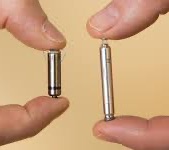
Contributor: Jared Scott, MD Educational Pearls: Small capsule pacemaker (2.5 cm, 1 ml volume) resides in the heart without any associated wires or leads like a traditional pacemaker The new version has a 6 year battery life, after which it can be deactivated and a traditional pacemaker put in place Cost is around 2-4 times that of a traditional pacemaker NEJM study from 2015 showed it met the primary efficacy endpoint in 90% of patients and the primary safety endpoint in 93.3% of patients Follow up study showed 3% complication with the intracardiac pacemaker compared to 9% in traditional References Groner, Ashley PA-C; Grippe, Kristen PA-C The leadless pacemaker, Journal of the American Academy of Physician Assistants: June 2019 - Volume 32 - Issue 6 - p 48-50 doi: 10.1097/01.JAA.0000554750.85170.d4 Reddy VY, Exner DV, Cantillon DJ, Doshi R, Bunch TJ, Tomassoni GF, Friedman PA, Estes NA 3rd, Ip J, Niazi I, Plunkitt K, Banker R, Porterfield J, Ip JE, Dukkipati SR; LEADLESS II Study Investigators. Percutaneous Implantation of an Entirely Intracardiac Leadless Pacemaker. N Engl J Med. 2015 Sep 17;373(12):1125-35. doi: 10.1056/NEJMoa1507192. Epub 2015 Aug 30. PMID: 26321198. Chan KH, McGrady M, Wilcox I. A Leadless Intracardiac Transcatheter Pacing System. N Engl J Med. 2016 Jun 30;374(26):2604. doi: 10.1056/NEJMc1604852. PMID: 27355553. Summarized by John Spartz, MS3 | Edited by Erik Verzemnieks, MD

Podcast 640: Kawasaki's Disease
Contributor: Peter Bakes , MD Educational Pearls: Pediatric Fever + Rash Differential: scarlet fever, measles, rubella, chicken pox, fifth's disease, HHV-6, adenovirus, anaphylaxis, Kawasaki's disease Kawasaki's is diagnosed clinically with prolonged fever (>7 days fever in 5 days of fever >6 months with 4 of the following: Strawberry tongue/fissured lips Bilateral conjunctival injection Cervical lymphadenopathy Hand/foot edema Maculopapular rash Can develop life threatening coronary artery aneurysms Treated with aspirin/IVIG References Modesti AM, Plewa MC. Kawasaki Disease. [Updated 2020 Jul 2]. In: StatPearls [Internet]. Treasure Island (FL): StatPearls Publishing; 2020 Jan-. Available from: https://www.ncbi.nlm.nih.gov/books/NBK537163/?report=classic Ramphul K, Mejias SG. Kawasaki disease: a comprehensive review. Arch Med Sci Atheroscler Dis. 2018;3:e41-e45. Published 2018 Mar 21. doi:10.5114/amsad.2018.74522 Summarized by John Spartz, MS3 | Edited by Erik Verzemnieks, MD
Pharmacy Phriday #9: Xofluza (Baloxavir marboxil) for Influenza
Contributor: Rachael Duncan, PharmD BCPS Educational Pearls: According to the Department of Public Health and Environment who puts out a weekly report on the influenza virus in Colorado, there appears to be less influenza in Colorado than previous years A milder influenza outbreak is likely due to mask wearing and social distancing practices There have only been 22 hospitalizations for influenza in Colorado since the start of the flu season back in September and 0 outbreaks in long-term care facilities Xofluza (baloxavir marboxil) is an antiviral PA endonuclease inhibitor and was approved by the FDA in 2018 for uncomplicated influenza in patients 12 years and older that have been symptomatic for less than 48 hours Patient's getting Xofluza must be otherwise healthy or at risk of developing influenza-related complications Due to limited data, Xofluza would not be a good option for those that are inpatient or critically ill and is best utilized for patients who are being seen in the emergency department and will be sent home Currently Xofluza is not approved for complicated patients, pregnant patients or those that are breast-feeding which limits its use When compared with Tamiflu in phase 3 studies, Xofluza was superior to placebo and similar to Tamiflu in shortening the duration of illness Xofluza is a single dose that is weight based and appears to be very well tolerated with some adverse effects including headache, nausea and diarrhea Xofluza showed a quicker recovery compared to Tamiflu by 8 hours which could be related to its one-time dosing Cost is a limiting factor for the use of Xofluza. Tamiflu costs around $25 where as Xofluza (only available as brand name currently) is $156 at the cheapest Pharmacists are still encouraging everyone to get their influenza vaccines despite less influenza cases this year References: Cdphe.colorado.gov. 2021. Influenza (flu) | Department of Public Health & Environment. [online] Available at: [Accessed 11 February 2021]. Ison, M., Portsmouth, S., Yoshida, Y., Shishido, T., Mitchener, M., Tsuchiya, K., Uehara, T. and Hayden, F., 2020. Early treatment with baloxavir marboxil in high-risk adolescent and adult outpatients with uncomplicated influenza (CAPSTONE-2): a randomised, placebo-controlled, phase 3 trial. The Lancet Infectious Diseases, 20(10), pp.1204-1214. Hayden, F., Sugaya, N., Hirotsu, N., Lee, N., de Jong, M., Hurt, A., Ishida, T., Sekino, H., Yamada, K., Portsmouth, S., Kawaguchi, K., Shishido, T., Arai, M., Tsuchiya, K., Uehara, T. and Watanabe, A., 2018. Baloxavir Marboxil for Uncomplicated Influenza in Adults and Adolescents. New England Journal of Medicine, 379(10), pp.913-923. Summarized by Emily Mack OMSIII The Emergency Medical Minute is excited to announce that we are now offering AMA PRA Category 1 credits™ via online course modules. To access these and for more information, visit our website at www.emergencymedicalminute.com/cme-courses/ and create an account.
Mental Health Monthly #7: Urine Toxicology in the ED
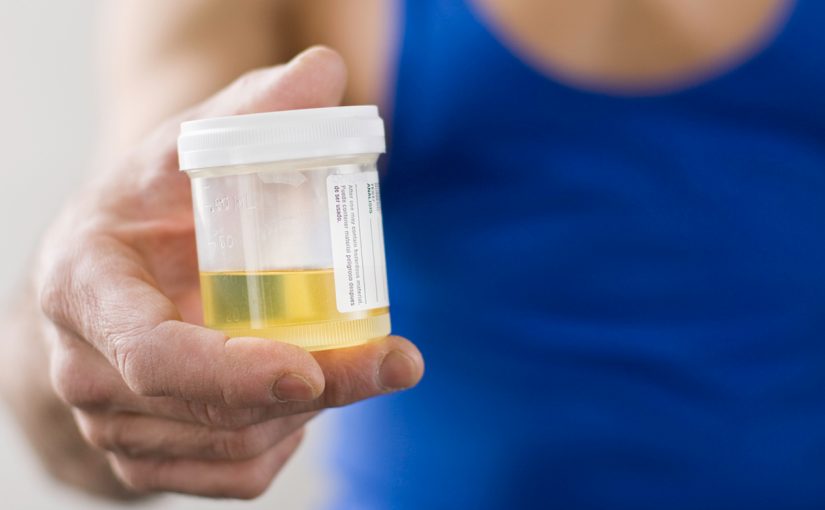
This episode of Mental Health Monthly we will be discussing drugs screens in the Emergency Department with Dr. Justin Romano and Eddie Carillo. Dr. Justin Romano is a current psychiatry resident and Eddie Carillo is a licensed mental health therapist. Check out their podcast Millennial Mental Health Channel on all major podcast platforms. Shout out to Dr. Dave Marshall whose grand round presentation this was based on. Key Points: Try not to judge your patient based on the results of their drug screen Drug screens are used a lot; they are not always accurate Based on one study there was no significant change in outcome, treatment, disposition or psychiatric course when a drug screen was obtained Specific good uses for drug screens include new onset of psychiatric symptoms Educational Pearls: 1 in 8 ED visits are due to psychiatric complaints which is up 44% since mid 2000's 63% of new psychiatric complaints had a medical cause Physicians use drug screens commonly in the Emergency Department, but often do not understand their limitations and are often not using them in the most clinically effective manner Urine is by far the most commonly used in the Emergency Department UA drug screens are notorious for having false positives and false negatives Length of clearance from the urine: Alcohol 12 hours Methamphetamines/Amphetamines 48 hours Benzodiazepines 3 days Opiates 2-3 days Cocaine 2-4 days Marijuana dependent on use: 3- 15 days Phencyclidine (PCP) 8 days Urine drug screens have a false positive rate of 5-10 % and a false negative rate of 10-15% False Positive; urine drug screen positive, but drug is not in their body False positives for amphetamines: bupropion, trazodone, metformin, promethazine, pseudoephedrine, phentermine and atomoxetine False positives for benzodiazepines: sertraline False positives for cannabis: ibuprofen, naproxen, proton pump inhibitors False positives for opiates: poppy seeds, antibiotics, Benadryl False positives for PCP: venlafaxine, ibuprofen and Ambien False positives for cocaine: amoxicillin False Negative; urine drug screen negative, but drug is in the body Benzodiazepines: such as alprazolam, clonazepam, lorazepam or triazolam Cannabinoids: CBD, synthetic marijuana such as K2 Opiates: oxycodone, fentanyl, methadone and tramadol If you get a test that you don't think is accurate you can always send off for a confirmatory test References Summarized by Emily Mack OMSIII | Edited by Mason Tuttle The Emergency Medical Minute is excited to announce that we are now offering AMA PRA Category 1 credits™ via online course modules. To access these and for more information, visit our website at www.emergencymedicalminute.com/cme-courses/ and create an account.
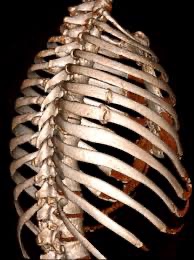
Podcast 639: Rib Fractures in the Elderly
Contributor: Aaron Lessen, MD Educational Pearls: Retrospective review of 5,021 patients over 65 with 2 or more rib fractures recently published 3577 (78 %) were admitted to non-ICU setting 1.1% of these patients had unexpected intubation or ICU transfer Findings raise questions regarding current guidelines for ICU admission in elderly patients with isolated rib fractures References Naar L, El Hechi MW, van Erp IA, Mashbari HNA, Fawley J, Parks JJ, Fagenholz PJ, King DR, Mendoza AE, Velmahos GC, Kaafarani HMA, Saillant NN. Isolated rib cage fractures in the elderly: Do all patients belong to the intensive care unit? A retrospective nationwide analysis. J Trauma Acute Care Surg. 2020 Dec;89(6):1039-1045. doi: 10.1097/TA.0000000000002891. PMID: 32697447. Summarized by John Spartz, MS3 | Edited by Erik Verzemnieks, MD
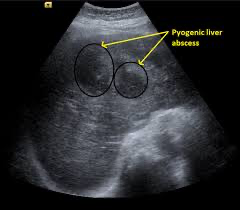
Podcast 638: Pyogenic Liver Abscess
Contributor: Aaron Lessen, MD Educational Pearls: Pyogenic liver abscesses can be caused by Intra-abdominal infection progressing to peritonitis which then drains into liver Bacteremia leading to hematogenous spead and seeding Local biliary infection with contiguous spread Patients typically present with signs of sepsis or septic shock and the abscess can be diagnosed using ultrasound or CT Treat with IV fluids, broad spectrum antibiotics, and consultation for drainage References Kurland JE, Brann OS. Pyogenic and amebic liver abscesses. Curr Gastroenterol Rep. 2004 Aug;6(4):273-9. doi: 10.1007/s11894-004-0078-2. PMID: 15245694. Rahimian J, Wilson T, Oram V, Holzman RS. Pyogenic liver abscess: recent trends in etiology and mortality. Clin Infect Dis. 2004 Dec 1;39(11):1654-9. doi: 10.1086/425616. Epub 2004 Nov 9. PMID: 15578367. Summarized by John Spartz, MS3 | Edited by Erik Verzemnieks, MD

Podcast 637: LSD
Contributor: Katie Sprinkel, MD Educational Pearls: Commonly known as "acid," LSD is seeing a resurgence in the population as a recreational hallucination Onset is about 30 minutes with peak pharmacologic effects at 2-4 hours, the drug's half life is 3 hours resulting in some prolonged effects While there is not an significant addictive component of LSD, tolerance for LSD does occur and prolonged usage is associated with increased incidence of schizophreniform disorders Hallucinations and pseudo-hallucinations (sensory misperceptions) are typical of LSD intoxication, other common signs of intoxication include nausea, diaphoresis, tachycardia, mydriasis, and hypertension More serious effects can be coma, hyperthermia, seizures, cardiac arrest, serotonin syndrome (with concomitant SSRI use) and coagulopathy, although the dose to cause these effects is very high Treatment is decreasing sensory stimulation, benzodiazepines in some cases, and symptomatic treatment - no specific antidote exists References Blaho K, Merigian K, Winbery S, Geraci SA, Smartt C. Clinical pharmacology of lysergic acid diethylamide: case reports and review of the treatment of intoxication. Am J Ther. 1997 May-Jun;4(5-6):211-21. doi: 10.1097/00045391-199705000-00008. PMID: 10423613. Klock JC, Boerner U, Becker CE. Coma, hyperthermia and bleeding associated with massive LSD overdose. A report of eight cases. West J Med. 1974;120(3):183-188. Summarized by John Spartz, MS3 | Edited by Erik Verzemnieks, MD

Podcast 636: May-Thurner Syndrome
Contributor: Sam Killian, MD Educational Pearls: iliac vein compression syndrome is also called May-Thurner Syndrome The left leg more frequently develops deep venous thrombosis (DVT) in part because about 1/4 of the population has May-Thurner May-Thurner syndrome anatomic variant results in a right iliac artery compresses the left iliac vein against the spine, which can promote DVT formation This is thought to be the cause of 2-3% of DVTs in patients seen in the ED and suspicion for this disease should increased in those with recurrent DVT Diagnosis is made with MRV/MRA and will typically not be seen on duplex ultrasound Typical anticoagulation treatment fails to address the underlying structural cause References Demir MC, Kucur D, Çakır E, Aksu NM, Onur MR, Sabuncu T, Akkaş M. May-Thurner syndrome: A curious syndrome in the ED. Am J Emerg Med. 2016 Sep;34(9):1920.e1-3. doi: 10.1016/j.ajem.2016.02.045. Epub 2016 Feb 19. PMID: 26971822. Sharafi S, Farsad K. Variant May-Thurner syndrome: Compression of the left common iliac vein by the ipsilateral internal iliac artery. Radiol Case Rep. 2018;13(2):419-423. Published 2018 Feb 20. doi:10.1016/j.radcr.2018.01.001 Summarized by John Spartz, MS3 | Edited by Erik Verzemnieks, MD
Pharmacy Phriday #8: Atropine with Ketamine for Conscious Sedation of Pediatrics
Educational Pearls: Atropine has been shown to reduce hypersalivation as well as nausea and vomiting induced by ketamine sedation. Atropine can increase the occurrence of a transient rash, as well as tachycardia. There are no guidelines that recommend for or against atropine use in pediatric patients undergoing ketamine induced sedation. Ultimately, it is the providers decision to include atropine when performing ketamine sedation. Pediatric dosing for atropine is 0.01mg/kg IM. References Heinz P, Geelhoed GC, Wee C, Pascoe EM. Is atropine needed with ketamine sedation? A prospective, randomised, double blind study. Emerg Med J. 2006 Mar;23(3):206-9. doi: 10.1136/emj.2005.028969. PMID: 16498158; PMCID: PMC2464444. Chong JH, Chew SP, Ang AS. Is prophylactic atropine necessary during ketamine sedation in children? J Paediatr Child Health. 2013 Apr;49(4):309-12. doi: 10.1111/jpc.12149. Epub 2013 Mar 15. PMID: 23495827. Shi J, Li A, Wei Z, Liu Y, Xing C, Shi H, Ding H, Pan D, Ning G, Feng S. Ketamine versus ketamine pluses atropine for pediatric sedation: A meta-analysis. Am J Emerg Med. 2018 Jul;36(7):1280-1286. doi: 10.1016/j.ajem.2018.04.010. Epub 2018 Apr 5. PMID: 29656945. Presented and Summarized by Devan Naughton, 4th year pharmacy student | Edited by Ruben Marrero-Vasquez

Podcast 635: Wide Complex Tachycardias
Contributor: Peter Bakes, MD Educational Pearls: Two main differentials for wide complex tachycardia (WCT) include ventricular tachycardia (most common) and supraventricular tachycardia with aberrancy Brugada syndrome and Wolff-Parkinson White are potential causes Arrhythmogenic right ventricular dysplasia is a rare congenital cause of WCT that should be considered in younger patients presenting with WCT References B Garner J, M Miller J. Wide Complex Tachycardia - Ventricular Tachycardia or Not Ventricular Tachycardia, That Remains the Question. Arrhythm Electrophysiol Rev. 2013;2(1):23-29. doi:10.15420/aer.2013.2.1.23 Katritsis DG, Brugada J. Differential Diagnosis of Wide QRS Tachycardias. Arrhythm Electrophysiol Rev. 2020;9(3):155-160. doi:10.15420/aer.2020.20 Li KHC, Bazoukis G, Liu T, et al. Arrhythmogenic right ventricular cardiomyopathy/dysplasia (ARVC/D) in clinical practice. J Arrhythm. 2017;34(1):11-22. Published 2017 Dec 21. doi:10.1002/joa3.12021 Summarized by John Spartz, MS3 | Edited by Erik Verzemnieks, MD
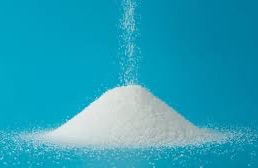
Podcast 634: D10 for Hypoglycemia
Contributor: Dylan Luyten, MD Educational Pearls: D10 may be a better alternative to D50 in correcting hypoglycemia Risks of D50: Can cause extravasation injury Risk of rebound hypoglycemia D10 does not have the same risks and has no significant difference in reversal time of hypoglycemia compared to D50 References Kiefer MV, Gene Hern H, Alter HJ, Barger JB. Dextrose 10% in the treatment of out-of-hospital hypoglycemia. Prehosp Disaster Med. 2014 Apr;29(2):190-4. doi: 10.1017/S1049023X14000284. Epub 2014 Apr 15. PMID: 24735872. Moore C, Woollard M. Dextrose 10% or 50% in the treatment of hypoglycaemia out of hospital? A randomised controlled trial. Emerg Med J. 2005 Jul;22(7):512-5. doi: 10.1136/emj.2004.020693. PMID: 15983093; PMCID: PMC1726850. Summarized by John Spartz, MS3 | Edited by Erik Verzemnieks, MD The Emergency Medical Minute is excited to announce that we are now offering AMA PRA Category 1 credits™ via online course modules. To access these and for more information, visit our website at www.emergencymedicalminute.com/cme-courses/ and create an account.
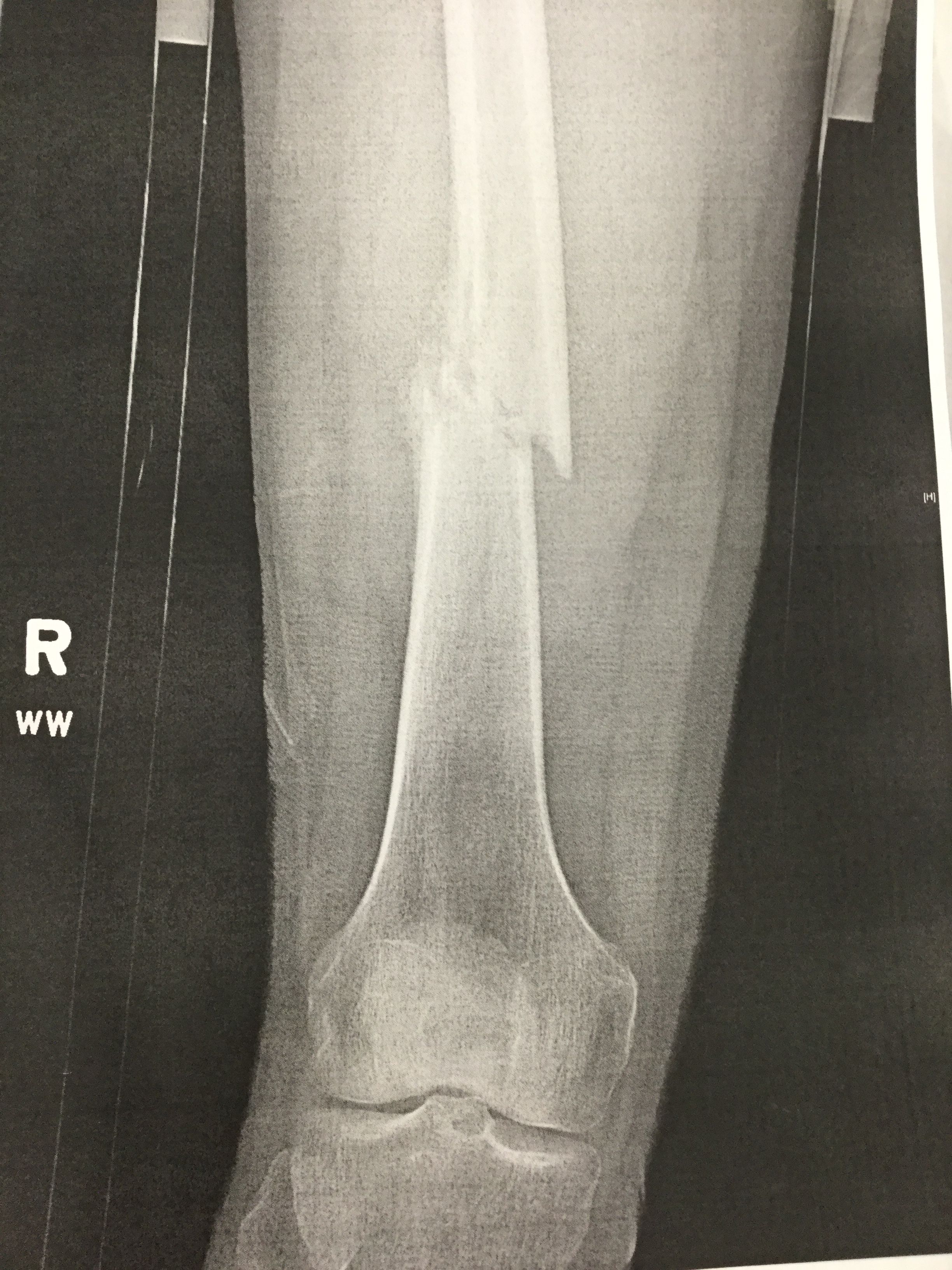
Podcast 633: Pathologic Femur Fractures
Contributor: Jared Scott, MD Educational Pearls: Pathologic bone fractures occur due to weakened bones from chronic disease and with less force when compared to non-pathologic fractures Can be due to bone tumors, bone cysts, infections (osteomyelitis), osteogenesis imperfecta, Paget's disease of bone, and multiple myeloma Have moth bitten or lytic appearance and you can sometimes see the periosteum peeling away from the bone References Angelini A, Trovarelli G, Berizzi A, Pala E, Breda A, Maraldi M, Ruggieri P. Treatment of pathologic fractures of the proximal femur. Injury. 2018 Nov;49 Suppl 3:S77-S83. doi: 10.1016/j.injury.2018.09.044. PMID: 30415673. Marshall RA, Mandell JC, Weaver MJ, Ferrone M, Sodickson A, Khurana B. Imaging Features and Management of Stress, Atypical, and Pathologic Fractures. Radiographics. 2018 Nov-Dec;38(7):2173-2192. doi: 10.1148/rg.2018180073. PMID: 30422769. Unbreakable Summarized by Jackson Roos, MS4 | Edited by Erik Verzemnieks, MD The Emergency Medical Minute is excited to announce that we are now offering AMA PRA Category 1 credits™ via online course modules. To access these and for more information, visit our website at www.emergencymedicalminute.com/cme-courses/ and create an account.

Podcast 632: Neonatal Jaundice
Contributor: Jared Scott, MD Educational Pearls: Bilirubin is natural breakdown product of red blood cells but can be neurotoxic if levels become too high Fetal red blood cells are fragile and break down easier, leading to higher bilirubin levels in neonates Immature livers and increased intestinal absorption from sterile bowels also contribute to elevated levels and jaundice in all neonates Other risk factors for neonatal jaundice include: temperature instability, poor feeding, hypoxia at birth, and being of East Asian descent Neonatal bilirubin levels are referenced to time since birth using a nomogram to determine the need for light therapy (or exchange transfusion) References Mitra S, Rennie J. Neonatal jaundice: aetiology, diagnosis and treatment. Br J Hosp Med (Lond). 2017 Dec 2;78(12):699-704. doi: 10.12968/hmed.2017.78.12.699. PMID: 29240507. Woodgate P, Jardine LA. Neonatal jaundice: phototherapy. BMJ Clin Evid. 2015 May 22;2015:0319. PMID: 25998618; PMCID: PMC4440981. Colletti JE, Kothari S, Jackson DM, Kilgore KP, Barringer K. An emergency medicine approach to neonatal hyperbilirubinemia. Emerg Med Clin North Am. 2007 Nov;25(4):1117-35, vii. doi: 10.1016/j.emc.2007.07.007. Erratum in: Emerg Med Clin North Am. 2008 Feb;26(1):xi. Kothori, Samip [corrected to Kothari, Samip]. PMID: 17950138. Summarized by Jackson Roos, MS4 | Edited by Erik Verzemnieks, MD The Emergency Medical Minute is excited to announce that we are now offering AMA PRA Category 1 credits™ via online course modules. To access these and for more information, visit our website at www.emergencymedicalminute.com/cme-courses/ and create an account.
Pharmacy Phriday #7: Bactrim Adverse Events
Contributor: Cheyenne Bean, PharmD Educational Pearls: Bactrim (TMP-SMX) is a sulfa antibiotic used for a number of infections but can have untoward effects. Hypoglycemia can be induced by the sulfa component of Bactrim, which binds receptors in the pancreas causing insulin to be secreted, dropping blood sugar levels. Oral diabetic medications, specifically sulfonylureas, when taken with Bactrim most often lead to these hypoglycemic episodes. Hyperkalemia can be induced by Trimethoprim by blocking potassium excretion in the kidney, so Bactrim in combination with ACE inhibitors/ARBs/spironolactone can induce high potassium. When prescribing Bactrim, remember to check home medications and if a patient is taking an above medication, check a baseline BGL and potassium. References 1) Khorvash F, Moeinzadeh F, Saffaei A, Hakamifard A. Trimethoprim-sulfamethoxazole Induced Hyponatremia and Hyperkalemia, The Necessity of Electrolyte Follow-up in Every Patient. Iran J Kidney Dis. 2019 Jul;13(4):277-280. PMID: 31422395. 2) Kennedy KE, Teng C, Patek TM, Frei CR. Hypoglycemia Associated with Antibiotics Alone and in Combination with Sulfonylureas and Meglitinides: An Epidemiologic Surveillance Study of the FDA Adverse Event Reporting System (FAERS). Drug Saf. 2020 Apr;43(4):363-369. doi: 10.1007/s40264-019-00901-7. PMID: 31863282; PMCID: PMC7117991. Summarized by Jackson Roos, MS4 | Edited by Erik Verzemnieks, MD The Emergency Medical Minute is excited to announce that we are now offering AMA PRA Category 1 credits™ via online course modules. To access these and for more information, visit our website at www.emergencymedicalminute.com/cme-courses/ and create an account.
Podcast 631: UK COVID-19 Mutation
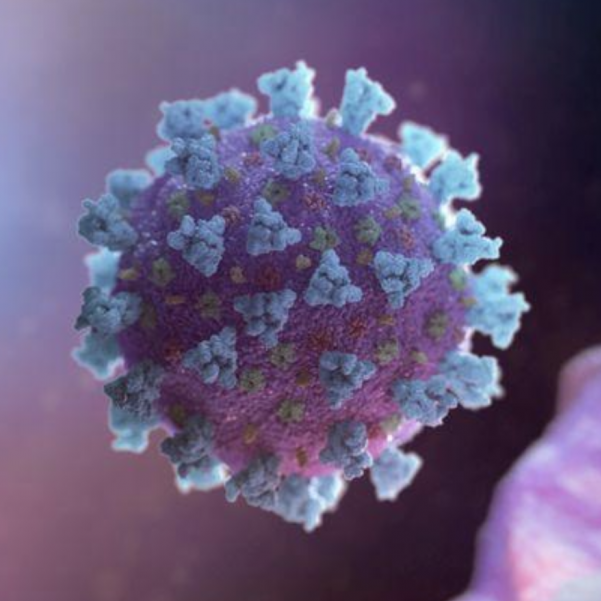
Contributor: Gretchen Hinson, MD Educational Pearls: Viruses mutate frequently and a new variant of COVID has been found in the United Kingdom. Mutations typically occur due to transcription errors during virus replication leading to slight changes in the virus which can alter its virulence, and this UK mutation has shown more infectivity. The UK variant was first identified on 9/20/20 and sequenced in October The variant has a mutation of the spike protein with increased receptor binding capacity, making it more efficient at infecting cells Children seem to be more susceptible to this variant as compared to the prior COVID strains. References 1) Tang JW, Tambyah PA, Hui DS. Emergence of a new SARS-CoV-2 variant in the UK. J Infect. 2020 Dec 28:S0163-4453(20)30786-6. doi: 10.1016/j.jinf.2020.12.024. Epub ahead of print. PMID: 33383088. Summarized by Jackson Roos, MS4 | Edited by Erik Verzemnieks, MD The Emergency Medical Minute is excited to announce that we are now offering AMA PRA Category 1 credits™ via online course modules. To access these and for more information, visit our website at www.emergencymedicalminute.com/cme-courses/ and create an account.
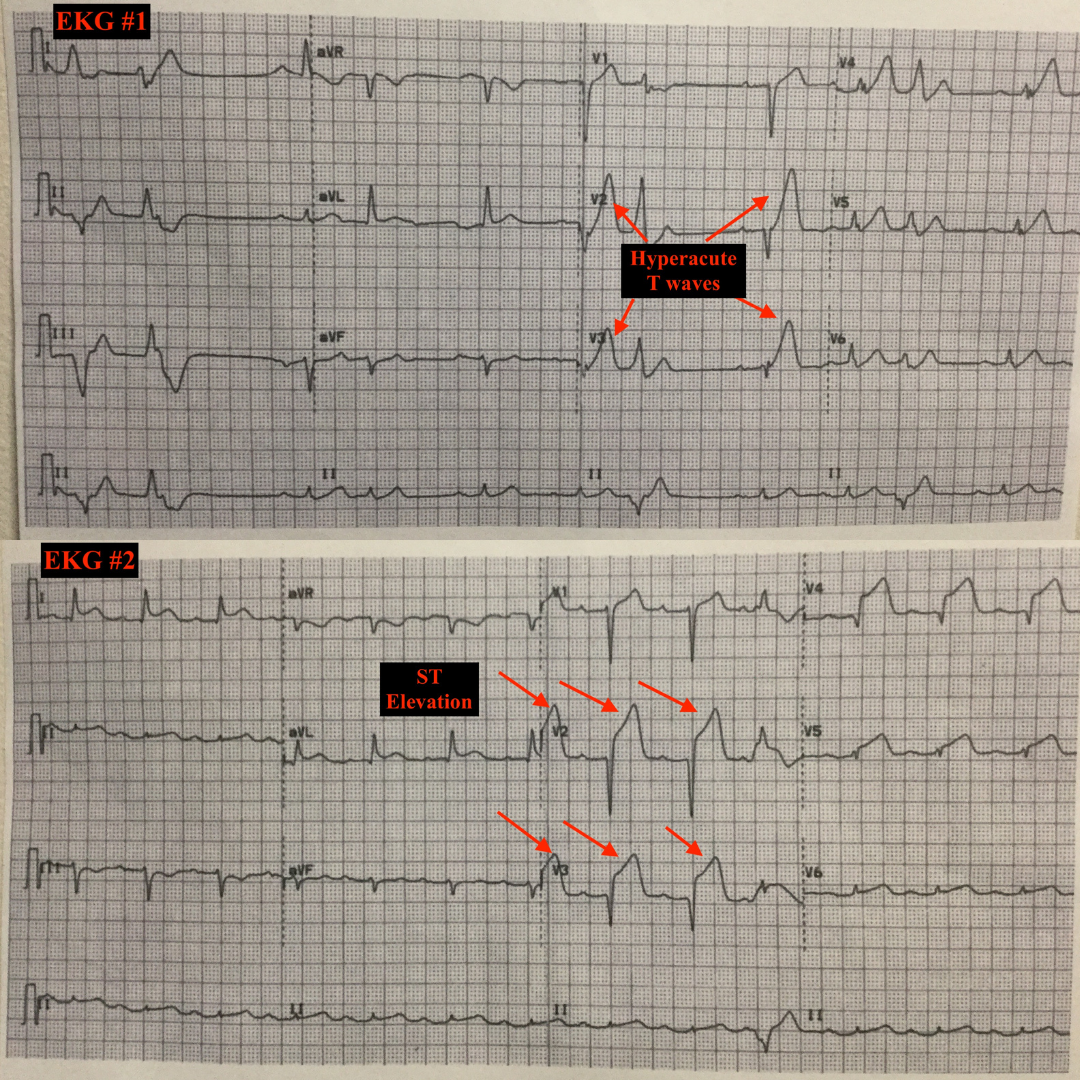
Podcast 630: Evolution of an STEMI
Contributor: Peter Bakes, MD Educational Pearls: Hyperacute T waves can occur immediately and typical last less than an hour Hyperacute T waves are typically broader than peaked T-waves, which are associated with hyperkalemia ST elevation which usually starts within an hour of the inciting event and can last up to a few days, and often follows the hyperacute T-waves Q waves can begin at the time ST elevation begins and can remain permanently T waves can invert before normalizing again days later References Levis JT. ECG Diagnosis: Hyperacute T Waves. Perm J. 2015;19(3):79. doi:10.7812/TPP/14-243 Vogel B, Claessen BE, Arnold SV, Chan D, Cohen DJ, Giannitsis E, Gibson CM, Goto S, Katus HA, Kerneis M, Kimura T, Kunadian V, Pinto DS, Shiomi H, Spertus JA, Steg PG, Mehran R. ST-segment elevation myocardial infarction. Nat Rev Dis Primers. 2019 Jun 6;5(1):39. doi: 10.1038/s41572-019-0090-3. PMID: 31171787. Summarized by Jackson Roos, MS4 | Edited by Erik Verzemnieks, MD The Emergency Medical Minute is excited to announce that we are now offering AMA PRA Category 1 credits™ via online course modules. To access these and for more information, visit our website at www.emergencymedicalminute.com/cme-courses/ and create an account.
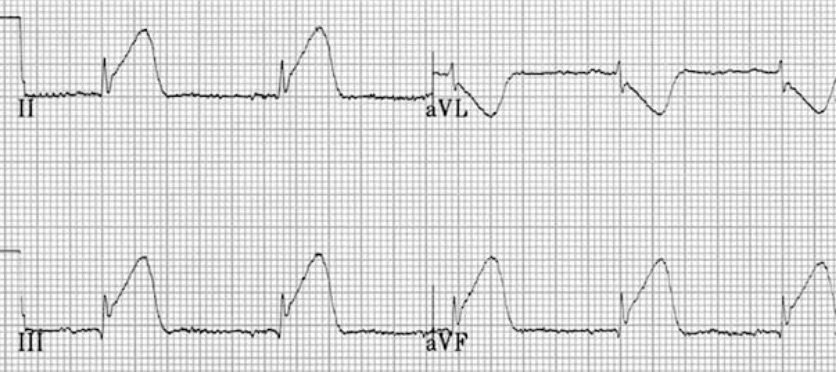
Podcast 629: Inferior STEMI
Contributor: Jared Scott, MD Educational Pearls: EKGs look at different angles, or vectors, of the heart's electrical conduction as it travels through the heart. Knowing how to read these vectors is essential in diagnosing locations of cardiac pathologies Leads II, III, and aVF follow an inferior path, so ST elevation in those leads indicates inferior involvement Major complications more common with inferior STEMIs can include: hypotension which can be made worse by nitroglycerin Severe bradycardia due to SA/AV node involvement Inferior STEMI, barring no hypotension or bradycardia, have better mortality than other types References Warner MJ, Tivakaran VS. Inferior Myocardial Infarction. 2020 Aug 8. In: StatPearls [Internet]. Treasure Island (FL): StatPearls Publishing; 2020 Jan–. PMID: 29262146. Summarized by Jackson Roos, MS4 | Edited by Erik Verzemnieks, MD The Emergency Medical Minute is excited to announce that we are now offering AMA PRA Category 1 credits™ via online course modules. To access these and for more information, visit our website at www.emergencymedicalminute.com/cme-courses/ and create an account.
Podcast 628: ST Elevation
Contributor: Peter Bakes, MD Educational Pearls: STEMI criteria is not just 1mm elevation in contiguous leads 1.5 mm in V2-V3 for women 2.0 mm in V2-V3 for men 2.5 mm in V2-V3 for men under 40 Inferior MI typically have ST elevation in leads II, III and aVF Usually inferior MI's show reciprocal changes (ST depression) in the lateral leads. Lateral MI typically elevation in V5, V6, I, and aVL Anterior MI show elevation in leads V1-4 Right sided MIs have mixed pattern, showing elevation in V1-V2 and V4 along with the inferior leads. Right sided MI's are very sensitive to nitrates, especially if they become intubated because this combination can drop pre-load significantly leading to profound hypotension References Akbar H, Foth C, Kahloon RA, et al. Acute ST Elevation Myocardial Infarction. [Updated 2020 Aug 8]. In: StatPearls [Internet]. Treasure Island (FL): StatPearls Publishing; 2020 Jan-. Available from: https://www.ncbi.nlm.nih.gov/books/NBK532281/ Namana V, Gupta SS, Abbasi AA, Raheja H, Shani J, Hollander G. Right ventricular infarction. Cardiovasc Revasc Med. 2018 Jan;19(1 Pt A):43-50. doi: 10.1016/j.carrev.2017.07.009. Epub 2017 Jul 14. PMID: 28822687. Summarized by Jackson Roos, MS4 | Edited by Erik Verzemnieks, MD The Emergency Medical Minute is excited to announce that we are now offering AMA PRA Category 1 credits™ via online course modules. To access these and for more information, visit our website at www.emergencymedicalminute.com/cme-courses/ and create an account.
Podcast 627: Oxygen Like It's Hot
Contributor: Aaron Lessen, MD Educational Pearls: High flow nasal cannula (HFNC) has become more utilized with COVID pandemic Multiple studies have shown this method improves both oxygenation and ventilation Newer studies have shown the respiratory benefit of HFNC vs normal oxygen in patients suffering from CHF and those with do not intubate orders who are experiencing respiratory distress. Heated high flow is another option to provide ventilator and oxygen support to patients who either do not need or do not want to be intubated References Kang MG, Kim K, Ju S, et al. Clinical efficacy of high-flow oxygen therapy through nasal cannula in patients with acute heart failure . J Thorac Dis. 2019;11(2):410-417. doi:10.21037/jtd.2019.01.51 Peters SG, Holets SR, Gay PC. High-flow nasal cannula therapy in do-not-intubate patients with hypoxemic respiratory distress. Respir Care. 2013 Apr;58(4):597-600. doi: 10.4187/respcare.01887. PMID: 22781059. Sharma S, Danckers M, Sanghavi D, et al. High Flow Nasal Cannula. [Updated 2020 Jul 2]. In: StatPearls [Internet]. Treasure Island (FL): StatPearls Publishing; 2020 Jan-. Available from: https://www.ncbi.nlm.nih.gov/books/NBK526071/ Summarized by Jackson Roos, MS4 | Edited by Erik Verzemnieks, MD The Emergency Medical Minute is excited to announce that we are now offering AMA PRA Category 1 credits™ via online course modules. To access these and for more information, visit our website at www.emergencymedicalminute.com/cme-courses/ and create an account.
Pharmacy Phriday #6: Tik Tok Benadryl Challenge and Diphenhydramine Toxicity
Contributor: Ruben Marrero-Vasquez, PharmD Educational Pearls: ACEP and FDA have both issued warnings about the viral Tik Tok Benadryl (diphenhydramine) challenge where individuals voluntarily overdose on diphenhydramine which can cause fatal toxicity Diphenhydramine is typically dosed at 0.5-1 mg/kg in pediatric patients Q4-6 PRN and carries a fatal dose of 20-40 mg/kg but anywhere from 3-5x recommended dose does can cause toxicity Diphenhydramine toxicity causes both central and peripheral anticholinergic toxicity Central anticholinergic toxicity symptoms: delirium, agitation, combativeness, confusion, restlessness, hallucinations, ataxia, tremor and seizures Peripheral anticholinergic toxicity symptoms: tachycardia, dry flushed skin, dry mucus membranes, thick secretions, dilation of pupils, urinary retention, and decreased bowel sounds Pneumatic to help you remember anticholinergic toxidrome: Red as a beet Dry as a bone Blind as a bat Mad as a hatter Hot as a hare Full as a flask Management typically only requires supportive care, agitation from central anticholinergic delirium can be hardest aspect to treat, IV benzodiapines are first line treatment to control and may require large doses to prevent rhabdomyolysis and hyperthermia Diphenhydramine toxicity has been associated with blockade of sodium and potentially potassium channels increasing risk of arrhythmia and seizures. Cardiac changes can include: QRS widening, myocardial depression, QT prolongation and torasades-type ventricular tachycardia. Wide QRS complexes indicate delayed ventricular depolarization caused by sodium channel blockade, bolus of sodium bicarbonate can be used dosed 1-2 mEq/kg followed by continuous infusion Prolonged QT: restoration of low serum potassium and magnesium to high normal range Benzodiazipines should be used as first line therapy for toxin induced seizures Don't use fosphenytoin or phenytoin sodium channel blockers as they can worsen cardiac conduction References Olson KR, Anderson IB, Benowitz NL, Blanc PD, Clark RF, Kearney TE, Kim-Katz SY, Wu AH. Diphenhydramine. In: Poisoning & Drug Overdose. 7th ed.McGraw Hll; 2018: 544-545. FDA Warns About Serious Problems With High Doses Of The Allergy Medicine Diphenhydramine (Benadryl).(09/24/2020). CDC website. Accessed December 01, 2020. https://www.fda.gov/drugs/drug-safety-and-availability/fda-warns-about-serious-problems-high-doses-allergy-medicine-diphenhydramine-benadryl. Su M, Goldman M. Anticholinergic Poisoning. UpToDate. https://www.uptodate.com/contents/anticholinergic-poisoning?search=diphenhydramine overdose&source=search_result&selectedTitle=1~150&usage_type=default&display_rank=1. Published October 6, 2020. Accessed December 26, 2020. Summarized by Mason Tuttle

Mental Health Monthly #6: Suicide Assessment
EMM is excited to welcome back the hosts of Millennial Mental Health Channel podcast to explain the key points of a robust suicide assessment in the ED. Dr. Justin Romano is a third year psychiatry resident in Omaha, Nebraska and Eddie Carrillo is a licensed mental health therapist currently working at partial hospitalization and IOP eating disorder program in Portland, Oregon. Their podcast Millennial Mental Health Channel seeks to explore the world of mental health from their two professional perspectives. You can listen to their podcast on all major streaming platforms including Apple Podcasts, Spotify and Google Podcasts. Follow them on Twitter and Instagram @millennialmhc Contributors: Dr. Justin Romano and Eddie Carrillo, M.A., LPC Educational Pearls: Suicide is 10th most common cause in U.S. and the rate rose by 30% from 2000-2016 and the CDC reports that there was a 25% increase in ED visits for SI from January 2017 - December 2018 Use an objective screening tool like Columbia-Suicide Severity Rating Scale (C-SSRS) when assessing patients as they can help detect SI although ultimately it is up to your clinical impression to make a decision Suicide reduction measures and strategies work! Take advantage of social workers when setting up outpatient resources for patients i.e. gun locks Risk Factors include: prior attempts, substance use/abuse, mental disorders (especially depression and bipolar disorder), access to lethal means (most modifiable by risk reduction strategies), knowing someone who has died by suicide, social isolation, chronic disease or disability, lack of access to mental health resources, recent changes in social status and being a member of a high risk demographic (older caucasian men, LGBTQ+, Native Americans and Alaskan Natives) Protective Factors include: good followup as an outpatient, good social support, life skills, purpose in life, cultural beliefs, children and sense of responsibility in the family Sober up and reassess suicidality If not medically cleared, admit to hospital to address these complaints and then address suicidality If they have suicidal thoughts, plan and are reaching out for help because they don't want to do it then send to inpatient facility Consult psychiatry to explain inpatient psych or when you're worried about patient safety to have them weigh in Get collateral by talking to a family member to verify that the patient is telling the truth At the end of the day, thorough documentation of risk and protective factors and results of screening tool in Assessment and Plan is essential to protecting yourself as a professional References Betz ME, Boudreaux ED. Managing Suicidal Patients in the Emergency Department. Ann Emerg Med. 2016;67(2):276-282. doi:10.1016/j.annemergmed.2015.09.001 Suicide. National Institute of Mental Health. https://www.nimh.nih.gov/health/statistics/suicide.shtml. Published September 2020. Accessed December 30, 2020. Zwald ML, Holland KM, Annor FB, et al. Syndromic Surveillance of Suicidal Ideation and Self-Directed Violence — United States, January 2017–December 2018. MMWR Morb Mortal Wkly Rep 2020;69:103–108. DOI: http://dx.doi.org/10.15585/mmwr.mm6904a3. Summarized by Mason Tuttle

Podcast 626: Updated Gonorrhea Treatment
Educational Pearls: The CDC has made new formal recommendations for treating Gonorrhea due to increasing resistance to Rocephin and Azithromycin. New recommendations: Confirmed gonorrhea: Ceftriaxone 500 mg once Empiric treatment: Ceftriaxone 500 mg once followed by 7 days Doxycycline 100 mg BID No longer using Azithromycin due to high resistance Second line: Gentamycin IM Cefixime 800 mg oral Pharyngeal involvement has high resistance rates to second line agents and ceftriaxone is strongly preferred References St. Cyr S, Barbee L, Workowski KA, et al. Update to CDC's Treatment Guidelines for Gonococcal Infection, 2020. MMWR Morb Mortal Wkly Rep 2020;69:1911–1916. DOI: http://dx.doi.org/10.15585/mmwr.mm6950a6. Summarized by Jackson Roos, MS4 | Edited by Erik Verzemnieks, MD The Emergency Medical Minute is excited to announce that we are now offering AMA PRA Category 1 credits™ via online course modules. To access these and for more information, visit our website at www.emergencymedicalminute.com/cme-courses/ and create an account.

Podcast 625: High Altitude Cerebral Edema (HACE)
Contributor: Tom Seibert, MD Educational Pearls: High altitude cerebral edema (HACE) is the end stage of acute mountain sickness and is diagnosed when patients develop neurologic dysfunction, ataxia, and altered mental status. The pathophysiology of HACE is thought to be due to increased cerebral blood flow and increased capillary permeability causing vasogenic edema and brain swelling HACE is linked to extreme altitude Rapid descent should be done as soon as possible for this potentially fatal condition Oxygen can be supportive Dexamethasone is also typically indicated (8mg initially followed by 4 mg every 6 hours) Editor's note: HACE can occur at altitudes as low as 8000 feet so don't automatically assume it can't/doesn't happen in the US References Jensen JD, Vincent AL. High Altitude Cerebral Edema. 2020 Aug 26. In: StatPearls [Internet]. Treasure Island (FL): StatPearls Publishing; 2020 Jan–. PMID: 28613666. Hackett PH, Yarnell PR, Weiland DA, Reynard KB. Acute and Evolving MRI of High-Altitude Cerebral Edema: Microbleeds, Edema, and Pathophysiology. AJNR Am J Neuroradiol. 2019 Mar;40(3):464-469. doi: 10.3174/ajnr.A5897. Epub 2019 Jan 24. PMID: 30679208; PMCID: PMC7028681. Summarized by Jackson Roos, MS4 | Edited by Erik Verzemnieks, MD The Emergency Medical Minute is excited to announce that we are now offering AMA PRA Category 1 credits™ via online course modules. To access these and for more information, visit our website at www.emergencymedicalminute.com/cme-courses/ and create an account.
Podcast 624: Timing and Tips on Sepsis
Contributor: Don Stader, MD Educational Pearls: Time can be an important factor in outcomes regarding sepsis including mortality Emphasis has grown on early administration of antibiotics and IV fluids in sepsis However, early initiation of vasopressors for hypotensive patients may have significant mortality benefit as well References Hayden GE, Tuuri RE, Scott R, et al. Triage sepsis alert and sepsis protocol lower times to fluids and antibiotics in the ED. Am J Emerg Med. 2016;34(1):1-9. doi:10.1016/j.ajem.2015.08.039 Colling KP, Banton KL, Beilman GJ. Vasopressors in Sepsis. Surg Infect (Larchmt). 2018;19(2):202-207. doi:10.1089/sur.2017.255 Colon Hidalgo D, Patel J, Masic D, Park D, Rech MA. Delayed vasopressor initiation is associated with increased mortality in patients with septic shock. J Crit Care. 2020 Feb;55:145-148. doi: 10.1016/j.jcrc.2019.11.004. Epub 2019 Nov 9. PMID: 31731173. Summarized by Jackson Roos, MS4 | Edited by Erik Verzemnieks, MD The Emergency Medical Minute is excited to announce that we are now offering AMA PRA Category 1 credits™ via online course modules. To access these and for more information, visit our website at www.emergencymedicalminute.com/cme-courses/ and create an account.

Podcast 623: Acute Mountain Sickness
Contributor: Tom Seibert, MD Educational Pearls: Acute Mountain sickness (AMS) can cause headache along with fatigue, nausea, vomiting, insomnia Typically occurs above 6500 feet (not 65,000) in elevation Acclimation to altitude can help prevent symptoms if not treated, AMS can advance to severe illness involving cerebral or pulmonary edema. Mild symptoms can be managed with rest but more severe symptoms will require descent, oxygen, acetazolamide and steroids Acetazolamide can be used as both a preventative and therapeutic drug References Davis C, Hackett P. Advances in the Prevention and Treatment of High Altitude Illness. Emerg Med Clin North Am. 2017 May;35(2):241-260. doi: 10.1016/j.emc.2017.01.002. PMID: 28411926. Summarized by Jackson Roos, MS4 | Edited by Erik Verzemnieks, MD The Emergency Medical Minute is excited to announce that we are now offering AMA PRA Category 1 credits™ via online course modules. To access these and for more information, visit our website at www.emergencymedicalminute.com/cme-courses/ and create an account.

Podcast 622: High Altitude Pulmonary Edema (HAPE)
Contributor: Thomas Seibert, MD Educational Pearls: High Altitude Pulmonary Edema (HAPE) typically occurs 2-4 days after arriving at elevation Symptoms include: Fatigue Dyspnea Cough Treatment includes: Descent to lower elevation Oxygen supplementation Nifedipine Caused by sympathetic stimulation from hypobaric hypoxic exposure, causing uneven pulmonary vasculature constriction and when paired with a leaky endothelium, pulmonary edema. #science References Swenson ER, Bärtsch P. High-altitude pulmonary edema. Compr Physiol. 2012 Oct;2(4):2753-73. doi: 10.1002/cphy.c100029. PMID: 23720264. Johnson NJ, Luks AM. High-Altitude Medicine. Med Clin North Am. 2016 Mar;100(2):357-69. doi: 10.1016/j.mcna.2015.09.002. PMID: 26900119. Hultgren HN. High-altitude pulmonary edema: current concepts. Annu Rev Med. 1996;47:267-84. doi: 10.1146/annurev.med.47.1.267. PMID: 8712781. Summarized by Jackson Roos, MSIV | Edited by Erik Verzemnieks, MD The Emergency Medical Minute is excited to announce that we are now offering AMA PRA Category 1 credits™ via online course modules. To access these and for more information, visit our website at www.emergencymedicalminute.com/cme-courses/ and create an account.

Podcast 621: Pediatric Psychosis
Contributor: Aaron Lessen, MD Educational Pearls: Schizophrenia typically doesn't present until age 13 and has a prodrome Prodrome includes months of gradual changes in behavior, starting with negative symptoms and progressing to positive symptoms Negative symptoms include losing concentration, poor memory, poor school performance, and personality changes Positive symptoms include hallucinations, which tend to be more visual in children Sudden changes mimicking psychiatric illness should raise concern for alternative causes References Kendhari J, Shankar R, Young-Walker L. A Review of Childhood-Onset Schizophrenia. Focus (Am Psychiatr Publ). 2016 Jul;14(3):328-332. doi: 10.1176/appi.focus.20160007. Epub 2016 Jul 8. PMID: 31975813; PMCID: PMC6526799. Staal M, Panis B, Schieveld JNM. Early warning signs in misrecognized secondary pediatric psychotic disorders: a systematic review. Eur Child Adolesc Psychiatry. 2019 Sep;28(9):1159-1167. doi: 10.1007/s00787-018-1208-y. Epub 2018 Jul 27. PMID: 30054738. Summarized by Jackson Roos, MS4 | Edited by Erik Verzemnieks, MD The Emergency Medical Minute is excited to announce that we are now offering AMA PRA Category 1 credits™ via online course modules. To access these and for more information, visit our website at www.emergencymedicalminute.com/cme-courses/ and create an account.

Pharmacy Phriday #5: COVID-19 Vaccine for Pregnant Women
Contributors: Rachael Duncan, PharmD and Sean McCullough, PharmD Educational Pearls: A 2019 Report by the National Women's Law Center: Most common occupations for pregnant workers are elementary and middle school teachers, registered nurses, and nursing/psychiatric/home health care aides. This raises the question: Should pregnant women, specifically front-line workers, get the Covid-19 vaccine? According to the FDA, there is currently not enough data to make a conclusion about the safety of the newly approved Pfizer vaccine for populations that include children less than 16, pregnant and lactating women, and those that are immunocompromised. Specifically, pregnant women were excluded from the clinical trials testing the Pfizer vaccine. According to the CDC, additional data needs to be reviewed from the phase III clinical trials in order to provide recommendations to pregnant and breast-feeding women about taking the Covid-19 vaccine and its safety. An Advisory Committee of Immunization Practices (ACIP) meeting will take place on 12/13/2020 and will hopefully provide formal recommendations to pregnant and lactating women. The Society for Maternal-Fetal Medicine (SMFM) has consistently advocated for the inclusion of pregnant and lactating women into clinical trials when these criteria are met: 1) pregnancy poses increased susceptibility to or severity of a disease; 2) the best approach to protect the infant is through passive placental antibody transfer, which provides the most efficient and direct protection to the newborn before an infant can be vaccinated, and 3) there is an active outbreak. SMFM recommends healthcare workers who are currently being prioritized to receive the vaccine to also receive the vaccine if pregnant. Pregnant healthcare workers should take their individual situation into consideration and weigh the risks and benefits for themselves and the risk for detecting disease when considering if or when to take the Covid-19 vaccine. References ACIP Meeting Agenda December 13, 2020 - cdc.gov. MEETING OF THE ADVISORY COMMITTEE ON IMMUNIZATION PRACTICES (ACIP). https://www.cdc.gov/vaccines/acip/meetings/downloads/agenda-archive/agenda-2020-12-11.pdf. Published 2020. Accessed December 11, 2020. Coronavirus (COVID-19), Pregnancy, and Breastfeeding: A Message for Patients. ACOG. https://www.acog.org/womens-health/faqs/coronavirus-covid-19-pregnancy-and-breastfeeding. Published 2020. Accessed December 11, 2020. Interim Considerations for COVID-19 Vaccination of Healthcare Personnel and Long-Term Care Facility Residents. Centers for Disease Control and Prevention. https://www.cdc.gov/vaccines/hcp/acip-recs/vacc-specific/covid-19/clinical-considerations.html. Published December 3, 2020. Accessed December 11, 2020. Society for Maternal-Fetal Medicine (SMFM) Statement: SARS-CoV-2 Vaccination in Pregnancy. December 2020. https://s3.amazonaws.com/cdn.smfm.org/media/2591/SMFM_Vaccine_Statement_12-1-20_(final).pdf Vaccines and Related Biological Products Advisory Committee Meeting December 10, 2020. 2020. https://www.fda.gov/media/144245/download VRBPAC December 10, 2020 Meeting Announcement. U.S. Food and Drug Administration. https://www.fda.gov/advisory-committees/advisory-committee-calendar/vaccines-and-related-biological-products-advisory-committee-december-10-2020-meeting-announcement. Published December 10, 2020. Accessed December 11, 2020. Summarized by Emily Mack OMSIII | Edited by Rachael Duncan, PharmD

Podcast 620: Prolactin and Seizures
Contributor: Aaron Lessen, MD Educational Pearls: Serum prolactin levels can be used to help differentiate epileptic seizures from non-epileptic seizures It is also released and elevated after epileptic seizures but not non-epileptic seizures A level must be checked 10-20 minutes after the episode and if possible a next day level should be checked to establish a baseline Levels can also be raised after a syncopal event Not the most useful ED also due to the long turn around time EEG will remain superior for now References Nass RD, Sassen R, Elger CE, Surges R. The role of postictal laboratory blood analyses in the diagnosis and prognosis of seizures. Seizure. 2017 Apr;47:51-65. doi: 10.1016/j.seizure.2017.02.013. Epub 2017 Feb 27. PMID: 28288363. Chen DK, So YT, Fisher RS; Therapeutics and Technology Assessment Subcommittee of the American Academy of Neurology. Use of serum prolactin in diagnosing epileptic seizures: report of the Therapeutics and Technology Assessment Subcommittee of the American Academy of Neurology. Neurology. 2005 Sep 13;65(5):668-75. doi: 10.1212/01.wnl.0000178391.96957.d0. PMID: 16157897. Summarized by Jackson Roos, MS4 | Edited by Erik Verzemnieks, MD The Emergency Medical Minute is excited to announce that we are now offering AMA PRA Category 1 credits™ via online course modules. To access these and for more information, visit our website at www.emergencymedicalminute.com/cme-courses/ and create an account.
Podcast 619: Other Uses for Zyprexa
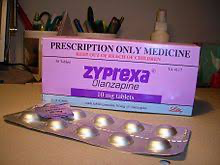
Contributor: Don Stader, MD Educational Pearls: Zyprexa (olanzapine) is a second generation antipsychotic with multiple other uses Excellent for treating nausea in patients undergoing chemotherapy or with THC hyperemesis syndrome Helps with the psychological and emotional aspect of pain Effective in treatment of headaches Can be given under the tongue Fewer incidences of dystonic reactions compared with first generation antipsychotics Patients using anti-dopaminergic should not receive antipsychotics because they also work on dopaminergic receptors References Navari RM, Qin R, Ruddy KJ, Liu H, Powell SF, Bajaj M, Dietrich L, Biggs D, Lafky JM, Loprinzi CL. Olanzapine for the Prevention of Chemotherapy-Induced Nausea and Vomiting. N Engl J Med. 2016 Jul 14;375(2):134-42. doi: 10.1056/NEJMoa1515725. PMID: 27410922; PMCID: PMC5344450. Jimenez XF, Sundararajan T, Covington EC. A Systematic Review of Atypical Antipsychotics in Chronic Pain Management: Olanzapine Demonstrates Potential in Central Sensitization, Fibromyalgia, and Headache/Migraine. Clin J Pain. 2018 Jun;34(6):585-591. doi: 10.1097/AJP.0000000000000567. PMID: 29077621. Summarized by Jackson Roos, MS4 | Edited by Erik Verzemnieks, MD The Emergency Medical Minute is excited to announce that we are now offering AMA PRA Category 1 credits™ via online course modules. To access these and for more information, visit our website at www.emergencymedicalminute.com/cme-courses/ and create an account.
Podcast 618: Treating Opiate Side Effects
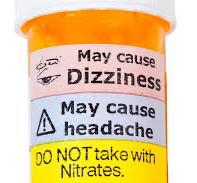
Contributor: Don Stader, MD Educational Pearls: Majority of patients experience side effects while taking opioids Most common include nausea/vomiting, puriitis, constipation; more severe and less common include respiratory depression, addiction and overdose Opiates can cause nausea, but ondansetron (Zofran) is the wrong treatment because it's not antidopaminergic. Instead consider using metoclopramide (Reglan), olanzapine (Zyprexa), or haloperidol (Haldol) Itching from opiates isn't histamine mediated so hydroxyzine (Atarax) and diphenhydramine (Benadryl) aren't effective - oddly ondansetron may help with itching. Constipation is best treated with promotility agents like Senna, rather than stool softeners References Rogers E, Mehta S, Shengelia R, Reid MC. Four Strategies for Managing Opioid-Induced Side Effects in Older Adults. Clin Geriatr. 2013 Apr;21(4): PMID: 25949094; PMCID: PMC4418642. Farmer AD, Holt CB, Downes TJ, Ruggeri E, Del Vecchio S, De Giorgio R. Pathophysiology, diagnosis, and management of opioid-induced constipation. Lancet Gastroenterol Hepatol. 2018 Mar;3(3):203-212. doi: 10.1016/S2468-1253(18)30008-6. PMID: 29870734. Summarized by Jackson Roos, MS4 | Edited by Erik Verzemnieks, MD The Emergency Medical Minute is excited to announce that we are now offering AMA PRA Category 1 credits™ via online course modules. To access these and for more information, visit our website at www.emergencymedicalminute.com/cme-courses/ and create an account.

Podcast 617: Masks and Understanding Data
Contributor: Peter Bakes, MD Educational Pearls: Recent study looked at if mask wearing protects the mask wearer from infection This group found 1.8% of mask wearers got COVID while 2.1% of non-mask wearers became infected, which was not statistically significant This was not statistically significant and has been used to justify not wearing masks by some groups While the numbers look small, it's close to a 20% reduction in infections for the mask wearers The results reported had concerns for being underpowered, meaning the studies population may not be big enough to draw definitive conclusions Many limitations of study including how wearing a mask may protect others Unfortunately, studies like these can lead to misinterpretation and distortion References Bundgaard H, Bundgaard JS, Raaschou-Pedersen DET, von Buchwald C, Todsen T, Norsk JB, Pries-Heje MM, Vissing CR, Nielsen PB, Winsløw UC, Fogh K, Hasselbalch R, Kristensen JH, Ringgaard A, Porsborg Andersen M, Goecke NB, Trebbien R, Skovgaard K, Benfield T, Ullum H, Torp-Pedersen C, Iversen K. Effectiveness of Adding a Mask Recommendation to Other Public Health Measures to Prevent SARS-CoV-2 Infection in Danish Mask Wearers : A Randomized Controlled Trial. Ann Intern Med. 2020 Nov 18. doi: 10.7326/M20-6817. Epub ahead of print. PMID: 33205991. Summarized by Jackson Roos, MS4 | Edited by Erik Verzemnieks, MD The Emergency Medical Minute is excited to announce that we are now offering AMA PRA Category 1 credits™ via online course modules. To access these and for more information, visit our website at www.emergencymedicalminute.com/cme-courses/ and create an account.
Pharmacy Phriday #4: mRNA Vaccines
Contributor: Rachael Duncan, PharmD Educational Pearls: ED visits nationwide declined by 42% in April 2020 compared to the same time in 2019 largely due to the fear of the COVID-19 pandemic. The biggest decline was seen in pediatrics less than 14, women and emerging COVID hotspots like the Northeast. In recent weeks, this trend has reversed, showing a record-breaking number of COVID cases, hospitalizations, and deaths. As hospitals reach capacity, critically ill COVID patients are being held in the ED until an inpatient bed becomes available. A new mRNA vaccine has promising preliminary trial results to help end the COVID-19 pandemic. While traditional vaccines contain purified proteins or weakened viruses, the mRNA vaccine is genetic material that is coded within the human body to make the viral protein. The mRNA vaccine codes for the critical fragment of the viral protein without causing disease and leads to the production of powerful antibodies. Although synthetic mRNA is genetic material, it cannot be passed on to further generations. mRNA vaccines are much faster to develop and could potentially provide a more efficient process for developing future vaccines Cold temperatures are currently needed to maintain the stability of the mRNA which has posed a challenge to the viability of the vaccines. However, developments are underway to overcome this hurdle. References: A Trial Investigating the Safety and Effects of Four BNT162 Vaccines Against COVID-2019 in Healthy Adults - Full Text View - ClinicalTrials.gov. Clinicaltrials.gov. https://clinicaltrials.gov/ct2/show/NCT04380701. Published 2020. Accessed November 25, 2020. Karikó K, Buckstein M, Ni H, Weissman D. Suppression of RNA recognition by Toll-like receptors: the impact of nucleoside modification and the evolutionary origin of RNA. Immunity. 2005;23(2):165-175. doi:10.1016/j.immuni.2005.06.008 Safety and Immunogenicity Study of 2019-nCoV Vaccine (mRNA-1273) for Prophylaxis of SARS-CoV-2 Infection (COVID-19) - Full Text View - ClinicalTrials.gov. Clinicaltrials.gov. https://clinicaltrials.gov/ct2/show/NCT04283461. Published 2020. Accessed November 25, 2020. Schlake T, Thess A, Fotin-Mleczek M, Kallen KJ. Developing mRNA-vaccine technologies. RNA Biol. 2012;9(11):1319-1330. doi:10.4161/rna.22269 Wolff JA, Malone RW, Williams P, et al. Direct gene transfer into mouse muscle in vivo. Science. 1990;247(4949 Pt 1):1465-1468. doi:10.1126/science.1690918 Summarized by Emily Mack OMSIII | Edited by Mason Tuttle