
Emergency Medical Minute
1,173 episodes — Page 8 of 24

Podcast 700: Analgesics for Acute Musculoskeletal Pain
Contributor: Aaron Lessen, MD Educational Pearls: Recent RCT compared pain relief in patients receiving five medications for acute musculoskeletal pain Acetaminophen 1000mg/ibuprofen 400 mg Acetaminophen 1000mg/ibuprofen 800 mg Acetaminophen 300 mg/codeine 30 mg Acetaminophen 300mg/hydrocodone 5mg Acetaminophen 325mg/oxycodone 5mg No significant difference in pain relief at 1 and 2 hours between all of 5 groups References Bijur PE, Friedman BW, Irizarry E, Chang AK, Gallagher EJ. A Randomized Trial Comparing the Efficacy of Five Oral Analgesics for Treatment of Acute Musculoskeletal Extremity Pain in the Emergency Department. Ann Emerg Med. 2021;77(3):345-356. doi:10.1016/j.annemergmed.2020.10.004 The Emergency Medical Minute is excited to announce that we are now offering AMA PRA Category 1 credits™ via online course modules. To access these and for more information, visit our website at www.emergencymedicalminute.org/cme-courses/ and create an account. Donate to EMM today!
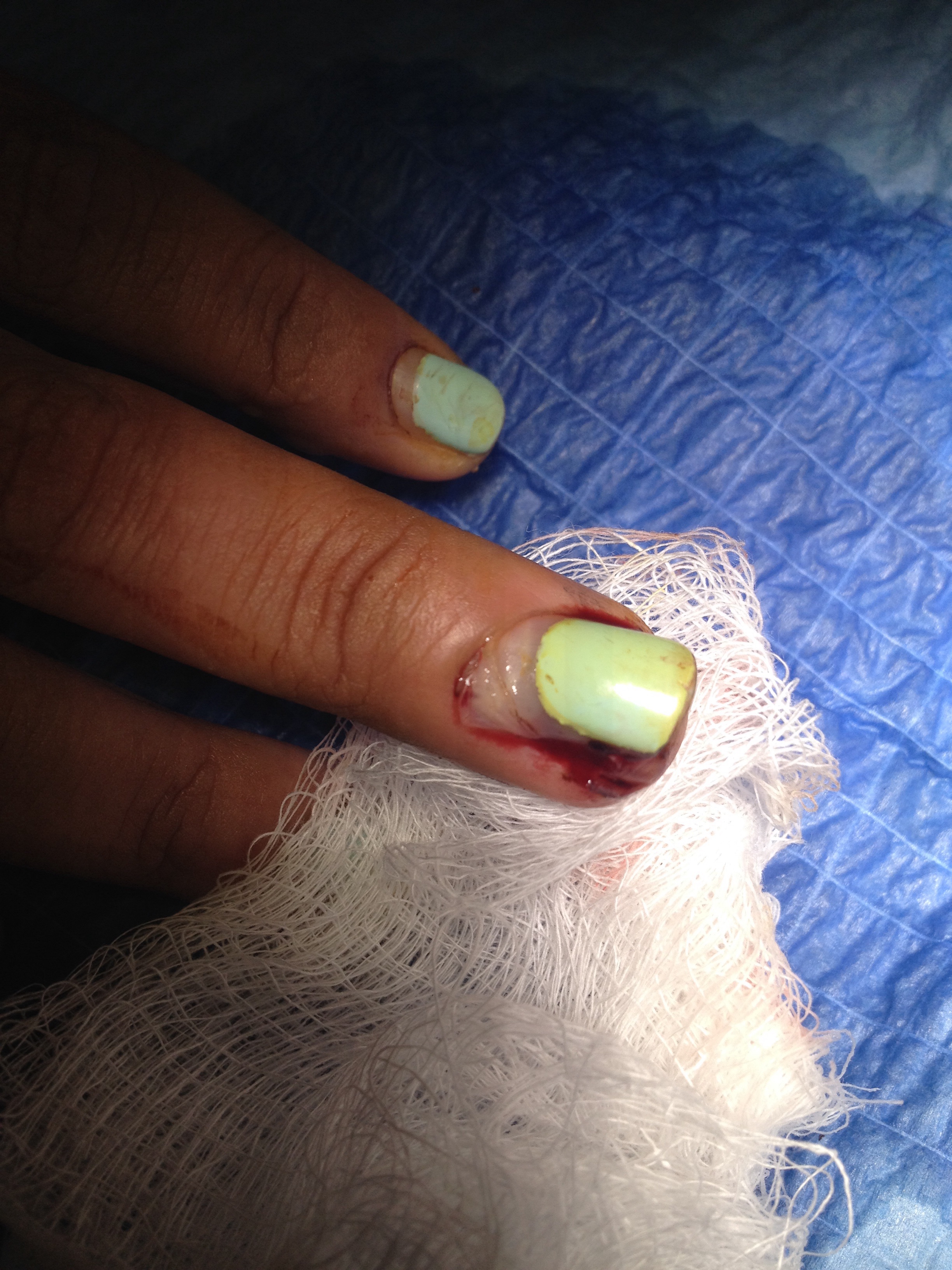
Podcast 699: Pediatric Fingernail Avulsions
Contributor: Aaron Lessen, MD Educational Pearls: Traditionally, fingernails were replaced after avulsion using sutures Sometimes artificial material was placed when the fingernail was not available Recent study evaluated treatment of fingernail avulsions pediatric patients by replacing the nail versus cleaning and putting a non-adhesive dressing No difference in the aesthetics or patient satisfaction with the new fingernail between the two treatment groups References Seiler M, Gerstenberg A, Kalisch M, Kennedy U, Scheer HS, Weber DM. Non-operative treatment versus suture refixation of the nail plate in paediatric fingernail avulsion injuries. J Hand Surg Eur Vol. 2021;46(5):523-529. doi:10.1177/1753193420965390 Summarized by John Spartz, MS4 | Edited by Erik Verzemnieks, MD The Emergency Medical Minute is excited to announce that we are now offering AMA PRA Category 1 credits™ via online course modules. To access these and for more information, visit our website at https://emergencymedicalminute.org/cme-courses/ and create an account. Donate to EMM today!
Podcast 698: Empathy, Burnout, and Patient Satisfaction
Contributor: Aaron Lessen, MD Educational Pearls: Survey of EM physicians to self-report empathy and burnout levels and correlated with patient satisfaction scores Patient satisfaction was not affected by what the physicians thought about their level of empathy or burnout Patient satisfaction was affected by the patient's perception of empathetic behavior by the physician References Byrd J, Knowles H, Moore S, et al. Synergistic effects of emergency physician empathy and burnout on patient satisfaction: a prospective observational study [published online ahead of print, 2020 Nov 25]. Emerg Med J. 2020;emermed-2019-209393. doi:10.1136/emermed-2019-209393 Summarized by John Spartz, MS4 | Edited by Erik Verzemnieks, MD The Emergency Medical Minute is excited to announce that we are now offering AMA PRA Category 1 credits™ via online course modules. To access these and for more information, visit our website at www.emergencymedicalminute.org/cme-courses/ and create an account. Donate to EMM today!
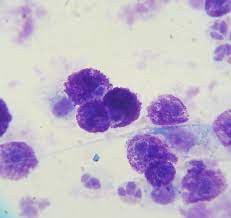
Podcast 697: Kounis Syndrome
Contributor: Aaron Lessen, MD Educational Pearls: Kounis syndrome is an allergic acute coronary syndrome Triggers include medications (antibiotics), insect bites, or other common allergens Believed to be due to mast cell activation, inflammatory cytokines, and platelet activation causing coronary vasospasm or plaque rupture in setting of existing atherosclerosis Consider Kounis syndrome in the setting of chest pain in anaphylaxis Treatment involves treatment of allergic reaction, although epinephrine should be used cautiously Avoid morphine as this can cause mast cell activation References The Emergency Medical Minute is excited to announce that we are now offering AMA PRA Category 1 credits™ via online course modules. To access these and for more information, visit our website at https://emergencymedicalminute.org/cme-courses/ and create an account. Donate to EMM today!
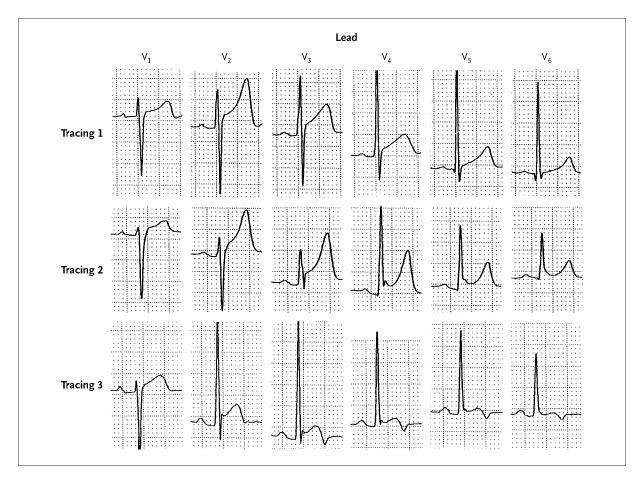
Podcast 696: ST Elevation and Differential Diagnoses
Contributor: Peter Bakes, MD Educational Pearls: ST elevation clinical guidelines for myocardial infarction include: 2.5 mm elevation for males 2 mm elevation in males >40 in V2 and V3 1.5 mm elevation for females in V2 and V3 1 mm elevation in 2 or more contiguous leads (not V2 or V3) Differential diagnosis of ST elevation includes, but is not limited to: STEMI Electrolyte abnormalities Pericarditis/myocarditis Brugada syndrome LVH Bundle branch blocks Ventricular aneurysm References de Bliek EC. ST elevation: Differential diagnosis and caveats. A comprehensive review to help distinguish ST elevation myocardial infarction from nonischemic etiologies of ST elevation. Turk J Emerg Med. 2018;18(1):1-10. Published 2018 Feb 17. doi:10.1016/j.tjem.2018.01.008 Summarized by John Spartz, MS4 | Edited by Erik Verzemnieks, MD The Emergency Medical Minute is excited to announce that we are now offering AMA PRA Category 1 credits™ via online course modules. To access these and for more information, visit our website at www.emergencymedicalminute.org/cme-courses/ and create an account. Donate to EMM today!

Podcast 695: Einstein and Cellophane
Educational Pearls: Albert Einstein had chronic abdominal pain as a middle-aged man Dr. Rudolph Nissen, founder of the Nissen fundoplication, performed exploratory surgery for this pain and found an abdominal aortic aneurysm (AAA) The only treatment for an AAA at that time was to wrap the vessel in cellophane, causing a fibrotic response to prevent rupture Einstein died 7 years after this surgery, likely from his leaking abdominal aortic aneurysm References Cervantes Castro J. Albert Einstein y su aneurisma de la aorta [Albert Einstein and his abdominal aortic aneurysm]. Gac Med Mex. 2011;147(1):74-76. Summarized by John Spartz, MS4 | Edited by Erik Verzemnieks, MD The Emergency Medical Minute is excited to announce that we are now offering AMA PRA Category 1 credits™ via online course modules. To access these and for more information, visit our website at www.emergencymedicalminute.org/cme-courses/ and create an account. Donate to EMM today!
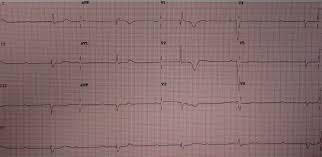
Podcast 694: Complete Heart Block
Contributor: Nick Hatch, MD Educational Pearls: Complete heart block or 3rd degree atrioventricular (AV) block is diagnosed via EKG and occurs when electrical signals from the sinoatrial (SA) node are blocked from reaching the ventricles via the AV node and AV bundles P waves and QRS complexes are independent Often QRS rate is around 40 The rate is slow because the ventricular purkinje fibers have an intrinsic rate of 20-40 bpm, whereas the SA node has an intrinsic rate of 60-100 bpm Treatment is usually with pacemaker, unless there is an identifiable etiology causing the heart block that can be reversed References Knabben V, Chhabra L, Slane M. Third-Degree Atrioventricular Block. [Updated 2020 Aug 8]. In: StatPearls [Internet]. Treasure Island (FL): StatPearls Publishing; 2021 Jan-. Available from: https://www.ncbi.nlm.nih.gov/books/NBK545199/ The Emergency Medical Minute is excited to announce that we are now offering AMA PRA Category 1 credits™ via online course modules. To access these and for more information, visit our website at www.emergencymedicalminute.org/cme-courses/ and create an account. Donate to EMM today!

Podcast 693: Humerus Fractures
Contributor: Nick Tsipis, MD Educational Pearls: Humerus fractures can be characterized as proximal, midshaft, and distal fractures Proximal humerus fracture is the second-most common fracture in elderly patients Primary complication is with the axillary nerve and axillary artery Vast majority are managed nonoperatively with a sling, reduction usually not indicated Women comprise 70% of proximal humerus fractures, often secondary to fall with osteoporosis Midshaft humerus fractures are more often managed operatively, but can be managed nonoperatively Primary complication is with radial nerve, look for wrist drop! May require reduction and splinting Distal humerus fractures can include supracondylar fractures and involve the radius or ulna One atypical is the Holstein-Lewis fracture, that can cause radial nerve damage Management is varied depending on the exact type of distal humerus fracture Assess degree of angulation, neurovascular status, and likelihood of compartment syndrome both before and after splint application References Attum B, Thompson JH. Humerus Fractures Overview. [Updated 2020 Aug 10]. In: StatPearls [Internet]. Treasure Island (FL): StatPearls Publishing; 2021 Jan-. Available from: https://www.ncbi.nlm.nih.gov/books/NBK482281/ The Emergency Medical Minute is excited to announce that we are now offering AMA PRA Category 1 credits™ via online course modules. To access these and for more information, visit our website at www.emergencymedicalminute.org/cme-courses/ and create an account. Donate to EMM today!
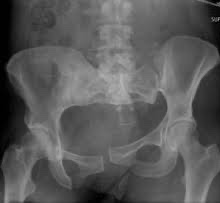
Podcast 692: Pelvic Fractures
Contributor: Peter Bakes, MD Educational Pearls: Pelvis is comprised of the iliac, ischium, and sacrum Three mechanisms for pelvic fractures by Young-Burgess Classification Anterior-posterior compression causing open-book pelvic fractures that can be complicated by retroperitoneal bleeding or urethral injury Lateral compression causing rami fractures Vertical sheer causing offset of sacroiliac joint or sacrum Mechanically stable pelvic ring fractures can be conservatively treated with weight bearing as tolerated Unstable fractures and those with complications will require operative fixation References Davis DD, Foris LA, Kane SM, et al. Pelvic Fracture. [Updated 2021 Feb 10]. In: StatPearls [Internet]. Treasure Island (FL): StatPearls Publishing; 2021 Jan-. Available from: https://www.ncbi.nlm.nih.gov/books/NBK430734/ Weatherford B. Pelvic Ring Fractures. OrthoBullets. Updated 25 May 2021. https://www.orthobullets.com/trauma/1030/pelvic-ring-fractures The Emergency Medical Minute is excited to announce that we are now offering AMA PRA Category 1 credits™ via online course modules. To access these and for more information, visit our website at www.emergencymedicalminute.org/cme-courses/ and create an account. Donate to EMM today!
Podcast 691: TXA in Head Bleeds
Contributor: Ricky Dhaliwal, MD Educational Pearls: CRASH 3 Trial looked at over 12,000 patients with traumatic intracranial bleeds, randomizing patients to a therapy with TXA or standard of care without TXA Dosing was 1 gram over 10 min for loading dose and then an infusion of 1 gram over 8 hours Found Improvement in survival and neurologic outcomes when patient received TXA within 3 hours References CRASH-3 trial collaborators. Effects of tranexamic acid on death, disability, vascular occlusive events and other morbidities in patients with acute traumatic brain injury (CRASH-3): a randomised, placebo-controlled trial [published correction appears in Lancet. 2019 Nov 9;394(10210):1712]. Lancet. 2019;394(10210):1713-1723. doi:10.1016/S0140-6736(19)32233-0 The Emergency Medical Minute is excited to announce that we are now offering AMA PRA Category 1 credits™ via online course modules. To access these and for more information, visit our website at www.emergencymedicalminute.org/cme-courses/ and create an account. Donate to EMM today!
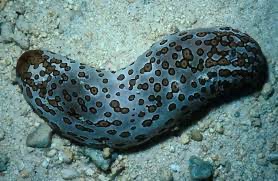
Podcast 690: Rectal Oxygen. Nice,
Contributor: Chris Holmes, MD Educational Pearls: In the 1700s, boxes lined the River Thames to pump smoke up the rectum to resuscitate people who had been found unconscious in the river Sea cucumbers can extract oxygen through their rectum Perflourocarbon, a liquid that can become oxygenated, provided rectally was able to oxygenate pigs and mice in a recent study References Okabe R, Chen-Yoshikawa T, Yoneyama Y, et al. Mammalian enteral ventilation ameliorates respiratory failure. Clinical and Translational Resource and Technology Insights. 2021;2(6):773-783. doi:https://doi.org/10.1016/j.medj.2021.04.004 The Emergency Medical Minute is excited to announce that we are now offering AMA PRA Category 1 credits™ via online course modules. To access these and for more information, visit our website at www.emergencymedicalminute.org/cme-courses/ and create an account. Donate to EMM today!
Podcast 689: Peri-Intubation Hypotension
Contributor: Ricky Dhaliwal, MD Educational Pearls: Hypotension in patients requiring intubation should be resuscitated as much as possible While intubating, the negative inspiratory pressure goes away decreasing cardiac preload and worsening hypotension Phenylephrine can be given via push doses to increase blood pressure from alpha agonism For sedation, avoid propofol with hypotension and opt for etomidate or ketamine References April MD, Arana A, Schauer SG, et al. Ketamine Versus Etomidate and Peri-intubation Hypotension: A National Emergency Airway Registry Study. Acad Emerg Med. 2020;27(11):1106-1115. doi:10.1111/acem.14063 Panchal AR, Satyanarayan A, Bahadir JD, Hays D, Mosier J. Efficacy of Bolus-dose Phenylephrine for Peri-intubation Hypotension. J Emerg Med. 2015;49(4):488-494. doi:10.1016/j.jemermed.2015.04.033 Jaber S, Amraoui J, Lefrant JY, et al. Clinical practice and risk factors for immediate complications of endotracheal intubation in the intensive care unit: a prospective, multi-center study. Crit Care Med. 2006;34:2355–61. Summarized by John Spartz, MS4 | Edited by Erik Verzemnieks, MD *********************
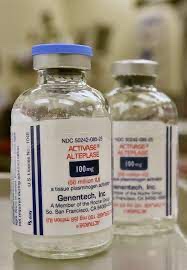
Podcast 688: tPA Before Thrombectomy
Contributor: Aaron Lessen, MD Educational Pearls: DEVT Trial, a recent non-inferiority study, looked at giving tPA prior to endovascular thrombectomy and was stopped early because there was no benefit shown to giving tPA before this intervention Coupled with the SKIP and DIRECT MT trials corroborating these findings, it appears that giving tPA prior to thrombectomy is not indicated Whether patients should receive tPA prior to transfer for thrombectomy (i.e. they are in a rural healthcare setting) is still unclear References Yang P, Treurniet KM, Zhang L, et al. Direct Intra-arterial thrombectomy in order to Revascularize AIS patients with large vessel occlusion Efficiently in Chinese Tertiary hospitals: A Multicenter randomized clinical Trial (DIRECT-MT)-Protocol. Int J Stroke. 2020;15(6):689-698. doi:10.1177/1747493019882837 Suzuki K, Matsumaru Y, Takeuchi M, et al. Effect of Mechanical Thrombectomy Without vs With Intravenous Thrombolysis on Functional Outcome Among Patients With Acute Ischemic Stroke: The SKIP Randomized Clinical Trial [published correction appears in JAMA. 2021 May 4;325(17):1795]. JAMA. 2021;325(3):244-253. doi:10.1001/jama.2020.23522 Zi W, Qiu Z, Li F, et al. Effect of Endovascular Treatment Alone vs Intravenous Alteplase Plus Endovascular Treatment on Functional Independence in Patients With Acute Ischemic Stroke: The DEVT Randomized Clinical Trial. JAMA. 2021;325(3):234-243. doi:10.1001/jama.2020.23523 Summarized by John Spartz, MS4 | Edited by Erik Verzemnieks, MD
Podcast 687: STI Complications
Contributor: Jared Scott, MD Educational Pearls: PID (pelvic inflammatory disease) occurs when the infection ascends into the uterus Tubo-ovarian abscess occurs when the infection ascends to the fallopian tubes Fitz-Hugh-Curtis syndrome occurs when the infection enters the peritoneum and causes peritoneal inflammation with peri-hepatic inflammation These conditions require GYN consultation and often more robust antibiotic therapy for treatment References Lareau SM, Beigi RH. Pelvic inflammatory disease and tubo-ovarian abscess. Infect Dis Clin North Am. 2008;22(4):693-708. doi:10.1016/j.idc.2008.05.008 Basit H, Pop A, Malik A, et al. Fitz-Hugh-Curtis Syndrome. [Updated 2021 May 7]. In: StatPearls [Internet]. Treasure Island (FL): StatPearls Publishing; 2021 Jan. Summarized by John Spartz, MS4 | Edited by Erik Verzemnieks, MD
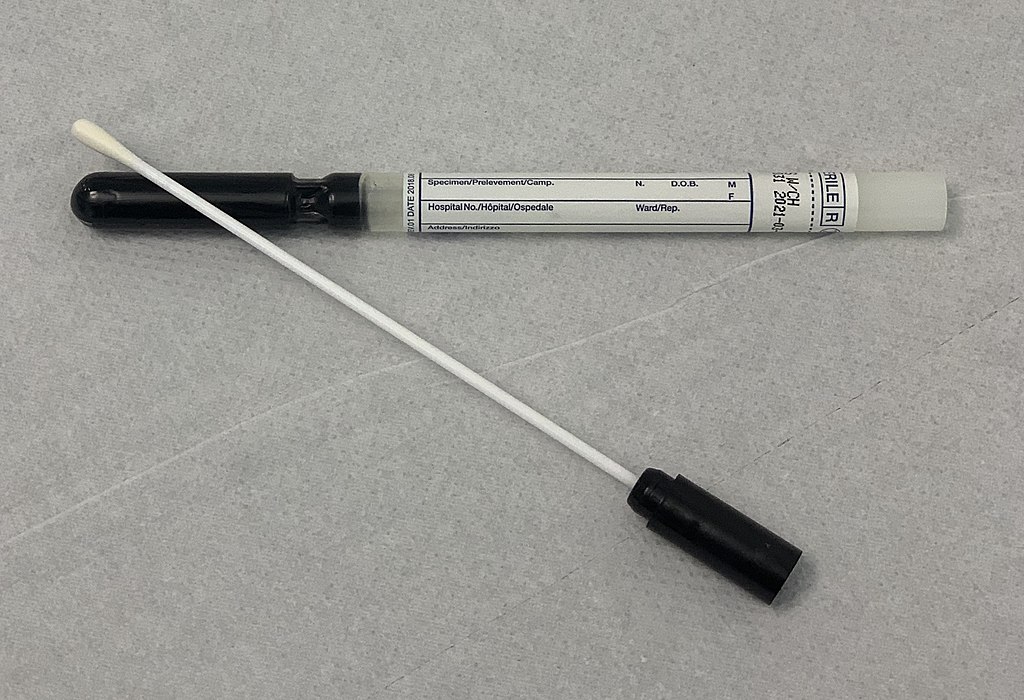
Podcast 686: Vaginal Self Swabs
Contributor: Jared Scott, MD Educational Pearls: Recent study evaluated vaginal self swab testing for STIs to determine if they are equally sensitive to provider-obtained swab 515 patients consented to both tests and 95% agreement was found between the two methods of obtaining samples 75% of participants who preferred this over the pelvic exam, although some patients were concerned they did not perform the self swab correctly Consider vaginal self swab with proper coaching as an option for patients References Chinnock B, Yore M, Mason J, et al. Self-obtained vaginal swabs are not inferior to provider-performed endocervical sampling for emergency department diagnosis of Neisseria gonorrhoeae and Chlamydia trachomatis [published online ahead of print, 2021 Jan 18]. Acad Emerg Med. 2021;10.1111/acem.14213. doi:10.1111/acem.14213 Summarized by John Spartz, MS4 | Edited by Erik Verzemnieks, MD The Emergency Medical Minute is excited to announce that we are now offering AMA PRA Category 1 credits™ via online course modules. To access these and for more information, visit our website at www.emergencymedicalminute.org/cme-courses/ and create an account. Donate to EMM today!

Podcast 685: Cultural Sensitivity with LGBTIQ+ Patients
Contributor: Dr. Nick Gorton, MD Educational Pearls: Use transgender people's correct names and pronouns, the Russell study found a 56% reduction in suicide behavior with chosen name usage ⅕ to ½ of transgender people report they avoided seeking care in the ED because of fear of transphobic treatment Understanding the definitions of gender identity, gender expression, assigned sex at birth, physical attraction, and emotional attraction are necessary for improving treatment of the LGBTIQ+ community Explain reasons for asking questions that address physical characteristics and/or sexual attraction Lastly, if you make a mistake simply correct the mistake, apologize, and immediately move on References Transgender Unicorn TransLine Treatment Guideline Silicone pumping handout for patients and providers https://www.ustranssurvey.org/reports Pollitt, A. M., Ioverno, S., Russell, S. T., Li, G., & Grossman, A. H. (2019). Predictors and mental health benefits of chosen name use among transgender youth. Youth & society, 0044118X19855898. Russell, S. T., Pollitt, A. M., Li, G., & Grossman, A. H. (2018). Chosen name use is linked to reduced depressive symptoms, suicidal ideation, and suicidal behavior among transgender youth. Journal of Adolescent Health, 63(4), 503-505. Samuels, E. A., Tape, C., Garber, N., Bowman, S., & Choo, E. K. (2018). "Sometimes you feel like the freak show": a qualitative assessment of emergency care experiences among transgender and gender-nonconforming patients. Annals of emergency medicine, 71(2), 170-182. Thompson-Blum, D. N., Coleman, T. A., Phillips, N. E., Richardson, S., Travers, R., Coulombe, S., ... & Davis, C. (2021). Experiences of Transgender Participants in Emergency Departments: Findings from the OutLook Study. Transgender Health. Bauer, G. R., Scheim, A. I., Deutsch, M. B., & Massarella, C. (2014). Reported emergency department avoidance, use, and experiences of transgender persons in Ontario, Canada: results from a respondent-driven sampling survey. Annals of emergency medicine, 63(6), 713-720. *Ongoing LGBTQIA+ topics are identified through collaborations with local Denver organization the Queer Umbrella as part of a new longitudinal effort to raise awareness of health disparities affecting the LGBTQIA+ community. Stay tuned as we continue to provide educational content to support this community and uplift LGBTQIA+ health providers and their practices all year long.
Podcast 684: Acidosis
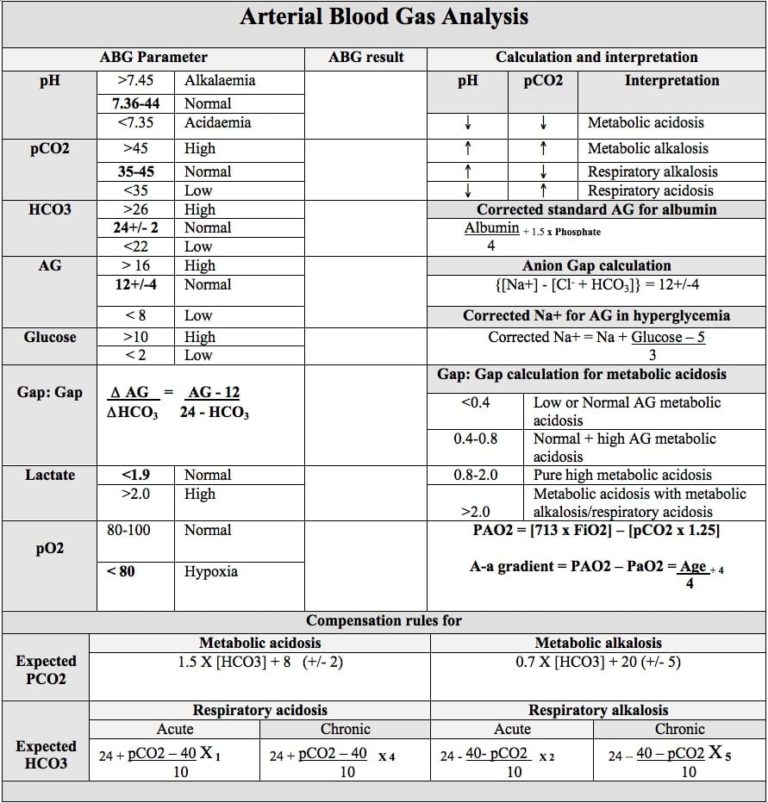
Contributor: Nick Tsipis, MD Educational Pearls: pH 7.45=alkalemia If pH low and pCO2 high, indicates a respiratory acidosis If pH low and pCO2 low, indicates metabolic acidosis After determining type of acidosis, check bicarb to determine compensation for acidosis and check electrolytes to calculate anion gap Metabolic acidosis can present with tachypnea (Kussmaul breathing) and hypotension due to loss of catecholamine function and suboptimal cardiac function at low pH Treat with IV fluids and address the underlying cause, limited role for bicarb References Burger MK, Schaller DJ. Metabolic Acidosis. [Updated 2020 Nov 20]. In: StatPearls [Internet]. Treasure Island (FL): StatPearls Publishing; 2021 Jan. Cadogan M. Acid Base Disorders. Life in the Fast Lane • LITFL. https://litfl.com/acid-base-disorders/. Published November 3, 2020. Accessed June 23, 2021. Summarized by John Spartz, MS4 | Edited by Erik Verzemnieks, MD The Emergency Medical Minute is excited to announce that we are now offering AMA PRA Category 1 credits™ via online course modules. To access these and for more information, visit our website at www.emergencymedicalminute.com/cme-courses/ and create an account. Donate to EMM today!
Podcast 683: Zofran vs. Haldol for Cannabinoid Hyperemesis Syndrome
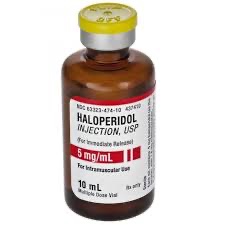
Contributor: Jared Scott, MD Educational Pearls: Around 30 patients with cannabinoid hyperemesis syndrome (CHS) randomized treatment in three arms with 8mg Zofran, Haldol 0.05 mg/kg, and Haldol 0.1 mg/kg Haldol arms performed better on all measures compared to Zofran Extrapyramidal symptoms were significantly higher in the Haldol group than Zofran, especially the high-dose Haldol group References Ruberto AJ, Sivilotti MLA, Forrester S, Hall AK, Crawford FM, Day AG. Intravenous Haloperidol Versus Ondansetron for Cannabis Hyperemesis Syndrome (HaVOC): A Randomized, Controlled Trial. Ann Emerg Med. 2021;77(6):613-619. doi:10.1016/j.annemergmed.2020.08.021 Summarized by John Spartz, MS4 | Edited by Erik Verzemnieks, MD The Emergency Medical Minute is excited to announce that we are now offering AMA PRA Category 1 credits™ via online course modules. To access these and for more information, visit our website at www.emergencymedicalminute.com/cme-courses/ and create an account. Donate to EMM today!

Podcast 682: Snake Bites
Contributor: Gretchen Hinson, MD Educational Pearls: Pit vipers include cottonmouths, rattlesnakes, and copperheads All have folding long fangs, triangular face, and elliptical pupils About 5,000 snakebites per year reported to Poison Control Initially develop a local reaction (swelling, bruising, pain, bullae) Complications can include 25% of snake bites result in no envenomation (dry bites) 20% of bites have serious side-effects, which can include hematologic, cardiovascular, neurologic and, muscular abnormalities, or even anaphylaxis to the envenomation itself Minor symptoms should be observed for 12-24 hours Moderate to severe symptoms are typically treated with antivenom CroFab and other antivenoms are expensive, with costs upwards of $3200 per vial wholesale, though newer agents are cheaper Treat with 4-6 vials of CroFab initially with moderate symptoms and subsequent redosing with References Buchanan JT, Thurman J. Crotalidae Envenomation. [Updated 2021 Jan 29]. In: StatPearls [Internet]. Treasure Island (FL): StatPearls Publishing; 2021 Jan. Kanaan NC, Ray J, Stewart M, et al. Wilderness Medical Society Practice Guidelines for the Treatment of Pitviper Envenomations in the United States and Canada. Wilderness Environ Med. 2015;26(4):472-487. doi:10.1016/j.wem.2015.05.007 Summarized by John Spartz, MS4 | Edited by Erik Verzemnieks, MD The Emergency Medical Minute is excited to announce that we are now offering AMA PRA Category 1 credits™ via online course modules. To access these and for more information, visit our website at www.emergencymedicalminute.com/cme-courses/ and create an account. Donate to EMM today!
Podcast 681: Internal Hernias
Contributor: Adam Barkin, MD Educational Pearls: Internal hernias, when bowel herniates through iatrogenic or congenital defect in mesentery, represent 1-6% of all small bowel obstructions Mortality of strangulated internal hernias is over 50% due to bowel necrosis and sepsis Intermittent symptoms presenting with nausea, vomiting, abdominal pain, abdominal distension Increased risk in patients with gastric bypass, liver transplant, or laparascopic surgery CT is very >90% sensitivity and specific in diagnosing SBO due to internal hernia Mesenteric swirl is a classic radiology finding Treatment with immediate surgical consultation for possible OR bowel decompression Start on broad spectrum antibiotics with any signs of sepsis References Lanzetta MM, Masserelli A, Addeo G, et al. Internal hernias: a difficult diagnostic challenge. Review of CT signs and clinical findings. Acta Biomed. 2019;90(5-S):20-37. Published 2019 Apr 24. doi:10.23750/abm.v90i5-S.8344 Martin LC, Merkle EM, Thompson WM. Review of internal hernias: radiographic and clinical findings. AJR Am J Roentgenol. 2006;186(3):703-717. doi:10.2214/AJR.05.0644 Summarized by John Spartz, MS4 | Edited by Erik Verzemnieks, MD The Emergency Medical Minute is excited to announce that we are now offering AMA PRA Category 1 credits™ via online course modules. To access these and for more information, visit our website at www.emergencymedicalminute.com/cme-courses/ and create an account. Donate to EMM today!

Podcast 680: Coronary Artery Dissection
Contributor: Adam Barkin, MD Educational Pearls: Spontaneous coronary artery dissection (SCAD) is the most common cause of acute MI in women under 50 years old Risk factors include fibromuscular dysplasia, extreme exercise, stress, pregnancy, and recent birth Diagnosed in cath lab but medically managed and usually do not get a stent Treated with dual antiplatelet therapy and beta-blockers References Yip A, Saw J. Spontaneous coronary artery dissection-A review. Cardiovasc Diagn Ther. 2015;5(1):37-48. doi:10.3978/j.issn.2223-3652.2015.01.08 Janssen EBNJ, de Leeuw PW, Maas AHEM. Spontaneous coronary artery dissections and associated predisposing factors: a narrative review. Neth Heart J. 2019;27(5):246-251. doi:10.1007/s12471-019-1235-4 Summarized by John Spartz, MS4 | Edited by Erik Verzemnieks, MD The Emergency Medical Minute is excited to announce that we are now offering AMA PRA Category 1 credits™ via online course modules. To access these and for more information, visit our website at www.emergencymedicalminute.com/cme-courses/ and create an account. Donate to EMM today!
Podcast 679: Antibiotics for CAP
Contributor: Peter Bakes, MD Educational Pearls: Community-acquired pneumonia (CAP) is normally stratified into outpatient-candidates vs. inpatient candidates for treatment For outpatient treatment, antibiotic selection is driven by presence or absence comorbid health conditions (chronic lung/kidney/liver disease, DM, immunocompromised state, alcoholism, asplenia) No comorbidities: High dose amoxicillin, doxycycline, azithromycin Comorbidities: augmentin, cephalosporin, doxycycline, macrolide with fluoroquinolones as an alternatives For inpatient treatment, standard treatment is a macrolide and 3rd-generation cephalosporin Prior MRSA isolate or pseudomonas isolate as well as severe pneumonia are indications for adding MDR organism coverage with vancomycin and anti-pseudomonal coverage References Metlay JP, Waterer GW, Long AC, et al. Diagnosis and Treatment of Adults with Community-acquired Pneumonia. An Official Clinical Practice Guideline of the American Thoracic Society and Infectious Diseases Society of America. Am J Respir Crit Care Med. 2019;200(7):e45-e67. doi:10.1164/rccm.201908-1581ST Summarized by John Spartz, MS4 | Edited by Erik Verzemnieks, MD The Emergency Medical Minute is excited to announce that we are now offering AMA PRA Category 1 credits™ via online course modules. To access these and for more information, visit our website at www.emergencymedicalminute.com/cme-courses/ and create an account. Donate to EMM today!
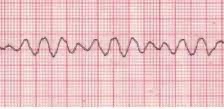
Podcast 678: ECMO for Refractory VFib
Contributor: Aaron Lessen, MD Educational Pearls: Refractory ventricular fibrillation, defined as 3 defibrillation shocks without resolution, was studied via RCT looking to compare ECMO with cardiac cath vs. typical resuscitation After 30 patients (15 each arm), the trial was stopped because such a significant benefit seen in the ECMO arm 6 patients survived and 3 had good neurological outcomes at 6 months with ECMO This is compared to 1 patient surviving initially and none surviving at 6 months in the typical resuscitation arm References Yannopoulos D, Bartos J, Raveendran G, et al. Advanced reperfusion strategies for patients with out-of-hospital cardiac arrest and refractory ventricular fibrillation (ARREST): a phase 2, single centre, open-label, randomised controlled trial. Lancet. 2020;396(10265):1807-1816. doi:10.1016/S0140-6736(20)32338-2 Summarized by John Spartz, MS4 | Edited by Erik Verzemnieks, MD The Emergency Medical Minute is excited to announce that we are now offering AMA PRA Category 1 credits™ via online course modules. To access these and for more information, visit our website at www.emergencymedicalminute.com/cme-courses/ and create an account. Donate to EMM today!
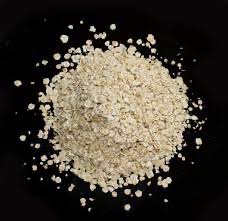
Podcast 677: Oatmeal Cream for Hand Eczema
Contributor: Jared Scott, MD Educational Pearls: Hand eczema is present in about 10% of the population and has a great prevalence in hairdressers, healthcare workers, and food service employees Using 1% oatmeal cream instead of a base cream showed statistically significant improvement in outcomes of HE in healthcare workers in a double-blind study References Sobhan M, Hojati M, Vafaie SY, Ahmadimoghaddam D, Mohammadi Y, Mehrpooya M. The Efficacy of Colloidal Oatmeal Cream 1% as Add-on Therapy in the Management of Chronic Irritant Hand Eczema: A Double-Blind Study. Clin Cosmet Investig Dermatol. 2020;13:241-251. Published 2020 Mar 25. doi:10.2147/CCID.S246021 Summarized by John Spartz, MS4 | Edited by Erik Verzemnieks, MD The Emergency Medical Minute is excited to announce that we are now offering AMA PRA Category 1 credits™ via online course modules. To access these and for more information, visit our website at www.emergencymedicalminute.com/cme-courses/ and create an account. Donate to EMM today!
Podcast 676: Spontaneous Bacterial Peritonitis
Contributor: Sam Killian, MD Educational Pearls: Patients with cirrhosis and ascites are frequently evaluated for spontaneous bacterial peritonitis, an infection of the ascites fluid that is not from a surgically treated source Fever, abdominal pain, and altered mental status should all raise clinical suspicion in a patient with ascites Fluid from paracentesis may show increased WBCS (polys and neutrophils), high LDH, high amylase, and decreased glucose Outcomes are very poor in these patients with 30-40% of these patients continue to renal failure with 60-80% in-hospital mortality Typically treat with a third generation cephalosporin or ampicillin+gentamicin References Long B, Koyfman A. The emergency medicine evaluation and management of the patient with cirrhosis. Am J Emerg Med. 2018;36(4):689-698. doi:10.1016/j.ajem.2017.12.047 MacIntosh T. Emergency Management of Spontaneous Bacterial Peritonitis - A Clinical Review. Cureus. 2018;10(3):e2253. Published 2018 Mar 1. doi:10.7759/cureus.2253 Summarized by John Spartz, MS4 | Edited by Erik Verzemnieks, MD The Emergency Medical Minute is excited to announce that we are now offering AMA PRA Category 1 credits™ via online course modules. To access these and for more information, visit our website at www.emergencymedicalminute.com/cme-courses/ and create an account. Donate to EMM today!
Pharmacy Phriday #10: Colorado Pharmacists Association 2020 Opioid Prescribing and Treatment Guidelines
This week's Pharmacy Phriday features a short excerpt from a longer podcast released as promo for the Colorado's CURE initiative, Clinicians United to Resolve the Epidemic, that combats the opioid crisis through education. Frequent contributor to the podcast, Rachael Duncan, PharmD, is joined by host, Elizabeth Esty, MD, to discuss the opioid prescribing guidelines for pharmacists released by the Colorado Hospital Association in collaboration with the Colorado Pharmacists Society. Colorado's CURE focuses on four pillars: Limiting the use of opioids in clinical practice Using multimodal alternatives to opioids (ALTO) to better treat pain without the risks that come with opioids Harm Reduction Improving care for those who have developed an opioid use disorder Access Colorado's CURE Opioid Prescribing Guidelines for Pharmacists and other specialties here! You can listen to the full Pharmacy episode of the Colorado's CURE Podcast for a more in-depth overview of the guidelines below: Apple Libsyn

Podcast 675: CHF like it's 1966
Contributor: Chris Holmes, MD Educational Pearls: Medicine is cyclical and practice is always evolving A description of recommended treatment for CHF from 1966 Give oxygen Give one dose morphine then switch to demerol Decrease venous return and start PPV Immediately apply tourniquet to 3 extremities rotating tourniquets every 20 minutes Phlebotomy of 350-500 cc blood into a donor bag and draw off plasma as RBCs settle down Give aminophylline (make sure it is warmed) Induce hypotension with nitroglycerin and trimethoprim camphorsulfonate (infused at 10 drips/minute) Start digitalis Don't use any diuretics as they are ineffective If in shock, release tourniquets and hang the phlebotomized blood Isoproterenol might be beneficial References Messer JV. Management of emergencies. 13. Acute cardiac decompensation. N Engl J Med. 1966;274(26):1491-1493. doi:10.1056/NEJM196606302742608 Summarized by John Spartz, MS4 | Edited by Erik Verzemnieks, MD The Emergency Medical Minute is excited to announce that we are now offering AMA PRA Category 1 credits™ via online course modules. To access these and for more information, visit our website at www.emergencymedicalminute.com/cme-courses/ and create an account. Donate to EMM today! Photo Credit: Photo presented without modification courtesy of Kipp Teague , CC license
Podcast 674: Facial Nerve Palsy in Kids
Contributor: Aaron Lessen, MD Educational Pearls: Facial nerve palsy (Bell's palsy) can occur in pediatric patients with Lyme disease, viral infection, or even leukemia One trial sought out to find if steroids and acyclovir would benefit pediatric patients with facial nerve palsy However, during screening process, around 1% of enrollees had leukemia (5 of the 644 patients) This is important as steroids can partially treat the leukemia thereby prolonging diagnosis and put the patient at risk for tumor lysis syndrome References Babl FE, Kochar A, Osborn M, et al. Risk of Leukemia in Children With Peripheral Facial Palsy. Ann Emerg Med. 2021;77(2):174-177. doi:10.1016/j.annemergmed.2020.06.029 Summarized by John Spartz, MS4 | Edited by Erik Verzemnieks, MD The Emergency Medical Minute is excited to announce that we are now offering AMA PRA Category 1 credits™ via online course modules. To access these and for more information, visit our website at www.emergencymedicalminute.com/cme-courses/ and create an account. Donate to EMM today!
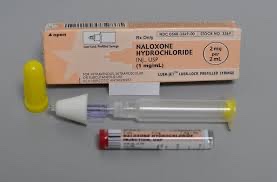
Podcast 673: Leaving the ED with Naloxone
Contributor: Don Stader, MD Educational Pearls: Patients are more likely to survive an opioid overdose if they have naloxone 10% risk of death in the year following an opioid overdose of patients seen in the ED Those who receive naloxone: Have better survival rates Are more likely to enter recovery Are more likely to use the naloxone on another person who has overdosed Better to give the patient naloxone at discharge from the ED as rates of filling prescriptions are low Any patient who uses illicit drugs, chronic opioid medications, or opioids with benzodiazepines are good candidates for naloxone at discharge Remember to instruct the patient and those who live with them on how to use it References Gunn AH, Smothers ZPW, Schramm-Sapyta N, Freiermuth CE, MacEachern M, Muzyk AJ. The Emergency Department as an Opportunity for Naloxone Distribution. West J Emerg Med. 2018;19(6):1036-1042. doi:10.5811/westjem.2018.8.38829 Olfson M, Wall M, Wang S, Crystal S, Blanco C. Risks of fatal opioid overdose during the first year following nonfatal overdose. Drug Alcohol Depend. 2018;190:112-119. doi:10.1016/j.drugalcdep.2018.06.004 Olfson M, Crystal S, Wall M, Wang S, Liu SM, Blanco C. Causes of Death After Nonfatal Opioid Overdose [published correction appears in JAMA Psychiatry. 2018 Aug 1;75(8):867]. JAMA Psychiatry. 2018;75(8):820-827. doi:10.1001/jamapsychiatry.2018.1471 http://naloxoneproject.com/ Summarized by John Spartz, MS3 | Edited by Erik Verzemnieks, MD The Emergency Medical Minute is excited to announce that we are now offering AMA PRA Category 1 credits™ via online course modules. To access these and for more information, visit our website at www.emergencymedicalminute.com/cme-courses/ and create an account. Donate to EMM today!
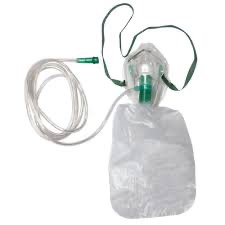
Podcast 672: Oxygen Things
Contributor: Aaron Lessen , MD Educational Pearls: Patients on 10L or more of oxygen per minute in the ICU were randomized to oxygen goals of 90% or 96% to compare 90-day mortality rates Mortality rates were about 42% for both of oxygen target groups, indicating no significant difference References Schjørring OL, Klitgaard TL, Perner A, et al. Lower or Higher Oxygenation Targets for Acute Hypoxemic Respiratory Failure. N Engl J Med. 2021;384(14):1301-1311. doi:10.1056/NEJMoa2032510 Summarized by John Spartz, MS3 | Edited by Erik Verzemnieks, MD The Emergency Medical Minute is excited to announce that we are now offering AMA PRA Category 1 credits™ via online course modules. To access these and for more information, visit our website at www.emergencymedicalminute.com/cme-courses/ and create an account. Donate to EMM today!

Podcast 671: Scapula Fractures
Contributor: Adam Barkin, MD Educational Pearls: Represents less than 1% of all fractures that occur, although it has a significant mortality rate of 2-5% Typically occurs in high-energy trauma and are commonly associated with high injury severity scores and other fractures Concomitant Injuries: 50% have rib fracture 25% have clavicle fracture 30% have a spine fracture 5% have a brachial plexus injury 40% have a pulmonary contusion 30% have a pneumothorax 34% have a head injury 11% have a vascular injury References Cole PA, Freeman G, Dubin JR. Scapula fractures. Curr Rev Musculoskelet Med. 2013;6(1):79-87. doi:10.1007/s12178-012-9151-x Summarized by John Spartz, MS3 | Edited by Erik Verzemnieks, MD The Emergency Medical Minute is excited to announce that we are now offering AMA PRA Category 1 credits™ via online course modules. To access these and for more information, visit our website at www.emergencymedicalminute.com/cme-courses/ and create an account. Donate to EMM today!

Podcast 670: Operation Tat-Type
Contributor: Dave Rosenberg, MD Educational Pearls: In 1951, Operation Tat-Type began tattooing adults with their blood type in an effort to prepare for rapid transfusions in the time of the Cold War and the Korean War School children in northern Indiana and areas in Utah were tattooed with their blood type beginning in 1952 under the same operation Based on tattoos given to SS officers during WWII This wasn't to identify who needed what blood but rather to identify who could give what blood in the event of a massive attack References Wolf EK, Laumann AE. The use of blood-type tattoos during the Cold War. J Am Acad Dermatol. 2008;58(3):472-476. doi:10.1016/j.jaad.2007.11.019 Summarized by John Spartz, MS3 | Edited by Erik Verzemnieks, MD The Emergency Medical Minute is excited to announce that we are now offering AMA PRA Category 1 credits™ via online course modules. To access these and for more information, visit our website at www.emergencymedicalminute.com/cme-courses/ and create an account. Donate to EMM today!

Podcast 669: VTach Storm
Contributor: Gretchen Hinson, MD Educational Pearls: Three episodes of ventricular tachycardia within 24 hours or two episodes back-to-back Treat with IV amiodarone and IV beta-blockers initially as well as IV lidocaine Correct underlying causes: IV magnesium for QT prolongation Replete potassium in hypokalemia Urgent revascularization in ischemia For refractory vtach, urgent radiofrequency ablation or stellate ganglion block can be done Last resort is placing on the patient on ECMO References Muser D, Santangeli P, Liang JJ. Management of ventricular tachycardia storm in patients with structural heart disease. World J Cardiol. 2017;9(6):521-530. doi:10.4330/wjc.v9.i6.521 Eifling M, Razavi M, Massumi A. The evaluation and management of electrical storm. Tex Heart Inst J. 2011;38(2):111-121. Summarized by John Spartz, MS3 The Emergency Medical Minute is excited to announce that we are now offering AMA PRA Category 1 credits™ via online course modules. To access these and for more information, visit our website at www.emergencymedicalminute.com/cme-courses/ and create an account. Donate to EMM today!

Podcast 668: Opioid-Induced Hyperalgesia
Contributor: Donald Stader, MD Educational Pearls: Opioids target kappa and NMDA receptors that can lead to central nervous system sensitization and therefore increased pain For patients with opioid-induced hyperalgesia (OIH), oral ketamine (25-50 mg) can be used to treat their pain as it targets the NMDA receptor Other treatments is IV magnesium, NSAIDs, tylenol, and clonidine Buprenorphine and methadone are options for chronic pain management in the setting of OIH References Lee M, Silverman SM, Hansen H, Patel VB, Manchikanti L. A comprehensive review of opioid-induced hyperalgesia. Pain Physician. 2011;14(2):145-161. Summarized by John Spartz, MS3 | Edited by Erik Verzemnieks, MD The Emergency Medical Minute is excited to announce that we are now offering AMA PRA Category 1 credits™ via online course modules. To access these and for more information, visit our website at www.emergencymedicalminute.com/cme-courses/ and create an account. Donate to EMM today!
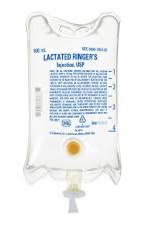
Podcast 667: Lactated Ringers for DKA
Contributor: Aaron Lessen, MD Educational Pearls: Recent study looked at whether lactated ringers might be a better choice for fluid resuscitation in patients with DKA compared to normal saline Normal saline can cause a hyperchloremic metabolic acidosis Time to resolution of acidosis was 4 hours less with lactated ringers compared to normal saline Time on an insulin drip decreased by about 4 hours with lactated ringers compared to normal saline LR might be a better choice for fluid resuscitation in patients with DKA References Self WH, Evans CS, Jenkins CA, et al. Clinical Effects of Balanced Crystalloids vs Saline in Adults With Diabetic Ketoacidosis: A Subgroup Analysis of Cluster Randomized Clinical Trials. JAMA Netw Open. 2020;3(11):e2024596. doi:10.1001/jamanetworkopen.2020.24596 Summarized by John Spartz, MS3 | Edited by Erik Verzemnieks, MD
Podcast 666: Pain Management & Patient Perspective
Contributor: Jared Scott, MD Educational Pearls: About ½ of the patients in the ED present with some form of pain One study looked at patients presenting in pain and followed up two days after discharge to determine if their pain was addressed, asking if the patient received anything for pain and if the patient refused pain medication Non-analgesic pain management: About 30% discordance between patient reports and documentation Conventional analgesic pain management: About 15% discordance between patient reports and documentation References Taylor DM, Valentine S, Majer J, Grant N. Discordance between patient-reported and actual emergency department pain management. Emerg Med Australas. 2020 Nov 22. doi: 10.1111/1742-6723.13690. Epub ahead of print. PMID: 33225600. Summarized by John Spartz, MS3 | Edited by Erik Verzemnieks, MD The Emergency Medical Minute is excited to announce that we are now offering AMA PRA Category 1 credits™ via online course modules. To access these and for more information, visit our website at www.emergencymedicalminute.com/cme-courses/ and create an account. Donate to EMM today!

Podcast 665: Allergic Reactions after COVID Vaccinations
Contributor: Peter Bakes, MD Educational Pearls: Incidence 2.5-10 per million people occurring primarily in those with environmental allergens Typically occurs with mRNA vaccines in lipid nanoparticles (Moderna/Pfizer) rather than the adenovirus vaccine (J&J) Recommendation is to forego 2nd dose of the mRNA vaccine and instead get the adenovirus vaccine after weighing the risks and benefits References Kounis NG, Koniari I, de Gregorio C, Velissaris D, Petalas K, Brinia A, Assimakopoulos SF, Gogos C, Kouni SN, Kounis GN, Calogiuri G, Hung MY. Allergic Reactions to Current Available COVID-19 Vaccinations: Pathophysiology, Causality, and Therapeutic Considerations. Vaccines (Basel). 2021 Mar 5;9(3):221. doi: 10.3390/vaccines9030221. PMID: 33807579; PMCID: PMC7999280. Blumenthal KG, Robinson LB, Camargo CA, et al. Acute Allergic Reactions to mRNA COVID-19 Vaccines. JAMA. Published online March 08, 2021. doi:10.1001/jama.2021.3976 Summarized by John Spartz, MS3 | Edited by Erik Verzemnieks, MD The Emergency Medical Minute is excited to announce that we are now offering AMA PRA Category 1 credits™ via online course modules. To access these and for more information, visit our website at www.emergencymedicalminute.com/cme-courses/ and create an account. Donate to EMM today!

Podcast 664: Rabies Prophylaxis
Contributor: Jared Scott, MD Educational Pearls: 1-3 cases of rabies per year in US with 55,000 people per year receiving rabies prophylaxis 90% of rabies cases come from wildlife, most commonly by racoons, bats, foxes, and skunks Because of rabies prophylaxis, domesticated pets almost never have rabies in the United States Rabies is typical transmitted via a bite, but direct contact with saliva or brain tissue on an open wound can transmit the virus Some people exposed to rabies from bats will never report a bite References Kessels J, Tarantola A, Salahuddin N, Blumberg L, Knopf L. Rabies post-exposure prophylaxis: A systematic review on abridged vaccination schedules and the effect of changing administration routes during a single course. Vaccine. 2019 Oct 3;37 Suppl 1:A107-A117. doi: 10.1016/j.vaccine.2019.01.041. Epub 2019 Feb 5. PMID: 30737043. Centers for Disease Control and Prevention. Rabies Postexposure Prophylaxis (PEP). Published June 11, 2019. https://www.cdc.gov/rabies/medical_care/index.html Summarized by John Spartz, MS3 | Edited by Erik Verzemnieks, MD The Emergency Medical Minute is excited to announce that we are now offering AMA PRA Category 1 credits™ via online course modules. To access these and for more information, visit our website at www.emergencymedicalminute.com/cme-courses/ and create an account. Donate to EMM today!

Podcast 663: Down Syndrome
Contributor: Alicia Oberle, MD Educational Pearls: Down Syndrome with Trisomy 21 have three copies of chromosome 21 Current birth rates are around 1 in 700 births Average life span 25 years in 1980, today the average life span is 60 years of age Patients with Down syndrome require additional therapies in the first 3 years due to developmental delays They also have increased risk for childhood leukemias, seizures, hypothyroidism, celiac disease, and early-onset Alzheimers Half have a cardiac defect requiring surgery at birth References Tsou AY, Bulova P, Capone G, et al. Medical Care of Adults With Down Syndrome: A Clinical Guideline. JAMA. 2020;324(15):1543–1556. doi:10.1001/jama.2020.17024 Summarized by John Spartz, MS3 | Edited by Erik Verzemnieks, MD The Emergency Medical Minute is excited to announce that we are now offering AMA PRA Category 1 credits™ via online course modules. To access these and for more information, visit our website at www.emergencymedicalminute.com/cme-courses/ and create an account. Donate to EMM today!

UnfilterED #13: Dr. Nadia Tremonti
This week's episode features a fascinating conversation with Dr. Nadia Tremonti, medical director for the pediatric palliative care program at Children's Hospital of Michigan in Detroit. Dr. Tremonti was the featured physician in an independent short film Palliative and subsequent New York Times shorter excerpt Dying in your Mother's Arms that explore her work with terminally ill pediatric patients. From conversations of religion's role in processing disease to the physician's role in alleviating suffering for patients and their families, Nick and Nadia explore the existential ground in this thought-provoking segment. Time Stamps 00:47 Introductions 3:50 How patients led her to pursue palliative care 14:32 Dr. Tremonti's approach to palliative care 21:42 Understanding patients' and family's language to guide counseling 31:38 Most frequent anxieties and fears of families of pediatric palliative care patients 37:21 How emergent interventions can shift burden of decision to continue life-sustaining measures to families 47:45 Navigating existential questions of life or death with patients and their families 55:38 Saddest part of palliative care The Emergency Medical Minute is excited to announce that we are now offering AMA PRA Category 1 credits™ via online course modules. To access these and for more information, visit our website at www.emergencymedicalminute.com/cme-courses/ and create an account. Donate to EMM today!
Podcast 662: Droperidol for Sedation
Contributor: Aaron Lessen, MD Educational Pearls: Droperidol for sedation in agitated patients in the emergency department was studied compared to ziprasidone (Geodon) and lorazepam (Ativan) Double-blinded RCT showed droperidol was 65% effective to get patients to a good level of sedation in 15 minutes compared to ativan and geodon which were 25-35% effective Droperidol had less respiratory depression and prolongation of the QT compared to Ativan and Geodon References Martel ML, Driver BE, Miner JR, Biros MH, Cole JB. Randomized Double-blind Trial of Intramuscular Droperidol, Ziprasidone, and Lorazepam for Acute Undifferentiated Agitation in the Emergency Department. Acad Emerg Med. 2021 Apr;28(4):421-434. doi: 10.1111/acem.14124. Epub 2020 Oct 5. PMID: 32888340. Summarized by John Spartz, MS3 | Edited by Erik Verzemnieks, MD
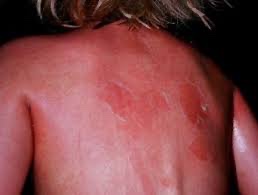
Podcast 661: Scalded Skin Syndrome
Contributor: Ricky Dhaliwal, MD Educational Pearls: Primarily affects children Caused by staph aureus releasing exotoxins that result in erythema and sloughing of the skin Present with significant pain, dehydration and underlying staph infection Treatment typically oxacillin/nafcillin with admission for wound care with petroleum gel and xeroform Burn centers may be treatment centers of choice for this condition Most patients recover in 2-3 days with treatment References Patel GK, Finlay AY. Staphylococcal scalded skin syndrome: diagnosis and management. Am J Clin Dermatol. 2003;4(3):165-75. doi: 10.2165/00128071-200304030-00003. PMID: 12627992. Jordan KS. Staphylococcal Scalded Skin Syndrome: A Pediatric Dermatological Emergency. Adv Emerg Nurs J. 2019 Apr/Jun;41(2):129-134. doi: 10.1097/TME.0000000000000235. PMID: 31033660. Summarized by John Spartz, MS3 | Edited by Erik Verzemnieks, MD The Emergency Medical Minute is excited to announce that we are now offering AMA PRA Category 1 credits™ via online course modules. To access these and for more information, visit our website at www.emergencymedicalminute.com/cme-courses/ and create an account. Donate to EMM today!

Podcast 660: Rhabdomyolysis
Contributor: Ricky Dhaliwal, MD Educational Pearls: Rhabdomyolysis occurs when high levels of myoglobin are released from dying muscle tissue into the blood Severe levels of myoglobin cause renal injury Causes include elevated temperature, excessive exercise, toxins, infection, muscle ischemia, crush injury, and prolonged immobilization Can also be caused by medications, like antipsychotics, statins, SSRIs, colchicine, lithium Workup typically includes creatinine kinase, potassium, creatinine levels and serial EKGs Firstline treatment is with IV fluids with a goal urine output of 300 ml/hr Sodium bicarbonate and mannitol have had some use in treatment but weak evidence References Long B, Koyfman A, Gottlieb M. An evidence-based narrative review of the emergency department evaluation and management of rhabdomyolysis. Am J Emerg Med. 2019 Mar;37(3):518-523. doi: 10.1016/j.ajem.2018.12.061. Epub 2019 Jan 2. PMID: 30630682. Summarized by John Spartz, MS3 | Edited by Erik Verzemnieks, MD The Emergency Medical Minute is excited to announce that we are now offering AMA PRA Category 1 credits™ via online course modules. To access these and for more information, visit our website at www.emergencymedicalminute.com/cme-courses/ and create an account.
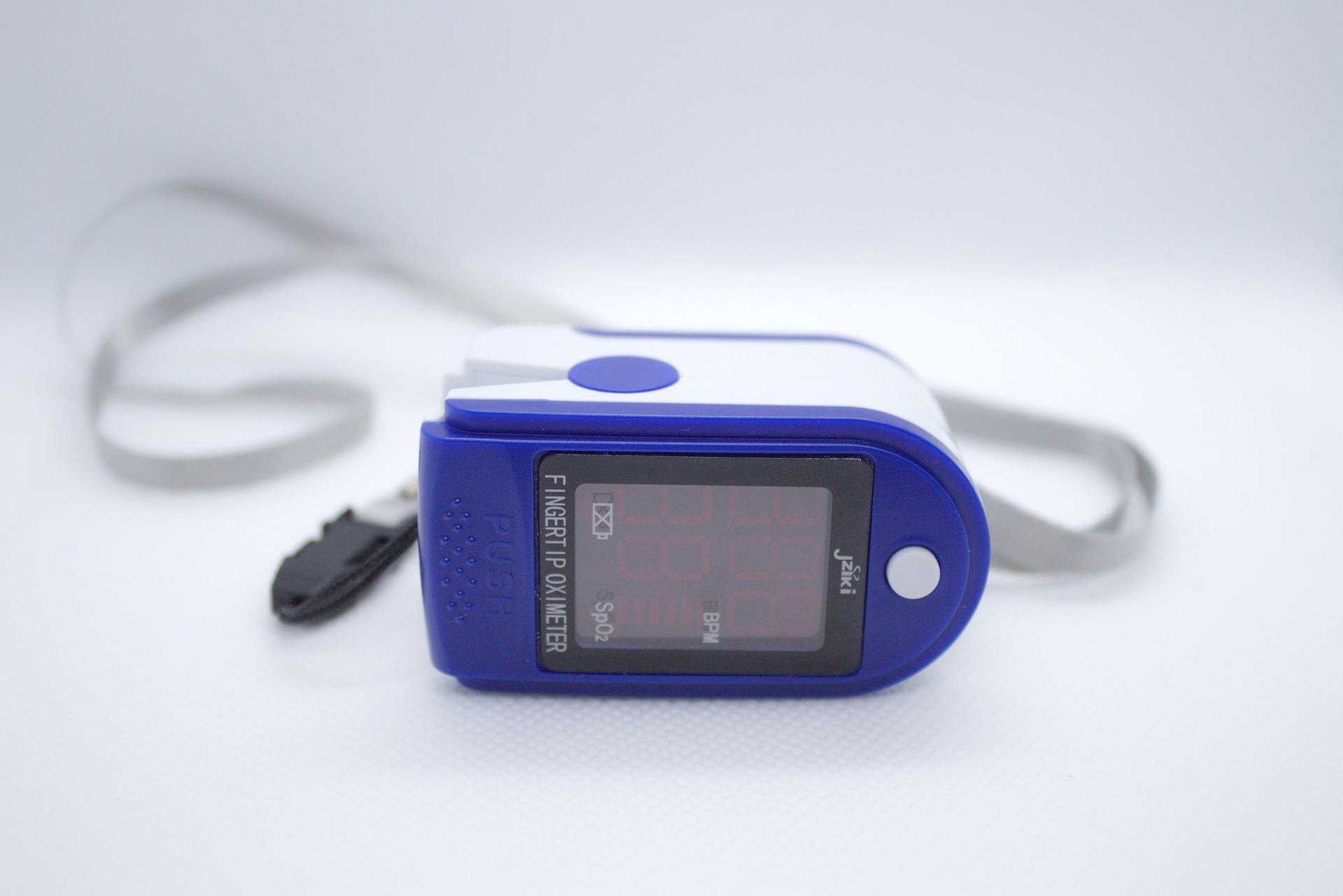
Podcast 659: Racial Bias in Pulse Oximetry
Contributor: Aaron Lessen, MD Educational Pearls: Study in NEJM looked at occult hypoxemia, when oxygen saturation reads at >92% when the actual saturation is Rate of occult hypoxemia was 3 times higher in those who identified as black (12% vs 4%) Keep this disparity in mind when providing care to patients of all backgrounds and incorporate into clinical decision-making References Sjoding MW, Dickson RP, Iwashyna TJ, Gay SE, Valley TS. Racial Bias in Pulse Oximetry Measurement. N Engl J Med. 2020;383(25):2477-2478. doi:10.1056/NEJMc2029240 Summarized by John Spartz, MS3 | Edited by Erik Verzemnieks, MD The Emergency Medical Minute is excited to announce that we are now offering AMA PRA Category 1 credits™ via online course modules. To access these and for more information, visit our website at www.emergencymedicalminute.com/cme-courses/ and create an account. Donate to EMM today!
Podcast 658: Febrile Seizures
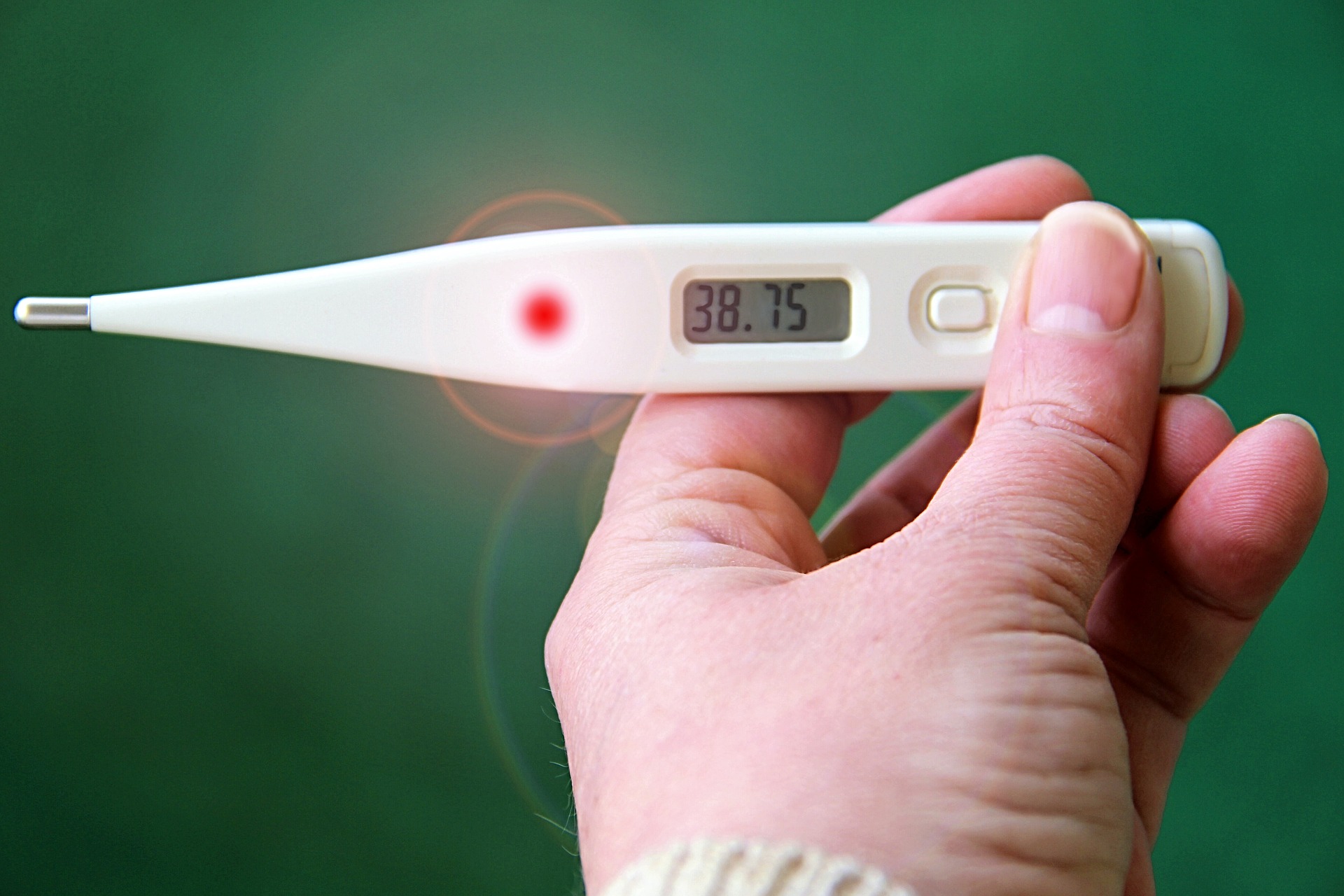
Contributor: Peter Bakes, MD Educational Pearls: Febrile Seizure clinical criteria 6 months - 5 years of age Rapid rise in temp No preexisting seizure disorder No other explanation for the seizure Nonfocal seizure lasting less than 15 minutes If the seizure does not meet the above criteria, a full workup needs to be completed Regardless of cause, treat the seizure with IV/IO benzodiazepines or IN versed if unable to obtain access Risk of developing epilepsy after a simple febrile seizure roughly doubles References Leung AK, Hon KL, Leung TN. Febrile seizures: an overview. Drugs Context. 2018;7:212536. Published 2018 Jul 16. doi:10.7573/dic.212536 Summarized by John Spartz, MS3 | Edited by Erik Verzemnieks, MD The Emergency Medical Minute is excited to announce that we are now offering AMA PRA Category 1 credits™ via online course modules. To access these and for more information, visit our website at www.emergencymedicalminute.com/cme-courses/ and create an account. Donate to EMM today!
Podcast 657: Caustic Ingestion
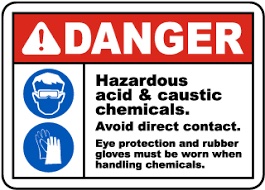
Contributor: Aaron Lessen, MD Educational Pearls: Acid and alkali ingestions have differing prognosis and immediate concerns Immediate issues can include superficial irritation, severe burns, esophageal perforation, and even airway compromise from edem Long term morbidity can include strictures Supportive care is typically all that can be provided in the emergency department Diagnostics may include imaging and endoscopy For more severe ingestions without immediate issues,, patients may be monitored for up to 24 hours References Hoffman RS, Burns MM, Gosselin S. Ingestion of Caustic Substances. N Engl J Med. 2020 Apr 30;382(18):1739-1748. doi: 10.1056/NEJMra1810769. PMID: 32348645. Summarized by Erik Verzemnieks, MD The Emergency Medical Minute is excited to announce that we are now offering AMA PRA Category 1 credits™ via online course modules. To access these and for more information, visit our website at www.emergencymedicalminute.com/cme-courses/ and create an account. Donate to EMM today!
Podcast 656: Rashes
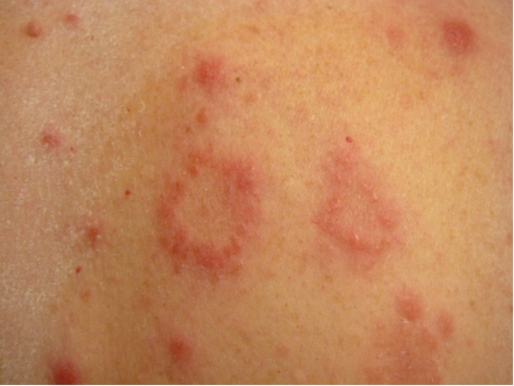
Contributor: Peter Bakes, MD Educational Pearls: Lyme disease gives a single expanding target lesion with central clearing called erythema chronicum migrans Erythema multiforme is another targetoid rash that presents with multiple target lesions Characterized into erythema minor and major based on severity but typically resolves More severe hypersensitivity reactions include Stevens-Johnson Syndrome (30% skin involvement) SJS and TEN is associated with NSAIDS including aspirin, antiemetics like phenergan, anticonvulsants like dilantin or phenobarbital, and antibiotics like penicillin or sulfa drugs Other causes include viral illnesses like Herpes simplex virus or mycoplasma pneumoniae Treat by removing offending agent and treat supportively with monitoring for rash progression to SJS or TEN References Trayes KP, Love G, Studdiford JS. Erythema Multiforme: Recognition and Management. Am Fam Physician. 2019 Jul 15;100(2):82-88. PMID: 31305041. Read J, Keijzers GB. Pediatric Erythema Multiforme in the Emergency Department: More Than "Just a Rash". Pediatr Emerg Care. 2017 May;33(5):320-324. doi: 10.1097/PEC.0000000000000618. PMID: 26555305. Summarized by John Spartz, MS3 | Edited by Erik Verzemnieks, MD The Emergency Medical Minute is excited to announce that we are now offering AMA PRA Category 1 credits™ via online course modules. To access these and for more information, visit our website at www.emergencymedicalminute.com/cme-courses/ and create an account. Donate to EMM today!

Podcast 655: Hypothermia in Sepsis
Contributor: Adam Barkin, MD Educational Pearls: Fever is an adaptive response to infection, but elderly and immunocompromised patients may not be able to mount a hyperthermic response in sepsis Patients with fever in sepsis end up receiving treatment earlier and have better outcomes Hypothermic patients with severe sepsis admitted to the ICU had a 32% mortality versus 21% mortality in those who had a fever on presentation 3-hour sepsis bundle compliance was less frequent in hypothermic patients than in febrile patients (56% versus 71%) Early broad spectrum antibiotics were administered less in patients who were hypothermic than those that were febrile (77% versus 87%) References Blair E, Buxton RW, Cowley RA, Mansberger AR. The Use of Hypothermia in Septic Shock. JAMA. 1961;178(9):916–919. doi:10.1001/jama.1961.73040480005008b Kushimoto S, Abe T, Ogura H, et al. Impact of Body Temperature Abnormalities on the Implementation of Sepsis Bundles and Outcomes in Patients With Severe Sepsis: A Retrospective Sub-Analysis of the Focused Outcome Research on Emergency Care for Acute Respiratory Distress Syndrome, Sepsis and Trauma Study. Crit Care Med. 2019;47(5):691-699. Summarized by John Spartz, MS3 | Edited by Erik Verzemnieks, MD The Emergency Medical Minute is excited to announce that we are now offering AMA PRA Category 1 credits™ via online course modules. To access these and for more information, visit our website at www.emergencymedicalminute.com/cme-courses/ and create an account. Donate to EMM today!

Podcast 654: Depression in COVID
Contributor: Aaron Lessen, MD Educational Pearls: Survey study compared depression symptom prevalence in the United States at the beginning of COVID compared to data acquired by a similar survey for 2017-2018 and found it was three-fold higher Mild symptoms: 25% during pandemic; 16% before Moderate: 15% during pandemic; 6% before Moderately Severe symptoms: 8% during pandemic; 2% before Severe symptoms: ~5% during pandemic; 1% before Those with lower income, less savings, and exposure to more stressors were at greater risk for developing depression symptoms References Ettman CK, Abdalla SM, Cohen GH, Sampson L, Vivier PM, Galea S. Prevalence of Depression Symptoms in US Adults Before and During the COVID-19 Pandemic. JAMA Netw Open. 2020;3(9):e2019686. doi:10.1001/jamanetworkopen.2020.19686 Summarized by John Spartz, MS3 | Edited by Erik Verzemnieks, MD
Podcast 653: Nitroglycerin Disimpaction
Contributor: Ricky Dhaliwal, MD, JD Educational Pearls: Glucagon administered intravenously has a high rate of adverse events (nausea/vomiting) with very weak evidence NItroglycerin too has very limited evidence but a much better adverse event profile Mix 0.4 mg (1 sublingual tablet) nitro in 10 mL of water and administer orally Nothing beats upper endoscopy for effectiveness but in settings where GI is not immediately available, nitroglycerin may be worth an attempt given its better safety profile to other medications References Arora S, Galich P. Myth: glucagon is an effective first-line therapy for esophageal foreign body impaction. CJEM 2015;11:169–71 Schimmel J, Slauson S. Swallowed Nitroglycerin to Treat Esophageal Food Impaction. Ann Emerg Med. 2019 Sep;74(3):462-463. Summarized/Edited by Erik Verzemnieks, MD The Emergency Medical Minute is excited to announce that we are now offering AMA PRA Category 1 credits™ via online course modules. To access these and for more information, visit our website at www.emergencymedicalminute.com/cme-courses/ and create an account. Donate to EMM today!