
Emergency Medical Minute
1,173 episodes — Page 6 of 24

Podcast 789: DOAC
Contributor: Aaron Lessen, MD Educational Pearls: Direct Oral Anticoagulants (DOACs) have surpassed Warfarin and Lovenox® for anticoagulation as they do not require injection and allow for easier discharge. In the ED, they are commonly prescribed after PE or DVT diagnosis. Common DOACs are Apixaban (Eliquis®) and Rivaroxaban (Xarelto®). There has not been a direct head to head study comparing outcomes. 2 large observational studies evaluated the recurrence of clots and bleeding risk in patients with newly prescribed Eliquis® or Xarelto® for DVT or PE. Both studies found that Eliquis® had superior outcomes. Further data is required to determine the preferred DOAC. A randomized trial comparing the two DOACs is upcoming with enrollment ending in 2023. References Dawwas GK, Leonard CE, Lewis JD, Cuker A. Risk for Recurrent Venous Thromboembolism and Bleeding With Apixaban Compared With Rivaroxaban: An Analysis of Real-World Data. Ann Intern Med. 2022;175(1):20-28. doi:10.7326/M21-0717 Aryal MR, Gosain R, Donato A, et al. Systematic review and meta-analysis of the efficacy and safety of apixaban compared to rivaroxaban in acute VTE in the real world. Blood Adv. 2019;3(15):2381-2387. doi:10.1182/bloodadvances.2019000572 Image from: Bristol-Myers Squibb Company. Eliquis 10 Million Patients and Counting. Sec.gov. https://www.sec.gov/Archives/edgar/data/14272/000114036119003478/s002621x16_425.htm. Accessed June 12, 2022. Summarized by Kirsten Hughes, MS4 | Edited by John Spartz MS4 & Erik Verzemnieks, MD The Emergency Medical Minute is excited to announce that we are now offering AMA PRA Category 1 credits™ via online course modules. To access these and for more information, visit our website at https://emergencymedicalminute.org/cme-courses/ and create an account. Donate to EMM today!

Mental Health Monthly #13: Substance-Induced Psychosis (Part I)
Substance-Induced Psychosis (Part I) In this first episode of a two-part mini-series, we feature Dr. Nadia Haddad, a Colorado psychiatrist, and Dr. Ricky Dhaliwal, an emergency medicine physician, as they discuss the different substances that cause psychosis and their unique presentations in the ED and in the psychiatric world. First, Dr. Haddad establishes a medical definition of psychosis. Then, Dr. Haddad and Dr. Dhaliwal partake in a fruitful discussion, each providing their unique perspective on the drugs that affect our patient populations today. Key Points: Psychosis is a cognitive processing disorder, which leads to auditory hallucinations, visual hallucinations, and delusions. Axis one psychosis like that from schizophrenia or mania typically produces auditory hallucinations, not visual hallucinations. Delusions are also common in underlying psychiatric psychosis. One of the most common substances that cause psychosis today is methamphetamine. Meth-induced psychosis can mimic schizophrenia symptoms, though tactile hallucinations are very common with methamphetamine use. Methamphetamine is active for up to about 8 hours but can vary depending on underlying mental health predispositions, which can be exacerbated for several days or a week before neurotransmitters right themselves after meth use. Cannabis can lead to psychosis and paranoia for people - especially young people - with a predisposition to schizophrenia or bipolar. Alcohol-related psychosis comes primarily from withdrawal, though acute alcohol intoxication may cause mild alcoholic hallucinosis. The hallmark of delirium tremens is a fluctuating, waxing-and-waning consciousness, which can occur 72 hours after the last drink. DTs can occur after treatment of the physical withdrawal symptoms. Alcohol withdrawal can occur even at high BALs relative to a patient's baseline. Cocaine psychosis is similar to methamphetamine-induced psychosis. Recorded, Summarized, and Edited By: Jorge Chalit
Podcast 788: Tracheostomy Bleeding
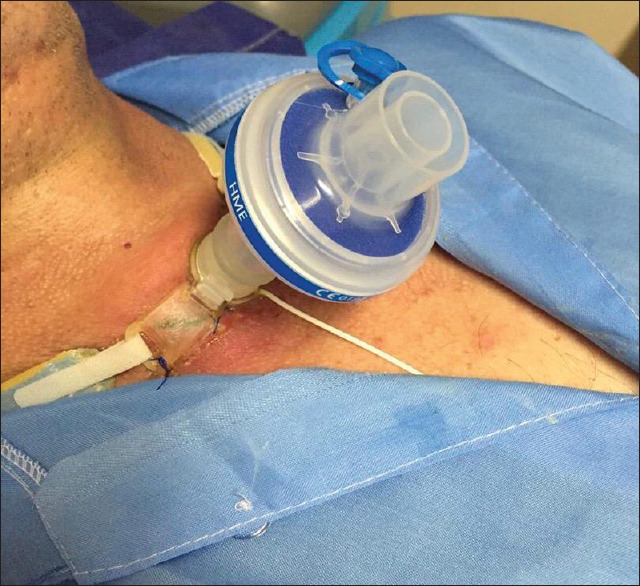
Contributor: Aaron Lessen, MD Educational Pearls: Tracheostomy bleeding is a rare but potentially life-threatening complication that usually occurs within the first month of tracheostomy tube placement No matter how severe the bleeding, every patient should be evaluated to rule out a tracheo-innominate fistula between the tracheostomy and the innominate artery If the patient is currently bleeding and has a cuffed tracheostomy tube, over-inflate the balloon to compress the bleeding vessel Consider replacing an uncuffed tracheostomy tube with a cuffed tube or an ET tube If the tracheostomy was performed in the last seven days, use a bougie or bronchoscope to replace the uncuffed tube due to increased risk of opening a false track into the subcutaneous tissue If bleeding cannot be controlled, follow mass-transfusion protocols, and as a last resort, remove the tube and insert a finger into the stoma to manually compress the artery References Bontempo LJ, Manning SL. Tracheostomy Emergencies. Emerg Med Clin North Am. 2019;37(1):109-119. Khanafer A, Hellstern V, Meißner H, et al. Tracheoinnominate fistula: acute bleeding and hypovolemic shock due to a trachea-innominate artery fistula after long-term tracheostomy, treated with a stent-graft. CVIR Endovasc. 2021;4(1):30. Manning Sara, Bontempo Laura. Complications of Tracheostomies. In: Mattu A and Swadron S, ed. ComPendium. Burbank, CA: CorePendium, LLC. https://www.emrap.org/corependium/chapter/reckOdDn9Ljn7sBLy/Complications-of-Tracheostomies. Updated August 17, 2021. Accessed June 5, 2022. Summarized by Mark O'Brien, MS4 | Edited by John Spartz, MD, MPH & Erik Verzemnieks, MD The Emergency Medical Minute is excited to announce that we are now offering AMA PRA Category 1 credits™ via online course modules. To access these and for more information, visit our website at https://emergencymedicalminute.org/cme-courses/ and create an account. Donate to EMM today!
Podcast 787: TAVR and Stroke
Contributor: Nick Hatch, MD Educational Pearls: Transcatheter aortic valve replacement (TAVR) is an increasingly common endovascular procedure to treat aortic stenosis TAVR is an alternative to the open approach surgical aortic valve replacement (SAVR) for patients who are inoperable or are high risk surgical candidates Following TAVR, there is increased risk of stroke, particularly in the first 30 days TAVR-related strokes are due to embolic debris left on the valve root, which is generally cleaned out during SAVR Further, following the procedure many patients are anticoagulated which increases the risk for conversion to hemorrhagic stroke Isolated, unexplained nausea and vomiting in elderly patients should prompt concern for a neurologic workup with imaging - even more so if they have recently undergone TAVR References Davlouros PA, Mplani VC, Koniari I, Tsigkas G, Hahalis G. Transcatheter aortic valve replacement and stroke: a comprehensive review. J Geriatr Cardiol. 2018;15(1):95-104. doi:10.11909/j.issn.1671-5411.2018.01.008 Gleason TG, Reardon MJ, Popma JJ, et al. 5-Year Outcomes of Self-Expanding Transcatheter Versus Surgical Aortic Valve Replacement in High-Risk Patients. J Am Coll Cardiol. 2018;72(22):2687-2696. doi:10.1016/j.jacc.2018.08.2146 Siontis GCM, Overtchouk P, Cahill TJ, et al. Transcatheter aortic valve implantation vs. surgical aortic valve replacement for treatment of symptomatic severe aortic stenosis: an updated meta-analysis. Eur Heart J. 2019;40(38):3143-3153. doi:10.1093/eurheartj/ehz275 Summarized by Kirsten Hughes, MS4 | Edited by John Spartz MS4 & Erik Verzemnieks, MD The Emergency Medical Minute is excited to announce that we are now offering AMA PRA Category 1 credits™ via online course modules. To access these and for more information, visit our website at https://emergencymedicalminute.org/cme-courses/ and create an account. Donate to EMM today!
Podcast 786: Smiling Death
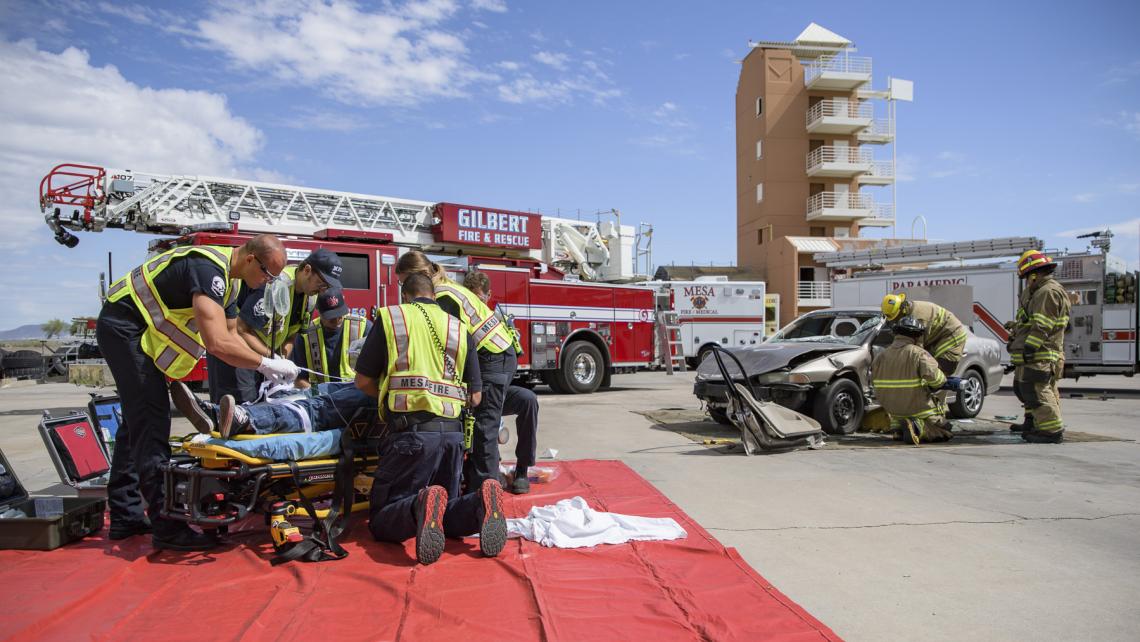
Contributor: Nick Hatch, MD Educational Pearls: "Smiling Death" describes the prehospital phenomenon of a person who is happy to be extricated from an extended period of crush injury, but dies suddenly soon after the rescue. Smiling Death is caused by Crush Syndrome. Crush Syndrome begins when large areas of tissue are damaged by compression and subsequent impeded blood flow. Resultant cell death is followed by release of myoglobin and efflux of electrolytes including potassium. Upon removal of the crushing force, high levels of potassium enter circulation and cause cardiac arrhythmias leading to sudden death. Prevention measures include aggressive hydration using normal saline before extrication. An acceptable starting rate is 1L per hour, but providers should take patient status into consideration and titrate appropriately. Standard techniques for controlling hyperkalemia by intracellular shifting may be less effective. Early dialysis may be useful. References Gonzalez D. Crush syndrome. Crit Care Med. 2005;33(1 Suppl):S34-S41. doi:10.1097/01.ccm.0000151065.13564.6f Better OS. Rescue and salvage of casualties suffering from the crush syndrome after mass disasters. Mil Med. 1999;164(5):366-369. Summarized by Kirsten Hughes, MS4 | Edited by John Spartz MS4 & Erik Verzemnieks, MD The Emergency Medical Minute is excited to announce that we are now offering AMA PRA Category 1 credits™ via online course modules. To access these and for more information, visit our website at https://emergencymedicalminute.org/cme-courses/ and create an account. Donate to EMM today!
Podcast 785: Pepper Spray
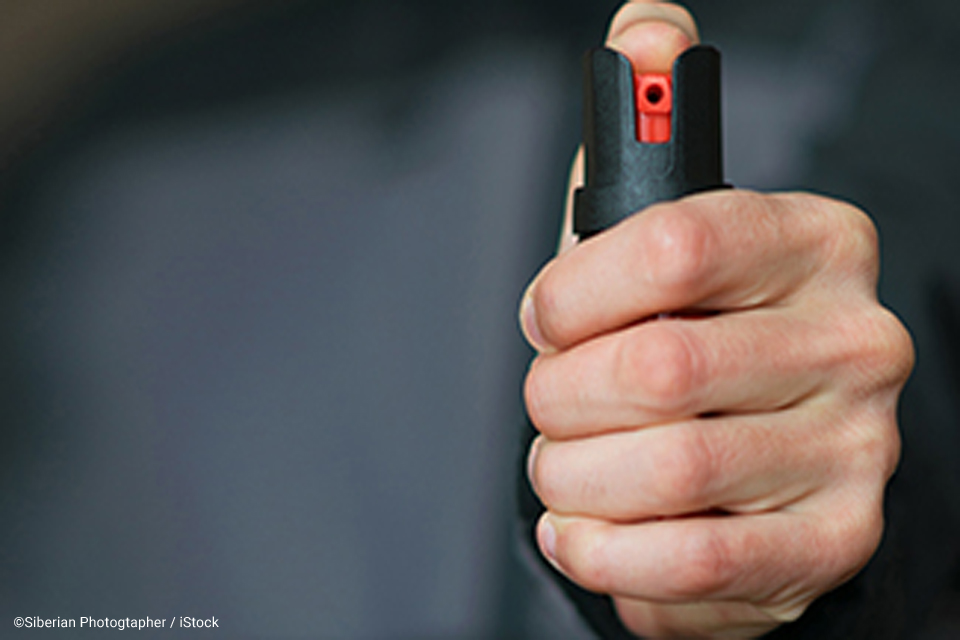
Contributor: Jared Scott, MD Educational Pearls: Pepper spray is a chemical irritant derived from oleoresin capsicum (OC), an extract from pepper plants. It can be used by police for riot or crowd control, or by individuals for self defense. In the event of an exposure, those affected should immediately disperse from the area, remove contact lenses with clean or gloved hands, and remove contaminated clothing. Pepper spray can spread from patients to providers by contact. When caring for those exposed, providers should use PPE including gloves and should double bag personal belongings. For patient management consider the following: If the eyes are affected, first remove contacts then irrigate with clean water. Use proparacaine drops for relief. Clean exposed skin thoroughly with soap and water. Inhalation and ingestion may cause nausea, vomiting, shortness of breath and generalized anxiety from discomfort. Treatment can include antiemetics and anxiolytics. Symptoms may persist for many days. References Schep LJ, Slaughter RJ, McBride DI. Riot control agents: the tear gases CN, CS and OC-a medical review. J R Army Med Corps. 2015;161(2):94-99. doi:10.1136/jramc-2013-000165 Tidwell RD, Wills BK. Tear Gas and Pepper Spray Toxicity. [Updated 2022 Jan 10]. In: StatPearls [Internet]. Treasure Island (FL): StatPearls Publishing; 2022 Jan-. Available from: https://www.ncbi.nlm.nih.gov/books/NBK544263/ Summarized by Kirsten Hughes, MS4 | Edited by John Spartz MS4 & Erik Verzemnieks, MD The Emergency Medical Minute is excited to announce that we are now offering AMA PRA Category 1 credits™ via online course modules. To access these and for more information, visit our website at https://emergencymedicalminute.org/cme-courses/ and create an account. Donate to EMM today! *********************

Podcast 784: Wastewater Surveillance for COVID
Contributor: Jared Scott, MD Educational Pearls: About 50% of those infected with SARS-CoV-2 will shed the virus in their feces Wastewater surveillance can be used to track COVID burden, which may be easier than collating test data from multiple hospitals across a region Viral shedding begins 5-7 days prior to symptom onset, so wastewater data can be used to anticipate outbreaks and inform policy and public health initiatives Some existing limitations to wastewater surveillance include: Reporting by counties were water sources may be mixed Septic tanks and other closed water systems will not be counted Not all those infected will shed the virus References Weidhaas J, Aanderud ZT, Roper DK, et al. Correlation of SARS-CoV-2 RNA in wastewater with COVID-19 disease burden in sewersheds. Sci Total Environ. 2021;775:145790. doi:10.1016/j.scitotenv.2021.145790 Kirby AE, Walters MS, Jennings WC, et al. Using Wastewater Surveillance Data to Support the COVID-19 Response — United States, 2020–2021. MMWR Morb Mortal Wkly Rep 2021;70:1242–1244. DOI: http://dx.doi.org/10.15585/mmwr.mm7036a2 Covid-19 monitoring in wastewater. Colorado COVID-19 Updates. https://covid19.colorado.gov/covid-19-monitoring-in-wastewater. Accessed May 21, 2022. Summarized by Kirsten Hughes, MS4 | Edited by John Spartz, MD, MPH & Erik Verzemnieks, MD The Emergency Medical Minute is excited to announce that we are now offering AMA PRA Category 1 credits™ via online course modules. To access these and for more information, visit our website at https://emergencymedicalminute.org/cme-courses/ and create an account. Donate to EMM today!
Podcast 783: LAD Occlusion & Troponin
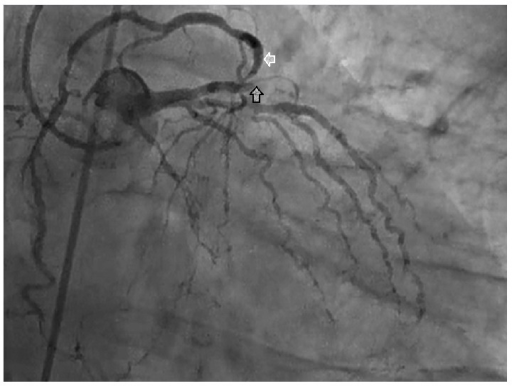
Contributor: Jared Scott, MD Educational Pearls: A study randomized 34 healthy patient to have their left anterior descending artery (LAD) occluded by balloon for 0, 15, 30, or 90 seconds Subsequently, cardiac troponins (cTns) and Copeptin were measured every 15 minutes for 3 hours, then every 30 minutes for the next 3 hours 5 conclusions were drawn: Copeptin is not a useful marker of cardiac ischemia cTn may be detected after only 30 seconds of ischemia cTn may be detected in a little as 15 minutes after ischemic event After only 90 seconds of ischemia, cTn levels met threshold for MI Troponin I is a better marker than troponin T as it rises faster and reaches a higher peak Patients very recent or very brief ischemic events may have elevated troponin in the ED References Árnadóttir Á, Pedersen S, Bo Hasselbalch R, et al. Temporal Release of High-Sensitivity Cardiac Troponin T and I and Copeptin After Brief Induced Coronary Artery Balloon Occlusion in Humans [published correction appears in Circulation. 2021 Jun 22;143(25):e1116]. Circulation. 2021;143(11):1095-1104. doi:10.1161/CIRCULATIONAHA.120.046574 Summarized by Kirsten Hughes, MS4 | Edited by John Spartz, MD, MPH & Erik Verzemnieks, MD The Emergency Medical Minute is excited to announce that we are now offering AMA PRA Category 1 credits™ via online course modules. To access these and for more information, visit our website at https://emergencymedicalminute.org/cme-courses/ and create an account. Donate to EMM today!

Podcast 782: Ventilator Management
Contributor: Aaron Lessen, MD Educational Pearls: Tidal volume is the amount of breath a patient receives in a single ventilation Traditional tidal volume (TV) setting was 10 ml/kg but studies showed lower TV had less incidence of respiratory distress, ARDS, and overall better outcomes ED ventilation settings may get carried on for hours or days when a patient is admitted, making this an important part of patient care Recent large systematic review shows that low TV setting in the ED leads to decreased incidence of ARDS, shorter ICU and hospital length of stay, shorter duration of mechanical ventilation, and decreased mortality Consider an ED low tidal volume ventilation setting at around 6 ml/kg of predicted body weight References De Monnin K, Terian E, Yaegar LH, et al. Low Tidal Volume Ventilation for Emergency Department Patients: A Systematic Review and Meta-Analysis on Practice Patterns and Clinical Impact [published online ahead of print, 2022 Feb 7]. Crit Care Med. 2022;10.1097/CCM.0000000000005459. doi:10.1097/CCM.0000000000005459 Summarized by Kirsten Hughes, MS4 | Edited by John Spartz MS4 & Erik Verzemnieks, MD The Emergency Medical Minute is excited to announce that we are now offering AMA PRA Category 1 credits™ via online course modules. To access these and for more information, visit our website at https://emergencymedicalminute.org/cme-courses/ and create an account. Donate to EMM today!
Podcast 781: Foxglove, Dropsy, and Salvador Dali
Contributor: Chris Holmes, MD Educational Pearls: Foxglove plant contains the cardiac glycoside digoxin Foxglove leaf potions were once used to treat Dropsy; a historic term for symptoms of heart failure Digoxin, previously used for treating heart failure, works by increases heart contraction strength and slows heart rate Of note, the EKG of patient on digitalis may have a 'Dali Mustache' appearance Digoxin toxicity can lead to a variety of dysrhythmias as well as neurological, GI, and metabolic effects Treatment of digoxin toxicity is digoxin-immune fab, which is an antibody that binds digoxin References David MNV, Shetty M. Digoxin. [Updated 2021 Dec 23]. In: StatPearls [Internet]. Treasure Island (FL): StatPearls Publishing; 2022 Jan-. Available from: https://www.ncbi.nlm.nih.gov/books/NBK556025/ Cummings ED, Swoboda HD. Digoxin Toxicity. [Updated 2021 Jul 10]. In: StatPearls [Internet]. Treasure Island (FL): StatPearls Publishing; 2022 Jan-. Available from: https://www.ncbi.nlm.nih.gov/books/NBK470568/?report=classic Summarized by Kirsten Hughes, MS4 | Edited by John Spartz MS4 & Erik Verzemnieks, MD The Emergency Medical Minute is excited to announce that we are now offering AMA PRA Category 1 credits™ via online course modules. To access these and for more information, visit our website at https://emergencymedicalminute.org/cme-courses/ and create an account. Donate to EMM today!
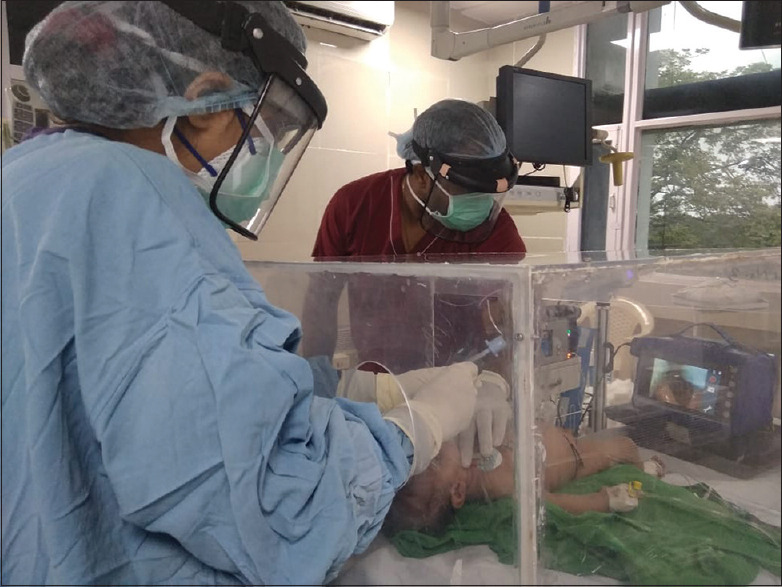
Podcast 780: Pediatric Sedation Post-Intubation
Contributor: Aaron Lessen, MD Educational Pearls: Recent study looking at a pediatric emergency department to determine what percentage of patients after intubation received sedation within 10 minutes after intubation About 25% of the patients in the study received sedation within 10 minutes after intubation Only 75% of the patients in the study received sedation in the ED at some point after intubation Those who received rocuronium were less likely to received sedation post-intubation References Berg K, Gregg V, Cosgrove P, Wilkinson M. The Administration of Postintubation Sedation in the Pediatric Emergency Department. Pediatr Emerg Care. 2021;37(11):e732-e735. doi:10.1097/PEC.0000000000001744 Summarized by John Spartz, MS4 | Edited by Erik Verzemnieks, MD The Emergency Medical Minute is excited to announce that we are now offering AMA PRA Category 1 credits™ via online course modules. To access these and for more information, visit our website at https://emergencymedicalminute.org/cme-courses/ and create an account. Donate to EMM today!
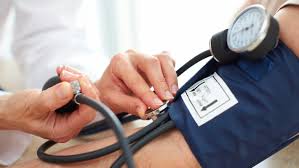
Podcast 779: Pulse Pressure in Trauma
Contributor: Aaron Lessen, MD Educational Pearls: Pulse pressure is the difference between the systolic and diastolic blood pressure, normal is about 40 A narrow pulse pressure is generally thought of as less than 30 mmHg which may signal peripheral vasoconstriction in response to lower blood volumes 2020 study examined hypotension and narrow pulse pressure in trauma and outcomes 37% of patients who were hypotensive on ED arrival had a severe injury, 22% of patients who had a narrow pulse pressure had a severe injury, and 11% of patients with normal blood pressure and normal pulse pressure had a severe injury Need for thoracotomy, death, cardiac arrest, and need for other interventions was highest in the hypotensive group, the lowest in the normal blood pressure/normal pulse pressure group, and narrow pulse pressure group outcomes fell in the middle Narrow pulse pressure in the setting of trauma may be a helpful vital sign to incorporate into trauma care in the ED References Schellenberg M, Owattanapanich N, Getrajdman J, Matsushima K, Inaba K. Prehospital Narrow Pulse Pressure Predicts Need for Resuscitative Thoracotomy and Emergent Intervention After Trauma [published correction appears in J Surg Res. 2021 Oct 6;270:1]. J Surg Res. 2021;268:284-290. doi:10.1016/j.jss.2021.06.051 Summarized by John Spartz, MS4 | Edited by Erik Verzemnieks, MD The Emergency Medical Minute is excited to announce that we are now offering AMA PRA Category 1 credits™ via online course modules. To access these and for more information, visit our website at https://emergencymedicalminute.org/cme-courses/ and create an account. Donate to EMM today!
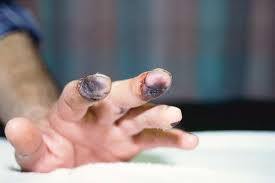
Podcast 778: tPA for Frostbite Injury
Contributor: Peter Bakes, MD Educational Pearls: Mild frostbite injury usually only requires supportive care In severe frostbite injury, patients should receive an immediate angiogram, be admitted, and receive tPA if there is evidence of vascular occlusion Salvage rate is around 80% for appropriate patients who receive tPA in phalangeal frostbite injury References Paine RE, Turner EN, Kloda D, Falank C, Chung B, Carter DW. Protocoled thrombolytic therapy for frostbite improves phalangeal salvage rates. Burns Trauma. 2020;8:tkaa008. Published 2020 Apr 10. doi:10.1093/burnst/tkaa008 Basit H, Wallen TJ, Dudley C. Frostbite. In: StatPearls. Treasure Island (FL): StatPearls Publishing; November 5, 2021. Wexler A, Zavala S. The Use of Thrombolytic Therapy in the Treatment of Frostbite Injury. J Burn Care Res. 2017;38(5):e877-e881. doi:10.1097/BCR.0000000000000512 Summarized by John Spartz, MS4 | Edited by Erik Verzemnieks, MD The Emergency Medical Minute is excited to announce that we are now offering AMA PRA Category 1 credits™ via online course modules. To access these and for more information, visit our website at https://emergencymedicalminute.org/cme-courses/ and create an account. Donate to EMM today!

Podcast 777: Grass, Weed, and Ancient Rome
Contributor: Chris Holmes, MD Educational Pearls: Antiemetics were used in ancient Rome to help with sea-sickness and included toxic substances such as wine and wormwood and white hellborn The first antihistamine used for nausea, dramamine, was introduced in 1947 for motion sickness After this chlorpromazine, prochlorperazine, and promethazine came about in the 1950s and 1960s Cannabis, colloquially referred to as weed, isolates like THC used in the 1970s to help with chemotherapy-induced After this in the 1980s, ondansetron and metoclopramide were introduced for more severe chemotherapy-induced nausea Lastly, NK-1 inhibitors were introduced to treat nausea References Sanger GJ, Andrews PLR. A History of Drug Discovery for Treatment of Nausea and Vomiting and the Implications for Future Research. Front Pharmacol. 2018;9:913. Published 2018 Sep 4. doi:10.3389/fphar.2018.00913 Summarized by John Spartz, MS4 | Edited by Erik Verzemnieks, MD The Emergency Medical Minute is excited to announce that we are now offering AMA PRA Category 1 credits™ via online course modules. To access these and for more information, visit our website at https://emergencymedicalminute.org/cme-courses/ and create an account. Donate to EMM today!

Mental Health Monthly #12: Management of Opioid Use Disorder with MAT (Medication-Assisted Treatment)
In this special episode of MHM, we feature Dr. Nadia Haddad, a Colorado psychiatrist, and Dr. Ricky Dhaliwal, an emergency medicine physician, as they discuss the implications of OUD in Colorado. As a substance use disorder specialist, Dr. Haddad provides an invaluable perspective on various treatment modalities for OUD in the outpatient and inpatient settings. Finally, Dr. Haddad and Dr. Dhaliwal discuss the implications of the newly introduced Colorado legislation affecting patients with OUD and their providers. Key Points: The classic Suboxone therapy for heroin or prescription opioid detox can precipitate severe withdrawal in street fentanyl users. The three FDA-approved MATs include methadone (full opioid agonist), buprenorphine (partial opioid agonist), and naltrexone (opioid antagonist). Street fentanyl does not behave like pharmaceutical-grade fentanyl; a recent study found that the chemical composition of a street pill varied and included opioid analogs and benzodiazepines Fentanyl attaches and detaches to/from the receptor more easily and quickly than buprenorphine. Dr. Haddad suspects that as fentanyl weans from the patient's system, there is not enough to compete with Suboxone, therefore precipitating withdrawal. Suboxone vs. naltrexone: Suboxone can be started sooner to treat post-acute withdrawal. Naltrexone helps to prevent relapse but may slow a patient's emotional return to baseline. Dr. Haddad recently developed a new home induction program to provide patients with supportive measures for the withdrawal period, which include pharmacologic interventions like clonidine, trazodone, dicyclomine, or loperamide. Resources after discharge in Colorado include mental health centers, Front Range Clinic, Magnolia Mental Health The criminalization of substance use disorders moves people from treatment-focused settings to punitive settings and leads to prison population expansion without adequate mental healthcare resources.
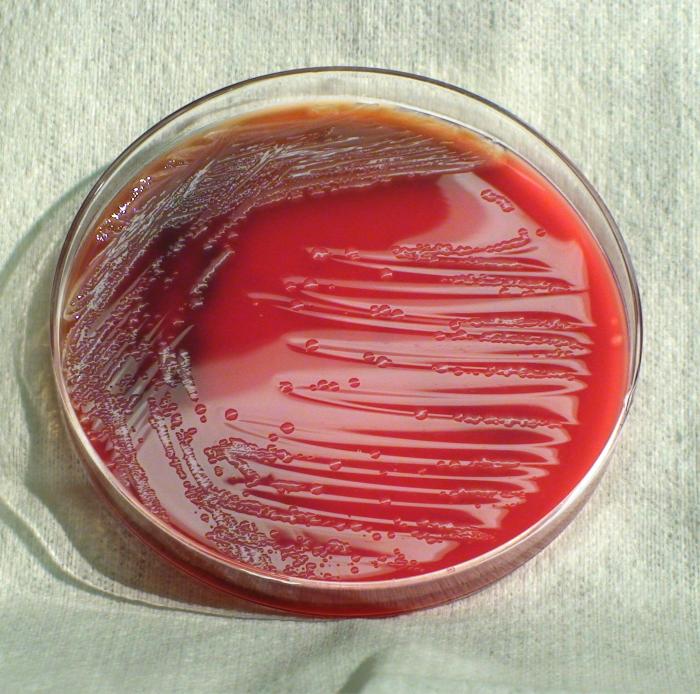
Podcast 776: Single-Site Blood Cultures
Contributor: Aaron Lessen, MD Educational Pearls: Traditionally, blood cultures are drawn from two separate sites despite no data to suggest this is better than drawing blood from one site Recent study evaluated multi-site versus single-site blood cultures to determine if there was a difference in accuracy or contamination Positive yield was 20% in the single-site year and 17% in the multi-site year No difference in contamination between the two groups References Ekwall-Larson A, Yu D, Dinnétz P, Nordqvist H, Özenci V. Single-Site Sampling versus Multisite Sampling for Blood Cultures: a Retrospective Clinical Study. J Clin Microbiol. 2022;60(2):e0193521. doi:10.1128/JCM.01935-21 Summarized by John Spartz, MS4 | Edited by Erik Verzemnieks, MD The Emergency Medical Minute is excited to announce that we are now offering AMA PRA Category 1 credits™ via online course modules. To access these and for more information, visit our website at https://emergencymedicalminute.org/cme-courses/ and create an account. Donate to EMM today!

Podcast 775: Olecranon Bursitis
Contributor: Aaron Lessen, MD Educational Pearls: Olecranon bursitis refers to inflammation in the bursa of the elbow and can be due to infection or trauma Recent study examined treating suspected septic olecranon bursitis with antibiotics versus drainage About 90% of the patients treated with antibiotic therapy for this issue did not require subsequent drainage or hospitalization for intravenous antibiotics Consider treating suspected olecranon bursitis with antibiotic therapy and good return precautions rather than defaulting to drainage References Beyde A, Thomas AL, Colbenson KM, et al. Efficacy of empiric antibiotic management of septic olecranon bursitis without bursal aspiration in emergency department patients. Acad Emerg Med. 2022;29(1):6-14. doi:10.1111/acem.14406 Summarized by John Spartz, MS4 | Edited by Erik Verzemnieks, MD The Emergency Medical Minute is excited to announce that we are now offering AMA PRA Category 1 credits™ via online course modules. To access these and for more information, visit our website at https://emergencymedicalminute.org/cme-courses/ and create an account. Donate to EMM today!
On the Streets #13: Pre-hospital Cardiology Concepts
On this episode of On the Streets, our host, Jordan Ourada, talks with cardiologist, Dr. Chirag Chauhan, about all things cardiac. Highlighted topics: Wrist versus femoral access in the cath lab The most important prehospital interventions for an MI Nitroglycerin: Who gets it and what are the precautions Lidocaine and amiodarone in a heart attack CPR assist devices

Podcast 774: Maggots
Contributor: Chris Holmes, MD Educational Pearls: Maggots were discovered as a therapy to help wound healing in WWI, but this fell out of favor after the discovery of penicillin One study from Israel used maggots in treating diabetic foot wound with positive results but notable patient discomfort Maggots debride tissue, kill MRSA, promote angiogenesis, and promote fibroblast migration to lay down new tissue While maggots may be very useful in wound healing, the reality of the therapy may make patients very uncomfortable References Gilead L, Mumcuoglu KY, Ingber A. The use of maggot debridement therapy in the treatment of chronic wounds in hospitalised and ambulatory patients. J Wound Care. 2012 Feb;21(2):78, 80, 82-85. doi: 10.12968/jowc.2012.21.2.78. PMID: 22584527. Mohd Zubir MZ, Holloway S, Mohd Noor N. Maggot Therapy in Wound Healing: A Systematic Review. Int J Environ Res Public Health. 2020;17(17):6103. Published 2020 Aug 21. doi:10.3390/ijerph17176103 McCaughan, Dorothy et al. "Patients' perceptions and experiences of venous leg ulceration and their attitudes to larval therapy: an in-depth qualitative study." Health expectations : an international journal of public participation in health care and health policy vol. 18,4 (2015): 527-41. doi:10.1111/hex.12053 Summarized by John Spartz, MS4 | Edited by Erik Verzemnieks, MD The Emergency Medical Minute is excited to announce that we are now offering AMA PRA Category 1 credits™ via online course modules. To access these and for more information, visit our website at https://emergencymedicalminute.org/cme-courses/ and create an account. Donate to EMM today!

Podcast 773: Atrial Fibrillation Medications
Contributor: Aaron Lessen, MD Educational Pearls: Atrial fibrillation is an irregular heart rhythm that sometimes requires rate control in setting of rapid ventricular response (RVR) Calcium channel blocker and beta blockers are the most frequently used medications to block the AV node and slow down the heart rate in atrial fibrillation with RVR If a patient is on one of these agents at home, the IV form should be used first Recent systematic review and meta-analysis found 3 trials addressing which medication to use to control heart rate in atrial fibrillation with RVR with a total of 150 patients Found diltiazem, a CCB, was 4x more likely to reduce heart rate than metoprolol 50% of patients had a normal heart rate at 21 minutes with diltiazem versus 22% in those who received metoprolol Both agents had a similar decrease in blood pressure after administration References Jafri SH, Xu J, Warsi I, Cerecedo-Lopez CD. Diltiazem versus metoprolol for the management of atrial fibrillation: A systematic review and meta-analysis. Am J Emerg Med. 2021 Oct;48:323-327. doi: 10.1016/j.ajem.2021.06.053. Epub 2021 Jun 30. PMID: 34274577. Summarized by John Spartz, MS4 | Edited by Erik Verzemnieks, MD The Emergency Medical Minute is excited to announce that we are now offering AMA PRA Category 1 credits™ via online course modules. To access these and for more information, visit our website at https://emergencymedicalminute.org/cme-courses/ and create an account. Donate to EMM today!

Podcast 772: Firearms in Suicidal Ideation
Contributor: Aaron Lessen, MD Educational Pearls: Firearms are a dangerous potential method of committing suicide Death occurs in about 5-15% of suicide attempts overall, but death in suicide attempts using firearms occurs in 85-90% of cases In some states, families can petition a judge to remove firearms from a house although healthcare providers cannot do this References Sarai SK, Abaid B, Lippmann S. Guns and Suicide: Are They Related? Prim Care Companion CNS Disord. 2017 Dec 21;19(6):17br02116. doi: 10.4088/PCC.17br02116. PMID: 29272571. Anestis MD, Bandel SL, Butterworth SE, Bond AE, Daruwala SE, Bryan CJ. Suicide risk and firearm ownership and storage behavior in a large military sample. Psychiatry Res. 2020 Sep;291:113277. doi: 10.1016/j.psychres.2020.113277. Epub 2020 Jul 2. PMID: 32886959. Mann JJ, Michel CA. Prevention of Firearm Suicide in the United States: What Works and What Is Possible. Am J Psychiatry. 2016 Oct 1;173(10):969-979. doi: 10.1176/appi.ajp.2016.16010069. Epub 2016 Jul 22. PMID: 27444796. Summarized by John Spartz, MS4 | Edited by Erik Verzemnieks, MD The Emergency Medical Minute is excited to announce that we are now offering AMA PRA Category 1 credits™ via online course modules. To access these and for more information, visit our website at https://emergencymedicalminute.org/cme-courses/ and create an account. Donate to EMM today!

Podcast 771: Intubation in Cardiac Arrest
Contributor: Don Stader, MD Educational Pearls: In a secondary analysis of the PART trial, the mortality effect of timing of airway management for patients in cardiac arrest was examined Study looked at whether timing played a part in both laryngeal tube placement or endotracheal intubation during cardiac arrest Did not find any association of timing and survival to hospital discharge High-quality CPR and defibrillation are the only two things that improve outcomes in cardiac arrest References Okubo M, Komukai S, Izawa J, Aufderheide TP, Benoit JL, Carlson JN, Daya MR, Hansen M, Idris AH, Le N, Lupton JR, Nichol G, Wang HE, Callaway CW. Association of Advanced Airway Insertion Timing and Outcomes After Out-of-Hospital Cardiac Arrest. Ann Emerg Med. 2022 Feb;79(2):118-131. doi: 10.1016/j.annemergmed.2021.07.114. Epub 2021 Sep 16. PMID: 34538500. Summarized by John Spartz, MS4 | Edited by Erik Verzemnieks, MD The Emergency Medical Minute is excited to announce that we are now offering AMA PRA Category 1 credits™ via online course modules. To access these and for more information, visit our website at https://emergencymedicalminute.org/cme-courses/ and create an account. Donate to EMM today!
Podcast 770: Xylazine
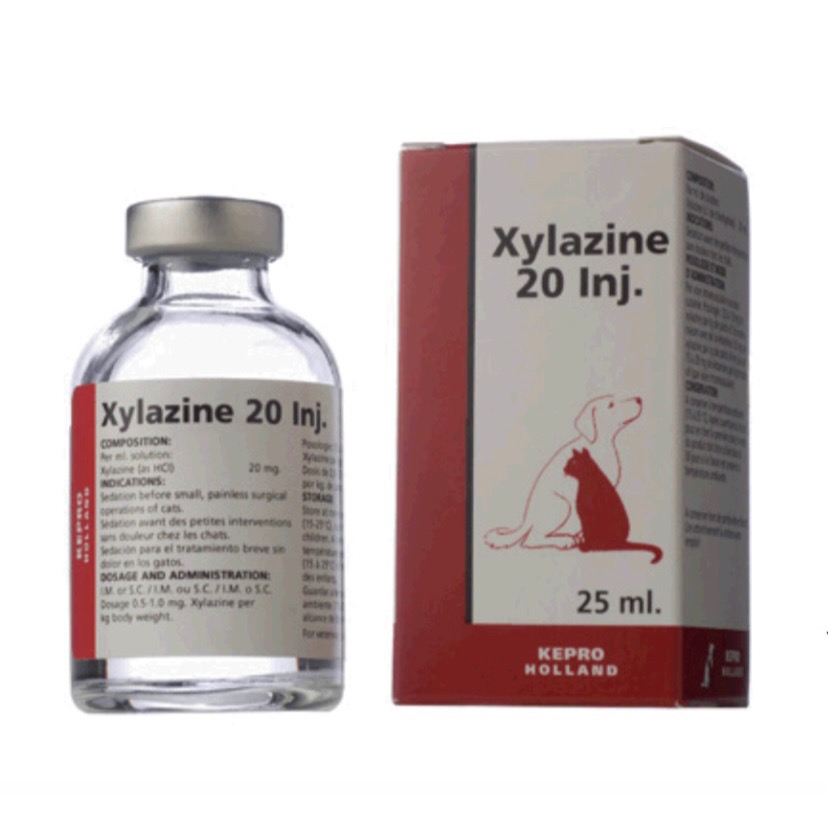
Contributor: Don Stader, MD Educational Pearls: Xylazine, referred to as tranq dope colloquially, is an FDA approved animal tranquilizer that is circulating in the illicit drug markets of the northeastern United states It is a powerful alpha-2 agonist, similar to clonidine, and patients with xylazine overdose may present similarly to opioid overdose Naloxone will not reverse the effects of xylazine and management is supportive care Withdrawal symptoms from xylazine use can be treated with clonidine References https://www.acep.org/tacticalem/newsroom/oct-2021/xylazine-an-emerging-adulterant/ Nunez J, DeJoseph ME, Gill JR. Xylazine, a Veterinary Tranquilizer, Detected in 42 Accidental Fentanyl Intoxication Deaths. Am J Forensic Med Pathol. 2021 Mar 1;42(1):9-11. doi: 10.1097/PAF.0000000000000622. PMID: 33031124. Summarized by John Spartz, MS4 | Edited by Erik Verzemnieks, MD The Emergency Medical Minute is excited to announce that we are now offering AMA PRA Category 1 credits™ via online course modules. To access these and for more information, visit our website at https://emergencymedicalminute.org/cme-courses/ and create an account. Donate to EMM today!
Podcast 769: Pressors After Cardiac Arrest
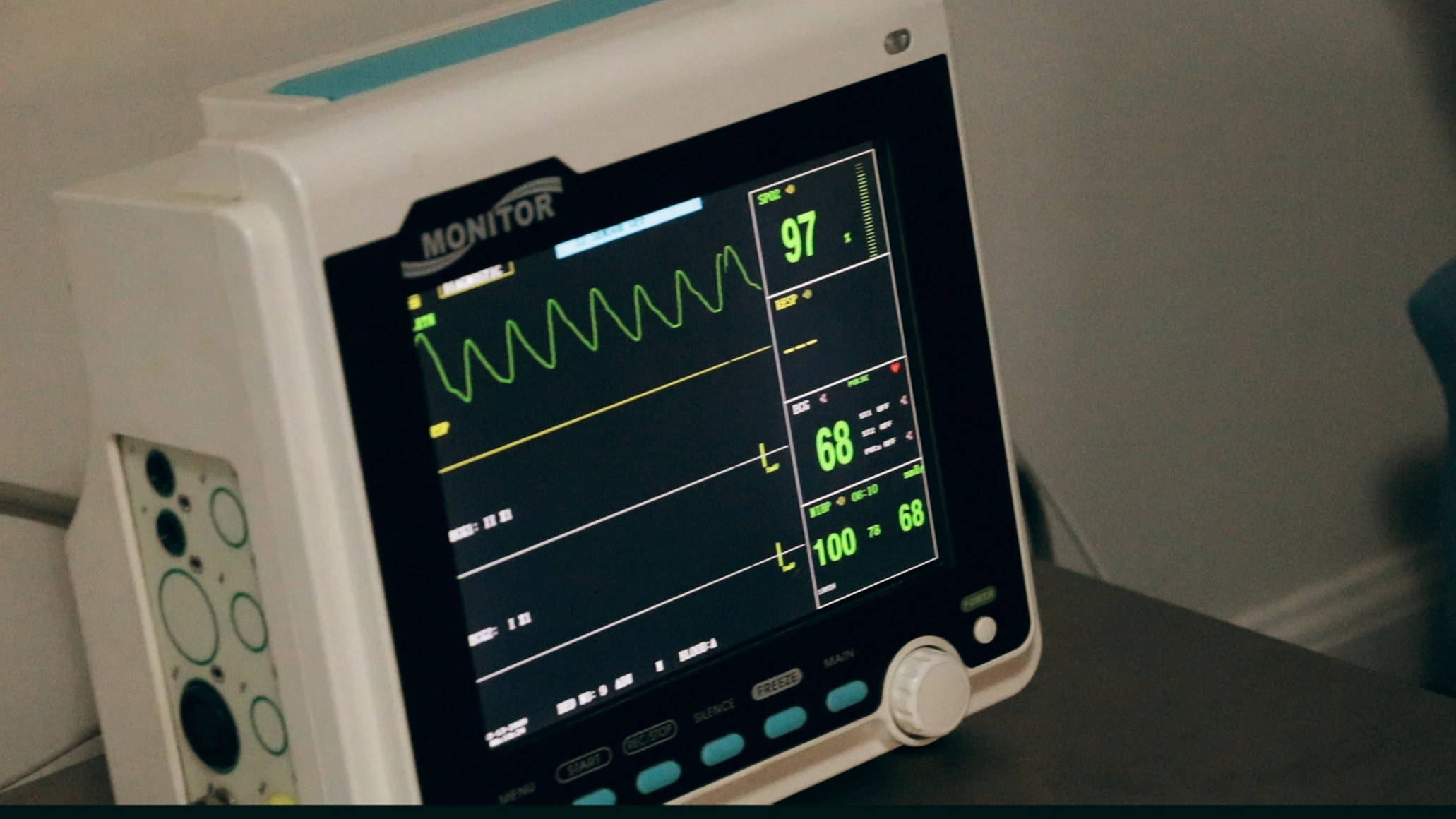
Contributor: Aaron Lessen, MD Educational Pearls: Hypotension after cardiac arrest often requires a vasopressor to improve blood pressure Recent observational study from France examined outcomes of patients who received either epinephrine or norepinephrine for post-resuscitation shock Norepinephrine had significantly better outcomes Death from shock was 35% in the epinephrine group vs. 9% in the norepinephrine group Recurrent cardiac arrest was 9% in epinephrine group vs. 3% in norepinephrine group For epinephrine: The all cause mortality was 2.5 times higher than norepinephrine Cardiovascular mortality was 5 times higher than norepinephrine Favorable neurological outcomes was 3 times worse than norepinephrine References Bougouin W, Slimani K, Renaudier M, Binois Y, Paul M, Dumas F, Lamhaut L, Loeb T, Ortuno S, Deye N, Voicu S, Beganton F, Jost D, Mekontso-Dessap A, Marijon E, Jouven X, Aissaoui N, Cariou A; Sudden Death Expertise Center Investigators. Epinephrine versus norepinephrine in cardiac arrest patients with post-resuscitation shock. Intensive Care Med. 2022 Mar;48(3):300-310. doi: 10.1007/s00134-021-06608-7. Epub 2022 Feb 7. PMID: 35129643. Summarized by John Spartz, MS4 | Edited by Erik Verzemnieks, MD The Emergency Medical Minute is excited to announce that we are now offering AMA PRA Category 1 credits™ via online course modules. To access these and for more information, visit our website at https://emergencymedicalminute.org/cme-courses/ and create an account. Donate to EMM today!

Mental Health Monthly #11: De-escalation: Changing Confrontation to Collaboration
Contributor: Dr. Kimberly Nordstrom De-escalation usually takes less time than physical and chemical restraints, which leads to decreased injury to staff members, better patient trust and increased patient throughput as accepting facilities oftentimes delay transfer acceptance following physical restraints Prepare to engage prior to entering their room in two ways: cognitively and emotionally Why do you want to de-escalate the patient? Remind yourself you don't want to introduce more trauma Check your emotions, and ensure you don't bring your emotional state into If possible, engage the patient when they're in mild agitation before their anger is out of control Be authoritative not authoritarian or permissive, impart your expertise in medicine and explain your rationale to them without claiming to be an expert on them personally Small acts of kindness like the provision of a warm blanket, snacks or voluntary medications appropriate to the situation can aid in establishing trust and rapport Take a break to cool off if the interaction is too charged Verbal de-escalation pearls: Respectful introduction, etiquette can be perceived as empathy to a patient in crisis Confirm story and allow patient to offer corrections to what you've been told Utilize active listening techniques, both verbally and nonverbally Avoid assigning blame, but use distant third parties if necessary without being detrimental to your colleagues Offer choices in medications within your clinical comfort zone for the patient Verbal De-escalation videos: Identification and Assessment of Agitation Basic Elements of Verbal De-escalation More Practice with Verbal De-escalation Advanced Skills in De-escalation Personal Safety and Escape Skills References: Berlin JS. Collaborative De-escalation. In: Zeller SL, Nordstrom KD, Wilson MP, eds. The Diagnosis and Management of Agitation. Cambridge: Cambridge University Press; 2017:144-155. doi:10.1017/9781316556702.012 Richmond JS, Berlin JS, Fishkind AB, et al. Verbal De-escalation of the Agitated Patient: Consensus Statement of the American Association for Emergency Psychiatry Project BETA De-escalation Workgroup. West J Emerg Med. 2012;13(1):17-25. doi:10.5811/westjem.2011.9.6864 Summarized by Mason Tuttle
Podcast 768: Takotsubo Cardiomyopathy
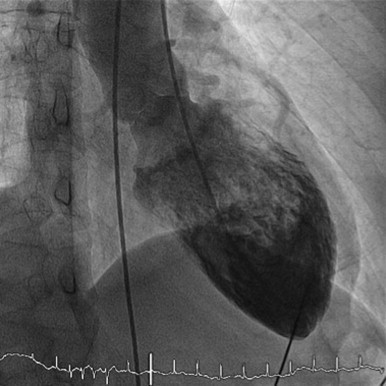
Contributor: Peter Bakes, MD Educational Pearls: 3% of cases of acute coronary syndrome are due to Takotsubo Takotsubo cardiomyopathy or "broken heart syndrome" can occur with severe physiologic or emotional stressors, as these events can result in a profound outpouring of sympathetic neurotransmitters (epinephrine/norepinephrine) Receptors for these catecholamines are very dense around the apex of the heart, so the apical aspect of the heart can balloon outward as a result of this surge Most often cases resolve in several weeks although in rare cases it can lead to congestive heart failure or a thrombus formation References Ahmad SA, Brito D, Khalid N, et al. Takotsubo Cardiomyopathy. [Updated 2022 Jan 14]. In: StatPearls [Internet]. Treasure Island (FL): StatPearls Publishing; 2022 Jan-. Available from: https://www.ncbi.nlm.nih.gov/books/NBK430798/ Bossone E, Savarese G, Ferrara F, et al. Takotsubo cardiomyopathy: overview. Heart Fail Clin. 2013;9(2):249-x. doi:10.1016/j.hfc.2012.12.015 Summarized by John Spartz, MS4 | Edited by Erik Verzemnieks, MD The Emergency Medical Minute is excited to announce that we are now offering AMA PRA Category 1 credits™ via online course modules. To access these and for more information, visit our website at https://emergencymedicalminute.org/cme-courses/ and create an account. Donate to EMM today!

Podcast 767: Transaminitis and Rhabdomyolysis
Contributor: Sam Killian, MD Educational Pearls: Transaminitis refers to the elevation of transaminases, enzymes of the liver (AST and ALT) Elevation of ALT is relatively specific to the liver, but AST is found in more organs than the liver including the muscle If AST is significantly greater than ALT, consider a musculoskeletal origin such as rhabdomyolysis Transaminitis is not always a liver specific issue References Lala V, Goyal A, Minter DA. Liver Function Tests. [Updated 2021 Aug 20]. In: StatPearls [Internet]. Treasure Island (FL): StatPearls Publishing; 2022 Jan-. Available from: https://www.ncbi.nlm.nih.gov/books/NBK482489/ Lim AK. Abnormal liver function tests associated with severe rhabdomyolysis. World J Gastroenterol. 2020;26(10):1020-1028. doi:10.3748/wjg.v26.i10.1020 Jo KM, Heo NY, Park SH, et al. Serum Aminotransferase Level in Rhabdomyolysis according to Concurrent Liver Disease. Korean J Gastroenterol. 2019;74(4):205-211. doi:10.4166/kjg.2019.74.4.205 Summarized by John Spartz, MS4 | Edited by Erik Verzemnieks, MD The Emergency Medical Minute is excited to announce that we are now offering AMA PRA Category 1 credits™ via online course modules. To access these and for more information, visit our website at https://emergencymedicalminute.org/cme-courses/ and create an account. Donate to EMM today!
Podcast 766: Truth about Tramadol
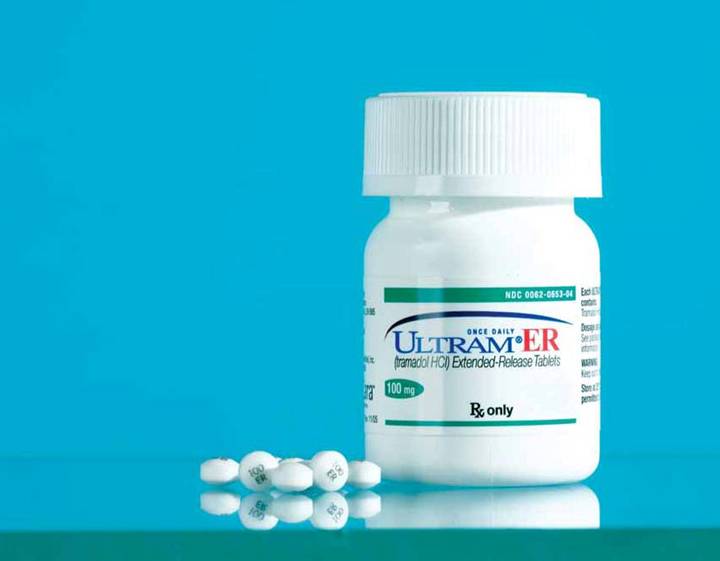
Contributor: Aaron Lessen, MD Educational Pearls: Tramadol is often thought of as a mild-opiate to use for analgesia, but it is a more complicated drug Tramadol needs to be metabolized into an effective drug making it not pharmacologically reliable 3-10% of people cannot metabolize tramadol and it does not work Some others over-metabolize tramadol and it causes greater effect Studies have shown it is not any better as a acetaminophen or ibuprofen for analgesia, it can lower a seizure threshold, and it acts to inhibit serotonin reuptake Recent study evaluated all-cause mortality of tramadol compared to codeine and found tramadol had nearly double the all-cause mortality as those prescribed codeine Overall tramadol has many risks and should be critically evaluated before prescribing References Dhesi M, Maldonado KA, Maani CV. Tramadol. [Updated 2021 May 25]. In: StatPearls [Internet]. Treasure Island (FL): StatPearls Publishing; 2022 Jan-. Available from: https://www.ncbi.nlm.nih.gov/books/NBK537060/ Association of tramadol vs codeine prescription dispensation with mortality and other adverse clinical outcomes Xie J, Strauss VY, Martinez-Laguna D, et al. JAMA. 2021;326(15):1504-1515. Summarized by John Spartz, MS4 | Edited by Erik Verzemnieks, MD The Emergency Medical Minute is excited to announce that we are now offering AMA PRA Category 1 credits™ via online course modules. To access these and for more information, visit our website at https://emergencymedicalminute.org/cme-courses/ and create an account. Donate to EMM today!
Podcast 765: Phenobarbital for Alcohol Withdrawal
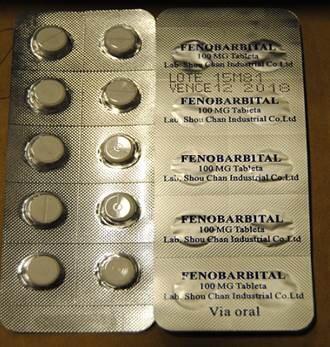
Contributor: Aaron Lessen, MD Educational Pearls: Retrospective cohort study looked at return rate of discharged patients after receiving either phenobarbital or benzodiazepines or both in the ED for treatment of alcohol withdrawal Patients who received benzodiazepines had a 25% chance of returning in 3 days versus a 10% chance of returning in 3 days for those who received phenobarbital 13% of patients returned in 3 days after receiving both phenobarbital and benzodiazepines Phenobarbital may make it less likely for patients to come back to the ED after receiving treatment for alcohol withdrawal References Lebin JA, Mudan A, Murphy CE 4th, Wang RC, Smollin CG. Return Encounters in Emergency Department Patients Treated with Phenobarbital Versus Benzodiazepines for Alcohol Withdrawal. J Med Toxicol. 2022;18(1):4-10. doi:10.1007/s13181-021-00863-2 Summarized by John Spartz, MS4 | Edited by Erik Verzemnieks, MD The Emergency Medical Minute is excited to announce that we are now offering AMA PRA Category 1 credits™ via online course modules. To access these and for more information, visit our website at https://emergencymedicalminute.org/cme-courses/ and create an account. Donate to EMM today!
Podcast 764: Myth or Merit: Beta-Blockers for Cocaine Chest Pain
Contributor: Chris Holmes, MD Educational Pearls: Many are taught that patients with cocaine chest pain should not receive beta-blockers due to unopposed alpha agonism, but is this true? 363 consecutive admissions for chest pain with positive cocaine on urine toxicology were reviewed in a retrospective cohort study 60 patients in this cohort received a beta-blocker and multivariate analysis demonstrated a reduction in myocardial infarction risk Another retrospective cohort study demonstrated no association of negative outcomes with beta-blocker administration in those with a recent positive result on cocaine urine toxicology Two more recent meta-analyses were performed finding no association between adverse clinical outcomes and beta-blocker administration for cocaine chest pain No prospective randomized-controlled trials have been performed to evaluate the use of beta-blockers for treatment of cocaine chest pain in the ED setting References Dattilo PB, Hailpern SM, Fearon K, Sohal D, Nordin C. Beta-blockers are associated with reduced risk of myocardial infarction after cocaine use [published correction appears in Ann Emerg Med. 2008 Jul;52(1):90]. Ann Emerg Med. 2008;51(2):117-125. doi:10.1016/j.annemergmed.2007.04.015 Rangel C, Shu RG, Lazar LD, Vittinghoff E, Hsue PY, Marcus GM. Beta-blockers for chest pain associated with recent cocaine use. Arch Intern Med. 2010;170(10):874-879. doi:10.1001/archinternmed.2010.115 Pham D, Addison D, Kayani W, et al. Outcomes of beta blocker use in cocaine-associated chest pain: a meta-analysis. Emerg Med J. 2018;35(9):559-563. doi:10.1136/emermed-2017-207065 Lo KB, Virk HUH, Lakhter V, et al. Clinical Outcomes After Treatment of Cocaine-Induced Chest Pain with Beta-Blockers: A Systematic Review and Meta-Analysis. Am J Med. 2019;132(4):505-509. doi:10.1016/j.amjmed.2018.11.041 Richards JR, Hollander JE, Ramoska EA, et al. β-Blockers, Cocaine, and the Unopposed α-Stimulation Phenomenon. J Cardiovasc Pharmacol Ther. 2017;22(3):239-249. doi:10.1177/1074248416681644 Lange RA, Cigarroa RG, Flores ED, et al. Potentiation of cocaine-induced coronary vasoconstriction by beta-adrenergic blockade. Ann Intern Med. 1990;112(12):897-903. doi:10.7326/0003-4819-112-12-897 Summarized by John Spartz, MS4 | Edited by Erik Verzemnieks, MD The Emergency Medical Minute is excited to announce that we are now offering AMA PRA Category 1 credits™ via online course modules. To access these and for more information, visit our website at https://emergencymedicalminute.org/cme-courses/ and create an account. Donate to EMM today!
Podcast 763: Sternoclavicular Infection
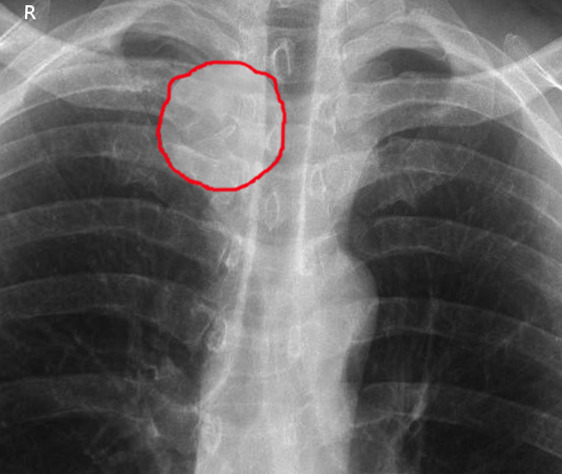
Contributor: Aaron Lessen, MD Educational Pearls: Septic arthritis can occur at any joint, including the sternoclavicular joint Sternoclavicular joint infections comprise 1% of all bone and joint infections Patients who use intravenous drugs have a higher occurrence of this type of infection compared to the general population, accounting for 17% of all sternoclavicular joint infections Usual treatment includes intravenous antibiotics and, in some cases, surgery References Tapscott DC, Benham MD. Sternoclavicular Joint Infection. [Updated 2021 Dec 11]. In: StatPearls [Internet]. Treasure Island (FL): StatPearls Publishing; 2022 Jan-. Available from: https://www.ncbi.nlm.nih.gov/books/NBK551721/ Summarized by John Spartz, MS4 | Edited by Erik Verzemnieks, MD The Emergency Medical Minute is excited to announce that we are now offering AMA PRA Category 1 credits™ via online course modules. To access these and for more information, visit our website at https://emergencymedicalminute.org/cme-courses/ and create an account. Donate to EMM today!

UnfilterED #14: Patricia Hernandez, MSIV and Leyanet Gonzalez, MSIV
Tune in for a double feature with our Equity, Diversity and Inclusion Award winners from this fall as Nick asks them about their backgrounds, what brought them into medicine and Emergency Medicine specifically. Patricia is a 4th year medical student at PennMed. As a first-generation immigrant, college, and medical student, she is committed to actively promoting and being an advocate for diversity, equity, and inclusion because she sees the value in having a diverse workforce to build a more equitable health care system. In diversity, there is beauty, there is growth and there is strength. Leyanet is an MS4 at Caribbean Medical University. As a Cuban refugee, she strives to facilitate better rapport & cultural sensitivity to those who are underrepresented. She believes in the importance of having a workforce paradigm that comprehensively represents the community. Leyanet aspires to be a transformational leader & be a role model for others pursuing medicine to demonstrate that shattering glass ceilings and creating an inclusive workplace is important & possible.
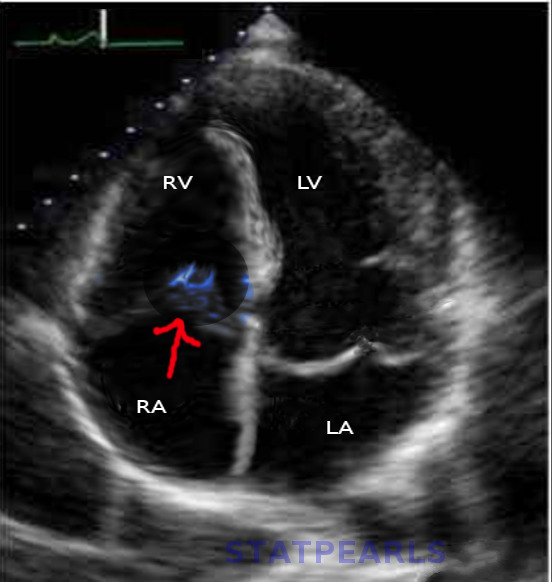
Podcast 762: Endocarditis
Contributor: Jared Scott, MD Educational Pearls: Variability of organisms in infecting the myocardial valves Duke Criteria for Infective Endocarditis includes three categories that can be used to definitively diagnose endocarditis Pathologic Criteria pathological evidence of infection Major Clinical Criteria positive blood cultures positive echocardiogram findings (TEE is more sensitive than a TTE) Minor Clinical Criteria (must include all of the below criteria) Fever Underlying heart condition or IV drug use Vascular phenomena (includes Janeway's lesions) Immunologic phenomena (includes Osler's nodes, Roth spots) Positive blood cultures or serologic evidence of infection with bacteria known to cause endocarditis Some studies show up to a 33% one-year mortality of people diagnosed with endocarditis This criteria was developed by David Durack, MD and he was affiliated with Duke University, shout out to Dr. Pete Bakes! References https://www.mdcalc.com/duke-criteria-infective-endocarditis https://www.youtube.com/watch?v=3NLtNg-pqv0 Holland TL, Baddour LM, Bayer AS, Hoen B, Miro JM, Fowler VG Jr. Infective endocarditis. Nat Rev Dis Primers. 2016;2:16059. Published 2016 Sep 1. doi:10.1038/nrdp.2016.59 Summarized by John Spartz, MS4 | Edited by Erik Verzemnieks, MD The Emergency Medical Minute is excited to announce that we are now offering AMA PRA Category 1 credits™ via online course modules. To access these and for more information, visit our website at https://emergencymedicalminute.org/cme-courses/ and create an account. Donate to EMM today!
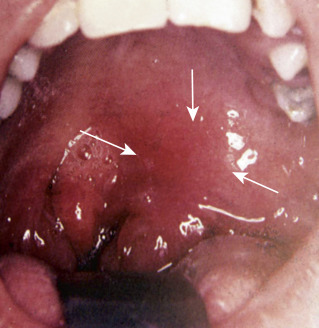
Podcast 761: Peritonsillar Abscess: To Stab or Not to Stab?
Contributor: Jared Scott, MD Educational Pearls: Often present with complaints of sore throat, pain with swallowing, difficulty swallowing, voice change, and possible fever Retrospective study from 2018 evaluated outcomes of peritonsillar abscess with two management arms, surgical vs. non-surgical treatment Non-surgical treatment only included IV fluids as well as IV ceftriaxone + clindamycin; Surgical treatment included either needle aspiration or incision and drainage of the abscess as well as the medical treatment from the non-surgical arm Failure rate in both arms were statistically equivalent, but patients in the surgical arm had more days missed from work and more use of opioid medications for pain References Battaglia A, Burchette R, Hussman J, Silver MA, Martin P, Bernstein P. Comparison of Medical Therapy Alone to Medical Therapy with Surgical Treatment of Peritonsillar Abscess. Otolaryngol Head Neck Surg. 2018;158(2):280-286. doi:10.1177/0194599817739277 Summarized by John Spartz, MS4 | Edited by Erik Verzemnieks, MD The Emergency Medical Minute is excited to announce that we are now offering AMA PRA Category 1 credits™ via online course modules. To access these and for more information, visit our website at https://emergencymedicalminute.org/cme-courses/ and create an account. Donate to EMM today!
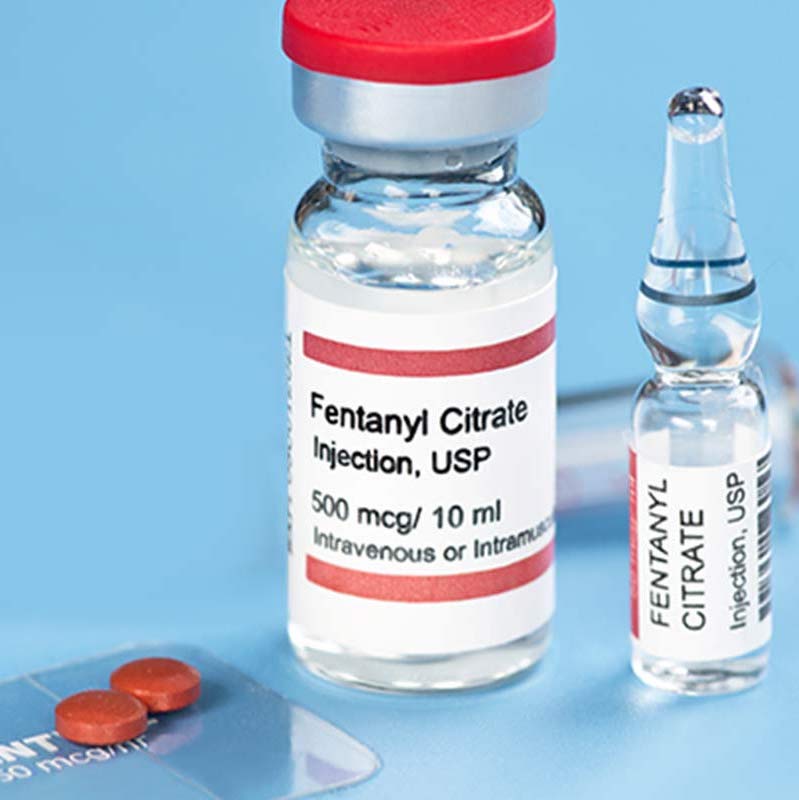
Podcast 760: Why Fentanyl is the Worst
Contributor: Don Stader, MD Educational Pearls: Fentanyl's common administration route through pills has lowered the psychological barrier of using opioid compared to injecting and smoking heroin Fentanyl is showing up in all illicit drugs with documented cases even in marijuana Testing for fentanyl is difficult and requires a send out test because UA does not show up not common in ED but can better inform our care Fentanyl doesn't show up on UA drug screen and requires a send out test, thus we should ask patients if they're using fentanyl specifically Send any patient using an illicit drug home with Narcan to protect them from potential opioid overdoses Start patients on buprenorphine for opioid withdrawal in the ED Fentanyl is very lipophilic, thus patients require longer washout times (sometimes over 24 hours) before buprenorphine induction to avoid precipitated withdrawal References: Adams, K.K., Machnicz, M. & Sobieraj, D.M. Initiating buprenorphine to treat opioid use disorder without prerequisite withdrawal: a systematic review. Addict Sci Clin Pract 16, 36 (2021). https://doi.org/10.1186/s13722-021-00244-8 Moustaqim-Barrette, A., Dhillon, D., Ng, J. et al. Take-home naloxone programs for suspected opioid overdose in community settings: a scoping umbrella review. BMC Public Health 21, 597 (2021). https://doi.org/10.1186/s12889-021-10497-2 *Image from NIDA Summarized by Mason Tuttle
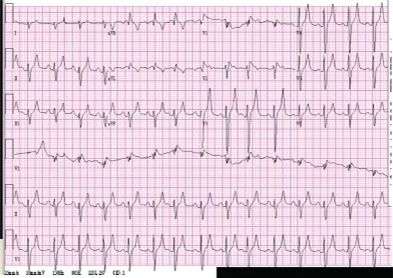
Podcast 759: Hyperkalemia and Myth of Kayexalate
Contributor: Nick Tsipis, MD Educational Pearls: Acute hyperkalemia is characterized as serum K of 5.4 or higher in non-hemolyzed samples Hyperkalemia is commonly associated with end stage renal disease, acute kidney injury or acute renal failure Cardiac dysrhythmias are the primary concern with hyperkalemia, common EKG changes (and approximate serum levels) can include: Peaked T waves that start to show at serum K of 6 Second sign is lengthening of PR and QRS intervals due to extended repolarization Severe hyperkalemia manifests as a sine wave around serum of 8-9 Three approaches to treat hyperkalemia: Stabilize cardiac membrane with calcium Shift potassium back into the cell, insulin and albuterol are common agents used. Potassium binding for excretion Cochrane review showed no significant effects of Kayexalate on serum K in 4 hours Bowel necrosis is a rare adverse event that can occur with Kayexalate More myths and misconceptions about hyperkalemia addressed in reference below! References: Gupta AA, Self M, Mueller M, Wardi G, Tainter C. Dispelling myths and misconceptions about the treatment of acute hyperkalemia. Am J Emerg Med. 2022;52:85-91. doi:10.1016/j.ajem.2021.11.030 Mahoney BA, Smith WA, Lo DS, Tsoi K, Tonelli M, Clase CM. Emergency interventions for hyperkalaemia. Cochrane Database Syst Rev. 2005;2005(2):CD003235. Published 2005 Apr 18. doi:10.1002/14651858.CD003235.pub2 Li T, Vijayan A. Insulin for the treatment of hyperkalemia: a double-edged sword?. Clin Kidney J. 2014;7(3):239-241. doi:10.1093/ckj/sfu049 Summarized by Mason Tuttle| Edited by Nick Tsipis, MD

Mental Health Monthly #10: The Elderly Psychotic Patient
Dr. Kim Nordstrom, a practicing emergency psychiatrist and associate professor with the University of Colorado, discusses various work-up models alongside valuable bedside tools for elderly patients with acute psychosis. In this podcast, she explores the methods to differentiate primary psychiatric psychosis from medically mediated psychosis in the elderly using an empirical bedside tool. Furthermore, Dr. Nordstrom educates our listeners on the treatment modalities available and currently recommended for new psychosis in the elderly. Key Points: Non-psychiatric causes of psychosis include lobar degeneration, sensory deficits, pharmacologic mediators, and others. ADEPT tool, developed by CPE under an ACEP sponsorship, is a useful guideline for rapid and reliable assessment of psychosis in the elderly. DTS (delirium triage screen) tool, embedded in the ADEPT, is 98% sensitive to rule-out delirium. BCAM (brief concussion assessment method) is used if DTS is positive to rule-in delirium with high specificity. ADEPT Tool: https://www.acep.org/patient-care/adept DTS Tool: http://eddelirium.org/delirium-assessment/dts-calculator/ BCAM Tool: http://eddelirium.org/delirium-assessment/bcam-calculator/ Source: Shenvi C, Kennedy M, et al. Managing delirium and agitation in the older emergency department patient: The ADEPT Tool. Ann Emerg Med. 2020 Feb; 75(2): 136–145.

Podcast 758: Vaccine Safety During Pregnancy
Contributor: Nick Tsipis, MD Educational Pearls: Observational study in Israel evaluated cohort of vaccinated pregnant women receiving the initial Pfizer-BioNTech COVID-19 mRNA vaccine Looked at 24,288 newborns with about 16,697 exposed to maternal vaccination in utero Longitudinal follow up showed no significant difference in preterm births, neonatal hospitalizations, post-natal hospitalizations, congenital abnormalities, or mortality While this is not a randomized-controlled trial, this observational trial has a very large population that was studied supporting the safety profile of birth outcomes relating to receiving COVID mRNA vaccines during pregnancy References Goldshtein I, Steinberg DM, Kuint J, et al. Association of BNT162b2 COVID-19 Vaccination During Pregnancy With Neonatal and Early Infant Outcomes [published online ahead of print, 2022 Feb 10]. JAMA Pediatr. 2022;e220001. doi:10.1001/jamapediatrics.2022.0001 Summarized by John Spartz, MS4 | Edited by Erik Verzemnieks, MD The Emergency Medical Minute is excited to announce that we are now offering AMA PRA Category 1 credits™ via online course modules. To access these and for more information, visit our website at https://emergencymedicalminute.org/cme-courses/ and create an account. Donate to EMM today!
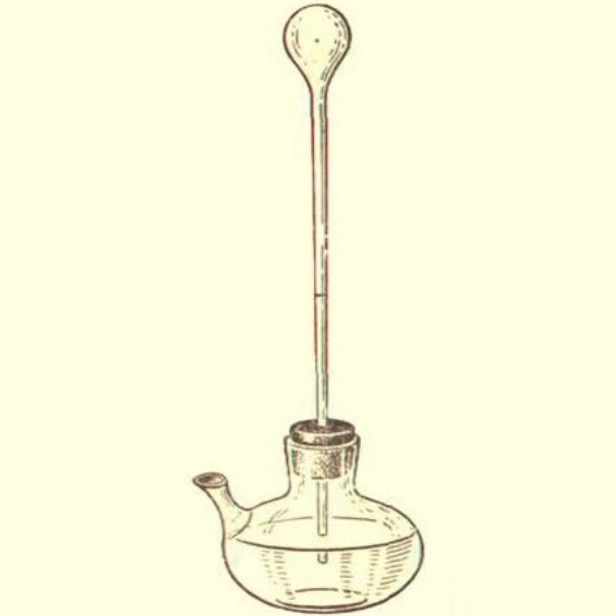
Podcast 757: History of Fevers and Thermometers
Contributor: Chris Holmes, MD Educational Pearls: Dr. Carl Reinhold August Wunderlich, of the mid-1800s, was the first physician to suggest temperature was related to disease processes and his measurements set the 37˚C (98.6˚F) as the baseline temperature Thermometers were adapted to be sold to the public with guidelines for temperature measurement interpretation Taller and thinner individuals, anyone taking a temperature in the morning, and the elderly have decreased temperatures Temperature averages have been decreased and the actual average temperature appears to be closer to 97.5˚ currently References Wright WF. Early evolution of the thermometer and application to clinical medicine. J Therm Biol. 2016;56:18-30. doi:10.1016/j.jtherbio.2015.12.003 Geneva II, Cuzzo B, Fazili T, Javaid W. Normal Body Temperature: A Systematic Review. Open Forum Infect Dis. 2019;6(4):ofz032. Published 2019 Apr 9. doi:10.1093/ofid/ofz032 Chen W. Thermometry and interpretation of body temperature [published correction appears in Biomed Eng Lett. 2019 Feb 25;9(1):19]. Biomed Eng Lett. 2019;9(1):3-17. Published 2019 Feb 9. doi:10.1007/s13534-019-00102-2 Summarized by John Spartz, MS4 | Edited by Erik Verzemnieks, MD

Podcast 756: Violence Towards ED Staff
Contributor: Jared Scott, MD Educational Pearls: ACEP survey was done in 2018 looking at violence towards staff in the ED with only 10% of those solicited responding Survey found 47% of respondents were assaulted and 71% had witnessed violence towards staff Regarding what was done about the violence, 28% said patients were flagged by the hospital, 21% said patient was arrested by police/hospital security, 6% of the cases resulted in the hospital pressing charges, and in 3% of cases the staff were advised to press charges Analyzing the type of violence that occurred, it was found that in 44% of the incidents staff were hit/slapped, 30% were spit on, 28% were punched, 27% were kicked, 17% were scratched, 6% were bitten, 2% were assaulted with a weapon, and 1% were sexually assaulted ED violence is a very serious matter and you can learn more about the survey and initiatives at the links below References https://www.acep.org/administration/violence-in-the-emergency-department-resources-for-a-safer-workplace/ https://www.emergencyphysicians.org/press-releases/2018/10-2-2018-violence-in-emergency-departments-is--increasing-harming-patients-new-research-finds https://stopedviolence.org/ Summarized by John Spartz, MS4 | Edited by Erik Verzemnieks, MD The Emergency Medical Minute is excited to announce that we are now offering AMA PRA Category 1 credits™ via online course modules. To access these and for more information, visit our website at https://emergencymedicalminute.org/cme-courses/ and create an account. Donate to EMM today!
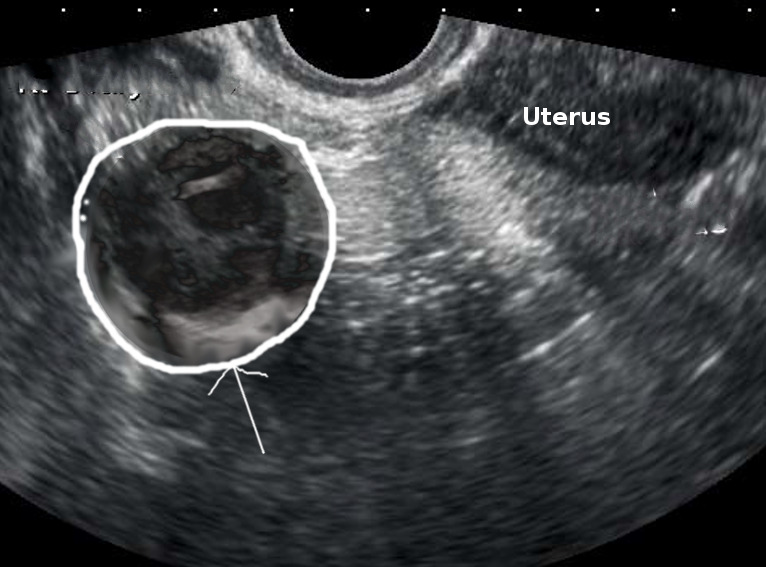
Podcast 755: Tubo-Ovarian Abscess
Contributor: Peter Bakes, MD Educational Pearls: Tubo-ovarian abscess is a rare complication of pelvic inflammatory disease Usually presents with chief complaint of abdominal pain and is often diagnosed by CT of the abdomen/pelvis Hospitalization is indicated 60-80% of patients improve with an IV anaerobic cephalosporin (cefoxitin or cefotetan) with doxycycline or using clindamycin and gentamicin Mortality can occur in up to 5% of patients, often as a result of progression to septic shock References Kairys N, Roepke C. Tubo-Ovarian Abscess. [Updated 2021 Jul 18]. In: StatPearls [Internet]. Treasure Island (FL): StatPearls Publishing; 2022 Jan-. Available from: https://www.ncbi.nlm.nih.gov/books/NBK448125/ Summarized by John Spartz, MS4 | Edited by Erik Verzemnieks, MD The Emergency Medical Minute is excited to announce that we are now offering AMA PRA Category 1 credits™ via online course modules. To access these and for more information, visit our website at https://emergencymedicalminute.org/cme-courses/ and create an account.
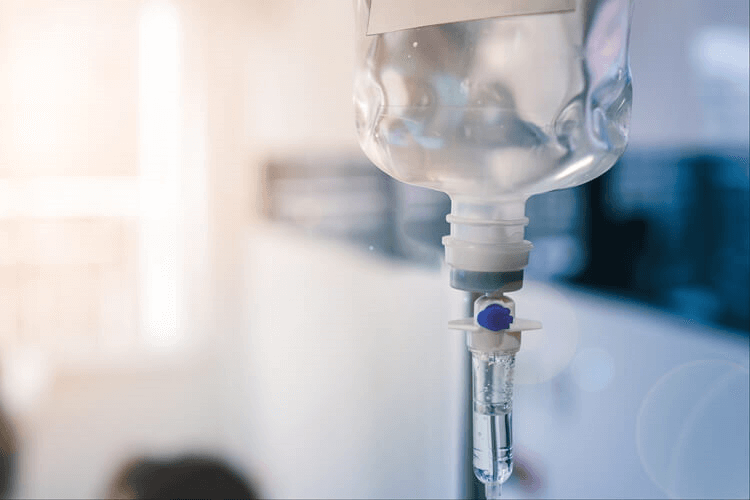
Podcast 754: Balanced Fluids vs. Normal Saline, The Battle Continues
Contributor: Aaron Lessen, MD Educational Pearls: Normal saline is thought to interfere with renal function and cause an acidosis and balanced fluids (like lactated ringers) are a better option The SALT-ED trial and SMART trial showed a small benefit with renal injury and need for dialysis using balanced fluid in critically ill patients Recent multicenter RCT in Brazil evaluated balanced fluids versus normal saline and looked at 90-day mortality Found no difference in 90-day mortality or secondary outcomes like renal function PLUS trial is currently being done in Australia and New Zealand to further evaluate fluid choice Larger trials don't show a major difference at this point, keep an eye out for future trials References Semler MW, Wanderer JP, Ehrenfeld JM, et al. Balanced Crystalloids versus Saline in the Intensive Care Unit. The SALT Randomized Trial. Am J Respir Crit Care Med. 2017;195(10):1362-1372. doi:10.1164/rccm.201607-1345OC Semler MW, Self WH, Wanderer JP, et al. Balanced Crystalloids versus Saline in Critically Ill Adults. N Engl J Med. 2018;378(9):829-839. doi:10.1056/NEJMoa1711584 Zampieri FG, Machado FR, Biondi RS, et al. Effect of Intravenous Fluid Treatment With a Balanced Solution vs 0.9% Saline Solution on Mortality in Critically Ill Patients: The BaSICS Randomized Clinical Trial [published online ahead of print, 2021 Aug 10]. JAMA. 2021;326(9):1-12. doi:10.1001/jama.2021.11684 https://clinicaltrials.gov/ct2/show/NCT02721654 Summarized by John Spartz, MS4 | Edited by Erik Verzemnieks, MD The Emergency Medical Minute is excited to announce that we are now offering AMA PRA Category 1 credits™ via online course modules. To access these and for more information, visit our website at https://emergencymedicalminute.org/cme-courses/ and create an account. Donate to EMM today!
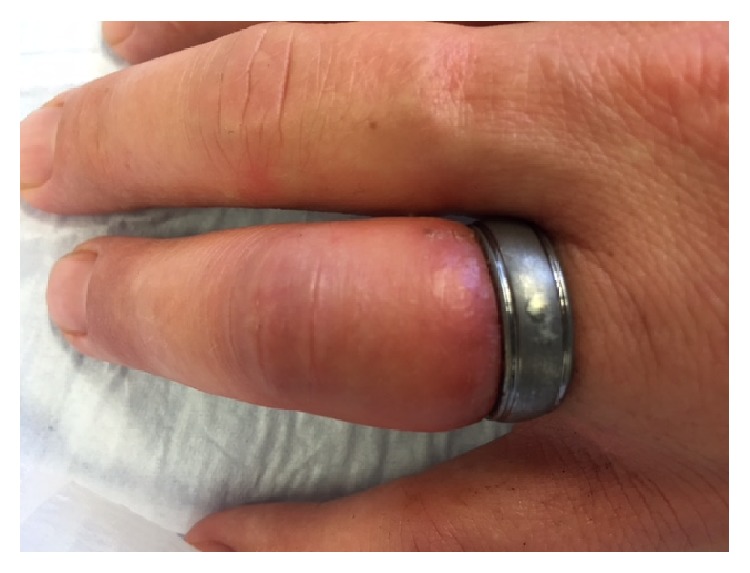
Podcast 753: Ring Cutting Raptors
Contributor: Aaron Lessen, MD Educational Pearls: Techniques regarding ring removal in the ED were evaluated in a recent study which looked at using trauma shears versus the motorized ring cutters A certain type of trauma shear has a ring-cutter attached to it, 7 seconds to remove vs. about 70 seconds for motorized ring cutters Both the users of the devices and the patients preferred the ring-cutter shears References Walter J, DeBoer M, Koops J, Hamel LL, Rupp PE, Westgard BC. Quick cuts: A comparative study of two tools for ring tourniquet removal. Am J Emerg Med. 2021;46:238-240. doi:10.1016/j.ajem.2020.07.039 Summarized by John Spartz, MS4 | Edited by Erik Verzemnieks, MD The Emergency Medical Minute is excited to announce that we are now offering AMA PRA Category 1 credits™ via online course modules. To access these and for more information, visit our website at https://emergencymedicalminute.org/cme-courses/ and create an account. Donate to EMM today!
Podcast 752: Budesonide for COVID
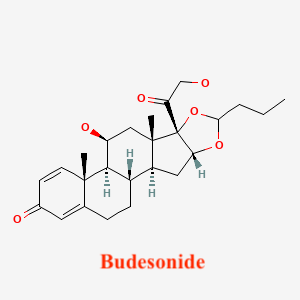
Contributor: Aaron Lessen, MD Educational Pearls: Recent study evaluated budesonide for outpatient COVID-19 infection treatment to see if there was a decrease in length of illness or hospitalization rates Found patients who received a budesonide inhaler had recovery times that were about 3 days shorter and there was a slight (non-significant) decrease in hospitalizations References Berezowski I, Patel J, Shaw M, Pourmand A. High-dose budesonide for early COVID-19. Lancet. 2021;398(10317):2146-2147. doi:10.1016/S0140-6736(21)02441-7 Summarized by John Spartz, MS4 | Edited by Erik Verzemnieks, MD The Emergency Medical Minute is excited to announce that we are now offering AMA PRA Category 1 credits™ via online course modules. To access these and for more information, visit our website at https://emergencymedicalminute.org/cme-courses/ and create an account. Donate to EMM today!
Podcast 751: The Bougie Trial
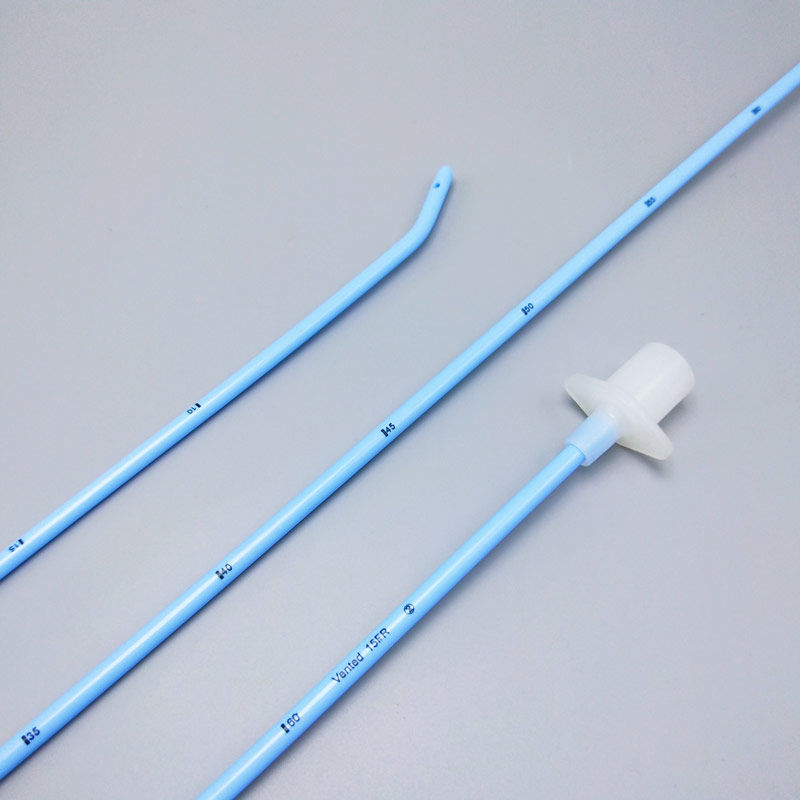
Contributor: Aaron Lessen, MD Educational Pearls: An endotracheal tube introducer or bougie are often used as a rescue device during difficult intubations as they are small and can be placed blindly Large randomized-controlled trial looked at first-pass bougie use versus standard intubation to determine if there was improvement in first-pass success rate No difference in first-pass success rate, about 80% for both techniques This does not mean that bougies are not great rescue devices or options for managing an airway References Driver BE, Semler MW, Self WH, et al. Effect of Use of a Bougie vs Endotracheal Tube With Stylet on Successful Intubation on the First Attempt Among Critically Ill Patients Undergoing Tracheal Intubation: A Randomized Clinical Trial. JAMA. 2021;326(24):2488–2497. Summarized by John Spartz, MS4 | Edited by Erik Verzemnieks, MD The Emergency Medical Minute is excited to announce that we are now offering AMA PRA Category 1 credits™ via online course modules. To access these and for more information, visit our website at https://emergencymedicalminute.org/cme-courses/ and create an account. Donate to EMM today!

Mental Health Monthly #9: Suicide Assessment in the ED: Using the ICAR2E Tool
Dr. Kim Nordstrom discusses a valuable bedside tool for evidence-based assessment in patients that visit the ED and are at risk for suicidality. Dr. Nordstrom is a practicing emergency psychiatrist and associate professor with the University of Colorado. As a developer and user of the tool, Dr. Nordstrom gives us invaluable insight into a new avenue for psychiatric care in emergency medicine. Educational Pearls: An app-based tool made in conjunction with ACEP Identifying suicidal risk for each patient, including assessment of clues like bodily injuries Communicating with patients to create a safe space and enhance rapport Assessing for threats such as environmental or personal objects Risk assessment; previous attempts, mental state, life stressors, etc. Risk reduction once discharge is thought possible Extension of care once patients leave the ED Link to Access the ICAR2E Tool References Wilson MP, Moutier C, et al. Emergency department recommendations for suicide prevention in adults: The ICAR2E mnemonic and a systematic review of the literature. Am J Emerg Med. 2020; 38:571-581. Summarized by Jorge Chalit The Emergency Medical Minute is excited to announce that we are now offering AMA PRA Category 1 credits™ via online course modules. To access these and for more information, visit our website at https://emergencymedicalminute.org/cme-courses/ and create an account. Donate to EMM today!
Podcast 750: Take Home Naloxone
Contributor: Aaron Lessen, MD Educational Pearls: Think about giving take home naloxone kits for anyone on long-term opioids as well as anyone with an opioid use disorder, those in opioid withdrawal, or those who recently overdosed on opioids Also consider for individuals with non-opioid substance use disorders For patients seen in the ED with an opioid overdose the 1-year mortality is about 5% and 1-month mortality is about 1% Also 50% of accidental pediatric overdose deaths are due to opioids, so ensuring naloxone is present in the household can save lives Prescriptions have a very low fill rate, so getting naloxone in the hands of people before they leave is important References Strang J, McDonald R, Campbell G, et al. Take-Home Naloxone for the Emergency Interim Management of Opioid Overdose: The Public Health Application of an Emergency Medicine. Drugs. 2019;79(13):1395-1418. doi:10.1007/s40265-019-01154-5 Katzman JG, Takeda MY, Greenberg N, et al. Association of Take-Home Naloxone and Opioid Overdose Reversals Performed by Patients in an Opioid Treatment Program. JAMA Netw Open. 2020;3(2):e200117. Published 2020 Feb 5. doi:10.1001/jamanetworkopen.2020.0117 Weiner SG, Baker O, Bernson D, Schuur JD. One-Year Mortality of Patients After Emergency Department Treatment for Nonfatal Opioid Overdose. Ann Emerg Med. 2020;75(1):13-17. doi:10.1016/j.annemergmed.2019.04.020 Summarized by John Spartz, MS4 | Edited by Erik Verzemnieks, MD The Emergency Medical Minute is excited to announce that we are now offering AMA PRA Category 1 credits™ via online course modules. To access these and for more information, visit our website at https://emergencymedicalminute.org/cme-courses/ and create an account. Donate to EMM today!
Podcast 749: PCC for Me?
Contributor: Nick Tsipis, MD Educational Pearls: Prothrombin complex concentrate (Kcentra) and Vitamin K are used to reverse life-threatening bleeds in patients on warfarin (Coumadin) Factors II, VII, IX, and X are included in four-factor PCC PCC/Kcentra dosing is 500-2000 units based on INR and patient weight PROPER3 RCT was a non-inferiority trial done to evaluate standardized dosing of PCC/Kcentra versus variable dosing based on INR and weight Looked at end-points to assess hemostasis, but ultimately this trial did not show non-inferiority of standardized dosing compared to variable dosing References Abdoellakhan RA, Khorsand N, Ter Avest E, et al. Fixed Versus Variable Dosing of Prothrombin Complex Concentrate for Bleeding Complications of Vitamin K Antagonists-The PROPER3 Randomized Clinical Trial. Ann Emerg Med. 2022;79(1):20-30. doi:10.1016/j.annemergmed.2021.06.016 Summarized by John Spartz, MS4 | Edited by Erik Verzemnieks, MD The Emergency Medical Minute is excited to announce that we are now offering AMA PRA Category 1 credits™ via online course modules. To access these and for more information, visit our website at https://emergencymedicalminute.org/cme-courses/ and create an account. Donate to EMM today!

Podcast 748: Botulism
Contributor: Nick Hatch, MD Educational Pearls: Botulism requires a prompt clinical diagnosis as lab results can take about 5 days to return Whale blubber, honey, home fermented foods, homemade wine (especially the wine made in prison), and improperly stored canned food can all contain the toxin The botulinum toxin is create by a Clostridium botulinum that is prevalent on our food and in the soil, but the toxin is readily degraded with heat and light Blocks release of acetylcholine at the neuromuscular junction preventing release of neurotransmitter and therefore the propagation of an electrical nerve potential Descending paralysis, often first including bulbar muscles, and anticholinergic symptoms can be present on exam Infantile botulism, classically seen as floppy baby syndrome, occurs up to a week after ingestion, because the infant GI tract is not acidic enough to deactivate the toxin Antitoxin is available to neutralize the botulism toxin present, but it cannot prevent the already established symptoms References Jeffery IA, Karim S. Botulism. [Updated 2021 Jul 19]. In: StatPearls [Internet]. Treasure Island (FL): StatPearls Publishing; 2022 Jan-. Available from: https://www.ncbi.nlm.nih.gov/books/NBK459273/ Summarized by John Spartz, MS4 | Edited by Erik Verzemnieks, MD The Emergency Medical Minute is excited to announce that we are now offering AMA PRA Category 1 credits™ via online course modules. To access these and for more information, visit our website at https://emergencymedicalminute.org/cme-courses/ and create an account. Donate to EMM today!
Podcast 747: Food Impaction
Contributor: Ricky Dhaliwal, MD Educational Pearls: Esophageal food impaction can be managed in the ED prior to calling GI for endoscopy Coca-cola, glucagon, benzodiazepines, calcium channel blockers, and dissolved nitroglycerin are all options to try For pediatric patients, weighted bougies can be used under sedation to attempt retrieval of the food bolus Always evaluate airway status, especially if the patient cannot maintain secretions References Long B, Koyfman A, Gottlieb M. Esophageal Foreign Bodies and Obstruction in the Emergency Department Setting: An Evidence-Based Review. J Emerg Med. 2019;56(5):499-511. doi:10.1016/j.jemermed.2019.01.025 Khayyat YM. Pharmacological management of esophageal food bolus impaction. Emerg Med Int. 2013;2013:924015. doi:10.1155/2013/924015 Schimmel J, Slauson S. Swallowed Nitroglycerin to Treat Esophageal Food Impaction. Ann Emerg Med. 2019;74(3):462-463. doi:10.1016/j.annemergmed.2019.04.003 Summarized by John Spartz, MS4 | Edited by Erik Verzemnieks, MD The Emergency Medical Minute is excited to announce that we are now offering AMA PRA Category 1 credits™ via online course modules. To access these and for more information, visit our website at https://emergencymedicalminute.org/cme-courses/ and create an account. Donate to EMM today!