
Emergency Medical Minute
1,173 episodes — Page 4 of 24
Podcast 881: Pediatric Readmissions
Contributor: Nick Tsipis MD Educational Pearls: The review article assessed 16.3 million patients across six states to identify those at high-risk for critical revisit Criteria for critical revisit was ICU admission or death within three days of discharge from the ED Critical revisits are extremely rare 0.1% of patients have a critical revisit after discharge 0.00001% die after revisit Of the patients that do experience critical revisits, the two major risk factors are Asthma - relative risk 2.24 Chronic medical conditions - incidence rate ratio 11.03 Of the top ten diagnoses that lead to critical revisits, 5 are respiratory Others include cellulitis, seizures, gastrointestinal disease, appendectomy, and sickle cell crisis. References 1. Cavallaro SC, Michelson KA, D'Ambrosi G, Monuteaux MC, Li J. Critical Revisits Among Children After Emergency Department Discharge. Ann Emerg Med. 2023;82(5):575-582. doi:10.1016/j.annemergmed.2023.06.006 Summarized by Jorge Chalit, OMSII | Edited by Meg Joyce & Jorge Chalit, OMSII
Podcast 880: OB Delivery in the ED
Contributor: Meghan Hurley MD Educational Pearls: Pearls about labor: Labor is split into 3 stages. Stage 1 starts when the first persistent contractions are felt and goes up until the cervix is fully dilated and the mother starts pushing. Stage 1 is split into two phases: the latent phase (cervix is dilated from 0-4 cm), and the active phase (cervix dilates from 4-10 cm). The latent phase can take between 6 and 12 hours with contractions happening every 5 to 15 minutes. The active phase usually lasts 4-8 hours with contractions occurring as close as every 3 minutes. Stage 2 is the birth itself, lasting between 20 minutes and 2 hours. Stage 3 is the delivery of the placenta and typically takes 30 minutes. 37 weeks gestational age is the cutoff for preterm. Placenta previa: Condition when the placenta overlies the cervix. Classically presents as painless vaginal bleeding in the 3rd trimester. If suspected placenta previa, avoid a speculum exam. Placenta previa can be confirmed on ultrasound. If the baby is crowning in the ER then the baby should be delivered in the ER. The ideal presentation on crowning is head first (Vertex), specifically 'left occiput anterior'. In this position, the baby is head first and the head is facing towards the gurney at a slight angle. If the baby is coming out in a breech position then the provider should "elevate the presenting part" by maintaining pressure on the baby as the mother is wheeled to the OR for an emergency C-section. If a vertex-presenting baby is being delivered vaginally, after the head has been delivered an event called 'restitution' must occur to align the baby's shoulders properly. During this event, the baby goes from facing down towards the gurney to facing sideways. After restitution, the anterior shoulder should be delivered, followed by the posterior. After complete delivery, the cord should be clamped (after a 1-3 minute delay), with something sterile. Gentle downward traction on the cord helps to deliver the placenta. You can place pressure above the pubic bone to prevent the uterus from involuting during this process. This is not the same as a fundal massage which happens after the delivery of the placenta to help the uterus clamp down and prevent postpartum hemorrhage. References Hutchison J, Mahdy H, Hutchison J. Stages of Labor. 2023 Jan 30. In: StatPearls [Internet]. Treasure Island (FL): StatPearls Publishing; 2023 Jan–. PMID: 31335010. Lavery JP. Placenta previa. Clin Obstet Gynecol. 1990 Sep;33(3):414-21. doi: 10.1097/00003081-199009000-00005. PMID: 2225572. Qian Y, Ying X, Wang P, Lu Z, Hua Y. Early versus delayed umbilical cord clamping on maternal and neonatal outcomes. Arch Gynecol Obstet. 2019 Sep;300(3):531-543. doi: 10.1007/s00404-019-05215-8. Epub 2019 Jun 15. PMID: 31203386; PMCID: PMC6694086. Summarized by Jeffrey Olson MS2 | Edited by Meg Joyce & Jorge Chalit, OMSII
Podcast 879: A Case of Pediatric Anaphylactic Shock
Contributor: Dr. Taylor Lynch Educational Pearls: Time of arrival until intubation was 26 minutes but nobody tried anterior neck access like a cricothyrotomy until his dad arrived Traditional ACLS protocol is not enough for anaphylactic respiratory arrest Circulating O2 from compressions alone is not enough to sustain the brain Patients need a definitive airway and endotracheal tube is the best method BVM ventilation is not enough to get patients the oxygen they need Time to anoxic brain injury during a respiratory arrest is 4 minutes Definition of anaphylactic shock: Acute laryngeal involvement with bronchospasms after known exposure to an allergen Do not need to have skin symptoms like the classic wheal and flare Must also have either hypotension (from vasodilation or end-organ hypoperfusion) or severe GI symptoms (crampy abdominal pain or repetitive vomiting) Treatment of anaphylactic shock: Push-dose IV epinephrine is better than IM epinephrine because IM epinephrine takes 4 minutes to circulate and get to the lungs Ketamine has broncho-dilating properties so it can be used as an induction agent for intubation Albuterol and ipratropium as continuous bronchodilators Magnesium and IV steroids AMAX4 acronym Adrenaline, Muscle relaxant, Airway, Xtra (bronchodilators, ventilation, vasopressors, and consideration of pneumothorax), 4 minutes to anoxic brain injury References Commins SP. Outpatient Emergencies: Anaphylaxis. Med Clin North Am. 2017;101(3):521-536. doi:10.1016/j.mcna.2016.12.003 Ring J, Beyer K, Biedermann T, Bircher A, Duda D FJ et al. Guideline for acute therapy and management of anaphylaxis. S2 guideline of DGAKI, AeDA, GPA, DAAU, BVKJ, ÖGAI, SGAI, DGAI, DGP, DGPM, AGATE and DAAB. Allergo J Int. 2014;23(23):96-112. McKenzie B. AMAX4: Every Second Counts. Accessed Sunday, November 26, 2023. https://www.amax4.org/ Summarized by Jorge Chalit, OMSII | Edited by Meg Joyce & Jorge Chalit, OMSII
Podcast 878: Opioids for Low Back and Neck Pain
Contributor: Jared Scott MD Educational Pearls: Should we use opioids to treat low back and neck pain? The OPAL Trial, published in The Lancet, in June 2023, attempted to answer this very question. Objective: Investigate the efficacy and safety of a short course of opioid analgesic (oxycodone-naloxone) for acute low back pain and neck pain. Trial Design: Triple-blinded, placebo-controlled randomized trial, conducted in Emergency and Primary Care in Sydney, Australia, involving adults with 12 weeks or less of low back or neck pain. Participants: 347 recruited adults (174 in the opioid group, 173 in the placebo group) with at least moderate pain severity. Intervention: Participants were assigned to receive either an opioid or a placebo for up to 6 weeks. Primary Outcome: Pain severity at 6 weeks measured with the pain severity subscale of the Brief Pain Inventory (10-point scale). Results: No significant difference in pain severity at 6 weeks between the opioid group (mean score 2.78) and placebo group (mean score 2.25). Adverse events were reported by 35% in the opioid group and 30% in the placebo group, with more opioid-related adverse events in the opioid group (e.g., constipation). Conclusion: Opioids should not be recommended for acute non-specific low back pain or neck pain, as there was no significant difference in pain severity compared with the placebo. The study calls for a change in the frequent use of opioids for these conditions. Pharmacy Pearl: Why was naloxone mixed with oxycodone? Naloxone is an opioid receptor antagonist, meaning it can block the effects of opioids. When combined with oxycodone, naloxone's presence discourages certain forms of opioid misuse. Additionally, naloxone can bind to opioid receptors in the gut and improve symptoms of Opioid Induced Constipation (OIC). This is the same idea behind Suboxone (buprenorphine/naloxone). References Jones CMP, Day RO, Koes BW, Latimer J, Maher CG, McLachlan AJ, Billot L, Shan S, Lin CC; OPAL Investigators Coordinators. Opioid analgesia for acute low back pain and neck pain (the OPAL trial): a randomised placebo-controlled trial. Lancet. 2023 Jul 22;402(10398):304-312. doi: 10.1016/S0140-6736(23)00404-X. Epub 2023 Jun 28. Erratum in: Lancet. 2023 Aug 19;402(10402):612. PMID: 37392748. Camilleri M, Lembo A, Katzka DA. Opioids in Gastroenterology: Treating Adverse Effects and Creating Therapeutic Benefits. Clin Gastroenterol Hepatol. 2017 Sep;15(9):1338-1349. doi: 10.1016/j.cgh.2017.05.014. Epub 2017 May 19. PMID: 28529168; PMCID: PMC5565678. Summarized by Jeffrey Olson MS2 | Edited by Jorge Chalit, OMSII
Podcast 877: Viral Respiratory Infections in Children
Contributor: Jared Scott MD Educational Pearls A recently published study assessed the burden of respiratory viruses in a longitudinal cohort of children from 0 to 2 years of age The children in the study received nasal swab PCR testing weekly to determine infectivity They were also monitored for symptoms via weekly text surveys The study differentiated between infection and illness by defining an acute respiratory illness (ARI) as fever ≥38°C or cough. The median infectivity rate was 9.4 viral infections per child per year The median illness rate was 3.3 ARIs per child per year The most common etiological viruses isolated from the nasal samples were rhinovirus and enterovirus Most infections were asymptomatic or mild References Teoh, Z., Conrey, S., McNeal, M., Burrell, A., Burke, R. M., Mattison, C., McMorrow, M., Payne, D. C., Morrow, A. L., & Staat, M. A. (2023). Burden of Respiratory Viruses in Children Less Than 2 Years Old in a Community-based Longitudinal US Birth Cohort. Clinical infectious diseases: an official publication of the Infectious Diseases Society of America, 77(6), 901–909. https://doi.org/10.1093/cid/ciad289 Summarized by Jorge Chalit, OMSII | Edited by Meg Joyce & Jorge Chalit, OMSII
Podcast 876: Sedation Pearls
Contributor: Travis Barlock MD Educational Pearls: Common sedatives used in the Emergency Department and a few pearls for each. Propofol Type: Non-barbiturate sedative hypnotic agonizing GABA receptors. Benefit: Quick on and quick off (duration of action is approximately 2-7 minutes), helpful for suspected neurologic injury so the patient can wake up and be re-evaluated. Also has the benefit of reducing intracranial pressure (ICP). Downsides: Hypotension, bradycardia, respiratory depression. What should you do if a patient is getting hypotensive on propofol? Do not stop the propofol. Start pressors. May have to reduce the propofol dose if delay in pressors. Dexmedetomidine (Precedex) Type: Alpha 2 agonist - causes central sedation Uses: Patients are more alert and responsive and therefore can be on BiPAP instead of being intubated. Does not cause respiratory depression. Downsides: Hypotension and Bradycardia. Caution in using this for head injuries, its side effects can mask the Cushing reflex and make it more difficult to spot acute elevations in ICP and uncal herniation. Ketamine Type: NMDA antagonist and dissociative anesthetic, among other mechanisms. Benefits: Quick Onset (but slower than propofol). Does not cause hypotension, but can even increase HR and BP (Thought to potentially cause hypotension if patient is catecholamine-depleted (ie. sepsis, delayed trauma)). Dosing ketamine can be challenging. Typically low doses (0.1-0.3mg/kg (max ~30mg)) can give good pain relief. Higher doses (for intubation/procedural sedation) are generally thought to have a higher risk of dissociation. Downsides: Emergence reactions which include hallucinations, vivid dreams, and agitation. Increased secretions. Benzos Type: GABA agonists. Benefits: Seizure, alcohol withdrawal, agitation due to toxic overdoses. Push doses are useful because doses can stack. Longer half-life than propofol. Downsides: Respiratory depression. Longer half-life can make neuro assessments difficult to complete. Etomidate MOA: Displaces endogenous GABA inhibitors. Useful as a one-time dose for quick procedures (cardioversion, intubation). Often drug of choice for intubation since it is thought to have no hemodynamic effects. Downsides; If used without paralytic - myoclonus. Though to have some adrenal suppression. Fentanyl Type: Opioid analgesic. Not traditional sedative. Benefits: There are many instances in emergency medicine in which sedation can be avoided by prioritizing proper analgesia. Fentanyl can even be used to maintain intubated patients without needing to keep them constantly sedated. Downsides: Respiratory depression. Patients may have tolerance. References Chawla N, Boateng A, Deshpande R. Procedural sedation in the ICU and emergency department. Curr Opin Anaesthesiol. 2017 Aug;30(4):507-512. doi: 10.1097/ACO.0000000000000487. PMID: 28562388. Keating GM. Dexmedetomidine: A Review of Its Use for Sedation in the Intensive Care Setting. Drugs. 2015 Jul;75(10):1119-30. doi: 10.1007/s40265-015-0419-5. PMID: 26063213. Lundström S, Twycross R, Mihalyo M, Wilcock A. Propofol. J Pain Symptom Manage. 2010 Sep;40(3):466-70. doi: 10.1016/j.jpainsymman.2010.07.001. PMID: 20816571. Matchett G, Gasanova I, Riccio CA, Nasir D, Sunna MC, Bravenec BJ, Azizad O, Farrell B, Minhajuddin A, Stewart JW, Liang LW, Moon TS, Fox PE, Ebeling CG, Smith MN, Trousdale D, Ogunnaike BO; EvK Clinical Trial Collaborators. Etomidate versus ketamine for emergency endotracheal intubation: a randomized clinical trial. Intensive Care Med. 2022 Jan;48(1):78-91. doi: 10.1007/s00134-021-06577-x. Epub 2021 Dec 14. PMID: 34904190. Mihaljević S, Pavlović M, Reiner K, Ćaćić M. Therapeutic Mechanisms of Ketamine. Psychiatr Danub. 2020 Autumn-Winter;32(3-4):325-333. doi: 10.24869/psyd.2020.325. PMID: 33370729. Nakauchi C, Miyata M, Kamino S, Funato Y, Manabe M, Kojima A, Kawai Y, Uchida H, Fujino M, Boda H. Dexmedetomidine versus fentanyl for sedation in extremely preterm infants. Pediatr Int. 2023 Jan-Dec;65(1):e15581. doi: 10.1111/ped.15581. PMID: 37428855. Summarized by Jeffrey Olson MS2 | Edited by Jorge Chalit, OMSII
Podcast 875: A Pediatric Case of Myopericarditis
Contributor: Meghan Hurley MD Educational Pearls: Pericarditis is inflammation of the pericardial sac, which can arise from infectious or non-infectious etiologies Myocarditis is inflammation of the myocardium, which may accompany pericarditis Pericarditis clinical findings include: Diffuse concave ST elevation, classic for acute pericarditis with myocardial involvement. More common in younger male patients Elevated high-sensitivity troponin - higher levels may occur in young healthy patients Ultrasound may show pericardial effusions POCUS may be helpful in assessing left ventricular ejection fraction (LVEF) via E-point septal separation (EPSS) Elevation in EPSS correlates with decreased LVEF Treatments: Anti-inflammatories including NSAIDs and colchicine Monitor inflammation Repeat ultrasounds Risk factors in this patient's case: mRNA COVID vaccine - the risk of myocarditis from vaccination is significantly lower than that from COVID-19 infection Preceding infection References 1. Gao J, Feng L, Li Y, et al. A Systematic Review and Meta-analysis of the Association Between SARS-CoV-2 Vaccination and Myocarditis or Pericarditis. Am J Prev Med. 2023;64(2):275-284. 2. Imazio M, Gaita F, LeWinter M. Evaluation and treatment of pericarditis: A systematic review. JAMA - J Am Med Assoc. 2015;314(14):1498-1506. doi:10.1001/jama.2015.12763 3. Mckaigney CJ, Krantz MJ, La Rocque CL, Hurst ND, Buchanan MS, Kendall JL. E-point septal separation: A bedside tool for emergency physician assessment of left ventricular ejection fraction. Am J Emerg Med. 2014;32(6):493-497. doi:10.1016/j.ajem.2014.01.045 Summarized by Jorge Chalit, OMSII | Edited by Meg Joyce & Jorge Chalit, OMSII
Episode 874: Bradyarrhythmias
Contributor: Dylan Luyten MD Educational Pearls: What is a Bradyarrhythmia? Also known as a bradyarrhythmia, it is an irregular heart rate that is also slow (below 60 beats per minute). What can cause it? Complete heart block AKA third-degree AV block; identified on ECG by a wide QRS, and complete dissociation between the atrial and ventricular rhythms with the ventricular being much slower. Treat with a pacemaker. Medication overdose, especially beta blockers. Many other drugs can slow the heart as well including: opioids, clonidine, digitalis, amiodarone, diltiazem, and verapamil to name a few. Electrolyte abnormalities, specifically hyperkalemia. Hypokalemia, hypocalcemia, and hypomagnesemia can also cause bradyarrhythmias. Myocardial infarction. Either by damaging the AV node or the conduction system itself or by triggering a process called Reperfusion Bradycardia. Hypothermia. Bradycardia is generally a sign of severe or advanced hypothermia. References Jurkovicová O, Cagán S. Reperfúzne arytmie [Reperfusion arrhythmias]. Bratisl Lek Listy. 1998 Mar-Apr;99(3-4):162-71. Slovak. PMID: 9919746. Simmons T, Blazar E. Synergistic Bradycardia from Beta Blockers, Hyperkalemia, and Renal Failure. J Emerg Med. 2019 Aug;57(2):e41-e44. doi: 10.1016/j.jemermed.2019.03.039. Epub 2019 May 30. PMID: 31155316. Wung SF. Bradyarrhythmias: Clinical Presentation, Diagnosis, and Management. Crit Care Nurs Clin North Am. 2016 Sep;28(3):297-308. doi: 10.1016/j.cnc.2016.04.003. Epub 2016 Jun 22. PMID: 27484658. Summarized by Jeffrey Olson MS2 | Edited by Meg Joyce & Jorge Chalit, OMSII
Podcast 873: Intravesical Tranexamic Acid for Gross Hematuria
Contributor: Aaron Lessen MD Educational Pearls: Tranexamic acid (TXA) is a common medication to achieve hemostasis in a variety of conditions Patients visiting the ED for gross hematuria (between March 2022 and September 2022) were treated with intravesical TXA 1 g tranexamic acid in 100 mL NS via Foley catheter Clamped Foley for 15 minutes Subsequent continuous bladder irrigation, as is standard in most EDs Compared with a cohort of patients visiting the ED for a similar concern between March 2021 and September 2021, the TXA patients had: A shorter median length of stay in the ED (274 min vs. 411 mins, P A shorter median duration of Foley catheter placement (145 min vs. 308 mins, P Fewer revisits after ED discharge (2.3% vs. 12.3%, P = 0.031) References 1. Choi H, Kim DW, Jung E, et al. Impact of intravesical administration of tranexamic acid on gross hematuria in the emergency department: A before-and-after study. Am J Emerg Med. 2023;68:68-72. doi:10.1016/j.ajem.2023.03.020 Summarized by Jorge Chalit, OMSII | Edited by Meg Joyce & Jorge Chalit, OMSII
Podcast 872: Preseptal and Orbital Cellulitis
Contributor: Meghan Hurley MD Educational Pearls: What is Cellulitis? A common and potentially serious bacterial skin infection. Caused by various types of bacteria, with Streptococcus and Staphylococcus species being the most common. What is Preseptal Cellulitis and why is it more serious than facial cellulitis? Preseptal Cellulitis, also known as Periorbital Cellulitis, is a bacterial infection of the soft tissues in the eyelid and the surrounding area. This requires prompt and aggressive treatment to avoid progression into Orbital Cellulitis. How is Preseptal Cellulitis treated? Oral antibiotics for five to seven days. In the setting of trauma (scratching bug bites) Clindamycin or TMP-SMX (for MRSA coverage) and Amoxicillin-clavulanic acid or Cefpodoxime or Cefdinir. If there is no trauma, monotherapy with amoxicillin-clavulanic acid is appropriate. Check immunization status against H.influenzae and adjust appropriately. What is Orbital Cellulitis, how is it diagnosed, and why is it more serious than Preseptal Cellulitis? Orbital cellulitis involves the tissues behind the eyeball and within the eye socket itself. Key features include: Eye pain. Proptosis (Bulging of the eye out of its normal position). Impaired eye movement. Blurred or double vision. This can lead to three very serious complications: Orbital Compartment Syndrome. This can push eye forward, stretch optic nerve, and threaten vision. Meningitis given that the meninges of the brain are continuous with optic nerve. Endophthalmitis, which is inflammation of the inner coats of the eye. This can also threaten vision. If suspected, get a CT of the orbits and/or an MRI to look for an abscess behind the eyes. How is Orbital Cellulitis treated? IV antibiotics. Cover for meningitis with Ceftriaxone and Vancomycin. Add Metronidazole until intracranial involvement has been ruled out. Drain the abscess surgically. Usually this is performed by an ophthalmologist or an otolaryngologist. Admit to the hospital. References Bae C, Bourget D. Periorbital Cellulitis. 2023 Jul 17. In: StatPearls [Internet]. Treasure Island (FL): StatPearls Publishing; 2023 Jan–. PMID: 29261970. Chaudhry IA, Shamsi FA, Elzaridi E, Al-Rashed W, Al-Amri A, Al-Anezi F, Arat YO, Holck DE. Outcome of treated orbital cellulitis in a tertiary eye care center in the middle East. Ophthalmology. 2007 Feb;114(2):345-54. doi: 10.1016/j.ophtha.2006.07.059. PMID: 17270683. Seltz LB, Smith J, Durairaj VD, Enzenauer R, Todd J. Microbiology and antibiotic management of orbital cellulitis. Pediatrics. 2011 Mar;127(3):e566-72. doi: 10.1542/peds.2010-2117. Epub 2011 Feb 14. PMID: 21321025. Wong SJ, Levi J. Management of pediatric orbital cellulitis: A systematic review. Int J Pediatr Otorhinolaryngol. 2018 Jul;110:123-129. doi: 10.1016/j.ijporl.2018.05.006. Epub 2018 May 8. PMID: 29859573. Summarized by Jeffrey Olson MS2 | Edited by Meg Joyce & Jorge Chalit, OMSII

Mental Health Monthly #17: Mania
Contributors: Andrew White MD - Outpatient Psychiatrist; Fellowship Trained in Addiction Psychiatry; Denver Health Travis Barlock MD - Emergency Medicine Physician; Swedish Medical Center Summary In this episode of Mental Health Monthly, Dr. Travis Barlock hosts Dr. Andrew White to discuss the elements of mania that may be encountered in the emergency department. The discussion includes a helpful mnemonic to assess mania, work-up and treatment in the ED, underlying causes of mania, mental health holds, inpatient treatment, and the role of sleep in mania. Educational Pearls Initial assessment of suspected mania can be done via DIGFAST: Distractibility - Individual that is unable to carry a linear, goal-directed conversation Impulsivity - Executive functioning is impaired and patients are unable to control their behaviors Grandiosity - Elevated mood and sense of self to delusions of grandeur Flight of ideas - Usually described as racing thoughts Agitation - Increase in psychomotor activity; start several projects of which they have little previous knowledge Sleep decrease - Typically, manic episodes start with insomnia and can devolve into multiday sleeplessness Talkativeness - More talkative than usual with pressured speech and a tangential thought process Interviewing patients requires an understanding of mood-based mania vs. psychosis-based mania An individual with mood-based mania will more likely be restless, whereas a patient with psychosis-based mania will be more relaxed from a psychomotor standpoint Treatment of manic patients in the ED includes the use of antipsychotics to manage acute symptomatology Management can be informed and directed by the patient's history i.e. known medications that have worked for the patient ED management of manic patients involves a work-up for a broad differential including agitated delirium, substance-induced mania, metabolic disorders, and autoimmune diseases. Some individuals experience manic episodes from marijuana and other illicit substances Antidepressants used in bipolar patients for suspected depression may induce mania Important to avoid using antidepressants as first-line therapy Mental health holds can be beneficial in patients with grave disabilities from mania Oftentimes, undertreatment of manic episodes leads to re-hospitalization Inpatient treatment: Environment is important - ensure that patients get solo rooms if possible to minimize stimulation Antipsychotics, including risperidone and olanzapine, with or without a benzodiazepine, are useful for short-term agitation Long-term treatment involves coupled pharmacological treatments with non-pharmacological treatments Sleep Fractured sleep is one of the earliest warning signs that someone has an imminent manic episode Poor sleep can be an inciting factor for mania, which then turns into a cycle that further propagates a patient's manic episode Summarized and edited by Jorge Chalit, OMSII | Studio production by Jeffrey Olson, MS2
Podcast 871: Increased Intracranial Pressure and the Cushing Reflex
Contributor: Travis Barlock MD Education Pearls: The Cushing Reflex is a physiologic response to elevated intracranial pressure (ICP) Cushing's Triad: widened pulse pressure (systolic hypertension), bradycardia, and irregular respirations Increased ICP results from systolic hypertension, which causes a parasympathetic reflex to drop heart rate, leading to Cushing's Triad. The Cushing Reflex is a sign of herniation Treatment includes: Hypertonic saline is comparable to mannitol and preferable in patients with hypovolemia or hyponatremia Give 250-500mL of 3%NaCl 20% Mannitol - given at a dose of 0.5-1 g/kg Each additional dose of 0.1 g/kg reduces ICP by 1 mm Hg 23.4% hypertonic saline is more often given in the neuro ICU 8.4% Sodium bicarbonate lowers ICP for 6 hours without causing metabolic acidosis Non-pharmacological interventions: Raise the head of the bed to 30-45 degrees Remove the c-collar to improve blood flow to the head Hyperventilation induces hypocapnia, which will vasoconsrict the cerebral arterioles You hyperventilate on the way to the OR. Otherwise, maintain normocapnia. References Alnemari AM, Krafcik BM, Mansour TR, Gaudin D. A Comparison of Pharmacologic Therapeutic Agents Used for the Reduction of Intracranial Pressure After Traumatic Brain Injury. World Neurosurg. 2017;106:509-528. doi:10.1016/j.wneu.2017.07.009 Bourdeaux C, Brown J. Sodium bicarbonate lowers intracranial pressure after traumatic brain injury. Neurocrit Care. 2010;13(1):24-28. doi:10.1007/s12028-010-9368-8 Dinallo S, Waseem M. Cushing Reflex. [Updated 2023 Mar 20]. In: StatPearls [Internet]. Treasure Island (FL): StatPearls Publishing; 2023 Jan-. Available from: https://www.ncbi.nlm.nih.gov/books/NBK549801/ Godoy DA, Seifi A, Garza D, Lubillo-Montenegro S, Murillo-Cabezas F. Hyperventilation therapy for control of posttraumatic intracranial hypertension. Front Neurol. 2017;8(JUL):1-13. doi:10.3389/fneur.2017.00250 Summarized by Jorge Chalit, OMSII | Edited by Meg Joyce & Jorge Chalit, OMSII

On The Streets #15: Hydrofluoric Acid Case Review
Contributors: Kalen Abbott, MD - EM Physician and Medical Director for AirLife Denver Brendan Reiss - Flight Nurse AirLife Denver Matt Spoon - Flight Paramedic AirLife Denver Jordan Ourada - EMS Coordinator at Swedish Medical Center and Paramedic Summary: In this episode, hosted by Jordan Ourada, Brendan Reiss and Matt Spoon present a first-hand experience case of hydrofluoric acid exposure in a pediatric patient. Commentary and educational pearls are provided by EM Physician, Kalen Abbott. The case: The patient was a male infant who had spilled a large amount of heavy-duty acid aluminum wheel cleaner on himself while playing in his parent's garage. Unclear if he had ingested any fluid. The cleaning fluid contained a large percentage of hydrofluoric acid. He was brought by EMS to his local hospital, who quickly decided to transport the infant by helicopter to a large Denver hospital. Initial labs were unremarkable and the EKG was normal. Heart rate was in the 140s. Blood pressure was 110/73. Respirations were around 30 and non-labored. Chest and abdominal x-rays were unremarkable. The patient had received a water-based decontamination and 1 gram of calcium gluconate IV. Complications: Immediately before leaving a nurse informed Brendan and Matt that the serum calcium was 6.8 mg/dl (normal range: 8.5 to 10.2). During the flight, the patient went into cardiac arrest. The patient achieved ROSC after CPR was administered in the helicopter. Once on the ground, an I/O line was started and calcium chloride, sodium bicarb, and normal saline were administered. Within the first 2 hours that patient received the equivalent of 310 mg/kg of calcium (the pediatric dose is 20 mg/kg) Care resolution: The patient ended up having a several-week stay in the pediatric ICU. There were some complications such as pulmonary hemorrhage. Calcium gluconate was continued via nebulization for several days. Ultimately, the child was weaned off the ventilator and spontaneous respirations resumed. They were able to wean the child off vasopressors and sedation over the course of several days. A gastric lavage with calcium gluconate was completed as well during the inpatient stay. The child was able to leave the hospital, neurologically intact after about 14 days. Pearls: Lower concentrations of acids can be more dangerous because they don't immediately burn but rather can be absorbed systemically through the skin. Calcium is the antidote to hydrofluoric acid exposure. Calcium chloride has 3 times the elemental calcium as calcium gluconate. The maximum infusion rate of calcium chloride through a peripheral line is 1 gram every 10 minutes, calcium gluconate can be infused at 1 gram every 5 minutes. When intubating a patient with acid exposure, avoid succinylcholine because of the risk of hyperkalemia. References Caravati EM. Acute hydrofluoric acid exposure. Am J Emerg Med. 1988 Mar;6(2):143-50. doi: 10.1016/0735-6757(88)90053-8. PMID: 3281684. Pepe J, Colangelo L, Biamonte F, Sonato C, Danese VC, Cecchetti V, Occhiuto M, Piazzolla V, De Martino V, Ferrone F, Minisola S, Cipriani C. Diagnosis and management of hypocalcemia. Endocrine. 2020 Sep;69(3):485-495. doi: 10.1007/s12020-020-02324-2. Epub 2020 May 4. PMID: 32367335. Strayer RJ. Succinylcholine, rocuronium, and hyperkalemia. Am J Emerg Med. 2016 Aug;34(8):1705-6. doi: 10.1016/j.ajem.2016.05.039. Epub 2016 May 19. PMID: 27241569. Vallentin MF, Granfeldt A, Meilandt C, Povlsen AL, Sindberg B, Holmberg MJ, Iversen BN, Mærkedahl R, Mortensen LR, Nyboe R, Vandborg MP, Tarpgaard M, Runge C, Christiansen CF, Dissing TH, Terkelsen CJ, Christensen S, Kirkegaard H, Andersen LW. Effect of Intravenous or Intraosseous Calcium vs Saline on Return of Spontaneous Circulation in Adults With Out-of-Hospital Cardiac Arrest: A Randomized Clinical Trial. JAMA. 2021 Dec 14;326(22):2268-2276. doi: 10.1001/jama.2021.20929. PMID: 34847226; PMCID: PMC8634154. Summarized by Jeffrey Olson MS2 | Edited by Jeffrey Olson, Meg Joyce, & Jorge Chalit, OMSII
Episode 870: Advanced Trauma Life Support (ATLS)
Contributor: Meghan Hurley MD Educational Pearls: What is ATLS? Advanced Trauma Life Support (ATLS) is a systematic and comprehensive approach to the evaluation and management of trauma patients It was developed by the American College of Surgeons (ACS) The key components include the Primary Survey ("ABCDE"), the Secondary Survey, Definitive Care, and Special Considerations What are the issues with ATLS? ATLS relies on many algorithms and rules-of-thumb, which might be helpful for individuals with basic skills and training but might actually present obstacles for those with higher levels of training. Dr. Hurley cites several examples. Example 1: ABC approach to trauma patients ABC stands for Airway, Breathing, and Circulation but focusing on the airway first is not always the best decision. Immediate attention may need to be applied to massive hemorrhage. Intubating a patient that is hemodynamically unstable may cause cardiac arrest. A more helpful phrase might be "Resuscitate before you intubate." Example 2: C-spine precautions Cervical collars may impede the likelihood of first-pass success when intubating. The risk of complications from a failed airway may often outweigh the risk of causing a spinal cord injury. Example 3:Cutting clothes off. The E of ABCDE stands for exposure which means fully undressing the patient to look for missing injuries. This often involves cutting their clothes off. This practice might be too broadly applied and leave low-risk trauma patients without any clothes to wear when discharged home. Example 4: Digital rectal exam A rectal exam can be a useful tool in the evaluation of patients with abdominal or pelvic injuries. It can help screen for rectal bleeding, pelvic fractures, and neurological function However, the rectal exam is not a sensitive test. A retrospective study from the Indian Journal of Surgery found that a rectal exam missed 100% of urethra injuries, 92% of spinal cord injuries, 93% of small bowel injuries, 100% of colon injuries, and 67% of rectal injuries in trauma patients. Example 6: Pushing on pelvis for pelvic injuries Pushing on the pelvis to check for instability can cause further damage to an unstable pelvis. Imaging the pelvis is far more important than pressing on it if a pelvic fracture is suspected. Example 7: FAST exam A FAST exam, which stands for "Focused Assessment with Sonography for Trauma," is a rapid ultrasound examination used to assess trauma patients for signs of internal bleeding or organ damage in the abdomen and chest. These can be very useful as an initial test to tell a trauma surgeon where to start looking for internal bleeding in an unstable blunt traumatic injury If a patient is stable and likely going to get a CT scan whether the FAST is positive or negative then the test is unnecessary References ATLS Subcommittee; American College of Surgeons' Committee on Trauma; International ATLS working group. Advanced trauma life support (ATLS®): the ninth edition. J Trauma Acute Care Surg. 2013 May;74(5):1363-6. doi: 10.1097/TA.0b013e31828b82f5. PMID: 23609291. Bloom BA, Gibbons RC. Focused Assessment With Sonography for Trauma. 2023 Jul 24. In: StatPearls [Internet]. Treasure Island (FL): StatPearls Publishing; 2023 Jan–. PMID: 29261902. Brown R. Oxygenate and Resuscitate Before You Intubate. Common pitfalls to avoid when managing the crashing airway. EMS World. 2016 Jan;45(1):48-50, 52, 54-5. PMID: 26852546. Chrimes N, Marshall SD. Attempt XYZ: airway management at the opposite end of the alphabet. Anaesthesia. 2018 Dec;73(12):1464-1468. doi: 10.1111/anae.14361. Epub 2018 Jul 11. PMID: 29998563. Docimo S Jr, Diggs L, Crankshaw L, Lee Y, Vinces F. No Evidence Supporting the Routine Use of Digital Rectal Examinations in Trauma Patients. Indian J Surg. 2015 Aug;77(4):265-9. doi: 10.1007/s12262-015-1283-y. Epub 2015 May 19. PMID: 26702232; PMCID: PMC4688269. Groeneveld A, McKenzie ML, Williams D. Logrolling: establishing consistent practice. Orthop Nurs. 2001 Mar-Apr;20(2):45-9. doi: 10.1097/00006416-200103000-00011. PMID: 12024634. Morgenstern, J. The FAST exam: overused and overrated?, First10EM, August 30, 2021. Rodrigues IFDC. To log-roll or not to log-roll - That is the question! A review of the use of the log-roll for patients with pelvic fractures. Int J Orthop Trauma Nurs. 2017 Nov;27:36-40. doi: 10.1016/j.ijotn.2017.05.001. Epub 2017 May 10. PMID: 28797555. Sapsford W. Should the 'C' in 'ABCDE' be altered to reflect the trend towards hypotensive resuscitation? Scand J Surg. 2008;97(1):4-11; discussion 12-3. doi: 10.1177/145749690809700102. PMID: 18450202. Sundstrøm T, Asbjørnsen H, Habiba S, Sunde GA, Wester K. Prehospital use of cervical collars in trauma patients: a critical review. J Neurotrauma. 2014 Mar 15;31(6):531-40. doi: 10.1089/neu.2013.3094. Epub 2013 Nov 6. PMID: 23962031; PMCID: PMC3949434. Summarized by Jeffrey Olson MS2 | Edited by Meg Joyce & Jorge Chalit, OMSII
Podcast 869: Shift Work
Contributor: Meghan Hurley MD Educational Pearls: Shift work is defined as anything that takes place outside of a 9-5 schedule, not exempting day-shift medical workers Various ill effects of shift work on overall health: Increased all-cause mortality Increased number of accidents Glucose metabolism dysregulation Increased BMI Fertility impacts for men and women Increased breast cancer risk Decreased cognitive functioning Mitigation strategies Work at the same time every day Anchor Sleep - always try to be asleep at the same time of day Progressive shifts: day- into swing- into night shift instead of the other way around Three days off after a stretch of nights can help reset sleep schedule Shorter night shifts Morning shifts should start no earlier than 8 AM Sleep hygiene Ensure an ideal sleep environment; cool, dark, and damp Avoid bright lights when going to sleep Exposure to bright lights when waking up Hydration throughout your shift Stop caffeine at midnight if you are working a night shift Eat healthy meals and avoid junk food Avoid eating 2-3 hours before going to sleep References Boivin, D. B., Boudreau, P., & Kosmadopoulos, A. (2022). Disturbance of the Circadian System in Shift Work and Its Health Impact. Journal of biological rhythms, 37(1), 3–28. https://doi.org/10.1177/07487304211064218 Jang TW. Work-Fitness Evaluation for Shift Work Disorder. Int J Environ Res Public Health. 2021;18(3):1294. Published 2021 Feb 1. doi:10.3390/ijerph18031294 Minors DS, Waterhouse JM. Anchor sleep as a synchronizer of rhythms on abnormal routines. Int J Chronobiol. 1981;7(3):165-188. Reinganum MI, Thomas J. Shift Work Hazards. [Updated 2023 Jan 27]. In: StatPearls [Internet]. Treasure Island (FL): StatPearls Publishing; 2023 Jan-. Available from: https://www.ncbi.nlm.nih.gov/books/NBK589670/ Summarized by Jorge Chalit, OMSII | Edited by Meg Joyce & Jorge Chalit, OMSII
Episode 868: Airway Management in Obesity
Contributor: Aaron Lessen MD Educational Pearls: Why is airway management more difficult in obesity? Larger body habitus causes the chest to be above the head when the patient is lying supine, creating difficult angles for intubation. Reduced Functional Residual Capacity (FRC) causes these patients to deoxygenate much more quickly, reducing the amount of time during which the intubation can take place. What special considerations need to be made? Positioning. The auditory canal and sternal notch should be aligned in a horizontal plane. Do this by stacking blankets to lift the neck and head. Also, try to make the head itself parallel to the ceiling. Pre-oxygenation. Use Bi-level Positive Airway Pressure (BiPAP) with Positive End Expiratory Pressure (PEEP) or a Bag-Valve-Mask (BVM) with a PEEP valve. PEEP helps prevent alveoli from collapsing after every breath and improves oxygenation. Dosing of paralytics. Succinylcholine is dosed on total body weight so the dose will be much larger for the obese patient. Rocuronium is dosed on ideal body weight, but adjusted body weight may also be used in obese cases. References De Jong A, Wrigge H, Hedenstierna G, Gattinoni L, Chiumello D, Frat JP, Ball L, Schetz M, Pickkers P, Jaber S. How to ventilate obese patients in the ICU. Intensive Care Med. 2020 Dec;46(12):2423-2435. doi: 10.1007/s00134-020-06286-x. Epub 2020 Oct 23. PMID: 33095284; PMCID: PMC7582031. Langeron O, Birenbaum A, Le Saché F, Raux M. Airway management in obese patient. Minerva Anestesiol. 2014 Mar;80(3):382-92. Epub 2013 Oct 14. PMID: 24122033. Sharma S, Arora L. Anesthesia for the Morbidly Obese Patient. Anesthesiol Clin. 2020 Mar;38(1):197-212. doi: 10.1016/j.anclin.2019.10.008. Epub 2020 Jan 2. PMID: 32008653. Singer BD, Corbridge TC. Basic invasive mechanical ventilation. South Med J. 2009 Dec;102(12):1238-45. doi: 10.1097/SMJ.0b013e3181bfac4f. PMID: 20016432. Summarized by Jeffrey Olson, MS2 | Edited by Jorge Chalit, OMSII
Episode 867: Occult Scaphoid Fractures
Contributor: Nick Tsipis MD Educational Pearls: The scaphoid bone is the most proximal carpal bone just distal to the radius Fractures of the scaphoid bone are sometimes missed by plain X-rays A 2020 review found a 21.8% incidence of missed scaphoid fractures later diagnosed by advanced imaging modalities Only MRI has a sensitivity above 90% for diagnosing scaphoid fractures Sensitivity of plain-film radiography is low unless it is a displaced fracture Physical examination techniques fail to definitively rule out scaphoid fractures A 2023 systematic review assessed the sensitivity and specificity of several common physical exam maneuvers: Tenderness of the anatomical snuffbox has a sensitivity of 92.1% and specificity of 48.4%; i.e. absence reduces the likelihood of an occult scaphoid fracture but does not rule it out Another common physical exam maneuver is pain with ulnar deviation, which carries a sensitivity of 55.2% and specificity of 76.4%. Elicitation of pain with supination against resistance demonstrated a sensitivity of 100% and specificity of 97.9% in the study, so the authors recommend externally validating this method Patients should be counseled on the importance of follow-up given that a fracture may not show up on imaging unless an MRI or repeat XR is done References 1. Bäcker HC, Wu CH, Strauch RJ. Systematic Review of Diagnosis of Clinically Suspected Scaphoid Fractures. J Wrist Surg. 2020;09(01):081-089. doi:10.1055/s-0039-1693147 2. Coventry L, Oldrini I, Dean B, Novak A, Duckworth A, Metcalfe D. Which clinical features best predict occult scaphoid fractures? A systematic review of diagnostic test accuracy studies. Emerg Med J. 2023;40(8):576 LP - 582. doi:10.1136/emermed-2023-213119 Summarized by Jorge Chalit, OMSII | Edited by Meg Joyce & Jorge Chalit, OMSII
Podcast 866: Carbamazepine (Tegretol) Overdose
Contributor: Aaron Lessen MD Educational Pearls: What is Carbamazepine (Tegretol)? Carbamazepine is an anti-epileptic drug with mood-stabilizing properties that is used to treat bipolar disorder, epilepsy, and neuropathic pain. It functions primarily by blocking sodium channels which can prevent repetitive action potential firing. What are the symptoms of an overdose? Common initial signs include diminished conscious state, nystagmus, ataxia, hyperreflexia, CNS depression, dystonia, and tachycardia Severe toxicity can cause seizures, respiratory depression, decreased myocardial contractility, pulmonary edema, hypotension, and dysrhythmias. How is an overdose treated? An overdose is treated with large doses of activated charcoal and correction of electrolyte disturbances. Be ready to intubate given the potential for respiratory depression. Carbamazepine is moderately dialyzable and dialysis is recommended in severe overdoses. Additional educational pearl: Individuals in correctional facilities can occasionally self-administer medications which means that medication overdose should still be on the differential for any of these individuals. References Epilepsies in children, Young People and adults: NICE guideline [NG217]. National Institute for Health and Care Excellence. (2022, April 27). https://www.nice.org.uk/guidance/ng217 Ghannoum M, Yates C, Galvao TF, Sowinski KM, Vo TH, Coogan A, Gosselin S, Lavergne V, Nolin TD, Hoffman RS; EXTRIP workgroup. Extracorporeal treatment for carbamazepine poisoning: systematic review and recommendations from the EXTRIP workgroup. Clin Toxicol (Phila). 2014 Dec;52(10):993-1004. doi: 10.3109/15563650.2014.973572. Epub 2014 Oct 30. PMID: 25355482; PMCID: PMC4782683. Seymour JF. Carbamazepine overdose. Features of 33 cases. Drug Saf. 1993 Jan;8(1):81-8. doi: 10.2165/00002018-199308010-00010. PMID: 8471190. Spiller HA. Management of carbamazepine overdose. Pediatr Emerg Care. 2001 Dec;17(6):452-6. doi: 10.1097/00006565-200112000-00015. PMID: 11753195. Tran NT, Pralong D, Secrétan AD, Renaud A, Mary G, Nicholas A, Mouton E, Rubio C, Dubost C, Meach F, Bréchet-Bachmann AC, Wolff H. Access to treatment in prison: an inventory of medication preparation and distribution approaches. F1000Res. 2020 May 13;9:357. doi: 10.12688/f1000research.23640.3. PMID: 33123347; PMCID: PMC7570324. Summarized by Jeffrey Olson, MS2 | Edited by Meg Joyce & Jorge Chalit, OMSII
Laboring Under Pressure- Episode 1. ACLS in Pregnancy with Dr. Jason Papazian
Contributor: Jason Papazian MD, Travis Barlock MD, Jeffrey Olson Summary: In this episode, Dr. Travis Barlock and Jeffrey Olson meet in the studio to discuss several clips from Dr. Jason Papazian's talk at the event "Laboring Under Pressure, Managing Obstetric Emergencies in a Global Setting" from May 2023. This event was hosted at the University of Denver and was organized with the help of Joe Parker as a fundraiser for the organization Health Outreach Latin America (HOLA). Dr. Jason Papazian practices Obstetric Anesthesiology for the Maternal Fetal Care Unit at Children's Hospital Colorado. He is the Assistant Program Director of Didactics for the Anesthesiology Residency at the University of Colorado, as well as the Faculty Advisor to Residents and Obstetric Anesthesiology Fellows. During his talk, Dr. Papazian walks the audience through the steps of a maternal cardiac arrest from initial rapid response, to intubation, CPR, ACLS, and eventually emergency cesarean section. Some important take-away points from this talk are: The basics save lives. Focus on oxygenating the patient and providing high quality CPR In order to maximize blood return during CPR on an obstetric patient, manually retract the gravid uterus to the left If an arresting mother does not obtain return of spontaneous circulation (ROSC) by 4 minutes, the most qualified person should perform a rapid 1-minute bedside cesarean section. This has mortality benefits for both the mother and the infant. Other medical topics discussed include changes in the obstetric patient's physiology, roles during a rapid response, steps of intubation, causes of cardiac arrest, management of cardiac arrest, and how pregnancy does (and doesn't) change ACLS. References Bennett TA, Katz VL, Zelop CM. Cardiac Arrest and Resuscitation Unique to Pregnancy. Obstet Gynecol Clin North Am. 2016 Dec;43(4):809-819. doi: 10.1016/j.ogc.2016.07.011. PMID: 27816162. Campbell TA, Sanson TG. Cardiac arrest and pregnancy. J Emerg Trauma Shock. 2009 Jan;2(1):34-42. doi: 10.4103/0974-2700.43586. PMID: 19561954; PMCID: PMC2700584. Health Outreach for Latin America Foundation - HOLA Foundation. (n.d.). http://www.hola-foundation.org/ Kikuchi J, Deering S. Cardiac arrest in pregnancy. Semin Perinatol. 2018 Feb;42(1):33-38. doi: 10.1053/j.semperi.2017.11.007. Epub 2017 Dec 13. PMID: 29246735. Produced by Jeffrey Olson, MS2 | Edited by Jeffrey Olson and Jorge Chalit, OMSII *********************
Podcast 865: Nausea Treatments - Droperidol vs Ondansetron RCT
Contributor: Aaron Lessen MD Educational Pearls: A recent randomized controlled trial compared ondansetron 8 mg IV with droperidol 2.5 mg IV for the treatment of nausea & vomiting in the emergency department. Overall, droperidol and ondansetron had similar primary outcomes in acute nausea control Symptom improvement in 93% of patients receiving droperidol vs. 87% receiving ondansetron (P = 0.362) Secondary measures were, however, statistically significantly different between groups Patients needed fewer rescue/additional antiemetics in the droperidol group (16%) compared with the ondansetron group (37%); p = 0.016 Similarly, more patients in the droperidol group reported they achieved the desired effect of the medication (85% vs. 63%; p = 0.006) Patients receiving droperidol did experience increased drowsiness 40% in the droperidol group vs. 11% in the ondansetron group The trial did not assess the length of stay in the ED after administering medications, which is a potential avenue for future research. References 1. Philpott L, Clemensen E, Lau GT. Droperidol versus ondansetron for nausea treatment within the emergency department. EMA - Emerg Med Australas. 2023;(December 2022):605-611. doi:10.1111/1742-6723.14174 Summarized & Edited by Jorge Chalit, OMSII
Podcast 864: Arterial Blood Gas (ABG) vs Venous Blood Gas (VBG)
Contributor: Aaron Lessen MD Educational Pearls: What is measured in an ABG/VBG? Blood values for oxygen tension (pO2), carbon dioxide tension (pCO2), acidity (pH), oxyhemoglobin saturation, and bicarbonate (HCO3) in either arterial or venous blood Other tests can measure methemoglobin, carboxyhemoglobin, hemoglobin levels, base excess, and lactate What are they used for? Identification of ventilation/acid-base disturbances. For example: if a patient is in septic shock, oxyhemoglobin saturation can be used to guide resuscitation efforts (early goal- directed therapy) What's the difference between an ABG and VBG? One of the main differences is how the blood samples are collected. Venous blood gas is normally collected from existing venous access such as a central venous catheter. Arterial blood gases must be drawn from an artery, such as the radial artery. Arterial blood draws can be difficult, painful, and contraindicated in many situations. ABGs have traditionally provided more accurate measurements for assessing oxygenation, ventilation, and acid-base status. However, several studies have found that VBGs can still be used to accurately assess pH, pCO2, HCO3, lactate, sodium, potassium, chloride, ionized calcium, blood urea nitrogen, base excess, and arterial/alveolar oxygen ratio. This is supported by a recent study in 2023 in the International Journal of Emergency Medicine which specifically studied patients with hypotension and use of VBGs for resuscitation guidance. Are there other non-invasive methods that can be used to fill in the gaps to avoid ordering an ABG? Oxygenation can be measured by pulse oximetry Arterial carbon dioxide tension can be estimated by end-tidal carbon dioxide (PetCO2) Mixed venous blood gases are another alternative for patients who already have a pulmonary artery catheter References Rivers E, Nguyen B, Havstad S, Ressler J, Muzzin A, Knoblich B, Peterson E, Tomlanovich M; Early Goal-Directed Therapy Collaborative Group. Early goal-directed therapy in the treatment of severe sepsis and septic shock. N Engl J Med. 2001 Nov 8;345(19):1368-77. doi: 10.1056/NEJMoa010307. PMID: 11794169. Prasad H, Vempalli N, Agrawal N, Ajun UN, Salam A, Subhra Datta S, Singhal A, Ranjan N, Shabeeba Sherin PP, Sundareshan G. Correlation and agreement between arterial and venous blood gas analysis in patients with hypotension-an emergency department-based cross-sectional study. Int J Emerg Med. 2023 Mar 10;16(1):18. doi: 10.1186/s12245-023-00486-0. PMID: 36899297; PMCID: PMC9999648. Summarized by Jeffrey Olson, MS2 | Edited by Jorge Chalit, OMSII
Podcast 863: Treatments for Alcohol Use Disorder
Contributor: Aaron Lessen MD Educational Pearls: Patients with alcohol use disorder are frequently discharged from the ED without further resources Pharmacological treatments to reduce cravings in AUD exist Naltrexone Effective at reducing alcohol cravings and heavy drinking Gabapentin Reduces the percentage of heavy drinking days in AUD Patients being discharged from the ED should be asked if they feel their alcohol use is a problem, which can further direct appropriate pharmacological interventions References 1. Kranzler M.D. HR, Feinn Ph.D. R, Morris B.A. P, Hartwell Ph.D. EE. A Meta-analysis of the Efficacy of Gabapentin for Treating Alcohol Use Disorder Henry. Addiction. 2019;114(9):1547-1555. doi:10.1111/add.14655 2. Maisel NC, Blodgett JC, Wilbourne PL, Humphreys K, Finney JW. Meta-analysis of naltrexone and acamprosate for treating alcohol use disorders: When are these medications most helpful? Addiction. 2013;108(2):275-293. doi:10.1111/j.1360-0443.2012.04054.x 3. Mariani JJ, Pavlicova M, Basaraba C, et al. Pilot randomized placebo-controlled clinical trial of high-dose gabapentin for alcohol use disorder. Alcohol Clin Exp Res. 2021;45(8):1639-1652. doi:10.1111/acer.14648 Summarized & Edited by Jorge Chalit, OMSII
Podcast 862: How to Apply a Painful Stimulus
Contributor: Travis Barlock MD Educational Pearls: When might you need to apply a painful stimulus in a medical setting? The main reason is to assess the patient's level of consciousness, such as when they are waking up from anesthesia or have potentially suffered a brain injury. It can be part of the Glasgow Coma Scale (GCS) if patients are not responding to auditory stimuli. Possible levels of consciousness include Alert, Lethargic, Obtunded, and Comatose (ALOC) What are the approved ways to apply a painful stimulus to assess central nervous system function? Trapezius squeeze. Grab the trapezius muscle and twist (contraindicated in clavicle fractures). Supraorbital rim pressure. Find the notch in the supraorbital rim of the patient and push hard with your thumb (contraindicated in facial fractures). Mandibular pressure (not mentioned). Press hard at the angle of the jaw on the mandibular nerve (contraindicated in mandible fractures). Sternal rub. Push down with your knuckles into the patient's sternum and rub vigorously (contraindicated in chest injury/surgery). Each technique should be done for between 15 and 30 seconds. If skin damage is observed in one location, move to a different location. This is especially true of the sternal rub. Important note: Peripheral techniques such as nail tip pressure should only be used to evaluate spinal nerve reflexes and not as a method of assessing the level of consciousness. References Lower J. Using pain to assess neurologic response. Nursing. 2003 Jun;33(6):56-7. doi: 10.1097/00152193-200306000-00047. PMID: 12799591. Middleton PM. Practical use of the Glasgow Coma Scale; a comprehensive narrative review of GCS methodology. Australas Emerg Nurs J. 2012 Aug;15(3):170-83. doi: 10.1016/j.aenj.2012.06.002. Epub 2012 Aug 3. PMID: 22947690. Mistovich JJ, Krost W, Limmer DD. Beyond the basics: patient assessment. Emerg Med Serv. 2006 Jul;35(7):72-7; quiz 78-9. PMID: 16878751. Naalla R, Chitirala P, Chittaluru P, Atreyapurapu V. Sternal rub causing presternal abrasion in a patient with capsuloganglionic haemorrhage. BMJ Case Rep. 2014 Apr 7;2014:bcr2014204028. doi: 10.1136/bcr-2014-204028. PMID: 24711478; PMCID: PMC3987201. Summarized by Jeffrey Olson, MS2 | Edited by Jorge Chalit, OMSII
Podcast 861: Alcohol Withdrawal and Delirium Tremens
Contributor: Travis Barlock MD Educational Pearls: Alcohol binds the GABA receptor, which produces an inhibitory response, hence the "depressive" effects of ethanol beverages. Over time, alcohol downregulates the GABA receptors, leading to unopposed glutamate activity. Given that glutamate is excitatory, this can lead to seizures. Alcohol also suppresses REM sleep; in patients with chronically suppressed REM sleep, the brain starves for dream sleep and it spills over into the wakeful state, inducing a dream-like state when someone is awake. The awake dream-like state of delirium tremens (DT) differs from alcohol hallucinosis Alcohol hallucinosis presents with visual hallucinations in a wakeful state DT presents with a generalized clouding of the sensorium and a dream-like state Treatment for DT is better achieved with phenobarbital due to predictable pharmacology Phenobarbital acts on GABA and NMDA receptors References 1. Davies M. The role of GABAA receptors in mediating the effects of alcohol in the central nervous system. J Psychiatry Neurosci. 2003;28(4):263-274. 2. Fujimoto J, Lou JJ, Pessegueiro AM. Use of Phenobarbital in Delirium Tremens. J Investig Med High Impact Case Reports. 2017;5(4):4-6. doi:10.1177/2324709617742166 3. Walker, M. Chapter 13: iPads, Factory Whistles, and Nightcaps In: Walker, M, Why We Sleep. Scribner; 2017, pg. 272. 4. Zarcone V. Alcoholism and sleep. Adv Biosci. 1978;21:29-38. Summarized & Edited by Jorge Chalit, OMSII

Ukraine Brewtalk Featuring Dr. Dave Young
Contributors: David Young MD, John Hesling MD, Travis Barlock MD, Jeffrey Olson Summary: In this episode, Dr. Travis Barlock and Jeffrey Olson meet in the studio to discuss several clips from the event "Ukraine Brewtalk" from October 2022. This event was hosted by the University of Colorado's Center for COMBAT Research and Emergency Medical Minute assisted in the audio recording of the speakers. The first clip is of a brief talk by Dr. John Hesling who was presenting some of his research about Pediatric Supermassive Transfusions. The second and third clips are from the keynote speaker, Dr. Dave Young, an Emergency Medicine Physician at the University of Colorado Hospital, talking about his experience of serving with USA's Team Rubicon providing medical aid in war-torn Ukraine. Medical topics discussed include Pediatric trauma, blood transfusions, tourniquet use, refugee care, and blast injuries. References Hesling JD, Paulson MW, McKay JT, Bebarta VS, Flarity K, Keenan S, Fisher AD, Borgman MA, April MD, Schauer SG. Characterizing pediatric supermassive transfusion and the contributing injury patterns in the combat environment. Am J Emerg Med. 2022 Jan;51:139-143. doi: 10.1016/j.ajem.2021.10.032. Epub 2021 Oct 24. Erratum in: Am J Emerg Med. 2022 Feb;52:275. PMID: 34739866. UNHCR. (2023, July 11). Ukraine Refugee Situation. Operational Data Portal. https://data2.unhcr.org/en/situations/ukraine Ainsley, J. (2023, February 24). U.S. has admitted 271,000 Ukrainian refugees since Russian invasion, far above Biden's goal of 100,000. NBCNews.com. https://www.nbcnews.com/politics/immigration/us-admits-271000-ukrainian-refugees-russia-invasion-biden-rcna72177 Built to serve. Team Rubicon. https://teamrubiconusa.org/ Summarized by Jeffrey Olson, MS1 | Edited by Jeffrey Olson MS1 and Jorge Chalit, OMSII
Podcast 860: Thyrotoxicosis
Contributor: Travis Barlock MD Educational Pearls: Clinical picture: A patient comes in with altered mental status, tachycardia, fever, elevated T4, and low TSH. What's the diagnosis?... Thyrotoxicosis secondary to Graves' Disease. How do you treat thyrotoxicosis? First, give a beta-blocker such as propranolol. This suppresses the elevated adrenergic activity. Second, give a thionamide such as propylthiouracil (PTU) or methimazole. This decreases the synthesis of new thyroid hormone. PTU is preferred because it also blocks the conversion of T4 to T3. Third, give an iodine solution such as potassium iodide. This blocks the release of thyroid hormone through a mechanism called the Wolff-Chaikoff effect. Note, this should be given about an hour after the PTU/methimazole to ensure iodine cannot be taken up and used to synthesize more thyroid hormone in individuals with toxic adenoma or toxic multinodular goiter. Fourth, give a glucocorticoid such as hydrocortisone. This will reduce thyroid hormone conversion from T4 to T3 and treat any concurrent adrenal insufficiency. References Abuid J, Larsen PR. Triiodothyronine and thyroxine in hyperthyroidism. Comparison of the acute changes during therapy with antithyroid agents. J Clin Invest. 1974 Jul;54(1):201-8. doi: 10.1172/JCI107744. PMID: 4134836; PMCID: PMC301541. Cooper DS, Saxe VC, Meskell M, Maloof F, Ridgway EC. Acute effects of propylthiouracil (PTU) on thyroidal iodide organification and peripheral iodothyronine deiodination: correlation with serum PTU levels measured by radioimmunoassay. J Clin Endocrinol Metab. 1982 Jan;54(1):101-7. doi: 10.1210/jcem-54-1-101. PMID: 6274892. Das G, Krieger M. Treatment of thyrotoxic storm with intravenous administration of propranolol. Ann Intern Med. 1969 May;70(5):985-8. doi: 10.7326/0003-4819-70-5-985. PMID: 5769631. Nayak B, Burman K. Thyrotoxicosis and thyroid storm. Endocrinol Metab Clin North Am. 2006 Dec;35(4):663-86, vii. doi: 10.1016/j.ecl.2006.09.008. PMID: 17127140. Tsatsoulis A, Johnson EO, Kalogera CH, Seferiadis K, Tsolas O. The effect of thyrotoxicosis on adrenocortical reserve. Eur J Endocrinol. 2000 Mar;142(3):231-5. doi: 10.1530/eje.0.1420231. PMID: 10700716. Summarized by Jeffrey Olson, MS2 | Edited by Jorge Chalit, OMSII
Podcast 859: Teamwork Really Makes the Dream Work
Contributor: Aaron Lessen MD Educational Pearls: 33 Medical residents and 91 nurses at Massachusetts General Hospital were randomized into two groups: Intervention group: 15 PGY-1 residents assigned to the same medical service floor for a 16-week period (12 weeks after adjustment for COVID-19 restrictions) alongside 43 nurses. Control group: 18 PGY-1 residents assigned to the usual 4-week block rotations across 6 medical floors. At 6 months, there were no differences in teamwork performance metrics including advanced medical simulations and nurse presence at rounds. The 12-month assessment demonstrated improvement in performance metrics. Increased time together allows individuals to get to know each other better and therefore improve performance metrics that rely on communication. References 1. Iyasere CA, Wing J, Martel JN, Healy MG, Park YS, Finn KM. Effect of Increased Interprofessional Familiarity on Team Performance, Communication, and Psychological Safety on Inpatient Medical Teams: A Randomized Clinical Trial. JAMA Intern Med. 2022;182(11):1190-1198. doi:10.1001/jamainternmed.2022.4373 Summarized by Jorge Chalit, OMSII | Edited by Meg Joyce & Jorge Chalit, OMSII
Podcast 858: Whole Blood Pregnancy Test
Contributor: Meghan Hurley MD Educational Pearls: What do you do if you need a stat pregnancy test on an incapacitated patient? You can send a serum quantitative human chorionic gonadotropin (beta-HCG), but that might take a while for the lab to process. Another option is to place a drop of whole blood on a urine pregnancy immunoassay. These tests are already verified for urine and serum. 2012 study showed that whole blood was 95.8% sensitive for pregnancy compared to 95.3% for urine. Takes a little bit longer (10 minutes was used in the study) due to the viscosity of blood. Word of caution: This study only looked at a single urine pregnancy kit type. It is possible that other kits would have a different efficacy. There are new finger stick tests coming out for capillary blood. Anecdotally, Dr. Hurley was able to use this technique to support a diagnosis of ruptured ectopic pregnancy in a patient that needed emergent surgery. References Fromm C, Likourezos A, Haines L, Khan AN, Williams J, Berezow J. Substituting whole blood for urine in a bedside pregnancy test. J Emerg Med. 2012 Sep;43(3):478-82. doi: 10.1016/j.jemermed.2011.05.028. Epub 2011 Aug 27. PMID: 21875776. Sowder AM, Yarbrough ML, Nerenz RD, Mitsios JV, Mortensen R, Gronowski AM, Grenache DG. Analytical performance evaluation of the i-STAT Total β-human chorionic gonadotropin immunoassay. Clin Chim Acta. 2015 Jun 15;446:165-70. doi: 10.1016/j.cca.2015.04.025. Epub 2015 Apr 25. PMID: 25916696. Summarized by Jeffrey Olson, MS1 | Edited by Meg Joyce & Jorge Chalit, OMSII
Podcast 857: Alice in Wonderland Jeopardy
Contributor: Chris Holmes MD Educational Pearls: "It's a poor sort of memory that only works backwards" - Transient Global Amnesia A syndrome with sudden retrograde memory loss in which patients cannot retain new information Characterized by perseveration in frequent intervals Typically improves within hours MRI is normal initially Alice In Wonderland Syndrome A disorder in which patients experience distortions in their visual perceptions Most often characterized by micropsia and/or macropsia Other symptoms may include illusory movement or wavy lines Alice in Wonderland as a metaphor for birth Traveling down the rabbit hole is conception Alice getting bigger in a confined space is pregnancy Drinking potions is amniotic fluid Escaping to explore a scary world is childbirth References 1. Blom JD. Alice in wonderland syndrome. Alice Wonderl Syndr. 2019;(June):1-221. doi:10.1007/978-3-030-18609-8 2. Ropper M.D. AH. Transient Global Amnesia. N Engl J Med. 2023;(388):635-640. doi:10.1056/NEJMra2213867 Summarized by Jorge Chalit, OMSII | Edited by Meg Joyce & Jorge Chalit, OMSII
Podcast 856: ED Errors and Counterstudy
Contributor: Nicholas Tsipis, MD Educational Pearls: What study was Dr. Tsipis talking about? In December of 2022, the Agency for Healthcare Research and Quality (AHRQ) put out a study titled "Diagnostic Errors in the Emergency Department: A Systematic Review." This study triggered many news stories from prominent outlets with headlines such as, "More than 7 million incorrect diagnoses made in US emergency rooms every year, government report finds," from CNN, and "E.R. Doctors Misdiagnose Patients With Unusual Symptoms," from the New York Times. What was the response? Matt Bivens, MD from Emergency Medicine News responded to the original study in an article titled, "AHRQ Errors Report was 'Outright Unconscionable.'" Dr. Bivens points out that AHRQ's biggest claims – including that 5.7% of patients are misdiagnosed in the ED and 2.0% suffer an adverse event as a result – were based only on three small studies out of Canada, Spain, and Switzerland (combined n=1,758). Spain and Switzerland did not have emergency medicine residency-trained physicians at the time of the studies. The Swiss study looked at when the diagnosis changed significantly between admittance and discharge to which Bivens responded, "Are we describing errors in this study or just an ongoing collaborative process?" The Canadian study looked at 503 high-acuity patients of which one died of a missed aortic dissection. Bivens notes that this is too small of sample size to be generalized to the American ER population which includes a mix of low and high acuity. Moral of the story? Mistakes do happen in the ED and they do negatively impact patients but be careful in how you interpret studies and news articles that report on them. References Newman-Toker DE, Peterson SM, Badihian S, Hassoon A, Nassery N, Parizadeh D, Wilson LM, Jia Y, Omron R, Tharmarajah S, Guerin L, Bastani PB, Fracica EA, Kotwal S, Robinson KA. Diagnostic Errors in the Emergency Department: A Systematic Review. Comparative Effectiveness Review No. 258. (Prepared by the Johns Hopkins University Evidence-based Practice Center under Contract No. 75Q80120D00003.) AHRQ Publication No. 22(23)-EHC043. Rockville, MD: Agency for Healthcare Research and Quality; December 2022. DOI: 10.23970/AHRQEPCCER258. Kounang, N. (2022, December 16). More than 7 million incorrect diagnoses made in US emergency rooms every year, government report finds. CNN. https://www.cnn.com/2022/12/15/health/hospital-misdiagnoses-study/index.html Abelson, R. (2022, December 15). E.R. Doctors Misdiagnose Patients With Unusual Symptoms. The New York Times. https://www.nytimes.com/2022/12/15/health/medical-errors-emergency-rooms.html?searchResultPosition=3 Bivens, Matt MD. Evidence-Based Medicine: AHRQ Errors Report was 'Outright Unconscionable'. Emergency Medicine News 45(3):p 1,21, March 2023. | DOI: 10.1097/01.EEM.0000922716.51556.31 Summarized by Jeffrey Olson, MS1 | Edited by Meg Joyce & Jorge Chalit, OMSII
Podcast 855: QT Intervals
Contributor: Travis Barlock MD Educational Pearls The QT interval represents phases 2 and 3 of ventricular plateau and repolarization, respectively. As the QT interval lengthens, more sodium and calcium channels are available and susceptible to action potentials. Prolonged QT interval is more concerning in the setting of bradycardia. This scenario increases the likelihood of R on T phenomenon. R on T phenomenon occurs due to an early afterdepolarization event in which a premature ventricular contraction (PVC) occurs during the repolarization period (superimposed on the T wave), leading to an aberrant re-entry circuit. The re-entry circuit leads to Torsades de Pointes (polymorphic ventricular tachycardia with prolonged QT) and subsequent ventricular fibrillation. Treatment for Torsades de Pointes is 2g MgSO4. The preferred antiarrhythmic for VTach is IV lidocaine 1.5 mg/kg over 2 minutes. Avoid amiodarone due to risk of further QT prolongation. A heart rate under 80 does not need QT correction Corrected QT interval is used in the setting of tachycardia due to an abnormally small T wave Correction for the QT interval in tachycardia: 472 ms for males vs. 482 ms for females References 1. Banai S, Schuger C, Benhorin J, Tzivoni D. Treatment of torsade de pointes with intravenous magnesium. Am J Cardiol. 1989;63(20):1539-1540. doi:10.1016/0002-9149(89)90033-7 2. Gorgels APM, Van Den Dool A, Hofs A, et al. Comparison of procainamide and lidocaine in terminating sustained monomorphic ventricular tachycardia. Am J Cardiol. 1996;78(1):43-46. doi:10.1016/S0002-9149(96)00224-X 3. Liu MB, Vandersickel N, Panfilov A V., Qu Z. R-From-T as a Common Mechanism of Arrhythmia Initiation in Long QT Syndromes. Circ Arrhythmia Electrophysiol. 2019;12(12):1-15. doi:10.1161/CIRCEP.119.007571 4. Sagie A, Larson MG, Goldberg RJ, Bengtson JR, Levy D. An improved method for adjusting the QT interval for heart rate (the Framingham Heart Study). Am J Cardiol. 1992;70(7):797-801. doi:10.1016/0002-9149(92)90562-D 5. Vandenberk B, Vandael E, Robyns T, et al. Which QT correction formulae to use for QT monitoring? J Am Heart Assoc. 2016;5(6). doi:10.1161/JAHA.116.003264 6. Zipes DP, Camm AJ, Borggrefe M, et al. ACC/AHA/ESC 2006 Guidelines for Management of Patients with Ventricular Arrhythmias and the Prevention of Sudden Cardiac Death - Executive Summary: A Report of the American College of Cardiology/American Heart Association Task Force and the European Society of Cardiology Committee for Practice Guidelines. Vol 114.; 2006. doi:10.1161/CIRCULATIONAHA.106.178104 Summarized by Jorge Chalit, OMSII | Edited by Meg Joyce & Jorge Chalit, OMSII

Mental Health Monthly #16: Psychosis in the ED Part II
Contributors: Andrew White MD & Travis Barlock MD In this follow-up episode Dr. Andrew White, a practicing psychiatrist with an addiction medicine fellowship, and Dr. Travis Barlock, an emergency physician at Swedish Medical Center, discuss mental health holds, psychiatric placement, pharmacologic vs. non-pharmacologic treatments, and outpatient care of psychotic patients. If you missed it, be sure to listen to part I for details on the management of psychotic patients in the ED. Educational Pearls: Mental health holds should be approached on a case-by-case basis; this includes assessing safety risks immediately, over a 24-hour period, and chronically over the last few months. Lastly, collateral information is useful in assessing a mental health hold. What happens after patients get placed in inpatient psychiatry? Typically an antipsychotic is started; in the absence of metabolic risks, patients will often be started on Zyprexa, especially in oral dissolvable form. Doses of Zyprexa ODT start at 2.5 - 5 mg per day. If psychotic patients do not pose direct harm to the environment, they do not necessarily need to be medicated. However, patients will often need medication at some point; for example, some people may be calm during their psychosis but unable to feed themselves or perform other ADLs. The goal of pharmacologic treatment for psychosis is to save the brain; each episode of psychosis damages the brain. Oftentimes, patients will be started on long-acting injectables like aripiprazole or risperidone to give patients 30 days of treatment with one shot. Non-pharmacologic approaches to psychosis are challenging given the nature of the disease. There have been attempts at therapy for psychosis but not have not been hugely successful. Options for support include PT/OT, family support via organizations like NAMI, and other resources for families of patients with psychosis. Outpatient care of patients with psychosis includes contextualizing the events. For example, many people who experience brief psychotic episodes do not go on to develop schizophrenia so it is important to identify a prognosis. On the other hand, someone who has worsening symptoms over several months may require more aggressive treatment. The primary goal of outpatient management of older patients is to reduce the adverse effects of long-term treatments. The CATIE trial in the early 2000s showed that only 25% of people were on antipsychotics by the end of the trial; it is more important to engage patients than focus too much on medications' adverse effects. Summarized and edited by Jorge Chalit, OMSII | Studio production by Jeffrey Olson, MS1
Episode 854: Tranq (xylazine) with Heroin
Contributor: Aaron Lessen, MD Educational Pearls: What is Tranq? Tranq is the street name for xylazine, a sedative drug typically used in veterinary medicine. Xylazine has recently emerged as a recreational drug, often mixed with heroin or fentanyl. The mechanism of action of xylazine is similar to dexmedetomidine (Precedex), an alpha-2 adrenergic receptor agonist. At toxic levels, either by itself or when combined with opioids, can cause apnea, bradycardia, coma, and hypotension. How is it different from other adulterants, such as fentanyl? Because It is not an opioid, naloxone (Narcan) does not reverse its effects. It may cause local peripheral vasoconstriction leading to necrotic ulcerations at sites of repeated injection. How do you treat a suspected overdose of Tranq +/- an opioid? Consult with a clinical toxicologist. Naloxone should still be used despite its limited effect. At the very least it will not make the situation worse. Be ready to intubate. Provide supportive care. Non-selective alpha antagonists are NOT recommended. References Ruiz-Colón K, Chavez-Arias C, Díaz-Alcalá JE, Martínez MA. Xylazine intoxication in humans and its importance as an emerging adulterant in abused drugs: A comprehensive review of the literature. Forensic Sci Int. 2014 Jul;240:1-8. doi: 10.1016/j.forsciint.2014.03.015. Epub 2014 Mar 26. PMID: 24769343. Ayub S, Parnia S, Poddar K, Bachu AK, Sullivan A, Khan AM, Ahmed S, Jain L. Xylazine in the Opioid Epidemic: A Systematic Review of Case Reports and Clinical Implications. Cureus. 2023 Mar 29;15(3):e36864. doi: 10.7759/cureus.36864. PMID: 37009344; PMCID: PMC10063250. Malayala SV, Papudesi BN, Bobb R, Wimbush A. Xylazine-Induced Skin Ulcers in a Person Who Injects Drugs in Philadelphia, Pennsylvania, USA. Cureus. 2022 Aug 19;14(8):e28160. doi: 10.7759/cureus.28160. PMID: 36148197; PMCID: PMC9482722. United States Drug Enforcement Administration. DEA Reports Widespread Threat of Fentanyl Mixed with Xylazine | DEA.gov. (n.d.). https://www.dea.gov/alert/dea-reports-widespread-threat-fentanyl-mixed-xylazine Summarized by Jeffrey Olson, MS1 | Edited by Meg Joyce & Jorge Chalit, OMSII
Podcast 853: Critical Care Medications - Vasopressors
Contributor: Travis Barlock MD Educational Pearls: Three categories of pressors: inopressors, pure vasoconstrictors, and inodilators Inopressors: Epinephrine - nonselective beta- and alpha-adrenergic agonism, leading to increased cardiac contractility, chronotropy (increased heart rate), and peripheral vasoconstriction. Dose 0.1mcg/kg/min. Levophed (norepinephrine) - more vasoconstriction peripherally than inotropy; useful in most cases of shock. Dose 0.1mcg/kg/min. Peripheral vasoconstrictors: Phenylephrine - pure alpha agonist; useful in atrial fibrillation because it avoids cardiac beta receptor activation and also in post-intubation hypotension to counteract the RSI medications. Start at 1mcg/kg/min and increase as needed. Vasopressin - No effect on cardiac contractility. Fixed dose of 0.4 units/min. Inodilators are useful in cardiogenic shock but often not started in the ED since patients mostly have undifferentiated shock Dobutamine - start at 2.5mcg/kg/min. Milrinone - 0.125mcg/kg/min. References 1. Ellender TJ, Skinner JC. The Use of Vasopressors and Inotropes in the Emergency Medical Treatment of Shock. Emerg Med Clin North Am. 2008;26(3):759-786. doi:https://doi.org/10.1016/j.emc.2008.04.001 2. Hollenberg SM. Vasoactive drugs in circulatory shock. Am J Respir Crit Care Med. 2011;183(7):847-855. doi:10.1164/rccm.201006-0972CI 3. Lampard JG, Lang E. Vasopressors for hypotensive shock. Ann Emerg Med. 2013;61(3):351-352. doi:10.1016/j.annemergmed.2012.08.028 Summarized by Jorge Chalit, OMSII | Edited by Meg Joyce & Jorge Chalit, OMSII
Podcast 852: Angioedema After Thrombolysis
Contributor: Aaron Lessen, MD Educational Pearls: What is thrombolysis? Thrombolysis is performed by administration of a medication that promotes the body's natural ability to break up clots. These medications include Alteplase (tPA) and Tenecteplase (TNK). The main side effect of using such an agent is bleeding which typically occurs at puncture sites but can also occur internally. However, an unusual side effect of thrombolytic agents, which occurs in about 1-5% of cases, is angioedema. What is angioedema? Angioedema is a medical condition that causes swelling beneath the surface of the skin, typically in the face, lips, and throat (orolingual angioedema). Fluid leaks from blood vessels and accumulates in the deeper layers of the skin. How are these two connected? The mechanism by which angioedema occurs after thrombolysis is not well understood, but it is likely connected to how tPA can increase levels of bradykinin and histamine. Swelling can appear suddenly but can also occur up to 24 hours after thrombolysis, and may last for a few hours or several days. In some cases, angioedema can affect the airways, leading to difficulty breathing. What can be done? If this side effect occurs the provider can stop the medication or infusion and treat the patient with anti-histamines, steroids, epinephrine, and airway monitoring. Medications such as Berinert or Icatibant, typically used in hereditary angioedema or ACE-i-induced angioedema, can also be used but have limited evidence for their efficacy. Fun fact tPA-related angioedema is about 4 times more likely in patients on ACE inhibitors. This is likely related to how ACE inhibitors also increase bradykinin and histamine in a patient's body. References Zhu A, Rajendram P, Tseng E, Coutts SB, Yu AYX. Alteplase or tenecteplase for thrombolysis in ischemic stroke: An illustrated review. Res Pract Thromb Haemost. 2022 Sep 20;6(6):e12795. doi: 10.1002/rth2.12795. PMID: 36186106; PMCID: PMC9487449. Pahs L, Droege C, Kneale H, Pancioli A. A Novel Approach to the Treatment of Orolingual Angioedema After Tissue Plasminogen Activator Administration. Ann Emerg Med. 2016 Sep;68(3):345-8. doi: 10.1016/j.annemergmed.2016.02.019. Epub 2016 May 10. PMID: 27174372. Burd M, McPheeters C, Scherrer LA. Orolingual Angioedema After Tissue Plasminogen Activator Administration in Patients Taking Angiotensin-Converting Enzyme Inhibitors. Adv Emerg Nurs J. 2019 Jul/Sep;41(3):204-214. doi: 10.1097/TME.0000000000000250. PMID: 31356244. Sczepanski M, Bozyk P. Institutional Incidence of Severe tPA-Induced Angioedema in Ischemic Cerebral Vascular Accidents. Crit Care Res Pract. 2018 Sep 27;2018:9360918. doi: 10.1155/2018/9360918. PMID: 30363665; PMCID: PMC6180929. Summarized by Jeffrey Olson, MS1 | Edited by Meg Joyce & Jorge Chalit, OMS1
Podcast 851: High-Dose Nitroglycerin in SCAPE
Contributor: Aaron Lessen MD Educational Pearls: SCAPE (Sympathetic Crashing Acute Pulmonary Edema), formerly known as flash pulmonary edema, is a life-threatening condition due to a sudden sympathetic surge that leads to hypertensive heart failure, pulmonary edema, hypoxia, and respiratory distress. The initial treatment for SCAPE stabilization is BiPAP to assist with ventilation. Pharmacological treatment for SCAPE is best achieved with high-dose nitroglycerin (HDN), which induces venodilation and redistributes pulmonary edema. Dosing should be high; boluses of HDN are given at doses of 1-2 mg every 3-5 minutes vs. infusions at 200-400 mcg/min then titrating down. HDN leads to reduced intubations, less need for ICU admission, and shortened length of hospital stay in patients with SCAPE. References Agrawal N, Kumar A, Aggarwal P, Jamshed N. Sympathetic crashing acute pulmonary edema. Indian J Crit Care Med. 2016;20(12):719-723. doi:10.4103/0972-5229.195710 Paone S, Clarkson L, Sin B, Punnapuzha S. Recognition of Sympathetic Crashing Acute Pulmonary Edema (SCAPE) and use of high-dose nitroglycerin infusion. Am J Emerg Med. 2018;36(8):1526.e5-1526.e7. doi:https://doi.org/10.1016/j.ajem.2018.05.013 Stemple K, DeWitt KM, Porter BA, Sheeser M, Blohm E, Bisanzo M. High-dose nitroglycerin infusion for the management of sympathetic crashing acute pulmonary edema (SCAPE): A case series. Am J Emerg Med. 2021;44:262-266. doi:https://doi.org/10.1016/j.ajem.2020.03.062 Wilson SS, Kwiatkowski GM, Millis SR, Purakal JD, Mahajan AP, Levy PD. Use of nitroglycerin by bolus prevents intensive care unit admission in patients with acute hypertensive heart failure. Am J Emerg Med. 2017;35(1):126-131. doi:https://doi.org/10.1016/j.ajem.2016.10.038 Summarized by Jorge Chalit, OMS1 | Edited by Meg Joyce & Jorge Chalit, OMS1
Podcast 850: Cardiac Arrest - Entertainment vs. Reality
Contributor: Travis Barlock, MD Educational Pearls: Sudden Cardiac Arrest (SCA) is defined as when the heart suddenly stops beating. Immediate treatment for SCA includes Cardiopulmonary Resuscitation (CPR) and defibrillation. This event is commonly depicted in medical dramas as an intense moment but often with the patient surviving and making a full recovery (67-75%). This depiction has likely led the general population astray when it comes to the true survivability of SCA. When surveyed, the general population tends to believe that in excess of 50% of patients requiring CPR survive and return to daily life with no long-term consequences. What percent of patients actually survive cardiac arrest? SCA due to Ventricular Fibrillation (VF): 25-40% SCA due to Pulseless Electrical Activity (PEA): 11% SCA due to noncardiac causes (trauma ect.): 11% SCA when the initially observed rhythm is Asystole: Less than 5%, by some measures as low as 2%. References Diem SJ, Lantos JD, Tulsky JA. Cardiopulmonary resuscitation on television. Miracles and misinformation. N Engl J Med. 1996 Jun 13;334(24):1578-82. doi: 10.1056/NEJM199606133342406. PMID: 8628340. Bitter CC, Patel N, Hinyard L. Depiction of Resuscitation on Medical Dramas: Proposed Effect on Patient Expectations. Cureus. 2021 Apr 11;13(4):e14419. doi: 10.7759/cureus.14419. PMID: 33987068; PMCID: PMC8112599. Engdahl J, Bång A, Lindqvist J, Herlitz J. Can we define patients with no and those with some chance of survival when found in asystole out of hospital? Am J Cardiol. 2000 Sep 15;86(6):610-4. doi: 10.1016/s0002-9149(00)01037-7. PMID: 10980209. Cobb LA, Fahrenbruch CE, Walsh TR, Copass MK, Olsufka M, Breskin M, Hallstrom AP. Influence of cardiopulmonary resuscitation prior to defibrillation in patients with out-of-hospital ventricular fibrillation. JAMA. 1999 Apr 7;281(13):1182-8. doi: 10.1001/jama.281.13.1182. PMID: 10199427. Rea TD, Eisenberg MS, Becker LJ, Murray JA, Hearne T. Temporal trends in sudden cardiac arrest: a 25-year emergency medical services perspective. Circulation. 2003 Jun 10;107(22):2780-5. doi: 10.1161/01.CIR.0000070950.17208.2A. Epub 2003 May 19. PMID: 12756155. Panchal AR, Bartos JA, Cabañas JG, Donnino MW, Drennan IR, Hirsch KG, Kudenchuk PJ, Kurz MC, Lavonas EJ, Morley PT, O'Neil BJ, Peberdy MA, Rittenberger JC, Rodriguez AJ, Sawyer KN, Berg KM; Adult Basic and Advanced Life Support Writing Group. Part 3: Adult Basic and Advanced Life Support: 2020 American Heart Association Guidelines for Cardiopulmonary Resuscitation and Emergency Cardiovascular Care. Circulation. 2020 Oct 20;142(16_suppl_2):S366-S468. doi: 10.1161/CIR.0000000000000916. Epub 2020 Oct 21. PMID: 33081529. Summarized by Jeffrey Olson, MS1 | Edited by Meg Joyce & Jorge Chalit, OMS1

Mental Health Monthly #15: Psychosis in the ED: Part I
Contributors: Andrew White MD & Travis Barlock MD In this episode of Mental Health Monthly, Dr. Andrew White, a practicing psychiatrist with an addiction medicine fellowship, and Dr. Travis Barlock, an emergency physician at Swedish Medical Center, discuss the various presentations and etiologies of acute psychosis. They explore the medical presentations compared with primary psychiatric manifestations and how to narrow the differential. Furthermore, Dr. Barlock discusses the management of psychotic patients from the ED perspective while Dr. White provides invaluable insight into their respective psychiatric care. Educational Pearls: Auditory hallucinations are more consistent with primary psychiatric psychosis, whereas visual hallucinations are indicative of drug-induced or withdrawal psychosis. Negative symptoms in schizophrenia can be remembered by the four A's: Alogia, Affect, Ambivalence, and Associations. Typical primary psychosis presents before age 40, except for in perimenopausal and post-partum women, who are at higher risk of psychiatric psychosis. Medical etiology clues: acute and rapid onset, focal neurologic deficits, abnormal vital signs (especially fever), drugs, endocrine sources, autoimmune diseases, infectious disease, and brain lesions. To LP or not to LP? Dr. Barlock discusses indications for LP including fever, rapid onset, and change in level of consciousness. Summarized by Jorge Chait, OMSI | Edited by Jorge Chalit, OMSI | Studio production by Jeffrey Olson
Podcast 849: Large Vessel Occlusions
Contributor: Travis Barlock MD Educational Pearls: Large Vessel Occlusion (LVO) is a condition where a clot blocks one of the major blood vessels in the brain, leading to a stroke. What are the vessels that can experience an LVO? Middle Cerebral artery (MCA) Internal Carotid Artery (ICA) Anterior Cerebral Artery (ACA) Posterior Cerebral Arteries (PCA) Basilar Artery (BA) Vertebral Arteries (VA) What are the locations at which a mechanical thrombectomy can be performed as a treatment for an LVO? Distal ICA, M1 or M2 segments of the MCA, A1 or A2 segments of the ACA, and some evidence for the BA. What are the symptoms of LVO? Use the mnemonic FANG-D to remember a few key symptoms: Field Cut (A person loses vision in a portion of their visual field) Aphasia (Difficulty speaking) Neglect (A person may have difficulty paying attention to or acknowledging stimuli on the affected side of their body or in their environment. For example, a person with neglect may deny that their left hand belongs to them) Gaze Deviation (One or both eyes are turned away from the direction of gaze) Dense Hemiparesis (Paralysis affecting one side of the body) What are the treatment windows for treating an LVO? 24 hours for mechanical thrombectomy 0-4.5 hours for tPA/TNK References 1. Brain embolism, Caplan LR, Manning W (Eds), Informa Healthcare, New York 2006. 2. Berkhemer OA, et al. A randomized trial of intraarterial treatment for acute ischemic stroke. N Engl J Med. 2015 Jan 1;372(1):11-20. doi: 10.1056/NEJMoa1411587. Epub 2014 Dec 17. Erratum in: N Engl J Med. 2015 Jan 22;372(4):394. PMID: 25517348. 3. Herpich, Franziska MD1,2; Rincon, Fred MD, MSc, MB.Ethics, FACP, FCCP, FCCM1,2. Management of Acute Ischemic Stroke. Critical Care Medicine 48(11):p 1654-1663, November 2020. 4. Warner JJ, Harrington RA, Sacco RL, Elkind MSV. Guidelines for the Early Management of Patients With Acute Ischemic Stroke: 2019 Update to the 2018 Guidelines for the Early Management of Acute Ischemic Stroke. Stroke. 2019 Dec;50(12):3331-3332. doi: 10.1161/STROKEAHA.119.027708. Epub 2019 Oct 30. PMID: 31662117. 5. Hoglund J, Strong D, Rhoten J, Chang B, Karamchandani R, Dunn C, Yang H, Asimos AW. Test characteristics of a 5-element cortical screen for identifying anterior circulation large vessel occlusion ischemic strokes. J Am Coll Emerg Physicians Open. 2020 Jul 24;1(5):908-917. doi: 10.1002/emp2.12188. PMID: 33145539; PMCID: PMC7593424. Summarized by Jeffrey Olson | Edited by Meg Joyce & Jorge Chalit, OMS1

Ep 848Podcast 848: Non-Traditional RSI
Contributor: Meghan Hurley, MD Educational Pearls: Two main reasons to choose non-traditional RSI Anatomically challenging airway Physiologically difficult patients: hypoxia, metabolic acidosis, hemodynamic instability Ketamine may help patients remain hemodynamically stable In critical patients, it is important to consider non-traditional RSI medications to improve outcomes References 1. Lyon RM, Perkins ZB, Chatterjee D, Lockey DJ, Russell MQ. Significant modification of traditional rapid sequence induction improves safety and effectiveness of pre-hospital trauma anaesthesia. Crit Care. 2015;19(1). doi:10.1186/s13054-015-0872-2 2. Merelman AH, Perlmutter MC, Strayer RJ. Alternatives to rapid sequence intubation: Contemporary airway management with ketamine. West J Emerg Med. 2019;20(3):466-471. doi:10.5811/westjem.2019.4.42753 Summarized by Jorge Chalit, OMS1 | Edited by Meg Joyce

Podcast 847: ECMO CPR
Contributor: Aaron Lessen, MD Educational Pearls: Extracorporeal Membrane Oxygenation (ECMO) has been attempted as an adjunct to CPR during cardiac arrest but few studies on outcomes exist One prior small study stopped early when it showed ECMO with CPR (ECPR) was significantly superior to CPR Recent large, multicenter randomized control study in Netherlands evaluated neurologic outcomes in CPR versus ECPR At 30 days and 6 months no significant difference between the groups was found More studies are required determine if certain patients may benefit from ECPR References Belohlavek J, Smalcova J, Rob D, et al. Effect of Intra-arrest Transport, Extracorporeal Cardiopulmonary Resuscitation, and Immediate Invasive Assessment and Treatment on Functional Neurologic Outcome in Refractory Out-of-Hospital Cardiac Arrest: A Randomized Clinical Trial. JAMA. 2022;327(8):737-747. doi:10.1001/jama.2022.1025 Suverein MM, Delnoij TSR, Lorusso R, et al. Early Extracorporeal CPR for Refractory Out-of-Hospital Cardiac Arrest. N Engl J Med. 2023;388(4):299-309. doi:10.1056/NEJMoa2204511 Summarized by Kirsten Hughes, MS4 | Edited by John Spartz, MD, & Erik Verzemnieks, MD The Emergency Medical Minute is excited to announce that we are now offering AMA PRA Category 1 credits™ via online course modules. To access these and for more information, visit our website at https://emergencymedicalminute.org/cme-courses/ and create an account.
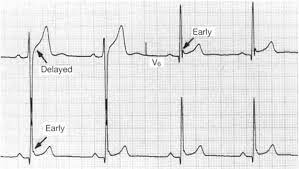
Podcast 846: Early Repolarization vs. Anterior STEMI
Contributor: Travis Barlock, MD Educational Pearls: Early repolarization a benign EKG pattern that can mimic an anterior STEMI Can be seen in the anterior leads typically in young male patients Can differentiate Early Repolarization vs Anterior STEMI by looking at four variables: Corrected QT interval QRS amplitude in V2 R wave amplitude in V4 ST elevation 60 ms after J point in V3 These four variables can be plugged into a formula (available on MDCalc) Note that a longer QT is more corelated with STEMI References Macfarlane PW, Antzelevitch C, Haissaguerre M, et al. The Early Repolarization Pattern: A Consensus Paper. J Am Coll Cardiol. Jul 28 2015;66(4):470-7. doi:10.1016/j.jacc.2015.05.033 Smith SW, Khalil A, Henry TD, et al. Electrocardiographic differentiation of early repolarization from subtle anterior ST-segment elevation myocardial infarction. Ann Emerg Med. Jul 2012;60(1):45-56.e2. doi:10.1016/j.annemergmed.2012.02.015 Summarized by Mark O'Brien, MS4 | Edited by John Spartz, MD, & Erik Verzemnieks, MD The Emergency Medical Minute is excited to announce that we are now offering AMA PRA Category 1 credits™ via online course modules. To access these and for more information, visit our website at https://emergencymedicalminute.org/cme-courses/ and create an account.
Podcast 845: Hyperkalemic Cardiac Arrest
Contributor: Aaron Lessen, MD Educational Pearls: Hyperkalemia may cause cardiac arrest Treatment of suspected hyperkalemic cardiac arrest begins with typical management of cardiac arrest including high-quality CPR, defibrillation if appropriate, and resuscitation medications Administer calcium products to stabilize cardiac membrane and potassium shifting medications If ROSC is achieved, initiate dialysis There are several case reports of patients being dialyzed while CPR is ongoing, with some success Dialysis during resuscitation may be an appropriate treatment for some patients References Jackson MA, Lodwick R, Hutchinson SG. Hyperkalaemic cardiac arrest successfully treated with peritoneal dialysis. BMJ. 1996;312(7041):1289-1290. doi:10.1136/bmj.312.7041.1289 Kao KC, Huang CC, Tsai YH, Lin MC, Tsao TC. Hyperkalemic cardiac arrest successfully reversed by hemodialysis during cardiopulmonary resuscitation: case report. Chang Gung Med J. 2000;23(9):555-559. Torrecilla C, de la Serna JL. Hyperkalemic cardiac arrest, prolonged heart massage and simultaneous hemodialysis. Intensive Care Med. 1989;15(5):325-326. doi:10.1007/BF00263870 Summarized by Kirsten Hughes, MS4 | Edited by John Spartz, MD, & Erik Verzemnieks, MD The Emergency Medical Minute is excited to announce that we are now offering AMA PRA Category 1 credits™ via online course modules. To access these and for more information, visit our website at https://emergencymedicalminute.org/cme-courses/ and create an account.
Podcast 844: Dental Infections
Contributor: Meghan Hurley, MD Educational Pearls: Educational Pearls: Dental infections can be categorized into two main groups Infections of the gums Pericoronitis Tooth eruption leading to inflammation/irritation Can progress to an infection Requires pain control, no antibiotics Gingivitis Inflammation of the gums Can lead to an infection requiring antibiotics Abscess (gums) If an infection develops in the gums it can progress to an abscess May require drainage Acute necrotizing ulcerative gingivitis (ANUG) aka Trench Mouth Filmy, grayish discoloration of the gums with "punched out" lesions Extremely painful Can cause teeth to loosen and fall out Treat with IV antibiotics + admission Infections of the teeth Dental caries Causes sensitivity tooth enamel is worn through Can lead to infection Periapical abscess Abscess that extends through the root of the tooth Can develop up elsewhere in tooth/gums/mouth Causes tooth sensitivity when tapped Ludwig angina Infection of the soft tissue under the tongue Can compromise airway as it expands Treat with extensive antibiotics and debridement Antibiotic stewardship Commonly used antibiotics for dental infections Clindamycin Augmentin Amoxicillin Chlorhexidine (Peridex) Antiseptic and disinfectant that is helpful for gingival irritation References Bridwell R, Gottlieb M, Koyfman A, Long B. Diagnosis and management of Ludwig's angina: An evidence-based review. Am J Emerg Med. Mar 2021;41:1-5. doi:10.1016/j.ajem.2020.12.030 Dufty J, Gkranias N, Donos N. Necrotising Ulcerative Gingivitis: A Literature Review. Oral Health Prev Dent. 2017;15(4):321-327. doi:10.3290/j.ohpd.a38766 Herrera D, Roldán S, Sanz M. The periodontal abscess: a review. J Clin Periodontol. Jun 2000;27(6):377-86. doi:10.1034/j.1600-051x.2000.027006377.x Kumar S. Evidence-Based Update on Diagnosis and Management of Gingivitis and Periodontitis. Dent Clin North Am. Jan 2019;63(1):69-81. doi:10.1016/j.cden.2018.08.005 Kwon G, Serra M. Pericoronitis. StatPearls. StatPearls Publishing Copyright © 2022, StatPearls Publishing LLC.; 2022. Summarized by Mark O'Brien, MS4 | Edited by John Spartz, MD, & Erik Verzemnieks, MD The Emergency Medical Minute is excited to announce that we are now offering AMA PRA Category 1 credits™ via online course modules. To access these and for more information, visit our website at https://emergencymedicalminute.org/cme-courses/ and create an account.

Podcast 843: Commotio Cordis
Contributor: Jared Scott, MD Educational Pearls: Commotio cordis is sudden ventricular fibrillation precipitated by direct impact to the chest A national registry, US Commotio Cordis Registry, reports an average of 10-20 cases annually 95% of reported cases occur in males, indicating possible genetic component Average age of patient in registry is 15 Most cases occur during sporting events (baseball in particular), in addition to physical altercations and industrial accidents Treatment is high quality CPR and early defibrillation Survival rate is improving but remains around 35% In recent events, American football player Damar Hamlin survived a Commotio cordis event after being tackled on field and receiving CPR References Link MS. Commotio cordis: ventricular fibrillation triggered by chest impact-induced abnormalities in repolarization. Circ Arrhythm Electrophysiol. 2012;5(2):425-432. doi:10.1161/CIRCEP.111.962712 Maron BJ, Poliac LC, Kaplan JA, Mueller FO. Blunt impact to the chest leading to sudden death from cardiac arrest during sports activities. N Engl J Med. 1995;333(6):337-342. doi:10.1056/NEJM199508103330602 Summarized by Kirsten Hughes, MS4 | Edited by John Spartz, MD, & Erik Verzemnieks, MD The Emergency Medical Minute is excited to announce that we are now offering AMA PRA Category 1 credits™ via online course modules. To access these and for more information, visit our website at https://emergencymedicalminute.org/cme-courses/ and create an account.

Podcast 842: "History of Wound Care"
Contributor: Chris Holmes, MD Educational Pearls: Through world history, there have been various interesting approaches to wound care Ancient Egyptians applied honey, lint, and grease which provided antimicrobial, absorptive and moisturizing properties, respectively Ancient Greeks irrigated wounds with clean water and applied wine and vinegar which may have been antimicrobial One of the first synthetic topical antimicrobials was a dye researched by scientist Gerhard Domagk and later produced by Bayer under the name Prontosil Some current wound care methods include wet-to-dry dressings, Dankin's Solution (sodium hypochlorite) and the use of maggots References Fleck CA. Why "wet to dry"?. J Am Col Certif Wound Spec. 2009;1(4):109-113. Published 2009 Oct 6. doi:10.1016/j.jcws.2009.09.003 Shah JB. The history of wound care. J Am Col Certif Wound Spec. 2011;3(3):65-66. doi:10.1016/j.jcws.2012.04.002 Ueno CM, Mullens CL, Luh JH, Wooden WA. Historical review of Dakin's solution applications. J Plast Reconstr Aesthet Surg. 2018;71(9):e49-e55. doi:10.1016/j.bjps.2018.05.023 Summarized by Kirsten Hughes, MS4 | Edited by John Spartz, MD, & Erik Verzemnieks, MD The Emergency Medical Minute is excited to announce that we are now offering AMA PRA Category 1 credits™ via online course modules. To access these and for more information, visit our website at https://emergencymedicalminute.org/cme-courses/ and create an account.
Podcast 841: Wound Care
Contributor: Aaron Lessen, MD Educational Pearls: Wound care in the emergency department aims to prevent future infection Copious wound irrigation is the important step in preventing wound infection Studies have shown that irrigation with tap water is just as effective, if not superior, to irrigation with saline or other solutions Several studies have shown no reduction in wound infection rates when using sterile gloves during wound care Recent study in the Netherlands compared infection rates between patients undergoing wound repair with and without sterile gloves Receiving wound care with nonsterile gloves was noninferior to wound care utilizing sterile gloves References Fernandez R, Griffiths R. Water for wound cleansing. Cochrane Database Syst Rev. Feb 15 2012;(2):Cd003861. doi:10.1002/14651858.CD003861.pub3 Heckmann N, Simcox T, Kelley D, Marecek GS. Wound Irrigation for Open Fractures. JBJS Rev. Jan 2020;8(1):e0061. doi:10.2106/jbjs.Rvw.19.00061 Zwaans JJM, Raven W, Rosendaal AV, et al. Non-sterile gloves and dressing versus sterile gloves, dressings and drapes for suturing of traumatic wounds in the emergency department: a non-inferiority multicentre randomised controlled trial. Emerg Med J. Sep 2022;39(9):650-654. doi:10.1136/emermed-2021-211540 Summarized by Mark O'Brien, MS4 | Edited by John Spartz, MD, & Erik Verzemnieks, MD The Emergency Medical Minute is excited to announce that we are now offering AMA PRA Category 1 credits™ via online course modules. To access these and for more information, visit our website at https://emergencymedicalminute.org/cme-courses/ and create an account.
Podcast 840: Abnormal Pediatric Vitals at Discharge
Contributor: Aaron Lessen, MD Educational Pearls: Pediatric patients frequently have vital signs considered abnormal for age at discharge Large multicenter study recently evaluated if pediatric patients discharged with abnormal vital signs have worse outcomes 97,824 pediatric discharges were included in the study 18.1% were discharged with vitals considered abnormal for age No significant difference in readmission rates at 48 hours (2.28% in abnormal cohort vs. 2.45% in normal cohort) No significant adverse outcomes in those discharged with abnormal vital signs (4 total PICU admissions with no deaths, CPR, or intubations) When considering discharging pediatric patients, it is important to evaluate how the patient looks rather than just relying on vital signs Consider leaving the child attached to a monitor, leaving the room, and then reevaluating them if they could be agitated by the presence of healthcare providers References Kazmierczak M, Thompson AD, DePiero AD, Selbst SM. Outcomes of patients discharged from the pediatric emergency department with abnormal vital signs. Am J Emerg Med. Jul 2022;57:76-80. doi:10.1016/j.ajem.202 Image from: Vital Signs. MedlinePlus. https://medlineplus.gov/vitalsigns.html. Accessed December 29, 2022. Summarized by Mark O'Brien, MS4 | Edited by John Spartz, MD, & Erik Verzemnieks, MD The Emergency Medical Minute is excited to announce that we are now offering AMA PRA Category 1 credits™ via online course modules. To access these and for more information, visit our website at https://emergencymedicalminute.org/cme-courses/ and create an account.
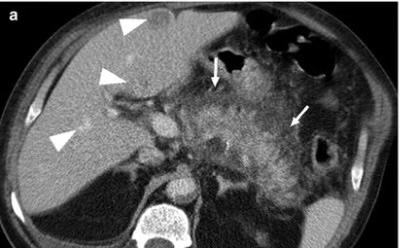
Podcast 839: Causes of Pancreatitis
Contributor: Travis Barlock, MD Educational Pearls: The causes of pancreatitis can be remembered with the mnemonic: "GET SMASHED" G: Gallstones (Most common cause of pancreatitis overall) E: Ethanol (Alcohol consumption is the most common cause of chronic pancreatitis) T: Trauma S: Steroids M: Malignancy A: Autoimmune S: Scorpion Sting H: Hypertryglyceridemia E: ERCP D: Drugs (e.g. Valproate, Antiretrovirals) References Beyer G, Habtezion A, Werner J, Lerch MM, Mayerle J. Chronic pancreatitis. Lancet. 2020;396(10249):499-512. doi:10.1016/S0140-6736(20)31318-0 Lankisch PG, Apte M, Banks PA. Acute pancreatitis [published correction appears in Lancet. 2015 Nov 21;386(10008):2058]. Lancet. 2015;386(9988):85-96. doi:10.1016/S0140-6736(14)60649-8 Summarized by Kirsten Hughes, MS4 | Edited by John Spartz, MD, & Erik Verzemnieks, MD In an effort to promote diversity, equity, and inclusion in Emergency Medicine, The Emergency Medical Minute is proud to present our 2nd annual Diversity and Inclusion Award. We support increasing the representation of underrepresented groups in medicine and extend this award to individuals applying to emergency medicine residencies during the 2022-2023 cycle. For information on award eligibility and the application process, visit https://emergencymedicalminute.com/edi-award/ Donate to EMM today!
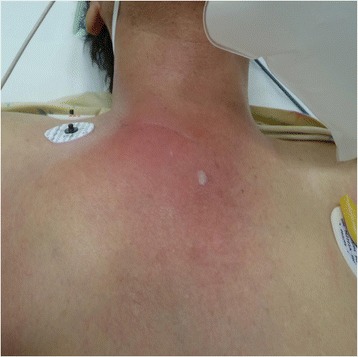
Podcast 838: Sternoclavicular Septic Arthritis
Contributor: Aaron Lessen, MD Educational Pearls: Septic arthritis of the sternoclavicular joint is uncommon accounting for Immunosuppression and IV drug use increases the risk Can account for up to 17% of septic arthritis cases in patients who use IV drugs Symptoms are typically vague with pain presenting around where the sternum meets the clavicle Consider imaging with CT or MRI and draining/analyzing the fluid if possible Antibiotics are the mainstay of treatment, but surgery may be required to wash out joint and resect infected bone As septic arteritis of the sternoclavicular join is uncommon, remember that patients presenting multiple times for the same complaint require a broader differential and a more extensive workup so that less common conditions are not missed References Gonçalves RB, Grenho A, Correia J, Reis JE. Sternoclavicular joint septic arthritis in a healthy adult: a rare diagnosis with frequent complications. J Bone Jt Infect. 2021;6(9):389-392. doi:10.5194/jbji-6-389-2021 Thompson MA, Barlotta KS. Septic Arthritis of the Sternoclavicular Joint. J Emerg Med. Jul 2018;55(1):128-129. doi:10.1016/j.jemermed.2018.02.044 Summarized by Mark O'Brien, MS4 | Edited by John Spartz, MD, & Erik Verzemnieks, MD In an effort to promote diversity, equity, and inclusion in Emergency Medicine, The Emergency Medical Minute is proud to present our 2nd annual Diversity and Inclusion Award. We support increasing the representation of underrepresented groups in medicine and extend this award to individuals applying to emergency medicine residencies during the 2022-2023 cycle. For information on award eligibility and the application process, visit https://emergencymedicalminute.com/edi-award/ Donate to EMM today!