Ecology Podcast
285 episodes — Page 4 of 6
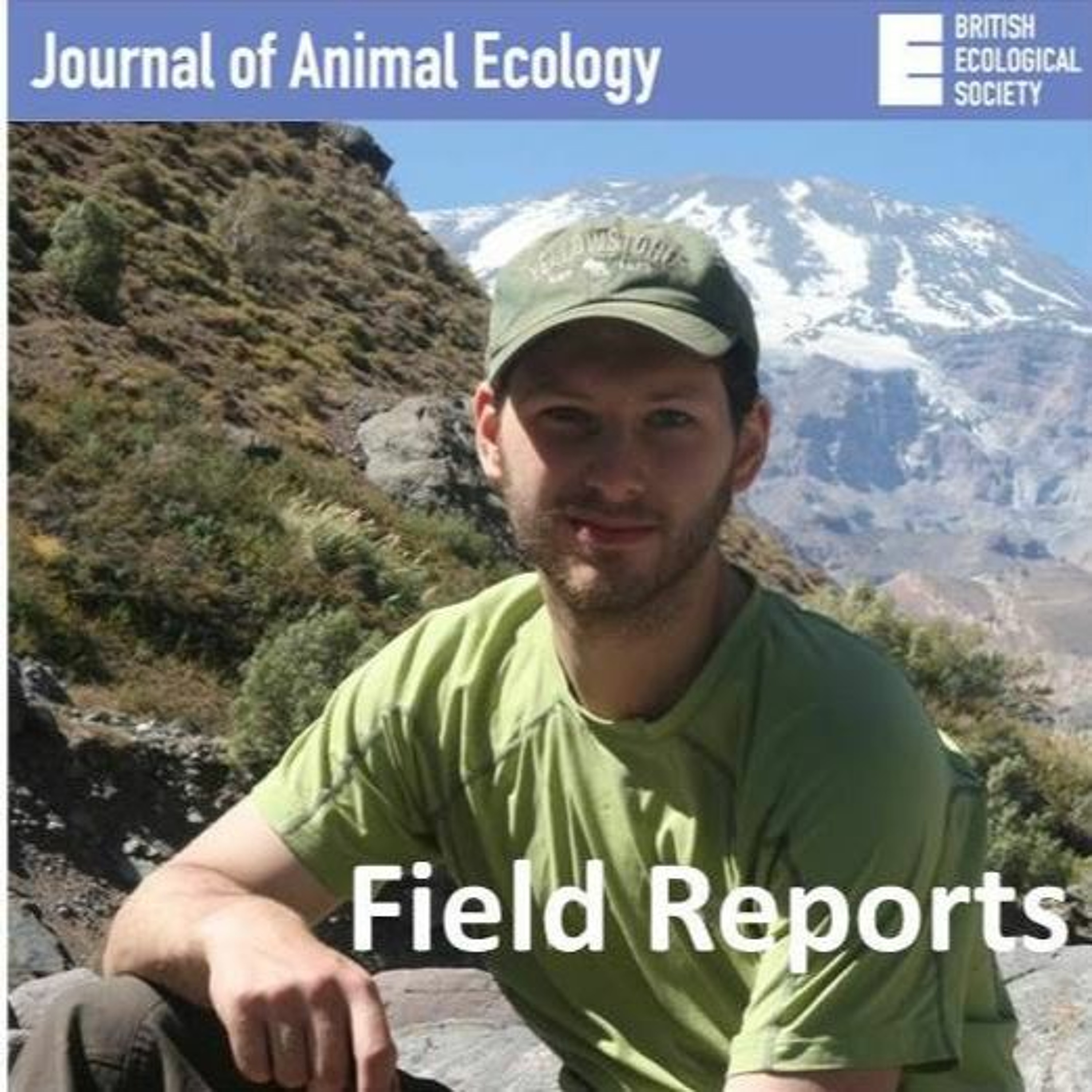
Journal of Animal Ecology: Field Reports, episode 9 The Sidnie Manton Award
On this episode, JAE Multimedia Editor Ravi interviews Ben Weinstein the winner of the inaugural Sidnie Manton Award and Andrew Robertson co-author of the highly commended paper.
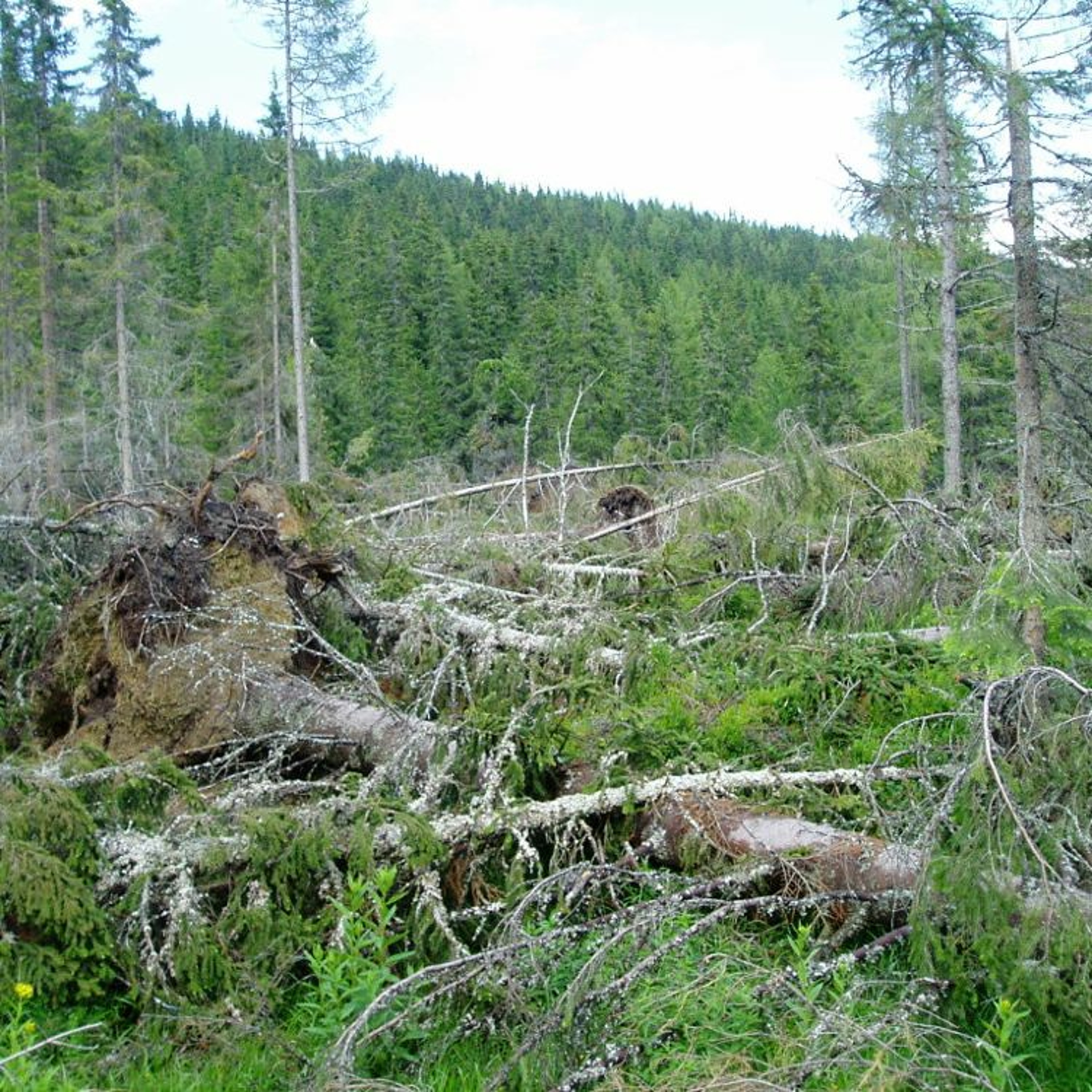
FE: Ken Thompson and Jitka Klimešová on disturbance frequency, severity and effects on plant traits
At the BES Annual Meeting, Ken Thompson caught up with Jitka Klimešová and discussed her work on a recent Functional Ecology paper, Herben et al's Effects of disturbance frequency and severity on plant traits: An assessment across a temperate flora http://onlinelibrary.wiley.com/doi/10.1111/1365-2435.13011/full

Journal of Animal Ecology: Field Reports, episode 8 Chandra Salgado Kent
On this episode, JAE Multimedia Editor Ravi interviewed Chandra Salgado Kent about her work on marine animals and the noise underwater as well as marine bio-acoustics, conservation, behaviour, whales, dolphins and more.
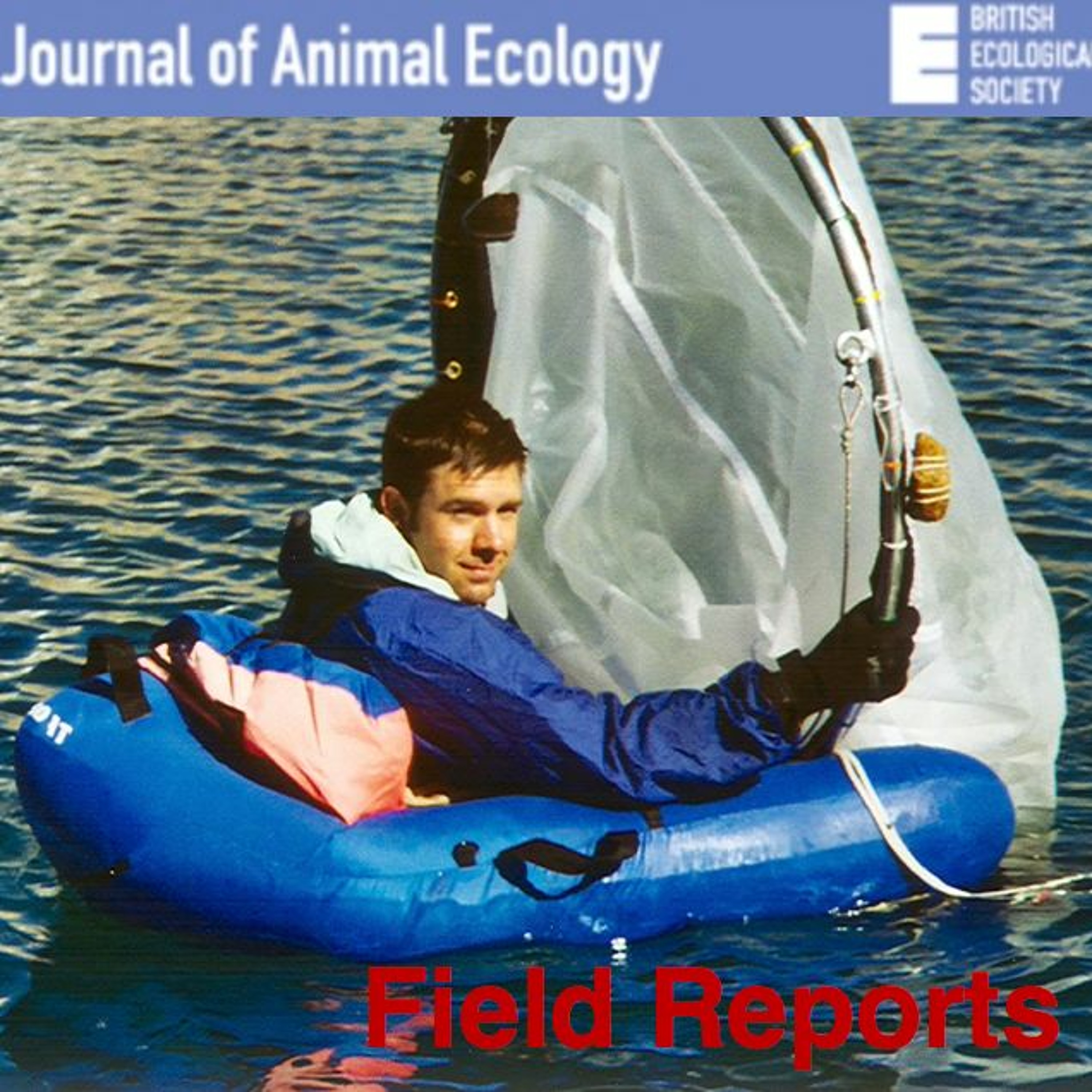
Journal of Animal Ecology: Field Reports, episode 7 Drew Kramer
On this episode, JAE Multimedia Editor Ravi interviewed Drew Kramer about the Special Feature that he organized on on Allee effects.
Journal of Animal Ecology: Field Reports, episode 6 Marie Auger-Méthé
On this episode, JAE Multimedia Editor Ravi interviewed Marie Auger-Méthé about polar bears, narwhal farts, movement ecology, the publish or perish attitude, and Ph.D. life
Journal of Animal Ecology: Field Reports, episode 5 Julie Morand-Ferron
On this episode, JAE Multimedia Editor Ravi interviewed Julie Morand-Ferron about bird and insect cognition, science communication and the need to design skinner bird boxes.
Journal of Animal Ecology: Field Reports, episode 4 Ben Dantzer
or this episode, JAE Multimedia Editor Ravi interviewed Ben Dantzer about his integrative approach to research, fieldwork stories, Squirrels, Meerkats, and Bear encounters.
Interview with Frida Piper - ESA2017
Journal of Ecology Executive Editor David Gibson interviews Associate Editor Frida Piper at ESA 2017, Portland, Oregon, USA
Interview with Caroline Brophy - ESA2017
Journal of Ecology Executive Editor David Gibson interviews Catherine Brophy at ESA 2017, Portland, Oregon, USA.
Journal of Animal Ecology: Field Reports, episode 3 Tim Coulson
or the third episode, JAE Multimedia Editor Ravi interviewed Tim Coulson. Tim discusses his fieldwork adventures of taking the wrong boat to the wrong island, and about integrating modelling and empirical field studies.
Alison Bennett talks to Lucille Chretien, Arjen Biere, Michael Thomas-Poulsen and Einat Zchori-fein
This is the fourth of four podcasts from the 2017 Symposium on Insect-Plant Interactions. In this podcast, Functional Ecology Associate Editor Alison Bennett from the James Hutton Institute talks to Lucille Chretien, Arjen Biere, Michael Thomas-Poulsen and Einat Zchori-fein about their research, current challenges and the future of plant-microbe-insect interactions.
Sergio Rasmann, Alison Bennett and Ana Pineda talk at SIP 2017
This is the third of four podcasts from the 2017 Symposium on Insect-Plant Interactions. In this podcast, Functional Ecology Associate Editors Sergio Rasmann and Alison Bennett, along with NIOO researcher, Ana Pineda talk about their research, current challenges and the future of plant-microbe-insect interactions.
Alison Bennett talks to Kay Moisan, David Giron, Enric Frago and Nicole Van Dam
This is the second of four podcasts from the 2017 Symposium on Insect-Plant Interactions. In this podcast, Functional Ecology Associate Editor Alison Bennett from the James Hutton Institute talks to Kay Moisan, David Giron, Enric Frago and Nicole Van Dam about their research, current challenges and the future of plant-microbe-insect interactions.
Alison Bennett talks to Noah Whiteman, Jean Christophe Simon and Ainhoa Martinez Medina
This is the first of four podcasts from the 2017 Symposium on Insect-Plant Interactions. In this podcast, Functional Ecology Associate Editor Alison Bennett from the James Hutton Institute talks to Noah Whiteman, Jean Christophe Simon and Ainhoa Martinez Medina about their research, current challenges and the future of plant-microbe-insect interactions.

Harper Prize 2016 winner Martina Treurnicht interviewed by Rob Salguero-Gómez
Harper Prize 2016 winner Martina Treurnicht interviewed by Rob Salguero-Gómez by Ecology Podcast
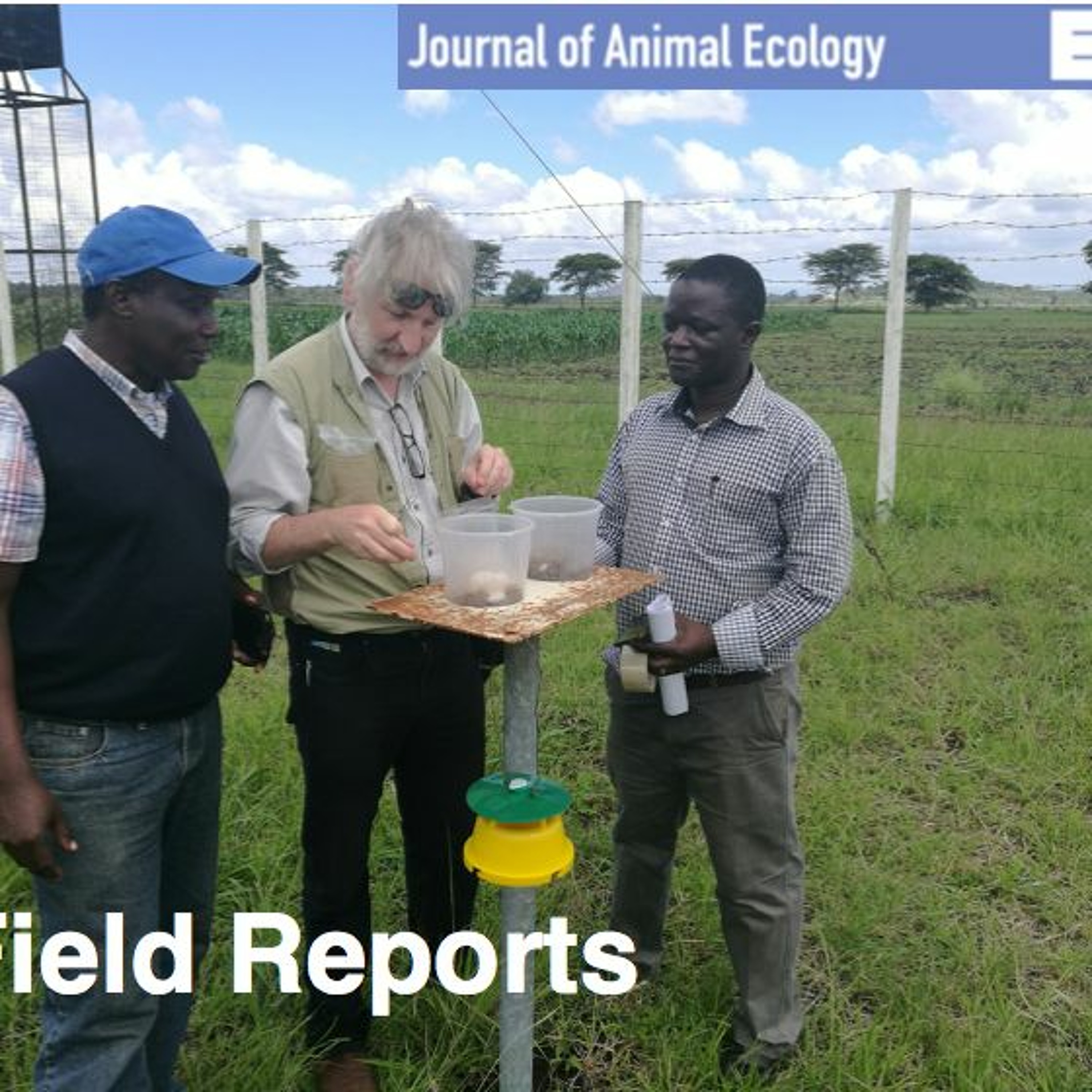
Journal of Animal Ecology: Field Reports, episode 2 Ken Wilson
For the second episode, JAE Multimedia Editor Ravi interviewed Executive Editor Ken Wilson about his work on armyworms, their devastating effects on the crops in Africa, and his fieldwork research about biological control of the pests.
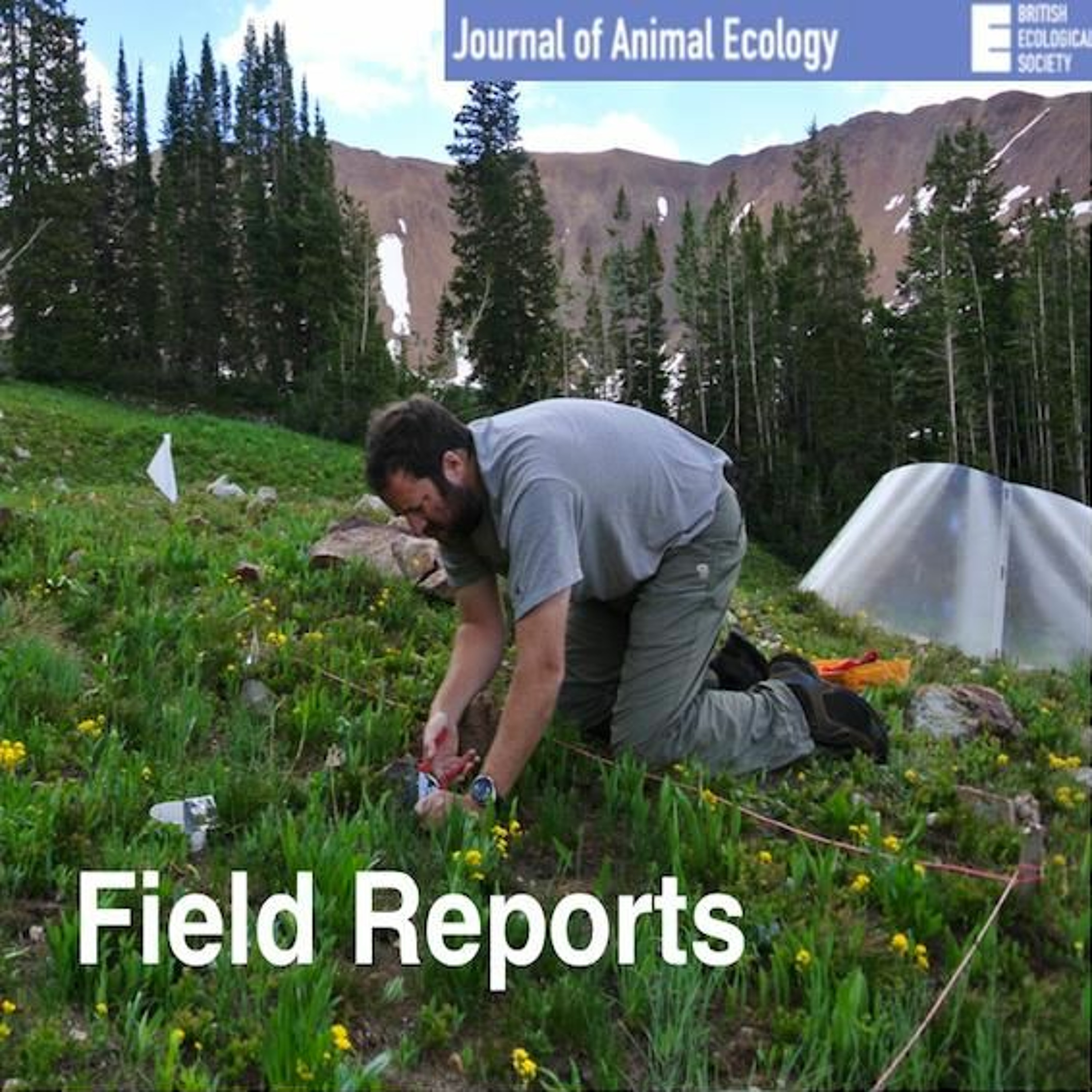
Journal of Animal Ecology: Field Reports, episode 1 Nate Sanders
For the first episode, JAE Multimedia Editor Ravi interviewed Nathan Sanders, a former 'professional wrestler’ and an ecologist at the University of Vermont. They talk about his first fieldwork experience, ants, plants, a skunk, why study biodiversity, WARM and SALT projects that he is involved in, advice for students, and many personal stories. Credits: Photographs taken from NateSanders.org, or provided by Nate, Music: Nihilore_Artifice (Freemusicarchive), Sound effects: Zedge.net, Additional footage: Videvo.org
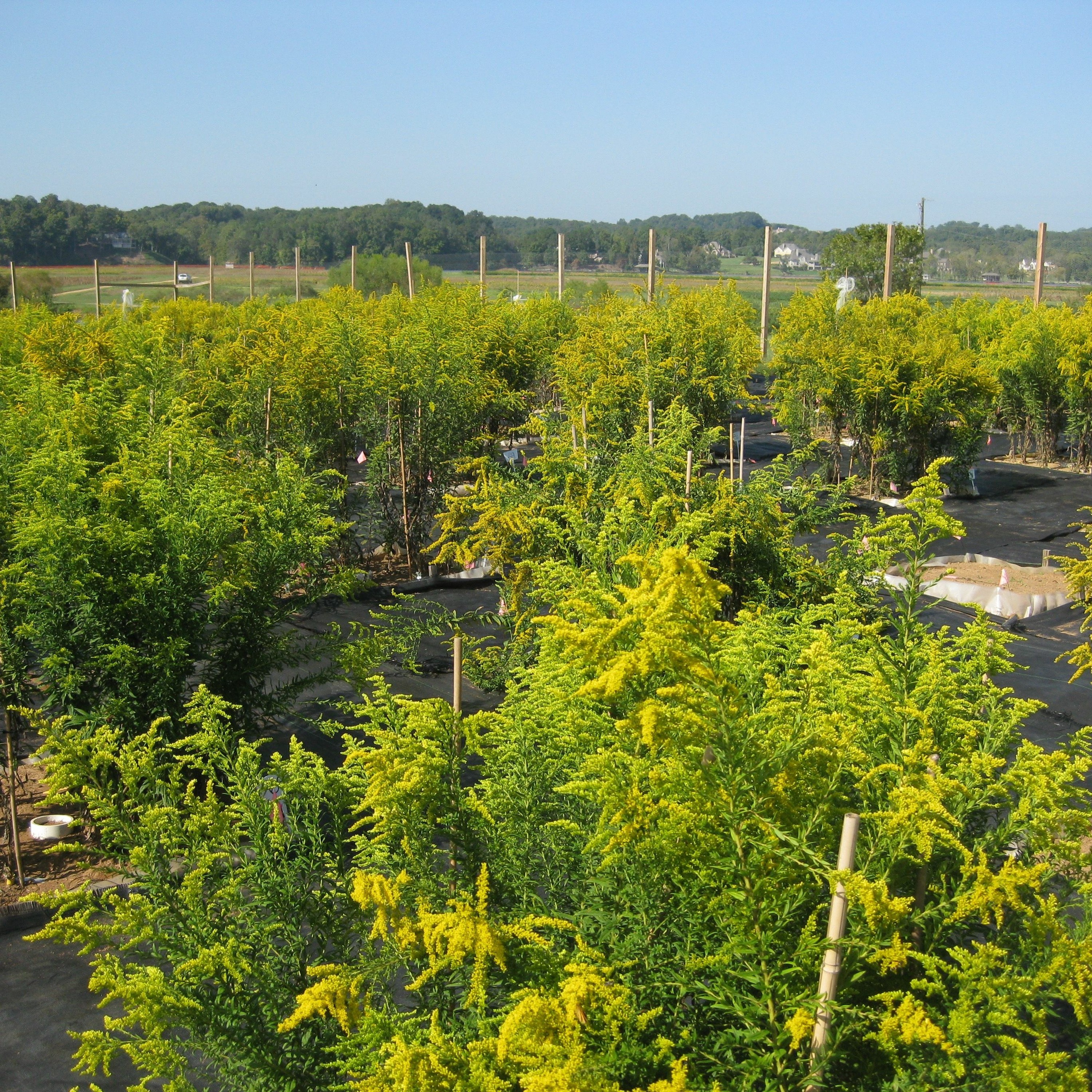
FE: Lara Souza and Alan Knapp talk about the factors affecting old-field structure and function
Plant genotypic variation and intraspecific diversity trump soil nutrient availability to shape old‐field structure and function Authors Lara Souza, Katharine L. Stuble, Mark A. Genung, Aimee T. Classen Read the paper in full here: http://onlinelibrary.wiley.com/doi/10.1111/1365-2435.12792/abstract

Journal of Applied Ecology: Forest restoration as a double-edged sword
In this podcast Simon Kärvemo discusses his paper ‘Forest restoration as a double-edged sword: the conflict between biodiversity conservation and pest control’ published in the Journal of Applied Ecology - http://onlinelibrary.wiley.com/doi/10.1111/1365-2664.12905/full. Sound effects: Recorded by JaBa - http://soundbible.com/1902-Fire-Burning.html Recorded by Daniel Simion - http://soundbible.com/2039-Tree-Fall-Small.html
The field guide to sequence-based identification of biodiversity: An Interview with Simon Creer
Georgina Brennan interviews Simon Creer about his Open Access Review paper 'The ecologist's field guide to sequence-based identification of biodiversity'. They discuss the idea that led to the paper, who could benefit from reading it and much more. You can read the full article on the Wiley Online Library here: http://bit.ly/2n9u2VB (No Subscription Required).
What is Methods in Ecology and Evolution?
An interview with the Senior Editors of the British Ecological Society journal Methods in Ecology and Evolution - Rob Freckleton, Bob O'Hara and Jana Vamosi. They talk about what sets it apart from other journals, their favourite articles, and the kinds of papers that they would like to see more of. If you're thinking about submitting to Methods in Ecology and Evolution, they have some advice as well. Articles Mentioned by the Editors: - Applications articles (http://www.methodsinecologyandevolution.org/view/0/applicationpapers.html) - Tea Bag Index: a novel approach to collect uniform decomposition data across ecosystems (http://onlinelibrary.wiley.com/doi/10.1111/2041-210X.12097/full) - A protocol for data exploration to avoid common statistical problems (http://onlinelibrary.wiley.com/doi/10.1111/j.2041-210X.2009.00001.x/full) - How safe is mist netting? evaluating the risk of injury and mortality to birds (http://onlinelibrary.wiley.com/doi/10.1111/j.2041-210X.2011.00123.x/full) - Personal messages reduce vandalism and theft of unattended scientific equipment (http://onlinelibrary.wiley.com/doi/10.1111/2041-210X.12132/full) - A simple approach for maximizing the overlap of phylogenetic and comparative data (http://onlinelibrary.wiley.com/doi/10.1111/2041-210X.12517/full)
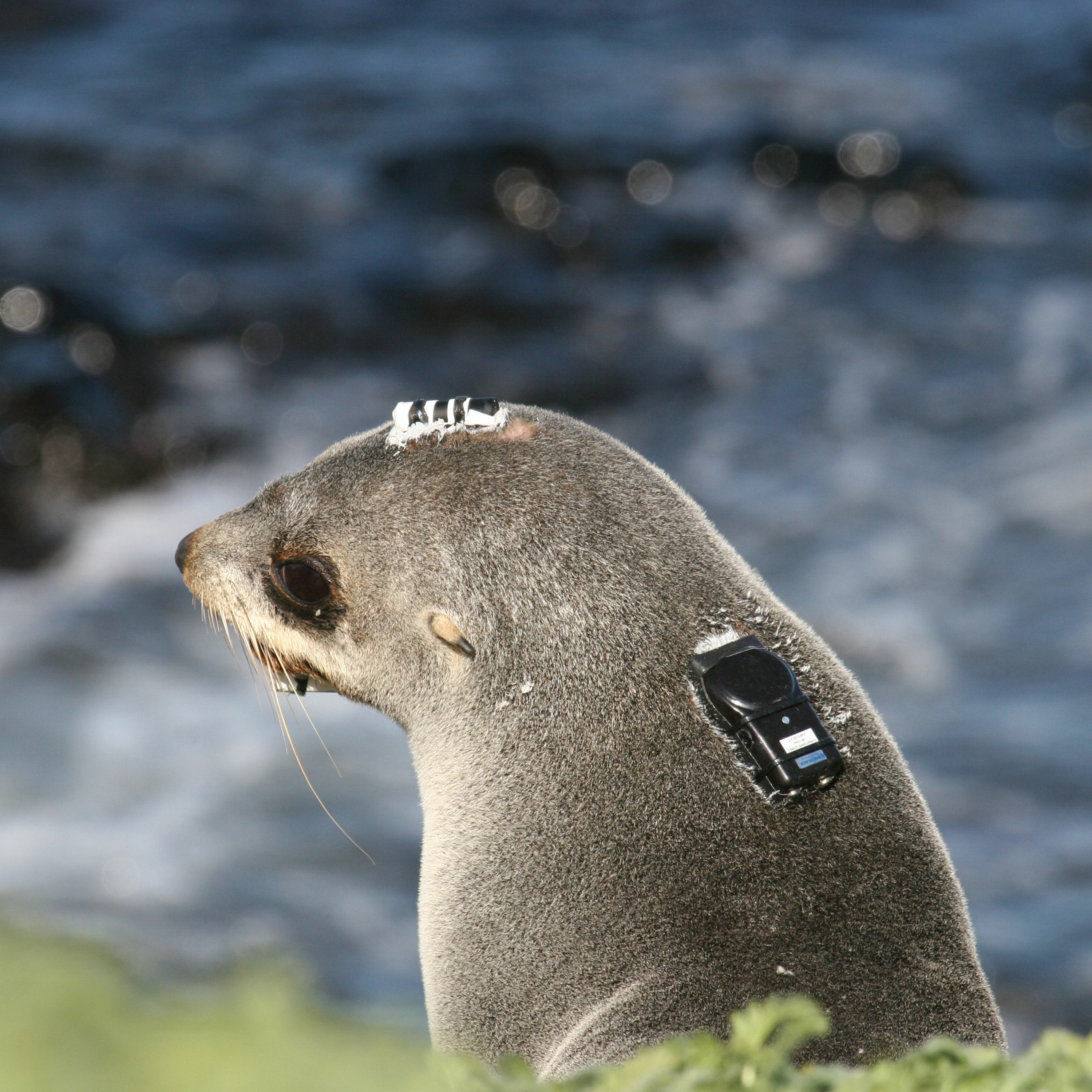
FE: Duncan & Tiphaine Jeanniard-du-Dot on accelerometers, energy expenditure and Antarctic fur seals
Duncan irschick Talks to Tiphaine Jeanniard-du-Dot about accelerometers, energy expenditure and Antarctic fur seals Jeanniard-du-Dot, T., Guinet, C., Arnould, J. P.Y., Speakman, J. R. and Trites, A. W. (2016), Accelerometers can measure total and activity-specific energy expenditures in free-ranging marine mammals only if linked to time-activity budgets. Funct Ecol. doi:10.1111/1365-2435.1272
FE: Alan Knapp talks to Dylan G Fischer
Do more diverse mixtures of plants function more efficiently and take up more carbon? Previous studies have suggested this occurs frequently in grasslands when species are mixed. Other studies have now suggested that the same can be true of genetic mixtures within a species. In this podcast, Dylan G. Fischer talks about the results of the first forest ecosystem-scale experiment designed to test if more diverse mixtures of genetic stock result in more productive forests http://onlinelibrary.wiley.com/doi/10.1111/1365-2435.12733/full
Journal of Ecology - interview with Gerlinde De Deyn
Pierre Mariotte interviews Gerlinde De Deyn at EcoSummit2016
Journal of Ecology - Pierre Mariotte interviews Marcel Van der Heijden
Pierre Mariotte interviews Associate Editor Marcel Van der Heijden at EcoSummit2016, Montpellier
Journal of Ecology - interview with Richard Bardgett at EcoSummit2016
Journal of Ecology Blog Editor Pierre Mariotte interviews Senior Editor Richard Bardgett at EcoSummit2016, Montpellier
Journal of Ecology at ESA 2016 - interview with Charlie Canham
Journal of Ecology Executive Editor David Gibson meets with Associate Editor Charlie Canham at ESA 2016 to discuss the theme of the meeting (Novel Ecosystems in the Anthropocene), as well as Charlie's research.
Journal of Ecology at ESA 2016 - interview with Emily Farrer
Journal of Ecology Executive Editor David Gibson meets with Associate Editor Emily Farrer at ESA 2016 to discuss the theme of this year's meeting (Novel Ecosystems in the Anthropocene), as well as Emily's research.
Journal of Ecology at ESA 2016 - interview with Jacquelyn Gill
Journal of Ecology Executive Editor meets Associate Editor Jacquelyn Gill at ESA 2016 to discuss the theme of the meeting (Novel Ecosystems in the Anthropocene) and Jacquelyn's research.
FE: Alan Knapp talks to Joe Bailey about Ecosystems, Evolution and Plant–Soil Feedbacks
Joe Bailey talks to Alan Knapp about his special feature (guest-edited with Jen Schweizer)on Ecosystems, Evolution and Plant–Soil Feedbacks, out in the July Issue of Functional Ecology: http://onlinelibrary.wiley.com/doi/10.1111/fec.2016.30.issue-7/issuetoc
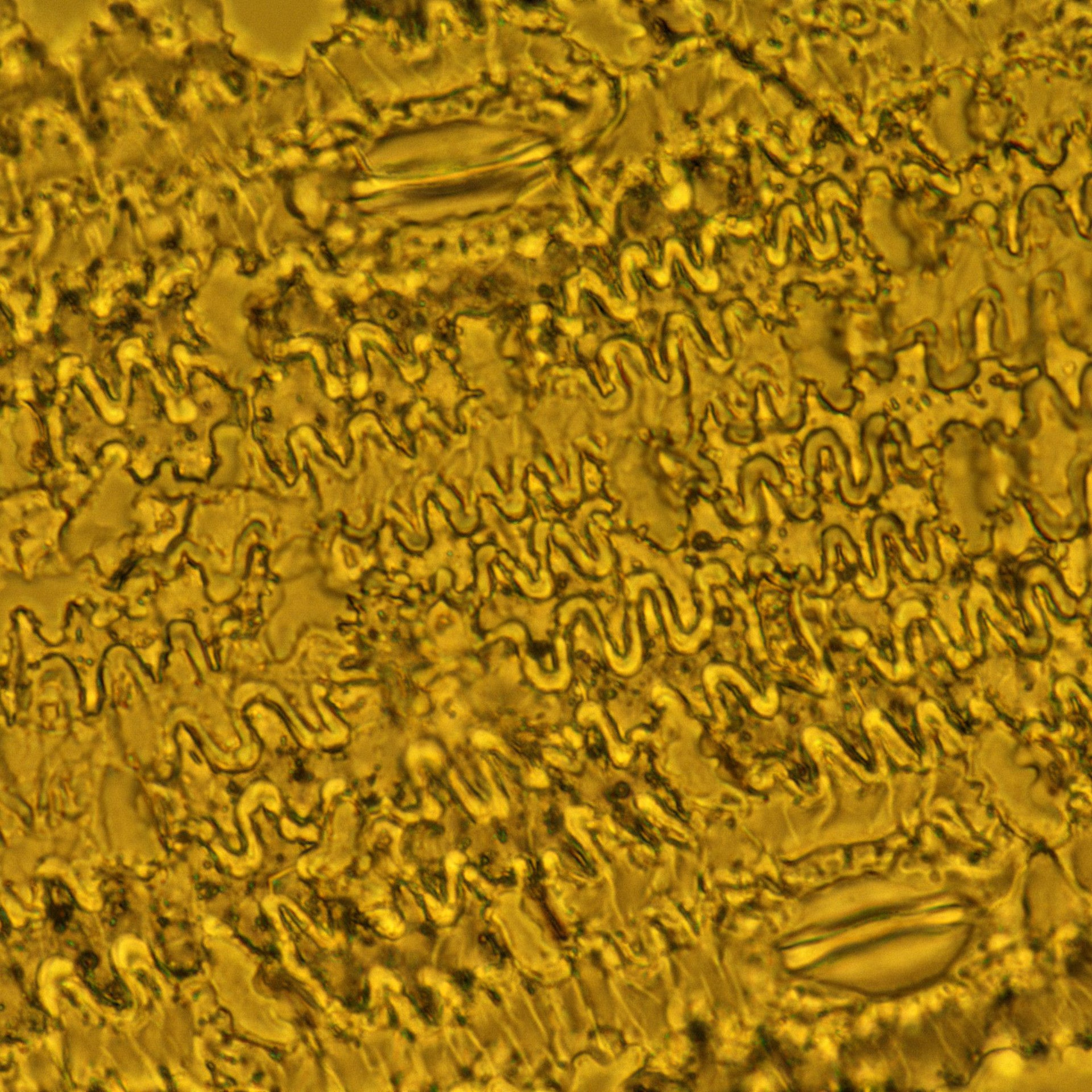
FE: Julia Cooke and Ken Thompson on plant silicon
Julia Cooke talks to FE editor Ken Thompson about our latest Special Feature: The Functional Role of Silicon In Plant Biology. Browse the lay summaries here (http://www.functionalecology.org/view/0/summaries/LaySummariesVol30Iss08.html) or read the articles in the August Issue of Functional Ecology: http://onlinelibrary.wiley.com/journal/10.1111/(ISSN)1365-2435/currentissue
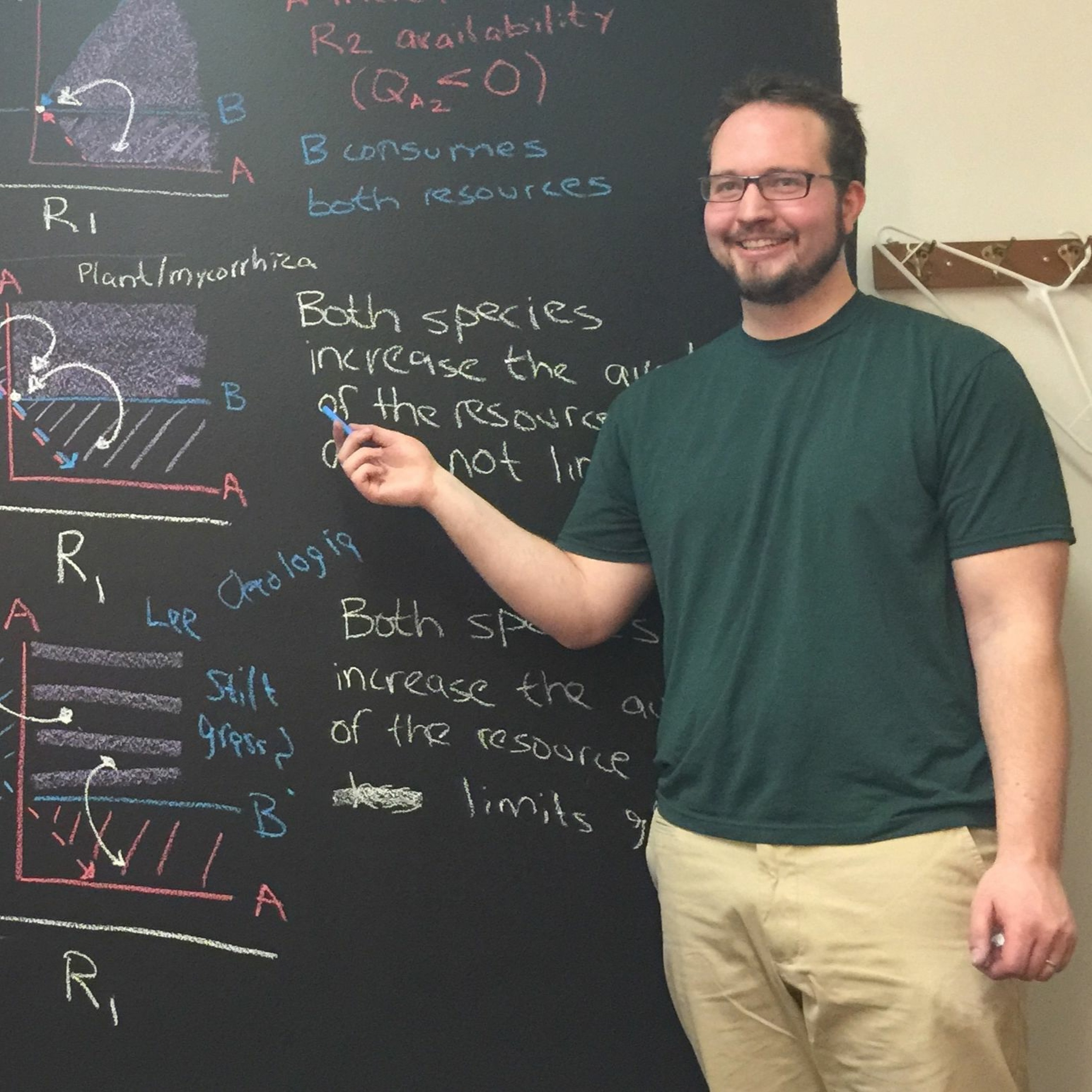
FE Alan Knapp interviews Haldane Prizewinner Brian Steidinger
Alan Knapp talks to Brian Steidinger, the winner of the 2015 Haldane Prize for Early Career Research, about his paper "Variability in potential to exploit different soil organic phosphorus compounds among tropical montane tree species" (Functional Ecology, 29:1, pp 121–130) Soil phosphorus is as essential as water for plant growth, but its low availability in some areas forces plants to develop different strategies to acquire it. Mycorrhizal associations, symbiotic associations between a fungus and a vascular plant, represent the most common strategy for access to the different pools of soil P by plants and it therefore seems reasonable to assume that different symbiotic fungal species will be differently able to exploit this non-renewable resource and that non-mycorrhizal species could have a competitive disadvantage. Brian Steidinger and his co-authors tested this hypothesis by comparing phosphatase enzyme activity and performance of five tropical tree species belonging to different functional groups: arbuscular mycorrhizal angiosperms, arbuscular mycorrhizal conifers, ectomycorrhizal angiosperms and non-mycorrhizal proteoid plants. - See more at: http://www.britishecologicalsociety.org/grants-awards/honours_awards_prizes/prize-for-the-best-paper-by-a-young-author/haldane-prize
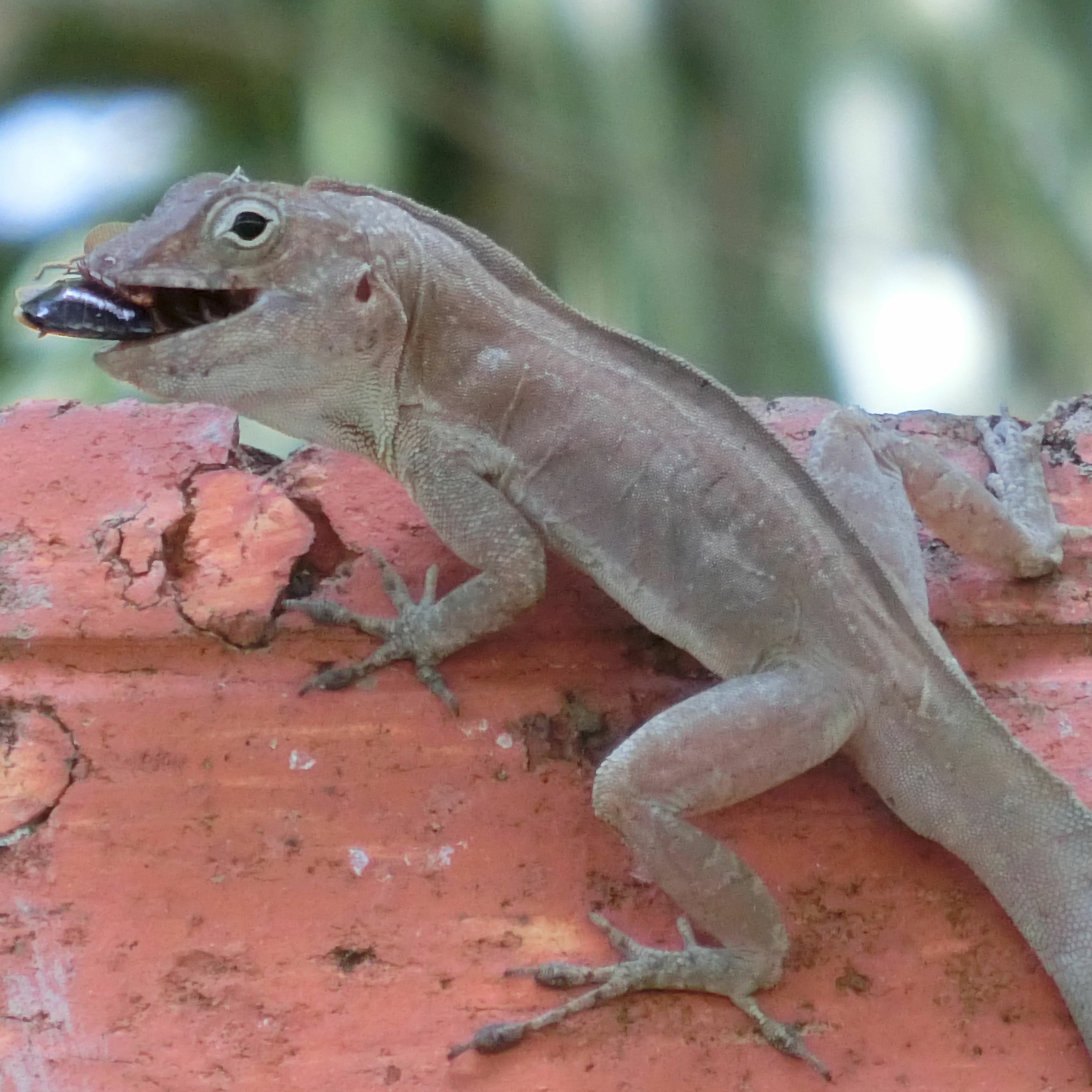
FE Duncan Irschick talks to Jason Kolbe - City Slickers
Jason Kolbe discusses his paper (Kolbe, J. J., Battles, A. C. and Avilés-Rodríguez, K. J. (2015), City slickers: poor performance does not deter Anolis lizards from using artificial substrates in human-modified habitats. Funct Ecol. doi:10.1111/1365-2435.12607) with Functional Ecology editor, Duncan Irschick How do lizards adjust to life in the city? Urbanization transforms natural environments into a mix of buildings, roads, parks and natural habitats. Lizards may use fences, posts and walls as they do trees in natural forests, but they may not find walls as easy to walk up as trees. How does this effect where these urbanized lizards choose to go and how might natural selection shape these "city slickers" in the future.
Interview with 2014 Harper Prize Winner Michiel Veldhuis
Journal of Ecology blog editor Pierre Mariotte interviews the 2014 Harper Prize winner Michiel Veldhuis.
Journal of Applied Ecology: Manging for Climate Change
In this podcast Andrew Suggitt interviews Owen Greenwood about their paper ‘Using in situ management to conserve biodiversity under climate change’ published in the Journal of Applied Ecology - http://onlinelibrary.wiley.com/doi/10.1111/1365-2664.12602/full.
FE Making the Most of Microbes with Emma Sayer and Ken Thompson
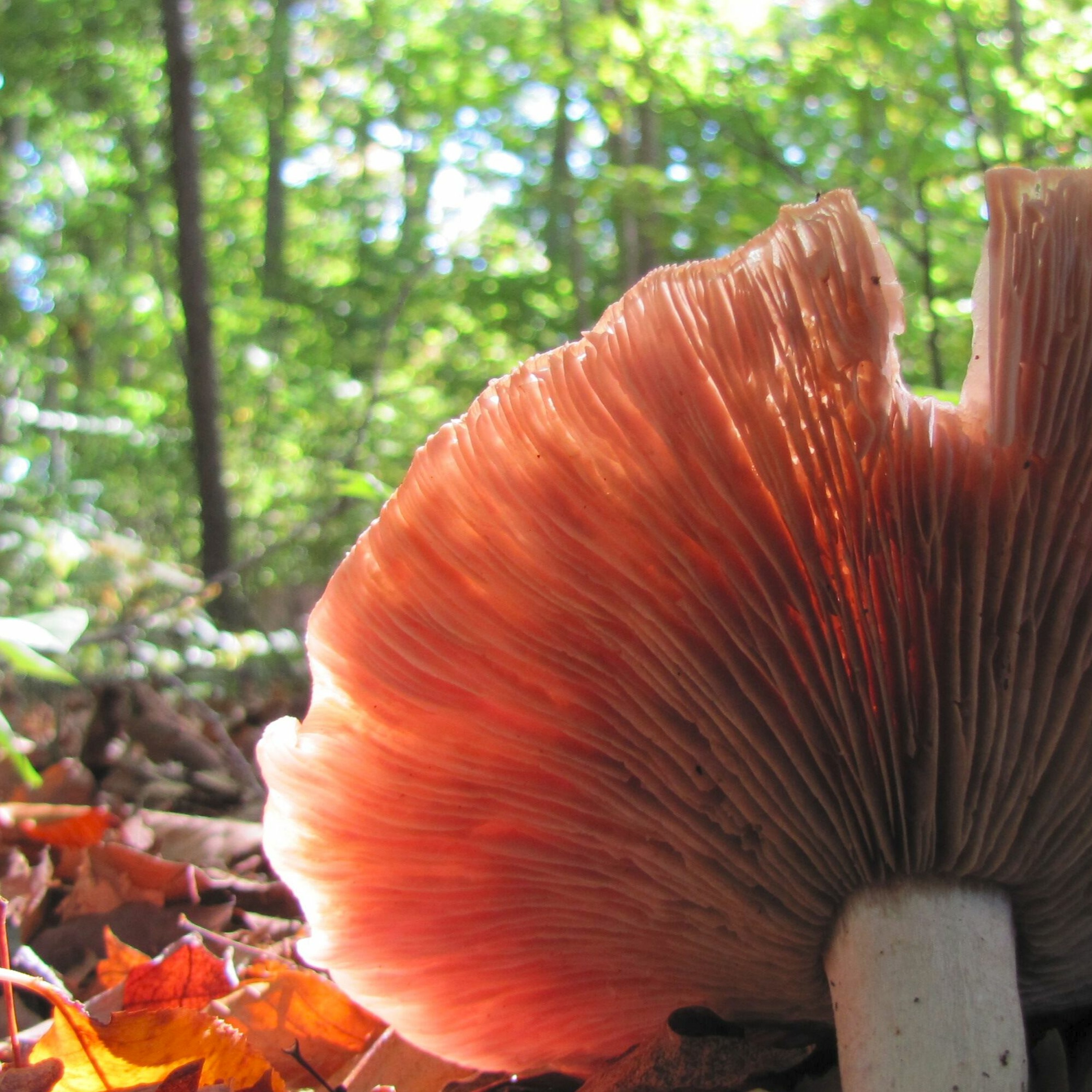
Emma Sayer and Ken Thompson talk about Emma's virtual issue: Making the Most of Microbes: http://www.functionalecology.org/view/0/virtualIssues/VI_mostofmicrobes.html Microorganisms carry out a large number of fundamental processes that underpin ecosystem function. The enormous diversity and high functional overlap of soil microbes in particular makes this an exciting but challenging area of research in functional ecology. This virtual issue takes a look at some of the advances in ecosystem research made possible by considering microbial processes and populations within the bigger picture of ecosystem function.
FE: Alan Knapp Thomas Hasper & Johan Uddling on water use in boreal forests in a changing climate
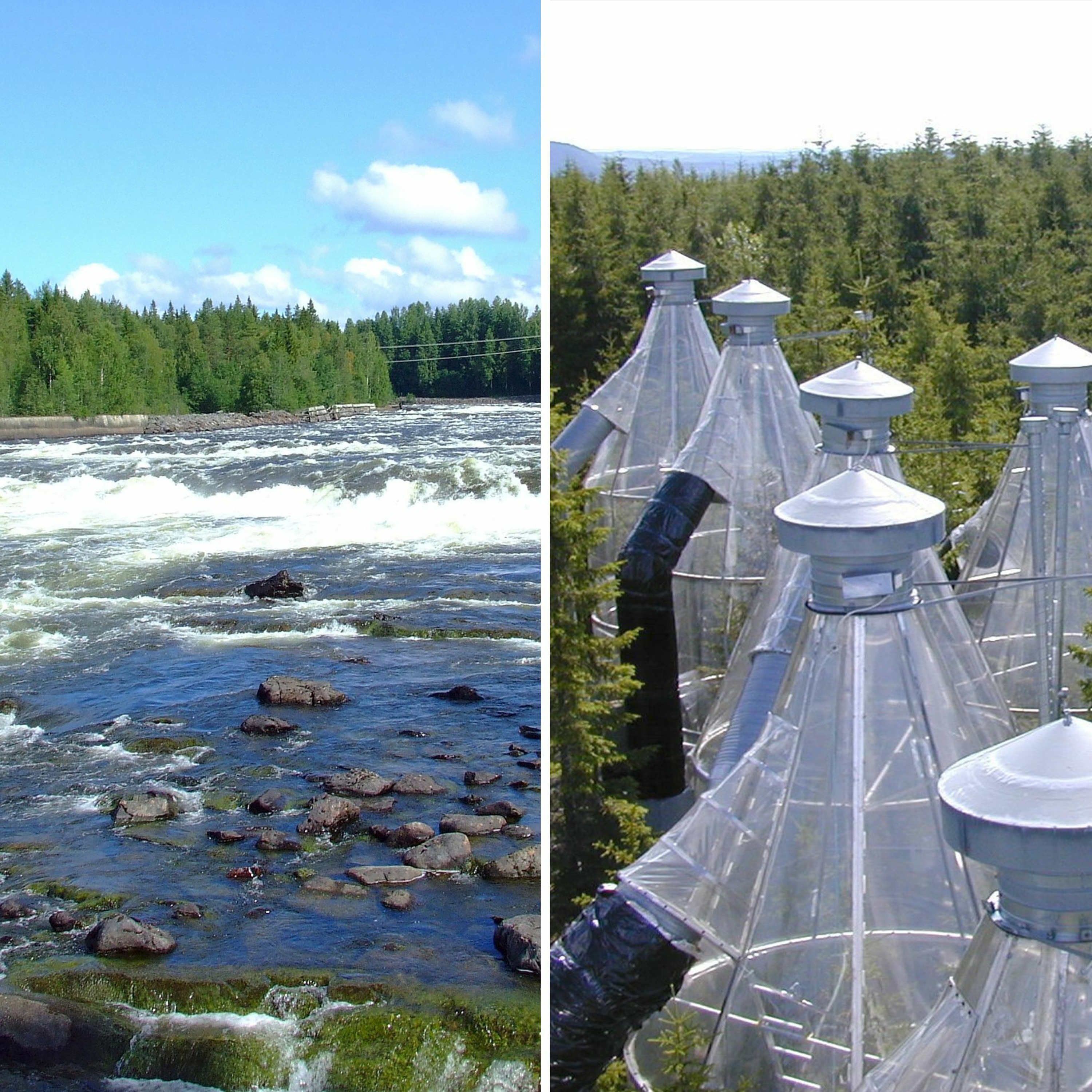
Thomas Hasper and Johan Uddling talk to FE Editor Alan Knapp about their recent paper "Water use by Swedish boreal forests in a changing climate." The ongoing increases in atmospheric CO2 and temperature have the potential to alter the flux of water vapor through plant leaf ‘stomata’, tiny and actively regulated pores in the leaf surface, but relatively little is known about the water-use responses of boreal forests. In their study, the authors examined the water-use responses of Swedish boreal forests to climate change by using long-term monitoring as well as experimental data. They used climate and runoff data of large-scale boreal landscapes from the past 50 years to explore historical trends and patterns, as well as we examining explicit tree water-use responses to elevated [CO2] and/or air temperature in a whole-tree chamber experiment using mature Norway spruce trees. Their findings have important implications for projections of the future hydrology of European boreal coniferous forests, indicating that changes in precipitation and standing biomass are more important than effects of elevated [CO2] or temperature on tree transpiration rates. Hasper, T. B., Wallin, G., Lamba, S., Hall, M., Jaramillo, F., Laudon, H., Linder, S., Medhurst, J. L., Räntfors, M., Sigurdsson, B. D. and Uddling, J. (2015), Water use by Swedish boreal forests in a changing climate. Funct Ecol. doi:10.1111/1365-2435.12546 http://onlinelibrary.wiley.com/doi/10.1111/1365-2435.12546/abstract
JEC: David Gibson interviews Scott Collins
JEC: David Gibson interviews Scott Collins by Ecology Podcast
JEC: David Gibson interviews Carol Thornber
Executive Editor, David Gibson, interviewed Carol Thornber at ESA 2015 about all things aquatic ecology.
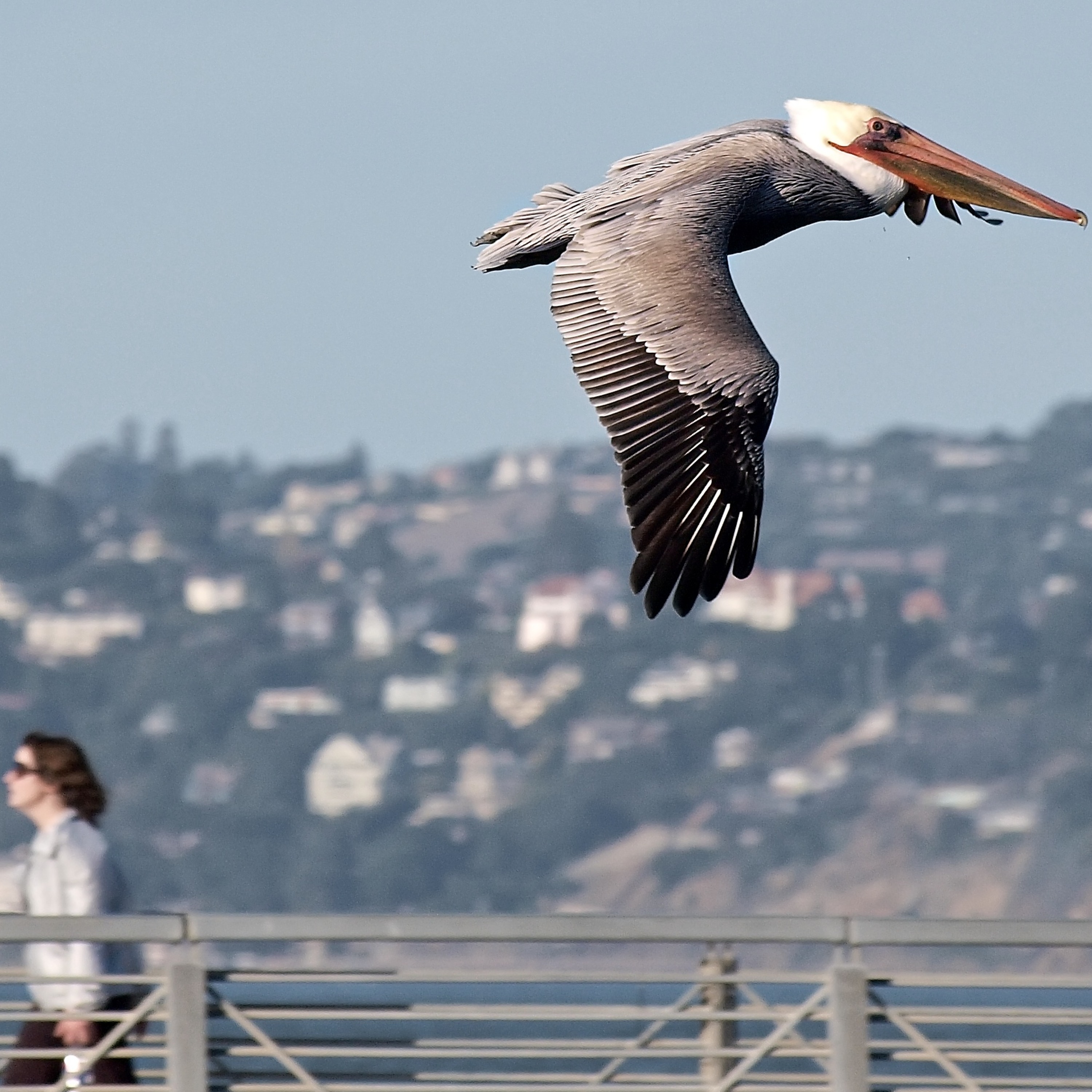
FE: Amy Hahs & Robbie Wilson on using urban ecosystems to expand fundamental ecological knowledge
Robbie Wilson talks to Amy Hahs about using urban ecosystems to expand fundamental ecological knowledge. Amy Hahs guest-edited our latest Special Feature: Ecology of Organisms in Urban Environments with Karl Evans. You can read the Special Feature here: http://www.functionalecology.org/view/0/specialfeatures.html#urbaneco
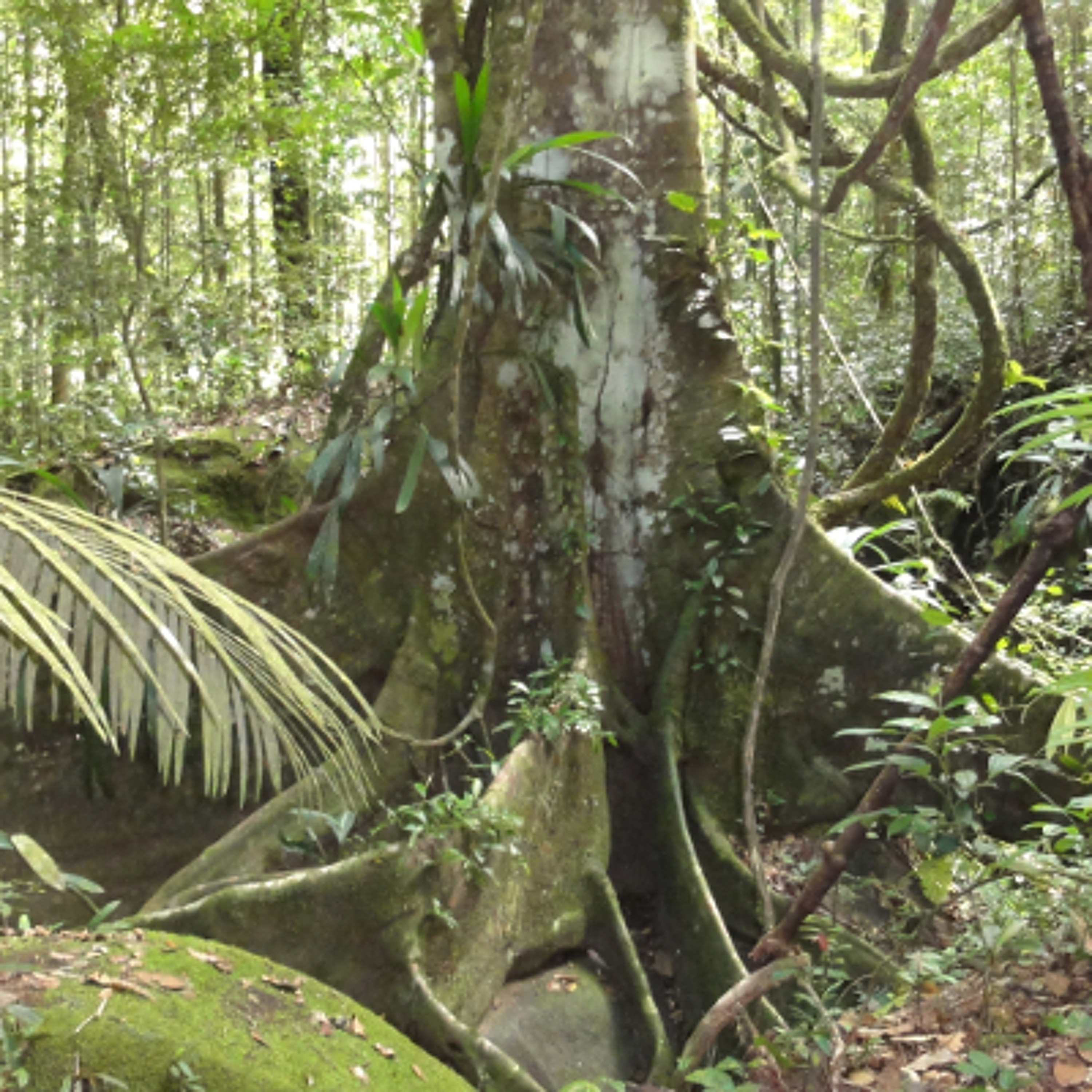
FE Alan Knapp talks to Isabelle Marechaux on predicting drought tolerance for Amazonian forest trees
Droughts are predicted to become increasingly frequent and intense in Amazonia, and empirical evidence for the vulnerability of Amazonian trees to drought has grown over the past decade. Little is known, however, about the mechanisms or the diversity of drought tolerance in tropical trees and, it has been difficult to quantify drought tolerance in tropical trees, due to a lack of consensus on a relevant tree functional trait, practical to measure for the hundreds of tree species occurring in tropical forests. In this study, Isabelle Marechaux and her co-authors looked at leaf water potential at wilting or turgor loss point (πtlp), which determines tolerance of leaves to drought stress. By using a new method based on a demonstrated association between πtlp and another trait, the leaf osmotic water potential at full hydration, they were able to estimate πtlp for 165 trees of 71 species, at three sites within forests in French Guiana. This dataset represents a significant increase in information for tropical tree species, revealing a wider range of drought tolerance than previously found in the literature and indicating a potential for highly diverse species responses to drought within forest communities. Given the weak correlations between πtlp and traditionally measured plant functional traits, vegetation models seeking to predict forest response to drought should integrate improved quantification of comparative drought tolerance among tree species.
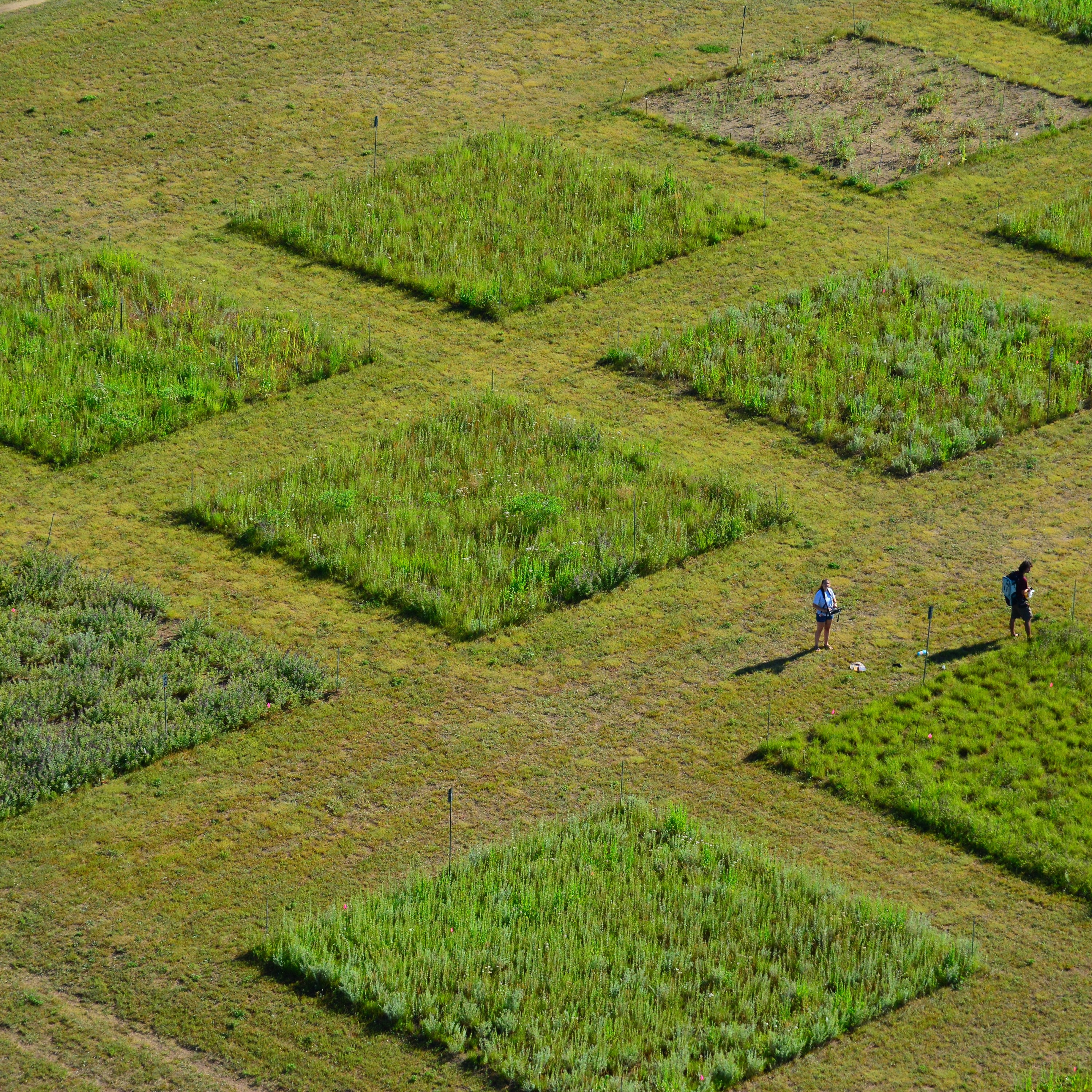
FE: Community phylogenetics and ecosystem functioning with Anita Narwani and Patrick Venail
Alan Knapp talks to Anita Narwani and Patrick Venail about their new Extended Spotlight: Community Phylogenetics and Ecosystem Functioning: http://j.mp/FE29I5
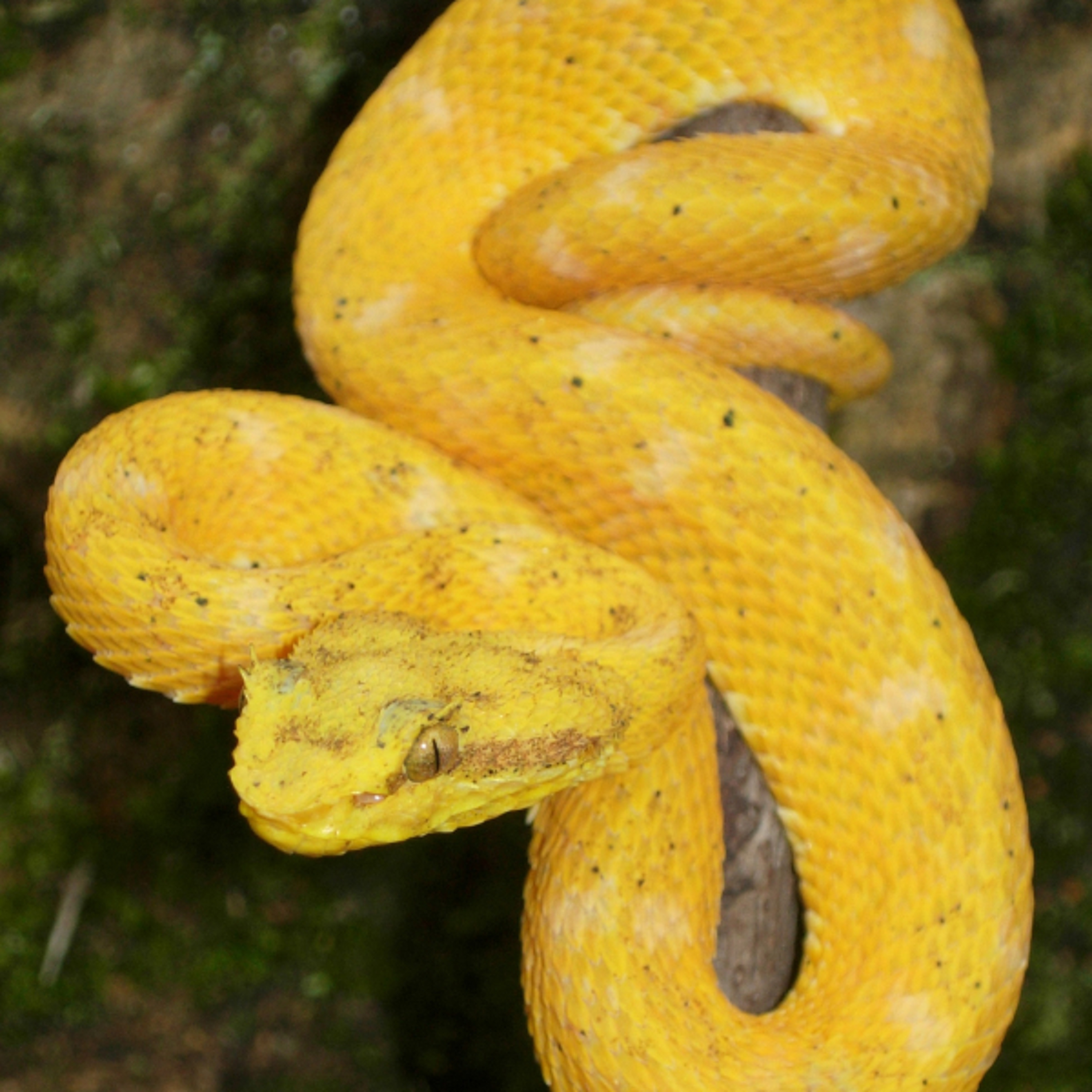
FE: Duncan Irschick talks to Coleman Sheehy on arboreality, gravitational stress & snake tail length
Duncan Irschick talks to Coleman M. Sheehy III about how arboreality and the associated gravitational stress on blood circulation have influenced the evolution of tail length in snakes. Since their evolutionary origins about 100 million years ago, snakes have diversified into a wide variety of aquatic, burrowing, terrestrial, and arboreal habitats where they experience various levels of gravitational stress on blood circulation. At the extremes, these stresses range from low to none in fully aquatic species living in essentially “weightless” environments, to relatively high in climbing species, especially arboreal forms specialized for climbing trees. As a result, arboreal snakes exhibit many adaptations for countering the effects of gravity on blood circulation, including relatively tight tissue compartments in the tail. However, patterns of tail length in relation to arboreal habitats and gravity have not been previously studied. You can read the paper, "The evolution of tail length in snakes associated with different gravitational environments" here: http://onlinelibrary.wiley.com/doi/10.1111/1365-2435.12472/abstract
JEC: David Gibson interviews Anthony Davy
In celebration of Fascination of Plants Day on 18 May 2015: Journal of Ecology's Executive Editor, David Gibson, has interviewed Anthony Davy about the Journal's Biological Flora of the British Isles series.
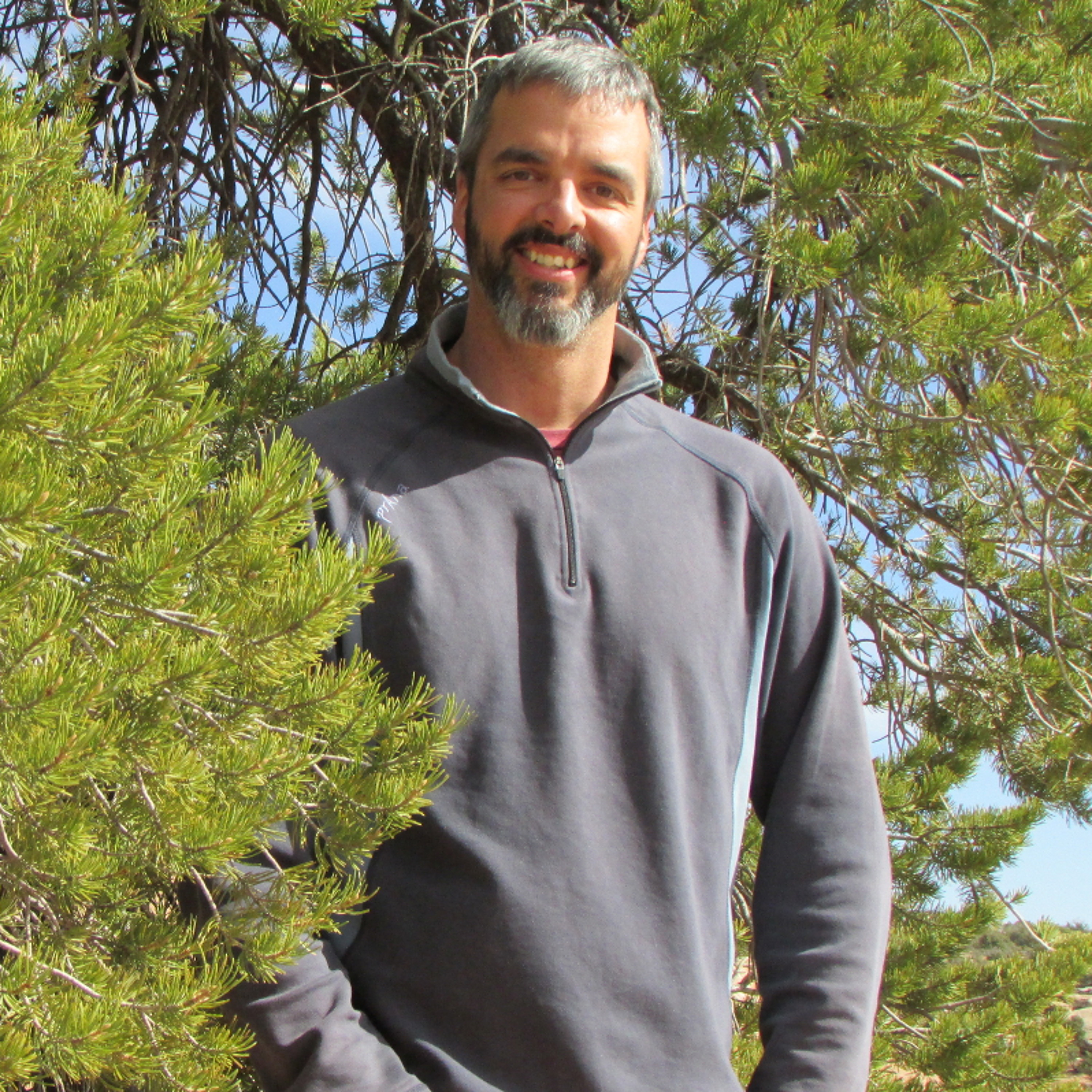
Haldane Prizewinner Scott Ferrenberg talks to Alan Knapp about resurrecting a ‘slippery’ hypothesis
Alan Knapp talks to the 2014 Haldane Prizewinner Scott Ferrenberg about his paper, "Smooth bark surfaces can defend trees against insect attack: resurrecting a ‘slippery’ hypothesis". The concept of smooth bark on trees and shrubs acting as an anatomical defence against epiphytic vegetation and phytophagous insects has, for some time, fallen out of favour. Ferrenberg and Mitton, in a study of bark beetle attack on Pinus flexilis – a pine species that exhibits both smooth and rough bark surfaces – set out to test the role of bark defence against insects. http://www.functionalecology.org/view/0/fecBESYoungInvestigator2014.html
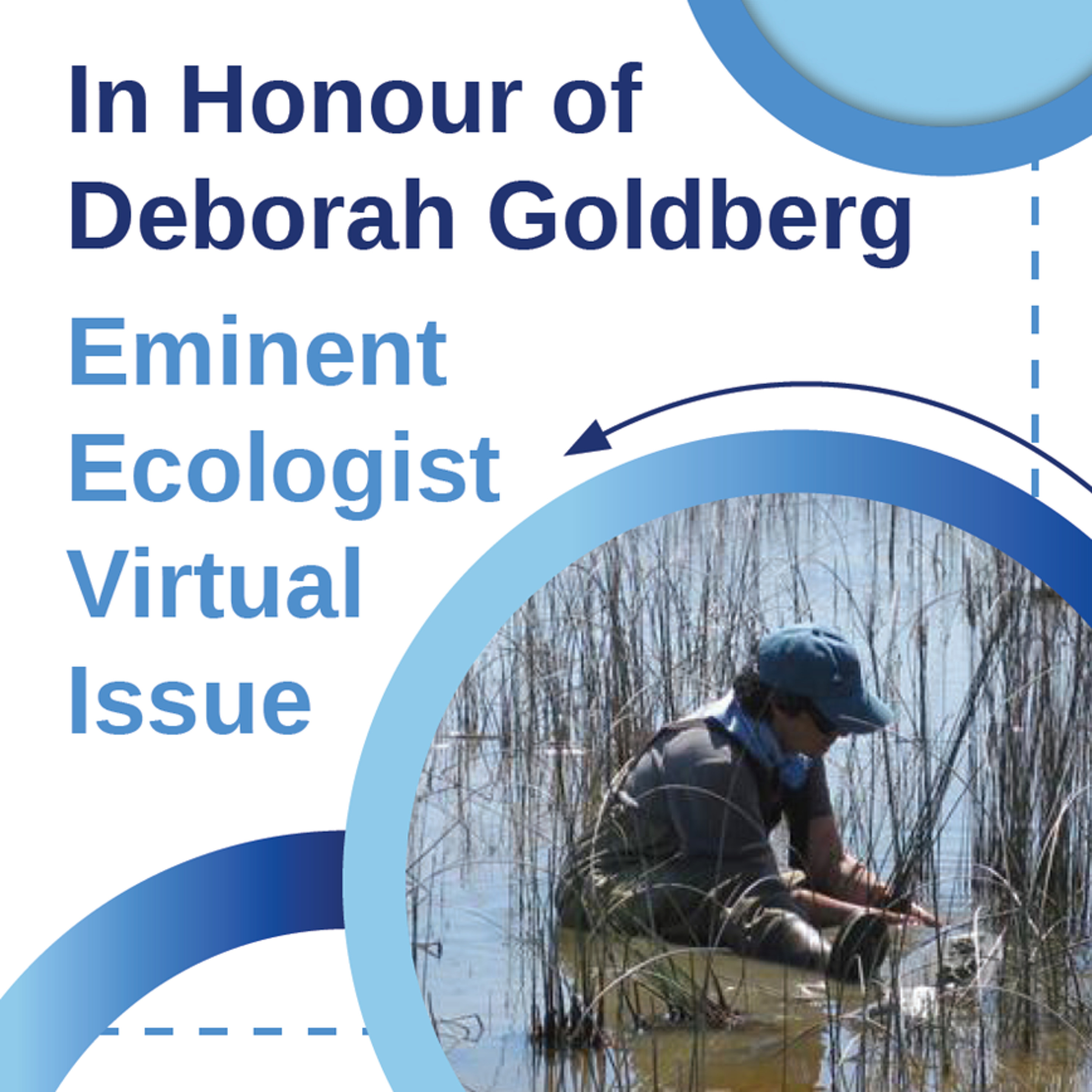
Journal of Ecology: David Gibson interviews Deborah Goldberg
The Editors of the Journal of Ecology are pleased to honour Professor Deborah Goldberg in our continuing Eminent Ecologist series. Deborah is the Elzada U. Clover Collegiate Professor and Chair of the Department of Ecology and Evolutionary Biology at the University of Michigan, USA. More than that, Deborah is a hugely influential community ecologist having published a large body of highly cited work investigating the processes underlying patterns in plant community dynamics. In recognition of her work we have selected 10 of her most influential papers published in the Journal of Ecology. To provide some context, Deborah has written a fascinating post for the Journal of Ecology blog (https://jecologyblog.wordpress.com/2015/03/30/eminent-ecolog…borah-goldberg/). In addition, I was fortunate enough to interview Deborah in August 2014 during which we reflected over the insights, and controversies, arising from her work, as well as some of the non-ecological work that she has been involved with. This interview is available here as a podcast. We trust that you will enjoy reading, or perhaps even rereading in some cases, the selection of Deborah’s papers in the Virtual Issue (http://www.journalofecology.org/view/0/VIdeborahgoldberg.html) that have been published within the Journal of Ecology. David Gibson Executive Editor, Journal of Ecology
JEC: Roberto Salguero-Gomez interviews Hal Caswell
Hal and Rob are two of the co-authors on "The COMPADRE Plant Matrix Database: an open online repository for plant demography" http://bit.ly/10M3OZG
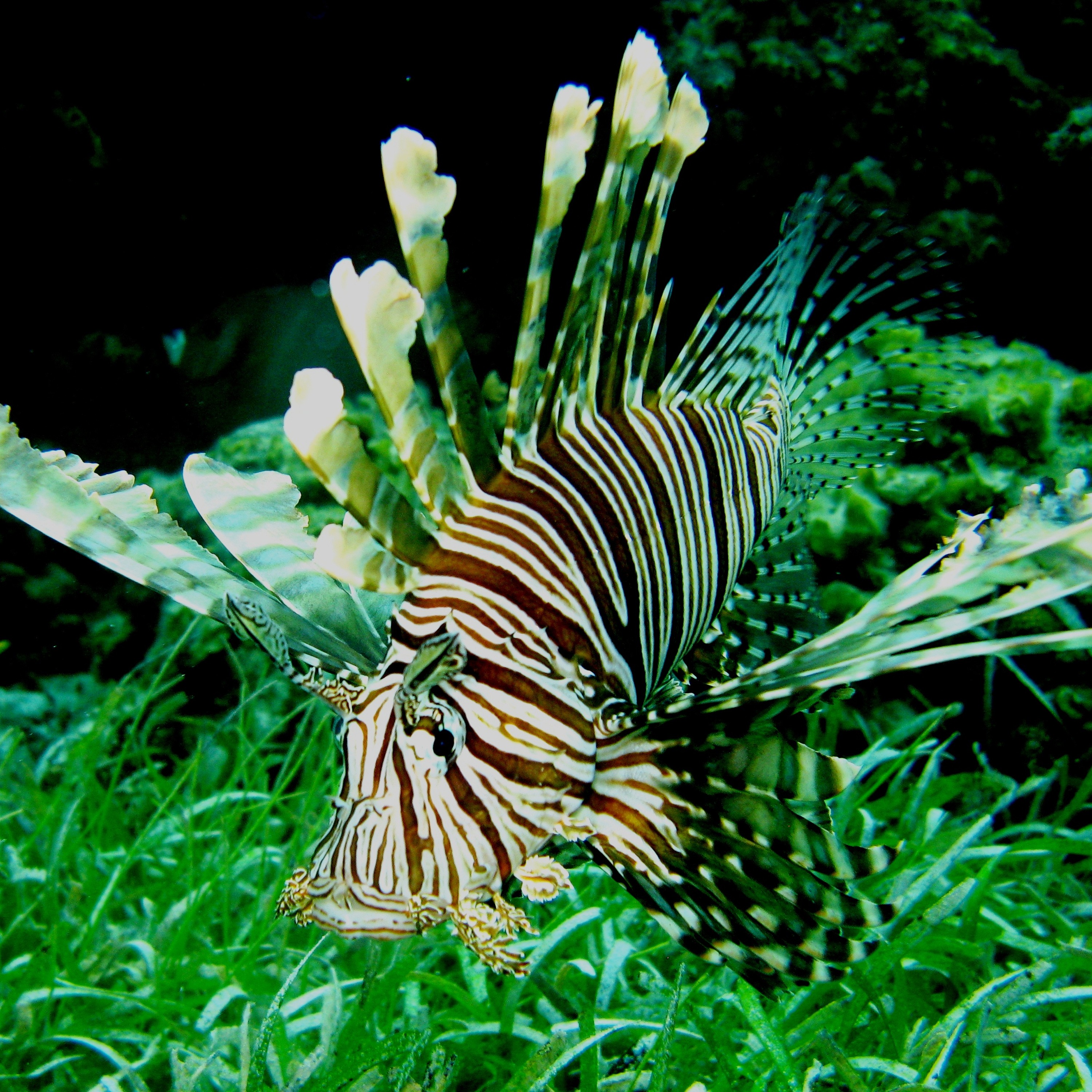
JAE: Stephanie Green explains why lionfish are picky eaters
Stephanie Green explains why generalist lionfish are really 'picky eaters' and how their feeding habits will affect invaded Caribbean fish communities. http://onlinelibrary.wiley.com/doi/10.1111/1365-2656.12250/abstract
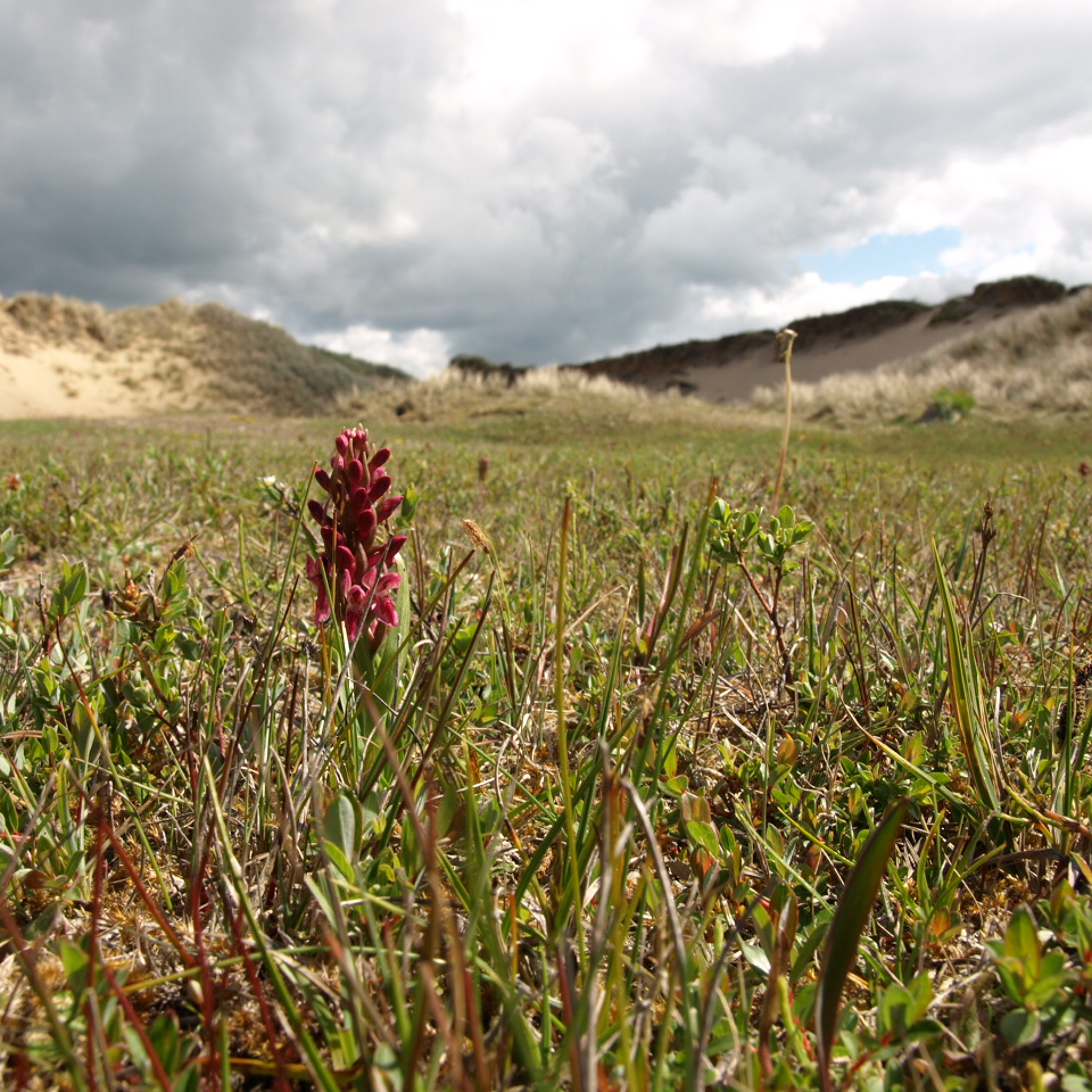
FE: Katie Field talks to Ken Thompson about her new Virtual Issue on Mycorrhizal networks
Katie Field, Associate Editor for Functional Ecology, talks to Ken Thompson about her new Virtual Issue: Mycorrhizal networks in ecosystem structure and functioning. The vast majority of land plants form mutualistic symbioses with soil-dwelling fungi known as mycorrhizas, which can link many plants in a common mycelial network. These networks can be enormous, with around 200m of mycorrhizal fungal hyphae present in a single gram of typical forest soil. The flow of nutrients between plants and mycorrhiza and the resulting redistribution of nutrients throughout a community is an area of much recent research with important contributions having been made by publications in Functional Ecology.
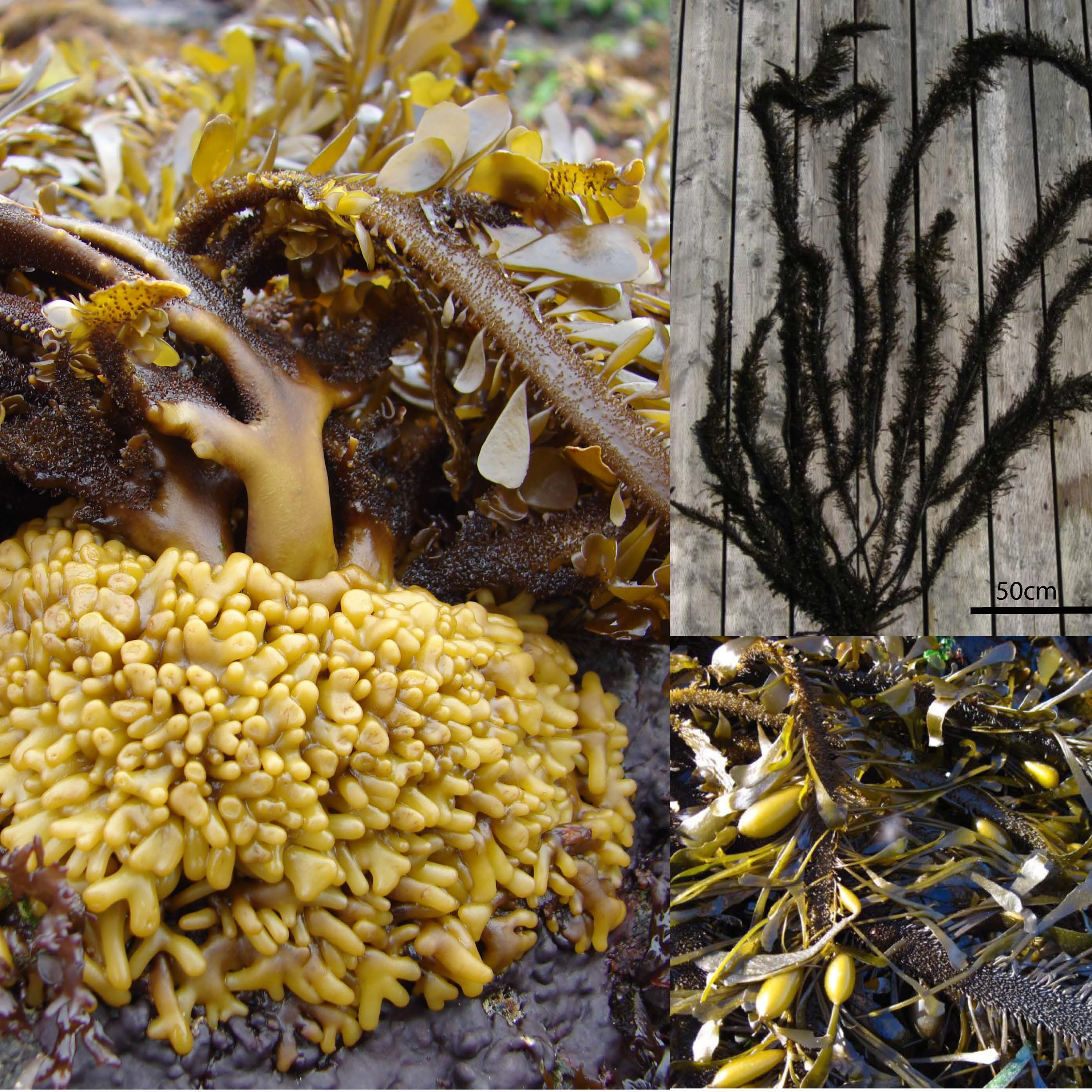
FE: Haldane Prizewinner Kyle Demes talks to Duncan Irschick about the advantages of fragile fronds
Survival of the weakest seems an unlikely title for paper in ecology, but that is exactly what they found in their Haldane prizewinning paper, as Kyle Demes explains in this podcast. Demes, K. W., Pruitt, J. N., Harley, C. D.G., Carrington, E. (2013), Survival of the weakest: increased frond mechanical strength in a wave-swept kelp inhibits self-pruning and increases whole-plant mortality. Functional Ecology, 27: 439–445. doi: 10.1111/1365-2435.12067 http://onlinelibrary.wiley.com/doi/10.1111/1365-2435.12067/abstract