FE: Robbie interviews Nigel Raine on how a neonicotinoid pesticide chronically affects bee foraging
In this podcast, Robbie Wilson discusses a recent…
July 11, 201410m 16s
Audio is streamed directly from the publisher (feeds.soundcloud.com) as published in their RSS feed. Play Podcasts does not host this file. Rights-holders can request removal through the copyright & takedown page.
Show Notes
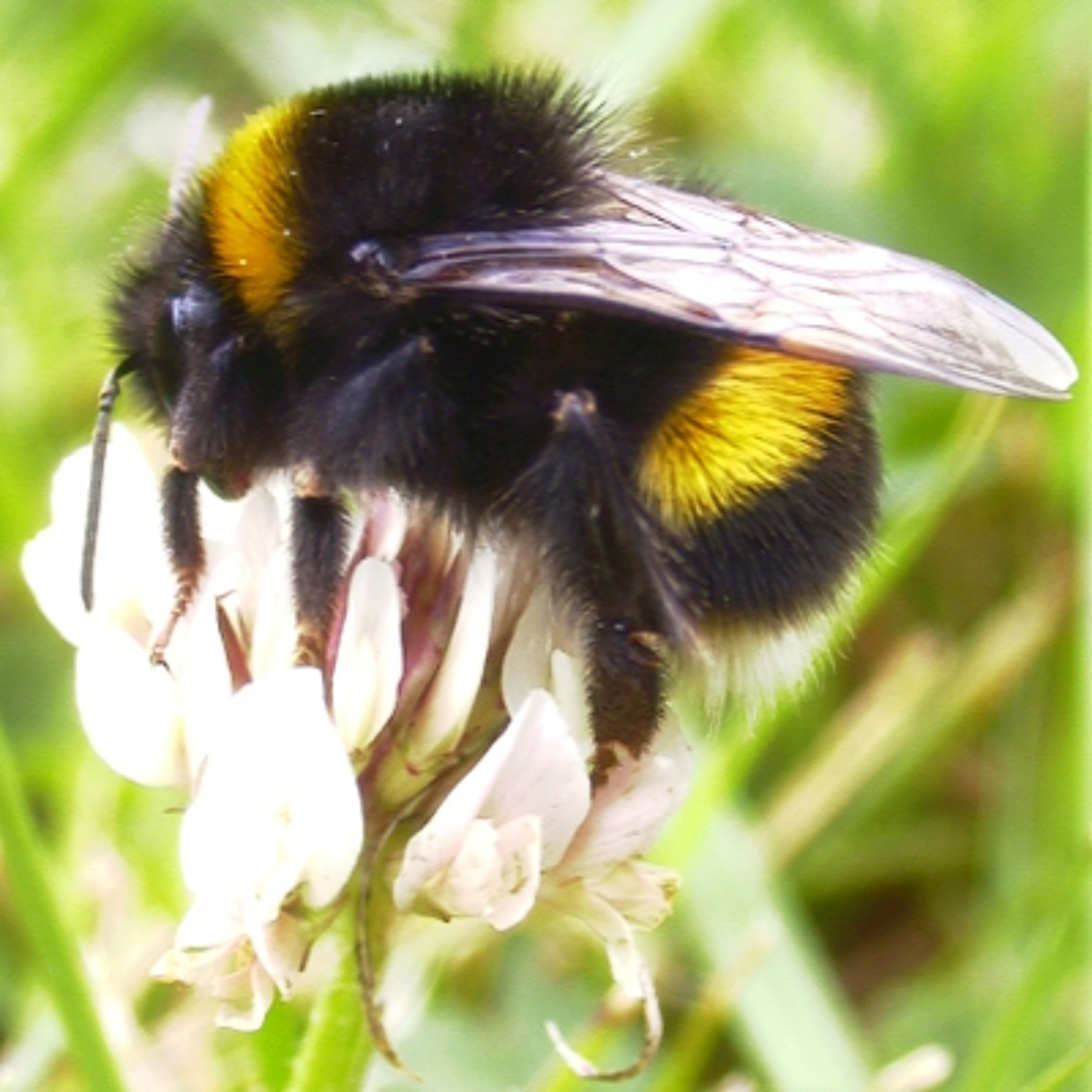
In this podcast, Robbie Wilson discusses a recent paper showing that long term exposure to a neonicotinoid pesticide ca damage bees’ ability to forage for pollen – and may be changing their choices of which flowers to visit – with co-author Nigel Raine. This study, conducted at Royal Holloway University of London by Nigel Raine and Richard Gill, monitored bee activity using Radio Frequency Identification (RFID) tags (similar to those used by courier firms to track parcels), and demonstrated how long-term pesticide exposure can affect individual bees’ day-to-day behaviour. Nigel Raine also discusses the implications for this, including whether risk assessment guidelines for pesticide use should be reformed to give bees more protection and include more tests that are done over extended periods to detect the effects of long-term, chronic exposure.
Gill, R. J., Raine, N. E. (2014), Chronic impairment of bumblebee natural foraging behaviour induced by sublethal pesticide exposure. Functional Ecology. doi: 10.1111/1365-2435.12292
http://onlinelibrary.wiley.com/doi/10.1111/1365-2435.12292/abstract