
Ecology Podcast
285 episodes — Page 5 of 6
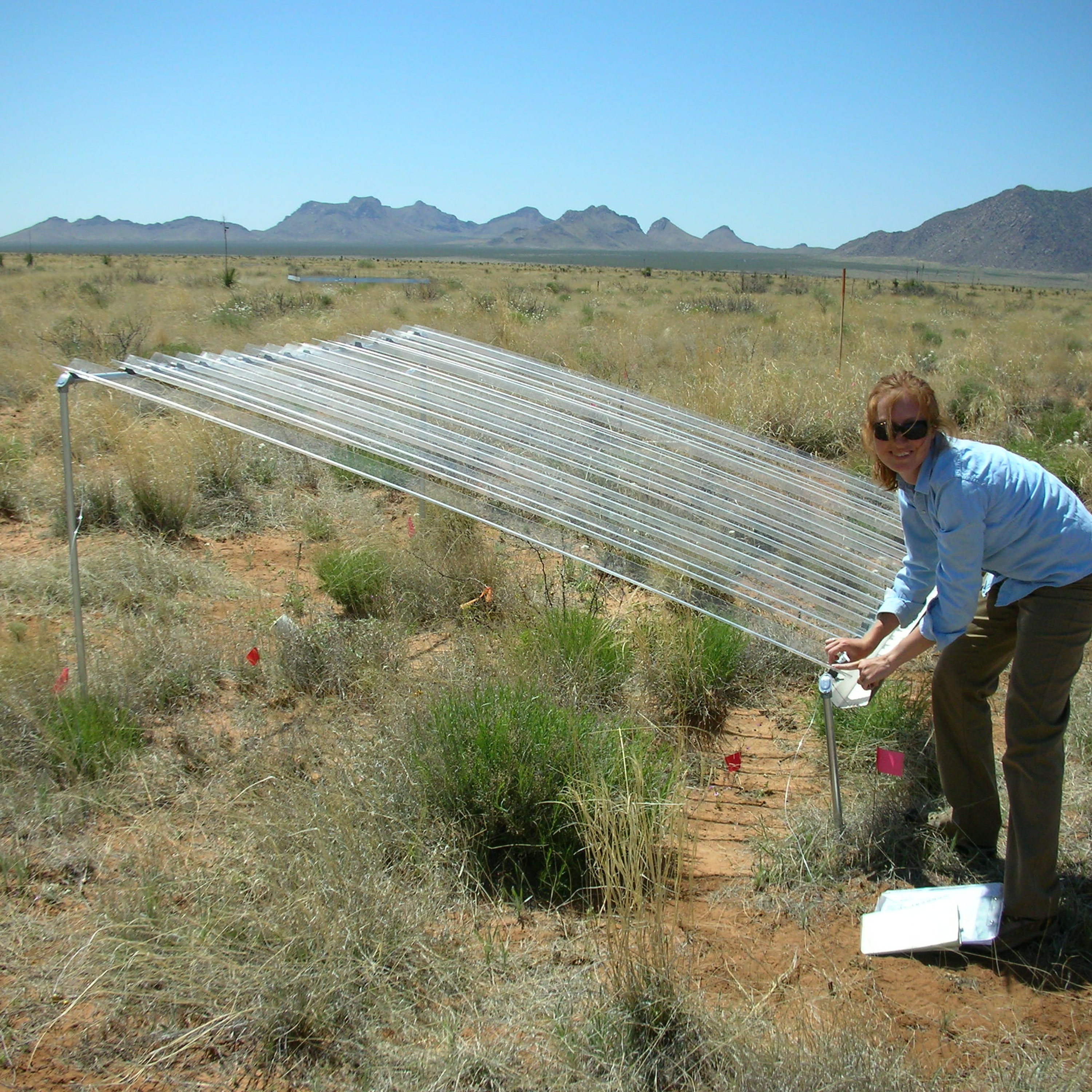
FE: Alan Knapp talks to Lara Reichmann about her new paper in Functional Ecology
Reichmann, L. G., Sala, O. E. (2014), Differential sensitivities of grassland structural components to changes in precipitation mediate productivity response in a desert ecosystem. Functional Ecology, 28: 1292–1298. doi: 10.1111/1365-2435.12265 http://onlinelibrary.wiley.com/doi/10.1111/1365-2435.12265/abstract
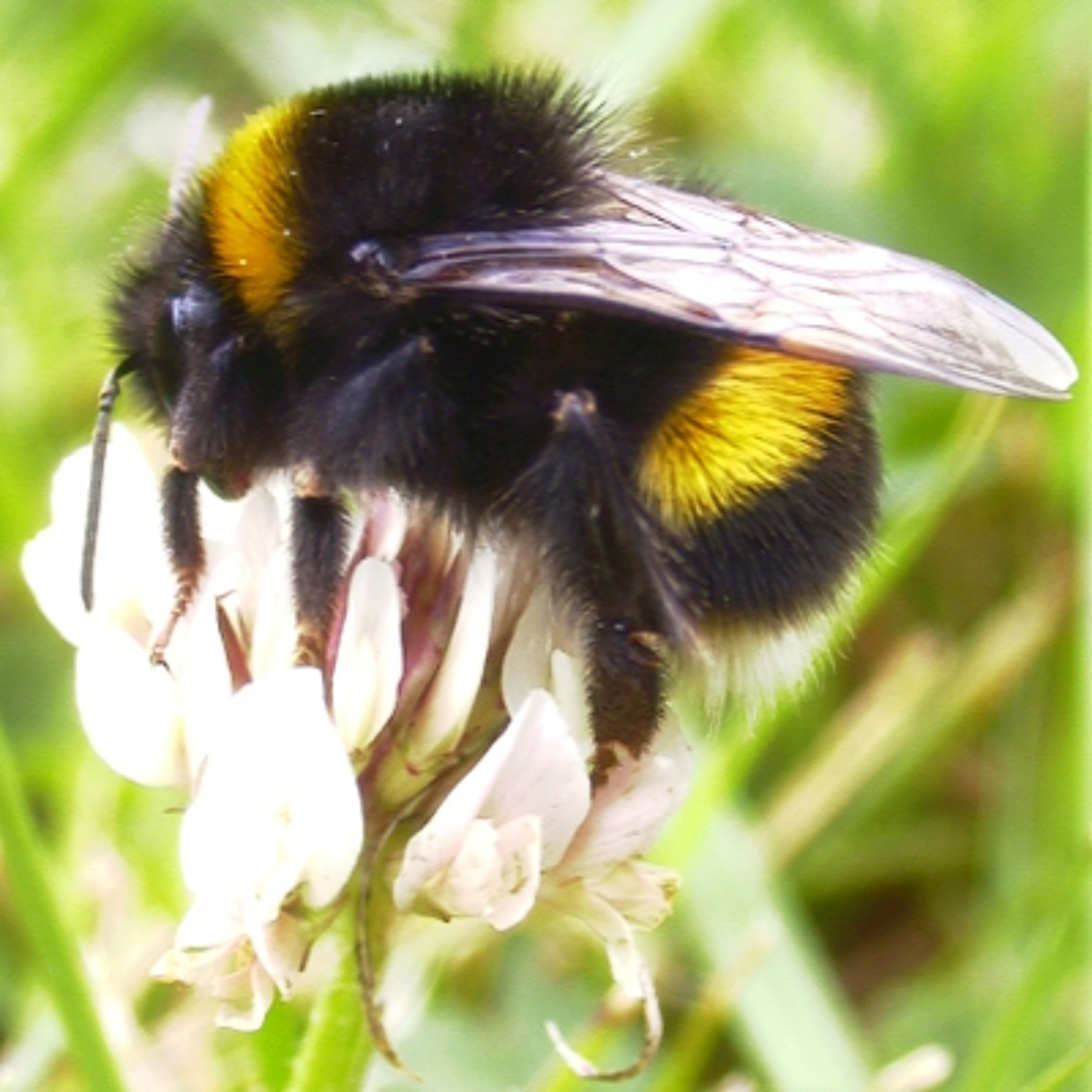
FE: Robbie interviews Nigel Raine on how a neonicotinoid pesticide chronically affects bee foraging
In this podcast, Robbie Wilson discusses a recent paper showing that long term exposure to a neonicotinoid pesticide ca damage bees’ ability to forage for pollen – and may be changing their choices of which flowers to visit – with co-author Nigel Raine. This study, conducted at Royal Holloway University of London by Nigel Raine and Richard Gill, monitored bee activity using Radio Frequency Identification (RFID) tags (similar to those used by courier firms to track parcels), and demonstrated how long-term pesticide exposure can affect individual bees’ day-to-day behaviour. Nigel Raine also discusses the implications for this, including whether risk assessment guidelines for pesticide use should be reformed to give bees more protection and include more tests that are done over extended periods to detect the effects of long-term, chronic exposure. Gill, R. J., Raine, N. E. (2014), Chronic impairment of bumblebee natural foraging behaviour induced by sublethal pesticide exposure. Functional Ecology. doi: 10.1111/1365-2435.12292 http://onlinelibrary.wiley.com/doi/10.1111/1365-2435.12292/abstract
FE : Cynthia Chang talks with Alan Knapp on Competition between genotypes of a dominant grass
Cynthia Chang talks with Alan Knapp on her paper: Chang, C. C., Smith, M. D. (2014), Resource availability modulates above- and below-ground competitive interactions between genotypes of a dominant C4 grass. Functional Ecology. doi: 10.1111/1365-2435.12227 Plants compete for essential resources like light, water, and nitrogen, and understanding how plants coexist when these resources are limiting helps explain how they persist in a changing environment. Dominant species (the most abundant species in a community) are ecologically important because they contribute a disproportionate amount to ecosystem functions like productivity, invasion resistance, and resilience to climate change, so it is particularly important to understand how individuals within a dominant species coexist when resources are limiting. In this podcast Cynthia Chang and Alan Knapp look at why naturally co-occurring genotypes coexist, providing insight into how genetic diversity within dominant plant species is maintained and how this can affect important ecosystem processes http://onlinelibrary.wiley.com/doi/10.1111/1365-2435.12227/abstract

MEE: What method has transformed your field the most, during your career?
At INTECOL 2013, Methods’ Associate Editor, Barb Anderson, interviewed a number of delegates and asked them: What method has transformed your field the most, during your career? Visit the Methods blog to find out who gave the answers: http://bit.ly/1gULB02

MEE: If you could invent a method, what would it be?
At INTECOL 2013, Methods’ Associate Editor, Barb Anderson, asked a number of delegates what method they would like to be invented. Visit the Methods blog to find out who gave the answers: http://bit.ly/1jGiUEO
JEC: Interview with Frederic Holzwarth
Music credit: - Artist: Josh Woodward http://freemusicarchive.org/music/Josh_Woodward/ - Song: Once Tomorrow (Instrumental Version) http://freemusicarchive.org/music/Josh_Woodward/Breadcrumbs/JoshWoodward-Breadcrumbs-NoVox-09-OnceTomorrow
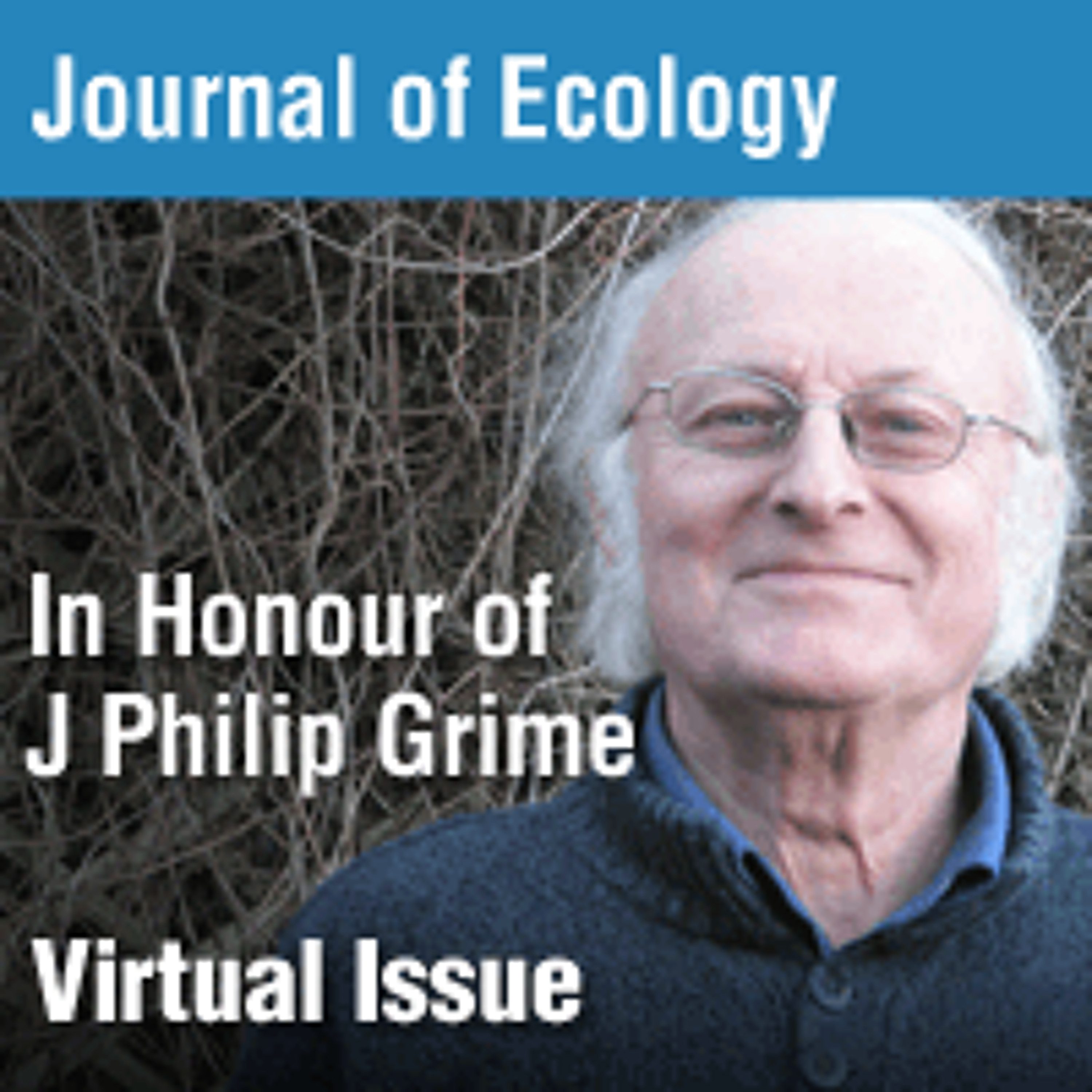
Journal of Ecology: Mark Rees interviews Phil Grime
Professor J. Philip Grime is one of the UK’s most influential, and controversial, plant ecologists. Phil is a Fellow of The Royal Society, and also a member of the Dutch Royal Society, and has received numerous awards including The Marsh Award, Honorary membership of the BES and ESA, and the Alexander von Humboldt Award. In recognition of his many achievements we have collected together 15 of his most influential papers in the Journal of Ecology as a Virtual Issue: all the papers have been made free to access. To give some background to the papers Phil has very kindly written a post for the Journal of Ecology blog, which briefly introduces Phil’s research approach and puts the papers in context. There are some great photographs of the people, places and various experiments at the end of the post. In addition to this there is also a podcast where Phil reflects on his career and the changes in ecology over the last 50 years - he also answers several questions sent in via Twitter. We hope that readers will enjoy this Virtual Issue, which highlights the breadth of Phil’s scientific contributions within the Journal of Ecology. Mark Rees Editor, Journal of Ecology
Journal of Ecology: Interview with Ethan White
Music credit: -Artist: Josh Woodward http://freemusicarchive.org/music/Josh_Woodward/ -Song: Once Tomorrow (Instrumental Version) http://freemusicarchive.org/music/Josh_Woodward/Breadcrumbs/JoshWoodward-Breadcrumbs-NoVox-09-OnceTomorrow

MEE: What are the newest methods being used?
At INTECOL 2013, Methods’ Associate Editor, Barb Anderson, asked a number of delegates what the newest methods are that they currently use. Visit the Methods blog to find out who gave the answers: http://bit.ly/JlMGm2

MEE: An overview of the Methods blog
Methods' Senior Editor, Bob O'Hara, gives a quick overview of the Methods blog: http://methodsblog.wordpress.com/

MEE: An overview of the journal
Methods' Senior Editor, Bob O'Hara, gives a quick overview of the journal. www.methodsinecologyandevolution.org/

MEE: What are the oldest methods still being used?
At INTECOL 2013, Methods’ Associate Editor, Barb Anderson, asked a number of delegates what the oldest method is that they still use today. Visit the Methods blog to find out who gave the answers: http://methodsblog.wordpress.com/2013/10/25/podcast-what-are-the-oldest-methods-still-being-used/
Journal of Ecology: Interview with Jacquelyn Gill
Read "Linking abundances of the dung fungus Sporormiella to the density of bison: implications for assessing grazing by megaherbivores in palaeorecords" by Gill et al. via http://onlinelibrary.wiley.com/doi/10.1111/1365-2745.12130/abstract Music credit: Artist: Monk Turner and Fascinoma http://freemusicarchive.org/music/Monk_Turner__Fascinoma/ Song: "Instrumental Version" http://freemusicarchive.org/music/Monk_Turner__Fascinoma/The_New_Birthday_Song_Contest/Its_Your_Birthday_Instrumental
Journal of Ecology: interview with Haldre Rogers
Music credit: Artist: Monk Turner and Fascinoma http://freemusicarchive.org/music/Monk_Turner__Fascinoma/ Song: "Instrumental Version" http://freemusicarchive.org/music/Monk_Turner__Fascinoma/The_New_Birthday_Song_Contest/Its_Your_Birthday_Instrumental
JAE symposium - Patterns of disease invasion in reintroduced species (Pete Hudson)
JAE symposium - Patterns of disease invasion in reintroduced species (Pete Hudson) by Ecology Podcast
Journal of Ecology INTECOL Symposium - Lisa Donovan
Journal of Ecology INTECOL Symposium - Lisa Donovan by Ecology Podcast
FE INTECOL Symposium: Liesje Mommer for Mechanisms of Plant Competition
Liesje Mommer talks about using molecular techniques to look at below-ground plant competition and facilitation as the keynote speech for our Mechanisms of Plant Competition symposia.
Journal of Applied Ecology INTECOL Symposium - Peter Kareiva
At the INTECOL congress held in London in August 2013, Journal of Applied Ecology sponsored a symposium "Putting applied ecology into practice: knowledge and needs for the 21st century" organised by Phil Hulme and E.J. Milner-Gulland. The keynote talk was given by Peter Kareiva, Chief Scientist for The Nature Conservancy
Journal of Applied Ecology INTECOL Workshop
How best can international journals support applied ecologists in emerging economies Workshop held at INTECOL congress in London, 20th August 2013 organised by E.J. Milner-Gulland and Jos Barlow, sponsored by Journal of Applied Ecology As the world’s emerging economies (including Brazil, China, India and Russia) continue to develop, there is increasing concern about the likely ecological cost, both at home and internationally. There is an acute and urgent need for influential and effective applied ecologists in these countries, but international ecological discourse is still dominated by science from Europe and the rich, English-speaking world. As a global community of ecologists, we need to be proactive to ensure that we are engaging with the myriad challenges of this new world order. In this workshop we aim to explore the ways in which international journals, their publishers, and ecologists worldwide can support applied ecology in countries with emerging economies. The speakers and organisers bring a diverse range of expertise and perspectives to the workshop, ensuring a lively debate and innovative ideas.
JEC: Interview with Andrew Trant
Music credit: + Artist: Twenty-One: Twenty-Four http://freemusicarchive.org/music/Twenty-One_Twenty-Four/ + Song: Five Cinco (Instrumental) http://freemusicarchive.org/music/Twenty-One_Twenty-Four/Spanglish_XE/06_-_Five_Cinco_Instrumental
JEC: Interview with Allison Louthan
Read "Climatic stress mediates the impacts of herbivory on plant population structure and components of individual fitness" by Louthan et al. via http://onlinelibrary.wiley.com/doi/10.1111/1365-2745.12090/abstract. Music credit: "Silence in Sunshine (Feel The Heat Remix)" http://freemusicarchive.org/music/The_Scallions/Wrecked_by_mGee/06_-_Silence_in_Sunshine_Feel_The_Heat_Remix_Instrumental by The Scallions http://freemusicarchive.org/music/The_Scallions/
FE: Susan Schwinning talks to Alan Knapp about plant competition in water-limited environments
As part of our new Mechanisms of Plant Competition Special Feature, Susan Schwinning talks to Alan Knapp about plant competition in water-limited environments. Water is the primary factor limiting the growth and productivity of land plants, and fluctuations in plant-available water are ubiquitous in most terrestrial environments, due to variable and unpredictable rainfall. Evolution has produced numerous strategies of compromise between the conflicting goals of maximizing growth and reproduction when water is available and minimizing the risk of mortality when it is not. Because no species is able to pre-empt all opportunities for water and nutrient uptake, many plant species can coexist. However, the mechanisms responsible for making this stable, competitive coexistence possible are often hidden and difficult to study experimentally. Understanding and predicting how plant communities will respond to contemporary climate change remains a challenge to science, but one that can be guided by addressing the fundamental ways in which fluctuations in plant-available water interact with competition, between either adults or seedlings. Schwinning, S., Kelly, C. K. (2013), Plant competition, temporal niches and implications for productivity and adaptability to climate change in water-limited environments. Functional Ecology, 27: 886–897. doi: 10.1111/1365-2435.12115 For more on this, check out our Special Feature page: http://www.functionalecology.org/view/0/specialfeatures.html
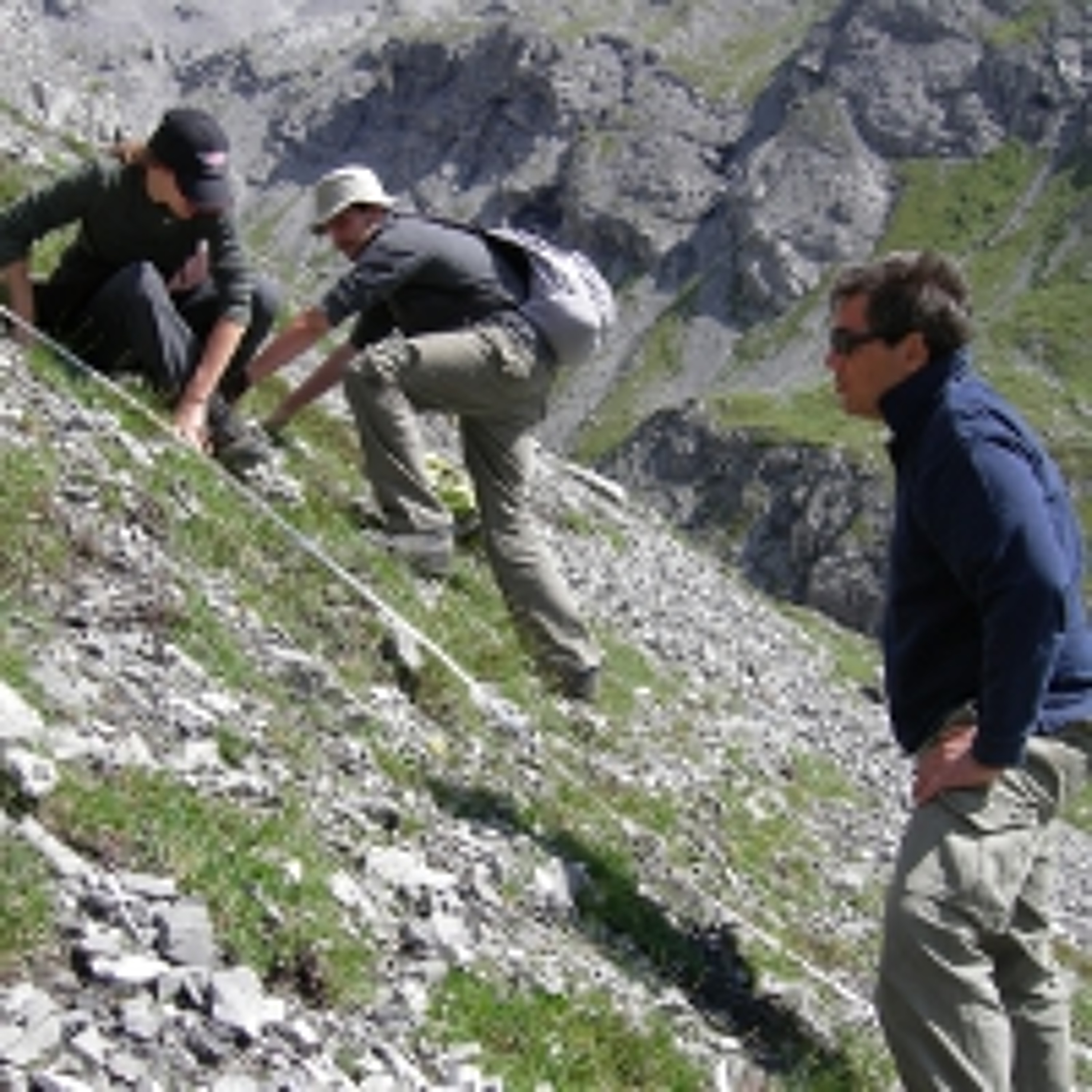
KenThompson discusses the humpback model, biodiversity and Simon Pierce's new commentary.
Ken Thompson, senior editor for Functional Ecology, discusses Simon Pierce's new paper, "Implications for biodiversity conservation of the lack of consensus regarding the humped-back model of species richness and biomass production" http://onlinelibrary.wiley.com/doi/10.1111/1365-2435.12147/abstract
JEC: Interview with Joshua Rapp
Music credit: -Song "Silence in Sunshine (Feel The Heat Remix)" http://freemusicarchive.org/music/The_Scallions/Wrecked_by_mGee/06_-_Silence_in_Sunshine_Feel_The_Heat_Remix_Instrumental -Artist The Scallions http://freemusicarchive.org/music/The_Scallions/
JEC: Interview with Jörg Albrecht
Music credit: -Artist: Gillicudy (http://freemusicarchive.org/music/gillicuddy/) -Song: Jupiter the Blue (http://freemusicarchive.org/music/gillicuddy/Plays_Guitar/01-jupiter-the-blue)

MEE: Controlling error and stable isotope analysis
In this podcast, David Hawke from the Christchurch Polytechnic Institute of Technology, discusses his recently published paper "Closing the circle: how ecologists can prepare their own quality control material to increase confidence in stable isotope data". Read the article: http://onlinelibrary.wiley.com/doi/10.1111/2041-210X.12087/abstract
JEC: Interview with Verena Cordlandwehr
Music credit: "The Old Country" by Plusplus (http://freemusicarchive.org/music/Plusplus/Game_Over/07_Plusplus_-_The_Old_Country)
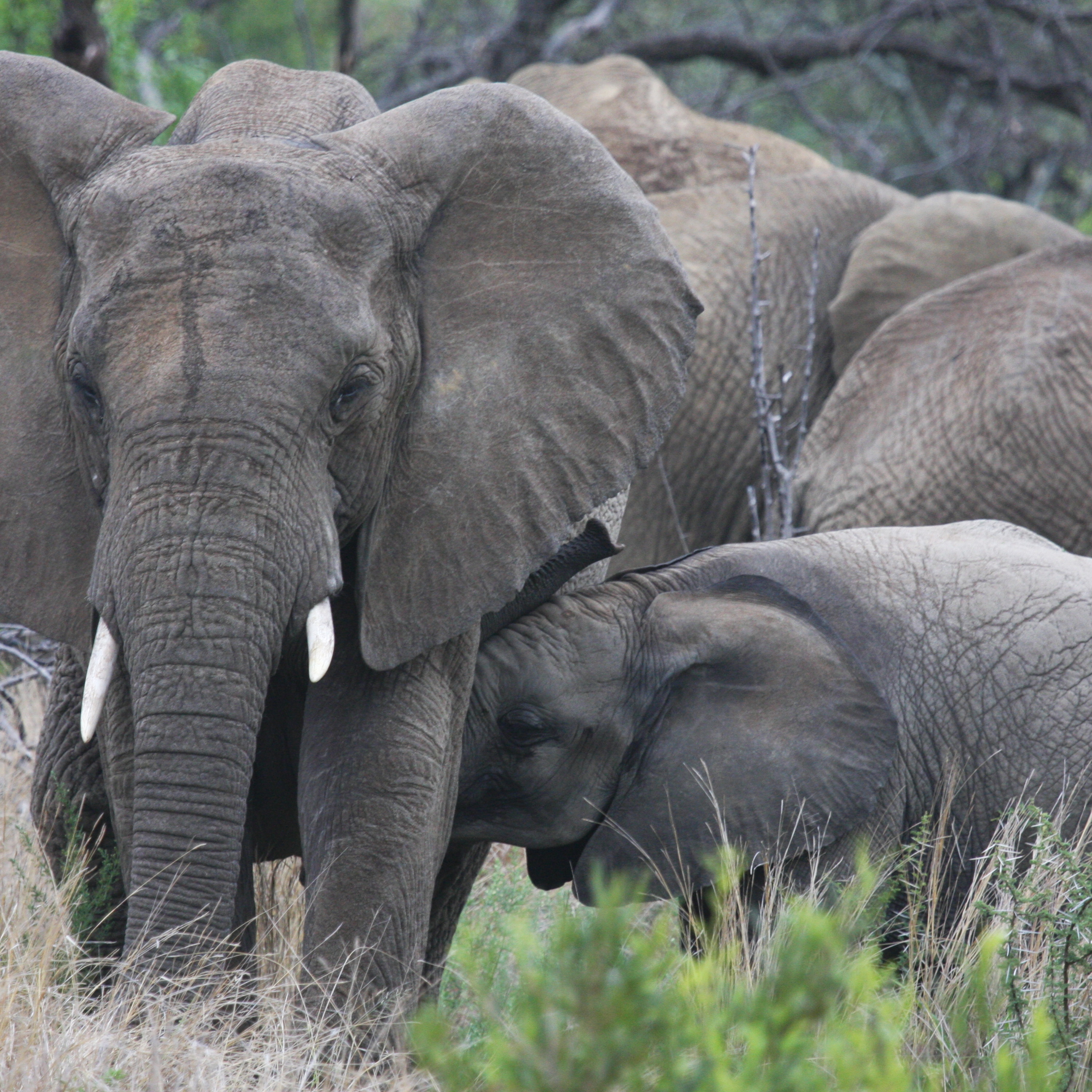
FE: Unravelling associations between body state and movement in African elephantsDavidJochowski
Robbie Wilson interviews David Jachowski on his work "Unravelling complex associations between physiological state and movement in African elephants." Understanding animal movements involves a complex association of factors. In addition to anatomical constraints and factors like the surrounding environment, more cryptic factors can play a role-- such as an animal's internal, physiological state, or navigational capacity. Complex movement models have been constructed in an attempt to infer an animal's internal state based on movement behaviours, but direct studies of the effect of an individual’s internal state on movement behaviour have been lacking. African elephants are known to alter their behaviour in response to their physiological state, with elevated stress hormone concentrations being associated with reclusive behaviour and aggression towards humans. A better understanding of the link between internal, physiological state and the use of space in relation to the proximity of environmental features and refugia is important in mitigating human-elephant conflict. Read the lay summary here: http://bit.ly/11KoGeb Read the paper here: http://bit.ly/126B33e
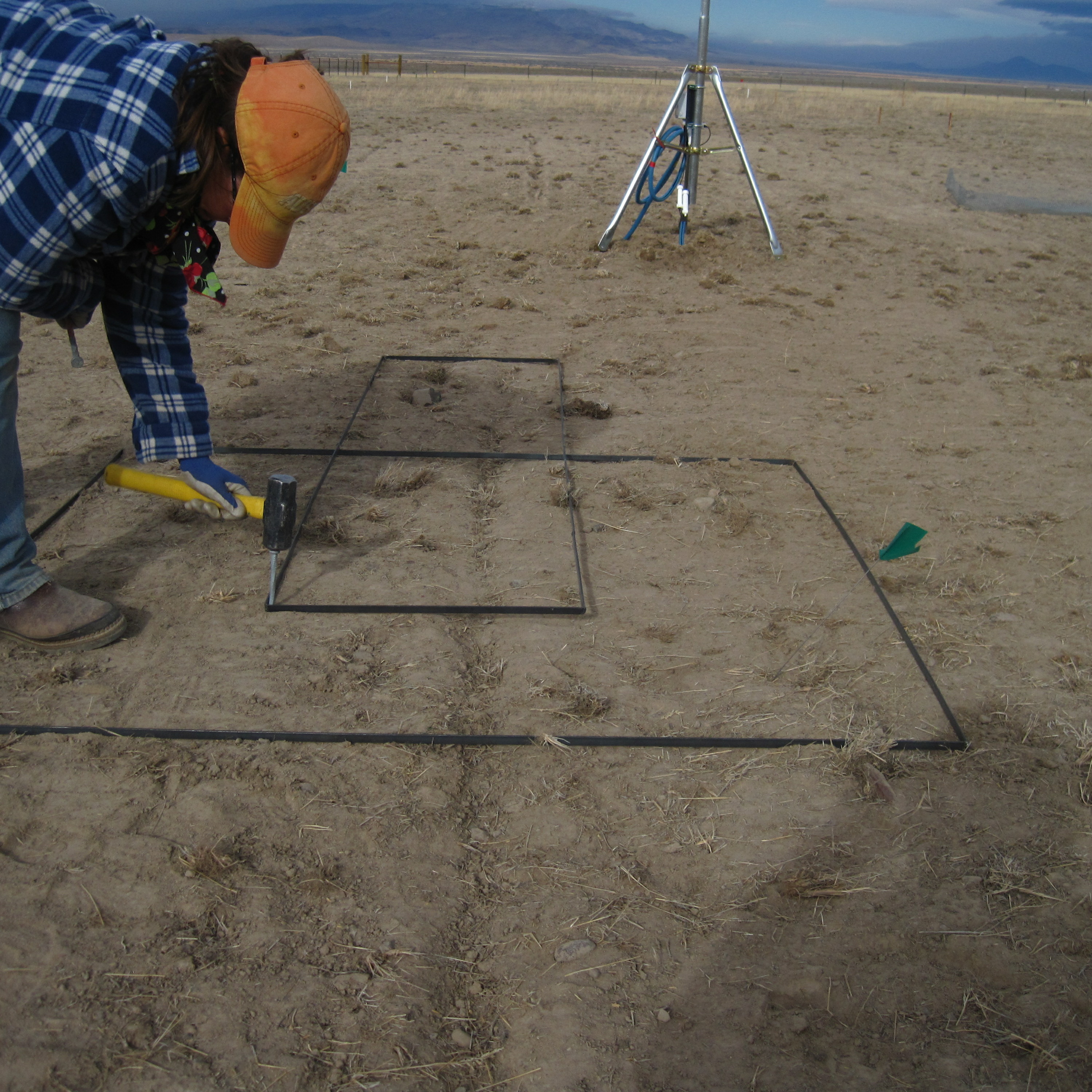
Journal of Applied Ecology Marc Cadotte interviews Jeremy James
Journal Editor Marc Cadotte interviews Jeremy James from University of California Division of Agriculture and Natural Resources on his paper "A systems approach to resoring degraded drylands". Selected as Editor's Choice for issue 50:3. Read the paper here: http://onlinelibrary.wiley.com/doi/10.1111/1365-2664.12090/abstract The Editor's Choice article here: http://www.journalofappliedecology.org/view/0/editorschoice503.html
JEC: Interview with Nicolas Gross
Music credit: "The Old Country" by Plusplus (http://freemusicarchive.org/music/Plusplus/Game_Over/07_Plusplus_-_The_Old_Country)
JEC: Senescence Special Feature
JEC: Senescence Special Feature by Ecology Podcast
JEC: Interview with Harper Prize 2012 winner Simon Doxford
JEC: Interview with Harper Prize 2012 winner Simon Doxford by Ecology Podcast
JEC: Interview with James Rosindell
JEC: Interview with James Rosindell by Ecology Podcast
JEC: Interview with Mike Hutchings
JEC: Interview with Mike Hutchings by Ecology Podcast
JEC: Interview with Ross Mounce
Visit Ross Mounce's homepage via http://rossmounce.co.uk/ Music credit: Song "One Small Morning" http://freemusicarchive.org/music/The_Scallions/Agony_Through_Ceremony XE/05_-_One_Small_Mourning_Instrumental Band: "The Scallions" http://freemusicarchive.org/music/The_Scallions/
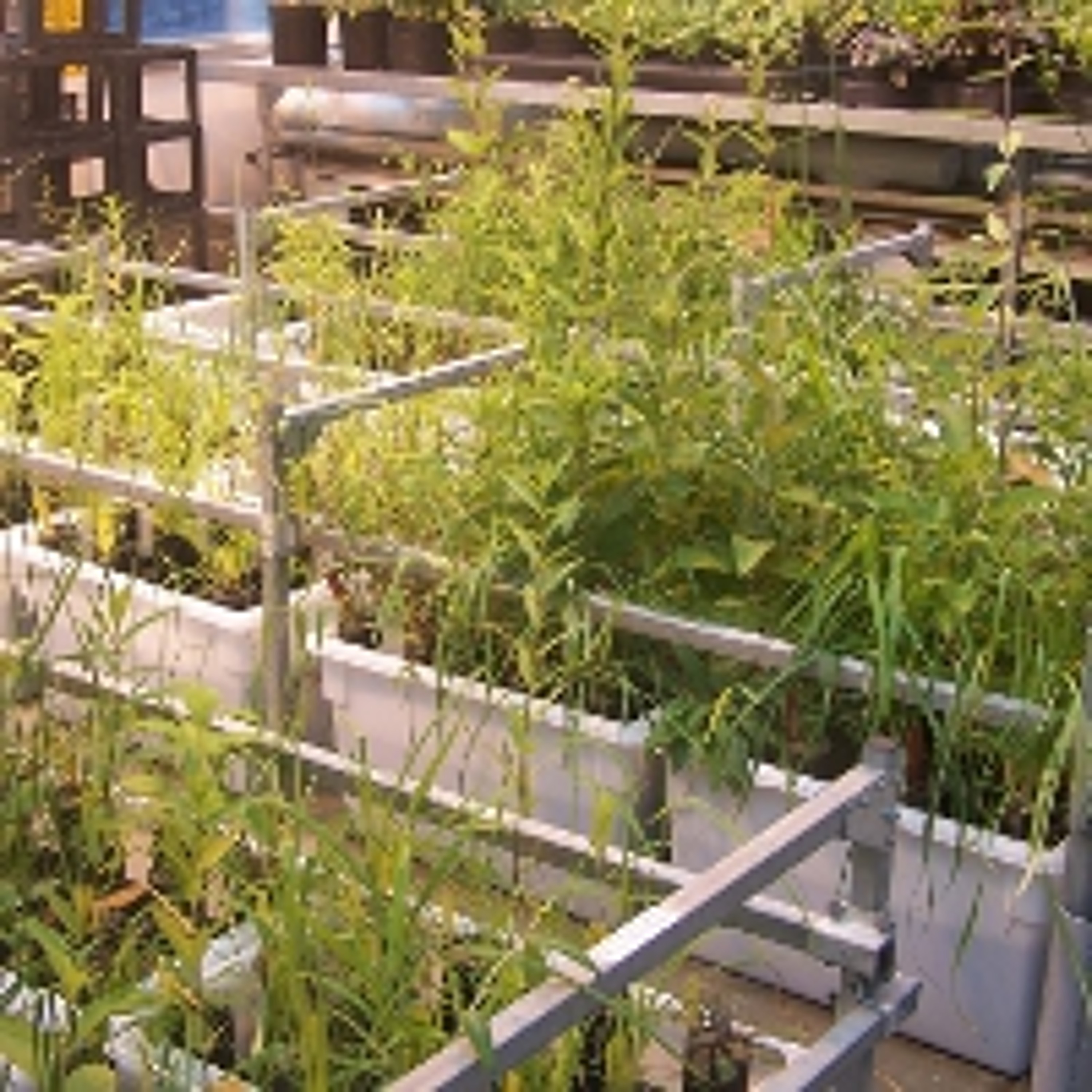
FE: Justin Wright talks with Alan Knapp for Functional Ecology
Recent analysis of global datasets has shown that plants are constrained in how they allocate resources to their leaves, with trade-offs between building sturdy leaves with a long lifespan that are inefficient in capturing light or building flimsy leaves with a short lifespan and high efficiency. However, it is unknown whether similar patterns occur at more local scales, particularly when you consider the same plant species growing under different conditions. In this study, Justin P. Wright talks with Alan Knapp about the surprising results of examining the effects of varying nitrogen availability and water table depth on the form and function of leaves of over 20 species of wetland plants and what that means for ecologists looking to predict how the addition or subtraction of species will affect the way that ecosystems function. Read the paper here: http://bit.ly/XTUD5H or the lay summary here: http://bit.ly/142W5Gh
JEC: Interview with Francesco de Bello
Music + Song: + [Carolinian](http://freemusicarchive.org/music/Chatham_County_Line/Liv + e_at_WFMU_on_Joe_Belocks_Show_on_7172008/Carolinian) + Artist: [Chatham County Line](http://freemusicarchive.org/music/Chatham_County_Line/)
JEC: Interview with Franciska De Vries
Franciska De Vries (http://www.manchester.ac.uk/research/franciska.devries/) is a Journal of Ecology Associate Editor. Music credit: + Song: + [Carolinian](http://freemusicarchive.org/music/Chatham_County_Line/Liv + e_at_WFMU_on_Joe_Belocks_Show_on_7172008/Carolinian) + Artist: [Chatham County Line](http://freemusicarchive.org/music/Chatham_County_Line/)
JEC: Interview with Rebecca Atkinson - University of Sheffield
Music credit: + Song: [Birmingham Jail](http://freemusicarchive.org/music/Chatham_County_Line/Live_at_WFMU_on_Joe_Belocks_Show_on_7172008/Birmingham_Jail) + Artist: [Chatham County Line](http://freemusicarchive.org/music/Chatham_County_Line/)

JEC: interview with Kyle Dexter
Kyle Dexter's website is http://phylodiversity.net/kdexter/HOME.html Music credit: + Song: “Week Fifteen” + Artist: Ben von Wildenhaus + link: + http://freemusicarchive.org/music/BenWildenhaus/Instrumental_Quaalude_ + vol_2/06_Week_Fifteen
JEC: Interview with Catherine Preece
Visit Catherine Preece's website http://osbornelab.group.shef.ac.uk/people/catherine-preece/. Music credit: + Song: “Instrumental - The Golden Age” + Artist: Dan Warren + link: + http://freemusicarchive.org/music/Dan_Warren/Son_of_Strelka_Son_of_God + /12_Instrumental_-_The_Golden_Age
JEC: EcoGist - interview with Chaeho Byun
Read 'Plant functional group identity and diversity determine biotic resistance to invasion by an exotic grass' by Byun, de Blois & Brisson online via http://onlinelibrary.wiley.com/doi/10.1111/1365-2745.12016/abstract. The paper is free to access.
JEC: Interview with Eleanor Slade of Univ. of Helsinki/Univ. Oxford
Visit Eleanor Slade's website via http://www.helsinki.fi/foodwebs/Eleanor.htm. Music credit: -the song Neuroleptic trio instrumental 6, and link http://freemusicarchive.org/music/Neuroleptic_Trio/Summer_Variations/Neuroleptic_trio_instrumental_6 -the artist: Neuroleptic Trio: http://www.myspace.com/neuroleptictrio
JEC: Interview with Wim van der Putten - Guest Editor of the latest JEC Special Feature
To access Wim's Special Feature on plant-soil feedbacks in a changing world follow this link http://onlinelibrary.wiley.com/doi/10.1111/jec.2013.101.issue-2/issuetoc.

JEC: Interview with Carol Thornber
*NB Originally posted on 19 October 2012
JEC: Identification of 100 fundamental ecological questions
*NB Originally posted on 13 December 2012

JEC: Interview with Gaku Kudo
*NB Originally posted on 11 December 2012

JEC: Interview with Steve Hovick
*NB Originally posted on 10 December 2012

JEC: Interview with Kerri Crawford
*NB Originally posted on 10 December 2012

JEC: Interview with Rick Karban
*NB Originally posted on 5 December 2012