
Business Daily
2,128 episodes — Page 16 of 43
Is green methanol the future of shipping?
The shipping industry is looking for solutions to it's emissions problem.Shipping giant Maersk has just unveiled the world’s first container ship to run on green methanol - is this the answer? We hear from Maersk’s CEO about why they’ think this is the best bet. And we find out more about some of the different options in development, such as hydrogen and green ammonia, all vying to become the future fuel for the world's ships.Presenter/producer: Adrienne Murray(Image: Maersk's first green methanol container ship. Credit: Maersk)
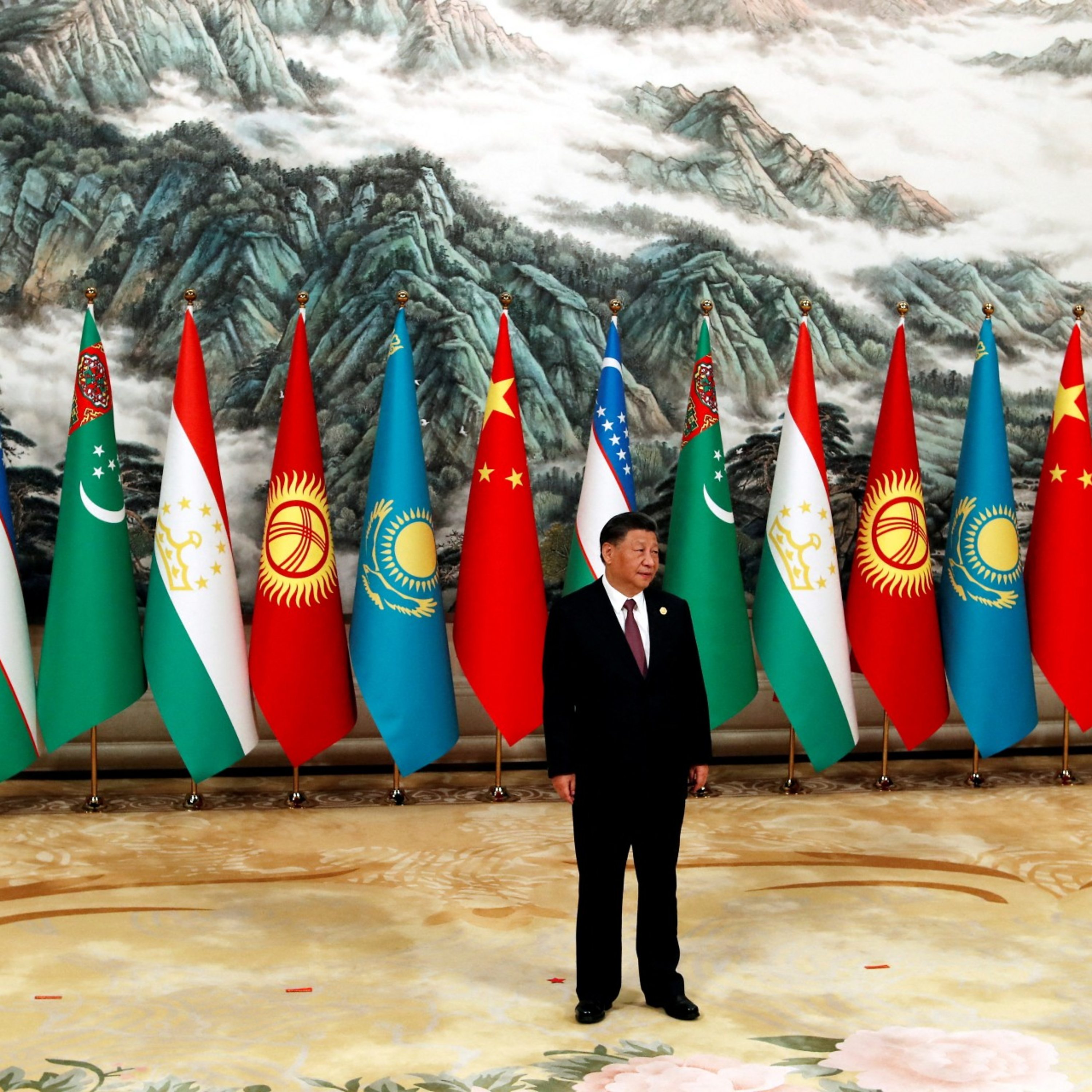
Where next for China’s Belt and Road?
Xi Jinping announced a massive building project along the ‘New Silk Road’ to very little fanfare in Kazakhstan 10 years ago this month. Infrastructure including railways, roads and ports have been built in 165 countries to date, as part of the Belt and Road Initiative (BRI). Billions of dollars has been lent to countries in Africa, Asia, Europe and South America. Some are now struggling to afford the payments and China is reducing the amount being loaned. We look at what this means for Beijing’s finances and for countries with huge projects underway, but with no means of meeting the repayments. Presenter: Ed Butler Producer: Hannah Bewley Additional reporting: Michael Kaloki(Picture: Xi Jinping waits for a photo call at the China-Central Asia Summit in Xian, China in May 2023: Credit: Florence Lo/Reuters)
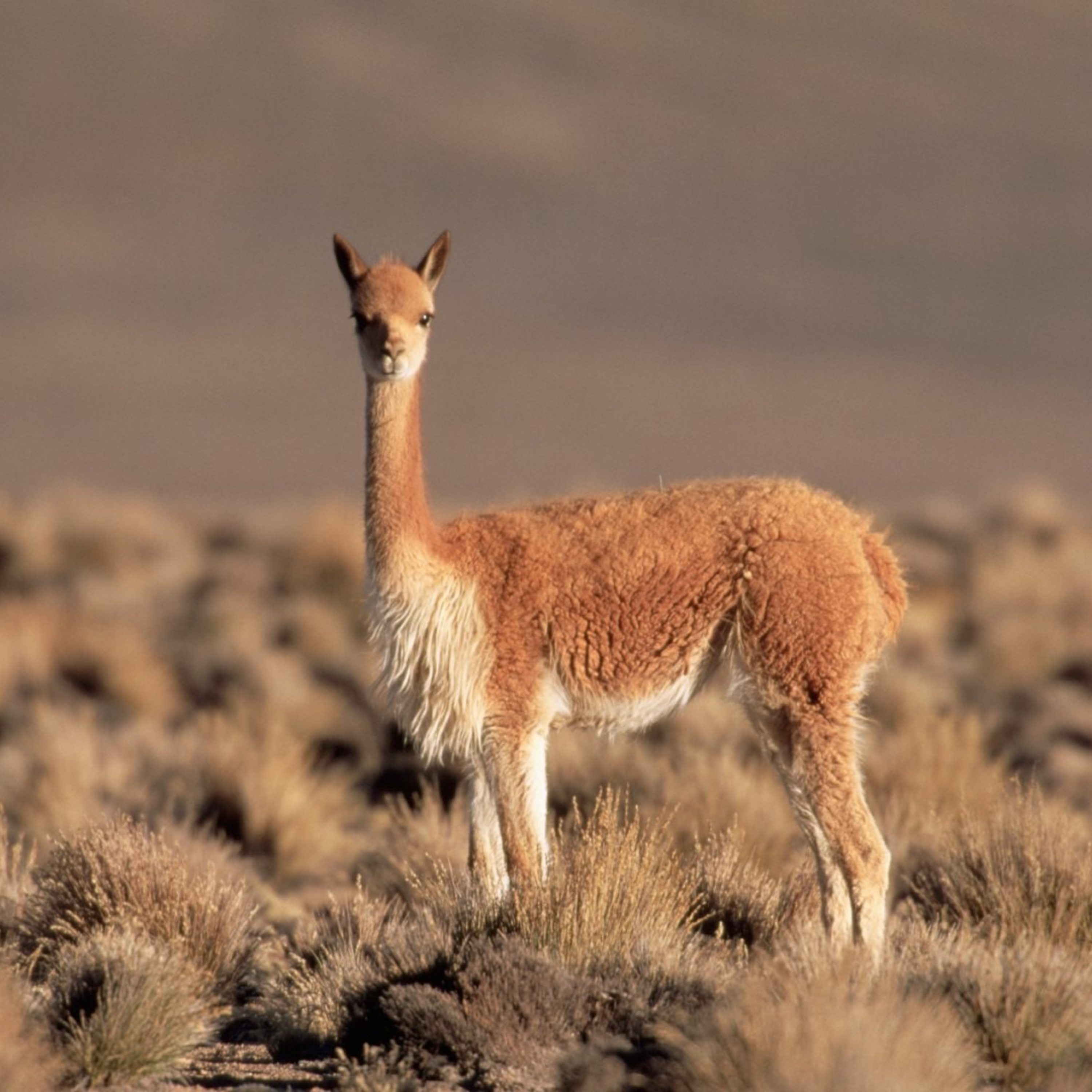
The industry that saved an animal from extinction
You may not be familiar with the vicuna, but in Peru, where it's the national animal, the smallest relative of the llama is revered - particularly for its fine and insulating coat.In this programme, Stefania Gozzer travels to the Peruvian Andes, to meet the animals that produce one of the most expensive wools in the world. Demand for their coveted fleece once led them near extinction, but now it has become the best tool to preserve them. Stefania visits Pampa Galeras, to talk to the scientists that work in the largest natural reserve created to protect vicunas. She learns how farming communities engage in the conservation of this species while making a profit, and hears why the business model that once saved vicunas is now at risk.Presented and produced by Stefania Gozzer(Image: A vicuna. Credit: Getty Images)
The growth of tattoo removal
What used to be a fairly niche industry is now on the increase, with companies setting up removal clinics around the world. And no surprise – as more people get tattoos, more people night change their minds and want them removing. We meet the regretful clients and the companies cashing in, and also explore the world of cosmetic and medical tattooing.Presenter and producer: Elizabeth Hotson(Image: A laser tattoo removal. Credit: Getty Images)
Meet the 'Finfluencers'
Where do you go to get financial advice? More and more people are turning to Instagram, YouTube and TikTok for money matters. David Harper meets the ‘Finfluencers’ – financial influencers entertaining and educating young people around the world, and bringing in big numbers in the process. Caleb Hammer is a YouTuber with over 600,000 subscribers who conducts financial audits on the forensic financial details of individuals in the hope of helping them to budget better. He also speaks to Hannah Rimm and Alexandra Koster, who run the Money Diaries feature at online magazine Refinery 29. They are deluged with submissions every week. And we hear from Sharan Hegde, from Bangalore in India. He has over 4 million subscribers on Instagram and YouTube combined.Presenter: David Harper Producer: Victoria Hastings
Business Daily meets the Queen of Biscuits
How do you make an artisan product at scale? We head to the UK factory of Biscuiteers, where millions of biscuits are hand-iced every year, from treats shaped like designer bags to edible versions of favourite cartoon characters. Harriet Hastings is the co-founder of the company - in this episode, she shares her business advice, explains why marketing is key and talks about running a business with her husband. Producer / presenter: Sam Everett(Image: A ballerina biscuit being iced. Credit: BBC)
Is India ready for Tesla?
It’s been a long wait for tech billionaire Elon Musk to push into India’s EV market. High import duties have kept Tesla out of India so far. Mr Musk has repeatedly sought to lower those duties, but the government wants the company to manufacture cars locally before considering tax breaks. Now there seems to be an agreement on the horizon. But is India’s EV ecosystem ready for it?Presenter/producer: Devina Gupta
The cost of migration: Europe's response
In the third and final programme of this series on the economics of irregular migration across the Mediterranean, the BBC’s Frey Lindsay sits down with two spokespeople from the European Commission to discuss how irregular crossings across the Mediterranean affect European States, and how the bloc is using its resources to attempt to stop them.Presenter: Frey Lindsay(Image: Italian coast guard vessels patrol alongside the SOS Méditerranée rescue ship The Ocean Viking, near the Italian port of Ravenna. Image credit: BBC)
The cost of migration: The rescue boats
In the second of three programmes, we’ll hear about the increasing running costs facing charities involved in running search-and-rescue operations in the Mediterranean Sea.Inflated fuel prices, cost of living crises and political interference are all driving the costs of the operation up. So can the boats continue to operate?Presenter: Frey Lindsay(Photo: Search and rescue crew onboard the SOS Méditerranée rescue ship The Ocean Viking)
The cost of migration: The journey
In the first of three programmes, the BBC’s Frey Lindsay accompanies the charity rescue vessel the Ocean Viking to explore the myriad costs involved in irregular migration across the Mediterranean.Each year hundreds of thousands of people attempt the extremely dangerous crossing from Libya to Italy, paying smugglers thousands of dollars. We meet some of those people and find out how and why they're making the journey.Presenter/producer: Frey Lindsay(Picture: Rescuees huddle onboard the SOS Méditerranée rescue ship The Ocean Viking. Credit: BBC)
Business Daily meets: Mohit Lad
From losing his job in the 2008 financial crash, to a billion dollar idea.We speak to Mohit Lad, who teamed up with his old college friend Ricardo to trawl through the trash cans of shuttered businesses in Silicon Valley to get the first server for their tech start-up, ThousandEyes. A combination of grit, determination and a shortage of ready cash saw them think outside the box for solutions to grow the business and get customers. Twelve years later, the company described as the 'Google Maps' of the internet is now part of Cisco and is still going strong today. Listen to the full story behind the business and learn about Mohit's vision for a connected world.Presented and produced by Sam Clack.(Image: Mohit Lad speaks during a keynote address on June 07, 2023 in Las Vegas, Nevada. Credit: Getty Images)
Syria's broken economy
We hear from people protesting in the government-controlled city of Sweida.Criticism of President Bashar al-Assad has been growing in Sweida since demonstrations began in mid-August over the removal of fuel subsidies. It's the latest measure that has put a strain on people suffering from an economic meltdown.A resident and activist tells us what life is like for him living in the city, plus we hear from a Syrian economist, and a form adviser to President al_Assad now based in the US.Presenter: Ed Butler(Image: People protest in the Syria's southern city of Sweida on September 1, 2023. Credit: Getty Images)
K-Pop: Going green?
K-Pop, short for Korean Popular music, has become a global phenomenon with millions of fans worldwide.It’s a multi-billion dollar industry with 80 million units of physical albums sold in 2022. But a huge chunk of it goes straight to landfill.Why are the fans buying so many albums just to throw them away?We hear from fans, artists and tech companies who are trying to make the industry greener.Presenter: David Cann(Picture: Victon; Credit: IST Entertainment)
Business Daily meets: Desmond Shum
We meet the Chinese property tycoon and multi-millionaire who, along with his then-wife, once moved in the highest echelons of power in Beijing.But the couple fell foul of the Chinese government during Xi Jinping’s inexorable rise to power and in 2017 Desmond’s ex-wife was abducted – he says by the Chinese state. She vanished for two years and even now is restricted in her movements, although she’s never been charged with any crime. Mr Shum now lives in the UK, from where he gave us his extraordinary account of business life at the highest level in China. And he tells us why he thinks the current Chinese economy is rotten to the core. Presenter: Ed Butler(Image: Desmond Shum. Credit: Desmond Shum)
Guyana: The world’s fastest-growing economy
The former British colony in South America boasts the world’s fastest-growing economy at the moment – it expanded by 62 per cent last year, according to the International Monetary Fund.The reason is oil. Since 2015, US oil major Exxon and its partners have made a series of massive discoveries in Guyanese waters, catapulting the country into the world’s top 20 in terms of reserves.That’s bringing billions of dollars into the economy but also challenges: how can Guyana avoid the ‘resource curse’ - the mismanagement and corruption that have afflicted other commodity-rich nations? How can it exploit the oil bonanza with a population of less than a million people? And has the oil come too late anyway – just as the world move away from fossil fuels?We talk to the country’s president Irfaan Ali.Presenter and producer: Gideon Long(Image: President Irfaan Ali. Credit: Keon Blades/ Office of the President Guyana)
Business and Science: Communicating science
Science is all around us but a lot of it can be difficult to understand.Gareth Mitchell speaks to people building careers around helping make science understandable to the general public.We speak to a YouTuber making music about science, a science festival organiser and a science communication consultant who works with different businesses to make science more engaging and easy to access. Producer: Hannah Mullane Presenter: Gareth Mitchell(Image: Ellie Mackay at work. Credit: Ellie Mackay)
Business and science: Quantum computing around the world
It's a rapidly emerging technology that has the potential to solve problems at an incredible pace. At the moment its uses are limited but that hasn’t stopped investment rolling into the sector and businesses from making money as the technology develops around the world. Gareth Mitchell speaks to three different quantum businesses to discuss its viability and its risk. Presenter: Gareth Mitchell Producer: Hannah Mullane(Image: Quantum entanglement. Credit: Getty Images)
Business and science: What is quantum computing?
We travel to a facility in the south of England to see one of the super-fast computers in action.We’ll find out what quantum computing has the potential to do, what its going to take to make that a reality and importantly whether quantum businesses are making any money...Presenter: Gareth Mitchell Producer: Hannah Mullane (Image: A quantum computer. Credit: Oxford Quantum Circuits)
Business and science: How risky is SynBio?
For all the exciting developments in the synthetic biology industry, there are also concerns. People can edit genes in their garages these days, so who’s regulating this space?Plus - we’ll hear about the exciting new business models with biology at their core, including one of the first synbio businesses to trade as a public stock - Ginkgo Bioworks.Presenter: Gareth Mitchell Producer: Izzy Greenfield(Image: A petri dish in a lab. Credit: Getty Images)
Business and science: What you need to know about SynBio
In this week’s series focusing on business and science, we start things off by looking at the world of synthetic biology.The industry is estimated to be worth around $30bn in the next few years, but how is that money actually made?We speak to businesses across the world to find out how they’ve taken the building blocks of synthetic biology and engineered them into products that we use on a daily basis.Presenter: Gareth Mitchell Producer: Izzy Greenfield(Image: A scientist working with lab grown meat. Credit: Getty Images)
Cutting waste in the beauty industry
Many of us have drawers and boxes full of beauty products that we never end up finishing. We meet the Nordic start-ups who are trying to cut some of that waste by changing the way we shop. We find out about tech which personalises products, and then makes it 'on demand' rather than in bulk. And will the use of AI actually end up encouraging people to buy more, rather than less?Presented and produced by Maddy Savage(Image: A scientist at Swedish tech start-up Ellure. Credit: BBC)
The row over Uruguay's pulp mills
Does the paper industry use too much water? As concern about plastic waste grows, many companies have switched from plastic packaging to paper, but how environmentally friendly is paper production? Uruguay, in South America, has been suffering from drought and its forestry and pulp milling industries are coming under increasing scrutiny for the amount of water used. We’ve been to an enormous new pulp mill in central Uruguay, capable of producing more than two million tonnes of pulp every year, to find out more. Producer / presenter: Grace Livingstone(Image: Water protests in Uruguay; Credit: BBC)
The importance of sleep
How does sleep relate to your job, your income, or your socio-economic status? We look at the impact of a good, and bad night’s rest. We discuss the factors affecting sleep, including access to health care, where and how you live, and how that might influence other aspects of your life.Plus we look at the growing market in devices to ‘cure’ sleep problems.Producer and presenter: Elizabeth Hotson (Image: A man in bed in a deep sleep. Credit: Getty Images)
The UNESCO effect
Delegates will soon descend on Saudi Arabia for perhaps the most consequential meeting in UNESCO’s history. With an extended agenda after last year’s cancellation, it’s the first World Heritage Committee meeting to be held in-person for four years.In this episode we examine the so-called ‘UNESCO effect’ - and hear from entrepreneurs around Angkor Wat, in Cambodia, about the mixed consequences of its listing. We also hear from officials in Liverpool, in England, about UNESCO's decision to remove World Heritage status from the city's historic centre and docklands.Presenter / producer: Laura Heighton-Ginns Image: Angkor Wat; Credit: Getty Images
Ireland's data centre boom
These tech powerhouses bring in money and jobs but can be environmentally problematic and in Ireland data centres account for almost a fifth of the electricity consumption.We explore how Ireland can keep hold of this valuable industry and make sure it's energy supply isn't affected.Producer / presenter: Leanna Byrne (Image: Data centre; Credit: Getty Images)
Swiftonomics
Taylor Swift's Eras tour is predicted to make a record $1 billion - but how?As countries around the world grapple with high inflation, how has Taylor Swift been able to persuade fans to spend money?Olivia Wilson speaks to Brittany Hodak, author of Creating Superfans, to understand the role Swiftomania has played in her commercial and financial success.Tyler Morse is the CEO of MCR, the third largest hotel owner-operator in the United States. He explains how Taylor Swift’s concerts have had a significant impact on the local economies of the cities she has toured in – including some of his hotels in Phoenix, Arizona. Presented and produced by Olivia Wilson.(Image: Taylor Swift performing in Seattle. Credit: Getty Images)
The end of the office?
Many of us started working from home in the coronavirus pandemic - and never went back. Now, office space in many cities around the world is standing empty. We visit Mumbai, New York and London, where an increase in home working means buildings in business districts standing empty. And Singapore, which seems to be bucking the trend, with demand as high as ever.We also hear from the CEO of US-based commercial real estate company Remax - are we witnessing the end of the traditional office? Produced and presented by Alex Bell.
The return of the wine cork
The humble wine cork, once the main way to stop a bottle of wine, had its market share decimated in the 1990’s when screw caps were favoured. However, the problem of 'corked' wine has been almost completely solved and cork is recognised as a more sustainable, if slightly less convenient material for wine makers to use.In this episode we visit the world’s largest cork producing region in Portugal to find out more about how the cork industry has hit the good times once again. We explore which wines taste better with cork and how supermarkets are cutting down on wine packaging. Presenter / producer: Rick Kelsey Additional reporting: Alastair Leithead Image: Cork production; Credit: Getty Images
What should I eat on a night shift?
Working irregular hours, including overnight, means meal times can be disrupted. So what impact does this have on the body and overall health?We hear from workers in Mumbai and Lagos about their experiences, plus get advice from a dietician about what and when you should be eating. Produced and presented by Marie Keyworth.(Image: Workers in a construction camp cutting metal at night. Credit: Getty Images)
Is Bangladesh ready for digital only banks?
The government in Bangladesh is trying to modernise its economy and has announced a policy to create digital only banks. The idea is to move away from traditional bricks and mortar banks and provide more financial services to people in remote areas. For fintech companies that operate digital wallets – this is a gamechanger. However, many people in the country don’t have access to smartphones or the internet, so how will these banks work for them and for Bangladesh’s economy?Presenter / producer: Devina Gupta Image: Money exchange; Credit: Getty Images
Picture perfect cakes and cafes
Dive into a world of amazing cakes and cafes, where look and taste combine in the hope of tempting customers to part with their cash for sweet treats.Explore how our tastes and habits are changing when it comes to buying and eating cakes and puddings – and find out why social media is now crucial to the baking and dessert café industry. Presenter / producer: Emb Hashmi Image: Forever Rose cafe; Credit: Ebraheem Al Samadi
Giving cash directly - the future of aid?
What’s the best way to help people in need? In the past, humanitarian aid has focused on providing shelter and food, but there’s a growing move towards direct cash payments. We'll take you to Syria, Egypt and Kenya to find out how it works and why it's being embraced.We speak to Rory Stewart, president of the US charity Give Directly, which is based entirely on direct cash payments. And hear from two women who’ve used some of that money to develop their own small businesses in Kenya.Elias Abu Ata explains how the International Rescue Committee used cash in the wake of the earthquake in Syria earlier this year, and Rasha Batarseh, UNHCR cash programme officer for Egypt tells us how it’s being used to help refugees fleeing the conflict in Sudan.Finally, is cash assistance more vulnerable to fraud? Oliver May, former head of counter fraud at Oxfam, gives his view.Producer/presenter James Graham Additional production support from Chrystal Onkeo(Image: Rory Stewart from Give Directly visiting a project in Malawi. Credit: Give Directly.)
Business daily meets: Ida Tin
Ida Tin coined the term Femtech after she founded the period tracking app, Clue, which has since been downloaded more than 100 million times. We hear how she managed to turn her idea into a business, how she went about funding it over her 10 year stint as CEO and how she sees it evolving as technology becomes more advanced.Producer/Presenter: Hannah Mullane Photo: Ida Tin Credit: Ida Tin
China's rising youth unemployment: Part 2
The country is not just facing record-high levels of youth unemployment - more than 20% of 16-24 year olds in urban areas at the latest count. It is also facing growing discontent among many young people about the type of work they can find, often involving long hours, no overtime pay, and insecure contracts. It is prompting some to opt out of the rat race altogether. And many experts think the current problems aren't just prompted by the global slowdown. They're structural. Even the government's economic advisors think it may be time for a new economic plan if China is to avoid years of stagnation. That change could slow and painful though. Will Xi Jinping and the country's other Communist Party leaders go for it?Produced and presented by Ed Butler. (Image: College students choose jobs at a job fair for 2023 graduates in Huai 'an City, East China's Jiangsu Province. 01/07/23. Photo credit: CFOTO/Future Publishing via Getty Image)
China's rising youth unemployment: Part 1
Is trouble brewing for the world’s second largest economy? China’s exports are down, the property market’s creaking, and millions of young people - more than one in five - are officially classed as unemployed. It's not just the lack of jobs, it's the quality of employment that's now on offer - much of it informal in sectors like hospitality or food delivery. In the first of two programmes assessing the economic challenges, Ed Butler asks, what's gone wrong?Produced and presented by Ed Butler.(Image: A job-seeker look for employment at a job fair for college graduates in Nanjing in east China's Jiangsu province in Feb 2023. Credit: ZHONG NAN / Feature China/Future Publishing via Getty Images)
Business Daily meets: The rum distillers
Paul and Jacine Rutasikwa tell us how they turned a side hustle into a full-time business.In 2017 they moved their family from London to Scotland to set up their distillery, creating an African-Scottish business.Presenter/producer Dougal Shaw. (Image: Paul and Jacine Rutasikwa. Credit: BBC)
Business Daily meets: Mattel's CEO
Ynon Kreiz explains how they transformed Barbie, the well-loved and sometimes controversial doll, into a movie.The boss of one of the world's biggest toy companies also talks about the need to bring more diversity into the Barbie brand, and expand products beyond the toy aisles. Presenter/producer: Dougal Shaw(Image: Margot Robbie as Barbie and Ryan Gosling as Ken in a still from the movie. Credit: Warner Bros. Pictures)
Business Daily meets: Sir Robin Millar
We meet one of the UKs most successful record producers, who was behind hits such as Smooth Operator.He talks to Dougal Shaw about his career so far, his record label, and the future of music. Sir Robin Millar is blind - his sight had totally gone by his mid-thirties - and he talks about the impact that has had on him.And he talks about AI in music.Producer/presenter: Dougal Shaw
Business Daily meets: Kelly Hoppen
We meet one of the world's leading interior designers.Kelly Hoppen finds design solutions for celebrities including the Beckhams, but also works with luxury brands and businesses too.And she is enthusiastic about people achieving good design on a budget. She talks about growing up in South Africa, and explains how music inspires her work. Producer/presenter Dougal Shaw.(Image: Kelly Hoppen. Credit: BBC)
Business Daily meets: The founders of Seatfrog
Iain Griffin and Dirk Stewart formed their company after a mutual need for more leg room inspired a brainwave.They created the Seatfrog app for train travel, which is disrupting the industry.Dougal Shaw meets them (on a train), and finds out why their business changed from air travel to trains, and moved from Sydney to London.Presenter/producer: Dougal Shaw(Image: Iain Griffin and Dirk Stewart. Credit: BBC)
The price for Mexican heritage
We look into Mexico’s drive to get historical artefacts returned. Find out more about a famous quetzal feather crown believed to have been worn by the great Aztec emperor Moctezuma, it is currently in Austria and we hear from those who want to keep it there, and those campaigning for its return.Presenter / producer: Beth Timmins Image: Moctezuma's headdress; Getty Images
Rebuilding Turkey after the earthquake
On Sunday 6 August 2023 it will be six months since the devastating event which killed more than 50,000 people, injured tens of thousands more, and left hundreds of thousands of people homeless. For Business Daily, Victoria Craig travels to the worst affected region of Hatay. When President Erdoğan visited the disaster area back in February, he vowed to rebuild within a year, so can he keep that promise? Victoria speaks to residents who are still waiting to hear about permanent homes.And we ask whether new homes will be safe enough to survive another natural disaster?Presenter: Victoria Craig Producer: Gonca Tokyol(Image: Reconstruction in Hatay)
Is it possible to grow food on the Moon?
Space agencies and billionaire investors plan to have people living on the Moon or Mars. But those lunar and martian residents will have to grow their own food to survive.Find out how biologists from Florida, Norway and the Netherlands are experimenting to grow crops in regolith, the kind of soil found on the Moon and Mars. It could be very profitable enterprise. Presenter / producer: Russell Padmore Image: Moon and crops; Credit: Getty Images
Working at altitude
From Tibet to the Andes to the highlands of Ethiopia, around 150 million people around the world work at high altitude. Many were born there, but in a globalized world of mass migration, many weren’t, and are toiling in environments that their bodies maybe aren’t accustomed to.What does that mean for their health and for the companies that employ them? We go to a high altitude copper mine in the Chilean Andes and talk to doctors about the potential risks of working on top of the world. Producer / presenter: Gideon Long(Image: A mine high in the Andes. Credit: Getty Images)
Is France leading the way on nuclear?
The country produces 70% of it's electricity this way - and is the global leader.It's aiming to prolong the lifespan of its 56 existing nuclear reactors – and construct additional ones.President Macron is calling it "the nuclear renaissance" of France.However some people still have concerns over the safety measures in place.So how much sense does France's nuclear strategy make, economically speaking?Produced and presented by Lisa Louis. Image:
European Para Championships: A new sporting event
What does it take to host a brand new multi-sport competition? We're in Rotterdam which is hosting the inaugural European Para Championships 2023. It's hoped that holding events at the same time will raise the profile of para sports - and be more cost effective.What does it take to get a fresh idea like this off the ground? Producer/Presenter: Matthew Kenyon(Image: Archer Roy Klaassen aiming his bow. Credit: European Para Championships / Rutger Pauw)
Business daily meets: Janelle Jones
Janelle Jones is currently the chief economist of one of the biggest union movements in America and before that she worked in White House. Janelle was the first black woman to serve as chief economist in the Labor department. She tells us about her time there, how she got into economics and what keeps her grounded. Presenter: Devina Gupta Production: Sam Clack and Carmel O'Grady Image:
The chocolate village
Peter MacJob visits Eti-Oni village in south-west Nigeria, home to the oldest cocoa plantation in the country. It's king, HRH Oba Dokun Thompson, is on a mission to transform the economy of the community by manufacturing chocolates and selling in some of the finest shops across Europe.Over 90% of Eti-Oni's inhabitants are cocoa farmers and although the cocoa industry is worth almost $130bn a year the money does not flow back to cocoa farmers. To try and change this King Thompson has partnered with Beech's fine chocolate in Preston in the north-west of England.Presenter / producer: Peter MacJob Image: HRH Oba Dokun Thompson; Credit: HRH Oba Dokun Thompson
The new Panama Canal?
The Bioceanic Highway, aims to link Chile's Pacific coast with Brazil's Atlantic coastline. We’re in landlocked Paraguay to find out how one of the world’s biggest infrastructure projects, could change how people there do business, especially the Mennonites, a powerful, religious farming community who live directly in the new highways' path. Presenter / producer: Jane Chambers Image: Bioceanic highway in Paraguay; Credit: Bob Howard
Is Georgia benefitting from Russian money?
Georgia has seen huge economic growth but is there a cost to doing business with Russia?Tens of thousands of Russians moved to the small South Caucasus nation since the war began and they brought along their money and their ideas. In this programme we hear from some of those who have made the move and set up homes and businesses in Georgia. We'll also hear what Georgians, who fought their own war with Russia in 2008, make of the huge growth in trade and economic relations between the two countries. Presenter / producer: Rayhan Demytrie Image: Anti-Russian protests in Georgia; Credit: BBC