Business Daily
2,128 episodes — Page 15 of 43

Star Wars: The empire strikes cash
When Star Wars launched, it helped usher in the era of the blockbuster. In the wake of the film, came the figures. Forty years on from their launch, the original toys have now become highly sought after - some fetching a few hundred thousand dollars. We head to the largest toy fair in Europe dedicated to buying and selling Star Wars figures. We look at how much the toys are now worth and speak to some of the super fans now buying them - and explore how big the market for the vintage figures is.Presenter/producer: Rowan Bridge(Photo: Someone dressed in The Mandalorian costume at a Star Wars toy fair, with fans in the background)
Women, sport and business: Merchandise
In this episode of Business Daily, the latest in our series on women, sport and business, it's all about the merch.We'll explore how important replica tops and kits actually are for women’s sport in terms of fandom, participation and of course money. We ask what female sports fans and participants actually want to wear and whether they're being adequately catered for.Dr Katie Lebel is Professor at the University of Guelph in Canada and researches gender equity in sports branding and consumer behaviour. She tells us there is a distinct lack of data in this area and as a result sports wear firms are definitely missing out on revenue.Dana Brookman is founder of the Canadian girl's baseball league and tells us her biggest challenge has been sourcing suitable uniform for her teams, and Sam Fenwick visits sport wear manufacturer Kukri to see what they have available for women and how they're working to improve their offer.We’re going to explore what’s available and whether half the population is being properly catered for in terms of sports gear...Presenter: Sam Fenwick Producer: Carmel O'Grady (Image: Canadian girls baseball; Credit: Dana Brookman)
The K-rice belt: Seeds for self-sufficiency?
Could Africa reduce its dependency on imported rice with the help of South Korea?The continent's appetite for rice is growing fast at over 6% per year. And even though rice is grown in about 40 out of 54 countries in Africa, the production only covers about 60% of the demand. This results in 14 to 15 million tonnes of rice being imported each year costing over $6bn.To remedy this, a new rice variety was developed in co-operation with South Korea: ISRIZ-7 and ISRIZ-8. These high yield rice varieties were bred from the very rice that is credited with bringing self-sufficiency in rice to South Korea in the '70s. Earlier this year 10 African nations launched the ‘Korean Rice Belt’ project to improve rice yields in participating countries.David Cann looks into the rice co-operation between South Korea and African countries, speaking to the South Korean agricultural minister and farmers in Senegal and The Gambia.Presenter/producer: David Cann(Photo: A handful of ISRIZ rice seeds. Credit: Rural Development Administration)
What’s holding women back from work in Sri Lanka?
After the catastrophic financial crisis, early signs of stability are returning to Sri Lanka. But there’s arguably a more entrenched economic dilemma in the country that had the world’s first female prime minister - the lack of women in work.With first-hand testimony of harassment and social exclusion, this programme examines the barriers holding women back.Presenter Laura Heighton-Ginns also visits a women-only employer, successful restaurant chain Hela Bojun, and speaks to presidential advisor Priyanee Wijesekera about the path to cultural change.Presented and produced by Laura Heighton-Ginns(Image: A woman working in a government back scheme. Credit: Sri Lanka Department of Agriculture)
How to solve fashion’s waste problem
More than a quarter of all clothes made are never actually sold - where do they go?We look into new legislation being finalised by the EU, to try and make fashion more sustainable. There will be a ban on the incineration of unsold goods and each product will need a digital passport so it can be tracked and its lifetime monitored. Hannah Mullane speaks to businesses across Europe about whether they think the industry is ready for these kind of changes.We also head to Ghana, to the Kantamanto market - the biggest second-hand market in the world, to understand the impact the fashion worlds unsold garments can have.Presented and produced by Hannah Mullane (Picture credit: A pair of shoes hang over power lines at the Kantamanto market in Accra, November 2022. REUTERS/Francis Kokoroko)

Business Daily meets: Konrad Bergstrom
Konrad Bergstrom comes from a family of seafarers. And as a business leader, he wants to make navigating the seas environmentally friendly. His business, X Shore, has been dubbed "the Tesla of the seas". Konrad is now considered one of Sweden's leading entrepreneurs, having also founded Zound industries - the tech company that produces electronics for Marshall Amplification and Adidas.But it's not all been plain sailing for the businessman. In this edition of Business Daily, Leanna Byrne finds out how a boy selling hot dogs in his home town went from windsurfer to entrepreneur; how he overcame business failure; and how a business disagreement led Konrad back to his home - the sea.(Picture: Konrad Bergstrom. Credit: Getty Images)Presented and produced by Leanna Byrne
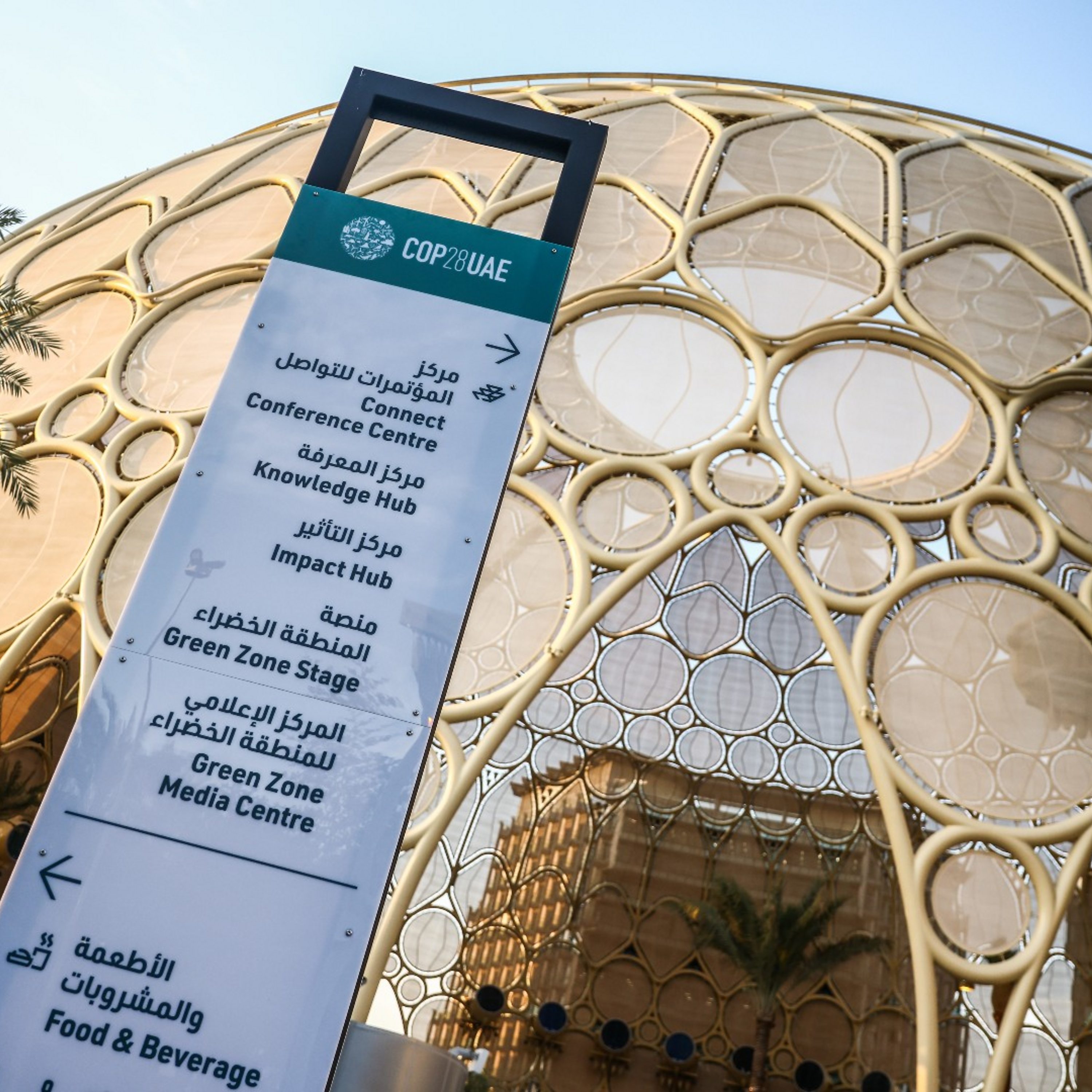
Is the corporate world too close to COP?
Greenhouse gas levels have never been higher. If we're to limit global warming, businesses have a crucial role to play because they operate in sectors that need to radically change, like energy, transport and finance.Thousands of company bosses are touching down in Dubai for this year's COP28 climate change talks. But environmentalists claim many businesses are not acting fast enough. They're increasingly concerned about the growing number of fossil fuel companies attending these summits. Are they right to be worried?(Picture: COP28 venue ahead of the 28th Conference of the Parties to the United Nations Framework Convention on Climate Change, in Expo City Dubai. Credit: Getty Images)Presenter: Sam Fenwick Producer: Lexy O'Connor
Can China stop its love affair with coal?
It’s the world’s largest user of coal fired energy, and the biggest polluter. However, China is also the world’s biggest producer of green energy. How can it reconcile the two and keep its next zero promises?Presenter: Rahul Tandon Producer: Lexy O'Connor(Image: Thermal power and solar power in Shanghai. Two power generation methods in one photo. Credit: Getty Images)

Asia's air pollution problem
It’s the week of the Climate Change Conference or COP28, and as leaders from around the world meet in the UAE to talk about how to tackle global warming, we take a look at one urgent issue: air pollution. According to World Health Organisation data, nearly seven million lives are lost prematurely each year due to harmful air. In this edition. Devina Gupta explores the air problem affecting major cities in Asia - to the cities of Delhi, Lahore, Taipei and Jakarta - to find out how lives and livelihoods are being impacted, and what can be done. (Picture: The Swaminarayan Akshardham temple under a thick layer of smog in Delhi, India. Credit: Harish Tyagi/Shutterstock)Presented and produced by Devina Gupta.
Why is Spain betting on green hydrogen?
Spain is trying to position itself as the centre of renewable energy production in Europe, particularly in green hydrogen. The country already boasts one of the first centres worldwide where green hydrogen is produced. But while it rushes headlong with several projects in the pipeline, we examine the economic viability and the impact of producing green hydrogen.(Image: A green hydrogen manufacturing facility. Credit: Iberdrola)Presented and produced by Ashish Sharma
Who is Sultan Al-Jaber?
We find out why he's a controversial appointment for the COP28 presidency.Sultan Al Jaber’s appointment has been widely questioned because he’s also the boss of Abu Dhabi’s state oil company Adnoc. But supporters point to his work as founder of the green energy giant Masdar.Is he compromised or uniquely qualified?We speak to people who’ve interviewed him, worked with him, and can give us the inside track.Presenter: Sam Fenwick Producer: Lexy O'Connor(Image: Sultan Al-Jaber. Credit: Getty Images)
The world's longest subsea power cable
They are the cables that run along the sea bed to move power where it’s needed for a cheaper price. Business Daily’s Rick Kelsey goes to the site of The Viking Link - the longest one ever built - just before it goes live between the UK and Demark. We’ll be hearing what these cables may do for our electricity costs and how safe they are from sabotage. Rebecca Sedler Managing Director for NG Interconnectors tells us how it will save people money, and engineer Oliver Kitching spent four weeks on the cable laying vessel at sea. We also here from the Danish engineers who often have too much power available, plus Dhara Vyas from Energy UK discusses concerns around sabotage.Presented and produced by Rick Kelsey.Image: The Viking power cable. Credit: National Grid)
Kimchi: Korean food goes global
Kimchi, the tangy fermented vegetable dish, is now being made and sold around the world.South Korea’s kimchi export value has risen dramatically in the past few years, going far beyond Asia. And it's consumed by not only overseas Koreans but by the locals too.While kimchi remains a distinctly Korean dish, in recent years, those with little to no connection to the country have been producing and selling kimchi.What is behind the rise?In this edition, David Cann looks into the growing popularity of the dish; speaking to kimchi experts, traders and producers.Presented and produced by David Cann.(Picture: Kimchi being made at a traditional market in Seoul, South Korea. Credit: Reuters/Kim Hong-Ji)

How to spot a diamond
When is a diamond really a diamond? When it’s been formed miles underground a billion years ago, or when has it been created in a laboratory, under temperatures close to the heat of the sun? The answer is – both are true. They look and behave exactly the same, but they are very different in price. The lab-grown diamonds are marketed as kinder to the environment, and they are far cheaper - and that’s led to concern about whether the two kinds have been mixed together, with man-made stones passed off as natural. So, what is the industry doing to give consumers confidence? (Picture: Close up of man putting engagement ring on girlfriend. Credit: Getty Images)Presenter: Lesley Curwen Producer: Barbara George

Disruption in the diamond sector
A few years ago you could have assumed all diamonds had been dug out of the ground – but now it’s true that some of them have been created, at unbelievably high temperatures, in just a matter of weeks. In the first of two Business Daily programmes about the evolving diamond market, Lesley Curwen heads to the glamorous jewellery district of Hatton Garden in London – to see how the jewellery world is being re-shaped by the mass production of laboratory-made stones.We hear from India how they’re created in temperatures as hot as the sun - and talk to one of the world’s biggest jewellery brands about why they are using only man-made diamonds. We also look at claims that man-made diamonds are the green and ethical choice.(Picture: Tweezers holding a diamond. Credit: Getty Images)Presenter: Lesley Curwen Producer: Barbara George
Business Daily meets: Cycling boss Doug Ryder
The South African former pro rider set up his cycling team in 2007. As MTN Qhubeka they became the first-ever African registered team to ride the Tour de France.He talks about the challenges of putting together a team from scratch - and the steep learning curve he faced moving from cycling to managing.After a successful stint on the world stage, a combination of financial and sponsorship problems lead to the team, which by then had gone through multiple name changes, being disbanded in 2021.Doug Ryder has now put a new team together – we catch up with him at the Q36.5 Pro Cycling HQ in the Netherlands.Produced and presented by Matthew Kenyon(Image: Doug Ryder. Credit: BBC)

Argentina goes to the polls
There are two candidates: one is the current economy minister who has a wealth of experience in power; the other is a maverick libertarian economist who wants to ditch the country’s currency, the peso, and strip the central bank of its ability to print money.We speak to his senior economic advisor, and also to a wine producer from the western province of Mendoza, who tells us about the challenges of doing business in a country with two exchange rates, severe restrictions on imports, a heavy tax burden and a shrinking economy.And we speak to voters in Buenos Aires about what they want from their next president in a nation which seems to lurch from one economic crisis to the next.Picture: Composite image of Javier Milei (Credit: Luis Robayo/EPA-EFE/REX/Shutterstock) and Sergio Massa (Credit: Tomas Cuesta/Reuters) in front of an Argentinian flag (Credit: Carl Recine/Reuters)Presented and produced by Gideon Long
Biden and Xi to meet in San Francisco
We’re looking ahead to the meeting between Presidents Joe Biden and Xi Jinping in San Francisco – the first time the two leaders will have met in 12 months. Diplomatic ties between Washington and Beijing have deteriorated this year, with tensions rising over Taiwan and the South China Sea. Meanwhile, there’s been a tit-for-tat trade spat over semiconductors and raw materials. As the presidents meet on the side lines of the APEC summit, Vivienne Nunis takes stock of the relationship between the world’s two largest economies.Produced and presented by Vivienne Nunis.(Image: US President Joe Biden and China's President Xi Jinping meet at the G20 Summit in Bali on November 14, 2022. Credit: Getty Images)
The classic cars going electric
Some owners are converting their vehicles into EVs. The idea is to boost the performance of these cars and make them ready for a green future. The process is not cheap - it requires specialists who can retain the vintage value of these cars while fitting them with a modern electric engine. Critics feel that such a transition takes away the emotional and engineering legacy of these vehicles. So we travel across the UK to find out about the challenges and the future of this niche business that is helping classic cars go electric.Produced and presented by Devina Gupta.(Image: 'Isetta', owned by Aleks Hughes which has been converted to electric. Credit: Richard Heeley, Bite the Hand)
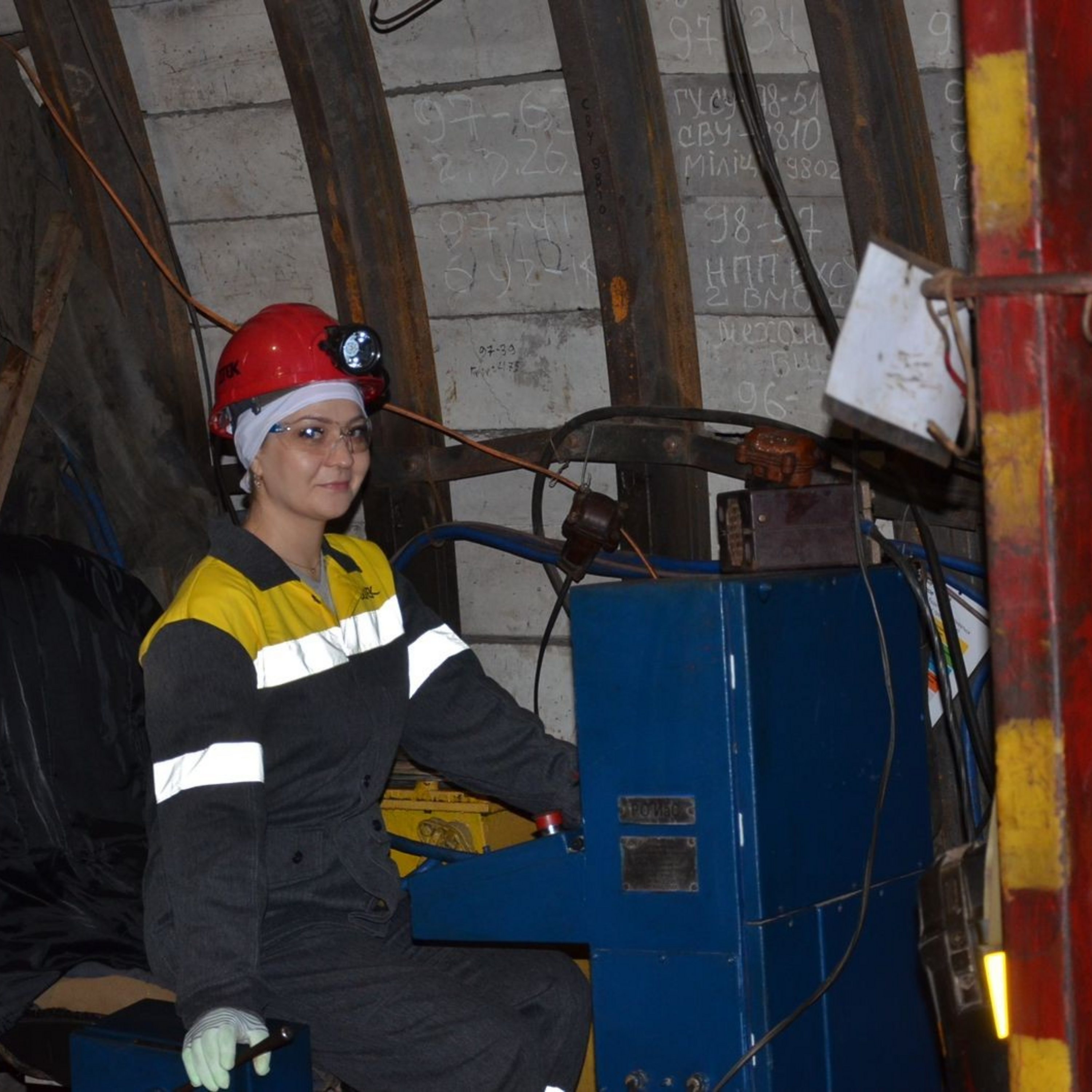
How has war changed the lives of Ukraine’s working women?
The Russian invasion of Ukraine in February 2022 saw millions of Ukrainian women and children flee to safety; causing massive upheaval and hitting the economy hard.For the women who have stayed, their lives have been transformed; many have taken on new roles, like Tetiana, who is now working underground in a coal mine, and Evgeniya, who is now a sniper on the frontline.Others, like Alina Kacharovska, have managed to grow their businesses; in this case, shoes and accessories, or are stepping into leadership positions, like Yulia Burmistenko, in the crisis group at energy company D-Tek.In this edition of Business Daily, we also hear from Iryna Drobovych from the Ukrainian Women’s Congress, and Yuliya Sporysh, founder & CEO of NGO Divchata, on how the war could change things for gender equality in Ukraine.(Image: Tetyana Ustimenko, manager of underground installations at DTEK. Credit: DTEK)Presented and produced by Clare Williamson
Business Daily meets: Silvina Moschini
The Argentinian-American tech entrepreneur moved to the US in 1997 and carved out a career in the corporate world before breaking free and setting out on her own. In late 2020, the remote working company TransparentBusiness, which she co-founded 12 years earlier, achieved a $1bn valuation. Now she continues to push for gender and racial equality in the workplace, is an investor on the TV show Unicorn Hunters, and has also established a new asset-backed cryptocurrency. She explains her journey, the setbacks she’s faced along the way and opens up about what keeps her motivated.Presenter/producer: Sam Clack(Image: Silvina Moschini. Credit: Dasha Horita)
Last orders for the Irish pub?
Fears are growing for the future of the country's bars - especially in rural areas.In less than 20 years almost a quarter of Irish pubs have closed, many of them businesses which have been run by the same family for generations. RRussell Padmore travels across the Emerald Isle to hear how the closure of pubs is a setback for rural communities, but also a worry for the country’s tourism industry. We hear from owners of pubs in County Donegal, a beer brewing company and a hospitality sector expert in Dublin, and a tourism marketing advisor.Presenter: Russell Padmore(Image: A closed pub sign. Credit: Getty Images)
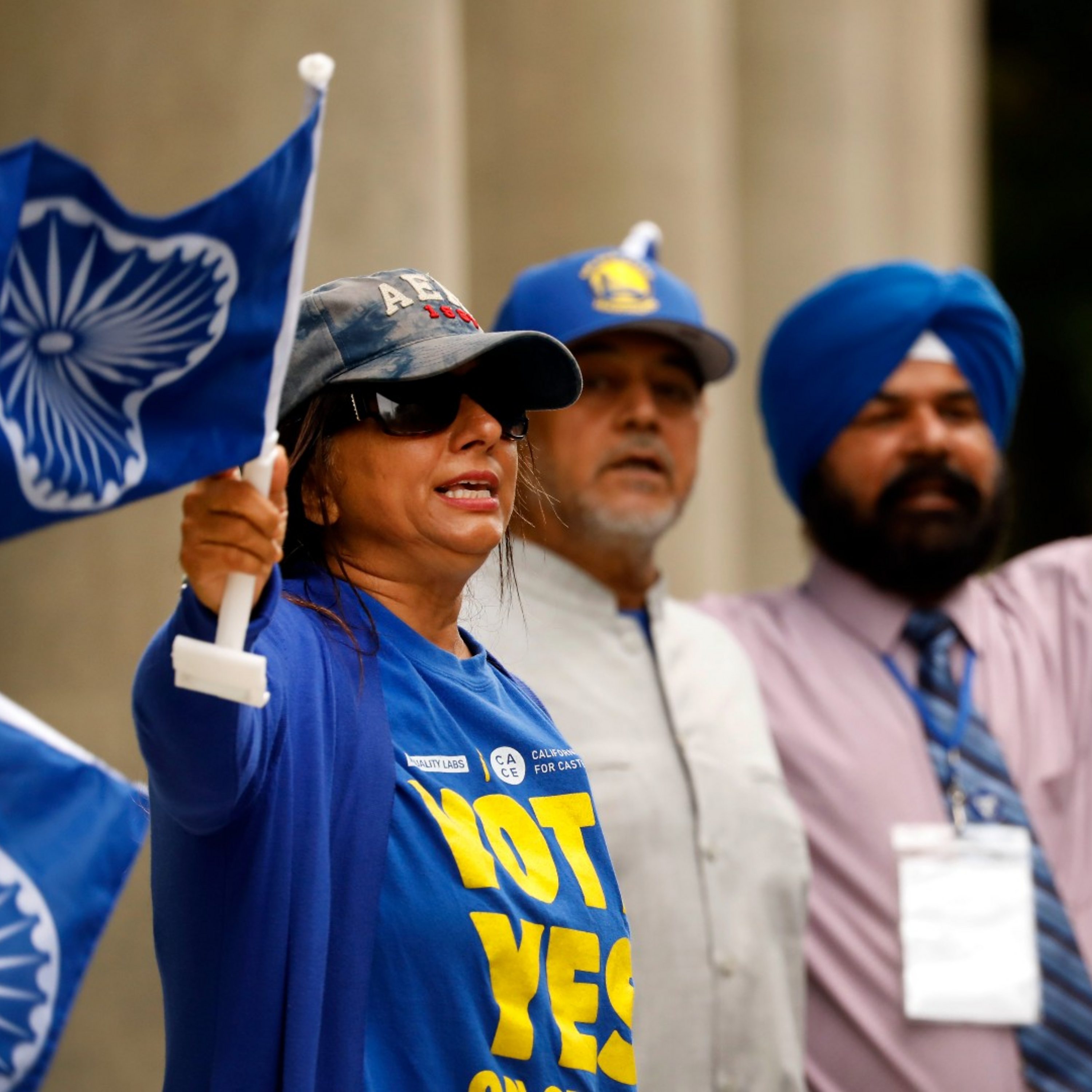
Caste bias in corporate America
There is a growing debate in the US about the caste system - an ancient social ranking system where the community you are born into determines what kind of job you do, who you marry, and much more. The caste system in India dates back over 3,000 years and divides Hindu society into different social strata. In many South Asian countries, it is outlawed. But members of the South Asian diaspora in the US say this type of caste bias persists, and there is often very little protection at workplaces against it.For the community, opinions are divided. Seattle in Washington was the first city to ban discrimination based on caste. But the fight continues for activists in California, where a bill that sought to ban discrimination was vetoed in October. Opponents called it a "divisive bill" that "implicitly singles out" South Asians.In this edition of Business Daily, Devina Gupta speaks to workers who have experienced such discrimination, and explores some of the challenges for lawmakers seeking to ban it.(Image: A group from Equality Labs at a rally in September 2023, pushing for a law to ban caste discrimination. Credit: Getty Images)Presented and produced by Devina Gupta
The Chinese migrants trying to get into the US
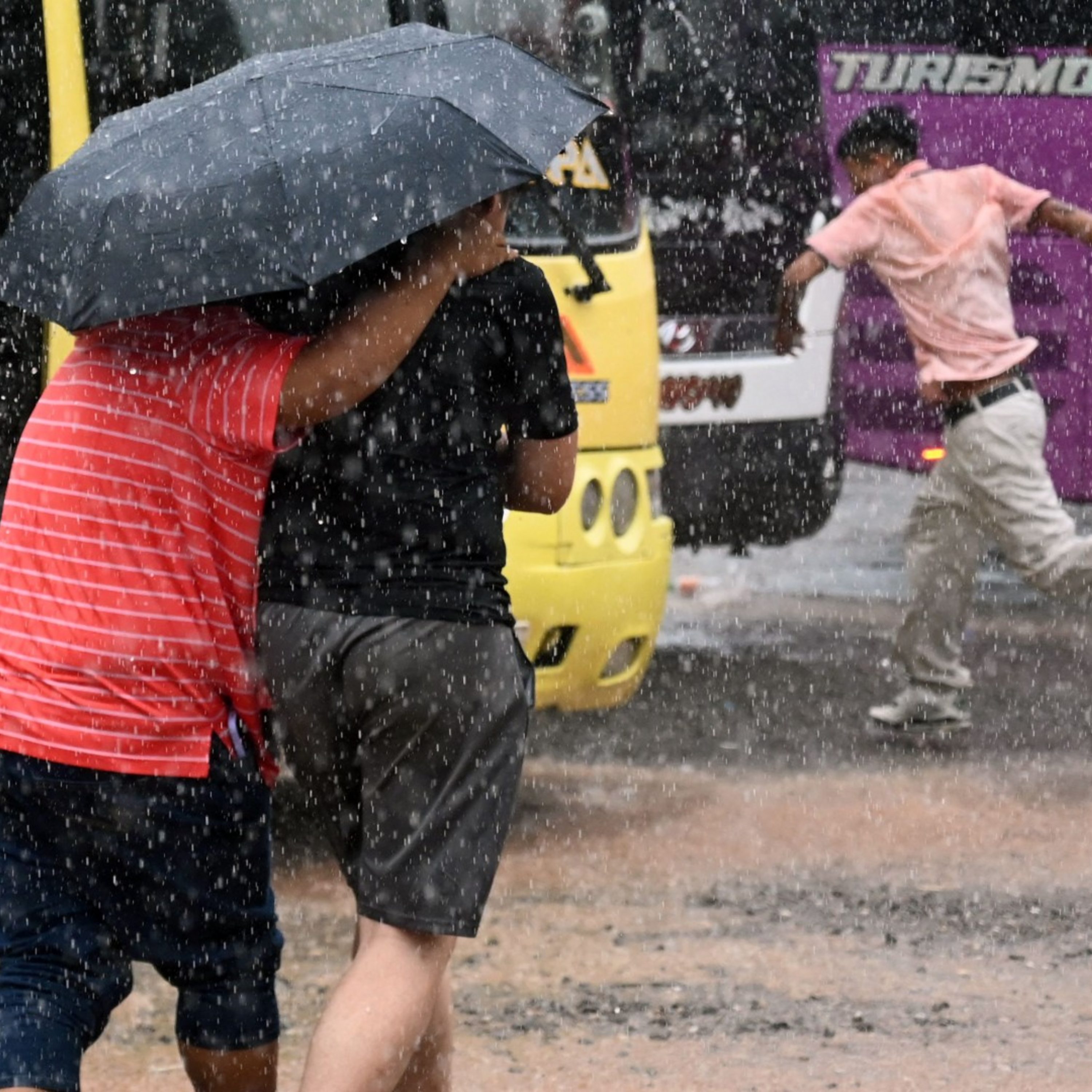
We travel to South America to meet the Chinese migrants who are making their way to the United States using an unexpected route - the established migrant trail through South and Central America to the southern border with Mexico. Citing economic challenges at home - and using inspiration from social media - a growing number are making this perilous trek. Reporter Shawn Yuan travels along the route speaking to migrants about their journey and their aspirations for the future. Presenter: Shawn Yuan Producer: Shawn Yuan, with additional production from James Graham(Image: Chinese migrants wait to get inside a bus to continue their route to the US. Credit: Getty Images)
Saudi Arabia's multi-billion dollar football powerhouse bet
The Saudi Pro League has attracted some of the top players from around the world - with transfer fees and salaries amounting to millions of dollars.We travel to Saudi Arabia to look at the country's ambitious plan to become a global football powerhouse - is it an economic move or simply sportswashing?With Saudi Arabia now it's looking set to be confirmed as the host of the World Cup in 2034, we look at its relationship with football.Presenter: Sameer Hashmi(Image: Saudi football club Al Hilal welcomes Brazilian football star Neymar with an introductory ceremony at King Fahd International Stadium in Riyadh, Saudi Arabia on August 19, 2023. Credit: Getty Images)
Business Daily meets: Babbel CEO Arne Schepker
Have you tried learning a language online? We explore the growth of language learning platforms with Babbel CEO Arne Schepker, and how the Covid pandemic lead to an increase in learning digitally.Mr Schepker explains how more international working and personal relationships has led to an increase in demand. And how smartphones and the internet have changed that age-old aspiration of gaining fluency in another language.Presenter: Dougal Shaw(Image: Arne Schepker. Credit: BBC)
Why is the French wine industry struggling?
The region of Bordeaux in the south-west of France is perhaps the most famous wine-producing area in the world. But it’s struggling. While the prestigious, most expensive wines – Saint-Émilions, Pomerols and Margaux are selling well, others are not.For the producers of the 850 million bottles of the region's famous red wine, it’s a difficult time due to a major decline in consumption.We look at the reasons for this, the impact it’s having, and what winemakers are doing to help protect their livelihoods.Presenter: John Laurenson (Image: A glass of red wine. Credit: Getty Images)
The Crypto King and the journalist
Sam Bankman-Fried, the American crypto entrepreneur who went from billionaire to bankrupt, is on trial in New York for fraud. The 31-year-old who founded the cryptocurrency exchange FTX is accused of lying to investors and lenders. He has denied those charges, and instead says he was acting in good faith but made mistakes. He says he never set out to defraud anyone. In the coming days, 12 jurors will decide his fate - he could face a life sentence in prison if convicted. Vivienne Nunis speaks to financial journalist Michael Lewis, who spent hundreds of hours with Sam Bankman-Fried for his new book Going Infinite.Presenter: Vivienne Nunis(Image: Sam Bankman-Fried leaving a court hearing in June 2022. Credit: Getty Images)
Spook-onomics: the global boost of Halloween
Trick or treat and other traditions are now at the centre of a global multi-billion business. The ancient Celtic and Pagan festival, which started thousands of years ago in Ireland, was taken by emigrants to North America, where it was turned into a major annual event. The National Retail Federation in the US tells Russell Padmore how spending by consumers is forecast to be a record of more than $12bn. Jadrain Wooten, an economist at Virginia Tech, says the sales promotions for Halloween are getting earlier every year and lasting at least month. We hear about the economic benefits of Europe’s biggest Halloween Festival in Derry City in Northern Ireland and visit a pumpkin farm in the region. An Irish cultural historian, Manchán Magan, tells us about the roots of the festival, which used to be called Samhain and we find out how retailers in Australia are cashing in by selling costumes, pumpkins and other items as consumers enjoy the traditions of Halloween.Presenter: Russell Padmore(Image: Children trick or treating in the North East of England. Credit: Getty Images)
The electric car race
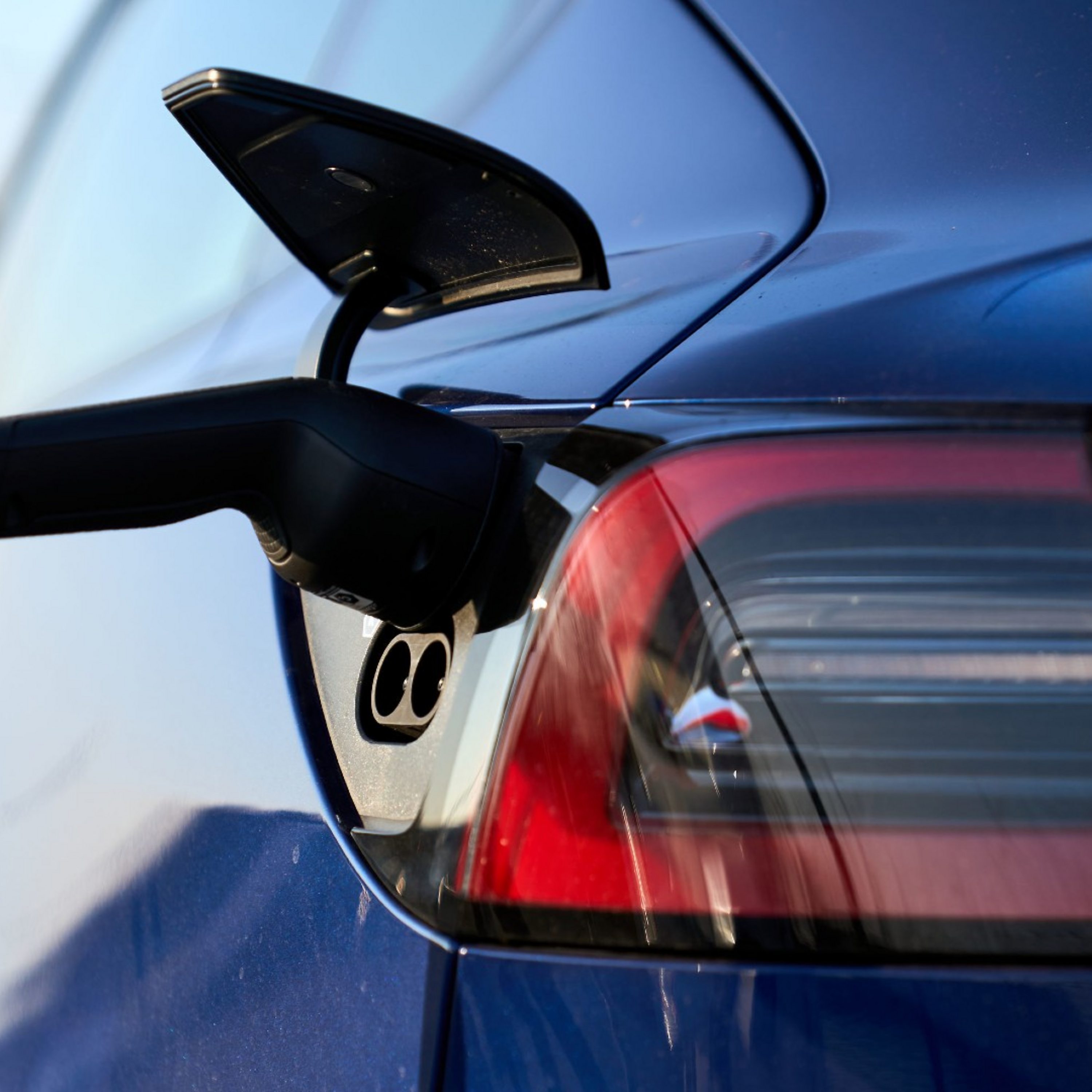
Countries around the world are racing to achieve targets on the ban of new petrol and diesel cars - but they are hitting stumbling blocks, meaning some are pulling back on their commitments. Although global sales of electric cars are rising, some countries are struggling to persuade drivers to make the switch. Reasons given include insufficient or unsuitable charging points, and the price tag: criticism is often put to governments that the shift to electric cars is hardest for the least well off.In this edition of Business Daily, Rick Kelsey looks at one country which is well ahead of the rest: Norway. The country's aim is that all new car sales in 2025 will be of electric vehicles - a plan being supported by financial incentives and policy changes.He also speaks to business leaders in the car industry, including a man known as "the Godfather of EV", to find out what's needed if countries are to phase out internal combustion engines.(Picture: An electric car being charged. Credit: PA/John Walton)Presented and produced by Rick Kelsey
Elon Musk's X: The Twitter takeover a year on
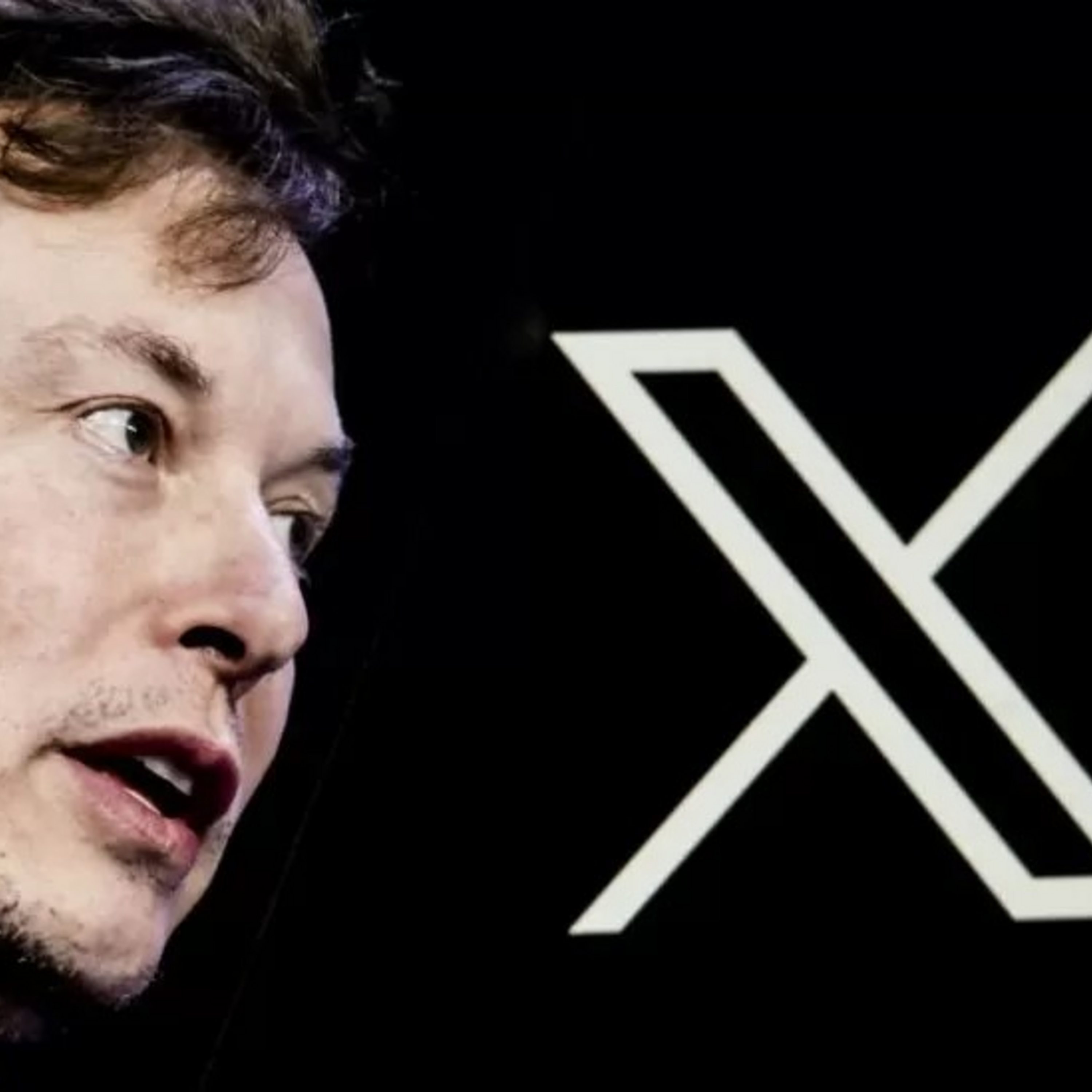
After many months of news headlines about whether Elon Musk was going to buy Twitter, he eventually completed the purchase on 27 October 2022. Since then, the company’s been through some big changes; laying off most of its 8000 employees, a rebrand to ‘X’, and reinstating some previously banned accounts on the platform. Mr Musk describes himself a free speech absolutist and says he bought Twitter – now called X - to create a space where “a wide range of beliefs can be debated in a healthy manner.” However, the company’s faced criticism over lax content moderation, leading to advertisers halting ads on the service. He hopes to boost revenue by making the site a paid-for platform, setting himself some ambitious financial targets.In this episode, Sam Fenwick speaks to former employees, business owners and journalists to get a picture of what has happened at X since Elon Musk took over. (Picture: Elon Musk next to a logo for X - formerly known as Twitter. Credit: Anadolu Agency/Getty Images)Produced by Amber Mehmood and Hannah Mullane

Business Daily meets: Akinwumi Adesina
In 2015, Akinwumi Adesina was elected President of the African Development Bank (AfDB), and since then he's become a symbol of optimism across the continent. How did he become known as Africa's "optimist-in-chief"?In this edition of Business Daily, Dr Adesina tells Peter MacJob what has shaped him as an economist, his outlook for the continent and how Africa could determine the future of renewable energy and green minerals.He says the international financial architecture should be more inclusive and favourable towards African economies, and the global north should compensate the continent for the adverse impacts of climate change on Africa.(Picture: Dr Akinwunmi Adesina. Credit: Getty Images)Presented and produced by Peter MacJob
Short Stories: The amateur trader
Short selling has gone mainstream. Inspired by the noisy success of activist short sellers, amateur investors are now trying this highly risky strategy themselves.They’re aided by a slew of new trading apps making it possible to short a stock or currency in seconds.Peter Roscoe is a YouTube investing vlogger who’s experienced the highs and lows of short selling.We also hear from the UK boss of trading app E-Toro – who says shorting has exploded on the platform.Producer: Ciaran Tracey Presenter: Leanna Byrne
Short Stories: The CEO
What’s it like to be on the wrong side of a big short? Former CEO Paul Pittman's company was shorted by an anonymous short seller who made false allegations in order to drive its share price down - way down.This is the story of how Paul and his firm overcame the short attack that cost them millions: and why it’s not just big companies that stand to lose money from rogue shorters on the markets.Producer: Ciaran Tracey Presenter: Leanna Byrne
Short Stories: The activist short seller
Short selling – the trade where you hope a stock’s value will fall rather than rise. If it does, the trader can win. Big.That’s led to the growth of what’s called the activist short seller. A trader who comes out to tell the world why a company’s stock should be lower than it is. They’re betting on its failure.Carson Block from the firm Muddy Waters is one of the most prominent new short sellers – vocal on the news and social media, he explains why the companies he shorts are usually the ones with something to hide.Producer: Ciaran Tracey Presenter: Leanna Byrne

Business Daily meets: Andre Schwammlein
Andre Schwammlein once wanted to be a pilot – but ended up behind the wheel of a bus and train company instead.The chief executive and co-founder of Flix – the driving force behind Flixbus and Flixtrain - says he was never much of a traveller, but now leads a company that has changed the way millions of people cross countries and continents.In just 10 years, Flixbus has gone from German startup to global brand - even taking a piece of American heritage: Greyhound.In this edition of Business Daily, Theo Leggett finds out how the transport entrepreneur got started, the reasons behind the company’s success, and his plans for growth.(Picture: André Schwämmlein. Credit: Getty Images)Presented and produced by Theo Leggett

What makes a stadium special?
The development of new sports stadiums and facilities can bring regeneration to deprived areas. They hold a special place in the hearts of sports and live music fans. But have some of the new ones lost their spark? In this edition of Business Daily, Sam Fenwick asks, what gives a stadium its atmosphere and can it be designed in? Sam speaks to Christopher Lee, whose architecture practice, Populous, has designed 3000 arenas all over the world. He shares his experience of designing iconic grounds like the Yankee Stadium, Wembley Stadium, and Olympic stadiums in Sydney, London and Sochi. And we hear from BBC World Service listeners, who tell us what makes their favourite sports grounds so special. (Picture: Boston Red Sox starting pitcher Brayan Bello (66) throws a pitch against the Kansas City Royals in the third inning at Fenway Park, Boston, Massachusetts. Credit: David Butler II/USA TODAY Sports)Presented and produced by Sam Fenwick
Why is the US building electric car battery factories?
We’re in Kentucky, where an area which had long ago been abandoned as an industrial site is once again coming to life.US manufacturer Ascend Elements has chosen the site to build a factory for electric car batteries made from recycled ones - an industry previously almost entirely based in China.We explore the government incentives that have drawn the company to build here with US Climate Envoy John Kerry.And we hear from the local mining community which is hoping the new green manufacturing facility may provide much needed jobs.Presenter: Faisal Islam Producer: Priya Patel(Image: A worker at the factory building site in Kentucky. Credit: BBC)
Bottles or balsa: What should wind turbine blades be made from?
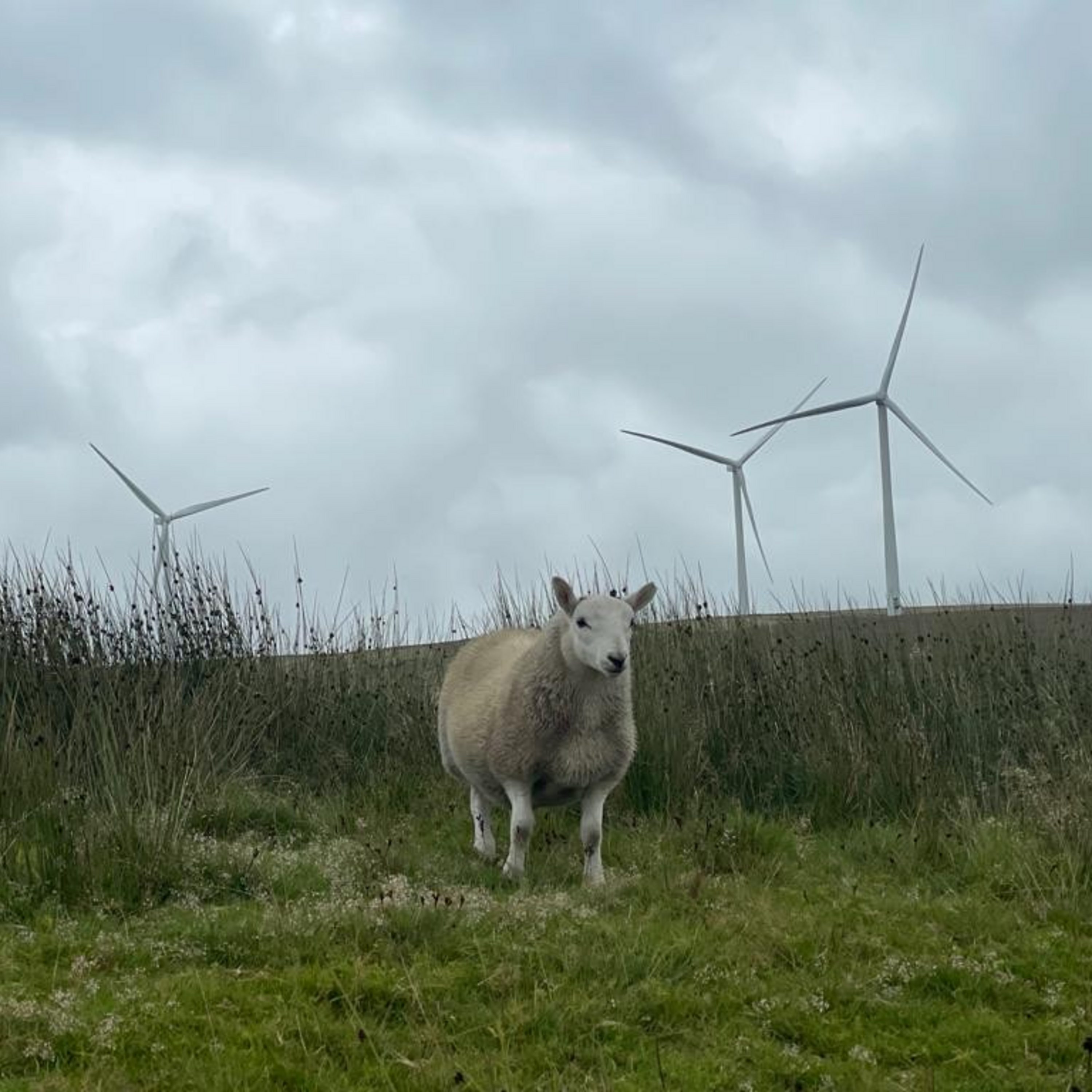
For years, balsa wood has been a key component in the giant rotor blades on the top of wind turbines. Most of it comes from the rain forests of South America and, in particular, from Ecuador. As the world transitions to green energy, lots of countries – particularly China – have been looking for more balsa to make blades. That pushed up prices, raised questions over sustainability and prompted some companies to look for alternatives to balsa wood. One alternative is PET, a foam made from recycled plastic bottles.So what should we be using to make the wind turbine blades of the future – biodegradable balsa wood or plastic foam made from old bottles?We talk to people on both sides of the debate and visit a wind farm in rural England to see the blades in action.(Picture: Crook Hill wind farm in Rochdale, north of England.)Presented and produced by Gideon Long
The impact of India's rice export ban
In an effort to insulate domestic prices, India has banned exports of non basmati white rice - its largest rice category.We ask what the impact of this is on large importing countries.A rice mill owner in Northern Nigeria tells us how the country is expanding its domestic rice production as a result of India’s curb, and we hear from a retailer in the UAE about the purchasing restriction it placed on customers as soon as the announcement was made. We look at whether other countries can meet the shortfall of rice in global supply and what this could mean for global food security. Presenter: Devina Gupta Producer: Amber Mehmood
Business Daily meets: Durreen Shahnaz
From Bangladesh to Wall Street and back again, the founder and CEO of Impact Investment Exchange talks to Devina Gupta.Durreen Shahnaz explains how her childhood in socialist Bangladesh and then move to a job on Wall Street in the 1980s shaped the person and businesswoman she is today. From trading stamps with her friends and buying pickles with the profit, she moved on to bigger trades at the heart of capitalism. What she learnt there set her up for a life dedicated to trying to make the financial system work for those most in need. Presenter: Devina Gupta Producer: Hannah Bewley(Image: Durreen Shahnaz. Credit: Durreen Shahnaz)
Dumb Money: Unpicking the GameStop saga
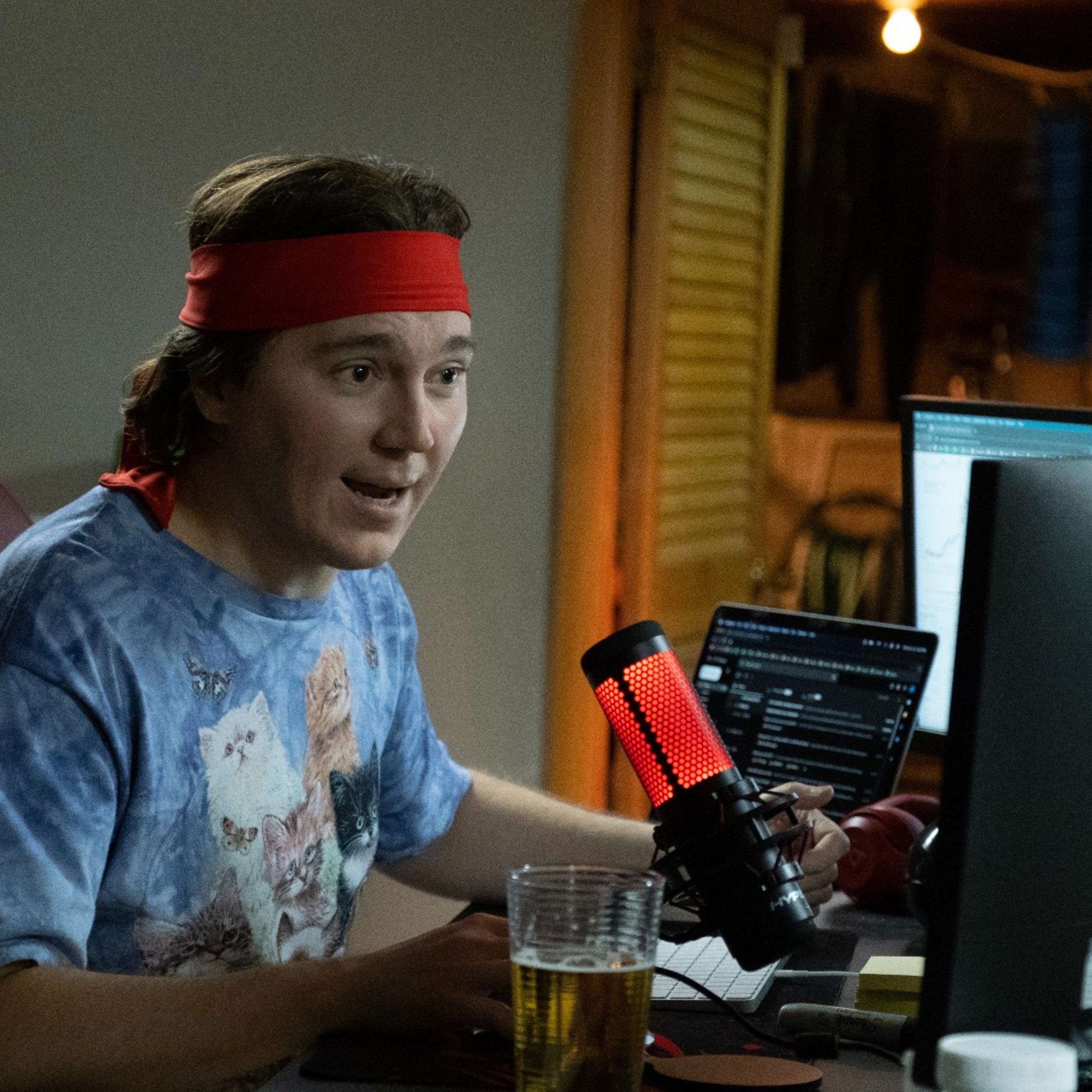
Shares in GameStop, the video game store, experienced a dramatic rise in early in 2021. The stock had captured the imagination of many individual investors who heard about it on social media platforms such as TikTok and Reddit. Some investors made a lot of money, while some hedge funds, who had bet against the stock, lost billions. Eventually, though, GameStop shares crashed back to earth and many investors lost the lot. The story has been dramatised by Hollywood in ‘Dumb Money’, currently screening in cinemas. Vivienne Nunis sits down with the film’s director Craig Gillespie and financial journalist Matt Levine to investigate what the GameStop saga teaches us about the power of social media when it comes to influencing the movements of the stock market.(Picture: Paul Dano as Keith Gill in 'Dumb Money'. Credit: Sony Pictures)Presented and produced by Vivienne Nunis
The rising price of fuel in Nigeria
In May this year, Nigerian president Bola Tinubu took office – and announced an end to fuel subsidies. He said the move would free up money for investment in public services and infrastructure projects, but it caused a spike in prices and, in some cases, triggered street protests. We explore the impact of removing the subsidy on residents and businesses, and the knock on-effect for neighbouring countries like Cameroon. Presenter/producer: Bisi Adebayo(Image: Members of the Nigerian Labour Congress (NLC) and Trade Union Congress (TUC), Senior Staff Association of Nigerian Universities (SSANU), Academic Staff Union of Universities (ASUU), National Union of Road Transport Workers (NURTW) holds a placard during a march in Abuja on August 2, 2023. Credit: Getty Images)
Fire-proofing California’s wine industry
In 2020, Napa Valley experienced its most destructive wildfire ever. Vineyards burned, leaving not only direct damage, but more long lasting impact with wine affected by smoke taint. We hear how the perennial presence of wildfires means local businesses face a harsh reality of living with the risk of fire. Sophie Long visits wine makers who are using inflammable materials to build new wineries, changing growing techniques and using technology to deal with tainted wine. And she meets local residents learning firefighting techniques - all to keep smoke out of your wine glass and the billion dollar industry thriving.Presenter: Sophie Long Producer: Samantha Granville(Image: Burned grapes hang on a damaged vine at a vineyard as the Glass fire continues to burn in Calistoga, California on October 1, 2020. Credit: Getty Images)
The Commonwealth Games in crisis?
The event is facing its biggest financing challenge in its 93-year history.There is no host city for the next edition in 2026, and the Commonwealth Games Federation is struggling to persuade other cities to host after that. We speak to academics who say the model of structuring and paying for the Games is broken. Some observers go further – saying the Games and the Commonwealth itself are relics of the British Empire and should be wound up.We also hear from athletes who have competed at the Games and highlight their importance for their respective sports and countries.And we look at one city that has hosted with relative success – within budget and with long-lasting benefits to civic infrastructure.Producer/Presenter: Gideon Long(Image: The closing ceremony of the 2022 Commonwealth Games in Birmingham. Credit: Getty Images)
Fashion: Becoming a designer
We speak to Greek designer Dimitra Petsa - founder of Di Petsa - a brand which has been worn by celebrities around the world.She graduated from fashion school five years ago and since then has launched her own fashion brand.Very few make it in the fashion world - Dimitra explains how she did it from mentors and getting exposure to creating business plans and coming up with business strategies. Producer/presenter: Hannah Mullane (Picture: Models wearing Di Petsa clothing. Credit Di Petsa)
Fashion: Paying less for the wedding dress?
In the UK, brides spend an average of £1,400 on a dress for the big day.But inflation and the rising cost of living means that's starting to change. We look at the trend of spending less on wedding dresses - buying them ready-to-wear from a boutique in London, or even from a supermarket.And we're in India where some brides are starting to spend less - not always easy when spending lavishly on weddings is often the expectation. Produced and presented by Deborah Weitzmann with additional presenting from Devina Gupta.(Image: Ruth in her second hand wedding gown. Image credit: Greg Milner)

Fashion: Doing business in Paris
Paris is the most visited city in the world and one of the things it’s known for, is fashion. But what is it about the City of Light that makes it a popular destination for businesses?In this programme, Hannah Mullane speaks to a personal shopper, who relies on fashion tourists for her business, as well as fashion start-ups choosing to base themselves in Paris.Hannah also meets a stylist and fashion agent, who moved from Italy to Paris, to make the most of the opportunities that the fashion industry has to offer.Producer/presenter: Hannah Mullane(Picture: Two women holding shopping bags. Credit: Fabulous You Paris)
Fashion: Dupe culture
Duplicate products, or dupes, are flooding social media. Dupes are clothes, beauty products, homeware that are cheaper than the recognisable brand, but still look similar. We hear from shoppers and fashion experts about this growing trend and its impact on the market.And we speak to athleisure wear company Lululemon, who are trying to work out how to respond to the number of dupes of their products that are now on the market.Producer/presenter: Deborah Weitzmann(Image: Leggings on mannequins. Credit: Getty Images)
Fashion: The rise of sports brands
Twenty-five years ago Puma became the first big sports brand to collaborate with a fashion house. Since then all of the big players have been collaborating with celebrities, sports stars and high fashion brands. Hannah Mullane speaks to Heiko Desens, the creative director at Puma about how these big collaborations work behind the scenes and what they mean for business, and fashion designer Alejandro Gómez Palomo explains how collaborating with a sports brand has elevated his business. Presenter/Producer: Hannah Mullane (Picture: Rihanna at the Puma fashion show. Credit: Getty Images)