
Books & Writers • The Creative Process: Novelists, Screenwriters, Playwrights, Poets, Non-fiction Writers & Journalists Talk Writing, Life & Creativity
309 episodes — Page 5 of 7
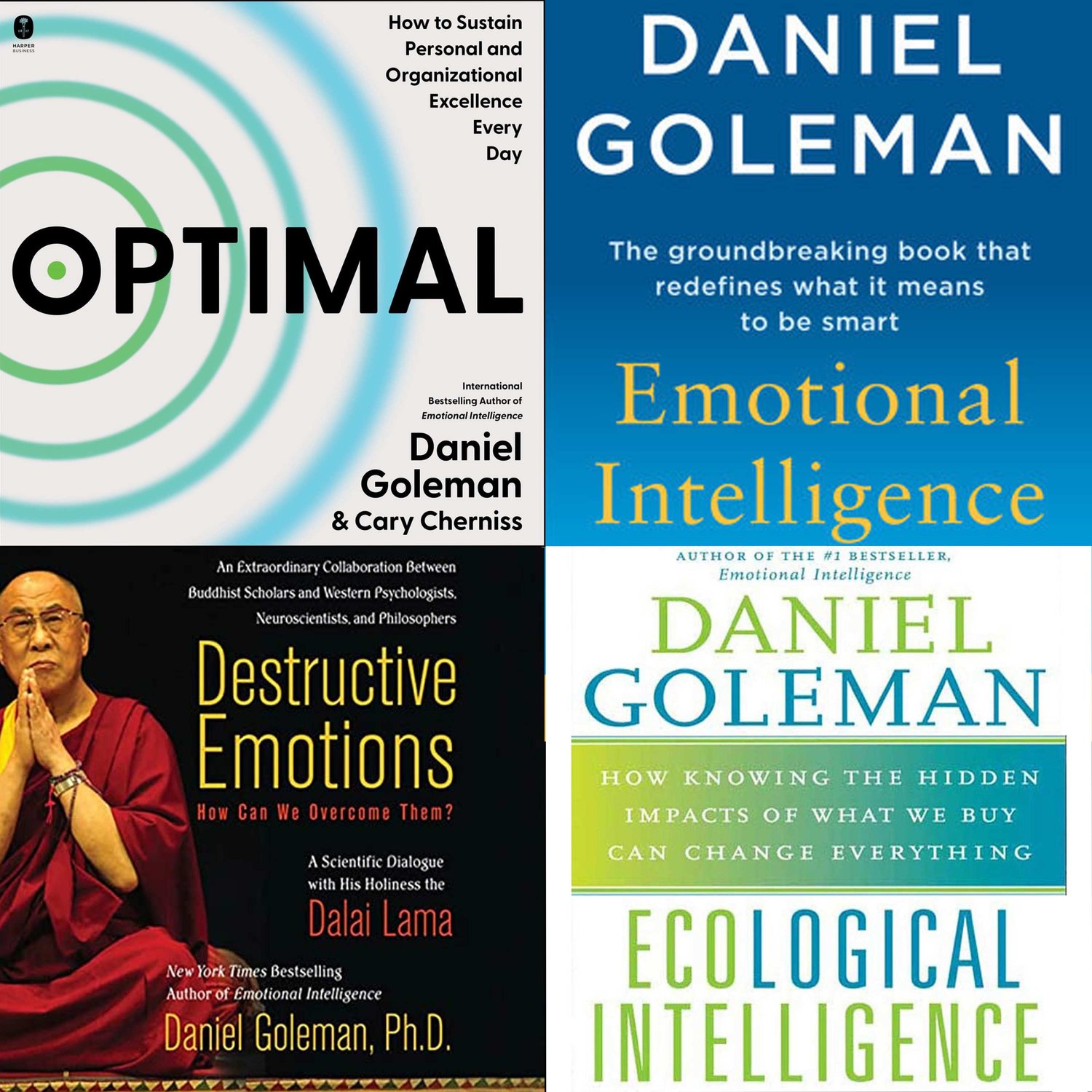
How to achieve Optimal Well-Being with Emotional Intelligence - Highlights - DANIEL GOLEMAN
“We started our book Optimal reviewing research done at Harvard Business School, where hundreds of men and women kept journals of what their day was like at work, how they felt, what happened. From that emerged a composite of an optimal state; a state when people are fully engaged in what they're doing, they're very focused, they feel good. They're highly productive, because they're at their best, and they feel very connected to people around them. It's a very positive state, and we feel that it's a state people can enter voluntarily—unlike flow, for example, which is that one time you outdid yourself. You were spectacular, but you can't make it happen. It's like grace, it falls from the sky. But optimal is, we think, attainable—by people who just focus on what they need to do, on what's important right now. That's one way to get into the optimal state.”Daniel Goleman is an American psychologist, author, and science journalist. Before becoming an author, Goleman was a science reporter for the New York Times for 12 years, covering psychology and the human brain. In 1995, Goleman published Emotional Intelligence, a New York Times bestseller. In his newly published book Optimal, Daniel Goleman discusses how people can enter an optimal state of high performance without facing symptoms of burnout in the workplace.www.danielgoleman.infowww.harpercollins.com/products/optimal-daniel-golemancary-cherniss?variant=41046795288610www.penguinrandomhouse.com/books/69105/emotional-intelligence-by-daniel-goleman/www.creativeprocess.infowww.oneplanetpodcast.orgIG www.instagram.com/creativeprocesspodcast
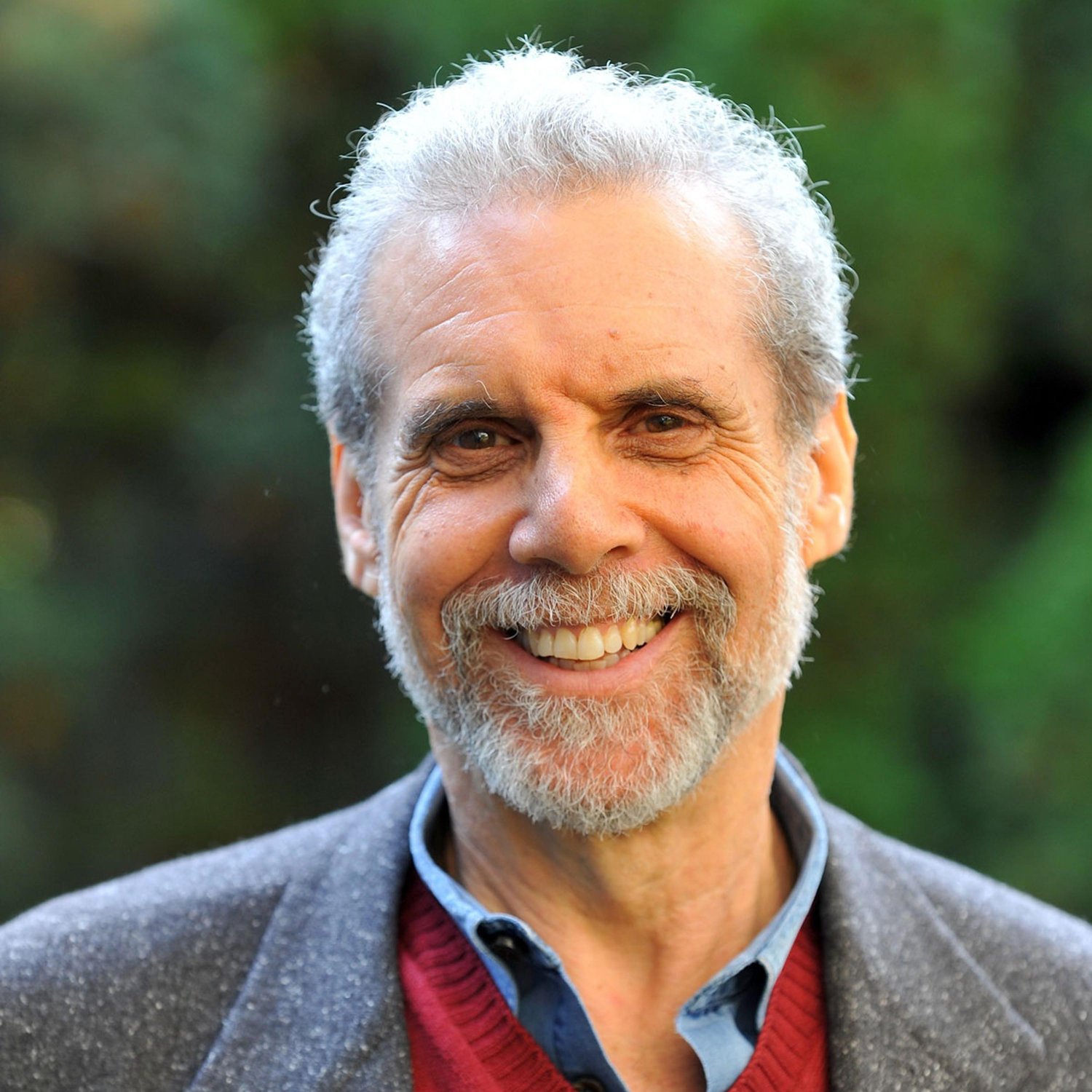
Author of Emotional Intelligence DANIEL GOLEMAN on Focus, Balance & Optimal Living
How can we enhance our emotional intelligence and avoid burnout in a changing world? How can we regain focus and perform in an optimal state? What do we mean by ecological intelligence?Daniel Goleman is an American psychologist, author, and science journalist. Before becoming an author, Goleman was a science reporter for the New York Times for 12 years, covering psychology and the human brain. In 1995, Goleman published Emotional Intelligence, a New York Times bestseller. In his newly published book Optimal, Daniel Goleman discusses how people can enter an optimal state of high performance without facing symptoms of burnout in the workplace.“We started our book Optimal reviewing research done at Harvard Business School, where hundreds of men and women kept journals of what their day was like at work, how they felt, what happened. From that emerged a composite of an optimal state; a state when people are fully engaged in what they're doing, they're very focused, they feel good. They're highly productive, because they're at their best, and they feel very connected to people around them. It's a very positive state, and we feel that it's a state people can enter voluntarily—unlike flow, for example, which is that one time you outdid yourself. You were spectacular, but you can't make it happen. It's like grace, it falls from the sky. But optimal is, we think, attainable—by people who just focus on what they need to do, on what's important right now. That's one way to get into the optimal state.”www.danielgoleman.infowww.harpercollins.com/products/optimal-daniel-golemancary-cherniss?variant=41046795288610www.penguinrandomhouse.com/books/69105/emotional-intelligence-by-daniel-goleman/www.creativeprocess.infowww.oneplanetpodcast.orgIG www.instagram.com/creativeprocesspodcast

Feminism, Resistance & the Global South - Highlights - INTAN PARAMADITHA
“The Wandering is a choose your own adventure novel, and the reader is situated in the shoes of this brown woman from the Global South. She's 27 and in a way, she is stuck with her life. She aspires to be middle class, but her job doesn't allow her to achieve this social mobility. In her condition, she makes a deal with a devil, a reference to the story of Faust and Mephistopheles, finally getting a pair of red shoes that will take her anywhere. But that means she will never be able to find home—that's the curse of the shoes. The title in Indonesian is Gentayanga, which is a word used to describe ghosts who exist in a liminal state. This is a metaphor for people who travel. I came up with the idea for this novel in 2009 when I was an Indonesian international student studying for my PHD in New York. When I went back to Jakarta, I felt like I was not at home, but New York wasn't my home either, so there's a feeling of being neither here nor there. I wanted to capture the sense of being everywhere, which is liberating, but also the sense of displacement.”Intan Paramaditha is a writer and an academic. Her novel The Wandering (Harvill Secker/ Penguin Random House UK), translated from the Indonesian language by Stephen J. Epstein, was nominated for the Stella Prize in Australia and awarded the Tempo Best Literary Fiction in Indonesia, English PEN Translates Award, and PEN/ Heim Translation Fund Grant from PEN America. She is the author of the short story collection Apple and Knife, the editor of Deviant Disciples: Indonesian Women Poets, part of the Translating Feminisms series of Tilted Axis Press and the co-editor of The Routledge Companion to Asian Cinemas (forthcoming 2024). Her essay, “On the Complicated Questions Around Writing About Travel,” was selected for The Best American Travel Writing 2021. She holds a Ph.D. from New York University and teaches media and film studies at Macquarie University, Sydney.https://intanparamaditha.com www.penguinrandomhouse.ca/books/626055/the-wandering-by-intan-paramaditha/9781787301184www.creativeprocess.info www.oneplanetpodcast.orgIG www.instagram.com/creativeprocesspodcast

Travel, Literature & Identity with INTAN PARAMADITHA - Author of The Wandering
How are writing and travel vehicles for understanding? How can we expand the literary canon to include other voices, other cultures, other experiences of the world?Intan Paramaditha is a writer and an academic. Her novel The Wandering (Harvill Secker/ Penguin Random House UK), translated from the Indonesian language by Stephen J. Epstein, was nominated for the Stella Prize in Australia and awarded the Tempo Best Literary Fiction in Indonesia, English PEN Translates Award, and PEN/ Heim Translation Fund Grant from PEN America. She is the author of the short story collection Apple and Knife, the editor of Deviant Disciples: Indonesian Women Poets, part of the Translating Feminisms series of Tilted Axis Press and the co-editor of The Routledge Companion to Asian Cinemas (forthcoming 2024). Her essay, “On the Complicated Questions Around Writing About Travel,” was selected for The Best American Travel Writing 2021. She holds a Ph.D. from New York University and teaches media and film studies at Macquarie University, Sydney.“The Wandering is a choose your own adventure novel, and the reader is situated in the shoes of this brown woman from the Global South. She's 27 and in a way, she is stuck with her life. She aspires to be middle class, but her job doesn't allow her to achieve this social mobility. In her condition, she makes a deal with a devil, a reference to the story of Faust and Mephistopheles, finally getting a pair of red shoes that will take her anywhere. But that means she will never be able to find home—that's the curse of the shoes. The title in Indonesian is Gentayanga, which is a word used to describe ghosts who exist in a liminal state. This is a metaphor for people who travel. I came up with the idea for this novel in 2009 when I was an Indonesian international student studying for my PHD in New York. When I went back to Jakarta, I felt like I was not at home, but New York wasn't my home either, so there's a feeling of being neither here nor there. I wanted to capture the sense of being everywhere, which is liberating, but also the sense of displacement.”https://intanparamaditha.com www.penguinrandomhouse.ca/books/626055/the-wandering-by-intan-paramaditha/9781787301184www.creativeprocess.info www.oneplanetpodcast.orgIG www.instagram.com/creativeprocesspodcast
Voices of the Earth: Reflections on Nature, Humanity & Climate Change
Environmentalists, writers, artists, activists, and public policy makers explore the interconnectedness of living beings and ecosystems. They highlight the importance of conservation, promote climate education, advocate for sustainable development, and underscore the vital role of creative and educational communities in driving positive change.00:00 "The Conditional" by U.S. Poet Laureate Ada Limón01:27 The Secret Language of Animals: Ingrid Newkirk, President of PETA03:03 A Love Letter to the Living World: Carl Safina, Ecologist & Author04:11 Exploring the Mysteries of Soil and Coral Reefs: Merlin Sheldrake, Biologist, Author of Entangled Life04:47 Exploring Coral Reefs: Richard Vevers, Founder of The Ocean Agency05:56 The Importance of Climate Education: Kathleen Rogers, President of EarthDay.org07:02 The Timeless Wisdom of Turtles: Sy Montomery, Naturalist & Author07:38 Optimism in the Face of Environmental Challenges: Richard Vevers08:32 Urban Solutions for a Sustainable Future: Paula Pinho, Director, Just Transition, Consumers, Energy Efficiency & Innovation, European Commission08:57 The Circular Economy: Walter Stahel, Founder & Director of the Product-Life Institute09:39 The Power of Speaking Out for Sustainability: Paula Pinho10:16 Empowering the Next Generation Through Education: Jeffrey Sachs, President of the UN Sustainable Development Solutions Networkwww.creativeprocess.info www.oneplanetpodcast.orgIG www.instagram.com/creativeprocesspodcastwww.maxrichtermusic.comhttps://studiorichtermahr.comMax Richter’s music featured in this episode are “On the Nature of Daylight” from The Blue Notebooks, “Path 19: Yet Frailest” from Sleep.Music is courtesy of Max Richter, Universal Music Enterprises, and Mute Song.
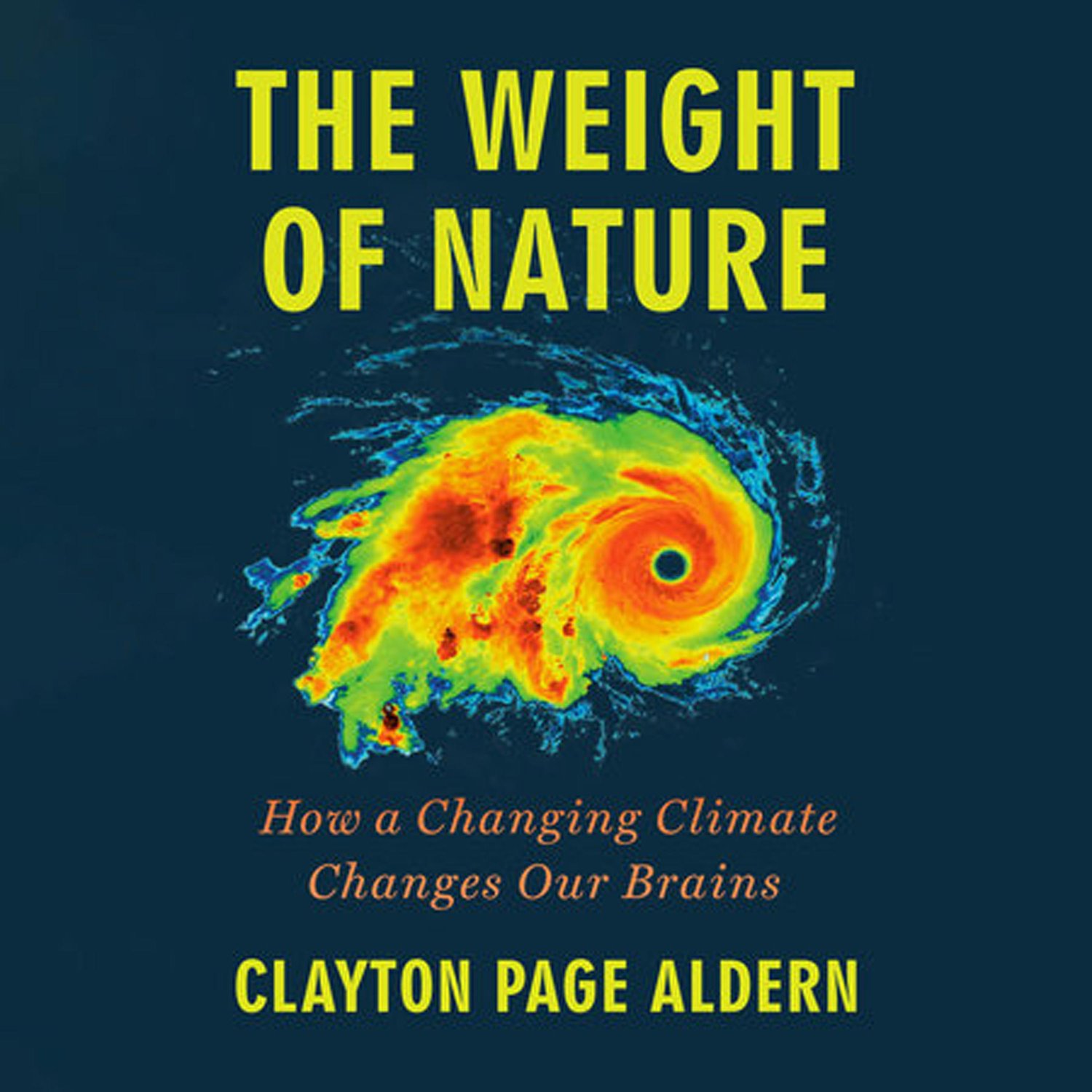
How does a changing climate affect our minds, brains & bodies? - Highlights - CLAYTON ALDERN
"When I write about the climate crises in the book, I don't profess any kind of moral clarity. We are in uncharted territory and I think it's our curiosity that's going to get us out of it."Clayton Page Aldern is an award winning neuroscientist turned environmental journalist whose work has appeared in The Atlantic, The Guardian, The Economist, and Grist, where he is a senior data reporter. A Rhodes Scholar, he holds a Master's in Neuroscience and a Master's in Public Policy from the University of Oxford. He is also a research affiliate at the Center for Studies in Demography and Ecology at the University of Washington. He is the author of The Weight of Nature: How a Changing Climate Changes Our Minds, Brains, and Bodies, which explores the neurobiological impacts of rapid environmental change.https://claytonaldern.comwww.penguinrandomhouse.com/books/717097/the-weight-of-nature-by-clayton-page-aldern https://csde.washington.edu www.creativeprocess.infowww.oneplanetpodcast.orgIG www.instagram.com/creativeprocesspodcast
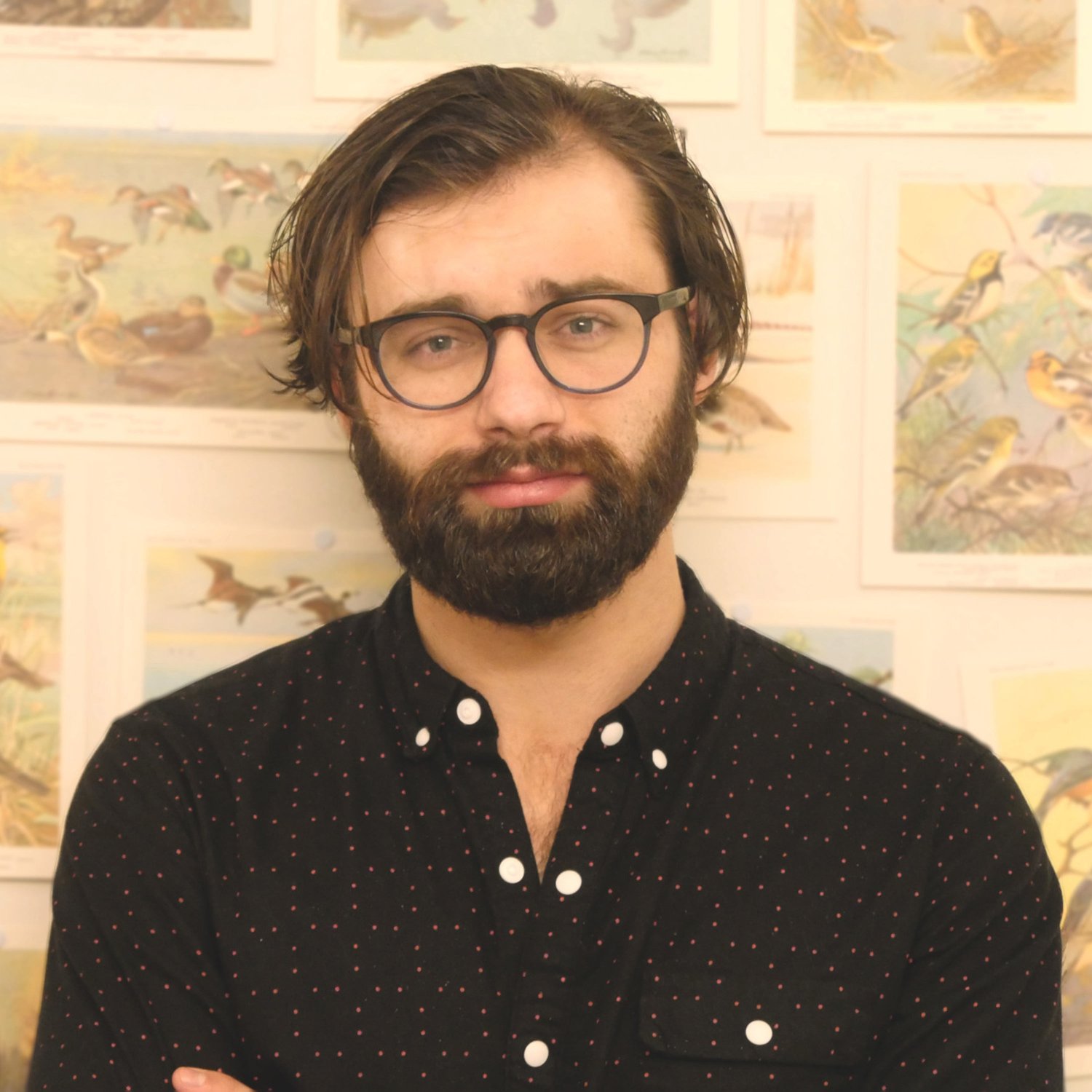
How climate change is making us sick, angry & anxious - CLAYTON ALDERN - Neuroscientist turned Eco-Journalist
How does a changing climate affect our minds, brains and bodies?Clayton Page Aldern is an award winning neuroscientist turned environmental journalist whose work has appeared in The Atlantic, The Guardian, The Economist, and Grist, where he is a senior data reporter. A Rhodes Scholar, he holds a Master's in Neuroscience and a Master's in Public Policy from the University of Oxford. He is also a research affiliate at the Center for Studies in Demography and Ecology at the University of Washington. He is the author of The Weight of Nature: How a Changing Climate Changes Our Minds, Brains, and Bodies, which explores the neurobiological impacts of rapid environmental change."When I write about the climate crises in the book, I don't profess any kind of moral clarity. We are in uncharted territory and I think it's our curiosity that's going to get us out of it."https://claytonaldern.comwww.penguinrandomhouse.com/books/717097/the-weight-of-nature-by-clayton-page-aldern https://csde.washington.edu www.creativeprocess.infowww.oneplanetpodcast.orgIG www.instagram.com/creativeprocesspodcast

DON McKELLAR on The Sympathizer with Hoa Xuande, Robert Downey Jr., Park Chan-wook
What are the stories we tell ourselves to justify our actions in times of war? How can the arts convey complexity and foster understanding?Don McKellar is a highly accomplished writer, director, and actor. He has written films including Roadkill, Highway 61, Dance Me Outside, The Red Violin, and Blindness. He won the Prix de la Jeunesse at the 1988 Cannes Film Festival for his directorial debut, Last Night, which he also wrote and starred in. He is an eight-time Genie Award nominee and a two-time winner.He wrote the book for the acclaimed musical The Drowsy Chaperone, for which he received a Tony Award. Most recently, Don served as writer, executive producer, and co-showrunner on The Sympathizer, a television adaptation of Viet Thanh Nguyen's Pulitzer Prize-winning novel of the same name. The series was co-created with Park Chan-wook."I think the reason for success of the novel The Sympathizer was the very unique voice in the book. It's told in first person with this kind of raconteur who's very intelligent. It's satiric. It tackles big issues, and it's very lively and fun at the same time. It's quite and it's also complicated where it's coming from. It's a confession. It's written in theory under duress. It's very hard to replicate because it's sort of very freewheeling, and we didn't want to weigh the show down with just a lot of voiceover, you know, that feeling of a literary adaptation you get where you just have a voiceover quoting the book all the time. So, the first thing we tried to do, well, the first thing we did was get Park Chan-wook involved because he has a very similar visual language. We tried to replicate that voice visually, and we've tried to come up with parallel visual narrative devices that would give that feeling that the book had."www.imdb.com/name/nm0001528/mediaviewer/rm2411273728/?ref_=nm_ov_phwww.imdb.com/title/tt14404618/?ref_=nv_sr_srsg_0_tt_8_nm_0_q_the%20sympawww.creativeprocess.infowww.oneplanetpodcast.org IG www.instagram.com/creativeprocesspodcastPhotos courtesy of HBOSusan Downey, Robert Downey Jr., Don McKellarRobert Downey Jr. in The Sympathizer, photo by Beth Dubber/HBOHoa Xuande in The Sympathizer, photo by Hopper Stone/HBO

There’s another side to every war. Satire, War & Hollywood - Co-creator DON McKELLAR on The Sympathizer
"I think the reason for success of the novel The Sympathizer was the very unique voice in the book. It's told in first person with this kind of raconteur who's very intelligent. It's satiric. It tackles big issues, and it's very lively and fun at the same time. It's quite and it's also complicated where it's coming from. It's a confession. It's written in theory under duress. It's very hard to replicate because it's sort of very freewheeling, and we didn't want to weigh the show down with just a lot of voiceover, you know, that feeling of a literary adaptation you get where you just have a voiceover quoting the book all the time. So, the first thing we tried to do, well, the first thing we did was get Park Chan-wook involved because he has a very similar visual language. We tried to replicate that voice visually, and we've tried to come up with parallel visual narrative devices that would give that feeling that the book had."Don McKellar is a highly accomplished writer, director, and actor. He has written films including Roadkill, Highway 61, Dance Me Outside, The Red Violin, and Blindness. He won the Prix de la Jeunesse at the 1988 Cannes Film Festival for his directorial debut, Last Night, which he also wrote and starred in. He is an eight-time Genie Award nominee and a two-time winner.He wrote the book for the acclaimed musical The Drowsy Chaperone, for which he received a Tony Award. Most recently, Don served as writer, executive producer, and co-showrunner on The Sympathizer, a television adaptation of Viet Thanh Nguyen's Pulitzer Prize-winning novel of the same name. The series was co-created with Park Chan-wook.www.imdb.com/name/nm0001528/mediaviewer/rm2411273728/?ref_=nm_ov_phwww.imdb.com/title/tt14404618/?ref_=nv_sr_srsg_0_tt_8_nm_0_q_the%20sympawww.creativeprocess.infowww.oneplanetpodcast.orgIG www.instagram.com/creativeprocesspodcastPhoto courtesy of HBO
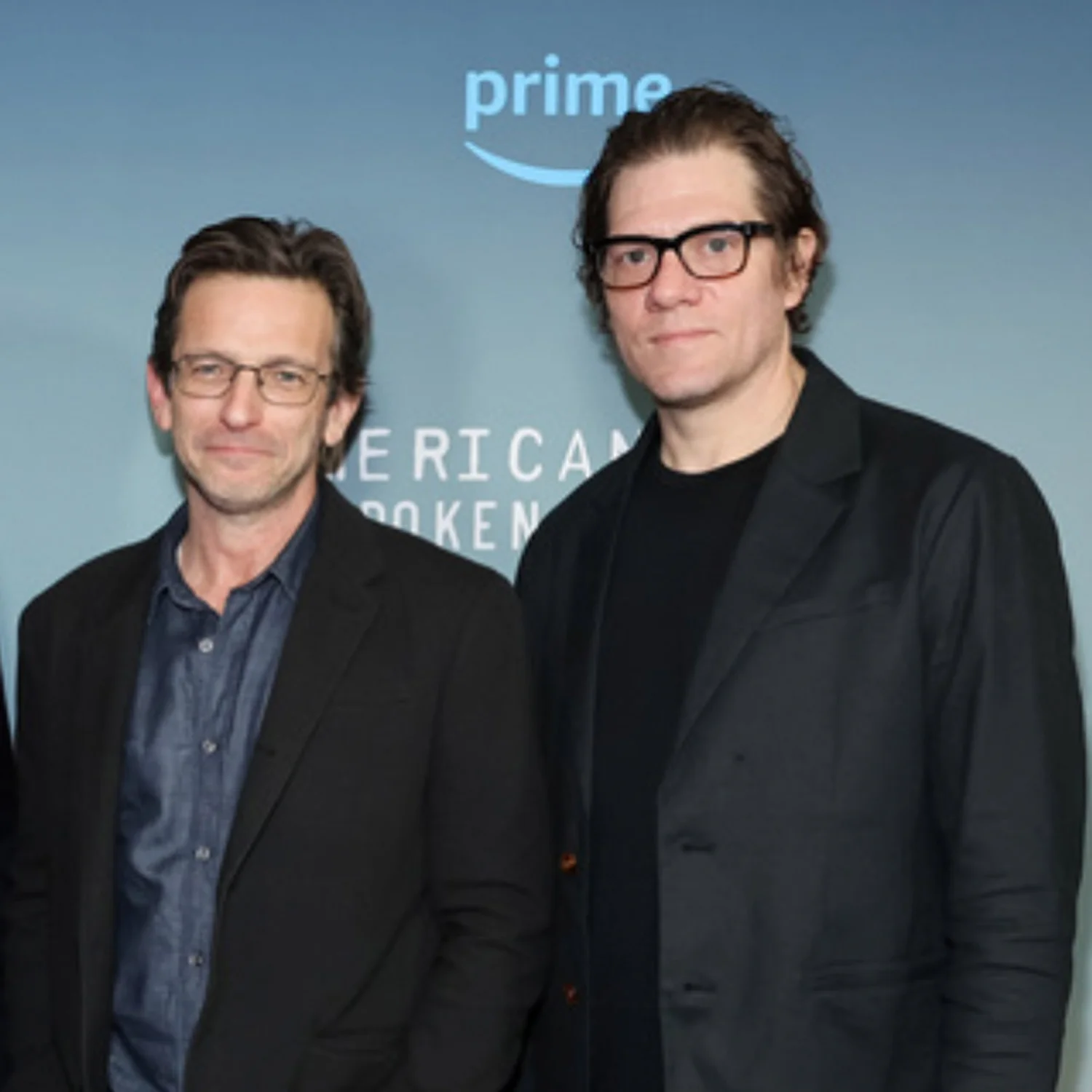
Do good deeds offset bad deeds? How do our families shape who we become?- Highlights - DAN FUTTERMAN & ADAM RAPP
"You can't choose your family. You know, I hear that all the time. I'm always amazed when I see families that stick together and wind up being friends at the second, third, fourth decades of their lives. I didn't grow up with that. I didn't see that. I've only seen it as an adult, and it's remarkable when I see it. So I think viewers will relate to this nature versus nurture versus DNA, raising all the questions of psychological and biological inheritance.""Philipp Meyer wrote a very, very beautiful book and it was the reason that made me want to do it. Jeff Daniels gave me the book. He'd been having trouble getting it made, getting a script that he liked. And he said to me, "Will you read this and just remind me what I love about it? And if you feel that way?" And I read it very quickly and felt that it was terrific. And there were a lot of possibilities in making it. So just kudos to Philipp Meyer. He wrote a beautiful novel. And if anybody's listening is looking for a great novel to read, there's that and there's Adam Rapp's novel Wolf at the Table."Dan Futterman is creator, executive producer, and writer of Amazon Prime's American Rust, the acclaimed crime drama starring Jeff Daniels, Maura Tierney, and David Alvarez. Previously, Dan has written screenplays for Capote, Foxcatcher, In Treatment, and Gracepoint. He served as executive producer on The Looming Tower. Dan is also an actor, director, and two-time Oscar nominee.Adam Rapp is the executive producer and writer of American Rust. He has written plays, films, and series, including Red Light Winter, The Sound Inside, In Treatment, Blackbird, The Looming Tower, and Dexter: New Blood. His latest novel is Wolf at the Table. He recently wrote the book for the new Broadway musical, The Outsiders. www.imdb.com/name/nm0001246www.imdb.com/name/nm1452688/?ref_=fn_al_nm_1www.imdb.com/title/tt1532495/ https://outsidersmusical.com/ www.hachettebookgroup.com/titles/adam-rapp/wolf-at-the-table/9780316434164/?lens=little-brownwww.creativeprocess.infowww.oneplanetpodcast.orgIG www.instagram.com/creativeprocesspodcast

Exploring American Rust: Broken Justice w/ DAN FUTTERMAN & ADAM RAPP - Award-winning Screenwriters/EPs
What role do the families we’re born into or the traumas we experience shape the people we become? Do good deeds offset bad deeds? How can the arts increase our capacity for empathy, understanding, and kindness?Dan Futterman is creator, executive producer, and writer of Amazon Prime's American Rust, the acclaimed crime drama starring Jeff Daniels, Maura Tierney, and David Alvarez. Previously, Dan has written screenplays for Capote, Foxcatcher, In Treatment, and Gracepoint. He served as executive producer on The Looming Tower. Dan is also an actor, director, and two-time Oscar nominee.Adam Rapp is the executive producer and writer of American Rust. He has written plays, films, and series, including Red Light Winter, The Sound Inside, In Treatment, Blackbird, The Looming Tower, and Dexter: New Blood. His latest novel is Wolf at the Table. He recently wrote the book for the new Broadway musical, The Outsiders."You can't choose your family. You know, I hear that all the time. I'm always amazed when I see families that stick together and wind up being friends at the second, third, fourth decades of their lives. I didn't grow up with that. I didn't see that. I've only seen it as an adult, and it's remarkable when I see it. So I think viewers will relate to this nature versus nurture versus DNA, raising all the questions of psychological and biological inheritance.""Philipp Meyer wrote a very, very beautiful book and it was the reason that made me want to do it. Jeff Daniels gave me the book. He'd been having trouble getting it made, getting a script that he liked. And he said to me, "Will you read this and just remind me what I love about it? And if you feel that way?" And I read it very quickly and felt that it was terrific. And there were a lot of possibilities in making it. So just kudos to Philipp Meyer. He wrote a beautiful novel. And if anybody's listening is looking for a great novel to read, there's that and there's Adam Rapp's novel Wolf at the Table." www.imdb.com/name/nm0001246www.imdb.com/name/nm1452688/?ref_=fn_al_nm_1www.imdb.com/title/tt1532495/ https://outsidersmusical.com/ www.hachettebookgroup.com/titles/adam-rapp/wolf-at-the-table/9780316434164/?lens=little-brownwww.creativeprocess.infowww.oneplanetpodcast.orgIG www.instagram.com/creativeprocesspodcast
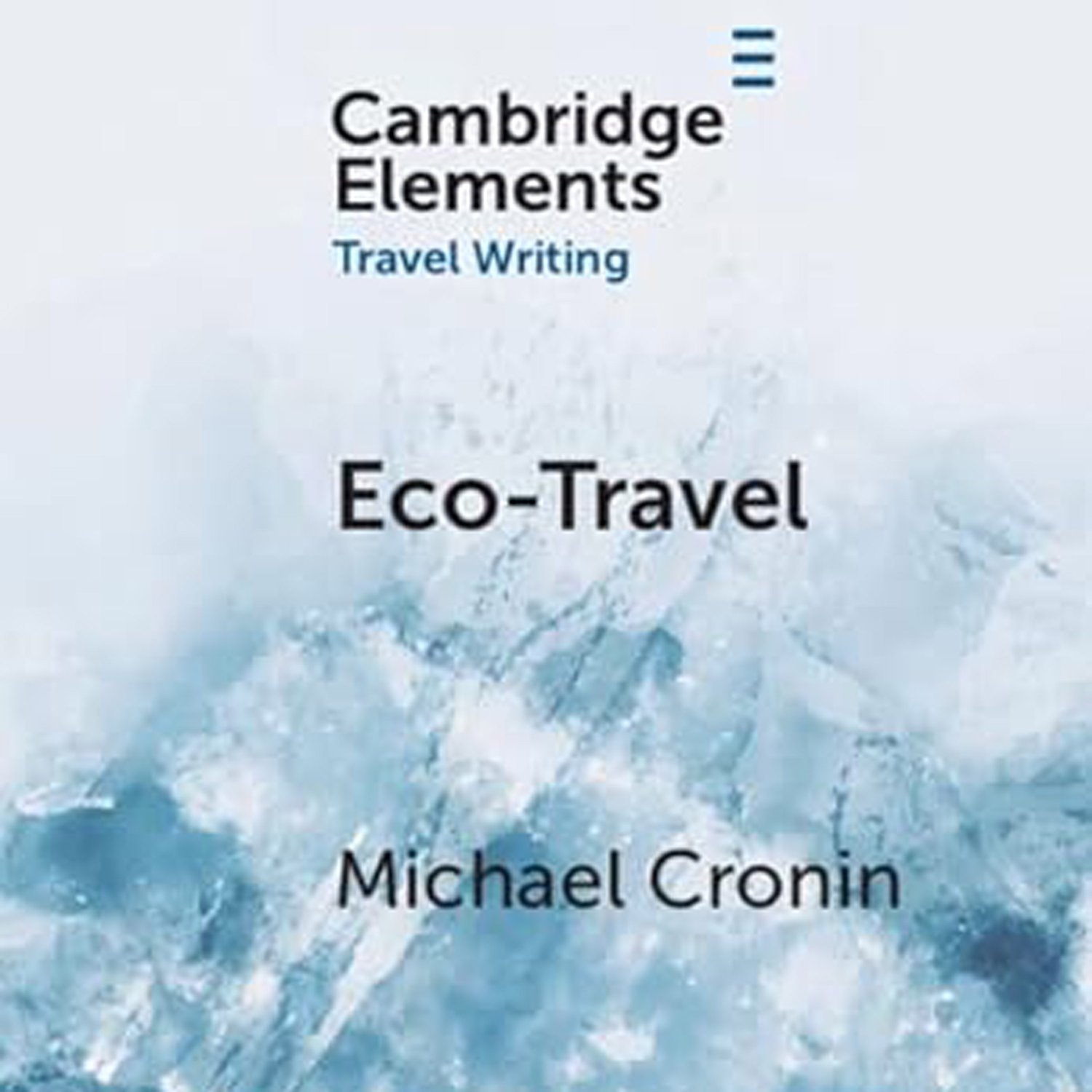
How has travel contributed to the ecological degradation of the planet? - Highlights - MICHAEL CRONIN
“The idea of a kind of inert world that is simply there for our pleasure, enjoyment, and exploitation has proved to be catastrophically mistaken because we see it with flooding, we see it with forest fires. We see it with acidification of the oceans. We see it with the continuing rise in temperatures that the world itself, the more-than-human world is fighting back. It has taken on its own agency. And therefore, the idea of a pyramid, a hierarchy, is no longer operative.”Michael Cronin is an Irish academic specialist in culture, travel literature, translation studies, and the Irish language. He has taught in universities in France and Ireland and has held visiting research fellowships to universities in Canada, Belgium, Peru, France, and Egypt. He's a fellow of Trinity College Dublin, an elected member of the Royal Irish Academy, and a senior researcher in the Trinity Centre for Literary and Cultural Translation. He is the current holder of the Chair of French (est. 1776) at TCD. He is the author of Eco-Travel: Journeying in the Age of the Anthropocene, Eco-Translation: Translation and Ecology in the Age of the Anthropocene, and other books.www.tcd.ie/French/people/michaelcronin.phpwww.cambridge.org/core/books/ecotravel/24263DF8E2E021915FEF4F937F146D25www.routledge.com/Eco-Translation-Translation-and-Ecology-in-the-Age-of-the-Anthropocene/Cronin/p/book/9781138916845www.creativeprocess.infowww.oneplanetpodcast.orgIG www.instagram.com/creativeprocesspodcast
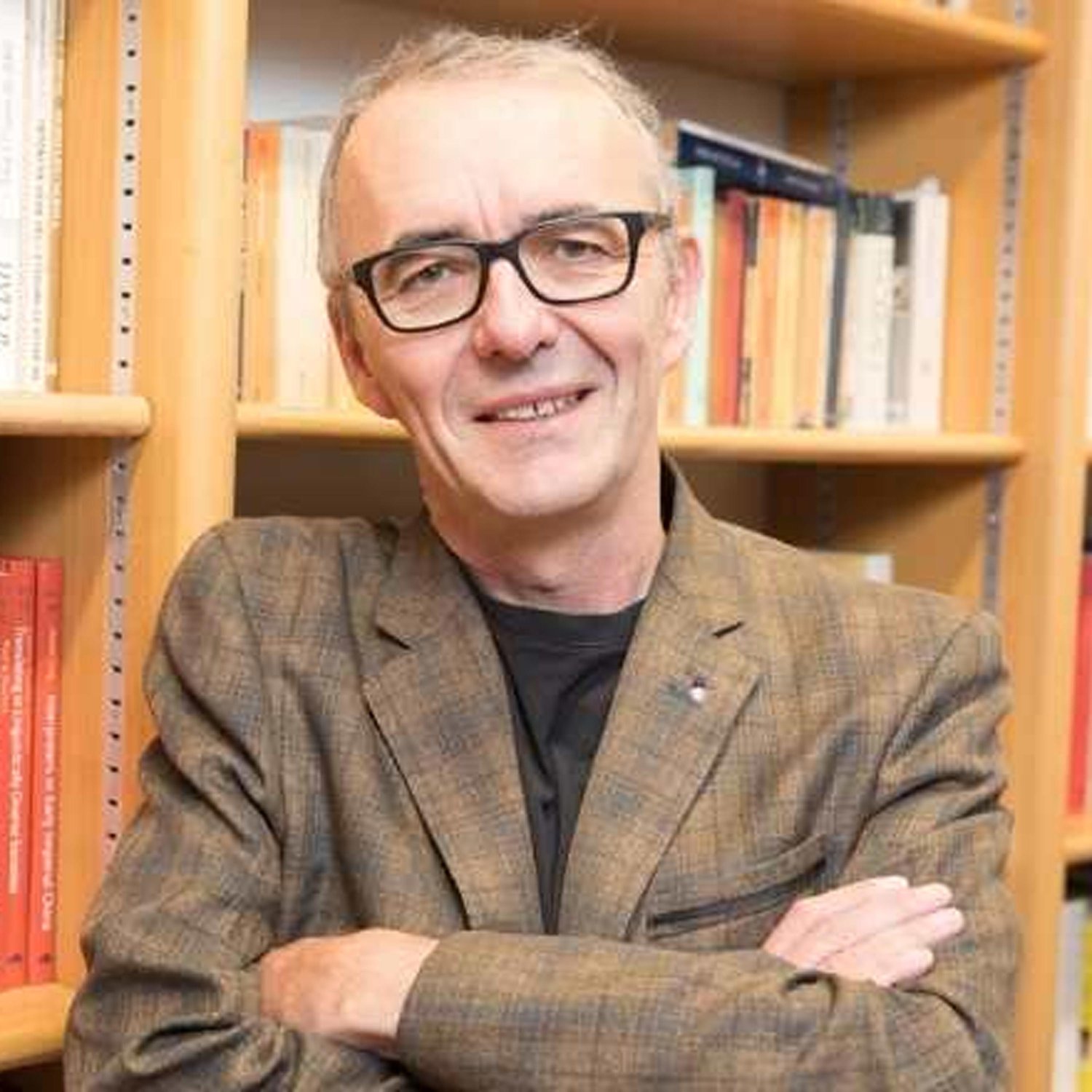
Eco-Travel: Journeying in the Age of the Anthropocene w/ MICHAEL CRONIN - Author, Prof. of Culture, Literature & Translation
How has tourism and writing about travel contributed to the ecological degradation of the planet?How does language influence perception and our relationship to the more-than-human world?Michael Cronin is an Irish academic specialist in culture, travel literature, translation studies, and the Irish language. He has taught in universities in France and Ireland and has held visiting research fellowships to universities in Canada, Belgium, Peru, France, and Egypt. He's a fellow of Trinity College Dublin, an elected member of the Royal Irish Academy, and a senior researcher in the Trinity Centre for Literary and Cultural Translation. He is the current holder of the Chair of French (est. 1776) at TCD. He is the author of Eco-Travel: Journeying in the Age of the Anthropocene, Eco-Translation: Translation and Ecology in the Age of the Anthropocene, and other books.“The idea of a kind of inert world that is simply there for our pleasure, enjoyment, and exploitation has proved to be catastrophically mistaken because we see it with flooding, we see it with forest fires. We see it with acidification of the oceans. We see it with the continuing rise in temperatures that the world itself, the more-than-human world is fighting back. It has taken on its own agency. And therefore, the idea of a pyramid, a hierarchy, is no longer operative.”www.tcd.ie/French/people/michaelcronin.phpwww.cambridge.org/core/books/ecotravel/24263DF8E2E021915FEF4F937F146D25www.routledge.com/Eco-Translation-Translation-and-Ecology-in-the-Age-of-the-Anthropocene/Cronin/p/book/9781138916845www.creativeprocess.infowww.oneplanetpodcast.orgIG www.instagram.com/creativeprocesspodcast
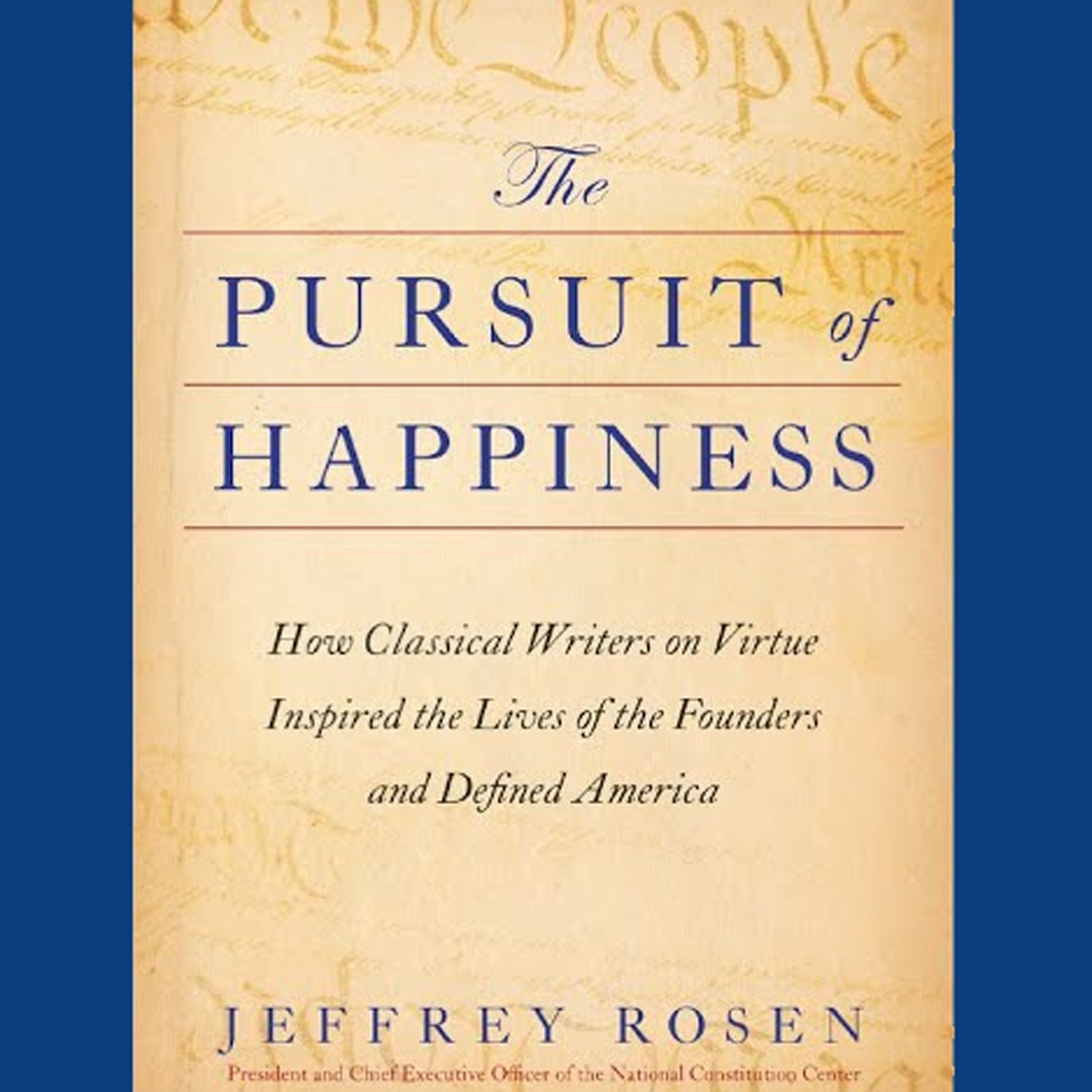
How to Live a Good a Life - Stoic Wisdom & the Founding Fathers - Highlights - JEFFREY ROSEN
"That idea of planting seeds for future generations came from the Tusculan Disputations. There’s something especially empowering about Cicero. And it's very striking that Thomas Jefferson and John Adams and so many in the Founding Era viewed this manual about overcoming grief as the definition for achieving happiness. And I think it's because it's a philosophy of self-mastery, self-improvement, and self-empowerment.I was moved to organize the book according to 12 virtues by noting the incredible synchronicity that both Ben Franklin and Thomas Jefferson made lists of 12 or 13 virtues for achieving happiness. And then, of course, I wanted to tell the stories through people because that's the best way to relate to and attempt to practice self-mastery and see how people achieved it in their own lives."Jeffrey Rosen is President and CEO of the National Constitution Center, where he hosts We the People, a weekly podcast of constitutional debate. He is also a professor of law at the George Washington University Law School and a contributing editor at The Atlantic. Rosen is a graduate of Harvard College, Oxford University, and Yale Law School. He is the author of seven previous books, including the New York Times bestseller Conversations with RBG: Justice Ruth Bader Ginsburg on Life, Love, Liberty, and Law. His essays and commentaries have appeared in The New York Times Magazine; on NPR; in The New Republic, where he was the legal affairs editor; and in The New Yorker, where he has been a staff writer. His latest book is The Pursuit of Happiness: How Classical Writers on Virtue Inspired the Lives of the Founders and Defined America.https://constitutioncenter.org/about/board-of-trustees/jeffrey-rosenwww.simonandschuster.com/books/The-Pursuit-of-Happiness/Jeffrey-Rosen/9781668002476https://constitutioncenter.org/news-debate/podcastswww.creativeprocess.infowww.oneplanetpodcast.orgIG www.instagram.com/creativeprocesspodcast

The Pursuit of Happiness - JEFFREY ROSEN - President & CEO of the National Constitution Center
What is the true meaning of the pursuit of happiness? What can we learn from the Founding Fathers about achieving harmony, balance, tranquility, self-mastery, and pursuing the public good?Jeffrey Rosen is President and CEO of the National Constitution Center, where he hosts We the People, a weekly podcast of constitutional debate. He is also a professor of law at the George Washington University Law School and a contributing editor at The Atlantic. Rosen is a graduate of Harvard College, Oxford University, and Yale Law School. He is the author of seven previous books, including the New York Times bestseller Conversations with RBG: Justice Ruth Bader Ginsburg on Life, Love, Liberty, and Law. His essays and commentaries have appeared in The New York Times Magazine; on NPR; in The New Republic, where he was the legal affairs editor; and in The New Yorker, where he has been a staff writer. His latest book is The Pursuit of Happiness: How Classical Writers on Virtue Inspired the Lives of the Founders and Defined America."That idea of planting seeds for future generations came from the Tusculan Disputations. There’s something especially empowering about Cicero. And it's very striking that Thomas Jefferson and John Adams and so many in the Founding Era viewed this manual about overcoming grief as the definition for achieving happiness. And I think it's because it's a philosophy of self-mastery, self-improvement, and self-empowerment.I was moved to organize the book according to 12 virtues by noting the incredible synchronicity that both Ben Franklin and Thomas Jefferson made lists of 12 or 13 virtues for achieving happiness. And then, of course, I wanted to tell the stories through people because that's the best way to relate to and attempt to practice self-mastery and see how people achieved it in their own lives."https://constitutioncenter.org/about/board-of-trustees/jeffrey-rosenwww.simonandschuster.com/books/The-Pursuit-of-Happiness/Jeffrey-Rosen/9781668002476https://constitutioncenter.org/news-debate/podcastswww.creativeprocess.info www.oneplanetpodcast.org IG www.instagram.com/creativeprocesspodcast

What can turtles teach us about time, patience & wisdom? - Highlights - SY MONTGOMERY & MATT PATTERSON
"The other big hard problem in philosophy is time. And I felt, you know, who better to lead me in this exploration than turtles, who live in some cases for centuries, who've been around...they arose with dinosaurs, yet they survived the asteroid impact. They are the embodiment of patience and wisdom. It's wonderful having an animal recognize you and be interested in you really acknowledges the animal in me. And that's the oldest, most sacred part of me, as far as I'm concerned."Author Sy Montgomery and illustrator Matt Patterson are naturalists, adventurers, and creative collaborators. Montgomery has published over thirty acclaimed nonfiction books for adults and children and received numerous honors, including lifetime achievement awards from the Humane Society and the New England Booksellers Association.Patterson’s illustrations have been featured in several books and magazines, such as Yankee Magazine and Fine Art Connoisseur. He is the recipient of Roger Tory Peterson Wild American Art Award, National Outdoor Book Award for Nature and the Environment, and other honors. Most recently, Patterson provided illustrations for Freshwater Fish of the Northeast.Their joint books are Of Time and Turtles: Mending the World, Shell by Shattered Shell and The Book of the Turtle. Montgomery’s other books include The Soul of an Octopus, The Hawk’s Way and The Secrets of the Octopus (published in conjunction with a National Geographic TV series).www.mpattersonart.comhttps://symontgomery.comwww.harpercollins.com/products/of-time-and-turtles-sy-montgomery?variant=41003864817698www.harpercollins.com/products/the-book-of-turtles-sy-montgomery?variant=40695888609314https://press.uchicago.edu/ucp/books/book/distributed/F/bo215806915.htmlwww.creativeprocess.infowww.oneplanetpodcast.orgIG www.instagram.com/creativeprocesspodcast

Of Time and Turtles - Author SY MONTGOMERY & Illustrator MATT PATTERSON
What can turtles teach us about time, patience, and wisdom? What can we learn about the mysteries of consciousness by observing animals? How can we open our senses and embrace the interconnectedness of all life on Earth?Author Sy Montgomery and illustrator Matt Patterson are naturalists, adventurers, and creative collaborators. Montgomery has published over thirty acclaimed nonfiction books for adults and children and received numerous honors, including lifetime achievement awards from the Humane Society and the New England Booksellers Association.Patterson’s illustrations have been featured in several books and magazines, such as Yankee Magazine and Fine Art Connoisseur. He is the recipient of Roger Tory Peterson Wild American Art Award, National Outdoor Book Award for Nature and the Environment, and other honors. Most recently, Patterson provided illustrations for Freshwater Fish of the Northeast.Their joint books are Of Time and Turtles: Mending the World, Shell by Shattered Shell and The Book of the Turtle. Montgomery’s other books include The Soul of an Octopus, The Hawk’s Way and The Secrets of the Octopus (published in conjunction with a National Geographic TV series)."The other big hard problem in philosophy is time. And I felt, you know, who better to lead me in this exploration than turtles, who live in some cases for centuries, who've been around...they arose with dinosaurs, yet they survived the asteroid impact. They are the embodiment of patience and wisdom. It's wonderful having an animal recognize you and be interested in you really acknowledges the animal in me. And that's the oldest, most sacred part of me, as far as I'm concerned."www.mpattersonart.comhttps://symontgomery.comwww.harpercollins.com/products/of-time-and-turtles-sy-montgomery?variant=41003864817698www.harpercollins.com/products/the-book-of-turtles-sy-montgomery?variant=40695888609314https://press.uchicago.edu/ucp/books/book/distributed/F/bo215806915.htmlwww.creativeprocess.infowww.oneplanetpodcast.orgIG www.instagram.com/creativeprocesspodcast

The Transformative Power of Writing with ANDRE DUBUS III - Highlights
"All creative writing is that act of reaching for the pieces to put it back together again. And with the memoir, the essay, it's human memory. Your memory for your own existence. With fiction, it’s a dream world where you're reaching for the shards. And I find it's so moving because that's what it feels like when I feel that I might be writing well. It's just uncovering and uncovering.Writing is a free fall into the writer's psyche, and if you want some clarity on what you believe, just write something sincere and emotionally naked and read it back to yourself, and you'll see a lot of what you believe, what you think, what you fear, regret, and desire, etc." Andre Dubus III’s nine books include the New York Times’ bestsellers House of Sand and Fog, The Garden of Last Days, and his memoir, Townie. His work has been included in The Best American Essays and The Best Spiritual Writing anthologies. His novel, House of Sand and Fog was a finalist for the National Book Award and was made into an Academy Award-nominated film starring Ben Kingsley and Jennifer Connelly. His most recent books are the novel, Such Kindness and a collection of personal essays, Ghost Dogs: On Killers and Kin. Dubus has been a finalist for the National Book Award, and has been awarded a Guggenheim Fellowship, The National Magazine Award for Fiction, two Pushcart Prizes, and is a recipient of an American Academy of Arts and Letters Award in Literature. His books are published in over twenty-five languages, and he teaches at the University of Massachusetts Lowell. www.andredubus.comwww.andredubus.com/ghost-dogswww.andredubus.com/house-of-sand-and-fogwww.andredubus.com/such-kindnesswww.creativeprocess.infowww.oneplanetpodcast.orgIG www.instagram.com/creativeprocesspodcast

Exploring Trauma, Healing & Redemption with ANDRE DUBUS III
What can reading teach us about loss, healing, and survival? How can we transform anger into empathy? What can we learn from the creative act about turning personal setbacks into opportunities for self-discovery and growth?Andre Dubus III’s nine books include the New York Times’ bestsellers House of Sand and Fog, The Garden of Last Days, and his memoir, Townie. His work has been included in The Best American Essays and The Best Spiritual Writing anthologies. His novel, House of Sand and Fog was a finalist for the National Book Award and was made into an Academy Award-nominated film starring Ben Kingsley and Jennifer Connelly. His most recent books are the novel, Such Kindness and a collection of personal essays, Ghost Dogs: On Killers and Kin. Dubus has been a finalist for the National Book Award, and has been awarded a Guggenheim Fellowship, The National Magazine Award for Fiction, two Pushcart Prizes, and is a recipient of an American Academy of Arts and Letters Award in Literature. His books are published in over twenty-five languages, and he teaches at the University of Massachusetts Lowell."All creative writing is that act of reaching for the pieces to put it back together again. And with the memoir, the essay, it's human memory. Your memory for your own existence. With fiction, it’s a dream world where you're reaching for the shards. And I find it's so moving because that's what it feels like when I feel that I might be writing well. It's just uncovering and uncovering.Writing is a free fall into the writer's psyche, and if you want some clarity on what you believe, just write something sincere and emotionally naked and read it back to yourself, and you'll see a lot of what you believe, what you think, what you fear, regret, and desire, etc." www.andredubus.comwww.andredubus.com/ghost-dogswww.andredubus.com/house-of-sand-and-fogwww.andredubus.com/such-kindnesswww.creativeprocess.infowww.oneplanetpodcast.orgIG www.instagram.com/creativeprocesspodcast

Revolutionizing Sustainability: BERTRAND PICCARD's Path to a Cleaner Planet - Highlights
"In a lot of regions of the world, ecology has started to be a hostage of political parties. You have the left wing, which takes ecology as its flagship. You have the right wing, which is fighting against ecology because they want to fight against the left wing, and they use all the arguments of ecology to destroy ecology. It's very strange that the people who want to protect the environment are not able to make their cause much more appealing. This is what I try to do with the new narrative of the Solar Impulse Foundation: to show the opportunities more than the risks. To show the solutions more than the problems."Bertrand Piccard is a notable Swiss environmentalist, explorer, author, and psychiatrist. His ventures include being the first to travel around the world in a non-stop balloon flight and years later in a solar-powered airplane. He is regarded as a pioneer in clean technology. Piccard is also the founder of the Solar Impulse Foundation, which has identified over 1500 actionable and profitable climate solutions and connects them with investors. As a UN Ambassador for the Environment, his goal is to convince leaders of the viability of a zero-carbon economy, which he will demonstrate via his next emission-free project Climate Impulse, a green hydrogen-powered airplane that can fly nonstop around the earth."In a lot of regions of the world, ecology has started to be a hostage of political parties. You have the left wing, which takes ecology as its flagship. You have the right wing, which is fighting against ecology because they want to fight against the left wing, and they use all the arguments of ecology to destroy ecology. It's very strange that the people who want to protect the environment are not able to make their cause much more appealing. This is what I try to do with the new narrative of the Solar Impulse Foundation: to show the opportunities more than the risks. To show the solutions more than the problems."http://www.solarimpulse.comhttps://climateimpulse.org/https://bertrandpiccard.com/Photos:Bertrand Piccard with Ilham Kadri, CEO Syensqo (main technological partner of Climate Impulse)Bertrand Piccard @ Solar Impulse, Jean Revillard

Beyond the Horizon: Pioneering Green Aviation with BERTRAND PICCARD - Aviator, Author, Environmentalist
What is the future of green aviation? How do we share environmental solutions to unite people and change the climate narrative from sacrifice and fear to enthusiasm and hope?Bertrand Piccard is a notable Swiss environmentalist, explorer, author, and psychiatrist. His ventures include being the first to travel around the world in a non-stop balloon flight and years later in a solar-powered airplane. He is regarded as a pioneer in clean technology. Piccard is also the founder of the Solar Impulse Foundation, which has identified over 1500 actionable and profitable climate solutions and connects them with investors. As a UN Ambassador for the Environment, his goal is to convince leaders of the viability of a zero-carbon economy, which he will demonstrate via his next emission-free project Climate Impulse, a green hydrogen-powered airplane that can fly nonstop around the earth. He is the author of Réaliste: Soyons logiques autant qu’écologiques."In a lot of regions of the world, ecology has started to be a hostage of political parties. You have the left wing, which takes ecology as its flagship. You have the right wing, which is fighting against ecology because they want to fight against the left wing, and they use all the arguments of ecology to destroy ecology. It's very strange that the people who want to protect the environment are not able to make their cause much more appealing. This is what I try to do with the new narrative of the Solar Impulse Foundation: to show the opportunities more than the risks. To show the solutions more than the problems."http://www.solarimpulse.comhttps://climateimpulse.org/https://bertrandpiccard.com/Photos:COPSummitBertrand Piccard with Simon Stiell, Executive Secretary of the UNFCCCVille de Demain exhibition, Cité des sciences et de l'industrie, Paris

Who were the Neanderthals? - Highlights - DR. LUDOVIC SLIMAK
“This book is not just about Neanderthals. It's a book about us. I wanted to warn humans, to say there is something in us that is so efficient and dangerous. We've effectively collapsed many things and are now inducing the collapse of natural environments on the planet. And after that, we might even cause the collapse of ourselves as Homo sapiens.”Ludovic Slimak is a paleoanthropologist at the University of Toulouse in France and Director of the Grotte Mandrin research project. His work focuses on the last Neanderthal societies, and he is the author of several hundred scientific studies on these populations. His research has been featured in Nature, Science, the New York Times, and other publications. He is the author of The Naked Neanderthal: A New Understanding of the Human Creature.http://ww5.pegasusbooks.com/books/the-naked-neanderthal-9781639366163-hardcoverhttps://lampea.cnrs.fr/spip.php?article3767www.odilejacob.fr/catalogue/sciences-humaines/archeologie-paleontologie-prehistoire/dernier-neandertalien_9782415004927.phpwww.creativeprocess.infowww.oneplanetpodcast.orgIG www.instagram.com/creativeprocesspodcast

Will human efficiency destroy the planet and us? - DR. LUDOVIC SLIMAK - Author of The Naked Neanderthal
Who were the Neanderthals? And what can our discoveries about them teach us about intelligence, our extractivist relationship to the planet, and what it means to be human?Ludovic Slimak is a paleoanthropologist at the University of Toulouse in France and Director of the Grotte Mandrin research project. His work focuses on the last Neanderthal societies, and he is the author of several hundred scientific studies on these populations. His research has been featured in Nature, Science, the New York Times, and other publications. He is the author of The Naked Neanderthal: A New Understanding of the Human Creature.“This book is not just about Neanderthals. It's a book about us. I wanted to warn humans, to say there is something in us that is so efficient and dangerous. We've effectively collapsed many things and are now inducing the collapse of natural environments on the planet. And after that, we might even cause the collapse of ourselves as Homo sapiens.”http://ww5.pegasusbooks.com/books/the-naked-neanderthal-9781639366163-hardcoverhttps://lampea.cnrs.fr/spip.php?article3767www.odilejacob.fr/catalogue/sciences-humaines/archeologie-paleontologie-prehistoire/dernier-neandertalien_9782415004927.phpwww.creativeprocess.infowww.oneplanetpodcast.orgIG www.instagram.com/creativeprocesspodcast
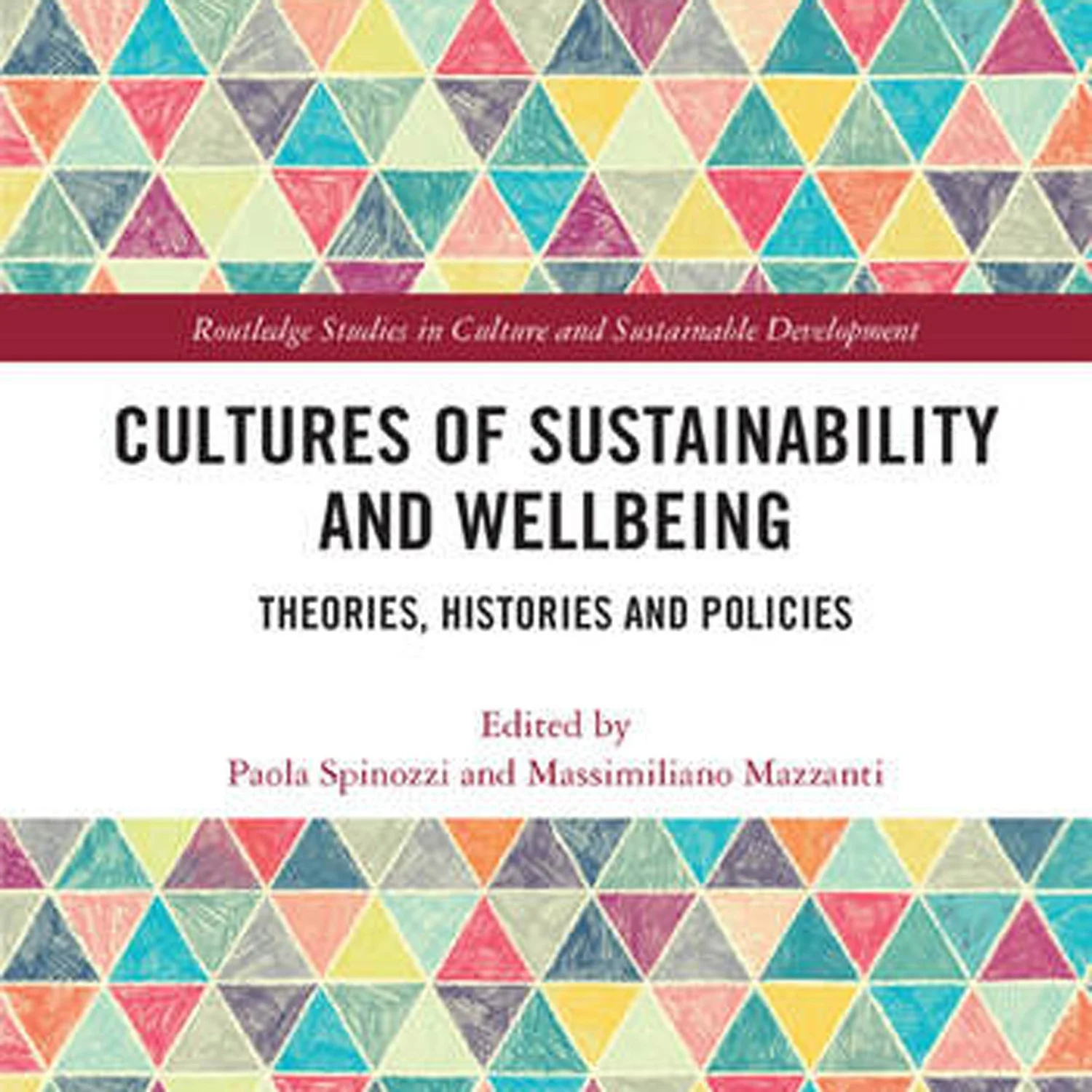
What does it mean to have an ecological mind? - Highlights - PAOLA SPINOZZI
"The humanities are all about representing the world, while the sciences are all about knowing the world. But I believe the roles are deeply intertwined, and that literature, the humanities, philosophy, history, and the arts are all ways of knowing the world. They do exactly the same thing in our understanding of the world. And it is really important to try to put these things together to bring people closer in talking to each other."Paola Spinozzi is Professor of English Literature at the University of Ferrara and currently serves as Pro-Vice-Chancellor for Internationalisation. She is the coordinator of the PhD Programme in Environmental Sustainability and Wellbeing and the co-coordinator of Routes towards Sustainability. Her research encompasses the ecological humanities and ecocriticism, utopia and sustainability; literature and the visual arts; literature and science; cultural memory. She has co-edited Cultures of Sustainability and Wellbeing: Theories, Histories and Policies and published on post/apocalyptic and climate fiction, nature poetry, eco-theatre; art and aesthetics, imperialism and evolutionism in utopia as a genre; the writing of science; interart creativity.https://docente.unife.it/paola.spinozzi https://www.unife.it/studenti/dottorato/it/corsi/riforma/environmental-sustainability-and-wellbeinghttps://www.routesnetwork.net https://www.routledge.com/Cultures-of-Sustainability-and-Wellbeing-Theories-Histories-and-Policies/Spinozzi-Mazzanti/p/book/9780367271190.www.creativeprocess.infowww.oneplanetpodcast.orgIG www.instagram.com/creativeprocesspodcast
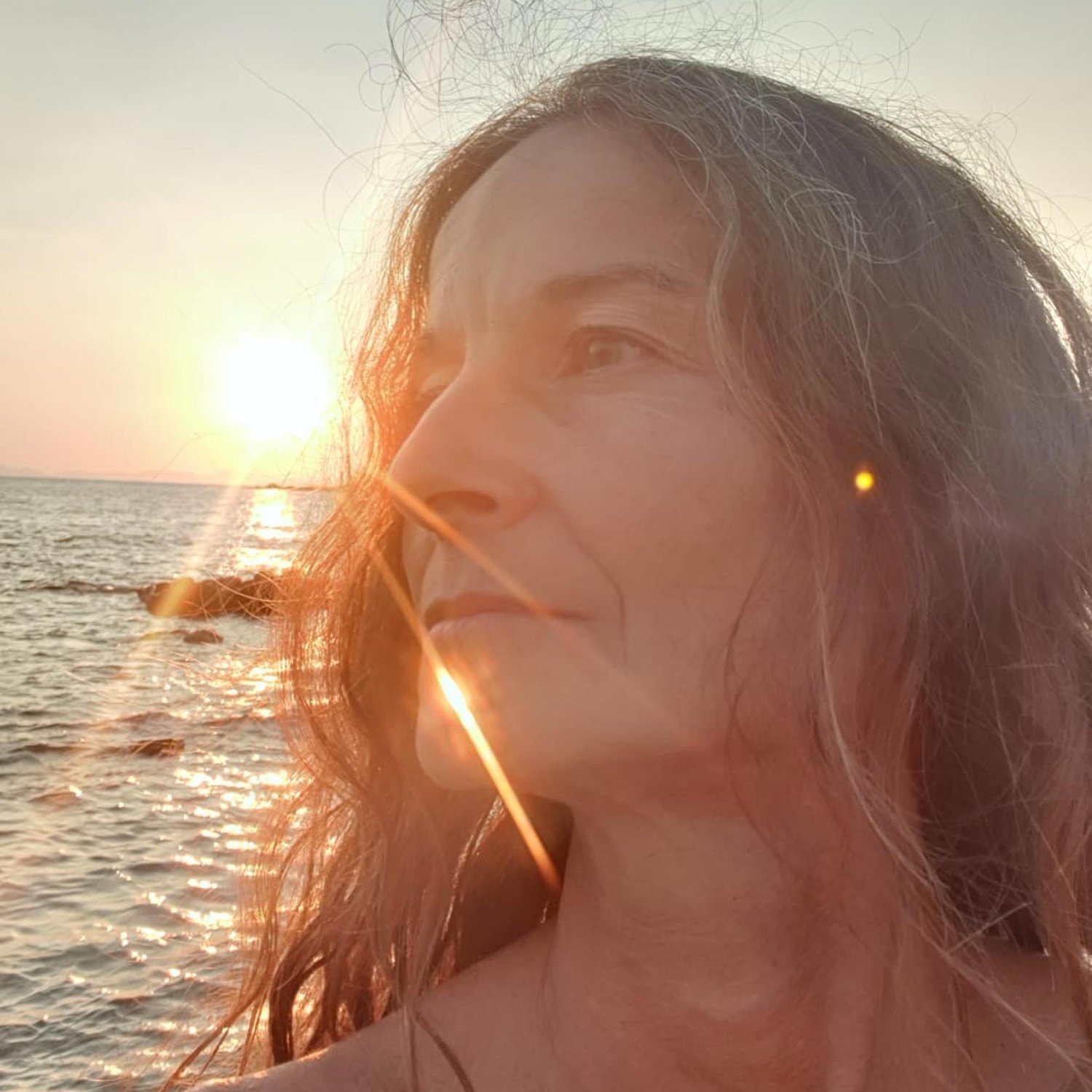
Literature, Humanities & Sustainability: PAOLA SPINOZZI - Coordinator, Phd Programme, Environmental Sustainability & Wellbeing, UNIFE
How can we create positive change? What does it mean to have an ecological mind? How can interdisciplinary collaborations help us move beyond educational silos and create sustainable futures?Paola Spinozzi is Professor of English Literature at the University of Ferrara and currently serves as Pro-Vice-Chancellor for Internationalisation. She is the coordinator of the PhD Programme in Environmental Sustainability and Wellbeing and the co-coordinator of Routes towards Sustainability. Her research encompasses the ecological humanities and ecocriticism, utopia and sustainability; literature and the visual arts; literature and science; cultural memory. She has co-edited Cultures of Sustainability and Wellbeing: Theories, Histories and Policies and published on post/apocalyptic and climate fiction, nature poetry, eco-theatre; art and aesthetics, imperialism and evolutionism in utopia as a genre; the writing of science; interart creativity."The humanities are all about representing the world, while the sciences are all about knowing the world. But I believe the roles are deeply intertwined, and that literature, the humanities, philosophy, history, and the arts are all ways of knowing the world. They do exactly the same thing in our understanding of the world. And it is really important to try to put these things together to bring people closer in talking to each other."https://docente.unife.it/paola.spinozzi https://www.unife.it/studenti/dottorato/it/corsi/riforma/environmental-sustainability-and-wellbeinghttps://www.routesnetwork.net https://www.routledge.com/Cultures-of-Sustainability-and-Wellbeing-Theories-Histories-and-Policies/Spinozzi-Mazzanti/p/book/9780367271190.www.creativeprocess.infowww.oneplanetpodcast.orgIG www.instagram.com/creativeprocesspodcast

Seeing the Life of Jesus through the eyes of his Mother: MACIEJ HEN - Award-winning Author & Filmmaker
How would the life of Jesus be told through the eyes of his mother? How can literature help us understand history and the nature of identity? Maciej Hen was born in 1955 in Warsaw. He graduated from the Cinematography Department at the Film School in Łódź. For years he has been trying his hand at diverse activities, from music to all fields of journalism and television lighting design. As a prose writer, Hen has published four novels so far: Według niej (2004, DUE; the English translation, According to Her, published in 2022 by Holland House Books, was shortlisted to the EBRD Literary Prize in 2023), Solfatara (2015, W.A.B., 2016 Gombrowicz Prize and shortlisted for the Norwid Prize and the Angelus Prize), Deutsch dla średnio zaawansowanych, Segretario and one non-fiction book, Beatlesi w Polsce (The Beatles in Poland)."Polish intellectuals, artists, and writers are still in that never-ending argument on Polish history in terms of why Poland lost its independence after being some kind of empire and what the injustices and historical harms were. The traumas of World War II and the period before WWII, the Communist period, and everything of that nature are topics of argument that are really present in Polish culture, creativity, and literature. On the other hand, contemporary Polish literature is very much form-oriented, not so much content-oriented, except for some topics focusing on the peasant background of the society or discussing injustices the peasant class suffered, and that's it. But generally, contemporary Polish literature is very much language-oriented. There is a race towards experimentalism to be observed. And I, quite frankly, try to be beyond all of that because I'm a content-oriented type of writer. Of course, the language issues are important for me, too, but not dominant."https://en.wikipedia.org/wiki/Maciej_Henwww.hhousebooks.com/shortlisted-ebrd-according-to-herwww.wydawnictwoliterackie.pl/autor/1271/maciej-henhttps://www.instagram.com/maciej.hen/www.facebook.com/profile.php?id=100064871385361www.creativeprocess.info www.oneplanetpodcast.org IG www.instagram.com/creativeprocesspodcast

What does the future hold for our late-stage capitalist society with mega-corps controlling everything? - Highlights - KYLE HIGGINS, KARINA MANASHIL & KID CUDI
The Making of Moon Man“So, as we started talking and going through what this could look like. I run a creator-owned superhero universe at Image Comics called the Massive-Verse, which is spearheaded by the main book I write called Radiant Black. I like to describe it as it's like Power Rangers with adult problems. It's very contemporary kind of reimaginings of superhero storytelling for the 2020s. So in that context, talking about what any type of new superhero and, in this case, what a new black superhero in 2024 could look like, what the threats would be, what the world might look like if it's maybe not even five minutes in the future. I would argue it's like two and a half minutes in the future. And then what kind of really complex, emotionally layered journey we could put this character through?”Kyle Higgins is an Eisner award-nominated #1 New York Times best-selling comic book author and award-winning filmmaker known for his work on DC Comics’ Batman titles as well as his critically-acclaimed reinventions of Mighty Morphin Power Rangers for Boom! Studios/Hasbro, Ultraman for Marvel Comics, and his creator-owned series Radiant Black, NO/ONE and Deep Cuts for Image Comics. Kyle is the founder and creative director of Black Market Narrative and The Massive-Verse.Karina Manashil is the President of MAD SOLAR. After graduating from Chapman University with a BFA in Film Production, she began her career in the mailroom at WME where she became a Talent Agent. In 2020, she partnered with Scott Mescudi and Dennis Cummings to found MAD SOLAR. Its first release was the documentary “A Man Named Scott” (Amazon), and she then went on to Executive Produce Ti West trilogy “X,” “Pearl” and “MaXXXine” (A24). Manashil received an Emmy nomination as an Executive Producer on the Netflix animated event “Entergalactic." She also produced the Mescudi/Kyle Higgins comic book “Moon Man” which launched through Image Comics. She is next producing the upcoming Mescudi/Sam Levinson/The Lucas Bros film “HELL NAW” (Sony) and the animated feature “Slime” from auteur animator Jeron Braxton.moonmancomics.com https://imagecomics.comhttps://www.imdb.com/name/nm3556462/?ref_=fn_al_nm_1www.creativeprocess.infowww.oneplanetpodcast.orgIG www.instagram.com/creativeprocesspodcastAudio of Scott Mescudi courtesy of Mad Solar and Moon Man Comic Book Release and Revenge Of (Eagle Rock, CA, Jan 31, 2024)

Comics, Music, Ethics & AI: KYLE HIGGINS, KARINA MANASHIL & KID CUDI on the Making of Moon Man
What does the future hold for our late-stage capitalist society with mega-corporations owning and controlling everything? How can the world-building skills of the makers of films and comics help us imagine a better future?Kyle Higgins is an Eisner award-nominated #1 New York Times best-selling comic book author and award-winning filmmaker known for his work on DC Comics’ Batman titles as well as his critically-acclaimed reinventions of Mighty Morphin Power Rangers for Boom! Studios/Hasbro, Ultraman for Marvel Comics, and his creator-owned series Radiant Black, NO/ONE and Deep Cuts for Image Comics. Kyle is the founder and creative director of Black Market Narrative and The Massive-Verse.Karina Manashil is the President of MAD SOLAR. After graduating from Chapman University with a BFA in Film Production, she began her career in the mailroom at WME where she became a Talent Agent. In 2020, she partnered with Scott Mescudi and Dennis Cummings to found MAD SOLAR. Its first release was the documentary “A Man Named Scott” (Amazon), and she then went on to Executive Produce Ti West trilogy “X,” “Pearl” and “MaXXXine” (A24). Manashil received an Emmy nomination as an Executive Producer on the Netflix animated event “Entergalactic." She also produced the Mescudi/Kyle Higgins comic book “Moon Man” which launched through Image Comics. She is next producing the upcoming Mescudi/Sam Levinson/The Lucas Bros film “HELL NAW” (Sony) and the animated feature “Slime” from auteur animator Jeron Braxton.The Making of Moon Man“So, as we started talking and going through what this could look like. I run a creator-owned superhero universe at Image Comics called the Massive-Verse, which is spearheaded by the main book I write called Radiant Black. I like to describe it as it's like Power Rangers with adult problems. It's very contemporary kind of reimaginings of superhero storytelling for the 2020s. So in that context, talking about what any type of new superhero and, in this case, what a new black superhero in 2024 could look like, what the threats would be, what the world might look like if it's maybe not even five minutes in the future. I would argue it's like two and a half minutes in the future. And then what kind of really complex, emotionally layered journey we could put this character through?” -Kyle Higginsmoonmancomics.com https://imagecomics.comhttps://www.imdb.com/name/nm3556462/?ref_=fn_al_nm_1www.creativeprocess.infowww.oneplanetpodcast.orgIG www.instagram.com/creativeprocesspodcastAudio of Scott Mescudi courtesy of Mad Solar and Moon Man Comic Book Release and Revenge Of (Eagle Rock, CA, Jan 31, 2024)

Reshaping Our World: Climate Change, Education, Mental Health & Advocacy for Nature
"Climate change gives us a chance to re-imagine the world in a way that every single human being can participate in. And so whether you're in a remote part of the United States or some other country, when you learn about climate change, it shouldn't just be the science. It should be the opportunity." –Kathleen RogersExcerpts of interviews from One Planet Podcast & The Creative Process.Voices on this episode are:KATHLEEN ROGERSPresident of EarthDay.ORGPOORVA JOSHIPURASenior VP, PETA UK - Author of Survival at Stake: How Our Treatment of Animals is Key to Human ExistenceDAVID FENTONFounder of Fenton Communications - Author of The Activist’s Media Handbook: Lessons From 50 Years as a Progressive Agitator BRITT WRAYAuthor of Generation Dread: Finding Purpose in an Age of Climate CrisisResearcher Working on Climate Change & Mental Health, Stanford UniversityDR. FARHANA SULTANACo-author: Water Politics: Governance, Justice & the Right to WaterFmr. UNDP Programme Officer, United Nations Development ProgrammeANDRI SNÆR MAGNASON Icelandic Writer & Documentary Filmmaker Author of On Time and Water, The Casket of Time, LoveStar, Not OkTHOMAS CROWTHER Ecologist - Co-chair of the Board for UN Decade on Ecosystem Restoration - Founder of RestorDR. SHIV SOMESHWAR Fmr. European Chair for Sustainable Development & Climate Transition - Sciences PoPAULA PINHO Director of Just Transition at the European Commission Directorate-General for EnergyARMOND COHEN Executive Director of Clean Air Task ForceMAYA K. VAN ROSSUM Founder of Green Amendments For The Generations - Delaware Riverkeeper Author of The Green Amendment: The People's Fight for a Clean, Safe, and Healthy EnvironmentMax Richter’s music featured in this episode:“Spring 1” from The New Four Seasons – Vivaldi Recomposed “Vladimir’s Blues” from The Blue NotebooksMusic is courtesy of Max Richter, Universal Music Enterprises,and Mute Song.www.creativeprocess.infowww.oneplanetpodcast.orgIG www.instagram.com/creativeprocesspodcastPhoto courtesy of UnsplashPhoto credit: Valdemaras D.

Songs of Nature - Musicians, Writers, Ecologists, Philosophers on the Mysteries of the Natural World
“The natural world has its own sonic language. Its own fingerprints. And that's one of the beautiful things about being out here. There is another acoustic environment, another sort of sonic fingerprint, and it is always changing. Every day is a sort of a different sound picture. I walk out the door and you do hear it changing over time. The leaves are coming in now, different kinds of bird song. The wind sounds different. It's a wonderful thing to be around and experience.” —Max RichterExcerpts of interviews from One Planet Podcast & The Creative ProcessSY MONTGOMERYNYTimes Bestselling Author of Of Time and Turtles: Mending the World, Shell by Shattered Shell, Secrets of the Octopus, The Hawk’s Way: Encounters with Fierce Beauty, and other booksMAX RICHTERAward-winning Composer, Pianist & Environmentalist (The Blue Notebooks, Waltz with Bashir, Arrival, Ad Astra) His album SLEEP is the most streamed classical record of all time. Cofounder of Studio Richter MahrMERLIN SHELDRAKEBiologist & Bestselling Author of Entangled Life: How Fungi Make Our Worlds, Change Our Minds, and Shape Our Futures, Winner of the Wainwright Prize 2021THOMAS CROWTHEREcologist - Co-chair of the Board for UN Decade on Ecosystem Restoration - Founder of RestorTIOKASIN GHOSTHORSEFounder/Host of First Voices Radio - Master Musician of the Ancient Lakota FluteERLAND COOPERNature’s Songwriter - Composer of “Folded Landscapes”RICK BASSEnvironmentalist & Story Prize Award-winning Author of “Why I Came West”, “For a Little While” - Fmr. Geologist - Organizer of Climate Aid: The Voice of the ForestPETER SINGER“Most Influential Living Philosopher” - Author, Founder of The Life You Can SaveKATHLEEN ROGERSPresident of EarthDay.ORGwww.creativeprocess.infowww.oneplanetpodcast.orgIG www.instagram.com/creativeprocesspodcastwww.maxrichtermusic.comhttps://studiorichtermahr.comMax Richter’s music featured in this episode are “On the Nature of Daylight” from The Blue Notebooks, “Path 19: Yet Frailest” from Sleep.Music is courtesy of Max Richter, Universal Music Enterprises, and Mute Song.Photos courtesy of UnsplashPhoto credit: Kyle Johnson, Sebastian Unrau, Abner abiu Castillo diaz, Deepak Nautiyal

What are we willing to give up to find meaning & a sense of belonging? - TARA ISABELLA BURTON
"I wanted to both look at the kind of vast, rich tapestry of spiritually adjacent practices among millennials and younger people, particularly in the unaffiliated world, but more broadly, what is the underlying ideology underpinning it all? This idea that religion is something for us because the goal of religion is to make us live our best lives, and it doesn't matter, which is the sort of shadow side of this, if it's true or not. If it's real or not. What matters is if it 'works for you.'"Tara Isabella Burton is the author of the novels Social Creature, The World Cannot Give, and Here in Avalon, as well as the nonfiction books Strange Rites: New Religions for a Godless World and Self-Made: Curating Our Image from Da Vinci to the Kardashians. She is currently working on a history of magic and modernity, to be published by Convergent in late 2025. Her fiction and nonfiction have appeared in The New York Times, National Geographic, Granta, The Washington Post, The Wall Street Journal, and other publications.www.taraisabellaburton.comwww.simonandschuster.com/books/Here-in-Avalon/Tara-Isabella-Burton/9781982170097?fbclid=IwAR30lnvlXMrDJtCq_568jUM3hvzr6yUz_GUUZSkbR2RarreOF6PMcvhabBgwww.amazon.com/dp/B07W56MQLJ/ref=sr_1_fkmr0_1?keywords=strange+rites+tara+isabella+burton&qid=1565365017&s=gateway&sr=8-1-fkmr0www.creativeprocess.infowww.oneplanetpodcast.orgIG www.instagram.com/creativeprocesspodcast

Spirituality & Selfhood: TARA ISABELLA BURTON - Author of Here in Avalon, Strange Rites: New Religions for a Godless World
What are we willing to give up to find meaning, connection, and a sense of belonging? What happens if we don't self-promote, self-create, and self-brand on social media? Will we find the right partner? Will we get into the right college? Or find the best job?Tara Isabella Burton is the author of the novels Social Creature, The World Cannot Give, and Here in Avalon, as well as the nonfiction books Strange Rites: New Religions for a Godless World and Self-Made: Curating Our Image from Da Vinci to the Kardashians. She is currently working on a history of magic and modernity, to be published by Convergent in late 2025. Her fiction and nonfiction have appeared in The New York Times, National Geographic, Granta, The Washington Post, The Wall Street Journal, and other publications."I wanted to both look at the kind of vast, rich tapestry of spiritually adjacent practices among millennials and younger people, particularly in the unaffiliated world, but more broadly, what is the underlying ideology underpinning it all? This idea that religion is something for us because the goal of religion is to make us live our best lives, and it doesn't matter, which is the sort of shadow side of this, if it's true or not. If it's real or not. What matters is if it 'works for you.'"www.taraisabellaburton.comwww.simonandschuster.com/books/Here-in-Avalon/Tara-Isabella-Burton/9781982170097?fbclid=IwAR30lnvlXMrDJtCq_568jUM3hvzr6yUz_GUUZSkbR2RarreOF6PMcvhabBgwww.amazon.com/dp/B07W56MQLJ/ref=sr_1_fkmr0_1?keywords=strange+rites+tara+isabella+burton&qid=1565365017&s=gateway&sr=8-1-fkmr0www.creativeprocess.infowww.oneplanetpodcast.orgIG www.instagram.com/creativeprocesspodcast

How does knowing a second language increase your creativity & humanity? - Highlights - ALAN POUL
"I think all great work comes from the need to say something. And so this is the challenge for young artists and also maybe one of the essential elements that can never be completely taken over by AI because there has to be something you feel has not been said, and you feel an urgent need to say it. In fact, you can't not say it. That need to express is what gives birth to unique expression, which is where all of our visual, performance, and creative arts come from."Alan Poul is an Emmy, Golden Globe, DGA, and Peabody Award-winning producer and director of film and television. He is Executive Producer and Director on the Max Original drama series Tokyo Vice, written by Tony Award-winning playwright J.T. Rogers and starring Ansel Elgort and Ken Watanabe, as an American journalist in Japan and his police detective mentor. Poul is perhaps best known for producing all five seasons of HBO's Six Feet Under, all four of Armistead Maupin's Tales of the City miniseries, My So-Called Life, The Newsroom, Swingtown, and The Eddy, which he developed with director Damien Chazelle. His feature film producing credits include Paul Schrader's Mishima and Light of Day, and Ridley Scott's Black Rain.https://www.imdb.com/name/nm0693561 https://www.imdb.com/title/tt2887954/www.creativeprocess.info www.oneplanetpodcast.orgIG www.instagram.com/creativeprocesspodcast
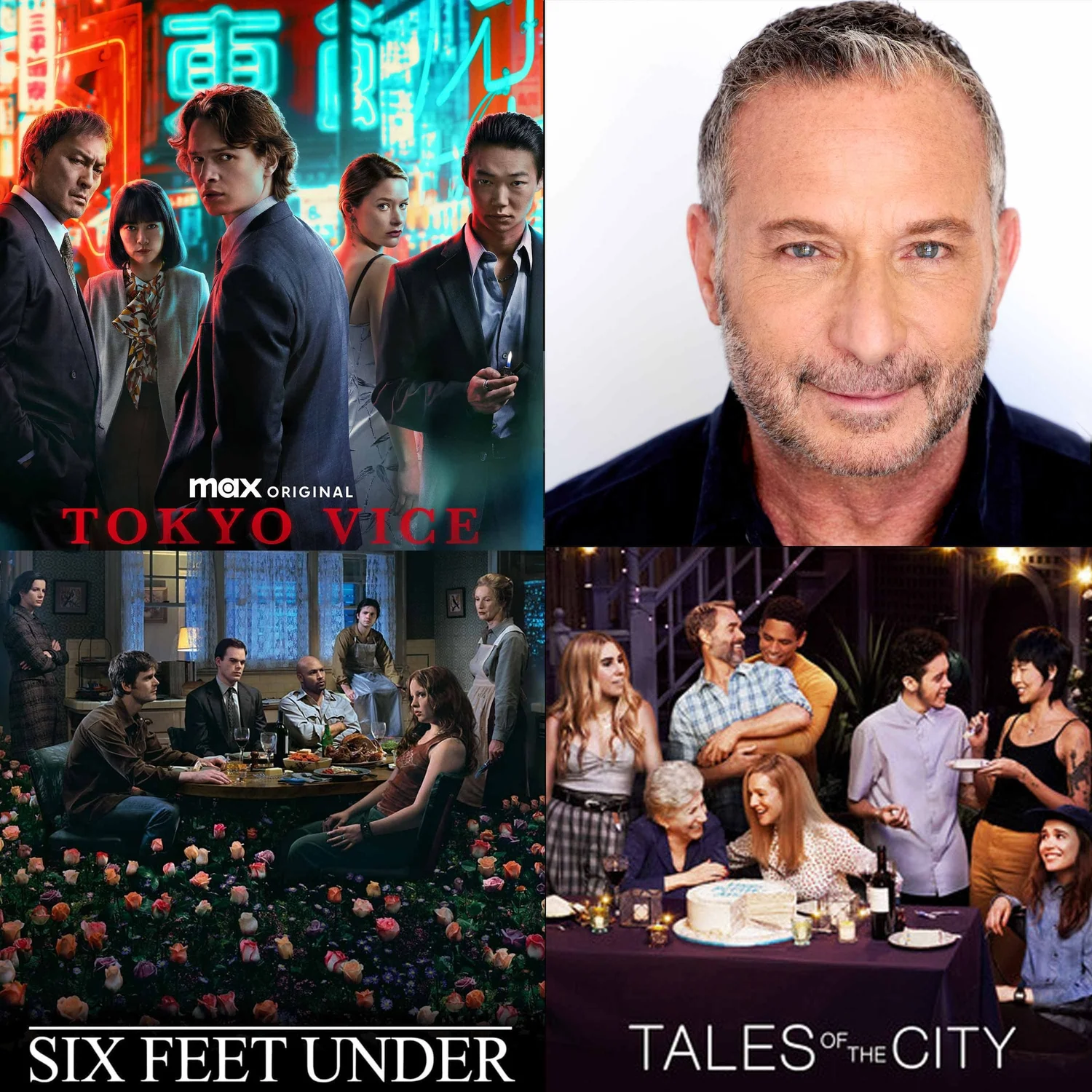
ALAN POUL - Emmy & Golden Globe-winning Producer/Director - Tokyo Vice - Six Feet Under - Tales of the City - My So-Called Life
What does learning another language and living in another culture do for your humanity and creative process?Alan Poul is an Emmy, Golden Globe, DGA, and Peabody Award-winning producer and director of film and television. He is Executive Producer and Director on the Max Original drama series Tokyo Vice, written by Tony Award-winning playwright J.T. Rogers and starring Ansel Elgort and Ken Watanabe, as an American journalist in Japan and his police detective mentor. Poul is perhaps best known for producing all five seasons of HBO's Six Feet Under, all four of Armistead Maupin's Tales of the City miniseries, My So-Called Life, The Newsroom, Swingtown, and The Eddy, which he developed with director Damien Chazelle. His feature film producing credits include Paul Schrader's Mishima and Light of Day, and Ridley Scott's Black Rain."I think all great work comes from the need to say something. And so this is the challenge for young artists and also maybe one of the essential elements that can never be completely taken over by AI because there has to be something you feel has not been said, and you feel an urgent need to say it. In fact, you can't not say it. That need to express is what gives birth to unique expression, which is where all of our visual, performance, and creative arts come from."https://www.imdb.com/name/nm0693561 https://www.imdb.com/title/tt2887954/www.creativeprocess.info www.oneplanetpodcast.org IG www.instagram.com/creativeprocesspodcast

Forty Years in Hollywood - Highlights - ED ZWICK
"Actors are remarkable teachers. They are often brilliant in their unique way, often not in a way that is schooled necessarily. They often don't have the language some of us who are more academically inclined have, but you underestimate their brilliance at your peril. And, in fact, you are missing an opportunity if you presume that they are just reading words. They are performing a very particular kind of magic in their process when they are great. And they save you constantly. They find solutions to your weaknesses in the words. They help you make implausible situations more plausible in your staging.""I've, like anyone, always had a fascination with movie stars, an attraction to the romance of who they are, men and women. So I wasn't immune, but what I realized very quickly is that I could acknowledge that and try to take those things that had always drawn me to the movies and provide them to the audience and have them really lift up these stories that I wanted to tell because finally, it was the stories themselves that I was trying to serve. There were ideas in those stories. Some of the ideas were about the characters and personal, but some of the ideas were a larger canvas. They were often about subjects. And the subjects could have been historical, they could have been political, they could have been social, cultural subjects, but they had some other agenda in them. And yet, that's not why people go to the movies. They go to the movies because they want to see relationships. They want to see - whether it's beautiful people or powerful people - they're drawn to relationships. In some sense, you’re creating a kind of stew where you're doing more than one thing at a time."Ed Zwick is a writer, director, and producer who's been active in the film industry for over 40 years. He has been nominated for two Golden Globes for directing the films Glory and Legends of the Fall and received an Academy Award as one of the producers of Shakespeare in Love. Zwick continues to work with his longtime friend and partner, Marshall Herskovitz, at their company Bedford Falls, where they created the widely loved TV show Thirtysomething. His memoir Hits, Flops, and Other Illusions details many of his greatest experiences in the film industry. www.simonandschuster.com/authors/Ed-Zwick/212290077https://www.imdb.com/name/nm0001880/www.creativeprocess.info www.oneplanetpodcast.orgIG www.instagram.com/creativeprocesspodcast
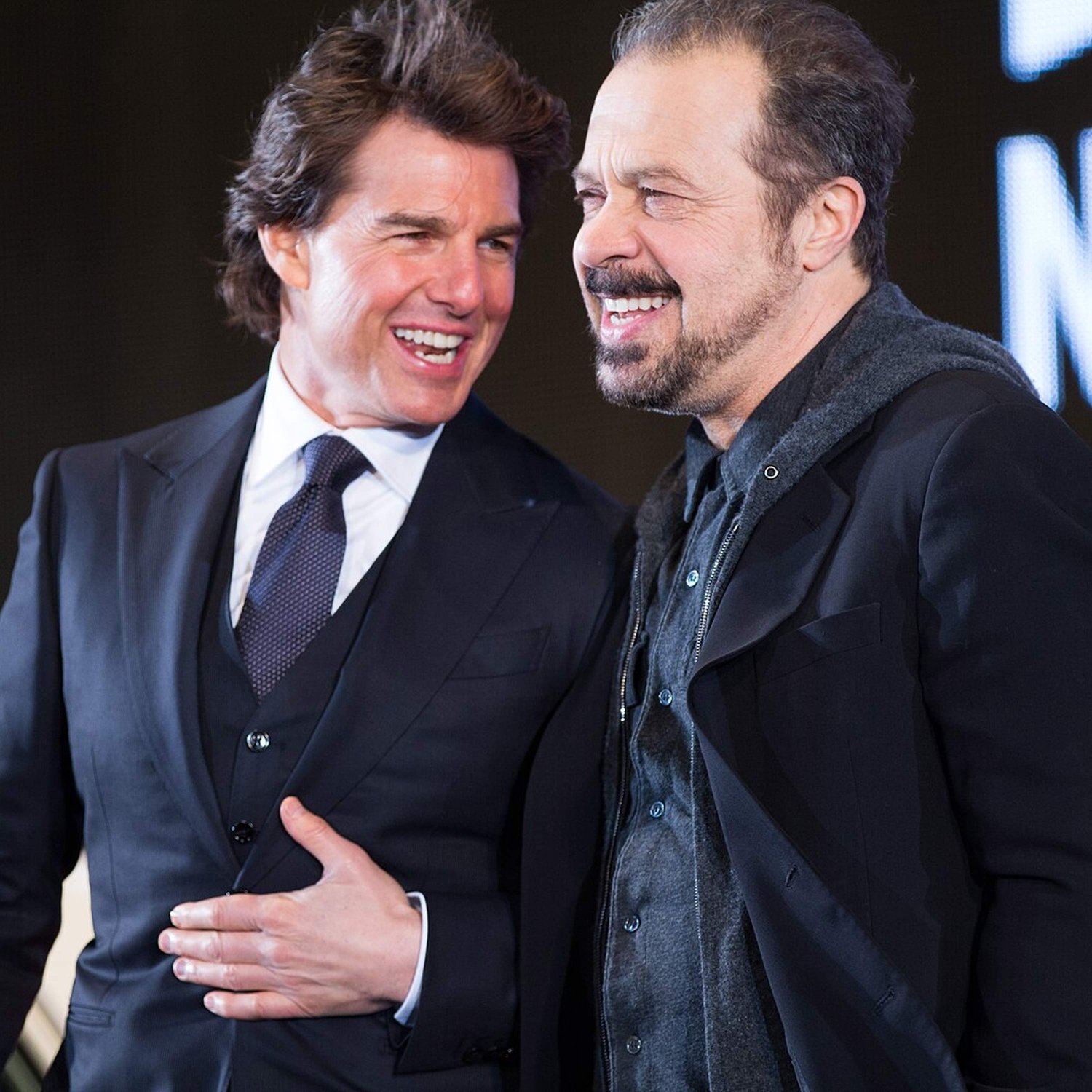
ED ZWICK - Academy Award-winning Writer, Director & Producer - Glory, The Last Samurai, Shakespeare in Love, Thirtysomething
Ed Zwick is a writer, director, and producer who's been active in the film industry for over 40 years. He has been nominated for two Golden Globes for directing the films Glory and Legends of the Fall and received an Academy Award as one of the producers of Shakespeare in Love. Zwick continues to work with his longtime friend and partner, Marshall Herskovitz, at their company Bedford Falls, where they created the widely loved TV show Thirtysomething. His memoir Hits, Flops, and Other Illusions details many of his greatest experiences in the film industry. "Actors are remarkable teachers. They are often brilliant in their unique way, often not in a way that is schooled necessarily. They often don't have the language some of us who are more academically inclined have, but you underestimate their brilliance at your peril. And, in fact, you are missing an opportunity if you presume that they are just reading words. They are performing a very particular kind of magic in their process when they are great. And they save you constantly. They find solutions to your weaknesses in the words. They help you make implausible situations more plausible in your staging.""I've, like anyone, always had a fascination with movie stars, an attraction to the romance of who they are, men and women. So I wasn't immune, but what I realized very quickly is that I could acknowledge that and try to take those things that had always drawn me to the movies and provide them to the audience and have them really lift up these stories that I wanted to tell because finally, it was the stories themselves that I was trying to serve. There were ideas in those stories. Some of the ideas were about the characters and personal, but some of the ideas were a larger canvas. They were often about subjects. And the subjects could have been historical, they could have been political, they could have been social, cultural subjects, but they had some other agenda in them. And yet, that's not why people go to the movies. They go to the movies because they want to see relationships. They want to see - whether it's beautiful people or powerful people - they're drawn to relationships. In some sense, you’re creating a kind of stew where you're doing more than one thing at a time."www.simonandschuster.com/authors/Ed-Zwick/212290077https://www.imdb.com/name/nm0001880/www.creativeprocess.info www.oneplanetpodcast.orgIG www.instagram.com/creativeprocesspodcastImage Courtesy of Dick Thomas JohnsonCreative Commons 2.0
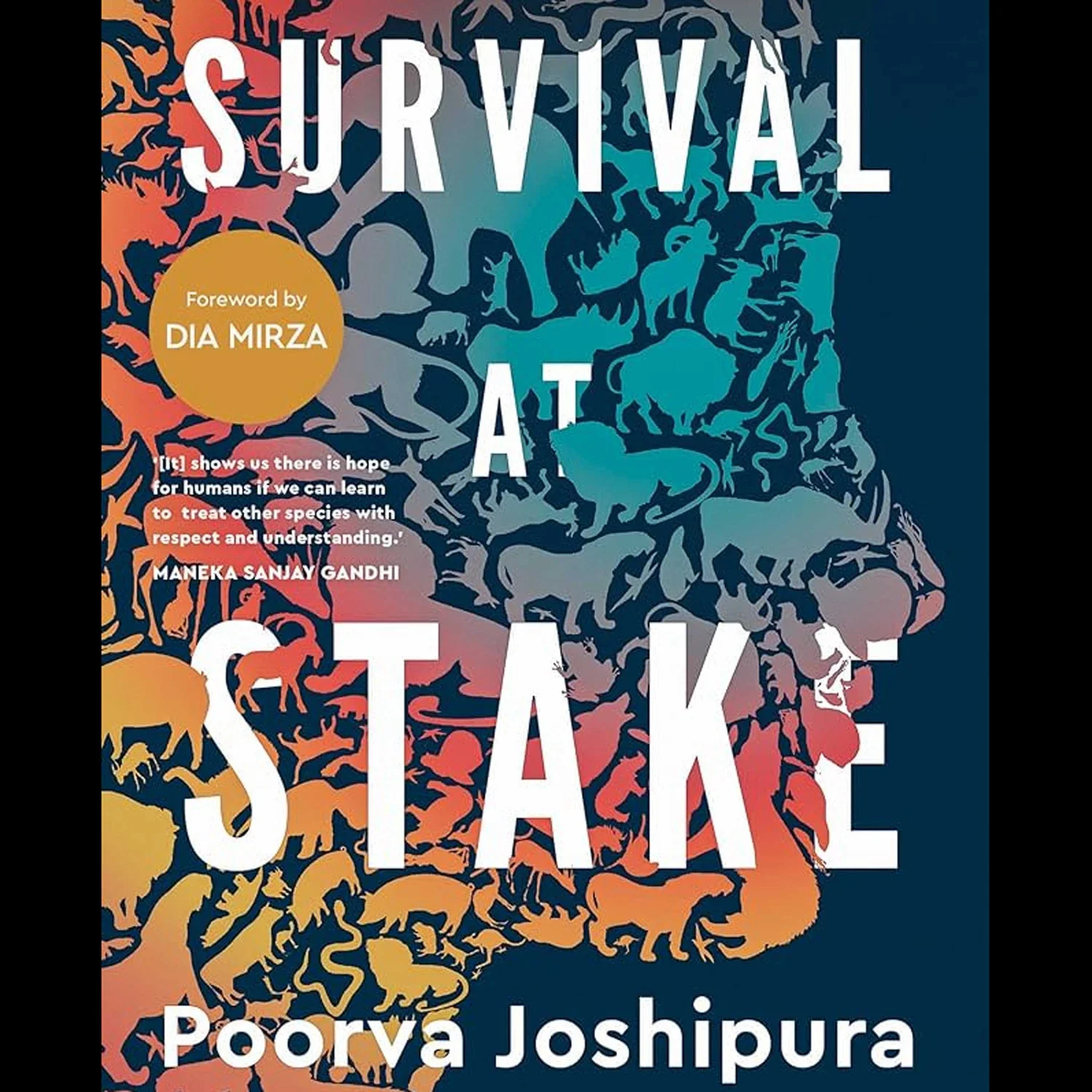
How can we improve animal-human relationships? - Highlights - POORVA JOSHIPURA
"I wrote Survival at Stake because I've been working in animal rights for nearly the past 25 years. Throughout that time, one common question has been asked: Well, shouldn't we deal with human issues first. But animal rights are human rights. Animal rights is environmentalism. These things are not distinct. And that's the point I was really trying to make in my book. I was inspired to write it because of the COVID-19 crisis. It just brings us back to the point of why it is so important to teach people, young people, and young men the importance of being kind to everyone, animals included. If you teach them that, I think the other lessons start to much more automatically transfer over."Poorva Joshipura is PETA U.K. Senior Vice President. She is the Author of Survival at Stake: How Our Treatment of Animals is Key to Human Existence and For a Moment of Taste: How What You Eat Impacts Animals, the Planet and Your Health.https://usw2.nyl.as/t1/24/2jdwp5ogezjqb5wxg76eqfqeq/0/14474d94f4e832cd573ffc39be471e57616314b12314a26ca7dd9c2bbf559ac0www.harpercollins.com/products/for-a-moment-of-taste-poorva-joshipura?variant=39399505592354www.creativeprocess.infowww.oneplanetpodcast.orgIG www.instagram.com/creativeprocesspodcast
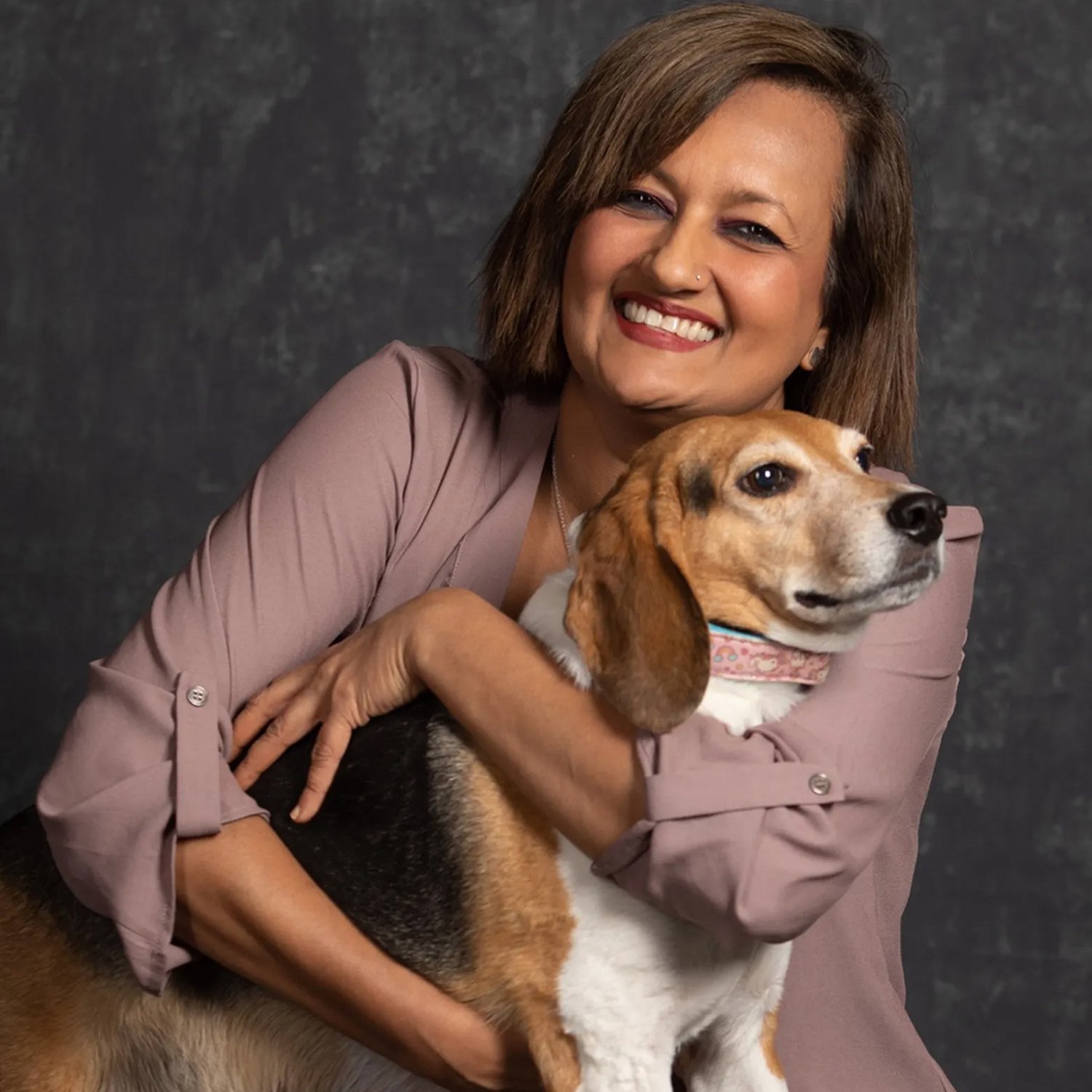
POORVA JOSHIPURA - Senior VP, PETA UK - Author of Survival at Stake: How Our Treatment of Animals is Key to Human Existence
How can we improve animal-human relationships? How can we increase our sensitivity to the other animals who share this planet with us?Poorva Joshipura is PETA U.K. Senior Vice President. She is the Author of Survival at Stake: How Our Treatment of Animals is Key to Human Existence and For a Moment of Taste: How What You Eat Impacts Animals, the Planet and Your Health."I wrote Survival at Stake because I've been working in animal rights for nearly the past 25 years. Throughout that time, one common question has been asked: Well, shouldn't we deal with human issues first. But animal rights are human rights. Animal rights is environmentalism. These things are not distinct. And that's the point I was really trying to make in my book. I was inspired to write it because of the COVID-19 crisis. It just brings us back to the point of why it is so important to teach people, young people, and young men the importance of being kind to everyone, animals included. If you teach them that, I think the other lessons start to much more automatically transfer over."https://usw2.nyl.as/t1/24/2jdwp5ogezjqb5wxg76eqfqeq/0/14474d94f4e832cd573ffc39be471e57616314b12314a26ca7dd9c2bbf559ac0www.harpercollins.com/products/for-a-moment-of-taste-poorva-joshipura?variant=39399505592354www.creativeprocess.infowww.oneplanetpodcast.orgIG www.instagram.com/creativeprocesspodcast

How has our biology shaped world history? - Highlights - LEWIS DARTNELL
"The point I explore in Being Human is that humans have constraints, and we only have our capabilities and the human condition; therefore, the whole course of world history has played out in the interplay between those constraints and capabilities. Talking about the constraints of our cognition, our memories are clearly limited. And on the whole, that doesn't really affect our everyday lives. Our cognition and our psychology developed under very different circumstances in East Africa and the savannah and the grasslands. Our brain has evolved to make survival decisions quickly and on the whole effectively. There's a whole area of psychological neuroscience research to do with cognitive biases. How our brains, often unbeknownst to us, sort of hidden behind the scenes, make assumptions or rational errors in the decisions that they make. So there's a whole chapter about how we have these fundamental flaws in our cognition, sort of bugs in the programming code of our psychology, if you like, and how they come about and what might be the causes behind them, but also what some of the effects of those have been through history, through these cognitive biases. I talk about things like confirmation bias. We are very resistant to changing our minds, changing our opinion on something even in the face of mounting evidence that shows we were wrong."How have our psychology and cognitive biases altered the course of human history? What would you do if you had to rebuild our world from scratch?Lewis Dartnell is an author, researcher, and holds the Professorship in Science Communication at the University of Westminster. He researches astrobiology and the search for microbial life on Mars. He also works as a scientific consultant for the media and has appeared in numerous TV documentaries and radio shows. Dr. Dartnell has won several awards for his science writing and outreach work. He has published five books, including The Knowledge: How to Rebuild our World from Scratch; Origins: How the Earth Made Us; and Being Human: How Our Biology Shaped World History. http://www.lewisdartnell.comhttp://lewisdartnell.com/en-gb/2013/11/the-knowledge-how-to-rebuild-our-world-from-scratchwww.penguin.co.uk/books/433955/origins-by-lewis-dartnell/9781784705435www.penguin.co.uk/books/442759/being-human-by-dartnell-lewis/9781847926708www.creativeprocess.info www.oneplanetpodcast.org IG www.instagram.com/creativeprocesspodcastPhoto credit: Shortlist/Paul Stuart
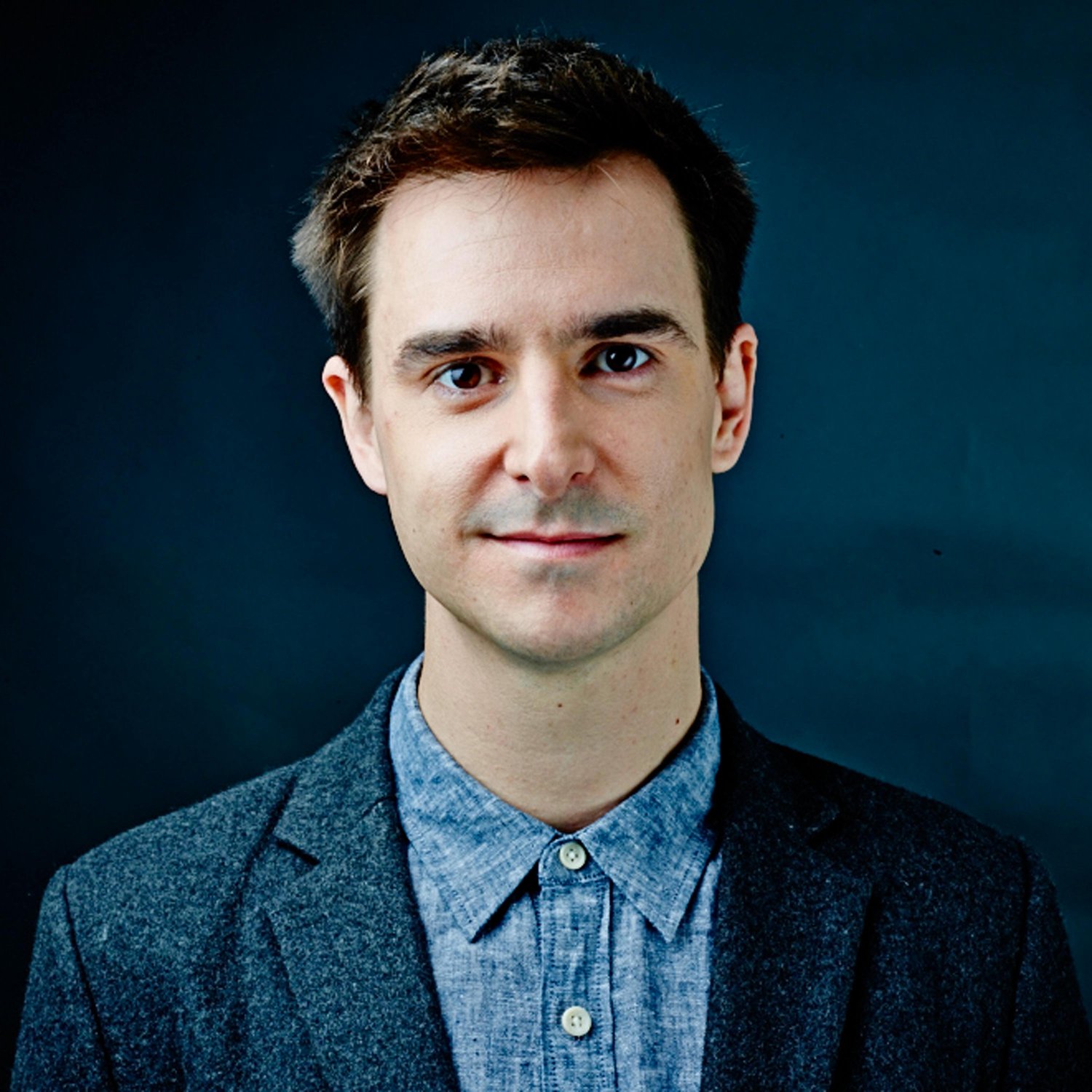
LEWIS DARTNELL - Author of Origins: How the Earth Made Us & Being Human: How Our Biology Shaped World History
How have our psychology and cognitive biases altered the course of human history? What would you do if you had to rebuild our world from scratch?Lewis Dartnell is an author, researcher, and holds the Professorship in Science Communication at the University of Westminster. He researches astrobiology and the search for microbial life on Mars. He also works as a scientific consultant for the media and has appeared in numerous TV documentaries and radio shows. Dr. Dartnell has won several awards for his science writing and outreach work. He has published five books, including The Knowledge: How to Rebuild our World from Scratch; Origins: How the Earth Made Us; and Being Human: How Our Biology Shaped World History. "The point I explore in Being Human is that humans have constraints, and we only have our capabilities and the human condition; therefore, the whole course of world history has played out in the interplay between those constraints and capabilities. Talking about the constraints of our cognition, our memories are clearly limited. And on the whole, that doesn't really affect our everyday lives. Our cognition and our psychology developed under very different circumstances in East Africa and the savannah and the grasslands. Our brain has evolved to make survival decisions quickly and on the whole effectively. There's a whole area of psychological neuroscience research to do with cognitive biases. How our brains, often unbeknownst to us, sort of hidden behind the scenes, make assumptions or rational errors in the decisions that they make. So there's a whole chapter about how we have these fundamental flaws in our cognition, sort of bugs in the programming code of our psychology, if you like, and how they come about and what might be the causes behind them, but also what some of the effects of those have been through history, through these cognitive biases. I talk about things like confirmation bias. We are very resistant to changing our minds, changing our opinion on something even in the face of mounting evidence that shows we were wrong."http://www.lewisdartnell.comhttp://lewisdartnell.com/en-gb/2013/11/the-knowledge-how-to-rebuild-our-world-from-scratchwww.penguin.co.uk/books/433955/origins-by-lewis-dartnell/9781784705435www.penguin.co.uk/books/442759/being-human-by-dartnell-lewis/9781847926708www.creativeprocess.info www.oneplanetpodcast.org IG www.instagram.com/creativeprocesspodcastPhoto credit: Shortlist/Paul Stuart
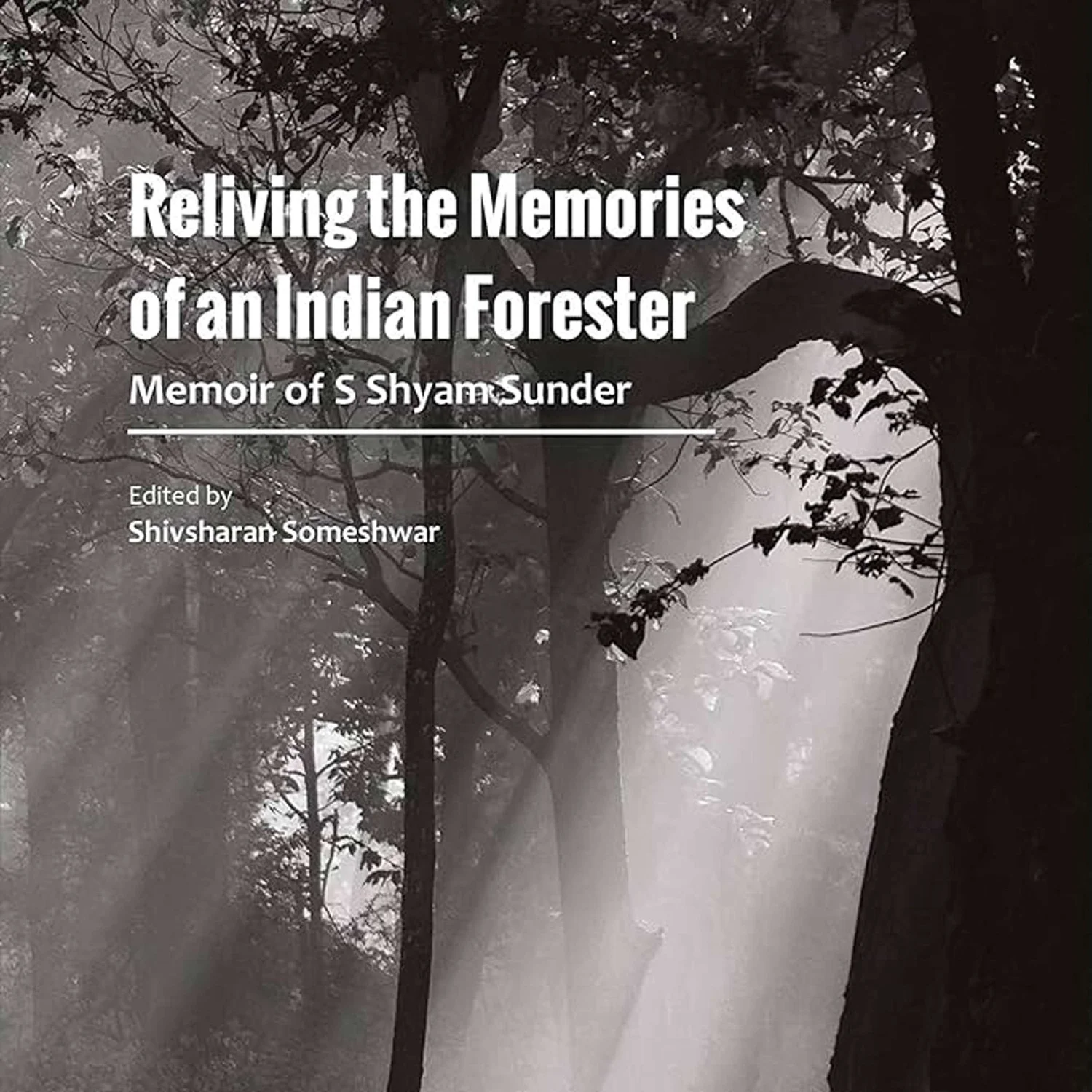
How can enlightened self-interest advance social equity & climate action? - Highlights - DR. SHIV SOMESHWAR
"My area of work is sustainable development with a focus on climate. And you can ask what does sustainable development mean? To put it very simply, it means how do you have economic growth that is socially equitable and environmentally sustainable? It's not just that you have ecological sustainability; hence, that is sustainable development. Because lots of examples of economic, ecological, and ecologically sensitive growth need not be socially equitable. That's why this whole emphasis on just transition is not just about climate, but it's also about justice. It's about social equity in economic growth. Unlike in Europe, where there is now the call for degrowth or a circular economy, most parts of the world would look at you blankly if you talked about degrowth because they are hungry for growth.And so sustainable development is about managing these trade-offs, which is what I've been working on. My work is really focused on institutions, and how do you bring the best of science into development. And for me, development is also spatially informed. It's not just the statistical averages, but it's spatially informed because you have people living in cities, villages, and homesteads. So, how do you become geographically sensitive in your policymaking? And that comes from my own background in planning and architecture."Dr. Shiv Someshwar is a Development Clinician, diagnosing development of cities and nation states. A Visiting Professor at Columbia University, New York and at Sciences Po, Paris, he was the founder chair-holder of the European Chair for Sustainable Development and Climate Transition at Sciences Po. He helped set up the initial national and regional networks of the global Sustainable Development Solutions Network.His publications cover a range of issues: planning, institutions and governance of sustainable development; climate change mitigation, adaptation, risks and offsets; and ecosystem management. He edited Re-living the Memories of an Indian Forester: Memoirs of S. Shyam Sunder and is presently writing The Fallacy of Evidence-Based Policy Making.He convened and chaired the Independent Task Force on Creative Climate Action. Dr. Someshwar received a Ph.D. in urban planning from the University of California, Los Angeles, and he was a Bell-MacArthur fellow at Harvard University. He has two masters’ degrees, on housing and on environmental planning, and is also trained as a professional architect. He has previously worked at the Earth Institute, Columbia University, the Rockefeller Foundation in New York, and the World Bank in Washington D.C.https://www.sciencespo.fr/psia/sites/sciencespo.fr.psia/files/ITFClimateReport_Web.pdfwww.amazon.com/Reliving-Memories-Indian-Forester-Memoir/dp/9388337131www.creativeprocess.infowww.oneplanetpodcast.orgIG www.instagram.com/creativeprocesspodcast

DR. SHIV SOMESHWAR - Fmr. European Chair for Sustainable Development & Climate Transition - Sciences Po
How do urbanization and rural development impact communities differently? How can we make public policy and enlightened self-interest advance climate action?Dr. Shiv Someshwar is a Development Clinician, diagnosing development of cities and nation states. A Visiting Professor at Columbia University, New York and at Sciences Po, Paris, he was the founder chair-holder of the European Chair for Sustainable Development and Climate Transition at Sciences Po. He helped set up the initial national and regional networks of the global Sustainable Development Solutions Network.His publications cover a range of issues: planning, institutions and governance of sustainable development; climate change mitigation, adaptation, risks and offsets; and ecosystem management. He edited Re-living the Memories of an Indian Forester: Memoirs of S. Shyam Sunder and is presently writing The Fallacy of Evidence-Based Policy Making.He convened and chaired the Independent Task Force on Creative Climate Action. Dr. Someshwar received a Ph.D. in urban planning from the University of California, Los Angeles, and he was a Bell-MacArthur fellow at Harvard University. He has two masters’ degrees, on housing and on environmental planning, and is also trained as a professional architect. He has previously worked at the Earth Institute, Columbia University, the Rockefeller Foundation in New York, and the World Bank in Washington D.C."My area of work is sustainable development with a focus on climate. And you can ask what does sustainable development mean? To put it very simply, it means how do you have economic growth that is socially equitable and environmentally sustainable? It's not just that you have ecological sustainability; hence, that is sustainable development. Because lots of examples of economic, ecological, and ecologically sensitive growth need not be socially equitable. That's why this whole emphasis on just transition is not just about climate, but it's also about justice. It's about social equity in economic growth. Unlike in Europe, where there is now the call for degrowth or a circular economy, most parts of the world would look at you blankly if you talked about degrowth because they are hungry for growth.And so sustainable development is about managing these trade-offs, which is what I've been working on. My work is really focused on institutions, and how do you bring the best of science into development. And for me, development is also spatially informed. It's not just the statistical averages, but it's spatially informed because you have people living in cities, villages, and homesteads. So, how do you become geographically sensitive in your policymaking? And that comes from my own background in planning and architecture."https://www.sciencespo.fr/psia/sites/sciencespo.fr.psia/files/ITFClimateReport_Web.pdfwww.amazon.com/Reliving-Memories-Indian-Forester-Memoir/dp/9388337131www.creativeprocess.infowww.oneplanetpodcast.orgIG www.instagram.com/creativeprocesspodcast

From Ancient Wisdom to the Language of the Earth
Scientists, artists, psychologists, conservationists, and spiritual leaders share their stories and insights on the importance of connecting with nature, preserving the environment, embracing diversity, and finding harmony in the world. Music courtesy of composer Max Richter. All voices in this episode are from our interviews for The Creative Process & One Planet Podcast.00:05 Adapting to Earth: Indigenous PerspectivesTIOKASIN GHOSTHORSE - Founder/Host of First Voices Radio - Founder of Akantu Intelligencehttps://firstvoicesindigenousradio.orghttps://akantuintelligence.org01:06 The Beauty and Fragility of the Natural WorldAPRIL GORNIK - Artist, Environmentalist, Co-founder of The Church: Arts & Creativity Centerwww.aprilgornik.comwww.thechurchsagharbor.org02:01 The Importance of Whales in EcosystemsNAN HAUSER - Whale Researcher - President, Center for Cetacean Research & Conservation - Director, Cook Islands Whale Researchhttps://whaleresearch.org03:27 The Importance of Community and Collective Well-beingROBERT WALDINGER - Co-Author of The Good Life: Lessons from the World's Longest Scientific Study of Happinesshttps://www.robertwaldinger.com04:19 The Power of Love, Respect, and UnityJULIAN LENNON - Singer-songwriter, Photographer, Doc Filmmaker, Exec. Producer of the films Common Ground & Kiss the Groundhttps://julianlennon.comhttps://commongroundfilm.org05:05 The Importance of Cultural and Scientific KnowledgeRUPERT SHELDRAKE - Biologist & Author of The Science Delusion, The Presence of the Pastwww.sheldrake.org0:6:18 Mastering Confidence & Human PotentialIAN ROBERTSON - Author of How Confidence Works: The New Science of Self-belief - Co-Director of the Global Brain Health Institutehttps://ianrobertson.org07:01 The Magic of Coral ReefsGATOR HALPERN - Co-Founder & President of Coral Vita - UN Young Champion of the Earth - Forbes 30 Under 30 Social Entrepreneurhttps://coralvita.co08:06 Lessons from Ancient Trees and TundraDOUG LARSON - Biologist - Expert on Deforestation - Author of Cliff Ecology - The The Dogma Ate My Homeworkhttps://experts.uoguelph.ca/doug-larson09:36 Understanding the Flow of LifeMASTER SHI HENG YI - 35th Generation of Shaolin MastersHeadmaster of the Shaolin Temple Europewww.shihengyi.onlinewww.shaolintemple.euMax Richter’s music featured in this episode are “On the Nature of Daylight” from The Blue Notebooks, “Path 19: Yet Frailest” from Sleep.Music is courtesy of Max Richter, Universal Music Enterprises, and Mute Song.www.creativeprocess.info www.oneplanetpodcast.orgIG www.instagram.com/creativeprocesspodcast

Artists, Activists & Anarchists Seize Wetlands from the French Republic: We Learn How
In this episode on Speaking Out of Place podcast, Professor David Palumbo-Liu and Azeezah Kanji talk with artists and activists Isabella Frémaux and Jay Jordan about their book, We are ‘Nature’ Defending Itself: Entangling Art, Activism and Autonomous Zones Vagabonds/Pluto/Journal of Aesthetics & Protest, 2021. They tell the story of a 40-year struggle to preserve 4,000 acres of wetlands from being destroyed to make way for an airport, but the book is also a profound and beautiful meditation on what it means to live together and struggle together outside the logic of capitalist extraction and violence.Jay (formerly John) Jordan (they/them) is labelled a "Domestic Extremist" by the police, and “a magician of rebellion” by the press. Part-time author, sex worker and full time trouble maker, Jay is a lover of edges, especially between art and activism. They co-founded Reclaim the streets and the clown army.Isabelle Fremeaux (she/her) is a popular educator, facilitator, action researcher and deserter of the neoliberal academy where for a decade she was Senior Lecturer at Birkbeck College London. Co-author (with Jay) of the film/book Les Sentiers de L’utopie (2011, La Découverte), together they coordinate The Laboratory of Insurrectionary Imagination, bringing artists and activists together to co-design and deploy tools of disobedience. They live on the zad of Notre-dame-des-landes, a territory “lost to the Republic,” according to the French government.https://labo.zone/index.php/we-are-nature-defending-itself-entangling-art-activism-autonomous-zones/?lang=enwww.labo.zonehttps://www.theguardian.com/uk/2009/oct/27/police-spotter-card-john-jordanhttps://en.wikipedia.org/wiki/Reclaim_the_Streetswww.palumbo-liu.com https://speakingoutofplace.comhttps://twitter.com/palumboliu?s=20www.instagram.com/speaking_out_of_place

What can thousand-year-old trees teach us about living sustainably on this planet? - Highlights - DOUG LARSON
"There is no reason for doom and gloom in our species. Evolution has produced the most amazing organism that is capable of almost instantaneous change for the better. And I didn't know that when I was a kid, but I think I sensed it. I think I sensed that all these other 20 million species knew something we didn't know. And that was: there's always hope if you let it out of the bag. We're always willing to say that we're right to other people, but the joy comes from realizing that the truth eventually comes out. And it's by the inexorable floating of science to the surface, by people who are willing to say they're wrong. They think it's a sign of weakness, and in my view, it's the ultimate sign of strength in a politician to say, "Yeah, I was wrong last week. I was wrong last month. I was wrong last year." We're always looking for better ideas, and so if you've got one, let us know. Politicians think it's a sign of weakness to change their minds. And I think, are you kidding? Evolution is selecting for people to change their minds all the time. That's what works in nature. Evolution is the process by which things that are better replace things which aren’t."What can thousand-year-old trees teach us about living sustainably? If we want to be sustained by this planet indefinitely, we need to stop trying to suck it dry.Doug Larson is an award winning scientist, author, and Professor Emeritus of Biology at the University of Guelph. He is an expert on deforestation and regularly contributes to The Guardian and other publications. His books include Cliff Ecology: Pattern and Process in Cliff Ecosystems, The Urban Cliff Revolution: New Findings on the Origins and Evolution of Human Habitats, Storyteller Guitar, and The Dogma At My Homework.https://experts.uoguelph.ca/doug-larson https://volumesdirect.com/products/the-dogma-ate-my-homework https://www.cambridge.org/core/books/cliff-ecology/7502E52B487789BEA2CACC4553AA663Bhttps://www.amazon.com/Urban-Cliff-Revolution-Evolution-Habitats/dp/1550419927 https://www.amazon.com/Storyteller-Guitar-Doug-Larson-ebook/dp/B00B9VZQXUwww.creativeprocess.info www.oneplanetpodcast.org IG www.instagram.com/creativeprocesspodcastImage courtesy of Doug Larson
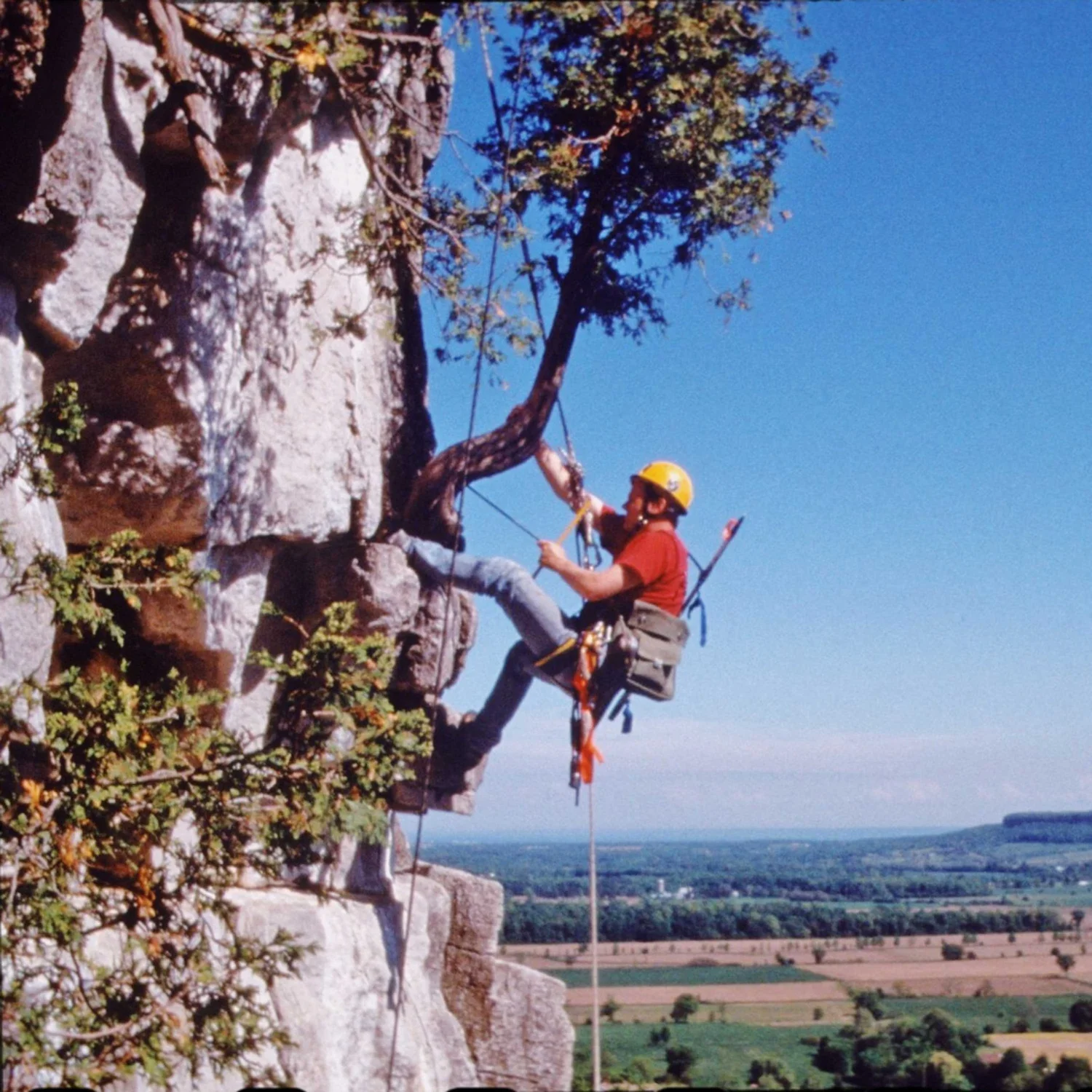
DOUG LARSON - Biologist - Expert on Deforestation - Author of Cliff Ecology - The The Dogma Ate My Homework
What can thousand-year-old trees teach us about living sustainably? If we want to be sustained by this planet indefinitely, we need to stop trying to suck it dry.Doug Larson is an award winning scientist, author, and Professor Emeritus of Biology at the University of Guelph. He is an expert on deforestation and regularly contributes to The Guardian and other publications. His books include Cliff Ecology: Pattern and Process in Cliff Ecosystems, The Urban Cliff Revolution: New Findings on the Origins and Evolution of Human Habitats, Storyteller Guitar, and The Dogma At My Homework."There is no reason for doom and gloom in our species. Evolution has produced the most amazing organism that is capable of almost instantaneous change for the better. And I didn't know that when I was a kid, but I think I sensed it. I think I sensed that all these other 20 million species knew something we didn't know. And that was: there's always hope if you let it out of the bag. We're always willing to say that we're right to other people, but the joy comes from realizing that the truth eventually comes out. And it's by the inexorable floating of science to the surface, by people who are willing to say they're wrong. They think it's a sign of weakness, and in my view, it's the ultimate sign of strength in a politician to say, "Yeah, I was wrong last week. I was wrong last month. I was wrong last year." We're always looking for better ideas, and so if you've got one, let us know. Politicians think it's a sign of weakness to change their minds. And I think, are you kidding? Evolution is selecting for people to change their minds all the time. That's what works in nature. Evolution is the process by which things that are better replace things which aren’t."https://experts.uoguelph.ca/doug-larson https://volumesdirect.com/products/the-dogma-ate-my-homework https://www.cambridge.org/core/books/cliff-ecology/7502E52B487789BEA2CACC4553AA663Bhttps://www.amazon.com/Urban-Cliff-Revolution-Evolution-Habitats/dp/1550419927 https://www.amazon.com/Storyteller-Guitar-Doug-Larson-ebook/dp/B00B9VZQXUwww.creativeprocess.info www.oneplanetpodcast.org IG www.instagram.com/creativeprocesspodcastImage courtesy of Doug Larson

Does having too many choices make us unhappy? - Highlights - DR. BARRY SCHWARTZ
"The original edition of The Paradox of Choice came out in 2004, and the internet was just getting started in a major league way, and already the choice overload was a problem. I would say that from the modern perspective, 2004 seems like the 18th century, and as near as I can tell, all of these changes, every single one of them has made the problem substantially worse. The idea that you can get information to help guide you through - well, yeah, but what information do you believe? What's trustworthy? What's being motivated by an opportunity to sell you something? So there is a haze, there is this fog that we're operating in. And I think we just sort of give up in resignation and look at recommendations and hope that they're legitimate because how else do you get through the day?"Does having too many choices make us unhappy? How can we learn practical wisdom?Dr. Barry Schwartz is the Dorwin P. Cartwright Professor Emeritus of Social Theory and Social Action in the psychology department at Swarthmore College. He is the author of many books, including Why We Work, The Paradox of Choice: Why More Is Less, and co-author of Practical Wisdom: The Right Way to Do the Right Thing.www.swarthmore.edu/profile/barry-schwartzwww.simonandschuster.com/books/Why-We-Work/Barry-Schwartz/TED-Books/9781476784861 https://www.harpercollins.com/products/the-paradox-of-choice-barry-schwartz?variant=32207920234530https://www.penguinrandomhouse.com/books/307231/practical-wisdom-by-barry-schwartz-and-kenneth-sharpewww.creativeprocess.infowww.oneplanetpodcast.org IG www.instagram.com/creativeprocesspodcastPhoto credit: Bill Holsinger-Robinson - CC BY 2.0

DR. BARRY SCHWARTZ - Author of The Paradox of Choice & Why We Work
Does having too many choices make us unhappy? How can we learn practical wisdom?Dr. Barry Schwartz is the Dorwin P. Cartwright Professor Emeritus of Social Theory and Social Action in the psychology department at Swarthmore College. He is the author of many books, including Why We Work, The Paradox of Choice: Why More Is Less, and co-author of Practical Wisdom: The Right Way to Do the Right Thing."The original edition of The Paradox of Choice came out in 2004, and the internet was just getting started in a major league way, and already the choice overload was a problem. I would say that from the modern perspective, 2004 seems like the 18th century, and as near as I can tell, all of these changes, every single one of them has made the problem substantially worse. The idea that you can get information to help guide you through - well, yeah, but what information do you believe? What's trustworthy? What's being motivated by an opportunity to sell you something? So there is a haze, there is this fog that we're operating in. And I think we just sort of give up in resignation and look at recommendations and hope that they're legitimate because how else do you get through the day?"www.swarthmore.edu/profile/barry-schwartzwww.simonandschuster.com/books/Why-We-Work/Barry-Schwartz/TED-Books/9781476784861 https://www.harpercollins.com/products/the-paradox-of-choice-barry-schwartz?variant=32207920234530https://www.penguinrandomhouse.com/books/307231/practical-wisdom-by-barry-schwartz-and-kenneth-sharpewww.creativeprocess.infowww.oneplanetpodcast.org IG www.instagram.com/creativeprocesspodcastPhoto credit: Bill Holsinger-Robinson - CC BY 2.0
KOHEI SAITO on Degrowth Communism & the Need for Radical Democracy
Can we stop talking about growth and mediate an environmental crisis through the structures of capitalism?In this episode of the Speaking Out of Place podcast, Professor David Palumbo-Liu speaks with Japanese scholar Kohei Saito, whose book, Marx in the Anthropocene sold over half a million copies. In it, Saito shows how late in life Marx came to a richer sense of production when he released that there was a law above the economic as he had conceived it—it was the law of Nature. Marx saw how disturbing Nature’s metabolism could bring about a “rift” that sent destructive ripples across human life. Today we make the connection between that scholarly book and Kohei’s new book, Slow Down!!, which has just come out in English translation. Here he offers a sharp critique of liberal and socialist attempts to “sustain”—like the Green New Deal, and argues for a radical form of degrowth communism that de-celerates our compulsion to add more stuff into the world, in whatever form, and derails our compulsion to sustain, rather than revolutionize. Saito argues that we can lead much happier, and more healthy lives, if we emphasize use value, and revitalize democracy so we all have a hand in deciding what is valuable.“The Green New Deal presents itself as a kind of radical policy. If you look at the content, it's just simply the continuation of what capitalism wants to do. It's a massive investment in new, allegedly green industries, with the creation of more jobs with higher wages, but these are not the things that socialists or any environmentalists should be actually seeking because we recognize that capitalism is basically the root cause of the climate crisis and the misery of the workers. If so, I think it is high time to imagine something radically very different from business-as-usual capitalism.”Kohei Saito as an Associate Professor at the University of Tokyo. He completed his doctorate at the Humboldt University in Berlin. In 2018 he won the prestigious Deutscher Memorial Prize for Marxist research—becoming the first Japanese, and the youngest person, ever to win that prize. His books include: Slow Down! How Degrowth Communism Can Save the World (2023); Marx in the Anthropocene: Towards the Idea of Degrowth Communism (2022), Karl Marx’s Ecosocialism: Capital, Nature, and the Unfinished Critique of Political Economy (2017).https://researchmap.jp/7000022985?lang=enhttps://www.hachette.com.au/kohei-saito/slow-down-how-degrowth-communism-can-save-the-earthwww.palumbo-liu.com https://speakingoutofplace.comhttps://twitter.com/palumboliu?s=20
SPEAKING OUT OF PLACE: BEN FRANTA on Weaponizing Economics - Big Oil, Economic Consultants & Climate Policy Delay
In this episode of the Speaking Out of Place podcast, Professor David Palumbo-Liu speaks with noted researcher and scholar Ben Franta about two new articles he has written that add to his growing archive of seminal work on climate change. Ben tells us now the fossil fuel industry paid economists to join scientists in denying the true nature of the fossil fuel industry’s destruction of the environment. Economists argued that even if some science were correct, implementing change would be too costly. This became a powerful tool to stall and kill climate change legislation. Ben also talks about how communities have tried to sue fossil fuel companies for damages incurred by such misinformation and disinformation. In sum, we learn about what the industry has done, and how ordinary people and municipalities can fight back.Benjamin Franta is the founding head of the Climate Litigation Lab and a Senior Research Fellow at the University of Oxford Sustainable Law Programme. The Climate Litigation Lab is a multidisciplinary research initiative to inform, enable, and accelerate climate change litigation globally. Ben is also an Associate at the Institute for New Economic Thinking at the Oxford Martin School and an Associate Member of Nuffield College, Oxford, and a former research fellow at the Belfer Center for Science and International Affairs at the Harvard Kennedy School of Government. He is the recipient of numerous academic and research fellowships including the Stanford Interdisciplinary Graduate Fellowship and the National Science Foundation Graduate Research Fellowship. His research and writing have appeared in 10 languages, been featured in the Paramount+ documentary Black Gold, been cited in the U.S. Congressional Record, and been published in numerous scholarly and popular venues including Nature Climate Change, Global Environmental Change, The Guardian, Project Syndicate, and more. “For 40 years, the American Petroleum Institute has hired economists to argue it would be too expensive to try and control fossil fuels and that climate change wasn't that bad. The same go-to consultancy firm has been involved in every major climate policy fight from the very beginning and hired by the fossil fuel industry, but what are the courts going to do? It's not just the historical deception. It's an ongoing deception.”www.inet.ox.ac.uk/people/benjamin-franta www.smithschool.ox.ac.uk/oxford-sustainable-law-programme/research/climate-litigation-labwww.palumbo-liu.com https://speakingoutofplace.comhttps://twitter.com/palumboliu?s=20