
Books & Writers • The Creative Process: Novelists, Screenwriters, Playwrights, Poets, Non-fiction Writers & Journalists Talk Writing, Life & Creativity
321 episodes — Page 7 of 7
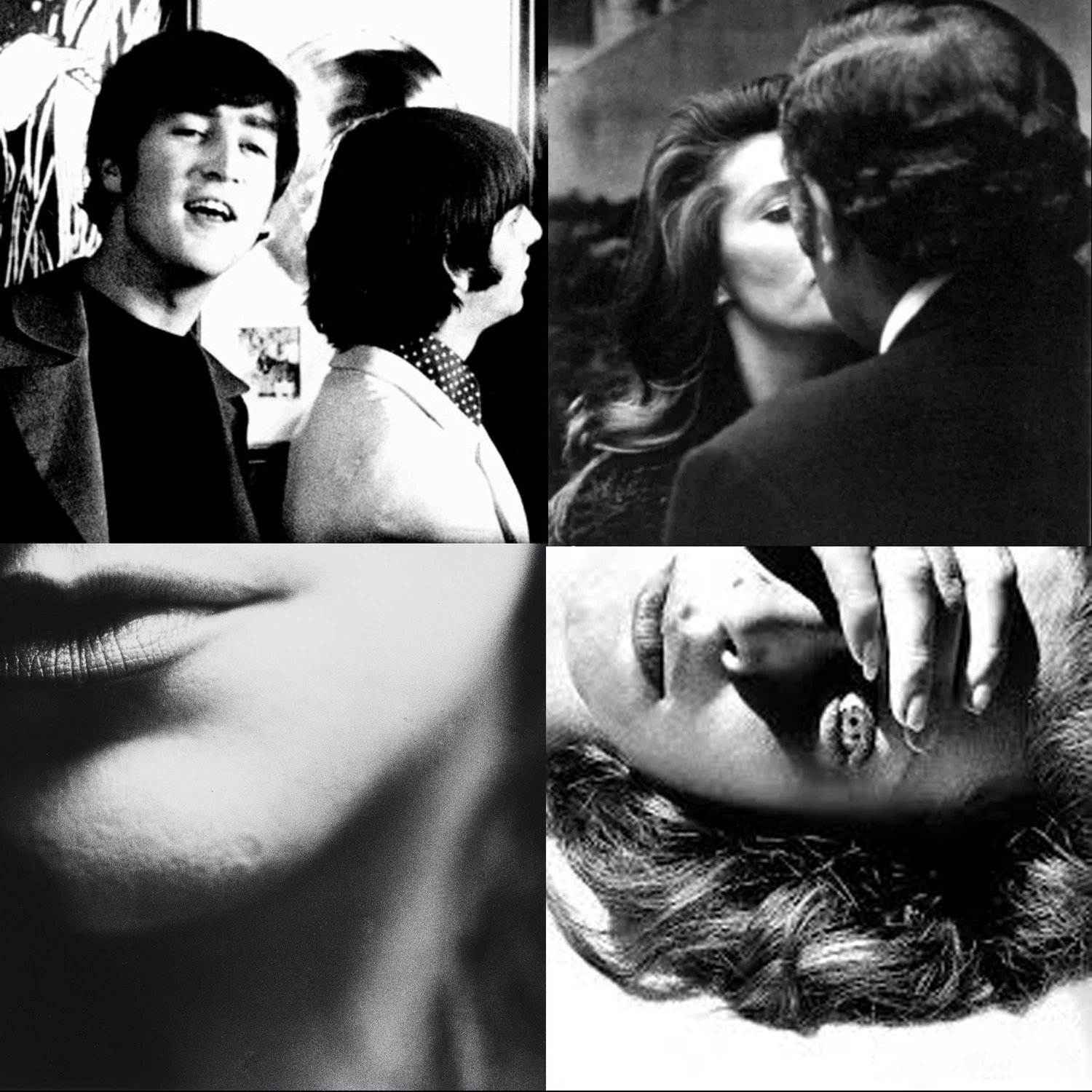
Highlights - RALPH GIBSON - Photographer - Author of Self Exposure, The Somnambulist, Sacred Land: Israel before and after Time
"I've never wanted to be invisible. I'm voyeuristic, but in a purely intellectual way. I would suspect the reason for functioning in a vertical format is because the horizontal rectangle is the proportion of all narration, all visual narrative in all society now. In my case, the content is when I get my vision sufficiently stimulated to where I can perceive the corner of this desk with sufficient clarity to render it in some sort of monumental way. I want to make pictures of absolutely nothing purely based on the force of my perception and the power of photography."How does the mind influence the mind? The mind cannot function without memory. And memory is just the mind aware of itself. So how do images tell us how we see and who we are?Ralph Gibson is one of the most interesting American photographers of our time. His international renown is based on his work, which is shown and collected by some of the world’s leading museums, including the Museum of Modern Art in New York, the J.P. Getty Museum in Los Angeles, the John Simon Guggenheim Memorial Foundation, the Creative Center for Photography in Tucson, the Museum of Fine Arts in Houston, the Maison Européenne de la Photographie in Paris, the Bibliothèque Nationale de France in Paris, and the Fotomuseum Winterthur in Switzerland.Gibson’s works reveal a meticulous aesthetic and visual territory edging on the surreal. His recent books include his memoir Self Exposure, Sacred Land: Israel before and after Time, and Secret of Light, which accompanied his exhibition at the Deichtorhallen House of Photography in Hamburg. He is a Leica Hall of Fame Inductee and has been awarded the French Legion of Honor. In 2022, The Gibson | Goeun Museum of Photography devoted to his work opened in Busan, South Korea.www.ralphgibson.comwww.deichtorhallen.de/en/ausstellung/ralph-gibsonwww.gibsongoeunmuseum.comwww.creativeprocess.infowww.oneplanetpodcast.orgIG www.instagram.com/creativeprocesspodcast
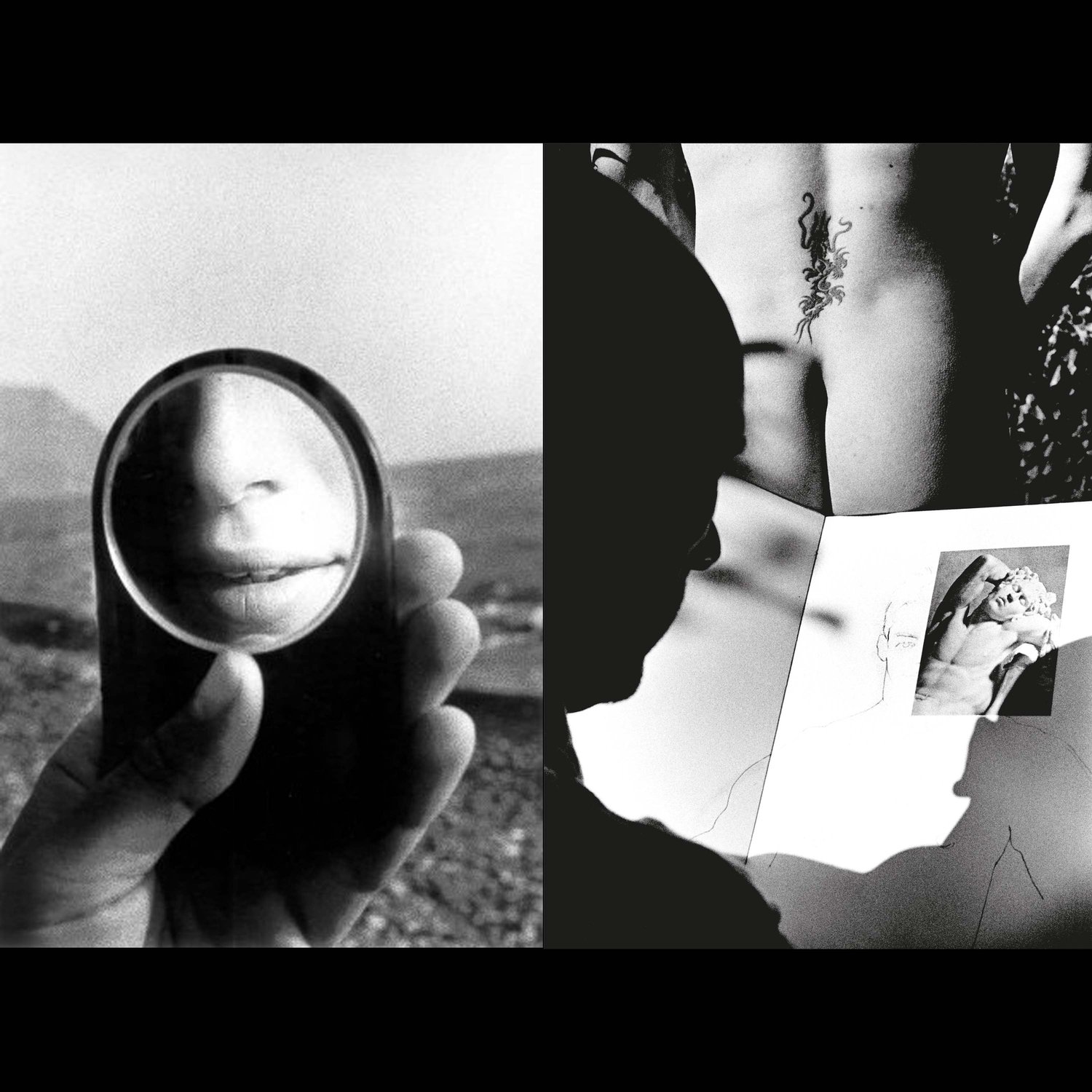
RALPH GIBSON - Photographer - Author of Self Exposure, The Somnambulist, Sacred Land: Israel before and after Time
How does the mind influence the mind? The mind cannot function without memory. And memory is just the mind aware of itself. So how do images tell us how we see and who we are?Ralph Gibson is one of the most interesting American photographers of our time. His international renown is based on his work, which is shown and collected by some of the world’s leading museums, including the Museum of Modern Art in New York, the J.P. Getty Museum in Los Angeles, the John Simon Guggenheim Memorial Foundation, the Creative Center for Photography in Tucson, the Museum of Fine Arts in Houston, the Maison Européenne de la Photographie in Paris, the Bibliothèque Nationale de France in Paris, and the Fotomuseum Winterthur in Switzerland.Gibson’s works reveal a meticulous aesthetic and visual territory edging on the surreal. His recent books include his memoir Self Exposure, Sacred Land: Israel before and after Time, and Secret of Light, which accompanied his exhibition at the Deichtorhallen House of Photography in Hamburg. He is a Leica Hall of Fame Inductee and has been awarded the French Legion of Honor. In 2022, The Gibson | Goeun Museum of Photography devoted to his work opened in Busan, South Korea."I've never wanted to be invisible. I'm voyeuristic, but in a purely intellectual way. I would suspect the reason for functioning in a vertical format is because the horizontal rectangle is the proportion of all narration, all visual narrative in all society now. In my case, the content is when I get my vision sufficiently stimulated to where I can perceive the corner of this desk with sufficient clarity to render it in some sort of monumental way. I want to make pictures of absolutely nothing purely based on the force of my perception and the power of photography."www.ralphgibson.comwww.deichtorhallen.de/en/ausstellung/ralph-gibsonwww.gibsongoeunmuseum.comwww.creativeprocess.infowww.oneplanetpodcast.orgIG www.instagram.com/creativeprocesspodcast
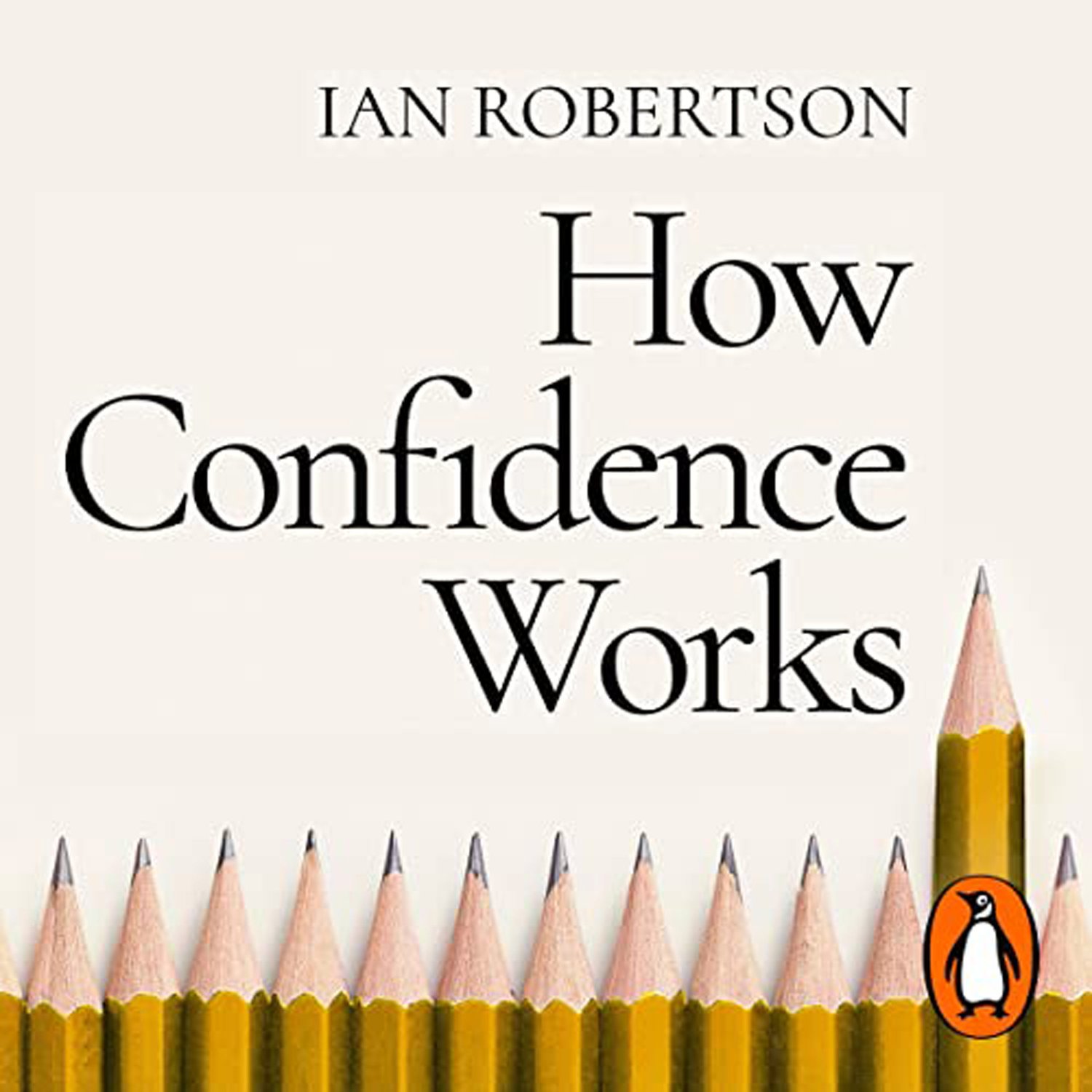
Highlights - IAN ROBERTSON - Author of How Confidence Works - Co-Director, Global Brain Health Institute
“The book probes the science and neuroscience behind the idea that confidence can be learned, or whether it is something you inherit. Optimism, hope, and self-esteem are all concepts that are easily confused with confidence. But, as I show, they differ in one fundamental way - confidence empowers action. You can be an optimist who is hopeful that things will work out okay in the end without ever believing that you can play a part in that outcome, or indeed have any realistic grounds for that optimism. And you can have high self-esteem and feel good about yourself without feeling confident that you can achieve a particular goal.”How important is confidence? Psychologists say confidence is a series of mental, physical, and emotional habits that can be learned. What makes some people overconfident while others are realistic about their abilities and why are both outlooks important to succeed in life?Ian Robertson is Co-Director of the Global Brain Health Institute (Trinity College Dublin and University of California at San Francisco) and Co-Leader of The BrainHealth Project at University of Texas at Dallas. A trained clinical psychologist as well as a neuroscientist, he is internationally renowned for his research on neuropsychology. He has written five books and numerous newspaper and magazine articles and comment pieces in the Guardian, Times, Telegraph, Irish Times, Time magazine and New York magazine, amongst others. He has appeared on BBC Radio and featured in several major television documentaries. He is a regular speaker at major futurology and business conferences in Europe, the USA and Asia.https://ianrobertson.orgwww.gbhi.orgwww.penguin.co.uk/books/441931/how-confidence-works-by-robertson-ian/9781787633728https://centerforbrainhealth.org/projectwww.creativeprocess.infowww.oneplanetpodcast.orgIG www.instagram.com/creativeprocesspodcast

IAN ROBERTSON - Author of How Confidence Works: The New Science of Self-belief - Co-Director of the Global Brain Health Institute
How important is confidence? Psychologists say confidence is a series of mental, physical, and emotional habits that can be learned. What makes some people overconfident while others are realistic about their abilities and why are both outlooks important to succeed in life?Ian Robertson is Co-Director of the Global Brain Health Institute (Trinity College Dublin and University of California at San Francisco) and Co-Leader of The BrainHealth Project at University of Texas at Dallas. A trained clinical psychologist as well as a neuroscientist, he is internationally renowned for his research on neuropsychology. He has written five books and numerous newspaper and magazine articles and comment pieces in the Guardian, Times, Telegraph, Irish Times, Time magazine and New York magazine, amongst others. He has appeared on BBC Radio and featured in several major television documentaries. He is a regular speaker at major futurology and business conferences in Europe, the USA and Asia.“The book probes the science and neuroscience behind the idea that confidence can be learned, or whether it is something you inherit. Optimism, hope, and self-esteem are all concepts that are easily confused with confidence. But, as I show, they differ in one fundamental way - confidence empowers action. You can be an optimist who is hopeful that things will work out okay in the end without ever believing that you can play a part in that outcome, or indeed have any realistic grounds for that optimism. And you can have high self-esteem and feel good about yourself without feeling confident that you can achieve a particular goal.”https://ianrobertson.orgwww.gbhi.orgwww.penguin.co.uk/books/441931/how-confidence-works-by-robertson-ian/9781787633728https://centerforbrainhealth.org/projectwww.creativeprocess.infowww.oneplanetpodcast.orgIG www.instagram.com/creativeprocesspodcast
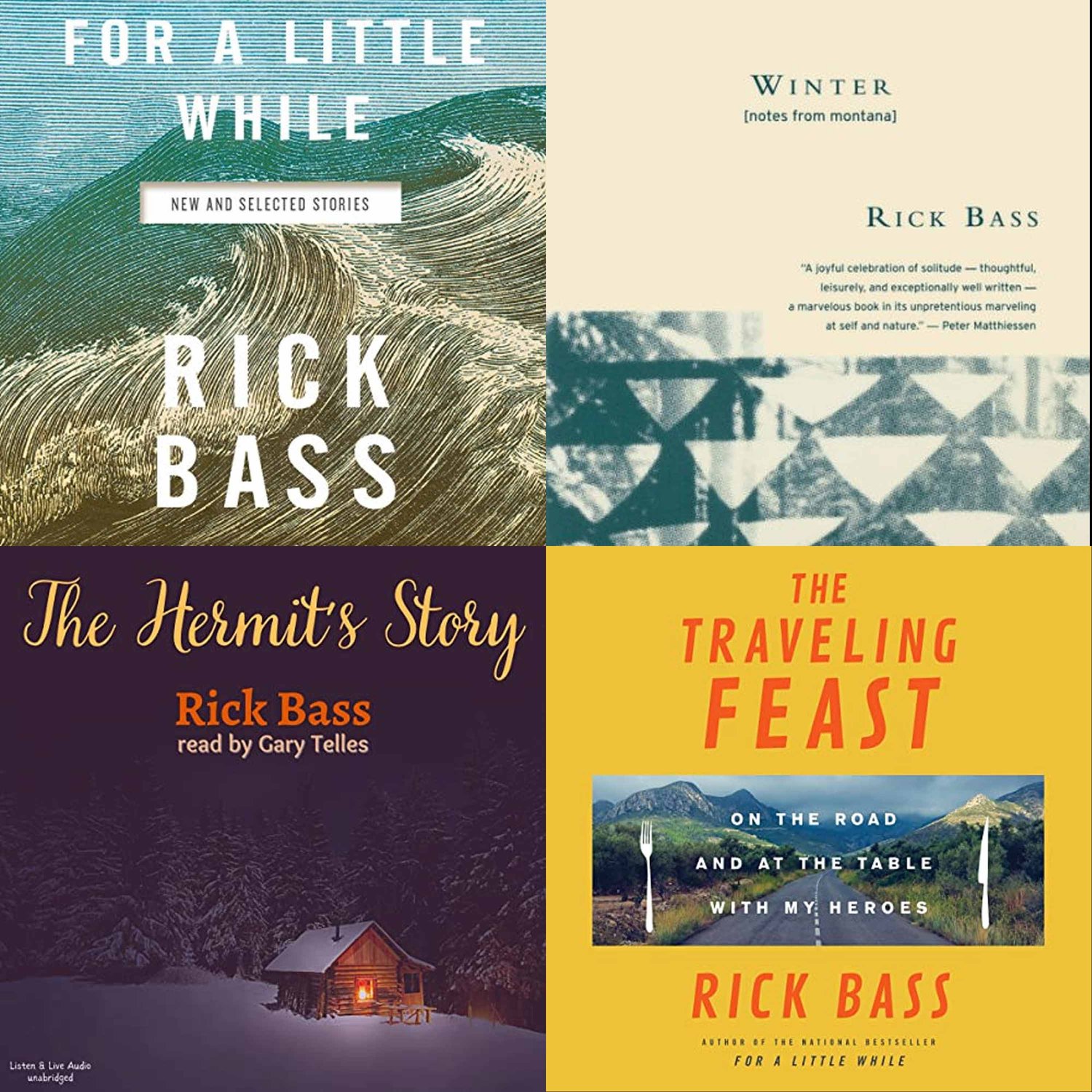
Highlights - RICK BASS - Author & Environmentalist - “Why I Came West”, “For a Little While”
"Be specific. Show, don't tell. And it comes back to the five senses. If it's something we can touch, taste, scent, see, hear, then we're going to engage more deeply in the dream. And if it's an abstraction like beautiful or terrible, that's a kind of shorthand, and we lose a little bit of our connection with the reader every time we use an abstraction because beautiful is going to mean something slightly different to every different reader. And then you put another abstraction on that, terrible say, that's going to mean something different. Abstraction by abstraction, a degree at a time, two or three degrees at a time, finally you're 180 degrees away from the reader. Whereas if it's something specific, a yellow-handled phillips screwdriver with a bit of oil and the handles worn smooth from where the protagonist's father had done kitchen repair in their home 75 years before, falling off a ladder at the age of nine and breaking his neck...The specificity allows us to believe in the dream of the story. And that's what we as writers want the reader to be. We want to believe in the dream of the story. When we're not being specific as writers, it's because we are groping and grasping for the story. I think the best writing is the most specific writing, and there's this phenomenon as a writer when your story sags and you can't quite figure out what's gone wrong. You go back and look at it and wherever your best writing is, that's where the secret heart of the story is. That's where the story was trying to come up from below. And when you subconsciously were most engaged with it, you could see it, you could taste it, you could smell it, you could feel it, you could hear it.William Carlos Williams said, 'No ideas, but in things.' He said in five words what I just spent five minutes blathering about. No ideas, but in things. Don't tell me what something is. Show it to me. The meaning and the idea is in the image or in the sound, or in the taste."Rick Bass, a National Book Critics Circle Award finalist for his memoir Why I Came West, was born and raised in Texas, worked as a petroleum geologist in Mississippi, and has lived in Montana's Yaak Valley for almost three decades. His short fiction, which has appeared in The New Yorker, The Atlantic, Esquire, and The Paris Review, as well as numerous times in Best American Short Stories, has earned him The Story Prize, multiple O. Henry Awards and Pushcart Prizes in addition to NEA and Guggenheim fellowships.He’s an organizer and speaker at Climate Aid: The Voice of the Forest, a fundraiser event to benefit the grassroots environmental movement of Protect Ancient Forests & The Montana Project. Featuring Maggie Rogers and more great performers and speakers. The evening will advance the efforts to protect the Black Ram forest by designating the region as the nation’s first Climate Refuge. Portland, Maine, on Sunday, Oct. 15 at 7 p.m. ET, at the Merrill Auditorium. Tickets available at the Merrill’s box office and online at PortTIX.com. www.rickbass.netwww.protectancientforests.orgwww.montanaproject.orgwww.PortTIX.comwww.creativeprocess.infowww.oneplanetpodcast.orgIG www.instagram.com/creativeprocesspodcast

RICK BASS - Environmentalist & Story Prize Award-winning Author of “Why I Came West”, “For a Little While”
Rick Bass, a National Book Critics Circle Award finalist for his memoir Why I Came West, was born and raised in Texas, worked as a petroleum geologist in Mississippi, and has lived in Montana's Yaak Valley for almost three decades. His short fiction, which has appeared in The New Yorker, The Atlantic, Esquire, and The Paris Review, as well as numerous times in Best American Short Stories, has earned him The Story Prize, multiple O. Henry Awards and Pushcart Prizes in addition to NEA and Guggenheim fellowships.He’s an organizer and speaker at Climate Aid: The Voice of the Forest, a fundraiser event to benefit the grassroots environmental movement of Protect Ancient Forests & The Montana Project. Featuring Maggie Rogers and more great performers and speakers. The evening will advance the efforts to protect the Black Ram forest by designating the region as the nation’s first Climate Refuge. Portland, Maine, on Sunday, Oct. 15 at 7 p.m. ET, at the Merrill Auditorium. Tickets available at the Merrill’s box office and online at PortTIX.com. "Be specific. Show, don't tell. And it comes back to the five senses. If it's something we can touch, taste, scent, see, hear, then we're going to engage more deeply in the dream. And if it's an abstraction like beautiful or terrible, that's a kind of shorthand, and we lose a little bit of our connection with the reader every time we use an abstraction because beautiful is going to mean something slightly different to every different reader. And then you put another abstraction on that, terrible say, that's going to mean something different. Abstraction by abstraction, a degree at a time, two or three degrees at a time, finally you're 180 degrees away from the reader. Whereas if it's something specific, a yellow-handled phillips screwdriver with a bit of oil and the handles worn smooth from where the protagonist's father had done kitchen repair in their home 75 years before, falling off a ladder at the age of nine and breaking his neck...The specificity allows us to believe in the dream of the story. And that's what we as writers want the reader to be. We want to believe in the dream of the story. When we're not being specific as writers, it's because we are groping and grasping for the story. I think the best writing is the most specific writing, and there's this phenomenon as a writer when your story sags and you can't quite figure out what's gone wrong. You go back and look at it and wherever your best writing is, that's where the secret heart of the story is. That's where the story was trying to come up from below. And when you subconsciously were most engaged with it, you could see it, you could taste it, you could smell it, you could feel it, you could hear it.William Carlos Williams said, 'No ideas, but in things.' He said in five words what I just spent five minutes blathering about. No ideas, but in things. Don't tell me what something is. Show it to me. The meaning and the idea is in the image or in the sound, or in the taste."www.rickbass.netwww.protectancientforests.orgwww.montanaproject.orgwww.PortTIX.comwww.creativeprocess.infowww.oneplanetpodcast.orgIG www.instagram.com/creativeprocesspodcast

Speaking Out of Place: LIZA FEATHERSTONE on Build Public Renewables Act (BPRA)
In this episode of the Speaking Out of Place podcast, Professor David Palumbo-Liu interviews Liza Featherstone about Build Public Renewables Act. It’s a huge victory for ecosocialists, and for everybody in New York, that came with the passage of a bold piece of legislation, the Build Public Renewables Act, or BPRA. Featherstone explains the genesis of the bill, and the specific wrk that activists put into its passage. What obstacles did they confront, how did they work together to overcome those obstacles, and what can other environmental activists learn from this historic moment?Liza Featherstone is the author of Divining Desire: Focus Groups and the Culture of Consultation, published by O/R Books in 2018, as well as Selling Women Short: the Landmark Battle for Workers’ Rights at Walmart (Basic Books, 2004). She co-authored Students Against Sweatshops (Verso, 2002) and is editor of False Choices: the Faux Feminism of Hillary Rodham Clinton (Verso, 2016). She's currently editing a collection of Alexandra Kollontai 's work for O/R Books and International Publishers and writing the introduction to that volume.Featherstone's work has been published in Lux, TV Guide, The New York Times, The Washington Post, Ms., the American Prospect, Columbia Journalism Review, Glamour, Teen Vogue, Dissent, the Guardian, In These Times, and many other publications. Liza teaches at NYU's Literary Reportage Program as well as at Columbia University School for International and Public Affairs. She is proud to be an active member of the New York City Democratic Socialists of America and of UAW local 7902."We have passed the Build Public Renewables Act which mandates and requires the state's power authority the New York State Power Authority to build its own publicly funded renewables: renewable energy, wind, and solar. And this was a long, long hard hard-fought victory. And to say how it happened, we need to think back to the early Bernie days just after the Bernie Sanders' 2016 presidential campaign. Obviously, people were very disappointed that Bernie Sanders didn't win, but a lot of people were also very politicized by that campaign and by that moment. And so a lot of people were joining DSA (Democratic Socialists of America). At the same time, a lot of young people were becoming very aware and very anxious, disturbed, and deeply depressed by the climate crisis."https://publicpowerny.org/legislationwww.orbooks.com/catalog/divining-desire-liza-featherstonehttps://twitter.com/lfeatherzwww.palumbo-liu.com https://speakingoutofplace.comhttps://twitter.com/palumboliu?s=20
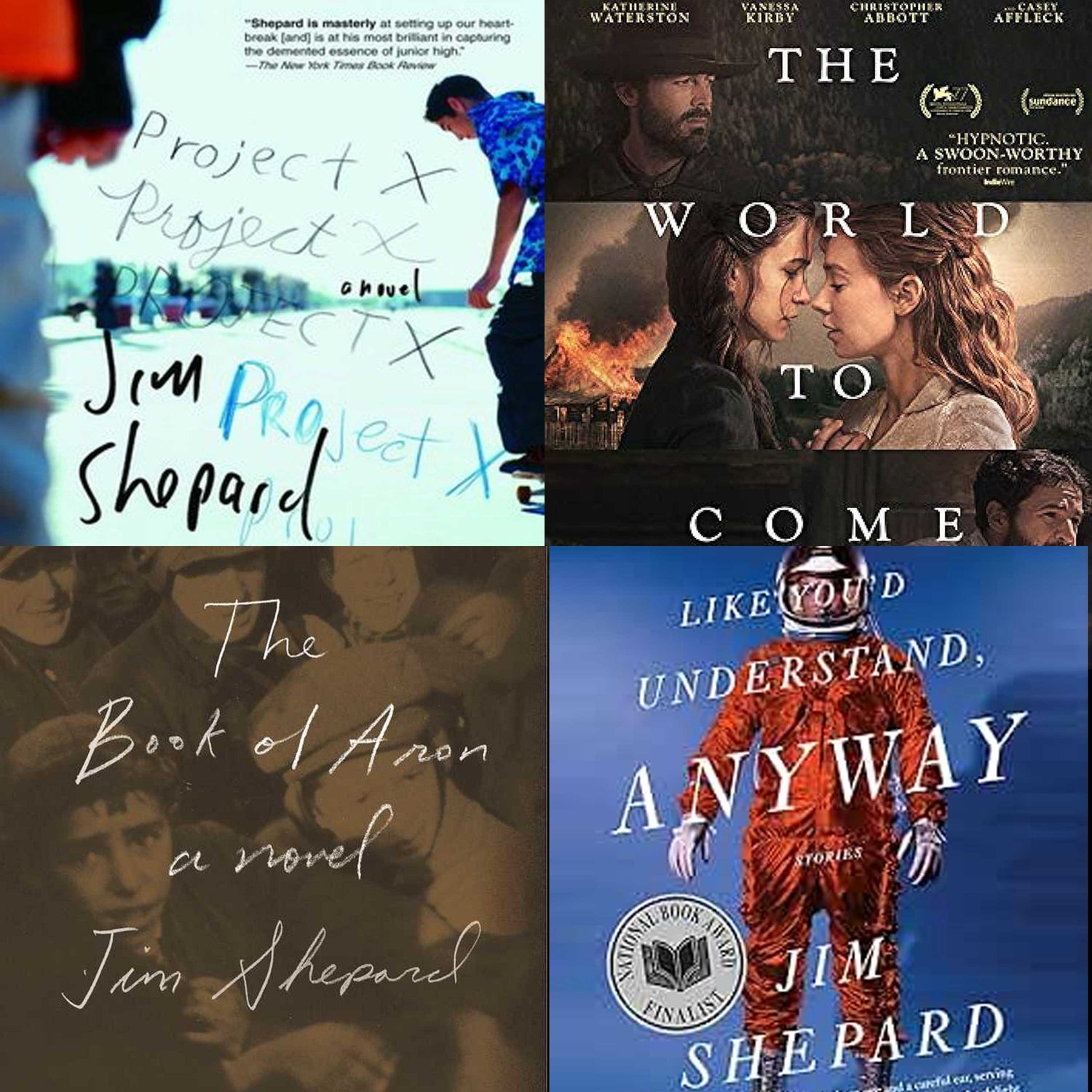
Highlights - JIM SHEPARD - Award-winning Author of The Book of Aron, Project X, The World to Come, Like You’d Understand, Anyway
"In terms of what I'm writing, I'm always trying to make myself a more interesting human being. And so that means I'm coming across these human dilemmas where I'm like what would it have been like to be in that position? And that snags my emotional imagination. I do think that literature is all about extending the empathetic imagination. And so I'm always looking to educate myself in emotional terms, too. Because I'm very interested in the way we respond in those situations where it feels like we both have responsibility, and we don't have responsibility."How can literature help us extend our empathic imaginations? How can writing and reading expand our curiosity and compassion for people in situations distant from our own?Jim Shepard is the author of seven previous novels, most recently The Book of Aron (winner of the 2016 PEN New England Award, the Sophie Brody medal for achievement in Jewish literature, the Ribalow Prize for Jewish literature, the Clark Fiction Prize, and a finalist for the National Jewish Book Award) and five story collections, including Like You’d Understand, Anyway, which was a finalist for the National Book Award and won The Story Prize. His short fiction has appeared in, among other magazines, The New Yorker, Harper’s Magazine, McSweeney’s, The Paris Review, The Atlantic, Esquire, Tin House, Granta, Zoetrope, Electric Literature, and Vice, and has often been selected for The Best American Short Stories and The PEN/O. Henry Prize Stories. He lives in Williamstown, Massachusetts, with his wife, three children, and three beagles, and he teaches film and creative writing at Williams College. His story “The World to Come” was adapted into a feature film starring Casey Affleck, Vanessa Kirby, and Katherine Waterston.https://jimshepard.wordpress.comwww.creativeprocess.infowww.oneplanetpodcast.orgIG www.instagram.com/creativeprocesspodcast
JIM SHEPARD - Author of The Book of Aron, Project X, The World to Come starring Casey Affleck, Vanessa Kirby, Katherine Waterston
How can literature help us extend our empathic imaginations? How can writing and reading expand our curiosity and compassion for people in situations distant from our own?Jim Shepard is the author of seven previous novels, most recently The Book of Aron (winner of the 2016 PEN New England Award, the Sophie Brody medal for achievement in Jewish literature, the Ribalow Prize for Jewish literature, the Clark Fiction Prize, and a finalist for the National Jewish Book Award) and five story collections, including Like You’d Understand, Anyway, which was a finalist for the National Book Award and won The Story Prize. His short fiction has appeared in, among other magazines, The New Yorker, Harper’s Magazine, McSweeney’s, The Paris Review, The Atlantic, Esquire, Tin House, Granta, Zoetrope, Electric Literature, and Vice, and has often been selected for The Best American Short Stories and The PEN/O. Henry Prize Stories. He lives in Williamstown, Massachusetts, with his wife, three children, and three beagles, and he teaches film and creative writing at Williams College. His story “The World to Come” was adapted into a feature film starring Casey Affleck, Vanessa Kirby, and Katherine Waterston."In terms of what I'm writing, I'm always trying to make myself a more interesting human being. And so that means I'm coming across these human dilemmas where I'm like what would it have been like to be in that position? And that snags my emotional imagination.I do think that literature is all about extending the empathetic imagination. And so I'm always looking to educate myself in emotional terms, too. Because I'm very interested in the way we respond in those situations where it feels like we both have responsibility, and we don't have responsibility."https://jimshepard.wordpress.comwww.creativeprocess.infowww.oneplanetpodcast.orgIG www.instagram.com/creativeprocesspodcast
Speaking Out of Place: SARA AHMED discusses The Feminist Killjoy Handbook
In this episode of the Speaking Out of Place podcast, Professor David Palumbo-Liu and Azeezah Kanji talk with Sara Ahmed about her new book, The Feminist Killjoy Handbook. How and why is it that complaining about sexism, misogyny, homophobia, transphobia, and other forms of bigotry, is considered impolite? How is civility uncivil, and the mandate to be “happy” a tool for silencing grievances? Sara Ahmed tackles all those questions, and gives us strength and courage to keep on killingjoy and speaking truth.Sara Ahmed is an independent queer feminist scholar of colour. Her work is concerned with how power is experienced and challenged in everyday life and institutional cultures. Her first trade book, The Feminist Killjoy Handbook is coming out with Seal Press next month. Previous books (all published by Duke University Press) include Complaint! (2021), What's The Use? On the Uses of Use (2019), Living a Feminist Life (2017), Willful Subjects (2014), On Being Included: Racism and Diversity in Institutional Life (2012), The Promise of Happiness (2010) and Queer Phenomenology: Objects, Orientations, Others (2006). She is currently writing A Complainer’s Handbook: A Guide to Building Less Hostile Institutions and has begun a new project on common sense. She blogs at feministkilljoy.com."She often said I was the daughter she didn't have. And I was the daughter she had, in fact, because I'll say that to you. And I got a lot from her. She was very much willing always to speak her mind. And I would watch her tell my father off. It would be just like, yeah, this is possible! And she was outspoken, but also very loving. She's no longer with us. I never came out to her in the sense of saying 'I am a lesbian' or whatever, but I think she kind of knew. We had conversations, and I think she would have been okay with it. And because she was just a very, very curious and creative person and an enormous influence in my life."https://www.penguin.co.uk/books/454793/the-feminist-killjoy-handbook-by-ahmed-sara/9780241619537www.palumbo-liu.com https://speakingoutofplace.comhttps://twitter.com/palumboliu?s=20Photo credit: Sarah Franklin

ROB VERCHICK - Leading Climate Change Scholar - Author of The Octopus in the Parking Garage
Rob Verchick is one of the nation’s leading scholars in disaster and climate change law and a former EPA official in the Obama administration. He holds the Gauthier-St. Martin Eminent Scholar Chair in Environmental Law at Loyola University New Orleans. Professor Verchick is also a Senior Fellow in Disaster Resilience at Tulane University and the President of the Center for Progressive Reform, a research and advocacy organization that advocates for solutions to our most pressing societal challenges. He is the author of numerous articles and books, including The Octopus in the Parking Garage. A Call for Climate Resilience.“I was an English major in college. But here's the thing. I believe that the strongest machine we have, the strongest empathy machine that we have is literature. The best way to get people to feel what someone else is feeling is through literature and stories. And I also think that feeling and emotion are an important part of reasoning and governing too. It's not the only part, but I think you have to understand how people see the world and how they feel about the world. So in my classes, I teach law classes. I teach policy classes. I often assign novels. We read in one of my classes Their Eyes Were Watching God, the case about a hypothetical hurricane in Florida written by Zora Neale Hurston. We read Oryx and Crake by Margaret Atwood, which is a kind of dystopian novel that involves climate change. We've read The Handmaid's Tale in my classes. But I think what these books do is they, number one, certain books that are speculative, like Margaret Atwood's work, Joyce Carol Oates has written some things like this too. What's interesting about them is that they make us, they open up our imaginations and say, Oh, I never thought something like that could happen. We hope it doesn't, but it could, right? And so how do we change the way we look at the future? And it also changes, I think, the way that we understand people's lives.So even in a book like Their Eyes Were Watching God, which takes place in the early 20th century, and obviously involves race issues and a whole lot of other things. It leads us to think and see the world through a young black woman's perspective in the early 20th century. And there's something about that exercise of being able to some extent put yourself in the shoes of somebody else that I think is really important for governance. I think it's really important for policy. I think it's really important for advocates of any kind because listening and trying to understand what another person is perceiving...You can never do it completely, obviously, but I think it is really one of the most important parts of collective action of working with other people.”https://robverchick.comhttps://works.bepress.com/robert_verchickwww.progressivereform.org/Twitter/X/Instagram/Facebook: @robverchick @robsoctopusbookwww.creativeprocess.infowww.oneplanetpodcast.orgIG www.instagram.com/creativeprocesspodcast

Highlights - JAMES BROWNING - Author of The Fracking King - Founder of F Minus Research & Advocacy Group
"The lobbyists that represent the fossil fuel companies like ExxonMobil, Koch companies, and the American Petroleum Institute, they knew for years that the climate crisis would happen, and they've been telling us that it wouldn't. And right now in every state capital, the lobbyists are doing everything they can to slow the transition from fossil fuel to renewables. The sad fact is, these oil and gas lobbyists will never wake up one morning and say: I am worried about the climate crisis. I'm worried about my children. I am going to cut off ties with these oil and gas companies and stop taking their money. That will never happen. And I'm sad to say this, but it's been a long, long road to try to change their behavior with facts or reason."Why are fossil fuel lobbyists also allowed to work for communities, schools, businesses, and nonprofit organizations being harmed by the climate crisis without declaring their conflict of interest? Why divestment from fossil fuels should include divesting from lobbyists which play for both sides.James Browning is the founder of F Minus, a research and advocacy group that tracks the extent to which fossil fuel lobbyists also represent victims of the climate crisis. He is also a writer and game designer, and his novel The Fracking King was named one of the best 100 books of 2014 by Amazon.https://fminus.orgwww.creativeprocess.infowww.oneplanetpodcast.orgIG www.instagram.com/creativeprocesspodcast

JAMES BROWNING - Founder of F Minus: Calling for Divestment from Fossil Fuel Lobbyists
Why are fossil fuel lobbyists also allowed to work for communities, schools, businesses, and nonprofit organizations being harmed by the climate crisis without declaring their conflict of interest? Why divestment from fossil fuels should include divesting from lobbyists which play for both sides.James Browning is the founder of F Minus, a research and advocacy group that tracks the extent to which fossil fuel lobbyists also represent victims of the climate crisis. He is also a writer and game designer, and his novel The Fracking King was named one of the best 100 books of 2014 by Amazon."The lobbyists that represent the fossil fuel companies like ExxonMobil, Koch companies, and the American Petroleum Institute, they knew for years that the climate crisis would happen, and they've been telling us that it wouldn't. And right now in every state capital, the lobbyists are doing everything they can to slow the transition from fossil fuel to renewables. The sad fact is, these oil and gas lobbyists will never wake up one morning and say: I am worried about the climate crisis. I'm worried about my children. I am going to cut off ties with these oil and gas companies and stop taking their money. That will never happen. And I'm sad to say this, but it's been a long, long road to try to change their behavior with facts or reason."https://fminus.orgwww.creativeprocess.infowww.oneplanetpodcast.orgIG www.instagram.com/creativeprocesspodcast
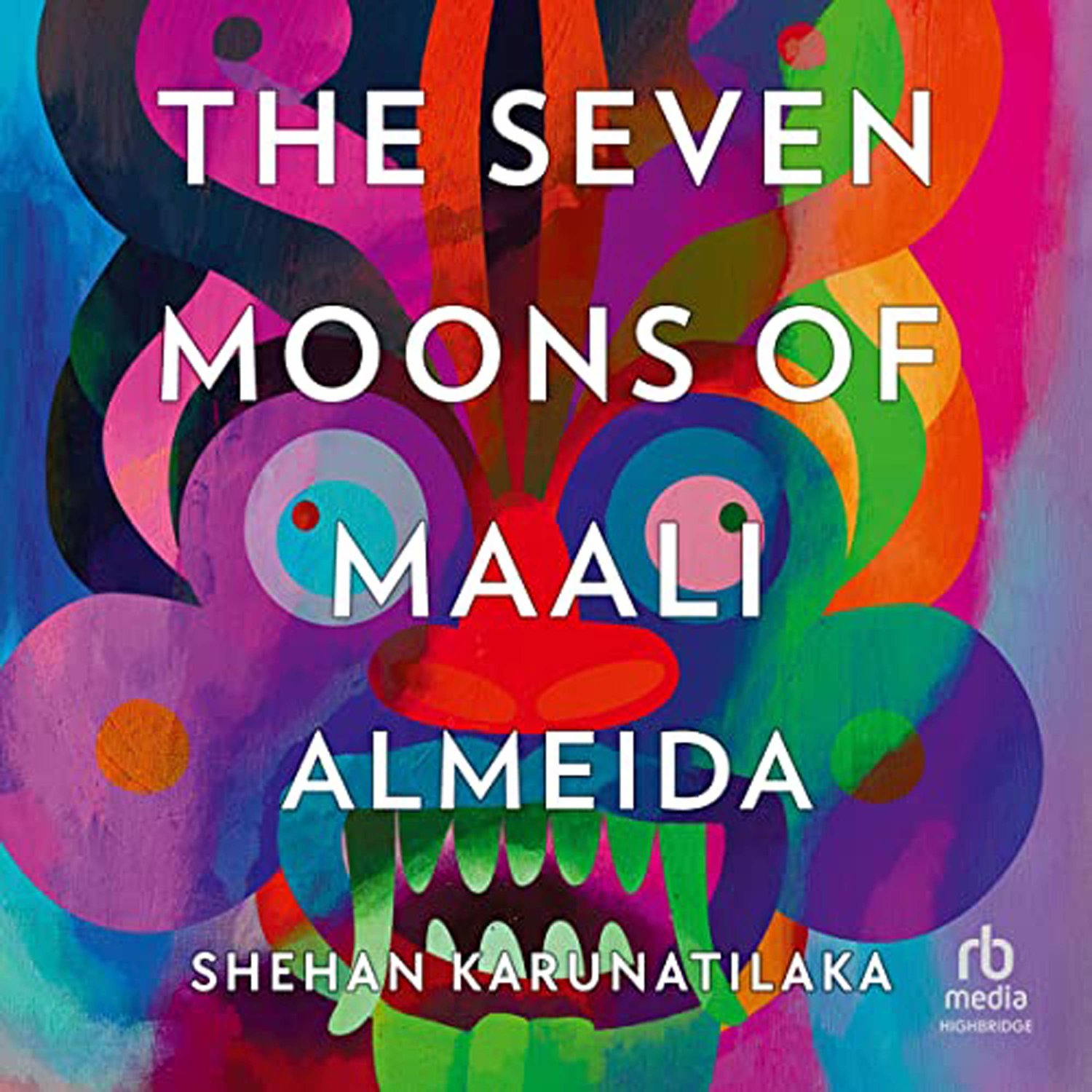
Highlights - SHEHAN KARUNATILAKA - Booker Prize-winning Author of The Seven Moons of Maali Almeida
"I was very inspired to know that humans are not the be-all and end-all. We're just one state. But you could be in this state of consciousness, this kind of godly state, even a demonic state, but also the fact that all living creatures had souls and were affected by karma. And this is something we tend to forget, especially because animals are so tasty and therefore we have to justify slaughtering them on such a mass scale. So we want to believe that they don't count. Or they are somehow lesser souls than us. The cat doesn't believe that it's a pet. The cat believes they are the center of the universe. I'm sure the cockroach believes that they are the center of the universe, just as we do. And back to the thing you said: how our bodies inform our view. I think every living creature suffers and experiences joy. And therefore it's convenient for us to say that certain things don't have souls...whatever the soul is."What happens when we die? What happens to our memories and consciousness when our bodies cease to be? In the end, is it the things we did and the people we loved that give our lives meaning?Shehan Karunatilaka is the multi-award winning author. He is known for his novels dealing with the history, politics, and folklore of his home country of Sri Lanka. He won the Commonwealth Book Prize and the DSC Prize for South Asian Literature for his debut novel, Chinaman: The Legend of Pradeep Mathew, and the Booker Prize 2022 for his second novel, The Seven Moons of Maali Almeida. In addition to novels, he has written rock songs, screenplays and travel stories. Born in Colombo, he studied in New Zealand and has lived and worked in London, Amsterdam, and Singapore.www.shehanwriter.comhttps://wwnorton.com/books/9781324064824www.creativeprocess.info www.oneplanetpodcast.orgIG www.instagram.com/creativeprocesspodcast
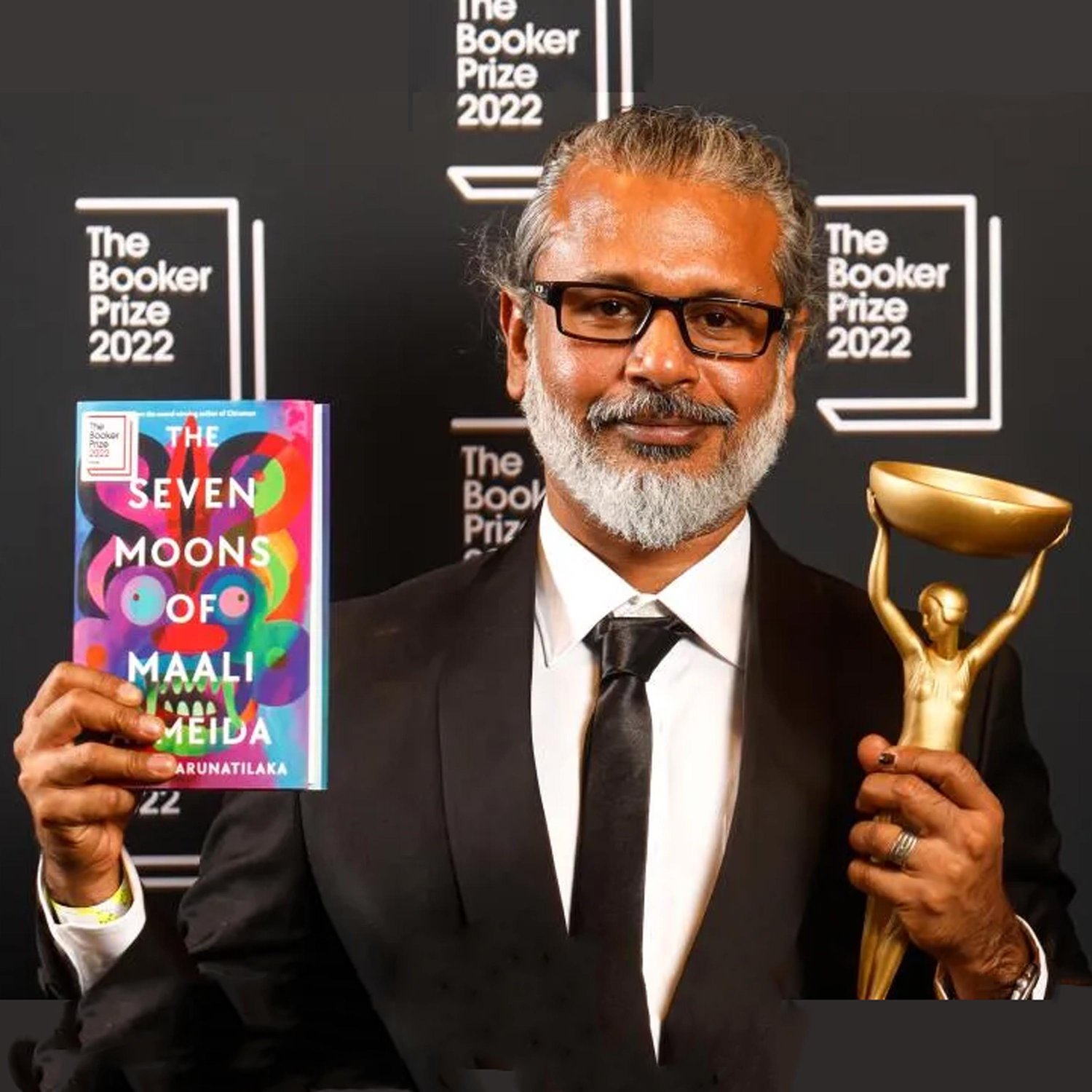
SHEHAN KARUNATILAKA - Booker Prize-winning Author of The Seven Moons of Maali Almeida
What happens when we die? What happens to our memories and consciousness when our bodies cease to be? In the end, is it the things we did and the people we loved that give our lives meaning?Shehan Karunatilaka is the multi-award winning author. He is known for his novels dealing with the history, politics, and folklore of his home country of Sri Lanka. He won the Commonwealth Book Prize and the DSC Prize for South Asian Literature for his debut novel, Chinaman: The Legend of Pradeep Mathew, and the Booker Prize 2022 for his second novel, The Seven Moons of Maali Almeida. In addition to novels, he has written rock songs, screenplays and travel stories. Born in Colombo, he studied in New Zealand and has lived and worked in London, Amsterdam, and Singapore."I was very inspired to know that humans are not the be-all and end-all. We're just one state. But you could be in this state of consciousness, this kind of godly state, even a demonic state, but also the fact that all living creatures had souls and were affected by karma. And this is something we tend to forget, especially because animals are so tasty and therefore we have to justify slaughtering them on such a mass scale. So we want to believe that they don't count. Or they are somehow lesser souls than us. The cat doesn't believe that it's a pet. The cat believes they are the center of the universe. I'm sure the cockroach believes that they are the center of the universe, just as we do. And back to the thing you said: how our bodies inform our view. I think every living creature suffers and experiences joy. And therefore it's convenient for us to say that certain things don't have souls...whatever the soul is."www.shehanwriter.comhttps://wwnorton.com/books/9781324064824www.creativeprocess.info www.oneplanetpodcast.orgIG www.instagram.com/creativeprocesspodcastPhoto credit: David Parry/Booker Prize Foundation

Speaking Out of Place: ANTHONY ARNOVE & HALEY PESSIN discuss Voices of a People’s History of the United States in the 21st Century
In this episode of the Speaking Out of Place podcast, Professor David Palumbo-Liu and Azeezah Kanji talk with Anthony Arnove and Haley Pessin about their new volume Voices of a People’s History of the United States in the 21st Century: Documents of Hope and Resistance.This book is not only a beautiful archive of people's struggles in the 21st century, but also a powerful tribute to and continuation of the work of professor and radical historian Howard Zinn. We speak with Anthony and Haley about the histories of struggles and the possibilities for building a more beautiful future.Anthony Arnove is the editor of several books, including, with Howard Zinn, Voices of a People’s History of the United States and Terrorism and War. He wrote the introduction for the thirty-fifth anniversary edition of Zinn’s classic book, A People’s History of the United States. Arnove cofounded the nonprofit education and arts organization Voices of a People’s History of the United States, wrote, directed, and produced the documentary The People Speak, and has directed stage and television versions of The People Speak in Dublin with Stephen Rea, in London with Colin Firth, and across the United States with various groups including Lincoln Center, the Brooklyn Academy of Music, and the Sundance Film Festival. He produced the Academy Award-nominated documentary Dirty Wars. Arnove is on the editorial boards of Haymarket Books and Tempestmag.org and is the director of Roam Agency, where he represents authors including Arundhati Roy and Noam Chomsky. He lives in Hopewell, New Jersey.Haley Pessin is a socialist activist living in Queens, New York. They have participated in struggles against police brutality and mass incarceration, in solidarity with Palestine, in defense of abortion rights and reproductive justice, and as a legal service worker and union delegate for 119SEIU (Service Employees International Union). Pessin has spoken at conferences in Switzerland, Australia, Ireland, Quebec, and throughout the United States on the struggle for Black liberation. Their writing has appeared in New Politics and at Tempestmag.org, where they currently serve on the editorial board."We have to create alternative institutions to understand history. And to have conversations about how we can intervene because these conversations are increasingly being criminalized, and librarians are being fired and punished. Teachers are also being fired. Whole colleges are being taken over and certain courses are being labeled as not credit-worthy and being canceled. And while conversations around critical race theory and other topics are being declared illegal, there's a long history of book banning in this country. There's a long history of criminalizing dissent in this country, but I do think we all have to recognize that we're in a much more dangerous moment right now, where a new form of McCarthyism is emboldened and we have to speak out against that."https://sevenstories.com/books/4479-voices-of-a-people-s-history-of-the-united-states-in-the-21st-centurywww.palumbo-liu.com https://speakingoutofplace.comhttps://twitter.com/palumboliu?s=20

Highlights - STEPHANIE FELDSTEIN - Population & Sustainability Director, Center for Biological Diversity
"I remember when I picked up a book about how farmed animals were treated and understood for the first time how much animals suffered to put food on my plate. I was 16 years old. As I learned what animals went through for our food, clothes, comfort, and entertainment, I realized there was a lot I could do, even as a kid, to make the world a better place for them. And that mattered because their existence made the world a better place for me too."How can we take inspiration from our love for animals to protect wildlife and change the world? How can we take action and start making changes in our lives? What if we measured success based on happiness and on the health of communities? Stephanie Feldstein leads the Center for Biological Diversity's work to highlight and address threats to endangered species and wild places from runaway human population growth and overconsumption. Previously Stephanie worked for Change.org, where she helped hundreds of people start and win online campaigns to protect wildlife. She has years of experience in organizing, outreach and communications. She is the author of The Animal Lover’s Guide to Changing the World, and the series aimed at young adults Take Action: Save Life on Earth.https://biologicaldiversity.org/about/staff/#sfeldstein https://biologicaldiversity.org www.abebooks.com/9781250153258/Animal-Lovers-Guide-Changing-World-1250153255/plp https://cherrylakepublishing.com/series/445-take-action-save-life-on-earth https://takeextinctionoffyourplate.com/ https://endangeredspeciescondoms.com/www.creativeprocess.infowww.oneplanetpodcast.orgIG www.instagram.com/creativeprocesspodcast

STEPHANIE FELDSTEIN - Author of The Animal Lover’s Guide to Changing the World & Take Action: Save Life on Earth
How can we take inspiration from our love for animals to protect wildlife and change the world? How can we take action and start making changes in our lives? What if we measured success based on happiness and on the health of communities? Stephanie Feldstein leads the Center for Biological Diversity's work to highlight and address threats to endangered species and wild places from runaway human population growth and overconsumption. Previously Stephanie worked for Change.org, where she helped hundreds of people start and win online campaigns to protect wildlife. She has years of experience in organizing, outreach and communications. She is the author of The Animal Lover’s Guide to Changing the World, and the series aimed at young adults Take Action: Save Life on Earth."I remember when I picked up a book about how farmed animals were treated and understood for the first time how much animals suffered to put food on my plate. I was 16 years old. As I learned what animals went through for our food, clothes, comfort, and entertainment, I realized there was a lot I could do, even as a kid, to make the world a better place for them. And that mattered because their existence made the world a better place for me too."https://biologicaldiversity.org/about/staff/#sfeldstein https://biologicaldiversity.org www.abebooks.com/9781250153258/Animal-Lovers-Guide-Changing-World-1250153255/plp https://cherrylakepublishing.com/series/445-take-action-save-life-on-earth https://takeextinctionoffyourplate.com/ https://endangeredspeciescondoms.com/www.creativeprocess.infowww.oneplanetpodcast.orgIG www.instagram.com/creativeprocesspodcast
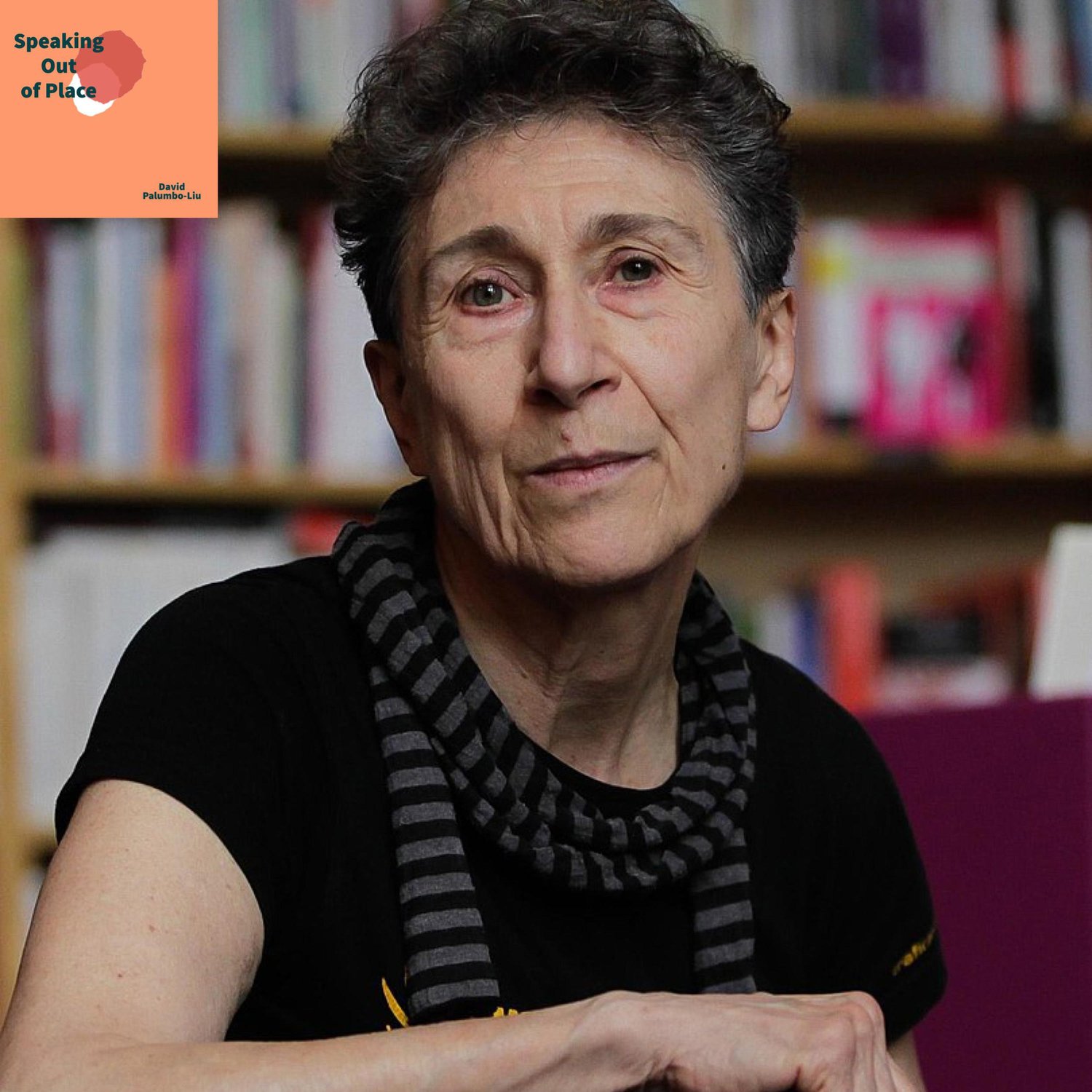
Speaking Out of Place: SILVIA FEDERICI discusses Re-enchanting the World: Feminism and the Politics of the Commons
In this episode of the Speaking Out of Place podcast, Professor David Palumbo-Liu and Azeezah Kanji interview renown scholar, activist, and writer Silvia Federici about her powerful and inspiring collection of essays, Re-enchanting the World: Feminism and the Politics of the Commons. These essays, written over the span of several decades, display her abilities to diagnose and indeed predict the most important issues facing us today.Silvia Federici is a scholar, teacher, and feminist activist based in New York. She is a professor emerita and teaching fellow at Hofstra University in New York State, where she was a social science professor. She also taught at the University of Port Harcourt in Nigeria. In 1972, she co-founded the International Feminist Collective. In 1995, in the course of the campaign to demand the liberation of Mumia Abu-Jamal, she cofounded the Radical Philosophy Association (RPA) anti-death penalty project, an organization intended to help educators become a driving force towards its abolition. For several decades, Federici has been working in a variety of projects with feminist organizations across the world like Women in Nigeria (WIN), Ni Una Menos, the Argentinian feminist organization; she alsohas been organizing a project with feminist collectives in Spain to reconstruct the history of the women who were persecuted as witches in early modern Europe, and raise consciousness about the contemporary witch-hunts that are taking place across the world.Federici is considered one of the leading feminist theoreticians in Marxist feminist theory, women’s history, political philosophy, and the history and theory of the commons. Her most famous book, Caliban and the Witch, has been translated in more than 20 foreign languages, and adopted in courses across the U.S. and many other countries. Often described as a counterpoint to Marx’s and Foucault’s account of “primitive accumulation,” Caliban reconstructs the history of capitalism, highlighting the continuity between the capitalist subjugation of women, the slave trade, and the colonization of the Americas. It has been described as the first history of capitalism with women at the center."To me, the struggle should not ever be purely an oppositional action but should actually be something constructive. Struggle is also a moment in which you raise your consciousness. You take your consciousness, you express a vision of the world that you want to construct what is being denied. The struggle is at the same time negation and also affirmation of the possibility of another world, another vision. And because of it, the struggle is also transformative. It's not only a wall against your enemies. It is also reshaping the relationship with other people. It's a moment of collective reconstruction. It's a moment of collective solidarity. This, to me, has become a very important element. This is what I've learned from the women's movement. That there's so much of our comfort, when we left the male-dominated organization, had to do not only with the program but also the forms of organizing, the kind of relation that you have with people. It became very, very important to think of the struggle as something much different and far more creative, far more constructive, and this vision of the struggle is also what should attract people to look at the struggle as something in which they want to be, not as another burden, not as another piece of work added to the day-to-day misery and the day in day workload. But actually, something that you look forward to. Going to a meeting has to be something that you look forward to as you go to a party, in the sense that here are the people that you feel connected with. You're building something. You are discovering something."www.pmpress.org/index.php?l=product_detail&p=961www.palumbo-liu.com https://speakingoutofplace.comhttps://twitter.com/palumboliu?s=20

Highlights - SUE INCHES - Fmr. Director, Maine Department of Marine Resources - Fmr. Deputy Director, State Planning Office
"Advocacy starts with your story, my story, and everyone else's stories. They add up to the big story that we are telling ourselves about the Earth. Over time, our collective stories will guide us to sustainable prosperity and well-being, or to total destruction. But let's not get ahead of ourselves. And the reason I bring up stories so early in the book is because when you're actually doing lobbying, it's the stories that the decision-makers remember. So legislators have said that to me when 'I go to vote on an issue, it's the stories I remember.' It's not the data. It's not the charts and graphs. Those are important, but it's the stories that they remember and that's how they vote on these issues."How do we connect our personal stories to the big story about the environment? How can we motivate corporations and government to not just aim for profit, but include reporting on their environmental risks and impacts in their balance sheets?Sue Inches is an advocate, author, and teacher. She has worked in public policy for over 25 years, serving as the Deputy Director of the State Planning Office, and as a Director at the Maine Department of Marine Resources. She is author of Advocating for the Environment: How to Gather Your Power and Take Action, and teaches college and high school workshops on same. Her consulting work focuses on strategic planning, program development, and environmental campaigns.https://sueinches.comwww.penguinrandomhouse.com/books/670609/advocating-for-the-environment-by-susan-b-incheswww.creativeprocess.infowww.oneplanetpodcast.orgIG www.instagram.com/creativeprocesspodcast

SUE INCHES - Author of Advocating for the Environment: How to Gather Your Power and Take Action
How do we connect our personal stories to the big story about the environment? How can we motivate corporations and government to not just aim for profit, but include reporting on their environmental risks and impacts in their balance sheets?Sue Inches is an advocate, author, and teacher. She has worked in public policy for over 25 years, serving as the Deputy Director of the State Planning Office, and as a Director at the Maine Department of Marine Resources. She is author of Advocating for the Environment: How to Gather Your Power and Take Action, and teaches college and high school workshops on same. Her consulting work focuses on strategic planning, program development, and environmental campaigns."Advocacy starts with your story, my story, and everyone else's stories. They add up to the big story that we are telling ourselves about the Earth. Over time, our collective stories will guide us to sustainable prosperity and well-being, or to total destruction. But let's not get ahead of ourselves. And the reason I bring up stories so early in the book is because when you're actually doing lobbying, it's the stories that the decision-makers remember. So legislators have said that to me when 'I go to vote on an issue, it's the stories I remember.' It's not the data. It's not the charts and graphs. Those are important, but it's the stories that they remember and that's how they vote on these issues."https://sueinches.comwww.penguinrandomhouse.com/books/670609/advocating-for-the-environment-by-susan-b-incheswww.creativeprocess.infowww.oneplanetpodcast.orgIG www.instagram.com/creativeprocesspodcast