
BirdNote Daily
1,283 episodes — Page 20 of 26
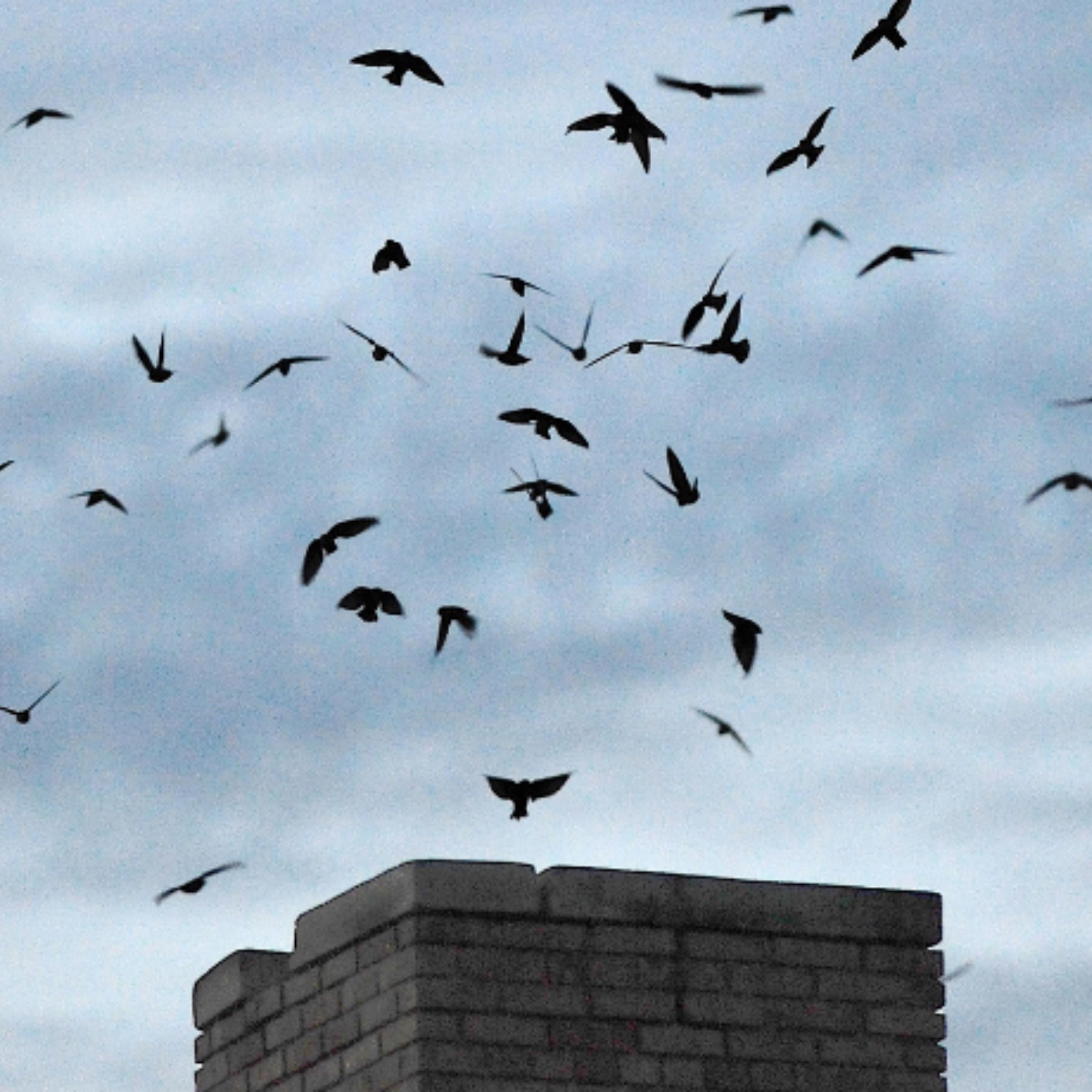
Giving Chimney Swifts a Place to Live
Before chimneys existed, Chimney Swifts relied on old hollow trees for nesting and roosting. They can’t perch, they can only cling to a rough vertical surface. As developers cleared old growth forests, Chimney Swifts began using human-built structures. But building styles have changed, making traditional brick chimneys rarer. Pesticides have reduced the populations of swifts’ insect prey. People can help swifts by leaving brick or stone chimneys open from April to October and avoiding pesticides.More info and transcript at BirdNote.org. Want more BirdNote? Subscribe to our weekly newsletter. Sign up for BirdNote+ to get ad-free listening and other perks. BirdNote is a nonprofit. Your tax-deductible gift makes these shows possible. Hosted by Simplecast, an AdsWizz company. See pcm.adswizz.com for information about our collection and use of personal data for advertising.
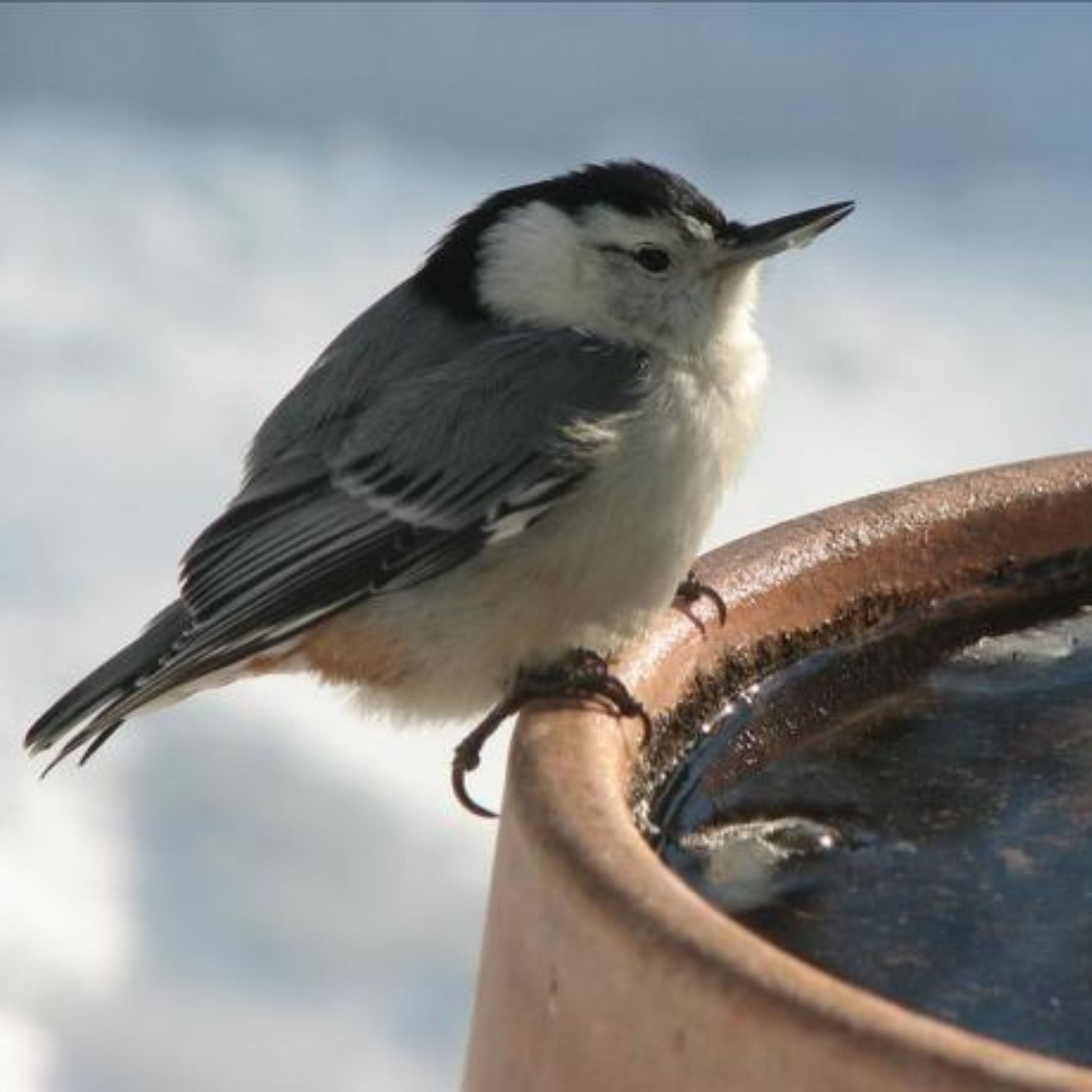
Birdbaths in Winter
Does the image of a frozen birdbath bring to mind a small yellow bird with ice skates? Birds need water in all seasons, for drinking and for bathing. When the water is frozen, you can thaw it with hot water. Or go the slightly more expensive route and add a heater.More info and transcript at BirdNote.org. Want more BirdNote? Subscribe to our weekly newsletter. Sign up for BirdNote+ to get ad-free listening and other perks. BirdNote is a nonprofit. Your tax-deductible gift makes these shows possible. Hosted by Simplecast, an AdsWizz company. See pcm.adswizz.com for information about our collection and use of personal data for advertising.

Turkey Vultures on the Move
Before we see or feel spring, we often hear it first — in the testimony of a Red-winged Blackbird, the energy of a Song Sparrow, or the serenade of an American Robin. But across much of North America, an earlier sign of spring is the return of Turkey Vultures. In the U.S., you may see them as early as February or March. Unlike most of our returning birds, which migrate at night, Turkey Vultures migrate like hawks — in the daytime. They rise on warm spring updrafts, with a distinctive teeter from side to side. And then they glide — northbound.More info and transcript at BirdNote.org. Want more BirdNote? Subscribe to our weekly newsletter. Sign up for BirdNote+ to get ad-free listening and other perks. BirdNote is a nonprofit. Your tax-deductible gift makes these shows possible. Hosted by Simplecast, an AdsWizz company. See pcm.adswizz.com for information about our collection and use of personal data for advertising.

An App That Helps You Hear High-Pitched Bird Songs
For years, nature recordist Lang Elliott came up with clever ways to hear high-pitched bird songs despite his high-frequency hearing loss. Lang teamed up with a programmer to develop an app called Hear Birds Again. Currently it’s only available for iPhones, but it’s able to take high-pitch bird songs and shift them down into a lower range.More info and transcript at BirdNote.org. Want more BirdNote? Subscribe to our weekly newsletter. Sign up for BirdNote+ to get ad-free listening and other perks. BirdNote is a nonprofit. Your tax-deductible gift makes these shows possible. Hosted by Simplecast, an AdsWizz company. See pcm.adswizz.com for information about our collection and use of personal data for advertising.
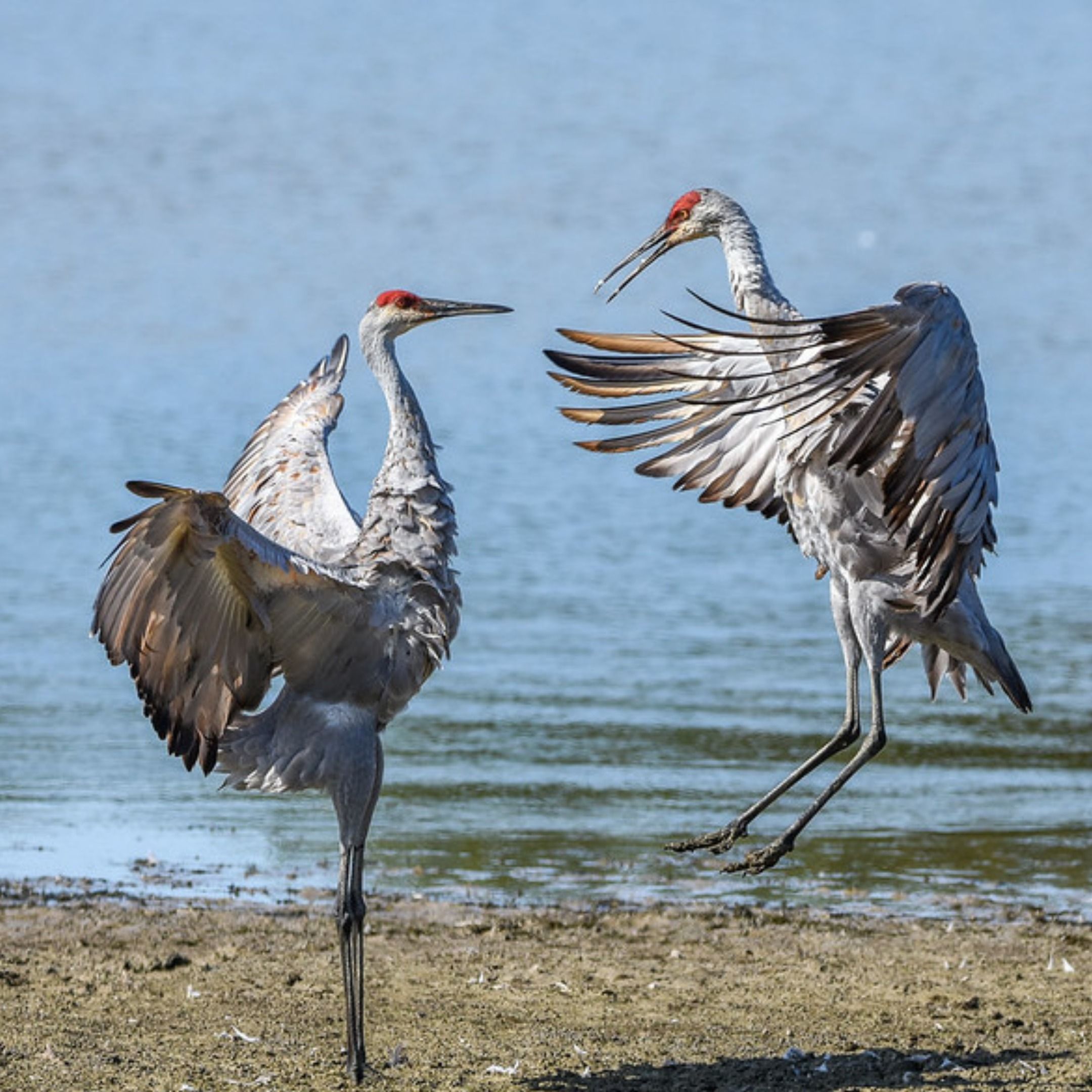
Leaping with Sandhill Cranes
With a graceful leap, wings outstretched, Sandhill Cranes welcome the longer days. The stately cranes are courting, renewing an annual dance they perform in earnest as the days lengthen into spring. Sandhill Crane pairs remain together for life, and their spirited dance plays an essential role in reaffirming this bond.More info and transcript at BirdNote.org. Want more BirdNote? Subscribe to our weekly newsletter. Sign up for BirdNote+ to get ad-free listening and other perks. BirdNote is a nonprofit. Your tax-deductible gift makes these shows possible. Hosted by Simplecast, an AdsWizz company. See pcm.adswizz.com for information about our collection and use of personal data for advertising.

How Noise Pollution Affects Birds
Dr. Clinton Francis is a sensory ecologist who studies how noise pollution affects birds, like this Black-headed Grosbeak. He says sounds from machines and vehicles can really disrupt bird behavior. Although birds rely on hearing to sense predators and prey, and to find mates, their sense of hearing isn’t very good, making them very sensitive to noise pollution from machines and vehicles. Fortunately, there are many ways to help birds by reducing noise pollution.More info and transcript at BirdNote.org. Want more BirdNote? Subscribe to our weekly newsletter. Sign up for BirdNote+ to get ad-free listening and other perks. BirdNote is a nonprofit. Your tax-deductible gift makes these shows possible. Hosted by Simplecast, an AdsWizz company. See pcm.adswizz.com for information about our collection and use of personal data for advertising.

Observe First, Photograph Second
When Day Scott teaches people how to take pictures of birds, she emphasizes observing birds carefully before picking up the camera. Sometimes that means choosing whether or not to even attempt a photo. In this episode, Day shares a story about choosing whether or not to try and photograph a rare Painted Bunting in her area or to see the bird in high-definition through her binoculars.More info and transcript at BirdNote.org. Want more BirdNote? Subscribe to our weekly newsletter. Sign up for BirdNote+ to get ad-free listening and other perks. BirdNote is a nonprofit. Your tax-deductible gift makes these shows possible. Hosted by Simplecast, an AdsWizz company. See pcm.adswizz.com for information about our collection and use of personal data for advertising.
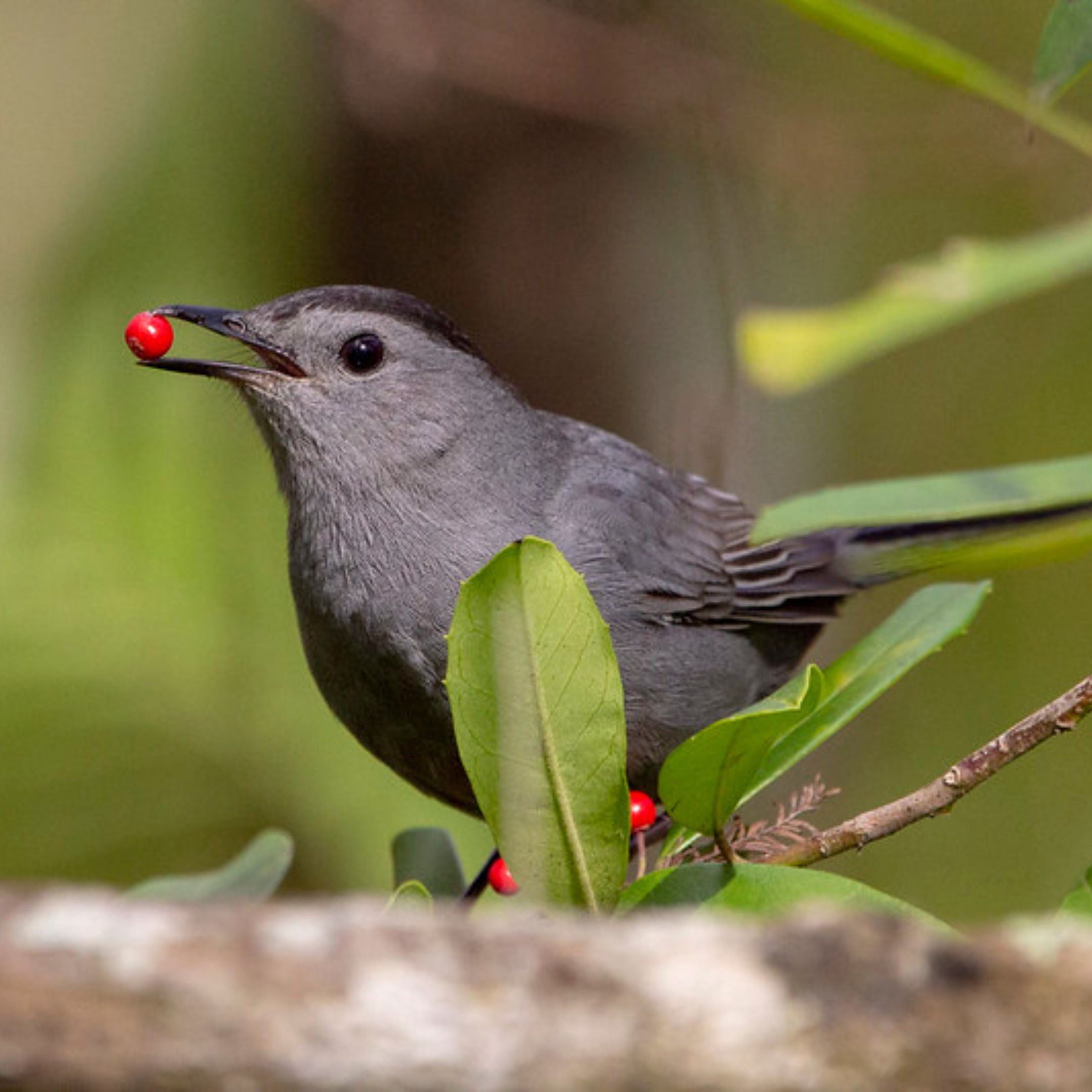
Birds, Berries and Germination
Some plants have evolved fruits with edible flesh that attract birds. When birds swallow the fruit, they also ingest the seeds. They transport the seeds to new spots for the plants to take root. Birds’ digestive systems grind away the hard outer coating of the seed, making it more likely to germinate. Seeds in a bird’s droppings are pre-packaged in nutrient-rich fertilizer.More info and transcript at BirdNote.org. Want more BirdNote? Subscribe to our weekly newsletter. Sign up for BirdNote+ to get ad-free listening and other perks. BirdNote is a nonprofit. Your tax-deductible gift makes these shows possible. Hosted by Simplecast, an AdsWizz company. See pcm.adswizz.com for information about our collection and use of personal data for advertising.

Hovering Is Hard Work
Hummingbirds are built for hovering flight, with flexible wrists that rotate their wings in a rapid figure-eight motion that generates almost constant lift. Eurasian Skylarks, on the other hand, hovers by fluttering its wings 10-12 times per second, singing all the while. Some raptors such as American Kestrels use a different strategy: by flying into the wind, they can float in place while they scan for prey.More info and transcript at BirdNote.org. Want more BirdNote? Subscribe to our weekly newsletter. Sign up for BirdNote+ to get ad-free listening and other perks. BirdNote is a nonprofit. Your tax-deductible gift makes these shows possible. Hosted by Simplecast, an AdsWizz company. See pcm.adswizz.com for information about our collection and use of personal data for advertising.
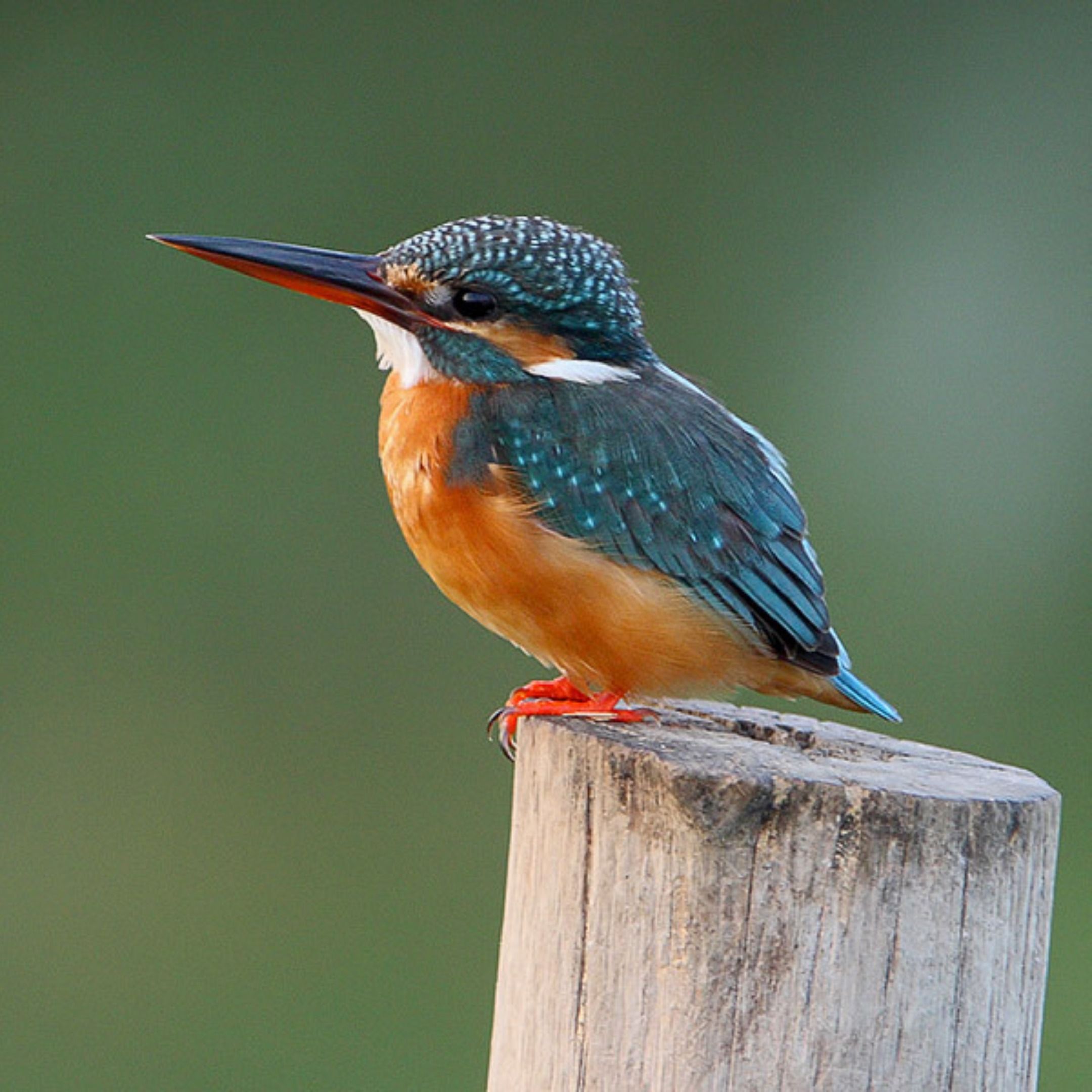
Biomimicry - Japanese Trains Mimic Kingfisher
In the 1990s, train engineers in Japan built trains able to travel nearly 170 miles per hour. The problem was that when the trains exited a tunnel, the air in front of their bullet-shaped noses expanded rapidly, creating a loud “tunnel boom.” The chief engineer, a birder, looked to the shape of a kingfisher’s bill to design long, narrow train noses that parted the air. The trains became both quieter and more efficient.More info and transcript at BirdNote.org. Want more BirdNote? Subscribe to our weekly newsletter. Sign up for BirdNote+ to get ad-free listening and other perks. BirdNote is a nonprofit. Your tax-deductible gift makes these shows possible. Hosted by Simplecast, an AdsWizz company. See pcm.adswizz.com for information about our collection and use of personal data for advertising.
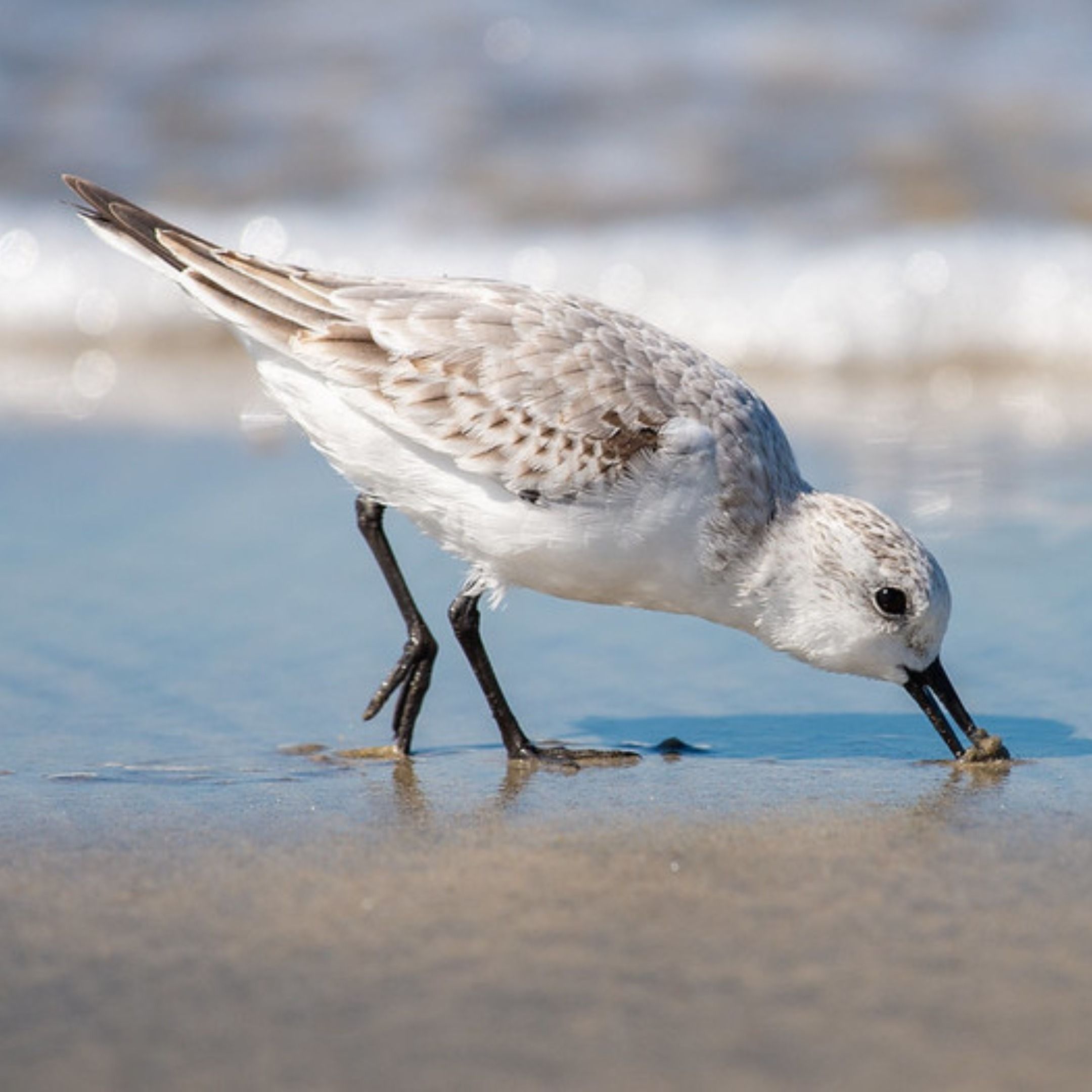
Dining with Sanderlings
While many shorebirds have gone south, tiny sandpipers called Sanderlings are easy to find on winter shores. They follow the waves as they lap in and out, probing the swirling sand for prey. They often eat various small crustaceans such as mole crabs, isopods, and amphipods. But they also enjoy miniature clams, polychaete worms, and horseshoe crab eggs. They’ll even catch flying insects or eat plant matter.More info and transcript at BirdNote.org. Want more BirdNote? Subscribe to our weekly newsletter. Sign up for BirdNote+ to get ad-free listening and other perks. BirdNote is a nonprofit. Your tax-deductible gift makes these shows possible. Hosted by Simplecast, an AdsWizz company. See pcm.adswizz.com for information about our collection and use of personal data for advertising.

Creating Abstract Paintings of Migratory Birds
Artist Debra Ramsay became fascinated with the way that birds and their colors mark changes in the seasons. In her “Migrations” project, she painted species seen in New York’s Central Park, creating an abstract design from the three main colors of each bird. Debra layered colors into thick plexiglass panels, so the paintings appear to change when seen from different angles.More info and transcript at BirdNote.org. Want more BirdNote? Subscribe to our weekly newsletter. Sign up for BirdNote+ to get ad-free listening and other perks. BirdNote is a nonprofit. Your tax-deductible gift makes these shows possible. Hosted by Simplecast, an AdsWizz company. See pcm.adswizz.com for information about our collection and use of personal data for advertising.
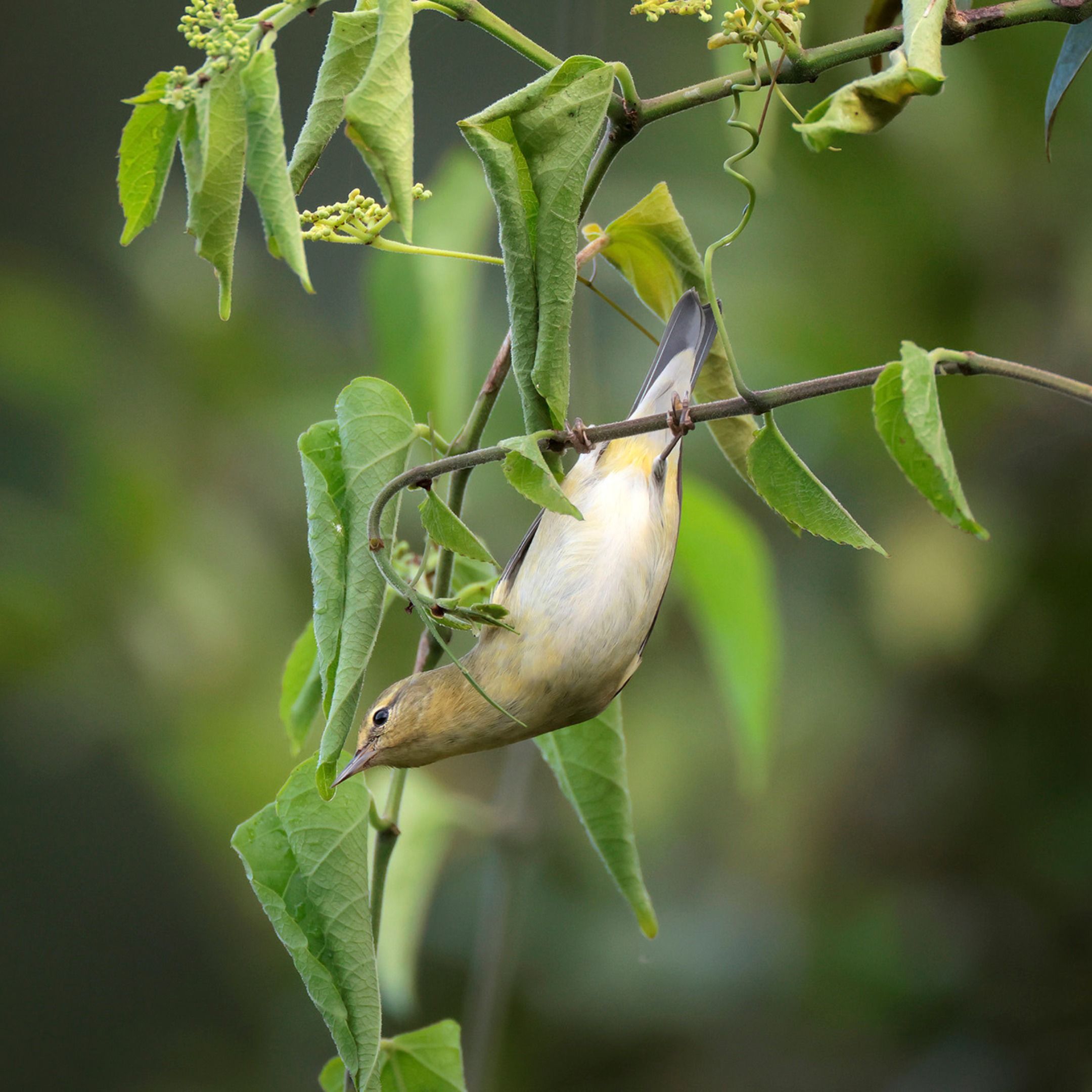
Tennessee Warbler, Nectar Thief
Tennessee Warblers love drinking nectar, but they do it without helping to pollinate flowers. By tapping a hole into the base of a flower, these warblers enjoy an easy meal while bypassing the flower’s pollen. But they give back to their ecosystems in other ways – such as eating countless insects!More info and transcript at BirdNote.org. Want more BirdNote? Subscribe to our weekly newsletter. Sign up for BirdNote+ to get ad-free listening and other perks. BirdNote is a nonprofit. Your tax-deductible gift makes these shows possible. Hosted by Simplecast, an AdsWizz company. See pcm.adswizz.com for information about our collection and use of personal data for advertising.
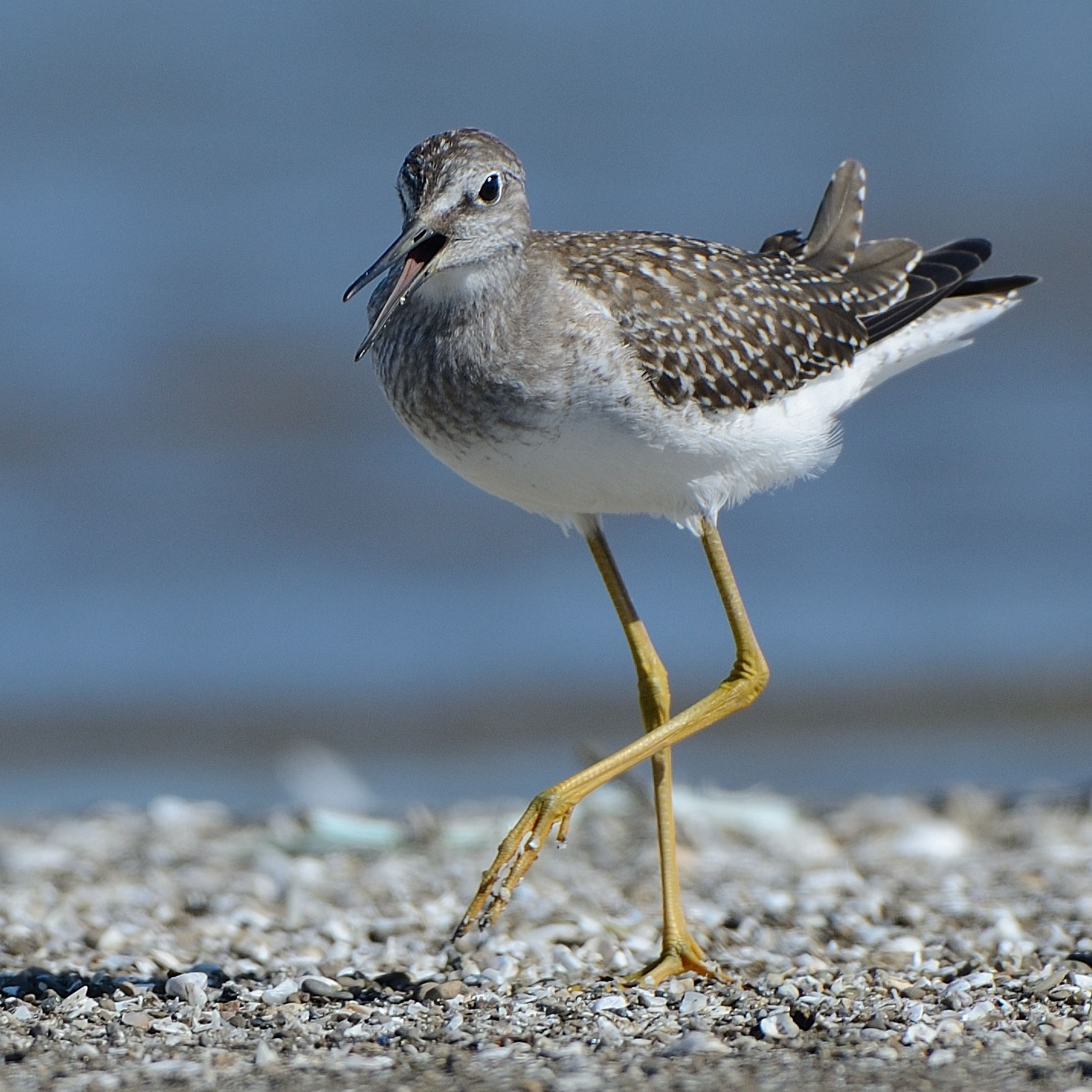
Lesser Yellowlegs, Loud and Proud
When the shorebirds called Lesser Yellowlegs sense a threat to their nest, they’ll put up an unforgettable racket to drive the danger away. Smaller and with a shorter bill than the Greater Yellowlegs, Lesser Yellowlegs sing to attract mates, while flying or perching up in a tree like a songbird. Although they’re widespread, Lesser Yellowlegs have lost over half their numbers in the last 50 years. Protecting wetlands, addressing climate change, and using sustainable farming practices can all help make sure that this species stays common, loud and proud throughout the Americas.More info and transcript at BirdNote.org. Want more BirdNote? Subscribe to our weekly newsletter. Sign up for BirdNote+ to get ad-free listening and other perks. BirdNote is a nonprofit. Your tax-deductible gift makes these shows possible. Hosted by Simplecast, an AdsWizz company. See pcm.adswizz.com for information about our collection and use of personal data for advertising.
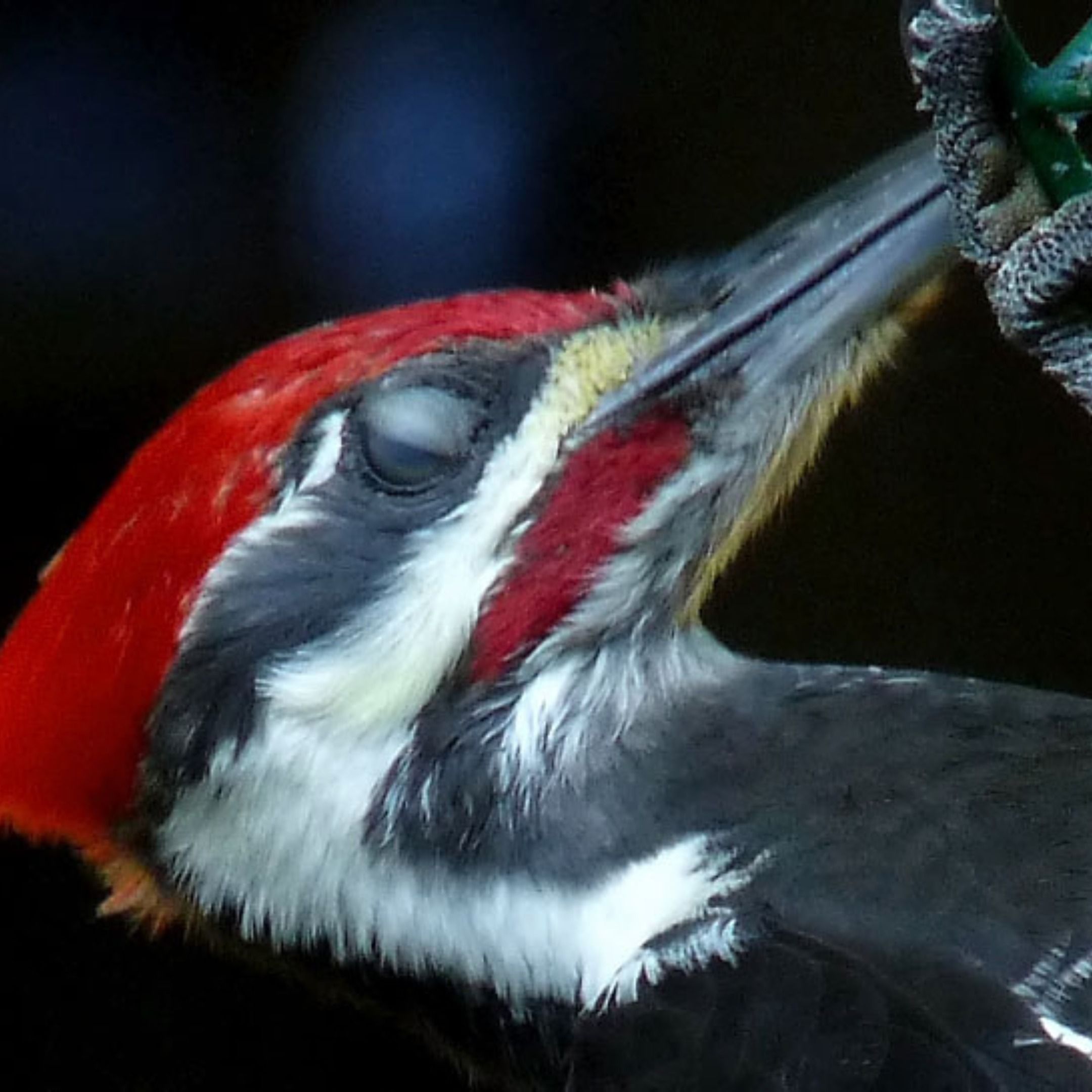
Nictitating Membranes - Nature's Goggles
For most birds, keen eyesight is critical for survival. But many birds lead lives that can be very hard on the eyes — like flying at breakneck speed, racing for cover into a dense thicket, or diving under water to capture prey. Imagine how the chips fly as this Pileated Woodpecker chisels a cavity. Fortunately, birds have evolved a structure for protecting their eyes. Beneath the outer eyelids lies an extra eyelid, called the nictitating membrane. It helps keep the eye moist and clean while guarding it from wind, dust, and hazards.More info and transcript at BirdNote.org. Want more BirdNote? Subscribe to our weekly newsletter. Sign up for BirdNote+ to get ad-free listening and other perks. BirdNote is a nonprofit. Your tax-deductible gift makes these shows possible. Hosted by Simplecast, an AdsWizz company. See pcm.adswizz.com for information about our collection and use of personal data for advertising.

Finding Food When it Snows
Fresh-fallen snow is beautiful, but it poses a challenge to birds. The ground where they found food is now covered by several inches of snow. Birds such as juncos and other sparrows flit under bushes where snow doesn’t cover the ground. Finches and chickadees pick at the seed heads of plants sticking out above the snow, while robins (like this American Robin) seek out dried fruits. Nuthatches and woodpeckers cling to trees as they search for insects within the bark.More info and transcript at BirdNote.org. Want more BirdNote? Subscribe to our weekly newsletter. Sign up for BirdNote+ to get ad-free listening and other perks. BirdNote is a nonprofit. Your tax-deductible gift makes these shows possible. Hosted by Simplecast, an AdsWizz company. See pcm.adswizz.com for information about our collection and use of personal data for advertising.
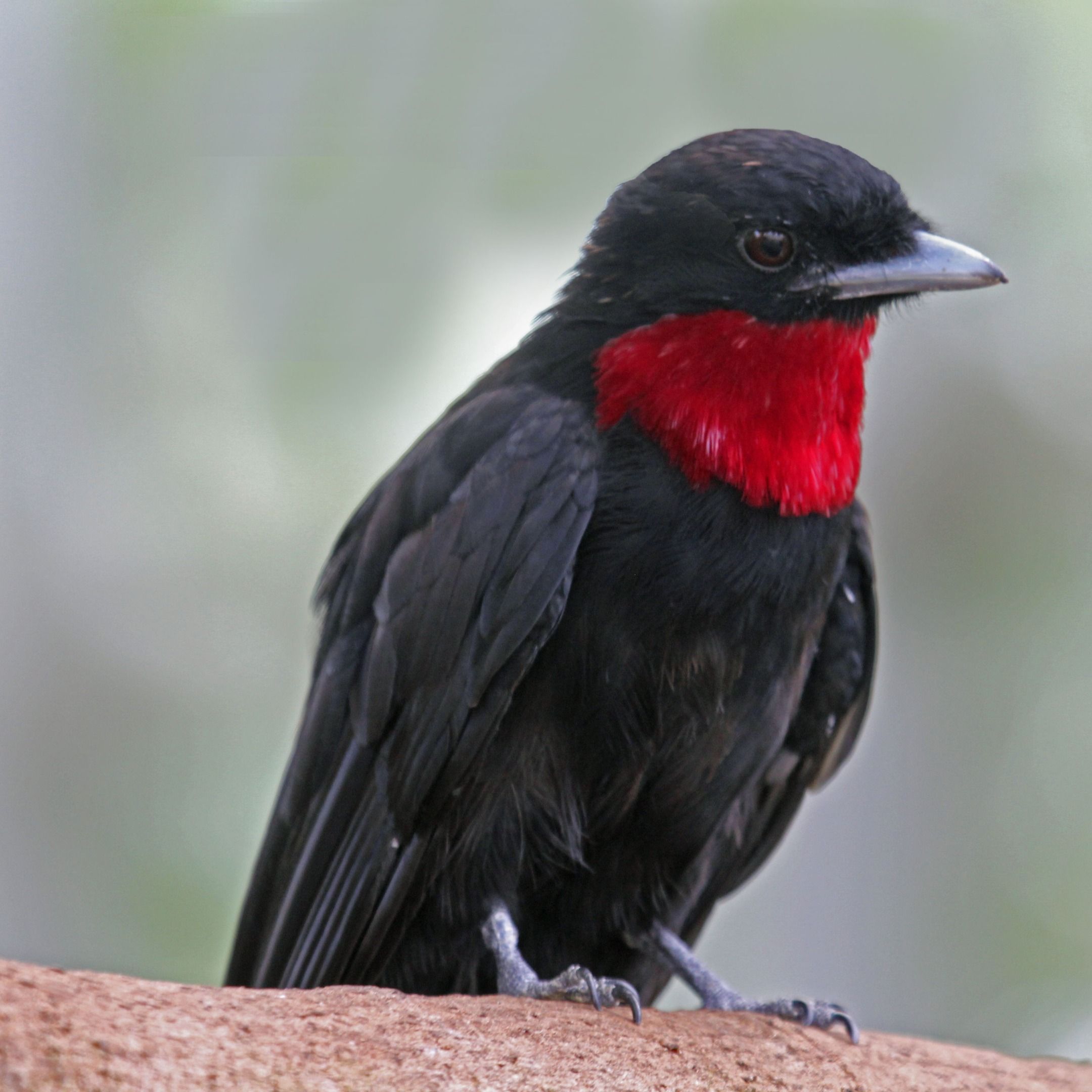
Costa Rica Winter Sunrise
On a winter morning in Costa Rica, a colorful choir welcomes the day. A pair of Bay Wrens sings a brisk duet just before sunrise. Perched in the upper canopy of the tropical lowland forest, a group of Keel-billed Toucans calls out. In a nearby tree, Purple-throated Fruitcrows (like this one) add their voices to the chorus. Then a male Montezuma Oropendola belts out an electrifying series of notes — one of the most distinctive voices in the tropics. Finally, a Bright-rumped Attila calls from its perch.More info and transcript at BirdNote.org. Want more BirdNote? Subscribe to our weekly newsletter. Sign up for BirdNote+ to get ad-free listening and other perks. BirdNote is a nonprofit. Your tax-deductible gift makes these shows possible. Hosted by Simplecast, an AdsWizz company. See pcm.adswizz.com for information about our collection and use of personal data for advertising.
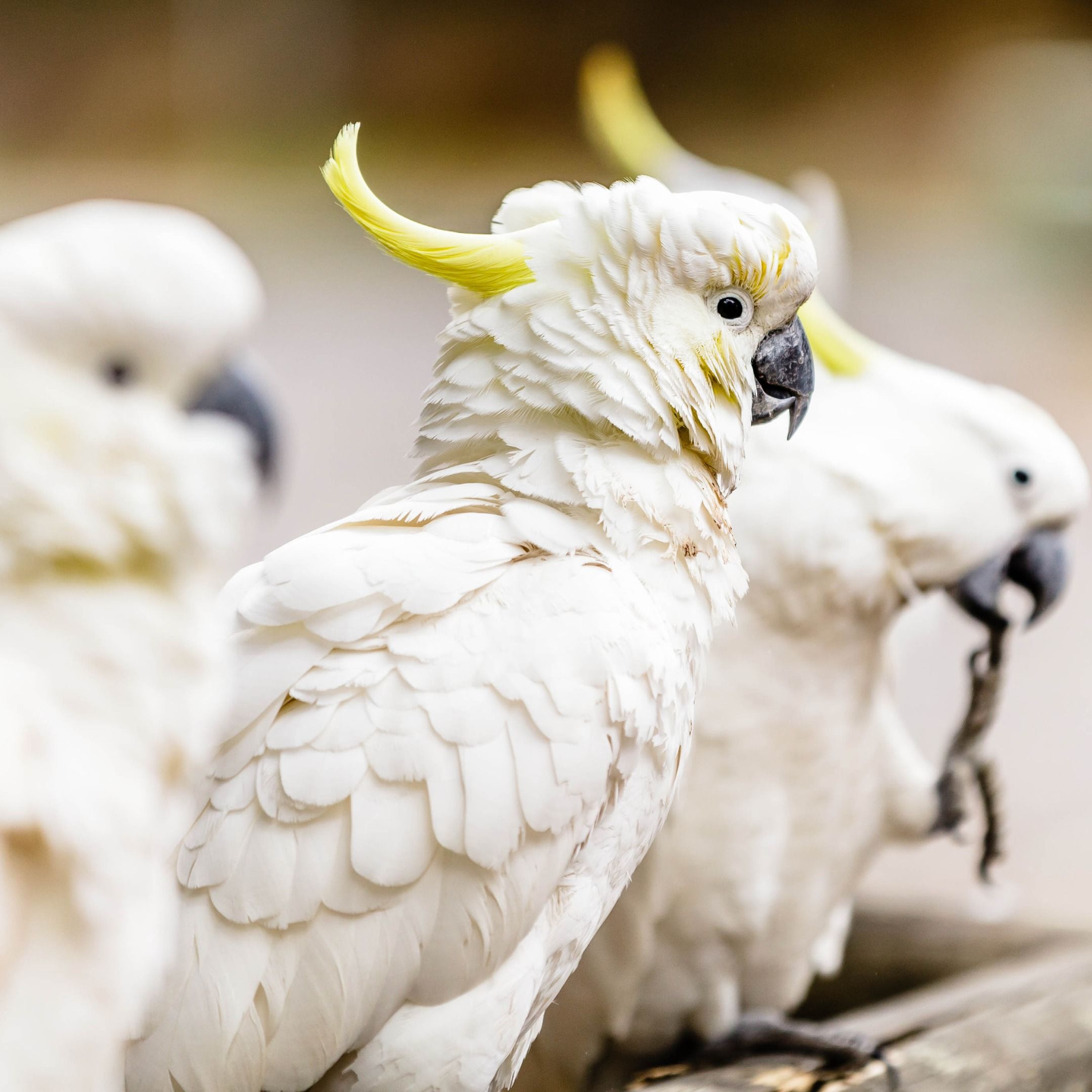
Cockatoos and People Trying to Outwit Each Other
In several neighborhoods of Sydney, Sulphur-crested Cockatoos have learned ways to open trash bins and grab some leftover food. Researchers found that birds in a given suburb seem to learn their trash bin opening technique from nearby birds, leading to subtle differences in how cockatoos raid the garbage throughout the city. This has pitted two highly intelligent species against each other as people have tried to come up with deterrence methods to keep birds away from the trash.More info and transcript at BirdNote.org. Want more BirdNote? Subscribe to our weekly newsletter. Sign up for BirdNote+ to get ad-free listening and other perks. BirdNote is a nonprofit. Your tax-deductible gift makes these shows possible. Hosted by Simplecast, an AdsWizz company. See pcm.adswizz.com for information about our collection and use of personal data for advertising.
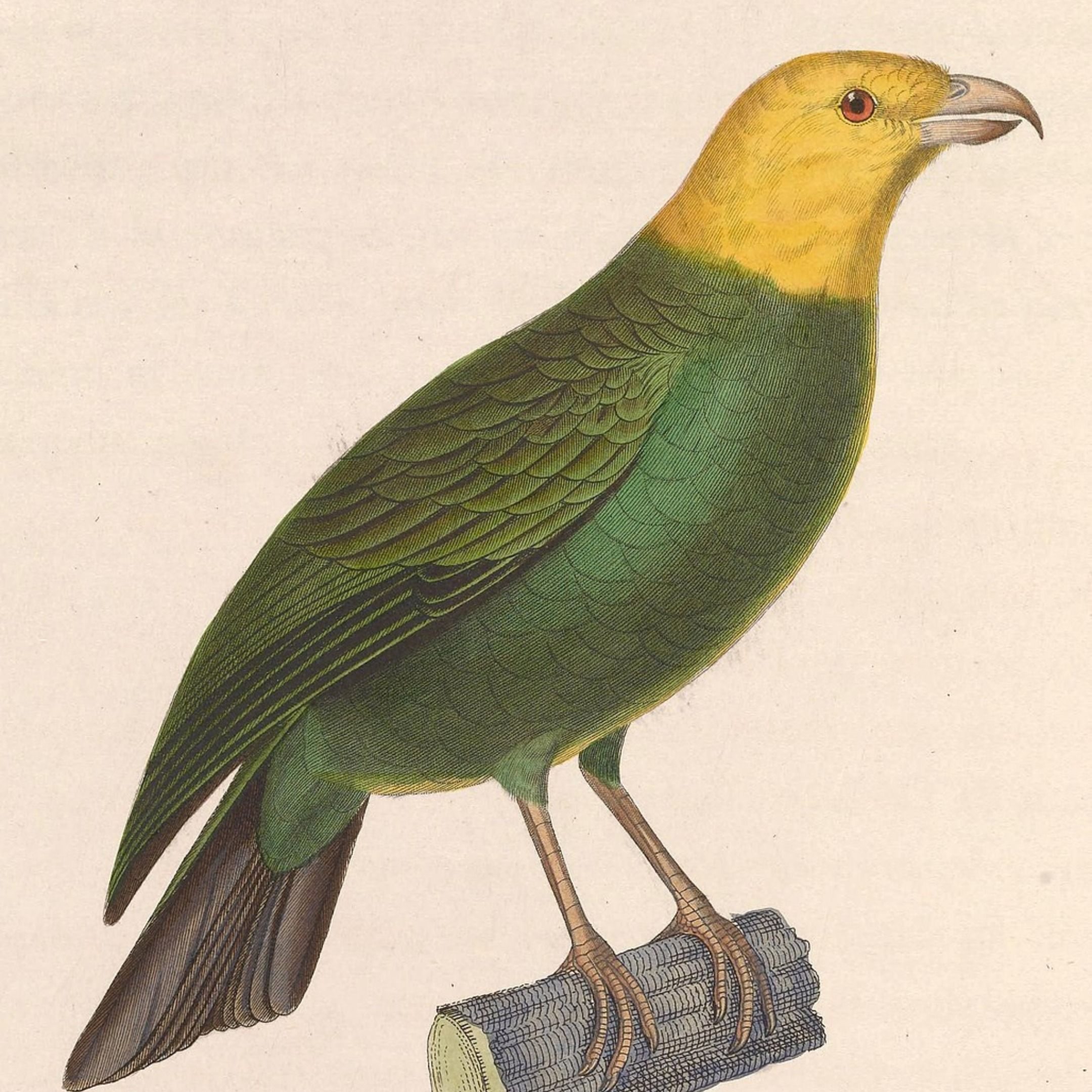
Memory of the ‘Ō‘ū
Sam ‘Ohu Gon was one of the last people to see an ‘Ō‘ū, a native Hawaiian bird that’s presumed to be extinct. He’s worked at the Nature Conservancy of Hawai‘i for nearly forty years. In 1988, he took part in an Audubon Christmas Bird Count, hoping to encounter critically endangered native birds.More info and transcript at BirdNote.org. Want more BirdNote? Subscribe to our weekly newsletter. Sign up for BirdNote+ to get ad-free listening and other perks. BirdNote is a nonprofit. Your tax-deductible gift makes these shows possible. Hosted by Simplecast, an AdsWizz company. See pcm.adswizz.com for information about our collection and use of personal data for advertising.

Tokens of Affection
Birds have many ways of showing affection for their partners. One way is allopreening, where a bird uses its bill to groom a mate, twirling each individual feather in its beak (like these Macaws). Other birds present their partners with gifts like moss or sticks. A female Arabian Babbler might reciprocate with a gift of her own — or just cut to the chase and lead her suitor to a rendezvous spot in the shrubbery.More info and transcript at BirdNote.org. Want more BirdNote? Subscribe to our weekly newsletter. Sign up for BirdNote+ to get ad-free listening and other perks. BirdNote is a nonprofit. Your tax-deductible gift makes these shows possible. Hosted by Simplecast, an AdsWizz company. See pcm.adswizz.com for information about our collection and use of personal data for advertising.
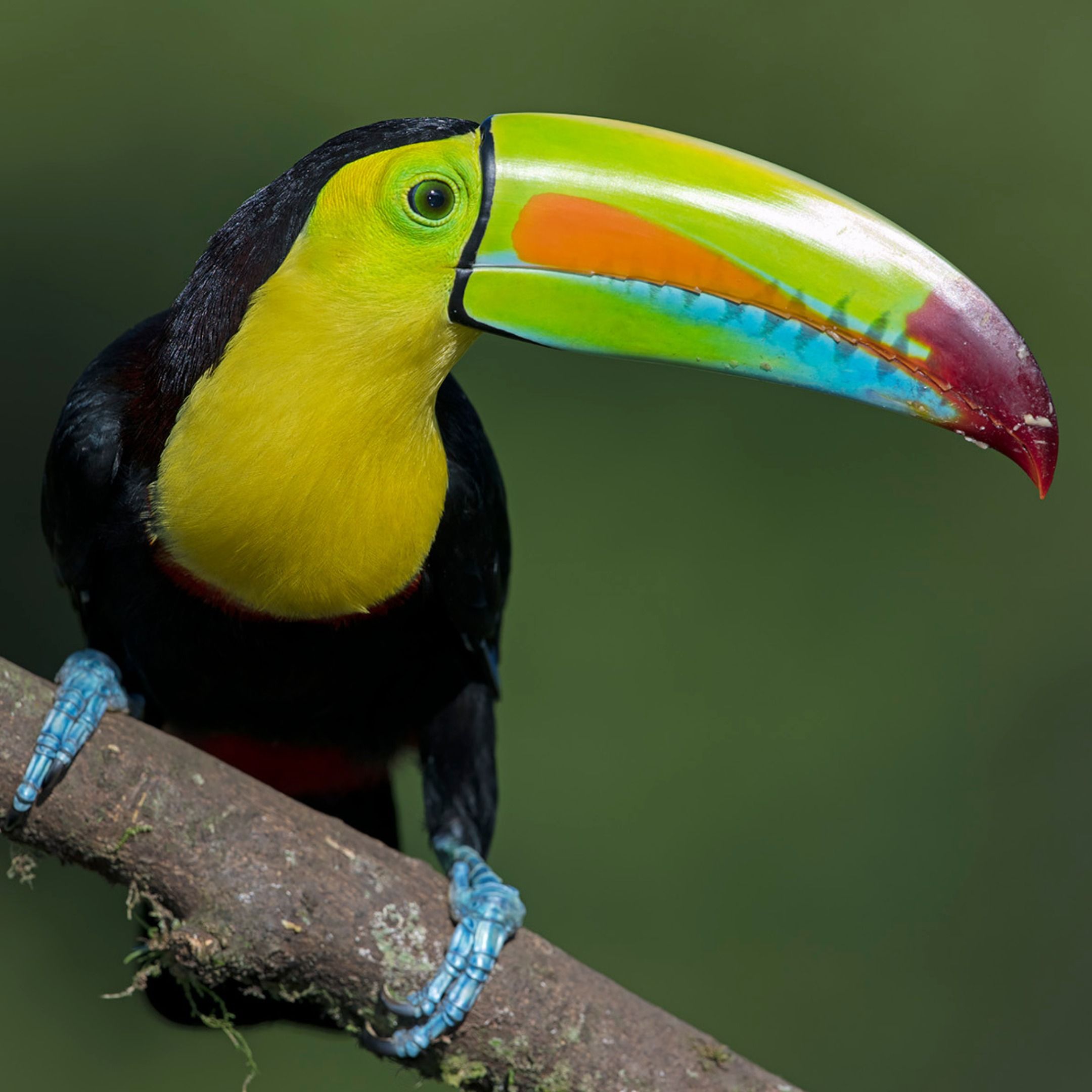
Rainbow-Billed Toucan: The Flying Banana
The Keel-billed Toucan, also known as the Rainbow-billed Toucan, looks like a bird with a giant banana for a beak. They have a black body, a yellow patch from the face to the breast, and a huge rainbow-colored bill. The big beaks have more than one use: they can be used for fighting with rivals, but they can also help toucans regulate their body temperature in the tropical heat.More info and transcript at BirdNote.org. Want more BirdNote? Subscribe to our weekly newsletter. Sign up for BirdNote+ to get ad-free listening and other perks. BirdNote is a nonprofit. Your tax-deductible gift makes these shows possible. Hosted by Simplecast, an AdsWizz company. See pcm.adswizz.com for information about our collection and use of personal data for advertising.
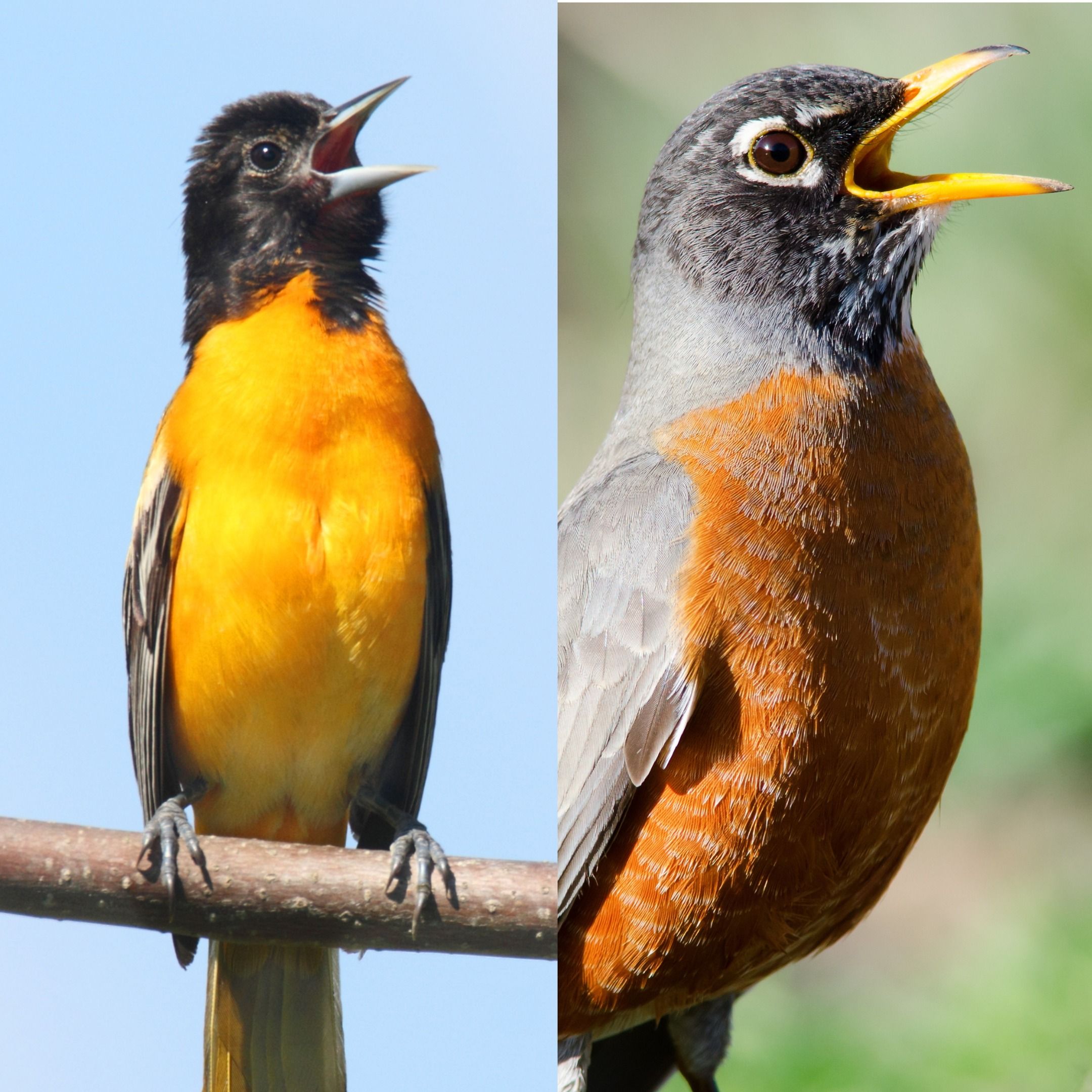
Telling Apart Two Cheery Bird Songs
The American Robin and the Baltimore Oriole both have cheery, upbeat songs. At first, you might think there’s no way to tell these two cheery, upbeat singers apart. But there are a couple of differences. American Robins usually have a longer song, while Baltimore Orioles usually stop after a phrase or two. Plus, Baltimore Orioles sound sweeter and more melodic than American Robins, who can come across a little screechy at times.More info and transcript at BirdNote.org. Want more BirdNote? Subscribe to our weekly newsletter. Sign up for BirdNote+ to get ad-free listening and other perks. BirdNote is a nonprofit. Your tax-deductible gift makes these shows possible. Hosted by Simplecast, an AdsWizz company. See pcm.adswizz.com for information about our collection and use of personal data for advertising.
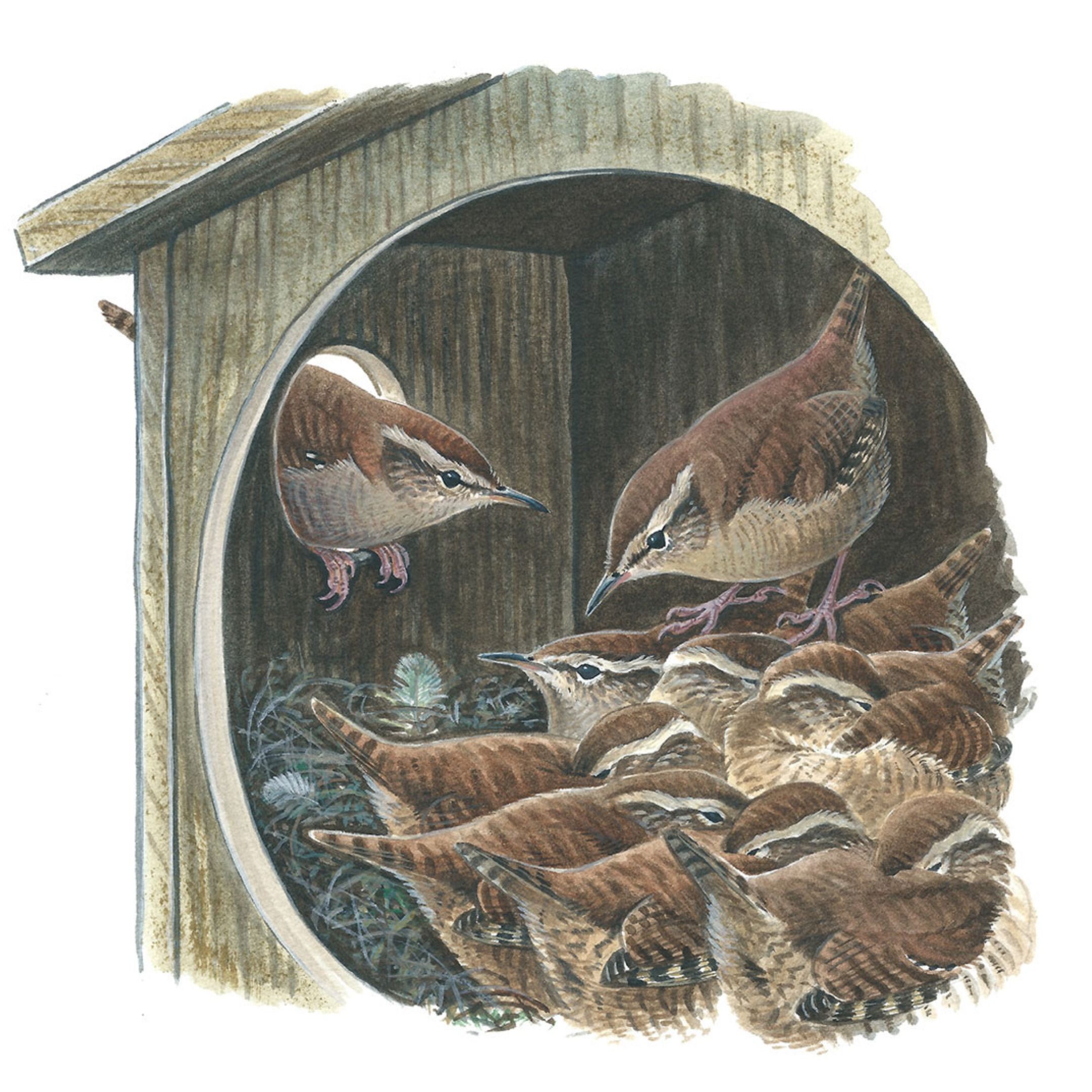
On a Cold, Cold Night
When the bitter cold of winter arrives, songbirds face an emergency: how to keep warm through the night. On normal nights, many prefer sleeping solo in a sheltered spot. But in severe cold, some kinds of birds may have a greater prospect of survival by roosting with others.More info and transcript at BirdNote.org. Want more BirdNote? Subscribe to our weekly newsletter. Sign up for BirdNote+ to get ad-free listening and other perks. BirdNote is a nonprofit. Your tax-deductible gift makes these shows possible. Hosted by Simplecast, an AdsWizz company. See pcm.adswizz.com for information about our collection and use of personal data for advertising.
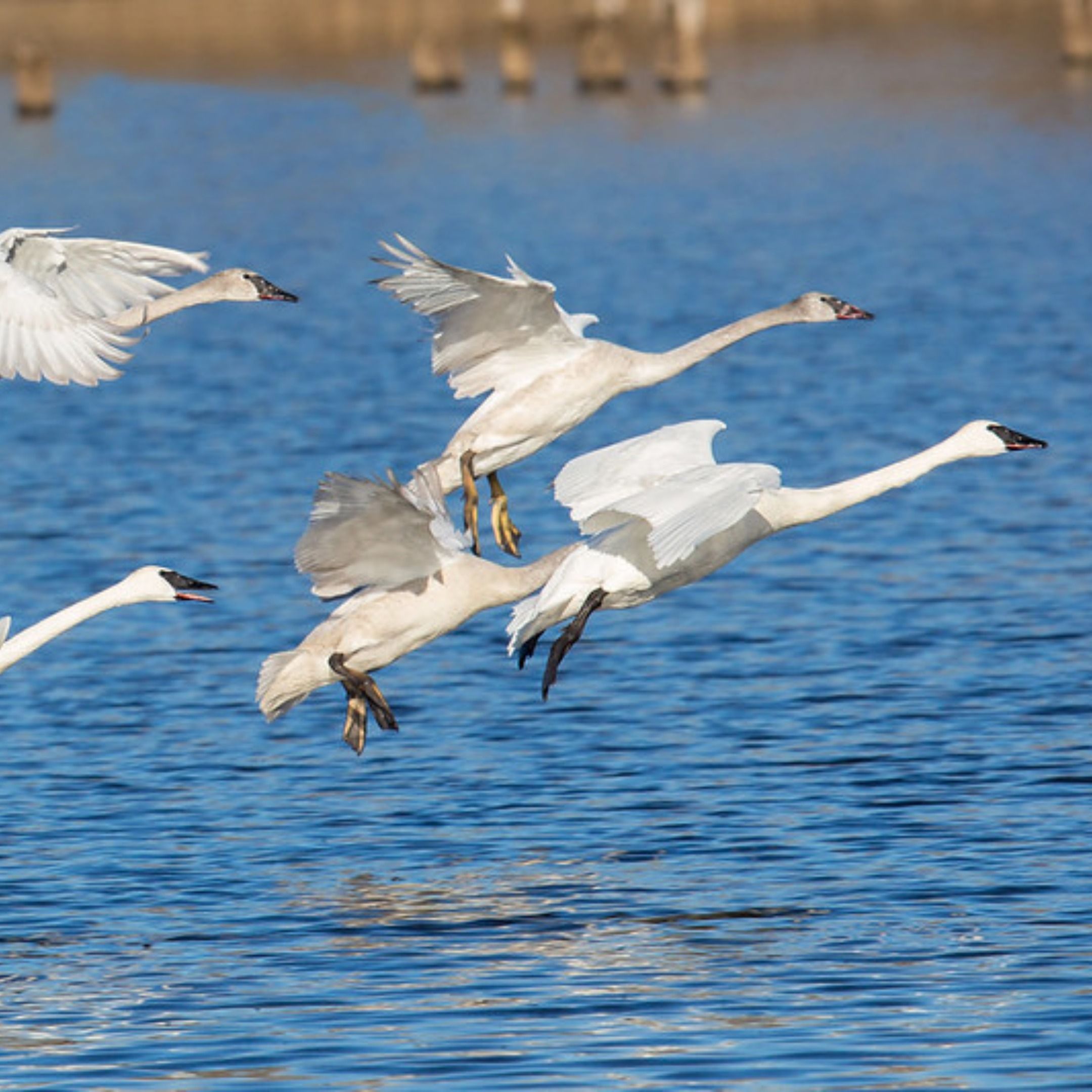
Trumpeter Swans Rebound in Arkansas
Trumpeter Swans weigh over 25 pounds and measure about five feet from beak to tail. They were nearly hunted to extinction by the turn of the twentieth century. In Arkansas, a small flock of Trumpeter Swans began spending the winter at Magness Lake in the 1990s. It has now grown to one of the biggest winter swan flocks in the Southeast. In recognition of its value to the swans, Magness Lake has been designated an Important Bird Area.More info and transcript at BirdNote.org. Want more BirdNote? Subscribe to our weekly newsletter. Sign up for BirdNote+ to get ad-free listening and other perks. BirdNote is a nonprofit. Your tax-deductible gift makes these shows possible. Hosted by Simplecast, an AdsWizz company. See pcm.adswizz.com for information about our collection and use of personal data for advertising.
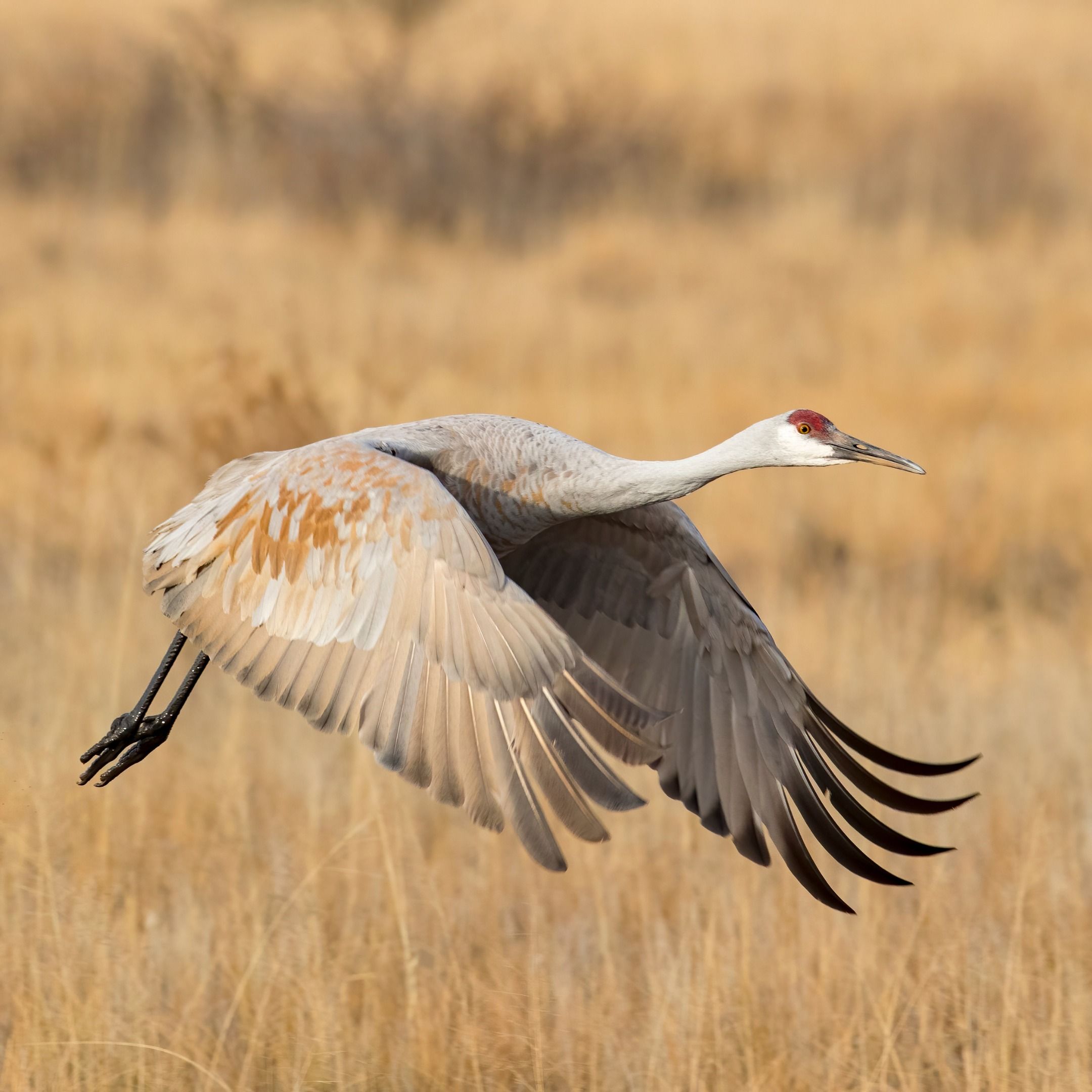
Sandhill Cranes Are Expanding Their Range
In some parts of North America, Sandhill Cranes are common as ants at a picnic. In New England, on the other hand, they’ve been almost as rare as pterodactyls — until relatively recently! Birders began reporting cranes scattered throughout the region. When a Sandhill Crane chick hatched in Maine in 2000, it was evident the New England birds were not just strays. Cranes now breed in several parts of New England, especially Massachusetts.More info and transcript at BirdNote.org. Want more BirdNote? Subscribe to our weekly newsletter. Sign up for BirdNote+ to get ad-free listening and other perks. BirdNote is a nonprofit. Your tax-deductible gift makes these shows possible. Hosted by Simplecast, an AdsWizz company. See pcm.adswizz.com for information about our collection and use of personal data for advertising.
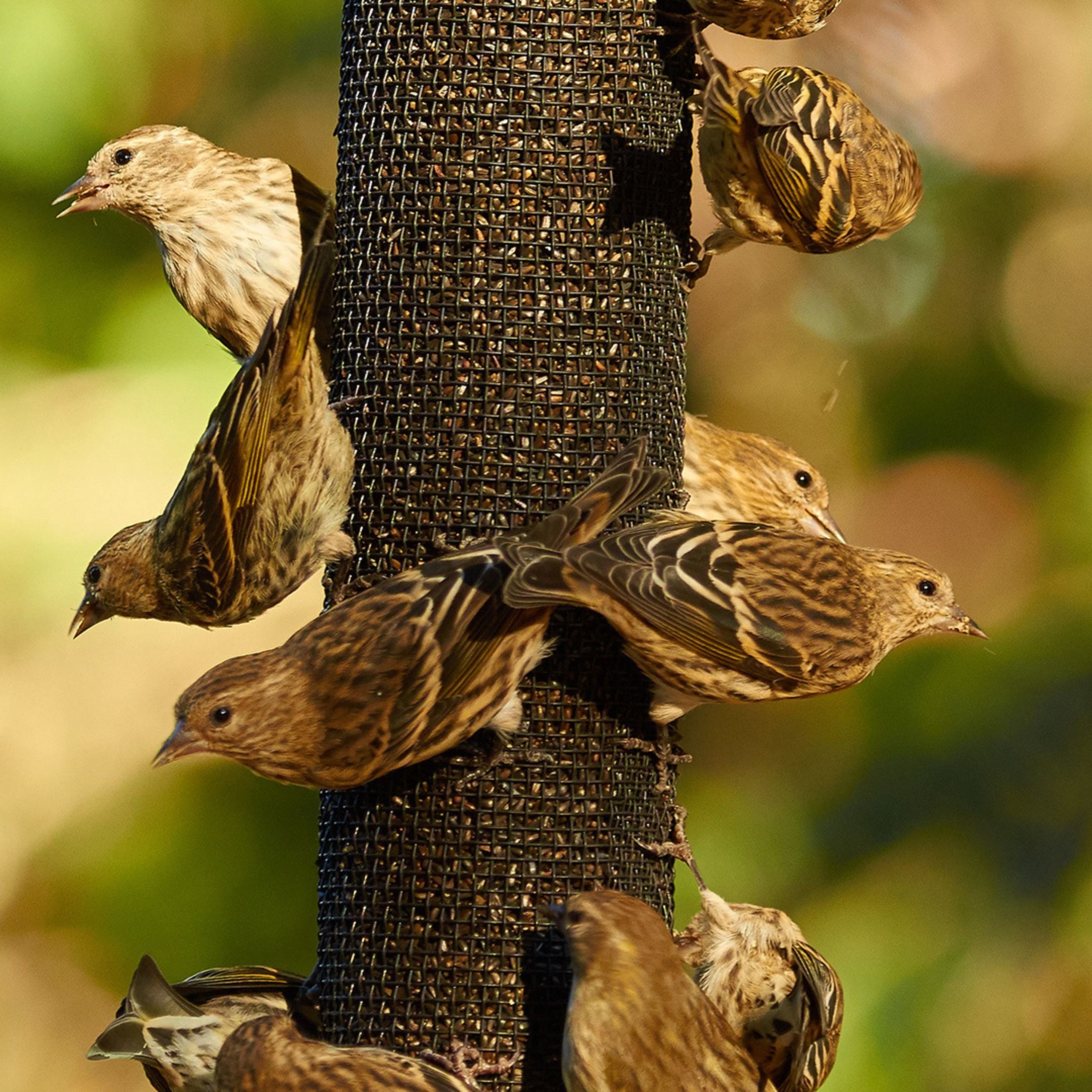
Migrations: Pine Siskin Irruption
Do you ever see flocks of birds in your yard that show up in droves one year, but are completely absent the next? Some nomadic species such as Pine Siskins move based on the availability of food and habitat. It’s called “irruptive” migration, and it sometimes leads to backyards full of siskins. While these flocks are a delight for bird watchers, the dense groups can easily transmit diseases such as salmonellosis.More info and transcript at BirdNote.org. Want more BirdNote? Subscribe to our weekly newsletter. Sign up for BirdNote+ to get ad-free listening and other perks. BirdNote is a nonprofit. Your tax-deductible gift makes these shows possible. Hosted by Simplecast, an AdsWizz company. See pcm.adswizz.com for information about our collection and use of personal data for advertising.

Making Roads Safer for Wildlife and People
Roads can get people where they need to go. But they often run right through wildlife habitat, creating a deadly hazard for animals on the move. Liz Hilllard, who’s the Senior Wildlife Biologist for Wildlands Network, says roadkill takes a huge toll on birds and other animals every year. Wildlands Network helps transportation agencies create wildlife-friendly designs and build animal-centric bridges and tunnels for their safe crossing. The goal is to create a connected landscape that Liz and her colleagues call a wildway.More info and transcript at BirdNote.org. Want more BirdNote? Subscribe to our weekly newsletter. Sign up for BirdNote+ to get ad-free listening and other perks. BirdNote is a nonprofit. Your tax-deductible gift makes these shows possible. Hosted by Simplecast, an AdsWizz company. See pcm.adswizz.com for information about our collection and use of personal data for advertising.
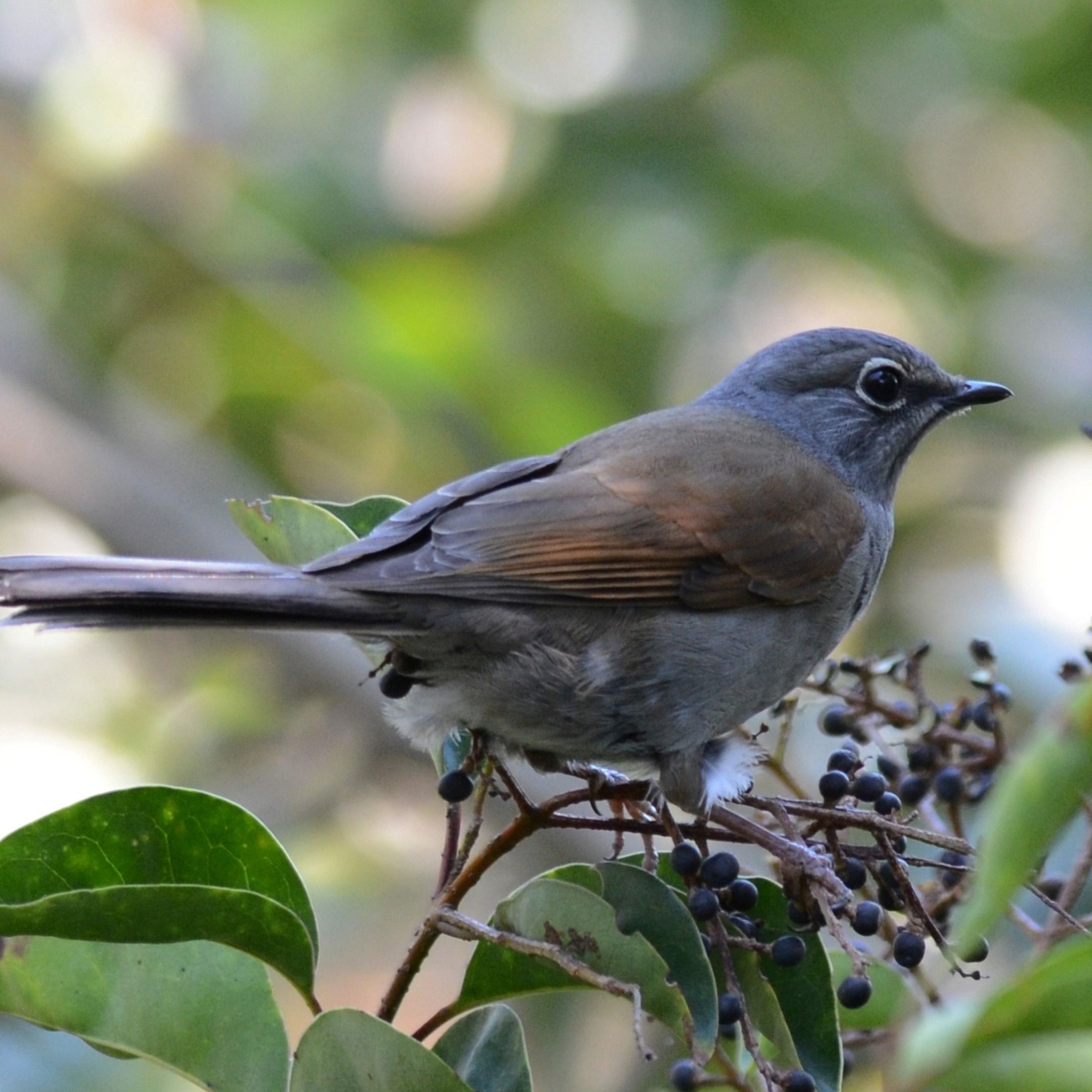
Song of the Mountains: The Brown-backed Solitaire
Brown-backed Solitaires are ordinary-looking: medium-sized, gray-brown birds. But they have one of the most melodic, complex songs in the world, ringing out year-round in high-altitude forests from Mexico to Central America.More info and transcript at BirdNote.org. Want more BirdNote? Subscribe to our weekly newsletter. Sign up for BirdNote+ to get ad-free listening and other perks. BirdNote is a nonprofit. Your tax-deductible gift makes these shows possible. Hosted by Simplecast, an AdsWizz company. See pcm.adswizz.com for information about our collection and use of personal data for advertising.
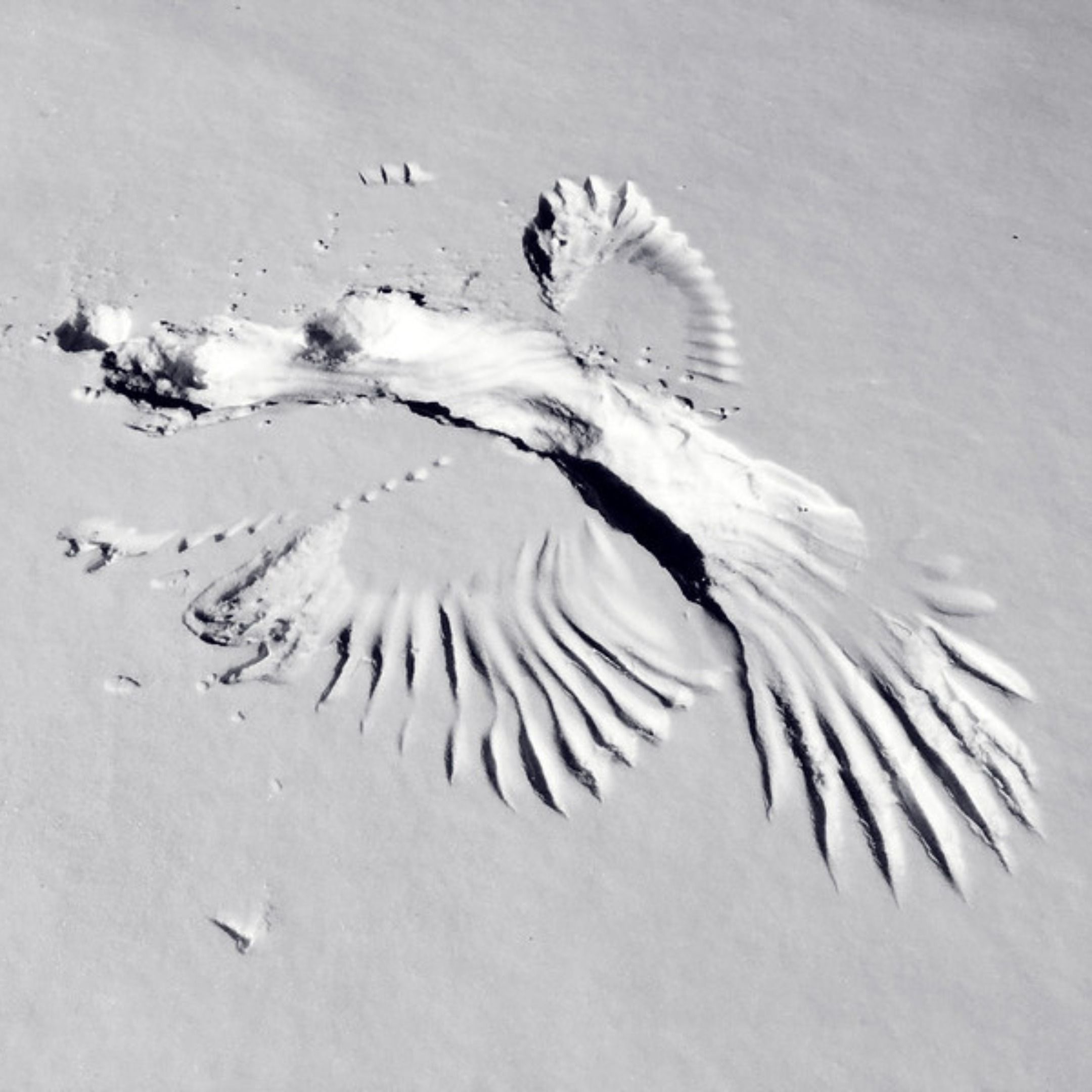
Bird Tracks in the Snow
Look for the stories birds tell with their tracks in the snow. A crow swaggers, leaving right-and-left steps much as a walking human would. Juncos under a birdfeeder leave a hopping pattern of tiny footprints in side-by-side pairs. Look for beak marks, where a bird picked up a choice morsel or probed the ground. Tell-tale signs sometimes tell stories of life and death. You might see mouse tracks end suddenly, just where you find the imprint of an owl's wings. Find out more about animal tracking at the Wilderness Awareness School. And learn more in Bird Tracks and Sign: A Guide to North American Species, a book by Mark Elbroch.More info and transcript at BirdNote.org. Want more BirdNote? Subscribe to our weekly newsletter. Sign up for BirdNote+ to get ad-free listening and other perks. BirdNote is a nonprofit. Your tax-deductible gift makes these shows possible. Hosted by Simplecast, an AdsWizz company. See pcm.adswizz.com for information about our collection and use of personal data for advertising.
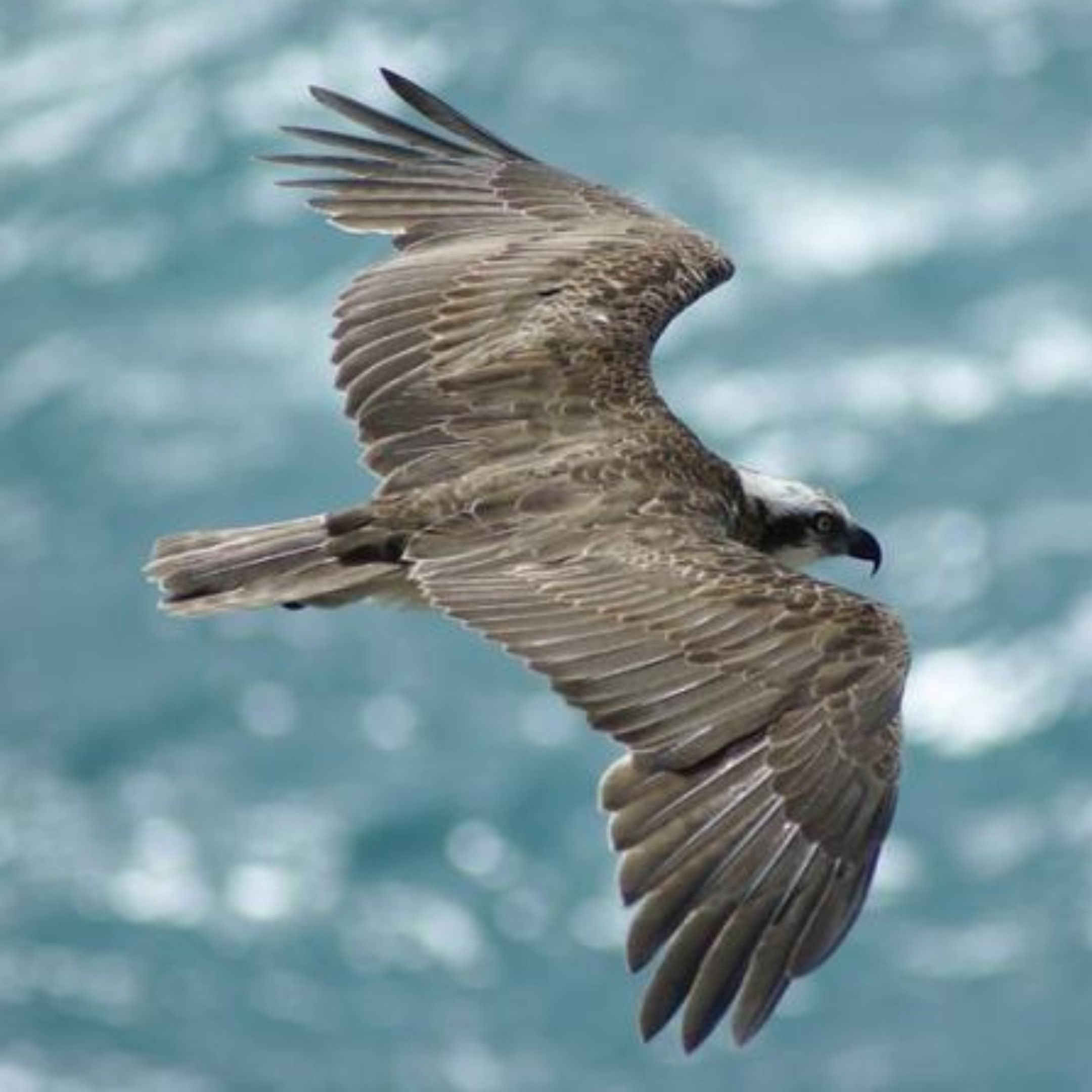
BirdNoir – Dial E for Eagle
In this BirdNoir mystery, the private eye fields a call from a woman who says a large bird that looks like a Bald Eagle stole a Rainbow Trout from her pond. Through a process of elimination, the detective is able to rule out a few likely suspects and arrive at the probable answer. When you think you’ve spotted an eagle, remember to examine all the evidence.More info and transcript at BirdNote.org. Want more BirdNote? Subscribe to our weekly newsletter. Sign up for BirdNote+ to get ad-free listening and other perks. BirdNote is a nonprofit. Your tax-deductible gift makes these shows possible. Hosted by Simplecast, an AdsWizz company. See pcm.adswizz.com for information about our collection and use of personal data for advertising.
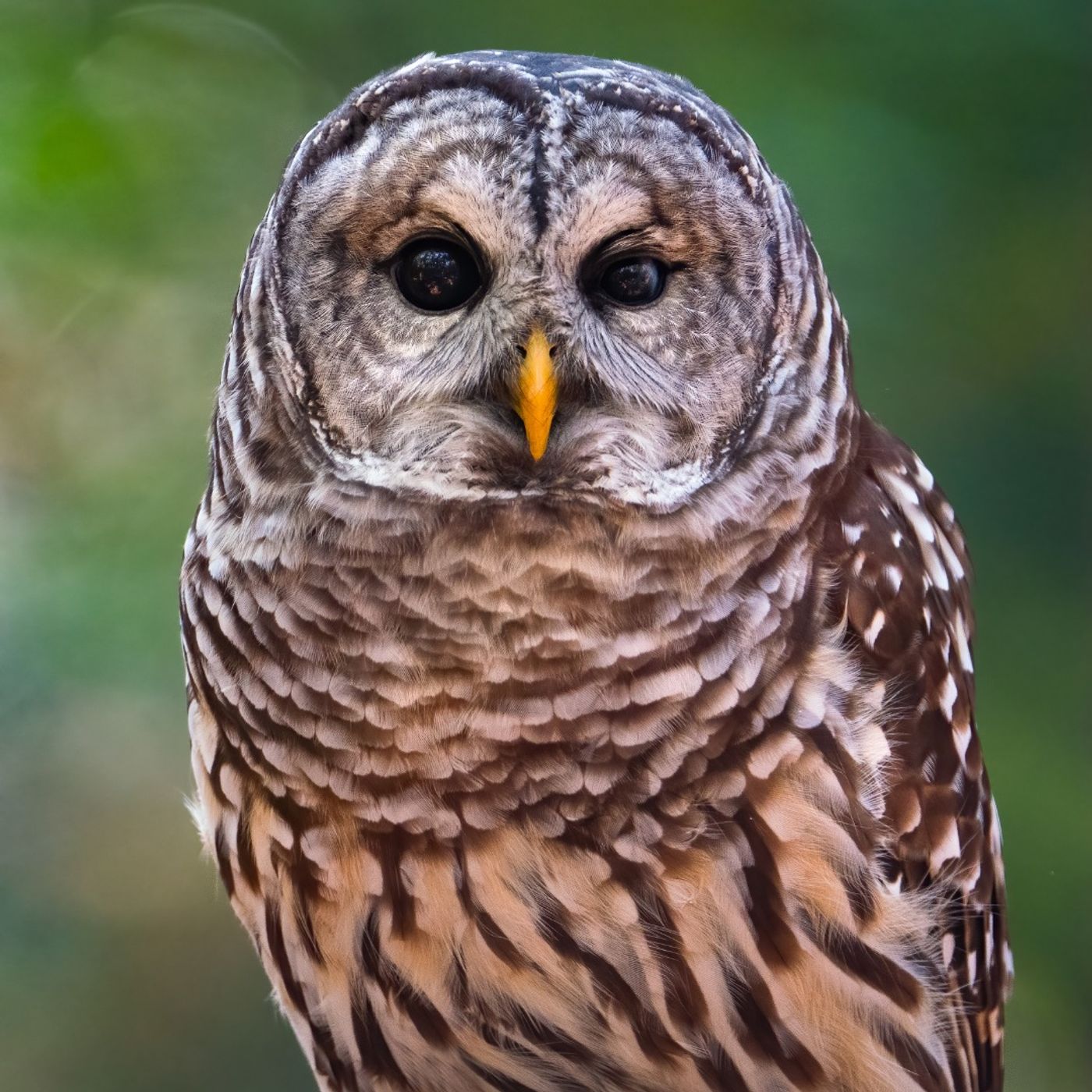
Here Come the Barred Owls
The emphatic hoots of a pair of Barred Owls resonate in the still of a winter's night. Like many owls, Barred Owls initiate their vocal courtship in winter. And they're among the most vocal. These owls have more than a dozen calls, ranging from a "siren call" to a "wail" to a wonderfully entertaining "monkey call." Barred Owls are among the largest owls in North America.More info and transcript at BirdNote.org. Want more BirdNote? Subscribe to our weekly newsletter. Sign up for BirdNote+ to get ad-free listening and other perks. BirdNote is a nonprofit. Your tax-deductible gift makes these shows possible. Hosted by Simplecast, an AdsWizz company. See pcm.adswizz.com for information about our collection and use of personal data for advertising.
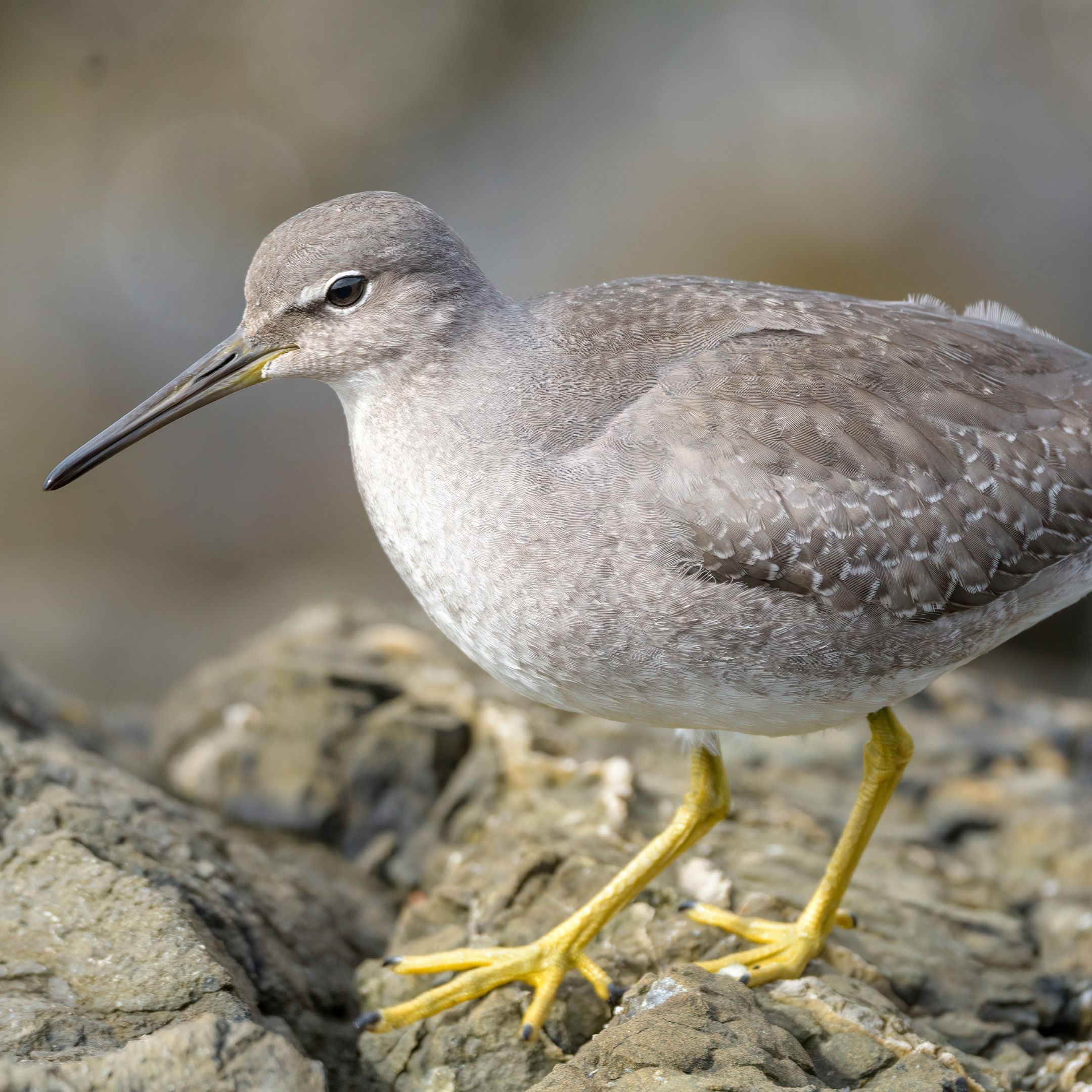
Wandering Tattlers Traverse the Pacific
The Wandering Tattler is one of the few birds equally at home along the coast and high in the mountains. They’re found far and wide along Pacific shores, living up to their “wandering” name and gaining names in many local languages throughout the ocean basin. Their nesting habitats in the mountains of Alaska, western Canada and eastern Russia were a mystery for many years. Despite their wide range, there could be as few as 18,000 Wandering Tattlers left in the world.More info and transcript at BirdNote.org. Want more BirdNote? Subscribe to our weekly newsletter. Sign up for BirdNote+ to get ad-free listening and other perks. BirdNote is a nonprofit. Your tax-deductible gift makes these shows possible. Hosted by Simplecast, an AdsWizz company. See pcm.adswizz.com for information about our collection and use of personal data for advertising.
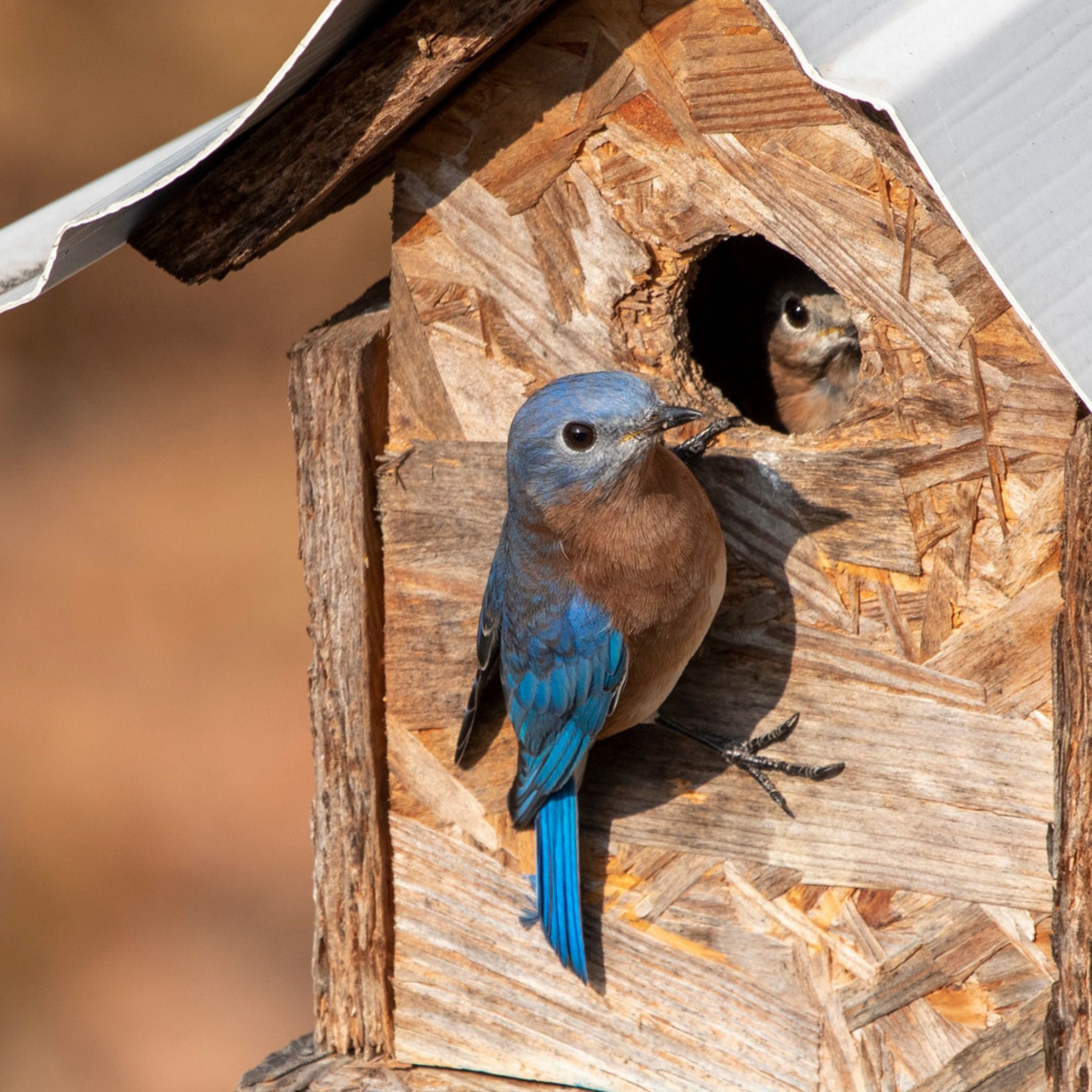
Bluebirds Close to Home
Bluebirds can bring flashes of azure color and mellow songs to where you live. The best way to bring them close to home is with nest boxes. You’ll need an untreated wood box with a one-and-a-half inch hole five feet above the ground. Finding the right place for the nest box is important, too. Shrubs that bear small fruits can entice bluebirds. Find instructions for building an effective bluebird nest box below.More info and transcript at BirdNote.org. Want more BirdNote? Subscribe to our weekly newsletter. Sign up for BirdNote+ to get ad-free listening and other perks. BirdNote is a nonprofit. Your tax-deductible gift makes these shows possible. Hosted by Simplecast, an AdsWizz company. See pcm.adswizz.com for information about our collection and use of personal data for advertising.
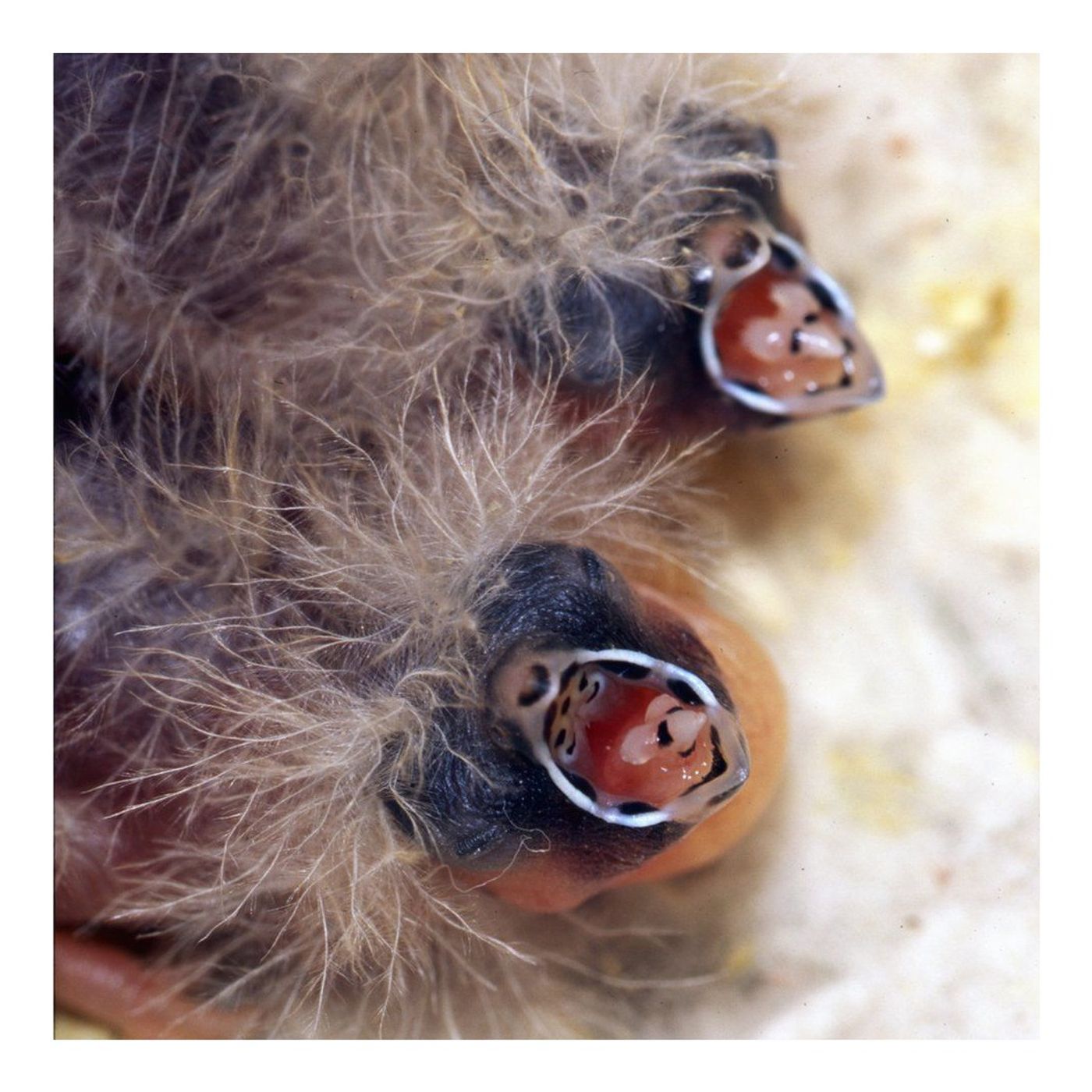
Baby Birds' Bizarre Beaks
Most baby birds are adorable little floofs — but not all of them. The tongue and palate of estrildid finch chicks are strangely spotted and ringed. They display these markings while they beg for food. Most species’ chicks have mouth markings in colors ranging from black or white to bright yellow, orange, red or blue. The function of these markings has long puzzled scientists.More info and transcript at BirdNote.org. Want more BirdNote? Subscribe to our weekly newsletter. Sign up for BirdNote+ to get ad-free listening and other perks. BirdNote is a nonprofit. Your tax-deductible gift makes these shows possible. Hosted by Simplecast, an AdsWizz company. See pcm.adswizz.com for information about our collection and use of personal data for advertising.
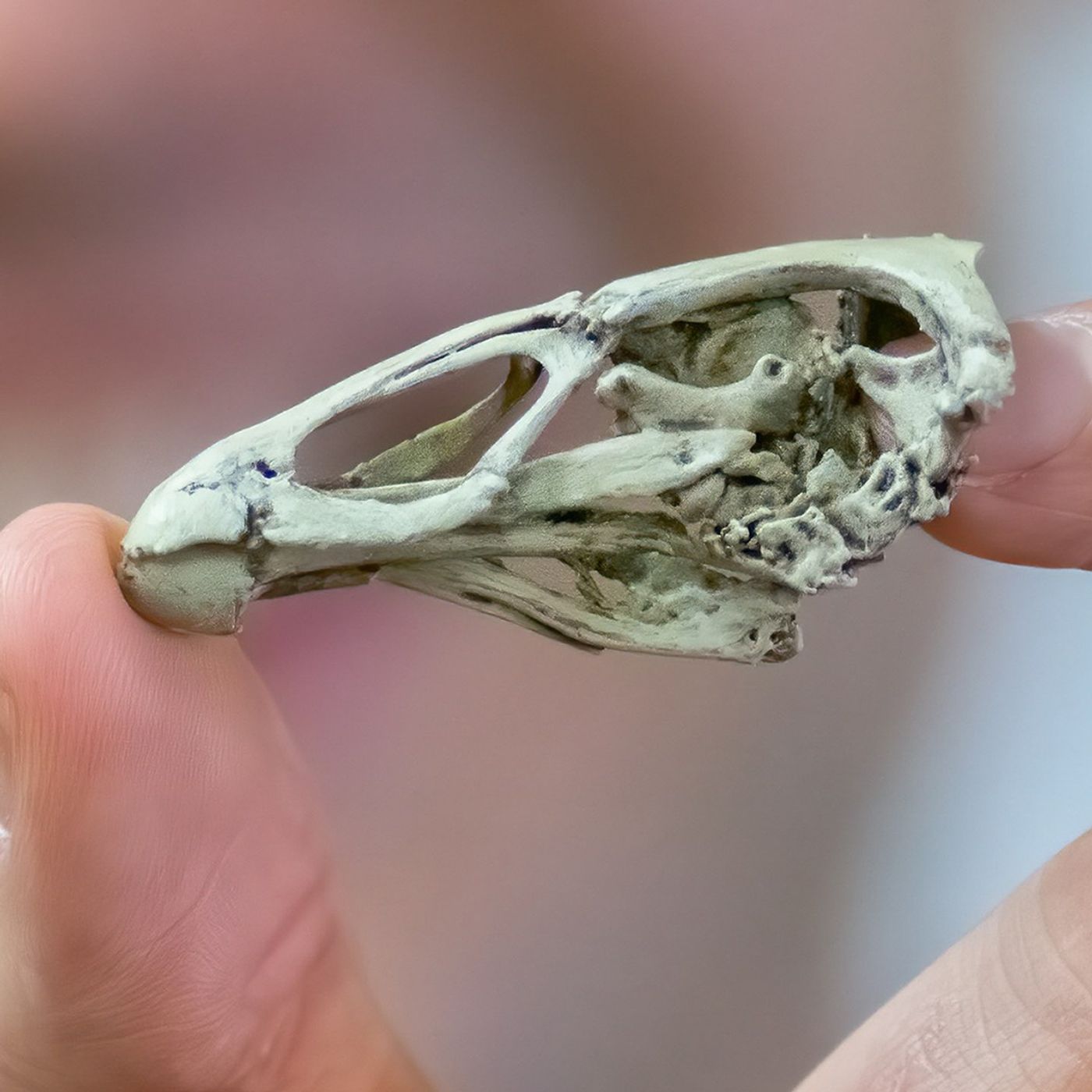
The Wonderchicken!
In 2018, paleontologist Daniel Field took a closer look at specimens from an amateur fossil collector. His team used micro-CT scanning, kind of like a high-energy CAT scan, to visualize the encased fossils. They were amazed to find a tiny bird skull: the earliest known fossil record of a modern bird. The skull looks chicken-like in the front and duck-like in the back. The bird may have looked and behaved like a modern shorebird.More info and transcript at BirdNote.org. Want more BirdNote? Subscribe to our weekly newsletter. Sign up for BirdNote+ to get ad-free listening and other perks. BirdNote is a nonprofit. Your tax-deductible gift makes these shows possible. Hosted by Simplecast, an AdsWizz company. See pcm.adswizz.com for information about our collection and use of personal data for advertising.
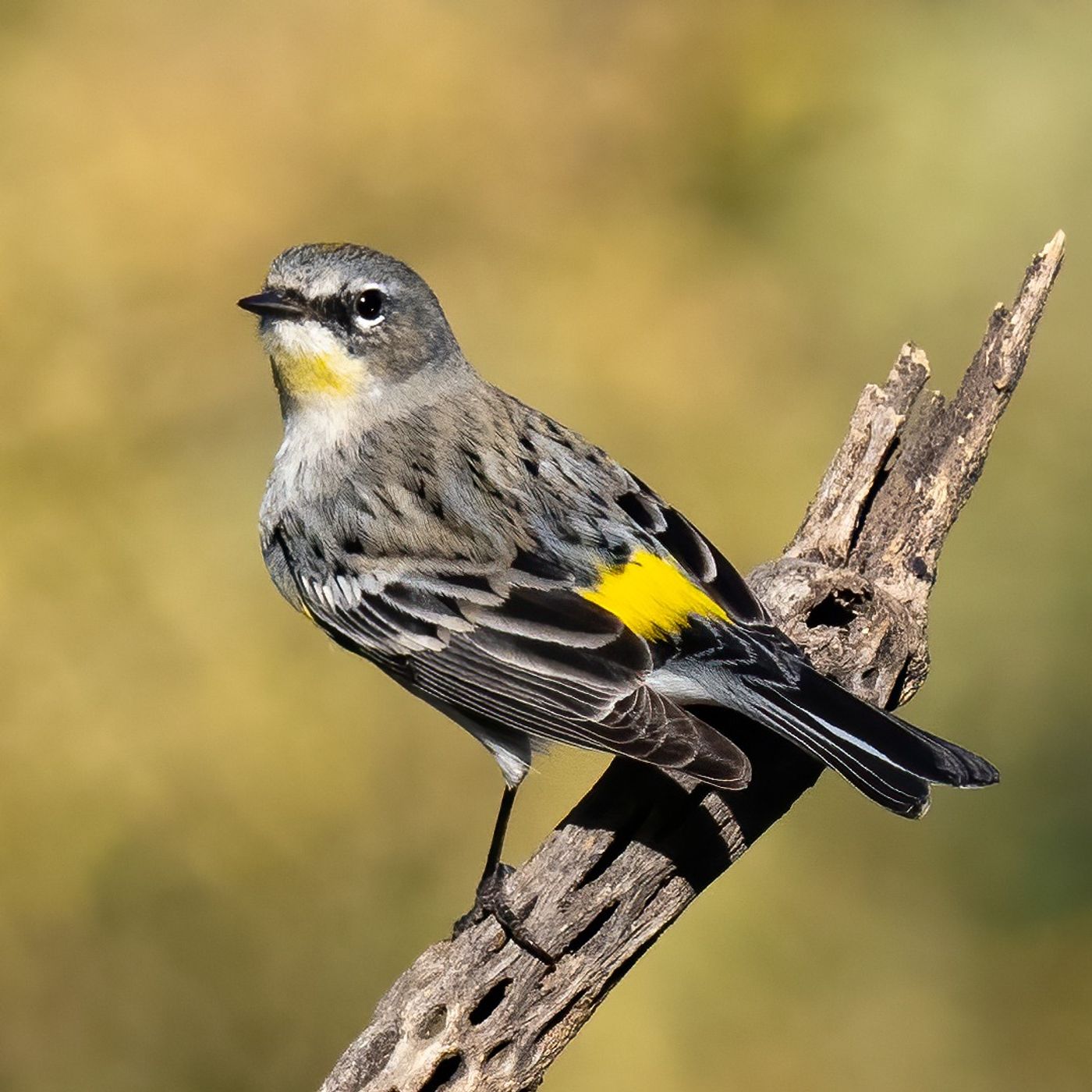
Birding 101: Bird Vocab Basics
Any hobby or special interest has its own jargon. You’ll pick up on the silly slang that birders use as you go – like calling the Yellow-rumped Warbler “butterbutt.” Still, learning a few basics of bird vocab is useful when you’re starting out. It’ll help you ask better questions when you’re confused. Check out the opening pages of a bird field for general info about what to call the different parts of a bird, basics on bird behavior, and birding tips.More info and transcript at BirdNote.org. Want more BirdNote? Subscribe to our weekly newsletter. Sign up for BirdNote+ to get ad-free listening and other perks. BirdNote is a nonprofit. Your tax-deductible gift makes these shows possible. Hosted by Simplecast, an AdsWizz company. See pcm.adswizz.com for information about our collection and use of personal data for advertising.
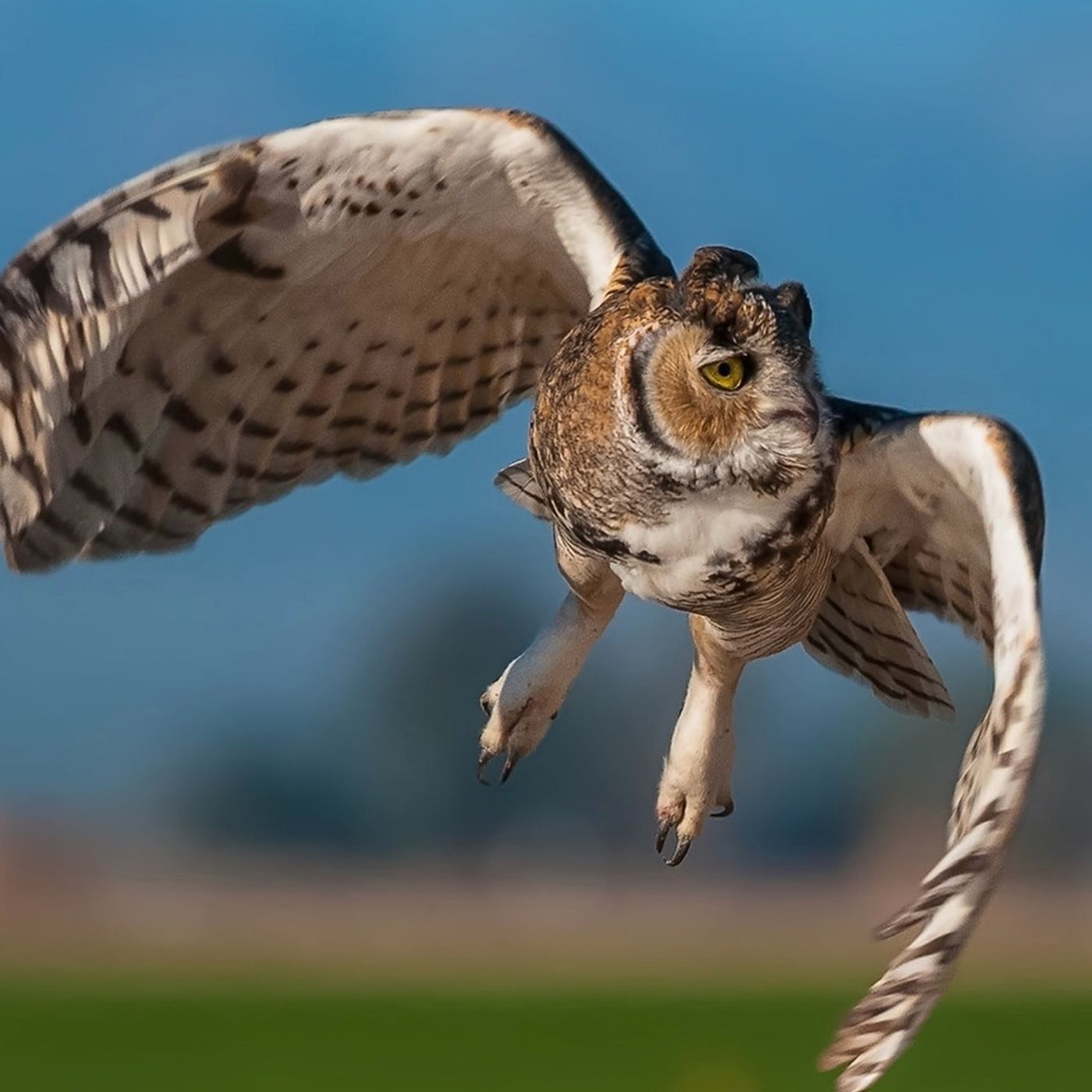
The Ferocious Feet of the Great Horned Owl
Great Horned Owls excel at nocturnal hunting, thanks to their acute senses and stealth — but their feet let them secure squirming prey. The outermost of their four toes can rotate forward or backward, an advantage that most other birds of prey lack, letting them capture animals as large as raccoons. A four-pound owl can take flight with six pounds of prey.More info and transcript at BirdNote.org. Want more BirdNote? Subscribe to our weekly newsletter. Sign up for BirdNote+ to get ad-free listening and other perks. BirdNote is a nonprofit. Your tax-deductible gift makes these shows possible. Hosted by Simplecast, an AdsWizz company. See pcm.adswizz.com for information about our collection and use of personal data for advertising.
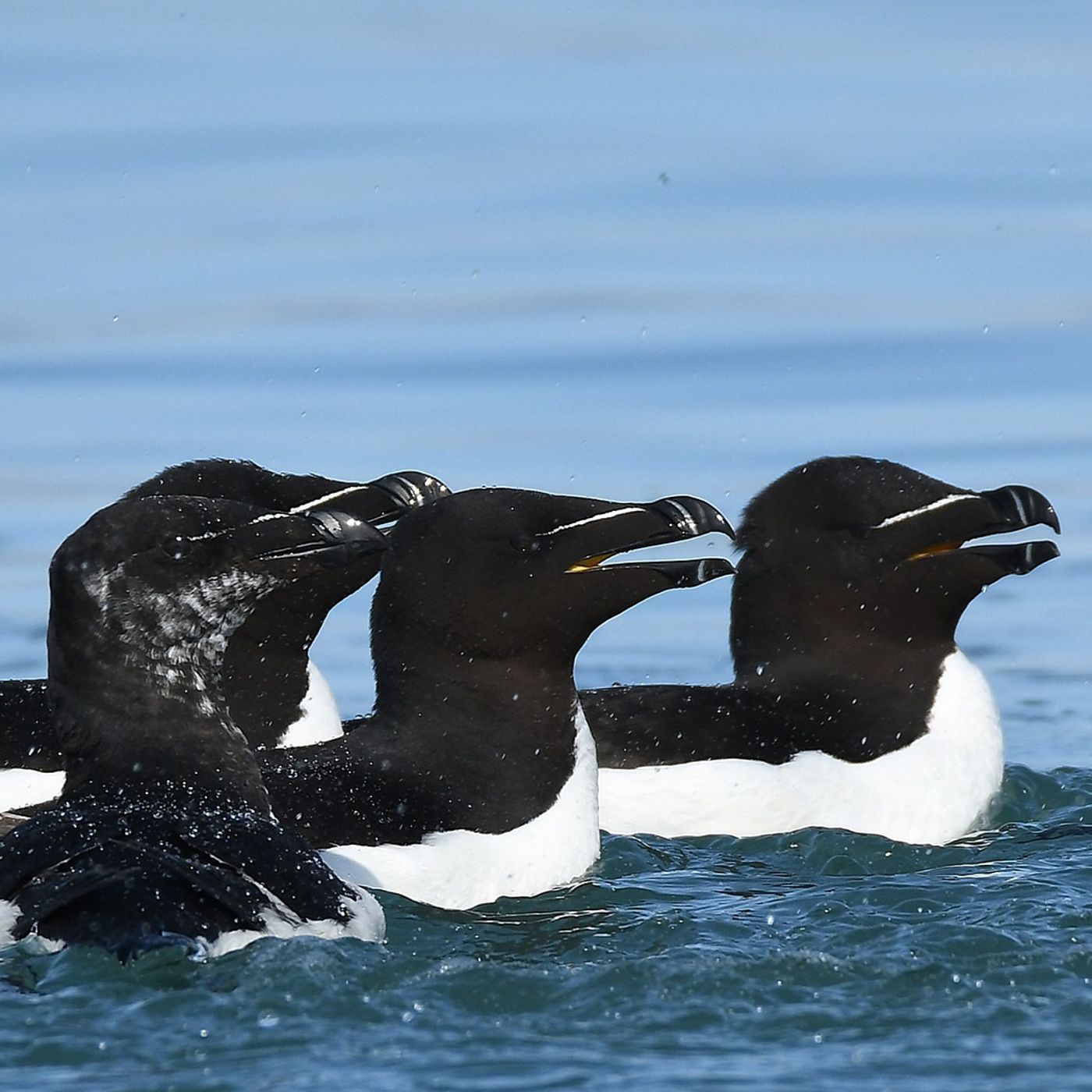
Razorbills Swim in Synchrony
Razorbills, a cousin to the puffin, nest in colonies on cliffs. Before they lay eggs, Razorbills take part in two unique social behaviors. In one, the Razorbills swim round and round in a tight mass, then dive as one. Next, they surface with heads aligned and bills held open. In another behavior, dozens of birds swim in a line, then zig-zag in a synchronized pattern across the ocean’s surface.More info and transcript at BirdNote.org. Want more BirdNote? Subscribe to our weekly newsletter. Sign up for BirdNote+ to get ad-free listening and other perks. BirdNote is a nonprofit. Your tax-deductible gift makes these shows possible. Hosted by Simplecast, an AdsWizz company. See pcm.adswizz.com for information about our collection and use of personal data for advertising.
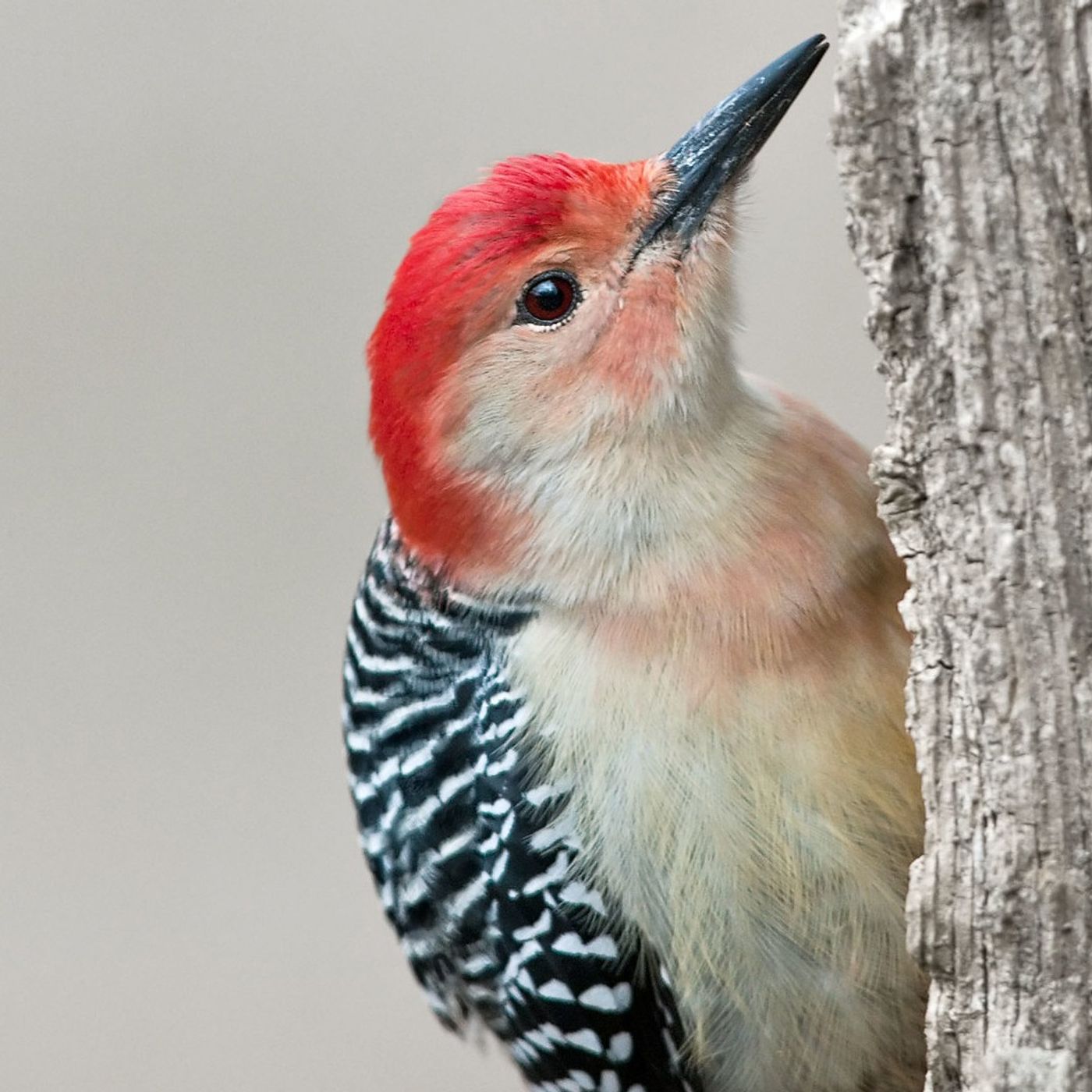
The Red-bellied Woodpecker and Its Curious Name
Red-bellied Woodpeckers are bold, conspicuous, and vocal, thriving in rural and urban areas east of the Mississippi. Like most woodpeckers, Red-bellieds eat lots of insects. But they also like nuts, berries, and seeds. They can be attracted to back yards with suet cakes, berry bushes, or even a cut orange tacked to a tree trunk. But the Red-bellied Woodpecker retains one element of mystery: its name. The last thing you would likely notice is the blush of rose on its lower belly.More info and transcript at BirdNote.org. Want more BirdNote? Subscribe to our weekly newsletter. Sign up for BirdNote+ to get ad-free listening and other perks. BirdNote is a nonprofit. Your tax-deductible gift makes these shows possible. Hosted by Simplecast, an AdsWizz company. See pcm.adswizz.com for information about our collection and use of personal data for advertising.
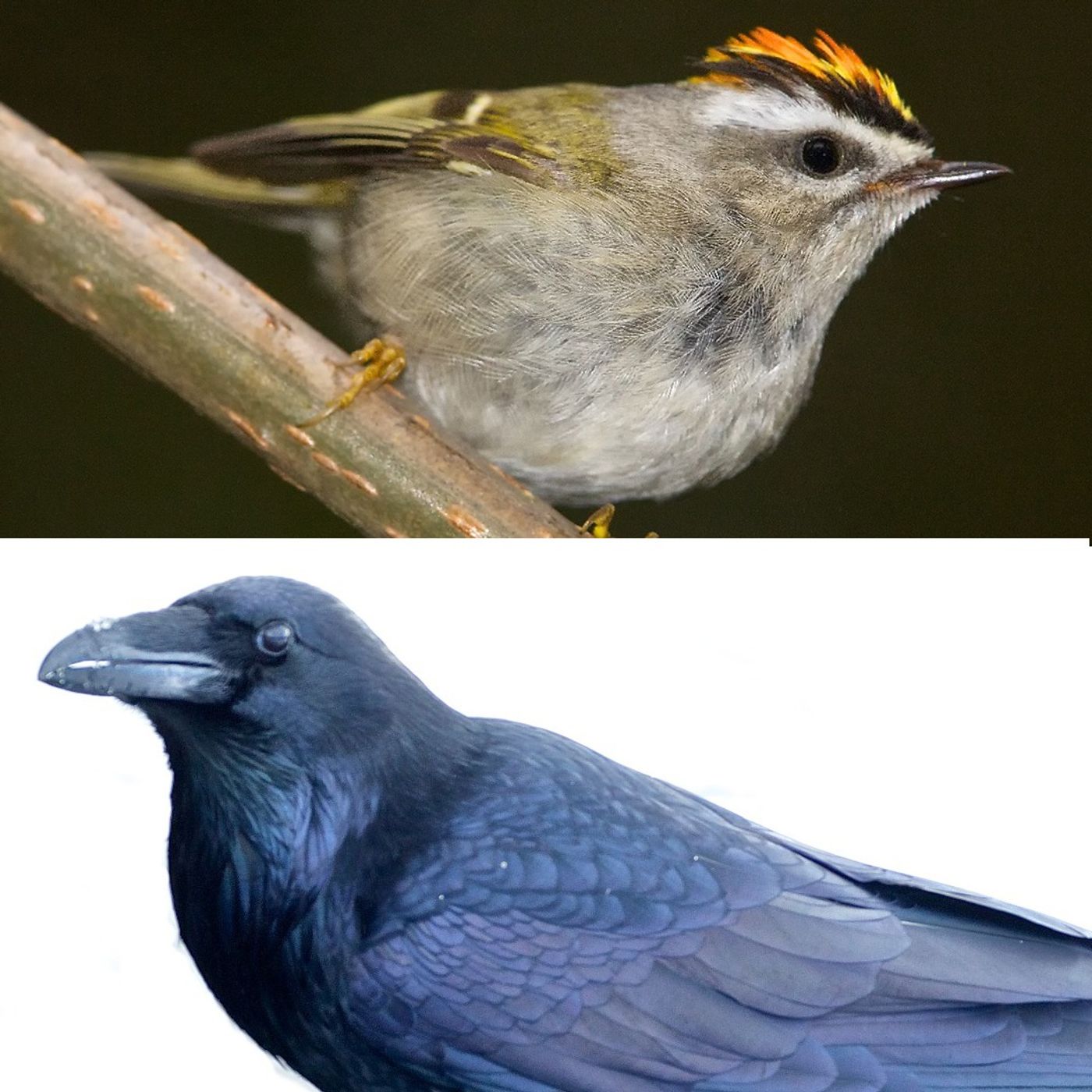
Songbirds: The Large and Small of It
The group of birds called “songbirds” — the perching birds — is incredibly broad. Half the world’s 10,000 birds are in the songbird group, and their range of body sizes is mind-boggling. One of the smallest songbirds in North America is the Golden-crowned Kinglet, barely larger than a hummingbird. The largest is the Common Raven, which is almost two feet long and weighs around three pounds.More info and transcript at BirdNote.org. Want more BirdNote? Subscribe to our weekly newsletter. Sign up for BirdNote+ to get ad-free listening and other perks. BirdNote is a nonprofit. Your tax-deductible gift makes these shows possible. Hosted by Simplecast, an AdsWizz company. See pcm.adswizz.com for information about our collection and use of personal data for advertising.
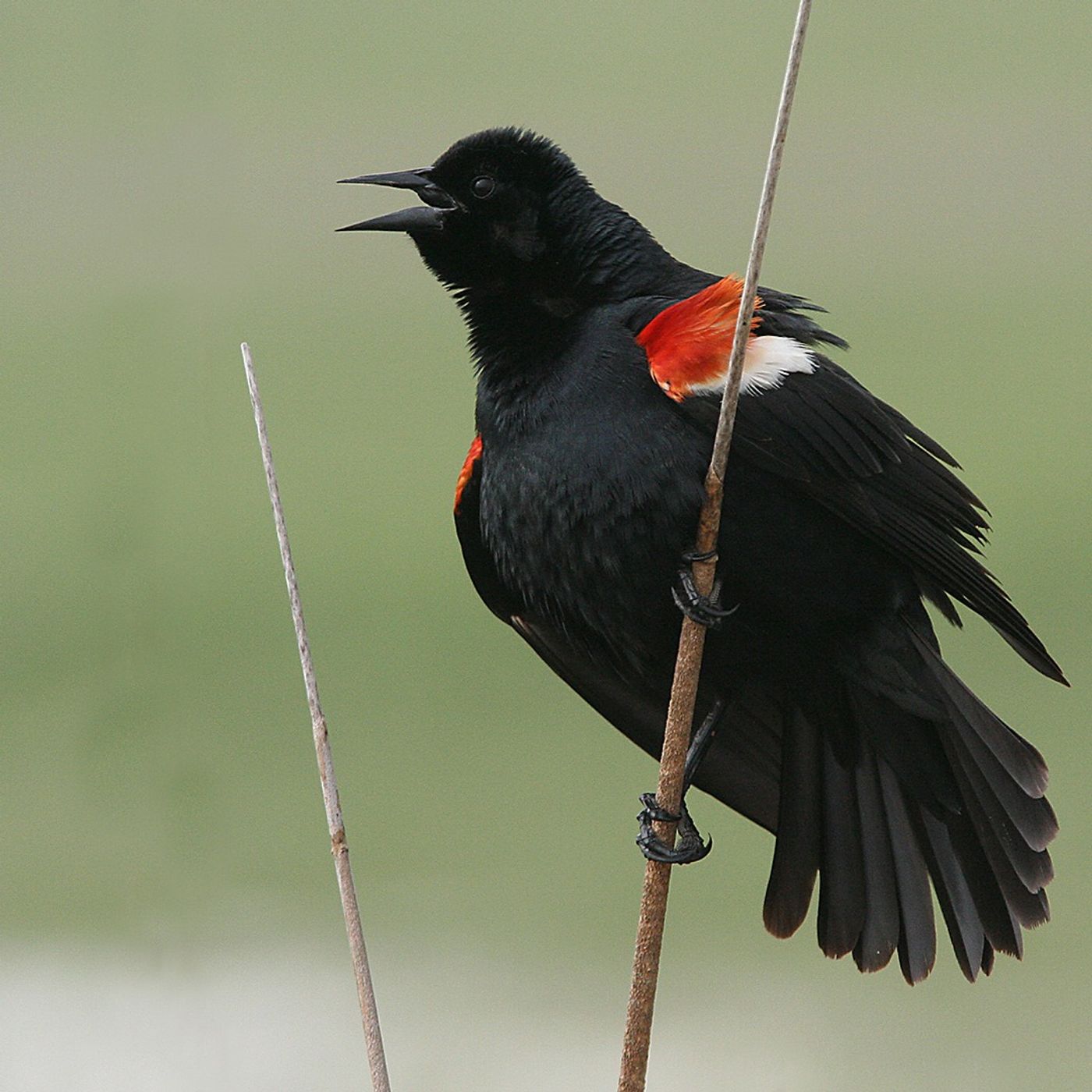
Blackbirds' Strange Music
Blackbird songs have a strange music. The Red-winged Blackbird can be heard in nearly every marsh on the continent — bold, brassy, and piercing. The songs may not seem musical, but they definitely get your attention. Brewer’s Blackbirds, which live in open habitats like farms and grasslands, make a wet, slap-in-the-face sound. The combined voices of Tricolored Blackbirds — like this one in a California marsh — sound like a snarling catfight. Another Western bird, the Yellow-headed Blackbird, makes raucous growls, wails, and whistles.More info and transcript at BirdNote.org. Want more BirdNote? Subscribe to our weekly newsletter. Sign up for BirdNote+ to get ad-free listening and other perks. BirdNote is a nonprofit. Your tax-deductible gift makes these shows possible. Hosted by Simplecast, an AdsWizz company. See pcm.adswizz.com for information about our collection and use of personal data for advertising.
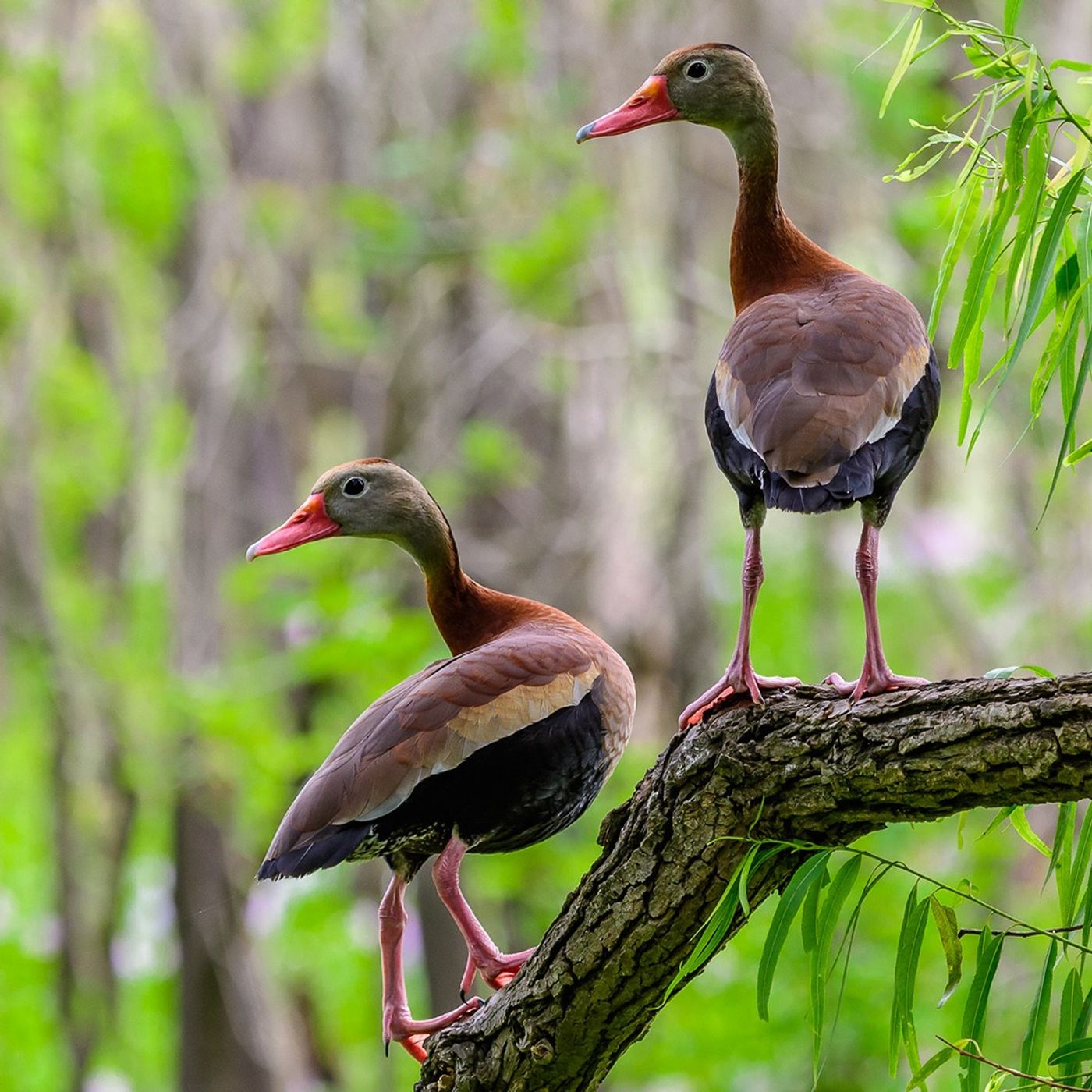
Ducks That Whistle
Whistling as they fly, Black-bellied Whistling-Ducks are gorgeous waterfowl with bright pink bills and legs, chestnut necks and backs, and black underparts. Though most whistling-ducks live in the tropics, Black-bellied Whistling-Ducks are found in the U.S. along the western Gulf Coast and Florida. But they’re expanding their range and have been spotted nesting as far north as Wisconsin.More info and transcript at BirdNote.org. Want more BirdNote? Subscribe to our weekly newsletter. Sign up for BirdNote+ to get ad-free listening and other perks. BirdNote is a nonprofit. Your tax-deductible gift makes these shows possible. Hosted by Simplecast, an AdsWizz company. See pcm.adswizz.com for information about our collection and use of personal data for advertising.
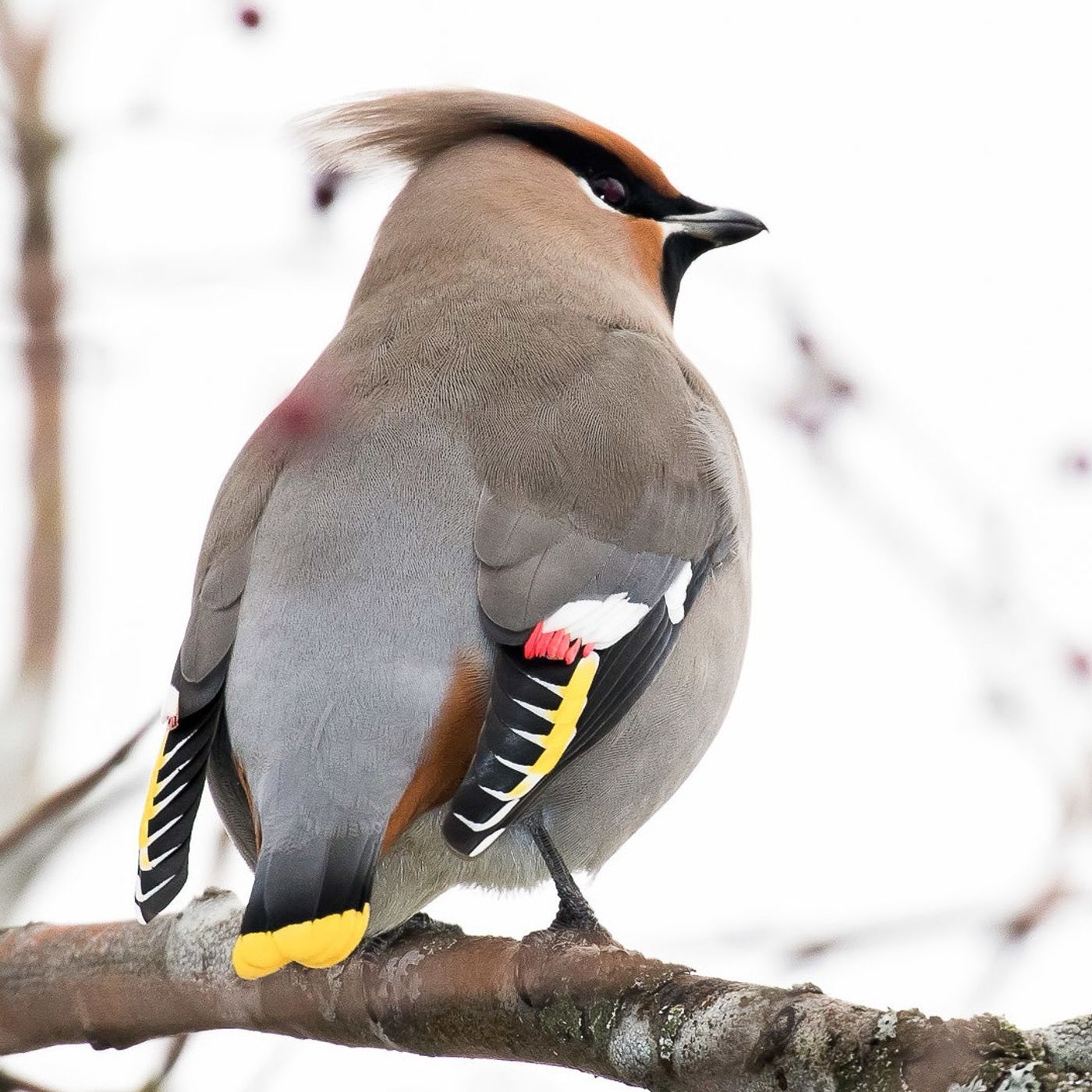
Bohemian Waxwings – Exquisite Winter Visitors
It's winter, and apples litter the ground. A few still hang, frozen and thawed again and again. Suddenly a flock of hundreds of birds rises from the ground beneath the trees, swarming in tight formation, wing-tip to wing-tip. Bohemian Waxwings are erratic winter visitors from their nesting grounds in the boreal forests of the north. They come in search of fruit to sustain their winter wanderings.More info and transcript at BirdNote.org. Want more BirdNote? Subscribe to our weekly newsletter. Sign up for BirdNote+ to get ad-free listening and other perks. BirdNote is a nonprofit. Your tax-deductible gift makes these shows possible. Hosted by Simplecast, an AdsWizz company. See pcm.adswizz.com for information about our collection and use of personal data for advertising.

The Tui of New Zealand
The Tui is one of New Zealand’s most remarkable birds, intelligent and with iridescent feathers. Its down-curved beak fits perfectly into native flowers. But the Tui is best known for its voice. Each Tui’s complex song is slightly different, a colorful mix of musical notes and offbeat sounds. It’s one of the few birds that can imitate human speech — and even accents.More info and transcript at BirdNote.org. Want more BirdNote? Subscribe to our weekly newsletter. Sign up for BirdNote+ to get ad-free listening and other perks. BirdNote is a nonprofit. Your tax-deductible gift makes these shows possible. Hosted by Simplecast, an AdsWizz company. See pcm.adswizz.com for information about our collection and use of personal data for advertising.
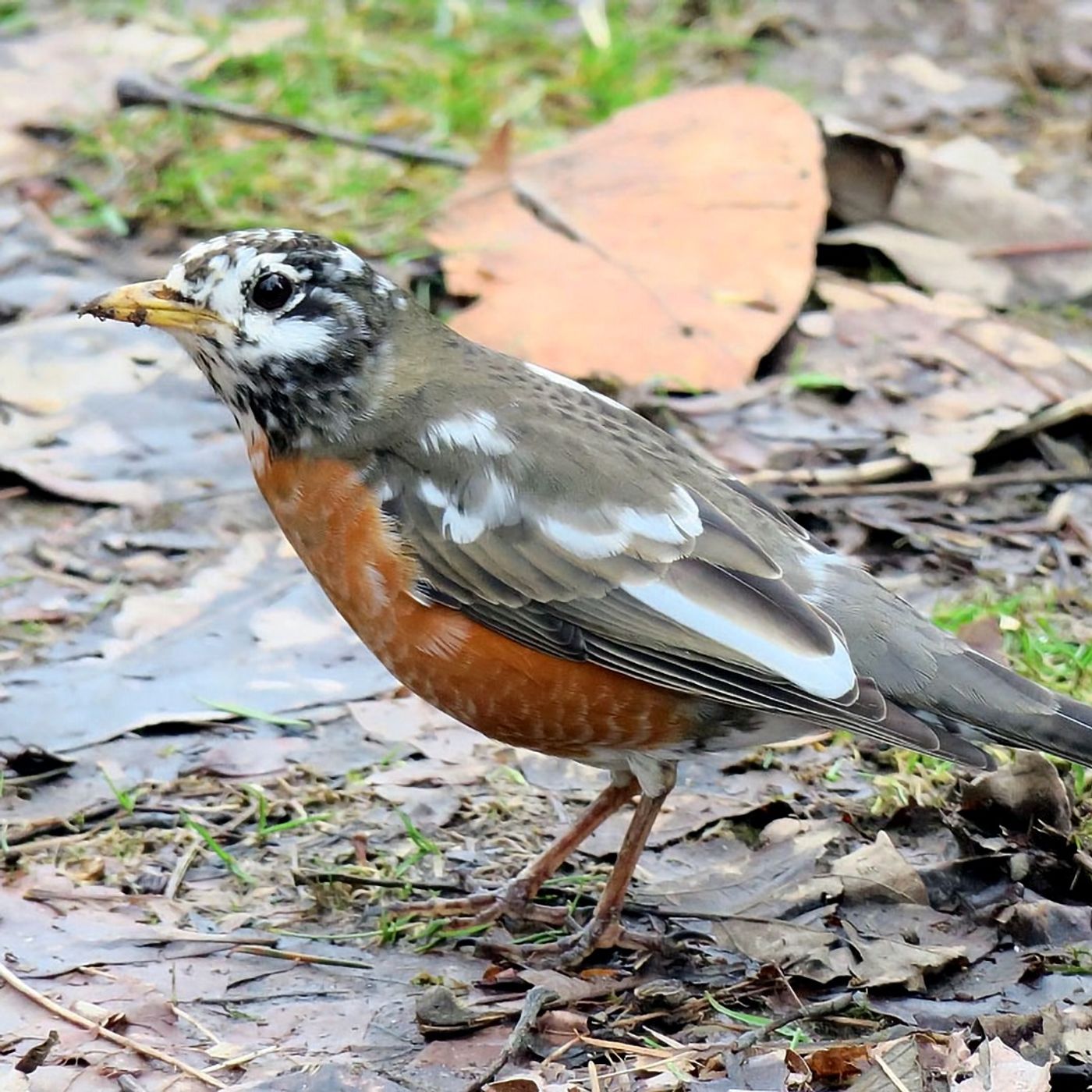
Why Is My Robin Half White?
A bird with abnormal white feathers, like this American Robin, may have a genetic condition called leucism. Leucism prevents pigments from reaching some — or sometimes all — of a bird’s feathers. Albino birds are distinctly different and are entirely white with pink skin and eyes. Albinos have trouble making melanin, the pigment in skin, feathers, and eyes.More info and transcript at BirdNote.org. Want more BirdNote? Subscribe to our weekly newsletter. Sign up for BirdNote+ to get ad-free listening and other perks. BirdNote is a nonprofit. Your tax-deductible gift makes these shows possible. Hosted by Simplecast, an AdsWizz company. See pcm.adswizz.com for information about our collection and use of personal data for advertising.
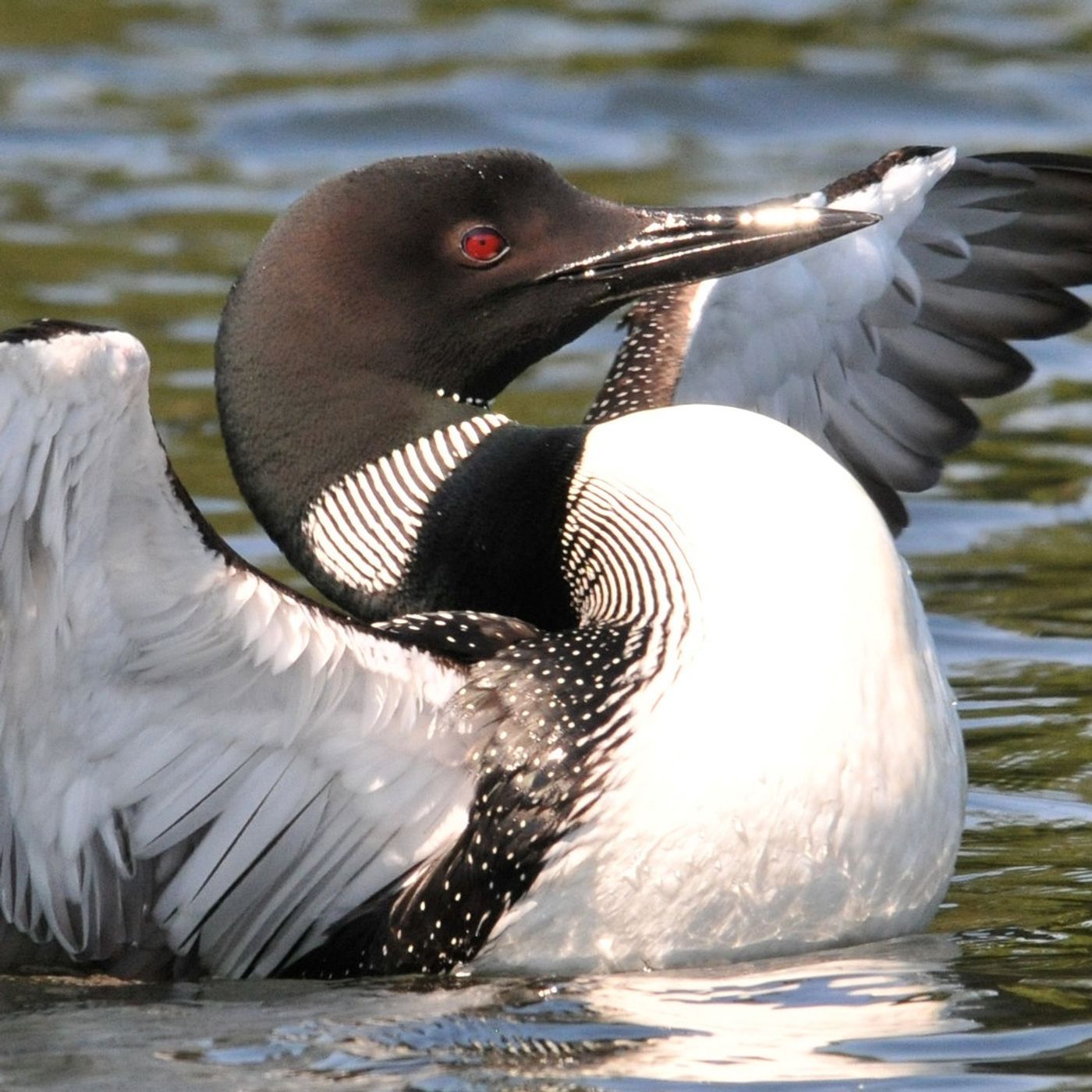
Welcoming Back Common Loons
The call of the Common Loon is a symbol of the far north. But the species once nested as far south as southern New England, Ohio, Iowa, and California. Human activity and changes to the landscape in these more populated areas has made it harder for loons to persist. There have been encouraging signs in recent years that Common Loons could make a comeback in the southern parts of their range — with our help.More info and transcript at BirdNote.org. Want more BirdNote? Subscribe to our weekly newsletter. Sign up for BirdNote+ to get ad-free listening and other perks. BirdNote is a nonprofit. Your tax-deductible gift makes these shows possible. Hosted by Simplecast, an AdsWizz company. See pcm.adswizz.com for information about our collection and use of personal data for advertising.
Groove-billed Anis, Communal Nesters
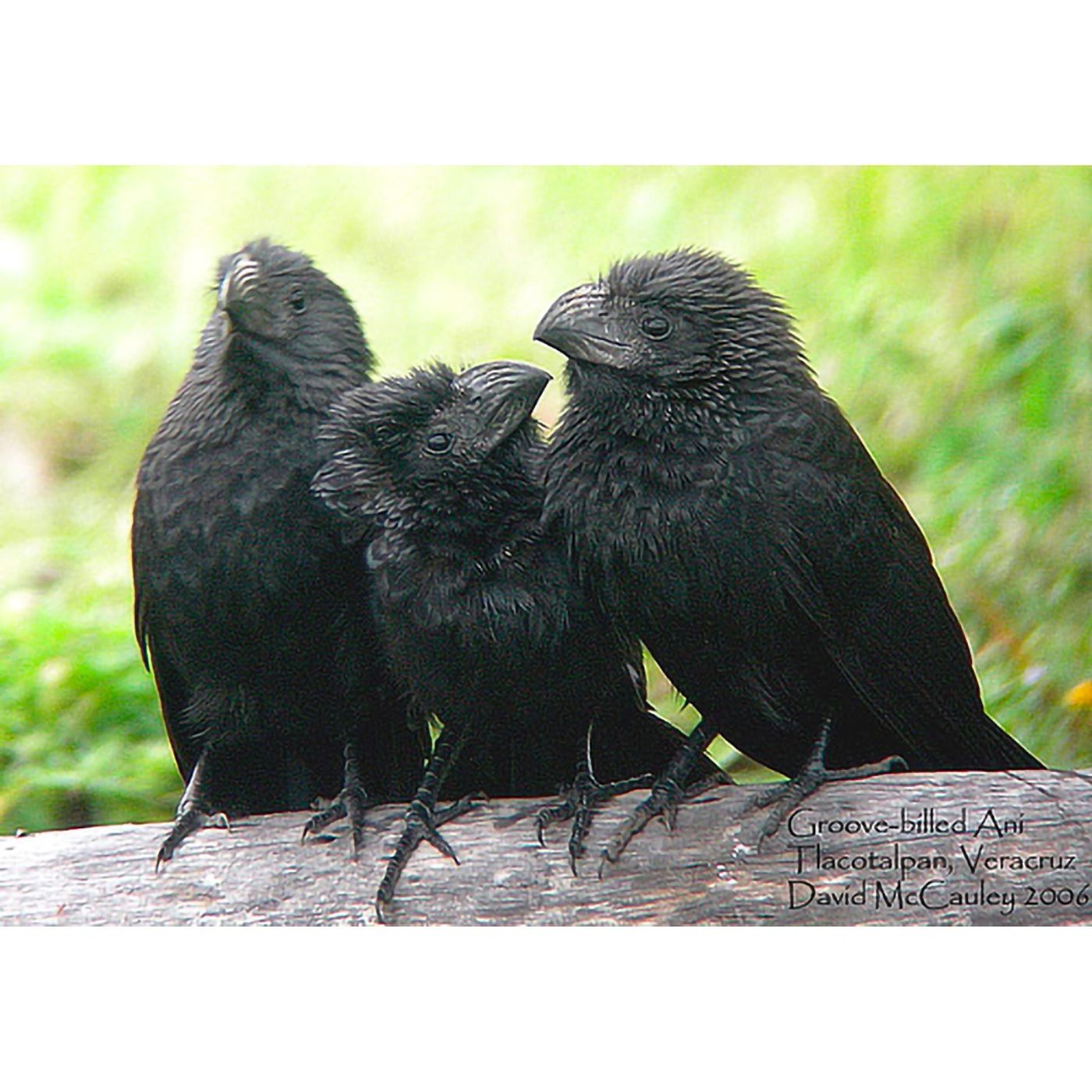
Groove-billed Anis gather in loose groups. And with good reason. They nest communally. As many as four or five pairs of birds may use one nest, a bulky cup of twigs lined with fresh leaves. When the dominant female ani begins to lay her own eggs, the other females lay simultaneously. Up to 20 chalky white eggs have been found in one nest. All parents share the duties of incubating and raising the young. World Birding Centers and the Rio Grande Joint Venture are striving to protect and restore their habitat.More info and transcript at BirdNote.org. Want more BirdNote? Subscribe to our weekly newsletter. Sign up for BirdNote+ to get ad-free listening and other perks. BirdNote is a nonprofit. Your tax-deductible gift makes these shows possible. Hosted by Simplecast, an AdsWizz company. See pcm.adswizz.com for information about our collection and use of personal data for advertising.
Protecting Rivers and Eagles from Invasive Plants
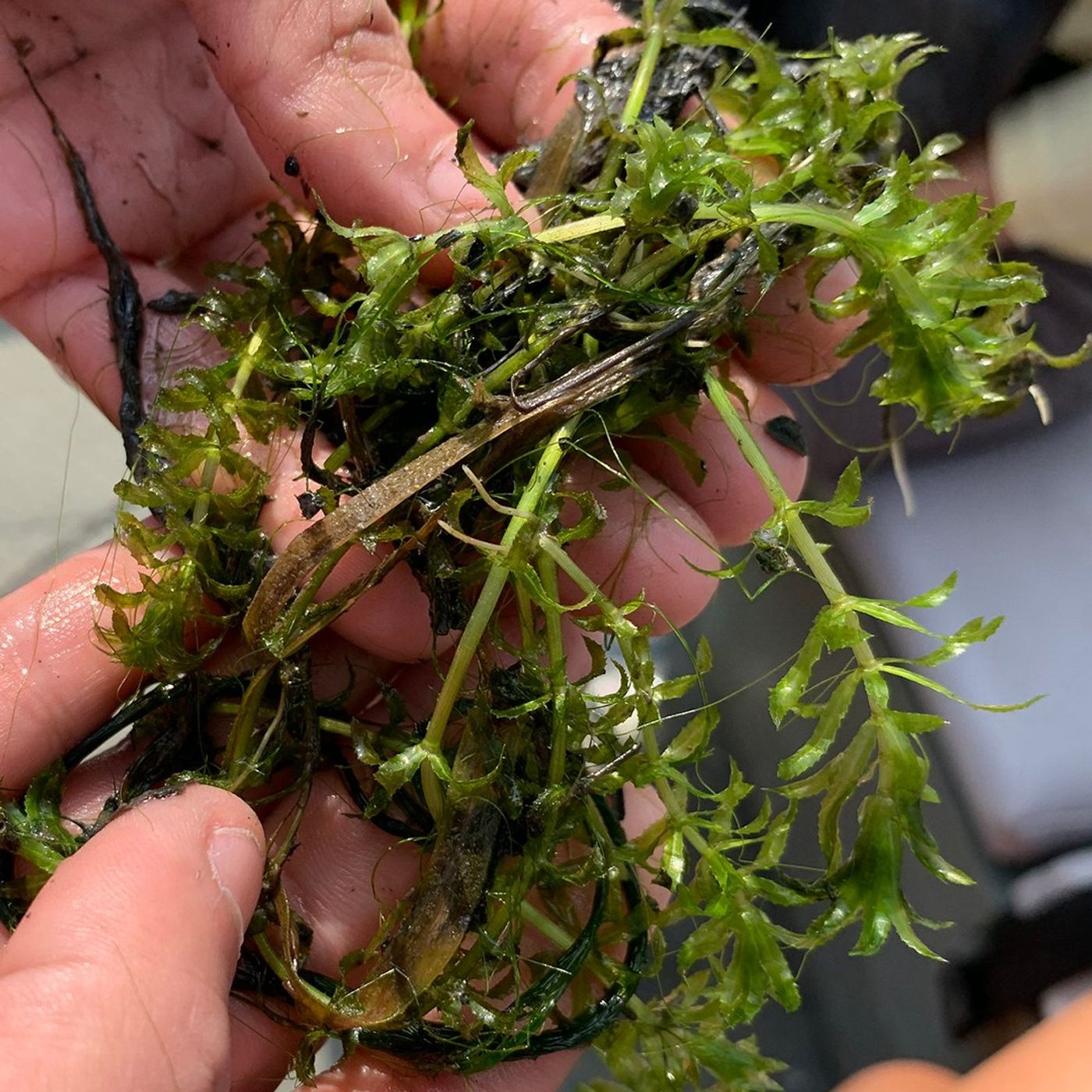
In the 1990s, eagles in the Southeastern U.S. began dying of a mysterious brain disease. Many years of research identified the culprit: a cyanobacteria that grows on an invasive aquatic plant called Hydrilla — also known as waterthyme. Fish ingested the cyanobacteria, and eagles ate the affected fish. Biologists are now working to contain Hydrilla to prevent more harm to ecosystems. Learn more about invasive plants and their effect on birds, waterways and more on this special season of the Bring Birds Back podcast.More info and transcript at BirdNote.org. Want more BirdNote? Subscribe to our weekly newsletter. Sign up for BirdNote+ to get ad-free listening and other perks. BirdNote is a nonprofit. Your tax-deductible gift makes these shows possible. Hosted by Simplecast, an AdsWizz company. See pcm.adswizz.com for information about our collection and use of personal data for advertising.
The Heart of a Bird
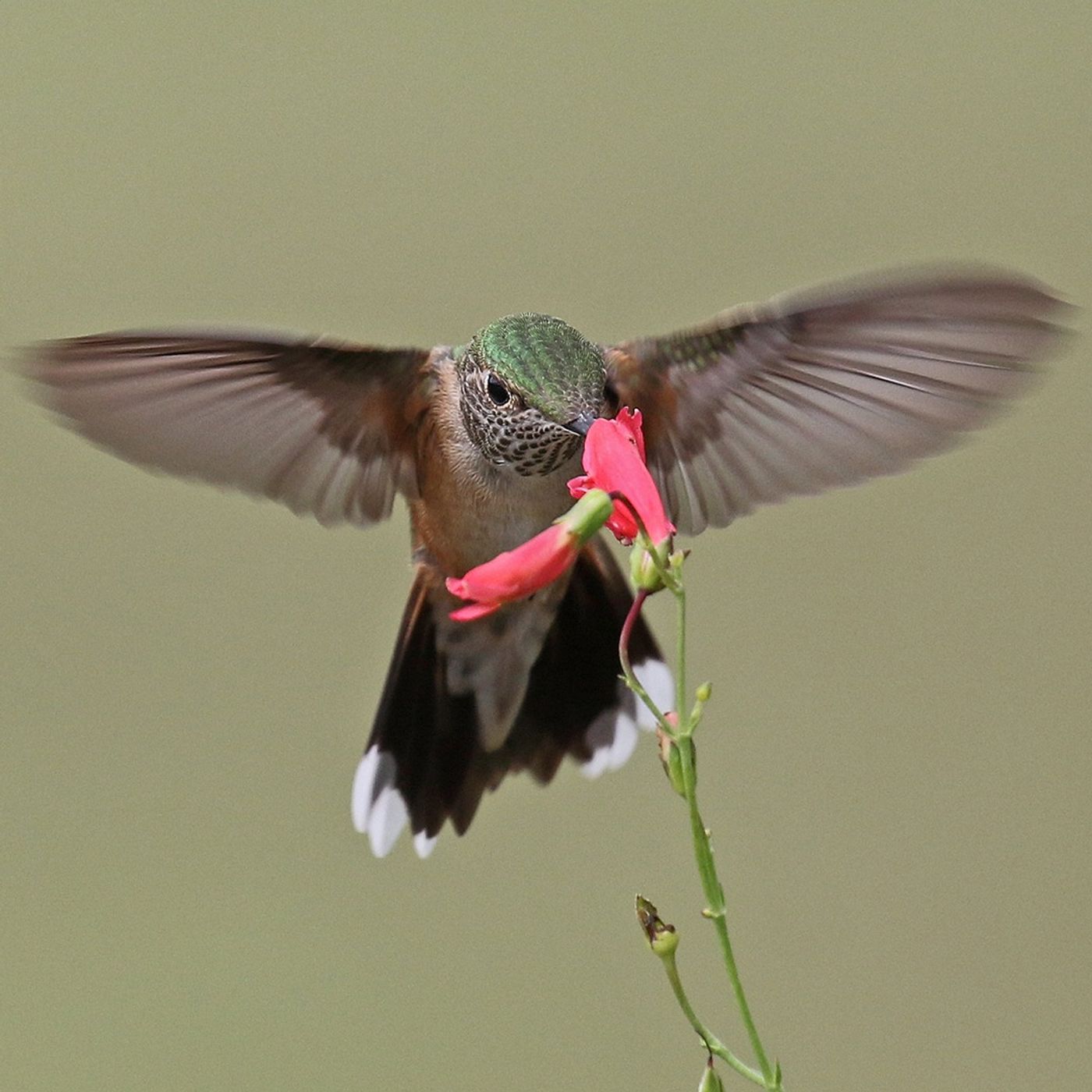
Birds’ four-chambered hearts run larger than those of mammals, relative to body size, and they are coupled with extremely efficient cardiovascular systems. The energy demands of flight require these adaptations. An exercising human has a heart rate around 150 beats per minute. In contrast, an active hummingbird’s heart pumps at 1,200 beats per minute; a flying pigeon’s heart beats at 600.More info and transcript at BirdNote.org. Want more BirdNote? Subscribe to our weekly newsletter. Sign up for BirdNote+ to get ad-free listening and other perks. BirdNote is a nonprofit. Your tax-deductible gift makes these shows possible. Hosted by Simplecast, an AdsWizz company. See pcm.adswizz.com for information about our collection and use of personal data for advertising.
The Majestic Gyrfalcon
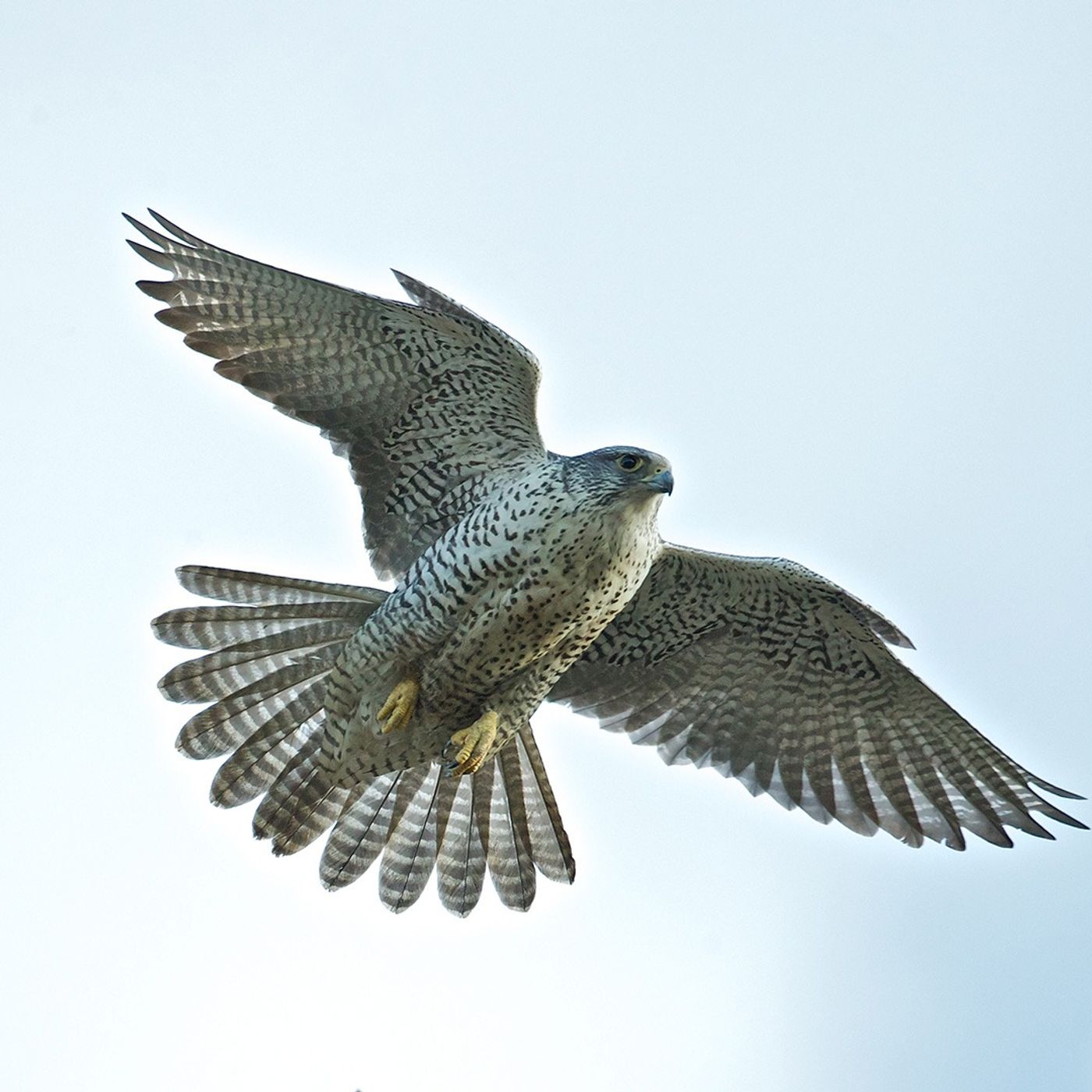
Gyrfalcons are the largest falcons in the world, with a wingspan of almost four feet and weighing almost five pounds. The name “Gyrfalcon” derives from an Old Norse word for “spear.” During the summer, you’ll find Gyrfalcons on the tundra, where they feed on arctic birds. But in the winter, some will fly as far south as the northern U.S.More info and transcript at BirdNote.org. Want more BirdNote? Subscribe to our weekly newsletter. Sign up for BirdNote+ to get ad-free listening and other perks. BirdNote is a nonprofit. Your tax-deductible gift makes these shows possible. Hosted by Simplecast, an AdsWizz company. See pcm.adswizz.com for information about our collection and use of personal data for advertising.